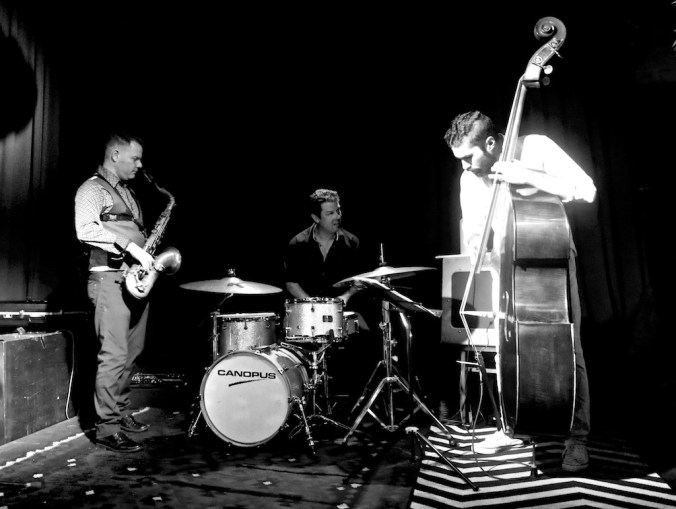
The Australian saxophonist Paul Van Ross is a regular visitor to New Zealand, but there was a four-year gap between his recent Auckland gigs. He is a talented improviser, an interesting composer and an artist brimming with ideas, so his gigs are always worth catching when he passes through. As he did last time, he toured with drummer Mark Lockett, a friend and longtime collaborator. They were joined in Auckland by the in-demand bass player Cameron McArthur. Van Ross’s last visit featured Alan Brown on organ; this trip, however, was pianoless, providing him with clear skies and lots of space to stretch out in. All three grabbed at the opportunity enthusiastically and the audience benefited from the subsequent aerobatics. 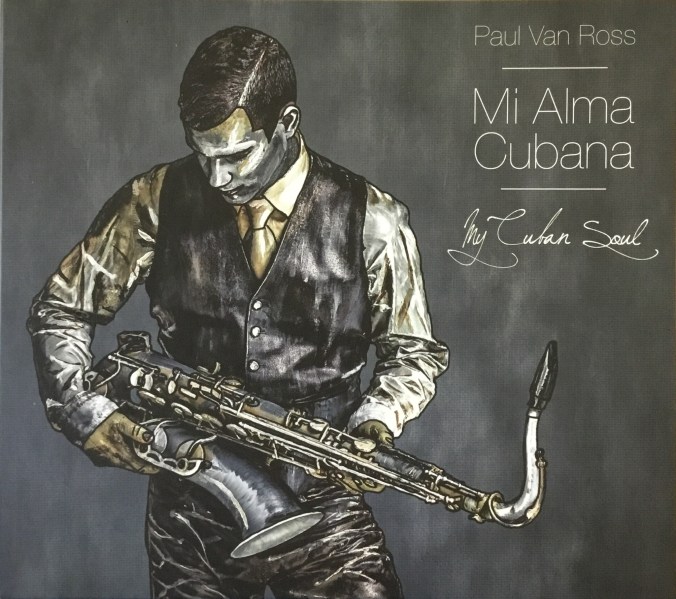
While the tour focussed on his trio chops there was a secondary purpose; to showcase his Cuban Album “Mi Alma Cubana’. The trio played mostly originals and a number of tunes from the album. As much as I enjoyed the trio (and I did), it was the Cuban septet which really floored me. I have put up a video excerpt from the chordless trio gig, and I can’t resist adding two sound clips from the album. What an album this is – what unbounded joy and groove. It was almost impossible to choose which track to put up as they are all so great – ‘Break a Tune’ (an earlier composition), La Negra Tomasa (G. Rodriguez) the only non-original, the ballad ‘Melody for Mum? In the end I opted for ‘Swami in the house’ and ‘Hacienda de la Salsa’ (the latter containing hints of tango under infectious Cuban rhythms – a truly spicy salsa.
‘Mi Alama Cubana’ was recorded in Cuba during a visit in 2013. All of the musicians were hired in Cuba and the recording took place over two days in the EGREM studios Havana. In between tunes, Van Ross regaled us with stories of the recording session. No wonder the album turned out so well. The picture he painted was compelling; tales of wonderfully colourful musicians; the epitome good humour and remembered with real fondness. The pianist who didn’t need charts. the scantily clad percussionist, the innate professionalism. 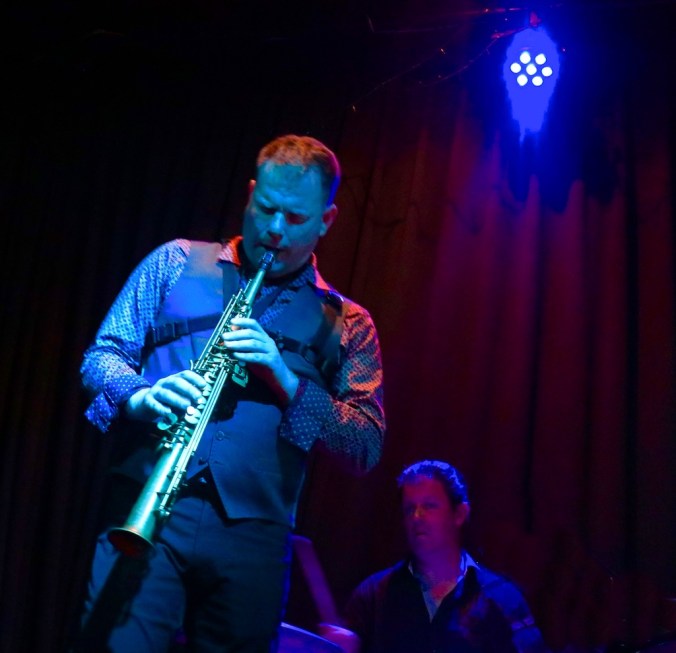
It is our good fortune that these talented people came together at this time and that they injected such joyful enthusiasm into the Van Ross Australian/Cubano project. I highly recommend the album – it will make you smile and cause your feet to move unbidden. The weave of the clave will work its magic on body and soul. making summer that little bit brighter. It is important to support such endeavours right now; each time we embrace this extraordinary music we give a one finger salute to the bigotry that keeps such projects away from our ears.
Trio: Paul Van Ross (saxophones, compositions), Mark Lockett (drums), Cameron McArthur (bass). CJC Creative Jazz Club, Thirsty Dog, Auckland, 13 Dember 2017
Mi Alma Cubana: Paul Van Ross (saxophones, flute), Alejandro Falcon (piano), Jorje Aragon (piano 3-5), Gaston Joya Perellada (bass), Oliver Valdes (drums), Jose Luis Quintana (timbales), Yoraldy Abreu Robles (conga, shekere, shaker, guiro)
The album was crowd-funded and released by the artists. Purchase from iTunes or from the Paul Van Ross website.
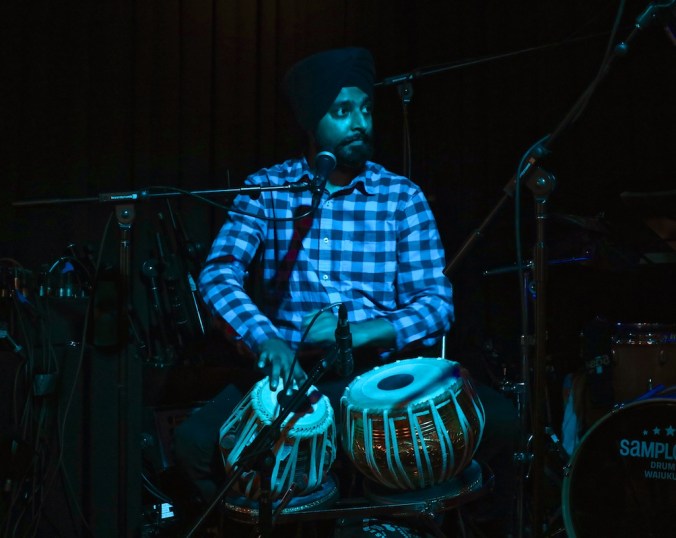 With emerging artists gigs you modify your expectations, but in this case, it was completely unnecessary. Both sets showcased great musicianship and originality. The first set was Manjit Singh and Takadimi; an Indian music/Jazz fusion project. Manjit Singh is not an emerging artist in the strictest sense, he is a highly experienced tabla player, composer and teacher in the two main traditional schools of Indian music (Northern and Carnatic). He has recently been doing a Jazz studies course at the UoA and this project arises from that. The traditional music he teaches is not that dissimilar to Jazz, as it has improvisation aspects and complex interwoven rhythms at its core. Singh also gave us an insight into another tradition, the ecstatic Sufi-influenced music of northwest India, Pakistan and central Asia – Again, a tradition that has fed the rich streams of Indian music and more recently, Jazz.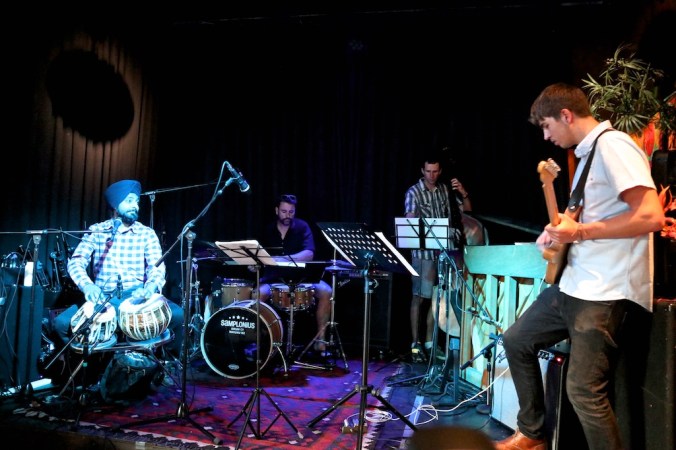
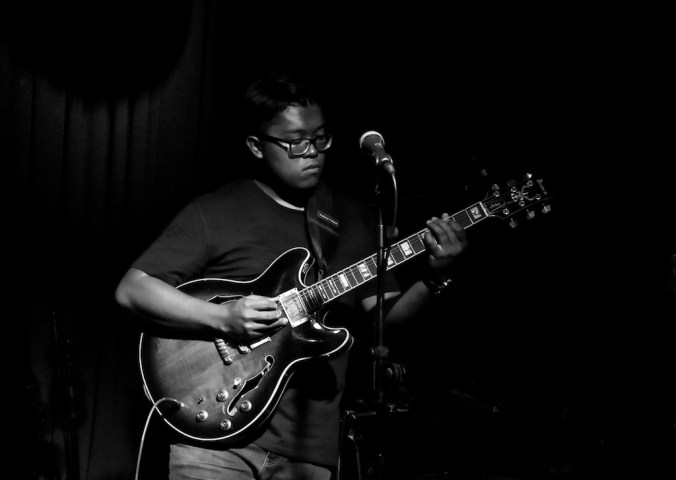
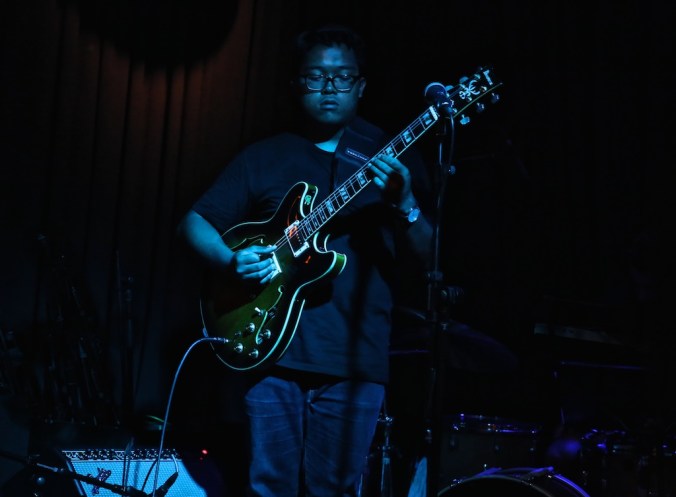
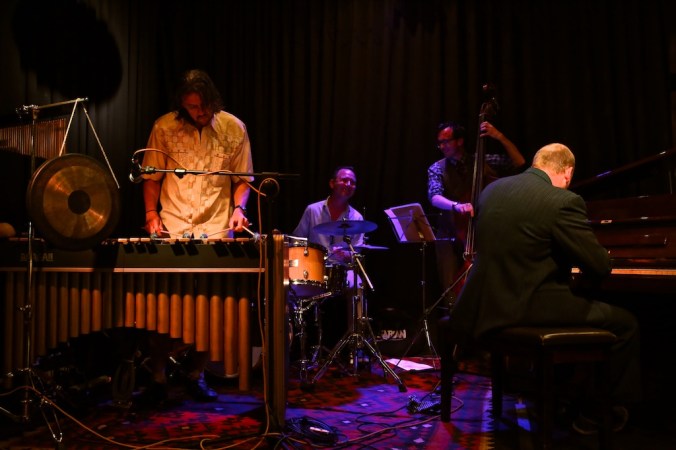
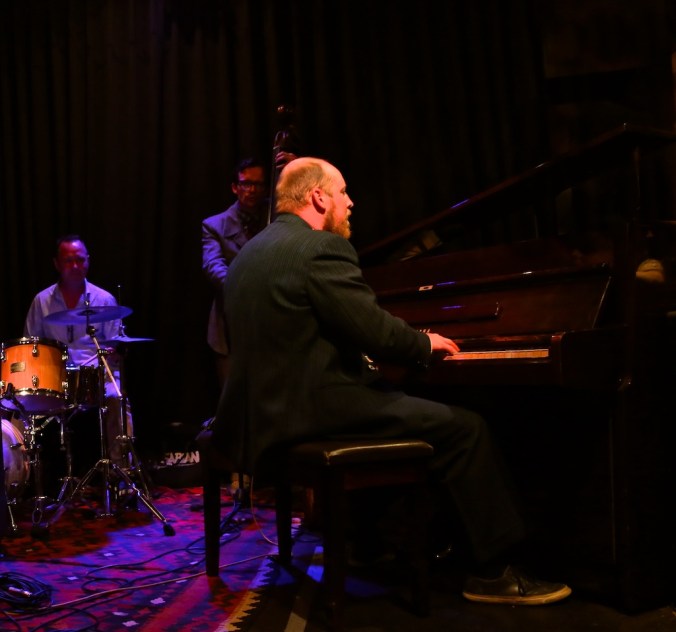
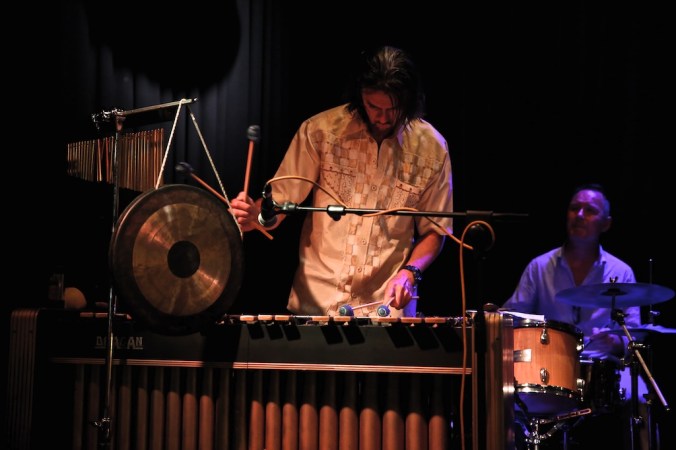
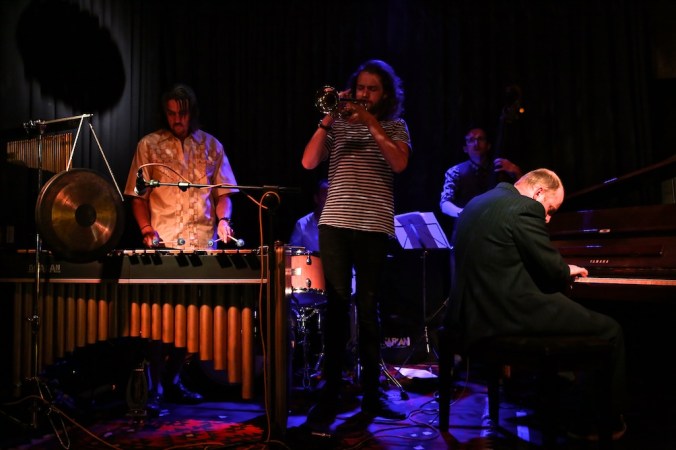 The line up on Squeaky Weasel, an earlier Jelly Rolls album, was as now Wilcock, Rae and bass player Yeabsley. The addition of Michael Barker on percussion and vibraphone is an evolution that makes perfect sense. Trumpeter Finn Scholes joined them for one number and delivered a well thought through high energy solo. To pick up a copy go to Ben Wilcock Thick Records Ltd –
 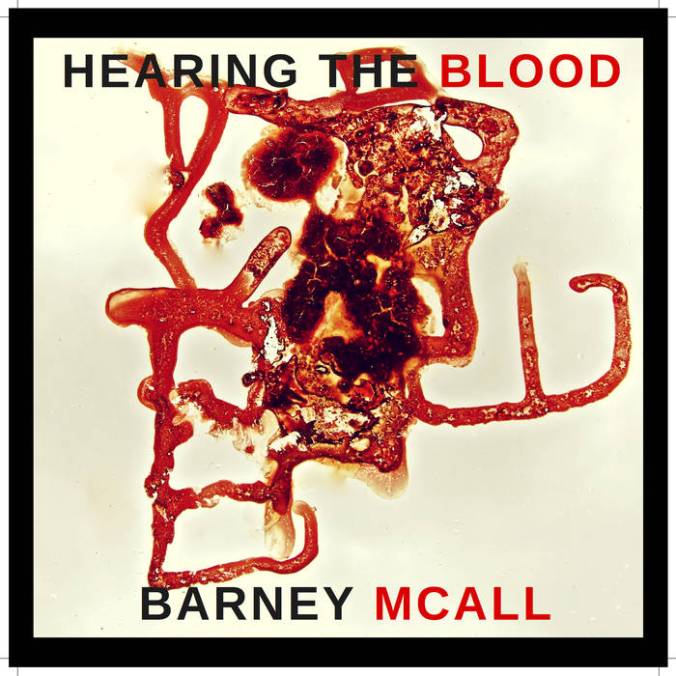 Just before the Aria winning Mooroolbark album was released I travelled to Australia and interviewed Barney McAll. He had not long returned from New York to take up his year-long Glanville Hicks Residency and at some point during the morning, he played me a few pieces he was working on. Some of that material has ended up on ‘Hearing the blood’. Listening to McAll developing a tune is not something that you forget. His preternatural fluency leaves images hanging in the air, where they linger long afterwards. As he worked through ideas, each one appeared as if fully formed and I wondered; how can these phrases possibly be improved on? The finished album answers that question. The act of creation is never fixed in time. A good composition opens up possibilities and lives on in the minds of those who receive it. The virtuous triangle of creator, music and listener.
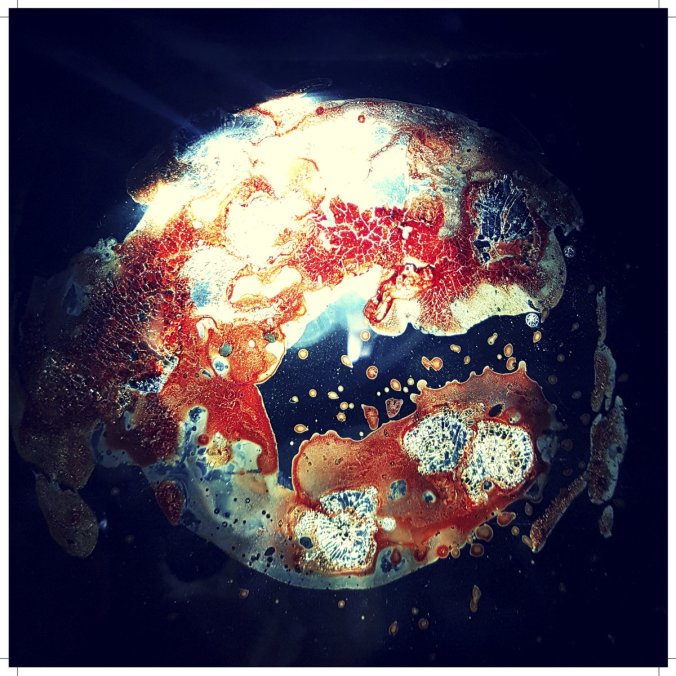 Hearing the Blood is also littered with coded messages. The landscape it portrays while ancient to modern is somehow eternally present. Where musical genres or subgenres are referenced, they are just as casually brushed aside; the exploration of ideas being more important than barriers. The listeners are invited to step outside of their comfort zone and some will baulk at that. Jazz listeners are all too inclined to swaddle themselves in the familiar and in doing so they can lose connection with the now. In a year when dialogue has been debased beyond recognition by a petulant child President, we need other forms of communication. Hearing The Blood is a refreshing place to start in our re-evaluation of the world. For those who have the ears to hear they will find a subtle humour and a joy pervading every corner; as with Mooroolbark, the trickster lurks at every turn.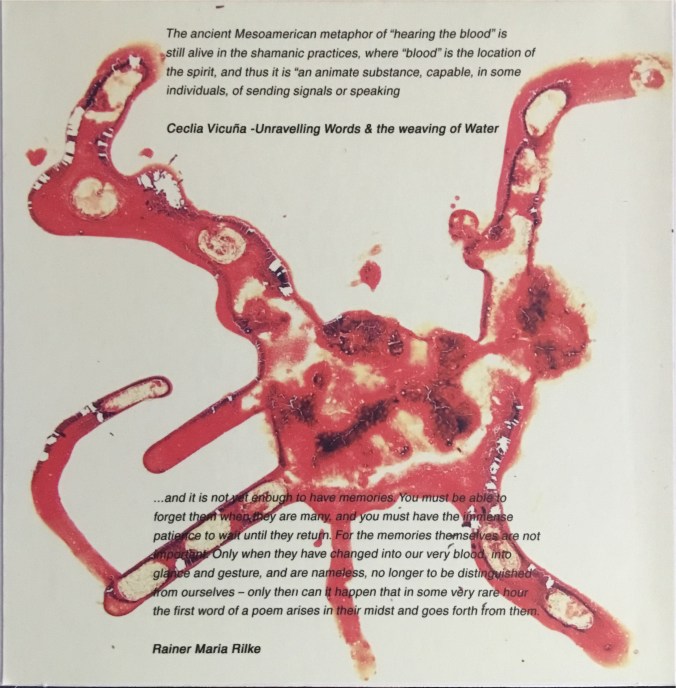
 JazzLocal32.com