Those lucky enough to attend any of Jake Baxendale’s ‘Waypeople’ concerts last year will have anxiously awaited the release of this album and his release tour. It is music brimming with exotic textures and tasteful arrangements, but it is more besides. When I attended the concert, I sensed that I was hearing something important. It made a statement about the maturity and evolution of Aotearoa’s improvised music scene and also conveyed a message that the world needs to hear right now. This spoke to our times and cut deep.
Before the advent of written language, and for a good while after, important stories were poetised and sung. This enabled generations to memorise and pass on vital cultural knowledge. In fact, poems were sung and accompanied by musicians long after the arrival of the written word, and the practice of silent reading didn’t occur in the West until well into the Middle Ages (sometime between 900-1200 BCE), and in China, during the Song Dynasty (around 1100 CE).
To the ancients, reading was a communal activity, and so it was with the Tao Te Ching. It spread through oral transmission much like Homer’s epics. Therefore, while various texts are available today, hearing it with musical accompaniment feels right. To the Taoists, music deepened the connection with the natural world and awakened ancient memories. As the Tang Poet Li Bai wrote:
‘The monk from Shu with his green silk lute . . .
Has brought me by one touch of the strings,
The breath of pines in a thousand valleys’
‘Waypeople’ is an album that joins a journey begun over 2,500 years ago, and in doing so, it incorporates the cultural expressions and voices found on that journey. Here, the ancient wisdom of the Tao Te Ching is clothed in a contemporary jazz idiom, utilising the oldest of instruments, the human voice and accompanied by saxophones, clarinets, piano, vibraphone, trumpet, drums, flute, oboe and guzheng. The use of the guzheng is particularly relevant here, as it dates back to the time of Tao Te Ching itself.
Throughout the album, selected passages of the Tao Te Ching are sung or intoned. Some verses are urgent and imploring, others reflective–opposites are brought into balance. It is therefore entirely appropriate that the translation is that of beloved contemporary author, Ursula Le Guin. What these musicians have captured is the ebb, flow and essence of these important verses. A balance has been found between the old and new, and the ‘old master’ Lao Tzu would surely smile on this endeavour.
Our world today is like it was in the Warring States (475-221 BCE)– it is out of balance. It is obvious that humanity has again taken many wrong turns, so now is the time to retrace our steps and heed this ancient wisdom. Choose peace over war, quiet and reflection over clamour. So, attend the gig if it comes to your town, buy the album on Bandcamp, listen deeply and reflect. There is no time to lose. https://jakebaxendale.bandcamp.com/album/waypeople – or check out the teaser on YouTube
The musicians are from Wellington and Auckland. Chelsea Prastiti (voice), Jia Ling, (guzheng), Jake Baxendale (compositions, alto, tenor & baritone saxophones, clarinet & bass clarinet), Callum Passells (sopranino & alto saxophones), Daniel Hayles (piano & vibraphone), Johnny Lawrence (double bass), Cory Champion (drums & effects), Louisa Williamson (flute tk 2), Ben Hunt (trumpet tk 5), Kaito Walley (trombone tks 2 & 5), J Y Lee (flute tk 10), Millie Mannins (oboe tk 10) – btw how nice to see Roger Manins daughter in this lineup.
“No competition, no blame” – Tao Te Ching
JazzLocal32.com was rated as one of the 50 best Jazz Blogs in the world by Feedspot. The author is a professional member of the Jazz Journalists Association, a Judge in the 7VJC International Jazz Competition, and a poet & writer. Some of these posts appear on other sites with the author’s permission.
Nearly 30 years have passed since ECM released Nils Petter Molvær’s popular ‘Khmer’ album. It was a departure from the ECM fare of the day, and not without risk, but it found a receptive audience and sold like hot cakes. NPM (Molvær) laid down a new direction for Jazz, and the 1990s saw a subsequent rise of ambient-leaning improvised music (a genre variously labelled as Jazz acoustic/electronica, future jazz, Nu jazz, etc). It has exerted an increasingly pervasive influence on other Jazz forms over time.
Since the release of ‘Khmer’, NPM has released dozens of albums, and his status on the European jazz scene is unimpeachable. Many of his albums, such as the original ‘Khmer’, were studio-recorded, but, superb as those albums are, this music thrives on live performance. It is mostly danceable, and the club lighting and pulsating audience create a feedback loop, intensifying the atmosphere. In ‘Khmer Live in Bergen’, you can sense that added energy.
There is an unmistakable filmic quality to this mood-dominant music, conjuring up imaginary worlds that linger on the outer edge of reality. The listener is invited on a journey, and a narrative unfolds, but it remains elusive. Unless you immerse yourself. The song titles hint at a narrative, but the ebb and flow of the music fleshes it out. Ambient-leaning music always exalts mood over the strictures of form.
Song of Sand
Despite the title, this is not an exact recreation of the original ‘Khmer’ album. There is no ‘Khmer’ track, for instance, but there are four tracks from the original. As much as a fresh take on the title track might have appealed, the inclusion of ‘Song of Sand’ more than makes up for it. If ever a track evokes powerful dreamscapes, it is this. A distant pulse is heard, soft at first, followed by muffled voices – then the trumpet as the music becomes more immediate, the sound of a caravan navigating its way through dunes, perhaps – each step evenly paced, as it advances over the vast sand-blown landscape. Five of the tracks have appeared on other albums. Of those, I particularly liked ‘Vilderness’, with its Jon Hassell-like resonance, punchy basslines and soaring multiphonic interludes.
This is an ensemble in the truest sense, and in many ways, a traditional offering in fresh raiment. Everything you hear, including the samples, is created in real time. This is a collective improvisation that moves freely inside a flexible form. Sculpting sound in this way requires many deft hands. Four of the musicians played on the original ‘Khmer’ album: Molvær, Jan Bang, Eivind Aarset and Rune Arnesen. The full ensemble: Nils Petter Molvær (trumpet), Eivind Aarset (guitar & electronics), Jan Bang (live sampling), Pål “Strangefruit” Nyhus (DJ, MPC, programming), Audun Erlien (bass), Per Lindvall (drums), Rune Arnesen (drums, percussion).
It is on Edition Records and will be released on August 5, 2025. You can pre-order from Bandcamp now.
JazzLocal32.com was rated as one of the 50 best Jazz Blogs in the world by Feedspot. The author is a professional member of the Jazz Journalists Association, a Judge in the 7VJC International Jazz Competition, and a poet & writer. Some of these posts appear on other sites with the author’s permission.
A few months ago, an album was recorded in New York that I couldn’t wait to get my hands on. The pre-release featured several tasty tracks, and its evocative cover image also intrigued. The stars were aligned for a significant album, and so it was. How could it miss with pianist Michael Cain, guitarist Keith Price and drummer Pheeroan akLaff?
It is one of those albums that jazz lovers, whatever their taste, are bound to enjoy. The cover art was prophetic, as its soft golden light and evocative silhouette figures characterised the music perfectly. It is an album to be played through, then played again, and each listening will delight. There’s a sense of place (or should I say places) evident, as the titles reference far-flung locations, but the most important maps traversed are those engraved on the human heart.
‘O’Neil’s Bay’ (Price) is lovely – a bluesy Americana-fused number. The bay in question is familiar to me, nestled against New Zealand’s forest-clad Waitākere Ranges–a hidden bay accessible only on foot. Price lives nearby and has captured the mystical essence of that wild, unspoiled coastline, keyboards, guitar and drums painting with sound.
Another track has the intriguing title ‘Poetry Legroom Okinawa Children’ (akLaff). It unfolds like a miniature suite, adding layer upon layer. Cain’s keyboards arpeggiate over Price’s shimmering chords; the mesmerising drums adding to the feeling of suspension. Like every track that unfolds, you sink inside, holding the moods carefully so as not to spoil the moment.
With ‘Solodos’ (Cain), you understand why Cain is such a well-regarded pianist. The history and the wonder of his music are encapsulated there.
In an album of gems, ‘Waxing Gibbous’ (Cain/Price) is the kicker. Underneath the tune’s languid minimalism, endless aural vistas unfold, displacing time and space into the eternal now. Never has spoken-word poetry been so carefully encapsulated, and the open-hearted colourist drumming of akLaff astounds.
All three musicians have written tunes for the album, and while their approaches differ, they drink from the same creative well. There are no burners, although a quiet intensity is evident as the meditative moods draw the listener into beguiling atmospheric worlds. We live in an era of madness, and albums like this are exactly what we need to assuage our battered senses. Shifting Paradigm Records Bandcamp and streamers.
JazzLocal32.com was rated as one of the 50 best Jazz Blogs in the world by Feedspot. The author is a professional member of the Jazz Journalists Association, a Judge in the 7VJC International Jazz Competition, and a poet & writer. Some of these posts appear on other sites with the author’s permission.
Darren Pickering’s third Small Worlds album, ‘Three’, is a welcome addition to the earlier volumes. While it follows the successful formula developed in volumes one and two, it sounds fresh and endlessly explorative. Throughout the album, snaking lines float, dreamlike, over repeating patterns and carefully layered grooves. Out of this comes the quartet’s cinematic sound. Jazz and cinema are twin arts as they evolved together, often feeding from the same well of resonance. Because of that focus on imagery, you can get inside the sound and experience it on many sensory levels. Listening to this is like watching a great movie – in a theatre – on a rainy day.
This is a superb quartet; unsurprisingly, after two previous albums, they are hyperaware of interplay. This is particularly important in an album like this, as the soundscape is so open. The liner notes indicate they have equal input into the artistic direction, which makes sense; the democratised approach is evident. This is jazz for our times, probing but gentle and unashamedly open to influences.
As with the first two albums, the tune times vary in length, enhancing the listening experience. Nothing is extended beyond its natural endpoint. Like the written word, contrasts like this punctuate the ebb and flow. There are small, meaningful solos, but they are skillfully interwoven into through-composed pieces.
Immediately noticeable is Pickering’s touch, and the underlying digital or analogue wizardry never overwhelms. While often understated, his pianism shines throughout. Pickering is a thoughtful composer and writes to his strengths.
Guitarist Heather Webb is pitch-perfect throughout, her sound is so distinctive, with lines that fold effortlessly into the mix. Her avoidance of anything showy or unnecessarily loud marks her as a mature player. I wish more guitarists understood this. The same can be said for the drummer Jono Blackie and bass player Pete Fleming. Both blend into the mix, thus enhancing the music, making the whole greater than the sum of its parts.
The rainy day groove is particularly evident in ‘Soft Life’. With Webb running her silken lines over Pickering’s synthesised arpeggiation, and the measured, but perfectly placed, beats like slow-dancing footsteps. And the faster-paced ‘Tauhou Waltz’ has a similar vibe. The album maintains this flow, touching on various moods, but always speaking in a calm voice. The album can be accessed from Rattle Records or Bandcamp. https://darrenpickeringsmallworlds.bandcamp.com/album/three
Under Ocean (Chris Cody/Charlie Tait)
I have long been an enthusiast for Chris Cody’s work, and his two latest releases, each different from what went before, enhance an already impressive discography. Cody has a gift for examining cultural intersections. He gathers events and places, past and present and puts them under a musical microscope, always leaving us with a sense of what it means to be human.
‘Under Ocean’ is a fresh approach with electronic enhancements and a duo format. The album traverses mental and physical landscapes in unexpected ways and, in doing so, expands not only Cody’s repertoire but the boundaries of improvised ambient-style music. The album is co-led by Charlie Tait, a multi-instrumentalist, sound designer and engineer. Tait is no stranger to sonic creations like this, and the resultant cross-fertilisation of jazz, classical, and ambient electronic music is fascinating.
There is an increasing imperative for improvising musicians to create music like this as a reaction to the realities of our overly commercialised modern life, to examine our interior landscapes or the natural world. It also reacts to the ugliness that intrudes on the quieter spaces. They combine new and old musical technologies to good effect, as evidenced in the atmospheric opening track, ‘Salt’, which contrasts with ‘Rumble’s’ free playing and the melancholic ‘Lost World’, bringing different moods together as a satisfying whole.
Mountain to Sea (Chris Cody)
Landscape itself is a featured guest artist on most of Cody’s albums, as his writing always conveys a strong sense of place. I am not referring to specific geographic locations, although they sometimes feature, but to something deeper – cerebral. Cody has a gift for inviting introspection, and as we listen, we examine our relationship to the landscapes and regions he evokes. It is the first thing you become aware of when listening to his albums; ‘Mountain to Sea’ is no exception.
His compositions and arrangements impress here, but his thoughtful playing is also notable. His lines and voicings convey an instinctive lyricism, an organic sound that has always defined him. The tunes contain nostalgic echoes, but speak of hope too, a heart-on-the-sleeve musical humanism. And, as in previous albums, he conveys more with less. There is ample room for his bandmates to shine, and they do. The care and loving attention each one brings to the project is evident. It is no wonder the unit sounds so good when you consider the musicians, a mix of veterans and younger players, but all exemplary: bass player Lloyd Swanton (a member of The Necks who appeared in Auckland recently) and who appeared on an earlier album ‘The Outsider’ (reviewed recently on this blog), and Sandy Evans, an acclaimed saxophonist on the Australian jazz scene, and lastly Tess Overmyer, a gifted young Australian alto saxophonist, presently based in New York.
‘Mountains’, a ballad, opens with Ellingtonian chords that speak of grandeur, followed by two beautiful solos, lifted to further heights by bass lines that never intrude, but soar like a raptor. Similarly, ‘Quiet’ reminds me of Evan Parker’s opening on Kenny Wheeler’s ‘Sea Lady’ (Music for Large and Small Ensembles). Ripples, bird calls, lead into an elegiac anthem for the natural world, a place not separate from humankind, with alto, tenor and soprano perfectly balanced, drawing from the same musical well. This is also evident in ‘Dream’.
As with previous albums, Cody’s daughter Maya has created marvellous cover art.
JazzLocal32.com was rated as one of the 50 best Jazz Blogs in the world by Feedspot. The author is a professional member of the Jazz Journalists Association, a Judge in the 7VJC International Jazz Competition, and a poet & writer. Some of these posts appear on other sites with the author’s permission.
Rattle Records released these excellent albums a few weeks apart. They demonstrate that New Zealand’s improvising musicians are of the highest calibre. Both feature Hayden Chisholm, and the albums enrich each other as if by design, although recorded at opposite ends of the world.
Embers (Unwind)
This album is the fifth by Unwind, and their second as a trio. The Unwind albums have all been striking for their unadorned beauty, each feeling like a high point. Yet the inventiveness appears endless as they maintain their upward creative trajectory. Only the best musicians can react to each other with such nuance, their quietism filling any listening space.
Much rests on Hayden Chisholm’s alto saxophone sound, which is preternaturally pure. It’s as clean as Desmond or Konitz, yet utterly unique. It has softness, but a softness that conveys strength and a fluidity that affords him endless possibilities. When playing live, his impact on audiences is palpable. The flute-like alto sounds he creates speak with unusual clarity, creating a balm that the world needs. Feted internationally, known for his skilful use of micro-tonality and throat singing, all his strengths are evident on this album.
A distinctive sound like Chisholm’s requires just the right musicians. Norman Meehan and Paul Dyne are that. In part, because they have been bandmates for years, but it is more than familiarity. On bass, Dyne carries the weight effortlessly, while Meehan’s blues-infused minimalism says as much in between the spaces as in the moments when the hammer meets the wire. You can feel the weight of his ideas behind every note. Thoughtful musicians like this know best how to optimise opportunities. They react instinctively, and nothing is overthought.
The first number, ‘Around Again’, opens with Chisholm’s plaintive alto keening through the silence, then Meehan’s evocative gospel chords follow. It is an elegant piece and a lovely opening to an album brimming with gems. It exudes a gentle strength that is the hallmark of this band.
Another number, ‘Good Friday’, conjures subtle emotions. It captures a nostalgic essence, as if evoking a time long past. One we cannot fully recall – a reaction best described by the Japanese term ‘Sabi’. I have seldom heard a piece of Western music that captures that emotion as perfectly as this ballad. And everything in the album flows similarly. Meehan’s compositions are a joy.
During the album release concert, a particular moment had the audience gasping. After setting the shruti-board drone in motion, the alto began the intro. The pianist was ‘laying out’, listening intently, unaware that his foot had depressed a pedal. An ethereal resonance soon became evident as the harmonics of the alto reacted with the piano. Realising, Chisholm edged closer to the piano and worked with it. A sublime moment of happenstance that had musicians and audience smiling in delight.
It is our good fortune that Chisholm regularly returns to Aotearoa, the country of his birth. He has an extensive offshore discography, but when playing with old friends, there is a special Kiwi kind of synergy. A reminder that spiritual jazz lives here too. The album is available from Rattle Records in either digital or CD form. https://rattle.co.nz/catalogue/releases/embers
Release and Return (Chisholm/Crayford)
‘Release and Return’ is a duo album featuring Jonathan Crayford on piano and Hayden Chisholm on alto saxophone. It is another standout album, but in a different way from Unwind (reviewed above). It feels more exploratory and is not as consciously introspective. The album captures the joy of master musicians engaging without preconception. As a duo album, the sonorities can be explored more fully.
Both of these musicians are adept at working with harmonic resonances: Crayford, who prefers audiences to refrain from clapping until the decaying echoes of a final chord are exhausted, and Chisholm with his skillful use of microtonality.
Mature improvisers like these can draw on everything that they have experienced; it is what forms musical character. Both have travelled widely and listen with open minds to what other cultures or genres offer, be it classical, Carnatic, Spanish or Japanese traditions.
Crayford’s lovely ‘JC Ballad’ hints at Bach, and in Chisholm’s playing, the influence of Eastern musical traditions is evident, especially when he plays against a drone. In ‘Eldest Daughter’, the wistful opening tune (Crayford), the melody plays softly above, while Crayford’s right hand sounds at times like a feather stroking the strings of a Koto, his left hand, meanwhile, finds the pulse and swing.
Release and Return stirs deep emotional responses in the listener with its visceral lines, sometimes tender, sometimes raw, as the human condition is examined. This album speaks of freedom and the uncontrived nature of the music that makes it so.
The artists profiled here have some things in common. Both have Swiss heritage, work in countries other than the ones they were born in and take a fearless approach to improvising. They are separated in years and in experience but not in their approach. Both seek to extend the language of improvised music and have something interesting to say.
Alex Ventling ~ The View
This is a beautiful duo album; it will stay with you if you listen with open ears. It is fresh and original but snatches of the tradition are still evident, nestling in the compositions. From the opening track, ‘Spiders Steps’, Monkish elements creep in, as jagged spidery lines evolve into a gentle swing. The tune is perfectly rounded. It says a lot and yet does so concisely and simply. It is the perfect beginning for a superb album. Ventling’s pianism is evident throughout, but strikingly so in his resonant ‘In the Mists’. Good pianists know what to play and when, but gifted pianists understand how to sculpt sound and curate even the decaying chords. There are synths but they are used in ways that never once spoil the acoustic mood. That is so on ‘First Train to Finse’ which features guest artist Kim Paterson on trumpet. How lovely to hear him again in this ‘Silent Way’-like setting.
It is an album of surprises as the moods shift constantly. Importantly, they do so without once breaking the flow. Out of it all shines a radiant simplicity, a ‘mysterioso’ simplicity. One blended with oblique Monkish references and a northern European sensibility, a very Nordic soundscape, evoking open spaces, where the music breathes.
With Ventling is a gifted drummer, Phelan Burgoyne. He is the perfect foil for the pianist as he is a master of subtlety. He possesses an acute sonic awareness and understands how to work in the spaces between the notes. He is especially attuned to the harmonic possibilities as he adds his textural touches. This is a masterclass in colourist drumming and I cannot imagine any drummer doing better. He is co-credited as a composer, a collaboration which goes back years. Their synergy is evidenced in every minute of this recording.
This is a very mature album for a musician embarking on his musical journey. The album was released by the Trondheim label Sonic Transmission Records and is available on vinyl and digitally via Bandcamp (or the streamers).
Nik Bärtsch Ronin ~ Spin
Nik Bärtsch’s Ronin has been around since 2002, established following his earlier Ritual Groove Music album (2001). Since then Ronin has released 9 albums with cultural and musical influences scattered throughout; the most obvious being Steve Reich, John Cage and Morton Feldman. He was a drummer before he was a pianist and intricate rhythmic patterns and cycles are evident in everything he does. The other important influence is his abiding interest in Zen Buddhism and taken as a whole, those influences have coalesced, resulting in a unique musical path. His style has been dubbed Zen Funk, but it is improvised music of the highest order and the band has been delighting Jazz critics and Jazz-festival-goers for many years. His seven ECM albums brought him wide critical acclaim.
‘Spin’ works the rich seams opened in earlier albums. This band adheres to its minimalist principles while introducing freshness and open exploration. I have always been drawn to mesmeric or trance music, and this music is, but the tunes also invite quiet reflection. There is freedom within constraints, and that appeals to the heart and intellect.
The first track, ‘Modul 66’, was composed to showcase bass player Jeremias Keller, who recently joined the band. This highlights a subtle shift in emphasis, without changing the ever-present groove. The deep grooves are especially evident in ‘Modul 70-51’ which is mesmerising. A pulse that pulls you deeper into the music without once dulling the senses. This is achieved by surprising chordal and modulation shifts which function like Zen surprises. This is apparent in ‘Modul 40’ which is endlessly inventive.
The way this band works together is extraordinary, moving the emphasis mysteriously as they dance around each other like voodoo priests. It was recorded live at the Big Ears Festival, so ‘Spin’ should be enjoyed in one listening; each ‘module’ informs the next. I recommend that you listen with headphones or in a quiet room. It would be a shame to miss the subtlety. Nik Bärtsch (piano, Keyboard), Sha (bass clarinet, alto saxophone), Jeremias Keller (bass), Kasper Rast (drums). ‘Spin’ is self-released and available on Bandcamp or the streamers.
Other Recommendations to Check Out.
Rob Luft and Kit Downes are artists I have profiled before. Both appear on an interesting album by vocalist Paula Rae Gibson. The album, ‘The Roles We Play To Disappear’ has been referred to as ambient, electronica, and Avante-jazz. It seamlessly embraces many genres and is evidence of how improvised music is growing in multiple directions. Albums like this bring fresh audiences and that is a healthy thing. It is refreshing in these days of awful commercial music to see artists forging uncompromising artistic paths. It is available as a CD or download from Bandcamp.
Rob Luft and Elena Duni recently met with Manfred Eicher to discuss a new ECM release. This is welcome news as the first two releases were stunning. I interviewed Luft during lockdown and have reviewed his albums often. If you haven’t done so already check them out. My review of ‘Lost Ships’ is on this site at http://www.jazzlocal32.com/?s=Luft
Alex Ventling and Kim Paterson recorded on Ventling’s recent tour through New Zealand. ‘Conversations’ is a lovely standards album and is available on Spotify.
One of my favourite Jazz musicians Chris Cody (Sydney/France) has just released two interesting albums. The first is ‘Mountain To Sea’ with Sandy Evans, Tessie Overmyer and Lloyd Swanton. The second and most recent is ‘Under Ocean’, co-credited to Charlie Tait, an ambient improvised album conjuring powerful images. An interesting development from an artist who never fails to please. More on this soon.
JazzLocal32.com was rated as one of the 50 best Jazz Blogs in the world by Feedspot. The author is a professional member of the Jazz Journalists Association, a Judge in the 7VJC International Jazz Competition, and a poet & writer. Some of these posts appear on other sites with the author’s permission.
I was idling my way through the morning when a message from a friend in the UK lit up my phone. ’I’m sitting in a Jazz club in Dublin, and I have a Kiwi couple with me whose daughter is an Auckland-based jazz musician. She plays in a band with guitarist Keith Price, do you know her?’ I know Price well and have attended many of his gigs but the name Francesca Parussini didn’t ring a bell. I had missed Price’s last gig so I checked through my invitations and saw that she was a saxophonist and a member of Price’s new band LacLu. The other band member was Maximilian Crook, a versatile, tasteful up-and-coming drummer. I messaged Price for more information and learned that LacLu had recently recorded, resulting in an EP album, due for release later in the year.
Fast forward to last week, when a review download arrived. I listened and was delighted by what I heard. The LacLu album taps into an expansive realm akin to Spiritual/Astral Jazz, whose definition has expanded over the years to encompass improvised music reverencing the natural world. As human-induced chaos and degradation of the environment assails us, music that invites us to reflect on nature is increasingly appealing. The influences cited in the liner notes are Frissell, Lovano and Motian. While influences are evident — touches of Americana, colourist drumming and content-rich minimalism — the album is forward-looking and more than a tribute.
The opener, ‘Winter Fog Morning’, is in two parts. Beginning with haunting pedalled phrases on the guitar, gentle drum and cymbal taps, and whispery phrases from the horn, each underscoring the other as they paint a landscape with deft sonic strokes. You hear what could be bird calls rising out of the fog. The scene has been set and part two expands the vista. What follows at a lilting gait is a melodically and texturally rich tapestry that is both raw and caressing. I live where Price lives, among the Waitākere hills, ragged coastlines and foggy wooded valleys, and the band has captured the beauty of that landscape.
The third track, ‘Stella by Starlight’, pays tribute to a loved standard but pared back, reduced to its essence and done in a way that only skilled improvisers could pull off. Scant phrases of the loved melody appear, change and evaporate. Here especially, Price shows us what he is made of, his playing is evocative and tasteful. This is a gem and it is hard to believe that the drummer and saxophonist are not seasoned performers like Price. They are recent jazz school graduates, but despite the disparity in years and experience, the band performs as equals. The last track, ’Friends and Whanau’ rounds the album off nicely, reminding the listener of our human connections, and the interconnectedness of all life. Here the warm shadings of Americana are most evident.
Throughout there is spaciousness, seamless interaction and open improvisation around composed motifs. The name Laclu references a lake in Ontario and a general locality. The area is described as having ‘indistinct boundaries’. Price grew up near there but never visited the lake and perhaps that is the perfect metaphor for the album. What appears to be place-specific is more than that. It is any place where nature rules, places we can call home if we work with nature, not against it.
Keith Price (guitar), Francesca Parussini (tenor saxophone), Maximilian Crook (drums) – Ainsley Duyvestyn-Smith cover photography, recorded at the Kenneth Myers Centre Tāmaki Makaurau. The album is available on Bandcamp and streaming platforms – click through here at laclu3.bandcamp.com/album/laclu-self-titled
JazzLocal32.com was rated as one of the 50 best Jazz Blogs in the world by Feedspot. The author is a professional member of the Jazz Journalists Association, a Judge in the 7VJC International Jazz Competition, and a poet & writer. Some of these posts appear on other sites with the author’s permission.
Earlier this month ‘Blue Note in My Suitcase’ was released by B3 Master Michel Bénébig. It is his sixth album and his first with a Jazz orchestra. The album hits the groove spot immediately, and as you listen you realise what a perfect pairing Bénébig’s B3 and the Le Grande B3 Orchestra is, aided convincingly by Lachlan Davidson’s lovely arrangements. The charts are well constructed, giving free rein to the soloists and never overwhelming the organ. Davidson is a respected Australian arranger, teacher, band leader and multi-instrumentalist and his influence is strongly felt here.
It is always a pleasure to hear Bénébig’s in-the-pocket playing but with an orchestra like this charging the atmosphere, he digs deeper than ever into the groove. The ten tunes on the album are excellent groove vehicles, all written by Bénébig, with Davidson credited as co-composer on ‘Try To Explain’. I have always appreciated Bénébig’s writing but he has excelled himself here.
The opener ‘Alenka’s Mood’ is warm and funky, immediately infecting you with its slinky rhythm. It offers up a promise which is fulfilled throughout. As you work through the tunes you are drawn back to the days when infectious danceable music like this was loaded onto jukeboxes and played in steamy groove joints pulsating with dancers. The music brings a smile to your face and fills you with joy and, like his earlier ‘Shuffle’ album, you will reach for it repeatedly. Joining him is Bénébig’s daughter Lucia who is responsible for designing the album cover and creating animation for a promotional YouTube clip. I have posted the YouTube cut ‘Black Cat’ from the album.
A time-honoured B3 big band tradition is followed here, featuring 13 horns which lends considerable heft to the rhythm section. It would be easy to drown out soloists and to eclipse the organ with a behemoth like this but the soloists get plenty of room to shine, and shine they do. The album is available now on Spotify and a vinyl edition is on the way for audiophiles.
Mick Fraser (trumpet 1), Shane Gillard (trumpet 2), Gianni Mariucci (trumpet 3), Rob Planck (trumpet 4), Roger Schmidl (trombone 1), Ben Gillespie (trombone 2), Jessica Jacobs (trombone 3), Adrian Sherriff (bass trombone), Lachlan Davidson (alto sax 1/flute 1/sop sax), Rob Simone (alto sax 2/flute 2), Anton Delecca (tenor Sax 1/clarinet 2), Paul Cornelius (tenor sax 2/clarinet 1), Stuart Byrne (baritone sax/bass clarinet), Jack Pantazis (guitar), Gideon Marcus (drums), Michel Bénébig (A105 Hammond organ Leslie 147), Phil Noy (recording engineer), Lachlan Carrick (mastering Engineer), Lucia Bénébig (front cover art)
~Random Delights~
Sambandha: Heartcore For Nepal
Recently, I received a press release from colleague Arlette Hovinga. The project outlined was the vision of Mikaela Bokova, the manager of Kurt Rosenwinkel’s independent music label, Heartcore Records. The object was to raise money for disadvantaged children in Nepal, and on board for this recording are an impressive list of jazz and world music luminaries: John McLaughlin, Christian McBride, Terri Lyne Carrington, Gerald Clayton, Kit Downes, Anmol Mahara and Dinesh Pun. Sambandha was written by combining two traditional Nepalese folk tunes, and it’s performed by the 20-piece children’s choir Bokova organised while running a music workshop at Mangala School, Babiyachaur, Nepal.
The revenue from the release will go towards buying the children’s musical instruments. In your browser or here, click on heartcore-records.com then once opened, locate Sabandha and purchase your download (5 Euros). It can also be purchased in Bandcamp. Please pass on the word and enjoy. I play this often. You will also find a delightful video on YouTube on the making of this by typing Heartcore for Nepal Sambandha. There is a deficit of joy in today’s world, but giving to those in the greatest need is a sure way to top up the supply.
Skilaa: Tiger In The Water
The cut I am posting is tagged ‘psychedelic R&B’ and the descriptor is intriguing. Everyone featured in this band is an accomplished jazz musician and it shows. Boundaries have been deliberately blurred until a new, fresh kind of music emerges, which catches your attention because it is familiar but not familiar. The concept, compositions and delightful artwork are those of vocalist Chelsea Prastiti. Her boundless energy is evident here. In Aotearoa, it is not unusual for Jazz-trained musicians to make inroads into Indie-Rock, Soul-Funk and Indie-Pop and do it well, even better (think The Beths). Skilaa will be a band to watch. The band are Chelsea Prastiti (vocals, compositions, artwork), Tom Denison (bass), Adam Tobeck (drums), and Michael Howell (guitar) with guest vocalist Crystal Choi (recorded by Callum Passels).
The ‘Astounding Eyes of Rita’ – Trio Natalino Marchetti, Francesco Savoretti, Mauro Sigura
I have previously posted on Mauro Sigura, an oud improviser. He recently sent me this clip of his trio featuring oud, with accordion and percussion. The tune is a well-known composition by Anouar Brahem, ‘The Astounding Eyes of Rita’. Improvised music like this is prevalent across the Mediterranean region and deserves a wider audience. This is such a lovely tune and so beautifully realised here. Mauro Sigura (oud), Francesca Savoretti (percussioni), Natalino Marchetti (fisarmonica). Recorded in Rome.
The first album reviewed is the latest release by Myele Manzanza, a Wellington-born musician who is now a significant presence on the London scene, the second is another clip of finalists from the recent edition of the 7VJC competition.
Crisis And Opportunity Vol.4 – Meditations
Those following New Zealand-born drummer/composer Myele Manzanza have been amply rewarded over the years. He has in recent times established himself as a strong presence on the London scene, releasing many successful albums and, capturing the diverse mores of modern improvised music while bringing his distinctive voice to bear.
‘Crisis and Opportunity Vol 4’ may differ from the preceding volumes, but the over-arching trajectory makes perfect sense when you examine his output as a whole. Manzanza is an artist who refuses to rest on his laurels and with that comes constant re-evaluation and soul searching.
The tune titles from his various albums are embedded stories in miniature. In the liner notes he makes the point that, unlike earlier albums, he is not trying to make us dance. Here he has chosen to lean back into his Jazz roots and to do that he has located just the right bandmates. Bassist Matt Penman and pianist Matthew Sheens are perfect for this project as both hail from the South Pacific and are successful in New York.
When musicians establish careers in countries far from where they were born, homesickness is common, and heartfelt creativity emerges. This particular album is meditative and reflective, but despite that, there is still that innate sense of propulsive energy. An energy that always characterises Manzanza’s work. He may not be trying to make us dance but as we listen we feel the dance of life through his tunes.
The sparkling opener, ‘Crayford’s Room’, with its sparse piano and lovely arco bass at the beginning has particular resonance for me. It is a homage to New Zealand-born pianist Jonathan Crayford. Many musicians have been mentored by him and inspired by his musicianship. This is a fine album and it is also a love letter home. Highly recommended.
The album can be found at myelemanzanza.com or on Bandcamp under the artist’s name.
Chai Masters (Netherlands)
The band was formed from a musical connection forged at the Amsterdam Conservatory in 2018. Their debut album, ‘Magical Realism’, garnered critical acclaim. Since then they have added a vocalist, whose wordless vocal lines have merged effectively and seamlessly into the musical mix. They are an interesting group with a distinctive sound and play to their strengths. They draw on many sources, and a uniquely heady brew is the result.
What first caught my attention was their name. I am a teahead and to locate the finest tea I rely on tea (chai) masters. These are the gurus of tea and they understand the importance of sourcing; and how to locate the places where the trees grow best. This matters because the finest teas come from unique terroirs, where the essences of flowers, minerals, and herbal aromatics are absorbed deep in the earth’s ecosystem. So it is with the group Chai Masters. They draw from the raw materials around them, rendering them into music like alchemists.
The clip posted is the one submitted to the 7VJC competition. The sextet’s vocalist, Līva Dumpe has a pure, well-modulated voice and while not overshadowing the other instruments, she is a powerful presence in the lineup. Her wordless vocal lines add to the overall texture in ways another instrument could not. This contrasts (and merges) brilliantly with the two horns as they execute rapid-fire unison lines, underpinned by minimalist piano, tight basslines and colourist drumming. The composition must also receive its due here, as the unit and the compositions are as one. This is a group to watch as they have found their sweet spot. The clip is titled ‘The Seer’s Dream’. The sextet can be located at chaimastersmusic.com
There are many ways to navigate troubled times. You can deny reality, scream into the void, surf the waves of absurdity, bitterly declaim, or seek quiet while you gather your thoughts. Many prefer the latter, although the other responses are also valid. The last few years have felt particularly untethered as a growing flock of anxieties encircle us. In this space, I reach for artisan teas from China and the type of music that invites reflection. All the albums I review here slow the world’s orbit to a sensible pace and invite reflection.
Inverted ~ Auckland Jazz Orchestra
We lost Phil Broadhurst back in 2020, but his legacy is enduring, and unsurprisingly, he is constantly in the thoughts of the musicians he worked with. Here, we have a loving tribute to the man and his music, appropriately performed by the AJO, a jazz orchestra peopled with musicians who knew him well. It is the AJO’s fourth album and arguably their finest to date. Tribute albums may be commonplace, but tribute albums like this, born out of fondly remembered connections with the subject artist, stand out from the rest.
Phil Broadhurst was quiet-spoken but a colossus on the local music scene. He was a musician with many musical talents, all informed by his passions. This was particularly evident in his post-millennium Rattle albums, with their Francophile influence. As a composer, he was particularly gifted, so it is fitting that the compositions on the album were all drawn from that period. Mike Booth, Tim Atkinson and Andrew Hall crafted the arrangements and what an extraordinary job they have done. The arrangements are ‘voiced’ beautifully and thanks to the skill of the musicians, perfectly realised. The album has significantly raised the bar for local jazz orchestras and it places Tāmaki Makaurau firmly on the jazz orchestra map.
Fortunately, Phil was able to guest on some of these tracks before he passed and it is moving to hear him. We know that he was delighted with what he heard. It is also moving that his beloved partner, Julie Mason, appears on piano on the remaining tracks. I won’t name all the personnel or soloists here because the list is long, but check out the album on Bandcamp.
I rate everything on the album, but my favourite tracks are ‘Pat’, with Phil teasing wistful magic out of his lovely tune, and Pukeko. Pat features Broadhurst, McNichol on tenor, and Booth on trumpet, the latter, rising to the occasion (Booth arranges both). Pukeko features Gianan on guitar and Booth on flugelhorn. The album is available at Rattle Jazz on Bandcamp.
Volume Two ~ Darren Pickering
Deep listeners will appreciate this album for its subtle interplay and warm embrace. It is a fine example of today’s forward-looking improvised music, drawing as it does on the sounds we can all too easily overlook as we drown in the endless iterations of soulless commercialism. Cinematic phrases, slow textural electronic grooves teasing out rich soundscapes, the kind you might hear fleetingly emanating from a softly lit apartment on a summer’s night, wanting to hear more.
It is an album that will reward repeated listening as the subtle minimalism if examined with open ears, will reveal an expansiveness. Pickering has previously demonstrated other musical sides, but I am glad he has chosen to further this one. The band were perfect for what he has created here, understanding that space serves sound.
There is balance and variety. The opener ‘Oneroa Bay’ sets the tone nicely for what follows. For those who crave something more traditional, there is ‘Blue Mind’, a blend of the crystalline ECM aesthetic and the warm embracing Impulse grooves. Or ‘Mazawati Tea’, an update on the swinging groove trio/quartets we love.
There is also a degree of abstraction, sometimes floating under a slow-wending evocative melody line as in ‘Reverse’ or pushing at the outer edges of form as in ‘La Perla (for Benjamin)’. The production is of the highest quality thanks to the deft curation of Pickering, Rapaki Studios and the Rattle crew.
Released by Rattle Records and available on Bandcamp; Darren Pickering, piano, Modular, iPad, composition; Mitch Dwyar, guitar; Pete Fleming, Bass; Mitch Thomas, drums.
Dahab Days ~ Rob Luft
Rob Luft and I often meet up when I pass through London, but it’s been a while. However, I managed to conduct a long-form interview with him late one winter’s night during the pandemic lockdowns. We were relaxed as we ranged over many topics, including the possibility of this album.
With gigs cancelled everywhere as the world slipped into an enforced state of hibernation, Luft found himself becalmed in Egypt. He remained there for a considerable time, but far from being dismayed, he embraced the situation and opened himself to the sights and sounds of North Africa. The musical and other influences he explored at that time have informed this album.
You hear the colours and sounds of Egypt, not by emulating an Oud or street caller, but by creating a musical world that throws up filmic images. It is especially so on ‘African Flower’, an interpretation of Ellington’s tune, which in Luft’s hands knits east and west, past and present together seamlessly. His ‘Endless Summer’ is where Luft’s compositional skills are most evident. The skilful integration of the human voice lines tells me that the influence of Kenny Wheeler lives on in the current generation of London jazz musicians. Most of the compositions are Luft’s.
The last track, an arrangement by Luft of a traditional tune, Lamma Bada Yatathanna, is as respectful as it is innovative. We hear and sense the Arab streets. Collaborating with Elina Duni has added depth to his compositional chops and this album benefits from that. Luft’s powerful presence on guitar is evident, but he has left his bandmates ample room to shine. The result is that the album is more than just a guitar album. It works on many levels. I wish more guitarists grasped this.
Since we spoke last, Luft has co-led a second ECM album with vocalist Elina Duni and returned to a full schedule of touring and gigging. He has always been an artist to watch. If you listen to Dahab Days, you will hear why.
Rob Luft, acoustic and electric guitars, kalimba; Joe Webb, piano and Hammond organ; Tom McCredy, bass guitar; Corrie Dick, drums, percussion; Alice Zawadzki, violin, vocals; Byron Wallen, trumpet;, Steve Buckley, alto saxophone, penny whistle.
Dahab Days is available on Rob Luft Bandcamp in digital or vinyl format.
‘Ondulation’ ~ Alan Brown
Alan Brown’s ‘Ondulation’ album epitomises the sentiment expressed in the post’s header: a quieter place in times of turmoil. It explores quieter regions differently, radiating all-encompassing warmth and conjuring a world of sensory imagery. It is not the first of Brown’s albums to explore ambient improvised electronically enhanced music, but this album opens a portal into something new. It expands on earlier work by adding new digital voices. The resulting textures are rich and nicely contrasted by gently probing piano lines.
Brown has been exploring this genre for quite a few years. The deeper he dives, the richer the rewards for the listener. The first track, ‘Decider’ is particularly appealing, especially when a young woman’s voice emerges like a beckoning siren. The voice is faint but compelling. The harder we strain to catch the words, the deeper we fall inside the music.
The rest of the album flows like an otherworldly, beguiling narrative, and the journey should be enjoyed for itself, not over-analyzed. These are worlds crafted for our senses to interact with. We may hear them differently according to mood or disposition. Jazz experimentalism is common in northern Europe. Here, we have a way to go to catch up. Albums like this help us on that journey, and in my view, what Brown has achieved here compares favourably with the works of Aaset, Molvaer and Bang.
Humans have been shaping sound since the beginning of time by bending notes, creating new textures, creating new chords and playing with harmonics. But while the circuit board and its predecessors extend the sonic possibilities, it is due to the creativity of musicians like Brown that something uniquely human results. You can purchase and check out the album at Seventh House Rattle Records.
Alan Brown, Piano, Ondomo, electronics
LacLu ~ Winter/Fog/Morning
Screenshot
This last piece, Winter/Fog/Morning, is a teaser for a Rattle album due to appear later this year. Like the other albums reviewed, it fits nicely into the theme of a quieter place in times of turmoil. It is atmospheric, so I immediately wondered if that was Te Henga Valley morning, where the guitarist lives. Price, like me, lives in the Waitakere Ranges foothills. The seasons and rainforest mists make a spectacular showing there.
It is good to see younger emerging players alongside experienced ones. Price’s guitar work is gorgeous and never overstated, his gentler side is evident here. I have been to several gigs where Max Crook played and he is establishing himself as a reliable band member, open to new ideas. This is my first time hearing Francesca Perussini but I will watch out for the album with interest.
Keith Price is a Canadian guitarist living in Aotearoa. He is the Convener of Jazz Specialization, School of Music, Faculty University of Auckland. Francesca Parussini, on tenor saxophone and Max Crook, drums, have been involved in the Jazz programme at UoA. Cover art by Ainsley Duyvestyn-Smith.
JazzLocal32.com was rated as one of the 50 best Jazz Blogs in the world by Feedspot. The author is a professional member of the Jazz Journalists Association, a Judge in the 7VJC International Jazz Competition, and a poet & writer. Some of these posts appear on other sites with the author’s permission.
William Butler Yeats said, ‘The world is full of magic things, waiting patiently for our senses to grow sharper’. I believe this absolutely and am reminded of it when my senses connect with a certain kind of music. Music that transcends mere form and engages with the cosmos. That is the domain of improvised music, a calling requiring a musician to discover magic during a tricky tightrope walk. Then, to cast a spell over those open enough to receive it.
With the advent of applications like ChatGPT, a future unleashing self-generating algorithms is at hand. When that happens, the quantum of magic in the world will diminish and experiencing the magic of creativity goes to the core of what it means to be human.
When an improviser engages with an instrument, the weight of human history informs every choice. It is not number-crunching. The music can arise from ‘form’ or from a conscious decision to avoid elements of form. It can go wrong but still be ‘right’. It is a journey feeding off human interactions, drawing power from those on a bandstand, a live audience or a perceived audience. It is time travel backwards and forwards, but rooted in the eternal now.
Jazz musicians often talk about music as a form of magic, mention the intuitive responses between high-level players, talk about creating new worlds out of beauty or pain, out of nostalgia for a past they never had, and how what we term as ‘character’ is required for a musician to make music that speaks to us. The earliest written references to music refer to ceremonial occasions, funeral rituals, grand processions, weddings or attempts to appease the gods of nature.
Rhythm and pulse are powerful trance mediums, and we respond to unease by embracing trance. Does an algorithm delight in beauty, express pain, have character, feel uneasy or nostalgic?
Tomasz Stanko stated that improvising is about transcendence. He saw it as a form of magic and as religion. The improviser who chimes with our innermost being expresses something about what it means to be human; our propensity for storytelling, our empathy or disquiet, and revealing our innate curiosity.
It is no accident that many improvisers are stargazers or that album covers and tune titles have countless cosmic references. Improvising musicians reach beyond and embrace the improbable. And it is not just the musicians. The listeners participate—if we dare. Our receptivity triggers deep listening, and we react to what we hear by urging the musicians on. We share in the magic because listeners are part of the equation.
Like many, I have watched the advent of generative algorithms with fascination and dread. AI provides valuable tools that will benefit humanity, but there is an urgent need for boundaries and rules. It is for scientists, bioethicists, machine learning gurus and politicians to wade through this minefield. We hope before it is too late.
For creatives, there is a degree of clarity finally emerging, and it was heartening to see the script writers strike, drawing a firm line in the sand. They sought assurance regarding their intellectual property. They wanted to create boundaries and protect what is human.
The clever algorithms do not behave like human learners or human creatives. They can learn in nanoseconds by scanning vast databases and sucking up everything within reach. Software like chatGPT does not concern itself with ethical considerations or the need to verify information or concern itself with intellectual property rights. The algorithms are attracted to ‘noise’; homing in on controversy—like a bee to a pretty flower.
There are reports by writers that novels have been stolen, rejigged and blended to create so-called ‘new’ works. Such theft is beyond human mimicry. A plagiariser can be sued, issued a desist order or required to pay compensation. An array of zeros and ones cannot.
Music industry pundits are evaluating these developments, but I am not holding my breath. The prominent players in the industry utilise such tools to enrich themselves, and always at the expense of the content creators.
The industry has an appalling record of disrespecting artists’ rights and not remunerating them fairly. Inversely, AI is also being deployed by some to identify similarities between segments within tunes. As the software improves, tiny musical sequences come under the digital microscope. Lengthy court battles follow, lick versus lick. Educators, fearful that they may not be able to recognise AI-assisted examination cheating, rely on A1 programs to sniff out other AI programs. It is a strange new world in which past inequities are made worse.
The most pressing issue for the creative sector is to draw a clear line between human-directed creations and purely AI-generated works. Then, setting boundaries and sorting out the copyright implications. And as is often the case, we are late to the party as our inventions wreak havoc.
I love music machines and software, whether analogue or digital, amplifying, distorting or sampling. They enrich the music we listen to. I love to see a guitarist or keyboard player tweaking a peddle board, iPad or slider. I love to watch a recording technician or a student hunched over a mixing desk or computer screen. Humans direct all of the above activities and extend the possibilities of the machines at their disposal.
What humans do with software is astonishing. The music of Eivind Aasart, Jon Hassell or Alan Brown would not be possible without this clever circuitry. Thanks to such specialised equipment, they can capture the nuances of natural acoustic environments or dream-scape worlds. All of the above artists use the devices as extensions of self.
It’s about the magic, and only humans can conjure that up. I attended a jazz gig recently where an 18-piece student band from the University of Auckland Jazz School played alongside Michel Benebig, a master B3 player. They had worked hard to realise his charts and performed well. The delighted smiles on the student’s faces as they experienced the music swirling about them was an essential part of the performance. It was not flawless, but it was better for that. Human imperfections speak of promise, of possibility. As I age, I need the quantum of magic in my life to increase. The deadman’s hand of AI-generated music does not do that for me.
JazzLocal32.com was rated as one of the 50 best Jazz Blogs in the world by Feedspot. The author is a professional member of the Jazz Journalists Association, a Judge in the 7VJC International Jazz Competition, and a poet & writer. Some of these posts appear on other sites with the author’s permission.
In the early 1970s, I recall picking up Rolling Stone magazine and seeing the end of year headline, ‘What A Long Weird Trip It’s Been. I thought of that headline yesterday because it felt relevant. It referred to many things, to the psychedelic music which had fuelled a movement, Miles’ fusion band or The Jefferson Airplane, to the out-prose of Hunter S Thompson and Alan Ginsberg, but mostly it referred to the seismic upheavals of a troubled interregnum when the old order cracked open. A time when the planet was searching for a different axis.
It was a time of collision between an old-world order and a hyper-energised counter-culture movement. The combatants on both sides had grown weary as the pitch battles grew uglier. Bullets flew at Kent State U and the Vietnam War stumbled on pointlessly as the death count rose; and back on the west coast of the USA, Manson drove a dagger through the summers of love and hope. In turbulent times tidy resolutions are evasive, and so it’s been these past few years.
Jim Langabeer Aotearoa/New Zealand
Then, as now, the arts flourished and improvised-music especially so; interpreting the sounds and moods of the times instinctively. Improvisers will always find fresh ways to examine the world about them because change is what drives them; to succeed they must be open to the endless possibilities of the moment. They will guide us to havens, to secret Islands on the margins if we listen with care.
I spent much of the recent lockdown listening to music from the wider Jazz diaspora. Initially, the musicians fell silent, then, as they came to terms with their new reality most reached out, connecting digitally with the like-minded, or with those they didn’t know at all.
From Ethiopia
Language barriers and visa issues quickly faded into irrelevance as cultural connections were navigated between living rooms. The independent recording labels also stepped up and digital review copies of lockdown albums hit my inbox daily; arriving from Iceland, Poland, Ethiopia, Russia, Belarus, Czechoslovakia and many other countries. Most of them were from well outside of my usual orbit. Cultures were colliding and assimilating new ideas at speed.
Around that time I was contacted by a Jazz Studies pupil who asked if New Zealand had a recognisable Jazz voice. That is a hard one to answer. I hear individual players with distinctive voices, but that is not the same thing. It is inarguable that Jazz arose as an American art form over 100 years ago and that it arose out of oppression, slavery, and a collision of cultures. But as it spread adaption was inevitable and in each country, cross-fertilisation occurs. In this age of hyper-connectivity, that process is accelerating at warp speed.
French improvisers
As I listened to the many albums from elsewhere there was a jazz sensibility, but I also fancied that heard elements of indigeneity, of improvisers referencing their folk music, native anthems and landscapes. This gave me pause for thought. What constitutes an original voice in the modern Jazz world? We hear it or think we do but how is it defined? And isn’t musical nationalism a contentious topic? I am inclined to Dave Hollands point of view in this regard, that musical nationalism should be acknowledged but not over analysed. The negative consequences of nationalism are everywhere about us and the extreme forms are seldom healthy. Jazz is a humanistic, hybridised and multi-lateral entity.
Improvising on traditional tunes Norway/Finland
Aotearoa is a colonised land filled with a great many cultures. In the past, Polynesian voices were sidelined by dominant European cultures, but the indigenous voices grow stronger every day. I only have my ears to guide me, but if I was asked to highlight an authentic Kiwi Jazz voice, it would most likely come from our ever-growing underground free-jazz movement and it would probably reference indigenous music in some form. Musicians like Jeff Henderson and Jim Langabeer come immediately to mind, but there are others as well.
I have included a few clips which invite people to form their own opinions. Included is a track from Secret Islands, Jim Langabeer’s extraordinary album, a telling of Kiwi stories. Also, a beautiful Ethiopian clip, a French genre-busting improvising band that could hardly have come from anywhere else, an extraordinary offering of Spiritual Jazz from Lahore, and some current Nordic folk-Jazz.
Improvised music from Lahore
The journey through the pandemic feels interminable right now, but the music will guide us through, and if we listen well enough, the time will not have been wasted. Search Bandcamp or wherever for something unknown, let the music paint pictures as you study new landscapes through your ears. Is this the new travel? We will hopefully emerge better informed, and what a long weird trip it will have been.
You can purchase many of these albums on Bandcamp; the place where interesting music lands.
JazzLocal32.com is rated as one of the 50 best Jazz Blogs in the world by Feedspot. The author is a professional member of the Jazz Journalists Association, poet & writer.Some of these posts appear on related sites.
‘Seventh House Music’ is a recent imprint of ‘Rattle Records’ and a portal into a specific sub-genre of free improvised music. The parent label, Rattle, occupies a unique place in the cultural life of Aotearoa. It is a natural home for innovative and predominantly Kiwi art music and the new imprint has emerged at an auspicious time. Rattle has just celebrated its thirtieth anniversary. It is a taonga, drawing inspiration from many sources, including that of Aotearoa’s indigenous peoples, and due to the careful curation by Steve Garden, it maps a unique arc of creativity. Or to quote from the website: ‘music born of open-ended boundary-free creativity, new music for open ears.
‘Exiles’ is the first album from Seventh House Music, and presciently, it appeared in the week of Jon Hassell’s passing. It engages the psyche, much like Hassell’s music. Adventurous music like this has been around for some time, but until recently, unaccountably, it has mostly flown under the radar. In fact, this is the second collaboration between Steve Garden and Ivan Zagni. Their first release, ‘Trouble Spots’ came about after a long collaboration and it finally appeared last year. I reviewed it in a post titled ‘Adventurous Spirits’ on this blog site.
This album feels a lot bolder and it is as compelling as it is confronting. I would not categorise this as ambient music as it demands attention from the first. There is no equivocation here as the album hauls you deep inside its soundscapes and without preamble. You attempt to regain your equilibrium as you perceive the unfamiliar in the familiar. This is a world that Alice would have delighted in, a place where nothing is quite what it seems and where change can happen deceptively. You accustom yourself to a direction only to find that the moon and stars are not where you thought they were.
There is a narrative flow throughout, but it is not dependant on the known. It laps gently at your feet in First Wave, then drops you unexpectedly into something utterly different. You strain to hear as a distant and disembodied voice urges,
“you’ve got to stop dreaming at night’ (did I imagine hearing that?).
Twenty-Three Fifty-Nine becomes a minimalist piano piece with crystalline chords dropping out of the ether. And there is subtle humour as well, as fragments of spoken word mess with your head. As in Collapse, which opens with percussion and delightfully so, and out of the rhythmic shapes emerges competing voices.
“I was close to my mother, (pause), in real life I mean”. “The twilight of the gods”
In times of upheaval, there is nothing more cathartic than a truly immersive experience, a place where the complexities of the world can be encountered, upended, then reordered. As always with Rattle productions, the artwork and booklet are pitch-perfect. Whomever UnkleFranc is, he/she should take a bow. Very few labels present such an attractive package and even fewer maintain such unerring consistency over time. If you haven’t checked out expansive psychedelic filmic music, this would be a great place to start. If you are familiar with adventurous music then you won’t need a second invitation. If you have noise-canceling headphones, grab them and push play: you will thank me, I promise.
The album was produced, recorded, and mixed by Garden and Zagni, with some mysterious others credited. It is available on Bandcamp or better yet on CD complete with a comprehensive ArtBook. Seventhhousemusic.bandcamp.com
‘Murmurs’ is the second Alan Brown album to be released in recent months, and like Alargo, it delves into free-improvised sound-sculpted music. While this is a solo album, it features many voices, shaped and curated by a variety of electronic means. One of the devices utilised is an iPad and this willingness to experiment and to push at the boundaries of technology is part of what makes Brown a trailblazer.
Most importantly, Brown is a master of nuance and although he utilises an array of machines he humanises the effects and instruments at his disposal. There is always a keen acoustic awareness and he evokes a sense of the spaces he occupies. There is wizardry, but it is subservient to mood and texture. It is the continuation of an interesting and evolving journey and one we are lucky to share.
The layering and looping effects on Murmur are seamless, as themes shimmer and shift. And because the changes flow so naturally, you are always inside the music. Transmission becomes Murmur and so on throughout. And because of these beguiling and subtle shifts, you lose your awareness of time and become more aware of space. I am unsure what the piece titled Halting Problem refers to, but it had me standing on a mountain top and breathing clear crisp air. In effect, these are engagements, and each invites the listener to become a participant. One will find a mountain top, another something entirely different.
Our world is peppered by ugly social media outbursts, appearing to lurch from crisis to crisis. Because of that, our awareness of human shortcomings increases and we can easily become disoriented, angry or despairing. This album provides respite and applies a balm. It is a call to pause and reflect. It slows our steps and guides us to our better selves, and out of that, refreshed, we are the better for it.
If Alargo had appeared in the year 1644, Matthew Hopkins, the Witchfinder General would have instigated an urgent investigation. Such was the supernatural wizardry and shapeshifting that occurred last Wednesday. On that night we were invited into new sonic worlds and transported beyond the mundane. The event occurred just after the passing of Jon Hassell and that made it especially appropriate. Hassell was a standard bearer for this measured, avant-garde music; and there were others. Eddie Henderson and Miles spring immediately to mind
The point of improvised music is to establish a form and then to craft something afresh. To build, shape and react in the moment, and above all to surprise. Sometimes the surprise comes softly, as a shape is crafted from an unexpected whisper. In the modern world the sources of sound are limitless, but the world is a frenetic and noisy place and we tend to overlook the deeper sounds or the slower journeys.
This particular style of free improvised music takes its time to unfold, and in the process, moments of rare beauty are revealed. However, like all music, it has its structure. It is linear and it ebbs and flows according to the specifics of mood and pulse. Harmonies appear fleetingly then shift or fade. They exist to enhance mood.
While it was technically a duo performance it was more than that. There were two musicians but they spoke in numerous instrumental voices. All of the voices were shaped in real time and shaped on machines both ancient and modern. It was acoustic and electric. It was analogue and digital and it worked well because the musicians understood and exploited the possibilities. It is seldom that you hear the subtler dynamic possibilities explored as effectively as this.
There have been two Alargo albums released to date, and the good news is that another is on the way. This time Rattle is involved and the experimental nature and quality of the music renders it a perfect fit for the label. There were three tunes from Alargo’s Central Plateau album, two from the Primacy album and the rest were either new pieces or those to feature on the up-coming album. I have posted Actopia which is from Central Plateau, the longest piece of the night and a good showcase for this band.
Keyboardist Alan Brown is a popular and celebrated Auckland musician. He is known for his versatility and deep grooves. It was nice to learn that his famous Blue Train band was performing again recently. As co-leader of Alargo Brown played (utilised) 2x iPads (as sound sources) with synths and effects-apps controlled through a MIDI keyboard, he also played an analogue synth, a darbuka drum and a Suzuki Andes recorder keyboard.
Kingsley Melhuish is well known around town as a multi-instrumentalist. He is as likely to pick up a conch shell as a trumpet; vocalise or play reeds and other brass instruments. He is also a noted academic, composer and educator. On this gig he played trumpet, tuba, conch shells, percussion, vocal effects, a Boss Loopstation and iPad for effects.
The Alargo albums are available via alanbrown.co.nz or in stores. Keep an eye on the Rattle releases for the up-coming album.
JazzLocal32.com is rated as one of the 50 best Jazz Blogs in the world by Feedspot. The author is a professional member of the Jazz Journalists Association, poet & writer.Some of these posts appear on related sites.
The avant-garde trumpeter, composer and innovator Jon Hassell died this week. He was not as well known as he should have been. He blazed his trail largely out of sight of the mainstream and along the way he created marvellous worlds. His early influences were minimalism, serialism, Indian vocal traditions and Miles Davis. He was a softly spoken trumpeter, a world music innovator, a change agent in rock and a Jazz influencer. On one website sub-genre descriptors call his styles; ethnic fusion, experimental jazz, techno-tribal, ambient improvisation. While associated with many genres, he had moved beyond them to forge a new type of music.
His creations have always been deeply respectful of the older musical traditions. You will find beautifully crafted fragments of microtonal Indian classical music or textural Balinese Gamalon music. At no point does this feel like appropriation. And all layered lovingly over a deep pulse of electronic effects, a funk bassline and none of it rushed. If you watch videos of him playing you will notice that he points the trumpet bell downwards. Sampling and shaping the sound, on wondrous machines like the Eventide Harmoniser; ever shapeshifting as he moves tangentially between harmony and melody. His trumpet sound is unusual, developed out of early experiments with electronic effects as he sought to approximate Kiranic vocal techniques.
As a student, he was attracted to serialism and after graduating he studied under Karlheinz Stockhausen in Europe. On returning to the US he met Terry Riley and performed on the first recording of ‘In C’, a work regarded as a seminal moment in modern music. During the early seventies, he discovered Kiranic singing and along with Riley, La Monte Young and Marian Zazeela, studied under Pandit Pran Nath (Nath was a pupil of the Sufi vocal master Ustad Abdul Wahid Khan). They were later joined by Jazz Musicians and among them Lee Konitz and Don Cherry. Hassell was a Miles Davis fan and several of his albums highlight that influence. His best-known mainstream collaborations were with Brian Eno, Talking Heads, David Sylvian, Ry Cooder and Tears for Fears.
Less well known was his enormous influence on the Norwegian jazz scene. During the last few decades, he would perform with or influence various Norwegian Jazz musicians. Members of the underground techno-Jazz fraternity. Eivind Aaset, Jan Bang, Erik Honore, Bugge Wesseltoft, Nils Petter Molvaer, Arve Hendrikson, Sidsel Endreson and others. A sub-genre that is increasingly accepted by Nordic jazz audiences. (The top video features guitarist Eivind Aaset and electronics mastermind Jan Bang).
Hassell’s innovations and collaborations have produced some extraordinary recordings. My personnel favourite is his ECM recording ‘Last night the moon came, dropping its clothes on the street’ (the title is from a Rumi poem). On this album from 2009, he plays alongside like-minded Norwegian improvising musicians. He always used evocative album titles and his album covers and videos magnify the effect. Album titles like ‘Vernal Equinox’, ‘Dream Theory Malaysia’, ‘The Surgeon of the Night Sky Restores Dead Things by the Power of Sound’, ‘Mareefa Street, Magic Realism’,’ Listening to Pictures’, ‘Seeing through Sound – Pentimento’ (pentimento: where a painting reveals fragments of an older painting hidden underneath). He painted in the softest of pastels, dabbing sound onto a universal canvas, elevating mood to the position of supremacy and infusing everything with a rare beauty.
JazzLocal32.com is rated as one of the 50 best Jazz Blogs in the world by Feedspot. The author is a professional member of the Jazz Journalists Association, poet & writer.Some of these posts appear on related sites.
The Following albums are all adventurous in their own way. All reach beyond the strict confines of genre and while each approaches from a unique vantage point, they offer a cross-section of trans-Tasman pandemic era music. The music may or may not have been influenced by the lockdown itself, but the association resonates. We are on a long journey. Moving from isolation towards an unfamiliar landscape. We will inevitably cling to yesterday, but we will hopefully also take the braver step of jettisoning what has become superfluous. We do not need bankers and snake oil merchants to guide us, but we do need adventurous musicians.
Dark Energy: Paul Williamson Quartet
A few years ago a visit to Melbourne coincided with the launch of Paul Williamson’s ‘Finding The Balance’ album at JazzLab. There was a lot to like about the album and I wrote a review after I had returned to New Zealand. Now in the midst of the pandemic, Williamson has released a new album titled ‘Dark Energy’. This time he invokes different spirits and in doing so he taps into new and exciting realities.
This is an edgy and forward-looking album and although it offers glimpses of the familiar, it quickly strikes out for freer air. Popular music seldom strays beyond the angst of loves lost, but Australasian improvisers increasingly move beyond the confines of gravity. In fact, astrophysics is often an inspirational touchstone for our down-under improvisers. In the early seventies, these themes were convincingly referenced by the likes of Bennie Maupin and Eddie Henderson. Dark Energy picks up the batten, combining galactic revelations with the discovery of wondrous interior worlds.
On certain tracks, Williamson’s trumpet playing contains hints of Tomasz Stanko or perhaps the quieter moments of Kenny Wheeler. A wistful moody quality is evident and especially on tracks like Al-egance; his tone is especially gorgeous in these settings. On the more ethereal tracks, he utilises extended technique and skilfully embeds the instrument into the spectrum of the bands sound. In all of these explorations, his band is in lock-step. Letting the compositions speak with clarity, and understanding, that close confinement is unnecessary in space.
On guitar, Theo Carbo displays a deft touch, clean and appropriate to the task in hand. Again there is a gentle moodiness and one which owes much to improvised Americana. The bass and drums also strike the right balance, never overreaching, and yet every voice and flurry is heard perfectly.
Paul Williamson (trumpet, compositions), Theo Carbo (guitar), Hiroki Hoshino (double bass), Miles Henry (drums)
‘Wind and Wire’ is a third of a set of solo albums that Alan Brown has released. His first two albums teased out the subtitles of an acoustic piano, and they did so in a setting which allowed the acoustics of the room to inform the improvisations. This album compliments the earlier albums while expanding the sonic possibilities. With keyboards and digital enhancements come fresh choices, and this is a logical progression for which Brown is well-fitted. He is an acknowledged master of the digital and analogue keyboard, and he understands how to judiciously apply enhancements.
The album is a set of 10 improvised pieces and the titles set up the mood for each. ‘Mood’ is an important ingredient in any ambient composition for it is the mood and not melody or rhythm which invites us inside a piece. Brown is always careful to establish this. His improvisational development follows a logic evolved from the preceding phrases. It is more than sound shaping as it flows like a river from start to finish, and this in spite of being unconfined by written charts or cycles of scales.
In Wind and Wire, there are varying moods and not all are quiet or reflective. Where you start is not always where you expect to finish. There are surprises embedded within. While these are essentially interior landscapes they are no less real for that. They invoke vistas and engage with our ever-changing realities. Something we have hopefully learned to value in these days of inner reflection.
A few days ago ‘Trouble Spots’ appeared in the Rattle Records Bandcamp catalogue. I listened and was captivated. Because humans are hard-wired to categorise I looked for descriptors. Among the tags were: acoustic instrumental, experimental, atmospheric, improvised. I listened to the rest of the album and then once through again. Wow, I thought, this is engaging but it studiously evades categorisation. How can something so enjoyable and so strangely familiar remain so elusive?
The cover art was also mesmerising. So much so, that for a while I failed to register, that the album was the result of a long collaboration between Steve Garden and Ivan Zagni. Garden, the local Manfred Eicher, the presiding spirit of Rattle Records (and what is often overlooked, a fine drummer and percussionist). Zagni is the co-leader and a significant figure in the music world, long acknowledged as a gifted multi-genre experimentalist. Born in London and moving to New Zealand many years ago where he soon became a significant presence on the local scene. The Rattle label grew out of Garden’s early work with Zagni and Don McGlashan.
Keen to get the low-down I contacted Garden and during our conversation, he suggested some additional tags for the album: absurdist, filmic, musical jokes, sonic circus, accidental improvisation, sonic collages and experimental music. Most musical disciplines have a vocabulary and the listener is therefore accustomed to locating fixed reference points; seeking out the elements that indicate genre. If a style is too rigid however, then that implies stasis and the improvising arts are the antitheses of stylistic inertia.
So this is an album that tells wonderful stories and the stories are best constructed (or deconstructed) in our heads. The music here facilitates that with its evocative but elusive cover image, it’s glimpses of Beirut or Nicaragua, of Punch & Judy, Cat & Mouse. Think of it as musical Dada or a Zen Koan. There is serious intent and good musicianship here, but that should not prevent us from laughing in pure delight.
As Alan Brown moves in new directions, he is leaving some extraordinary musical documents in his wake. Hot on the heels of his recent Alargo collaborations he releases a second solo album, ‘Composure’. Again, this is an ambient album and like Alargo it is meticulously crafted. It is a solo piano album but much more. Here, the minutiae of the sonic world are revealed and important ambient sounds which are often overlooked. In our busy modern lives, we drown in sonic overload. Here in Composure, the very essence of sound is explored, nurtured, curated, given wings. There is an incredible floating quality to these tracks and the effects are otherworldly, but this is a world beginning at Brown’s fingertips. A world that exists inside a Steinway D piano, an empty concert chamber; in places overlooked. There are faint sounds of the street present and other ‘found’ environmental sounds. These are present as breakthrough sound, loops or drones, adding texture and depth.
It is tempting to think that the pieces arose from written charts or pre-existing motifs, but they didn’t. This is spontaneous composition and formed in reaction to the sounds and the atmospheres of the moment. With the exception of the Scape drone effect on ‘Form of a Dream’, all other effects have been added after the exploration. The material in this album was recorded at the same time as ‘Silent Observer’ and this is a worthy successor. This music has no preconditions attached and the listener should engage in whatever way they wish. There are incalculable benefits from slowing our lives down and when we do we become deeper listeners, more nuanced in our approach to the frenetic world about us.
I have added the first track ‘Form of a Dream’ as a Bandcamp sound clip. I urge everyone to set up a free Bandcamp account – I do much of my listening there. You can buy physical albums, get high (or low) fidelity downloads, or stream. The artists also get a greater share than with other platforms. The Composure album is available from alanbrown.co.nz or from alanbrown.bandcamp.com
Alargo has been around for several years now and Primacy is their second album. The first Alargo album, Central Plateau, was great, but Primacy has that real wow factor. It is a testament to the extraordinary imagination and musicianship of Alan Brown and Kingsley Melhuish. They have created a world just beyond our grasp, but palpable for all that. The idea that two musicians can create such a cornucopia of sound is astonishing. It is divine trickery; it is music that lives everywhere but nowhere; it is quite wonderful.
This fulfils every requirement of a good ambient album: it references many genres and many moods but never overemphasis one aspect over another. It floats and shifts like moments in a dream and above all, it invokes an etherial sensory imagery. The kaleidoscope of patterns may elude the conscious mind but the subconscious mind will form its own associations. This is the philosophy behind ambient music. Perhaps its most valuable attribute is its evanescence, that elusive quality where images fade shortly after they are fixed upon. This is the stuff of quantum physics and of good improvising musicians. This is the essence of Primacy.
The first track opens with a drone which pulses gently. As the modulation shifts the rhythms shift with it – subtly at first, and then as more voices are added you find yourself lost in the journey. This is an Alice like a dreamscape, but there are no bad-tempered queens down this rabbit hole. The sensation of floating is constantly enhanced, as snippets of music come and go; disembodied voices hinting at places as far-flung as the Himalayas, an old European cathedral or the South Pacific; mesmerised we follow. This piece and those after taking you into deep space (or an interior somewhere very much like it). Anyone who enjoyed Kubrick’s ‘2001 A Space Odyssey’ will love this. The sound clip I have posted is the first track titled ‘Vocale’.
If you are a fan of ambient improvised music you should rush to grab a copy of Primacy. If you are unsure, then listen to the sample clip, close your eyes and let your imagination guide you. This album is as good as the best of the Nordic Ambient Albums and I’m sure that Manfred Eicher could not have improved on the mixing and mastering. Two Nordic Jazz Musicians visited New Zealand recently and we spoke about artists like Eivind Aarset and Jan Bang. This form of live improvised music is very popular in Scandinavian countries and Jazz audiences are on board with it. I hope that Primacy reaches the European continent. I am certain that it would do very well there.
Kingsley Melhuish features on: vocals, trumpet, Ocarina, Koauau, Tuba, Conch Shells, Percussion, Loops, iOS effects. Alan Brown is on: Keyboards, Synthesizers, Loops, iOS synths/effects. The album is available from Primacy-Alargo-Bandcamp.
The Roberto Magris albums came to my attention some years ago as I have an interest in Italian and Mediterranean Jazz forms. While his albums fall into the straight-ahead Jazz category, a careful listening reveals his strong Mediterranean and Latin influences. His latest album ‘The Roberto Magris Sextet live in Miami’ is his most recent release and it has a distinctly international feel. This is partly down to the classy lineup but more to its edgy Latin-tinged hardbop vibe. Magris is a pianist in the classic mould – wearing his influences on his sleeve and unashamedly so. In interviews and in previous albums he has cited pianists like Horace Silver, Elmo Hope, Duke Jordan and Sonny Clark. He has an abiding fondness for the bop and hardbop swingers but stylistically he incorporates much of his own journey as an Italian pianist. He is extremely well recorded and has been a sideman for luminaries like Kai Winding, Eddie ‘Lockjaw’ Davis and Sal Nistico. Of interest to me is his association with the west coast alto saxophonist Herb Geller. Magris is flawless in his articulation of ideas and his albums and his compositions don’t disappoint.
Given the above, it is unsurprising that Magris chose Brian Lynch in a leading role. The American born but outward looking Lynch is a significant presence in the Jazz world and particularly so on Latin projects. He has recorded extensively, has travelled everywhere and is a Grammy-winning artist. His solo’s here are impeccable, and like Magris, he favours a hardbop approach. This gives him an air of real authority.
On tenor saxophone is Jonathan Gomez, on bass (the renowned) Chuck Bergeron, on drums John Yarling and on percussion is Murph Aucamp. Magris is the musical director of a Kansas City based label ‘JMood Records‘ and this album and others can be sourced from there. I have put up a short clip ‘Blues for my sleeping Baby’, which reminds of the earlier East European pianist, Krzysztof Komeda. Magris is from Trieste, a once important free port on the Adriatic; a haven for great poets like Rilke and Joyce and now nestled quietly on the edge of faded empires. I visited there once and loved the place – I will certainly go again and when I do I will endeavour to track down a Magris gig.
This post and all on this site are by John Fenton, a photographer, videographer and professional member of the Jazz Journalists Association.

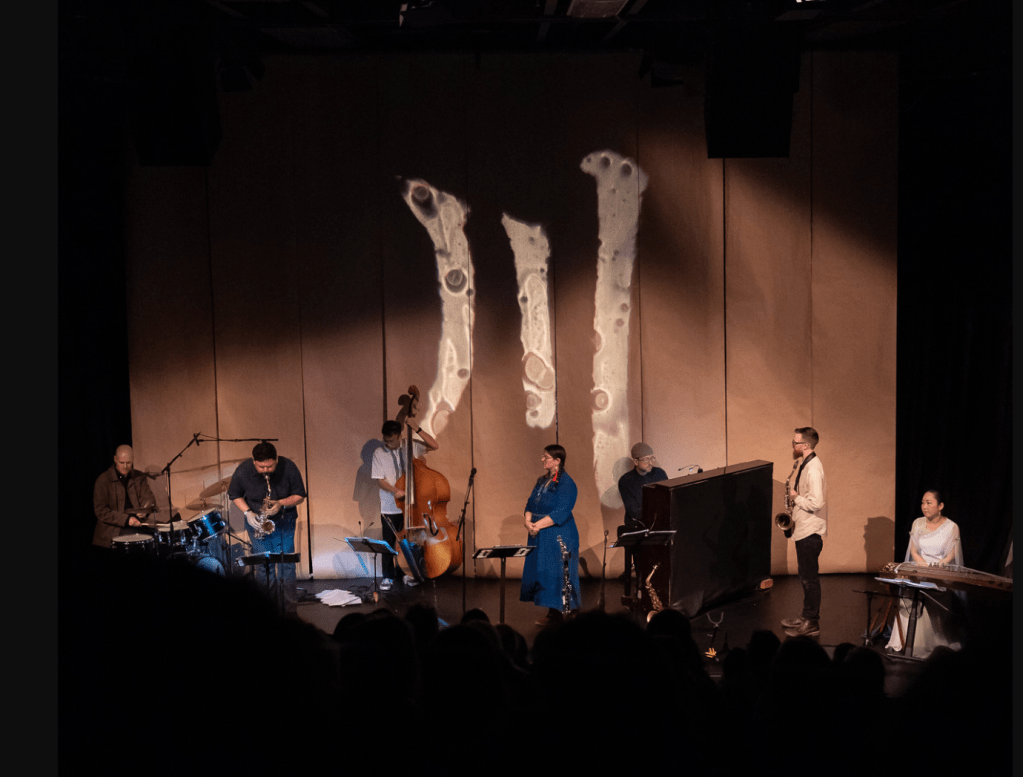


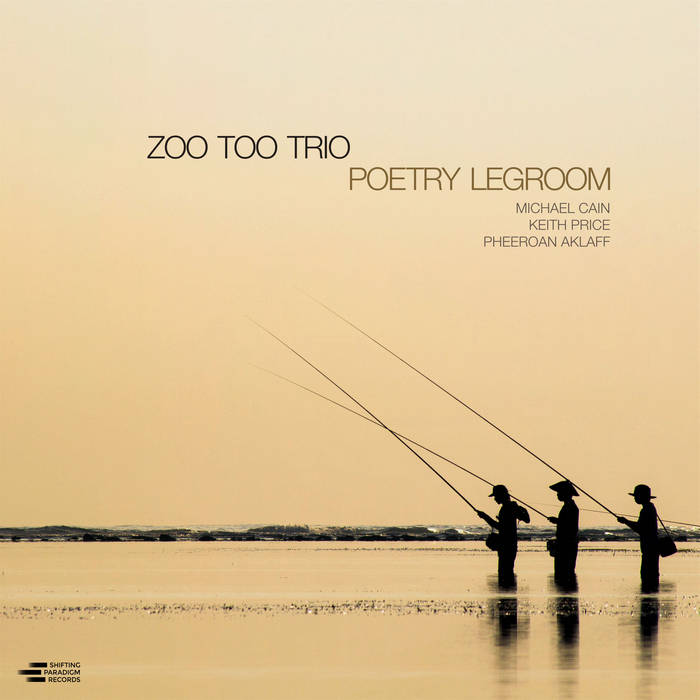

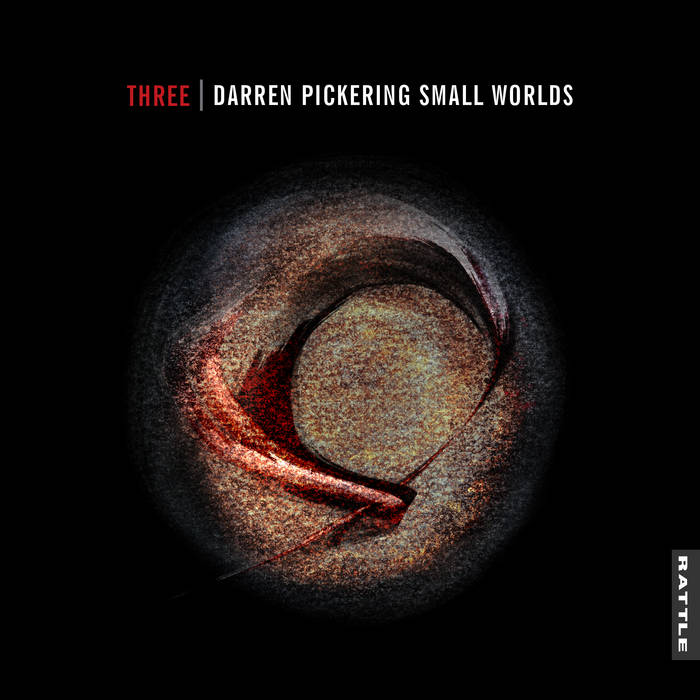
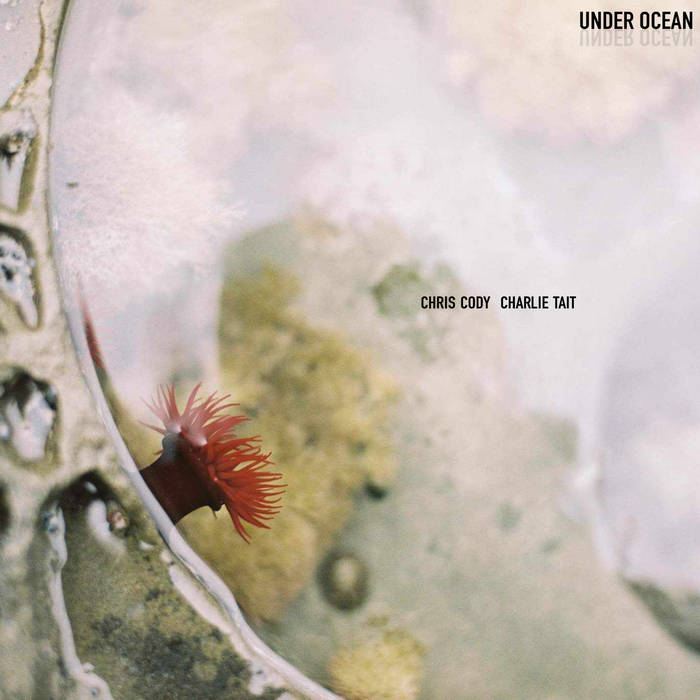
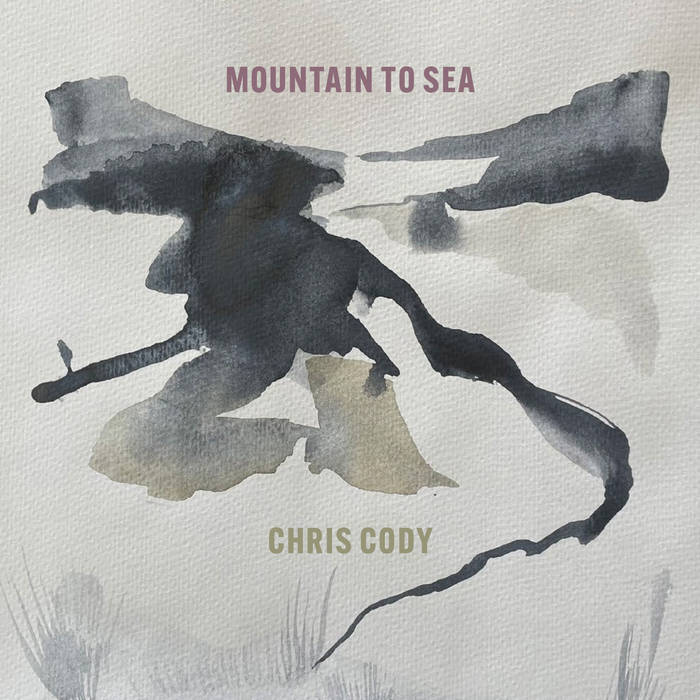
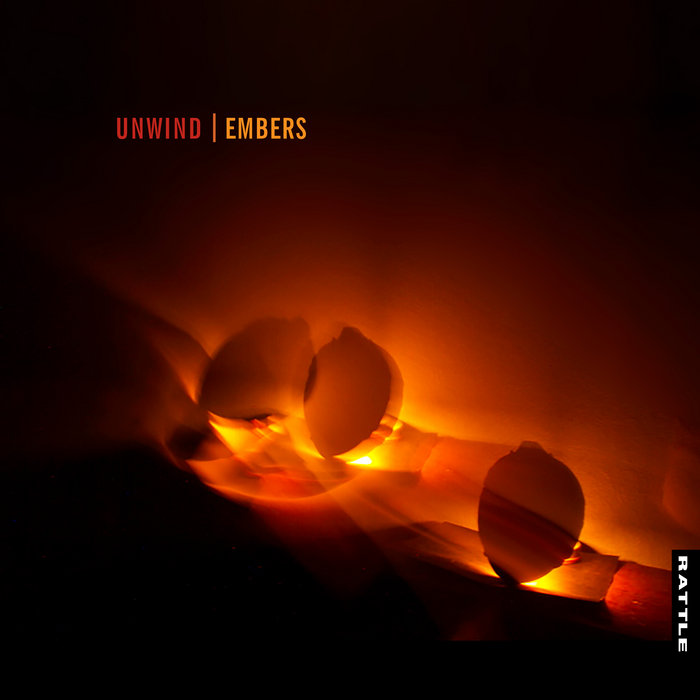
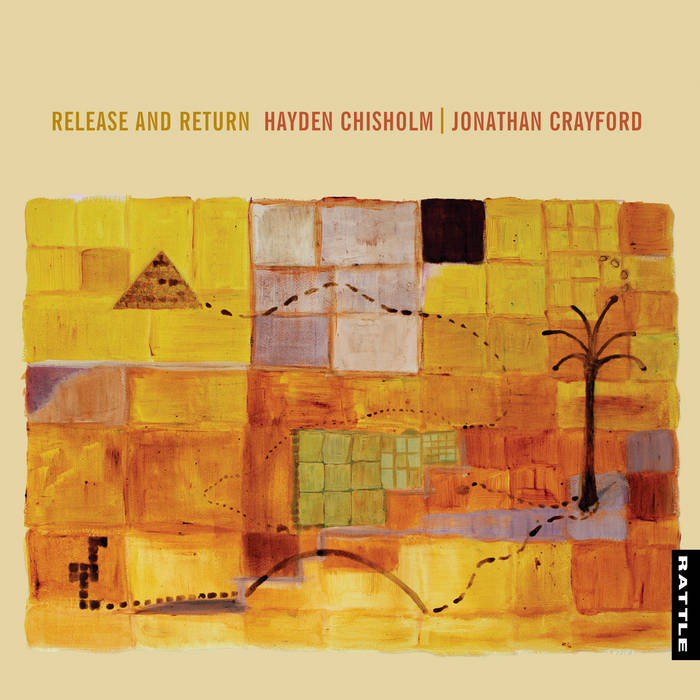
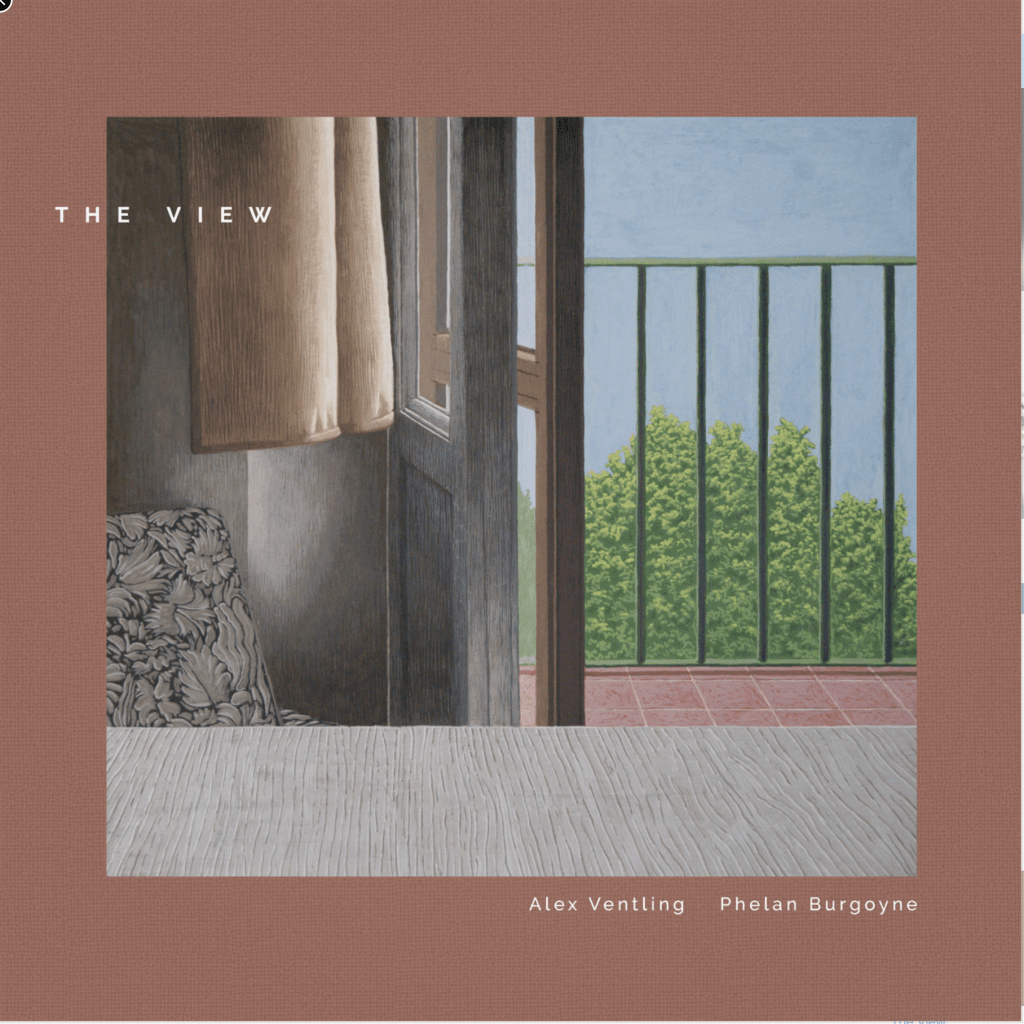
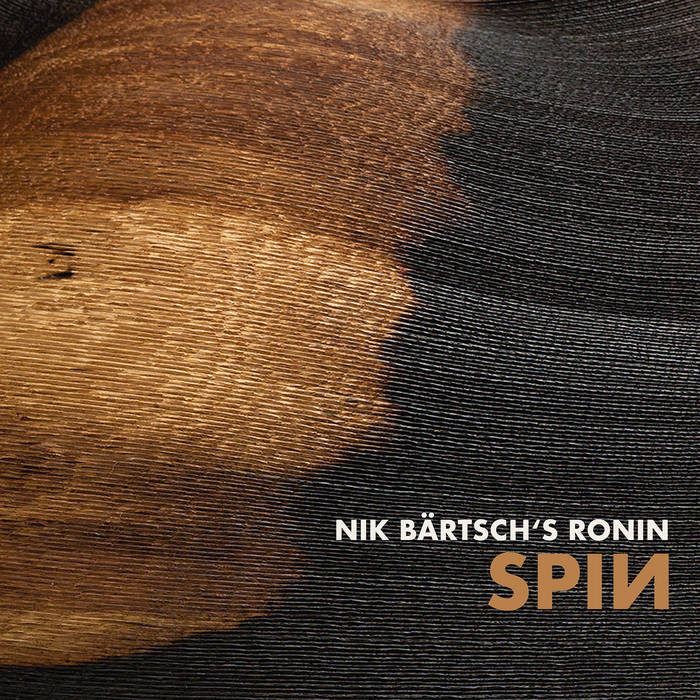
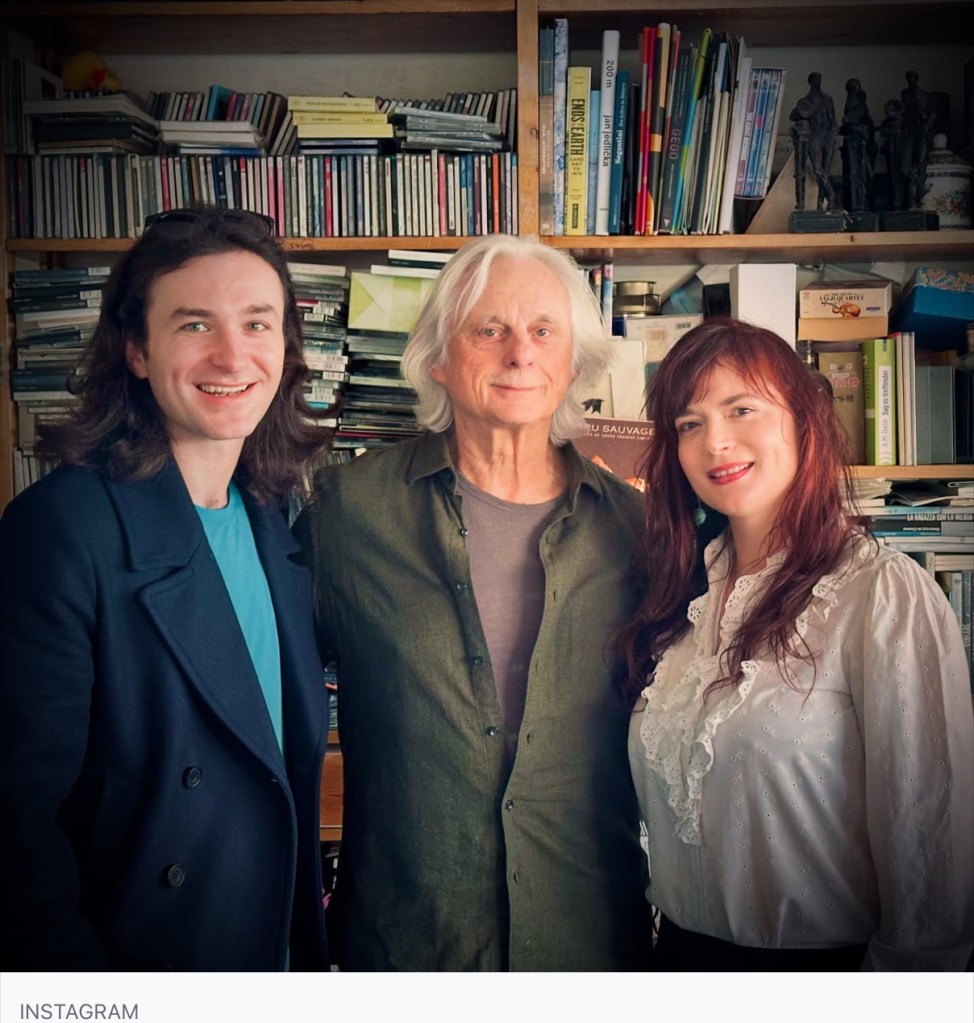

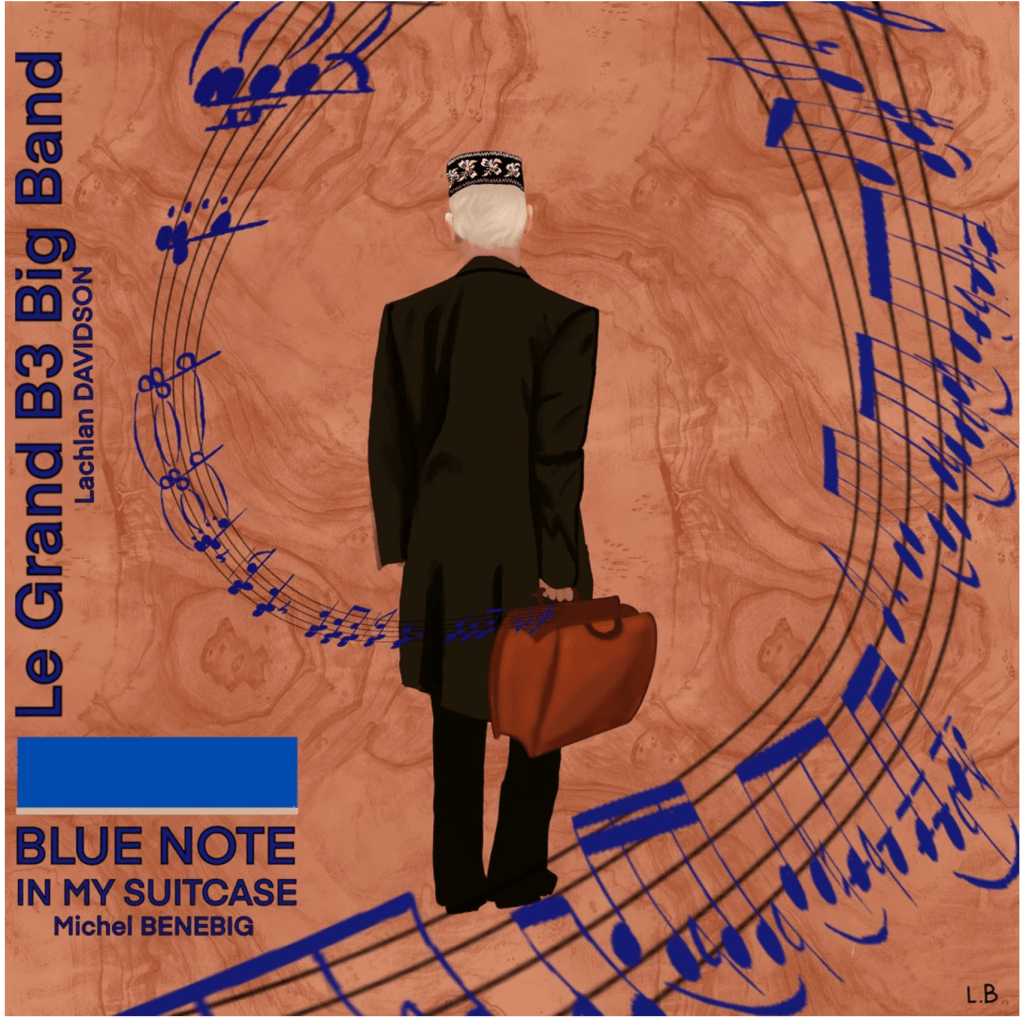


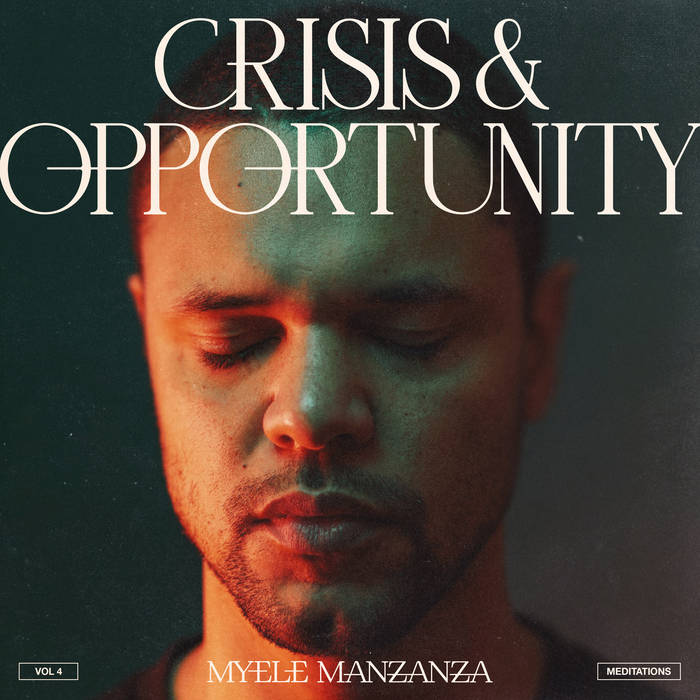
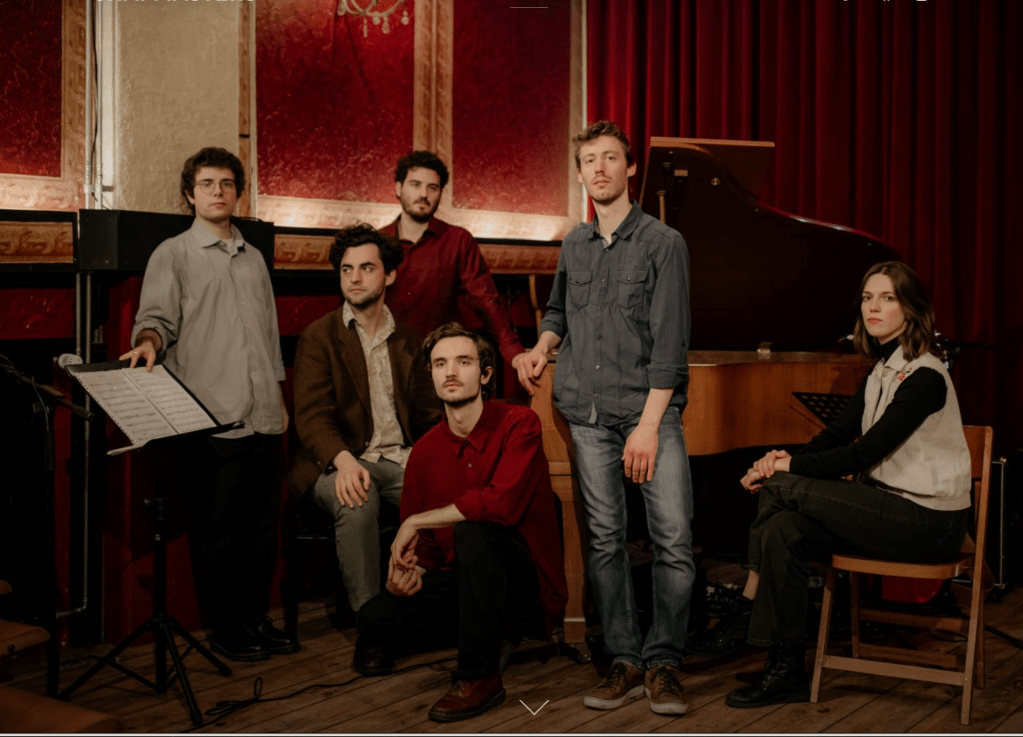


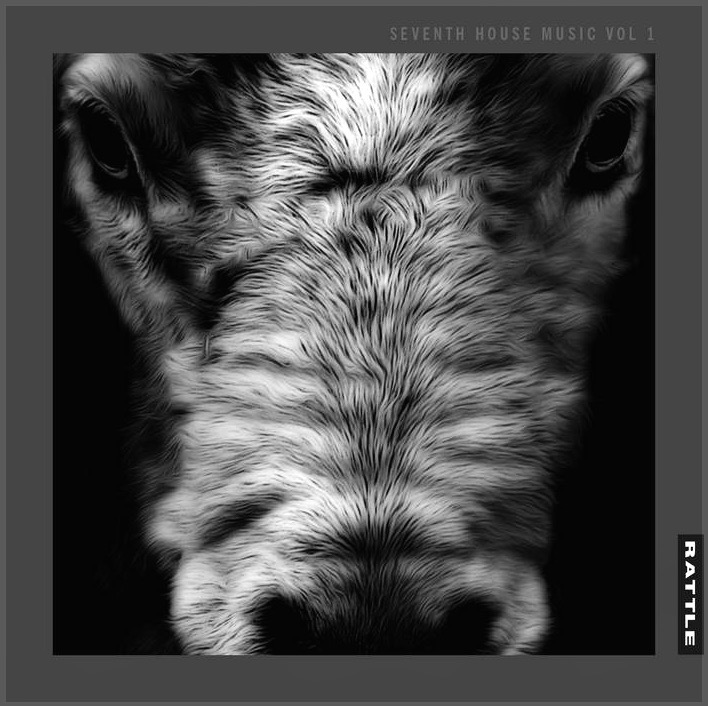
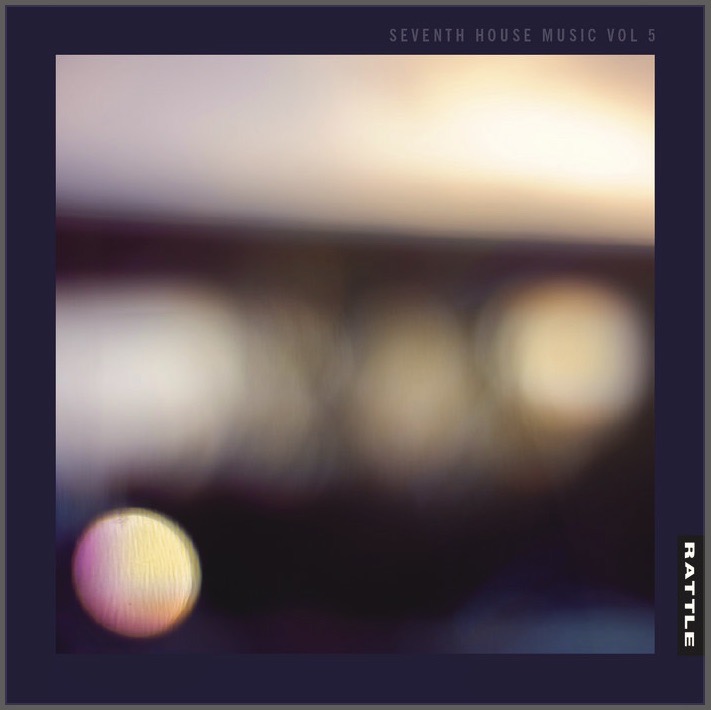
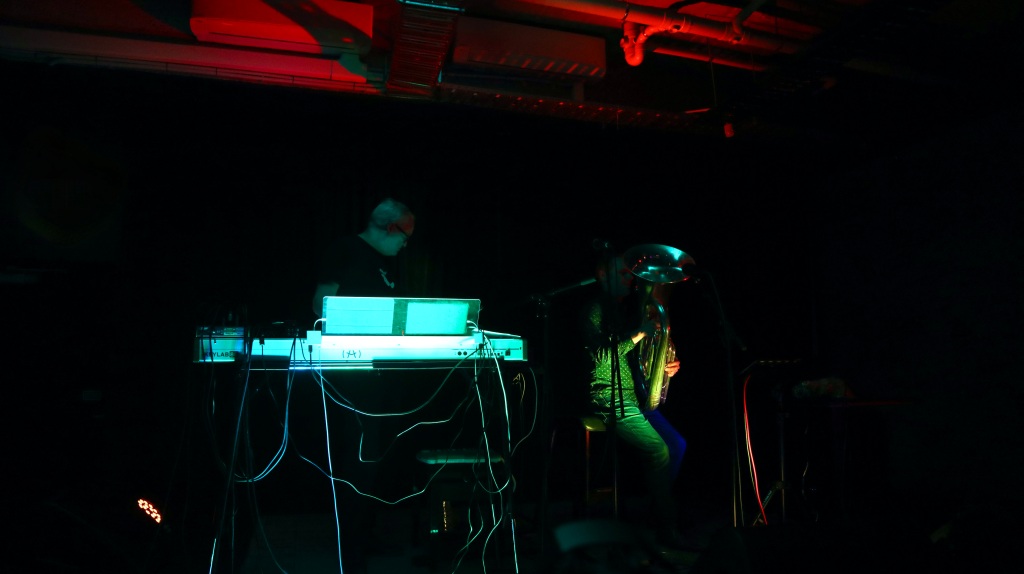
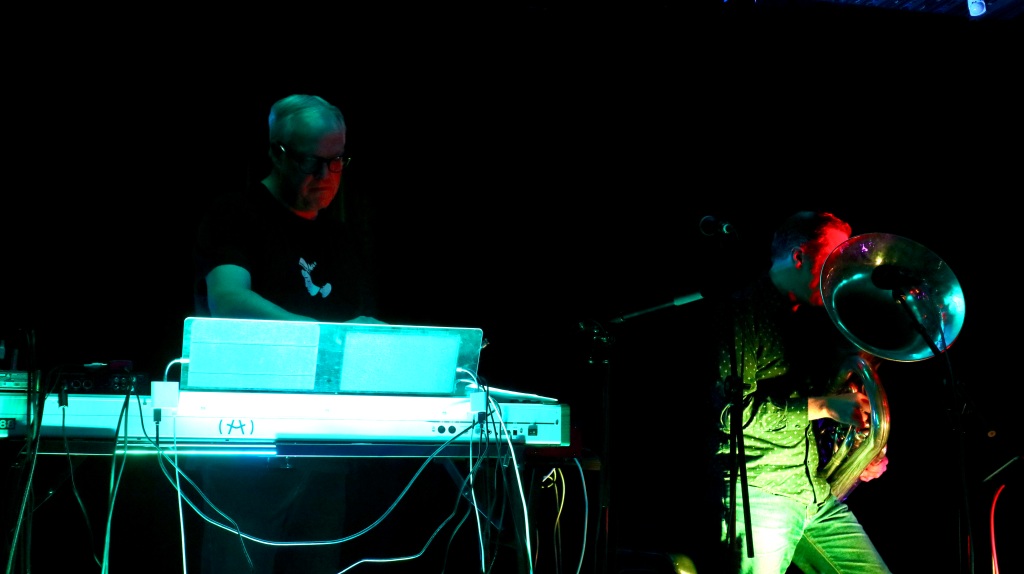
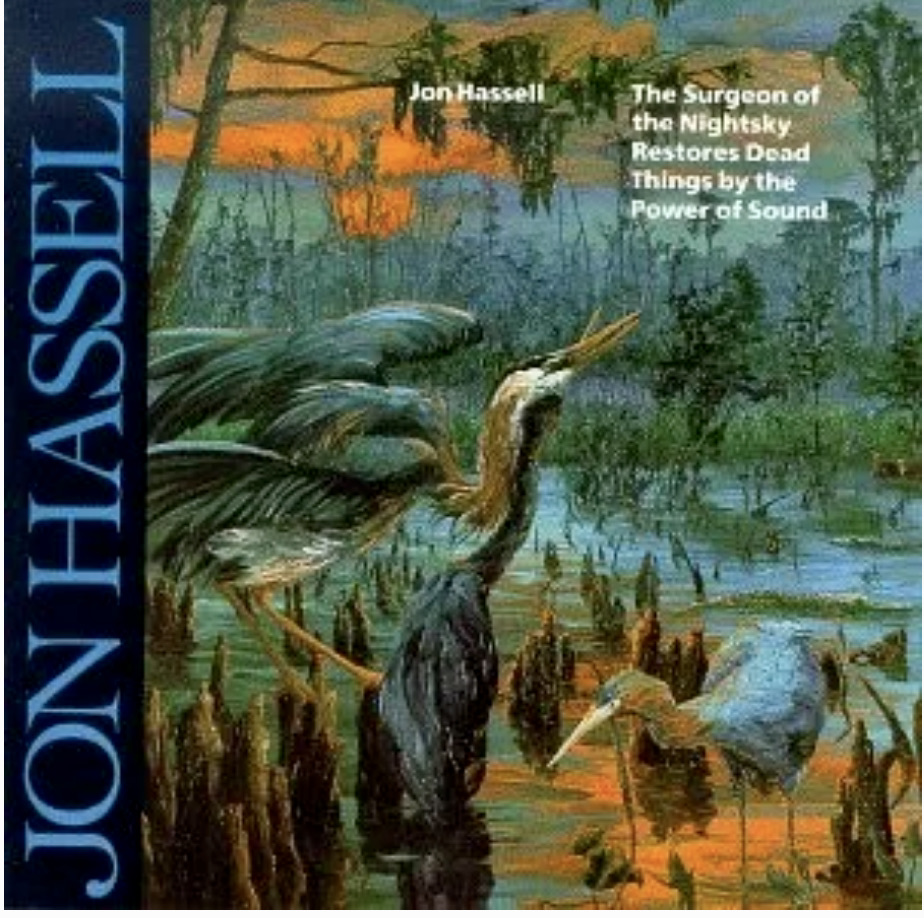
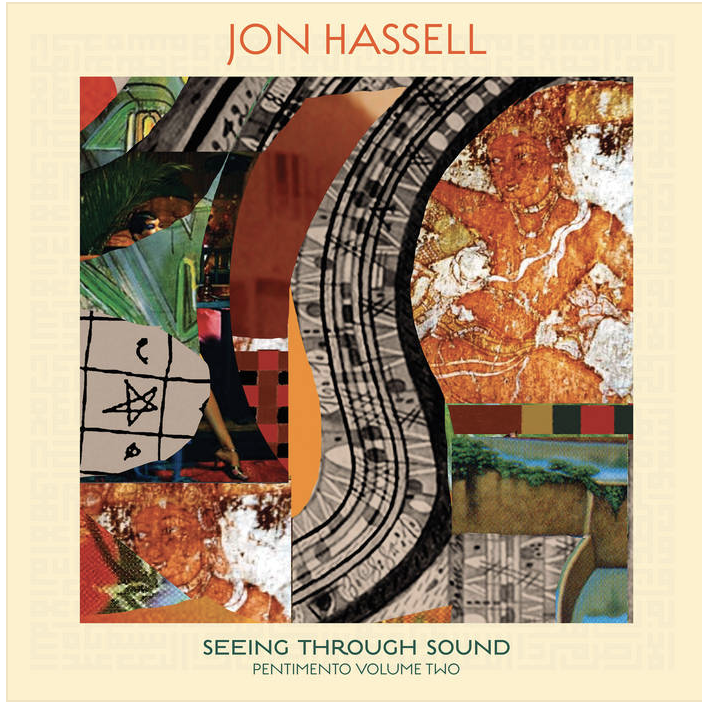
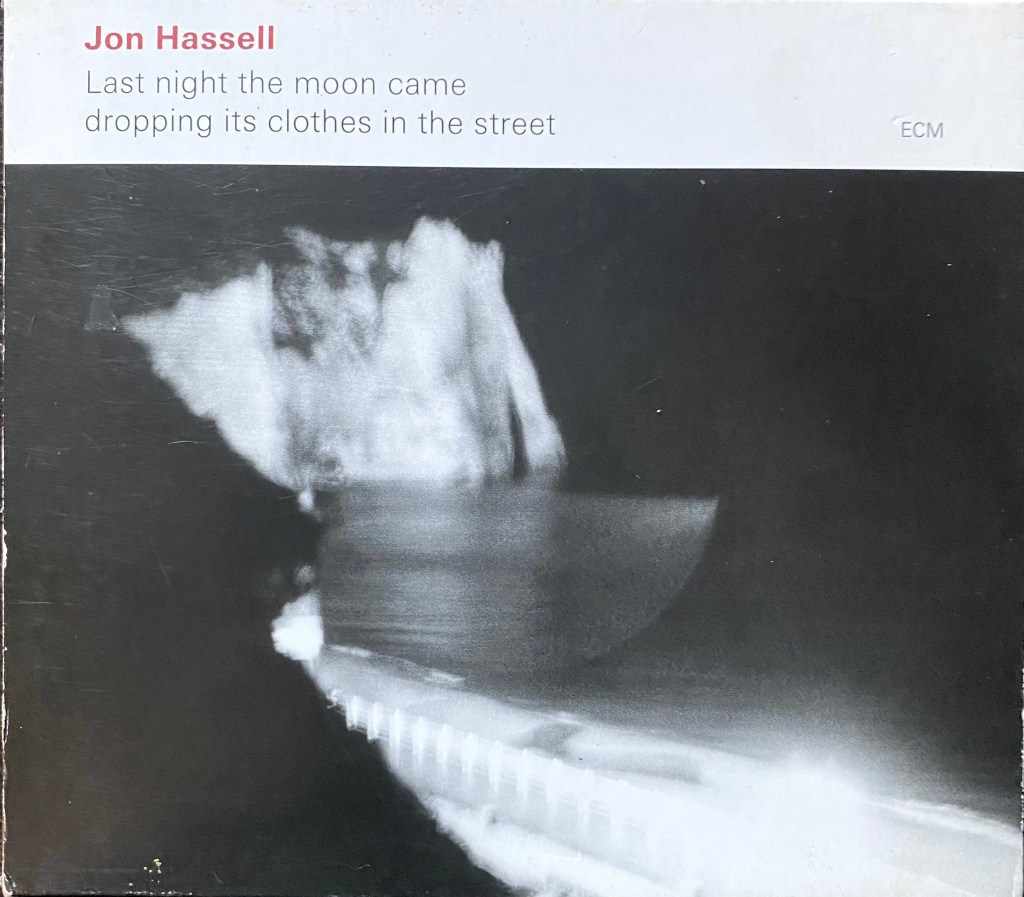

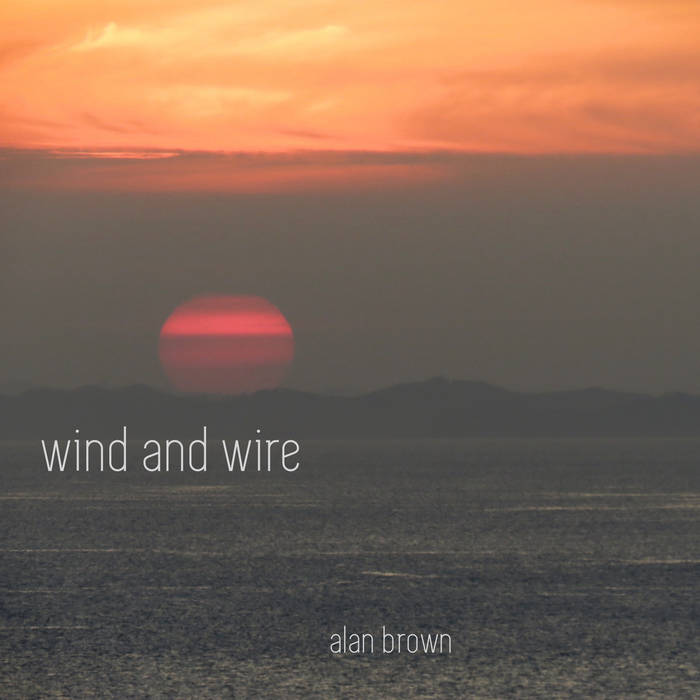
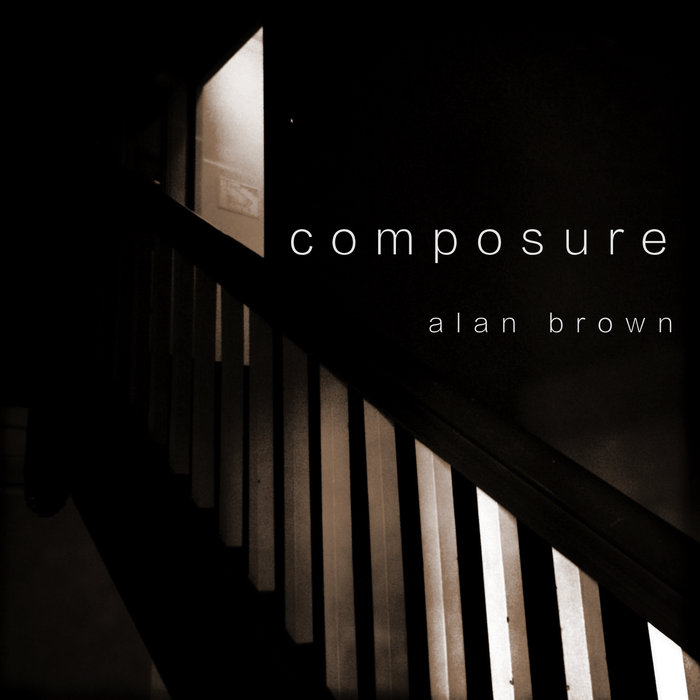 As Alan Brown moves in new directions, he is leaving some extraordinary musical documents in his wake. Hot on the heels of his recent Alargo collaborations he releases a second solo album, ‘Composure’. Again, this is an ambient album and like Alargo it is meticulously crafted. It is a solo piano album but much more. Here, the minutiae of the sonic world are revealed and important ambient sounds which are often overlooked. In our busy modern lives, we drown in sonic overload. Here in Composure, the very essence of sound is explored, nurtured, curated, given wings. There is an incredible floating quality to these tracks and the effects are otherworldly, but this is a world beginning at Brown’s fingertips. A world that exists inside a Steinway D piano, an empty concert chamber; in places overlooked. There are faint sounds of the street present and other ‘found’ environmental sounds. These are present as breakthrough sound, loops or drones, adding texture and depth.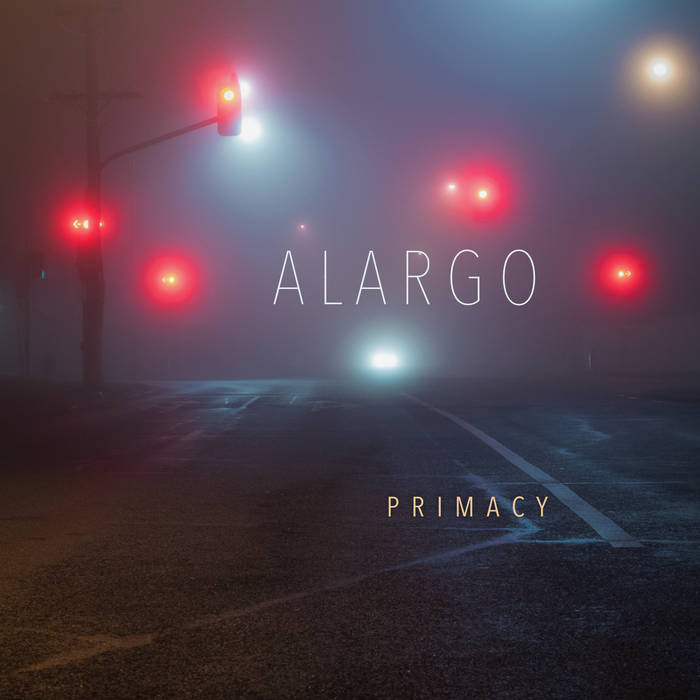
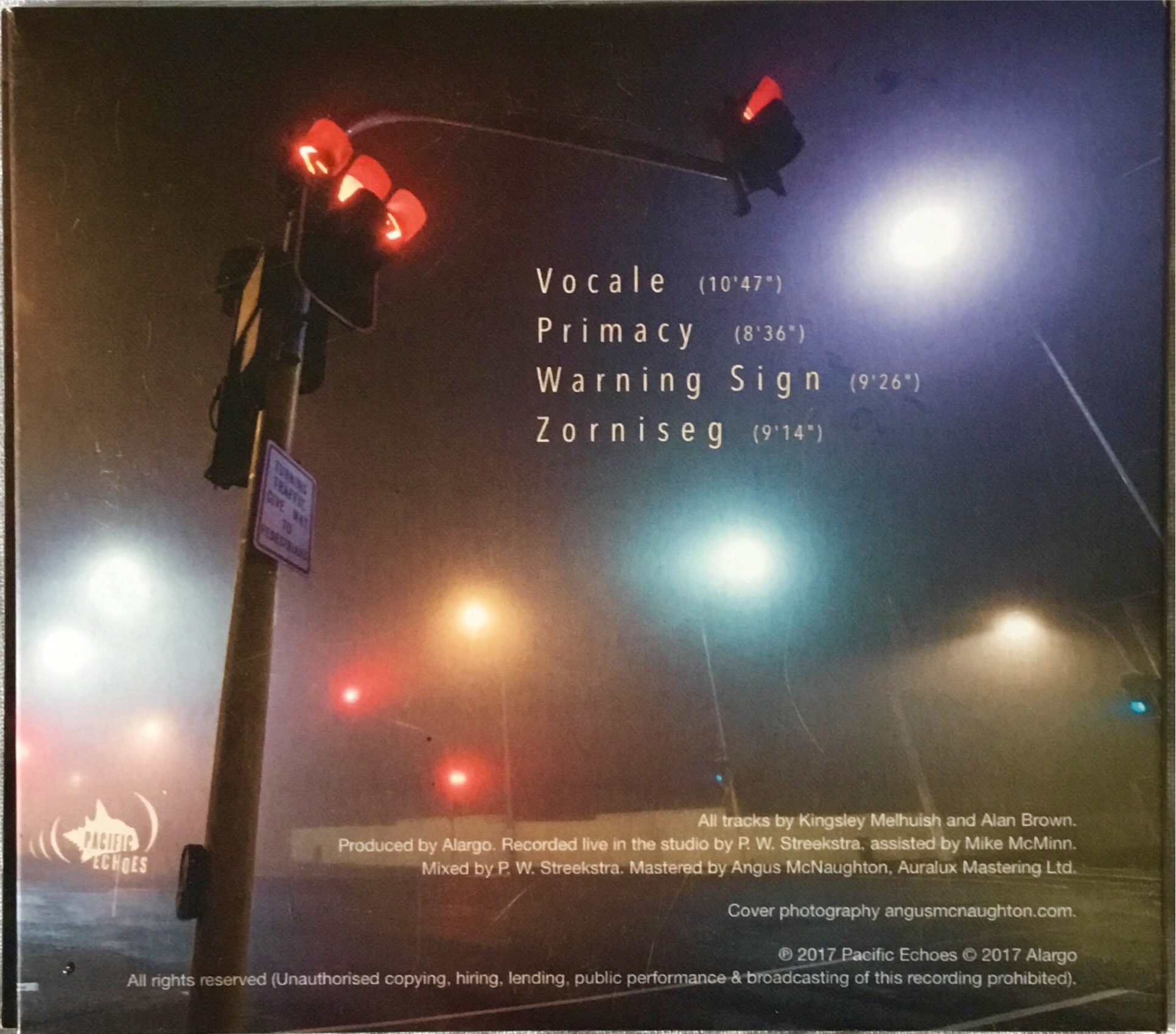

 JazzLocal32.com