Three (Darren Pickering Small Worlds)
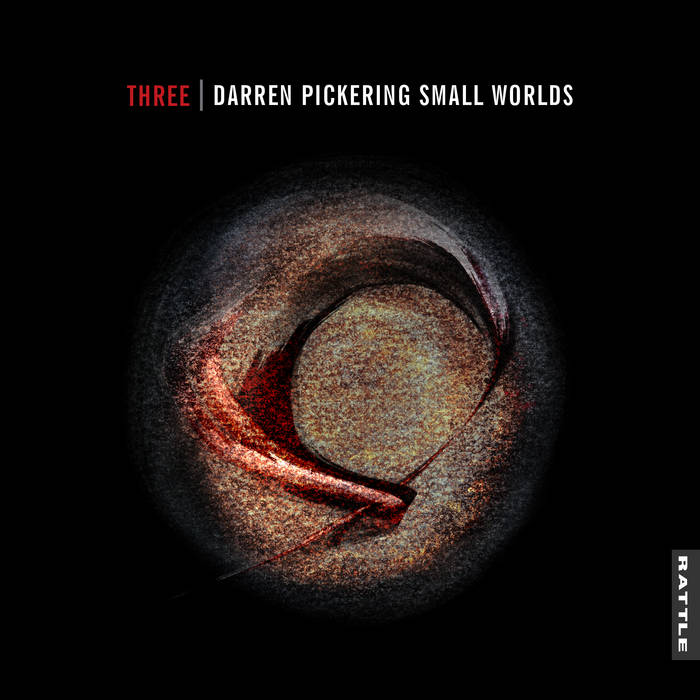
Darren Pickering’s third Small Worlds album, ‘Three’, is a welcome addition to the earlier volumes. While it follows the successful formula developed in volumes one and two, it sounds fresh and endlessly explorative. Throughout the album, snaking lines float, dreamlike, over repeating patterns and carefully layered grooves. Out of this comes the quartet’s cinematic sound. Jazz and cinema are twin arts as they evolved together, often feeding from the same well of resonance. Because of that focus on imagery, you can get inside the sound and experience it on many sensory levels. Listening to this is like watching a great movie – in a theatre – on a rainy day.
This is a superb quartet; unsurprisingly, after two previous albums, they are hyperaware of interplay. This is particularly important in an album like this, as the soundscape is so open. The liner notes indicate they have equal input into the artistic direction, which makes sense; the democratised approach is evident. This is jazz for our times, probing but gentle and unashamedly open to influences.
As with the first two albums, the tune times vary in length, enhancing the listening experience. Nothing is extended beyond its natural endpoint. Like the written word, contrasts like this punctuate the ebb and flow. There are small, meaningful solos, but they are skillfully interwoven into through-composed pieces.
Immediately noticeable is Pickering’s touch, and the underlying digital or analogue wizardry never overwhelms. While often understated, his pianism shines throughout. Pickering is a thoughtful composer and writes to his strengths.
Guitarist Heather Webb is pitch-perfect throughout, her sound is so distinctive, with lines that fold effortlessly into the mix. Her avoidance of anything showy or unnecessarily loud marks her as a mature player. I wish more guitarists understood this. The same can be said for the drummer Jono Blackie and bass player Pete Fleming. Both blend into the mix, thus enhancing the music, making the whole greater than the sum of its parts.
The rainy day groove is particularly evident in ‘Soft Life’. With Webb running her silken lines over Pickering’s synthesised arpeggiation, and the measured, but perfectly placed, beats like slow-dancing footsteps. And the faster-paced ‘Tauhou Waltz’ has a similar vibe. The album maintains this flow, touching on various moods, but always speaking in a calm voice. The album can be accessed from Rattle Records or Bandcamp. https://darrenpickeringsmallworlds.bandcamp.com/album/three
Under Ocean (Chris Cody/Charlie Tait)
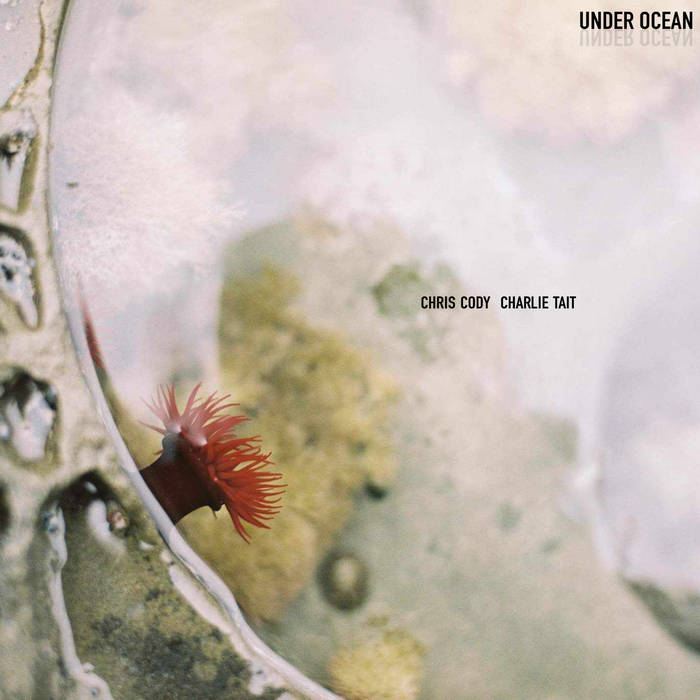
I have long been an enthusiast for Chris Cody’s work, and his two latest releases, each different from what went before, enhance an already impressive discography. Cody has a gift for examining cultural intersections. He gathers events and places, past and present and puts them under a musical microscope, always leaving us with a sense of what it means to be human.
‘Under Ocean’ is a fresh approach with electronic enhancements and a duo format. The album traverses mental and physical landscapes in unexpected ways and, in doing so, expands not only Cody’s repertoire but the boundaries of improvised ambient-style music. The album is co-led by Charlie Tait, a multi-instrumentalist, sound designer and engineer. Tait is no stranger to sonic creations like this, and the resultant cross-fertilisation of jazz, classical, and ambient electronic music is fascinating.
There is an increasing imperative for improvising musicians to create music like this as a reaction to the realities of our overly commercialised modern life, to examine our interior landscapes or the natural world. It also reacts to the ugliness that intrudes on the quieter spaces. They combine new and old musical technologies to good effect, as evidenced in the atmospheric opening track, ‘Salt’, which contrasts with ‘Rumble’s’ free playing and the melancholic ‘Lost World’, bringing different moods together as a satisfying whole.
Mountain to Sea (Chris Cody)
Landscape itself is a featured guest artist on most of Cody’s albums, as his writing always conveys a strong sense of place. I am not referring to specific geographic locations, although they sometimes feature, but to something deeper – cerebral. Cody has a gift for inviting introspection, and as we listen, we examine our relationship to the landscapes and regions he evokes. It is the first thing you become aware of when listening to his albums; ‘Mountain to Sea’ is no exception.
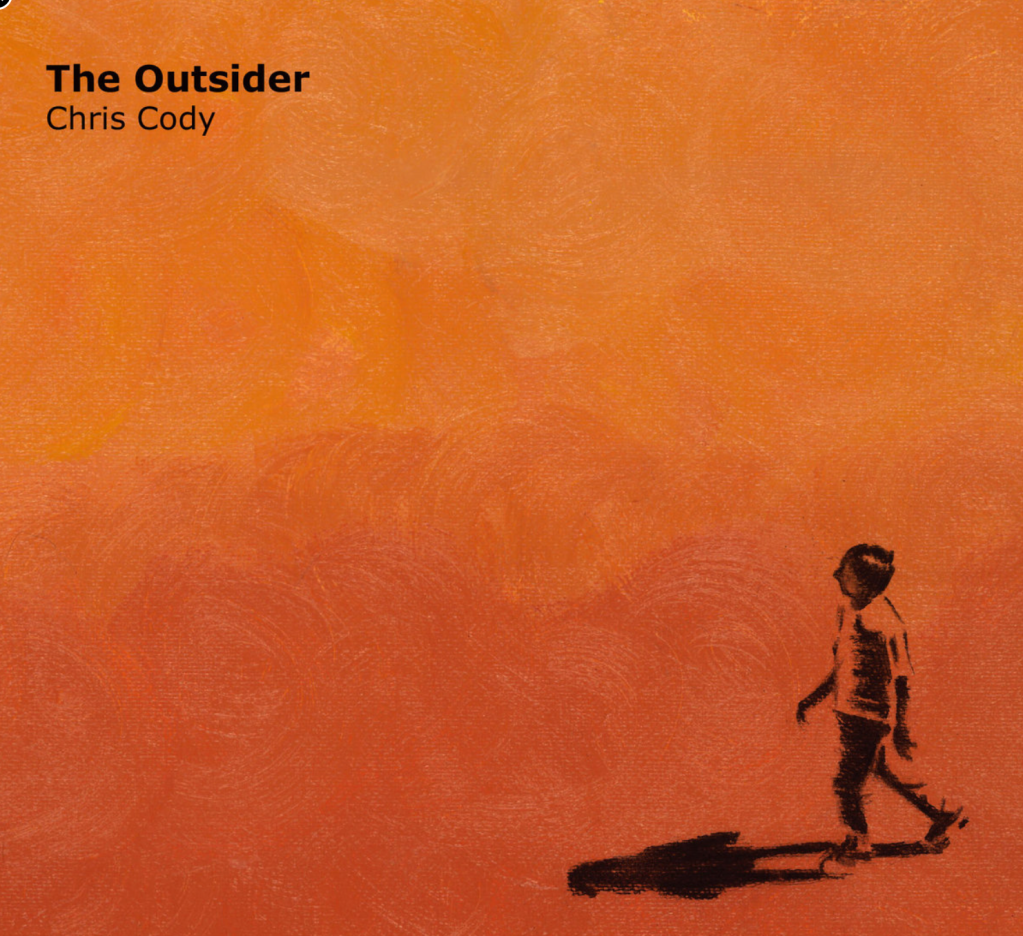
His compositions and arrangements impress here, but his thoughtful playing is also notable. His lines and voicings convey an instinctive lyricism, an organic sound that has always defined him. The tunes contain nostalgic echoes, but speak of hope too, a heart-on-the-sleeve musical humanism. And, as in previous albums, he conveys more with less. There is ample room for his bandmates to shine, and they do. The care and loving attention each one brings to the project is evident. It is no wonder the unit sounds so good when you consider the musicians, a mix of veterans and younger players, but all exemplary: bass player Lloyd Swanton (a member of The Necks who appeared in Auckland recently) and who appeared on an earlier album ‘The Outsider’ (reviewed recently on this blog), and Sandy Evans, an acclaimed saxophonist on the Australian jazz scene, and lastly Tess Overmyer, a gifted young Australian alto saxophonist, presently based in New York.
‘Mountains’, a ballad, opens with Ellingtonian chords that speak of grandeur, followed by two beautiful solos, lifted to further heights by bass lines that never intrude, but soar like a raptor. Similarly, ‘Quiet’ reminds me of Evan Parker’s opening on Kenny Wheeler’s ‘Sea Lady’ (Music for Large and Small Ensembles). Ripples, bird calls, lead into an elegiac anthem for the natural world, a place not separate from humankind, with alto, tenor and soprano perfectly balanced, drawing from the same musical well. This is also evident in ‘Dream’.
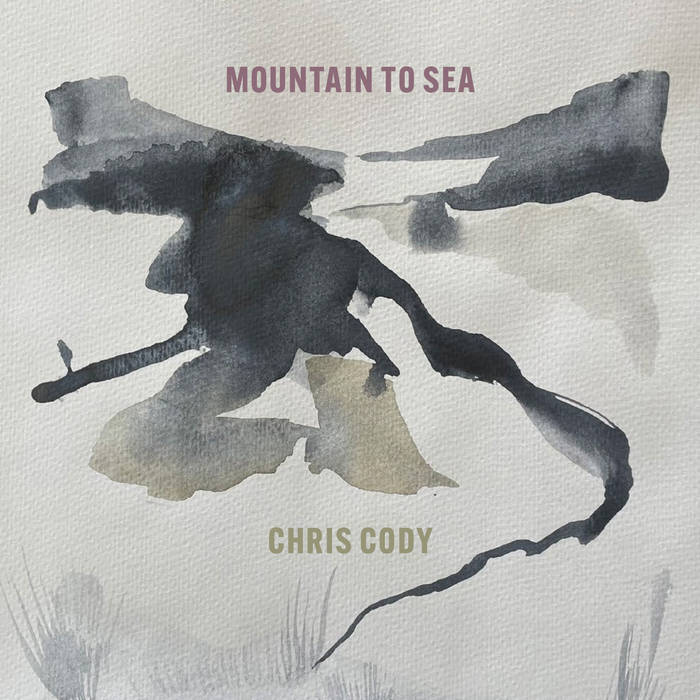
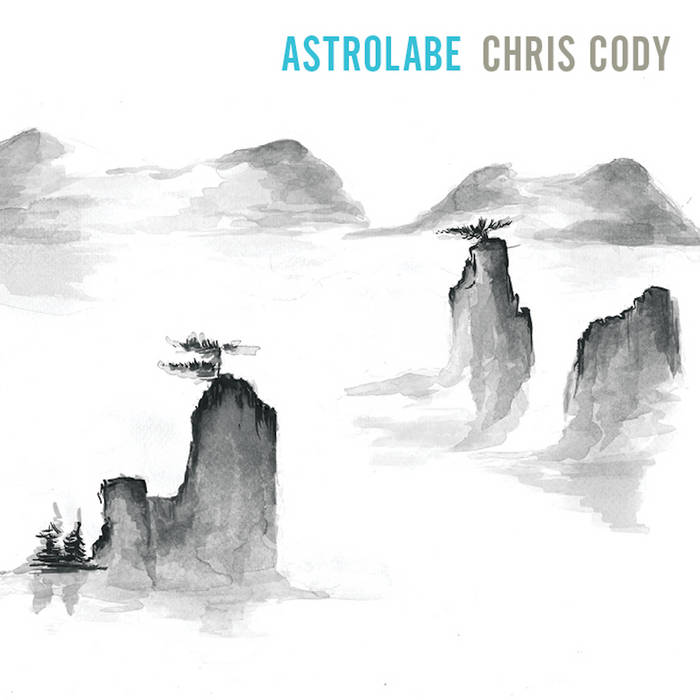
As with previous albums, Cody’s daughter Maya has created marvellous cover art.
Both albums are available on Bandcamp at https://chriscody.bandcamp.com/
JazzLocal32.com was rated as one of the 50 best Jazz Blogs in the world by Feedspot. The author is a professional member of the Jazz Journalists Association, a Judge in the 7VJC International Jazz Competition, and a poet & writer. Some of these posts appear on other sites with the author’s permission.

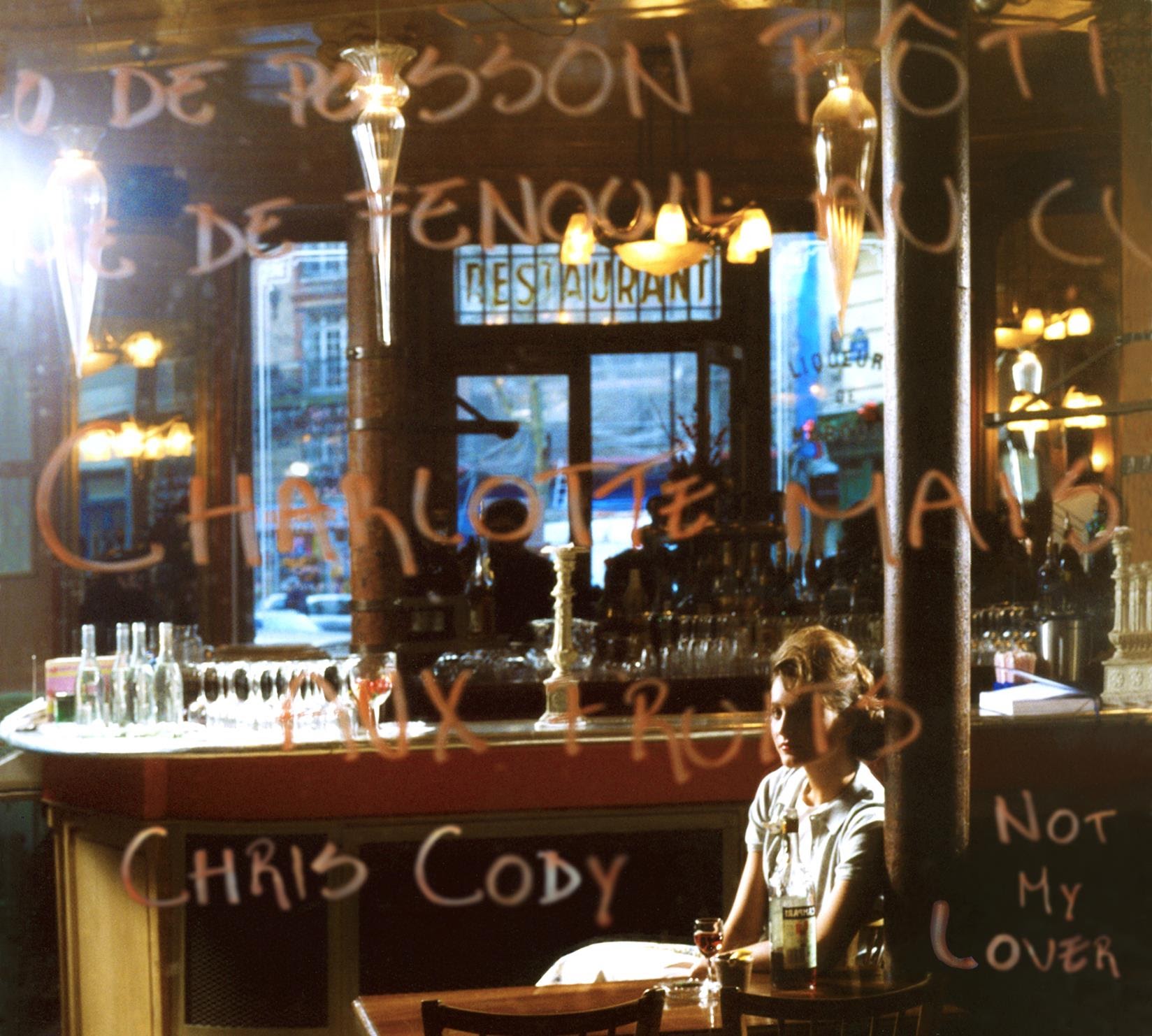 Due to the timing of the Chris Cody album ‘Not My Lover’, some jumped to the conclusion that his Jazz love letter to Paris was in response to the recent atrocities. In fact Cody recorded it well before those tragic events and much to the relief of family and friends he was safely in Australia at the time. The City of Light has the strongest of Jazz associations and Cody captures that intimate relationship perfectly. You can feel the ebb and flow of the city’s life running through his fingertips as he plays. The beauty of the architecture, the elegant Seine, the mad driving through the twisted maze of streets. Through his perceptive lens we gain a sense of the city which for hundreds of years has welcomed visiting creative artists to its heart; regardless of creed or colour. We also catch a fleeting glimpse of the harsher realities hidden behind the gorgeous facade.
 Sydney means two things to me; family and music. I get there as often as I can. One sultry night about two years ago I was listening to Mike Nock playing the blues (as only Mike can). It was a catchy new tune titled ‘Start up Blues’. I collared him during the break and asked him about it. “I composed it for the Foundry opening” he said. “Do you know about the Foundry 616”? I didn’t and so he filled in the details. He spoke warmly of it so I determined to visit the next time I was in Sydney.
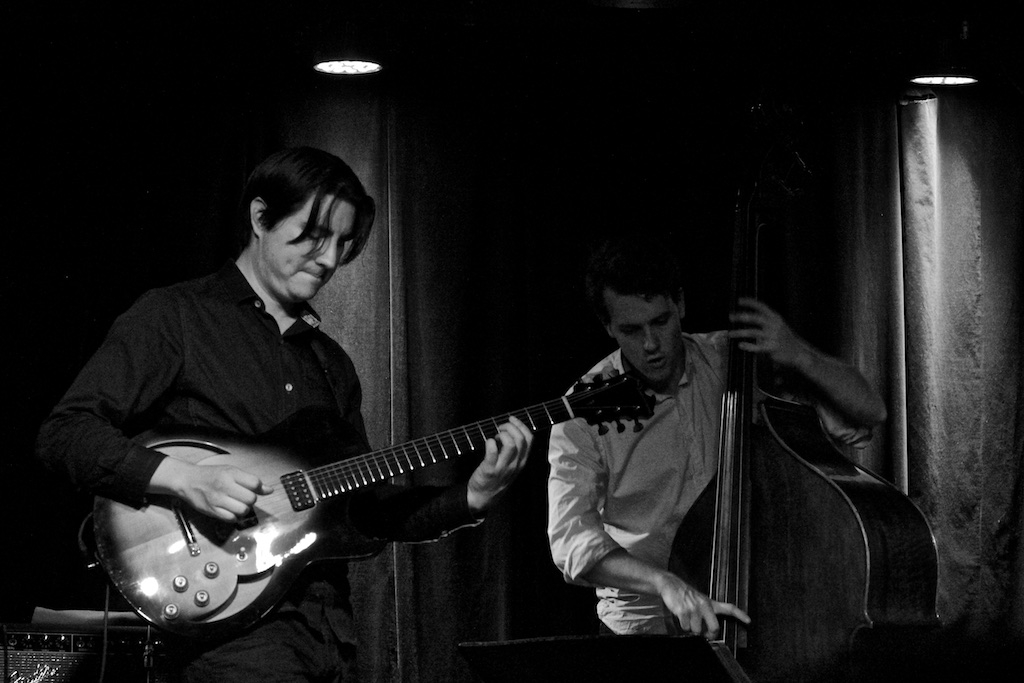 During my first visit I caught the amazing New York based guitarist Mike Moreno. Attending a gig featuring Moreno had long been on my bucket list and I was not disappointed. He was happy to allow non-flash photography and I had a seat at the front table; perfect. For his Australian tour he employed two gifted local musicians: Ben Vanderwal drums and Alex Boneham bass (both familiar to New Zealand audiences). I have many recordings featuring Moreno, but what really struck me was that his best on recordings, is exactly how he sounds in person. Given the sound control in modern recording studios and given the expanse and quirky shape of the room, this is surprising.
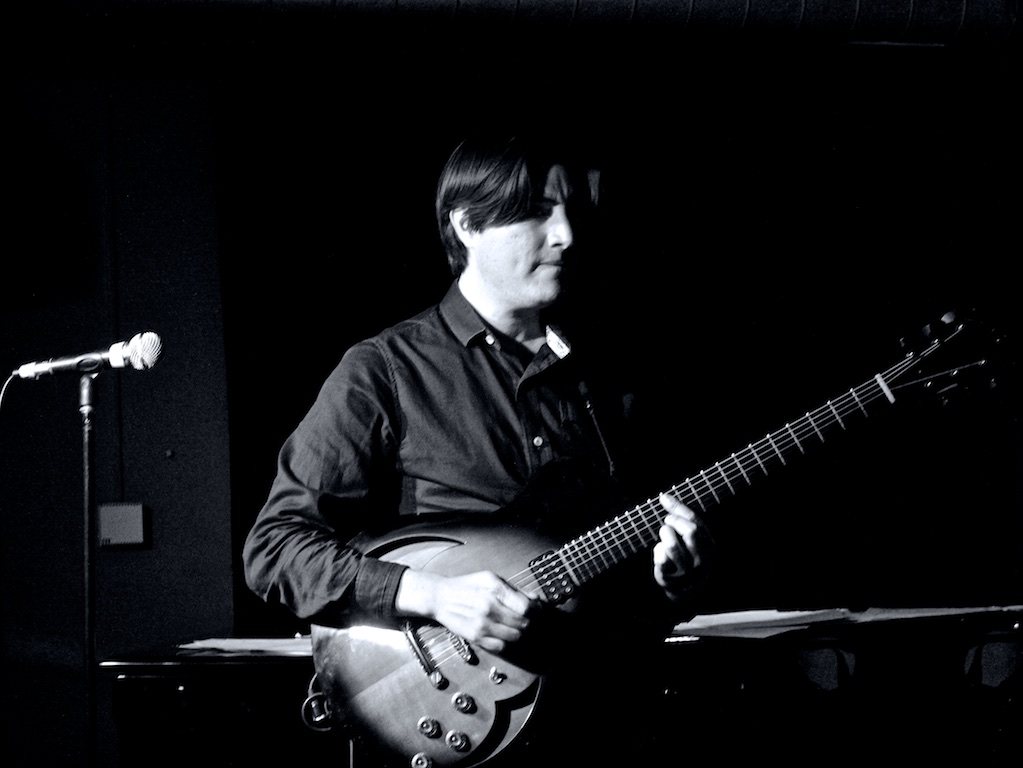 I was later to experience the same clarity at other Foundry 616 gigs. The venue sound technician and the sound system get a big tick. Sound quality matters and especially with artists of this quality. To my thinking Moreno is the most lyrical of modern guitarists. Clean flowing lines, fresh ideas and an astonishing clarity of tone. As moves through the pieces, often at breakneck speed, and even when glissing, his fluidity is unbroken. There is a hint of mournfulness to his tone which is most attractive. I hear many gifted Jazz guitarists, but to date this gig remains the highlight. His set list traversed recent albums as he played a mix of lesser known standards and originals; ‘I have a dream’ (Hancock) being the standout. While his demeanour is quiet, perhaps even a little serious, his playing denotes unalloyed joy and exuberance.
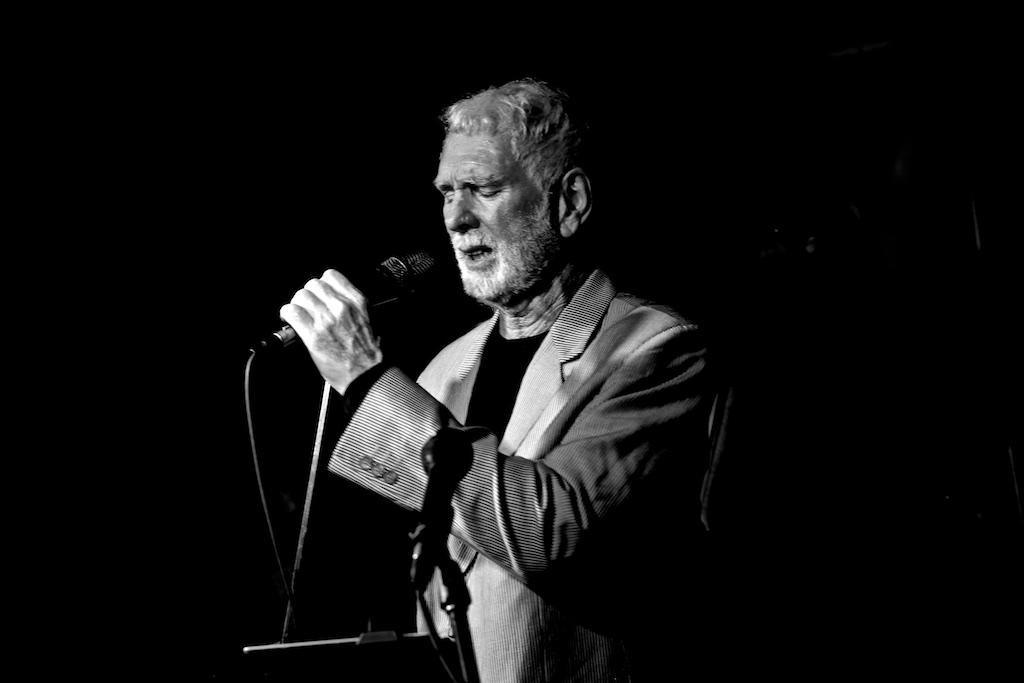 My second visit was to see premier Australian Jazz vocalist Vince Jones. I have a deep liking for male Jazz singers but sadly there are not that many to choose from these days. Our younger selves do not sound like our older selves and in Vince Jones this sits extremely well. His is a lived in voice, full of rich life experience. An honest voice and above all a true Jazz voice. He can make you smile and cry in turns and his lyrics are like no one else’s. If you listen carefully the realisation comes; Jones is jazz protest singer. He is closer in sentiment to Gil Scott Heron or perhaps Billy Bragg and Bob Dylan than to any torch-song crooner. His recordings while marvellous don’t prepare you for the experience of hearing him in person. He has a compelling stage presence, exuding the vulnerability that Chet radiated. Unlike Chet he also exudes real human warmth and empathy.
 As he tells personal stories about his grandparents, his budgerigars, women deserving of respect, his environmental concerns, you feel deeply connected. When he shakes his fist at the ‘big end of town’, calls for kindness towards refugees and gives voice to your innermost feelings, you shake your fist along with him. Since that visit I have transcribed some of his lyrics. I would now add gifted poet to the list of his accomplishments. Jones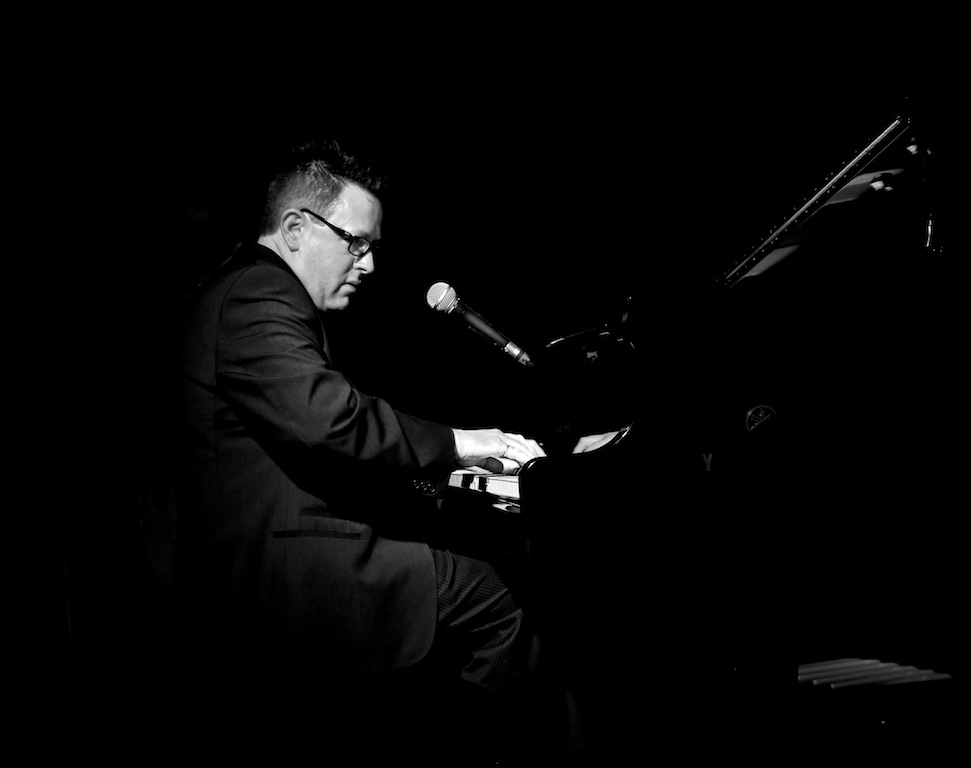
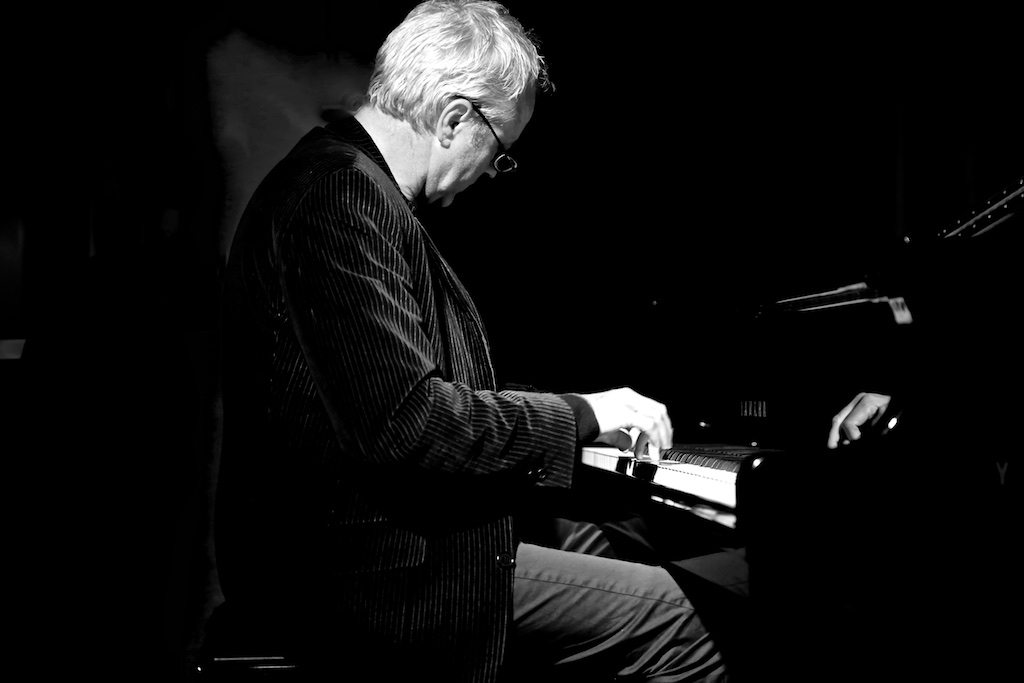 I first met Cody in New Zealand and we are now friends. I have a deep respect for him as an artist and as a human being. This rounded out the evening nicely. Cody an internationally recognised artist, is back in Sydney for a while. There is something about his approach and his innate sense of pulse that sets him apart. He understands the importance of leaving space between notes; easily moving inside and out during a solo. He oozes Paris cool. With Cody on piano and White on keys the enjoyment was complete.
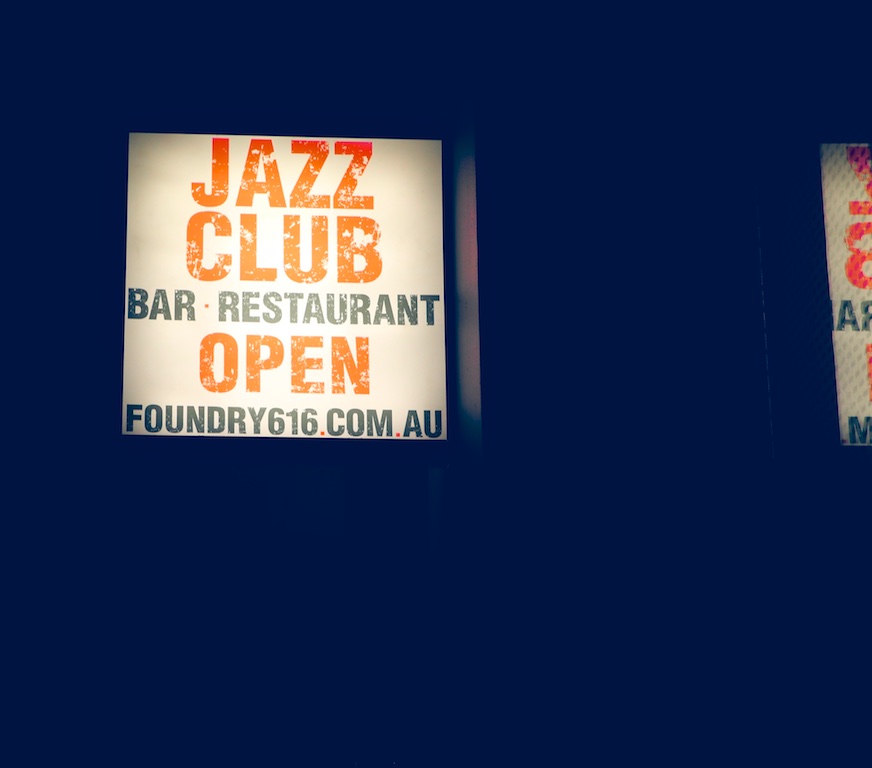 There are any number of excellent improvising musicians in Australia and New Zealand and we are lucky that they are so accessible. There are also thousands of people who love improvised music, but here’s the rub. The enthusiasts don’t always make the effort to attend gigs. The consequences of taking the local Jazz scene for granted are too dreadful to contemplate. If we support local Jazz we need to commit. In spite of the many world-class musicians in Australasia the music is more precarious than we think. Running clubs like the ‘Foundry 616’, the ‘505’ or the ‘CJC (Creative Jazz Club)’ is high risk and if the clubs struggle, so does the music. It is quite possible that I’m a fanatic, but I’ve attended more than 250 Jazz gigs in the last four years. If you read this, it’s because you love this music with all its variability. Value what you have people and make a point of supporting your local Jazz clubs and gigs. Some amazing musicians depend on you.
 When I saw that pianist Chris Cody was coming to New Zealand I immediately recognised the name. For a moment I couldn’t fill in the blank spots of memory but I sensed that the connection was both Australian and international. My CD collection is huge and I knew that the answer lay buried somewhere in the unruly muddle of music lying about the house. Then it came flooding back; Cody recorded a great ‘Chris Cody Coalition’ album in the nineties. The first international Jazz NAXOS recording titled ‘Oasis’ and produced by Mike Nock; an innovative exotic project brimming with warm middle eastern influences. Some quick
 research told me that the Chris Cody Coalition was still an entity and what equally excited me was to see the name Glenn Ferris on several of the albums credits. ‘Oasis’ featured the Australian Trombonist James Greening and on several of the later Coalition albums Cody features trombonist Ferris (an utterly distinctive player). His whispers, growls and smears are at times otherworldly, but also mysteriously human. Cody works especially well with trombone players and his writing reflects this on the latest album.
 in the front row and this is as much about Cody’s writing skills as the strong confident performances. It is also about the recording quality which is superb. I strongly recommend this album. I first heard the quartet at the Tauranga Jazz Festival. A CJC Jazz stage showcased the finale and the Jazz Tui Awards presentation. I spoke to Cody in a break and quickly learned that he had New Zealand blood running in his veins. Born in Australia of Kiwi parents he studied music before moving to Paris. Based there ever since and gaining a strong reputation on the wider scene. He has very recently move back to Australia but he intends to return to Paris to work periodically.
 often draws on very American sources like Jamal, he is also in the mould of pianists like Jacky Terrasson (also a Parisian). Cody’s compositions are well thought out and replete with interesting asides. We heard many of these at the CJC and the album ‘Conscript’ is all originals. I am a sucker for a Cole Porter tunes and when he opened with ‘I love Paris in the springtime’ I couldn’t have been happier. Happy because I love the song and above all happy because the quartet played it so well. I have posted a video of the CJC performance and the title track from the ‘Conscript’ album with Ferris (the latter an official video release).
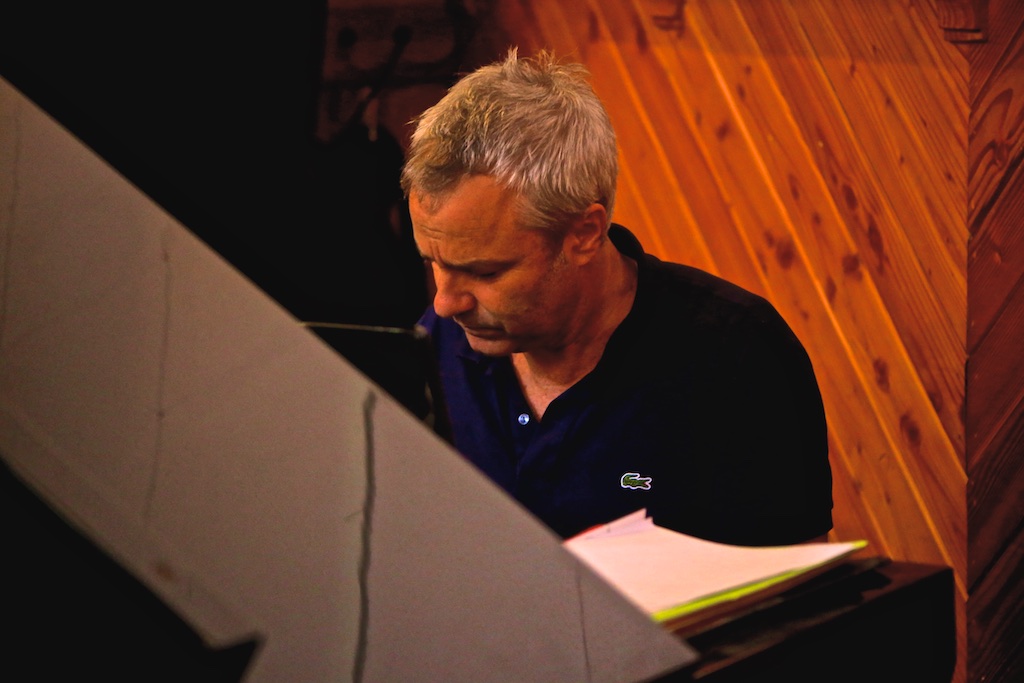 His pick up band are the familiar and popular Roger Manins (tenor), Oli Holland (bass) and Ron Samsom (drums). In the rush of the Tui awards there was little time to rehearse, but it didn’t show. This is 3/4 of DOG and they are the 2015 Jazz Tui winners after all.

 JazzLocal32.com