Last month, a new Kiwi record label was launched and if the first releases are anything to go by, it will surely become a popular destination for ‘out’ improvised music fans. The Kiwi Jahzz label is a significant addition to the Aotearoa recorded music scene, and like Budweiser, it reaches places that others don’t
The music found in these underground basements has long been a magnet for adventurous listeners, and especially for younger musicians who often cut their avant-garde teeth there. With the arrival of the pandemic, lockdowns followed suit and clubs took a hit. One of those venues was The Wine Cellar under St Kevin’s arcade. A popular home for independent music.
A hundred yards away in a nearby uptown basement, Jeff Henderson devised a plan. Why not move the Audio Foundation gear into the Wine Cellar. This included recording equipment and a ready-made audience. Out of that has come a string of recordings and a desire to make the music available to a wider audience. This is what musical freedom sounds like as the gigs are captured live. These recordings are street raw and bristling with energy, the sounds escaping from dark basements.
Henderson is known for taking his time over a piece and for letting the moment dictate pace and length. A groove or vamp can run for as long as it needs to and with each utterance informing the direction of travel. It is music often liberated from harmonic distractions or from predictable pulses, so as it wends its way, it draws on a lifetime of experience, with each moment revealing yet another nested story.
With the double trios recorded so far, the pieces have been shorter and this is perhaps a concession to the medium. In a darkened club you are more attuned to longer pieces, at home there are distractions. All but one of the initial releases features the Trioglodyte Trio. The core Trioglodyte lineup being Jeff Henderson, Eamon Edmundson-Wells and Chris O’Connor. It is perhaps more accurate to describe these albums as Trioglodyte led double trios because most of the releases to date feature a guest trio as well. A mixture of well-known musicians and enthusiastic up and comers.
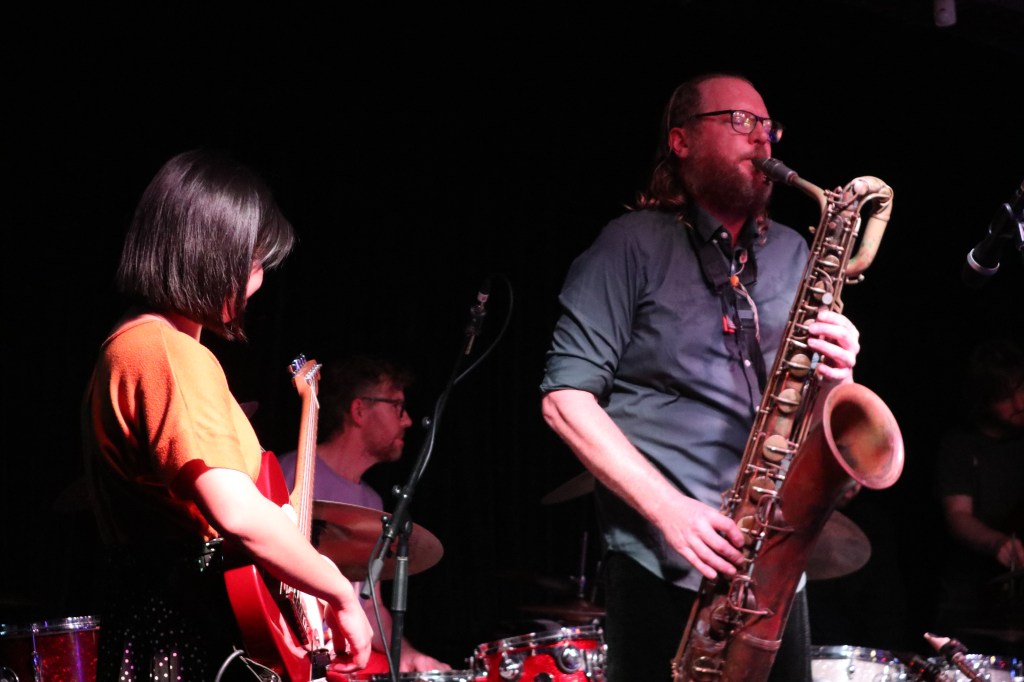
While Henderson is not a musician to blow his own trumpet, his baritone saxophone could flatten the walls of Jericho. He is the guiding force behind the growth of the improvised ‘out’ music scene in Aotearoa and his determination has built a sustainable and vibrant presence. A saxophonist, composer, producer and visionary, someone formidable.
With him in the Trioglodyte trio are Eamon Edmundson-Wells on bass and Chris O’Connor on drums (and percussion). O’Connor is a legend across many genres and Edmundson-Wells has built a solid reputation in settings like this. The pair are the perfect foils for Henderson, being adept at reacting instinctively and both capable of carrying considerable weight. Edmundson-Wells is a powerful and unfaltering presence and this frees up Henderson to forge a melodic path. Meanwhile, O’Connor does what he is renowned for, delivers his extraordinary pulses in marvellously unexpected ways.
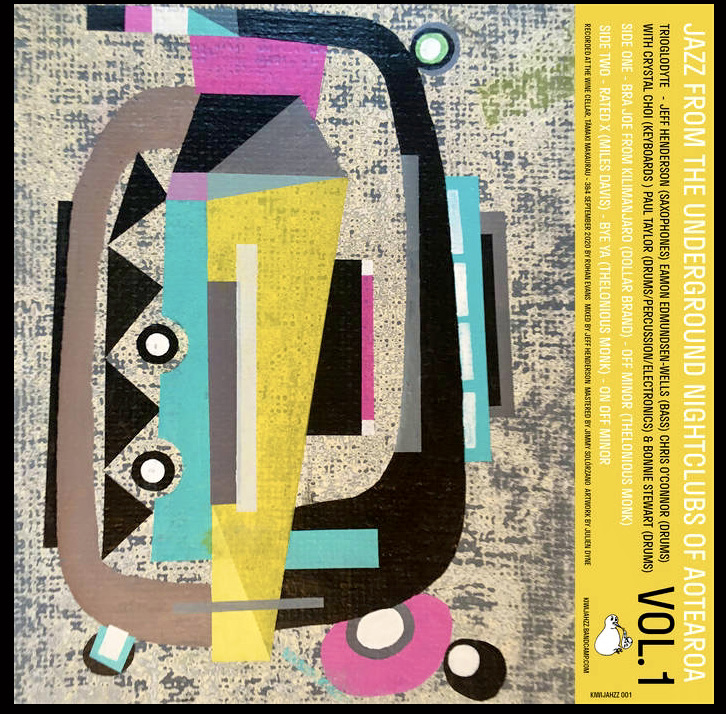
‘Vol 1’ is modestly titled but don’t let that fool you, because immediately you click on the arrow, the introductory track comes right at you, delivering hammer blows to the senses. Perhaps there should be a warning upfront; beware there will be no ECM styled five seconds of silence beforehand. That track is titled ‘Bra Joe’.
Henderson opens with an extraordinary squalling attack as he strides into the tune like a Titan, casting aside all that he deems superfluous. Underneath his saxophone, you are aware of the pumping and scuffling of Edmundson-Wells and O’Connor, followed by the second trio. Crystal Choi on keyboards, Bonnie Stewart on drums and Paul Taylor on percussion and electronics. This may be a short number, but the impact will linger long afterwards.
The second track ‘Bra Joe from Kilamajaro’ is a reimagining of the Dollar Brand standard. Here the pace is slowed and the volume lowered but the intensity is not. The way it unfolds over a long slow vamp imparts something of an Alice Coltrane vibe, with Choi’s keys rippling joyfully beneath the bass. In fact, every track references a Jazz standard (more or less). Some might wonder why an album of adventurous free music features standards, but the music here is as out and adventurous as you might wish. And as with most improvised music, there is an implication of fun, of not taking ourselves too seriously. My favourite track is definitely ‘Rated X’ (Miles Davis). This is a multi-layered sonic feast and everyone gets to strut their stuff here. Miles smiles I’m sure. On this particular track, it is easy to understand why Henderson is held in such high regard. The ideas just bubble from his horn and everyone responds in kind. And Bonnie Stewart (is this the Irish born Bonnie Stewart, the drummer songwriter, who performs with SIMA in Sydney). I have always been a fan of Choi on keys and this is the proof of the pudding; she was always reaching for this space. And then Taylor, electronics and percussion; his inclusion rounding off the ensemble nicely. This is the way modern avant-garde music has been tracking of late, two, even three drummers, which offers more punch.
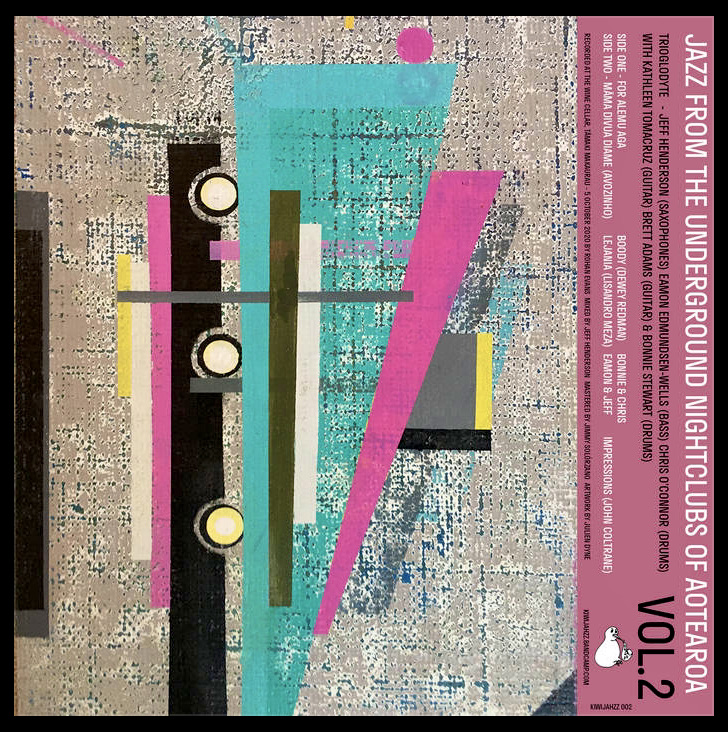
‘Vol 2’ has a different mood entirely. It opens with a moody piece of Frisell styled Americana, with one guitarist playing chords over a soft drone while the other answers. When Henderson comes in, new possibilities open up, and a subtle interplay involving all six musicians takes this into freer territory. Track two has a delightful New Orleans barroom kind of vibe. Again, Henderson leads the way with raw gutbucket blues. It shouldn’t surprise anyone to hear him play like a soulful Texas tenor player (complete with shouts) as there is ample evidence of this on earlier Henderson led albums. As you move through the tracks the Americana theme merges with other influences, a two drummer conversation titled Bonnie & Chris, a short piece titled Eamon & Jeff. And following that is the blistering and rollicking ‘Impressions’; this last piece is best described as a Knitting Factory styled blues with the drums and percussion setting up the tune. Unadulterated crazy magic. Apart from Trioglodyte, the album features guitarists Kat Tomacruz and Bret Adams plus drummer Bonnie Stewart.
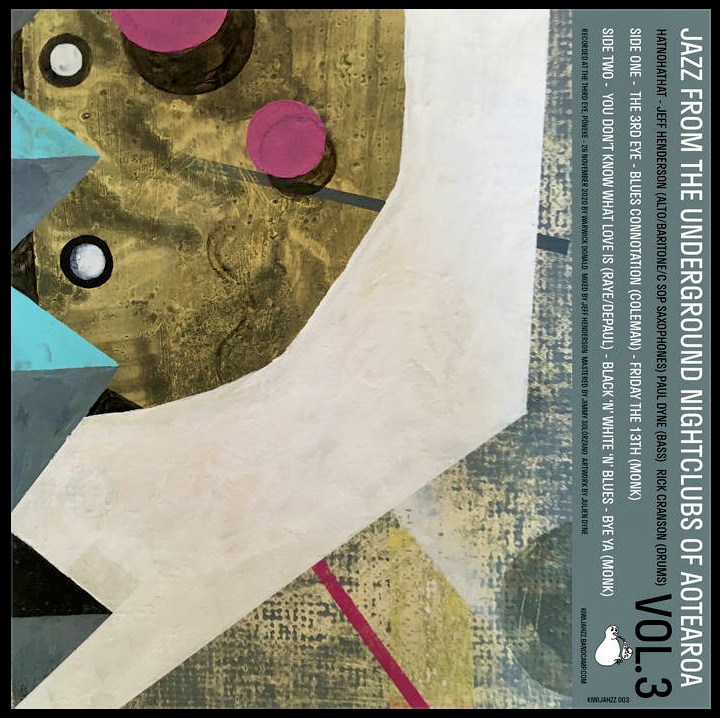
‘Vol 3’ is not a Trioglodyte album and unlike the other three in the series, it was recorded in Wellington at the Poneke Beer Loft (November 2020). Here Henderson is with bassist Paul Dyne and drummer Rick Cranson. All are heavy hitters and well used to traversing the jagged lines of Monk and responding to the keening cries of an Ornette Coleman tune. As well, the tracklist offers freely improvised pieces and a standard. The liner notes make reference to Henderson’s garrulous saxophone, and while that is accurate, it is also true that we can find a more measured and interrogatory tone from him here. Perhaps because this traverses familiar ground with old friends, the trio decided to take an oblique look at the material. This is particularly evident on the Raye/de Paul war-horse ‘You Don’t Know What Love Is’. Together they have recut this diamond and revealed burning shafts of light hitherto unseen, and in doing so, they forged a minimalist route to the lustre. ‘Black ‘n’ White ‘n’ Blues’, dances joyfully over ostinato bass lines and a steady pulse, Colemans ‘Blues Connection’ is delightful and captures the essence of the great man; also, the two Monk tunes ‘Bye Ya’ and ‘Friday the 13th’ refresh and delight.
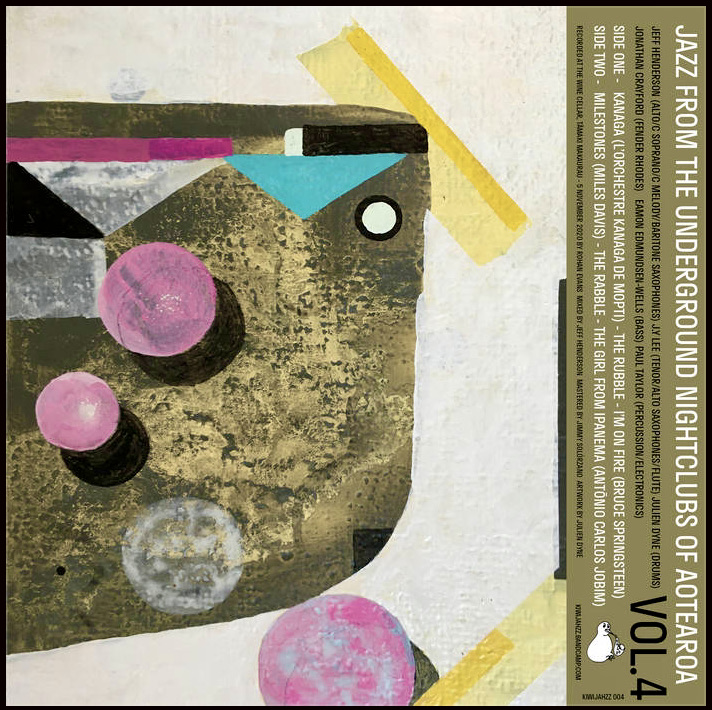
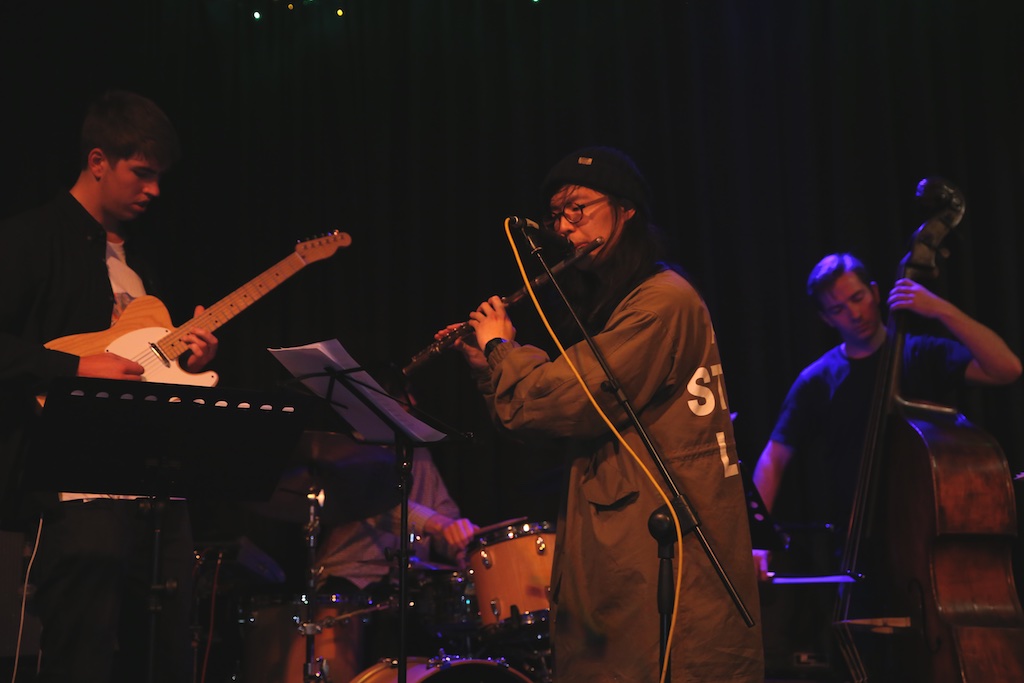
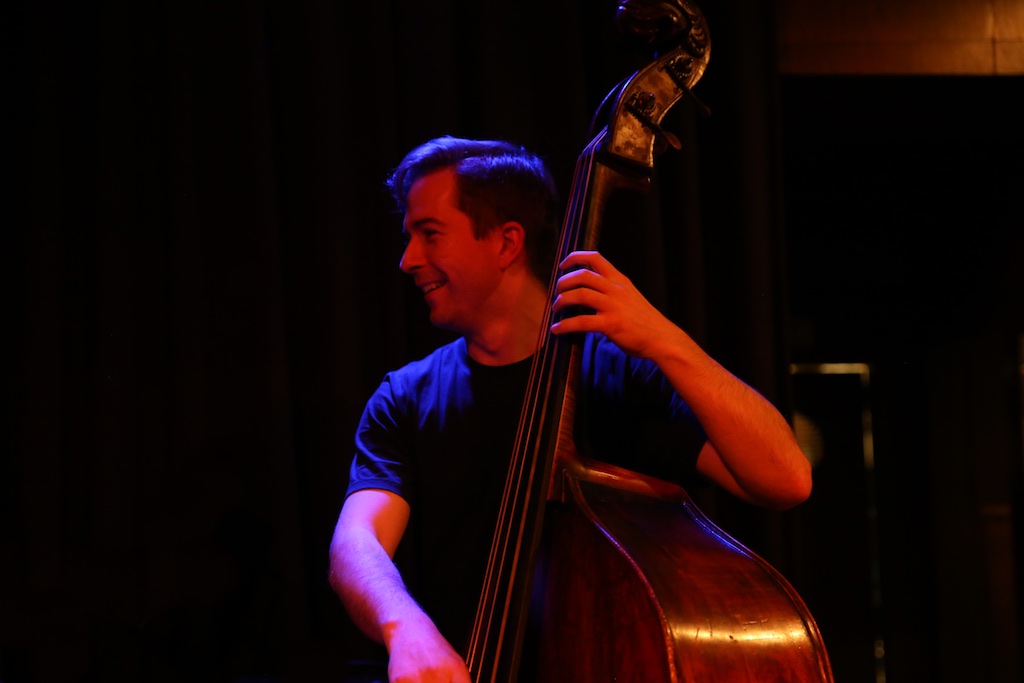
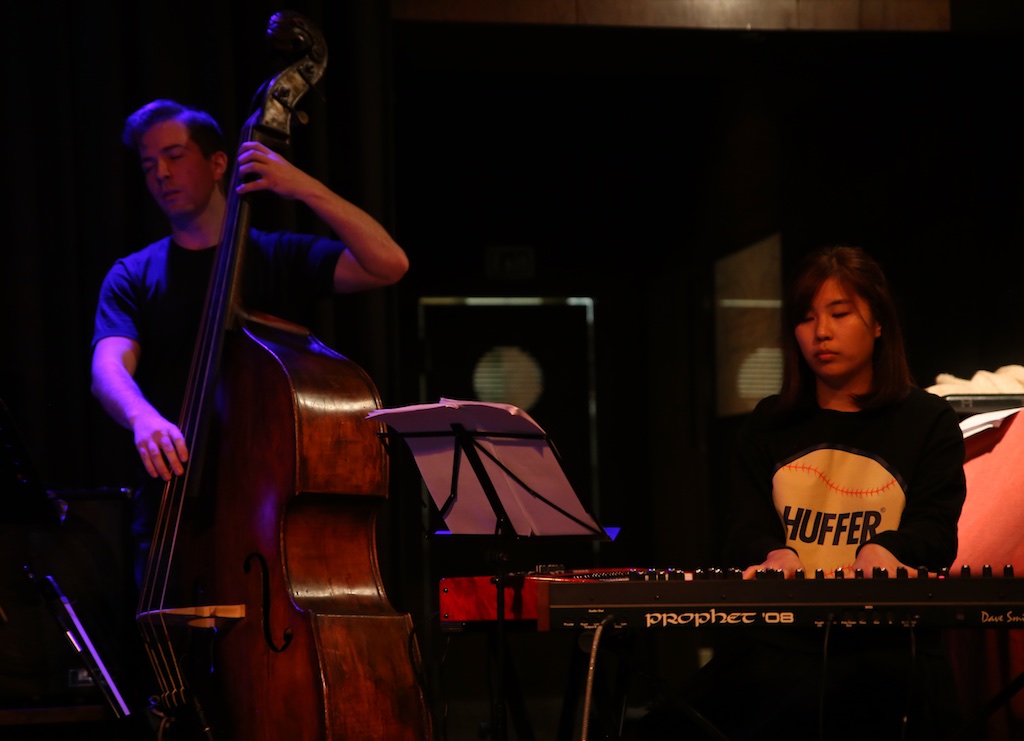
‘Vol 4’ is another Wine Cellar recording and the lineup here is mouth-watering. There is no Chris O’Conner in the core trio this time, but his replacement Julien Dyne slots in seamlessly. Dyne is a marvellous drummer, comfortable in a multitude of settings. He is also responsible for the great artwork on all four of these releases. And as if there were not already an embarrassment of riches, Jonathan Crayford features on Fender Rhodes. The other musicians are J Y Lee on alto & flute (a player featuring in many innovative bands about town) and as in Vol 1, Paul Tayler on percussion and electronics. This album takes in a broader perspective on improvised music. It is filled with interesting cross-genre references and it invokes many moods. Here Henderson deploys a fuller armoury of alto, C soprano, baritone and C Melody saxophones.
The opener has an Afro Beat feel. Powerful propulsive and utilising repeated phrases to amp up the tension. Track two ‘The Rubble’, by contrast, is a dark filmic piece powered by the percussive utterances of Dyne and Taylor and the mood deepened by the arco bass of Edmundson-Wells. Three is airy and open, wending its way purposefully, led by Crayford as he sets the pace and mood. People unfamiliar with free improvised music often fail to comprehend that this type of music can on occasion be gentle and reflective. It is honest music dictated by the moment. The flute and saxophone are pelagic birds circling above the rolling swells of a vast ocean. A most appealing piece.
Track four, ‘Milestones’ (Davis) is a wonderful Dewey doing Miles fifteen-minute romp and the best reimagining of the tune I’ve heard in ages. This is so good that I had to put it on repeat play. The two saxophones playing unison lines, then Henderson (and Lee) playing the changes before launch off, Crayford dropping space chords underneath and soloing like Sun Ra’s chosen successor, Dyne, Taylor and Edmundson-Wells lifting the intensity beyond the high watermark. This track is everything you could ever wish from a Jahzz group. No wonder Tony Williams kept begging Miles to keep the tune in the repertoire post Bitches. Again 5 stars. There is one more standard ‘The Girl from Ipanema’. They have taken a ‘same beach different girl’ approach here. This is completely free and not a bossa beat in evidence. This is a musical territory that the Norwegian electronic improvisers claim so convincingly. It is explorative and anyone with open ears will enjoy the ride. Mood dominates and form is irrelevant. Having some of our best musicians collaborating on a project like this is a masterstroke. The open-eared must support Kiwi Jahzz and if we do there will certainly be more riches in store. You can find downloads and high quality streaming at Bandcamp on kiwijahzz.bandcamp.com
Footnote: A pointless question is sometimes asked of me, ‘but is this Jazz’. My response is, who cares, followed by, but did you listen with open ears and did the music talk to you? That’s all a listener needs to know about approaching unfamiliar music. Perhaps in future, I will answer by suggesting that they may be confusing Jazz with Jahzz.
Jazz is a catch-all descriptor for a broad swath of improvised music, and like all attempts to define an open art form, it eventually hits a brick wall. Jazz doesn’t require a scholarly explanation because the listener ‘just knows’; or as Pat Metheney put it, ‘you can’t see, touch or smell Jazz (unless you’re Frank Zappa), but a listener can recognise it immediately. Sound is air vibrations passing over the small bones in the inner ear, then it becomes electrical impulses. Jazz is physics fused with alchemy.
JazzLocal32.com is rated as one of the 50 best Jazz Blogs in the world by Feedspot. The author is a professional member of the Jazz Journalists Association, poet & writer. Some of these posts appear on related sites.


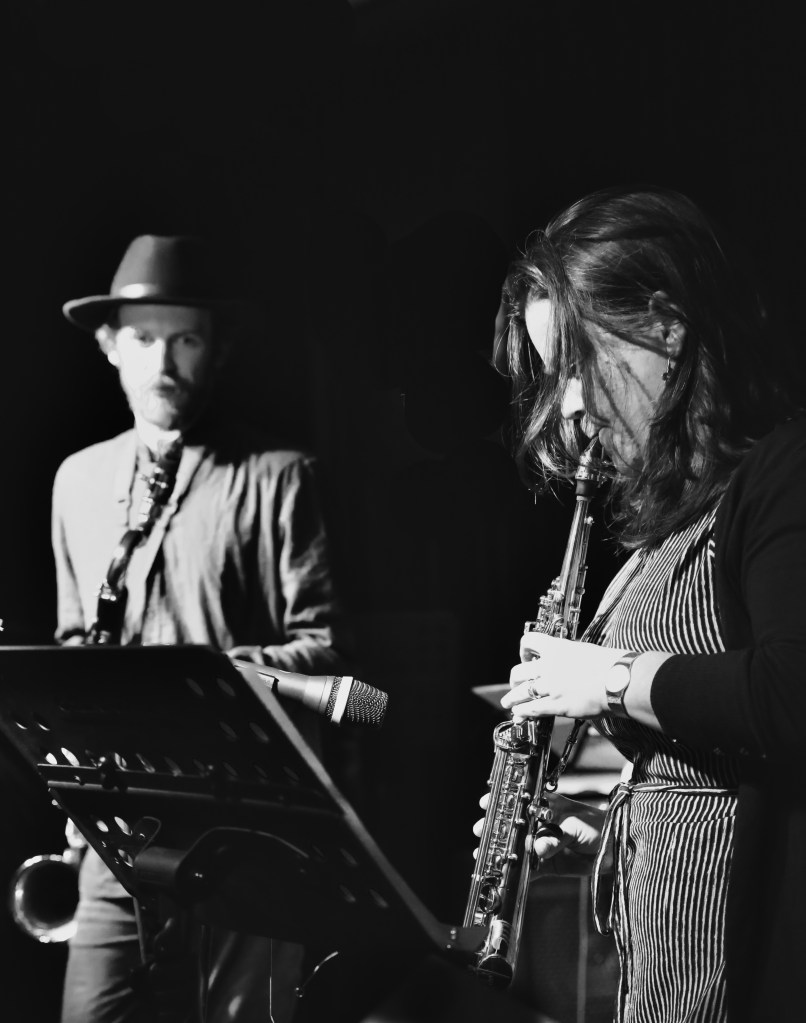
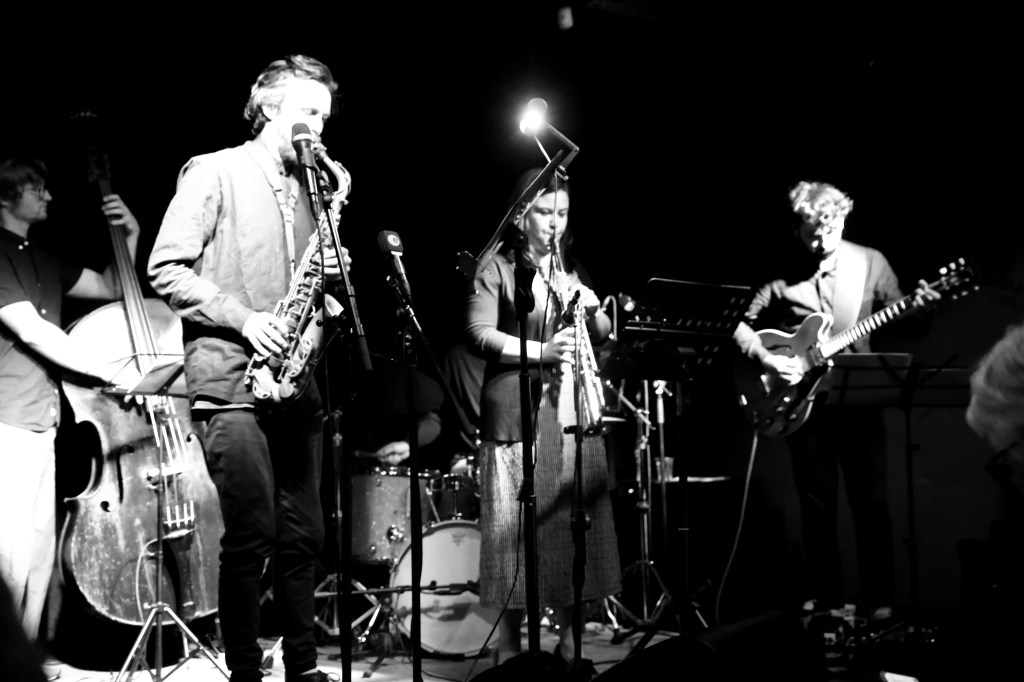
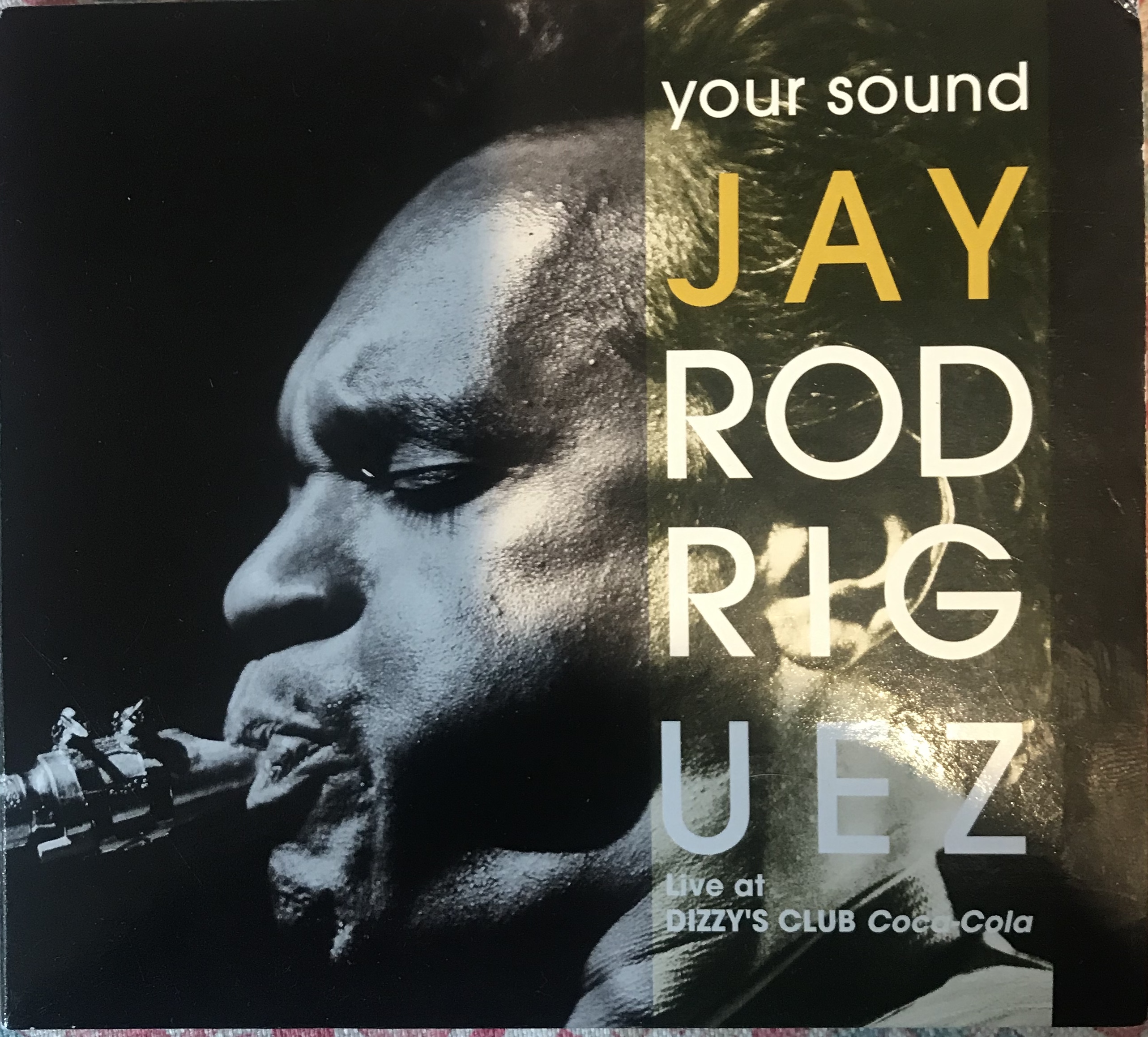
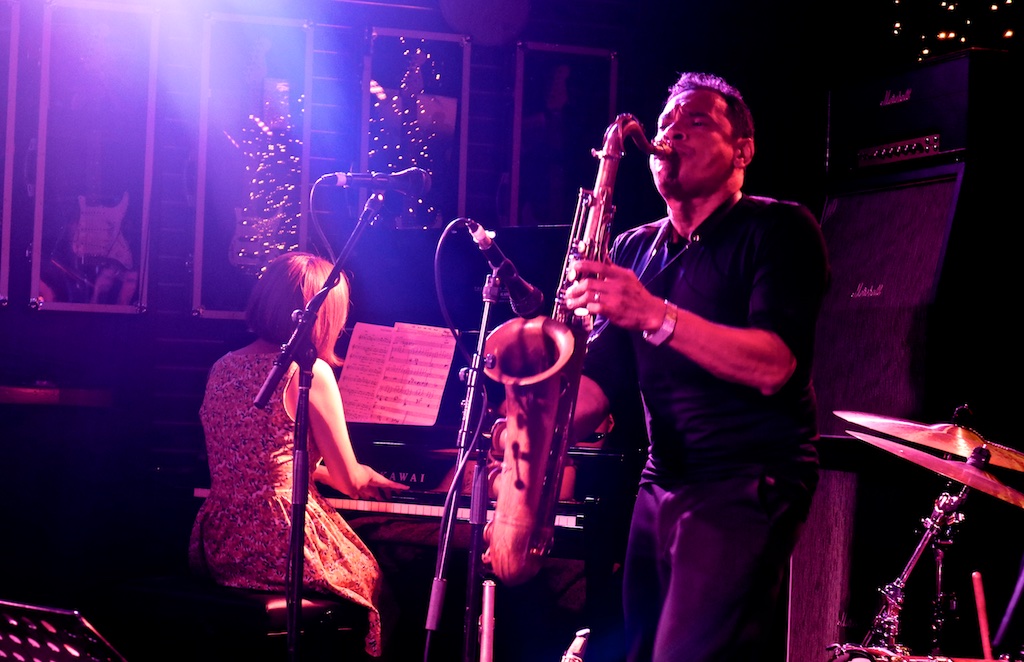 Anyone who saw Jay Rodriguez play the last time he was in town will have tripped over themselves to catch him again last week. Rodriguez is a talented and engaging improviser and when he steps onto the bandstand he wins hearts from the get-go. This seemingly innate ability arises from a keen understanding of what will work best with a particular audience. He picks ups on and feeds off the energies in the room. He is also a skilled technician, but he is not there to show off his undoubted chops. His purpose is to involve and to engage at the deepest level; offering musicians and audience alike an unforgettable musical experience.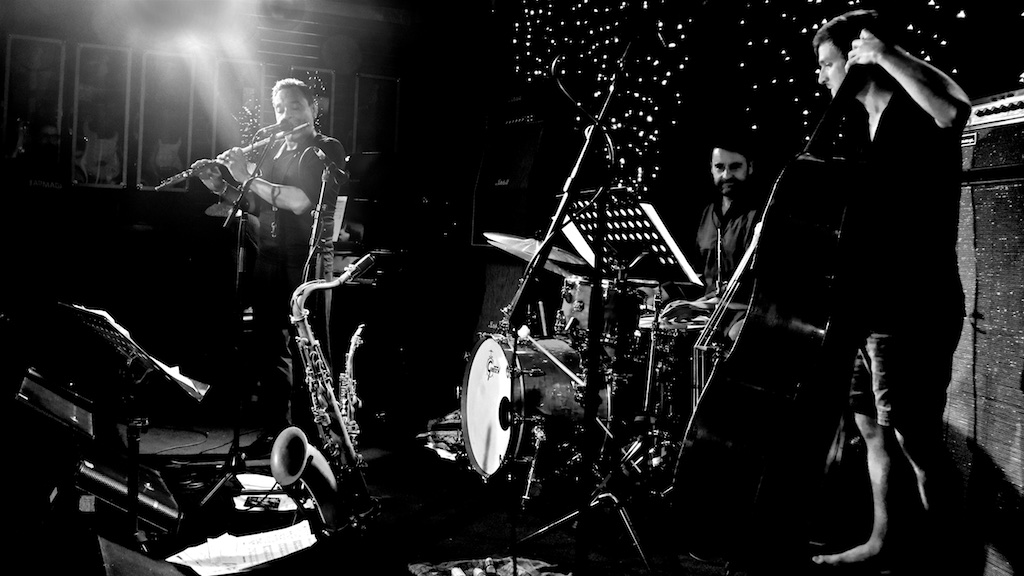
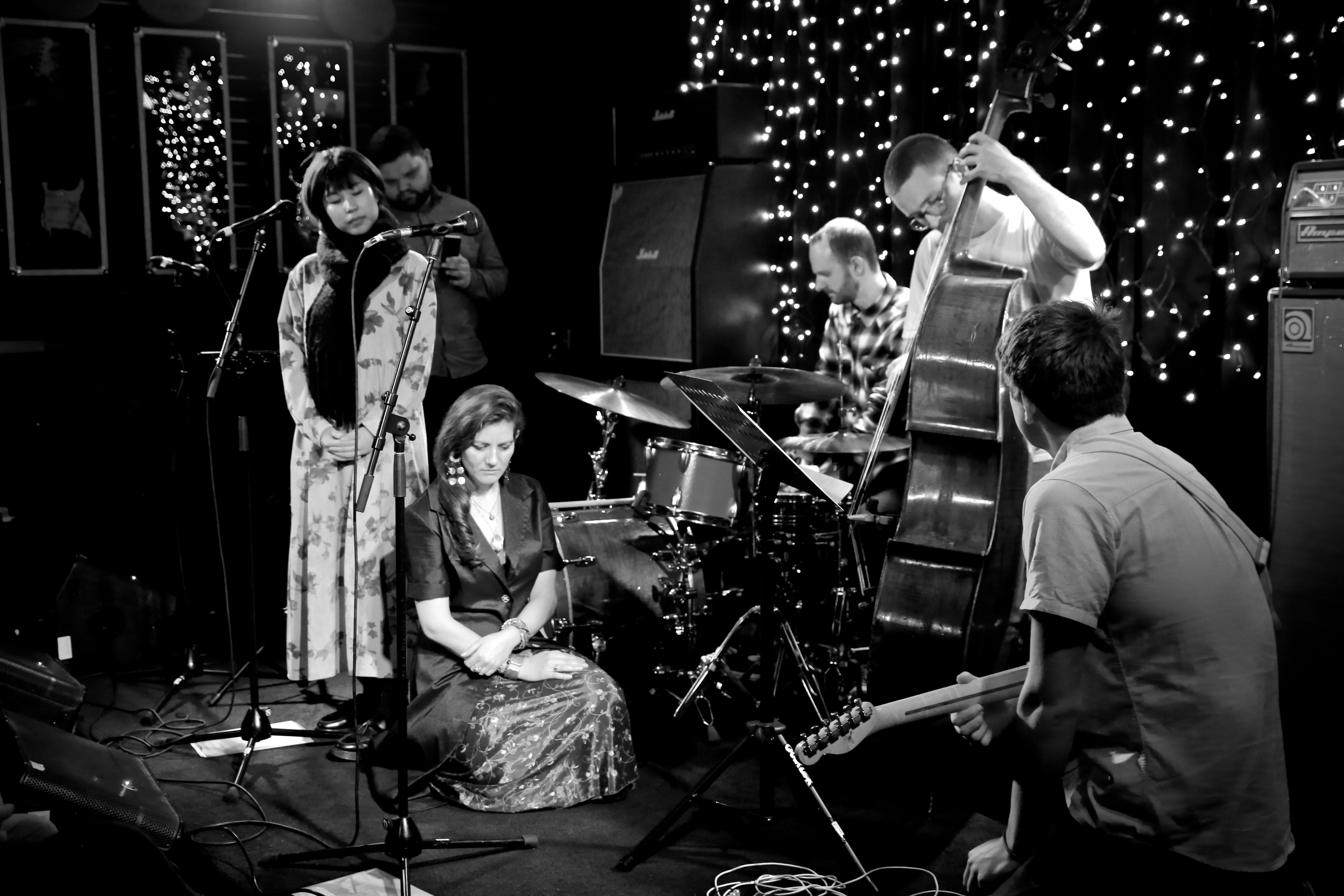 Chelsea Prastiti was not long back from Cyprus when her band Leda’s Dream appeared at the Backbeat Bar. Prastiti is well known in the Auckland improvised music scene and especially so at the avant-garde end of town. She’s a compelling vocalist and composer who approaches her craft as a free spirit, unfettered by others expectations. When she sings she dives deep and puts herself out there fearlessly but her risk-taking is not a mere academic exercise; it cuts to the very heart of what it means to be a thinking, feeling human. Her compositions are therefore always interesting and out of that a raw beauty and an honesty arise.
 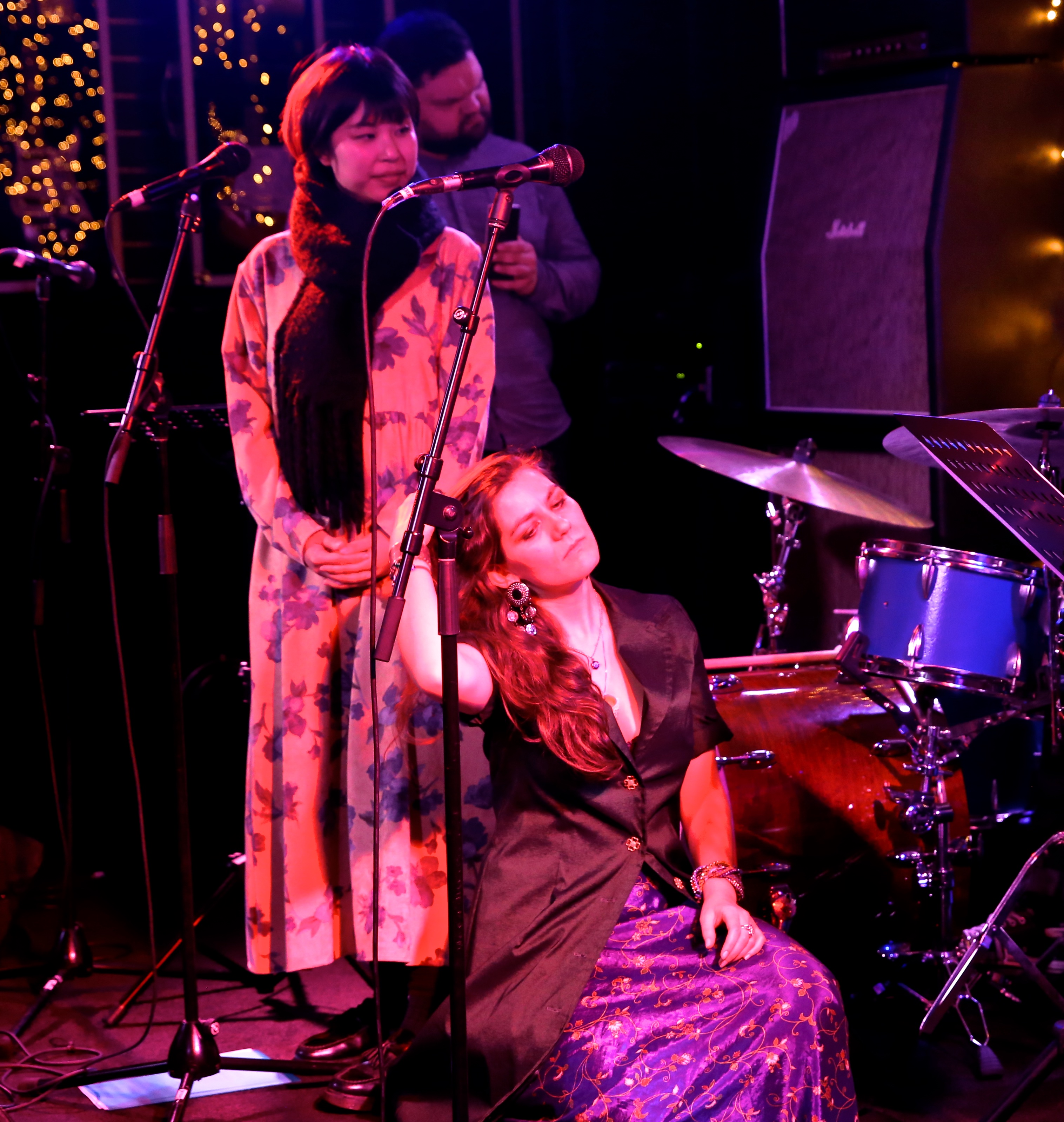 Although the ensemble played material that we have heard before, they sounded incredibly fresh – even different. Crystal Choi confined herself to accompanying vocals (no keys), Michael Howell stepped further into a measured chordal role and Callum Passells on alto and voice effects was the archetypal minimalist (saying a lot more with less). This felt very right and the re-configuration gave the ensemble a lot more freedom. They stretched out as the spirit took them and the first two tunes filled the entire first set. The voices, in particular, were liberated by the change and this gave wings to the melodic lines and mood. The harmonies were there in spades but that was not what drew you in. It was ‘mood’ and the pictures that those moods created.
 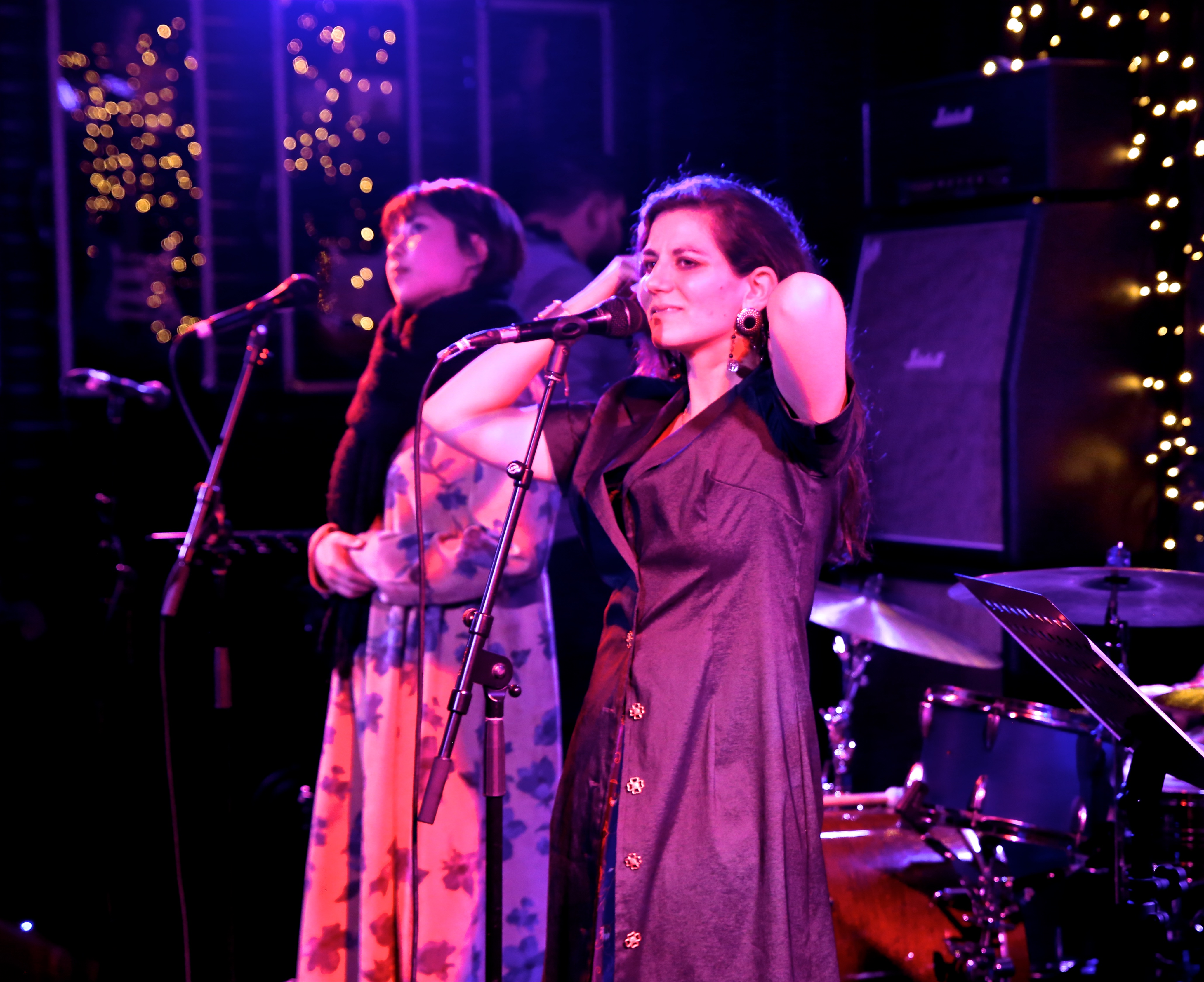 Prastiti’s is a brave path and I would expect no less from her. This is a musical space that is sparsely populated and more’s the pity. Think Sera Serpa (duos or trios), Think Norma Winstone (Azimuth 85) or perhaps the brilliant Nordic vocalist Sidsel Endresen (Endresen live with Jan Bang). In this ensemble, she has the musicians to give her the freedom she deserves. Passells, who is unafraid of soft trailing notes or of minimalism, Howell who can follow a vamp to eternity and make it sing, Choi who instinctively makes the right moves, and Eamon Edmundson-Wells and Tristen Deck who know when to lay out and when to add colour or texture. The music drew from free improvisation, standard Jazz and deep Folkloric wells. It did so without undue introspection. The band brought the audience along with them and the bouts of enthusiastic applause proved it. For some reason, and it was partly their attire, the gig felt like a postmodern version of a Pre-Raphaelite tableau. Oh yes indeed, that always works for me.
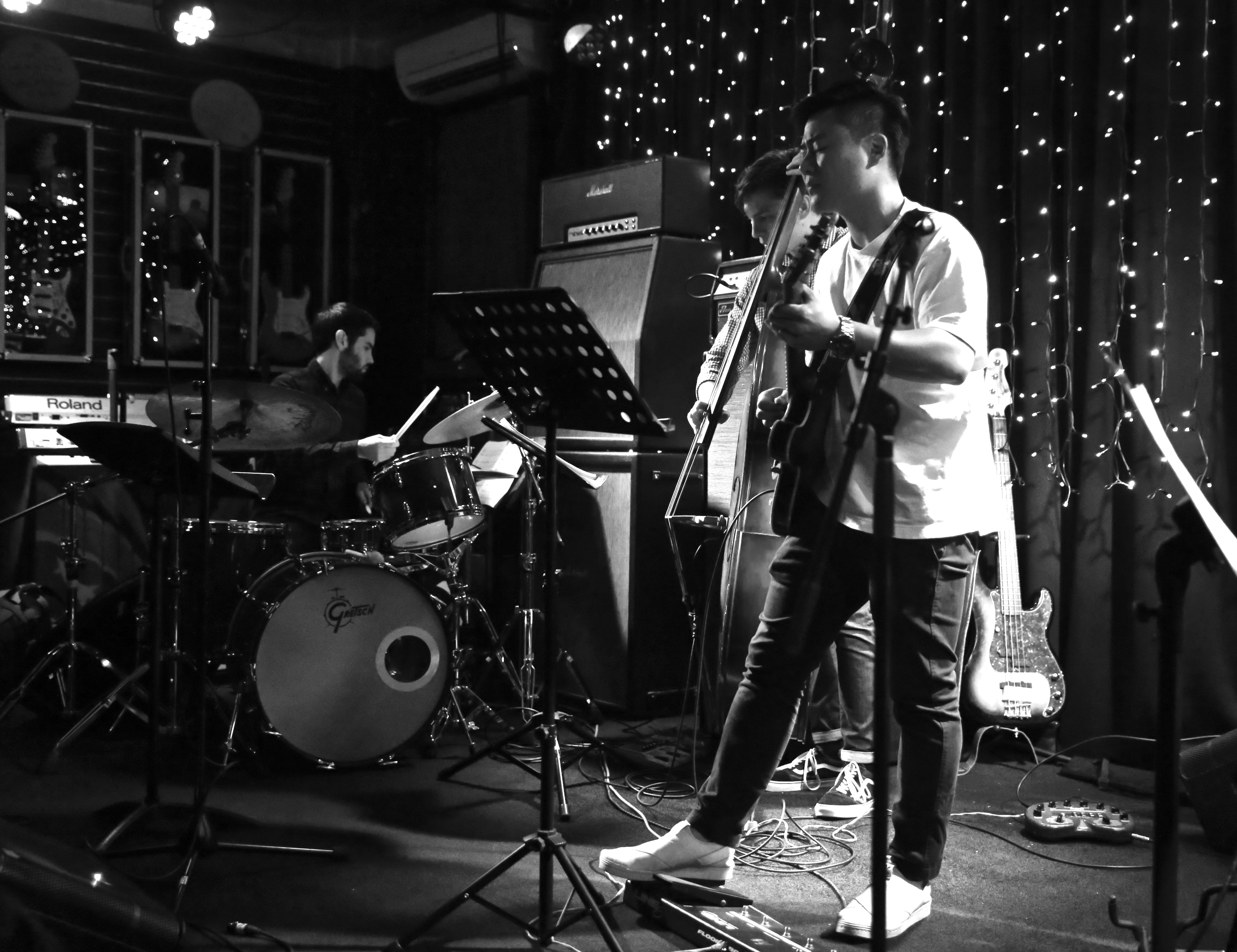 Two weeks ago the CJC Creative Jazz Club profiled two more emerging artists; Seungeil Thomas Hwang and Kathleen Tomacruz. Hwang and Tomacruz are both guitarists but with quite different approaches to their craft. Hwang leans heavily toward the fusion and rock end of the spectrum while Tomacruz, although adventurous, sits comfortably inside the tradition. Both underscore the value of the University of Auckland, Jazz programme; a programme which prepares musicians in the best possible way; fitting them for whatever musical path they choose.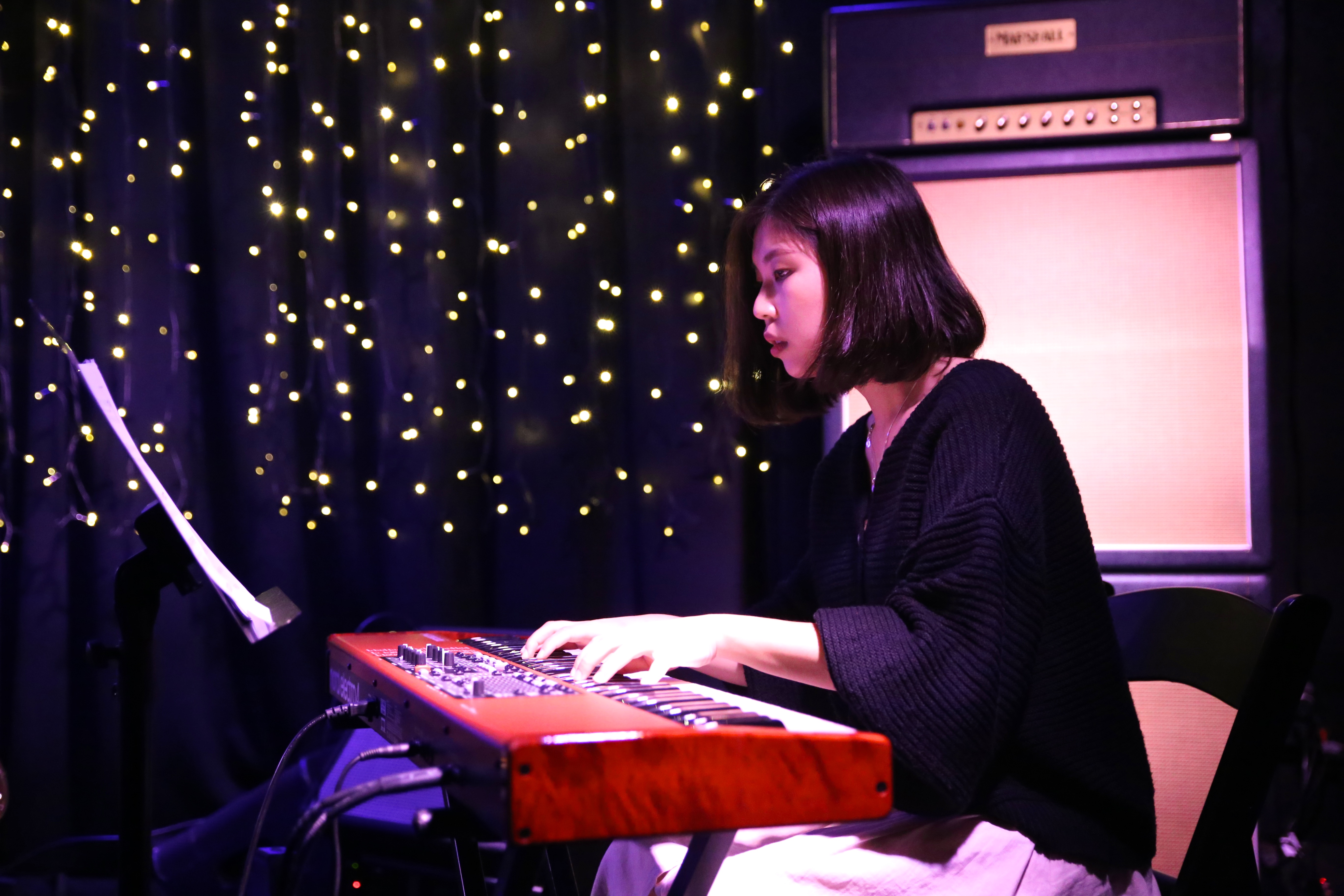
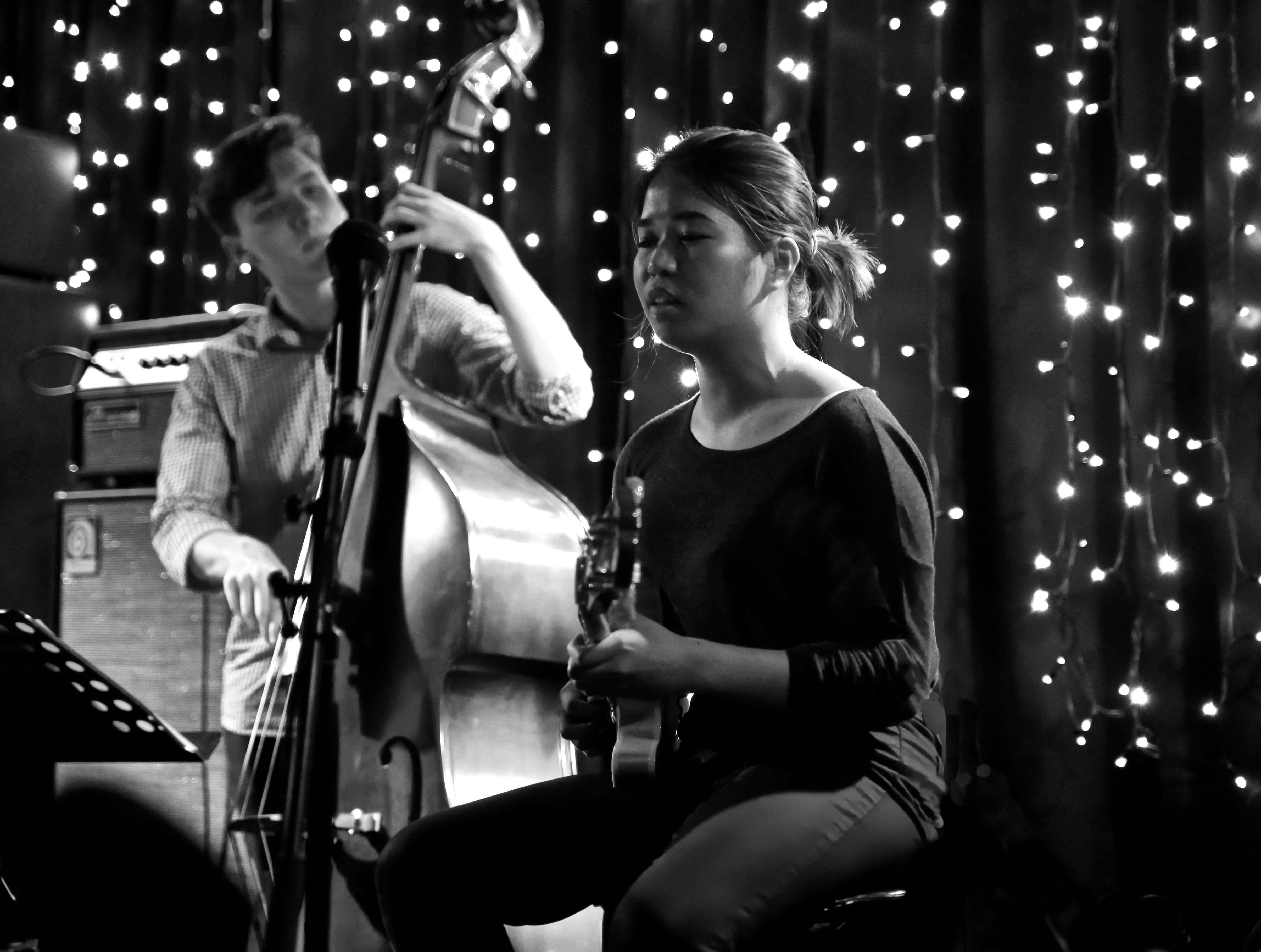
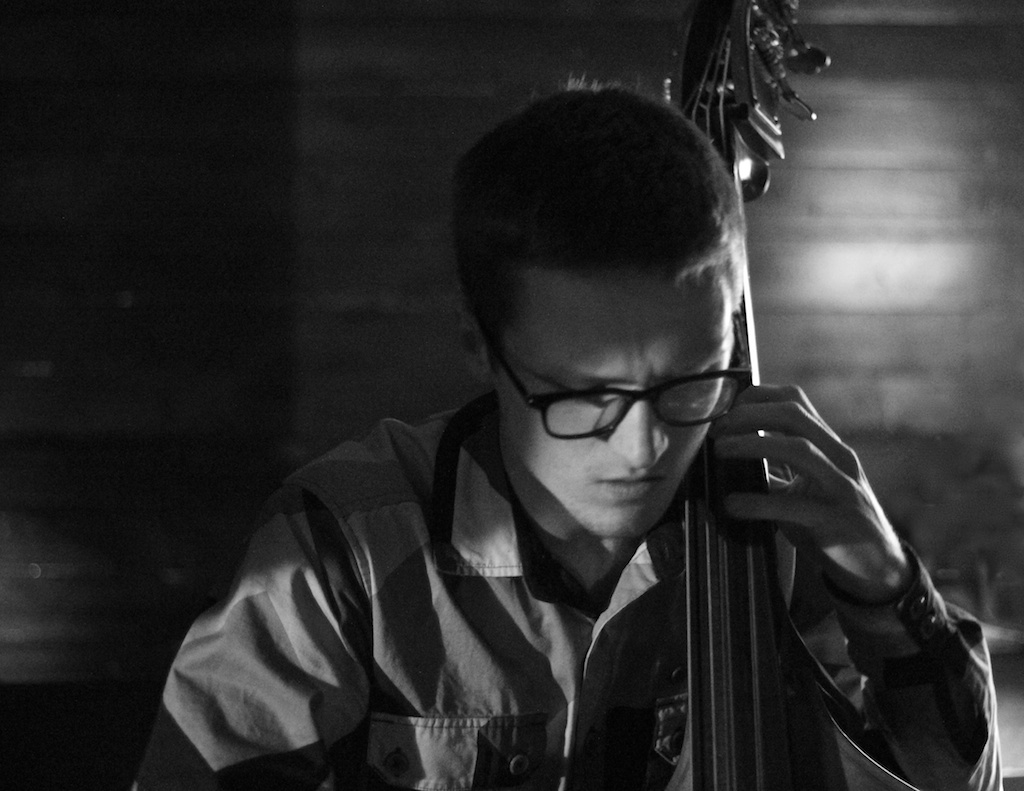
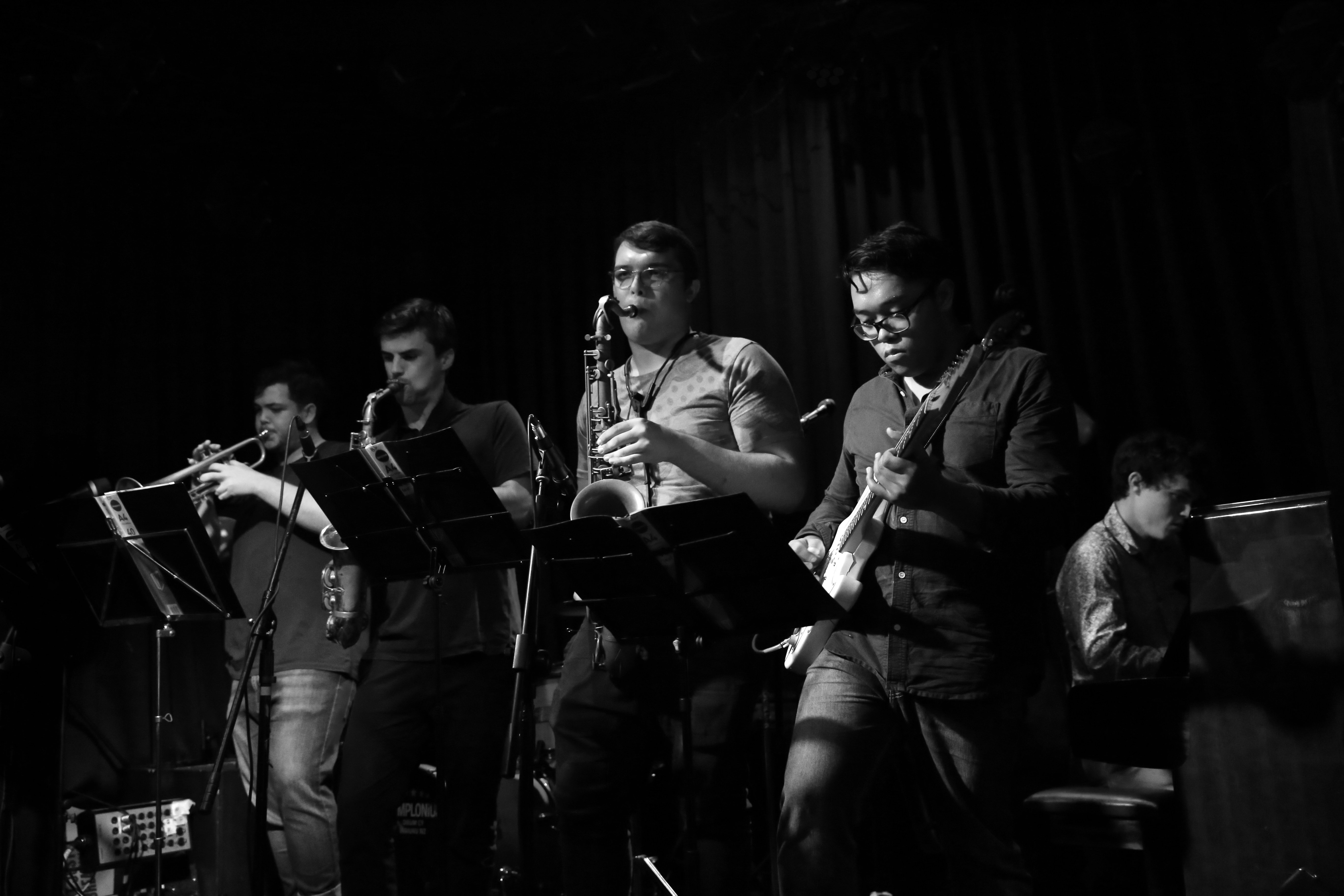 In keeping with the longstanding CJC tradition of keeping twice yearly slots open for emerging artists, late March featured two such sets. First up was a group led by bassist Denholm Orr. Orr has appeared in lineups a number of times, but this was his first appearance playing his own material and as a leader. His recent compositional work has placed increasing focus on arco-bass and consequently, the charts reached into that territory. Arco is not the default style for Jazz bassists but I am seeing a lot more of it lately and I welcome that.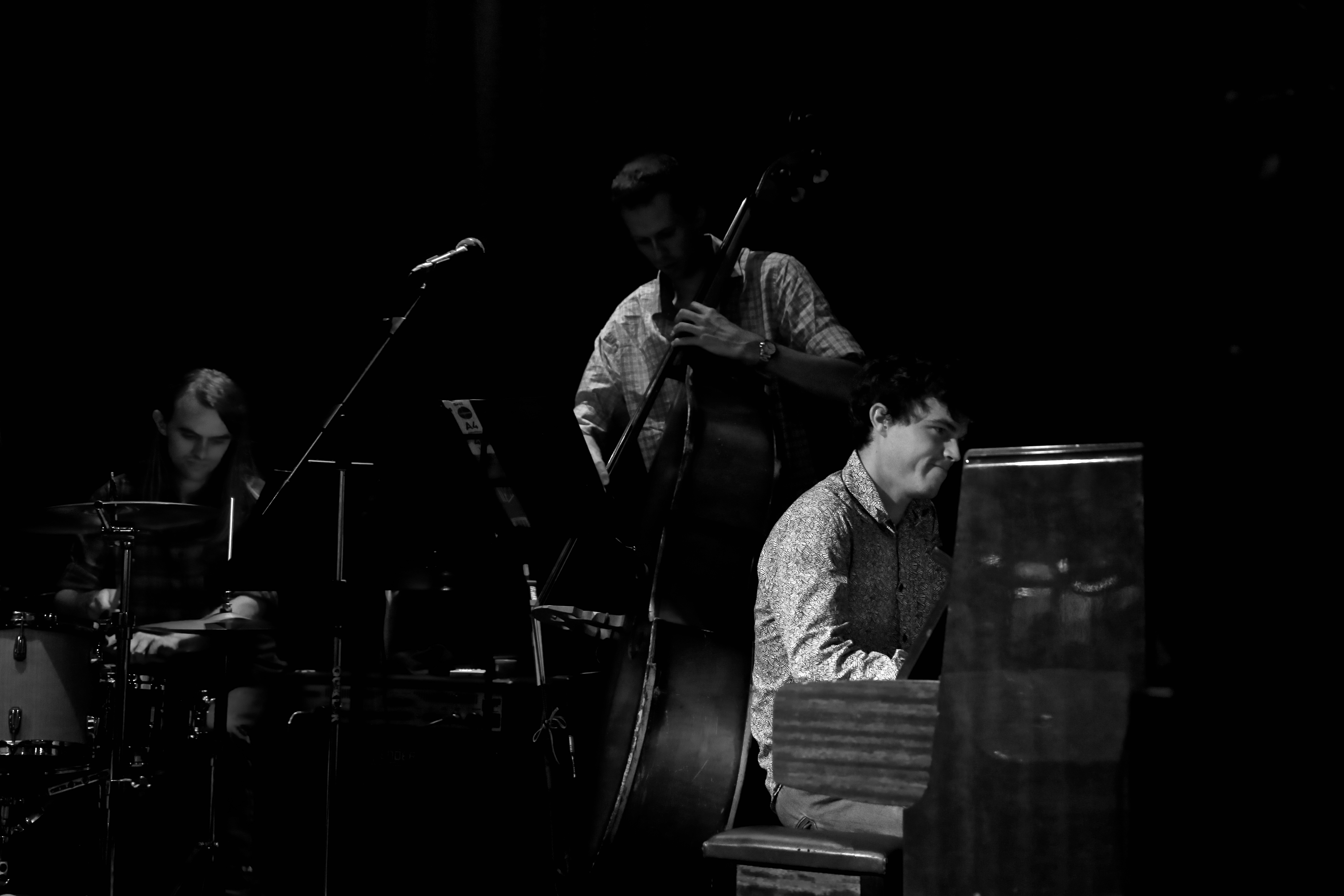
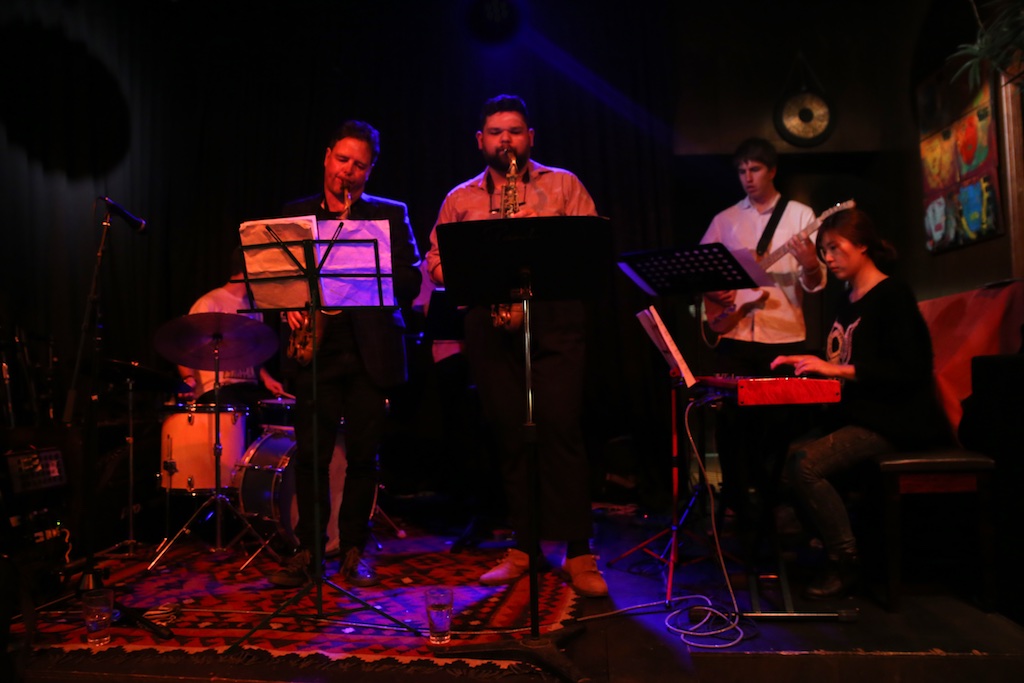 At some point in human evolution, the majority of humans decided to stay put. In consequence, the hunter-gatherers and the pastoral nomads became outliers. As civilizations grew, agriculture grew and large enclosures and granaries grew along with them. Beyond the walls and the jumble of enclosures; largely unnoticed, often unseen, foraging continued unabated. The homeless on the streets forage, philosophers forage, writers forage, wild and domestic animals forage and above all improvisers forage.
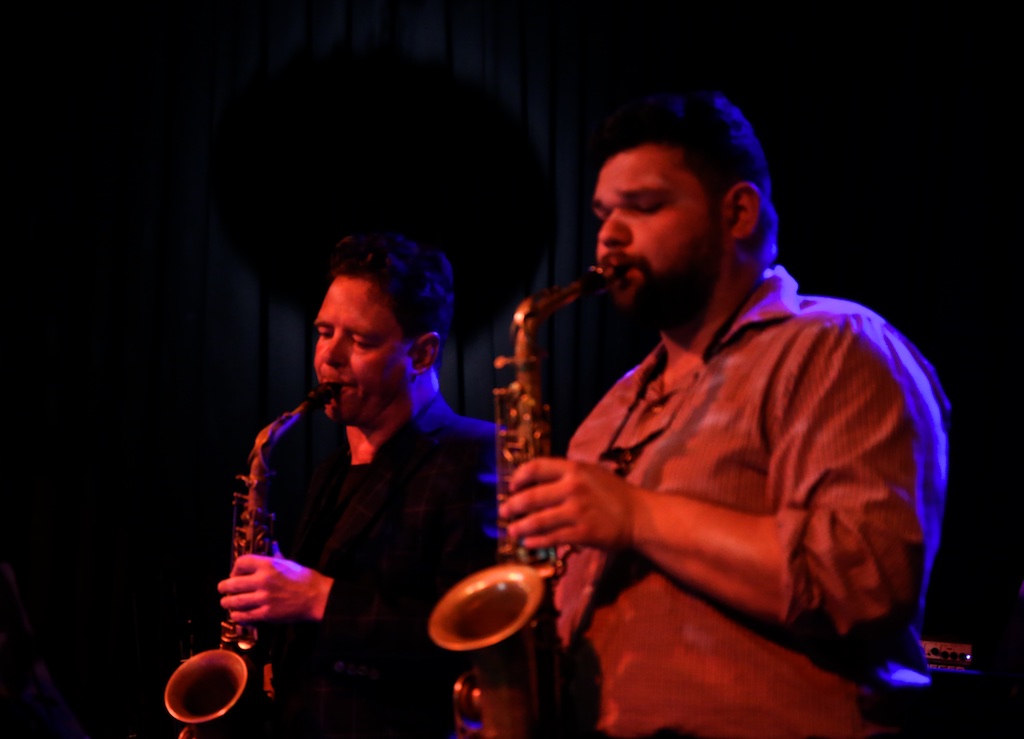 On Wednesday, his charts were for a larger ensemble. This time offering fresh insights; taking us further down the Rabbit hole. The pieces were of variable lengths and sometimes in parts. At some point during the second set, he played a piece titled ‘Ligeti’s Goat (I first heard that back in 2013). While the piece has melodic hooks and a basic structure, it is more, a surrealistic journey. A place where imagining, spoken narrative and musical narrative meet. Ligeti’s goat is vividly embedded in my memory; it is not a piece easily forgotten, a goat wandering through pastures, locating carrots (perhaps forbidden carrots), digesting the vegetables in that mysterious way of all ruminants.
 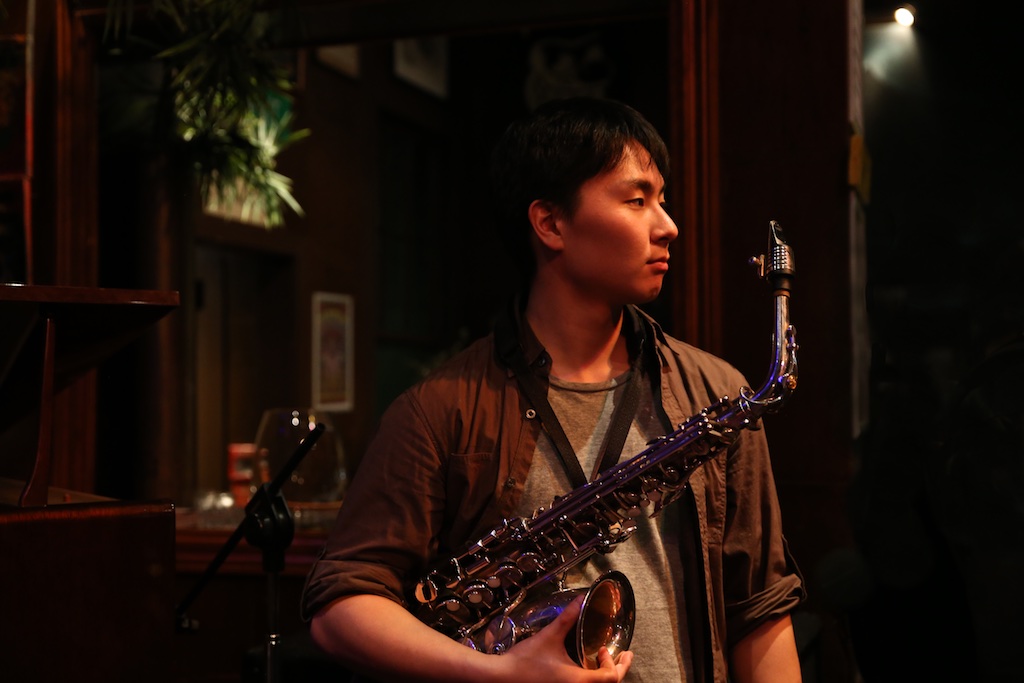 Last week brought us another emerging artist’s gig and this time it featured a Wellington band followed by an Auckland band. Each brought different aspects of improvised music to the bandstand and in a very nice touch, jammed together at the end; a happy meeting place between approaches. With so many international acts scheduled over coming months, it was great to see these young emerging bands given a shot: Again, this was good programming by the CJC.
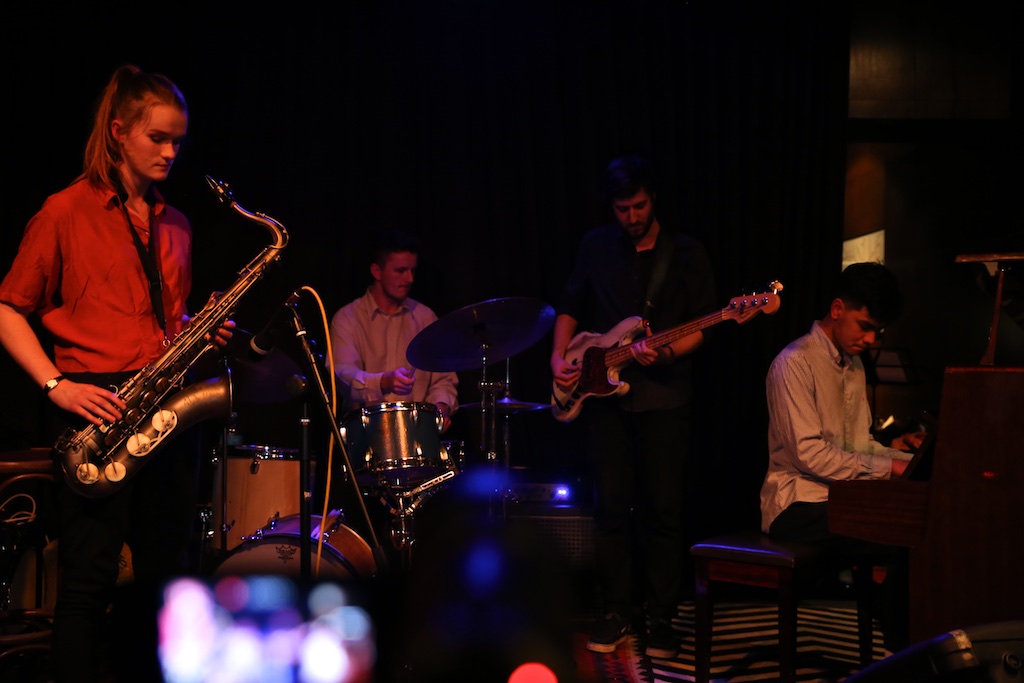 The Leo Coghini Quartet from Wellington took a straight ahead approach and it was obvious from the first number by Coghini, a solo rendering of ‘It Could Happen To You’ (Van Heusen/Burke), that he was an interesting pianist. He is classically trained, but with a good feel for swing oriented tunes. There were some nice originals in the set, but they were most comfortable on standards. I particularly liked the way they played Parker’s latin infused classic ‘My Little Suede Shoes’, also Kenny Garrett’s ‘Wayne’s Thang’. Both were approached in interesting ways (especially the nicely phrased Parker tune). The last number the quartet played was Stevie Wonders swinging groove classic ‘Isn’t She Lovely’ (which I have posted).
 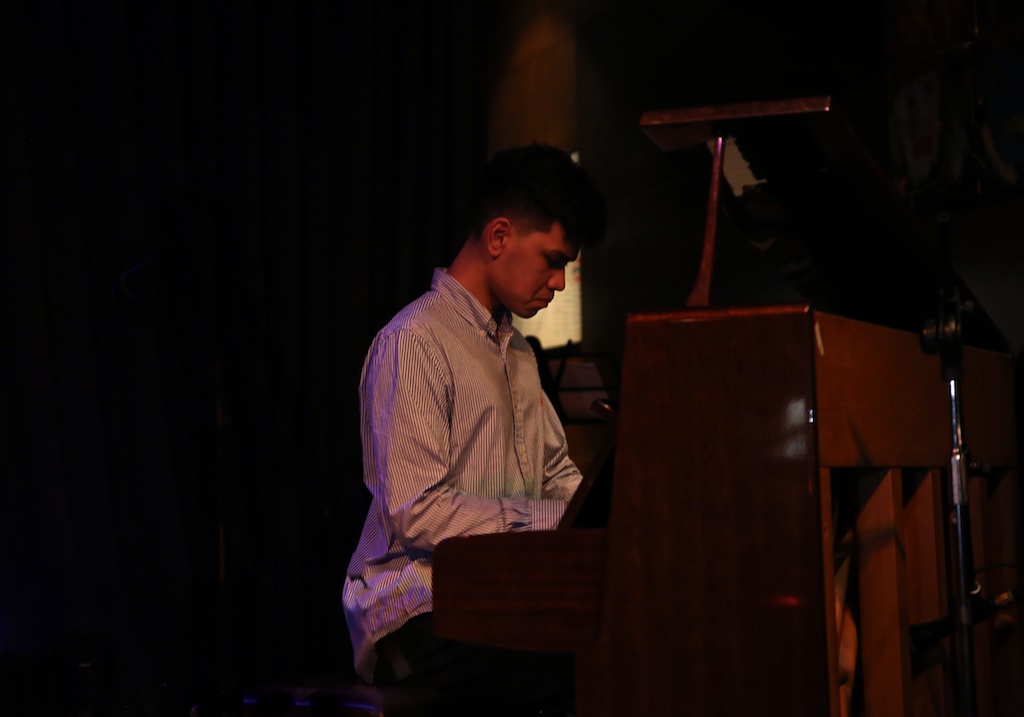 In relation to ethnicity and gender, the modern New Zealand Jazz scene is increasingly reflective of the wider population; It is, therefore, good to see women picking up instruments that were once regarded as being exclusively in the male domain. Louisa Williamson was up front on tenor. She overcame some initial nervousness and played well. The other band members were electric bassist Zane Hawkins and Jeremy Richardson drums (both accomplished players).
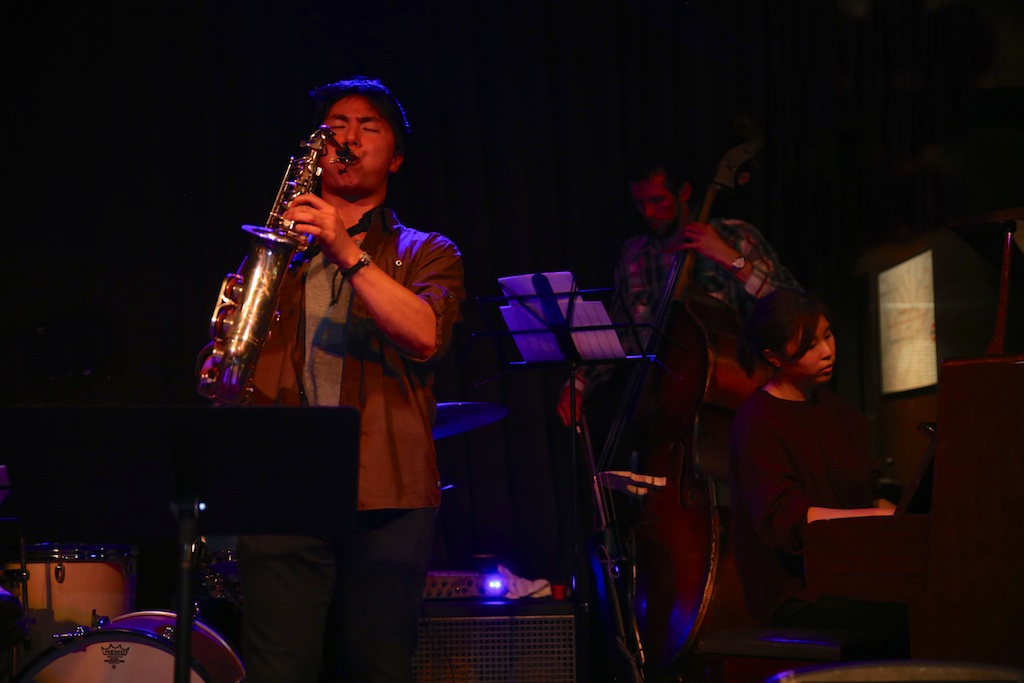 The tune ‘Within Hymn’ had clear references to Coltrane, but it was also interestingly modern. Although there were distinct parts to it, the piece made more sense as an entirety. It began with a bold statement on the horn, then unwound as it momentarily descended into chaos; next came the body of the piece, a building story, a probing at an idea, then changing again and ending with a climax. None of this would have been possible without the right support. Crystal Choi’s percussive chromaticism as she stabbed at the keyboard, the fourths, dissonant flurries; sometimes swinging as if to provide a counterbalance. Her solo was immaculate and each time I hear her now I’m amazed. Watching her musical journey encompass the avant-garde end of town and everywhere on the way is a treat.
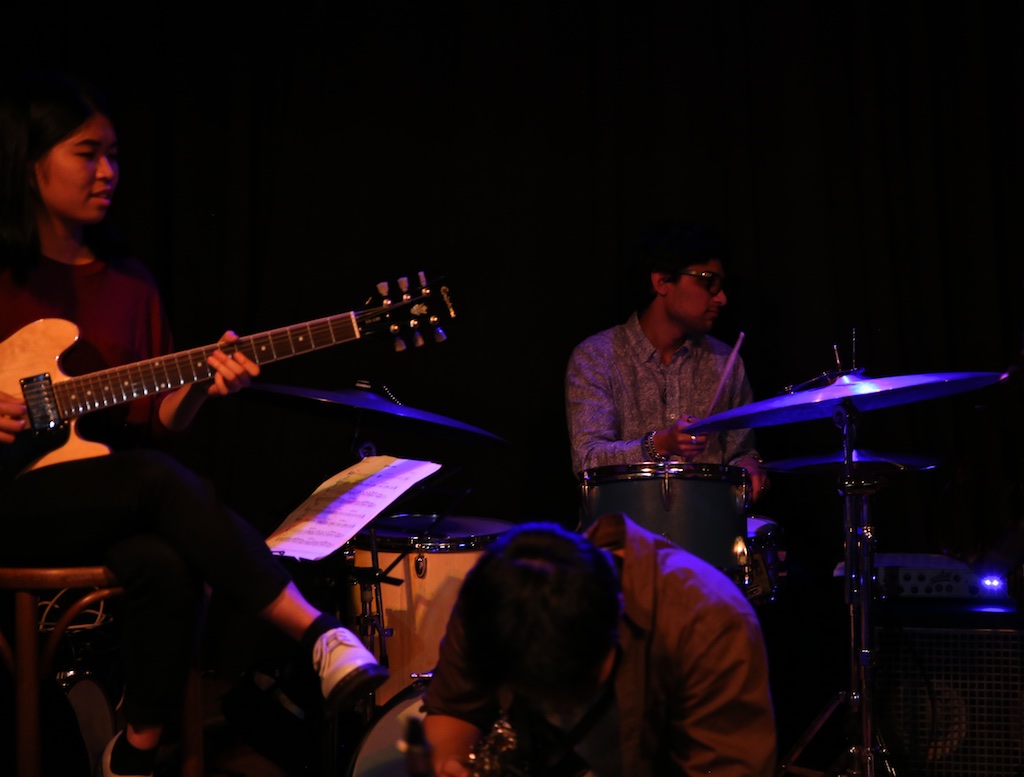 It was not just Choi who made this work, but Denholm Orr and Dean Rodrigues as well. Watch the clip through and judge for your self – these guys are amazing. Now a few bars of arco bass, now free or walking bass, and all the while, edgy polyrhythms dancing underneath. I was also pleased to see Kathleen Tomacruz on guitar – a very credible first gig for her.
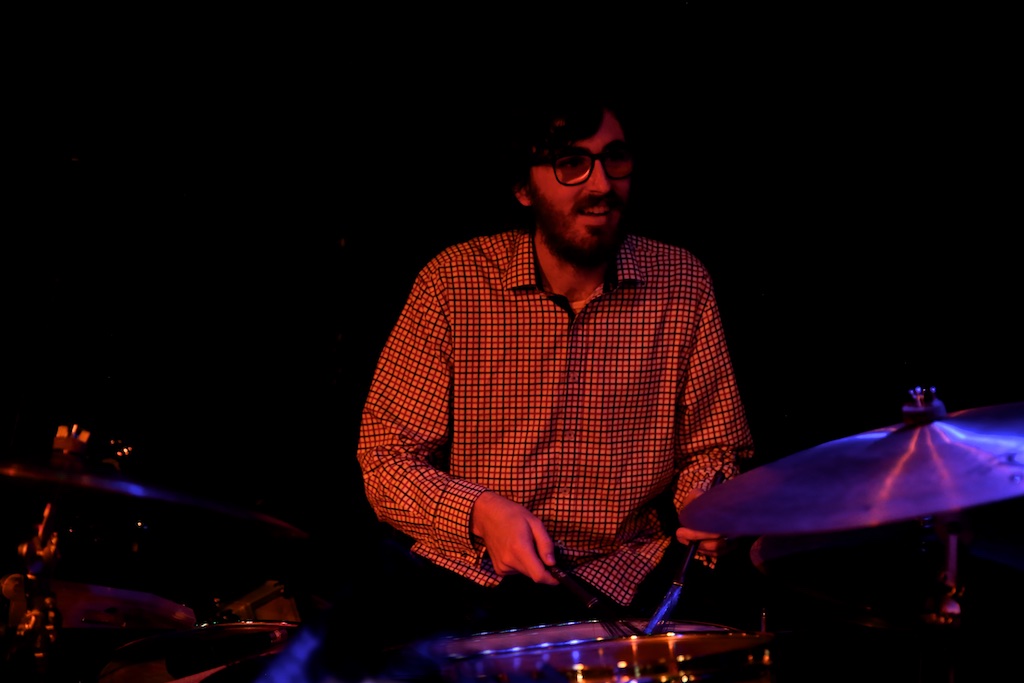 In spite of his relative youth, Stephen Thomas is counted as one of New Zealand's better Jazz drummers. He approaches his craft with care and intelligence and it shows in his playing. While his technical skills are superb, he can also communicate on a human level and this is important as it speaks of character. Thomas is a regular on the scene, but like many sidemen and most drummers, he prefers to remain in the shadows. On Wednesday he changed that focus and convincingly staked his claim as band leader.
 The ingredients that contribute to a successful gig are often intangible, but this gig ticked a number of those boxes. While tailored to suit a Jazz audience, it did so without being remote or elitist. Another reason the gig worked was because Thomas used humour to good effect; not just his on stage banter but in the music as well. In a live setting this is important – interacting with the listeners on some level, bringing them inside the circle.
 Thomas has an abiding interest in the Ellington/Mingus/Roach, 'Money Jungle' recording and Wednesday provided him with a further opportunity to explore that project. While unusual as a source of standards material, it is a great album to focus on – the perfect vehicle for deconstruction. At the time it was recorded, it stood out for a number of reasons. In fact it shouldn't have worked at all, as the trio members reputedly disliked each other. Each had marked stylistic differences and Ellington was of an earlier generation. Ellington told the others that what they would play on the record should be a collective decision; then he turned up with a set list of his own tunes. The one tune which was not Ellington's was by Juan Tizol – a man who Mingus had once been in a knife fight with and because of whom, he was sacked by Ellington. What should have been a disaster for many reasons was a success. A brave post-bop recording by artists firmly rooted in other eras.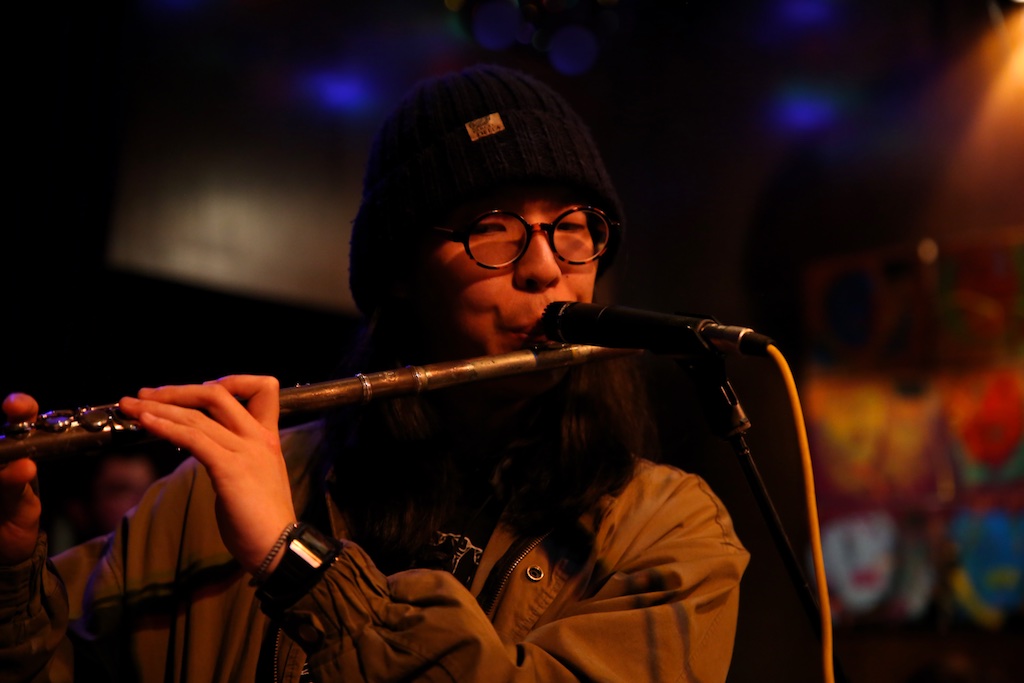
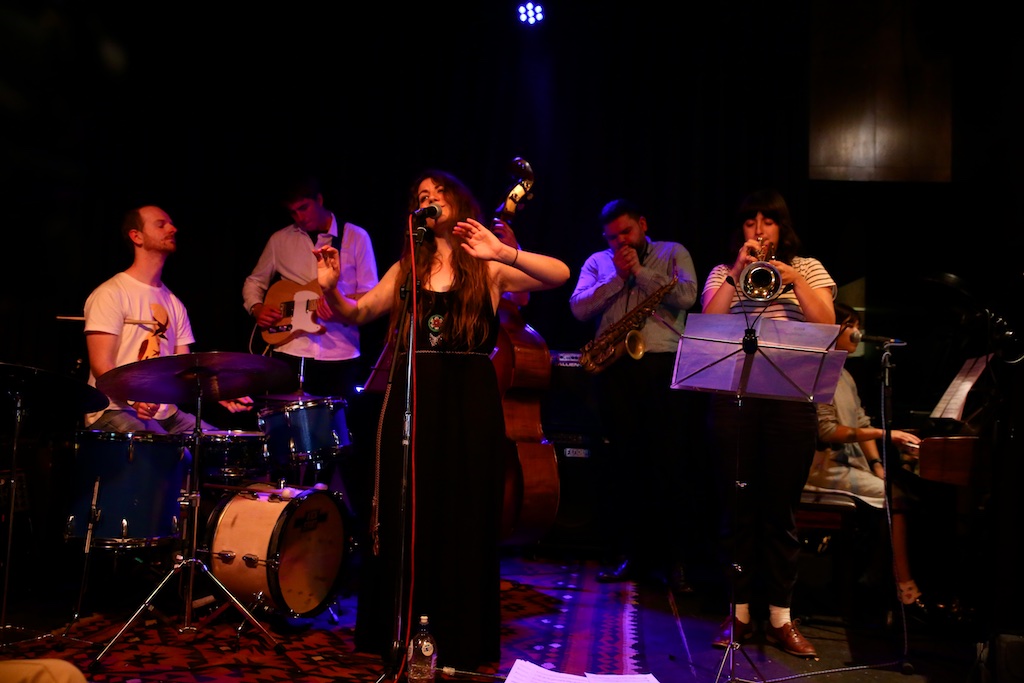 ‘Leda’s Dream’ has been around for some time, but this is the ensemble’s first appearance at the CJC. When vocalist Chelsea Prastiti first conceived of the project, she saw it as a vehicle for unfettered collective improvisation. Her writing cleverly expands on that concept, encompassing real places, the past, abstract ideas, and opening the listener to endless possibility. There is a structure to her vision, but to grasp it you must let go of what you think you know. The pieces are mirage-like; if you look too closely they will disappear. As you listen, fragments of the familiar appear, then dissolve. These are seamless journeys; cleverly fusing reality with dreamscapes. Leda’s Dream is to be experienced and enjoyed, not pigeonholed.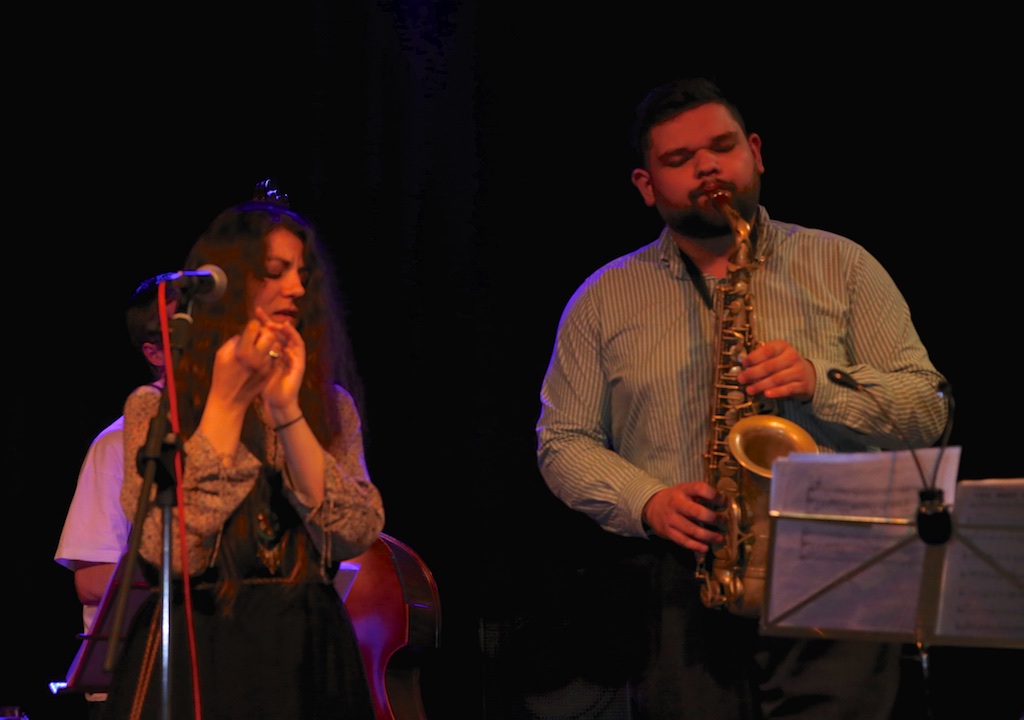
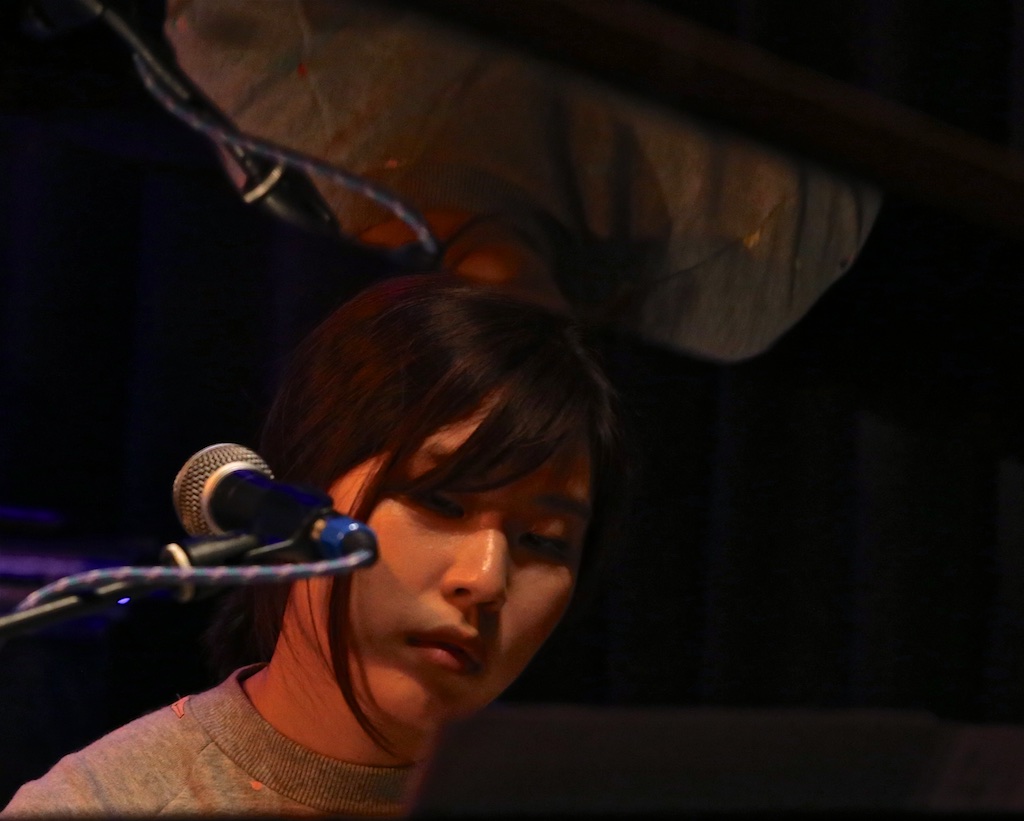 Prastiti’s ‘Time Lapse Photography’ was filmic. Revealing the essence of unfolding plants – magical realism – biology expressed as music. In a similar vein was her piece,’Rain Flood’. As she sang, you experienced the droplets of water – falling slowly at first, then faster until they became a deluge. Communicating in this way is a gift few possess, the images seeming to emerge from nature or from experience, not from the musical form. I immediately thought of my favourite Bengali filmmaker Satyajit Ray and his mystical Monsoon scene from ‘Pather Panchali’. The effect created by Ray there, also swept us to the heart of a poignant interaction between man & nature (musically assisted in that case by Ravi Shankar and Mingus alumni Charlie Mariano).
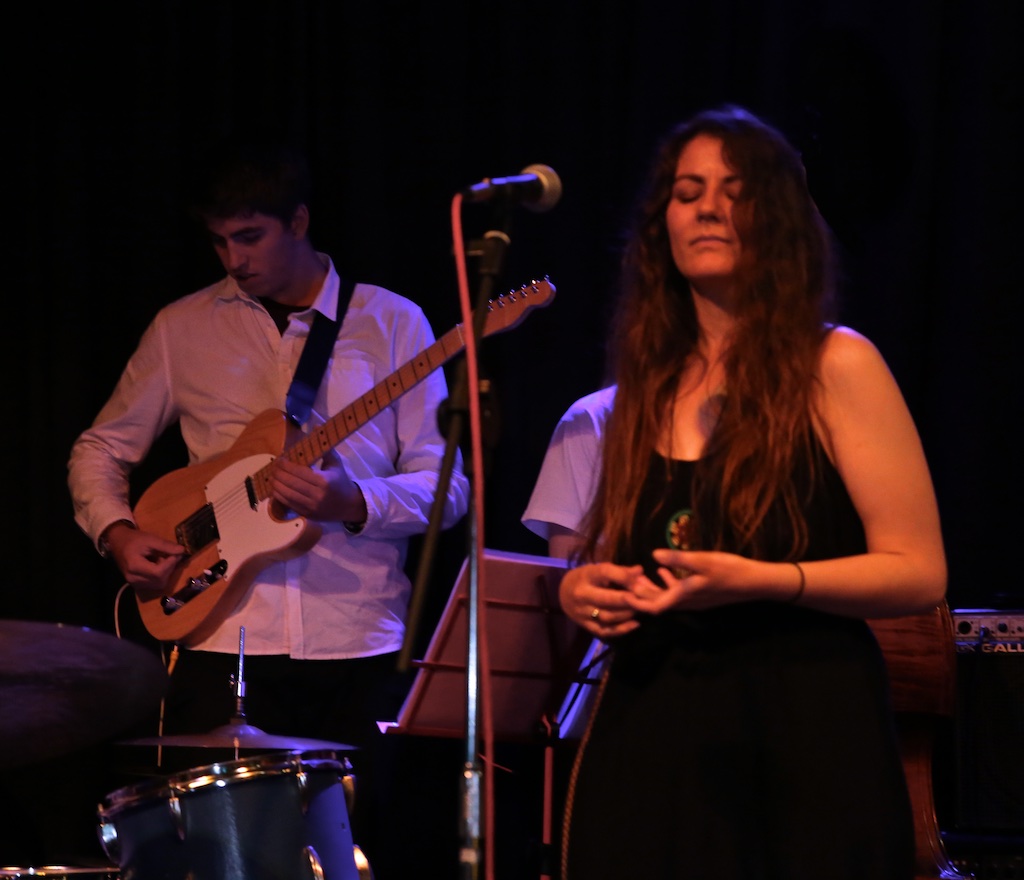 The Leda’s Dream ensemble are alumni from the UoA Jazz School. A lot of talent emerged during the years they attended and during this particular gig it coalesced. It was a pleasant surprise to see Crystal Choi playing this innovative abstract music. Choi is a musician who is fast evolving and growing in interesting ways. At Jazz school she stayed closer to traditional forms, or those referencing the folk infused ECM albums. Later I saw her giving a concert on solo piano, Jarrett like in its scope and quite wonderful. On Wednesday she embraced freedom. She was innovative, interactive and confident.
 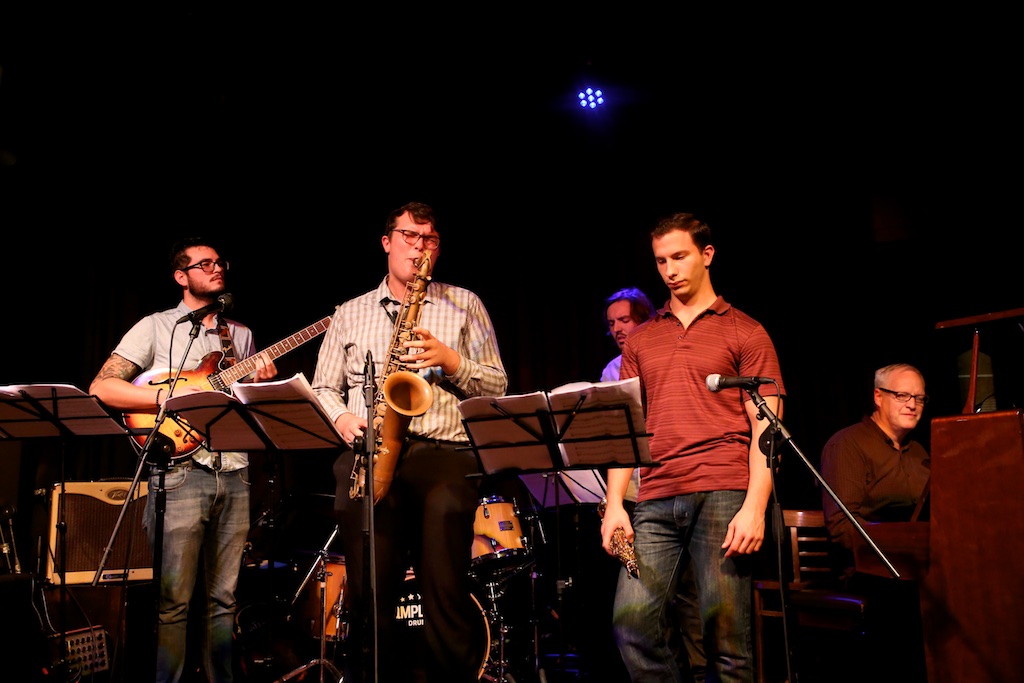 I always look forward to emerging artists nights at the CJC. They don’t happen often but when they do, they’re fun, full of surprise and most importantly they are hopeful events. It is usual for emerging artists to salt the mine with seasoned players. Both of the bands did well in that regard. The first band up was Misha Kourkov’s ‘Equitable Grooves’, a six-piece unit playing multi-genre Jazz focused music. The material was well written and at times ambitious. Aiming high on the bandstand is good because that is where real learning occurs. If you wish to extend your reach, then having Alan Brown on the piano is exactly what you need. With that sort of experience and groove behind you, you have a fail-safe mechanism. The set opened a little tentatively, but they quickly found their groove; the last two numbers were especially enjoyable.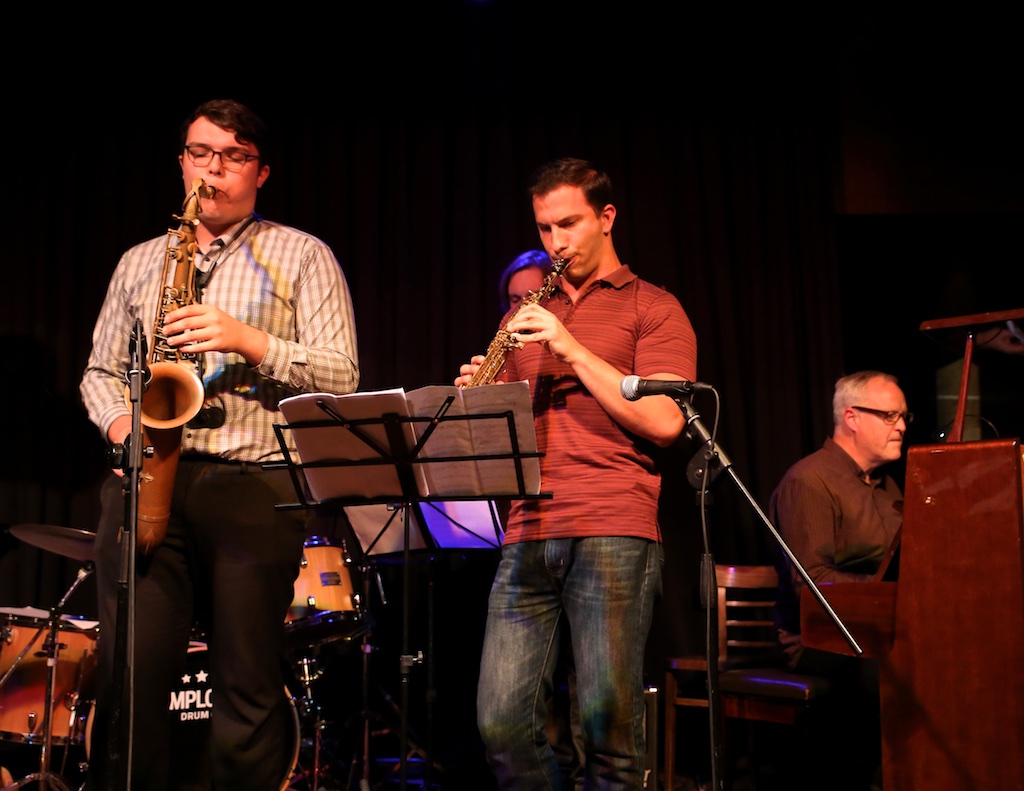
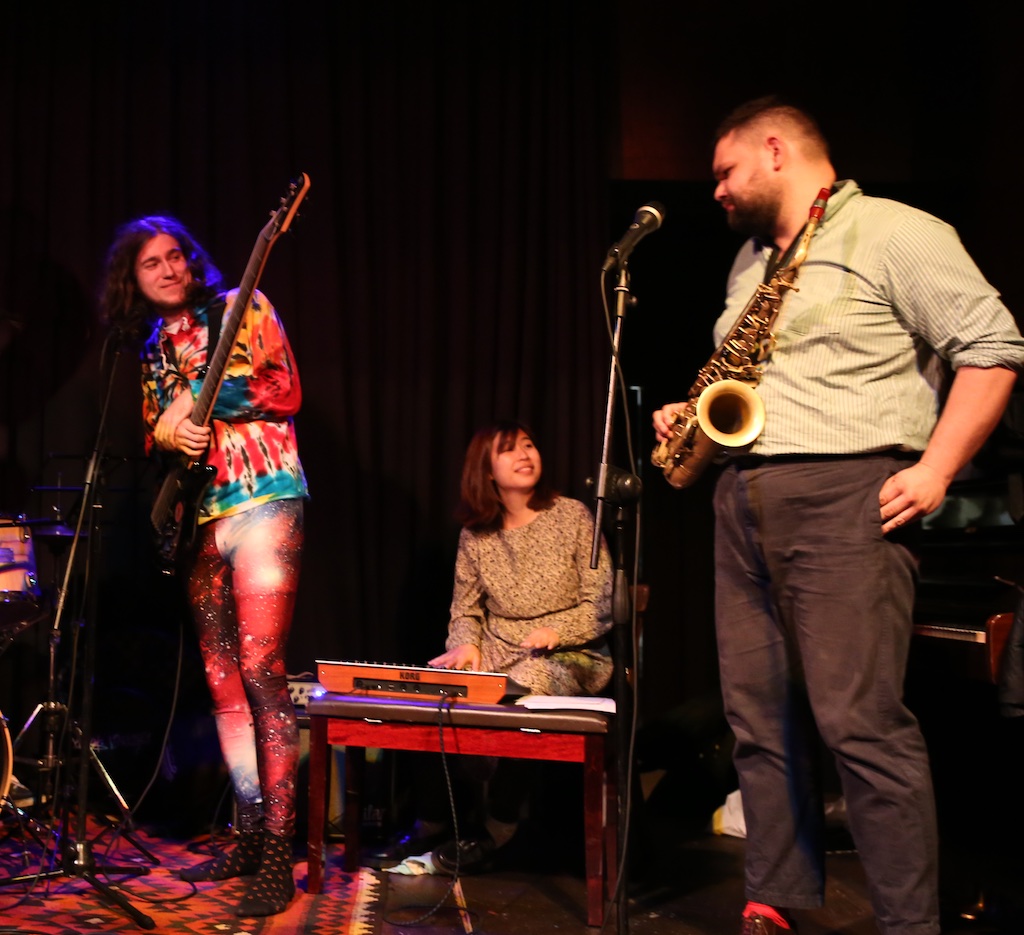 The second set featured the ‘Exploding Rainbow Orchestra‘. This was a very different type of ensemble. Freer ranging, a bigger sound palette and an electric bass with the heavyweight punch of Bona. The bass player Joshua Worthington-Church who led the ensemble is accurately described as a maverick. His set list contained genuinely diverse material; gripping vamp-driven originals plus tunes from ‘Radiohead’ and ‘The Mint Chicks’. Under the leader’s guidance, the band took the material to a place close to my heart; a fusion of Jazz and psychedelia. I am happy to see this done, as the genre is all but forgotten. During the mid-seventies, that style of music was sacrificed on the altar of Jazz purism, a pompous battleground that tried to stifle genre exploration.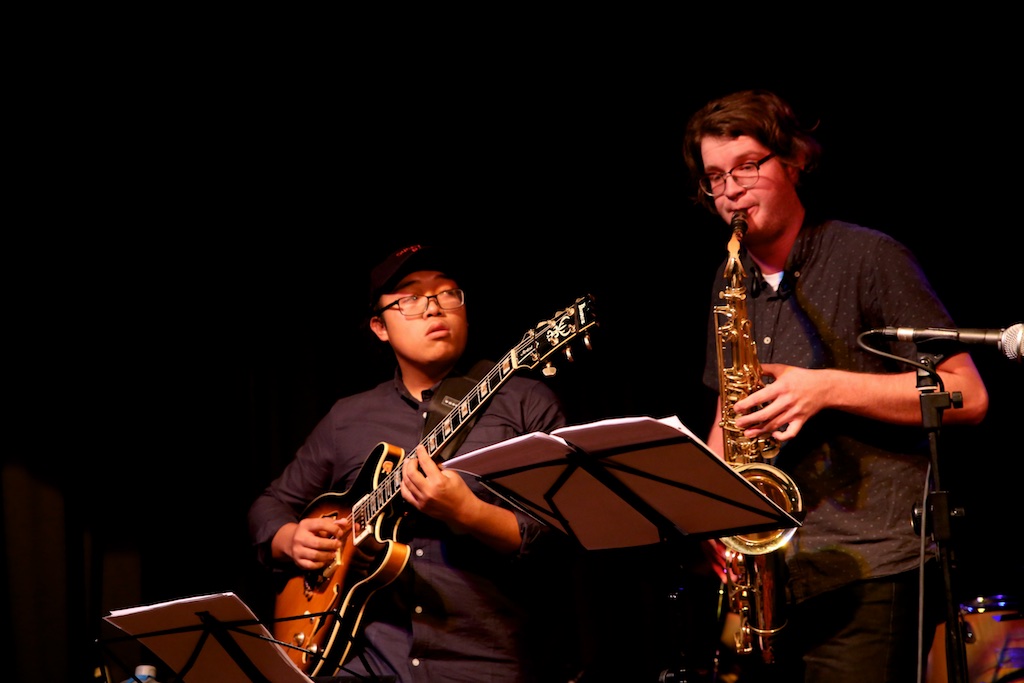
 Tubular Live: Having earlier reviewed the long anticipated Neil Watson ‘Tubular’ album I looked forward to the live launch. The Thirsty Dog gig was well attended, the audience extremely enthusiastic and no wonder. Although we saw a slightly different line-up from the album band, they were on fire from the first note. Watson, always a confident performer, was more in command than I have ever seen him and he communicated his musical vision effortlessly. Perhaps this was due to the long gestation of the material, but now he had a platform to extend the concepts further and he grabbed the opportunity. The evening seamlessly covered the breadth of guitar jazz and beyond. While much of the material was influenced by Jazz/Rock or improvisations built on genres like surf guitar, the gentler mainstream Jazz heroes of the past like Johnny Smith and Errol Garner were also honoured.
 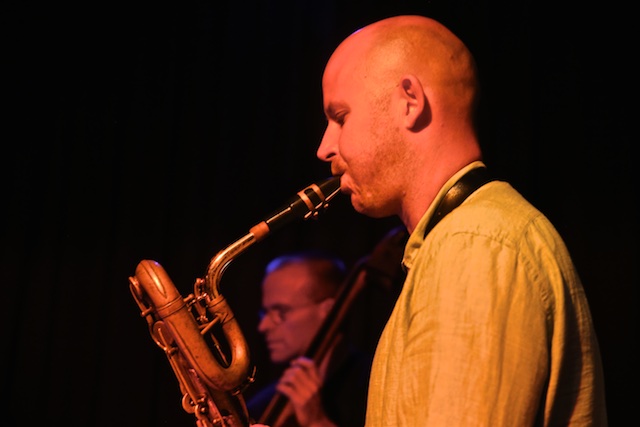 On the ‘Tubular’ album his musical influences are evident. At the live gig, he stared those influences down and carved out his own space. He is one of the few New Zealand musicians who can convincingly occupy Frisell or Ribot territory and he demonstrated that. The perfect example was his rendering of the classic five beat Mambo Picadillo by Tito Puente. He began with a solo intro, dissonant chords offering brief hints as to where he was heading. As he developed his theme the audience gasped in delight as Errol Garners ‘Misty’ emerged, morphing into the gentler Johnny Smith version of ‘Moonlight in Vermont’. That it worked at all is a tribute to his musicianship, that it was done so well all the more so. The Mambo was well-arranged and just superb, not a foot remained still and the bar staff stopped in their tracks, swaying. Another tour de force (not on the album) was his arrangement of ‘Hard rains are going to fall’ (Dylan). This followed his gentle ballad ‘Kerala’.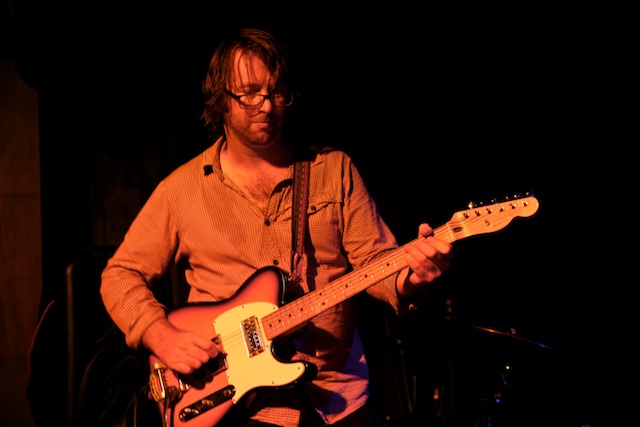
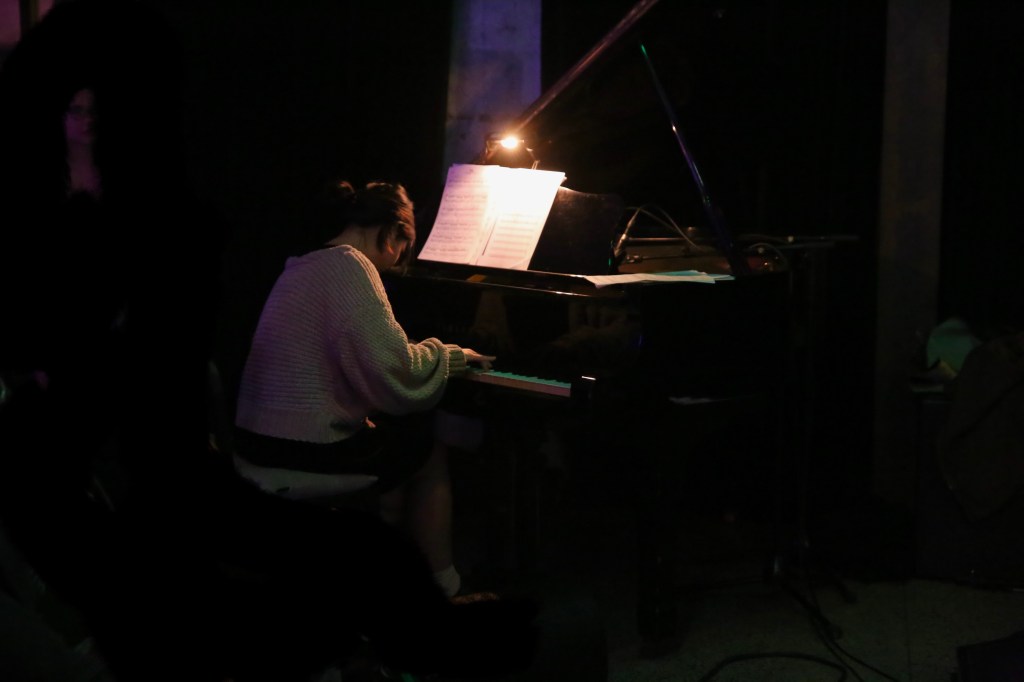
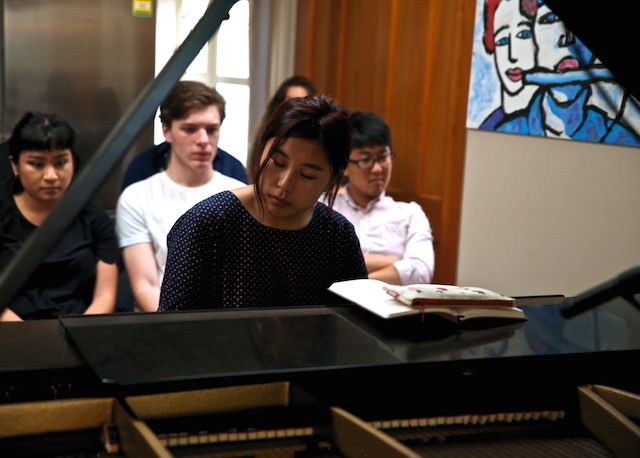 Crystal Choi (private concert): This particular invitation-only concert was organised by Jonathan Crayford and the invitations were swiftly taken up. Crayford is a legendary figure on the New Zealand music scene and when he gets behind a young artist, people pay attention. I have watched Choi develop musically over the years, but I had not seen her perform for some time. In the past she has appeared with students, part of an ensemble, seldom stepping into the limelight for long. This was a departure, a brave step into the challenging world of improvised solo piano. Developing artists (and even experienced performers) struggle with this format, some panic and resort to noodling. When Crayford introduced the concert he stated, “Crystal is amazing, and what you are about to hear will speak for itself”. He was right.
 This year has seen a lot of international acts through the CJC (Creative Jazz Club), compelling musicians with interesting stories to tell and often with serious gig miles under their belt. As exciting as it is to see the high-end performers of the scene, it is just as important to recognise and evaluate those who might one day take their place. Not all will last the course, but the persistent and the passionate can make that journey. Standing in front of a discerning club audience tests young musicians in ways not easily replicated. Unlike the Jazz School environment, the musicians technical prowess is subservient to the authenticity they bring to the bandstand. Fluffing a line is more likely forgiven than delivering a technically perfect but lifeless performance. Sam Weeks and Sean Martin-Buss tested themselves and came through the fire relatively unscathed.
 The gig was part of the emerging artists series and the musicians first time at the CJC as leaders. Both have previously played as sidemen at the club, but standing anonymously in a horn line is a different thing entirely. I am happy to give this gig the thumbs up as they performed well. It took the first few numbers for them to warm up properly, but warm up they did. The rest of the first set and the one after that delivered crackling performances. All of the material was their own and their writing skills were favourably displayed (especially those of Weeks). A piece titled ‘Missing Together’ by Weeks was a gem – opening with some tricky unison lines, followed by a few bars of counterpoint. They made it sound easy, but clearly, many of these compositions were not. The act of embracing the difficult is how a musician grows. I am glad they took some risks, as Jazz functions best in the absence of complacency.
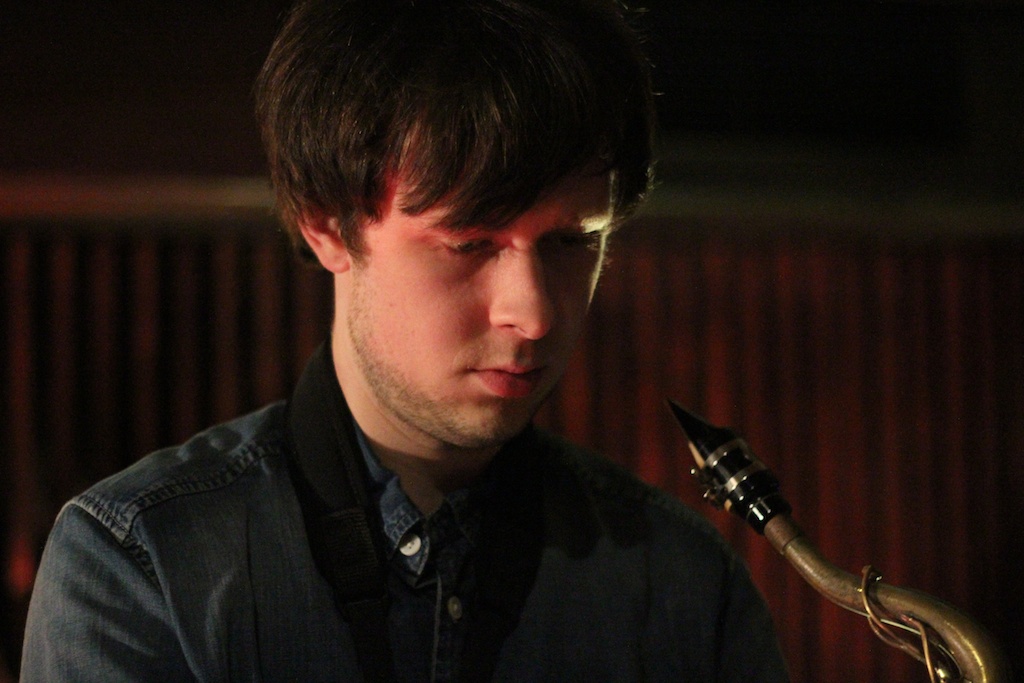
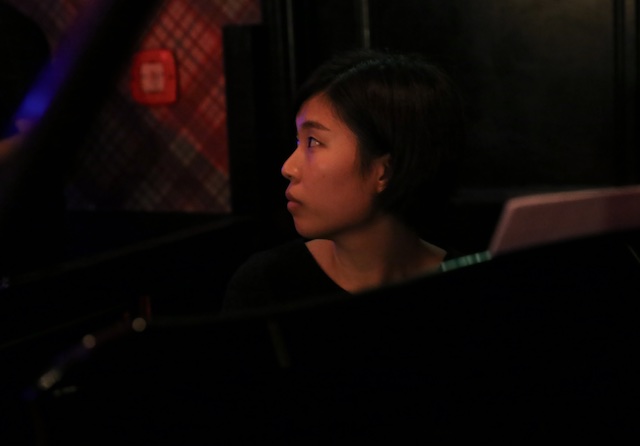 Sean Martin-Buss was on alto saxophone with Sam Weeks on tenor saxophone. Each gave the other ample room and the contrast between the horns was therefore amplified. They also differed stylistically and this gave an added piquancy to the gig. They made good use of interactive Banter, musician to audience and to each other. Off the wall comments came out of nowhere, and the audience included in the joke. The humour was not in the lines but in the offhand delivery. A very Kiwi type of onstage banter – self-effacing, mumblingly casual.
 Emerging musicians are often tempted to rely heavily on musicians from their own graduate class. There is nothing wrong with that per se, but the first question is always, which musicians will serve the gig best? Again the co-leaders made good choices in Tristan Deck (drums) and Eamon Edmundson-Wells (upright bass). The remaining band member was Crystal Choi on piano. Deck and Edmundson-Wells perform in public regularly and both have earned considerable respect. They personify good musical taste. They have talent and better yet, they work extraordinarily well together. It was this combination that tightened up the performance – real assets. Choi was extremely interesting on this gig. I have sometimes noticed a tiny hesitancy in her delivery. On this night, her performance exuded confidence and several of her solos were stunning. The enthusiastic audience responded throughout the night.
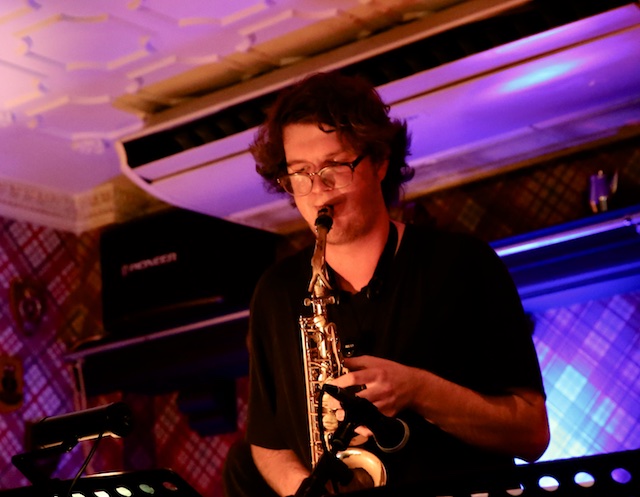 Although the leaders possess perfect vision and are clearly not Venetian, the project was ‘The Blind Venetians’. This was also the name of the final number of the last set; a roistering finale bringing down the cantilevered shutters at gigs end.
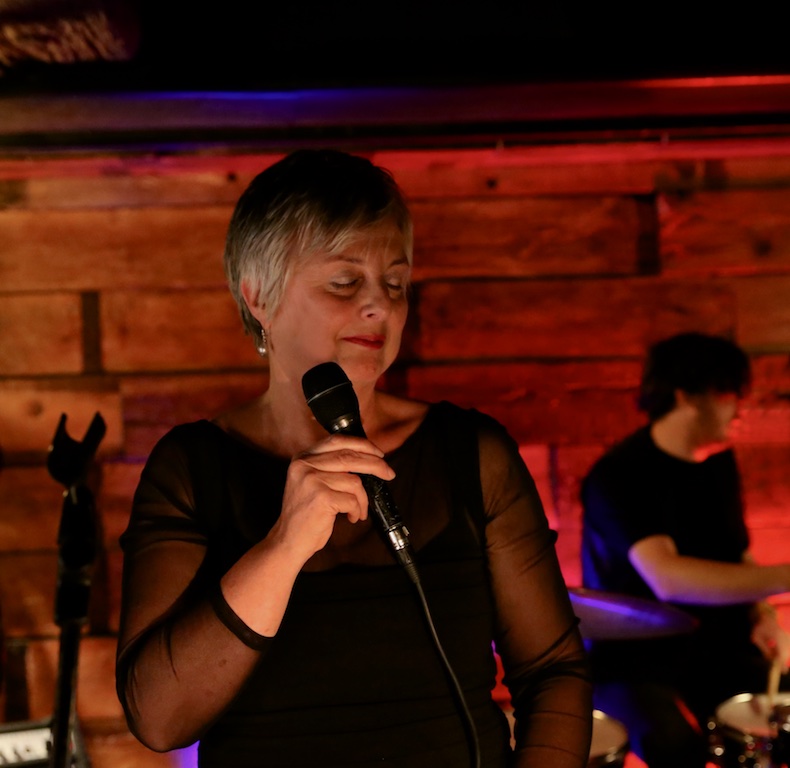 On Wednesday the UK-based vocalist, arranger composer Louise Gibbs brought her Seven Deadly Sins project to Auckland’s CJC (Creative Jazz Club). The audience, unrepentant antipodean sinners that they are, found much to enjoy. When premiered in the UK the project received much acclaim and in 2013 the ‘Seven Deadly Sins’ album’ was released. As I glanced through the liner note credits one name jumped out, Tim Whitehead; an important English saxophonist with equal facility on soprano, alto and tenor. For any number of reasons this is an album worth having.
  The song suite has seven parts plus prologue & epilogue. This aggregation of cardinal sins does not originate with Peter Cook (as someone hilariously suggested) but comes to us from the fourth century AD. These very human failings were the obsession of the middle ages and Chaucer, Dante and Brueghel utilised the themes to great artistic effect (and often with rye humour). Debates on morality are still very much part of the public discourse as the dreadful events of Paris, the Lebanon and Mali remind us.
  Gibbs invited us to examine the sins afresh; a parade of human failings as seen through a jazz lens. Her evocative contrasting pieces leaving us in little doubt as to which sin they represented; a strident drum solo during anger, the fulsome sound of the trombone for gluttony etc. It is unsurprising that the tenor saxophone portrayed lust; an entirely appropriate pairing given the repeated historic accusations of lasciviousness levelled against that sensual instrument.
  The suite while highly arranged gave ample room for the soloists to demonstrate their particular vice. Crystal Choi was ‘pride’ on piano, Pete France was ‘lust’ on tenor, Haydn Godfrey was gluttony on ‘trombone’, Mike Booth was ‘envy’ on trumpet, Cameron McArthur was ‘sloth’ on bass, Steve Thomas was ‘anger’ on drums, Andrew Hall was ‘greed’ on alto & baritone. Gibbs was vocalist on all numbers including a prologue and epilogue. Many of the band members like Booth, McArthur, Choi and Thomas are regulars but we see Hall, France and Godfrey less often. That is a shame because they were amazing.
  A shorter first set preceded the ‘Seven Deadly Sins’ suite – all Monk compositions. The band used stock arrangements but there was a sense of boisterous freedom in the renditions. This provided an appropriate segue to the second half. While everyone embraces Monk these days, his dissonant choppy lines certainly raised eyebrows back in his heyday. Monk was an iconoclast who channeled the rawness of the human condition through pen and piano. With the Seven Deadly Sins and its often dissonant passages we also experienced that.
 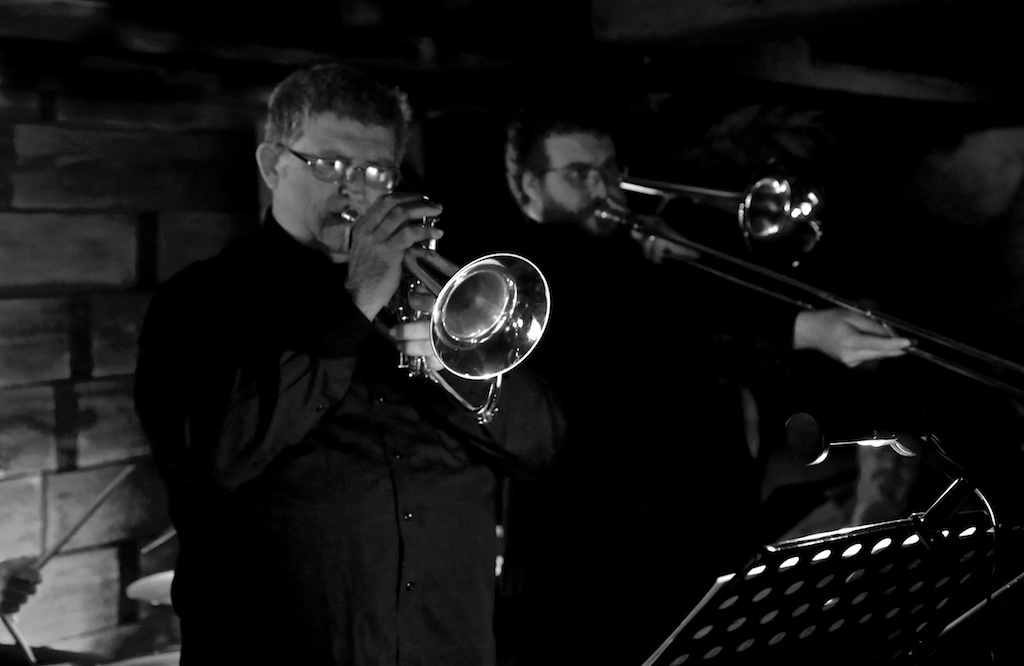 Louise Gibbs has been teaching and performing in the UK for 30 years, but she grew up in Auckland. In recent years she moved away from a distinguished career in academia to concentrate on performance and composition. There is a confidence about her work and she is unafraid as a performer. Her voice can move from silk to raspy as appropriate to the piece. Footnote: Earlier I drew attention to Tim Whitehead (on the Gibbs album). He was once a member of Ian Cars ground breaking and popular group ‘Nucleus’ – the highly respected Kiwi born saxophonist Brian Smith was a founder member of that group.
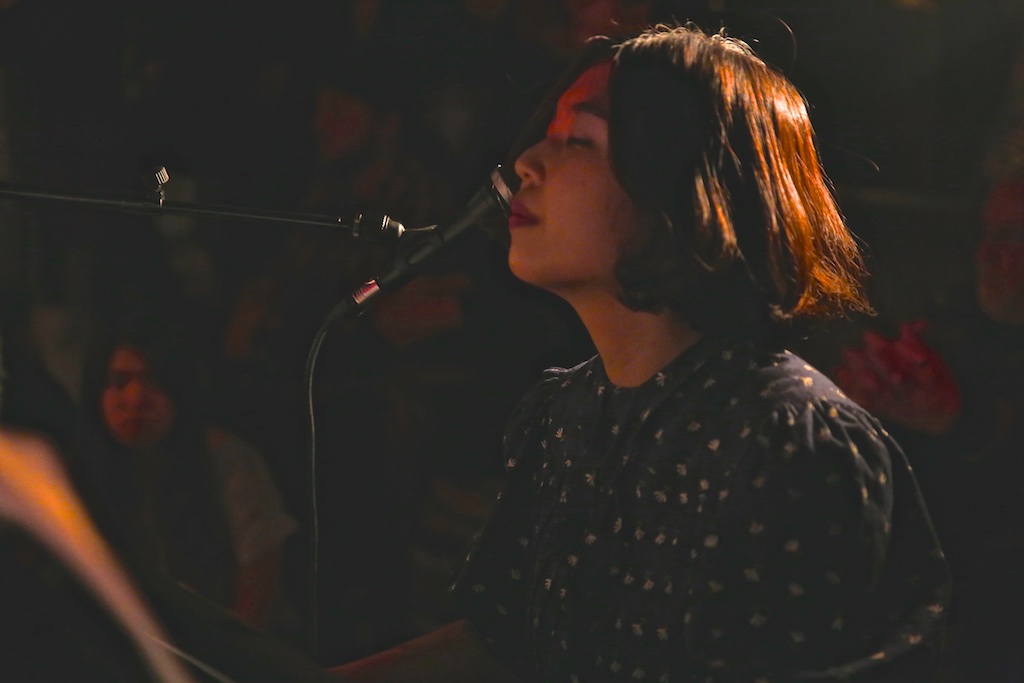 I looked forward to the ‘Skogkatt’ gig because Crystal Choi is a young musician with plenty of interesting ideas. She recently graduated from the UoA Jazz school and this project is largely drawn from her output as a student. Her arrangements and musical ideas show an evolving musician and her performance skills speak of energy and a growing confidence. When you speak to her there is a hint of shyness, but this evaporates the minute her hands touch the keyboard. At the piano her touch is decisive and the thinking behind the pieces is strongly communicated. She has grasped an important truth, how to play with space. One minute she is playing boldly with both hands raining down on the keys, the next dropping back to a gentle whisper or laying out. Her choice of project was a brave one as it tackled areas well beyond the usual Jazz orbit. Writing for strings and an unusually configured horn section an indicator of where she could be headed.
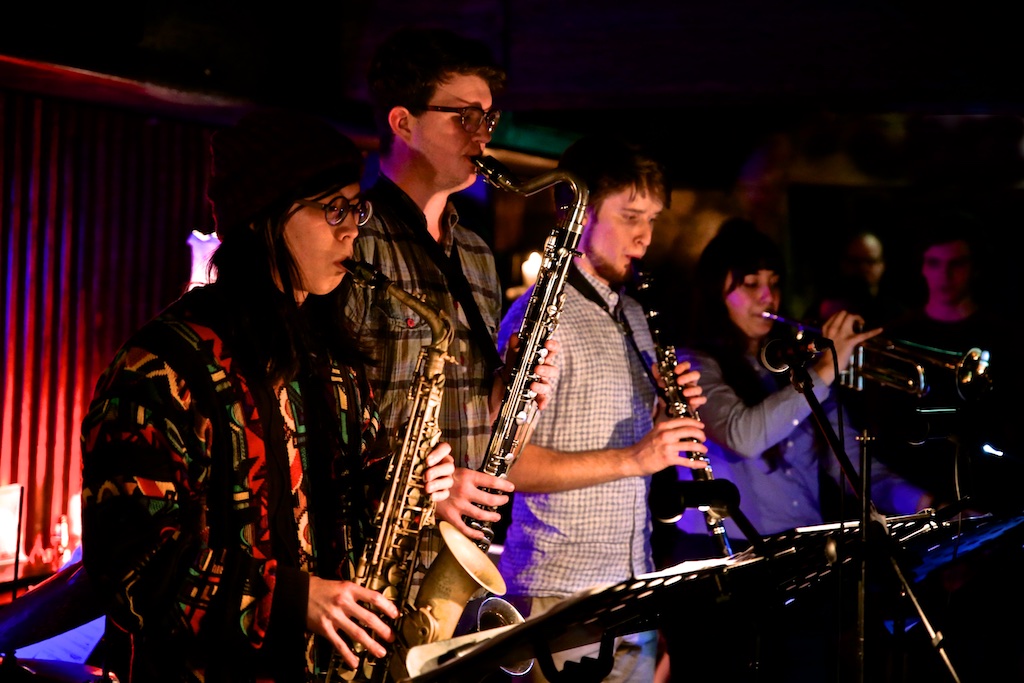 Her compositions and charts were of particular interest as they evoked more of a Northern European, or South American ethos than a North American one. While all Jazz arises from American roots, there are other forces at work in a globalised jazz world. As musicians from different ethnic backgrounds embrace improvised music something fresh is added. It is right that New Zealanders, Northern Europeans or people from other regions bring something of their own life experiences to the music. Jazz from the outer rim is particularly interesting at present.
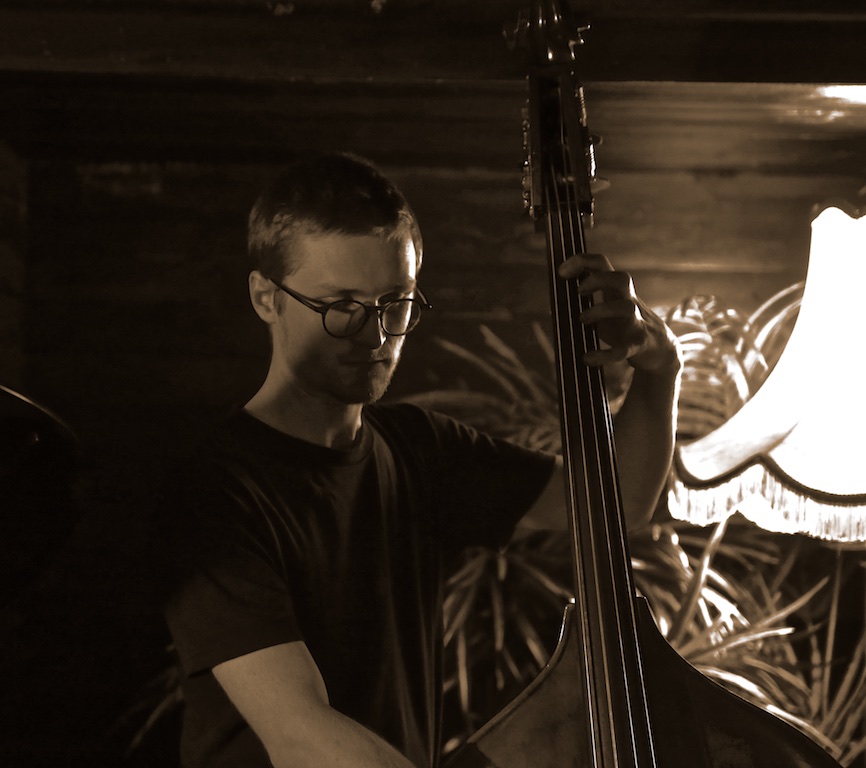
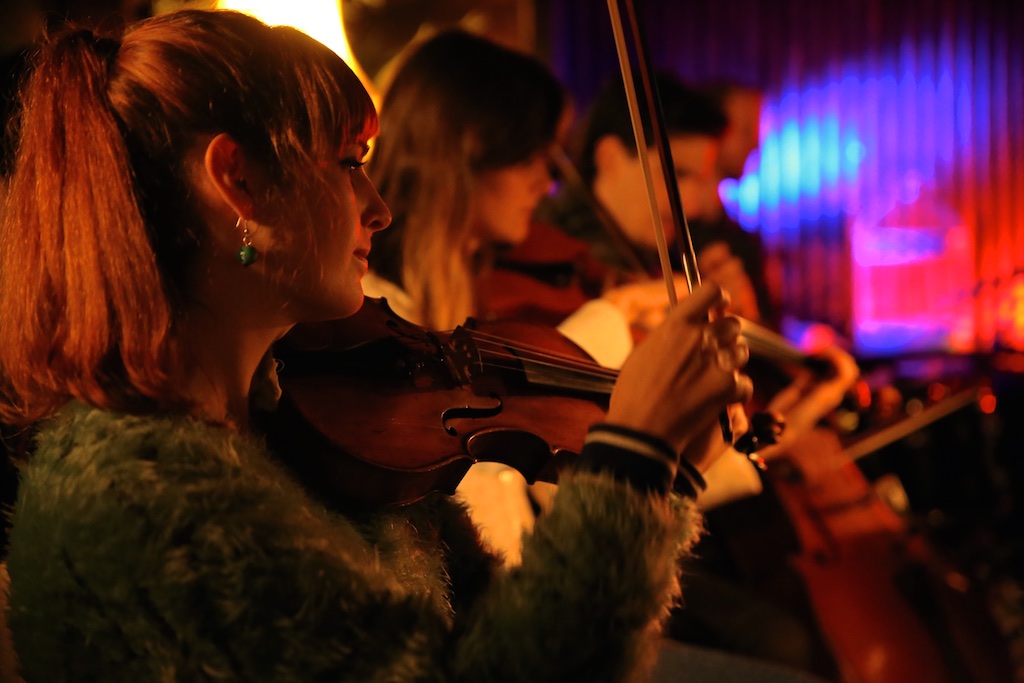 There were solo, trio, sextet, septet and tenet pieces. Her writing for the ten piece band was notable. Although an uncommon configuration of instruments these oddly configured, medium-sized ensembles have been a feature in modern classical music since Saint-Saens ‘Carnival of the Animals’ (that was an eleven piece). In Jazz since the late 40’s. Having a front line with two violins and cello alongside trumpet/flugel, bass-clarinet, clarinet and flute/alto saxophone worked well. The unusual textures gave depth and interest to the composition. The slightly tart voicings of the Bartok like string section contrasting nicely with the woody richness of the woodwind horns. These sort of excursions are not embarked upon lightly but I feel Choi pulled it off. My only quibble, and it is a small one is that the ensemble needed to tighten up somewhat in places.
 Another side of Choi is her singing. While certainly not a big voice it has charm and originality. Like many improvisers she sings while digging into a solo. These are wordless songs of the sort that you would hear on a Norma Winstone album. At times there is a Debussy feel to her solo and trio compositions.
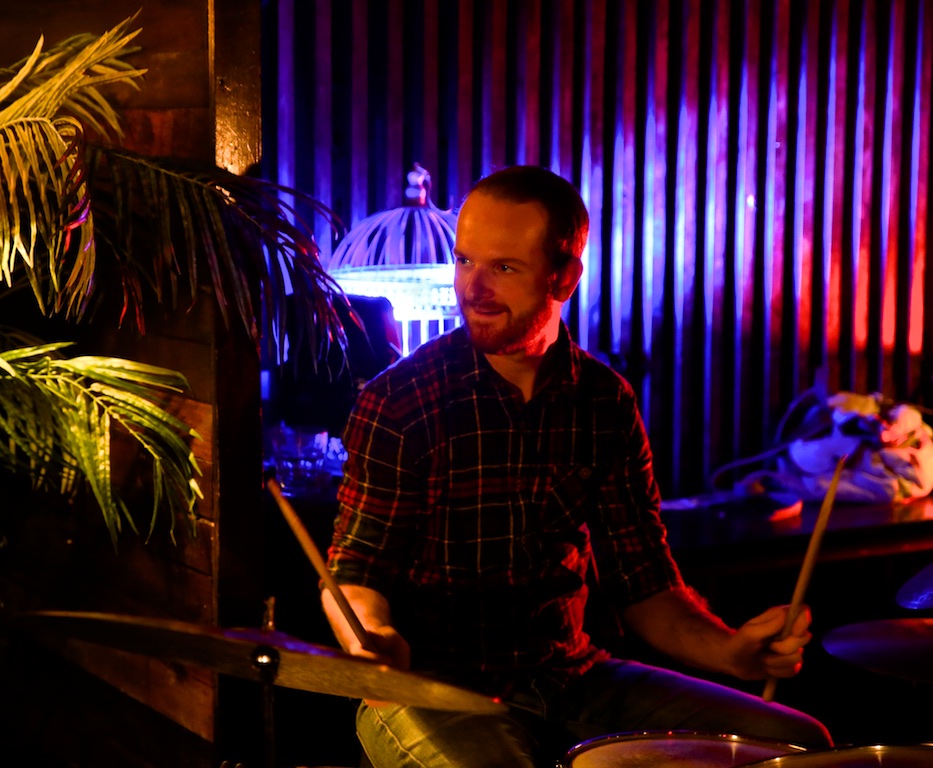 This project while far-ranging begs developing further and perhaps recorded at some future point. It had a Kiwi ECM feel to it. I hope that she works with the material and refines it further. It is well worth doing. Note: The Skogkatt is native to the forests of Scandinavia and the original Maine Coon cat.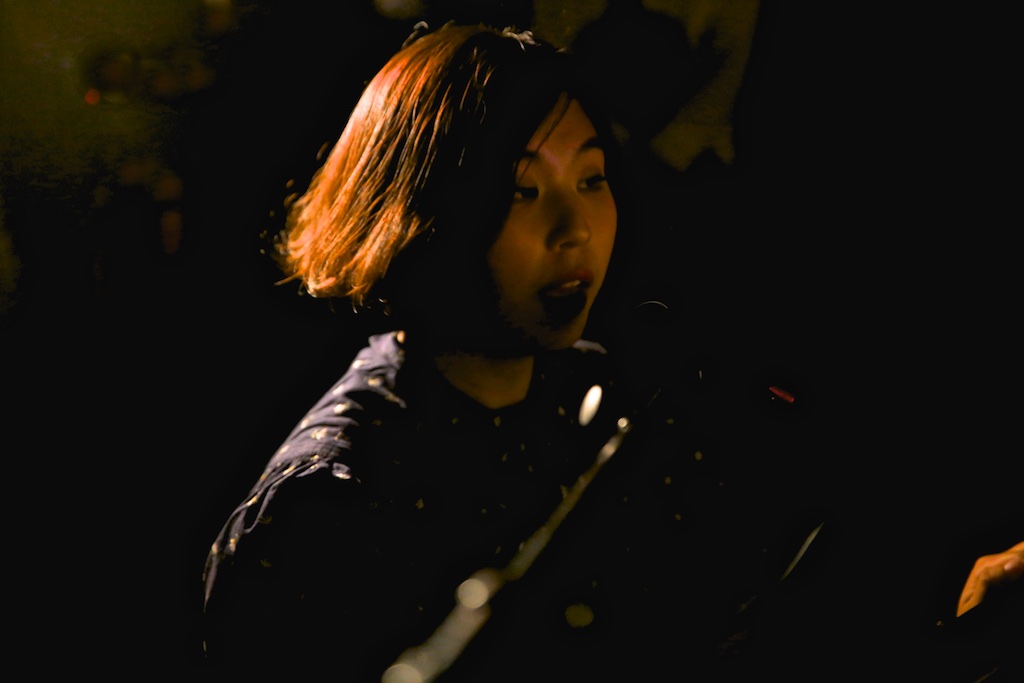
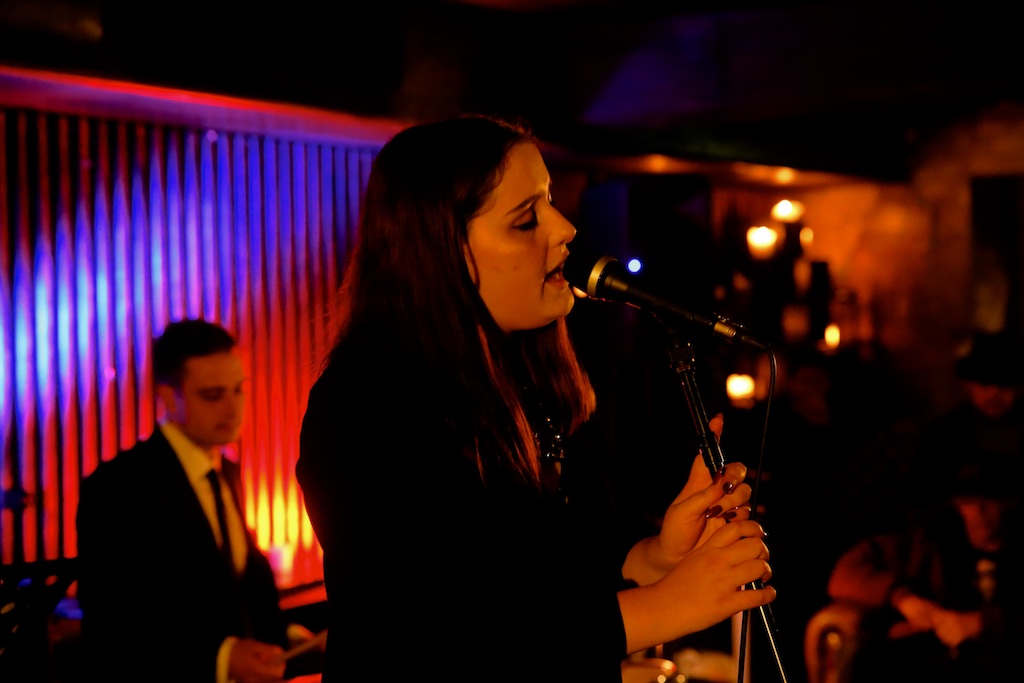 The last time I saw Rebecca Melrose perform was at a CJC gig, not long after her graduation from the UoA Jazz School. That was well over a year ago. Since then she has made her way as a vocalist, exploring several musical genres and recording an EP (yet to be released). This gig was straight ahead Jazz; her interpretations of various Jazz standards. I remember being impressed by Melrose the last time I heard her as there is a rich quality to her voice and she knows how to play with lyrics. At the last gig she took risks with her choice of material and it paid off. This time the sets were more mainstream but she exuded an easy-going confidence; the sort that comes with time in front of audiences.
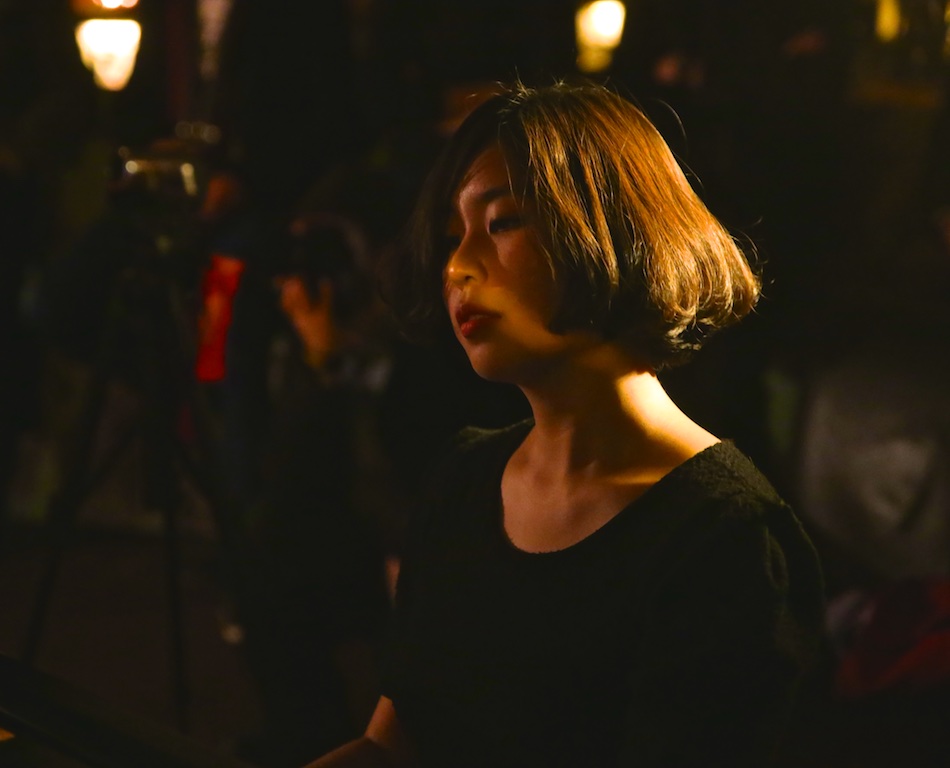 Accompanying her were three graduates from the UoA Jazz Programme. Crystal Choi on piano, Eamon Edmunson-Wells on bass and Jared Devaux de Marigny, drums. CJC audiences have seen a lot of Edmunson-Wells over recent years and increasingly we are seeing Choi. Desvaux de Marigny is not seen as often. These are all fine musicians. Additional to the core lineup were guest artists Callum Passells (alto) and Liz Stokes (trumpet).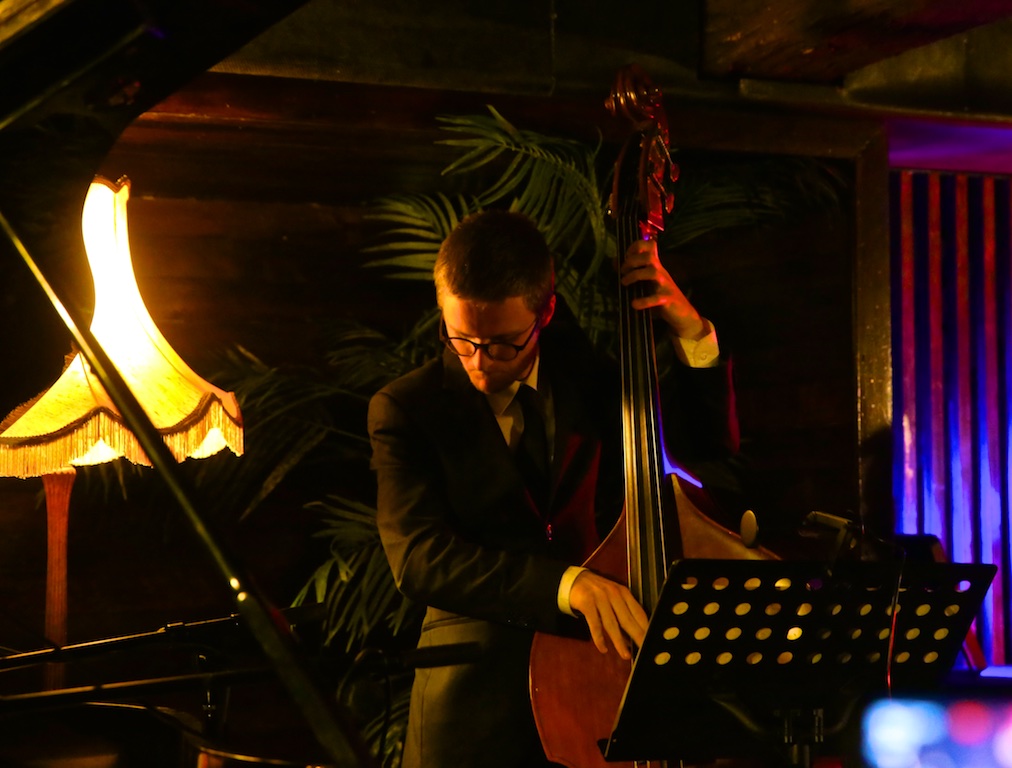
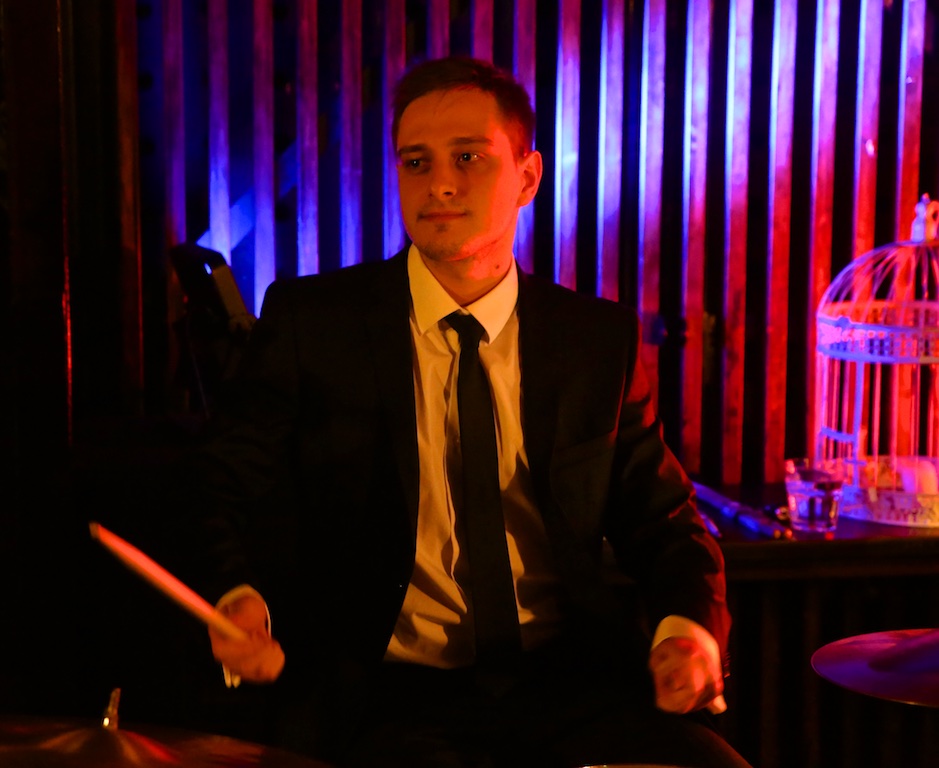 Melrose has been selected as a semi-finalist in the prestigious Shure Vocal Competition (the only Australasian/Pacific finalist). She will fly to Montreux shortly to compete in the finals at the 2015 ‘Montreux Jazz Festival on Lac Lemon. This gig and other events are to help her get there. I wish her well.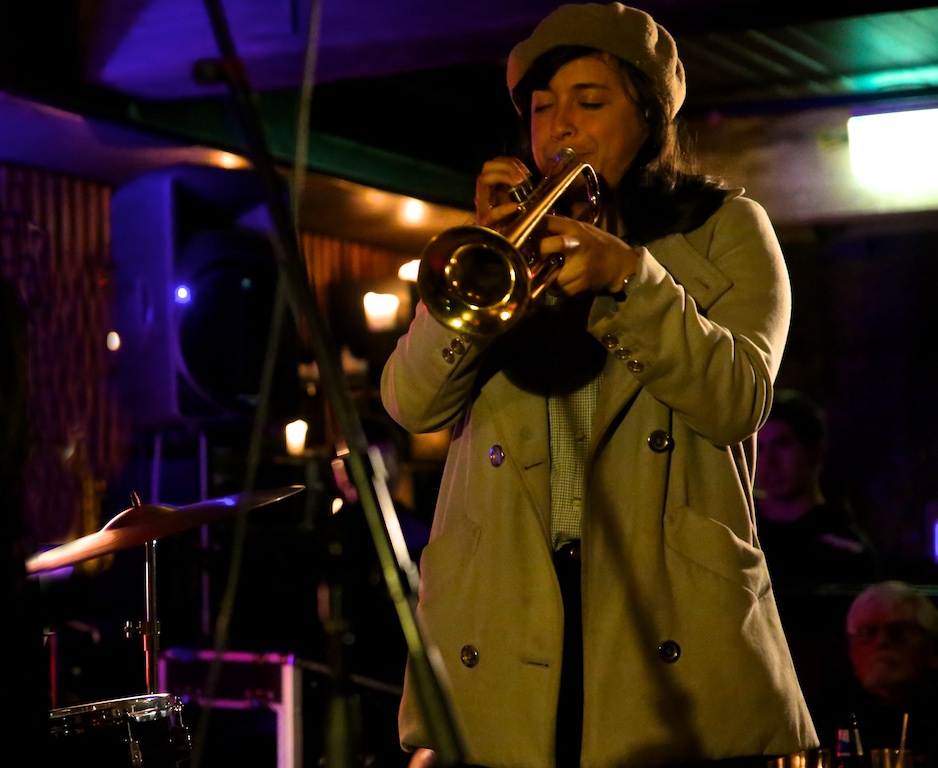
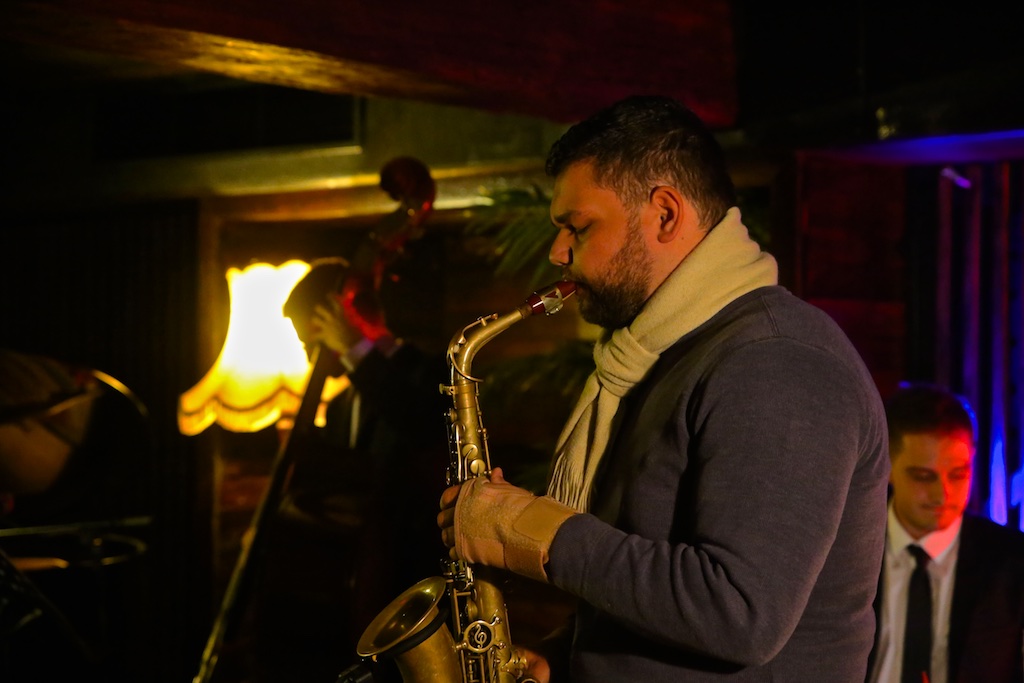 Quartet: Rebecca Melrose (leader, vocals), Crystal Choi (piano), Eamon Edmunsen-Wells (bass), Jared Desvaux de Marigny (drums).
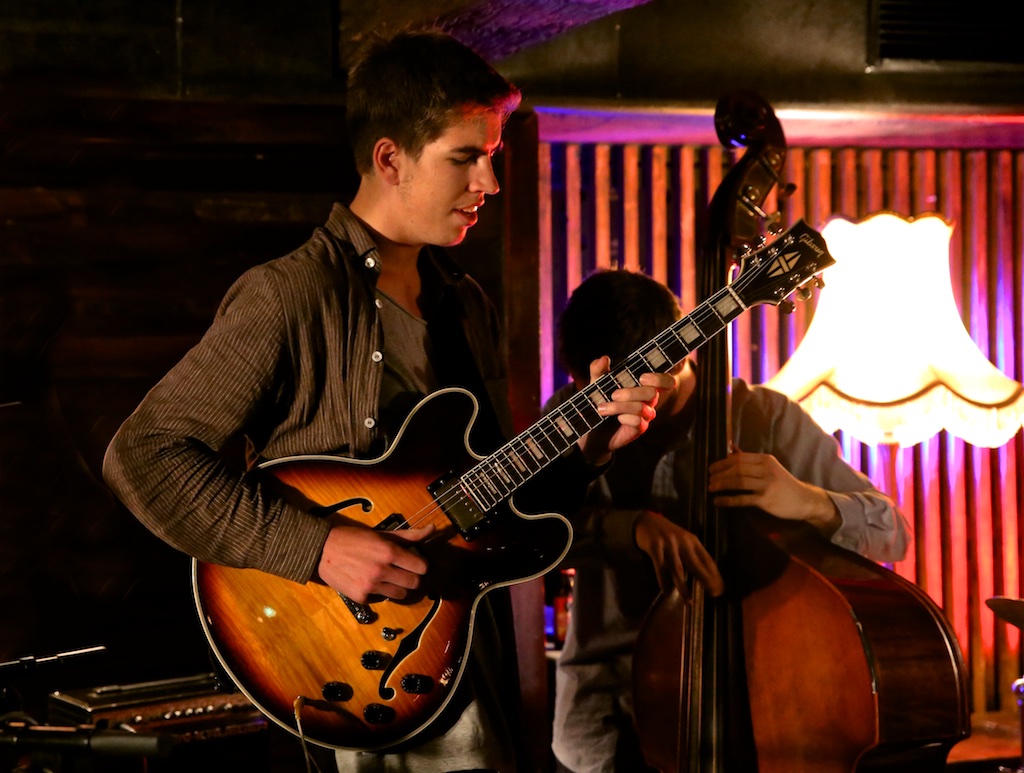 This was ’emerging artists’ night and you wouldn’t have thought so. The club had packed to capacity and the performances were far beyond what you’d expect from students. The artists approached their sets differently, but the end results were equally satisfying. Both study at the Auckland University Jazz School and if that institution is turning out students of this quality it certainly reflects well on the faculty.
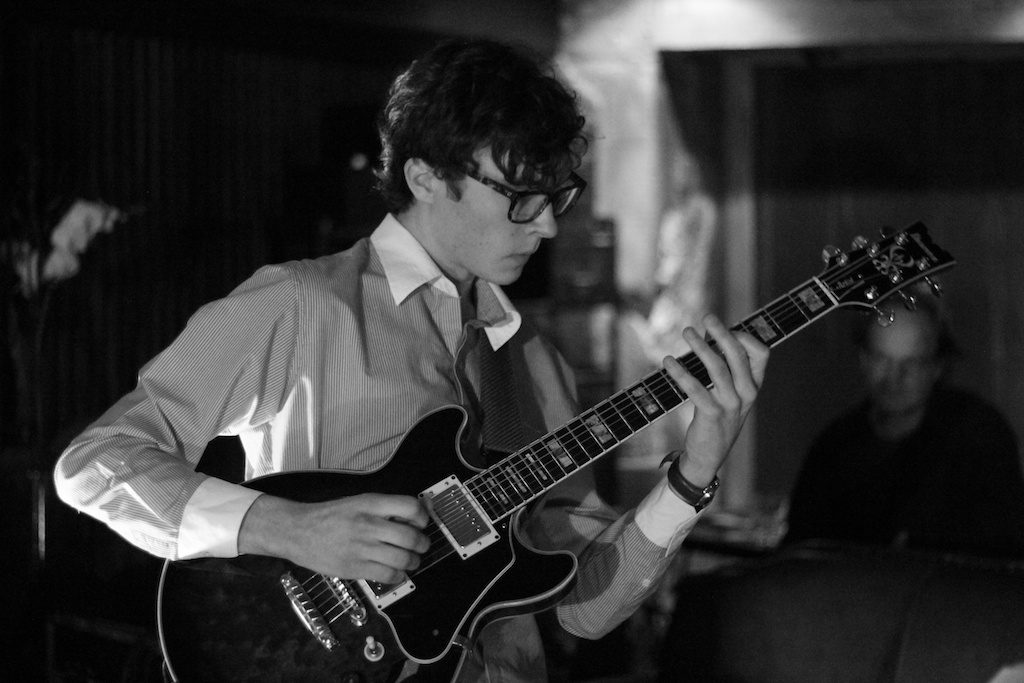
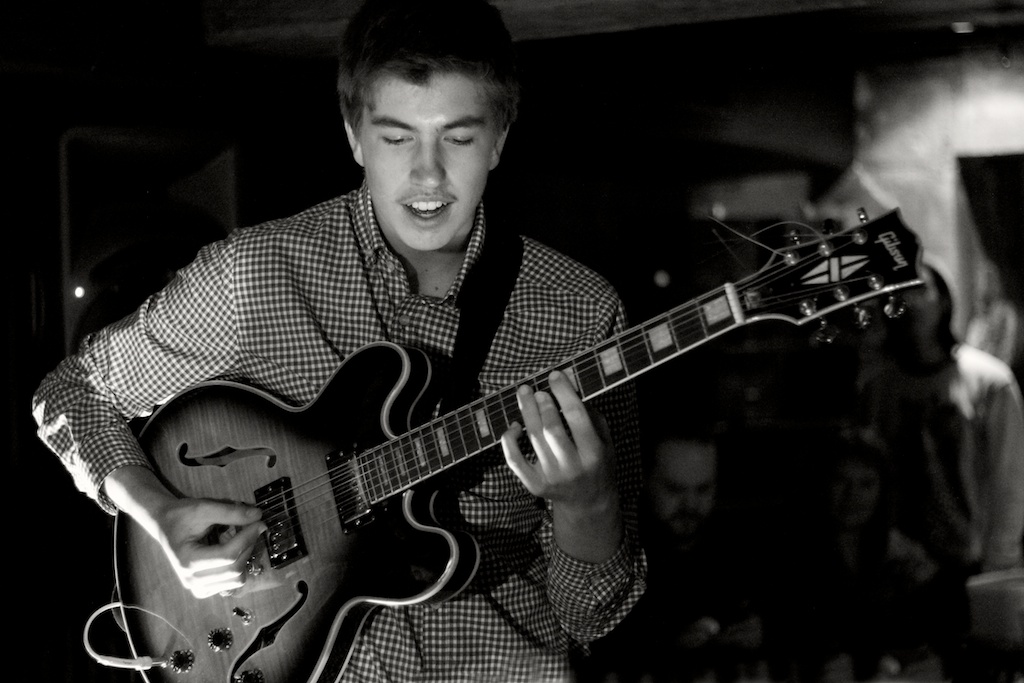
  Michael Howell is from West Auckland and for some reason a number of excellent guitarists emerge from that quadrant. Growing up in the Waitakere ranges seems to have gifted his playing with an expansiveness and it is not hard to imagine big vistas and tree-clad hills during his ballad numbers. Howells set opened with a ballad and edged into the faster tempos later. His thoughtful opening took us deep inside the music and this was a good way to start a set. As well as his own tunes he featured compositions by Ben Monder, Sam Rivers and John Scofield. When a guitar trio doesn’t use an organ or piano there is more space to work in. This was well utilised by Howell although he is also adept in larger group situations. I heard him a few days later when he sat in with a number of very experienced musicians and he stepped into that space effortlessly. There were two numbers with piano and fellow student Crystal Choi sat in for these (also adding a vocal line). The other musicians were Eamon Edmundson-Wells on Bass (who also played bass in the second set) and Tristan Deck on drums. These former UoA students have already made their mark on the scene.
 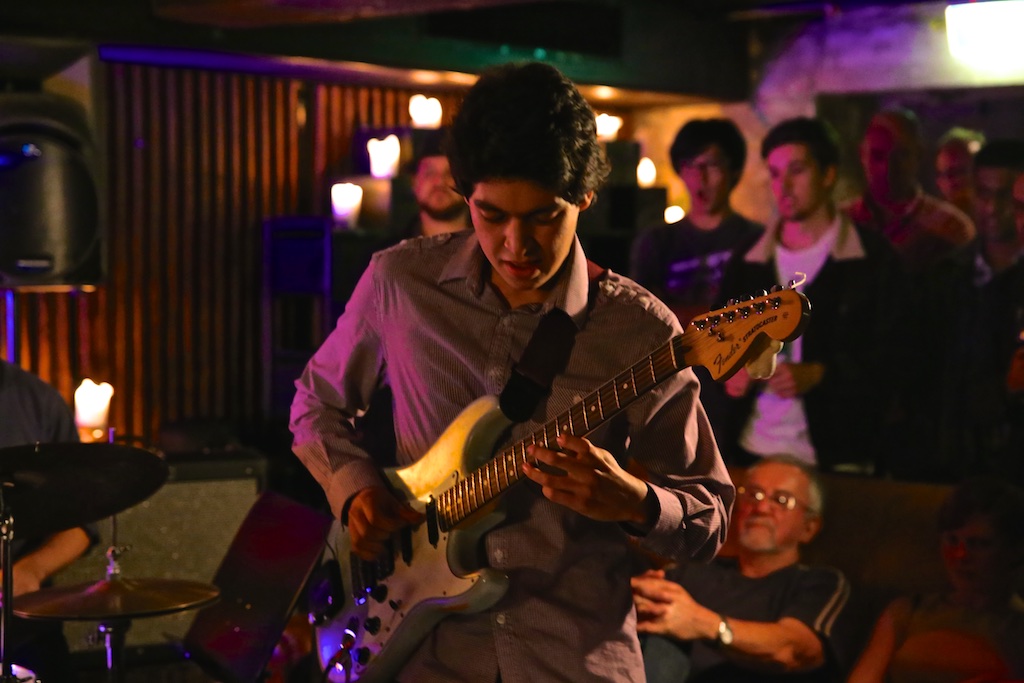 Kenji Holdaway led the second set and his approach was quite different. Most of the tunes he chose favoured collective improvisation and they draw upon diverse genres. His bandstand presence and the way he approached tunes oozed confidence. He had also chosen some former UoA students to accompany him and his choice was right on the money. J Y Lee is a gifted alto player and he can work the spectrum from avant-garde through to the lyrical ballads that give sentiment a good name. His musicality shone through during this gig and he just gets better and better. On Rhodes and piano was Conner Mcaneny and he often pushed the group into a freewheeling fusion space. Once again It impressed me how well his playing served the music as it was far from formulaic. When the others were playing his comping chords acted as clever punctuation; urging them to reach further and deeper. Another surprise was Tom Legget on drums and perhaps I have not been paying proper attention. I recall him sitting in during the CJC Jam Sessions of 2012. Now he is a fully formed drummer. His contributions tasteful and decisive. Eamon Edmundson-Wells was on bass once again and he showed what a tasteful player he is. While the band was good it was Holdaway who dominated. It was not that he injected himself into others solos for he would regularly lay out respectfully. It was his impressive command of the guitar, that and the sense that he was really across this gig.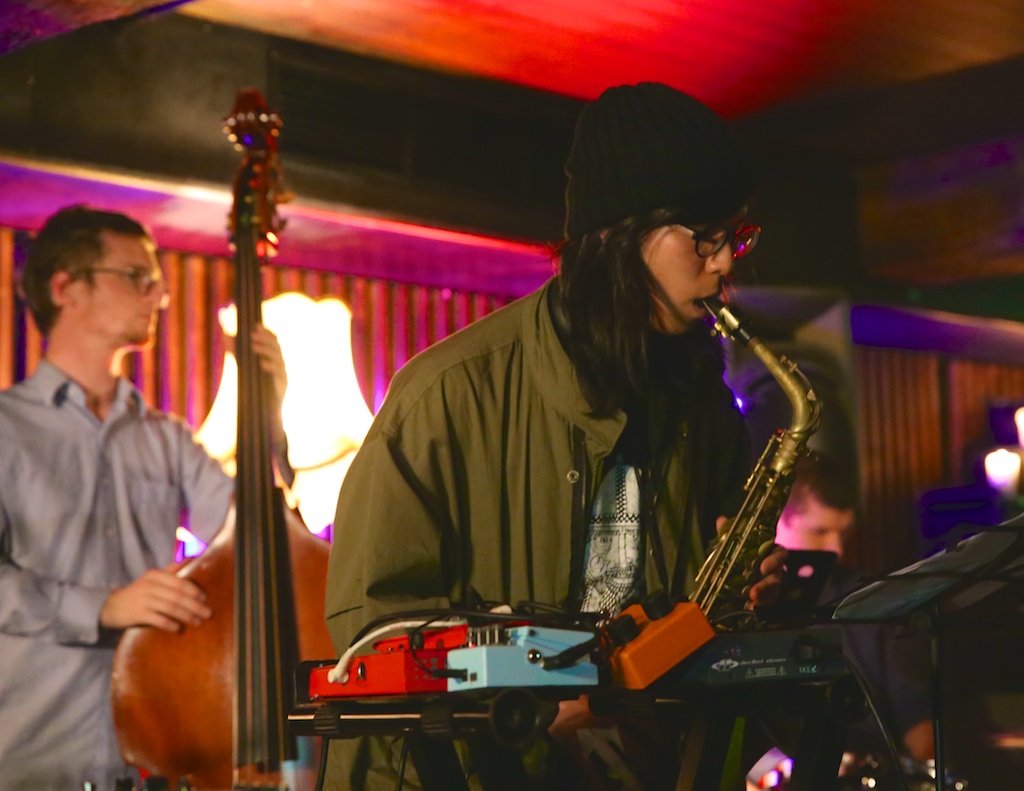


 JazzLocal32.com