The Bonita Project is fueled by good compositions, nice arrangements and above all by the exuberance of leader Chelsea Prastiti. It is the second time that Bonita has appeared at the CJC in recent times and people returned for more. It is a worthy project as it reimagines a time and rides on a powerful vibe; the sort that the world needs right now. There was always an easy-going breezy quality to post-war Brazilian music and that quality could beguile. Underneath, however, there is a powerful engine, as the melodies float over a plethora of complex rhythmic structures.

It is impossible to listen and to keep your feet still as the urgency underlying the beachy vibe captures you. It is also true that in this golden era there were dangerous political undercurrents. Out of that dashed hope came a flowing of art forms and the authoritarian colonels who tried to snatch it all away could not silence the music. Many of the musicians like Elis Regina were harassed, but the music never faltered.
There were three arrangers credited on the gig, Prastiti, Sinclair and Passells. The compositions were by Prastiti (and with one co credited to Kenji Hollaway). Some of the tunes we had heard before, including the lovely ‘Cassandra’ (posted as a video last time). There were also new tunes and among them ‘Peter Pan’ was especially appealing. The band had changed slightly from last time, with Connor McAneny replacing Crystal Choi. McAneny had been out of the country for a few years and his return is welcome. His piano playing has a muscular quality to it, which was less evident before he left.

The opportunity afforded by a diverse sound palette was well utilised by the arrangers; bringing out the best in the music without overwhelming melody. This was achieved with three vocalists, an acoustic guitar, piano, double bass, percussion, kit drums, trumpet + flugelhorn, clarinet + flute, tenor saxophone and a second flute. It was pleasing to hear a 12 piece ensemble perform in this way. A configuration like this allows an arranger to impart a degree of airiness out of a large ensemble sound. This was achieved by having the instrumentalists or the vocalists moving in and out of the mix as required. The tunes had lyrics, but just as often there was wordless singing. I love to hear the human voice used as a (non-verbal) instrument. Perhaps because of my ongoing enthusiasm for Winston/Wheeler/Taylor in their ECM ‘Azimuth’ days. This was a nice project and all the more so because it was presented with infectious enthusiasm.
Bonita: Chelsea Prastiti (vocals, arranging), Eamon Edmondson-Wells (upright bass), Ron Samsom (percussion), Tristan Deck (drums), Connor McAneny (piano), Michael Howell (guitar), Roger Manins (tenor saxophone), Elizabeth Stokes (trumpet/flugelhorn), Ben Sinclair (clarinet, flute, arranging), J Y Lee (flute), Rachel Clarke (vocals), Gretel Donnelley (vocals), Callum Passells (arranging).
JazzLocal32.com is rated as one of the 50 best Jazz Blogs in the world by Feedspot. The author is a professional member of the Jazz Journalists Association, poet & writer. Some of these posts appear on related sites.


 I looked forward to the ‘Skogkatt’ gig because Crystal Choi is a young musician with plenty of interesting ideas. She recently graduated from the UoA Jazz school and this project is largely drawn from her output as a student. Her arrangements and musical ideas show an evolving musician and her performance skills speak of energy and a growing confidence. When you speak to her there is a hint of shyness, but this evaporates the minute her hands touch the keyboard. At the piano her touch is decisive and the thinking behind the pieces is strongly communicated. She has grasped an important truth, how to play with space. One minute she is playing boldly with both hands raining down on the keys, the next dropping back to a gentle whisper or laying out. Her choice of project was a brave one as it tackled areas well beyond the usual Jazz orbit. Writing for strings and an unusually configured horn section an indicator of where she could be headed.
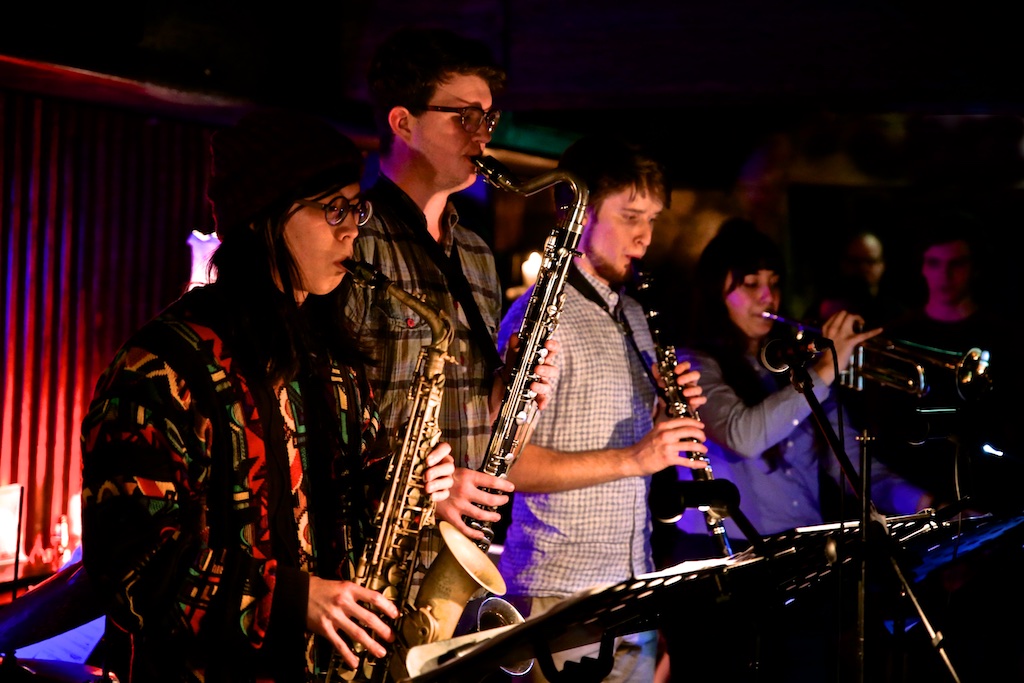 Her compositions and charts were of particular interest as they evoked more of a Northern European, or South American ethos than a North American one. While all Jazz arises from American roots, there are other forces at work in a globalised jazz world. As musicians from different ethnic backgrounds embrace improvised music something fresh is added. It is right that New Zealanders, Northern Europeans or people from other regions bring something of their own life experiences to the music. Jazz from the outer rim is particularly interesting at present.
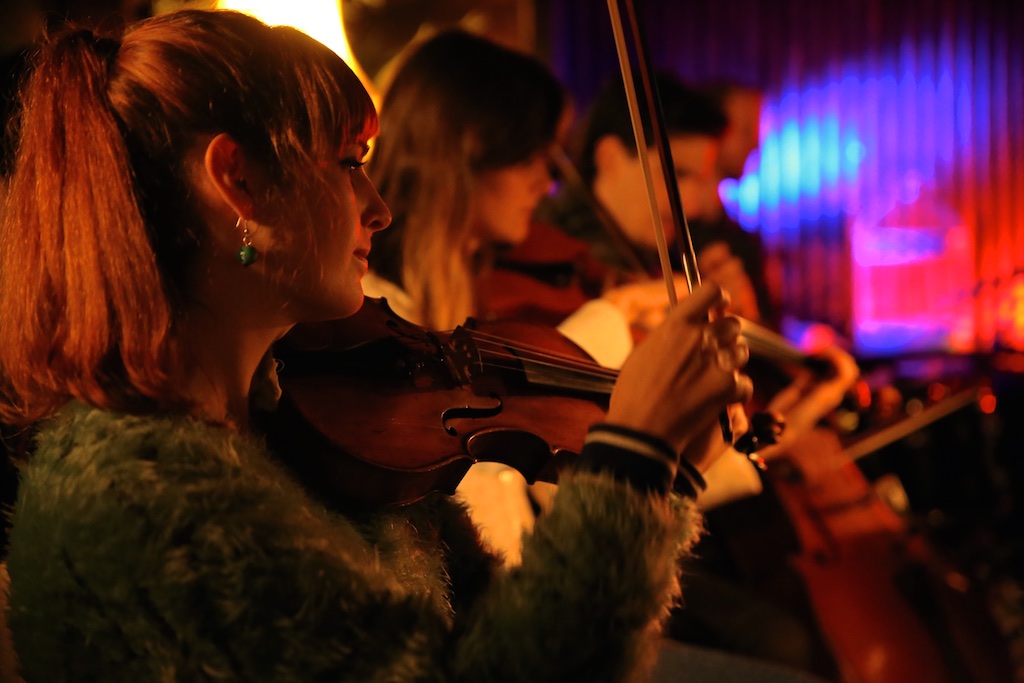 There were solo, trio, sextet, septet and tenet pieces. Her writing for the ten piece band was notable. Although an uncommon configuration of instruments these oddly configured, medium-sized ensembles have been a feature in modern classical music since Saint-Saens ‘Carnival of the Animals’ (that was an eleven piece). In Jazz since the late 40’s. Having a front line with two violins and cello alongside trumpet/flugel, bass-clarinet, clarinet and flute/alto saxophone worked well. The unusual textures gave depth and interest to the composition. The slightly tart voicings of the Bartok like string section contrasting nicely with the woody richness of the woodwind horns. These sort of excursions are not embarked upon lightly but I feel Choi pulled it off. My only quibble, and it is a small one is that the ensemble needed to tighten up somewhat in places.
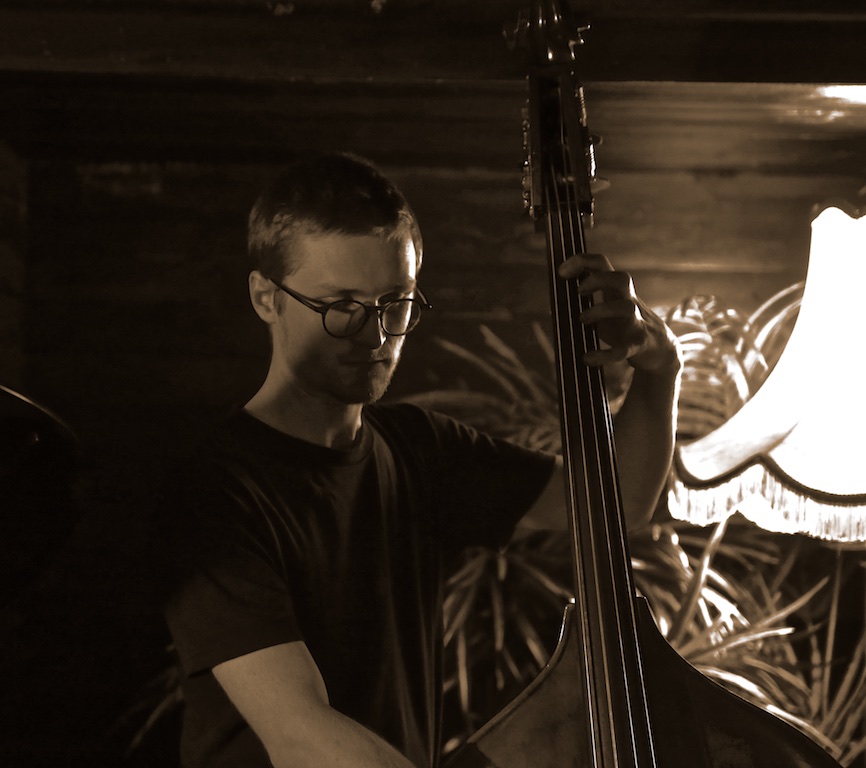 Another side of Choi is her singing. While certainly not a big voice it has charm and originality. Like many improvisers she sings while digging into a solo. These are wordless songs of the sort that you would hear on a Norma Winstone album. At times there is a Debussy feel to her solo and trio compositions.
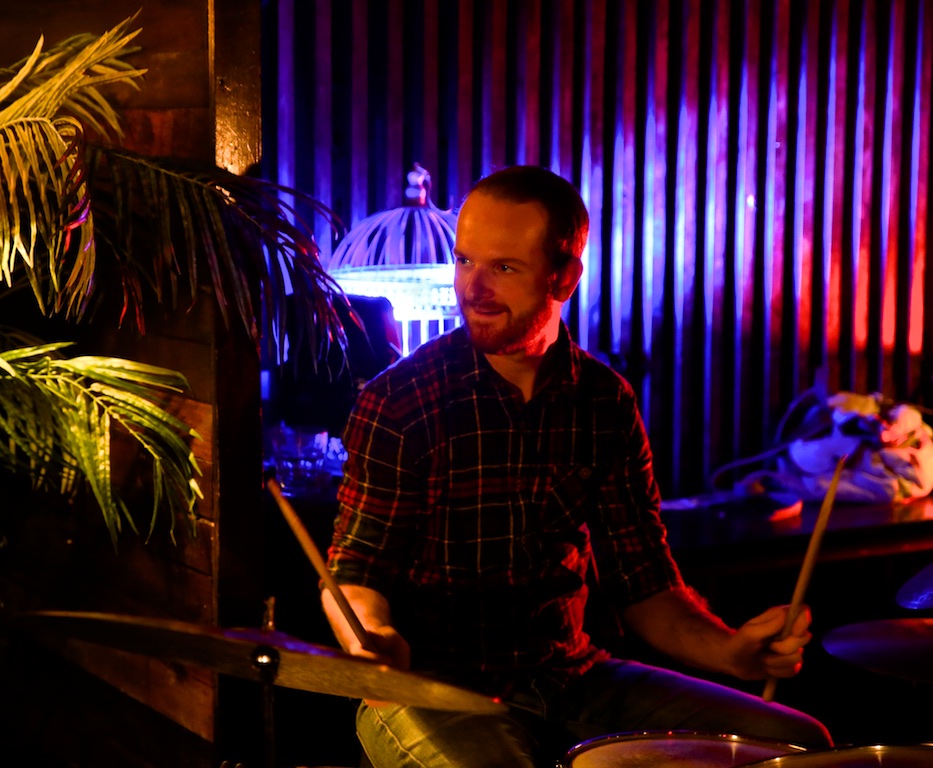 This project while far-ranging begs developing further and perhaps recorded at some future point. It had a Kiwi ECM feel to it. I hope that she works with the material and refines it further. It is well worth doing. Note: The Skogkatt is native to the forests of Scandinavia and the original Maine Coon cat.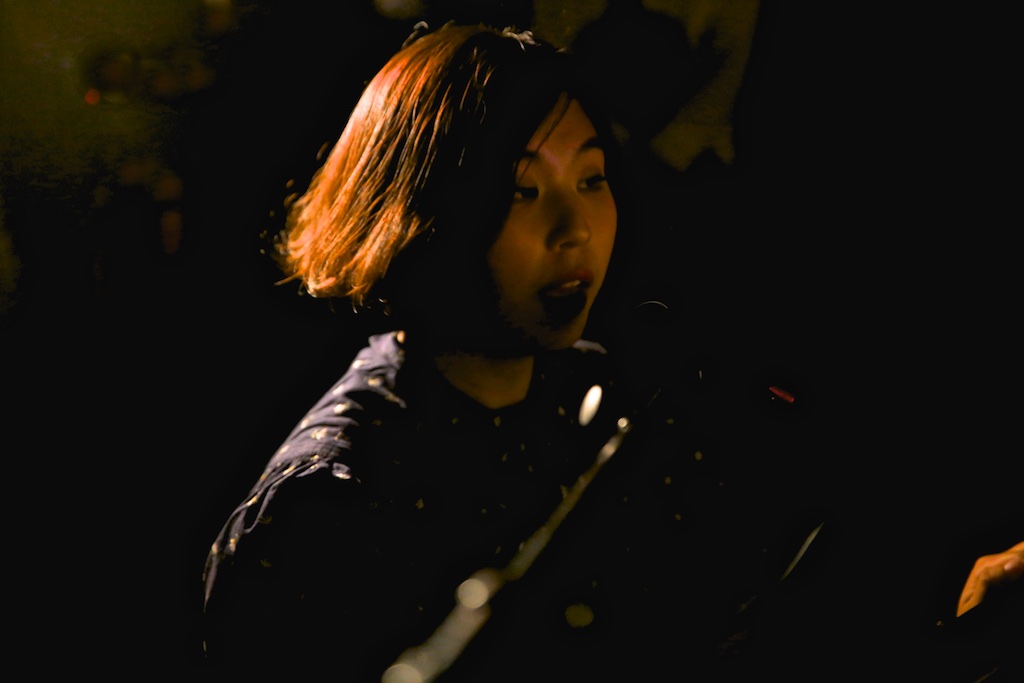
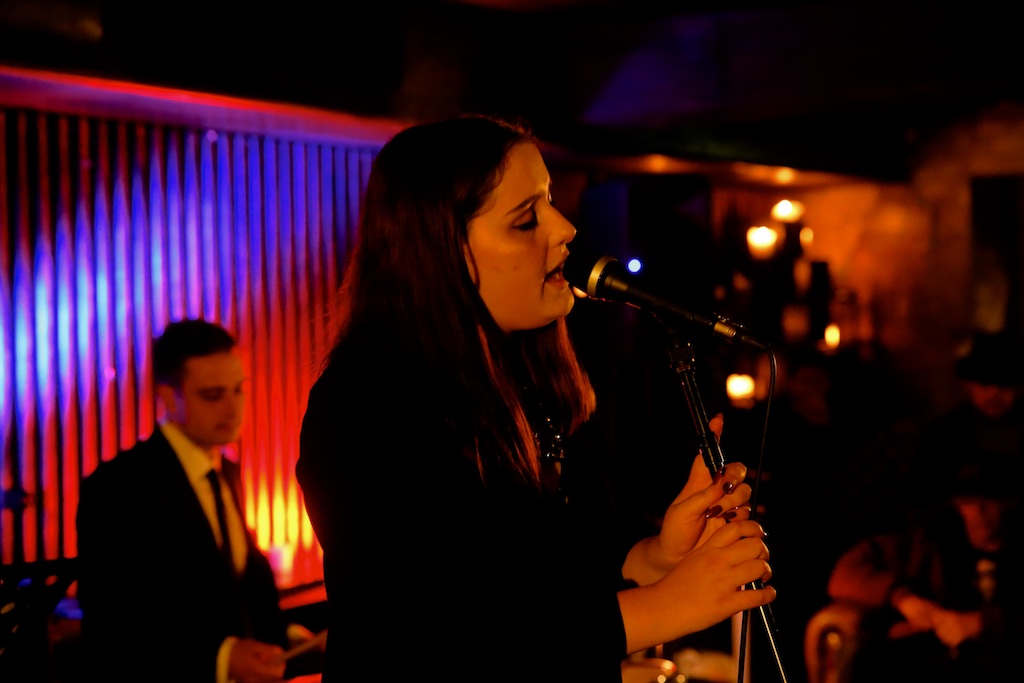 The last time I saw Rebecca Melrose perform was at a CJC gig, not long after her graduation from the UoA Jazz School. That was well over a year ago. Since then she has made her way as a vocalist, exploring several musical genres and recording an EP (yet to be released). This gig was straight ahead Jazz; her interpretations of various Jazz standards. I remember being impressed by Melrose the last time I heard her as there is a rich quality to her voice and she knows how to play with lyrics. At the last gig she took risks with her choice of material and it paid off. This time the sets were more mainstream but she exuded an easy-going confidence; the sort that comes with time in front of audiences.
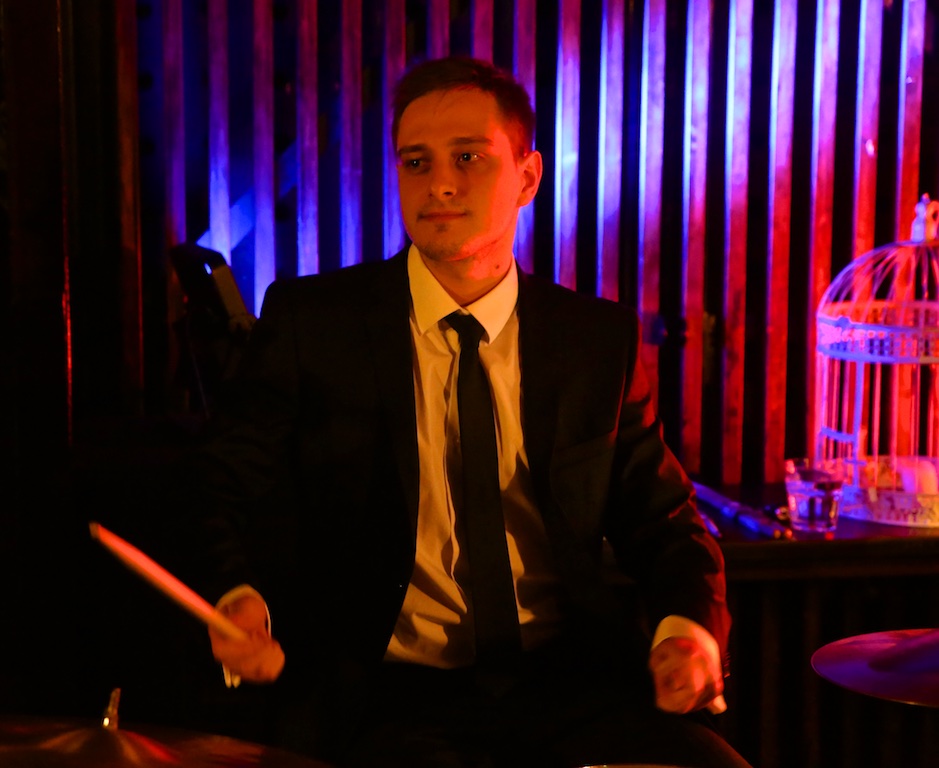
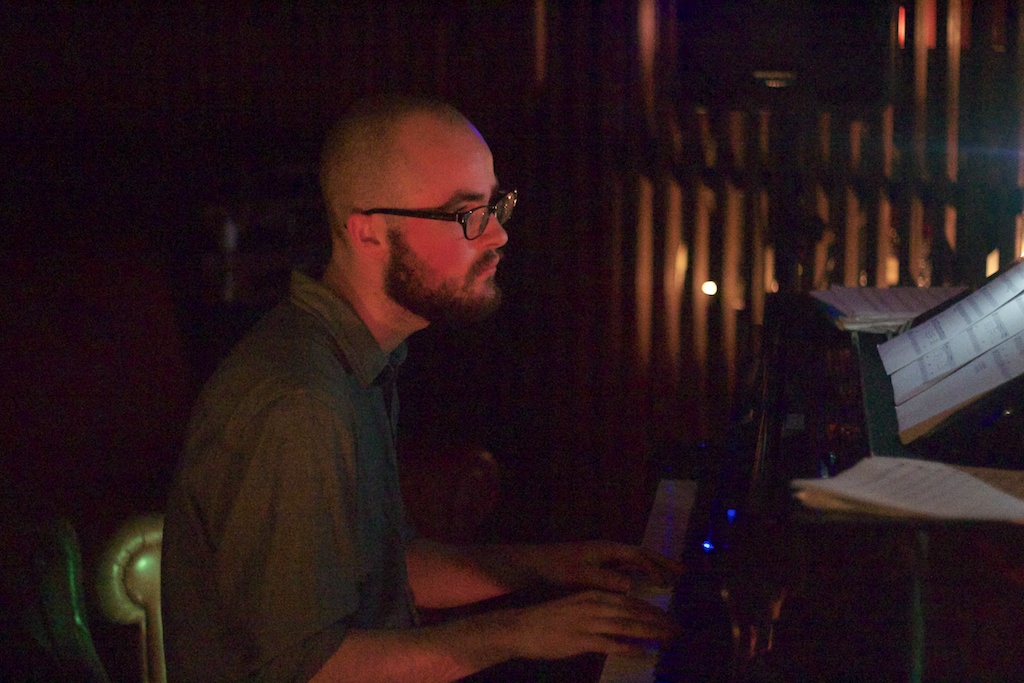
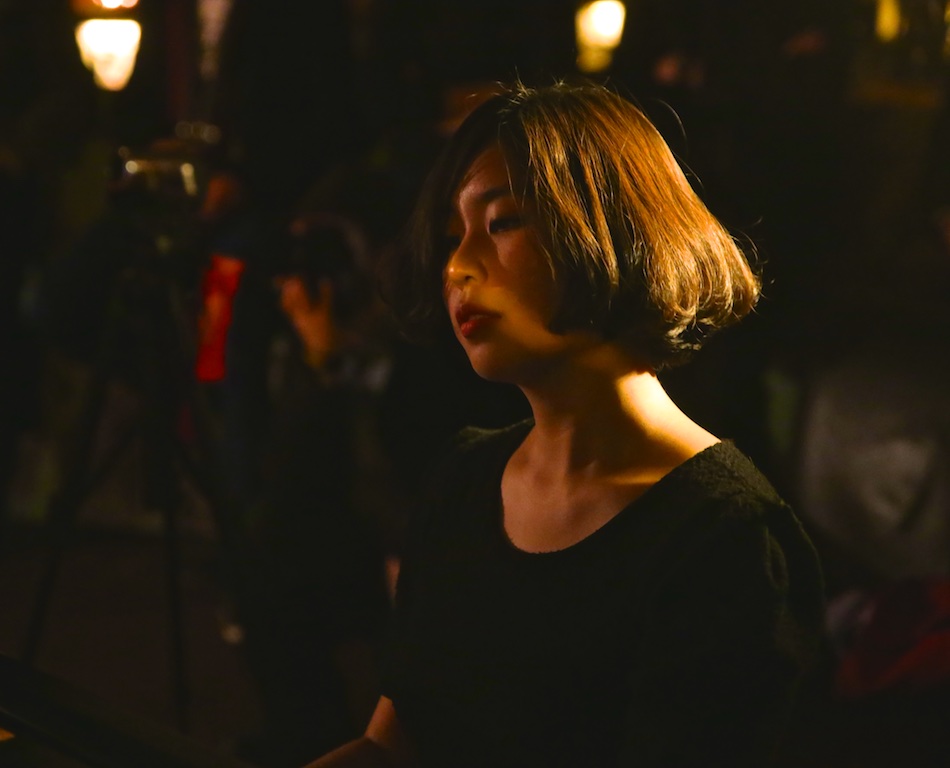 Accompanying her were three graduates from the UoA Jazz Programme. Crystal Choi on piano, Eamon Edmunson-Wells on bass and Jared Devaux de Marigny, drums. CJC audiences have seen a lot of Edmunson-Wells over recent years and increasingly we are seeing Choi. Desvaux de Marigny is not seen as often. These are all fine musicians. Additional to the core lineup were guest artists Callum Passells (alto) and Liz Stokes (trumpet).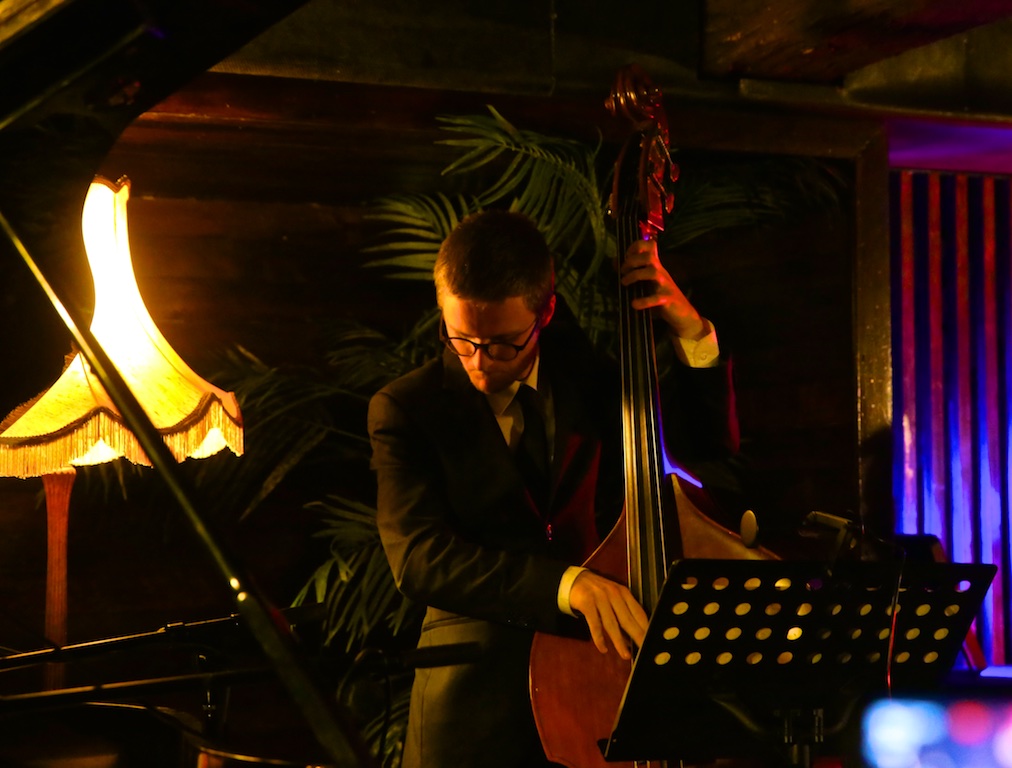
 Melrose has been selected as a semi-finalist in the prestigious Shure Vocal Competition (the only Australasian/Pacific finalist). She will fly to Montreux shortly to compete in the finals at the 2015 ‘Montreux Jazz Festival on Lac Lemon. This gig and other events are to help her get there. I wish her well.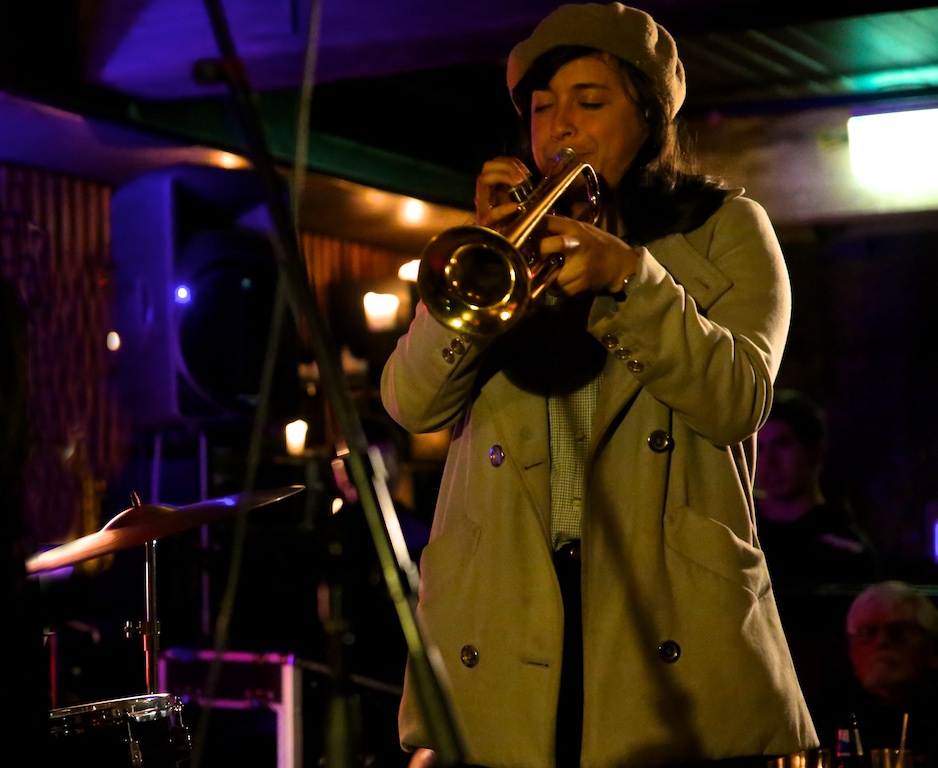
 Quartet: Rebecca Melrose (leader, vocals), Crystal Choi (piano), Eamon Edmunsen-Wells (bass), Jared Desvaux de Marigny (drums).


 JazzLocal32.com