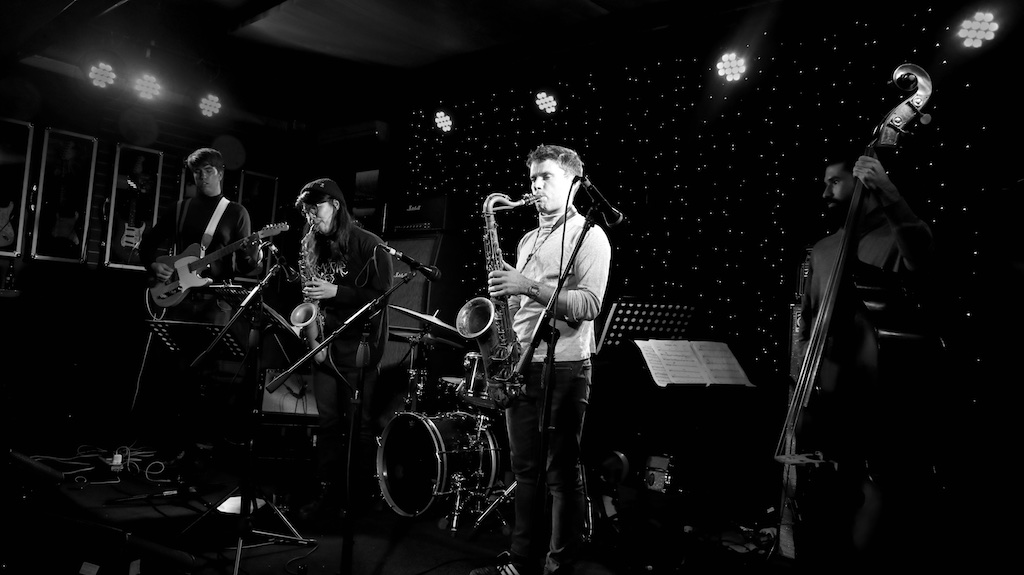
The Bonita Project is fueled by good compositions, nice arrangements and above all by the exuberance of leader Chelsea Prastiti. It is the second time that Bonita has appeared at the CJC in recent times and people returned for more. It is a worthy project as it reimagines a time and rides on a powerful vibe; the sort that the world needs right now. There was always an easy-going breezy quality to post-war Brazilian music and that quality could beguile. Underneath, however, there is a powerful engine, as the melodies float over a plethora of complex rhythmic structures.

It is impossible to listen and to keep your feet still as the urgency underlying the beachy vibe captures you. It is also true that in this golden era there were dangerous political undercurrents. Out of that dashed hope came a flowing of art forms and the authoritarian colonels who tried to snatch it all away could not silence the music. Many of the musicians like Elis Regina were harassed, but the music never faltered.
There were three arrangers credited on the gig, Prastiti, Sinclair and Passells. The compositions were by Prastiti (and with one co credited to Kenji Hollaway). Some of the tunes we had heard before, including the lovely ‘Cassandra’ (posted as a video last time). There were also new tunes and among them ‘Peter Pan’ was especially appealing. The band had changed slightly from last time, with Connor McAneny replacing Crystal Choi. McAneny had been out of the country for a few years and his return is welcome. His piano playing has a muscular quality to it, which was less evident before he left.

The opportunity afforded by a diverse sound palette was well utilised by the arrangers; bringing out the best in the music without overwhelming melody. This was achieved with three vocalists, an acoustic guitar, piano, double bass, percussion, kit drums, trumpet + flugelhorn, clarinet + flute, tenor saxophone and a second flute. It was pleasing to hear a 12 piece ensemble perform in this way. A configuration like this allows an arranger to impart a degree of airiness out of a large ensemble sound. This was achieved by having the instrumentalists or the vocalists moving in and out of the mix as required. The tunes had lyrics, but just as often there was wordless singing. I love to hear the human voice used as a (non-verbal) instrument. Perhaps because of my ongoing enthusiasm for Winston/Wheeler/Taylor in their ECM ‘Azimuth’ days. This was a nice project and all the more so because it was presented with infectious enthusiasm.
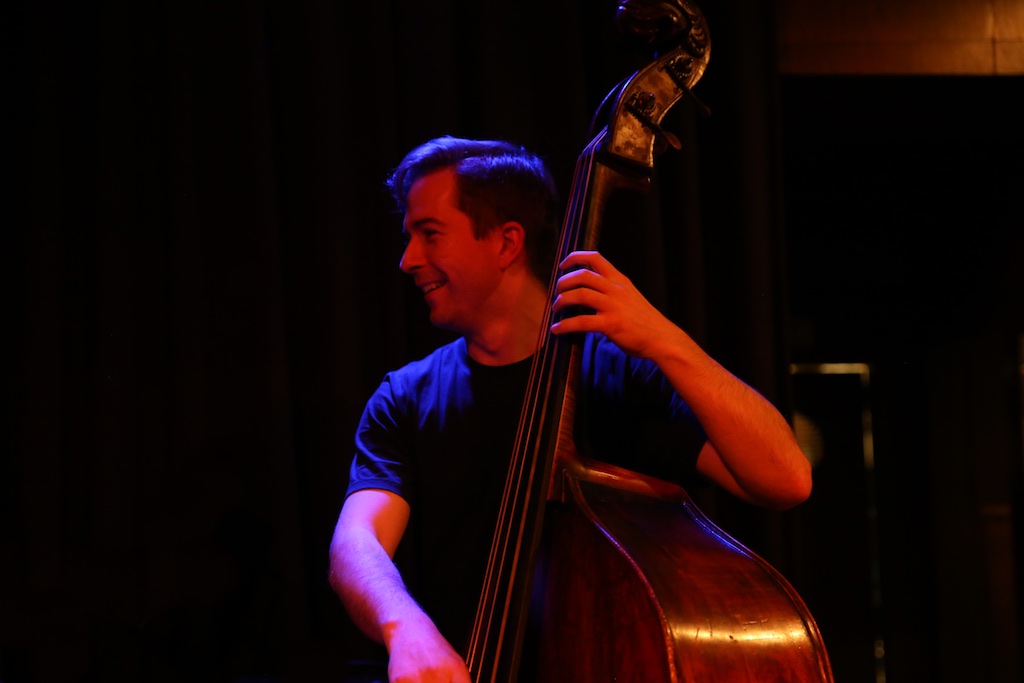
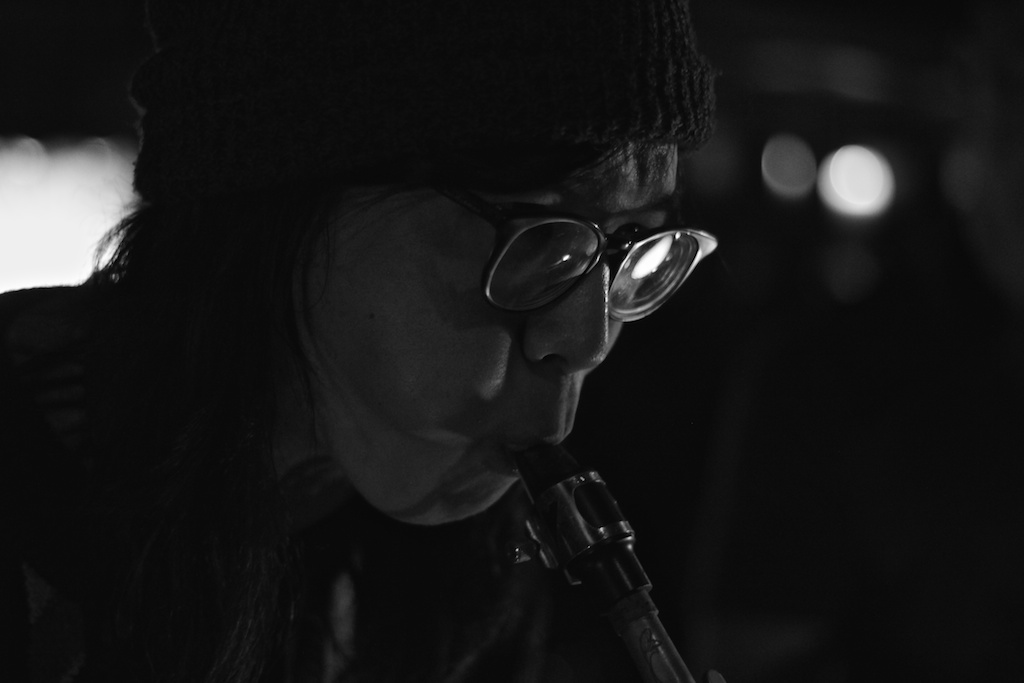
Bonita: Chelsea Prastiti (vocals, arranging), Eamon Edmondson-Wells (upright bass), Ron Samsom (percussion), Tristan Deck (drums), Connor McAneny (piano), Michael Howell (guitar), Roger Manins (tenor saxophone), Elizabeth Stokes (trumpet/flugelhorn), Ben Sinclair (clarinet, flute, arranging), J Y Lee (flute), Rachel Clarke (vocals), Gretel Donnelley (vocals), Callum Passells (arranging).
JazzLocal32.com is rated as one of the 50 best Jazz Blogs in the world by Feedspot. The author is a professional member of the Jazz Journalists Association, poet & writer. Some of these posts appear on related sites.

 In the late 1950s and early ’60s, anyone with an ounce of cool wore a coarse-knit black polo neck jersey. While they sat there feeling cool their necks would start to itch and angry red rashes would creep up to their chins. Chins made all the itchier by the regulation chinstrap beards or ‘hip’ goatees.
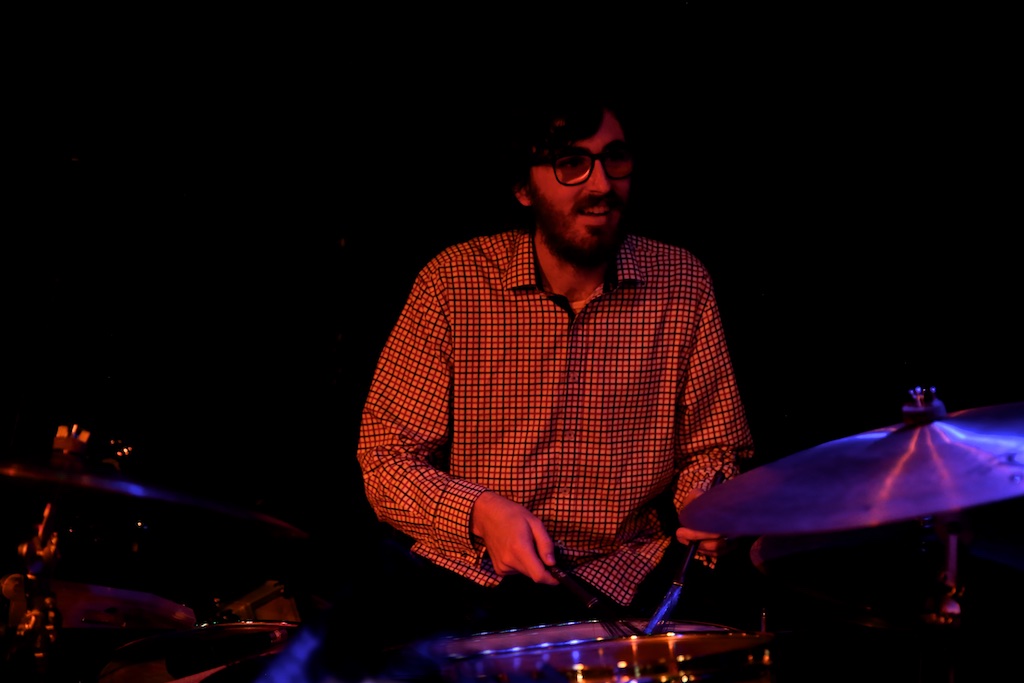 In spite of his relative youth, Stephen Thomas is counted as one of New Zealand's better Jazz drummers. He approaches his craft with care and intelligence and it shows in his playing. While his technical skills are superb, he can also communicate on a human level and this is important as it speaks of character. Thomas is a regular on the scene, but like many sidemen and most drummers, he prefers to remain in the shadows. On Wednesday he changed that focus and convincingly staked his claim as band leader.
 The ingredients that contribute to a successful gig are often intangible, but this gig ticked a number of those boxes. While tailored to suit a Jazz audience, it did so without being remote or elitist. Another reason the gig worked was because Thomas used humour to good effect; not just his on stage banter but in the music as well. In a live setting this is important – interacting with the listeners on some level, bringing them inside the circle.
 Thomas has an abiding interest in the Ellington/Mingus/Roach, 'Money Jungle' recording and Wednesday provided him with a further opportunity to explore that project. While unusual as a source of standards material, it is a great album to focus on – the perfect vehicle for deconstruction. At the time it was recorded, it stood out for a number of reasons. In fact it shouldn't have worked at all, as the trio members reputedly disliked each other. Each had marked stylistic differences and Ellington was of an earlier generation. Ellington told the others that what they would play on the record should be a collective decision; then he turned up with a set list of his own tunes. The one tune which was not Ellington's was by Juan Tizol – a man who Mingus had once been in a knife fight with and because of whom, he was sacked by Ellington. What should have been a disaster for many reasons was a success. A brave post-bop recording by artists firmly rooted in other eras.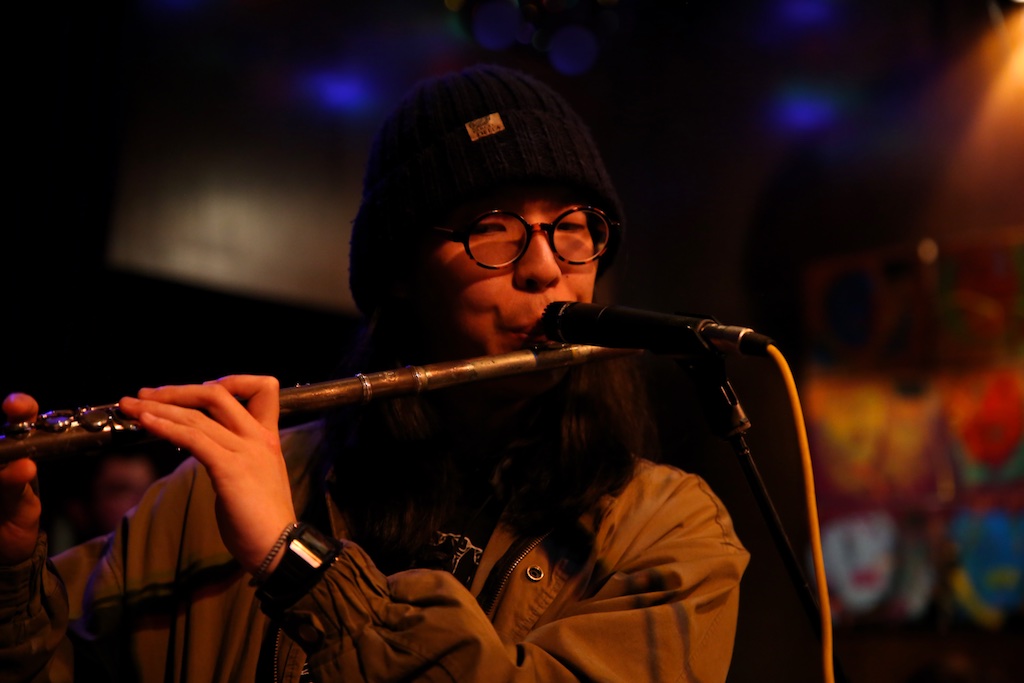
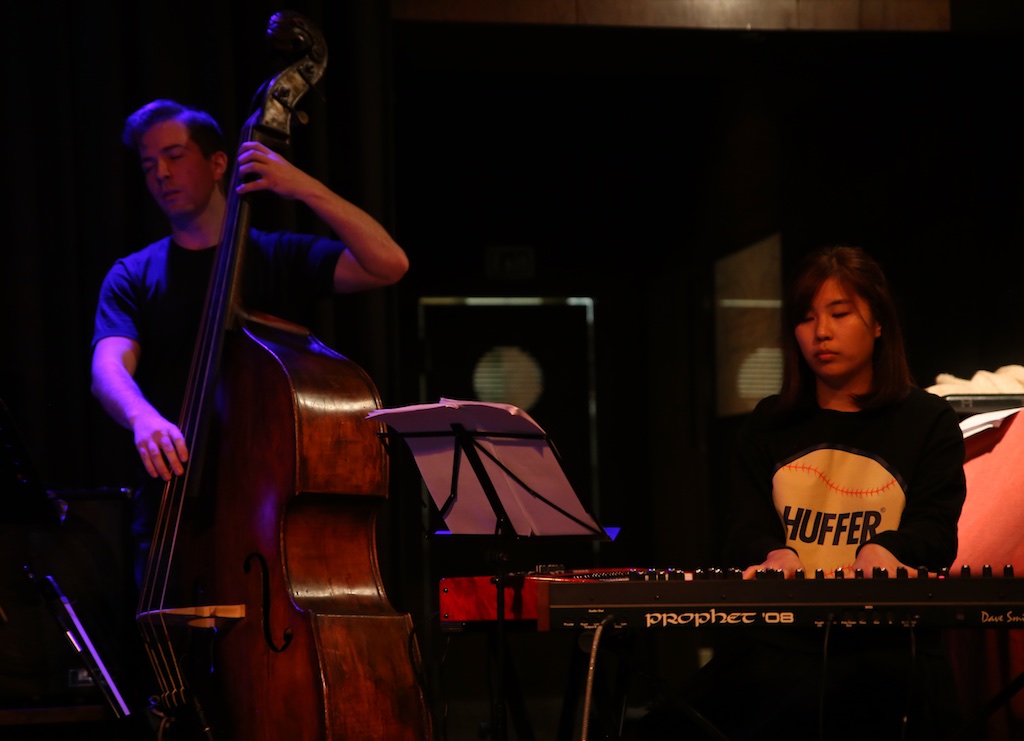
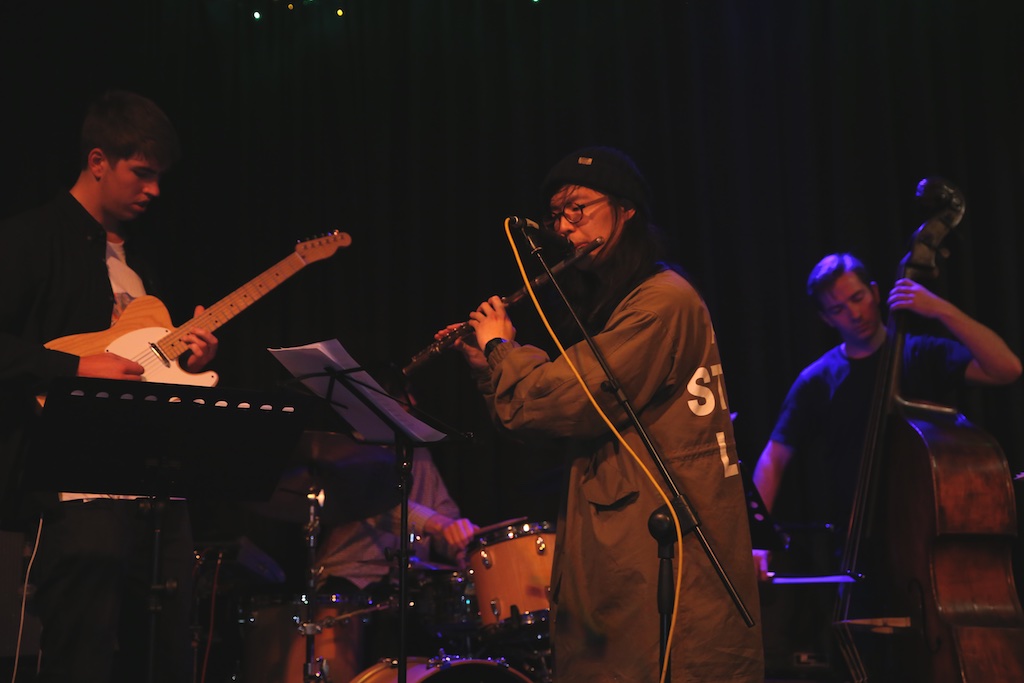
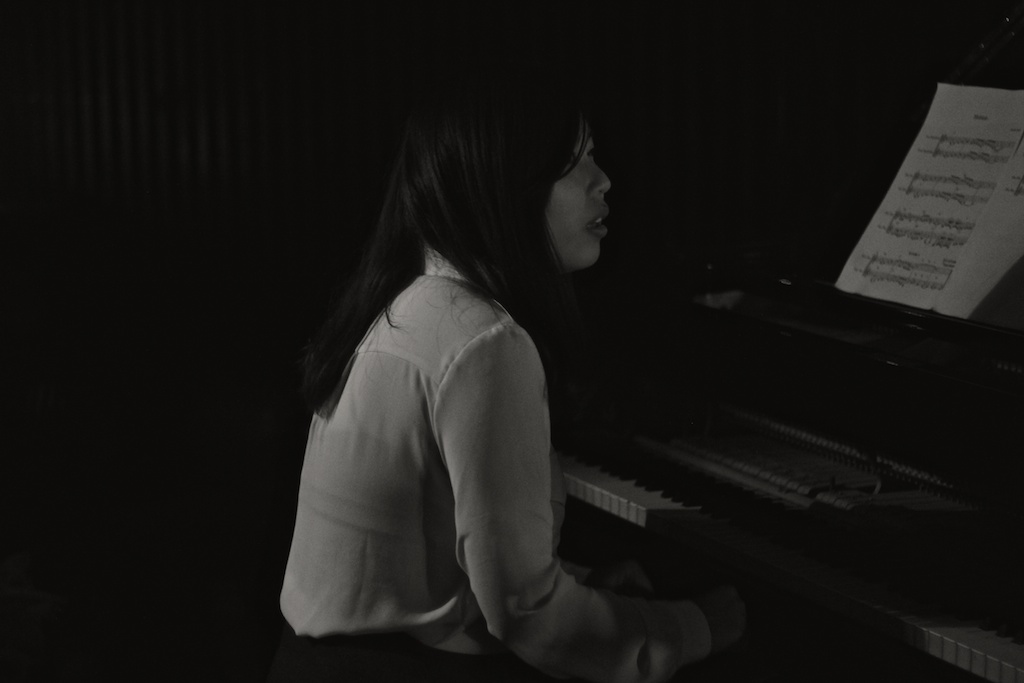
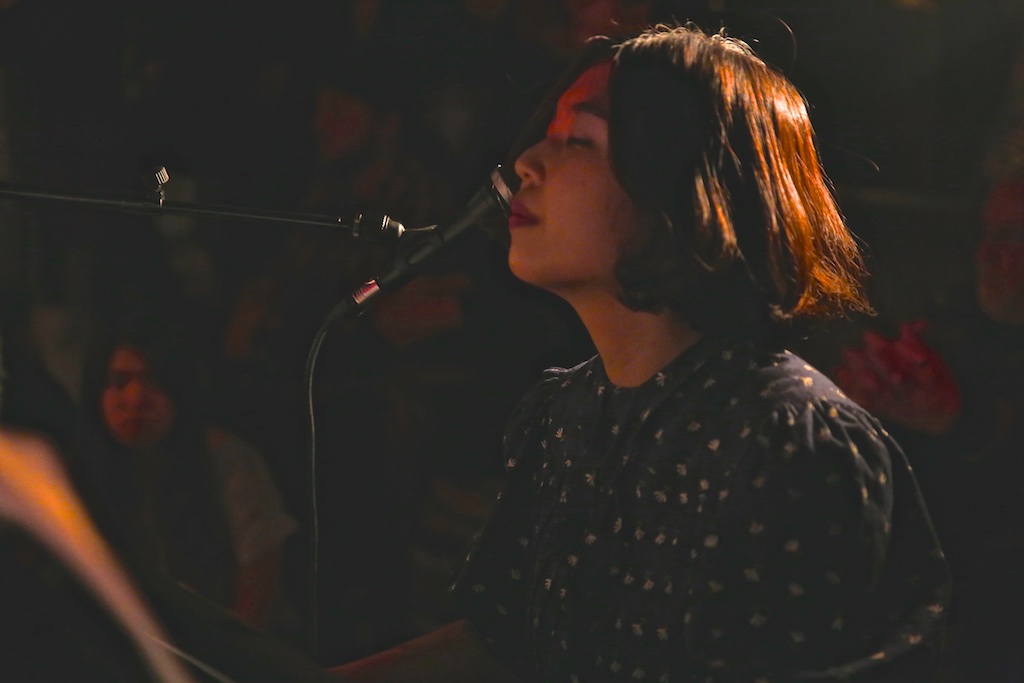 I looked forward to the ‘Skogkatt’ gig because Crystal Choi is a young musician with plenty of interesting ideas. She recently graduated from the UoA Jazz school and this project is largely drawn from her output as a student. Her arrangements and musical ideas show an evolving musician and her performance skills speak of energy and a growing confidence. When you speak to her there is a hint of shyness, but this evaporates the minute her hands touch the keyboard. At the piano her touch is decisive and the thinking behind the pieces is strongly communicated. She has grasped an important truth, how to play with space. One minute she is playing boldly with both hands raining down on the keys, the next dropping back to a gentle whisper or laying out. Her choice of project was a brave one as it tackled areas well beyond the usual Jazz orbit. Writing for strings and an unusually configured horn section an indicator of where she could be headed.
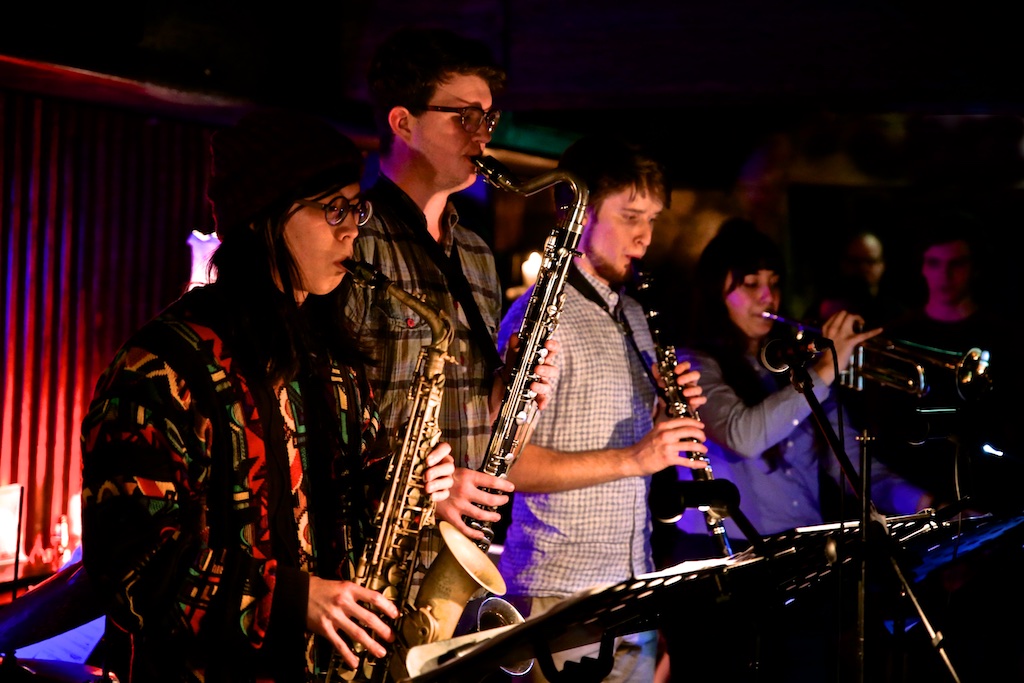 Her compositions and charts were of particular interest as they evoked more of a Northern European, or South American ethos than a North American one. While all Jazz arises from American roots, there are other forces at work in a globalised jazz world. As musicians from different ethnic backgrounds embrace improvised music something fresh is added. It is right that New Zealanders, Northern Europeans or people from other regions bring something of their own life experiences to the music. Jazz from the outer rim is particularly interesting at present.
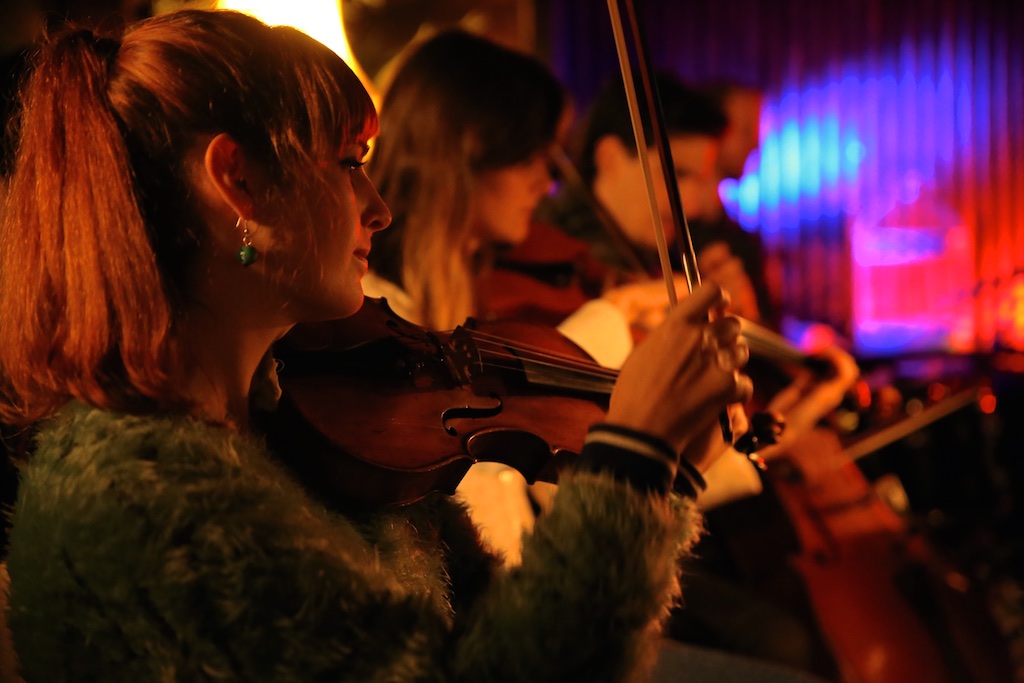 There were solo, trio, sextet, septet and tenet pieces. Her writing for the ten piece band was notable. Although an uncommon configuration of instruments these oddly configured, medium-sized ensembles have been a feature in modern classical music since Saint-Saens ‘Carnival of the Animals’ (that was an eleven piece). In Jazz since the late 40’s. Having a front line with two violins and cello alongside trumpet/flugel, bass-clarinet, clarinet and flute/alto saxophone worked well. The unusual textures gave depth and interest to the composition. The slightly tart voicings of the Bartok like string section contrasting nicely with the woody richness of the woodwind horns. These sort of excursions are not embarked upon lightly but I feel Choi pulled it off. My only quibble, and it is a small one is that the ensemble needed to tighten up somewhat in places.
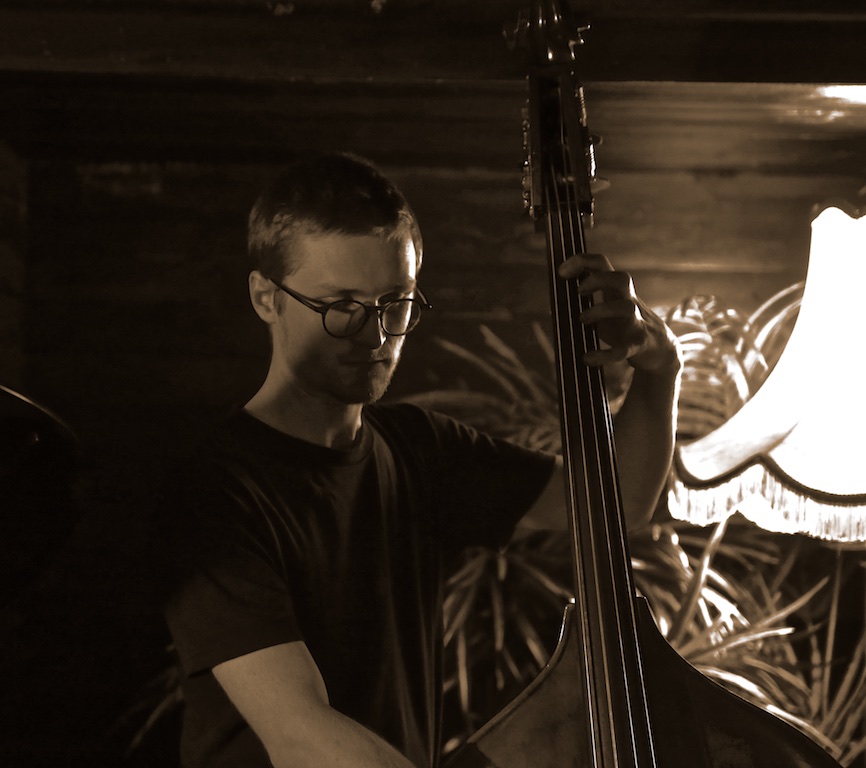 Another side of Choi is her singing. While certainly not a big voice it has charm and originality. Like many improvisers she sings while digging into a solo. These are wordless songs of the sort that you would hear on a Norma Winstone album. At times there is a Debussy feel to her solo and trio compositions.
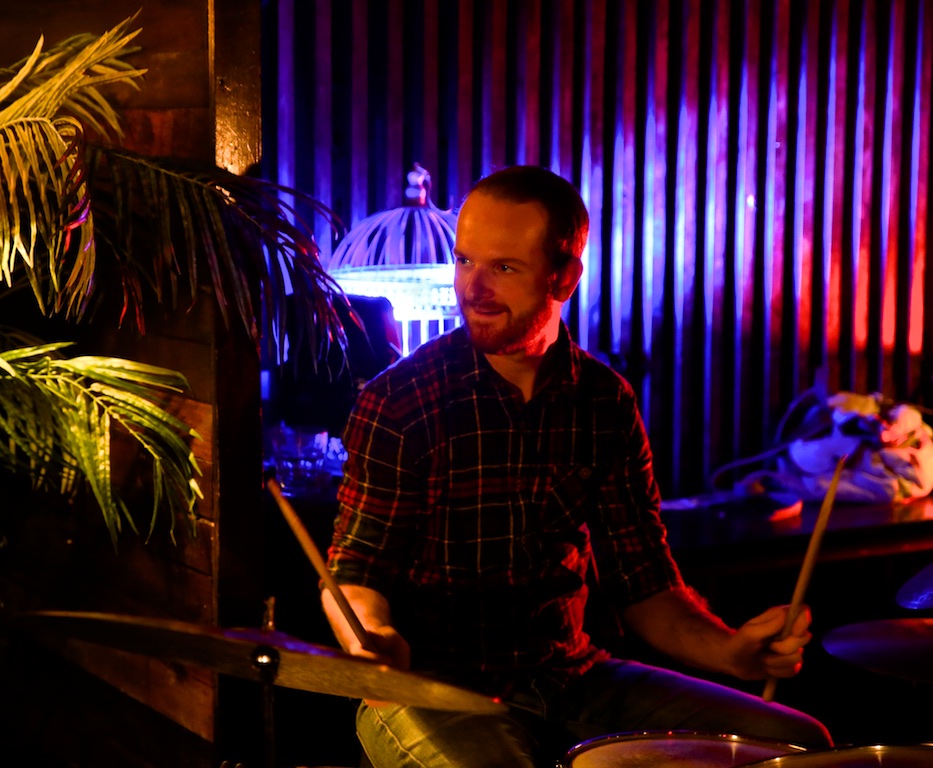 This project while far-ranging begs developing further and perhaps recorded at some future point. It had a Kiwi ECM feel to it. I hope that she works with the material and refines it further. It is well worth doing. Note: The Skogkatt is native to the forests of Scandinavia and the original Maine Coon cat.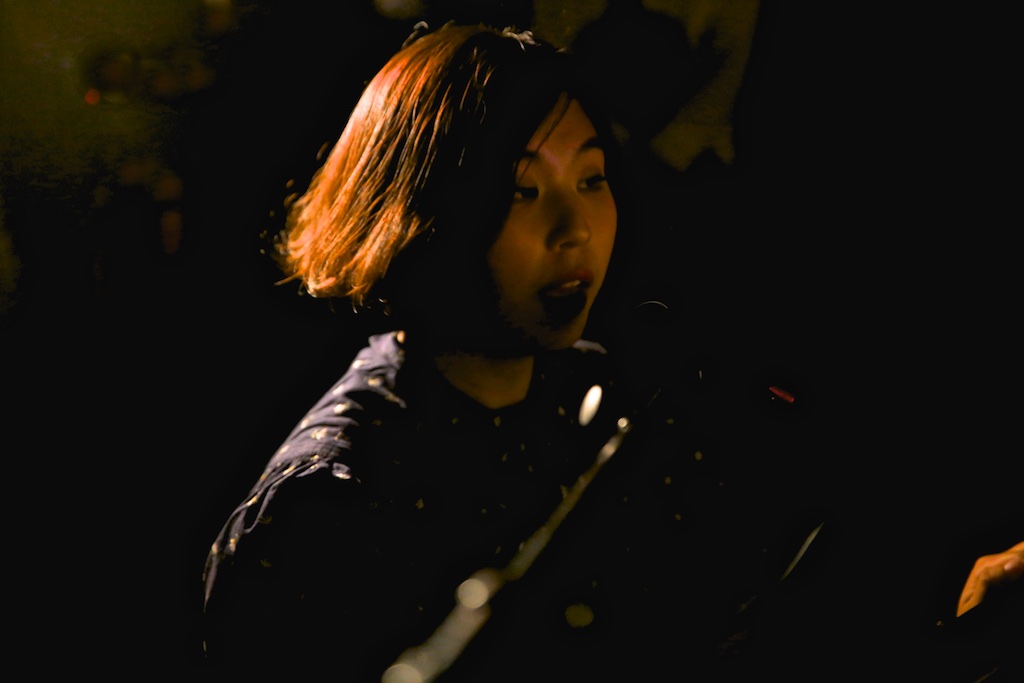
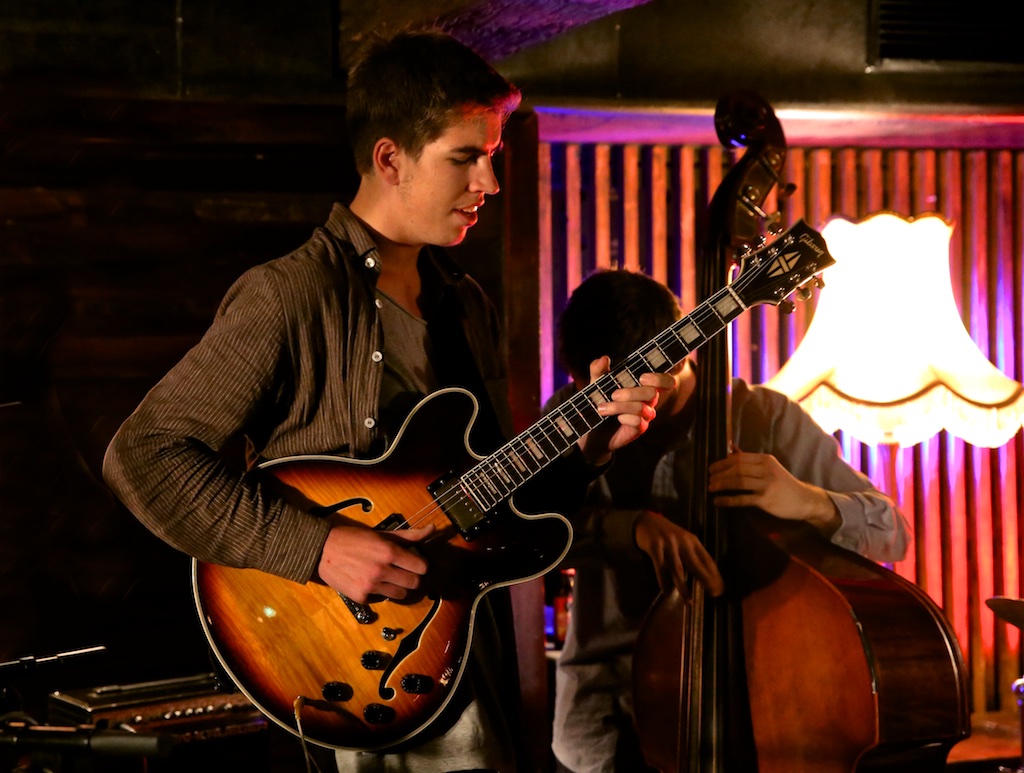 This was ’emerging artists’ night and you wouldn’t have thought so. The club had packed to capacity and the performances were far beyond what you’d expect from students. The artists approached their sets differently, but the end results were equally satisfying. Both study at the Auckland University Jazz School and if that institution is turning out students of this quality it certainly reflects well on the faculty.
 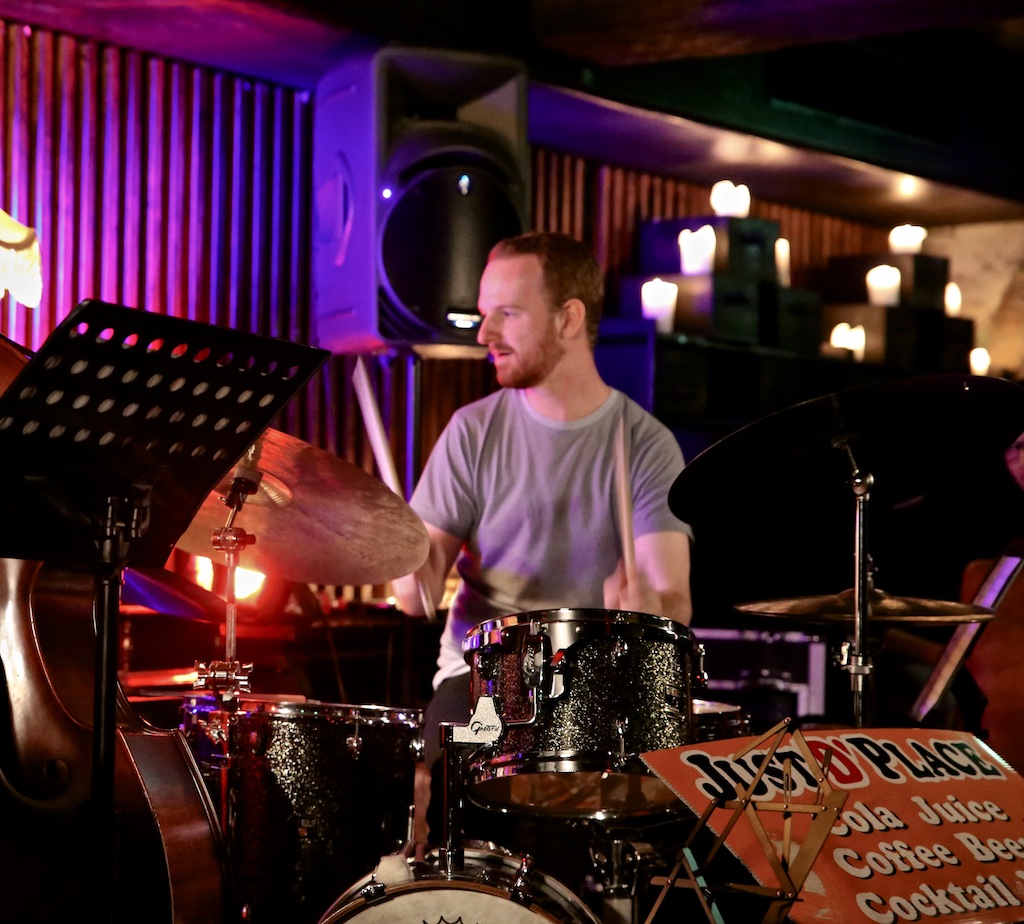 Michael Howell is from West Auckland and for some reason a number of excellent guitarists emerge from that quadrant. Growing up in the Waitakere ranges seems to have gifted his playing with an expansiveness and it is not hard to imagine big vistas and tree-clad hills during his ballad numbers. Howells set opened with a ballad and edged into the faster tempos later. His thoughtful opening took us deep inside the music and this was a good way to start a set. As well as his own tunes he featured compositions by Ben Monder, Sam Rivers and John Scofield. When a guitar trio doesn’t use an organ or piano there is more space to work in. This was well utilised by Howell although he is also adept in larger group situations. I heard him a few days later when he sat in with a number of very experienced musicians and he stepped into that space effortlessly. There were two numbers with piano and fellow student Crystal Choi sat in for these (also adding a vocal line). The other musicians were Eamon Edmundson-Wells on Bass (who also played bass in the second set) and Tristan Deck on drums. These former UoA students have already made their mark on the scene.
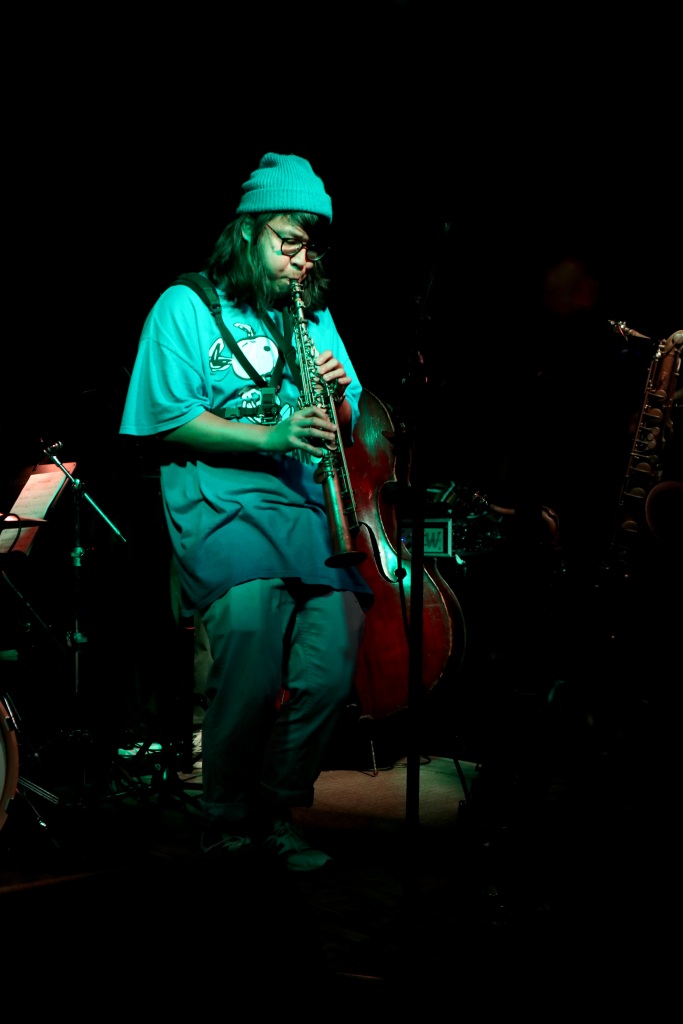
 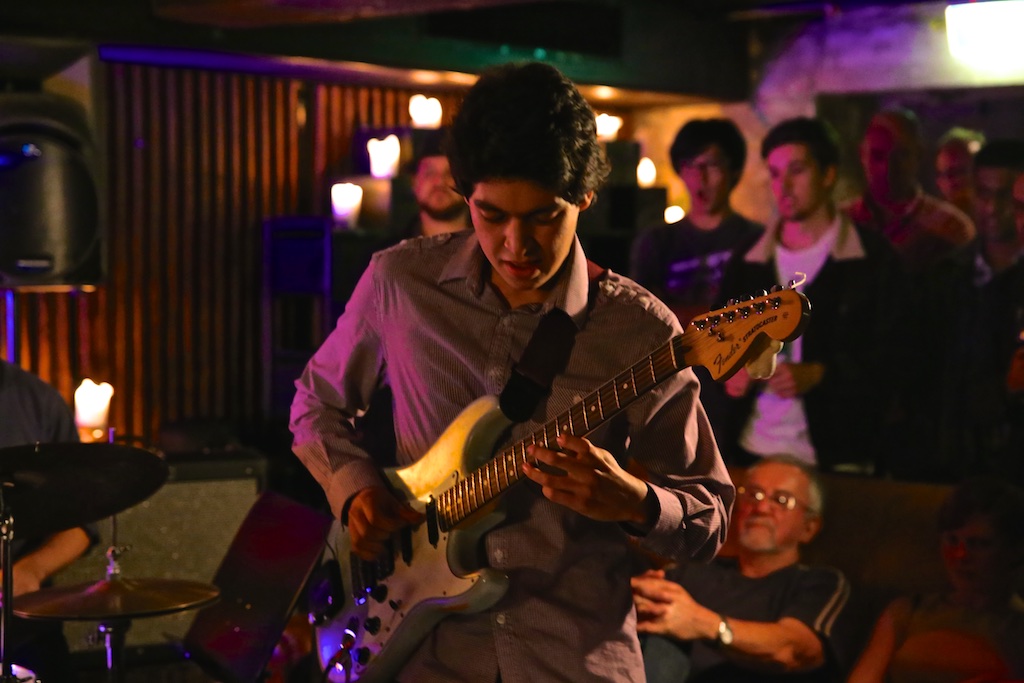 Kenji Holdaway led the second set and his approach was quite different. Most of the tunes he chose favoured collective improvisation and they draw upon diverse genres. His bandstand presence and the way he approached tunes oozed confidence. He had also chosen some former UoA students to accompany him and his choice was right on the money. J Y Lee is a gifted alto player and he can work the spectrum from avant-garde through to the lyrical ballads that give sentiment a good name. His musicality shone through during this gig and he just gets better and better. On Rhodes and piano was Conner Mcaneny and he often pushed the group into a freewheeling fusion space. Once again It impressed me how well his playing served the music as it was far from formulaic. When the others were playing his comping chords acted as clever punctuation; urging them to reach further and deeper. Another surprise was Tom Legget on drums and perhaps I have not been paying proper attention. I recall him sitting in during the CJC Jam Sessions of 2012. Now he is a fully formed drummer. His contributions tasteful and decisive. Eamon Edmundson-Wells was on bass once again and he showed what a tasteful player he is. While the band was good it was Holdaway who dominated. It was not that he injected himself into others solos for he would regularly lay out respectfully. It was his impressive command of the guitar, that and the sense that he was really across this gig.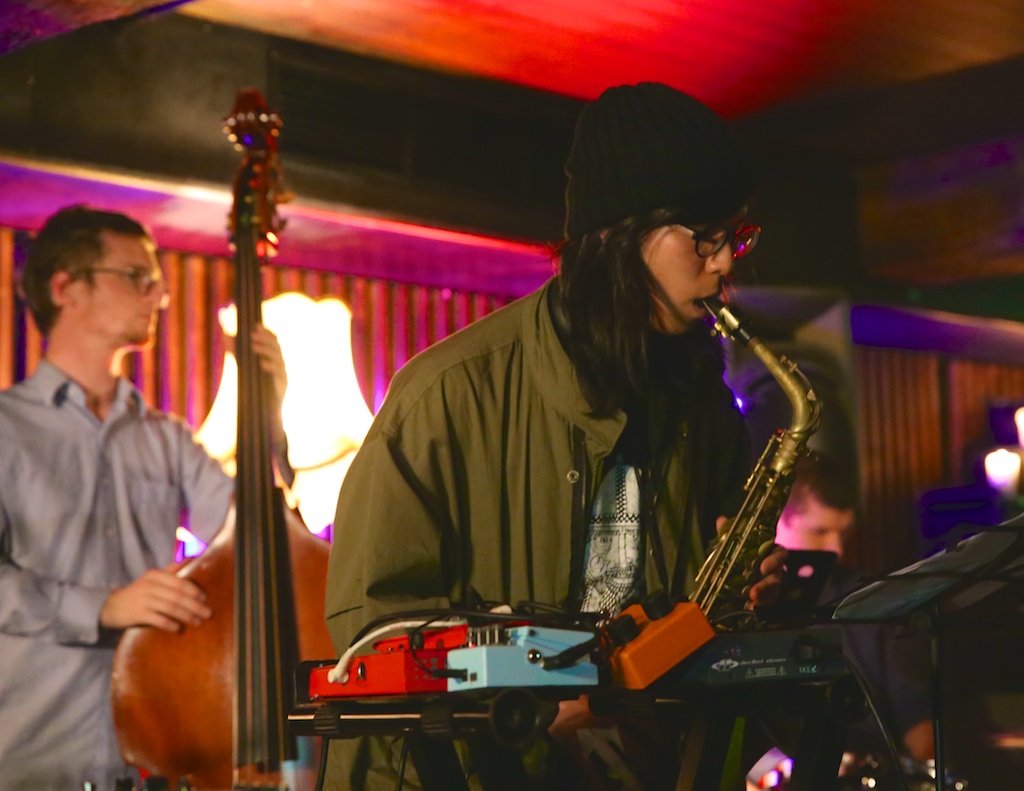
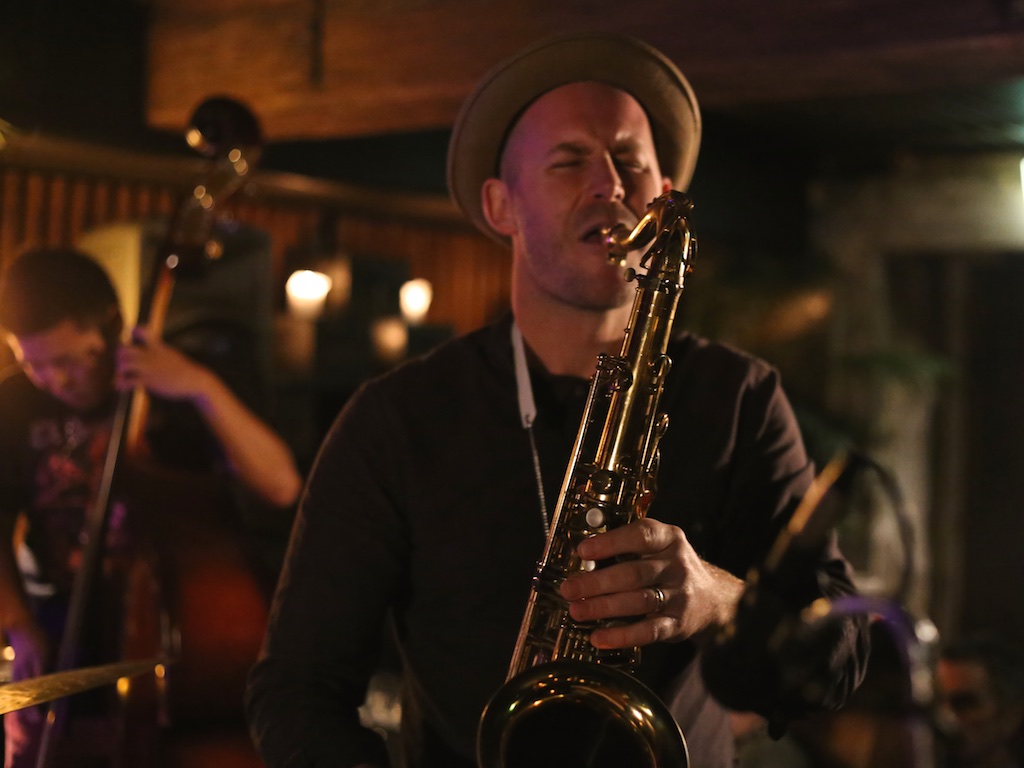 Any astronomer worth their salt will tell you that it is paradoxical for a sun to embark on a circular orbit. The last time this happened was during the Spanish Inquisition. On Wednesday the paradox increased when the Circling Sun departed their orbit to play at the CJC (Creative Jazz Club). This gig had been a long time coming and we welcomed it. Hearing them away from the babble of the hard-drinking Ponsonby Road crowd was a treat for us. The Circling Sun always give of their best, but this time we could hear the quirks and subtleties unfiltered. This is a band with a vast soundscape and the Jazz club echoed to the sounds of doogan, Tuba, analogue keyboards, digital keyboards, piano, trumpet, flugel horn, flute, tenor
  saxophone, upright bass, drums and electronics. This is the type of music that sits well with me.
 times; then out of nowhere come tasty arranged melodic heads. Deftly extracted from the frequent mesmerising groove laden vamps.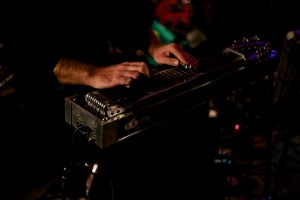
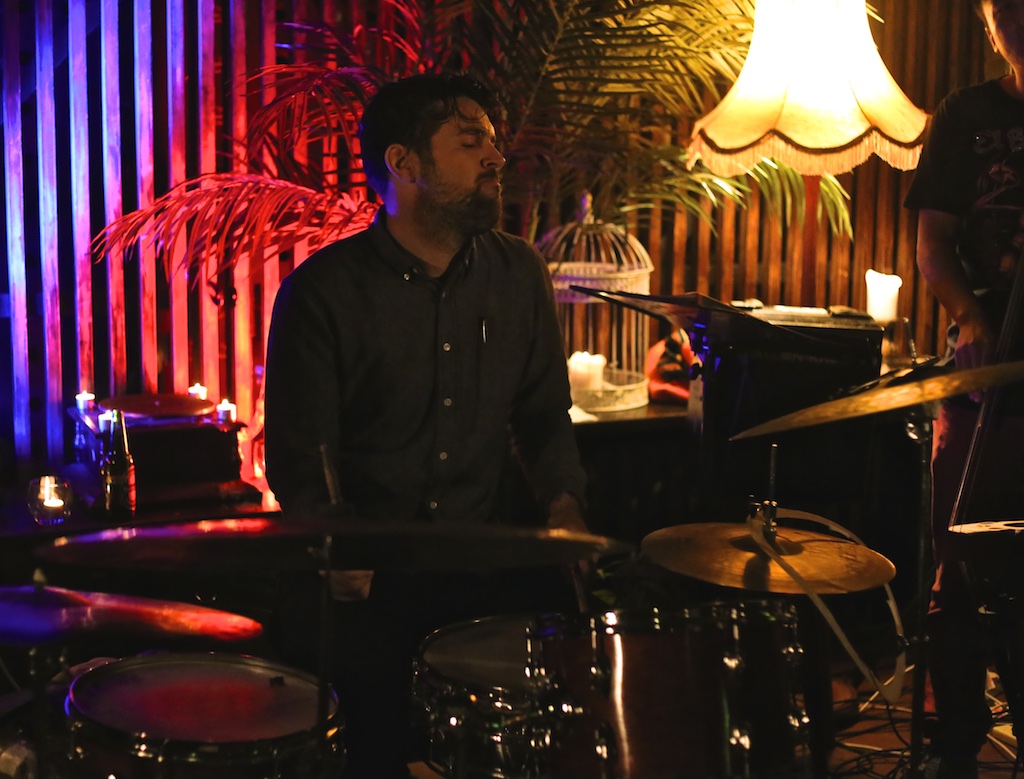 The most powerful presence is drummer Julien Dyne. A versatile gifted artist who has travelled and recorded widely. His beats while often referencing his multi genre background, urge the band to greater heights. It is a privilege to see drummers of this calibre and I hope that he continues with open-ended Jazz projects like this. I have heard him on numerous occasions and I like what I hear. As a unit, this combination takes no prisoners and the audience were glad of it. The first guest to join them was J Y Lee who quickly settled in on baritone saxophone. He often plays with the Circling Sun and is a popular addition.
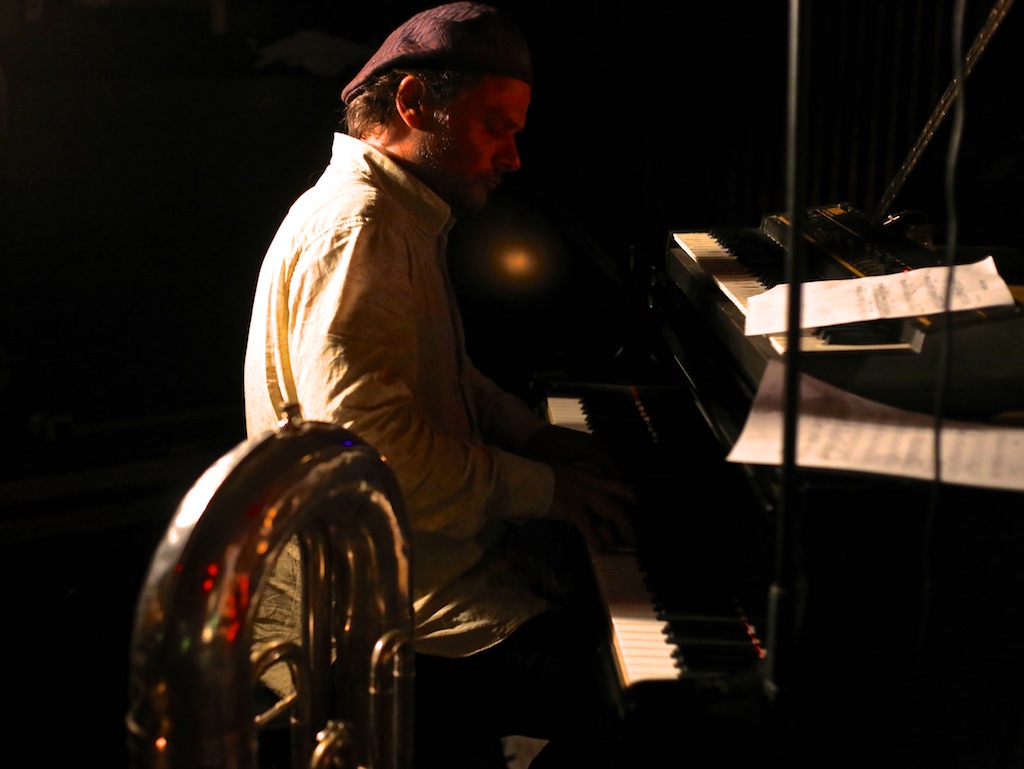 During the second set a great gig got even better. Jonathan Crayford arrived and without too much persuading, sat in on piano. This was met with obvious delight by the audience, as Crayford is extremely popular. He knew none of the tunes as they were mostly originals and there was virtually no sheet music to guide him. It didn’t matter. Someone would announce the key and then a few chords in he would locate the heart of the tune. A musician of his experience and gifts is no stranger to situations like this. The audience, clearly wild about the gig, were by now whooping with enthusiasm between numbers. When Crayford sat in they felt like they’d won the lottery. He doesn’t get home often, but improvised music fans are eager to soak up what ever they can get of him.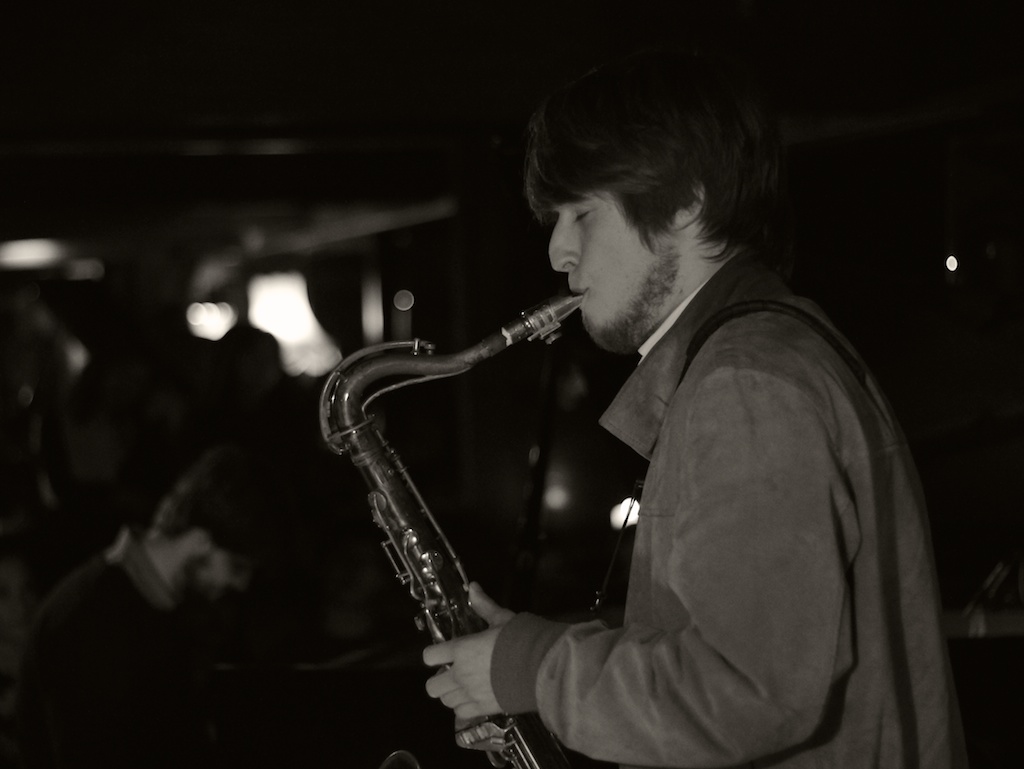
 JazzLocal32.com