As pandemic upheavals continue, in New Zealand we count ourselves lucky. Not only are we one of the safest nations on earth at present, but we have also been experiencing more live music than most. Over recent months various streams of Latin music have come our way and last week we heard the Brazilian born Kiwi Henrique Morales at the CJC Jazz club.
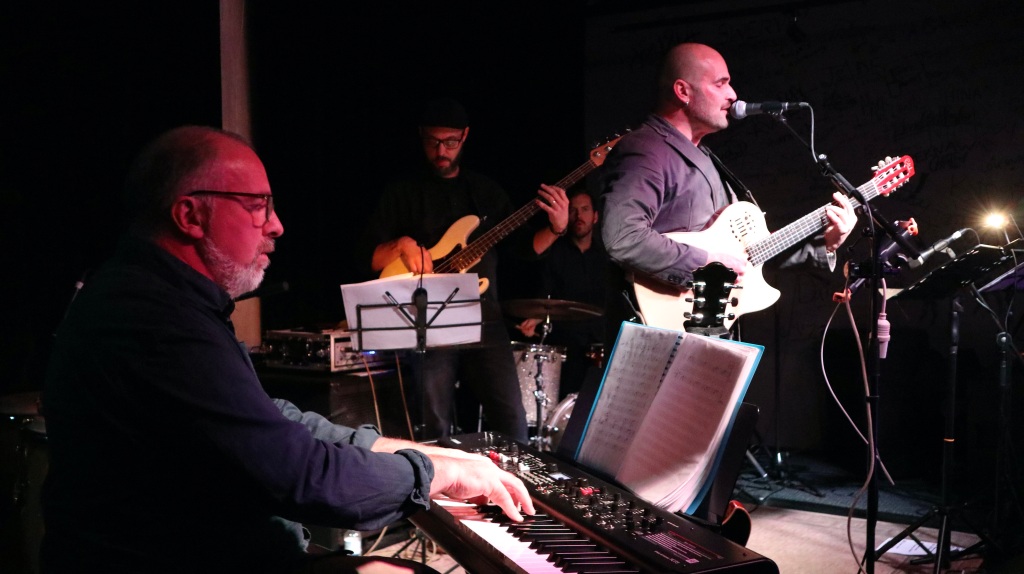
Morales has just released his first New Zealand album as leader ‘Alô Brasil’. He has long been the frontman for the funky Batucada Sound Machine and Santiago Soul Stars and his current band is increasingly popular around town. His musical journey began at a young age in South Brasil, soon bringing him into contact with the most respected musicians of his region. This grounding proved fortuitous as it enabled him to become familiar with the many styles of Latin American music and in particular the regional variations of Brazilian music.
While the music of central America frequently sheds sparks, the Brazilian musical styles are generally associated with a different vibe. They feel like a warm embrace. Once the Jazz world had encountered Yao Gilberto, Elis Regina and the towering twentieth-century genius Tom Jobim, the linking of the two swing based styles was conjoined forever. Brazilian music in all its forms remains popular throughout the world and western influences like reggae and Jazz have readily been adapted and absorbed. Morales interprets the many styles of his home country including Brazilian popular music and Latin Jazz fusion. The material was mostly original compositions by Morales.
He appeared at the CJC with a slightly different lineup to that on the album. The saxophonist Thabani Gapara had been replaced by Daniel McKenzie. The remaining band members were Mark Baynes on the keyboard, Gustavo Ferreira on the bass, Jono Sawyer on drums and Fabio Camera on percussion. I liked the arrangements as they never overwhelmed the warm rhythmic pulse and the melodicism, both of which are so central to this music.

After a long absence from the club, it is good to see Dr Mark Baynes back (twice in a month). He has been concentrating on Latin musical styles for some time now and I can think of no one else locally who is better fitted to accompany South American artists on piano. He also brings his Jazz credentials to the music. His playing was a highlight for me with his Jarrett like vocalisations (freeing the spirit) and his Latin swing feel. Another treat was hearing the soft rich tone Morales evoked as he plucked the strings of his Godin A6 Ultra, a prince among guitars and perfect for Morales’s music. For a copy of the album check out a local store or best of all catch the band around town.
JazzLocal32.com is rated as one of the 50 best Jazz Blogs in the world by Feedspot. The author is a professional member of the Jazz Journalists Association, poet & writer. Some of these posts appear on related sites.
 A lot of great live music happened this year but this gig was a favourite. It was danceable, visceral and the deeply rhythmic pulse found its way straight to your heart. As the band played the room radiated an infectious joy and the swaying of the audience amplified it. One by one the feet tapped and the hands moved until no one was left unaffected. Yes, this was music to wash away your cares but underneath that was something of real substance. Latin music that misses its groove is unsatisfying but when it’s done well like this was, it’s simply wonderful. No one in New Zealand could pull this off better than Jonathan Crayford and with co-leader Nathan Haines on board, it was locked down. The final ingredient to this potent tropical brew was master percussionist Miguel Fuentes.
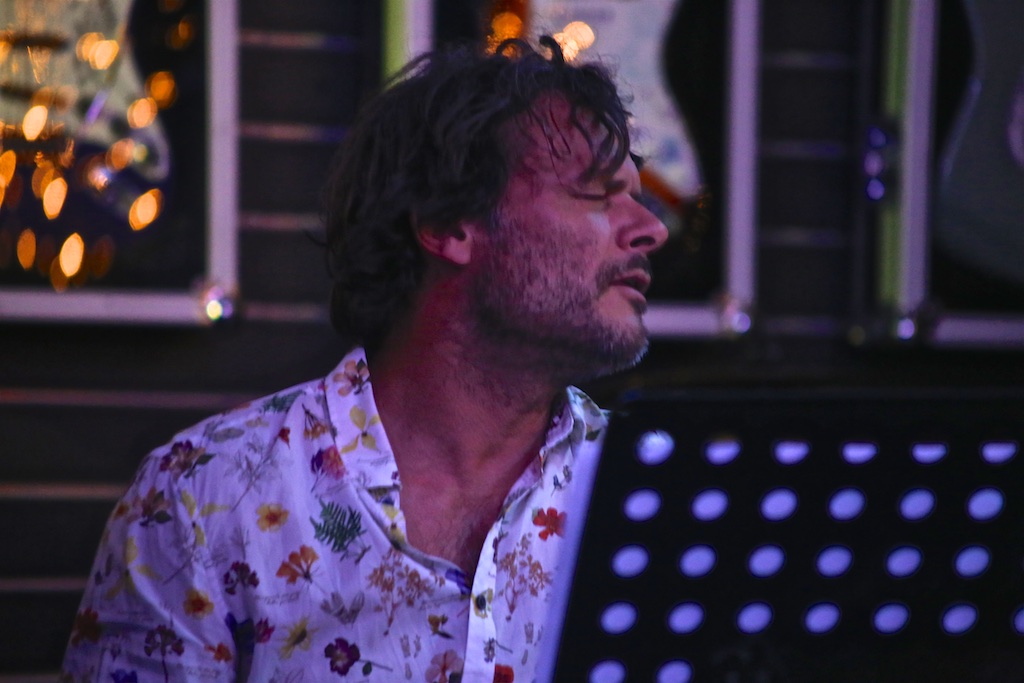 The songbook was a heady fusion of Bebop and Afro-Cuban (or more accurately Afro-Rican as Vidal was from Puerto Rica). When Crayford initially agreed to take the Vidal gig he knew little about Latin music, but a quick phone call to his friend Barney McAll gave him valuable tips. Fast forward to 2018 and it is obvious to anyone who hears him that he absorbed the complexities and rhythms of the music beyond caveat. Although the rhythmic patterns are fixed, for the music to work well it needs something else – a controlled fluidity – the ability to react to the other musicians. Crayford once described it as being a weave which can be tightened and loosened at precise times – without the shape being lost. When you hear the clave patterns skilfully executed and interwoven, the experience is unforgettable.
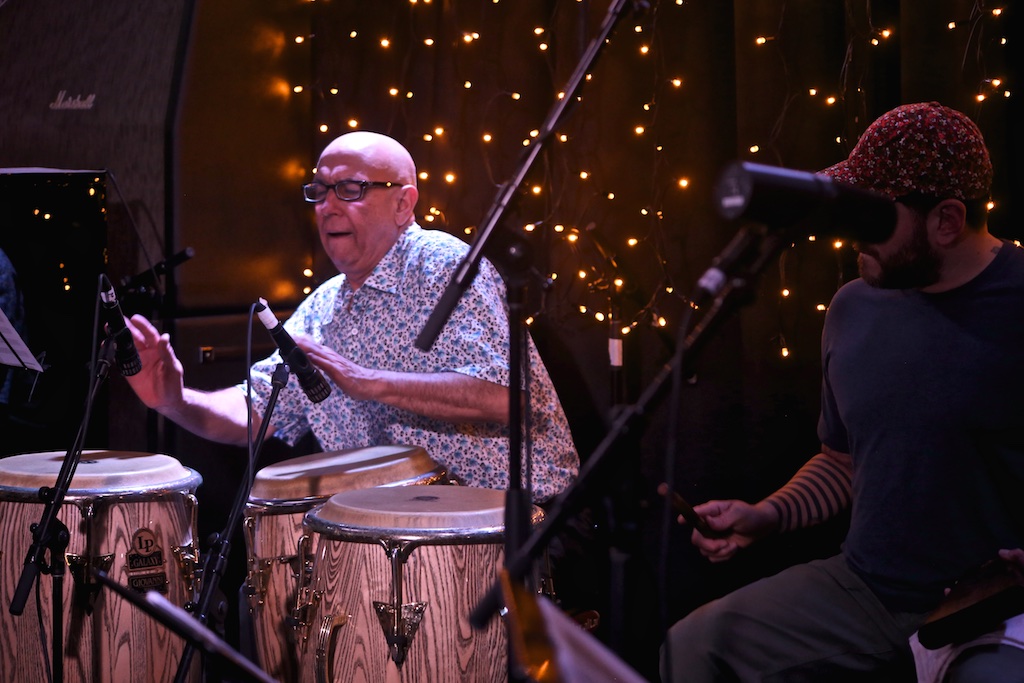 Many Jazz musicians avoided the flute, believing it to be expressionless, but when Haines blows, it has life, character, and edge. As a horn, it has pride of place in Latin ensembles and Latin lineups are diminished without it. Watching these two feed off each other’s lines or grooves is to attend a masterclass. Many years of collaboration has gifted them an acute situational awareness. An awareness that is now instinctual.
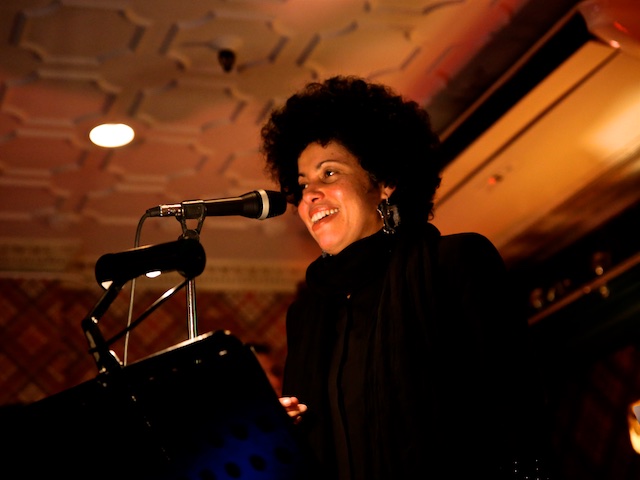 Last Wednesday saw the Venezuelan-born vocalist Jennifer Zea performing at the CJC. Her appearance was long overdue, the audience enthusiastic in anticipation of spicy South American Rhythms and the warm tones of the Spanish language in song form. When you look at where Venezuela sits on the map, you learn a lot about its music. Located in the northeast of South America, bordered by the Caribbean and by Brazil, positioned on a unique musical axis. Music blithely ignores the artificial barriers imposed by cartographers and politicians. Even Trump’s insulting wall could never be built high enough to stem musical cross-pollination. Music goes where people go, and remains as an echo long after they have moved on. Jennifer Zea is an embodiment of her country’s music; folk traditions, newer forms (Jaropo), Jazz, Soul, Bossa influences from Brazil and a pinch of Mambo, Salsa or Merengue.
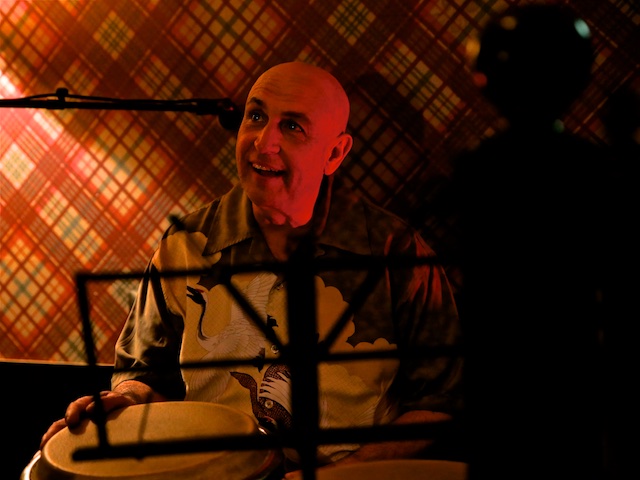 The Caribbean region is the prime example of musical cross-pollination; rhythms and melodies, vocal forms and hybrid harmonization, a constant evolution into new and vibrant forms while updating and preserving the discrete pockets of older folk music styles. A weighty tome titled ‘Music and the Latin American Culture – Regional Traditions’ makes two observations; the music of the Venezuelan region is mostly hot or vibrant (see the definition of Salsa) and there is a strong underlying tradition of shamanism (manifest in musical form). The hypnotic rhythms and chants remain largely intact according to Schecter. With percussionist, Miguel Fuentes backing her, Zea conveyed the compellingly hypnotic soulful quality of her traditional music to good effect.
 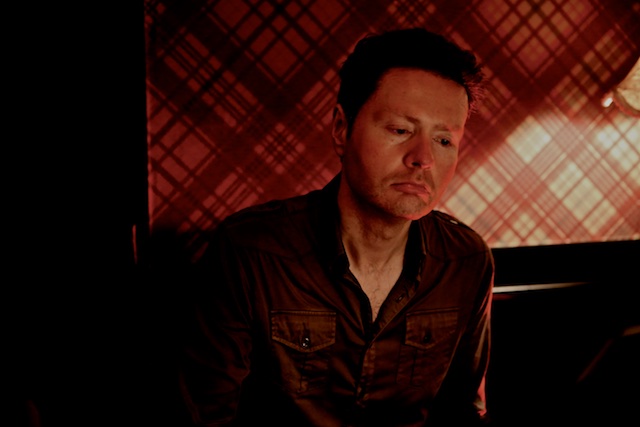 Fuentes was born in the USA but grew up in Puerto Rico. These days like Zea, he lives in Auckland. Music like this demands high-quality authentic latin percussion and that’s exactly what happened. Traps drums were not needed here. Regular Zea accompanist, Jazz Pianist Kevin Field was also in the lineup. Field plays in many contexts and his accompanist credentials are second to none. He has regularly worked with Zea and (like Fuentes) most notably on her lovely 2012 release ‘The Latin Soul’. If you have a love of Cubano or Caribean style music, grab a copy of this album. Even on straight-ahead gigs, I have heard Field sneak in tasty clave rhythms. If you want to hear cross-rhythms at their best – skillfully woven by Field and Fuentes, it is on this album. An added incentive are the compositions, mostly by Field and Zea (and Jonathan Crayford). On upright bass for this gig was Mostyn Cole, an experienced bassist now residing in the Auckland region.
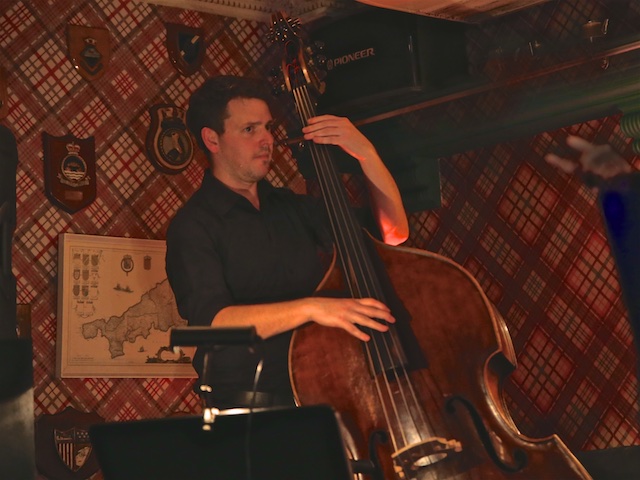 The gig featured some Zea compositions, three standards and to my delight some authentic Bossa. The Bossa tunes were mostly by the Brazilian genius Tom Jobim and sung in Portuguese (which is not her native language). Although Portuguese is the most commonly spoken language in Latin America, it is only the main spoken language of one country, Brazil. To learn Bossa she spent time with a teacher in order to understand the nuances and deep meanings. While respecting the Bossa song form she had the confidence to bring the music closer to her own Venezuelan musical traditions. Even her intonation was redolent of her region, unmistakably Hispanic South American.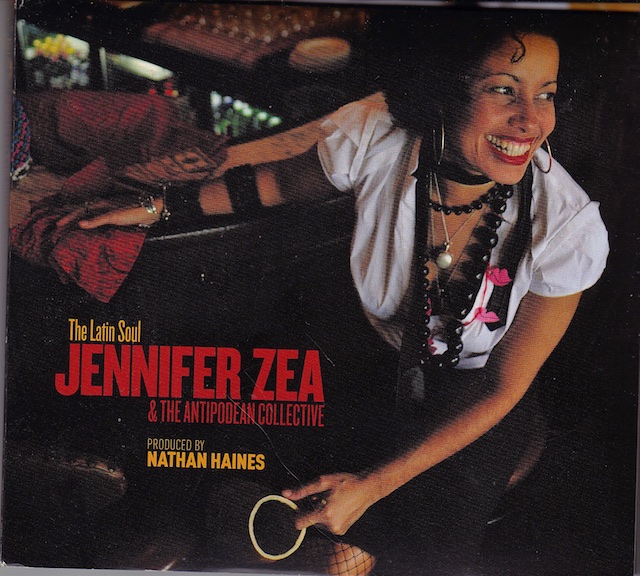
 JazzLocal32.com