Michael Gianan’s ‘Wouldland’ gig caught my attention immediately. First off, was that wonderfully evocative title (and accompanying poster), suggesting a balm to ease our way through troubled times. For a lover of forests and explorative sounds, it was irresistible. I was hopeful that this event would hit the mark because I have kept an eye on the leader’s trajectory since he graduated with honours from UoA Jazz School two years ago. During that time he has been associated with some diverse and interesting bands. This was his second CJC gig as a leader and the proof was to be in the pudding.
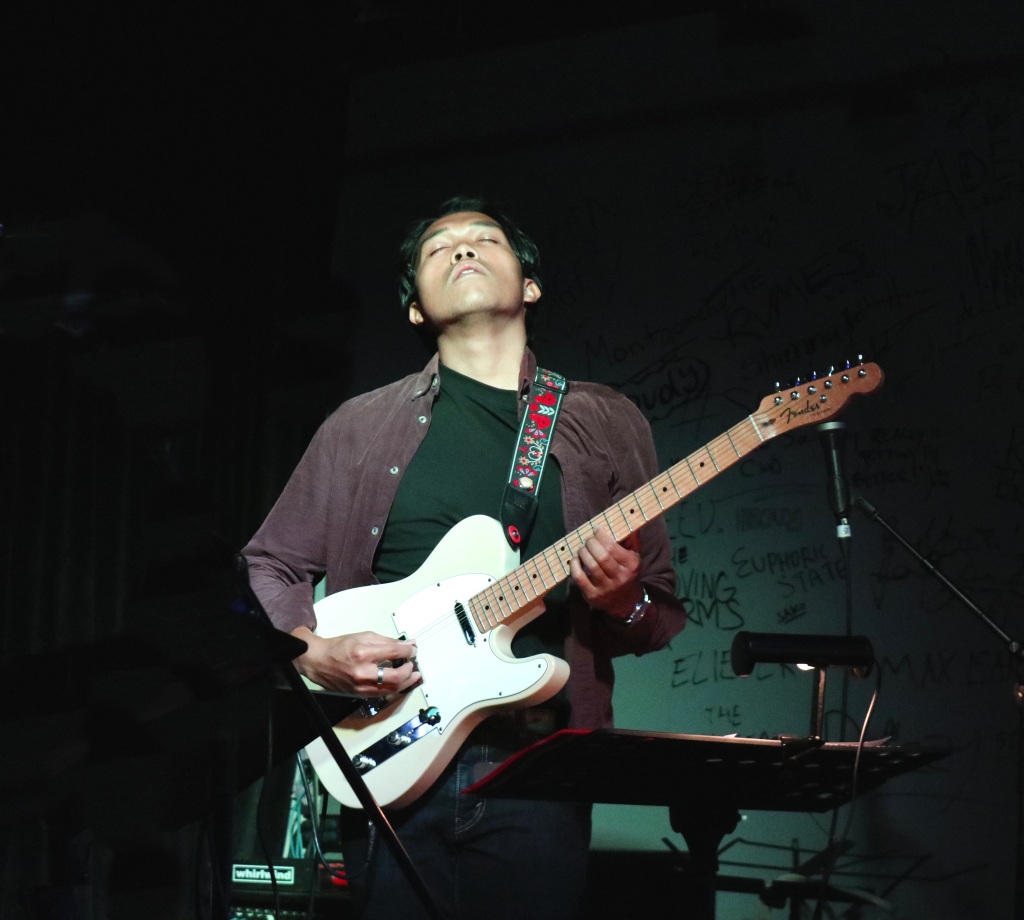
The gig title suggested an elemental offering and in many ways it was. While it referenced many ideas and styles, all were distilled to their essence. Out of this, Gianan had forged a clear vision. It was a surprisingly mature offering and his strength as a leader became apparent as the sets progressed. He knew exactly what he wanted from the musicians and he signalled his intentions as the tunes progressed. The compositions, while structured, did not confine the musicians. They were pieces written with the ensemble in mind.
It was particularly evident in the head arrangements, which were anchors for the developments which arose from them. Brief exchanges between guitar and saxophone, momentarily broke free of the structure, and this contrasted with the steady bass lines and drum pulses. There were burners and ballads, and every twist and tune seemed to balance what had preceded it.
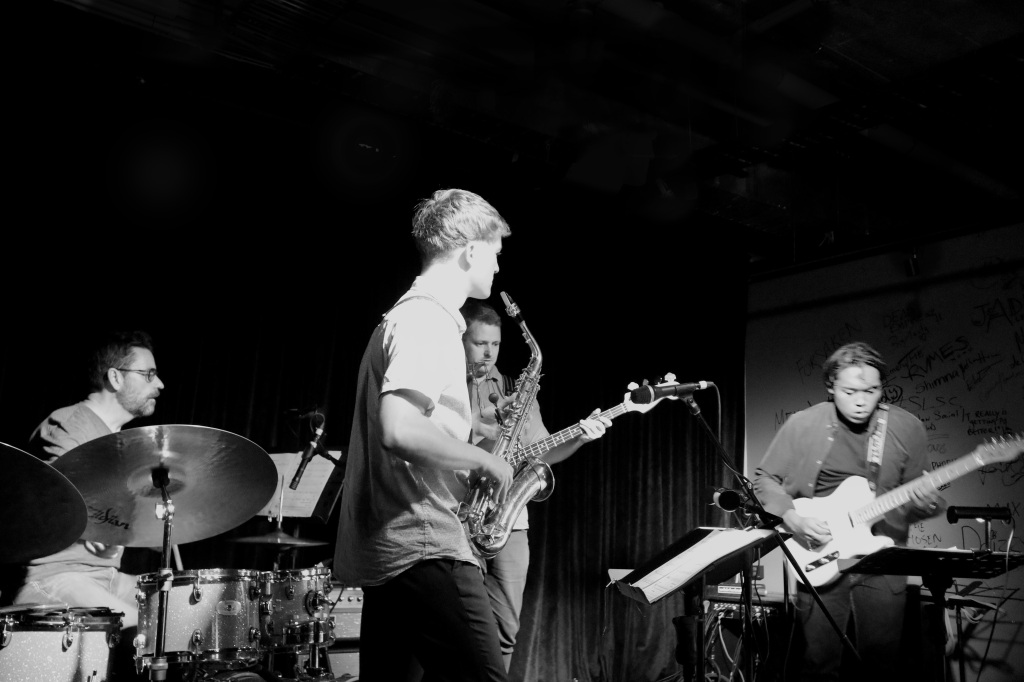
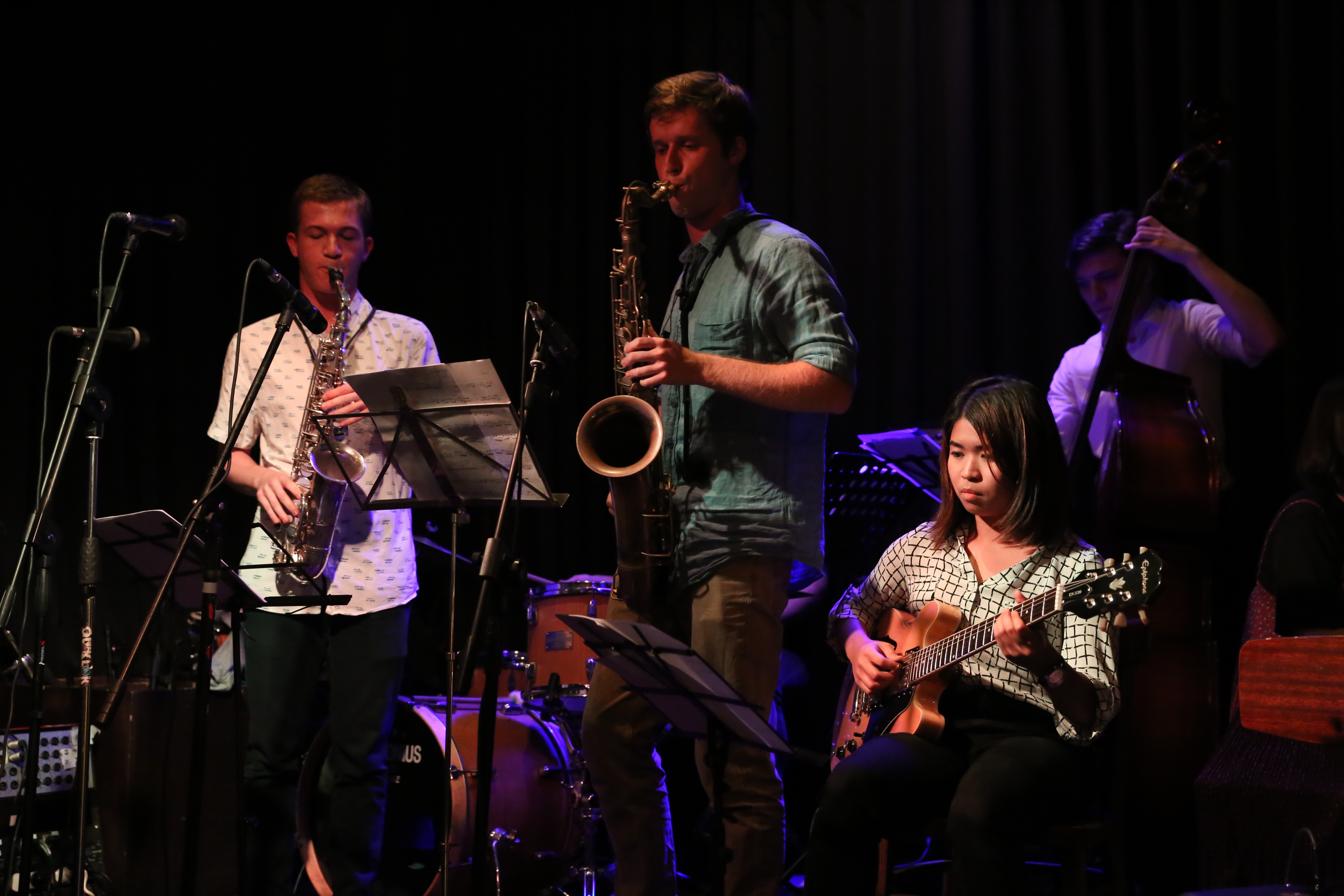
Gianan’s guitar can be either nimble or deliberate, but he never tries to make it just about him. His comping is supportive while the flurry of exchanges with the other musicians are to the point. Gianan’s Jazz school alumni Lukas Fritsch was the perfect foil for him here. His alto lines tight in the heads, and stretching during exchanges. His lines are often elided and I like that, he can say a lot with what he leaves out. Knowing when to leave space is important and again this says something about the quality of the compositions.
Completing the line up were two experienced musicians, Bass player Mostyn Cole and drummer Ron Samsom. Cole’s electric bass work has appeal. There were fragments of vibrato-tinged melody, played in unison; at other times a pumping groove. He was a late addition to the lineup and a good choice. We expect much from Samsom and we are never disappointed. He seemed to relish playing alongside his former pupil. He was on fire.
I have put up a clip titled ‘Manara’. Unfortunately, the battery on my Rode mic gave out, so the filming relied on the camera mic. It is not ideal, but the music shines through. All of the compositions were Gianan’s. The tune titles were intriguing and added something to the vibe. Often Jazz musicians pay scant attention to titles, but not so with Gianan ( Wouldland’ ‘B B Tressler’ ‘Maegraeneous’ ‘Astigmatisn’ Manares etc). Enigmatic titles can add value and these felt like they belonged to the tunes.
It is noticeable when a gig flows naturally. Afterwards, something remains with you, an essence, not just a tune, but a sense of what the musician is communicating. At times, this gig evoked a wistful feel, but it mostly suggested what could be. I for one will wait for what comes next with interest.
The gig was at Anthology, CJC Jazz Club Auckland 7 April 2021 Michael Gianan (guitar), Lukas Fritsch (alto saxophone), Mostyn Cole (electric bass), Ron Samsom (drums).
JazzLocal32.com was rated as one of the 50 best Jazz Blogs in the world by Feedspot. The author is a professional member of the Jazz Journalists Association. Some of these posts appear on other sites by arrangement.


 Karangahape Road and the precincts around it are a natural home for adventurous and alternative music. If you walk the length, you are assailed by sights and sounds at variance to each other. Taken in their entirety they are oddly compatible. The jumble of colour and the bursts of noise as you pass a Karaoke bar or an uber cool eatery is counterbalanced by the languid notes from Shanghai Lils or the soft chatter emanating from Hookah smoking Kebab shop doorways. Woven into this oddness of streetwalkers and urban cool, are the alternative music joints. Down in basements, under the street or up narrow stairways. Thirsty Dog, Anthology, Audio Foundation, Wine Cellar. And at the top end of the strip, next to the old Jewish graveyard is the Backbeat Bar. High-quality alternative improvised music resides here on Wednesdays.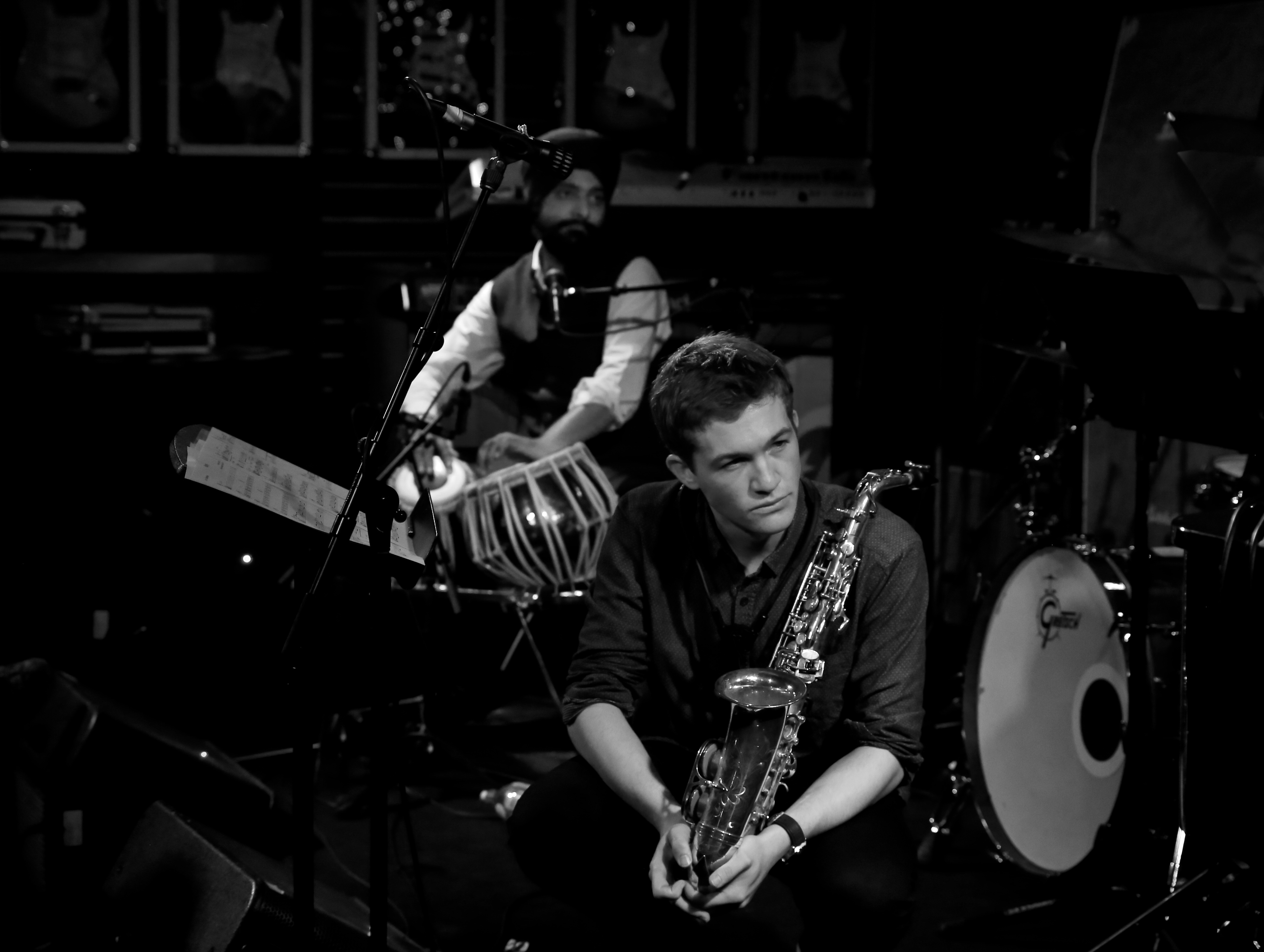
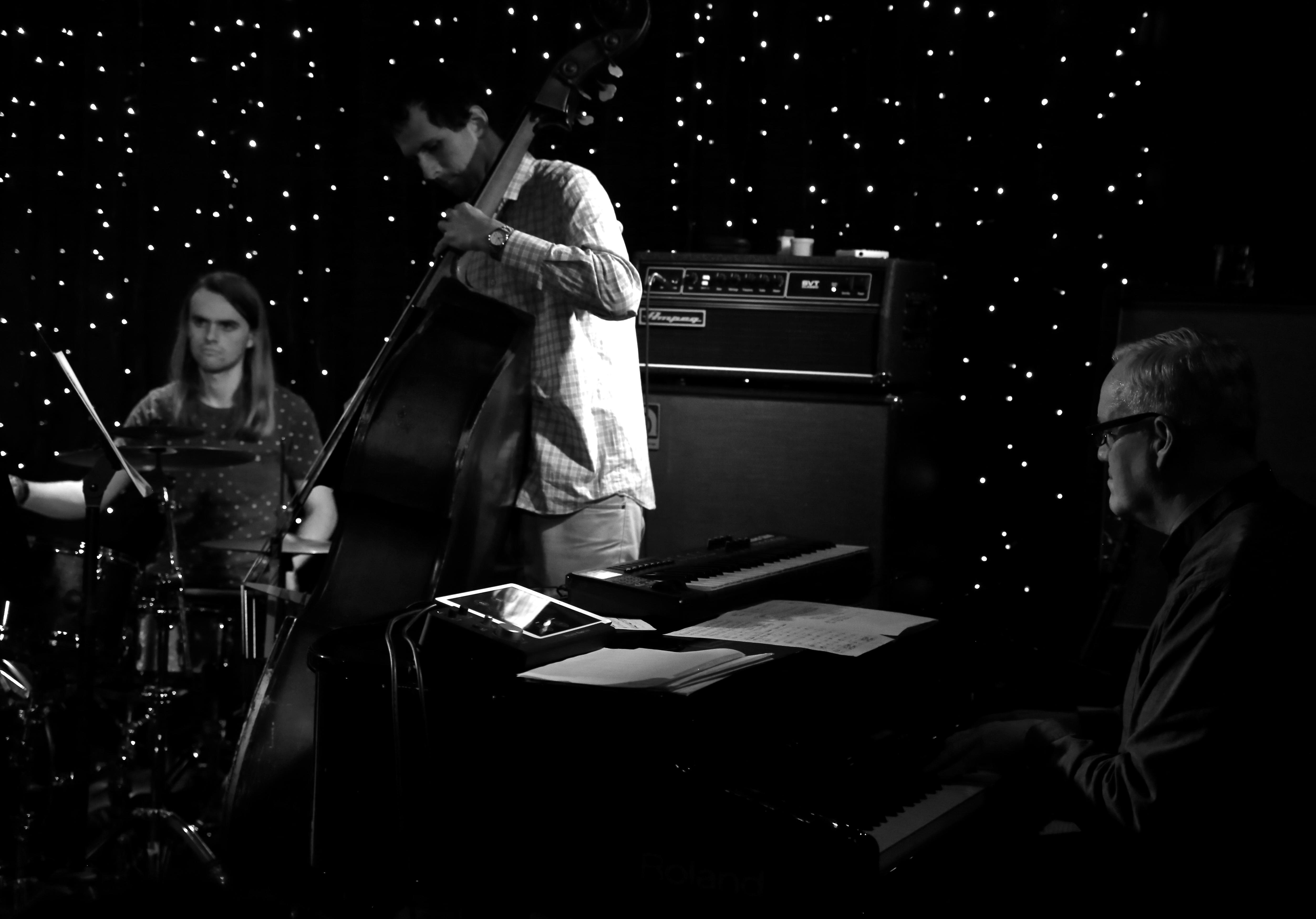
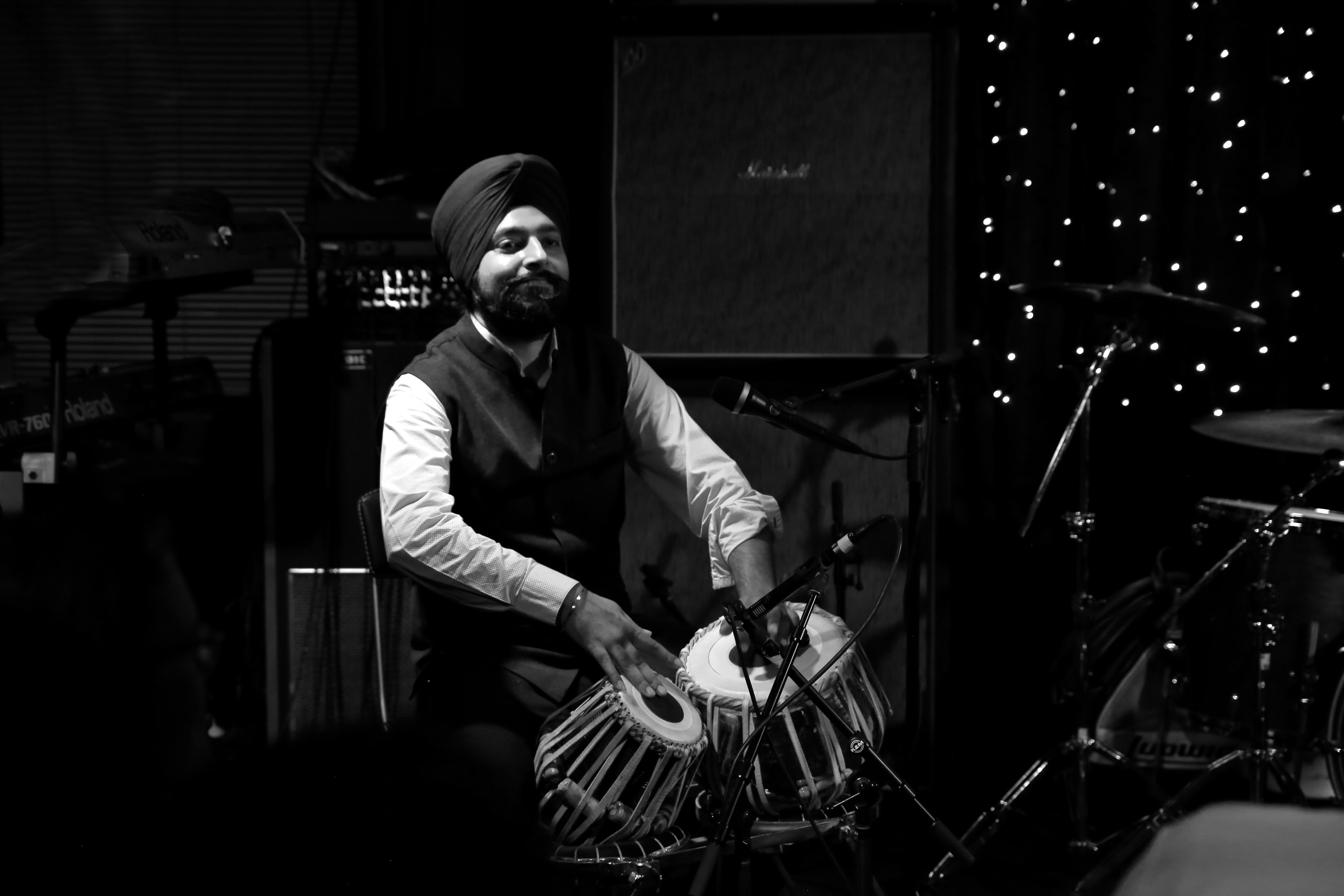
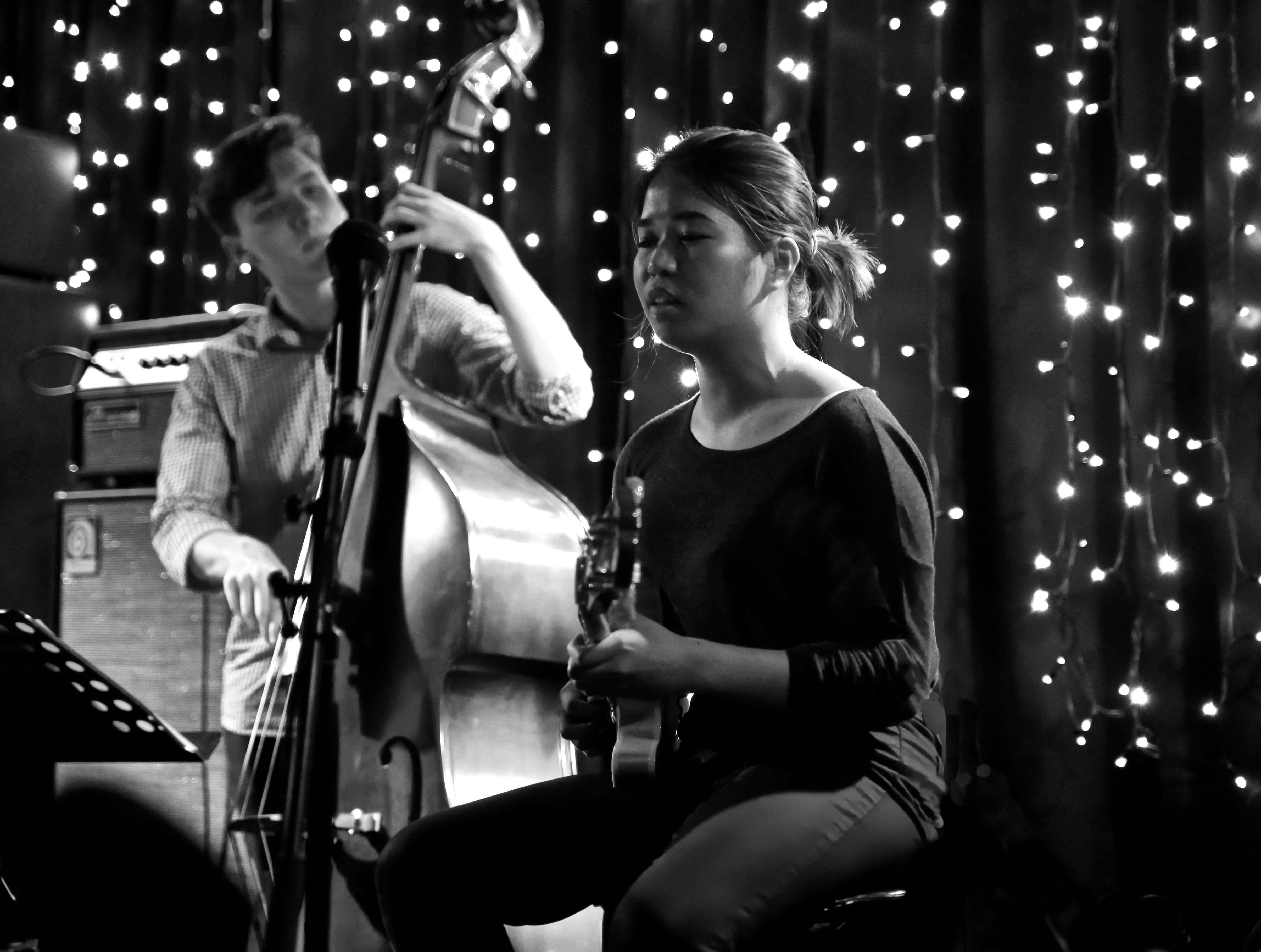
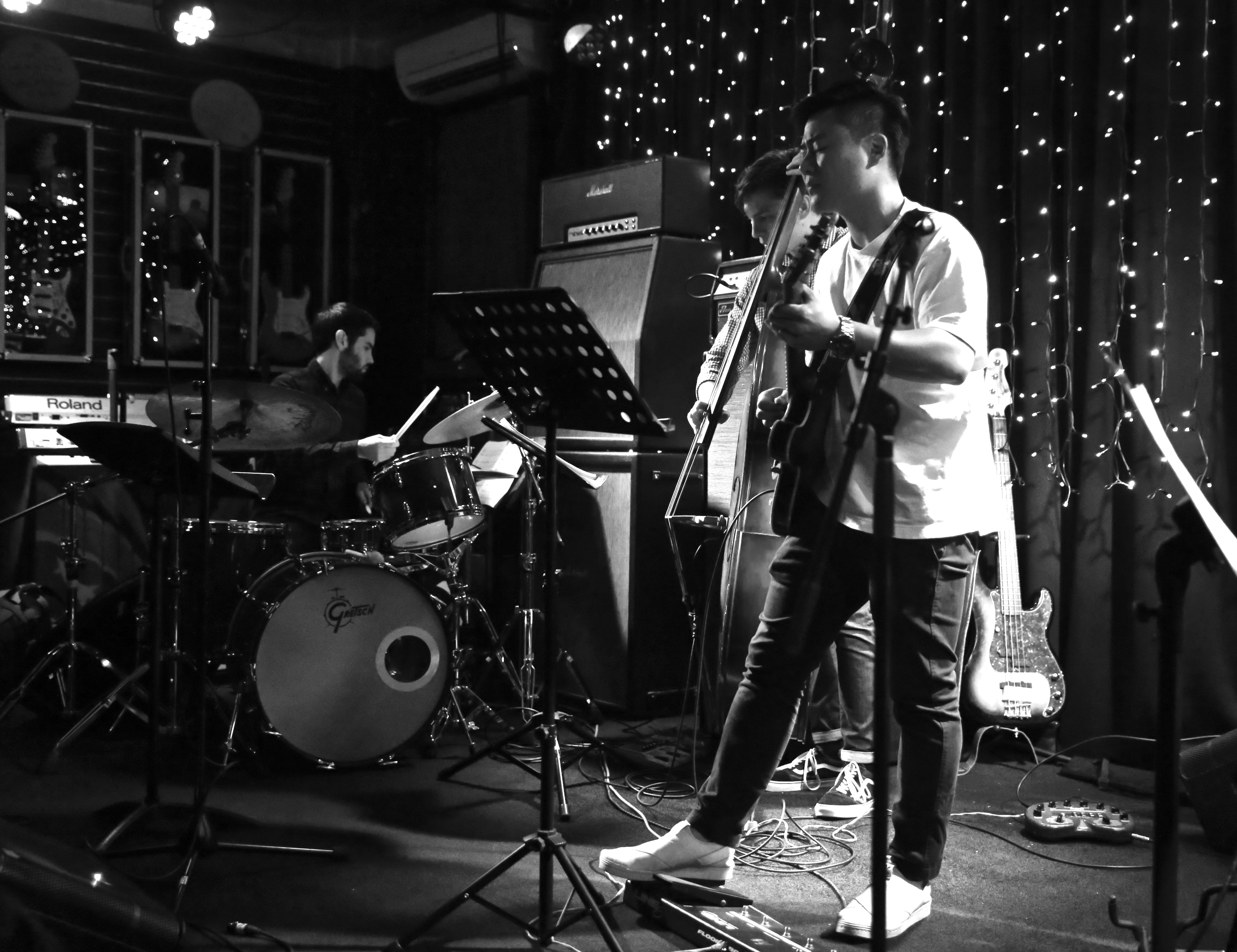 Two weeks ago the CJC Creative Jazz Club profiled two more emerging artists; Seungeil Thomas Hwang and Kathleen Tomacruz. Hwang and Tomacruz are both guitarists but with quite different approaches to their craft. Hwang leans heavily toward the fusion and rock end of the spectrum while Tomacruz, although adventurous, sits comfortably inside the tradition. Both underscore the value of the University of Auckland, Jazz programme; a programme which prepares musicians in the best possible way; fitting them for whatever musical path they choose.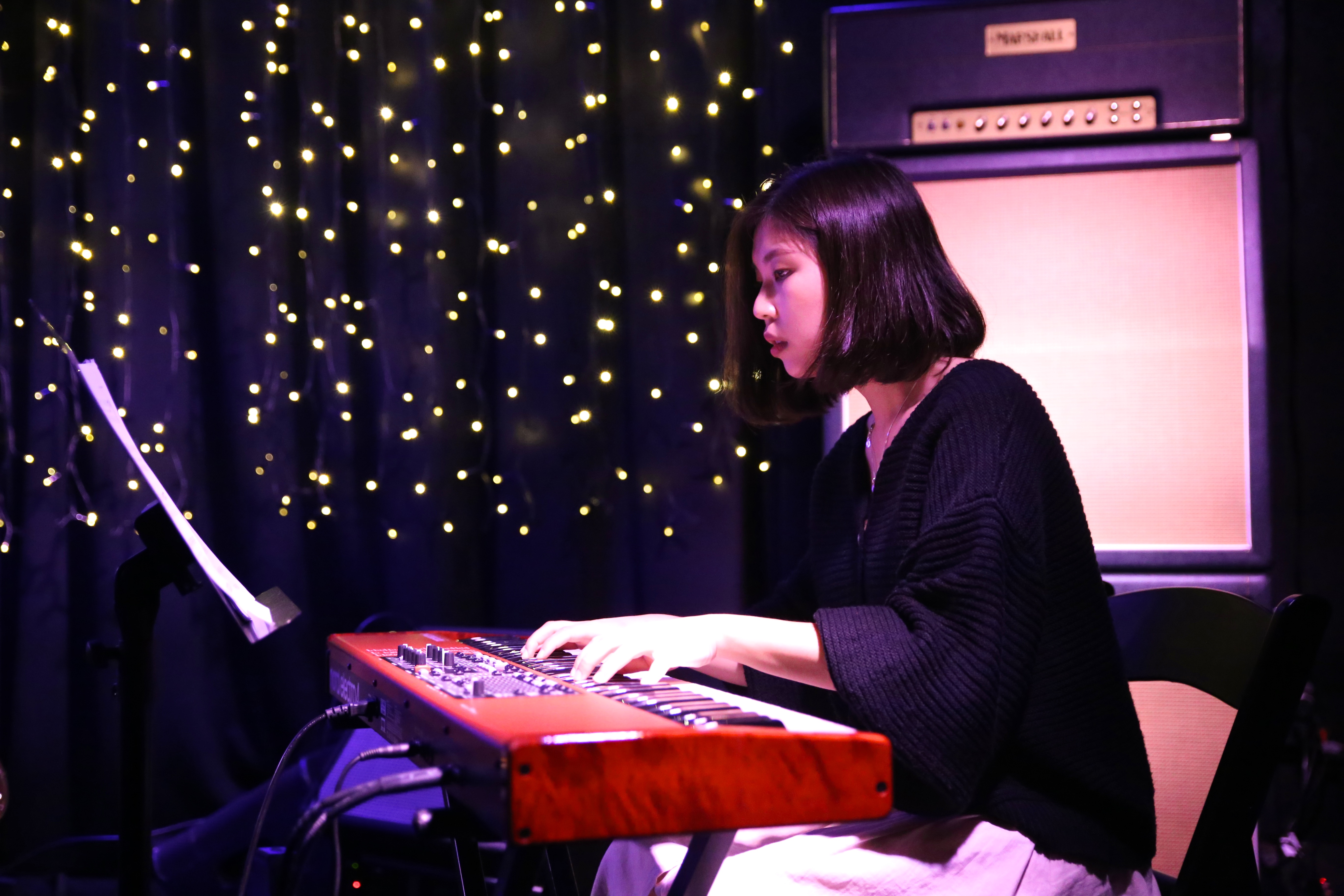
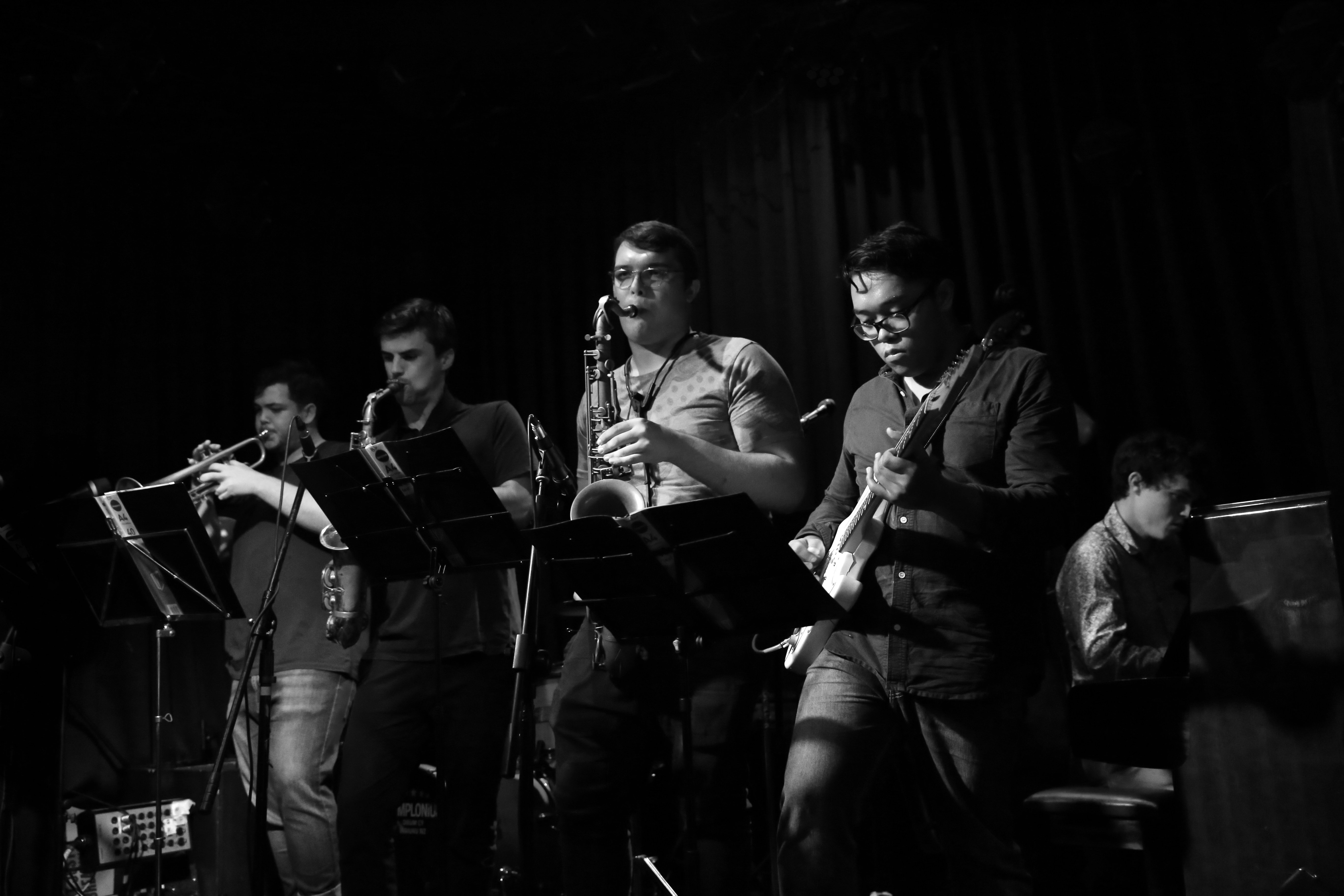 In keeping with the longstanding CJC tradition of keeping twice yearly slots open for emerging artists, late March featured two such sets. First up was a group led by bassist Denholm Orr. Orr has appeared in lineups a number of times, but this was his first appearance playing his own material and as a leader. His recent compositional work has placed increasing focus on arco-bass and consequently, the charts reached into that territory. Arco is not the default style for Jazz bassists but I am seeing a lot more of it lately and I welcome that.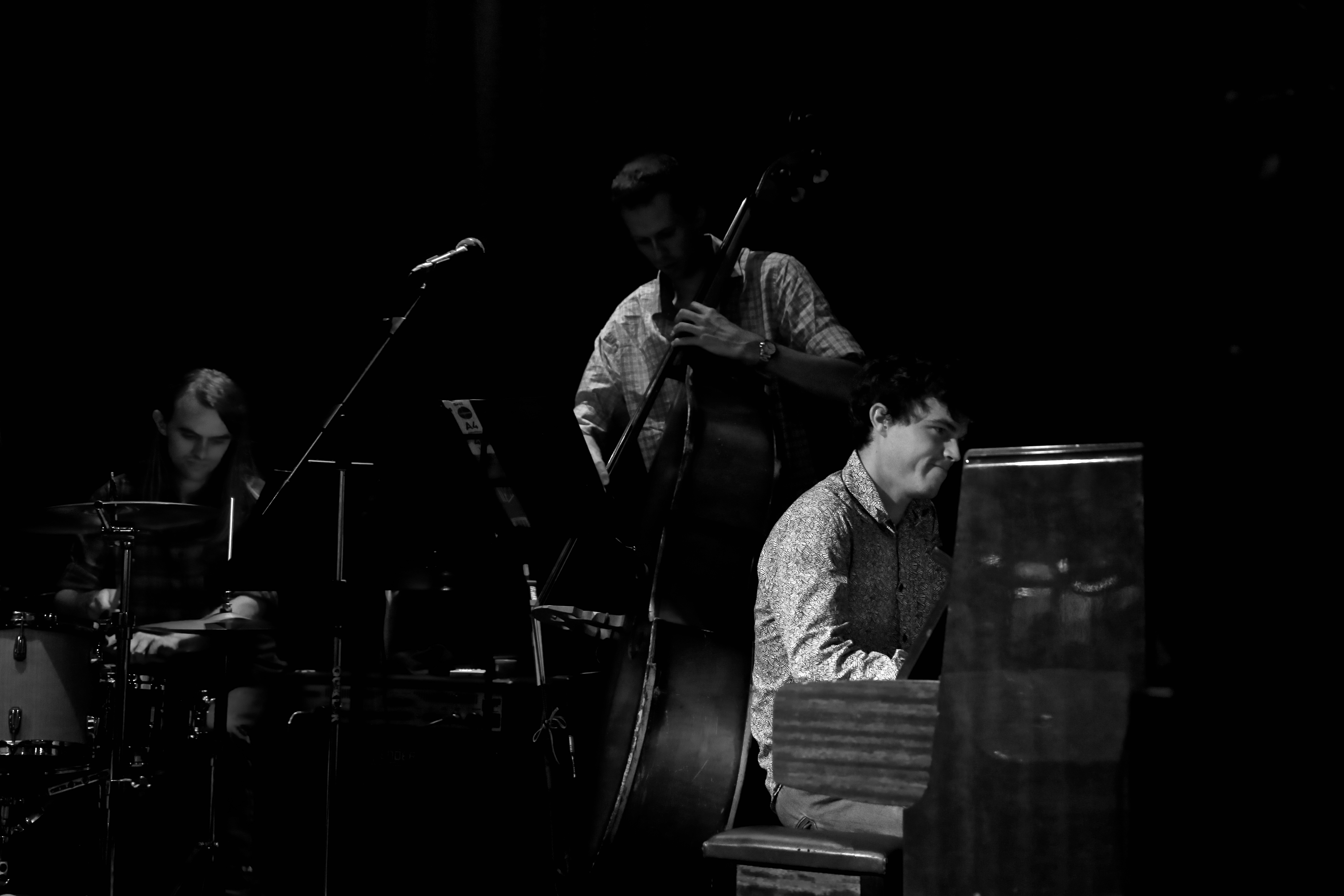
 JazzLocal32.com