Michael Gianan’s ‘Wouldland’ gig caught my attention immediately. First off, was that wonderfully evocative title (and accompanying poster), suggesting a balm to ease our way through troubled times. For a lover of forests and explorative sounds, it was irresistible. I was hopeful that this event would hit the mark because I have kept an eye on the leader’s trajectory since he graduated with honours from UoA Jazz School two years ago. During that time he has been associated with some diverse and interesting bands. This was his second CJC gig as a leader and the proof was to be in the pudding.
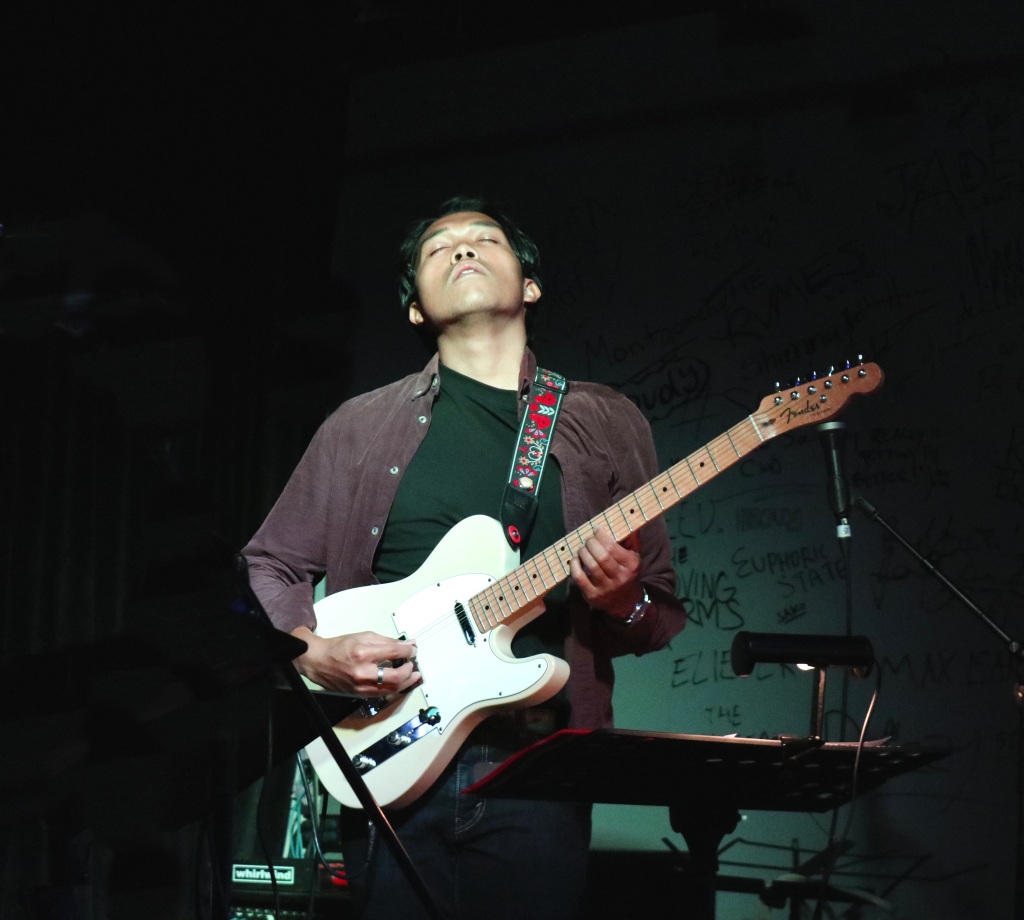
The gig title suggested an elemental offering and in many ways it was. While it referenced many ideas and styles, all were distilled to their essence. Out of this, Gianan had forged a clear vision. It was a surprisingly mature offering and his strength as a leader became apparent as the sets progressed. He knew exactly what he wanted from the musicians and he signalled his intentions as the tunes progressed. The compositions, while structured, did not confine the musicians. They were pieces written with the ensemble in mind.
It was particularly evident in the head arrangements, which were anchors for the developments which arose from them. Brief exchanges between guitar and saxophone, momentarily broke free of the structure, and this contrasted with the steady bass lines and drum pulses. There were burners and ballads, and every twist and tune seemed to balance what had preceded it.
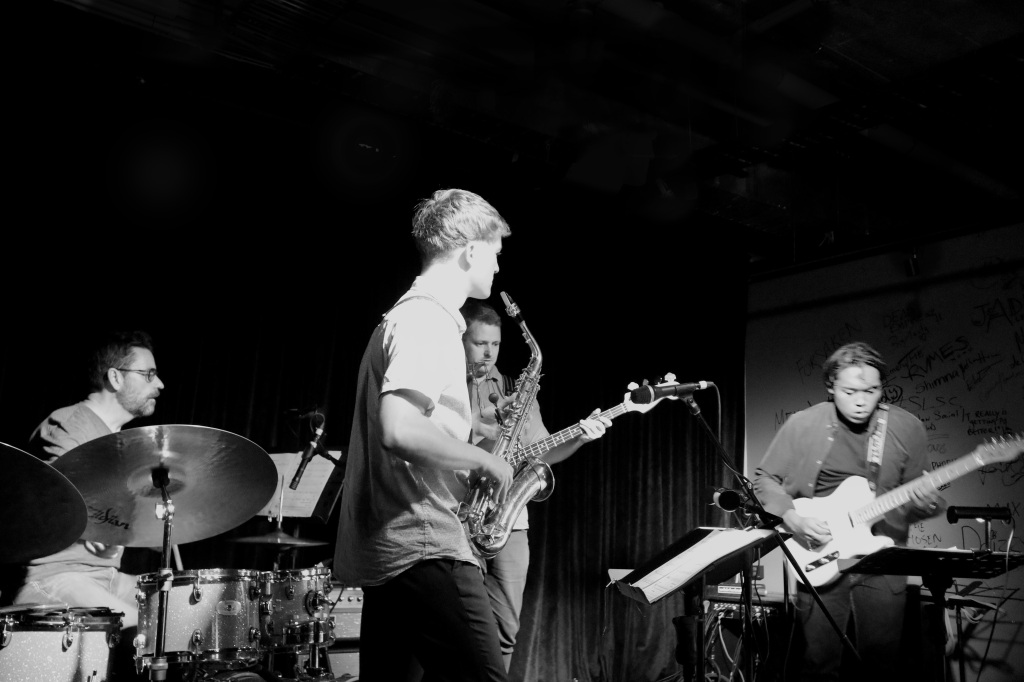
Gianan’s guitar can be either nimble or deliberate, but he never tries to make it just about him. His comping is supportive while the flurry of exchanges with the other musicians are to the point. Gianan’s Jazz school alumni Lukas Fritsch was the perfect foil for him here. His alto lines tight in the heads, and stretching during exchanges. His lines are often elided and I like that, he can say a lot with what he leaves out. Knowing when to leave space is important and again this says something about the quality of the compositions.
Completing the line up were two experienced musicians, Bass player Mostyn Cole and drummer Ron Samsom. Cole’s electric bass work has appeal. There were fragments of vibrato-tinged melody, played in unison; at other times a pumping groove. He was a late addition to the lineup and a good choice. We expect much from Samsom and we are never disappointed. He seemed to relish playing alongside his former pupil. He was on fire.
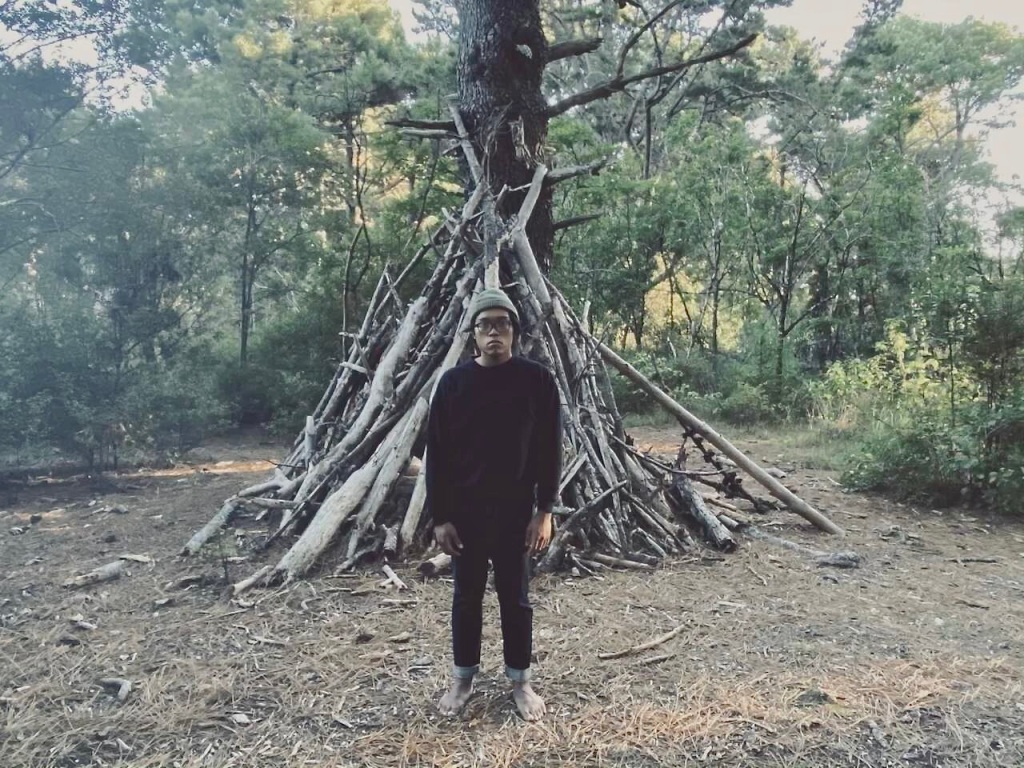
I have put up a clip titled ‘Manara’. Unfortunately, the battery on my Rode mic gave out, so the filming relied on the camera mic. It is not ideal, but the music shines through. All of the compositions were Gianan’s. The tune titles were intriguing and added something to the vibe. Often Jazz musicians pay scant attention to titles, but not so with Gianan ( Wouldland’ ‘B B Tressler’ ‘Maegraeneous’ ‘Astigmatisn’ Manares etc). Enigmatic titles can add value and these felt like they belonged to the tunes.
It is noticeable when a gig flows naturally. Afterwards, something remains with you, an essence, not just a tune, but a sense of what the musician is communicating. At times, this gig evoked a wistful feel, but it mostly suggested what could be. I for one will wait for what comes next with interest.
The gig was at Anthology, CJC Jazz Club Auckland 7 April 2021 Michael Gianan (guitar), Lukas Fritsch (alto saxophone), Mostyn Cole (electric bass), Ron Samsom (drums).
JazzLocal32.com was rated as one of the 50 best Jazz Blogs in the world by Feedspot. The author is a professional member of the Jazz Journalists Association. Some of these posts appear on other sites by arrangement.
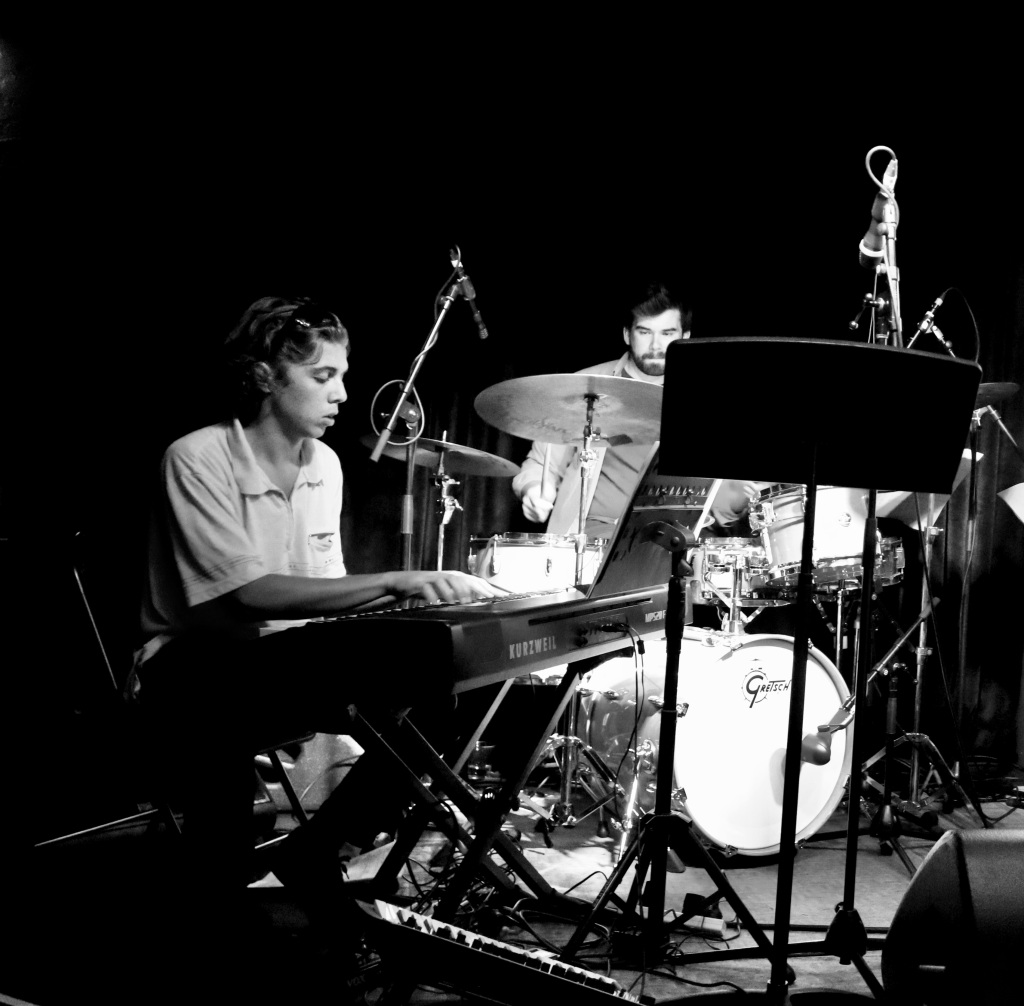


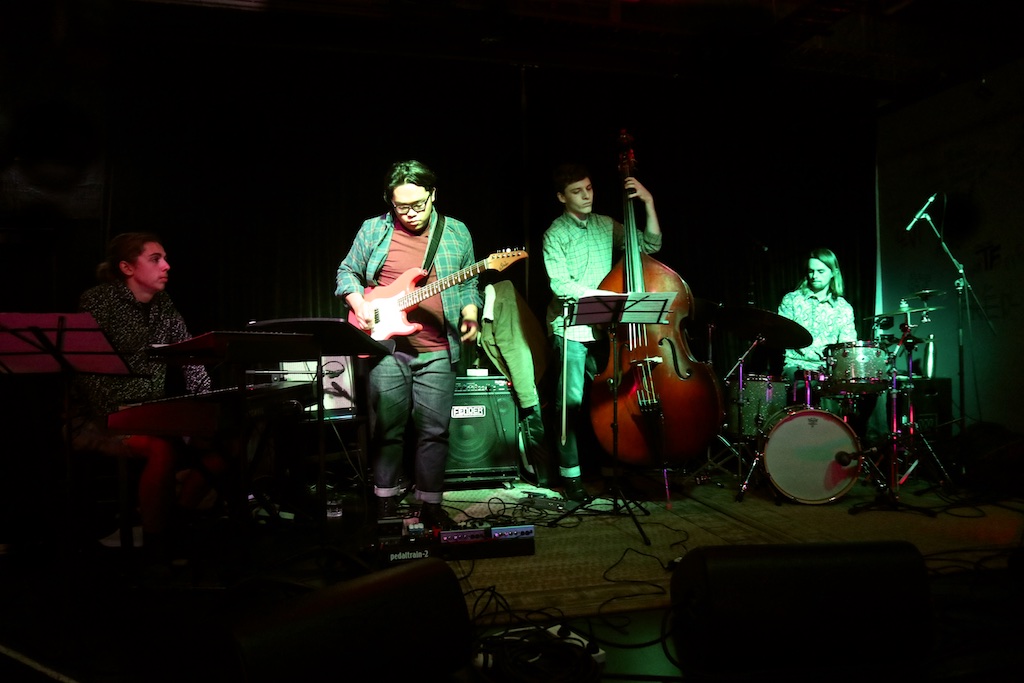
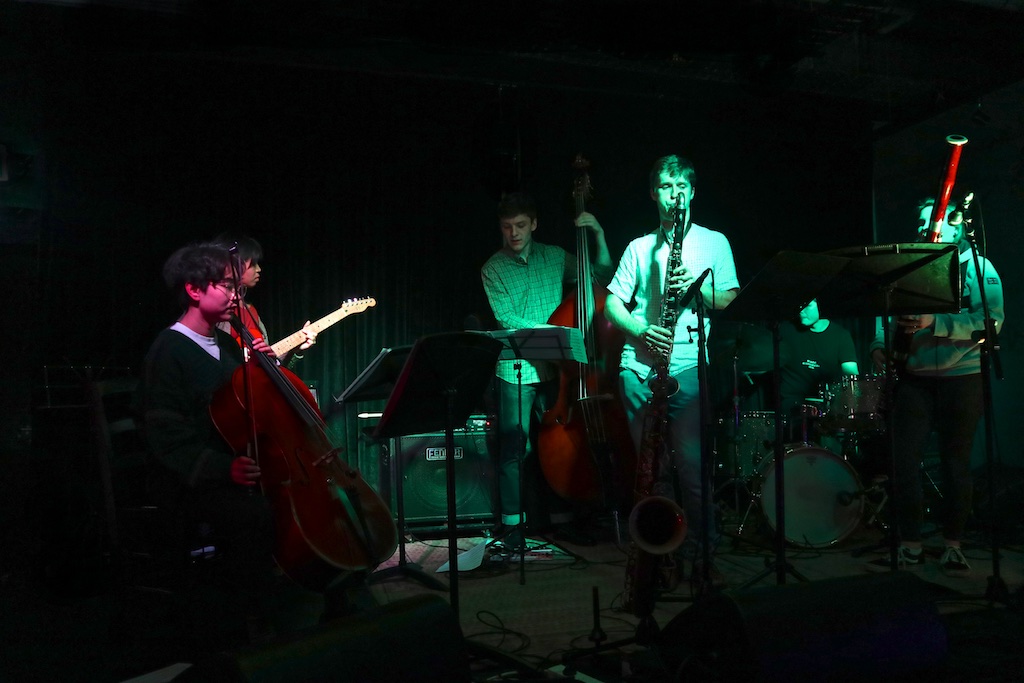
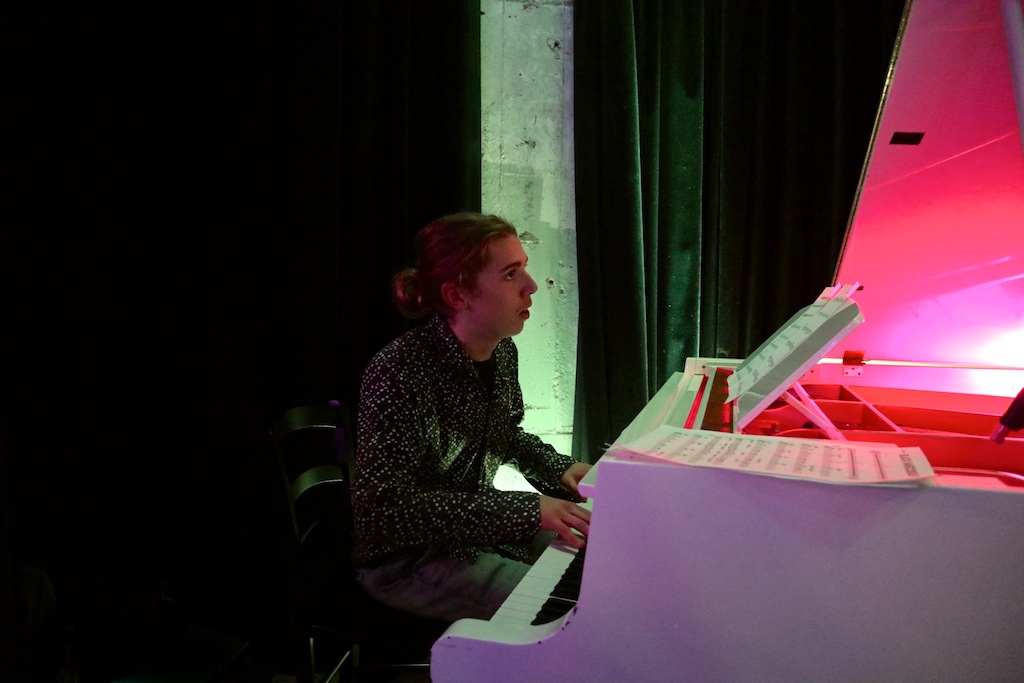
 In keeping with the longstanding CJC tradition of keeping twice yearly slots open for emerging artists, late March featured two such sets. First up was a group led by bassist Denholm Orr. Orr has appeared in lineups a number of times, but this was his first appearance playing his own material and as a leader. His recent compositional work has placed increasing focus on arco-bass and consequently, the charts reached into that territory. Arco is not the default style for Jazz bassists but I am seeing a lot more of it lately and I welcome that.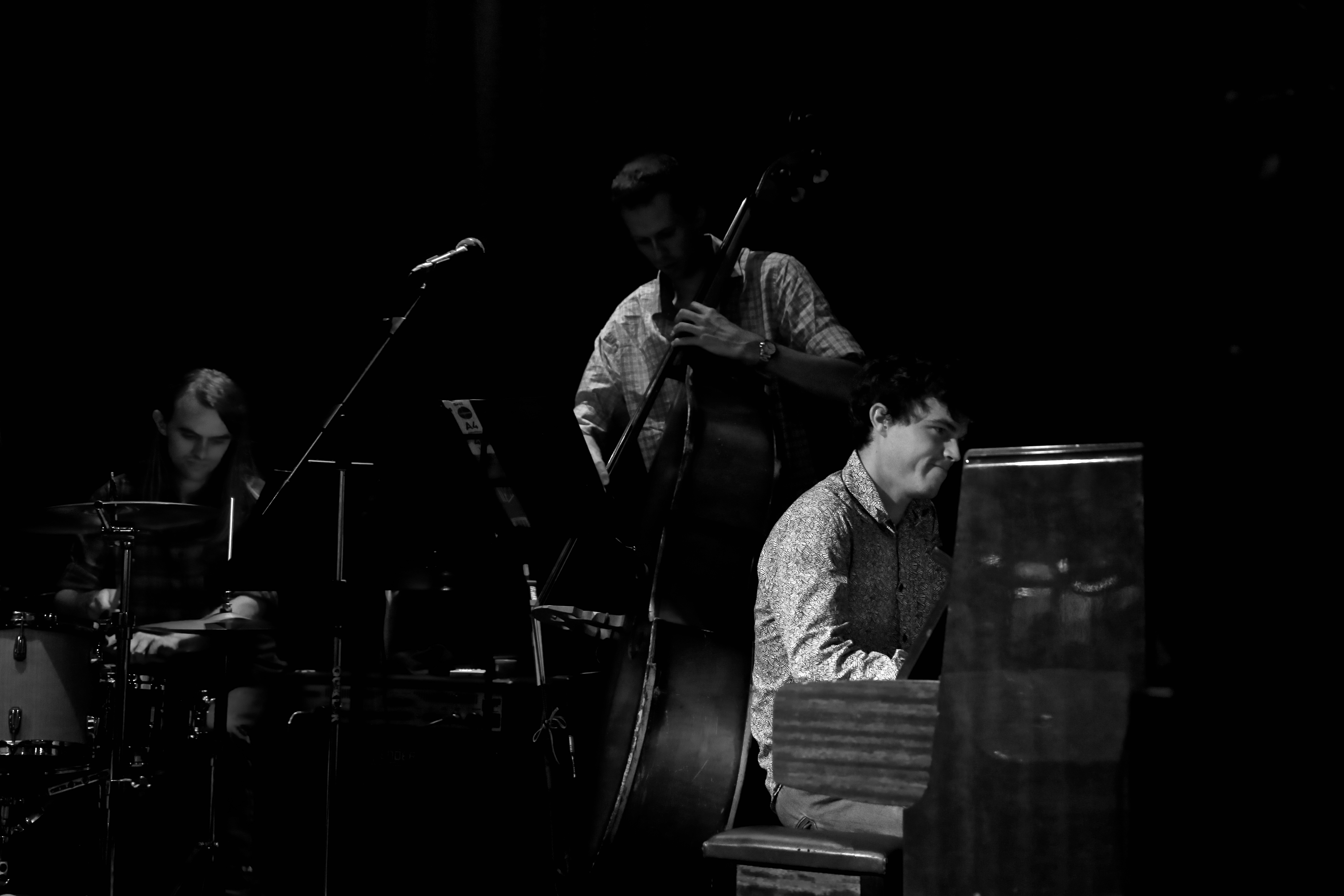
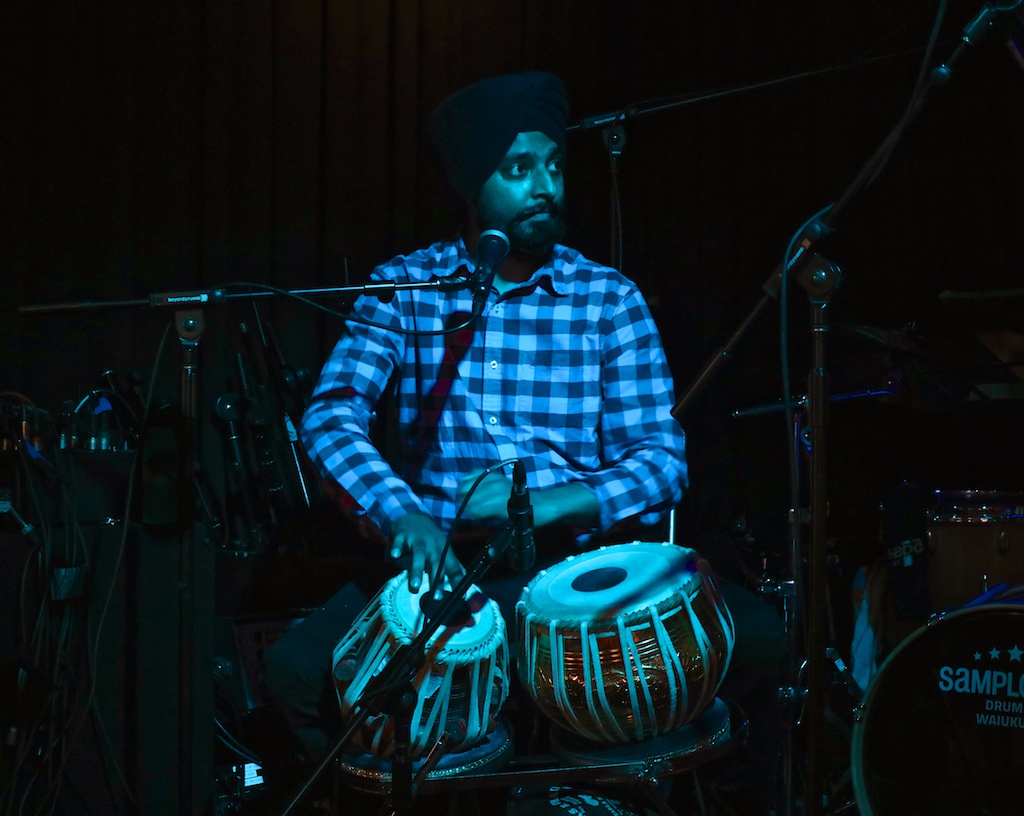 With emerging artists gigs you modify your expectations, but in this case, it was completely unnecessary. Both sets showcased great musicianship and originality. The first set was Manjit Singh and Takadimi; an Indian music/Jazz fusion project. Manjit Singh is not an emerging artist in the strictest sense, he is a highly experienced tabla player, composer and teacher in the two main traditional schools of Indian music (Northern and Carnatic). He has recently been doing a Jazz studies course at the UoA and this project arises from that. The traditional music he teaches is not that dissimilar to Jazz, as it has improvisation aspects and complex interwoven rhythms at its core. Singh also gave us an insight into another tradition, the ecstatic Sufi-influenced music of northwest India, Pakistan and central Asia – Again, a tradition that has fed the rich streams of Indian music and more recently, Jazz.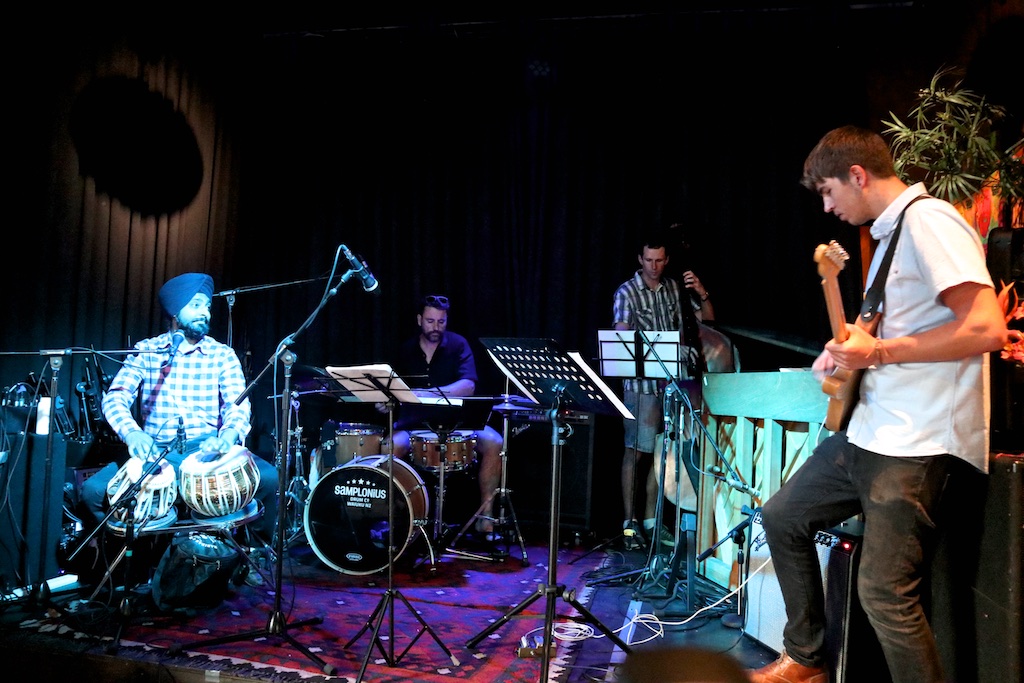
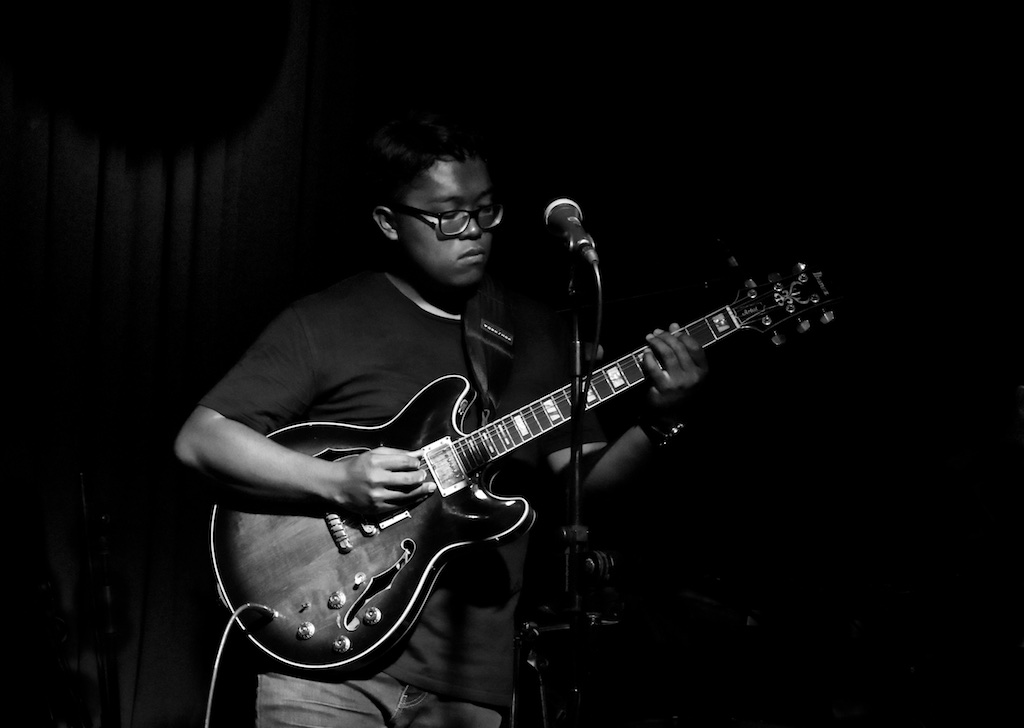
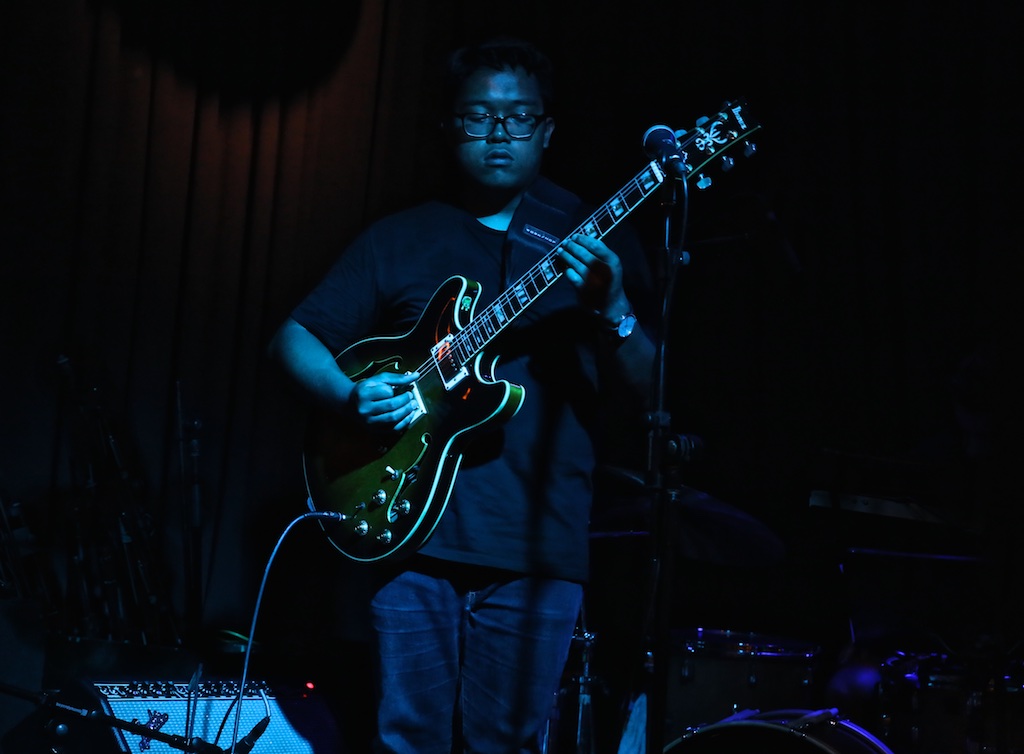
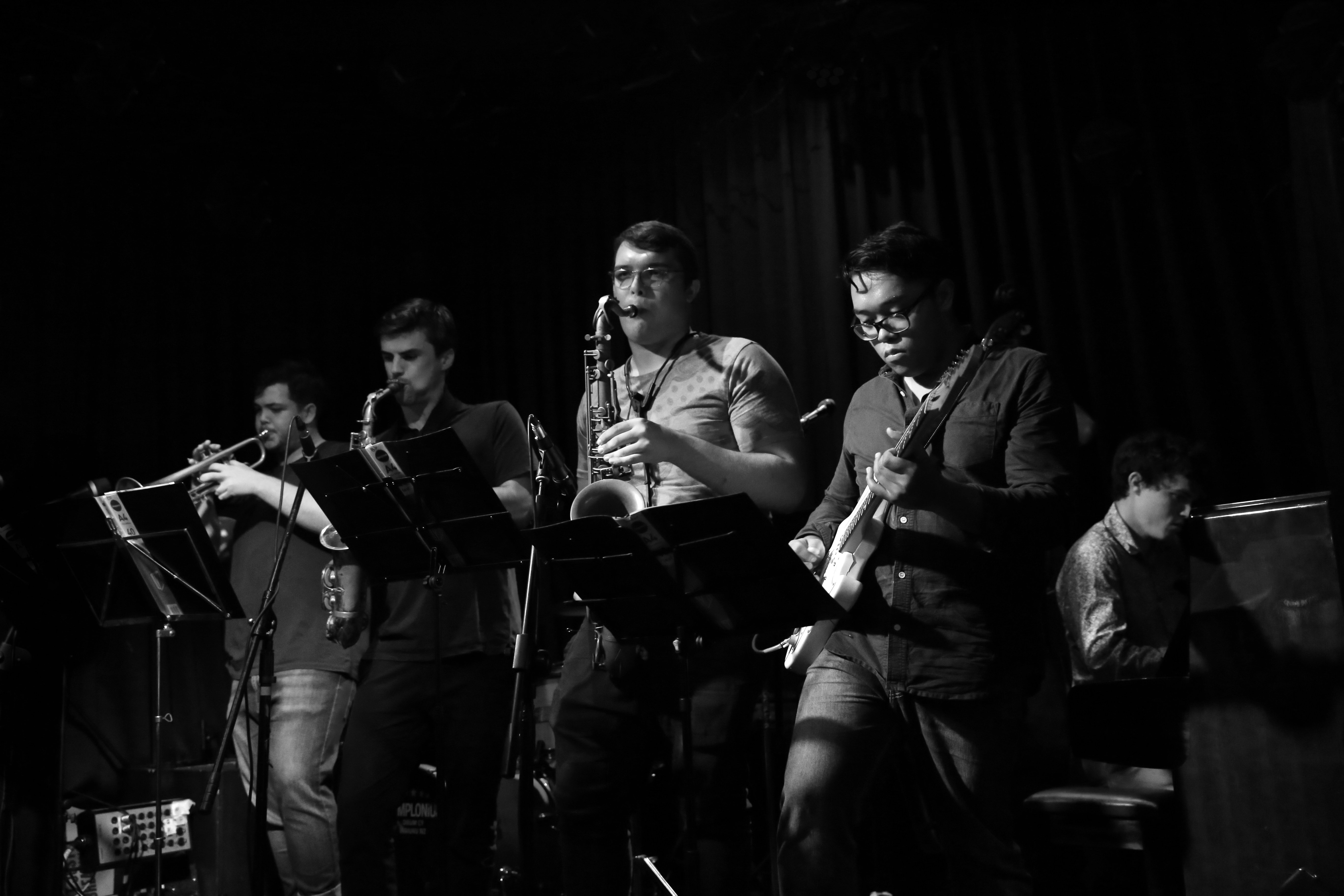
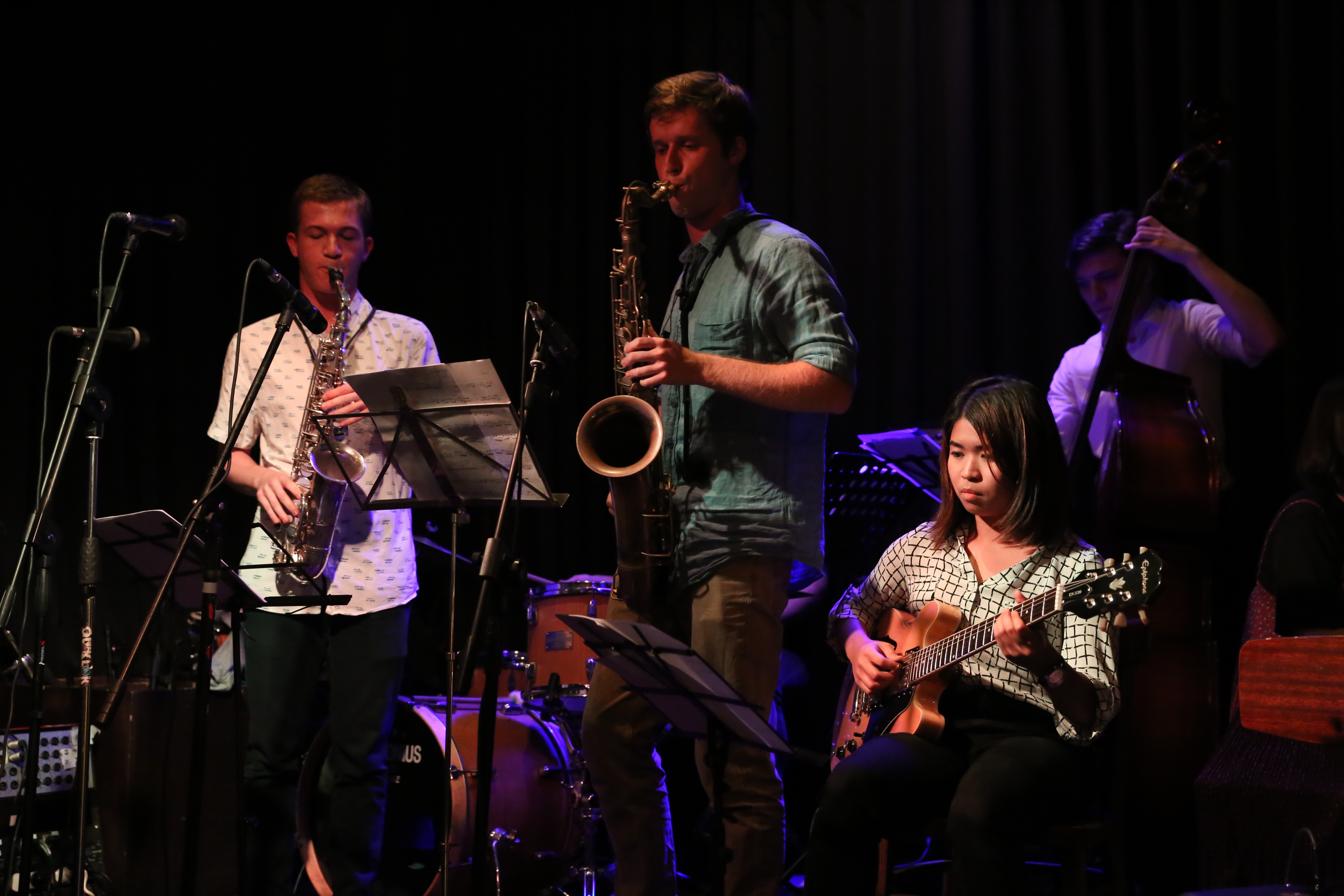
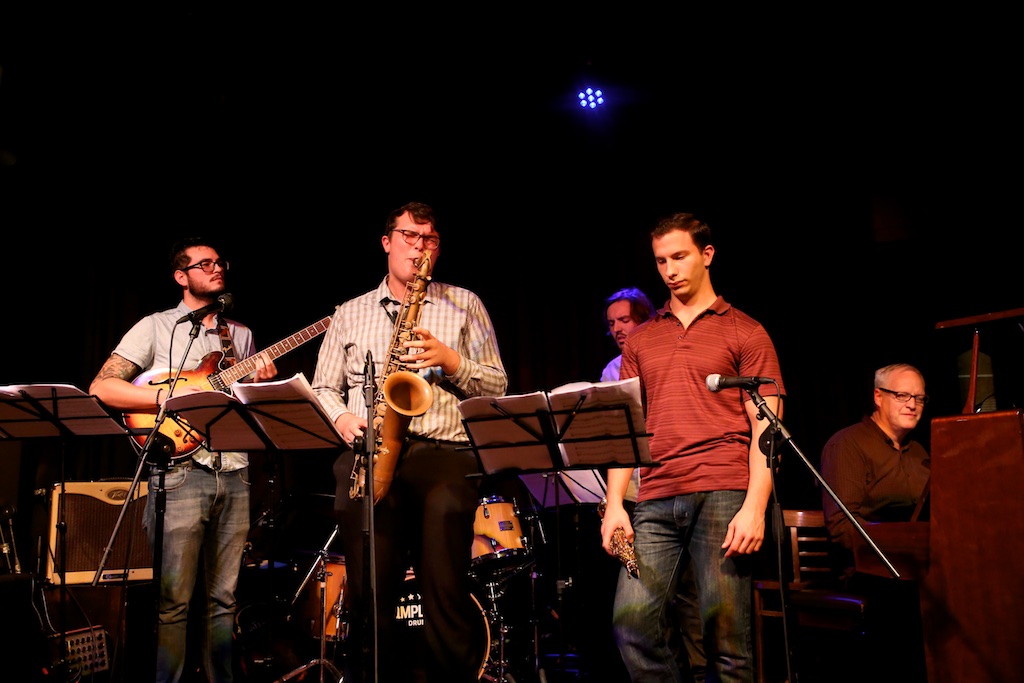 I always look forward to emerging artists nights at the CJC. They don’t happen often but when they do, they’re fun, full of surprise and most importantly they are hopeful events. It is usual for emerging artists to salt the mine with seasoned players. Both of the bands did well in that regard. The first band up was Misha Kourkov’s ‘Equitable Grooves’, a six-piece unit playing multi-genre Jazz focused music. The material was well written and at times ambitious. Aiming high on the bandstand is good because that is where real learning occurs. If you wish to extend your reach, then having Alan Brown on the piano is exactly what you need. With that sort of experience and groove behind you, you have a fail-safe mechanism. The set opened a little tentatively, but they quickly found their groove; the last two numbers were especially enjoyable.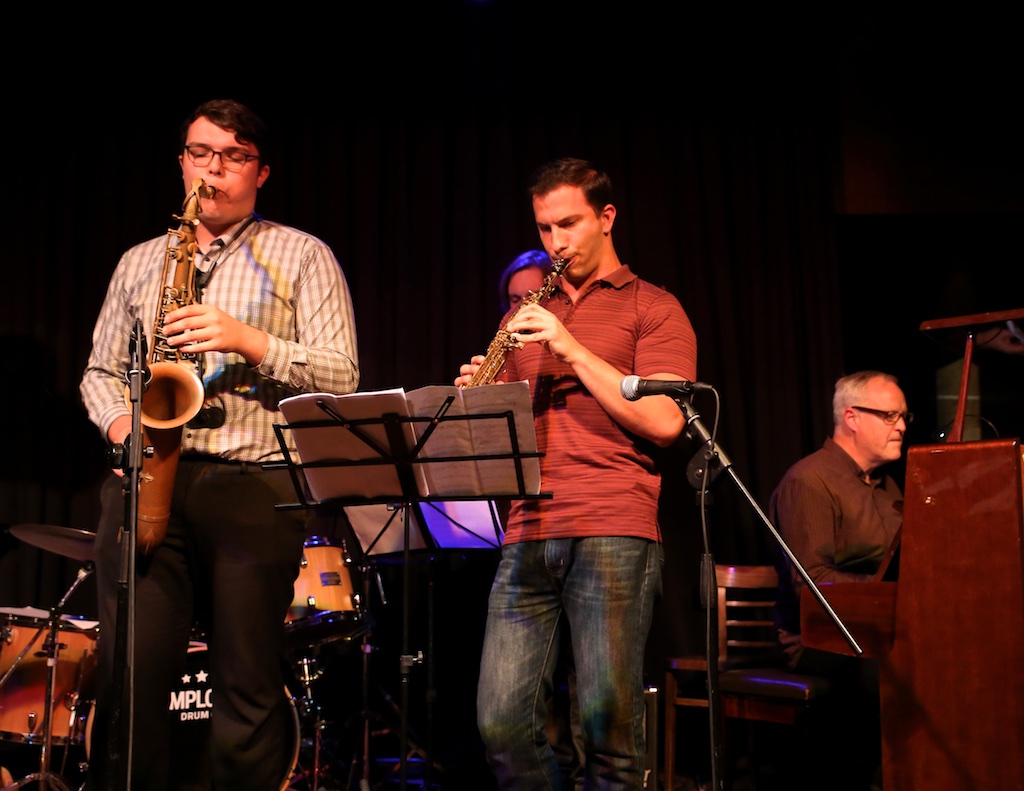
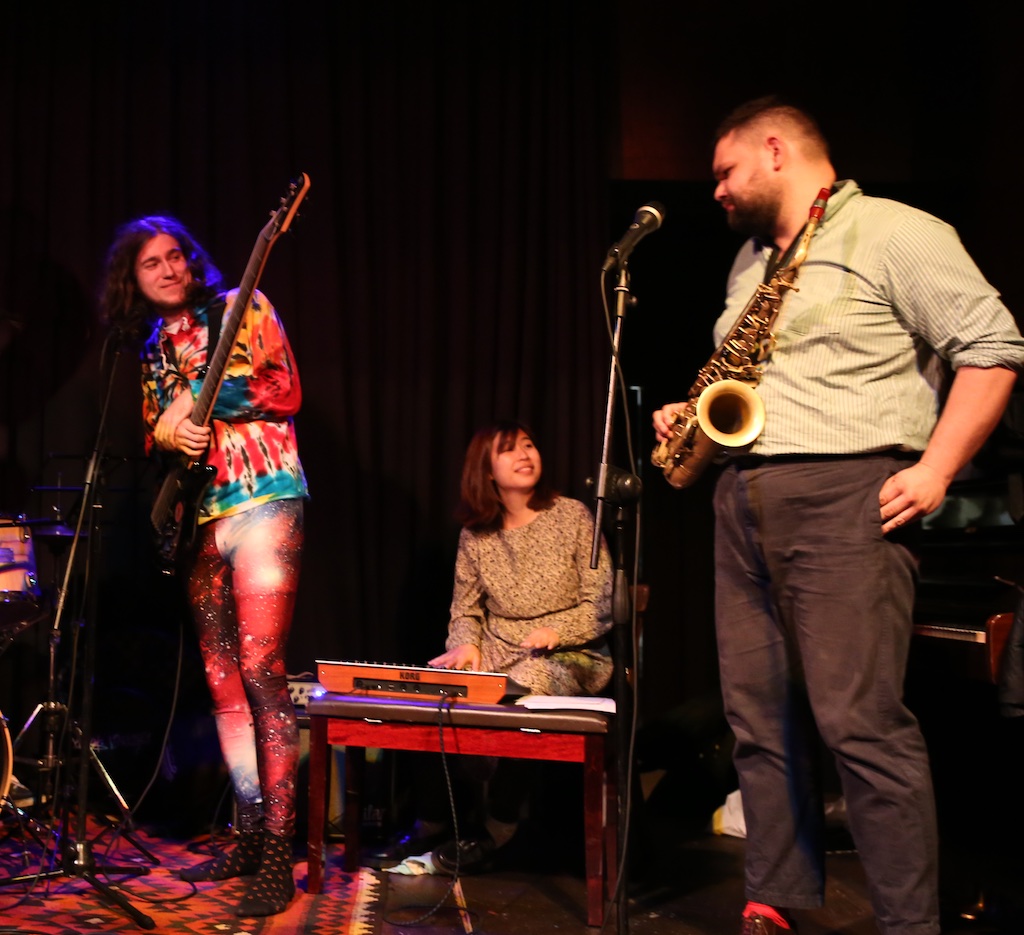 The second set featured the ‘Exploding Rainbow Orchestra‘. This was a very different type of ensemble. Freer ranging, a bigger sound palette and an electric bass with the heavyweight punch of Bona. The bass player Joshua Worthington-Church who led the ensemble is accurately described as a maverick. His set list contained genuinely diverse material; gripping vamp-driven originals plus tunes from ‘Radiohead’ and ‘The Mint Chicks’. Under the leader’s guidance, the band took the material to a place close to my heart; a fusion of Jazz and psychedelia. I am happy to see this done, as the genre is all but forgotten. During the mid-seventies, that style of music was sacrificed on the altar of Jazz purism, a pompous battleground that tried to stifle genre exploration.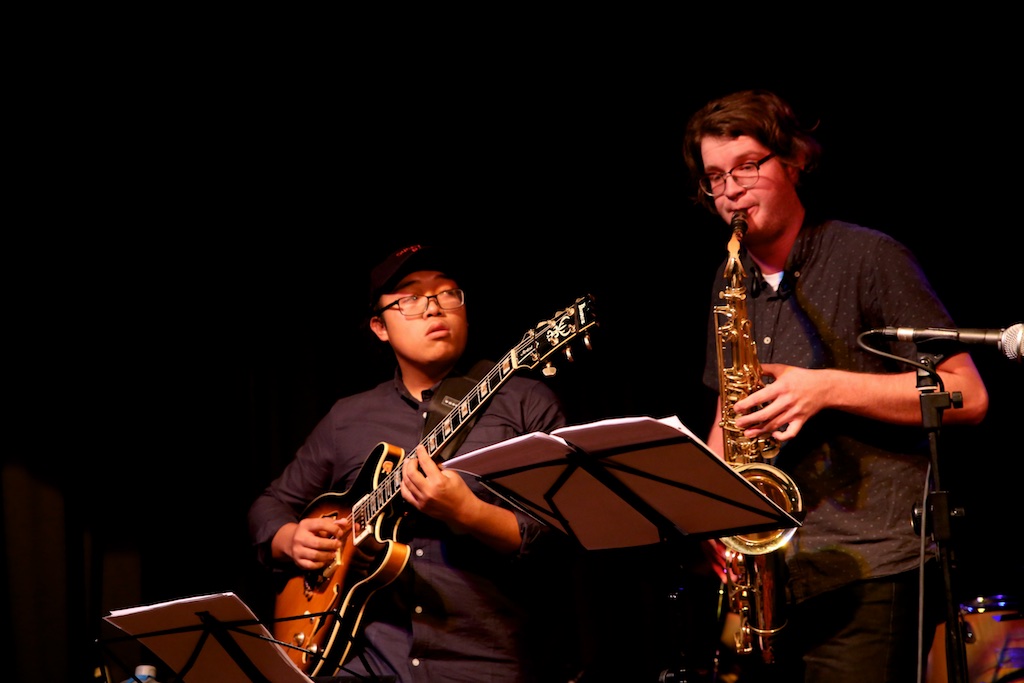
 JazzLocal32.com