There is something satisfying about evaluating an anticipated album before the listening public gets to experience it, and whether it arrives digitally, or through the post, it can bring with it a heightened sense of expectation. It is a series of brush strokes unveiled before the paint is dry, and best of all it is unsullied by the crude measure of market vagaries. You listen with care, hoping that the music will speak to you and when it does you feel lucky.

The best improvisers never settle, they reach waypoints then quietly move on. Andrea Keller is just such a musician. She is a creative force in perpetual motion and her steady output attests to that. And while each album or performance reveals something unforeseen, the connection to what came before is evident in the compositional DNA. To maintain such an arc without faltering is rare, but then Keller is a unique musician.
I have followed her work for some time and found the journey rewarding. There is a strong sense of the experimental in what she does but it never feels random. She can play with extremes while navigating a delicate path in between. When amidst these contrasting realities she is at her best and Systems Over-Ride is a prime example.
It is entirely consistent with her musical openness, that she expresses a fascination with both free jazz and doom metal; this is referenced in the liner notes and it makes sense that she should navigate a course between these turbulent waters. She is in her element here. This quintet of Wave Riders, Keller aside, features a fresh crew. It compliments her 2013 Wave Rider album (and all of her albums) by moving on.
As the pieces unfold, Keller’s pianism is always at its heart, with her unhurried serialism and melodic interjections drawing you ever deeper; notes and the spaces deployed to maximum effect. Much is implied beyond the notes too, as the tunes navigate a course between the turbulent waters ruffling the music’s edge. The quintet members respond in kind, and there are solos of course, but the album breathes as one.
As we approach the first quarter of the 21st century there is a rightness to these explorations. This is contemporary jazz as it should be. A leading US Jazz biographer and Journalist recently posted this meme, ‘People whose interest in Jazz stops with mid 20th Century recordings are missing the whole point of that music’. There is no endpoint to an improvisers journey. This is the direction of travel, ready or not.
The lineup here features Scott McConnachie (saxophones), Jack Richardson (guitar), Mick Meagher (bass), Rama Parawata (drums) plus specially commissioned remixes using fragments from the studio session – remixes by Nicole Lizēe, Bree van Reyk, Joe Talia, Philip Rex & Theo Carbo.
It is available from Bandcamp in double vinyl, limited edition Compact Disk or Digitally at www.andreakeller.bandcamp.com (Spotify should be avoided or used as a last resort, I support Neil Young and the artists who have pulled their content from that platform)
JazzLocal32.com is rated as one of the 50 best Jazz Blogs in the world by Feedspot. The author is a professional member of the Jazz Journalists Association, poet & writer. Some of these posts appear on related sites.
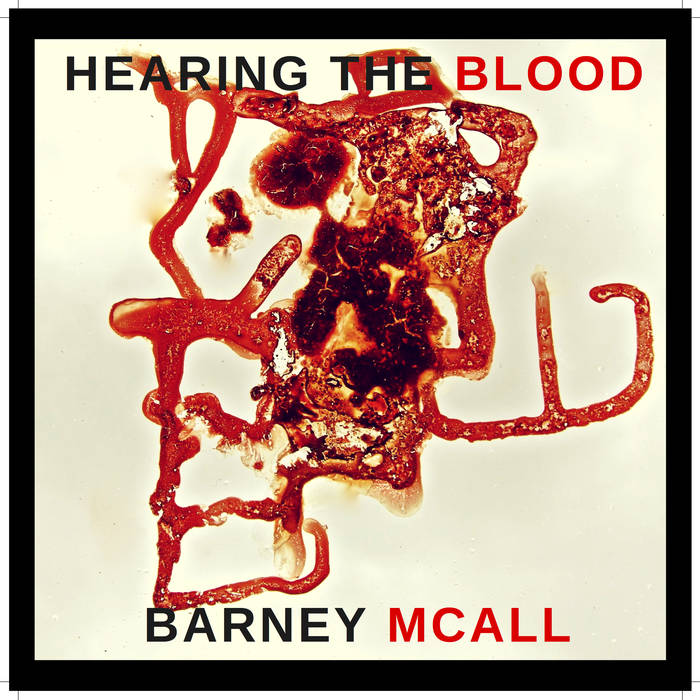 Just before the Aria winning Mooroolbark album was released I travelled to Australia and interviewed Barney McAll. He had not long returned from New York to take up his year-long Glanville Hicks Residency and at some point during the morning, he played me a few pieces he was working on. Some of that material has ended up on ‘Hearing the blood’. Listening to McAll developing a tune is not something that you forget. His preternatural fluency leaves images hanging in the air, where they linger long afterwards. As he worked through ideas, each one appeared as if fully formed and I wondered; how can these phrases possibly be improved on? The finished album answers that question. The act of creation is never fixed in time. A good composition opens up possibilities and lives on in the minds of those who receive it. The virtuous triangle of creator, music and listener.
 Hearing the Blood is also littered with coded messages. The landscape it portrays while ancient to modern is somehow eternally present. Where musical genres or subgenres are referenced, they are just as casually brushed aside; the exploration of ideas being more important than barriers. The listeners are invited to step outside of their comfort zone and some will baulk at that. Jazz listeners are all too inclined to swaddle themselves in the familiar and in doing so they can lose connection with the now. In a year when dialogue has been debased beyond recognition by a petulant child President, we need other forms of communication. Hearing The Blood is a refreshing place to start in our re-evaluation of the world. For those who have the ears to hear they will find a subtle humour and a joy pervading every corner; as with Mooroolbark, the trickster lurks at every turn.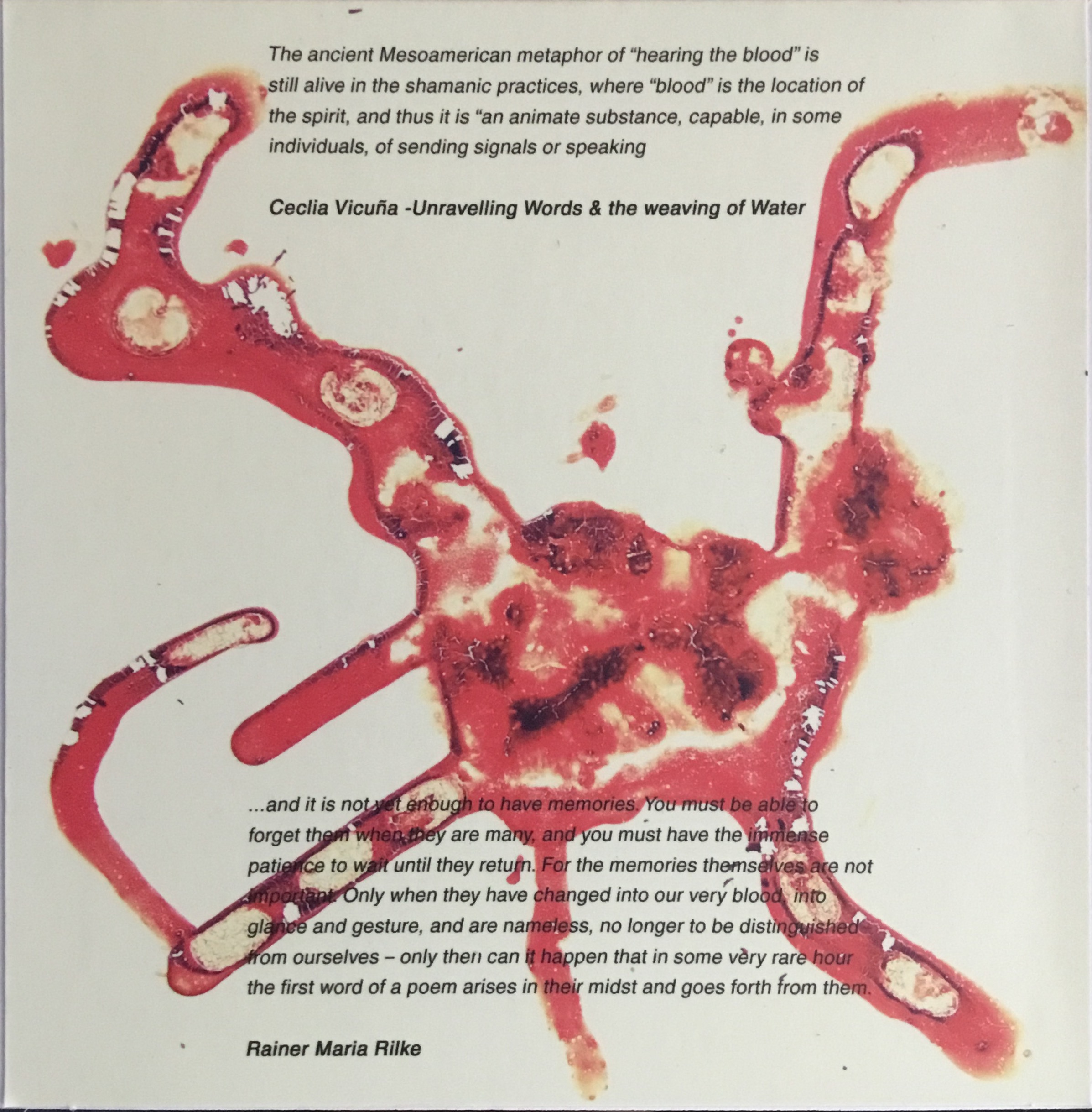
 JazzLocal32.com