The artists profiled here have some things in common. Both have Swiss heritage, work in countries other than the ones they were born in and take a fearless approach to improvising. They are separated in years and in experience but not in their approach. Both seek to extend the language of improvised music and have something interesting to say.
Alex Ventling ~ The View
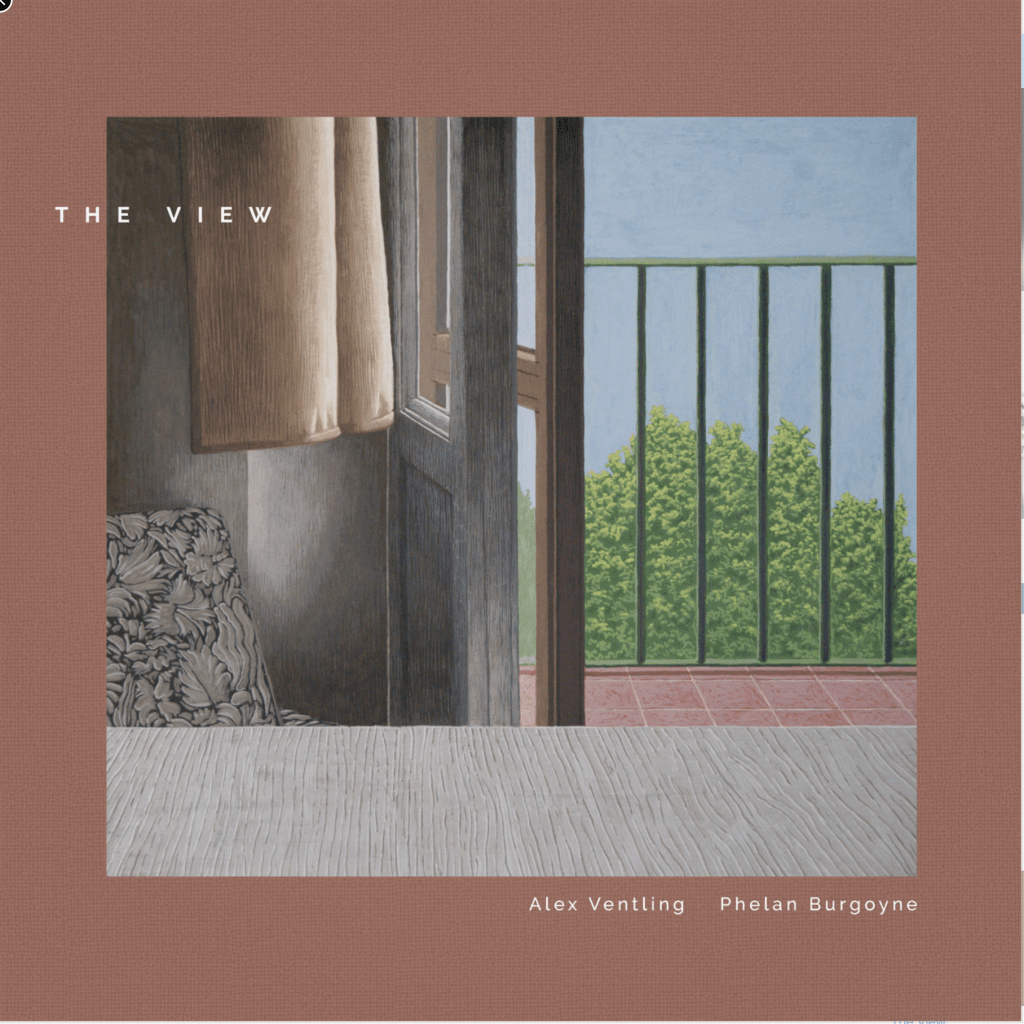
This is a beautiful duo album; it will stay with you if you listen with open ears. It is fresh and original but snatches of the tradition are still evident, nestling in the compositions. From the opening track, ‘Spiders Steps’, Monkish elements creep in, as jagged spidery lines evolve into a gentle swing. The tune is perfectly rounded. It says a lot and yet does so concisely and simply. It is the perfect beginning for a superb album. Ventling’s pianism is evident throughout, but strikingly so in his resonant ‘In the Mists’. Good pianists know what to play and when, but gifted pianists understand how to sculpt sound and curate even the decaying chords. There are synths but they are used in ways that never once spoil the acoustic mood. That is so on ‘First Train to Finse’ which features guest artist Kim Paterson on trumpet. How lovely to hear him again in this ‘Silent Way’-like setting.
It is an album of surprises as the moods shift constantly. Importantly, they do so without once breaking the flow. Out of it all shines a radiant simplicity, a ‘mysterioso’ simplicity. One blended with oblique Monkish references and a northern European sensibility, a very Nordic soundscape, evoking open spaces, where the music breathes.
With Ventling is a gifted drummer, Phelan Burgoyne. He is the perfect foil for the pianist as he is a master of subtlety. He possesses an acute sonic awareness and understands how to work in the spaces between the notes. He is especially attuned to the harmonic possibilities as he adds his textural touches. This is a masterclass in colourist drumming and I cannot imagine any drummer doing better. He is co-credited as a composer, a collaboration which goes back years. Their synergy is evidenced in every minute of this recording.
This is a very mature album for a musician embarking on his musical journey. The album was released by the Trondheim label Sonic Transmission Records and is available on vinyl and digitally via Bandcamp (or the streamers).
Nik Bärtsch Ronin ~ Spin
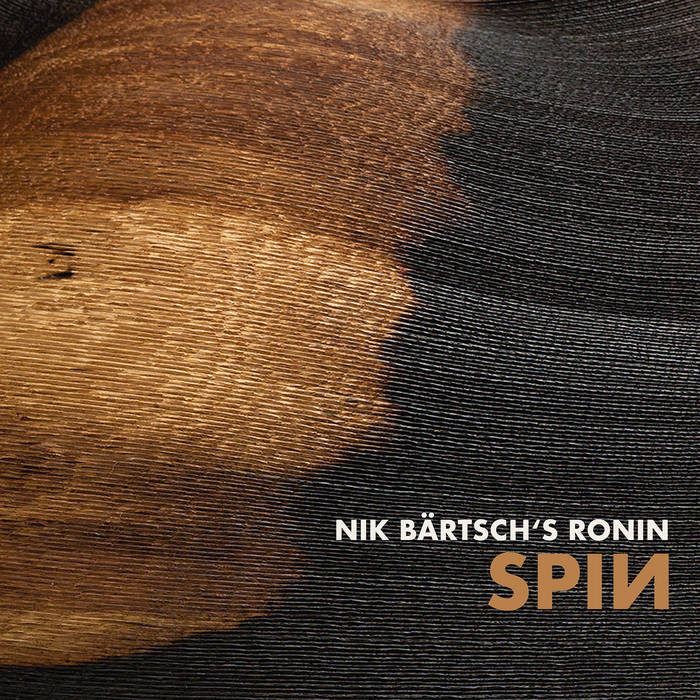
Nik Bärtsch’s Ronin has been around since 2002, established following his earlier Ritual Groove Music album (2001). Since then Ronin has released 9 albums with cultural and musical influences scattered throughout; the most obvious being Steve Reich, John Cage and Morton Feldman. He was a drummer before he was a pianist and intricate rhythmic patterns and cycles are evident in everything he does. The other important influence is his abiding interest in Zen Buddhism and taken as a whole, those influences have coalesced, resulting in a unique musical path. His style has been dubbed Zen Funk, but it is improvised music of the highest order and the band has been delighting Jazz critics and Jazz-festival-goers for many years. His seven ECM albums brought him wide critical acclaim.
‘Spin’ works the rich seams opened in earlier albums. This band adheres to its minimalist principles while introducing freshness and open exploration. I have always been drawn to mesmeric or trance music, and this music is, but the tunes also invite quiet reflection. There is freedom within constraints, and that appeals to the heart and intellect.
The first track, ‘Modul 66’, was composed to showcase bass player Jeremias Keller, who recently joined the band. This highlights a subtle shift in emphasis, without changing the ever-present groove. The deep grooves are especially evident in ‘Modul 70-51’ which is mesmerising. A pulse that pulls you deeper into the music without once dulling the senses. This is achieved by surprising chordal and modulation shifts which function like Zen surprises. This is apparent in ‘Modul 40’ which is endlessly inventive.
The way this band works together is extraordinary, moving the emphasis mysteriously as they dance around each other like voodoo priests. It was recorded live at the Big Ears Festival, so ‘Spin’ should be enjoyed in one listening; each ‘module’ informs the next. I recommend that you listen with headphones or in a quiet room. It would be a shame to miss the subtlety. Nik Bärtsch (piano, Keyboard), Sha (bass clarinet, alto saxophone), Jeremias Keller (bass), Kasper Rast (drums). ‘Spin’ is self-released and available on Bandcamp or the streamers.
Other Recommendations to Check Out.
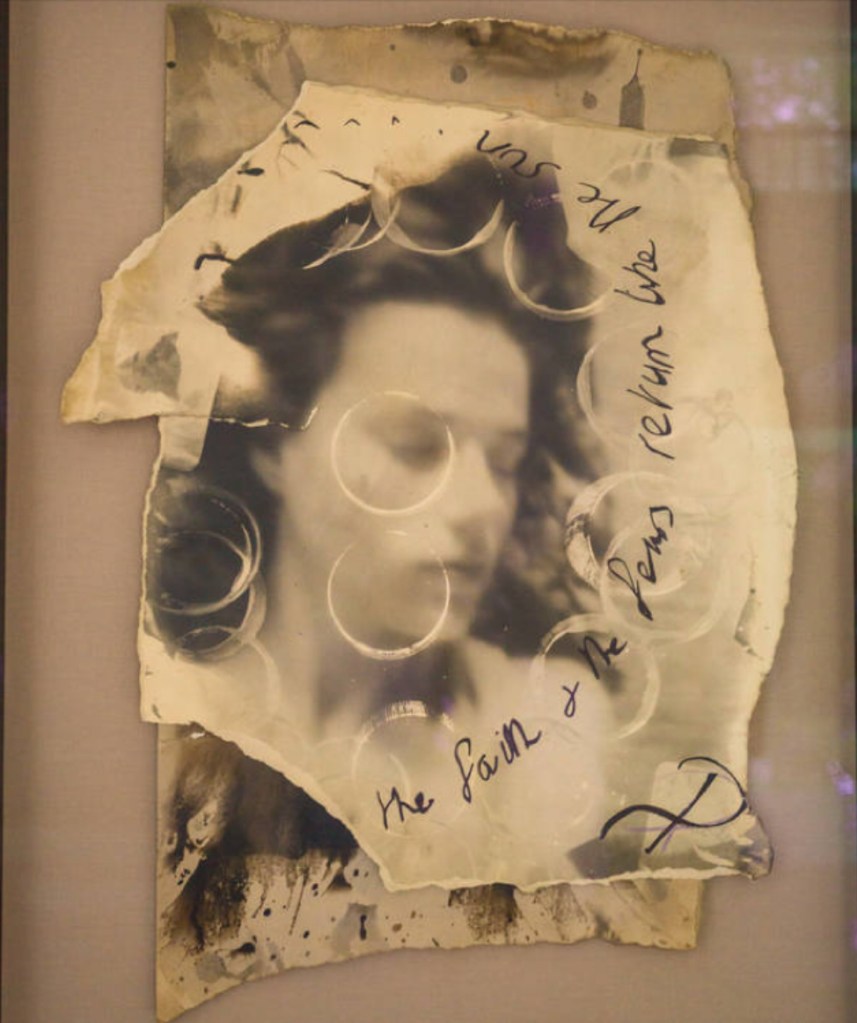
Rob Luft and Kit Downes are artists I have profiled before. Both appear on an interesting album by vocalist Paula Rae Gibson. The album, ‘The Roles We Play To Disappear’ has been referred to as ambient, electronica, and Avante-jazz. It seamlessly embraces many genres and is evidence of how improvised music is growing in multiple directions. Albums like this bring fresh audiences and that is a healthy thing. It is refreshing in these days of awful commercial music to see artists forging uncompromising artistic paths. It is available as a CD or download from Bandcamp.
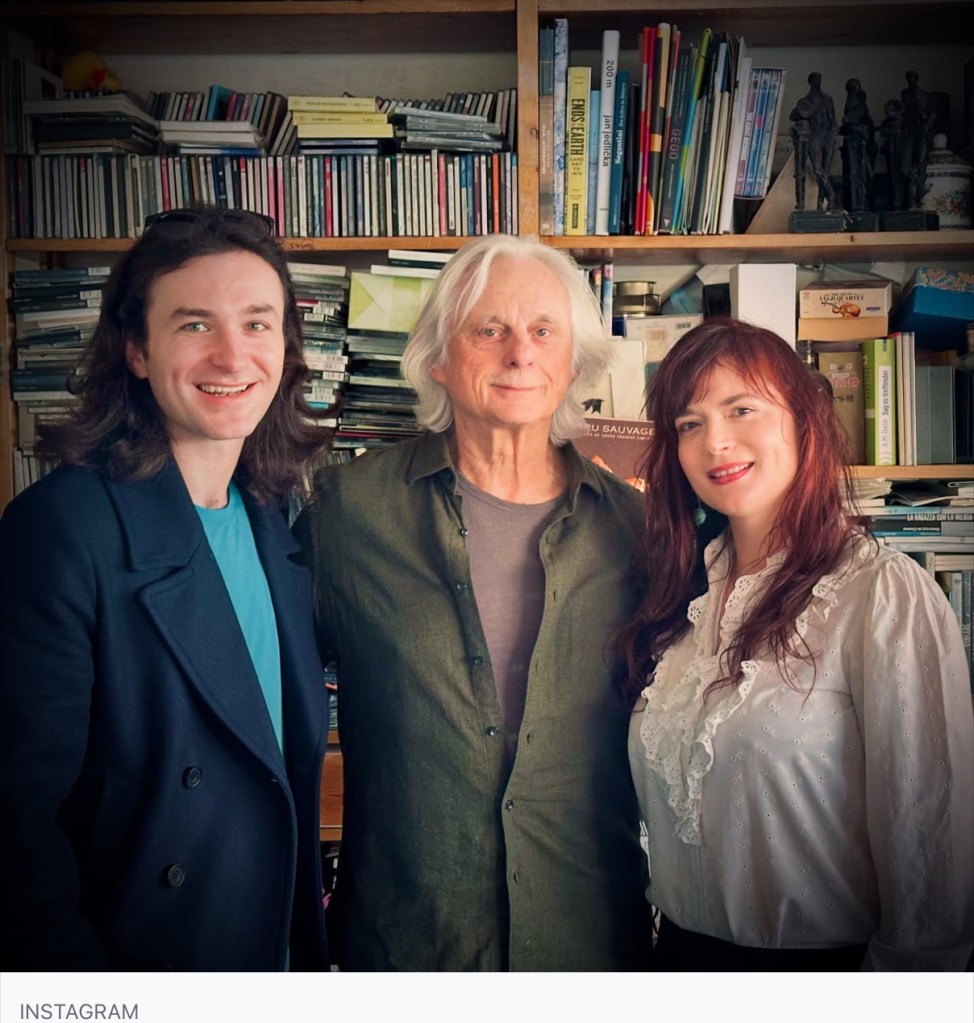
Rob Luft and Elena Duni recently met with Manfred Eicher to discuss a new ECM release. This is welcome news as the first two releases were stunning. I interviewed Luft during lockdown and have reviewed his albums often. If you haven’t done so already check them out. My review of ‘Lost Ships’ is on this site at http://www.jazzlocal32.com/?s=Luft
Alex Ventling and Kim Paterson recorded on Ventling’s recent tour through New Zealand. ‘Conversations’ is a lovely standards album and is available on Spotify.
One of my favourite Jazz musicians Chris Cody (Sydney/France) has just released two interesting albums. The first is ‘Mountain To Sea’ with Sandy Evans, Tessie Overmyer and Lloyd Swanton. The second and most recent is ‘Under Ocean’, co-credited to Charlie Tait, an ambient improvised album conjuring powerful images. An interesting development from an artist who never fails to please. More on this soon.
JazzLocal32.com was rated as one of the 50 best Jazz Blogs in the world by Feedspot. The author is a professional member of the Jazz Journalists Association, a Judge in the 7VJC International Jazz Competition, and a poet & writer. Some of these posts appear on other sites with the author’s permission.
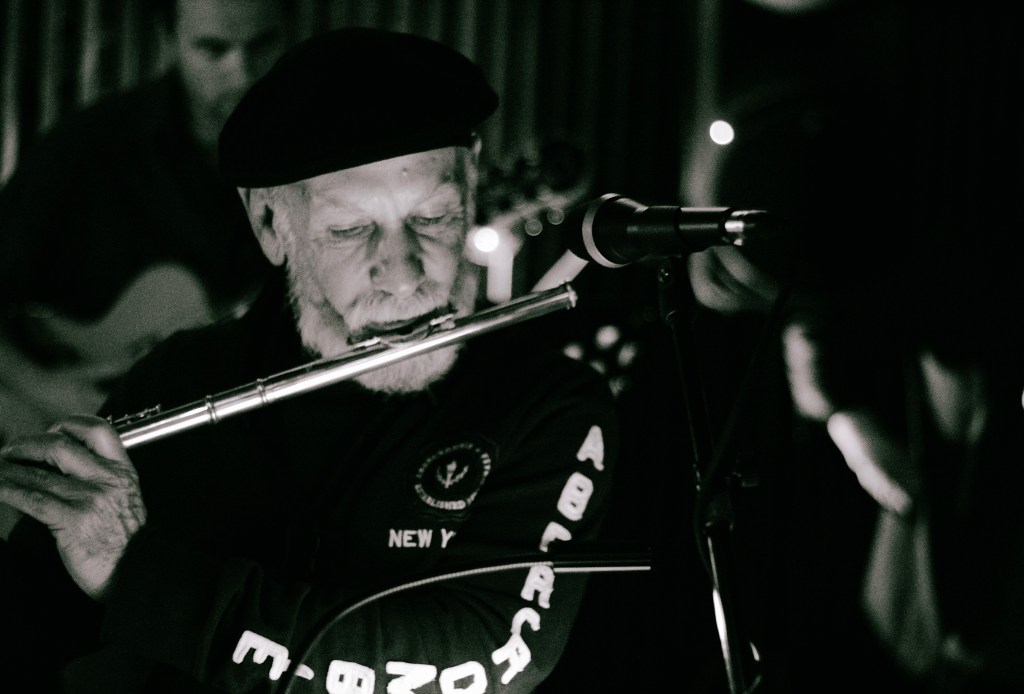





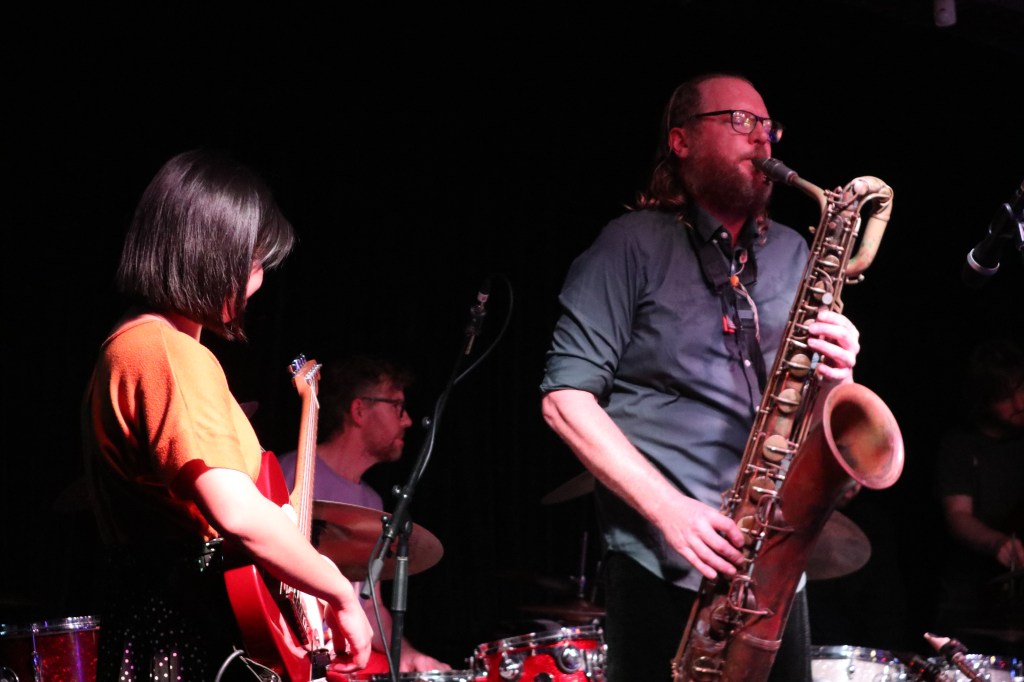
 There is a world of interesting music happening at the Audio Foundation and this three-set gig exemplified the foundations imaginative ahead of the game programming. The evening featured a cross-section of music from the fully arranged to the unconstrained and free. From the open dialogue of the Knotted Throats to the carefully crafted texturally rich four-piece voicings of a jazz ensemble. Then, and perhaps this is the essence of the programming, the two groups merged and out of that came a declaration. Sound exists without boundaries. The borders and demarcation lines as we organise or sculpt sound are only human constructs and beyond these artificial barriers, the various languages merge. When that occurs music is the richer for it. Improvised music is always on the move and just as post-bop moved seamlessly between free, fusion, hard bop, bop and groove, so the journey continues.

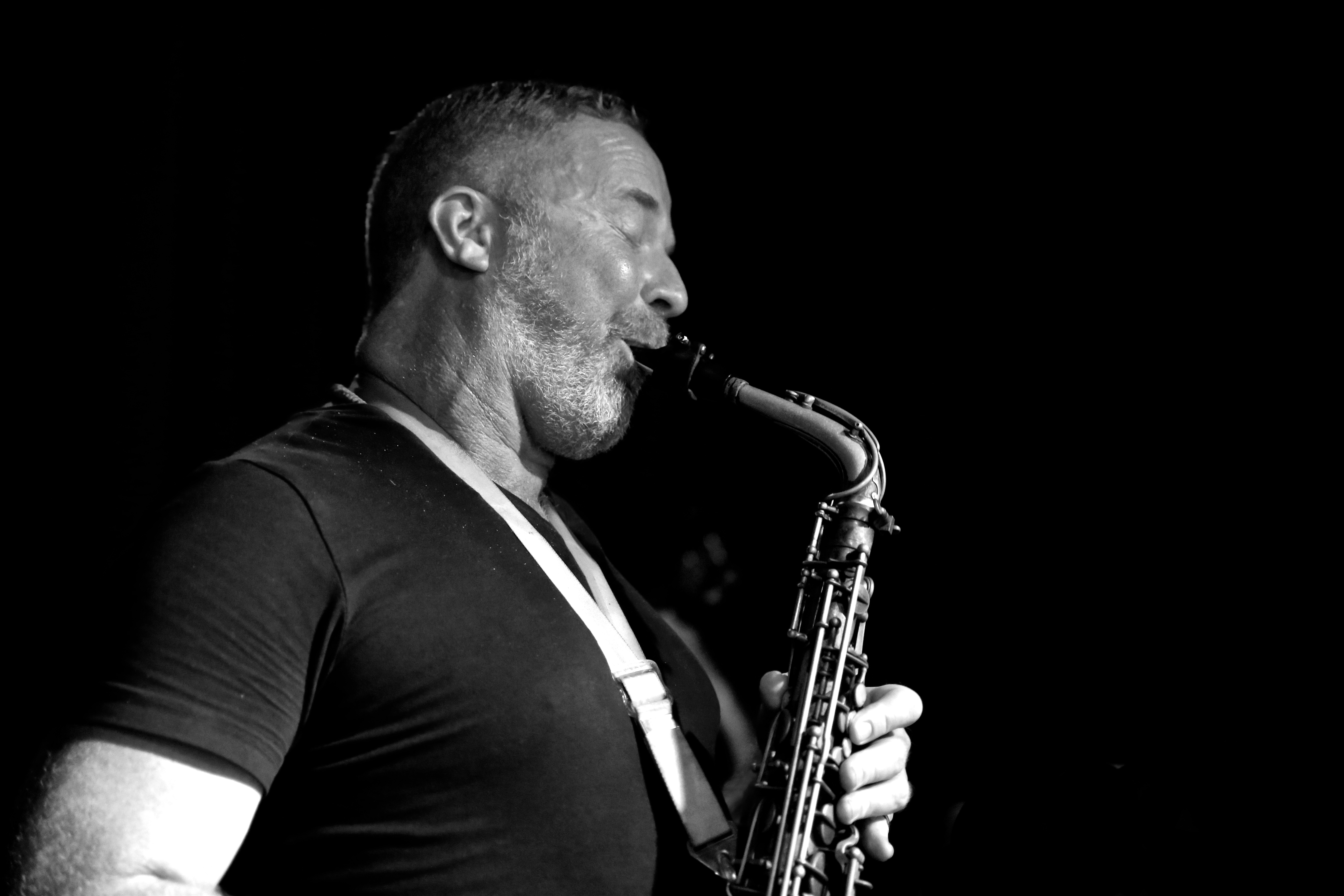 It was a good way to begin a year of music, a good way to breathe life into two enervating steamy nights. Hayden Chisholm was back in the country and around him formed various duos, trios, and quartets. He performed two gigs in Auckland and the first was at the Audio Foundation in Poynton Lane. The venue has long been an important source of innovative music and each time I descend the stairs to the sub-basement I find interesting changes to the clubs configuration. It really is an excellent venue and perfect for what it offers. At first glance, the two nights appeared quite different. One free improvised and the other a set of reflective ballads. In reality, both gigs were reflective, melodic and approachable. The open-hearted humanity and communication skills of the participants made it so.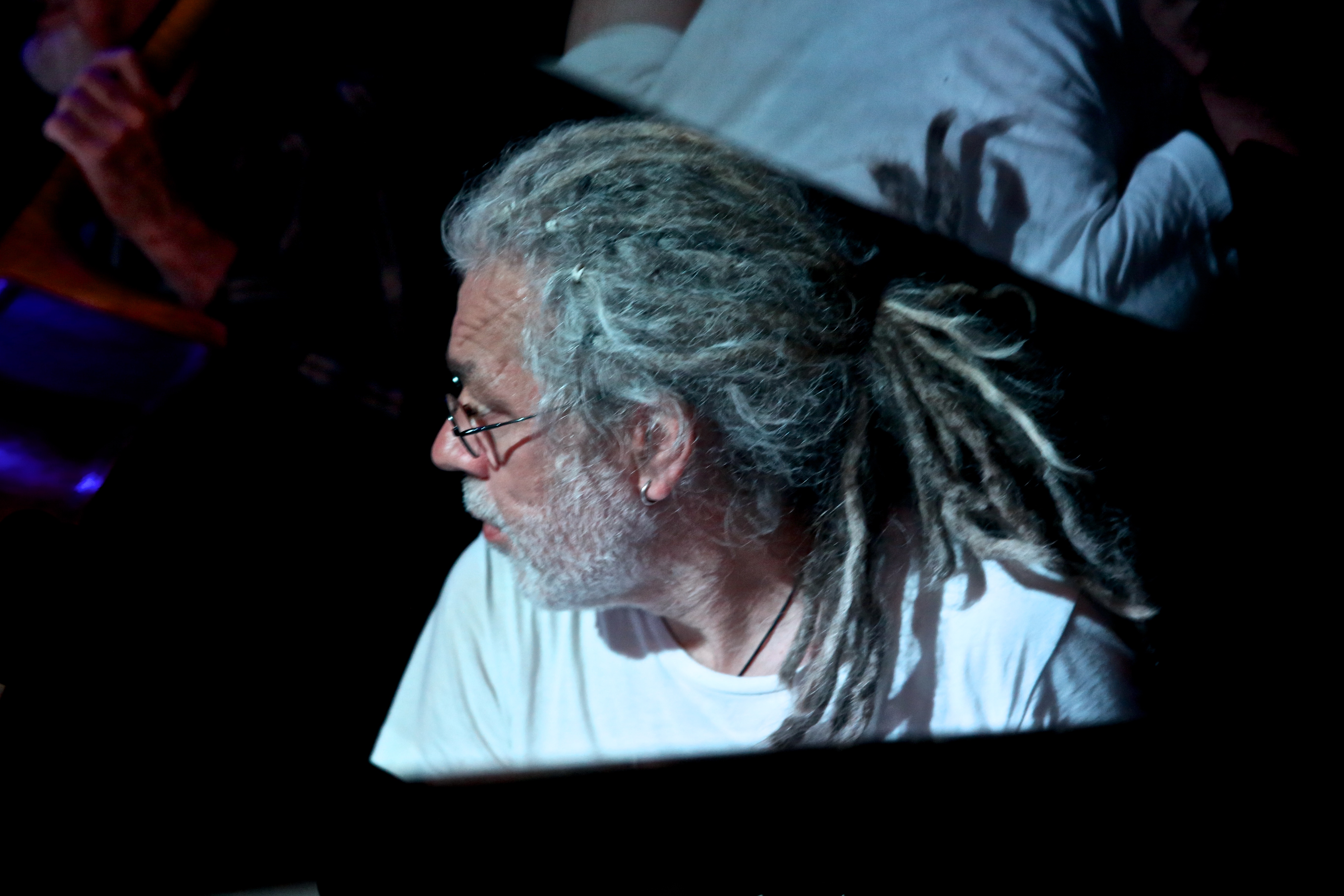
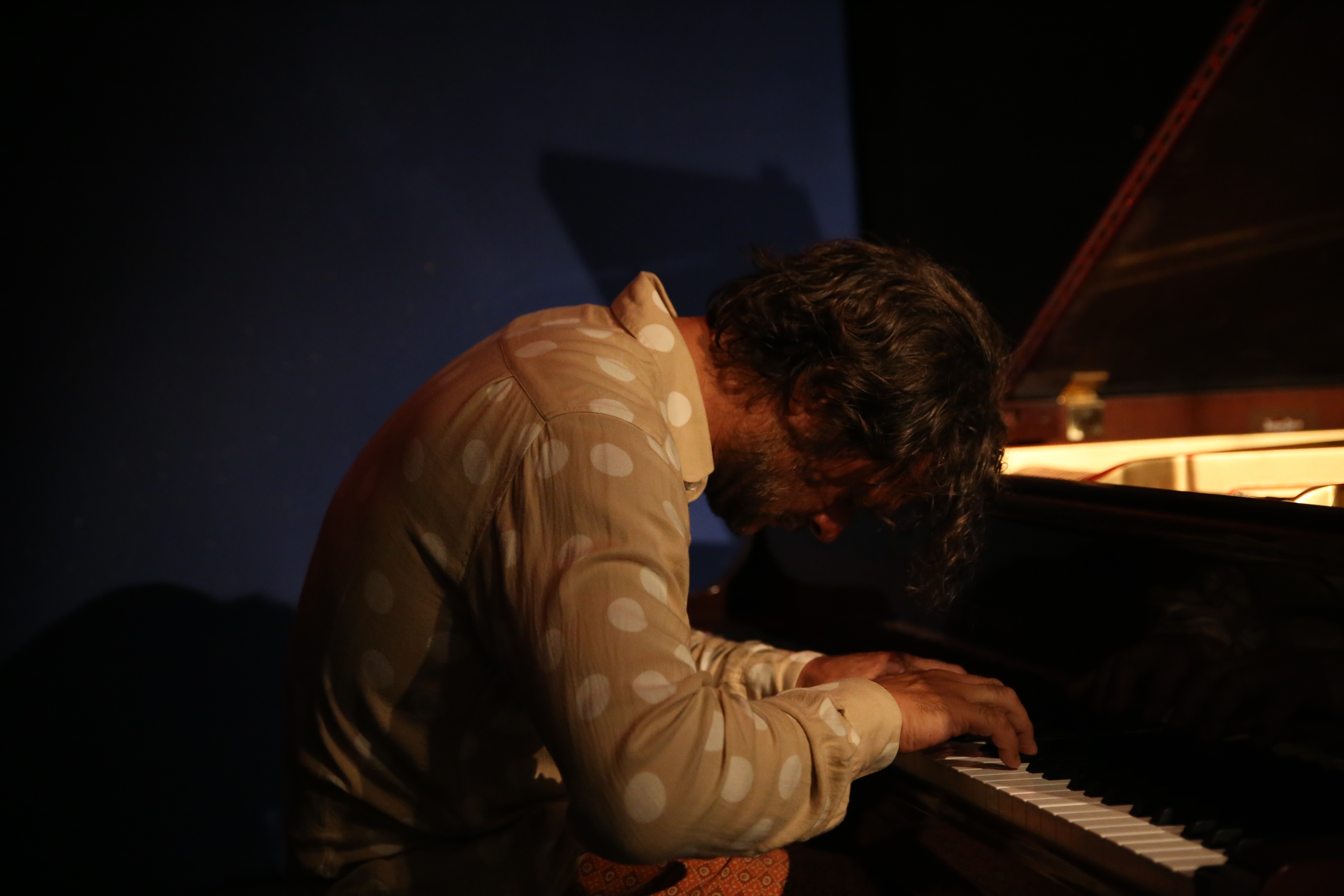
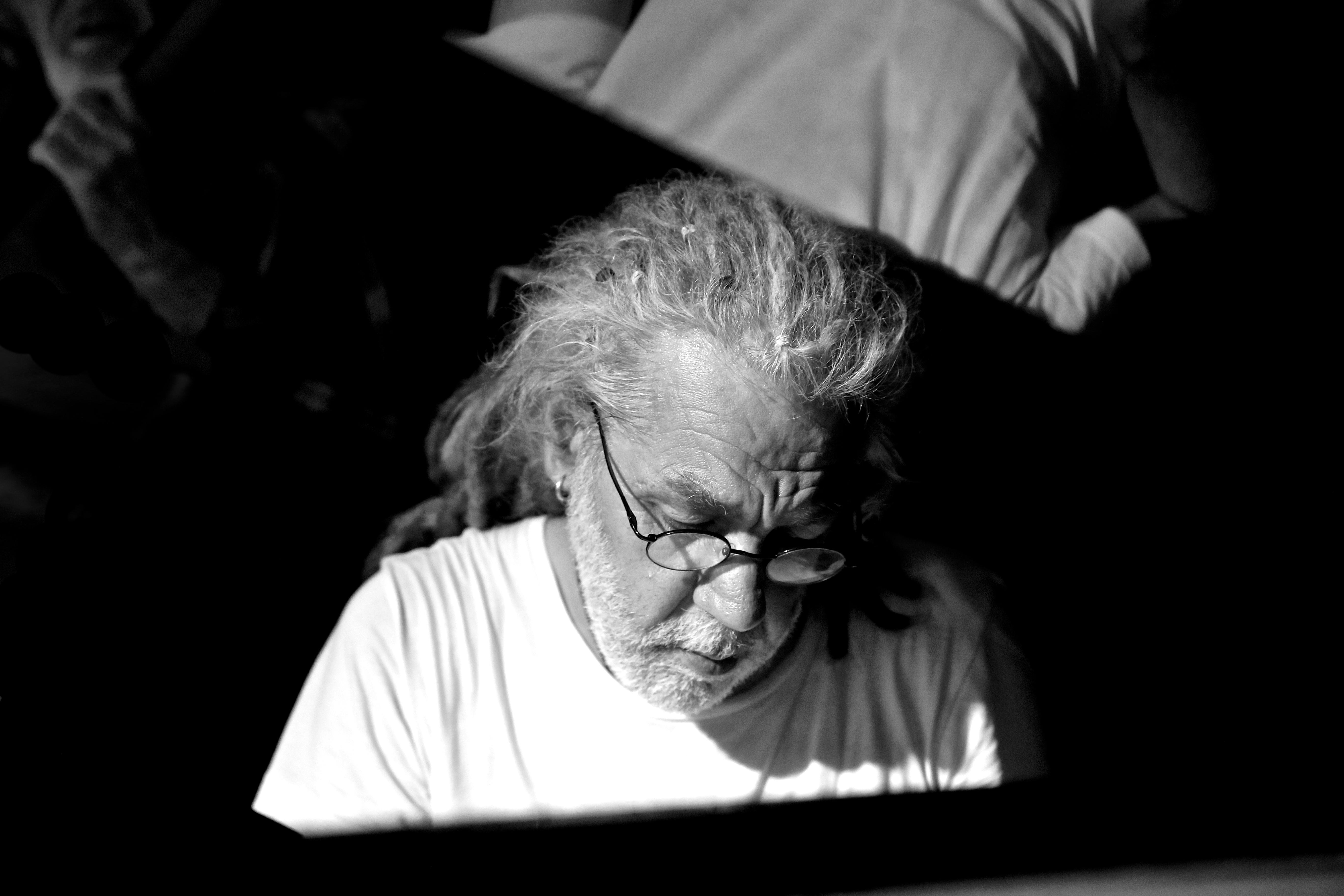 I have never witnessed a free gig quite like that as the communication was so exquisitely personal. More than musicians finishing each other’s sentences. More than the flow of fresh ideas; there was a sense of musicians revealing something intangible. From out of the fading harmonics and the quiet spaces came that extra something. The quiet revealing something on the edge of consciousness, something we often miss. Arising from – evocative like a Rilke poem – or a haiku. Bell stroked his mallets across the bars or responded with staccato – or soft taps and clicks, Prastiti offered cries and bell-like utterances, framed as wordless questions, Crayford explored resonant possibilities by using extended technique or by mesmerizing with darkly descending chords – opening up a dialogue which was met in kind – sometimes gentle, at other times like a flow of coloured sparks.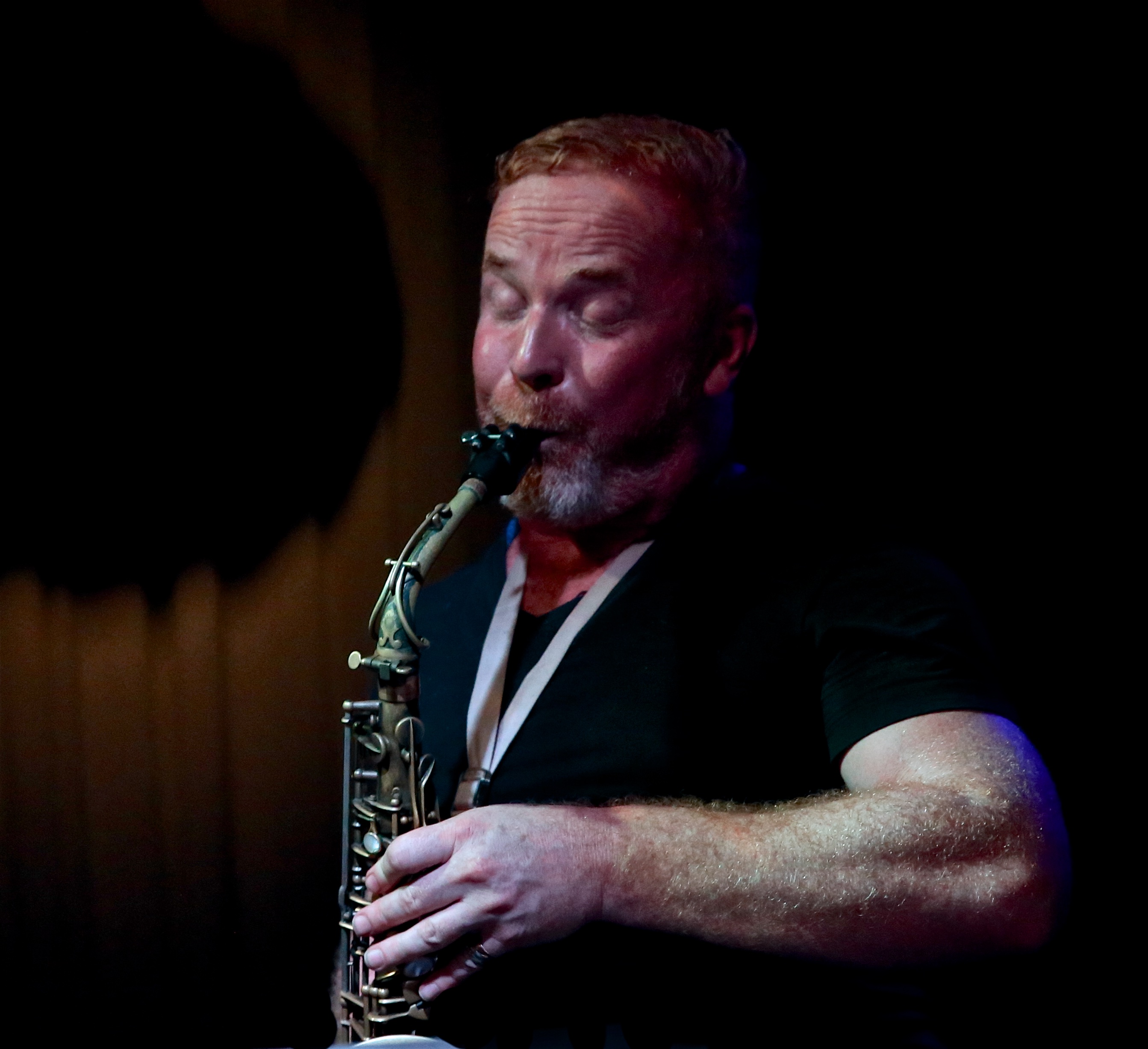
 JazzLocal32.com