The Bonita Project is fueled by good compositions, nice arrangements and above all by the exuberance of leader Chelsea Prastiti. It is the second time that Bonita has appeared at the CJC in recent times and people returned for more. It is a worthy project as it reimagines a time and rides on a powerful vibe; the sort that the world needs right now. There was always an easy-going breezy quality to post-war Brazilian music and that quality could beguile. Underneath, however, there is a powerful engine, as the melodies float over a plethora of complex rhythmic structures.

It is impossible to listen and to keep your feet still as the urgency underlying the beachy vibe captures you. It is also true that in this golden era there were dangerous political undercurrents. Out of that dashed hope came a flowing of art forms and the authoritarian colonels who tried to snatch it all away could not silence the music. Many of the musicians like Elis Regina were harassed, but the music never faltered.
There were three arrangers credited on the gig, Prastiti, Sinclair and Passells. The compositions were by Prastiti (and with one co credited to Kenji Hollaway). Some of the tunes we had heard before, including the lovely ‘Cassandra’ (posted as a video last time). There were also new tunes and among them ‘Peter Pan’ was especially appealing. The band had changed slightly from last time, with Connor McAneny replacing Crystal Choi. McAneny had been out of the country for a few years and his return is welcome. His piano playing has a muscular quality to it, which was less evident before he left.

The opportunity afforded by a diverse sound palette was well utilised by the arrangers; bringing out the best in the music without overwhelming melody. This was achieved with three vocalists, an acoustic guitar, piano, double bass, percussion, kit drums, trumpet + flugelhorn, clarinet + flute, tenor saxophone and a second flute. It was pleasing to hear a 12 piece ensemble perform in this way. A configuration like this allows an arranger to impart a degree of airiness out of a large ensemble sound. This was achieved by having the instrumentalists or the vocalists moving in and out of the mix as required. The tunes had lyrics, but just as often there was wordless singing. I love to hear the human voice used as a (non-verbal) instrument. Perhaps because of my ongoing enthusiasm for Winston/Wheeler/Taylor in their ECM ‘Azimuth’ days. This was a nice project and all the more so because it was presented with infectious enthusiasm.
Bonita: Chelsea Prastiti (vocals, arranging), Eamon Edmondson-Wells (upright bass), Ron Samsom (percussion), Tristan Deck (drums), Connor McAneny (piano), Michael Howell (guitar), Roger Manins (tenor saxophone), Elizabeth Stokes (trumpet/flugelhorn), Ben Sinclair (clarinet, flute, arranging), J Y Lee (flute), Rachel Clarke (vocals), Gretel Donnelley (vocals), Callum Passells (arranging).
JazzLocal32.com is rated as one of the 50 best Jazz Blogs in the world by Feedspot. The author is a professional member of the Jazz Journalists Association, poet & writer. Some of these posts appear on related sites.


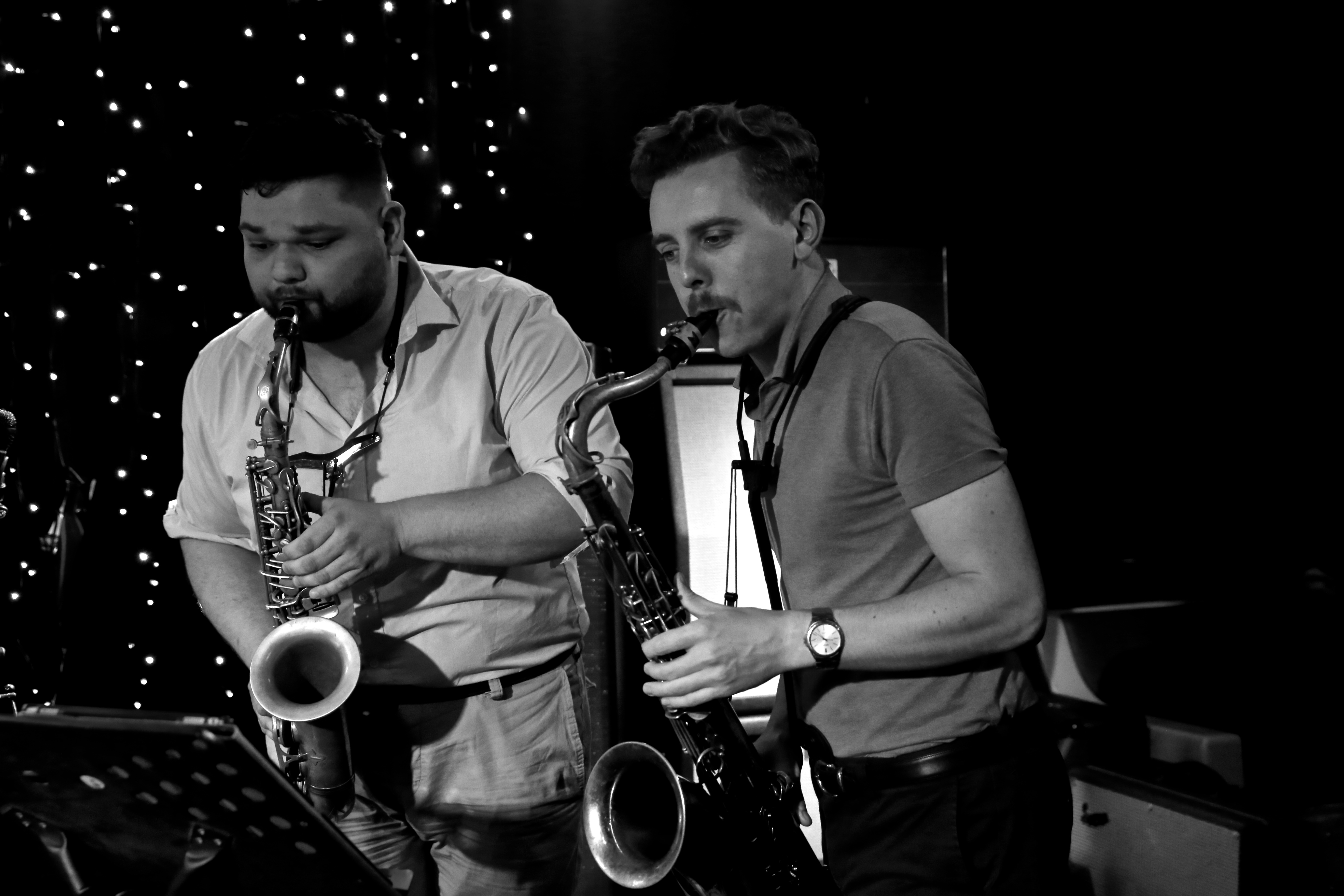 This is the second appearance of Flightless Birds at the CJC Creative Jazz Club and the audience flocked to hear them. The band is a history lesson to the initiated and an initiation to those unversed in Jazz history. They presented a programme that was both clever and accessible and therein lay its charm. The band specialises in contrafacts and especially those of the bebop and swing era. The inside joke is that many of those tunes were once contrafacts themselves; new and often frenetic tunes written over the changes of familiar ‘songbook’ standards. In the bebop era tunes like ‘Cherokee’ (Noble) became Ko-Ko (Parker), ‘I Got Rhythm’ (Gershwin) became ‘Dizzie Atmosphere’ (Gillespie). Musicians like Charles Mingus took things a step further by introducing a wry political humour into titles, exemplified in his contrafact ‘All the things you could be by now if Sigmond Freud’s mother was your wife’ was ‘All the things you are’ (Kern). A throwaway favourite of mine is ‘Byas a Drink’ (Don Byas) which is ‘Stompin at the Savoy’ (Sampson).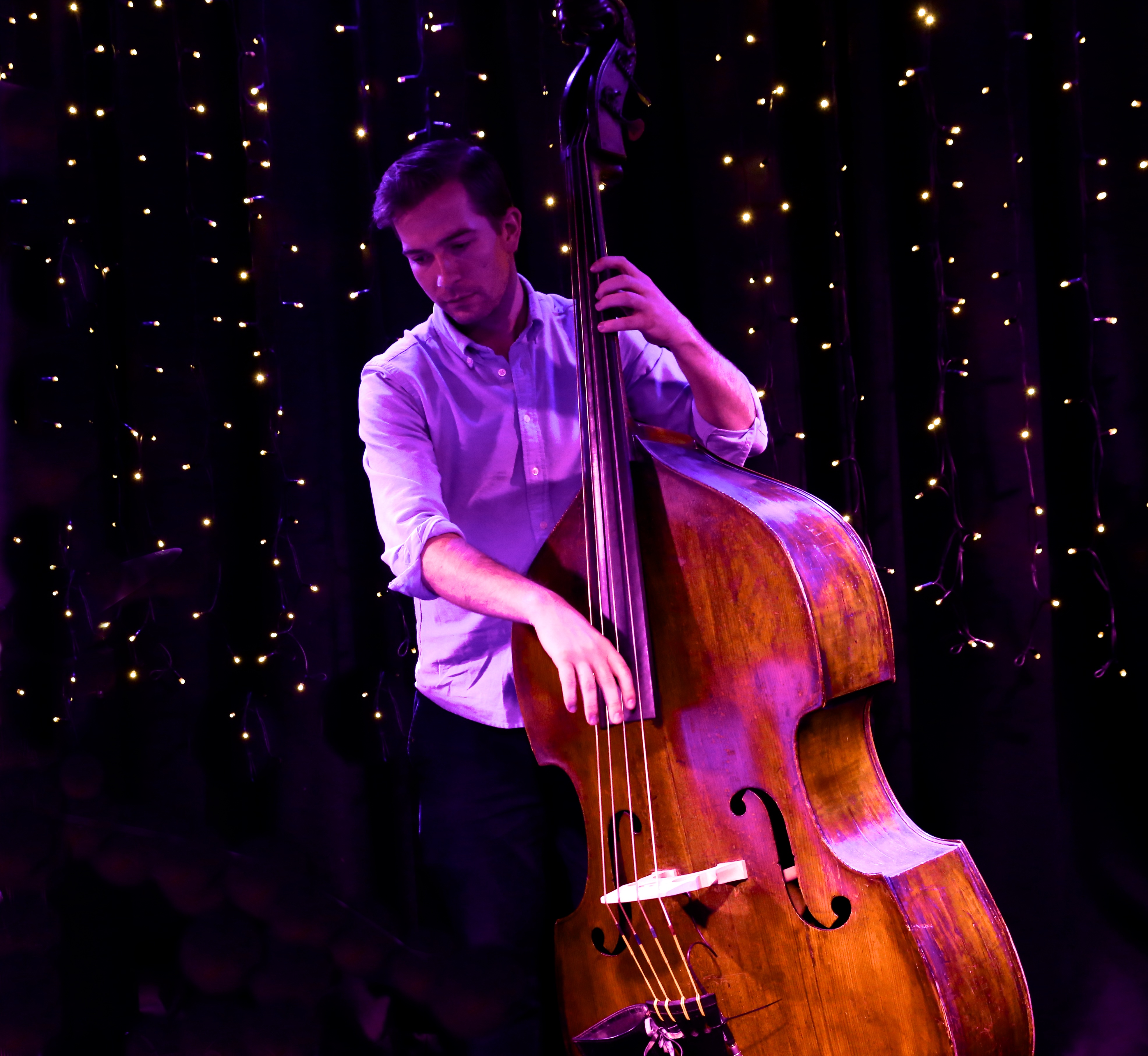
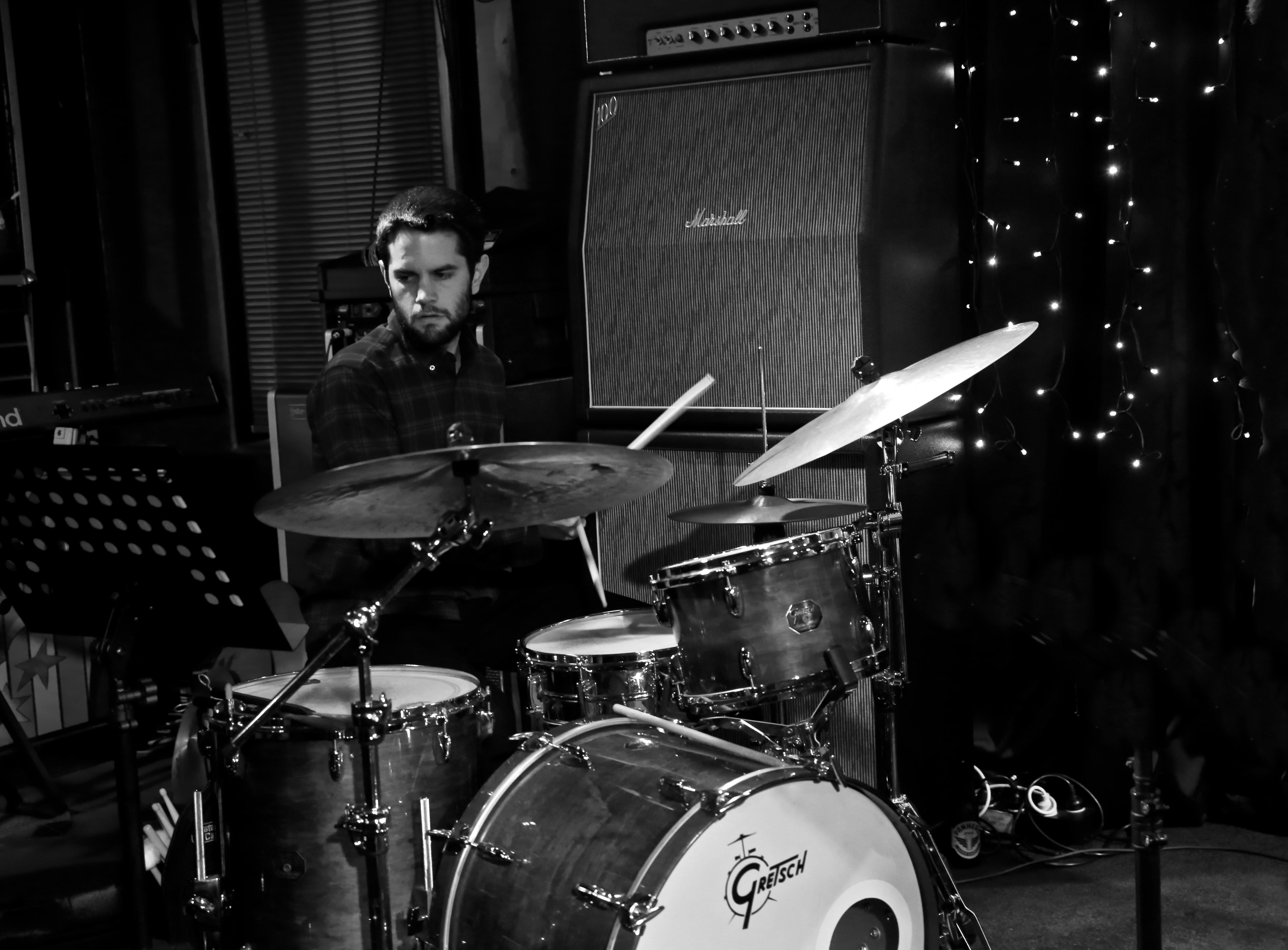
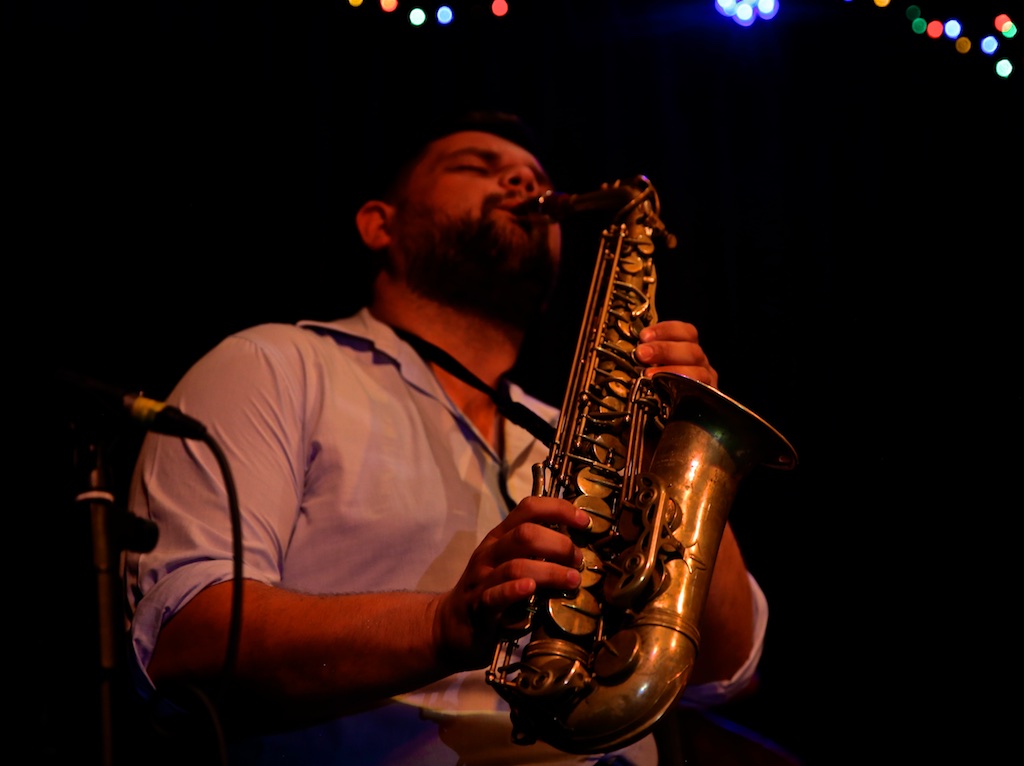 Callum Passells’ newest project was an exploration which took us to the outer edges of Bebop. The title ‘Flightless Birds’ a wordplay; a pebble tossed into the pond, suggesting many possibilities. The obvious Jazz reference is a comparison between flightless New Zealand birds and Charlie ‘Bird’ Parker – his musical descendants especially. A cohort that tried and often failed to catch his musical coattails. For a time after his death, alto saxophones were laid aside in favour of the tenor; only a brave few risked comparison with the troubled prodigy. As his legend grew he seemed unassailable. Attempts to demystify, to separate the legend from his musical legacy came later. In the post millennium era few such sensitivities remain. Parker is deeply admired for his genius, then deconstructed unselfconsciously. The gifted altoist Rudresh Mahanthappa immediately comes to mind.
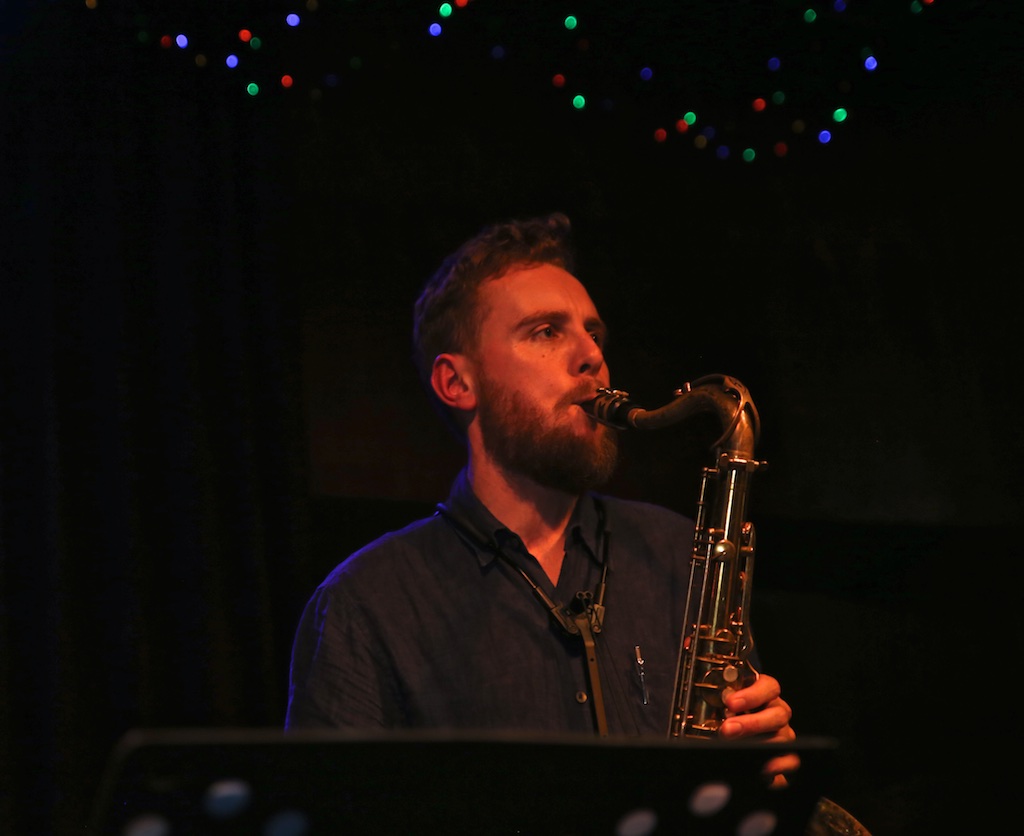 The two things that draw me to Passells are his tone and his communication of ideas. For a musician who leans toward the avant-garde he has a remarkably clean tone. This works well for him when he heads into uncharted choppy waters, cutting though the turbulent air incisively. There is obvious precedent for this in Albert Ayler (who strove to sound like Desmond or Konitz while tearing at the very fabric of harmony and form).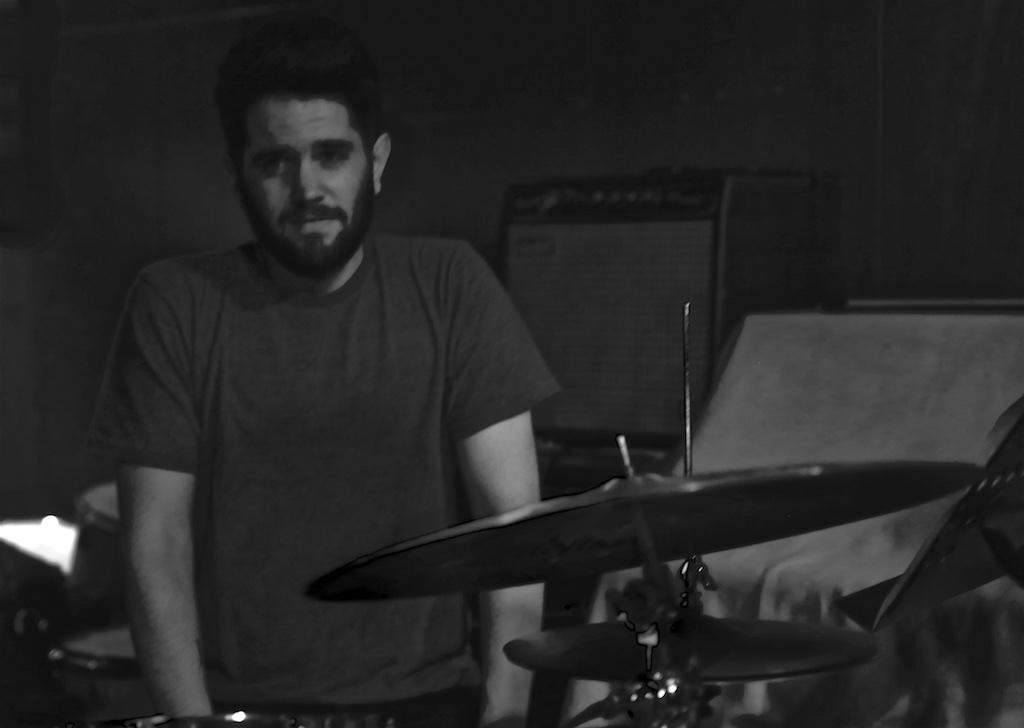
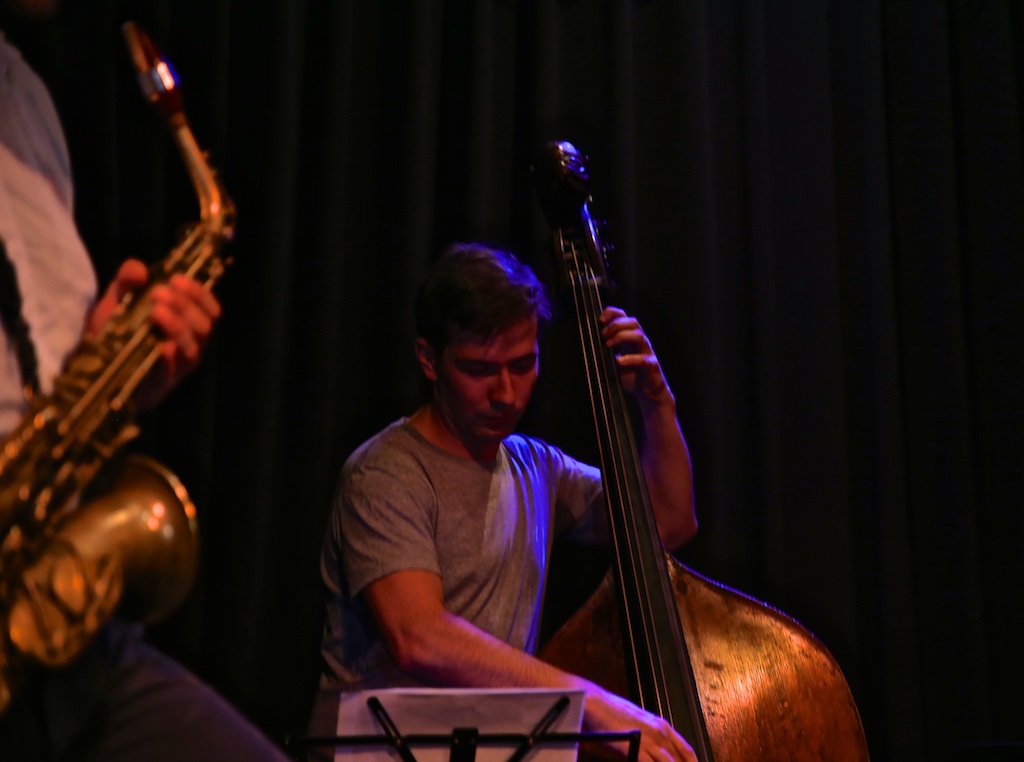 The tunes were all ‘contrafacts’ and cleverly constructed. I am crap at working out the mother tunes – a job best suited to musicians fed a rich diet of standards’ changes. The pieces had titles like “The Punisher” (Sinclair), or ‘Buy a Car’ (Passells). The Punisher was written over the changes of ‘In a Mellow Tone’ (Ellington) and ‘Buy a Car’ over ‘Take the A Train’ (Strayhorn). After each tune the original was announced, then people got it immediately, cursing themselves for not getting the connection quicker. The tunes were close enough to hint at familiarity, but far enough away from the original to cause some head scratching. One tune needed no guesswork. “I’ve got it bad and so I’m obliged to notify all previous sexual partners” (Passells) – no prize for attributing that one.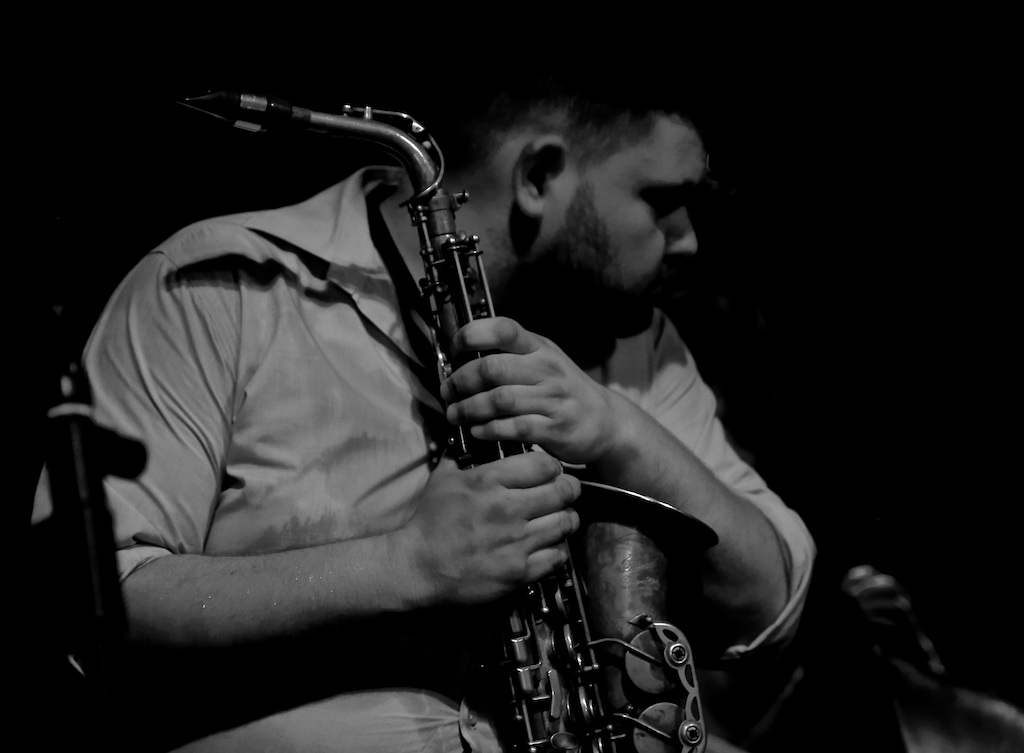
 JazzLocal32.com