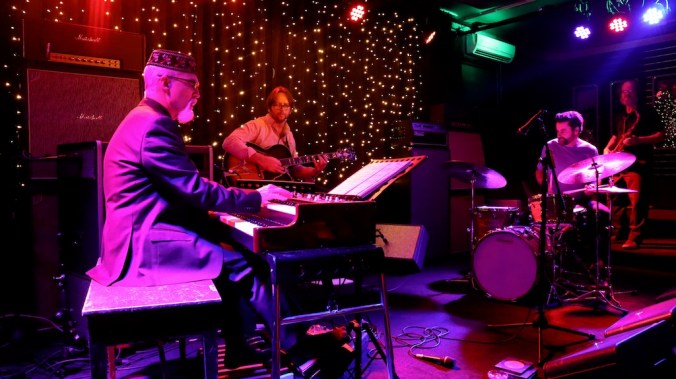
 I reviewed the ‘Shuffle’ album in January and the band is now on the road, sharing its groove throughout the North Island. As they passed through Auckland I attended the second gig, but this presented me with a problem as a reviewer. When you’ve already done a review, you don’t want traverse ground you’ve covered, and in addition, reaching for superlatives has its limits. During the live performance, the answer presented itself via my friend Stuart. He and I have had this album playing constantly; in our cars and on our HiFi’s. In my case, I’ve sampled tracks on trains and while waiting in a supermarket queue. It is that sort of album; addictive to a fault and quickly becoming an indispensable friend in times of need. Last Wednesday we listened to the first number and as the set progressed, Stuart nudged me and whispered. ‘These are standards to us’ and he was right.
We knew the head arrangements off by heart in the way you do for Stella or Autumn Leaves; everything internalised and ready for triggering before a single note was played. We knew the track order, we knew the rhythms – the tunes and arrangements. There were no official standards on the album but that was immaterial. The Shuffle tunes are memorable, danceable, filled with melodic hooks, and our minds raced ahead of the lines in anticipation; delighting at each newly improvised line; mentally comparing them to the album forms.
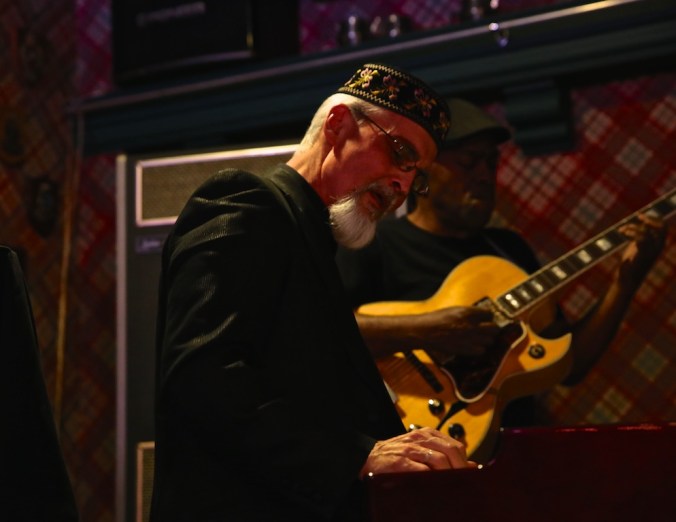
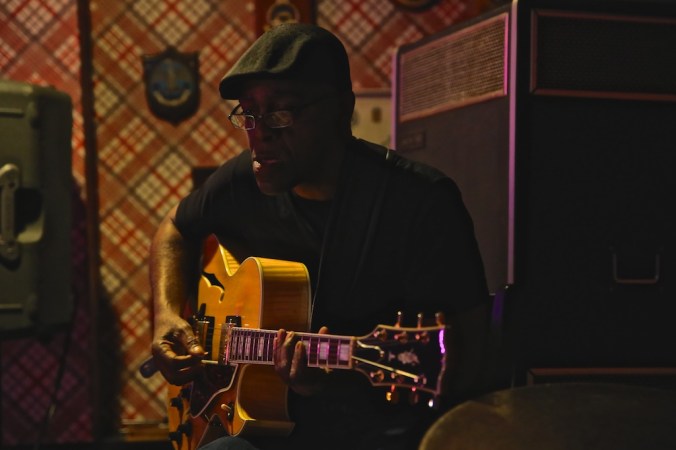
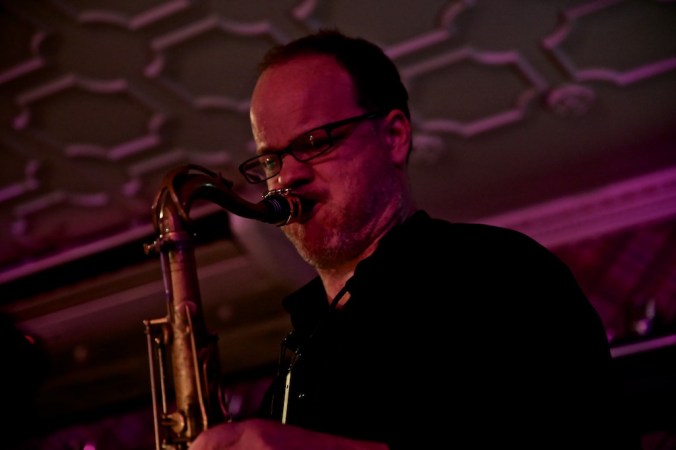
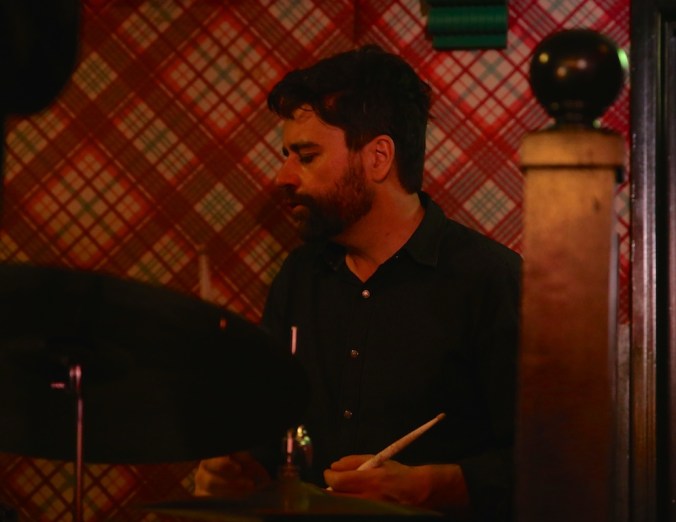
This is what happens with Jazz standards. We love the originals but we never want to hear a band slavishly repeating the material note for note. The crazier the interpretation the better. Performing mental gymnastics during an intro and gasping in delight as a key phrase or line hints at the destination. That Roger Manins, Ron Samsom, Michel Benebig, Carl Lockett and stand in-guitarist Neil Watson achieved this with an album of originals was remarkable. Naturally, such a singularity is not a lucky accident but the result of good compositional skills and fine musicianship. In a troubled month, we have all needed good-hearted friends to lean on and what better friend than a Shuffle. Lockett is temporarily lost again as he wisely has no engagement with social media. Having Watson step in was inspired, as he brought the core Shufflers a new perspective. Crisp drums, deep organ grooves, stinging blues, and crazy horn lines. Shuffle is a wonderful band and I have no doubt that they will bring pleasure for years to come. An assembly of ’emerging standards’ winging their way across the land and demanding acceptance for what they are.
The January Shuffle Album review is on this blog site or located at https://jazzlocal32.com/2018/12/18/shuffle-manins-samsom/
Definition of a Jazz Standard: Part of the repertoire of a Jazz musician, compositions widely known, recognised by listeners and played often by Jazz musicians. Maybe Stu and I are not alone here. These tunes will be performed often and when others recognise them as we do – they will become standards.
Roger Manins (Tenor saxophone, compositions), Ron Samsom (drums, compositions), Michel Benebig (Hammond Organ, compositions), Neil Watson (guitar) @ Backbeat, CJC Creative Jazz Club, 17 April 2019
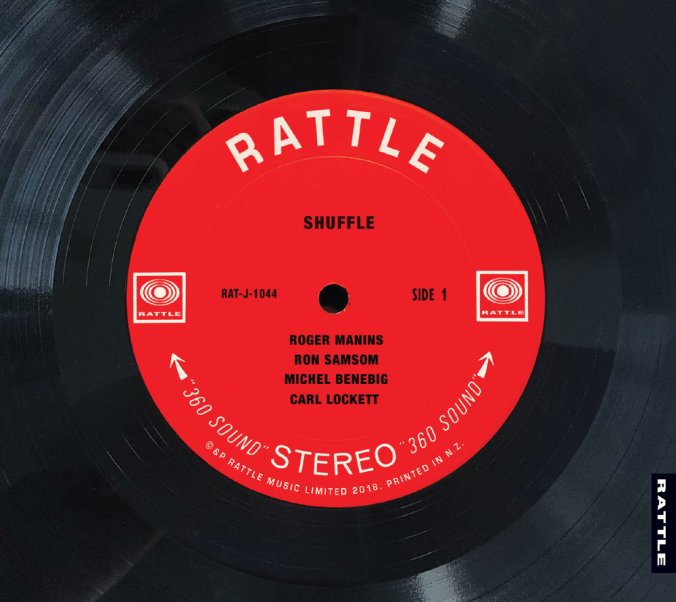 Sometimes an album blows straight into your heart like a warm breeze off the summer ocean. ‘Shuffle’ is exactly that album. There is an easy-going familiarity to it and you instantly feel good as your body connects with the rhythms. Shuffle achieves that rare feat of sounding both new and familiar. This is the sound that I grew to love many years ago, as practitioners like Jimmy Smith, Big John Patton, Gene Ammons, and Brother Jack McDuff fused Soul and Jazz into a rare amalgam. To appreciate this music you need no acclimatisation; no understanding of Jazz. To appreciate this music you only need one prerequisite, a human heart. It’s ‘groove’, it is sensual and it’s my guilty pleasure.
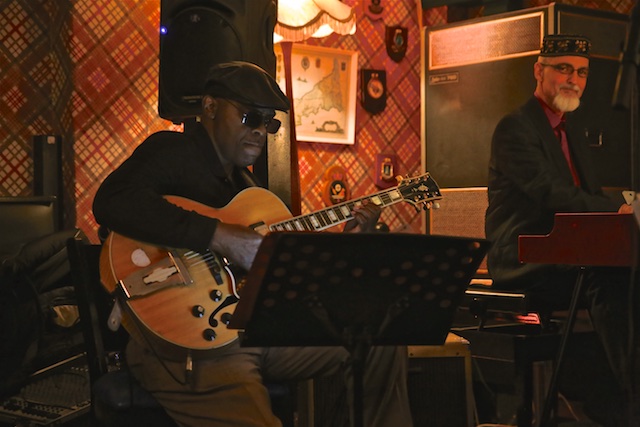 Auckland spoils us with long runs of clement weather, but when winter hits we suffer. Having effectively avoided any meaningful autumn we suddenly plunged into a week of cold wet days. There was no better time for the Michel Benebig/Carl Lockett band to arrive. As we grooved to the music, a warmth flooded our bodies within minutes. Nothing invokes warmth like a well oiled B3 groove unit and the Benebig/Locket band is as good as it gets. The icing on the cake was seeing Shem with them. A singer with incredible modulation skills and perfect pitch, able to convey the nuances of emotion with a casual glance or a single note. The way she moves from the upper register to the midrange, silken.
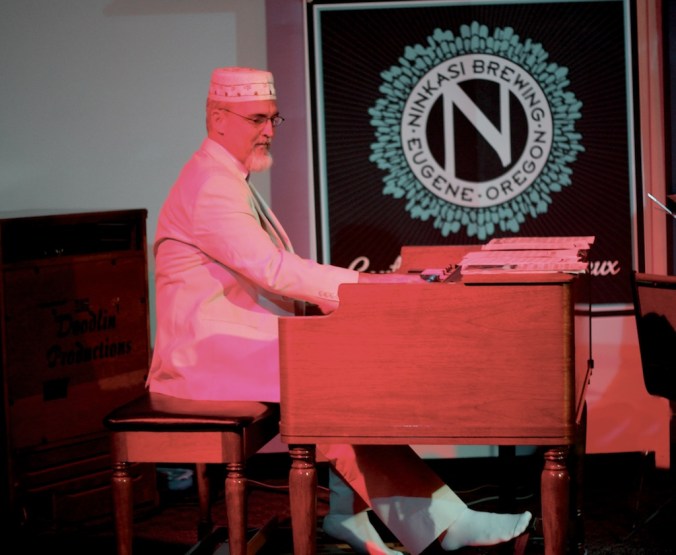
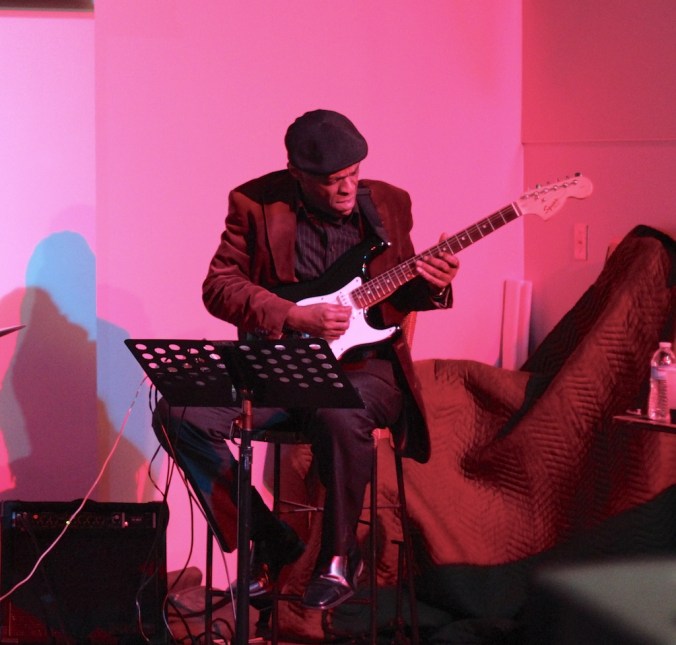
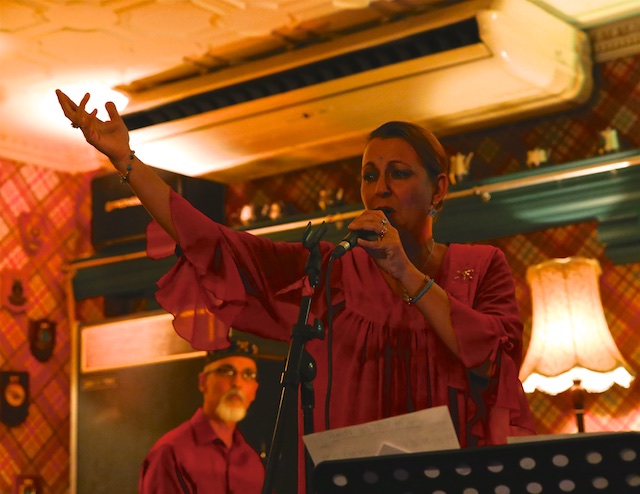 Michel Benebig has been travelling to New Zealand for years, and his connection with the principals of the UoA Jazz school has been a boon for us. He generally brings his partner Shem with him, but last time work commitments in her native New Caledonia kept her at home. Michel just gets better and better and the way his pedal work and hands create contrasts and tension defies belief. It is therefore not surprising that Michel attracts top rated guitarists or saxophonists to his bands. The best of our local groove guitarists have often featured and a growing number of stand-out American artists (see earlier posts on this band). Of these, the New York guitarist Carl Locket is of particular note. I first heard Lockett in San Francisco four years ago and he mesmerised me with his deep bluesy lines and time feel. Although comfortable in a number of genres, he is the ideal choice for an organ/guitar groove unit.
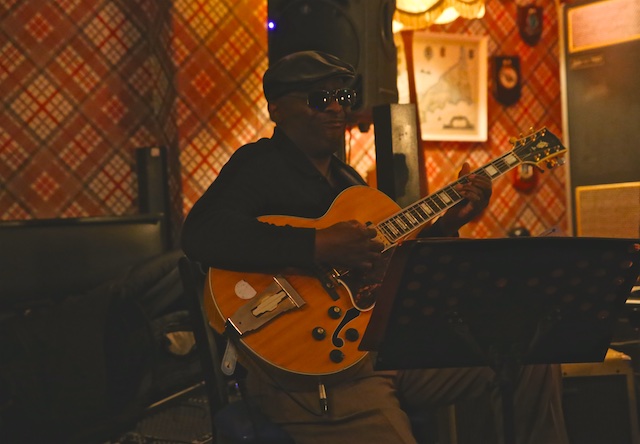 The band played material from their recent album (mostly Benebig’s compositions) and a few standards. There were also compositions by Shem Benebig. Their approach to arranging standards is appealing – numbers like Johnny Mandel’s ‘Suicide is Painless’ are transformed into groove excellence. We heard that number performed at the band’s last visit and the audience loved to hear it repeated. This visit, we heard a terrific interpretation of ‘Angel Eyes’ (Matt Dennis). I confess that this is one of my favourite standards (Ella regarded it as her favourite ballad). Anita O’day performed it beautifully as did Frank Sinatra and Nat Cole. The only groove version I can recall is the relatively unknown Gene Ammons cut (a bonus number added in later years to his ‘Boss Tenor’ album with organist Johnny ‘Hammond’ Smith). That version took the tune at a very slow pace, so slow in fact that you initially wondered if Ammons had nodded off before he came in. It was wonderful for all that (who can resist Ammons).
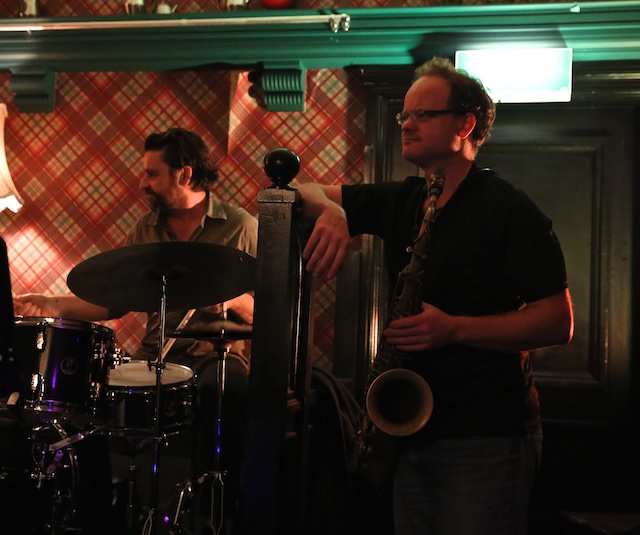 The band began the tune at a slow pace (but not as slow as Ammons), then once through, picking up the tempo, the band settling into a deeper groove, drummer Samsom and the guitarist really locking together, giving the Benebig’s room to create magic. That locked-in beat is often at the heart of an organ-guitar unit and when done well it adds bottom to the sound. Locket’s style of comping is the key to that effect, the entry point for the drummer, the way the guitarist lays back on the beat and comps in a particular way. Samsom heard and responded as I knew he would. He is a groove merchant at heart. On tenor saxophone, Roger Manins was on home turf. Dreamily caressing the melody before his solo.
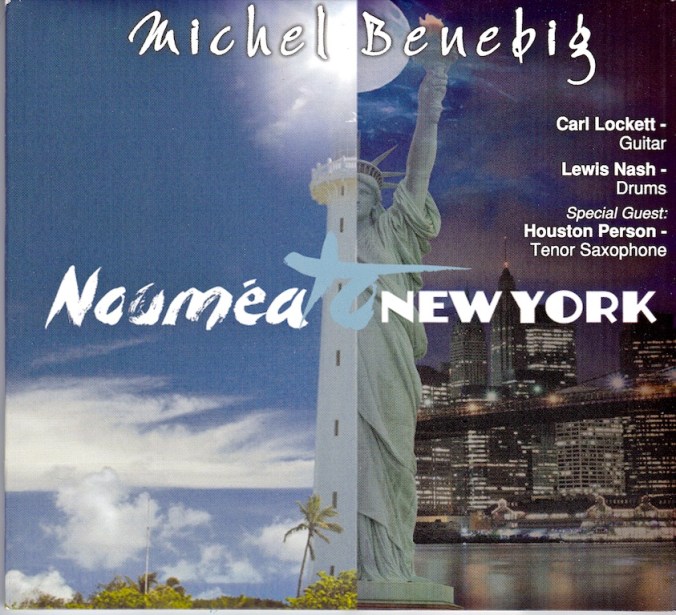 Michel Benebig visits New Zealand once a year and we anticipate his visits with Joy. His authentic B3 groove journey didn’t start in East Philly, but in tropical Noumea; a South Pacific Island north of here. After honing his craft he travelled widely and in consequence his star steadily rises. The more North American audiences hear him, the more they embrace him. He is now regarded as a B3 master. The B3 greats who inspired him are all but departed and he deservedly steps into their shoes. His travels in the USA have brought him into frequent contact with a number of well-known musicians. As good musicianship and a pleasant disposition are the highest recommendations possible, the musicians he worked with recommended him to others. That is how he teamed up with Carl Lockett.
 The new album ‘Noumea to New York’ is his finest to date (and true to label, recorded in New York). Again Lockett features on guitar, Lewis Nash lays down the drum grooves and special guest Houston Person appears on tenor saxophone. What a marvellous line up this is and what an album they turned out. This album alone will secure Benebig a place in the pantheon. It has modern B3 classic written all over it. All compositions are by Benebig, with one tune co-credited with his partner Shem. There are so many treasures on this album that it is hard to single out one particular tune, but if pressed I would say ‘Noumea To New York’. A medium paced groove track with enough warmth to melt the ice in your drink. The flawless interplay between Benebig, Nash and Lockett is in strong evidence here. With Nash creating a solid cushion of groove, it is no wonder that Benebig and Locket sound so marvellous.
  The tour down under was minus Nash and Person; Locals filled those gaps. In Auckland we had Roger Manins on tenor and Ron Samsom on drums. This was also a perfect fit, as both had accompanied Benebig previously. The set list in Auckland was partly material from the album and partly marvellously quirky tunes from classic TV shows. How often do you hear the theme from ‘The Pink Panther’ or the theme from ‘The Naked City’ played by a groove unit? More common in Jazz circles is the Johnny Mandel standard ‘Suicide is Painless’ from Mash. When people think of that last number they think Evans and seldom the B3. To show what skilled groove merchants can do with such material I have uploaded a clip.
  While Benebig is very much in command here his groove collaborators preached just as hard from their respective pulpits. Lockett in particular was astonishing. Gasps of delight erupted as he utilised his finger picking blues-guitar credentials. Moving seamlessly from lightning quick double-time to a steamy groove; often leaning slightly back on the beat. His comping was equally delightful as he does what Pat Martino does. There is either a slight vibrato or he pulls gently down on the strings with each comping-chord; creating simultaneously a warm but slightly mournful effect. Whether on fast single-note runs or octave chords, its hard not to think of Wes Montgomery. His extensive use of thumb and fingers and his fluidity evokes that comparison.
  Manins was clearly in his element here. Happy among friends and happy to find himself back in the groove space. The same went for Samsom. Both are highly regarded straight ahead Jazz musicians but both have released great groove albums in the previous year. Their joyous abandon added to the quantum of happiness; every note making us smile.

 JazzLocal32.com