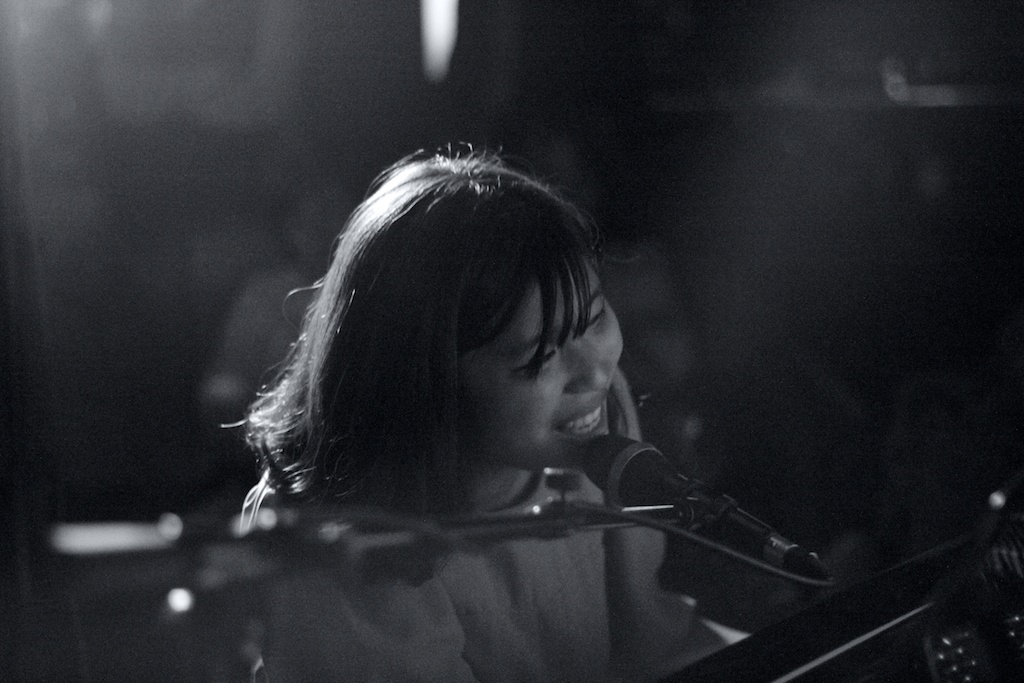
The Bonita Project is fueled by good compositions, nice arrangements and above all by the exuberance of leader Chelsea Prastiti. It is the second time that Bonita has appeared at the CJC in recent times and people returned for more. It is a worthy project as it reimagines a time and rides on a powerful vibe; the sort that the world needs right now. There was always an easy-going breezy quality to post-war Brazilian music and that quality could beguile. Underneath, however, there is a powerful engine, as the melodies float over a plethora of complex rhythmic structures.

It is impossible to listen and to keep your feet still as the urgency underlying the beachy vibe captures you. It is also true that in this golden era there were dangerous political undercurrents. Out of that dashed hope came a flowing of art forms and the authoritarian colonels who tried to snatch it all away could not silence the music. Many of the musicians like Elis Regina were harassed, but the music never faltered.
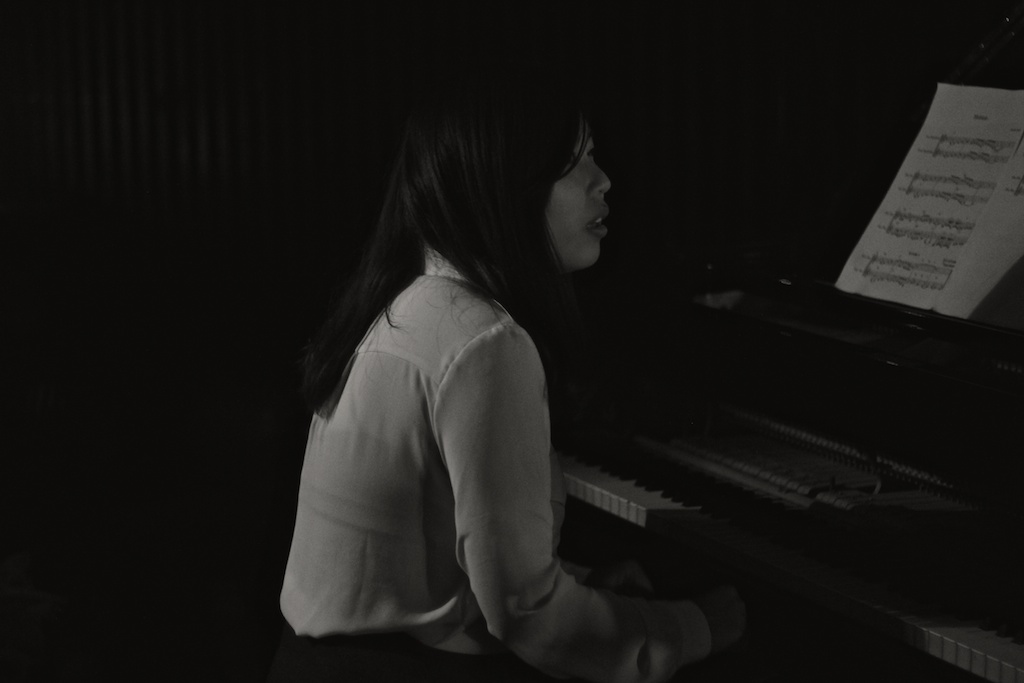
There were three arrangers credited on the gig, Prastiti, Sinclair and Passells. The compositions were by Prastiti (and with one co credited to Kenji Hollaway). Some of the tunes we had heard before, including the lovely ‘Cassandra’ (posted as a video last time). There were also new tunes and among them ‘Peter Pan’ was especially appealing. The band had changed slightly from last time, with Connor McAneny replacing Crystal Choi. McAneny had been out of the country for a few years and his return is welcome. His piano playing has a muscular quality to it, which was less evident before he left.

The opportunity afforded by a diverse sound palette was well utilised by the arrangers; bringing out the best in the music without overwhelming melody. This was achieved with three vocalists, an acoustic guitar, piano, double bass, percussion, kit drums, trumpet + flugelhorn, clarinet + flute, tenor saxophone and a second flute. It was pleasing to hear a 12 piece ensemble perform in this way. A configuration like this allows an arranger to impart a degree of airiness out of a large ensemble sound. This was achieved by having the instrumentalists or the vocalists moving in and out of the mix as required. The tunes had lyrics, but just as often there was wordless singing. I love to hear the human voice used as a (non-verbal) instrument. Perhaps because of my ongoing enthusiasm for Winston/Wheeler/Taylor in their ECM ‘Azimuth’ days. This was a nice project and all the more so because it was presented with infectious enthusiasm.
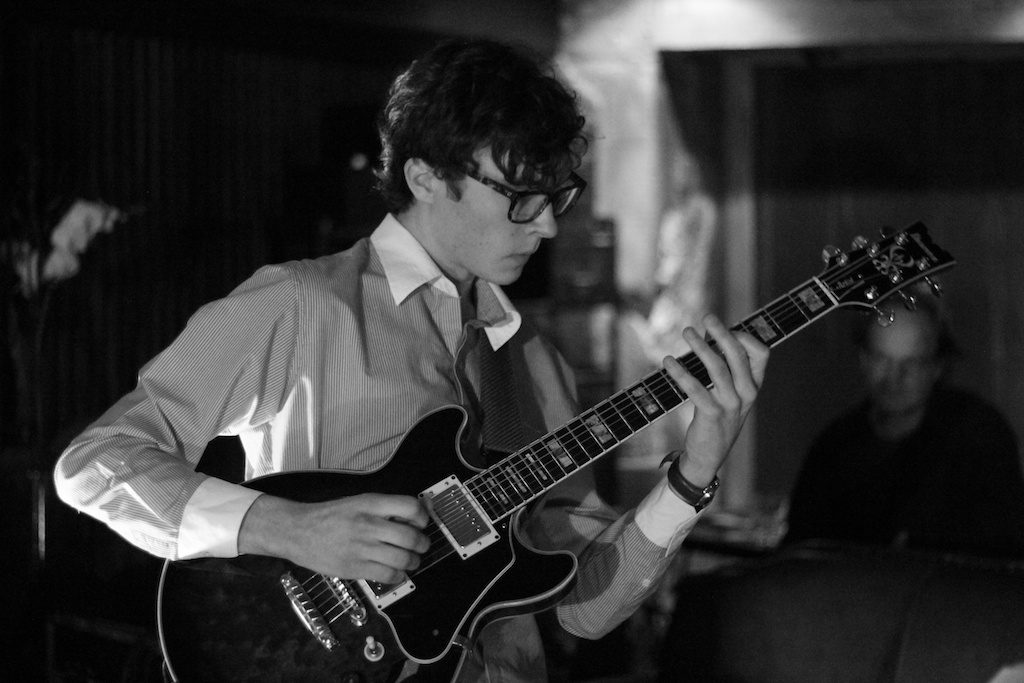
Bonita: Chelsea Prastiti (vocals, arranging), Eamon Edmondson-Wells (upright bass), Ron Samsom (percussion), Tristan Deck (drums), Connor McAneny (piano), Michael Howell (guitar), Roger Manins (tenor saxophone), Elizabeth Stokes (trumpet/flugelhorn), Ben Sinclair (clarinet, flute, arranging), J Y Lee (flute), Rachel Clarke (vocals), Gretel Donnelley (vocals), Callum Passells (arranging).
JazzLocal32.com is rated as one of the 50 best Jazz Blogs in the world by Feedspot. The author is a professional member of the Jazz Journalists Association, poet & writer. Some of these posts appear on related sites.
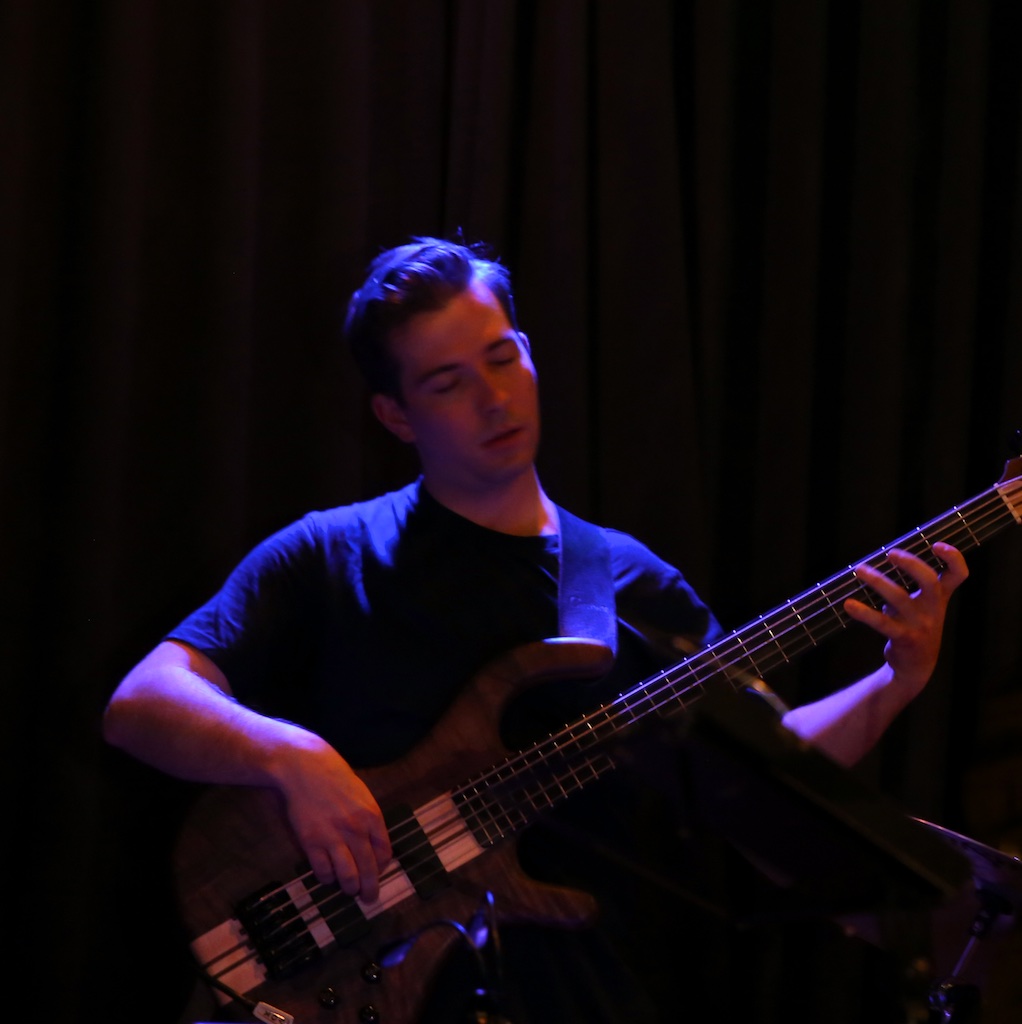 Dennison is a first class musician and someone we don’t hear nearly enough of on the Jazz circuit. He rarely gets to the CJC but when he does it is always a treat. These days he is mostly found doing session work or backing visiting artists and it is hardly surprising that he is a bass player of choice. Whether on upright bass or electric bass he is equally proficient; always an engaging presence, always demonstrating a deep musicality. He has one more string to his bow which can’t be overlooked and that is composition. His tunes are often whimsical, but whatever the mood, a deftly crafted structure sits beneath every phrase. Never over done, bass driven and just right. There is also a thread of melancholia and wistfulness in his ballad writing: these are difficult emotions to evoke and anyone with knowledge of poetry will know, that only the most skilful poets do the moods justice. Dennison can.
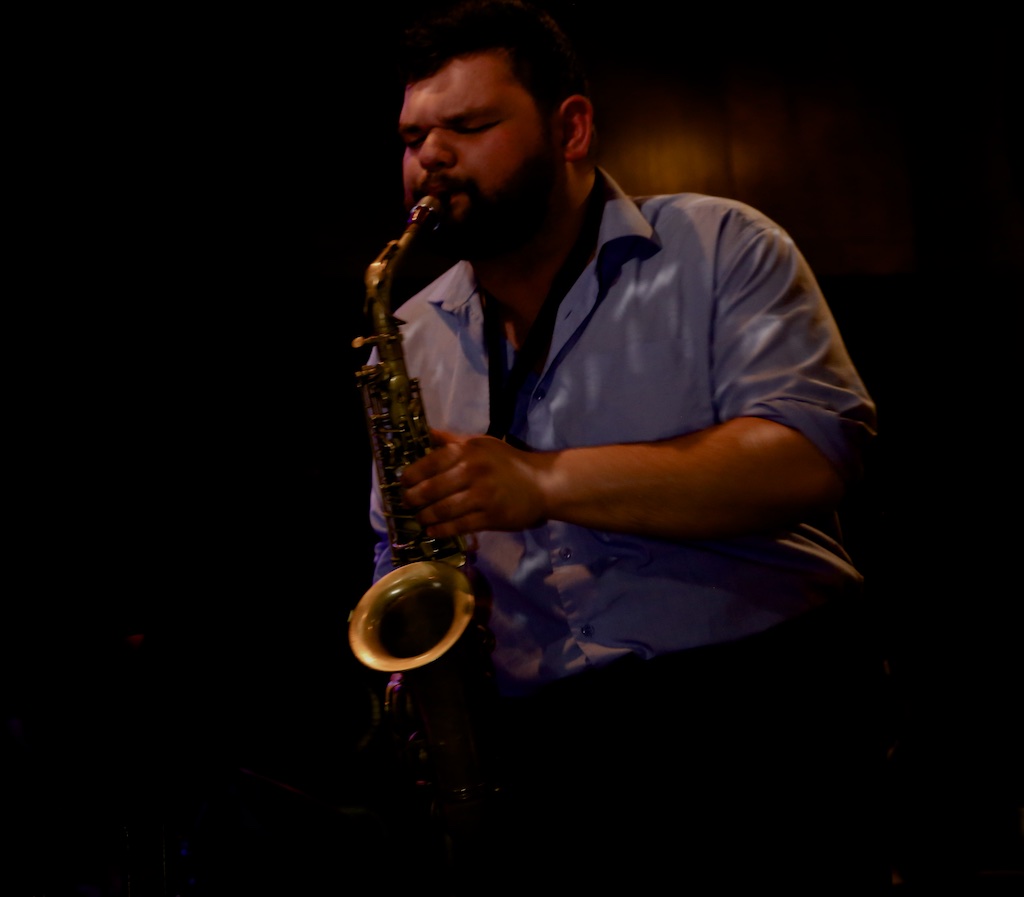 Passels playing was another high point of the evening for me. He just gets better every time we hear him. He is also exactly the right person to interpret mood. I liked the way he approached the tunes, working his way inside them methodically. Sometimes angular, at other times teasing at the melody. During the ballads, he often began with sparse phrasing, establishing mood without overstatement; then, slowly telling his story as if looking at the theme from differing viewpoints. Although he plays decisively, he carefully modulates; generally without flourish or vibrato – pushing at a note until subtle multiphonic textures form – his paper-thin Konitz-like tone saying more than any honk. His versatility is also an asset. Any player who can comfortably move outside and inside while still maintaining a theme is a person worth listening to.
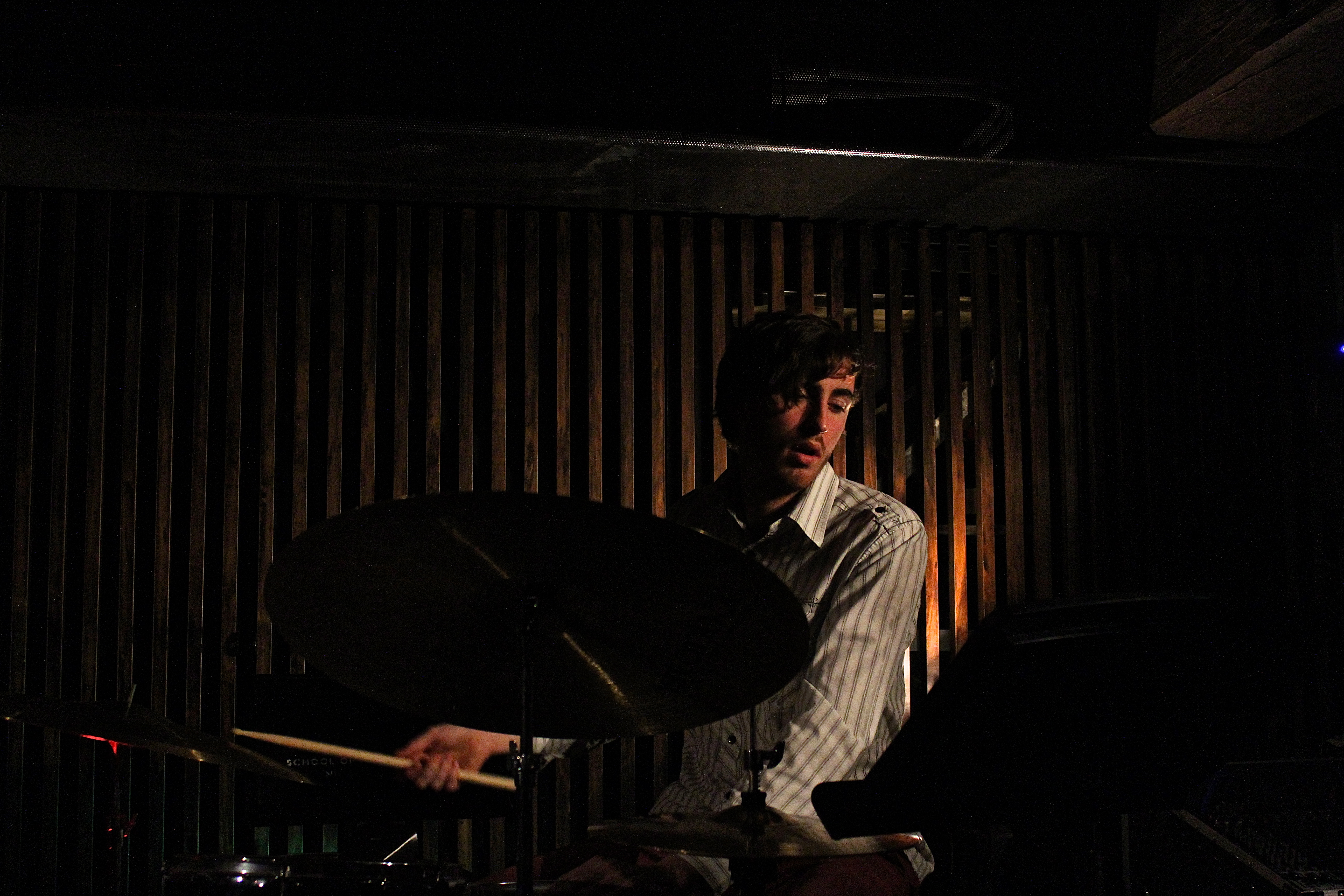
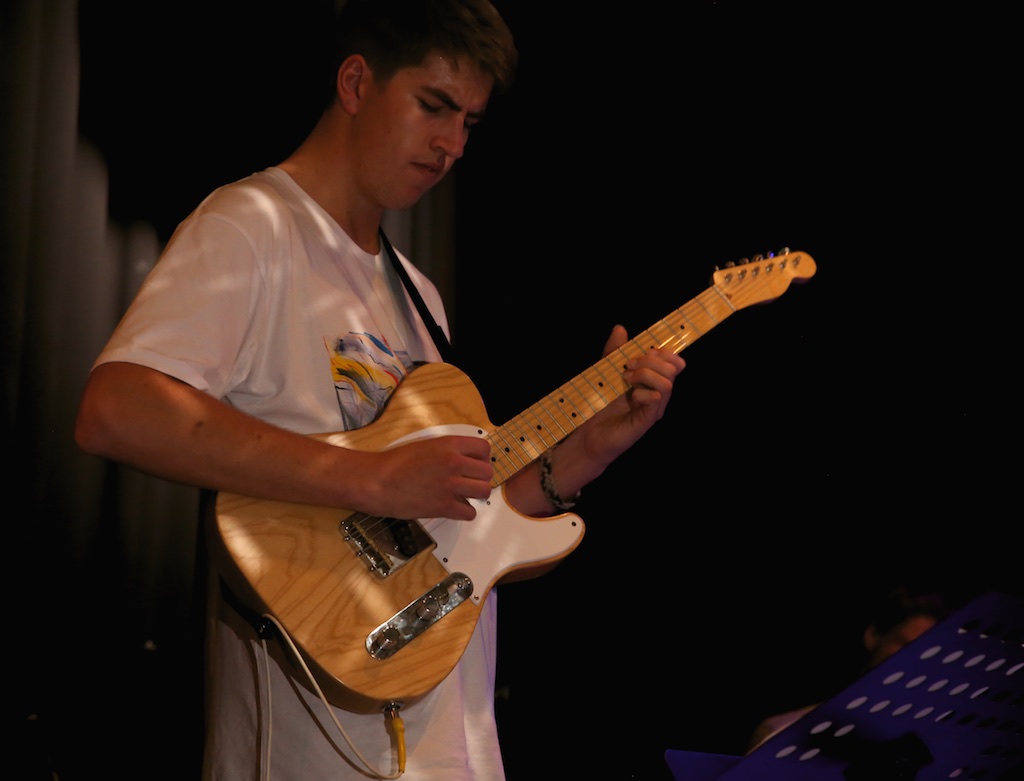 McAneny, who initially faced a cable problem, overcame it quickly and delivered a fine performance. Having a Rhodes and a guitar together can be problematical, but the charts and McAneny’s nimbleness enabled him to avoid crowding the space. Howell gave a nice performance and his lines are terrific; He knows what he’s doing but I’d like to hear him bite into his solos a bit more. Drummer Adam Tobeck was on solid ground with this group, he obviously enjoyed the company and reacted well to whatever was thrown his way. After not playing here for a few years, he is now a regular on the bandstand. I like his drum work very much.
 By my best estimation, Murphy’s Law kicks in roughly once every three months. Before the gig I plugged in my HD video recorder to charge, gathered my camera equipment into one place and foolishly congratulated myself on being so well organised. That was the mistake right there. Having tempted the Fates they responded in kind. My video recorder didn’t charge because the gods rewarded my hubris by half unplugging the charger cable. This was a gig I particularly wanted to video but the battery died mockingly within 15 minutes. Immediately the battery gave out the gig got better and better.
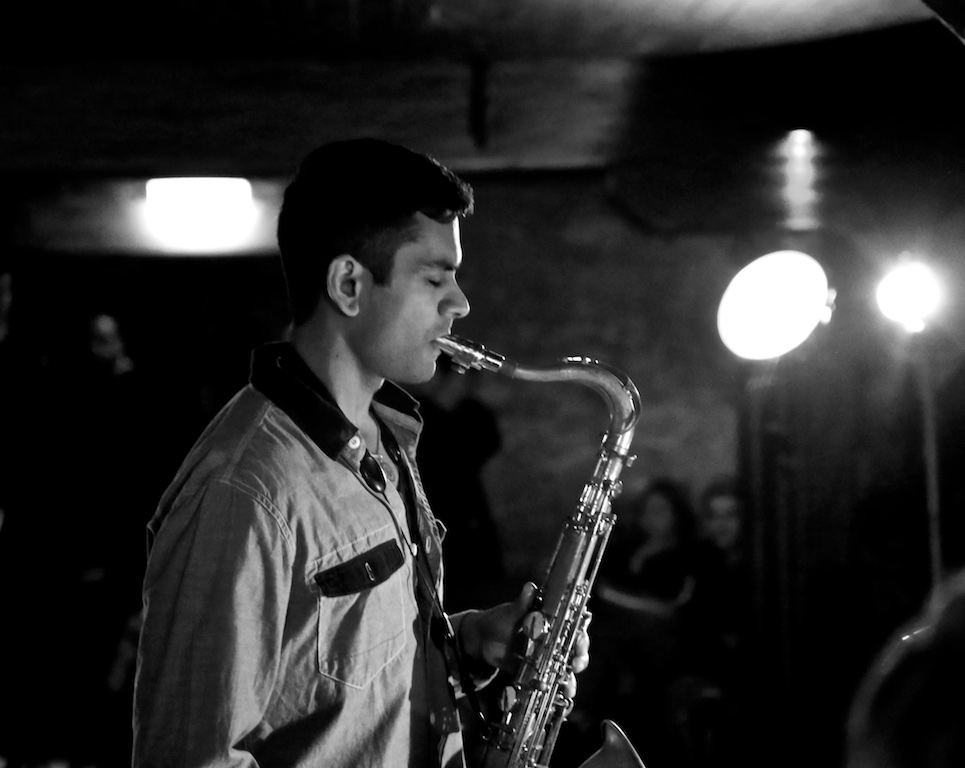
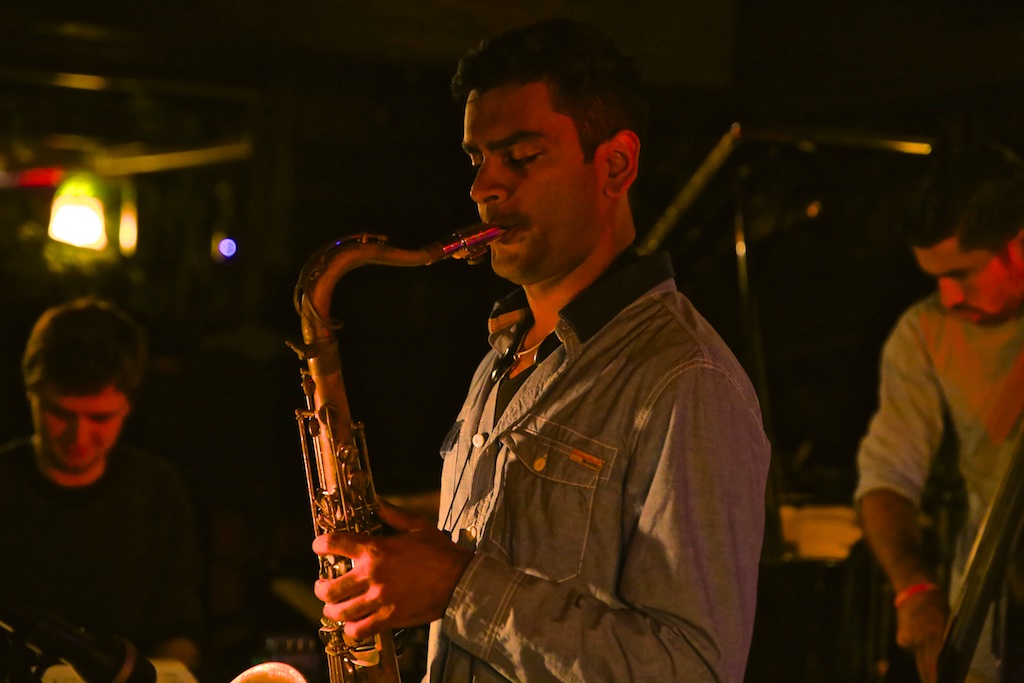
 I had not encountered Kushal Talele before. Until recently he has been working overseas and in London in particular. What I do know about him is that Brian Smith and Pete France tutored him at the New Zealand School of Music; both wonderful musicians. He was born on the Deccan Plateau in the city of Pune, the ninth largest city in India and the second largest after Mumbai in the state of Maharashtra. His family moved to New Zealand when he was eight, but he is now clearly a citizen of the world and of music.
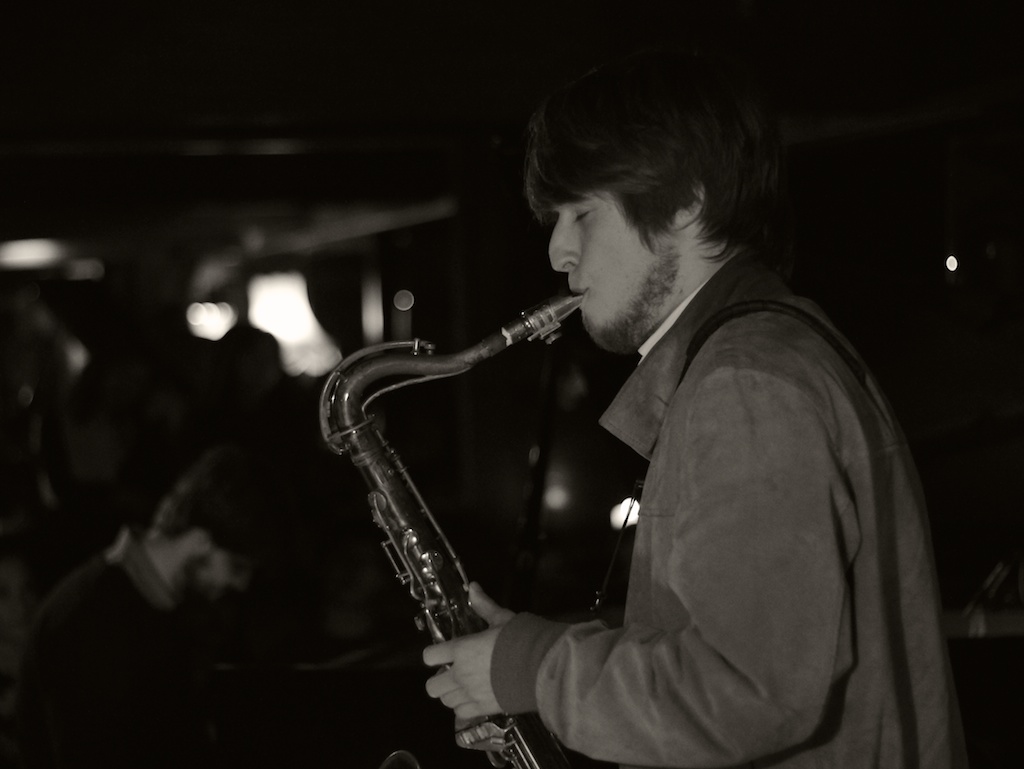
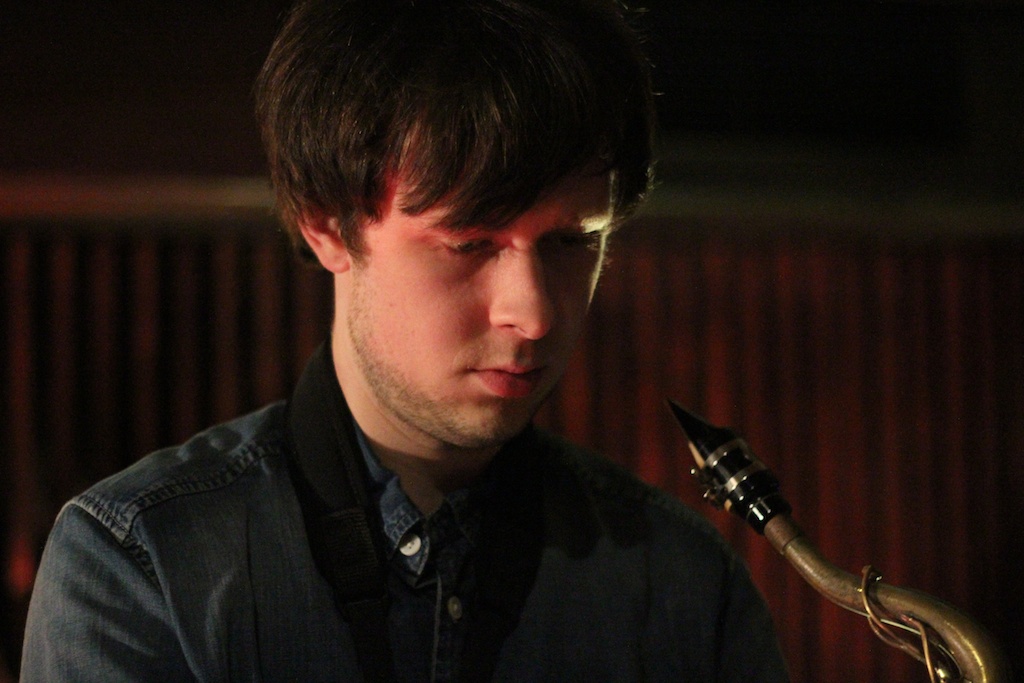
 His good looks and relaxed confidence tell a story before he plays a note. Looking the part on the band stand is about posture and being at ease with the task at hand. His tone on the tenor is beautiful. He is very much a modernist but with the elements of Coltrane and the post bop era embedded. I asked him who he particularly listened to and the first name he mentioned was Chris Potter. Serious tenor players all admire Potter and rightly so. I also asked him if Indian Classical Music informed his playing and he was quick to say that it didn’t; adding that it was something he would like to explore one day.
 I asked because I have been following altoist Rudresh Mahanthappa who successfully fuses elements of South Indian music with modern Jazz conceptions. In reality most serious post Coltrane saxophonists have these elements in their playing. The way he tirelessly works over figures of melodic and harmonic invention tells me that he has that influence. In approach if not in sound, he takes a similar route to Sonny Rollins. Easing himself into a tune, in no hurry; working over long vamps which stretch into infinity. This turning a piece over and looking at it from different angles; gnawing away until the essence exposed, is a very New York thing.
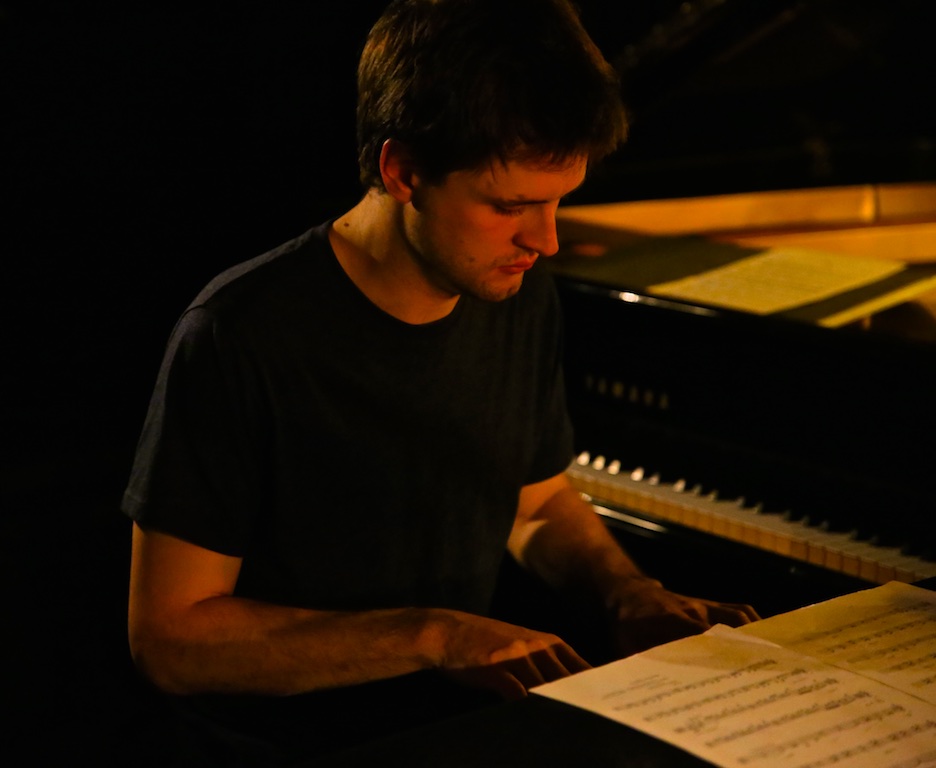
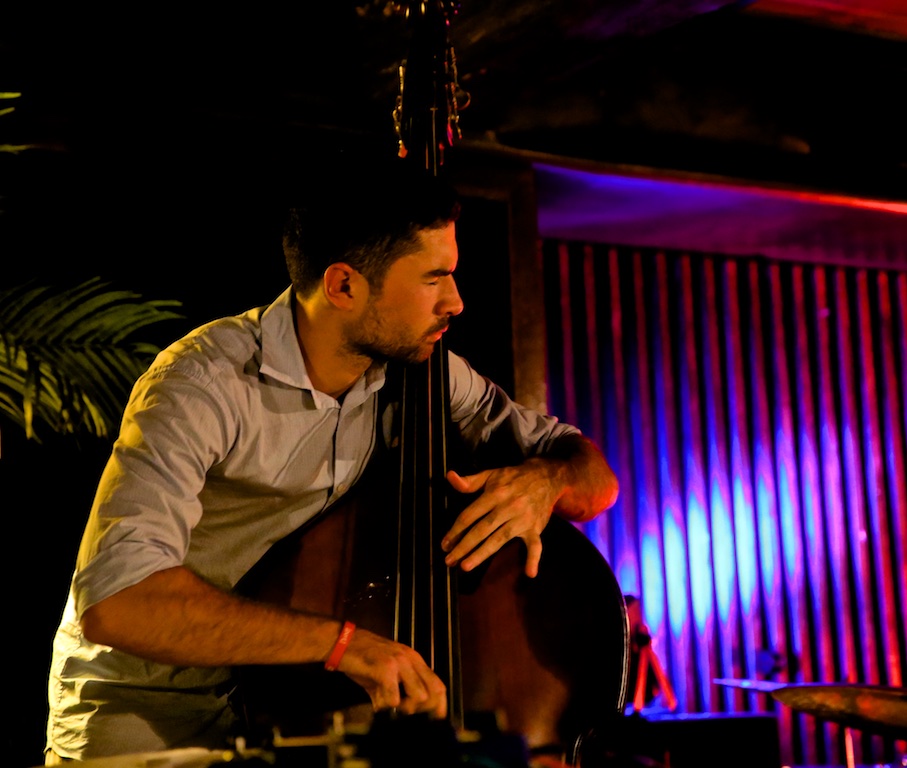
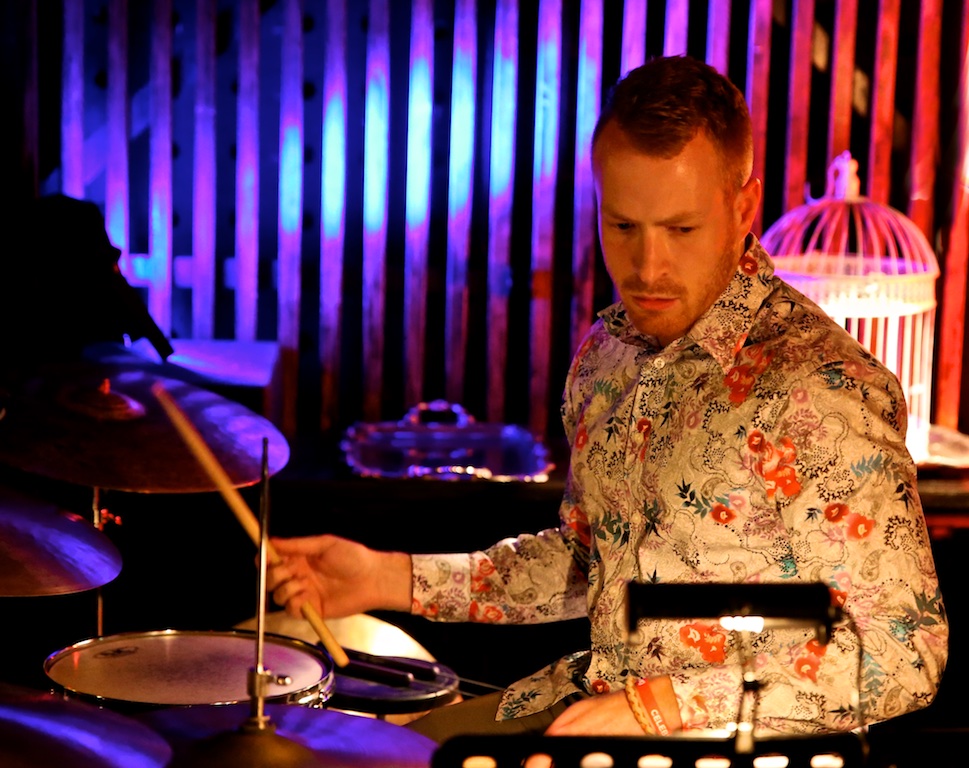
 The group came together for this gig. All younger musicians but all experienced. It was great to see Cameron McArthur back on the band stand. One of my favourite bass players and adept at handling any challenge. He and drummer Cameron Sangster have just returned from an extended stint playing the East bound cruise ships. On Keys and piano was Connor McAneny. The band settled in as the gig progressed and during the last set they were playing tight energised grooves. Talele worked these grooves to maximum effect. I could only capture the first number (see below). It is my sense, that to experience Talele in peak form, one should see him with a settled band. The density and complexity of his playing would be enhanced by this. As good as this gig was I would very much like to see him in that context.
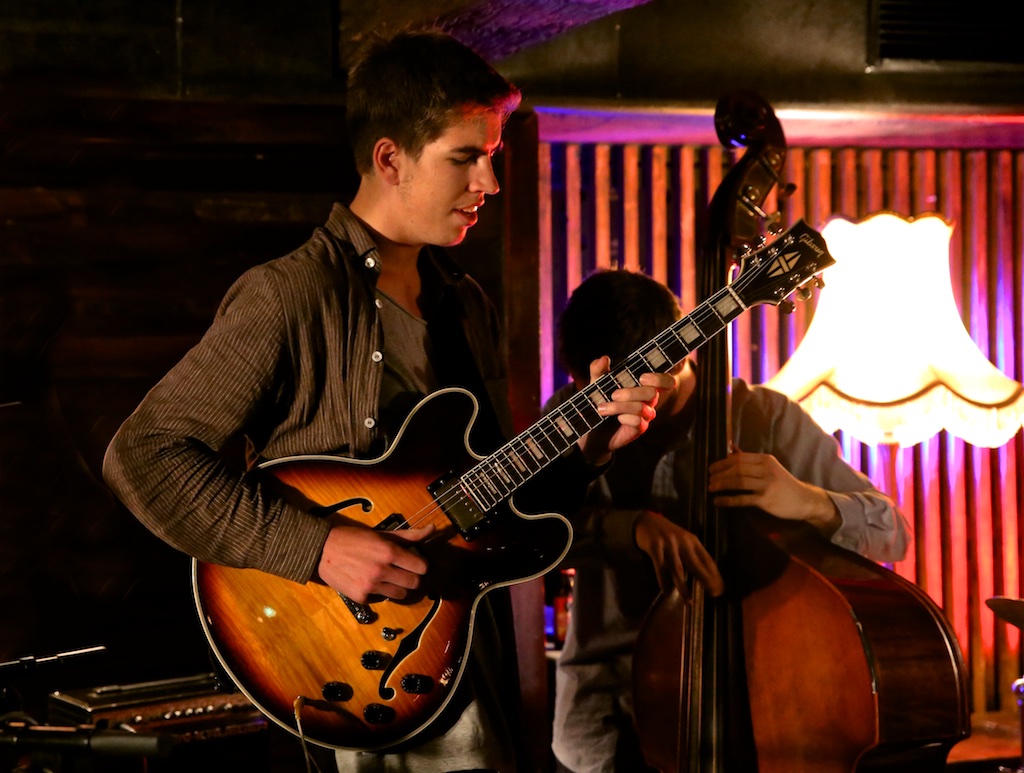 This was ’emerging artists’ night and you wouldn’t have thought so. The club had packed to capacity and the performances were far beyond what you’d expect from students. The artists approached their sets differently, but the end results were equally satisfying. Both study at the Auckland University Jazz School and if that institution is turning out students of this quality it certainly reflects well on the faculty.
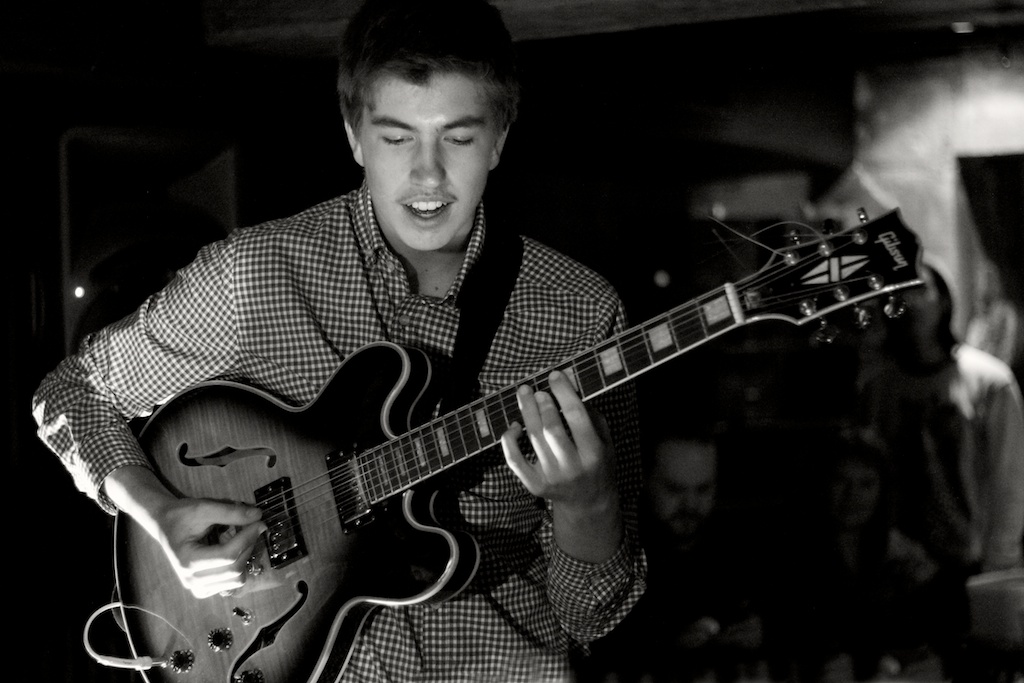
 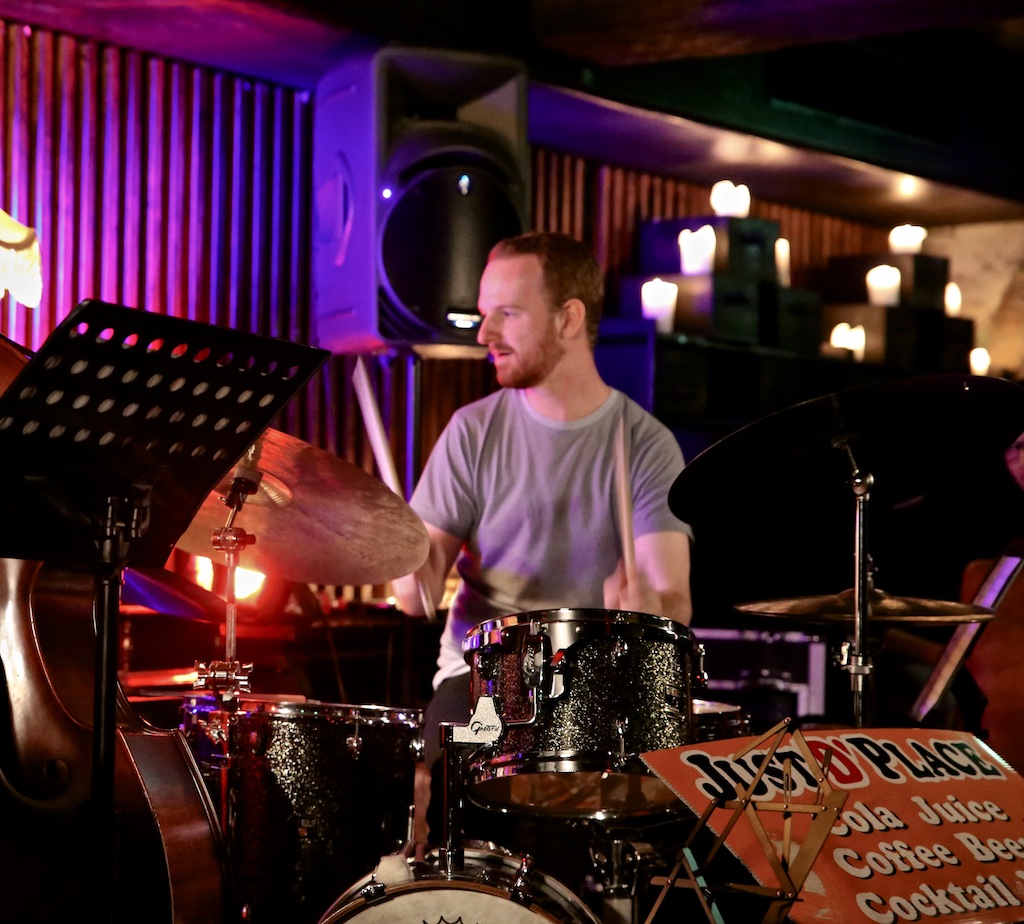 Michael Howell is from West Auckland and for some reason a number of excellent guitarists emerge from that quadrant. Growing up in the Waitakere ranges seems to have gifted his playing with an expansiveness and it is not hard to imagine big vistas and tree-clad hills during his ballad numbers. Howells set opened with a ballad and edged into the faster tempos later. His thoughtful opening took us deep inside the music and this was a good way to start a set. As well as his own tunes he featured compositions by Ben Monder, Sam Rivers and John Scofield. When a guitar trio doesn’t use an organ or piano there is more space to work in. This was well utilised by Howell although he is also adept in larger group situations. I heard him a few days later when he sat in with a number of very experienced musicians and he stepped into that space effortlessly. There were two numbers with piano and fellow student Crystal Choi sat in for these (also adding a vocal line). The other musicians were Eamon Edmundson-Wells on Bass (who also played bass in the second set) and Tristan Deck on drums. These former UoA students have already made their mark on the scene.
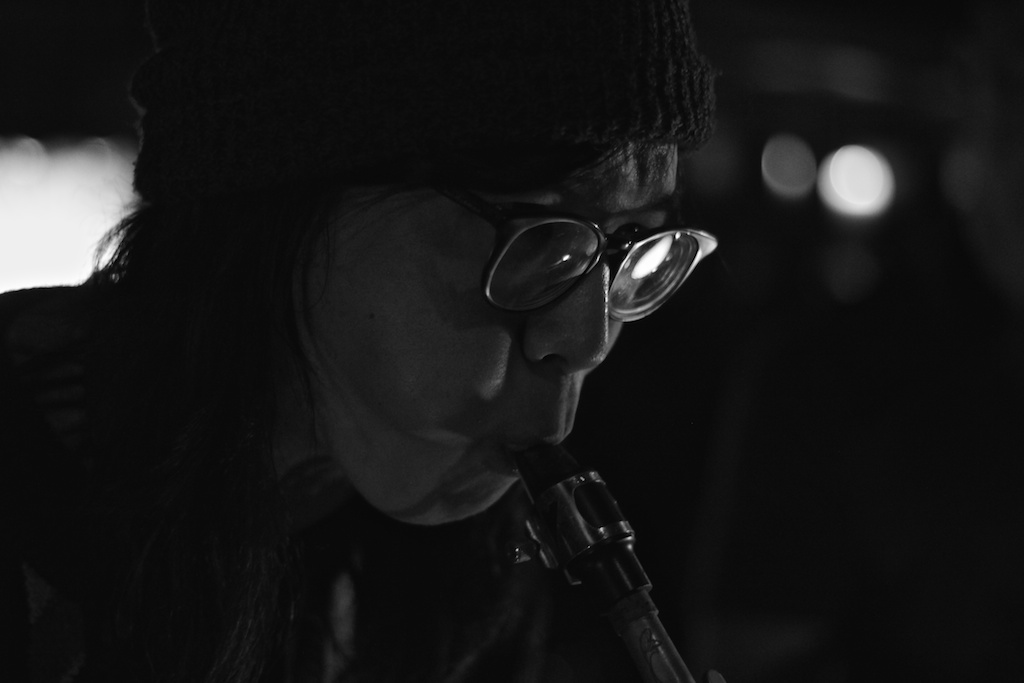
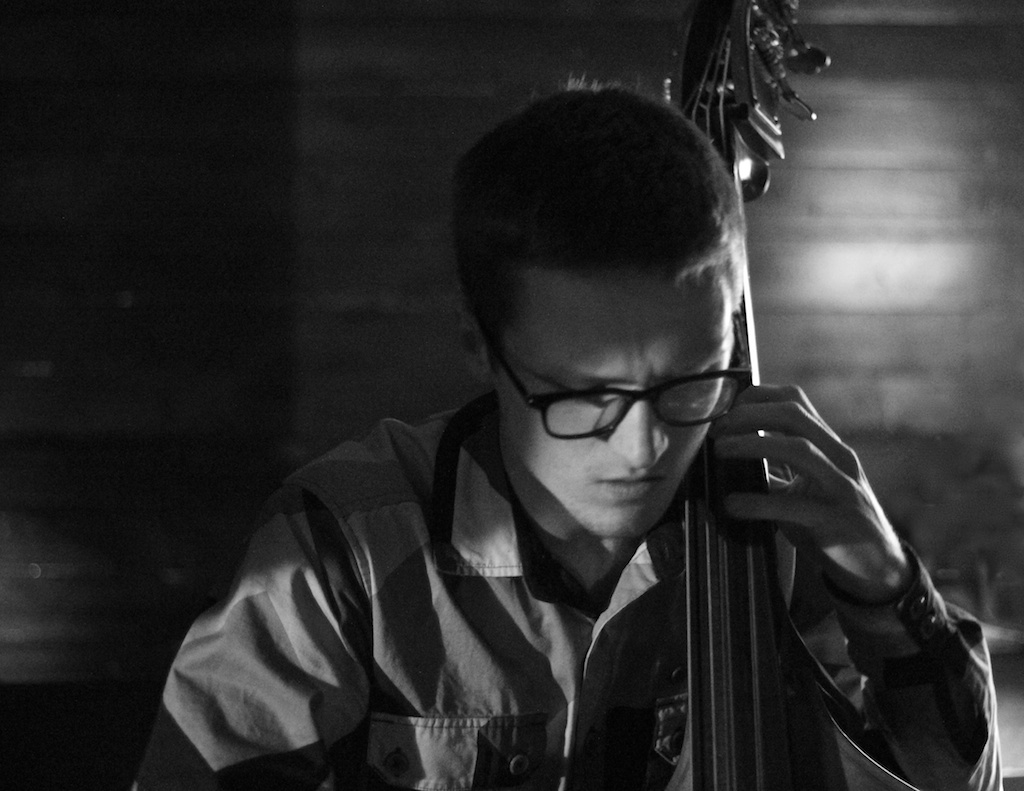
 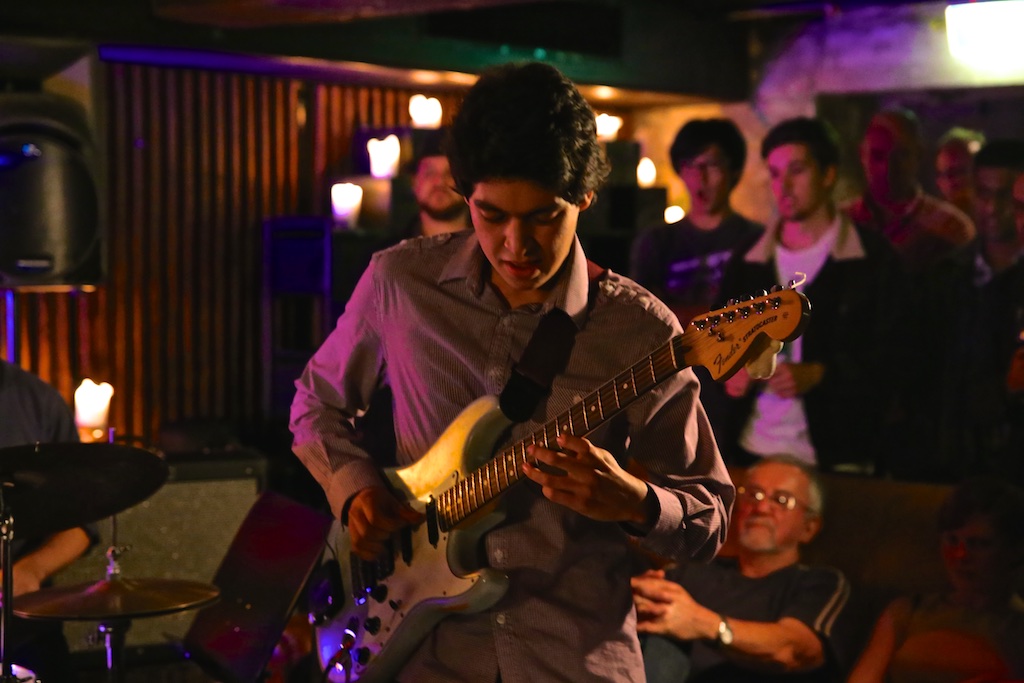 Kenji Holdaway led the second set and his approach was quite different. Most of the tunes he chose favoured collective improvisation and they draw upon diverse genres. His bandstand presence and the way he approached tunes oozed confidence. He had also chosen some former UoA students to accompany him and his choice was right on the money. J Y Lee is a gifted alto player and he can work the spectrum from avant-garde through to the lyrical ballads that give sentiment a good name. His musicality shone through during this gig and he just gets better and better. On Rhodes and piano was Conner Mcaneny and he often pushed the group into a freewheeling fusion space. Once again It impressed me how well his playing served the music as it was far from formulaic. When the others were playing his comping chords acted as clever punctuation; urging them to reach further and deeper. Another surprise was Tom Legget on drums and perhaps I have not been paying proper attention. I recall him sitting in during the CJC Jam Sessions of 2012. Now he is a fully formed drummer. His contributions tasteful and decisive. Eamon Edmundson-Wells was on bass once again and he showed what a tasteful player he is. While the band was good it was Holdaway who dominated. It was not that he injected himself into others solos for he would regularly lay out respectfully. It was his impressive command of the guitar, that and the sense that he was really across this gig.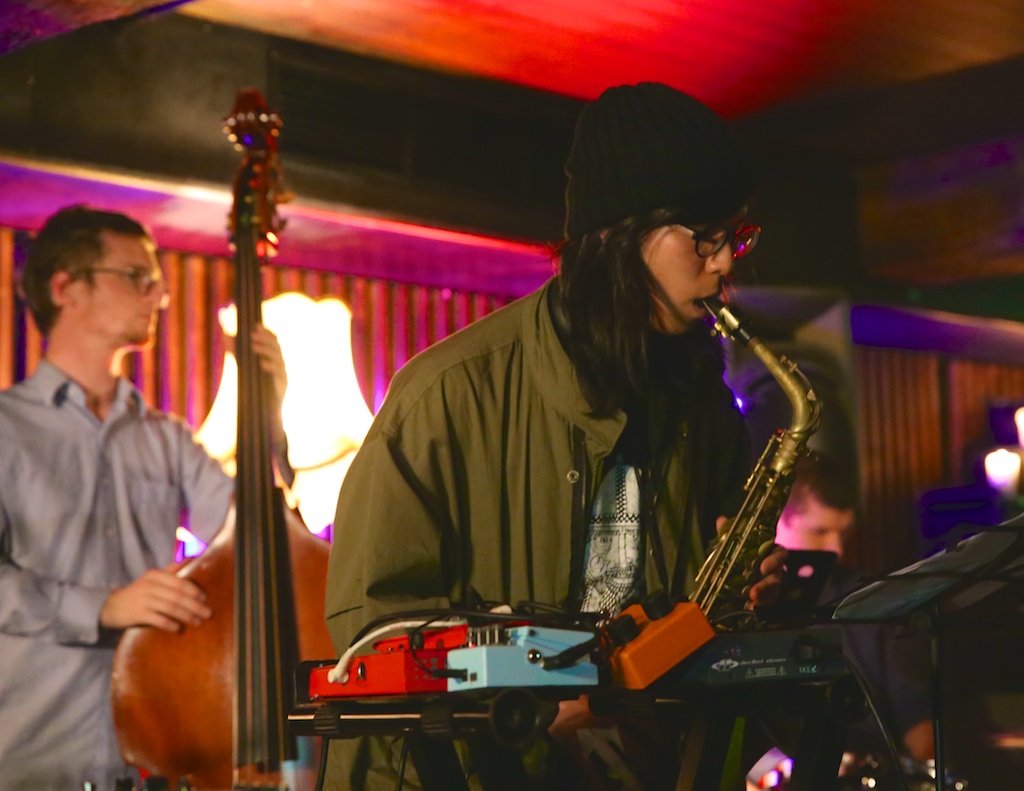




 JazzLocal32.com