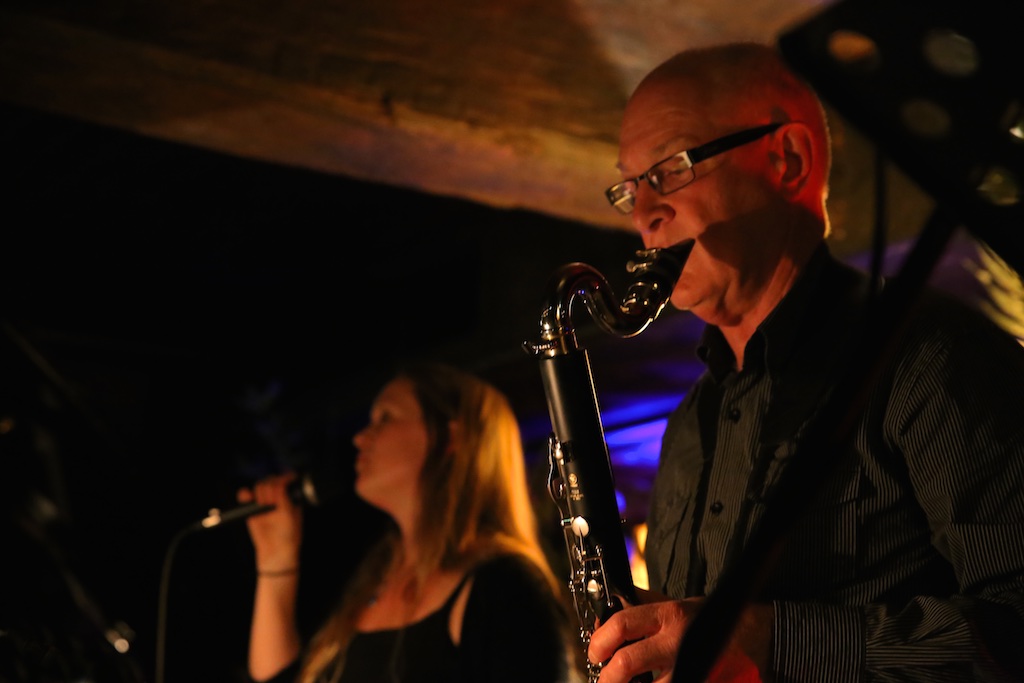
Norman Meehan and Hayden Chisholm are always well received when they perform at Aucklands CJC Creative Jazz Club. There have been various iterations of their line ups over recent years and all of them compelling in different ways. The Unwind quartets attract big audiences and rightly so. This particular band was co-led by Chisholm, Meehan and Griffin, with Julien Dyne and Cameron McArthur rounding off the quintet. I was particularly delighted to see Hannah Griffin on the bill, as she occupies a unique and interesting musical space among improvising vocalists. The gig showcased iconic twentieth century New Zealand poets and Griffin’s impressive vocal skills were exactly what was required.
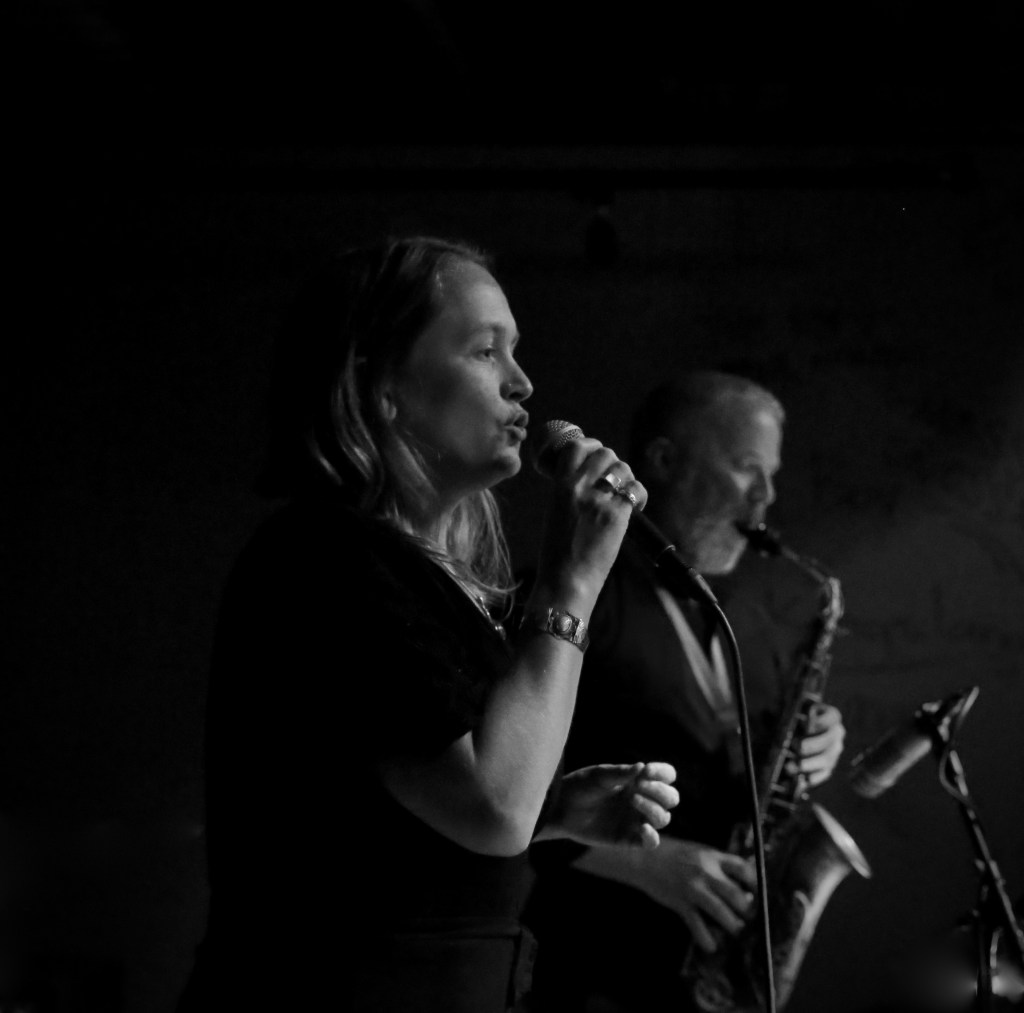
Jazz lovers of a certain age often categorise vocalists according to how well they enunciate their lines. Whether that is important or not is debatable and it depends very much on context. I am generally more focused on phrasing and time feel and I like to hear a word stretched to fit an interpretation. If it’s a standard, then we know the words and having them messed with is part of the joy. I also listen to a lot of wordless vocal improvisors like Sidsel Endresen.
When it comes to interpreting poems though, the clarity of the words does matter and Hannah Griffin gave a master class in balancing the many aspects of vocalisation. She does not merely intone a poem, she is part of the band and her melodicism is paramount in the mix. She can enunciate and still pay phrasing its due.

The first thing about this band is the way they respond to each other, sometimes finishing each others musical sentences. This seamless interaction is especially evident between the three leaders. Meehan is a master of understatement and his gentle swing can quickly bring a smile. His default minimalism always serves the music well but it is on reflection that you realise just how powerful and judiciously placed those chords and sparkling runs are. He doesn’t require a percussive touch to make a big statement. I suspect that most of the arrangements are his as well.
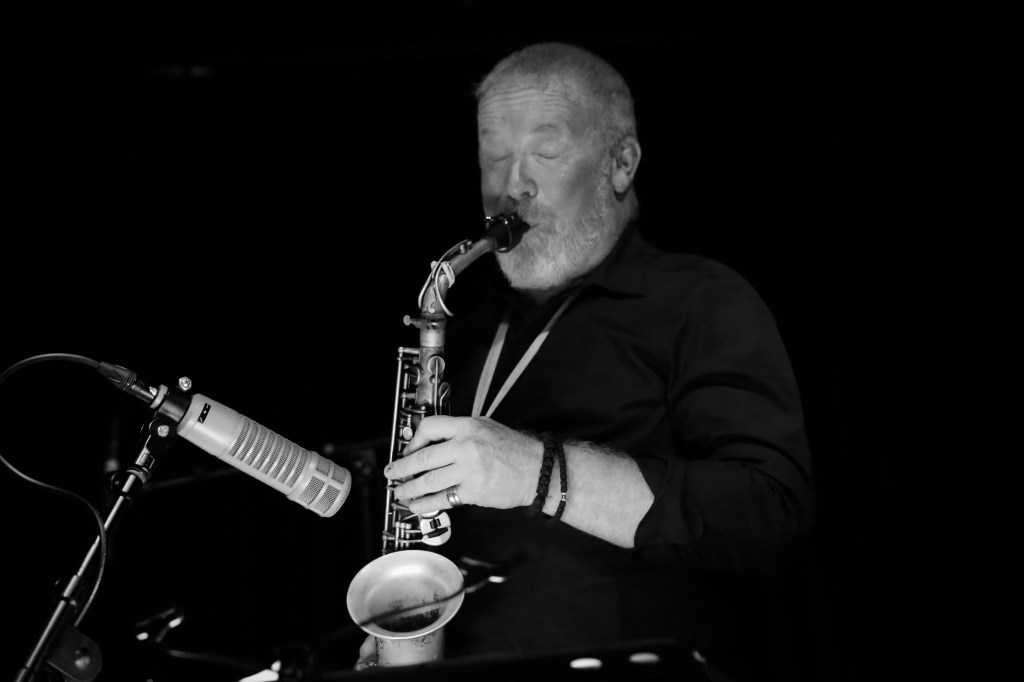
Chisholm always takes your breath away and from the first note, the emotional content in his playing is quite unmistakable. This is the sort of gorgeous alto playing seldom heard and you dwell on each note and phrase, marvelling at the purity of tone and the compelling story telling. His ability to deploy his multi-phonic technique, simply jaw dropping.
The other thing which grabs you is the sheer beauty of the bands sound. By that, I do not mean just pretty for it goes well beyond that. All of the emotions are engaged and the effect on a room is noticeable. Dyne is a popular local drummer who works across genres and who is sought after around town. He has played with Meehan and Chisholm previously. Griffen has appeared predominantly with Meehan and in gigs similar to this. McArthur was the new-comer to this particular lineup but you wouldn’t think so. His reading abilities and his intuitive grasp of the music maintaining his usual high standard.
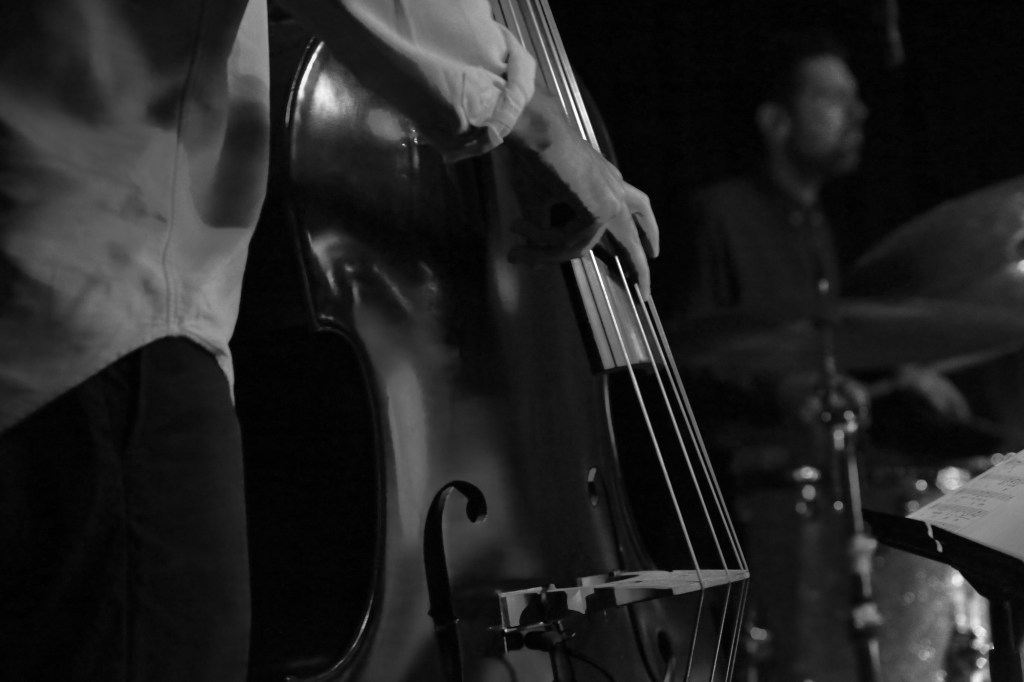
At the previous Griffin, Chisholm, Meehan gig the band had Bill Manhire on stage, and as icing on the cake he introduced the poems. Gigs like that are hard acts to follow, but fast forward to 2020 and the band more than pulled it off. By extending the range of poets and poems our interest was engaged in new ways. My greatest pleasure was hearing more poems by the much lamented Dave Mitchell. More gigs like that please. You can purchase albums featuring these artists from Rattle Records at rattle-records.bandcomp.com
JazzLocal32.com was rated as one of the 50 best Jazz blogs in the world by Feedspot. The author is a professional member of the Jazz Journalists Association.
 This is the second Auckland Jazz Festival and what incredibly tasty offerings there are in the programme. The event runs as a fringe festival and this is absolutely the right approach; no corporates making stupid unhelpful suggestions, an intense focus on the best of Kiwi improvised music and international acts with an established connection to New Zealand. The ‘best kept secret’ ethos is a good model for this music and it’s true. In a nutshell the festival tells an all but hidden story; the story of a vibrant diverse Jazz scene, with more than enough talent to wow discriminating audiences. The biggest downside of fringe festivals is that they run on air. Good attendance can mitigate this. With no significant up-front advertising budget, the role of the sponsoring clubs, bars, galleries and local record labels is vital. Those venues and the labels (Rattle in this case) need our support and appreciation. While Auckland has an unfortunate track record of failing to support the arts, the winds of change are in the air. The gigs on offer are diverse and interesting and Auckland will increasingly want a piece of this magic.
  The festival opened on the 14th with a duo of respected Australian musicians, ‘The Prodigal Sons’. P J Koopman (guitar) and Steve Barry (piano) are expats who left New Zealand long ago to work in Australia. Both are fondly remembered by Kiwi audiences and both are now firmly established in Sydney; polished musicians speaking each others language. The years of hard work and performance in diverse situations giving them particular insights. Barry has been widely acknowledged for recent albums and although widely engaged in academic pursuits recently, it is good to see him on the road again. These guys can really swing their lines and do it while spinning out fresh ideas. No tempo deters them, but it was the medium and slow tempos that showed us their best. The two original compositions which particularly impressed me were by Koopman; ‘Working Title’ and ‘Major Minor’. On these tunes the exchanges between the two were breathtaking. They engaged two fine local musicians for the gig and with the talented Cameron McArthur on bass and Andrew Keegan on drums the gig was superb. McArthur and Keegan were there every step of the way and as pleasing as the headliners.
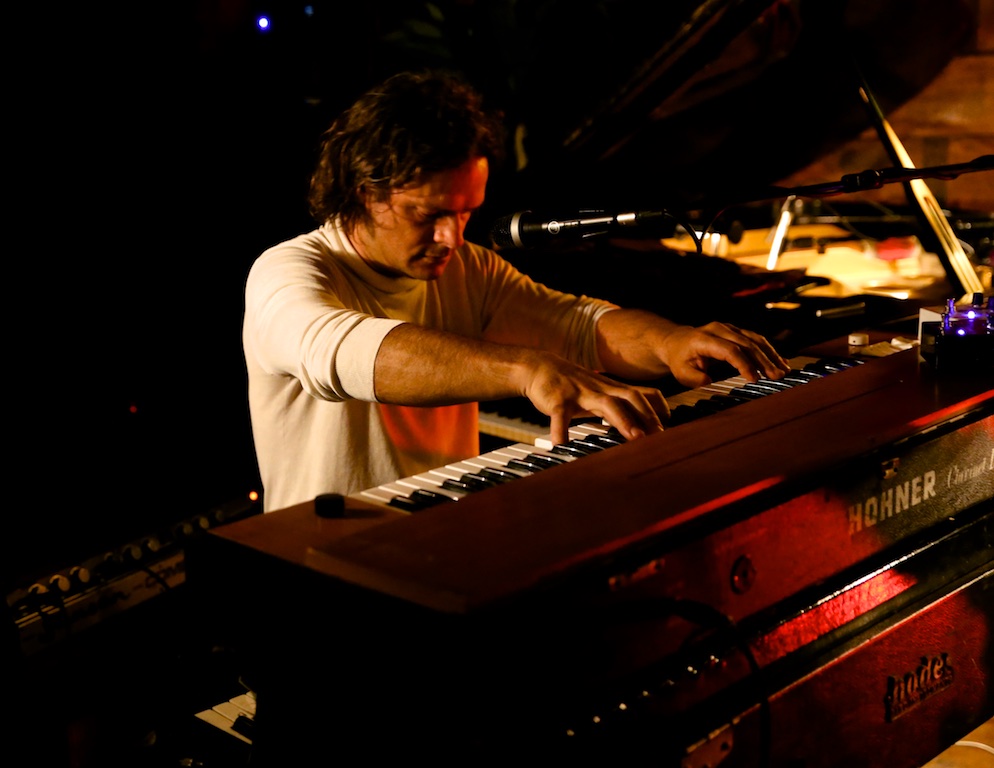 On Thursday the Jonathan Crayford Electric Trio featured. It is no secret that I rate Crayford highly and I would go to see him perform anywhere. Arguably one of our top Jazz exports to the world and undoubtedly one of the more innovative musicians on the scene today. No Crayford project is a half-hearted affair, as this musician lives music in the fullest sense. His musical outpourings are sublime but it goes deeper than his excellent musicianship. Crayford’s vantage point on the creative life is unusual and deeply focussed: few others share his perception.


 JazzLocal32.com