
Those lucky enough to attend any of Jake Baxendale’s ‘Waypeople’ concerts last year will have anxiously awaited the release of this album and his release tour. It is music brimming with exotic textures and tasteful arrangements, but it is more besides. When I attended the concert, I sensed that I was hearing something important. It made a statement about the maturity and evolution of Aotearoa’s improvised music scene and also conveyed a message that the world needs to hear right now. This spoke to our times and cut deep.
Before the advent of written language, and for a good while after, important stories were poetised and sung. This enabled generations to memorise and pass on vital cultural knowledge. In fact, poems were sung and accompanied by musicians long after the arrival of the written word, and the practice of silent reading didn’t occur in the West until well into the Middle Ages (sometime between 900-1200 BCE), and in China, during the Song Dynasty (around 1100 CE).
To the ancients, reading was a communal activity, and so it was with the Tao Te Ching. It spread through oral transmission much like Homer’s epics. Therefore, while various texts are available today, hearing it with musical accompaniment feels right. To the Taoists, music deepened the connection with the natural world and awakened ancient memories. As the Tang Poet Li Bai wrote:
‘The monk from Shu with his green silk lute . . .
Has brought me by one touch of the strings,
The breath of pines in a thousand valleys’
‘Waypeople’ is an album that joins a journey begun over 2,500 years ago, and in doing so, it incorporates the cultural expressions and voices found on that journey. Here, the ancient wisdom of the Tao Te Ching is clothed in a contemporary jazz idiom, utilising the oldest of instruments, the human voice and accompanied by saxophones, clarinets, piano, vibraphone, trumpet, drums, flute, oboe and guzheng. The use of the guzheng is particularly relevant here, as it dates back to the time of Tao Te Ching itself.
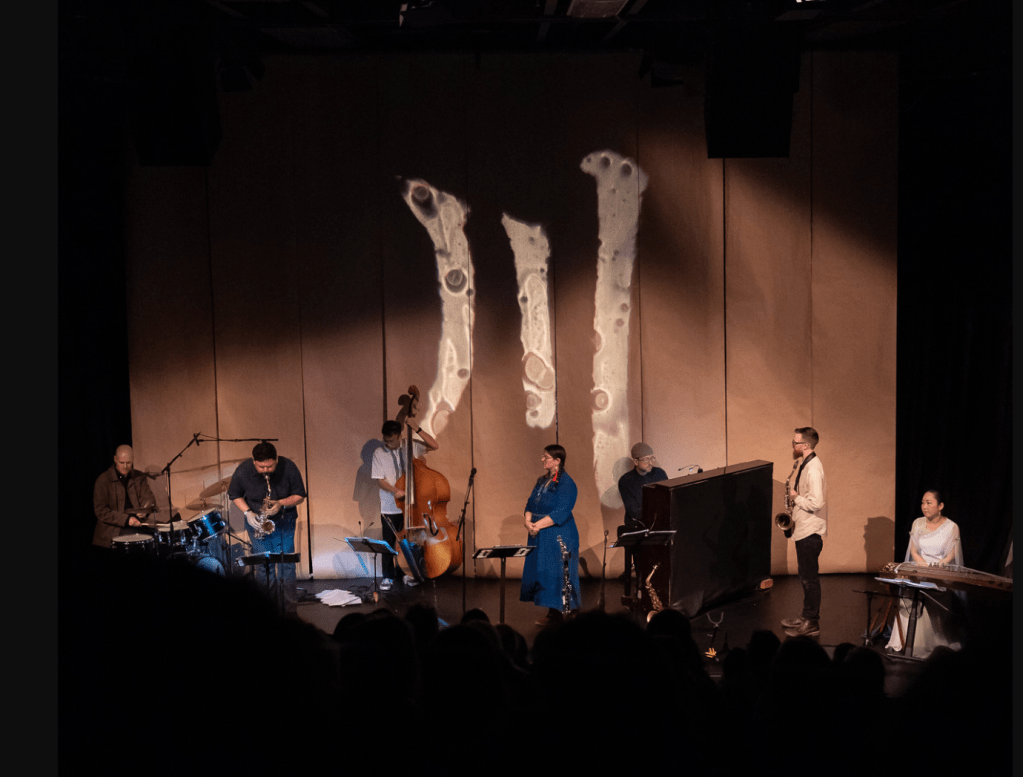
Throughout the album, selected passages of the Tao Te Ching are sung or intoned. Some verses are urgent and imploring, others reflective–opposites are brought into balance. It is therefore entirely appropriate that the translation is that of beloved contemporary author, Ursula Le Guin. What these musicians have captured is the ebb, flow and essence of these important verses. A balance has been found between the old and new, and the ‘old master’ Lao Tzu would surely smile on this endeavour.
Our world today is like it was in the Warring States (475-221 BCE)– it is out of balance. It is obvious that humanity has again taken many wrong turns, so now is the time to retrace our steps and heed this ancient wisdom. Choose peace over war, quiet and reflection over clamour. So, attend the gig if it comes to your town, buy the album on Bandcamp, listen deeply and reflect. There is no time to lose. https://jakebaxendale.bandcamp.com/album/waypeople – or check out the teaser on YouTube
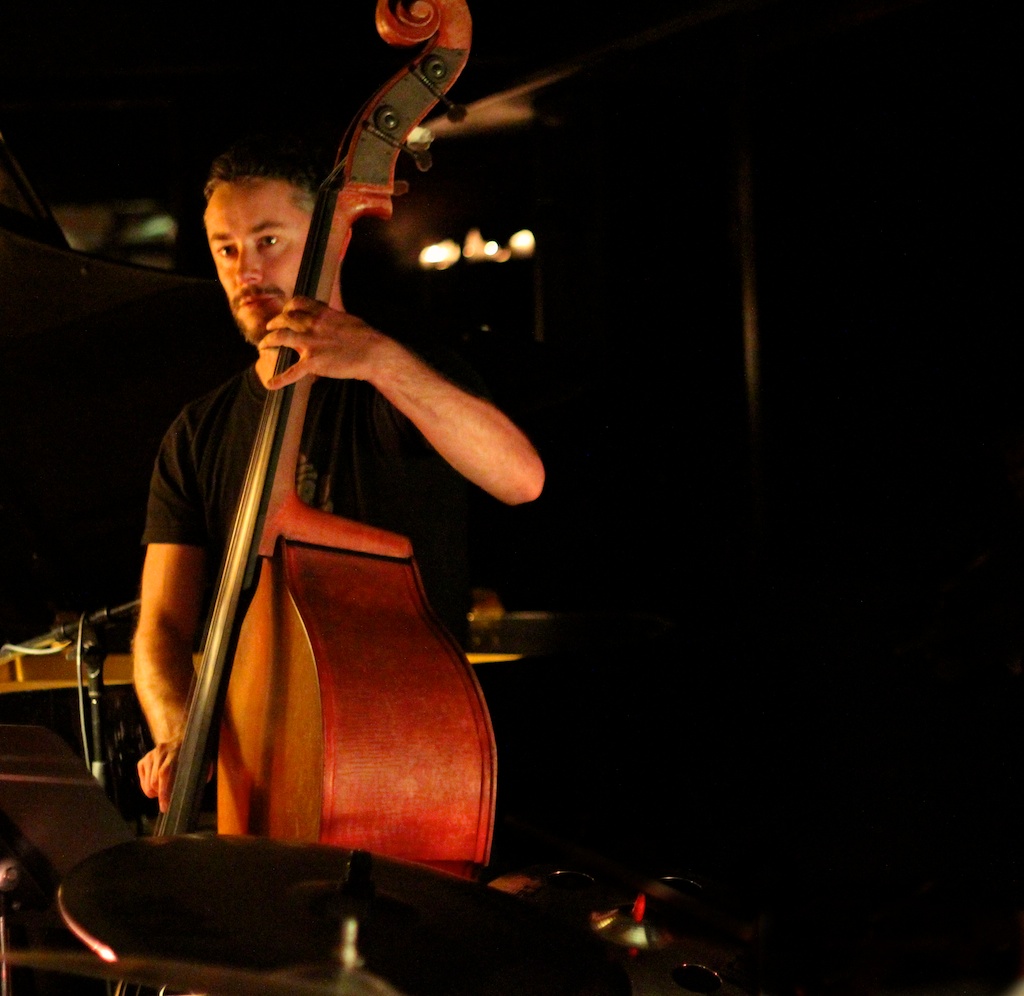
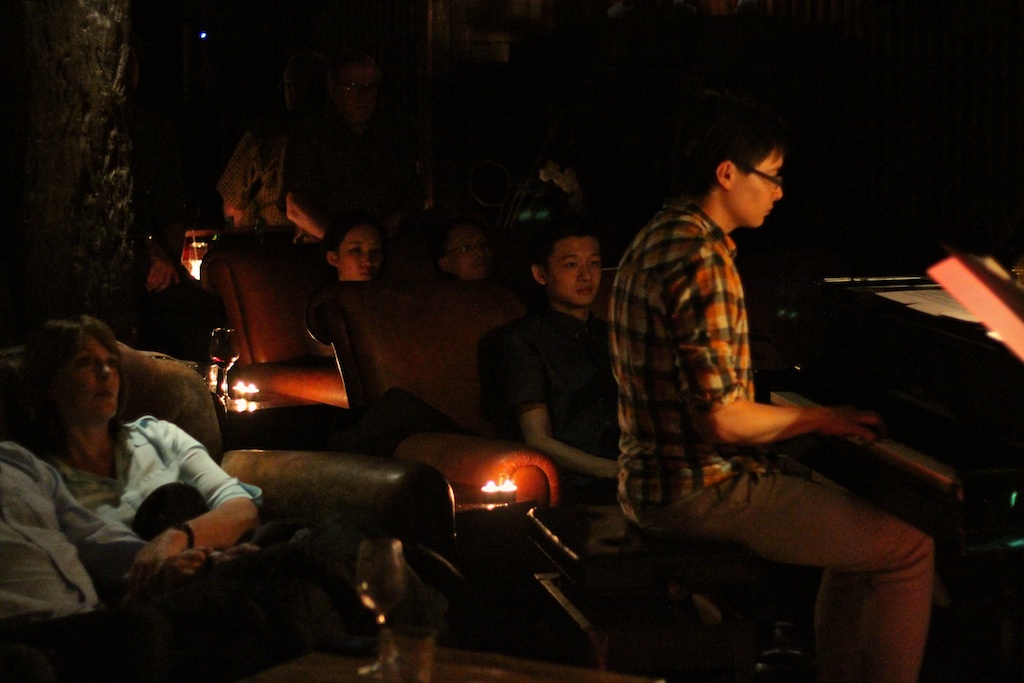
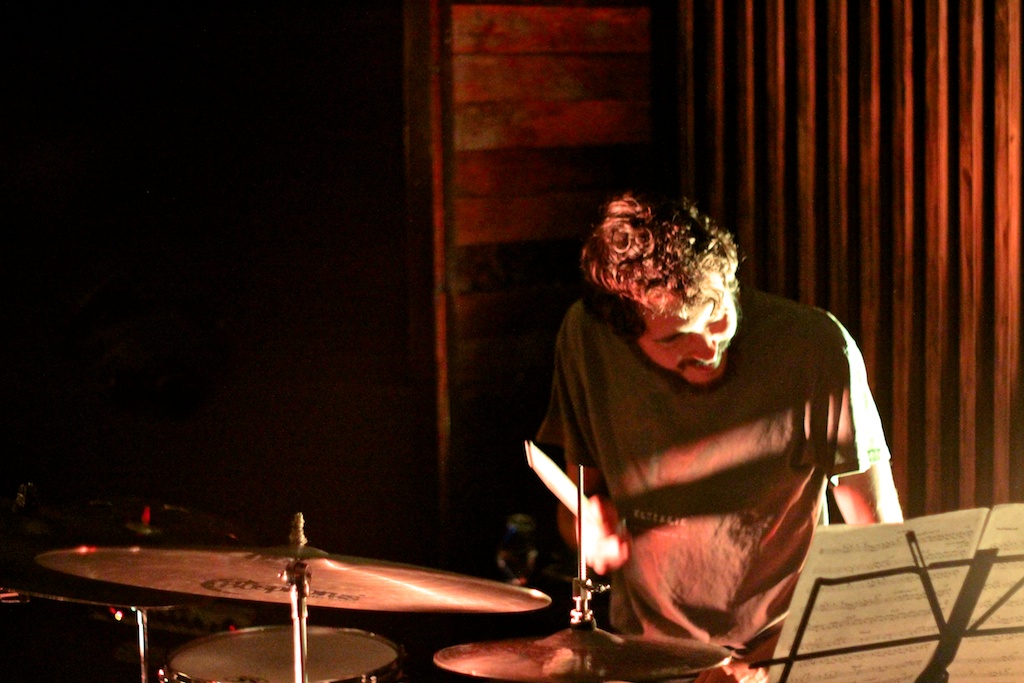
The musicians are from Wellington and Auckland. Chelsea Prastiti (voice), Jia Ling, (guzheng), Jake Baxendale (compositions, alto, tenor & baritone saxophones, clarinet & bass clarinet), Callum Passells (sopranino & alto saxophones), Daniel Hayles (piano & vibraphone), Johnny Lawrence (double bass), Cory Champion (drums & effects), Louisa Williamson (flute tk 2), Ben Hunt (trumpet tk 5), Kaito Walley (trombone tks 2 & 5), J Y Lee (flute tk 10), Millie Mannins (oboe tk 10) – btw how nice to see Roger Manins daughter in this lineup.
“No competition, no blame” – Tao Te Ching
JazzLocal32.com was rated as one of the 50 best Jazz Blogs in the world by Feedspot. The author is a professional member of the Jazz Journalists Association, a Judge in the 7VJC International Jazz Competition, and a poet & writer. Some of these posts appear on other sites with the author’s permission.

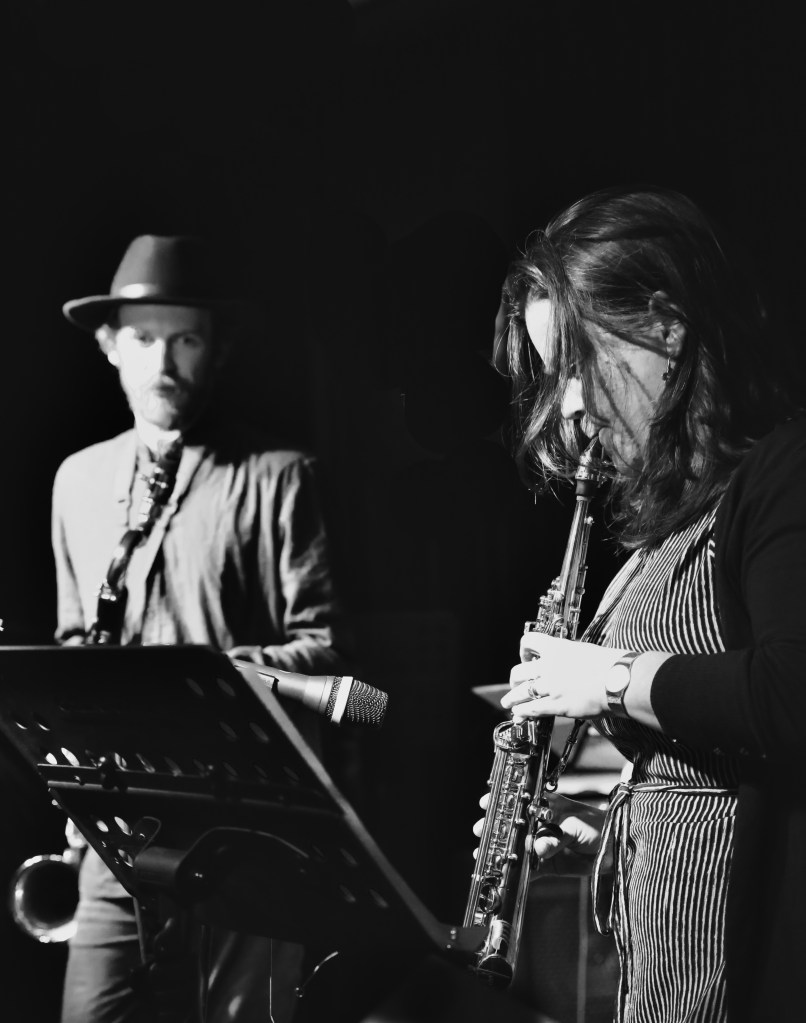
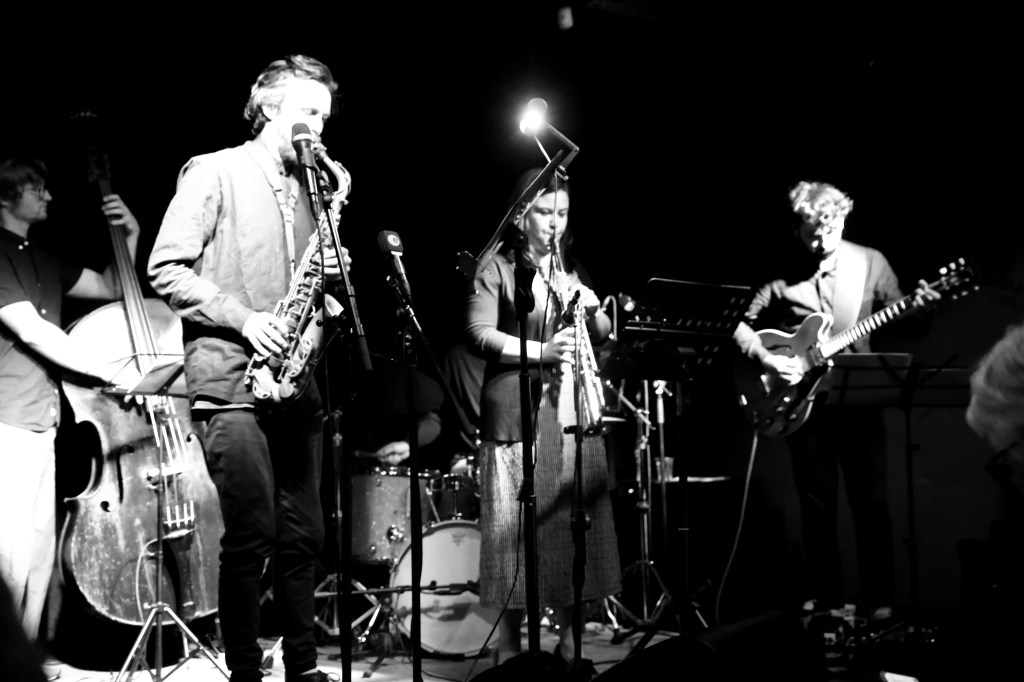
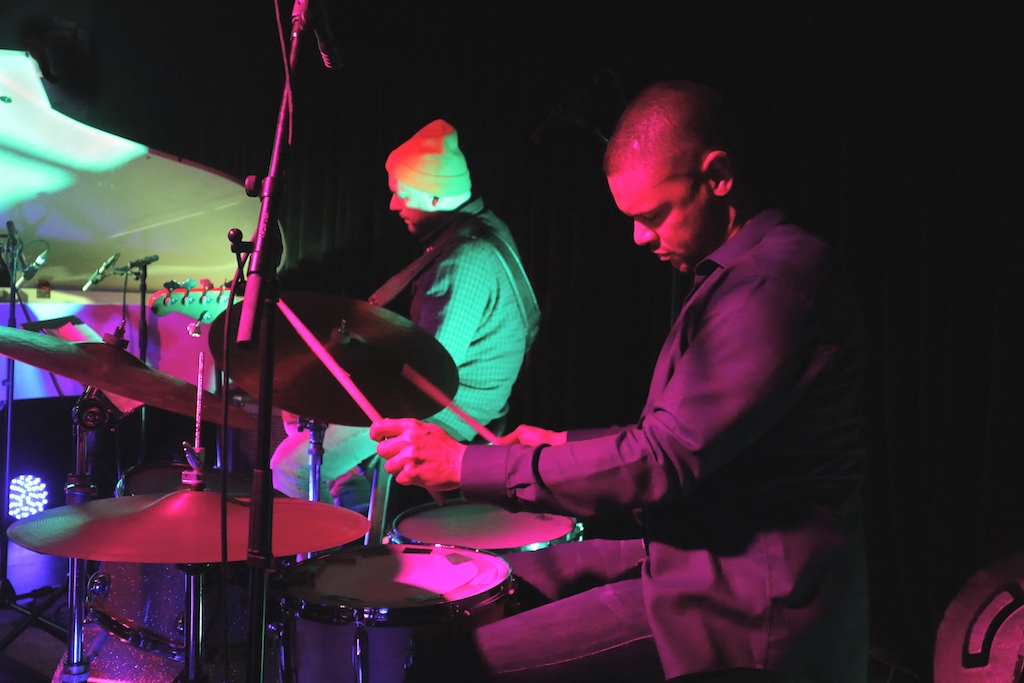
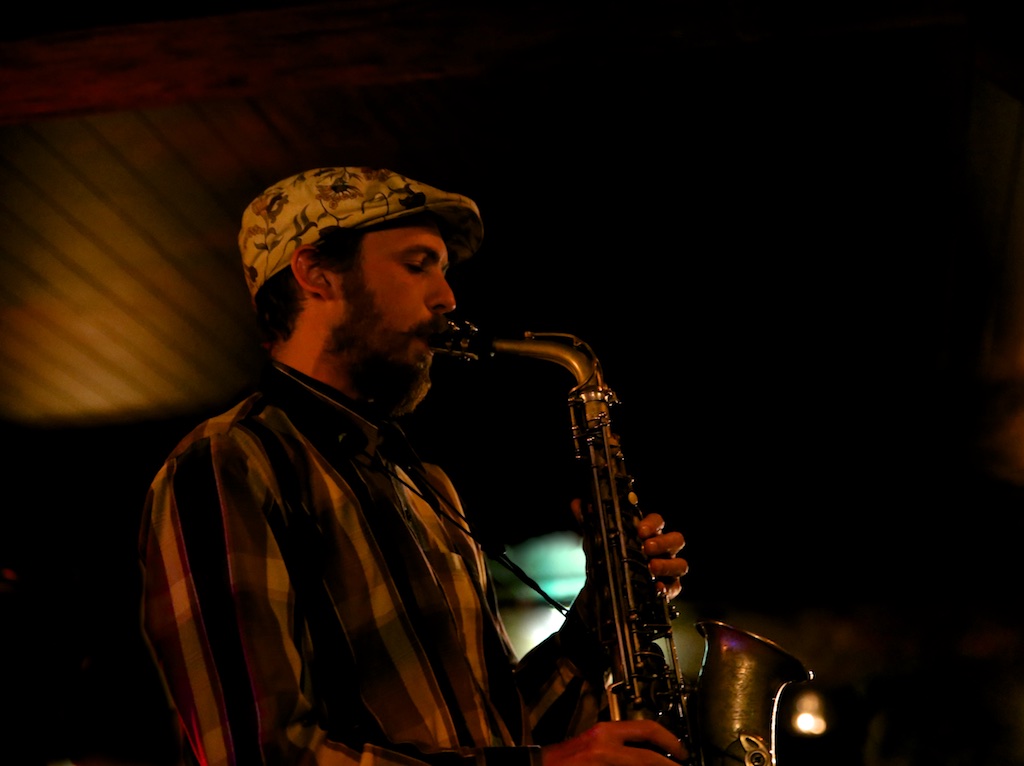 The Antipodes project is an innovative one; well conceived and excellent in its realisation. It is a young group but you wouldn’t think so to listen to them. Musical maturity is generally equated with time served on the bandstand, but if the right musicians come together, surprising synergies can occur; artists collectively punching above their weight. Antipodes hits the mark on a number of levels. Firstly the writing is superb. The musicianship is also great but for me it is the communication of a shared vision that lifts them above the ordinary. Given that three members of the band are new to project, that is surprising.
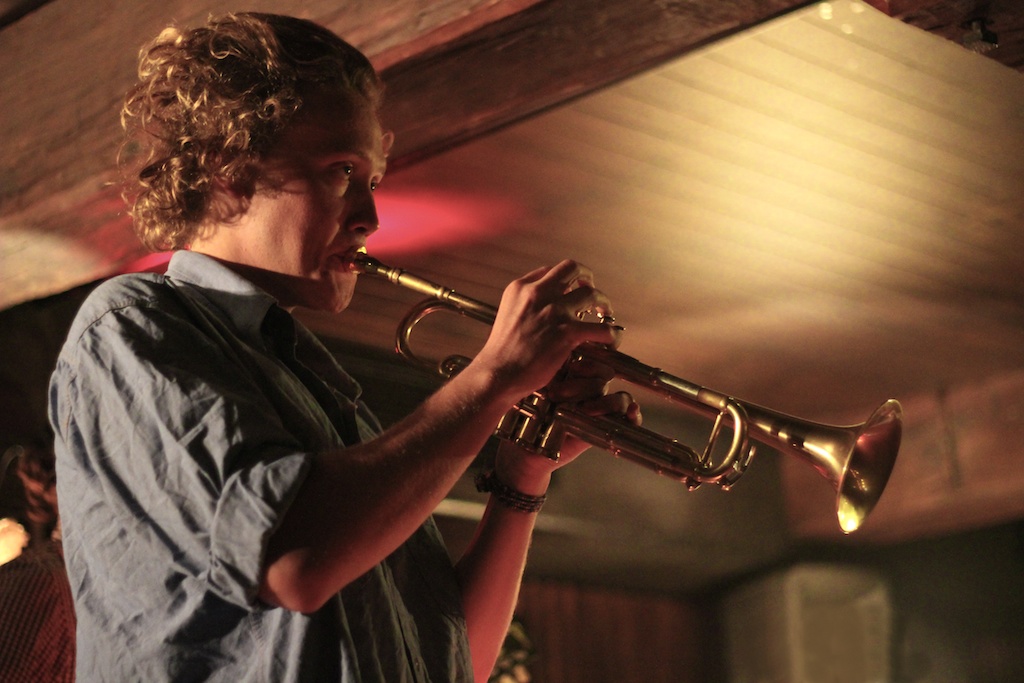
 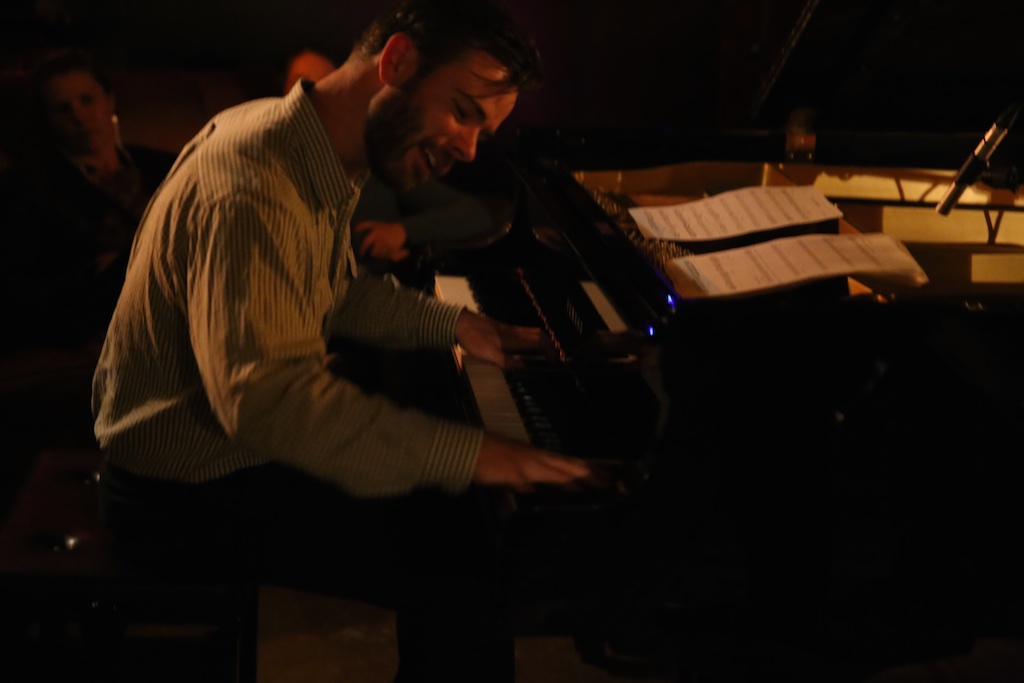 At the epicentre of this group are the core members: Jake Baxendale, Luke Sweeting and Callum Allardice. The original lineup featured respected Australian trumpeter Ken Allars. Allars is at present on tour somewhere in a distant corner of the globe – replacing him is Simon Ferenci. It might be supposed that the absence of Allars changed the dynamic, but Ferenci fitted in as if he’d always been there – a trumpet player I had not heard before, but one I will be happy to hear anytime in future. Also new are the bass player Max Alduca and drummer Harry Day. Like Fereci both terrific players and in synch with the over-arching vibe. Without the cushioning bass work and often edgy drum fills the band would be less interesting. Their contributions were on the mark.
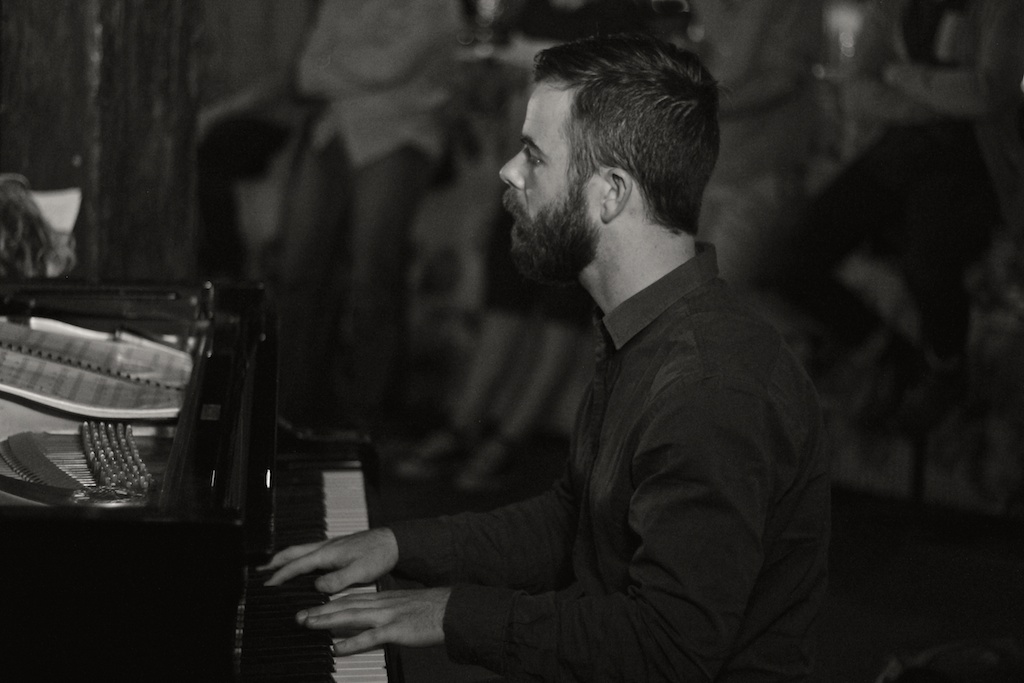
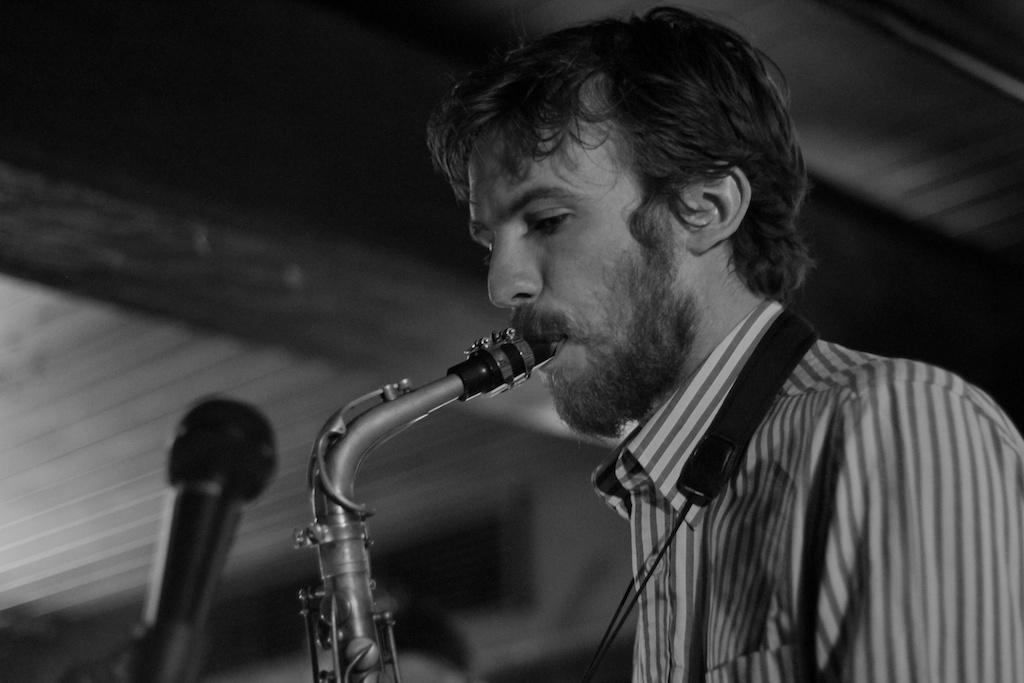
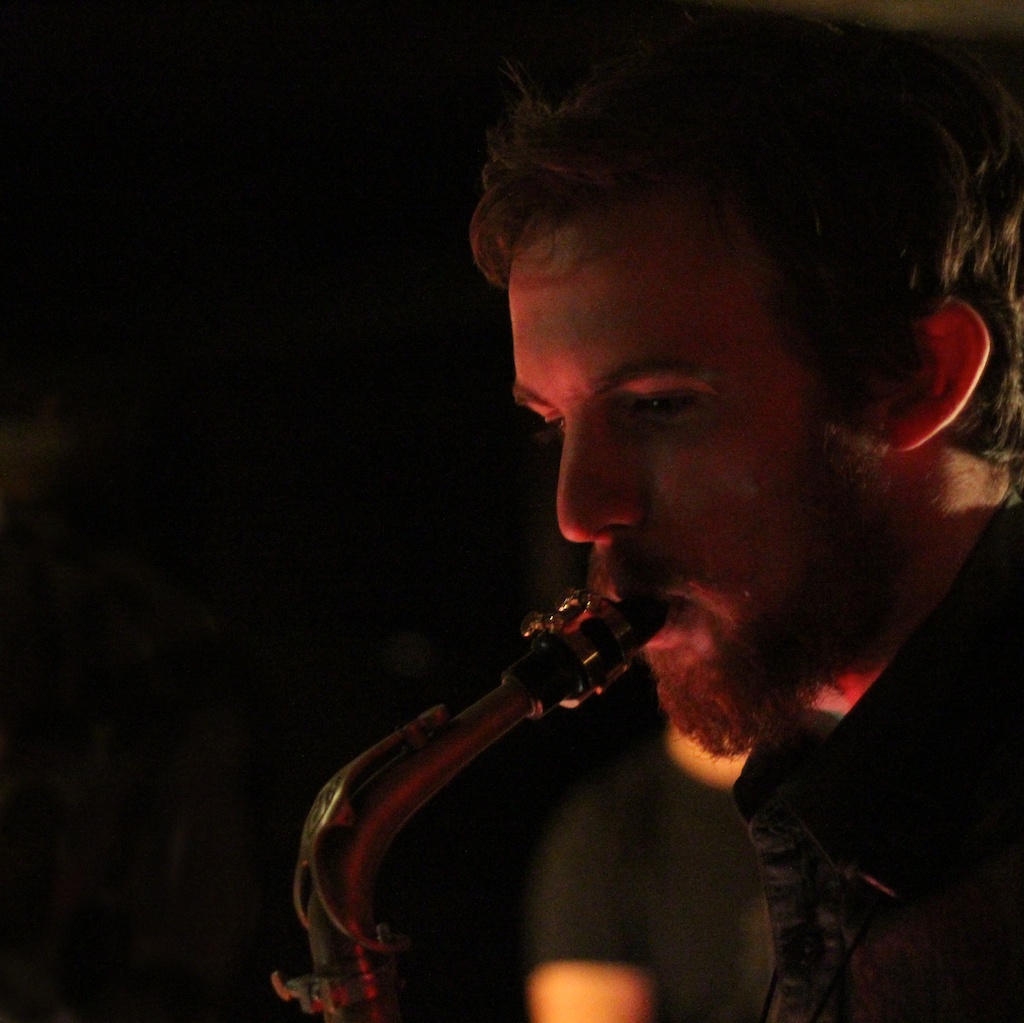
  I have long admired Baxendale’s alto playing, featuring as altoist in some of the best New Zealand line-ups (The Jac, Richter City Rebels, Wellington Mingus Ensemble, JB3 etc). Baxendale pulled off some blinding solos in this gig and I have posted a clip which demonstrates his mastery and inherent lyricism. He is a player with depth. I am also glad that Luke Sweeting was touring with the Antipodes again. Sweeting is the sort of pianist who captivates in numerous ways and his solo bravura on a good number can leave audiences open-mouthed. Perhaps more than anyone else in the ensemble he brings out that trademark Aussie-European aesthetic. The first time I heard Antipodes I identified Ken Allars as being the link to a particular Scandinavian sound; his command of extended technique, but moreover his low volume ambient groove-tone. Now I am revising that view as Sweeting has exactly encapsulated that sound, while doing it in a uniquely Australian way.
  The other central figure is guitarist Allardice. Often sitting quietly in the mix as his warm comping lifts the others without ever crowding them out. Then out of nowhere, unexpectedly, those heart stopping solos, souring and as fluid as silk in the breeze. Allardice is a fine composer, as are Sweeting and Baxendale.
  There are shades of meaning to the word ‘Antipodes’. It comes from the Greek ‘to set ones foot upon an opposite place’. If you live in London then the Antipodes Islands of New Zealand are the opposite land mass. For Southern Europe and North Africa it is in Australia. The reverse also applies. Given the musical linkages and especially given the geographical linkages the band is perfectly named (conceived by Australasians living in Germany). This project revives on a regular basis and on current form it stands every chance of becoming an institution. I certainly hope so.
 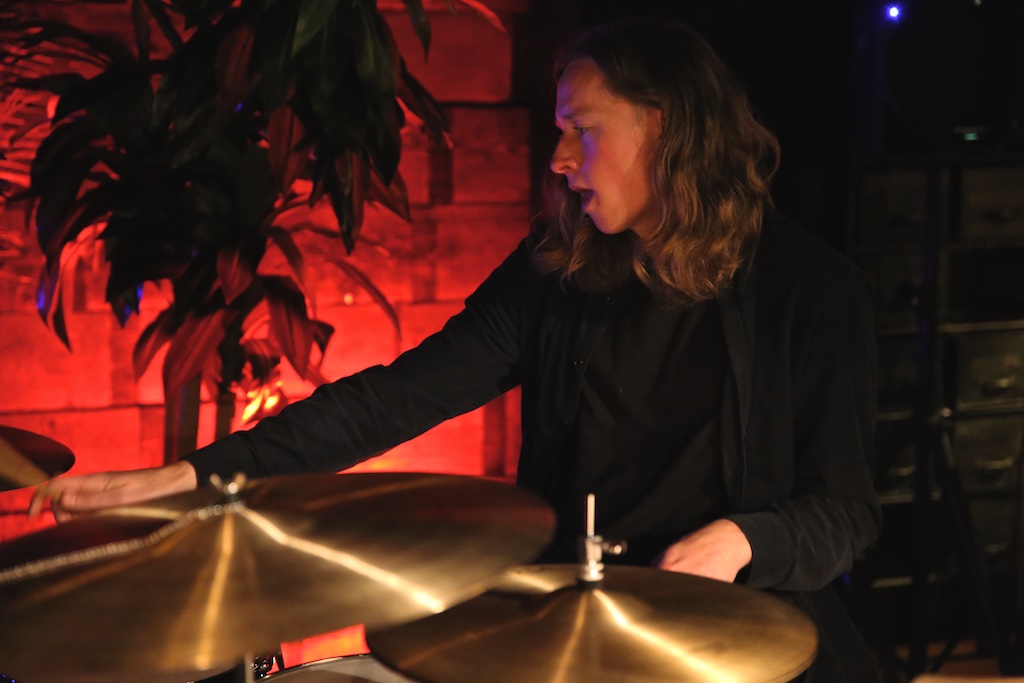 Antipodes:
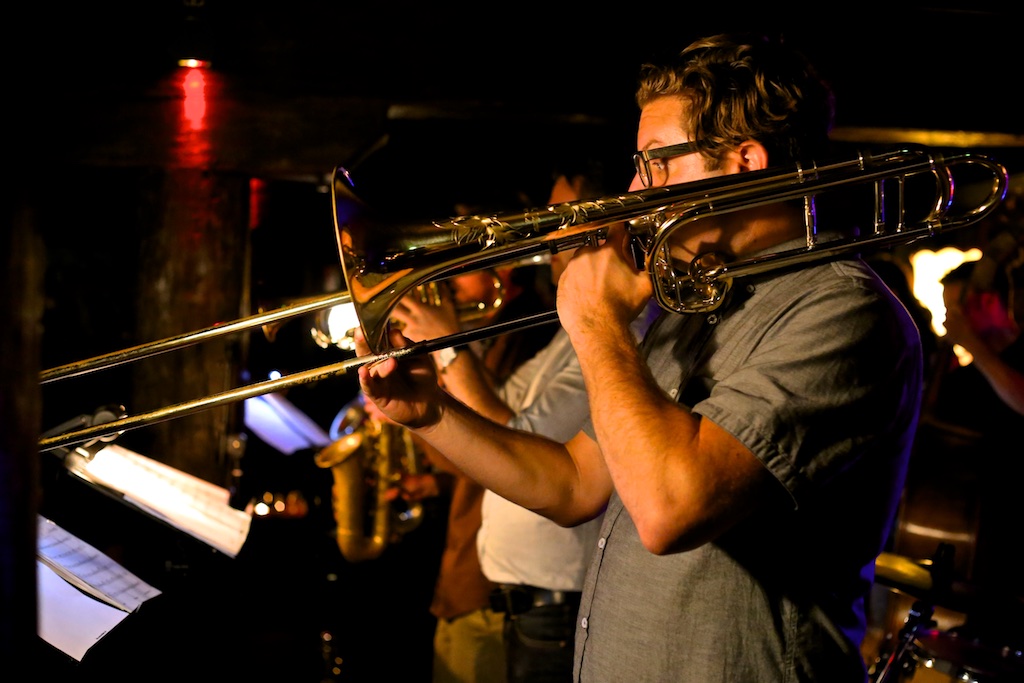
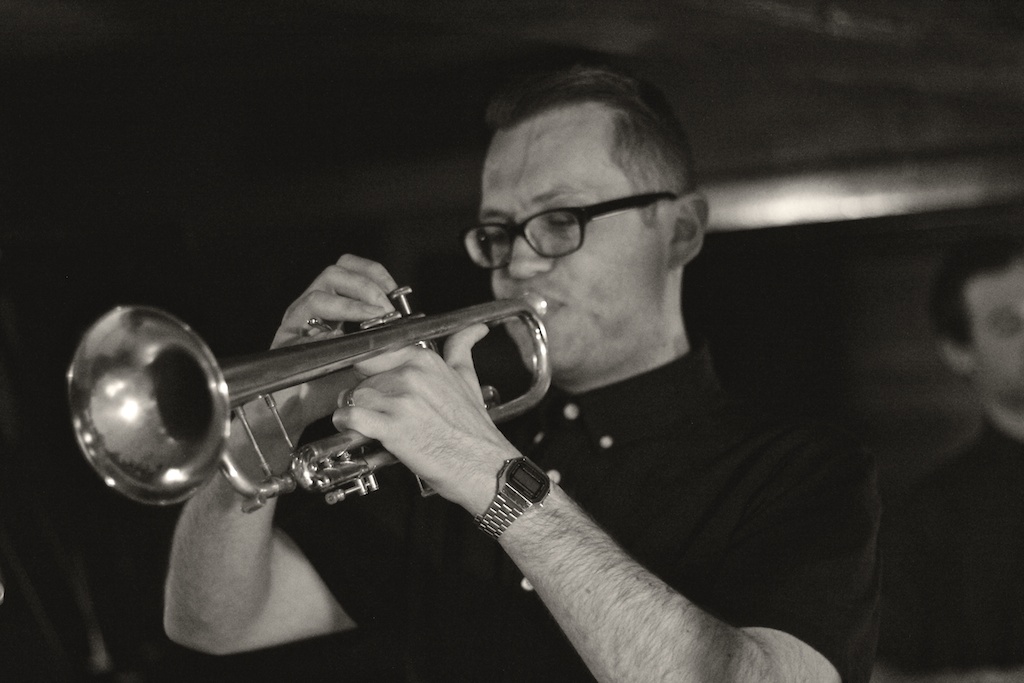
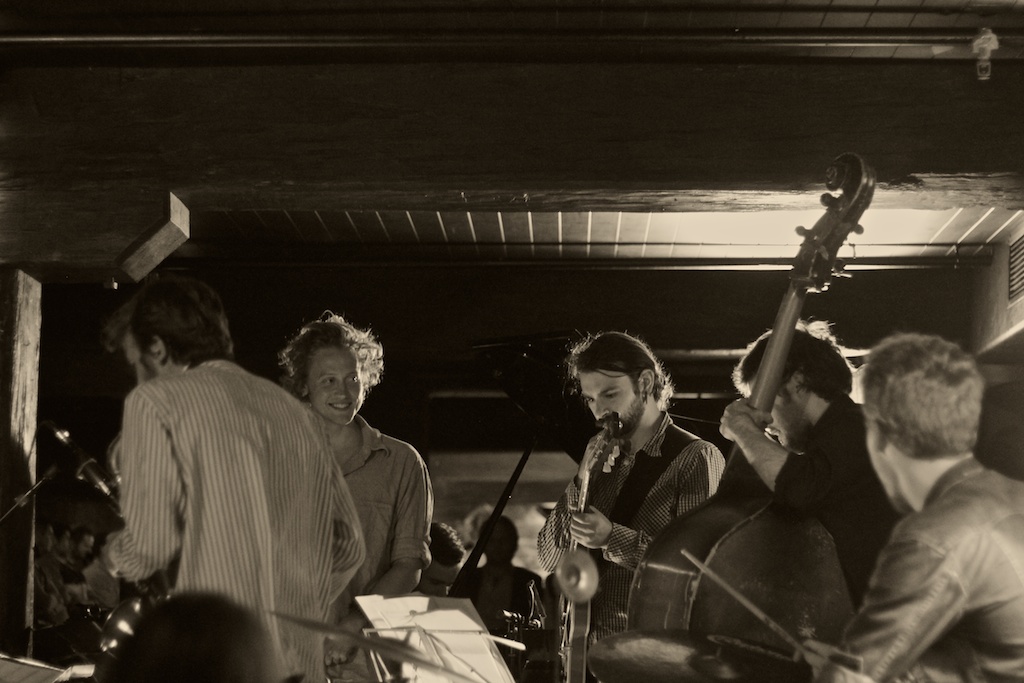
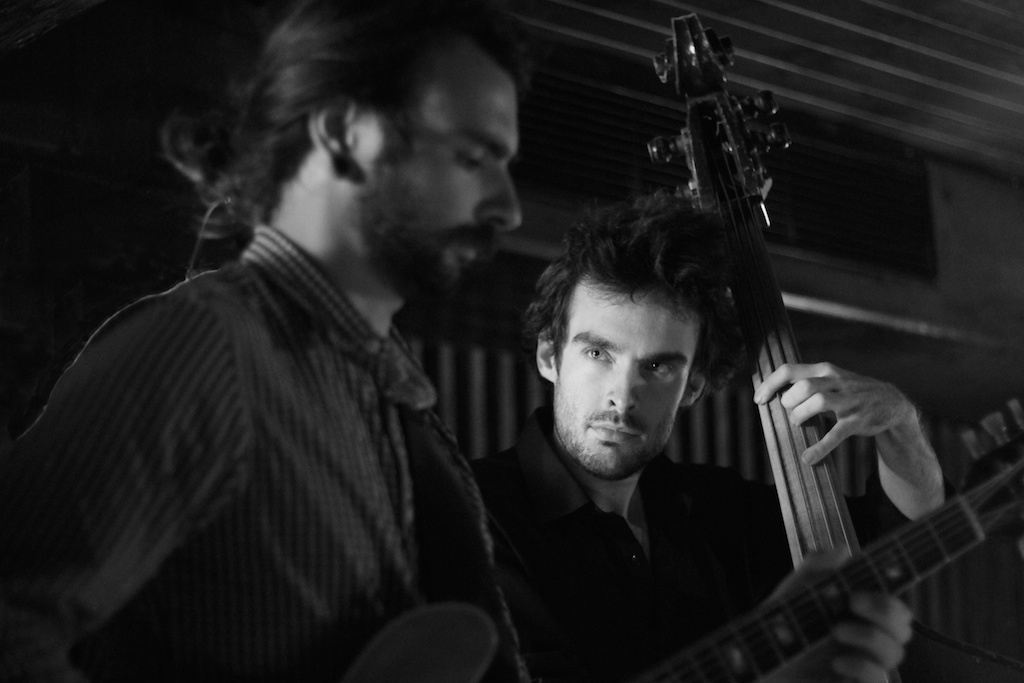
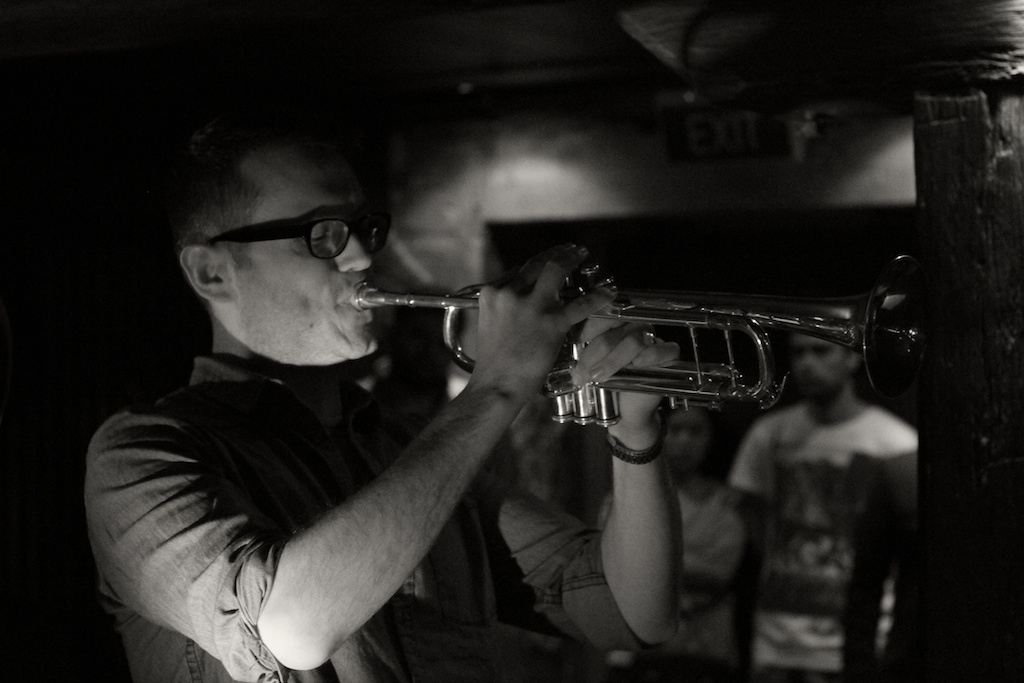
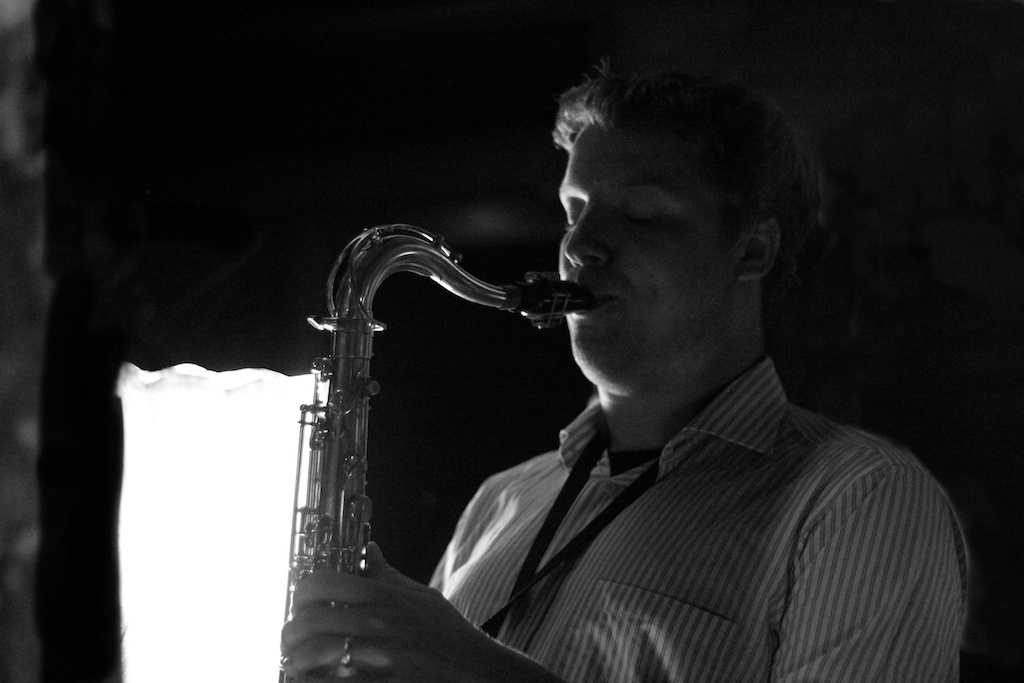
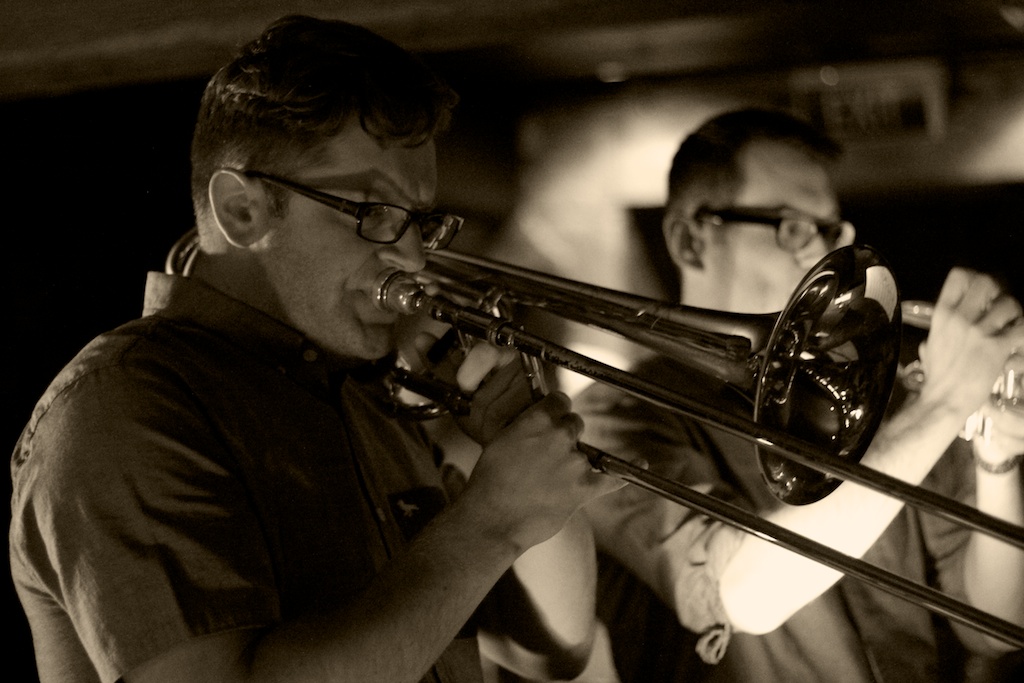
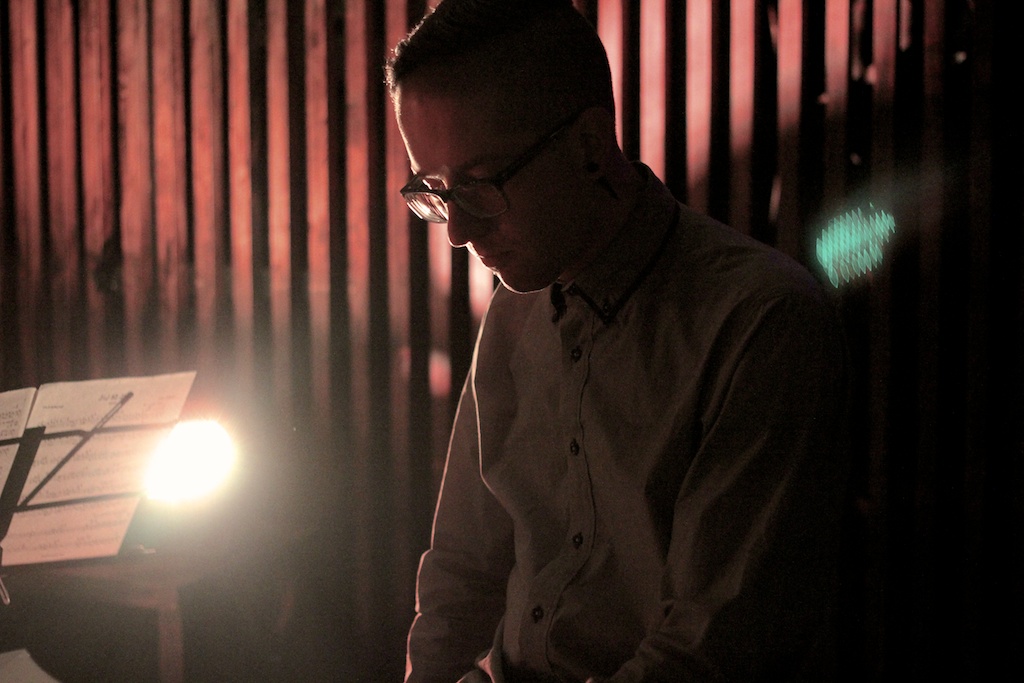
 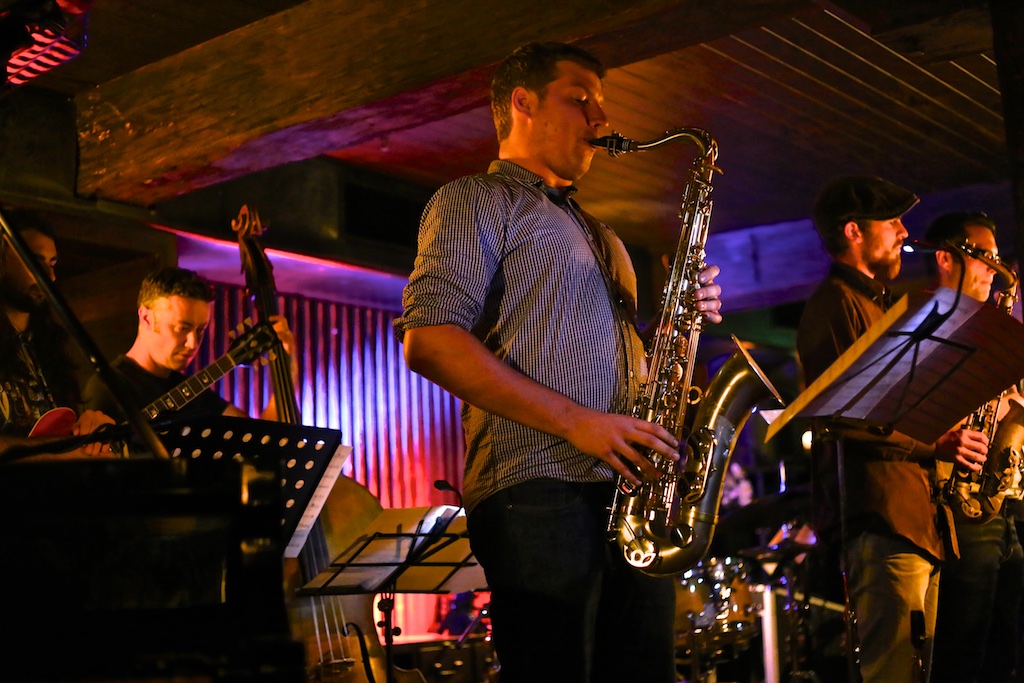 I first heard the JAC two years ago and I liked what I heard immediately. Their sound has textural complexity, but the charts are so well written that the band manifests as if it is a single organic entity. As they move through the pieces, rich horn laden voicings appear, shimmer and fade seamlessly into the next phrase. In spite of the heavy punch of the front line, the band can float airily over passages. This affords them choices that are seldom realised by larger ensembles. They have a real nimbleness
 and this is surprising considering their large musical footprint. A bigger footprint than the size of the band would suggest. The really good nonets and octets achieve this.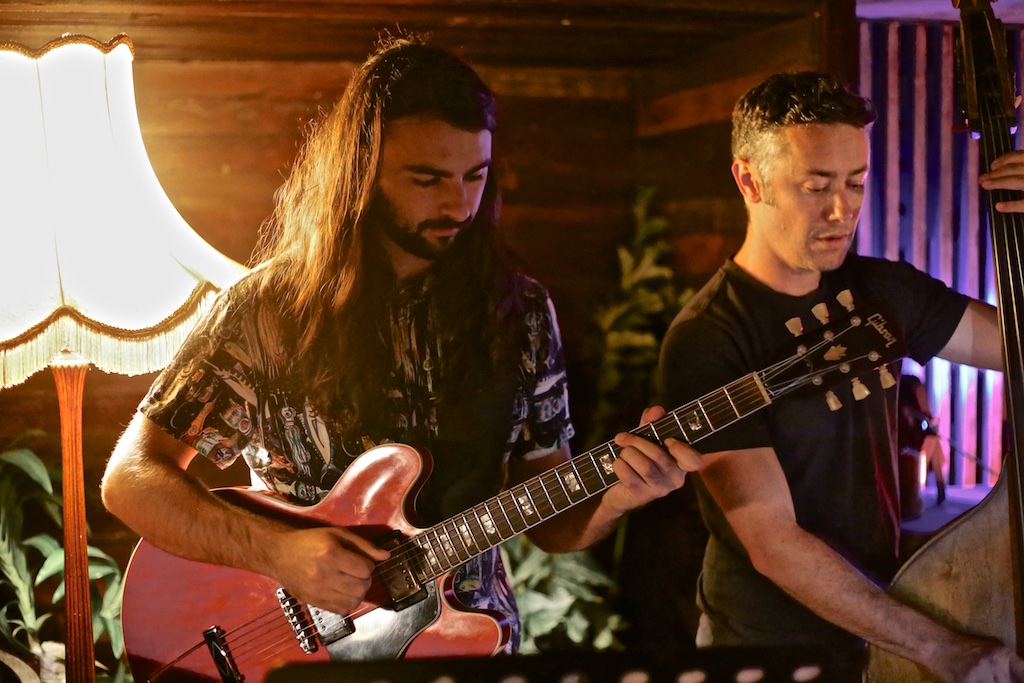






 JazzLocal32.com