Recent Releases ~ Feb 2021
The pandemic hasn’t stopped the music, and while it is true that the clubs, bars and concert halls are placed out of reach for many, music has the qualities of water. It will flow through the cracks until it has found its own level. The recent Kiwi lockdown was mercifully short, and in random and serendipitous ways new music found me. As always, I was happy when it did. Below are three very different albums – check them out.
Early Risers ~ John Scurry’s Reverse Swing
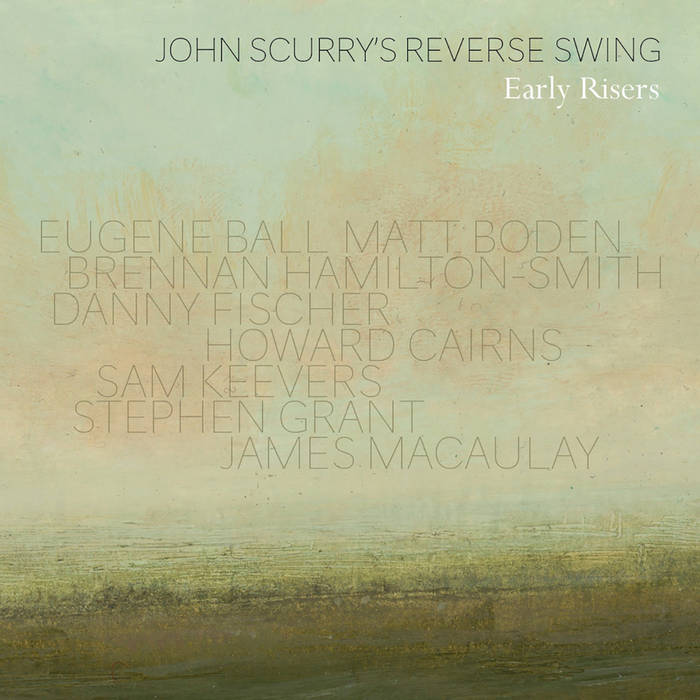
During our recent lockdown I received an album in the post from Lionsharecords. The album, ‘Early Risers’ is John Scurry’s Reverse Swing ensemble, his second such release. Scurry’s earlier Reverse Swing album ‘Post Matinee’ was showered with praise, with one American reviewer describing it as ‘Ellingtonian’. The 2020 album has 19 original tunes spread over two CD’s and we are invited to view each volume as distinct but complementary.
Having recently travelled to New Orleans, I detected those influences in this band immediately. When you spend any time in NOLA, you realise that that city’s influences are very broad indeed. Everything from swing to soulful gator-funk, from Sun Ra to the various free jazz offshoots. It is a living, breathing up to the minute music and one with its own flavour. So it is with ‘Early Risers’, and with this album there are also a multiplicity of rich local influences.
I loved the album for its warmth and approachability. It is instantly engaging, but this is not a nostalgic romp. There is real depth here and many treasures are revealed to the deep listener. The interplay between the musicians is simply stunning and their time feel beyond caveat. Track one on the first album is my favourite and while comparisons can be odious, this gave me the same feeling as I had when first hearing the Cy Touff Octet & Quintet album. Perhaps there is even a hint of ‘West Coast’ as well – Sheldon ?
There are many moods and whether a gentle ballad or a hotter number, all contribute uniquely to the whole. Underpinning each number are the quiet urgings of leader John Scurry’s guitar. We hear swing style guitar infrequently these days and more’s the pity. The tunes here were all penned by Scurry and he is also the co-arranger and producer. He has been a popular feature of the Australian scene for many years and I wonder what took him so long to launch this particular project. to listen go to Early Risers Lionsharecords
The other arranger (and horn arranger) is trumpeter Eugene Ball. Ball is another veteran of the Melbourne scene and a Bell award winner. I associate him with the moderism of Andrea Keller. Here you are overwhelmed by the richness of his sound. His tone production is often reminiscent of the latter-day swing trumpeters like Harry Sweets’ Edison and Henry ‘Red’ Alan.
I have also encountered James McCauley, and again I associate him with Keller. He is perfect in these very different rolls. The band members here are John Scurry (guitar, arrangements), Eugene Ball (trumpet, arrangements), Brennan Hamilton-Smith (clarinet), Stephen Grant (alto sax), Matt Boden (piano) Howard Cairns (bass), Danny Fischer (drums), + Sam Keevers (piano). The textures, tunes and uncanny interplay render this a terrific album. It may have its roots in traditional swing, but I defy anyone, whatever their taste in jazz, not to love this. It is released on Julien Wilson’s lionsharecords.com and on bandcamp. All art-work by John Scurry.
Wax///Wane ~ Lucien Johnson
Wax///Wane was released over summer and I’ve just caught up with it. I am always keen to check out gigs or albums featuring Lucien Johnson, so I downloaded it on Bandcamp. There was no information about the band or the recording on the album page, but my ears began to fill in the gaps. John Bell had to be the vibes player, surely it was him (an online search confirmed that)? Few south of the equator punch out modal grooves quite as convincingly as Bell. Of the remaining four musicians, two were known to me and two not. Michelle Velvin was on harp, Tom Callwood on upright bass, Cory Champion on drums and Riki Piripi on percussion (listed under the undividual tks).
The album features six compositions and each of these has an evanescent quality. They hint at places we think we might know, but can’t quite remember. Blue Rain, Forest Rendezvous, and Rubicon appear as if in a dream and as with the missing liner notes, we are encouraged to fill in the gaps with our imagination.
Johnson has chosen his bandmates well. Bell and Callwood are genre defying and have open-ears, and as with Johnson are well immersed in the freer regions of improvised music. I have seen Cory Champion several times, but never heard him in this context; very impressive. Adding a harp player and percussionist added texture in finely hued layers, and this gave the album that delightful Alice Coltrane feel. It’s great to see the harp revived as an improvisers instrument and especially with the vibes. They could get in each others way, but in skilled hands this is avoided and a shimmering pulse arises to good effect.
Johnson is a musician we most often associate with the Wellington scene, but these days he is perhaps better termed an international musician. Like all modern saxophonists, there is a foundation of Coltrane in his sound. There is also an airy freedom. Here, he has curated a groove fest. The sort of grooves that Bobby Hutcherson, Alice and John Coltrane, Julian Priester and others explored. It is what might be loosely termed spiritual Jazz. Music defying the mundane, an invitation to a better place where gravity is abandoned. In times like this we need music, and actually, we need more music like this. Music that stimulates the imagination and doesn’t preach. The playing here is superb but don’t over think the experience, sink into it and enjoy the trip. The cover-art is by Julien Dyne. Available on Bandcamp Lucienjohnson.bandcamp.com
Alan Broadbent/Georgia Mancio ~ ‘Quiet is the Star’
Alan Broadbent has an unerring ear for melody and this is in part, why he makes such a sensitive accompanist. While his albums can really swing, they also take direct aim at the heart. An astonishing technical mastery is evident but it is never allowed to obscure the essence of a tune. To put it more simply, he connects us to real emotions and to human life with its manifest joys and frailties. There are innumerable facets to his long and formidable career and none should be overlooked.
Most recently, he released ‘Trio in Motion’ his second album with bassist Harvie S and drummer Billie Mintz. And if you haven’t done so before now, check out his discography, a body of work that astounds; critically acclaimed albums, two Grammys and so it goes. The man is a legend.
‘Quiet is the Star’ is the second album from the Broadbent/Mancio duo. Their last album’ Songbook’ aired in 2017 and it was pure delight; this new release is a welcome follow up. Georgia Mancio is a London-based award-winning vocalist and lyricist and the pairing has reaped dividends. They have performed together since 2013 and toured Europe and elsewhere to acclaim.
Mancio has a lovely voice and she uses it to great effect, her emphasis though is on breathing life into her lyrics. The stories she reveals are intimate and she invites the listener to share in these experiences. While all good duos are conversational, here we are invited in on the conversation and it is a privilege. Released by Roomspin Records 27 March. Cover artwork Simon Manfield.
JazzLocal32.com was rated as one of the 50 best Jazz Blogs in the world by Feedspot. The author is a professional member of the Jazz Journalists Association. some of these posts also appear in other music sites. When purchasing, please support the Bandcamp platform whenever possible. Respect musicians rights.


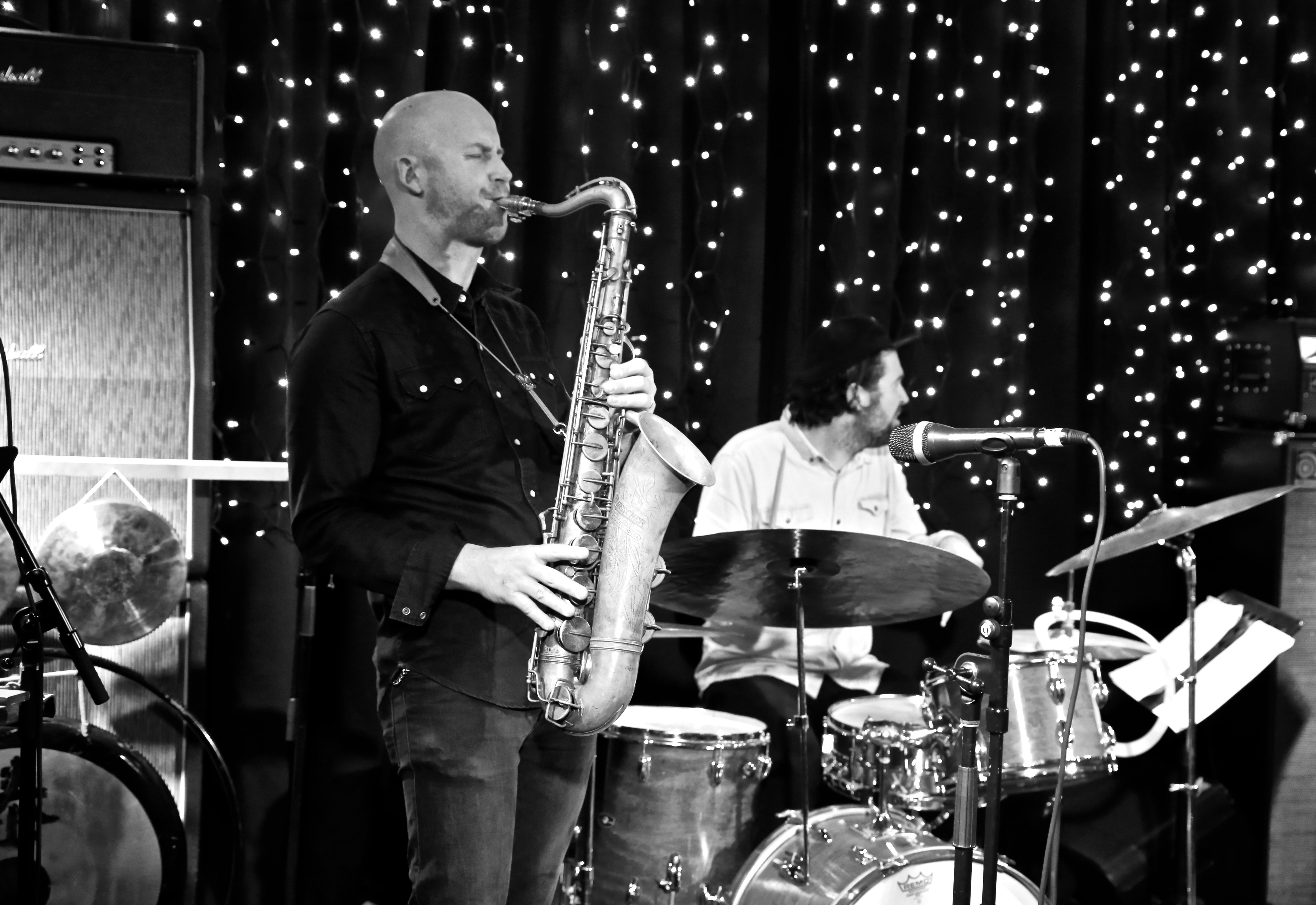 Perhaps it’s the anniversary of the moon landings, or perhaps it’s the crazy-arsed nonsense happening down on planet earth, but deep space has been very much on my mind lately. I have not been alone in this preoccupation as I appear to share this with a group of explorative improvising musicians. I was recently on local radio taking about a favourite topic, ‘space dreams and analogue machines’ and it occurred to me then, that space dreamers have always shaped our other-world view. Frank Hampson (Dan Dare Comics), Gene Rodenbury (Star Trek) and musicians like Eddie Henderson (Sunburst), or Sun Ra (Space is the Place). Humans have always looked to the stars for inspiration but only writers and musicians have the courage to describe what others cannot yet imagine.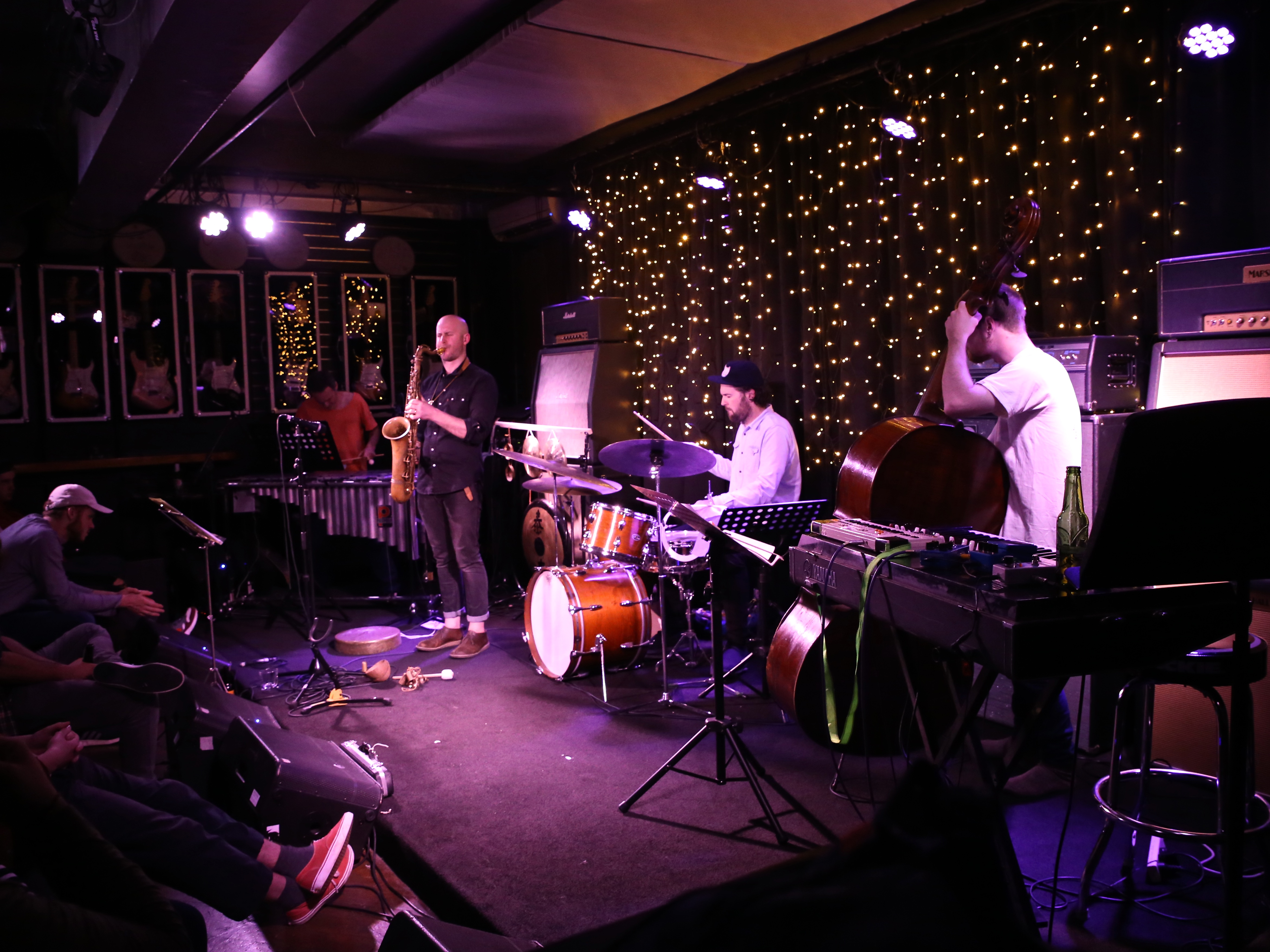
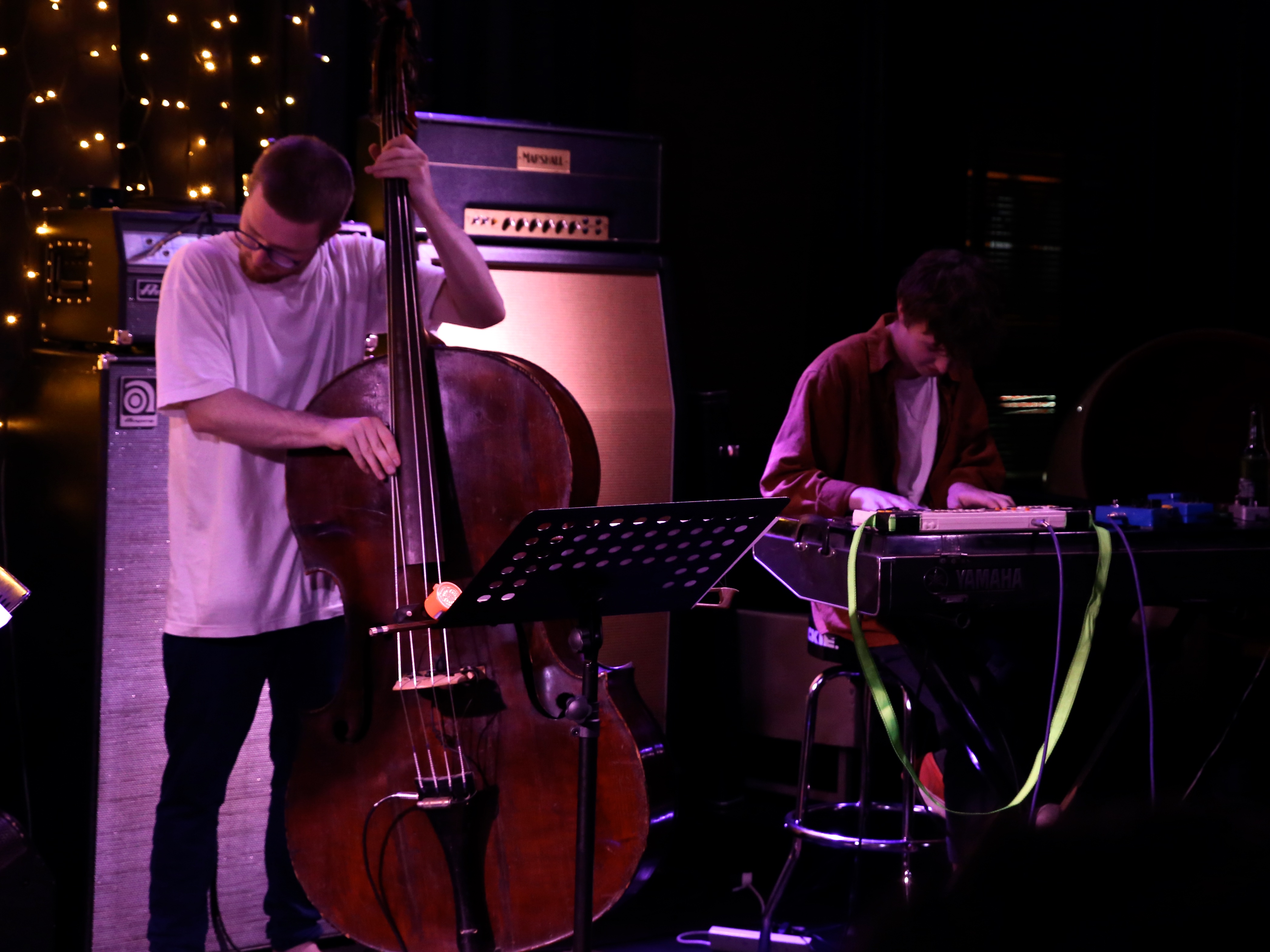
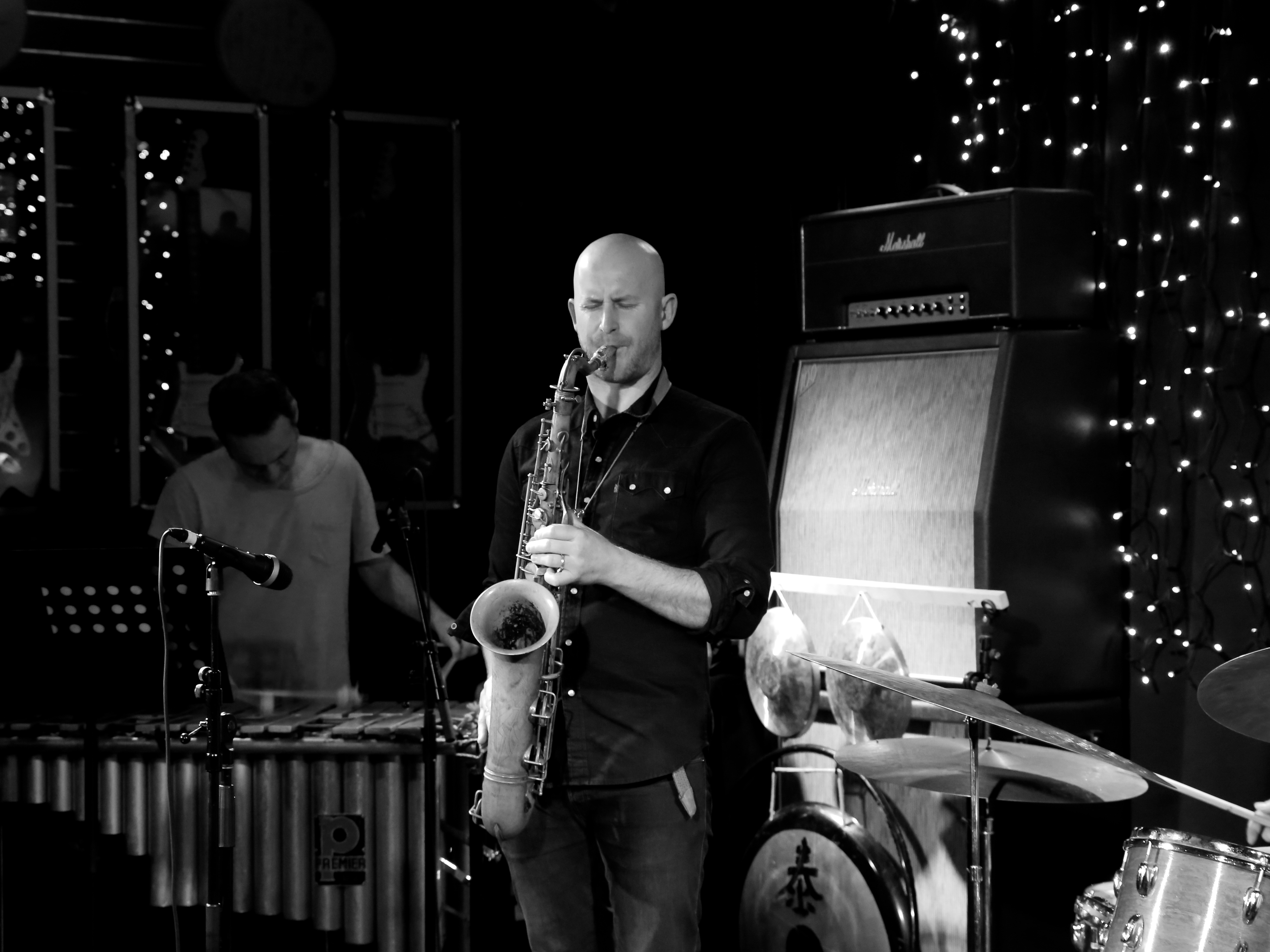
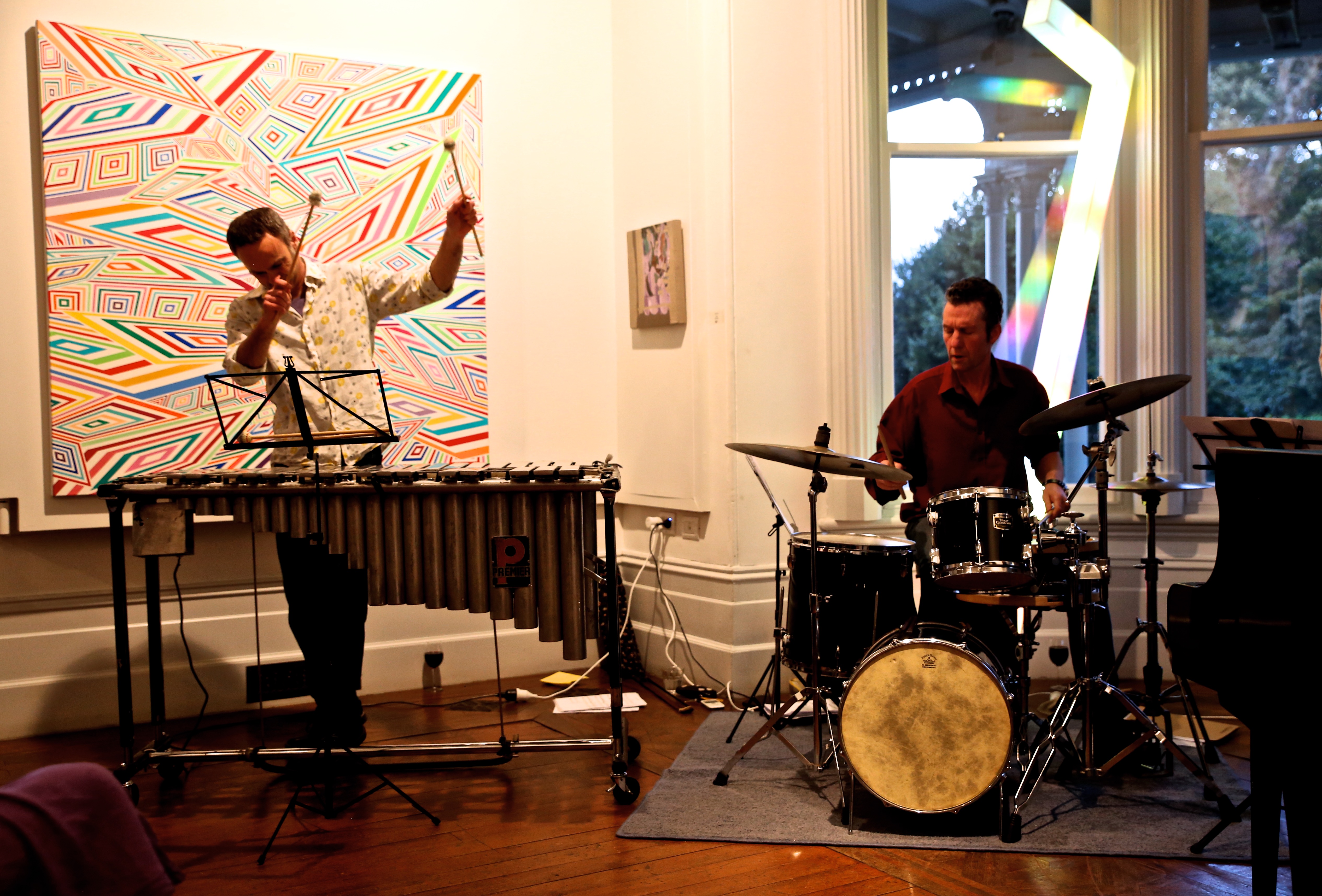 While pop music briefly looked up and saw satellites and Rock music headed for the dark side of the moon, Jazz musicians lifted their vision further, aiming beyond Voyager and reaching for the farthest corners of deep space. Exploring those regions is the beautifully realised Aldebaran Quartet, an ensemble which pleases me greatly. It’s not often that I encounter a band like this and I can’t wait for them to record.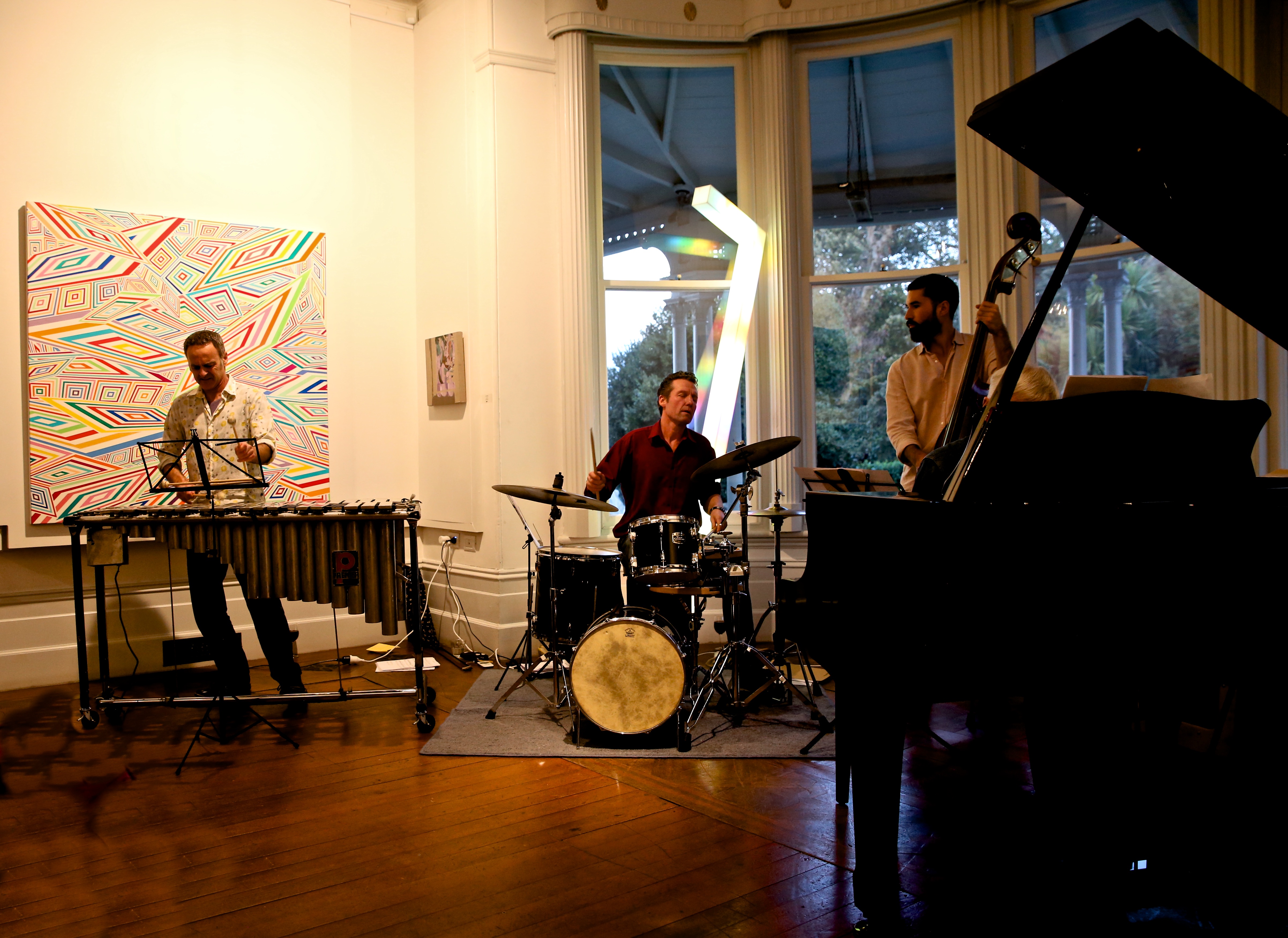
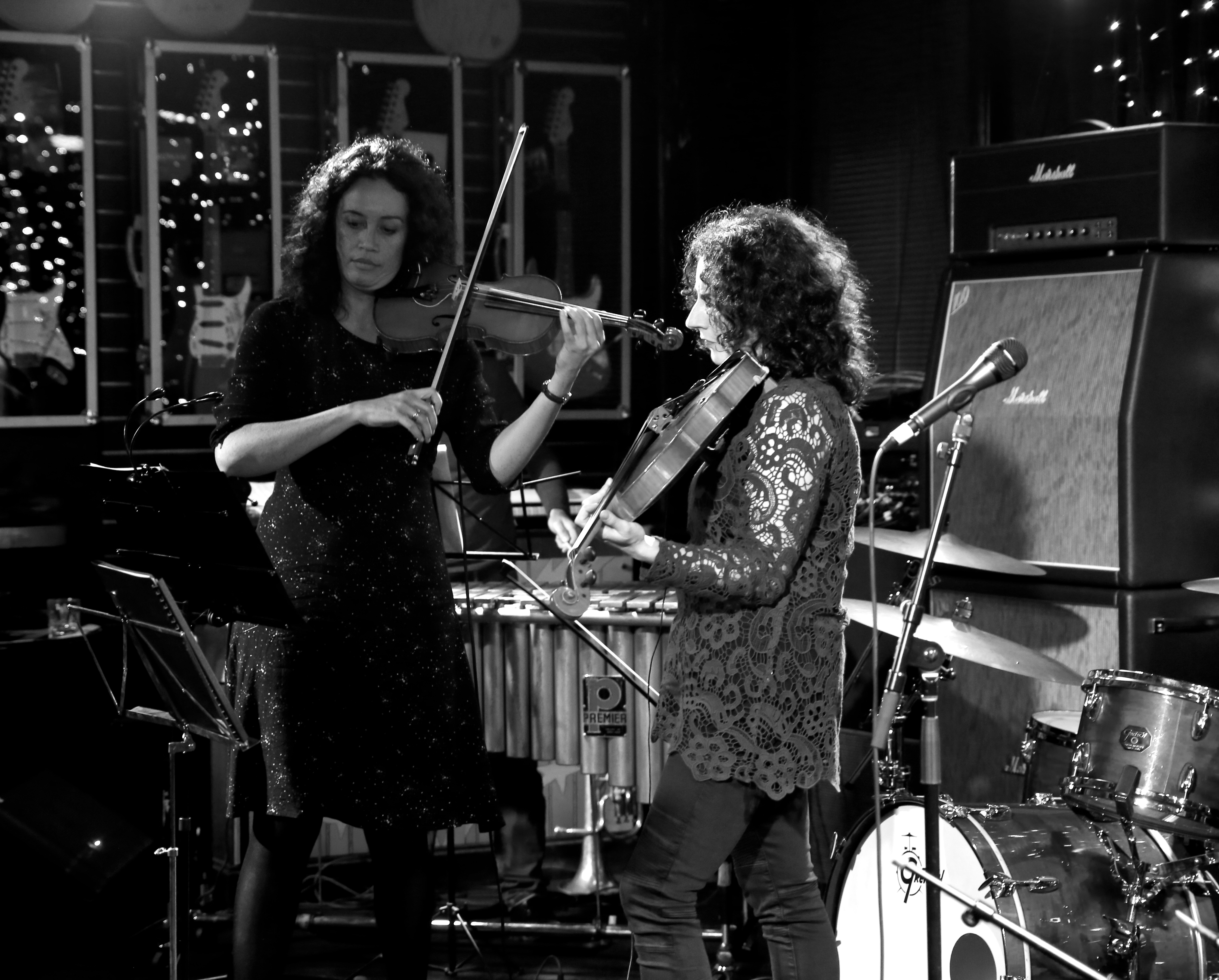
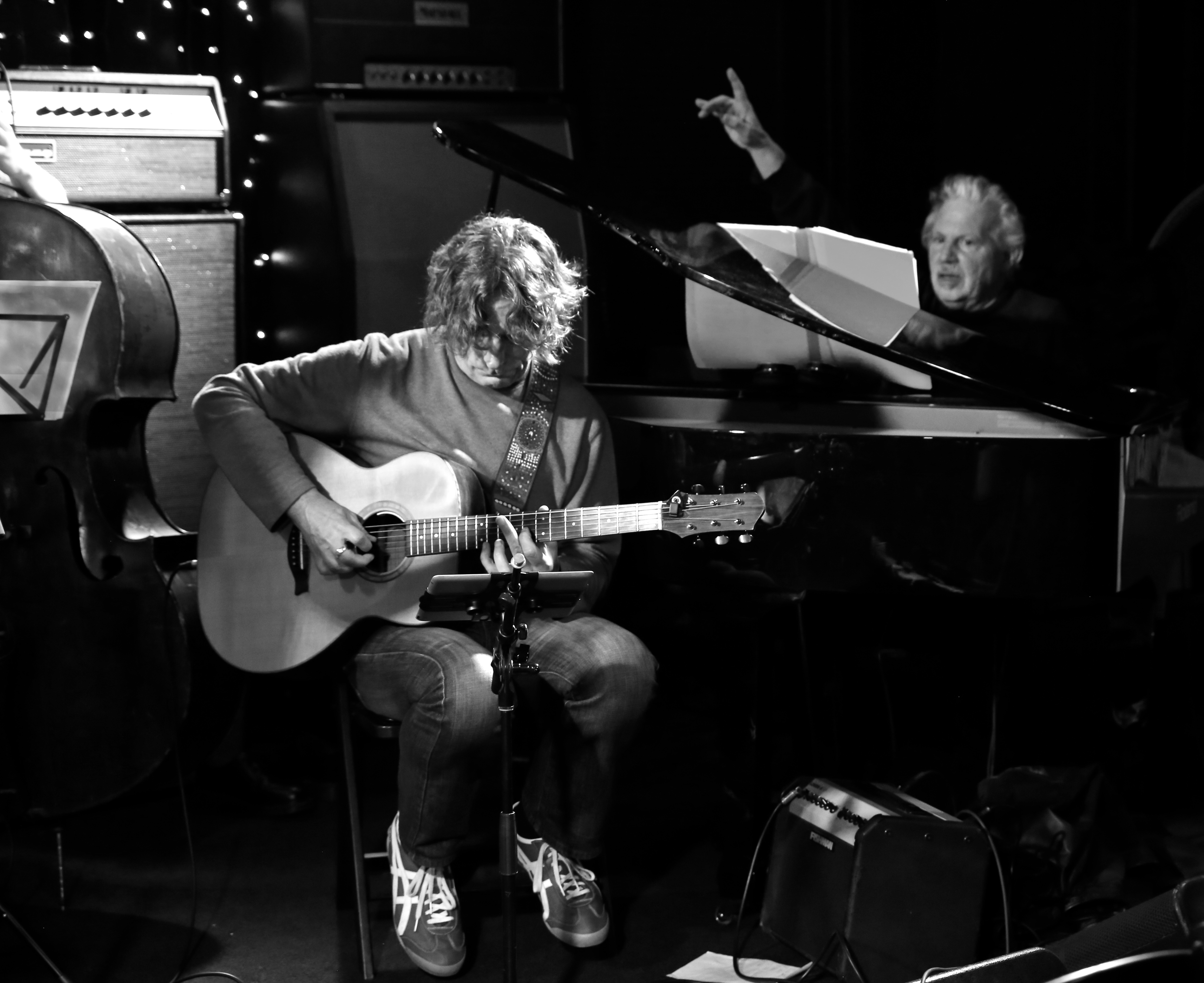 There is an inescapable charm surrounding any Besser performance and Wednesday’s Zestniks gig at the Backbeat bar was no exception. While his music has many strands feeding it and although it can be hard to categorise, it is never the less rooted in the Jewish musical traditions. Besser is somewhat of an icon in Arts circles and deservedly so. The arc of his work has a momentum that few could emulate. As it alights on various styles or genres it borrows their raiment, and seemingly without compromising what lies at the music’s heart; gathering what is necessary and no more. Over the years he has collaborated with leading conceptual artists, filmmakers, symphony orchestras, electronic adventurers and Jazz musicians. The Zestnics performance reflected much of this fascinating journey.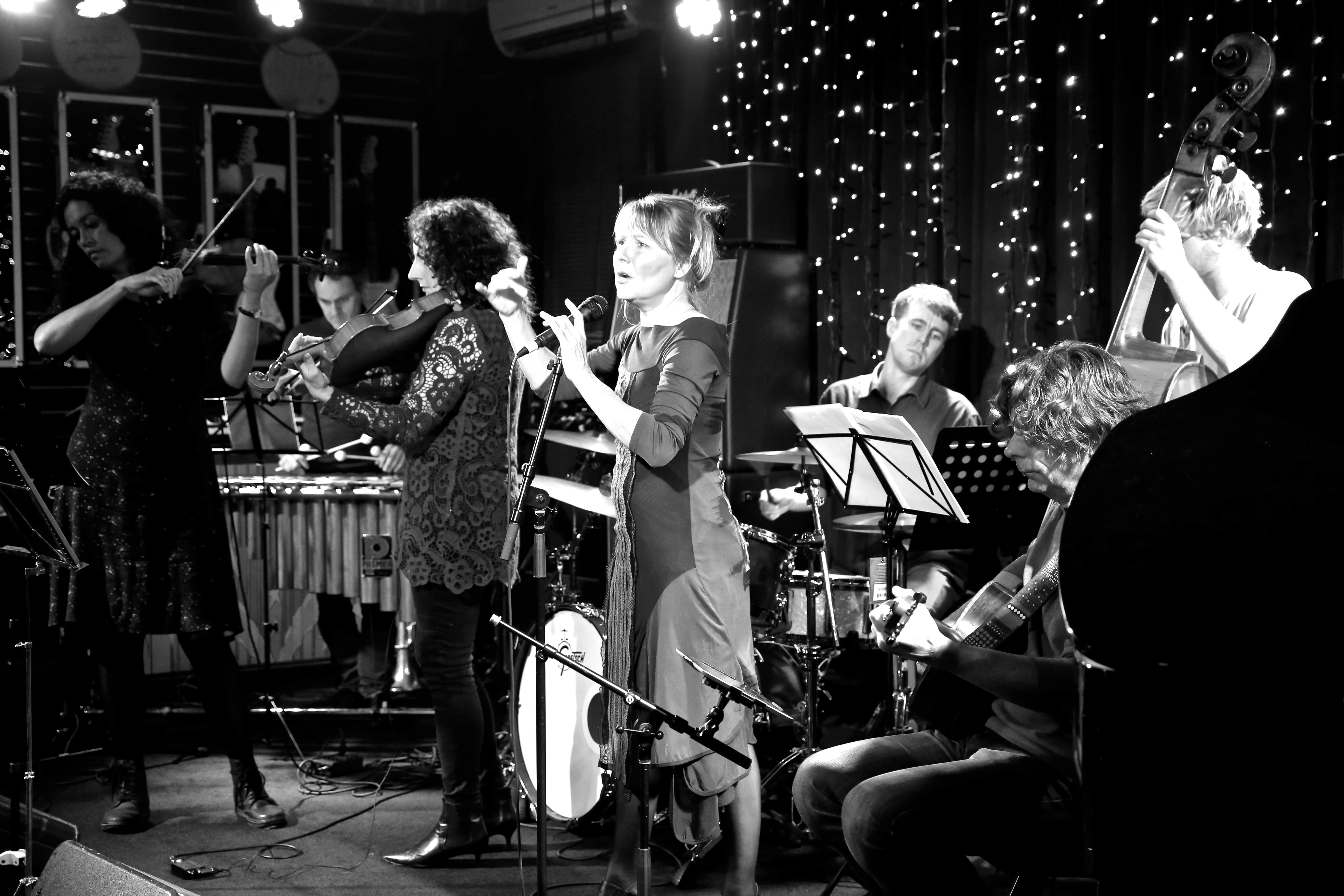
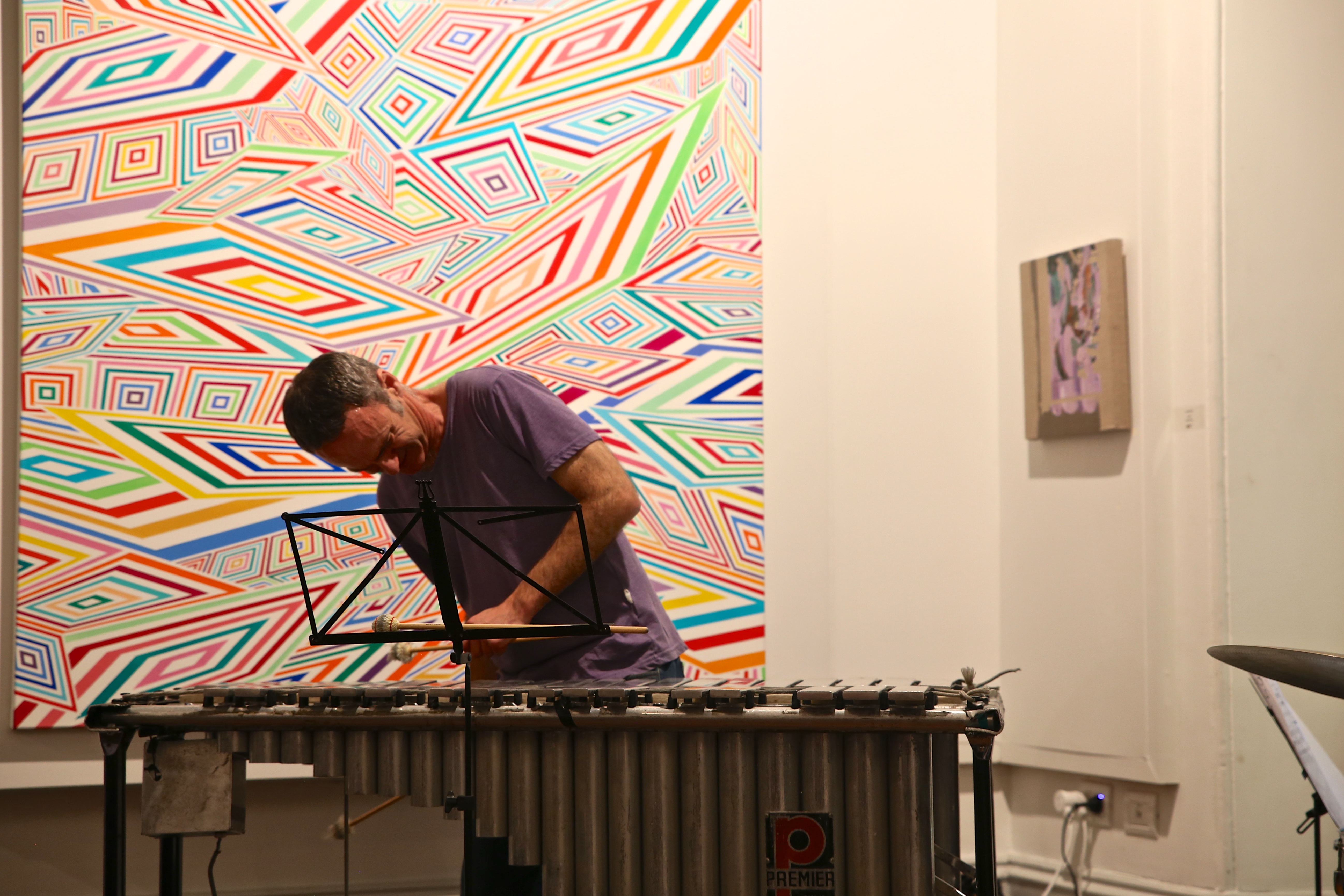
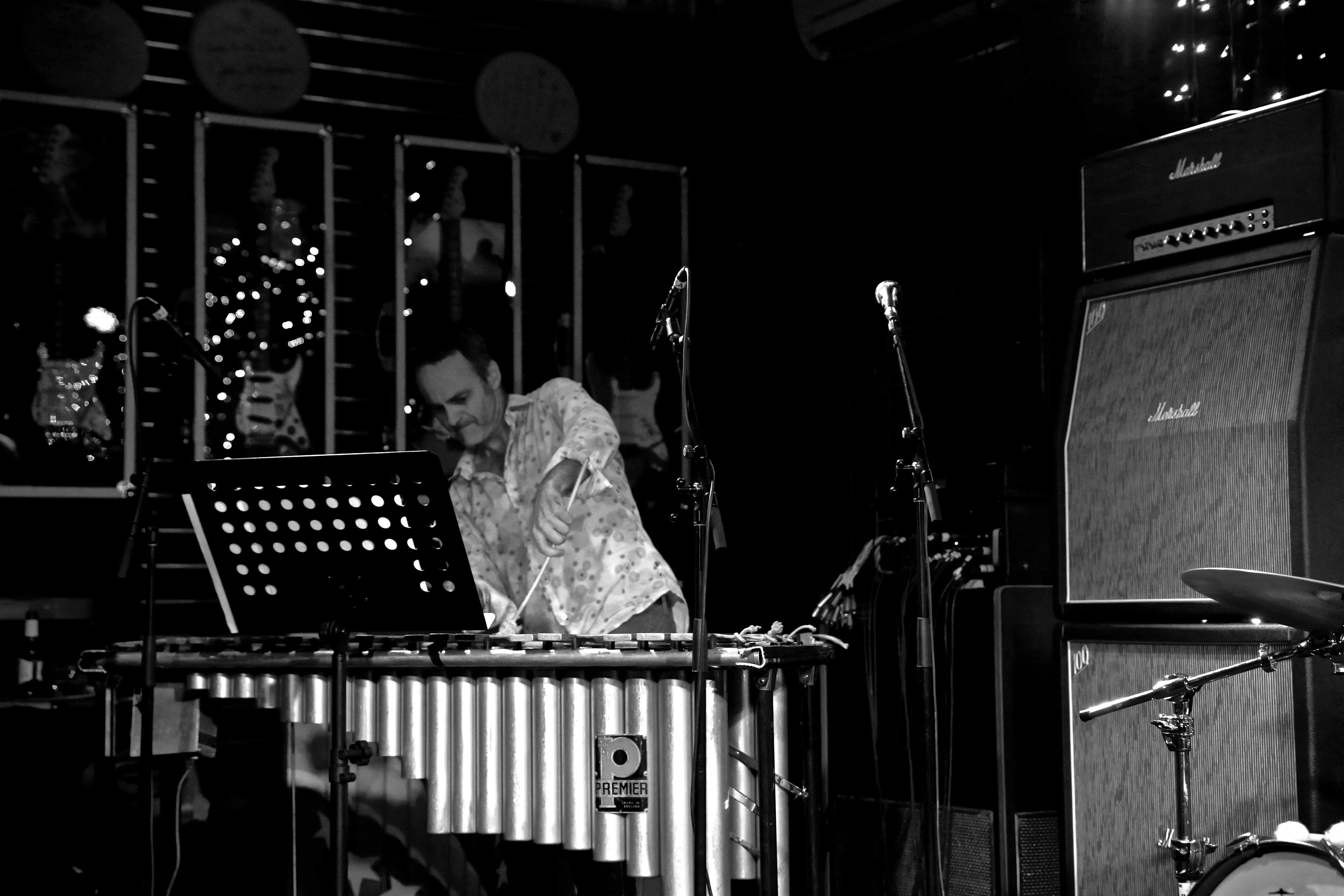 I have listened to John Bell over a number of years and I have always marvelled at his inventiveness. Bell (along with Jeff Henderson), is widely acknowledged as the experimental music guy, the free improvisation guy. He is a musician who takes risks as he aims for clear skies; a musician who involves himself in interesting cross-cultural collaborations, a vibraharp player who doubles on brass instruments. He is an artist who you always associate with innovation – consequently, other musicians look up to him.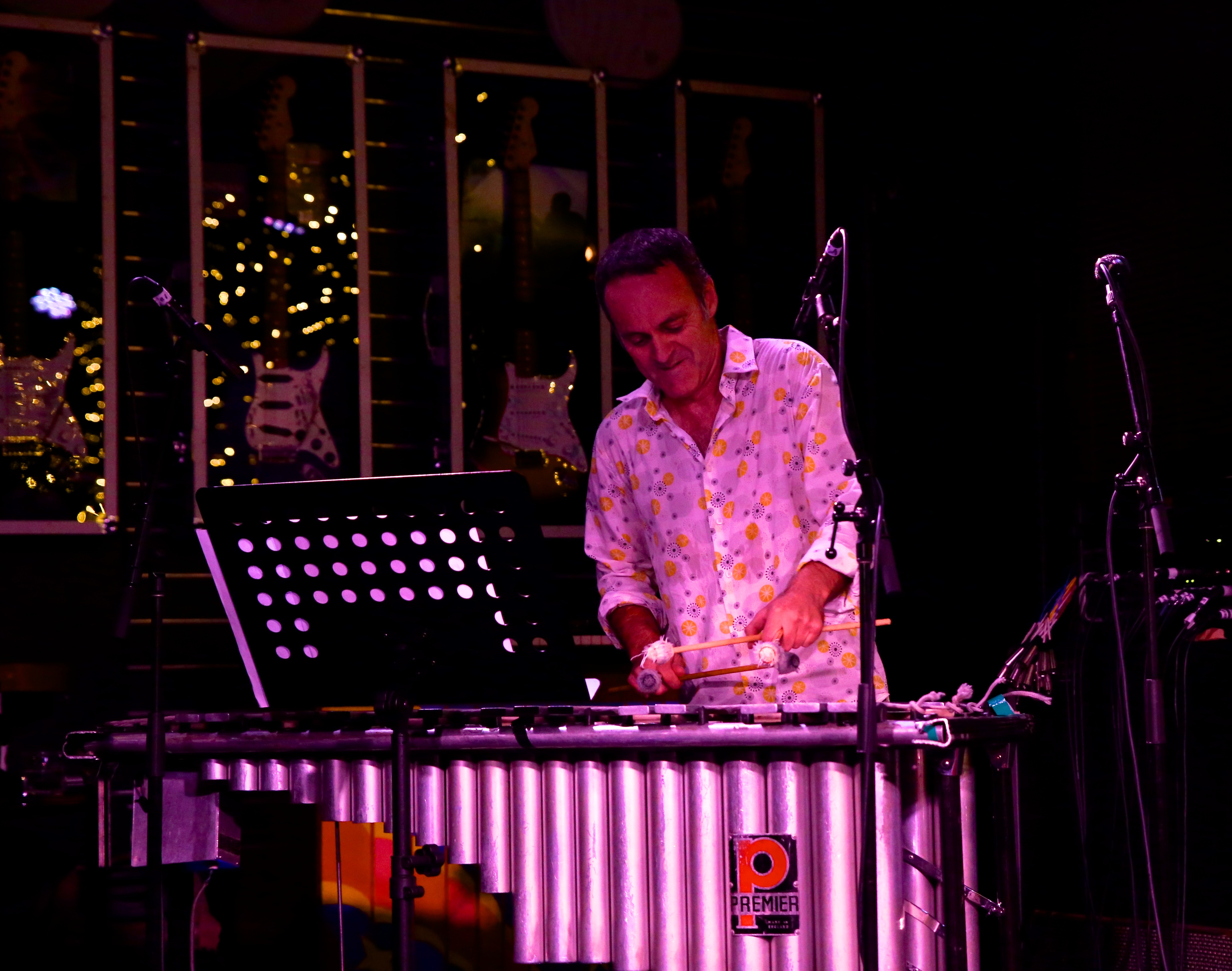
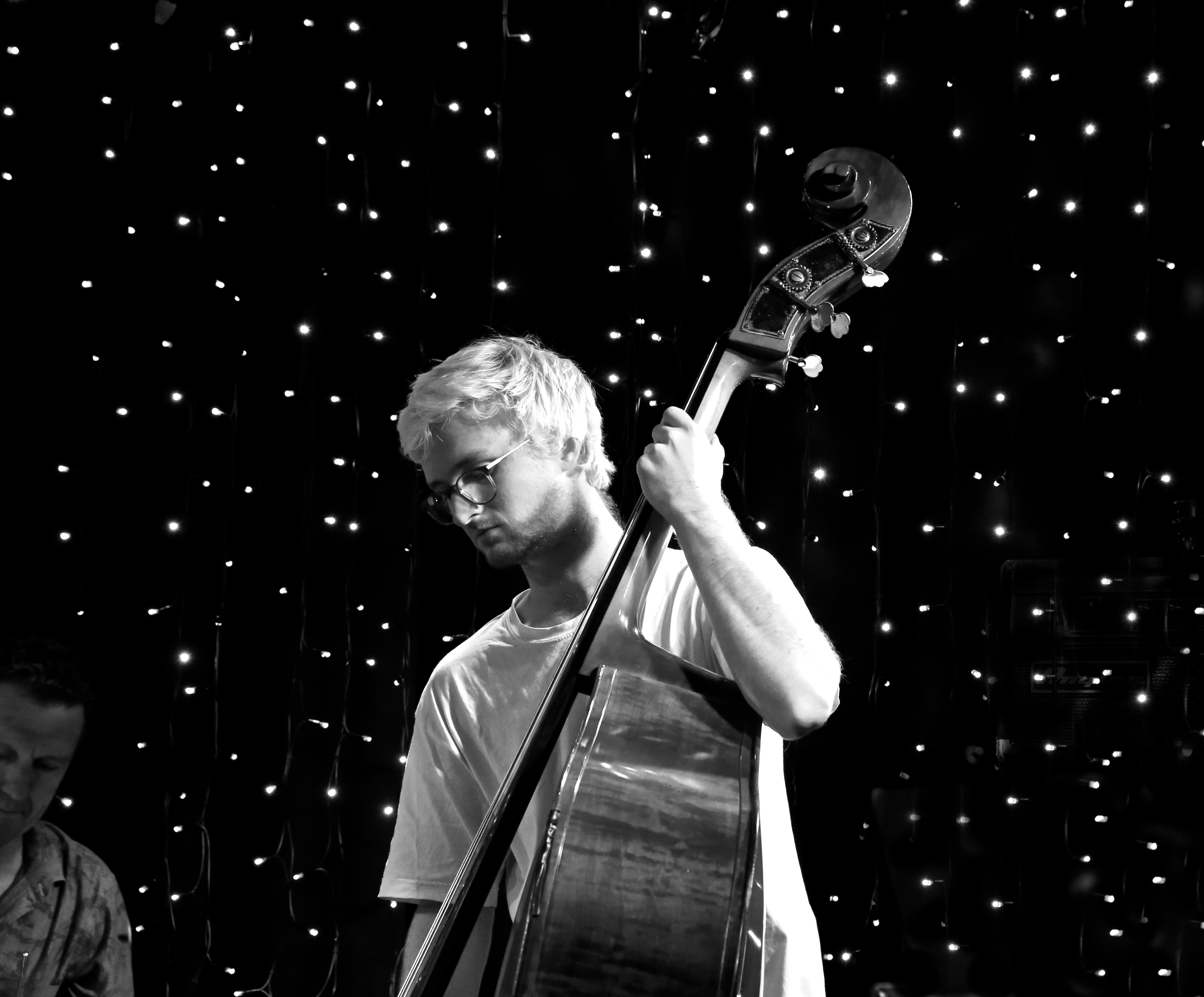
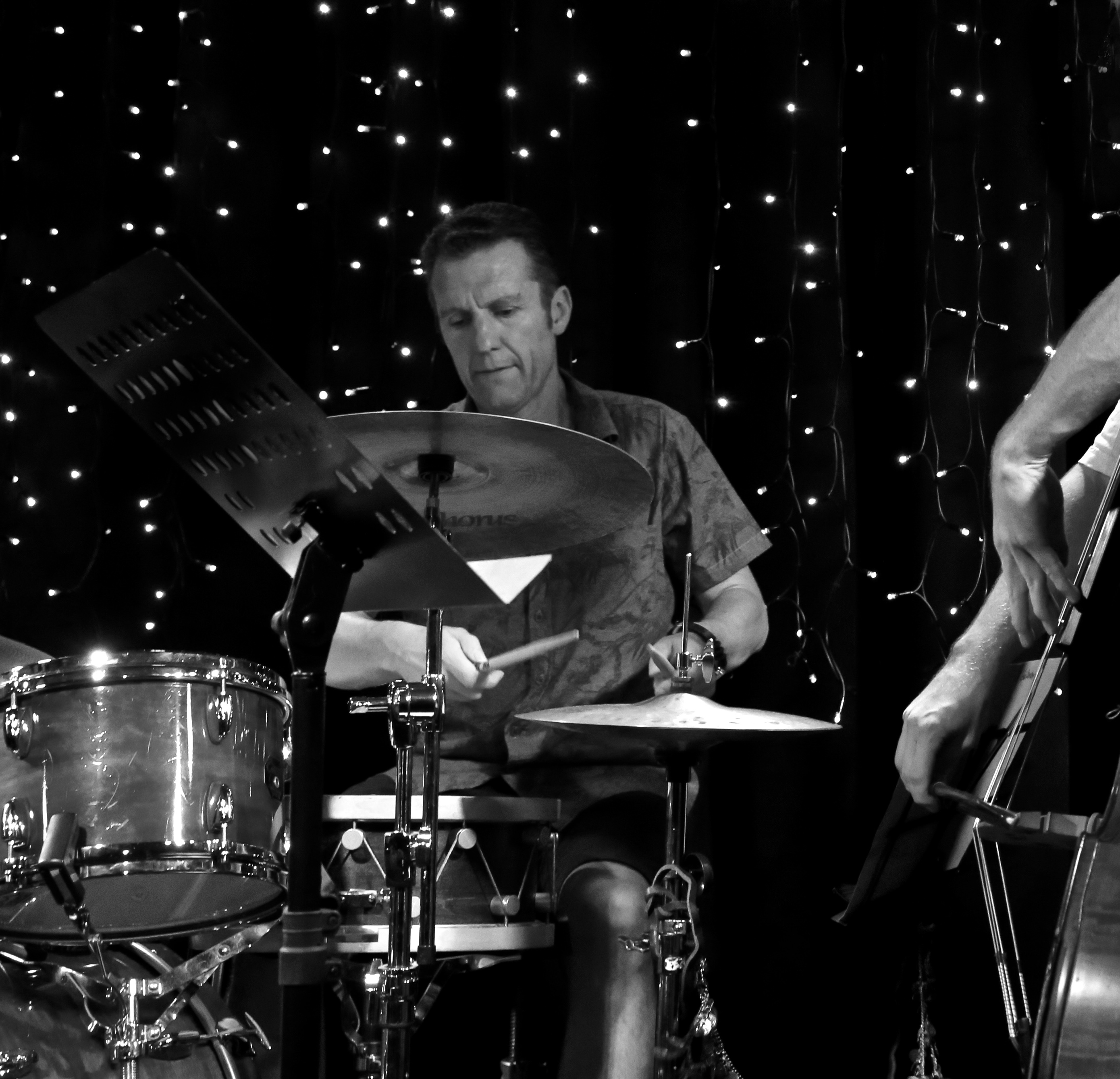
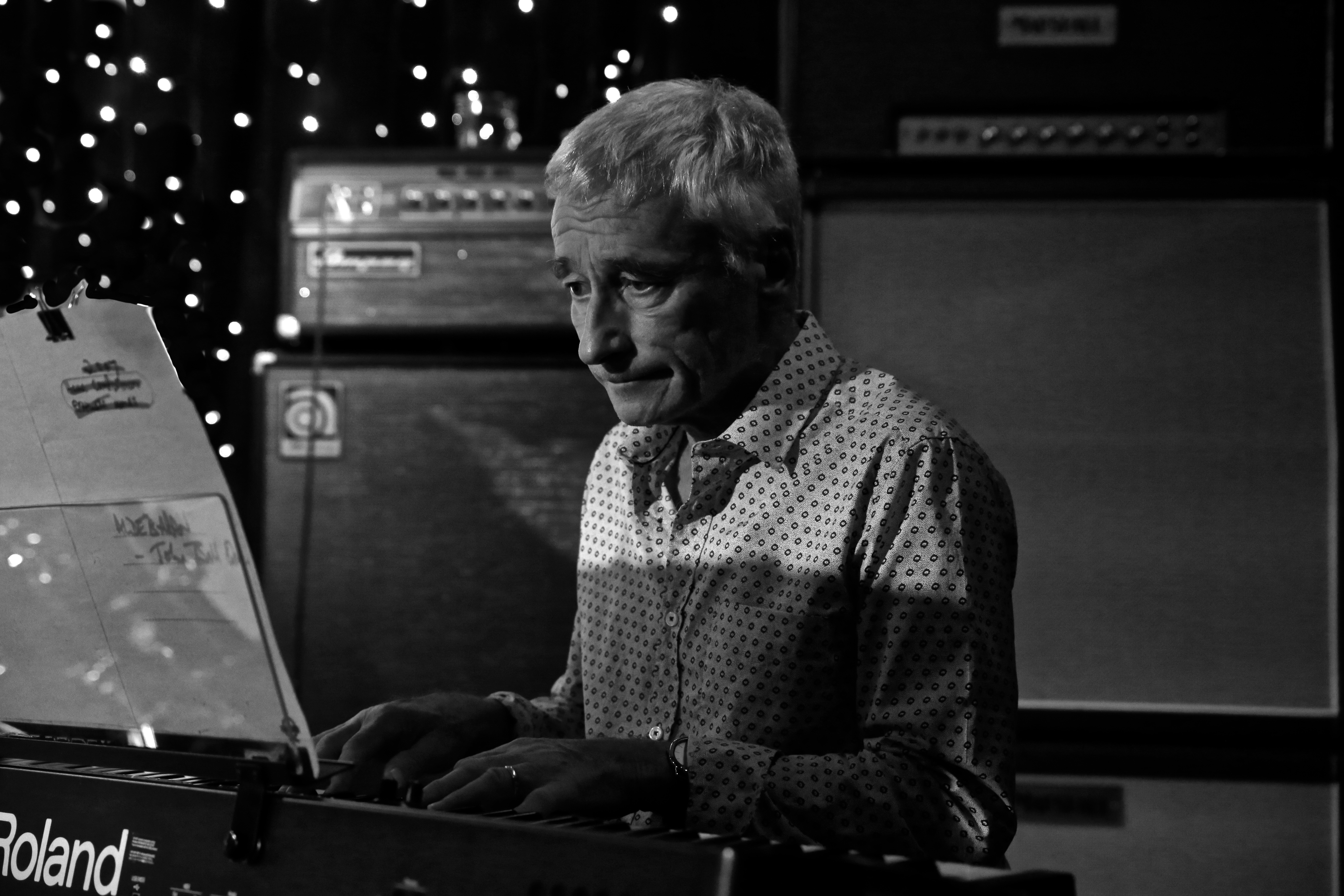
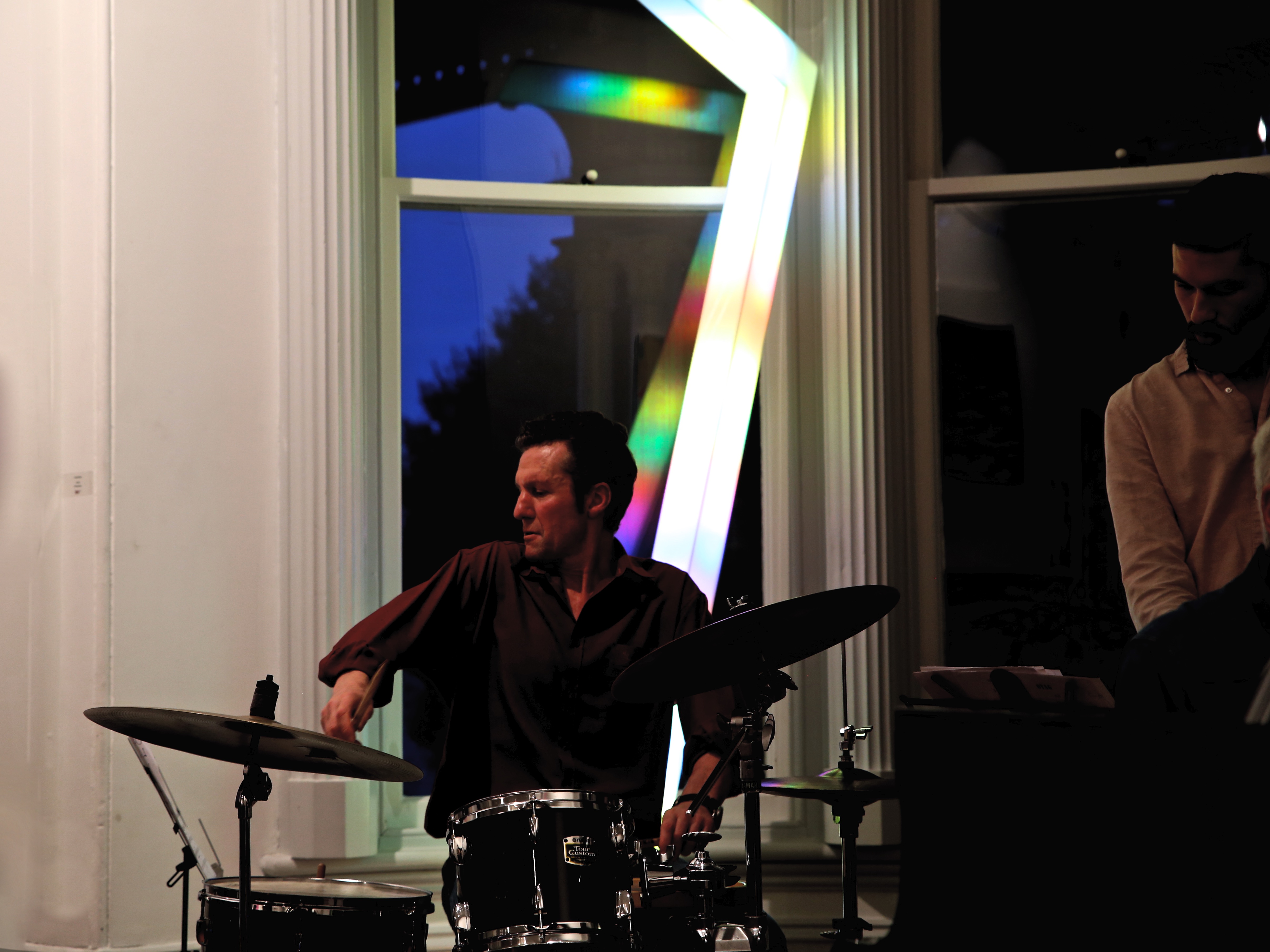
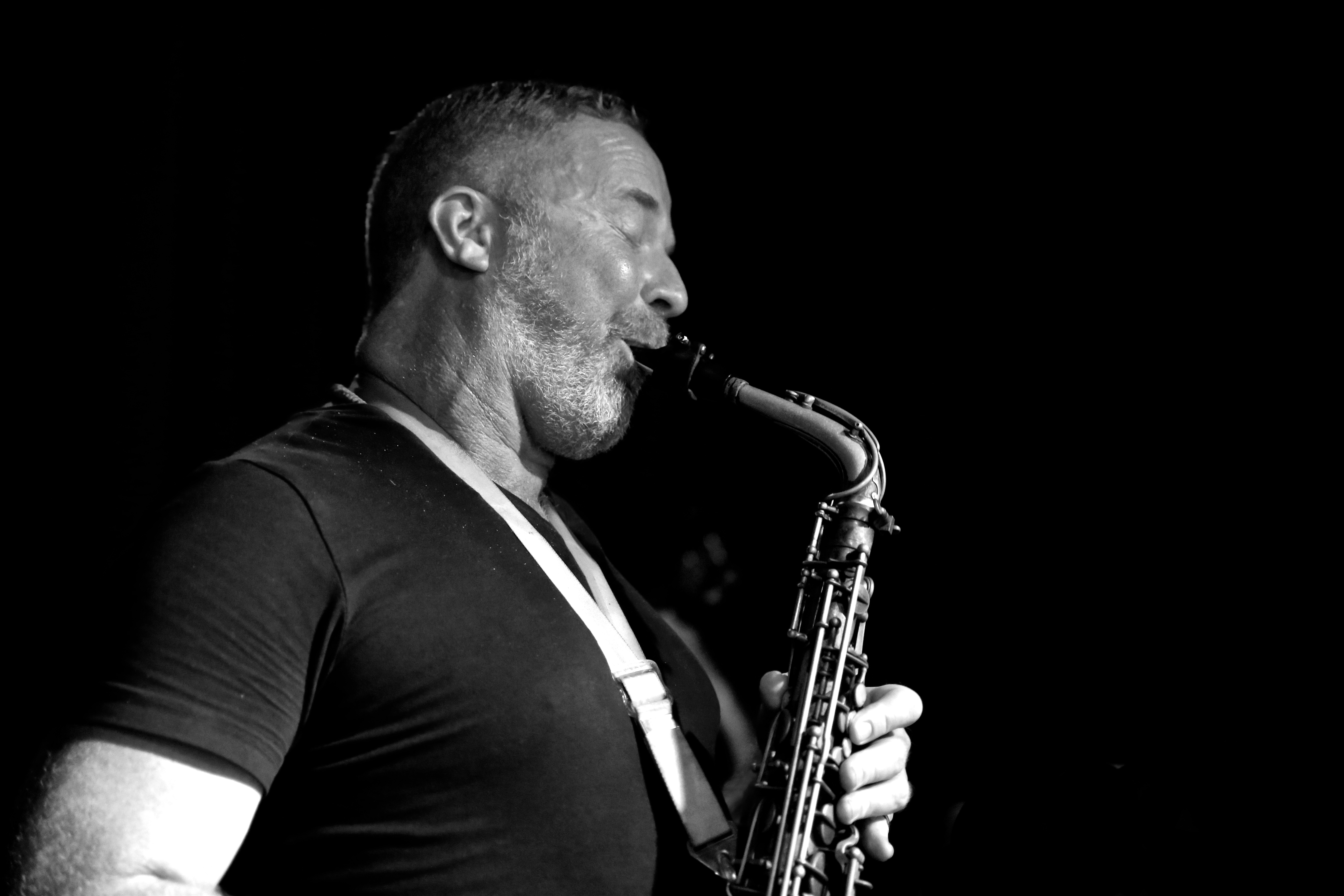 It was a good way to begin a year of music, a good way to breathe life into two enervating steamy nights. Hayden Chisholm was back in the country and around him formed various duos, trios, and quartets. He performed two gigs in Auckland and the first was at the Audio Foundation in Poynton Lane. The venue has long been an important source of innovative music and each time I descend the stairs to the sub-basement I find interesting changes to the clubs configuration. It really is an excellent venue and perfect for what it offers. At first glance, the two nights appeared quite different. One free improvised and the other a set of reflective ballads. In reality, both gigs were reflective, melodic and approachable. The open-hearted humanity and communication skills of the participants made it so.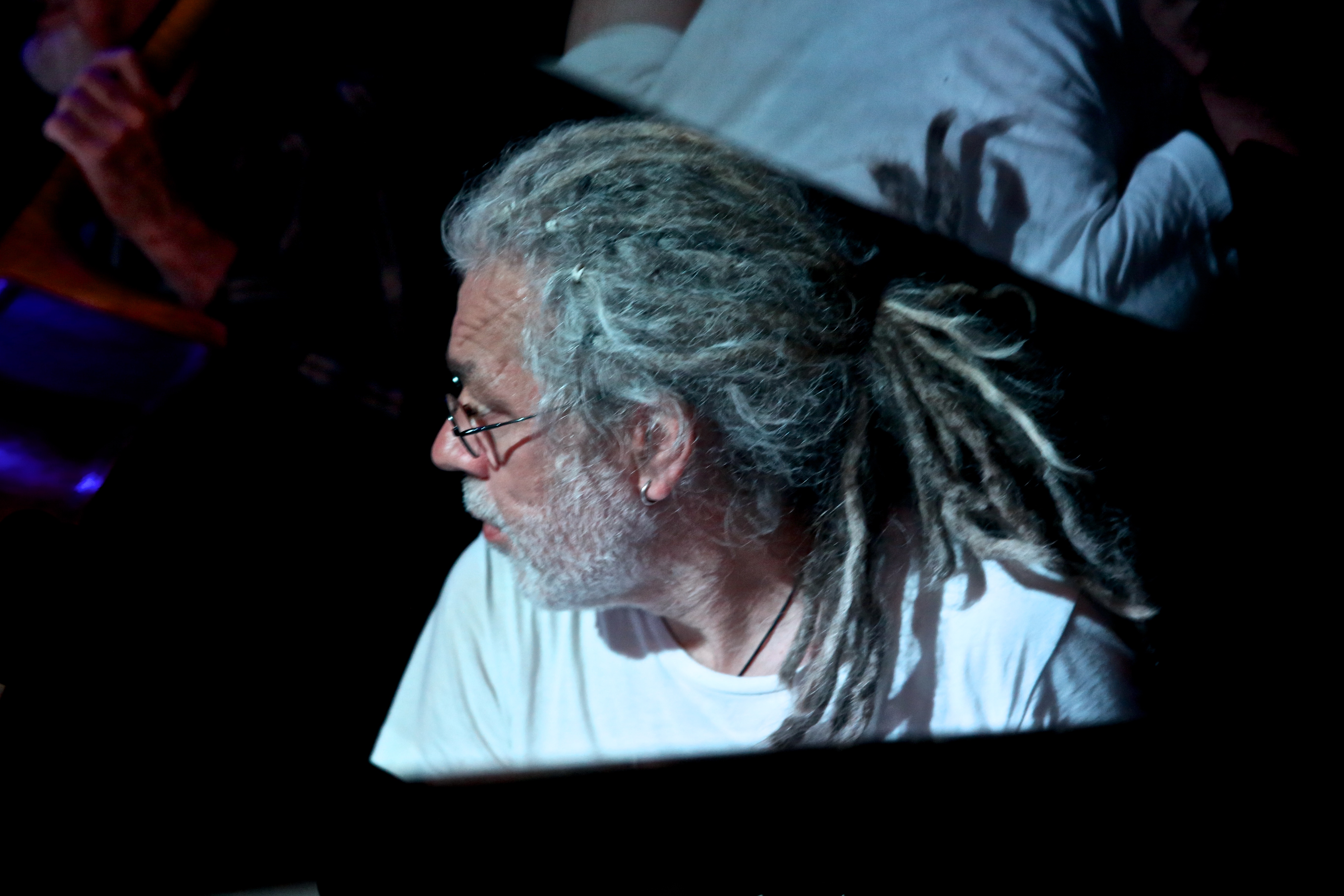
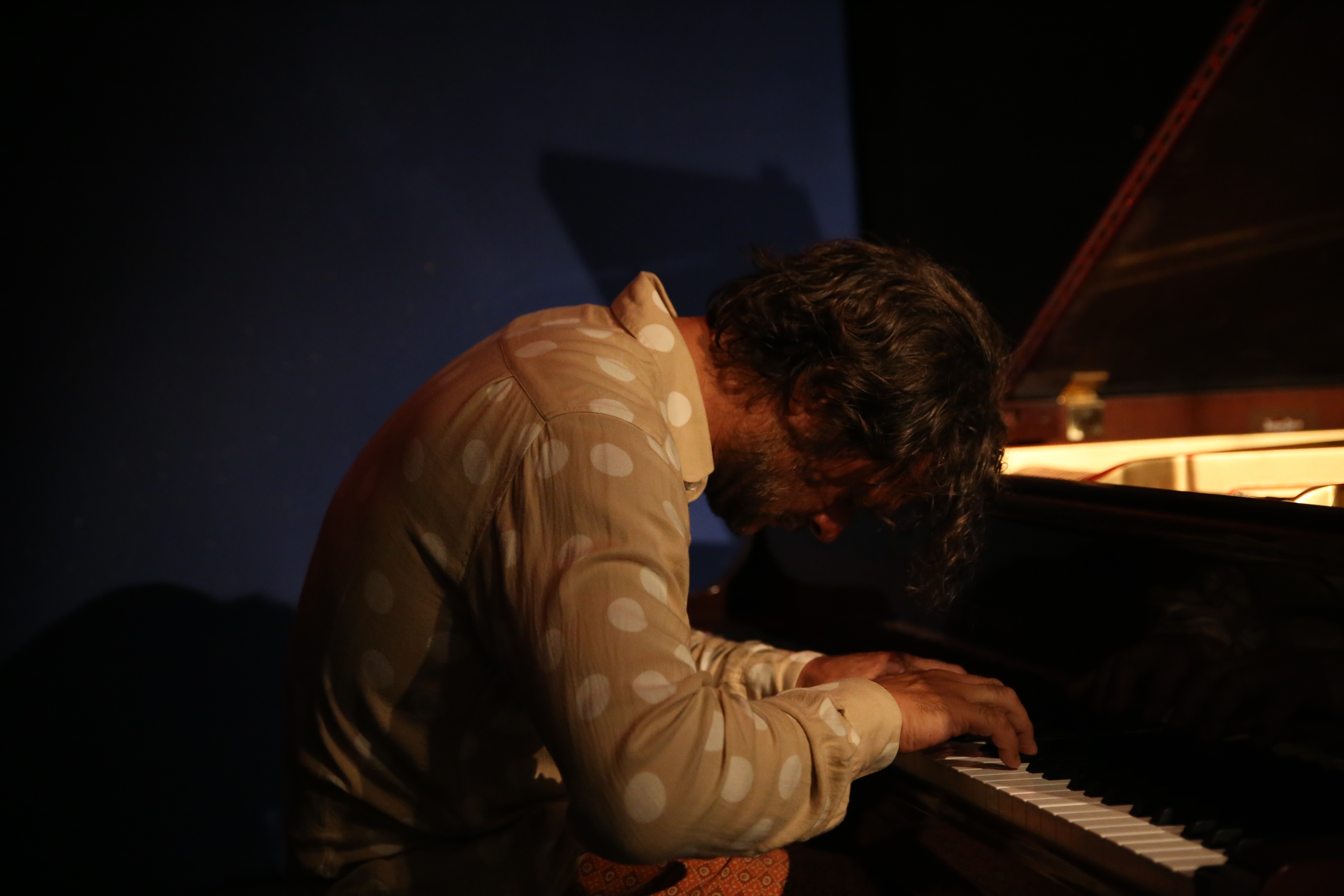
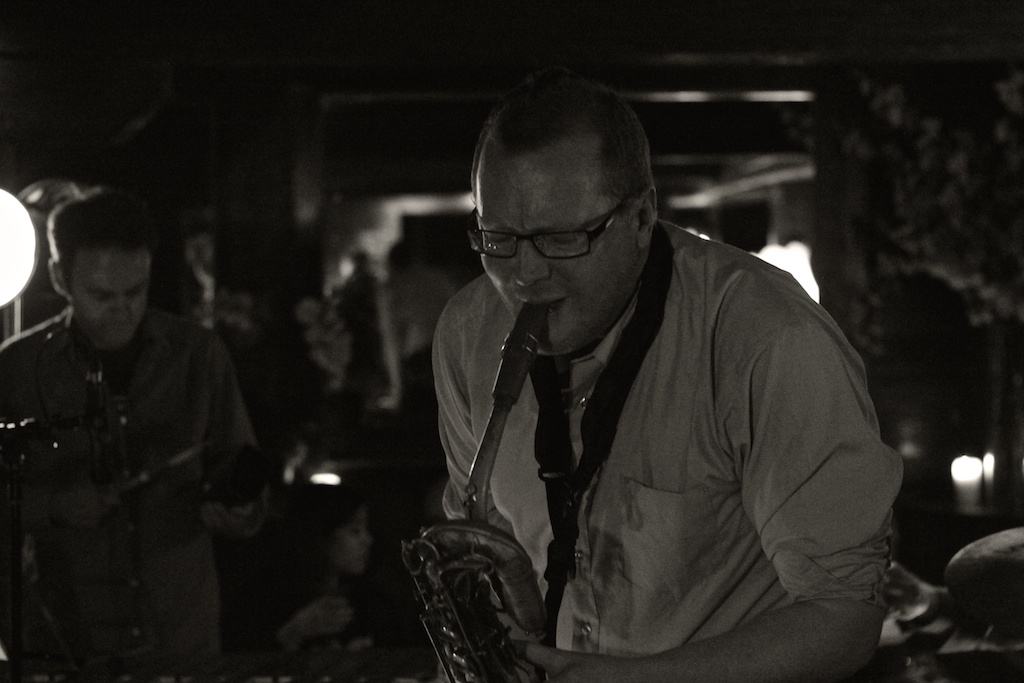
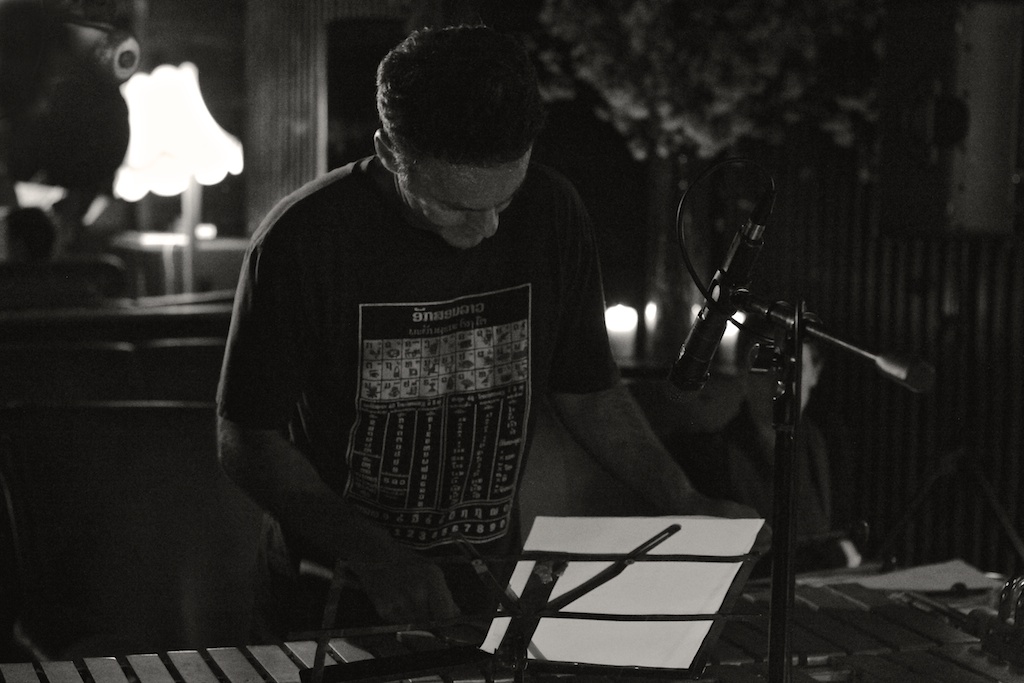
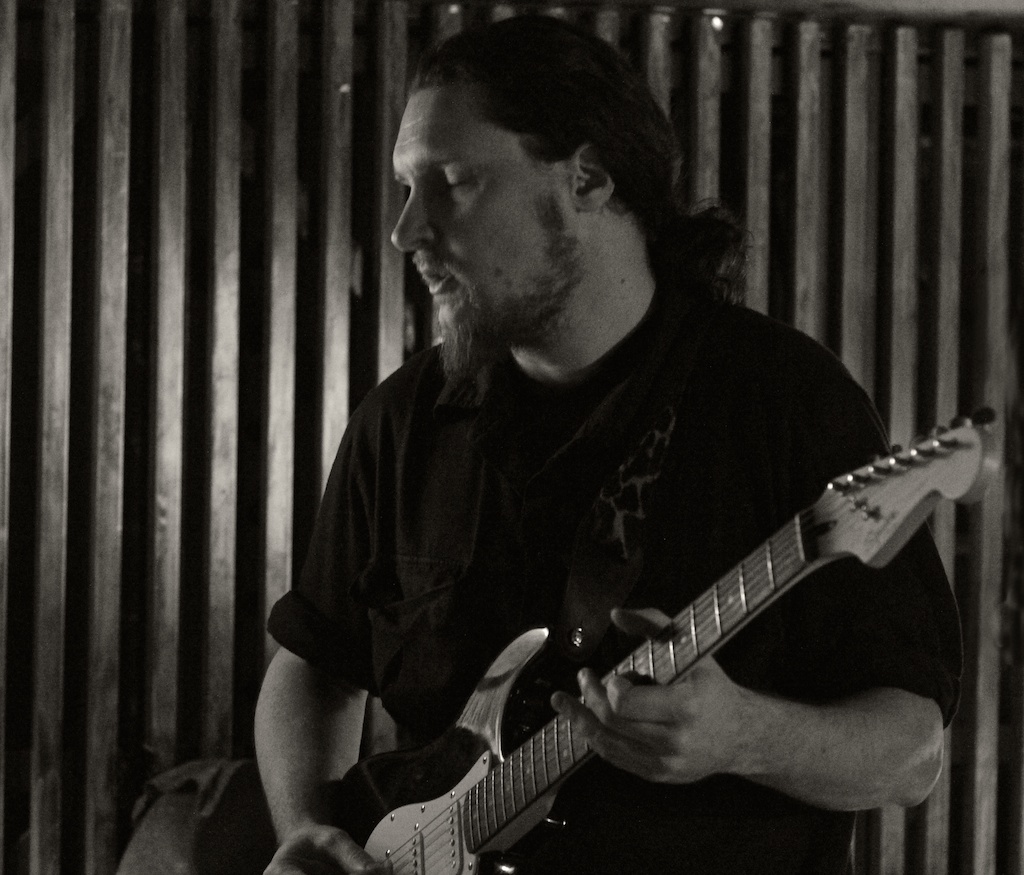
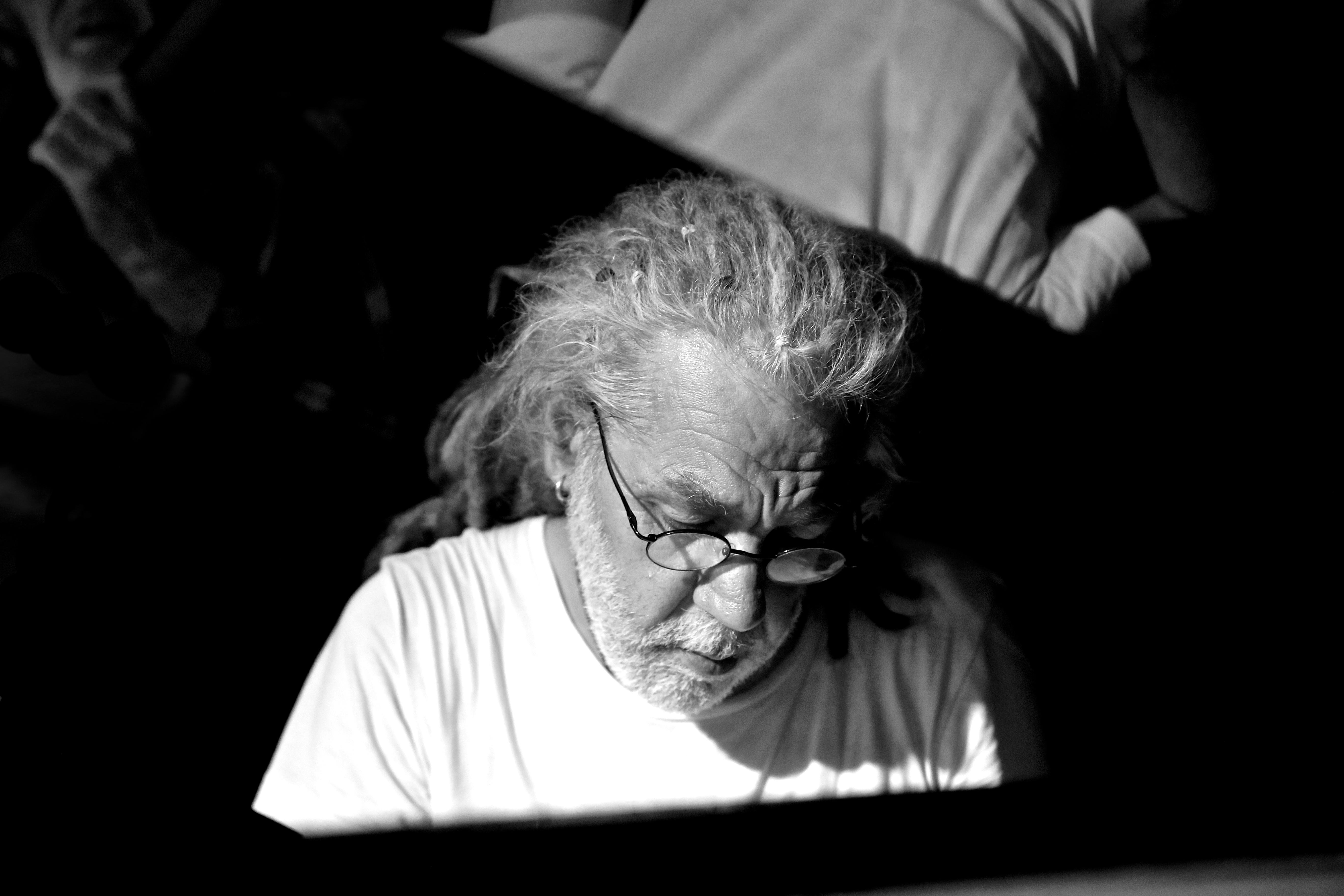 I have never witnessed a free gig quite like that as the communication was so exquisitely personal. More than musicians finishing each other’s sentences. More than the flow of fresh ideas; there was a sense of musicians revealing something intangible. From out of the fading harmonics and the quiet spaces came that extra something. The quiet revealing something on the edge of consciousness, something we often miss. Arising from – evocative like a Rilke poem – or a haiku. Bell stroked his mallets across the bars or responded with staccato – or soft taps and clicks, Prastiti offered cries and bell-like utterances, framed as wordless questions, Crayford explored resonant possibilities by using extended technique or by mesmerizing with darkly descending chords – opening up a dialogue which was met in kind – sometimes gentle, at other times like a flow of coloured sparks.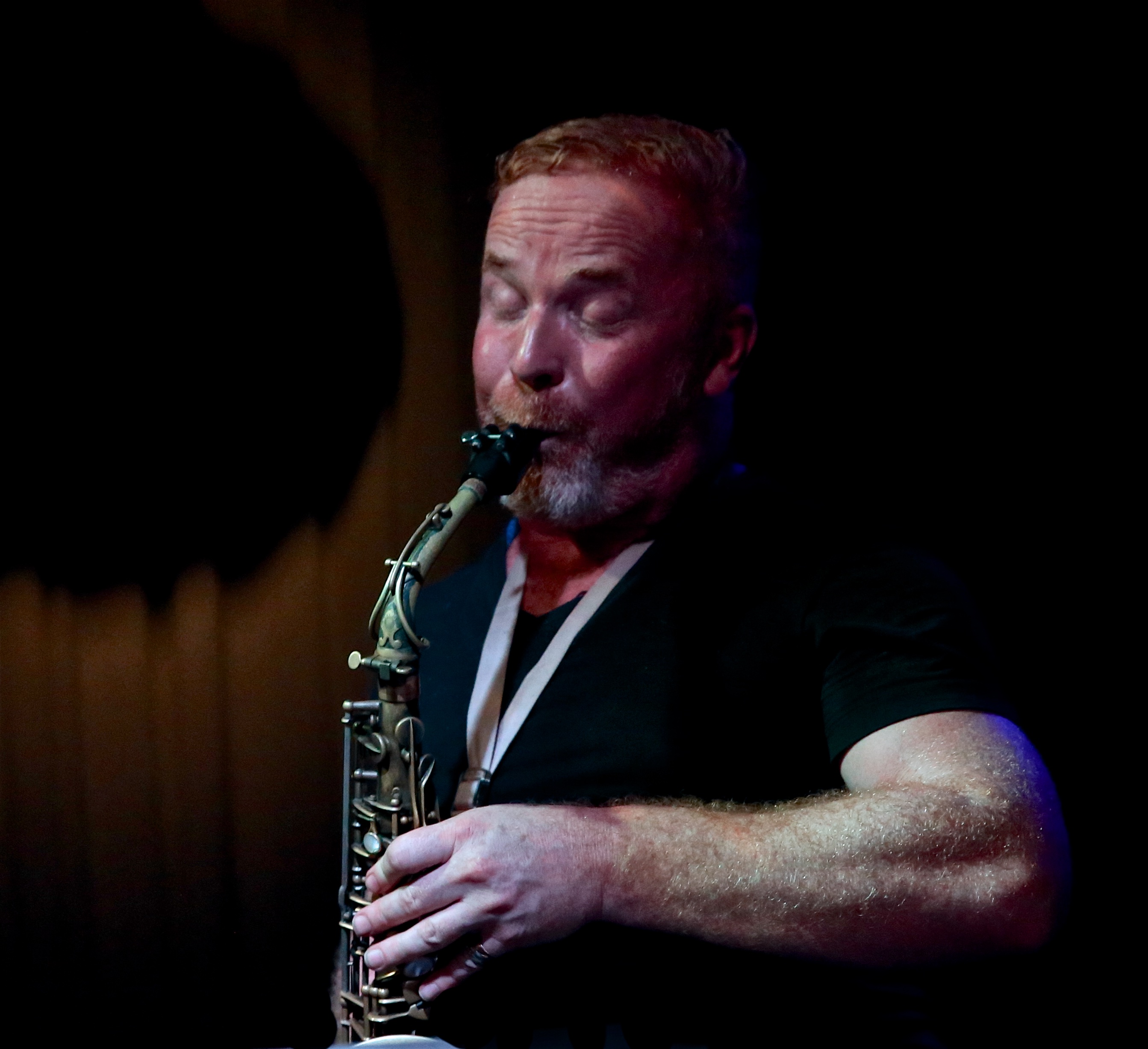
 e
e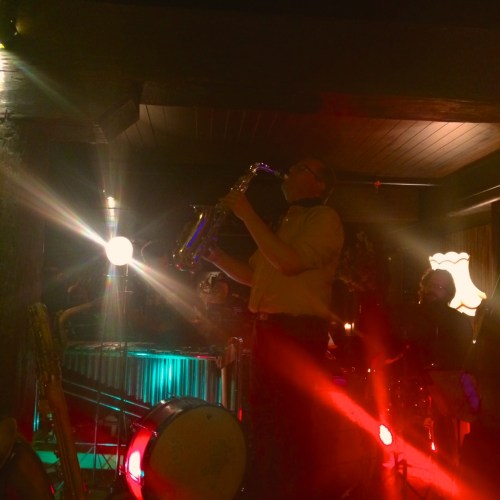 There is a rawness and a primal quality to it, a strong sense of performance. Who would prefer a recording of an Arkestra or an Art Ensemble of Chicago performance over a live show? This was all jazz and all music decoded, not for the cocktail party. The next day I was watching the 1956 Jean Bach film ‘Great Day in Harlem’ and there was Roy ‘Little Jazz’ Eldridge squealing out high note after high note on his trumpet. Again and again, he pushed out a flurry of wild free multi-phonic sounds. Even in the swing era, this had a great effect.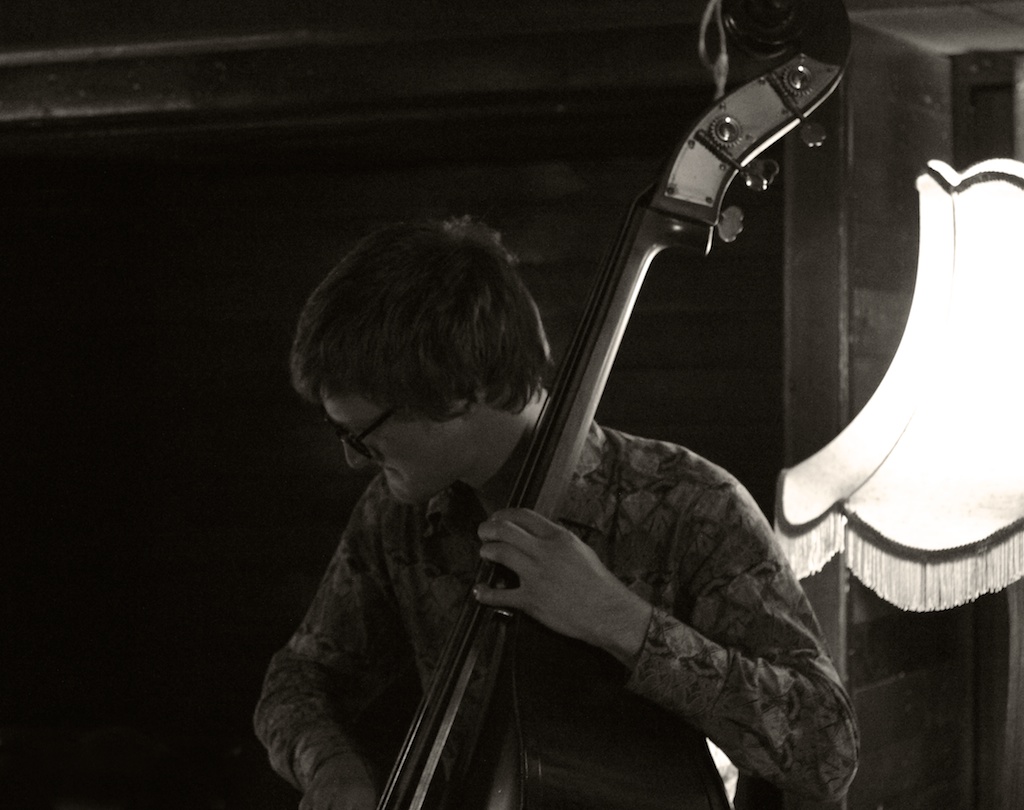



 JazzLocal32.com