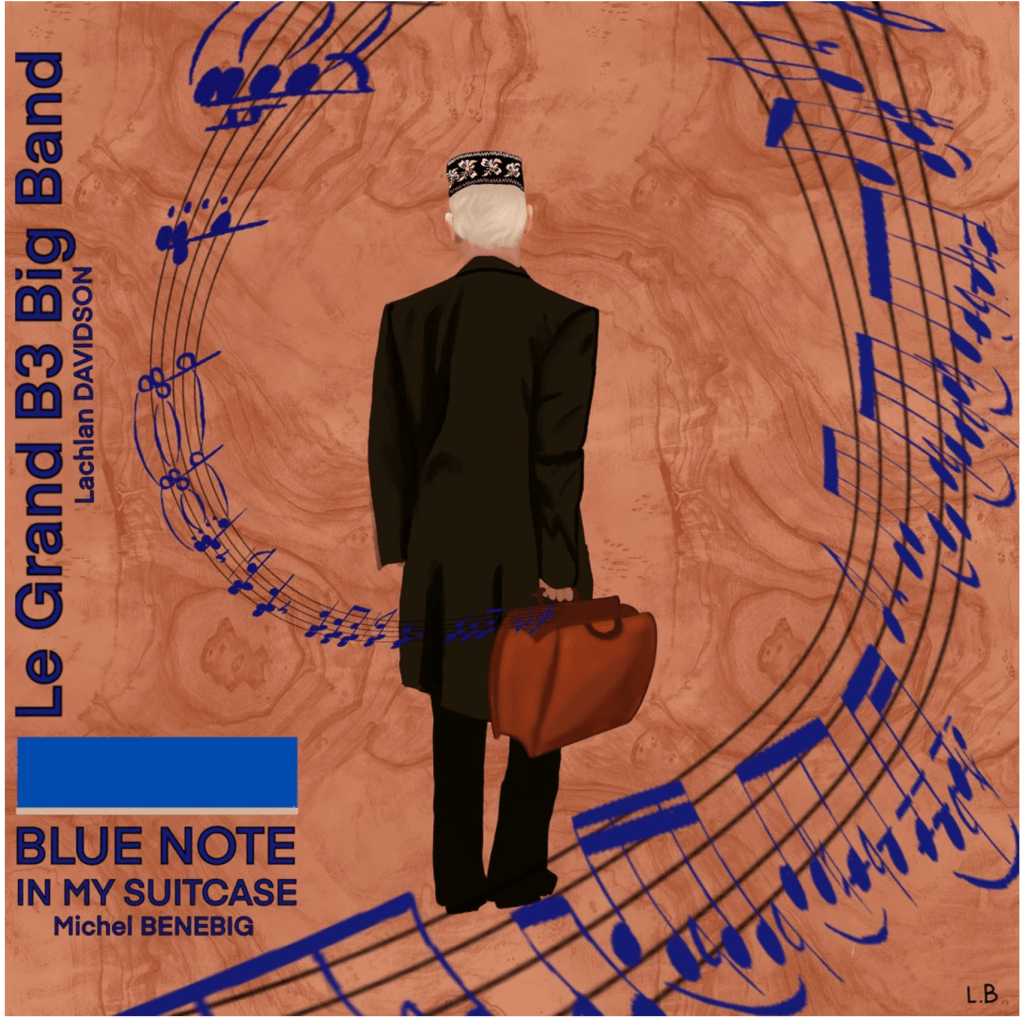
Earlier this month ‘Blue Note in My Suitcase’ was released by B3 Master Michel Bénébig. It is his sixth album and his first with a Jazz orchestra. The album hits the groove spot immediately, and as you listen you realise what a perfect pairing Bénébig’s B3 and the Le Grande B3 Orchestra is, aided convincingly by Lachlan Davidson’s lovely arrangements. The charts are well constructed, giving free rein to the soloists and never overwhelming the organ. Davidson is a respected Australian arranger, teacher, band leader and multi-instrumentalist and his influence is strongly felt here.
It is always a pleasure to hear Bénébig’s in-the-pocket playing but with an orchestra like this charging the atmosphere, he digs deeper than ever into the groove. The ten tunes on the album are excellent groove vehicles, all written by Bénébig, with Davidson credited as co-composer on ‘Try To Explain’. I have always appreciated Bénébig’s writing but he has excelled himself here.
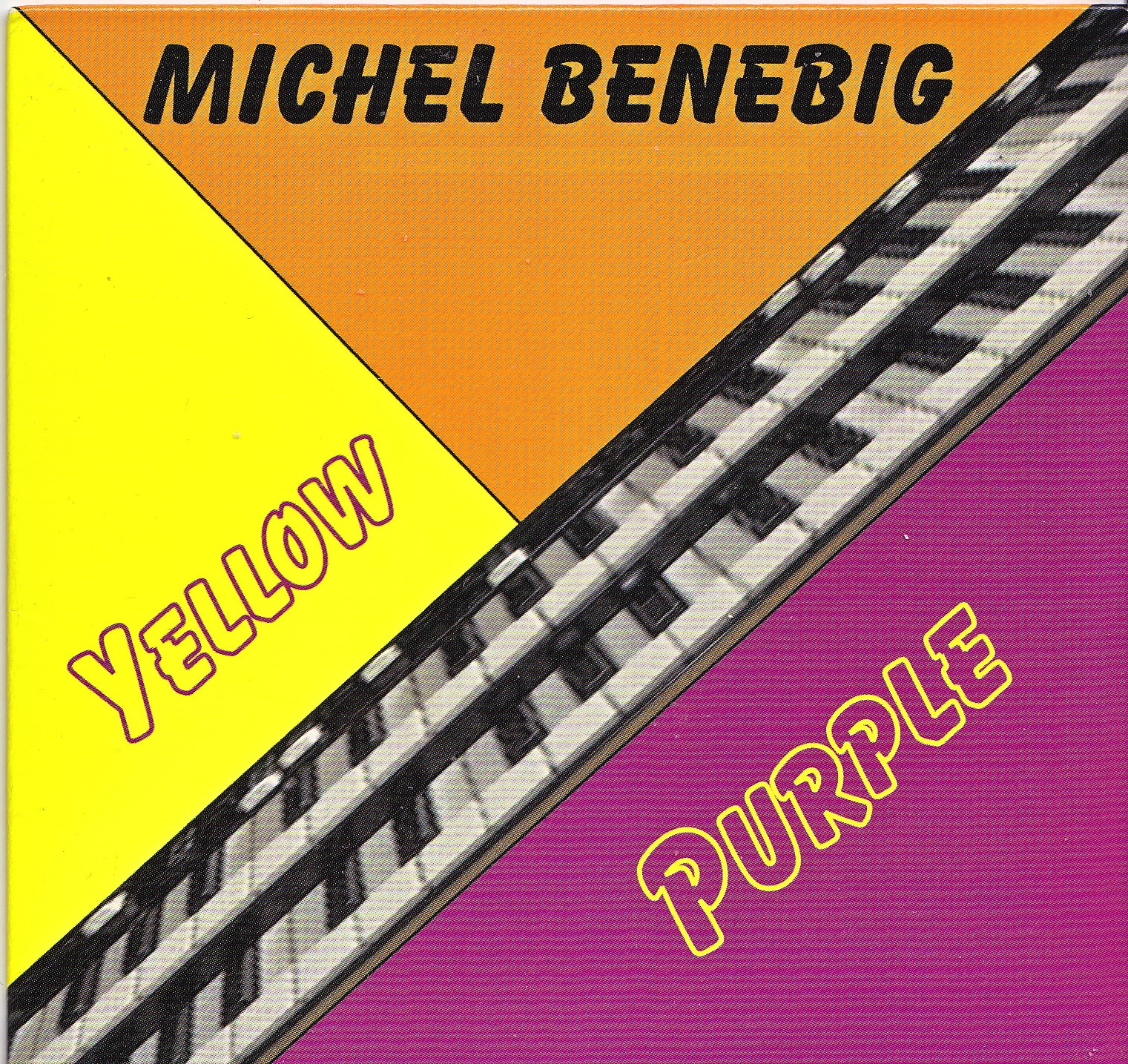
The opener ‘Alenka’s Mood’ is warm and funky, immediately infecting you with its slinky rhythm. It offers up a promise which is fulfilled throughout. As you work through the tunes you are drawn back to the days when infectious danceable music like this was loaded onto jukeboxes and played in steamy groove joints pulsating with dancers. The music brings a smile to your face and fills you with joy and, like his earlier ‘Shuffle’ album, you will reach for it repeatedly. Joining him is Bénébig’s daughter Lucia who is responsible for designing the album cover and creating animation for a promotional YouTube clip. I have posted the YouTube cut ‘Black Cat’ from the album.
A time-honoured B3 big band tradition is followed here, featuring 13 horns which lends considerable heft to the rhythm section. It would be easy to drown out soloists and to eclipse the organ with a behemoth like this but the soloists get plenty of room to shine, and shine they do. The album is available now on Spotify and a vinyl edition is on the way for audiophiles.
Mick Fraser (trumpet 1), Shane Gillard (trumpet 2), Gianni Mariucci (trumpet 3), Rob Planck (trumpet 4), Roger Schmidl (trombone 1), Ben Gillespie (trombone 2), Jessica Jacobs (trombone 3), Adrian Sherriff (bass trombone), Lachlan Davidson (alto sax 1/flute 1/sop sax), Rob Simone (alto sax 2/flute 2), Anton Delecca (tenor Sax 1/clarinet 2), Paul Cornelius (tenor sax 2/clarinet 1), Stuart Byrne (baritone sax/bass clarinet), Jack Pantazis (guitar), Gideon Marcus (drums), Michel Bénébig (A105 Hammond organ Leslie 147), Phil Noy (recording engineer), Lachlan Carrick (mastering Engineer), Lucia Bénébig (front cover art)
~Random Delights~
Sambandha: Heartcore For Nepal

Recently, I received a press release from colleague Arlette Hovinga. The project outlined was the vision of Mikaela Bokova, the manager of Kurt Rosenwinkel’s independent music label, Heartcore Records. The object was to raise money for disadvantaged children in Nepal, and on board for this recording are an impressive list of jazz and world music luminaries: John McLaughlin, Christian McBride, Terri Lyne Carrington, Gerald Clayton, Kit Downes, Anmol Mahara and Dinesh Pun. Sambandha was written by combining two traditional Nepalese folk tunes, and it’s performed by the 20-piece children’s choir Bokova organised while running a music workshop at Mangala School, Babiyachaur, Nepal.
The revenue from the release will go towards buying the children’s musical instruments. In your browser or here, click on heartcore-records.com then once opened, locate Sabandha and purchase your download (5 Euros). It can also be purchased in Bandcamp. Please pass on the word and enjoy. I play this often. You will also find a delightful video on YouTube on the making of this by typing Heartcore for Nepal Sambandha. There is a deficit of joy in today’s world, but giving to those in the greatest need is a sure way to top up the supply.
Skilaa: Tiger In The Water

The cut I am posting is tagged ‘psychedelic R&B’ and the descriptor is intriguing. Everyone featured in this band is an accomplished jazz musician and it shows. Boundaries have been deliberately blurred until a new, fresh kind of music emerges, which catches your attention because it is familiar but not familiar. The concept, compositions and delightful artwork are those of vocalist Chelsea Prastiti. Her boundless energy is evident here. In Aotearoa, it is not unusual for Jazz-trained musicians to make inroads into Indie-Rock, Soul-Funk and Indie-Pop and do it well, even better (think The Beths). Skilaa will be a band to watch. The band are Chelsea Prastiti (vocals, compositions, artwork), Tom Denison (bass), Adam Tobeck (drums), and Michael Howell (guitar) with guest vocalist Crystal Choi (recorded by Callum Passels).
The ‘Astounding Eyes of Rita’ – Trio Natalino Marchetti, Francesco Savoretti, Mauro Sigura
I have previously posted on Mauro Sigura, an oud improviser. He recently sent me this clip of his trio featuring oud, with accordion and percussion. The tune is a well-known composition by Anouar Brahem, ‘The Astounding Eyes of Rita’. Improvised music like this is prevalent across the Mediterranean region and deserves a wider audience. This is such a lovely tune and so beautifully realised here. Mauro Sigura (oud), Francesca Savoretti (percussioni), Natalino Marchetti (fisarmonica). Recorded in Rome.
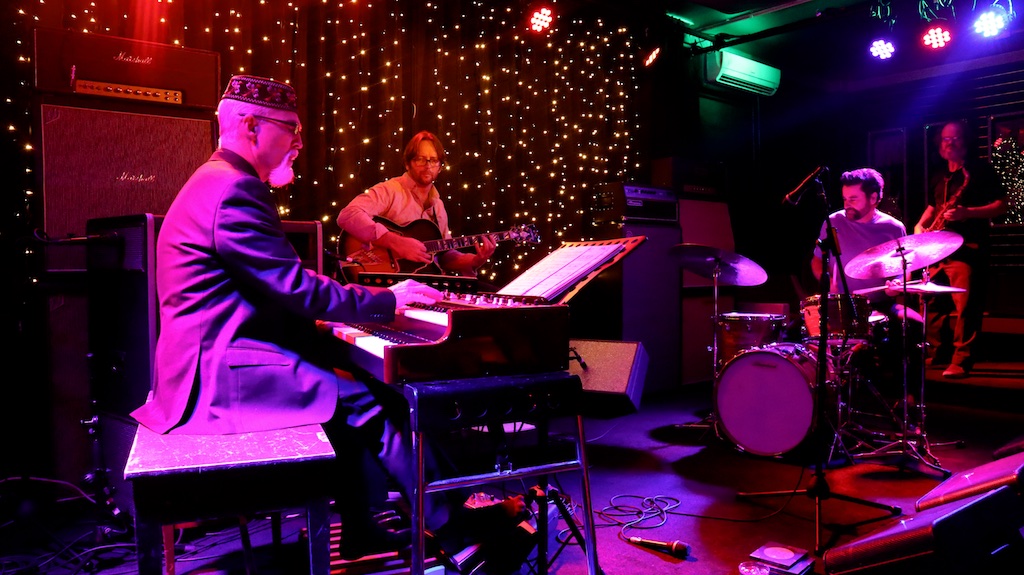 I reviewed the ‘Shuffle’ album in January and the band is now on the road, sharing its groove throughout the North Island.
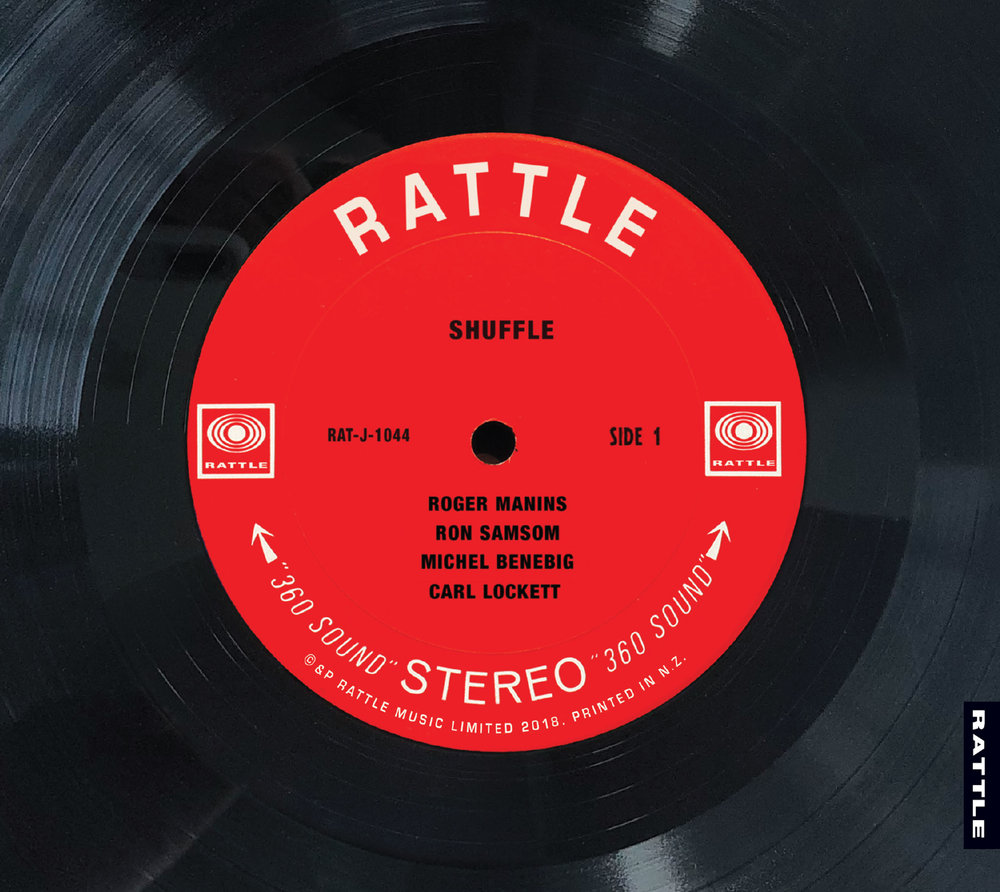 Sometimes an album blows straight into your heart like a warm breeze off the summer ocean. ‘Shuffle’ is exactly that album. There is an easy-going familiarity to it and you instantly feel good as your body connects with the rhythms. Shuffle achieves that rare feat of sounding both new and familiar. This is the sound that I grew to love many years ago, as practitioners like Jimmy Smith, Big John Patton, Gene Ammons, and Brother Jack McDuff fused Soul and Jazz into a rare amalgam. To appreciate this music you need no acclimatisation; no understanding of Jazz. To appreciate this music you only need one prerequisite, a human heart. It’s ‘groove’, it is sensual and it’s my guilty pleasure.
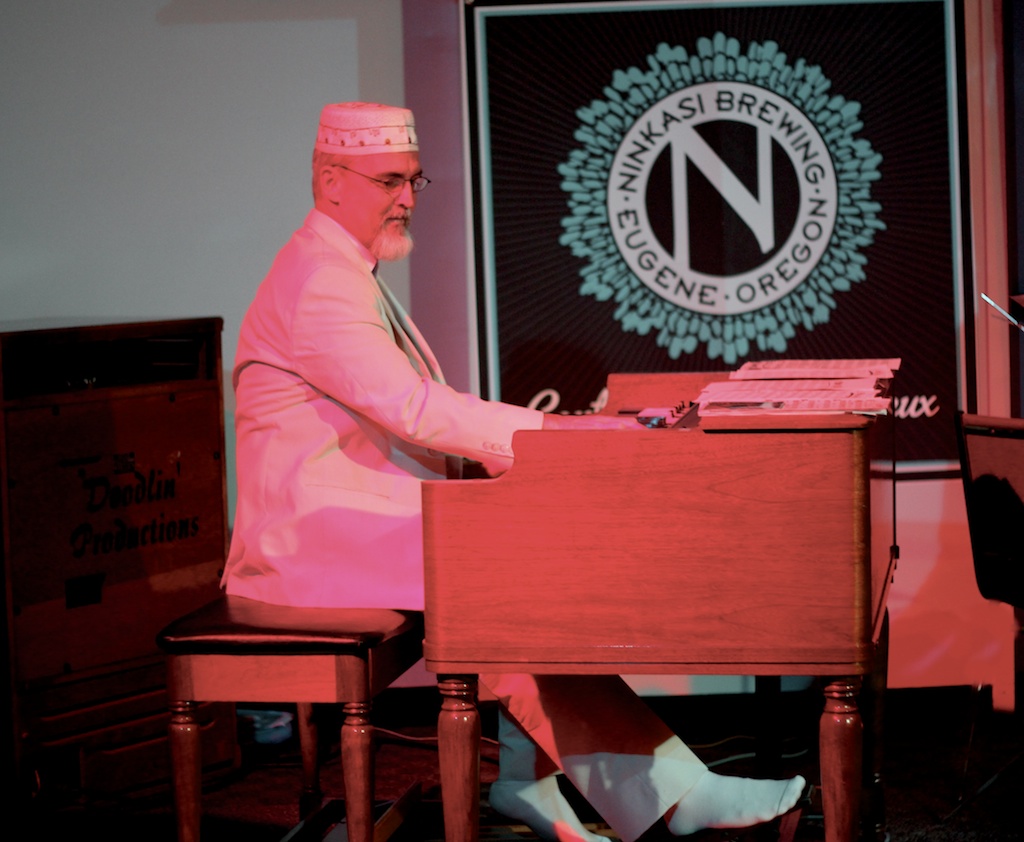
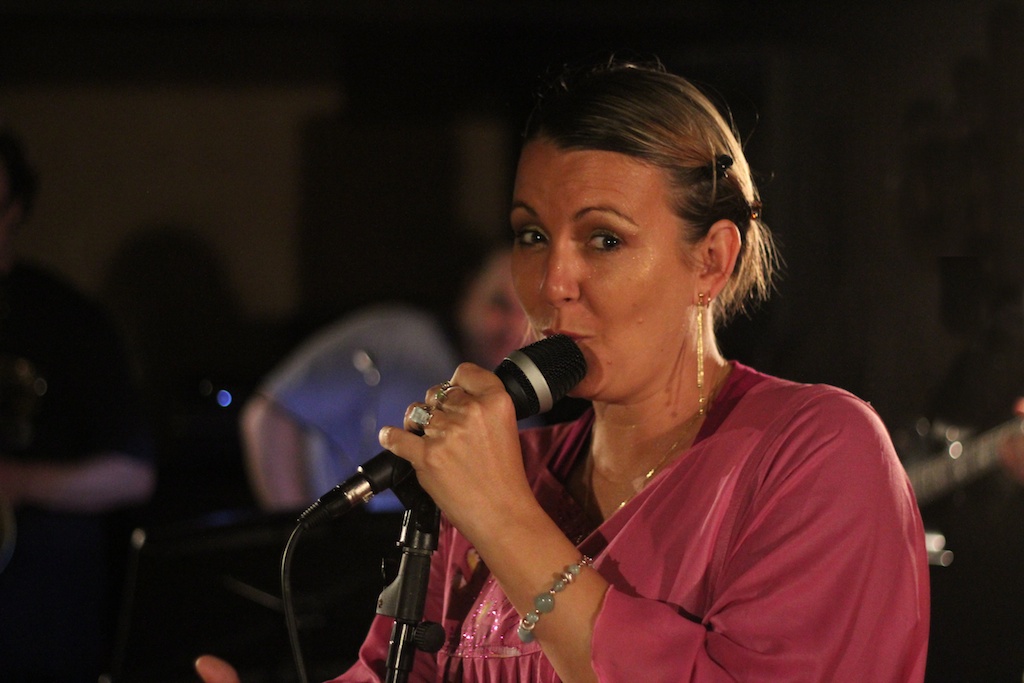
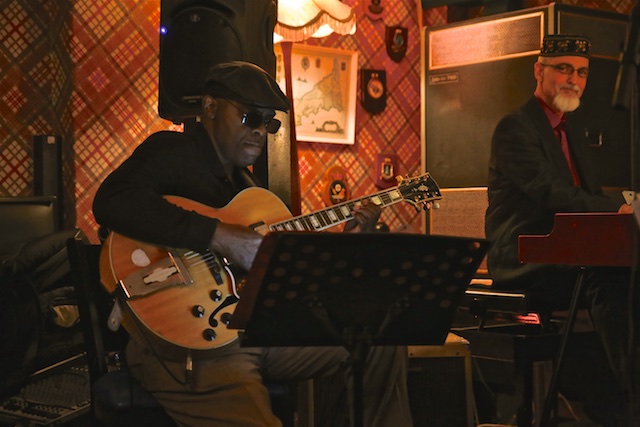 Auckland spoils us with long runs of clement weather, but when winter hits we suffer. Having effectively avoided any meaningful autumn we suddenly plunged into a week of cold wet days. There was no better time for the Michel Benebig/Carl Lockett band to arrive. As we grooved to the music, a warmth flooded our bodies within minutes. Nothing invokes warmth like a well oiled B3 groove unit and the Benebig/Locket band is as good as it gets. The icing on the cake was seeing Shem with them. A singer with incredible modulation skills and perfect pitch, able to convey the nuances of emotion with a casual glance or a single note. The way she moves from the upper register to the midrange, silken.
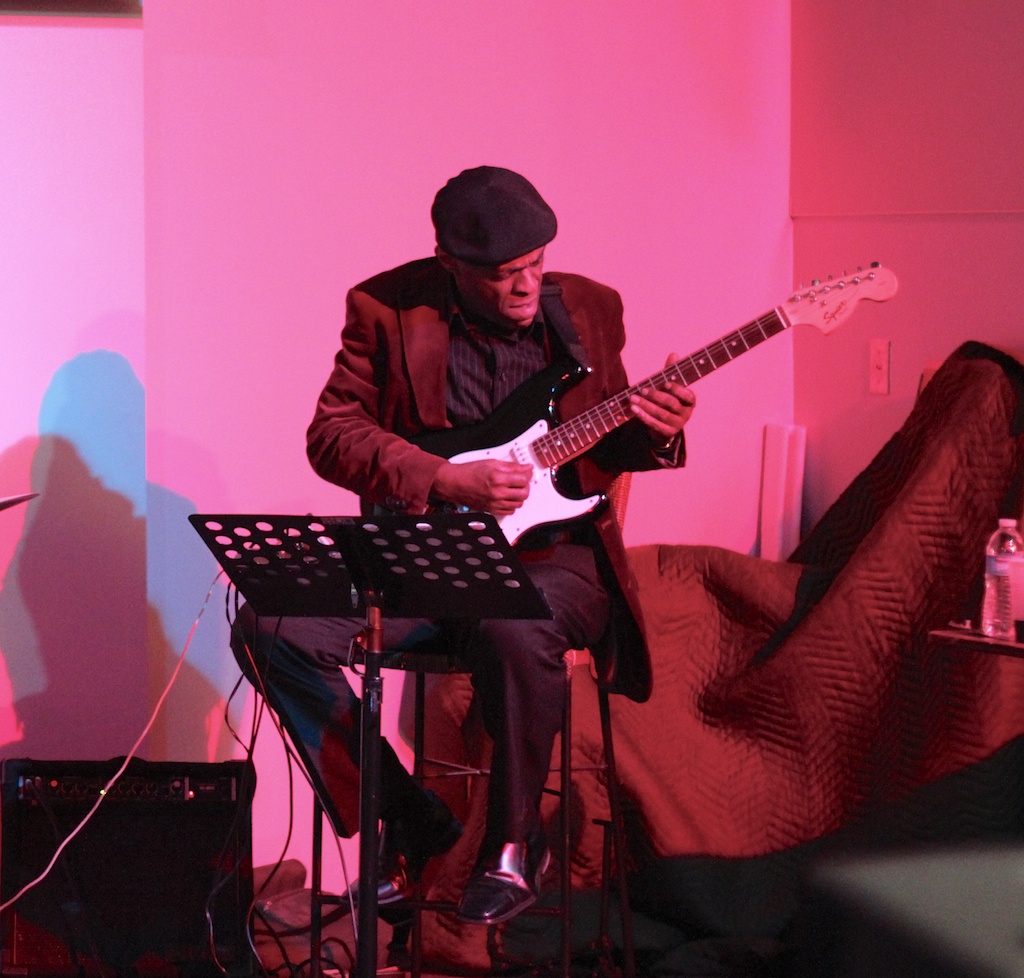
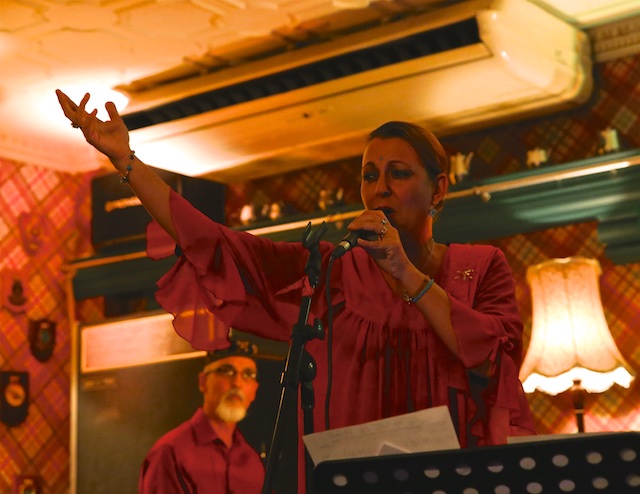 Michel Benebig has been travelling to New Zealand for years, and his connection with the principals of the UoA Jazz school has been a boon for us. He generally brings his partner Shem with him, but last time work commitments in her native New Caledonia kept her at home. Michel just gets better and better and the way his pedal work and hands create contrasts and tension defies belief. It is therefore not surprising that Michel attracts top rated guitarists or saxophonists to his bands. The best of our local groove guitarists have often featured and a growing number of stand-out American artists (see earlier posts on this band). Of these, the New York guitarist Carl Locket is of particular note. I first heard Lockett in San Francisco four years ago and he mesmerised me with his deep bluesy lines and time feel. Although comfortable in a number of genres, he is the ideal choice for an organ/guitar groove unit.
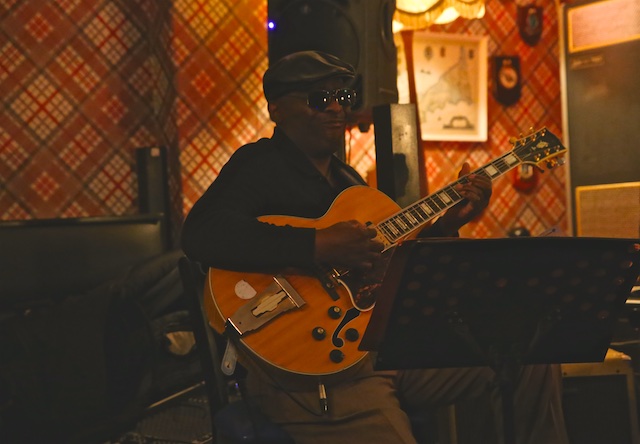 The band played material from their recent album (mostly Benebig’s compositions) and a few standards. There were also compositions by Shem Benebig. Their approach to arranging standards is appealing – numbers like Johnny Mandel’s ‘Suicide is Painless’ are transformed into groove excellence. We heard that number performed at the band’s last visit and the audience loved to hear it repeated. This visit, we heard a terrific interpretation of ‘Angel Eyes’ (Matt Dennis). I confess that this is one of my favourite standards (Ella regarded it as her favourite ballad). Anita O’day performed it beautifully as did Frank Sinatra and Nat Cole. The only groove version I can recall is the relatively unknown Gene Ammons cut (a bonus number added in later years to his ‘Boss Tenor’ album with organist Johnny ‘Hammond’ Smith). That version took the tune at a very slow pace, so slow in fact that you initially wondered if Ammons had nodded off before he came in. It was wonderful for all that (who can resist Ammons).
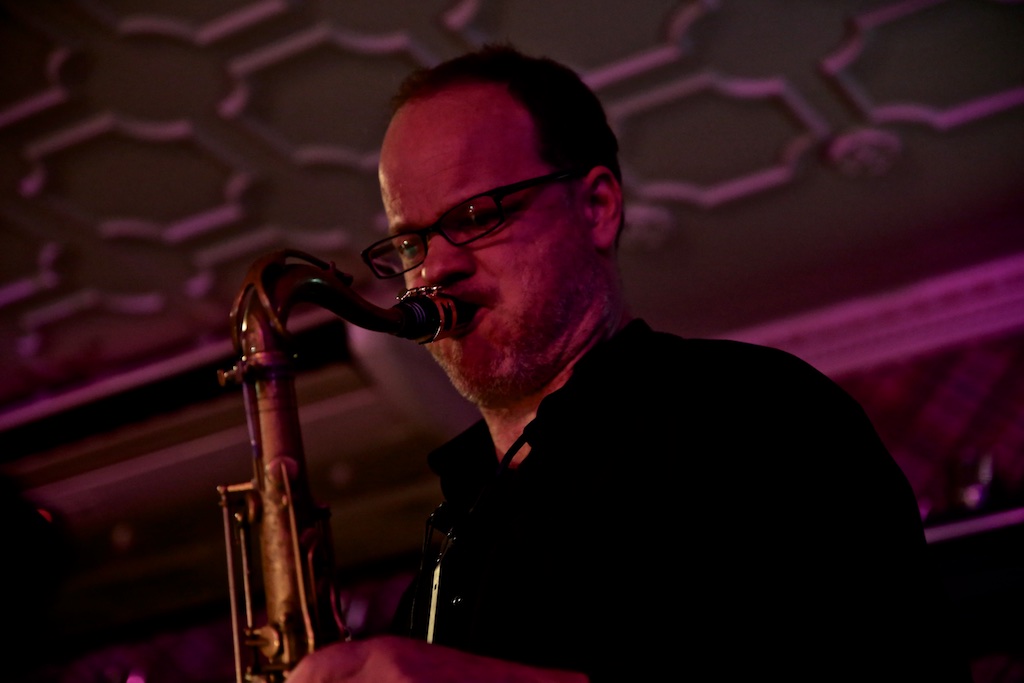
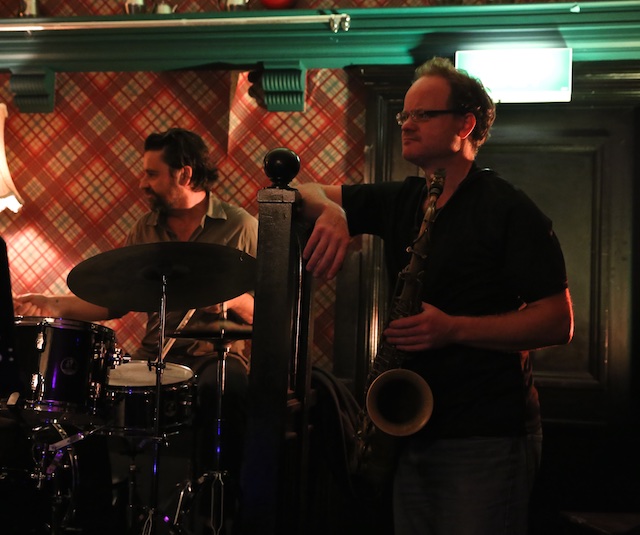 The band began the tune at a slow pace (but not as slow as Ammons), then once through, picking up the tempo, the band settling into a deeper groove, drummer Samsom and the guitarist really locking together, giving the Benebig’s room to create magic. That locked-in beat is often at the heart of an organ-guitar unit and when done well it adds bottom to the sound. Locket’s style of comping is the key to that effect, the entry point for the drummer, the way the guitarist lays back on the beat and comps in a particular way. Samsom heard and responded as I knew he would. He is a groove merchant at heart. On tenor saxophone, Roger Manins was on home turf. Dreamily caressing the melody before his solo.
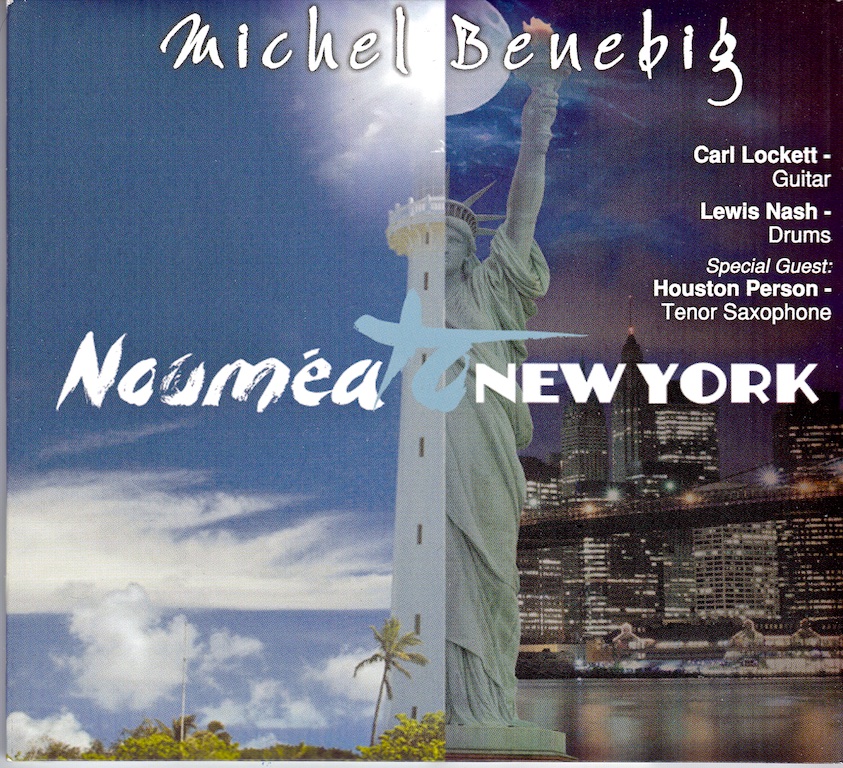 Michel Benebig visits New Zealand once a year and we anticipate his visits with Joy. His authentic B3 groove journey didn’t start in East Philly, but in tropical Noumea; a South Pacific Island north of here. After honing his craft he travelled widely and in consequence his star steadily rises. The more North American audiences hear him, the more they embrace him. He is now regarded as a B3 master. The B3 greats who inspired him are all but departed and he deservedly steps into their shoes. His travels in the USA have brought him into frequent contact with a number of well-known musicians. As good musicianship and a pleasant disposition are the highest recommendations possible, the musicians he worked with recommended him to others. That is how he teamed up with Carl Lockett.
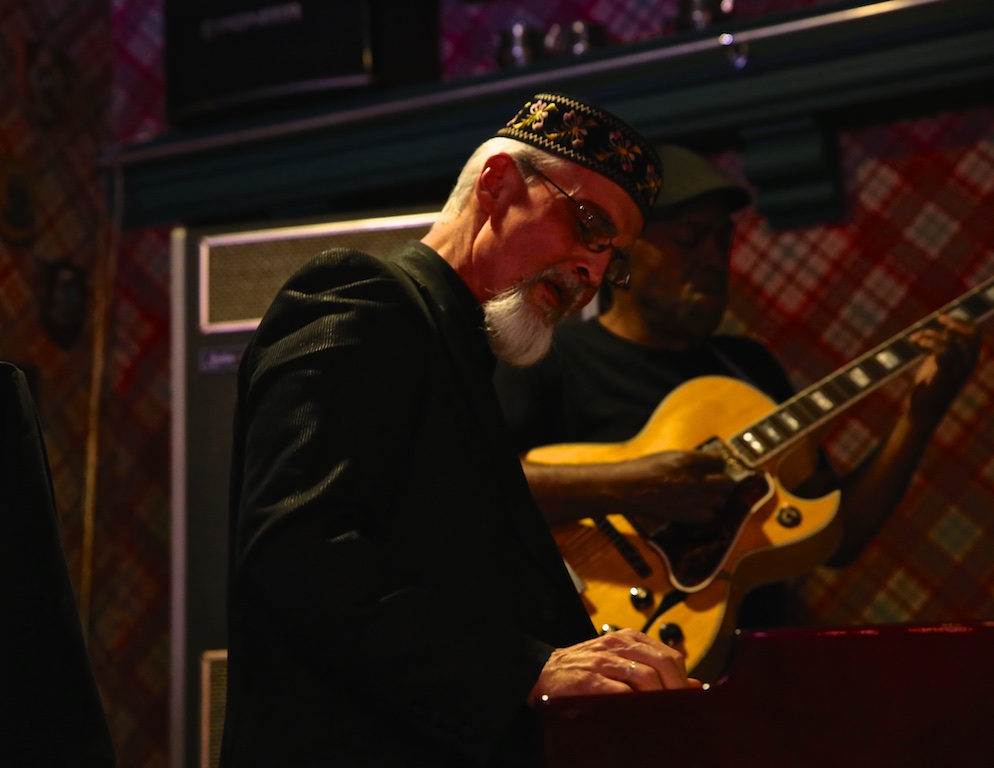 The new album ‘Noumea to New York’ is his finest to date (and true to label, recorded in New York). Again Lockett features on guitar, Lewis Nash lays down the drum grooves and special guest Houston Person appears on tenor saxophone. What a marvellous line up this is and what an album they turned out. This album alone will secure Benebig a place in the pantheon. It has modern B3 classic written all over it. All compositions are by Benebig, with one tune co-credited with his partner Shem. There are so many treasures on this album that it is hard to single out one particular tune, but if pressed I would say ‘Noumea To New York’. A medium paced groove track with enough warmth to melt the ice in your drink. The flawless interplay between Benebig, Nash and Lockett is in strong evidence here. With Nash creating a solid cushion of groove, it is no wonder that Benebig and Locket sound so marvellous.
 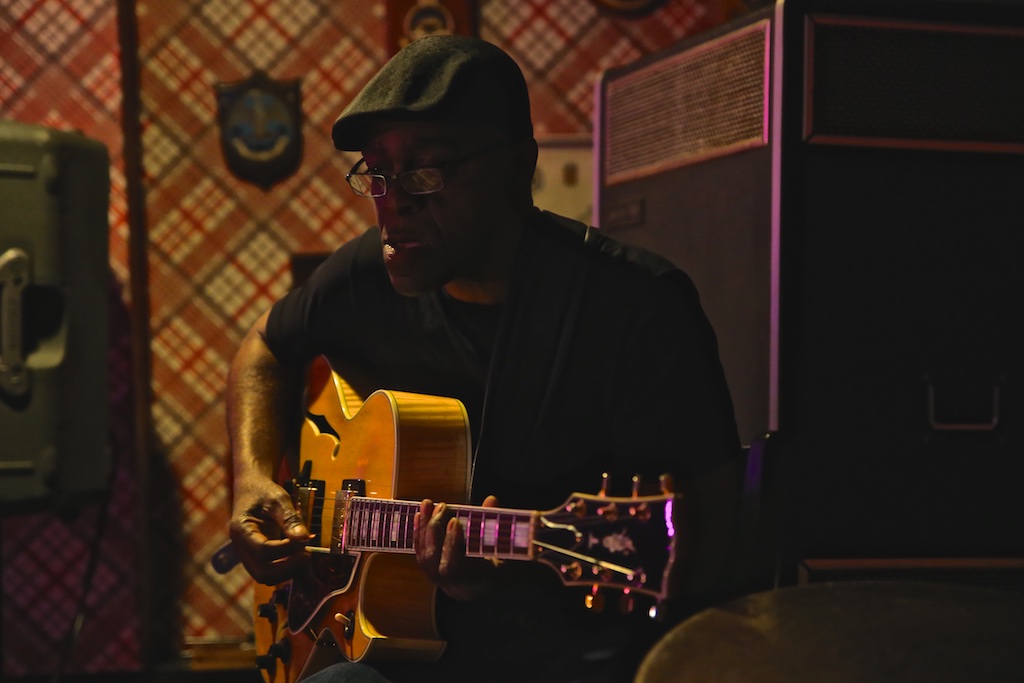 The tour down under was minus Nash and Person; Locals filled those gaps. In Auckland we had Roger Manins on tenor and Ron Samsom on drums. This was also a perfect fit, as both had accompanied Benebig previously. The set list in Auckland was partly material from the album and partly marvellously quirky tunes from classic TV shows. How often do you hear the theme from ‘The Pink Panther’ or the theme from ‘The Naked City’ played by a groove unit? More common in Jazz circles is the Johnny Mandel standard ‘Suicide is Painless’ from Mash. When people think of that last number they think Evans and seldom the B3. To show what skilled groove merchants can do with such material I have uploaded a clip.
  While Benebig is very much in command here his groove collaborators preached just as hard from their respective pulpits. Lockett in particular was astonishing. Gasps of delight erupted as he utilised his finger picking blues-guitar credentials. Moving seamlessly from lightning quick double-time to a steamy groove; often leaning slightly back on the beat. His comping was equally delightful as he does what Pat Martino does. There is either a slight vibrato or he pulls gently down on the strings with each comping-chord; creating simultaneously a warm but slightly mournful effect. Whether on fast single-note runs or octave chords, its hard not to think of Wes Montgomery. His extensive use of thumb and fingers and his fluidity evokes that comparison.
 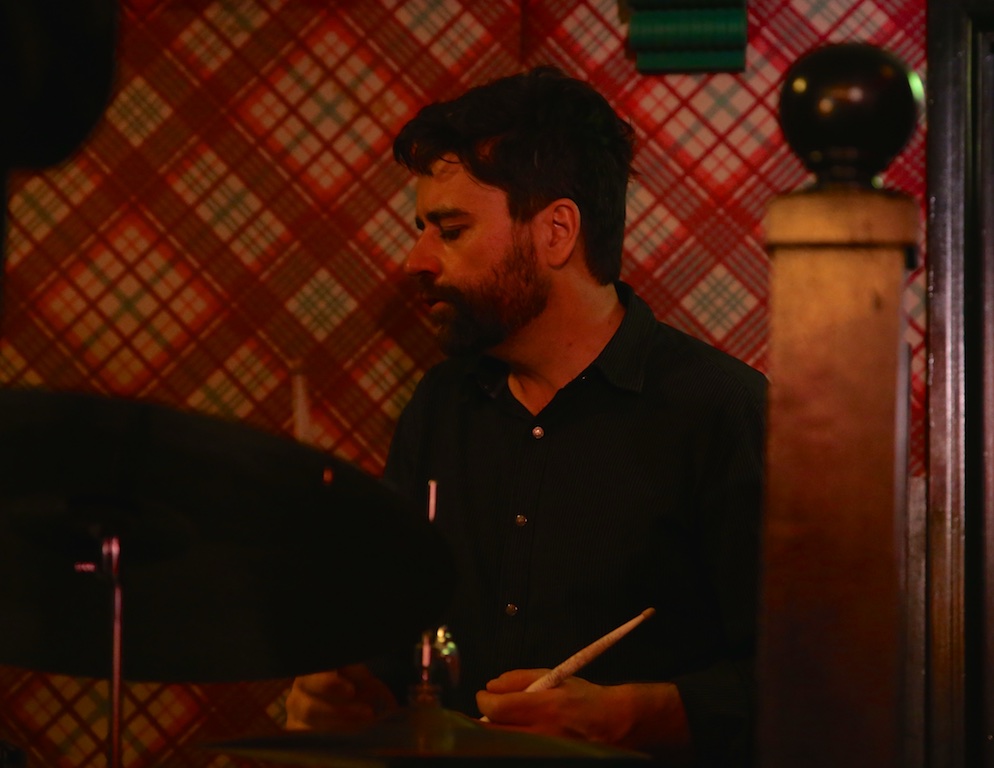 Manins was clearly in his element here. Happy among friends and happy to find himself back in the groove space. The same went for Samsom. Both are highly regarded straight ahead Jazz musicians but both have released great groove albums in the previous year. Their joyous abandon added to the quantum of happiness; every note making us smile.


 JazzLocal32.com