
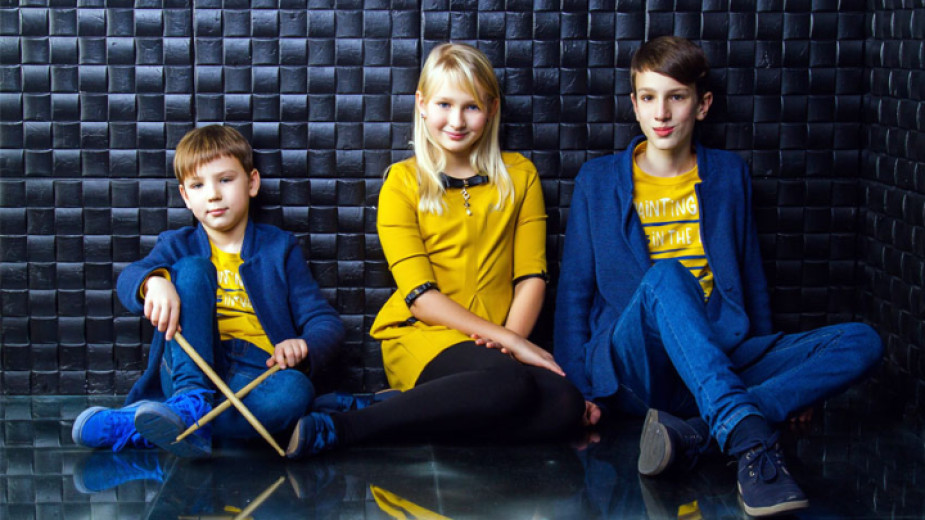
Some stories play out quietly while others are thrown into sharp relief against a tapestry of upheaval. ShekBand is from Ukraine, and as missiles fly about them, it is tempting to place their project solely within the context of the unprovoked invasion. That would be a mistake. While the horror is inescapable, there is a bigger story at play here and ShekBand tells that story eloquently through their music. It is not usual to see musicians this young touring and recording, but their achievements are a testament to their dedication, a supportive home environment and the quality of a Ukraine Jazz education. Wars destroy, musicians create and the human spirit is bigger than war. This is an album to inspire; it is a beacon of hope.
Yesterday I wished Shekband’s drummer Maksym Shekera a happy birthday. He turned 12 years old. Along with his sister, Anna (14) and Artem (16) they are about to leave Ukraine. Their first album The Inflatable Ram has just been released and they have a tour of Europe ahead of them. The itinerary will take them to Warsaw, Berlin, Leipzig then back to Warsaw and on to Lithuania. They have been looking forward to getting on the road. Attend a gig if you can.
The album is filled with delights and as the respected bass player, Jeff Ballard commented, “All the compositions are well thought out. They are full of invention and cover a very large range of expression – very dramatic and sensitive qualities. Great stuff.” Among the 9 tunes on the album, you will hear original compositions, Ukrainian folk references and their arrangement of a Wayne Shorter Standard.

Having fled Kyiv without their instruments they sought practice instruments along their escape route: old drums, town hall pianos, gaffer taped double bases. Emerging from air-raid shelters they focused on the tunes and to tweaked the arrangements. They eventually found a haven in the southwest, but they must now undertake some perilous journeys. Last week they drove back to Kyiv and were able to retrieve some instruments. It was a dangerous place to be. Today they face the missiles again as they drive towards the Polish border.
Credit is also due to Patricia Johnston, co-owner of Taklit Artist and Concert Management in France. She came across these musicians during the 7VirtualJazzClub competition and her company awarded them an honourable mention. That company is behind the release on HGBS Blue/Black Forest Sounds. Patricia and I are fellow 7VJC judges and so I offered my assistance. The English version of the official press release is my small contribution. Yours will be to listen to the album and when physical copies are available please purchase one. From today it will be available on all major streaming platforms. Search for The Inflatable Ram or ShekBand on Spotify, Tidal, AppleTunes etc. Give likes, share and post comments. With our help, this will be the first step on a long and rewarding journey.
Anna Shekera: piano, chant – Artem Shekera: contrabasse, chant – Maksym Shekera: Batterie, chant
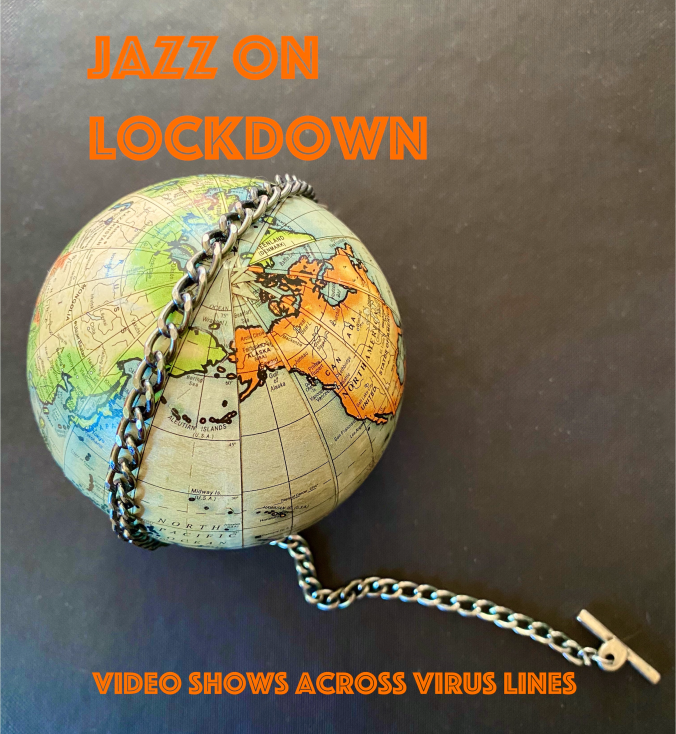
For more information on the plight of Ukrainian musicians during the invasion, refer to my two earlier Ukraine posts which are available on this site.
JazzLocal32.com is rated as one of the 50 best Jazz Blogs in the world by Feedspot. The author is a professional member of the Jazz Journalists Association, poet & writer. Some of these posts appear on related sites.

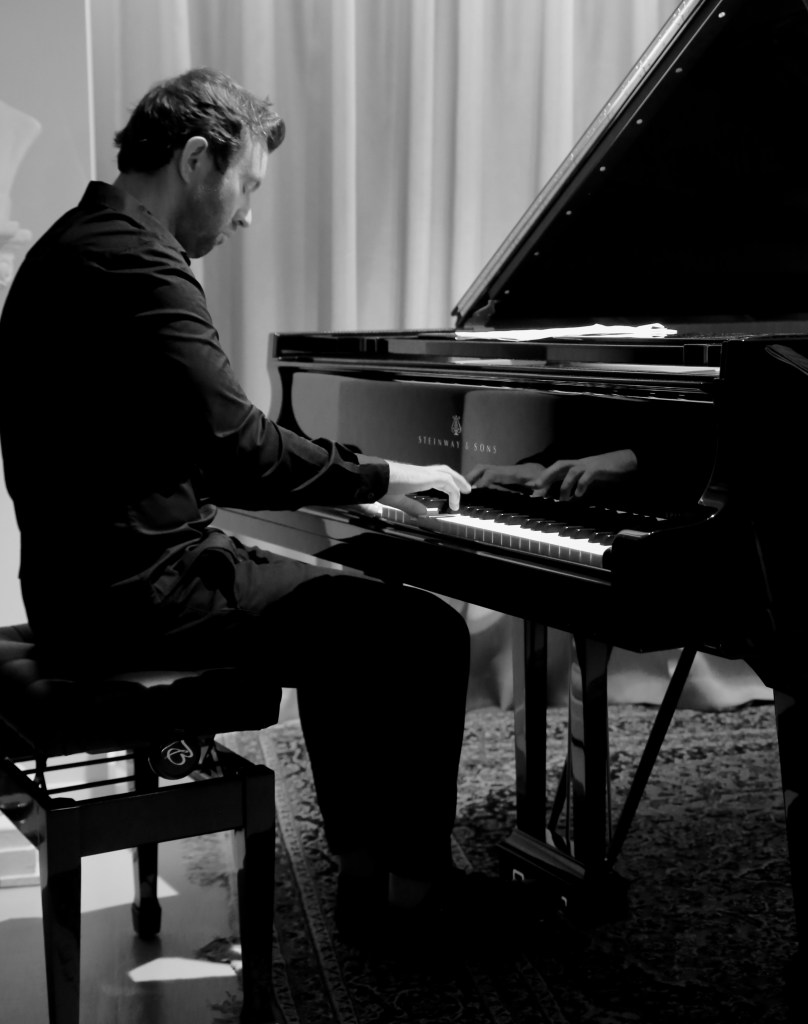
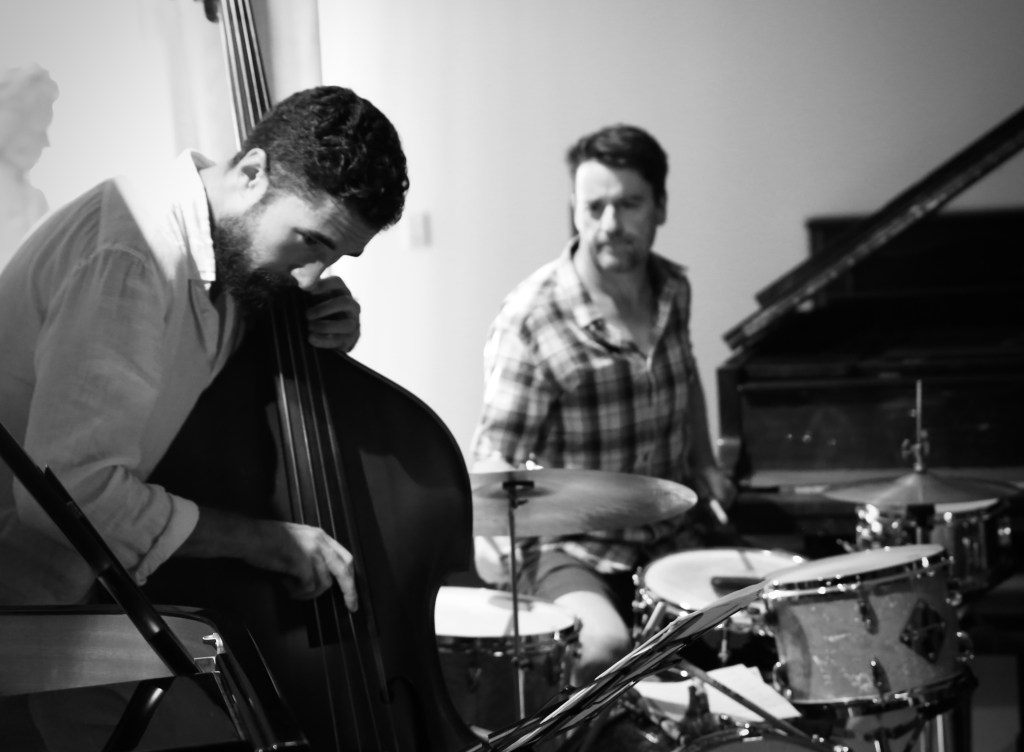
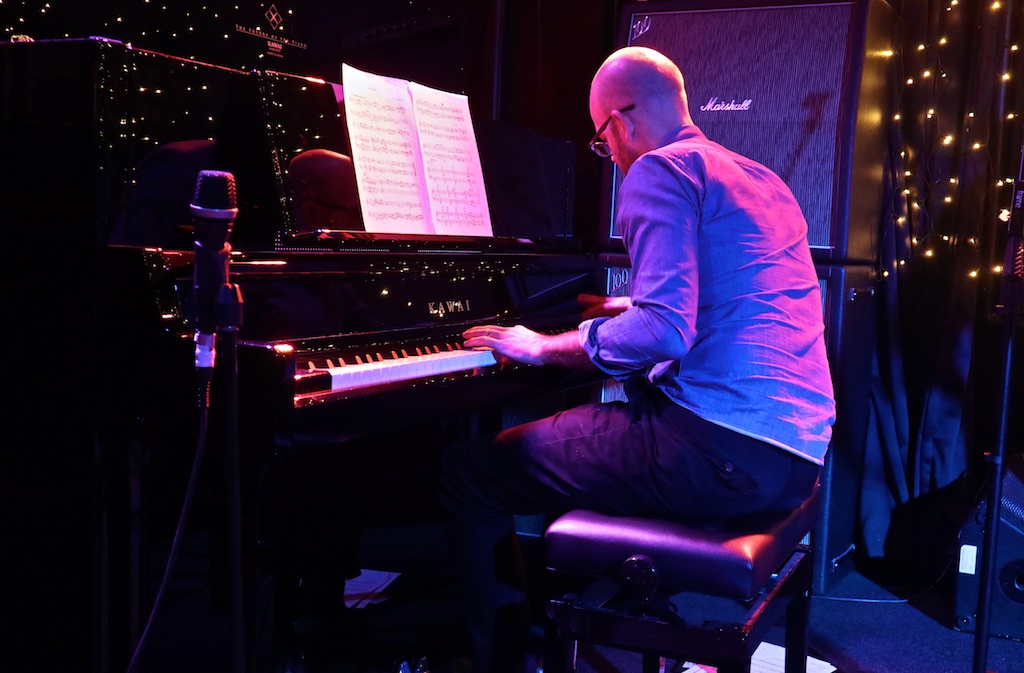 Steve Barry left these shores many years ago and these days Australians count him as their own. It is hardly surprising that they do because since his departure he has raked in the accolades, won numerous awards and completed a Doctorate. Given the above, we can hardly begrudge his move. Music is like water it will always find its level, no matter where the wellspring. Everyone on the New Zealand Jazz scene looks forward to Barry’s yearly trips home as he never rests on his laurels. He brings us new and diverse projects and above all he showcases innovation.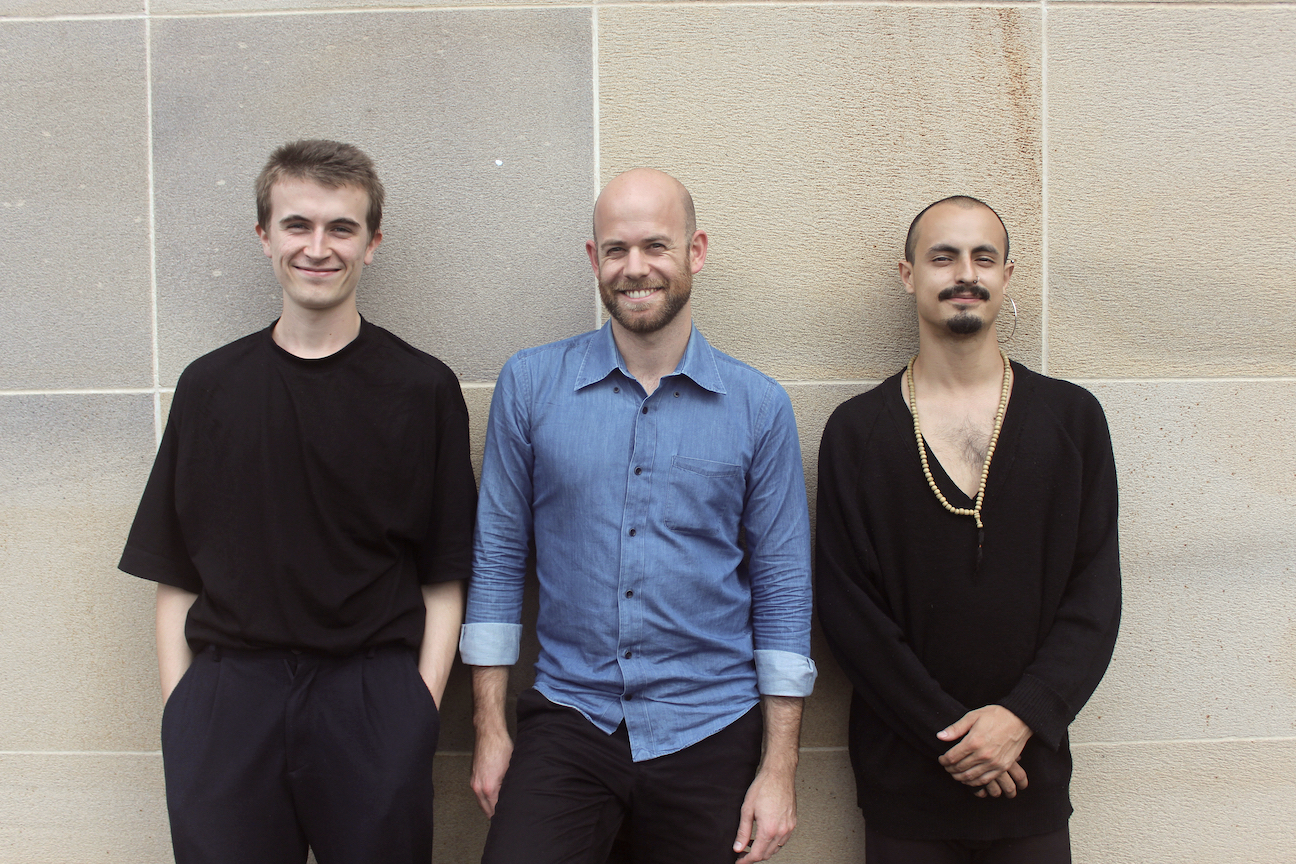
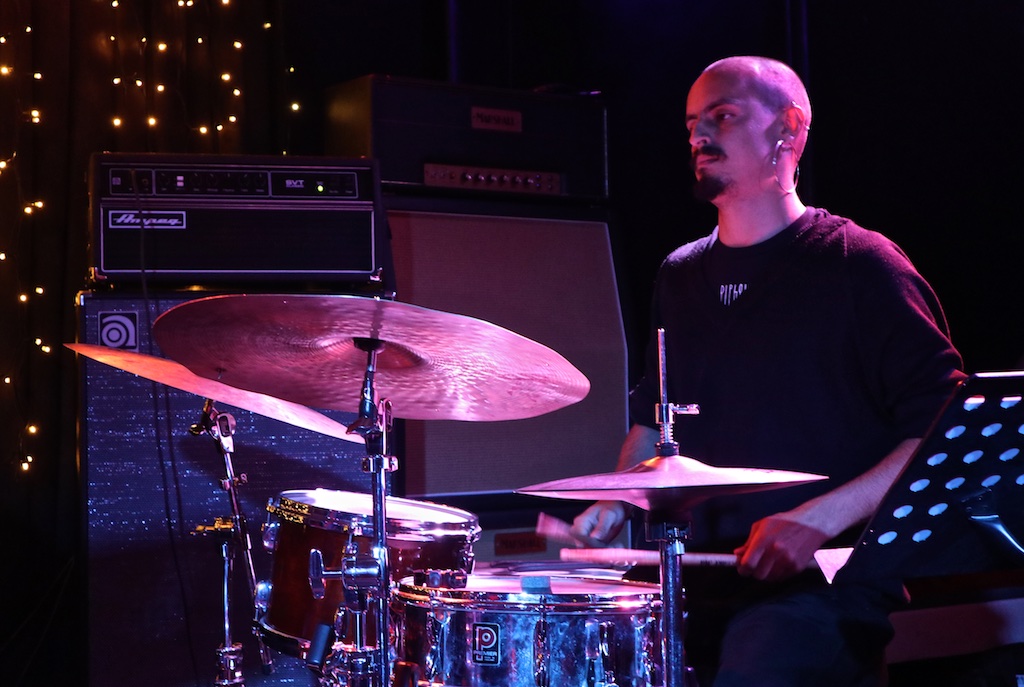 The Steve Barry ‘Blueprints’ Trio appeared at Backbeat, 100 K’Road, for the
 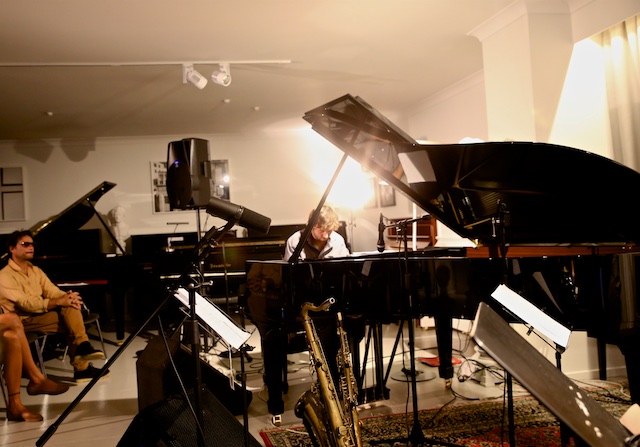 The Lewis Eady special concert featuring the Michal Martyniuk trio lived up to its promise. It’s not often I get to hear Martyniuk and more’s the pity because his playing resonates strongly with me. He attended the Auckland University Jazz School, but he doesn’t sound like his contemporaries as he brings his Polish origins to the keyboard. His is the approach of Wasilewsky and other modern young Polish improvisers. Rhythmically adventurous, melodically rich and with harmonies often referencing the twentieth century European classical composers. Polish Jazz developed in isolation and in secret, the Nazi’s forbad it and the Russians strongly discouraged it. From Krzysztof Komeda onwards the music communicated a unique sense of place, an authenticity, self-contained inventiveness and at times even wistfulness. The initial impetus came from covert listening to Radio America but the rich wellsprings of Chopin, eastern bloc avant-garde and mazurka are there too.
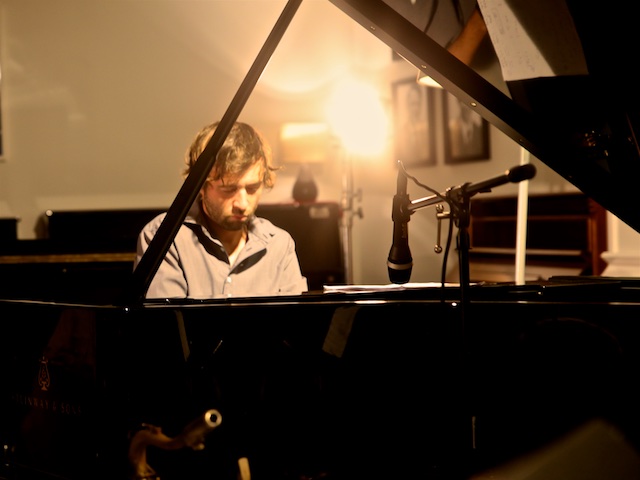 They were joined on three numbers by saxophonist Nathan Haines, a long time mentor of Martyniuk’s. The concert marked a cross-road for Martyniuk as he and the trio departed for the Jakarta based Java Jazz Festival soon afterwards. This prestigious event is the biggest Jazz festival in the world and it bodes well that they were chosen to perform there. The festival is attended by well over 100,000 people and it pulls in the who’s who of the Jazz world. After the concert Martyniuk is travelling on to Europe (and Poland) where he hopes to intensify his studies and absorb more of the Jazz of his youth. He informed me that he would probably return in about a years time. That is something for local Jazz lovers to look forward to. The back room of the Lewis Eady complex is a good space acoustically, the audience embraced by an encompassing circle of grand pianos. There is a sense that these resting machines add sympathetic resonance to the performance, it certainly seemed so last Wednesday.
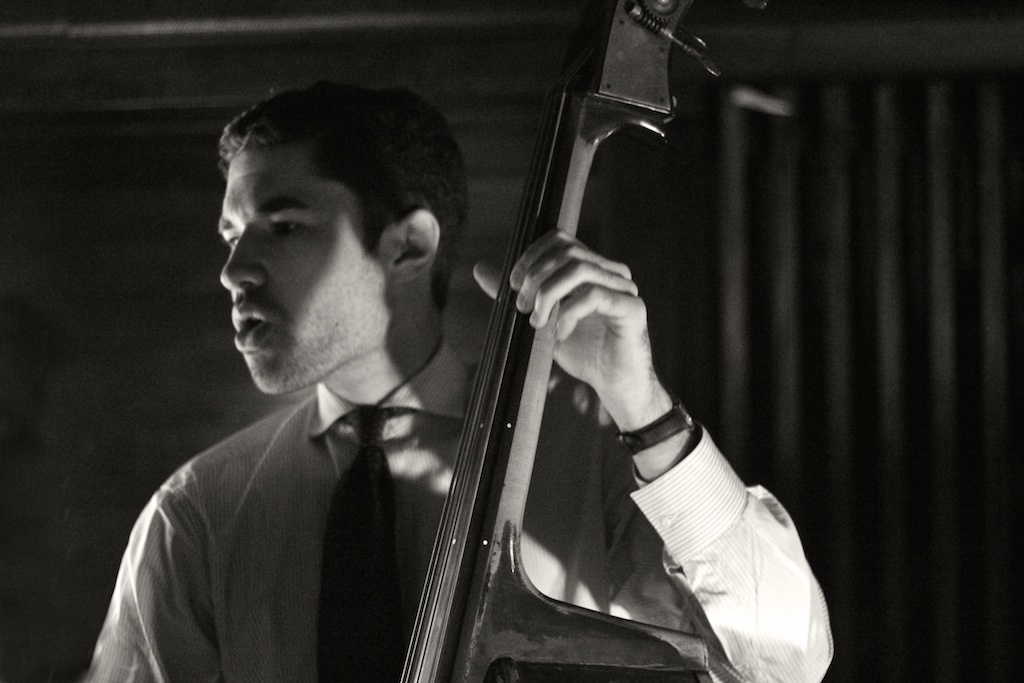
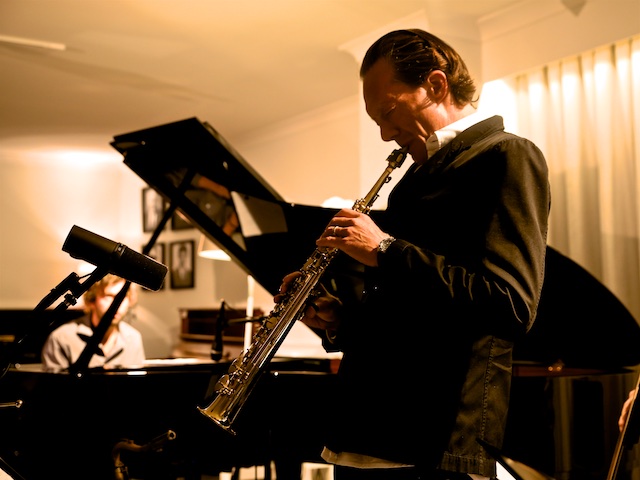 As the programme developed, the trio dived deep into the material. They demonstrated their skill as individual musicians, but also that they could play as a highly interactive unit. There was room for subtlety as well as bravura, together they sang. Having Haines join them rounded off the performance, especially on his trade mark cutting soprano. No one else locally sounds like him on that horn, he is a master of the instrument. As I listened, Haines brought to mind John Surman, an English improvising saxophonist who has a unique clarity of sound on the three horns he plays.

 JazzLocal32.com