 2015 was an amazing year for the CJC (Creative Jazz Club) and just when we thought the gigs couldn’t get any better this gig happened. It was an unexpected bonus, appearing out of nowhere. During the break of the CJC’s penultimate gig, Roger informed us that an extra gig would occur just two days before Christmas. Matt Penman was in town and he would appear with Kevin Field, Dixon Nacey and Steve Thomas. A buzz of excitement ran through the room and within a few days the gig was booked out. A second gig was quickly announced and that sold out as well.
Having Penman perform in the club was a coup. I had not seen him since the Scofield/Lovano gig in the Sky City theatre. Like most Jazz enthusiasts I had numerous recordings of him, including those he released as leader. It was his work with The San Francisco Jazz Collective, Aaron Parks and James Farm that took him to a wider audience and since those albums Penman’s acknowledged as one of the great bass players. Even though he has been in America for a long time, we love that he is an Auckland born musician. Because of his origins (like Alan Broadbent and Mike Nock) we happily claim him as ours.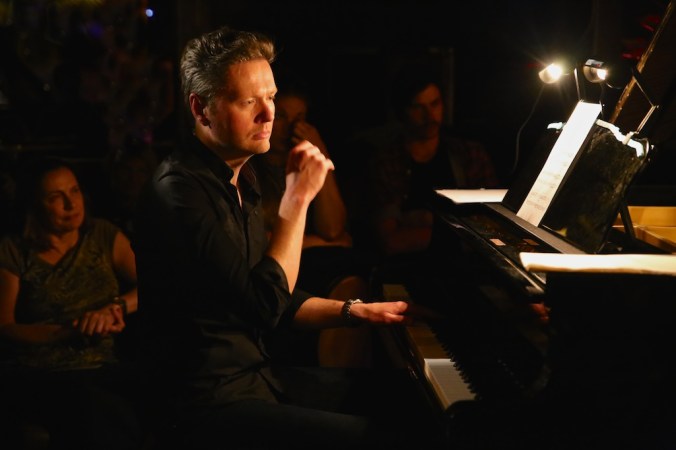 Fittingly the gig opened with ‘Two Steps’ (Penman) which is from the second James Farm album. Everything about the number is compelling and it oozes a post millennial Americana vibe – close to that espoused by artists like Brad Mehldau. James Farm are an extraordinary group co-led by Joshua Redman, Aaron Parks, Matt Penman & Eric Harland. A super-group where everyone is a gifted writer and virtuosic player. This is the pinnacle of modern American Jazz and we were lucky enough to get an up close taste of it. A warm glow swiftly enveloped us and from the first pull on the bass strings and we sensed on mass that this a different type of bass playing; supremely authoritative, melodic and with more momentum than a downhill freight train. We were especially fascinated to hear that Split Enz inspired him to write this tune. We heard other James Farm compositions – the moody ‘Juries Out’ (Penman) and Otherwise (Aaron Parks). Delightful Penman originals dominated the rest of the set (with the exception of a haunting Jewish folk song).
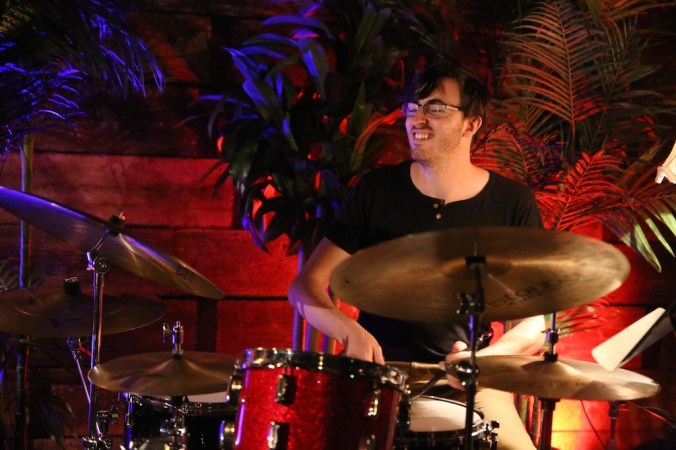
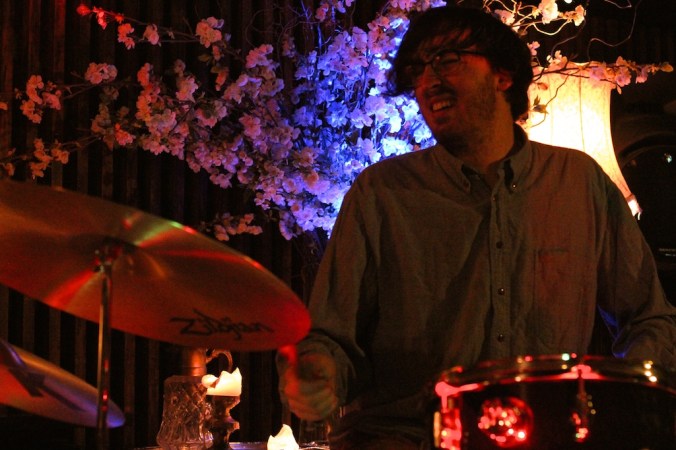
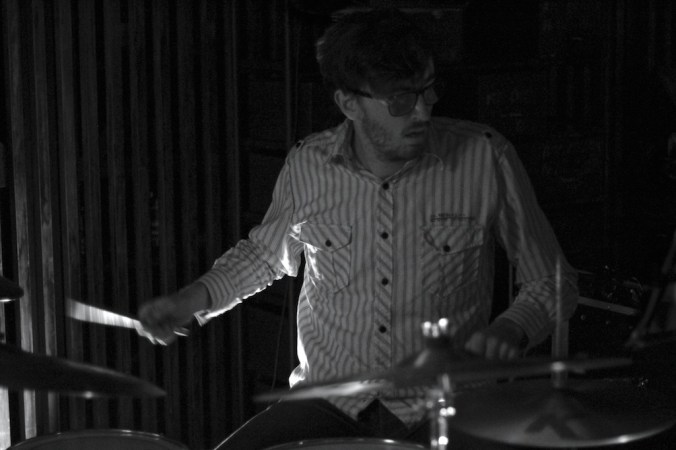
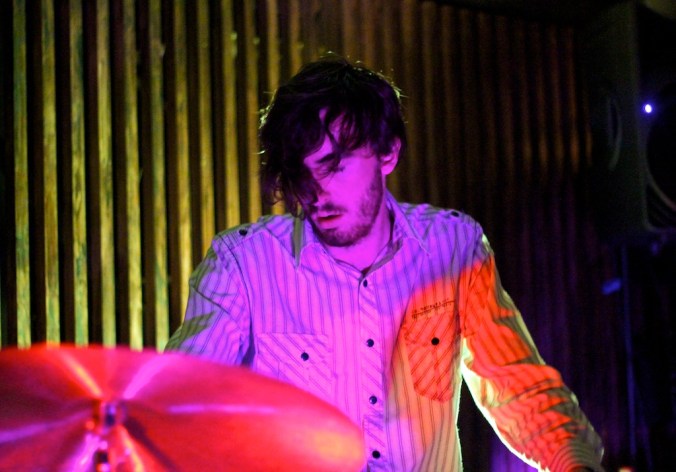
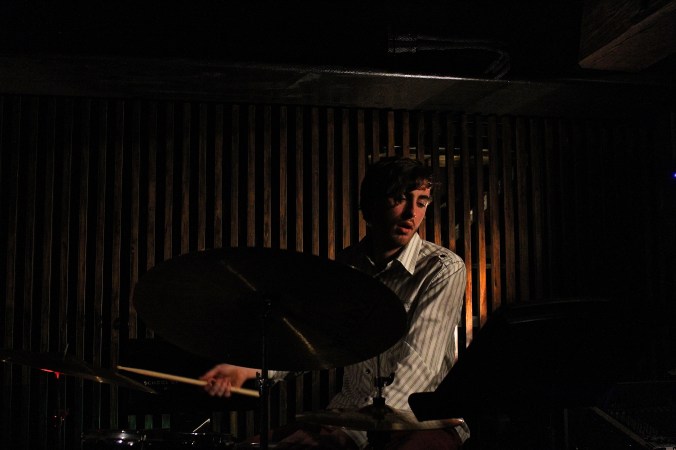
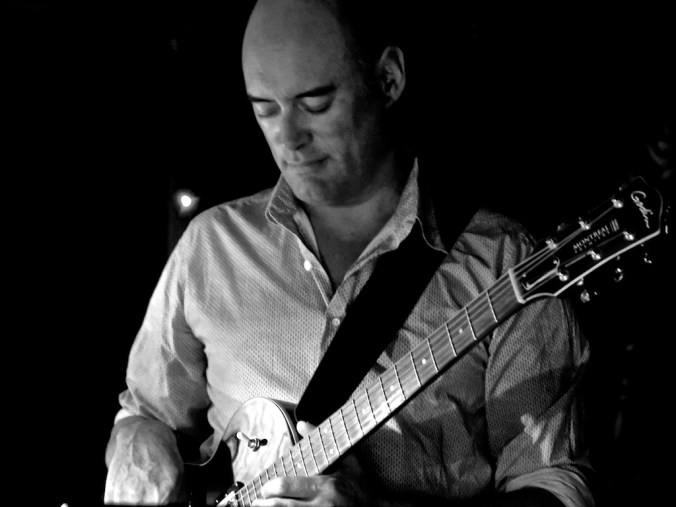 As approachable as this music is, there are many rhythmic and textural complexities. Putting such a set list together with a band not used to playing the material, perilous. Two factors undoubtedly assisted here. Penman, Field and Nacey are old friends. Nacey attended Avondale college with Penman and Field has known him since his time at Auckland University. Field also recorded with Penman in New York on his recent Warners album ‘The A List’. The remaining band member was Stephen Thomas, the youngest of the quartet. He only met Penman the day of gig. When you examine Penman’s contributions to James Farm, the SF Jazz Collective and other albums, you realise that he writes with unusually gifted improvising musicians in mind. For a young drummer to step into the space occupied by Eric Harland and Obed Calviare and not only pull it off but to do it well is a credit to him. Penman singled him out for praise and told us we were lucky to have a young drummer of his ability on the scene.
 Of Field and Nacey we expect only the best and we got it. Replacing Redman, Moreno or Rosenwinkel with Nacey’s singing Godin Guitar felt a natural choice. I have heard Mike Moreno perform and Nacey is heading for that level of virtuosity. He is a good reader and a master musician and he always delivers. Field was also at his best that night and his best is something to behold. Losing himself in a music quite different from his own and doing it with utter conviction. Collectively they brought Christmas joy to everyone present. The best of Christmas presents from the best of Jazz clubs. I hope the CJC features Penman again soon – we love him down under.
Buy the James Farm album and support these artists – it is readily available from leading stores, Amazon or iTunes
Matt Penman (bass, Leader, compositions), Kevin Field (piano), Dixon Nacey (guitar), Stephen Thomas (drums) – CJC (Creative Jazz Club) – 30th December 2015
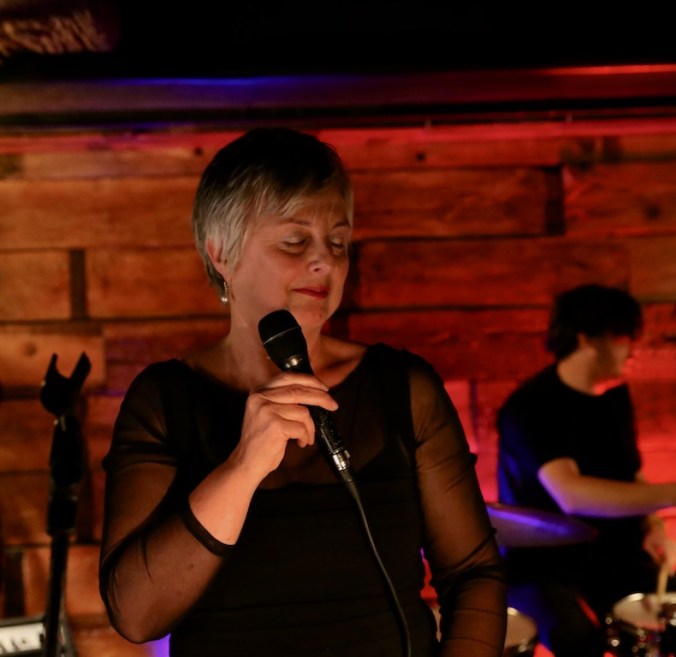 On Wednesday the UK-based vocalist, arranger composer Louise Gibbs brought her Seven Deadly Sins project to Auckland’s CJC (Creative Jazz Club). The audience, unrepentant antipodean sinners that they are, found much to enjoy. When premiered in the UK the project received much acclaim and in 2013 the ‘Seven Deadly Sins’ album’ was released. As I glanced through the liner note credits one name jumped out, Tim Whitehead; an important English saxophonist with equal facility on soprano, alto and tenor. For any number of reasons this is an album worth having.
  The song suite has seven parts plus prologue & epilogue. This aggregation of cardinal sins does not originate with Peter Cook (as someone hilariously suggested) but comes to us from the fourth century AD. These very human failings were the obsession of the middle ages and Chaucer, Dante and Brueghel utilised the themes to great artistic effect (and often with rye humour). Debates on morality are still very much part of the public discourse as the dreadful events of Paris, the Lebanon and Mali remind us.
 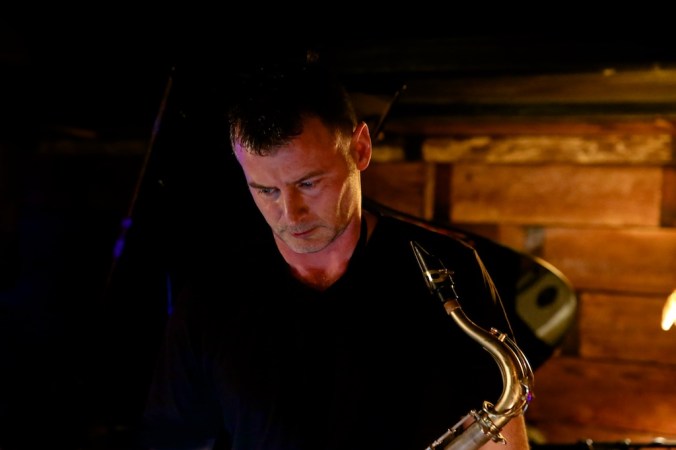 Gibbs invited us to examine the sins afresh; a parade of human failings as seen through a jazz lens. Her evocative contrasting pieces leaving us in little doubt as to which sin they represented; a strident drum solo during anger, the fulsome sound of the trombone for gluttony etc. It is unsurprising that the tenor saxophone portrayed lust; an entirely appropriate pairing given the repeated historic accusations of lasciviousness levelled against that sensual instrument.
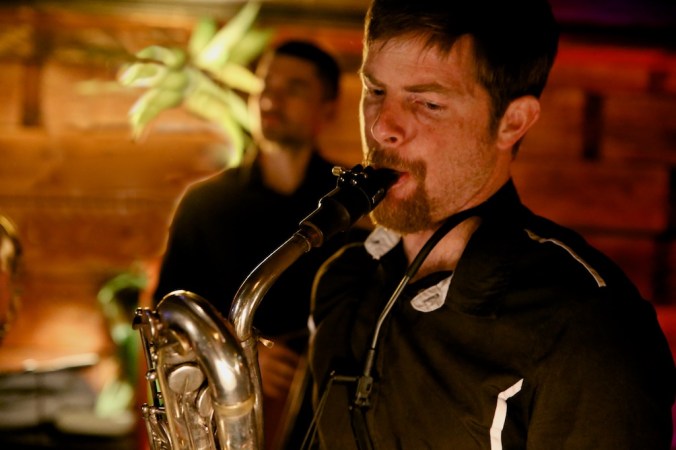
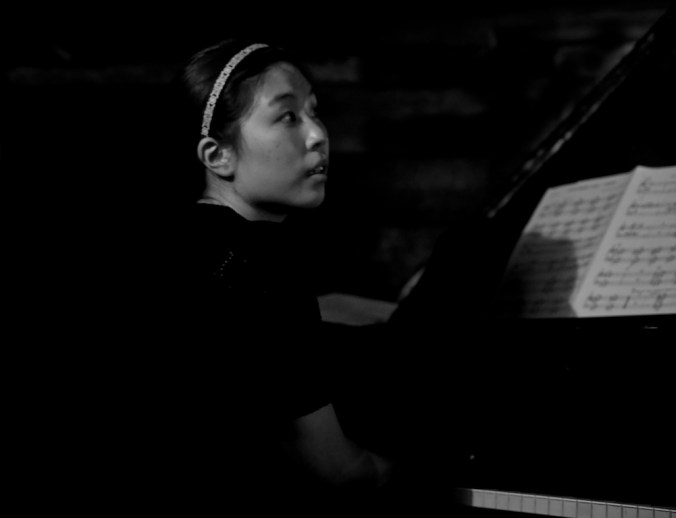
 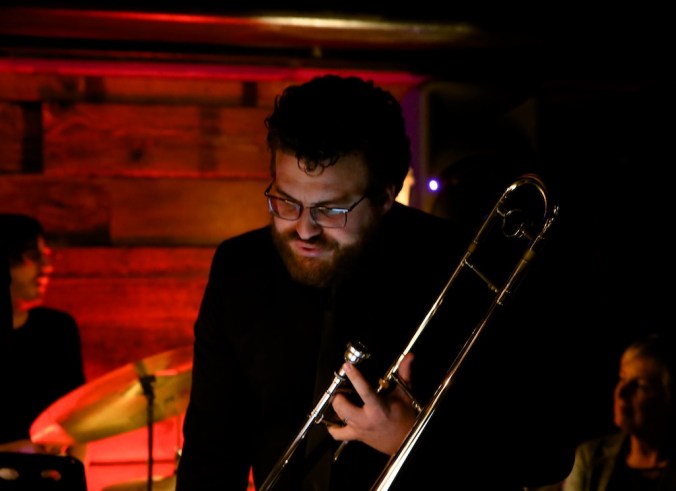 The suite while highly arranged gave ample room for the soloists to demonstrate their particular vice. Crystal Choi was ‘pride’ on piano, Pete France was ‘lust’ on tenor, Haydn Godfrey was gluttony on ‘trombone’, Mike Booth was ‘envy’ on trumpet, Cameron McArthur was ‘sloth’ on bass, Steve Thomas was ‘anger’ on drums, Andrew Hall was ‘greed’ on alto & baritone. Gibbs was vocalist on all numbers including a prologue and epilogue. Many of the band members like Booth, McArthur, Choi and Thomas are regulars but we see Hall, France and Godfrey less often. That is a shame because they were amazing.
  A shorter first set preceded the ‘Seven Deadly Sins’ suite – all Monk compositions. The band used stock arrangements but there was a sense of boisterous freedom in the renditions. This provided an appropriate segue to the second half. While everyone embraces Monk these days, his dissonant choppy lines certainly raised eyebrows back in his heyday. Monk was an iconoclast who channeled the rawness of the human condition through pen and piano. With the Seven Deadly Sins and its often dissonant passages we also experienced that.
 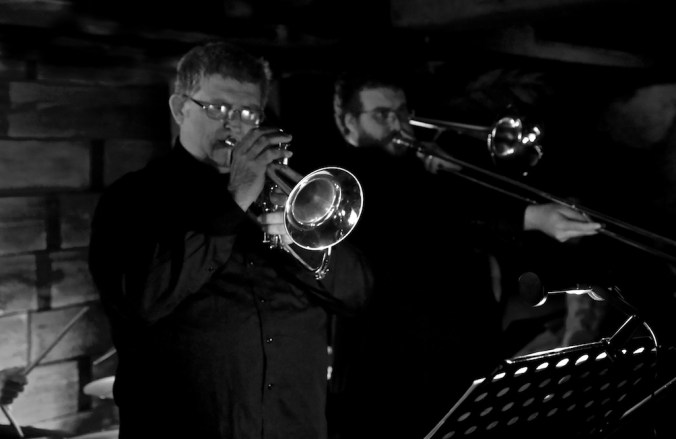 Louise Gibbs has been teaching and performing in the UK for 30 years, but she grew up in Auckland. In recent years she moved away from a distinguished career in academia to concentrate on performance and composition. There is a confidence about her work and she is unafraid as a performer. Her voice can move from silk to raspy as appropriate to the piece. Footnote: Earlier I drew attention to Tim Whitehead (on the Gibbs album). He was once a member of Ian Cars ground breaking and popular group ‘Nucleus’ – the highly respected Kiwi born saxophonist Brian Smith was a founder member of that group.
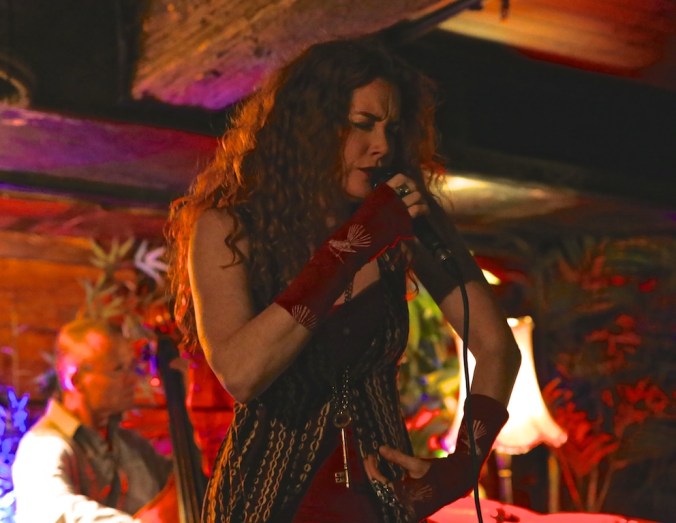 Because the human voice is the most primal of instruments it has the capacity to engage in unexpected ways. When a skilled vocalist performs we watch as carefully as we listen. The merest inflection, micro pause or slurred note can captivate, but it is also the non verbal cues; the ones we assimilate subconsciously that draw us ever deeper inside the song. When Caitlin Smith sings you are hyper aware of the entire performance. Hers are not gigs where listeners drift away or endlessly fiddle with phones. The audience are as engaged as she is. That is her gift as a musician.
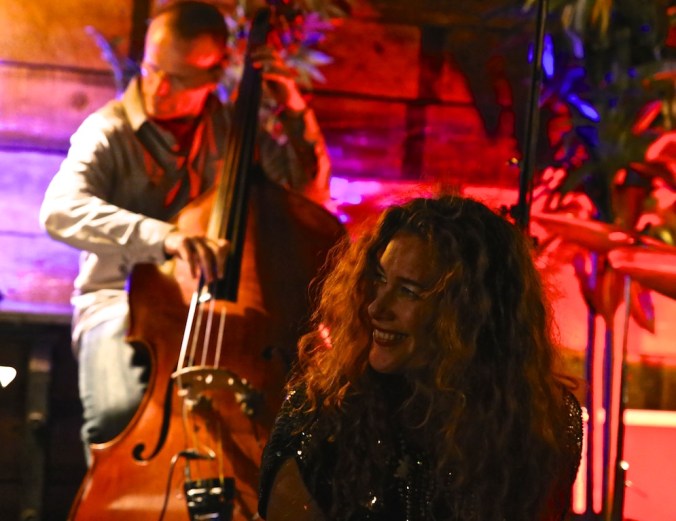 When Smith moves your attention moves with her. She will prance, dance, drop her head, pause for effect or sweep her hair back unexpectedly and all in service of the song. When you watch and listen to skilled performers like her (and they are few and far between) you discern a deeper truth. What appears extrovert can be something else. The actions and gestures are an act of losing oneself. This is the performers mask and behind it lies a certain vulnerability. When enough of this vulnerability informs the music we feel with them.
 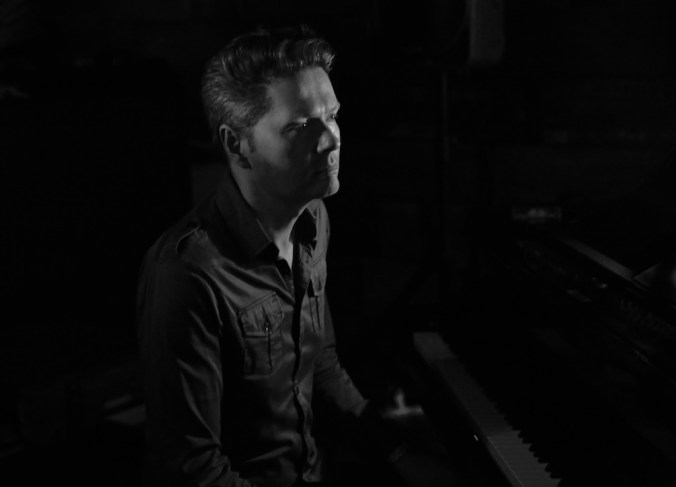 During Smith’s performances there is a lot of interplay between band members. She is generous in her acknowledgements and genuinely appreciative of the musicians behind her – unlike some vocalists who make it very plain that this is all about them. She had two of her regular cohort with her, Kevin Field on piano and Oli Holland on bass. On drums was the talented Stephen Thomas and I had not seen him with Smith before. During the break I asked Thomas how he was enjoying the gig. His answer is worth repeating, as it illustrates the above points. Vocal artists who think disengaged equals cool might pick up a pointer here. “Working with Smith is perfect as you have so much to react to. Every gesture and look gives you new material to work with”.
 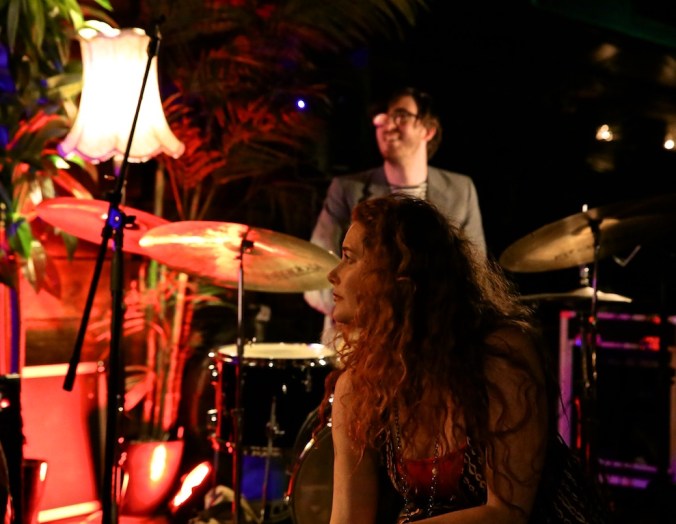 Smith followed her usual pattern of alternating originals with standards. The set list moved between Jazz and singer song-writer soul. She only repeated one tune from last Decembers CJC gig and that was the lesser known Ellington Number “I like the Sunrise”. This is from Ellington’s ‘Liberian Suite’ performed and recorded first in 1947. The original featured Al Hibbler on vocals, soon followed by a Frank Sinatra version (also with the Ellington orchestra). More recently Kurt Elling recorded a version but all of the aforementioned are at a slower tempo. At the risk of committing heresy, I like the upbeat punch and swing of Smith’s version best.
 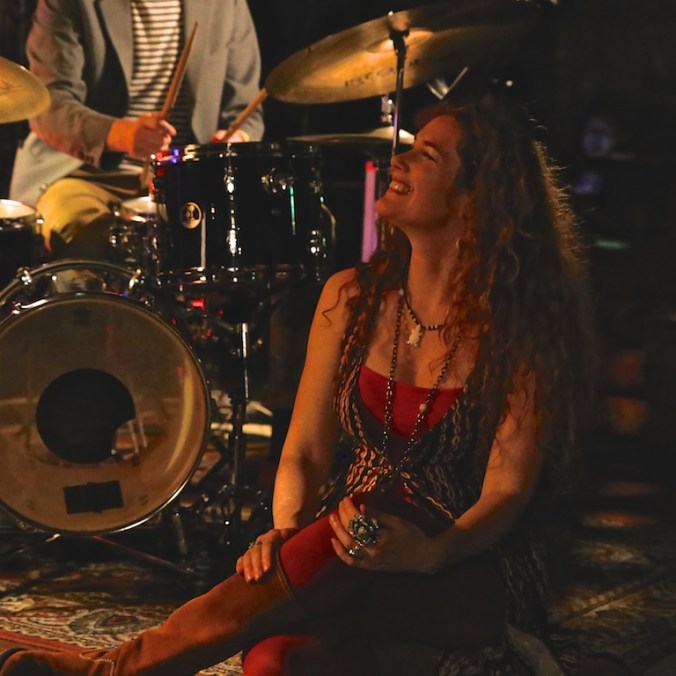 The night was thoroughly enjoyable as I knew it would be, and with this rhythm section of Field, Holland and Thomas behind Smith that was guaranteed.
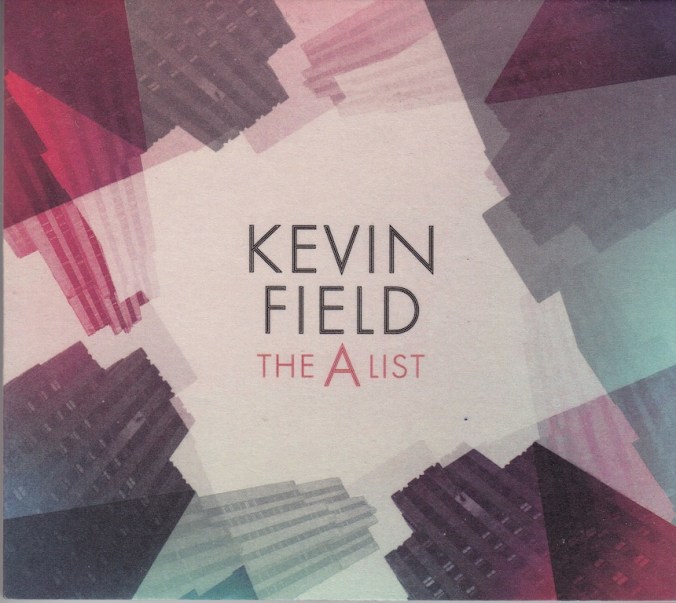 ‘The A List’ release has been a long time coming, or so it seems. Every recording of Kevin Field’s is noteworthy and when rumours of a New York album circulated I attempted to pin him down. Whenever I saw him playing as sideman about town or met him in the street I would pull him aside and say, “Kev, how is the album progressing, when will you release it?”. I invariably received iterations of the same cryptic answer; a knowing smile and a brief “it’s getting there, not too far away now”. the lack of specifics only fed my appetite. I have learned to read the signs and I can sense when an album pleases an artist. It is all in the body language, readable over the self-effacing vagaries of banter. Field had a look about him; a look that told me that he was nurturing a project that pleased him.
 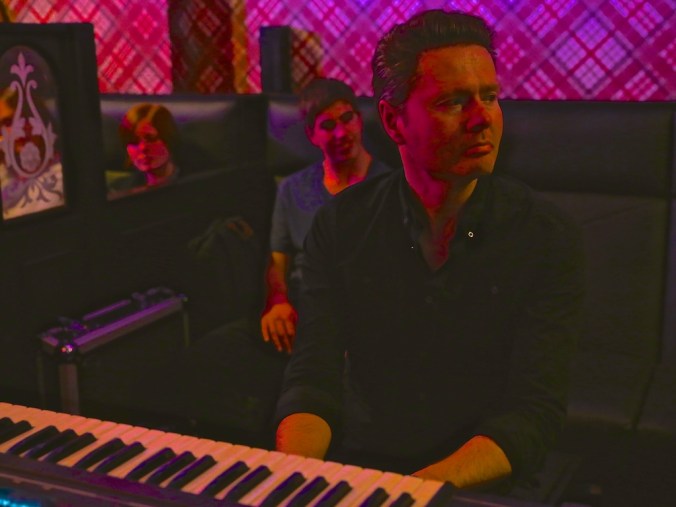 As the months progressed I gleaned additional fragments of information in bite sized chunks. Firstly that Matt Penman was on the recording, and incrementally that Nir Felder, Obed Calvaire, Miguel Fuentes, Clo Chaperon and Marjan Gorgani also. The substantive recording took place at Brooklyn Recording in New York with additional recording in Roundhead Studios Auckland. That was pretty much the extent of my knowledge. I have encountered this phenomena before. Treating an album as a child, holding it close before sending it out into the world. It generally presages good things to come. In this case it certainly did.
 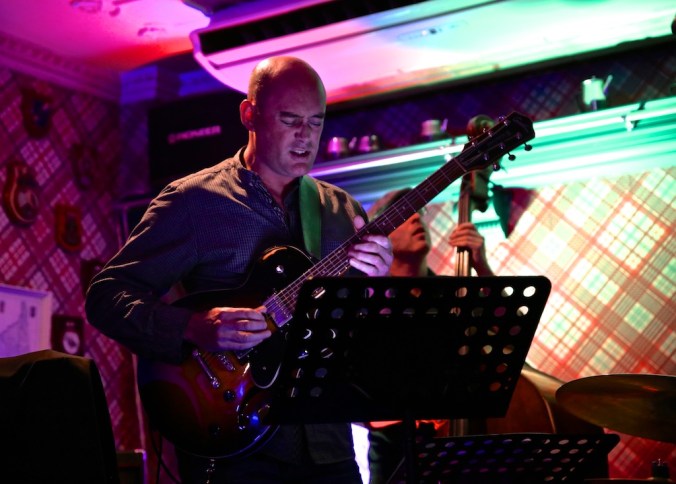 The title is probably tongue in check, but it speaks truth. There are a number of A List personnel on the album. Field is arguably Auckland’s first call pianist. No one harmonises quite like him and his consistency as pianist and composer is solid. New Zealand Jazz lovers also regard Matt Penman highly. His appearances with leading lineups and his cutting edge projects as leader always impress. In the same vein is Nir Felder; frequently mentioned in the same breath as the elite New York guitarists. Obed Calvaire the same in drum circles. This was an obvious next step for Field; having risen to the top of the local scene, it was time to record with New Yorker’s.
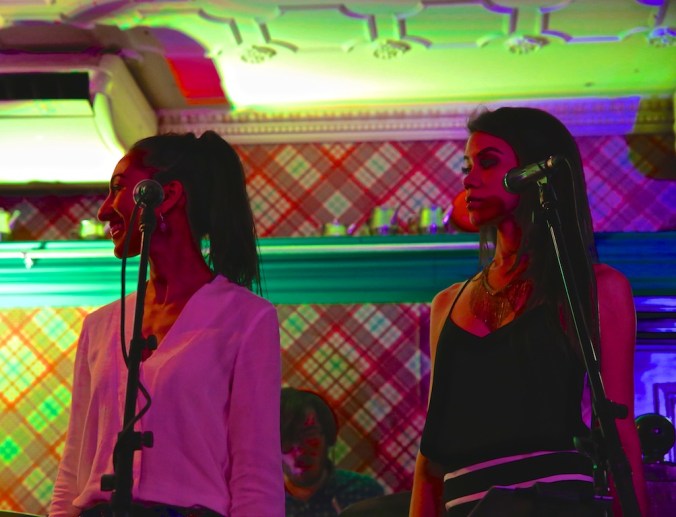
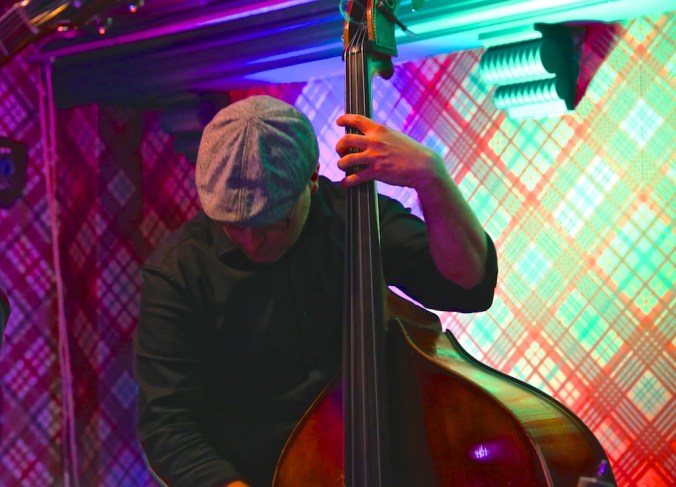 The CJC (Creative Jazz Club) Auckland launch substituted ‘A’ List locals for the famous New Yorker’s. On guitar was Dixon Nacey, on bass Richie Pickard and on drums Stephen Thomas. The vocal section was; Clo Chaperon & Marjan Gorgani (as on the album). These musicians are superb and so the comparison with the album was favourable (Field is a little higher in the mix on the album and guitarist Felder is a little lower).
 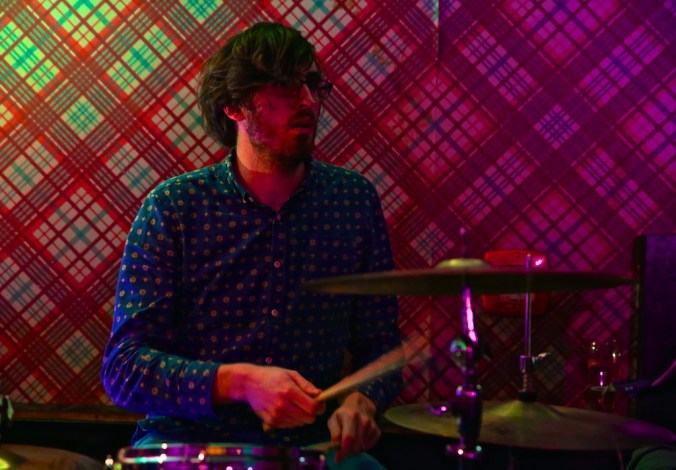 The CJC was in different venue this time, owing to the refurbishment of the 1885. The Albion is no stranger to Jazz and in spite of the ‘livelier’ acoustics, it was a good space in which to enjoy the music. Dixon Nacey always sounds like a guitarist at the peak of his powers, but somehow he manages to sound better every time I hear him. This time he used less peddling and spun out wonderfully clean and virtuosic lines. Apart from a tiny amount of subdued wah-wah peddle on the disco number his beautiful Godin rang out with bell-like clarity (the clipped wah-wah comping was totally appropriate in recreating the tight disco funk vibe). The other standout performance was from Stephen Thomas, who is able to find a groove and yet mess with it at the same time. His complex beats added colour and he mesmerised us all. At the heart of the sound was Richie Pickard. Some of the material was definitely challenging for a bass player as timing was everything. Pickard navigated the complexities with ease. There are were three vocal numbers at the gig (two on the album). Chaperon and Gorgani are impressive together and well matched vocally. Hearing them on the album showcases them to best advantage, as sound mixing is harder in a club. Their presence certainly added excitement to the gig.
 Buy the album and if possible see Field perform this material live. This music is exciting and innovative; past and present rolled into a forward looking Jazz form.
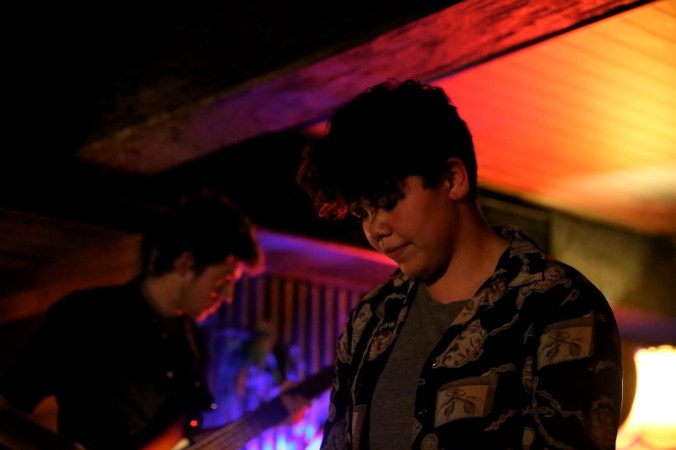 Last Wednesday the CJC took a step towards Robert Glasper’s ‘Black Radio’ project. At the time of its release the Glasper project shocked a few purists and delighted many others. It all depended on your point of view and your understanding of Jazz history. That particular album brought the ‘now’ of the urban streets into a Jazz recording; rap and urban soul coexisting with jazz keyboard harmonies. It is surprising that it shocked anyone! Surely this is an old story in the retelling. It is not hard to find earlier examples. George Russell’s ‘New York N.Y.’ and Gil Scott Heron’s output spring to mind. Words as poems, wordless vocals and instrumental Jazz are inextricably linked and always will be. Siobhan Leilani brought a Kiwi version of that to the Jazz club and we loved it. It felt in place and the nimble-footed danced. This constant reconnection with the streets is an essential part of our music and we forget it at our peril.
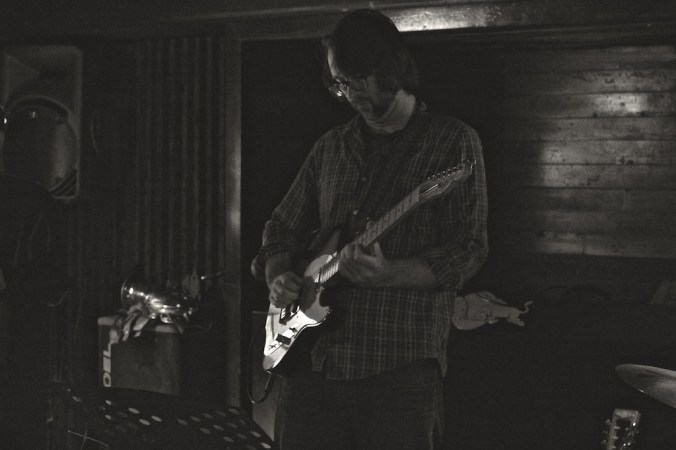
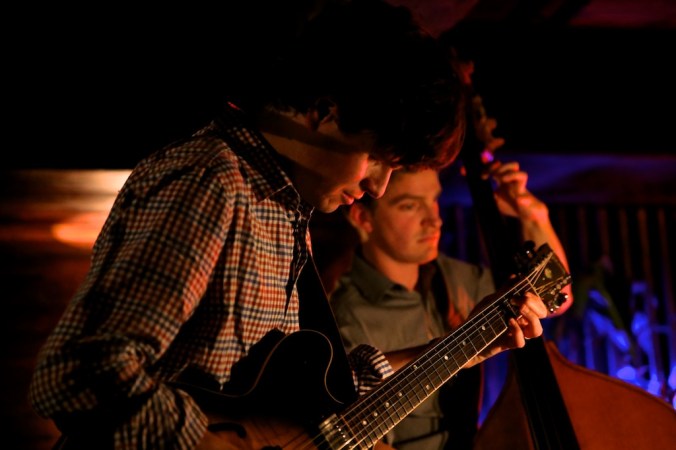 The first set to play was the Andy Smith Trio. Smith has played at the club as sideman a number of times, but it has been quite a few years since he brought us a project of his own. I have always enjoyed his slick guitar work and especially when he plays with an Alan Brown band. This gig was different as it reached deeper into the modern Jazz guitar bag. Smith has always used pedals convincingly but this time he dialled the effects right back. This was a purer form of modern Jazz guitar and in taking that route the music must stand on its own. It did. I like his approach to harmony and his compositions are compelling vehicles for improvisation.
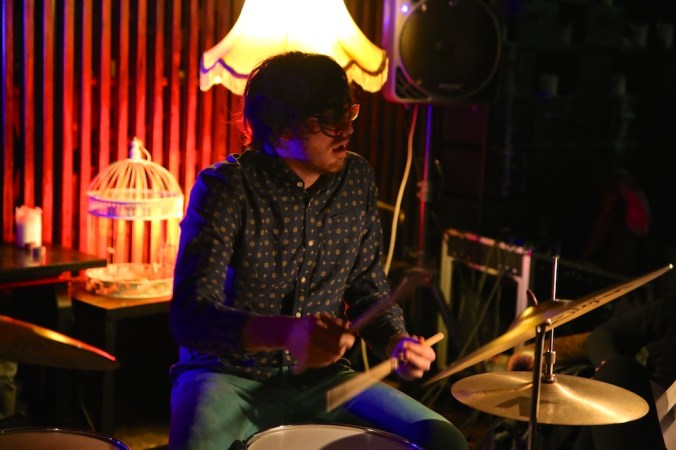 The gig undoubtedly benefitted from having the gifted Stephen Thomas on drums. While a regular in the club it has been a few months since we saw him. Thomas is a drummer’s drummer and he can tackle any project and shine. He constantly pushed the others to greater heights and his solos were tasteful, un-showy and tightly focused. The bass player Russell McNaughton was new to me, but I will be mindful of his presence in future. I particularly liked his arco bass work on ‘The Gypsy’s Dress’. The first number ‘CJC’ (Smith) was a good opener. There were plenty of meaty hooks to reel us in and an ever radiating warmth to dispel the chill rain outside. When they played a tune named ‘Awakening’ I recognised it instantly, but couldn’t recall where I’d heard it (or which group played it). It is actually an older tune of Smith’s and I had remembered it from three or more years ago. Again a solid composition and the fact that it had stuck with me after one hearing underlines that. A very nice trio.
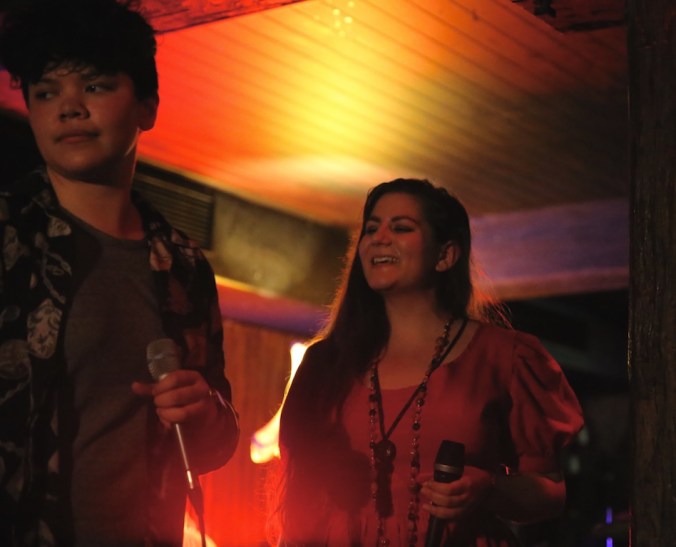 Siobhan Leilani (Siobhan Grace) is an interesting musician and one I hope we see a lot more of. Her association with the UoA Jazz school has yielded dividends. She utilised the services of former and current students for this gig; her guest Chelsea Prastiti most notably. There is an inherent risk in putting a soulful Jazz rapper together with an experimental improvising vocalist. The risk was well worth taking. These two feed off each others energy on up numbers and a force field of ‘happy’ seemed to emanate from them. The opening numbers were more in the soul/Jazz idiom and these were compelling in very different way. The lyrics spoke of angst and identity and this worked well for Leilani. What impressed me most was the authenticity. The language and sentiments were honest; heart-felt and purely ‘street’. I am only sorry that she was not a little louder in the mix (when it comes to vocals my hearing is not as sharp as it once was). This was poetry and good poetry. Word play, syllables stressed for emphasis, cadence; telling a story in an original way.
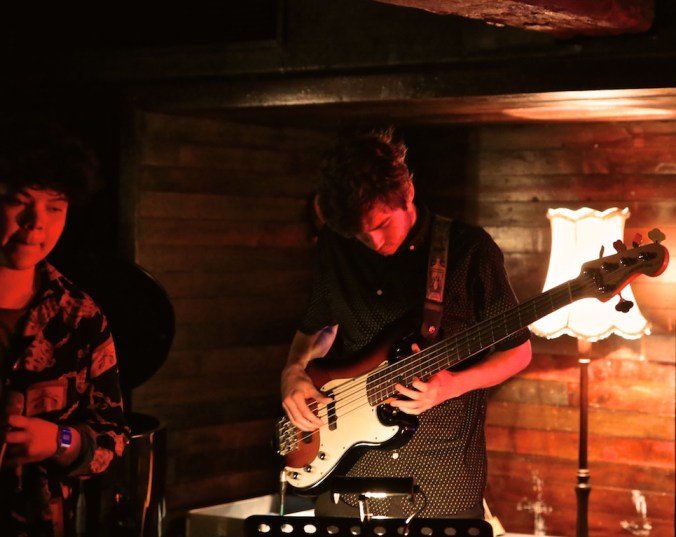
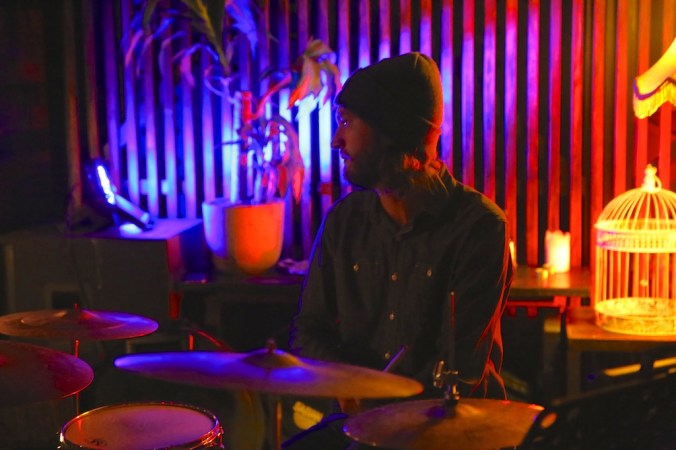
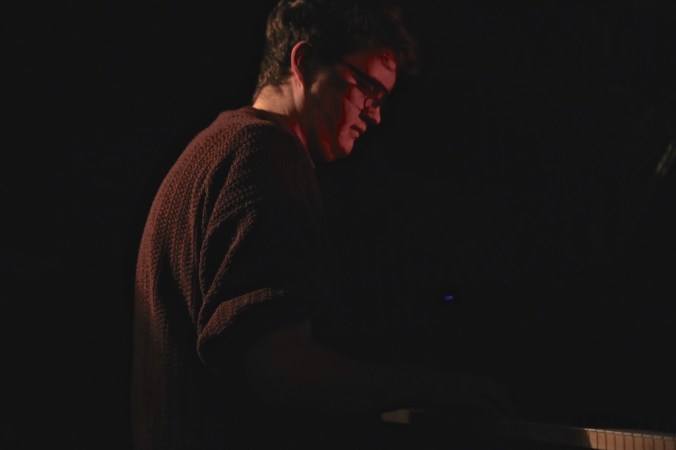 On piano was UoA student Sean Martin-Buss. He caught me completely by surprise with his confident piano accompaniment. I had only seen him perform once previously and that was on bass clarinet. He mostly took a two-handed approach, soloed well on two occasions and engaged in a brief but effective call and response routine with Prastiti. The drummer and electric bass player were unknown to me but again they gave good a good account of themselves. The pumping drum and bass groove was right for the music. On electric bass was Joshua Worthington-Church, on drums Olie O’Loughlin.
 This was another testament to the gig programming at the CJC. With rare exceptions every Wednesday night brings an original project. The decision to encourage innovation and originality pays off time and again. The audience now expects it and they wouldn’t turn up week after week for a diet of well-worn standards. With gigs like this a bitter Winter is flying by.
 Footnote:’lyrics and poetry are two sides of the same thing‘ (Levitin). Poetry purists often express disdain for song lyrics and especially rap lyrics. The same can occur in reverse when a rapper dismisses poetry as high brow. There is only good poetry and bad poetry. The earliest surviving piece of literature ‘The Gilgamesh’ was written in poetic form. The greatest epics in any language are Homers Iliad and the Odyssey; also written in verse and probably sung. If you want ancient earthy lyrics sung or chanted by a woman then try Sappho: Stuffy (male) scholars have tried for two and a half millennia to purify her verse. “Batter your breasts with your fists girls/tatter your dresses/its no use mother dear/I can’t finish my weaving/you may blame Aphrodite soft as she is/she has almost killed me for love of that boy” – Sappho born 612 BC


 JazzLocal32.com