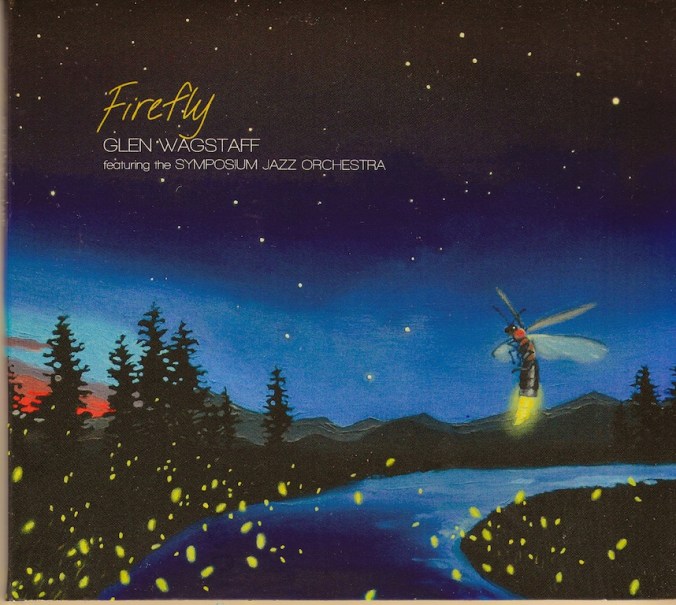
 The postie brings more music to our house than he does bills and so I always welcome the sound of the small motorbike pausing outside. This time she delivered a wafer thin parcel with the sender identified as Glen Wagstaff; Firefly had arrived. Looking back over my blog posts revealed that I first encountered the Glen Wagstaff Project in October 2013. At that time we heard several compositions now on the album and in particular to the title track ‘Firefly’. The first Auckland lineup was an eight piece ensemble, all Christchurch musicians. I was only familiar with two of them, Tamara Smith and Andy Keegan. The ensemble impressed and especially notable were the compositions; well constructed charts which magically exceeded the limits of eight piece instrumentation.
The other memory of that visit was the evocation of Kenny Wheeler. Few other New Zealand ensembles worked in that space. A year later in November 2014 Wagstaff appeared again. This time engaging the seventeen piece Auckland Jazz Orchestra. Bigger charts, more complexity and additional compositions, this was a precursor to the album. ‘Firefly’ was a Kickstarter project and many of us around the country were keen to pitch in. When a project has strong enough bones Kickstarter is a reasonable way to proceed. Wagstaff had sewn the seeds well The ease in which he reached his target was ample proof that he had found a solid support base. As we reach for new workable distribution models, this tool is worth considering; if like Wagstaff you can deliver the goods. Road testing and winning over a solid core of contributors is essential.
Sound Clip: Escape Artist (featuring guest saxophonist Manins)
The tracks have a number of moods but the album flows beautifully. The cohesion comes from the writing and the sense of vision imparted. As good as the various artists are, it is the writing that grabs you. The rich orchestral voicings in ‘Maylie’ reach deep and send shivers down the spine. There is a sense of nostalgia evoked, a longing for what is just of out of reach; even of pleasurable melancholia (The melancholic voice is often invoked by poets and it is nice to see it explored in this context. In earlier centuries this mood included pleasurable feelings ‘Pleasing myself with phantasms sweet, methinks that time runs very fleet, all my joys to this are folly, naught so sweet as melancholy’). In the title track ‘Firefly’ the mood is light and airy. Once again Wagstaff has found the right voice; a dusky sense of joy prevails. The tune Sakura based on a traditional Japanese melody follows a well trodden path among improvising musicians; again well done and showcasing Wagstaff on guitar. He is soft toned and his sound lovely. In this piece subdued orchestration allows the melodic aspects of the piece to unfold without clutter.
Sound clip: Maylie (featuring guest vocalist Elen Barry)
The Symposium Orchestra is a nineteen piece Jazz orchestra and with guest artists and doubling it swells to twenty-three instruments. Wagstaff utilises this rich palette well; avoiding the pitfall of over-orchestration. No mean feat with that firepower behind you. Roger Manins guested on tenor saxophone and Elen Barry added wordless vocal lines.
Writing orchestral charts is a monumental task and when you consider that this is a young musician’s first album, the respect for what he achieved deepens. In the USA there is much angst over the dearth of support for Jazz. In New Zealand we have never had that support and so artists create for the joy of it. When albums like this emerge, the New Zealand Jazz scene grows in stature. Wagstaff has put an important marker in the ground, his future now assured.
Buy the album from www.glenwagstaff.com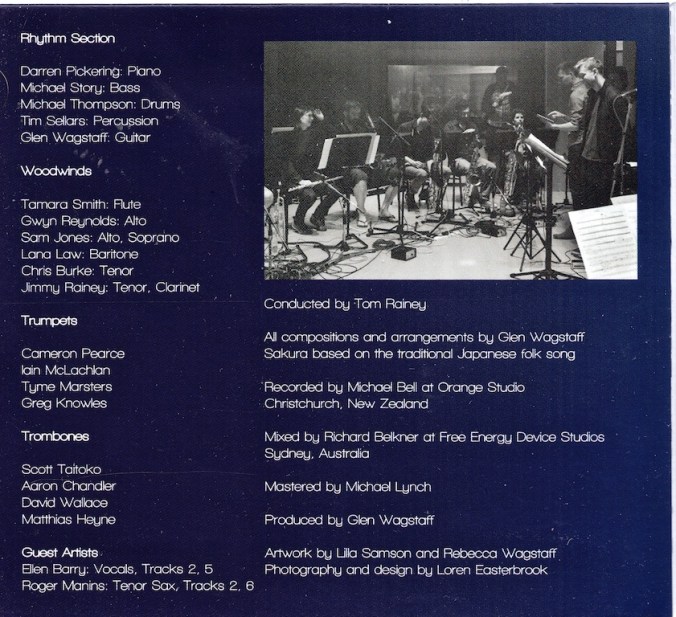
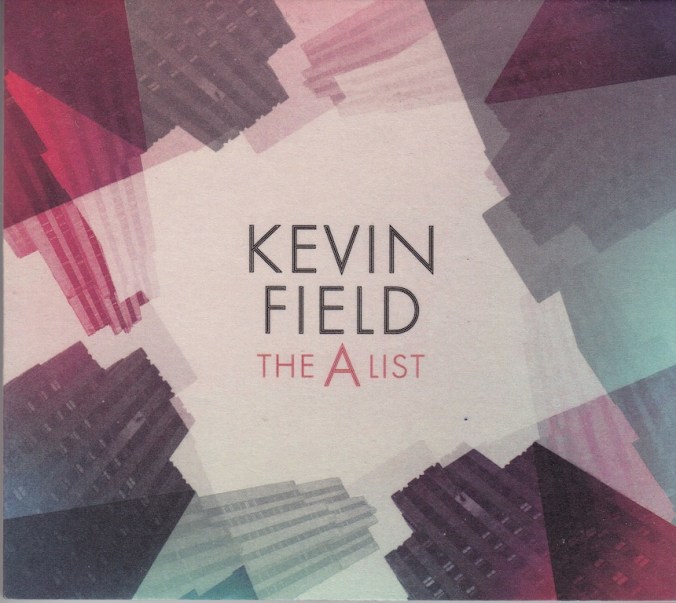 ‘The A List’ release has been a long time coming, or so it seems. Every recording of Kevin Field’s is noteworthy and when rumours of a New York album circulated I attempted to pin him down. Whenever I saw him playing as sideman about town or met him in the street I would pull him aside and say, “Kev, how is the album progressing, when will you release it?”. I invariably received iterations of the same cryptic answer; a knowing smile and a brief “it’s getting there, not too far away now”. the lack of specifics only fed my appetite. I have learned to read the signs and I can sense when an album pleases an artist. It is all in the body language, readable over the self-effacing vagaries of banter. Field had a look about him; a look that told me that he was nurturing a project that pleased him.
 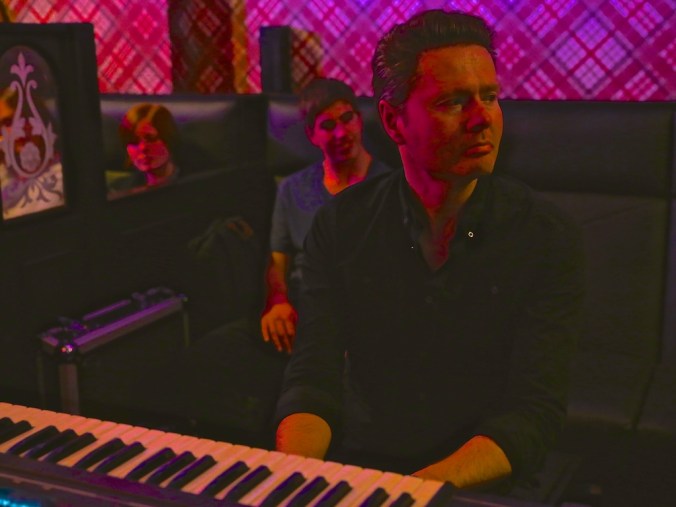 As the months progressed I gleaned additional fragments of information in bite sized chunks. Firstly that Matt Penman was on the recording, and incrementally that Nir Felder, Obed Calvaire, Miguel Fuentes, Clo Chaperon and Marjan Gorgani also. The substantive recording took place at Brooklyn Recording in New York with additional recording in Roundhead Studios Auckland. That was pretty much the extent of my knowledge. I have encountered this phenomena before. Treating an album as a child, holding it close before sending it out into the world. It generally presages good things to come. In this case it certainly did.
 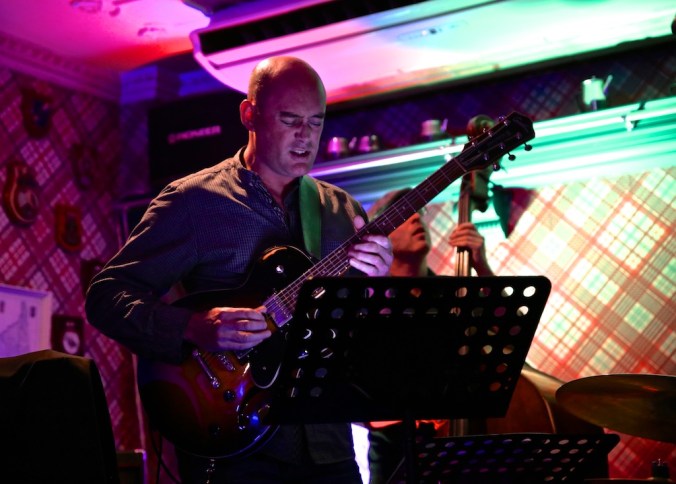 The title is probably tongue in check, but it speaks truth. There are a number of A List personnel on the album. Field is arguably Auckland’s first call pianist. No one harmonises quite like him and his consistency as pianist and composer is solid. New Zealand Jazz lovers also regard Matt Penman highly. His appearances with leading lineups and his cutting edge projects as leader always impress. In the same vein is Nir Felder; frequently mentioned in the same breath as the elite New York guitarists. Obed Calvaire the same in drum circles. This was an obvious next step for Field; having risen to the top of the local scene, it was time to record with New Yorker’s.
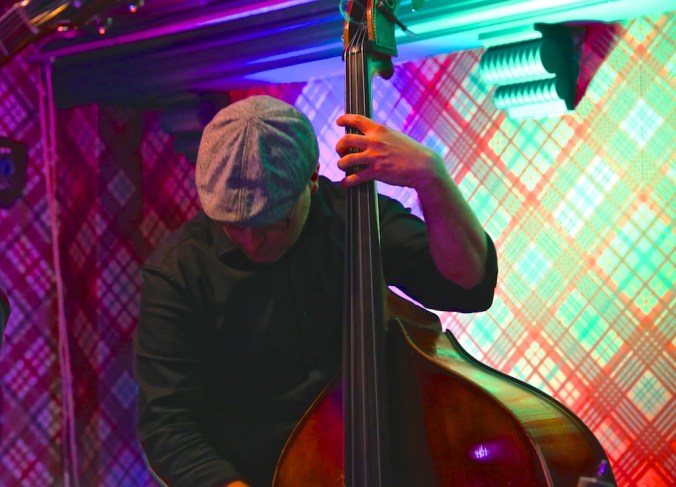 The CJC (Creative Jazz Club) Auckland launch substituted ‘A’ List locals for the famous New Yorker’s. On guitar was Dixon Nacey, on bass Richie Pickard and on drums Stephen Thomas. The vocal section was; Clo Chaperon & Marjan Gorgani (as on the album). These musicians are superb and so the comparison with the album was favourable (Field is a little higher in the mix on the album and guitarist Felder is a little lower).
 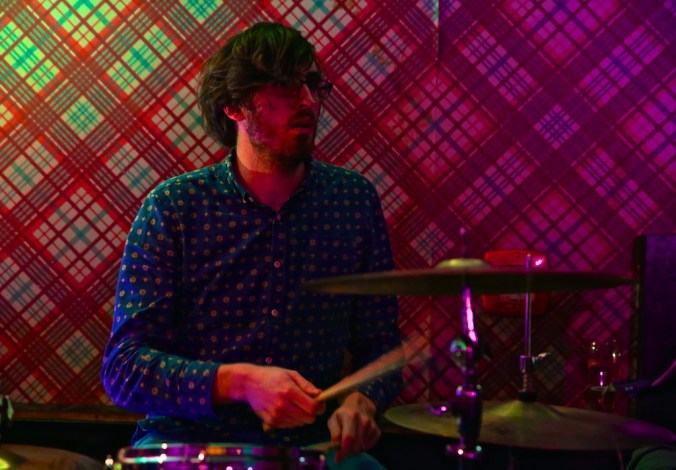 The CJC was in different venue this time, owing to the refurbishment of the 1885. The Albion is no stranger to Jazz and in spite of the ‘livelier’ acoustics, it was a good space in which to enjoy the music. Dixon Nacey always sounds like a guitarist at the peak of his powers, but somehow he manages to sound better every time I hear him. This time he used less peddling and spun out wonderfully clean and virtuosic lines. Apart from a tiny amount of subdued wah-wah peddle on the disco number his beautiful Godin rang out with bell-like clarity (the clipped wah-wah comping was totally appropriate in recreating the tight disco funk vibe). The other standout performance was from Stephen Thomas, who is able to find a groove and yet mess with it at the same time. His complex beats added colour and he mesmerised us all. At the heart of the sound was Richie Pickard. Some of the material was definitely challenging for a bass player as timing was everything. Pickard navigated the complexities with ease. There are were three vocal numbers at the gig (two on the album). Chaperon and Gorgani are impressive together and well matched vocally. Hearing them on the album showcases them to best advantage, as sound mixing is harder in a club. Their presence certainly added excitement to the gig.
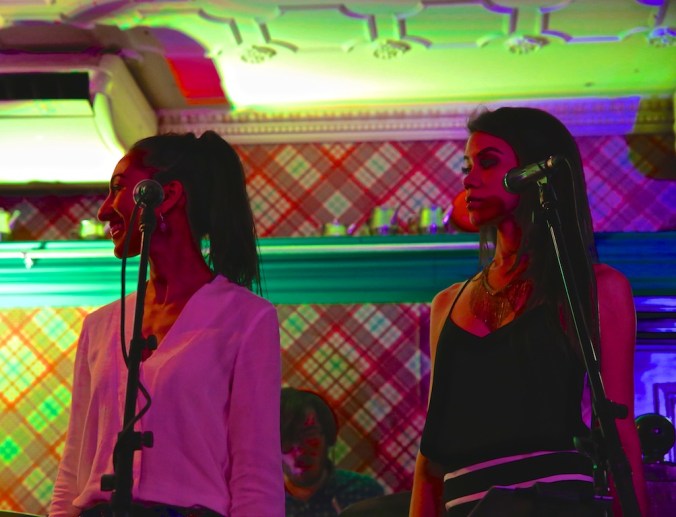 Buy the album and if possible see Field perform this material live. This music is exciting and innovative; past and present rolled into a forward looking Jazz form.
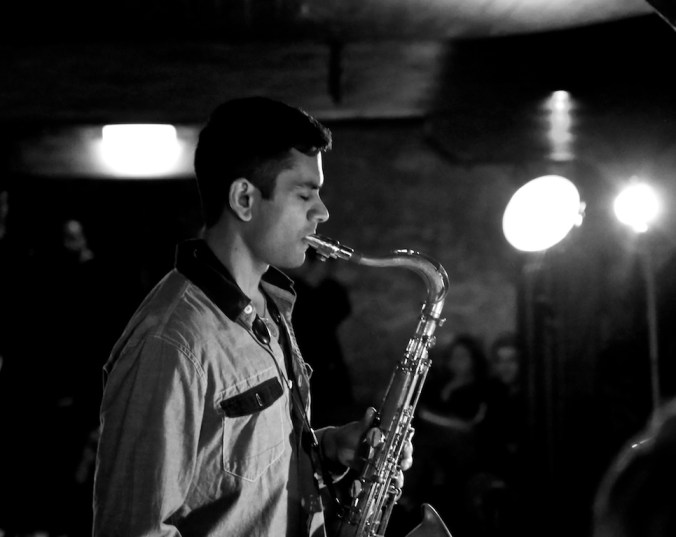 By my best estimation, Murphy’s Law kicks in roughly once every three months. Before the gig I plugged in my HD video recorder to charge, gathered my camera equipment into one place and foolishly congratulated myself on being so well organised. That was the mistake right there. Having tempted the Fates they responded in kind. My video recorder didn’t charge because the gods rewarded my hubris by half unplugging the charger cable. This was a gig I particularly wanted to video but the battery died mockingly within 15 minutes. Immediately the battery gave out the gig got better and better.
 I had not encountered Kushal Talele before. Until recently he has been working overseas and in London in particular. What I do know about him is that Brian Smith and Pete France tutored him at the New Zealand School of Music; both wonderful musicians. He was born on the Deccan Plateau in the city of Pune, the ninth largest city in India and the second largest after Mumbai in the state of Maharashtra. His family moved to New Zealand when he was eight, but he is now clearly a citizen of the world and of music.
 His good looks and relaxed confidence tell a story before he plays a note. Looking the part on the band stand is about posture and being at ease with the task at hand. His tone on the tenor is beautiful. He is very much a modernist but with the elements of Coltrane and the post bop era embedded. I asked him who he particularly listened to and the first name he mentioned was Chris Potter. Serious tenor players all admire Potter and rightly so. I also asked him if Indian Classical Music informed his playing and he was quick to say that it didn’t; adding that it was something he would like to explore one day.
 I asked because I have been following altoist Rudresh Mahanthappa who successfully fuses elements of South Indian music with modern Jazz conceptions. In reality most serious post Coltrane saxophonists have these elements in their playing. The way he tirelessly works over figures of melodic and harmonic invention tells me that he has that influence. In approach if not in sound, he takes a similar route to Sonny Rollins. Easing himself into a tune, in no hurry; working over long vamps which stretch into infinity. This turning a piece over and looking at it from different angles; gnawing away until the essence exposed, is a very New York thing.
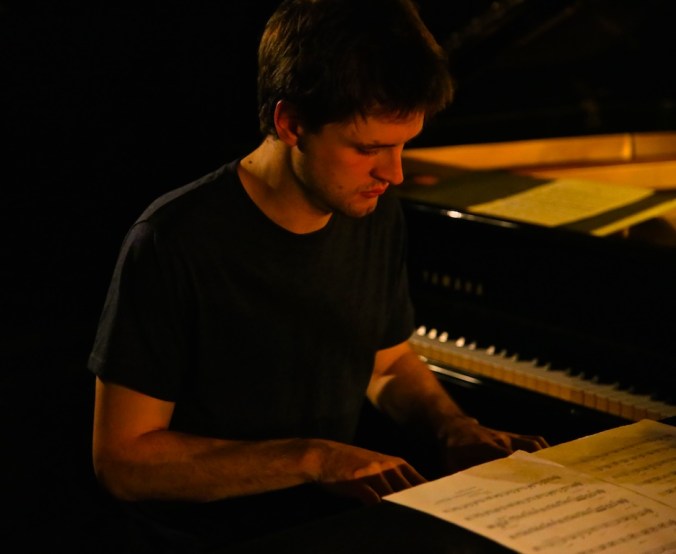
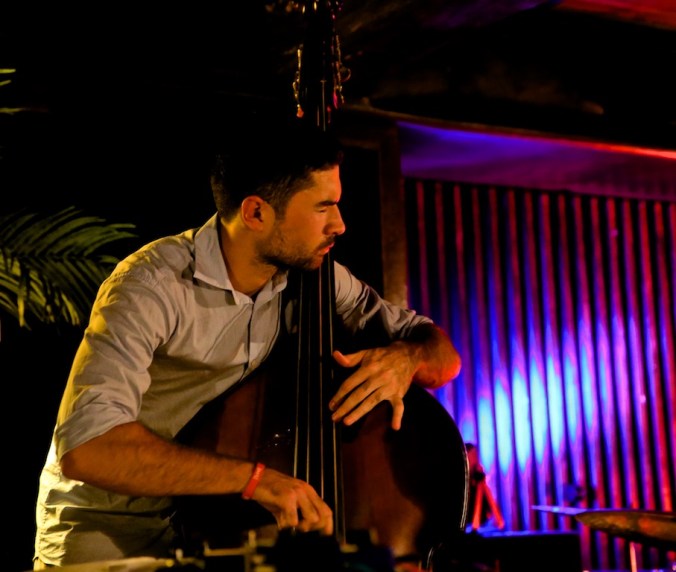
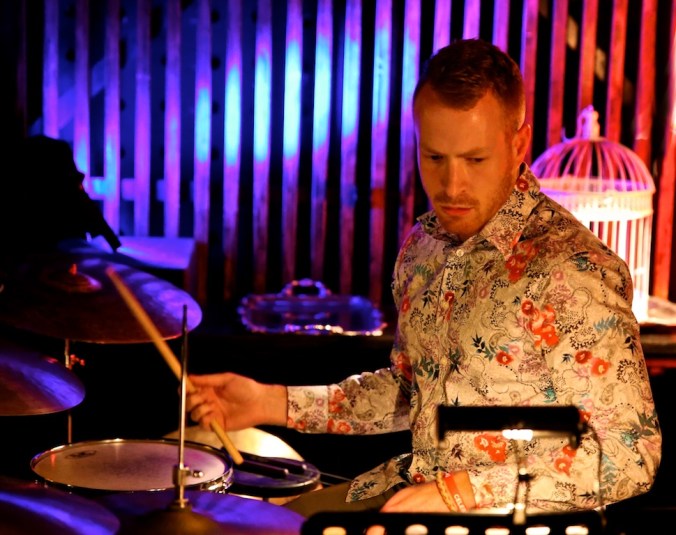
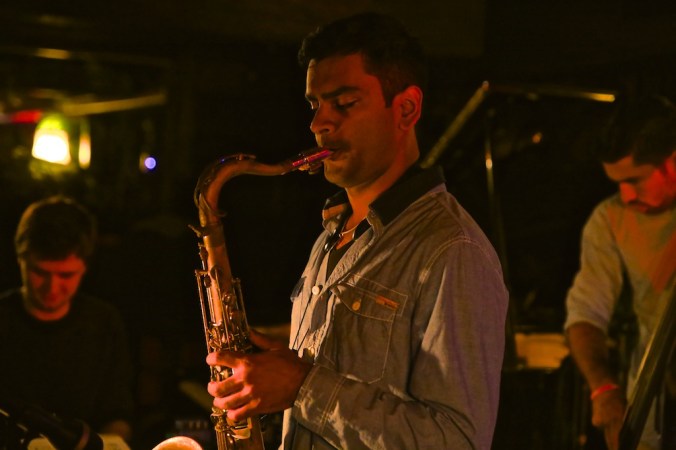 The group came together for this gig. All younger musicians but all experienced. It was great to see Cameron McArthur back on the band stand. One of my favourite bass players and adept at handling any challenge. He and drummer Cameron Sangster have just returned from an extended stint playing the East bound cruise ships. On Keys and piano was Connor McAneny. The band settled in as the gig progressed and during the last set they were playing tight energised grooves. Talele worked these grooves to maximum effect. I could only capture the first number (see below). It is my sense, that to experience Talele in peak form, one should see him with a settled band. The density and complexity of his playing would be enhanced by this. As good as this gig was I would very much like to see him in that context.
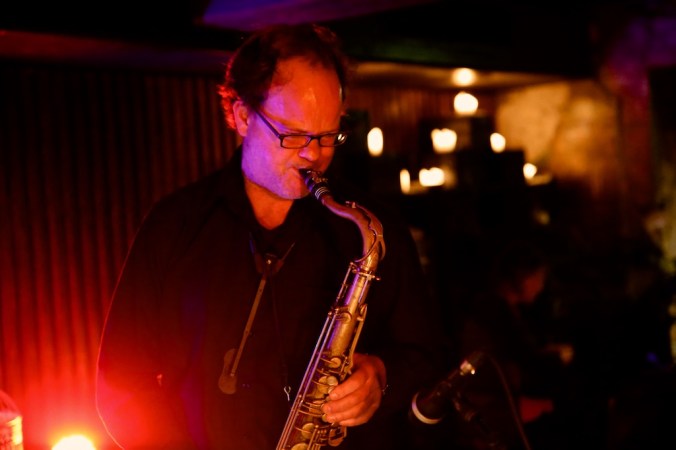
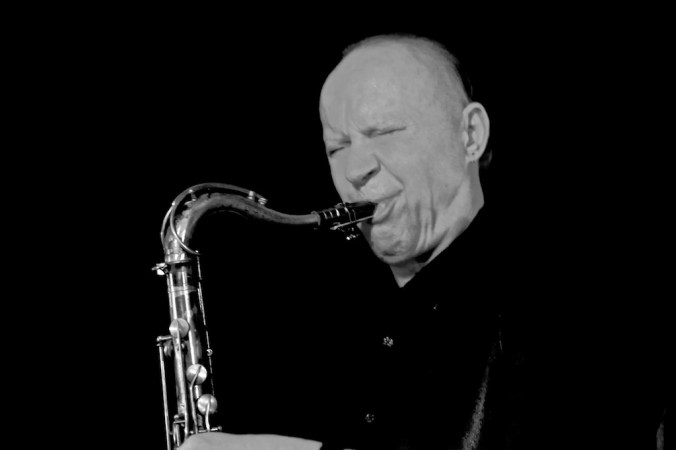 Paul Nairn is a man who avoids limelight and although he is extremely popular as a saxophone repairer he gigs all too infrequently. Those who have seen him before always turn up at his gigs, having fond memories of his standards interpretations and of his rich tone. For all of his reticence he is good company, knowledgable and a guy you enjoy being with. The last time I saw him was at the Doug Lawrence gig, shaking his head in disbelief and saying, “This is the southern styled tenor at its best. some of the greats are in that sound”. It is no secret that the classic era of 50’s Jazz is what he loves best. Larger than life standards played by some of the greatest musicians that walked the earth. The Phantom quartet was back to tell that story.
 The band set up early in case there was time for a quick run through but Nairn was nowhere in sight. He is notoriously hard to reach by email, phone or messaging so nobody tried. He is not enamoured of digital technology which is part of his charm. He is old school in good way. “He does know it’s tonight”, joked one band member? Twenty minutes before start time he arrived breathless. The vagaries of Auckland’s wet weather, downtown traffic and parking had tested but not defeated him.
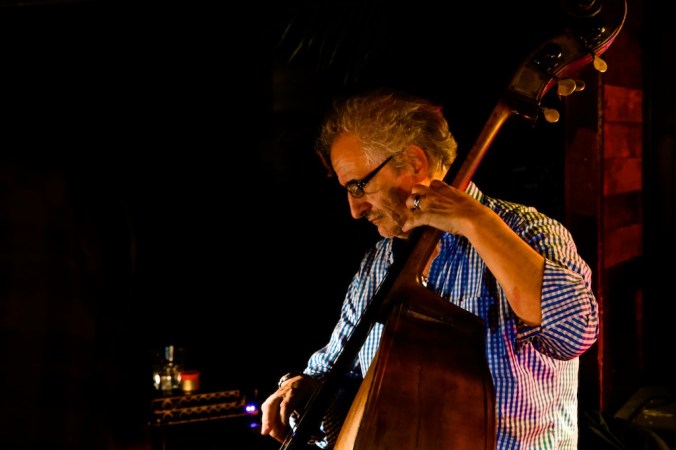 Nairn’s sound is distinctive; clean but with the pleasant hint of a throaty rasp when he bites into a note. It is certainly a sound that you identify with an era. His repertoire on this night included tunes by Cedar Walton, Chick Corea, Gershwin, Jerome Kern, Joe Henderson and Coltrane. Henderson’s Inner Urge occurred during the first set. It is a complex tune harmonically, but a tune I could never tire of. It was great hearing it again. The clip I have put up is Coltrane’s famous ballad ‘Naima’. Everyone played beautifully on that and especially pianist Broadhurst. His approach was fresh and utterly engaging. Nairn and Santorelli played beautiful solos as well while Gibson kept his impeccable trademark pulse.
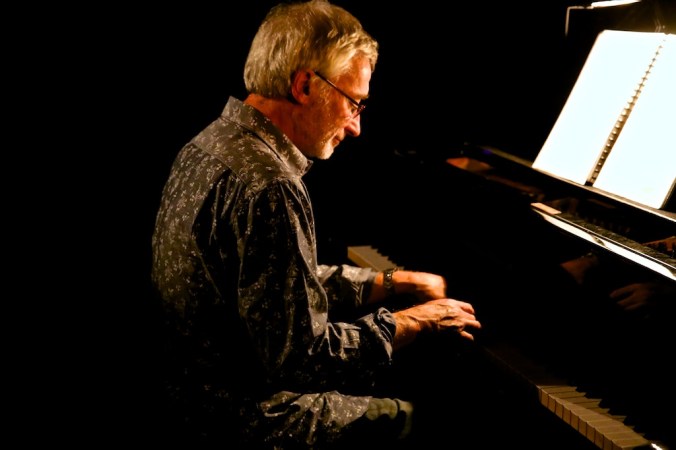
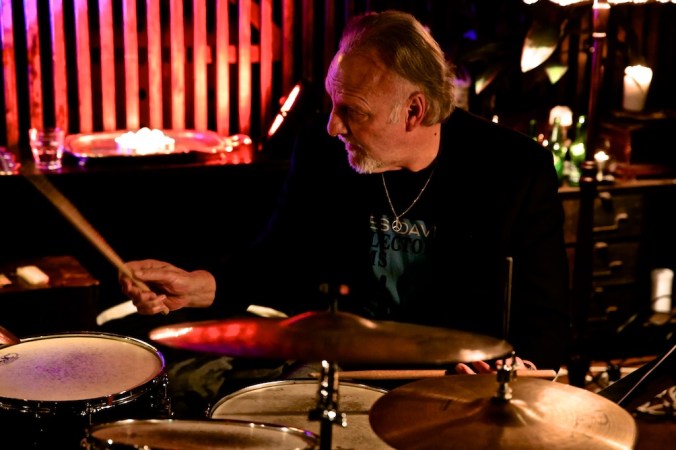 Nairn has been on the scene for a long time and when he calls upon veteran players to make up his band he gets them. On piano was Phil Broadhurst. In spite of the rain and coldness of the night he turned up in shirt sleeves, smiling and relaxed. His approach to the keyboard that night was anything but casual; stunning us with some of the best solos I have yet heard him play. For the second time in two months Alberto Santarelli was on bass and Frank Gibson was on drums. With these guys behind you good things can happen and Paul Nairn used them to good advantage.
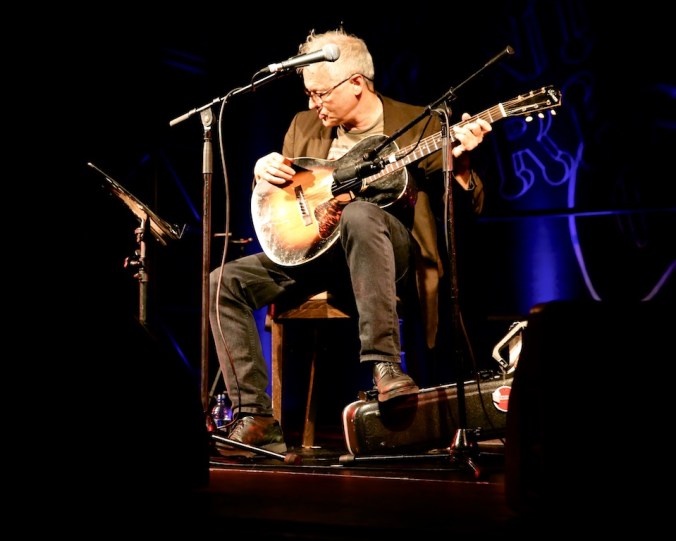 I am a Marc Ribot enthusiast so when local musician Neil Watson sent me a message to say that Ribot was coming to New Zealand I whooped for joy. My first thought was, wow, this will be the good shit. My next thought was, oh yeah I want to interview that cat about his musical and social activism. Watson was to open for him which pleased me. Watson was a good fit for this gig. An iconoclast multi genre improviser himself.
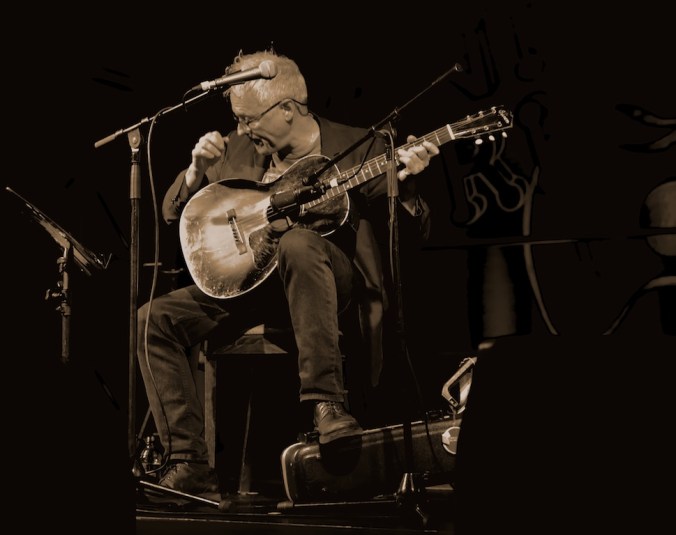 My first act on arriving at the venue was to approach the Tuning Fork floor manager and ask about photographs. He told me of a request from Ribot for absolute quiet. It was solo acoustic guitar, not Ceramic Dog and at Ribot’s request the venue turned off the air-conditioning and fridges. Camera clicks were obviously out of the question unless between numbers. I respected that and took photographs unobtrusively during moments of applause. This was a special gig that required a womb of engaged silence. Audience and musician locked into an embrace of sound.
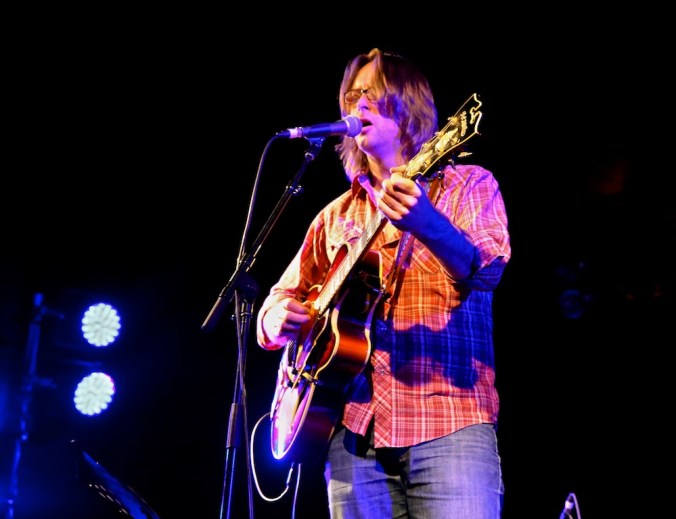 Footnote: Neil Watson acquitted himself well and added to the enjoyment of the evening. He played three types of electric guitar plus his pedal steel guitar; his set list ranging freely across genres. A Nirvana tune, a Hendrix referencing ‘Hear my train a comin’, a nice tune composed by his partner and the Kiwiana classic Blue Smoke as high points from his set.
 There are a lot of interesting stories on the Jazz circuit and some of them more improbable than others. None more so than a gig dedicated to the Manukau Harbour mud crab Grg67 (Varunidae:Helice). This ten legged estuarine creature has inspired Roger Manins to name a band after him and to compose a significant number of tunes
 in his honour. I could say that environmental activism fuelled the gig (and in part it was), but the affection and respect Manins exhibits towards these crustaceans is more complex than that. It is the respect of a dedicated Flounder fisherman; coloured by the quirkiness of an improvising musician. To quote: “When we play these compositions there are sharp claws and a soft underbelly; at times we can move unpredictably sideways at great speed”. Manins demonstrated this to great effect as he swiftly shuffled in alternate directions. You couldn’t make this stuff up. As the gig unfolded he delighted the audience with his antics and with the subsequent ‘crab’ influenced compositions.
 Underneath the crusty carapace were a bunch of good tunes and as Manins inferred, they were tangentially tricky and replete with interesting musical twists. Good improvisers are always on the look out for new challenges, new ways to interpret the world about them. In putting together ‘Grg67’ a fresh vehicle for improvisation is born. By bringing in several less experienced musicians Manins has fulfilled an older imperative. To challenge and encourage those beginning the improvising journey. This is how it should work, but many older musicians forget that and remain in their comfort zones. Everyone stepped up here under Manins watchful eye.
 The crab which is the central focus of these sets is Greg, but as Manins so eloquently explains “Crabs don’t use the letter ‘E’. It something to do with their waste not want not utilitarianism”. Other tunes had titles like ‘Crab Empathy’. These tunes and the stories that surrounded them evoked powerful mental images. As the music washed over us you could sense the ebb and flow of the tides. You could easily imagine a predatory Flounder sending the ever watchful crabs scuttling into their burrows (Flounder are none too bright according to net fisherman).
 Michael Howell and Tristan Deck are the youngest members of the ensemble. Howell is a Jazz student and with each month his guitar work grows more impressive. As his confidence grows he stretches himself and playing with Manins is exactly what he needs. He is ready for the deep end of the crab pool. On this gig he played a borrowed Fender and it sat well with him. That Tristan Deck played so well did not surprise me at all; his career trajectory assured as he increasingly takes his place among the better Jazz drummers of the city. He was good when I saw him two years ago; now he is very good. For the second time this month Mostyn Cole appears at the CJC. This time he held the groove with electric bass. He is reliable and multi faceted. Again Manins showed how seamlessly he slots into very different situations. He presented a complex set of tunes to good effect, navigating break-neck tempos and fusing complexities with an inexhaustible supply of good humour.
 JazzLocal32.com