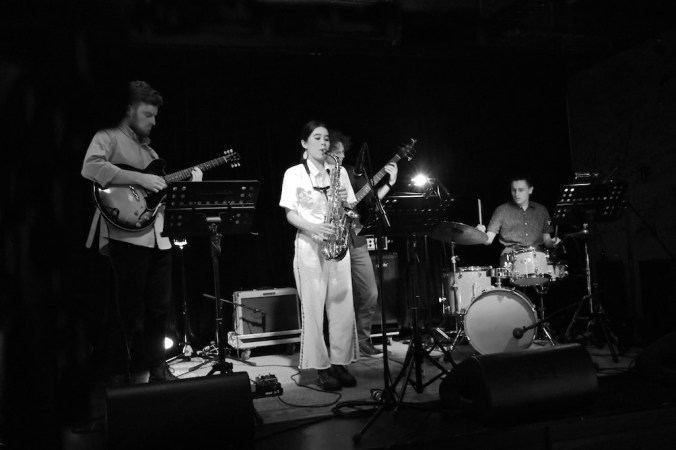
 A while ago the program director of the Creative Jazz Club, Roger Manins mentioned that he had booked a great young group from Christchurch to appear in the emerging artist’s slot. He went on to say that many of these young emerging artists were so good that he was considering renaming the slot, something like ‘young guns’. He was right. Ocelot exuded easy-going confidence, uncommon in younger players and by the second number they owned the bandstand; navigating some slippery lines with disarming ease and swinging. This was a tight unit and it was obvious that they had put in the necessary work beforehand. That gave them the freedom to relax into the music and the results were evident.
While a little hesitant at first, they progressively engaged with the audience. This has been a theme of mine in recent months, a desire to sense the person behind the instrument. It is not about exhibitionism but about something infinitely more subtle. Something that tells a live audience that they are an essential part of a performance triangle, instrument, musician and audience. Seasoned Jazz audiences are fine-tuned to detect enthusiasm on the bandstand and likewise, they can detect disengagement. Ocelot got that and was well received.
The setlist was nicely thought through as it balanced originals with tasty tunes by established and lesser-known artists. Bravely, and to their credit, they played a Jazz arrangement of Prokofiev’s (Concerto No 2). These forays can be fraught with danger, but this interpretation was handled with ease as was Jonathan Kreisberg’s ‘Strange Resolutions’. The latter required them to navigate some tight Tristano-like unison lines in the head and emerge swinging. They did, and to see a young band do this with apparent ease was pleasing. I have posted Strange Resolutions in the YouTube clip.
The originals in the setlist were penned by the bass player and guitarist and a tune which took my fancy with its danceable Klezmer vibe was titled ‘Rakia Nightmares’ (Jonah Levine Collective). The bar is being lifted all the time, as our various Jazz Schools flourish, but what is most encouraging about this, is that they are not producing clones.
Ocelot: Finley Passmore (drums), Mitchell Dwyer (guitar), Finnzarby Richwood (piano), Callum McInnes (bass), Cheena Rae (alto saxophone). The gig took place at Anthology for the CJC Creative Jazz Club, K’ Road, Auckland CBD, 23 October 2019
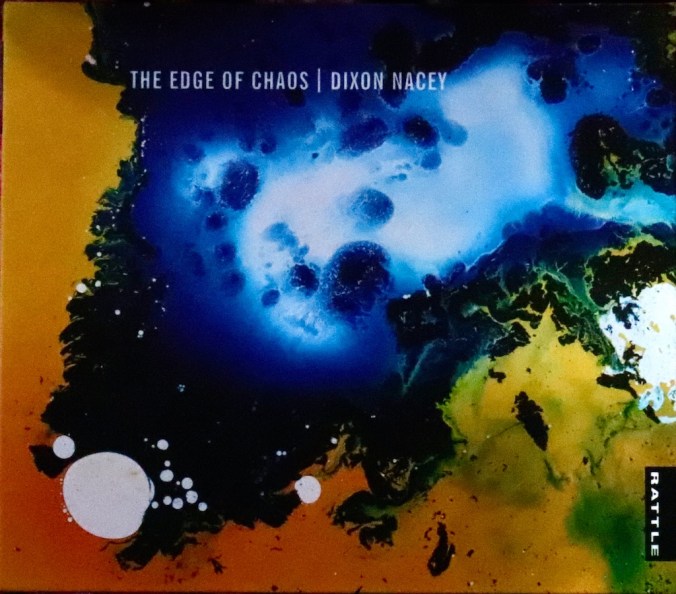 This Dixon Nacey album has long been anticipated and although Nacey has previously recorded as co-leader, this is the first album to be released exclusively under his name. Nacey is firmly on the radar of Jazz loving Kiwis, but his fan base extends well beyond that. He is a professional musician of considerable standing, an in-demand teacher and in recent years the musical director of CocaCola Christmas in the Park. To up and comers he is a guitar legend and on this album, they have something to aspire to; twenty years of experience distilled into excellence.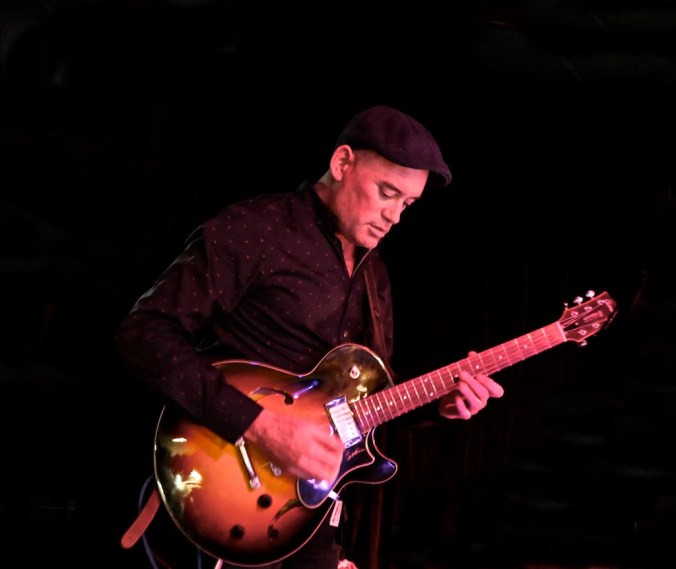
 Canadian Jazz guitarist Keith Price is a welcome addition to the Auckland scene. He brings with him fresh ideas and a musical connection to his hometown. Manitoba is associated with Lenny Breau and Neil Young who both grew up there. Perhaps it’s the proximity to the open spaces which echo in the music, that wide-open sound (and in Young’s case an overlay of dissonant melancholia)? Whatever it is, it certainly produces distinctive musicians. Lenny Breau is an important Jazz guitarist and one who is sadly overlooked, Hearing Price’s respectful acoustic homage on Wednesday, cast my ears in that direction again.
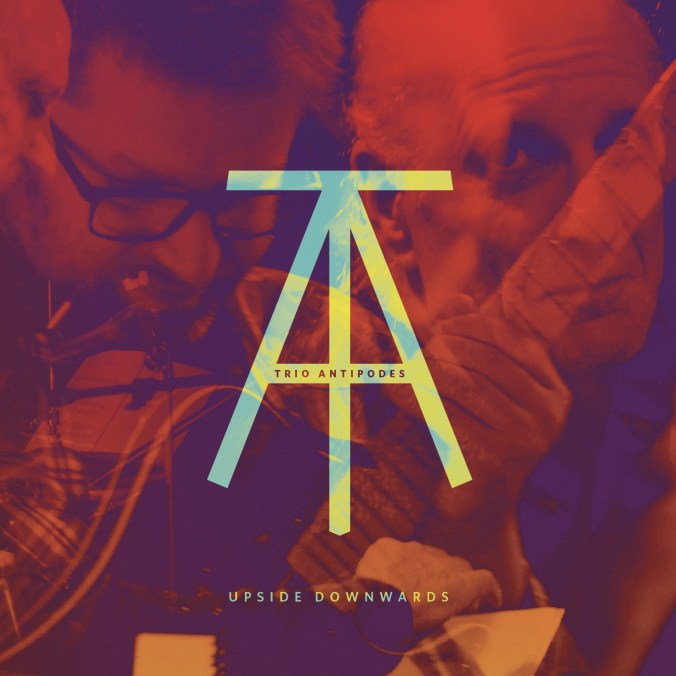
 There is a world of interesting music happening at the Audio Foundation and this three-set gig exemplified the foundations imaginative ahead of the game programming. The evening featured a cross-section of music from the fully arranged to the unconstrained and free. From the open dialogue of the Knotted Throats to the carefully crafted texturally rich four-piece voicings of a jazz ensemble. Then, and perhaps this is the essence of the programming, the two groups merged and out of that came a declaration. Sound exists without boundaries. The borders and demarcation lines as we organise or sculpt sound are only human constructs and beyond these artificial barriers, the various languages merge. When that occurs music is the richer for it. Improvised music is always on the move and just as post-bop moved seamlessly between free, fusion, hard bop, bop and groove, so the journey continues.

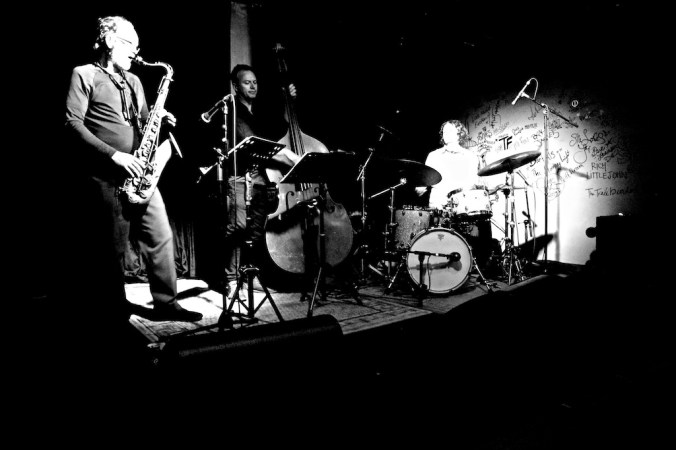 Post Trump’s inauguration, improbability is the new normal and in keeping with the mood of the times Wednesday’s gig emerged from improbable beginnings. It began with an international cat rescue mission, an attempt to thwart a ‘catricidal’ former neighbour. Before the mission had even been concluded a subplot had emerged; one involving the inhabitants of three cities, two countries, and assorted sharks. Those familiar with Reuben Bradley will not be surprised at this turn of events as he’s known for his humour, good nature and above all for his ability to turn improbable adventures into really good music. ‘Shark Varieties’ is a drummer led trio and a vehicle which showcases a bunch of the leader’s original tunes. It also showcases a joyful reunion.
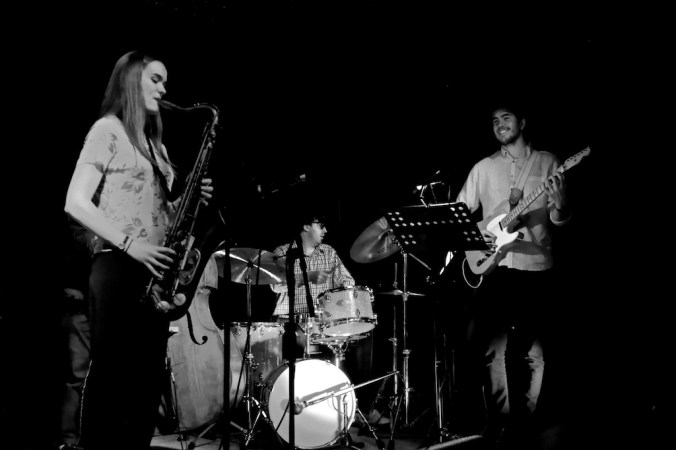 Louisa Williamson is a gifted young tenor saxophonist who has visited Auckland on previous occasions. This time, and for the first time, she visited as a bandleader, showcasing her beautiful compositions. I have always admired her tone and improvisational abilities, but this was a step up. Freed from the comfort of a band she knew well, she cast herself among an array of experienced Auckland musicians. Stephen Thomas on drums, Tom Dennison on bass and Michael Howell on guitar. The only Wellingtonian (besides Williamson) was pianist George Maclaurin and together as a band they delivered. This was engaging straight-ahead Jazz.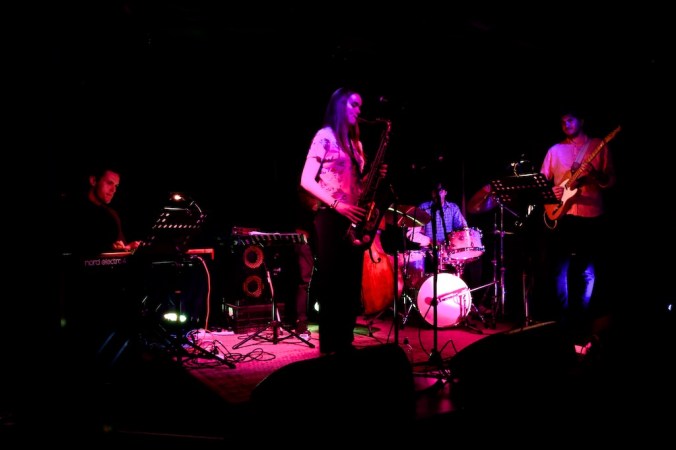
 JazzLocal32.com