It is on the margins that the most interesting discoveries are made. The manifestations are bolder because they are not as beholden to the gravitational centre. Whether freshly minted or previously overlooked, the best of them radiate an eternal essence. Norway and New New Zealand are far from the centre and the musicians performing in the shadows of the Cold War were too. Creating on the margins can even be a blessing and these albums all feel like that to me.
Alex Ventling/Hein Werstguard (Aotearoa, New Zealand/Switzerland/ Norway)

‘In Orbit’ is a freely improvised album recorded in Denmark recently. It is an exploration that teases the sonic possibilities of both instruments, utterly transcending their physical limitations, a duo of prepared piano and guitar. And the consequent freedom arises from in-the-moment imaginings unfettered by restrictive form. It is a very Zen concept and a desired state in Buddhist meditation. In a duo, this requires trust and openness, and as with all such artistry, it occurs when the disciplines of form have been understood and then transcended. To again use Buddhist terminology, form and formlessness are not separate.
The first piece, ‘Overture’, is beguiling, with its painterly spacious soundscapes. It is the perfect first track, opening the listener to what follows. The beauty of the piece is palpable. As the journey unfolds, the focus alters, and the engaged listener is gifted a glimpse of what the musicians see, of things great and small examined in their minutia or marvelled at as they float past like miasma. I like this approach very much, as the stories are as long or short as they should be. Some like delicate miniatures under a magnifying glass, others robust and energy filled. There is much to enjoy in this release. Their journey ahead will be worth following.
This is a direction that many of the more adventurous musicians embark upon, reminding me of how I felt when first encountering the Ganelin Trio or Ivand Aaset. The music speaks of the earth’s highest places, lonely outer edges; of the overlooked things we pass over all too easily, and cerebral locations where interesting ideas grow.
Alex Venting – prepared piano, Hein Werstguard – guitar – released in Trondheim by alexventling.bandcamp.com
I Had The Craziest Dream: Bebop/Hardbop in Postwar London Vol 2
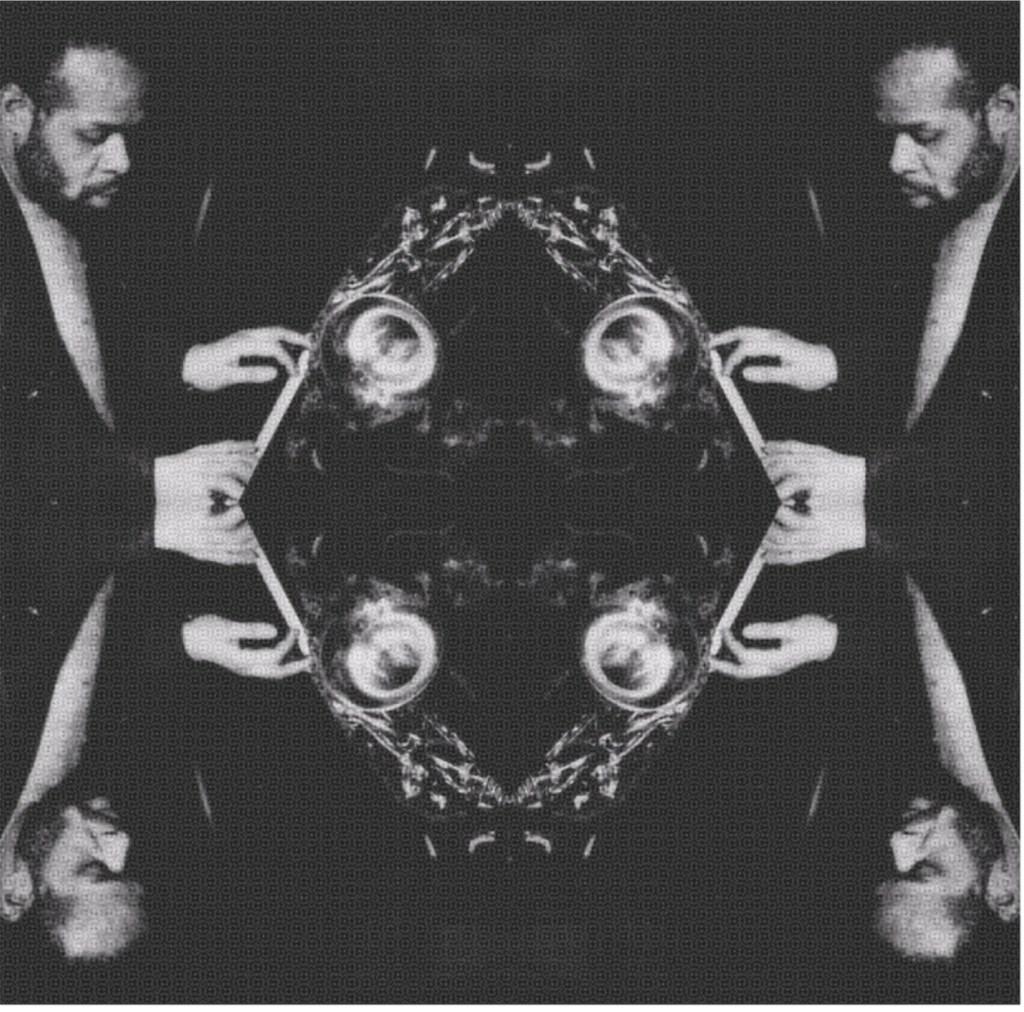
This absolute gem of an album had been released as an adjunct to the 2022 Barbican exhibition titled Postwar Modern: New Art in Brittain. It appeared on Bandcamp last month. The album features various artists, many of them bebop players, covering the period of the mid 1940s through to the late 1950s. This was a time of postwar recovery when few American LPs were available and because of post-war austerity measures, tours by American Musicians were infrequent. Periods of grey austerity often provide fertile breeding grounds for counter-cultures to flourish in London, setting the scene for the youthful embrace of Modernism. While demobbed parents yearned for a peaceful life, their children did not. The new Jazz forms bore little resemblance to the big band swing of their parents, soon a subset of youth flocked to Soho to hear exciting players pushing the boundaries. The Beat-influenced hipsters had arrived.
The Jazz musicians were either London-born locals like Ronnie Scott, Tubby Hayes or Stan Tracey or coloured musicians from the Caribbean British Colonies. Afro-Caribbean musicians like Joe Harriott, Dizzy Reece and Shake Keane, who blazed like comets, and surprisingly, none had learned their craft in the USA. They arrived self-taught, bringing a deep appreciation of Charlie Parker and Dizzy, overlaid with the rhythms of Jamaica or St Vincent. Soho was seedy and a melting pot of cultures. In that environment, exciting music happened.
London’s postwar jazz should have been better known outside of England. The players were world-class, but because of their lower profile often struggled to get cut through. Although it is over 60 years too late, there is a growing appreciation for their contribution. This recording is just a sampling of what is now available on vinyl, CD, streaming apps and Bandcamp. While Ronnie Scott is the best-known Jazz musician from that era, people should check out the recording legacy of Tubby Hayes and Joe Harriott. Both burned out young but left an indelible mark on the musical landscape. Some on the compilation later made it to America, like vibes player/pianist Vic Feldman, who featured on the Miles Davis disk ‘Seven Steps to Heaven’ or the excellent blind pianist Eddie Thompson (who learned to play at a blind institute alongside George Sheering).
The two tracks I posted grabbed my attention. I had forgotten how much I love Bebop and these tracks took me back. On the Tubby Hayes track ‘Blues for Those Who Thus Desire’, I was amazed to learn that he played every instrument on the track except bass and drums. I initially found it hard to believe, but a reviewer later confirmed that Tubby played Baritone Sax, Alto Sax, Tenor Sax, Vibraphone and Piano. It was possibly an out-take and only included in a compilation album much later.
The second posted track featuring Joe Harriott on alto is with the Tony Kinsey Quartet. As they play ‘Fascinating Rhythm’ Joe tears through the head, paring it back to the minimum, gives a quote and then lets forth a flurry of fluid Bebop lines. Joe Harriott always takes my breath away. Later he moved on from Bebop to explore Freejazz and is regarded as a true pioneer of the genre.
The album is available from Death is Not The End. label – deathisnot.bandcamp.com
Ganelin Trio: Eight Reflections of the Past Century

This album was recorded in 1999 and released in 2013 by the avant-garde Israeli label Auris Media. It has recently found its way to Bandcamp and I am delighted to have located it there. I always thought highly of the Ganelin Trio and like many fans of European free music, regarded ‘Slava’ Ganelin as a trailblazer. The trio was once famously described by critic Chris Kelsey, as ‘arguably the world’s greatest Free Jazz Ensemble’. Their undisputed impact is all the more amazing when you consider that the Ganelin Trio were formed in the Soviet Union at a time when Jazz was all but forbidden by the higher authorities.
My first encounter with this engaging music was to purchase ‘Non-Troppo’, followed by ‘Poco-A-Poco’. The Albums were always hard to get, and consequently, the band drifted from my mind. I was therefore delighted when ‘Eight Reflections of the Past Century’ and several other albums appeared on Bandcamp. It is worth checking those and other Ganelin albums on the streaming platforms, or if you’re lucky, finding a rare reissue or second-hand copy.
Ganelin frequently strikes out for new ground and each project sets the bar a little higher. He was never a musician to run out of ideas and nor do the band members. I am sure that this music would trip up many sidemen, but like is traded for like here. Unlike his earlier trios, there is no saxophone. Instead, the leader plays piano and synthesizer, which adds unusual colour to the palette. The album has moments of abandonment, crazy joy and moments of raw beauty. It is one of those albums which wraps itself around you and puts you in a room with the band.
Slava Ganelin and I are roughly the same age, growing up during the Cold War. My viewpoint was from the safest of possible distances, the South Pacific, although the whole experience still terrified and fascinated me. Ganelin’s childhood was spent in Stalin’s Lithuania but in defiance of the restrictions, or perhaps because of them, artistic freedom was embraced to the fullest. I have just finished reading a translation of the Tomasz Stanko biography. Many Soviet-era Polish improvisers also took a similar musical path. The desire for freedom becomes a lifeblood when it is denied. Stanko talks of experiencing freedom through self-directed musical expression and transcendence. While I can only glean fragmentary references about Ganelin’s life as a Jewish man in Soviet Lithuania, his courageous music tells me everything I need to know. This is free music fizzing with soul.
Available from Auris Media @ https://www.records.aurismedia.com/album/eight-reflections-of-the-past-century
JazzLocal32.com is rated as one of the 50 best Jazz Blogs in the world by Feedspot. The author is a professional member of the Jazz Journalists Association, a Judge in the 7VJC International Jazz Competition, a poet & writer. Some of these posts appear on other sites with the author’s permission.
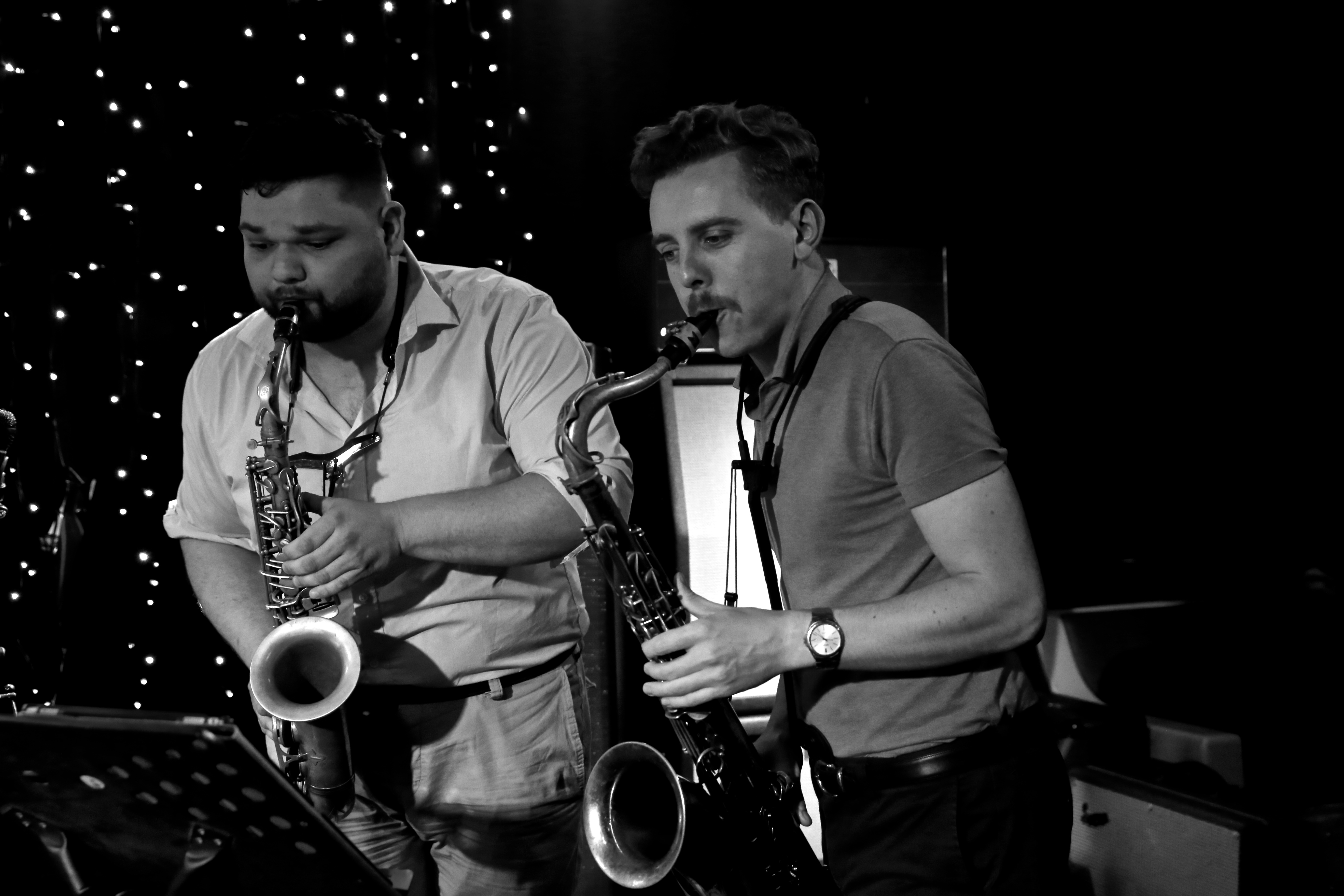 This is the second appearance of Flightless Birds at the CJC Creative Jazz Club and the audience flocked to hear them. The band is a history lesson to the initiated and an initiation to those unversed in Jazz history. They presented a programme that was both clever and accessible and therein lay its charm. The band specialises in contrafacts and especially those of the bebop and swing era. The inside joke is that many of those tunes were once contrafacts themselves; new and often frenetic tunes written over the changes of familiar ‘songbook’ standards. In the bebop era tunes like ‘Cherokee’ (Noble) became Ko-Ko (Parker), ‘I Got Rhythm’ (Gershwin) became ‘Dizzie Atmosphere’ (Gillespie). Musicians like Charles Mingus took things a step further by introducing a wry political humour into titles, exemplified in his contrafact ‘All the things you could be by now if Sigmond Freud’s mother was your wife’ was ‘All the things you are’ (Kern). A throwaway favourite of mine is ‘Byas a Drink’ (Don Byas) which is ‘Stompin at the Savoy’ (Sampson).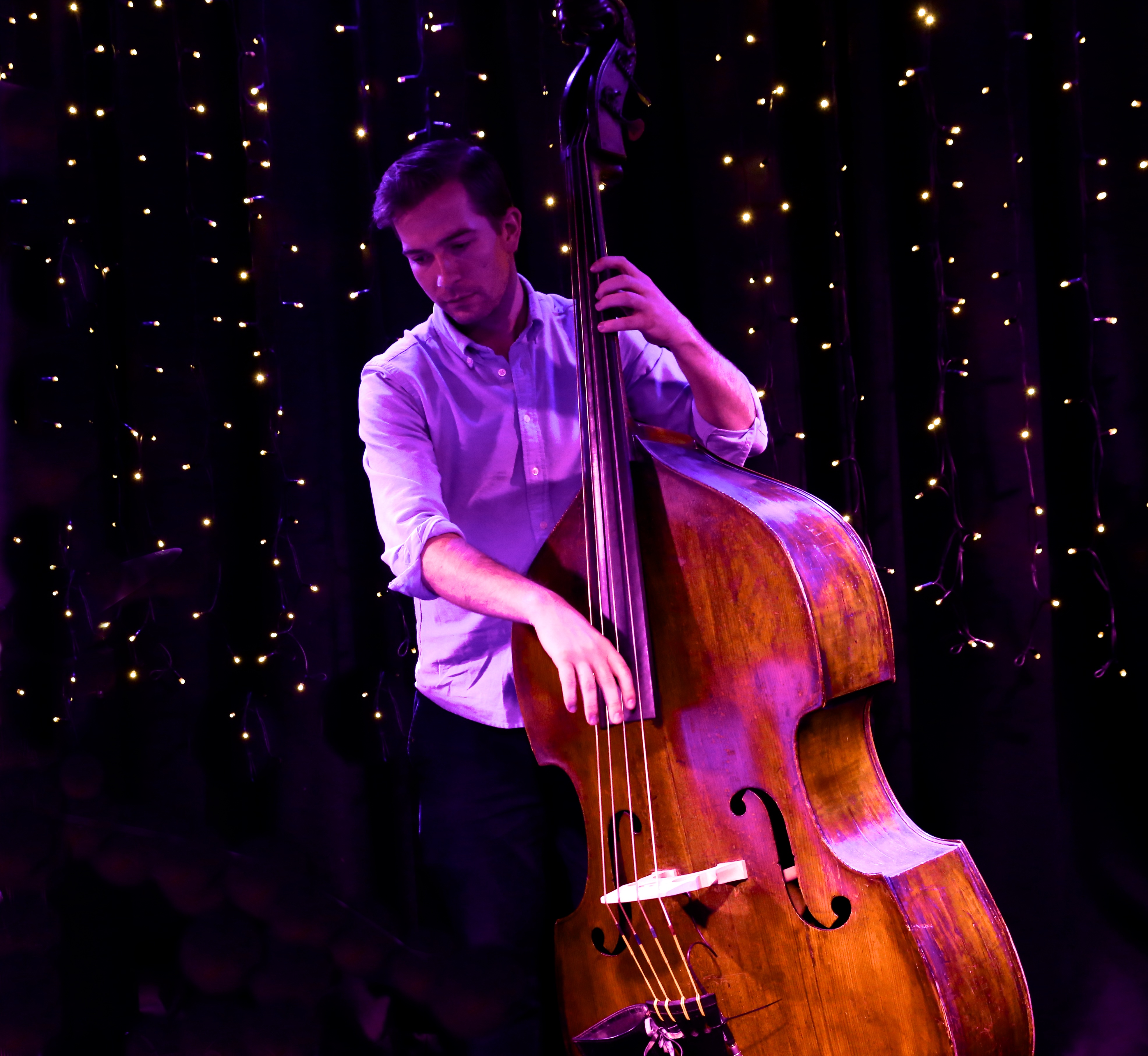
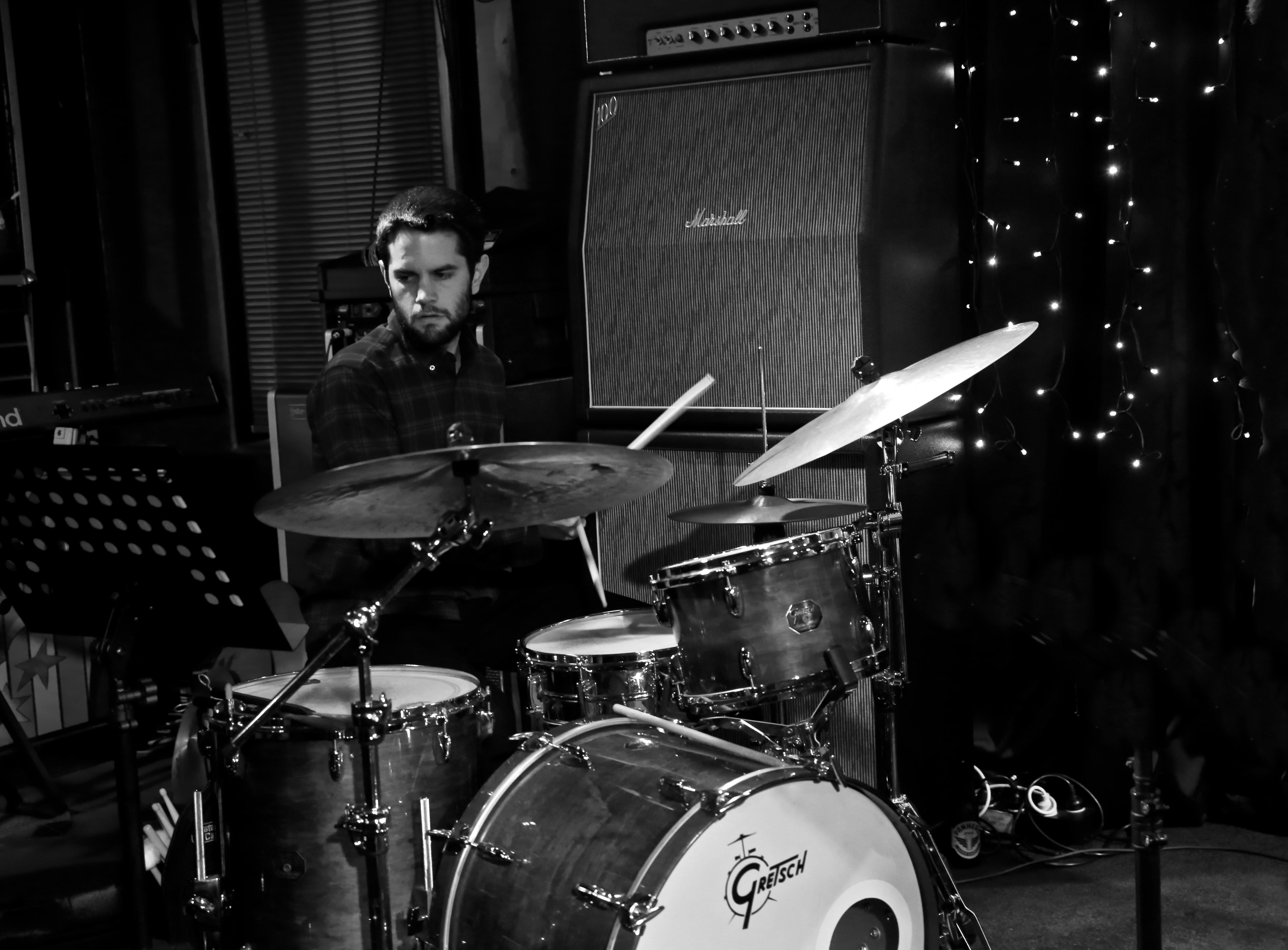
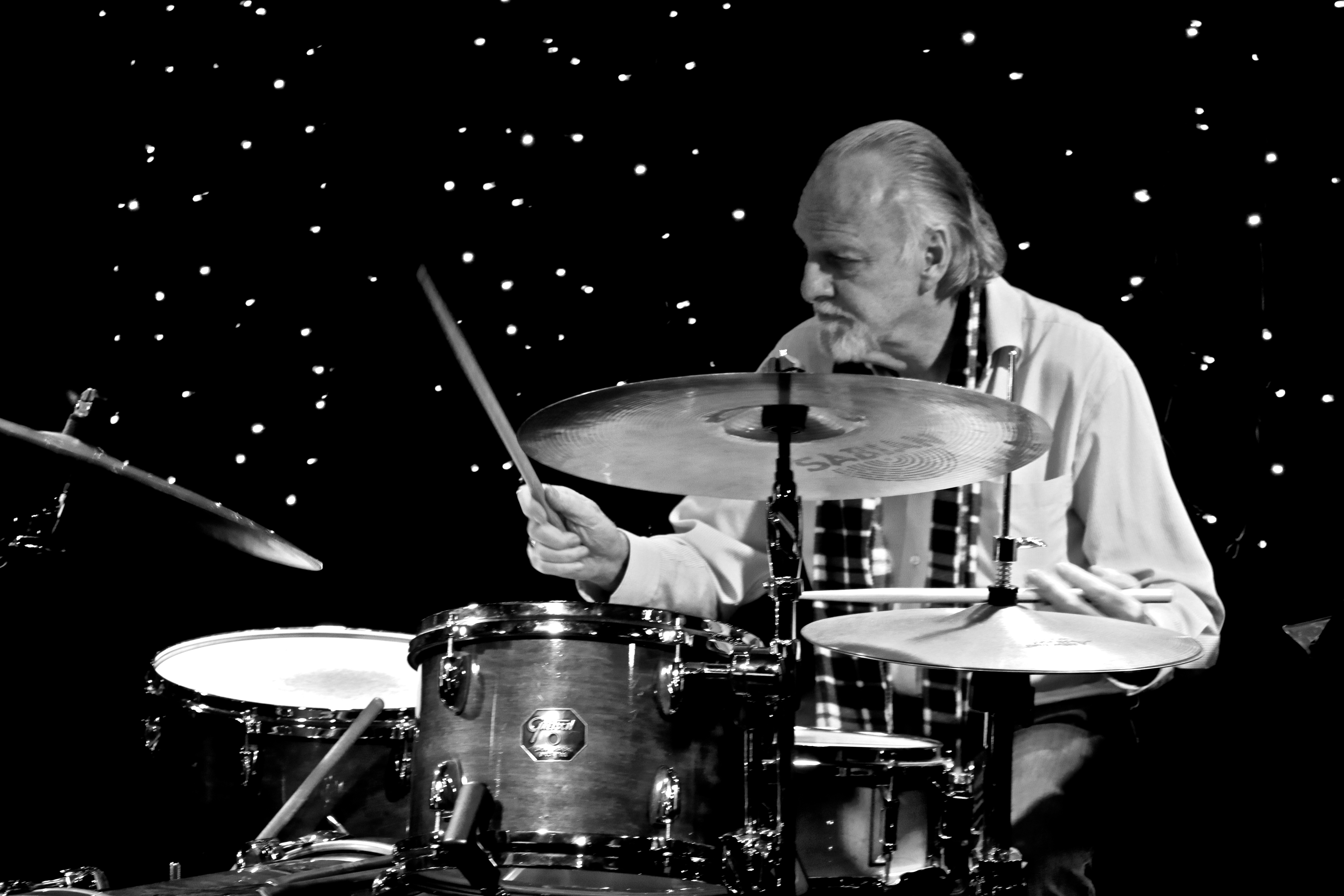 Every Jazz club needs a Monk night on their calendar and when it comes to Monk the local go-to person is definitely the well-known drummer Frank Gibson Jr. Gibson and the various iterations of his bands have long made a point of keeping the Hardbop era and Monk firmly on our radar. While the setlist was not exclusively Monk, the Monk tunes chosen were a solid mix of seldom-heard compositions and old favourites.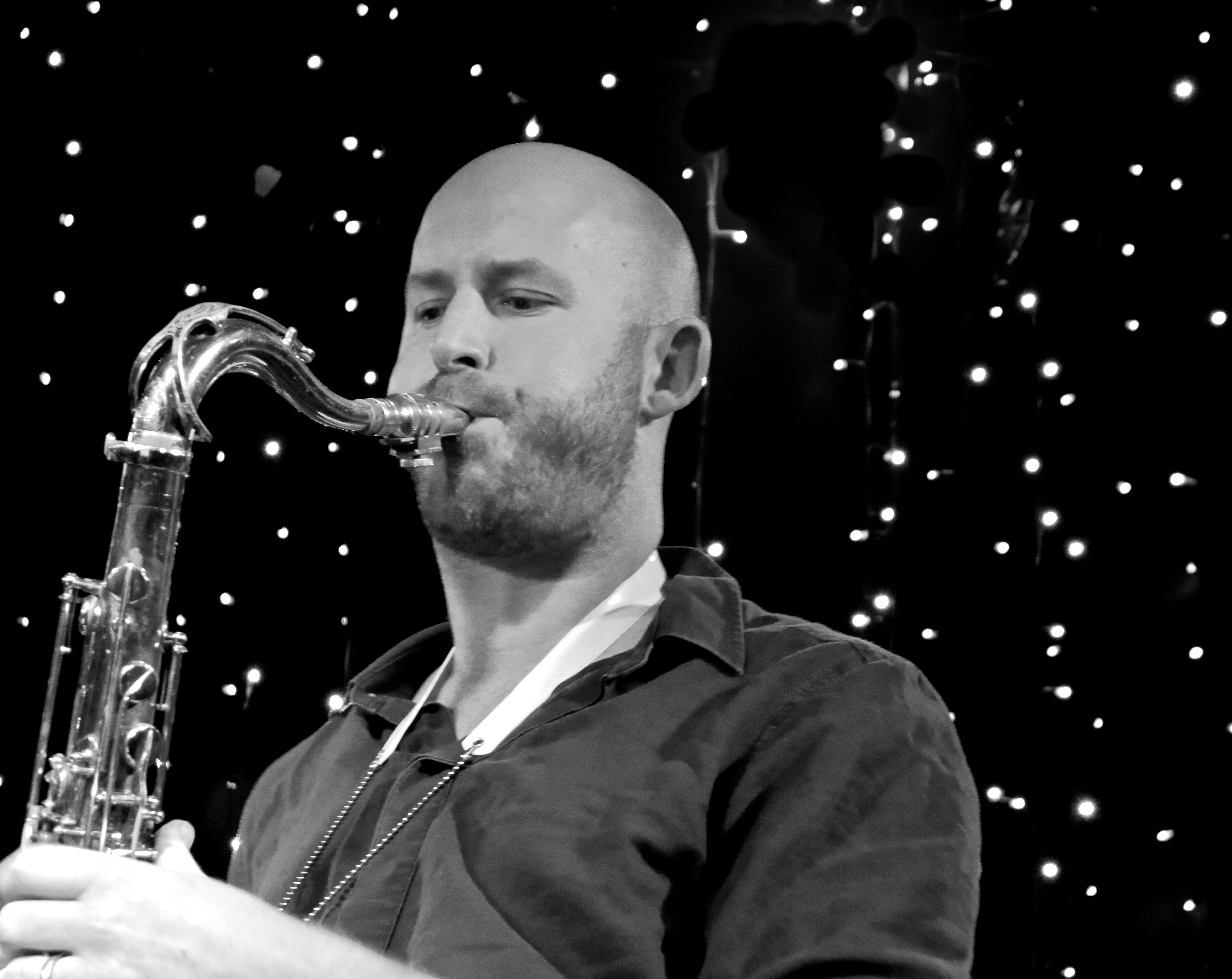
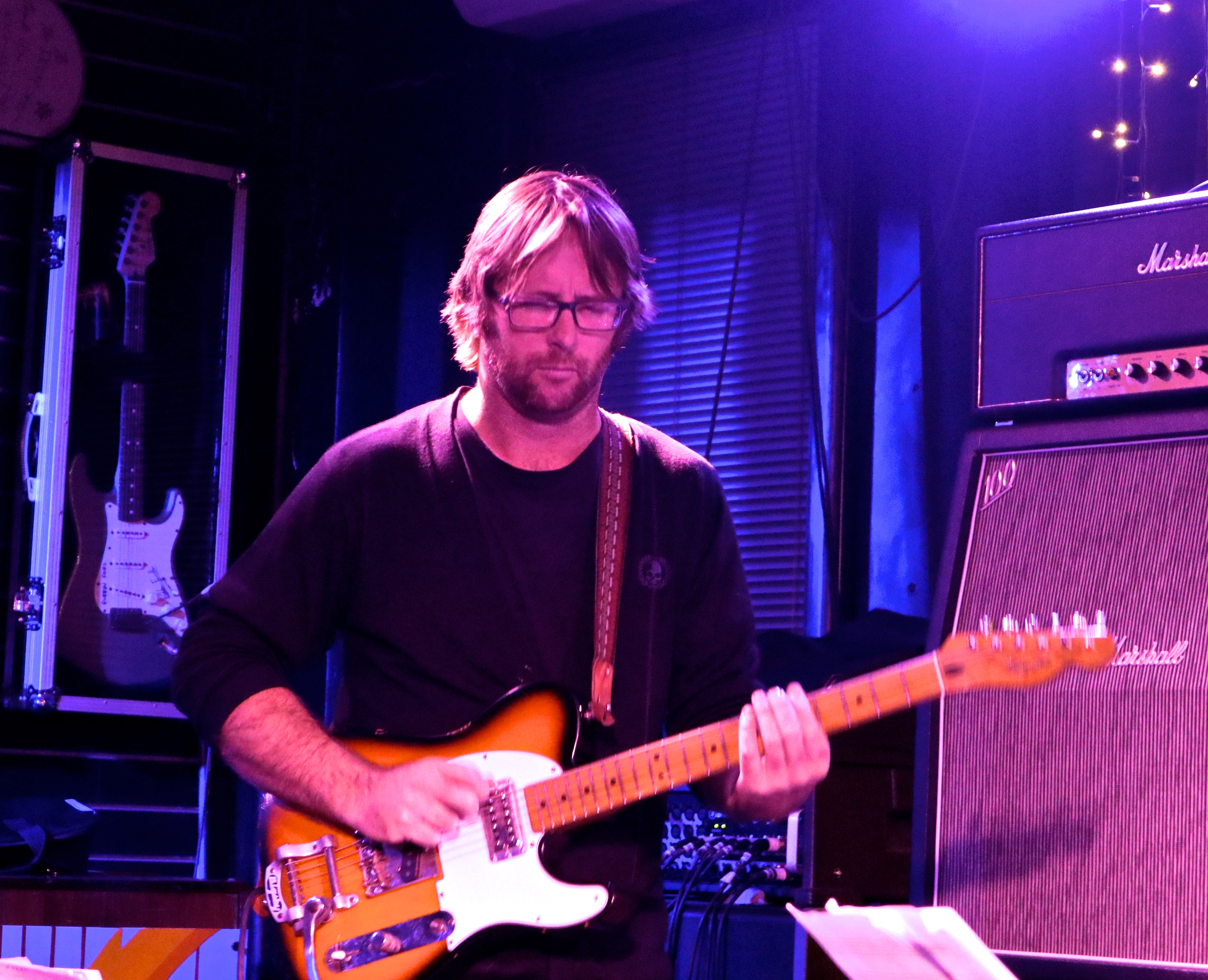
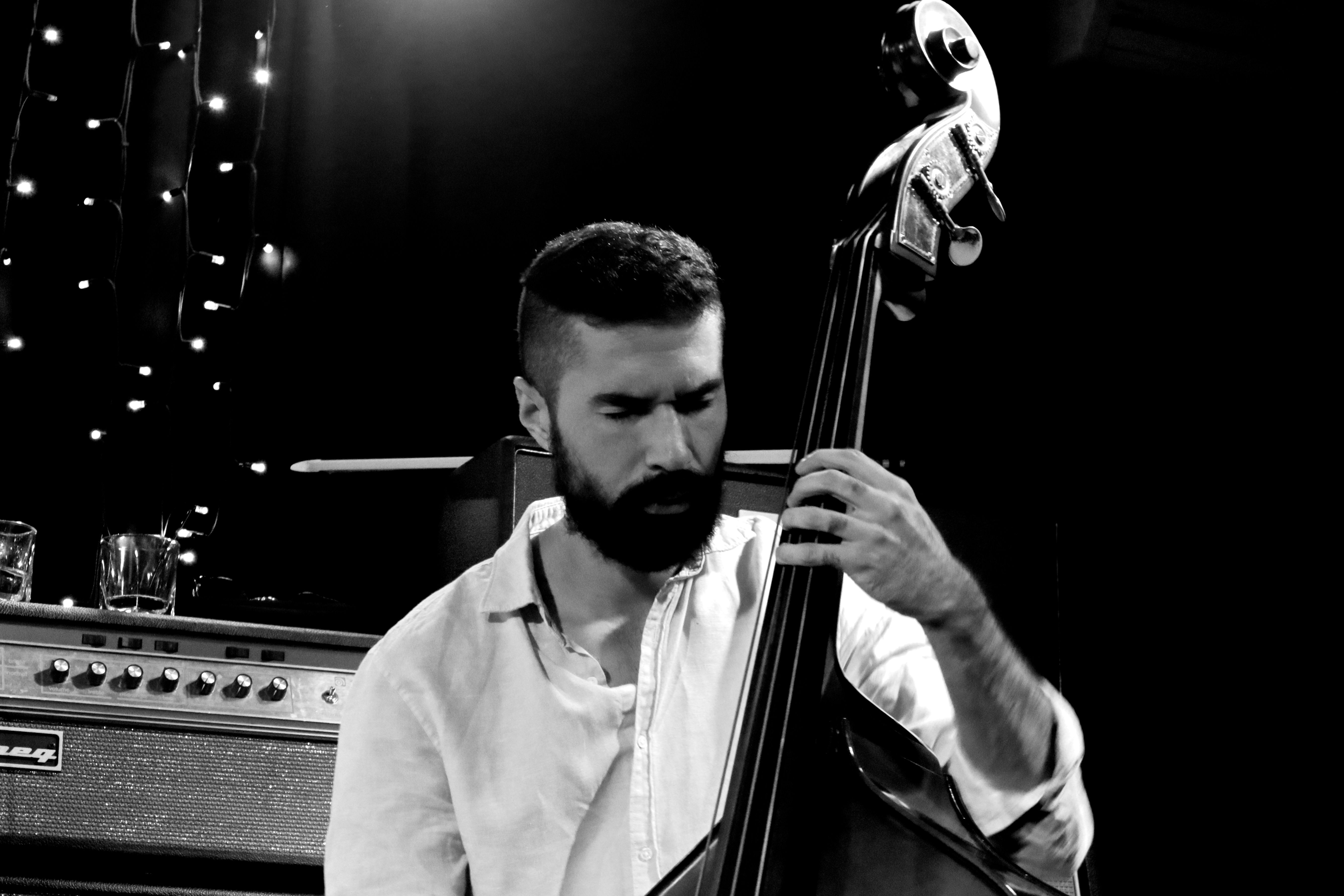
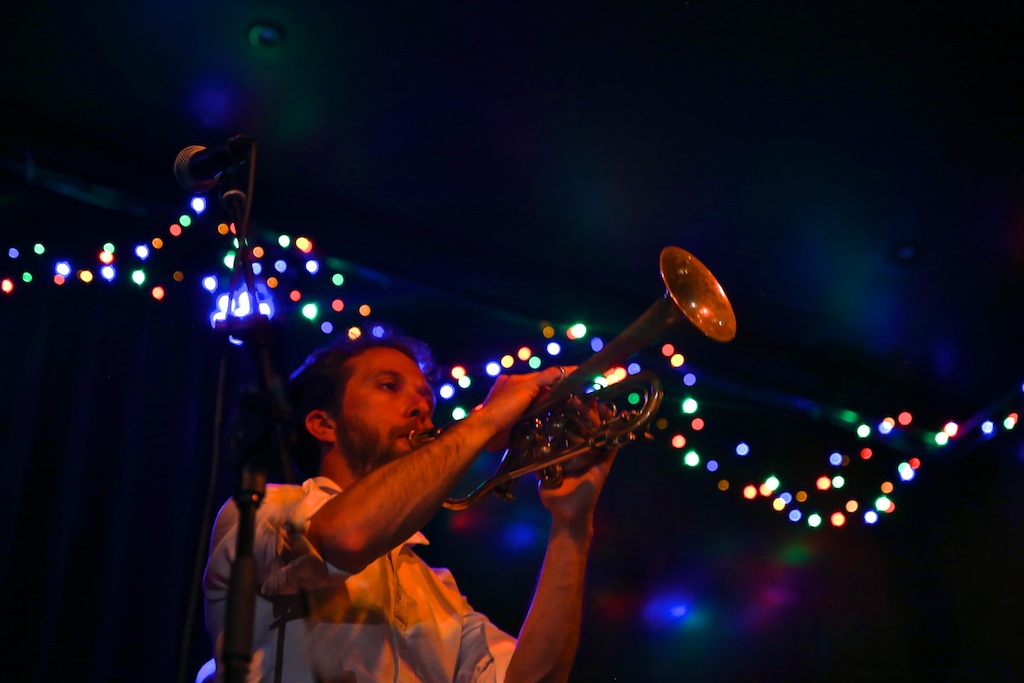 Improvised music is a never-ending contest between the familiar and the unexpected. Everything is valid on the journey, but sometimes we forget that tradition can be a springboard and not a straightjacket. We had a good example of that on Wednesday. Because he lives far from here, few if any locals had previously encountered Marc Osterer, but few who heard him will forget his exuberant CJC gig. Born in New York, Osterer has led an interesting musical life. Broadway Shows, New York clubs, principal trumpet (Mexico City Philharmonic) and the Salzburg Festival Austria. While he attended prestigious musical conservatories in New York, there is something else in his sound – something that can’t be learnt purely from academic institutions. Osterer’s Jazz has a firm foothold in the tradition. Louis Armstrong and the great swing-to-bop trumpeters like Sweets Edison. It made perfect sense therefore that the standards he played were from the Songbook and that his own compositions reached deep inside that era.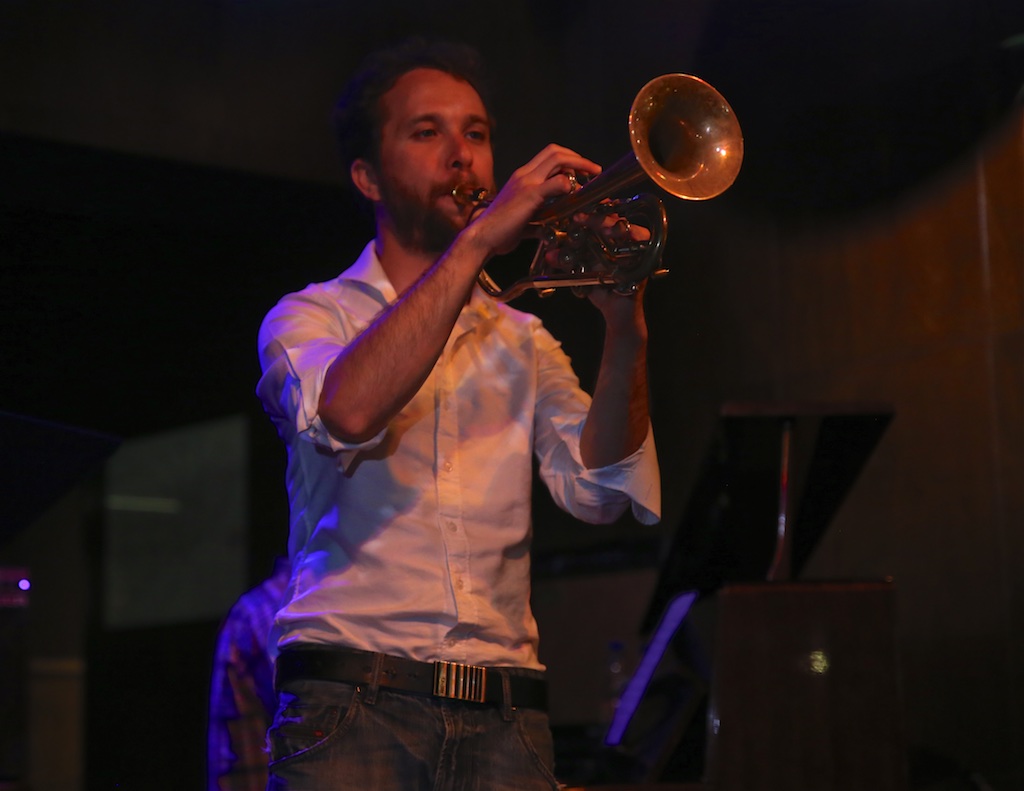
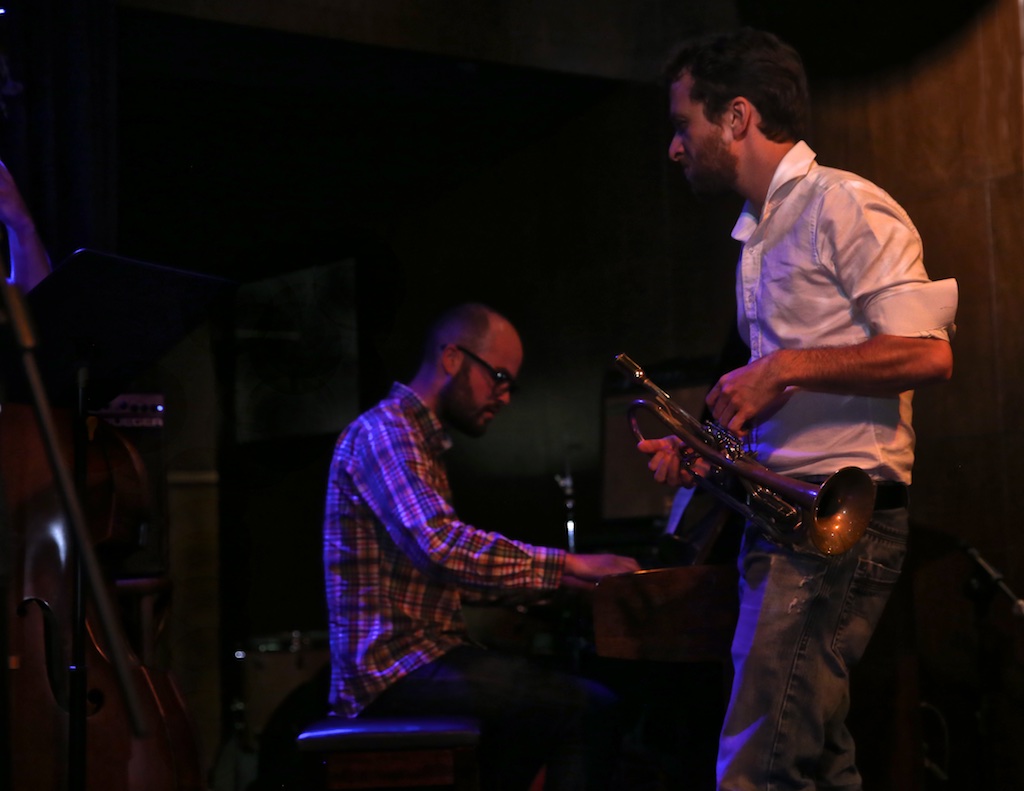 We also witnessed good chemistry between the visiter and his pick up band. It was not the band advertised but what we got was terrific. Matt Steele was flown up from Wellington and locals (fellow UoA Jazz School alumni) Eamon Edmundson-Wells and Tristan Deck completed the rhythm section. Pianist Steele has been gone from Auckland for over a year and is seldom heard here these days. We do hear Edmundson-Wells (bass) and Deck (drums), but to the best of my knowledge, none of them have performed in this context. Absent were the complex time signatures and post bop harmonies. The tunes stayed closer to the melody and the rhythmic requirements were often two-beat or even something closer to second line. As they played through the sets the joy of discovery showed on their faces and we felt it too.
 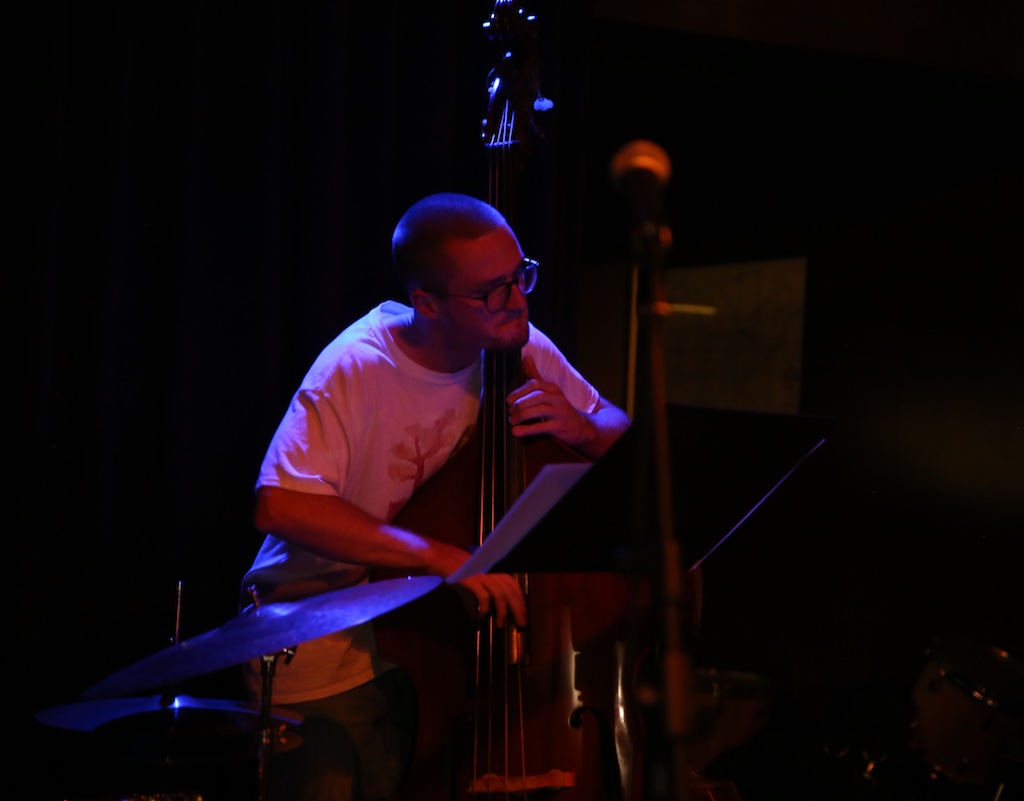 These musicians were still students three years ago but their skills are now well honed. They met the challenge and more. Locals who had not seen Steele play for a while, were buzzing; especially after the blistering Cole Porter standard , ‘It’s alright by me’. Steele’s fleet fingered solo was terrific, and matched by Deck’s bop drumming (complete with appropriately placed bombs and fluid accents). Edmundson-Wells dropped right in behind, pumping out his lines, and it was obvious they were enjoying themselves. Osterer’s compositions tell us how
 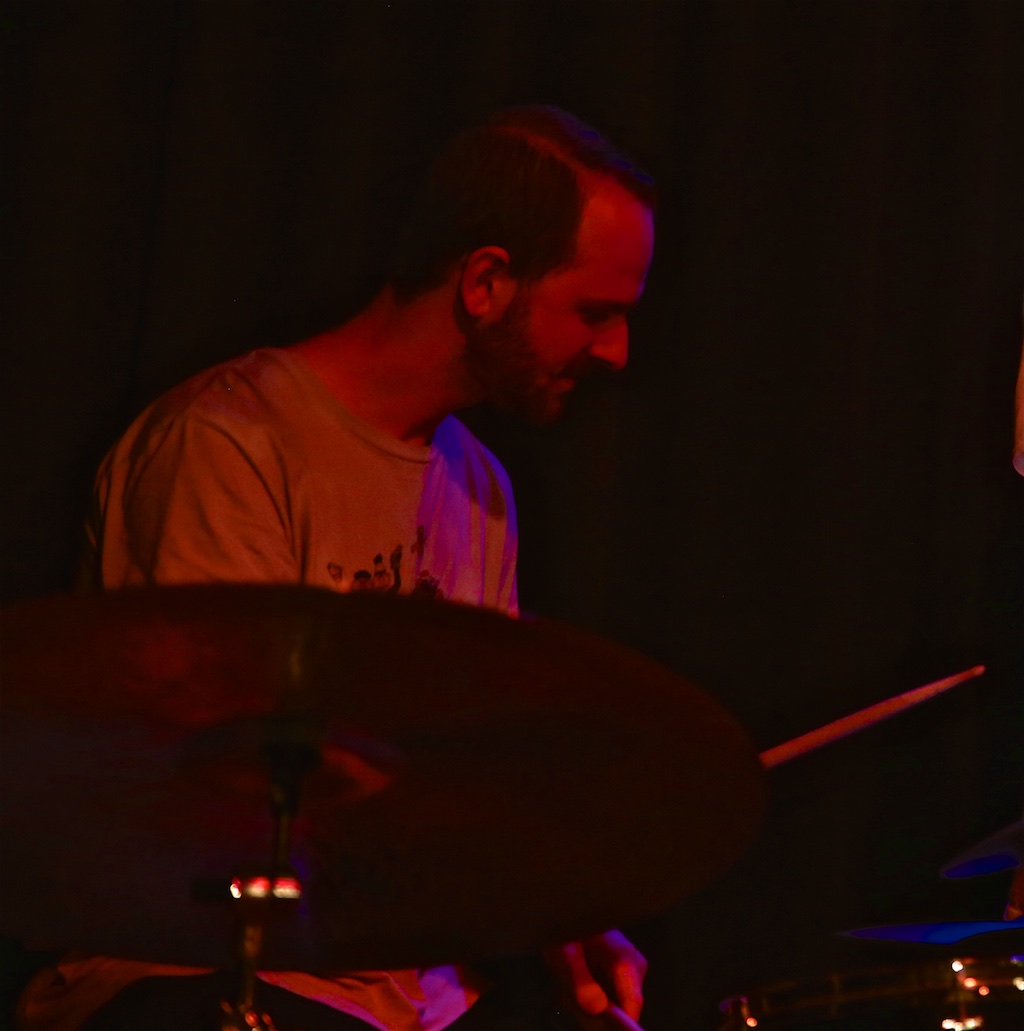 comfortable he is with this style of music. His ‘What’s that smell’ (Jazz should be ‘stinky’ he explained) – a New Orleans referencing tune, then ‘Tune for today’ and ‘Bite her back’ based on a Bix Beiderbecke tune. Among the standards was Chet Baker’s version of the little known ‘This is always’, a steamrolling syncopated version of ‘Limehouse Blues’ (Braham) [Note: I have only seen one Kiwi attempt that, Neil Watson on fender] and a version of Hoagy Carmichael’s ‘New Orleans’.
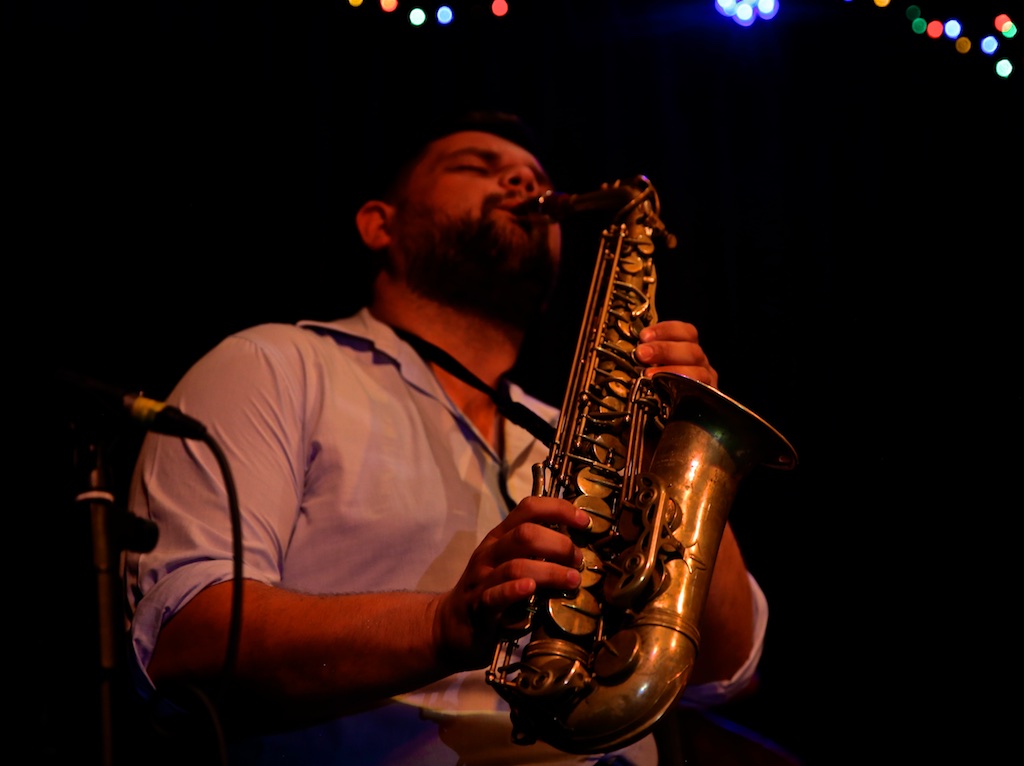 Callum Passells’ newest project was an exploration which took us to the outer edges of Bebop. The title ‘Flightless Birds’ a wordplay; a pebble tossed into the pond, suggesting many possibilities. The obvious Jazz reference is a comparison between flightless New Zealand birds and Charlie ‘Bird’ Parker – his musical descendants especially. A cohort that tried and often failed to catch his musical coattails. For a time after his death, alto saxophones were laid aside in favour of the tenor; only a brave few risked comparison with the troubled prodigy. As his legend grew he seemed unassailable. Attempts to demystify, to separate the legend from his musical legacy came later. In the post millennium era few such sensitivities remain. Parker is deeply admired for his genius, then deconstructed unselfconsciously. The gifted altoist Rudresh Mahanthappa immediately comes to mind.
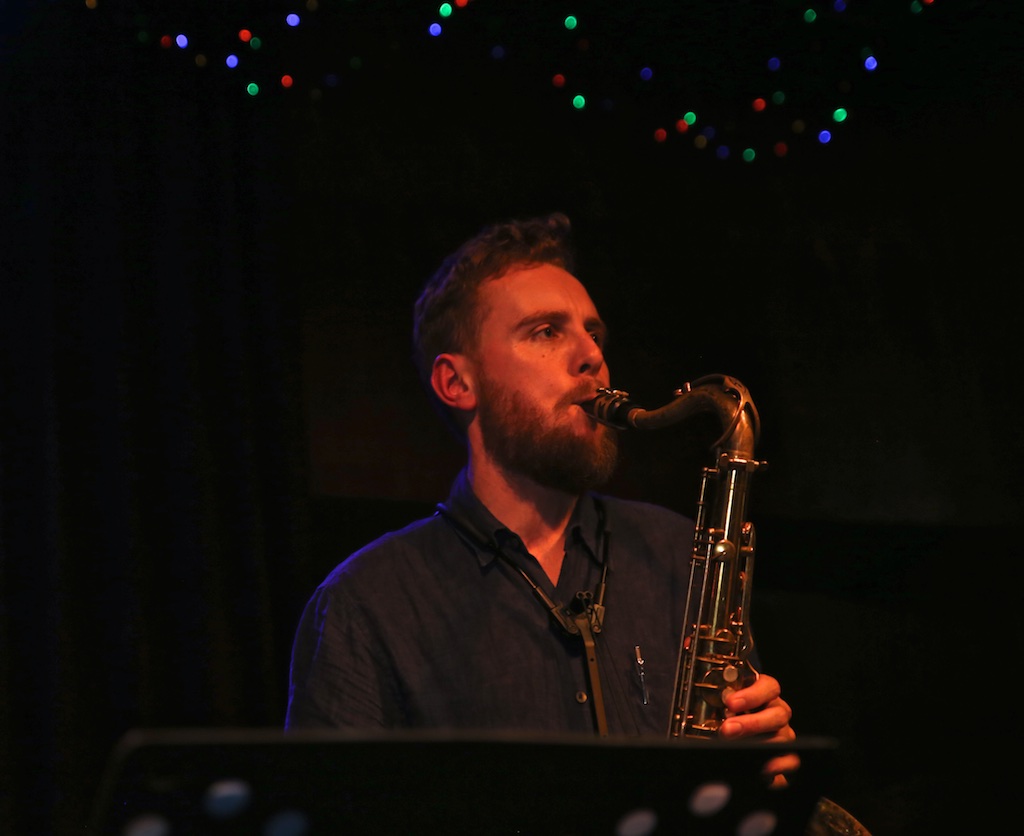 The two things that draw me to Passells are his tone and his communication of ideas. For a musician who leans toward the avant-garde he has a remarkably clean tone. This works well for him when he heads into uncharted choppy waters, cutting though the turbulent air incisively. There is obvious precedent for this in Albert Ayler (who strove to sound like Desmond or Konitz while tearing at the very fabric of harmony and form).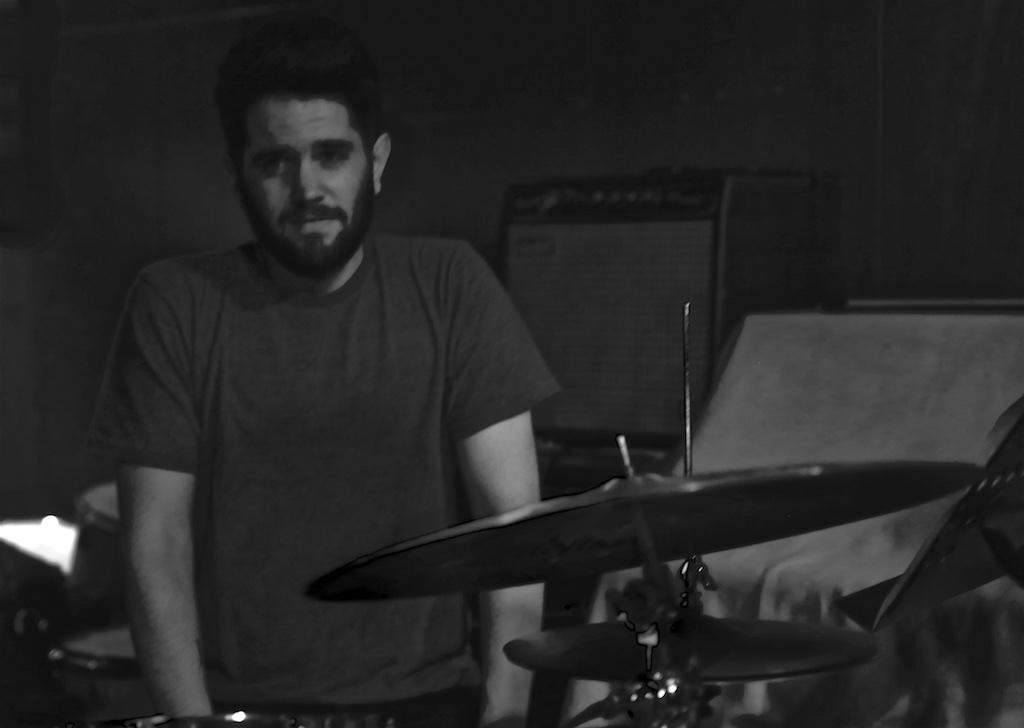
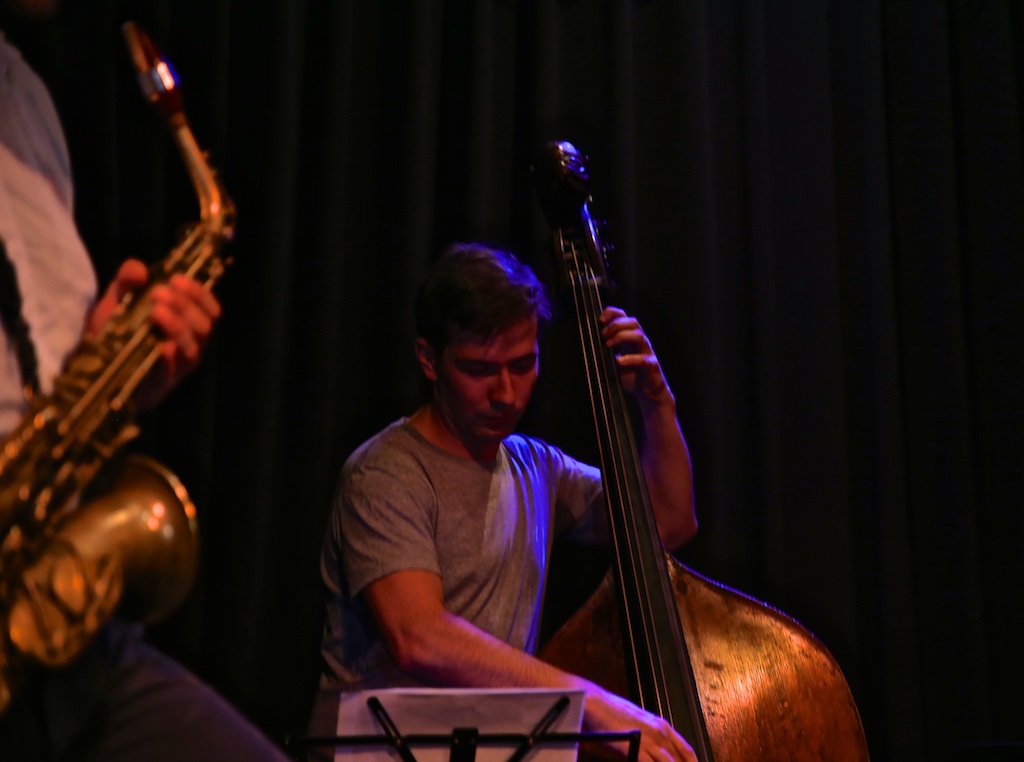 The tunes were all ‘contrafacts’ and cleverly constructed. I am crap at working out the mother tunes – a job best suited to musicians fed a rich diet of standards’ changes. The pieces had titles like “The Punisher” (Sinclair), or ‘Buy a Car’ (Passells). The Punisher was written over the changes of ‘In a Mellow Tone’ (Ellington) and ‘Buy a Car’ over ‘Take the A Train’ (Strayhorn). After each tune the original was announced, then people got it immediately, cursing themselves for not getting the connection quicker. The tunes were close enough to hint at familiarity, but far enough away from the original to cause some head scratching. One tune needed no guesswork. “I’ve got it bad and so I’m obliged to notify all previous sexual partners” (Passells) – no prize for attributing that one.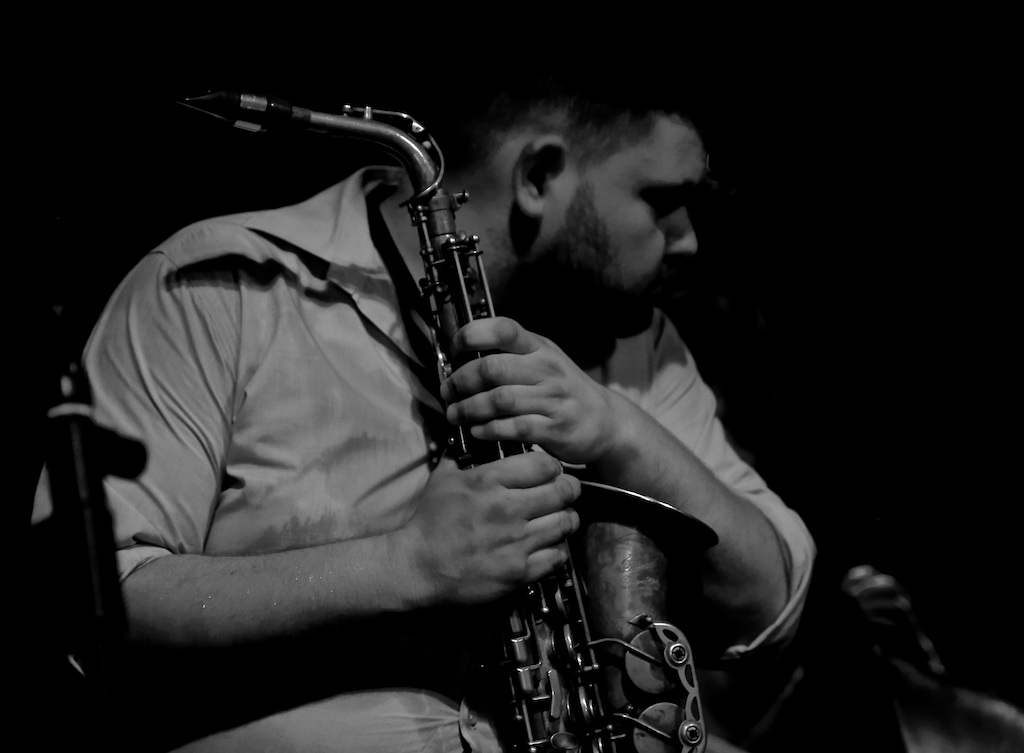
 JazzLocal32.com