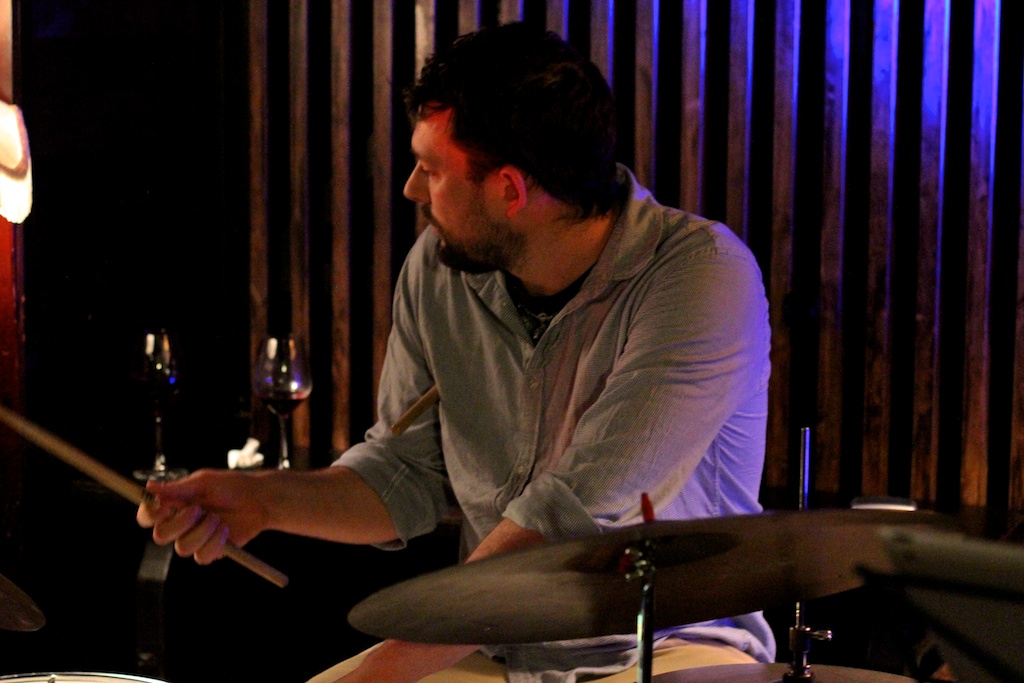
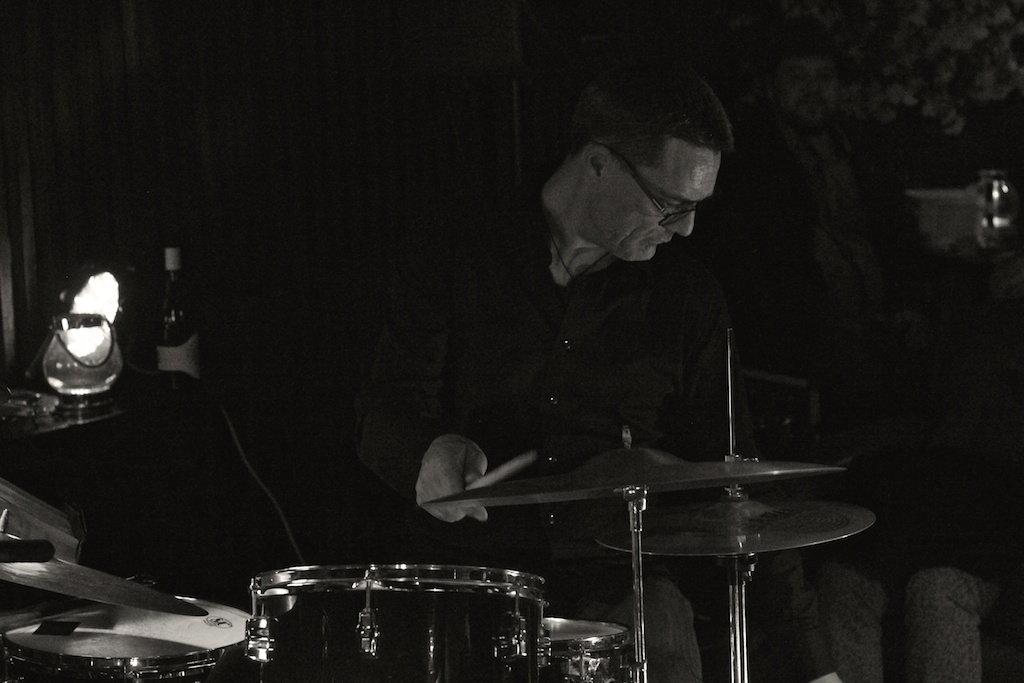
Frank Gibson Jr is a legendary figure on the New Zealand Jazz scene. A drummer like his father before him and a Jazz touchstone throughout much of my life. He and I attended the same Grammar school and although he and Murray McNab were two years ahead of me, they were known even then as being cool Jazz- guys. Gibson’s love of Monk and of the Hard Bop era has always been his thing, and it is evidenced in his gigs. No one about town does it better.
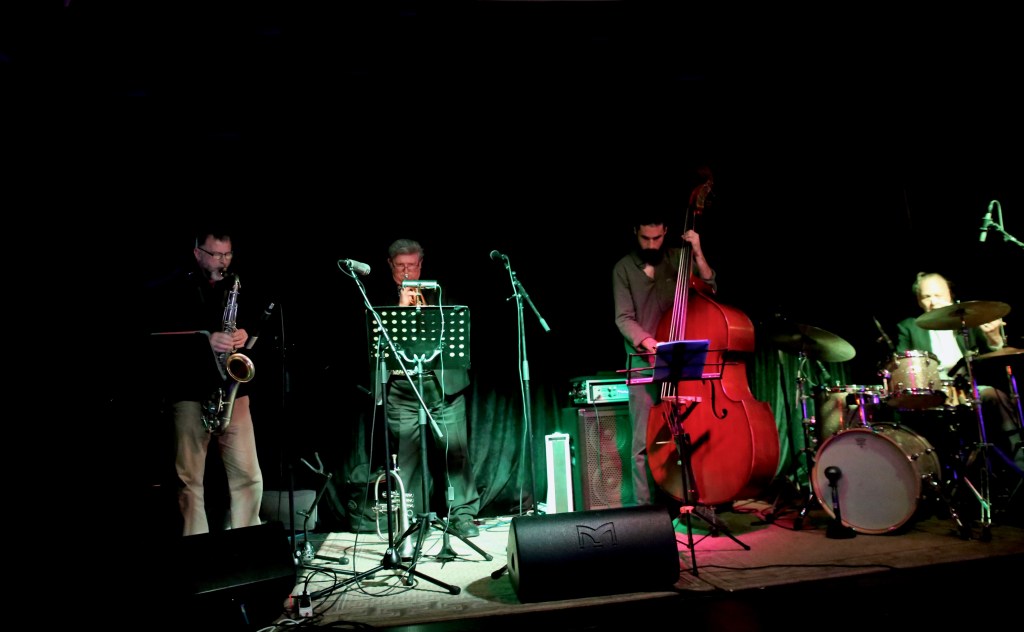
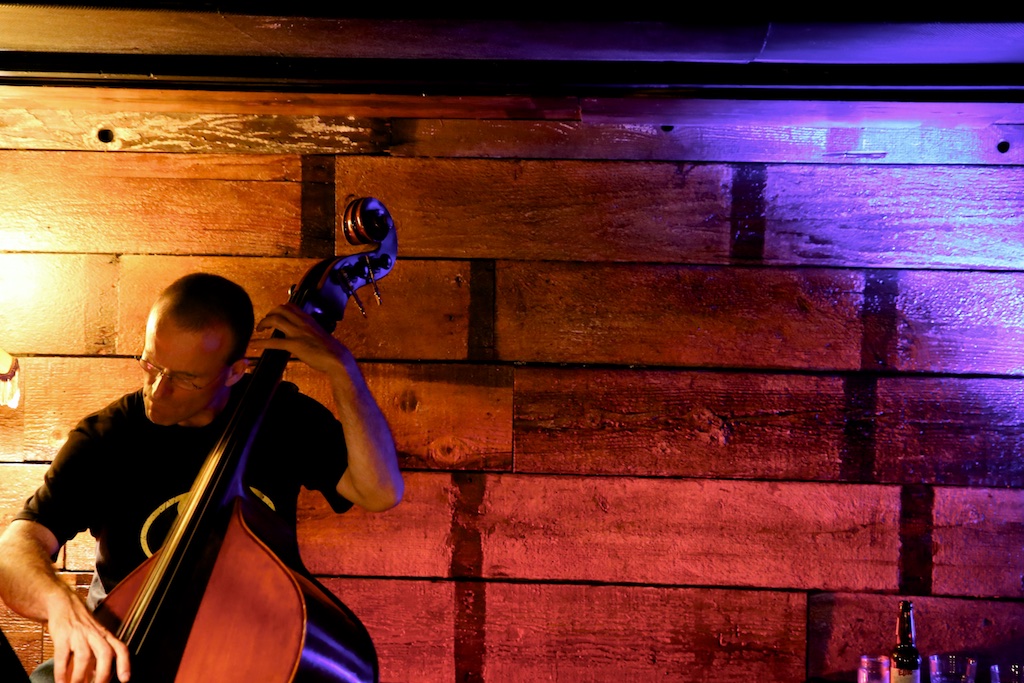
With the New Bop Quintet, we get a fresh Gibson line up this time; within minutes of hitting the stage, they’d recaptured the joy of that era. The setlist was broad and included a few tunes that we seldom hear; it also included a nicely penned original by bass player Cameron McArthur titled ‘Three Up, Three Down’. There was only one Monk tune (Straight no Chaser), and the applause after that was thunderous. Everyone loves Monk.
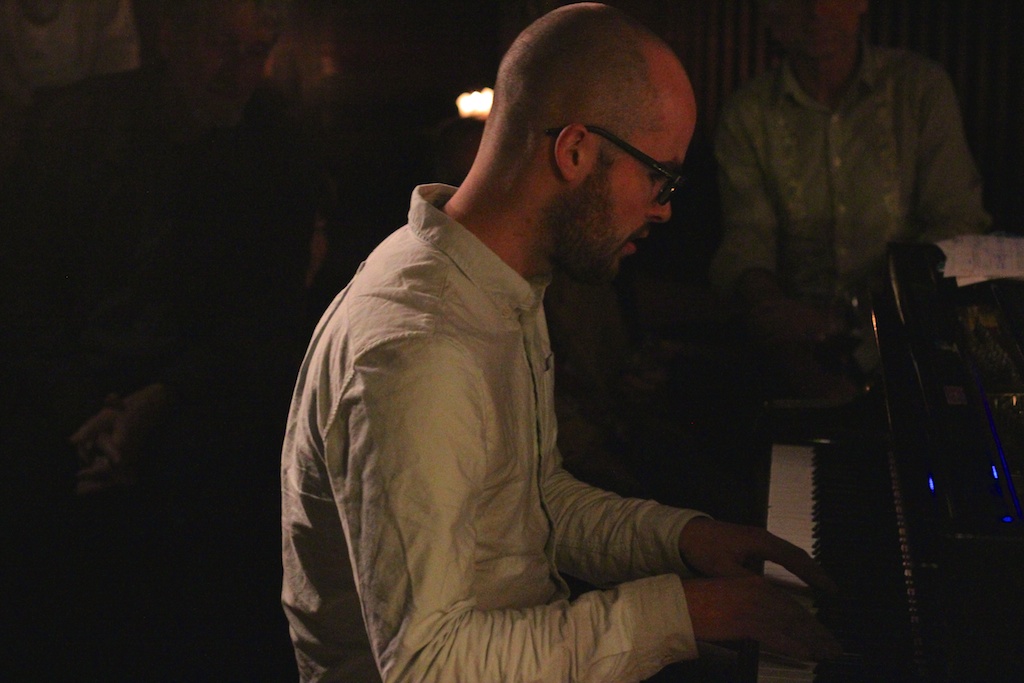
As an opener, the band gave a crackling rendition of a favourite Shorter tune ’Speak No Evil’ and there is no better way to commence a standards gig. Gibson is a strong drummer and his style exemplifies this era; his bop-influenced grooves being unmistakable. In this unit, he has changed things up by including some different musicians. This gave the gig an interesting edge and it worked a treat. Keven Field could fit into any line-up, but he is seldom in a Hard Bop unit. His distinctive harmonic approach edged the sets into new territory, and everyone stepped up to meet the challenge.
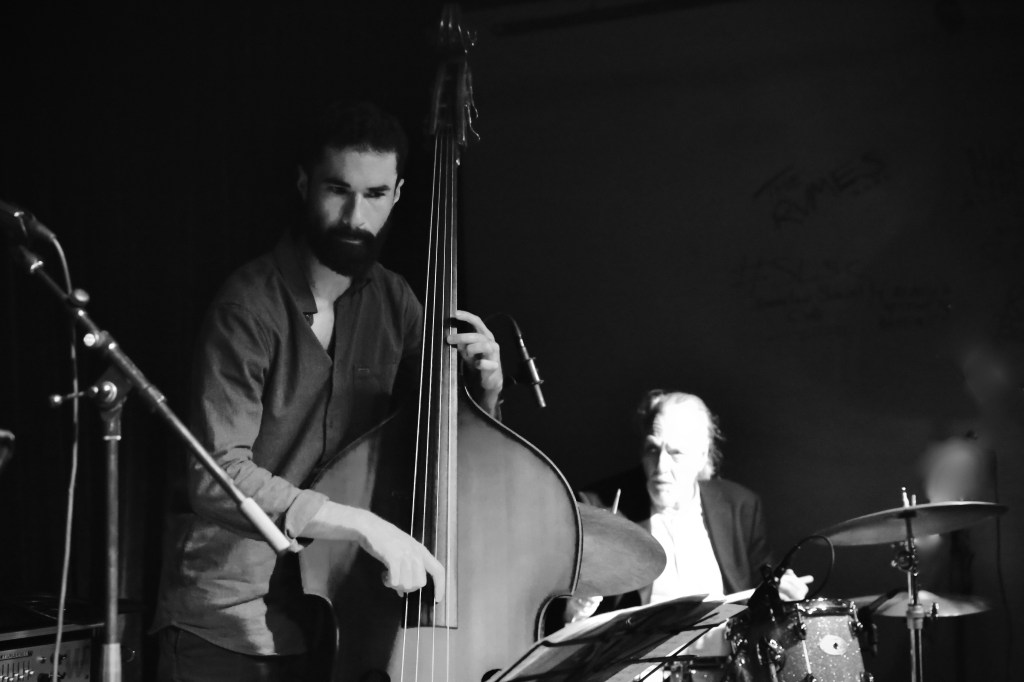
You could not have a Hard Bop gig without featuring Benny Golson tunes; there were two of them, ‘Along Came Betty’ and ‘Stablemates’. These are essential Hard Bop classics, and no one ever tires of them. The tune which really stood out though was a seldom played composition by Dexter Gordon, ’Soy Califa’. This was the opening track on his ‘A Swingin’Affair’ album and once heard, loved forever. To do justice to a tune like this requires chops and bravery and the evidence of both was very much on display last Wednesday.
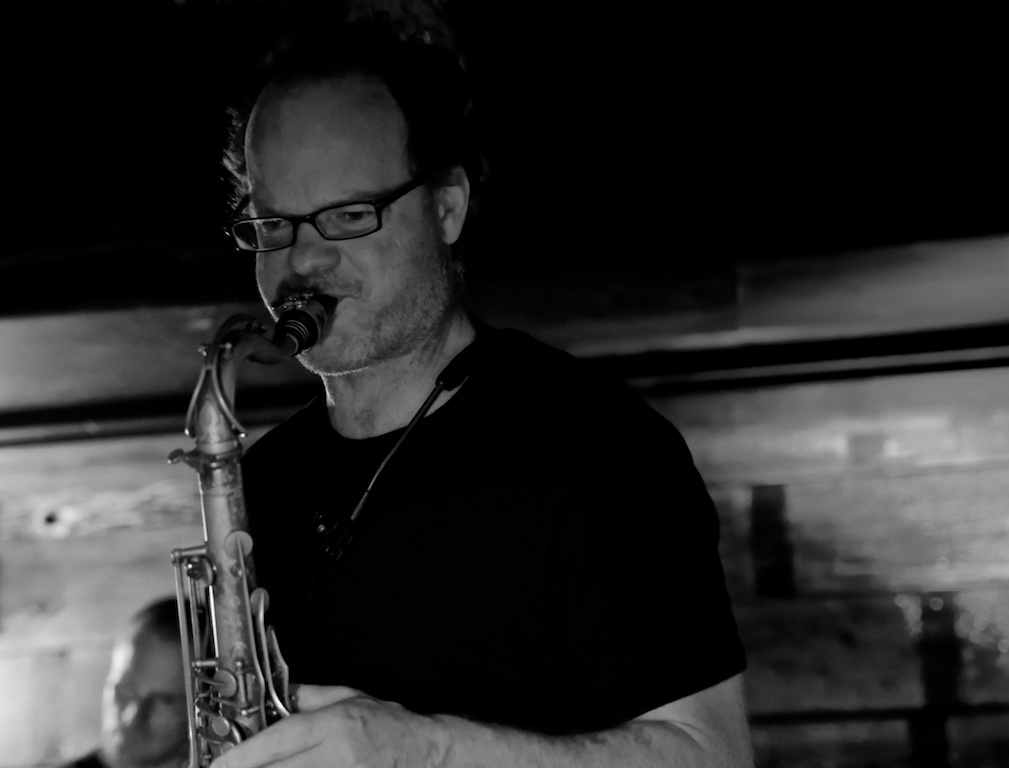
On ‘Soy Califa’, the opening drum beats and the tightly executed head arrangement hooked us, then Pete France took it to a different level entirely. He and Mike Booth gave memorable solos. It is a common complaint that we see too little of France (a Scottish born saxophonist). He is highly regarded about town and when his tenor-saxophone sings, it is wonderful to behold. I have posted a clip of New Bop’s ‘Soy Califa’.
Soy Califa (Gordon)
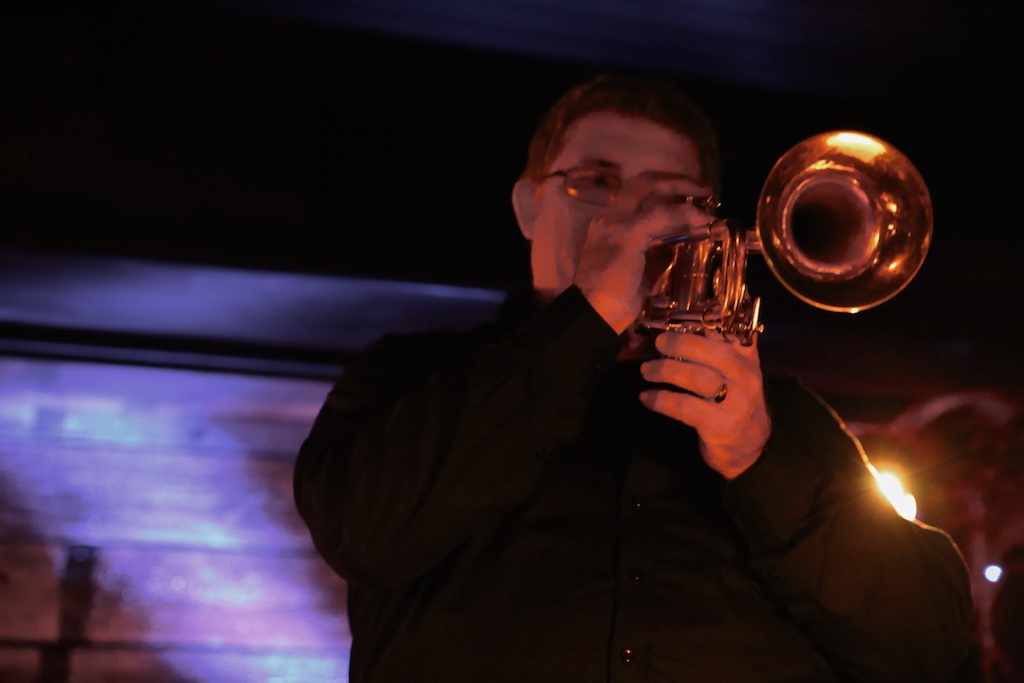
There were also flawless performances from Mike Booth, as this is the style and era where we hear the best of him. He and France were very well matched and as the band played on, you could feel their enjoyment and their deep love for this music. Field and McArthur while hidden in darkness, were the essential ingredients that rounded off a heady brew.
Whether it’s playing with locals or with Jazz greats, travelling or teaching, Gibson has achieved much in his life; to top that off he has recently gained a doctorate. This was the first CJC gig as we emerged from the second lockdown and it attracted a capacity audience. It was great to have the music back and nice to have it ushered in by a quality Hard Bop unit like this.
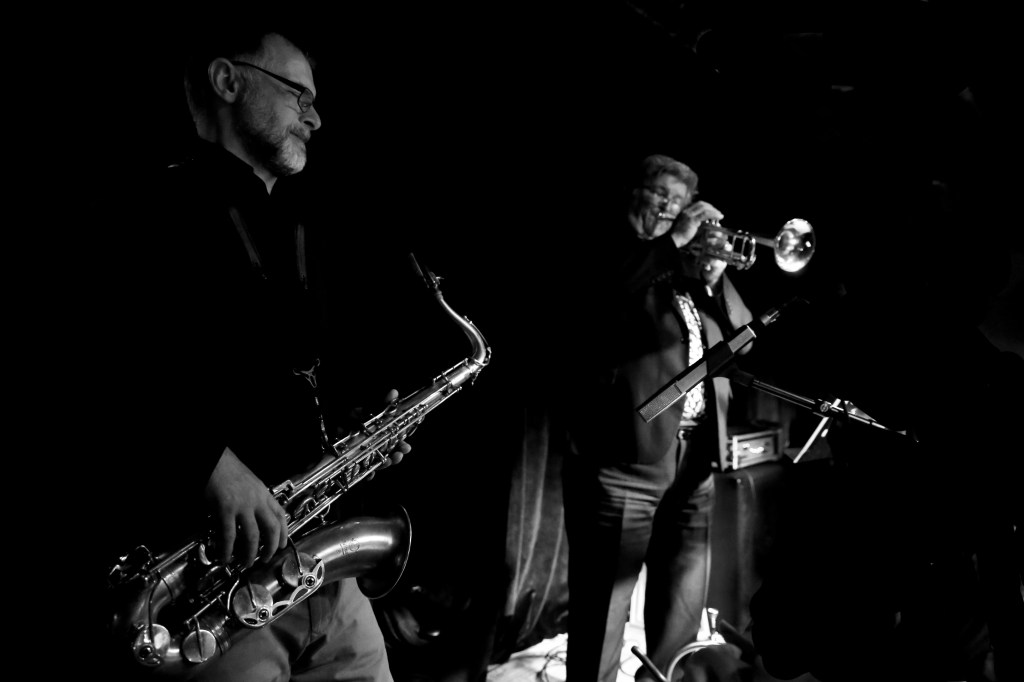
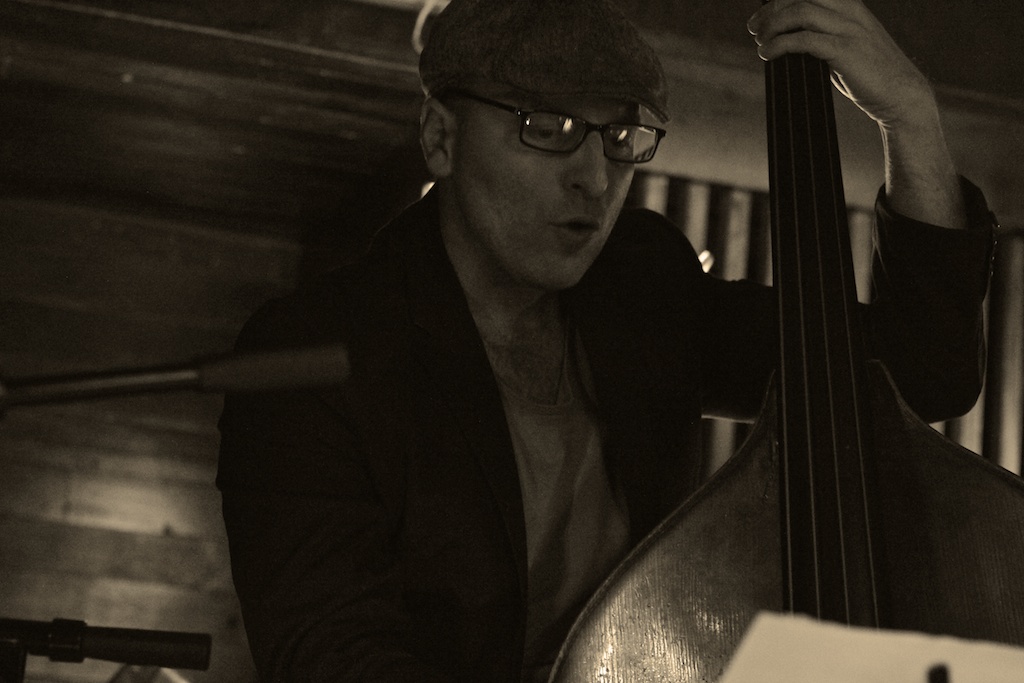
New Bop Quintet: Frank Gibson (drums), Mike Booth (trumpet), Pete France (tenor saxophone), Kevin Field (piano), Cameron McArthur (upright bass). The gig took place at the CJC (Creative Jazz Club), Anthology, K’Road, Auckland. September 30, 2020.
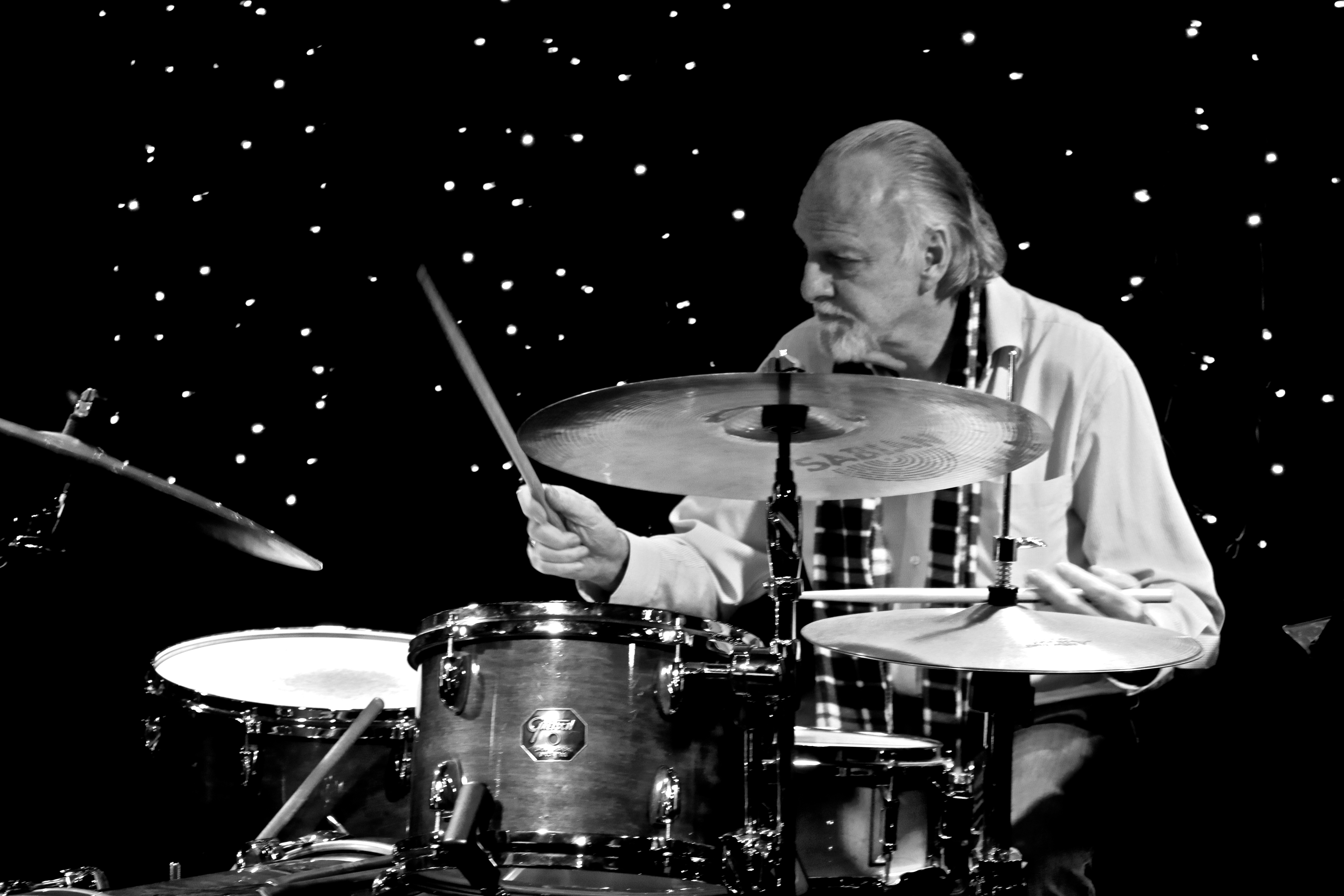 Every Jazz club needs a Monk night on their calendar and when it comes to Monk the local go-to person is definitely the well-known drummer Frank Gibson Jr. Gibson and the various iterations of his bands have long made a point of keeping the Hardbop era and Monk firmly on our radar. While the setlist was not exclusively Monk, the Monk tunes chosen were a solid mix of seldom-heard compositions and old favourites.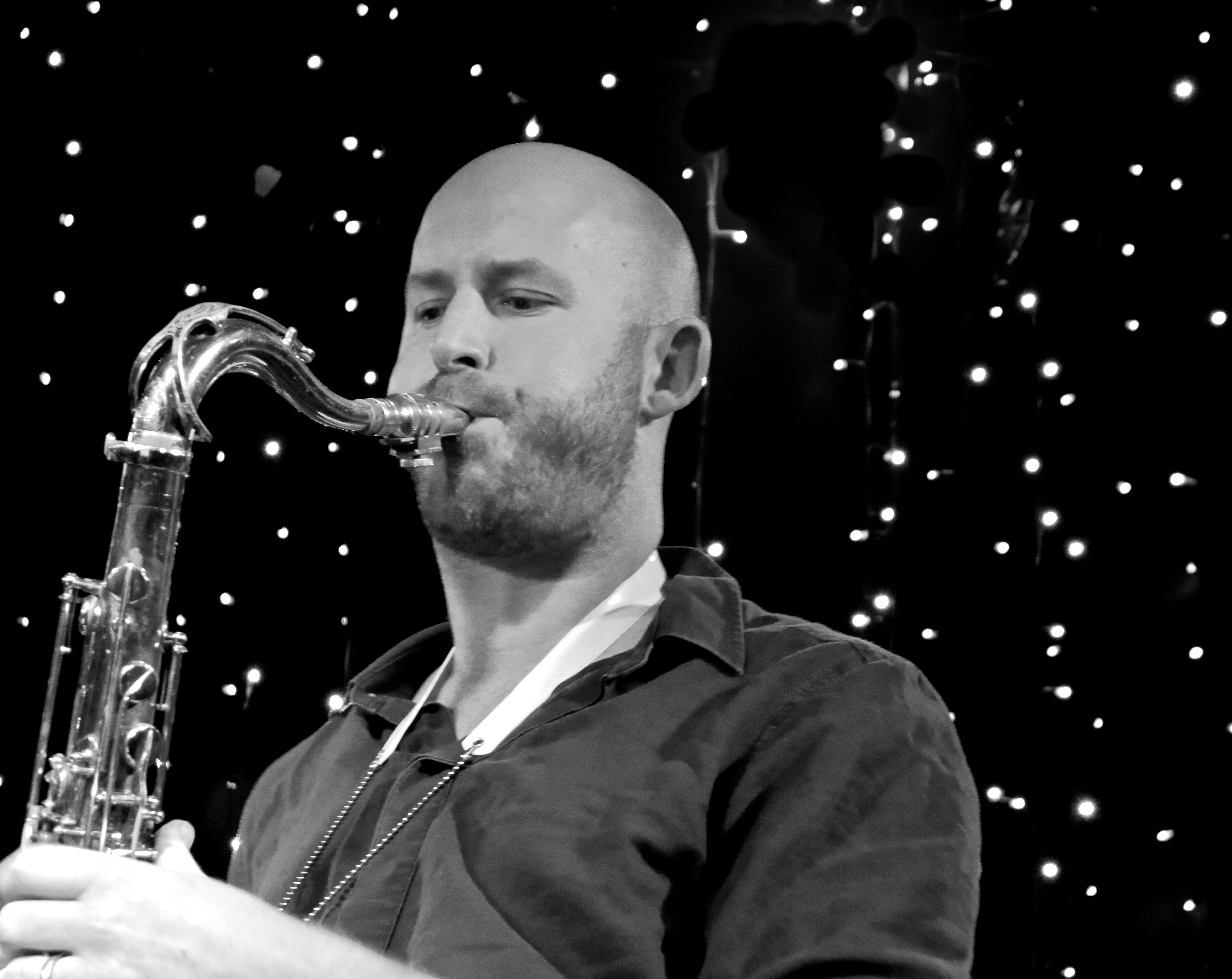
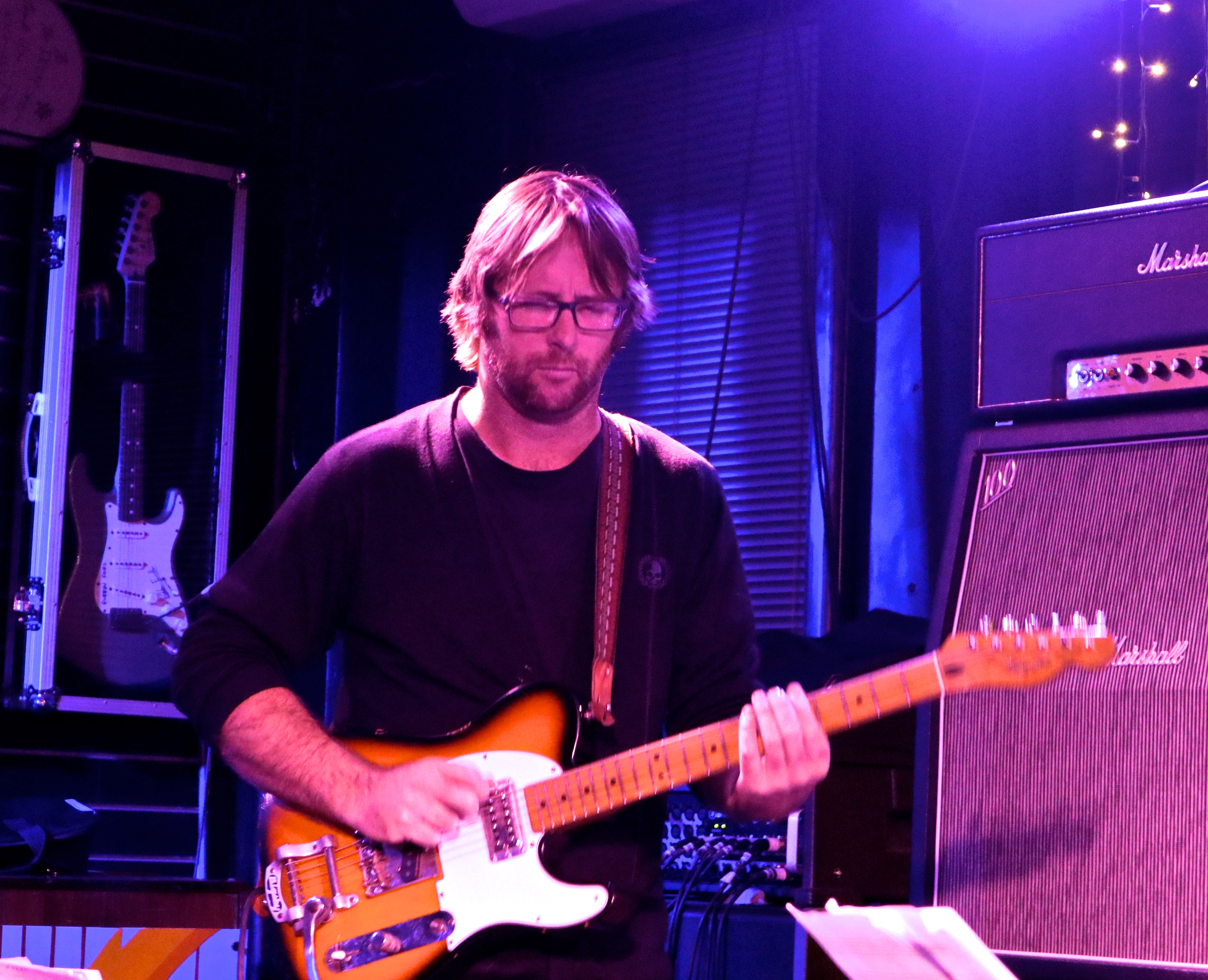
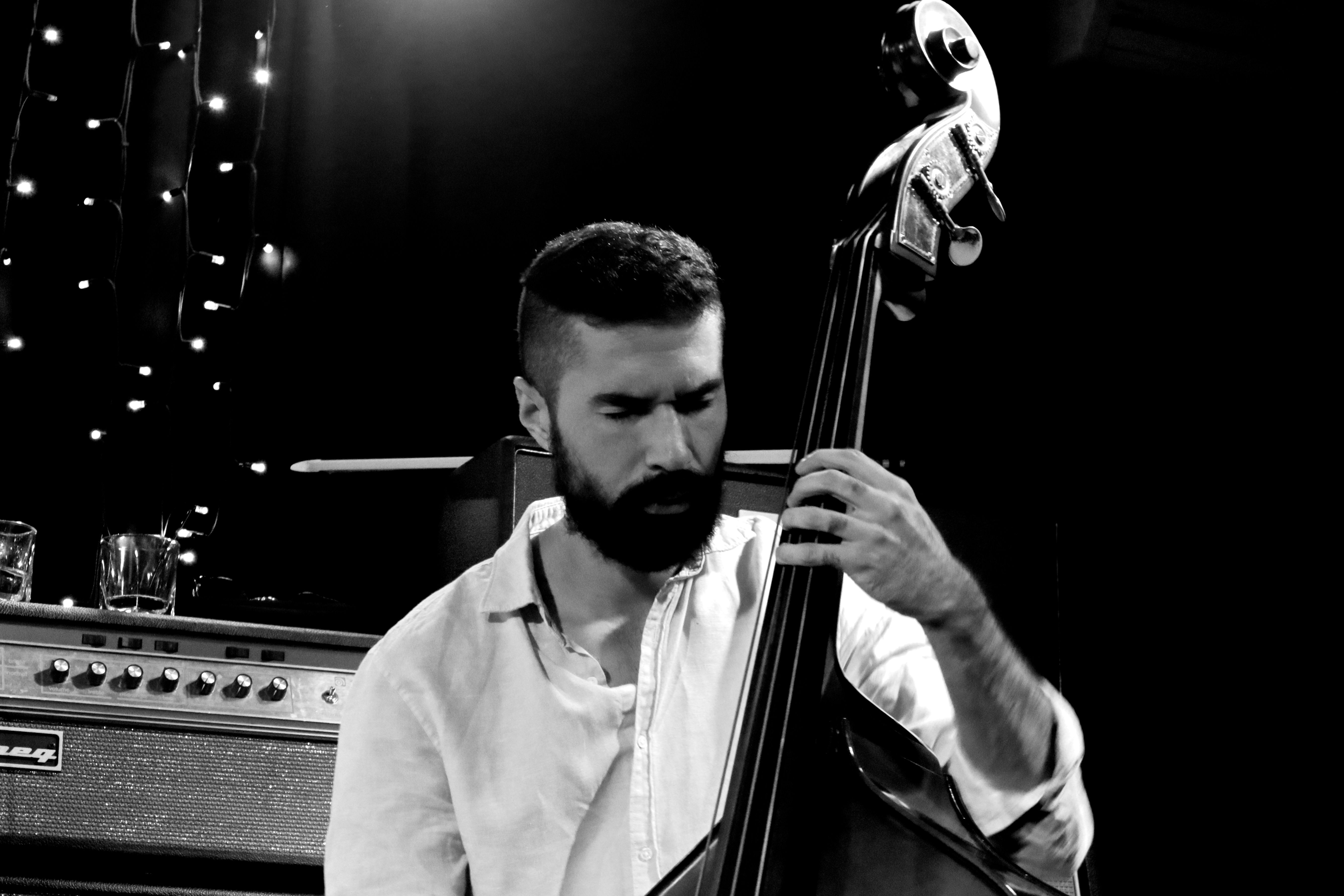
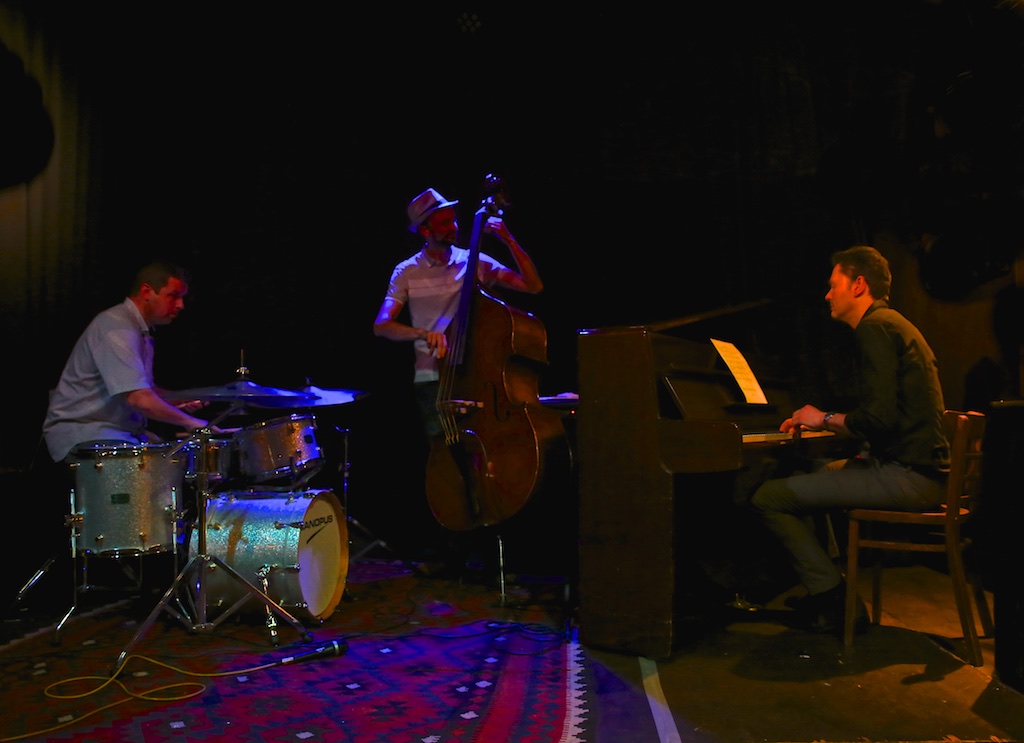
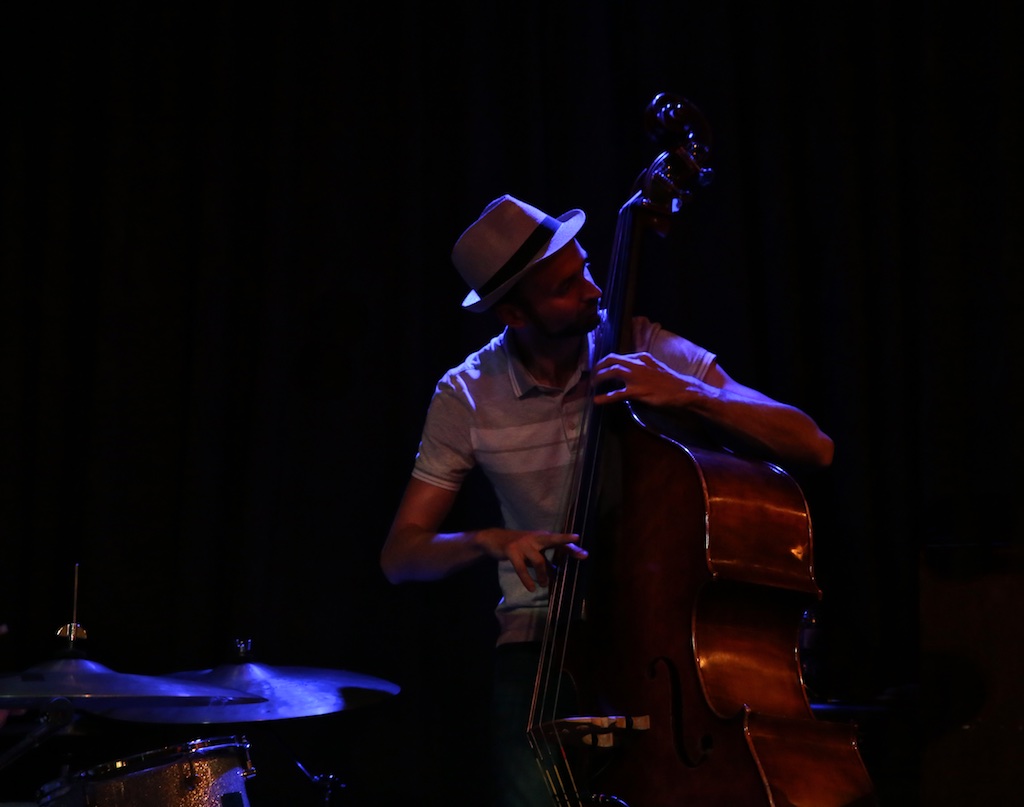
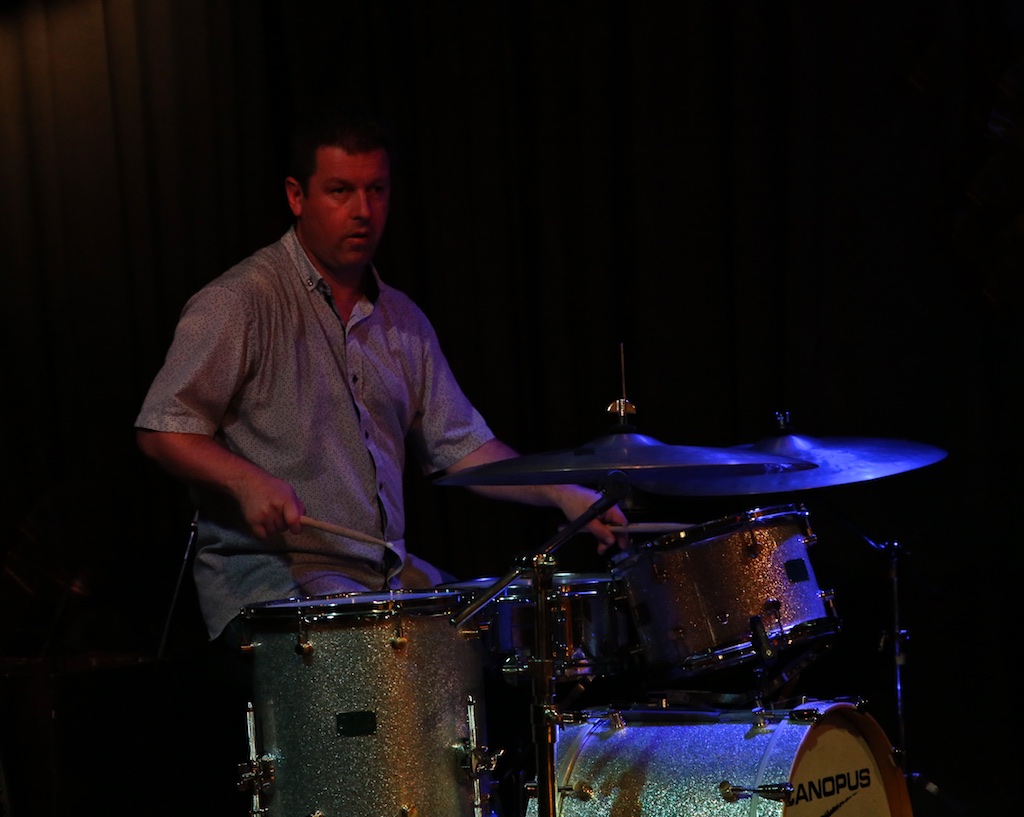
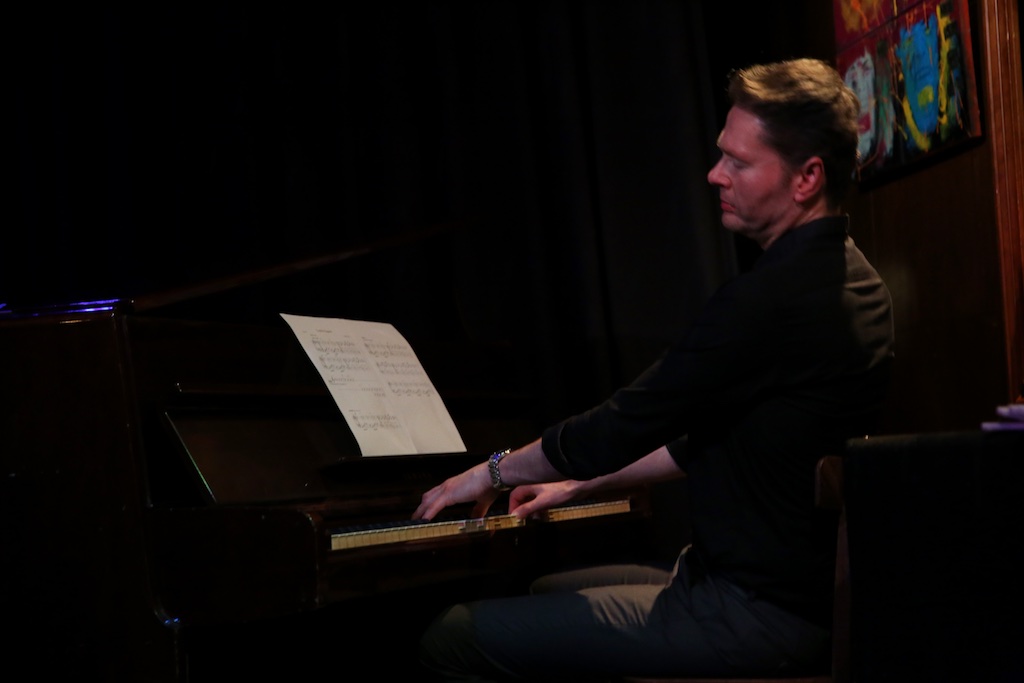
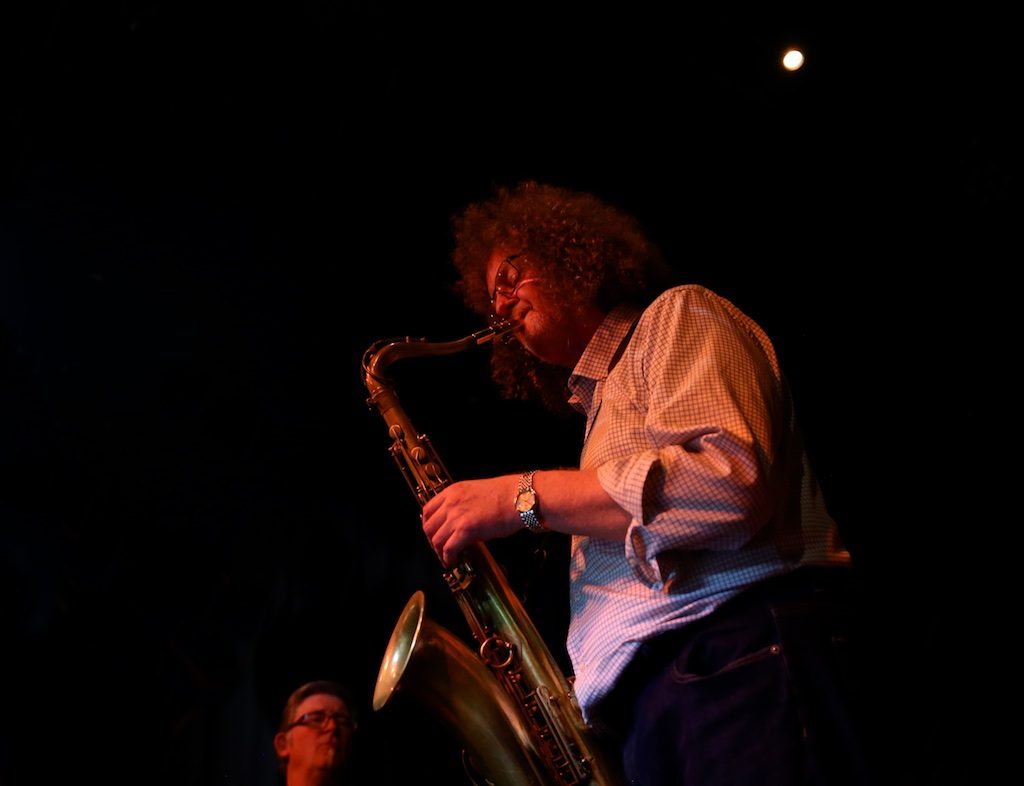 The popularity of ‘hardbop’ is enduring but we seldom hear it on the band stand. The probable reason is its very familiarity; if you play this music you will be judged against the source. There is also the evolutionary factor: improvised music strives to outlive its yesterdays. It is even less common for musicians to write new music in that idiom or to create a vibe that calls back the era. Such an enterprise invariably falls to experienced musicians; those with the wisdom to reverence the glories without it being merely slavish. Booth and Walters are especially well suited to that task. They have the chops, charts and the imagination and above all, they make things interesting. If you closed your eyes during this gig, you could easily imagine that you were listening to an undiscovered Blue Note album. It was warm, swinging and accessible.
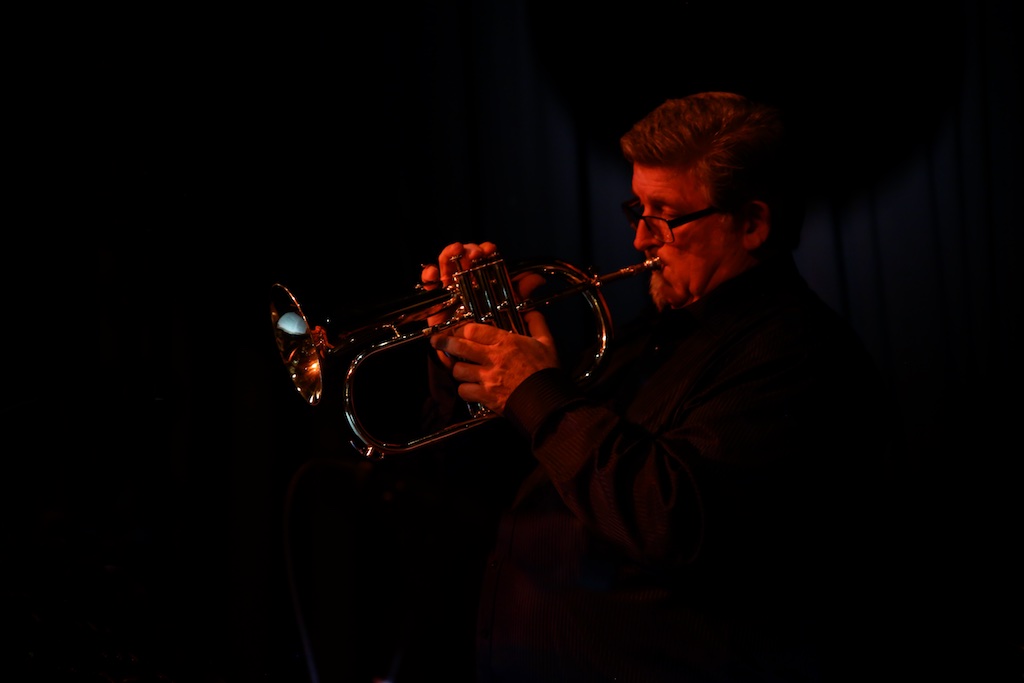 Booth and Walters are gifted composers and on Wednesday the pair reinforced their compositional reputations. Some of Booth’s tunes have appeared recently in orchestral charts. Walters’ tunes while heard less often are really memorable (‘as good as it gets’ stuck in my head a long time ago). These guys write and arrange well. Notable among Booth’s compositions were ‘Deblaak’, “A Kings Ransome’ and ‘On track’. From Walters; ‘Begin Again’, ‘Queenstown’ and ‘Wellesley Street Mission’. There was also a lovely version of the Metheney/Scofield ‘No Matter What’ from the ‘I Can See Your House From Here’ album. I have posted Booth’s ‘A Kings Ransom’ as a video clip, as it captures their vibe perfectly. Booth has such a lovely burnished tone – a sound production that no doubt comes with maturity and a lot of hard work.
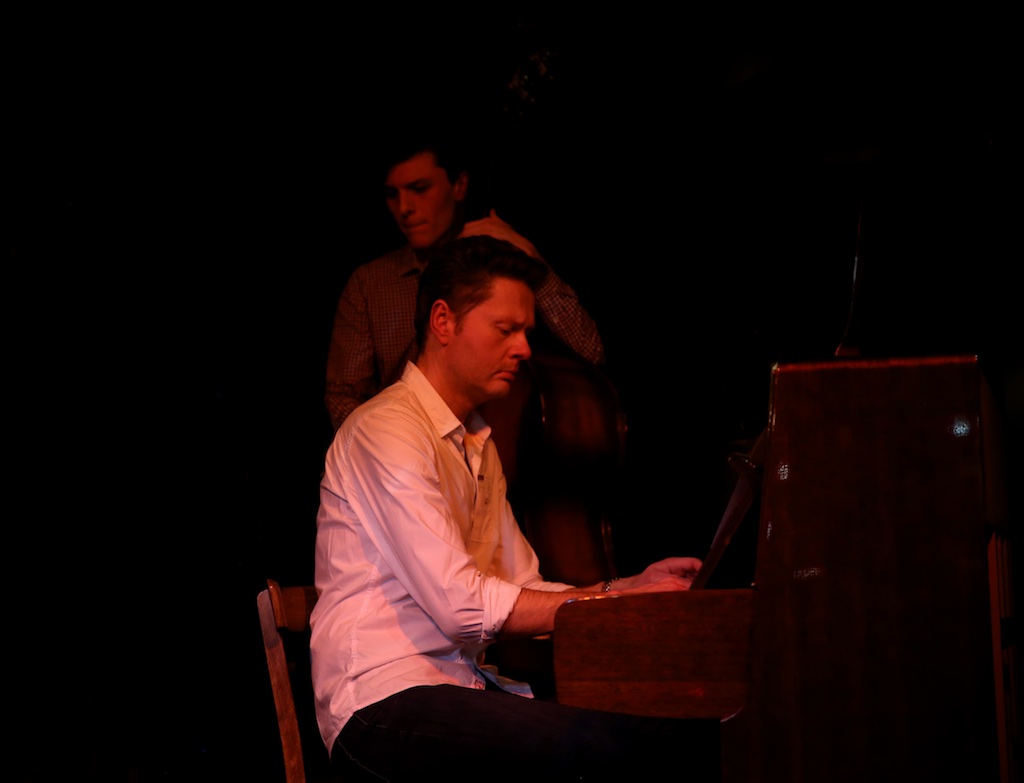 The last number was Walters ‘Wellesley Street Mission’ and I would have posted that, but my video battery ran out. This is a clear reference to the appalling homeless problem which blights our towns and cities. The bluesy sadness and the deep compassion just flowed out of Walters’ horn – capturing the issue and touching our innermost beings, challenging our better selves. I may be able to extract a cut of this and post it later – we’ll see!
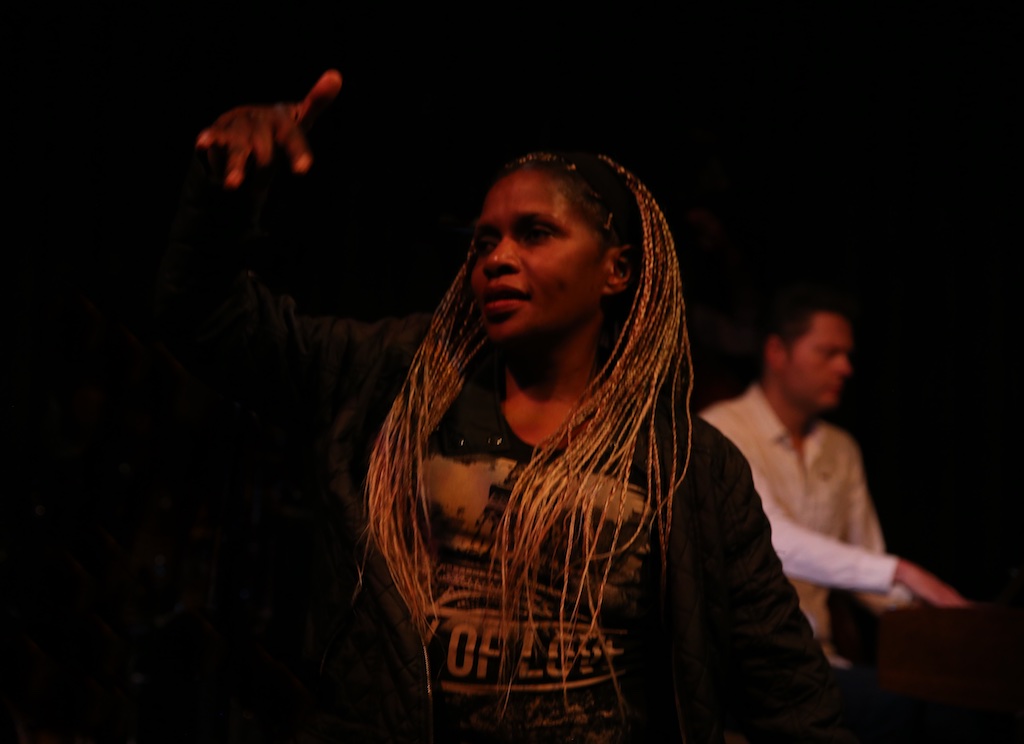 Lastly, there was that mysterious dancer, appearing from nowhere, drawing sustenance from the music until the street swallowed her again.
 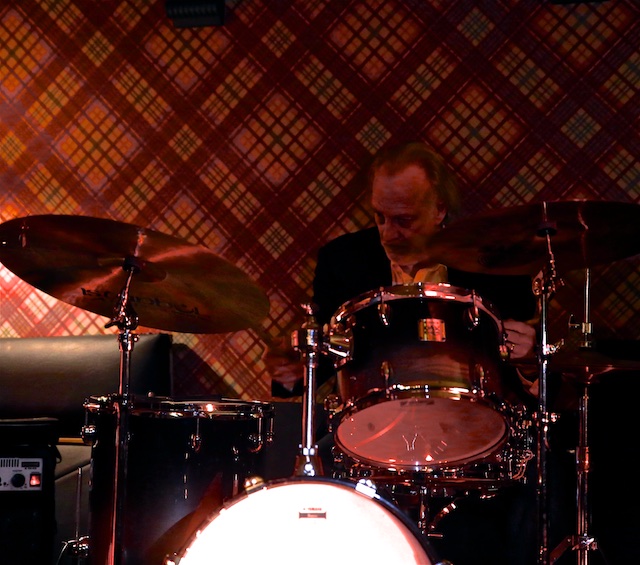 Frank Gibson is a drummer of international repute, a sideman, educator and bandleader. While he is a versatile drummer, his predilection is for bebop and hard-bop (especially Monk). On Wednesday the 16th November, our last night at the Albion for a while, we heard six Monk tunes (plus tunes by Wes Montgomery, Lee Morgan, Joe Henderson and Sam Rivers).
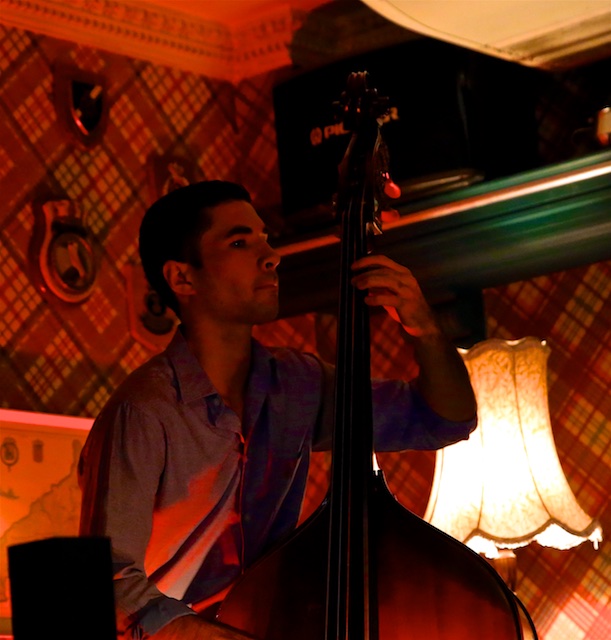 This is not a clone of the original Monk bands, but a modern quartet connected to the Monk vibe by musical lineage.
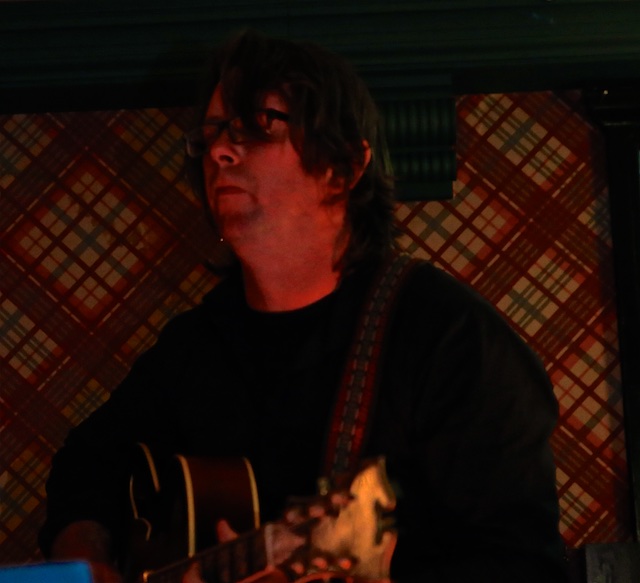 There were familiar, much-loved Monk tunes and a few that are seldom heard such as ‘Light Blue’ and ‘Eronel’. Monk wrote around 70 compositions and they are instantly recognisable as being his. The angularity, quirky twists, the choppy rhythms, the lovely melodies and particular harmonic approach – a heady brew to gladden the heart of a devoted listener. We never tire of him or his interpreters. After Ellington, Monk compositions are the most recorded in Jazz. We remain faithful to his calling whether our tastes run to the avant-garde, swing or are firmly rooted in the mainstream. These tunes are among the essential buttresses holding up modern Jazz. They are open vehicles inviting endless and interesting explorations. They are a soundtrack to the Jazz life.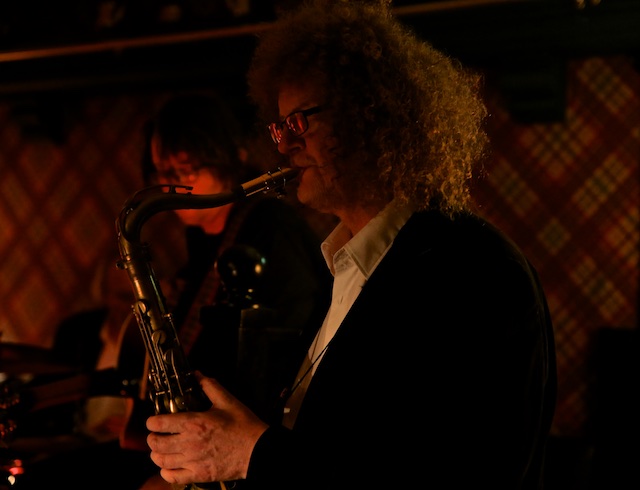
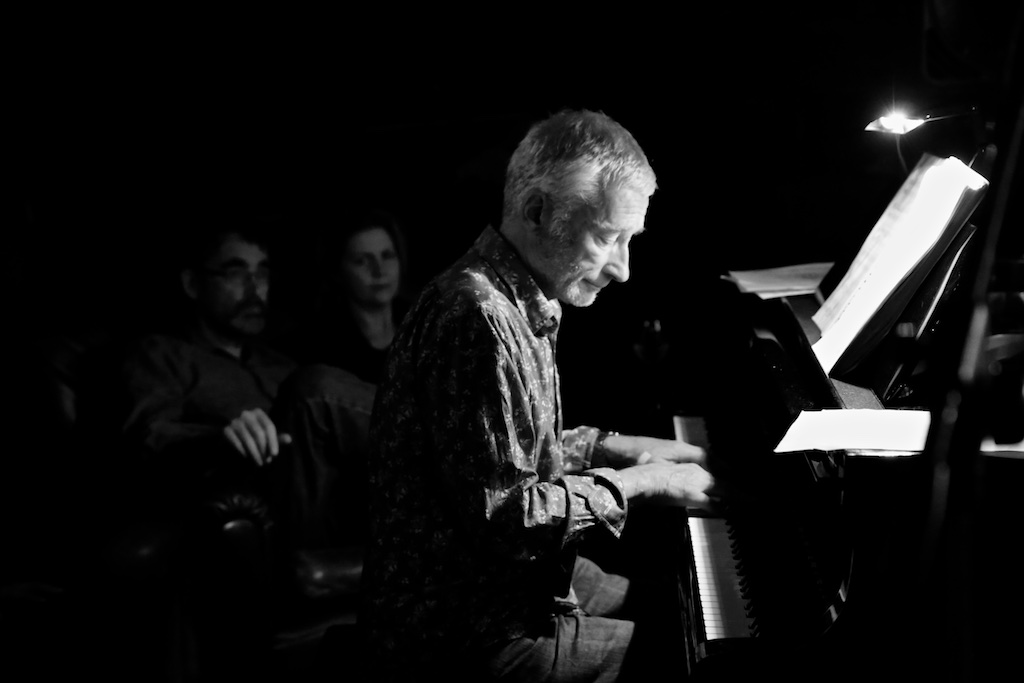 ‘Panacea’ is the third of Phil Broadhurst’s ‘dedication trilogy’ series and as fine as the earlier two albums were, this one stands out. Everything about it is superb, the individual performances, the ensemble playing, the recording quality, the cover art by Cameron Broadhurst and above all the compositions. Broadhurst, always a prolific composer has excelled himself here. Instead of theming the album around a particular influence or musician he has tapped into the subliminal forces guiding his creativity.
 When he composed ‘Precious Metal’ he was at first unaware of the influence until a student pointed it out. It certainly speaks of Horace Silver but more importantly it conjures the essence of the man behind the music. The ensemble playing on this is simply sublime. An arranged head yields to Mike Booth on trumpet. He swiftly encapsulates the ethos of Silver in his delightfully moody solo. Broadhurst follows – expanding on the theme and signalling the direction, effectively setting the tune up for Roger Manins and Oli Holland who follow. There is a logical flow throughout and the piece works all the better because of it. I have heard it several times, but even on first hearing it sounded warmly familiar. That is the skill of good writing; evocation not imitation.
  For me the greatest joy was ‘Wheeler of Fortune’ his Kenny Wheeler tribute. So well realised was the mood that it might have been John Taylor playing a Wheeler composition. Again this is an extraordinary piece of writing and articulation, lovely because while capturing the style of these lost lamented greats it reminds us just what made them so dear to our hearts. In spite of being a piece for piano trio you can sense Wheeler reaching for those impossible high notes or mournfully smearing his over-running melancholic lines. It must have been tempting to use Booth’s flugel on this, but the implied sound is all the more powerful.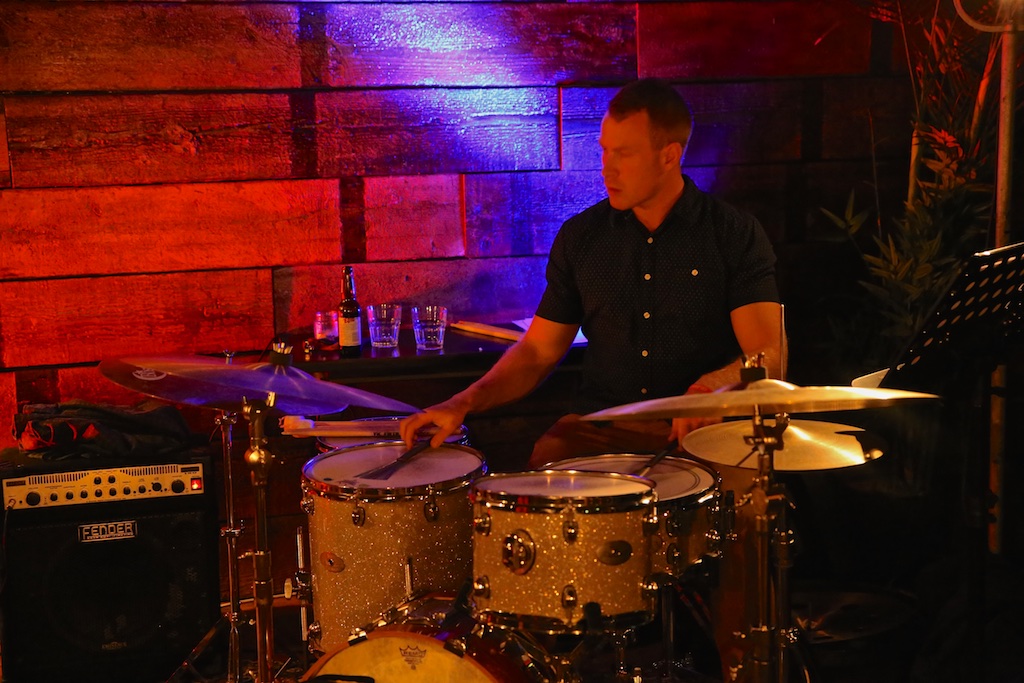
 I look in the liner notes, no human voice shown – then it struck me. This is Watson, again understated but adding something to the piece which lifts it into the realm of musical magic – an exceptional and original musician. The album would be the poorer without his contributions. Subconscious influences shape every musicians work and it is right to celebrate those. Purging these influences is often a mistake. All creative people whether writers, poets, musicians or painters have these voices at their core. Improvising musicians stand on the shoulders of giants and it is fitting to celebrate that. Broadhurst has done so with due reverence, due acknowledgement but never sycophancy. This was his time to say thank you and his own original voice shone through the multitude of influences.
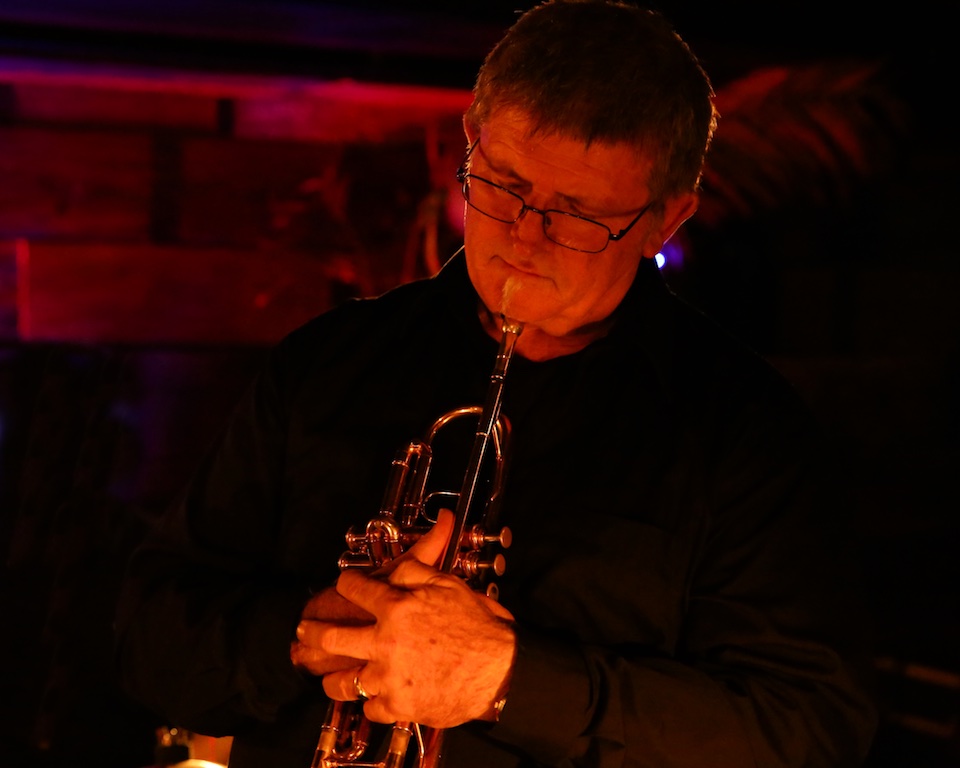 Booth sounds better each time I hear him. His undoubted strength lying in the way he reminds us of the great traditional trumpet players – especially those from the Hardbop era (like Blue Mitchell). A wonderful musician, a fine arranger and one who nicely compliments a saxophone modernist like Manins. Playing off the latter gives the edge. Manins is such an original that you hear something new and exciting each time he plays. I have observed before how well he plays off Broadhurst compositions. This says something about the skill of both men.
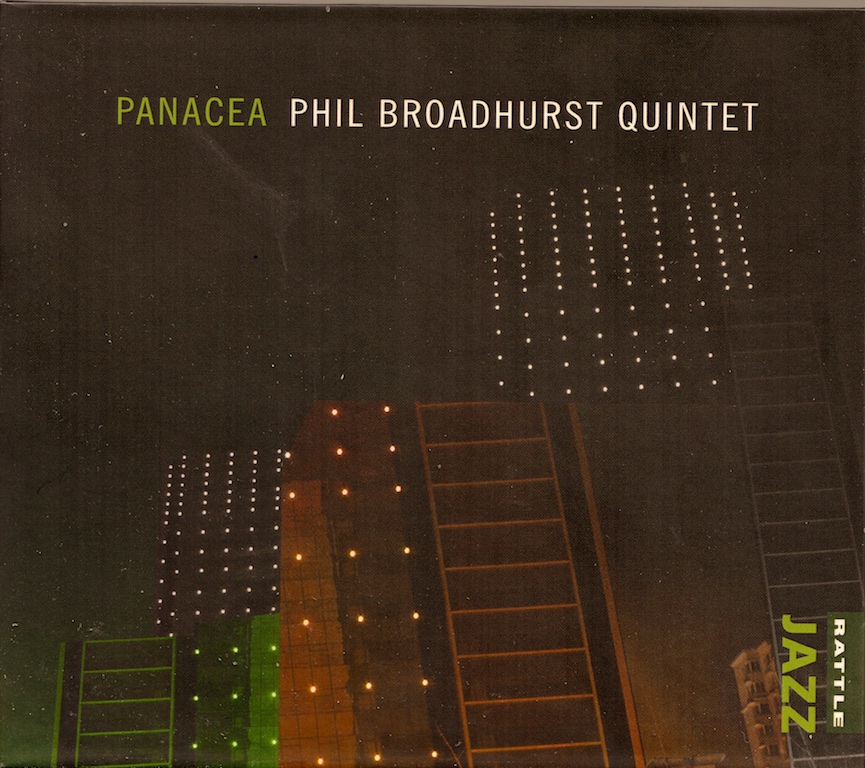 The word panacea is from the ancient Greek meaning ‘all healing’. The modern definition extends the concept beyond cure-all potion – applying it more to the realm of ideas. The album is truly a balm in our troubled times. I highly recommend it as a Christmas present to yourself or a loved one. It must surely be contender for next years Tui’s.
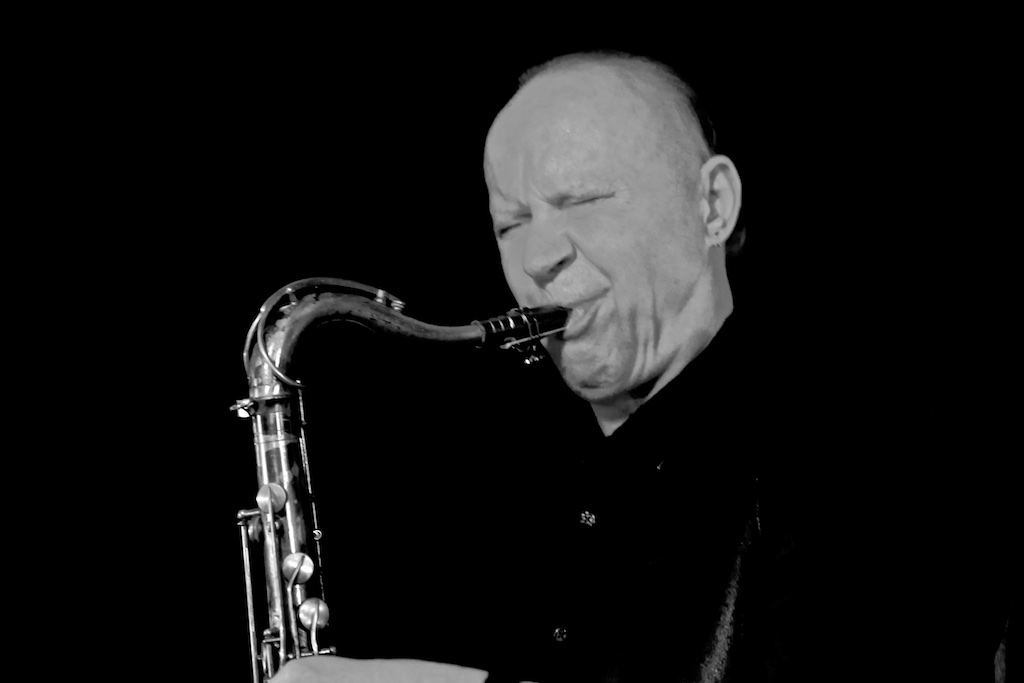 Paul Nairn is a man who avoids limelight and although he is extremely popular as a saxophone repairer he gigs all too infrequently. Those who have seen him before always turn up at his gigs, having fond memories of his standards interpretations and of his rich tone. For all of his reticence he is good company, knowledgable and a guy you enjoy being with. The last time I saw him was at the Doug Lawrence gig, shaking his head in disbelief and saying, “This is the southern styled tenor at its best. some of the greats are in that sound”. It is no secret that the classic era of 50’s Jazz is what he loves best. Larger than life standards played by some of the greatest musicians that walked the earth. The Phantom quartet was back to tell that story.
 The band set up early in case there was time for a quick run through but Nairn was nowhere in sight. He is notoriously hard to reach by email, phone or messaging so nobody tried. He is not enamoured of digital technology which is part of his charm. He is old school in good way. “He does know it’s tonight”, joked one band member? Twenty minutes before start time he arrived breathless. The vagaries of Auckland’s wet weather, downtown traffic and parking had tested but not defeated him.
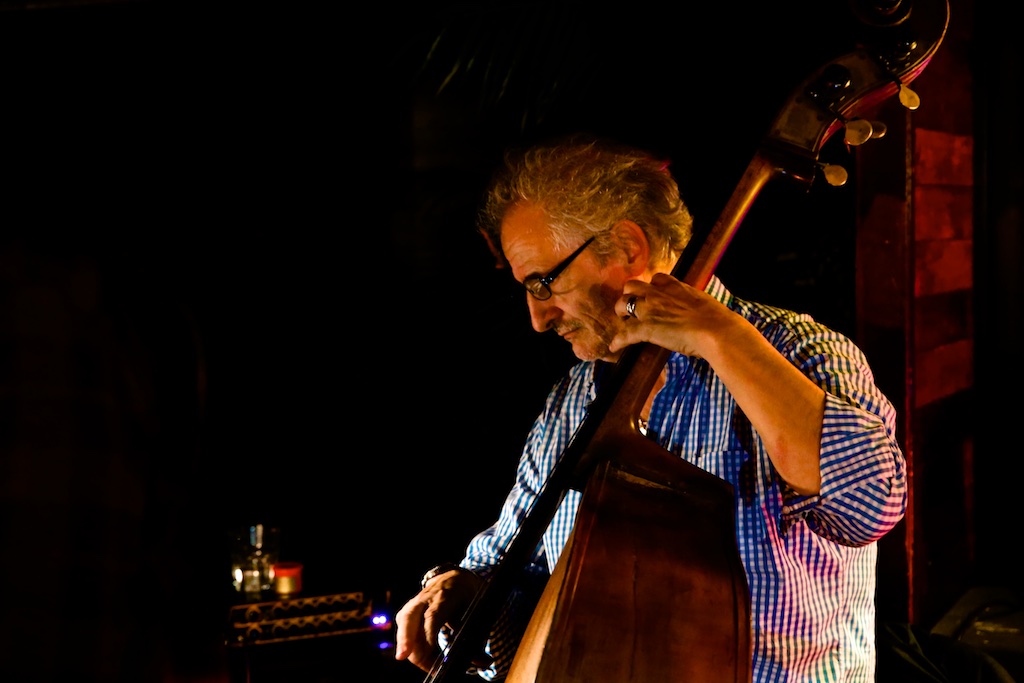 Nairn’s sound is distinctive; clean but with the pleasant hint of a throaty rasp when he bites into a note. It is certainly a sound that you identify with an era. His repertoire on this night included tunes by Cedar Walton, Chick Corea, Gershwin, Jerome Kern, Joe Henderson and Coltrane. Henderson’s Inner Urge occurred during the first set. It is a complex tune harmonically, but a tune I could never tire of. It was great hearing it again. The clip I have put up is Coltrane’s famous ballad ‘Naima’. Everyone played beautifully on that and especially pianist Broadhurst. His approach was fresh and utterly engaging. Nairn and Santorelli played beautiful solos as well while Gibson kept his impeccable trademark pulse.
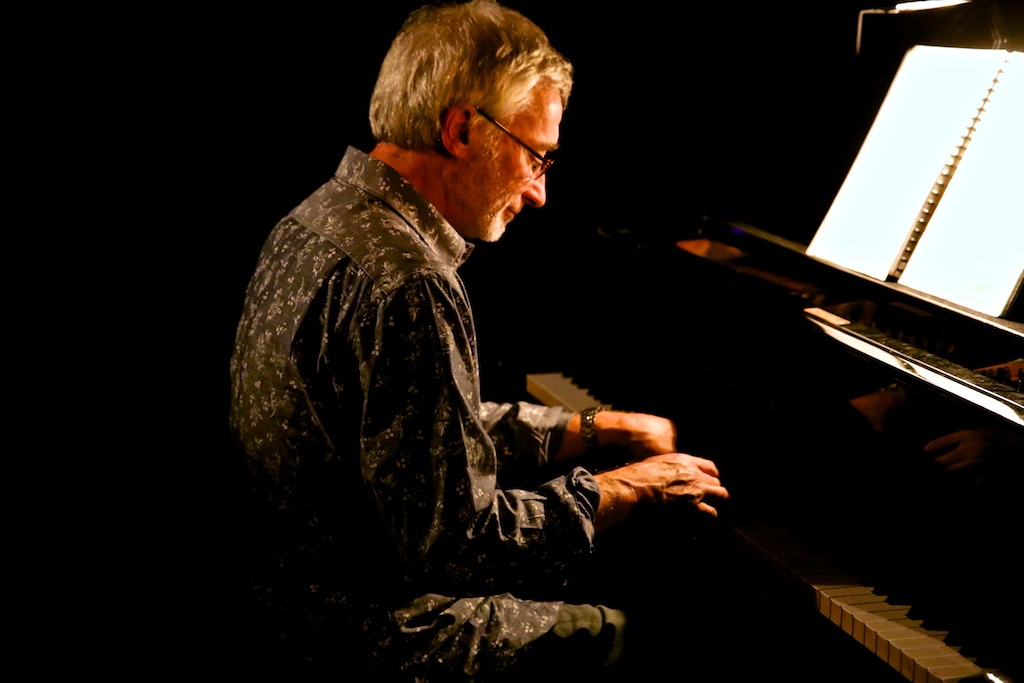
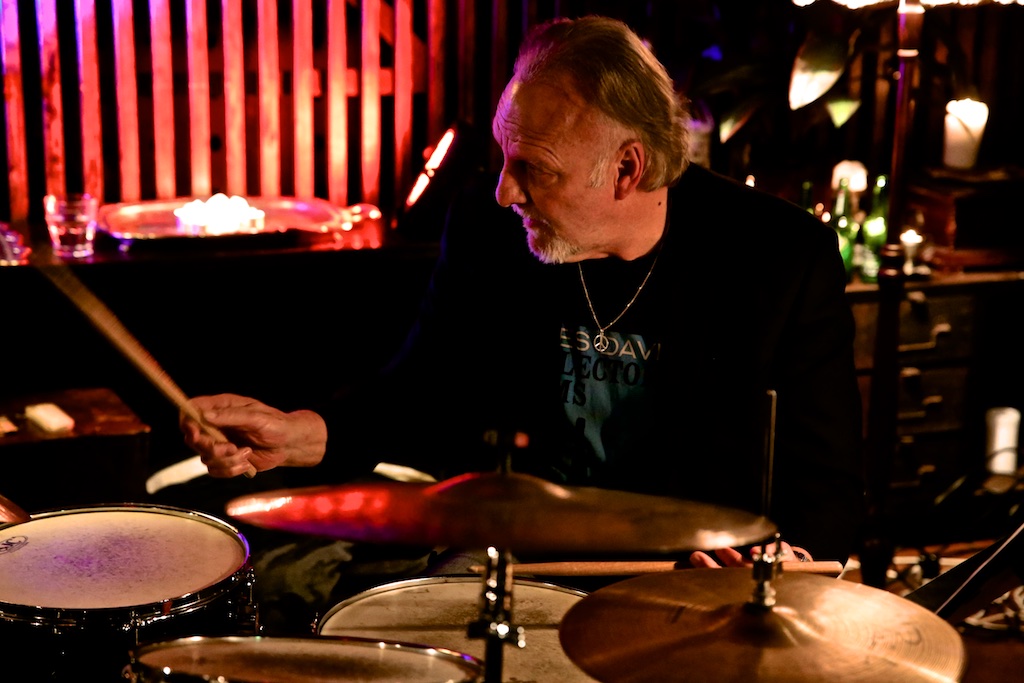 Nairn has been on the scene for a long time and when he calls upon veteran players to make up his band he gets them. On piano was Phil Broadhurst. In spite of the rain and coldness of the night he turned up in shirt sleeves, smiling and relaxed. His approach to the keyboard that night was anything but casual; stunning us with some of the best solos I have yet heard him play. For the second time in two months Alberto Santarelli was on bass and Frank Gibson was on drums. With these guys behind you good things can happen and Paul Nairn used them to good advantage.
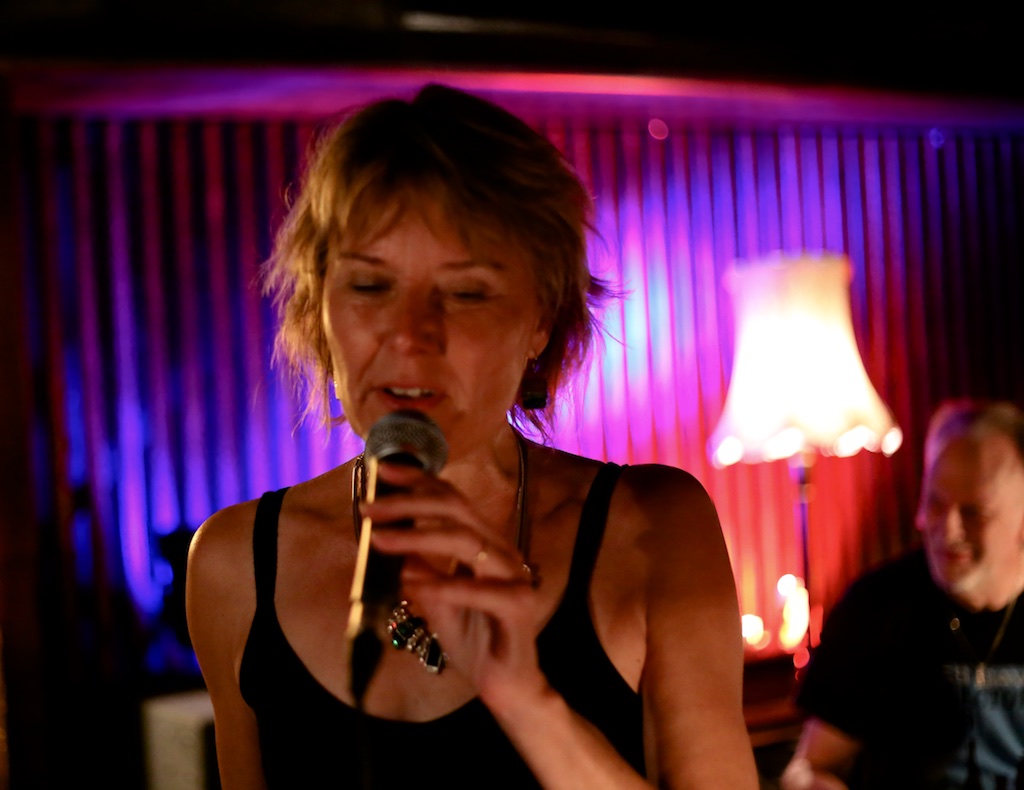
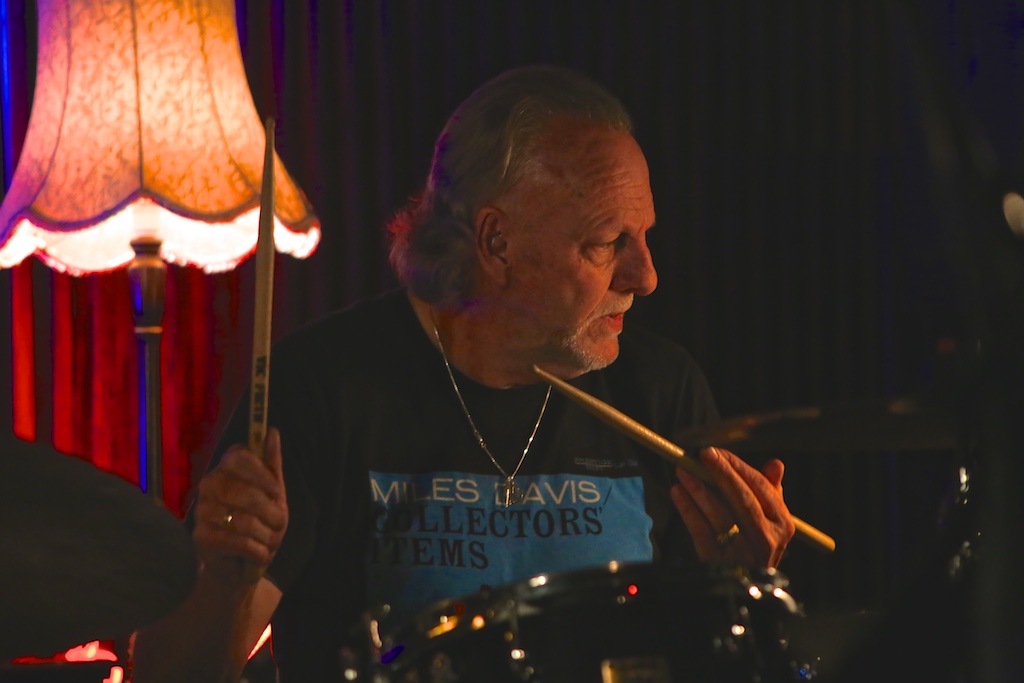 Frank Gibson Jr’s ‘Hardbopmobile’ has been around for a number of years and the band always delivers uncompromising hard-hitting performances. Gibson and Watson see to that. This no nonsense approach guarantees that Hardbopmobile’s music, even while traversing well worn standards, is fresh. This particular gig was titled ‘Hardbopmobile plays Monk’ and with the interesting addition of vocalist Caroline Moon (Manins) on vocals, it gave us much to enjoy. Familiar and lessor known Monk tunes appeared as the evening progressed. While all of Monk’s recorded material is perennially interesting and seemingly beyond caveat, in the right hands vibrant new interpretations are possible. This is the nature and Monk, the Picasso of modern Jazz; a modernist movement in perpetual progress.
 Ted Gioia pointed out in his book ‘The Jazz Standards’, that only two composers of pure Jazz standards remain in ascendency. One of these is Monk whose stock has risen steadily for many decades now. The other (and that has occurred more recently) is Billy Strayhorn. Both of these composers had an astonishing modernity about them. In spite of some beguiling melodies, neither offered the listener simplicity. What you get with Monk is often jagged and quirky compositions, but for all that his hooks snag deep. Listening to Monk you hear the sounds of New York. The broken lines and
 startling dissonance are echoes of traffic and street life. Very human sounds and offered from his unique vantage point. In spite of the difficulties life threw at him the music is somehow tender. Monks was essentially a humanist voice.
 and wild.



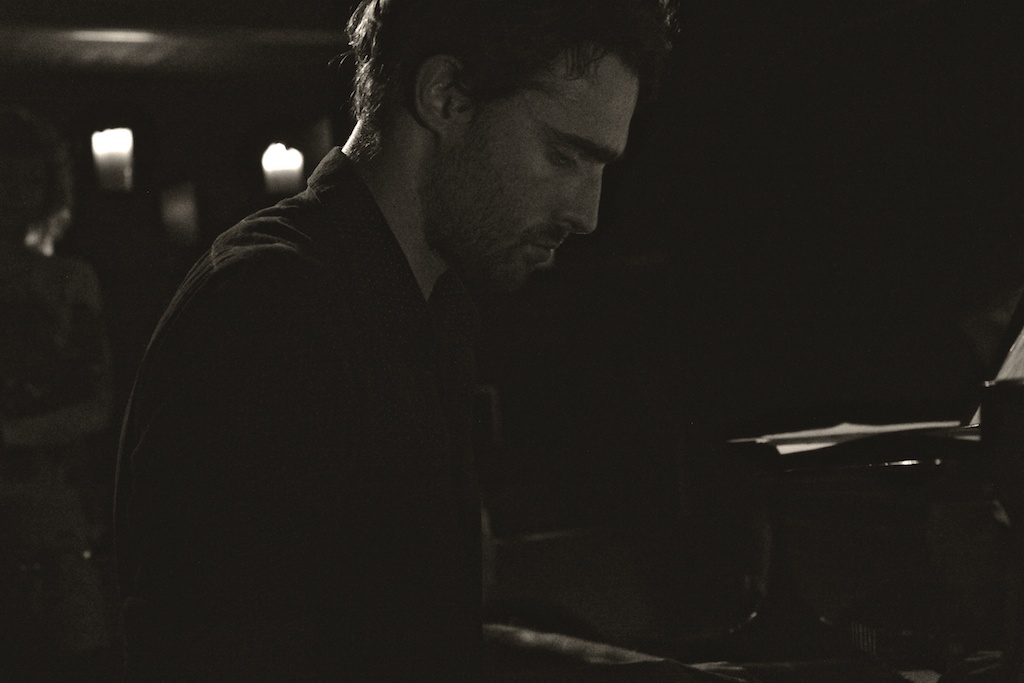

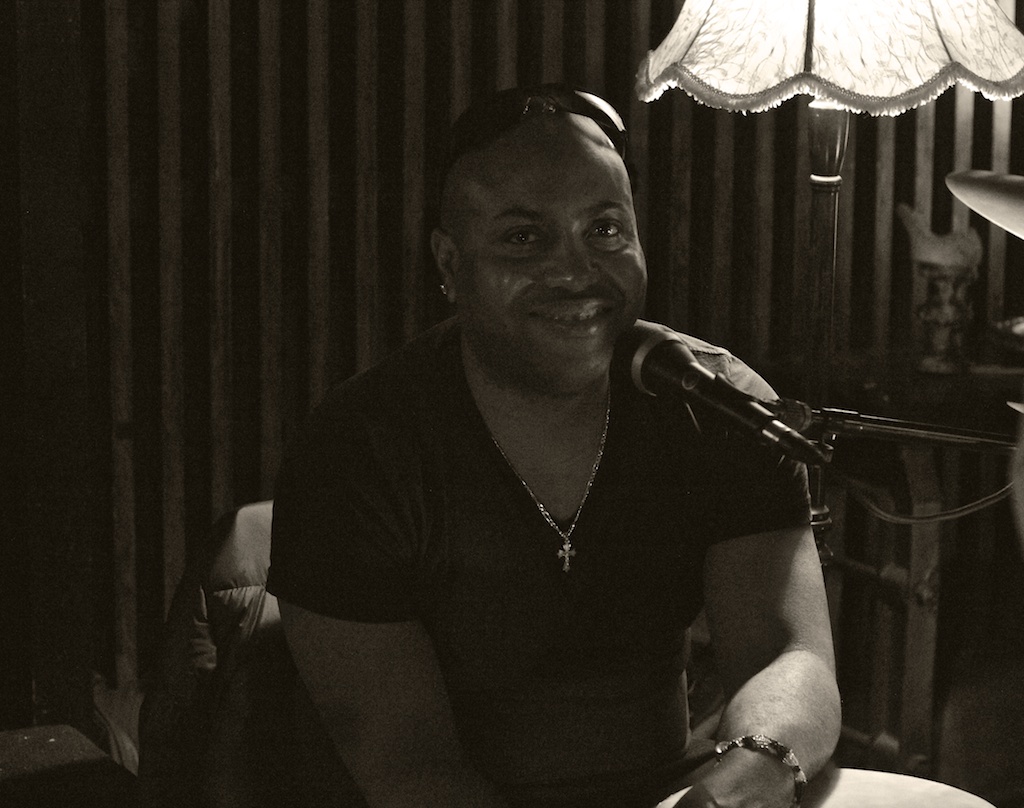
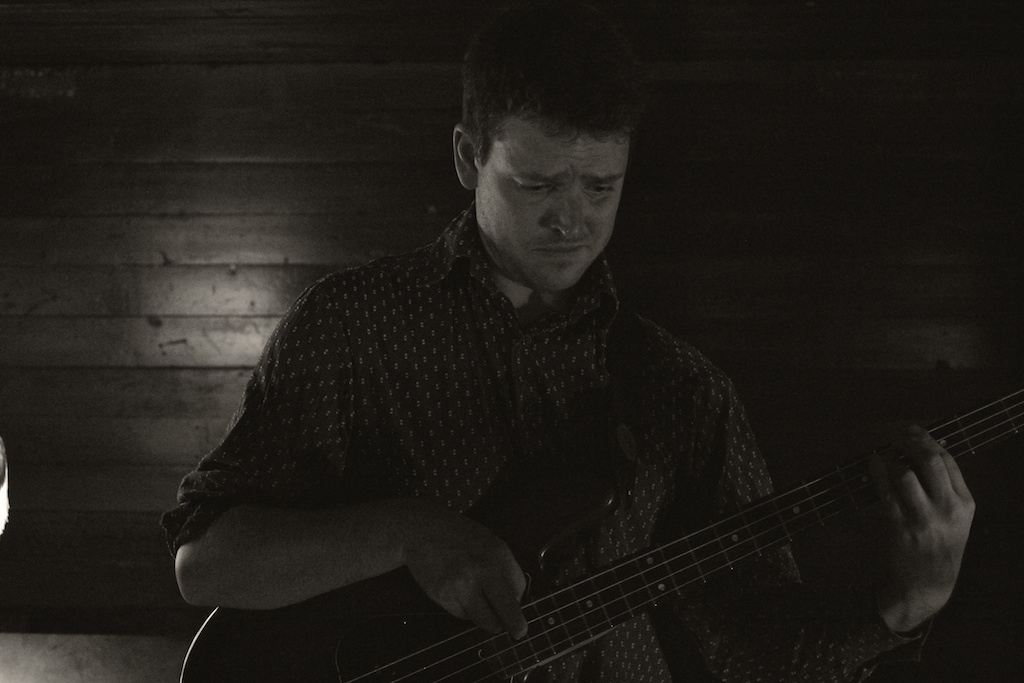

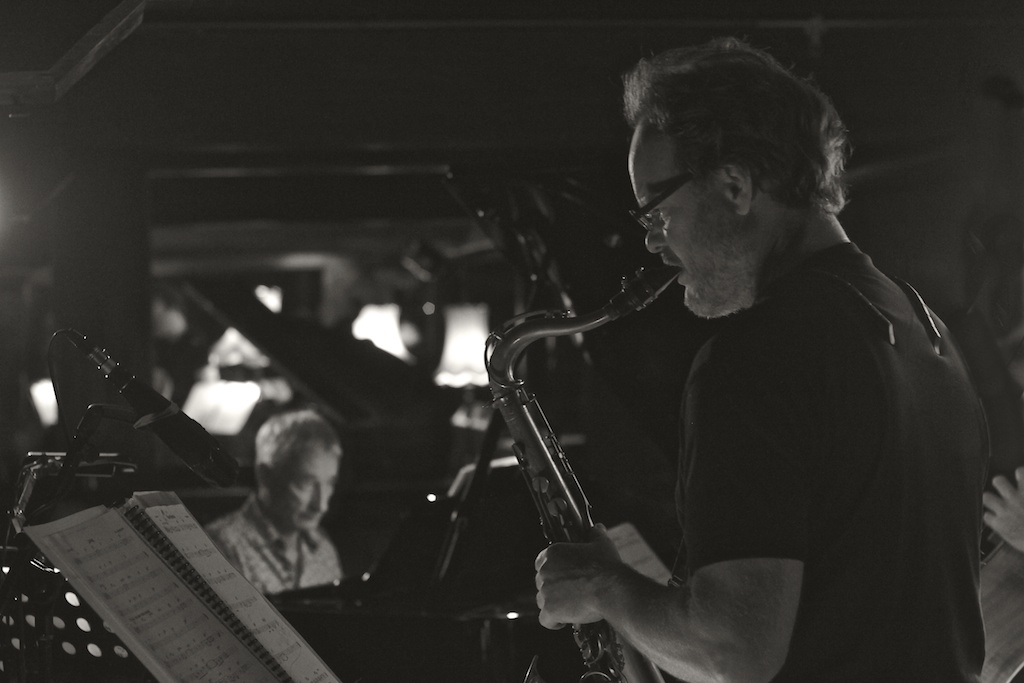

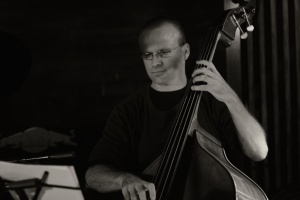
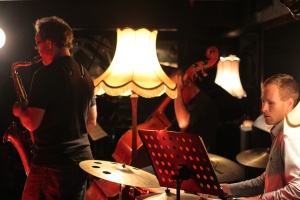 Auckland’s CJC (Creative Jazz Club) has created a Jazz Appreciation Month program with all of the above in mind. This week there is a B3 master from French New Caledonia, next week the globe-trotting genius of the keyboard Jonathan Crayford. Best of all is the long anticipated album launch of ‘Dr Dog’ on International Jazz Day. I feel lucky to live near a club that can present such wonderful artists. Grab this opportunity by the ears Kiwis, now is the perfect time to enjoy this music and above all share it with others.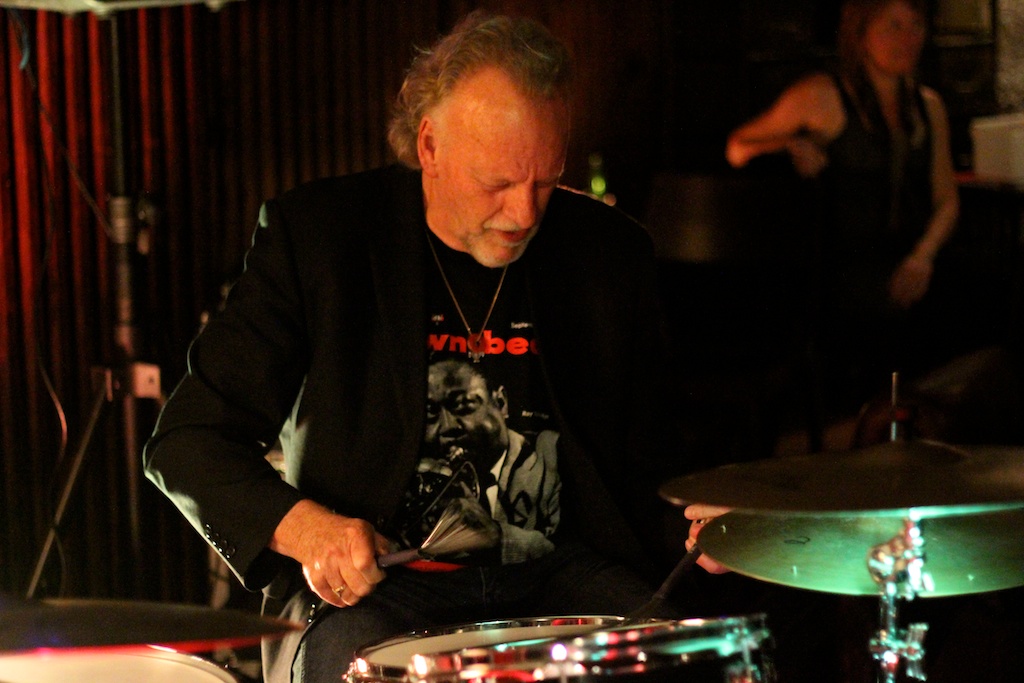
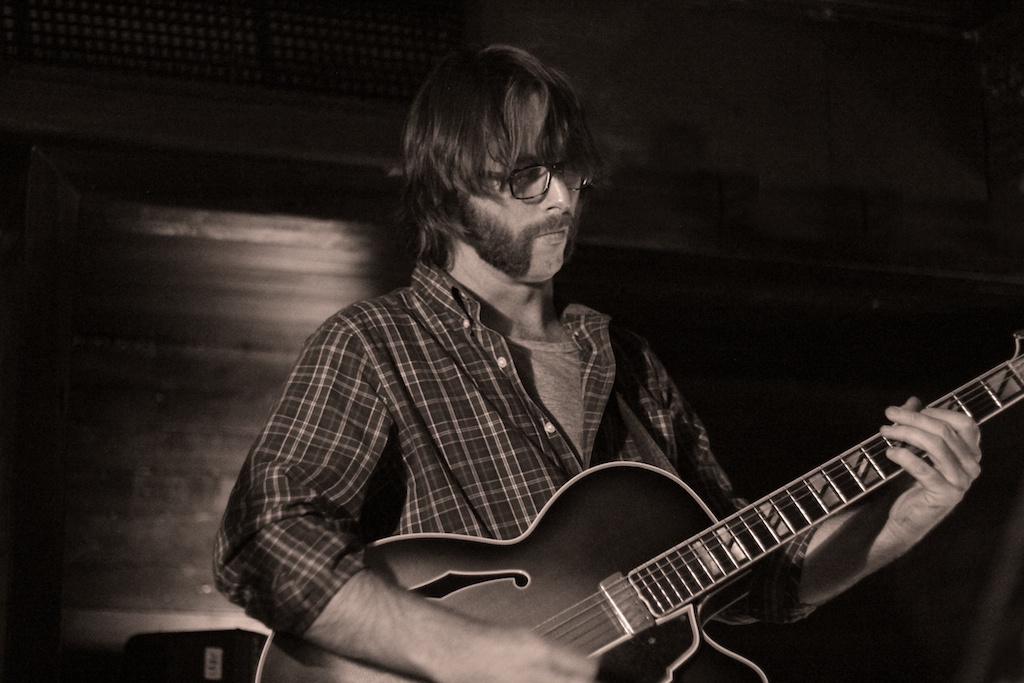
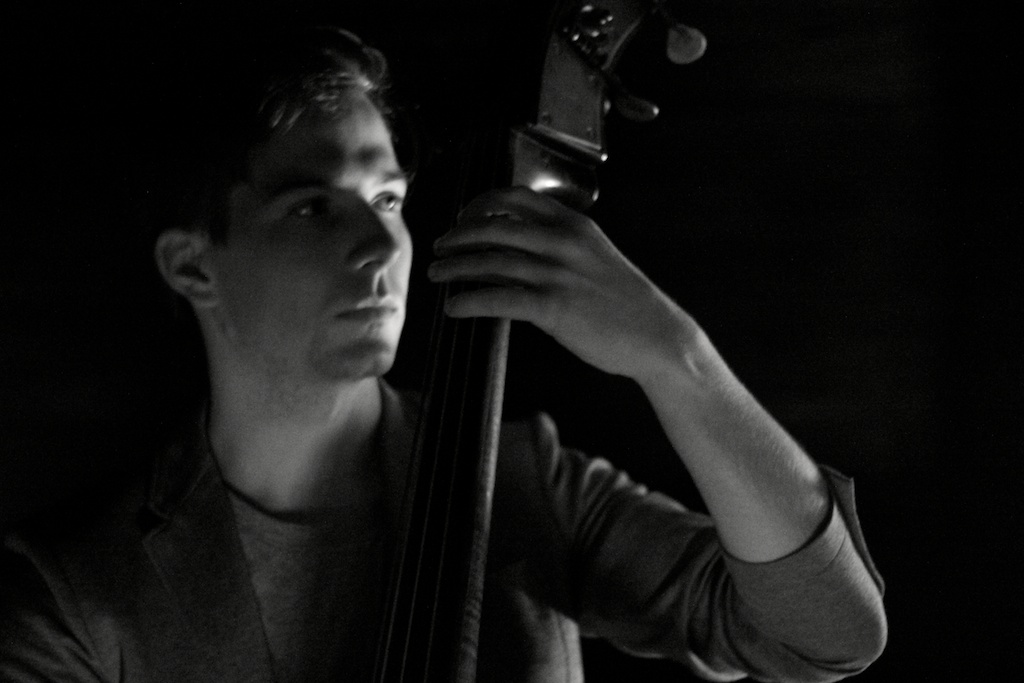
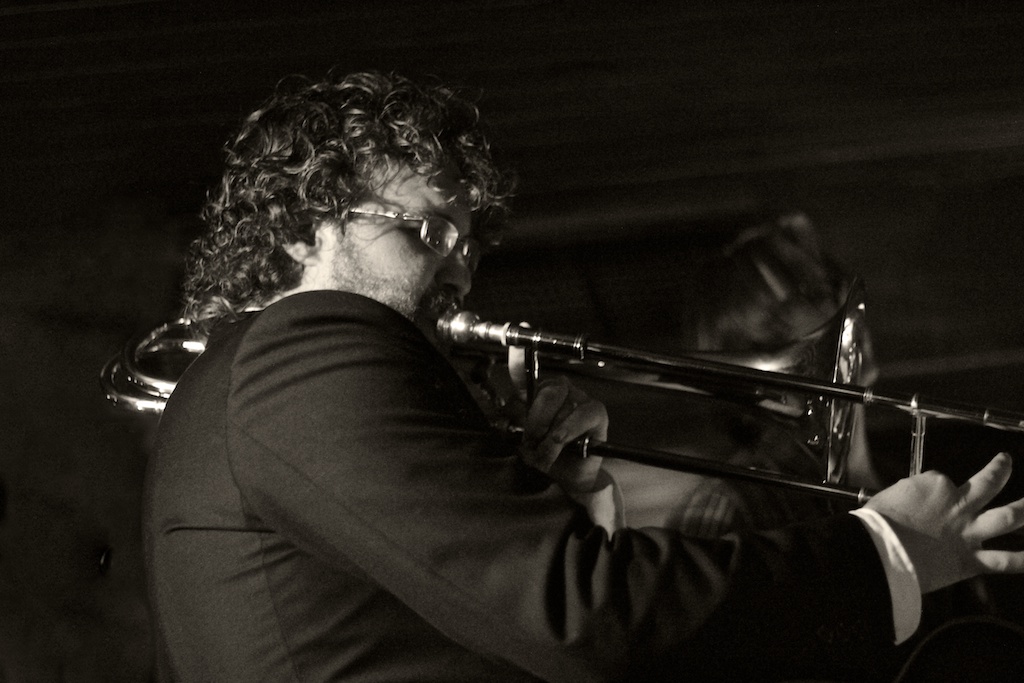
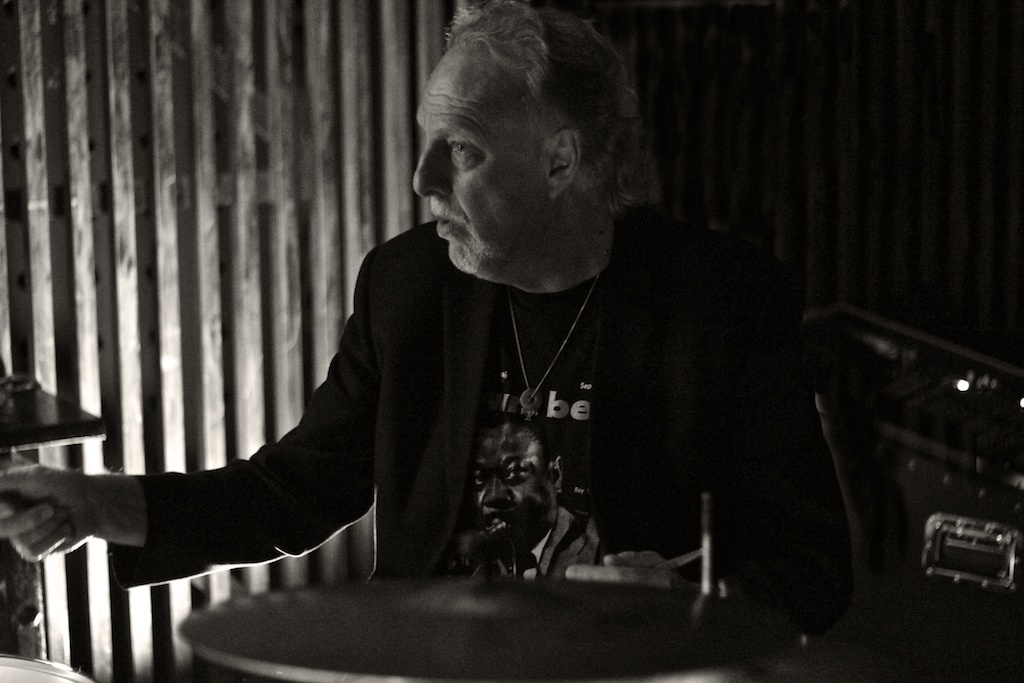
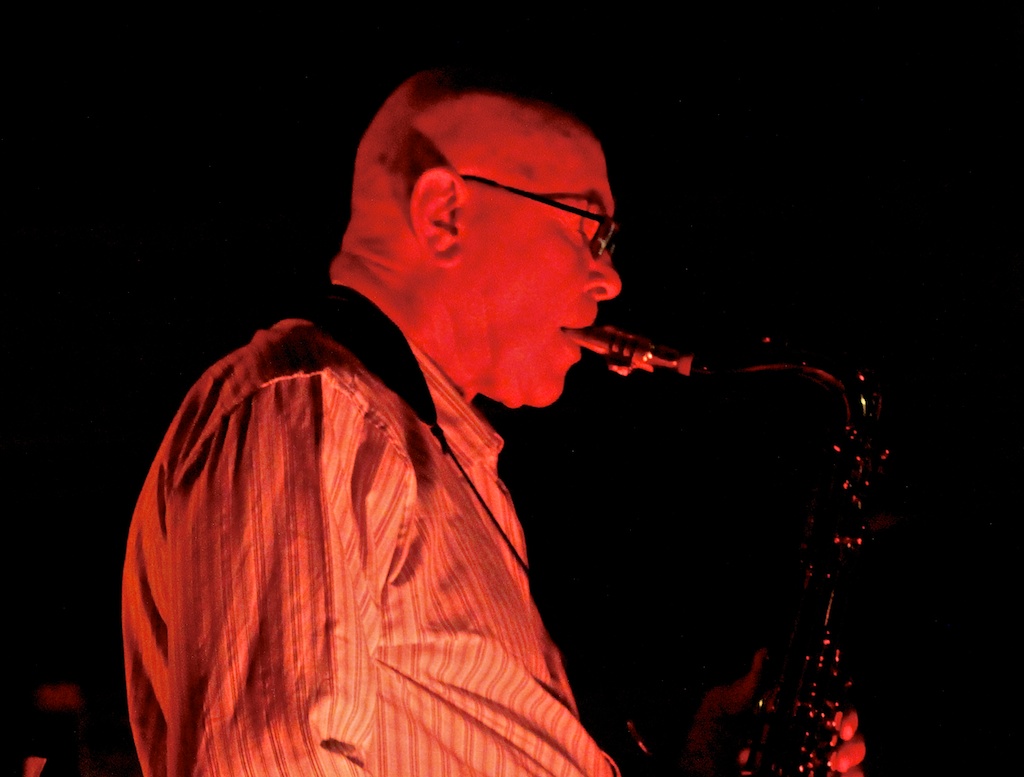
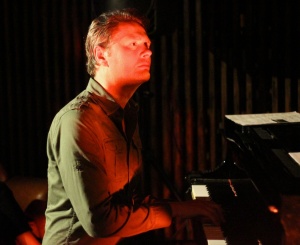
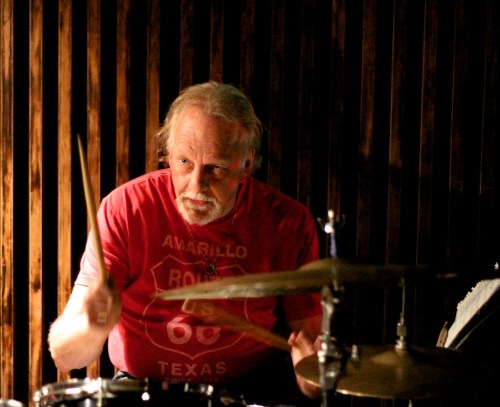
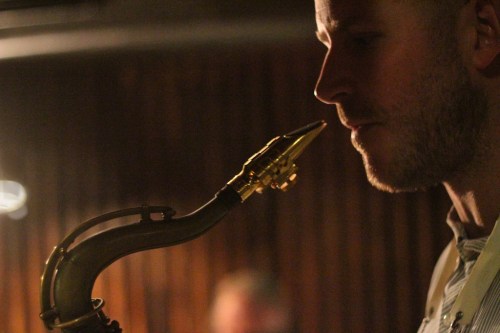
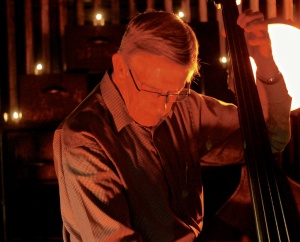 Accompanying Brian on piano was Kevin Field who is so well-respected about town that he is a real drawcard in his own right. I have often mentioned his ability to add value to any band he plays with and this night was no exception (A post on his April 17th gig will be up shortly). On bass was Kevin Haines who is not only the most experienced bass player about town but one of the best. lastly there was Frank Gibson Jr on drums who is another respected and talented veteran Jazz identity about
 JazzLocal32.com