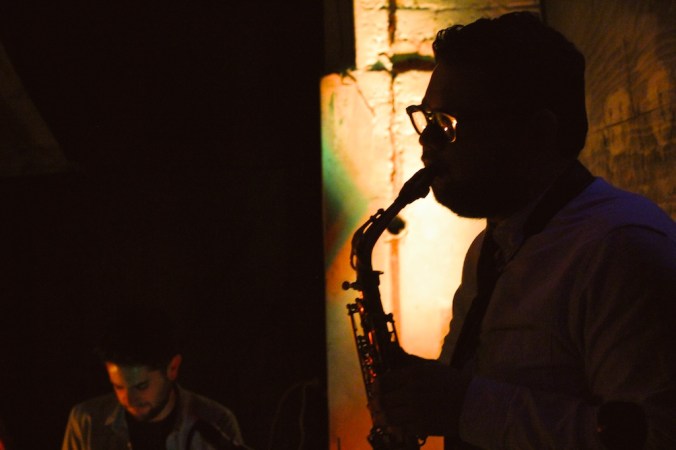
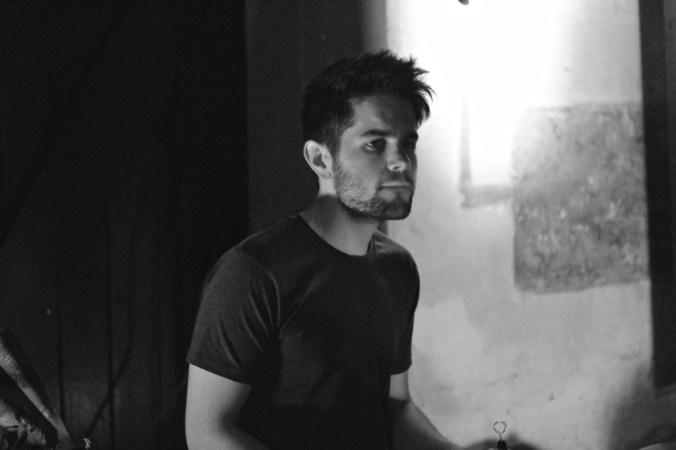
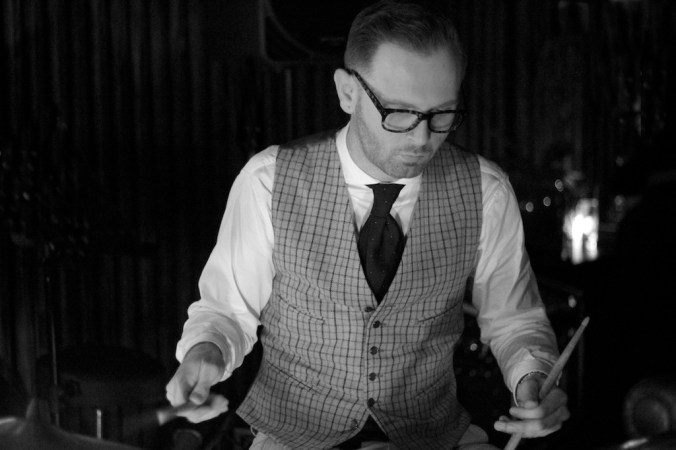
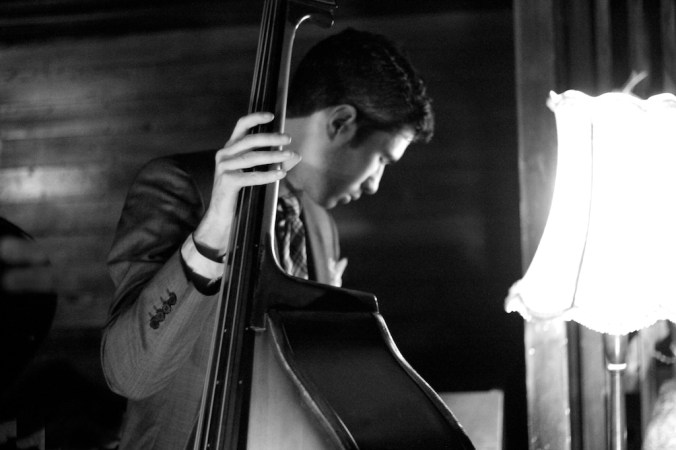
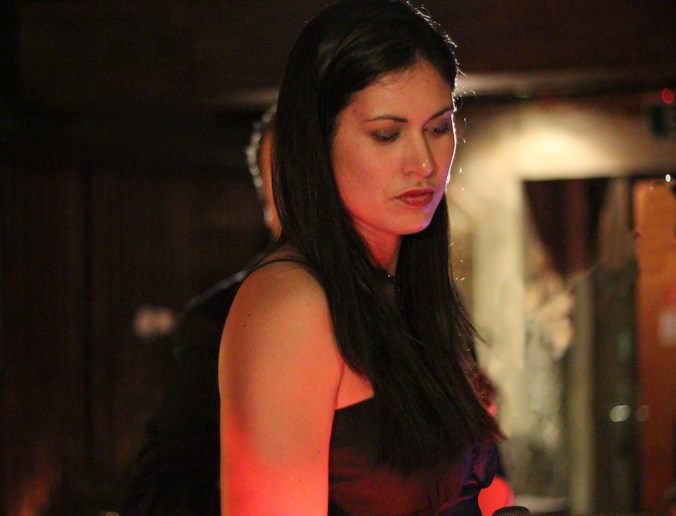
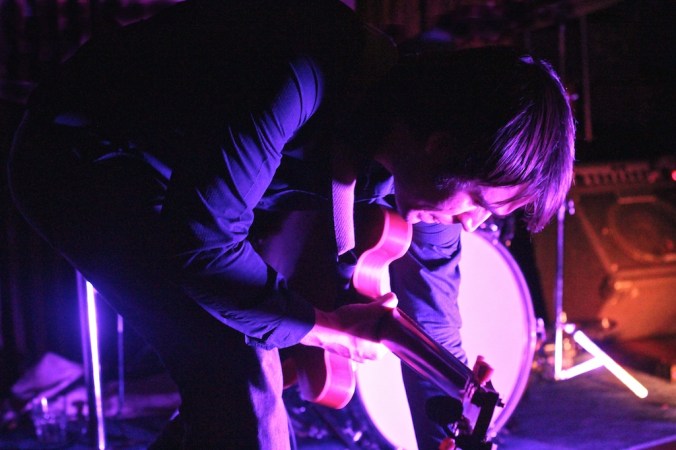
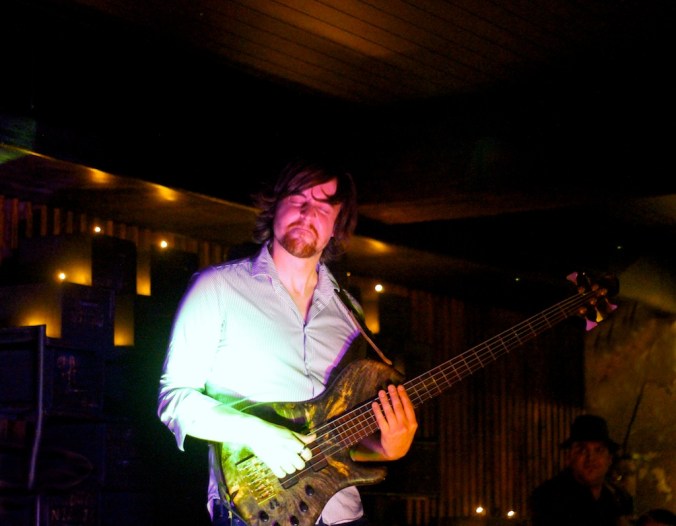
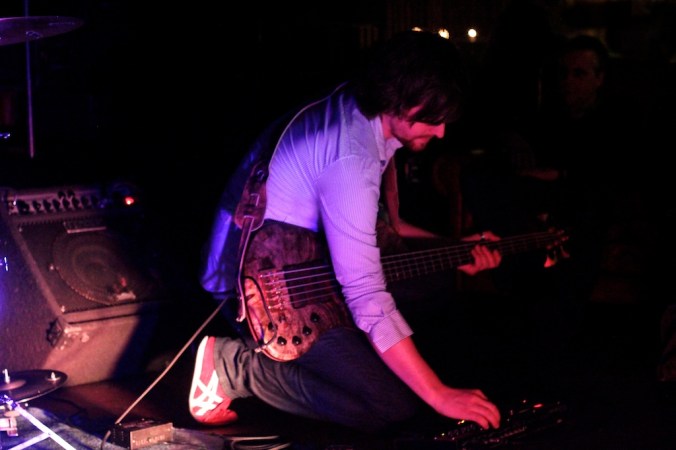
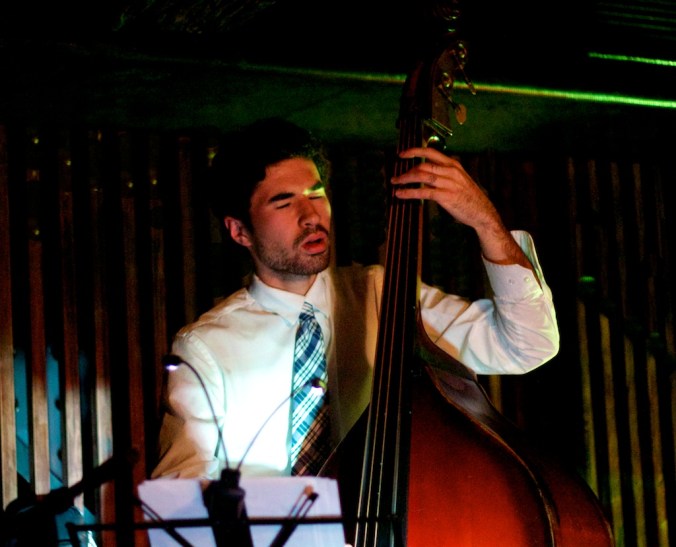
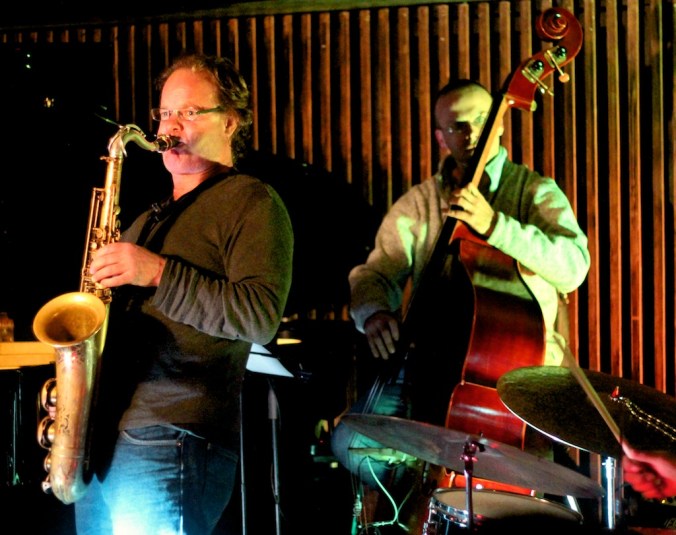
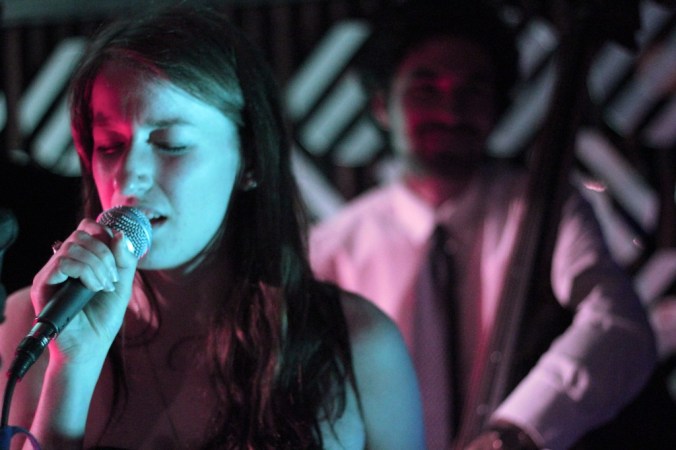
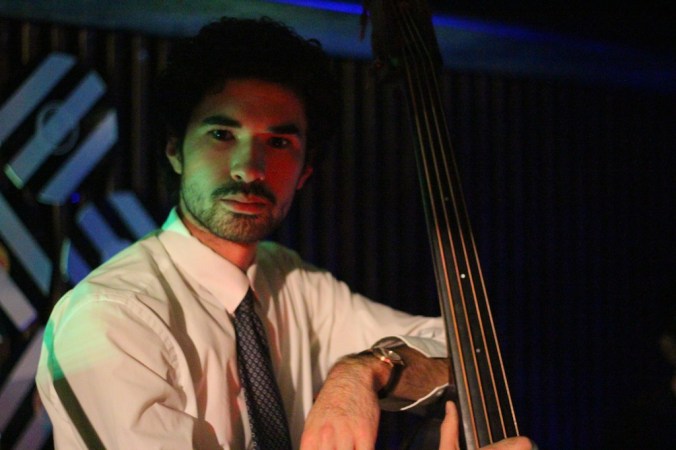
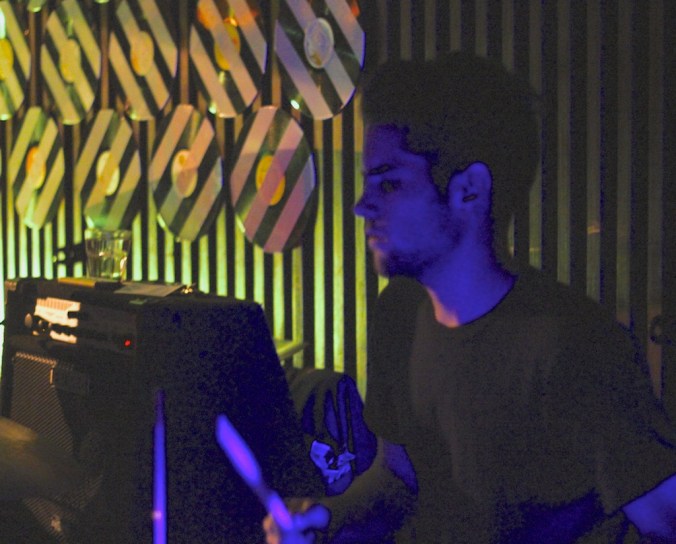
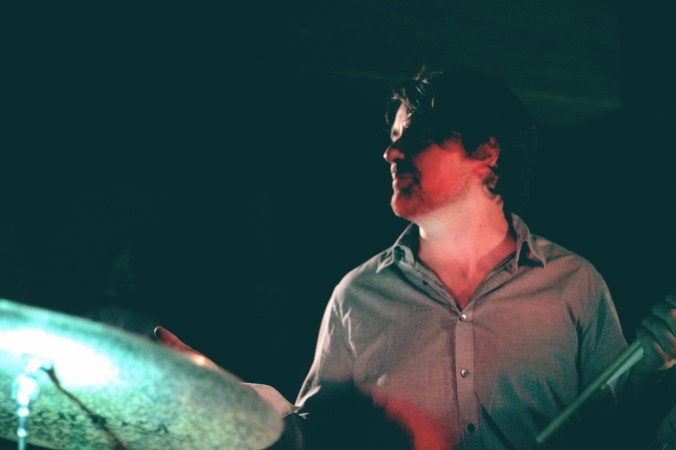
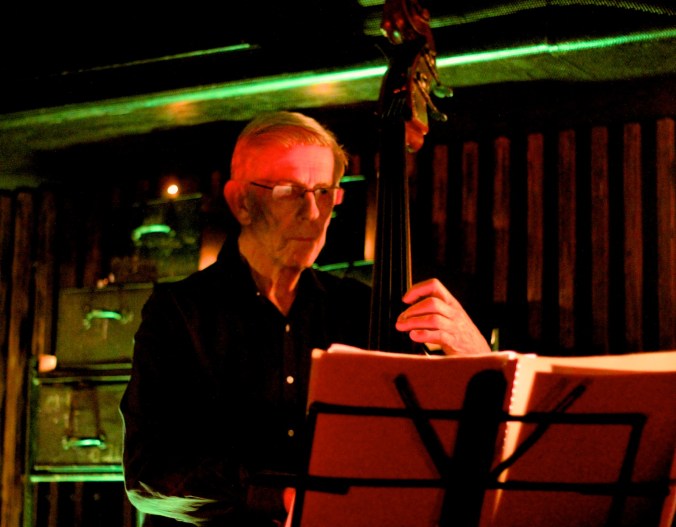
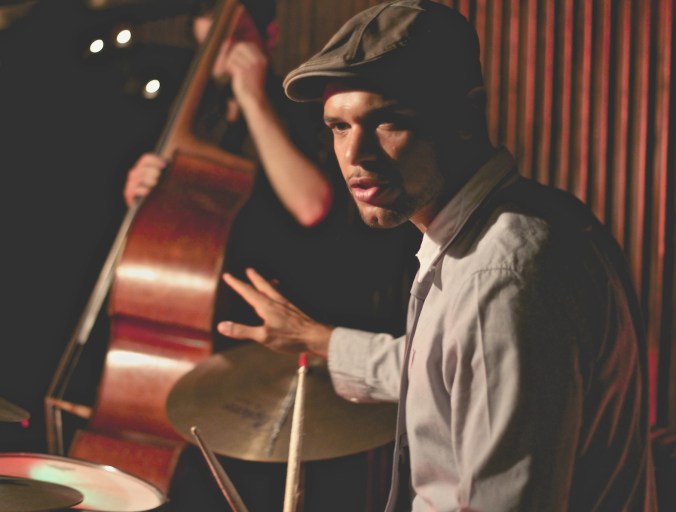
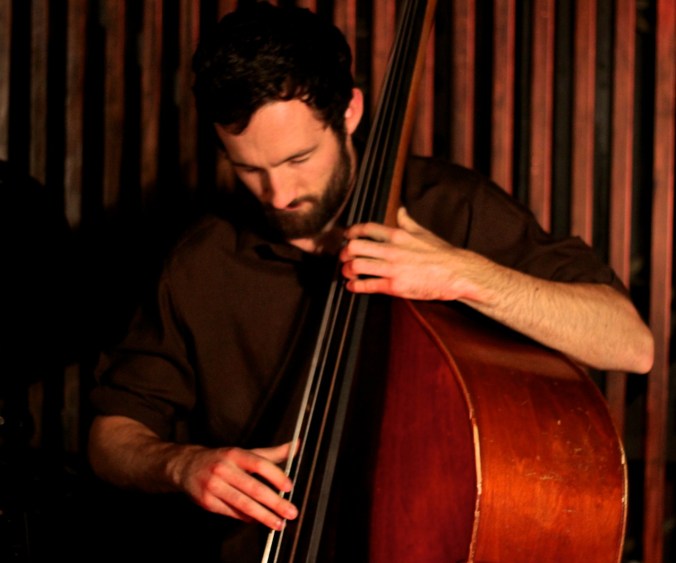
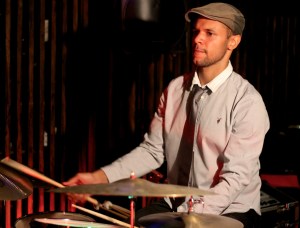
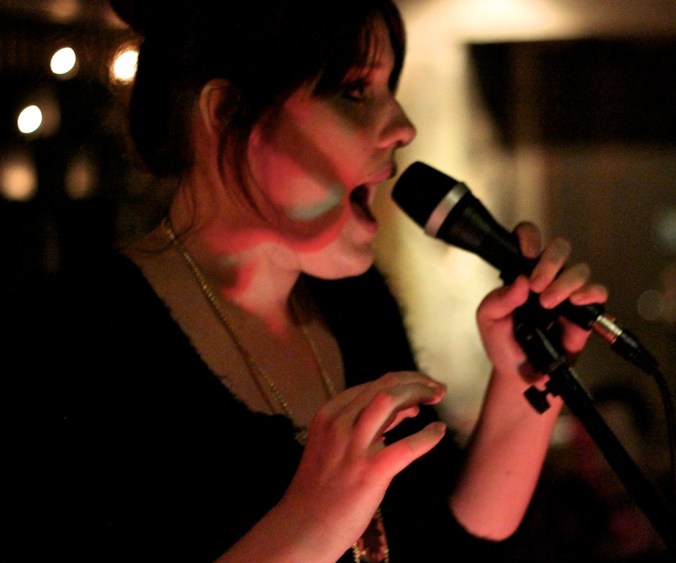
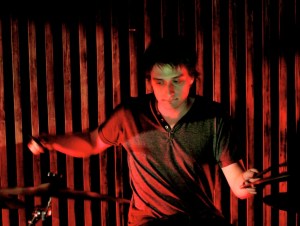
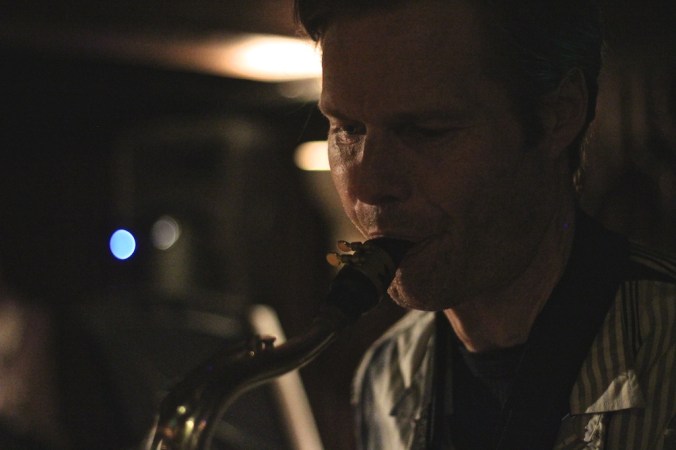
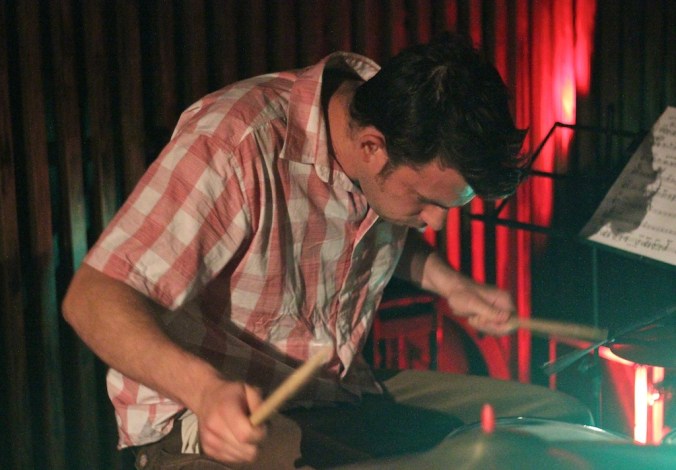
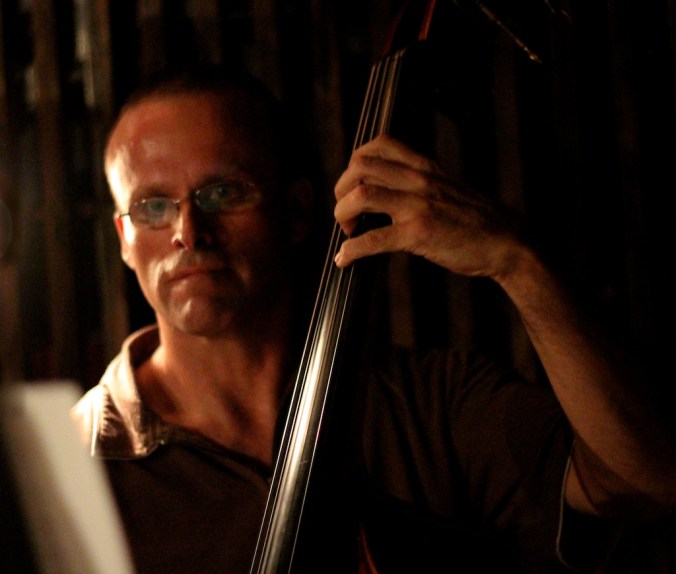
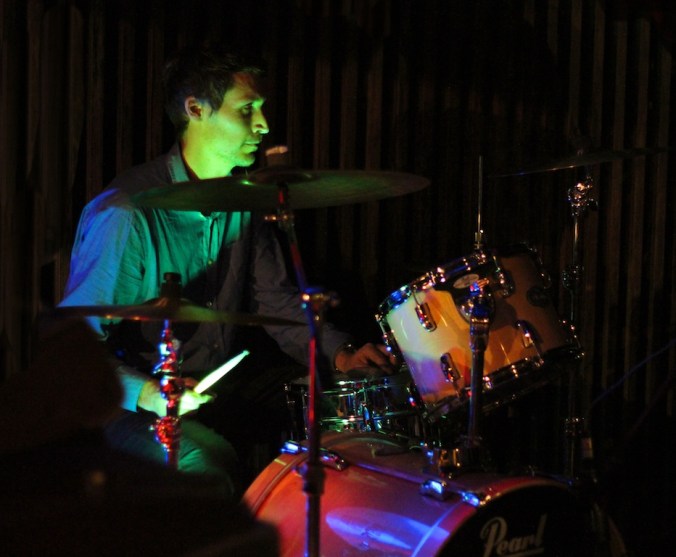
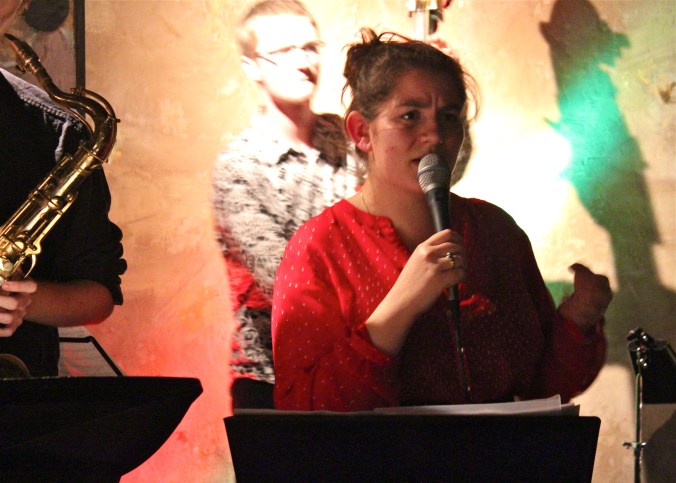
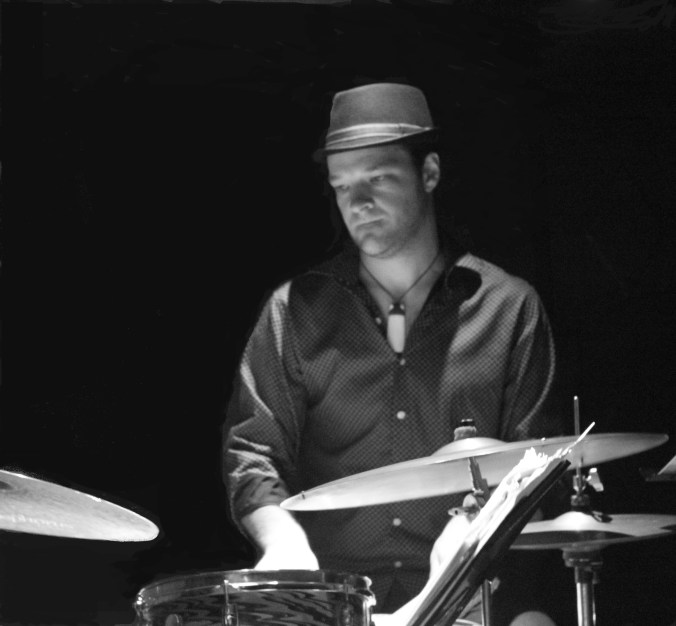
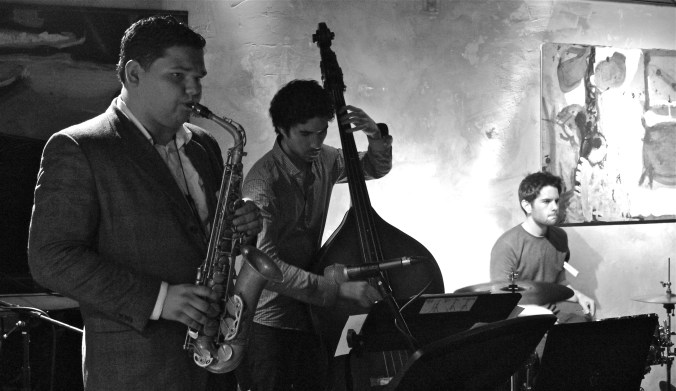
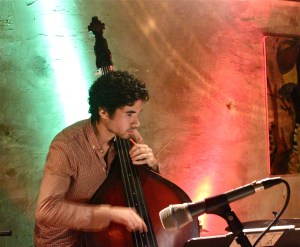
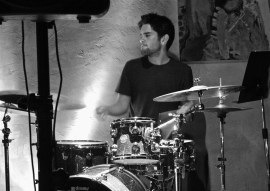
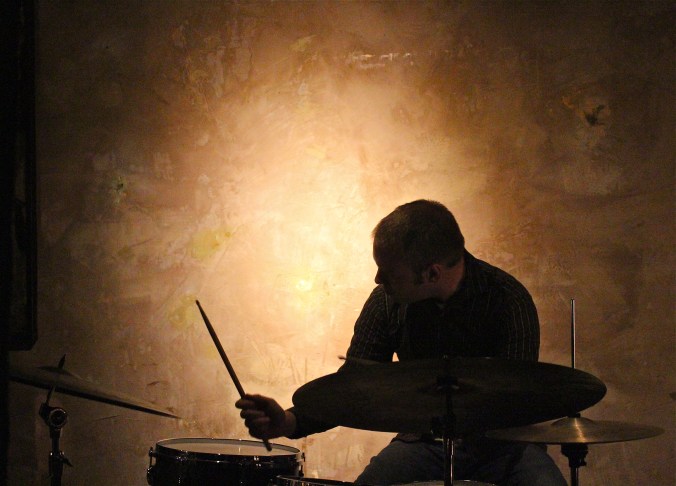
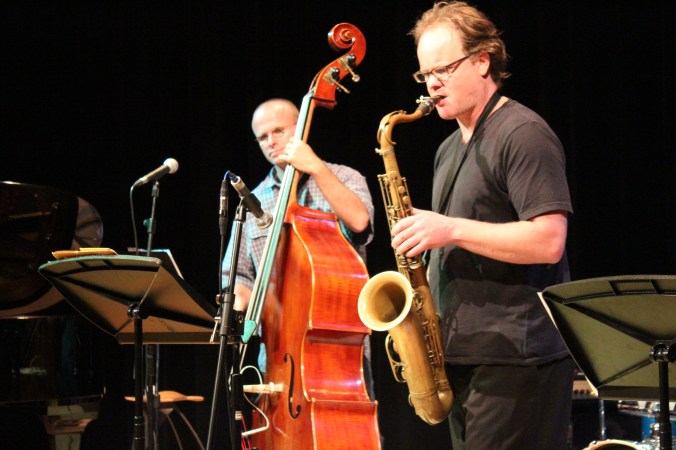
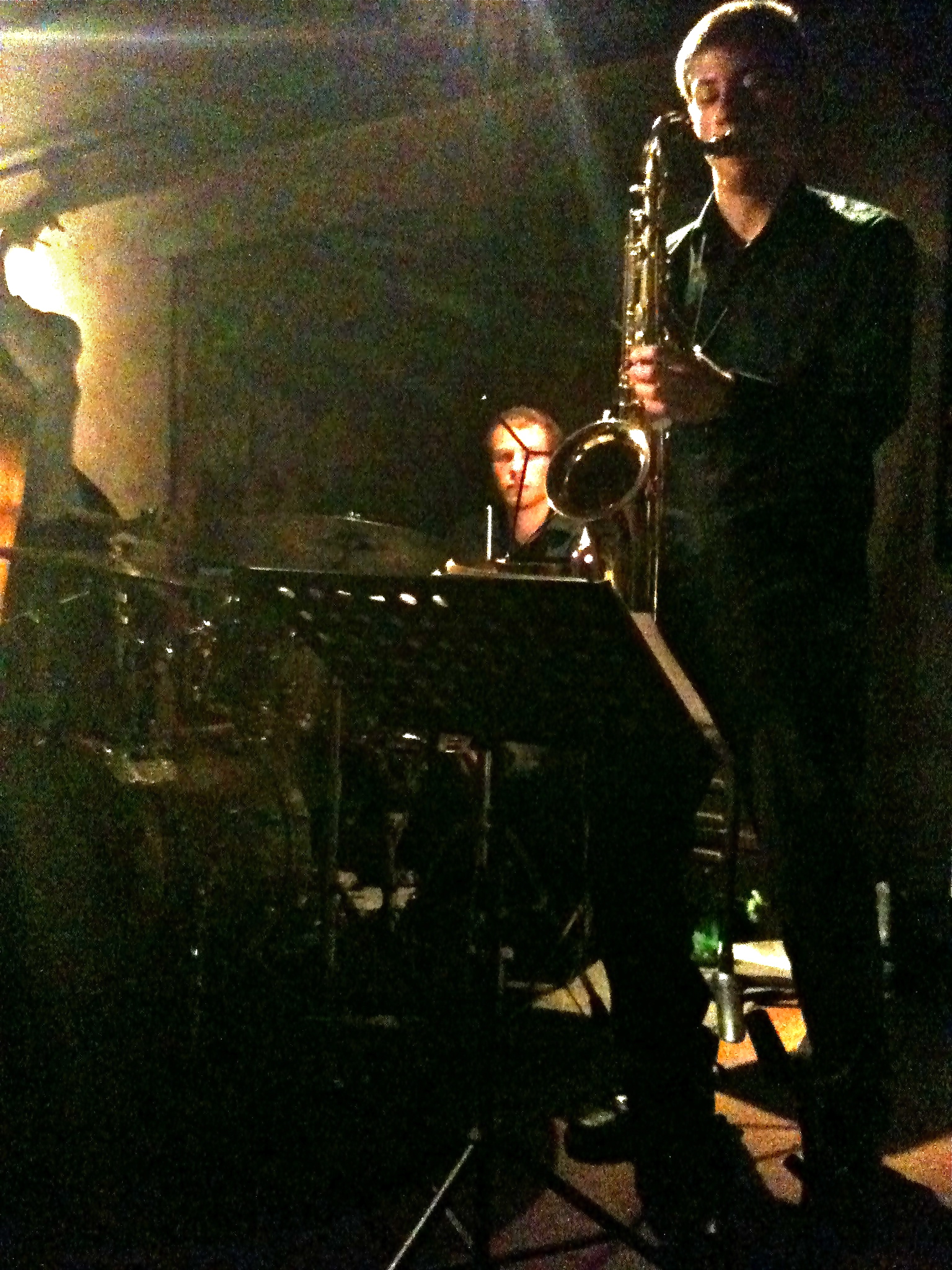
I like the inventiveness of Callum Passells both as an alto player and a composer. There is something of the risk taker about him and his instincts seldom fail him when reaching for fresh ideas. His quartet was bristling with edge last week, a band without a chordal instrument and utilising the talented Chelsea Prastiti as vocalist. Chelsea is always up for these types of sonic explorations and perfectly able to handle the challenge. This was a gig crafted around a particular range of sounds, but more importantly it appeared to have particular musicians in mind. On bass was Cameron McArthur and on drums Adam Tobeck. The bass player and drummer handled the challenges confronting them perfectly, creating texture, nuance, colour and anchor points appropriate to the diverse range of music. I often praise Cameron McArthur and in this situation his skilful bass lines were crucial. I was pleasantly surprised by Adam Tobeck’s versatility, as I had only seen him in straight ahead gigs. He is a tight focussed drummer, but in this situation he showed just how broad his skills base is.
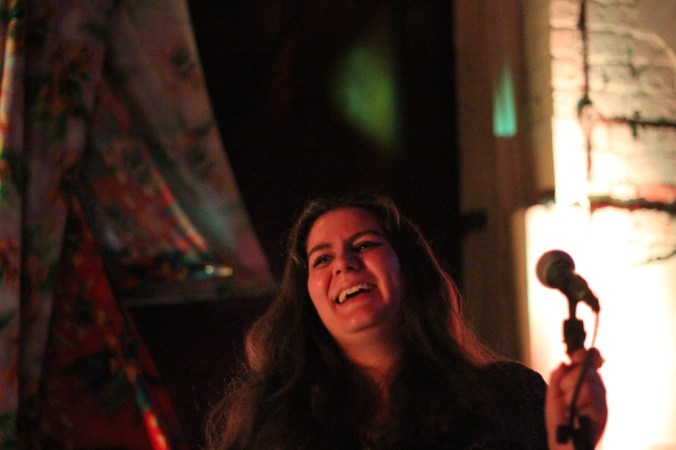
The set list was skilfully constructed, offering endless contrasts and explorations into a number of Jazz related subdivisions. During the first set Chelsea sang the ballad ‘My Ideal’ (Robin/Chase/Whiting). The intro was just vocals and bass, but when the alto and drums came in they took a minimalist approach. The interesting thing is that the arrangement had a fulsome quality to it, almost orchestral. This is a tribute to Chelsea and definitely to the arrangement. 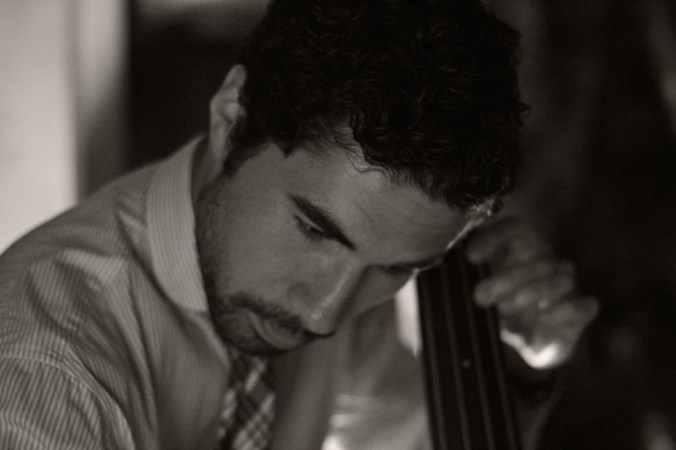
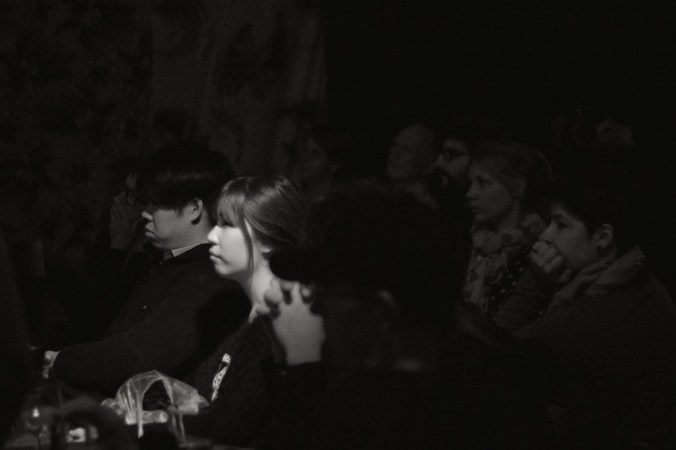
At the other end of the spectrum was a free piece titled ‘N+/-1’. This was an extraordinary piece of music with all of the excitement and theatrics that you could wish for. Callum had warned the audience that they were about to hear a free number and suggested that those who were queasy about such offerings could move to the bar area at the side. I am unsure if anyone took him up on that, but in reality ‘N+/-1’ had the opposite effect. Drawing people into the bands orbit; all of them smiling and whooping in delight. While the piece followed its own internal chaotic logic it never-the-less communicated a strangely cohesive and exciting narrative. There were distinct parts to the piece and each more marvellous than the last. Voice, bass and drums weaving ever deeper, as if sucked into an alternate reality by the brilliance of the alto. People watched transfixed, marvelling at the cascade of sounds and the flow of musical ideas. This number was a tour de force for the group but there was no mistaking Callum’s influence. Even though he gave the others plenty of space, his presence was always felt, guiding, cajoling and demanding that bit more. As I watched and listened completely engaged I cursed that I did not have a movie camera on hand to record the moment.
With a few exceptions Chelsea sang wordlessly and this style is definitely a forte for her. She can sing a unison horn line so convincingly that you do a double take, scanning the bandstand to see if there is an instrument you have missed. Her range, timbre and musicality enriched the group. This was particularly evident on ‘Lennies Pennies’ (Tristano). I love all Tristano compositions but especially this one. As they negotiated the exciting fast paced, measured lines a special synthesis was evident. This was innovative and original; adding something of value to an already rich Tristano-ite output. 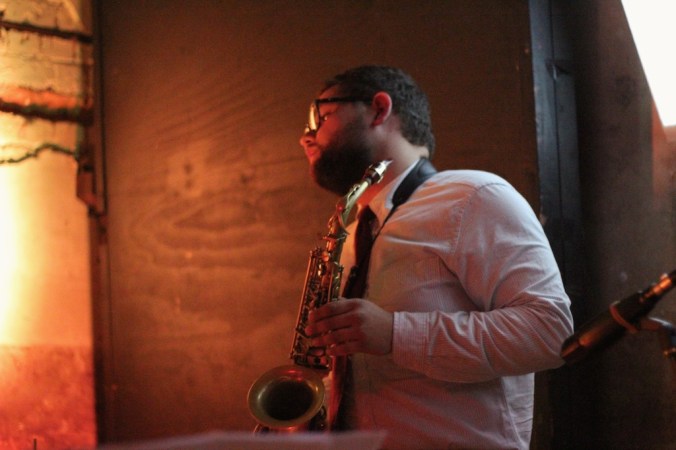
There were other original tunes such as ‘Tashirojima’, ‘Monte Cecelia’ ‘Sons Multiples’ ‘Indifference’ and a number of standards (‘Yardbird Suite’, ‘Mood Indigo’ and ‘Straight no Chaser’). They were all captivating in one way or another but one original deserves special comment. Sometimes there are layers of meaning in titles and ‘Indifference’ certainly qualifies in that regard. Written by Callum in tribute to his father who is gravely ill. The power of this composition and the delivery by Callum spoke to me deeply. It is clearly not about casual indifference. It felt to me like the struggle to view life in a wider context when faced with mortality. Perhaps the indifference of the universe to our small world suffering and how to make sense of that. The sound of the alto cut so deep that for a time nothing else seemed real. This is what raw emotion sounds like. The audience were quieter and as I looked up at the light show playing against the wall, I saw a brief skeletal picture flash up on the screen. One brief frame in the play of an endlessly looped digital sequence. While this fleeting spectral apparition was pure happenstance, it was strangely apposite. This piece was so much more than elegiac; it placed a marker of just what it means to be human.
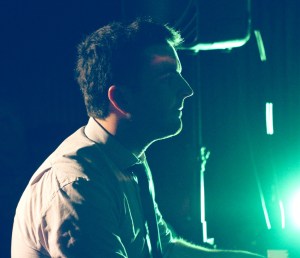
Who: The Callum Passells Quartet: featuring Callum Passells (alto sax, compositions), Chelsea Prastiti (vocals), Cameron McArthur (upright bass), Adam Tobeck (drums).
Where: CJC (Creative Jazz Club), 1885 Britomart, Auckland – 5th March 2014
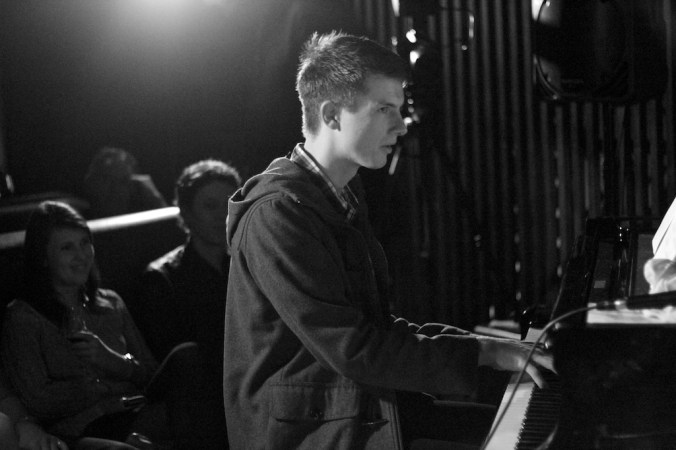

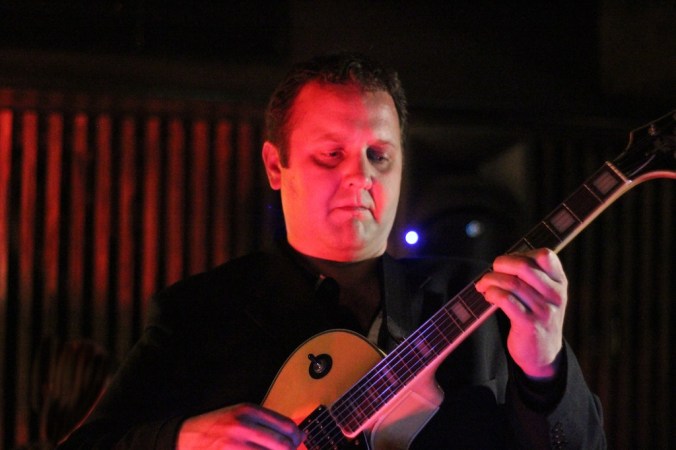
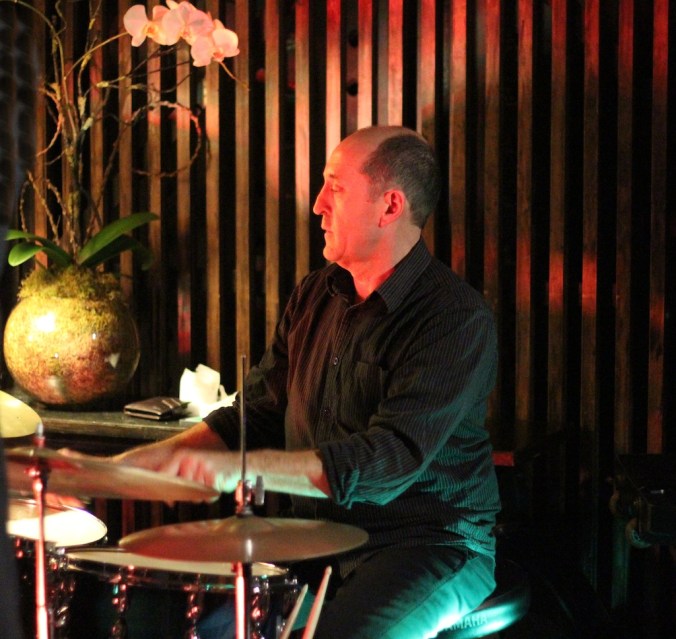
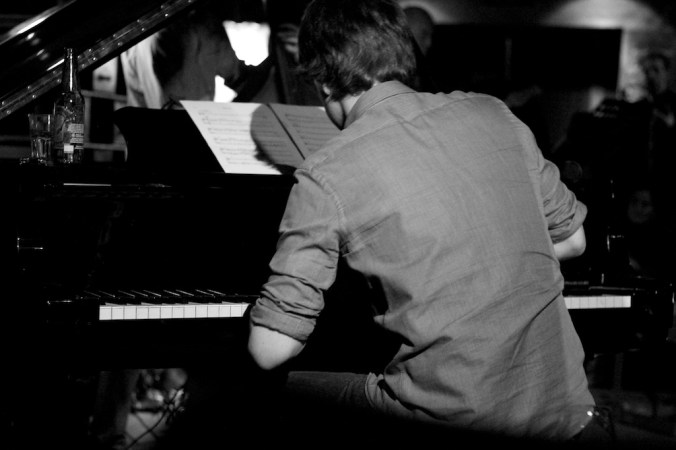







 My personal favourite is the more recent Fred Hersch /Andy Bey version (from the ‘Passion Flower’ album on Nonsuch) – quietly dedicated to gay Jazz musicians past and present. Strayhorn was of course an out-gay man at a time when this was almost unheard of. Ellington revered Strayhorn and regarded him as his chief calibrator (‘my other hand’). Oddly this tune which written in 1936 remained unperformed until 1948 when Strayhorn performed it in a duet with Kay Davis. The song was never adopted into the Ellington repertoire and did not become famous until the 50’s. Its gay innuendoes is probably one reason but its sophisticated complexity is certainly the other. Well done Rebecca and well done her accompanists’. Callum Passell’s alto solo was to die for as he breathed the musical history of the song into the solo. I liked the drums and bass contributions and especially Alex Ward’s sensitive but firm rendition.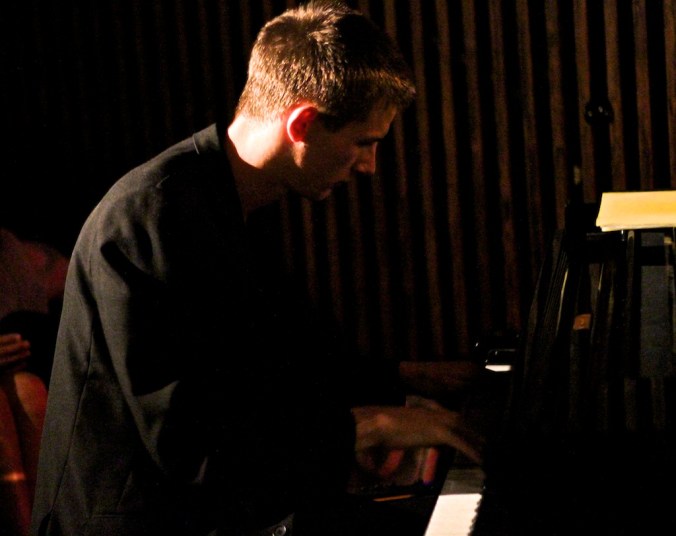







 JazzLocal32.com