Wavemakers, Alex Ventling’s recent release, has him working with a new sound palette. During his time in Trondheim, he has developed an expansive and beautifully Nordic sound. He has always possessed an open and explorative spirit, but here, he has found a formula that allows his compositions to breathe unencumbered. His compositions float effortlessly, while depth and raw beauty fuel every phrase.
There is pulse and groove throughout, but the patterns morph and shift. Without a bass, the centre is more fluid, leaving room for a variety of interactions. The moody opening number, ‘Tracking’, is a good example with its gentle loping swing feel. Like footprints in a snowscape, it invites you into a beguiling, allusive world.
The piano opens with ostinato chords, followed by a lovely melodic progression. The lines rise seamlessly above the vamp, with violin and vibraphone mirroring the right hand of the pianist. The drummer adds gentle accents. This is very fine writing, and the execution is superb, with violin, vibraphone, piano and percussion playing as if one entity.
On Track two, a human voice is added, not singing lyrics but integrated as another instrument. This is something that the northern European world can lay a claim to; think Norma Winstone, Sidsel Endresen, and Urszula Dudziak. Throughout the album, these unusual instrumental pairings open up new vistas. ‘Trondheim 1, 2 & 3’ are open and crystalline. In those tracks, minimalism is to the fore; the voices arising and disappearing in succession.
Most impressive, though, is the final track, ‘Four Refractions’. This is an evocative folkloric piece of music. It brings joy to the listener, as it dances into the consciousness, and along with the rest of the album, it deserves to be listened to without outside distractions intruding. Tuva Halse, the violinist, is an impressive musician, and I first came across her when I was a judge in an international jazz competition. I knew within minutes that she and her band would be the winners in their category, and so it was. There is no greater pleasure than hearing young musicians living up to their promise.
Ventling has many talents, including filmmaking, as evidenced in the YouTube clip of the title track. Within days of posting, it had had an impressive 66k views. The album has attracted favourable notice, and the band will return to the studio sometime this year. Ventling is in Auckland over February, where you can hear him at the Audio Foundation on the 12th & 21st Feb.
The credits are: Alex Ventling, piano, synth, and compositions. Tuva Halse, Violin. Amund Stenøien, Vibraphone. August Giännestrand, drums & drum machine. Sissel Vera Pettersen, voice. The album is available through Bandcamp.
JazzLocal32.com was rated as one of the 50 best Jazz Blogs in the world by Feedspot. The author is a professional member of the Jazz Journalists Association, was a Judge in the 7VJC International Jazz Competition, is a poet & writer. Some of these posts appear on other sites with the author’s permission.
A few months ago, an album was recorded in New York that I couldn’t wait to get my hands on. The pre-release featured several tasty tracks, and its evocative cover image also intrigued. The stars were aligned for a significant album, and so it was. How could it miss with pianist Michael Cain, guitarist Keith Price and drummer Pheeroan akLaff?
It is one of those albums that jazz lovers, whatever their taste, are bound to enjoy. The cover art was prophetic, as its soft golden light and evocative silhouette figures characterised the music perfectly. It is an album to be played through, then played again, and each listening will delight. There’s a sense of place (or should I say places) evident, as the titles reference far-flung locations, but the most important maps traversed are those engraved on the human heart.
‘O’Neil’s Bay’ (Price) is lovely – a bluesy Americana-fused number. The bay in question is familiar to me, nestled against New Zealand’s forest-clad Waitākere Ranges–a hidden bay accessible only on foot. Price lives nearby and has captured the mystical essence of that wild, unspoiled coastline, keyboards, guitar and drums painting with sound.
Another track has the intriguing title ‘Poetry Legroom Okinawa Children’ (akLaff). It unfolds like a miniature suite, adding layer upon layer. Cain’s keyboards arpeggiate over Price’s shimmering chords; the mesmerising drums adding to the feeling of suspension. Like every track that unfolds, you sink inside, holding the moods carefully so as not to spoil the moment.
With ‘Solodos’ (Cain), you understand why Cain is such a well-regarded pianist. The history and the wonder of his music are encapsulated there.
In an album of gems, ‘Waxing Gibbous’ (Cain/Price) is the kicker. Underneath the tune’s languid minimalism, endless aural vistas unfold, displacing time and space into the eternal now. Never has spoken-word poetry been so carefully encapsulated, and the open-hearted colourist drumming of akLaff astounds.
All three musicians have written tunes for the album, and while their approaches differ, they drink from the same creative well. There are no burners, although a quiet intensity is evident as the meditative moods draw the listener into beguiling atmospheric worlds. We live in an era of madness, and albums like this are exactly what we need to assuage our battered senses. Shifting Paradigm Records Bandcamp and streamers.
JazzLocal32.com was rated as one of the 50 best Jazz Blogs in the world by Feedspot. The author is a professional member of the Jazz Journalists Association, a Judge in the 7VJC International Jazz Competition, and a poet & writer. Some of these posts appear on other sites with the author’s permission.
Rattle Records released these excellent albums a few weeks apart. They demonstrate that New Zealand’s improvising musicians are of the highest calibre. Both feature Hayden Chisholm, and the albums enrich each other as if by design, although recorded at opposite ends of the world.
Embers (Unwind)
This album is the fifth by Unwind, and their second as a trio. The Unwind albums have all been striking for their unadorned beauty, each feeling like a high point. Yet the inventiveness appears endless as they maintain their upward creative trajectory. Only the best musicians can react to each other with such nuance, their quietism filling any listening space.
Much rests on Hayden Chisholm’s alto saxophone sound, which is preternaturally pure. It’s as clean as Desmond or Konitz, yet utterly unique. It has softness, but a softness that conveys strength and a fluidity that affords him endless possibilities. When playing live, his impact on audiences is palpable. The flute-like alto sounds he creates speak with unusual clarity, creating a balm that the world needs. Feted internationally, known for his skilful use of micro-tonality and throat singing, all his strengths are evident on this album.
A distinctive sound like Chisholm’s requires just the right musicians. Norman Meehan and Paul Dyne are that. In part, because they have been bandmates for years, but it is more than familiarity. On bass, Dyne carries the weight effortlessly, while Meehan’s blues-infused minimalism says as much in between the spaces as in the moments when the hammer meets the wire. You can feel the weight of his ideas behind every note. Thoughtful musicians like this know best how to optimise opportunities. They react instinctively, and nothing is overthought.
The first number, ‘Around Again’, opens with Chisholm’s plaintive alto keening through the silence, then Meehan’s evocative gospel chords follow. It is an elegant piece and a lovely opening to an album brimming with gems. It exudes a gentle strength that is the hallmark of this band.
Another number, ‘Good Friday’, conjures subtle emotions. It captures a nostalgic essence, as if evoking a time long past. One we cannot fully recall – a reaction best described by the Japanese term ‘Sabi’. I have seldom heard a piece of Western music that captures that emotion as perfectly as this ballad. And everything in the album flows similarly. Meehan’s compositions are a joy.
During the album release concert, a particular moment had the audience gasping. After setting the shruti-board drone in motion, the alto began the intro. The pianist was ‘laying out’, listening intently, unaware that his foot had depressed a pedal. An ethereal resonance soon became evident as the harmonics of the alto reacted with the piano. Realising, Chisholm edged closer to the piano and worked with it. A sublime moment of happenstance that had musicians and audience smiling in delight.
It is our good fortune that Chisholm regularly returns to Aotearoa, the country of his birth. He has an extensive offshore discography, but when playing with old friends, there is a special Kiwi kind of synergy. A reminder that spiritual jazz lives here too. The album is available from Rattle Records in either digital or CD form. https://rattle.co.nz/catalogue/releases/embers
Release and Return (Chisholm/Crayford)
‘Release and Return’ is a duo album featuring Jonathan Crayford on piano and Hayden Chisholm on alto saxophone. It is another standout album, but in a different way from Unwind (reviewed above). It feels more exploratory and is not as consciously introspective. The album captures the joy of master musicians engaging without preconception. As a duo album, the sonorities can be explored more fully.
Both of these musicians are adept at working with harmonic resonances: Crayford, who prefers audiences to refrain from clapping until the decaying echoes of a final chord are exhausted, and Chisholm with his skillful use of microtonality.
Mature improvisers like these can draw on everything that they have experienced; it is what forms musical character. Both have travelled widely and listen with open minds to what other cultures or genres offer, be it classical, Carnatic, Spanish or Japanese traditions.
Crayford’s lovely ‘JC Ballad’ hints at Bach, and in Chisholm’s playing, the influence of Eastern musical traditions is evident, especially when he plays against a drone. In ‘Eldest Daughter’, the wistful opening tune (Crayford), the melody plays softly above, while Crayford’s right hand sounds at times like a feather stroking the strings of a Koto, his left hand, meanwhile, finds the pulse and swing.
Release and Return stirs deep emotional responses in the listener with its visceral lines, sometimes tender, sometimes raw, as the human condition is examined. This album speaks of freedom and the uncontrived nature of the music that makes it so.
Aaron Parks’ latest album, ‘Little Big III’, is the third in a series titled Little Big and his fourth album featuring a guitarist. The album (and series) also expands the soundscapes and ideas explored on his successful first Blue Note release, Invisible Cinema (2008). It is an album with a big heart which embraces the listener with rich textures and a tapestry of gorgeous melodic lines. Parks is highly regarded as a pianist and composer and never appears to rest on his laurels, reaching further with each new recording.
The band is in perfect sync, and each player is given the space they deserve. Parks’ compositions are always compelling, but they reach for the heartstrings here. There is considerable technical mastery, but a sense of humanity strikes you most. The tune titles tell you this, ‘ Locked Down’, or ‘Heart Stories’, inviting you into an expansive and unfolding narrative. It feels like a story of our times, but one reminding us of the beauty we may have overlooked amidst the turmoil.
Parks is a distinctive pianist who has never had trouble finding the best musicians to accompany him. Jazz lovers in Aotearoa New Zealand can rightly feel proud in this regard. ‘Invisible Cinema’ and ‘James Farm’, featured bassist Matt Penman. On Little Big 111 and the two earlier iterations, we hear guitarist Greg Tuohey (who first recorded with fellow Kiwi Penman over twenty-five years ago). Tuohey’s playing is magnificent and, along with his bandmates, he contributes tunes too.
The sharing of the compositional duties has yielded riches. Parks has a distinct style; his tunes are as compelling as they are memorable. I particularly like ‘Flyways’; a pulsating ostinato chant that frees the drums and bass, while the breathtaking melodic lines soar. There are four Parks compositions, all interestingly different. Oriental references are evident in ‘Delusions’ while the lovely ballad ‘Ashé’ has a wistful, folkish vibe.
Three tunes are Tuoheys, expanding the palette to include funk and Americana. His tune ‘Willamina’ is a joy, it is here in particular that you hear what a great guitarist and composer he is. It evokes tumbleweed towns and gentler times; memories we hold onto lest they slip from our grasp. Bass player David Ginyard Jr’s ’Little Beginnings’ has a beguiling loping pulse and uses a larger palette, to great effect. The drummer, Jongkuk Kim, is new to me, crisp, imaginative and impressive. I hope there is a Little Big IV in the wings. ‘Blue Note Records ~ available in stores and by streaming.
Hania Rani (Hanna Raniszewska)
I subscribe to jazz author Ted Gioia’s Substack posts, as all improvised music lovers should. In a recent issue, Gioia highlighted a handful of modern Polish improvisers he suspected would be unknown to audiences outside of Northern Europe. He particularly liked Hania Rani, who he described as his new favourite pianist.
There is something ethereal and achingly beautiful about her music and everyone who stumbles across it, feels like they’ve uncovered a secret. What initially strikes you as a few simple fragments of melody on repeat, is music for deep listening. Underlying the ostinato phrases are endless changes, finely wrought. She layers and loops while catching her listeners in a silken web of sound; sometimes reaching inside a grand piano, using an upright piano for percussion and adding small digital effects. It is an ever-expanding pedal point over a pulsing drone which may be the key to its appeal. She magics up something complex and deeply satisfying, crafted out of simplicity. As if that were not enough, she also sings beautifully.
Although not a household name, she gets 7 million views for her YouTube clips, performs at the Louvre and has appeared in an NPR Tiny Desk concert. I have included a clip from a recording she made in Studio 2 in Warsaw, a favourite venue due to its acoustic properties. Sometimes the best things are hiding in plain sight. This is improvised music, but genreless, touching on classical, Jazz and house, but somehow free of those confines.
Rani mainly records for Gondwana Records with seven albums released. It is worth checking her out on YouTube.
JazzLocal32.com was rated as one of the 50 best Jazz Blogs in the world by Feedspot. The author is a professional member of the Jazz Journalists Association, a Judge in the 7VJC International Jazz Competition, and a poet & writer. Some of these posts appear on other sites with the author’s permission.
The Bird of a Thousand Voices is an astonishing project, and as I listened and wrote, I weighed up the various superlatives. No other term sufficed. And, to describe it as a concept or a themed album would woefully undervalue it too. The depth and breadth of Tigran Hamasyan’s project is breathtaking and evaluating it requires fulsome engagement. I am not implying that it is unapproachable as there are delightful melodies as light as air, and exotic rhythms to engage, but underlying every note are other worlds, endlessly unfolding–worlds that beg exploration.
It is a transmedia project with the parts slotting together like pieces of a deliciously exotic puzzle. There is a film, an ancient manuscript, imaginative artworks, an interactive game, a stage show, and a timeless story, all wrapped in and around the extraordinary music of Tigran. It is utterly unique. His sound, touch, and visionary approach as he creates improvised music is singular, and few could pull this off so convincingly.
The project was inspired by an ancient Armenian folktale (Hazaran Blbul), involving an anthropomorphic bird. The fable tells of an era of great unrest, so the bird embarks on a spiritual quest, seeking world harmony. Still, as with all great quests, physical, spiritual and psychological difficulties are encountered along the way. Tigran states in his summary, that it struck him as a metaphor for the problems confronting today’s world; conflict, inequality and ecological disasters.
While the project references an ancient Armenian folktale, the bird theme is universal. Birds are sacred to most Middle Eastern, Mediterranean and Northern European cultures. They are frequently seen as messengers from the gods who can predict the future. Some believe they represent the soul or beauty and offer hope of peace. And, it is not just in myths. They warn us today of biodiversity loss, begging us to do better.
Among the promotional material is a video referencing a medieval illuminated manuscript from Armenia. Inside the manuscript, birds dance out of the vellum pages as Tigran’s Steinway is filmed being airlifted to a mountaintop, and the music dances too. Tigran’s distinctive pianism is immediately recognisable, but a deeper otherworldly quality appears during this recording. His delicate filigree motifs repeat and evolve, choirs or a single voice, echo key phrases and staccato percussive interludes rise, then fade; however, what stays with you is not technique but something more elemental. The project is a prime example of improvised music reaching beyond the familiar as improvised music should.
illustration excerpted from Armenian archives image
The album engages on many levels and should be enjoyed as the creators intended; by listening, watching, gaming, and contemplating. In collaboration with Tigran, Dutch filmmaker Ruben Van Leer has created cinematographic wonders integral to the music, as has illustrator Khoren Matevosyan. As you enter the website to participate in the game or to enjoy the illustrations and installations, you will find dozens of gifted collaborators credited. While there are too many to mention, the principal musicians are Tigran Hamasyan (piano, keyboards, drum programming, compositions, concept), Areni Agbabian (vocals), Sofia Jernberg (vocals), Vahram Sargsyan (vocals), Nate Wood (drums and bass).
The vinyl album can be purchased via tigranhamasyan.com His music is also available on the usual streaming platforms.
JazzLocal32.com was rated as one of the 50 best Jazz Blogs in the world by Feedspot. The author is a professional member of the Jazz Journalists Association, a Judge in the 7VJC International Jazz Competition, and a poet & writer. Some of these posts appear on other sites with the author’s permission.
The first album reviewed is the latest release by Myele Manzanza, a Wellington-born musician who is now a significant presence on the London scene, the second is another clip of finalists from the recent edition of the 7VJC competition.
Crisis And Opportunity Vol.4 – Meditations
Those following New Zealand-born drummer/composer Myele Manzanza have been amply rewarded over the years. He has in recent times established himself as a strong presence on the London scene, releasing many successful albums and, capturing the diverse mores of modern improvised music while bringing his distinctive voice to bear.
‘Crisis and Opportunity Vol 4’ may differ from the preceding volumes, but the over-arching trajectory makes perfect sense when you examine his output as a whole. Manzanza is an artist who refuses to rest on his laurels and with that comes constant re-evaluation and soul searching.
The tune titles from his various albums are embedded stories in miniature. In the liner notes he makes the point that, unlike earlier albums, he is not trying to make us dance. Here he has chosen to lean back into his Jazz roots and to do that he has located just the right bandmates. Bassist Matt Penman and pianist Matthew Sheens are perfect for this project as both hail from the South Pacific and are successful in New York.
When musicians establish careers in countries far from where they were born, homesickness is common, and heartfelt creativity emerges. This particular album is meditative and reflective, but despite that, there is still that innate sense of propulsive energy. An energy that always characterises Manzanza’s work. He may not be trying to make us dance but as we listen we feel the dance of life through his tunes.
The sparkling opener, ‘Crayford’s Room’, with its sparse piano and lovely arco bass at the beginning has particular resonance for me. It is a homage to New Zealand-born pianist Jonathan Crayford. Many musicians have been mentored by him and inspired by his musicianship. This is a fine album and it is also a love letter home. Highly recommended.
The album can be found at myelemanzanza.com or on Bandcamp under the artist’s name.
Chai Masters (Netherlands)
The band was formed from a musical connection forged at the Amsterdam Conservatory in 2018. Their debut album, ‘Magical Realism’, garnered critical acclaim. Since then they have added a vocalist, whose wordless vocal lines have merged effectively and seamlessly into the musical mix. They are an interesting group with a distinctive sound and play to their strengths. They draw on many sources, and a uniquely heady brew is the result.
What first caught my attention was their name. I am a teahead and to locate the finest tea I rely on tea (chai) masters. These are the gurus of tea and they understand the importance of sourcing; and how to locate the places where the trees grow best. This matters because the finest teas come from unique terroirs, where the essences of flowers, minerals, and herbal aromatics are absorbed deep in the earth’s ecosystem. So it is with the group Chai Masters. They draw from the raw materials around them, rendering them into music like alchemists.
The clip posted is the one submitted to the 7VJC competition. The sextet’s vocalist, Līva Dumpe has a pure, well-modulated voice and while not overshadowing the other instruments, she is a powerful presence in the lineup. Her wordless vocal lines add to the overall texture in ways another instrument could not. This contrasts (and merges) brilliantly with the two horns as they execute rapid-fire unison lines, underpinned by minimalist piano, tight basslines and colourist drumming. The composition must also receive its due here, as the unit and the compositions are as one. This is a group to watch as they have found their sweet spot. The clip is titled ‘The Seer’s Dream’. The sextet can be located at chaimastersmusic.com
Before I became aware of the trio albums, I was already familiar with the Ingi Bjarni Quintet through his Tenging album, which I can only describe as extraordinary. Tenging is an album of breathtaking beauty and invention, evoking an ECM aesthetic. I love to hear musicians who boldly tell unique stories and flirt with the unexpected. There are many things to like about this album, such as the folksy, often Slavic-referencing modal melodies, the minimalism and the way the tunes are structured, often atypically. The essence of the group is especially evident in the title track, “Tenging”.
There is excitement but also a sense of space and calm. Throughout, the music fully engages the listener. They are all excellent musicians, achieving a unity of purpose that is rare in a young band like this. The Norwegian trumpeter Jakob Eri Myhre has a Nordic edgy breathiness about his sound, and the Estonian guitarist Merje Kägu is just marvellous. My first encounter with this Quintet was as a 7VirtualJazzClub judge. Guitarist Merje Kägu was a knockout during that clip, a Nordic version of Mary Halvorson.
Fragile Magic, the trio album, will be released in March. Advancing the concepts explored in earlier trio releases. Here, the bass, drums and piano achieve perfect balance. As with the larger ensembles, the players breathe the same musical air. The interplay is of the highest order. The compositions often arise from Satie-like minimalism and build on that, expanding the themes. Here, the exquisite touch, a feature of Skúlson’s playing, is accentuated. The pianist can also adopt a more percussive approach, contrasting his gentle minimalism.
Ingi Bjani (full name Ingi Bjani Skúlson) is a celebrated musician in Iceland. Now, the wider Jazz world is starting to notice. His trio albums and quintet are the best known, but he has an established quartet and performs in a duo and solo. He attended the F.I.H. School of Music in Reykjavík, Den Haag Royal Conservatory in the Netherlands and undertook a Jazz Master’s in composition at Oslo and Copenhagen conservatories. His mentors have included many notables, including Aaron Parks and Anders Jormin. If you are new to his work, start with Tenging” and take it from there.
The musicians on Fragile Magic: Ingi Bjarni Skúlson (Piano), Bárður Reinert Poulsen (bass), (Faroe Isles) and Magnús Trygvason Eliassen (drums). Bandcamp, {Spotify ~ (sample track)}
The musicians on Tenging: Ingi Bjarni (piano, compositions), Jakob Eri Myhre, Merje Käju (guitar), Daniel Andersson (bass), Tore Ljøkelsøy (drums) ~ Ingi Barjani Quintet is available on Bandcamp @ https://ingibjarni.bandcamp.com/album/tenging
Flicker & Polar Bird ~ Andrea Keller (Australia)
Andrea Keller’s recorded output is bold, engaging and original. This album is no exception. “Flicker & Polar Bird” is a double album and her twenty-third release as a leader. The album is the result of her time as the Coombs Creative Arts Fellow in 2022 and also features various commissions undertaken between 2010 and 2022.
The first disk, Flicker, has a deliciously melancholic feel. Not one of weighty sadness but the pleasant melancholia of Shakespeare: ‘A melancholia of mine own…a sundry rumination of my travels. Flicker is just that, as Keller reflects and reimagines older works and places them alongside new compositions. Composers like Keller arouse deep emotions in a listener, aided by pianistic minimalism and the judicious use of open sonic textures. The relationships between pieces are carefully thought through, as are the musicians she chooses to realise her visions. Completing the trio is John Mackey, a superb tenor saxophonist and Miroslav Bukovsky, the trumpeter who appeared with Keller on The Komeda Project album. Completing the complement of musicians are two six-piece string sections (Canberra & Sydney) and two voices.
The second disk, “Polar Bird”, brings in the voices of Rachel Toms and Liam Budge, reciting a poem, singing wordlessly and reading prose. The addition of human voices is in keeping with the overall vibe, as they blend into the mix. The vocalists are instruments. Everything on these albums invites a deeper listening, as the beauty of the playing and the compositions stir varying emotional responses. Anyone who follows Keller will know to expect originality and excellence and how nice hearing an E.E. Cummings poem intoned so beautifully.
The trio musicians are Andrea Keller (compositions, arranging, piano), John Mackey (tenor saxophone) and Miroslav Bukovsky (trumpet). All of Andrea Keller’s albums are available on Bandcamp in digital, CD or vinyl formats @ https://andreakeller.bandcamp.com/album/flicker-polar-bird
Devotion ~ Muriel Grossmann (Spain)
When I saw an invitation to review Devotion in my inbox, I listened, intrigued. It halted me in my tracks; how had I not been aware of this musician before? What started as layered electrically-tinged grooves morphed into spiritual jazz and referencing other genres as it seamlessly navigated pulsing vamps. What appeared at first to be a classic groove unit was that, but also something else entirely. During the first track, “Absolute Truth”, pulsing and unhurried, the groove mesmerises; then Muriel Grossmann winds her way into a solo that builds its momentum and wows you. From there, we hear one stunning solo after another, amazingly cohesive, considering that each soloist takes a different approach to effect.
It’s hard to know how to unpack a cornucopia like this. It doesn’t feel like a studio album, but it is. Imagine descending a flight of stairs to find yourself in the jazz club of your dreams. A heady zone that affects you at the molecular level as the music and vibe wash over you. The tunes captivate one by one, great compositions, but also the ideal vehicles for collective and individual improvisation. I love a good groove unit, but it has been a long time since I was this blown away by one. There are echoes of Lonnie Smith, Pat Martino and Pharoah Sanders, but the album stands steadfastly on its merits. It borrows echoes from the past and creates something uniquely new.
Grossmann is a multi-instrumentalist with nine instruments credited, and out of this comes the expansive sound. The listener quickly realises that her compositions and the various textures under her fingers elevate the extraordinary soundscape. All of that, and they can swing like crazy. The musicians: Muriel Grossmann (tenor, alto and soprano saxophones, flute, percussion, tambura, upright bass, kalimba, harmonium), Radomir Milojkovic (guitars), Abel Boquera (Hammond B3 organ), Uros Stamenkovic (drums). This double album available digitally, on CD and vinyl, through Bandcamp @ https://murielgrossmann.bandcamp.com/album/devotion-2
“In Green” EP ~ Taylor Griffin (Aotearoa/New Zealand)
“In Green” is a groove-based EP due to be released around now. A debut album written and produced by Taylor Griffin, a drummer from Tāmaki Makaurau/Auckland and co-produced by well-known Auckland Jazz musician Nathan Haines. The title track, “In Green”, opens with an inviting piano segment, played against background club chatter, shortly after dropping you into a deep and pleasant groove. The rest of the album flows nicely from there, maintaining the groove of the opening track.
The album oozes the warm sounds of summer with its danceable urban groove feel. The laid-back vibe and accessibility are the result of well-constructed compositions and the skilful integration of vocal lines woven into the instrumental mix, a clincher for me. The vocalese of Rachael Clarke, Saia Falou and Griffin is perfect, complementing and blending with Nathan Haines’s airy flute lines and soprano saxophone. The playing is tight and the mix is just right, everyone sounds good.
This is a fine debut release for Griffin. The band: Taylor Griffin (drums, compositions, percussion, vocals, arrangements), Leo McMenamin (Keyboards), Robert Picot (guitar), Guy Harrison (trumpet synths), Charlie Isdale (alto and tenor saxophone, flute), Geoff Ong (guitar, bass), special guests Nathan Haines (flute, soprano saxophone), Michal Martyniuk (Rhodes, synths).
JazzLocal32.com was rated as one of the 50 best Jazz Blogs in the world by Feedspot. The author is a professional member of the Jazz Journalists Association, a Judge in the 7VJC International Jazz Competition, and apoet & writer. Some of these posts appear on other sites with the author’s permission.
Dan Costa was born in London to Portuguese and Italian parents. He has lived in eight countries. I mention this, because Dan is somewhat of a troubadour, frequently travelling from country to country and always absorbing the musical influences. He listens carefully, interprets, and then takes it to a new level entirely, and this
brings something essential to his music. It is not so much a sense of place but a sense of the world at large and its limitless possibilities. Nowhere is this more evident than in his second album ‘Skyness’. Check it out on the streaming platforms, and like me, you will return again and again. It is rare to encounter music with such heart-stopping beauty.
Costa is an interesting interview subject, partly because he is so well travelled, but also because he is expansive and erudite. In fact, he speaks eight languages and judging by his English, many fluently. He is an internationalist and an environmentalist. He is also an advocate for animal rights. All of the above illustrates the point that a good musician is not just about the notes. Character and lived experience are the ‘finishing school. This is refreshing to encounter.
Costa is deeply influenced by Brazilian Jazz, but I can detect other Latin influences like Flamenco and Fado. He is a thoughtful player who makes every note count. His voicings and time feel, especially at the slower tempos, are impeccable. It is no wonder that such fulsome praise is being heaped upon him by the likes of Jazziz, Jazz Word, Jazz Weekly, Musica Brasiliero, New York Music Daily etc.
And his collaborations with the likes of Randy Brecker, Seamus Blake, Hermeto Pascoal and the wonderful Ivan Lins have crafted wonder upon wonder. He creates such open vehicles; composed and arranged so as to invite maximum participation. The musicians he has worked with are quick to say so and their praise keeps coming.
His prior recorded output has set him on an interesting journey, so his newest album ‘Beams’ will be eagerly anticipated. It is about light in its different forms. With him on ‘Beams’ his core trio, John Patitucci and Paulinho Vicente, with guests Mike Stern, Dave Douglas, Dave Liebman, Anne Bocatto, Hermeto Pascoal and Teco Cardoso. The album teaser is posted here and I can’t wait to hear the rest of it. For information on albums and tours, go to his website www.dancosta.net
JL32 Good evening Dan. Thank you for giving me a few hours out of your busy schedule. As a traveller myself, I must say that I am impressed by how much of the planet you have covered to date.
DC Hi John, nice to connect, Yes, I have lived in eight countries and travelled to around 60 as a musician or tourist, but there is still a lot to see. It is an interesting world and I hope to live in more countries and to keep travelling. One of my friends is buying a house but I am not interested in that for me. I think that you need to live in a country for at least two years. That’s how you get to know the culture. It removes the fear of the unknown when you do that.
JL32 Increases empathy and negates racism right?
DC Exactly, music is also a multinational language and one that has many dialects but it brings people together. I like to associate the sounds I hear with colours. Harmony is just colour. I am looking at the painting behind you as we speak and I am immediately thinking of the French impressionist composers.
JL32 The painting is impressionistic and is of forest and sky. I love forests, the older the better.
DC Then you should visit the Amazon. When I was living in Brazil I spent some nights in the Amazon rainforest and in fact the title of my first album ‘Suite Tres Rios’ is inspired by the meeting of two great rivers in the Amazon. These rivers meet but keep their different colours. It’s a fairly unique phenomenon and it is a bit like my parents who each kept their unique cultures intact. That was my experience as I grew up. It was like two rivers meeting and when we moved to France or England new colours were introduced. Each keeps its essence but interacts. So the tunes on that album were inspired by the Amazon. For instance, one track is about the stars above the rainforest, the clearest stars I’ve ever seen.
And my album Skyness was inspired by the blue of Greek Island skies. The skies above the Greek Islands are different to other places. (We digress here into a long discussion on sky colours and rivers, so I recommend Cape Reinga where ocean and sea meet, as do the different colours touch each other)
JL32 Tell me about the Brazillian singer-songwriter Ivan Lins. I love his voice and I first encountered him on a recording with trumpeter Paulo Fresu and the Sardinian Jazz Orchestra.
DC I wrote to him asking him if he was interested in recording with me and I was pleased when he replied enthusiastically. He has written many great songs but we settled on ‘Love Dance’ which is one of the most recorded songs in musical history (everyone from Joe Pass, Quincey Jones, Sarah Vaughan and even Sting has recorded it). It is a love song and harmonically it has many interesting twists. He also has a house in Portugal so we recorded there and it was a nice experience as we recorded it in one or two takes. The studio was booked for two hours but most of the time was spent talking. He is a person who likes to be near different oceans or rivers. We had that in common, and we also connected because we like delving into musical styles.
JL32 And you collaborated with Randy Becker (check out the teaser on YouTube). I love that, he is another musician who has an affinity with South American music. Brazilian music is sometimes referred to as the ‘other swing’.
DC Yes, 1917 was the date of the first Jazz recording and also the first Samba recording. So with Randy Brecker, the tune was already recorded on my album ‘Skyness’ inspired by the feeling of closeness to Mediterranean skies and by the notion of international togetherness. I had originally recorded the tune solo, so I wanted to re-release it with Randy and he loved it.
JL32 What a great tune ‘Iremia’ is and how beautifully you both improvise around the melody lines.
DC So he came in on top and it was a special moment for me as he has played with some of the greatest stars in musical history. And many of the people who I recorded my first album with were also on his Grammy-winning album Randy In Brazil. The tune you mention is not Latin but the meaning of the name Iremia is peace in Greek. By coincidence, it was re-released at the moment the war started in Ukraine. It got quite a bit of attention, especially in Italy and it was featured on Sky News. This message of peace should be there at all times, but in times of war, more so. When I wrote it I was living on Paros in the Cyclades Islands, so it is about tranquillity and peace.
JL32 I must ask here. Do you have a working trio or involve different musicians in each project? Or to come at it slightly differently, is there a configuration that you prefer working with, solo, trio, quartet, or larger unit?
DC That is an excellent question. I am comfortable in all formats, in fact, the first concert will be in Hamilton with a big band. I have worked with orchestras but not with my music, but on every album, there is a different type of lineup. I enjoy that.
JL32 I love the tune ‘Skyness’, it is the sheer beauty and architecture of it. Those voicings, the time feel like your left hand is gently pushing at your right hand, conversationally, and by the time Seamus Blake comes in we are mesmerised.
DC My third album ‘Live In California’ was a solo album, my next album will be a trio with special guests. One month ago I recorded in New York with John Patitucci and I enjoyed that. But to answer your question, no particular format and I like to give a voice to everyone.
JL32 I saw Patitucci in a Roman amphitheatre, Verona, with Wayne Shorter, Danilo Perez and Brian Blade. Not an experience that I will forget. What’s the album called?
DC ‘Beams’ as in light, with John Patitucci and Paulinho Vicente as the core trio. The guests are Mike Stern, Hermeto Pascoal, Dave Douglas and singer Anne Boccato. Oh, and the saxophonist Tecō Cardosa, who is the only musician to appear on multiple of my albums. But I would record again with any of the above. I like the Brazilian percussionist Teco Cardosa very much. He is a multi-instrumentalist and plays flute, saxophone and percussion. There is really something special about him. He features in the piece ‘Compelling’ on the second album.
JL32 Yes an amazing and energetic track. People who don’t know this album or that piece need to check it out ASAP (on streaming platforms. Sadly, the physical album is hard to find but I located one).
DC I created a video for World Earth Day which is on my website. That was recorded with Teco on the flute. It is one of my favourite pieces as I really like the fusion of the flute and piano. What do you think about that combination?
JL32 Flute and piano and flute over a modal groove interests me greatly. Although it was always a significant presence in Brazilian Jazz, in American Jazz over the second half of the twentieth century the flute was often regarded as an instrument lacking sufficient expression. People who said that were clearly not paying attention and had not listened closely to Yusef Lateef, or Bennie Maupin. It is now regarded as an essential primary instrument as a renewed interest in Spiritual Jazz is evident. Yes, I love the combination.
DC I have several passions and interests beyond music. Things I have studied at University. I have worked as a language educator, I also studied philosophy for a time and history, both of which are interests of yours, I think. I’ve also worked a lot on environmental issues and especially animal rights. I am a vegetarian. Environmental aesthetics is extremely important and often overlooked. The environment and not only in the ecological sense but in everything that we do. And all of this is linked to my music. They are not separate worlds.
The new album is called Beams because it is a celebration of light in different forms, the light that shines too and from you. The album refers to physical light for example, the tune ‘Star Dial’ which I recorded with Dave Liebman. Then there is also the more metaphysical light. The light which shines from Animals. I wrote a tune called ‘Paw Prints’ when I was living on Pados, written for a dog that I saw mistreated (a homophone and play on the Shorter standard Foot Prints). And then a tune with Mike Stern called ‘Sparks in Motion’ which is about celebrating the city, the light of a city.
JL32 When you release an album, do you have a preferred label?
DC Self-release gives me my independence. Berkeley these days teaches musicians to do it for themselves and learn about the business that way, rather than waiting for a manager or a label to snap you up. Ethics and proper respect for music should be the impetus. Commodification makes an art form into something else.
JL32 Well, we’ve been talking for hours and I know it’s late there. Thank you for your insights and for your music. I have enjoyed it and I hope that your tour goes well. I am sure that anyone listening to your music live will be as delighted with it as I am.
DC I hope to see you at the concerts, John.
JL32 Ki kite
JazzLocal32.com is rated as one of the 50 best Jazz Blogs in the world by Feedspot. The author is a professional member of the Jazz Journalists Association, poet & writer.Some of these posts appear on other sites with the author’s permission.
It took me a minute to recognise what I was looking at. It was a picture of a burnt piano after a missile attack. No musician should ever need to post a photo of a bombed piano but Lyudmila Shekera did. It is now her Facebook banner. A symbol of defiance, loss, and perhaps of hope. While instruments can be targeted, music is impervious to shelling.
However, there are no photos of her family’s sewing business, which lies in ruins after a Russian missile fell. Non-combatants, the elderly, heavily pregnant women and babies, are mere collateral damage in the minds of the aggressors.
This is a continuation of my earlier post because the story is ongoing. The families I wrote of have yet to escape the horrors of the invasion, and the journey across Ukraine is fraught with difficulty. It is snowing and bitter cold. Bombs and missile attacks dog their every step. At last writing, they had formed a small convoy and were moving from town to town. Sometimes they were able to stop and Lyudmila would dutifully message me. It is hard to sleep in an air-raid shelter. Relatives who lived through the blitz told me that.
I am continuously anxious for their safety, but there is something else besides. I am captivated by the other stories, those of happier times. And I love hearing about Ukraine’s musical history. Lyudmila is keen to share these stories and we should listen. Telling stories is how we survive and listening to them is an act of solidarity. They are essential for her and necessary for us, especially while the fabric of Ukrainian culture is under attack.
There are pictures of the Family factory in happier times, the Shekera children being shown how the sewing machines work. There is nothing left of the factory now as Russian shells razed it to the ground.
The best person to flesh out this narrative is Lyudmila. She speaks many languages but her English has a poetic resonance. It reminds me of what a critic said of the author Joseph Conrad. ‘Born in Ukraine, he didn’t learn English until he was in his twenties. He thought in his native tongue but wrote beautiful English prose’.
Lyudmila wrote: ‘Girls, happy spring holiday! As my good friend from the local defence says, the weather is for us – the targets are not visible, the saboteurs leave traces. But you know how much I love snow. Since it is a holiday I will start my morning, not with coffee; every decent young lady has to throw a cosmetic bag into an anxious suitcase and find time to use it. Everything will be for Ukraine’.
The above post appeared on Lyudmilas’s Facebook page in Cyrillic script. I pushed translate and gained a sense of it, I asked her to render it into English and she did. The tone is that of a haiku or an imagist poem, each word conveying a subtle subdivision of mood. And as she reassures her children and friends, she channels her anger into something of greater utility. Gentle defiance wrapped up in nostalgia. It is a plea to remember and hold the joy close before it sinks from view.
Musicians never abandon their instruments, but what was previously unthinkable, is now overrun by necessity. For musicians, the lack of instruments brings another calamity, they can’t practice. To non-musicians, this might appear a small thing, but I assure you that it is not.
Lyudmila: ‘Oleksii Proschenkov our music teacher and Anastasia his spouse joined us in Fastiv. But then Fastiv was attacked too. Russian troops keep trying to drag the city of Kyiv into a ring of human catastrophe, cowardly destroying everything in their path with shelling and tanks. We moved south, first to Vinnitsya where a Jazz festival is often held. Friends gave us a place to sleep. It was our first night without air raid alarms and bomb shelters. Then the airport was bombed, destroyed, so we decided to find a small town without important infrastructure.
Our friend who organises the Vinnetsya Jazz Festival (and an opera festival) recommended Tulchyn, the motherland of a famous Ukrainian composer Mykola Leontovych who wrote Carol of the Bells. He founded a music school there a hundred years ago, (and when we arrived) they kindly opened the doors for us. Leontovych was killed by the NKVD in 1921 (Stalin’s secret police).
They had a fantastic grand piano and drum set, and some friends even found us a broken double bass which the defence officer fixed with striped yellow defence tape. It was very kind of the Chief Manager of Culture Ms Natalia Tretyakova and Mr Vasyl Fedorivych the director of Tulchyn Music school to let us practice there.
Mykola Leontovych
My children, ShekBand, held a concert in the hall before we moved south again. In Ukraine, that particular music school and the composer/founder Mykola Leontovych are symbols of freedom. Now we have to protect freedom once again.
It is important to be busy so that we don’t go crazy. War kills not only the body but the soul. My children keep working on their music arrangements, making a website. They want to be ready for future contests and Jazz festivals. It helps us to stay brave and to find strength. Ahead of us, gigs are waiting in Leipzig, Munich, Dublin and Nice.
It is safer now we are in the south but we can’t cross the border. Our teacher is not allowed, so we will stay awhile. We will check the news each morning so we can decide. In case of big danger, of course, we must leave to save our children. But my heart is here.
I pray for peace and a strong beautiful Ukraine.
Many of us watch helplessly from afar and do what we can. We write and we donate cash to Ukraine Rescue, UNICEF, Medicines Sans Frontiers, Ukraine Animal Rescue. And if like me, your childhood was filled with cold war dread, you feel that familiar nemeses return. A madman with bombs and chemicals is on the loose again.
To Lyudmila Shekera, her husband Alexander and ShekBand; who are Maksym, Artem & Anna. The Jazz world sends love and best wishes. Please stay safe.
Like Shekband on YouTube
JazzLocal32.com is rated as one of the 50 best Jazz Blogs in the world by Feedspot. The author is a professional member of the Jazz Journalists Association, poet & writer.Some of these posts appear on related sites.
After a hundred and seven days in isolation, five days of equivocation and an anxious twenty minutes hunting for a parking space, there I was in the front row of the CJC Jazz Club; poised expectantly as the pianist’s fingers were about to descend. It was not as if I had been deprived of music during lockdown because my ears had been exploring a mélange of sounds. In fact, my noise-cancelling headphones had become such a fixture that I felt awkward without them. So what had I missed? I had missed sitting with friends, the hushed buzz of conversation before a first set and that feeling of joy as the lights lower. Live Jazz in an intimate setting is a unique experience, and for me, an addictive one. As Nietzsche said, a life lived without music would be a mistake.
I approach Jonathan Crayford gigs with high expectations and I am never disappointed. Even the occasional gigs in crowded streetside bars yield gold; but in a listening venue with a nice piano, you get the best of him. All good musicians feed on an enthusiastic audience, but with Crayford, there is a discernable x-factor, something quite beyond the ordinary. It is difficult to put into words, and I have approached this on previous occasions. You can see it in his gaze as he leans toward a piano, but it is also in his verbal engagements with an audience. When he talks and plays he is reaching beyond. Beyond a room, a city, a country. Gazing into the cosmos for inspiration.
His talk is peppered with a sense of place, or with improbable events and observations as he weaves them into intimate and odd narratives. A park bench in Central Park, a book read in Paris, a philosophical discussion with a homeless person. Pavement tee-shirt manufacturing — bikes in space! He talks as if new worlds and indeed the cosmos falls easily under his gaze and that is reflected in his music. To make extraordinary music requires seeing beyond the mundane. The interesting thing, however unexpected, is that for a moment, we hear through brand new ears. That is his gift.
The gig featured a selection of Crayford’s compositions and all were extracted from his acclaimed New York Trio albums on Rattle. Anything from East-West Moon or Dark Light will please and fresh interpretations with a newly configured trio are always welcome. All three musicians were obviously pleased to be gigging again and I know that drummer Ron Samsom and bass player Cameron McArthur relished the opportunity to tackle these works. All three dug in and delivered as I knew they would.
If by some unfortunate oversight you have not heard East-West Moon or the earlier album, Dark Light, you need to remedy that over the Christmas break. I would urge you to bypass the streamers and purchase the album, or at least download it in WAV from www.rattle-records.bandcamp Support Kiwi music.
The CJC live trio: Jonathan Crayford (piano), Cameron McArthur (bass), Ron Samsom (drums)
The NY album trio: Jonathan Crayford (piano), Ben Street (bass), Dan Weiss (drums) – Rattle Records (Rattle Jazz)
JazzLocal32.com is rated as one of the 50 best Jazz Blogs in the world by Feedspot. The author is a professional member of the Jazz Journalists Association, poet & writer.Some of these posts appear on related sites.
I clearly recall the first time I heard Steve Barry. It was around eleven years ago at the1885. He was not long back from Australia, bringing with him bass player Alex Boneham and drummer Tim Firth. At that time the Creative Jazz Club was located in a dark atmospheric basement; an ill-lit venue bordering on gloomy and perfect for a Jazz club. You would grab a drink, sink into a well-worn leather armchair with broken webbing and wait for the band to begin.
The music that night was unforgettable. Somewhat denser than I was accustomed to at the time, but never-the-less fully engaging and exciting. When the second tune was announced I pushed record on my iPhone because I knew that I was hearing a piece of music that merited further attention. It was a tune that he was working on and it would appear on his first album a short time later. That was the year of Aaron Parks and his Invisible Cinema, and Barry’s tune was titled ‘Parks’. I listened to that phone clip an awful lot over the following months and I could hear the future.
Each time Barry has appeared in New Zealand he has showcased fresh ideas. He is a forward-thinking and innovative composer/pianist and as such he never rests on his laurels. Although born in New Zealand, Australia claimed him long ago. He is popular there, has obtained a doctorate and awards there and teaches at the Sydney Con. As expected, he brought us new compositions this visit, but as I listened I was also reminded of that first gig. While he moves on constantly and is not composing or playing in the way he did back then, there is still a hint of that younger player. Of past learnings gathered and picked through as he builds fresh iterations, crafted in part from the bones. I am not surprised that he studied with Craig Taborn.
His compositions are no doubt demanding and require good responsive players. He had assembled just such a crew for his CJC Anthology gig. Callum Passels on alto, Cameron McArthur on bass and Ron Samsom on drums. Local musicians of the highest quality. Passels has a gorgeous tone, but what sets him apart is his ability to push at the boundaries. His best work occurs when playing compositions that afford him certain freedoms and these compositions worked well for him. At times he would run over the lines which contrasted nicely with his tight unison playing. The sort of advanced musical thinking I associate with Warne Marsh. Perhaps because this was a quartet, the music also felt more spacious. The density and serialism were still evident but as always with Barry, there were fresh vistas revealed at each turn.
The gig took place at Anthology K’Road for the (CJC Creative Jazz Club). 2 June 2021. For Barry’s album visit Rattle Records or stevebarrymusic.bandcamp.com
JazzLocal32.com was rated as one of the 50 best Jazz Blogs in the world by Feedspot. The author is a professional member of the Jazz Journalists Association, poet & writer.Some of these posts appear on related sites.
The old adage ‘good things are worth waiting for’ proved correct last Wednesday. After two lockdown cancellations, the Michal Martyniuk Trio (+ Dixon Nacey), finally performed their long-awaited CJC gig. There had been much anticipation as the band is popular, and when the gig finally happened, everyone was excited. The European continent is a long way away and so we don’t hear many European bands live. The Martyniuk Trio (whether playing alongside Kiwi or Polish musicians), always manages to capture a piece of that northern vibe for us.
I have previously reviewed Martyniuk gigs and they never disappoint. I like them because they are uplifting. I like them for their melodic and harmonic richness. Martyniuk is a gifted pianist, but his compositions and arrangements are real standouts. The Awakening, The Opening’ Jazz Dance etc. His tunes feel like modern standards and I never tire of hearing them interpreted afresh. He doesn’t rest on his laurels either, bringing memorable new tunes to the bandstand with each gig.
A case in question was a soulful tribute to Lyle Mays (For Lyle). A reflective ballad, celebrating a creative giant now lost to us. The tune, captured the essence of Mays the musician while evoking sadness at his untimely passing. It was also somehow fitting that Martyniuk’s own tunes should be bookended by two Metheny tunes. Metheny’s and Martyniuk’s had been the last gigs I attended in the hours prior to the first lockdown. When tours stopped I recall wondering; when will I ever hear live music again? I listened to both Metheny and Martyniuk over the turbulent months that followed and recaptured the joy of those events. We are lucky to have live music again, and especially when so many others are deprived of it.
Another obvious reason for adding Metheny tunes to a programme of originals was the inclusion of Dixon Nacey in the band. Nacey’s interpretations of Metheny tunes are standouts. During recent gigs, he has introduced many of these into his repertoire and to much acclaim. He was very much on form last week and his soaring smooth as silk delivery filled the room. His warm sound also complimented the richness of the Martyniuk compositions. One of Nacey’s own compositions was also played.
Videoing this gig proved extremely difficult, as the room was dark and the sightlines impossible. It was also a packed house and so capturing the sound from a suitable location was compromised Those who want to hear more of the group should buy an album or go see them live.
The remaining band members, Cameron McArthur (bass) and Ron Samsom (drums) have long been part of the Martyniuk trio (NZ), having played with him for years and having appeared with him at ‘Java Jazz’. They are highly experienced musician’s and familiar with the material so they can explore its facets.
Dixon Nacey
My recommendation is to buy Martyniuk’s records and to check out some of the recent YouTube vids captured in his native Poland or Auckland. I don’t know how long he will remain in New Zealand as his career in Poland is on the rise. While he remains here, do check his band out. It’s a treat you should not deny yourself – from michalmartyniuk.bandcamp.com
The gig was at Anthology, CJC Creative Jazz Club, Wed 14 2021. Michal Martyniuk (piano), Dixon Nacey (guitar), Cameron McArthur (bass), Ron Samsom (drums).
JazzLocal32.com was rated as one of the 50 best Jazz Blogs in the world by Feedspot. The author is a professional member of the Jazz Journalists Association, poet & writer.Some of these posts appear on related sites.
I have been absent during the last month as my computer was deliberately unplugged. I needed time to walk among trees, read and spend time with visiting family. None of the above kept me from checking out new music and it afforded me some time to reflect more on the global changes feeding Jazz. There is nothing quite like a pandemic to make us re-evaluate our place in the world and to make us value comity over isolation. These connecting threads lead us into every corner of the improvised music diaspora.
Just in time for the holidays, I gave several Christmas presents to myself. The first was Keith Jarrett’s magnificent ‘Sun Bear Concerts’ box-set, recorded in Japan (which I had long lusted after). It was fitting in light of the news that Jarrett is unlikely to perform or record again due to a debilitating stroke. This boxset has often been overlooked. It is a musical statement of pure genius. The second album was a recent release ‘Architexture’ by the German Jazz musician Florian Ross. ‘Architexture’ is an extraordinary album, sitting astride the broader traditions of ensemble Jazz. It is configured atypically and consequently it has a distinctly airy feel to it.
The album features a traditional jazz quartet, augmented by a conducted seven-piece wind ensemble. Ross is a gifted composer (and pianist) and his music has often been performed by large jazz orchestras such as the WDR. In this case, a more unusual configuration has let in additional light, while at the same time offering a rich and diverse textural soundscape. Using this palate Ross has crafted a programatic and personal journey through the world’s architecture.
The music speaks strongly of place, but not just Germany (where Ross lives). It speaks of the locations where his favourite architecture is found, and out of that comes an idiosyncratic chiasma. The streams that feed this album are plentiful and among them the twentieth century western classical tradition. The only composition not his own is an arrangement of Elgar’s Nimrod (var.9) for saxophone and wind ensemble. Elgar composed many of his works in a rented cottage and it is ‘Brinkwells Cottage’ in conjunction with Elgar’s works which inspired that particular arrangement.
From start to finish, this is a worthwhile journey, an evocation of archtectural visions, the places and sounds that inspired their constructions, and of course of Ross’s connection to those places. Alvaro Siza of Portugal, Antoni Gaudi of Catalonia Spain, the incomparable Oscar Niemeyer who designed Brasilia and many more. His Developments 1-4 are short through-composed pieces dedicated to specific architectural spaces or forms; Brazilian Architecture, the floor plan of a cathedral, the suburban prefabricated house, Bavarian Rococo; and dear to my heart ‘Glebe Cottage’ the home of Jazz pianist John Taylor.
The Album is out on the German Naxos label and can be accessed on streaming sites. I urge you to buy a physical copy as the booklet is a small masterpiece. Featured are some wonderful musicians, Florian Ross (piano, compositions) Sebastian Gille (saxophone), David Helm (double bass), Fabian Arends (drums), The Event Wind Ensemble, Susanne Blumenthal (noted conductor). The album can be ordered in stores or online. For more information check out www.florianross.de
Just before Christmas I attended a concert by Auckland based Musician Ben Fernandez. The occasion was the release of his latest album ‘The Music Never Stopped’ but it also served as a homage to the spirit that was evident in the community during the New Zealand COVID lockdowns. Fernandez is of Goan extraction but was musically active in Mumbai before settling in New Zealand. He studied Jazz at several Auckland institutions and is a regular performer about town. He has also maintained a connection to the Bollywood Film industry. Along the way his musical influences have been rich and varied and he showcased many of those during his concert of mostly original compositions.
There was a spontaneous improvised piano piece, A tribute to his former teacher Phil Broadhurst, tunes written for various family members and of particular interest to me, a duo involving Persian musician Rasoul Abbasi. Abbasi played a Kamancheh which is an ancient-bowed instrument with a wonderfully mournful tone. The composition itself, and the contrast between piano and Kamancheh worked to the advantage of both (I have posed a sound clip). This ability to make strong and authentic intercultural connections is where Fernandez excels. It spoke to the universality of the improvised music traditions, and of empathy and the Jazz sensibilities.
Another tune of Fernandez which captured a pan-global essence was a piece written for a beloved family member ‘Chuchi’. I have included that as a video clip. The line-up was varied and featured many of the musicians he had studied with such as Andrew Hall (who gave a great saxophone solo on the heartfelt tribute to Phil Broadhurst). The musicians on the trio number were Jo Shum (bass) and Ron Samsom (drums). The concert finished up with Auckland vocalist Maria O’flaherty singing a great rendition of the much-loved standard ‘What a Difference a Day Makes’. In light of the pandemic, the tune had added resonance. ‘The Music Never Stopped’ features Ben Fernandez (compositions, arrangements, piano), Jo Shum (bass), Ron Samsom (drums), Warren Mendonsa (guitar), Rasoul Abbasi (Kamancheh), Jess Rogers (vocals), CeleBRationChoir conducted by Alison Talmadge. The album is available from benfernandez.com
While writing this, a number of interesting review copies and new releases hit my inbox. Among them, a soon to be released album from a Lebanese Jazz bassist Makram Aboul Hosn titled ‘Transmigration’. This wonderfully inventive musician has released his first album under extremely adverse conditions. As well as facing the devastation of COVID19 in Lebanon, there have been ongoing violent political upheavals, Banks froze the artists touring money, and if that were not enough, there was a devastating Port Explosion. The recording of ‘Transformation’ went ahead anyhow only three days after that last mentioned cataclysm. His is an album well worth checking out and to top off the stelar ensemble performances there are a number of guest artists like Joe Locke (who appeared remotely). The album will soon be available from all major streaming platforms. This is proof that high-quality Jazz exists everywhere. The artists are Makram Aboul Hosn, Nidal Abou Samra, Christopher Shaheen, Khaled Yassine, Joe Locke, Tariq Amery, Sima Itayim. Release date 18th February.
The last album to be mentioned is an ECM offering by Norwegian Kantele player and folk/Jazz vocalist Sinikka Langeland. The cut I will post is from her last release and it is so measured and so beautiful that it sends a shiver down the spine. Langeland is accompanied by Jazz Nordic legends in this album. She performs with the likes of Arve Henriksen, Trygve Seim and Anders Jorman. The YouTube track posted is ‘Deep in the Forest’. Available from all music stores and from streaming sources.
All of the above demonstrate the multiplicity of influences feeding Jazz. From multiple streams come deeper rivers.
JazzLocal32.com was rated as one of the 50 best Jazz Blogs in the world by Feedspot. The author is a professional member of the Jazz Journalists Association.Many of these posts also appear on Radio13.co.nz – check it out.
Any album by the brilliant Armenian Jazz pianist Tigran Hamasyan is going to elevate our spirits, and his new release, ‘The Call Within’ does just that. The title suggests quiet introspection, but instead, a vast cosmology is revealed. It is infinitely expansive and any expectations of meditative reflection should therefore be set aside. In the album, Hamasyan utilises the richness of his birthplace Armenia, but in doing so he paints the tunes onto a broader canvas.
‘The Call Within’ features a core trio plus guests. The guests however, are so well integrated into the mix that the unit feels like a medium-sized ensemble. Alongside Hamasyan: Evan Marien (bass) and Arthur Hnatek (drums). Guests: Tosin Abasi (guitar), Areni Agbabian (vocals) and Artyom Manukyan (cello). The generous use of keyboards interwoven with piano is also a factor in providing this unusually rich palette.
The first track, ‘Levitation 21’ begins with a meditative chant over a simple motif. Then, without warning, the music comes at you like a freight train. This sudden mood switch is deftly executed and it sets up an other-worldly syncopation. The effect constantly catches you off guard as the tension rises then drops. It is call and response and it is stop-time, but not as we know it.
The use of stop-time is even more pronounced on ‘Our Film’ and as the album progresses, the listener becomes aware of many such contrasts. Some of these contrasting figures are deftly interwoven, placing one inside of the other. The heavily percussive co-exists with gently rippling arpeggios, which by contrast, are played with extraordinary delicacy. And over this come the drums and bass who dance like magical dervishes.
On ‘Old Maps’, rippling arpeggios introduce a celestial choir and the notes fall from Hamasyan’s fingertips like rain drops. I especially loved this track, as it felt like the universe singing to humanity. Poets and musicians are beguiled by maps and love them as archetypes. The maps theme is again updated in the last piece titled ‘New Maps
There are quieter moments as well, such as the intriguingly titled ‘At a Post-Historic Seashore’ but whatever the mood, your attention never flags. As each new vista appears you feel like a wayfarer on a beguiling quest. This is the genius of the album and what ever the phrase or section, you feel like it is was just for you. Throughout, Hamasyan draws on ancient Armenian scales and on modality. Perhaps that is why it sounds both familiar and exotic.
At each turn, Hamasyan and his collaborators deliver energised performances and in doing so they shake us from our pandemic-induced inertia. This is the album we need right now. It is an affirmation of all that is wonderful in the world. It is European Jazz at its finest. Like three of his previous albums, this one has been released on the Warners ‘Nonesuch’ label. It is available through Bandcamp or from record stores.
Tigran Hamasyan (keyboards, piano, voices), Evan Marien (electric bass), Arthur Hnatek (drums) and with guests: Tosin Abasi (guitar), Areni Agbabian (vocals), Artyom Manukyan (cello)
JazzLocal32.com was rated as one of the 50 best Jazz Blogs in the world by Feedspot. The author is a professional member of the Jazz Journalists Association.Many of these posts also appear on Radio13.co.nz
It has long been acknowledged that Bach’s DNA is deeply embedded in Jazz practice. While Bill Evans surprised some fans when he named Bach as a primary influence, the Baroque composers influence is actually widespread in all of western improvised music. Over the years there have been numerous Bach crossover albums and while the best were marvellous, others sounded slightly awkward. The more recent Bach referencing albums have moved beyond the swing approach and in doing so they have reached deep inside the essence of the music. Like a good Jazz head-arrangement, Bach’s music provides an exquisite architecture for improvisers to explore. I am enthusiastic about a number of these modern explorations.
A few days ago a review copy of ‘On Goldberg Variations’ (Backlash Music) arrived. I was immediately intrigued, as the album was recorded in Reykjavik. The musicians are classical improvising pianist, Mathias Halvorsen and Jazz percussionist, Jan Martin Gismervik. Both are Norwegian although Halvorsen is at present living in Iceland. I am an enthusiast for Nordic and Icelandic artistry and I wondered if those spacious northern landscapes would influence their approach. After listening, my answer is yes. Halvorsen pointed out that the two are more closely aligned with the Norwegian scene, but it is no stretch to imagine how recording in Iceland can add a layer of influence.
Lines
While the album is directly informed by the notation of the Goldberg Variations, it is also referred to as new music. Here, the musical ideas have been examined with care, extracted and then reduced to their essence. In the track titled ‘other voices’ a sub-minimalist approach is evident; with the musicians utilising fragments; and the results are both familiar and unfamiliar. To quote Halvorsen:
‘(It) can best be compared to looking at a familiar world through a continuously changing kaleidoscope’.
Stripped of ornament, and elided, the silence between the notes becomes essential in the decoding. We sense what lies between and it is visceral. We follow and are surprised as the motifs and rhythms fall into place. Those familiar with the Goldberg Variations will find themselves attempting mental reconstructions as fragments of rhythm or melody, appear and then vanish. Humans are hard-wired to look for patterns, and in searching for them here, we are drawn inside a spacious pristine world. We compare what we know, or what we think we know and out of that comes the new.
Halvorsen & Gismervik
The pieces reveal a filmic soundscape of stark beauty. ‘Numbers’ beguiles us with long ostinato passages and again the minimalist approach allows us to explore the sonic subtleties. ‘Running’ takes us closer to a known form but then injects long bars of silence between the phrases. ‘Together’ comes closer to Jazz sensibilities with its resonant voicings, which dance. Everything merits a deeper listening here as the journey is in part, subliminal; it will stretch some listeners toleration as avant-garde music frequently does. It worked for me and took me back to the extraordinary Bley/Giuffre/Swallow albums such as ‘Freefall’ (ECM).
For those keen to hear some other contemporary approaches to improvised Bach, I recommend Brad Mehldau’s ‘After Bach’ (Nonesuch). This album achieved tremendous cut through and juxtaposes Mehldau’s own compositions with Bach’s. That album references ‘The Well-Tempered Clavier’. It is closer to the original Bach charts. A sumptuous delight from start to finish.
For another unusual look at the ‘Goldberg Variations’, people could check out Uri Caine’s ‘Goldberg Variations’ album. This was released by ‘Winter & Winter’ and is gorgeously packaged. Like Mehldau, Caine plays some of the variations as written, but the rest appear as blues, electronica, gamba quartet and in many unusual ensemble configurations. There is also humour and joy.
If you’re afraid of iconoclasm, these will not be for you; but if you are up for sonic adventures, dive in and go with it.
Pianist Mathias Halvorsen
Percussionist Jan Martin Gismervik
JazzLocal32.com was rated as one of the 50 best Jazz Blogs in the world by Feedspot. The author is a professional member of the Jazz Journalists Association.Many of these posts also appear on Radio13.co.nz
The last live gig that I attended was just before the level 3 lockdown. That seems like forever ago now, but in truth, it was only in March. Now, in the closing days of June, here I was, strolling down Karangahape Road; the home of indie music and the Creative Jazz Club. Live improvised music was back.
I can remember every moment of my last pre lockdown gig and I savoured the memories during my period of isolation. As the weeks rolled into months, I managed the interregnum well, but the absence of live music cut deep. I missed its sweet voice in my ear, so music, please never leave me again.
By a strange coincidence, the last band I heard, the one on that March night, was the Michal Martyniuk Trio. Now, here they were, performing the very first post lockdown gig. As I dashed across K’Road to avoid the rainstorm I wondered if the weather would affect the turnout. The restaurants and the streets were eerily empty, but huddled in the stairwell of Anthology were people shedding raincoats and talking excitedly. Long before the gig started the club had filled to capacity.
The trio was now a quartet, having added 2020 Tui Award-winning guitarist Dixon Nacey to their number. It turned out to be a match made in heaven. Four highly rated and award-nominated artists merged into one killer unit.
After months of being deprived of live gigs, the musicians were pumped and similar energy flowed from the audience. When expectations are this high, what stretches ahead, is a dangerous high wire act. Also, the piano had been idle for months, lonely and unloved. In truth, the instrument is a difficult beast, but Martyniuk soon found his way to its heart and he coaxed it to sing again. Harnessing unruly forces is the anvil on which good improvisers produce their best work.
Most of the tunes were Martyniuk’s and although his music is quite different from Nacey’s, the contrast worked nicely. Martyniuk’s post-bop European voicings and memorable melodies were gifted an interesting edge. Nacey’s tunes, which often feature surprising twists and rhythmic complexity, were turned in fresh directions. Out of contrast comes the best Jazz and this was truly the sound of surprise.
Michal Martyniuk Quartet: Michal Martyniuk (piano), Dixon Nacey (guitar), Cameron McArthur (bass), Ron Samsom (drums). The clip recorded is Martyniuks Polish unit (not the Auckland band as reviewed above)
As New Zealand adjusted to the first easing of the pandemic restrictions, Leo Coghini, a young Wellington musician released a set of three improvised solo piano albums. They were recorded at studio 310, New Zealand School of Music, Victoria University and all on a single day.
The albums titled ’Wellington Solos’ were released on the SkyDeck label and an immediate drawcard was the gorgeous brooding cover art. When a package looks that good, there is the lure of promise, and in that spirit, I sat down, closed my eyes and played all three.
part 18 (Coghini)
As I listened through, it became obvious that these albums were something unique. Only the bravest of improvisers record abstract solo piano albums and those who do so are generally seasoned musicians with established avant-garde credentials. Coghini is modest, perhaps even shy, but what confidence he mustered on that day in November, and how astonishing the result.
As I evaluated the material it was impossible not to bring Jarretts 70’s explorations to mind; the joyful free improvisation built on delicate motifs, the way the tunes begin; unwind, are reconstructed and concluded. When you consider that this is Coghini’s first recording in his own name and that he is still an undergraduate, it is all the more impressive. You can feel his absorption, but he fully engages. This not a musician abstracting for mere abstraction’s sake; here there is clarity of purpose and the images he conjures are accessible to the listener.
Part 02 (Coghini)
In a project like this, the nakedness of the piano is exposed and a recording must capture the pivot between instrument and artist. It should achieve that without the hand of the recording technicians being discernible. This recording achieved that to perfection. The right piano in the right hands when recorded properly sings.
I first encountered Coghini in 2017 at an emerging artists gig. On that occasion, his band played standards and I noticed his gentle swing feel. Later I heard him in a different context, as a sideman on the award-winning ‘Fearless Music’ album by Umar Zakaria. By then a confident and adventurous Coghini had emerged and after this latest offering, we can be certain that he will continue to impress.
In a month where sad tidings constantly emerged from the Jazz diaspora, we lost one of our own. Phil Broadhurst was not claimed by the virus, as so many were, but by a cruel and familiar disease. As he battled through his various treatments he played on regardless. Seldom wavering, as he composed new tunes; organised concerts or met friends for coffee, and all the while managing to put us at ease. Phil had a gift for that. He was dignity personified.
During his last concert at the Auckland Jazz & Blues Club, he bantered with a capacity audience while delivering a formidable set or two. Beside him on the bandstand were his loyal friends from the London Bar days and never far away, his beloved Julie. I suspect that the last gig took all that he had, but you wouldn’t know it. During hard times jazz musicians shine brightest and Phil did.
He was well established on the Jazz scene long before he left the UK for New Zealand. Upon arrival he quickly made his mark. In clubs and bars and in the recording studio, in education and in broadcasting, and all through the lean years he kept the flame burning. Now we mourn along with his family for the music not yet formed and denied us, knowing that the scene will be poorer for his passing.
Many years ago as I was taking my first tentative steps in documenting the local Jazz scene, Phil phoned me. He made an offer that no Jazz writer could refuse.
‘How would you like to spend time with Bennie Maupin and Dick Oatts’ he asked? A phrase from a review of Bitches Brew flashed across my consciousness, ‘Maupin, who patrols the lower register like a barracuda’. I uttered a strangulated sound (which translated as yes) and in fact I got to spend two days with them. It was a kindness that I will never forget.
I learned two important things that weekend. Never ask a doubling musician why they are equally proficiant on seven reeds & winds. I was told sharply that the secret was, practice until you drop and then do it seven times more. The second thing I learned was that Phil was an enabler. He put people in situations where they could grow.
Last year, Phil invited me to observe and photograph his quintet as they recorded ‘Positif’, his fourth Rattle album. I have posted images and a link to that and his other albums. Today all Bandcamp revenue goes back to the artists. There is no better way to celebrate the life of an artist than by buying their works. Go to Phil Broadhurst Bandcamp.
Phil was a powerful presence on the New Zealand Jazz scene and we will miss him dearly. Over the years his output has been considerable and his Rattle albums in particular provide us a lasting testimony. A multi awards winner, a friend, but now we must wait until the lockdown is over for his final parade. Until then, and ever after, let his tunes and recordings remind us. And beyond that, the teachers of tomorrow, the ones who Phil mentored are bringing on another generation of improvisers. Perhaps, that is the ultimate legacy.
The lockdowns won’t stop jazz! To assist musicians who’ve had performances cancelled, get their music heard around the globe. There Jazz Journalists Association created a Jazz on Lockdown: Hear it Here community blog. for more, click through tohttps://news.jazzjournalists.org/catagory/jazz-on-lockdown/
JazzLocal32.com was rated as one of the 50 best Jazz blogs in the world by Feedspot. The author is a professional member of the Jazz Journalists Association
At the beginning of the pandemic, it all seemed so far away. As of today 1/3 of the world’s population are in lockdown and New Zealand with them. A busy South Pacific Island was suddenly disconnected from the world; adrift except for an undersea fibre-optic cable. As confusion dominated the interim period, aircraft were grounded without warning and among the travellers unable to proceed was a touring musician; an improvising exile. Now, we are all exiles from our former lives and major cities have fallen silent.
I refer above to the Polish Pianist Michal Martyniuk, here on holiday and about to return to Poland. Luckily, he has family here and a reason to feel safe in New Zealand. With East European travel curtailed, he organised a gig at the only place he could find, a showroom. This was the last gig I attended before the curtain of isolation fell and it is therefore special to me.
The venue was the Lewis Eady piano showroom with space for only a dozen chairs, the audience encompassed by a circle of Steinways. Beautiful instruments all; dark polished lacquer and keys gleaming like fashion-models teeth. We were all beginners at social distancing and a few random hugs occurred. After greeting friends, I approached Martyniuk to ask about the format.
‘Eadys have provided me with their finest Steinway B and the acoustics here are so good that the piano will not be mic’d. Nor will the bass or drums naturally’.
Although the floors were marble, the soft curtains and the cavalcade of pianos soaked up any liveliness. I was able to record the entire concert (mostly Martyniuk originals plus three standards). When leaving home I had realised that I had no video equipment ready, so I grabbed a Zoom recorder and a high-end Rhode mic. They sat on a wooden chair a metre away from the piano.
Cameron McArthur and Ron Samsom completed the line-up; both players having a long association with Martyniuk, accompanying him at Java Jazz and on an album. A few days ago I uploaded the material, savoured the experience. I might not experience live music for quite some time to come. This recording may be unmixed but it sounds special to me.
Michal Martyniuk Trio (NZ). Michael Martyniuk (piano), Cameron McArthur (upright bass), Ron Samsom (drums). recent album Resonance – michalmartyniuk.bandcamp.com
The lockdowns won’t stop jazz! To assist musicians who’ve had performances cancelled, get their music heard around the globe. There Jazz Journalists Association created a Jazz on Lockdown: Hear it Here community blog. for more, click through tohttps://news.jazzjournalists.org/catagory/jazz-on-lockdown/
My normal weekly post has been sitting in my ‘drafts’ folder for over two weeks. Since writing it, my attention has been focused elsewhere. Although in isolation, I am not referring to my personal situation but to the J JA‘Jazz on Lockdown’ project which has rallied Jazz Journalists from every corner of the globe and asked them to respond collectively to the pandemic. My colleagues and I are now working together using an online workspace and our individual blogs may be delayed. Those who are able to have volunteered to join an editing working group as we grapple with the challenges of a fast-moving situation. This is a Jazz Journalists Association project aimed at keeping improvised music current and to get updates to and from countries on lockdown.
Because of that, Spain first captured our attention. When the virus hit, a popular Jazz musician succumbed and soon every resident was under lockdown. As the virus spread, so did our focus and within days the problem had reached every country. One by one the great Jazz centres like New York closed and the iconic and much-loved Jazz clubs closed with them. When the city that never sleeps locks down, you know that you have urgent work to do. Jazz Journalists are not going to sit around moping; nor will we restrict ourselves to watching another era’s YouTube clips. It is the current musicians who need us the most. We are learning new ways of working and it is our intention to direct you to live gigs or the gigs of working musicians where we can.
We need Jazz fans and Improvised alternative music fans to keep buying current albums. If there is a live-stream concert with a tip-button give them a few dollars. This is a new version of the pass-the-bucket tradition which goes back to the earliest days of Jazz. Many of the live-streamed concerts will be free, some could be pay-per-view. Buy their music and on Bandcamp or their website if possible. ‘Jazz on Lockdown’ will inform you of the links.
The week before the virus arrived was a week of plenty in Auckland, but the above-named artists did not all appear in the same band. Nor at the same gig. They probably won’t mind if you think that though. Attending Ronnies a few years ago, I caught English pianist Kit Downes at the late show. This followed a sold-out earlier show featuring Kurt Elling. I informed Downes that my write up would begin ‘Elling opens for Downes at Ronnie Scotts’. He liked that.
Arriving in a rush, as if waiting for the cooler weather came Pat Metheny, Steve Barry, Mark de Clive-Lowe, Alchemy, Callum Passells, Trudy Lyle, Simona Smirnova, and Michael Martyniuk gigs. As always, painful choices were required.
Steve Barry Trio: Barry left Auckland many years ago; settling in Sydney and returning yearly to perform. Each time he visited there were new directions on offer, highly original material and each iteration offering glimpses of lesser-known composers. His recent albums have taken him into deeper waters still, moving beyond the mainstream. For those of us who like adventurous music, they have been compelling. Two albums were released last year. The first is on Earshift Music and the second on Rattle; both available on Bandcamp.
‘Blueprints and Vignettes’ trod a path reminiscent of 60’s Bley; boldly striking out for freer territory and edging its way confidently into the classical minimalist spaces. That album was followed by ‘Hatch’ which is an astonishing album of stark pared-back beauty. It is an album pointing to new possibilities in improvised music. This concert felt more exploratory, with denser compositions and jagged Monk-like moments. He played one Monk tune halfway through and this reinforced the connection.
Mark de Clive-Lowe: It was barely six months ago since de Clive-Lowe passed through Auckland during his ‘Heritage’ album release tour. He attracted capacity audiences then (and now). After years of living away from his home city, he is now reconnected to the Auckland improvised music scene and we hope that he will maintain that link. Having a room like ‘Anthology’ certainly helped, as its capacity is significant. During this tour, he treated us to a wider range of his innovative music; especially his Church Sessions. Showcasing the genre-busting underground gigs that he began in LA and which spread like wildfire throughout the world; giving fresh impetus to the improvised music scene and the endless possibilities looking forward.
On tour with de Clive-Lowe was the respected LA drummer Brandon Combs. A drummer who can hold down a groove beat while working it every which way; able to interact intuitively with the electronic beats generated by de Clive-Lowe as he dances across the multitude of keyboards and devices. Together with locals Nathan Haines and Marika Hodgson, they created wizardry of the highest order. This artist is the wizard of hybridity and we are happy to remind people that he came from this city. Live re-mix, dance, groove beats, jazz, whatever: it has all been captured, mined for its essence and released for our pleasure.
Alchemy Live: This was the first live performance of the ‘Alchemy’ project. It followed the successful release of the eponymous album which got good airplay and deserves ongoing attention. The concept was the brainchild of producer Mark Casey and its realisation by the musical director and Jazz pianist Kevin Field. The pianist has created some truly fine Jazz charts and the assemblage of musicians he brought into the project brought it home in spades. The tunes have been selected from the New Zealand songbook. Perennially popular and chart-busting classics like ‘Royals’ and ‘Glad I’m not a Kennedy’. Artists as diverse as Herbs, Split Enz and Phil Judd. Because of mounting travel restrictions, several of the artists on the recording were replaced for the live gig. New to us, was Jazz student vocalist Rachel Clarke and she won us over that night.
Pat Metheny: This concert had been long anticipated and it was only the second time that he has appeared in New Zealand. In spite of the looming health scare, the town hall was packed. This was a retrospective of sorts as it featured his best-known tunes. Who would not want to hear a fresh version of Song for Balboa or the joyous ‘Have you Heard’? I loved the concert but two quibbles. I didn’t like the way the piano was miked and mixed except for one number. Gwilym Simcock is a great pianist. It would be nice to hear him in a trio and with an acoustically mic’d up Steinway. The star of the show (Pat aside) was bass player Linda May Han Oh. How stunningly melodic and how sensitive she was in each situation she encountered; solos to die for.
Simona Smirnova: This was Smirnova’s third trip to Auckland. By the time she had arrived in the country, people were becoming cautious about attending crowded gigs. She still attracted a good audience and those who did come were delighted with her show. The setlist was similar to her last year’s show but in the bigger Anthology venue, it sounded stronger. Smirnova interacts extremely well with audiences and they respond in kind. Her beautiful ballads (accompanied on the Lithuanian Kanklas) and her upbeat Slavonic styled scatting were the highlights. Her material is delightfully exotic, being an original blend of Jazz, Lithuanian folk music and beyond. Her voice is simply beautiful and her zither playing beguiling. She was accompanied by Auckland veterans Alan Brown on keys, Cam McArthur on bass and this time, Jono Sawyer on drums & vocals). I have some nice footage which says it best.
Michal Martyniuk: The last gig I attended before isolating myself was the Michal Martyniuk Trio. I did not have video equipment with me but I captured the concert in high-quality audio. I will post on that shortly and will be adding sound clips. You can purchase Michal Martyniuk’s albums at michalmartyniuk.bandcamp.com His ‘Resonance’ album review can be viewed on this site if you enter his name in the search button.
‘Jazz On Lockdown‘ posts will now move to the principle page and the Jazz on Lockdown page will feature information and links from around the world as the information comes in.
The lockdowns won’t stop jazz! To assist musicians who’ve had performances canceled, get their music heard around the globe. The Jazz Journalists Association created a Jazz on Lockdown: Hear It Here community blog. For more click through to https://news.jazzjournalists.org/category/jazz-on-lockdown/.
The artists featured were:
Steve Barry (piano), Jacques Emery (bass), Alex Inman Hislop (drums),
Mark de Clive-Lowe (keys), Brandon Combes (drums), Marika Hodgson (bass), Nathan Haines (saxophones).
Marjan Nelson (v) Allana Goldsmith (v) Chelsea Prastiti (v) Lou’ana Whitney (v) Rachel Clarke (v) Kevin Field (piano), Roger Manins (saxophone), Mike Booth (trumpet), Mostyn Cole (bass) Ron Samsom (drums), Stephen Thomas (drums)
Pat Metheny, Gwilym Simcock, Antonio Sanchez, Linda May Han Oh
Simona Smirnova (v, Kanklas) Alan Brown (piano, keys), Cameron McArthur (bass), Jono Sawyer (drums).
Michal Martyniuk (piano), Cameron McArthur (drums), Ron Samsom (drums).
The summer break seemed endless with its hot nights, warm breezes and parchment dry days. Nature shrivelled as the birds stopped singing and the trip to the Hi-Fi became too onerous. There is something about a prolonged heatwave that makes you both lazy and restless at the same time. This is also the time of year when Aucklands premier Jazz club takes its Christmas break and so the resumption of the gigs was happily anticipated.The first gig of the year was the Alex Ventling trio and what a great way to ease into February. Ventling is a New Zealand ex-pat, but one who settled in Switzerland many years ago. He and his fellow musicians are all from Basel, a part of the Swiss Confederation and speakers of a German dialect.I passed through there once but all that I can remember was a recommendation from a friend. Stop there if you can, Basel is a jazz city.
This was Ventling’s first gig for the CJC Creative Jazz Club and it attracted a large audience. They poured through the doors escaping the evening’s heat; needing cool and finding it. The venues piano is not without its challenges but on this night it sang sweetly. Partly because it had just been tuned but it was mainly because of Ventling’s sensitive touch. Many pianists tend toward the percussive in a larger room, but this programme required subtlety, room to breathe. The set-list tunes were well crafted and with a heavier touch, the expressiveness would have been sacrificed. We don’t get too many piano trios through and this trio operated as the best of them do. The musicians listening to each other, reacting, and playing as if they were one entity. It is almost impossible for this level of communication to occur unless a trio has been together for a time, and in this case, they were not only long term bandmates but on the last stop on the tour.
Most of the tunes were originals, but two were interesting reharmonisation of Jazz standards. For instance ‘All Blues’ which hinted at Mehldau Americana voicings;the astonishing reharm of ‘Someday My Prince Will Come’; the latter truly delightful, surprising, and decidedly edgy. The original melody cast to the four winds as new joys were plucked from the changes. The originals were captivating and especially ‘Expecting the Unexpected’ and ‘Vorfreude’. The later title, one of those uniquely precise German words meaning the joy you feel when looking forward to something. Whatever the German word is for looking back with pleasure, that was the emotion the audience was left with at gigs end. The interactions throughout were impeccable, reminding me of a Pieranunzi trio. The bass player James Kruttli and the drummer Phelan Burgoyne were as riveting as the pianist. This was a trio where your eyes and ears moved constantly from one to the other. We watched in utter absorption and for two hours we forgot the swelter looming ominously outside.
A recent album by the Alex Ventling Quartet was on sale at the door and it is stunning. ‘Alex & the Wavemakers’ has a different lineup and features a vocalist Yume Ito. This is closer to the ECM esthetic and is Jazz Art Music at its very best. The fourth track ‘Trailblazer’ was to my ears furthering the blissful journeys begun by Norma Winstone, John Tayler and Kenny Wheeler. You can find Alex Ventling on Bandcamp or at http://www.alexventling.com.
JazzLocal32.com was rated as one of the 50 best Jazz blogs in the world by Feedspot. The author is a professional member of the Jazz Journalists Association.
Steve Barry left these shores many years ago and these days Australians count him as their own. It is hardly surprising that they do because since his departure he has raked in the accolades, won numerous awards and completed a Doctorate. Given the above, we can hardly begrudge his move. Music is like water it will always find its level, no matter where the wellspring. Everyone on the New Zealand Jazz scene looks forward to Barry’s yearly trips home as he never rests on his laurels. He brings us new and diverse projects and above all he showcases innovation.
The ‘Blueprints’ Trio is a good example as it was formed primarily as a vehicle for his doctrinal compositions. For any student of pianism, these works are compelling as they combine strong elements of modern classical composition balanced against Jazz innovation. That Barry achieves this with such clarity, while never completely abandoning the history of jazz speaks strongly of his vision. Very few can achieve this without the music sounding contrived or lopsided. Barry’s compositions, although often challenging, are neither. Audiences listen and above all they smile as the music unfolds. Picking the references and enjoying the journey beyond. Those with a sense of history will hear Monk and Strayhorn; others will hear new music and neither is wrong.
The YouTube clip that I have posted illustrates this clearly as there are distinct Monkish references. When you listen closely though, you realise, that this is a twenty-first-century version and a Monk who has absorbed a whole lot of very contemporary ideas. The angular leap into ultra-modernity is abetted by his Australian bandmates; both completely at home in this adventurous new world.
With him in Auckland were the other members of the current Blueprints trio, Jacques Emery on Bass and Alex Inman-Hislop on drums. With Emery often playing arco bass and Inman Hislop splashing bold colour strokes, the distinctive vibe was complete. While this was very much Barry’s show, no one was in the background. For a copy of the latest Blueprints Trio album ‘Hatch’ go Rattle Records or to view his complete discography go to stevebarrymusic.bandcamp.com/
The Steve Barry ‘Blueprints’ Trio appeared at Backbeat, 100 K’Road, for the CJC Creative Jazz Club on 10 April 2019
When David Berkman sits at a piano, any piano, he looks to be at one with the world.In the parlance of Piano Jazz, the guy is a ‘beast’ and his mastery of the instrument is astonishing. Like all pianists of repute he is accustomed to high-end pianos but when he is confronted with an upright, he still makes it sing.The last time he visited Auckland, the CJC Jazz club was located in the basement of the 1885 building. At that point, there was a Yamaha Grand on offer. Three moves on from then, the club is now in the ‘Backbeat’, a warm amenable performance space in Karangahape Road. The piano there is a Kawai upright. ‘Uprights are fine’, he said, ‘You just play more percussively’. I’m convinced that he could make a thumb piano sing or swing – and so it was on this night.
The setlist was a mix of his own tunes and a few well-placed standards. Berkman’s tunes are strong vehicles for improvisation, always melodic and by default, they tend to swing like crazy. With one exception, the standards were Berkman arrangements, and while recognisable they came across as freshly minted masterpieces. Paring the flesh away from ‘All the things’ and giving those old bones a youthful lease on life; finishing wonderfully, gently, with the tag. His Cherokee while closer to the original was also a treat, a real burner. Who dares play that these days (more’s the pity)? Only a killer pianist is who, and contained therein was history, innovation and pure joy. With him were three local musicians who he fondly referred to as his regular New Zealand band. Roger Manins on tenor, Oli Holland on Bass and Ron Samsom on drums.
As I watched him throughout the night, I pondered where he fitted in the stylistic spectrum. Of course, he can range across many styles, but the name Cedar Walton sprang to mind. Later I ran into a musician who said unprompted, ‘This guy and his approach remind me of Cedar Walton’. A musician singled out his comping for high praise. “His comping goes beyond the usual, it is elevated to a high art form. Not just supportive but shepherding you into new territory, bringing out things in your own performance that surprise you”. So all of the above and more applies to him. A drummers pianist, a great comping pianist, a hard swinger. It is therefore not surprising that he shares the bandstand with Brian Blade, Joe Lovano, Billy Hart, Jane Monheit etc. He is also a well-respected educator. Anyone who follows the New York scene will already be a fan as he’s a regular performer around the New York Clubs. For the alert, he can sometimes be caught on the Australian and New Zealand Jazz circuit. If you snooze you lose down-under. Missing gigs like this would be categorised under high crimes and misdemeanors.
He records on Palmetto and his albums are readily available. Recommended is his latest: Old Friends and New Friends – also, Self Portraits or Live at Smoke. For more information go to davidberkman.com. The gig was at Backbeat, CJC Creative Jazz Club, March 2019 – last photograph by Barry Young
The pleasure of experiencing great music in small venues is inestimable. Sure, we love it when the famous cats blow through town, rush to get our tickets for the town hall concerts, pay the hefty price tag gladly and listen; watch the tiny figures way, way down on stage. I have attended many such concerts over the years and regarded them among life’s high points, but now I am not so sure. As great as these concerts are and as amazing as the visiting musicians are, the experience is filtered through layers of complexity and as a result, one essential ingredient is often missing, that feeling of warm intimacy.
I have heard road-wise musicians talk of a virtuous feedback loop, the way artist and audience feed off each other until the music becomes bigger than the sum of its parts. Large civic venues are by their very nature redactive and the end result is often a performer facing a passive sea of listeners. Anyone who has been tapped on the shoulder during a performance and been told by an usher to sit still will get my point. Sitting still and mute is difficult for seasoned Jazz lovers. We know when to hold our breath and we know not to chatter, but we also understand when to vocalise our joy or when to exhort a soloist to greater heights. And bodies will sway and feet will tap – that’s the fine point of engagement. When the music is visceral it radiates a life force and even at the most fundamental level of existence, atoms collide and shift. If it lives it moves.
Some of us, the lucky ones, have experienced an artist of international stature performing in a small cosy club. If it’s a pianist and if a very good piano is located in the venue, then it’s a recipe for unbounded enjoyment. A few days ago Barney McAll played at a sold-out venue at the Wellington International Jazz Festival. Thanks to his close friend Jonathan Crayford he stopped off for a day in Auckland on his return journey. There had been some discussion about this possibility a few months ago and JC assured me that it would happen. Because I had a prior warning I waited and when the tickets appeared I swooped like a hawk. Only the lucky few got to attend this gig.
The eye-catching online notification featured an attractive sketch and a poster which read; ‘Barney McAll plays Gospel solo piano at Freida Margolis, limited tickets available’. In the fine print was the word, Steinway. Together this spelt seismic. When you hear McAll you experience more than just music, you experience dreamscapes and multiple histories. The first thing to grasp about McAll is that he can reference many styles and genres and while this is disconcerting to some, it is an essential part of his output. Cutting edge contemporary improvised music, Orchestral Jazz, alternative popular music, standards, soul, free or Gospel. While his projects can feature any of the above styles, each is laid down with the utmost integrity and each bears his unmistakable hallmark.
What we heard were mostly Gospel hymns – the sort you would hear in a Harlem church. They were hymns, but not presented in the way you’d hear them in a New Zealand or Australian church. They were improvisational vehicles and the voicings of some old-time Jazz greats shone through. I have heard such voicings from the likes of Hank Jones and this is hardly surprising. Musicians like Jones came up through the black gospel church experience. What is uncommon, is to hear this from a white Australian musician. His eight years of playing in American Gospel churches left its mark of authenticity on him.
During the night he invited Jonathan Crayford and Bella Kalolo to join him. Crayford accompanied on piano, free improvising, while McAll played an unusual guitar-like instrument, imparting a sitar sound or prepared piano sound. Kalolo was obviously delighted to be accompanied by McAll and even though she was unamplified and therefore low volume the two of them had strong chemistry. While they approach the tunes differently, Gospel is clearly something both artists understand.
McAll also played Necter Spur from his ‘Mooroolbark’ album and ‘The Nock Code’ from his recent ‘Hearing the Blood’ album. Both albums garnered multiple awards and significant praise. Unencumbered by a band, he ranged freely over the numbers and found exquisite asides to explore in-depth. This was music to be experienced from three metres away. This was a love letter to the classic Steinway ‘D’ series and Freida Margolis was the perfect backdrop. I had mounted the camera up high and it was surrounded by tiles which brightened the sound – but that piano – those tunes and those musicians found the magic and gave us a gig to remember.
Barney McAll (Steinway D, stringed instrument), Bella Kalolo (vocals), Jonathan Crayford (Steinway D) – for McAll albums visit Extra Celestial Arts on Bandcamp.
When Michal Martyniuk left Auckland for Poland last year, it was hot on the heels of a successful appearance at Java Jazz; the biggest Jazz festival in the world. It was always on the cards that Martyniuk’s Auckland trio would fare well, as they are the epitome of an inventive, high energy unit and all of that is wrapped up in a very European sound.
While it was obvious to Kiwis and to the enthusiastic Java Jazz festival goers, I wondered how Martyniuk would be received in Europe. I have travelled there often and there are thousands of good Jazz musicians and many fine trios vying for attention. Jazz is valued there, especially in the northeast, and audiences are inclined to be very discriminating. I got my answer shortly after Martyniuk’s arrival, as notifications of media events, club gigs, radio and TV interviews started appearing. He had broken through the clamour and received acclaim in his birthplace. His co-released warm as toast Jazz-soul-funk album ‘After ‘Ours’ and his Jazz gigs, equally acclaimed.
The journey back to the country of his birth had been important for Martyniuk and he has returned with heightened confidence, exuding a sense that anything is possible. This was evidenced by the trio’s live performance at the Lewis Eady showroom. Many New Zealand improvising bands have a laid back organic feel as that is generally our thing. In contrast, this band is tightly focussed, but without that in any way detracting from its appeal. The tunes by Martyniuk are melodic and often rhythmically complex. This is counterbalanced nicely by Samsom and McArthur who create contrast and interwoven texture. The first set was a mix of old and new tunes. His older tunes like The Awakening and New Beginning, familiar in the same way standards are – always pleasing, always yielding up something fresh. His more recent compositions a mix of burners and ballads.
The Lewis Eady gig was augmented by the addition of visiting Polish saxophonist Jakub Skowronski. Skowronski has a beautiful even tone on tenor and like Samsom and McArthur, he’s the perfect foil for Martyniuk. While he made it all look effortless, his solos took us deep inside the music. These guys were made to play together and I hope they remain a unit. They have a lot more to tell us yet and with any luck, we will get to enjoy the continuing story as it unfolds. Those who wish to be part of this journey can contribute via a recently set up ‘Kickstarter’ campaign following this link. There was some really exciting new material recorded in Poland over the last year and the Kickstarter campaign is about getting that released into the world. No one ever regretted supporting great music like this.
.
Michal Martyniuk (piano, compositions, leader), Cameron McArthur (upright bass), Ron Samsom (drums, percussion) + Jakub Skowronski (tenor). You can follow this band and order albums from Empire Agency Co. Bands / Michal Martyniuk Trio
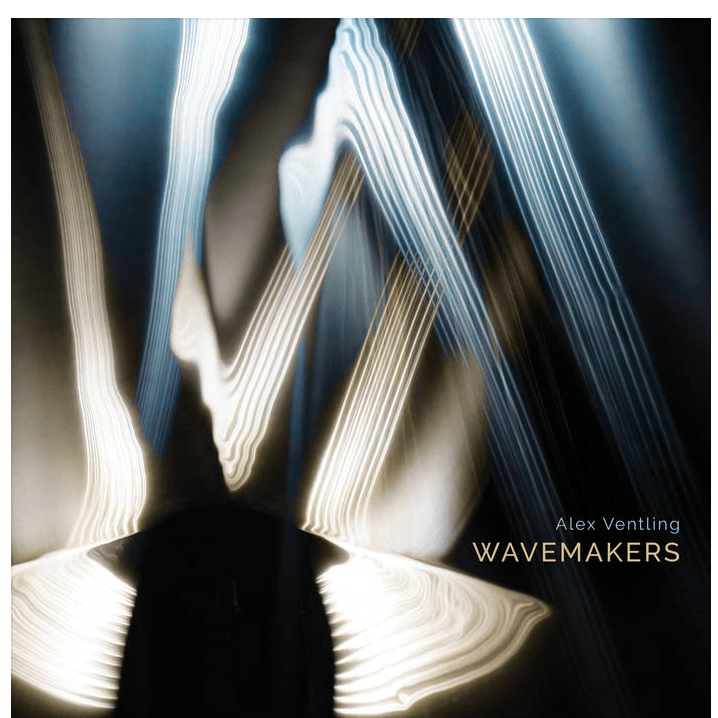
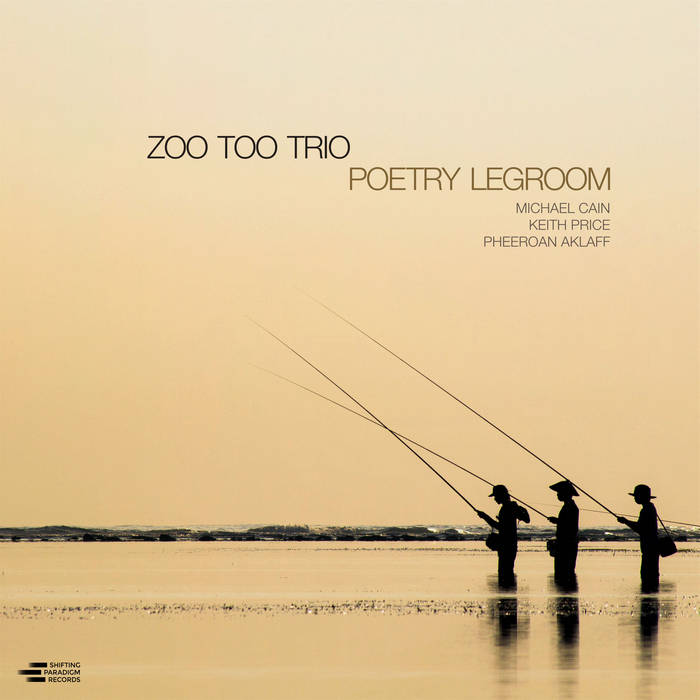


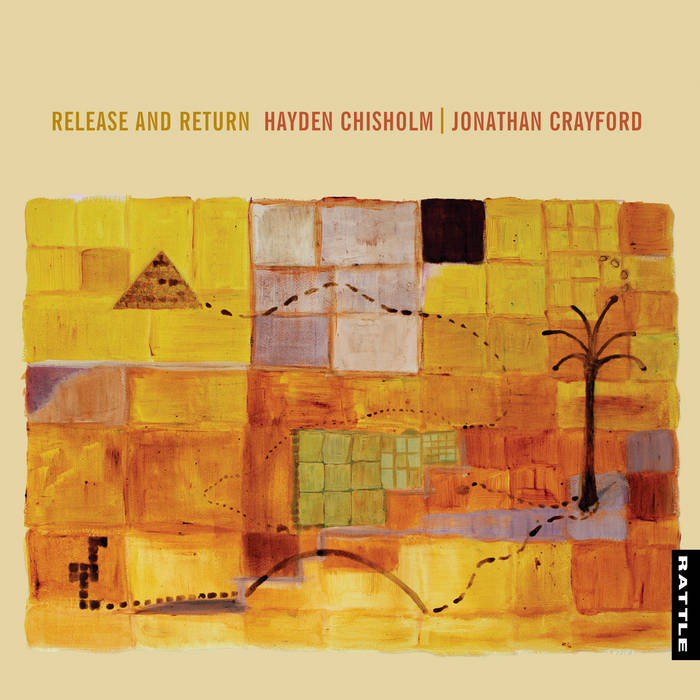
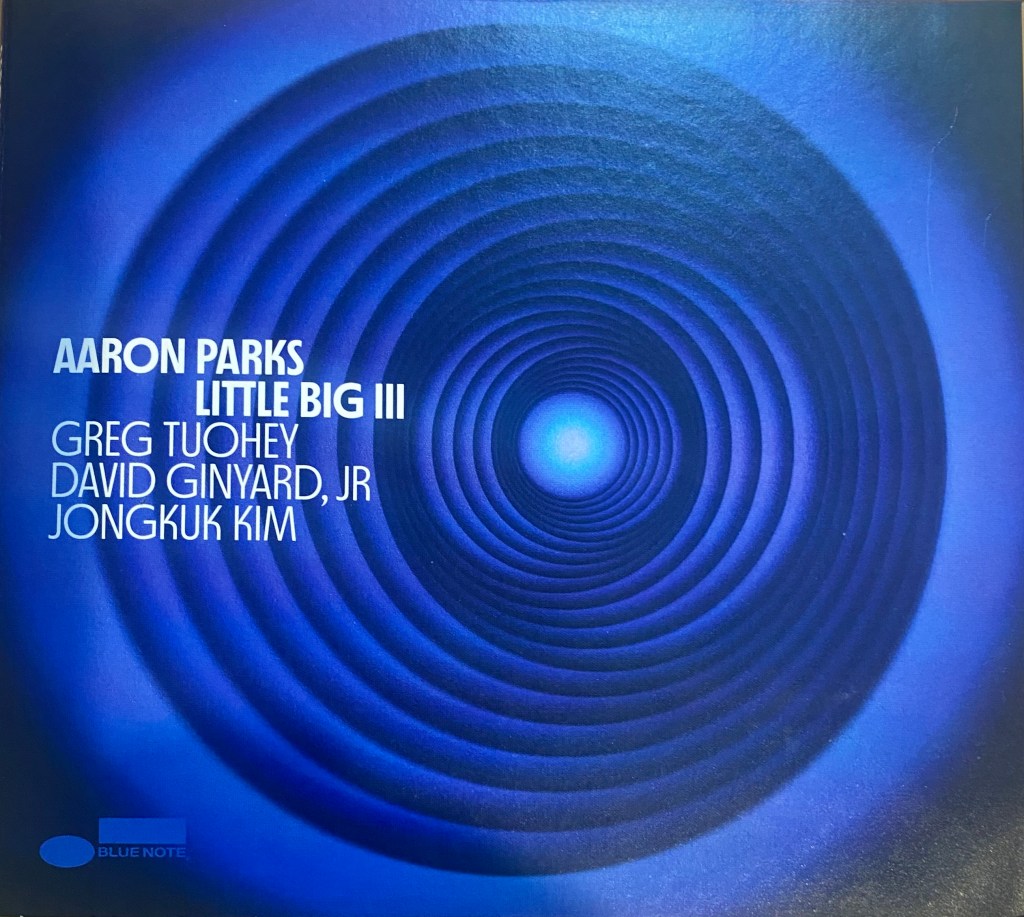
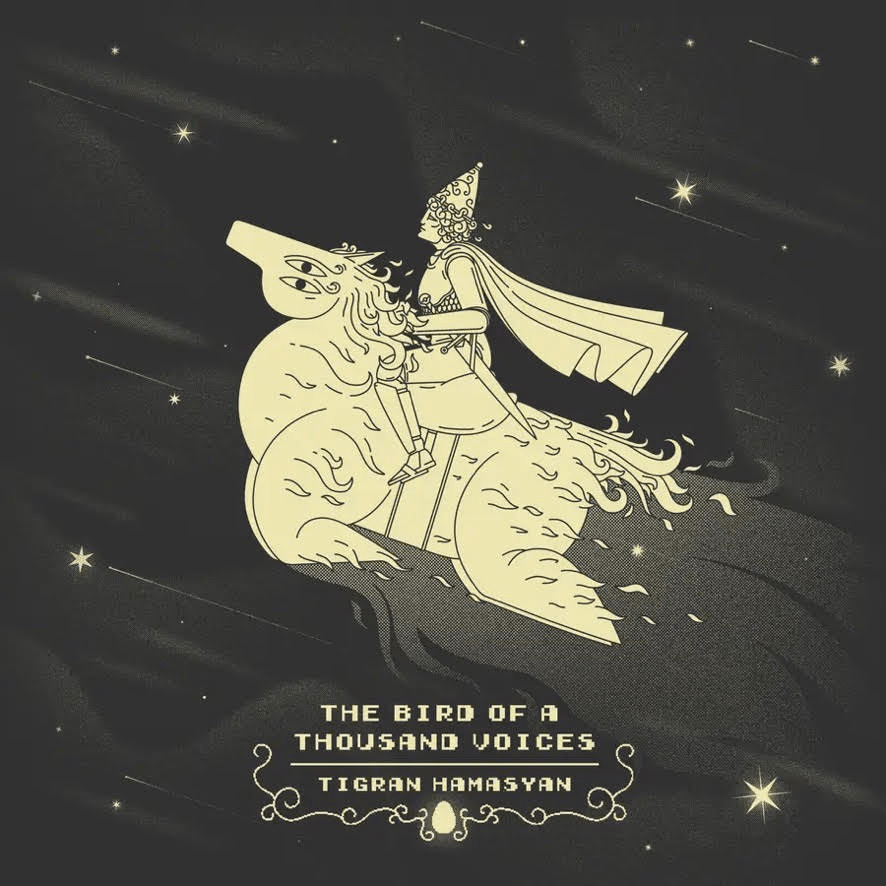
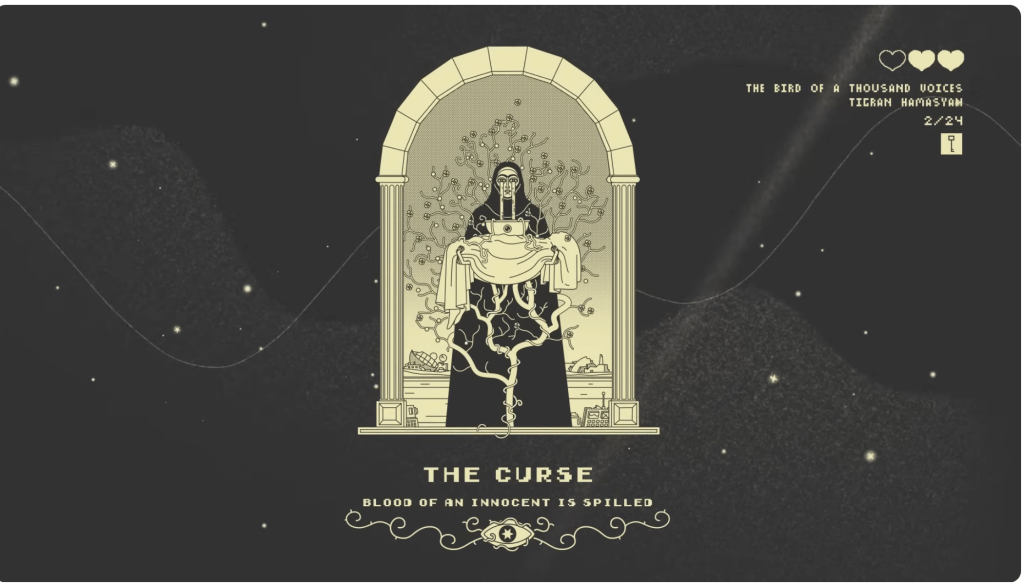
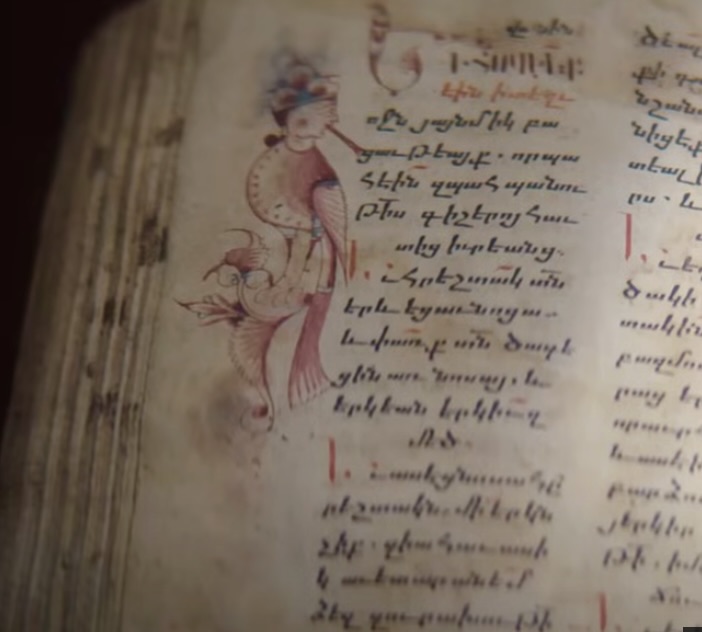
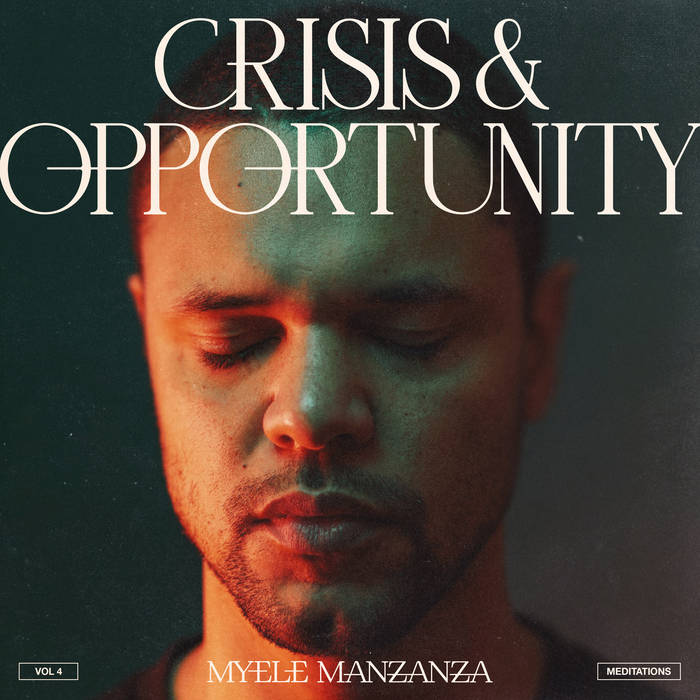
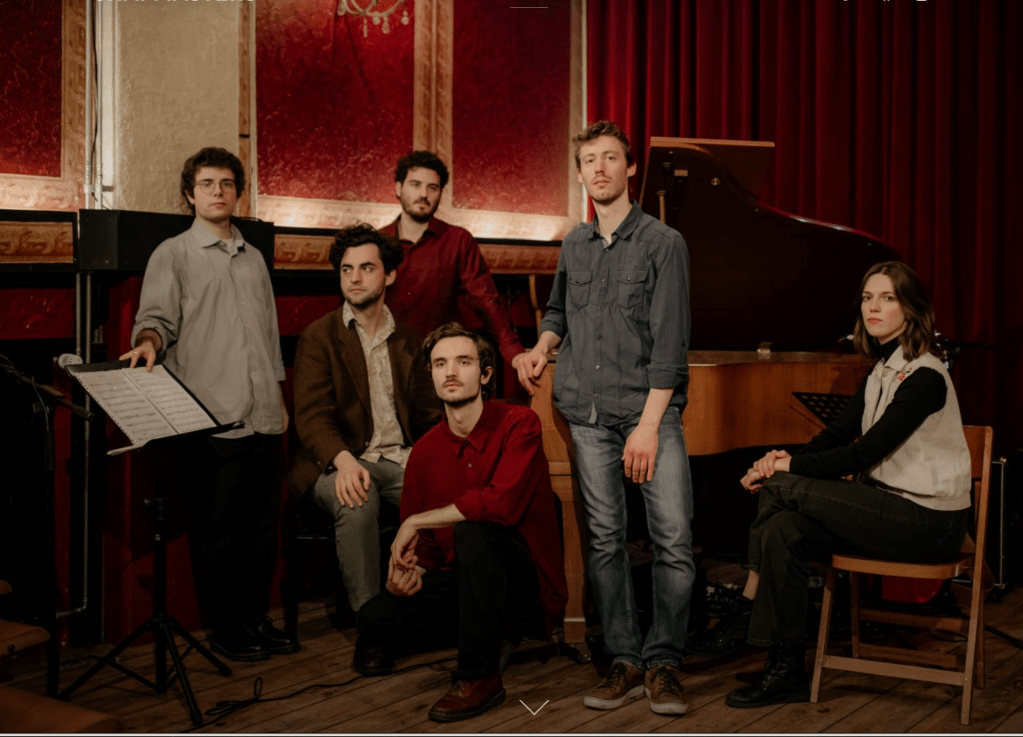

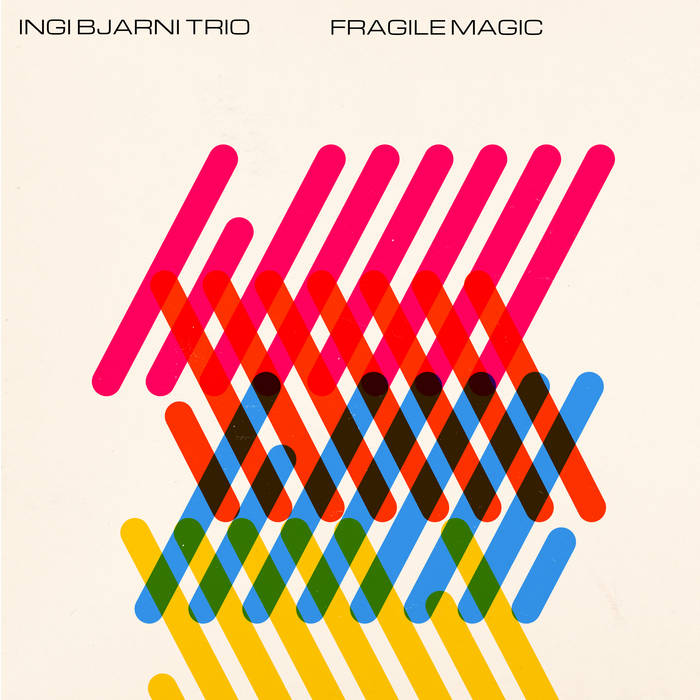


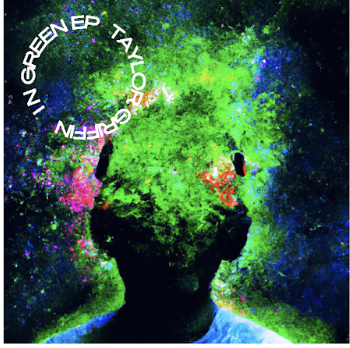

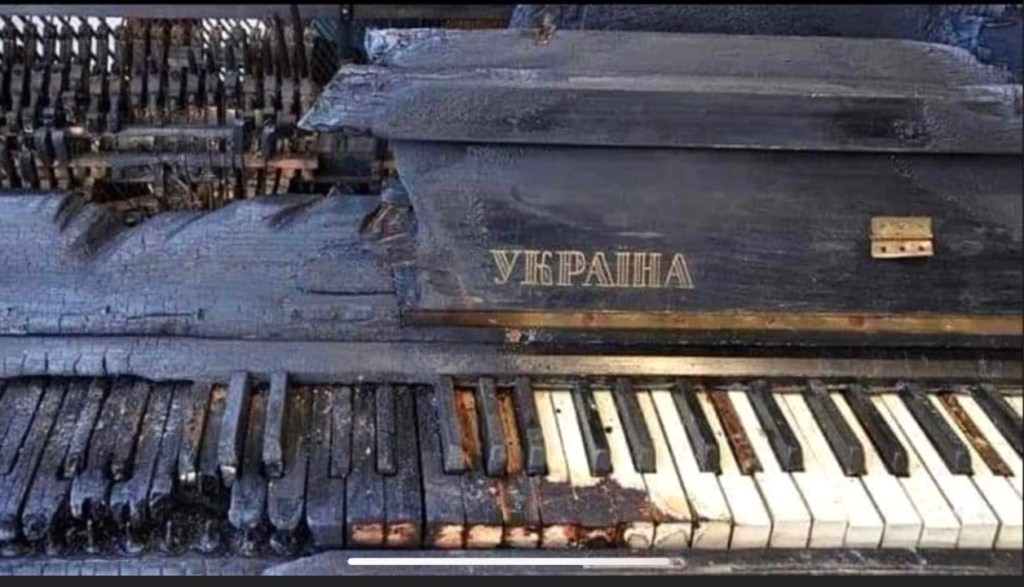
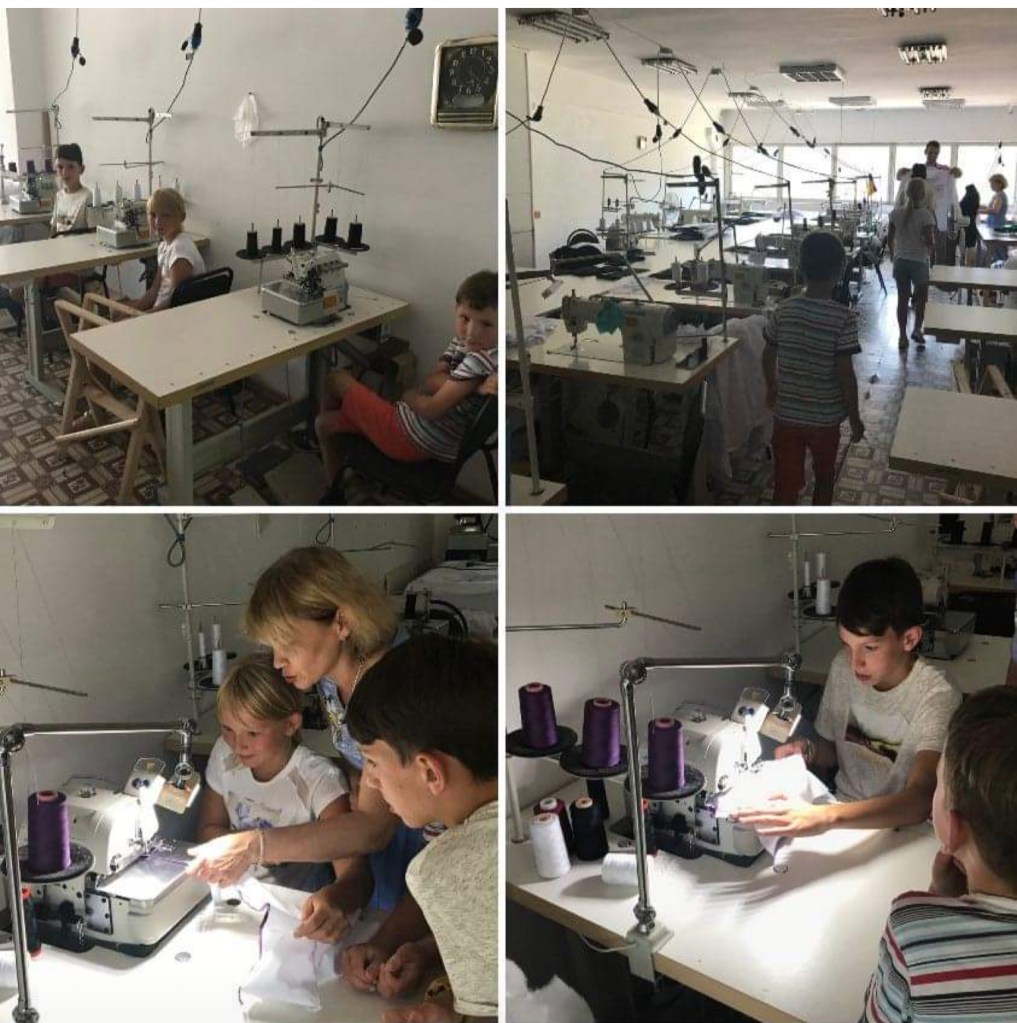
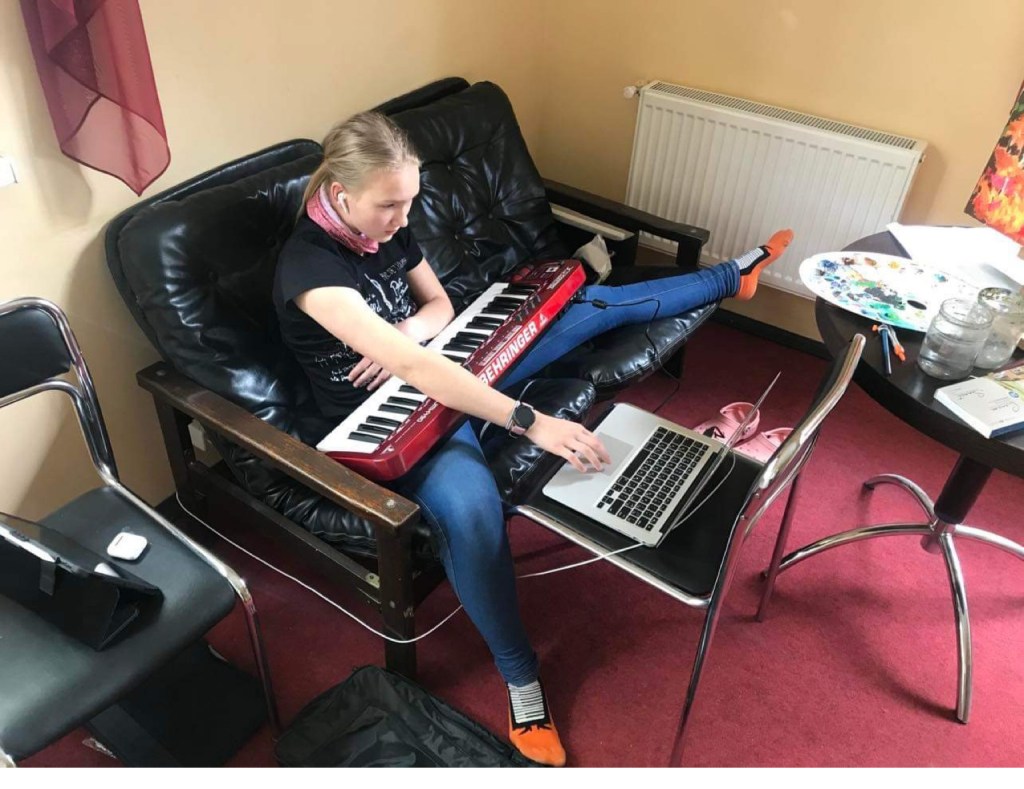
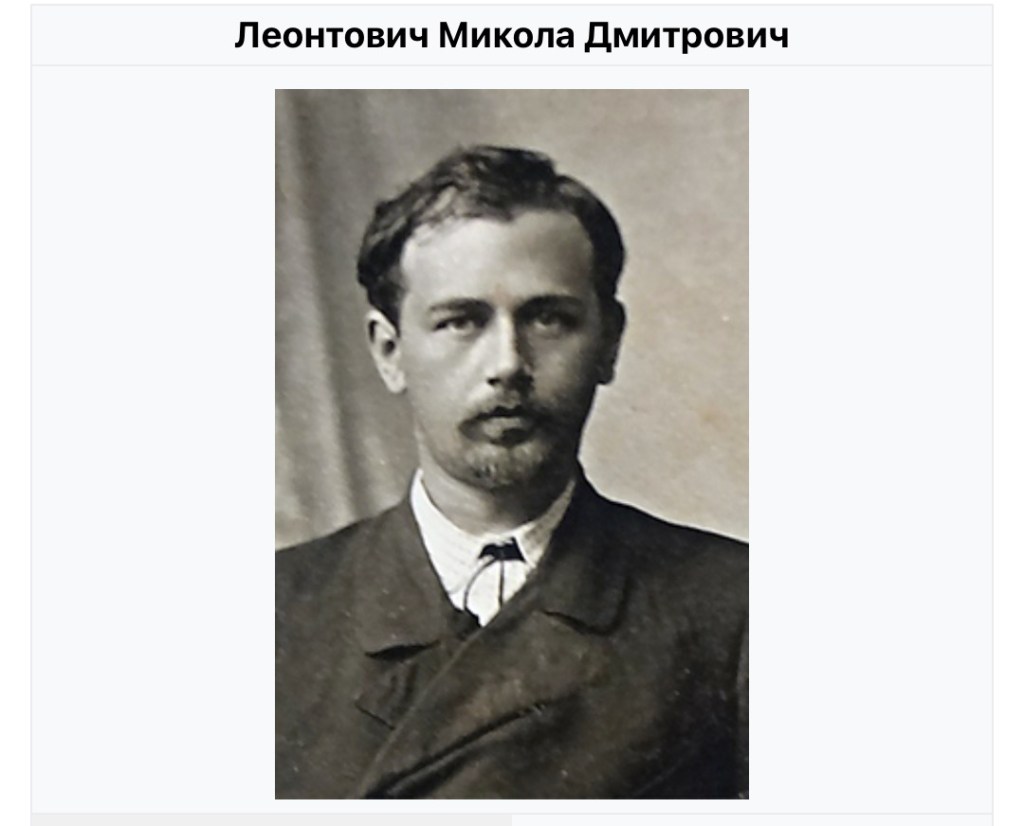



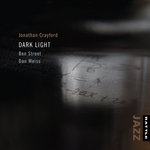


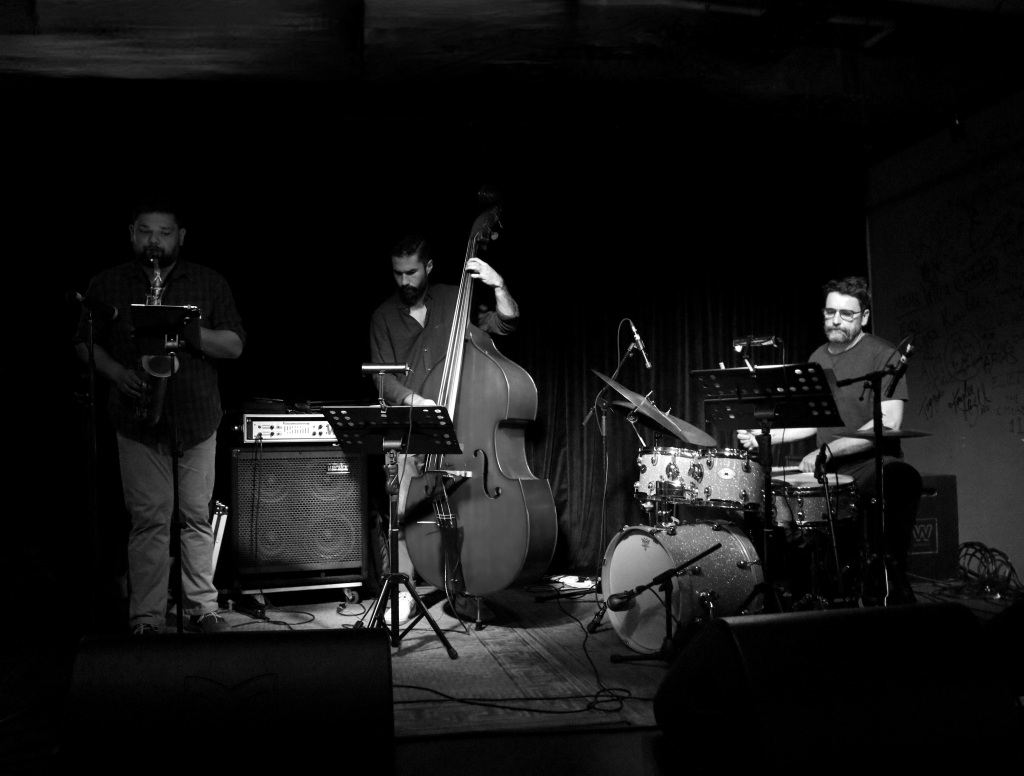

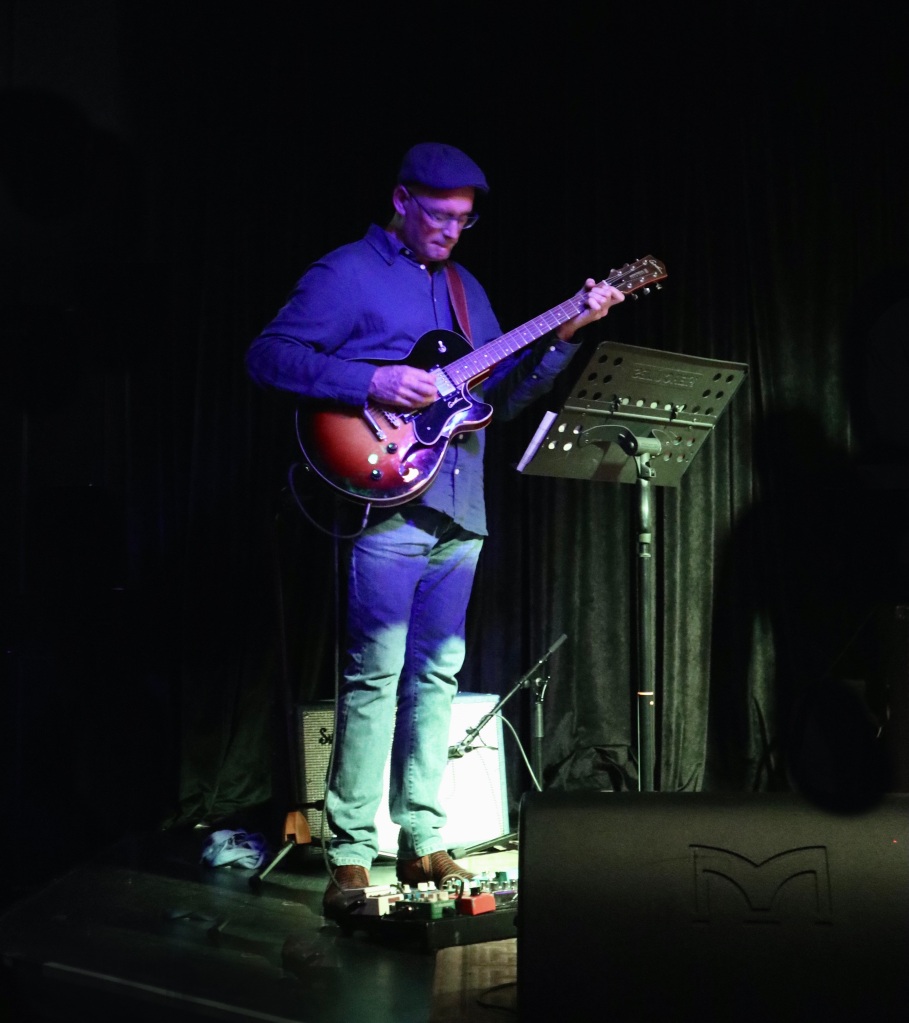

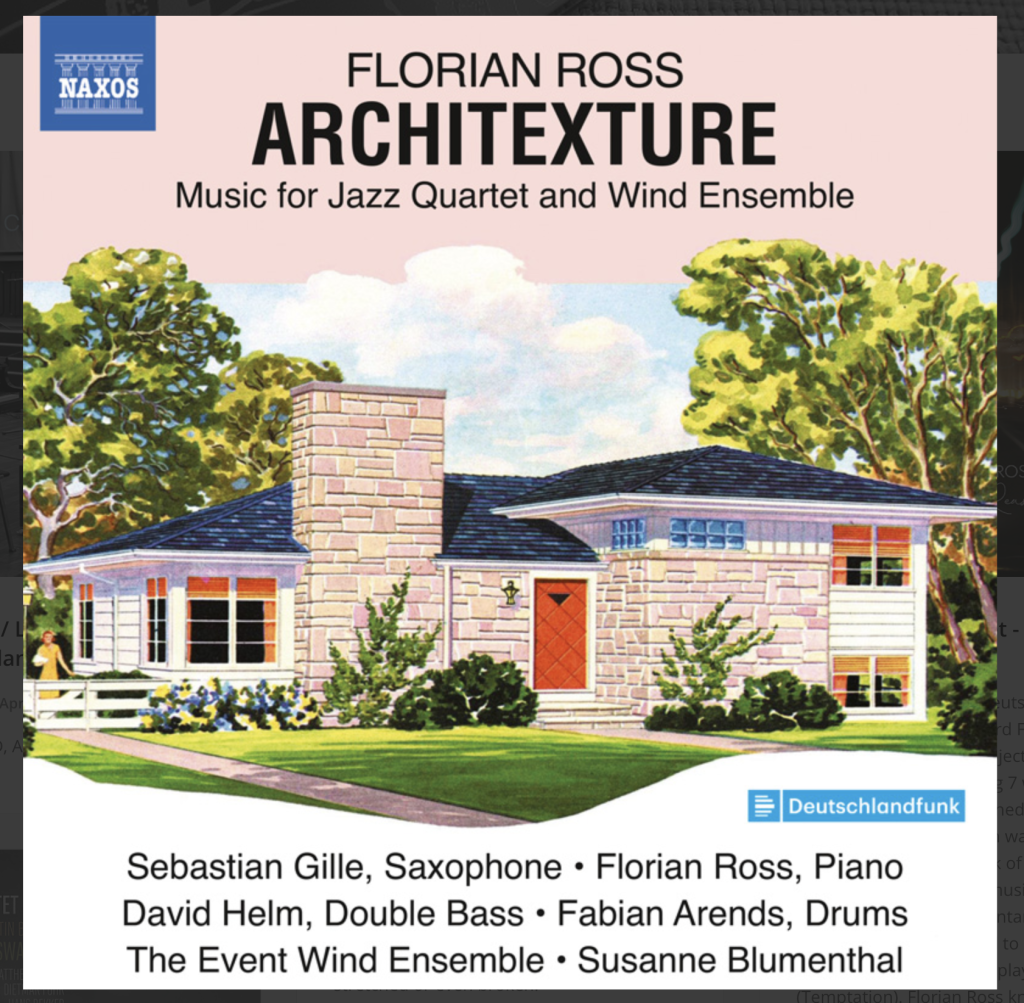
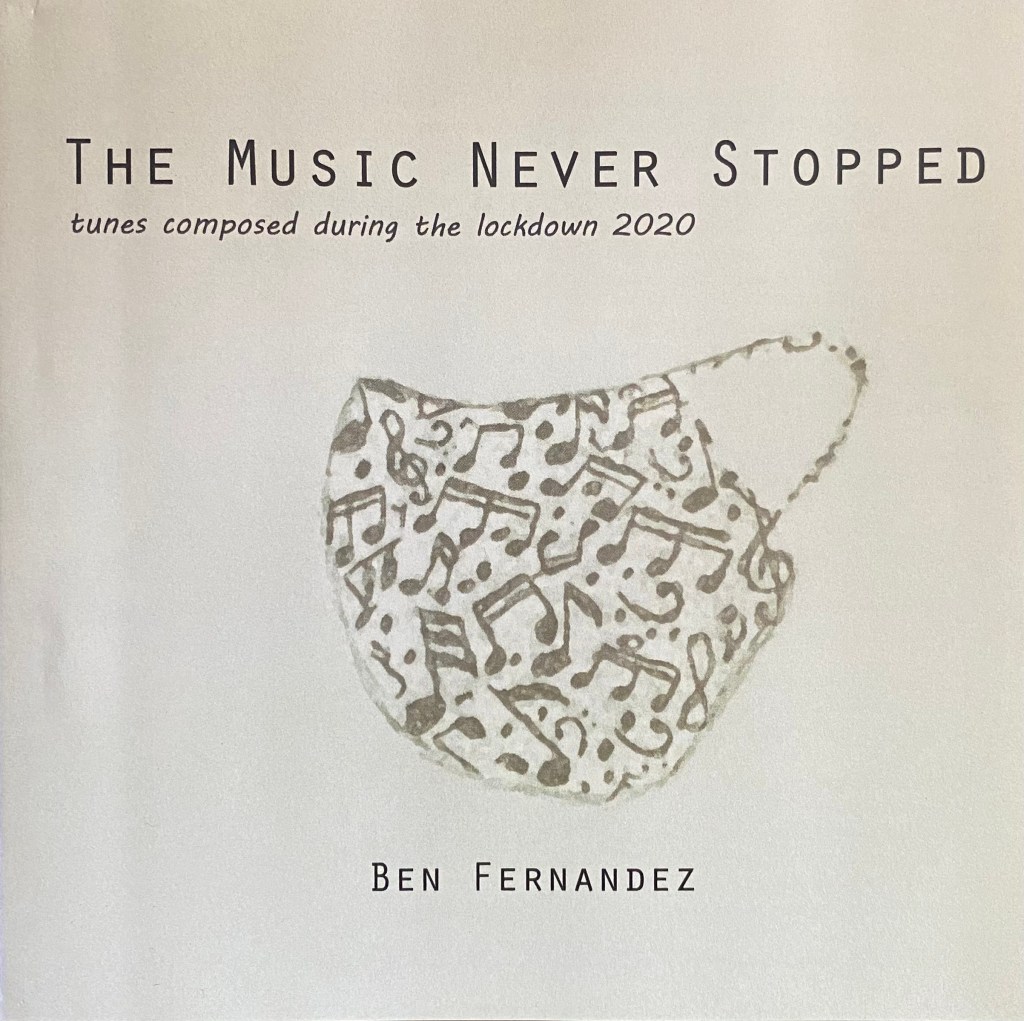
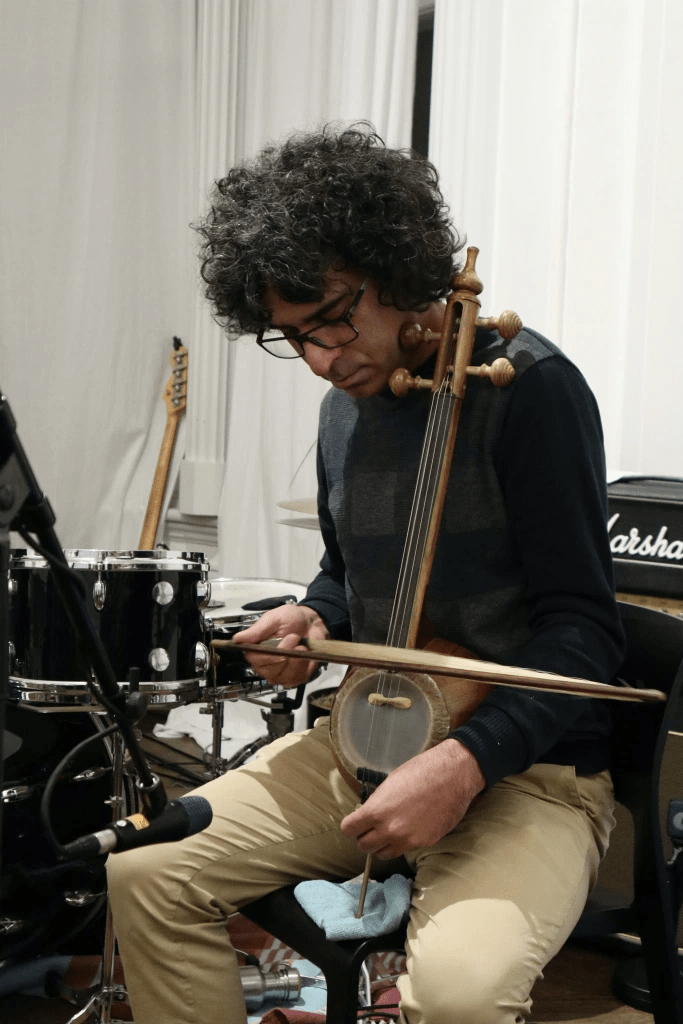
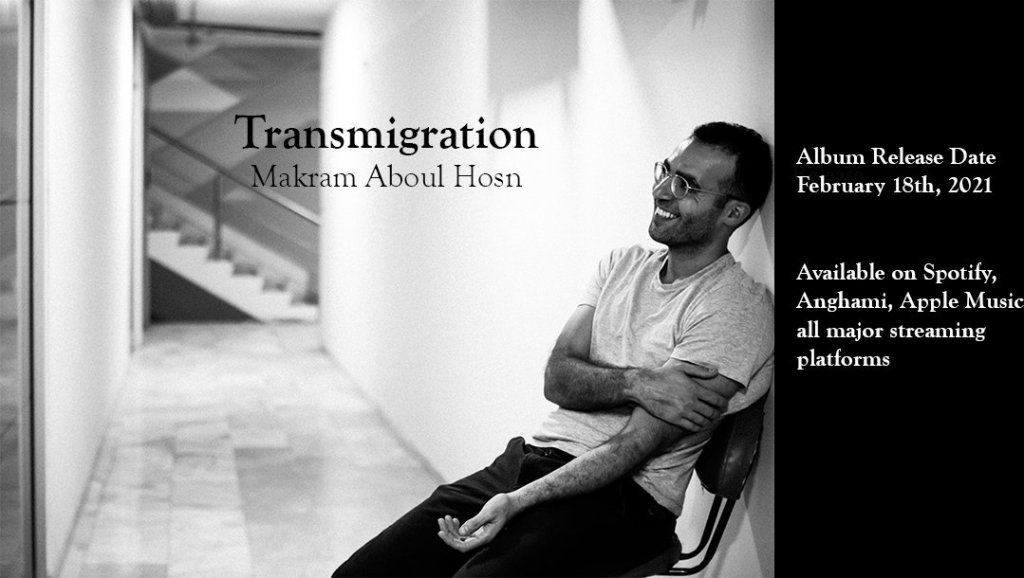
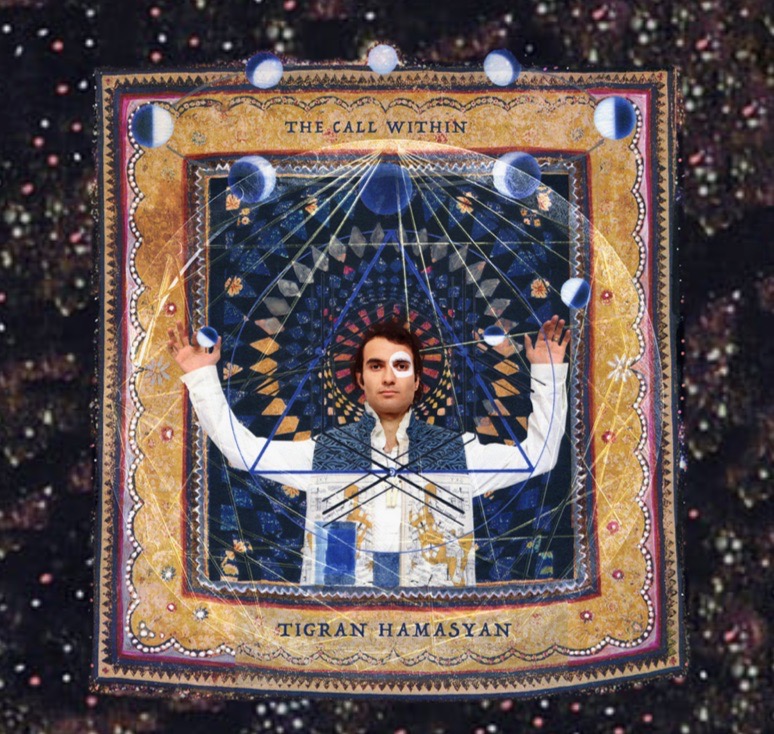
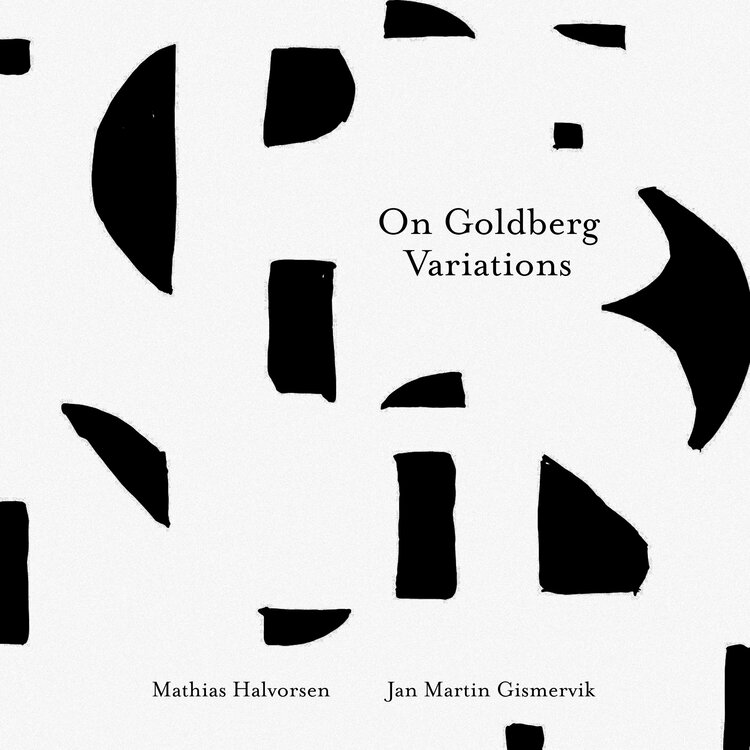
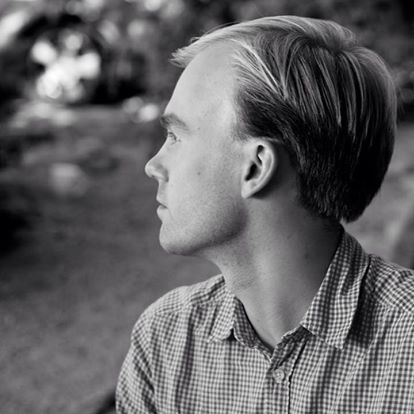
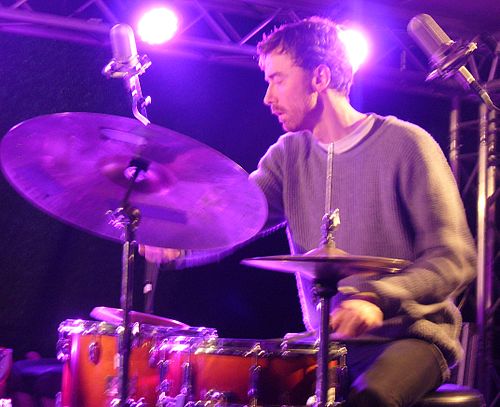
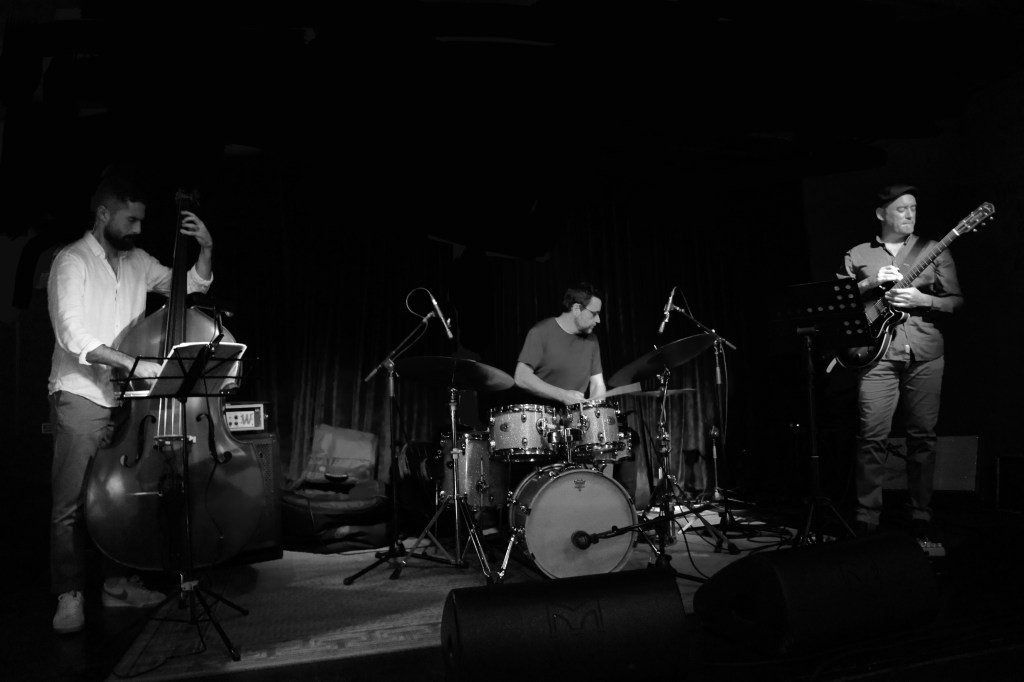
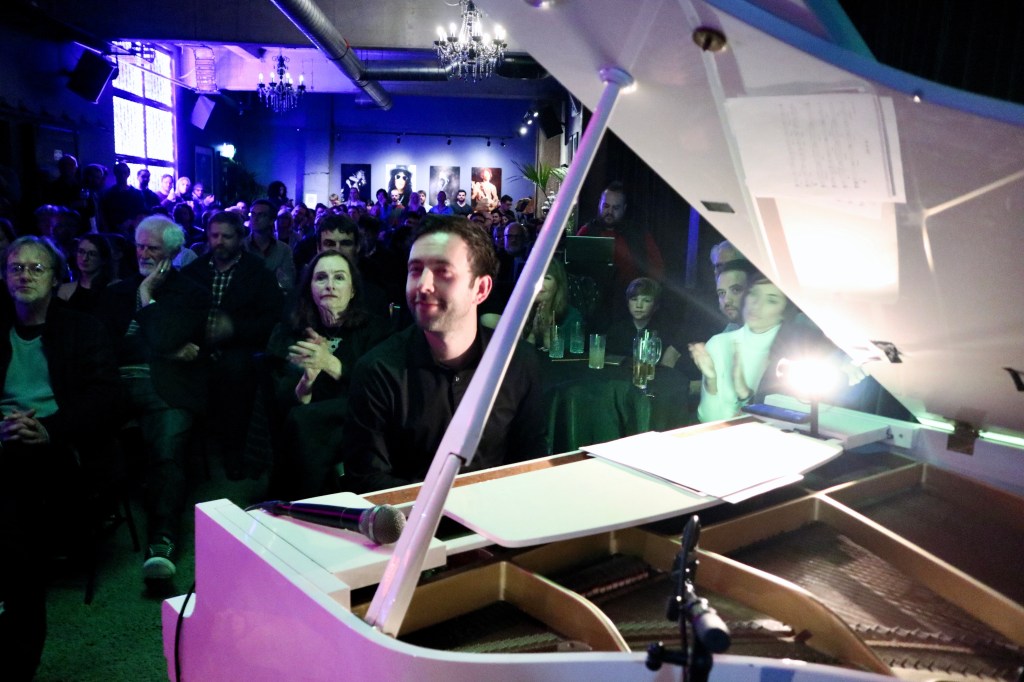
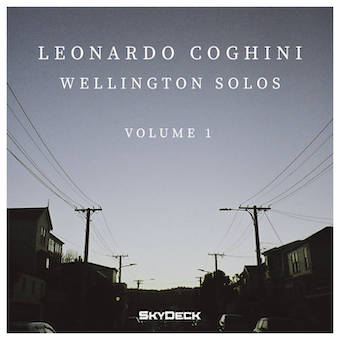
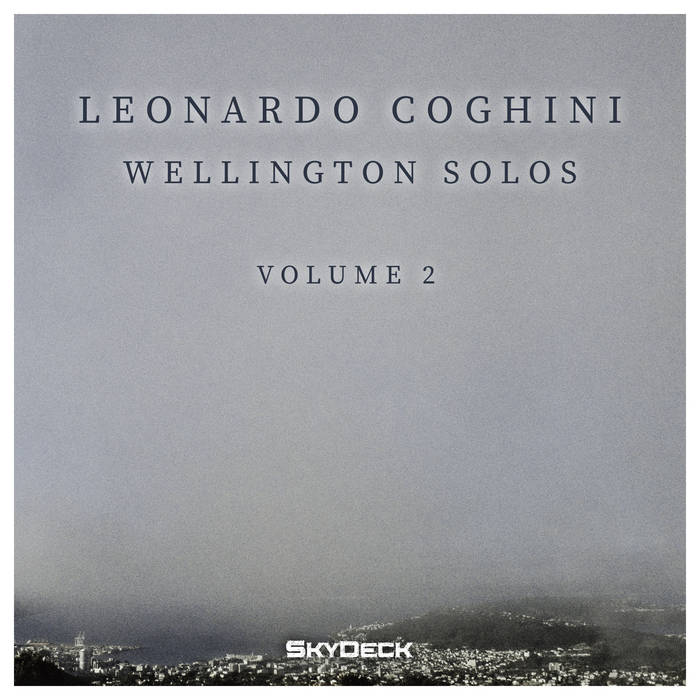
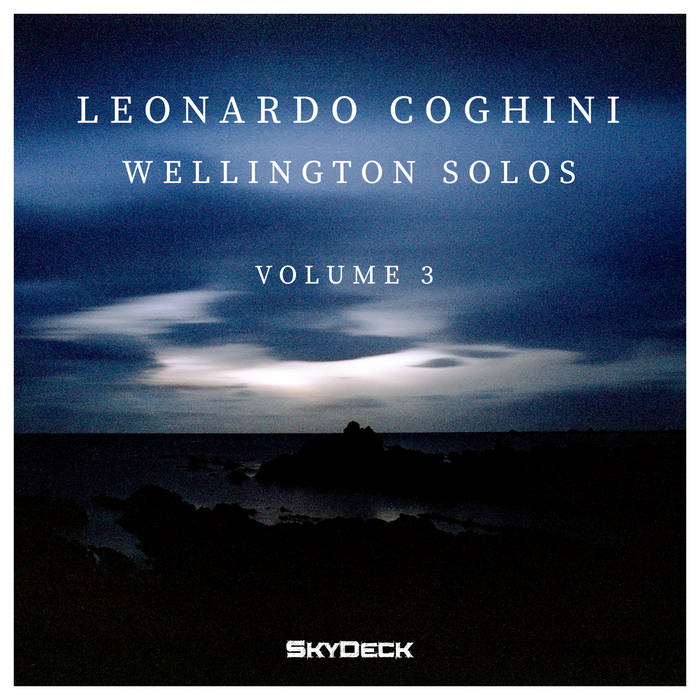
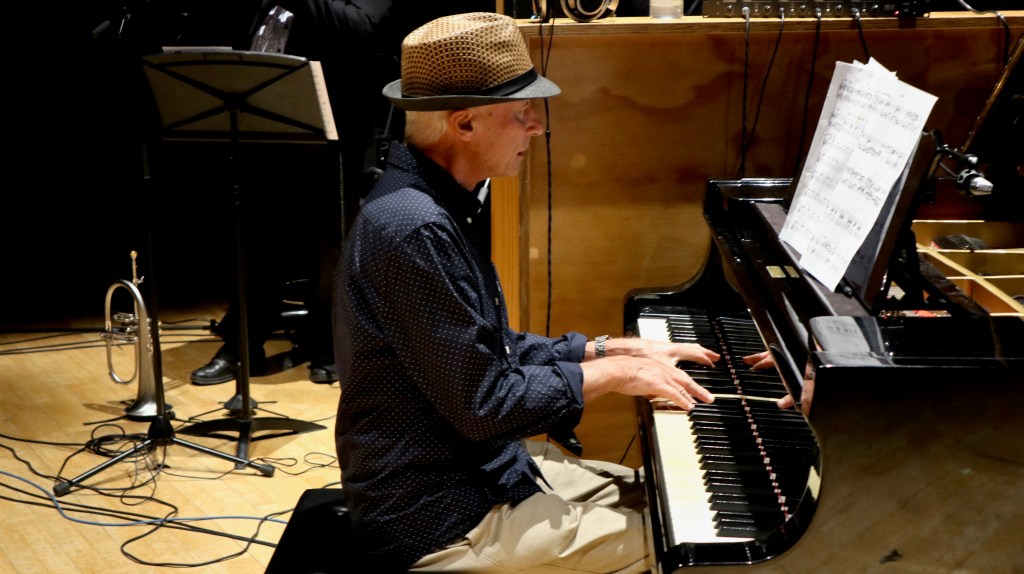
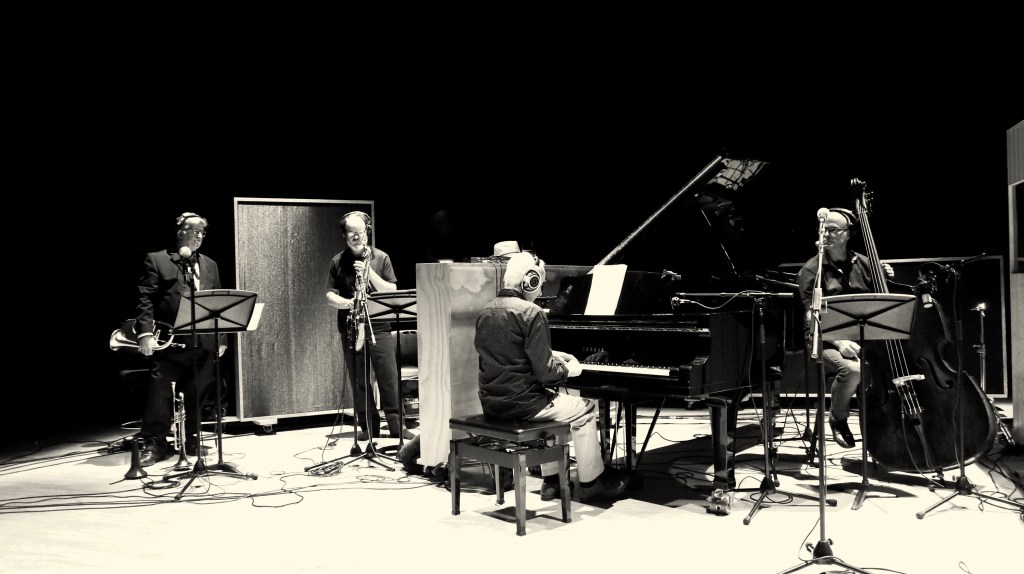


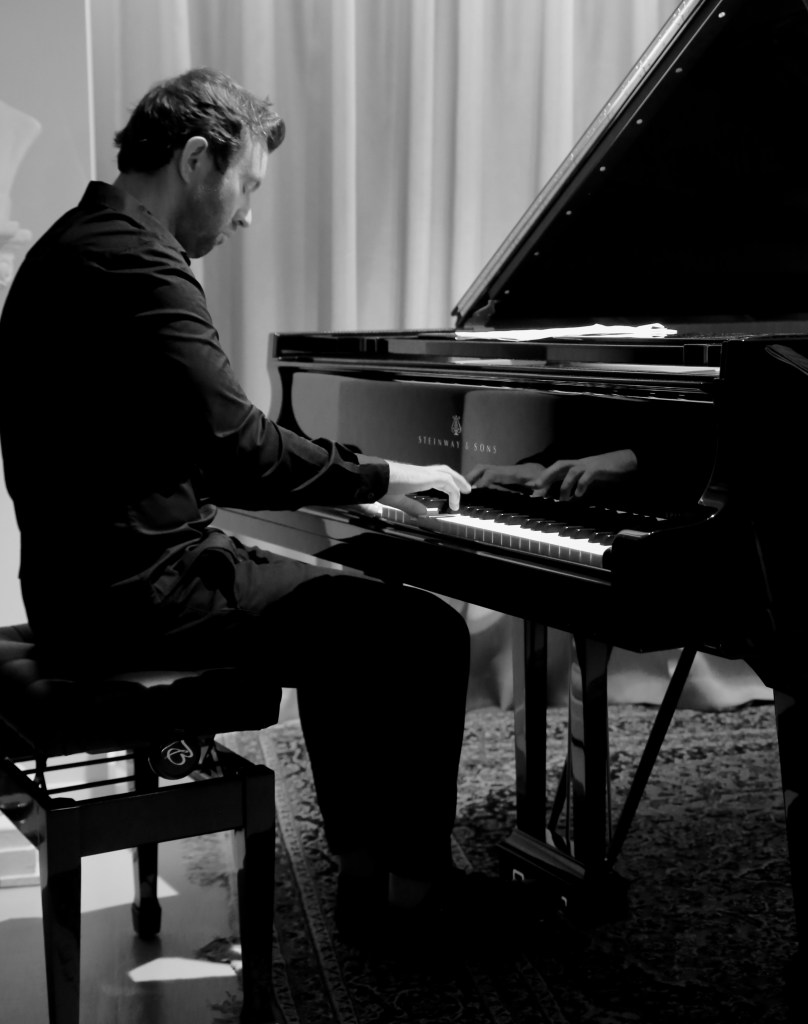
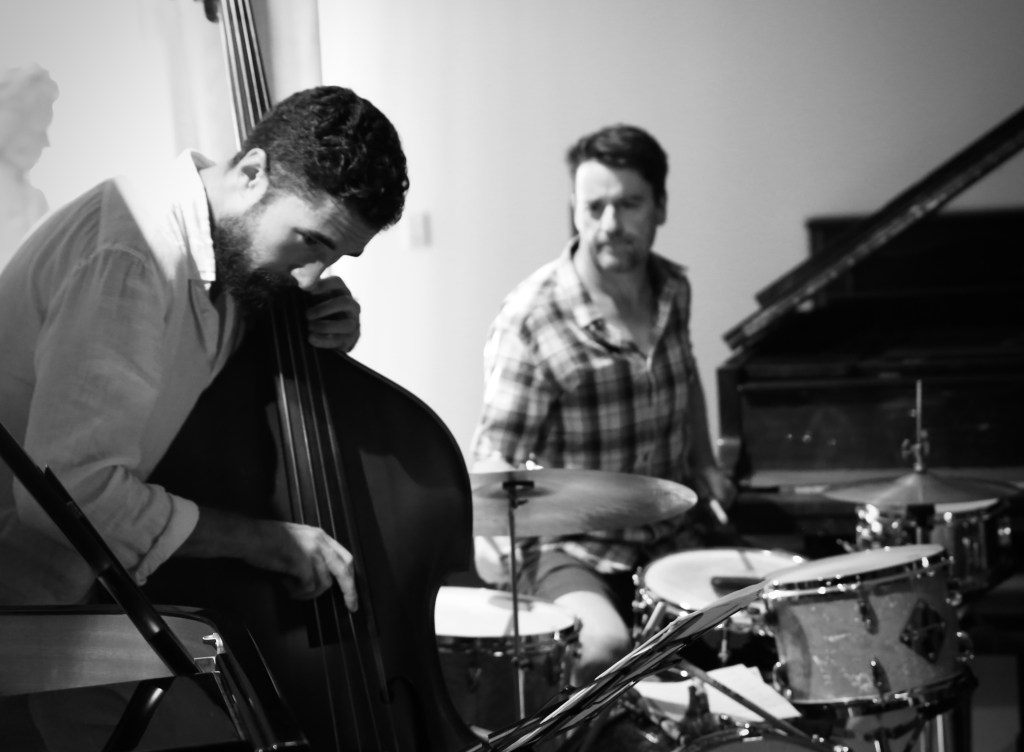


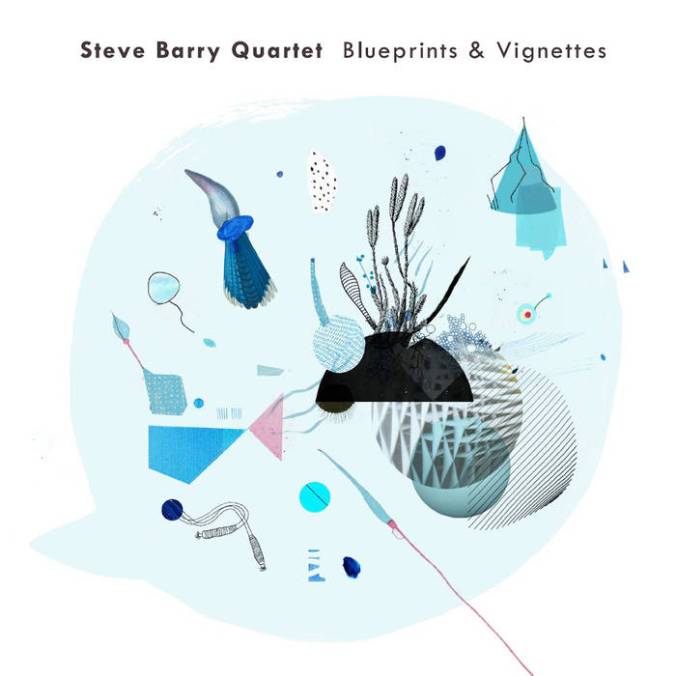
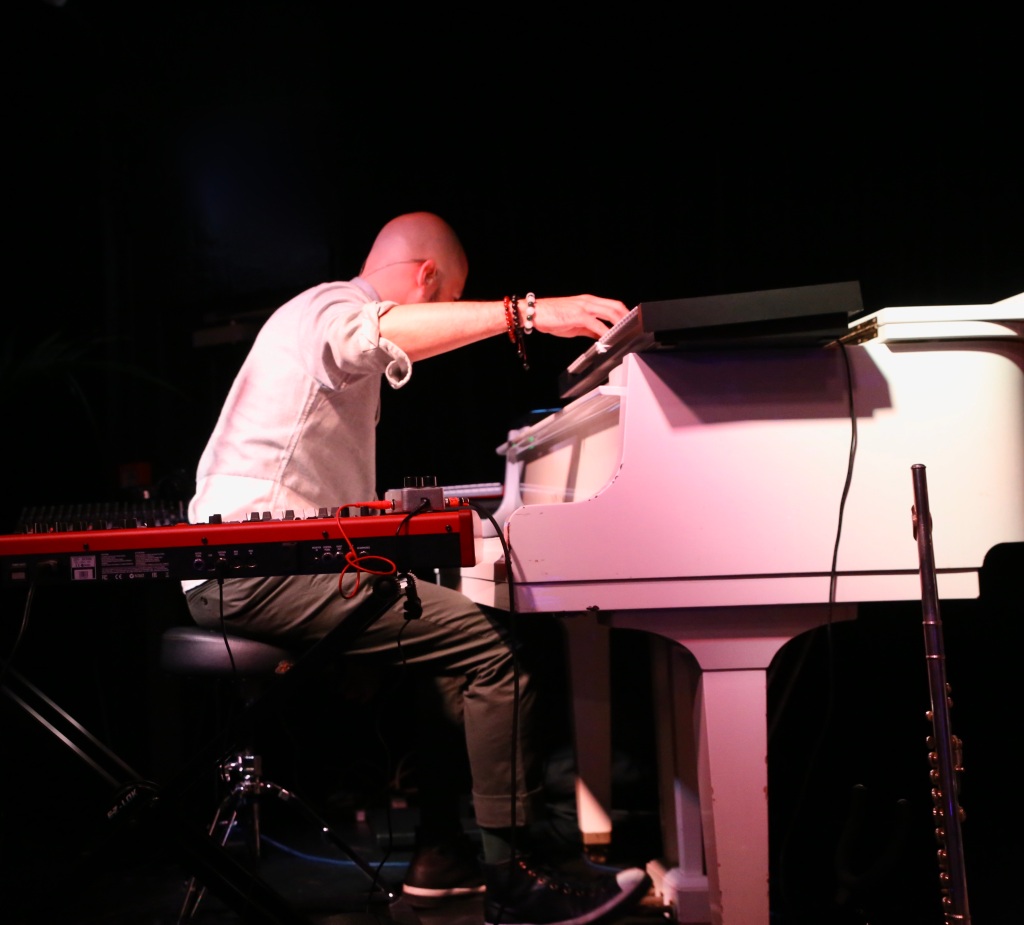
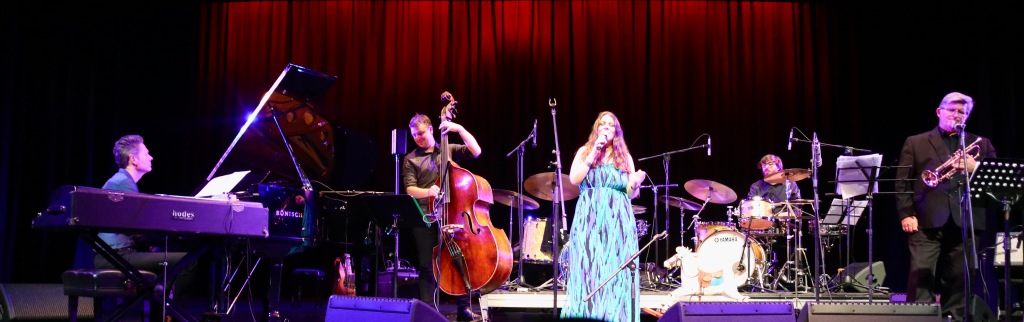
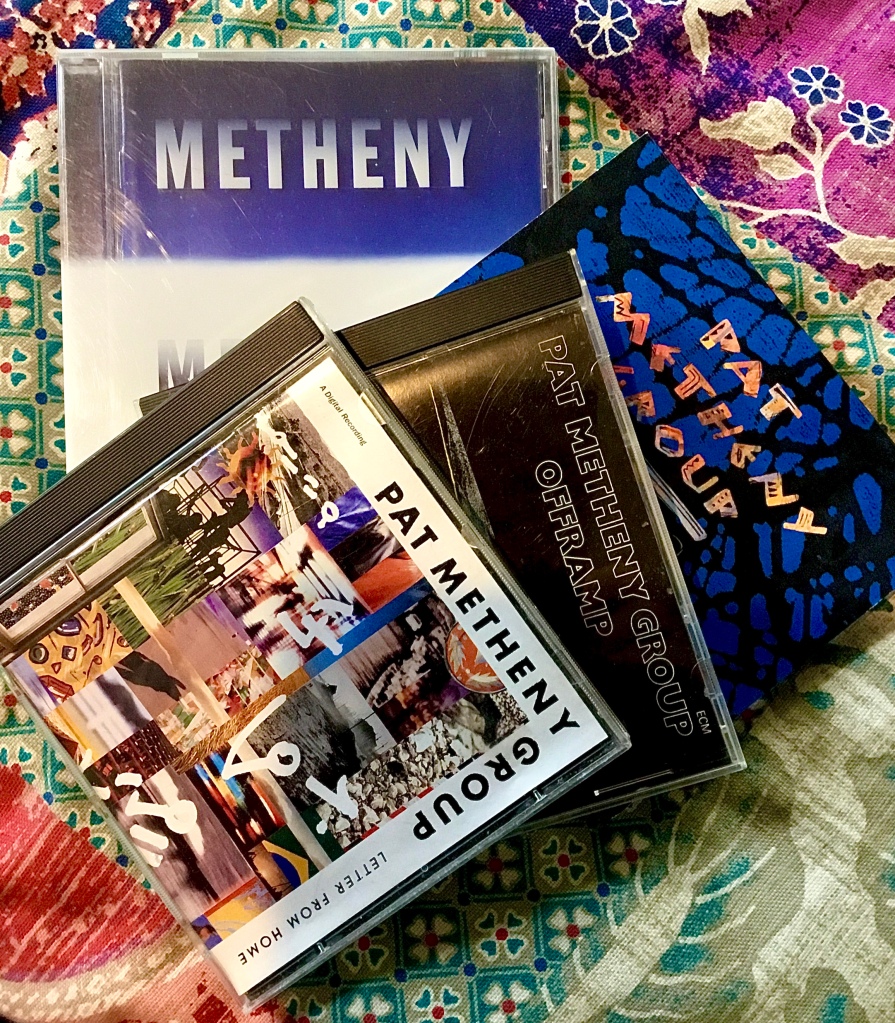
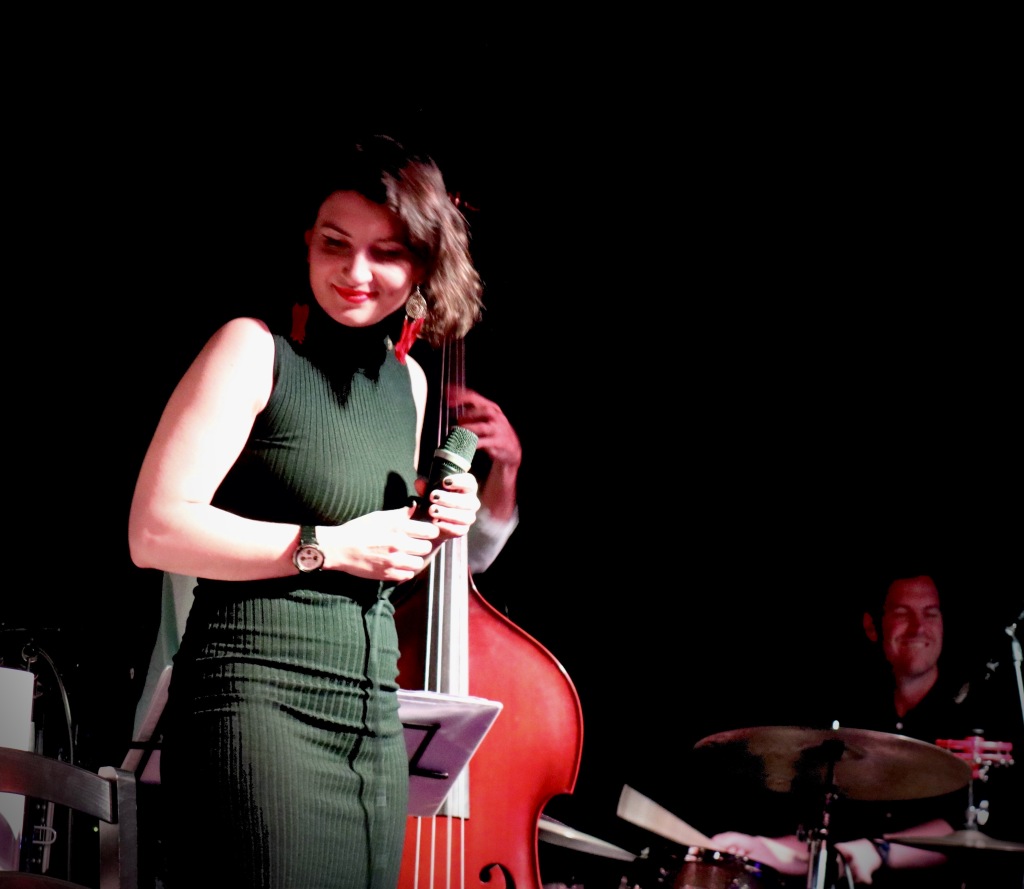

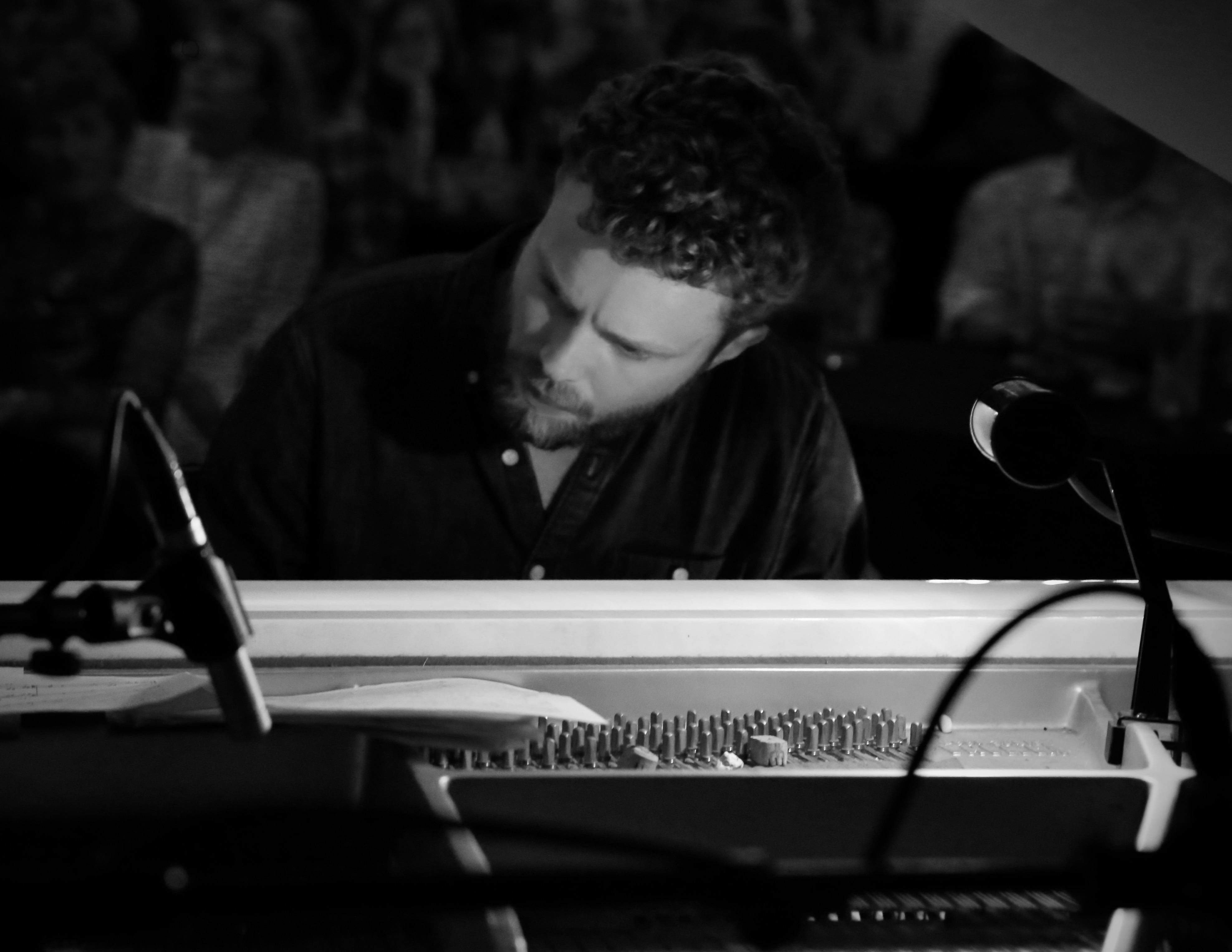
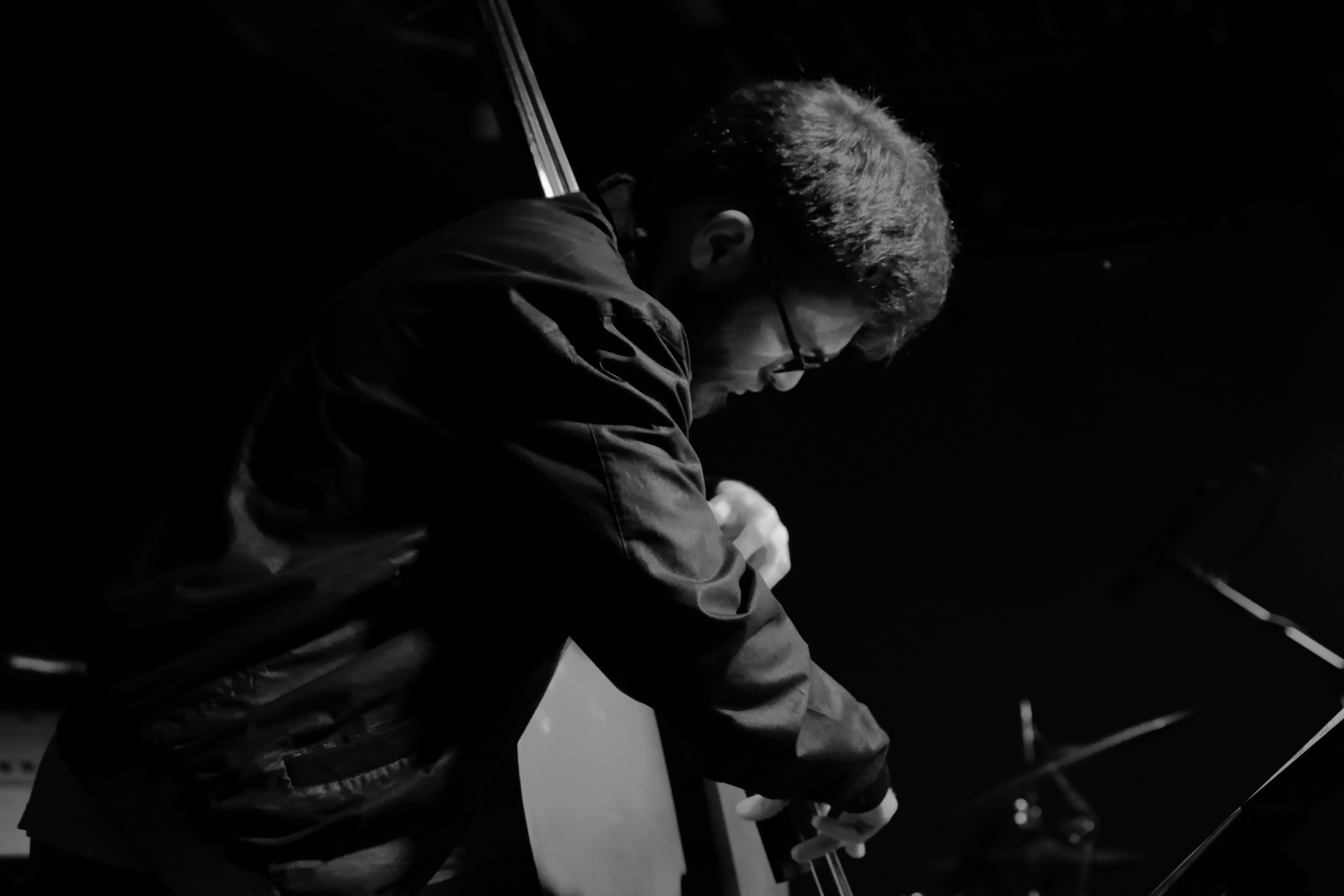 This was Ventling’s first gig for the CJC Creative Jazz Club and it attracted a large audience. They poured through the doors escaping the evening’s heat; needing cool and finding it. The venues piano is not without its challenges but on this night it sang sweetly. Partly because it had just been tuned but it was mainly because of Ventling’s sensitive touch. Many pianists tend toward the percussive in a larger room, but this programme required subtlety, room to breathe. The set-list tunes were well crafted and with a heavier touch, the expressiveness would have been sacrificed. We don’t get too many piano trios through and this trio operated as the best of them do. The musicians listening to each other, reacting, and playing as if they were one entity. It is almost impossible for this level of communication to occur unless a trio has been together for a time, and in this case, they were not only long term bandmates but on the last stop on the tour.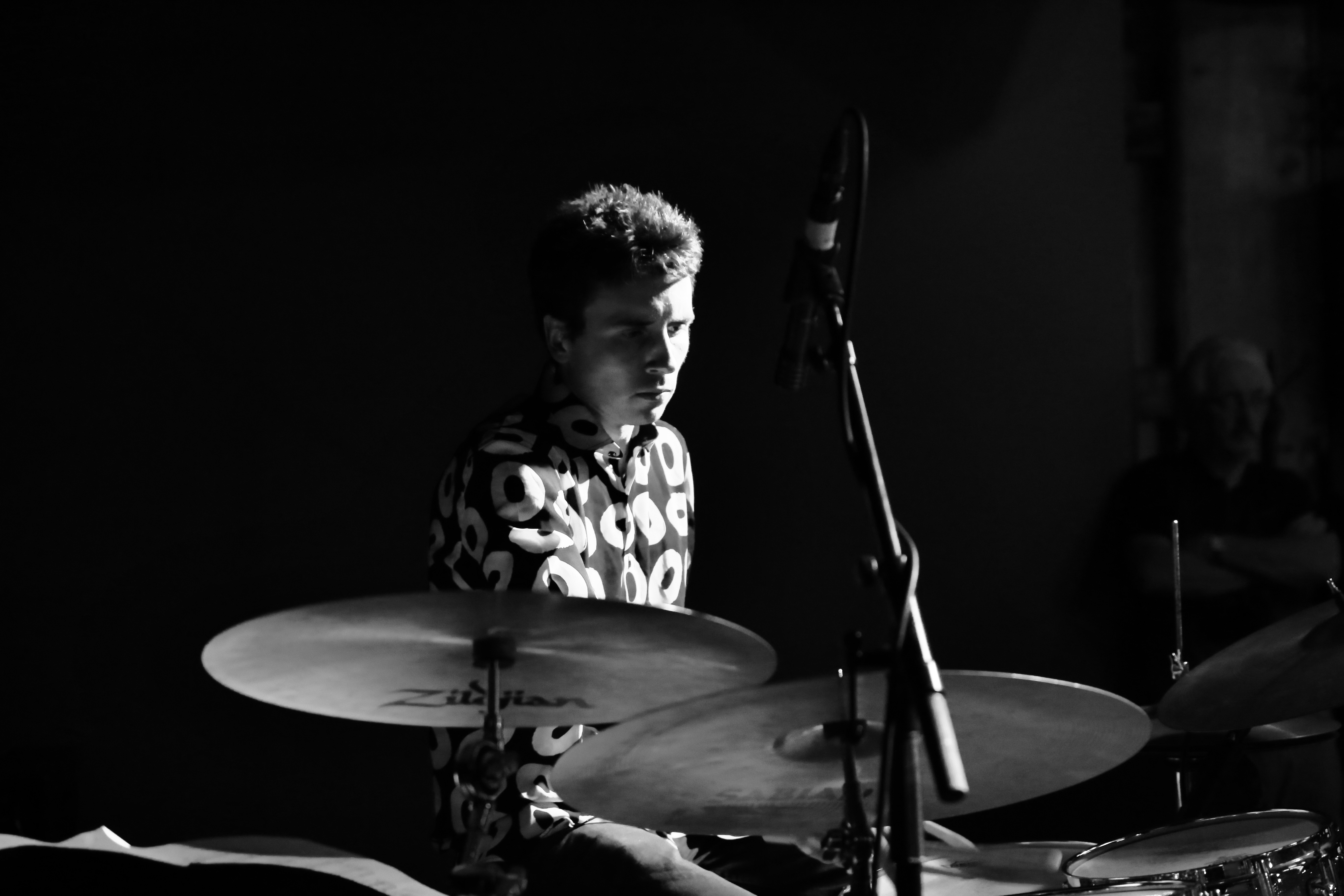
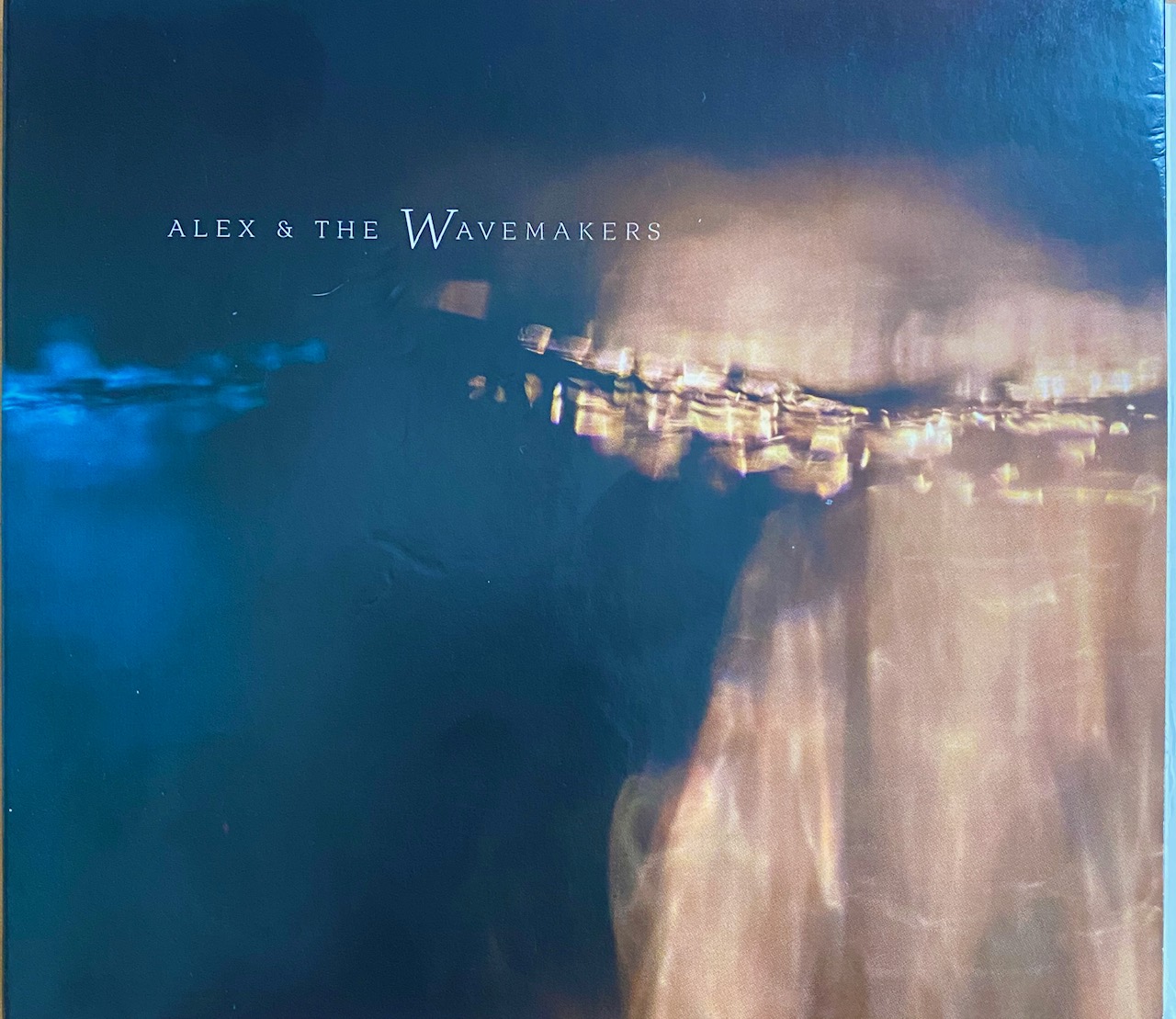
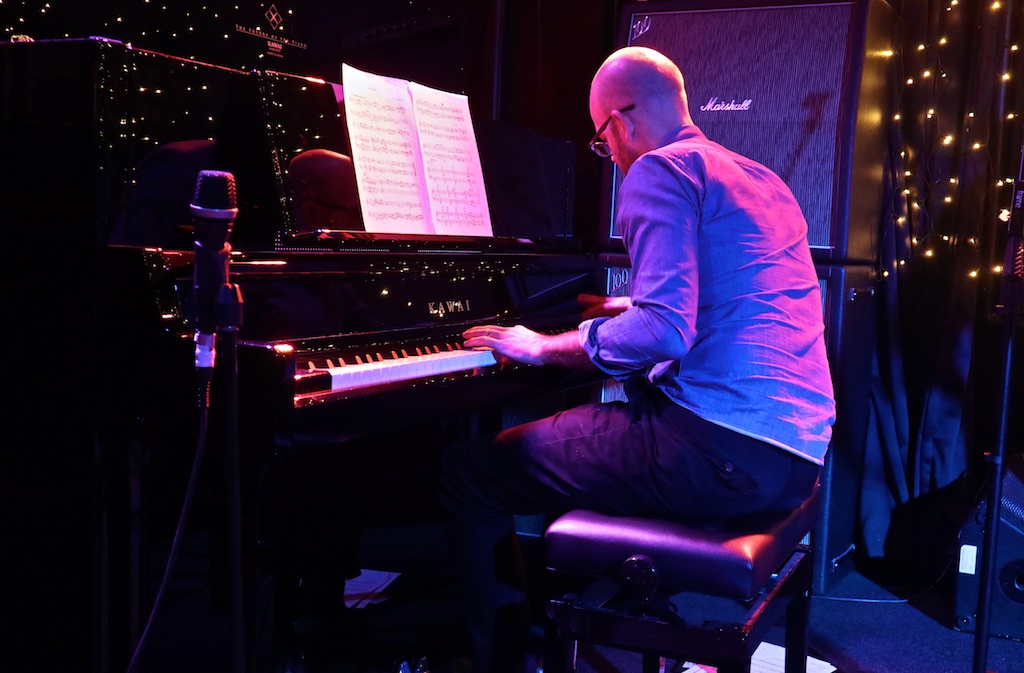 Steve Barry left these shores many years ago and these days Australians count him as their own. It is hardly surprising that they do because since his departure he has raked in the accolades, won numerous awards and completed a Doctorate. Given the above, we can hardly begrudge his move. Music is like water it will always find its level, no matter where the wellspring. Everyone on the New Zealand Jazz scene looks forward to Barry’s yearly trips home as he never rests on his laurels. He brings us new and diverse projects and above all he showcases innovation.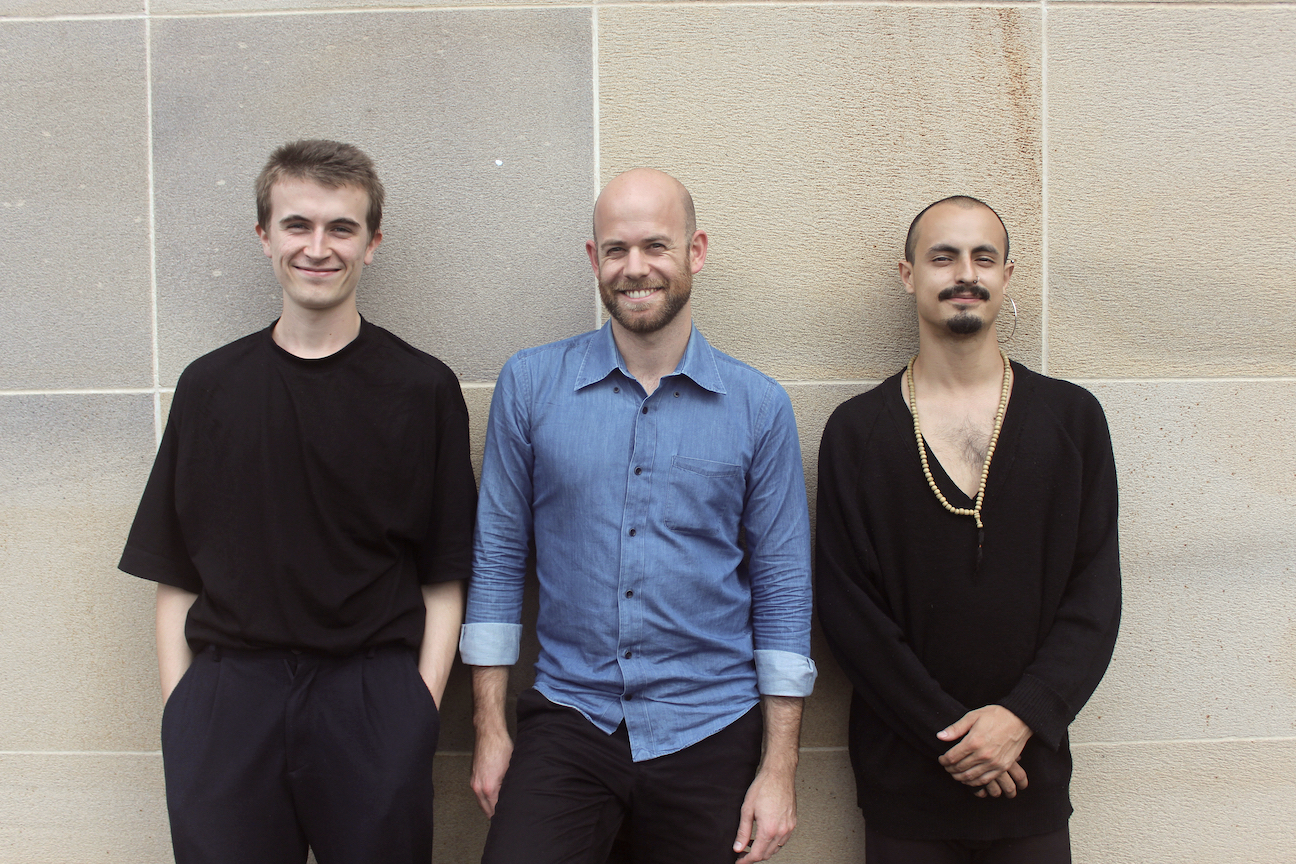
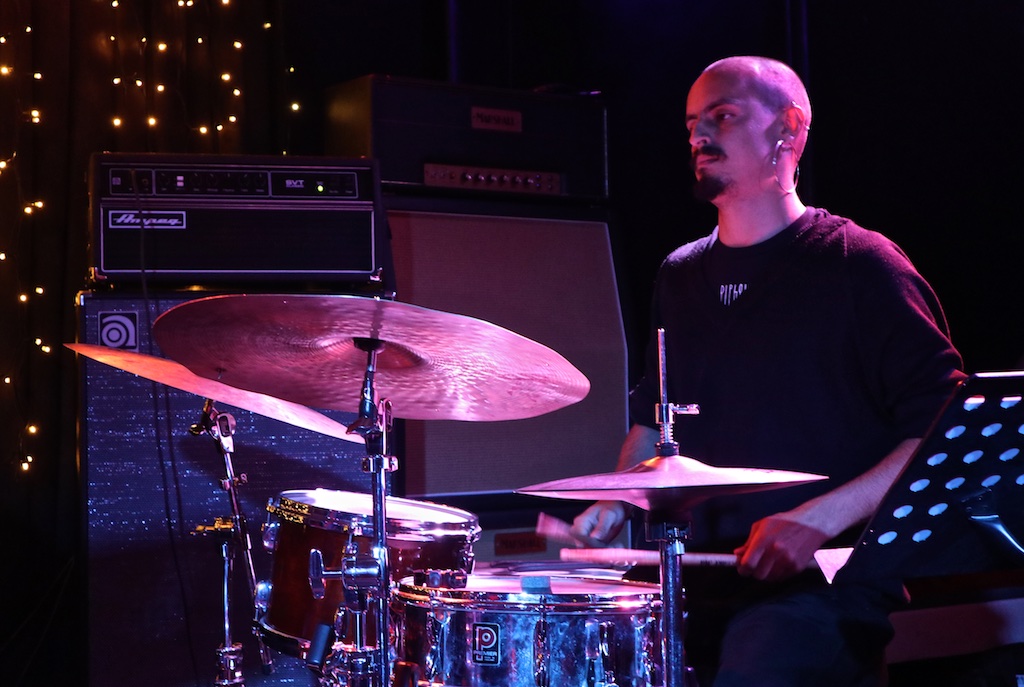 The Steve Barry ‘Blueprints’ Trio appeared at Backbeat, 100 K’Road, for the
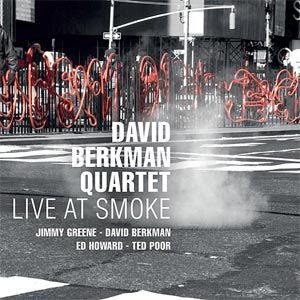
 The pleasure of experiencing great music in small venues is inestimable. Sure, we love it when the famous cats blow through town, rush to get our tickets for the town hall concerts, pay the hefty price tag gladly and listen; watch the tiny figures way, way down on stage. I have attended many such concerts over the years and regarded them among life’s high points, but now I am not so sure. As great as these concerts are and as amazing as the visiting musicians are, the experience is filtered through layers of complexity and as a result, one essential ingredient is often missing, that feeling of warm intimacy.
 When Michal Martyniuk left Auckland for Poland last year, it was hot on the heels of a successful appearance at Java Jazz; the biggest Jazz festival in the world. It was always on the cards that Martyniuk’s Auckland trio would fare well, as they are the epitome of an inventive, high energy unit and all of that is wrapped up in a very European sound.
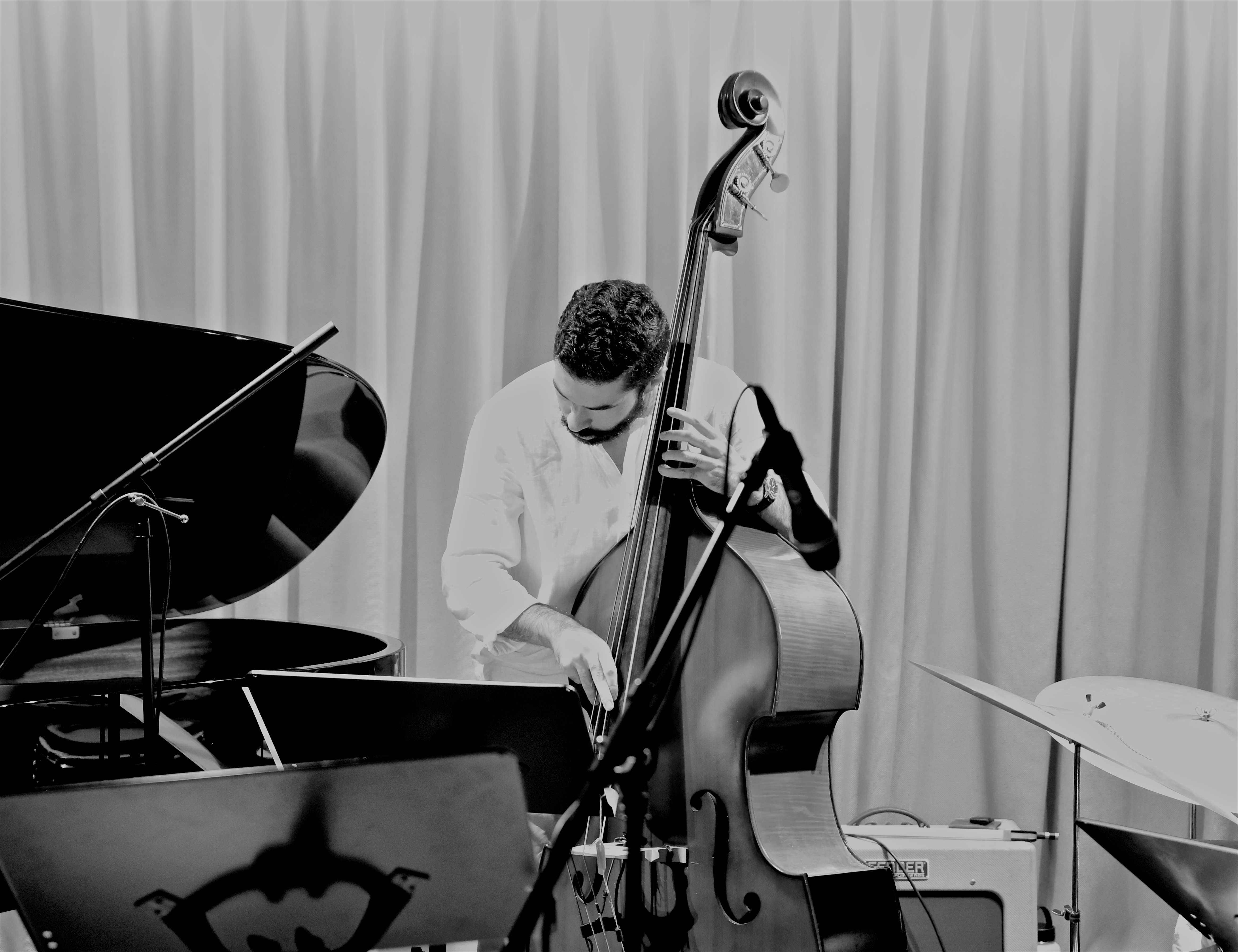
 JazzLocal32.com