The first gig after lockdown restrictions brought a record audience to the Creative Jazz Club. Now, a week later, with a second gig achieving similar results, it is obvious that the thirst for quality live-improvised music in Auckland has not been dented. And what better way to whet the appetite than with the 2019 Tui Award-winning band, Roger Manins GRG67. This is a truly magnificent quartet and it occupies a special place in the lexicon of Kiwi improvised music. Sitting at the juncture between free and inside, and doing so with an ease that pleases everyone.
Roger Manins is a drawcard and the highest level of playing is always expected of him. His long years of playing on the bandstand, and often in challenging situations, has honed his craft to a fine point. To burnish his already impeccable credentials he has now added a Doctorate of the Musical Arts to his resumé. Most of the compositions and arrangements on the album are Manins, but as with the previous GRG67 album, there is also a tune by Mostyn Cole featured.
The GRG67 album The Thing won a Jazz Tui, but the band has not rested on its laurels. Happy Place is not just more of the same. On this album, the writing and playing have taken on an additional edge. It explores form in many oblique ways and then roams into freer air. They sounded cohesive before, but now they sound even more so. There is new confidence to their playing and it is nowhere more evident than with guitarist Michael Howell.
Howell has long shown such promise and it is pleasing to see it realised. He took obvious delight in sparring with Manins and his solos were masterful. Tristan Deck on drums likewise. His role here was to stretch the ensemble, to urge them on when the moment called for it. He achieved that while never losing sight of his interactive role. Deck has many irons in the fire, but I wish we saw him playing here more often. On electric bass was Mostyn Cole, a regular bass player at CJC gigs. He is reliable and experienced and one of an elite group of first-call bass players when an overseas artist is in town. In this band, he was liberated from that role and his obvious delight in the music shone through.
I have posted a clip titled ‘Frizz’ which is deliciously melodic. Listen to more tracks on Rattle Bandcamp, and if you do, purchase a copy. The tight unison lines on MayWayDay will blow you away and the free-spirited Shoint 67 will groove you to your soul.
There were no weak links in this chain. They wove in and around each other and fired off crazy lines over urging pulses, and from the safety of our chairs, those present swayed along. This was also our happy place. So this is where Jazz sits in 2020. Forward-looking, but bringing the old into bright fresh spaces, and doing so without contrivance.
The last live gig that I attended was just before the level 3 lockdown. That seems like forever ago now, but in truth, it was only in March. Now, in the closing days of June, here I was, strolling down Karangahape Road; the home of indie music and the Creative Jazz Club. Live improvised music was back.
I can remember every moment of my last pre lockdown gig and I savoured the memories during my period of isolation. As the weeks rolled into months, I managed the interregnum well, but the absence of live music cut deep. I missed its sweet voice in my ear, so music, please never leave me again.
By a strange coincidence, the last band I heard, the one on that March night, was the Michal Martyniuk Trio. Now, here they were, performing the very first post lockdown gig. As I dashed across K’Road to avoid the rainstorm I wondered if the weather would affect the turnout. The restaurants and the streets were eerily empty, but huddled in the stairwell of Anthology were people shedding raincoats and talking excitedly. Long before the gig started the club had filled to capacity.
The trio was now a quartet, having added 2020 Tui Award-winning guitarist Dixon Nacey to their number. It turned out to be a match made in heaven. Four highly rated and award-nominated artists merged into one killer unit.
After months of being deprived of live gigs, the musicians were pumped and similar energy flowed from the audience. When expectations are this high, what stretches ahead, is a dangerous high wire act. Also, the piano had been idle for months, lonely and unloved. In truth, the instrument is a difficult beast, but Martyniuk soon found his way to its heart and he coaxed it to sing again. Harnessing unruly forces is the anvil on which good improvisers produce their best work.
Most of the tunes were Martyniuk’s and although his music is quite different from Nacey’s, the contrast worked nicely. Martyniuk’s post-bop European voicings and memorable melodies were gifted an interesting edge. Nacey’s tunes, which often feature surprising twists and rhythmic complexity, were turned in fresh directions. Out of contrast comes the best Jazz and this was truly the sound of surprise.
Michal Martyniuk Quartet: Michal Martyniuk (piano), Dixon Nacey (guitar), Cameron McArthur (bass), Ron Samsom (drums). The clip recorded is Martyniuks Polish unit (not the Auckland band as reviewed above)
The Following albums are all adventurous in their own way. All reach beyond the strict confines of genre and while each approaches from a unique vantage point, they offer a cross-section of trans-Tasman pandemic era music. The music may or may not have been influenced by the lockdown itself, but the association resonates. We are on a long journey. Moving from isolation towards an unfamiliar landscape. We will inevitably cling to yesterday, but we will hopefully also take the braver step of jettisoning what has become superfluous. We do not need bankers and snake oil merchants to guide us, but we do need adventurous musicians.
Dark Energy: Paul Williamson Quartet
A few years ago a visit to Melbourne coincided with the launch of Paul Williamson’s ‘Finding The Balance’ album at JazzLab. There was a lot to like about the album and I wrote a review after I had returned to New Zealand. Now in the midst of the pandemic, Williamson has released a new album titled ‘Dark Energy’. This time he invokes different spirits and in doing so he taps into new and exciting realities.
This is an edgy and forward-looking album and although it offers glimpses of the familiar, it quickly strikes out for freer air. Popular music seldom strays beyond the angst of loves lost, but Australasian improvisers increasingly move beyond the confines of gravity. In fact, astrophysics is often an inspirational touchstone for our down-under improvisers. In the early seventies, these themes were convincingly referenced by the likes of Bennie Maupin and Eddie Henderson. Dark Energy picks up the batten, combining galactic revelations with the discovery of wondrous interior worlds.
On certain tracks, Williamson’s trumpet playing contains hints of Tomasz Stanko or perhaps the quieter moments of Kenny Wheeler. A wistful moody quality is evident and especially on tracks like Al-egance; his tone is especially gorgeous in these settings. On the more ethereal tracks, he utilises extended technique and skilfully embeds the instrument into the spectrum of the bands sound. In all of these explorations, his band is in lock-step. Letting the compositions speak with clarity, and understanding, that close confinement is unnecessary in space.
On guitar, Theo Carbo displays a deft touch, clean and appropriate to the task in hand. Again there is a gentle moodiness and one which owes much to improvised Americana. The bass and drums also strike the right balance, never overreaching, and yet every voice and flurry is heard perfectly.
Paul Williamson (trumpet, compositions), Theo Carbo (guitar), Hiroki Hoshino (double bass), Miles Henry (drums)
‘Wind and Wire’ is a third of a set of solo albums that Alan Brown has released. His first two albums teased out the subtitles of an acoustic piano, and they did so in a setting which allowed the acoustics of the room to inform the improvisations. This album compliments the earlier albums while expanding the sonic possibilities. With keyboards and digital enhancements come fresh choices, and this is a logical progression for which Brown is well-fitted. He is an acknowledged master of the digital and analogue keyboard, and he understands how to judiciously apply enhancements.
The album is a set of 10 improvised pieces and the titles set up the mood for each. ‘Mood’ is an important ingredient in any ambient composition for it is the mood and not melody or rhythm which invites us inside a piece. Brown is always careful to establish this. His improvisational development follows a logic evolved from the preceding phrases. It is more than sound shaping as it flows like a river from start to finish, and this in spite of being unconfined by written charts or cycles of scales.
In Wind and Wire, there are varying moods and not all are quiet or reflective. Where you start is not always where you expect to finish. There are surprises embedded within. While these are essentially interior landscapes they are no less real for that. They invoke vistas and engage with our ever-changing realities. Something we have hopefully learned to value in these days of inner reflection.
A few days ago ‘Trouble Spots’ appeared in the Rattle Records Bandcamp catalogue. I listened and was captivated. Because humans are hard-wired to categorise I looked for descriptors. Among the tags were: acoustic instrumental, experimental, atmospheric, improvised. I listened to the rest of the album and then once through again. Wow, I thought, this is engaging but it studiously evades categorisation. How can something so enjoyable and so strangely familiar remain so elusive?
The cover art was also mesmerising. So much so, that for a while I failed to register, that the album was the result of a long collaboration between Steve Garden and Ivan Zagni. Garden, the local Manfred Eicher, the presiding spirit of Rattle Records (and what is often overlooked, a fine drummer and percussionist). Zagni is the co-leader and a significant figure in the music world, long acknowledged as a gifted multi-genre experimentalist. Born in London and moving to New Zealand many years ago where he soon became a significant presence on the local scene. The Rattle label grew out of Garden’s early work with Zagni and Don McGlashan.
Keen to get the low-down I contacted Garden and during our conversation, he suggested some additional tags for the album: absurdist, filmic, musical jokes, sonic circus, accidental improvisation, sonic collages and experimental music. Most musical disciplines have a vocabulary and the listener is therefore accustomed to locating fixed reference points; seeking out the elements that indicate genre. If a style is too rigid however, then that implies stasis and the improvising arts are the antitheses of stylistic inertia.
So this is an album that tells wonderful stories and the stories are best constructed (or deconstructed) in our heads. The music here facilitates that with its evocative but elusive cover image, it’s glimpses of Beirut or Nicaragua, of Punch & Judy, Cat & Mouse. Think of it as musical Dada or a Zen Koan. There is serious intent and good musicianship here, but that should not prevent us from laughing in pure delight.
As New Zealand adjusted to the first easing of the pandemic restrictions, Leo Coghini, a young Wellington musician released a set of three improvised solo piano albums. They were recorded at studio 310, New Zealand School of Music, Victoria University and all on a single day.
The albums titled ’Wellington Solos’ were released on the SkyDeck label and an immediate drawcard was the gorgeous brooding cover art. When a package looks that good, there is the lure of promise, and in that spirit, I sat down, closed my eyes and played all three.
part 18 (Coghini)
As I listened through, it became obvious that these albums were something unique. Only the bravest of improvisers record abstract solo piano albums and those who do so are generally seasoned musicians with established avant-garde credentials. Coghini is modest, perhaps even shy, but what confidence he mustered on that day in November, and how astonishing the result.
As I evaluated the material it was impossible not to bring Jarretts 70’s explorations to mind; the joyful free improvisation built on delicate motifs, the way the tunes begin; unwind, are reconstructed and concluded. When you consider that this is Coghini’s first recording in his own name and that he is still an undergraduate, it is all the more impressive. You can feel his absorption, but he fully engages. This not a musician abstracting for mere abstraction’s sake; here there is clarity of purpose and the images he conjures are accessible to the listener.
Part 02 (Coghini)
In a project like this, the nakedness of the piano is exposed and a recording must capture the pivot between instrument and artist. It should achieve that without the hand of the recording technicians being discernible. This recording achieved that to perfection. The right piano in the right hands when recorded properly sings.
I first encountered Coghini in 2017 at an emerging artists gig. On that occasion, his band played standards and I noticed his gentle swing feel. Later I heard him in a different context, as a sideman on the award-winning ‘Fearless Music’ album by Umar Zakaria. By then a confident and adventurous Coghini had emerged and after this latest offering, we can be certain that he will continue to impress.
Creativity is essential to human survival. It is the fuel of adaption and as Darwin pointed out, those who fail to adapt fail to thrive. Creatives understand this and none more so than improvising musicians. It is therefore not surprising that musicians increased their outpoint in a variety of ways during lockdown.
In the early weeks, I noticed a feverish burst of activity from improvisers as solo concerts streamed and unreleased albums materialised; appearing as if conjured out of nowhere. Many of these albums landed in my inbox but because I was caught up in an international journalism project I put them aside for a time. As my posts appeared more frequently and in far away places an increase in review copies landed.
It has been my usual practice to confine my posts to New Zealand or to Australian artists and I try to confine offshore posts to artists I’ve heard live. I rarely venture beyond those self-imposed limits, but during the pandemic, I have broken that rule and moved beyond. These albums provide a snapshot of two diverse locations. They portray an interrupted world but also the constancy of improvisers. Their creativity is what keeps us sane. Improvised music illustrates our connectedness as it builds new languages out of old. It is a universal heart beat created from the babel that is life on earth.
‘The Gathering’ (The Jac) New Zealand
From the time of their formation, accolades for the ‘The Jac’ have kept coming. They are an eight-piece ensemble with a great sound and underpinning that are experienced players, nice compositions and some tasteful arranging. Although they are essentially a Wellington ensemble they have attracted musicians from all over, this giving them a distinct and cosmopolitan flavour. The talented Jake Baxendale is the front person, but there is also real depth surrounding him. On this latest album the quality of the overall musicianship is particularly evident.
While some long-established groups remain static, ‘The Jac’ keeps reaching for new heights. They are rooted in the now and reflect multi-genre inclusiveness. The future of Jazz demands this, as it is not a dead language.
The sound clip I have embedded is titled Tui (composed by Jake Baxendale). This delightful tune is nominated in the composition category for this year’s New Zealand Jazz Awards. The powerful contribution of Nick Tipping on bass and Mathew Allison on trombone especially grab the attention.
Tui (Baxendale)
This is the Jac’s third studio album but the release plans have been impacted by the pandemic. They have therefore decided to release part of the album on Bandcamp and to release the rest closer to 2021. Why not download the early release digital tracks now and pre-order the rest? The musicians deserve your support. You really need to hear this.
‘Totem’ ( Ferdinando Romano / w Ralph Alessi) Italy
Some albums take a few listenings to get inside, but I fell for this one instantly. With further listening, the attraction increased. Having a modern trumpet stylist like Alessi on board was an inspired choice, but it was also Romano’s engaging compositions that reeled me in. This is a master class in less being more. It is minimalism but it is not stark, perhaps, because it’s from the warmer south.
The musicians move like dancers. Gliding between the fluid embrace of the ensemble playing and the crystalline melodic solo lines with ease, and also playing with real conviction. This is definitely a European sound and at times reflective, but while the music resonates cerebrally, it can find the heart in an instant.
Compositions as finely balanced as this could easily be overwhelmed, but the band reacts to every nuance. There is texture, but melody is dominant. There is dissonance, but never overdone. The tone is set from the first number titled ‘Gecko’; opening over the leader’s pedal on bass, Alessi beguiling us with gentle smears and caressing lines. Then, seamlessly, Caputo picks up the thread, Magrini next, then the ensemble and outro. As a composition, it flows beautifully.
It is natural that Alessi grabs our attention as he is a master of his instrument, but in spite of that, the septet sounds like a band of equals. There are no weak links. This is an album I am likely to play often and hopefully, there will be more like this from Romano.
‘Giulia’ was the second Italian album to come my way during the lockdown period and like the first, it is close to the ECM aesthetic. There is deliberation and a sense of purpose behind each phrase and you can feel this especially in the spaces between. At the centre, the clarity and silken softness of Cataldo’s guitar work.
The airy compositions are all the leaders. For the project, he engaged Marc Copland and Adam Nussbaum, both celebrated American musicians and both perfectly suited to realise his vision. The remaining band member is Pietro Leveratto, an Italian bass player of repute. Together they weave a cohesive storyline and in doing so enter the listener’s consciousness. Before you realise it you are on the journey with them.
Levante (Cataldo)
I have often visited the Mediterranean and hold a deep love for Sicilia which is Cataldo’s home base. The moods here speak of languid salty air and of the startling blue of the Siracusa seafront. I can think of few places on earth so evocative or beautiful. It is the birth and the death place of Archimedes. When an errant Roman soldier was about to slay him, his last words were ‘do not disturb my circles’. Was this in mind when Cataldo wrote his epilogue piece ‘Circles’?
The pieces here all evoke strong images. Some of the connections are obvious as with Levante (my favourite piece), while others are illusive. And presiding over all is the haunting cover art. Was there ever a more beautiful image. Giulia, the daughter of Cataldo and the presiding spirit over this beautiful album.
I live on another island deep in the South Pacific Ocean and that is a long way distant from Sicilia. It is physically distant but this music somehow connects the two places and for those who live on Islands, and who love Islands deeply, those connections hold mystical power.
A few days ago I conducted a Zoom interview with the noted Norwegian musician John Pål Inderberg. I was interested to learn how the lockdown was affecting the musicians there, as Norway took a preemptive approach, much like my own country. That course of action happily yielded positive results and low risk concerts are now on the horizon for them. John Pål had many insights to share and his account of a long and fruitful association with the late Lee Konitz was especially poignant.
Norway moved decisively to head off the COVID-19 disaster and normal life was temporarily placed on hold. Inderberg lost over 30 concerts overnight but his government stepped in with an income package which provided 80% of earnings based on the previous 3 years. Musicians along with everyone else were entitled to this.
We learn how Konitz and Marsh combined differing approaches to improvisation and how Konitz was no fan of close mic’ing. Over the years Inderberg has toured and played with many greats including Warne Marsh and Chet Baker, and for a while he was in Gil Evans European orchestra. We learn that Lee Konitz liked to swim on his back and towards his feet, but my favourite insight was his recounting a time spent studying in East Germany during the cold-war years. The course was tiled ‘Socialistic Music Aesthetics.
“We learned the right music and not the right-wing music”
There were many left-wing musicians in the Norway of his youth and so a left wing approach to music was important.
Interviews with good talkers are the best sort and especially when they tell quirky stories. Our countries share political views but also a love of off-beat humour.
His latest trio album, titled ‘Radio Inderberg’ is crisp and beautiful and I have included a clip from that. He has been credited in over 100 albums and a favourite of mine is the 2007 album titled ‘Live in Oslo’ staring Lee Konitz. That was awarded 5 stars.
Radio Inderberg: John Pål Inderberg (baritone saxophone), Trygve Fiske (bass), Håkon Mjåset Johansen (drums), released by AMP Music & Records
The lockdowns won’t stop jazz! To assist musicians who’ve had performances cancelled, get their music heard around the globe. There Jazz Journalists Association created a Jazz on Lockdown: Hear it Here community blog. for more, click through tohttps://news.jazzjournalists.org/catagory/jazz-on-lockdown/
In a month where sad tidings constantly emerged from the Jazz diaspora, we lost one of our own. Phil Broadhurst was not claimed by the virus, as so many were, but by a cruel and familiar disease. As he battled through his various treatments he played on regardless. Seldom wavering, as he composed new tunes; organised concerts or met friends for coffee, and all the while managing to put us at ease. Phil had a gift for that. He was dignity personified.
During his last concert at the Auckland Jazz & Blues Club, he bantered with a capacity audience while delivering a formidable set or two. Beside him on the bandstand were his loyal friends from the London Bar days and never far away, his beloved Julie. I suspect that the last gig took all that he had, but you wouldn’t know it. During hard times jazz musicians shine brightest and Phil did.
He was well established on the Jazz scene long before he left the UK for New Zealand. Upon arrival he quickly made his mark. In clubs and bars and in the recording studio, in education and in broadcasting, and all through the lean years he kept the flame burning. Now we mourn along with his family for the music not yet formed and denied us, knowing that the scene will be poorer for his passing.
Many years ago as I was taking my first tentative steps in documenting the local Jazz scene, Phil phoned me. He made an offer that no Jazz writer could refuse.
‘How would you like to spend time with Bennie Maupin and Dick Oatts’ he asked? A phrase from a review of Bitches Brew flashed across my consciousness, ‘Maupin, who patrols the lower register like a barracuda’. I uttered a strangulated sound (which translated as yes) and in fact I got to spend two days with them. It was a kindness that I will never forget.
I learned two important things that weekend. Never ask a doubling musician why they are equally proficiant on seven reeds & winds. I was told sharply that the secret was, practice until you drop and then do it seven times more. The second thing I learned was that Phil was an enabler. He put people in situations where they could grow.
Last year, Phil invited me to observe and photograph his quintet as they recorded ‘Positif’, his fourth Rattle album. I have posted images and a link to that and his other albums. Today all Bandcamp revenue goes back to the artists. There is no better way to celebrate the life of an artist than by buying their works. Go to Phil Broadhurst Bandcamp.
Phil was a powerful presence on the New Zealand Jazz scene and we will miss him dearly. Over the years his output has been considerable and his Rattle albums in particular provide us a lasting testimony. A multi awards winner, a friend, but now we must wait until the lockdown is over for his final parade. Until then, and ever after, let his tunes and recordings remind us. And beyond that, the teachers of tomorrow, the ones who Phil mentored are bringing on another generation of improvisers. Perhaps, that is the ultimate legacy.
The lockdowns won’t stop jazz! To assist musicians who’ve had performances cancelled, get their music heard around the globe. There Jazz Journalists Association created a Jazz on Lockdown: Hear it Here community blog. for more, click through tohttps://news.jazzjournalists.org/catagory/jazz-on-lockdown/
JazzLocal32.com was rated as one of the 50 best Jazz blogs in the world by Feedspot. The author is a professional member of the Jazz Journalists Association
On a gloomy autumn lockdown day, nothing is more welcome than a fresh and exciting piece of music. It brings sunshine, and if the artist is a gifted up-and-comer, it brings hope. In the days before lockdown, I saw a press release for Vanessa Perica’s ‘Love Is A Temporary Madness’. It could easily have been lost among the hundreds of emails warning me of the impending crises, but happily, it wasn’t. I listened to the sample track and found it instantly compelling.
There is nothing easy about composing and arranging Jazz orchestral charts and few musicians embark on this tortuous path. Thankfully Perica did, and her charts are magnificent. On ‘Love is a Temporary Madness’ she draws on a large palette, a seventeen-piece orchestra. Using contrast, texture, and modulation to great effect; she balances piano, guitar and the various soloists against a fulsome horn section and all to the best advantage. Big orchestras like this can easily maroon soloists, but these charts nurture the individual voices as much as the ensemble.
I know many of these musicians and I can’t help but wonder if she wrote with specific artists in mind; Andrea Keller in particular, as she is always such a distinctive performer? Very few pianists speak with such clarity and few can imply so much with well-crafted understatement. Add in renowned Australian musicians like Julien Wilson, Jamie Oehlers, Ben Vanderwal, and the other first raters and you understand why the ensemble sound is so fine. A sound that breathes in unison and when required urges a soloist to greater heights.
This is the first time that I have encountered Vanessa Perica’s work and I am slow off the mark there. She’s increasingly coming to attention of the wider Jazz world and no wonder. When you’re compared to Maria Schneider and praised by luminaries like Ted Gioia, you are well on your way.
The world as we knew it has been upended by a virus and the unfamiliar now demands constant attention; but as we reel from a plethora of new realities, we must not resile from re-examining what was under our nose. In isolation, few of us crave a conversation with our banker. Our desires centre around the arts. With our minds free to roam we form tableaus of reimagined paintings, we craft wonders out of found objects, we sculpt gardens, and above all, we immerse ourselves in music.
Everyone loves music and as consumers, we have greedily accessed it without a second thought for the musicians. Now, they are our lifeline, our passport to sanity, and when we need them most they are there for us, giving us free concerts or releasing albums at the worst possible time. Income streams in the creative sector have been slashed drastically but the composing and performing continues unabated. Artists must create, and for that to continue we need to support their endeavours. Buying albums like ‘Love is a Temporary Madness’ is the perfect way to do just that. Purchase from Vanessa Perica Bandcamp
The lockdowns won’t stop jazz! To assist musicians who’ve had performances cancelled, get their music heard around the globe. There Jazz Journalists Association created a Jazz on Lockdown: Hear it Here community blog. for more, click through tohttps://news.jazzjournalists.org/catagory/jazz-on-lockdown/
JazzLocal32.com was rated as one of the 50 best Jazz blogs in the world by Feedspot. The author is a professional member of the Jazz Journalists Association
The German musician Florian Ross is accustomed to working around the globe, but like the rest of us, he is now confined to home and studio. A prolific artist with more than 25 recordings to his name and a musical interconnectedness with countries as far-flung as Scotland and New Zealand. A few days ago he released a new album titled Reason & Temptation and releasing an album in these conditions is a challenge. There is no possibility of a live release tour, but happily, this album reached escape velocity and found us. It is a beautiful album and it will surely be grabbed up by improvised music lovers everywhere.
I first came across Ross when his first album was released on Naxos. Since then he has constantly moved forward, listening carefully to the world about him and reflecting it back in his recorded output. His style while unmistakably European, draws on many sources, sometimes evoking a crystalline melodicism, at other times the jagged and joyful lines of Monks post-bop successors. His works are often composed for larger ensembles where the deftly woven textures are the first thing that come to mind. This album is about intimacy and space and the accompanying video gives it that context; manicured forests, vivid snowscapes, and comfortably distant cityscapes.
The album was recorded in a single day in July 2019 following a large ensemble recording. There is such clarity in these conversations and consequently, they bring a deep calm to the listener. In tunes like ‘Celeste’, the musicians interact without impeding each other’s space. One instrument becomes another and I found myself holding my breath so as not to spoil the magic. In contrast ‘Teriyaki Terrier’ moves us closer to the profound otherness of Bley/Swallow/Giuffre’ in ‘Freefall’. Again, beautifully realised. ‘Shallow’ evokes snow falling through fir branches, ‘Swish’ is counter-punctual but as one voice, and so the album progresses. While these tunes offer differing moods or viewpoints, the whole ties together perfectly and the compositions rhyme as one.
This is music to lose yourself in, to savour, so find a quiet place and take an inner journey. Perhaps there has never been a better time to do that with the traffic and aircraft all on mute. You can purchase the album at www.florianross.de or the usual online outlets. The best way to support musicians is to buy their albums and to recommend them.
The musicians: Florian Ross (piano, compositions), Sebastian Gille (saxophone), David Helm (bass), Fabien Arends (drums), Recorded in Köln.
The lockdowns won’t stop jazz! To assist musicians who’ve had performances cancelled, get their music heard around the globe. The Jazz Journalists Association created Jazz on Lockdown: Hear it Here community blog. for more, click through tohttps://news.jazzjournalists.org/catagory/jazz-on-lockdown/
JazzLocal32.com was rated as one of the 50 best Jazz blogs in the world by Feedspot. The author is a professional member of the Jazz Journalists Association
With humankind and their dogs confined to home, I set up a Zoom call with an innovative Wellington-based Jazz musician, John Rae. I knew instinctively that he was the right musician to initiate the lockdown interview series with. Rae is an important musician; here and well beyond these shores. He is a natural storyteller.
Born in Edinburgh to a musical family, he began gigging at age sixteen. Accompanying him on those youthful gigs was his friend, saxophonist Tommy Smith. Later Rae worked with Smith in the Scottish National Jazz Orchestra. Rae’s recording output is prodigious and there is much to bring a listener joy among those offerings. I will add links.
While those in Scotland or England will associate him with his two BBC albums of the year or his ‘Herald Angel Award’ from the Edinburgh Festival, New Zealanders will love him for his work with The Troubles. A Joyous anarchic Mingus like ensemble telling it like it is. Rae’s compositional work looks out toward the world and it frequently blends with ethnic music; Celtic, Japanese Koto, Middle Eastern. As a drummer he exhorts the band, standing up and urging them on, while his beats roil beneath them like a gathering storm cloud supporting the sky above. I was not surprised to learn that he had frequently visited New Orleans (and played there). I can hear that unique influence in his drumming. The perfect cushion and always conversational.
The good news is, that he has a number of albums ready for release or re-release. The re-releases include his ‘Best of John Rae’s Celtic Feet’ from the 1990s and amongst his newer offerings, a Troubles album ‘KAPOW’ (live at Meow). His website is johnrae.biz His current recording labels are: Thick Records at www.thickrecords.co.nz, Rattle Records at Rattle-Records.bandcamp.com Please buy these albums and keep this important original music alive. Check out the samples on the website.
John Rae: composer, bandleader, arranger, educator, drummer, Celtic Fidler ~ improviser in all styles from swing to free.
The lockdowns won’t stop jazz! To assist musicians who’ve had performances cancelled, get their music heard around the globe. The Jazz Journalists Association created Jazz on Lockdown: Hear it Here community blog. for more, click through tohttps://news.jazzjournalists.org/catagory/jazz-on-lockdown/
At the beginning of the pandemic, it all seemed so far away. As of today 1/3 of the world’s population are in lockdown and New Zealand with them. A busy South Pacific Island was suddenly disconnected from the world; adrift except for an undersea fibre-optic cable. As confusion dominated the interim period, aircraft were grounded without warning and among the travellers unable to proceed was a touring musician; an improvising exile. Now, we are all exiles from our former lives and major cities have fallen silent.
I refer above to the Polish Pianist Michal Martyniuk, here on holiday and about to return to Poland. Luckily, he has family here and a reason to feel safe in New Zealand. With East European travel curtailed, he organised a gig at the only place he could find, a showroom. This was the last gig I attended before the curtain of isolation fell and it is therefore special to me.
The venue was the Lewis Eady piano showroom with space for only a dozen chairs, the audience encompassed by a circle of Steinways. Beautiful instruments all; dark polished lacquer and keys gleaming like fashion-models teeth. We were all beginners at social distancing and a few random hugs occurred. After greeting friends, I approached Martyniuk to ask about the format.
‘Eadys have provided me with their finest Steinway B and the acoustics here are so good that the piano will not be mic’d. Nor will the bass or drums naturally’.
Although the floors were marble, the soft curtains and the cavalcade of pianos soaked up any liveliness. I was able to record the entire concert (mostly Martyniuk originals plus three standards). When leaving home I had realised that I had no video equipment ready, so I grabbed a Zoom recorder and a high-end Rhode mic. They sat on a wooden chair a metre away from the piano.
Cameron McArthur and Ron Samsom completed the line-up; both players having a long association with Martyniuk, accompanying him at Java Jazz and on an album. A few days ago I uploaded the material, savoured the experience. I might not experience live music for quite some time to come. This recording may be unmixed but it sounds special to me.
Michal Martyniuk Trio (NZ). Michael Martyniuk (piano), Cameron McArthur (upright bass), Ron Samsom (drums). recent album Resonance – michalmartyniuk.bandcamp.com
The lockdowns won’t stop jazz! To assist musicians who’ve had performances cancelled, get their music heard around the globe. There Jazz Journalists Association created a Jazz on Lockdown: Hear it Here community blog. for more, click through tohttps://news.jazzjournalists.org/catagory/jazz-on-lockdown/
Some missing music for those missing music. Hear it Here
Mark de Clive-Lowe (keys) in Auckland’s CJC a few weeks ago with Brandon Combs (drums) and Marika Hodgson (bass)
‘Don’t Dream it’s Over (N Finn), Chelsea Prastiti (vocals), Kevin Field (piano), Mostyn Cole (bass), Stephen Thomas (drums), Mike Booth (trumpet). CJC Auckland at Alchemy Live
Bird Song (Smirnova) Simona Smirnova (vocals), Alan Brown (piano), Cameron McArthur (bass), Jono Sawyer (drums) at Auckland’s CJC, March 2020.
The lockdowns won’t stop jazz! To assist musicians who’ve had performances canceled, get their music heard around the globe. The Jazz Journalists Association created a Jazz on Lockdown: Hear It Here community blog. For more click through to https://news.jazzjournalists.org/category/jazz-on-lockdown/
My normal weekly post has been sitting in my ‘drafts’ folder for over two weeks. Since writing it, my attention has been focused elsewhere. Although in isolation, I am not referring to my personal situation but to the J JA‘Jazz on Lockdown’ project which has rallied Jazz Journalists from every corner of the globe and asked them to respond collectively to the pandemic. My colleagues and I are now working together using an online workspace and our individual blogs may be delayed. Those who are able to have volunteered to join an editing working group as we grapple with the challenges of a fast-moving situation. This is a Jazz Journalists Association project aimed at keeping improvised music current and to get updates to and from countries on lockdown.
Because of that, Spain first captured our attention. When the virus hit, a popular Jazz musician succumbed and soon every resident was under lockdown. As the virus spread, so did our focus and within days the problem had reached every country. One by one the great Jazz centres like New York closed and the iconic and much-loved Jazz clubs closed with them. When the city that never sleeps locks down, you know that you have urgent work to do. Jazz Journalists are not going to sit around moping; nor will we restrict ourselves to watching another era’s YouTube clips. It is the current musicians who need us the most. We are learning new ways of working and it is our intention to direct you to live gigs or the gigs of working musicians where we can.
We need Jazz fans and Improvised alternative music fans to keep buying current albums. If there is a live-stream concert with a tip-button give them a few dollars. This is a new version of the pass-the-bucket tradition which goes back to the earliest days of Jazz. Many of the live-streamed concerts will be free, some could be pay-per-view. Buy their music and on Bandcamp or their website if possible. ‘Jazz on Lockdown’ will inform you of the links.
The week before the virus arrived was a week of plenty in Auckland, but the above-named artists did not all appear in the same band. Nor at the same gig. They probably won’t mind if you think that though. Attending Ronnies a few years ago, I caught English pianist Kit Downes at the late show. This followed a sold-out earlier show featuring Kurt Elling. I informed Downes that my write up would begin ‘Elling opens for Downes at Ronnie Scotts’. He liked that.
Arriving in a rush, as if waiting for the cooler weather came Pat Metheny, Steve Barry, Mark de Clive-Lowe, Alchemy, Callum Passells, Trudy Lyle, Simona Smirnova, and Michael Martyniuk gigs. As always, painful choices were required.
Steve Barry Trio: Barry left Auckland many years ago; settling in Sydney and returning yearly to perform. Each time he visited there were new directions on offer, highly original material and each iteration offering glimpses of lesser-known composers. His recent albums have taken him into deeper waters still, moving beyond the mainstream. For those of us who like adventurous music, they have been compelling. Two albums were released last year. The first is on Earshift Music and the second on Rattle; both available on Bandcamp.
‘Blueprints and Vignettes’ trod a path reminiscent of 60’s Bley; boldly striking out for freer territory and edging its way confidently into the classical minimalist spaces. That album was followed by ‘Hatch’ which is an astonishing album of stark pared-back beauty. It is an album pointing to new possibilities in improvised music. This concert felt more exploratory, with denser compositions and jagged Monk-like moments. He played one Monk tune halfway through and this reinforced the connection.
Mark de Clive-Lowe: It was barely six months ago since de Clive-Lowe passed through Auckland during his ‘Heritage’ album release tour. He attracted capacity audiences then (and now). After years of living away from his home city, he is now reconnected to the Auckland improvised music scene and we hope that he will maintain that link. Having a room like ‘Anthology’ certainly helped, as its capacity is significant. During this tour, he treated us to a wider range of his innovative music; especially his Church Sessions. Showcasing the genre-busting underground gigs that he began in LA and which spread like wildfire throughout the world; giving fresh impetus to the improvised music scene and the endless possibilities looking forward.
On tour with de Clive-Lowe was the respected LA drummer Brandon Combs. A drummer who can hold down a groove beat while working it every which way; able to interact intuitively with the electronic beats generated by de Clive-Lowe as he dances across the multitude of keyboards and devices. Together with locals Nathan Haines and Marika Hodgson, they created wizardry of the highest order. This artist is the wizard of hybridity and we are happy to remind people that he came from this city. Live re-mix, dance, groove beats, jazz, whatever: it has all been captured, mined for its essence and released for our pleasure.
Alchemy Live: This was the first live performance of the ‘Alchemy’ project. It followed the successful release of the eponymous album which got good airplay and deserves ongoing attention. The concept was the brainchild of producer Mark Casey and its realisation by the musical director and Jazz pianist Kevin Field. The pianist has created some truly fine Jazz charts and the assemblage of musicians he brought into the project brought it home in spades. The tunes have been selected from the New Zealand songbook. Perennially popular and chart-busting classics like ‘Royals’ and ‘Glad I’m not a Kennedy’. Artists as diverse as Herbs, Split Enz and Phil Judd. Because of mounting travel restrictions, several of the artists on the recording were replaced for the live gig. New to us, was Jazz student vocalist Rachel Clarke and she won us over that night.
Pat Metheny: This concert had been long anticipated and it was only the second time that he has appeared in New Zealand. In spite of the looming health scare, the town hall was packed. This was a retrospective of sorts as it featured his best-known tunes. Who would not want to hear a fresh version of Song for Balboa or the joyous ‘Have you Heard’? I loved the concert but two quibbles. I didn’t like the way the piano was miked and mixed except for one number. Gwilym Simcock is a great pianist. It would be nice to hear him in a trio and with an acoustically mic’d up Steinway. The star of the show (Pat aside) was bass player Linda May Han Oh. How stunningly melodic and how sensitive she was in each situation she encountered; solos to die for.
Simona Smirnova: This was Smirnova’s third trip to Auckland. By the time she had arrived in the country, people were becoming cautious about attending crowded gigs. She still attracted a good audience and those who did come were delighted with her show. The setlist was similar to her last year’s show but in the bigger Anthology venue, it sounded stronger. Smirnova interacts extremely well with audiences and they respond in kind. Her beautiful ballads (accompanied on the Lithuanian Kanklas) and her upbeat Slavonic styled scatting were the highlights. Her material is delightfully exotic, being an original blend of Jazz, Lithuanian folk music and beyond. Her voice is simply beautiful and her zither playing beguiling. She was accompanied by Auckland veterans Alan Brown on keys, Cam McArthur on bass and this time, Jono Sawyer on drums & vocals). I have some nice footage which says it best.
Michal Martyniuk: The last gig I attended before isolating myself was the Michal Martyniuk Trio. I did not have video equipment with me but I captured the concert in high-quality audio. I will post on that shortly and will be adding sound clips. You can purchase Michal Martyniuk’s albums at michalmartyniuk.bandcamp.com His ‘Resonance’ album review can be viewed on this site if you enter his name in the search button.
‘Jazz On Lockdown‘ posts will now move to the principle page and the Jazz on Lockdown page will feature information and links from around the world as the information comes in.
The lockdowns won’t stop jazz! To assist musicians who’ve had performances canceled, get their music heard around the globe. The Jazz Journalists Association created a Jazz on Lockdown: Hear It Here community blog. For more click through to https://news.jazzjournalists.org/category/jazz-on-lockdown/.
The artists featured were:
Steve Barry (piano), Jacques Emery (bass), Alex Inman Hislop (drums),
Mark de Clive-Lowe (keys), Brandon Combes (drums), Marika Hodgson (bass), Nathan Haines (saxophones).
Marjan Nelson (v) Allana Goldsmith (v) Chelsea Prastiti (v) Lou’ana Whitney (v) Rachel Clarke (v) Kevin Field (piano), Roger Manins (saxophone), Mike Booth (trumpet), Mostyn Cole (bass) Ron Samsom (drums), Stephen Thomas (drums)
Pat Metheny, Gwilym Simcock, Antonio Sanchez, Linda May Han Oh
Simona Smirnova (v, Kanklas) Alan Brown (piano, keys), Cameron McArthur (bass), Jono Sawyer (drums).
Michal Martyniuk (piano), Cameron McArthur (drums), Ron Samsom (drums).
Buy from Bandcamp March 20 to help the Musicians during Covid-19 lockdown
Bandcamp informed us that they would be supporting artists during the Covid-19 pandemic. In an effort to raise awareness around the impact on musicians, they are waiving their revenue share on Friday, March 20.
Jazz Journalists are supportive of the Bandcamp platform for a number of reasons. Firstly because it gives musicians control, and they can choose a pricing range for their albums. Of equal importance are the revenue returns where the artists share easily outstrips the other models. Bandcamp takes only a 15% share of revenue on albums and 10% on merchandise. Compare this to Spotify, Pandora or other platforms that can pay less than a cent per stream. The Bandcamp share drops even further once the album sales exceed $5,000. Buyers can also pay more than the artists recommended price and surprisingly over 50% do pay more. This feels more like a community than a business enterprise. It can also accommodate self-released material as well as cater to independent labels.
The Bandcamp site is beautifully designed and user friendly, unlike Spotify which is clunky by comparison. You can listen to a track once for free and it’s yours to keep for unlimited streaming (or download) once purchased. Remember iTunes downloads which had an expiry date? The app is free to download and once done you can set up your identity and share your playlists if you choose.
For Jazz lovers, there are other considerations and in particular sound quality. Lately, I have been downloading albums from Bandcamp in a whopping 32bit/48kHz format. That is audiophile quality and there are gizmos that enable you to stream this directly into your Hi-Fi system.
Another benefit is that liner notes, artwork and full credits are back. When the big streamers stopped providing artists details it was insulting. I listen to high quality streamed music while reading the liner information on my iPad. Old school, new school rolled into one
The above paragraphs illustrate the divergence in philosophy between Spotify, other streamers and Bandcamp. Bandcamp is a grassroots platform and on the app, you can interact directly with the musician via a message box or post a recommendation. Spotify works a different way and it is aimed at the less engaged listener. An artist can do really well on Spotify if an album is streamed millions of times, but that is another world entirely from ours.
The lockdowns won’t stop jazz! To assist musicians who’ve had performances cancelled, get their music heard around the globe. The Jazz Journalists Association created a Jazz on Lockdown: Hear It Here community blog. For more click through to https://news.jazzjournalists.org/category/jazz-on-lockdown/.
I am moving the Jazz on Lockdown posts to this main page, but check out the blog page titled Jazz on Lockdown for cancellations and smaller notifications.
JazzLocal32.com was rated as one of the 50 best Jazz blogs in the world by Feedspot. The author is a professional member of the Jazz Journalists Association
No one is more fitted to sonically sketch the journey of the Eighteenth-century French explorer known as La Perouse than the Australian born Jazz pianist Chris Cody. In his bios, Cody is referred to as a French Australian musician and that is an obvious qualification. He also possesses an exquisite sensitivity when it comes to communicating complex truths. The colonist versus the indigenous peoples, the scientist versus the open seas adventurer.
On this album, Cody’s improvisational compass has deftly navigated his way inside a vast sprawling seascape; found ways to lift the veil on colliding realities and woven them into a compelling saga. For all that, the album is not mired in abstract musings; it is grounded in the tangible. Cleverly, he avoids the strictures of the programmatic; opting instead for memorable glimpses, interesting mileposts. He weighs past against present, the science against belief, and all the while carefully preserving the mythologies that feed the spirit. And like all of Cody’s work, the album evokes a timeless sense of place.
When you live on the Pacific Rim it is inevitable that tales of ancient navigators capture your attention. Our present realities were shaped by them and for better or worse we are their descendants. There were so many notables, but the epic voyages of the ancient Lapita peoples are always omnipresent. While the Pacific was opened by these early navigators, the European late-comers are no less interesting. Cook is much talked about and the legacy of his voyages is mixed. Other men followed in his wake, as this was the age of scientific exploration, the age of enlightenment. In truth, the scientific voyagers served both science and the expansionist desires of empire builders. La Perouse on his ship Astrolabe was more scientist than colonist, but for all that, his untimely death contains an eerie echo of Cooks violent demise.
In 1786, navigators relied on the compass for fixing latitude. To fix an approximation of longitude an instrument called the Astrolabe was used; an instrument with its origins in Greek antiquity. Complex mathematical calculations were required and losing your way was a constant hazard. As Harrison’s Longitude fixing watch was still under development, the methodology of open sea navigation often relied on dead reckoning. Dead reckoning sent more sailers to the bottom of the sea than to their destinations.
Something akin to dead reckoning is close to what skilled improvisers do; risk being at the heart of an improviser’s performance. ‘Astrolabe’ the album, is a work composed for medium-sized ensembles. Piano, trumpet, multi reeds, trombone/didgeridoo/conch, violin, accordion, double bass and percussion. This offered Cody unique options and the textures he creates are marvellous.
Mundus Vetus (old world) opens with the baritone clarinet establishing a motif over a measured vamp. This piece clearly references the court of Louis Sixteenth who commissioned the voyage. You can sense the courtly processionals and the formality. From that point on we are afforded glimpses of the new and exotic places along his journey. The sounds of accordions, drums and pacific flutes come and go. ’Becalmed’ opens with trombonist James Greening on didgeridoo, soon overtaken by the crystalline unhurried pianism of Cody. This is music that absorbs and it is best experienced by letting yourself fall into it. It rewards deep listening.
Departure – Astrolabe
I must also mention the striking physical appearance of the album. The outside cover features a misty ink wash Japanese style by Maya Cody. Inside, you will find extraordinary engravings by Jean de Bonnot and a booklet containing translations from the La Perouse ships journals (translated by the multi-lingual Cody)
This album will definitely appeal to wider audiences and although it is a first-rate Jazz album it is also beautifully arranged. This is a journey to be enjoyed as a whole. I would place this album in the must-have category, so buy a copy early, preferably by visiting chriscody.bandcamp.com or by ordering it online.
#random facts: a young Napoleon applied to join the crew and was rejected. Joseph Banks gave La Perouse some of Cook’s navigation instruments. La Perouse sailed into Sydney harbour a few days after Captain Phillip – a few days earlier and perhaps Australasians would be speaking French. Chris Cody lived 25 years in Paris working as a Jazz Musician. If you visit Cody’s Bandcamp page you can obtain all three of his recent albums digitally for $22.10 AUD
JazzLocal32.com was rated as one of the 50 best Jazz blogs in the world by Feedspot. The author is a professional member of the Jazz Journalists Association.
Norman Meehan and Hayden Chisholm are always well received when they perform at Aucklands CJC Creative Jazz Club. There have been various iterations of their line ups over recent years and all of them compelling in different ways. The Unwind quartets attract big audiences and rightly so. This particular band was co-led by Chisholm, Meehan and Griffin, with Julien Dyne and Cameron McArthur rounding off the quintet. I was particularly delighted to see Hannah Griffin on the bill, as she occupies a unique and interesting musical space among improvising vocalists. The gig showcased iconic twentieth century New Zealand poets and Griffin’s impressive vocal skills were exactly what was required.
Jazz lovers of a certain age often categorise vocalists according to how well they enunciate their lines. Whether that is important or not is debatable and it depends very much on context. I am generally more focused on phrasing and time feel and I like to hear a word stretched to fit an interpretation. If it’s a standard, then we know the words and having them messed with is part of the joy. I also listen to a lot of wordless vocal improvisors like Sidsel Endresen.
When it comes to interpreting poems though, the clarity of the words does matter and Hannah Griffin gave a master class in balancing the many aspects of vocalisation. She does not merely intone a poem, she is part of the band and her melodicism is paramount in the mix. She can enunciate and still pay phrasing its due.
The first thing about this band is the way they respond to each other, sometimes finishing each others musical sentences. This seamless interaction is especially evident between the three leaders. Meehan is a master of understatement and his gentle swing can quickly bring a smile. His default minimalism always serves the music well but it is on reflection that you realise just how powerful and judiciously placed those chords and sparkling runs are. He doesn’t require a percussive touch to make a big statement. I suspect that most of the arrangements are his as well.
Chisholm always takes your breath away and from the first note, the emotional content in his playing is quite unmistakable. This is the sort of gorgeous alto playing seldom heard and you dwell on each note and phrase, marvelling at the purity of tone and the compelling story telling. His ability to deploy his multi-phonic technique, simply jaw dropping.
The other thing which grabs you is the sheer beauty of the bands sound. By that, I do not mean just pretty for it goes well beyond that. All of the emotions are engaged and the effect on a room is noticeable. Dyne is a popular local drummer who works across genres and who is sought after around town. He has played with Meehan and Chisholm previously. Griffen has appeared predominantly with Meehan and in gigs similar to this. McArthur was the new-comer to this particular lineup but you wouldn’t think so. His reading abilities and his intuitive grasp of the music maintaining his usual high standard.
At the previous Griffin, Chisholm, Meehan gig the band had Bill Manhire on stage, and as icing on the cake he introduced the poems. Gigs like that are hard acts to follow, but fast forward to 2020 and the band more than pulled it off. By extending the range of poets and poems our interest was engaged in new ways. My greatest pleasure was hearing more poems by the much lamented Dave Mitchell. More gigs like that please. You can purchase albums featuring these artists from Rattle Records at rattle-records.bandcomp.com
JazzLocal32.com was rated as one of the 50 best Jazz blogs in the world by Feedspot. The author is a professional member of the Jazz Journalists Association.
It is seldom that we encounter a critically acclaimed New York Jazz Trumpeter with an Auckland tour itinerary, but this week the drought was broken. Charlie Porter is a versatile musician and one with impeccable credentials. He is a Grammy-winning artist whose star is on the rise. When you check out his bio you learn many things of interest, for instance, that he has parallel careers in Jazz and classical. The inclusion of Auckland was partly down to bass player Mat Fieldes (and of course Roger Manins). Fieldes is a popular musician who has recently returned from a long stint in New York and he has worked with Porter previously. Sharing the top billing was Grammy-nominated New York drummer David Rozenblatt. Rozenblatt is another musician who works across genres and like Porter, his Jazz chops are something to behold.
Charlie Porter
I arrived early and watched the brief rehearsals, noting that Porter exhibited a focussed down-to-business demeanour on the bandstand. The sort of discipline you need to survive in New York. As soon as he was satisfied he smiled and thanked the musicians, then moving among those setting up the club, he introduced himself, friendly and relaxed. These are the hallmarks of the professional. Playing with an unfamiliar rhythm section may be commonplace in Jazz but pulling together a good performance while on the road, and with pick-up musicians requires a good leader. Porter and Rozenblatt share a history, performing together often. The remainder of the group were Mat Fieldes (bass) and Dixon Nacey (guitar). The latter was meeting the two New Yorkers for the first time.
David Rozenblatt
Porter possesses a fulsome clean tone (think Brownie), but his rich strong sound can change in an instant when he swoops to the lower register, his trumpet emitting a dirty growl and rises as the bell emits a cascade of fluttering squeaks. While the growls and flutters are not dominant features of his playing they add vital splashes of contrast and colour. You can hear the deep south in his sound, and especially New Orleans, but on upbeat numbers, he can edge closer to the second Miles quintet. The elided phrases, the sting. His compositional strength was on show as well and although there were a variety of moods there was a logical arc to the setlist. His eponymous new album has the same logical progression and on that, there is an even greater stylistic variance. He is not a slave to style or even genre and perhaps this why he sounds so fresh.
Dixon Nacey
When performing before an audience Porter exudes easygoing confidence, that belies his years. Such confidence is usually found in older musicians, but check out his story and all of the above makes perfect sense. He was trained in classical trumpet and won a Fulbright scholarship to study in Paris, he was mentored by Winton Marsalis and is connected spiritually to the music of the deep south. During the evening he played one or two numbers which referenced New Orleans (particularly Rhumba for Sticky) and on his album, the tune ‘Morning Glory’ caught my attention. I have just returned from New Orleans and Morning Glory connected me back to Henry Red Allen.
David Rozenblatt’s drumming fascinated me. It was joy-filled, wildly exuberant but purged of unnecessary clutter. Many of the younger drummers I hear are time tricksters, and while this is impressive it can also clutter up a sound canvas. Rozenblatt had something of the swing drummer about him, but overlaying that was a colourist sensitivity, the warmth of a great rhythmic conversationalist. Fieldes was also right on the money. His melodicism and lovely time feel filling out the sound without getting in the way. We export many great bass players from New Zealand, but having Fieldes back on home ground is our good fortune. Dixon Nacey needs no introduction to either Aucklanders or to wider New Zealand. He is rightly regarded as one of our finest guitarists and consequently, his work schedule is frantic. Because of the many projects he juggles, he has less time to perform in local Jazz venues but happily, he was available for this. He is a favourite with club audiences and a draw in his own right. We have come to expect the best of him over the years as his trajectory is ever upward. He has long been noted for his Sco-like credentials but as we saw last Wednesday, he can adapt to a variety of improvising situations with ease.
I have posted a track from the gig titled ‘divergent paths’. It was the first up and it set the tone for a crackling evening to follow. To purchase the album go to www.charlieportermusic.com (digital downloads, CD’s and vinyl available. The posted track was supplied by Charlie Porter.
The summer break seemed endless with its hot nights, warm breezes and parchment dry days. Nature shrivelled as the birds stopped singing and the trip to the Hi-Fi became too onerous. There is something about a prolonged heatwave that makes you both lazy and restless at the same time. This is also the time of year when Aucklands premier Jazz club takes its Christmas break and so the resumption of the gigs was happily anticipated.The first gig of the year was the Alex Ventling trio and what a great way to ease into February. Ventling is a New Zealand ex-pat, but one who settled in Switzerland many years ago. He and his fellow musicians are all from Basel, a part of the Swiss Confederation and speakers of a German dialect.I passed through there once but all that I can remember was a recommendation from a friend. Stop there if you can, Basel is a jazz city.
This was Ventling’s first gig for the CJC Creative Jazz Club and it attracted a large audience. They poured through the doors escaping the evening’s heat; needing cool and finding it. The venues piano is not without its challenges but on this night it sang sweetly. Partly because it had just been tuned but it was mainly because of Ventling’s sensitive touch. Many pianists tend toward the percussive in a larger room, but this programme required subtlety, room to breathe. The set-list tunes were well crafted and with a heavier touch, the expressiveness would have been sacrificed. We don’t get too many piano trios through and this trio operated as the best of them do. The musicians listening to each other, reacting, and playing as if they were one entity. It is almost impossible for this level of communication to occur unless a trio has been together for a time, and in this case, they were not only long term bandmates but on the last stop on the tour.
Most of the tunes were originals, but two were interesting reharmonisation of Jazz standards. For instance ‘All Blues’ which hinted at Mehldau Americana voicings;the astonishing reharm of ‘Someday My Prince Will Come’; the latter truly delightful, surprising, and decidedly edgy. The original melody cast to the four winds as new joys were plucked from the changes. The originals were captivating and especially ‘Expecting the Unexpected’ and ‘Vorfreude’. The later title, one of those uniquely precise German words meaning the joy you feel when looking forward to something. Whatever the German word is for looking back with pleasure, that was the emotion the audience was left with at gigs end. The interactions throughout were impeccable, reminding me of a Pieranunzi trio. The bass player James Kruttli and the drummer Phelan Burgoyne were as riveting as the pianist. This was a trio where your eyes and ears moved constantly from one to the other. We watched in utter absorption and for two hours we forgot the swelter looming ominously outside.
A recent album by the Alex Ventling Quartet was on sale at the door and it is stunning. ‘Alex & the Wavemakers’ has a different lineup and features a vocalist Yume Ito. This is closer to the ECM esthetic and is Jazz Art Music at its very best. The fourth track ‘Trailblazer’ was to my ears furthering the blissful journeys begun by Norma Winstone, John Tayler and Kenny Wheeler. You can find Alex Ventling on Bandcamp or at http://www.alexventling.com.
JazzLocal32.com was rated as one of the 50 best Jazz blogs in the world by Feedspot. The author is a professional member of the Jazz Journalists Association.
My general rule is to confine my posts to New Zealand or Australian bands, or to local gigs by visiting musicians. Very occasionally, I post from further afield or review albums from the wider Jazz diaspora. In this case, my self imposed categories both fit and they don’t. The first album is Polish in origin, but the leader, Michal Martyniuk, has lived in both New Zealand and Poland. Each alternate track was recorded with Kiwi musicians. The second album is the astonishing New Yor-Uba ensemble and I have a story to tell about my brief but memorable online interactions with the leader, New York-based Michele Rosewoman. The next album is by the Italian born pianist Roberto Magris, who I narrowly missed catching up with when I was in Prague and Trieste. And lastly a heads-up. Jason Miles is about to release an album featuring Jay Rodriguez, a frequent visitor to New Zealand. Anything with Rodriguez will be worth checking out.
Resonate (Michal Martyniuk)
Resonate is an album that has shaped itself over time. The recordings took place in different countries and in three instances, the recordings were separated by more than four years. In spite of that, there is a remarkable cohesion throughout. I have reviewed Martyniuk previously and I follow his journey carefully. Anyone who has paid attention to his live performances and to his recorded output will understand why the spacial and time disparities are irrelevant. Martyniuk has an intense artistic focus and his mind-set is not to move on until he is completely satisfied. While it may not be a formula for producing albums in swift succession, it is a recipe which pays dividends for him. Like all strong leaders, he communicates his vision to the musicians and because of that, we get synergy and flow between tracks.
It is an album of beautiful pianism and an album that I would place firmly in the European modern jazz mainstream. I believe it is equal to the best coming out of Europe. He also has a keen sense of which musicians will work with his compositions and more importantly, which will react to the other musicians. His New Zealand trio is Martyniuk (keys) with Cameron McArthur (bass) and Ron Samsom (drums) (plus the Polish guitarist Kuba Mizeracki track two). His Polish quintet features Martyniuk (keys), Jakub Skowronski (tenor saxophone), Mizeracki (guitar), Bartek Chojnacki (upright bass) and Kuba Gudz (drums. Since reconnecting with his Polish roots and performing in Poland, Martyniuk has carved a strong niche for himself. With his career on the rise, we may see him less and less, but if you do get wind of a visit, grab a ticket. You can purchase the album through his Bandcamp site and if downloading I recommend the Wav option.
No matter how many times I listen to ‘Hallowed and I have listened often, my evaluation is always the same. This is an album of extraordinary depth and a testament to Rosewoman and her unique perspective on Afro Cuban music in America. Hallowed is the culmination of thirty-six years work, and of many successful and innovative collaborations. This latest album follows her acclaimed ‘New Yor-Uba, 30 Years: a musical celebration of Cuba in America’. Rosewoman deservedly garnered a Cuban Jazz Grammy for that. It was rated #1 by NPR in the Latin Jazz category. Although what she plays is always accessible, Rosewoman has long been regarded as an adventurous musician but she defies easy pigeonholing. Her early influences like Mingus informed her trajectory while her association with the likes of Greg Osby, Steve Colman, Julien Priester,and Oliver Lake plus a plethora of gifted Cuban musicians set her final course. The bulk of this latest album was the result of a commission by Chamber Music America. Long ago when websites were new, I decided to check out some online Jazz sites. I was enthusiastic about Rosewoman’s Quintessence albums and I found her site and typed her name into a message box. Within minutes her reply came back and it astounded me that I could talk to a musician in real-time. In the mid-nineties that felt like magic.
In the wrong hands, a large ensemble, weaving intricate clave rhythms can overwhelm. On Hallowed, the charts are meticulously crafted, allowing the music to breathe naturally. The orchestration here is simply exquisite. Each track begins with a particular rhythm, moving subtly to other rhythms and moods as the listener is drawn into the essence of the music, which in spite of its intricacy takes you on an expansive and heartwarming journey. As you listen you feel the warmth and undulating caress of a Cuban breeze. The heart of the album is the commissioned work titled Oru de Oro (Room of Gold). This should be listened to following the track order and the 10 tracks enjoyed as a whole. As with most Cuban music, the rhythms of the Bata are the threads upon which all else rests and although the warp and weft pulse and change, the centre always holds. There are many master musicians on this album and it could be described as an amalgamation of worlds, a uniting of times past and present.Although not prolific as a recording artist, this is Rosewoman at her best. It is hard to see how she could surpass this, but given her previous albums, she probably will.
To date Robert Magris has led or co-led around 30 albums and ‘Sun Stone’ is a recent offering from the Kansas City ‘JMood’ label. He is a veteran of the European Jazz scene and his consistent output has frequently brought him into contact with respected American Jazz musicians.He travels widely, performing at festivals and gigs throughout the world. These fruitful collaborations have frequently taken him to America where he has cut some well-received albums in recent years. While a mainstream Post-bop stylist, he is never-the-less difficult to categorise precisely. Like many pianists who have been around a while, he has absorbed many influences and to these, he has added his own southern European voice.
‘Sunstone’ the album features the respected multi-instrumentalist Ira Sullivan and the rest of the sextet apart from Magris hail from either Florida or Chicago. The first number and title track is a crackling energised number which sets the tone for much that follows, but there are also some reflective numbers. On several of the later tracks, Sullivan is heard to great effect on flute.Magris is from Trieste and he often performs in nearby Prague with the MUH trio. It was in those two cities where I almost caught up with him a few years ago. Trieste appeals to me greatly, so perhaps next time?
JazzLocal32.com was rated as one of the 50 best Jazz blogs in the world by Feedspot. The author is a professional member of the Jazz Journalists Association.
Rattle Records stands out from the pack for a number of reasons and not least because of the label’s presentation. Most independent labels like Rattle run on a shoestring and to hold their own in a difficult market they need a strong identity. While the music and the technical aspects are paramount, the cover art is also important. So, the recording artist is the expert when it comes to musical content, but seldom so when it comes to cover art design. Fortuitously, Rattle has an over-arching concept when it comes to cover design, much like ECM does.
The guru interpreting the musician’s desires while at the same time remaining true to the broader design concept is UnkleFranc. With his (or her) help the artwork is shaped. Rattle Records occupies a unique position in New Zealand contemporary music and the visual brand is clearly a factor. Someone purchasing a pop playlist on Spotify may not care about design, but the arts-minded folk who love Rattle certainly do.
With the arrival of music streaming, the interconnectedness of music and the visual arts largely faded into obscurity. What began as grand theft under Napster became petty theft under the various digital models and what passed for cover art morphed into pixilated blobs the size of postage stamps. Audiophiles cared but the average music consumer did not appear to. As the old model faltered, the race to bottom gathered pace. The proliferation of new platforms like Apple, while nowhere near as bad as Napster paid risible royalties to the recording artists.
There were other consequences as well, the downloading and streaming industry had effectively severed the relationship between the consumer and cover art/liner notes and high fidelity music. In a newsletter to new recording artists, a major label pointed out that liner notes and recording details were no longer compatible with music presentation. Statements like that are woefully disrespectful as the creation and marketing of music is a collaborative enterprise. It matters who the musicians are and where the album was recorded or mixed. The presentation also matters.
Throughout this period the CD and the newly revived LP were the hold-outs and it is worth noting that no analogue or digital medium has lasted as long as the Compact Disk. The fault for the decline in CD sales does not lie with the streamers or the disruptor technologies, the fault lies with the industry, who failed to adapt. The industry answer was to demand a bigger share of a shrinking pie and the ship sank slowly under its own inertia.
If the good news has been slow in coming, the rise of the independent labels and the arrival of artist-friendly digital platforms like Bandcamp has offered hope. These are mostly run by musicians or committed curators (unlike the big three who own 80% of the industry, Sony BMG, Universal, Warners). On Bandcamp, you can buy an LP or CD and download or stream in HiFi. The artist also gets a better percentage, control is localised and cover art and liner notes are available.
I urge anyone reading this to visit Rattle on Bandcamp. If you don’t already own a copy and you like the look of the album cover, check it out. All of the information is there underneath the cover art. Listen to samples, read the liner notes and then buy in whatever form suits you. For me, this experience recaptures the lost lamented joy of browsing in record stores and then rushing home to try out the album out on your HiFi. All of the album covers I have posted here are attributed to UnkleFranc with the exception of ‘The Troubles’ cover which was designed by Fane Flaws.
Footnote: An odd research study was undertaken to investigate the relationship between music and the visual arts. The study wanted to see if personality traits were a determinant of musical preference. A questionnaire using the ‘Arnett Inventory of Sensation Seeking’ was used and the results were as follows: The majority of study participants identified themselves as liking either Classical or Popular Music and most of those indicated a preference for paintings with landscape images. The majority also indicated low preferences for Heavy Metal, images portraying violence or for world cultures (?). Classical music listeners related positively to all visual art images. Heavy Metal lovers liked all visual art images except for landscapes. Popular music lovers identified most positively with visual art religious images (? Madonna) and Jazz Lovers were cool with all visual art images except religious images (attribution, Sage Journals).
The albums in the order of appearance: (1) Zoo (Tom Dennison) (2) Secret Islands (Jim Langabeer) (3) Ace Tone (Ron Samsom) (4) Good Winter (antipodes) (5) UM… (yeahyeahabsolutlynoway) (6) The Troubles (7) Fiddes vs Tinkler (Jazzgroove Mothership Orchestra) (8) East West Moon (Jonathan Crayford) (9) Edge of Chaos (Dixon Nacey) (10) Shuffle (Manins, Samsom, Benebig, Lockett)
JazzLocal32.com was rated as one of the 50 best Jazz blogs in the world by Feedspot. The author is a professional member of the Jazz Journalists Association.
The number of quality Jazz albums coming out of Australia these days is impressive and considering the lack of support from the mainstream music industry, surprising.I have met a number of Australian improvisers over the years and the best of them have one thing in common, a burning desire to reach beyond the mundane. They communicate this passion in spite of the obstacles and they do it convincingly. The best of these are respected across the wider Jazz world. They are a cohort that brings joy to those hear them and the least we can do is pay them our fullest attention. In November 2019, I became aware of four recent Australian albums: Andrea Kellers ‘Transients, volumes 1 & 2,’’This World’ (a collaboration between Mike Nock, Julian Wilson, Hamish Stuart and Jonathan Zwartz) and ‘Stock’ by Julien Wilson. A common denominator linking the above recordings is Wilson, who appears on all four albums (and is the founder of the Melbourne based Lionshare Records). Christopher Hale appears in three of them.
This World: Anyone who has followed pianist Mike Nock over the years will always be hungry for more of his artistry. He never disappoints. A few years ago Wilson confided that he had been planing a collaboration with Nock but that prior commitments always seemed to get in the way. Then in 2018 disaster struck when Nock was hit by a car on a pedestrian crossing. Many feared that his injuries could curtail his career and his fans hoped for a swift recovery. Not long after he left the hospital (and against the odds), he joined Wilson, Stuart and Zwartz for a standards gig. They sounded so good together that they agreed to record an album of originals (with each contributing compositions). Next, Zwartz obtained an arts council grant, and they headed for Sony Studios.
While the results of the two-day session are a testament to their compositional skills, it is their tasteful interplay that remains with you. The album is a thing of soulful beauty, with the compositions coexisting in happy juxtaposition. For example, the cheerfully reflective tune Old’s Cool (Nock) is followed by the moody In The Night Comes The Rain (Zwartz). If you follow the tracklist in chronological order you could be forgiven for thinking that the album is about Nock’s accident. In the Night Comes The Rain – Home – The Dirge – Aftermath– We shall Rise Again; perhaps that is not the case at all, but whatever the motivation the album is an essential addition to any Jazz collection. What musical heavy-weights these musicians are and how effortlessly they weave their magic. There is a hint of ECM about this recording and not least due to the amazing cover artwork by the Icelandic earth photographer Polly Ambermoon.
Transients volume 1 & 2: Late last year I came across the Transients albums by the multi-award-winning pianist and composer Andrea Keller. I first encountered Keller two years ago while I was visiting family in Melbourne. Her compelling stylistic originality intrigued me and I made a point of attending several of her performances in a row; resolving to keep an eye on her output from then on. On the first night she was decidedly minimalist and embedded deep within an ensemble; the second night a fearless explorer in a serialist vein. These two albums offer variety, innovation. The Transients project began in 2016 and since that time a series of interlinking trios have appeared, culminating in these extraordinary 2019 albums.
This is music that requires your engagement and it is deeply rewarding when you listen properly. It is clear evidence that Australian music is developing its own distinct voice. The opening track on the first album is titled Musings and it is the perfect hook to draw you deep inside an intriguing world. As the tracks unfold you realise that you are listening kaleidoscopically. Phrases form and change along with mood. It is an interesting approach as the various trios sound like a band that could be playing as a larger ensemble. less is more. It is as if it is a bigger unit but with instruments redacted to achieve greater clarity. In spite of the contrasting moods and instrumental configurations, there is a unified heart; so much so that you can easily imagine how each piece would sound if the alternate trios played the piece. On volume two this is realised. On volume 1 you experience the journey while on volume two you are invited to examine it afresh. Many of the tunes like Saint Misha and Sleep Cycles are later reimagined, familiar but not familiar.
It is hard to praise the Transients albums enough and while it is obviously Keller who deserves the lions share of the accolades, the individual musicians excel themselves under her guidance. Wilson on tenor saxophone, clarinet and bass clarinet has long been a favourite of mine. He and the astonishing Stephen Magnusson have previously stunned us when appearing on recordings (notably with Barney McAll). With the addition of James Macaulay on trombone, Sam Anning or Christopher Hale on bass, James McLean or Leigh Fischer on drums and Flora Carbo on Alto, Keller has found the right mix of colours for her masterwork.
Stock: Like This World, Stock was released by Julien Wilson’s Lionshare Records. It is a joyful, freedom embracing, open-hearted exploration of sonic possibilities. It enhances sound, but the electronic effects which it utilises to good advantage are tastefully deployed. This is an album which immediately brings a smile to your lips, exuding as it often does the sounds of a perfect summer (a happier summer than Australia is experiencing at present). It was recorded in 2019 and released by the artists on New Year’s Day 2020. It is the sound of now and I was delighted to hear in the new decade with this gem. Some, wrong-headedly, think that post-millennium Jazz like this has abandoned past learnings; they are mistaken. These artists have no need to look over their shoulder because the past has been absorbed into and informs everything they do as they move the music forward. While Stock is Wilson’s concept it is clearly a collaborative effort. No one creates at this level unless they are inside each other’s heads. The quartet has performed a while but this was a time to share their vision with a wider audience. The tracks cover many moods – here I have posted a joyfully ‘out’ track.
Wilson is noted for his skilful articulation; an artist who can wring new tears out of old ballads and carve scorching pathways through an up-number; one of the few Australasian reeds players who maintains his clarinet chops at this level. This feels like a fruitful direction for him as the step change has a rightness about it. As the album progresses, moving from the filmic to the elegiac, you marvel at the inventiveness. Yes, guitarist Craig Fermanis has a Metheny vibe, but this is an original offering and beholden to no one. He is magnificent throughout and able to create nuance out of controlled chaos, and Christopher Hale’s electric bass work and Hugh Harvey’s drums or percussion are so integrated that the band presents as a single fluid entity. It is the integration of the voices and of ideas within a free-flowing framework that worked for me. It plots an interesting path forward and in doing so brings us along with it.
My last word is about the presentation and the sound quality of the above albums. The recording and mixing standards here are very high. All have eye-grabbing artwork but in the case of the Lionshare albums, the standard is extraordinary. Wilson has an eye for great cover art, intuitively understanding that the relationship between the eye and the ear is important. Music is about more than just sound. I know that he gives careful consideration to such matters, whether it’s the eerily atmospheric work of the Icelandic earth photographer Polly Ambermoon or the marvellous creations of Dale Cox. The albums are all released on Bandcamp. We should all purchase whatever we can through the Bandcamp platform as the artists share is considerably greater there. In addition, we get streaming at Hi-Fi quality and the albums and other merch can be accessed directly. The two Lionshare Albums are also available in 24bit/96kHz audiophile quality and are downloadable for burning. If you have a high-end audio system you should grab the 24bit versions as these are the best quality available to us.
This World: Mike Nock (piano), Hamish Stuart (drums), Julien Wilson (reeds) Jonathan Zwartz (bass). Transients 1&2: Andrea Keller (piano), Julien Wilson (tenor saxophone & clarinet), James Macaulay (trombone), Stephen Magnusson (guitar), Floro Carbo (alto saxophone), Sam Anning (double bass), Christopher Hale (bass guitar), Leigh Fisher (drums), James McLean (drums). Stock: Julien Wilson (reeds, effects), Craig Fermanis (guitar), Christopher Hale (bass guitar), Hugh Harvey (drums & percussion)
Have you ever heard one of New Zealand’s iconic pop songs and wondered how it would sound reimagined as Jazz? The journey from popular song to Jazz piece is a well-trodden path. Many tunes that we now refer to as ‘Jazz standards’ began their life as tunes written for broadway musicals or for the popular music market. For a tune to successfully cross that divide it needs to be well constructed and to lend itself to reharmonisation. With ‘Alchemy’, this elusive symmetry is realised.
In the late twentieth century, classic Beatles tunes or those of Michael Jackson, Prince and Stevie Wonder were effortlessly adapted as Jazz vehicles. If you hear Uri Caine, Brad Mehldau, Herbie Hancock or the Kiwi Jazz pianist Jonathan Crayford playing ‘Blackbird’ you might conclude that Blackbird was written with a Jazz pianist in mind. These crossovers are a tribute to the composer and to the transformational skills of arranging Jazz Musicians.
A few years ago the award-winning New Zealand writer/director/producer Mark Casey embarked on an ambitious project to recast a number of New Zealand’s best-loved pop songs as Jazz tunes. It was a significant and perhaps a risky undertaking but gradually the project gathered momentum. In mid-December, ‘Alchemy’ was released and immediately, it rose up the NZ music charts. This is a significant achievement but it is not down to Casey alone. His masterstroke was engaging leading New Zealand Jazz Pianist Kevin Field as the Musical Director. Field is not only a gifted Jazz Pianist and acknowledged Warner recording artist, but his skills as an arranger and vocal accompanist are beyond question. Creative New Zealand came to the party and backed the proposal.
As the project moved forward a variety of Kiwi Jazz musicians were approached, some working in New York, most local, and one by one they came aboard. When the album was about to be recorded, I was asked by Field and Casey if I would be interested in witnessing the recording process. I was. I seldom pass up a chance to become a fly-on-the-wall during recording sessions and this project fascinated me. Being an embedded observer in such situations is always intriguing. It affords a writer the opportunity to gain insights that would otherwise be invisible. As the musicians turned up to rehearsals and to recording day there was a palpable sense of enthusiasm. No one questioned Fields guidance as he tweaked the charts and made suggestions. And any sense of disconnect between the pop and Jazz world evaporated swiftly. This was not pop Jazzed up. It was Jazz, and although there were reharmonisations and Jazz rhythms, the integrity of original tunes remained intact.
In the recording studio were Auckland’s premier Jazz and Soul singers and a selection of experienced Jazz instrumentalists. On vocals were Caitlin Smith, Lou’ana Whitney, Chelsea Prastiti, Allana Goldsmith, Bex Peterson and Marjan Nelson. On piano and keyboards was Keven Field, Roger Manins was on tenor saxophone, Richard Hammond on electric and acoustic bass, Michael Howell on acoustic and electric guitar, Ron Samsom and Stephen Thomas on drums and percussion. In addition, there were two special guests, Michael Booth (trumpet) and Nathan Haines (soprano saxophone). This was serious firepower and thanks to the arrangements, all well deployed. The NY based ex-pat bass player Matt Penman had arranged tracks 7 & 12 and Marjan co-arranged tracks 4 & 8 with Field.
There are six vocalists on the album and they sing two tunes each. Careful thought had obviously been given to who would sing each song because the strengths of the individual vocalists were well matched to the tunes. For example, the warm but wistful lyricism of Chelsea Prastiti paired with ‘I’m glad I’m not a Kennedy’ (Shona Laing), the heartfelt reflectiveness of Caitlin Smith with ‘I hope I never’ (Tim Finn) or the engaging bell-like clarity of Marjan singing ‘Brown girl’ (Aradhna Patel). Together the musicians delivered something unique. This is a project which works and the more you listen to it the more you are beguiled. It is Kiwiana and it could be the perfect soundtrack for your summer.
‘Alchemy’ the album is available in New Zealand stores or from online sources.
I was barely off the plane and my brain was full of dense fog, no doubt a legacy of San Francisco Karl who had been circling me like a spectre for a good month. I gamely fought the malaise off and because I am a creature of habit, dutifully made my way down to Auckland’s CJC Creative Jazz Club. In my experience, it pays never to miss a live improvised music gig, because if you do, you risk bitter regret. Believe me, I often lie awake lamenting a missed chance to see John McLaughlin.
Last week the Australian Duo, Emma Gilmartin and James Sherlock were on the bill accompanied by Christchurch Bass player Michael Story and Wellington drummer Mark Lockett. Lockett, who helped organise the tour, is a mainstay of the Wellington Jazz scene and offshore musicians like this arrive due to the skilful tour-on-a-shoestring wrangling of his ilk. We get to hear these Aussie, European and American bands in our New Zealand Jazz clubs, largely because of the work put in by a handful of dedicated musicians like Roger and Caro Manins (and Lockett). These organisers pitch in uncomplainingly as they lock down the events and we benefit as a result. Consequently, New Zealand has developed a rich improvised music circuit and a debt of gratitude is owed to the organisers (and to the volunteers who quietly assist).
Emma Gilmartin is a Melbourne based vocalist, composer and teacher and it was her first time performing in Auckland. She has received praise from the Australian music press and is one of an increasing number of gifted vocalists emerging out of the Australian Jazz scene. She is pitch-perfect and her appealing voice finds the corners of a room with ease. Like all good Jazz vocalists, she imparts a mood of engaging intimacy. Her co-leader on this tour, was guitarist James Sherlock, a notable musician and the perfect foil for a vocalist. An accompanist who understands how to enhance vocal performance by offering challenges and he knows how to comp without getting in the way. He is a gift to any vocalist.On solos, he also excels, at times bringing to mind earlier greats like an Oscar More (behind Nat Cole). Christchurch Bass player Michael Story rounded off the quartet nicely and it was obvious that he was enjoying himself. Again, he was the right person for the ensemble.
The program was a mix of tasteful standards and interesting originals. I have put up a clip which demonstrates the strengths of the quartet – witness the tasteful musicality of Lockett’s drum solo as the band digs into a swinging version of ‘Nica’s Dream’ by Horace Silver.Gilmartin appeared to be relishing her time in New Zealand and she announced that she would try and return next year. We hope so.
Emma Gilmartin (vocals), James Sherlock (guitar), Michael Story (bass), Mark Lockett (drums). The gig took place at Anthology, K’Road, for the CJC Creative Jazz Club, 4 December 2019
My excuse for not posting for a month is a good one. I was travelling in places where the internet was bad and where the music was just too good to sit around posting stuff. I refer to New Orleans, Crescent City, Jazz City, The Big Easy or as the locals say, ‘NOLA’. We had been planning a reunion with our American based family for some while when my son said, ‘we have to go to New Orleans, and without further ado he organised it’. It’s a no brainer for a Jazz writer and in fact for anyone who wants to understand musical evolution. Almost everything we call modern music emanated from that steamy delta city, a place where happenstance and oppression caused cultures to collide.
Louisiana was once the home of the Choctaw, Natchez, Atakapa, Caddo, Houma and Tunica, the first nation peoples, but after colonisation it was French, then Spanish, French again (almost German or British) and finally after the Louisiana Purchase, a part of the United States of America. It was the greatest real estate bargain of all time and it happened because Napoleon was broke (it was a wonderful bargain unless you were Indian, creole, or a slave). Today it is a place where the old music lives on in its original forms and if you look beyond the lights of Bourbon Street, you realise, that what began in Congo Square lives on; it is the Buddy Bolden, King Oliver gig; a hundred years along the road and the bands are still marching to those hypnotic voodoo beats.
We began our journey in San Francisco and had a few days to spare before heading south. I checked out the S. F. Jazz offerings and spotted the name, Carmen Lundy. We booked immediately. The show was at the San Francisco Jazz Centre and it lived up to expectations. Hers is the Jazz of the deep south and her voice overflows heartfelt soulfulness. Carmen Laretta Lundy was born in Miami which is east of New Orleans across the Gulf of Mexico (Cecile Mclorin Salvant comes from nearby well). ‘Hi y’all, are you ready’ said Lundy and from that moment the southern vibe was locked-in ready for the trip ahead. She has variously been compared to Sarah Vaughan, Ella Fitzgerald and Aretha Franklin and all of those comparators are accurate. She is also noted for her ability to cut through to diverse audiences. She performed no standards, but sometimes referenced them as her voice moved through the styles with ease; then she just as quickly she would reference gospel blues and in a way that brought a lump to the throat. She had a recent New Zealand visitor Terreon Gully in her band (a powerhouse drummer). He sends his greetings to his Kiwi Jazz friends.
Lundy has always attracted the best musicians and this band was no exception. A few albums ago she had Geri Allen on piano, on the next album Patrice Rushen. As we travelled to the airport next day I heard an unmistakable bassline and double-clap emanating from the car radio. Wow, I said to the driver, they’re playing ‘Forget me Not’ by Patrice Rushen. It’s just been re-released he told me. There on local Jazz radio was the gifted Jazz pianist who for a brief time blazed across the firmament as a disco-funk diva. Check it out, black disco-funk, Patrice Rushen.
I had been suffering from a bad cold and so I planned an early night. It had taken over four hours to fly down to NOLA and on US domestic flights four hours in the air requires stoicism and lots of Vicodin. Our brains were also stupefied after watching days of congressional impeachment hearings (why you may well ask). It was winter in the North and not winter in the South. We arrived in the French Quarter just on nightfall and within minutes all ideas of an early night evaporated. The street music was seeping under the door and when the voodoo beat calls there is no option but to rise up and follow. Outside the hotel and almost invisible in the shadows, an old guy played a sad delta blues, along Royal Street a brass-heavy ensemble testified and around the corner skinny kids were playing on makeshift drums. The combined effect was hypnotic, and it gave us a taste of the heady stew that is NOLA. Throughout the next day, we discovered the food; cornbread, grits, gravy, gumbo, jambalaya, collard greens, Beignets and my guilty favourite; Southern Fried Chicken. I was definitely going to add some weight in that town; and as for Beignets, well imagine a pillow fight in an icing sugar factory and as a forfeit, you are made to eat crunchy crusty doughnuts.
On the second night, we found Frenchman Street. I had previously asked musician friends where we should go to hear the best music. ‘Just head up to Frenchman Street and follow your ears’ was the advice. Frenchman Street and not Bourbon Street is where the best music happens (although the daytime street musicians in the Quarter can be amazing as well). As you near Frenchman Street the music grabs you, amplifies and intensifies until it reaches crazy. You turn into the sound and are confronted by a special kind of mayhem. Bar after bar and the music spilling onto the pavements and fighting for supremacy. Pure New Orleans Jazz (and real old school), New Orleans funk, washboard blues; songs by WH Handy, Louis Armstrong, Louis Prima or Henry Red Allen and everyone wailing and thumping. It was vibrato rich, the horns played licks as filthy as swamp mud; the brass players whooping as they shook off the ‘dirt’ and all of it floating joyously above a seething dancing throng. On the street corners, attractive dancers held out buckets, strutting their stuff while just behind them, Second Line Parades formed. Call and response while the drums roiled the air with heart-stopping polyrhythmic beats. To experience that was really something. This is where it all began, and this is where the flame burns purest.
I was also amazed by the funk units with those pumping groove lines; three drummers, percussion, horn-heavy, organ, guitar and always an e-bass, leading with a groove like a prizefighter, landing killer blows. The received wisdom is that James Brown invented funk, but New Orleans funksters tell another story, ‘Yes, brother Brown nailed that mother down, but it took a third drummer from NOLA to get it just right’. I was informed (correctly it appears) that funk was recorded in NOLA long before JB recorded and the evidence is there for anyone to check out.
I must also mention Congo Square. For those who love music and who understand the history, going there is akin to visiting an atmospheric cathedral. This is where the Spanish slave masters reluctantly ‘allowed’ their slaves to play music and dance. The slaves and Creoles responded with an inestimable gift to the future, the creation of modern music. Here, traditional African rhythms met European melody and civil war musical instruments were bent to new uses. It is a silent place now, surrounded by mature Live Oaks, each tree trailing dreamy sprays of Spanish moss while around the edges, statues of the luminaries like Louis Armstrong look benignly on.
That New Orleans happened at all is a miracle, as it’s an unsuitable site for any settlement. It has defied calamity after calamity and yet it survives, and at its heart, the Mississippi barges and the paddle boats ply their trades. On a calm day, the mighty river looks benign but the threatening waters wait patiently, and alligators and cottonmouth vipers wait in the bayous. Five pumps and a few meagre levies are all that protect it, but barely. The cities inhabitants were appallingly treated during Katrina and the federal authorities nearly closed the city for good. Indeed, they tried, but back the inhabitants came, and all the while the music played on.
I was just about to fly out of the country when I realised that I could squeeze in one last CJC gig. I am glad that I did because the gig was the Ben Winkelman trio. Winkelman has long been resident in New York and so to be included in his two weeks down under tour was our good fortune. He is originally from the USA but he grew up in Melbourne, where he followed the well-trodden musician’s path to New York. There is no greater testing ground for a Jazz musician and those who persevere can reap rewards beyond mere name recognition. Winkelman is a pianist with a sensitive touch and open ears and like all good musicians, he has assimilated the sounds around him and forged his own style.
His playing is bursting with odd meters, Latin rhythms and a gospel tinge.While his Latin stylings inform most of his compositions there is much more to it than that. In fact, he is not a Latin purist and many Jazz streams are fused skilfully into his playing. He is post-bop in the truest sense, incorporating the entirety of his musical influences and making a music of his own. After the gig, I asked him how his musical evolution led him in the direction it did. ‘Once you have the foundations you need to get out there and work and by chance, I ended up landing a lot of New York Salsa gigs and a regular gospel gig’.
Winkelman’s ability to deliver exciting and original music has been noted by the NY Music press and his recent album ‘Balance’ alongside expat Kiwi bass player Matt Penman and New York drummer Obed Calvaire is a testament to his artistry.All of the tunes are his own except Bye-Ya(Monk). The album is beautifully recorded and is out on OA2 Records. For the down under tour he teamed up with old friends and his bandmate choices were spot on. The highly regarded Melbourne bass player Sam Anning accompanied him for the whole tour while the drummers alternated between Ben Vanderwal and Alex Hirlian (the NZ leg). It was Auckland’s first time to hear Anning and Hirlian and they certainly won us over. I once heard Anning while visiting Melbourne and I was deeply impressed. He also features on many of my favourite Australian albums. Hirlian gave an extraordinary performance. He is like a bata drummer and a skilled Jazz kit drummer rolled into one.
To purchase the ‘Balance’ album go to OA2 Records or for Sam Anning to samanningmusic.com. The gig was on 30 October 2019 at Anthology, for the CJC Creative Jazz Club.
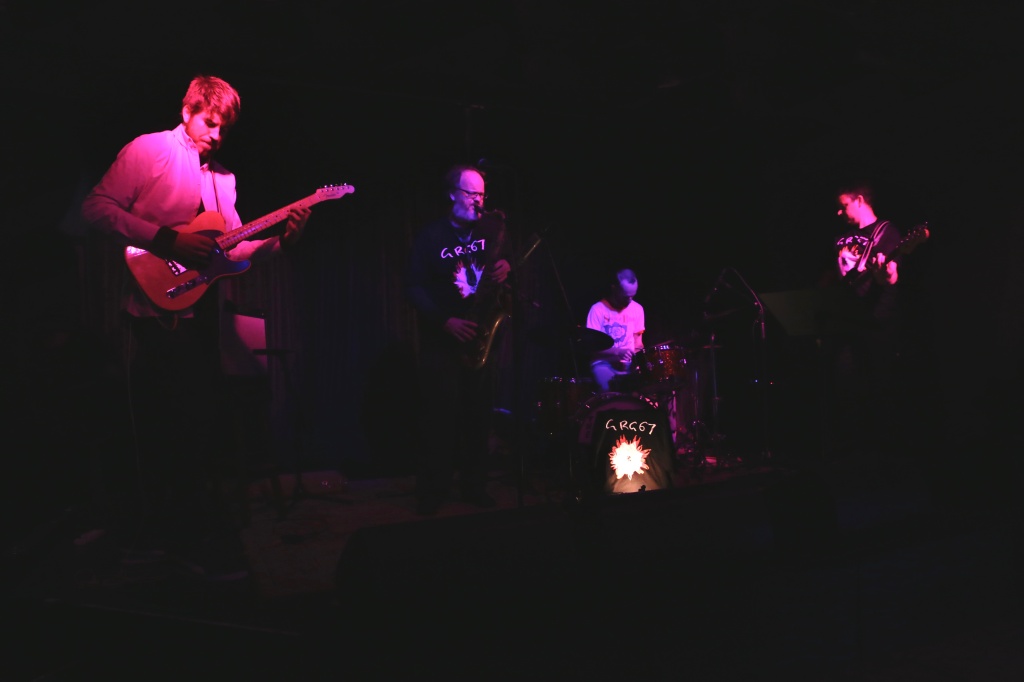
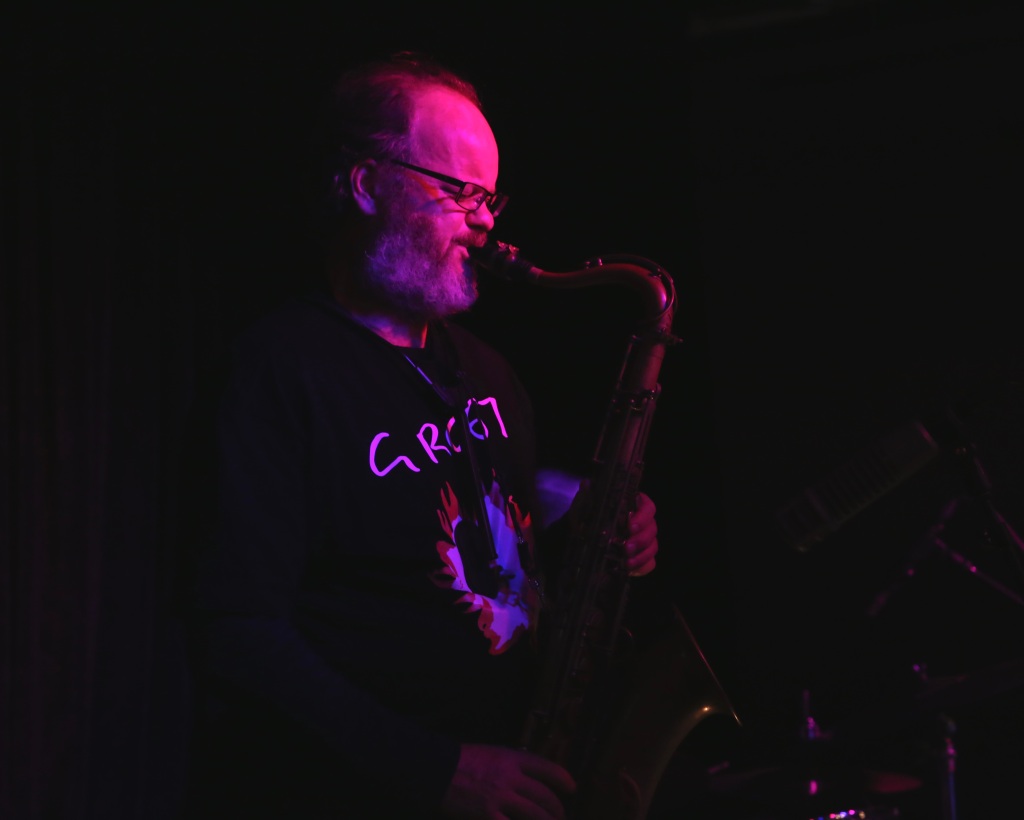
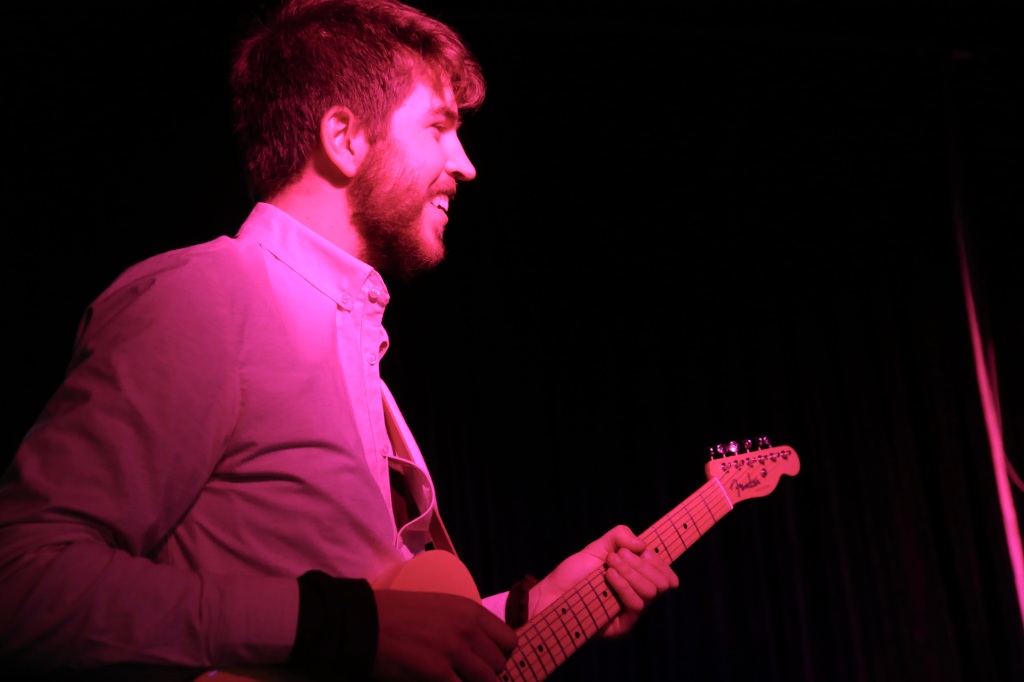
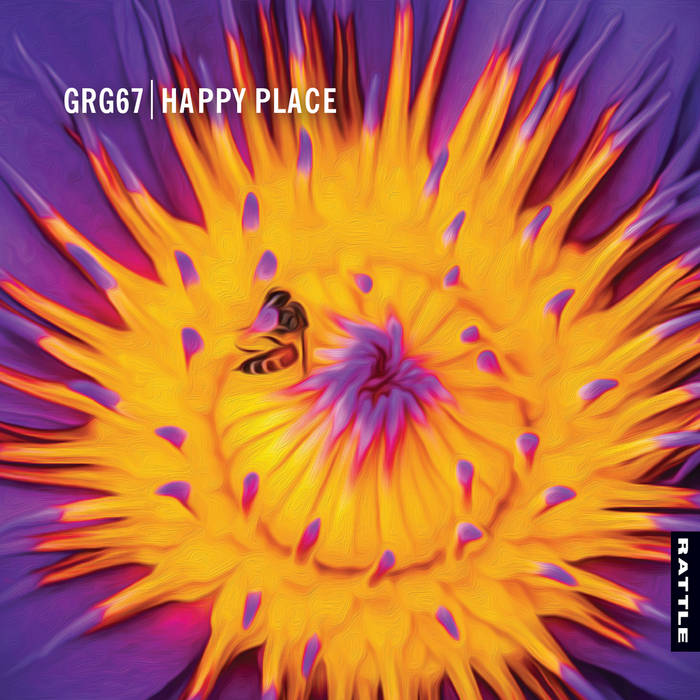
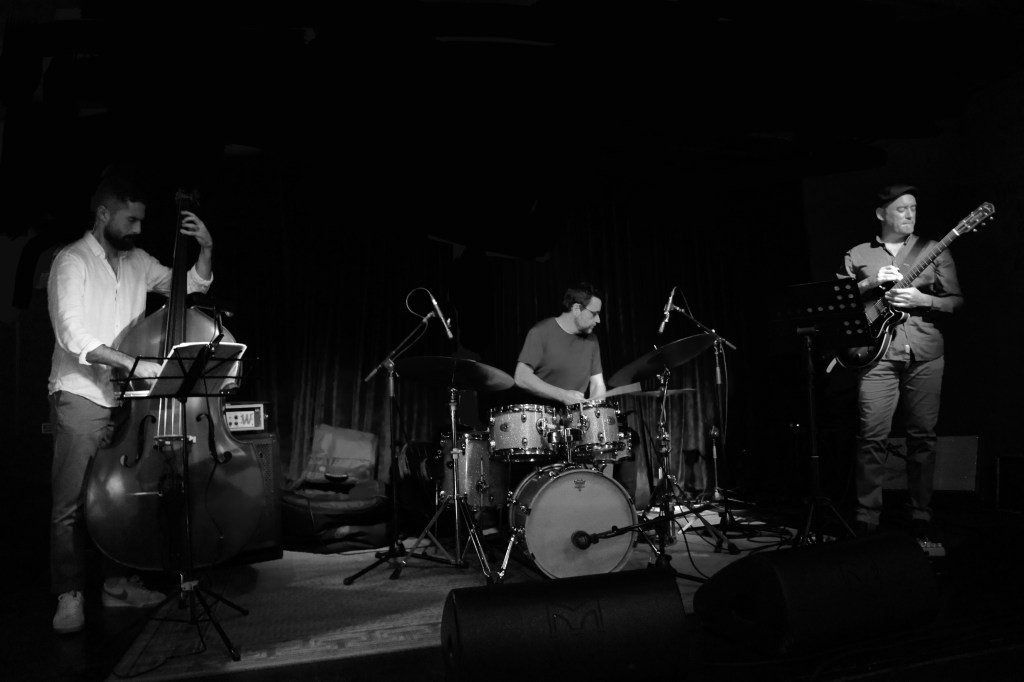
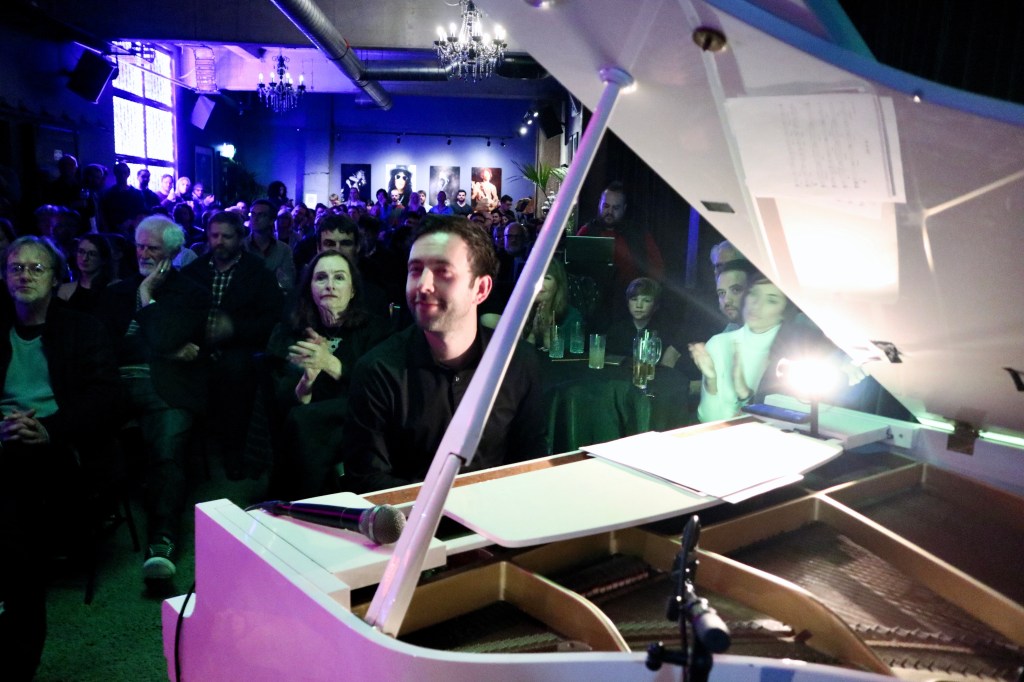

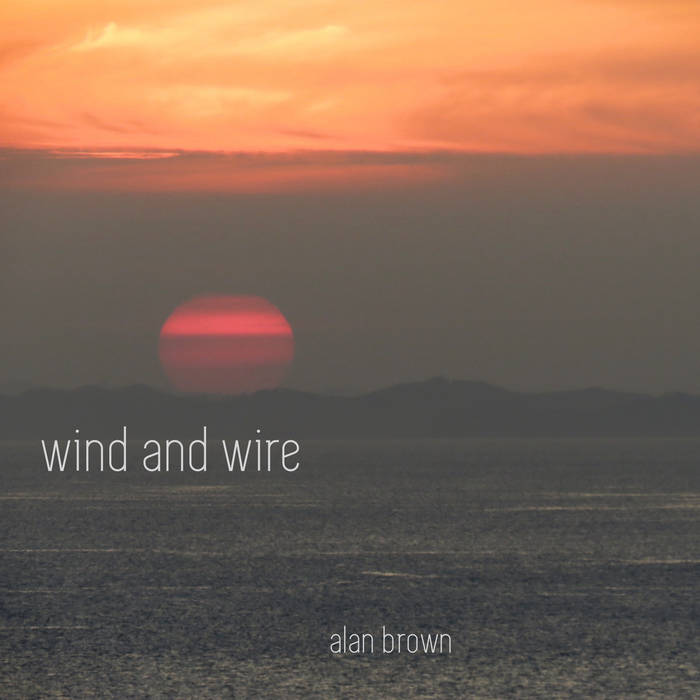
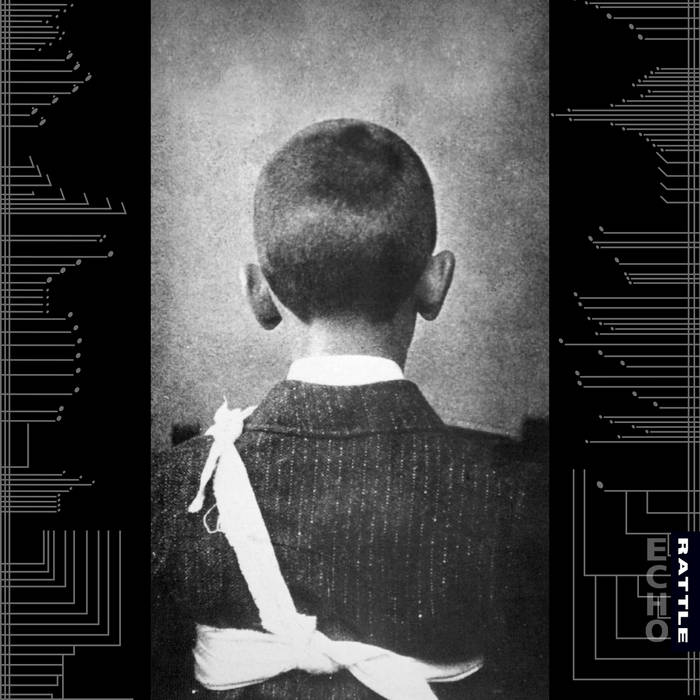
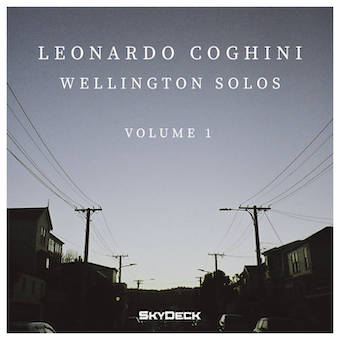
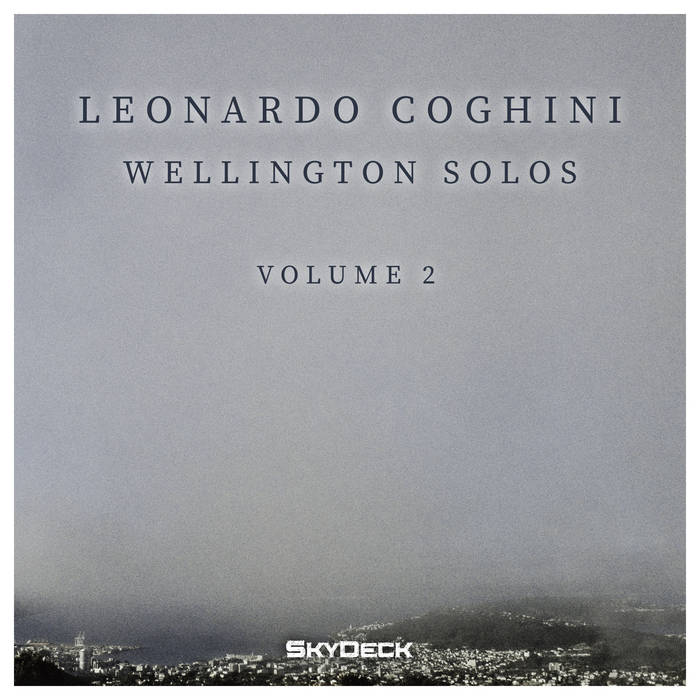
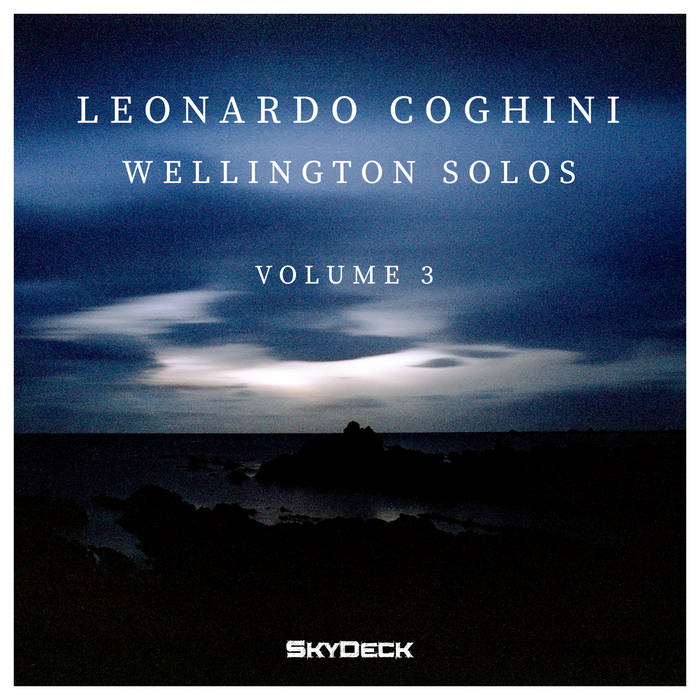
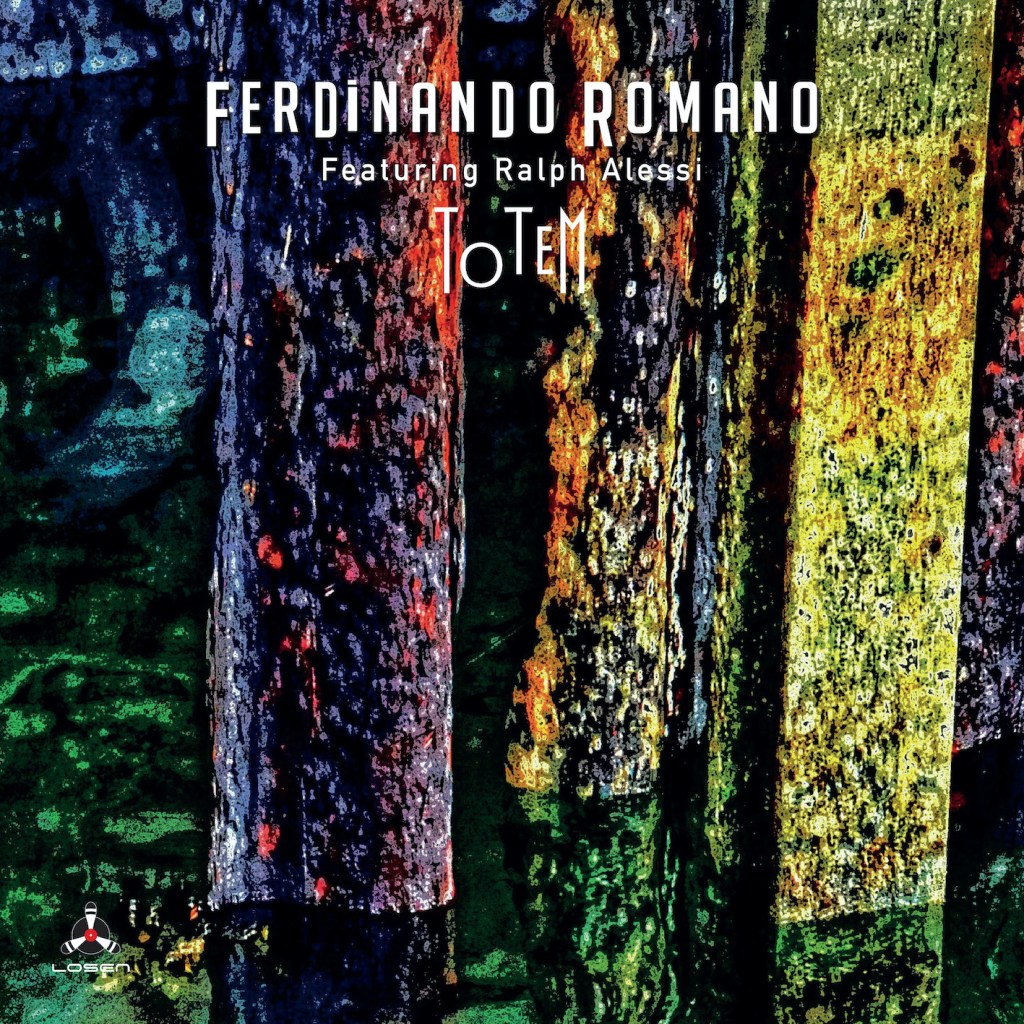
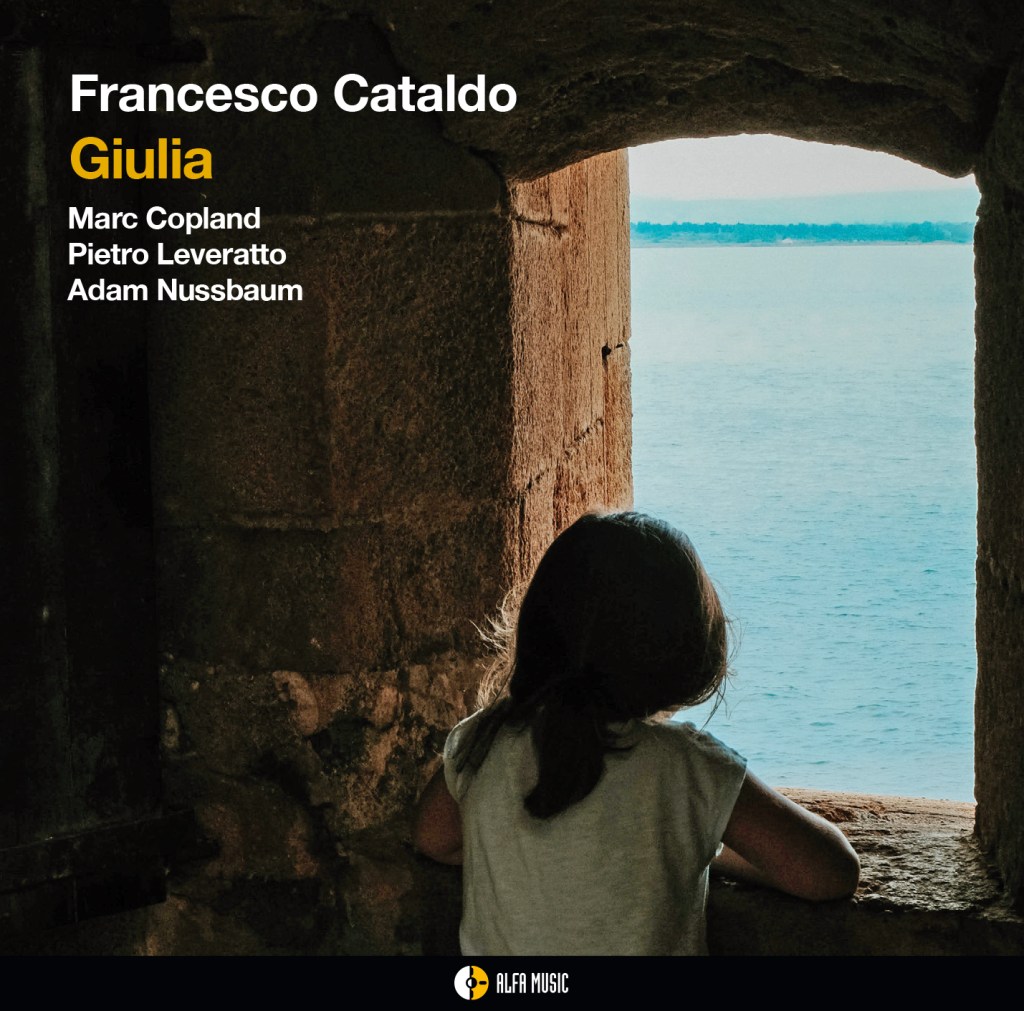
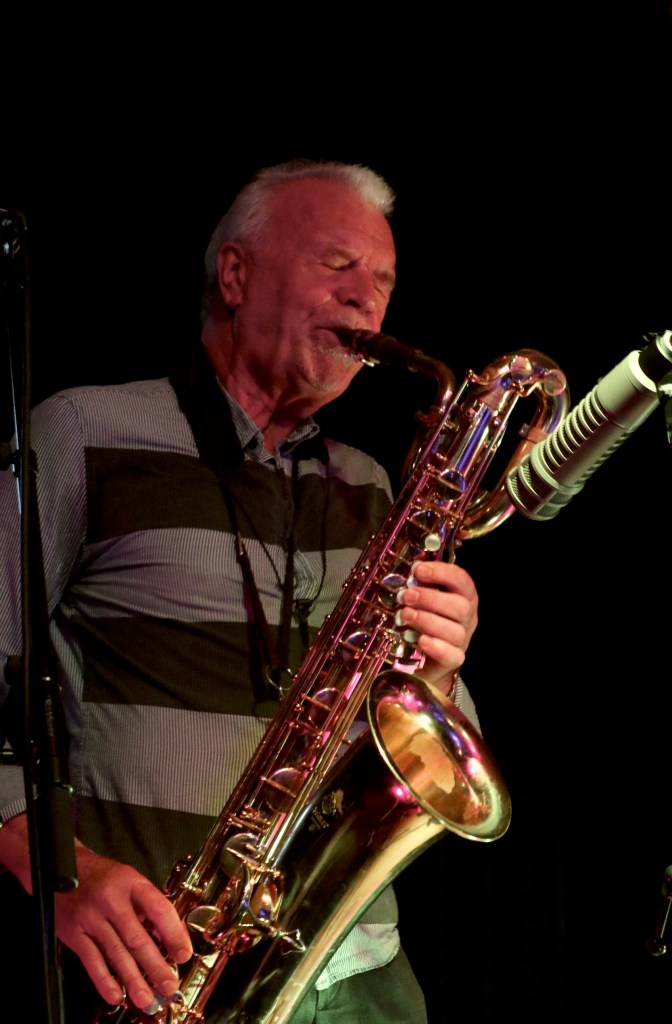
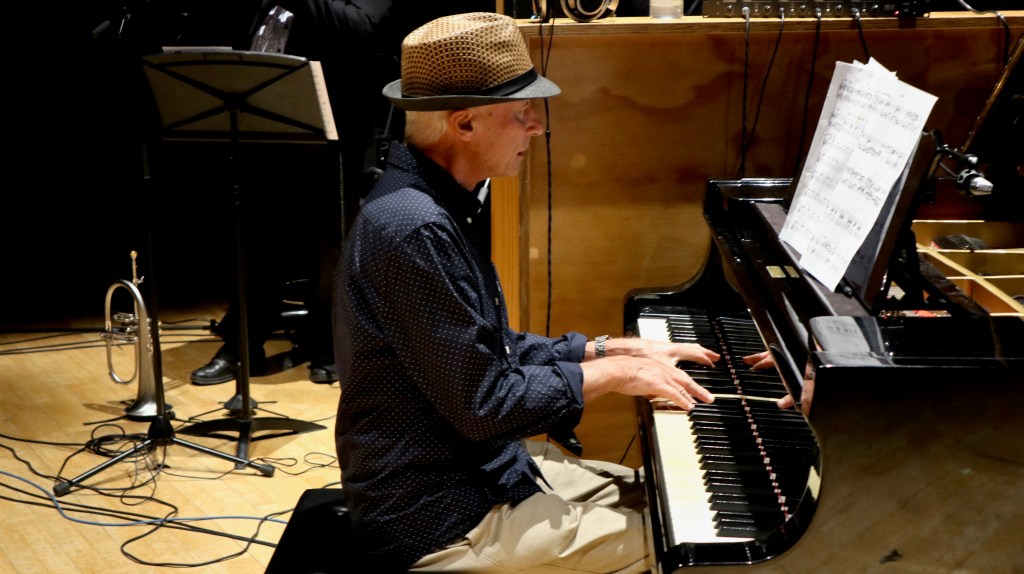
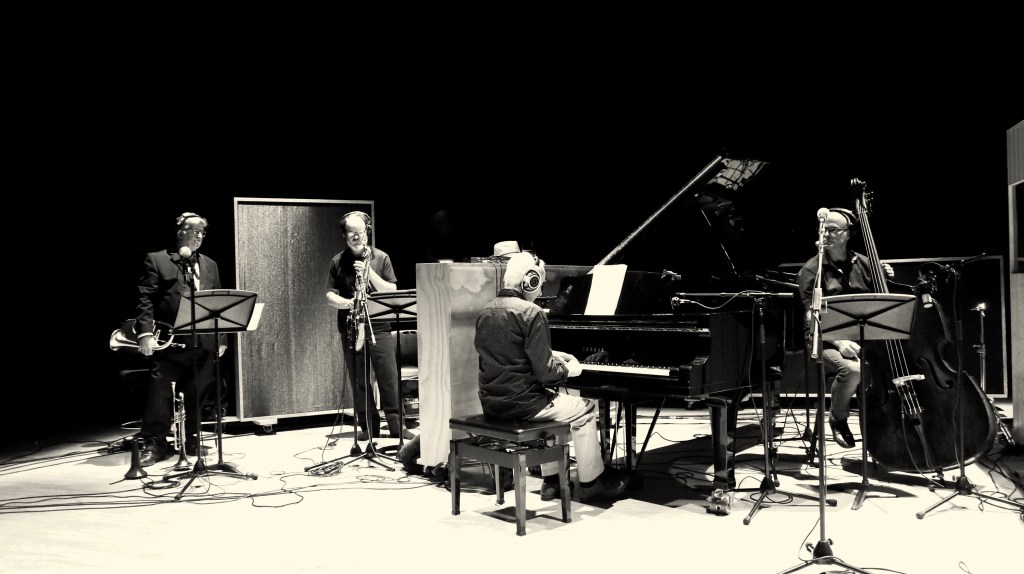

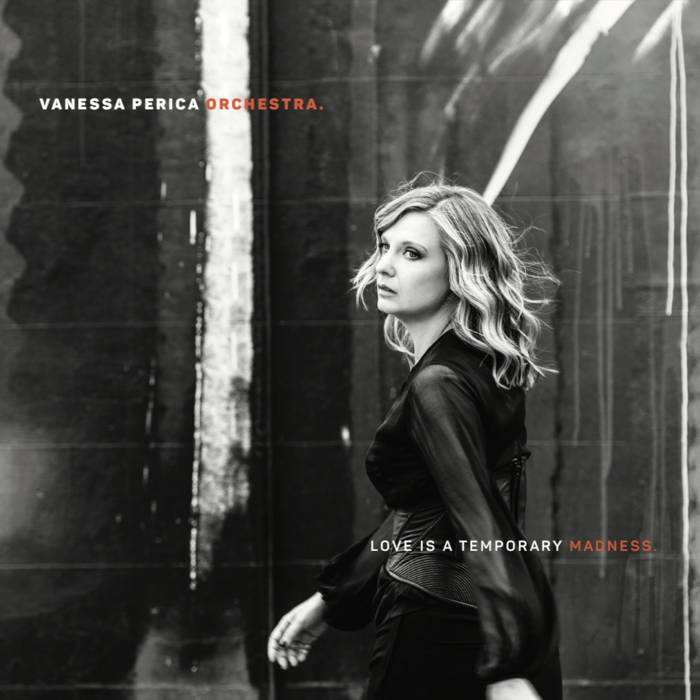

 The lockdowns won’t stop jazz! To assist musicians who’ve had performances cancelled, get their music heard around the globe. There Jazz Journalists Association created a Jazz on Lockdown: Hear it Here community blog. for more, click through to
 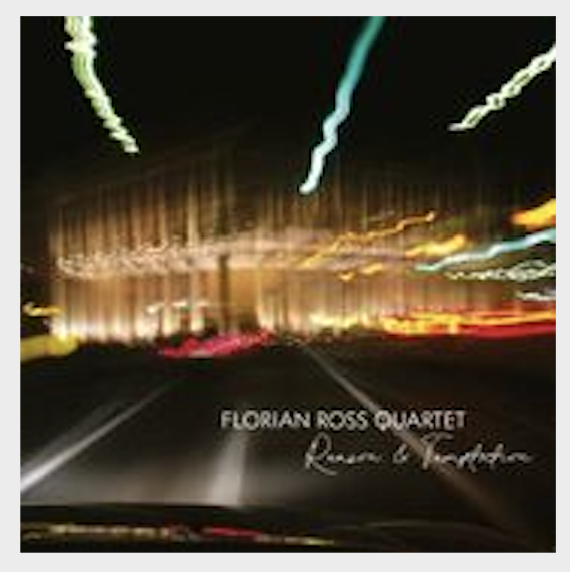 I first came across Ross when his first album was released on Naxos. Since then he has constantly moved forward, listening carefully to the world about him and reflecting it back in his recorded output. His style while unmistakably European, draws on many sources, sometimes evoking a crystalline melodicism, at other times the jagged and joyful lines of Monks post-bop successors. His works are often composed for larger ensembles where the deftly woven textures are the first thing that come to mind. This album is about intimacy and space and the accompanying video gives it that context; manicured forests, vivid snowscapes, and comfortably distant cityscapes.
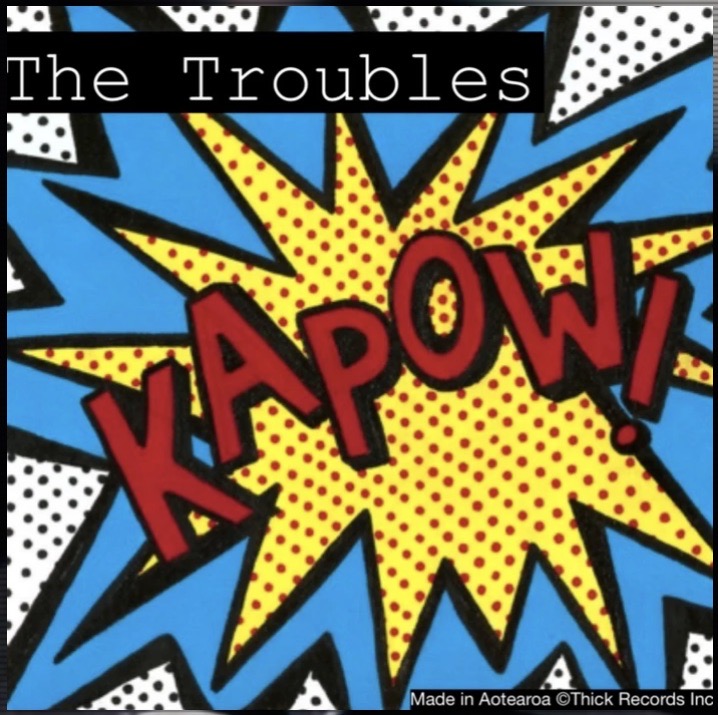


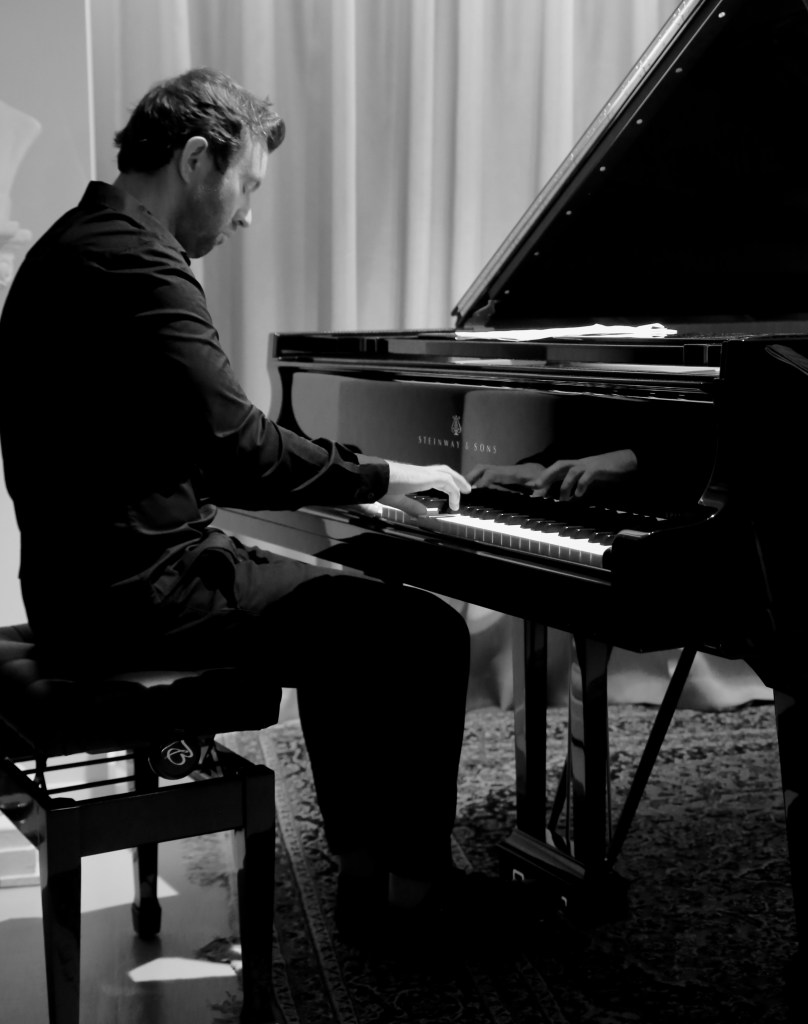
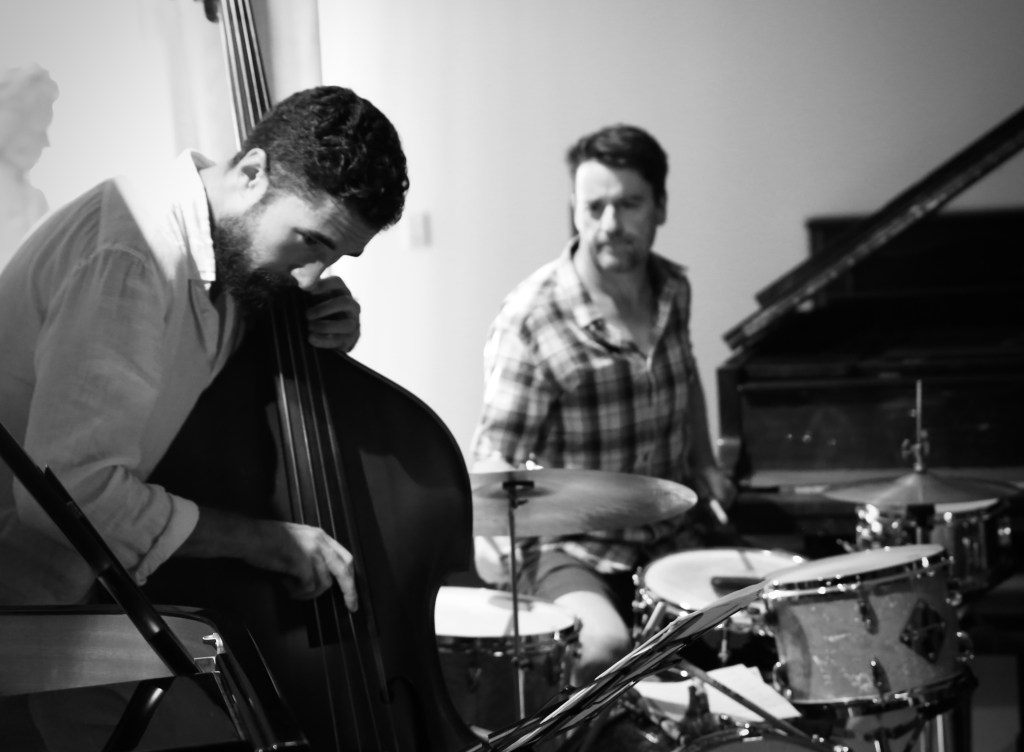



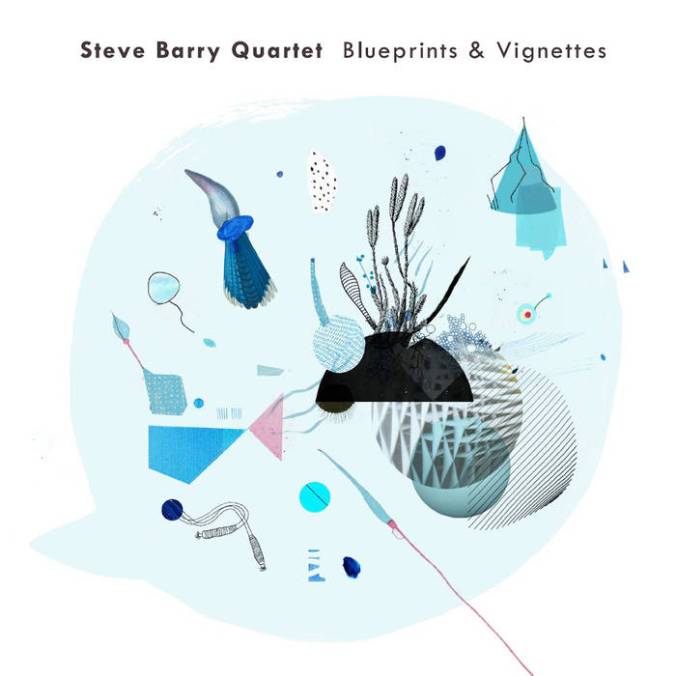
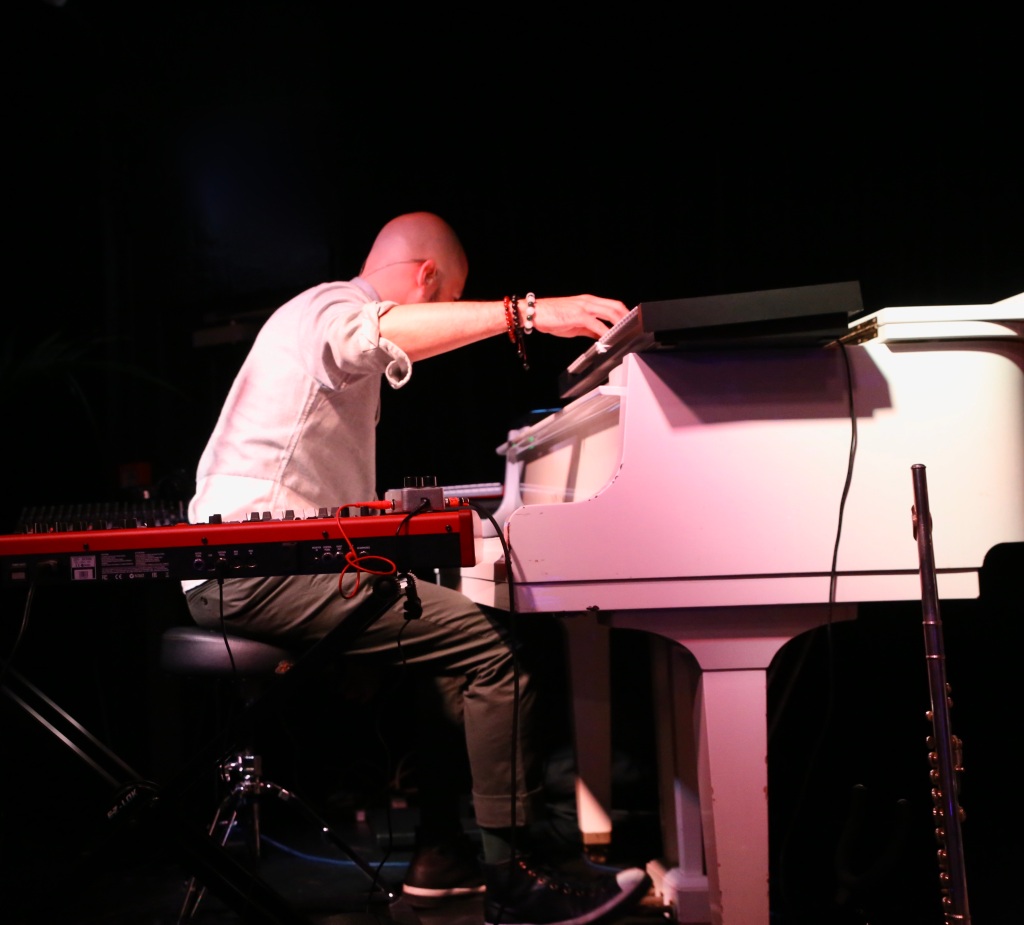
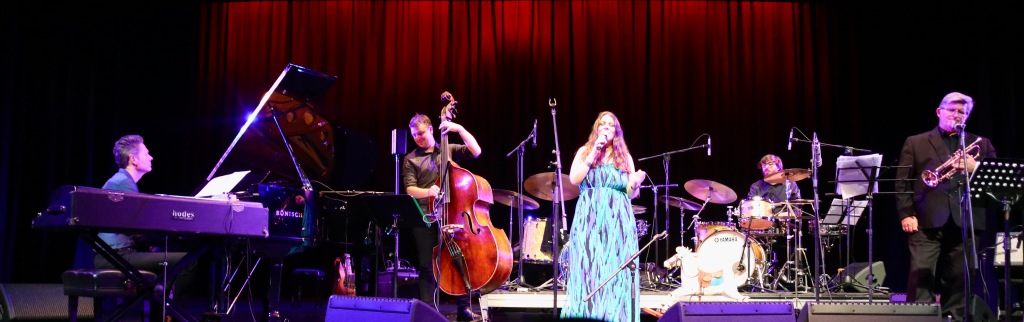
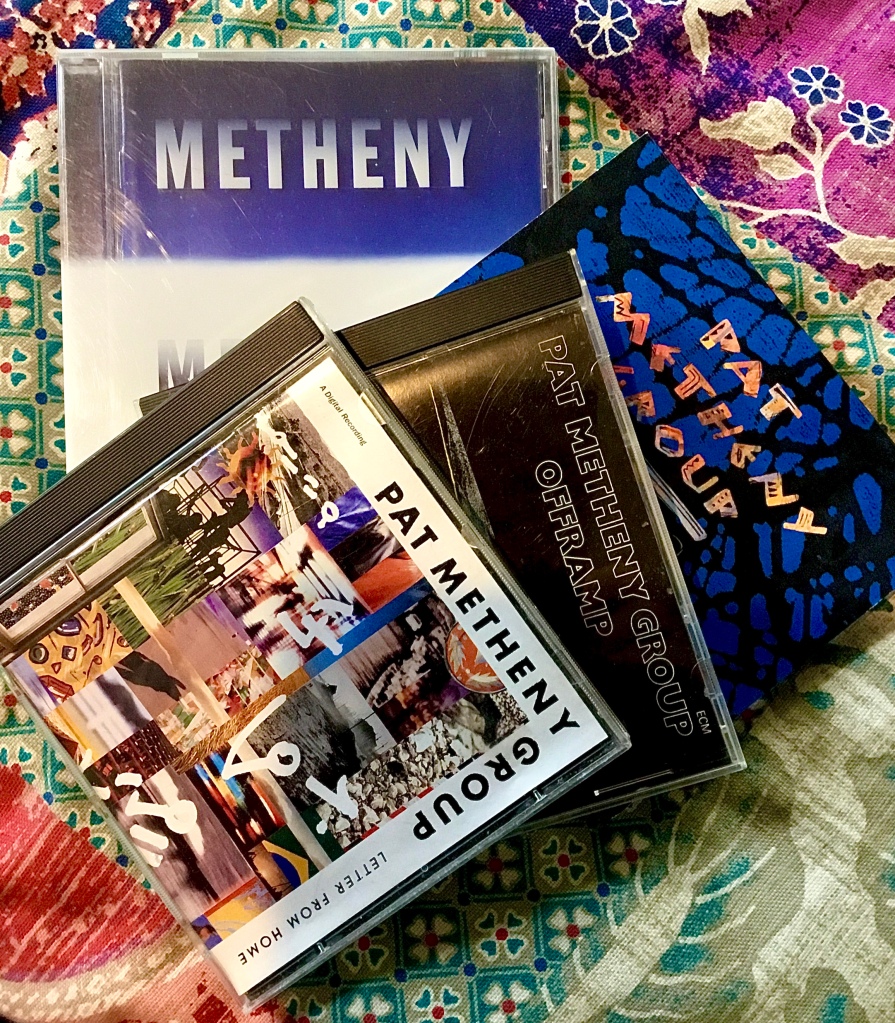
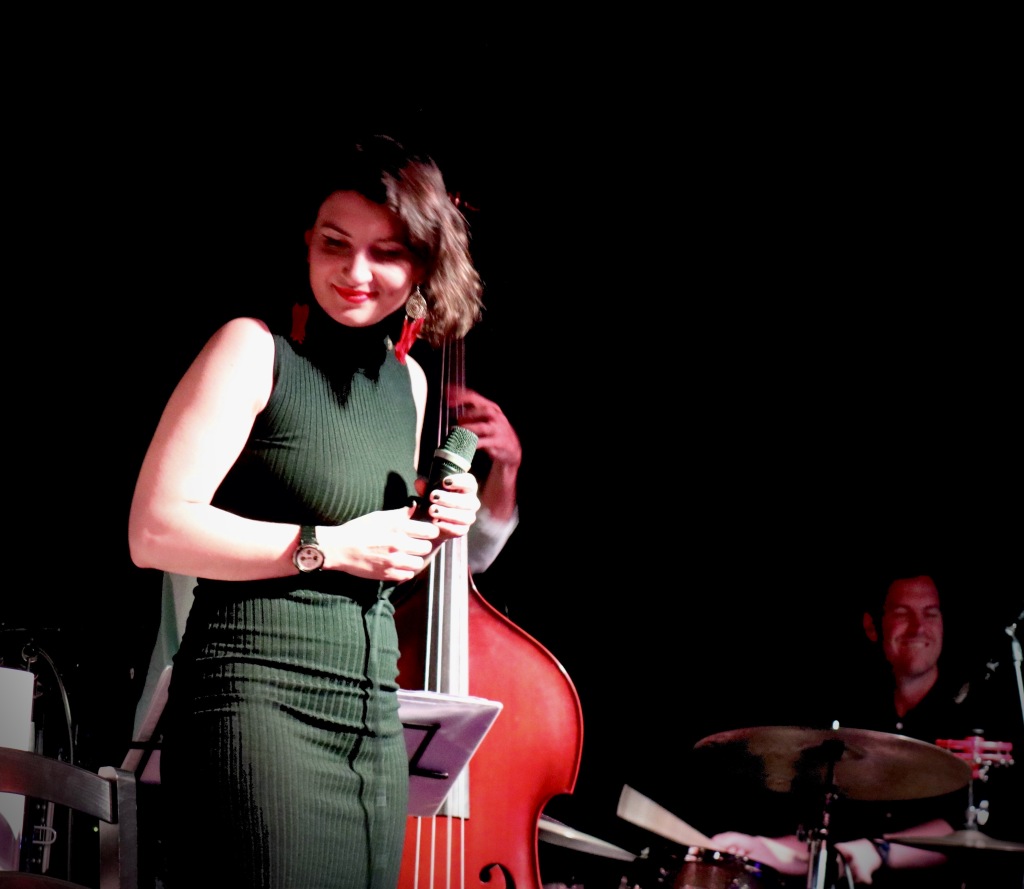




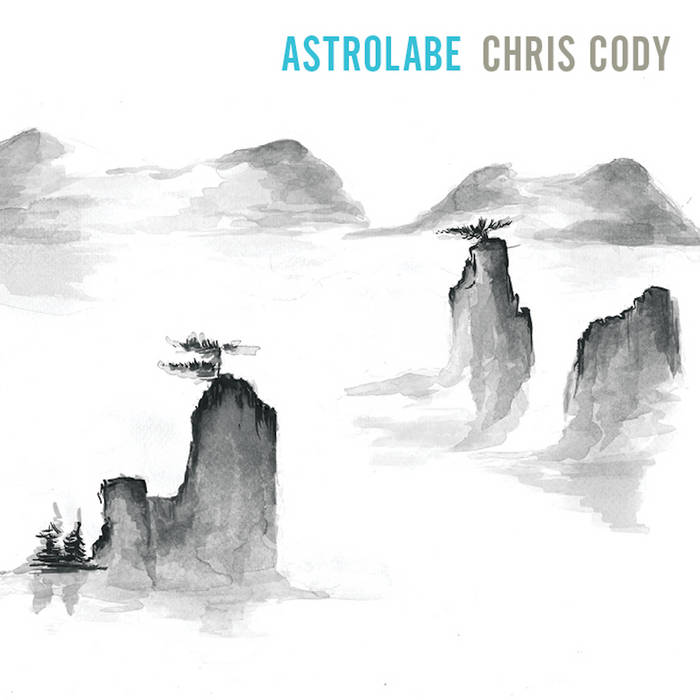
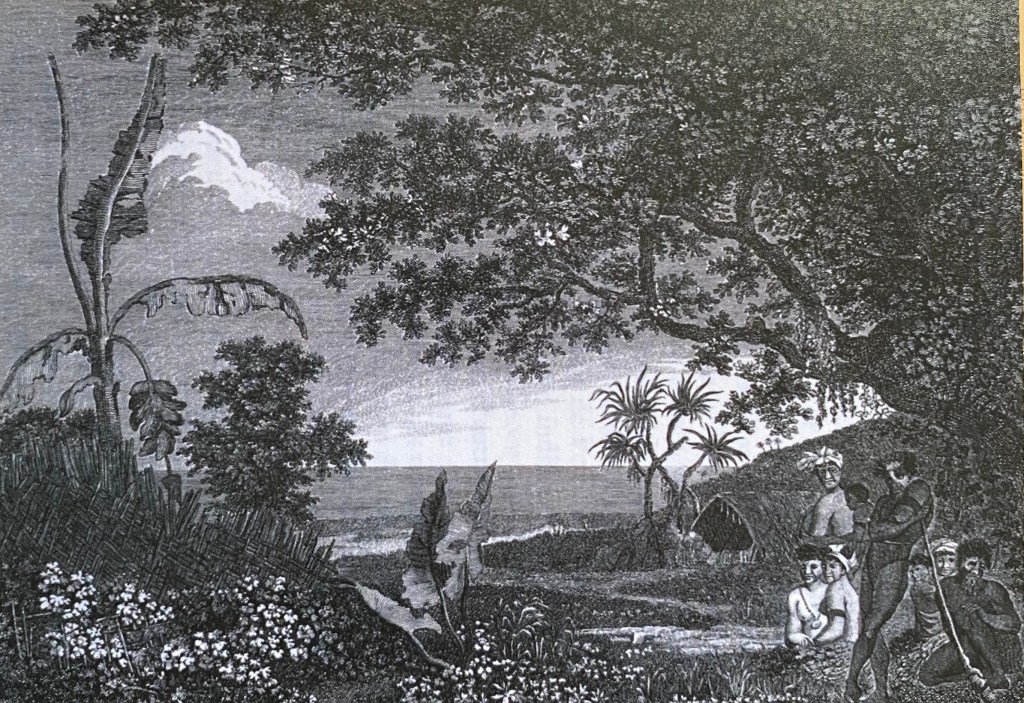
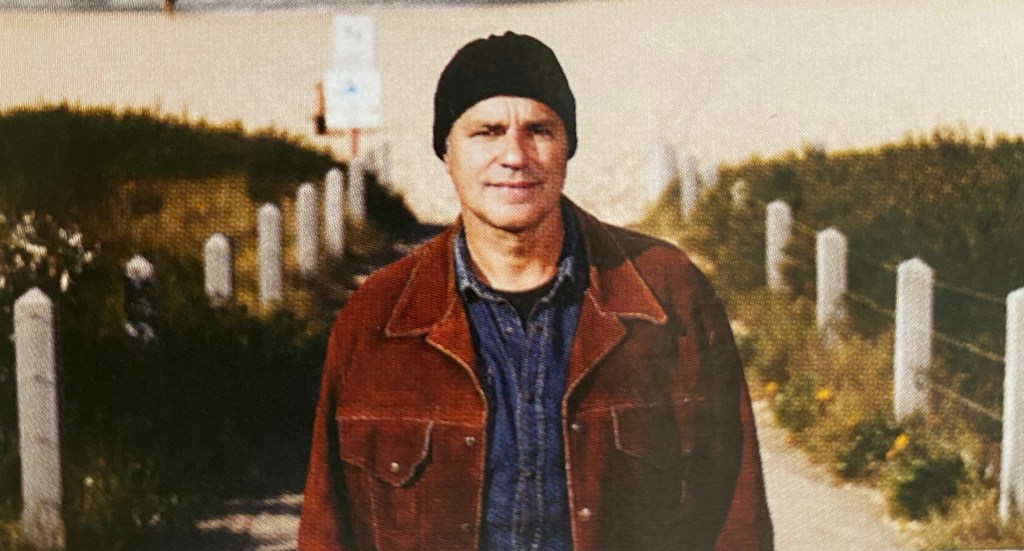
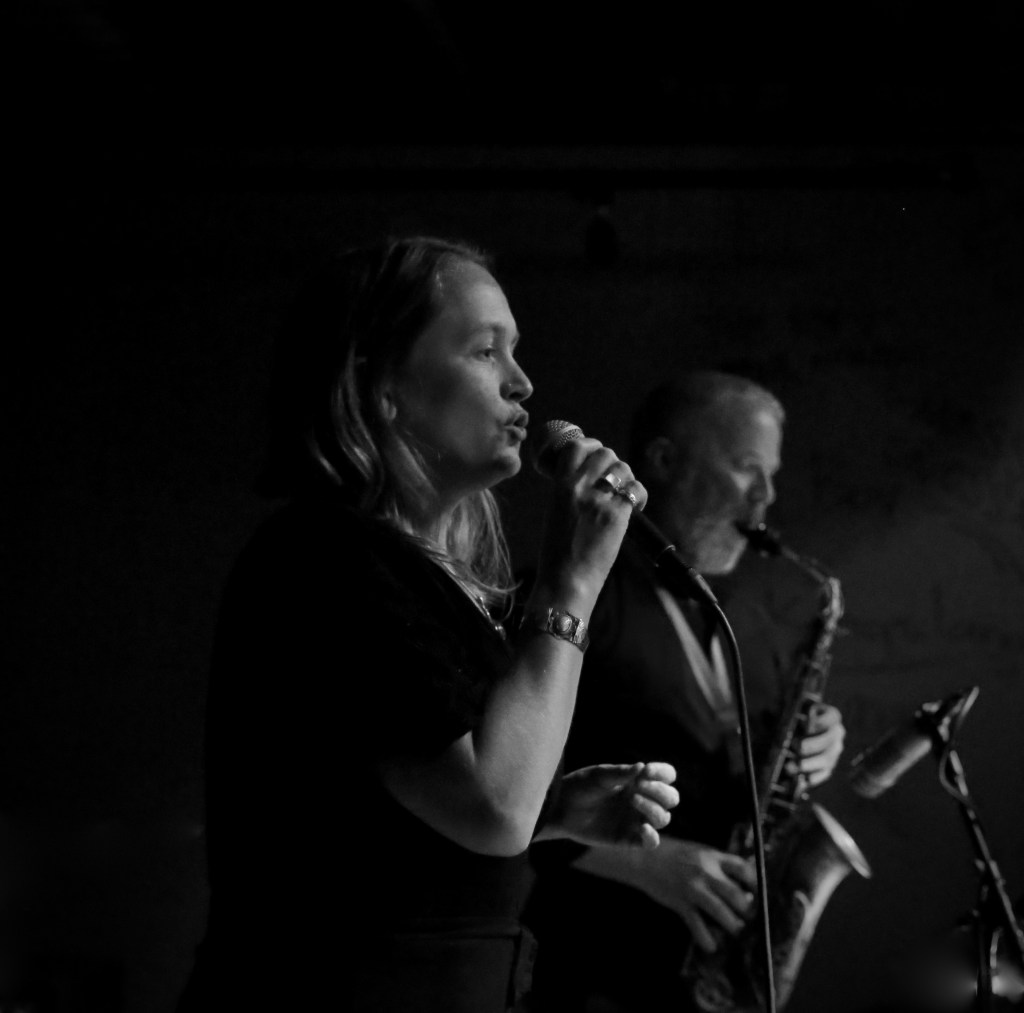

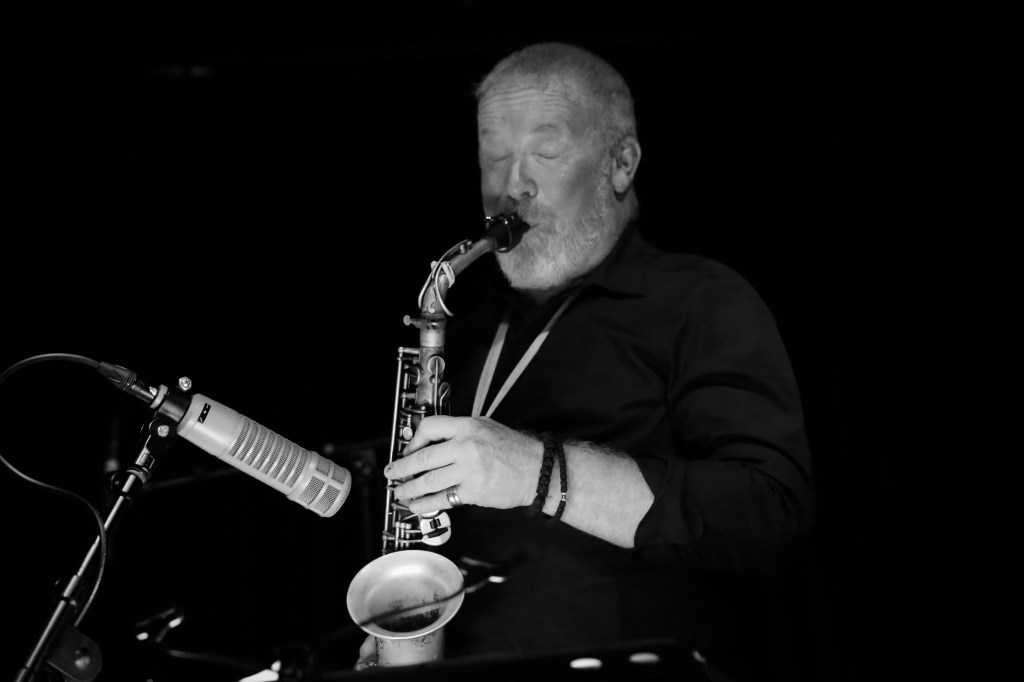
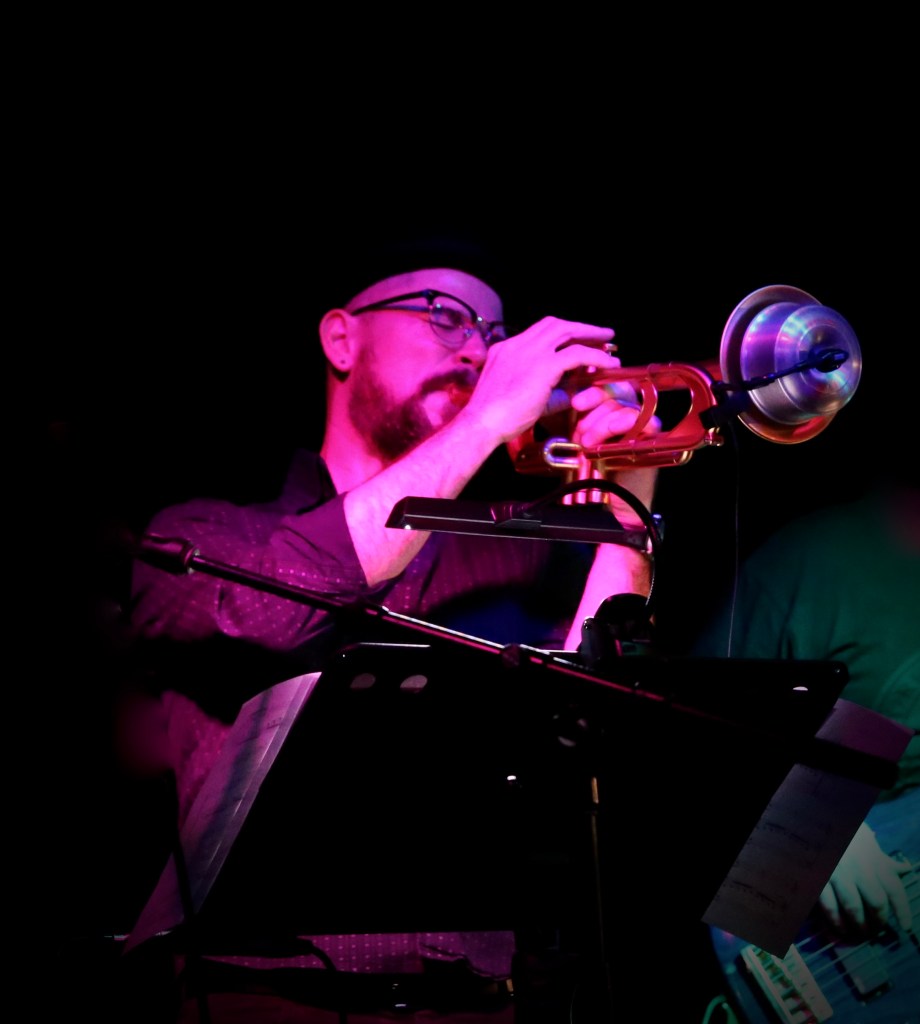
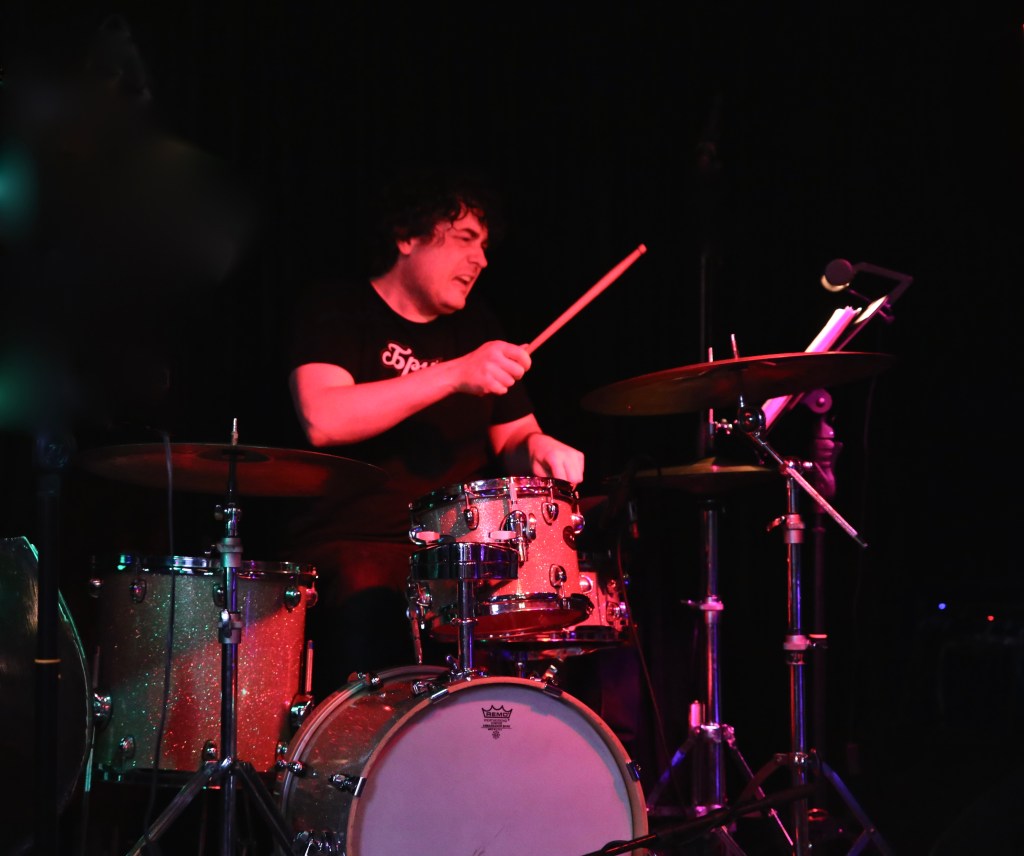
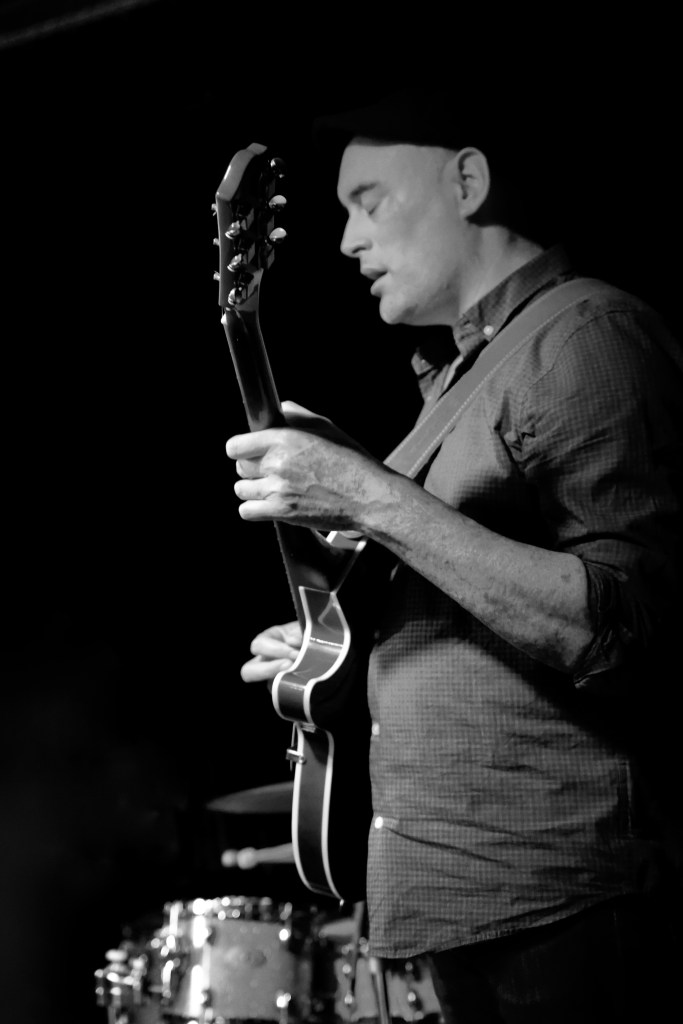

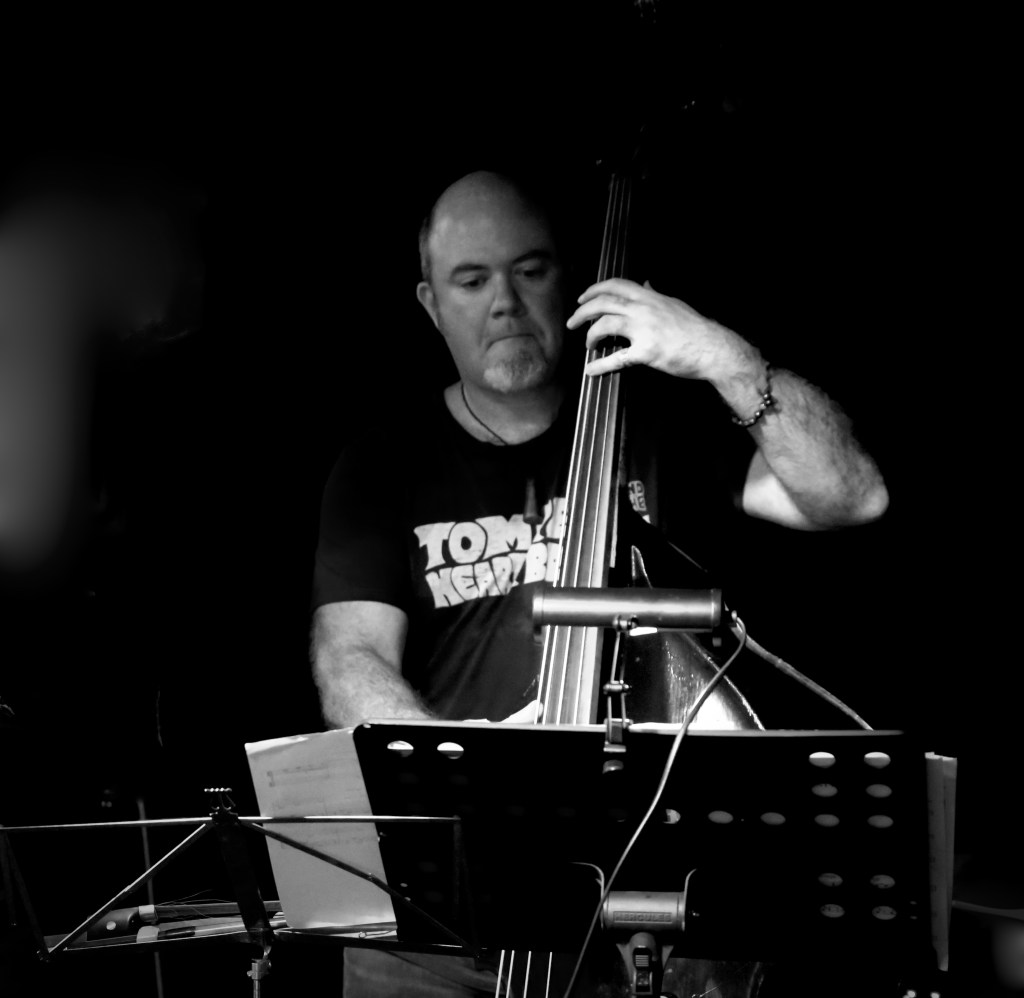
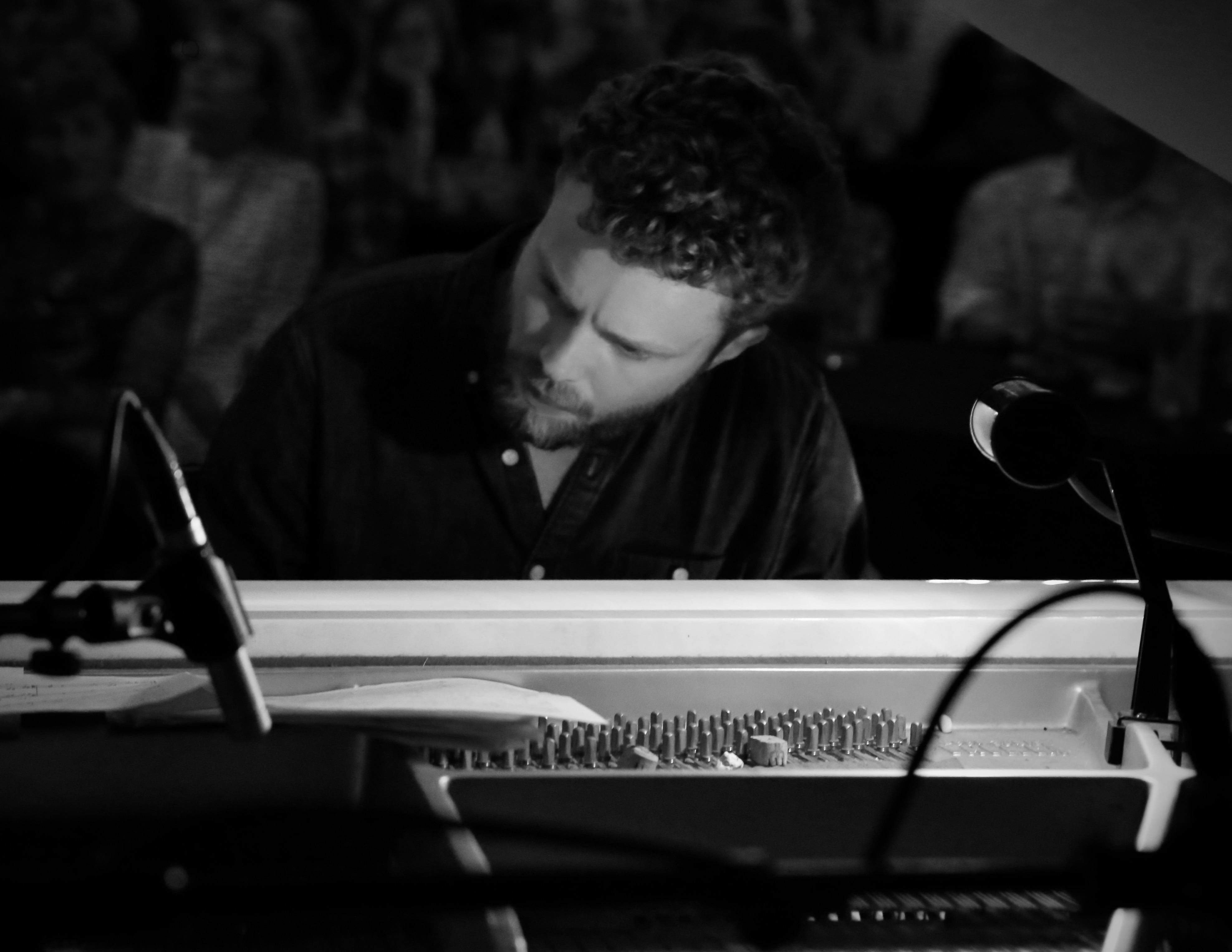
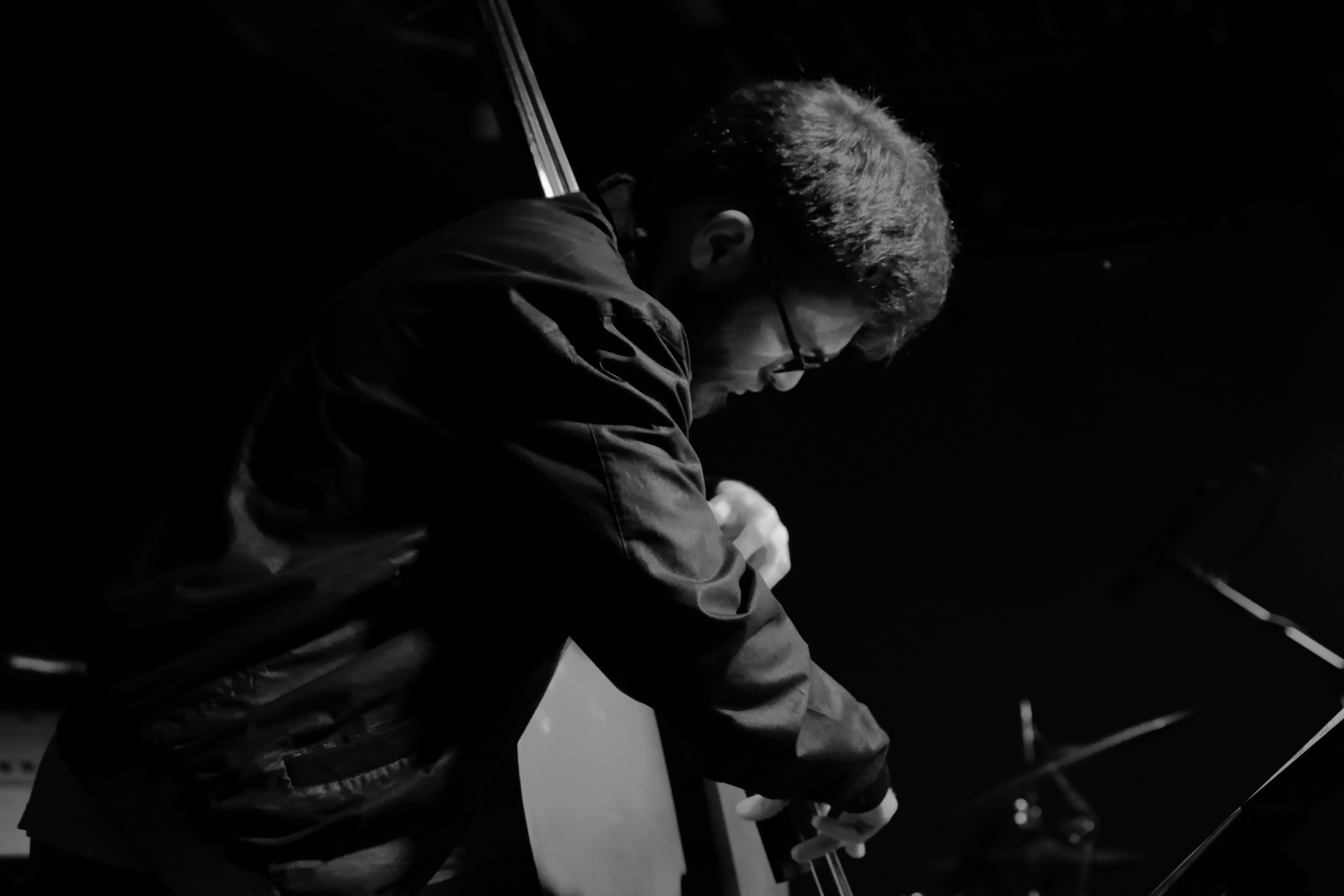 This was Ventling’s first gig for the CJC Creative Jazz Club and it attracted a large audience. They poured through the doors escaping the evening’s heat; needing cool and finding it. The venues piano is not without its challenges but on this night it sang sweetly. Partly because it had just been tuned but it was mainly because of Ventling’s sensitive touch. Many pianists tend toward the percussive in a larger room, but this programme required subtlety, room to breathe. The set-list tunes were well crafted and with a heavier touch, the expressiveness would have been sacrificed. We don’t get too many piano trios through and this trio operated as the best of them do. The musicians listening to each other, reacting, and playing as if they were one entity. It is almost impossible for this level of communication to occur unless a trio has been together for a time, and in this case, they were not only long term bandmates but on the last stop on the tour.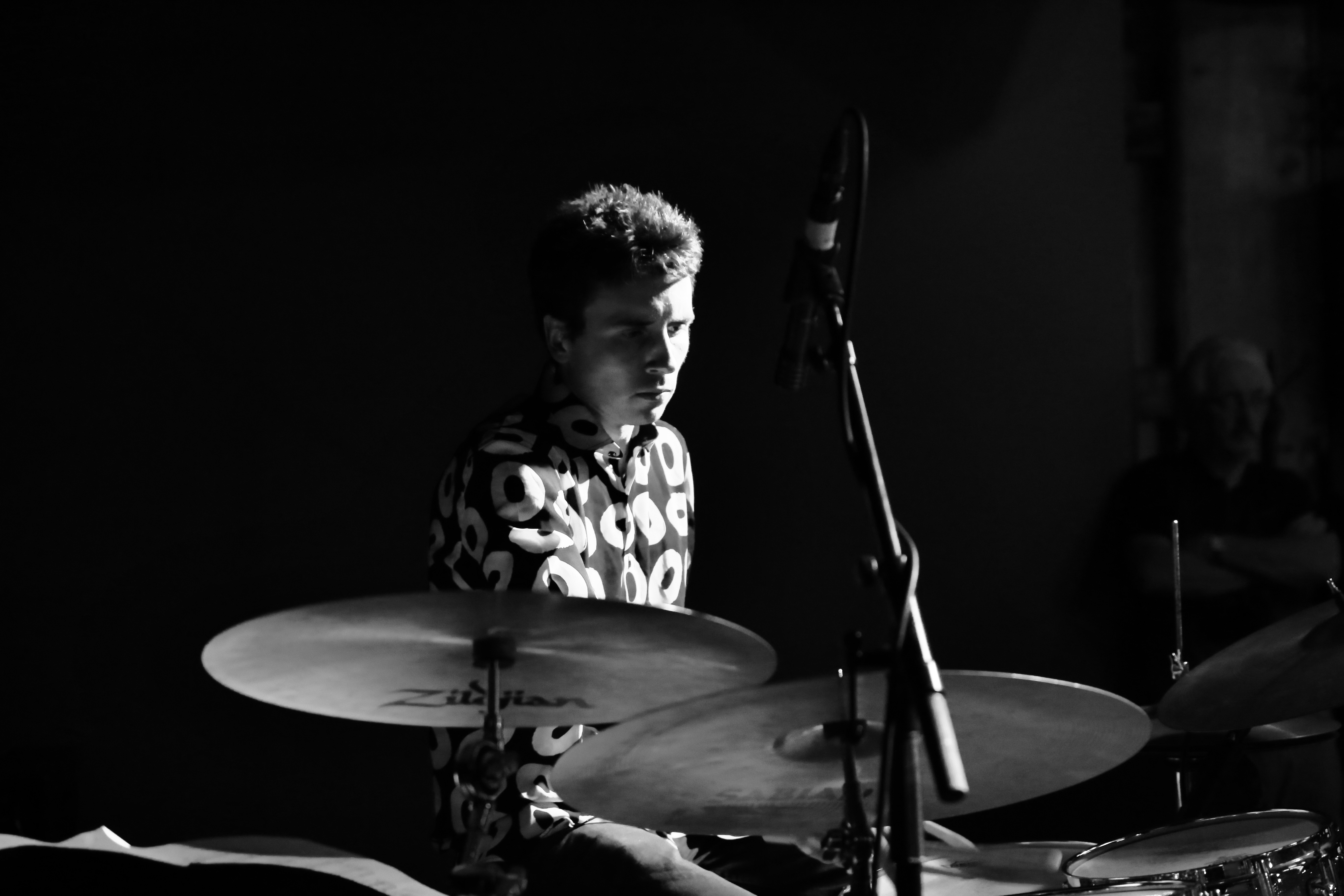
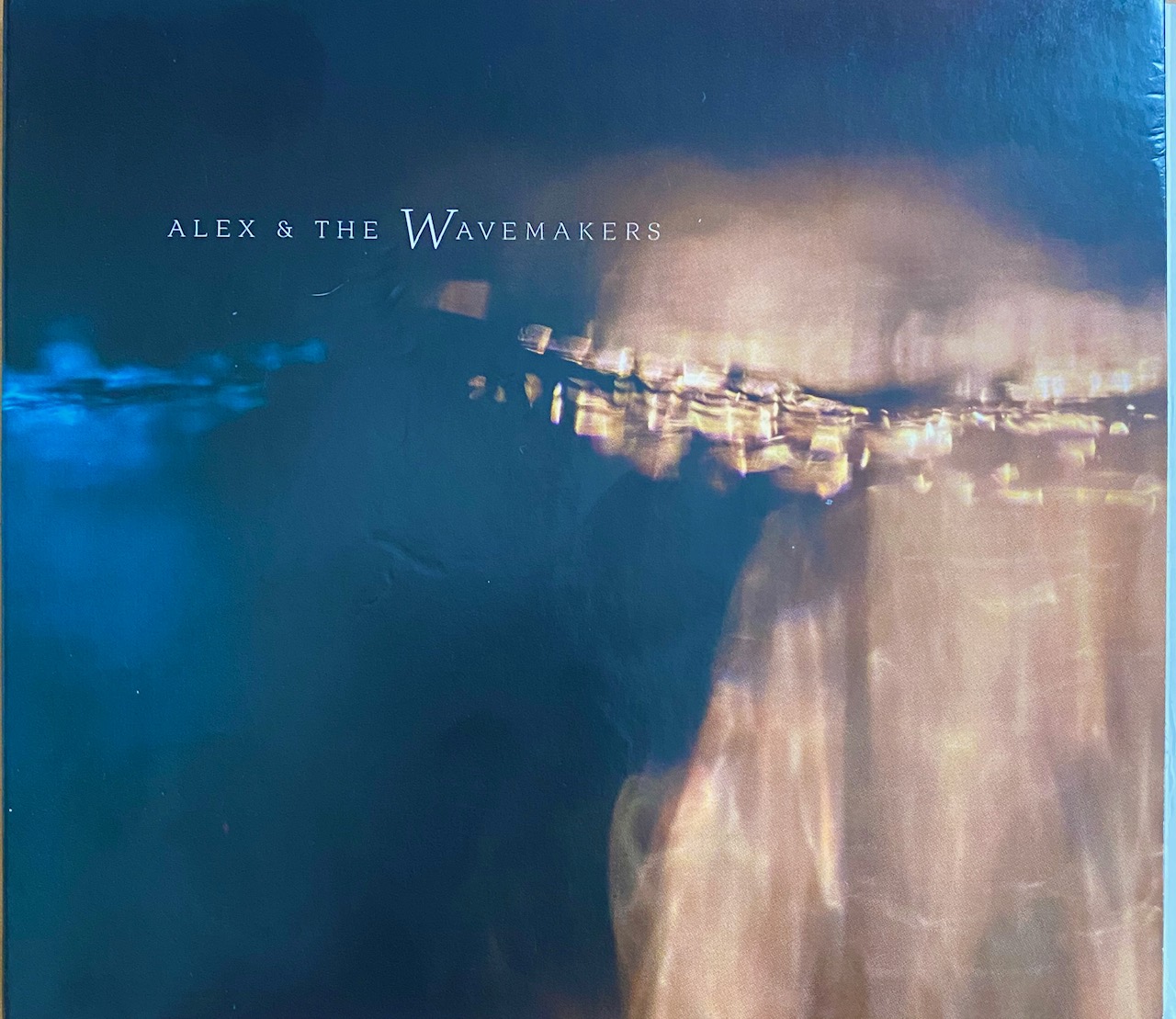
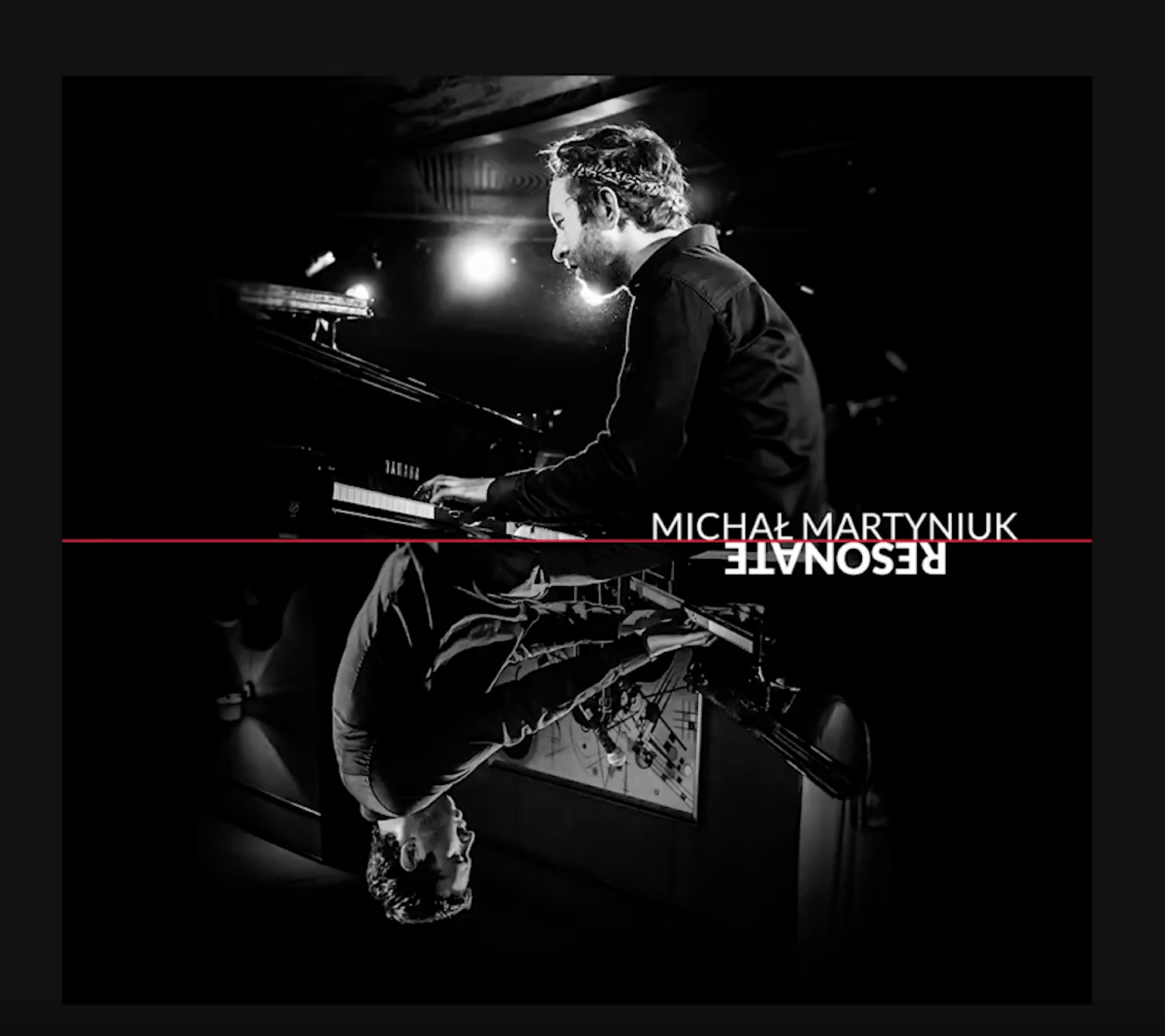
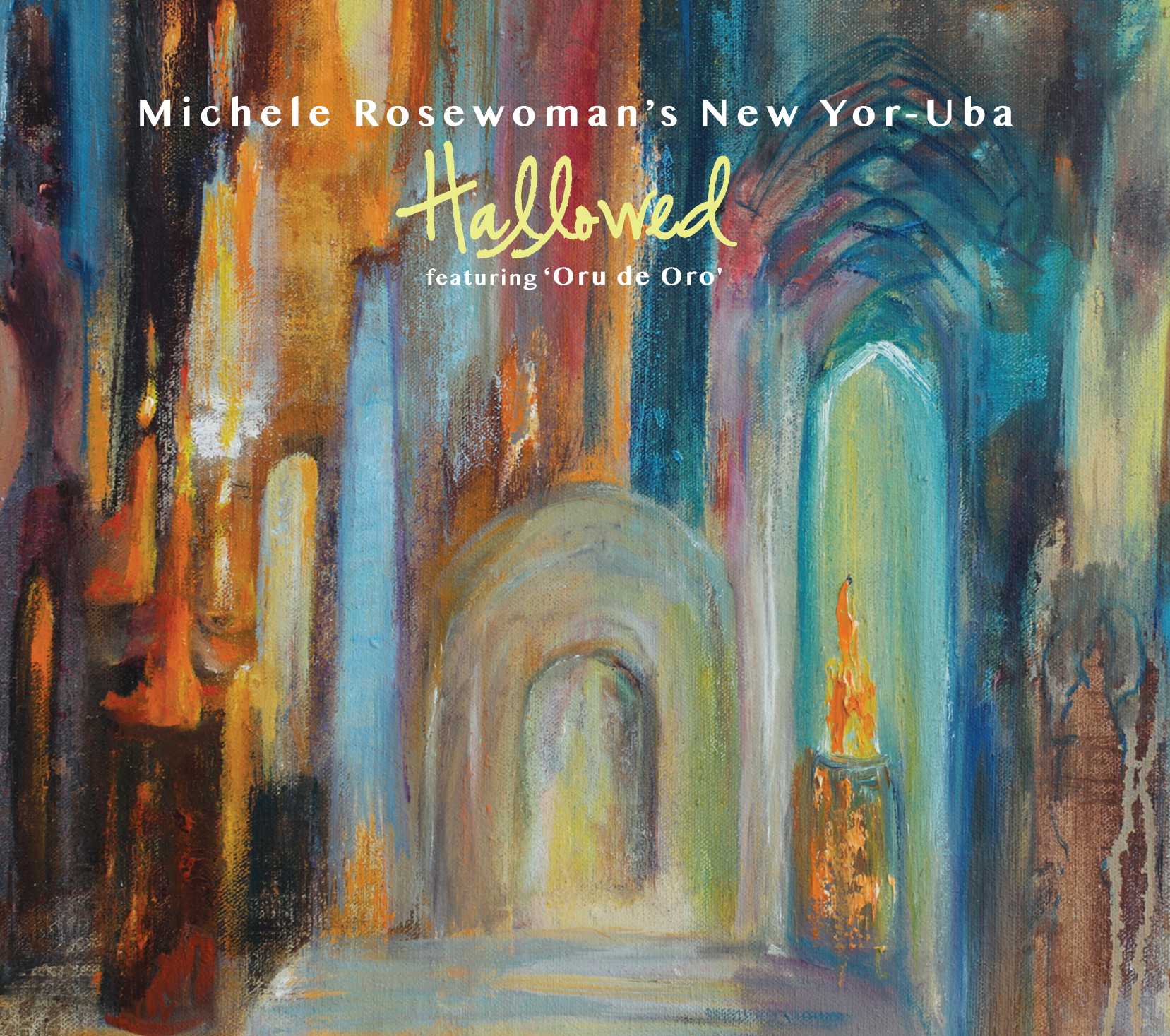
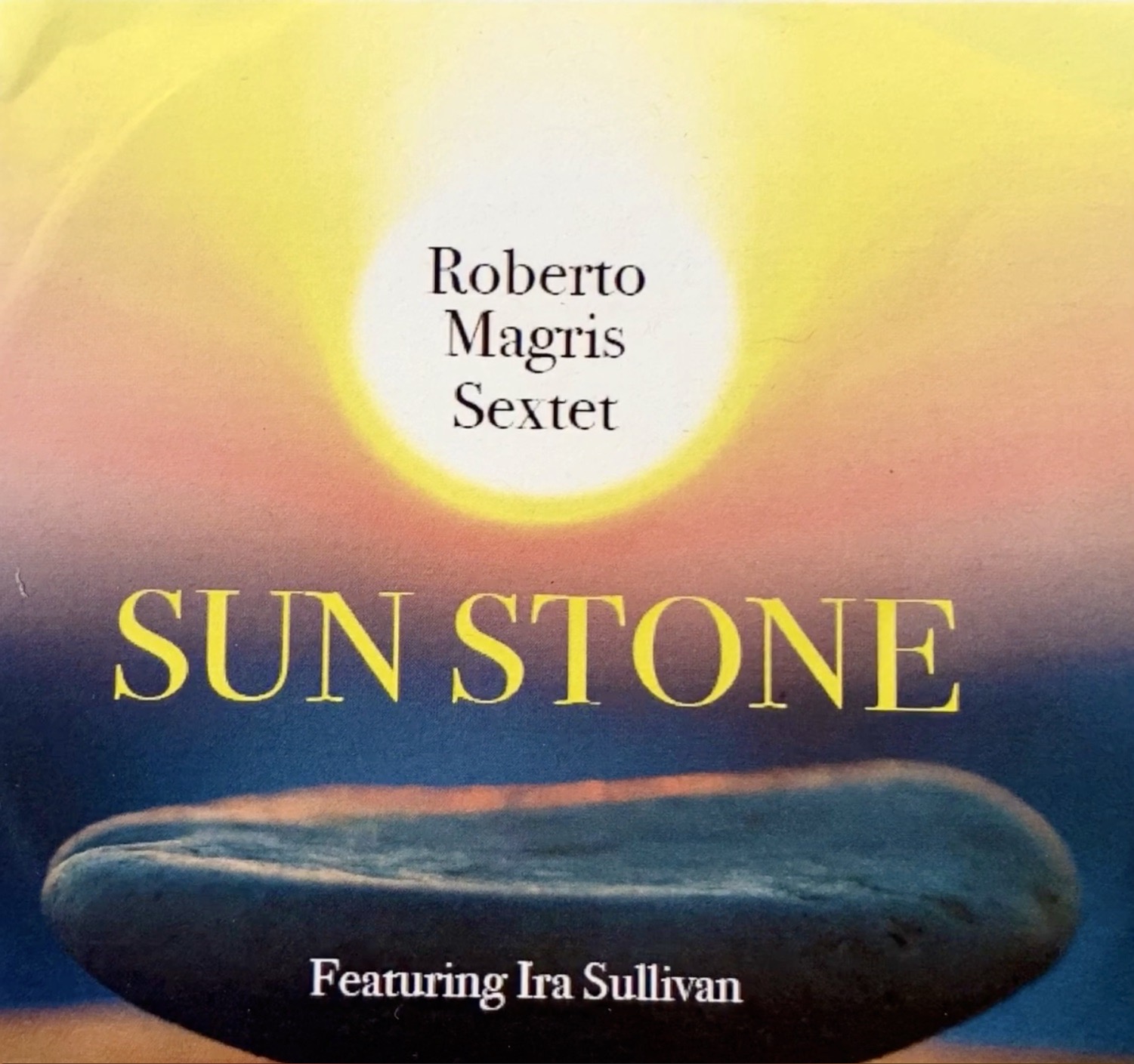
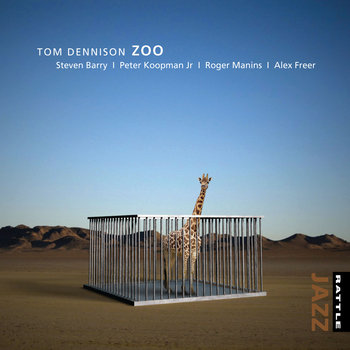
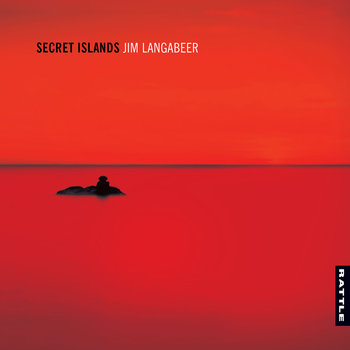
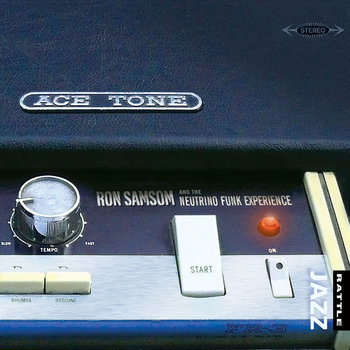
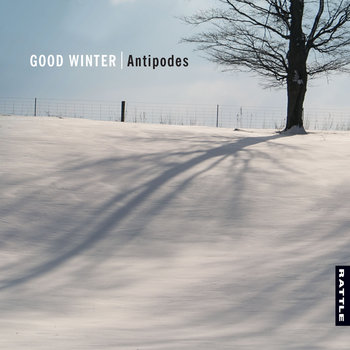

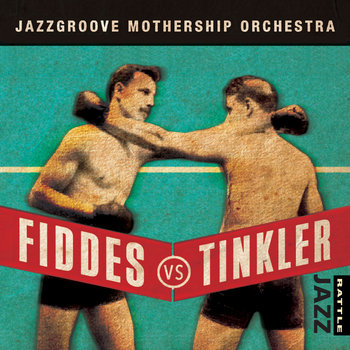
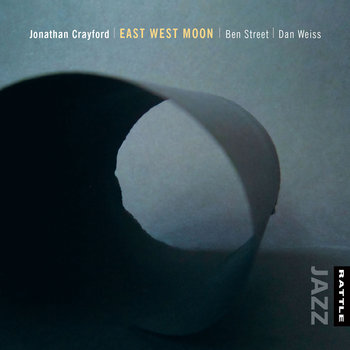
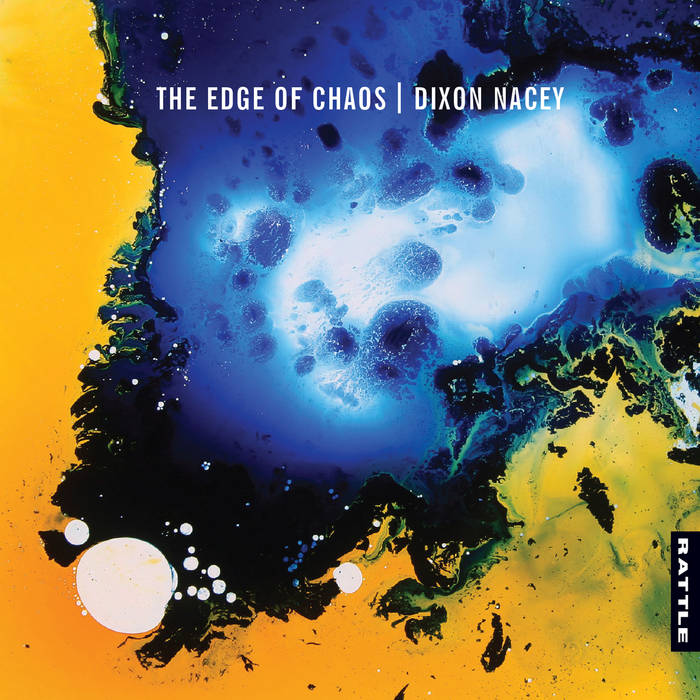
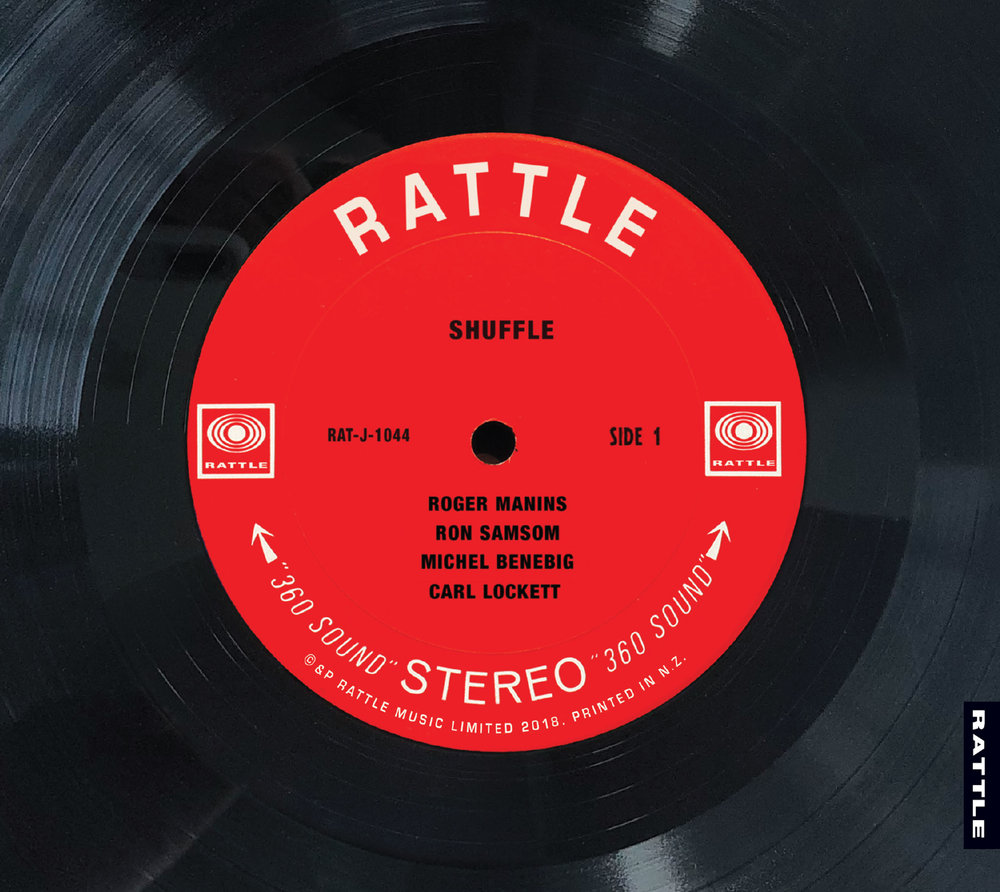
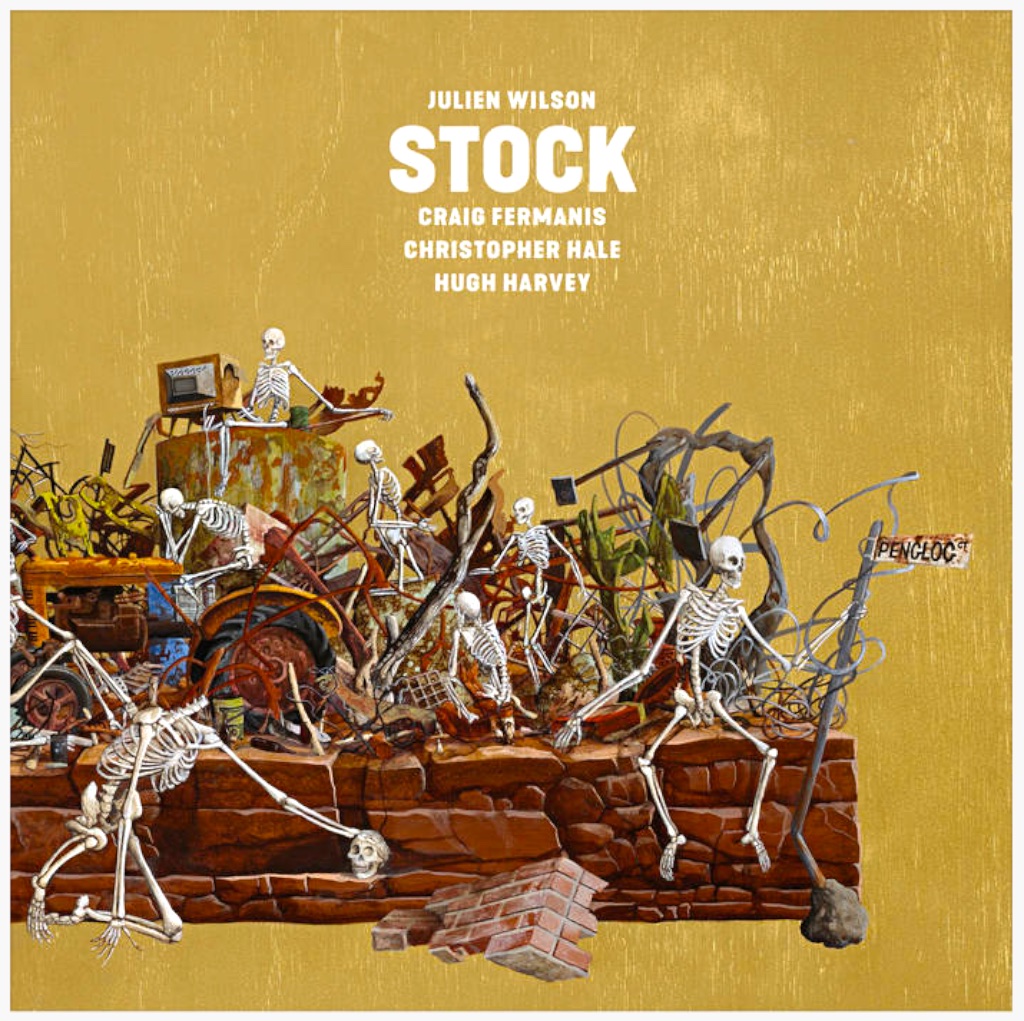
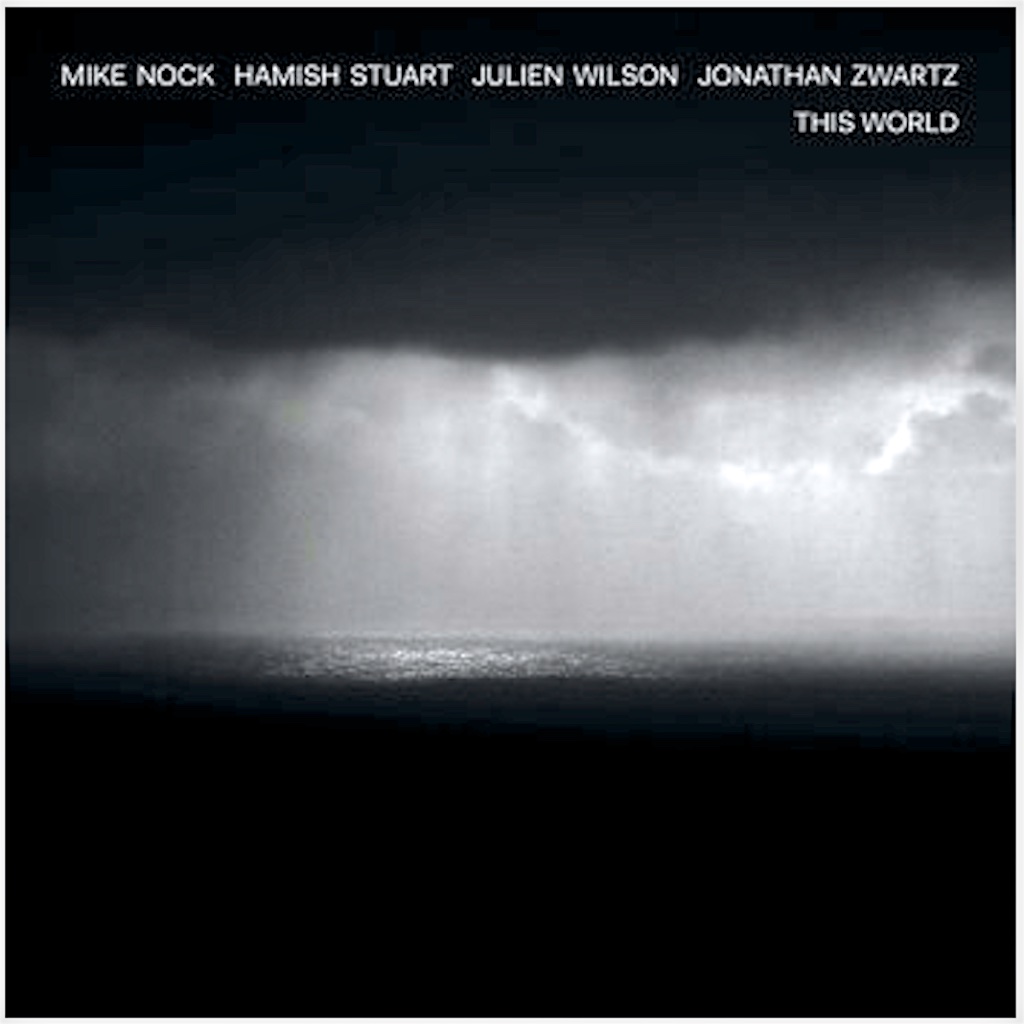
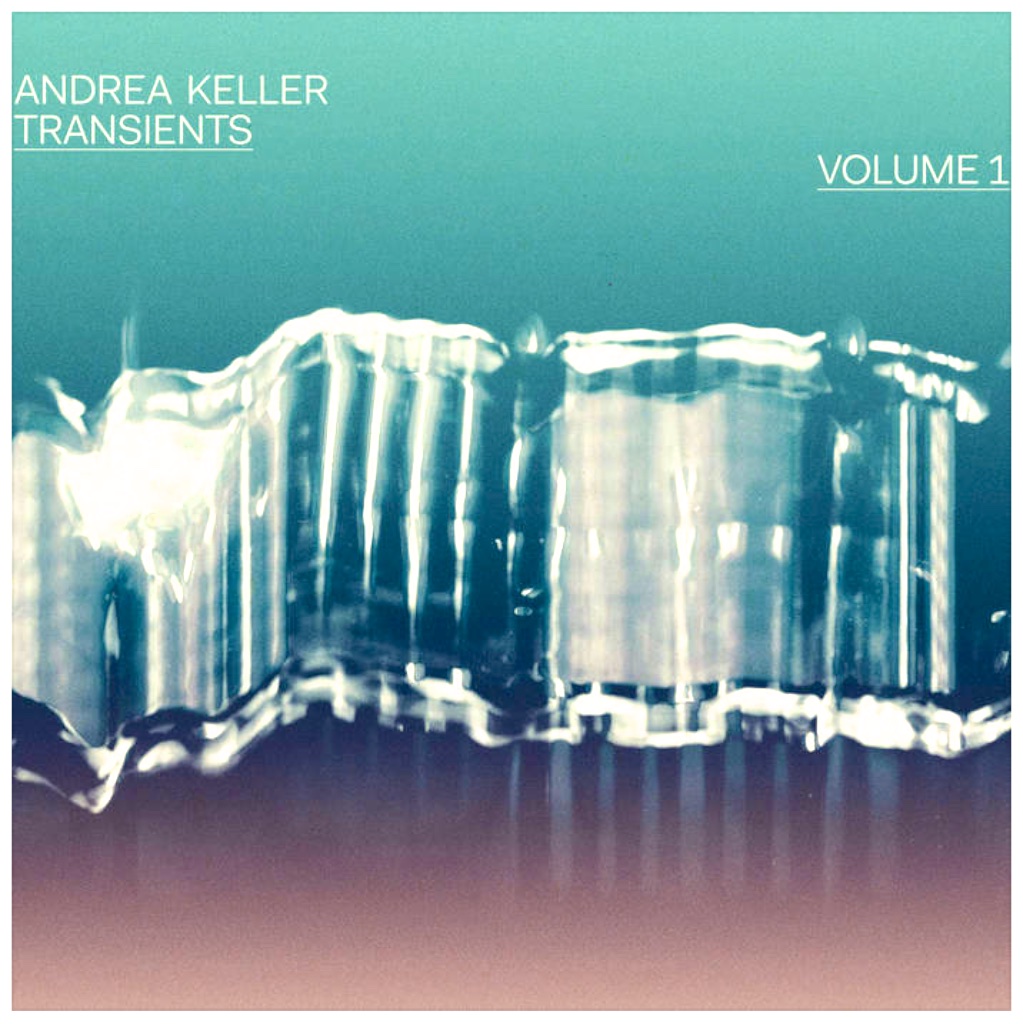
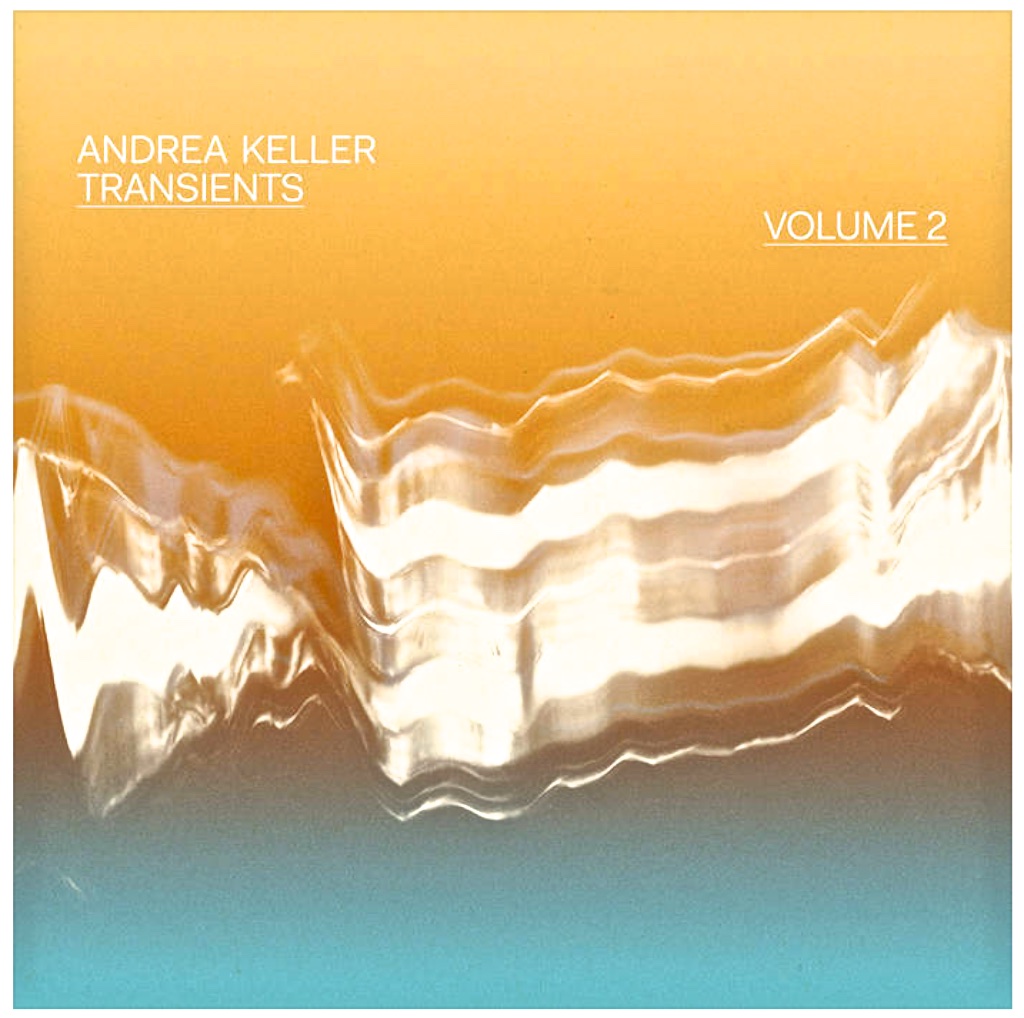
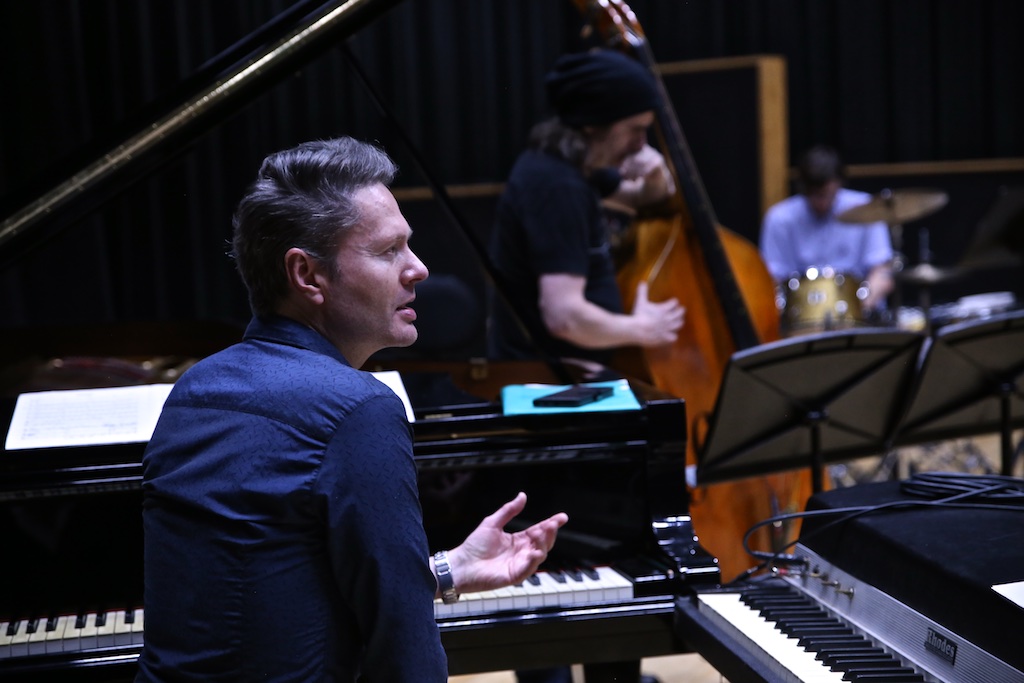 Have you ever heard one of New Zealand’s iconic pop songs and wondered how it would sound reimagined as Jazz? The journey from popular song to Jazz piece is a well-trodden path. Many tunes that we now refer to as ‘Jazz standards’ began their life as tunes written for broadway musicals or for the popular music market. For a tune to successfully cross that divide it needs to be well constructed and to lend itself to reharmonisation. With ‘Alchemy’, this elusive symmetry is realised.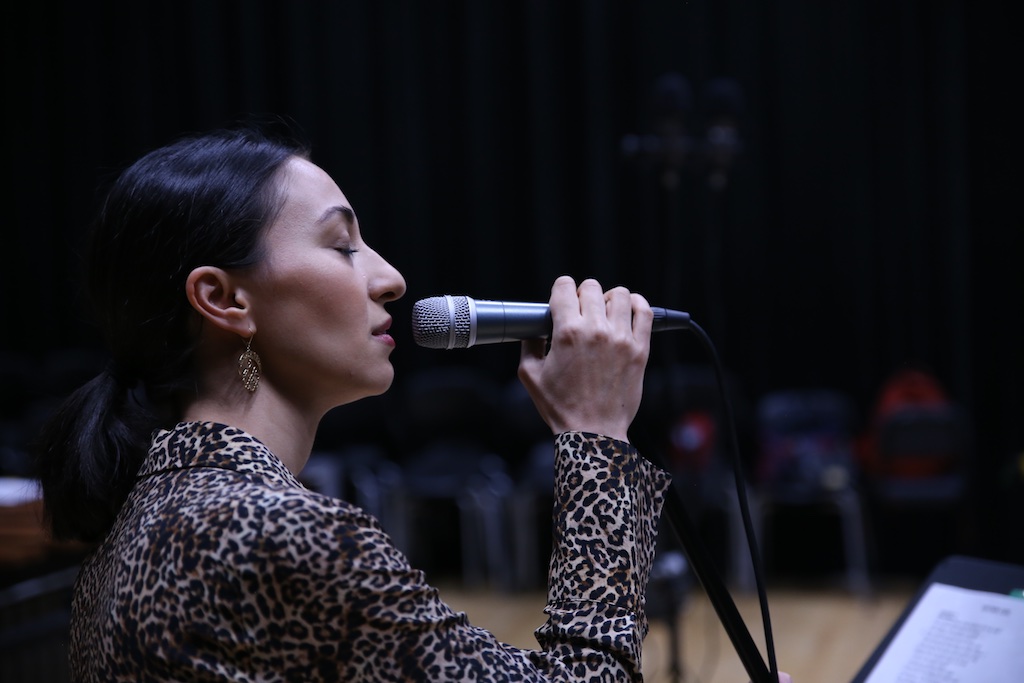
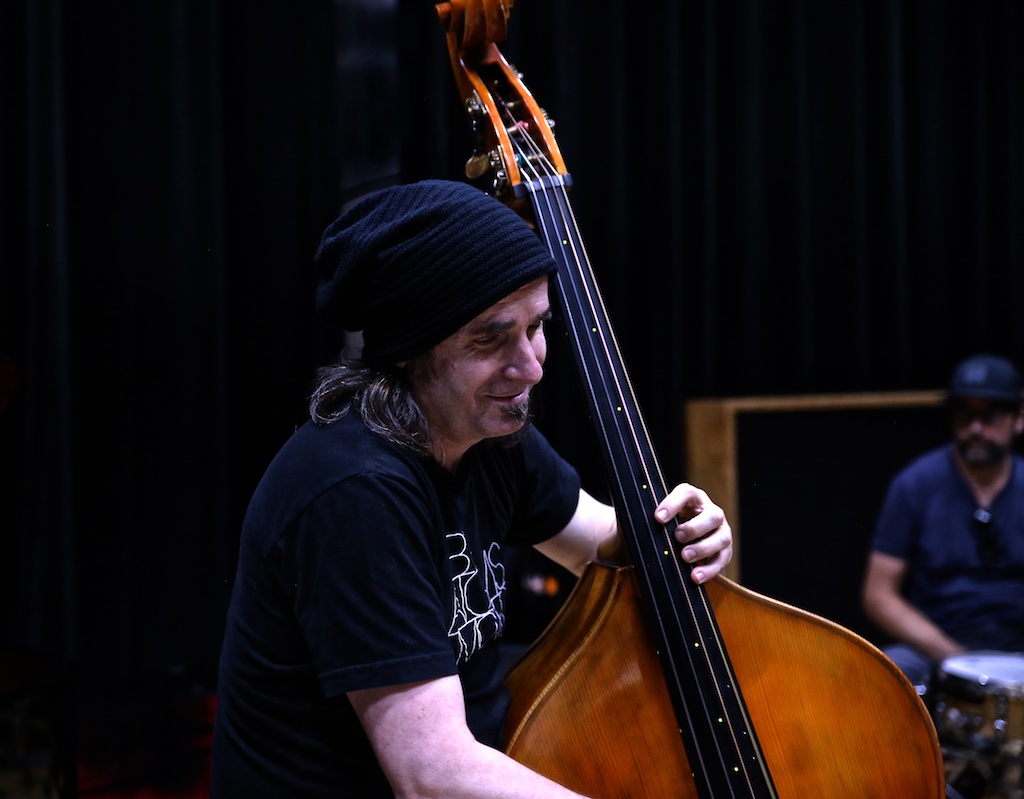
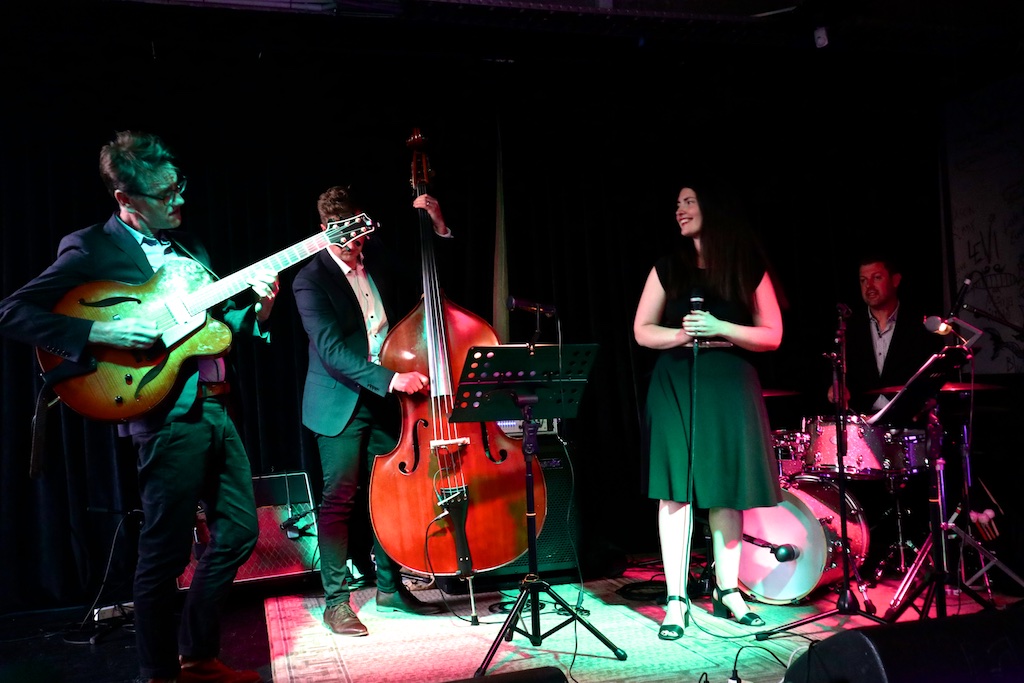 I was barely off the plane and my brain was full of dense fog, no doubt a legacy of San Francisco Karl who had been circling me like a spectre for a good month. I gamely fought the malaise off and because I am a creature of habit, dutifully made my way down to Auckland’s CJC Creative Jazz Club. In my experience, it pays never to miss a live improvised music gig, because if you do, you risk bitter regret. Believe me, I often lie awake lamenting a missed chance to see John McLaughlin.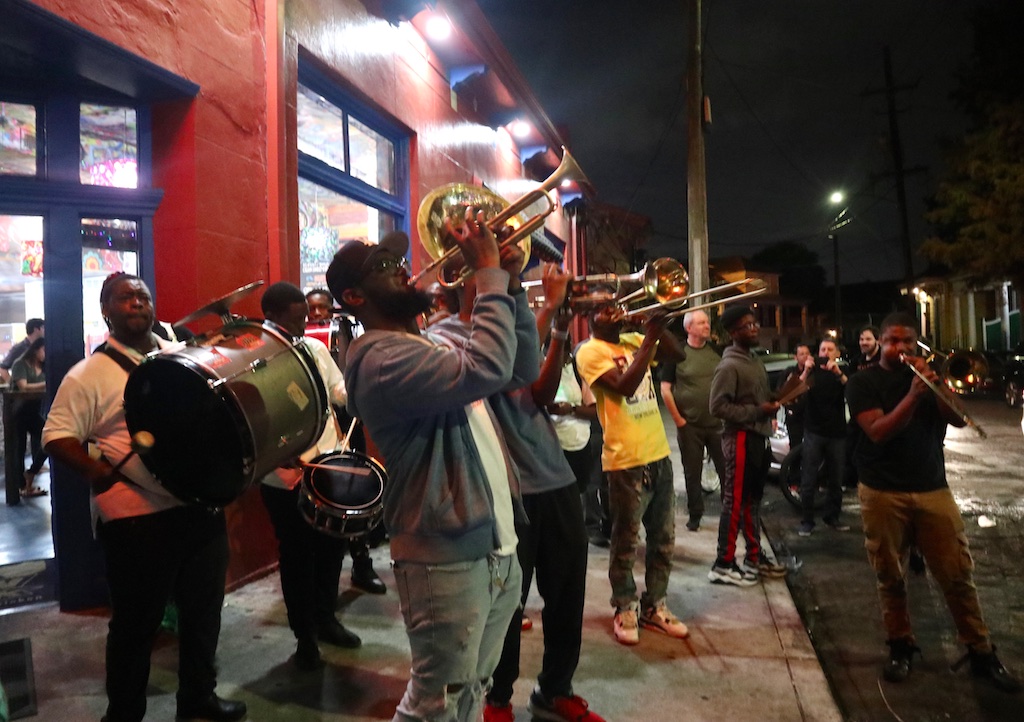
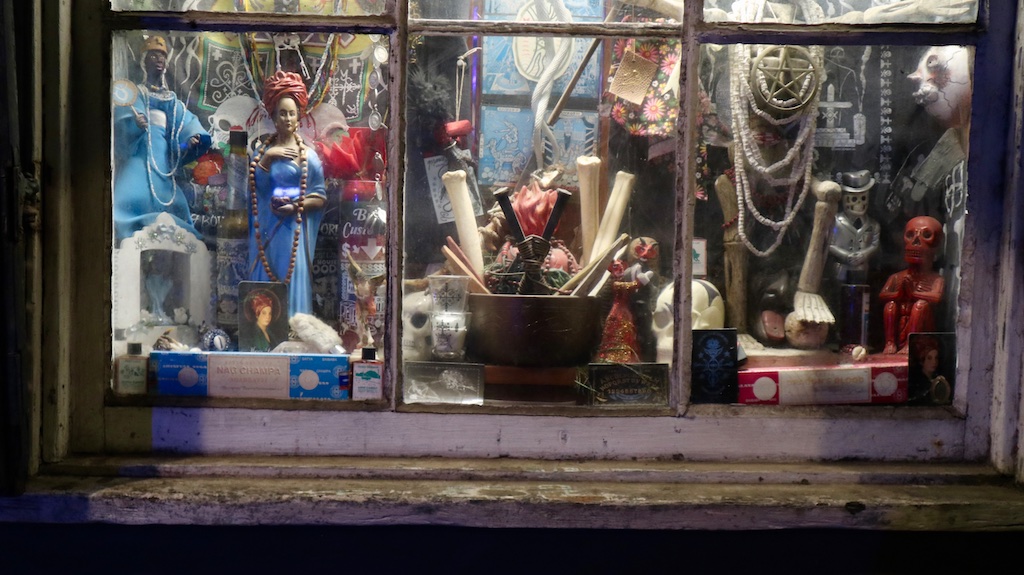

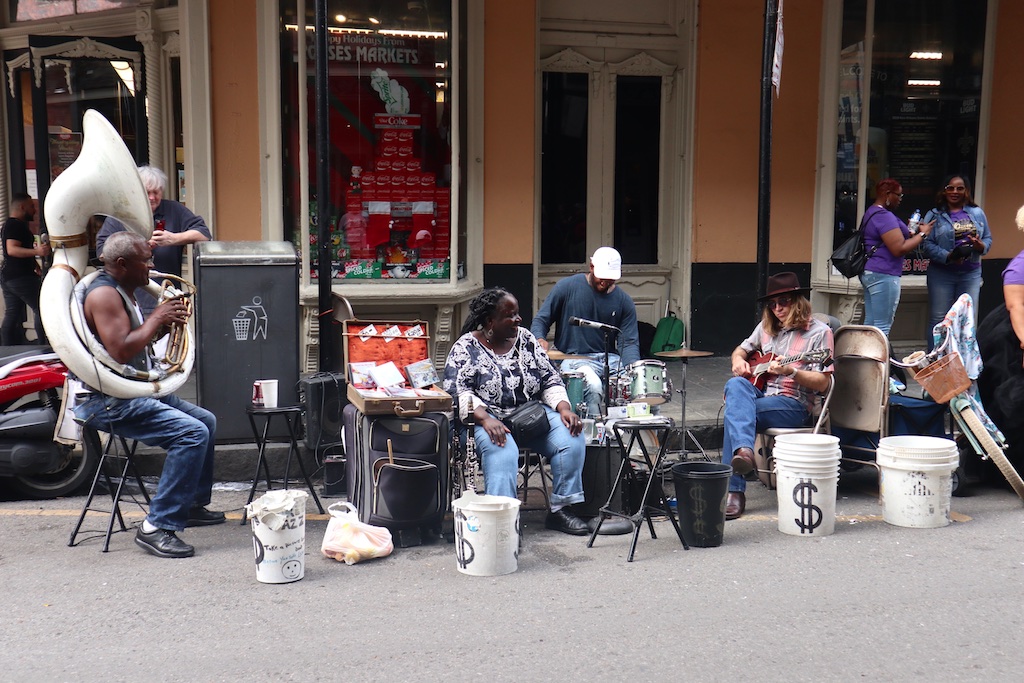
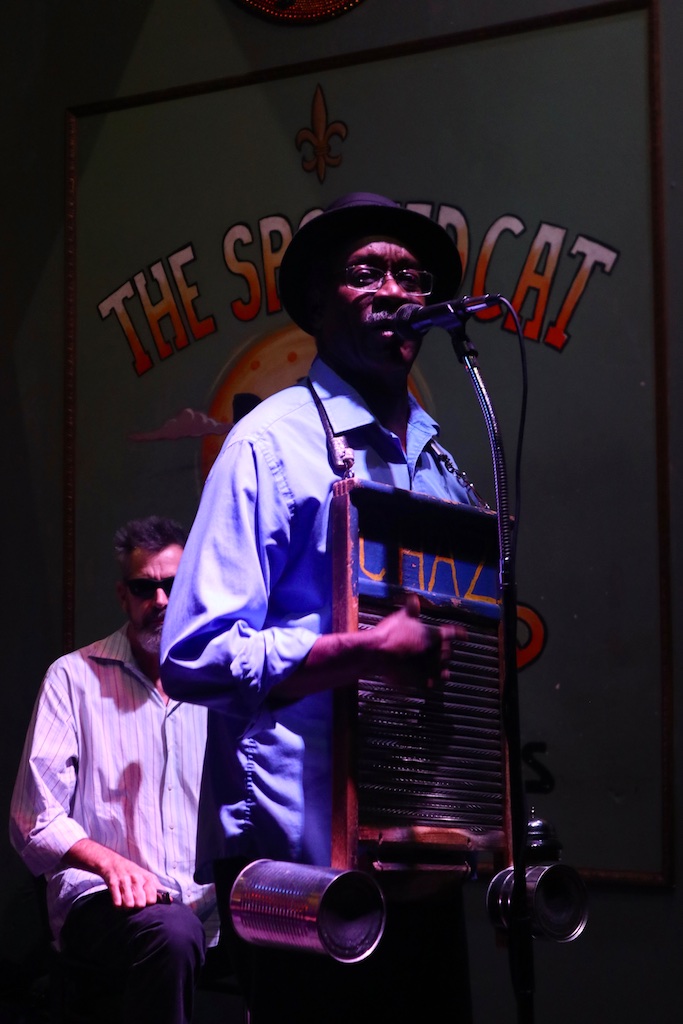
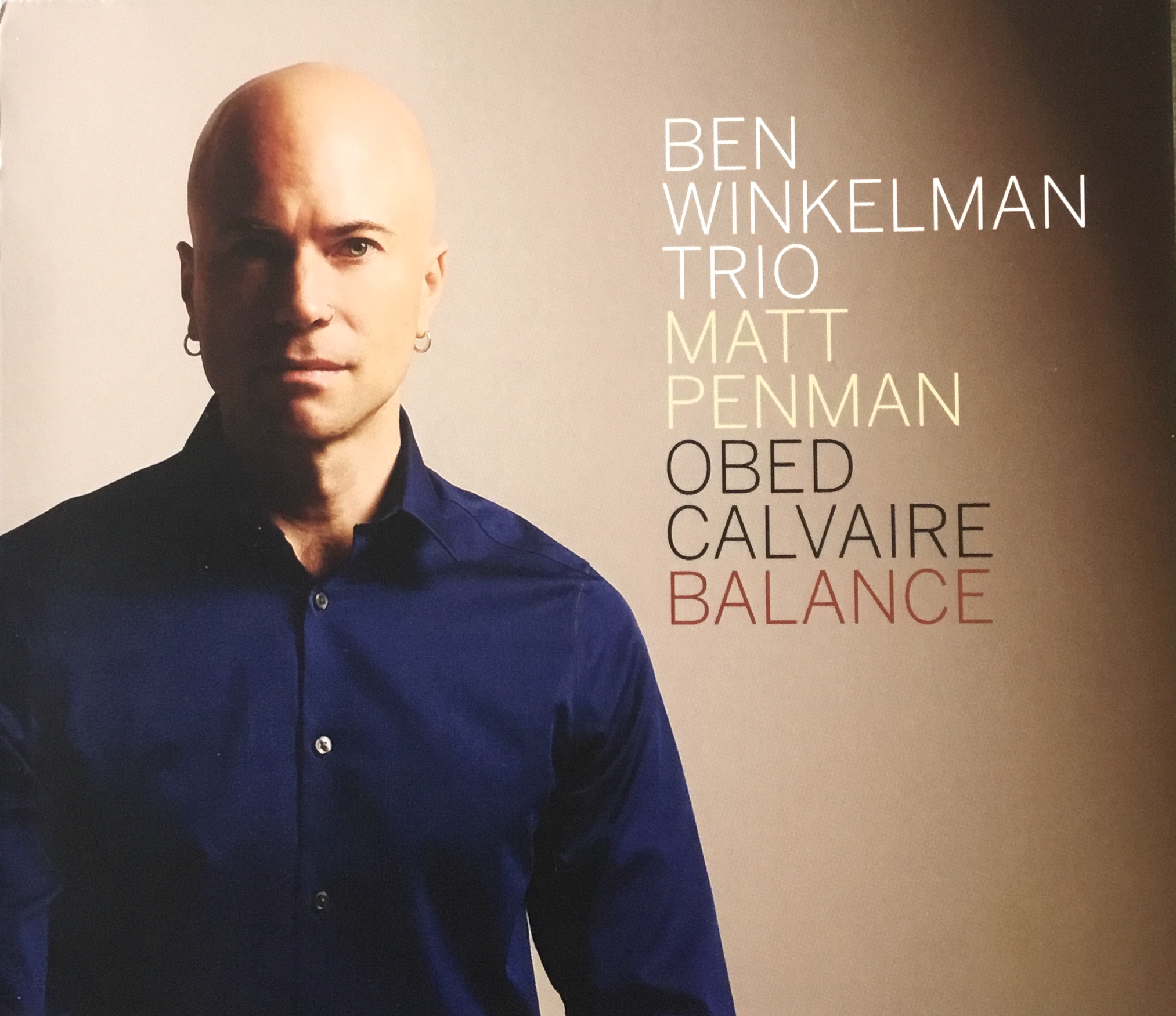 I was just about to fly out of the country when I realised that I could squeeze in one last CJC gig. I am glad that I did because the gig was the Ben Winkelman trio. Winkelman has long been resident in New York and so to be included in his two weeks down under tour was our good fortune. He is originally from the USA but he grew up in Melbourne, where he followed the well-trodden musician’s path to New York. There is no greater testing ground for a Jazz musician and those who persevere can reap rewards beyond mere name recognition. Winkelman is a pianist with a sensitive touch and open ears and like all good musicians, he has assimilated the sounds around him and forged his own style.
  JazzLocal32.com