
After a hundred and seven days in isolation, five days of equivocation and an anxious twenty minutes hunting for a parking space, there I was in the front row of the CJC Jazz Club; poised expectantly as the pianist’s fingers were about to descend. It was not as if I had been deprived of music during lockdown because my ears had been exploring a mélange of sounds. In fact, my noise-cancelling headphones had become such a fixture that I felt awkward without them. So what had I missed? I had missed sitting with friends, the hushed buzz of conversation before a first set and that feeling of joy as the lights lower. Live Jazz in an intimate setting is a unique experience, and for me, an addictive one. As Nietzsche said, a life lived without music would be a mistake.

I approach Jonathan Crayford gigs with high expectations and I am never disappointed. Even the occasional gigs in crowded streetside bars yield gold; but in a listening venue with a nice piano, you get the best of him. All good musicians feed on an enthusiastic audience, but with Crayford, there is a discernable x-factor, something quite beyond the ordinary. It is difficult to put into words, and I have approached this on previous occasions. You can see it in his gaze as he leans toward a piano, but it is also in his verbal engagements with an audience. When he talks and plays he is reaching beyond. Beyond a room, a city, a country. Gazing into the cosmos for inspiration.
His talk is peppered with a sense of place, or with improbable events and observations as he weaves them into intimate and odd narratives. A park bench in Central Park, a book read in Paris, a philosophical discussion with a homeless person. Pavement tee-shirt manufacturing — bikes in space! He talks as if new worlds and indeed the cosmos falls easily under his gaze and that is reflected in his music. To make extraordinary music requires seeing beyond the mundane. The interesting thing, however unexpected, is that for a moment, we hear through brand new ears. That is his gift.
The gig featured a selection of Crayford’s compositions and all were extracted from his acclaimed New York Trio albums on Rattle. Anything from East-West Moon or Dark Light will please and fresh interpretations with a newly configured trio are always welcome. All three musicians were obviously pleased to be gigging again and I know that drummer Ron Samsom and bass player Cameron McArthur relished the opportunity to tackle these works. All three dug in and delivered as I knew they would.
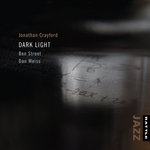
If by some unfortunate oversight you have not heard East-West Moon or the earlier album, Dark Light, you need to remedy that over the Christmas break. I would urge you to bypass the streamers and purchase the album, or at least download it in WAV from www.rattle-records.bandcamp Support Kiwi music.
The CJC live trio: Jonathan Crayford (piano), Cameron McArthur (bass), Ron Samsom (drums)
The NY album trio: Jonathan Crayford (piano), Ben Street (bass), Dan Weiss (drums) – Rattle Records (Rattle Jazz)

JazzLocal32.com is rated as one of the 50 best Jazz Blogs in the world by Feedspot. The author is a professional member of the Jazz Journalists Association, poet & writer.Some of these posts appear on related sites.




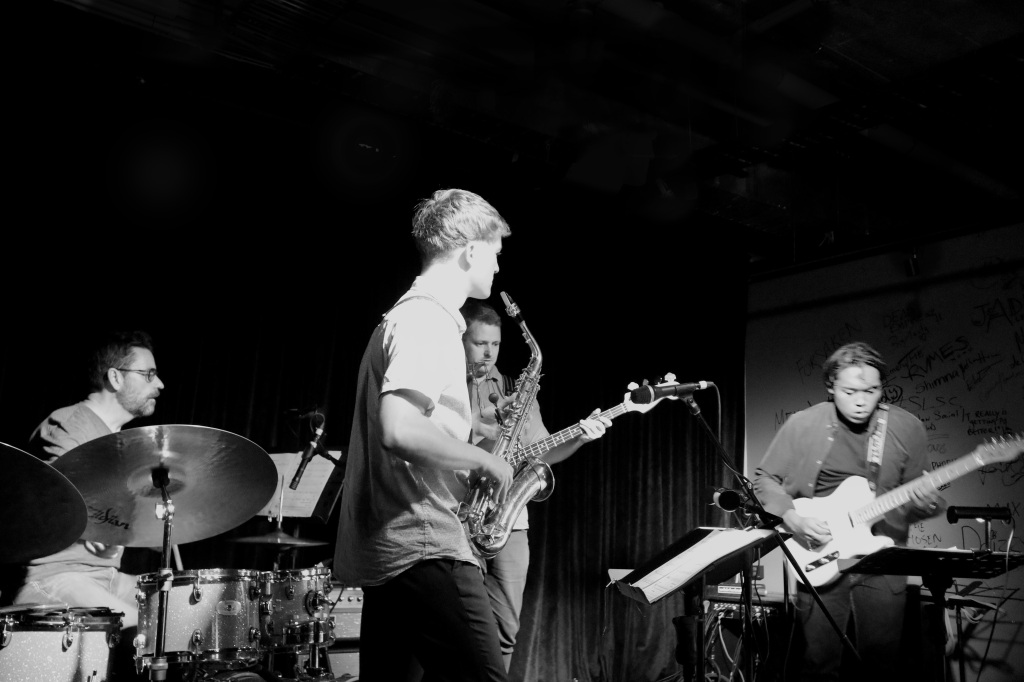


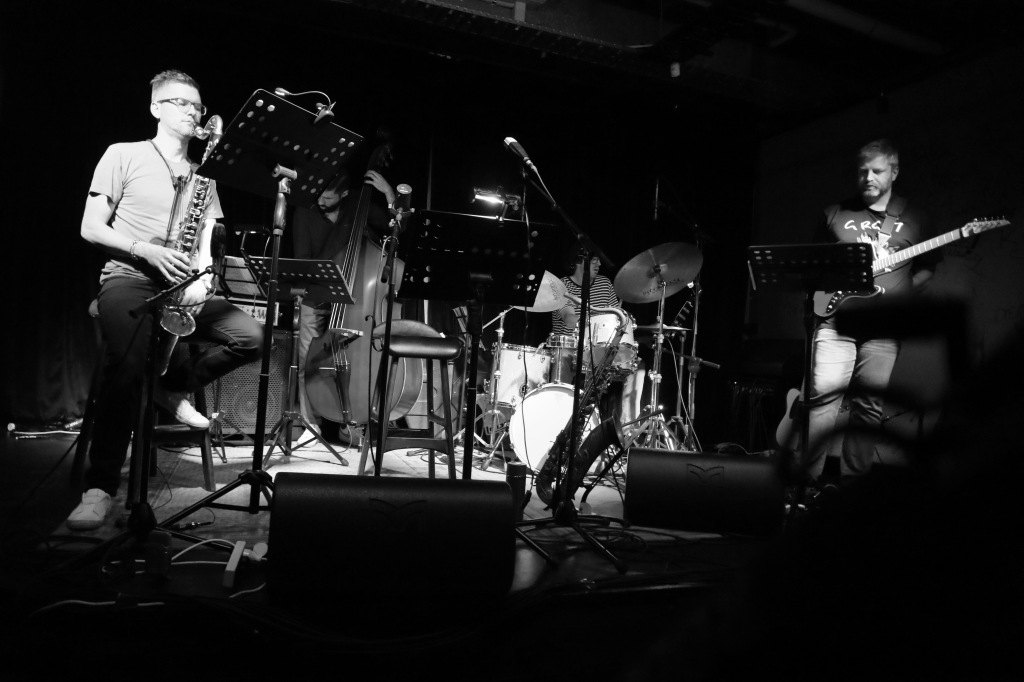


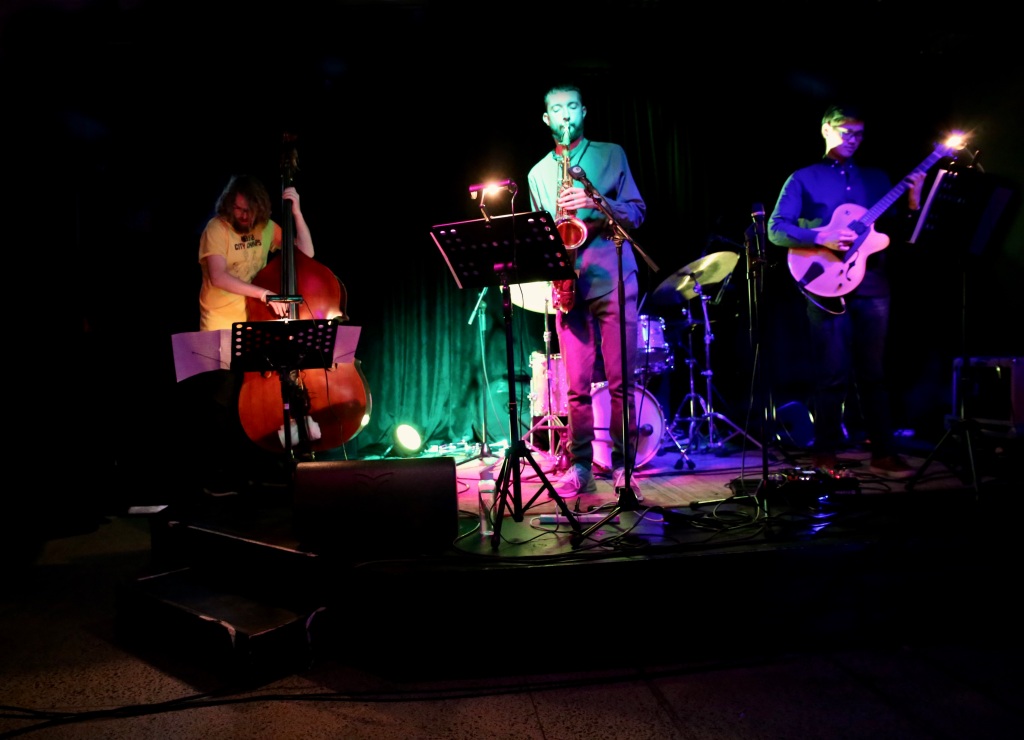
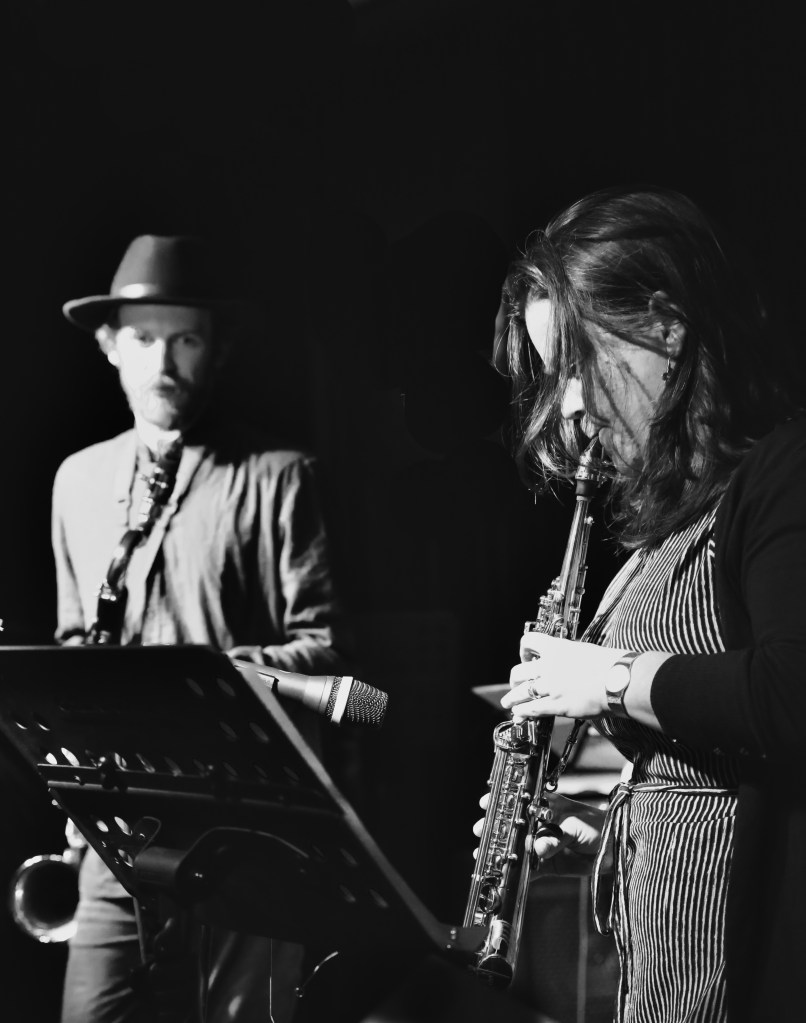
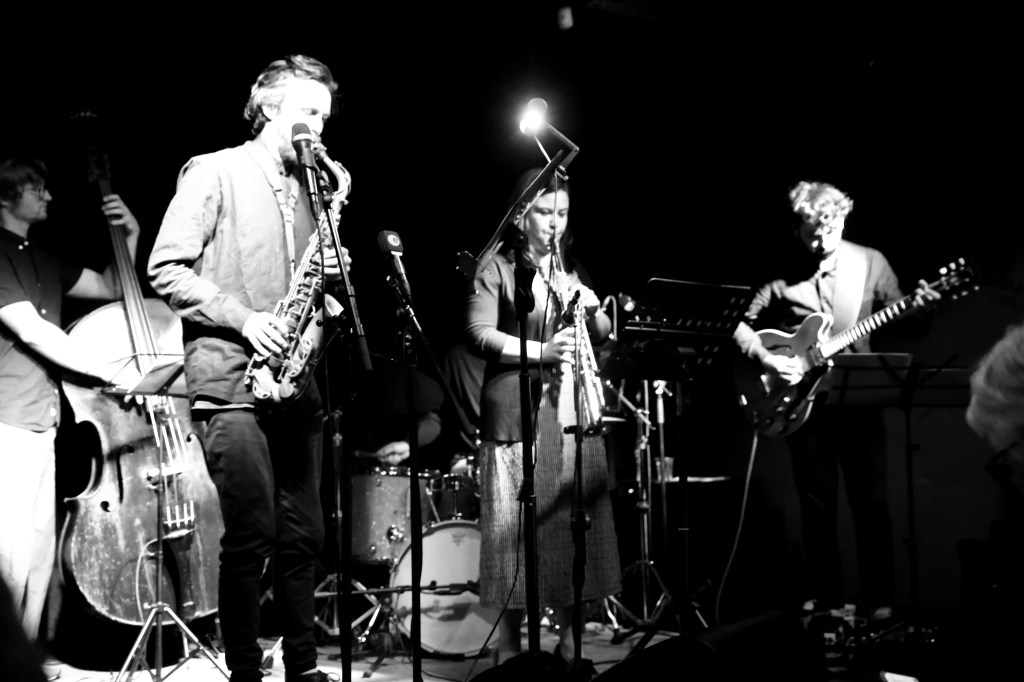
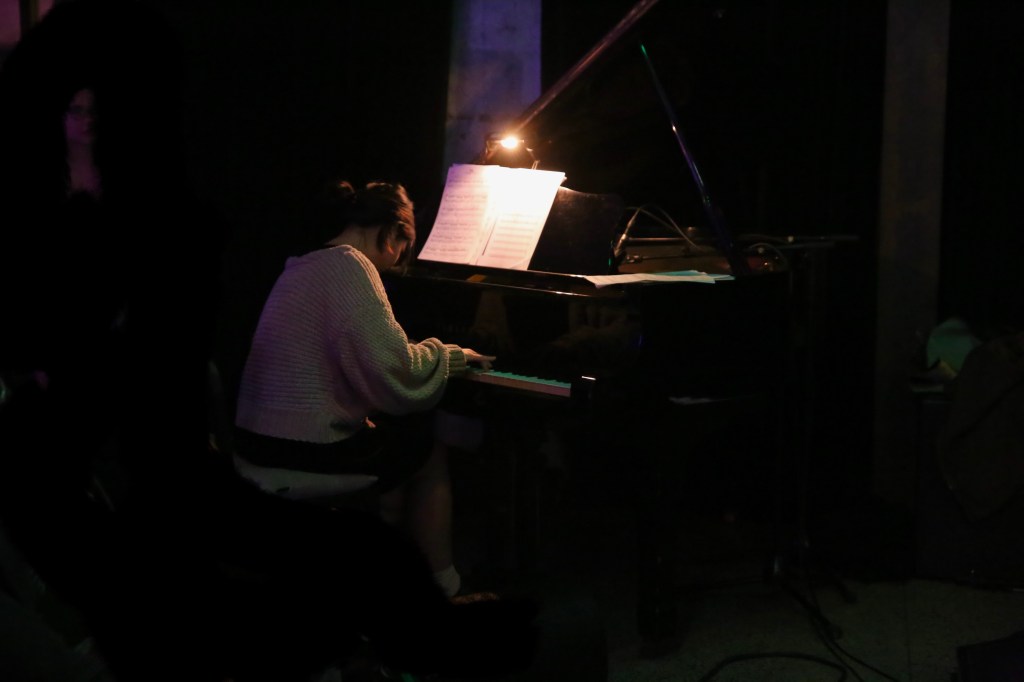
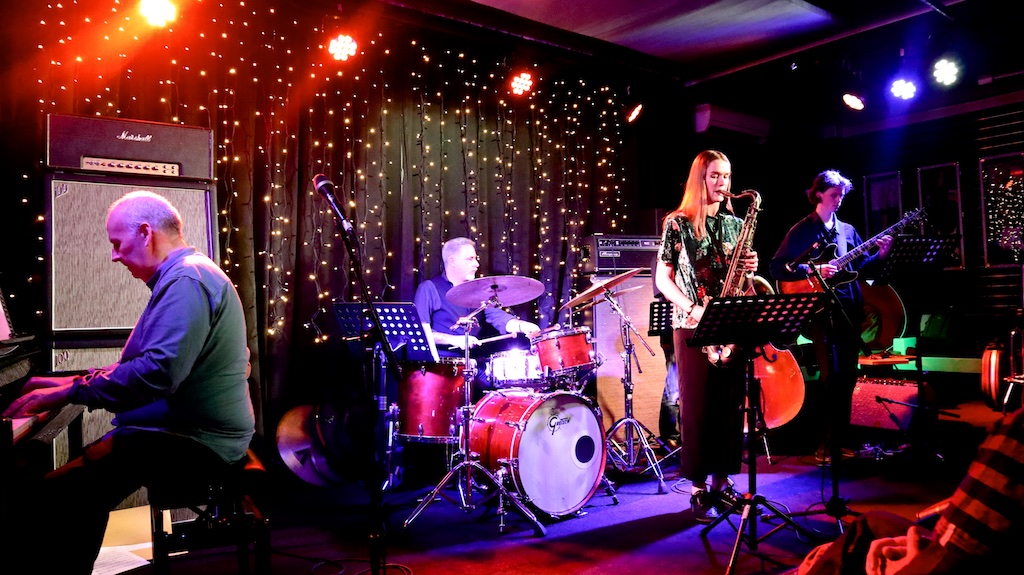 The UK born Mark Donlon is an internationally renowned musician who joined the New Zealand School of Music as a senior lecturer in Jazz Piano in 2013. He has previously appeared at Auckland’s CJC, but never with a quintet. The small ensemble format is clearly a forte as it revealed his many skills. After hearing his recent recording and attending the CJC gig it was evident to me that this particular project hit a sweet spot. What we heard on Wednesday was something special.
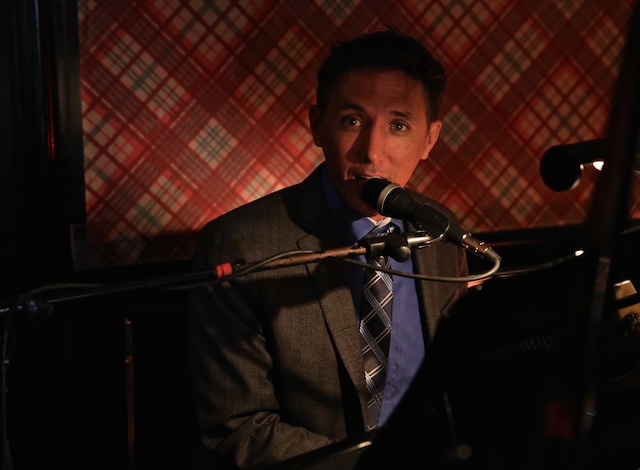 Dan Bolton is an Australian born, New York based musician, at present touring New Zealand. His first show was at the CJC (Creative Jazz Club) in Auckland. While singer, songwriters who accompany themselves on piano, are a firmly established tradition in Jazz, we see them on tour very rarely. Many Jazz vocalists (like Ella Fitzgerald) could accompany themselves well, but few choose to do so. A number of notable musicians mastered this skill, notably Nat Cole, Ray Charles, and Shirley Horn. Doing two jobs simultaneously is always harder than doing one and especially where vocals and piano are concerned. The energies and postures require careful coordination and I suspect that this is harder than accompanying yourself on guitar.
 Bolton is unusual in that he composes tunes which feel modern, but in a style reminiscent of the Great American Songbook; many of his tunes, are not dissimilar from those which came out of Tin Pan Alley, having the vibe of Irving Berlin or Cole Porter. The melodies are catchy in a time honoured way and the lyrics often biting; sometimes capturing our post-millennial angst. Many of Bolton’s tunes centre on the age-old themes of love and loss, others sarcastically critique modern American life. All maintain their sense of originality, in spite of the above comparisons.
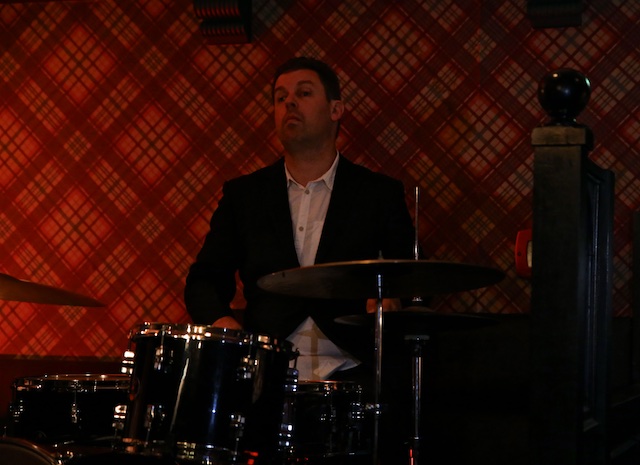
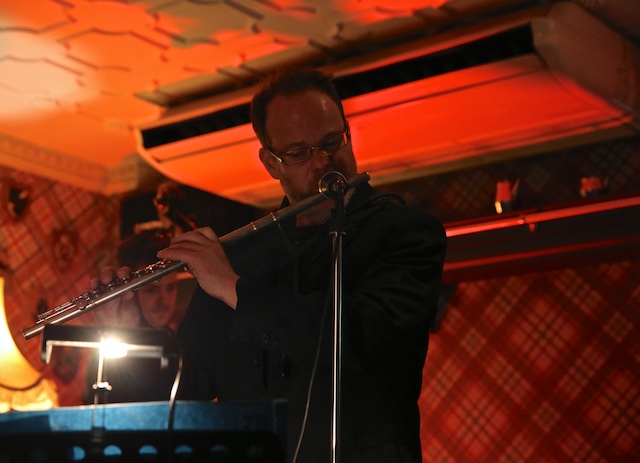 Travelling with Bolton is the perennially popular drummer Mark Lockett. Lockett, like Bolton, lives in New York, but for several months of each year, he travels as band-leader, (or as hired gun as in this case). Lockett was born in New Zealand and he always gets a welcome reception when he makes it back. Watch out on gig noticeboards for him. He has another tour coming up shortly and this time with an organ trio. On tenor saxophone and flute was Auckland’s Roger Manins, his swoon-worthy ballad chops manifesting in their full glory. Mostyn Cole featured on upright bass, a regular at the CJC and an able musician. We heard some tantalising snippets of arco bass from him – more of that, please.
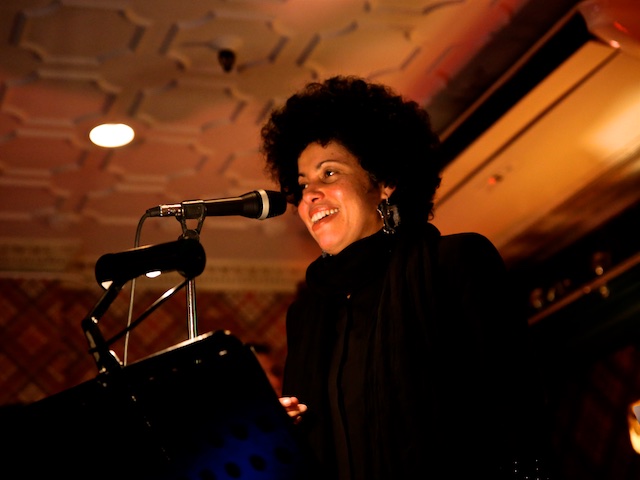 Last Wednesday saw the Venezuelan-born vocalist Jennifer Zea performing at the CJC. Her appearance was long overdue, the audience enthusiastic in anticipation of spicy South American Rhythms and the warm tones of the Spanish language in song form. When you look at where Venezuela sits on the map, you learn a lot about its music. Located in the northeast of South America, bordered by the Caribbean and by Brazil, positioned on a unique musical axis. Music blithely ignores the artificial barriers imposed by cartographers and politicians. Even Trump’s insulting wall could never be built high enough to stem musical cross-pollination. Music goes where people go, and remains as an echo long after they have moved on. Jennifer Zea is an embodiment of her country’s music; folk traditions, newer forms (Jaropo), Jazz, Soul, Bossa influences from Brazil and a pinch of Mambo, Salsa or Merengue.
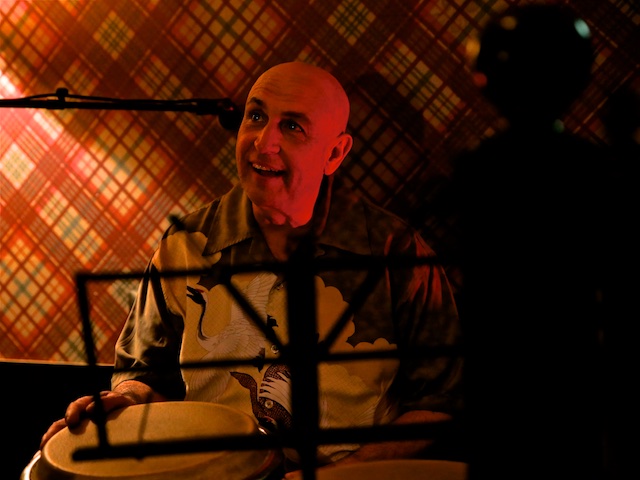 The Caribbean region is the prime example of musical cross-pollination; rhythms and melodies, vocal forms and hybrid harmonization, a constant evolution into new and vibrant forms while updating and preserving the discrete pockets of older folk music styles. A weighty tome titled ‘Music and the Latin American Culture – Regional Traditions’ makes two observations; the music of the Venezuelan region is mostly hot or vibrant (see the definition of Salsa) and there is a strong underlying tradition of shamanism (manifest in musical form). The hypnotic rhythms and chants remain largely intact according to Schecter. With percussionist, Miguel Fuentes backing her, Zea conveyed the compellingly hypnotic soulful quality of her traditional music to good effect.
 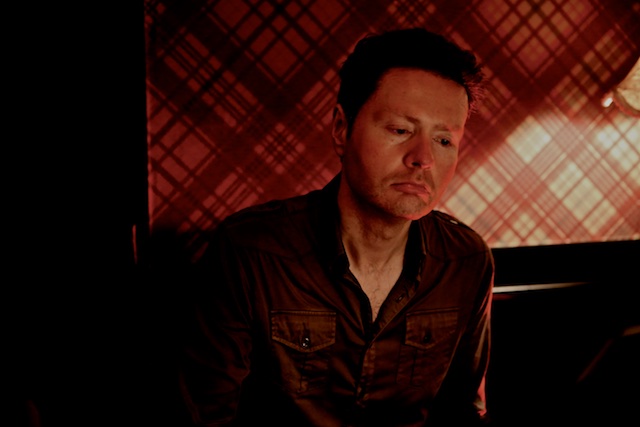 Fuentes was born in the USA but grew up in Puerto Rico. These days like Zea, he lives in Auckland. Music like this demands high-quality authentic latin percussion and that’s exactly what happened. Traps drums were not needed here. Regular Zea accompanist, Jazz Pianist Kevin Field was also in the lineup. Field plays in many contexts and his accompanist credentials are second to none. He has regularly worked with Zea and (like Fuentes) most notably on her lovely 2012 release ‘The Latin Soul’. If you have a love of Cubano or Caribean style music, grab a copy of this album. Even on straight-ahead gigs, I have heard Field sneak in tasty clave rhythms. If you want to hear cross-rhythms at their best – skillfully woven by Field and Fuentes, it is on this album. An added incentive are the compositions, mostly by Field and Zea (and Jonathan Crayford). On upright bass for this gig was Mostyn Cole, an experienced bassist now residing in the Auckland region.
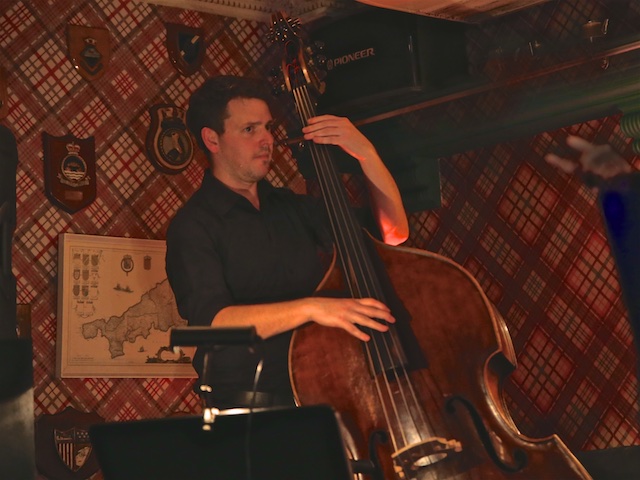 The gig featured some Zea compositions, three standards and to my delight some authentic Bossa. The Bossa tunes were mostly by the Brazilian genius Tom Jobim and sung in Portuguese (which is not her native language). Although Portuguese is the most commonly spoken language in Latin America, it is only the main spoken language of one country, Brazil. To learn Bossa she spent time with a teacher in order to understand the nuances and deep meanings. While respecting the Bossa song form she had the confidence to bring the music closer to her own Venezuelan musical traditions. Even her intonation was redolent of her region, unmistakably Hispanic South American.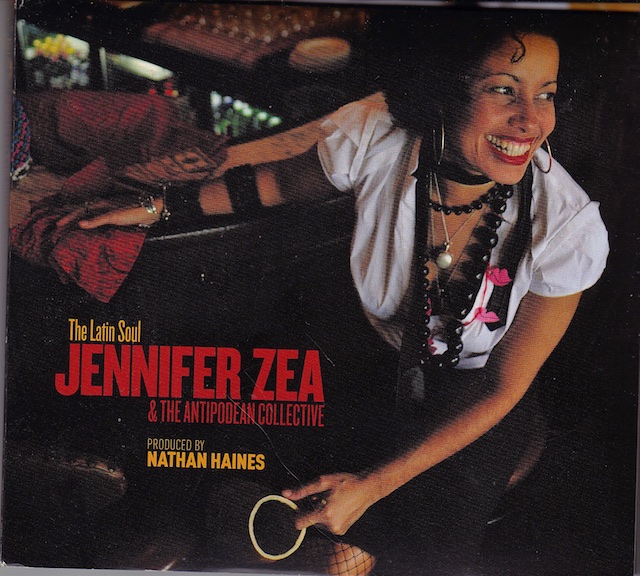
 Kevin Field has for many years been regarded as a phenomenon on the New Zealand Jazz scene. A gifted pianist and composer whose approach to composition and harmony is strikingly original. When you listen to many pianists you can hear their influences, discern the pathways that led them to where they are. With Field, those influences are less obvious. I suspect that this independence, originality, makes it easier for him to strike out in any direction of his choosing. On his ‘Field of Vision’ album, he moved into uncrowded space, one occupied by very few Jazz pianists. It was Jazz without compromise but utilising grooves, rhythms, and melodies of other genres. The music contained distinct echoes of the disco/Jazz/funk era, crafting it carefully and forging a new post-millennial sound.
 The tunes were all memorable and within a few listenings, you could hum the themes. This is not so common in modern Jazz and less so with music (like Fields) which retains its Jazz complexity. In Fields case, the clean melodic hooks do not come at the expense of harmonic invention. That is a tricky balancing act and one he achieves convincingly. His co-leadership of ‘DOG’ took him in a different direction again, but the same deftly crafted grooves astounded us. His recent album ‘The A-List’, was a further excursion into the disco/Jazz/funk realm. It is slightly tongue in cheek while still challenging the listener to think outside the square. Artists like this take the music forward, it is up to us to catch up.
 They played at the Wellington Jazz festival recently and for many Wellingtonians, this was their first exposure to the group. I saw that show and I immediately noticed how the familiar tunes had subtly changed. ‘Perfect Disco’ with its energised danceable funk momentum was recast as a duo piece. Field and vocalist Chaperon wowed them with that number. We also heard this duo version last week. Other familiar tunes had developed into profoundly interactive exchanges. The sort that can only occur between highly attuned musicians. This is where the guitar mastery and the deep listening of Nacey came into its own. His Godin guitar soaring with stunning clarity while Field reacted in kind, urging them further out with each challenge.
 Again we see Thomas and McArthur doing what they do best. Working hard and rising to the challenge. Thomas laying down the tricky rhythms and while McArthur runs his bass lines. While pleasant to the ear, there is not doubt at all that these compositions required skill and concentration. It is on gigs like this that the musicians familiarity with the material and each other pays dividends. It was also nice to hear Chaperon on some new and old material. She is a real crowd pleaser – she looks great on stage and sings up a storm.
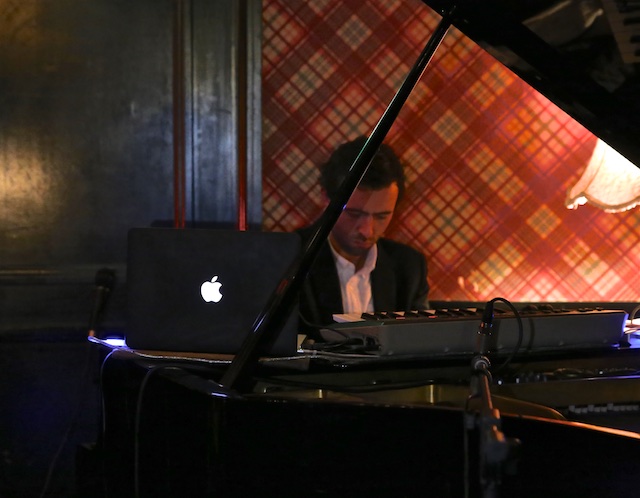 I can’t remember when I first became conscious of Polish Jazz, but after Tomasz Stanko, Poland was forever on my listening radar. After that, I would listen to Polish improvisers whenever I came across them, Wasilewski, Komeda etc, and all the more so when I discovered later in life that I was a quarter Polish. In light of the above, I was naturally interested when I came across an Auckland-based, Polish-born pianist Michal Martyniuk. He was standing in for Kevin Field at a Nathan Haines gig – around the time of “The Poets Embrace’ release. Since then I have seen him with various iterations of Haines’ bands but until last week, never at a gig where he was the leader.
 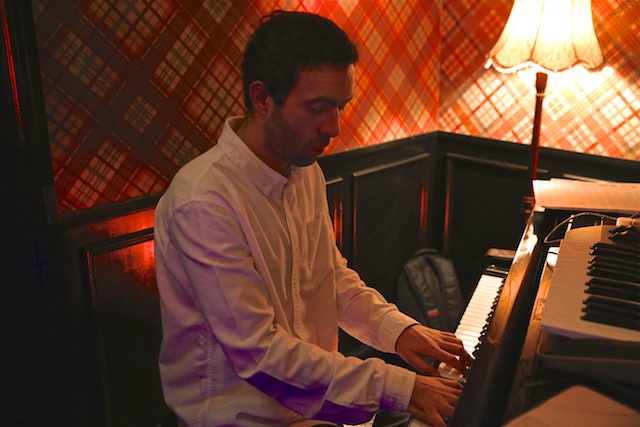 It is an oft-debated topic, but I sometimes hear references to time and place in original music. After hearing Martyniuk I could identify his northern European influences. When I asked the pianist about the artists he most admires, he quickly identified Lyle Mays and Pat Metheny (also Weather Report plus Miles and Herbie). The Metheny/Mays reference is definitely evident but sifted through a Eurocentric filter. Mays, although influenced by Evans never sounded like a typical American pianist. Martyniuk’s compositions and performance contain all of the hallmarks of modern Euro jazz, a sound I hear in the Alboran Trio, Wasilewski and younger pianists like Michal Tokaj. A warmer sound than the Scandinavian pianists but as light filled and airy. There is a beauty to Martyiuk’s playing, a stylistic identity. For such a young pianist to have located this special sound is impressive.
 Something that many post-millennial Jazz musicians avoid, is evoking a sense of beauty. I can understand that because it must be done well or not at all. It is the territory of balladeers like Ben Webster and the territory of artists like Metheny. This was done well. The compositions were cleverly constructed around developing themes and with nothing was rushed, allowing melodic inventions to manifest. The tunes were also cleverly modulated, subtly amping up the tension to good effect at key points. Like Bennie Lackner, he used electronic keyboards to enhance or emphasize a phrase, but very sparingly.
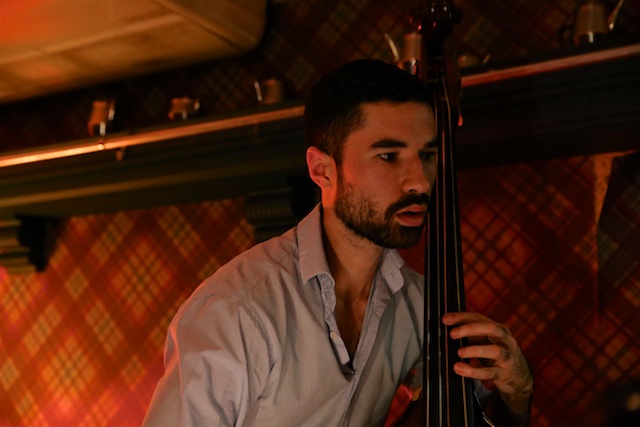
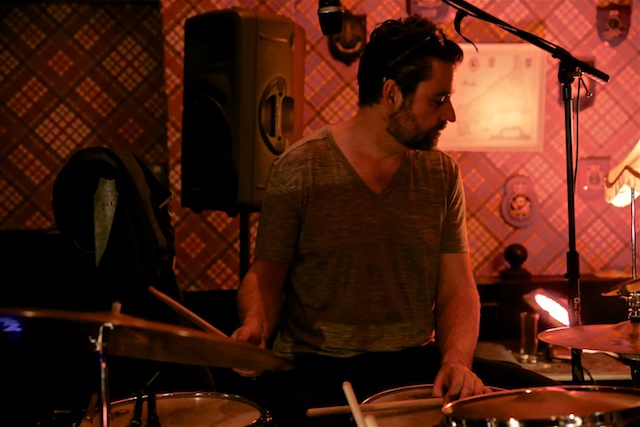 Again we see a musician deploying a top rated rhythm section to good advantage. With McArthur and Samsom behind him, he again showed wisdom. He worked with them and they gave him plenty in return. Although we often see this particular bass player and drummer in diverse situations, they appeared very comfortable here. The overall effect was that of interplay and cohesion.
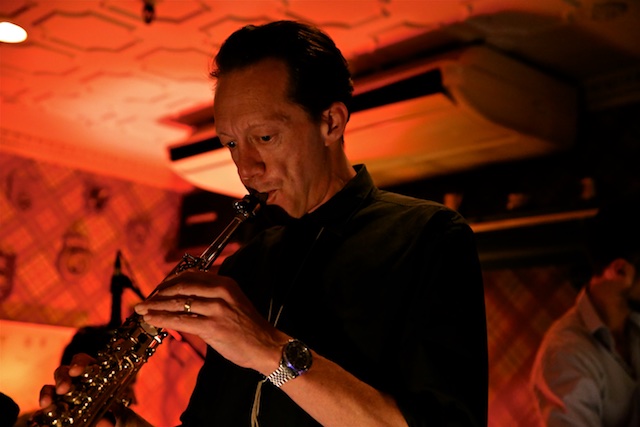 Martyniuk came to New Zealand around ten years ago and he attended the Auckland School of Music. Along with producer Nick Williams, he is soon to release a Jazz infused Soul album which will feature internationally renowned artists like Kevin Mark Trail, Nathan Haines, Miguel Fuentes and others. Judging by the huge audience at this gig his future looks very rosy indeed. The Jazz club turned away dozens of attendees in the end. A good problem to have.
 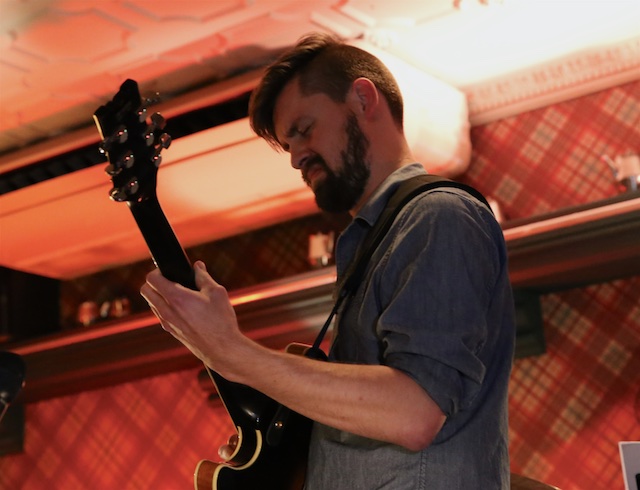 When I started attending the CJC, I heard Peter Koopman quite often. He was always impressive, but never a showy guitarist. His approach matched his quiet demeanor, an easy-going manner obscuring a real determination to excel at his craft. Before long he moved to Sydney and although the local Jazz scene laments this musicians rite of passage, we also know it is the right thing. At best, these offshore journeys produce the Mike Nocks and the Matt Penmans, and we all benefit from that.
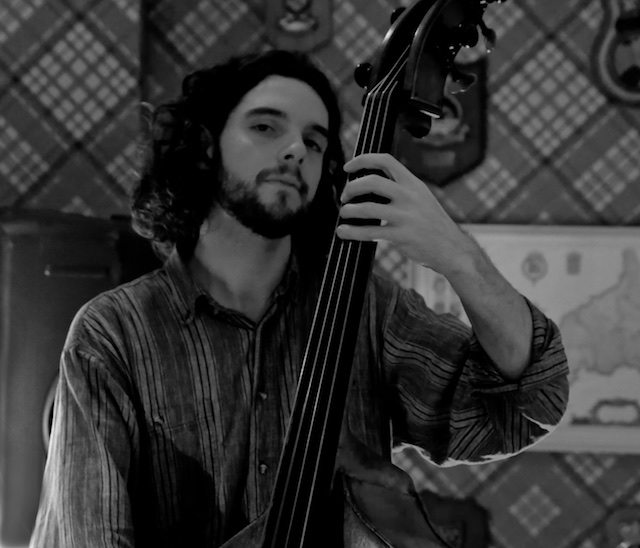 We have seen him back in New Zealand a few times during the last five years, but this is his first visit leading a guitar trio. As anticipated, we experienced a more mature Koopman, his guitar work showcasing well-honed skills. Australia is a merciless testing ground for improvising musicians and especially so for guitarists. Working in the same scene as Carl Dewhurst or James Muller, and holding your own, the proof of the pudding. In 2014 Koopman was placed 3rd in the Australian National Jazz Awards, which are held at Wangaratta each year. These awards are fiercely contested and that is no small accomplishment.
 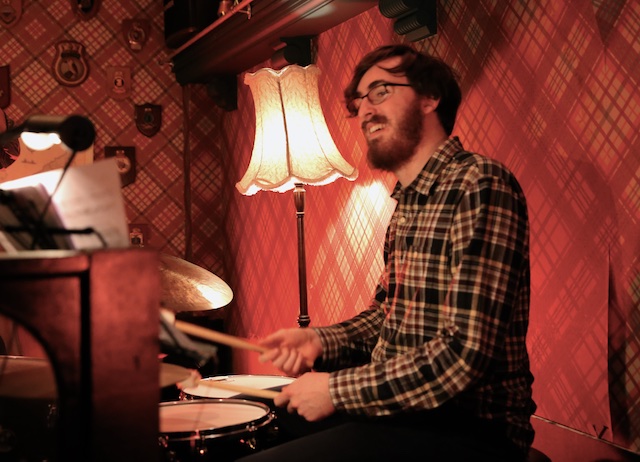 The Inner Westies Trio for the New Zealand trip was Peter Koopman (guitar), Max Alduca (bass) and Stephen Thomas (drums). The guitarist and Bass player from West Sydney, the drummer from West Auckland. Alduca is a compelling bass player, and a drawcard on his own. He often includes a touch of tasteful arco bass in his performance. I last saw him when he toured with the ‘Antipodeans’, an innovative young ensemble, populated with musicians from three countries. Alduca made a hit then and reinforced our positive view of him this night. He has a number of gigs about Auckland aside from the CJC gig. A player bursting with originality and with a notable way of engaging with audiences. Nice to see him back and especially in this company.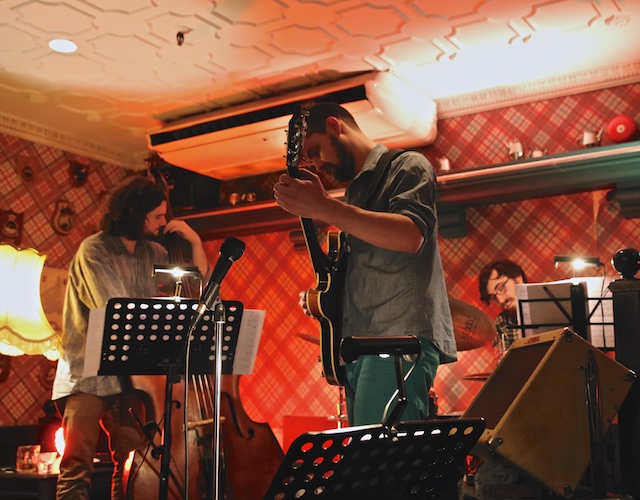
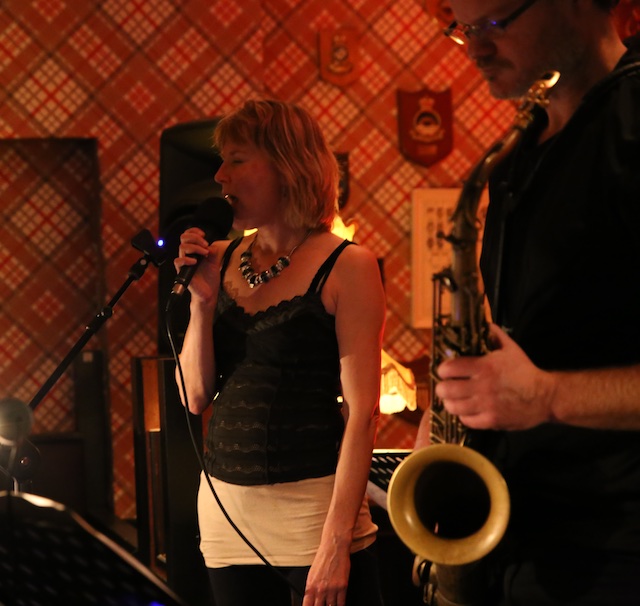
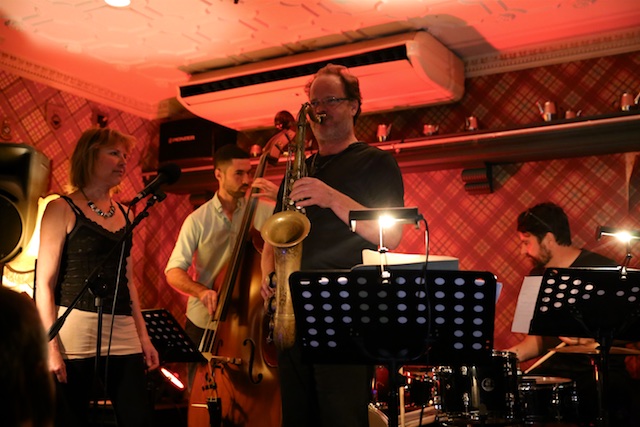 The Joni Mitchell/ Charles Mingus project is always ripe for reevaluation and I’m glad that Caro Manins was the one to explore it again. The connection between Joni and Jazz experimentalism runs deep. Rolling Stone Magazine figured it out early on, describing her as a ‘Jazz savvy experimentalist’. While the connection is obvious in her 1979 ‘Mingus’ album the move toward a freer music and towards harmonic and rhythmic complexity began earlier in the mid 70’s. Initially coming up through the American folk tradition, she gradually embraced a different style. She would later say, “Anyone could have written my earlier music, but Hejira (and later albums) could only have come from me”. From the 70’s on, she utilised her own guitar tunings and often incorporated pedal point, chromaticism, and modality in her compositions. If you look at her later musical collaborations, names like Jaco Pastorius, Herbie Hancock, and Wayne Shorter stand out.
 To her amazement at the time, a dying Charles Mingus asked Joni to call by. He told her that he had written a number of songs for her. Mingus passed before the completion of her project, but he heard all of the tunes except ‘God must be a Bogey Man’. Her ‘Mingus’ album followed soon after. “It was as if I had been standing by a river – one toe in the water. Charles came along and pushed me in – sink or swim”.
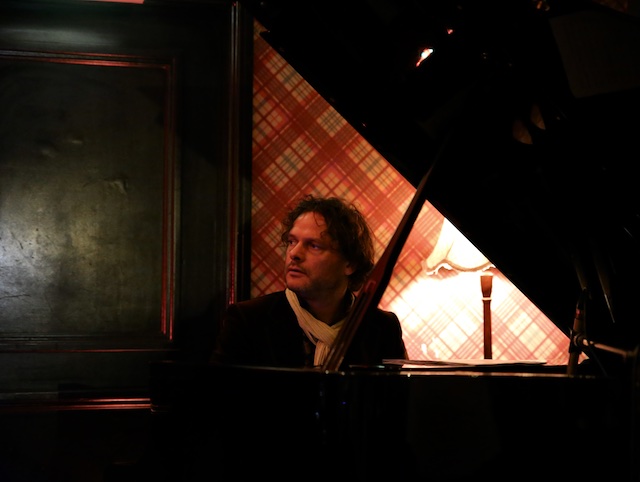 The project deserved a good lineup and it got one. Caro Manins, Roger Manins, Jonathan Crayford, Cameron McArthur and Ron Samsom. Crayford was especially interesting on this gig. His abstract explorative adventuring replaced by rich traditional voicings – his solos a history lesson; from locked hands chord-work to impressionistic delicacy. All of the musicians were respectful of Joni’s body of work and they understood that the best way to honour her legacy was by interpreting her work honestly and imaginatively. Not every tune came from Joni’s ‘Mingus’ album but all followed the Joni/Mingus/Jazz theme.
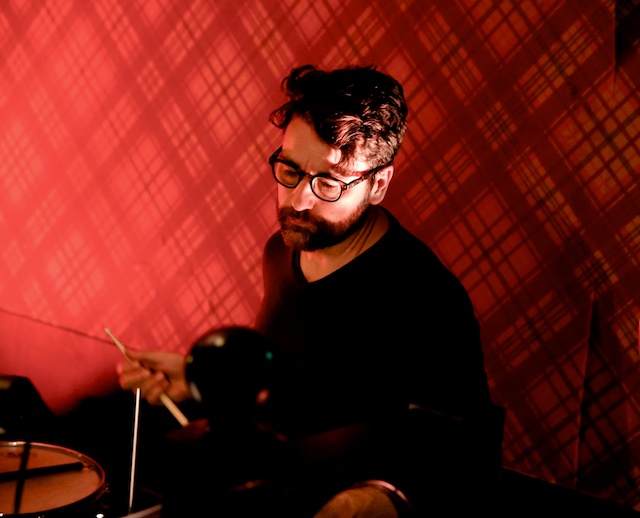 The gig was very well attended (no surprise there) and the audience enthusiastic. This was a CJC (Creative Jazz Club) event and it took place at the Albion Hotel on 29th June 2016. Caro Manins (leader, arranger, vocals), Jonathan Crayford (piano), Roger Manins (tenor saxophone), Cameron McArthur (Bass), Ron Samsom (drums, percussion).
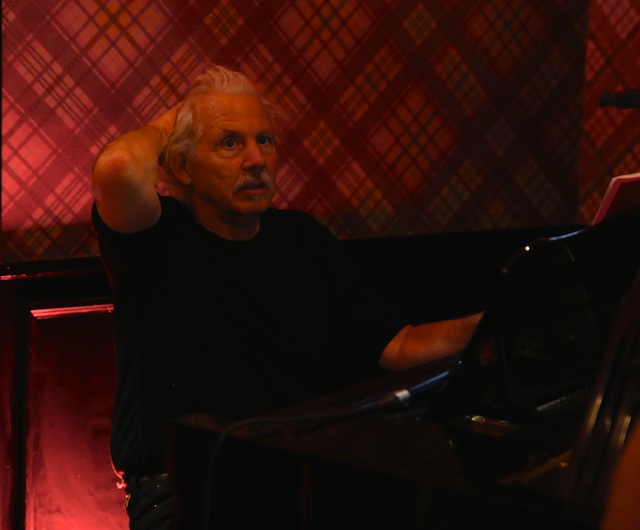 To the best of my knowledge, Jonathan Besser has not played at the CJC (Creative Jazz Club) before. While he is best known as an important composer for The New Zealand Symphony Orchestra, The New Zealand String Quartet and The Royal New Zealand Ballet, he is also a significant leader of small ensembles. Ensembles which venture far into the territory of experimental, electronic and improvised music. It is impossible to separate the man from his music. It is eclectic, original and often plaintive but generally with a sly twist of humour thrown in. In spite of his standing in the music world, Besser is modest. At the CJC he was happy to lead from the piano, which was in partial darkness and at the rear of the ensemble. His instructions were brief and staccato as if part of the unfolding suite. When he did pick up the microphone to speak to the audience he exuded an eccentric charm, bandstand asides peppered with self-effacing humour, garnished with sudden smiles.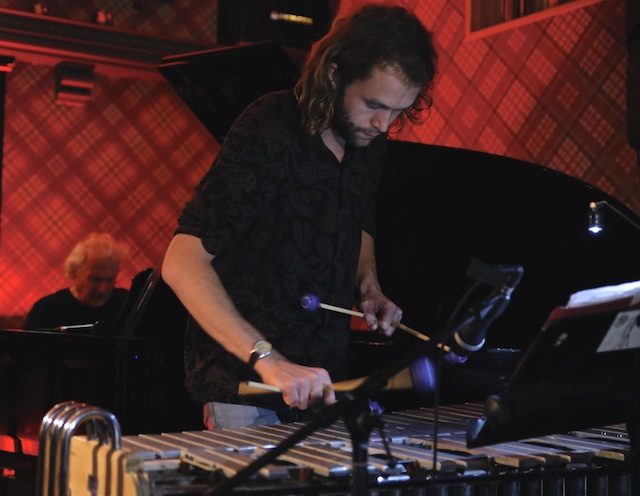
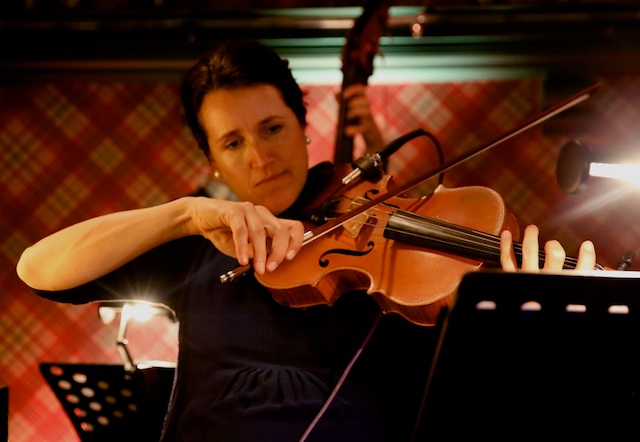 I met Besser briefly during Natalia Mann’s ‘Pacif.ist’ tour and later at the Auckland Art Gallery during the opening of Billy Apples ‘Sound Works’ exhibition. On that occasion, the Nathan Haines Quartet played Besser’s innovative compositions. I really hope that someone recorded that. It was extraordinary music, based upon prescribed letters of the alphabet. These were then allocated using the 12 tone scale as a formula to locate equivalent notes. The order of Billy Apple’s words dictating the order of notes.
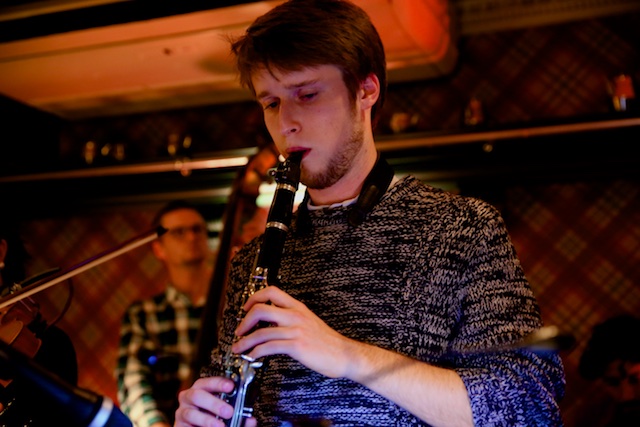 The music was not Klezmer and later I asked Besser about his influences – were there strong Jewish influences? “I am a Jewish man and I used Jewish scales, but apart from that no. I draw upon many, sources”. It interested him that I heard Argentinian references. “I have done Tango projects in the past and that is possible”. It was partly the combination of instruments, the delicious overlay of melancholia and the accents – not so far from the music of master musician Dino Saluzzi.
 The segments of music making up the suite seldom lasted longer than 4 minutes. The spaces between them brief. The mood seldom deviated from the wistful, evoking a sense of intangible longing – for something remembered – but just out of reach, a nostalgia as ancient as time itself. There were a few cheerful pieces as well, but I preferred the former. The Zestniks update themselves regularly, this time adding Caro Manins vocal lines, her wordless vocals followed the viola or clarinet in gentle unison. No one is better suited to this than Manins – she has worked with the likes of Norma Winstone after all.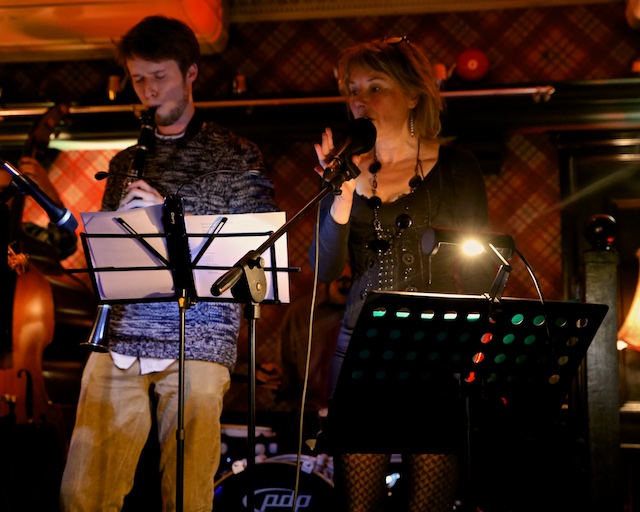
 Thanks to Rodger Fox and the CJC management we were lucky enough to see five times Grammy nominee, Jazz vocalist Karrin Allyson in our Auckland Jazz Club last Wednesday night. Seeing an artist like this in a concert hall is one thing; seeing her in the warm intimate surroundings of a small Jazz club and just a metre away is quite another. Always a sucker for quality Jazz vocalists I first heard her in 1992 (the album ‘I Thought About You’ was the first of hers I purchased). On the basis of her recorded output, I booked for both the CJC gig in Auckland and the Wellington Jazz Festival concert. The flights between these cities are surprisingly affordable when you book in advance, and these opportunities don’t come around often when you live in the South Pacific.
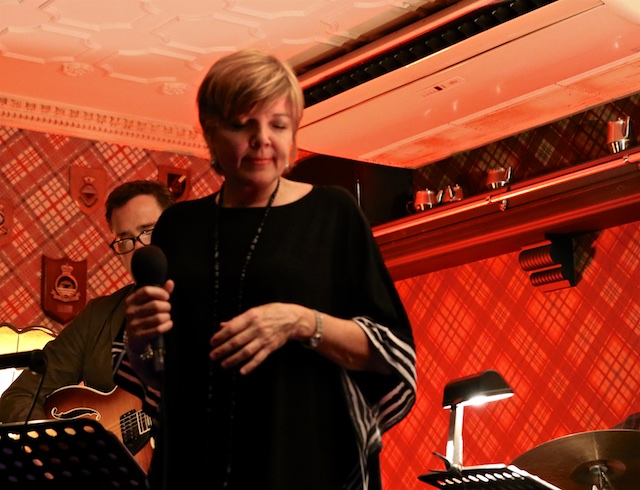 Following her 1992 release further albums came out and by the time ‘Ballads: for Coltrane’ and ‘In Blue’ were released there was no mistaking it. This was an important vocal interpreter. Her voice has particular qualities, an attractive smoky veneer, but then there’s that extra something. A sense of shared intimacy, a way of interpreting lyrics in an original way while still paying tribute to earlier interpreters. Her version of ‘O Barquino’ or ‘Double Rainbow’ (both by Jobim) immediately brings to mind the fabulous Elis Regina. Her ‘West Coast Blues’ conjures up Wes Montgomery just as much as the instrumentalists. She scats in ways that adds value to the narrative content of the song, never overdone and always wonderfully inventive. It came as no surprise, therefore, that she could conquer an audience in a heart beat.
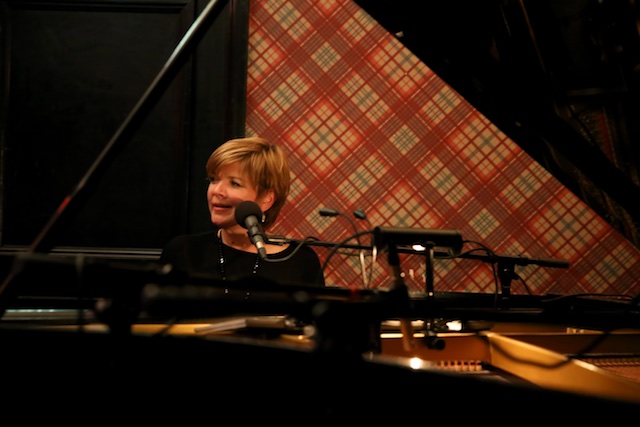 From the first vocal number, Allyson teased the audience, turning the lyrics into a conversation. Her set list spanned her Concord recordings including her recent release ‘Many a New Day: Karrin Allyson Sings Rogers & Hammerstein’ (When I think of Tom/Hello Young Lovers). Everything she performed was extraordinary but when she moved to the piano and accompanied herself on ‘Bye Bye Country Boy’ I was especially delighted. For some unaccountable reason, few vocalists interpret Blossom Dearie and more’s the pity. Dearie was a true original and a fiendishly clever Jazz vocalist. Her voice had a deceptive depth if you listened properly and like Allyson her ability to communicate was perfectly honed. It is fitting that Allyson should tackle Blossom Dearie as she is able to convey the same wry humour and wrap it up in a very attractive vocal package. She was simply killing in her interpretation.
 Accompanying Allyson was the Tom Warrington trio. Although it is five years since we saw them last, they have been regular visitors to New Zealand thanks to Fox. Tom Warrington is a superb bassist, having worked with everyone from Peggy Lee to Stan Getz. His list of credits is staggering. Formerly based in LA, where he was constantly in demand and no wonder. The choices underpinning each note he plays are beyond caveat. His musicality, teaching and compositional skills of the highest order. Today he lives a quieter life in rural New Zealand. When you hear his bass lines, and especially during a ballad, you recall the classic piano-trio bass players. Loading each note with meaning and carrying as much weight as any chordal instrument. Warrington has released four superb albums with this trio and all are highly recommended.
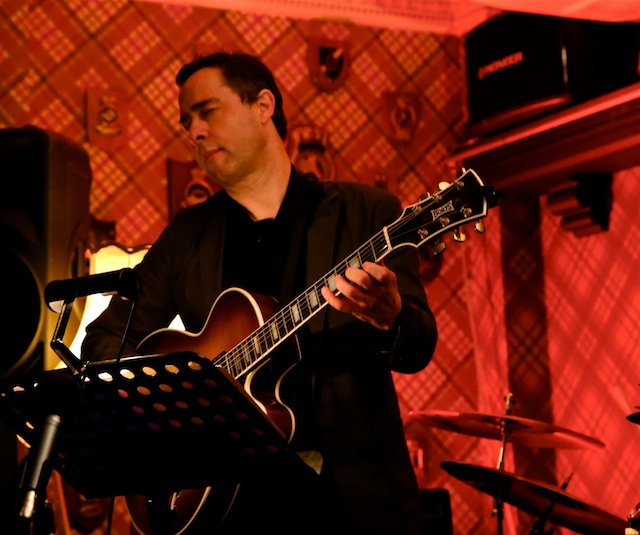 On chordal duties was Larry Koonse, playing a lovely hollow body Borys guitar. An impressive guitarist and a stalwart of the LA Jazz scene. Again, he is widely recorded, also releasing a number of albums under his own name. In many ways, Koonse encapsulates the best of the pre-millennial guitar tradition. That said, his fresh approach to tunes is also very much evident. His voice leading is a masterclass; dissonant/consonant inversions that have more bottom than most guitarists can muster in a lifetime and a gorgeous warm tone which lingers in the memory long after the gig. This, together with his other skills, makes him the perfect accompanist for a vocalist. When he played ‘Bolivia’ (Cedar Walton) with the trio, it took on the urgency and excitement that the tune demands. On ‘Whisper Not’ (Benny Golson) he extracted unalloyed beauty. I have known Larry for a decade and speaking to him after the gig, I complimented him on those tunes. At that point, my mouth raced way ahead of my brain and I said, “that was ‘Speak Low’ wasn’t it”? That fact that my slip of the tongue had accidentally come up with an exact antonym of ‘Whisper not’ made his day.
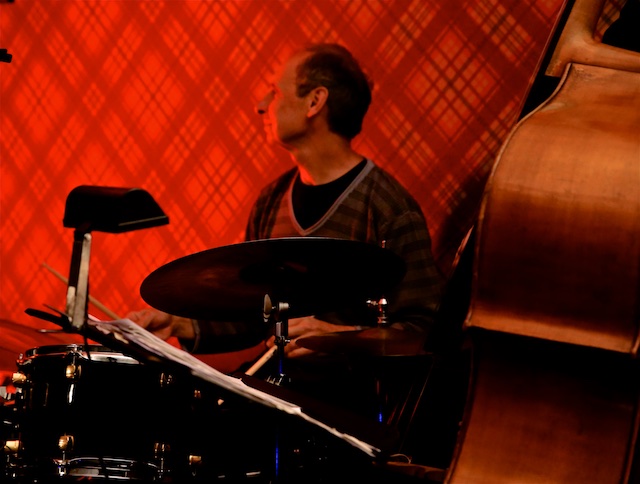 Last but not least is the Warrington Trio drummer Joe La Barbera. No one needs reminding of his long list of credits and impeccable credentials. As Warrington said during the introductions. “As everyone knows, Joe La Barbera was in the last Bill Evans trio. This puts us in some rarefied air”. Along with Marc Johnson, he breathed new life into that trio. While rightly famous for his superb drum work with Evans, he is a multi-faceted drummer; having also worked in avant-garde settings and with medium to larger sized ensembles such as ‘The West Coast All Stars’, ‘The Woody Herman Band’ and with ‘Kenny Wheeler’. He has often worked with famous vocalists such as Tony Bennett and Karrin Allyson. La Barbera has an inclusive quality that enhances bass and guitar but never overshadows them. When he solos, it is to the point. His stick and brush work add subtlety and texture – the effect always jaw-dropping. It is easy to see why he is so much in demand. A musical drummer who gives so much while working so hard to support the others.
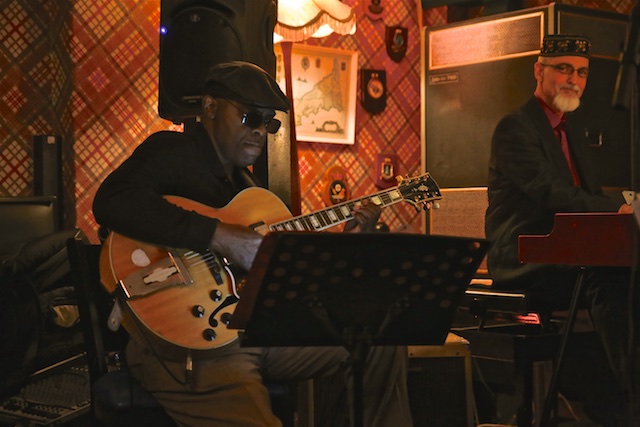 Auckland spoils us with long runs of clement weather, but when winter hits we suffer. Having effectively avoided any meaningful autumn we suddenly plunged into a week of cold wet days. There was no better time for the Michel Benebig/Carl Lockett band to arrive. As we grooved to the music, a warmth flooded our bodies within minutes. Nothing invokes warmth like a well oiled B3 groove unit and the Benebig/Locket band is as good as it gets. The icing on the cake was seeing Shem with them. A singer with incredible modulation skills and perfect pitch, able to convey the nuances of emotion with a casual glance or a single note. The way she moves from the upper register to the midrange, silken.
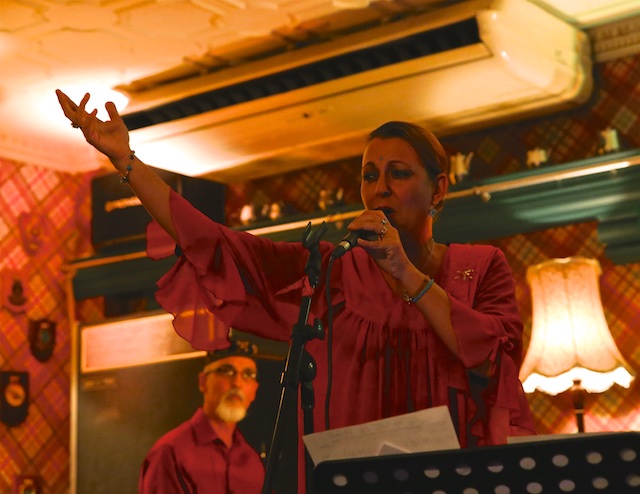 Michel Benebig has been travelling to New Zealand for years, and his connection with the principals of the UoA Jazz school has been a boon for us. He generally brings his partner Shem with him, but last time work commitments in her native New Caledonia kept her at home. Michel just gets better and better and the way his pedal work and hands create contrasts and tension defies belief. It is therefore not surprising that Michel attracts top rated guitarists or saxophonists to his bands. The best of our local groove guitarists have often featured and a growing number of stand-out American artists (see earlier posts on this band). Of these, the New York guitarist Carl Locket is of particular note. I first heard Lockett in San Francisco four years ago and he mesmerised me with his deep bluesy lines and time feel. Although comfortable in a number of genres, he is the ideal choice for an organ/guitar groove unit.
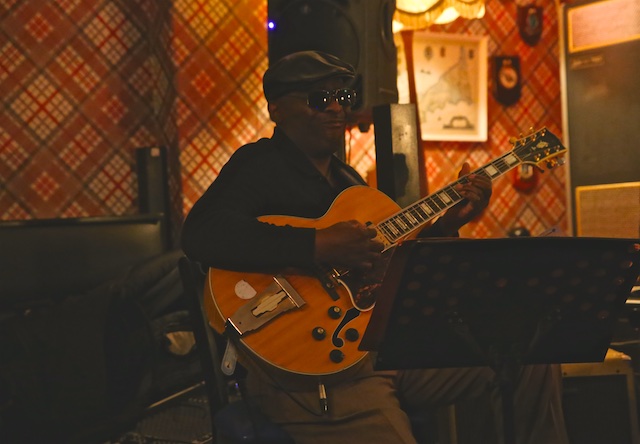 The band played material from their recent album (mostly Benebig’s compositions) and a few standards. There were also compositions by Shem Benebig. Their approach to arranging standards is appealing – numbers like Johnny Mandel’s ‘Suicide is Painless’ are transformed into groove excellence. We heard that number performed at the band’s last visit and the audience loved to hear it repeated. This visit, we heard a terrific interpretation of ‘Angel Eyes’ (Matt Dennis). I confess that this is one of my favourite standards (Ella regarded it as her favourite ballad). Anita O’day performed it beautifully as did Frank Sinatra and Nat Cole. The only groove version I can recall is the relatively unknown Gene Ammons cut (a bonus number added in later years to his ‘Boss Tenor’ album with organist Johnny ‘Hammond’ Smith). That version took the tune at a very slow pace, so slow in fact that you initially wondered if Ammons had nodded off before he came in. It was wonderful for all that (who can resist Ammons).
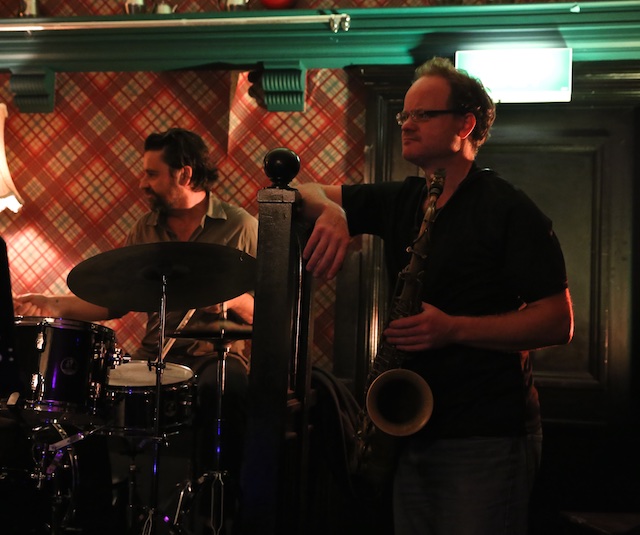 The band began the tune at a slow pace (but not as slow as Ammons), then once through, picking up the tempo, the band settling into a deeper groove, drummer Samsom and the guitarist really locking together, giving the Benebig’s room to create magic. That locked-in beat is often at the heart of an organ-guitar unit and when done well it adds bottom to the sound. Locket’s style of comping is the key to that effect, the entry point for the drummer, the way the guitarist lays back on the beat and comps in a particular way. Samsom heard and responded as I knew he would. He is a groove merchant at heart. On tenor saxophone, Roger Manins was on home turf. Dreamily caressing the melody before his solo.
 This year has seen a lot of international acts through the CJC (Creative Jazz Club), compelling musicians with interesting stories to tell and often with serious gig miles under their belt. As exciting as it is to see the high-end performers of the scene, it is just as important to recognise and evaluate those who might one day take their place. Not all will last the course, but the persistent and the passionate can make that journey. Standing in front of a discerning club audience tests young musicians in ways not easily replicated. Unlike the Jazz School environment, the musicians technical prowess is subservient to the authenticity they bring to the bandstand. Fluffing a line is more likely forgiven than delivering a technically perfect but lifeless performance. Sam Weeks and Sean Martin-Buss tested themselves and came through the fire relatively unscathed.
 The gig was part of the emerging artists series and the musicians first time at the CJC as leaders. Both have previously played as sidemen at the club, but standing anonymously in a horn line is a different thing entirely. I am happy to give this gig the thumbs up as they performed well. It took the first few numbers for them to warm up properly, but warm up they did. The rest of the first set and the one after that delivered crackling performances. All of the material was their own and their writing skills were favourably displayed (especially those of Weeks). A piece titled ‘Missing Together’ by Weeks was a gem – opening with some tricky unison lines, followed by a few bars of counterpoint. They made it sound easy, but clearly, many of these compositions were not. The act of embracing the difficult is how a musician grows. I am glad they took some risks, as Jazz functions best in the absence of complacency.
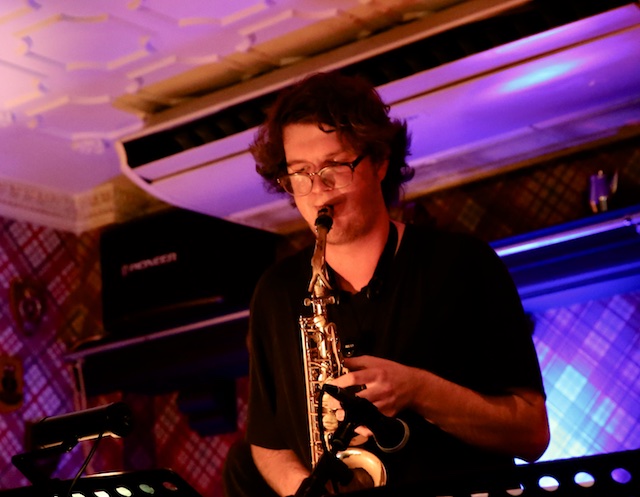
 Sean Martin-Buss was on alto saxophone with Sam Weeks on tenor saxophone. Each gave the other ample room and the contrast between the horns was therefore amplified. They also differed stylistically and this gave an added piquancy to the gig. They made good use of interactive Banter, musician to audience and to each other. Off the wall comments came out of nowhere, and the audience included in the joke. The humour was not in the lines but in the offhand delivery. A very Kiwi type of onstage banter – self-effacing, mumblingly casual.
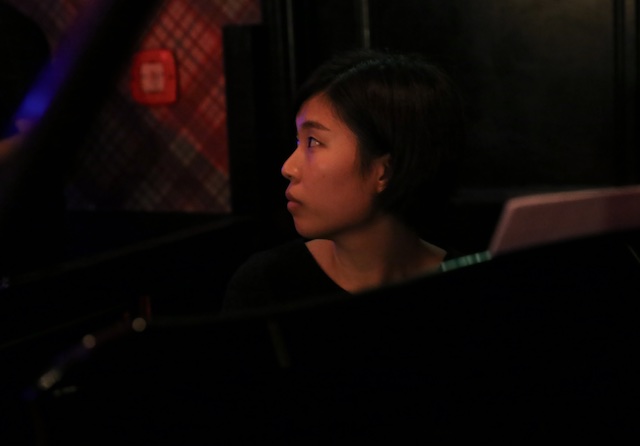
 Emerging musicians are often tempted to rely heavily on musicians from their own graduate class. There is nothing wrong with that per se, but the first question is always, which musicians will serve the gig best? Again the co-leaders made good choices in Tristan Deck (drums) and Eamon Edmundson-Wells (upright bass). The remaining band member was Crystal Choi on piano. Deck and Edmundson-Wells perform in public regularly and both have earned considerable respect. They personify good musical taste. They have talent and better yet, they work extraordinarily well together. It was this combination that tightened up the performance – real assets. Choi was extremely interesting on this gig. I have sometimes noticed a tiny hesitancy in her delivery. On this night, her performance exuded confidence and several of her solos were stunning. The enthusiastic audience responded throughout the night.
 Although the leaders possess perfect vision and are clearly not Venetian, the project was ‘The Blind Venetians’. This was also the name of the final number of the last set; a roistering finale bringing down the cantilevered shutters at gigs end.
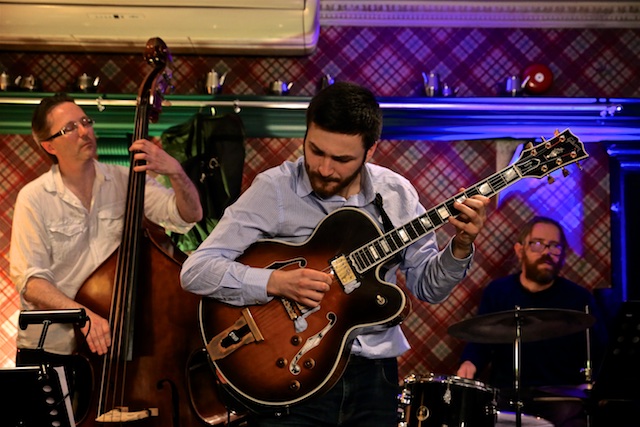 With the Indian summer lingering, March rolled seamlessly into April, and in Jazz parlance, we got to JAM (Jazz April Month). This is the month when the International Jazz community reaches out and proclaims, listen up ‘world’ we have something to say. The month culminates with UNESCO world Jazz day; last year the main celebration was in Paris, before that Osaka and Istanbul. This year the Thelonius Monk Foundation and UNESCO will hold the WJD main celebration in the White House at the invitation of President Obama.
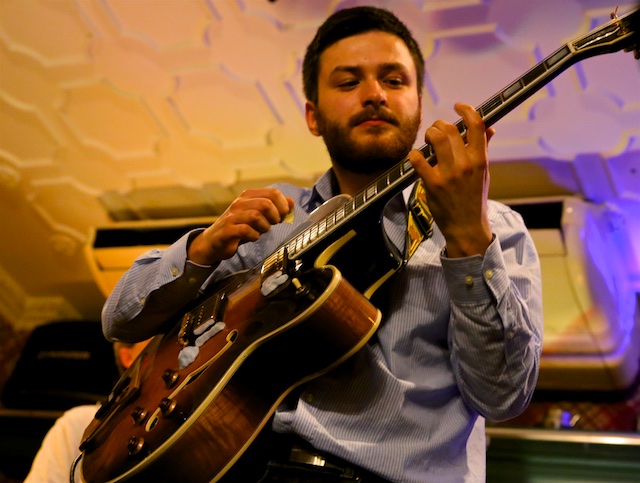 He is a different sort of guitarist and although in his early twenties, he already sounds like a member of that post-millennial cadre of improvising trend setters. As usual, I arrived during the setup and what I heard offered promise. His lines during the warm-up number were fast and furious, but the clarity of tone and of ideas, jaw dropping. As the first set began the band traversed various moods, from the Bop referencing to the reflective. Luft is a formidable technician, his fluency beyond the reach of many practitioners I suspect, but during the slower reflective numbers, we glimpsed subtly and depth.
 The first set brought us the trio formation, and the set list ranged from the near avant-garde to ‘world Jazz’. I really enjoyed the material chosen as there were quirky originals, and material ranging from the familiar (Gismonti) to the unfamiliar – tunes by Portuguese or Brazilian composers including a delightfully outrageous rendering of a tune called ‘The bickering of the crazy musicians’. That one brought the house down. I was also delighted with his tribute to the adventurous guitarist Derick Bayley; a tune titles ‘Derick’. Again this showcased the breadth of his influences. Whether the reflective or quirky, handled with the supreme confidence that only a musician at one with his instrument can attain. Accompanying him was Tim Robertson, an expat with a long string of impressive credits to his name in the UK. Robertson and Luft were a tightly focussed team, enhanced by the addition of Chris O’Connor for the Auckland gig. O’Connor is endlessly versatile and ever popular about the country – from Indie Rock or straight ahead Jazz through to experimental music. He adds enormous value to any bandstand, any genre, and the choice could not have been better.
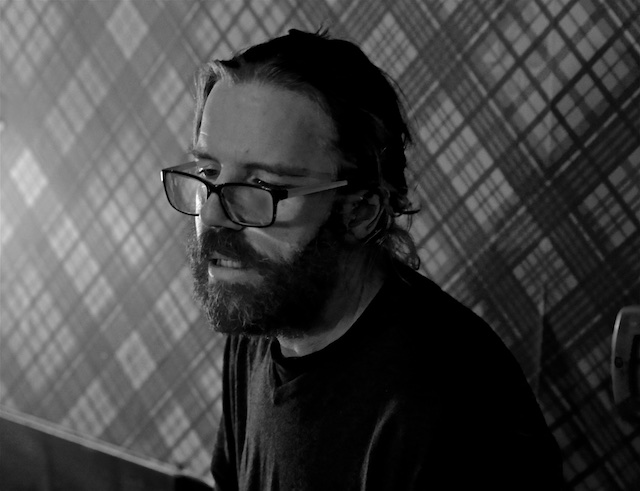 On the second set, the trio added local saxophonist Roger Manins and the tunes although standards took in a wide spectrum. Opening with a ‘groove take’ on Victor Young’s ‘Delilah’ and then in contrast diving headlong into a marvelous Ornette Colman piece. ‘Humpty Dumpty’ from Ornette’s ‘This is our Music’ was undoubtedly my favourite of the night. Everything these musicians played worked well, but this tune just bounced off the walls and had everyone whooping in delight. Next was a crazy little known Monk tune titled ‘Unidentified Monk Solo’ and lastly ‘Ray’s Idea’ by Ray Brown. From deep listening enjoyment to wild and free in one gig.
 Two nights later I was watching the Sky Arts channel when a programme on guitarists came up. Then I saw him, a younger Rob Luft performing at Ronny Scotts, solo guitar, receiving praise from George Benson, recording at Abbey Road studios and winning the Jazz section of a prestigious UK guitar competition. We sure lucked out getting this band for a Jazz April opener. The clip below is from a Ronnie Scotts gig – Rob Luft with ZiroBop – The clip tells you everything you need to know about him as a guitarist.
 The Briana Cowlishaw/Gavin Ahearn gig is the second CJC gig featuring international artists in a month. For those who follow Australian improvised music, these are familiar names. Both have rock solid credentials as both have traveled extensively with their music and attracted glowing critical reviews. This is a fortuitous musical pairing, and it is particularly obvious during duets. There is a mutual awareness of space and nuance and an understanding of just where interplay works best; neither over-crowding the other. There are a lot of pianists who accompany vocalists convincingly, but the true art of accompaniment is rarely seen. Ahearn is a fine accompanist and soloist. Unusually, you could say the same for Cowlishaw – an aware musician who watches and listens to her collaborators carefully – works with what she hears. Never greedy to hog the limelight and making every line count.
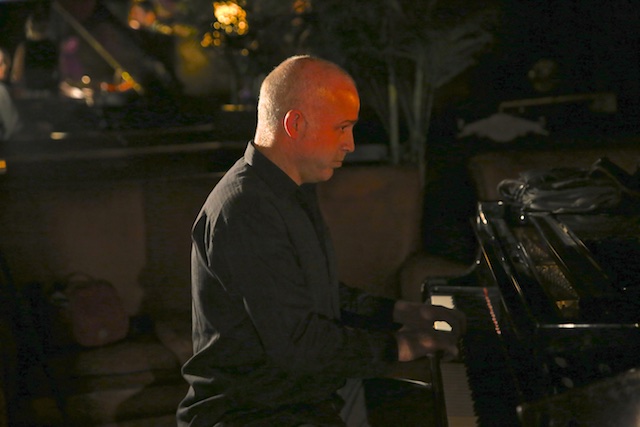 For an artist barely past her mid twenties Cowlishaw has achieved much. Performing at festivals all over the world and being nominated for prestigious awards along the way. She has studied with top rated teachers in three continents and it shows (including Gretchen Parlato, Aaron Goldberg, Kurt Elling). Her confidence, compositional abilities and musicianship shine through on the bandstand. Hers is a modern voice and more importantly a fresh young voice. What worked so well so well for Gretchen Parlato also works for her; a clean delivery, imaginative interpretations and an interesting approach.
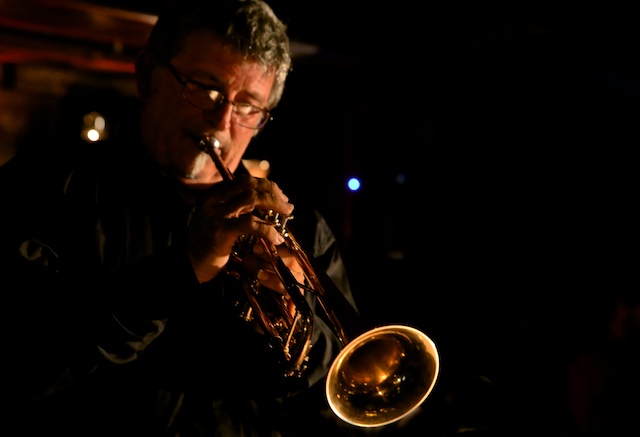 The first set saw Cowlishaw and Ahearn performing as a duo. This format gifts artists with a degree of freedom and it was well utilised. As they took us through a mix of standards and originals, we saw just how attuned they are. The Cowlishaw compositions are particularly interesting, with words, wordless vocalising and interesting harmonic underpinnings from Ahearn – a subtle weave, blending threads to create evocative soundscapes.
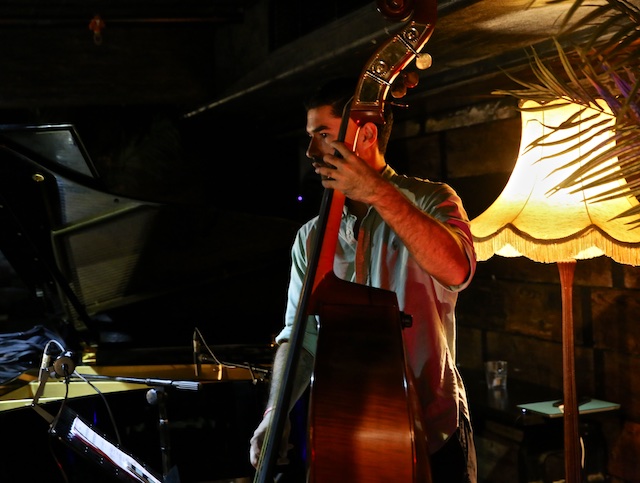 Both have visited Norway and the sparse honest northern sound was particularly evident in their first set. A recent collaborative album recorded in Norway arose out of an earlier trip there. More recently they performed at the Hemnes Jazz Festival in that country. As Cowlishaw said of these compositions, “After spending a lot of time on the road and in big cities, I found myself in the Fjords. The wild lonely freshness was so appealing that the thought arose – was this a place that I would want to live in one day”? Arising from that proposition came the compositions on their ‘Fjord’ album. Cowlishaw is obviously keen on the outdoors. She told an audience member that she intended to explore a few of New Zealand wildness places as the chance presented itself.
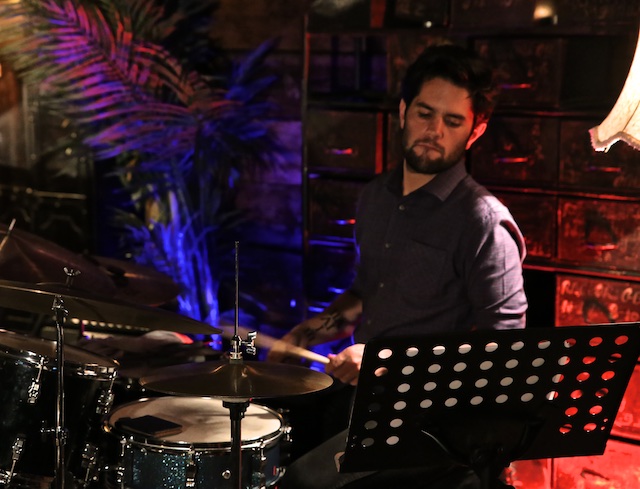 The second set swelled the bands numbers to a quintet – joining the duo were Mike Booth on trumpet, Cameron McArthur on bass and Adam Tobeck on drums. All fine musicians and well able to rise to any challenge. The expanded unit gave her much to work with and Ahearn in particular jumped at the opportunity; utilising a more aggressive hard-swinging style. There were more standards in this second half and Cole Porters wonderful 1943 composition from ‘Something to shout about’ – ‘You’d be so Nice to Come Home to’ stood out as a rollicking swinger. The other memorable standard came from the duo – Michel Legrand’s 1932 composition ‘You must believe in Spring’. To Jazz audiences this means one thing – The achingly beautiful Bill Evans Warners album of that name. The rendition was remarkably beautiful – Cowlishaw tackled the number as Norma Winstone might, while Ahearn stamped his own authority on the ballad while allowing Evans to shine through.
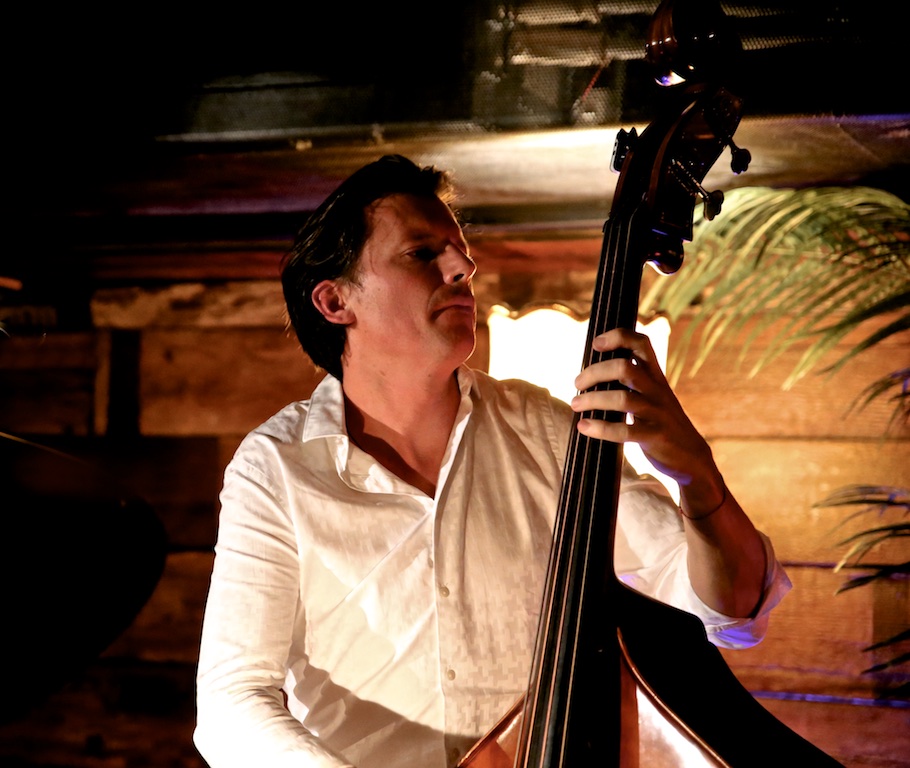 2015 was an amazing year for the CJC (Creative Jazz Club) and just when we thought the gigs couldn’t get any better this gig happened. It was an unexpected bonus, appearing out of nowhere. During the break of the CJC’s penultimate gig, Roger informed us that an extra gig would occur just two days before Christmas. Matt Penman was in town and he would appear with Kevin Field, Dixon Nacey and Steve Thomas. A buzz of excitement ran through the room and within a few days the gig was booked out. A second gig was quickly announced and that sold out as well.
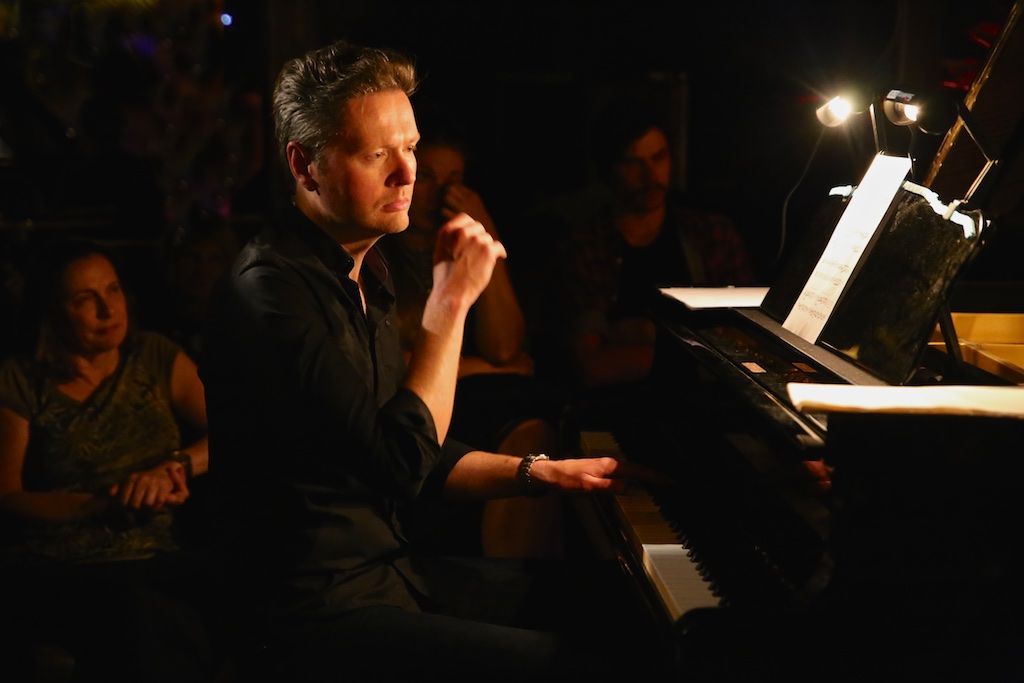 Fittingly the gig opened with ‘Two Steps’ (Penman) which is from the second James Farm album. Everything about the number is compelling and it oozes a post millennial Americana vibe – close to that espoused by artists like Brad Mehldau. James Farm are an extraordinary group co-led by Joshua Redman, Aaron Parks, Matt Penman & Eric Harland. A super-group where everyone is a gifted writer and virtuosic player. This is the pinnacle of modern American Jazz and we were lucky enough to get an up close taste of it. A warm glow swiftly enveloped us and from the first pull on the bass strings and we sensed on mass that this a different type of bass playing; supremely authoritative, melodic and with more momentum than a downhill freight train. We were especially fascinated to hear that Split Enz inspired him to write this tune. We heard other James Farm compositions – the moody ‘Juries Out’ (Penman) and Otherwise (Aaron Parks). Delightful Penman originals dominated the rest of the set (with the exception of a haunting Jewish folk song).
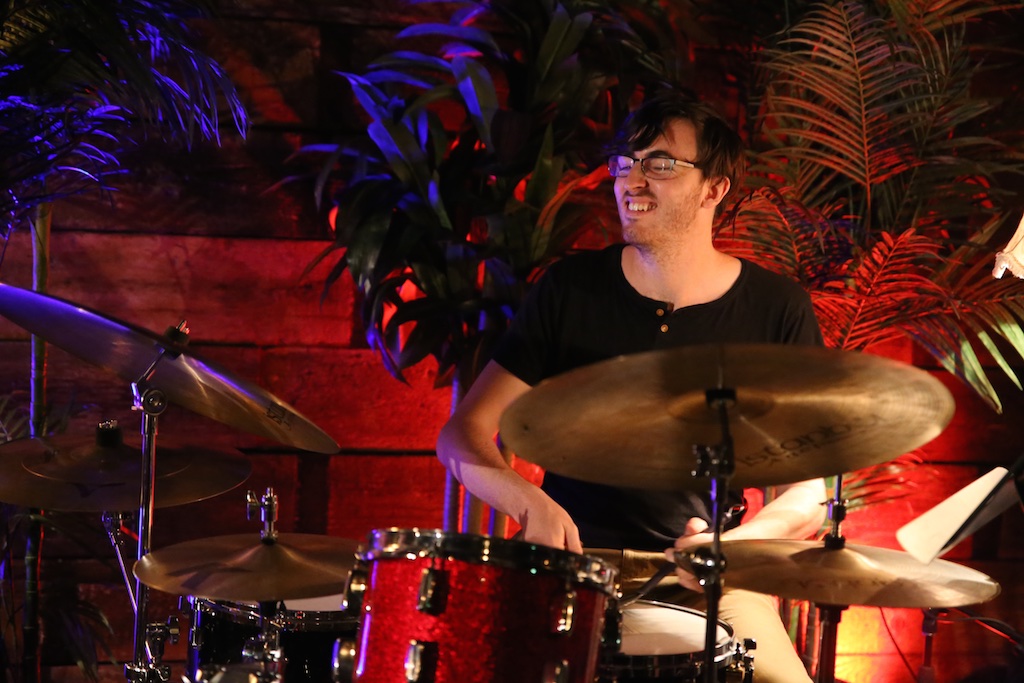
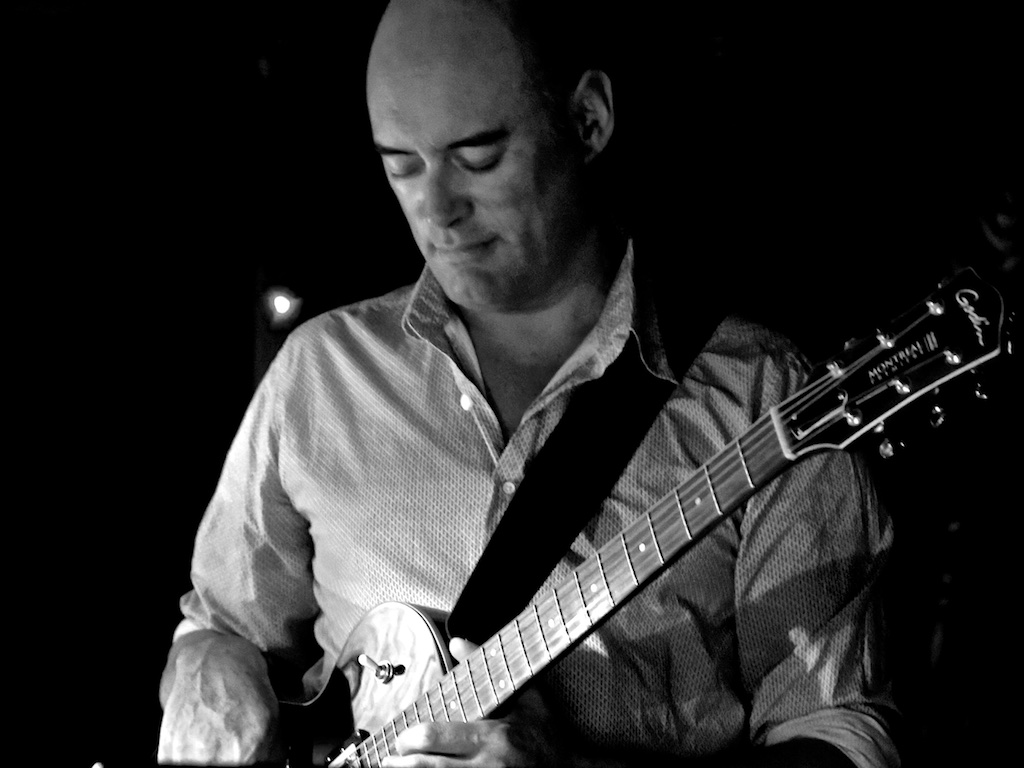 As approachable as this music is, there are many rhythmic and textural complexities. Putting such a set list together with a band not used to playing the material, perilous. Two factors undoubtedly assisted here. Penman, Field and Nacey are old friends. Nacey attended Avondale college with Penman and Field has known him since his time at Auckland University. Field also recorded with Penman in New York on his recent Warners album ‘The A List’. The remaining band member was Stephen Thomas, the youngest of the quartet. He only met Penman the day of gig. When you examine Penman’s contributions to James Farm, the SF Jazz Collective and other albums, you realise that he writes with unusually gifted improvising musicians in mind. For a young drummer to step into the space occupied by Eric Harland and Obed Calviare and not only pull it off but to do it well is a credit to him. Penman singled him out for praise and told us we were lucky to have a young drummer of his ability on the scene.
 Of Field and Nacey we expect only the best and we got it. Replacing Redman, Moreno or Rosenwinkel with Nacey’s singing Godin Guitar felt a natural choice. I have heard Mike Moreno perform and Nacey is heading for that level of virtuosity. He is a good reader and a master musician and he always delivers. Field was also at his best that night and his best is something to behold. Losing himself in a music quite different from his own and doing it with utter conviction. Collectively they brought Christmas joy to everyone present. The best of Christmas presents from the best of Jazz clubs. I hope the CJC features Penman again soon – we love him down under.
 JazzLocal32.com