With closed borders and venue restrictions biting, the release date for Kevin Field’s ‘Soundtology’ album became a movable feast. The original proposal would have seen some of his New York band appear, but because of the pandemic, that plan was ditched. If he was flustered by these frustrating circumstances it didn’t show. Making a virtue out of necessity he engaged local musicians and launched his album anyway. It was a night to remember.

Field is one of our finest musicians and his reputation stretches far beyond these shores. He has previously recorded with highly-rated New York Jazz musicians and also with the best of New Zealand’s improvisers. As an adventurous musician, Field eschews stasis and his developmental arc is particularly evident with this latest album. He is an artist who arrives at a successful formula and then turns it on its head. With each album, he makes references to his earlier works, and then he moves foreword. Everything that has gone before becomes a springboard to a new moment and each iteration is better than that preceding it.

There is a lot to like about Fields new album ‘Soundtology’. The tunes are sublimely melodic, and as always, his trademark harmonic developments astound. I have always enjoyed his avoidance of cliche and in this case, there is something else. Even when upbeat, the tunes feel more contemplative, and the space afforded, lets the music speak with clarity. This is the album of a mature composer and it is deserving of wide acclaim.
The album has eleven tunes and features two quartets (alternating throughout). This provides contrast while not affecting the flow and continuity. All of these tunes belong together and each unit locates something special. The first quartet features Field (Piano Rhodes), Nir Felder (guitar), Orlando Le Fleming (bass) and Charles Haynes (drums). The second quartet has Field (piano, Rhodes) Mike Moreno (guitar), Matt Penman (bass) and Nate Wood (drums). These are heavy hitters and Field could not have chosen better crews to spin gold out of his compositions. I was immediately drawn to the inclusion of Moreno, one of the worlds great guitar improvisers. I once flew to Sydney just to catch a concert of his.
‘Soundtology’ is a beautifully presented album and it was recorded to perfection. It is an album to be enjoyed on many levels; for its beauty and freshness and for its accessibility. If ever there was an example of complex music made to sound easy, it is here. The tunes are beguiling and memorable, but underlying them are twists and turns which elevate the tunes into listening adventures. A good example is the first track Quintus Maximus. It opens over an ostinato sequence, where a broken rhythmic pattern is established by bass and Rhodes. The intro is a teaser as it hints at possible directions without necessarily committing to them; then the melody soars and brings it together until the underlying ostinato phrases reappear. An interesting and enjoyable piece of music.
The second tune, ‘Good Friday’ is a great composition. It is among the most melodic of Fields tunes and it has been around since he first recorded it on his 2012 Warner release ‘Field of Vision’. Back in 2012, the tune was a slower-paced offering. Over the last few years, I have heard it performed often; now, it has emerged as a punchier version of its former self. It is fascinating to hear good tunes like this under constant development. This is what Field does and it is his impulse toward reinvention that elevates him beyond the pack. It is not surprising that he was recently awarded a doctorate.
There is no better example of its ongoing trajectory than the version of Good Friday we heard at Wednesday’s live performance. It had been rearranged to include a bass clarinet and a soprano saxophone. There were two guitarists as in the album, but the addition of the horns gave us yet another vantage point from which to examine the composition. A band member told me afterwards that the charts were interestingly structured. They forced the soloists to think outside of the square and to avoid any formulaic approach.
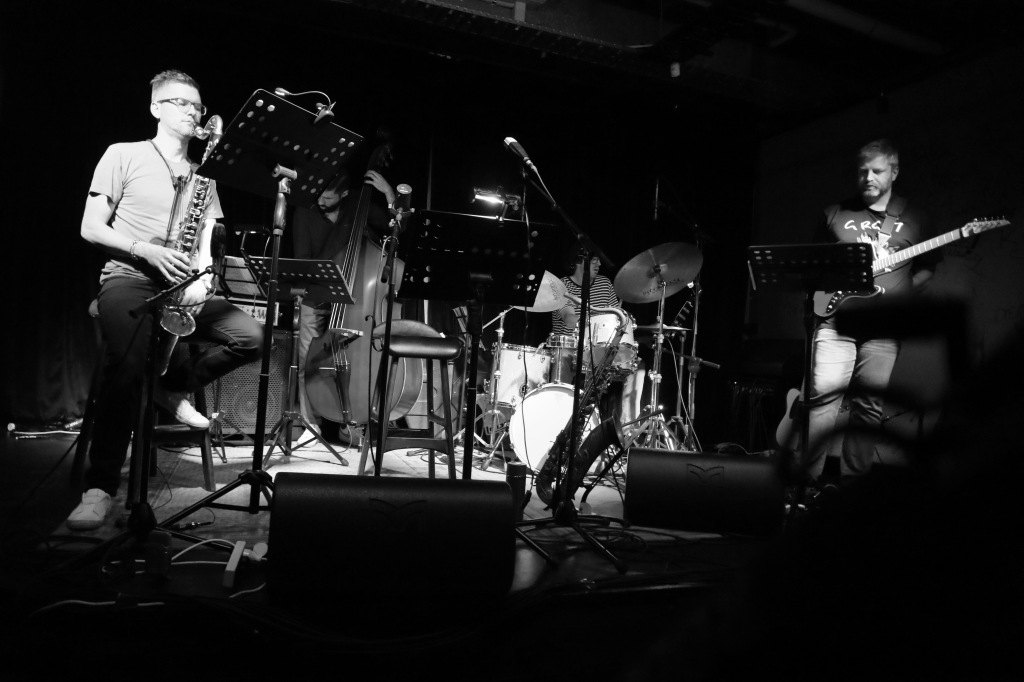
‘People factory’ was the perfect vehicle for Moreno, Penman and Wood. This number is like silk in a ruffling breeze, I have never heard Moreno sound better (and he always sounds good). The responsiveness Field extracts from Wood and Penman is also marvellous. This is seamless interplay at its best. Actually, everything is great on this album and there’s plenty of variety. This one is 4.5 stars. My advice is, buy multiple copies and impress everyone with your hip good taste.
‘Soundtology’ by Keven Field ~ Released on TimezoneRecords.com 2020
Album: Keven Field (piano, Fender Rhodes), Mike Moreno, Nir Felder (guitar), Matt Penman, Orlando Le Fleming (bass), Charles Hayes, Nate Wood (drums).
Live gig: Kevin Field (piano, Fender Rhodes), Michael Howell & Kieth Price (guitars), Nathan Haines (tenor, soprano saxophones), Lewis McCallum (bass clarinet), Cam McArthur (bass), Stephen Thomas (drums).
The live gig took place at Anthology K’Road for the CJC Creative Jazz Club, November 11, 2020
JazzLocal32.com was rated as one of the 50 best Jazz Blogs in the world by Feedspot. The author is a professional member of the Jazz Journalists Association. Many of these posts also appear on Radio13.co.nz – check it out.
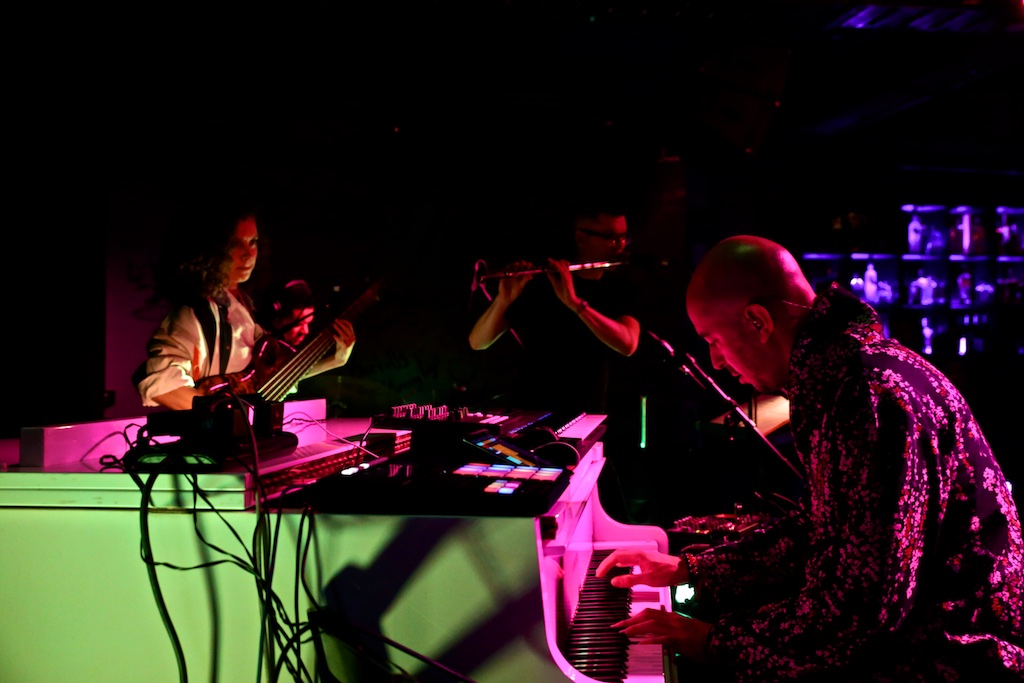 Music is the highest form of communication. It is universal. It reveals truths, tells stories, entertains, and in Mark de Clive-Lowe’s case, it evokes other realities. This was a masterclass in storytelling; an unfolding kaleidoscope where the contradictions and sublime realisations about the human condition were brought into focus. ‘Heritage 1 + 2’ the albums reflect his personal story, a journey of reconnection, an exploration of culture and of family history. He revealed it through moments of spoken narrative, but above all through his reverential musical examination of Japanese art forms. This was a musical journey where the highly personal overlapped the philosophical. It was a journey back to his Jazz roots and undertaken entirely on his own terms.
 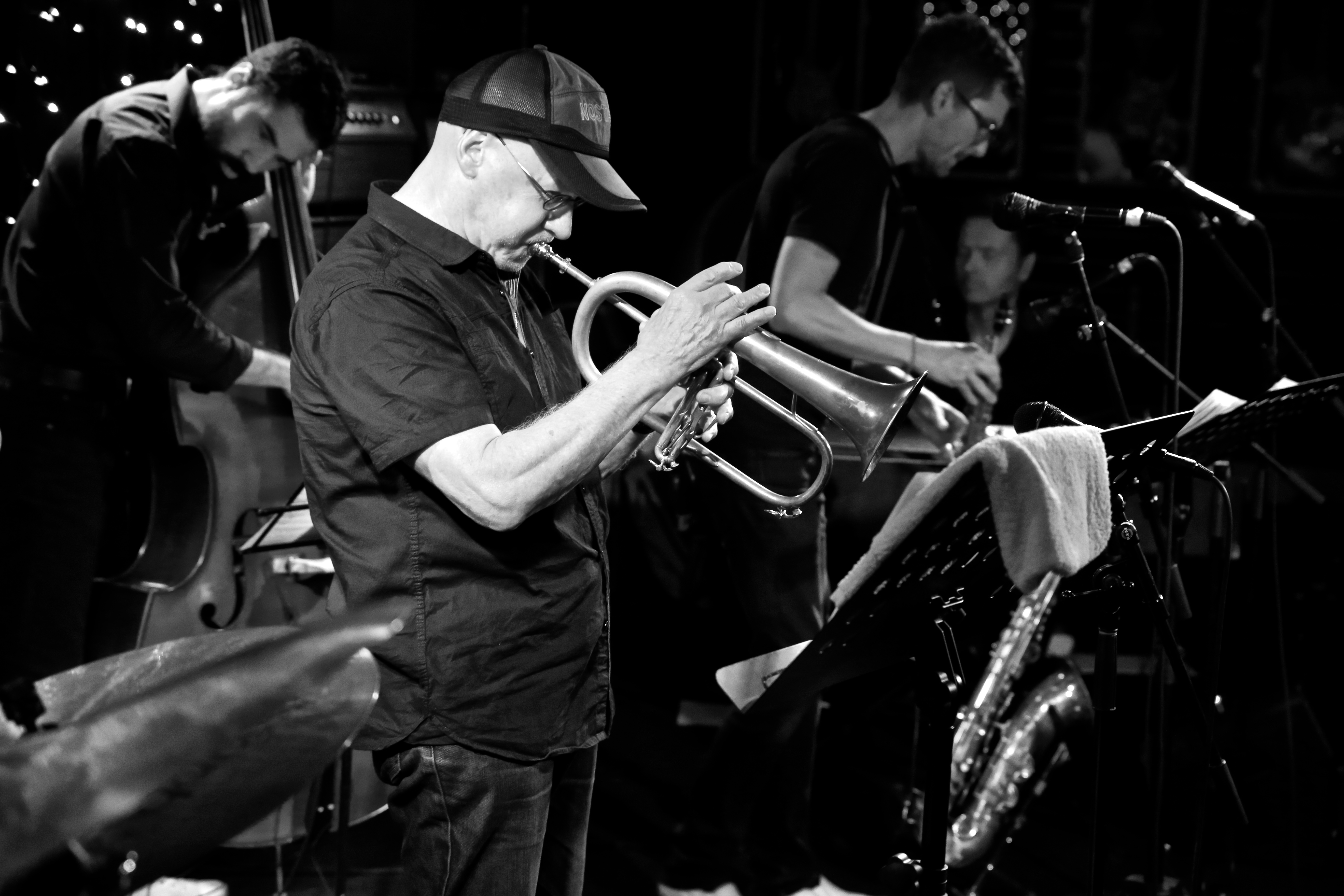 After a long gloomy week of intense storm weather, 200 kph winds, polar darkness and zero electricity, I am finally back in front of my computer. A few days before the storm I was sitting in the warm, well-lit, electricity charged Backbeat Bar and listening to the Kim Paterson Band – by far the preferable option. Jazz trumpeter, Paterson, has been on the New Zealand Jazz scene for as long as I can remember and his name is forever associated with legendary figures like Mick Nock. When I was a teenager I knew many people that he knew and he always seemed to lead an exciting life: gigging in Australia or further afield and travelling to India on a shoestring (our generation regarded that as an essential rite of passage). Out of that rich life experience and long years of devotion to his artform, has come a book of marvellous compositions. These compositions were the focus of his CJC gig and his bandmates gave them the respect they deserved.
 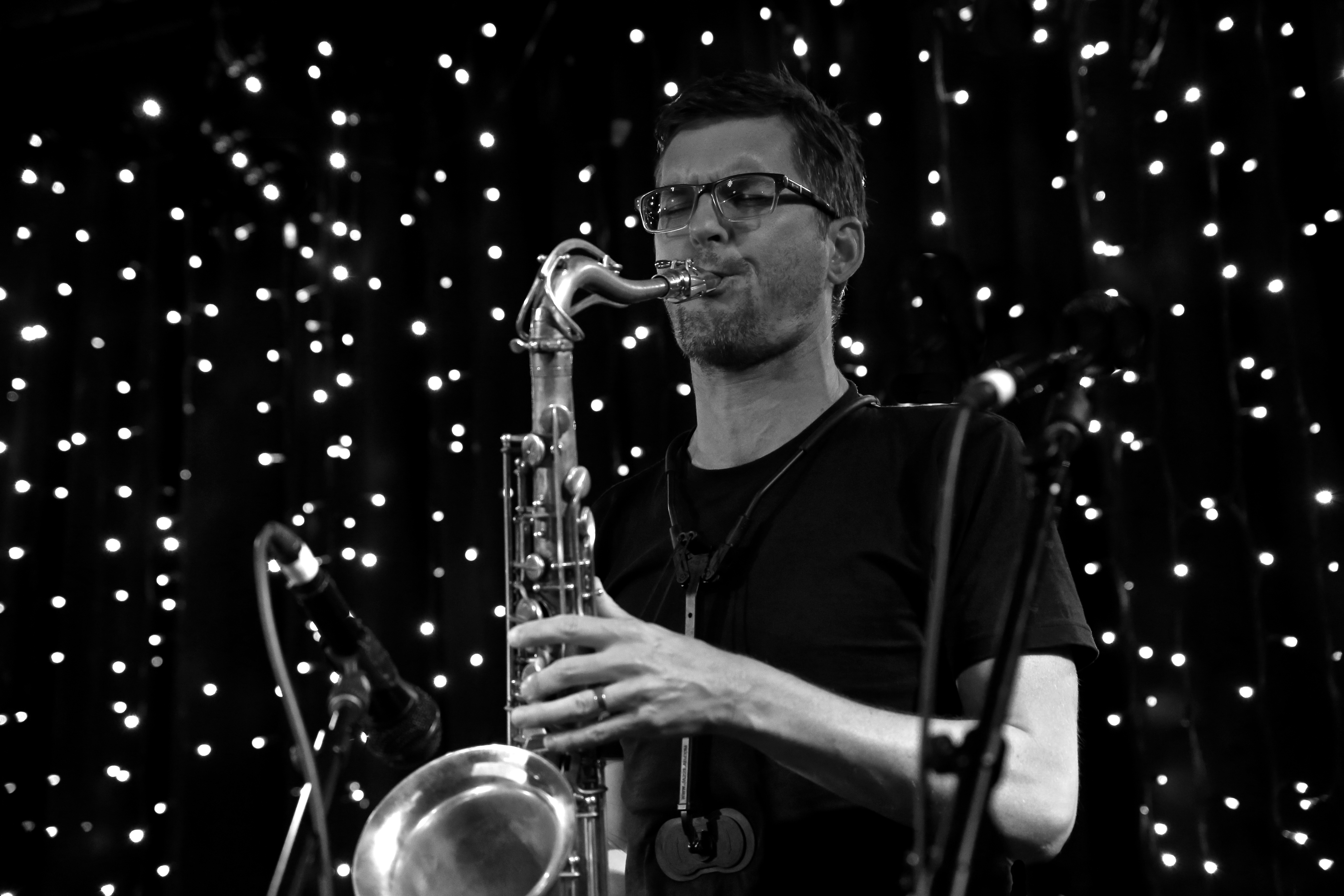 It is hardly surprising that Paterson selected his bandmates well, all experienced musicians and all with a feel for the texturally rich, open-ended compositional structures. I was particularly delighted to see Lewis McCallum on the bandstand, having missed an earlier gig of his and regretting it. He played tenor and soprano and the unmistakable influence of Coltrane’s conceptions shone through. Although not the leader, McCallum was a powerful presence. It was obvious that he regarded this project highly and his guiding hand was repeatedly acknowledged by Paterson. His tone was biting, but not harsh; his ideas were communicated with clarity.
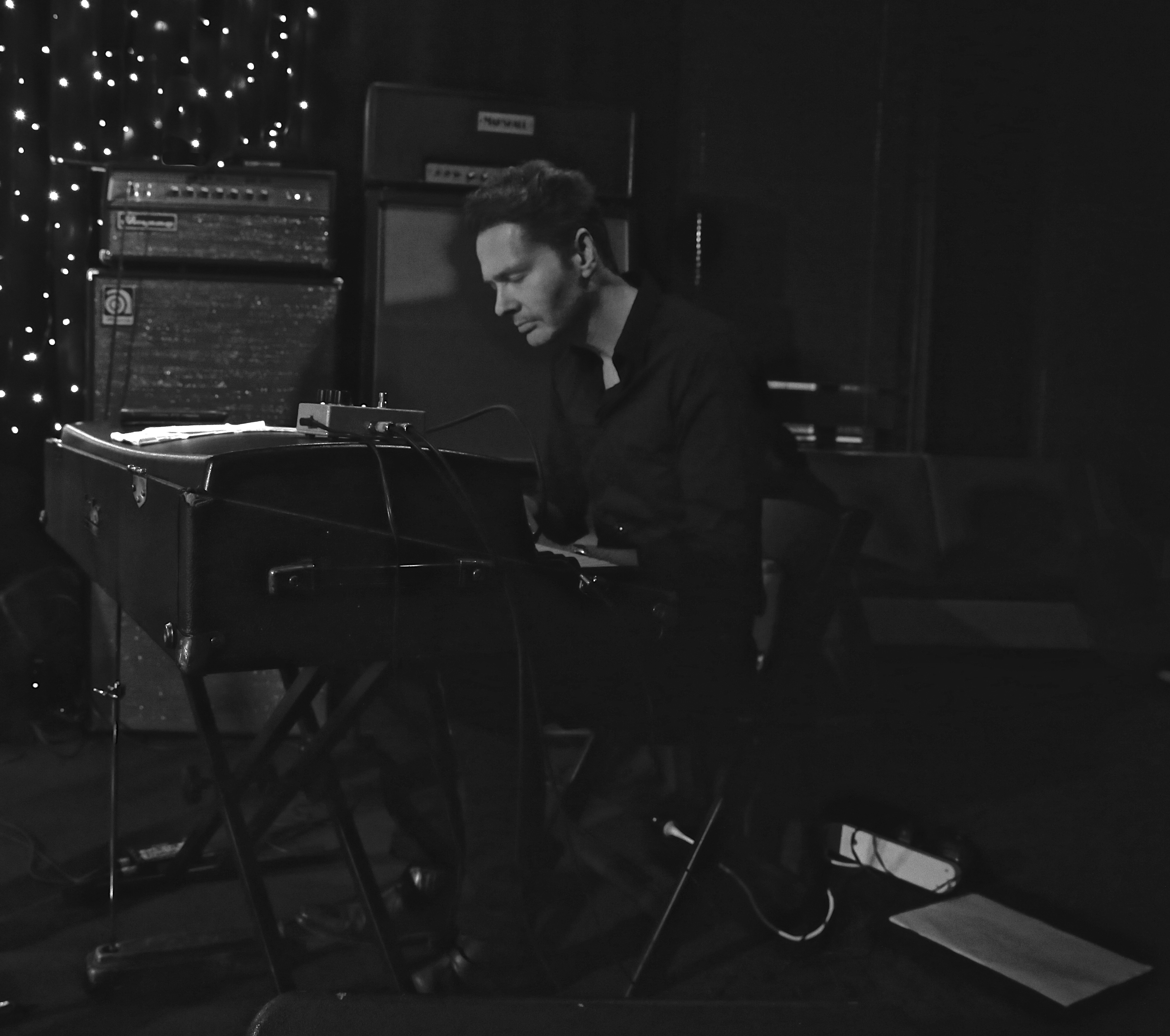
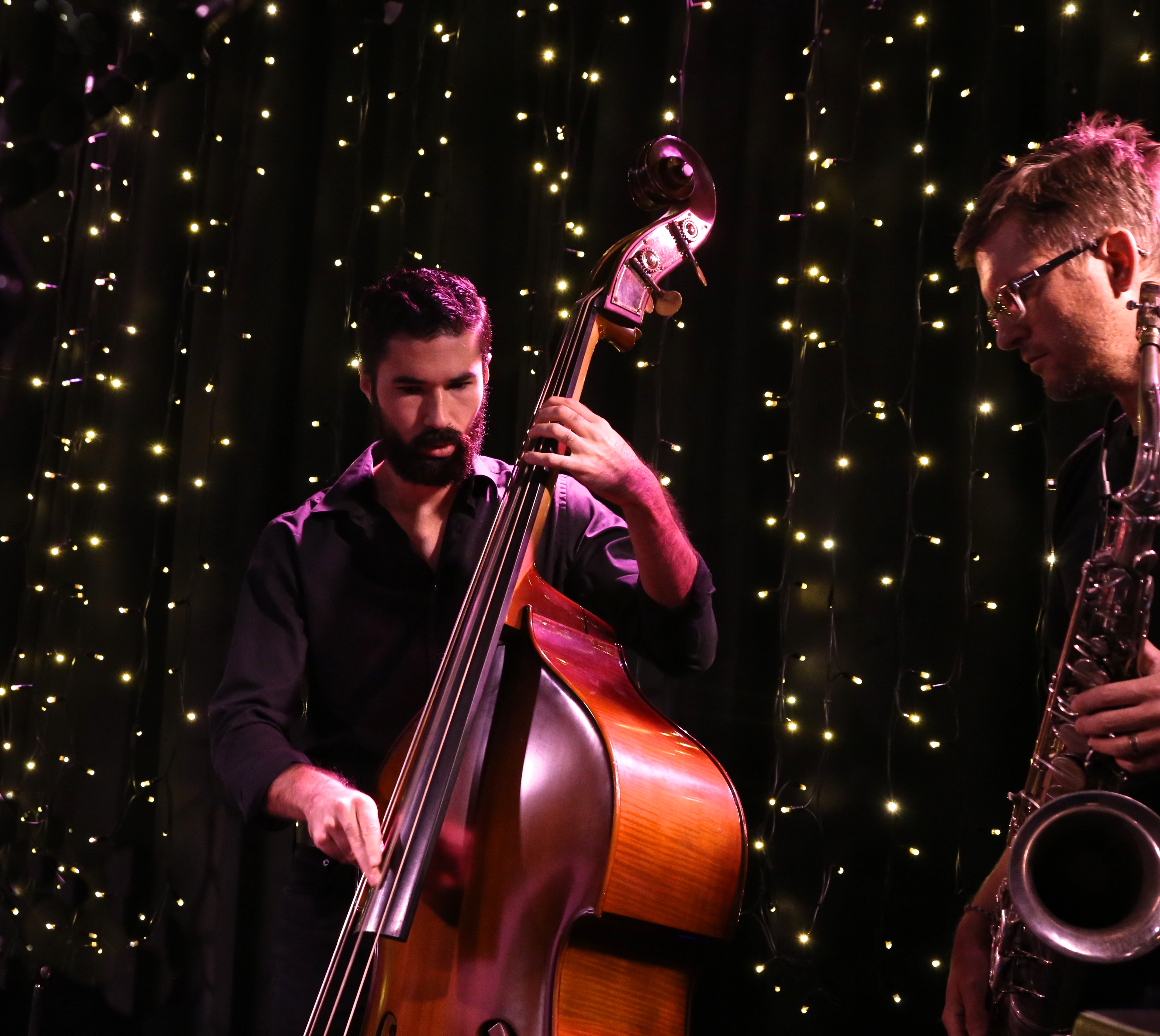 Keven Field was on Rhodes and as always his contribution was impeccable. The Rhodes was exactly the right keyboard for this project and Field, the best keyboardist to bring out its strengths. Somehow he always manages to tease hidden beauty from a Rhodes. Cameron McArthur was on bass and like Field, a first call musician. McArthur is so well established and well respected that no one is surprised when turns out a stellar performance. The remaining band member was Stephen Thomas and again a very fine musician. Thomas works across a number of genres now, but his Jazz chops and good taste are always on show.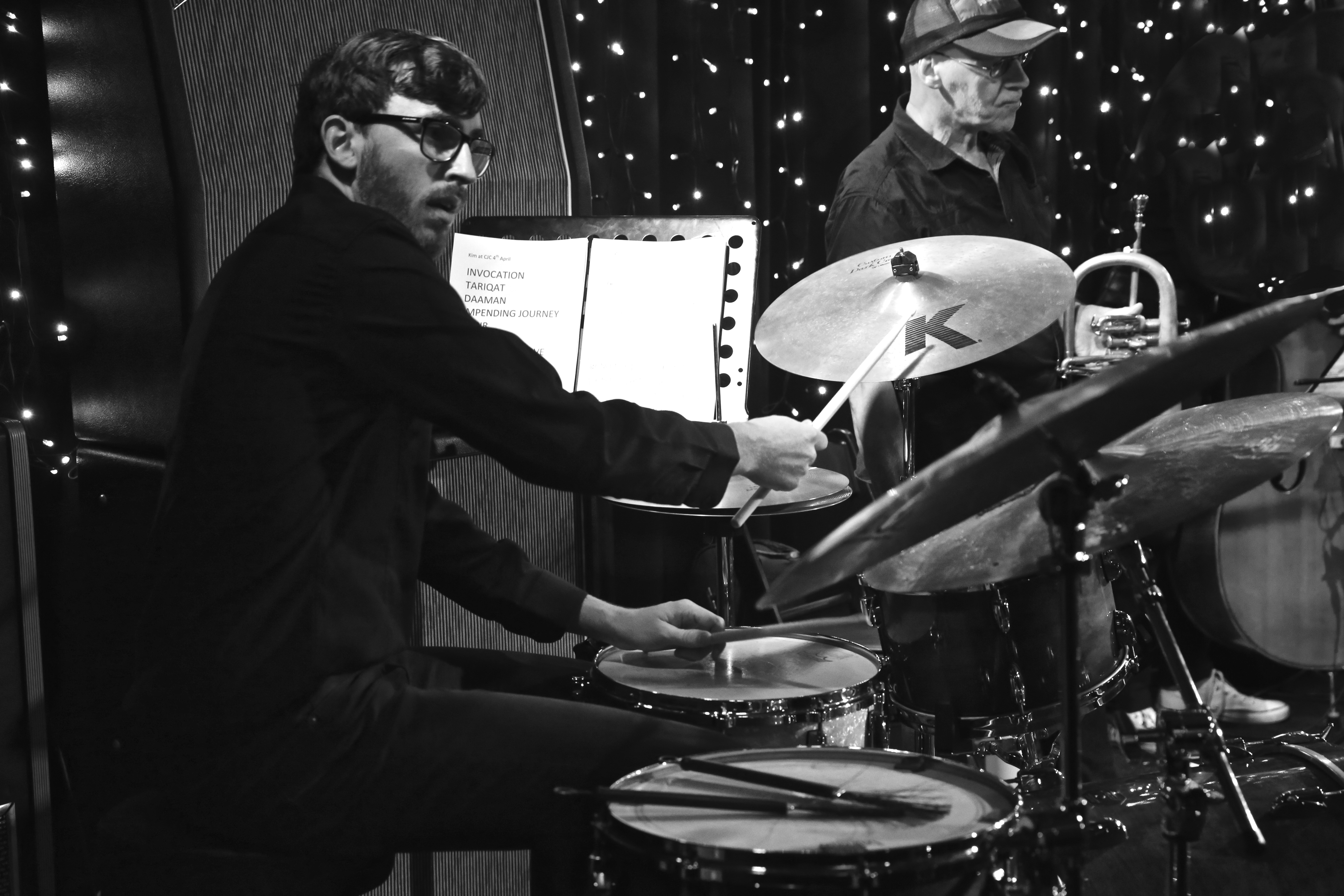
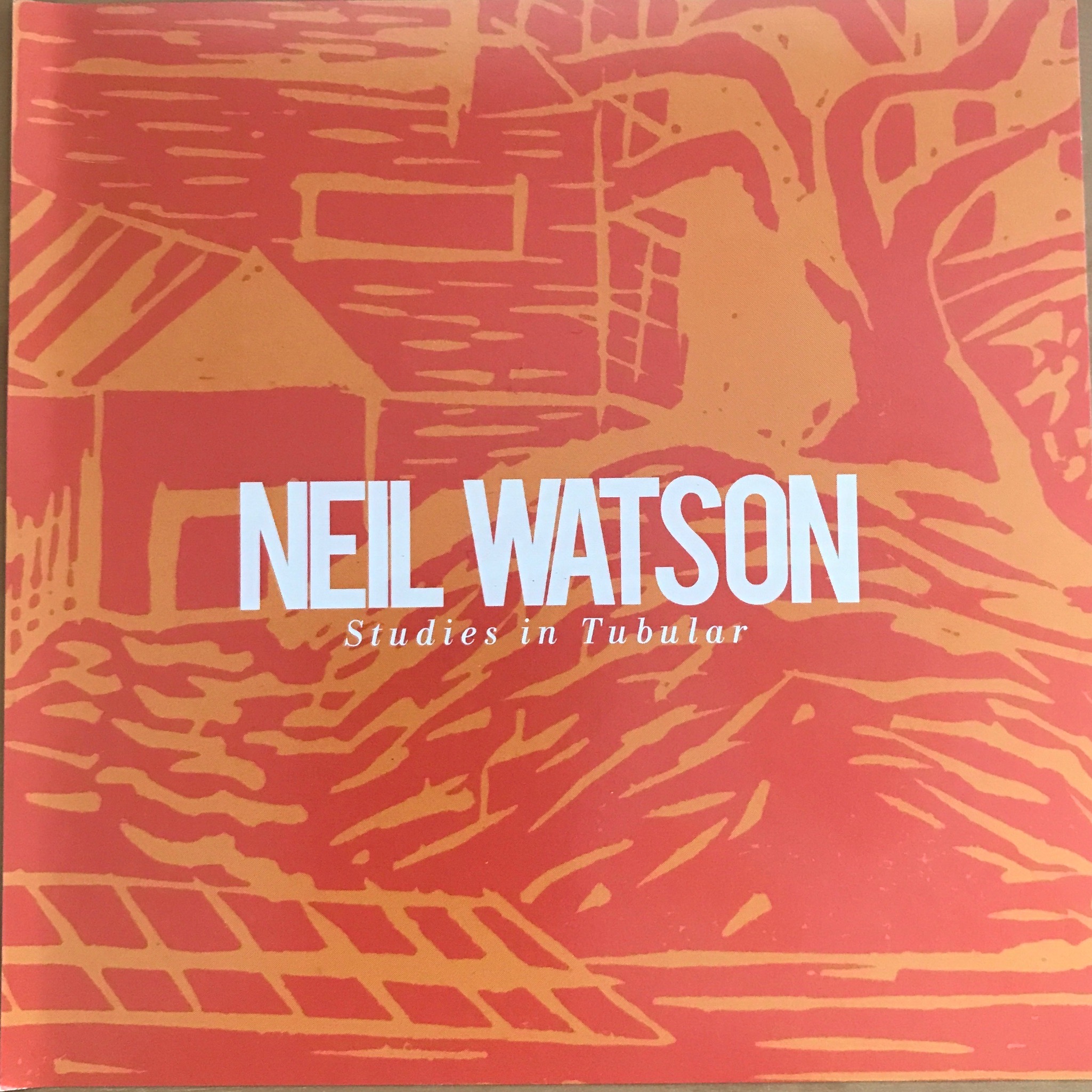 A review copy of the album ‘Studies in Tubular’ arrived in my letterbox a few days ago and it is vintage Neil Watson. It was recorded in 2011 and left to mature like a fine wine; it was worth the wait. I haven’t asked Watson why he titled the album ‘Studies In Tubular’, but the title feels appropriate. My first thought was that it might reference Mike Oldfield’s trippy minimalist classic ‘Tubular Bells’, and then I recalled that the word ‘tubular’ was once surfer slang for ‘exceptionally good’. Whatever the reason, this is exceptionally good music. The surf reference is not such a great stretch either when you listen carefully. This is deliciously eclectic music and although it touches on many sources, it is an original and highly satisfying offering. Referencing many things but never beholden to any of them.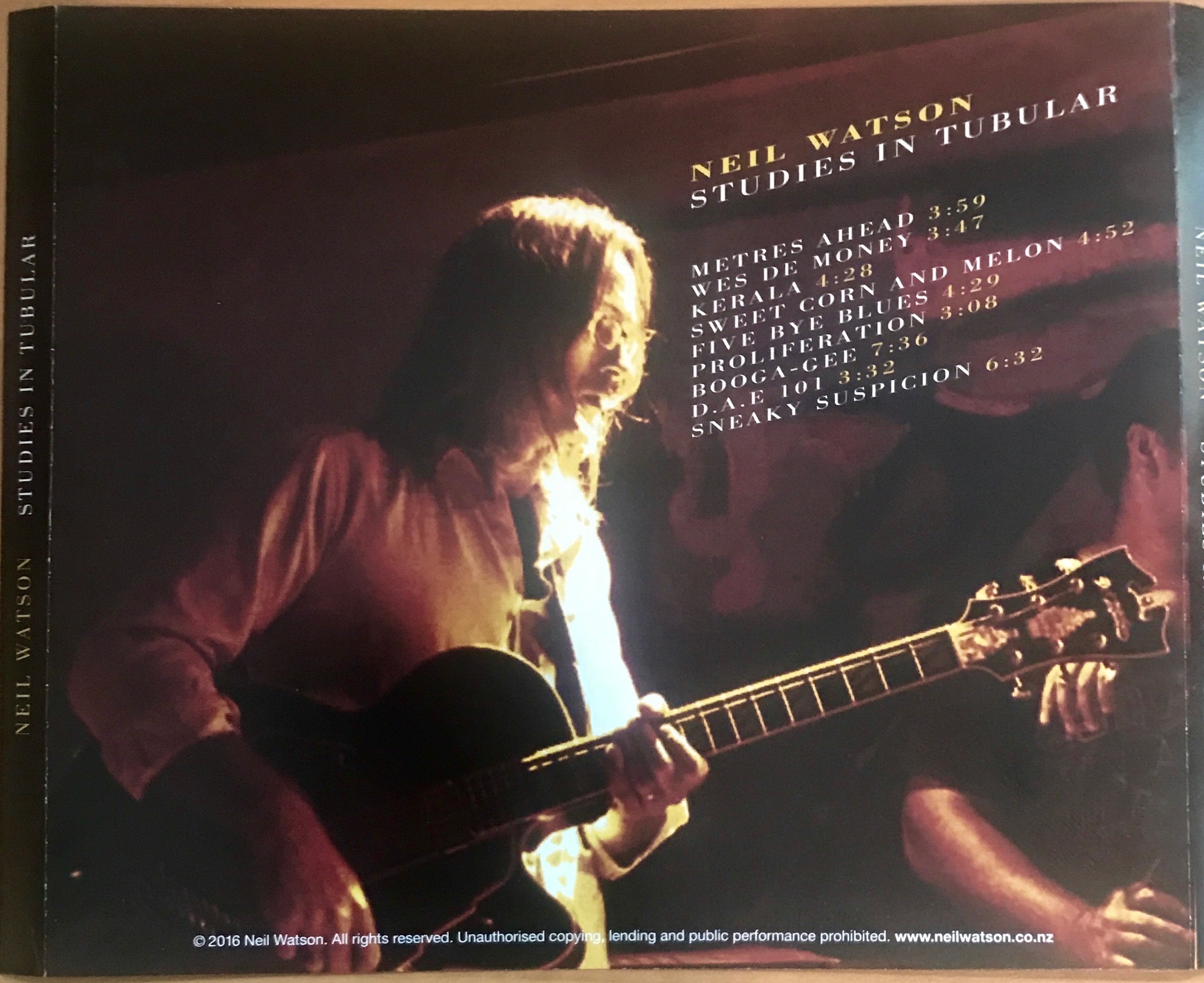
 JazzLocal32.com