
My normal weekly post has been sitting in my ‘drafts’ folder for over two weeks. Since writing it, my attention has been focused elsewhere. Although in isolation, I am not referring to my personal situation but to the J JA ‘Jazz on Lockdown’ project which has rallied Jazz Journalists from every corner of the globe and asked them to respond collectively to the pandemic. My colleagues and I are now working together using an online workspace and our individual blogs may be delayed. Those who are able to have volunteered to join an editing working group as we grapple with the challenges of a fast-moving situation. This is a Jazz Journalists Association project aimed at keeping improvised music current and to get updates to and from countries on lockdown.
Because of that, Spain first captured our attention. When the virus hit, a popular Jazz musician succumbed and soon every resident was under lockdown. As the virus spread, so did our focus and within days the problem had reached every country. One by one the great Jazz centres like New York closed and the iconic and much-loved Jazz clubs closed with them. When the city that never sleeps locks down, you know that you have urgent work to do. Jazz Journalists are not going to sit around moping; nor will we restrict ourselves to watching another era’s YouTube clips. It is the current musicians who need us the most. We are learning new ways of working and it is our intention to direct you to live gigs or the gigs of working musicians where we can.
We need Jazz fans and Improvised alternative music fans to keep buying current albums. If there is a live-stream concert with a tip-button give them a few dollars. This is a new version of the pass-the-bucket tradition which goes back to the earliest days of Jazz. Many of the live-streamed concerts will be free, some could be pay-per-view. Buy their music and on Bandcamp or their website if possible. ‘Jazz on Lockdown’ will inform you of the links.
Barry/Metheny/de Clive-Lowe/Alchemy/Smirnova/Martyniuk
The week before the virus arrived was a week of plenty in Auckland, but the above-named artists did not all appear in the same band. Nor at the same gig. They probably won’t mind if you think that though. Attending Ronnies a few years ago, I caught English pianist Kit Downes at the late show. This followed a sold-out earlier show featuring Kurt Elling. I informed Downes that my write up would begin ‘Elling opens for Downes at Ronnie Scotts’. He liked that.
Arriving in a rush, as if waiting for the cooler weather came Pat Metheny, Steve Barry, Mark de Clive-Lowe, Alchemy, Callum Passells, Trudy Lyle, Simona Smirnova, and Michael Martyniuk gigs. As always, painful choices were required.
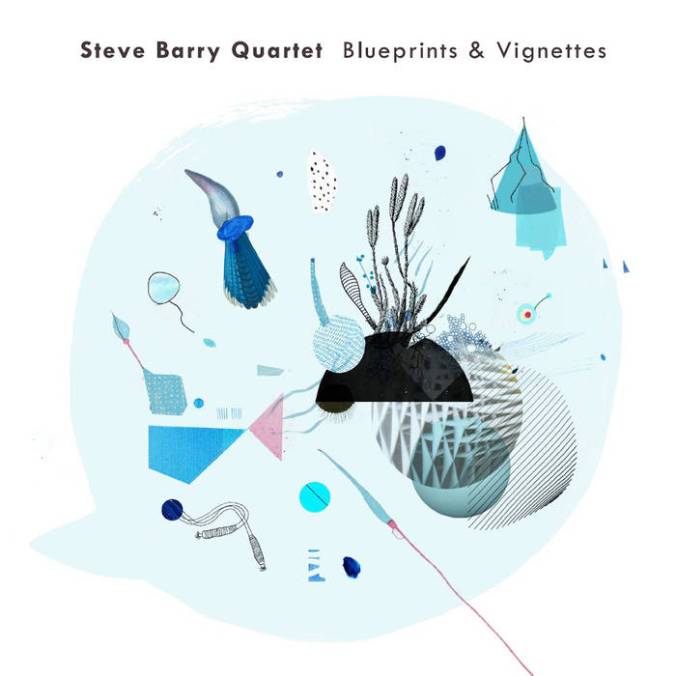
Steve Barry Trio: Barry left Auckland many years ago; settling in Sydney and returning yearly to perform. Each time he visited there were new directions on offer, highly original material and each iteration offering glimpses of lesser-known composers. His recent albums have taken him into deeper waters still, moving beyond the mainstream. For those of us who like adventurous music, they have been compelling. Two albums were released last year. The first is on Earshift Music and the second on Rattle; both available on Bandcamp.
‘Blueprints and Vignettes’ trod a path reminiscent of 60’s Bley; boldly striking out for freer territory and edging its way confidently into the classical minimalist spaces. That album was followed by ‘Hatch’ which is an astonishing album of stark pared-back beauty. It is an album pointing to new possibilities in improvised music. This concert felt more exploratory, with denser compositions and jagged Monk-like moments. He played one Monk tune halfway through and this reinforced the connection.
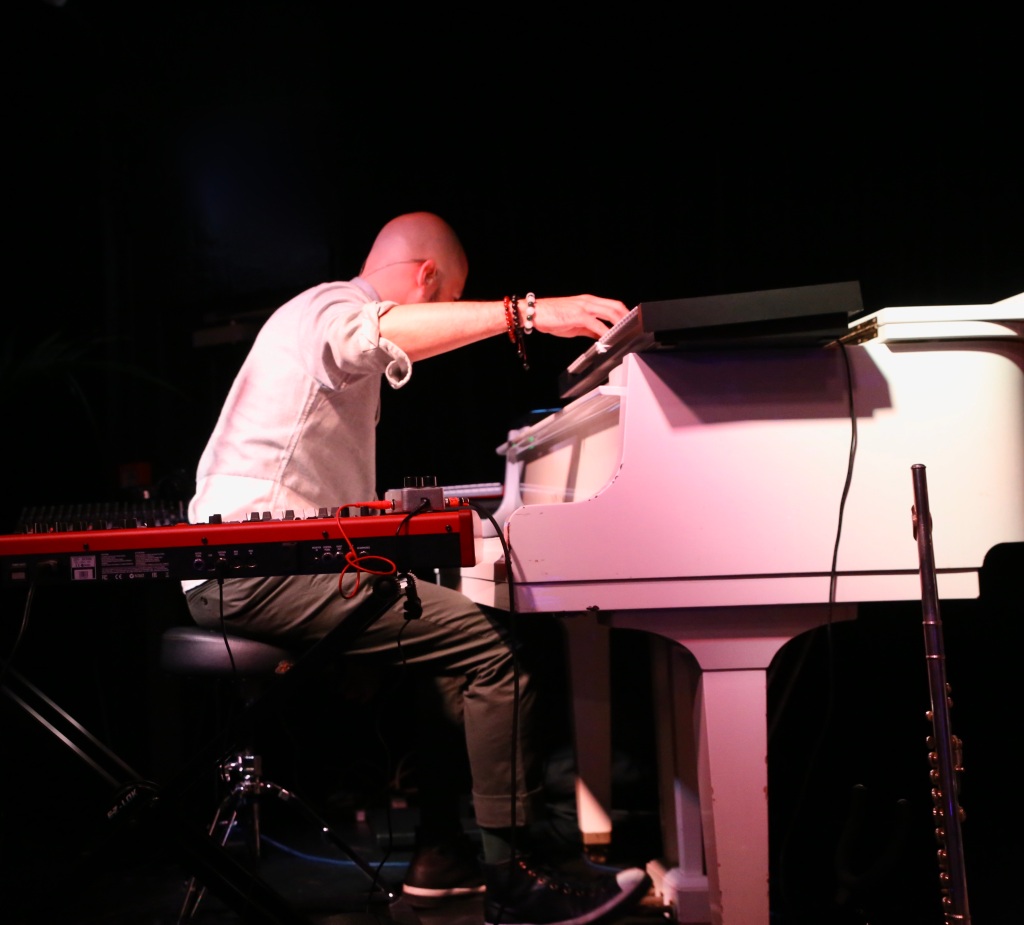
Mark de Clive-Lowe: It was barely six months ago since de Clive-Lowe passed through Auckland during his ‘Heritage’ album release tour. He attracted capacity audiences then (and now). After years of living away from his home city, he is now reconnected to the Auckland improvised music scene and we hope that he will maintain that link. Having a room like ‘Anthology’ certainly helped, as its capacity is significant. During this tour, he treated us to a wider range of his innovative music; especially his Church Sessions. Showcasing the genre-busting underground gigs that he began in LA and which spread like wildfire throughout the world; giving fresh impetus to the improvised music scene and the endless possibilities looking forward.
On tour with de Clive-Lowe was the respected LA drummer Brandon Combs. A drummer who can hold down a groove beat while working it every which way; able to interact intuitively with the electronic beats generated by de Clive-Lowe as he dances across the multitude of keyboards and devices. Together with locals Nathan Haines and Marika Hodgson, they created wizardry of the highest order. This artist is the wizard of hybridity and we are happy to remind people that he came from this city. Live re-mix, dance, groove beats, jazz, whatever: it has all been captured, mined for its essence and released for our pleasure.
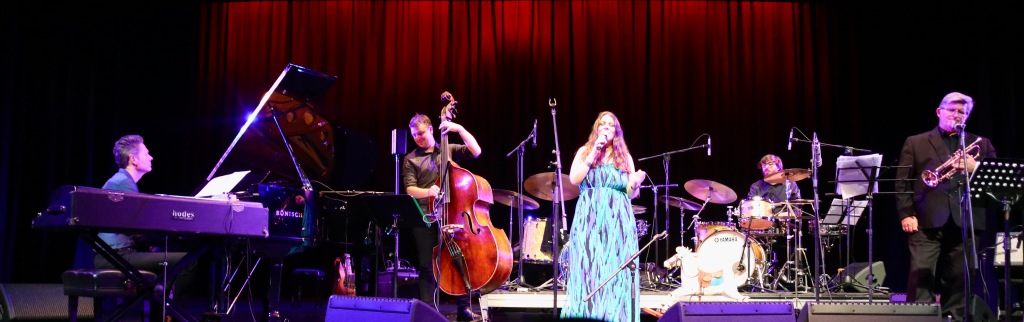
Alchemy Live: This was the first live performance of the ‘Alchemy’ project. It followed the successful release of the eponymous album which got good airplay and deserves ongoing attention. The concept was the brainchild of producer Mark Casey and its realisation by the musical director and Jazz pianist Kevin Field. The pianist has created some truly fine Jazz charts and the assemblage of musicians he brought into the project brought it home in spades. The tunes have been selected from the New Zealand songbook. Perennially popular and chart-busting classics like ‘Royals’ and ‘Glad I’m not a Kennedy’. Artists as diverse as Herbs, Split Enz and Phil Judd. Because of mounting travel restrictions, several of the artists on the recording were replaced for the live gig. New to us, was Jazz student vocalist Rachel Clarke and she won us over that night.
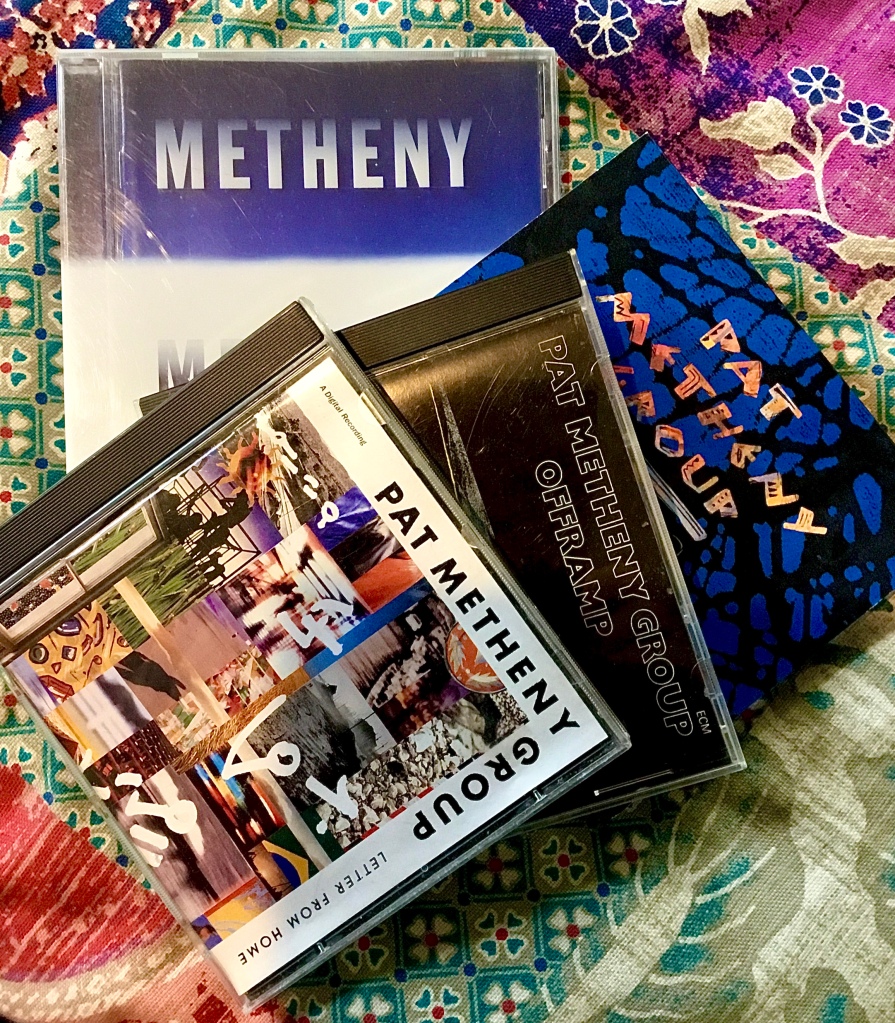
Pat Metheny: This concert had been long anticipated and it was only the second time that he has appeared in New Zealand. In spite of the looming health scare, the town hall was packed. This was a retrospective of sorts as it featured his best-known tunes. Who would not want to hear a fresh version of Song for Balboa or the joyous ‘Have you Heard’? I loved the concert but two quibbles. I didn’t like the way the piano was miked and mixed except for one number. Gwilym Simcock is a great pianist. It would be nice to hear him in a trio and with an acoustically mic’d up Steinway. The star of the show (Pat aside) was bass player Linda May Han Oh. How stunningly melodic and how sensitive she was in each situation she encountered; solos to die for.
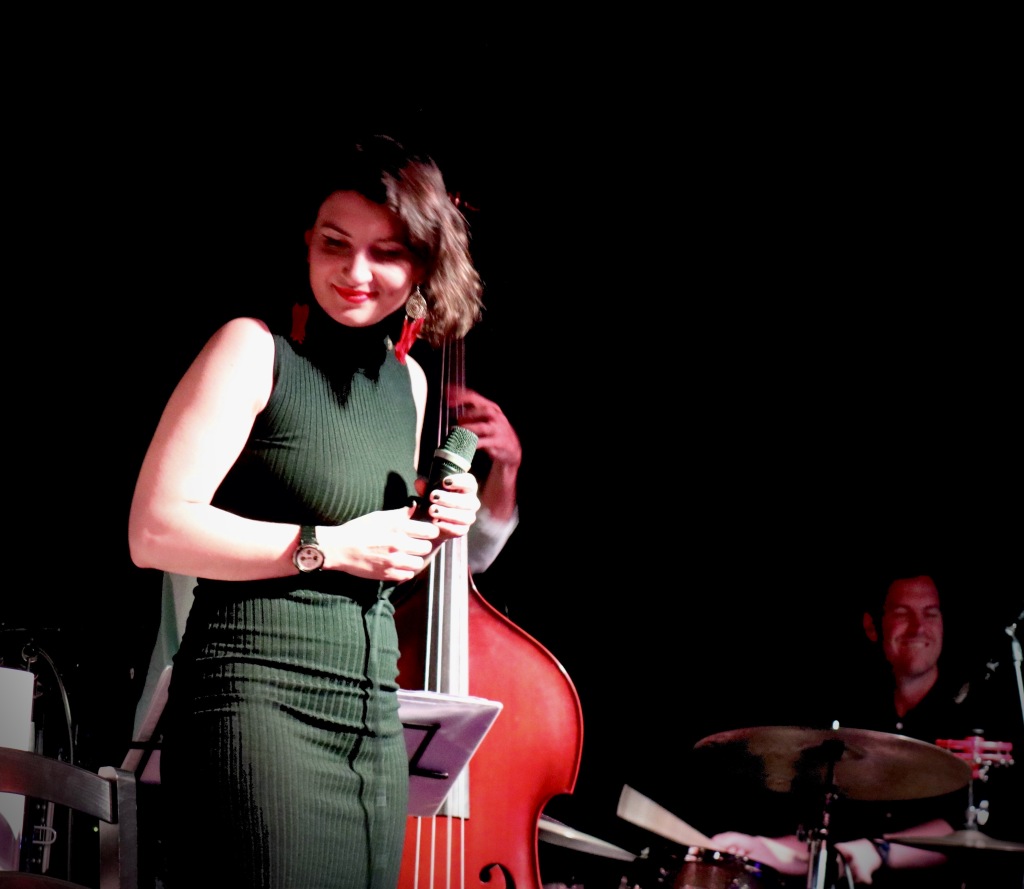
Simona Smirnova: This was Smirnova’s third trip to Auckland. By the time she had arrived in the country, people were becoming cautious about attending crowded gigs. She still attracted a good audience and those who did come were delighted with her show. The setlist was similar to her last year’s show but in the bigger Anthology venue, it sounded stronger. Smirnova interacts extremely well with audiences and they respond in kind. Her beautiful ballads (accompanied on the Lithuanian Kanklas) and her upbeat Slavonic styled scatting were the highlights. Her material is delightfully exotic, being an original blend of Jazz, Lithuanian folk music and beyond. Her voice is simply beautiful and her zither playing beguiling. She was accompanied by Auckland veterans Alan Brown on keys, Cam McArthur on bass and this time, Jono Sawyer on drums & vocals). I have some nice footage which says it best.
Michal Martyniuk: The last gig I attended before isolating myself was the Michal Martyniuk Trio. I did not have video equipment with me but I captured the concert in high-quality audio. I will post on that shortly and will be adding sound clips. You can purchase Michal Martyniuk’s albums at michalmartyniuk.bandcamp.com His ‘Resonance’ album review can be viewed on this site if you enter his name in the search button.
‘Jazz On Lockdown‘ posts will now move to the principle page and the Jazz on Lockdown page will feature information and links from around the world as the information comes in.

The lockdowns won’t stop jazz! To assist musicians who’ve had performances canceled, get their music heard around the globe. The Jazz Journalists Association created a Jazz on Lockdown: Hear It Here community blog. For more click through to
https://news.jazzjournalists.org/category/jazz-on-lockdown/.
The artists featured were:
Steve Barry (piano), Jacques Emery (bass), Alex Inman Hislop (drums),
Mark de Clive-Lowe (keys), Brandon Combes (drums), Marika Hodgson (bass), Nathan Haines (saxophones).
Marjan Nelson (v) Allana Goldsmith (v) Chelsea Prastiti (v) Lou’ana Whitney (v) Rachel Clarke (v) Kevin Field (piano), Roger Manins (saxophone), Mike Booth (trumpet), Mostyn Cole (bass) Ron Samsom (drums), Stephen Thomas (drums)
Pat Metheny, Gwilym Simcock, Antonio Sanchez, Linda May Han Oh
Simona Smirnova (v, Kanklas) Alan Brown (piano, keys), Cameron McArthur (bass), Jono Sawyer (drums).
Michal Martyniuk (piano), Cameron McArthur (drums), Ron Samsom (drums).
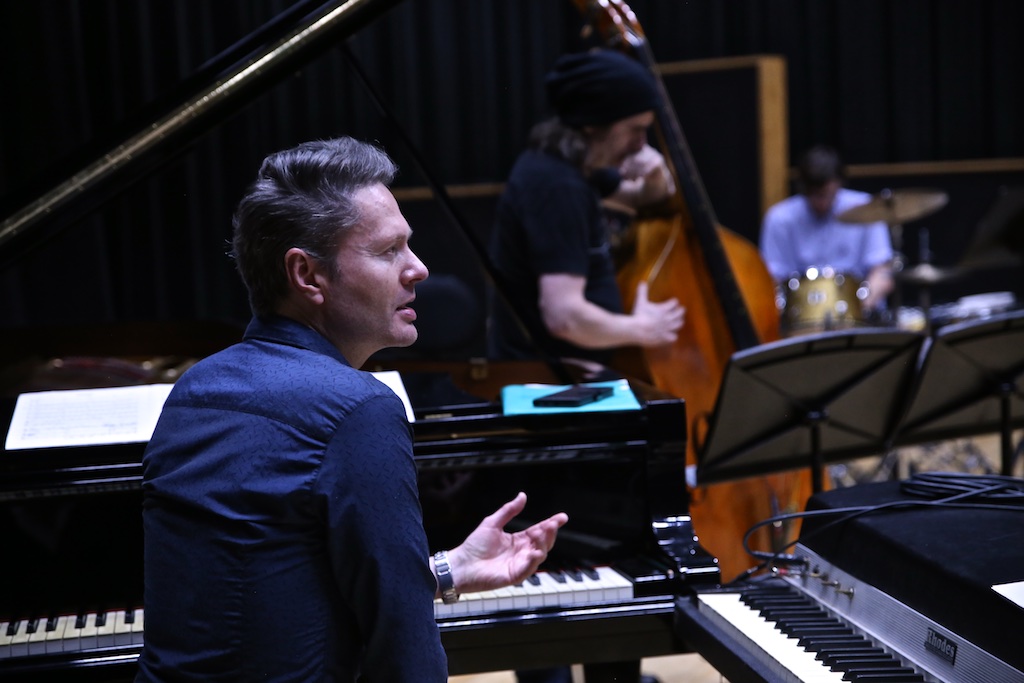 Have you ever heard one of New Zealand’s iconic pop songs and wondered how it would sound reimagined as Jazz? The journey from popular song to Jazz piece is a well-trodden path. Many tunes that we now refer to as ‘Jazz standards’ began their life as tunes written for broadway musicals or for the popular music market. For a tune to successfully cross that divide it needs to be well constructed and to lend itself to reharmonisation. With ‘Alchemy’, this elusive symmetry is realised.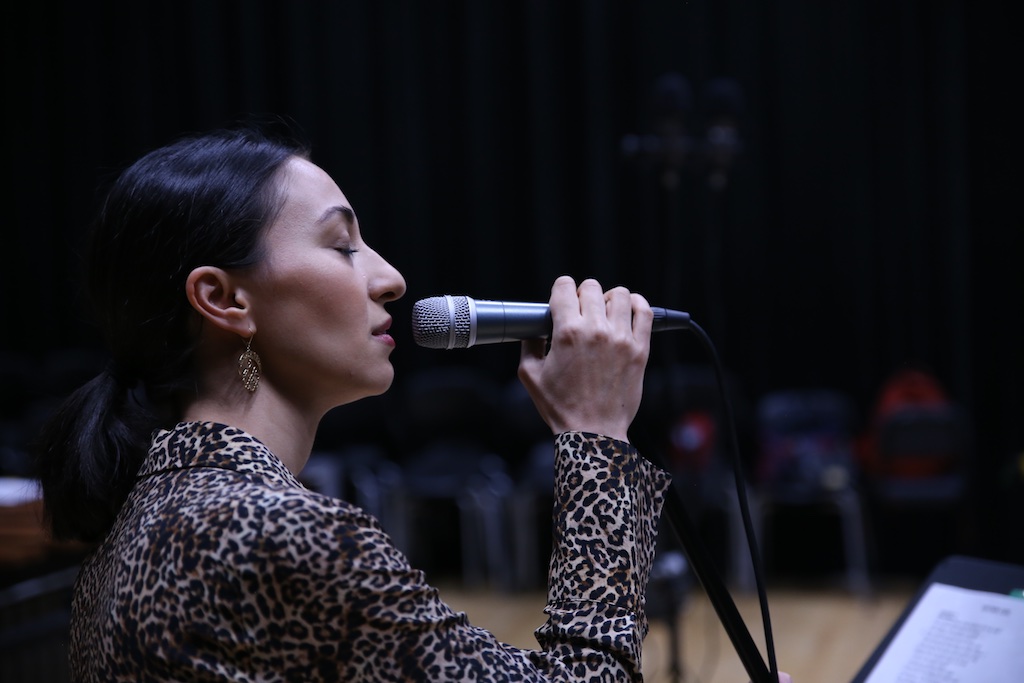
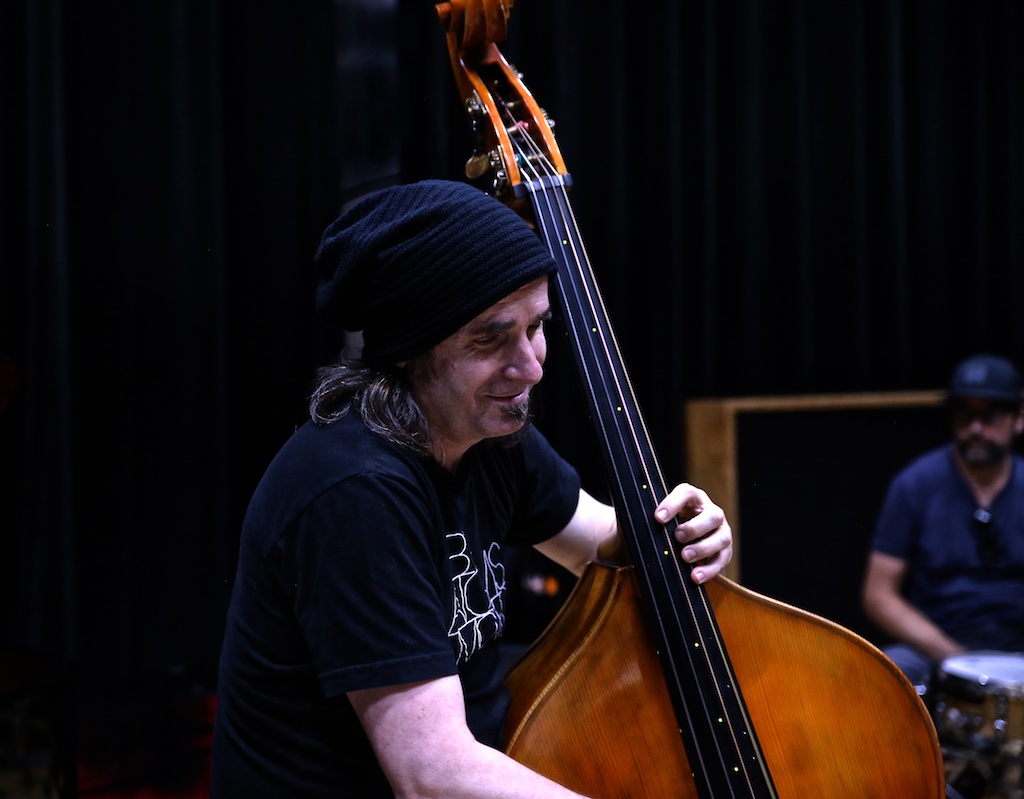
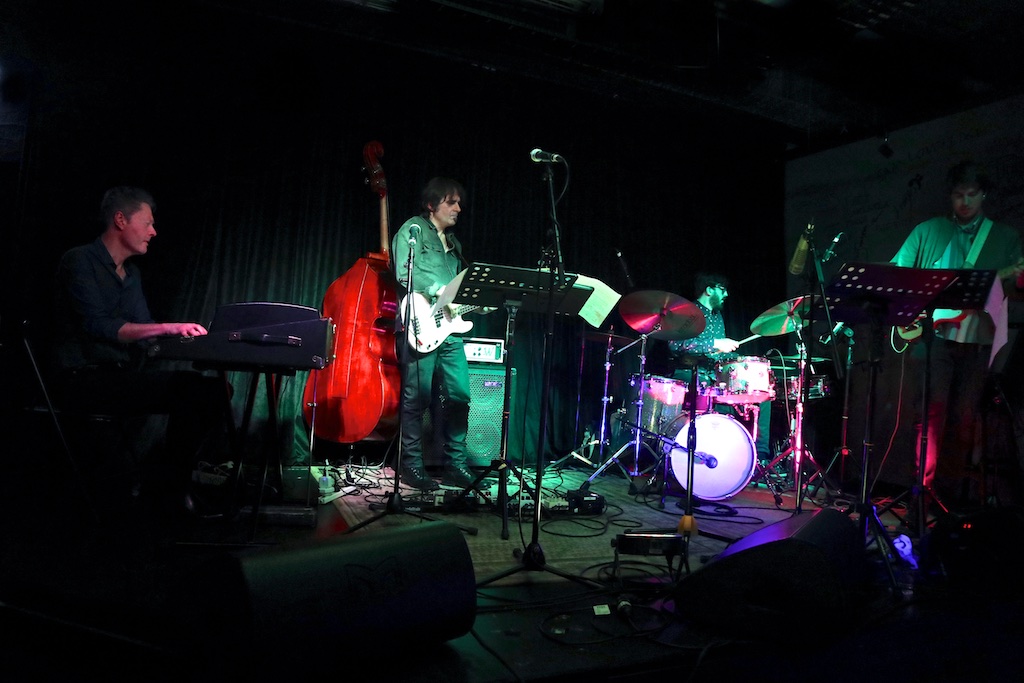 Subject to availability, Richard Hammond is the kind of bass player that you would consider first for an important gig or recording.
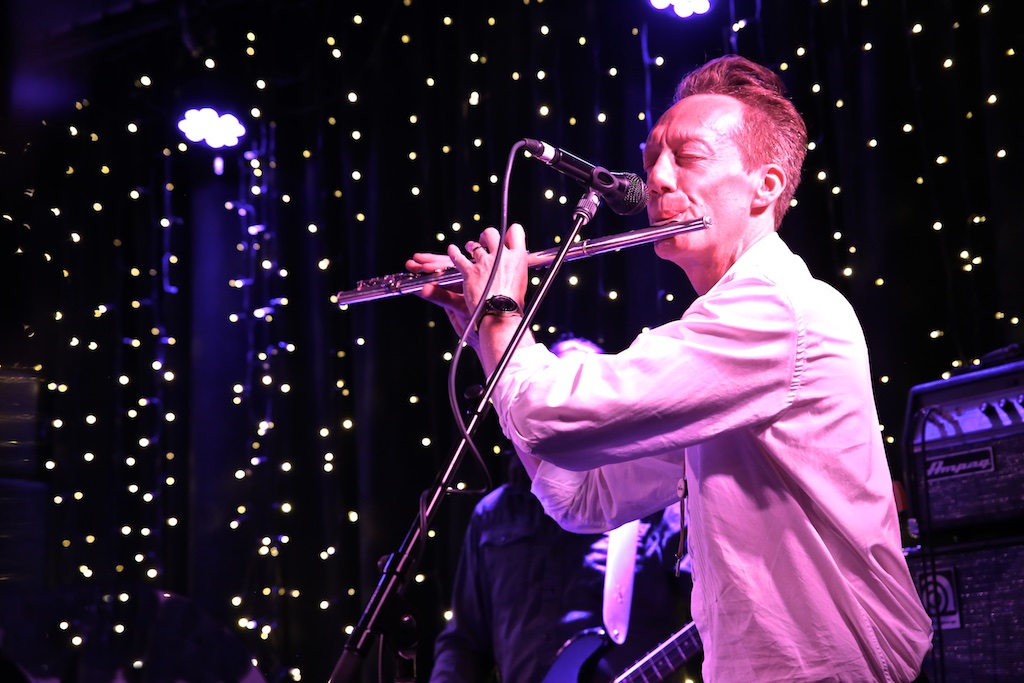
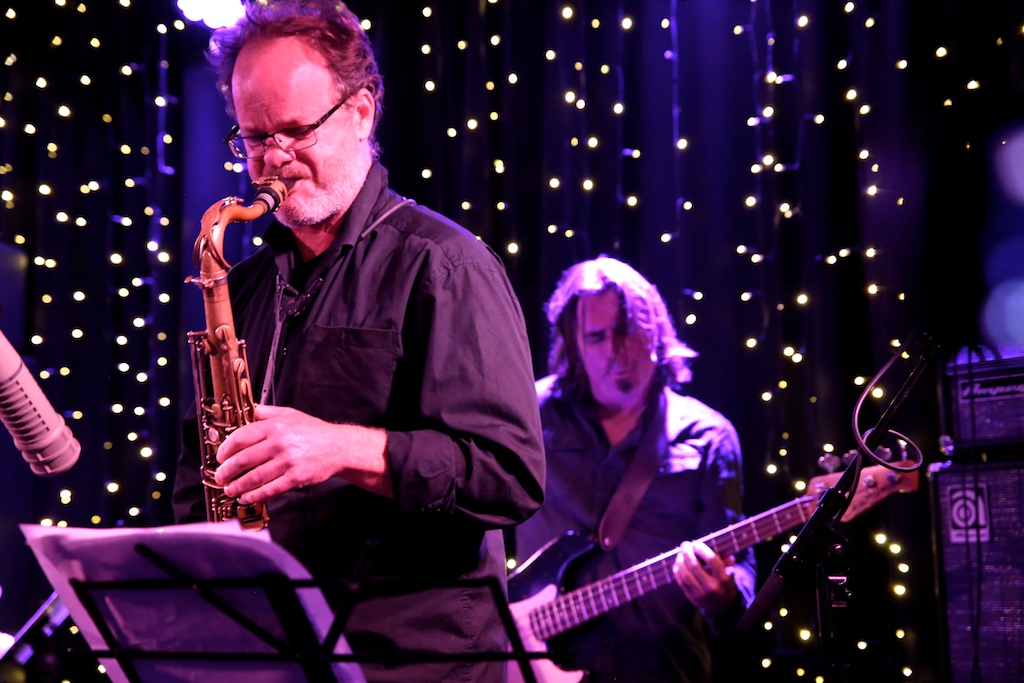
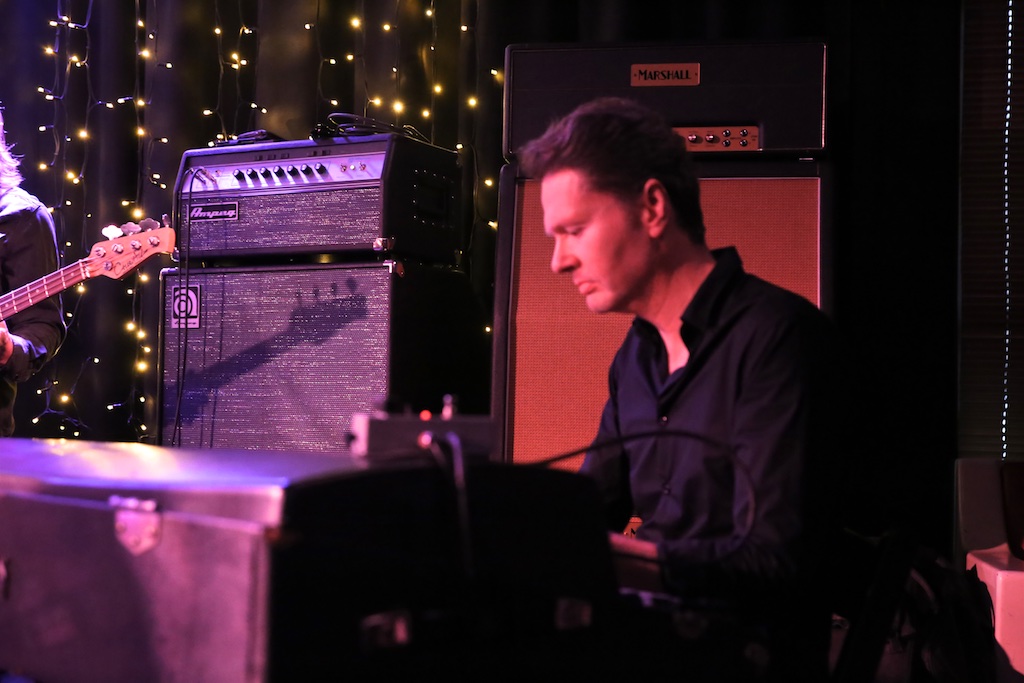 The CJC, sensing an opportunity and knowing that they had only a few days, organised a special one-off Richard Hammond gig and billed it as an all-star event. The programming fell to keys player Kevin Field. Field playing Rhodes, Ron Samsom on drums, Nathan Haines and Roger Manins on saxophones and Marjan on vocals. Hammond alternated between upright bass and electric bass and he wowed us on both instruments. On upright bass, he has a tone to die for; one that only the best bass players locate; on electric bass his lines bite, speaking the language of Jaco or Richard Bona.
 The fourth Auckland Jazz Festival was appropriately launched at the Thirsty Dog Tavern in Karangahape Road. A welcoming venue, nestled among ethnic food joints, strip clubs and private art galleries. It is timely that we pay tribute to the Thirsty Dog, who a year ago, generously offered the CJC (Creative Jazz Club) a regular Wednesday night slot. This occurred when the club most needed it. It is a good performance space and many visiting musicians have remarked on the rooms warm vibe.
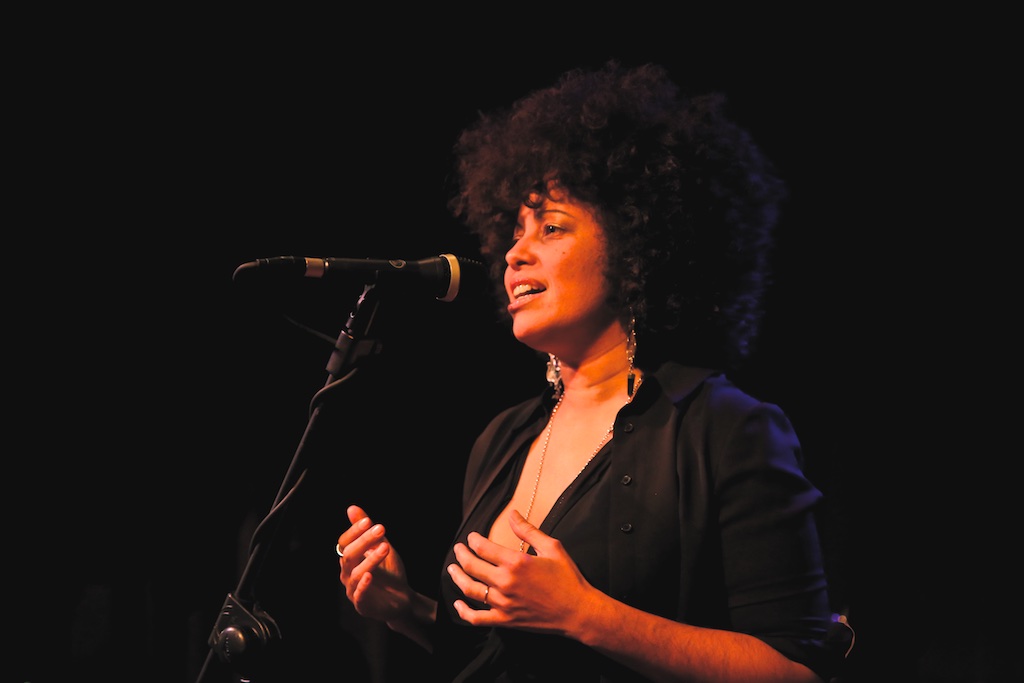 The first festival gig I attended was the Jennifer Zea group. The last time I saw her perform I liked by her Latin interpretations of the standards, but I particularly liked her rendering of the songs particular to her region (Cuba/Venezuela). She introduced more standards this time but it was the second set; a set of Venezuelan and bossa fused music that had the audience enthralled. These tunes were so infectious that they followed me home. I even woke up with one of them singing in my head the next morning. ‘Moliendo Cafe’ (Blanco/Perroni) has been popular in Venezuela (and the wider world) since 1959. Everyone from Jose Feliciano on has benefited from it. As Zea sang this wonderfully infectious tune, she danced to its rhythms, and along the back wall, a chorus of her countrymen and women sang along in unison. We seldom hear music like this and it is her forte. I have posted a bolero, Lagrimas Negras (or Black Tears – by Matamoras) a Cuban tune from the 1920’s. She was ably assisted by Kevin Field, Mostyn Cole and the wonderful Miguel Fuentes on percussion.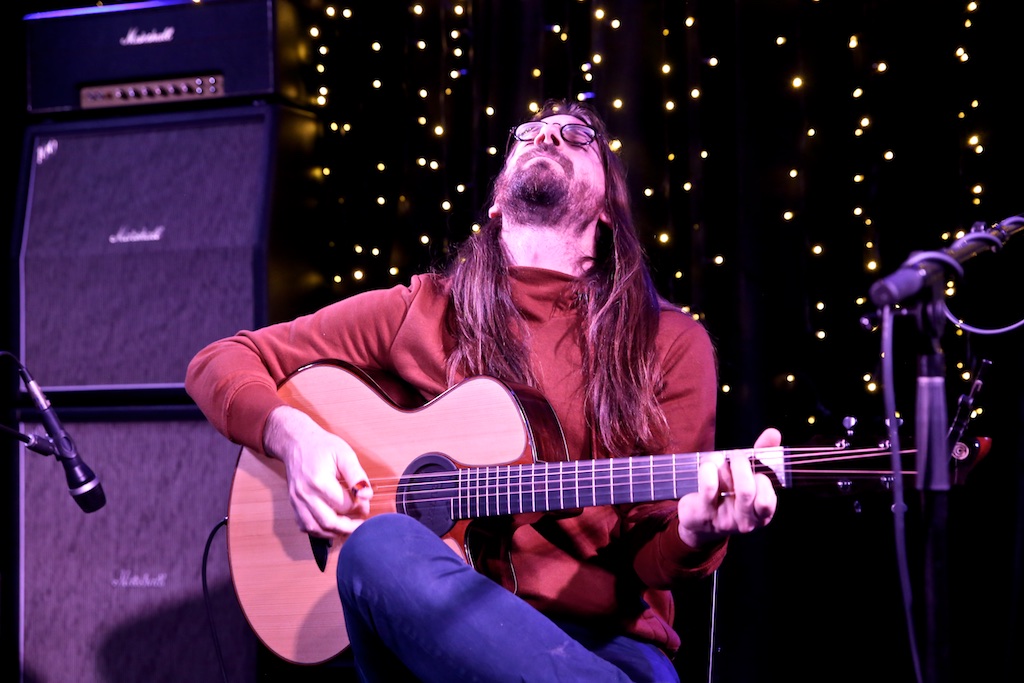
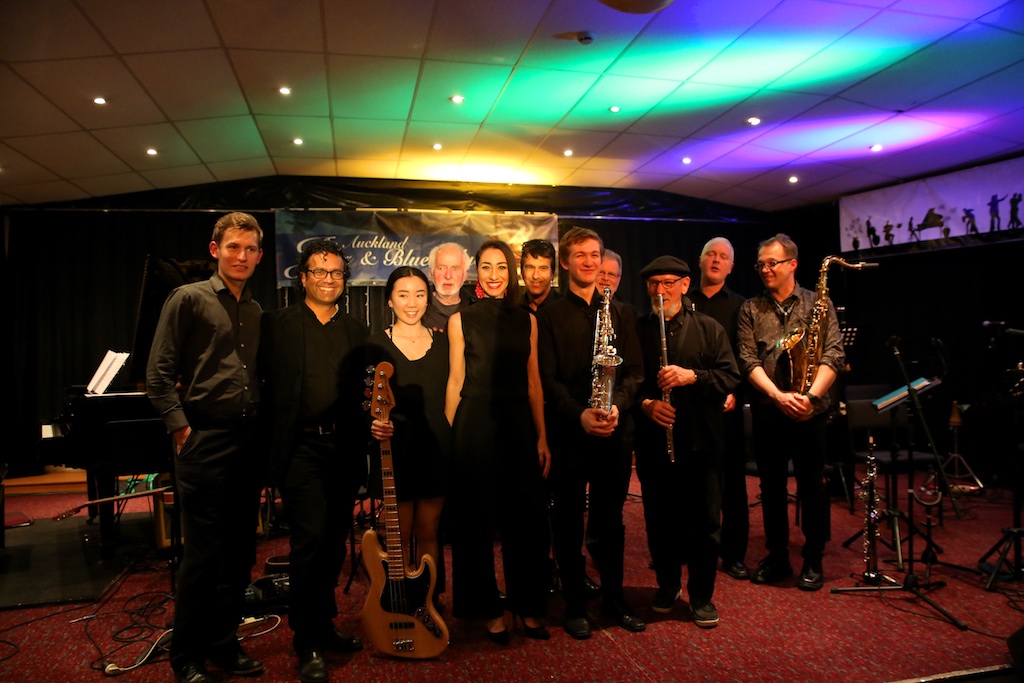 On Tuesday, Marjan appeared with the ‘Experience Band’ at the Auckland Jazz and Blues Club. The Experience Band is an 11 piece ensemble and consequently, it provided a very different flavour to her appearance with a quartet at the CJC last month. Her voice has real power and she’s a compelling performer; easily able to adjust to the bigger sound. The audience loved her. Her set list was skillfully tailored to the room as the audience was older than the CJC crowd. In particular, her cheeky take on ‘Making Whoopie’ brought the house down. At one point she paid tribute to her high school music teacher, saxophonist Markas Fritsch, who was in the front line of the ensemble. She credits him with steering her towards Jazz – something we should all thank him for.
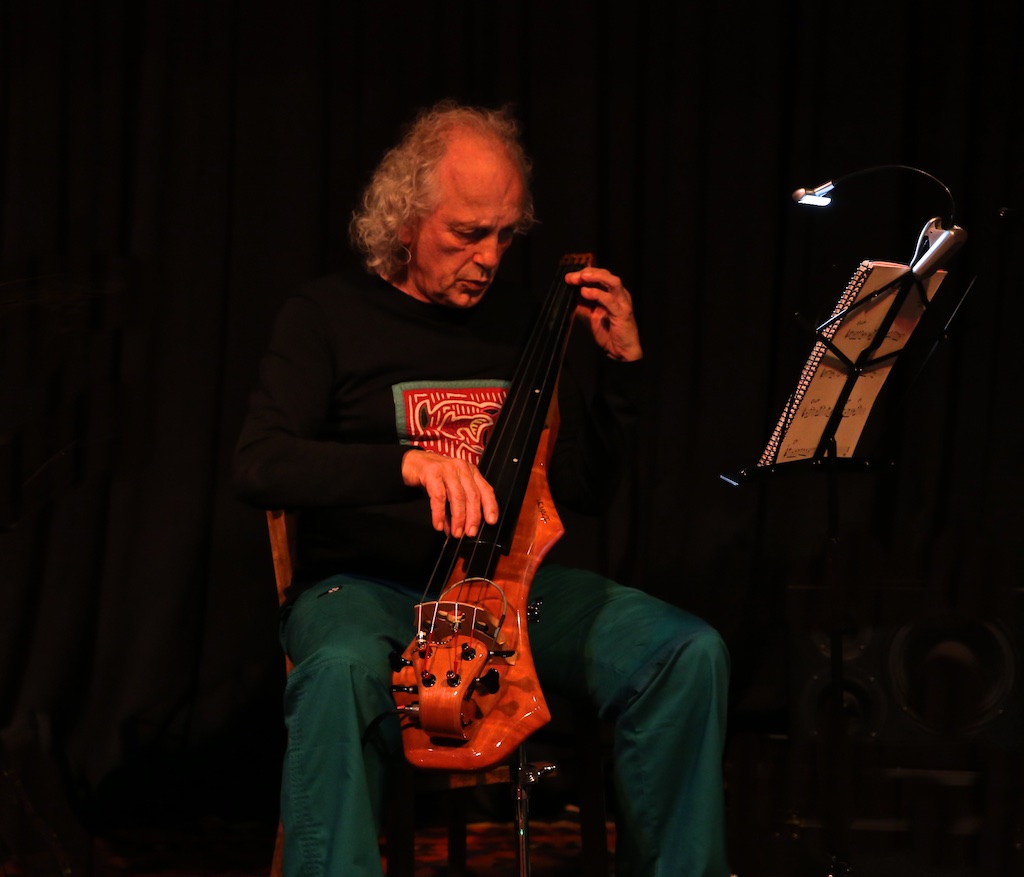 On Wednesday, the third headline festival act was presented at the Thirsty Dog. It has been over a year since the world-renowned bassist David Friesen was in New Zealand. During last years tour, his trio was recorded at the 1885 venue. The night was captured perfectly in the newly released Rattle album ‘Another Time Another Space’. Frieson is an improvised music celebrity and it was good to have him back. He has a unique approach to composition and performance and he caps that off with his engaging and witty bandstand banter. He was again accompanied by Dixon Nacey on guitar and Reuben Bradly on drums. This trio communicates superbly, reacting to each other like old friends. The recording is amazingly good, especially so considering that it was captured in the 1885, which is an acoustically lively space. Nacey’s singing lines blend perfectly with Frieson’s – the sort of woody resonance that high-end luthiers aim for.
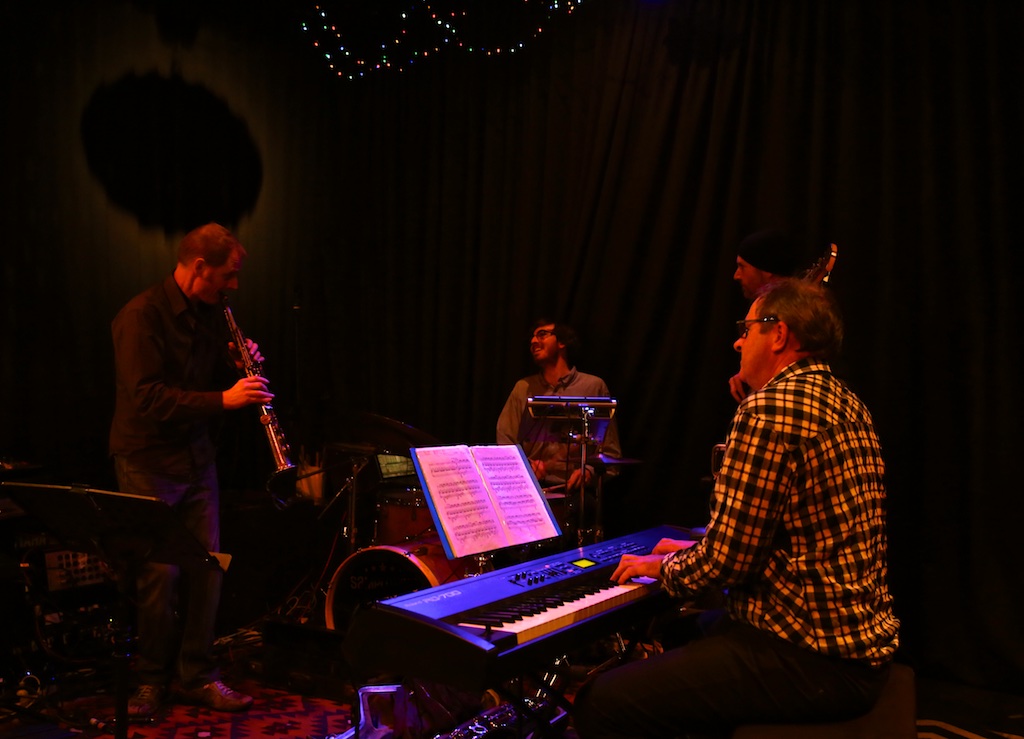 On Friday the Chris Mason-Battley band returned to the Thirsty Dog. I really like this band with their predilection for tasty modal grooves. There is no one in New Zealand who plays quite like the Mason-Battley – and as an entity, the group have a distinct footprint. I have written about them recently and I suggest you check them out if you get the chance – they are not heard about town very often and more’s the pity. As with the last gig; on the keyboard was David Lines, on electric bass Sam Giles and on drums the innovative Stephen Thomas. There is now talk of a new CMB project and perhaps one with more electronics? Friday nights are the hard-yards for Jazz musicians and this one was no exception. Throughout the performance, you could hear two blokes yakking, obviously pleased to be catching up and seemingly unaware that this was a listening gig. A number of ray-like stares were beamed in their direction but they proved quite impervious to hints. Loud chatting seldom happens on a mid-week night where listeners and improvisers own the space.
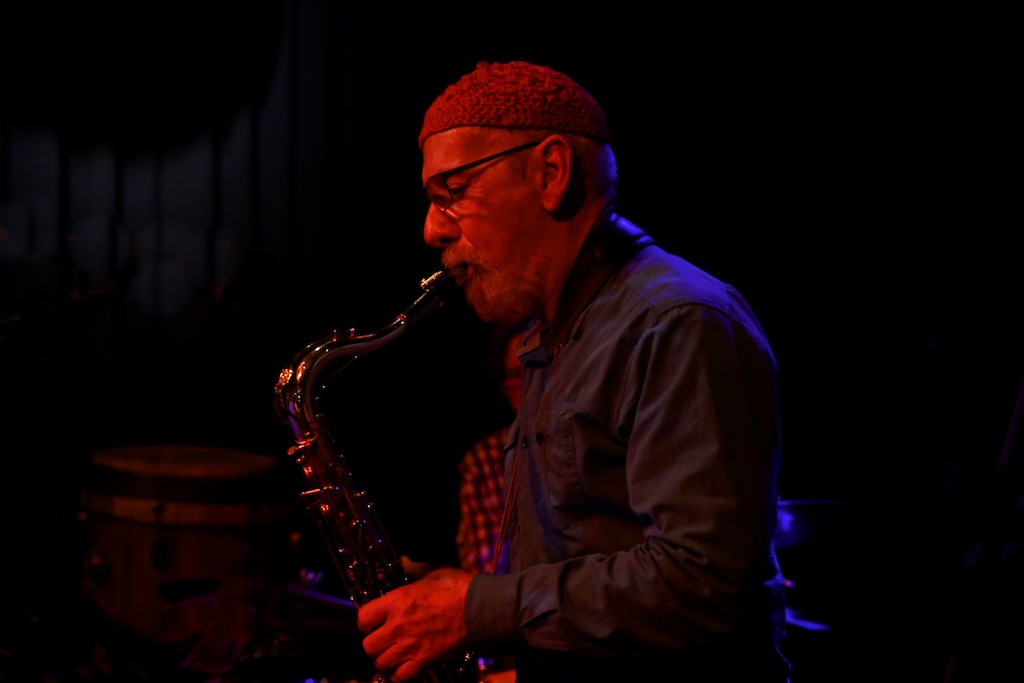 The last gig at the Auckland Jazz Festival was Jim Langabeer’s ‘Secret Islands’ album release’. This is another Rattle album and the musicianship is stunning. A project which arose out of Langabeer’s multi-phonics explorations at Auckland University. There is a lot that is referred to as fusion these days and most of it is not. In this case, the term could be a good descriptor. Indigenous instruments, multiple reeds and winds; pedal steel guitar and fender; beautiful melodies placed in Mingus like settings. While the album sits comfortably on the Jazz spectrum, the material takes us way beyond that. With the authoritative elder statesman Langabeer at the helm, and assisted by Rosie Langabeer, Roger Manins, Eamon Edmundson-Wells, Neil Watson and Chris O’Connor, what else would you expect. For this and other ‘Rattle’ recordings, go to
 When Marjan stepped up to the microphone, she owned the room from that moment on. Her previous association with the Jazz club had been peripheral, but this gig changed everything. I have sometimes engaged with her about Persian music or Sufi poetry and I have heard her performing in the Kevin Field ‘A List’ band. She is always impressive when she sings, but this was impressive in a different way. It was her first Jazz club gig as a leader and suddenly, here she was delighting a capacity audience, every bit the seasoned professional; exuding an easy-going confidence. It was tempting to think that she had magically transformed herself into this fully formed artist, but her back story offers deeper insights. Marjan is of Persian descent and while this breathes exoticism into her music, it is only a fragment of her story. In truth, she has been a performer for much of her life; an established presence in the world of film, an in-demand voiceover artist, a teacher of music, dance, and drama. She draws on many strengths but on Wednesday they coalesced; a marvellous voice and a formidable stage presence the outcome.
 If her choice of a first number was to make a bold statement, then she succeeded admirably. Stepping out from behind the black curtains, accompanied by a shimmering Rhodes, she embarked on her engrossing journey. The first few bars of her ‘Desert Remains’ were straight out of the Sufi Jazz tradition; it was a call for universal tolerance: arising from her belief that music provides a pathway to transcend the banal. Almost imperceptibly, the tune became a love song, settling into new and funky rhythms. This was a nice piece of writing and the rhythmic interplay gave her much to work with. The influences in many of her compositions are generational; Stevie Wonder, Michael Jackson, Brian Wilson and of course her indigenous roots. All of this is filtered through a Jazz lens. Although her approach is modern, she doesn’t shy away from the traditional fare of Jazz singers.
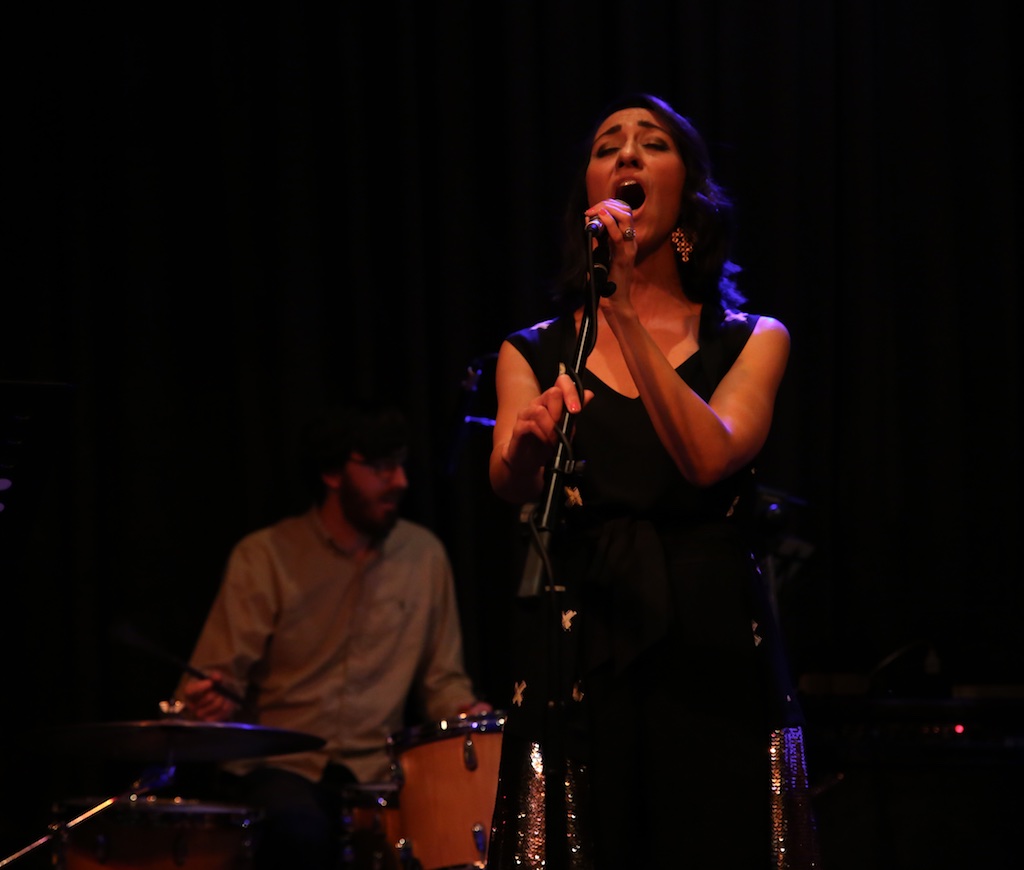 Looking to popular music for new material is not a recent phenomenon for Jazz vocalists. Ella tackled ‘A Tisket a Tasket’, Louis appropriated a multitude of pop songs. The great American songbook is a selection of one-time popular songs. It is what Jazz musicians do; explore, steal and transform. The more diverse the influences the richer the music. When she tackled the lovely Jazz standard ‘Detour Ahead’ (Ellis/Frigo) she owned it completely. That hint of smokey voice, that delicate phrasing; being adventurous while showing deep respect to the composition. It was hard not to think of Norah Jones; an artist who is traditional and modern in equal parts. I would also give her top marks for her set list; the numbers included ‘The look of love’ (Burt Bacharach), ‘God only knows’ (Brian Wilson), ‘I’ll be free’ (Donny Hathaway) and of course her own compositions and one of Kevin Field’s.
 JazzLocal32.com