Rattle Records released these excellent albums a few weeks apart. They demonstrate that New Zealand’s improvising musicians are of the highest calibre. Both feature Hayden Chisholm, and the albums enrich each other as if by design, although recorded at opposite ends of the world.
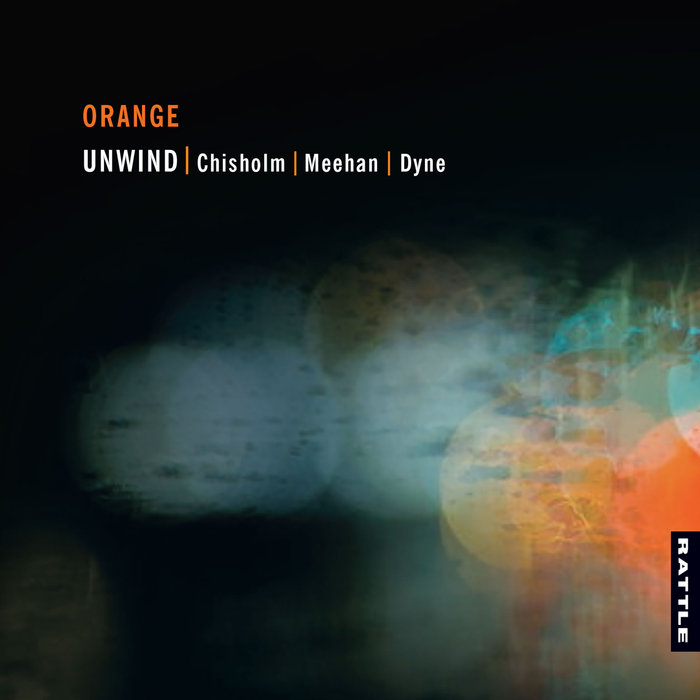
Embers (Unwind)

This album is the fifth by Unwind, and their second as a trio. The Unwind albums have all been striking for their unadorned beauty, each feeling like a high point. Yet the inventiveness appears endless as they maintain their upward creative trajectory. Only the best musicians can react to each other with such nuance, their quietism filling any listening space.
Much rests on Hayden Chisholm’s alto saxophone sound, which is preternaturally pure. It’s as clean as Desmond or Konitz, yet utterly unique. It has softness, but a softness that conveys strength and a fluidity that affords him endless possibilities. When playing live, his impact on audiences is palpable. The flute-like alto sounds he creates speak with unusual clarity, creating a balm that the world needs. Feted internationally, known for his skilful use of micro-tonality and throat singing, all his strengths are evident on this album.
A distinctive sound like Chisholm’s requires just the right musicians. Norman Meehan and Paul Dyne are that. In part, because they have been bandmates for years, but it is more than familiarity. On bass, Dyne carries the weight effortlessly, while Meehan’s blues-infused minimalism says as much in between the spaces as in the moments when the hammer meets the wire. You can feel the weight of his ideas behind every note. Thoughtful musicians like this know best how to optimise opportunities. They react instinctively, and nothing is overthought.
The first number, ‘Around Again’, opens with Chisholm’s plaintive alto keening through the silence, then Meehan’s evocative gospel chords follow. It is an elegant piece and a lovely opening to an album brimming with gems. It exudes a gentle strength that is the hallmark of this band.
Another number, ‘Good Friday’, conjures subtle emotions. It captures a nostalgic essence, as if evoking a time long past. One we cannot fully recall – a reaction best described by the Japanese term ‘Sabi’. I have seldom heard a piece of Western music that captures that emotion as perfectly as this ballad. And everything in the album flows similarly. Meehan’s compositions are a joy.
During the album release concert, a particular moment had the audience gasping. After setting the shruti-board drone in motion, the alto began the intro. The pianist was ‘laying out’, listening intently, unaware that his foot had depressed a pedal. An ethereal resonance soon became evident as the harmonics of the alto reacted with the piano. Realising, Chisholm edged closer to the piano and worked with it. A sublime moment of happenstance that had musicians and audience smiling in delight.
It is our good fortune that Chisholm regularly returns to Aotearoa, the country of his birth. He has an extensive offshore discography, but when playing with old friends, there is a special Kiwi kind of synergy. A reminder that spiritual jazz lives here too. The album is available from Rattle Records in either digital or CD form. https://rattle.co.nz/catalogue/releases/embers
Release and Return (Chisholm/Crayford)
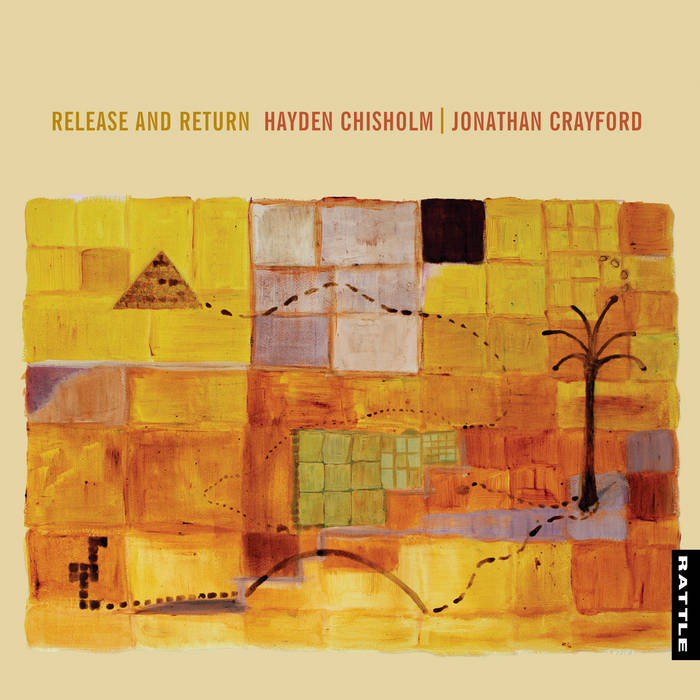
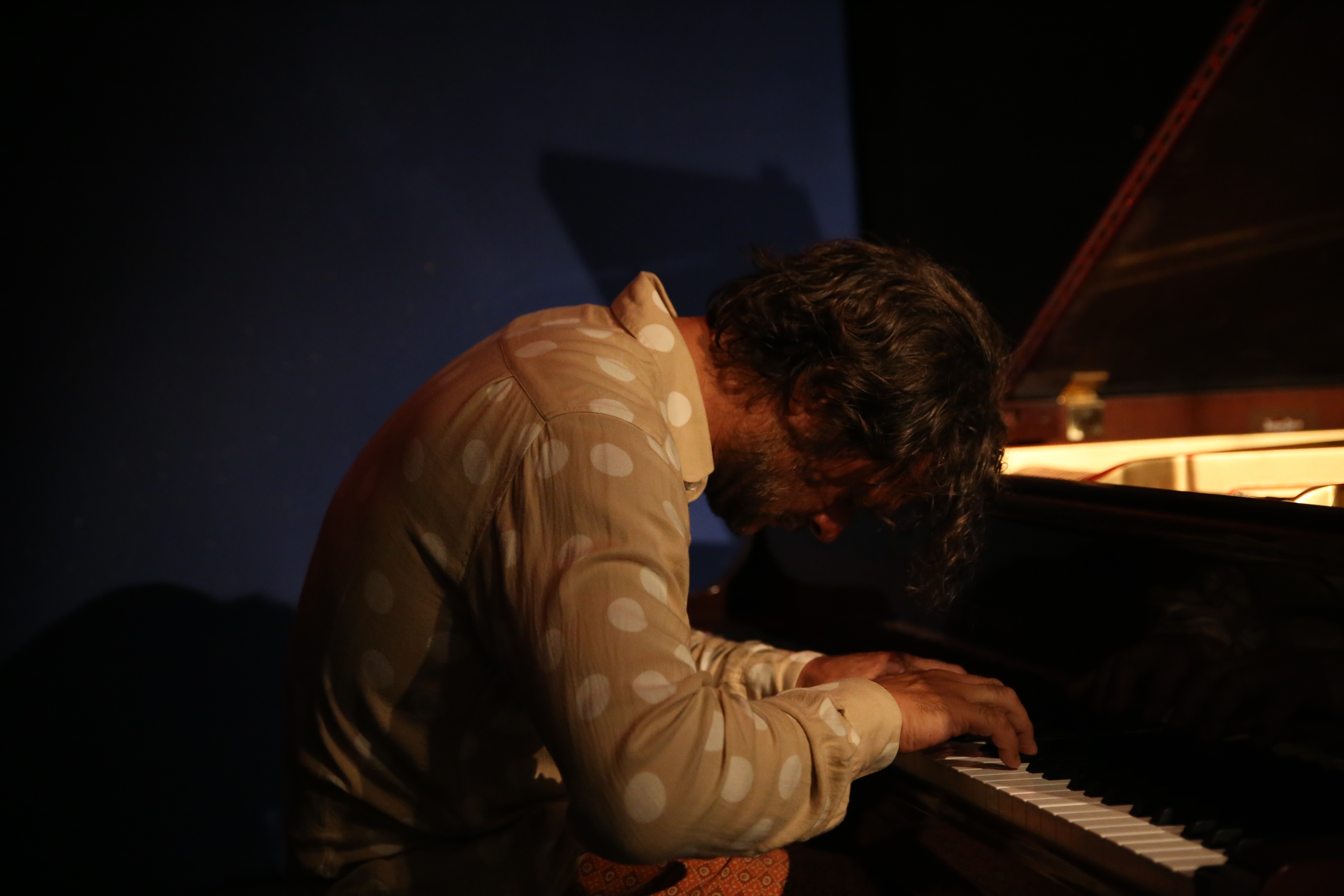
‘Release and Return’ is a duo album featuring Jonathan Crayford on piano and Hayden Chisholm on alto saxophone. It is another standout album, but in a different way from Unwind (reviewed above). It feels more exploratory and is not as consciously introspective. The album captures the joy of master musicians engaging without preconception. As a duo album, the sonorities can be explored more fully.
Both of these musicians are adept at working with harmonic resonances: Crayford, who prefers audiences to refrain from clapping until the decaying echoes of a final chord are exhausted, and Chisholm with his skillful use of microtonality.
Mature improvisers like these can draw on everything that they have experienced; it is what forms musical character. Both have travelled widely and listen with open minds to what other cultures or genres offer, be it classical, Carnatic, Spanish or Japanese traditions.
Crayford’s lovely ‘JC Ballad’ hints at Bach, and in Chisholm’s playing, the influence of Eastern musical traditions is evident, especially when he plays against a drone. In ‘Eldest Daughter’, the wistful opening tune (Crayford), the melody plays softly above, while Crayford’s right hand sounds at times like a feather stroking the strings of a Koto, his left hand, meanwhile, finds the pulse and swing.
Release and Return stirs deep emotional responses in the listener with its visceral lines, sometimes tender, sometimes raw, as the human condition is examined. This album speaks of freedom and the uncontrived nature of the music that makes it so.
The album can be purchased from Rattle Records or accessed in digital or CD format via Bandcamp. https://rattle.co.nz/catalogue/releases/release-and-return

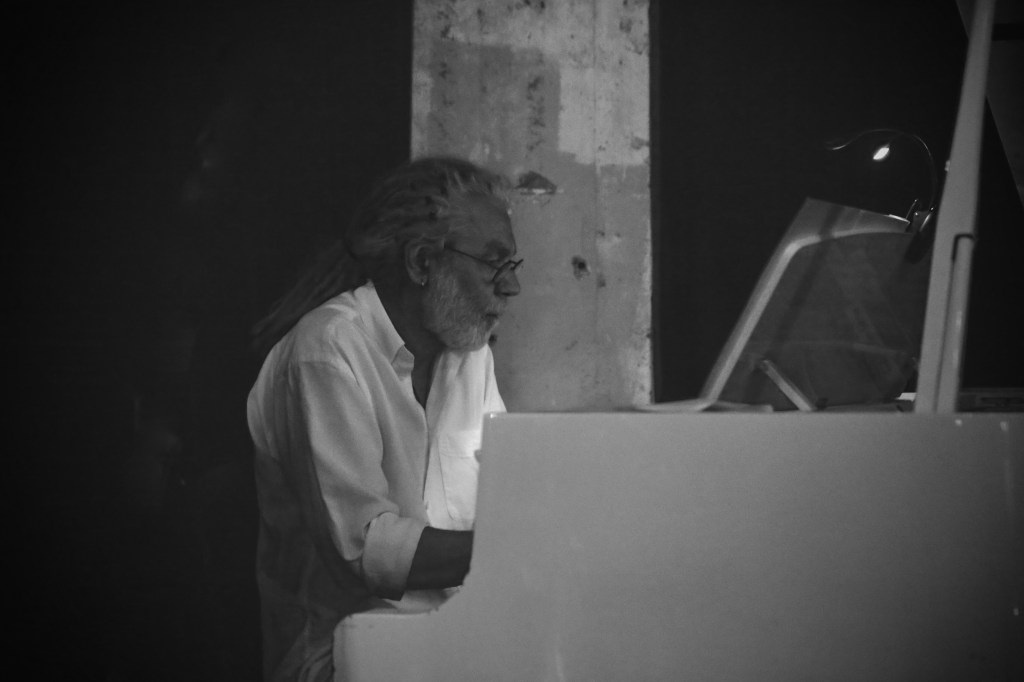
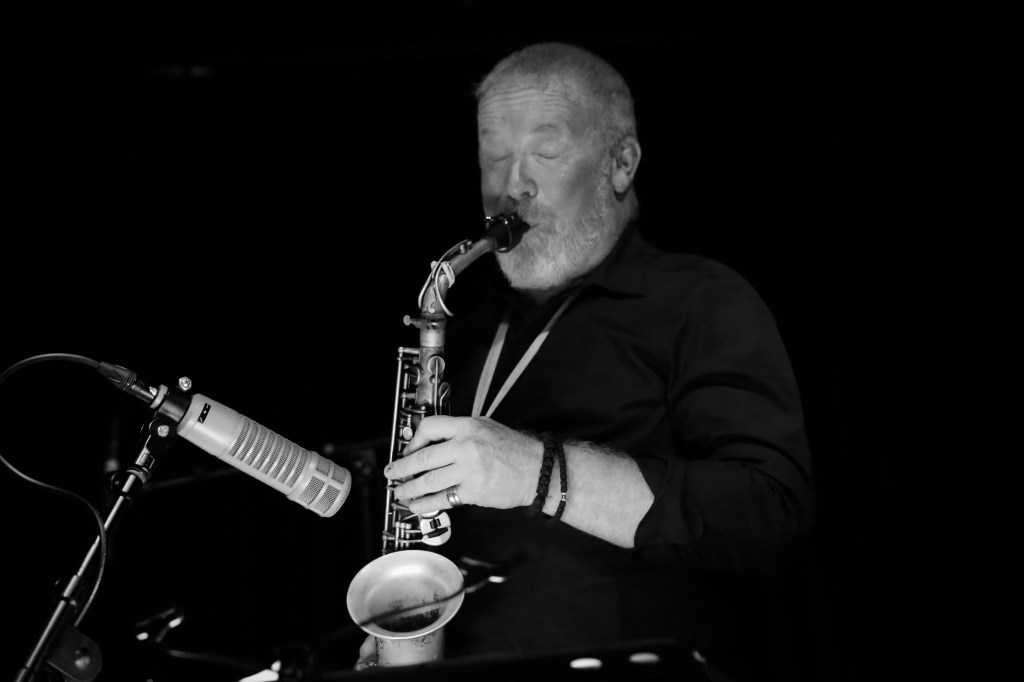
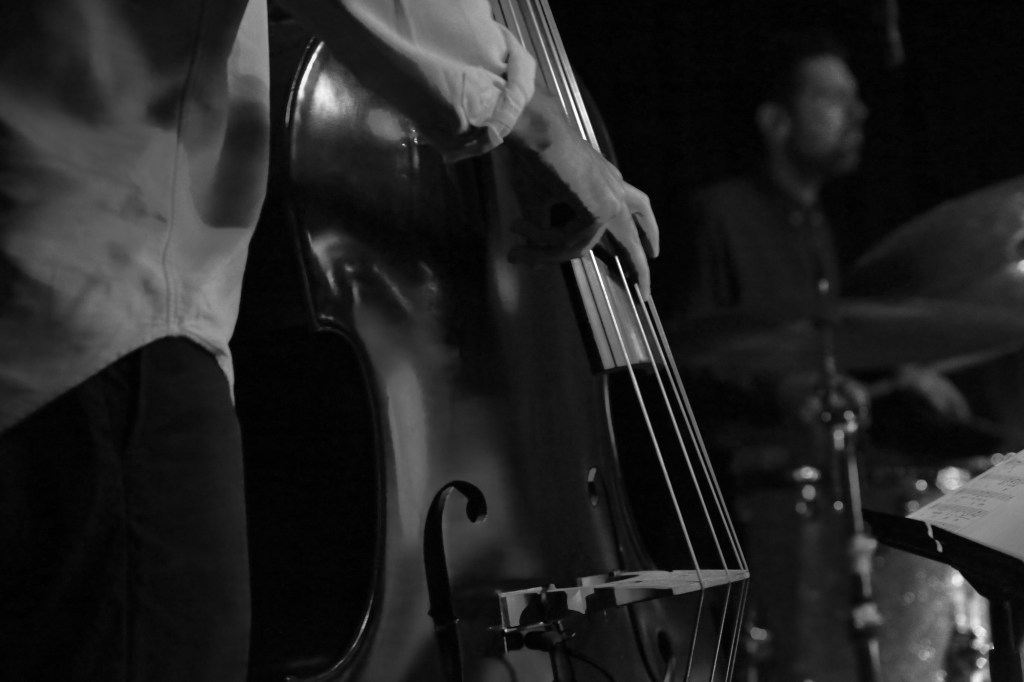
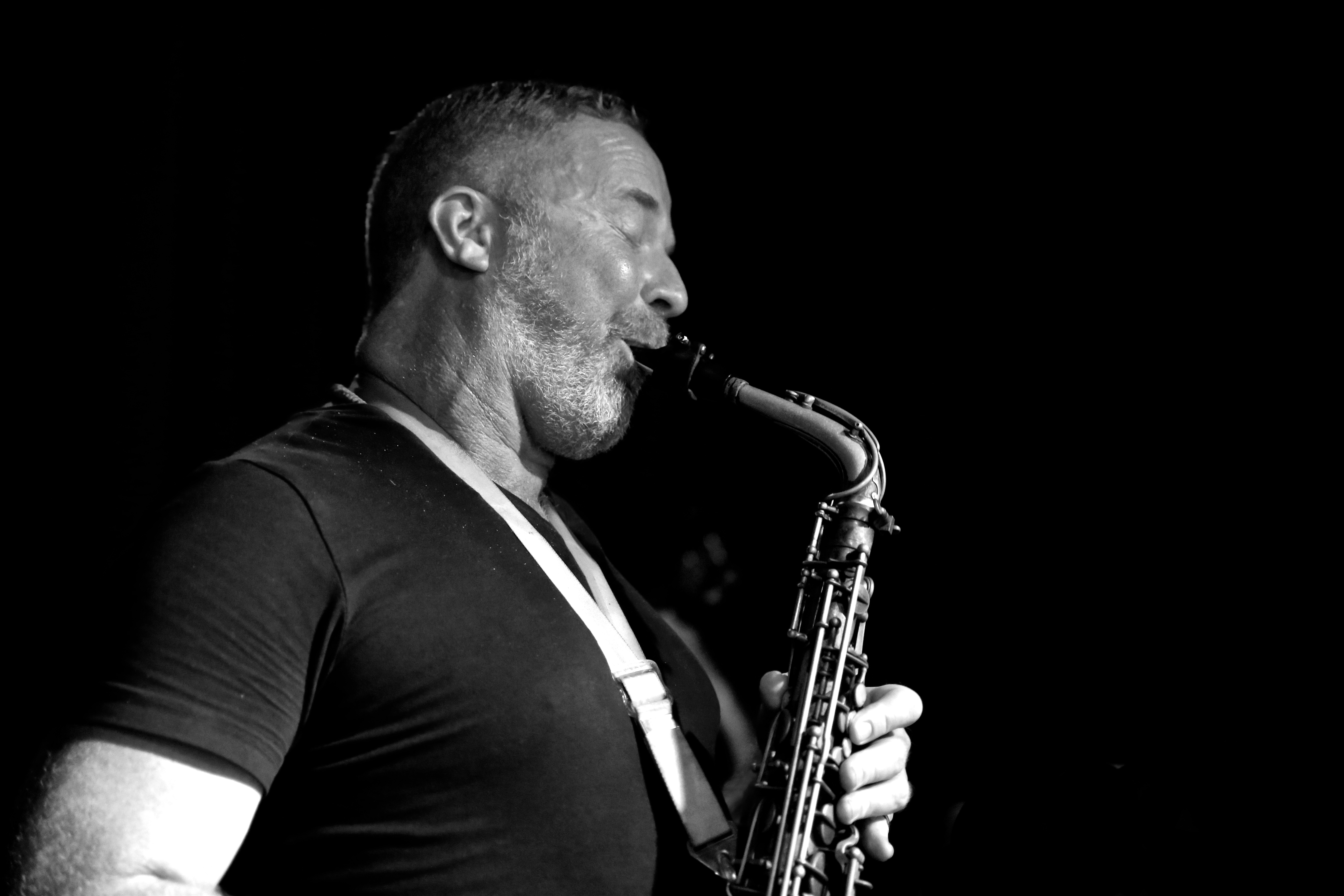 It was a good way to begin a year of music, a good way to breathe life into two enervating steamy nights. Hayden Chisholm was back in the country and around him formed various duos, trios, and quartets. He performed two gigs in Auckland and the first was at the Audio Foundation in Poynton Lane. The venue has long been an important source of innovative music and each time I descend the stairs to the sub-basement I find interesting changes to the clubs configuration. It really is an excellent venue and perfect for what it offers. At first glance, the two nights appeared quite different. One free improvised and the other a set of reflective ballads. In reality, both gigs were reflective, melodic and approachable. The open-hearted humanity and communication skills of the participants made it so.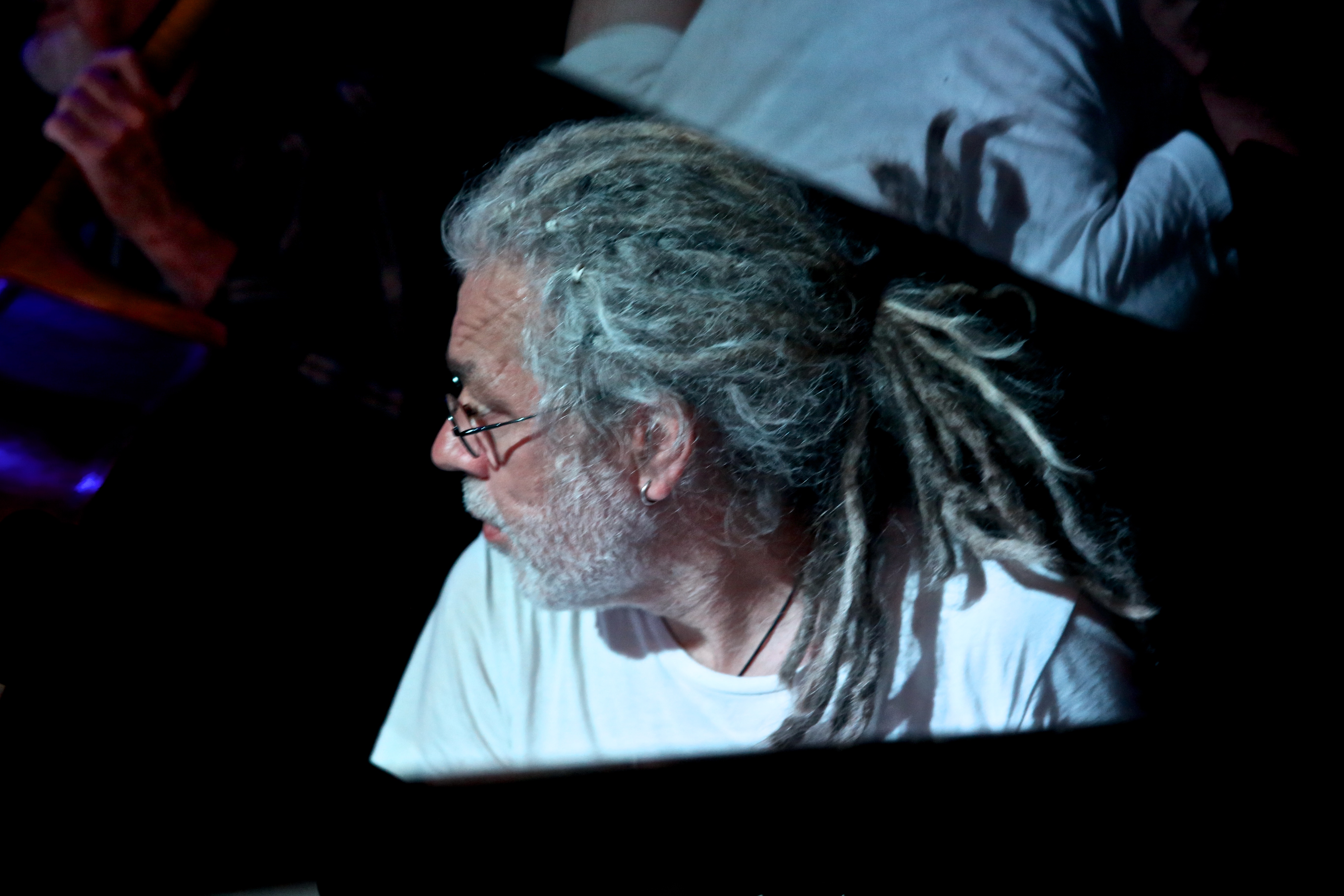
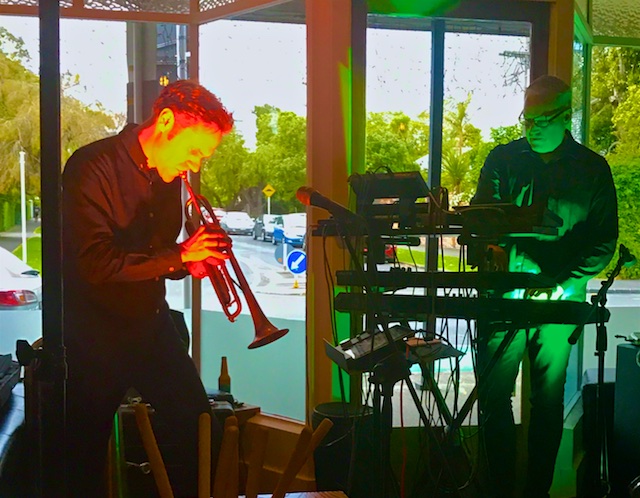
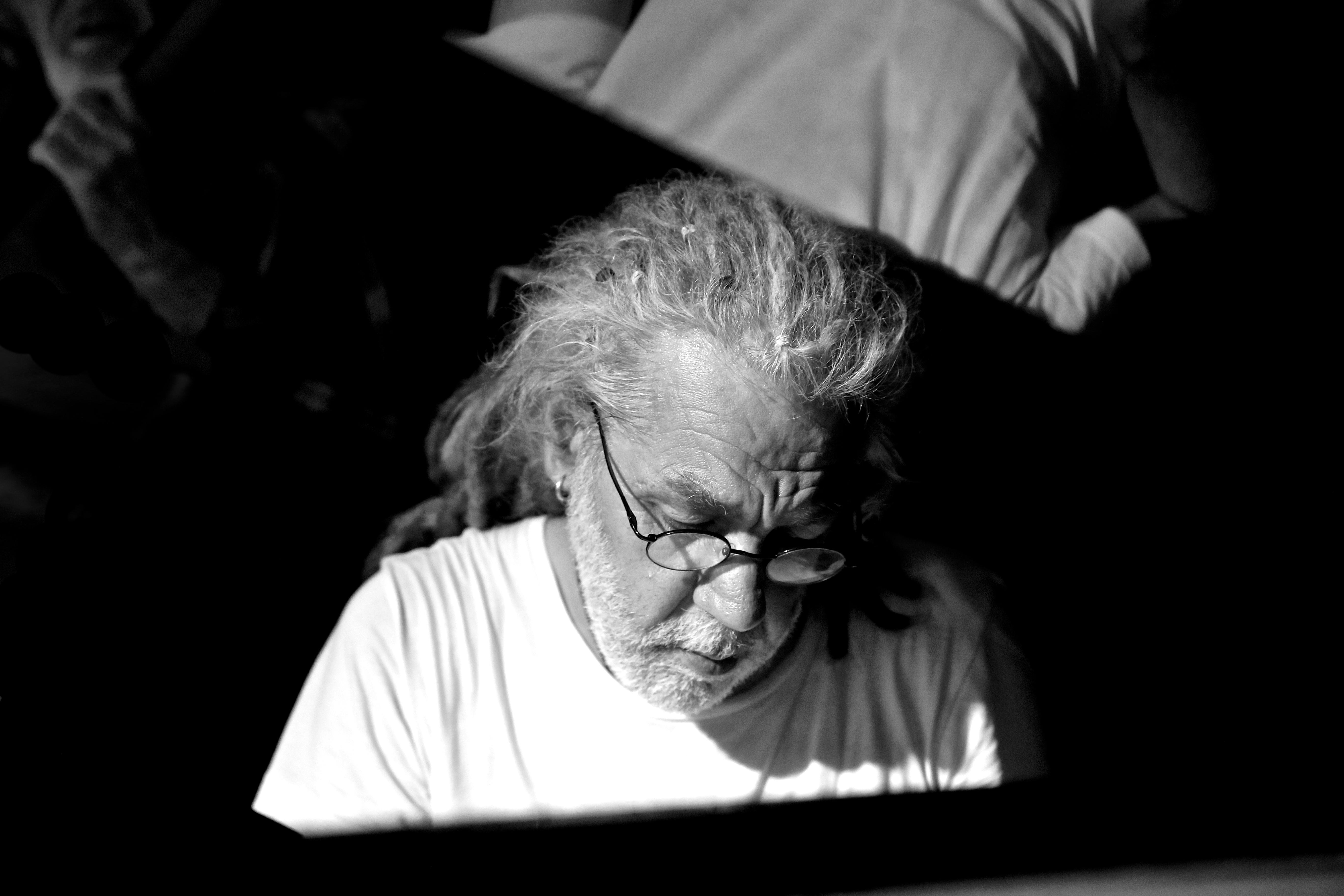 I have never witnessed a free gig quite like that as the communication was so exquisitely personal. More than musicians finishing each other’s sentences. More than the flow of fresh ideas; there was a sense of musicians revealing something intangible. From out of the fading harmonics and the quiet spaces came that extra something. The quiet revealing something on the edge of consciousness, something we often miss. Arising from – evocative like a Rilke poem – or a haiku. Bell stroked his mallets across the bars or responded with staccato – or soft taps and clicks, Prastiti offered cries and bell-like utterances, framed as wordless questions, Crayford explored resonant possibilities by using extended technique or by mesmerizing with darkly descending chords – opening up a dialogue which was met in kind – sometimes gentle, at other times like a flow of coloured sparks.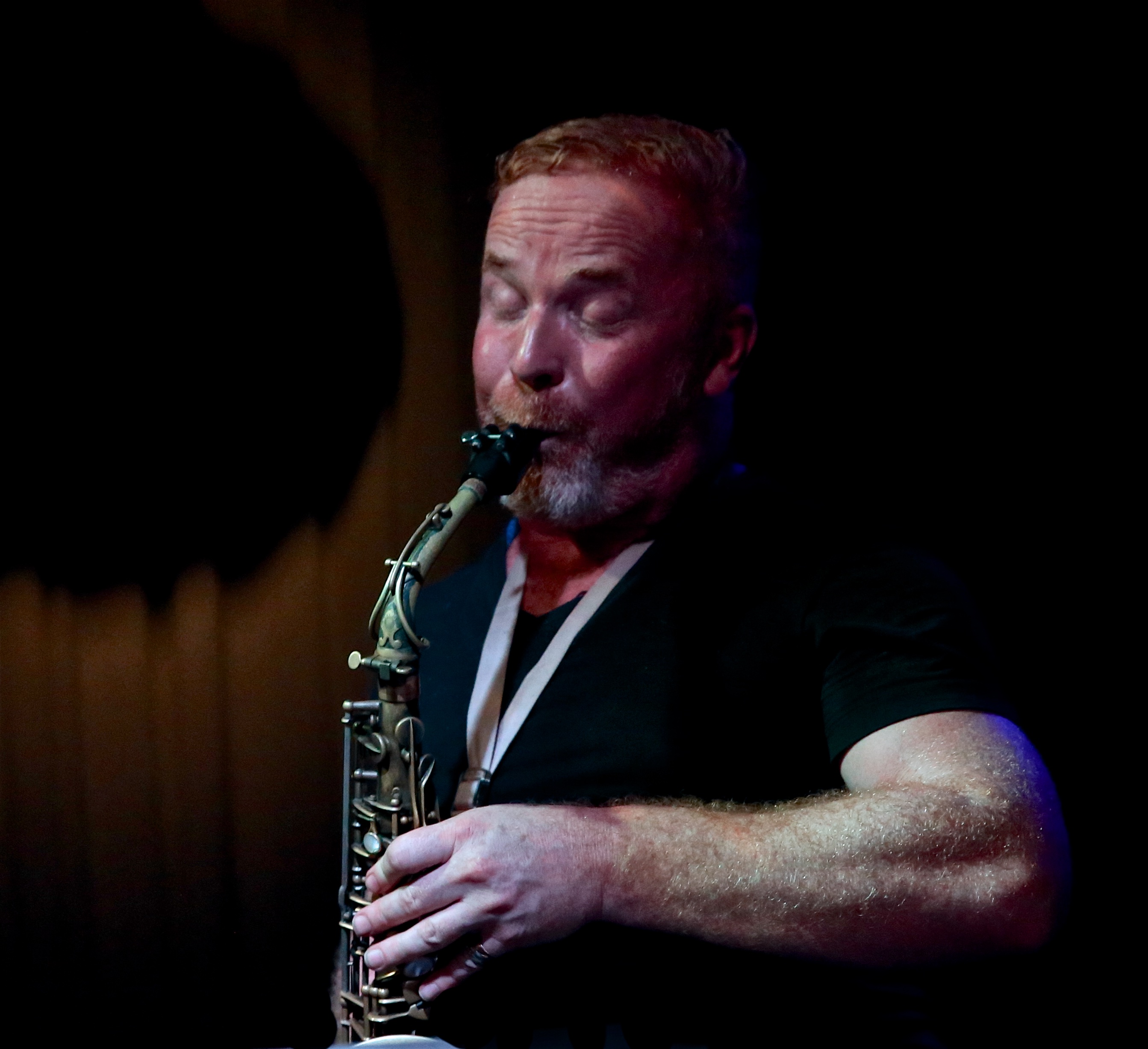
 In the months before Christmas, we were reeling from the twin body blows of Trump and Brexit. During this period of disbelieving paralysis, Norman Meehan, Paul Dyne and Hayden Chisholm came to town. What they played was a balm for our troubled souls, a sublime ballad gig. I reviewed the gig on November 27, 2016 (this site). A week later Norman Meehan and Tony Whincup launched a new book titled ‘New Zealand Jazz life’. This is a great read for anyone interested in New Zealand music history and a must for anyone interested in improvised music. Meehan’s prose is much like his playing, devoid of needless ornamentation but pleasing. he is a natural with words, but he also manages to impart vast amounts of information without the reader ever feeling force-fed. His interviews with significant New Zealand improvising musicians are carefully blended with personal observation. Musicians like Jim Langabeer, Lucian Johnson, Nathan Haines, Kim Paterson, Jeff Henderson, Anthony Donaldson, Frank Gibson jr and Roger Manins are featured. I highly recommend this book as a vital reference work and as a very good read. ‘New Zealand Jazz Life‘ is published by Victoria University Press and available at all good bookstores.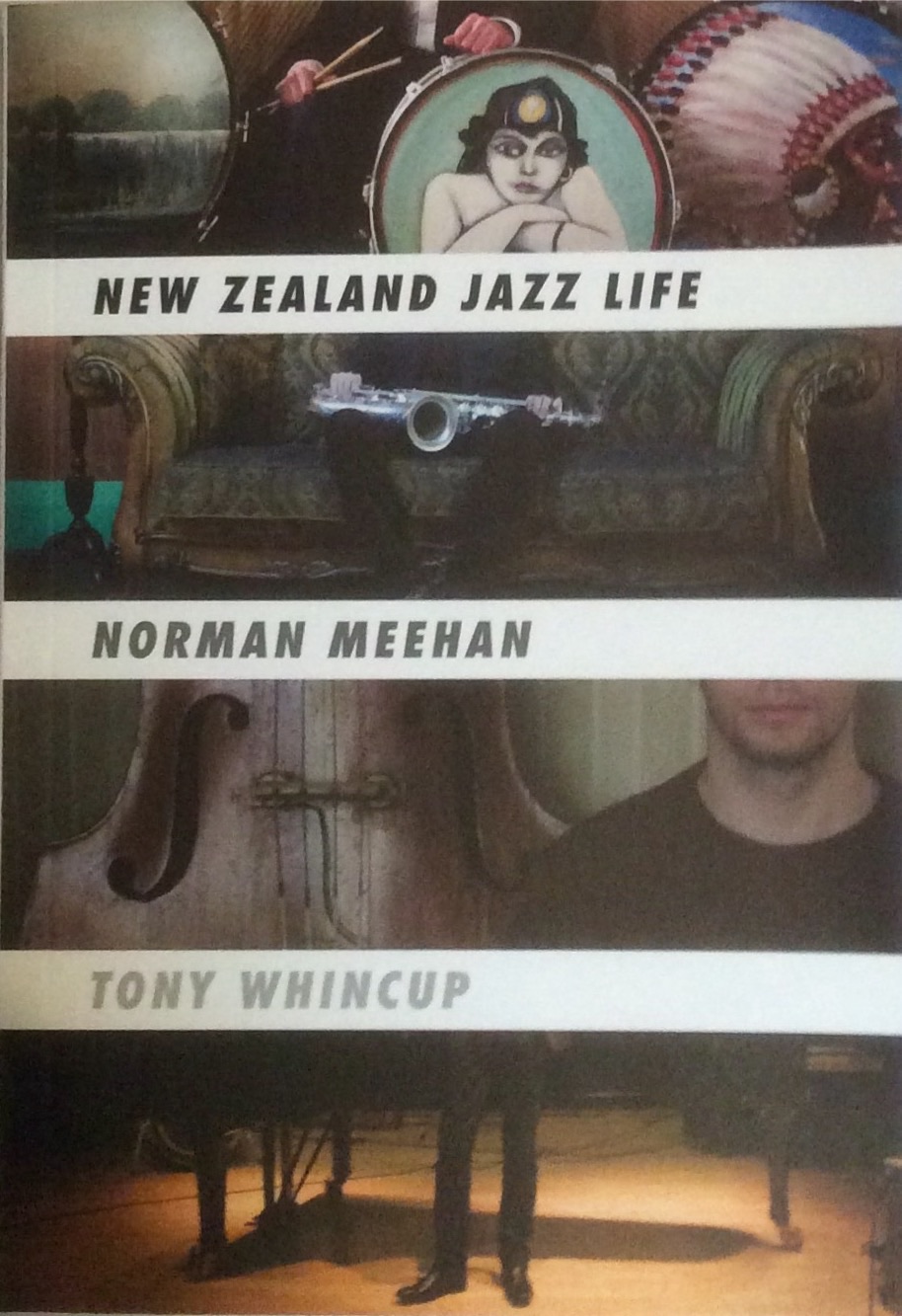
 Her Maps‘ anthology has seldom been out of my hands since. Szymborska communicates the Polish experience like few others. She evokes a sense of impermanence, an un-belonging that has characterised Polish life for millennia. I am descended from Pomeranian Polish stock and perhaps this adds a particular resonance in my case. This is a window into a floating world surprisingly free of rancour. ‘Maps’ in translation is published by Mariner Books.
 The City Lights book shop in North Beach San Francisco has always been at the centre of my universe. Whenever I’m in that wonderful city I head there immediately. I had just spotted a verse from a Diane di Prima poem in a street pamphlet and I couldn’t wait to get a volume or two of her poetry. I have long been familiar with di Prima’s work, but the gifted female Beat poets were unfairly eclipsed by their male counterparts. A book published by Conari Press titled ‘Women of the Beat Generation’ is now back in print and it’s a good starting point for examining their body of work.
 di Prima is still with us and some of her best work is contained in a recent volume titled ‘The Poetry Prize’ published by the City Lights Foundation.
 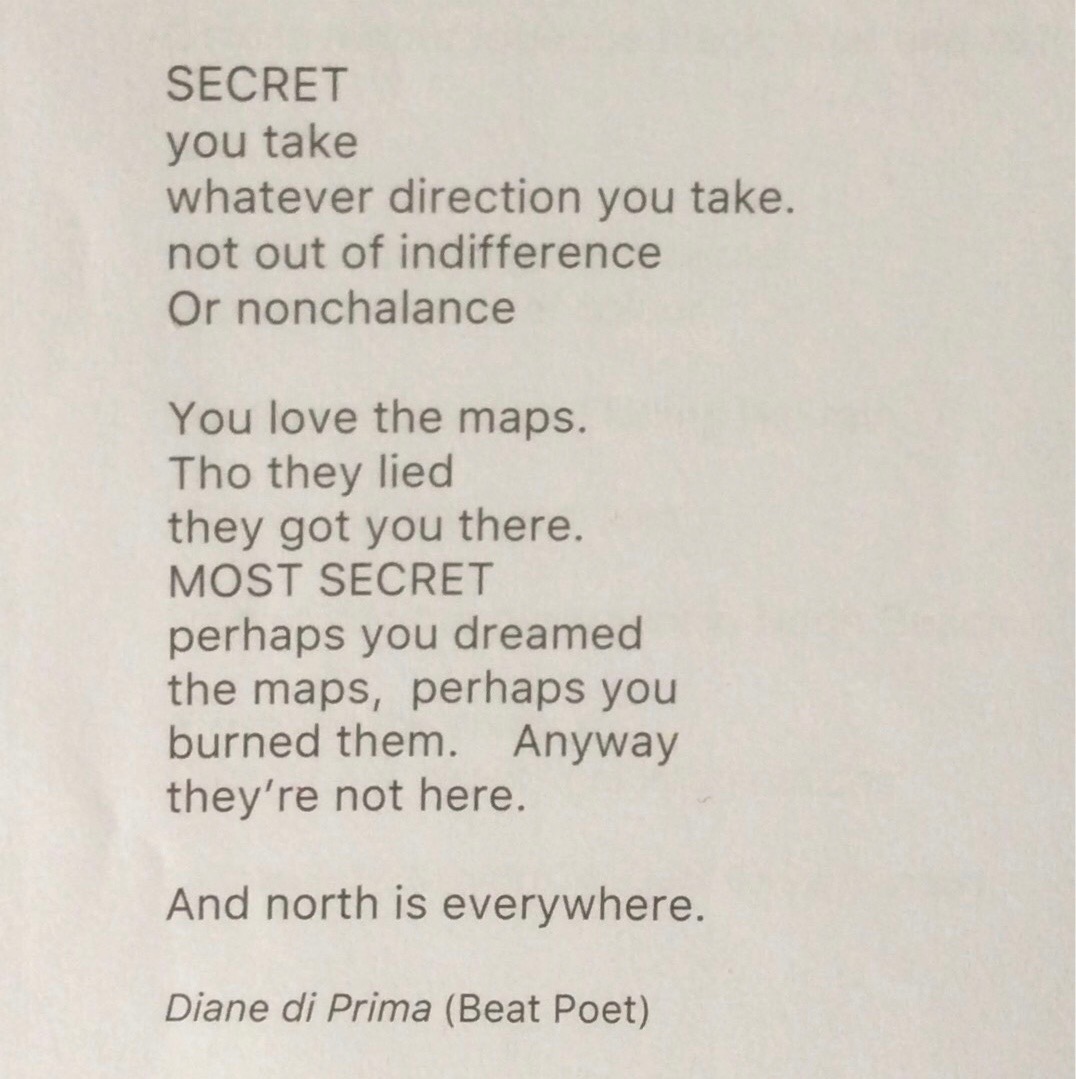 Lastly I will post one of my own recent poems, which rounds off the theme of maps. I wrote this in the week before my journey began. As I was about to depart, a well-known New Zealand Jazz musician shared some travel tips with me, offering insights, drawing me an abstract map as guide. I was so pleased with it that I wrote this poem. I took his wonderful map with me and although I was unable to strictly follow it’s path, the spirit of it was an inner compass to guide me. It made me happy to have it near – now a prized possession, a travel memory, a manifest.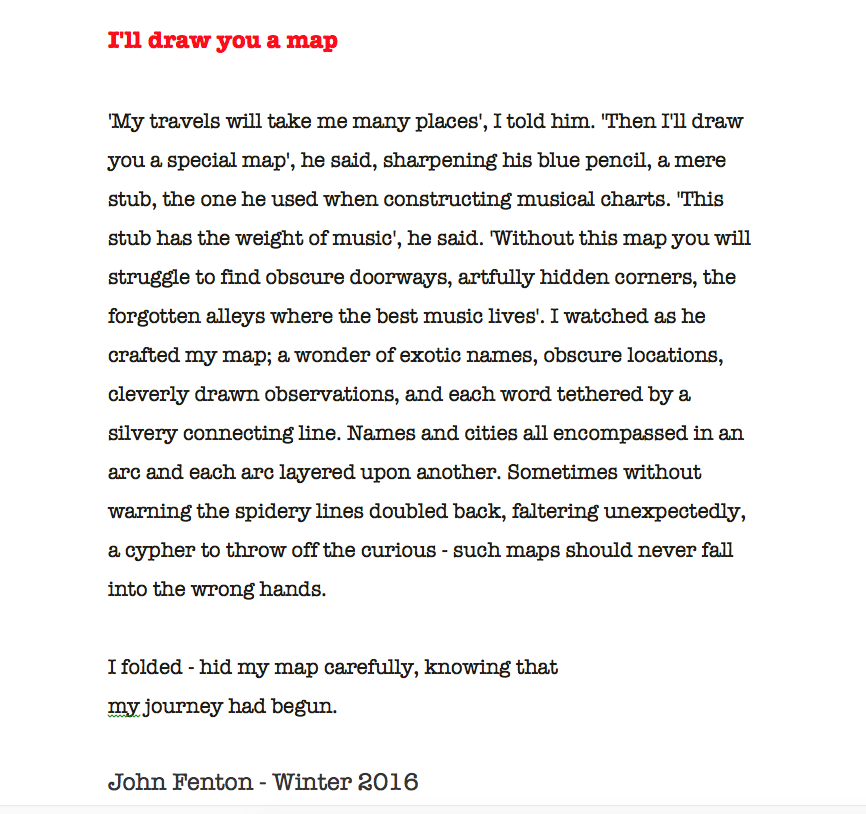
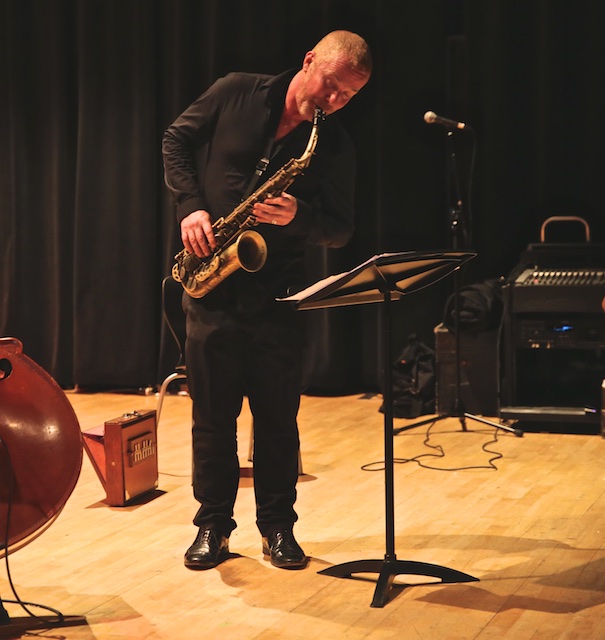 While not located on the Jazz touring circuit in the way Europe is, New Zealand gets some surprising and unexpected treats throughout the year. This was certainly one of them. Because I’ve been travelling recently, I had not noticed this gig coming up and it caught me quite off guard. From time to time I’ve heard mention of the New Zealand born composer and saxophonist Hayden Chisholm, but I had never heard him play. The little that I did know, was that he’d lived in Europe for many years and that he’d been a microtonal innovator. His CV reveals an amazing diversity of achievements and among them; teaching, composing for large ensembles, recording around the world, film soundtrack scoring, festival directing, touring extensively and collaborating with installation artists. He is obviously not a musician to be pigeonholed easily and my expectations inclined me toward multi-phonic explorations or something akin to the wonderful Bley /Giuffre/Swallow ’61 trio’. What I heard was closer to the equally wonderful Bley (Karla)/Swallow/Shepherd trio.
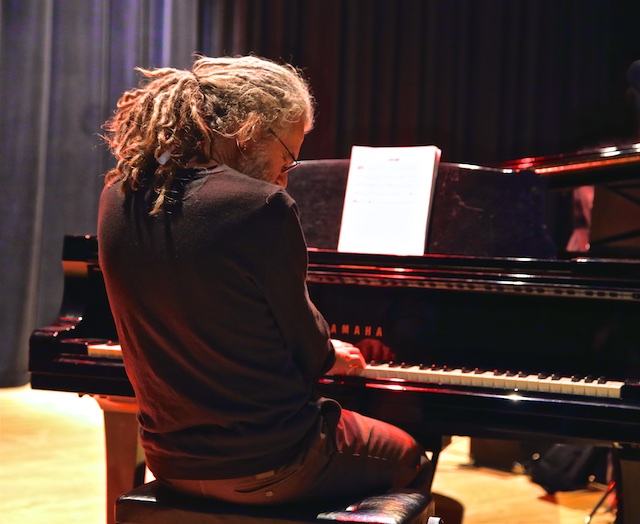 The gig subsumed us in pure unalloyed ballad beauty – beauty of a kind that is exceedingly rare. The programme (with one exception) was of original ballads; pieces composed by either Chisholm or Norman Meehan. Meehan was exactly the right pianist for this gig – a tasteful musician who knows when to lay out, and who never over-ornaments. His sensitivity and minimalist approach creating a bigger implied sound; each note or voicing inviting the audience deeper into an unfolding story. Later when I commented on this he repeated Paul Bley’s advice, “If somebody else sounds good, you’re not needed. So you are like a doctor with a little black bag coming to a record date” (from ‘Time will Tell’ Meehan). Paul Dyne on bass was the ideal foil for Chisholm and Meehan. Again he made each note count without busyness. Because this was an acoustic trio with the piano and saxophone unmiked, the resonance of the bass carried more weight, every harmonic adding a subtle layer. With Meehan playing so sparsely and Chisholm sailing in the clean air above, the subtlties of the soundscape were liberated until the room sang.
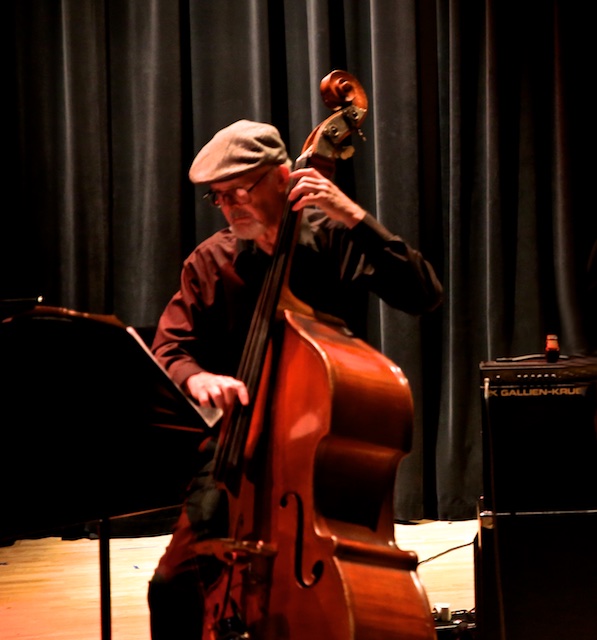 The compositions were varied but all were marvellous. Some so gorgeous as to take the breath away – others possessing edge – all beautifully constructed. The trio worked as an effective unit, but the Chisholm effect was inescapable. The man is simply exceptional, his lines, phrasing and tone jaw dropping. I have no doubt that his technical skills are second to none, but listening to him you never give that a thought. Every musical utterance plunged deep into your soul in the way a Konitz line does. Chisholm is quite original and modern but I fancied that I heard some faint echoes of the great altoists on Wednesday night. Perhaps that was just my imagination, but Lee Konitz (and surprisingly to me), even Art Pepper came mind; especially during Meehan’s wonderfully soulful tune ‘Nick Van Diyk’. I have posted that clip (which is bookended with a lovely Chisholm tune ‘In Day Light Mourning’, where he plays a lament against a drone). The lament references the music of India and Japan, utilising extended technique (Chisholm has studied in both countries).
 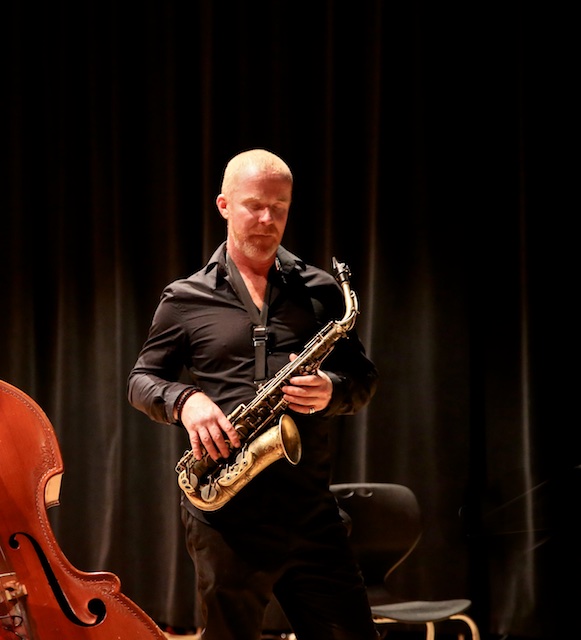 It was one of those concerts that made you feel lucky. The sort of concert that you will recall in later years and regale those who missed it with vivid descriptions – enough to make them green with envy. For those who missed the gig or for those who want to relive it, the trio are recording this week. I will keep you posted on that and on where to obtain the album. In addition Norman Meehan has a new book out – a history of New Zealand Jazz. That can be ordered through any main street book outlet (my order is in).
 This is the second Auckland Jazz Festival and what incredibly tasty offerings there are in the programme. The event runs as a fringe festival and this is absolutely the right approach; no corporates making stupid unhelpful suggestions, an intense focus on the best of Kiwi improvised music and international acts with an established connection to New Zealand. The ‘best kept secret’ ethos is a good model for this music and it’s true. In a nutshell the festival tells an all but hidden story; the story of a vibrant diverse Jazz scene, with more than enough talent to wow discriminating audiences. The biggest downside of fringe festivals is that they run on air. Good attendance can mitigate this. With no significant up-front advertising budget, the role of the sponsoring clubs, bars, galleries and local record labels is vital. Those venues and the labels (Rattle in this case) need our support and appreciation. While Auckland has an unfortunate track record of failing to support the arts, the winds of change are in the air. The gigs on offer are diverse and interesting and Auckland will increasingly want a piece of this magic.
 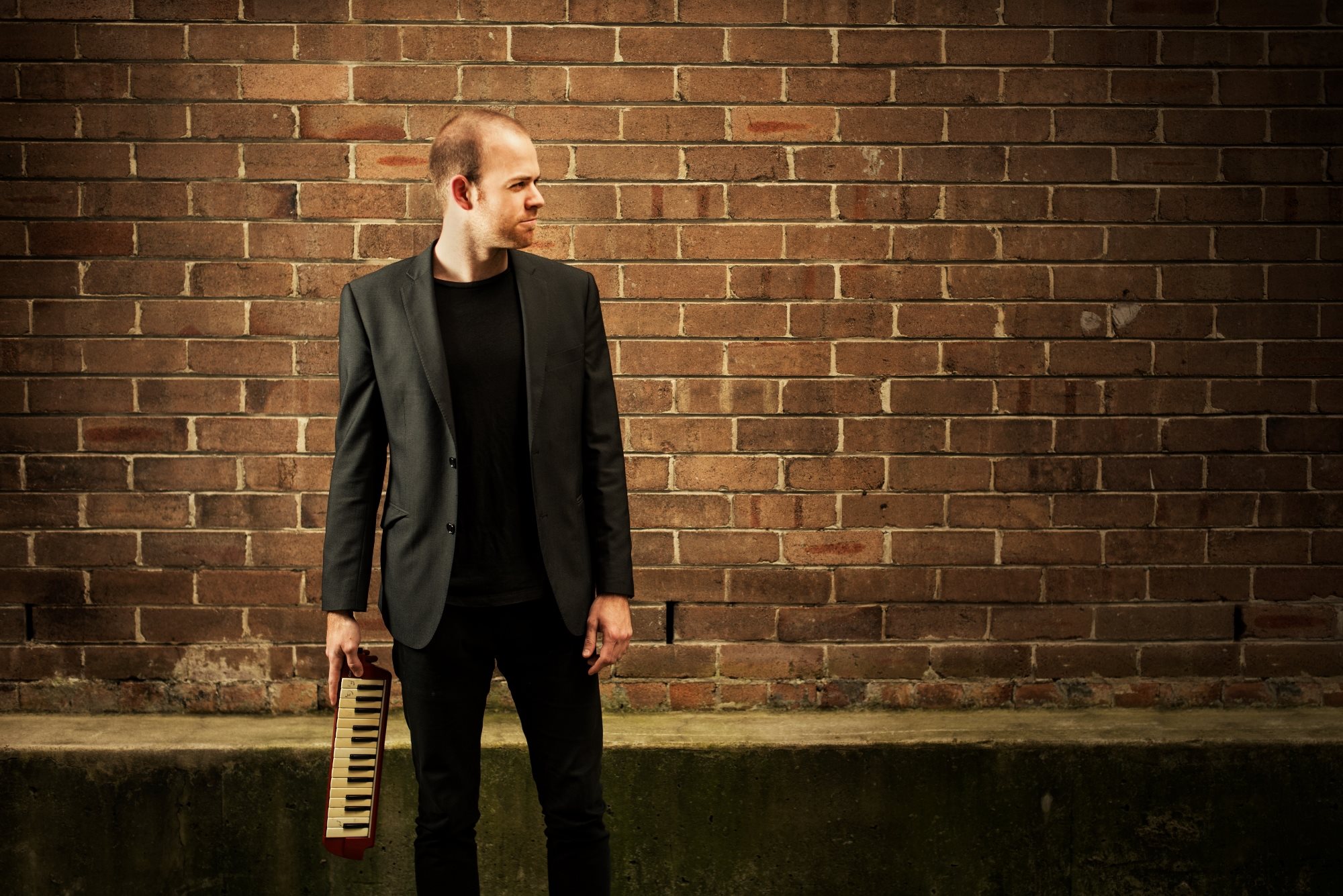 The festival opened on the 14th with a duo of respected Australian musicians, ‘The Prodigal Sons’. P J Koopman (guitar) and Steve Barry (piano) are expats who left New Zealand long ago to work in Australia. Both are fondly remembered by Kiwi audiences and both are now firmly established in Sydney; polished musicians speaking each others language. The years of hard work and performance in diverse situations giving them particular insights. Barry has been widely acknowledged for recent albums and although widely engaged in academic pursuits recently, it is good to see him on the road again. These guys can really swing their lines and do it while spinning out fresh ideas. No tempo deters them, but it was the medium and slow tempos that showed us their best. The two original compositions which particularly impressed me were by Koopman; ‘Working Title’ and ‘Major Minor’. On these tunes the exchanges between the two were breathtaking. They engaged two fine local musicians for the gig and with the talented Cameron McArthur on bass and Andrew Keegan on drums the gig was superb. McArthur and Keegan were there every step of the way and as pleasing as the headliners.
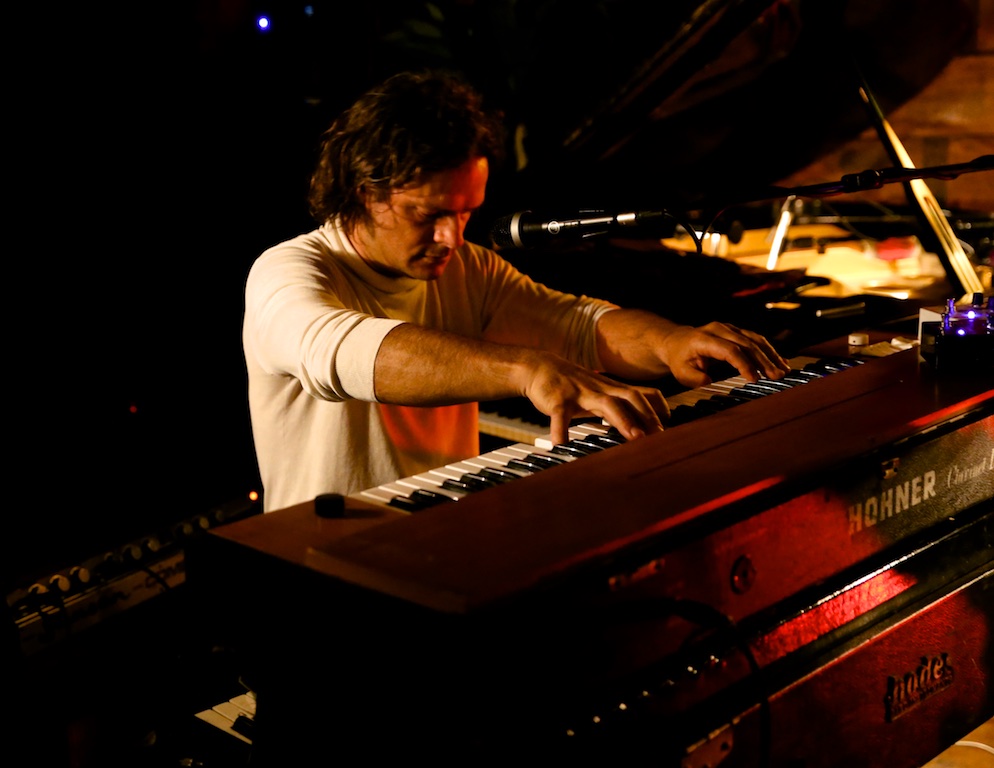 On Thursday the Jonathan Crayford Electric Trio featured. It is no secret that I rate Crayford highly and I would go to see him perform anywhere. Arguably one of our top Jazz exports to the world and undoubtedly one of the more innovative musicians on the scene today. No Crayford project is a half-hearted affair, as this musician lives music in the fullest sense. His musical outpourings are sublime but it goes deeper than his excellent musicianship. Crayford’s vantage point on the creative life is unusual and deeply focussed: few others share his perception.


 JazzLocal32.com