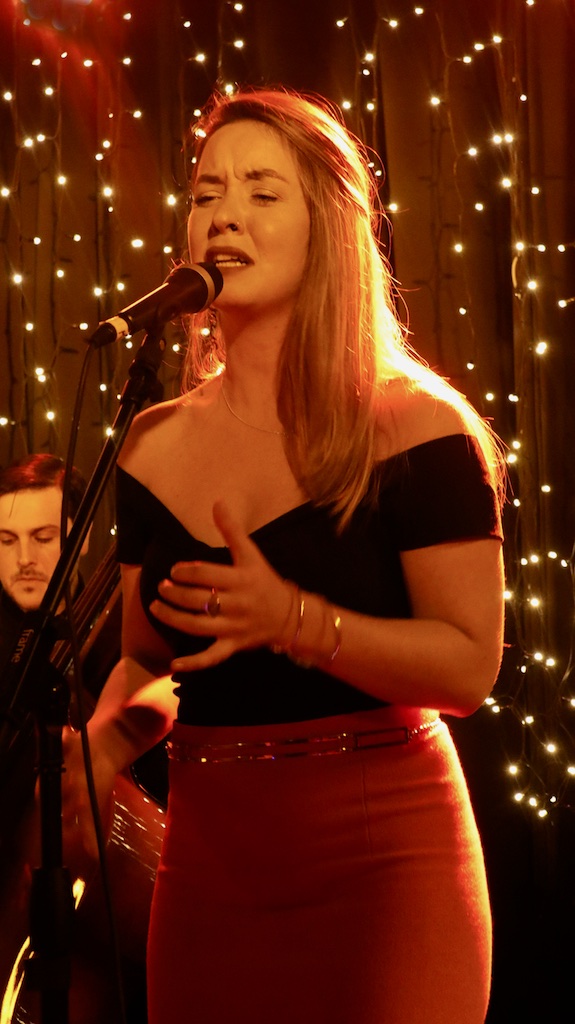
Australia produces some fine vocal talents and Kate Wadey certainly fits that category. Her relative youth is contrasted by a stylistic maturity and when she sings you are transported. She has a way of engaging an audience and of personalising a story. It is a communicated sincerity, a something of herself that hangs in the air as the notes fall. She makes it look easy, but I doubt that mere happenstance lies behind her skilled delivery. It was the little things that caught my attention; the flashed smile during a lyrical punch line as if inviting you to share in a hidden aside. The way she moved from coy to world-weary in an instant – changing the pronunciation of certain vowels or consonants to good effect – and occasionally leaning back on a word. Holding it just long enough for its import to hit home.
Many vocalists sing ‘The Great American Songbook’ but with such universally loved and familiar tunes, choices must be made with care. Picking a few favourites and belting them out will only set you among the pack. To add distinction a fresh interpretation is needed. These days that means a reharmonisation or taking an angular approach to the tune. There is another way, however. Make the tunes your own while still approaching them in a traditional way. This is where superior storytelling skills and subtle vocal mannerisms come into play. The ability to inject freshness while referencing the best of what has gone before. She did this, not by mimicking the greats but by communicating the essence of what made those versions timeless.
As if to underscore this I found myself thinking of Anita O’Day and June Christy. It’s not that Wadey sounded like either, but there they were, living inside her delivery. That flash of vulnerability in a sideways glance, the vibrato-less hard hitting clean tone, The sass, the time feel, the supreme confidence – it is hard to put into words but it was all there without being overt.
The other strength was the way the setlist was put together. Both sets were opened with guitarist Peter Koopman playing instrumental originals. A good warm-up for what was to follow, Wadey launching into a spirited ‘East of the Sun, (and West of the Moon)’ or the lesser known standard, ‘There’s a Lull in my Life’, which was lush and beautiful. After that a composition of her own ‘The Moon Song’ – followed by a stunning rendition of ‘The Song is You’. It could be risky to perch such beautiful standards on each side of an original but the standards were as much enhanced by ‘The Moon Song’ as the converse. The last song in the first set, while from the ‘Songbook’, is seldom sung. What a great tune it is; ‘Nobody Else But Me’ (Kern/Hammerstein), and how clever to eliminate verses from the original. In doing this the song was modernised and brought into line with modern sensibilities without needing to change a word. She also achieved this in the second set with ‘Sweet Loraine’ – singing it woman to woman – earlier referencing the belated passing of the same-sex marriage legislation in her country.
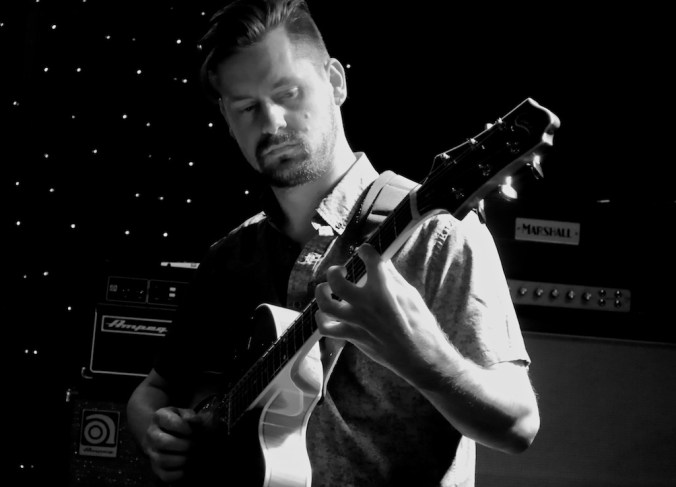
On tour with her, was expat New Zealander Peter Koopman and it was good to see him in this role. Koopman is popular here and although we have seen him in many guises, never as vocal accompanist. With a musician as accomplished as this, it is a good test to see how they perform in a supportive role. Koopman was superb – never once making it about him and giving the vocalist exactly what she needed – pushing when required of him and fitting gorgeous chords neatly beneath the lyrics. On bass was Sydney musician Samuel Dobson, alternating between standard playing and arco to good effect, a long time musical associate of Wadey’s. Local musician Stephen Thomas was on drums and as superb as always. A duo number featured Wadey and Thomas doing ‘Goody, Goody’ (Maineck/Mercer) was a treat. I will put that up on YouTube shortly – I have posted a cut of ‘Nobody Else But Me’ with this post. There are a number of very good YouTube clips of Wadey but I highly recommend that you purchase her albums. ‘Moon Songs’ & ‘A Hundred Years From Today’.
Wadey (vocals, compositions), Peter Koopman (guitar), Samuel Dobson (bass), Stephen Thomas (drums). The gig was at Backbeat for the CJC Creative Jazz Club, 24 April 2019Kate Wadey
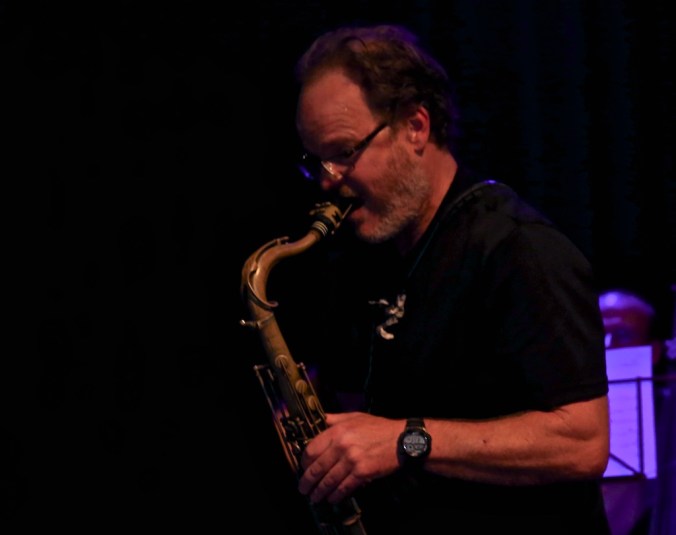 There is never a guarantee that two good acts blended into one will work. This one did. DOG and the various iterations of the Peter Koopman trio are each in their way self-contained; exuding a confidence born out of time spent with familiar musicians. Bands that play together over long periods anticipate and react instinctively. Stepping outside of that circle can be a risk, but that is a large part of what improvised music is about. DOG are a tight unit with quick-fire lines and nimble moves. By adding a guitar, DOG risked crowding their musical space; with Koopman, this did not happen. He is an aware and thoughtful musician. The pairing aided by some well-written charts, a pinch of crazy and good humour. The result was a looser sound, but the joy and respect provided all the glue it needed for the gig to work well.
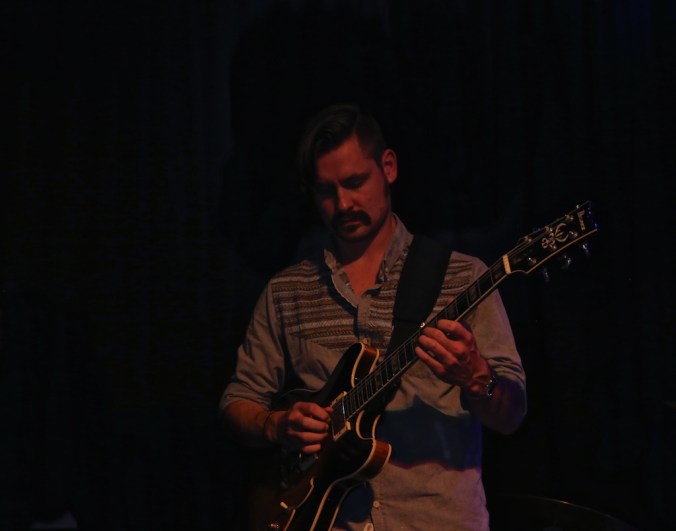 The unison lines and exchanges between guitar, tenor saxophone and Rhodes were just lovely. Kevin Field is always on form and the Rhodes with its chiming clarity was the perfect foil for Koopman and Manins. Field is the complete musician, tasteful, original and with impeccable time feel; Koopman’s guitar benefitting from the well-voiced chords, gently and sparsely comping beneath. Manins also gave a nice solo, and as we have come to expect, he reached for a place beyond the known world. Olivier Holland had a slightly different approach to Koopman’s regular bassist Alduca. Both approaches worked well on Judas Boogie. The interplay between Holland and Samsom was also instructive. As is often the case with good Jazz; the complicated was made to sound easy.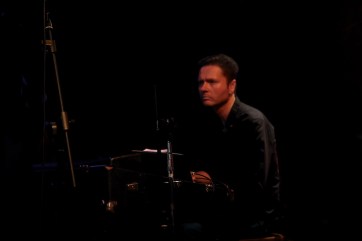
 Guitarist Peter Koopman has long been established on the Australian Jazz scene. He returns once or twice a year and when he does he brings interesting projects with him. This tour was no exception; with new compositions, some refocused standards, and a re-jigged trio lineup he hit the mark. Some musicians reach a permanent plateau, and then make only incremental advances from there on. To date, Koopman has been on a steady upwards trajectory; and with little sign of slowing. It’s noticeable in the detail, but also in the overall impression. He is matter of fact on the bandstand, there’s even a hint of diffidence about him, but this only reinforces the impression that he is all about the music. From the first few notes, band and audience are subsumed in the performance.
 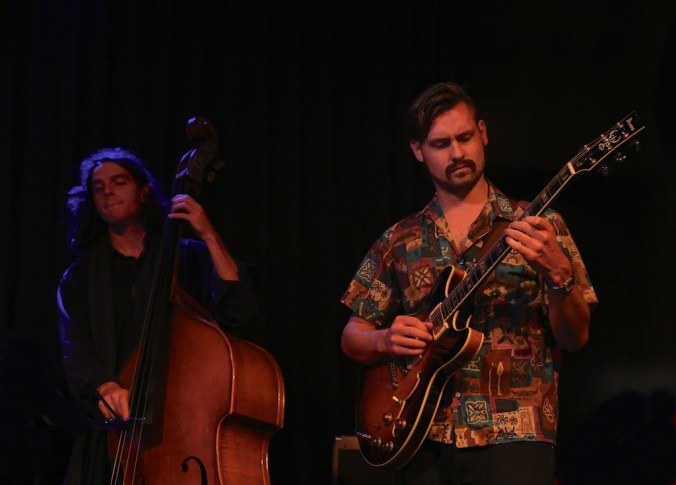 One of the subtleties that I noticed between visits is in his tone. It is cleaner but broader, conveying more information, allowing listeners to hear nuance and micro changes in modulation. And on some numbers gentle harmonics, rising off the upper end of a rapid run. His newer compositions also enhanced the project; nicely paced, making room for the whole trio and very appealing to the ear. I was not alone in observing this trajectory. One of our best New Zealand guitarists was later heard to mutter, only half-jokingly, “Damn, I’m off home to burn my guitar”. Australia has a number of excellent guitarists and some are equal to the best in the world. The challenges and opportunities of working in such an environment, have obviously suited Koopman.
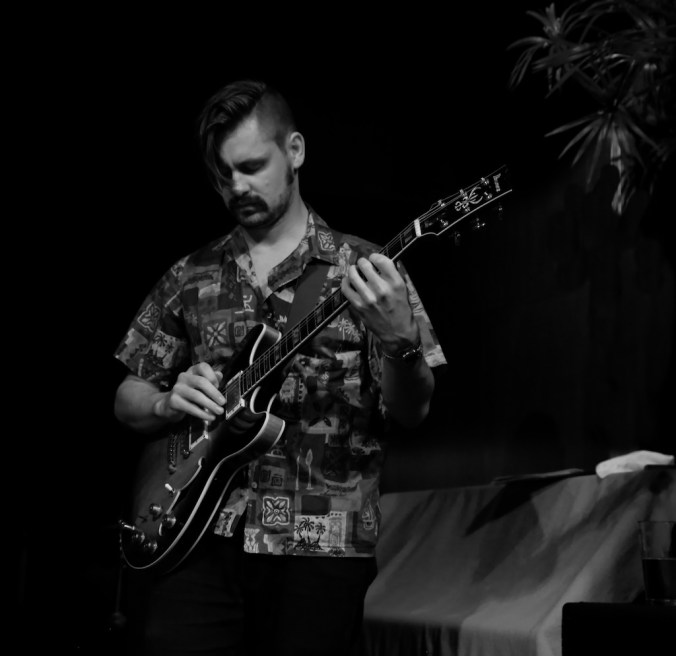 Judas Boogie, Meth Blue, Dog Annoyance, and Hypochondria were Koopman’s tunes. The band also played a sizzling version of ‘Airegin’ (Sonny Rollins). ‘Airegin’ (Nigeria spelled backward) is a relentlessly upbeat tune and often tackled by guitarists – at least those brave enough. Another Rollins tune was ‘Paradox’. The others ranged from the familiar ‘The best things in life are free’ (De Silva), and ‘The things we did last summer’ (Styne/Cahn) – to the less familiar – ‘The big push’ (by Shorter from his little known ‘Soothsayer’ album) and ‘Montara’ by Bobby Hutcherson (from his amazing latin album of the same name). Why we do not hear more Hutcherson is quite beyond me (thanks for this one PJK).
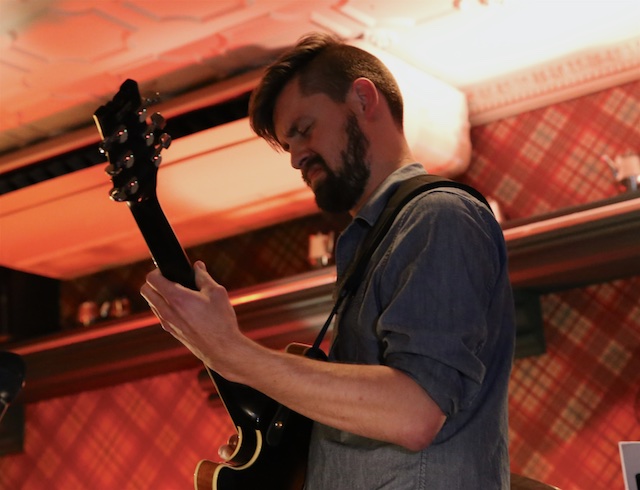 When I started attending the CJC, I heard Peter Koopman quite often. He was always impressive, but never a showy guitarist. His approach matched his quiet demeanor, an easy-going manner obscuring a real determination to excel at his craft. Before long he moved to Sydney and although the local Jazz scene laments this musicians rite of passage, we also know it is the right thing. At best, these offshore journeys produce the Mike Nocks and the Matt Penmans, and we all benefit from that.
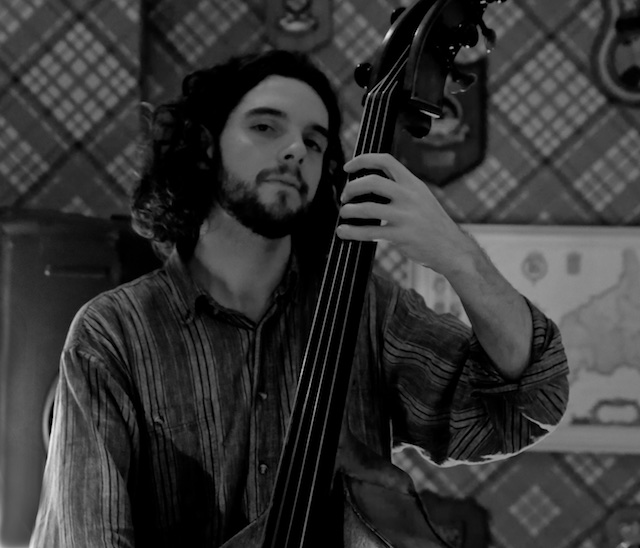 We have seen him back in New Zealand a few times during the last five years, but this is his first visit leading a guitar trio. As anticipated, we experienced a more mature Koopman, his guitar work showcasing well-honed skills. Australia is a merciless testing ground for improvising musicians and especially so for guitarists. Working in the same scene as Carl Dewhurst or James Muller, and holding your own, the proof of the pudding. In 2014 Koopman was placed 3rd in the Australian National Jazz Awards, which are held at Wangaratta each year. These awards are fiercely contested and that is no small accomplishment.
 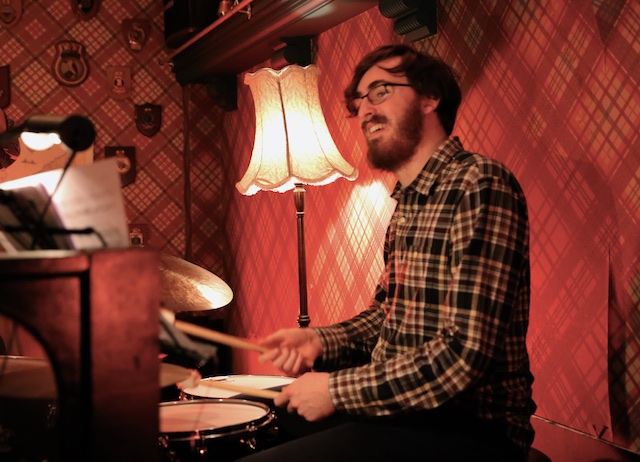 The Inner Westies Trio for the New Zealand trip was Peter Koopman (guitar), Max Alduca (bass) and Stephen Thomas (drums). The guitarist and Bass player from West Sydney, the drummer from West Auckland. Alduca is a compelling bass player, and a drawcard on his own. He often includes a touch of tasteful arco bass in his performance. I last saw him when he toured with the ‘Antipodeans’, an innovative young ensemble, populated with musicians from three countries. Alduca made a hit then and reinforced our positive view of him this night. He has a number of gigs about Auckland aside from the CJC gig. A player bursting with originality and with a notable way of engaging with audiences. Nice to see him back and especially in this company.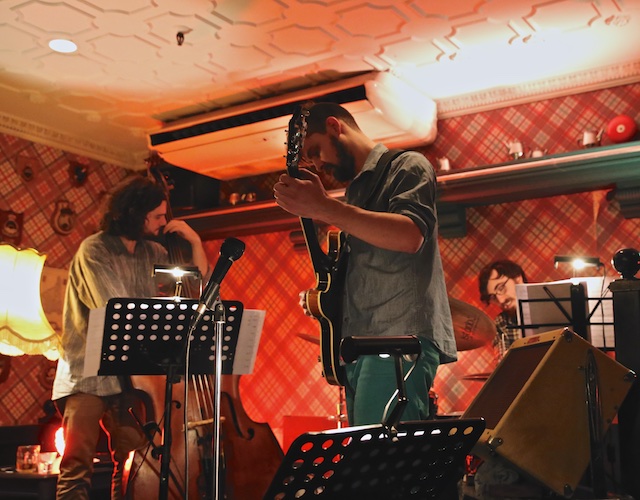
 JazzLocal32.com