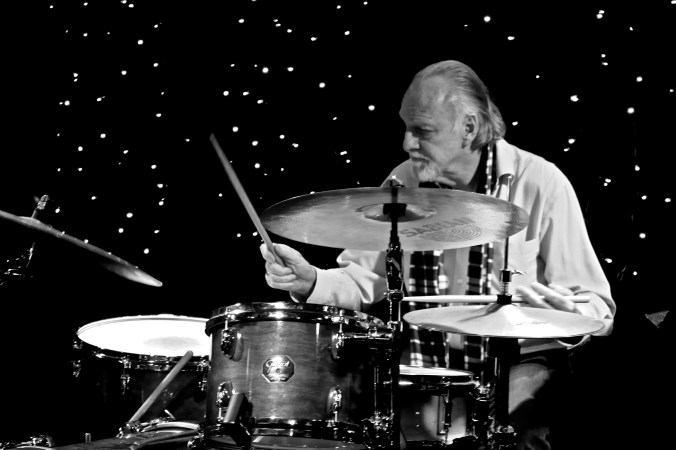
Every Jazz club needs a Monk night on their calendar and when it comes to Monk the local go-to person is definitely the well-known drummer Frank Gibson Jr. Gibson and the various iterations of his bands have long made a point of keeping the Hardbop era and Monk firmly on our radar. While the setlist was not exclusively Monk, the Monk tunes chosen were a solid mix of seldom-heard compositions and old favourites.
A good example of the former was Eronel which memorably featured on the Criss Cross album. I heard Jonathan Crayford play this number solo a few weeks ago and I recall thinking then – why is this wonderful tune not played more often? We also heard the tune Criss Cross, the title track from that album. ‘Criss Cross’ with its atypical rhythmic displacement is an interesting and bold composition and one which took Monk into new territory. It occurred at the height of his fame. Another lessor known tune was Light Blue, which appears on Thelonius Monk in Action (at the Five Spot). Others like ‘Rhythm-a-Ning’ and ‘I Mean You’ are well-known all were enthusiastically received.
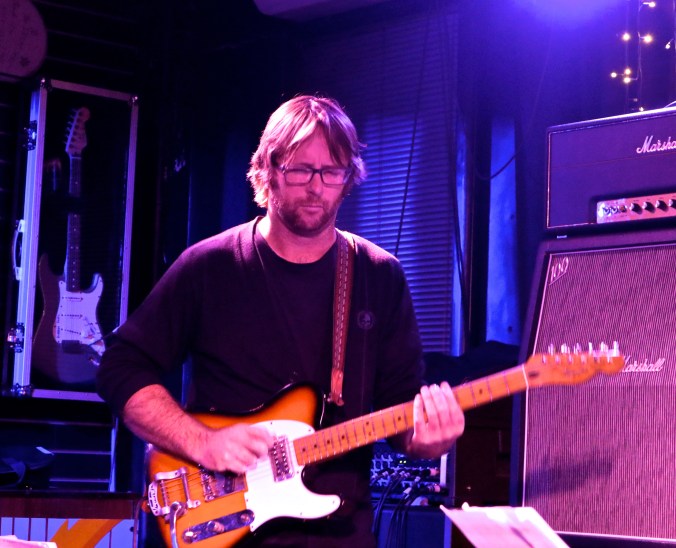
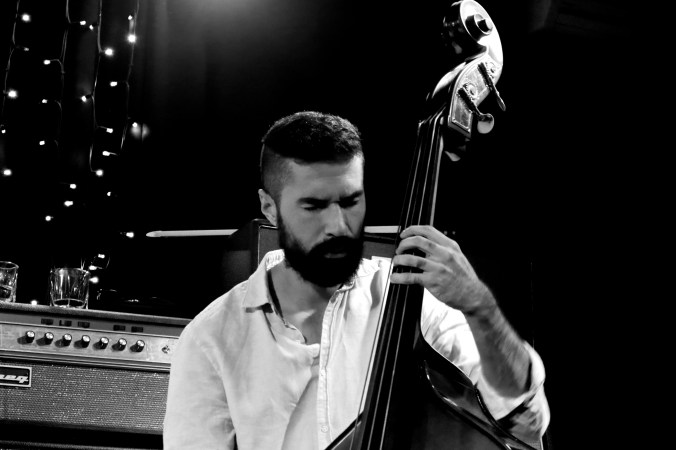
Among the other tunes played were ‘Bessie’s Blues’ by John Coltrane, ‘Beatrice’ by Sam Rivers and an interesting Harold Danko tune titled ‘Tidal Breeze’. The band featured veteran guitarist Neil Watson and Bass player Cameron McArthur, but a newcomer to this particular lineup was Cameron Allen on tenor saxophone. Allen added that nice earthy-brass touch that Monk gigs benefit from. The gig occurred during an intense and devastating storm. Surprisingly, the audience braved horrendous weather to get there, navigating their way through fallen trees, power outages, flooding and through the debris which littered the city streets. It is always right to head for the music in troubled times and Monk is a force of nature in his own right.
The gig took place at the Backbeat Bar for the CJC Creative Jazz Club, Auckland, New Zealand, April 11, 2018.
Multi reeds and winds player Jay Rodriguez recently released an album titled ‘Your Sound’ and it could not have been more appropriately titled. It is an album which conveys the warmth of the man and his interesting musical journey from Columbia to New York; it lays bare his openness and his heart on sleeve humanity. It is a life and times offered up for appraisal, it is richly diverse and contemporary. Above all, it offers us joy. Put simply, ‘Your Sound’ is the sound of the Jazz life and it delights from start to finish.
I have heard Rodriguez perform in various live settings and he is, without doubt, one of the most engaging performers around. His warmth and personality are encapsulated by his sound in interesting ways. Importantly, he is not confined to just one sound – he has many and each has his stamp on it. When I hear his bluesy alto in a random playlist I say to my self – ‘oh that’s got to be Jay Rodriguez’; whether on tenor, bass clarinet or peppery Latin flute he traverses the history of improvised music – he has a distinction. When you examine his life story you realise that all of the above is borne out of a life lived at the heart of music; a life of working tirelessly at his craft, his every note conveying that personal touch. He is so busy as a sideman that he records as leader infrequently; after hearing this album I hope that will change. He is also one of a select group of musicians who doubles on a wide range of winds and reeds – unusually, he sounds really terrific on all of them.
Joining Rodriguez for this recording were an extraordinary group of musicians and man did they deliver. Billy Harper (tenor saxophone), Larry Willis (piano), Eric Wheeler (acoustic bass), Billy Martin (percussion) and J.T. Lewis (drums) – all well-known musicians and all with very impressive discographies. On some tracks, two tenors play in unison but with Harper always cutting his own clear path – his honest take no prisoners approach giving depth and contrast. Like Rodriguez, Harper has a strong connection with Kiwi and Australian improvising musicians and ears prick up down under when his name is mentioned. He is regarded with reverence in the Jazz world.
Larry Willis is another musician who needs little introduction. He has worked alongside artists as diverse as Jackie McLean, Carmen McCrae, Carla Bley, Groove Homes, Blood Sweat & Tears and Nat Adderly. He has also released twenty-four albums as a leader. His touch is deft here and his diverse abilities a boon. Whether playing free or bluesy he is right on the money. Bass player Eric Wheeler is a professional musician from DC and again he has worked with the who’s who of the jazz and classical world (killing). Lastly, there’s drums and percussion, J T Lewis and Billy Martin, another highly experienced pair who gave their best on the bandstand. Both have impressive credits to their name and they meshed perfectly. With this group and Rodriguez leading, something special happened. Track 7 Spirits from the album is embedded below with Rodriguez on alto.
The opening number is titled ‘Ghost Dancer’. Establishing itself over a vamp and edgy Latin rhythms, drawing you deep inside an exotic sound-forest. Then the mood and tempo change, allowing the flute to dance like a bird of paradise. On this, the flute is Peppery and alluring. As we get into the album, standards appear like ‘Golden Earrings’ (Victor Young) or ‘Lover’ (Richard Rogers); all sitting comfortably alongside the spellbinding Rodriguez originals like’ Ghost Dancer’, ‘Your Sound’ or ‘Spirits’ (the latter is a tribute to the ghosts in Rodriguez life). There are Ornette referencing tracks, ballads and plenty of soulful storytelling. Underpinning this rich diversity are some very skilful arrangments.
Jay Rodriguez: (Leader, tenor, alto & soprano saxophones, flute, bass clarinet), Billy Harper (tenor saxophone), Larry Willis (piano), Eric Wheeler (acoustic bass), Billy Martin (percussion), J.T. Lewis (drums). The album was recorded live at ‘Dizzy’s Club-Coca-Cola’ in NYC and it is released on Whaling City Sound. It is available for purchase from whalingcitysound.com or from the usual outlets like Amazon or iTunes. Highly recommended.
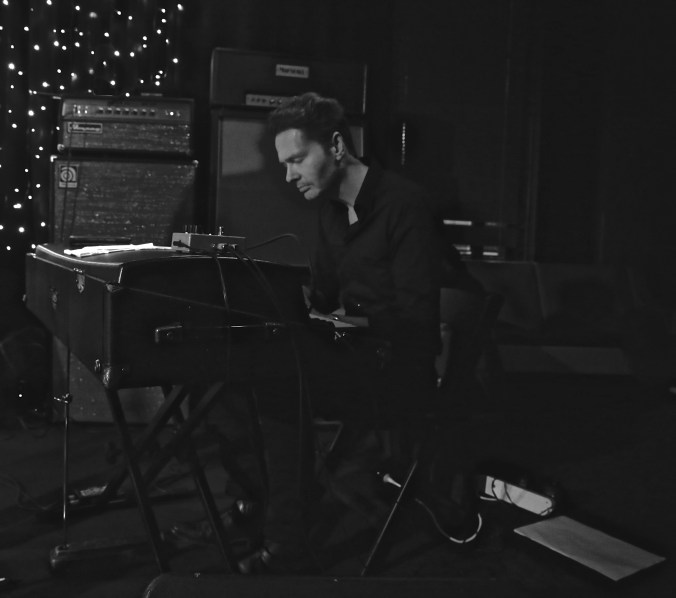
After a long gloomy week of intense storm weather, 200 kph winds, polar darkness and zero electricity, I am finally back in front of my computer. A few days before the storm I was sitting in the warm, well-lit, electricity charged Backbeat Bar and listening to the Kim Paterson Band – by far the preferable option. Jazz trumpeter, Paterson, has been on the New Zealand Jazz scene for as long as I can remember and his name is forever associated with legendary figures like Mick Nock. When I was a teenager I knew many people that he knew and he always seemed to lead an exciting life: gigging in Australia or further afield and travelling to India on a shoestring (our generation regarded that as an essential rite of passage). Out of that rich life experience and long years of devotion to his artform, has come a book of marvellous compositions. These compositions were the focus of his CJC gig and his bandmates gave them the respect they deserved. It is hardly surprising that Paterson selected his bandmates well, all experienced musicians and all with a feel for the texturally rich, open-ended compositional structures. I was particularly delighted to see Lewis McCallum on the bandstand, having missed an earlier gig of his and regretting it. He played tenor and soprano and the unmistakable influence of Coltrane’s conceptions shone through. Although not the leader, McCallum was a powerful presence. It was obvious that he regarded this project highly and his guiding hand was repeatedly acknowledged by Paterson. His tone was biting, but not harsh; his ideas were communicated with clarity.Keven Field was on Rhodes and as always his contribution was impeccable. The Rhodes was exactly the right keyboard for this project and Field, the best keyboardist to bring out its strengths. Somehow he always manages to tease hidden beauty from a Rhodes. Cameron McArthur was on bass and like Field, a first call musician. McArthur is so well established and well respected that no one is surprised when turns out a stellar performance. The remaining band member was Stephen Thomas and again a very fine musician. Thomas works across a number of genres now, but his Jazz chops and good taste are always on show.
These compositions are long overdue for recognition. They were mostly composed in the late sixties and seventies and they certainly have that feel about them; an era of Jazz that I have a great affinity with. One title references Patterson’s earliest trip to India and the other titles give us clues as to the overall vibe: Invocation, Tariqat, Kabir, Mani etc. Paterson, although better known as a trumpeter stuck to flugelhorn on this date and doubled on percussion. The complexity of rhythms on a few of his Latin-infused pieces, enhanced by his percussion. I was glad to hear these tunes and they were well received. There was enough warmth in them to see me through the brewing storm.
Kim Paterson: (flugelhorn, Compositions, leader), Lewis McCallum (tenor & soprano saxophones), Kevin Field (Rhodes), Cameron McArthur (bass), Stephen Thomas (drums). The gig took place in the Backbeat Bar for the CJC Creative Jazz Club, Auckland. 4th April 2018.
I have listened to John Bell over a number of years and I have always marvelled at his inventiveness. Bell (along with Jeff Henderson), is widely acknowledged as the experimental music guy, the free improvisation guy. He is a musician who takes risks as he aims for clear skies; a musician who involves himself in interesting cross-cultural collaborations, a vibraharp player who doubles on brass instruments. He is an artist who you always associate with innovation – consequently, other musicians look up to him.
In spite of his wide-ranging credentials, I had never seen him perform this type of material and I anticipated it keenly. His latest project, the Aldebaran Quartet, dove into the explorations of a specific era. The warm modal music of the late sixties and seventies. A time in Jazz when the behemoth of Rock dominated the airwaves and filled record shelves – eclipsing everything else in view. It is unfortunate that audiences looked away just then because out of that era came a heady brew of fresh ideas. Hidden in plain sight were improvising trailblazers; laying down wonderful music, incorporating new freedoms, and embracing a quasi-secular space age spirituality. This was the era when Bobby Hutcherson and Herbie Hancock took a new direction with ‘Oblique’ – when Chick Corea cut ‘Tones for Jones Bones’; both albums featuring the scandalously underrated drummer (and vibes player) Joe Chambers: an era when Eddie Henderson released ‘Sunburst’, Bernie Maupin ‘The Jewel in the Lotus’, and when Alice Coltrane and Don Pullen broke new ground. And all the while looking toward some distant star system or an inner world; all bringing a new flavour to the improvised music scene.
This was a gig filled with mesmerizing soulfulness, but underneath the shimmering sound lay some very clever compositions and great musicianship; referencing a time when modal music stepped free from the formulaic. An era ripe for further exploration. This was complex music made to sound simple; a visceral music that took you to its heart without the need for pointy-headed insider knowledge. The track I have posted is a good example, the lessons of eastern and western music, absorbed, expanded and all without a hint of contrivance. Melodic patterns over a crisp undulating drum pulse, piano and bass picking up the pattern, in unison or in response, freeing the vibraharp to explore the possibilities as they opened up space. The tune in question ‘Atagato’ (Bell) is a wonderful composition. It resonates deeply, the complexity artfully hidden behind simple themes, throwing up a melody line that is merely implied. The clever musical devices employed were endless but for the listeners, that was not important – it was the immediacy, the resonance which touched us. Bell is a true tintinnabulist and we are lucky to have him home.
When Vibes and piano play together they often take a different tack from that of guitar and piano. Occupying the same tonal range is avoided in the latter case but with piano and vibes, a unison approach is frequently employed. When either piano or vibes are comping the chords can become mirrors – reflecting each other but varying fractionally to add texture; completing each other through the harmonics arising from their different timbres. In this respect and others, the pianist Phil Broadhurst was superb. Again, I am very familiar with his output, but I had never heard him in this context. His solos were in the pocket and his sensitive comping concise, supportive.
Bass player Eamon Edmundson-Wells was just right for this gig. Like Bell, Edmundson-Wells has a firm foothold in the avant-garde scene. The more I hear him the higher my regard for his musicality. He is an extraordinary young bass player and capable in any given situation. The remaining quartet member was drummer Steve Cournane. From the first few beats, he stamped his authority. His rhythmic feel interesting and a little different from other drummers about town. He lived in South America for some time and it’s really good to see him back on the scene. There is something of the classic Jazz fusion drummer about him but more besides (he sometimes reminds me of Peter Erskine or perhaps Lenny White). Together they form a great unit. I hope that they record this material and perhaps exchange the keyboards for an acoustic piano when they do. These compositions and this unit are far too enjoyable to disappear from earshot.
John Bell: Aldebaran Quartet – Bell (vibraharp, compositions), Phil Broadhurst (keyboards, compositions), Eamon Edmundson-Wells (upright bass), Steve Cournane (drums). The gig took place at the CJC Creative Jazz Club, Backbeat Bar, K’Road, Auckland March 2018.
In keeping with the longstanding CJC tradition of keeping twice yearly slots open for emerging artists, late March featured two such sets. First up was a group led by bassist Denholm Orr. Orr has appeared in lineups a number of times, but this was his first appearance playing his own material and as a leader. His recent compositional work has placed increasing focus on arco-bass and consequently, the charts reached into that territory. Arco is not the default style for Jazz bassists but I am seeing a lot more of it lately and I welcome that.
Orr opened with a piano trio and as the set proceeded more players were added. The larger formations tackled ambitious arrangements and this is a hopeful sign of things to come. Emerging artists should reach beyond their comfort zone – being challenged is where growth happens. On piano was the ever-reliable Nick Dow and on guitar Michael Gianan (who wowed us all with his first CJC gig a few months ago). Misha Kourkov was on tenor and new to me was Charlie Isdale on alto and Jack Thirtle was on trumpet. Daniel Waterson was on drums. Kourkov is shaping up to be a presence on the scene and Fritsch is grabbing attention with each fresh appearance. As most are still studying and given their ages and experience, it was a good start.
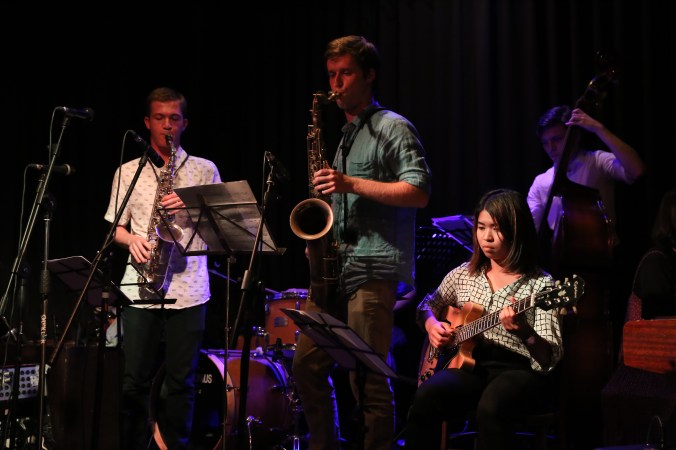
Lukas Fritsch headed the second set and again this featured ambitious material. Fritsch’s set had a tighter focus and perhaps because he had a few seasoned musicians in the ensemble ranks, the set sang joyously from start to finish. When Fritsch completed his finals, a buzz quickly circulated; that the recital performances had been something special. I had not attended, but my attention was certainly piqued. The arrangements were superb and the musicians well focused, but the inclusion of Chelsea Prastiti and Crystal Choi gave the set that special something that lifted it beyond the ordinary.
Choi is fascinating to behold as her trajectory is pointed ever upwards – a pianist who understands how to get inside the music and make it part of her story. Prastiti likewise is an innovative trailblazer, who takes the path less ordinary. The front line was Fritsch on Alto, Asher Truppman-Lattie on tenor and Kathleen Tomacruz on guitar. On bass was Wil Goodinson and on drums Tom Leggett. Fritsch writes interestingly and his performances are well thought through and engaging.
The gig was the last at the Thirsty Dog for the CJC (Creative Jazz Club, It took place on March 21, 2018.
 Every Jazz club needs a Monk night on their calendar and when it comes to Monk the local go-to person is definitely the well-known drummer Frank Gibson Jr. Gibson and the various iterations of his bands have long made a point of keeping the Hardbop era and Monk firmly on our radar. While the setlist was not exclusively Monk, the Monk tunes chosen were a solid mix of seldom-heard compositions and old favourites.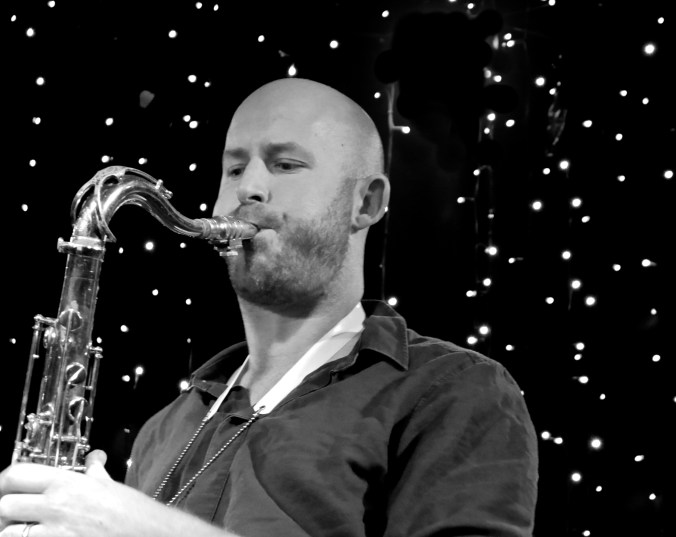
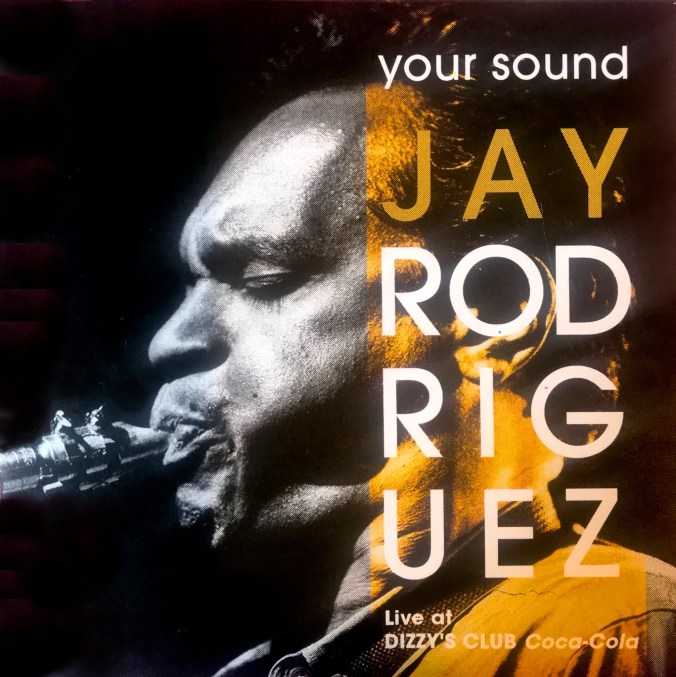 Multi reeds and winds player Jay Rodriguez recently released an album titled ‘Your Sound’ and it could not have been more appropriately titled. It is an album which conveys the warmth of the man and his interesting musical journey from Columbia to New York; it lays bare his openness and his heart on sleeve humanity. It is a life and times offered up for appraisal, it is richly diverse and contemporary. Above all, it offers us joy. Put simply, ‘Your Sound’ is the sound of the Jazz life and it delights from start to finish.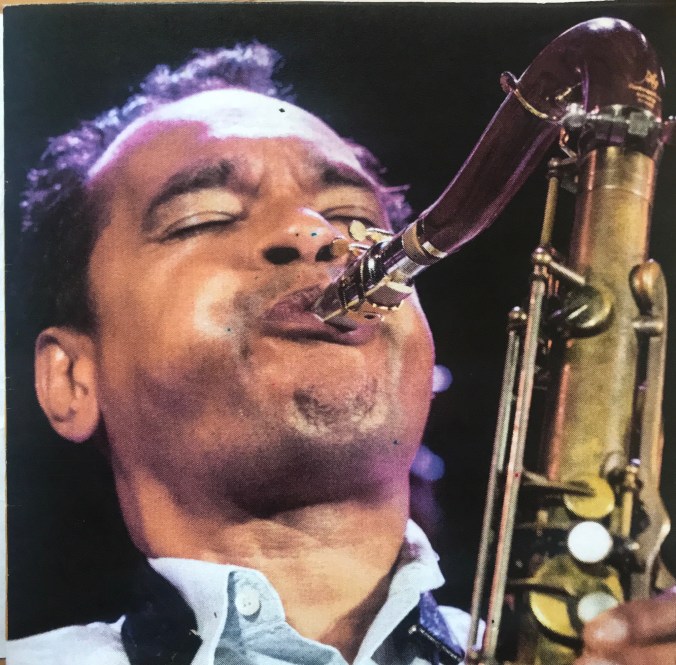

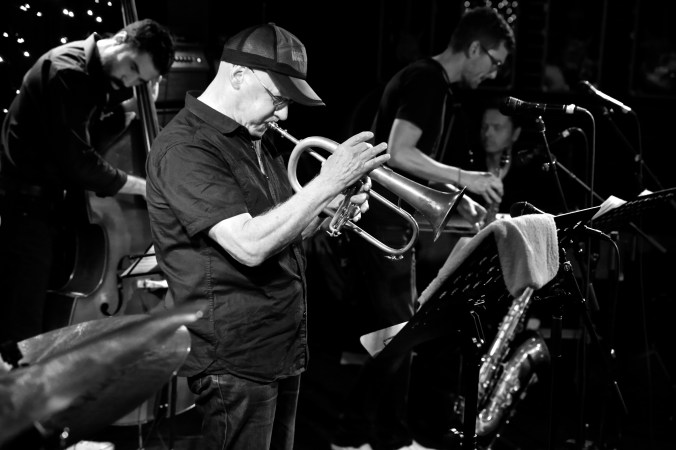 After a long gloomy week of intense storm weather, 200 kph winds, polar darkness and zero electricity, I am finally back in front of my computer. A few days before the storm I was sitting in the warm, well-lit, electricity charged Backbeat Bar and listening to the Kim Paterson Band – by far the preferable option. Jazz trumpeter, Paterson, has been on the New Zealand Jazz scene for as long as I can remember and his name is forever associated with legendary figures like Mick Nock. When I was a teenager I knew many people that he knew and he always seemed to lead an exciting life: gigging in Australia or further afield and travelling to India on a shoestring (our generation regarded that as an essential rite of passage). Out of that rich life experience and long years of devotion to his artform, has come a book of marvellous compositions. These compositions were the focus of his CJC gig and his bandmates gave them the respect they deserved.
 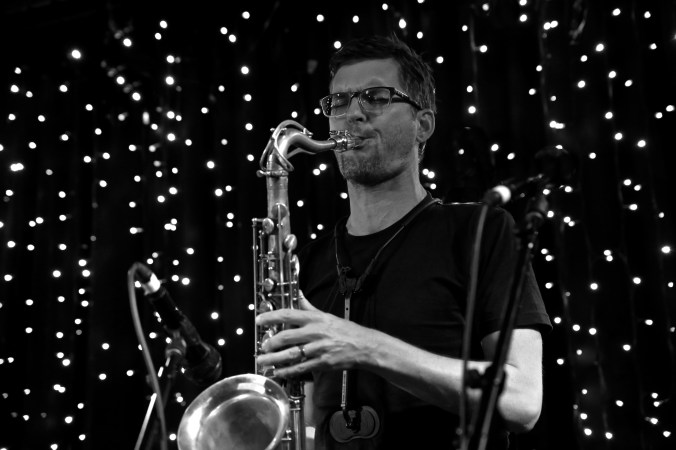 It is hardly surprising that Paterson selected his bandmates well, all experienced musicians and all with a feel for the texturally rich, open-ended compositional structures. I was particularly delighted to see Lewis McCallum on the bandstand, having missed an earlier gig of his and regretting it. He played tenor and soprano and the unmistakable influence of Coltrane’s conceptions shone through. Although not the leader, McCallum was a powerful presence. It was obvious that he regarded this project highly and his guiding hand was repeatedly acknowledged by Paterson. His tone was biting, but not harsh; his ideas were communicated with clarity.
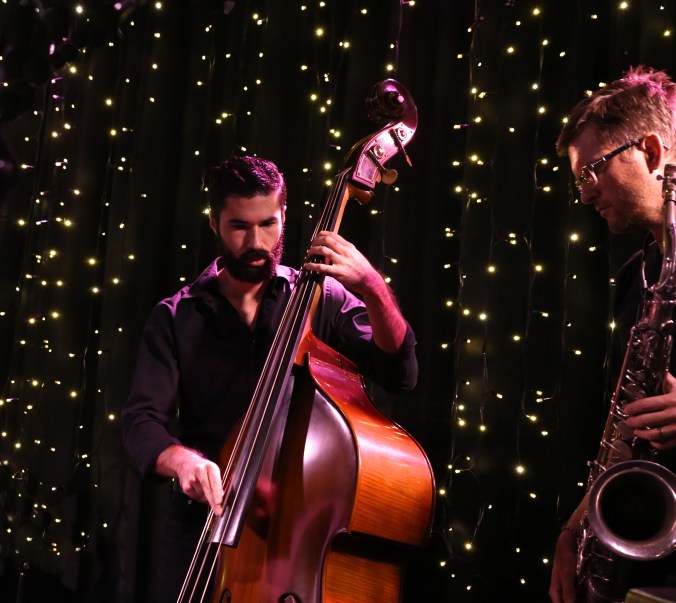 Keven Field was on Rhodes and as always his contribution was impeccable. The Rhodes was exactly the right keyboard for this project and Field, the best keyboardist to bring out its strengths. Somehow he always manages to tease hidden beauty from a Rhodes. Cameron McArthur was on bass and like Field, a first call musician. McArthur is so well established and well respected that no one is surprised when turns out a stellar performance. The remaining band member was Stephen Thomas and again a very fine musician. Thomas works across a number of genres now, but his Jazz chops and good taste are always on show.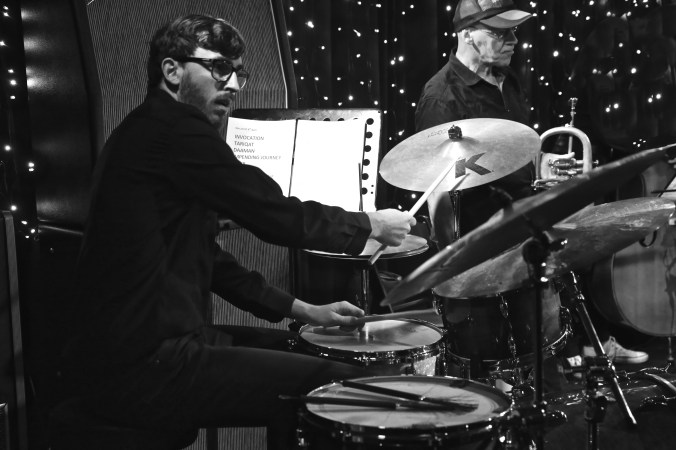
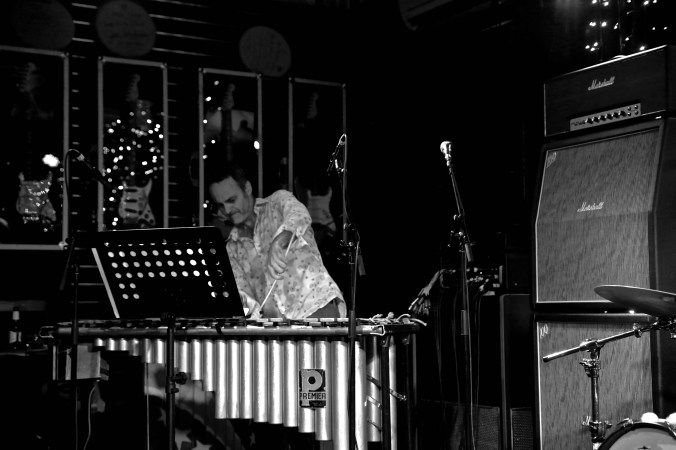 I have listened to John Bell over a number of years and I have always marvelled at his inventiveness. Bell (along with Jeff Henderson), is widely acknowledged as the experimental music guy, the free improvisation guy. He is a musician who takes risks as he aims for clear skies; a musician who involves himself in interesting cross-cultural collaborations, a vibraharp player who doubles on brass instruments. He is an artist who you always associate with innovation – consequently, other musicians look up to him.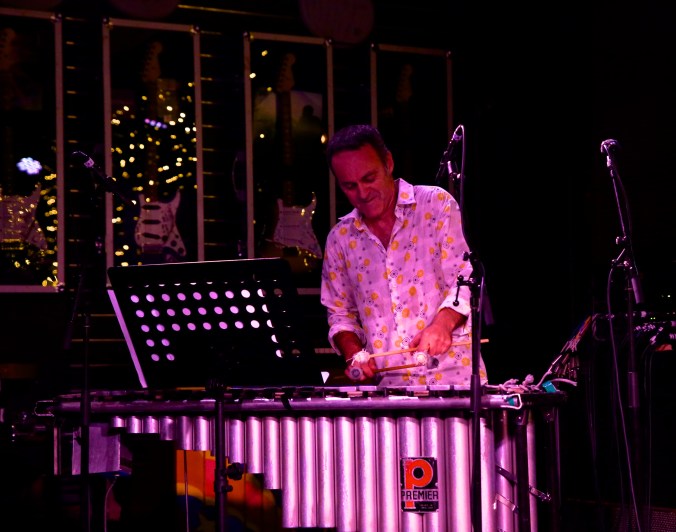
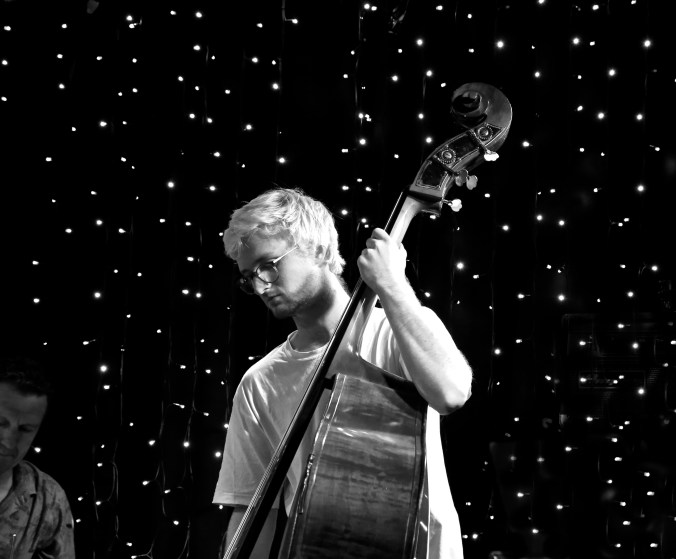
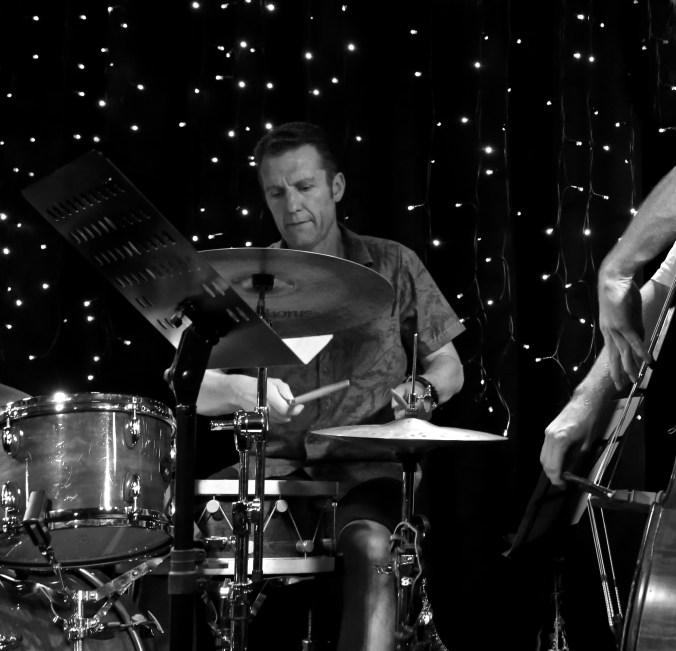
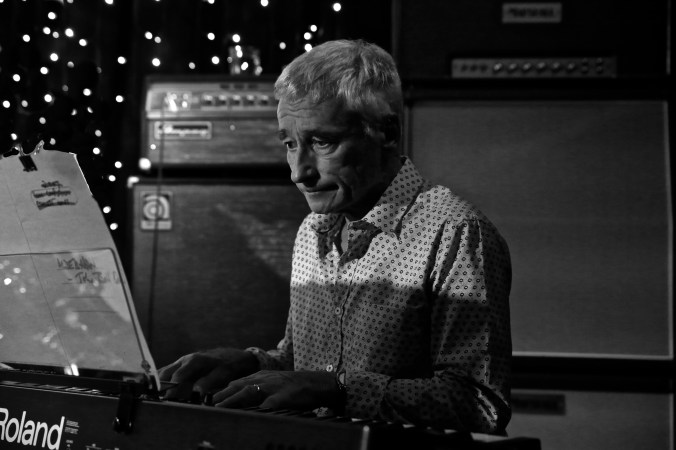
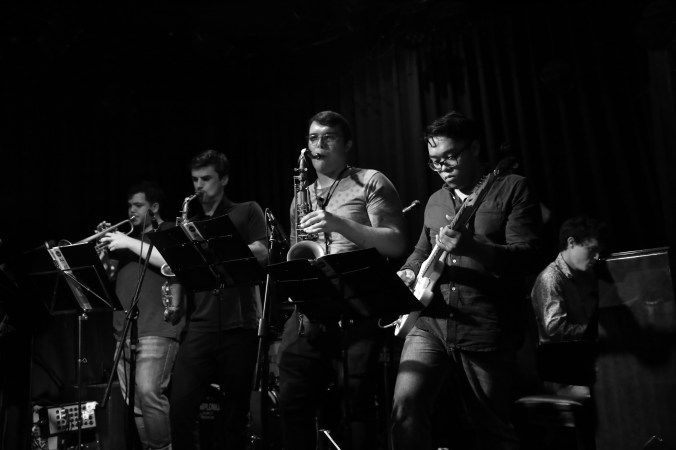 In keeping with the longstanding CJC tradition of keeping twice yearly slots open for emerging artists, late March featured two such sets. First up was a group led by bassist Denholm Orr. Orr has appeared in lineups a number of times, but this was his first appearance playing his own material and as a leader. His recent compositional work has placed increasing focus on arco-bass and consequently, the charts reached into that territory. Arco is not the default style for Jazz bassists but I am seeing a lot more of it lately and I welcome that.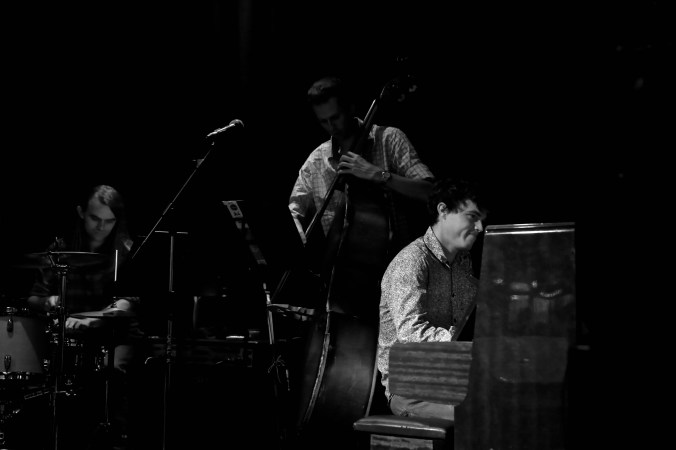
 JazzLocal32.com