As our local pandemic restrictions were lifted, so our spirits rose, and the easing brought us, welcome travellers, from Wellington. It felt like our old lives were creeping back, but we should not underestimate how difficult these lockdowns have been for musicians. They are performing again, but with fewer venues, and reduced availability of flights. To top that there is the perpetual hassle of finding affordable accommodation. Because this is a new reality, music lovers need to redouble their commitment; religiously attending gigs, purchasing albums and getting the word about town. Luckily, Jazz audiences get that and there was a solid audience on Wednesday.
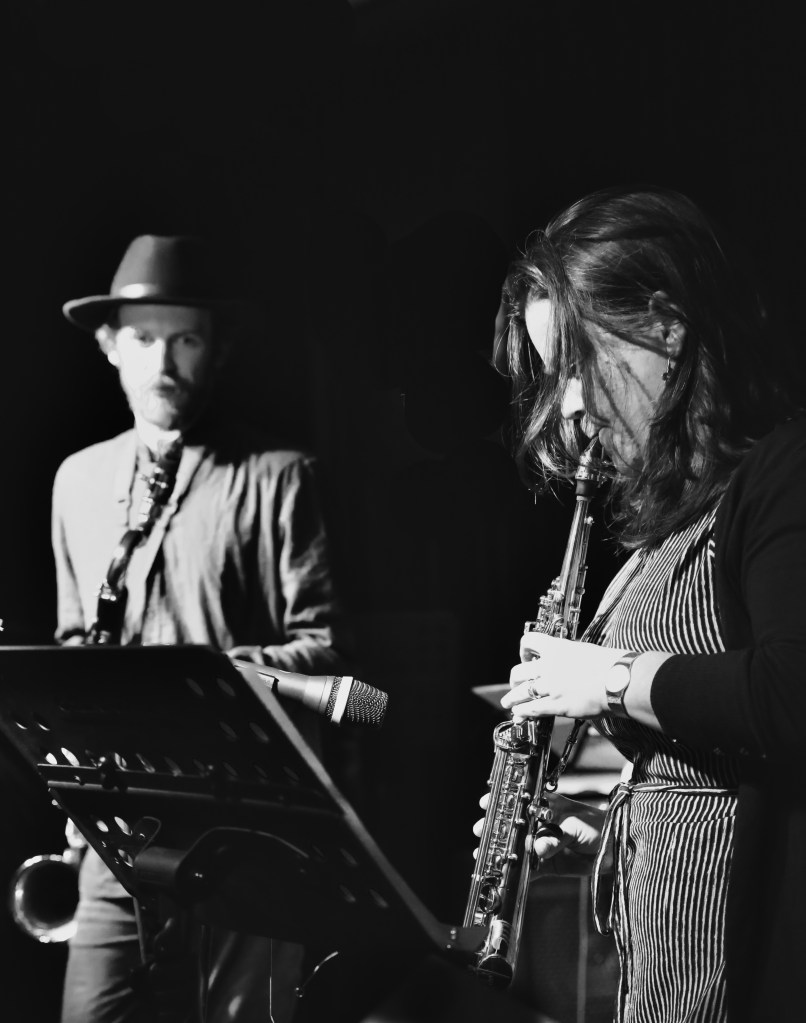
The Band is named JCJ, which may or may not be a play on Auckland’s CJC Jazz Club; it does, however, align with the initials of the co-leaders forenames: Jasmine Lovell-Smith, Callum Allardice and Jake Baxendale. Together they represent a formidable presence on the bandstand with their international experience, various awards and accolades. In addition, the gig leaned heavily on their much-vaunted compositional skills. All have appeared on successful albums but never together as a co-led unit.
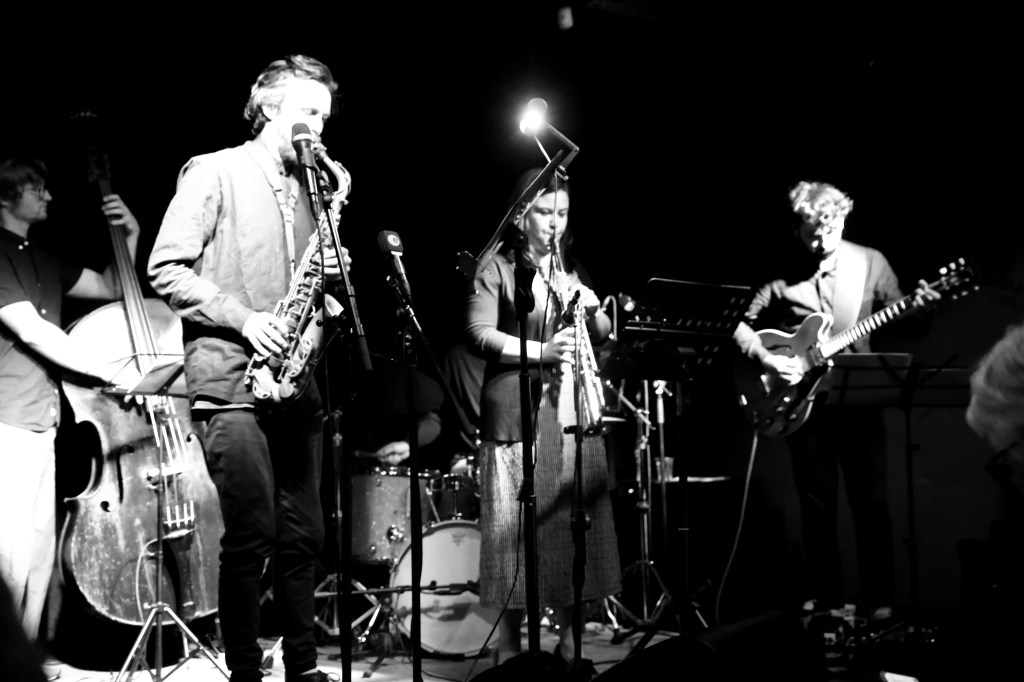
The soprano is Lovell-Smith’s primary horn and it shows. She is dextrous and inventive, she conveys deep emotion or surprises, but of equal appeal is her tone. There is a depth to it and because of that, she can move from the reflective to the edgy as naturally as breathing. When you hear her playing a ballad, it is tempting to think, how beautiful — that’s her forte then; but she will play completely free on the next number. I have heard her in a free ensemble and she’s as comfortable there as when tugging at the heartstrings with a lovely folksy ballad.
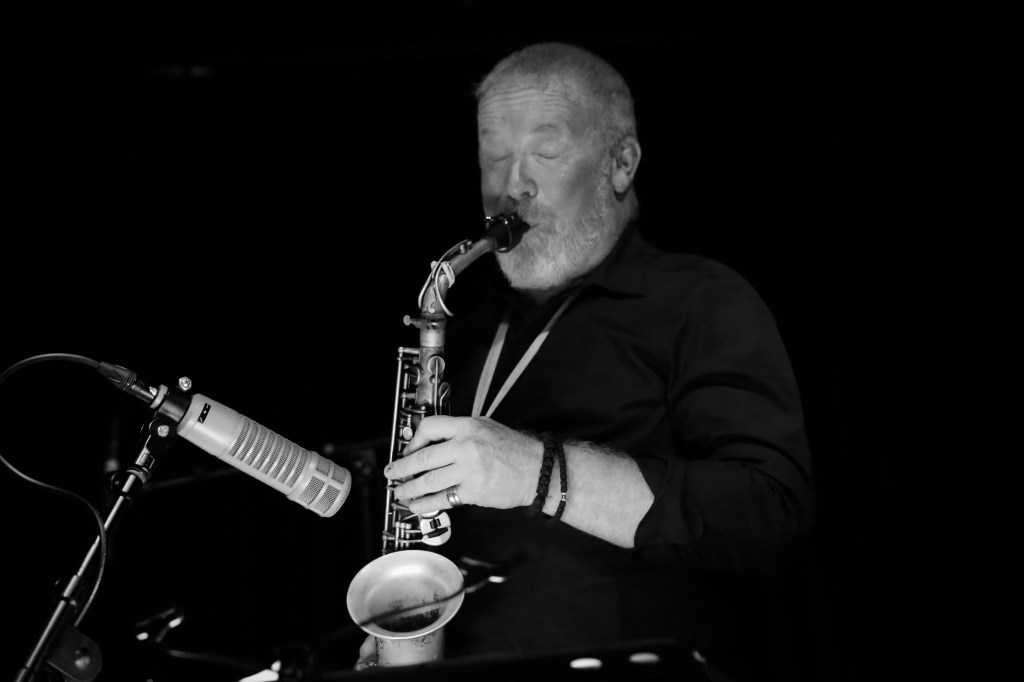
Baxendale like his co-leaders is Wellington-based and we have seen him in a variety of visiting bands since the Creative Jazz Club’s earliest days. Aucklanders will likely associate him with ‘The JAC’ ‘Antipodes’ or ‘The Troubles’, but he has fronted or played in a number of Wellington bands. He is primarily regarded as an alto player, but on this gig, he played mainly bass clarinet. The instruments earthy underpinning, providing a lush cushion beneath the airy registers of the soprano and guitar.
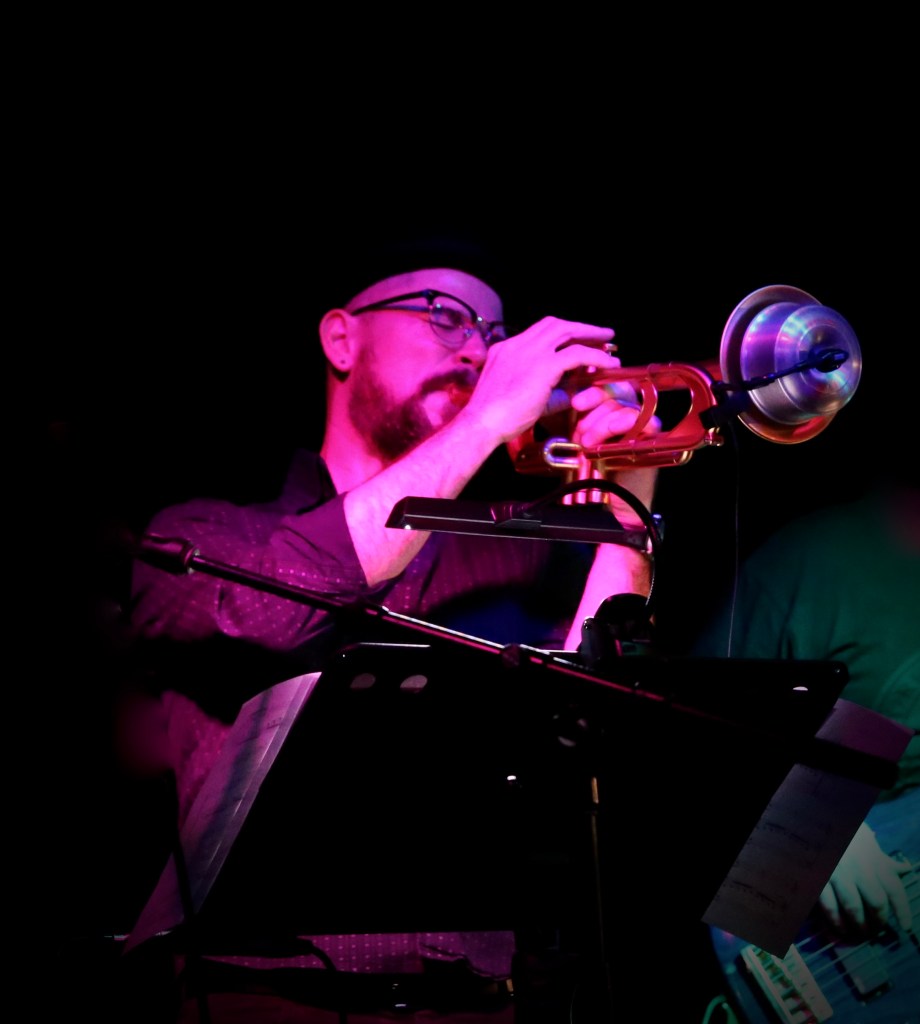
Allardice has had a long and fruitful association with Baxendale. They often share a bandstand, they have toured together, and both have won prestigious awards. I have always liked his tone on guitar, which is best described as silken. The first time I heard him perform there was an unmistakeable Rosenwinkel influence, but now I am hearing an original voice. His compositional skills have always been a forte and these were very much in evidence during this gig.
The set opened with a gorgeous number by Lovell-Smith. It was titled ‘leaves of grass’ and its Whitman reference was apt. Whitman was the bravest of poets and a favourite with Jazz composers (‘I Sing the Body Electric’ Weather Report or tributes by Fred Hersch). And this was not the only literary reference by Lovell-Smith as a later tune was titled ‘The Pillow Book’ — this had an appropriately Japanese vibe. Her other tune ‘Song for May’ is a stunner. I have heard it before as it is on her New York album ‘Towering Poppies’. I would have put it up as a video, but a music stand had obliterated all view of her (note to artists: if you are being filmed, angle the music stands sideways or keep them low).
Allardice’s compositions were as intriguing as ever, his moody ‘Dark Love’ and especially his upbeat tune with a beautifully memorable intro titled ‘Peaceful’. Baxendale brought some great tunes as well, and as he often does, he injected some off-beat humour. A tune titled ’Sleep (a glimpse of Plimpse)’ recounted a guilt-wracked dream. His tune ‘The Test’ was all that remained, of a failed attempt to break into the fantasy gaming genre (I think that I got that right). It was free-ranging and delightful and I have put that up as a video clip.
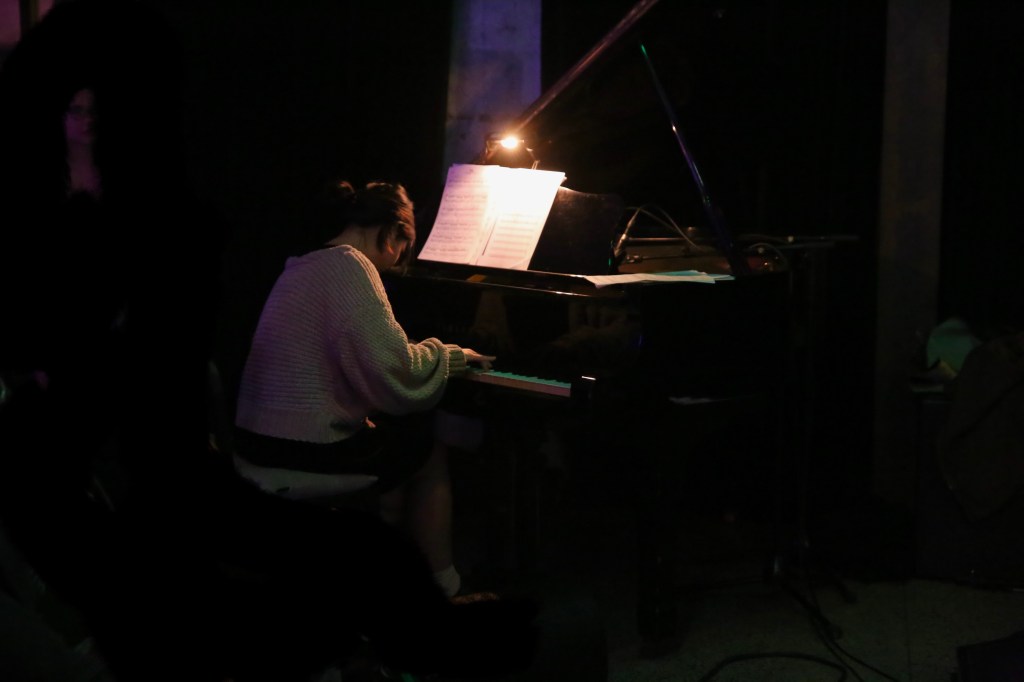
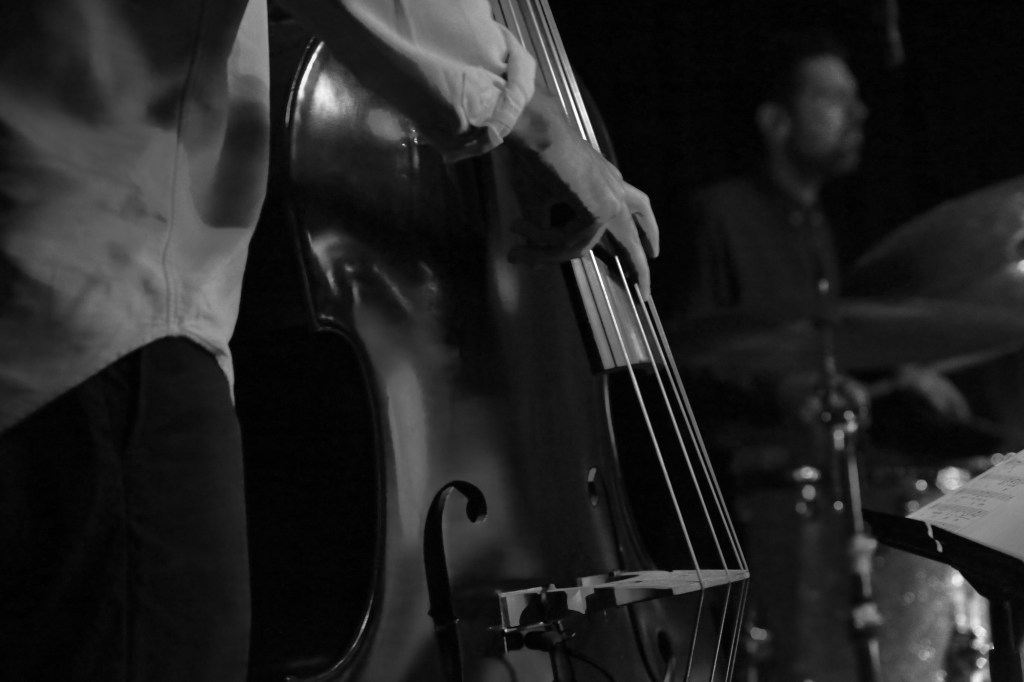
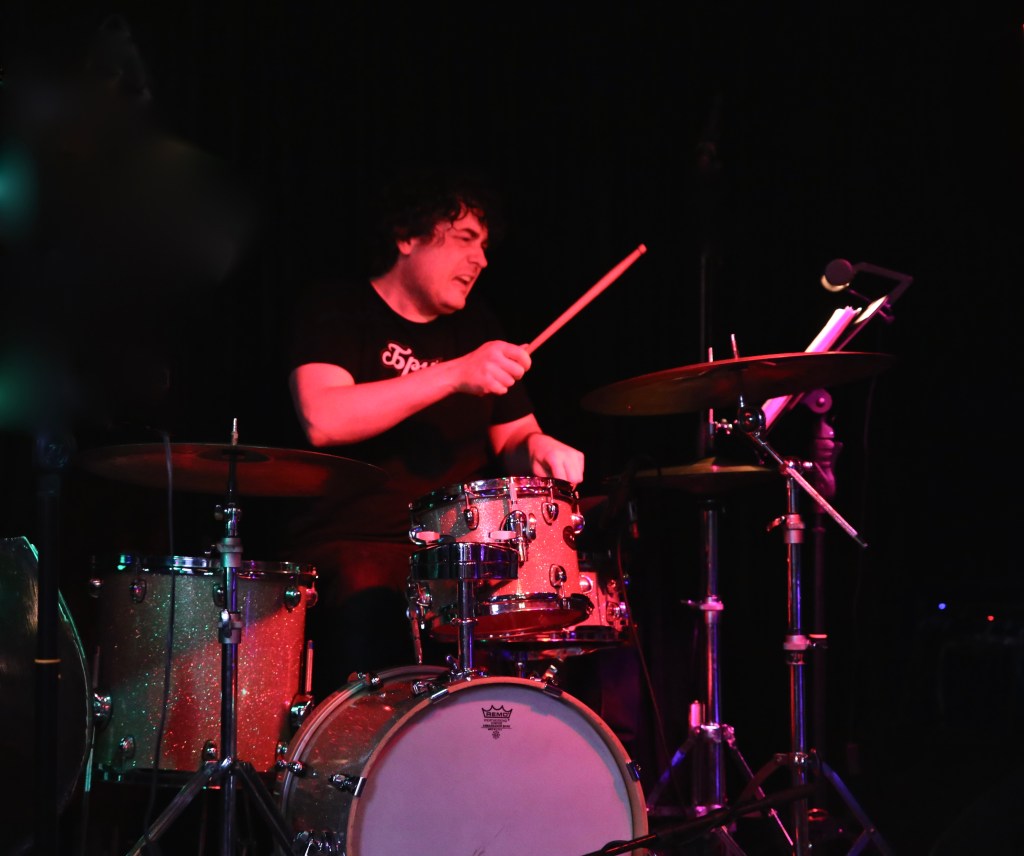
The pick-up rhythm section were Aucklanders. All three have been delighting Auckland audiences for years. To have them playing together and bouncing off a Wellington lineup was a rare treat. Firstly, Crystal Choi, who never puts a foot wrong and who is one of Auckland’s most inventive pianists. She is similar to her bass playing friend and bandmate, Eamon Edmundson Wells. Both lean heavily toward the avant-garde. On drums, there was Julien Dyne. Dyne is a powerhouse drummer and his beyond-genre approach allows him to excel in any given situation. These three are the other reason that I put up ‘The Test’ video clip. This is a space that the Aucklanders relish, and the Wellingtonians matched them note for note. A little freedom never hurts a gig.
JCJ were Jasmine Lovell-Smith (soprano saxophone), Jake Baxendale (alto saxophone & bass clarinet), Callum Allardice (guitar) with – Crystal Choi (piano), Eamon Edmundson Wells (bass) and Julien Dyne (drums). The gig was held at Anthology, CJC Creative Jazz Club, K’Road, Auckland October 7, 2020.
JazzLocal32.com was rated as one of the 50 best Jazz Blogs in the world by Feedspot. The author is a professional member of the Jazz Journalists Association. Many of these posts also appear on Radio13.co.nz – check it out.
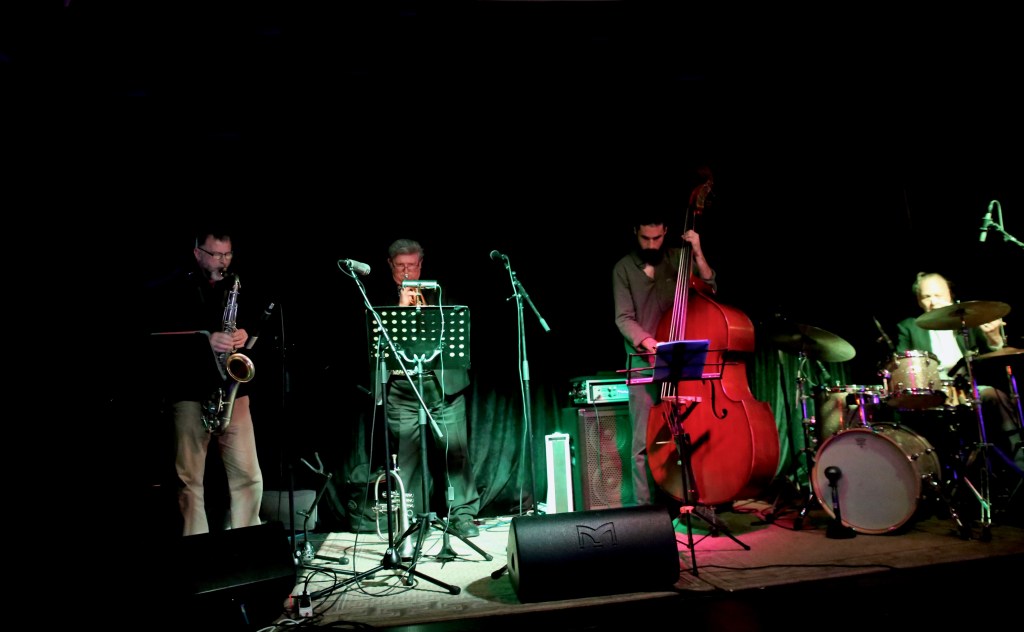

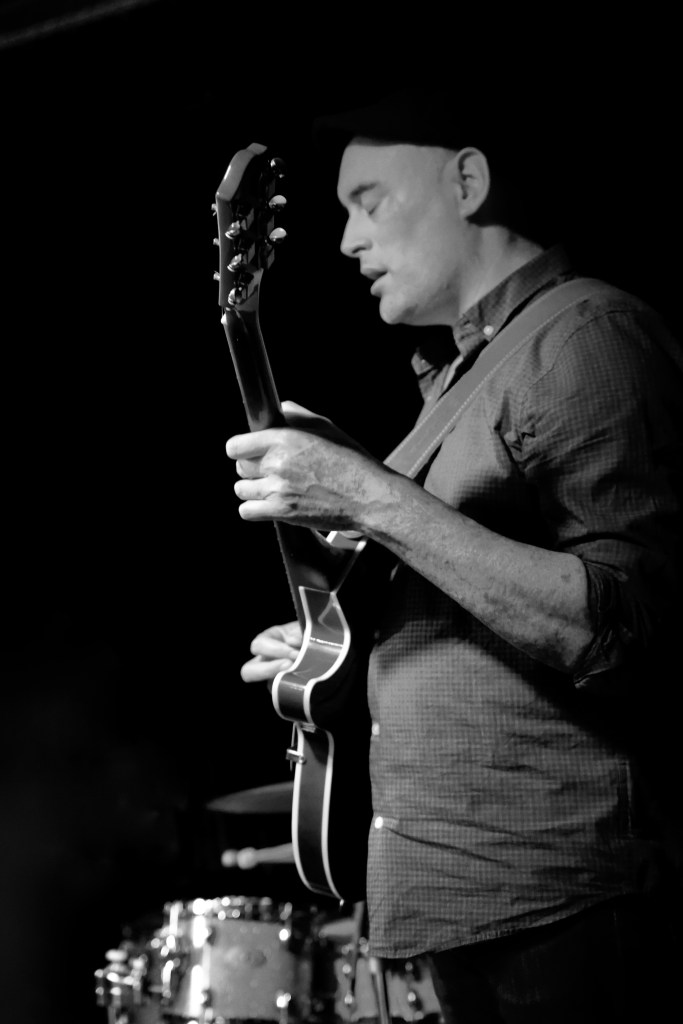

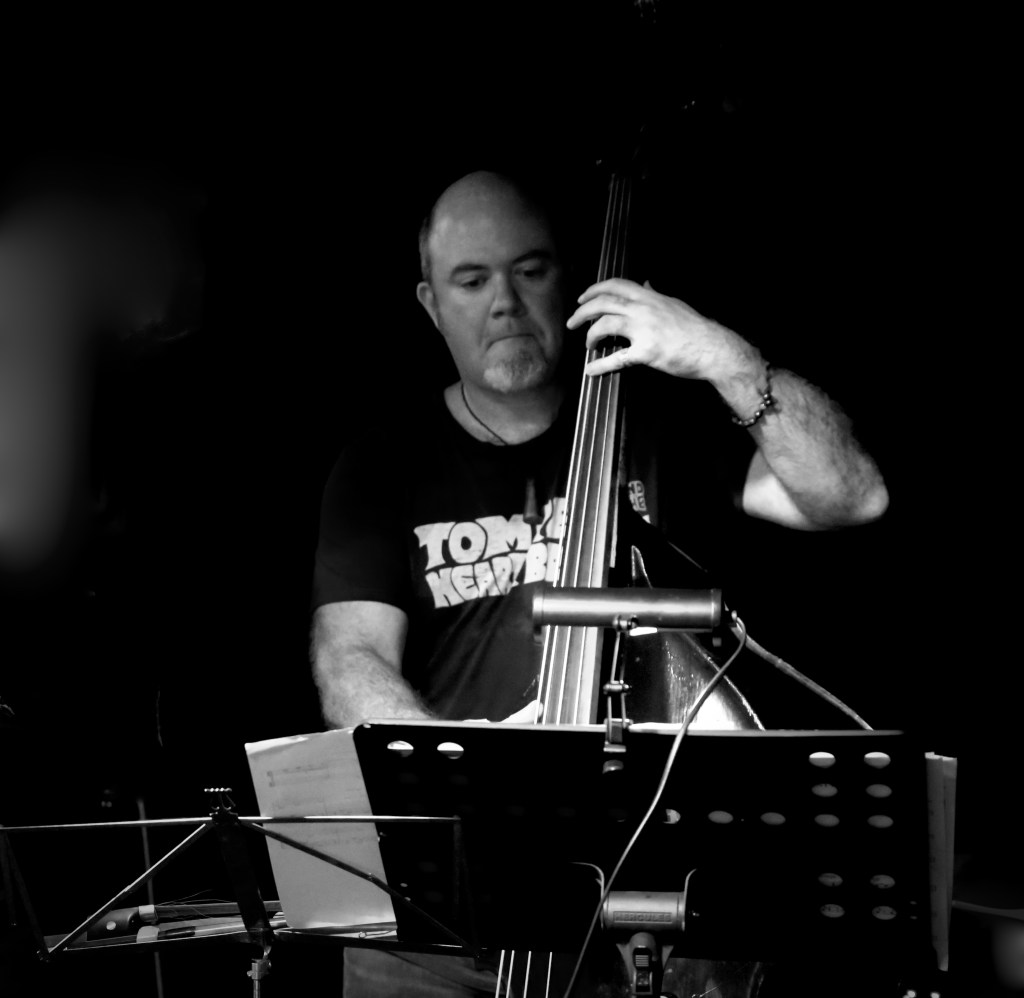
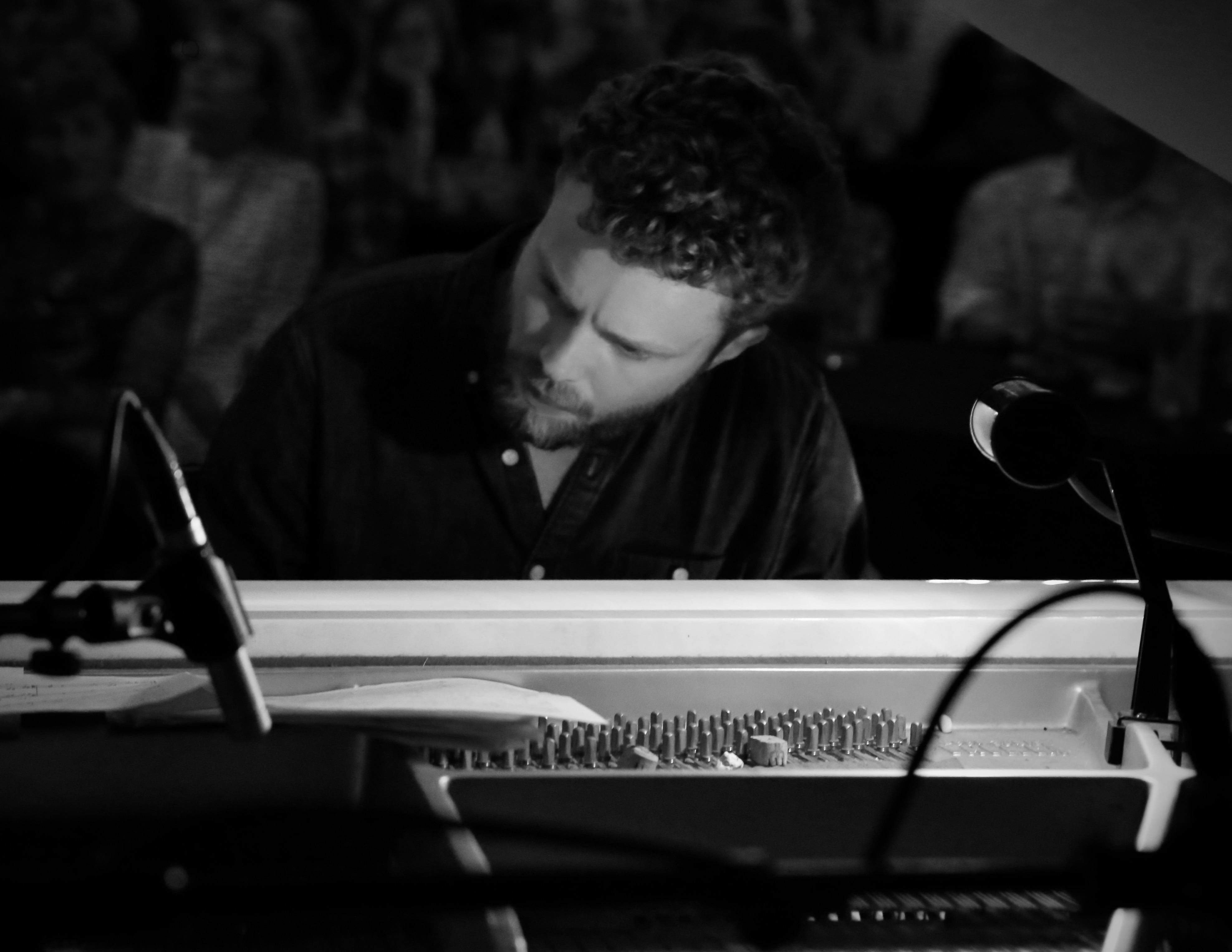
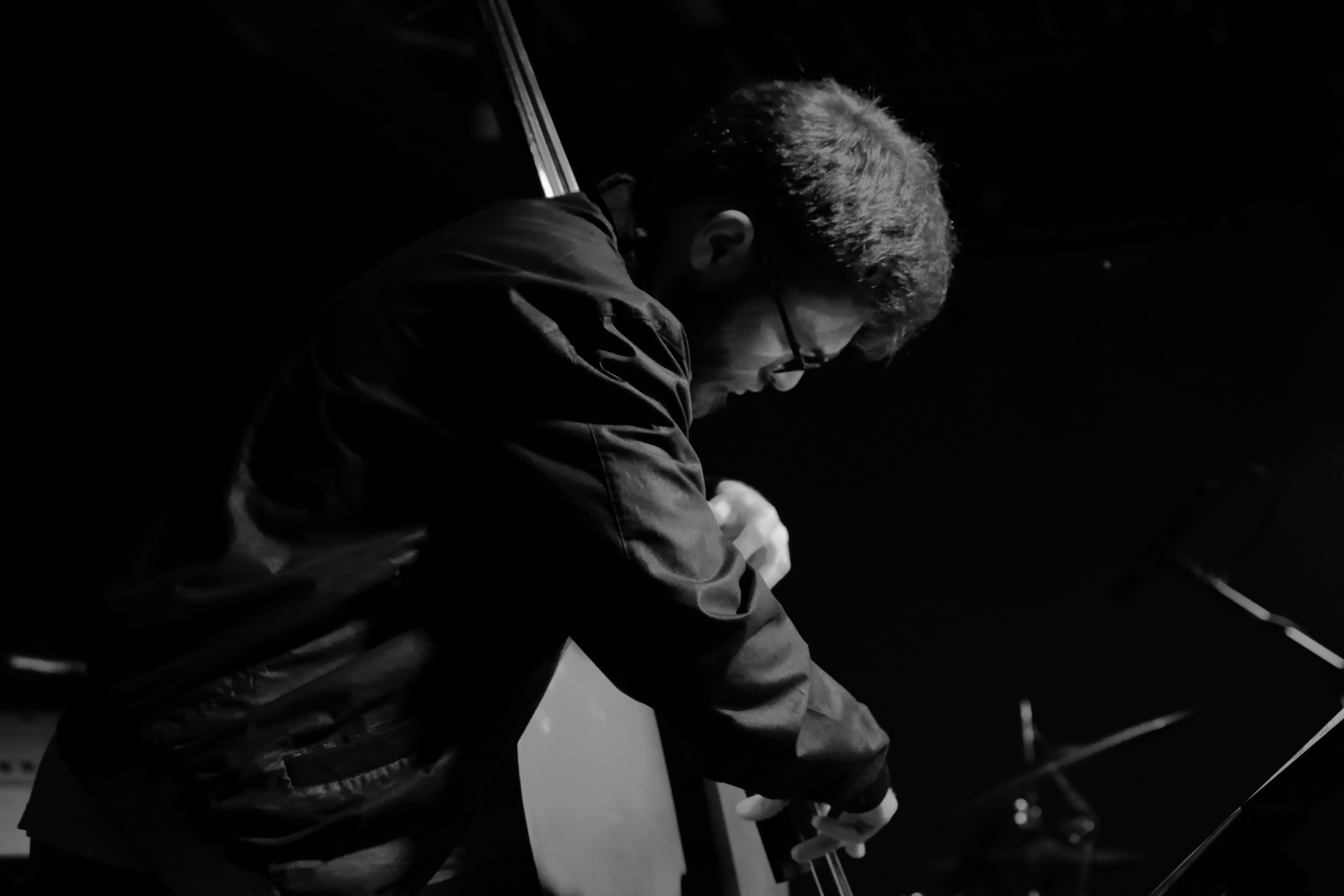 This was Ventling’s first gig for the CJC Creative Jazz Club and it attracted a large audience. They poured through the doors escaping the evening’s heat; needing cool and finding it. The venues piano is not without its challenges but on this night it sang sweetly. Partly because it had just been tuned but it was mainly because of Ventling’s sensitive touch. Many pianists tend toward the percussive in a larger room, but this programme required subtlety, room to breathe. The set-list tunes were well crafted and with a heavier touch, the expressiveness would have been sacrificed. We don’t get too many piano trios through and this trio operated as the best of them do. The musicians listening to each other, reacting, and playing as if they were one entity. It is almost impossible for this level of communication to occur unless a trio has been together for a time, and in this case, they were not only long term bandmates but on the last stop on the tour.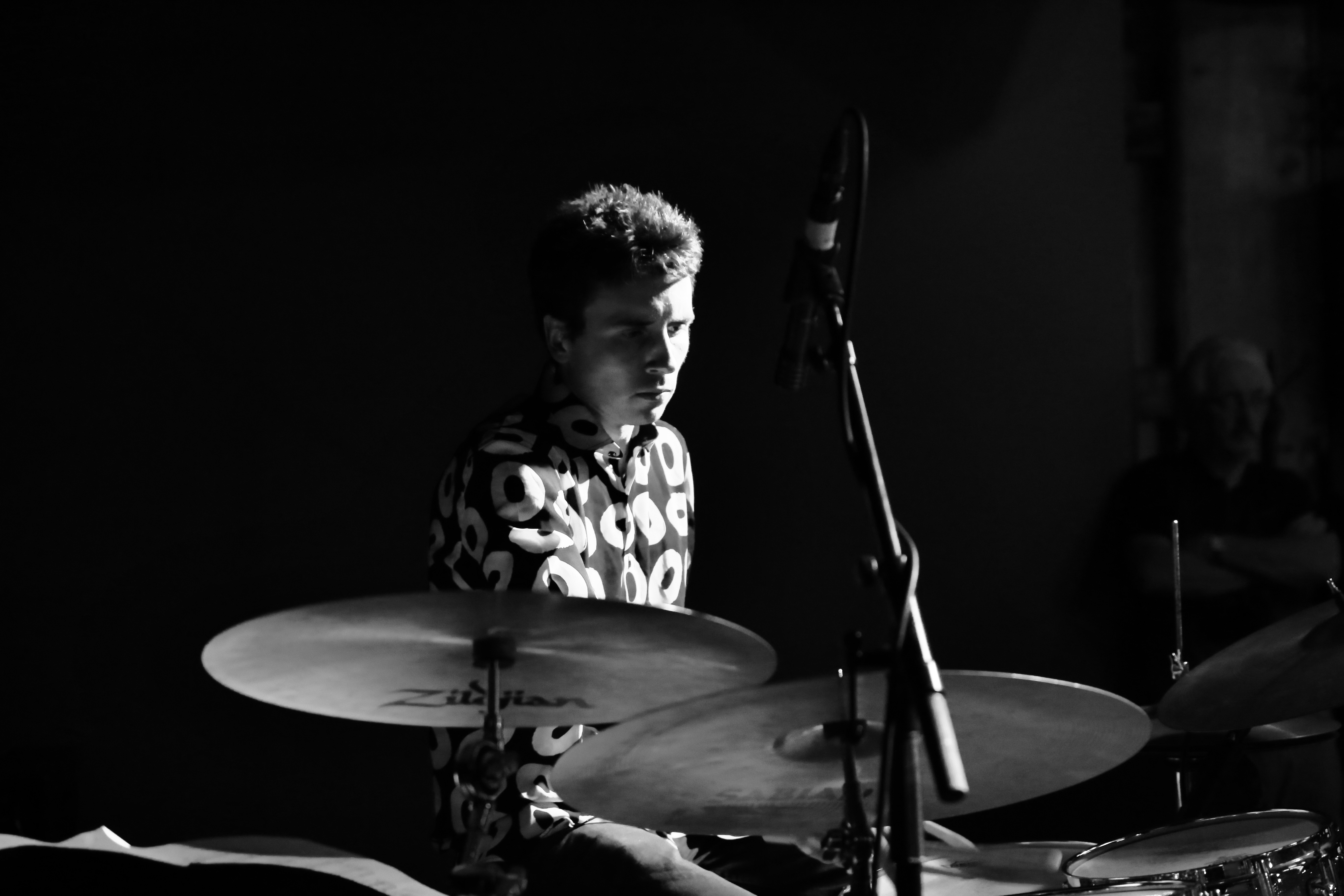
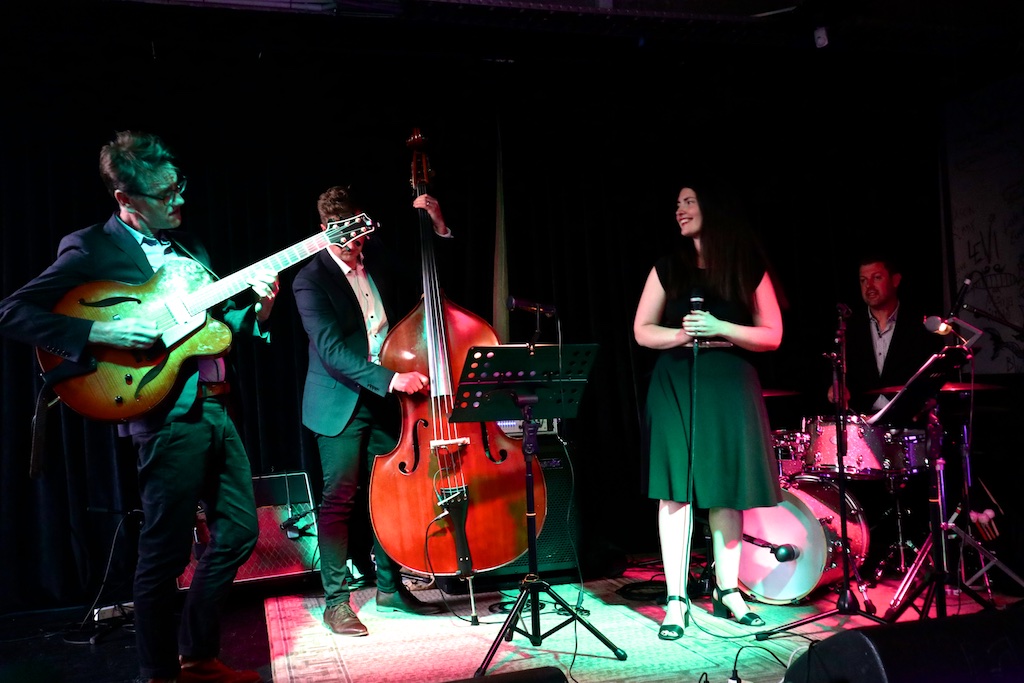 I was barely off the plane and my brain was full of dense fog, no doubt a legacy of San Francisco Karl who had been circling me like a spectre for a good month. I gamely fought the malaise off and because I am a creature of habit, dutifully made my way down to Auckland’s CJC Creative Jazz Club. In my experience, it pays never to miss a live improvised music gig, because if you do, you risk bitter regret. Believe me, I often lie awake lamenting a missed chance to see John McLaughlin.
 A while ago the program director of the Creative Jazz Club, Roger Manins mentioned that he had booked a great young group from Christchurch to appear in the emerging artist’s slot. He went on to say that many of these young emerging artists were so good that he was considering renaming the slot, something like ‘young guns’. He was right. Ocelot exuded easy-going confidence, uncommon in younger players and by the second number they owned the bandstand; navigating some slippery lines with disarming ease and swinging. This was a tight unit and it was obvious that they had put in the necessary work beforehand. That gave them the freedom to relax into the music and the results were evident.
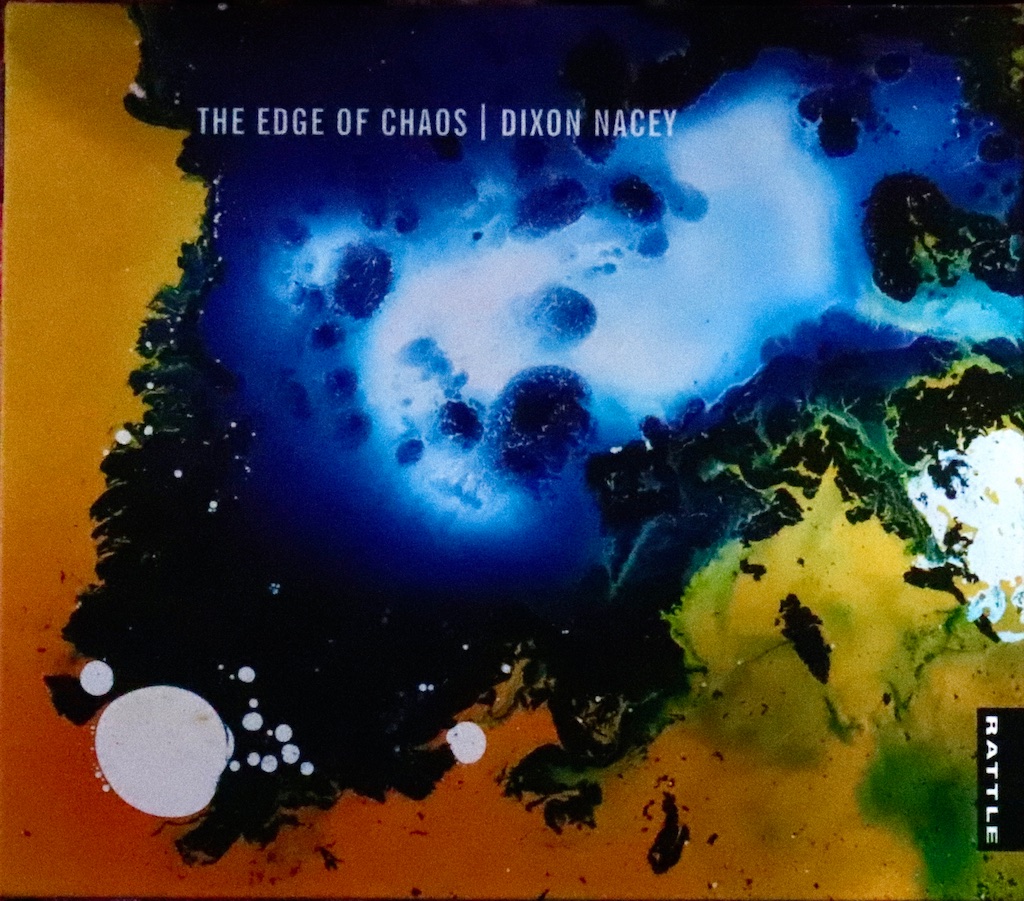 This Dixon Nacey album has long been anticipated and although Nacey has previously recorded as co-leader, this is the first album to be released exclusively under his name. Nacey is firmly on the radar of Jazz loving Kiwis, but his fan base extends well beyond that. He is a professional musician of considerable standing, an in-demand teacher and in recent years the musical director of CocaCola Christmas in the Park. To up and comers he is a guitar legend and on this album, they have something to aspire to; twenty years of experience distilled into excellence.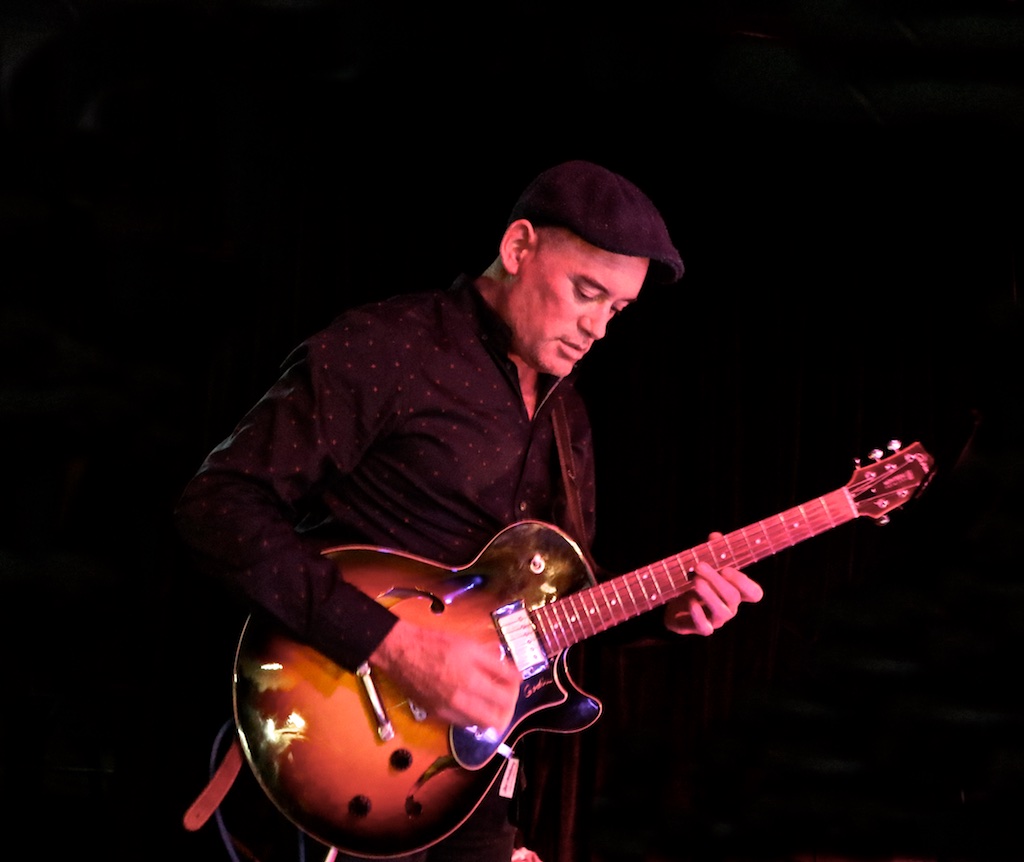
 Canadian Jazz guitarist Keith Price is a welcome addition to the Auckland scene. He brings with him fresh ideas and a musical connection to his hometown. Manitoba is associated with Lenny Breau and Neil Young who both grew up there. Perhaps it’s the proximity to the open spaces which echo in the music, that wide-open sound (and in Young’s case an overlay of dissonant melancholia)? Whatever it is, it certainly produces distinctive musicians. Lenny Breau is an important Jazz guitarist and one who is sadly overlooked, Hearing Price’s respectful acoustic homage on Wednesday, cast my ears in that direction again.
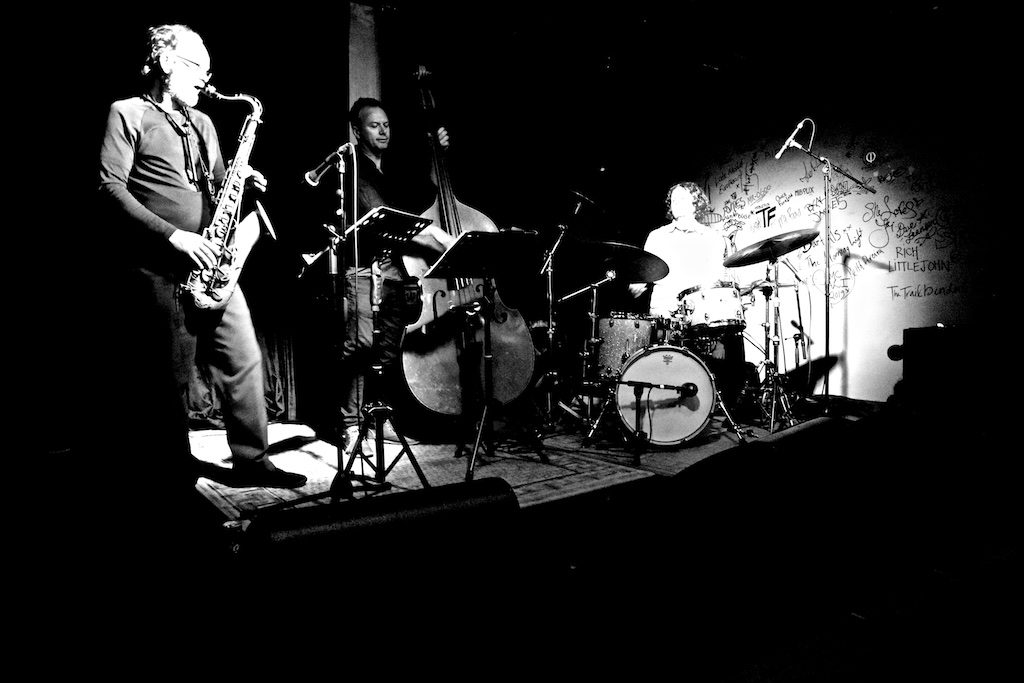 Post Trump’s inauguration, improbability is the new normal and in keeping with the mood of the times Wednesday’s gig emerged from improbable beginnings. It began with an international cat rescue mission, an attempt to thwart a ‘catricidal’ former neighbour. Before the mission had even been concluded a subplot had emerged; one involving the inhabitants of three cities, two countries, and assorted sharks. Those familiar with Reuben Bradley will not be surprised at this turn of events as he’s known for his humour, good nature and above all for his ability to turn improbable adventures into really good music. ‘Shark Varieties’ is a drummer led trio and a vehicle which showcases a bunch of the leader’s original tunes. It also showcases a joyful reunion.
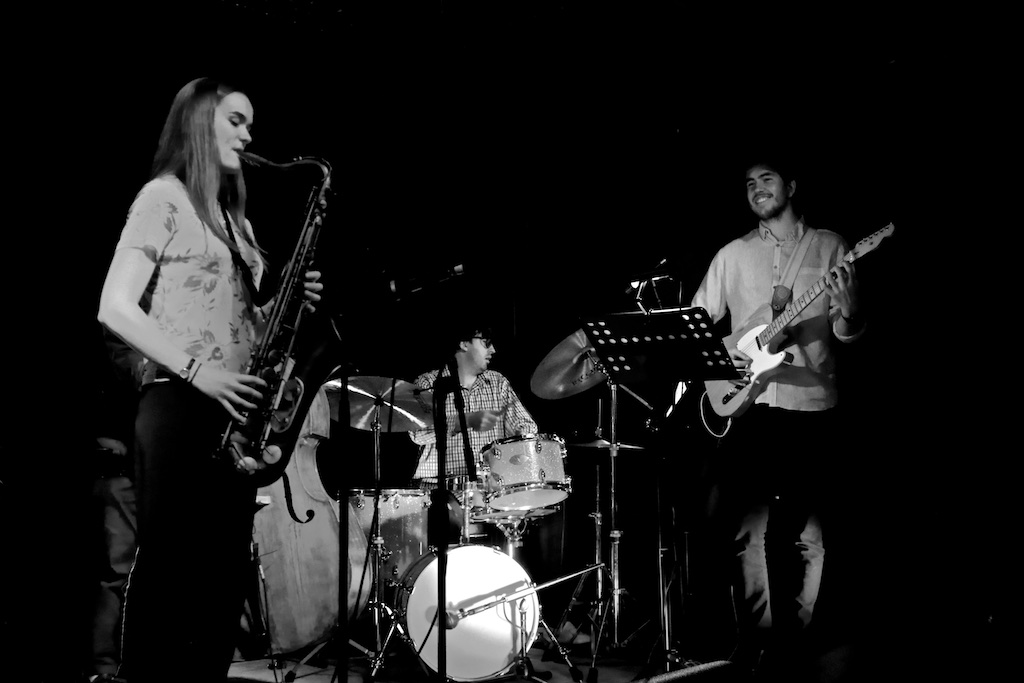 Louisa Williamson is a gifted young tenor saxophonist who has visited Auckland on previous occasions. This time, and for the first time, she visited as a bandleader, showcasing her beautiful compositions. I have always admired her tone and improvisational abilities, but this was a step up. Freed from the comfort of a band she knew well, she cast herself among an array of experienced Auckland musicians. Stephen Thomas on drums, Tom Dennison on bass and Michael Howell on guitar. The only Wellingtonian (besides Williamson) was pianist George Maclaurin and together as a band they delivered. This was engaging straight-ahead Jazz.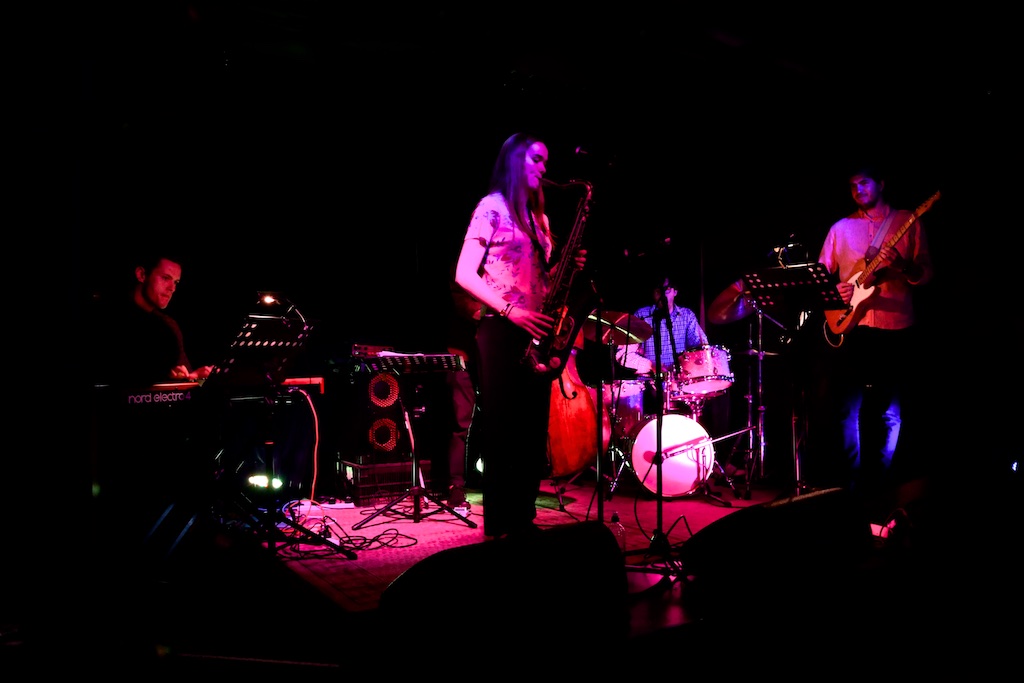
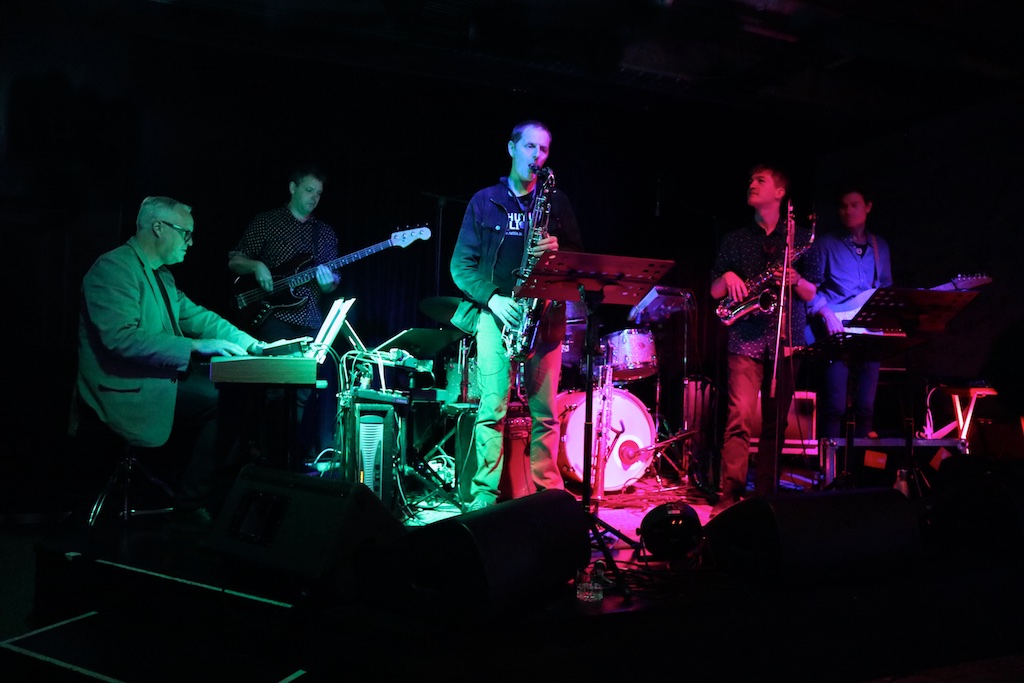 The history of music is the history of instrument development and from the earliest of times, musicians have expanded the reach of their instruments. The mother of instruments, Al’ Oud was first documented 3500 years ago, but documenting the development of the drum is a nebulous task. It almost certainly arose in Africa and along the way it has undergone a multitude of modifications. On Wednesday there was another waypoint along the continuum under the forward-looking beats of Stephen Thomas. Thomas is a gifted drummer and percussionist and in his hands, the instrument takes on a new life by transcending the mundane. The gig arose out of his last years Masters recital and the focus was on extended technique; combining physical drum rhythms, electronics via a drum pad, prepared drum heads and samples.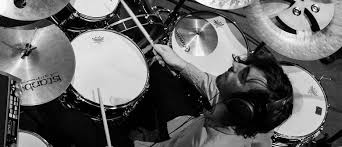
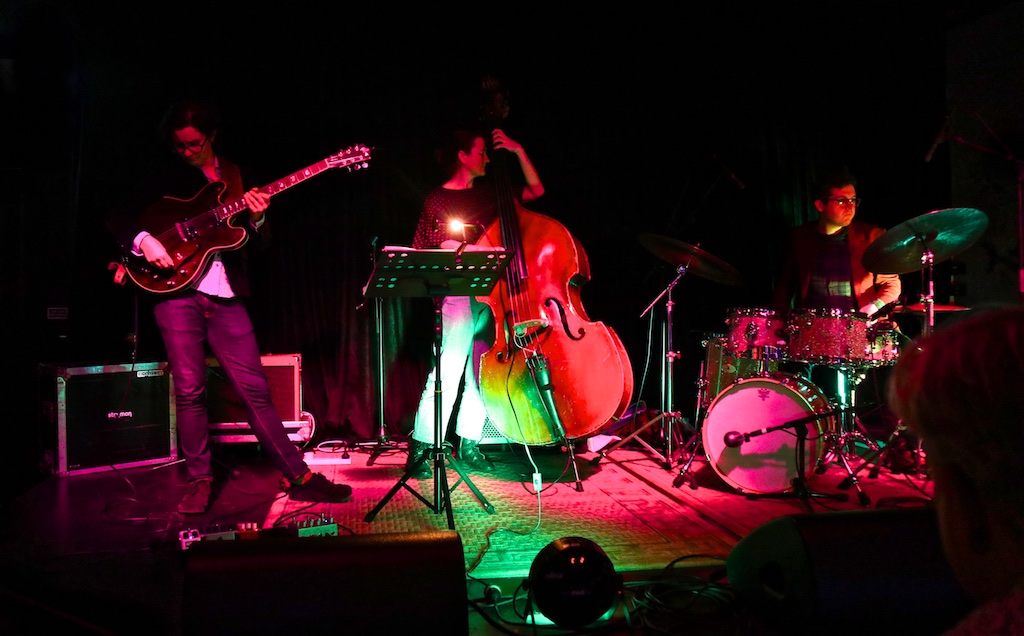 The Melbourne group Spirograph Studies was exactly as described, modern and eclectic. In this quartet, there were no horns to carve out melodic lines. Instead, a guitar and piano spun intricate layers one on the other, focussing more on well-crafted motifs and harmonic development. There was melody but it was mostly implied, nestling comfortably among richly dissonant textures and emerging out of the subtle interplay. It was often voice-led but not as we know it and the overall effect was beguiling.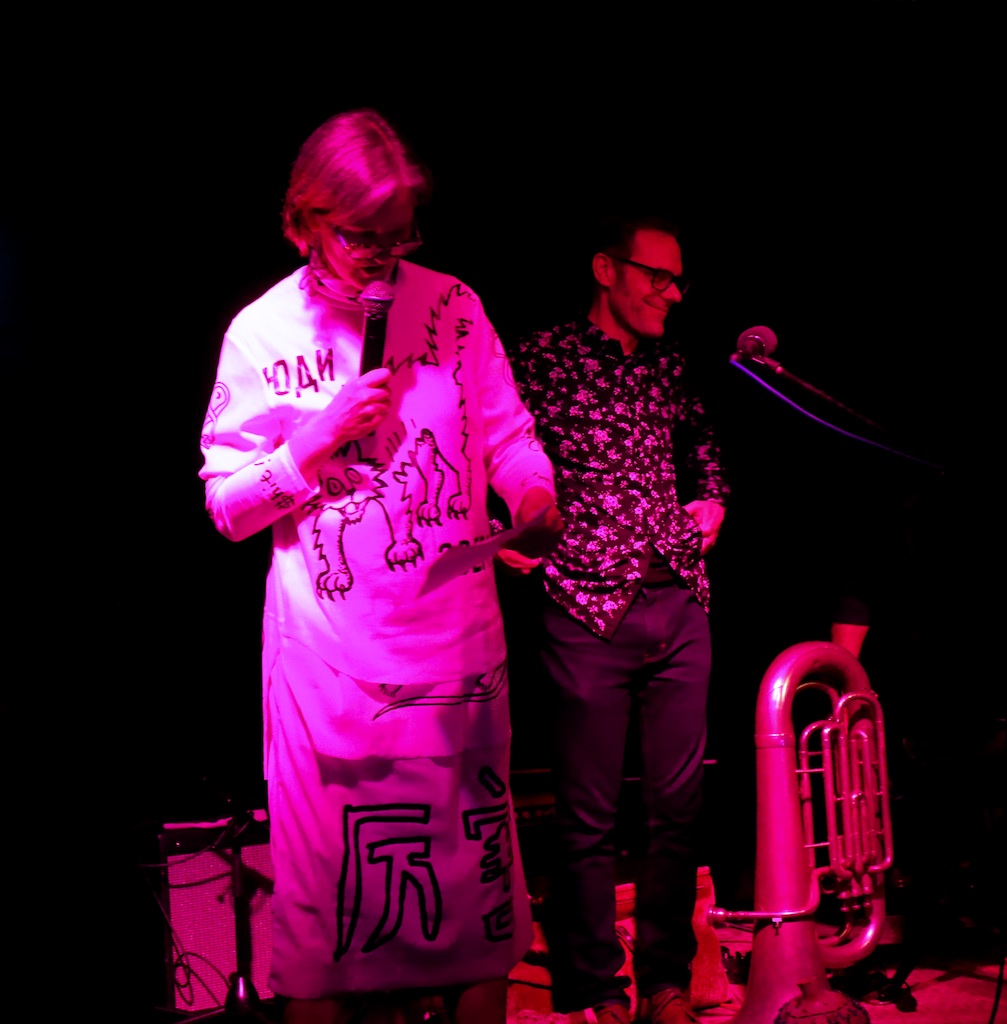

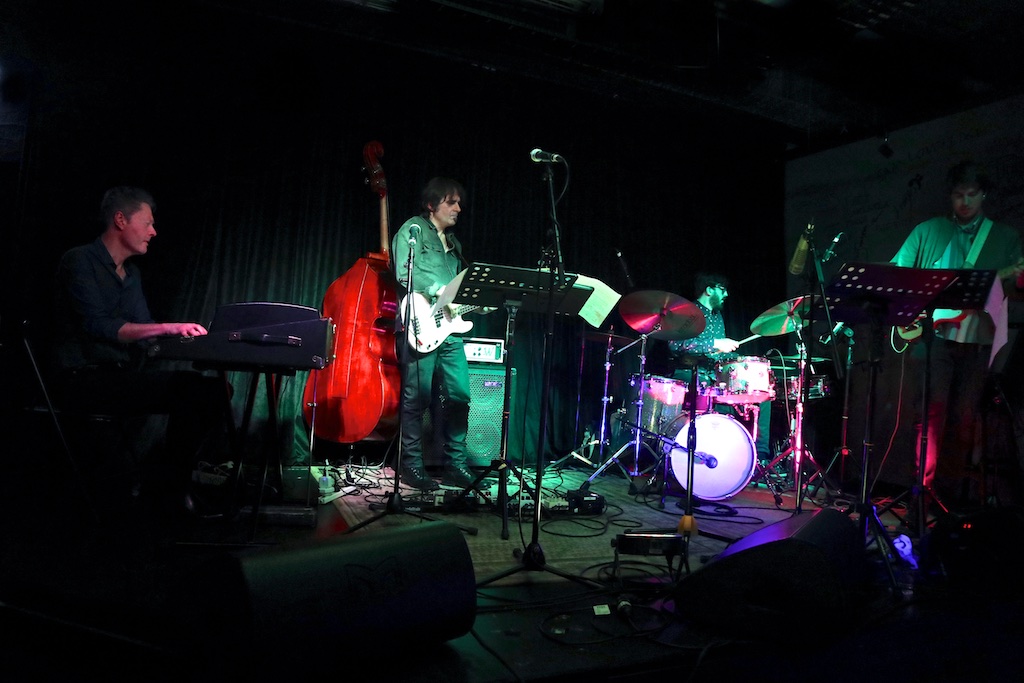 Subject to availability, Richard Hammond is the kind of bass player that you would consider first for an important gig or recording.
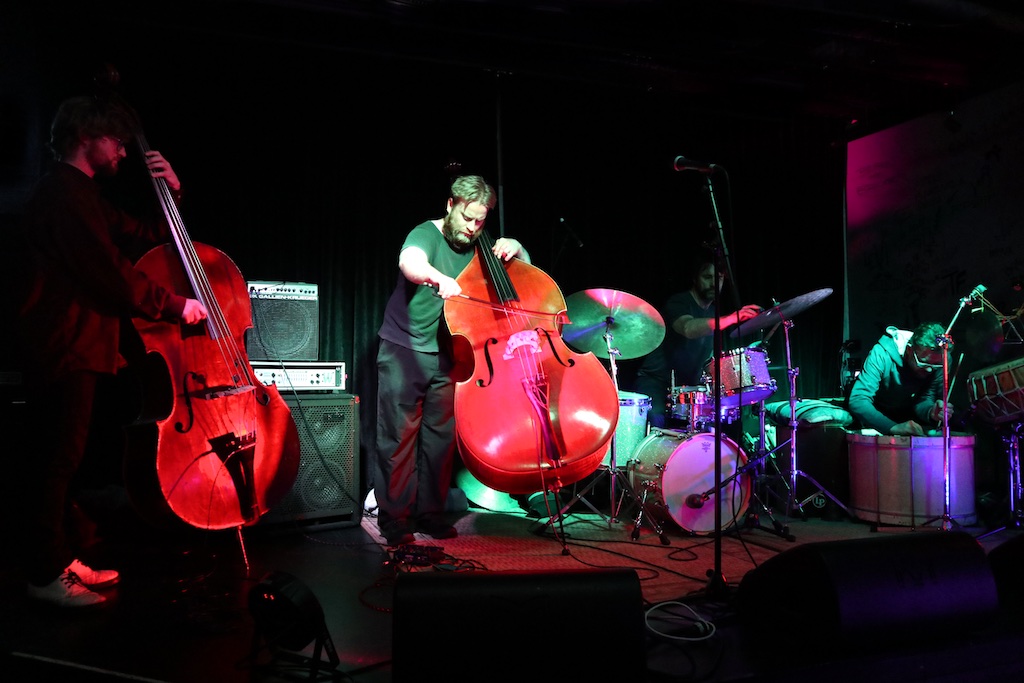 Two bass, two drummer gigs while not unknown usually occur in service of a chordal instrument or of a horn line, and when a solo bass concert occurs, an audience is frequently shown ‘cleverness’. On this occasion, the bass of Elsen Price freed the instrument from the narrow confines of the standard rhythm section or the conventional solo bass repartee; instead, exposing the beautiful resonances and the reach of the instrument. This was sublime music and complete unto itself. It celebrated a gifted musician and a wonderful instrument but without displays of egocentricity. The feat was achieved by inviting us inside the music, and into a sonic cornucopia. We listened and we were captivated.
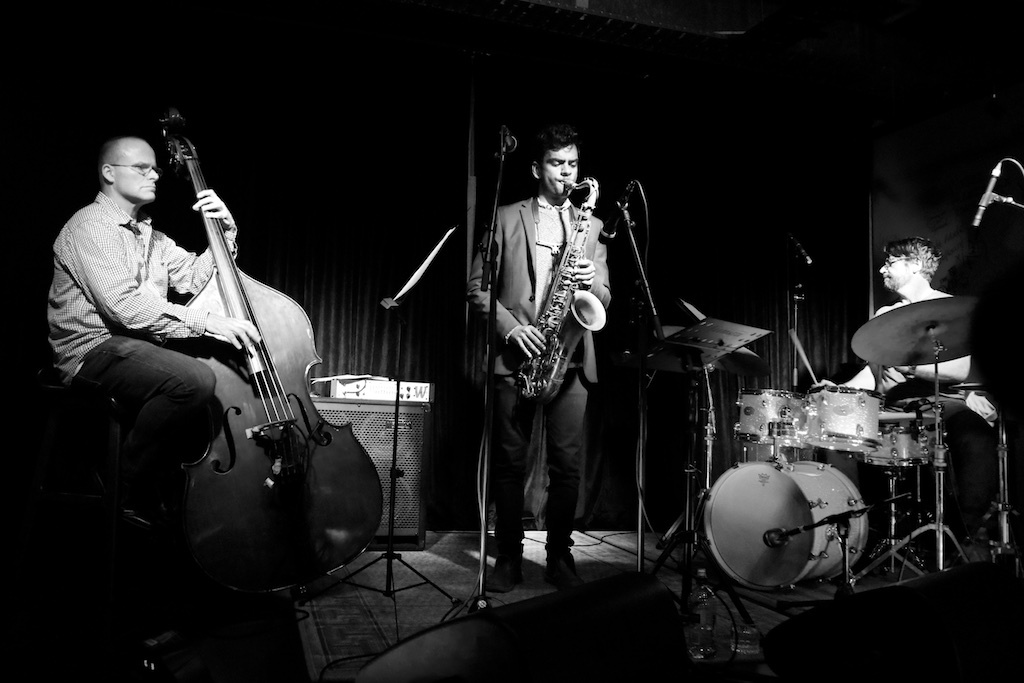 It was four years ago and almost to the day, that Kushal Talele was last at the CJC. Then, as now, he had just returned from a long period overseas. I heard him for the first time then and I was impressed. That was in the cellar of the 1885, a place now a fond but distant memory. A few days ago he returned to the CJC and although he played with a different band, his unmistakeable upwards trajectory was evident. There is nothing unduly flashy about Talele as he radiates calm and absorption. At the microphone, he talks quietly, but there is passion in those subdued tones.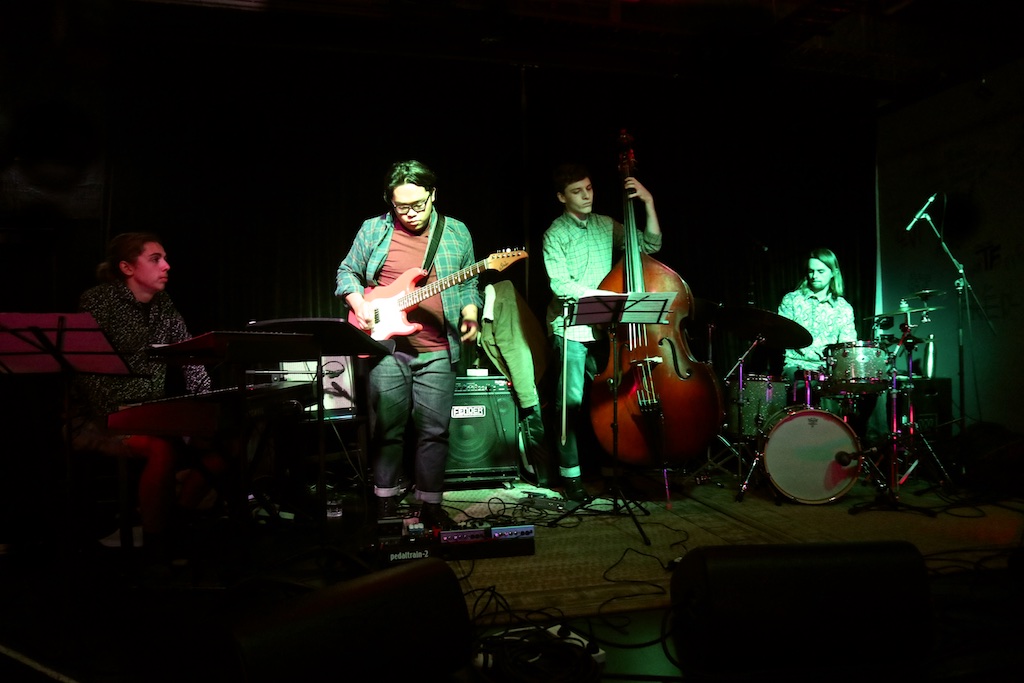
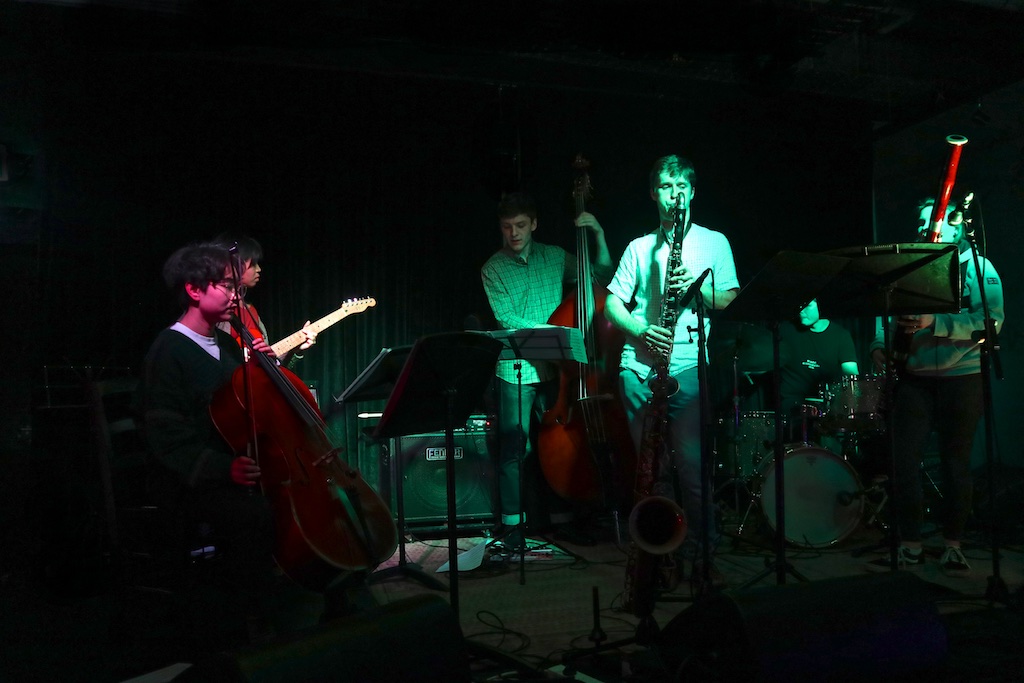
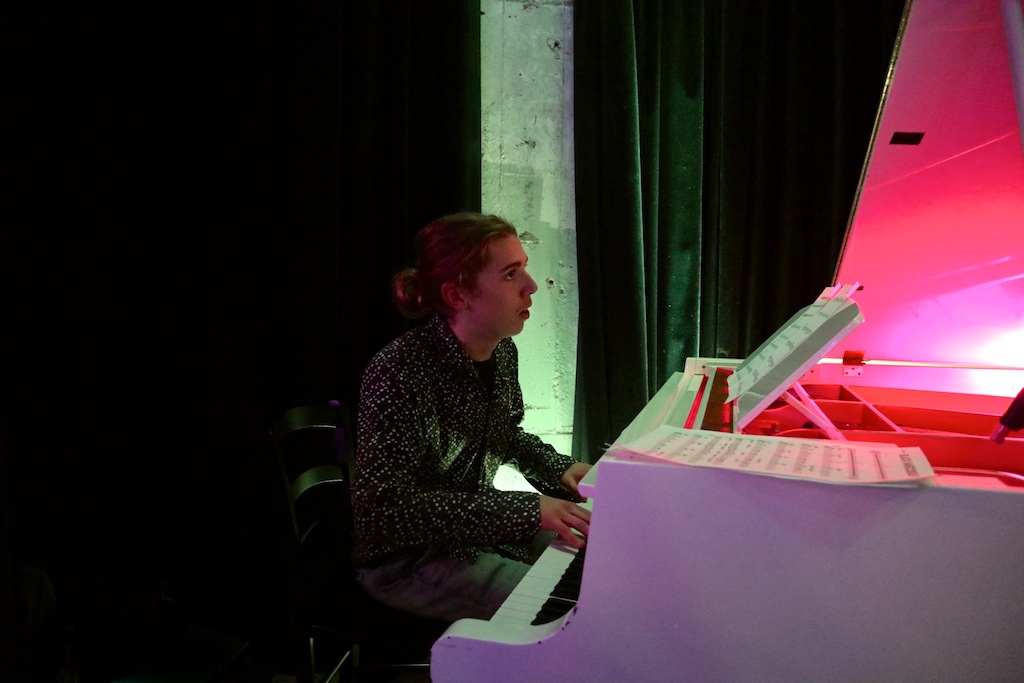
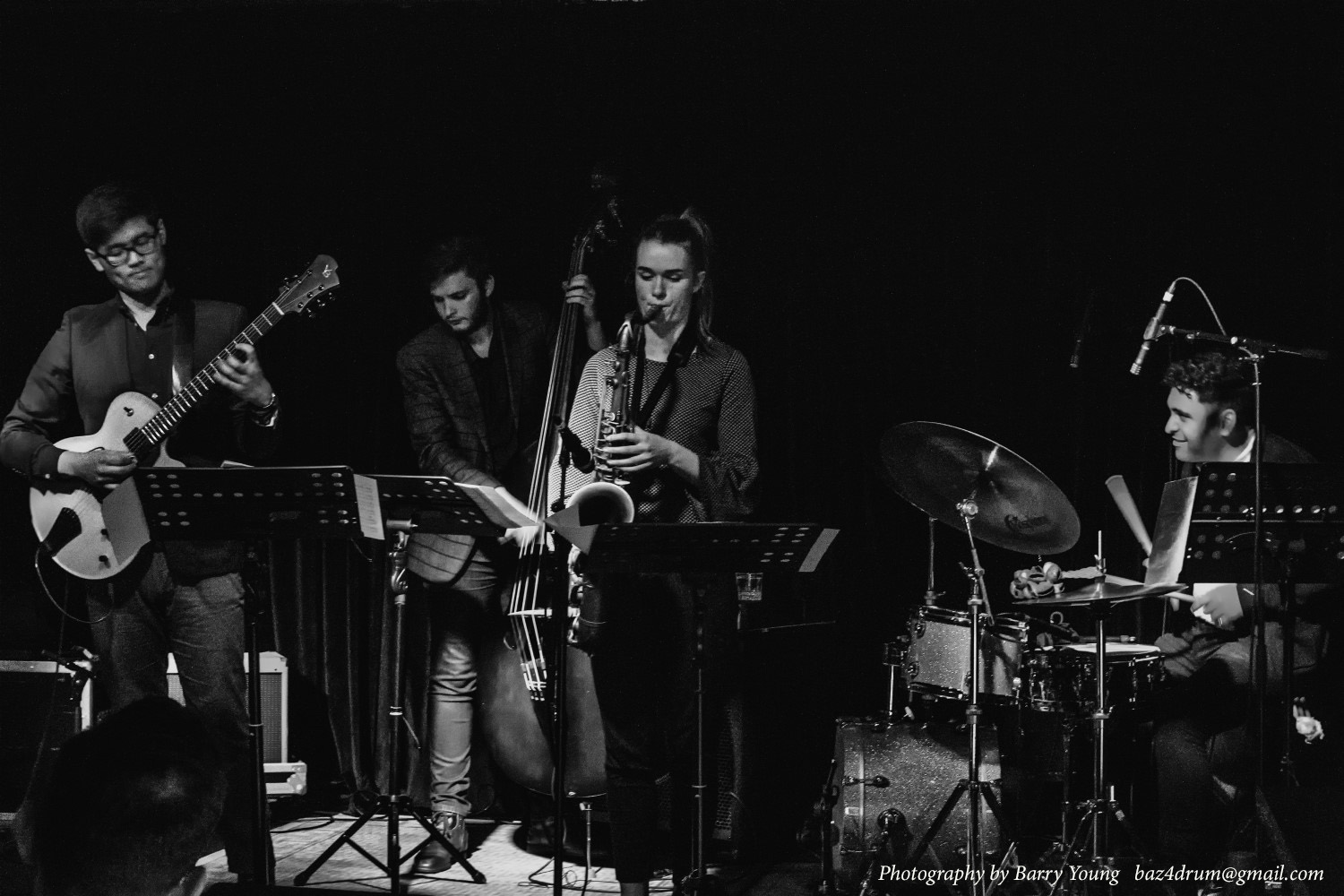 Brad Kang has previously appeared at the CJC, but this time he was here with his own quintet. It is not too much of a stretch to say that most emerging Jazz guitarists during the last decade have demonstrated a liberal dose of Kurt Rosenwinkel in their playing. It is in their sound and their approach to melody and it was unmistakable with Kang. That clean bright tone and the fluent unison lines as he and saxophonist Louisa Williamson ran through the head arrangements.
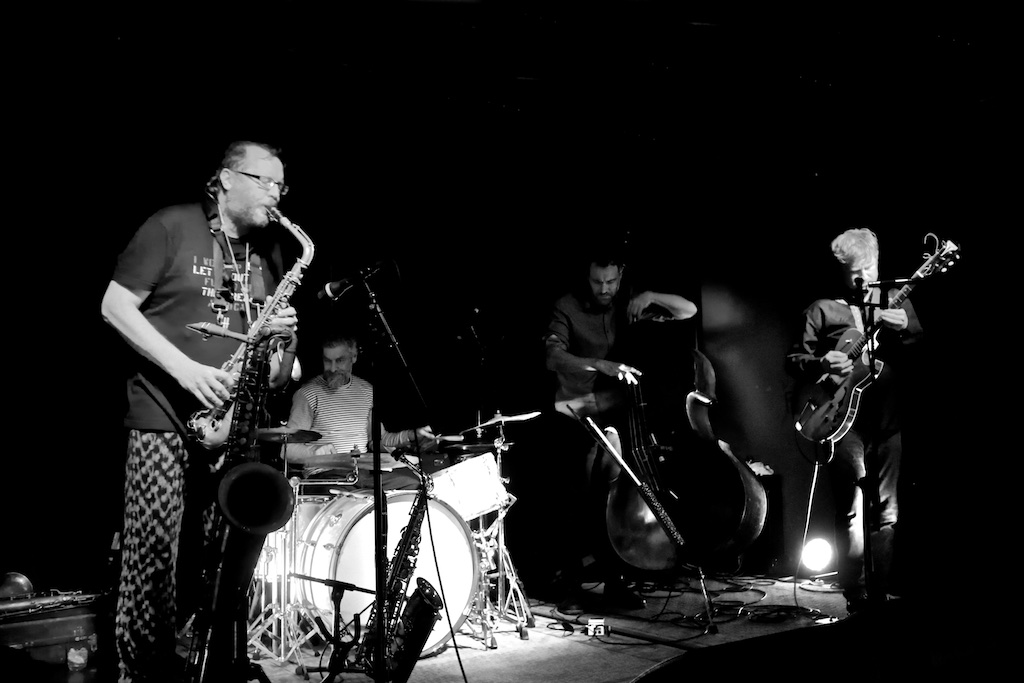 Anything that Jeff Henderson is associated with is likely to be intense, mind-altering and extraordinary. No matter how prepared you think that you are, you should understand that your head will be fucked with. When you factor in Tom Callwood, Anthony Donaldson and Daniel Beban the Henderson effect is magnified exponentially. This music is powerful stuff as it sweeps aside genres as irrelevant distractions. When confronted with a gig like this you abandon preconceptions, as the sonic smorgasbord jolts you out of complacency. It is also a visual experience and Fellini would have signed these guys up in a heart-beat.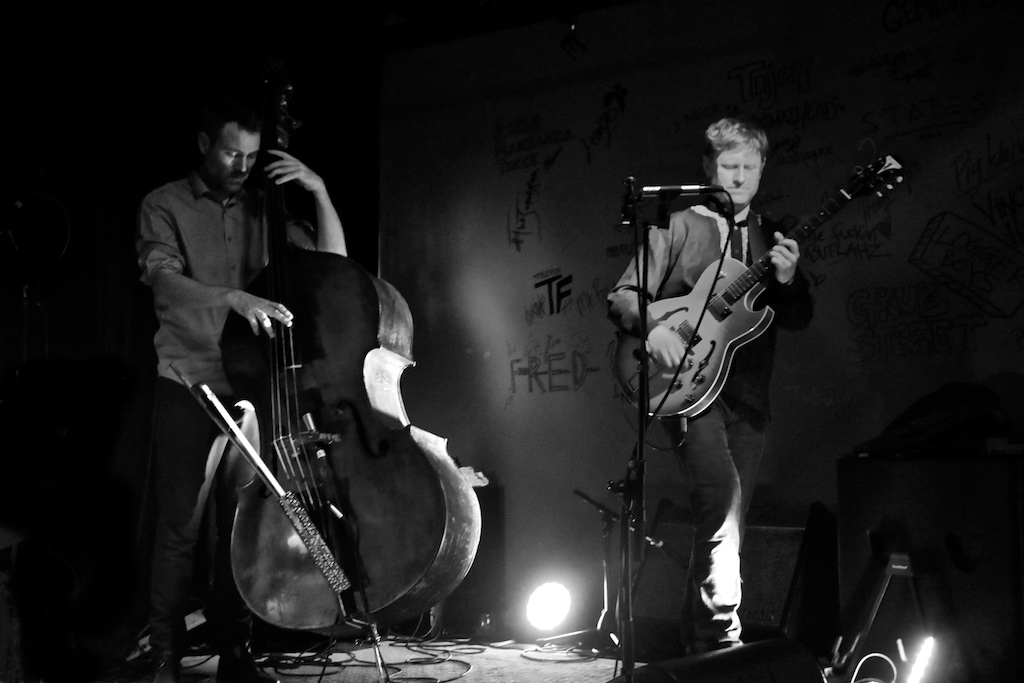

 JazzLocal32.com