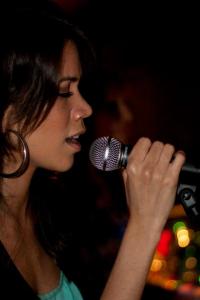
Caitlin Smith is a vocalist who can quickly put a smile on your face or shamelessly tug at your heart-strings. She always finds a way to connect her audience to the essence of a song; deftly locating that illusive sweet spot. While there is often power in her delivery, there is also remarkable subtlety. You could describe her voice in many ways; pitch perfect, having an almost operatic range, but there is much more to Smith than chops. In the parlance she owns each song she sings and embeds it with a uniqueness. Like a seasoned saxophonist she tells beguiling stories in a distinctive way. There is a well-worn cliché that vocalists hog the limelight and in truth many go through their careers with barely a reference to the musicians that they work with. Caitlin Smith is the opposite. You are left in no doubt that her gigs are a shared project as she interacts with band and audience, picking up on every nuance from either. She works with a band as a vocalist should and she is comfortable giving them space to solo. There is a generosity of spirit about her persona and this manifests in the music. I have also witnessed her solid support for emerging artists. The ultimate litmus test for me, is that gifted improvising musicians enjoy playing in Caitlin Smith lineups. While Smith is widely acknowledged as a gifted singer-songwriter, it is her Jazz repertoire that is turning heads of late. Her performance with the AJO at the Tauranga Jazz festival won her many new fans. She is a wonderful interpreter of Jazz standards and this aspect of her repertoire deserves critical attention. Her vocal gifts and incredible musicality thrive with this space; of particular note is the delightful way she plays with lyrics. Smith is a natural performer and there is something wonderfully theatrical and engaging about her stage presence. This gives her gigs an added spark of life. On Wednesday she included some of her own compositions like the beautiful ‘In between’, but the audience was particularly wowed by her take on jazz standards such as Ellington’s ‘I like the sunshine’. I have heard her sing Ellington and Strayhorn at other gigs and I am always impressed by the way she freshens these standards up.
Her innate ability to carry off the more difficult of the Ellington/Strayhorn song-book tunes is beyond question. ‘Lush life’ in particular requires real vocal skills to pull it off well and her interpretation is flawless. This affinity cries out for her to record the material. It would be great to see an Ellington album someday; accompanied by the Kevin Field Trio, alternating with the AJO. Another song from a different genre was ‘River’ (Joni Mitchell). This classic Mitchell song was recently reinterpreted by Herbie Hancock and Wayne Shorter. As Smith delivered her version she phrased it in such a way that I could hear those elided Shorter fills in my head. Her delivery was crystalline and it brought her two worlds together perfectly.
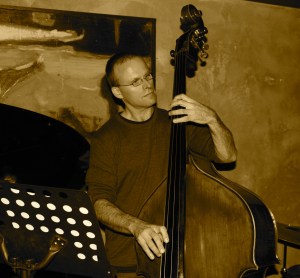
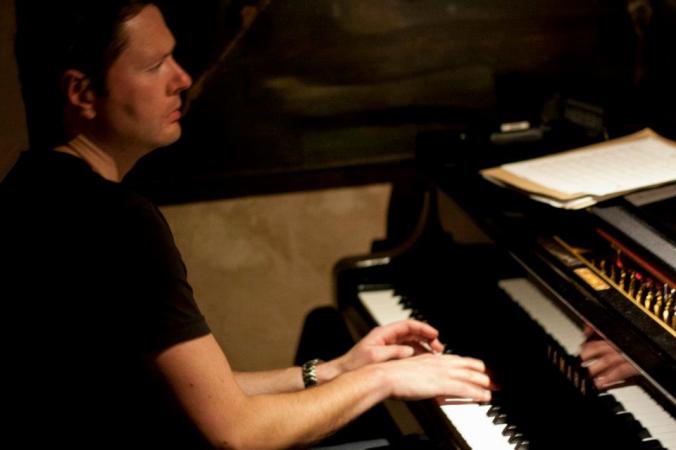
Who: Caitlin Smith (vocals, arrangements), Kevin Field (piano), Oli Holland (bass), Ron Samsom (drums) (acknowledgement to Dennis Thorpe for the River video)
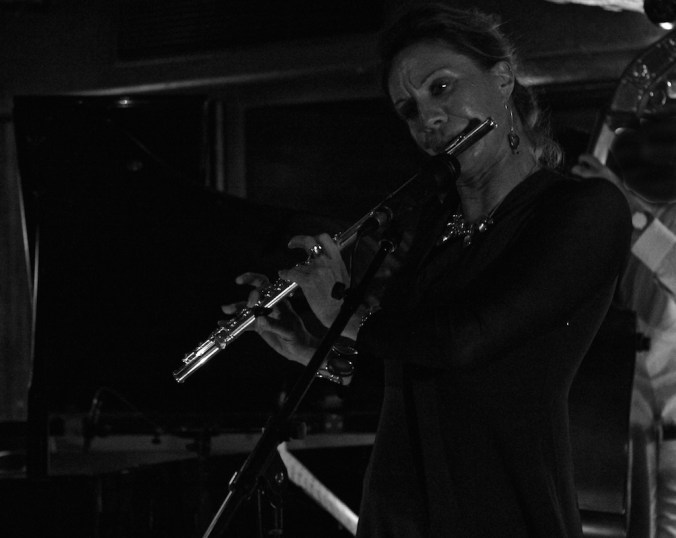
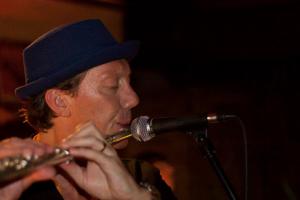
Trudy Lile is always in demand whether it’s cruise liner gigs, winery gigs or bar and club gigs. Last night she was at the CJC with Kevin Field on piano, Cameron McArthur on bass and Ron Samsom drums. This particular quartet is a regular lineup for Lile and it is hardly surprising. Musicians like this are a gift to a leader, as each of them has pulling power, but they operate as a high functioning unit when together. Lile is also an energetic and engaging performer and the enthusiasm she radiates is always evident in her music.
As a singer/flutist Lile often favours standards or latin material, as these suit voice and flute so well. She still surprises though with appealing lessor known tunes or sometimes popular tunes which lend themselves to wider explorations under her coaxing. She is keen on finding new standards from the latter and we often hear material from sources not usually tapped by improvising musicians. This use of popular material is becoming more commonplace and another recent example of this was Benny Lackner opening with a number from the latest Bowie album. Lile also brought some interesting new compositions to the gig.
The clubs audience numbers could have been better during the last month, perhaps they were saving for the festival, but Lile being a true professional worked the room and fed off the interaction. She has an abundance of charm, humorous banter and above all musicality. The band responded to her lead with enthusiasm, amping up their performances to match hers. Kevin Field is the sort of pianist who understands the accompanists role, comping sparingly at times and launching into heart stopping solos at others with McArthur and Samsom responding to each nuance. I have posted a clip from the gig which is a favourite of Lile’s. An Eliane Alias number titled ‘An Up Dawn’ from the album ‘The Three Americas’.
Footnote: My ability to comprehend the softly spoken human voice with any accuracy has declined in recent years; probably due to the endless procession of loud gigs in intimate spaces that I attend. What I heard Lile announce was a tune called “An Up Storm’ and so I labeled the You Tube clip accordingly. When I saw Lile a few days later she laughingly told me what the actual title was. Unfortunately I misheard that as well, as ‘An Up Swarm’. The clip now correctly refers to ‘An Up Dawn’, but I do like my rogue re-titling. Perhaps Trudy Lile could reharm the tune, utilising my imaginative and thought-provoking title(s)? I am sure Eliane wouldn’t mind. There is more than a hint of Chaos Theory in what I had originally settled on; An up swarm of bees in Brazil causing a storm in Auckland.
Who: Trudy Lile (leader, flute, vocals), Kevin Field (piano), Cameron McArthur (bass), Ron Samsom (drums)
Where: CJC (Creative Jazz Club), Britomart 1885 basement, Auckland New Zealand 15th October 2014
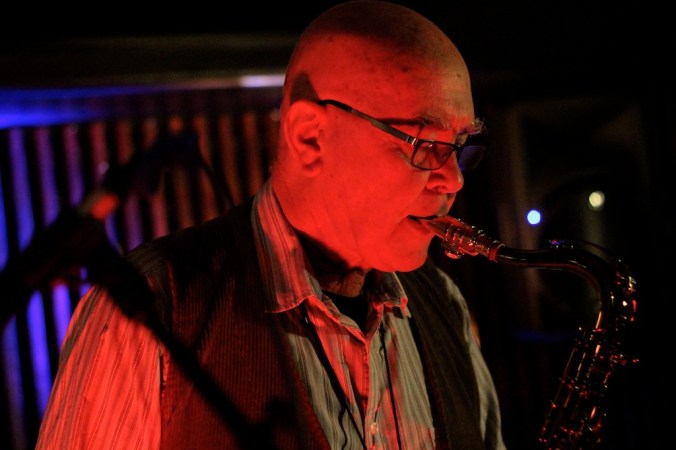
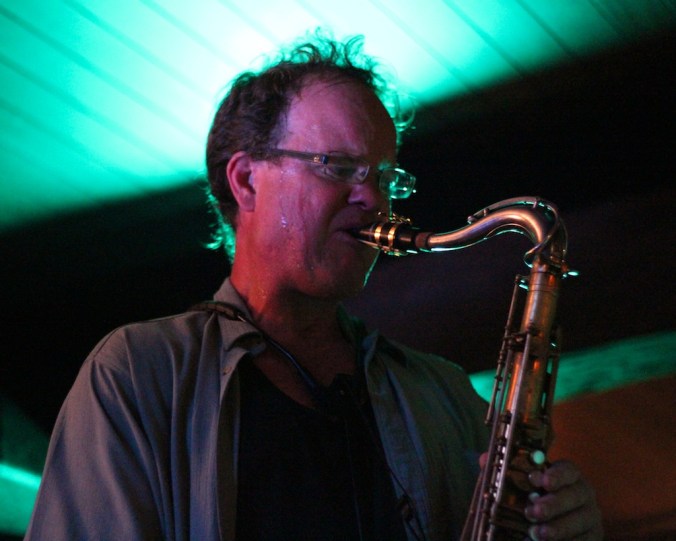
For a man who says that he’s “taking it easy these days”, Brian Smith is remarkably active. He has been a strong supporter of the recent CJC Sunday Jam sessions, he still teaches and regularly fronts CJC gigs. Many regard him as the elder statesman of the tenor saxophone in New Zealand and he certainly has the credentials to fit that title. It is only when you see him playing his Cannonball or Selmer tenor that you realise just how youthful he is. Like many experienced tenor players he appears ageless on the bandstand. That is the alchemy of the instrument and the alchemy of the born improviser.
Advertised as Brian Smith (tenor saxophone), Kevin Field (piano), Kevin Haines (bass) Frank Gibson (drums) but on the night Oli Holland replaced Kevin Haines on bass.
It takes a lot of space to list Brian’s musical credentials and it is all too easy to miss out important elements, but here is a brief summary that I have gleaned from elsewhere;
‘Brian relocated to London in 1964, performing at Ronnie Scott’s and working & touring with such names as: Humphrey Littleton, Alexis Korner, T-Bone walker, Georgie Fame,Alan Price, Annie Ross, Bing Crosby, Mark Murphy, Jon Hendricks, John Dankworth, & Tubby Hayes. He was a founder member of ‘Nucleus’ alongside Ian Carr, which won the European Band competition in Montreaux in 1970, resulting in gigs at Newport Jazz Fest and tours of Italy, Germany, Holland, and America. In 1969 he started working in the Maynard Ferguson band, staying with them until 1975 including touring and recording. He also backed acts like Nancy Wilson, The 4 Tops, Gladys Knight & the Pips, Donovan, Dusty Springfield, Sandy Shaw and Lulu.’
The programming at the CJC is mostly centred around musicians projects. The gigs are therefore heavily focused on original material or perhaps an oblique take on a particular oeuvre. We do hear standards but seldom more than one or two a gig. The exception occurs when international artists arrive in town or when iconic musicians like Brian Smith front a gig. On occasion it is nice just to sit back and enjoy familiar tunes. Letting them wash over you, being able to anticipate the lines and comparing them in your head to the versions that you have grown up with. The very fact that some tunes become standards implies that they have a special enduring quality. These are vehicles well suited for improvisation and having musical hooks that invite endless exploration for listener and musician alike. Standards composers are the greatest writers of the song form, but the inside joke is that these wonderful tunes often came from musicals which failed miserably.
It was great to hear the quartet play ‘You and the night and the music’ which is a firm favourite of mine. Composed by Arthur Schwartz (lyrics Howard Dietz), it came from the musical ‘Revenge with music’ which closed on Broadway after a few months. Frank Sinatra and Mario Lanza revived it and it became popular with Jazz musicians for a while during the 50’s and 60’s. While the earlier popular renderings tended toward the saccharine, Jazz musicians like Mal Waldren purged the tune of its syrupy connotations. It was the obscure tartly voiced Lennie Niehaus Octet version (with Lennie on alto, Jimmy Giuffre on baritone and Shelley Manne drums) which won me over. Over a decade ago I heard HNOP and Ulf Wakenius perform a killing version of it at the Bruce Mason centre and I had not heard it since. That is until last Wednesday.
Another great standard was Horace Silvers ‘Song for my father’. Standards have the power to move us deeply and this tune in particular brought a lump to my throat as my father was slipping away that very week. One of pianist Kevin Field’s tunes ‘Offering’ was also played and while not a standard it is a favourite about town. Everyone played well that night with Oli Holland and Kevin Field up to their usual high standard; Frank Gibson on drums was in exceptional form. His brush work and often delicate stick work was perfect and it reminded everyone why he is so highly regarded about town.
I have chosen a video clip from the gig which is arguably the most famous standard of all. Cole Porters ‘What is this thing called love’. Cole Porter would always say that the song and lyrics wrote themselves and this version is certainly a worthwhile addition to the selection. Unlike many of the vocal versions it is fast paced and authoritative.
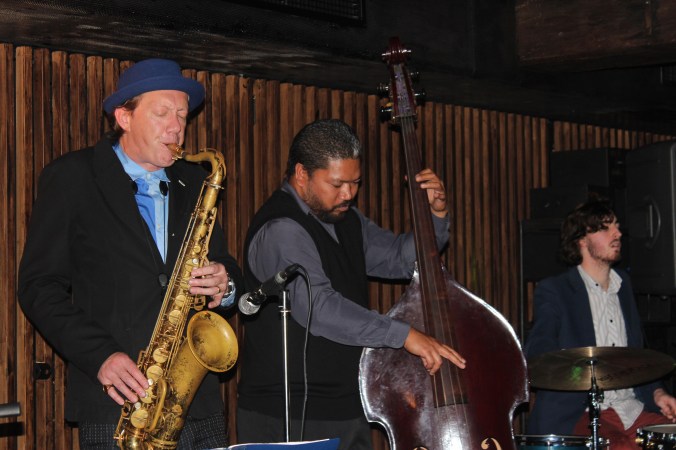
Who: Brian Smith Quartet – Brian Smith (tenor saxophone), Kevin Field (piano), Oli Holland (bass), Frank Gibson Jr (drums).
The DOG project was conceived two years ago and during its public outings the band garnered enthusiastic support. Those who heard DOG urged them to record and eventually they did. The long-awaited album was ready for release on International Jazz Day 2014; a gestation time roughly equivalent to that of an elephant. The time however has been very well spent, as the band members have composed a wealth of new material. DOG (formally Dr Dog) is Roger Manins, Kevin Field, Oli Holland and Ron Samsom. Manins, Field & Holland are lecturers at the Auckland University School of Music (Jazz program), Samsom is the senior lecturer. They are all in demand for the best gigs about town. They are the big dogs on the block.
International Jazz day was the perfect time to release this album, underscoring as it does a local Jazz scene crackling with life and teeming with invention. Anyone familiar with the Auckland Jazz Scene will know that these musicians are a driving force; inspiring, challenging and empowering emerging artists. It is a band of titans but it is also a true band of equals. In the Jazz world bands made up of many leaders often fall short. A juggling act’s required to unify a multiplicity of visions. That problem does not apply here. These men appear to breathe in unison and react to each other intuitively. At the ripe old age of two DOG is in peak condition.
The album is beautifully recorded and the mix could hardly be improved upon. Credit to the York Street Studios in Auckland and to the tasteful mixing by Rattle’s Steve Garden (and DOG themselves). ‘Rattle Records’ are going from strength to strength and if the last three months output is anything to go by, this will be their best year yet. From the first few notes the album reels you in and holds your attention throughout. There is a virtuosity and a tightness to the performances but it is more than that. Beneath the unquestionable musicianship there is a radiating warmth and a bounty of good humour which shines through. This was especially evident during the International Jazz Day performance at the CJC. It was a humour filled affair and delightfully laid back.
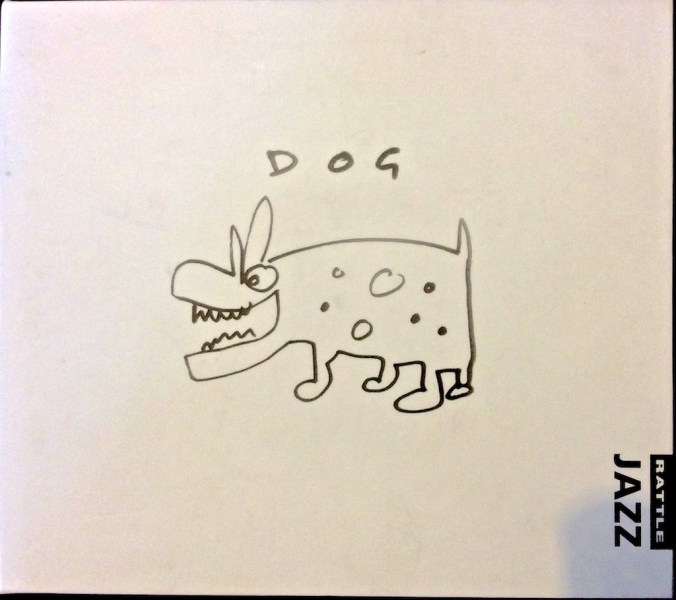
Roger Manins was the front man for the release gig and the dog jokes and banter had people in fits of laughter. He teased the band mercilessly and they responded with sad looks or dismissive gestures. The Zeppo Marx to Manins Groucho. This is a role that he is well suited to and his jokes are quintessential Kiwiana. Some of the titles contained obscure dog references. ‘Race to Space’ honours the Russian dog which led off the space race, others inspired by loveable but hapless dogs of good breeding as in ‘Evolution’. At one stage Manins directed people to a comparative dog intelligence chart. “This is my spaniel rated at number fifty three, which is around the middle of a descending scale”. Next he asked, “Does anyone here own an Afghan Hound?”. No one owned up, perhaps guessing what was to transpire. “Ladies and gentlemen they are number ninety two on the list, almost at the bottom of the intelligence scale”. Some brave soul responded, “Surely not”. “Have you ever tried to play cards with an Afghan Hound” was Manins quick response. Roger Manins drawings for the cover art say it all.
Because there are four composers, the tunes have a variety of moods and tempos. I like them all, but if forced to choose one I would go for Hollands ‘Didel Didel Dei’. There are burning solos on this uptempo track and the interplay is quite exceptional. On this track you will hear Manins at his best. As usual there is no sugar-coating as he pushes the tenor to its outer limits. Field, Holland and Samsom responded in kind. This music they play has the utmost integrity and the audience laps it up.
International Jazz Day has become the premier event on the International Jazz Calendar with the brightest stars in the Jazz firmament showcased. Auckland, New Zealand can hold its head high in the midst of these international celebrations. This album and this live performance did us proud.
Who: ‘DOG’ is Roger Manins (tenor Sax), Kevin Field (piano), Oli Holland (bass), Ron Samsom (drums) – compositions by all band members
#JazzApril is International Jazz Appreciation Month (JAM) and the CJC (Creative Jazz Club) in Auckland New Zealand has lined up an impressive roster of artists. The opening gig for Jazz April was the acclaimed saxophonist Jamie Oehlers from Perth Australia and the club could hardly have done better than engage this titan of the tenor. Anyone who had heard Jamie Oehlers on previous visits needed no second invitation; the club filled to capacity. Jamie is tall, so tall in fact that I managed to chop off his head while filming the first video clip (having foolishly set up the camera during the sound check when he was not present). In fact everything about Jamie Oehlers is larger than life. His presence fills a room in ways that it is hard to adequately convey. The sound of his tenor has a warm luminous quality about it and it seems to penetrate every nook and cranny of a room; whether playing softly or loudly it reaches deep into your soul.
Two hundred years ago ( November 1814) a young Belgium instrument maker Adolphe Sax was born and in the 1840’s he patented the tenor saxophone. It has gone through relatively few modifications since that time. Fast forward to the Jazz age and the instrument came into its own. Nobody brought the instrument to the wider public’s attention more than Coleman Hawkins and few took it to such dizzying heights as John Coltrane. Listening to Jamie Oehlers perform made me think of the tenor’s history and above all it reconfirmed my deep love for the instrument. Last time he was in Auckland he played ‘Resolution’ from Coltrane’s ‘A Love Supreme’ (it is the 50th anniversary of ALS this year). Among other numbers in the set list this year was Coltrane’s ‘Dear Lord’ (recorded by JC in 1963 but only released in the 1970’s on the ‘Dear old Stockholm’ album). Jamie Oehlers was born to interpret Coltrane and he certainly held our rapt attention last Wednesday.
He had requested the same local musicians for this visit as last time; Kevin Field (piano), Oli Holland (bass) and Frank Gibson (drums). Roger Manins joined the band for the last two numbers and the two tenor masters unsurprisingly wowed everybody by the way they cajoled each other to new heights. There were introspective ballads, freshly interpreted standards and a few fire-breathing fast burners. I filmed quite a few numbers and have posted a duo performance of Mal Waldrons ‘Soul Eyes’ (Jamie Oehlers and Auckland pianist Kevin Field). It is during ballads and especially the slower paced duo numbers that a musician is left naked. No pyrotechnics to hide behind, no lightening strike runs or off the register squawks to dazzle us with. This clip says everything about Oehlers as a man and as a musician. Thoughtful, compelling and always authoritative.
He was right to request Field, Holland and Gibson for this gig. They showed repeatedly that they were up to the task and gave of their best. It is gigs like this that make us proud of our down-under musicians and we know when we hear performances like these that we can hold our heads high in the wider Jazz world. There was no more appropriate gig than this in which to kick off Jazz April. Listen to the You Tube clip and I’m certain that you will agree.
Who: The Jamie Oehlers Quartet – Jamie Oehlers (tenor sax), Kevin Field (piano), Oli Holland (bass), Frank Gibson (drums).
Where: The CJC (Creative Jazz Cub), Britomart 1885 basement, Auckland New Zealand, 2nd April 2014
We learned in late November that an excellent Australian jazz singer Natalie Dietz would be the featured artist for the last CJC gig of 2013. She recently recorded with Aaron Parks and Mike Moreno in N.Y.C and the fact that she had connected with these heavyweights of the modern American Jazz Scene told me that we could expect something out of the ordinary. She had toyed with bringing some Australian Musicians over with her but instead elected to use locals. Not surprisingly these locals were drawn from among our finest musicians Kevin Field (piano), Dixon Nacey (guitar), Oli Holland (bass) and Adam Tobeck (drums).
Natalie is the complete package, as she not only has a fabulous voice and an appealing bandstand presentation, but she is a gifted writer. It is common to see charts laid out for bands, but these were especially well written and complex charts. Not simple lead sheets. The standards had been slightly reharmonised or re-interpreted and the original numbers voiced in such a way as to maximise her vocal lines. These were not numbers belted out, but well crafted tunes which required subtle interplay.
Natalie’s own compositions were pleasing and especially ‘The Mood I’m in’. This gorgeous tune is reminiscent of Sara Serpa’s output and this is no accident. Natalie mentioned a number of influences and Sara Serpa is one of them. The piece opens with Natalie singing wordless lines in unison with the guitar. Dixon Nacey’s Godin sings anyhow and the blend was beautiful. This lovely tune reinforces my bias towards wordless vocalisation in an ensemble. As much as I enjoy lyrics, adding the human voice as an instrument feels archetypal and so right to my ears.
There were a number of standards as well and I was initially surprised to see ‘Body and soul’ (Green/Heyman/Sour/ Eyton) in the set list. This is one of the most recorded songs in history and perennially popular. It is hard to look at such a well-travelled tune from a new angle but Natalie did just that. Her take on it was slightly dark and brooding and it sounded tantalisingly fresh. Among the other standards was Skylark and a few Jobim tunes. Natalie was well received by the CJC audience and she appeared to appreciate that.
Who: Natalie Dietz (vocals), Kevin Field (piano), Dixon Nacey (guitar), Oli Holland (bass), Adam Tobeck (drums)
Caitlin Smith is well-known to those who follow the Auckland music scene, where she is highly respected as a vocalist and voice coach. Scrolling down her resumé reveals just how active she has been over the years and just how far-reaching her influence is.
She sits comfortably on the Soul to Jazz spectrum, often occupying a stylistic space similar to that of Joanie Mitchell or Ricky Lee Jones. Her material’s drawn from a mix of originals, standards and pop covers but all interpreted in her own unique way. She has an impressive vocal range and she can captivate an audience with incredible ease. She is a true performer and her elegance and professionalism are immediately evident. It takes years for a performer to look this comfortable in front of an audience and many never achieve it. The fact that she has a severe vision impairment just adds to her allure.
The set list was mainly from her latest album ‘Stories to tell: The Thorndon Project’. Sponsored by The Disabilities Commission and PVINZ (Parents of Vision Impaired New Zealand). Caitlin and the drummer on the album Mark Lockett (also vision impaired) had pulled together an impressive lineup for the session. Caitlin (vocals), Alan Brown (organ), Paul Van Ross (saxophone, flute), Mark Lockett (drums). The purpose of the album is to raise awareness around disability issues and to highlight the dedication of the parents caring for those with disabilities. This hit me right where I live, because my granddaughter has cerebral palsy and I know just how incredibly hard it is for her. I am also hyper aware of the sacrifices that her mother (my daughter) lovingly makes each day.
The creative arts are often at the forefront of such campaigns and this one is personal and special. The personnel assembled for the album are all renowned musicians and while three hail from New Zealand, they are a truly international lineup. Paul Van Ross is from Melbourne, but he is currently in New York. Mark Lockett is originally from Wellington but he recently moved to New York. Alan Brown has a legendary status on the New Zealand music scene and works, performs and teaches around Auckland.
Caitlin had a different band when she appeared at the CJC. Kevin Field, a regular accompanist for Caitlin had just returned from recording in New York (I am particularly excited about that, as he recorded with Matt Penman and Nir Felder). Kevin is an extraordinary pianist and leader but he also knows how to accompany a singer. Anything involving Kevin Field will be worth hearing. On bass was Vanessa McGowan who bowled me over with her sound and musicality. I have heard her before but with bigger groups, where she had blended into the mix as a good bass player should in such situations. In this trio setting she shone. Her lines were great, but it was the fat warm sound that really captivated me. She can sing as well. More of her in trio settings please. The remaining member was Ron Samsom and he can bring out the best in any band. Whether on mallets, sticks or brushes, Ron is the person you want in your band. He is simply one of the best traps drummers in New Zealand.
Caitlin’s own composition ‘In Between’ was impressive and her interpretation of ‘I Don’t Want to Waist my Time on Music you Don’t Really Need’ (Over the Rhine) was edgy and soul infused. I have chosen a video clip from her CJC band to post; Leonard Cohen’s ‘Hallelujah’. When I panned to the audience, what the camera failed to pick up out of the darkness was Trudy Lile coming in on the chorus. Vanessa McGowan also sang beautiful harmony on the chorus. Jazz singing is evolving and while perhaps this was not Jazz singing in the traditional sense it was a pleasure to hear. The feel good factor should never be overlooked and Caitlin delivered this.
Dedicated to those with severe disabilities and to their support networks – for Mala and Jennie especially
Who: Caitlin Smith (vocals, leader, composition), Kevin Field (piano), Vanessa McGowan (bass, vocals), Ron Samsom (drums).
Jazz was famously described by Whitney Balliett as the ‘sound of surprise’. This is at the very essence of improvised music as it strives to unravel, reveal, polish and at times shock. What you think you know is often challenged and this confrontation is the primary role of art and improvised music. When a familiar tune is reinterpreted and presented afresh it’s pleasing (if done well), but there are many ways that music can surprise. What we sometimes hear is an aggregation of profound subtleties and that is harder to define. We need ears attuned to nuance and a memory capable of recalling just what has preceded these vignettes. It is in these less obvious corners that we often find the most profound of revelations.
The Kevin Field trio (plus guest) appeared at the CJC (Creative Jazz Club) on the 17th April. This was an important CJC/Jazz April event. Everyone on the New Zealand Jazz scene is familiar with Kevin Field the pianist, composer, teacher, and gifted accompanist. He delivers and so good sized crowds turn up.
Kevin had earlier humped his Fender Rhodes down into club and it sat nestled respectfully against the grand piano. The bass was lying on its side like an expectant whale and the drum kit was sparkling out of the gloom. Behind the drum kit you could barely make out the image of a guitar on a stand. Those gifted with 20-20 vision would have discerned that this was a Godin Guitar which can only mean one thing in Auckland; Dixon Nacey would be sitting in for a few numbers.
When Kevin Field and his trio filed to the band stand I experienced a tinge of anticipation. I had been looking forward to the gig because Kevin Field never settles for a mediocre performance and he is certainly no journeyman. With Cameron McArthur on bass and Stephen Thomas on drums we hoped for sparks. While Kevin often appears in support of others, or fronts bigger lineups he had not brought a piano trio to the club for a quite a while.
What happened next caught me quite off guard and perhaps it shouldn’t have. When you rate an artist highly you can easily fall into the trap of thinking that you know everything about them and that is plain foolish. There is also something about the CJC that urges musicians reach deep and many visiting artists have commented on that. The CJC is more than just a benign space, it is an enabling one. A performance space that says to an artist, ‘there I’ve created the ambiance for you, now make it happen’. It would take a subterranean ‘Feng Shui’ specialist to analyse this phenomenon .
The Kevin Field that we saw perform was quite extraordinary. It is hard to put into words but he approached the keyboards with such confidence and invention that was almost supernatural. At times I thought that I heard hints of Hamp Hawes or the modern Europeans (rich, spacious and original), but mostly I heard Kevin Field, alive to the moment and brim full of fresh ideas. His voice is definitely post Herbie Hancock and it engages with the realities of the post millennial world. This is a voice that marks Kevin Field out as an original stylist.
The numbers were all originals and while a few were written for his recent ‘Warners’ album ‘Field of Vision’ (shortlisted for a Tui award), many were new to me. They came bundled up with stories and anecdotes and to see Kevin in the role of raconteur was delightful. When commenting on his second number of the evening ‘Complex Blue’, he told us that it was written with a Simply Red cover-band in mind. “Complex Blue could be a new type of Simply Red cover-band who would play everything but Simply Red tunes, thus giving them a broader repertoire”. The hilariously improbable tall stories and the incredible music made this a perfect evening of Jazz. I asked Kevin later if he had plans to record this new material and he indicated that he would be doing so shortly. If he captures half of what we experienced it will be well worth buying.
Cameron McArthur (bass) has experienced a meteoric rise to prominence and he has achieved this while still a student at the Auckland University School of Jazz. I can clearly recall his first tentative performance steps. Confidence, chops and musicality have become the default for him now and he is increasingly accompanying our best musicians. Stephen Thomas has been studying drums and performing at a high level for some time and he was an obvious choice for Kevin. We are seeing more and more of what he is capable of and as with Cameron there will be a lot more yet. This band works exceptionally well together and while Kevin is clearly in control as leader there is plenty of room for the others to shine.
In guest slot was Dixon Nacey. A guitarist who attracts superlatives and accolades as few others do. He always injects that special ‘Dix’ quality into a performance; brilliance tinged with unalloyed happiness.
Sometimes when the stars align the gods of music breathe extra life into a performance. When this occurs, those who are there feel incredibly fortunate and vow never to forget it. This was such a night.
Because this was the main CJC – Jazz April gig night the audience learned what the month stands for, who’s involved and why it is important. Everyone was challenged to do three things, (1) visit and ‘like’ the JJA Jazz April pages and International Jazz Day site (2) bring one or more friends to future gigs and spread the word (3) Hug and thank a Jazz musician tonight and in the following days. By sharing and growing this wonderful music we will see it survive.
What: Kevin Field Trio (plus guest) -Kevin Field (piano and fender rhodes), Cameron McArthur (bass), Stephen Thomas (drums), guest Dixon Nacey (guitar)
Where and When: CJC (Creative Jazz Club) 1885 building, Brittomart, Auckland. April 17th 2013
It is always great to see the renowned tenor player Brian Smith performing in the intimate space of the CJC (Creative Jazz Club) and whenever he plays older and newer fans turn up to see him. While it is tempting to refer to him as being ‘seasoned’ or ‘an elder statesman’, any notion of that has a built-in redundancy factor. He is a ball of energy and ageless on the bandstand.
Brian has played with so many great artists over his long career that it would chew up serious bandwidth to enumerate even half of them. Being a member of the Maynard Ferguson band and numerous other well-known line-ups saw him playing across the world. His co-led genre stretching ‘Nucleus’ (with Ian Carr) won the top European band award at the Montreux Jazz Festival (1970). Since returning to New Zealand to settle (if a musician ever really does that) he has worked on numerous film scores and put out some well received (and commercially successful) albums.
Accompanying him on the 10th April gig were Kevin Field (piano), Kevin Haines (bass) and Frank Gibson Jr (drums). With this particular lineup he could dive deeper into his favoured repertoire of Hard Bop Jazz standards (with a few originals thrown in). When ‘Footprints’ was played Brian Smith approached the warhorse in an interestingly oblique manner; giving us a tune that contained the merest hint of familiarity and a large dollop of brooding mystery. This was a highpoint of the sets and a good example of how good musicians can extract new wine from old bottles. The introduction began with a very personalised statement on tenor which caught the attention while offering no insight into where it was going. Then out of nowhere the melody was stated, only to disappear as quickly as it had appeared; merged in probing re-haromonisations and oblique explorations.
The tunes of Wayne Shorter have remained perennially popular with Jazz audiences and they are constantly being reworked and updated. I have heard two versions of ‘Footprints’ performed in recent weeks and both mixed the familiar with the the new. These re-workings of familiar tunes have always been the bread & butter of Jazz and in the case of reworked ‘Footprints,’ Wayne Shorter sets the bar high. I saw him perform this in Verona, Italy a few years ago and after laying out a pathway to the melody he suddenly plunged us into a world of elision; forcing us to fill in the gaps as we listened. A familiar tune floating between chasms of crystalline emptiness; a tune more implied than played. I have posted a You Tube clip of the Brian Smith band playing ‘Footprints’ at the 10th April CJC gig.
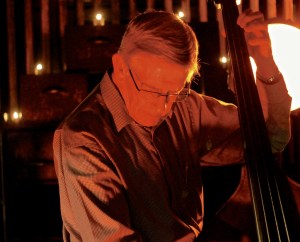
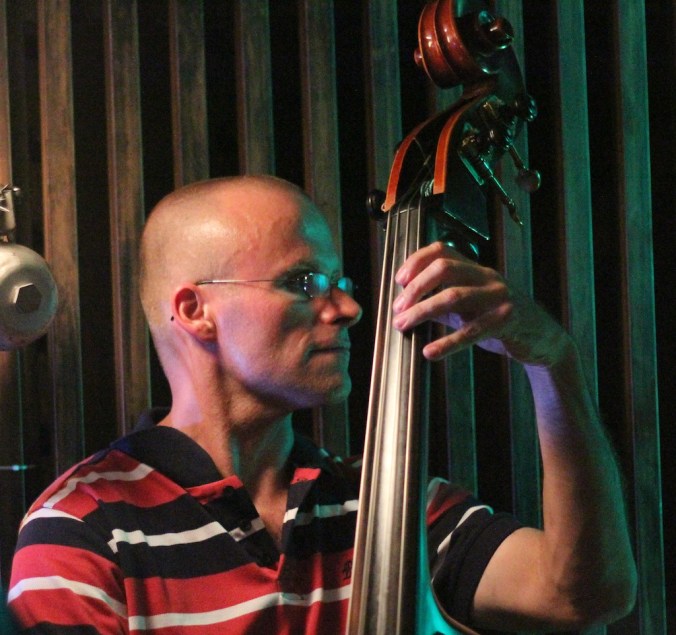
Accompanying Brian on piano was Kevin Field who is so well-respected about town that he is a real drawcard in his own right. I have often mentioned his ability to add value to any band he plays with and this night was no exception (A post on his April 17th gig will be up shortly). On bass was Kevin Haines who is not only the most experienced bass player about town but one of the best. lastly there was Frank Gibson Jr on drums who is another respected and talented veteran Jazz identity about Auckland. Frank Gibson Jr, Kevin Field and Kevin Haines have all appeared recently leading groups. These guys will always impress and they proved that on this gig.
This particular CJC gig fitted in perfectly with the wider Jazz April ethos which is about profiling Jazz & Improvised music in all its diversity. The month had kicked off with a co-led trio featuring guitar, bass and drums (all original music by Samsom/Nacey/Haines), A few days later we saw Nathan Haines at the ‘Q’ Theatre (a tentet complete with French horns and vibes) – a few days after that the Auckland ‘Jazz & Blues club’ featured a gig with a Caribbean-Jazz ensemble. The Kevin Field trio on the 17th. Auckland benefits from a rich sonic diversity and clubs like the CJC, The Auckland Jazz & Blues Club and Vitamin ‘S’ deserve our ongoing support. The month of Jazz April will conclude with two avant-garde bands (one local, the ‘Kparty Spoilers of Utopia’) at Vitamin ‘S’ on the 23rd at 8pm and one visiting from Australia (Song FWAA) which is a CJC gig on the 24th at 8pm. This is a cornucopia of riches and not one of these gigs should be missed. Note: The Vitamin ‘S’ gig is the last chance to see John Bell vibist, who departs for Korea on Thursday.
Who: the Brian Smith Quartet – Brian Smith (tenor), Kevin Field (piano), Kevin Haines (bass), Frank Gibson Jr (drums)
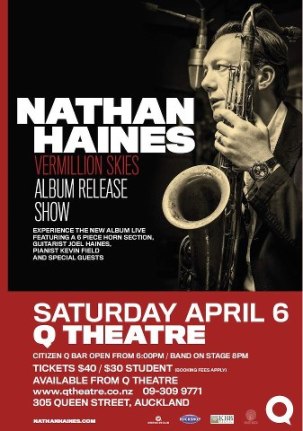
After the success of ‘Poets Embrace’ it is hardly surprising that Nathan Haines new album ‘Vermillion Skies’ has climbed so high in the charts. The album was the fifth best selling New Zealand album the last time I looked and this happened within days of its release by Warners. For a modern Jazz album anywhere to achieve this success is unprecedented. This has followed hot on the heals of ‘Poets Embrace’ winning the Tui Awards ‘Best Jazz Album of 2012’.
Anyone who knows Nathan will hardly be surprised to learn of his obsessive commitment to the last two projects. His approach has been Ghandalf like, as it involved a long period of woodshedding, an epic journey in search of analogue equipment and a reconciliation with the gods of past times. While Poets Embrace plumbed the depths of Coltrane’s vocabulary, Vermillion Skies has opened up the perspective and tapped into the wider ethos of 1950’s Jazz. What Vermillion Skies is not however is a cosy journey down memory lane.
It is about examining the epiphanies and sounds of the 50’s era and interpreting them with modern sensibilities. With the exception of one number, these are fresh compositions; a happy synthesis between past and present. Deliberately retro though is the analogue recording methodology. A one-take take approach and sound augmented by the use of reverb (not using a plate).
I followed the Vermillion Skies project from its inception and because I was in contact with the musicians via Face Book it was not difficult to keep abreast of progress. Alain Koetsier was returning from China, Nathan was returning from the UK and to use ‘GCSB speak’ there was a heightened level of ‘chatter’ about town.
Their fist gig was at the CJC (Creative Jazz Club) and at this point the tunes had never been aired before. Some tunes were in embryonic form and they had only been rehearsed briefly. We were a focus group Nathan informed us; musical crash test dummies. The audience loved the gig but they knew that even better was to come.
A month later the musicians and veteran London Producer Mike Patto headed into the York Street studios to cut the tracks. The album was recorded in around two days of mostly live takes. To obtain an authentic reverb sound Nathan used the studio car-park, which is a huge cavernous brick building, resembling a stripped out Victorian cathedral. The neighbours in the posh Edwardian apartments next to the studio lacked the cool to appreciate this innovation. The reverberating horns made one of them complain (in tears) as the fulsome brassy sounds echoed across Parnell rise.
A few weeks after the recording Nathan contacted me and asked if I would interview him at York Street for the promotional video. I turned up a few hours before the appointed time and asked Jeremy (who runs the studio) if I could hear the masters. Hearing the material in its final form and in that space was a revelation. I quizzed Jeremy and Nathan about aspects of recording. I learned that the piano was isolated in a booth, but the drums and horn section were in the larger space with the saxophone. When it came to the vocals the band went home; those tracks were recorded without onlookers.
Nathan has sung on a previous album but he readily admits that it is not his comfort zone. It interested me that he didn’t have the same degree of confidence in his singing abilities as his voice is simply superb. In my view it compares favourably with Mark Murphy’s. The charts are well written and the hooks in ‘Navareno Street’ are so powerful that I am still hearing them in my head weeks later.
Interviewing Nathan Haines is a pleasure as he is knowledgeable, articulate and expansive when prompted. Because he is across his topic he can talk at length about the minutia of the project, but what was surprising was they way he allowed me to discuss his vulnerabilities. His warmth and often self-effacing commentary gave the interview an added depth.
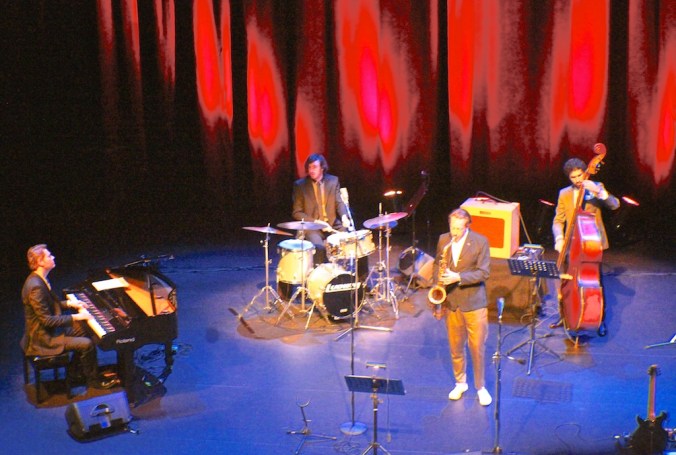
On April 9th the official launch occurred at the ‘Q’ Theatre in Queen Street Auckland. The tickets sold out quickly. The theatre is well suited for such a performance as it has the space, sight-lines and well padded surfaces. This enabled good sound control. Unlike the CJC gig, there were twelve musicians appearing (not quite the full album line-up which had a 15 piece band on one track). The first half featured the basic quartet with a few guest artists such as brother Joel Haines on guitar and two others. Joel can channel the rock god thing while fitting perfectly into a Jazz ensemble. His sound is modern but his lines are Jazz. Also on stage was John Bell the multi talented vibist. John Bell’s contribution added texture and depth. He does not rely on heavy vibrato, favouring a more minimalist approach. I reflected that I had last seen him in a decidedly avant-garde setting. This was far from Albert Ayler but as always his musicianship impressed. Mike Booth (lead trumpet in the horn section) also appeared in the first half. Mike Booth has a clean tone on trumpet and flugal and is the go to guy for anything involving horn sections or Jazz orchestras. His sight-reading skills are as impressive as his performance skills.
by John Chapman
In the second set, a six piece horn section joined in and the arranger Wayne Senior conducted the ten piece band. Wayne Senior is part of the history of New Zealand Jazz and he is especially renowned for his work with TV and Radio orchestras. His ensemble arranging is legendary. The six piece horn-section was two French horns, Two trumpet/flugal horns, a trombone and a bass trombone.
I love nonets and tentets as they have a big sound while leaving room for a band to breathe. The textural qualities of this tentet and the rich voicings were particularly noteworthy. ‘Frontier West’ (by Nathan Haines) left the audience gasping in delight as the ‘Birth of the Cool’ vibe in modern clothing gave us a rare treat. Such wonders are seldom heard in this country. The last item (and the only tune not written by Nathan) was the aching beautiful ballad ‘Lament’ by J. J. Johnson. The best known version of this is on the ‘Miles Ahead’ album. That Gil Evans arrangement involves a 20 piece orchestra. Wayne Senior re-arranged this for tentet and the results are amazing. Nathan caught every nuance of the tune as he built his improvisation around the rich voicings. I am in no doubt that the ‘Lament’ on ‘Vermillion Skies’ compares favourably with the best historic versions (Miles, JJ Johnson, Rahsaan Roland Kirk).
The performances on the album and at the various gigs have all been different. This is because it is Jazz where ‘you never play anything the same way once’ and because there have been personnel changes along the way. As leader and player, Nathan Haines always seems to squeeze that bit extra out of each performance. His intense focus on the tenor of late has been good for him and good for us as his approach to this material while fluid, never looses its edge. He is arriving at that enviable place where people will say after one bar, “oh….that has to be Nathan Haines”.
Kevin Field and Nathan go back a long way and their chemistry is evident. Kevin is the pianist of choice for many local and visiting bands. As an accompanist he never looses sight of what an accompanist is there for. He can shine during the piano solos, but his fills, deftly placed chords and subtle comping speak to his other strengths. It was often necessary for him to keep out-of-the-way of the other instruments (such as the horn section which occupied a register that he would normally utilise). Drummer Alain Koetsier returned to New Zealand for the recording and his drum chops and musicality had not subsided during his sabbatical away from Jazz performance. He is a fine musician and sorely missed on the Auckland scene now that he resides in China. The bass player Ben Turua is also rock solid on the recording. I have heard him play often but never better than here. Sadly he has since departed for Sydney, where he will no doubt flourish as do many Kiwi Jazz expats.
The departure of Alain Koetsier and Ben Turua left a gap and so the original recording lineup was amended for the gigs to include Stephen Thomas on drums and Cameron MacArthur on bass. I cannot speak highly enough of Stephen Thomas. He has been on the scene for a few years and if anyone was going to fill Alain’s shoes it would be him. He is a hard-working young drummer who demonstrates his passion and skill every time he sits at the kit. The other replacement was Cameron McArthur who is still a student at Auckland university. This was a big step up for him and he took it with ease. His bass solo at the ‘Q’ Theatre brought a huge applause and like Stephen Thomas we can expect great things of him.
This album marks another high watermark in New Zealand Jazz as it is brave enough to confront the past without being captured by it. Nathan Haines is heading back to London in a few weeks and we can’t begrudge him that. His ascendency offshore is our gain and we should never forget that these two great albums have been recorded in Auckland, New Zealand and with Kiwi musicians.
Who: The Nathan Haines Band. Album – Nathan Haines (tenor sax, vocals, leader, composer). Kevin Field (piano), Ben Turua (bass) , Alain Koetsier (drums), Joel Haines (guitar – 2,5), Leon Stenning (guitars -5), Mickey Utugawa (Drums – 5), Mike Booth (lead trumpet, flugal), Paul Norman (trumpet, flugal), David Kay (French horn), Simon Williams (French horn), Haydn Godfrey (trombone), John Gluyas (bass trombone), John Bell (vibraphone 2-5), ‘Big’ Cody Wilkington (steel guitar, vocals, percussion – 5), Wayne senior (arranger, session/launch gig conductor). ‘Q’ Theatre and later gigs replace Koetsier with Stephen Thomas (drums), replace Ben Turua with Cameron McArthur (bass).
A few weeks ago someone had whispered, “Dr Dog is back”. What started as a mere dog whistle soon became an insistent rumour; confirmed beyond doubt when I saw a red van cruising the streets with ‘who let the dogs out’ emblazoned on its side. I checked the CJC (Creative Jazz Club) website and sure enough there was the gig listing. Dr Dog are the business or as the vernacular will have it ‘the dogs bollocks’. We had all been hanging out for this return gig. This was a risky outing for them as there would almost certainly be an attempt to capture them live during the performance. The sight of determined looking technicians carrying a tangle of cables and heavy suitcases down the 1885 staircase club confirmed this.
‘Dr Dog’ are some of the best musicians that the Auckland Jazz Scene has to offer. Roger Manins – tenor, Kevin Field – piano, Oli Holland – bass and Ron Samsom – drums. They all teach at the Auckland University Jazz Studies course where Ron Samsom is program director. They are teachers, but they also gig regularly. These guys have honed their skills over many years of playing with the best. Suffice it to say that expectations are always high when any one of them performs, but when all four appear on the same stage it is a noteworthy event.
Dr Dog is a showcase for the talents of the four band members, all of whom have written original material for the occasion. I suspect that these compositions are not for the faint hearted and a sneak look at the heavily annotated scores confirmed that. It was dog eat dog on the bandstand as each musician tried to outdo the other. Heads would occasionally bend low over the charts in mock dismay and between numbers quick animated conferences were held. This was not a set list designed to give band members an easy ride. It was the audience who got the best of these exchanges and while the sweat poured off the band we lapped up the music. This was a rare treat, just as we knew it would be.
As you would expect from a dog band there were cool licks a playful approach to the music, a meat raffle and stick chasing. I filmed most of the sets and I was particularly impressed with the first number up. It was obvious that these guys had their eye on the ball. I have put up that clip titled ‘Dideldideldei’. Being Oli Holland’s composition I knew that it would be well written and have a back story (perhaps involving fishing?). Oli has a strong sense of irony which is in his titles. Dideldideldei was evidently a phrase uttered by a Jazz hating apartment dweller in a German comedy, who had the misfortune to live above a Jazz club. He would shower the band with rotten fruit while yelling, “this is not music it’s just dideldideldei”. All of the tunes had equally illusive or improbable titles and that only added to the fun.
Roger contributed ‘Peter the Magnificent’ which he had written in honour of Peter Koopman and tune called ‘Evolution’ (dog evolution). He gave an explanation of the titles but as I was near the back I couldn’t hear because the people up front were laughing so hard. Kevin contributed a few tunes and one named ‘Synaesthesia’ referenced the unusual condition which he tells me afflicted one of the great classical composers. Synaesthesia is a rare condition where colours are heard as sounds or sounds as colours. Pat Martino Jazz guitar master uses this affliction as a vehicle to assist his improvisation. In the end I lost track of who had composed what because the dogs only wanted to play. While this was occurring they were captured by a sound man named John. An album and a properly attributed track list should result from that. This band is long overdue in recording and I am hoping that the live take is adequate to purpose. If the sound is not good enough then they should shake their tails and get to the studio ASAP. I for one can’t wait.
Who: Dr Dog – Roger Manins, Kevin Field, Oli Holland, Ron Samson
My recent travels to the USA led to many musical adventures, but as good as those experiences were I had missed the CJC (Creative Jazz Club) and our local musicians. There is a passion and sometimes a raw edge in New Zealand Jazz which I find compelling.
The first gig I attended upon my return was the Nathan Haines CJC gig. This had been widely anticipated and after the success of ‘Poets Embrace’ the rumours of a new album had started to circulate. Just before Christmas Nathan Haines returned from London for a month or so and not long after Alain Koetsier returned from China. The rumours became fact as there is definitely a new album in the making. The band was well received at London’s ‘Ronnie Scotts‘ last year and an overwhelmingly positive review appeared in the influential ‘London Jazz’. That gig had reunited most of the ‘Poets Embrace’ band.
By the time of the ‘Ronny’s’ gig Nathan had moved back to London, while Kevin Field and Alain Koetsier flew in to join him. When a good band like this travels exposure to wider markets occurs. This can bring rewards. Having Warners behind Nathan proved fortuitous and ‘Poets Embrace’ has now been released in Europe as well as Australasia. With a follow-up album coming the expectations are rising again.
Nathan is no stranger to success (here or offshore) but to break into a difficult market releasing analogue classic 50’s style Jazz demonstrates his appeal. This is not just a lucky break but the result of hard work, Savvy, skilfully written charts and knowing who to choose as bandmates. Although Alain Koetsier (drums) has been working in China for a year he had already gained a solid reputation in New Zealand before he left. He can be heard on a number of top quality recordings where his chops and musicality are self-evident. Pianist Kevin Field has released a few albums of his own as leader and of particular note is his last release ‘Field of Vision’ (Produced by Nathan and released on the Warners label). The original bass player Thomas Botting is no longer with the band and in his place is the talented Ben Turua. This is the second time that I have seen Ben play with this band and he is a good choice. Sadly he is moving to Sydney after the recording.
On the night of the CJC gig we heard a mix of tunes from ‘Poets Embrace’ and some new compositions. Some were so new that they had never been played before in public. I assume that at least a few of these will end up on the new album. The first set started with a selection from Poets Embrace and it was immediately obvious that they were back on familiar ground and ready to notch it up a level. Nathan quickly established the melody and just as quickly moved to explore what lay beyond. Together they mined the material for new stories and the level of confidence was noticeable. The newer material was a little more tentative but this was a first outing. With the recording session due very shortly I have no doubt that we will hear an album every bit as exciting as the last. This music has its echoes in the era of 50’s Coltrane and others but here’s the interesting thing; Nathan has a young and an older fan base. This is a timeless music for the universal man (and woman).
Nathan is hopefully going to include a few of the vocal numbers he performed on the new album. His song ‘Impossible Beauty’ from ‘Sound Travels’ was an attractive haunting tune that stuck in the memory. I rate his (slightly husky) voice highly and I hope he adds vocals to his repertoire more often. The male Jazz singer is sadly an endangered species.
Last weekend the band played ‘The Sawmill’ in Leigh. The seats sold out quickly and to all accounts the gig was amazing. If there is anyone who hasn’t yet purchased a copy of ‘Poets Embrace’ do so immediately and grab up the new album upon release (in Vinyl or CD). I can promise you endless replays.
Who: Nathan Haines Band with Kevin Field, Alain Koetsier & Ben Turua.
Where: The CJC (Creative Jazz Club) the basement 1885 -Britomart – downtown Auckland
There are good gigs, bad gigs, predictable gigs and everything in between. Mostly we appreciate what is before us but just occasionally, we attend a gig that is every kind of wonderful. This was it.
Jamie Oehlers has the sort of reputation that scares aspiring tenor players and creates life-long fans. This man is a monster on the tenor saxophone and no amount of scrambling for adjectives on my part is ever going to capture the intensity of his performance. Luckily I filmed much of the gig and so I will put up a number of cuts on You Tube over the coming weeks. This gig won’t be forgotten as it fizzed and washed over us like a blissful tsunami of sound.
Typical of many Australasian musicians Jamie Oehlers is self-effacing, and quietly humorous, but his down to earth persona remains intact only until he puts the horn in his mouth. Then we see confidence, elegance, fire-breathing and effortless virtuosity of a sort that almost defies belief. He is one of those musicians who reaches beyond the known, bringing the rhythm section and the audience along with him. His solos have an almost mystical coherence; as if guided by a universal logic that he is able to share with the audience.
Those who saw the performance at the CJC on the 19th September 2012 will understand exactly what I am saying.
As marvellous as Jamie was, his local rhythm section was there for him every inch of the way. Not for the first time I marvelled as Kevin Field (piano) responded to every challenge, managing to inject a sense of originality and invention into a number of almost unassailable standards. Kevin stands out as a pianist as he understands perfectly which chords to accent, when to lay out and when to work harder behind the soloist. He is exactly the right pianist to play behind a talented visitor.
Oli Holland was so good during this gig that I embarrassed him with a bear hug afterwards. He could have been Reggie Garrison at one point as the urgent stabbing notes from his bass propelled the others on. Listen to the first clip below and particularly where Kevin is soloing. This unit was never less than in perfect lockstep.
Frank Gibson on drums was equally marvellous. You never know how drummers will respond to high-octane material like this but he responded by reaching deep within and capturing every nuance of the set. I have never heard him perform better.
The first set began with the standard ‘On a Clear Day’ (Lane), ‘Alina’ AKA ‘Variation 11 from Suspended Night’ (Tomasz Stanko) [one of my favourite tunes], ‘Aisha’ (John Coltrane), ‘Take the Coltrane'( Ellington-Coltrane) , Portrait in Black and White ( Jobim) and more.
Near the end of the second set the band decided to play John Coltrane’s ‘Resolution’ from ‘A Love Supreme’ (1962). ‘A Love Supreme’ is hardly ever played and more is the pity. This avoidance relates to the holy grail status of ‘A Love Supreme’ among post Coltrane saxophonists. My view is that we should honour it and especially in this week. John Coltrane was born on September 23rd. It is a shame not to have all four movements performed together though; ‘Resolution’ is after all only a part of a mystical four piece puzzle which makes perfect sense when heard in its entirety.
Jamie stated the theme over and again, but each time working in subtle re-harmonisations and embarking upon brief angular explorations. We knew intuitively that we would end up in a place of almost unbearable intensity and we were on the edges of our seats in expectation. This was not a gate to be rushed and although we understood that, the anticipation was palpable. Tension and release is at the very essence of Jazz and Jamie achieve this end by stalking his prey in measured steps like a confident hunter.
‘Resolution’ is an Everest of a tune utilising Coltrane’s new-found ideas which were somewhere between hard bop and free. Jamie interpreted intelligently without trying to out do Coltrane. He made it his ‘Resolution’ as well. Kevin field was the same, as he took a more oblique approach than McCoy Tyner. This was a perfect homage without being a slavish imitation.
At the end of the gig we received an additional treat when Jamie asked Roger Manins to play. The best moment was when they played ‘On Green Dolphin Street‘ (Washington). With these two masters working the changes and probing every hidden corner of the melody, it reminded us that standards interpreted with integrity can sound as fresh as at first hearing.
Jamie Oehlers lives in Australia where he runs a Jazz School. He has so many awards that storage must be problem (including being judged winner of the ‘World Saxophone Competition’ in Montreux by Charles Lloyd and Bruce Lundvall of Blue Note). He has put out 10 albums as leader as well as being sideman for the whose who of the Jazz world.
I ran into Jazz guitarist Dixon Nacey as I was leaving and he summed it up nicely. “Man I have just received a series of Jazz upper-cuts”.
Lets face it, no one will be disappointed by a Brian Smith Band and this particular lineup was an all-star affair. Man did they deliver.
You expect Brian to deliver royally as he has had such a successful output as evidenced by his 2006 (Taupo’ album). This also goes for Kevin Field (‘Field of Dreams’ album), Kevin Haines (‘Oxide’ album) and Frank Gibson Jnr (‘Rainbow Bridge‘ album), but a question mark may have lingered in some minds over Pete Barwick’s inclusion as he was the lessor known band member. He is a veteran sideman and widely respected among musicians; Brian knew exactly what he was doing. Pete was amazing on the night and he more than earned his place in this star studied lineup.
Brian Smith
In spite of their respective pedigree’s this was a band of equals and out of that amalgam came a night of exceptional Jazz. A Hard Bop devotee in the audience said after the show, “I have been to Jazz clubs and concerts all over the world, but this may have been the best I have seen”.
The band played a number of Hard Bop standards as expected, but there were a few new originals as well. An original number featured at the end of the first set titled ‘CJC’ delighted everyone. Brian had penned this composition in the weeks preceding the gig and he dedicated it to Roger & Caroline Manins. Before playing the number Brian paid tribute to them and to the CJC club. The crowd loved this and applauded wildly.
In fact the audience was enthusiastic throughout the night and as tunes by Horace Silver, Heyman/Green, Brian Smith and others filled the club they could not have been happier.
The Creative Jazz Club (CJC) came into being for the express purpose of enabling such interactions and on nights like this both musicians and audiences are especially thankful for the clubs existence.
Pete Barwick
If any of you haven’t yet obtained a copy of Brian Smiths 2006 album ‘Taupo’ (Ode label) you need to remedy that situation immediately. This last gig may begin a buying frenzy and as the world has recently learned to its cost regarding in demand commodities – scarcity drives prices up. It is truly a marvelous album. If you can’t find a copy in Marbecks or JB HiFi then try Real Groovy Records or Trade Me – just buy it.
Last week saw the Nathan Haines Fourtet return to the CJC with an altered line-up. Alain Koetsier the former drummer is now running a language school in China and Thomas Botting has packed up his bass and moved to Australia. Above all we knew that this would also be the last time that we would see Nathan for while as he moves back to the UK in July.
In place of the departed musicians we heard Stephen Thomas on drums and Ben Turua on bass. There had also been some changes made in the club configuration and it was surprising how the rearrangement of furniture subtly altered the sound. The sight lines were also greatly improved for those standing along the bar and near to the entrance. I have heard this material at four different gigs now, but for accessibility and quality of sound this gig worked the best for me. It was great to be able to watch Kevin Field at work as the piano was no longer obscured by the bar.
Kevin Field
Those of us who have been listening to the ‘Poets Embrace’ album for months knew the material backwards, but with new personnel, such keen improvisers and an extremely enthusiastic audience we were always going to get something different. We did.
I like every track on the album but if pushed I would single out ‘Ancestral Dance’ as a favourite. The version on the night was blistering and it captured the drive and ethos of the band perfectly. As Nathan mines deeper into this material he constantly finds new ideas and it has been a real privilege to watch this project grow from its inception to this final CJC gig three-quarters of a year later.
This album has achieved a rare feat in New Zealand. It rose to number three on the best-selling album list and tracks from the album rocketed up the charts to unprecedented heights. To those of us who have rated the album highly this has not been surprising, but here’s the interesting thing. This is no-holds-barred model jazz of the sort that came out on the Impulse Label.
Younger listeners found this no barrier and embraced it whole heartedly, which was evidenced by the age of the audience at the gigs. Nathan has always had a diverse following, but this journey took us to a new place in our Kiwi Jazz journey. For that he deserves our deepest respect and we wish him the best as he returns to London. This era that is so faithfully evoked was the high water-mark of analogue sound and the warmth and glow is evident in the recording (see earlier blogs on Jazz Local 32 for the methodology of ‘The Poets Embrace’ recording).
An undoubted highlight of the evening was the tenor battle between Nathan and Roger Manins. It was our own version of the Sony Stitt and Gene Ammons tenor sessions. The crowds whooped in delight as this full-throated exchange occurred. It was a night never to be forgotten.
The clip I have included here was filmed in the weeks before Alain left for China and so Stephen is not yet in the band. The lineup on the night was Nathan Haines (tenor sax), Kevin Field (piano), Ben Turua (bass), Stephen Thomas (drums) – guest Roger Manins (tenor sax).
Animal lovers, children and Jazzers alike were delighted to learn that the ‘Dr Dog’ Jazz quartet would be performing in the Creative Jazz Club (CJC). This was somewhat of a dream band as it featured ‘I cani popolari‘ from the halls of academia; Roger Manins (tenor), Kevin Field (piano, Rhodes), Oli Holland (Bass) and Ron Samsom (drums).
The band having no clear leaders could follow their noses, but in spite of that they worked as one throughout the evening. In Jazz-dog years they represented around 317.4 years of experience and so their ability to act in a disciplined manner was hardly surprising. They took their lead from each other.
Roger had managed to sniff out the microphone first and so the job of introducing the band members and the numbers fell to him. An endless stream of puns and dog stories followed and at one point some frank observations on the variability of dog intelligence risked causing serious offense to Afghan owners. As none appeared to be present the crises was averted and the dog related compositions flowed in happy succession.
If anyone thought this to be a frivolous exercise, they should be disabused of that notion. This was a band which had ‘chops’ (OK I had to put that in), the ability to delight a crowd and a string of intelligent compositions to shine over.
It is expected that the canine metaphors and jokes will continue to dog this band for some years; peaking around 2014 before eventually subsiding. As a departure from the normal CD prize there was a meat raffle. A cat named Jason took that prize.
The music that we heard was so good that a few of us are going to lay a trail of sausages; leading from the Auckland University School of Music Jazz Programme to the nearest recording studio (Yorkie Street studios or Ratter Records).
In researching this Canine Jazz phenomena I recalled another dog band which had performed at the CJC . Guitarist Neil Watson’s ‘Zen Dogs’ performed at the club about a year ago. When I ran into Neil months later I asked him if ‘Zen Dogs’ would be performing again soon. He answered in that enigmatic way of all Zen masters. “Oh that was a concept band”. “But will they be performing again”, I asked?. “No the band was literally a concept – not an actual band”. Confused and pondering the meaning of this Koan, I could not help wondering. Had I imagined the entire gig?
‘Dr Dog’ on the other hand is a band grounded in realty. A cartoon dog band entirely relevant to our times.
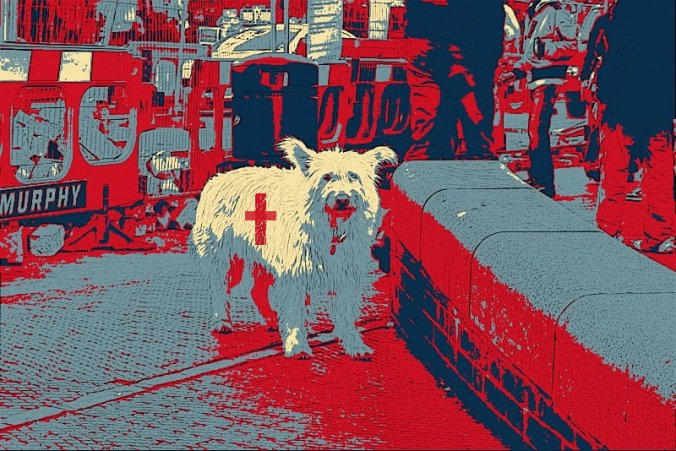
Footnotes: I have used sepia photographs to show respect, as they add a certain gravitas befitting the age and experience of the band. All photos are mine including ‘Dr Dog’ who was caught in Chelsea London and subjected to Photoshop without his permission. You will be pleased to learn that I managed to avoid using the following: barking up the wrong tree, woofers and Roger was a wag.
Some die-hard Jazz fans complain that the modern jazz scene doesn’t produce enough music that sounds like that of the ‘classic era’. This mythical era that they remember so fondly didn’t exist in the way they thought. They forget that Louis Armstrong accused Dizzy Gillespie of playing ‘Chinese music’ and that Bill Evans was accused of not swinging.
The Jazz in any defined era has always sounded surprisingly different from the music that preceded it. Jim Hall circa 2012 sounds nothing like the Jim Hall of the early ‘Pacific Jazz’ Era and why should he. This is not a music to be set in aspic or to be kept in a hermetically sealed container to protect it from impurities. Jazz is not a fragile dying art form but a vibrant improvised restless music that lives perpetually in the now. As Whitney Balliett so famously said it is ‘the sound of surprise’.
Kevin Fields new album illustrates this premise perfectly.
On Wednesday 25th April the CJC (Creative Jazz Club of Aotearoa) featured pianist Kevin Field as he promoted his ‘Field of Vision’ album. Being a fan of Kevin’s, I had been quick to obtain a copy of the album and I was delighted by what I heard. This was music with a deep groove and an unmistakable pulse. The banks of synthesizers, the singers and the electric bass lines had given it a distinct Soul Jazz context. Out of this came a series of mesmerizing grooves, which engulfed us in a way that made definitions quite meaningless. As the band played at the CJC we sunk happily into a warm vibe that made the Autumn night seem very far away.
The club gig kicked off with ‘See Happen’; a number that drew us deeper and deeper into a vamp while figures on the piano created a pleasing filigree by way of contrast. The next number ‘imaginary friend’, opened the vistas wider. On the album this was especially noticeable as the Steinway Grand, Fender Rhodes, Prophet T8 and Roland Jupiter 8 worked beautifully over the four piece string section
It had an almost cinematic feel to it and I could not help but be reminded of the work of Creed Taylor’s CTI label. Instead of CTI’s Don Sebesky this album had utilised the services of Wayne Senior who arranged the string section. The first airing of this material had been in the Kenneth Myers Centre and it was therefore fitting that Wayne Senior had been involved as his connection with the KMC goes back a long way.
The album was produced by Nathan Haines and his handiwork is evident throughout. He plays alto flute, an ARP synth and is credited as co-composer on 4 of the 11 numbers. The rest of the numbers were written by Kevin and they are probably his best work to date.
The band that Kevin brought to the CJC was a smaller unit than on the album and that is just as well because the club was packed. A small club has a very different sound to a recording studio and the warmth and intimacy is the obvious benefit of being in that space. When you buy the disk (and you should) you will notice a broader sound palette, a bigger line up and a crisper sound. Both experiences are complimentary and anyone attending who has also purchased the album will count themselves lucky.
Stephen Thomas had been brought in as drummer for the CJC gig and he had sweetened the deal by a congratulatory email that he sent to Kevin after the initial release. “Man those were some sick grooves” he had messaged. Kevin immediately confirmed him as right drummer for the gig. Stephen is a terrific drummer and the choice was a good one.
Once again we saw Dixon Nacey perform and as always we watched open-mouthed. This man is so good that it is frightening. Completing the lineup were guests; Nathan Haines, Marjan Gorgani and Clo Chaperon (the latter had great soul voices). All added something essential to the rich mix and in Nathan’s case this is only to be expected.
I would also like to mention Karika Turua. He played a big Fender bass and his grooves although loud, were as big as his guitar.
There were a few quieter piano passages as well and on these we hear the crisp touch, the harmonic exploration and the crunched chords that have become so familiar to us in Kevin’s playing. Kevin has many fans in New Zealand and most will have heard his previous piano trio album ‘Irony’ (Rattle Records). Although different I would regard both as essential purchases as we follow Kevin Fields career.
The CJC band was: Kevin Field (Leader, Yamaha piano, Fender Rhodes, Synth) – Dixon Nacey (guitar) – Stephen Thomas (drums) – Karika Turua (bass) – Marjan Gorgani / Clo Chaperon (vocals) – guest Nathan Haines (alto flute, soprano sax).
On the album were: Kevin Field (Leader, Steinway piano, Fender Rhodes, Roland Jupiter 8, ARP Odyssey,Prophet T8 ) – Nathan Haines (ARP Odyssey, alto flute) – Dixon Nacey (guitar) – Joel Haines (guitar) – Mickey Ututaonga (drums) – Migual Fuentes (percussion) – Karika Turua (bass) – Bex Nabouta/ Marjan Gorgani/Kevin Mark Trail (vocals) – Cherie Matheson (backing vocals) – Miranda Adams/Justine Cormack (violins) – Robert Ashworth Viola) – Ashley Brown (Cello) – Chris Cox – (drum programming).
This album can be purchased in any major record store or for more information contact ‘Haven Music’ a division of ‘Warners Music NZ’.
All photographs by Peter Koopman – Gig venue/CJC Jazz club Auckland
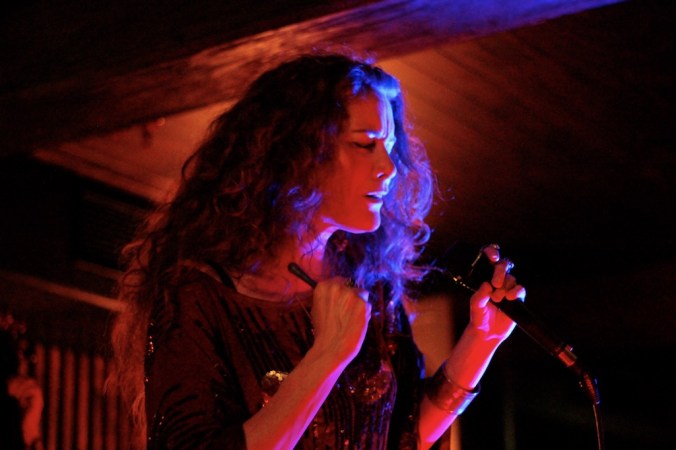 Caitlin Smith is a vocalist who can quickly put a smile on your face or shamelessly tug at your heart-strings. She always finds a way to connect her audience to the essence of a song; deftly locating that illusive sweet spot. While there is often power in her delivery, there is also remarkable subtlety. You could describe her voice in many ways; pitch perfect, having an almost operatic range, but there is much more to Smith than chops. In the parlance she owns each song she sings and embeds it with a uniqueness. Like a seasoned saxophonist she tells beguiling stories in a distinctive way.
 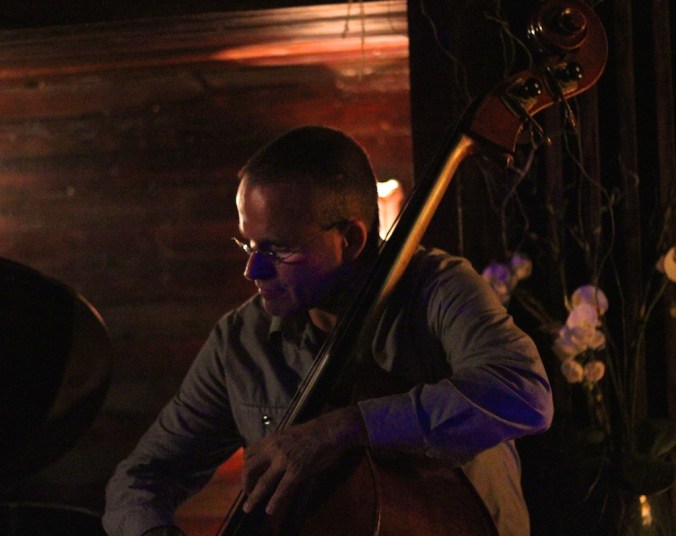 There is a well-worn cliché that vocalists hog the limelight and in truth many go through their careers with barely a reference to the musicians that they work with. Caitlin Smith is the opposite. You are left in no doubt that her gigs are a shared project as she interacts with band and audience, picking up on every nuance from either. She works with a band as a vocalist should and she is comfortable giving them space to solo. There is a generosity of spirit about her persona and this manifests in the music. I have also witnessed her solid support for emerging artists. The ultimate litmus test for me, is that gifted improvising musicians enjoy playing in Caitlin Smith lineups.
 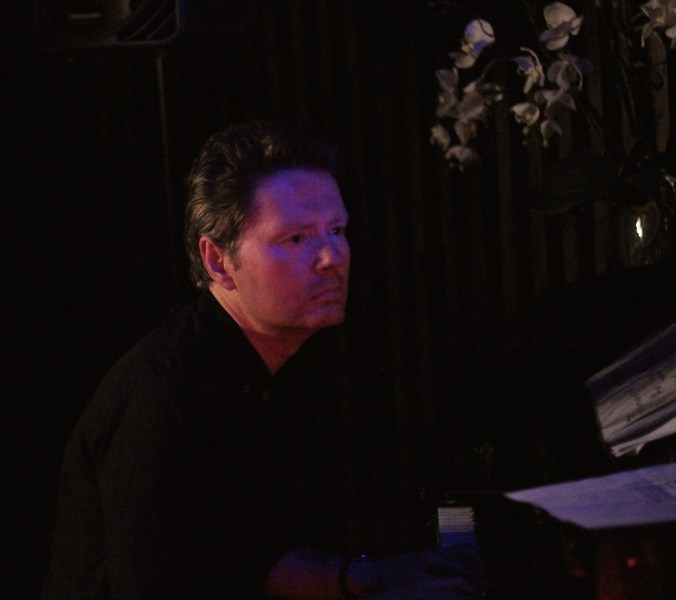 While Smith is widely acknowledged as a gifted singer-songwriter, it is her Jazz repertoire that is turning heads of late. Her performance with the AJO at the Tauranga Jazz festival won her many new fans. She is a wonderful interpreter of Jazz standards and this aspect of her repertoire deserves critical attention. Her vocal gifts and incredible musicality thrive with this space; of particular note is the delightful way she plays with lyrics.
 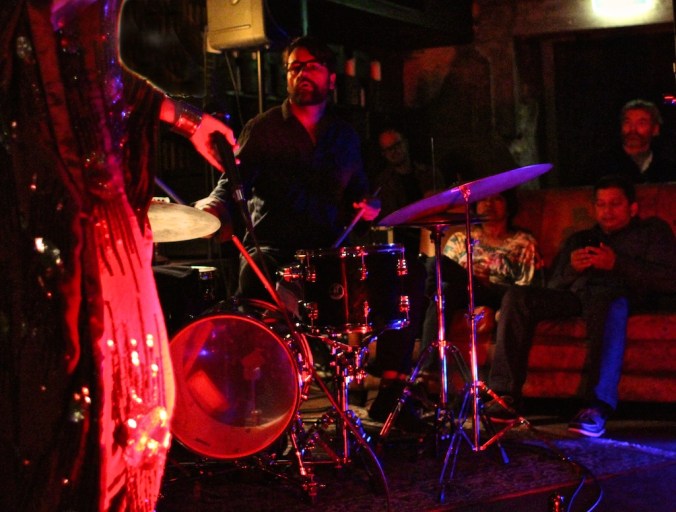 Smith is a natural performer and there is something wonderfully theatrical and engaging about her stage presence. This gives her gigs an added spark of life. On Wednesday she included some of her own compositions like the beautiful ‘In between’, but the audience was particularly wowed by her take on jazz standards such as Ellington’s ‘I like the sunshine’. I have heard her sing Ellington and Strayhorn at other gigs and I am always impressed by the way she freshens these standards up.
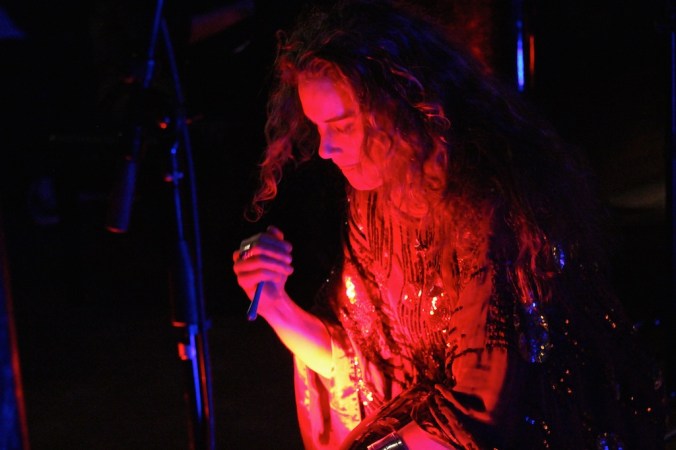 Another song from a different genre was ‘River’ (Joni Mitchell). This classic Mitchell song was recently reinterpreted by Herbie Hancock and Wayne Shorter. As Smith delivered her version she phrased it in such a way that I could hear those elided Shorter fills in my head. Her delivery was crystalline and it brought her two worlds together perfectly.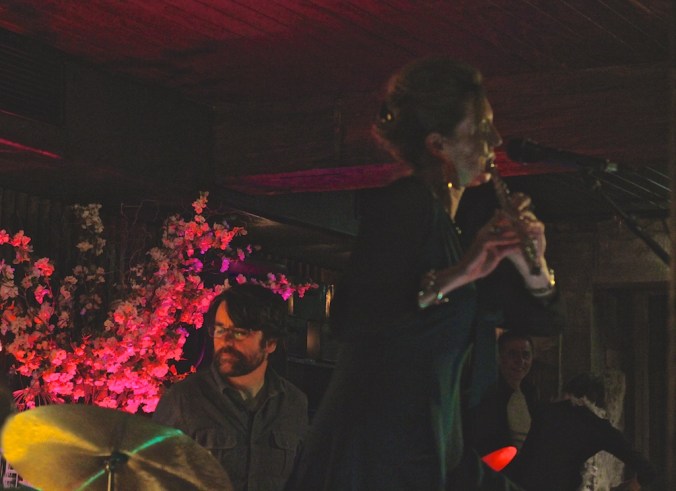
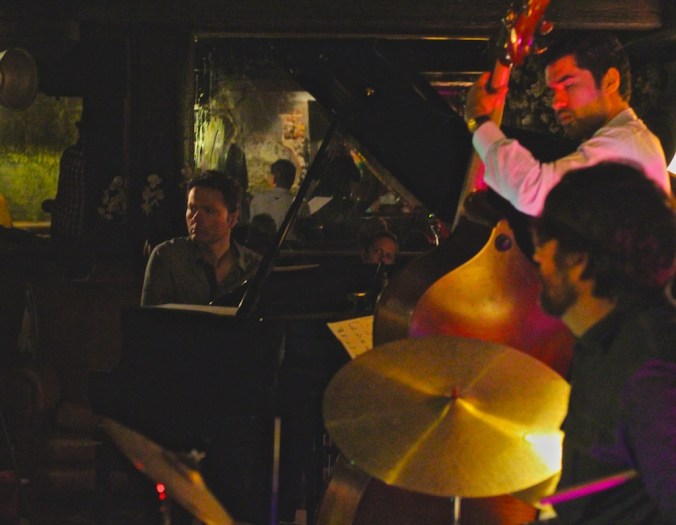
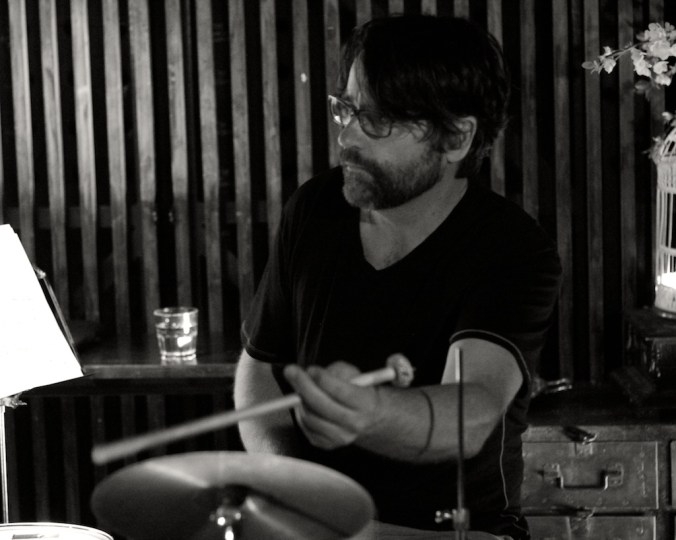
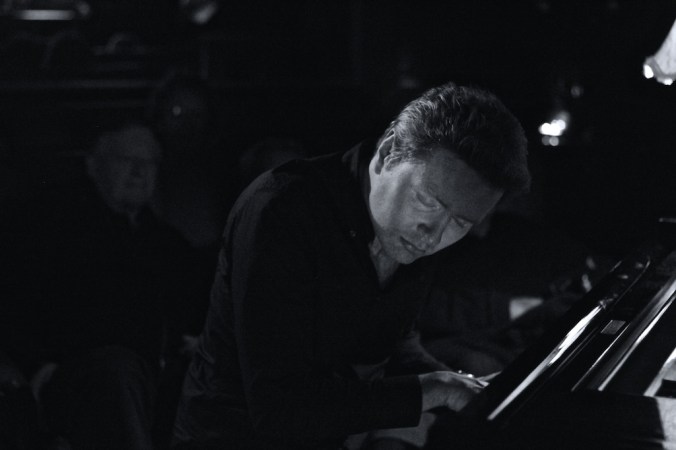
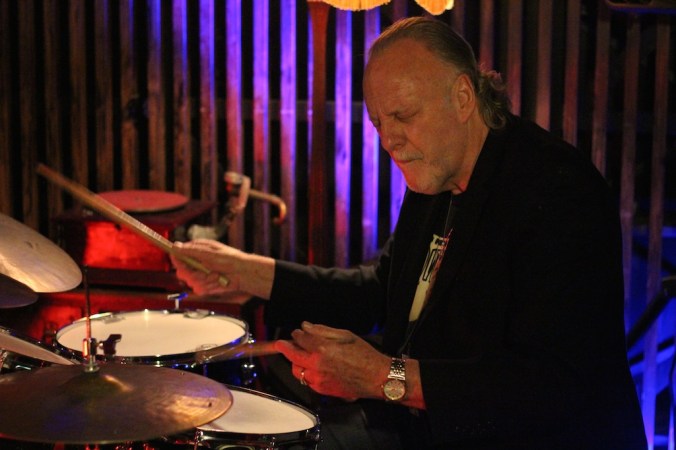
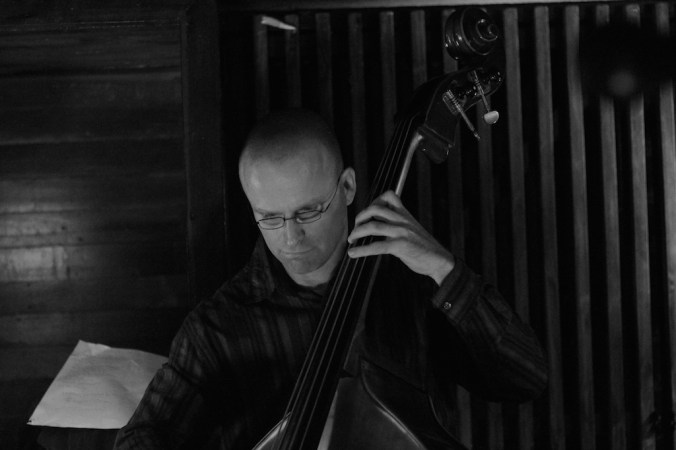
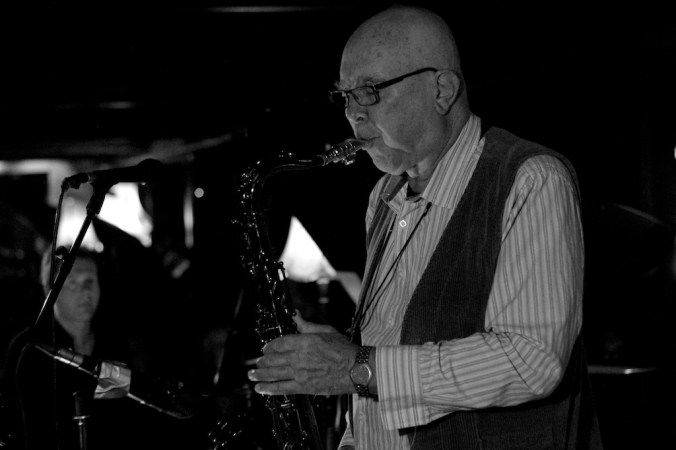

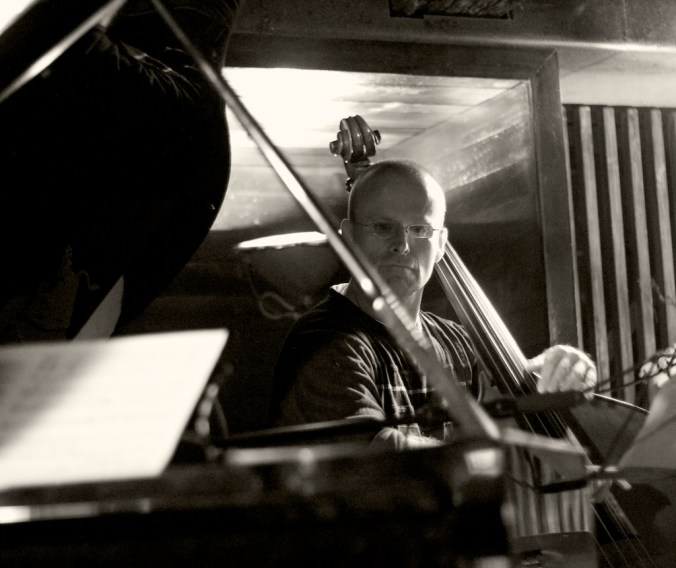
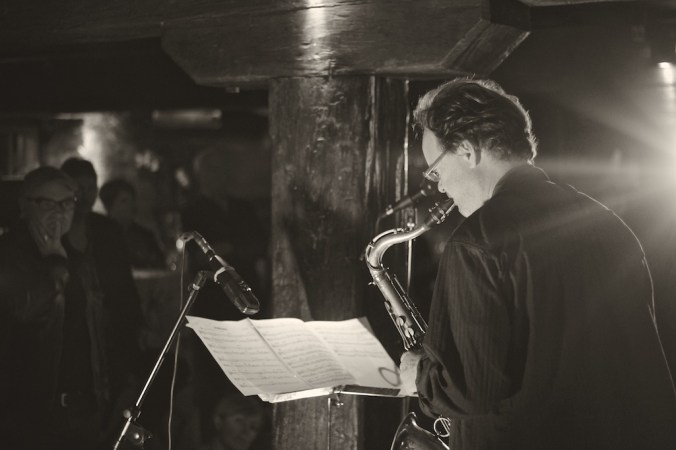
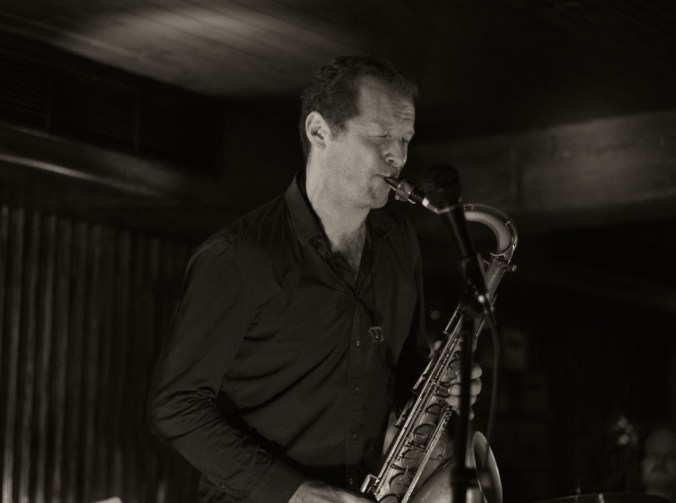
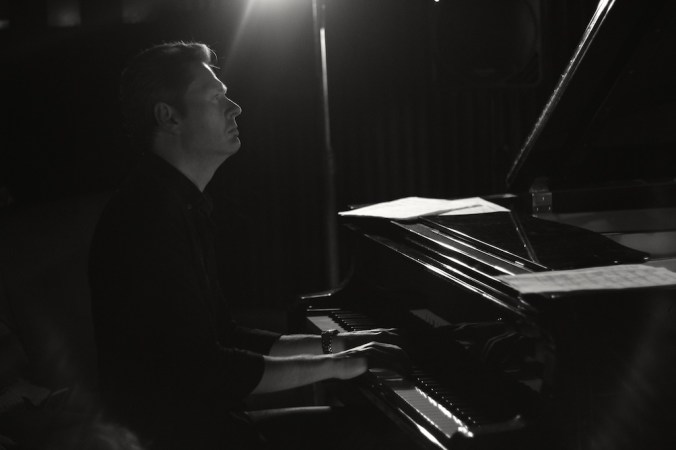
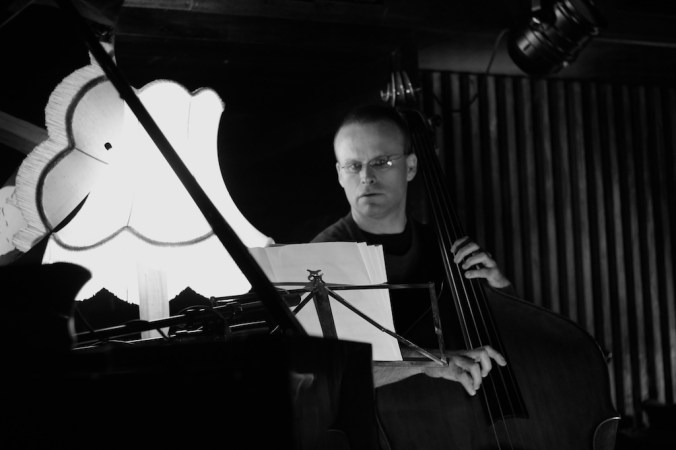
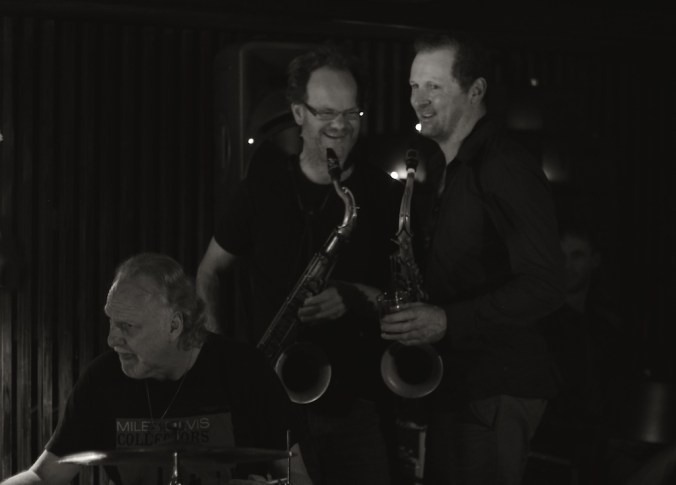

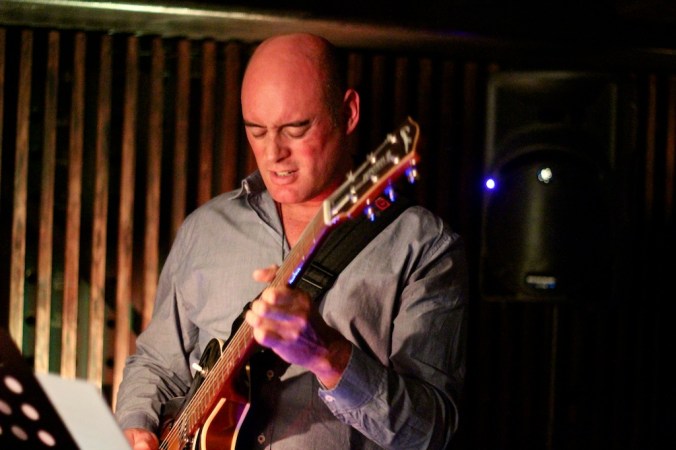
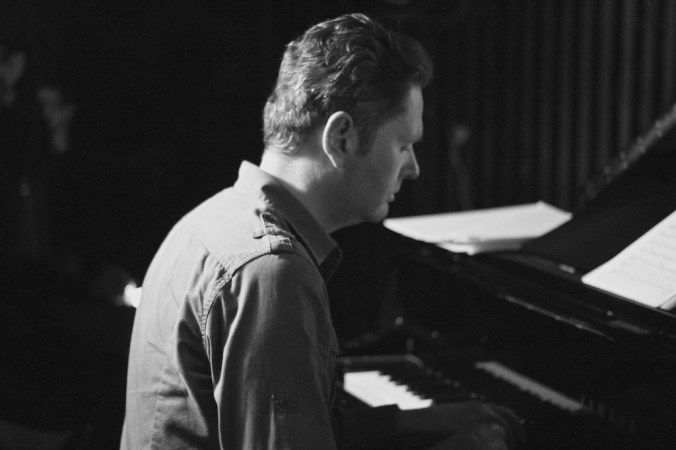
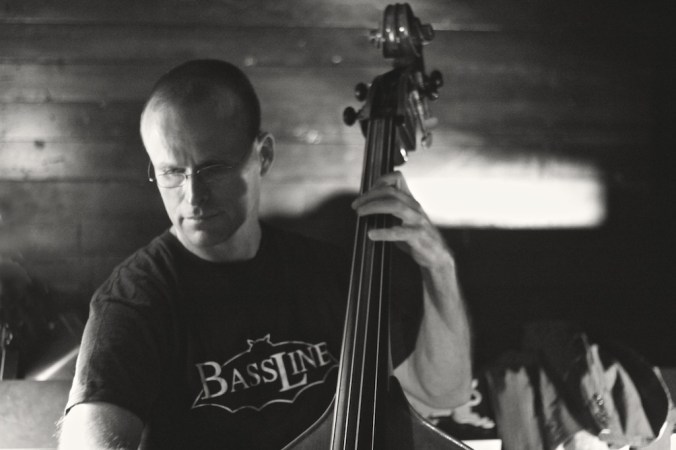

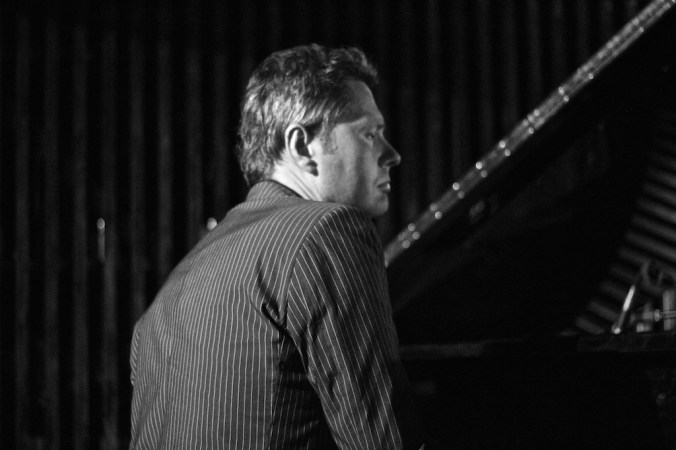
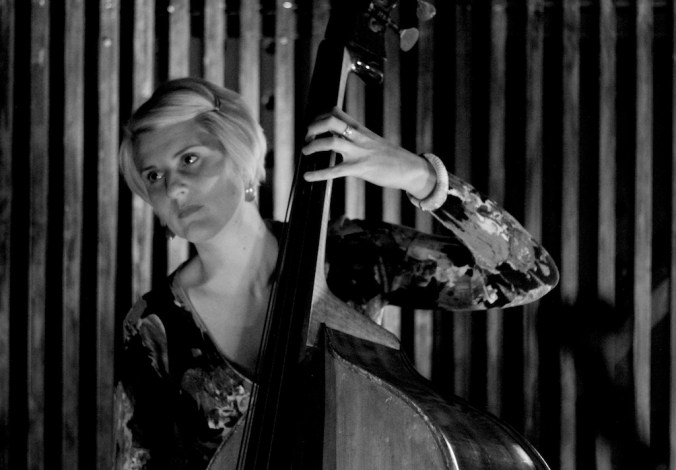
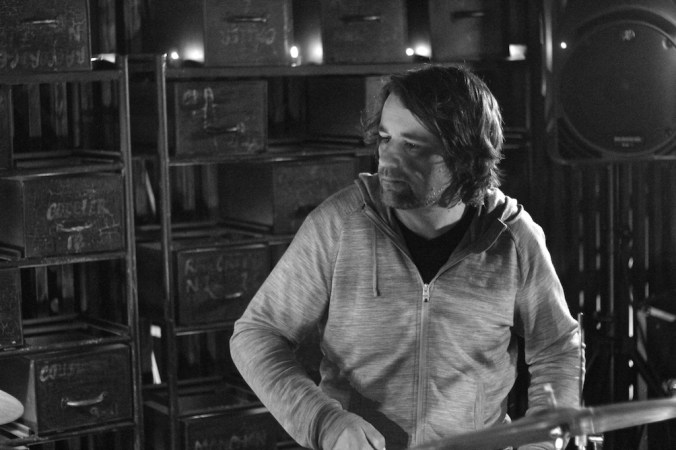
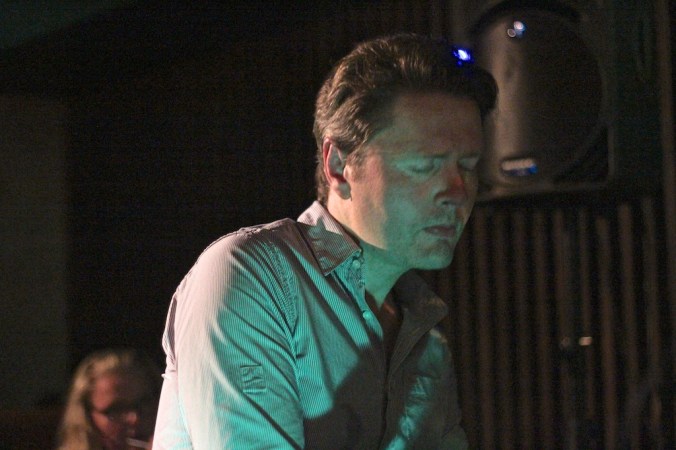
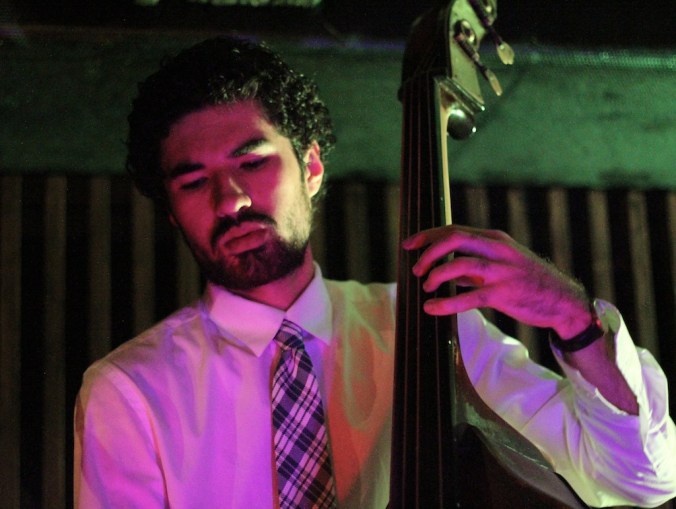
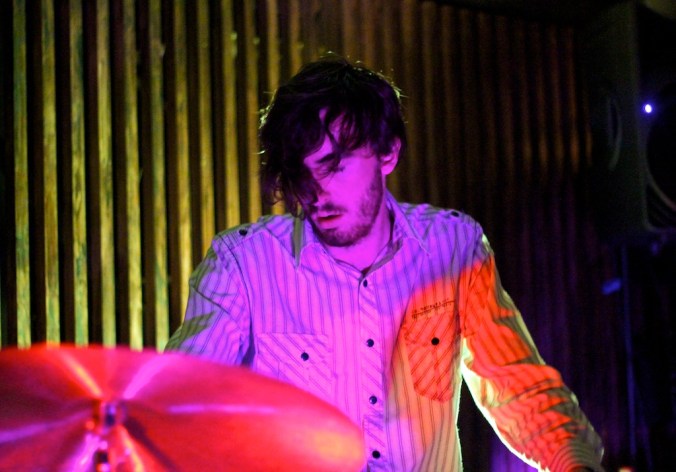


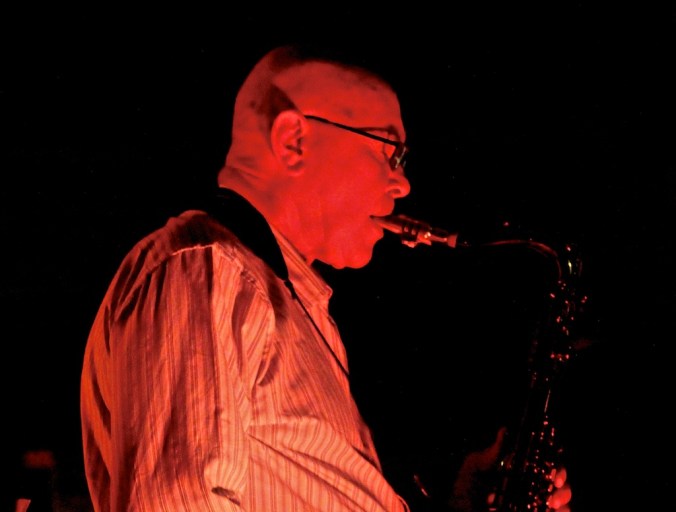

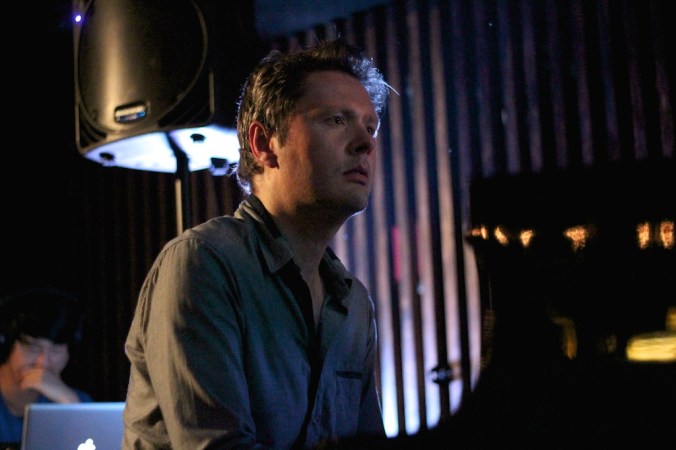
 Accompanying Brian on piano was Kevin Field who is so well-respected about town that he is a real drawcard in his own right. I have often mentioned his ability to add value to any band he plays with and this night was no exception (A post on his April 17th gig will be up shortly). On bass was Kevin Haines who is not only the most experienced bass player about town but one of the best. lastly there was Frank Gibson Jr on drums who is another respected and talented veteran Jazz identity about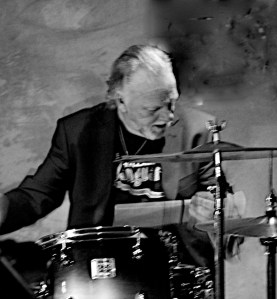







 JazzLocal32.com