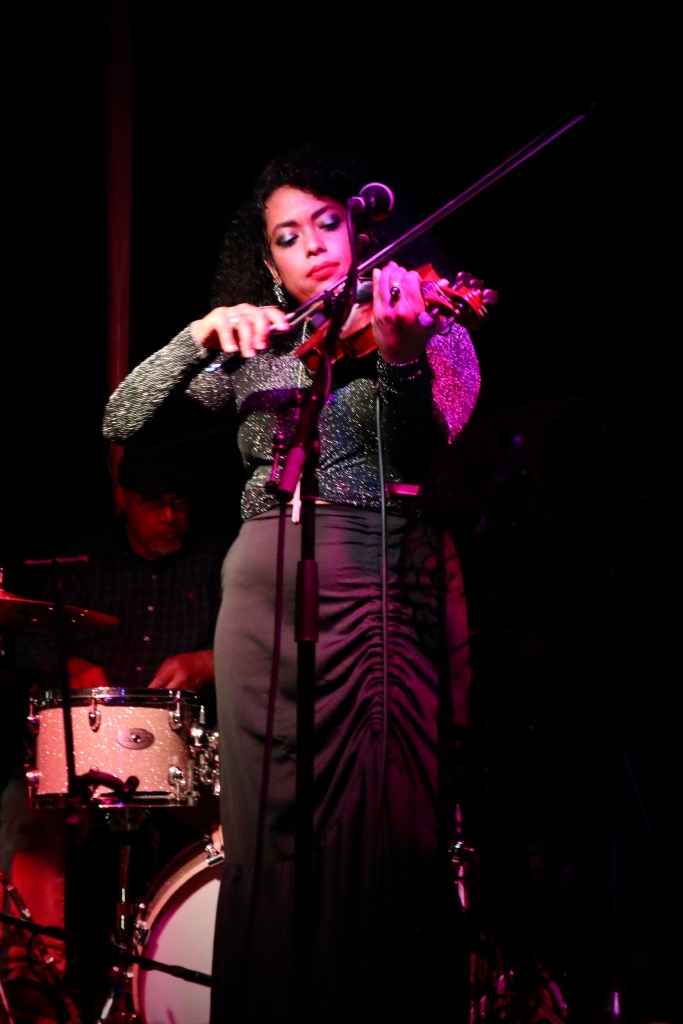
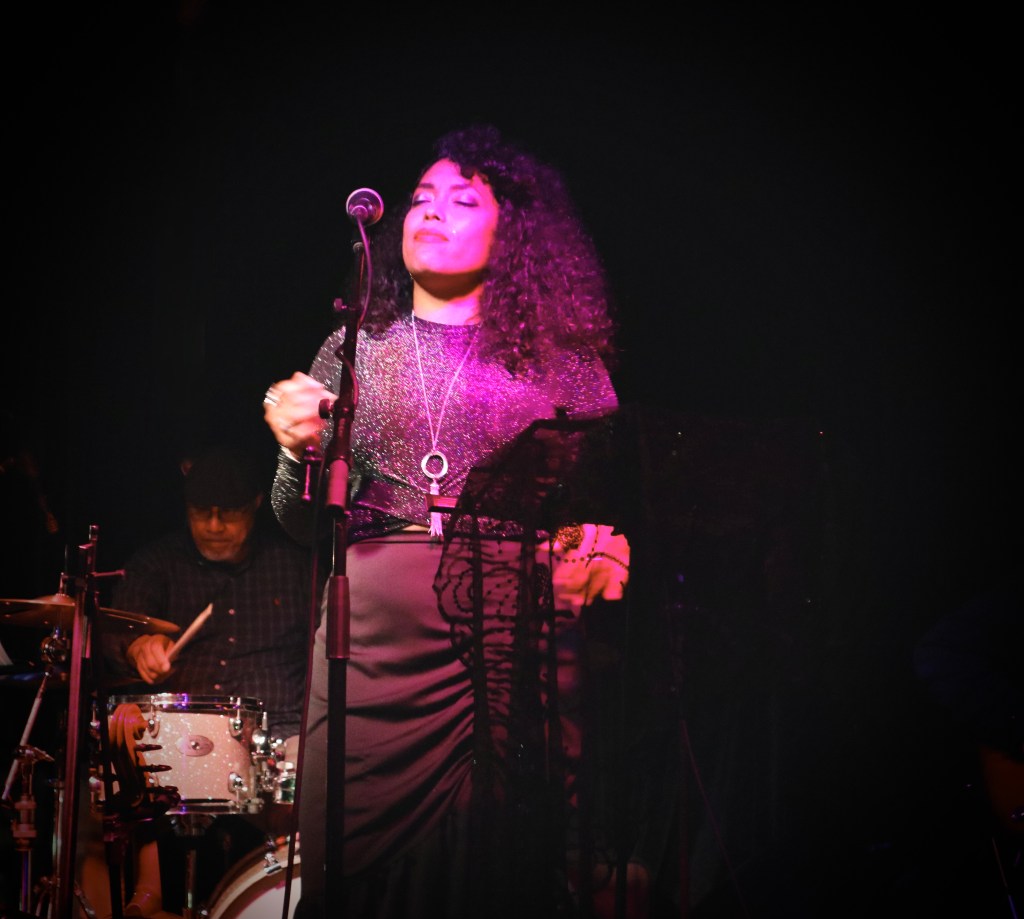
The Bonita Project is fueled by good compositions, nice arrangements and above all by the exuberance of leader Chelsea Prastiti. It is the second time that Bonita has appeared at the CJC in recent times and people returned for more. It is a worthy project as it reimagines a time and rides on a powerful vibe; the sort that the world needs right now. There was always an easy-going breezy quality to post-war Brazilian music and that quality could beguile. Underneath, however, there is a powerful engine, as the melodies float over a plethora of complex rhythmic structures.

It is impossible to listen and to keep your feet still as the urgency underlying the beachy vibe captures you. It is also true that in this golden era there were dangerous political undercurrents. Out of that dashed hope came a flowing of art forms and the authoritarian colonels who tried to snatch it all away could not silence the music. Many of the musicians like Elis Regina were harassed, but the music never faltered.
There were three arrangers credited on the gig, Prastiti, Sinclair and Passells. The compositions were by Prastiti (and with one co credited to Kenji Hollaway). Some of the tunes we had heard before, including the lovely ‘Cassandra’ (posted as a video last time). There were also new tunes and among them ‘Peter Pan’ was especially appealing. The band had changed slightly from last time, with Connor McAneny replacing Crystal Choi. McAneny had been out of the country for a few years and his return is welcome. His piano playing has a muscular quality to it, which was less evident before he left.

The opportunity afforded by a diverse sound palette was well utilised by the arrangers; bringing out the best in the music without overwhelming melody. This was achieved with three vocalists, an acoustic guitar, piano, double bass, percussion, kit drums, trumpet + flugelhorn, clarinet + flute, tenor saxophone and a second flute. It was pleasing to hear a 12 piece ensemble perform in this way. A configuration like this allows an arranger to impart a degree of airiness out of a large ensemble sound. This was achieved by having the instrumentalists or the vocalists moving in and out of the mix as required. The tunes had lyrics, but just as often there was wordless singing. I love to hear the human voice used as a (non-verbal) instrument. Perhaps because of my ongoing enthusiasm for Winston/Wheeler/Taylor in their ECM ‘Azimuth’ days. This was a nice project and all the more so because it was presented with infectious enthusiasm.
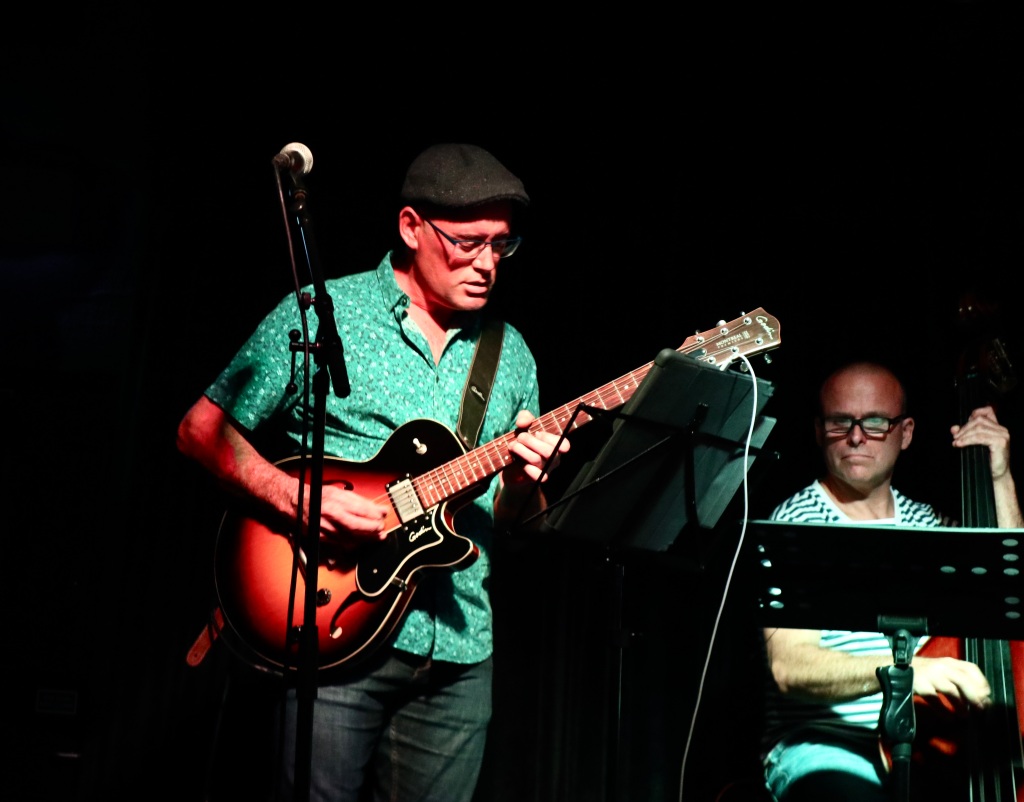
Bonita: Chelsea Prastiti (vocals, arranging), Eamon Edmondson-Wells (upright bass), Ron Samsom (percussion), Tristan Deck (drums), Connor McAneny (piano), Michael Howell (guitar), Roger Manins (tenor saxophone), Elizabeth Stokes (trumpet/flugelhorn), Ben Sinclair (clarinet, flute, arranging), J Y Lee (flute), Rachel Clarke (vocals), Gretel Donnelley (vocals), Callum Passells (arranging).
JazzLocal32.com is rated as one of the 50 best Jazz Blogs in the world by Feedspot. The author is a professional member of the Jazz Journalists Association, poet & writer. Some of these posts appear on related sites.



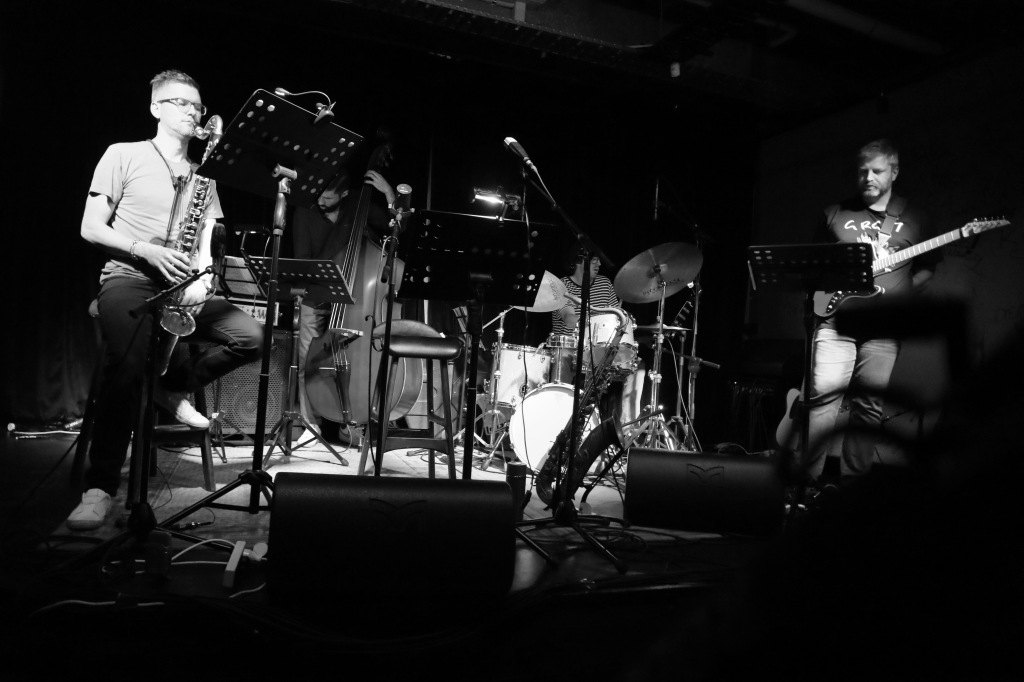
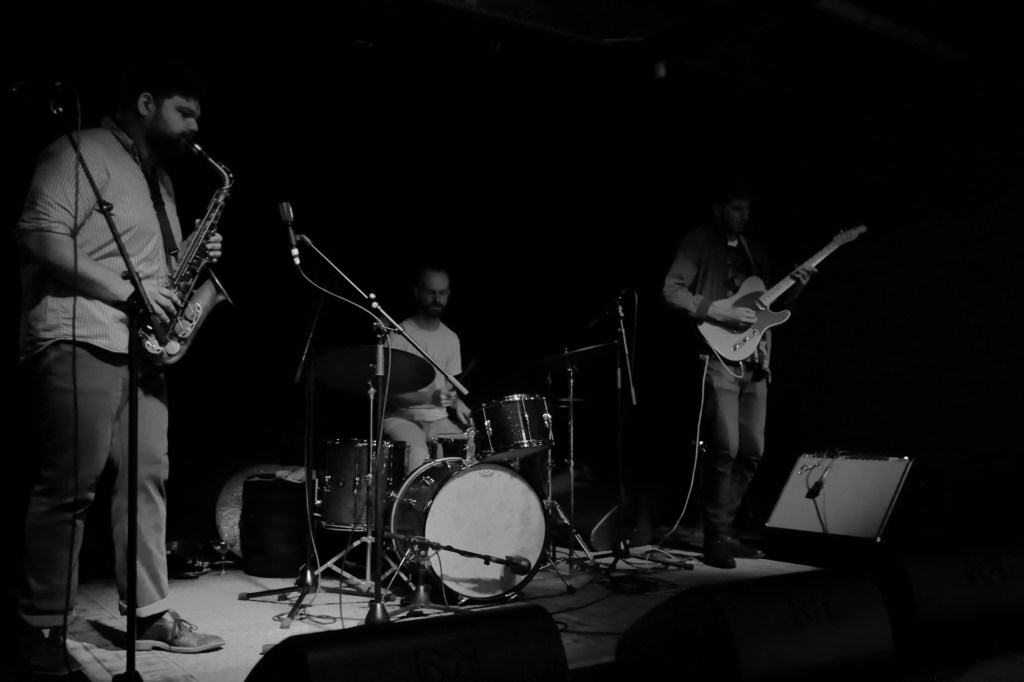
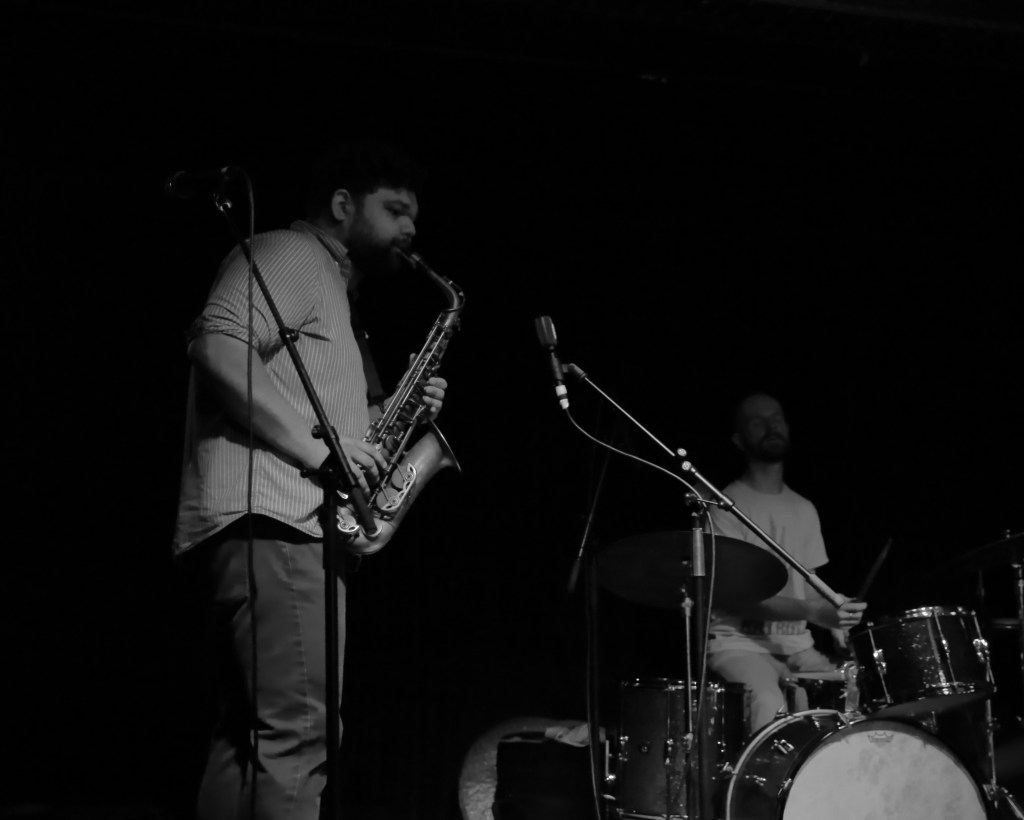
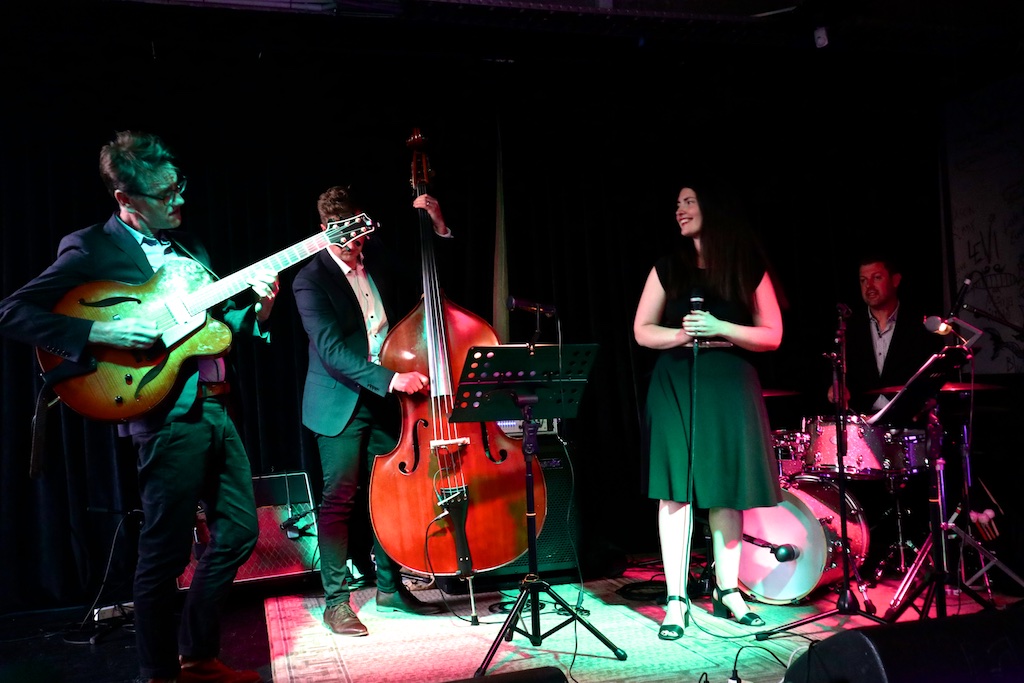 I was barely off the plane and my brain was full of dense fog, no doubt a legacy of San Francisco Karl who had been circling me like a spectre for a good month. I gamely fought the malaise off and because I am a creature of habit, dutifully made my way down to Auckland’s CJC Creative Jazz Club. In my experience, it pays never to miss a live improvised music gig, because if you do, you risk bitter regret. Believe me, I often lie awake lamenting a missed chance to see John McLaughlin.
 A while ago the program director of the Creative Jazz Club, Roger Manins mentioned that he had booked a great young group from Christchurch to appear in the emerging artist’s slot. He went on to say that many of these young emerging artists were so good that he was considering renaming the slot, something like ‘young guns’. He was right. Ocelot exuded easy-going confidence, uncommon in younger players and by the second number they owned the bandstand; navigating some slippery lines with disarming ease and swinging. This was a tight unit and it was obvious that they had put in the necessary work beforehand. That gave them the freedom to relax into the music and the results were evident.
 Canadian Jazz guitarist Keith Price is a welcome addition to the Auckland scene. He brings with him fresh ideas and a musical connection to his hometown. Manitoba is associated with Lenny Breau and Neil Young who both grew up there. Perhaps it’s the proximity to the open spaces which echo in the music, that wide-open sound (and in Young’s case an overlay of dissonant melancholia)? Whatever it is, it certainly produces distinctive musicians. Lenny Breau is an important Jazz guitarist and one who is sadly overlooked, Hearing Price’s respectful acoustic homage on Wednesday, cast my ears in that direction again.
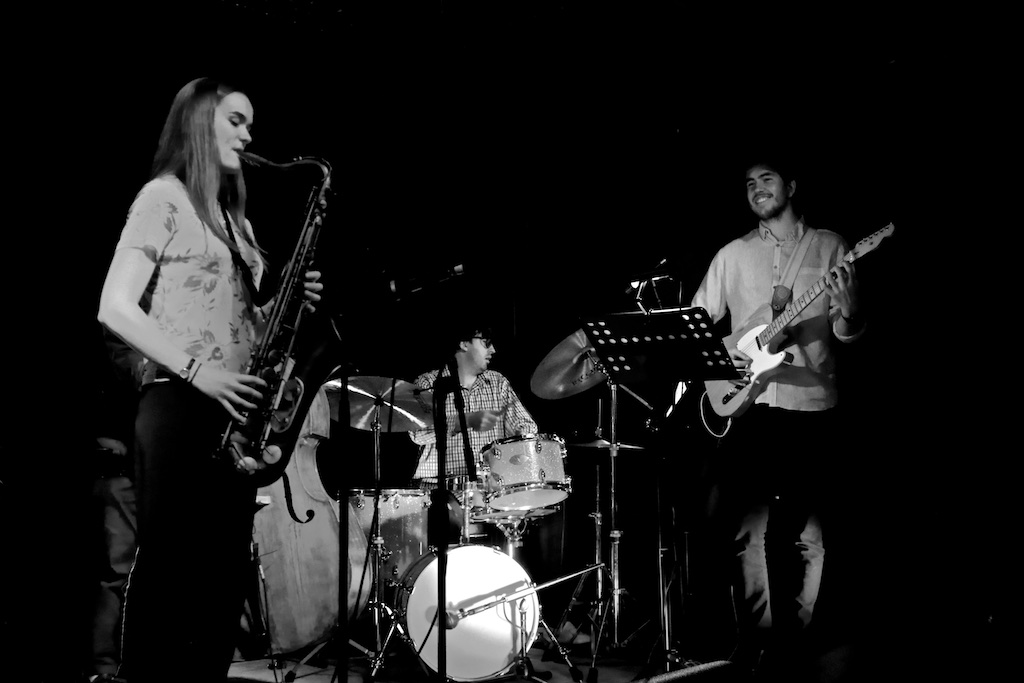 Louisa Williamson is a gifted young tenor saxophonist who has visited Auckland on previous occasions. This time, and for the first time, she visited as a bandleader, showcasing her beautiful compositions. I have always admired her tone and improvisational abilities, but this was a step up. Freed from the comfort of a band she knew well, she cast herself among an array of experienced Auckland musicians. Stephen Thomas on drums, Tom Dennison on bass and Michael Howell on guitar. The only Wellingtonian (besides Williamson) was pianist George Maclaurin and together as a band they delivered. This was engaging straight-ahead Jazz.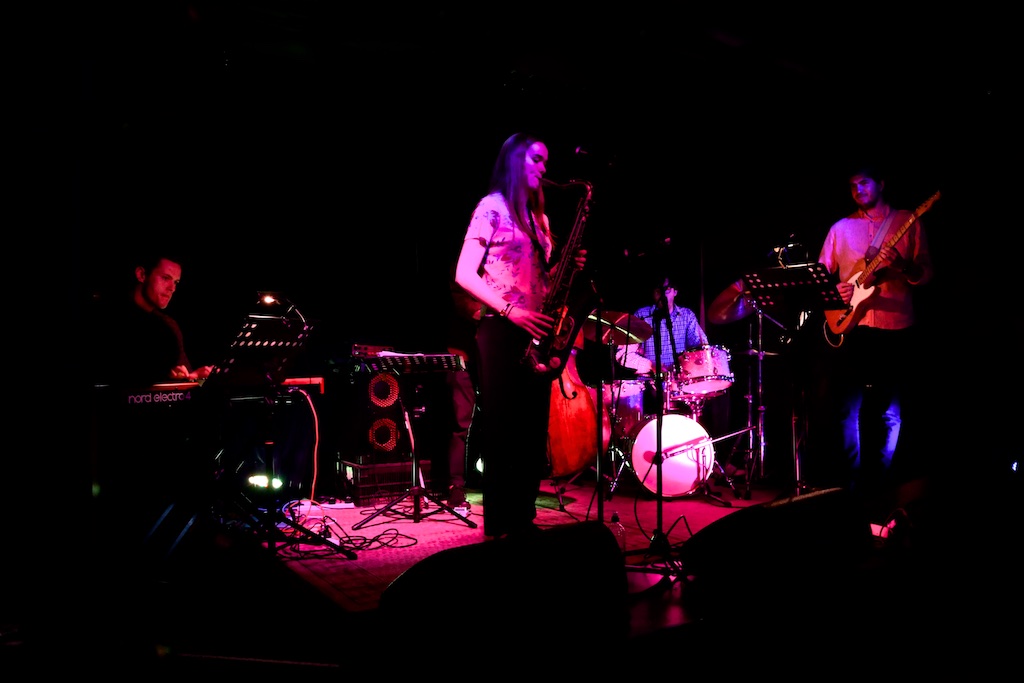
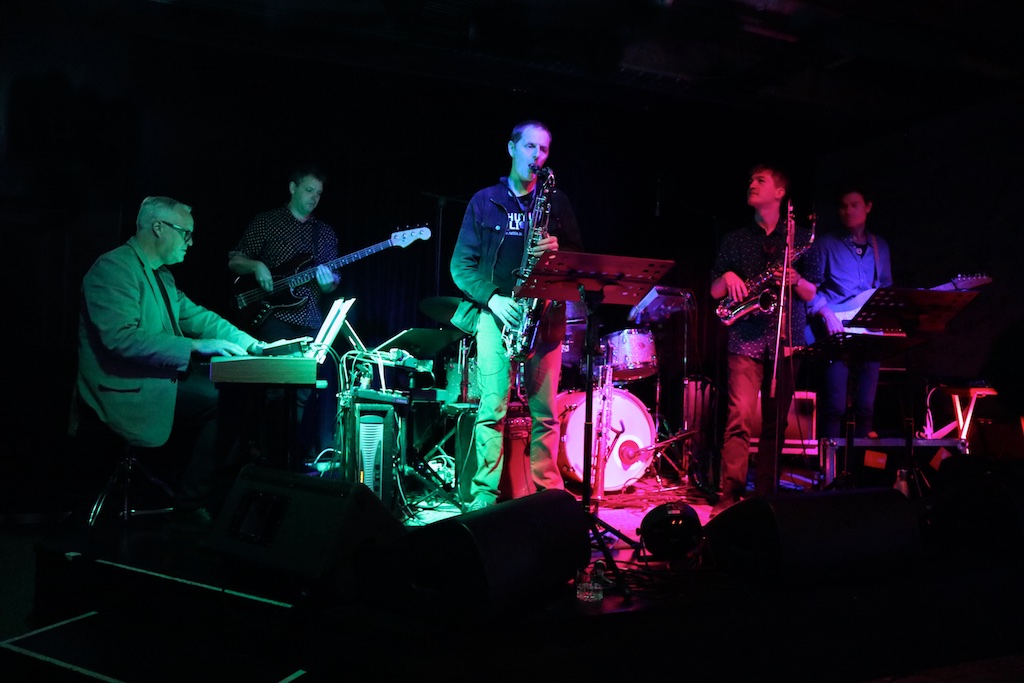 The history of music is the history of instrument development and from the earliest of times, musicians have expanded the reach of their instruments. The mother of instruments, Al’ Oud was first documented 3500 years ago, but documenting the development of the drum is a nebulous task. It almost certainly arose in Africa and along the way it has undergone a multitude of modifications. On Wednesday there was another waypoint along the continuum under the forward-looking beats of Stephen Thomas. Thomas is a gifted drummer and percussionist and in his hands, the instrument takes on a new life by transcending the mundane. The gig arose out of his last years Masters recital and the focus was on extended technique; combining physical drum rhythms, electronics via a drum pad, prepared drum heads and samples.
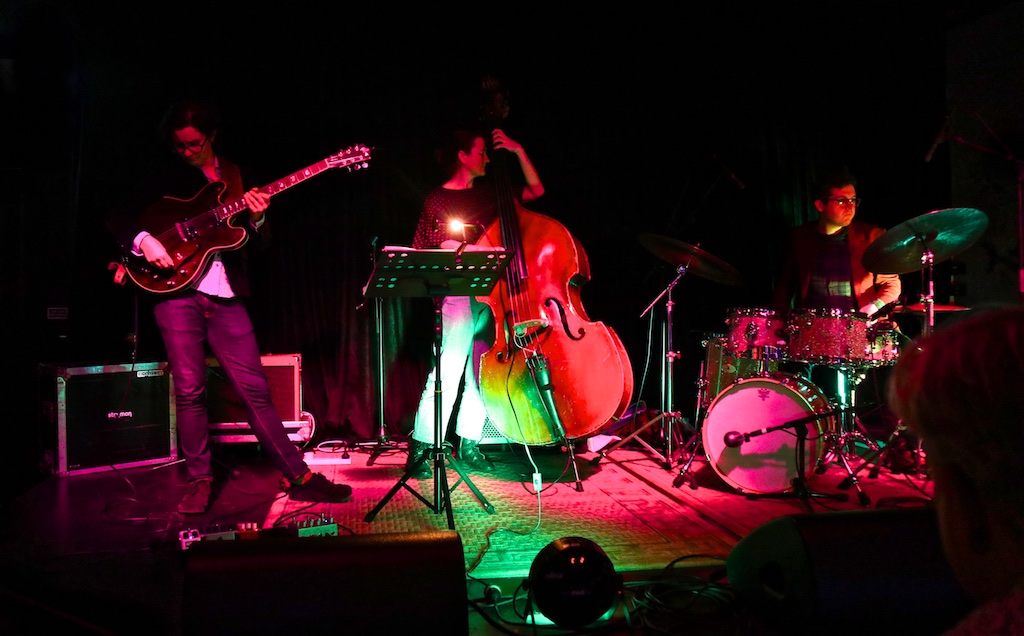 The Melbourne group Spirograph Studies was exactly as described, modern and eclectic. In this quartet, there were no horns to carve out melodic lines. Instead, a guitar and piano spun intricate layers one on the other, focussing more on well-crafted motifs and harmonic development. There was melody but it was mostly implied, nestling comfortably among richly dissonant textures and emerging out of the subtle interplay. It was often voice-led but not as we know it and the overall effect was beguiling.
 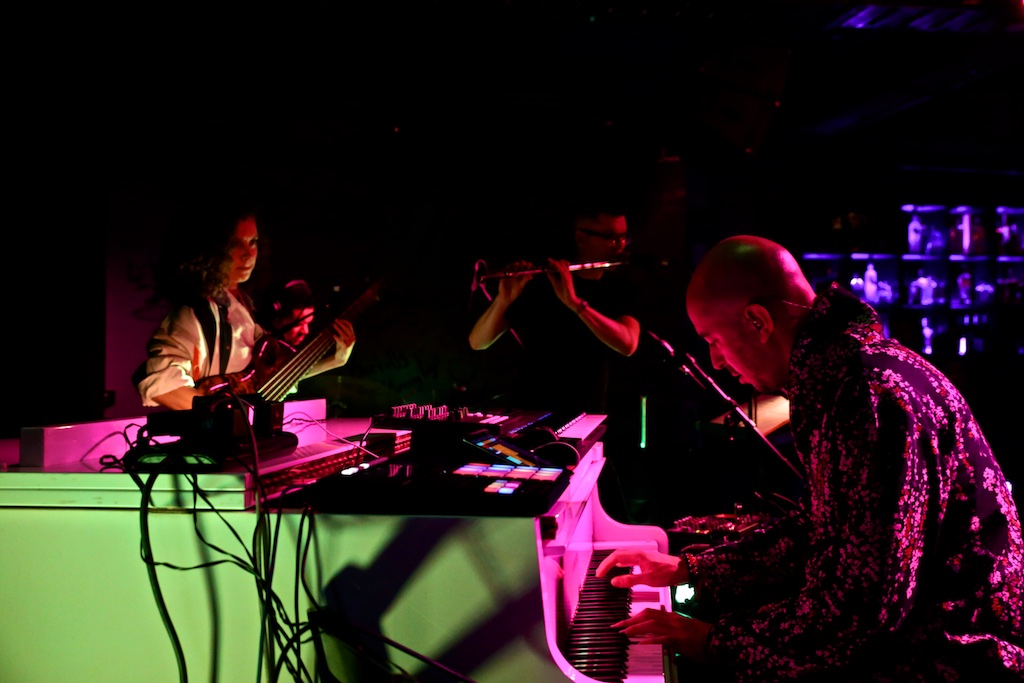 Music is the highest form of communication. It is universal. It reveals truths, tells stories, entertains, and in Mark de Clive-Lowe’s case, it evokes other realities. This was a masterclass in storytelling; an unfolding kaleidoscope where the contradictions and sublime realisations about the human condition were brought into focus. ‘Heritage 1 + 2’ the albums reflect his personal story, a journey of reconnection, an exploration of culture and of family history. He revealed it through moments of spoken narrative, but above all through his reverential musical examination of Japanese art forms. This was a musical journey where the highly personal overlapped the philosophical. It was a journey back to his Jazz roots and undertaken entirely on his own terms.
 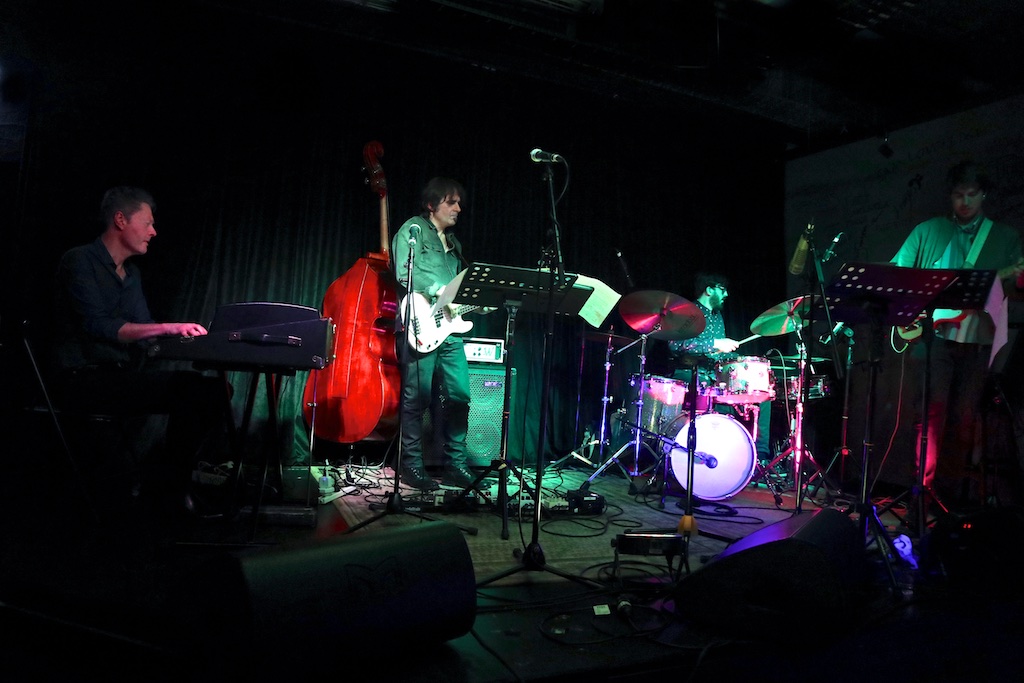 Subject to availability, Richard Hammond is the kind of bass player that you would consider first for an important gig or recording.
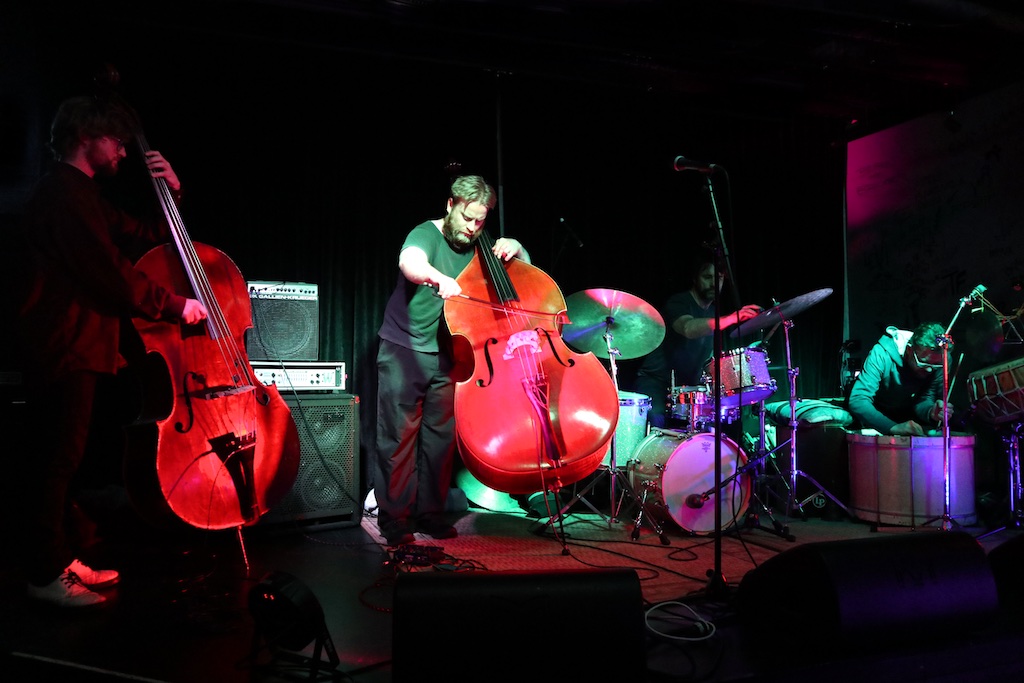 Two bass, two drummer gigs while not unknown usually occur in service of a chordal instrument or of a horn line, and when a solo bass concert occurs, an audience is frequently shown ‘cleverness’. On this occasion, the bass of Elsen Price freed the instrument from the narrow confines of the standard rhythm section or the conventional solo bass repartee; instead, exposing the beautiful resonances and the reach of the instrument. This was sublime music and complete unto itself. It celebrated a gifted musician and a wonderful instrument but without displays of egocentricity. The feat was achieved by inviting us inside the music, and into a sonic cornucopia. We listened and we were captivated.
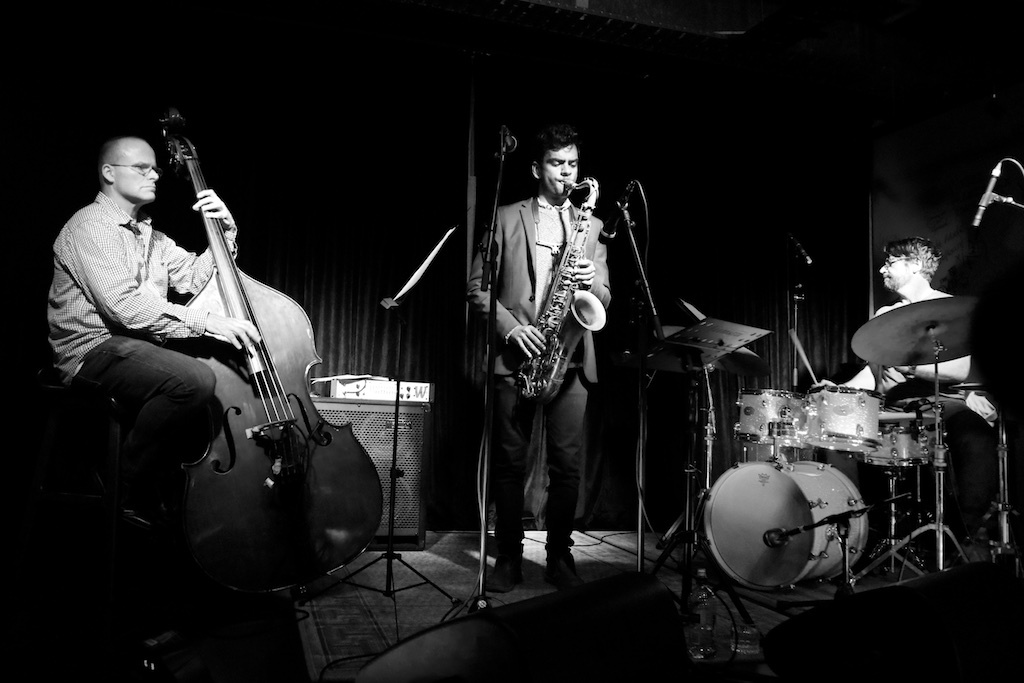 It was four years ago and almost to the day, that Kushal Talele was last at the CJC. Then, as now, he had just returned from a long period overseas. I heard him for the first time then and I was impressed. That was in the cellar of the 1885, a place now a fond but distant memory. A few days ago he returned to the CJC and although he played with a different band, his unmistakeable upwards trajectory was evident. There is nothing unduly flashy about Talele as he radiates calm and absorption. At the microphone, he talks quietly, but there is passion in those subdued tones.
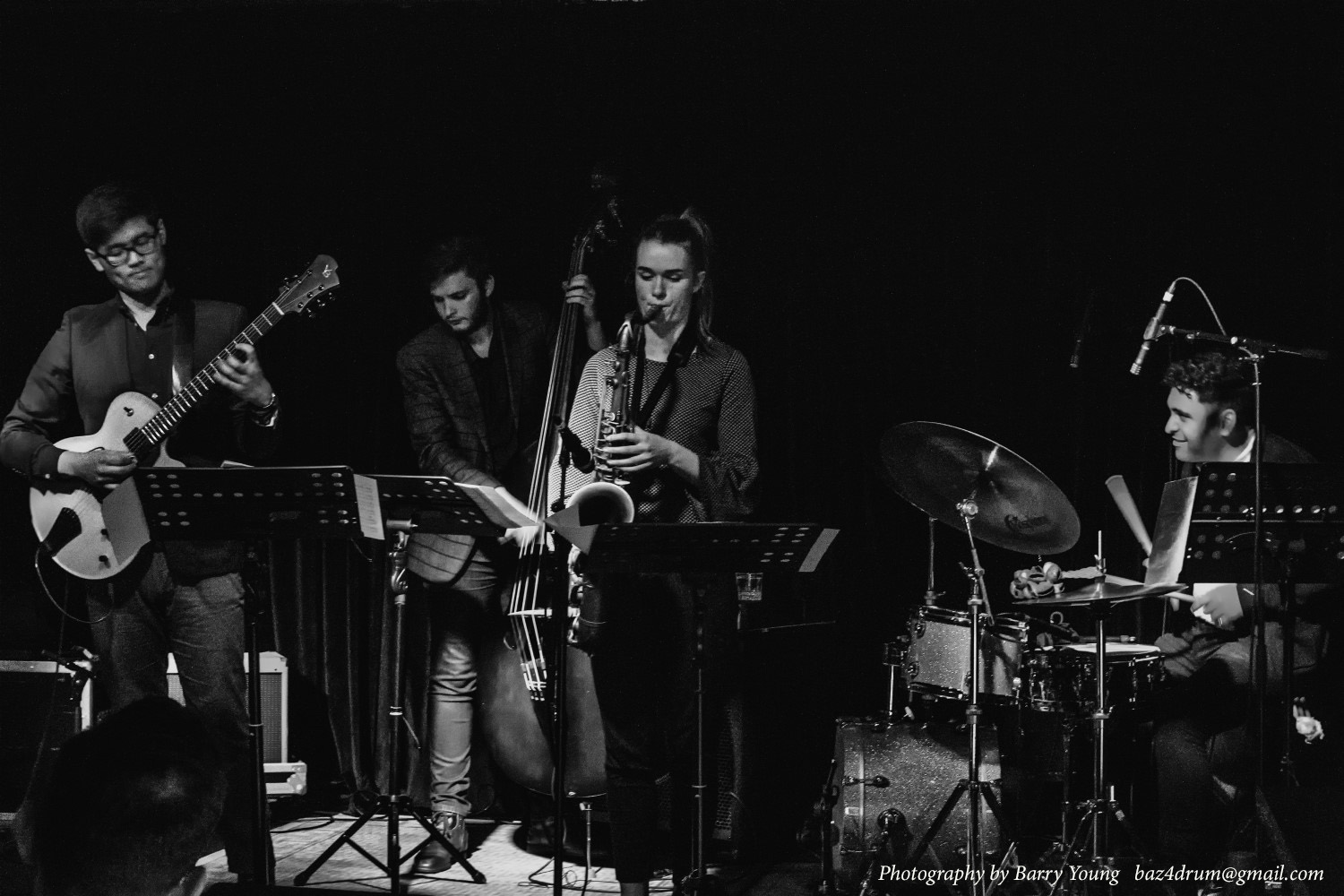 Brad Kang has previously appeared at the CJC, but this time he was here with his own quintet. It is not too much of a stretch to say that most emerging Jazz guitarists during the last decade have demonstrated a liberal dose of Kurt Rosenwinkel in their playing. It is in their sound and their approach to melody and it was unmistakable with Kang. That clean bright tone and the fluent unison lines as he and saxophonist Louisa Williamson ran through the head arrangements.
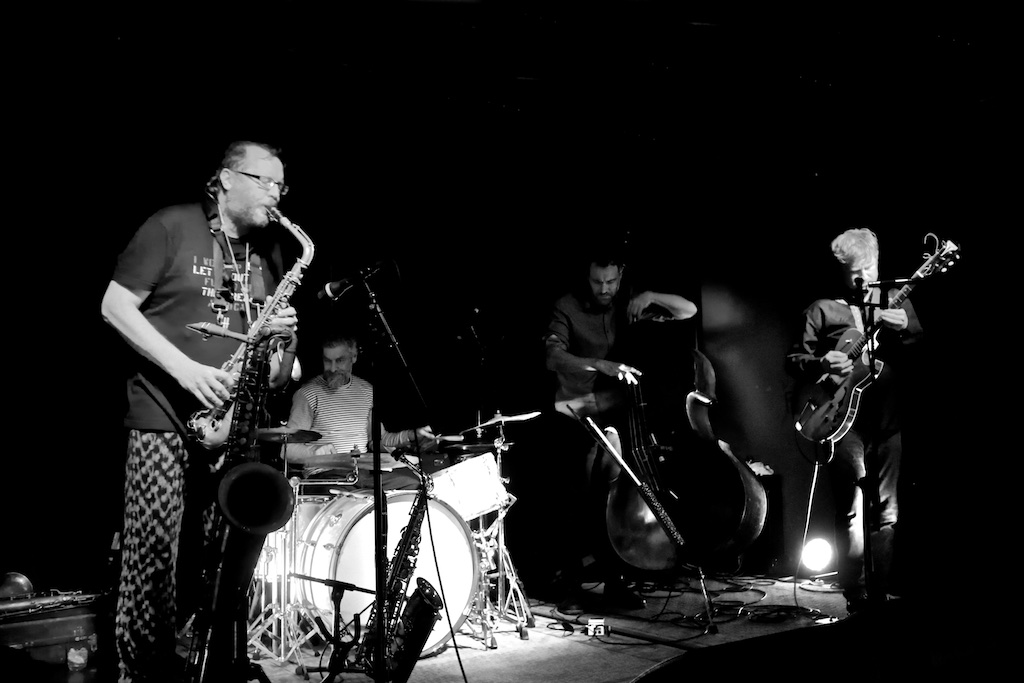 Anything that Jeff Henderson is associated with is likely to be intense, mind-altering and extraordinary. No matter how prepared you think that you are, you should understand that your head will be fucked with. When you factor in Tom Callwood, Anthony Donaldson and Daniel Beban the Henderson effect is magnified exponentially. This music is powerful stuff as it sweeps aside genres as irrelevant distractions. When confronted with a gig like this you abandon preconceptions, as the sonic smorgasbord jolts you out of complacency. It is also a visual experience and Fellini would have signed these guys up in a heart-beat.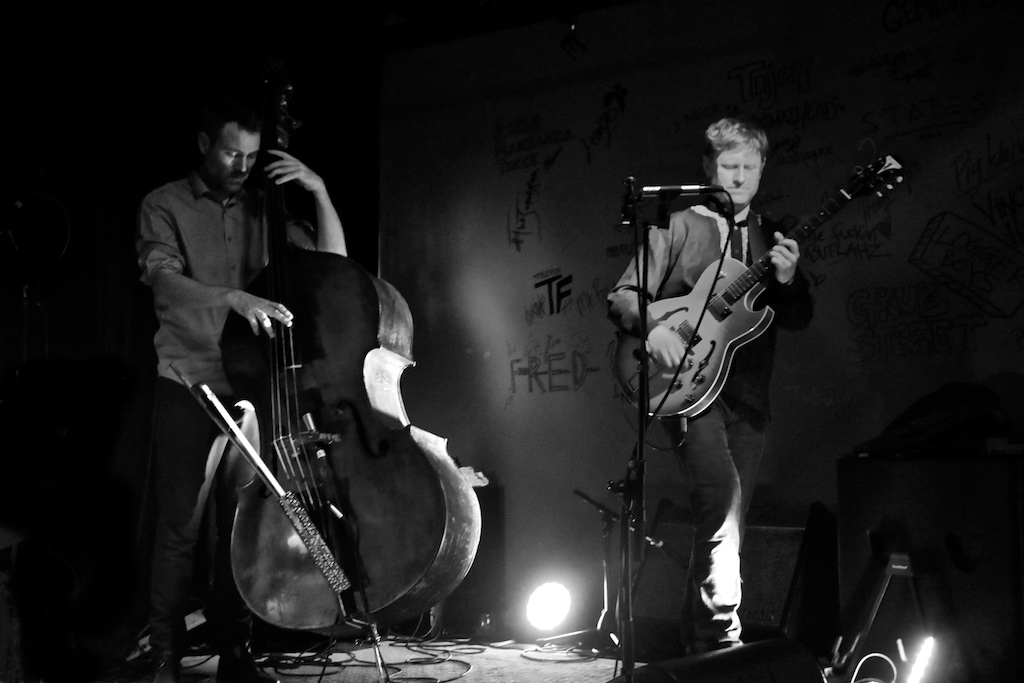
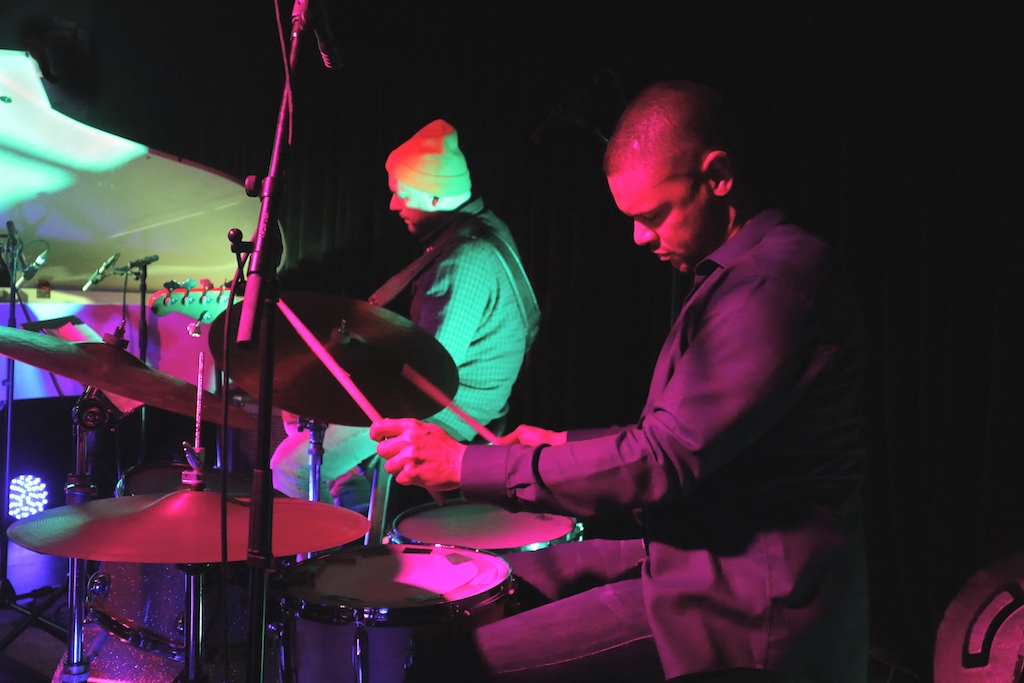

 The original
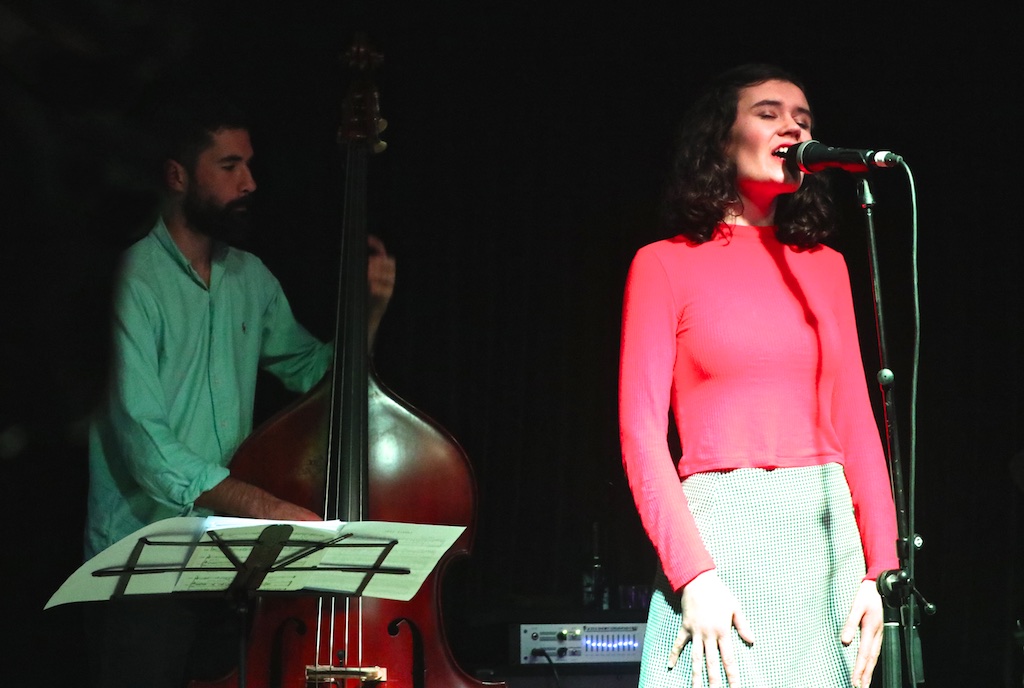
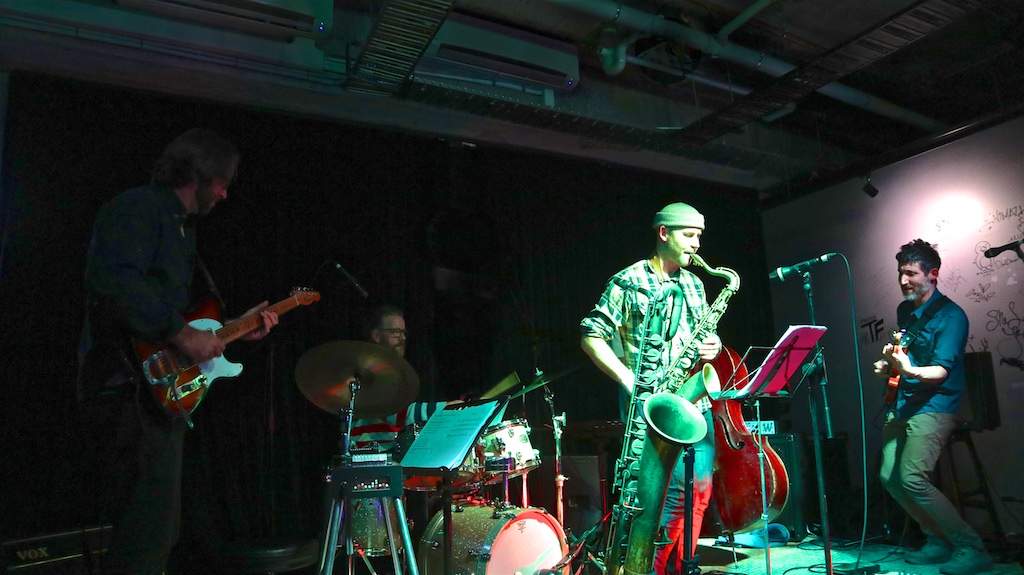
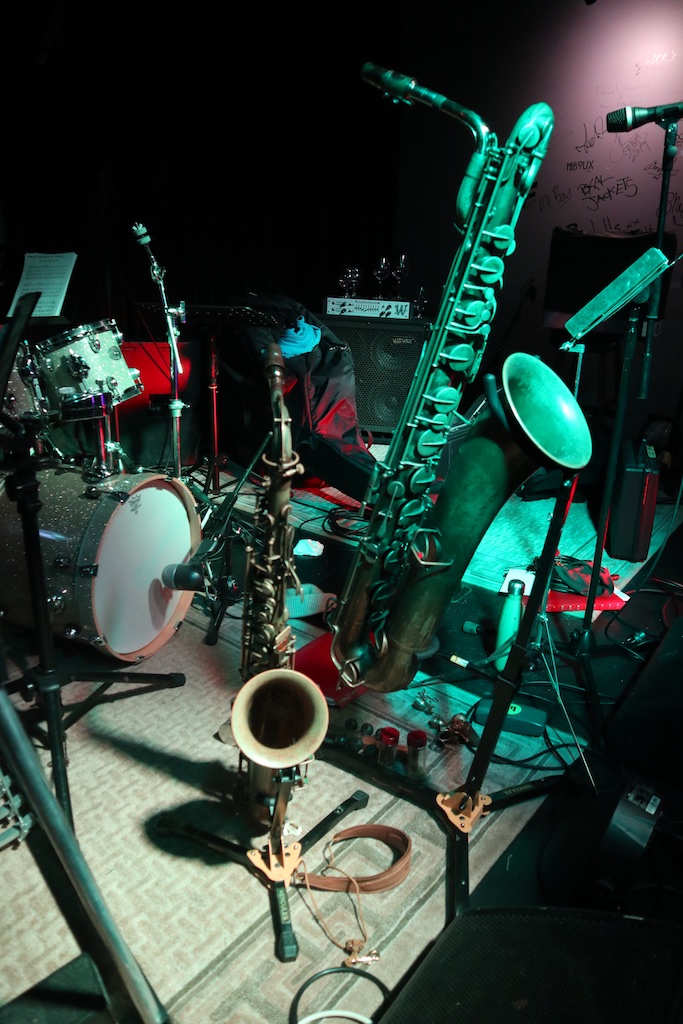
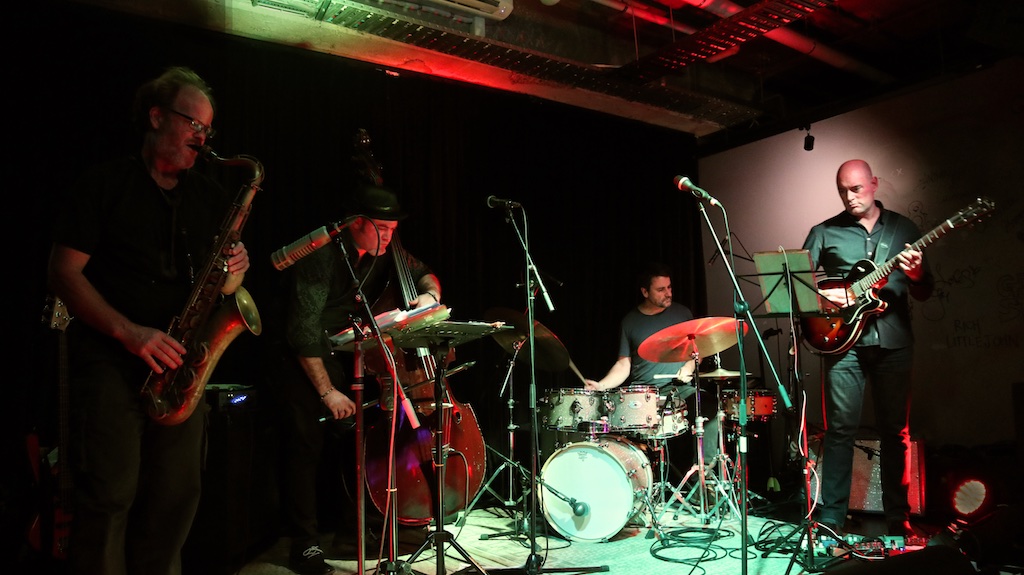
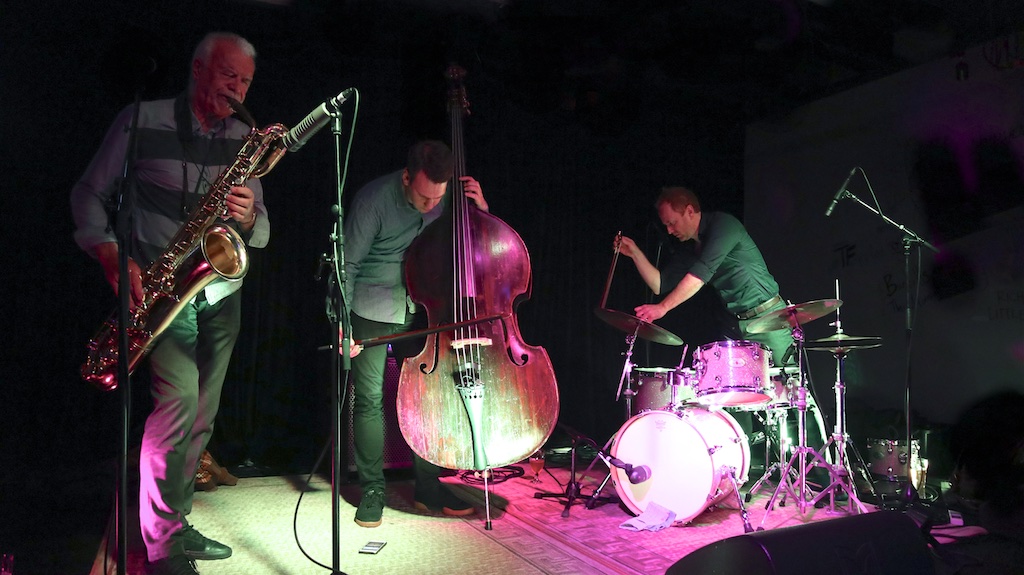 About eighteen months ago I was contacted by Jeff Henderson. He suggested, that I might be interested in a gig featuring two great Norwegian musicians who were passing through. I certainly was. The musicians were John Pal Inderberg and Hakon Mjaset Johansen. I was particularly interested because the baritone saxophonist John Pal Inderberg is associated with Lee Konitz and the late Warne Marsh. I make no bones about it, I am an unapologetic devotee of the Tristanoites. During that particular visit, the duo played a number of Scandinavian folk tunes and in their hands, these became melodic springboards for improvisation and a cloak for standards (with local bassist Eamon Edmundson-Wells). The Nordic region has a rich history of improvised music and it is therefore unsurprising that so many innovative US improvisers have ended up living and working there. With artists of this quality to work with why wouldn’t they? Inderberg and his band are great ambassadors.


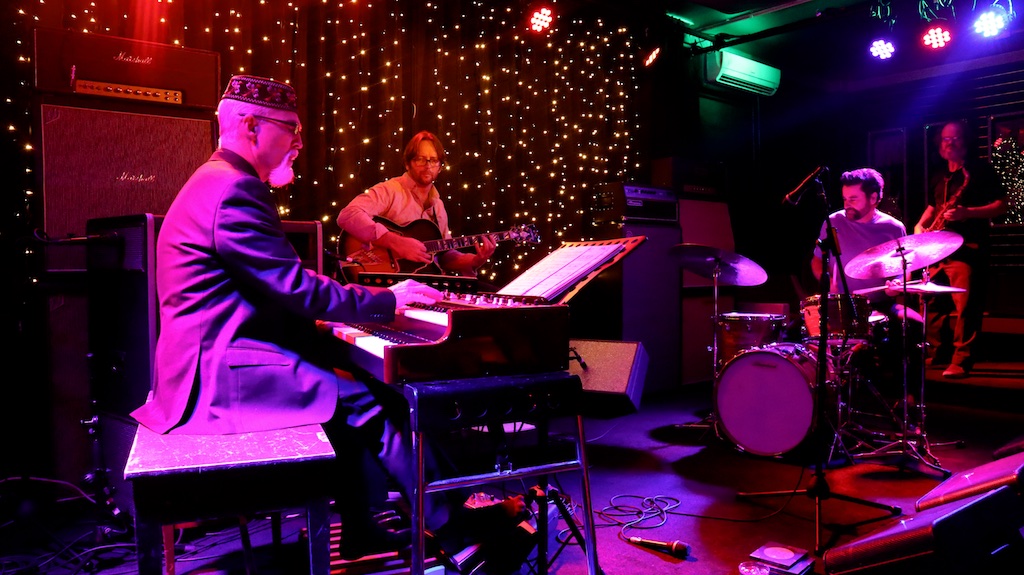 I reviewed the ‘Shuffle’ album in January and the band is now on the road, sharing its groove throughout the North Island.
 JazzLocal32.com