The first album reviewed is the latest release by Myele Manzanza, a Wellington-born musician who is now a significant presence on the London scene, the second is another clip of finalists from the recent edition of the 7VJC competition.
Crisis And Opportunity Vol.4 – Meditations
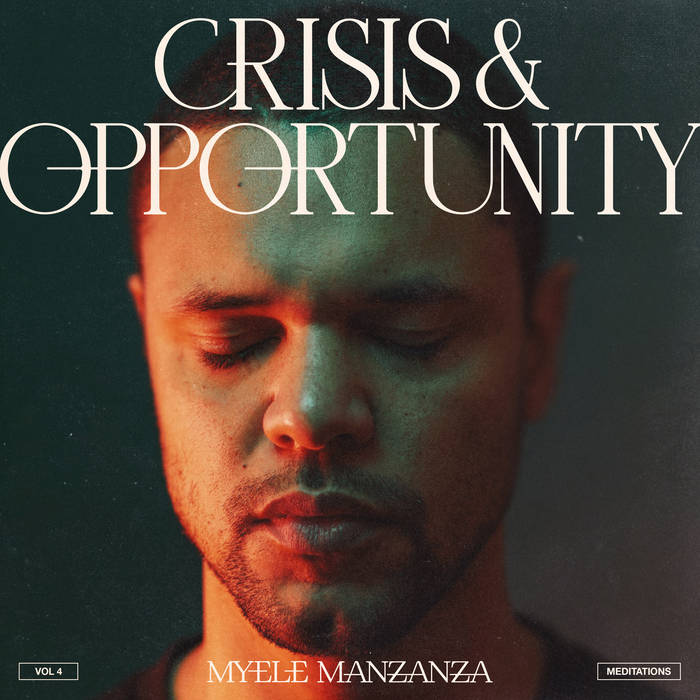
Those following New Zealand-born drummer/composer Myele Manzanza have been amply rewarded over the years. He has in recent times established himself as a strong presence on the London scene, releasing many successful albums and, capturing the diverse mores of modern improvised music while bringing his distinctive voice to bear.
‘Crisis and Opportunity Vol 4’ may differ from the preceding volumes, but the over-arching trajectory makes perfect sense when you examine his output as a whole. Manzanza is an artist who refuses to rest on his laurels and with that comes constant re-evaluation and soul searching.
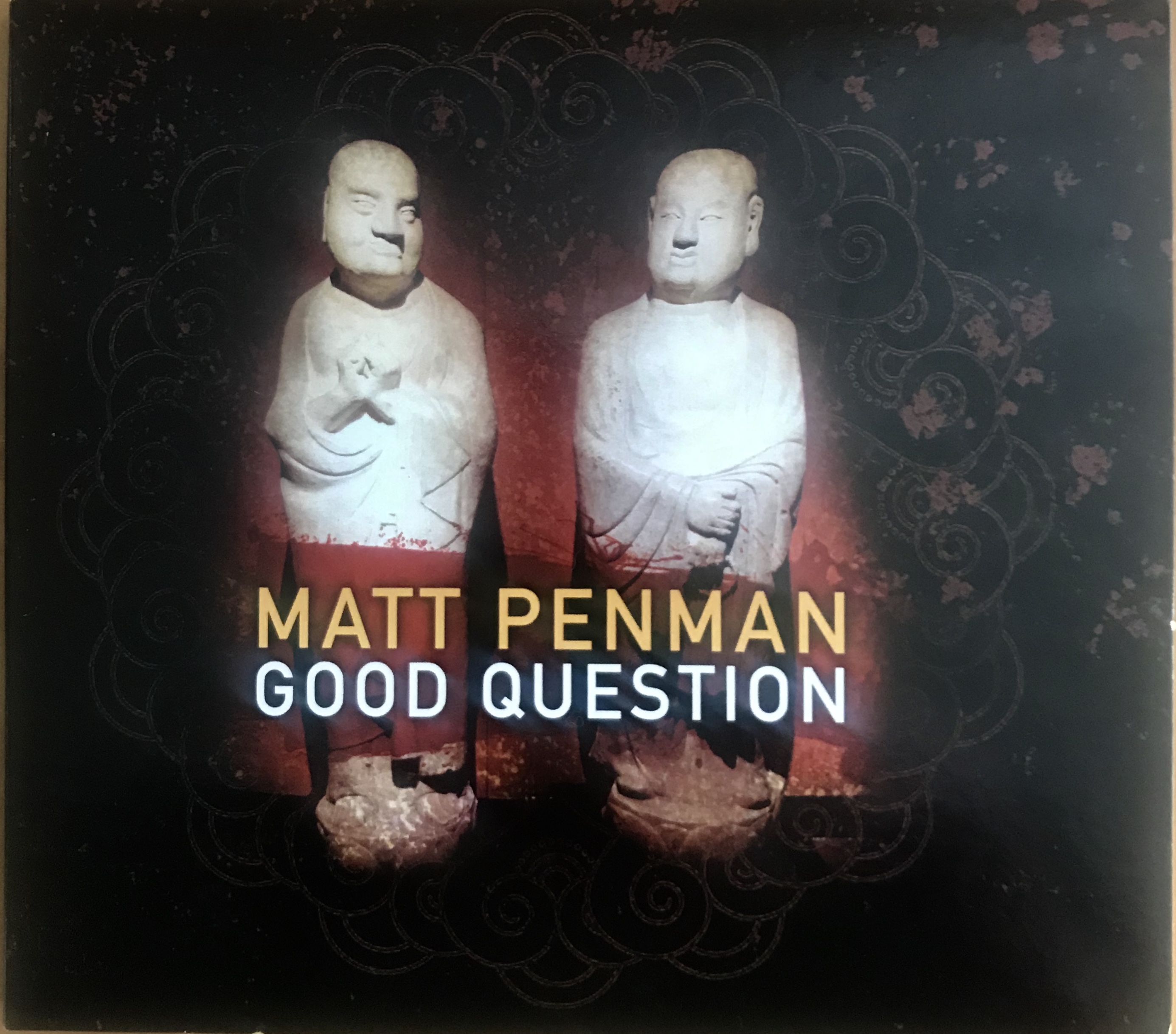
The tune titles from his various albums are embedded stories in miniature. In the liner notes he makes the point that, unlike earlier albums, he is not trying to make us dance. Here he has chosen to lean back into his Jazz roots and to do that he has located just the right bandmates. Bassist Matt Penman and pianist Matthew Sheens are perfect for this project as both hail from the South Pacific and are successful in New York.
When musicians establish careers in countries far from where they were born, homesickness is common, and heartfelt creativity emerges. This particular album is meditative and reflective, but despite that, there is still that innate sense of propulsive energy. An energy that always characterises Manzanza’s work. He may not be trying to make us dance but as we listen we feel the dance of life through his tunes.
The sparkling opener, ‘Crayford’s Room’, with its sparse piano and lovely arco bass at the beginning has particular resonance for me. It is a homage to New Zealand-born pianist Jonathan Crayford. Many musicians have been mentored by him and inspired by his musicianship. This is a fine album and it is also a love letter home. Highly recommended.
The album can be found at myelemanzanza.com or on Bandcamp under the artist’s name.
Chai Masters (Netherlands)
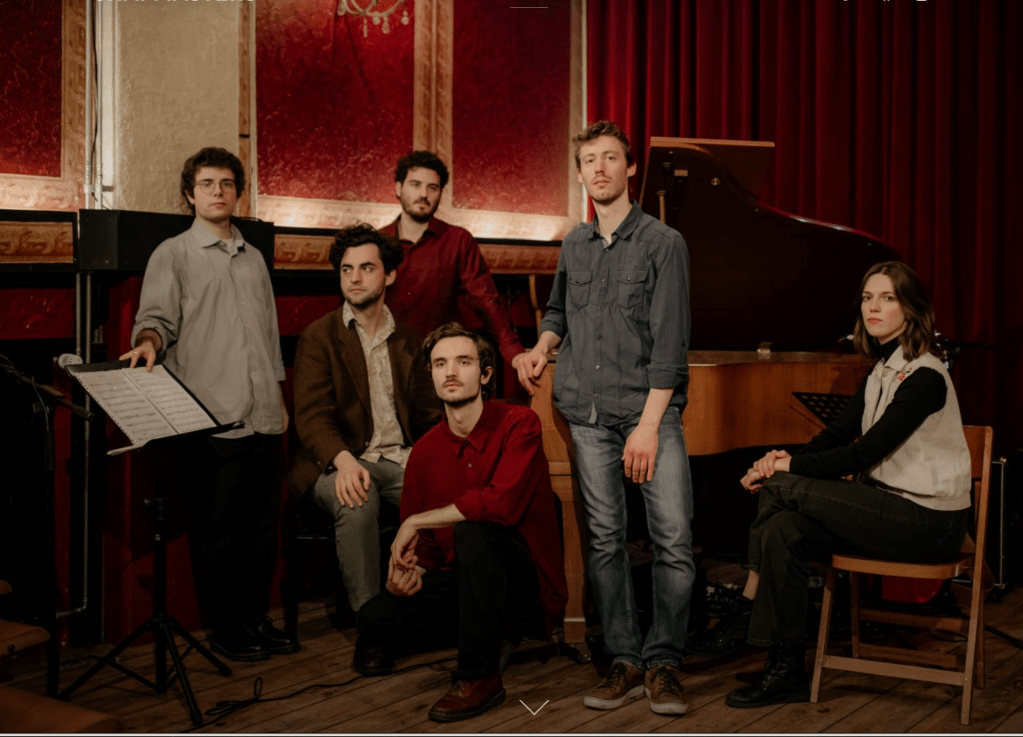
The band was formed from a musical connection forged at the Amsterdam Conservatory in 2018. Their debut album, ‘Magical Realism’, garnered critical acclaim. Since then they have added a vocalist, whose wordless vocal lines have merged effectively and seamlessly into the musical mix. They are an interesting group with a distinctive sound and play to their strengths. They draw on many sources, and a uniquely heady brew is the result.
What first caught my attention was their name. I am a teahead and to locate the finest tea I rely on tea (chai) masters. These are the gurus of tea and they understand the importance of sourcing; and how to locate the places where the trees grow best. This matters because the finest teas come from unique terroirs, where the essences of flowers, minerals, and herbal aromatics are absorbed deep in the earth’s ecosystem. So it is with the group Chai Masters. They draw from the raw materials around them, rendering them into music like alchemists.
The clip posted is the one submitted to the 7VJC competition. The sextet’s vocalist, Līva Dumpe has a pure, well-modulated voice and while not overshadowing the other instruments, she is a powerful presence in the lineup. Her wordless vocal lines add to the overall texture in ways another instrument could not. This contrasts (and merges) brilliantly with the two horns as they execute rapid-fire unison lines, underpinned by minimalist piano, tight basslines and colourist drumming. The composition must also receive its due here, as the unit and the compositions are as one. This is a group to watch as they have found their sweet spot. The clip is titled ‘The Seer’s Dream’. The sextet can be located at chaimastersmusic.com
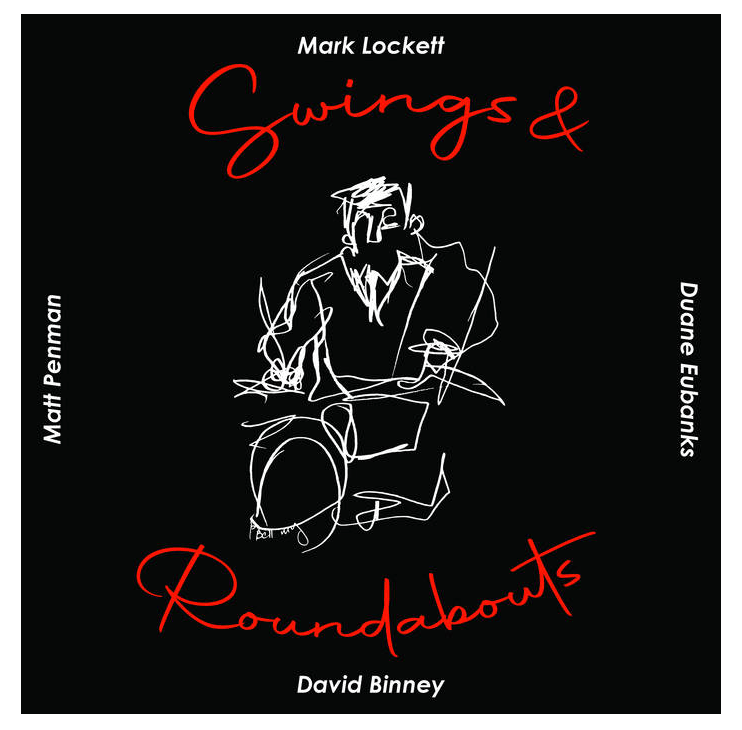
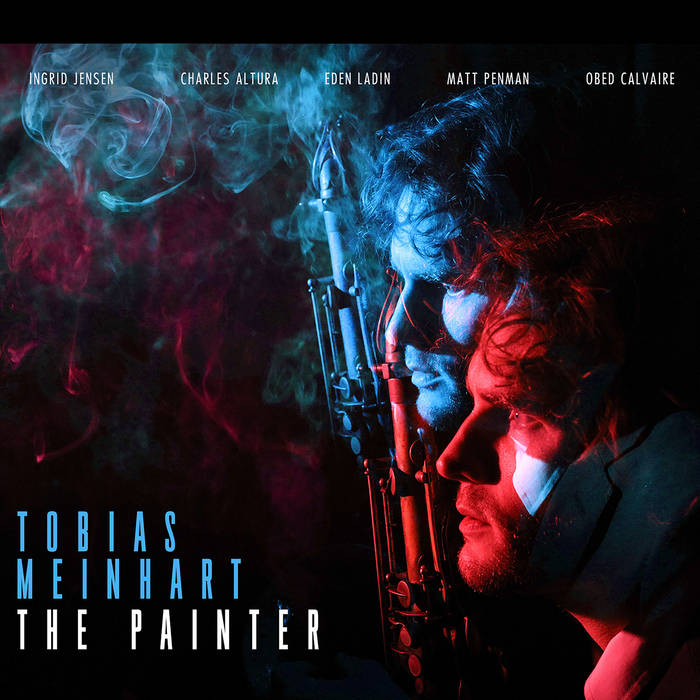


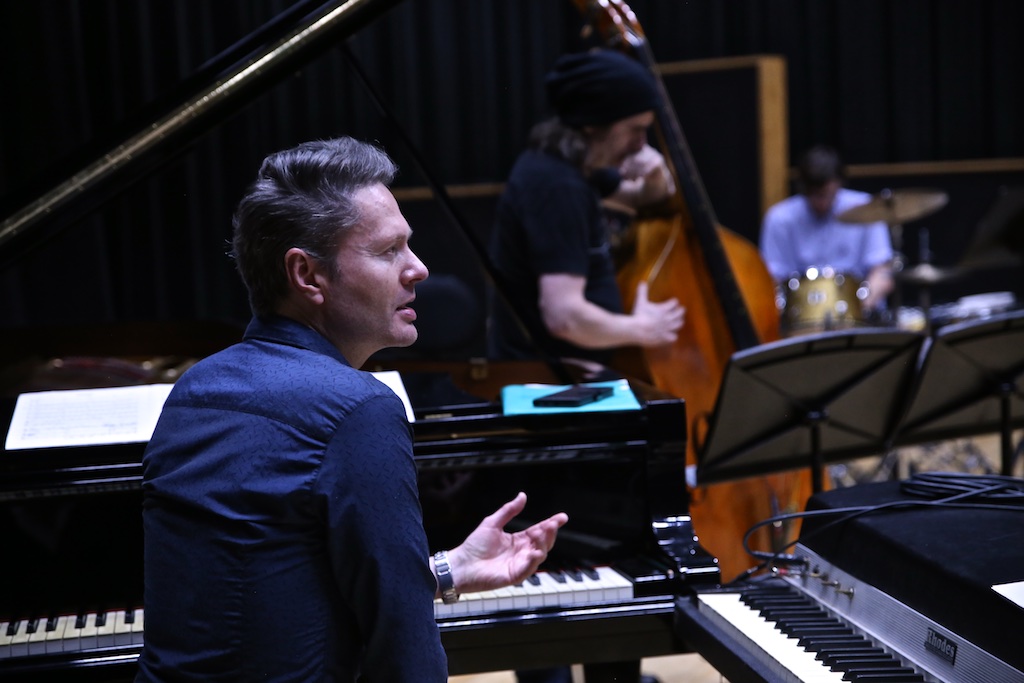 Have you ever heard one of New Zealand’s iconic pop songs and wondered how it would sound reimagined as Jazz? The journey from popular song to Jazz piece is a well-trodden path. Many tunes that we now refer to as ‘Jazz standards’ began their life as tunes written for broadway musicals or for the popular music market. For a tune to successfully cross that divide it needs to be well constructed and to lend itself to reharmonisation. With ‘Alchemy’, this elusive symmetry is realised.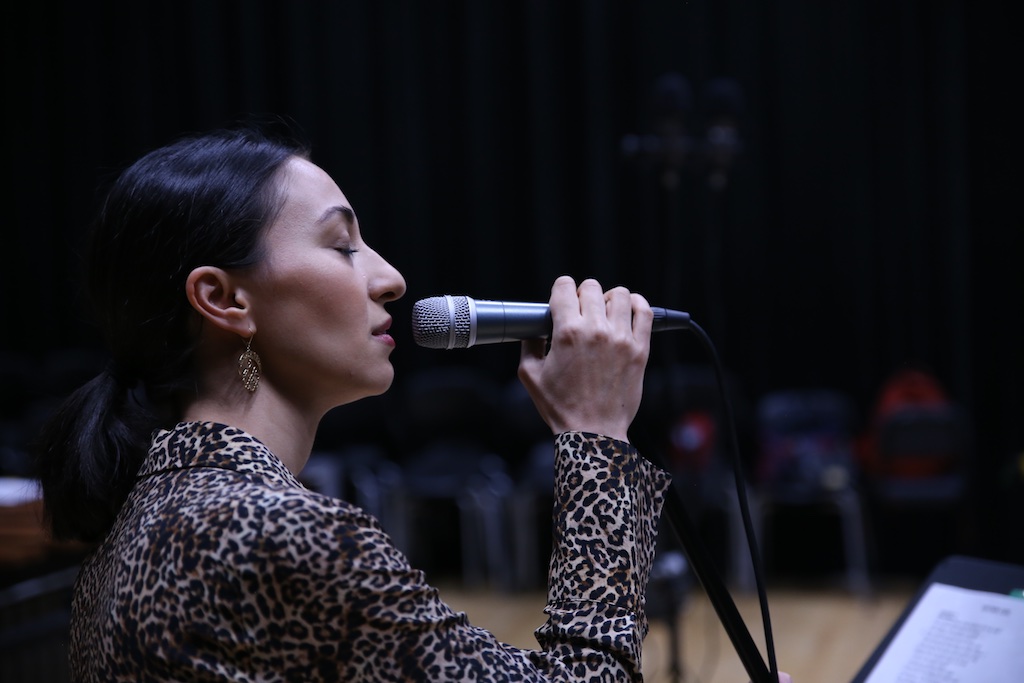
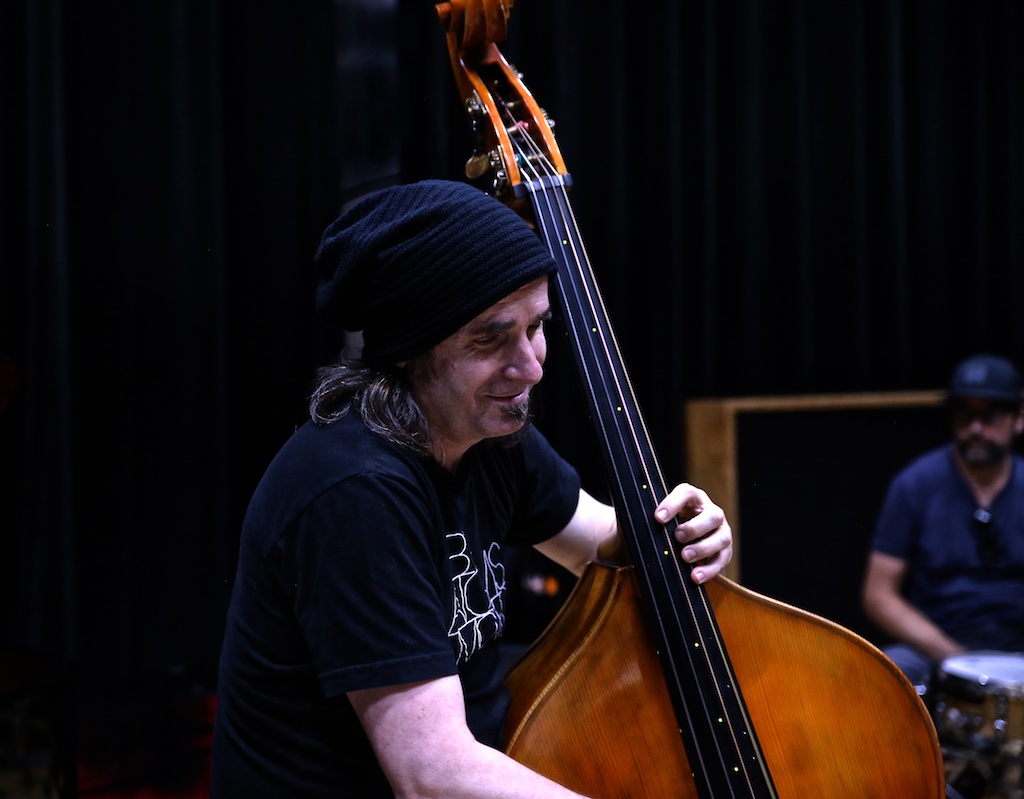
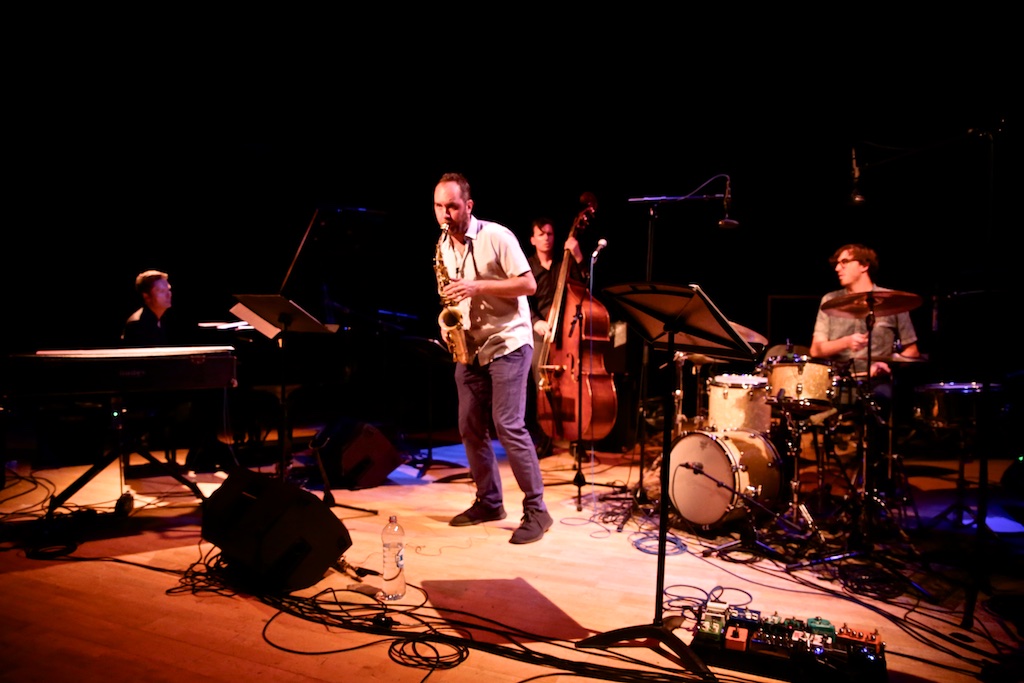
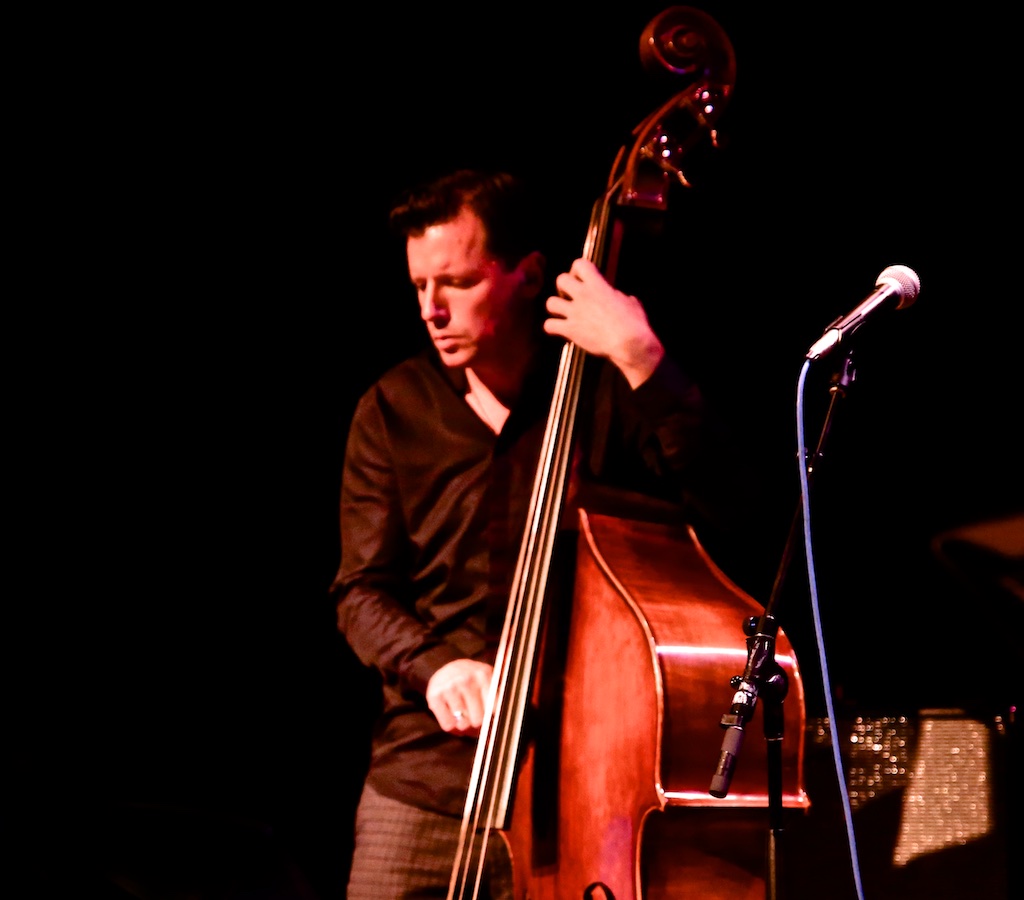
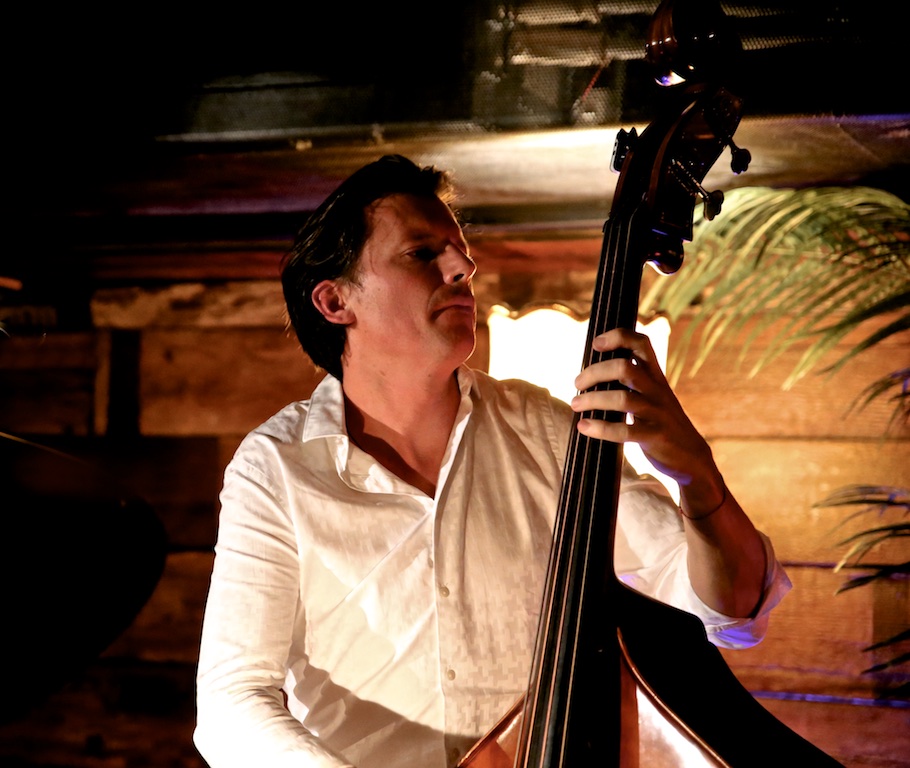 2015 was an amazing year for the CJC (Creative Jazz Club) and just when we thought the gigs couldn’t get any better this gig happened. It was an unexpected bonus, appearing out of nowhere. During the break of the CJC’s penultimate gig, Roger informed us that an extra gig would occur just two days before Christmas. Matt Penman was in town and he would appear with Kevin Field, Dixon Nacey and Steve Thomas. A buzz of excitement ran through the room and within a few days the gig was booked out. A second gig was quickly announced and that sold out as well.
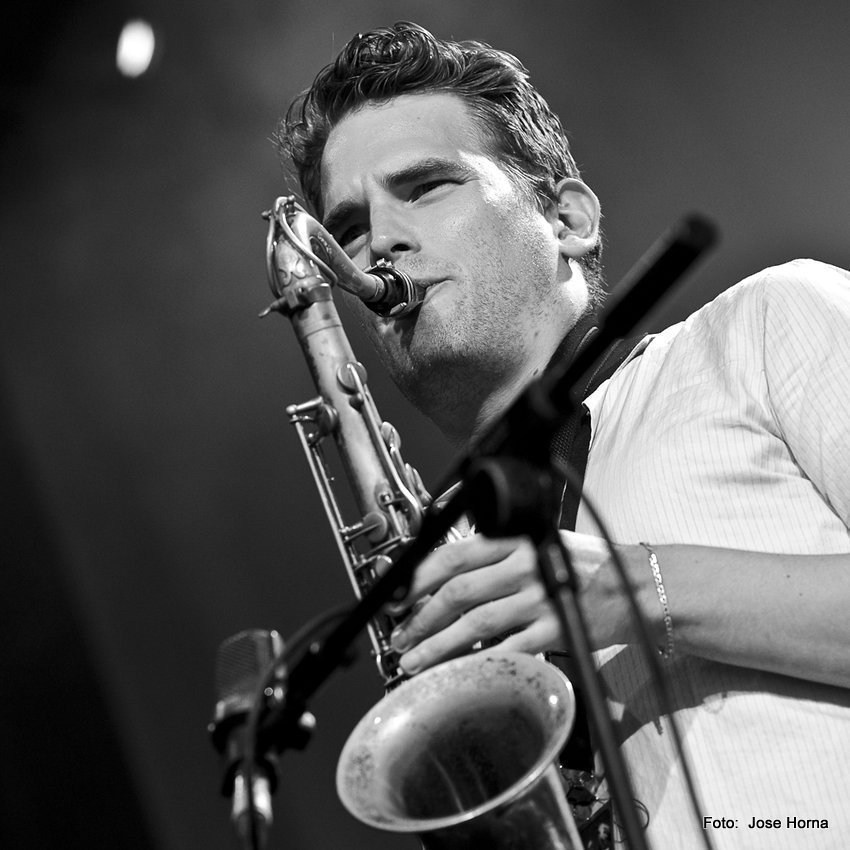
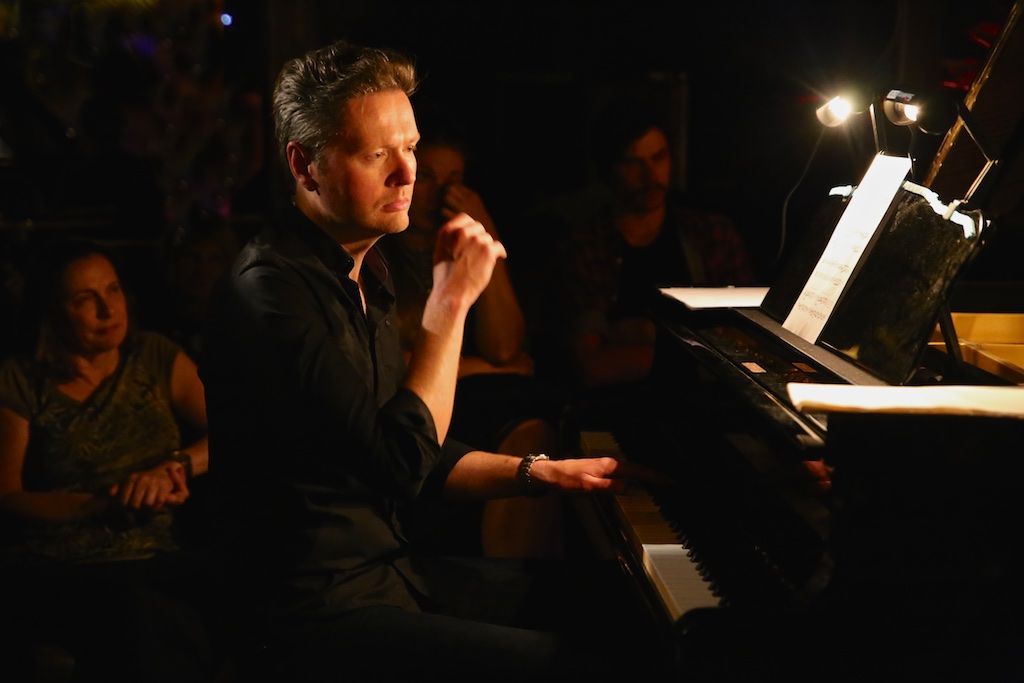 Fittingly the gig opened with ‘Two Steps’ (Penman) which is from the second James Farm album. Everything about the number is compelling and it oozes a post millennial Americana vibe – close to that espoused by artists like Brad Mehldau. James Farm are an extraordinary group co-led by Joshua Redman, Aaron Parks, Matt Penman & Eric Harland. A super-group where everyone is a gifted writer and virtuosic player. This is the pinnacle of modern American Jazz and we were lucky enough to get an up close taste of it. A warm glow swiftly enveloped us and from the first pull on the bass strings and we sensed on mass that this a different type of bass playing; supremely authoritative, melodic and with more momentum than a downhill freight train. We were especially fascinated to hear that Split Enz inspired him to write this tune. We heard other James Farm compositions – the moody ‘Juries Out’ (Penman) and Otherwise (Aaron Parks). Delightful Penman originals dominated the rest of the set (with the exception of a haunting Jewish folk song).
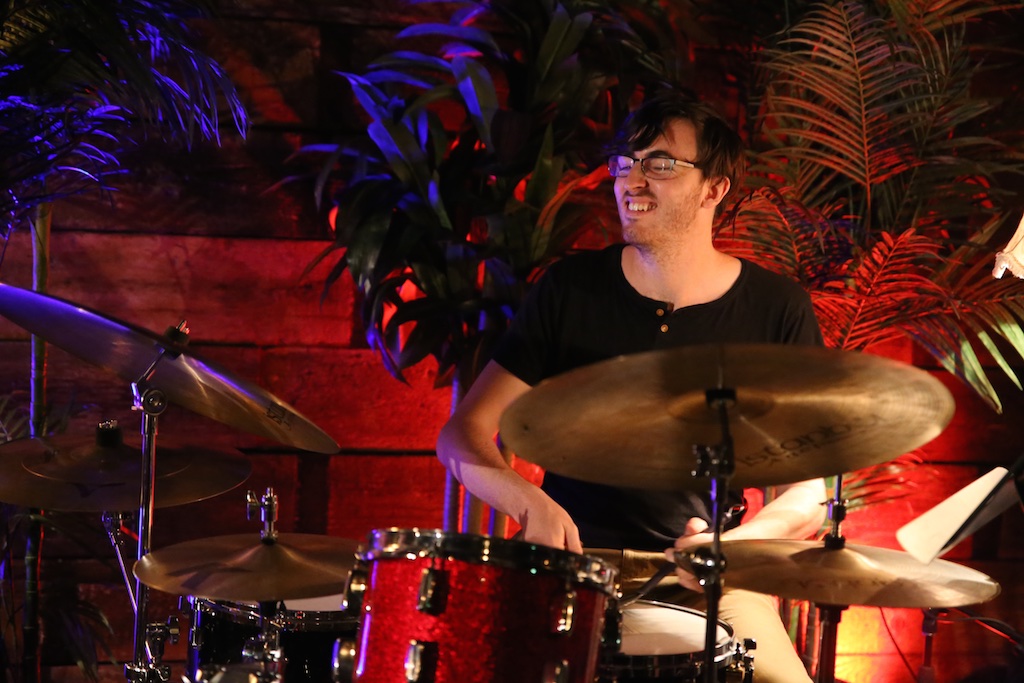
 As approachable as this music is, there are many rhythmic and textural complexities. Putting such a set list together with a band not used to playing the material, perilous. Two factors undoubtedly assisted here. Penman, Field and Nacey are old friends. Nacey attended Avondale college with Penman and Field has known him since his time at Auckland University. Field also recorded with Penman in New York on his recent Warners album ‘The A List’. The remaining band member was Stephen Thomas, the youngest of the quartet. He only met Penman the day of gig. When you examine Penman’s contributions to James Farm, the SF Jazz Collective and other albums, you realise that he writes with unusually gifted improvising musicians in mind. For a young drummer to step into the space occupied by Eric Harland and Obed Calviare and not only pull it off but to do it well is a credit to him. Penman singled him out for praise and told us we were lucky to have a young drummer of his ability on the scene.
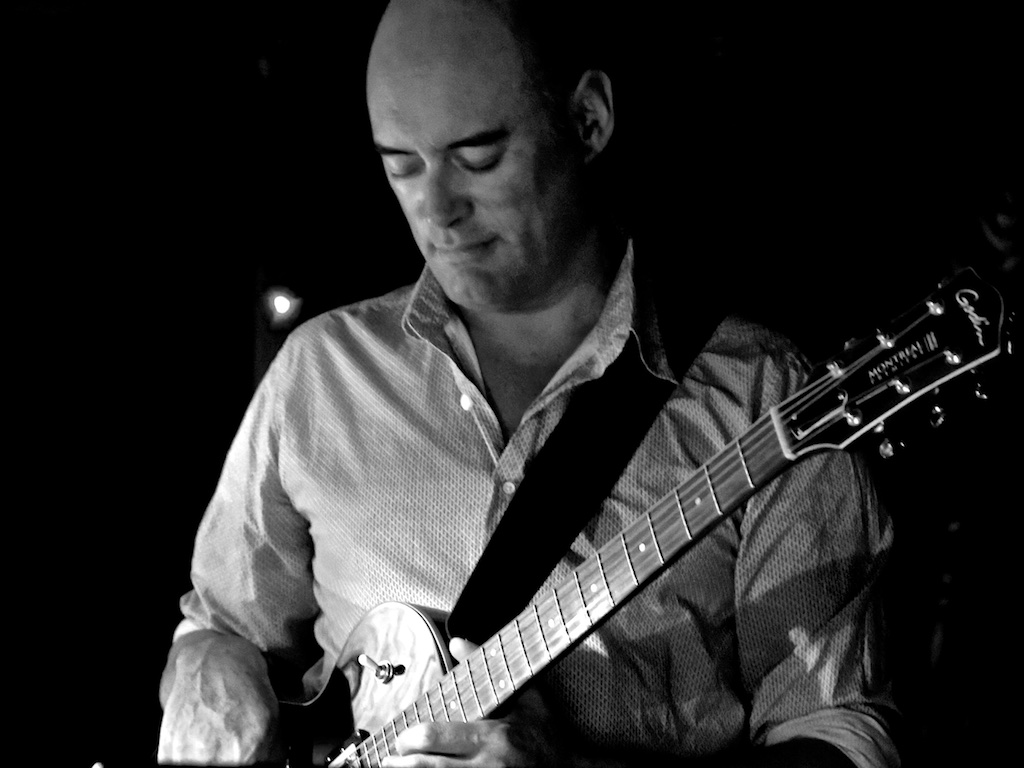
 Of Field and Nacey we expect only the best and we got it. Replacing Redman, Moreno or Rosenwinkel with Nacey’s singing Godin Guitar felt a natural choice. I have heard Mike Moreno perform and Nacey is heading for that level of virtuosity. He is a good reader and a master musician and he always delivers. Field was also at his best that night and his best is something to behold. Losing himself in a music quite different from his own and doing it with utter conviction. Collectively they brought Christmas joy to everyone present. The best of Christmas presents from the best of Jazz clubs. I hope the CJC features Penman again soon – we love him down under.
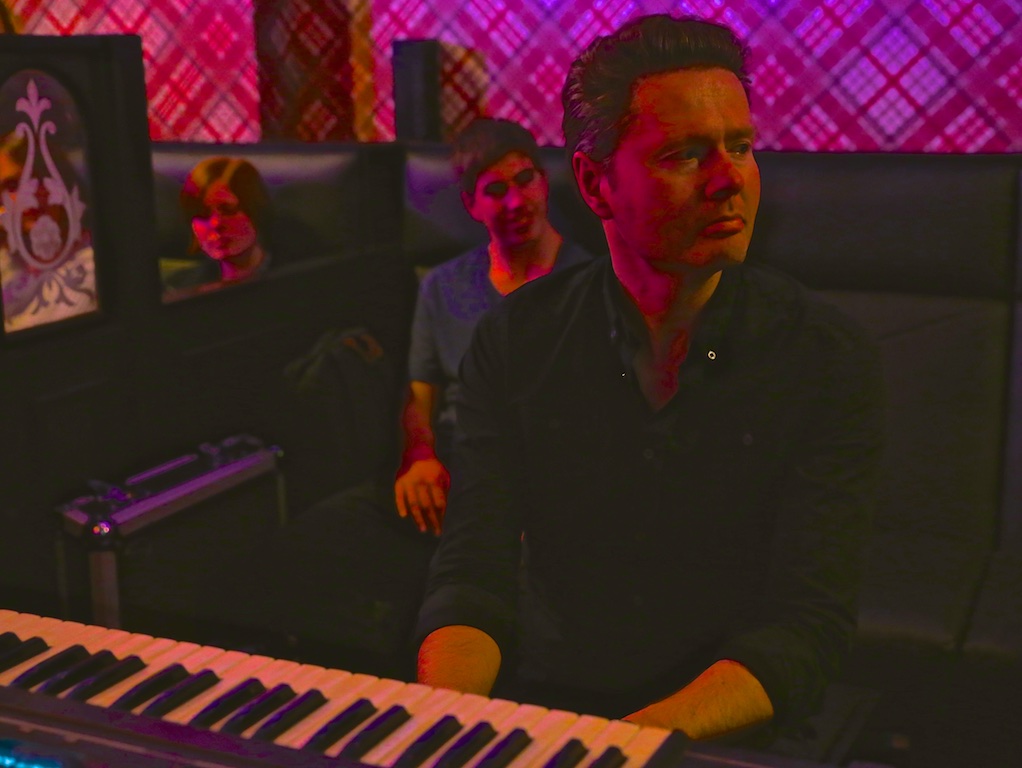
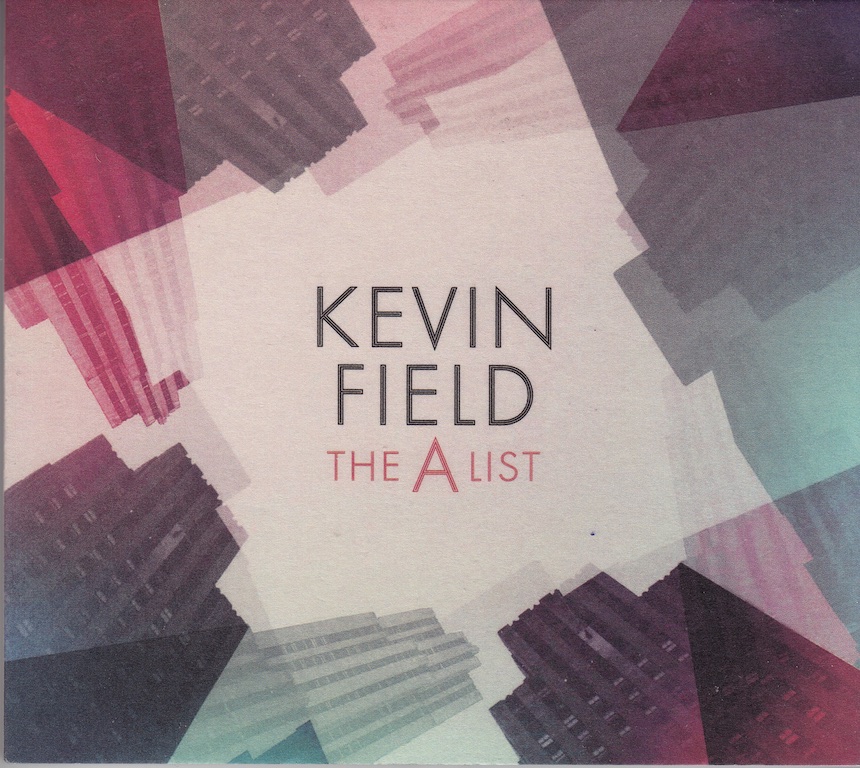 ‘The A List’ release has been a long time coming, or so it seems. Every recording of Kevin Field’s is noteworthy and when rumours of a New York album circulated I attempted to pin him down. Whenever I saw him playing as sideman about town or met him in the street I would pull him aside and say, “Kev, how is the album progressing, when will you release it?”. I invariably received iterations of the same cryptic answer; a knowing smile and a brief “it’s getting there, not too far away now”. the lack of specifics only fed my appetite. I have learned to read the signs and I can sense when an album pleases an artist. It is all in the body language, readable over the self-effacing vagaries of banter. Field had a look about him; a look that told me that he was nurturing a project that pleased him.
  As the months progressed I gleaned additional fragments of information in bite sized chunks. Firstly that Matt Penman was on the recording, and incrementally that Nir Felder, Obed Calvaire, Miguel Fuentes, Clo Chaperon and Marjan Gorgani also. The substantive recording took place at Brooklyn Recording in New York with additional recording in Roundhead Studios Auckland. That was pretty much the extent of my knowledge. I have encountered this phenomena before. Treating an album as a child, holding it close before sending it out into the world. It generally presages good things to come. In this case it certainly did.
 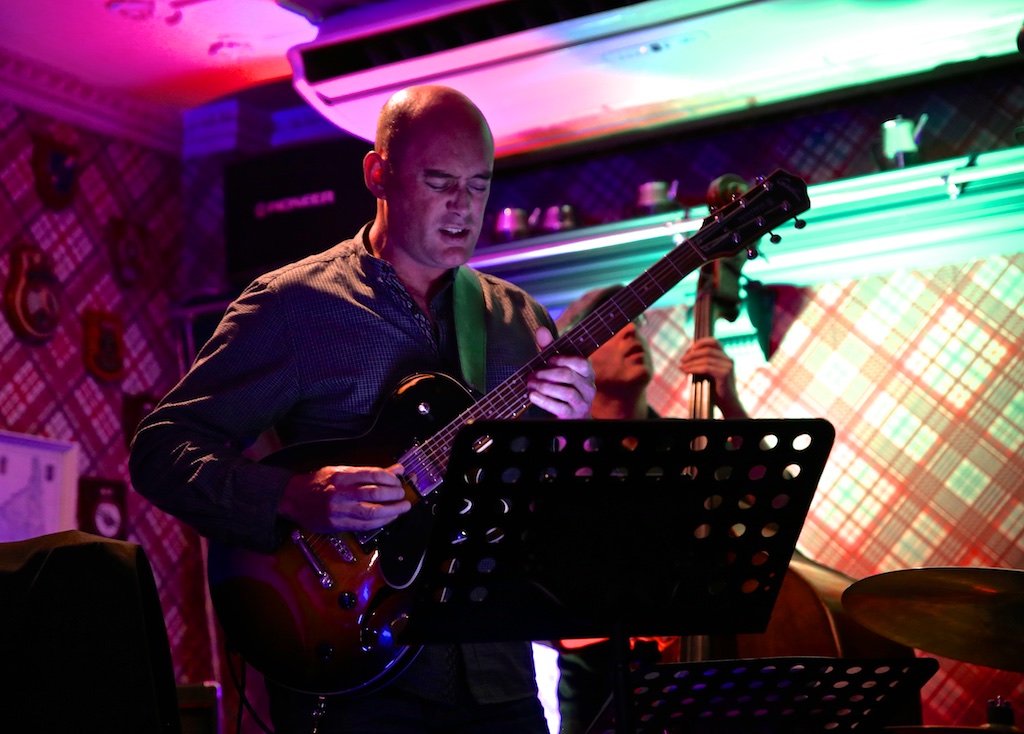 The title is probably tongue in check, but it speaks truth. There are a number of A List personnel on the album. Field is arguably Auckland’s first call pianist. No one harmonises quite like him and his consistency as pianist and composer is solid. New Zealand Jazz lovers also regard Matt Penman highly. His appearances with leading lineups and his cutting edge projects as leader always impress. In the same vein is Nir Felder; frequently mentioned in the same breath as the elite New York guitarists. Obed Calvaire the same in drum circles. This was an obvious next step for Field; having risen to the top of the local scene, it was time to record with New Yorker’s.
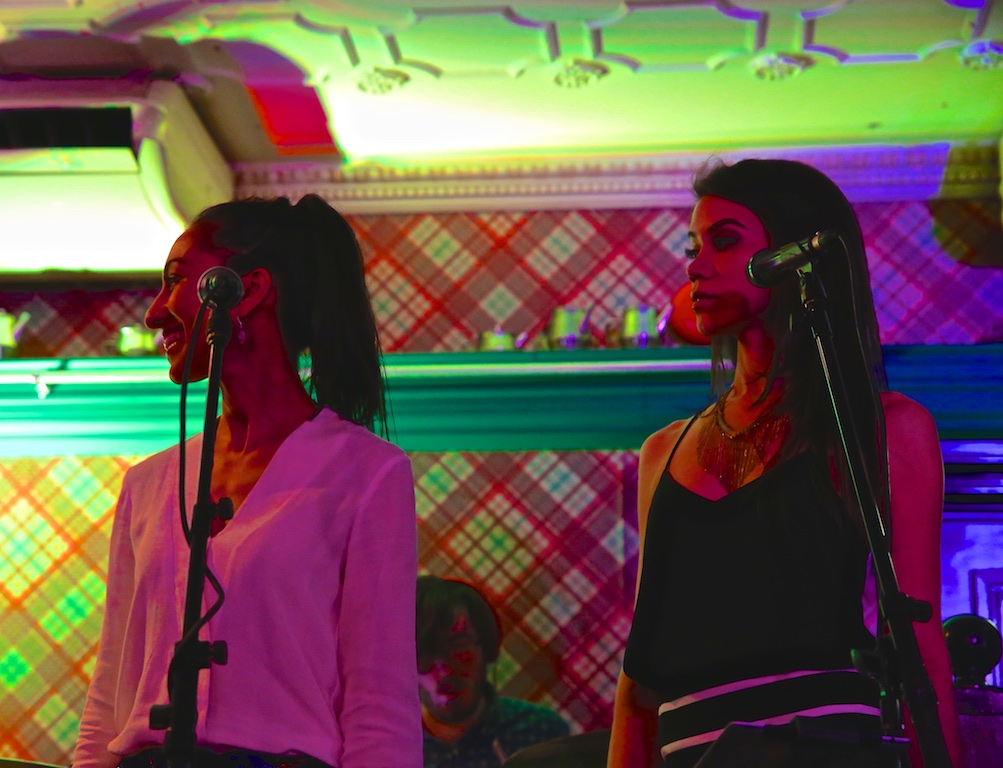
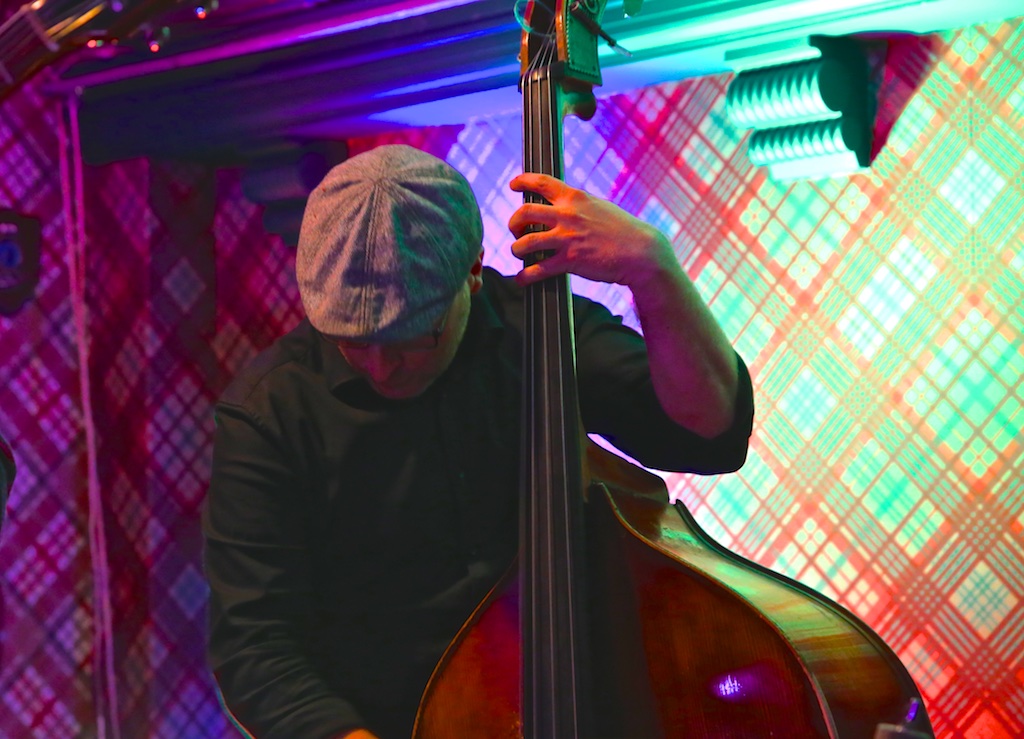 The CJC (Creative Jazz Club) Auckland launch substituted ‘A’ List locals for the famous New Yorker’s. On guitar was Dixon Nacey, on bass Richie Pickard and on drums Stephen Thomas. The vocal section was; Clo Chaperon & Marjan Gorgani (as on the album). These musicians are superb and so the comparison with the album was favourable (Field is a little higher in the mix on the album and guitarist Felder is a little lower).
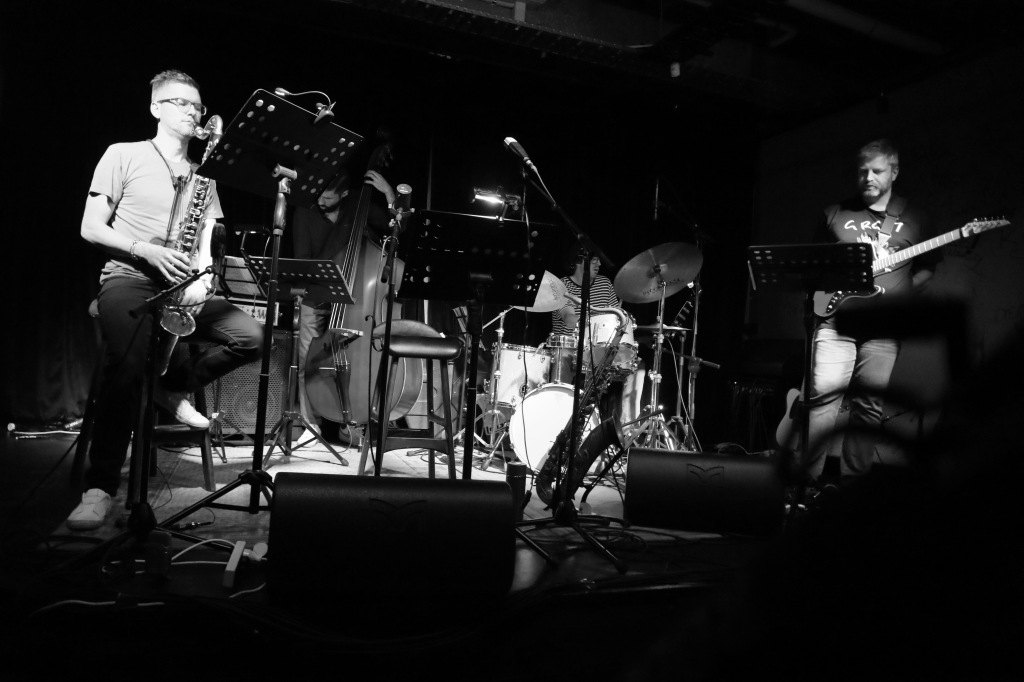
 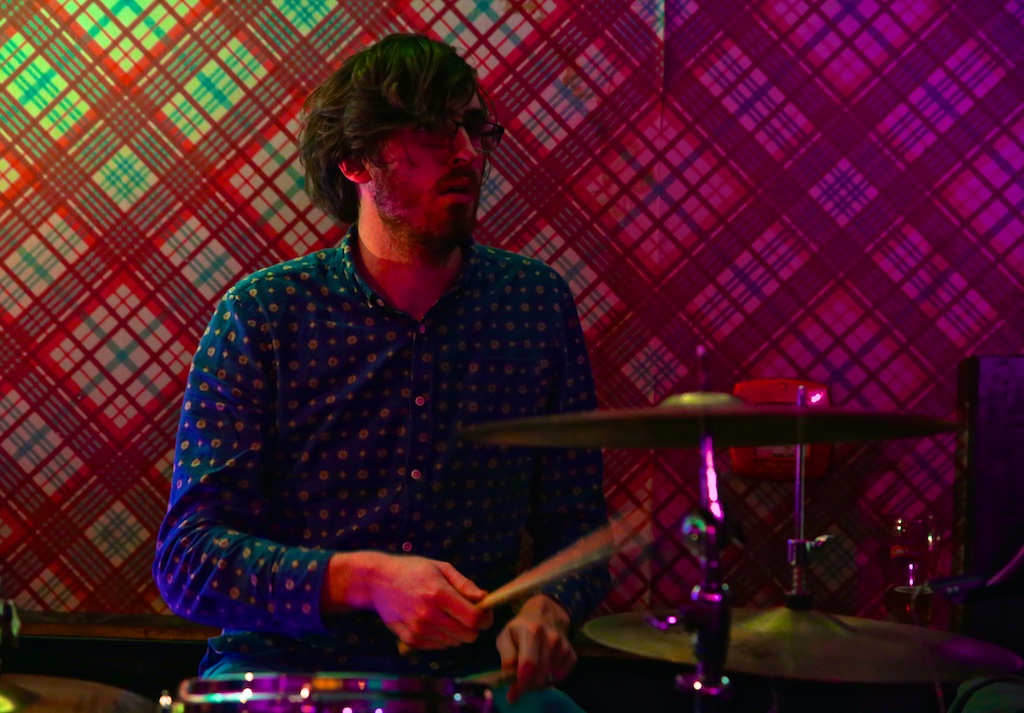 The CJC was in different venue this time, owing to the refurbishment of the 1885. The Albion is no stranger to Jazz and in spite of the ‘livelier’ acoustics, it was a good space in which to enjoy the music. Dixon Nacey always sounds like a guitarist at the peak of his powers, but somehow he manages to sound better every time I hear him. This time he used less peddling and spun out wonderfully clean and virtuosic lines. Apart from a tiny amount of subdued wah-wah peddle on the disco number his beautiful Godin rang out with bell-like clarity (the clipped wah-wah comping was totally appropriate in recreating the tight disco funk vibe). The other standout performance was from Stephen Thomas, who is able to find a groove and yet mess with it at the same time. His complex beats added colour and he mesmerised us all. At the heart of the sound was Richie Pickard. Some of the material was definitely challenging for a bass player as timing was everything. Pickard navigated the complexities with ease. There are were three vocal numbers at the gig (two on the album). Chaperon and Gorgani are impressive together and well matched vocally. Hearing them on the album showcases them to best advantage, as sound mixing is harder in a club. Their presence certainly added excitement to the gig.
 Buy the album and if possible see Field perform this material live. This music is exciting and innovative; past and present rolled into a forward looking Jazz form.
 H P Lovecraft died under appreciated, but it didn’t curb his output. His imaginings took him to darkly strange and exciting places. Places that few of us dared contemplate. While he reached deeper than writers like Edger Alan Poe and further into the human psyche, his wildest dreams could not have prepared him for Wednesday night. Reuben Bradley, time traveller and keeper of lost grooves has wrestled with the spirits and brought Lovecraft to life again.
 This is a truly exceptional album and it is no wonder when you consider the source material and the musicians associated with it. Bradley, Penman and Eigsti are a deadly combination and their interplay is crisply on the mark. Matt Penman is dear to our hearts in New Zealand. One of our finest Jazz exports. An expat from Auckland who conquered the American improvised bass scene in ways that few others manage. His work with James Farm, the San Francisco Jazz Collective, Aaron Parks, Kurt Rosenwinkel and a long list of luminaries is instructive. That he still appears with the best of our local artists and on local recordings is our immense good luck. An imaginative and wonderfully musical bass player who holds the groove and manages to tell interesting stories without distracting us from the overall focus of the piece. Few bass players could do this better than Penman.
 The judicious use of sampled ‘Lovecraft’ readings in several places adds to the atmospheric feel and doesn’t detract from the overall musical experience. Every note played and every voice-over is well placed. Yet again Rattle Records have excelled themselves here. The secret of ‘Rattle Records’ tasteful Jazz catalogue must surely be seeping into the wider world by now. ‘Rattle’ is the ‘ECM’ of the South Pacific. This album was recorded at the ‘Bunker Studios’ in New York, Engineered by Aaron Nevezie and mixed and mastered by Steve Garden at ‘The Garden Shed’ Auckland.
 There was a change of personnel for the CJC ‘Cthulhu Rising’ release gig and for the Australasian tour to follow. Respected bass player Brett Hirst took Penman’s place and this was a sound choice. Hirst, another expat Kiwi, is well established on the Australian scene and frequently employed by visiting artists. He is a gifted musician and perfect for high end gigs like this.
 JazzLocal32.com