After a hundred and seven days in isolation, five days of equivocation and an anxious twenty minutes hunting for a parking space, there I was in the front row of the CJC Jazz Club; poised expectantly as the pianist’s fingers were about to descend. It was not as if I had been deprived of music during lockdown because my ears had been exploring a mélange of sounds. In fact, my noise-cancelling headphones had become such a fixture that I felt awkward without them. So what had I missed? I had missed sitting with friends, the hushed buzz of conversation before a first set and that feeling of joy as the lights lower. Live Jazz in an intimate setting is a unique experience, and for me, an addictive one. As Nietzsche said, a life lived without music would be a mistake.
I approach Jonathan Crayford gigs with high expectations and I am never disappointed. Even the occasional gigs in crowded streetside bars yield gold; but in a listening venue with a nice piano, you get the best of him. All good musicians feed on an enthusiastic audience, but with Crayford, there is a discernable x-factor, something quite beyond the ordinary. It is difficult to put into words, and I have approached this on previous occasions. You can see it in his gaze as he leans toward a piano, but it is also in his verbal engagements with an audience. When he talks and plays he is reaching beyond. Beyond a room, a city, a country. Gazing into the cosmos for inspiration.
His talk is peppered with a sense of place, or with improbable events and observations as he weaves them into intimate and odd narratives. A park bench in Central Park, a book read in Paris, a philosophical discussion with a homeless person. Pavement tee-shirt manufacturing — bikes in space! He talks as if new worlds and indeed the cosmos falls easily under his gaze and that is reflected in his music. To make extraordinary music requires seeing beyond the mundane. The interesting thing, however unexpected, is that for a moment, we hear through brand new ears. That is his gift.
The gig featured a selection of Crayford’s compositions and all were extracted from his acclaimed New York Trio albums on Rattle. Anything from East-West Moon or Dark Light will please and fresh interpretations with a newly configured trio are always welcome. All three musicians were obviously pleased to be gigging again and I know that drummer Ron Samsom and bass player Cameron McArthur relished the opportunity to tackle these works. All three dug in and delivered as I knew they would.
If by some unfortunate oversight you have not heard East-West Moon or the earlier album, Dark Light, you need to remedy that over the Christmas break. I would urge you to bypass the streamers and purchase the album, or at least download it in WAV from www.rattle-records.bandcamp Support Kiwi music.
The CJC live trio: Jonathan Crayford (piano), Cameron McArthur (bass), Ron Samsom (drums)
The NY album trio: Jonathan Crayford (piano), Ben Street (bass), Dan Weiss (drums) – Rattle Records (Rattle Jazz)
JazzLocal32.com is rated as one of the 50 best Jazz Blogs in the world by Feedspot. The author is a professional member of the Jazz Journalists Association, poet & writer.Some of these posts appear on related sites.
The Bonita Project is fueled by good compositions, nice arrangements and above all by the exuberance of leader Chelsea Prastiti. It is the second time that Bonita has appeared at the CJC in recent times and people returned for more. It is a worthy project as it reimagines a time and rides on a powerful vibe; the sort that the world needs right now. There was always an easy-going breezy quality to post-war Brazilian music and that quality could beguile. Underneath, however, there is a powerful engine, as the melodies float over a plethora of complex rhythmic structures.
It is impossible to listen and to keep your feet still as the urgency underlying the beachy vibe captures you. It is also true that in this golden era there were dangerous political undercurrents. Out of that dashed hope came a flowing of art forms and the authoritarian colonels who tried to snatch it all away could not silence the music. Many of the musicians like Elis Regina were harassed, but the music never faltered.
There were three arrangers credited on the gig, Prastiti, Sinclair and Passells. The compositions were by Prastiti (and with one co credited to Kenji Hollaway). Some of the tunes we had heard before, including the lovely ‘Cassandra’ (posted as a video last time). There were also new tunes and among them ‘Peter Pan’ was especially appealing. The band had changed slightly from last time, with Connor McAneny replacing Crystal Choi. McAneny had been out of the country for a few years and his return is welcome. His piano playing has a muscular quality to it, which was less evident before he left.
The opportunity afforded by a diverse sound palette was well utilised by the arrangers; bringing out the best in the music without overwhelming melody. This was achieved with three vocalists, an acoustic guitar, piano, double bass, percussion, kit drums, trumpet + flugelhorn, clarinet + flute, tenor saxophone and a second flute. It was pleasing to hear a 12 piece ensemble perform in this way. A configuration like this allows an arranger to impart a degree of airiness out of a large ensemble sound. This was achieved by having the instrumentalists or the vocalists moving in and out of the mix as required. The tunes had lyrics, but just as often there was wordless singing. I love to hear the human voice used as a (non-verbal) instrument. Perhaps because of my ongoing enthusiasm for Winston/Wheeler/Taylor in their ECM ‘Azimuth’ days. This was a nice project and all the more so because it was presented with infectious enthusiasm.
Bonita: Chelsea Prastiti (vocals, arranging), Eamon Edmondson-Wells (upright bass), Ron Samsom (percussion), Tristan Deck (drums), Connor McAneny (piano), Michael Howell (guitar), Roger Manins (tenor saxophone), Elizabeth Stokes (trumpet/flugelhorn), Ben Sinclair (clarinet, flute, arranging), J Y Lee (flute), Rachel Clarke (vocals), Gretel Donnelley (vocals), Callum Passells (arranging).
JazzLocal32.com is rated as one of the 50 best Jazz Blogs in the world by Feedspot. The author is a professional member of the Jazz Journalists Association, poet & writer.Some of these posts appear on related sites.
I clearly recall the first time I heard Steve Barry. It was around eleven years ago at the1885. He was not long back from Australia, bringing with him bass player Alex Boneham and drummer Tim Firth. At that time the Creative Jazz Club was located in a dark atmospheric basement; an ill-lit venue bordering on gloomy and perfect for a Jazz club. You would grab a drink, sink into a well-worn leather armchair with broken webbing and wait for the band to begin.
The music that night was unforgettable. Somewhat denser than I was accustomed to at the time, but never-the-less fully engaging and exciting. When the second tune was announced I pushed record on my iPhone because I knew that I was hearing a piece of music that merited further attention. It was a tune that he was working on and it would appear on his first album a short time later. That was the year of Aaron Parks and his Invisible Cinema, and Barry’s tune was titled ‘Parks’. I listened to that phone clip an awful lot over the following months and I could hear the future.
Each time Barry has appeared in New Zealand he has showcased fresh ideas. He is a forward-thinking and innovative composer/pianist and as such he never rests on his laurels. Although born in New Zealand, Australia claimed him long ago. He is popular there, has obtained a doctorate and awards there and teaches at the Sydney Con. As expected, he brought us new compositions this visit, but as I listened I was also reminded of that first gig. While he moves on constantly and is not composing or playing in the way he did back then, there is still a hint of that younger player. Of past learnings gathered and picked through as he builds fresh iterations, crafted in part from the bones. I am not surprised that he studied with Craig Taborn.
His compositions are no doubt demanding and require good responsive players. He had assembled just such a crew for his CJC Anthology gig. Callum Passels on alto, Cameron McArthur on bass and Ron Samsom on drums. Local musicians of the highest quality. Passels has a gorgeous tone, but what sets him apart is his ability to push at the boundaries. His best work occurs when playing compositions that afford him certain freedoms and these compositions worked well for him. At times he would run over the lines which contrasted nicely with his tight unison playing. The sort of advanced musical thinking I associate with Warne Marsh. Perhaps because this was a quartet, the music also felt more spacious. The density and serialism were still evident but as always with Barry, there were fresh vistas revealed at each turn.
The gig took place at Anthology K’Road for the (CJC Creative Jazz Club). 2 June 2021. For Barry’s album visit Rattle Records or stevebarrymusic.bandcamp.com
JazzLocal32.com was rated as one of the 50 best Jazz Blogs in the world by Feedspot. The author is a professional member of the Jazz Journalists Association, poet & writer.Some of these posts appear on related sites.
The genesis of DOG goes back a long way as I first reviewed them in 2012. Over that period they have gained various accolades and awards. They are Dr Lonnie Smith in reverse because the group began their journey as Dr DOG but then ditched the title to better accord with their egalitarian street-dog ethos. Their reputation extends well beyond New Zealand shores and their second album was recorded with guest Australian guitarist James Muller. They have two albums out on Rattle and both are exceptional.
Their first album featured the core group, and each of them contributed compositions: Roger Manins, Kevin Field, Oli Holland and Ron Samsom, The second album followed the same pattern, but with James Muller contributing as well. These are all exceptional players and the albums have allowed them to place a deeper focus on their writing skills. When musicians of this ability come together they are better able to push past arbitrary limits.
Ten years on there is a new guest in the lineup and as always there are new compositions from everyone. I hope that this recent gig is the prelude to a third album because together this iteration is crackling hot. With guitarist Keith Price on board, they moved into fresh territory and alongside the burners, there were touches of big-vista Americana. No wonder the gig was billed as the New Extra Strength Dog. At times it was Industrial strength.
Although the group is co-led, Roger Manins is the compare. Any gig that he fronts will have X-factor and this was no exception. The first set opened with a tune by Price and it was blistering. From the front row, it was like being in a jet-stream but it was not just bluster. Price is a terrific composer and this tune rode a freight train of tension and breathtaking harmonic shifts. It was initially titled #3unnamed, but now titled ‘Karangahape’ (a nearby street with interesting tensions). That set the pace.
With one exception (the encore), these were all new tunes and each complemented the other. This was a feast of good writing, tunes played and written by musicians at the top of their game. In spite of their long association, it is obvious that these guys enjoy playing together. The respect and warmth shine through the music. They are in sync because they respect the music and each other. The large club audience picked up on that, thus completing the virtuous circle.
I have posted the first and last gig tunes as YouTube clips. ‘Karangahape’ (Price) and ‘Schwiben Jam’ (Manins). Both of the DOG albums remain popular and they are available from stores or directly from Rattle (and on Bandcamp). If you don’t own copies grab one now, and if you do, buy one for a friend. We are lucky to have artists of this calibre in Auckland and if we show our support, more albums will surely follow. www.rattle-records.bandcamp.com
Keith Price
JazzLocal32.com was rated as one of the 50 best Jazz Blogs in the world by Feedspot. The author is a professional member of the Jazz Journalists Association, poet & writer.Some of these posts appear on related sites.
Jazz and Cinema are natural bedfellows and there was no better proof of this than with Keith Price’s Double Quartet gig. A few days ago the CJC held the New Zealand premiere of Price’s ‘New Improvised Soundtrack to The Good the Bad and the Ugly’ and what a rare treat that was. The two art forms have complemented each other since the early twentieth century. Even before the talkies, a pianist would sit watching a flickering screen while he or she would churn out improvised music. In the cinemas segregated for coloured audiences, there were aspiring Fats Wallers, and in the white-only theatres’ grandiose theme music was conjured out of thin air.
While seldom defined as Jazz it was never-the-less reactive to the moment and the first talkie was a (now) controversial film called ‘The Jazz Singer’. Soon after came some iconic Jazz themed movies and in the era of the Neo Realists, a Jazz soundtrack or an incidental jazz segment was indispensable: Elevator to the Scaffold (Miles), Breathless (Martial Solal), Blow Up [Herbie Hancock).
It is not always obvious that a Jazz musician has composed a movie soundtrack but a surprising number of films can lay claim to this connection. John Williams who wrote the Star Wars soundtrack (plus ET Jaws, Schindlers List etc) was a Juilliard trained Jazz pianist (who once worked as a Jazz musician in New York bars). We have Jazz musicians in our own community who often appear in the credits (Crayford, Langabeer etc)
In the case of Ennio Morricone, the reverse is true. He was never a Jazz pianist but his compositions have become jazz standards. I mention Morricone because he composed the original soundtrack to The Good the Bad and the Ugly. This work by Keith Price is not in any way based on Morricone’s score. Price has turned the concept on its head and created something vital and new, and in this case, drawing on the film images to blaze a new trail.
Here, the images are subordinate or equal to the music and there is no incidental music to enhance the segments of dialogue. And because there is no spoken narrative something extraordinary occurs. We feel the music and absorb the images in new ways. It comes to us through many senses, through ears, body and eyes.
This is a through-composed work, but with space and opportunity for the musicians to react to the images (and to each other). It features group improvisation, but there is nothing aimless about the work. Each segment is built on what proceeds it with the charts guiding the ensemble forwards as they interact.
Excerpts from the concert
The ensemble was a double quartet and this doubling up of instruments required skilful playing and very good writing. Luckily we got both, and although the gig was loud, the intensity never tumbled into chaos. Each musician took on agreed roles, resulting in a heady, textural mix. There were two keyboards (piano and digital), two drummers, two basses (one upright, the other electric), a tenor saxophone and a guitar.
Price was on guitar and guiding the music with prompts. In a semi-circle facing the screen and keeping an eye on the leader were, Ron Samsom (drums), Olivier Holland (electric bass), Mostyn Cole (upright bass), Malachi Samuelu (drums), Kevin Field (piano), Ben Gailer (keyboards) and Roger Manins (tenor saxophone).
Ben Gailer, Malachi Samuelu, Mostyn Cole & Eli
An unexpected plus for me was having the cinematography of Sergio Leone untethered from the screenplay. A new piece of music to a timeless movie. He was a towering genius of the cinema and it was nice to be reminded of that as we appreciated the preternatural framing of each shot. Leone drew on Samurai tales for his Dollar Trilogy and in doing so he reached beyond genre. These are ancient archetypes reframed and more profound than the faux wild west of John Wayne or ‘Hopalong’ Cassidy. The function of archetypes is to live on through reinterpretation and thanks to Keith Price, this story lives on.
JazzLocal32.com was rated as one of the 50 best Jazz Blogs in the world by Feedspot. The author is a professional member of the Jazz Journalists Association, poet & writer.Some of these posts appear on related sites.
The old adage ‘good things are worth waiting for’ proved correct last Wednesday. After two lockdown cancellations, the Michal Martyniuk Trio (+ Dixon Nacey), finally performed their long-awaited CJC gig. There had been much anticipation as the band is popular, and when the gig finally happened, everyone was excited. The European continent is a long way away and so we don’t hear many European bands live. The Martyniuk Trio (whether playing alongside Kiwi or Polish musicians), always manages to capture a piece of that northern vibe for us.
I have previously reviewed Martyniuk gigs and they never disappoint. I like them because they are uplifting. I like them for their melodic and harmonic richness. Martyniuk is a gifted pianist, but his compositions and arrangements are real standouts. The Awakening, The Opening’ Jazz Dance etc. His tunes feel like modern standards and I never tire of hearing them interpreted afresh. He doesn’t rest on his laurels either, bringing memorable new tunes to the bandstand with each gig.
A case in question was a soulful tribute to Lyle Mays (For Lyle). A reflective ballad, celebrating a creative giant now lost to us. The tune, captured the essence of Mays the musician while evoking sadness at his untimely passing. It was also somehow fitting that Martyniuk’s own tunes should be bookended by two Metheny tunes. Metheny’s and Martyniuk’s had been the last gigs I attended in the hours prior to the first lockdown. When tours stopped I recall wondering; when will I ever hear live music again? I listened to both Metheny and Martyniuk over the turbulent months that followed and recaptured the joy of those events. We are lucky to have live music again, and especially when so many others are deprived of it.
Another obvious reason for adding Metheny tunes to a programme of originals was the inclusion of Dixon Nacey in the band. Nacey’s interpretations of Metheny tunes are standouts. During recent gigs, he has introduced many of these into his repertoire and to much acclaim. He was very much on form last week and his soaring smooth as silk delivery filled the room. His warm sound also complimented the richness of the Martyniuk compositions. One of Nacey’s own compositions was also played.
Videoing this gig proved extremely difficult, as the room was dark and the sightlines impossible. It was also a packed house and so capturing the sound from a suitable location was compromised Those who want to hear more of the group should buy an album or go see them live.
The remaining band members, Cameron McArthur (bass) and Ron Samsom (drums) have long been part of the Martyniuk trio (NZ), having played with him for years and having appeared with him at ‘Java Jazz’. They are highly experienced musician’s and familiar with the material so they can explore its facets.
Dixon Nacey
My recommendation is to buy Martyniuk’s records and to check out some of the recent YouTube vids captured in his native Poland or Auckland. I don’t know how long he will remain in New Zealand as his career in Poland is on the rise. While he remains here, do check his band out. It’s a treat you should not deny yourself – from michalmartyniuk.bandcamp.com
The gig was at Anthology, CJC Creative Jazz Club, Wed 14 2021. Michal Martyniuk (piano), Dixon Nacey (guitar), Cameron McArthur (bass), Ron Samsom (drums).
JazzLocal32.com was rated as one of the 50 best Jazz Blogs in the world by Feedspot. The author is a professional member of the Jazz Journalists Association, poet & writer.Some of these posts appear on related sites.
Michael Gianan’s ‘Wouldland’ gig caught my attention immediately. First off, was that wonderfully evocative title (and accompanying poster), suggesting a balm to ease our way through troubled times. For a lover of forests and explorative sounds, it was irresistible. I was hopeful that this event would hit the mark because I have kept an eye on the leader’s trajectory since he graduated with honours from UoA Jazz School two years ago. During that time he has been associated with some diverse and interesting bands. This was his second CJC gig as a leader and the proof was to be in the pudding.
The gig title suggested an elemental offering and in many ways it was. While it referenced many ideas and styles, all were distilled to their essence. Out of this, Gianan had forged a clear vision. It was a surprisingly mature offering and his strength as a leader became apparent as the sets progressed. He knew exactly what he wanted from the musicians and he signalled his intentions as the tunes progressed. The compositions, while structured, did not confine the musicians. They were pieces written with the ensemble in mind.
It was particularly evident in the head arrangements, which were anchors for the developments which arose from them. Brief exchanges between guitar and saxophone, momentarily broke free of the structure, and this contrasted with the steady bass lines and drum pulses. There were burners and ballads, and every twist and tune seemed to balance what had preceded it.
Gianan’s guitar can be either nimble or deliberate, but he never tries to make it just about him. His comping is supportive while the flurry of exchanges with the other musicians are to the point. Gianan’s Jazz school alumni Lukas Fritsch was the perfect foil for him here. His alto lines tight in the heads, and stretching during exchanges. His lines are often elided and I like that, he can say a lot with what he leaves out. Knowing when to leave space is important and again this says something about the quality of the compositions.
Completing the line up were two experienced musicians, Bass player Mostyn Cole and drummer Ron Samsom. Cole’s electric bass work has appeal. There were fragments of vibrato-tinged melody, played in unison; at other times a pumping groove. He was a late addition to the lineup and a good choice. We expect much from Samsom and we are never disappointed. He seemed to relish playing alongside his former pupil. He was on fire.
I have put up a clip titled ‘Manara’. Unfortunately, the battery on my Rode mic gave out, so the filming relied on the camera mic. It is not ideal, but the music shines through. All of the compositions were Gianan’s. The tune titles were intriguing and added something to the vibe. Often Jazz musicians pay scant attention to titles, but not so with Gianan ( Wouldland’ ‘B B Tressler’ ‘Maegraeneous’ ‘Astigmatisn’ Manares etc). Enigmatic titles can add value and these felt like they belonged to the tunes.
It is noticeable when a gig flows naturally. Afterwards, something remains with you, an essence, not just a tune, but a sense of what the musician is communicating. At times, this gig evoked a wistful feel, but it mostly suggested what could be. I for one will wait for what comes next with interest.
The gig was at Anthology, CJC Jazz Club Auckland 7 April 2021 Michael Gianan (guitar), Lukas Fritsch (alto saxophone), Mostyn Cole (electric bass), Ron Samsom (drums).
JazzLocal32.com was rated as one of the 50 best Jazz Blogs in the world by Feedspot. The author is a professional member of the Jazz Journalists Association.Some of these posts appear on other sites by arrangement.
Happenstance is the midwife to surprise and in the musical universe, random events occur often. They appear unheralded, bringing chaos or joy and for seasoned improvisers, they are welcome visitors. So it was with Hot Foot, a band cobbled together in haste; a sonic singularity, a concentration of energy. The advertised gig was an organ trio, but at the last minute, that event was rescheduled, so with hours to spare, Roger Manins revived Hot Foot and how fortuitous that turned out to be.
There is provenance to Hot Foot, but the details remain sketchy. Leader Manins hinted that they had once played at a village market but a long time ago. He introduced the trio with a story about a Sydney band of similar configuration. A saxophone trio he’d played in as a much younger man. For him, that had been a formative experience, a chance to play without the safety net of a chordal instrument. A chance to cut his musical teeth alongside more experienced players and to road test the Sonny Rollins Way Out West trio thing.
On Wednesday, the spirit of Rollins hung over the proceedings, the way Manins gnawed away at a tune and tugged at its fabric without losing the form. We were treated to long intros where a familiar melody was hinted at, then abandoned to a flurry of arpeggios. It was riveting to watch and to hear. There were clear signals and subtle hints as the intros unfolded; sometimes accompanied by verbal exclamations or questions directed at the audience or to Jazz School students. The solos were extracted from the tunes by paring them back and then exposing the naked ideas; sometimes stopping at the brink of freedom. If this sounds chaotic it was not. It was a masterclass for Jazz lovers and it was realised in a spirit of joy and levity.
A saxophone trio reveals the melodic lines unadorned, but in doing so there are specific responses required from a bass player and a drummer. Cameron McArthur’s bass gave us some pared-back harmonic references and more importantly, he centred the trio. In this instrumental configuration, it is important that a bass player holds the form, and McArthur did so admirably. This not only gave the saxophonist the room he needed but opened up opportunities for the drummer.
Drummer Ron Samsom made the most of his space and his musical intelligence came to the fore. His was a modulated voice as there was nothing that intruded or jarred, there was a pulse but it was mainly implied. He explored the kits melodic possibilities and added flashes of colour. Improvisers function best in a high trust environment and that was what we saw last week. It is here where experience counts and where a band manifests personality.
The gig also unleashed Manins alter ego, Comedian Roger. There are often flashes of humour in his musical performances and it is especially evident when he introduces tunes. He never takes himself too seriously and this balances his serious commitment to his art form. His humour is unplanned and you never know what is coming next. The CJC audiences love to see this side of him. The clip I have posted is a Monk tune titled ‘Ask Me Now’. This is a favourite of mine and judging by the whoops of delight when the coda morphed into the tune, it is an audience favourite also. The bravura, the exploration, the verbal interactions; Among the tunes played were songbook standards like favourite ‘Sunny Side of the Street’ (Dorothy Fields/ Jimmy McHugh), Strode Rode (Rollins) and an Australasian Jazz standard, the blistering rendition of Bernie McGann’s ‘Latitude’. Ask Me Now is a question I am happy to answer. Yes, this was a very good night.
Hot Foot Saxophone Trio: Roger Manins (tenor saxophone), Cameron McArthur (upright bass), Ron Samsom (drums)
The gig took place at Anthology, CJC (Creative Jazz Club), Auckland. March 2021
It’s impossible to over-estimate the influence that the CJC (Creative Jazz Club) has had on the Auckland and wider New Zealand Jazz scene. For those unfamiliar with its history, the club was set up over a decade ago, as a place to bring original improvised music to discriminating listening audiences. A secondary function was to ensure that emerging artists were given a shot on select gig nights. Last week brought two bands, the Ben Frater Band and the Rachel Clarke band.
Frater is an undergraduate at the UoA Jazz School and for an emerging performer, his drum-work shows surprising maturity. In common with many up-and-coming performers, his approach is not confined to any particular style and this openness has informed his approach. The gig was billed as swing influenced, but leaning towards fusion, and the descriptor was accurate. Frater is a compelling drummer and he will further enrich the local scene.
The leader enrolled former and current students for this gig and in consequence, a shared vision was evident. CJC audiences are by now quite familiar with guitarist Michael Gianan and with keyboard wiz Joe Kaptein; both have featured often during the last year. The other band members were Jimmy Olsen on electric bass, Andrew Isdale on tenor saxophone and Jack Thirtle on trumpet.
Olson was a powerhouse with those urgent pumping bass-lines; the sounds of Jazz-fusion deserve slippery grooves like that. And Kaptein impressed as he always does, his calm demeanour belying what was flowing from his fingertips. He backed into the pieces like a pro and established grooves on top of grooves; then he reached underneath the bonnet and messed with the sound in a good way.
The groove tunes took a bold step in the direction of improvised Jazz electronica; the direction of Eivind Aaset in particular. I hope that Frater takes us further down that road. It has until now been a Nordic sound and it is extremely popular in the northern regions. This band gave it a Kiwi flavour, and I for one am ready for more. I have posted a clip titled ‘Montgomery’ (Frater).
The second set brought us, vocalist, Rachel Clarke’s band. Clarke had assembled some formidable firepower. Ben Frater and Jimmy Olsen were present again, Gretel Donnelly and Chelsea Prastiti as backing vocalists, Nathan Haines on flute, Alex Pies on guitar and Ron Samsom on percussion. Clarke is a recent graduate from the UoA Jazz Programme and I first heard her when she was called on at short notice to replace Caitlin Smith at a live gig, just days before the first lockdown.
All of the tunes in Clarke’s set had a Latin flavour and more specifically, a Portuguese flavour. Many of the tunes were sung in Portuguese. Again, it is a credit to the Auckland University Jazz School that they nurture such diversity within their programme structure. Out of this diversity, an Auckland sound is being forged.
It can be daunting to find yourself in front of a large discriminating Jazz audience, but Clarke demonstrated her ability to win an audience over. She has a fine voice and she mastered the rhythmic complexities of her Latin tunes with ease. Alex Pipes also nailed the rhythms, with Olsen, Samsom and Frater adding counter pulse and texture. Nathan Haines provided perfect fills and a gorgeous solo or two. His Latin Flute chops are legendary.
JazzLocal32.com was rated as one of the 50 best Jazz Blogs in the world by Feedspot. The author is a professional member of the Jazz Journalists Association.
Chelsea Prastiti’s Bonita gig was a phantasmagoria of warm evocative sounds. I have the greatest respect for her work and in this case, she curated something rare; she conjured up the vibe from another place and time, and she did so without a hint of contrivance. The Brazil of the sixties and seventies with its Bossa Nova soundtrack was an era of infinite possibility. In the end, the dream was stolen by a repressive authoritarian regime but the music, a timeless gift to the world, lived on. Over the last half-century, the Jobim songbook, in particular, has remained popular, and while some interpretations have been breathtaking, others, have been pale imitations.
What Prastiti has done here is both respectful and innovative. She has composed a suite of tunes that nails the vibe as it taps into the essence of New Wave Brasileira while evoking the founding era. The concept for this gig and many of the tunes were conceived years ago. Prastiti had other projects cooking back then, and so she waited her time. As it turns out, she timed it perfectly. With our borders closed, the desire for high-quality Kiwi music is at an all-time high. Audiences are not being distracted by ‘once again and for the very last time’ tours by fading greats, and the realisation is dawning that homegrown is often better.
Stars above water below
Another plus for holding the gig now was that her friends and collaborators were all within reach: notably, Elizabeth Stokes and Ben Sinclair of ‘The Beths’. The recent winners in the Best Group category at the NZ Music Awards would probably have been back on a world tour right now, but the pandemic curtailed that. The ensemble members all go back quite a way with Prastiti and I believe that the warmth they radiate arises from those long-held connections.
Cassandra
The ten-piece ensemble oozed a Brazilian vibe, with its flute players and fingerstyle acoustic guitar. Add to this the unmistakable rhythms of Samba and Bossa Nova and the course was set. There was a horn section of trumpet and a tenor saxophone and one of the flute players doubled on clarinet. Behind them was an upright bass, drum kit and percussion and in the darkness, and to one side, a piano. The arrangements were beautifully textured and the harmonies absolutely gorgeous. As well as the instrumental harmonies, there were vocal harmonies contributed by two of the instrumentalists (one being Stokes, who has a fabulous voice – the success of the Beths underscores that). Prastiti composed all of the tunes and arranged most of them. The other credits go to Sinclair who arranged Prism, Callum Passells who arranged Bumblebee and Kenji Iwamitsu-Holdaway who is co-credited for the composition titled ‘Stars Above and Water Below’.
Chelsea Prastiti is one the most innovative vocalists to appear on the local scene and she is never afraid to take risks or to explore new territory. The rest of her ensemble were: Elizabeth Stokes on trumpet and vocals, Crystal Choi, who appeared last week, this time on piano and vocals; bringing a beautifully voiced minimalism to the proceedings and echoing Tom Jobim’s delicate spidery lines. Roger Manins was on tenor saxophone with fills and some tasteful solos – J Y lee played an edgy melodic flute (it is not his primary, but he brought expression to an instrument that in the wrong hands can lack it). Beside him was Ben Sinclair (bass guitarist from the Beths), alternating between clarinet and flute, the ever-reliable Adam Tobeck was on the drum kit, with Ron Samsom on percussion. Lastly, and hidden in the shadows was Michael Howell, utilising the voicings and fingerstyle of the Brazilian acoustic guitar. He absolutely nailed those warm pulsing rhythms which fell about us like a warm summer shower.
Eleven years ago, I began this Jazz blog and one of my first posts was an opinion piece about this era. I looked back at it today for the first time since writing it, and apart from a few missing commas, it stands up. I was worried when I wrote it that it might get something wrong, but a Brazilian musicologist messaged me to thank me for it. Anyone wanting to gain an additional sense of this era could follow the link to my original post. It is an opinion piece, but it could serve as a springboard to more authoritative, Brazilian-sourced information. https://jazzlocal32.com/2011/06/07/wave-antonio-carlos-jobim/
The gig took place at Anthology K’Road for the CJC Creative Jazz Club, November 25, 2020
JazzLocal32.com was rated as one of the 50 best Jazz Blogs in the world by Feedspot. The author is a professional member of the Jazz Journalists Association.Many of these posts also appear on Radio13.co.nz – check it out.
The gigs introducing young emerging artists are a time-honoured tradition at the CJC Jazz Club. It is one of the reasons why Carolyn and Roger Manins formed the cooperative well over a decade ago. It is a vital part of club programming, as it tests the metal of emerging musicians by exposing them to a seasoned Jazz audience. The gigs also give us a glimpse of the future; they reveal who has yet to shine, and who will soon be nipping at the heels of seasoned musicians.
Both Joe Kaptein and Ben Gailer are students at the University of Auckland Jazz school. Kaptein is in his third year of studies and Gailer has recently completed his honours studies. Stylistically, the musicians presented very different offerings and the contrasting approaches gave us a unique insight into the breadth of teaching available at the Jazz school. It was a showcase for the band leaders and a showcase for their tutors, with many of the latter hiding in the shadows and beaming throughout.
First up, was the Joe Kaptein sextet. The band was a mixture of former and current Jazz students (plus two tutors), with Kaptein leading on keyboards, Michael Gianan on guitar, Roger Manins on tenor saxophone, Will Goodinson on electric bass, Elijah Whyte drums and Ron Samsom on percussion. The compositions were all Kapteins and it was immediately obvious why he chose keyboards over the piano. I have heard Kaptein perform as a sideman on several occasions, and his preferred palette is that drawn from the older analogue keyboard instruments. On this occasion, he had a Render Rhodes as his primary keyboard and a variety of augmentations (one machine in an intriguing case, the knobs and dials reminiscent of the moon landing console).
The first time I heard Kaptein was like hearing 70s Jazz reimagined. I have always thought that the era deserved further appraisal, as the journey back then was curtailed by the Jazz police. It is possible, that Kaptein found this style without reference, but nevertheless, he has encapsulated a modern version of that older trippy explorative vibe. His compositions are mature and packed with surprise. In typical post-bop fashion, there were references to the waypoints of the jazz journey; but above all, these numbers spoke of joy.
The second set featured a sixteen-piece ensemble led by Ben Gailer and what he presented wowed everyone in the room. Arranging and composing for an orchestra is a complex task, but to bring such an orchestra to a Jazz club on your first gig there is beyond brave. All of the charts had been arranged by Gailer and many of the compositions were his own. His own material stood up very favourably amongst the standards ’There will Never be Another You’ and a fresh sounding take on Hancocks ‘Maiden Voyage’. That speaks for itself.
It’s hard to know where to start in evaluating a set like this as it covered so much fertile ground. There was his energised conducting, somewhat reminiscent of Darcy James Argue with its expressive flourishes as he urged the sections on. There were the finely textured arrangements which balanced dissonance with melodicism in a precise and pleasing measure, and then, there was his pianism which shone through all of that. That is a lot to bundle together but he did so with real class. I can’t wait to hear where his journey takes him next.
Ben Gailer
Because of the sight-lines and the seating, I could not set my video up for that set and I cursed that I had not brought audio-recording equipment with me. What I did, was record it on my phone as an aid in evaluating the performance. Posting iPhone capture is not ideal, but with luck, a better recording of this large ensemble may become available at a later date. I certainly hope so.
Joe Kaptein Sextet: Kaptein (keyboards, effects), Roger Manins (tenor saxophone), Michael Gianan (guitar), Will Goodinson (electric bass), Elijah Whyte (drums), Ron Samsom (percussion)
Ben Gailer Orchestra: Ben Gailer (compositions, arrangements, piano, Fender Rhodes), Lukas Fritsch (reeds), Cameron Kelso (reeds), Felix Hayes-Tourelle (reeds), Daniel McKenzie (reeds), Charlie Harmer (reeds), Jake Krishnamurti (Trumpet), Jack Thirtle (trumpet), Nick Curry (trumpet), Caleb Probine (trumpet), Jono Tan (trombone), Esther Simpson (trombone), Zachary Lim (trombone), Michael Gianan (guitar), Hank Trenton (bass), Rhohil Kishore (drums).
The orchestra was a mixture of present and recently graduated UoA Jazz school pupils.
Last week saw the welcome return of Canadian born guitarist Kieth Price to the bandstand. This time with his re-formed Double Quartet. The question that immediately arises, is an octet a double quartet? If you were looking for a point of difference, it is hard to find in dictionaries, as the terms are generally interchangeable, but a doubling up of a particular voice is often indicated for the latter. That brings us to the Kieth Price Double Quartet: two drummers two keyboards and two bass players. A big sound.
Two drummer gigs are well established in the lexicon, becoming more prominent with the arrival of the New Thing and Hard Bop; similarly with the doubling up of keyboards and bass. Ornette Coleman had a notable double quartet. Doubling up like this can be tricky, but skilful writing and good musicianship mitigate such difficulties. Loud and strong, but not leaden, is the aim.
The Canadian recorded Double Quartet and the contemporary Auckland unit, both convey raw power. Price summed it up with his tongue in cheek comment on Wednesday.
‘I couldn’t make enough noise with a single quartet’.
It was loud but it was also nuanced, drummers blending as if one or finishing each other’s sentences, crafting a rhythmic polyphony. The keyboards keeping out of each other’s way, but adding accents throughout. The upright and an electric bass taking different roles, balanced against guitar and a tenor saxophone.
While not strictly fusion, the band had a funky fusion feel and would have been welcome at Bill Graham’s Fillmore gigs. There were interesting contrasts in the music, and the interplay between the stylings was especially appealing to those who like full-on adventurous music.
It is unusual to see Olivier Holland on the electric bass, but he obviously relished the chance. The audience enjoyed it also. Instead of pedals, he fed his bass through a laptop. This gave him interesting options and he deployed them enthusiastically. The blending of electric bass and Cam McArthur’s upright was seamless.
Many of the tunes conveyed a deep-funk feel, driven by punchy interwoven bass lines. When Kevin Field took his piano solos, Joe Kaptein, on keys, laid out, and when Kaptein soloed, he brought a classic 70s analogue vibe to the proceedings. The pairing created texture, and best of all, the fabulous club Yamaha piano was back. With Ron Samsom and Malachi Samuelu on drums, and with Roger Manins’ channelling a wild saxophone funk, you were soon cocooned inside a spacious and warm soundscape.
It was Price’s deft hand guiding all of these interactions as he cued the musicians. While not quite free jazz, it was freedom within walls, and it sounded free. The springboard for the solos, the solid grooves sitting underneath the lead instruments. Price providing an interesting contrast as his playing was deliberate and at a lower volume. When he ran unison lines with Roger Manins crazy it set up the mood for what was to follow. It was a good gig to catch.
The last live gig that I attended was just before the level 3 lockdown. That seems like forever ago now, but in truth, it was only in March. Now, in the closing days of June, here I was, strolling down Karangahape Road; the home of indie music and the Creative Jazz Club. Live improvised music was back.
I can remember every moment of my last pre lockdown gig and I savoured the memories during my period of isolation. As the weeks rolled into months, I managed the interregnum well, but the absence of live music cut deep. I missed its sweet voice in my ear, so music, please never leave me again.
By a strange coincidence, the last band I heard, the one on that March night, was the Michal Martyniuk Trio. Now, here they were, performing the very first post lockdown gig. As I dashed across K’Road to avoid the rainstorm I wondered if the weather would affect the turnout. The restaurants and the streets were eerily empty, but huddled in the stairwell of Anthology were people shedding raincoats and talking excitedly. Long before the gig started the club had filled to capacity.
The trio was now a quartet, having added 2020 Tui Award-winning guitarist Dixon Nacey to their number. It turned out to be a match made in heaven. Four highly rated and award-nominated artists merged into one killer unit.
After months of being deprived of live gigs, the musicians were pumped and similar energy flowed from the audience. When expectations are this high, what stretches ahead, is a dangerous high wire act. Also, the piano had been idle for months, lonely and unloved. In truth, the instrument is a difficult beast, but Martyniuk soon found his way to its heart and he coaxed it to sing again. Harnessing unruly forces is the anvil on which good improvisers produce their best work.
Most of the tunes were Martyniuk’s and although his music is quite different from Nacey’s, the contrast worked nicely. Martyniuk’s post-bop European voicings and memorable melodies were gifted an interesting edge. Nacey’s tunes, which often feature surprising twists and rhythmic complexity, were turned in fresh directions. Out of contrast comes the best Jazz and this was truly the sound of surprise.
Michal Martyniuk Quartet: Michal Martyniuk (piano), Dixon Nacey (guitar), Cameron McArthur (bass), Ron Samsom (drums). The clip recorded is Martyniuks Polish unit (not the Auckland band as reviewed above)
At the beginning of the pandemic, it all seemed so far away. As of today 1/3 of the world’s population are in lockdown and New Zealand with them. A busy South Pacific Island was suddenly disconnected from the world; adrift except for an undersea fibre-optic cable. As confusion dominated the interim period, aircraft were grounded without warning and among the travellers unable to proceed was a touring musician; an improvising exile. Now, we are all exiles from our former lives and major cities have fallen silent.
I refer above to the Polish Pianist Michal Martyniuk, here on holiday and about to return to Poland. Luckily, he has family here and a reason to feel safe in New Zealand. With East European travel curtailed, he organised a gig at the only place he could find, a showroom. This was the last gig I attended before the curtain of isolation fell and it is therefore special to me.
The venue was the Lewis Eady piano showroom with space for only a dozen chairs, the audience encompassed by a circle of Steinways. Beautiful instruments all; dark polished lacquer and keys gleaming like fashion-models teeth. We were all beginners at social distancing and a few random hugs occurred. After greeting friends, I approached Martyniuk to ask about the format.
‘Eadys have provided me with their finest Steinway B and the acoustics here are so good that the piano will not be mic’d. Nor will the bass or drums naturally’.
Although the floors were marble, the soft curtains and the cavalcade of pianos soaked up any liveliness. I was able to record the entire concert (mostly Martyniuk originals plus three standards). When leaving home I had realised that I had no video equipment ready, so I grabbed a Zoom recorder and a high-end Rhode mic. They sat on a wooden chair a metre away from the piano.
Cameron McArthur and Ron Samsom completed the line-up; both players having a long association with Martyniuk, accompanying him at Java Jazz and on an album. A few days ago I uploaded the material, savoured the experience. I might not experience live music for quite some time to come. This recording may be unmixed but it sounds special to me.
Michal Martyniuk Trio (NZ). Michael Martyniuk (piano), Cameron McArthur (upright bass), Ron Samsom (drums). recent album Resonance – michalmartyniuk.bandcamp.com
The lockdowns won’t stop jazz! To assist musicians who’ve had performances cancelled, get their music heard around the globe. There Jazz Journalists Association created a Jazz on Lockdown: Hear it Here community blog. for more, click through tohttps://news.jazzjournalists.org/catagory/jazz-on-lockdown/
My normal weekly post has been sitting in my ‘drafts’ folder for over two weeks. Since writing it, my attention has been focused elsewhere. Although in isolation, I am not referring to my personal situation but to the J JA‘Jazz on Lockdown’ project which has rallied Jazz Journalists from every corner of the globe and asked them to respond collectively to the pandemic. My colleagues and I are now working together using an online workspace and our individual blogs may be delayed. Those who are able to have volunteered to join an editing working group as we grapple with the challenges of a fast-moving situation. This is a Jazz Journalists Association project aimed at keeping improvised music current and to get updates to and from countries on lockdown.
Because of that, Spain first captured our attention. When the virus hit, a popular Jazz musician succumbed and soon every resident was under lockdown. As the virus spread, so did our focus and within days the problem had reached every country. One by one the great Jazz centres like New York closed and the iconic and much-loved Jazz clubs closed with them. When the city that never sleeps locks down, you know that you have urgent work to do. Jazz Journalists are not going to sit around moping; nor will we restrict ourselves to watching another era’s YouTube clips. It is the current musicians who need us the most. We are learning new ways of working and it is our intention to direct you to live gigs or the gigs of working musicians where we can.
We need Jazz fans and Improvised alternative music fans to keep buying current albums. If there is a live-stream concert with a tip-button give them a few dollars. This is a new version of the pass-the-bucket tradition which goes back to the earliest days of Jazz. Many of the live-streamed concerts will be free, some could be pay-per-view. Buy their music and on Bandcamp or their website if possible. ‘Jazz on Lockdown’ will inform you of the links.
The week before the virus arrived was a week of plenty in Auckland, but the above-named artists did not all appear in the same band. Nor at the same gig. They probably won’t mind if you think that though. Attending Ronnies a few years ago, I caught English pianist Kit Downes at the late show. This followed a sold-out earlier show featuring Kurt Elling. I informed Downes that my write up would begin ‘Elling opens for Downes at Ronnie Scotts’. He liked that.
Arriving in a rush, as if waiting for the cooler weather came Pat Metheny, Steve Barry, Mark de Clive-Lowe, Alchemy, Callum Passells, Trudy Lyle, Simona Smirnova, and Michael Martyniuk gigs. As always, painful choices were required.
Steve Barry Trio: Barry left Auckland many years ago; settling in Sydney and returning yearly to perform. Each time he visited there were new directions on offer, highly original material and each iteration offering glimpses of lesser-known composers. His recent albums have taken him into deeper waters still, moving beyond the mainstream. For those of us who like adventurous music, they have been compelling. Two albums were released last year. The first is on Earshift Music and the second on Rattle; both available on Bandcamp.
‘Blueprints and Vignettes’ trod a path reminiscent of 60’s Bley; boldly striking out for freer territory and edging its way confidently into the classical minimalist spaces. That album was followed by ‘Hatch’ which is an astonishing album of stark pared-back beauty. It is an album pointing to new possibilities in improvised music. This concert felt more exploratory, with denser compositions and jagged Monk-like moments. He played one Monk tune halfway through and this reinforced the connection.
Mark de Clive-Lowe: It was barely six months ago since de Clive-Lowe passed through Auckland during his ‘Heritage’ album release tour. He attracted capacity audiences then (and now). After years of living away from his home city, he is now reconnected to the Auckland improvised music scene and we hope that he will maintain that link. Having a room like ‘Anthology’ certainly helped, as its capacity is significant. During this tour, he treated us to a wider range of his innovative music; especially his Church Sessions. Showcasing the genre-busting underground gigs that he began in LA and which spread like wildfire throughout the world; giving fresh impetus to the improvised music scene and the endless possibilities looking forward.
On tour with de Clive-Lowe was the respected LA drummer Brandon Combs. A drummer who can hold down a groove beat while working it every which way; able to interact intuitively with the electronic beats generated by de Clive-Lowe as he dances across the multitude of keyboards and devices. Together with locals Nathan Haines and Marika Hodgson, they created wizardry of the highest order. This artist is the wizard of hybridity and we are happy to remind people that he came from this city. Live re-mix, dance, groove beats, jazz, whatever: it has all been captured, mined for its essence and released for our pleasure.
Alchemy Live: This was the first live performance of the ‘Alchemy’ project. It followed the successful release of the eponymous album which got good airplay and deserves ongoing attention. The concept was the brainchild of producer Mark Casey and its realisation by the musical director and Jazz pianist Kevin Field. The pianist has created some truly fine Jazz charts and the assemblage of musicians he brought into the project brought it home in spades. The tunes have been selected from the New Zealand songbook. Perennially popular and chart-busting classics like ‘Royals’ and ‘Glad I’m not a Kennedy’. Artists as diverse as Herbs, Split Enz and Phil Judd. Because of mounting travel restrictions, several of the artists on the recording were replaced for the live gig. New to us, was Jazz student vocalist Rachel Clarke and she won us over that night.
Pat Metheny: This concert had been long anticipated and it was only the second time that he has appeared in New Zealand. In spite of the looming health scare, the town hall was packed. This was a retrospective of sorts as it featured his best-known tunes. Who would not want to hear a fresh version of Song for Balboa or the joyous ‘Have you Heard’? I loved the concert but two quibbles. I didn’t like the way the piano was miked and mixed except for one number. Gwilym Simcock is a great pianist. It would be nice to hear him in a trio and with an acoustically mic’d up Steinway. The star of the show (Pat aside) was bass player Linda May Han Oh. How stunningly melodic and how sensitive she was in each situation she encountered; solos to die for.
Simona Smirnova: This was Smirnova’s third trip to Auckland. By the time she had arrived in the country, people were becoming cautious about attending crowded gigs. She still attracted a good audience and those who did come were delighted with her show. The setlist was similar to her last year’s show but in the bigger Anthology venue, it sounded stronger. Smirnova interacts extremely well with audiences and they respond in kind. Her beautiful ballads (accompanied on the Lithuanian Kanklas) and her upbeat Slavonic styled scatting were the highlights. Her material is delightfully exotic, being an original blend of Jazz, Lithuanian folk music and beyond. Her voice is simply beautiful and her zither playing beguiling. She was accompanied by Auckland veterans Alan Brown on keys, Cam McArthur on bass and this time, Jono Sawyer on drums & vocals). I have some nice footage which says it best.
Michal Martyniuk: The last gig I attended before isolating myself was the Michal Martyniuk Trio. I did not have video equipment with me but I captured the concert in high-quality audio. I will post on that shortly and will be adding sound clips. You can purchase Michal Martyniuk’s albums at michalmartyniuk.bandcamp.com His ‘Resonance’ album review can be viewed on this site if you enter his name in the search button.
‘Jazz On Lockdown‘ posts will now move to the principle page and the Jazz on Lockdown page will feature information and links from around the world as the information comes in.
The lockdowns won’t stop jazz! To assist musicians who’ve had performances canceled, get their music heard around the globe. The Jazz Journalists Association created a Jazz on Lockdown: Hear It Here community blog. For more click through to https://news.jazzjournalists.org/category/jazz-on-lockdown/.
The artists featured were:
Steve Barry (piano), Jacques Emery (bass), Alex Inman Hislop (drums),
Mark de Clive-Lowe (keys), Brandon Combes (drums), Marika Hodgson (bass), Nathan Haines (saxophones).
Marjan Nelson (v) Allana Goldsmith (v) Chelsea Prastiti (v) Lou’ana Whitney (v) Rachel Clarke (v) Kevin Field (piano), Roger Manins (saxophone), Mike Booth (trumpet), Mostyn Cole (bass) Ron Samsom (drums), Stephen Thomas (drums)
Pat Metheny, Gwilym Simcock, Antonio Sanchez, Linda May Han Oh
Simona Smirnova (v, Kanklas) Alan Brown (piano, keys), Cameron McArthur (bass), Jono Sawyer (drums).
Michal Martyniuk (piano), Cameron McArthur (drums), Ron Samsom (drums).
Have you ever heard one of New Zealand’s iconic pop songs and wondered how it would sound reimagined as Jazz? The journey from popular song to Jazz piece is a well-trodden path. Many tunes that we now refer to as ‘Jazz standards’ began their life as tunes written for broadway musicals or for the popular music market. For a tune to successfully cross that divide it needs to be well constructed and to lend itself to reharmonisation. With ‘Alchemy’, this elusive symmetry is realised.
In the late twentieth century, classic Beatles tunes or those of Michael Jackson, Prince and Stevie Wonder were effortlessly adapted as Jazz vehicles. If you hear Uri Caine, Brad Mehldau, Herbie Hancock or the Kiwi Jazz pianist Jonathan Crayford playing ‘Blackbird’ you might conclude that Blackbird was written with a Jazz pianist in mind. These crossovers are a tribute to the composer and to the transformational skills of arranging Jazz Musicians.
A few years ago the award-winning New Zealand writer/director/producer Mark Casey embarked on an ambitious project to recast a number of New Zealand’s best-loved pop songs as Jazz tunes. It was a significant and perhaps a risky undertaking but gradually the project gathered momentum. In mid-December, ‘Alchemy’ was released and immediately, it rose up the NZ music charts. This is a significant achievement but it is not down to Casey alone. His masterstroke was engaging leading New Zealand Jazz Pianist Kevin Field as the Musical Director. Field is not only a gifted Jazz Pianist and acknowledged Warner recording artist, but his skills as an arranger and vocal accompanist are beyond question. Creative New Zealand came to the party and backed the proposal.
As the project moved forward a variety of Kiwi Jazz musicians were approached, some working in New York, most local, and one by one they came aboard. When the album was about to be recorded, I was asked by Field and Casey if I would be interested in witnessing the recording process. I was. I seldom pass up a chance to become a fly-on-the-wall during recording sessions and this project fascinated me. Being an embedded observer in such situations is always intriguing. It affords a writer the opportunity to gain insights that would otherwise be invisible. As the musicians turned up to rehearsals and to recording day there was a palpable sense of enthusiasm. No one questioned Fields guidance as he tweaked the charts and made suggestions. And any sense of disconnect between the pop and Jazz world evaporated swiftly. This was not pop Jazzed up. It was Jazz, and although there were reharmonisations and Jazz rhythms, the integrity of original tunes remained intact.
In the recording studio were Auckland’s premier Jazz and Soul singers and a selection of experienced Jazz instrumentalists. On vocals were Caitlin Smith, Lou’ana Whitney, Chelsea Prastiti, Allana Goldsmith, Bex Peterson and Marjan Nelson. On piano and keyboards was Keven Field, Roger Manins was on tenor saxophone, Richard Hammond on electric and acoustic bass, Michael Howell on acoustic and electric guitar, Ron Samsom and Stephen Thomas on drums and percussion. In addition, there were two special guests, Michael Booth (trumpet) and Nathan Haines (soprano saxophone). This was serious firepower and thanks to the arrangements, all well deployed. The NY based ex-pat bass player Matt Penman had arranged tracks 7 & 12 and Marjan co-arranged tracks 4 & 8 with Field.
There are six vocalists on the album and they sing two tunes each. Careful thought had obviously been given to who would sing each song because the strengths of the individual vocalists were well matched to the tunes. For example, the warm but wistful lyricism of Chelsea Prastiti paired with ‘I’m glad I’m not a Kennedy’ (Shona Laing), the heartfelt reflectiveness of Caitlin Smith with ‘I hope I never’ (Tim Finn) or the engaging bell-like clarity of Marjan singing ‘Brown girl’ (Aradhna Patel). Together the musicians delivered something unique. This is a project which works and the more you listen to it the more you are beguiled. It is Kiwiana and it could be the perfect soundtrack for your summer.
‘Alchemy’ the album is available in New Zealand stores or from online sources.
Canadian Jazz guitarist Keith Price is a welcome addition to the Auckland scene. He brings with him fresh ideas and a musical connection to his hometown. Manitoba is associated with Lenny Breau and Neil Young who both grew up there. Perhaps it’s the proximity to the open spaces which echo in the music, that wide-open sound (and in Young’s case an overlay of dissonant melancholia)? Whatever it is, it certainly produces distinctive musicians. Lenny Breau is an important Jazz guitarist and one who is sadly overlooked, Hearing Price’s respectful acoustic homage on Wednesday, cast my ears in that direction again.
Before moving to New Zealand, Price recorded a collaborative album in his home state of Winnipeg and that material formed the basis of what we heard last Wednesday. While the album features Canadian musicians, it was released on our premier Kiwi label Rattle. ‘Upside Downwards’ is a terrific album and from the first track, you become aware of how spaciousness informs the compositions, a note placement and phrasing which allows the music to breathe deeply. This feeling of expansiveness is also underscored by a certain delicacy. In the first track especially, you marvel at the touch; the skilfully deployed dynamics grabbing your attention, but it is the artful articulation of Price’s playing that is especially evident. Listening through, it impossible not to feel the presence of the open plains and of Lenny Breau.
The co-leaders are perfectly attuned to each other throughout; playing as if one entity. There are no ego-driven flights here and in that sense, it reminded me of an ECM album. I had not come across either the pianist or the drummer before but they impressed deeply. From Jeff Presslaff, that delicate touch on the piano and the ability to use a minimalist approach to say a lot. The drummer Graydon Cramer a colourist and musical in the way Paul Motian was.
Wednesday’s gig was in part an album release, but Price also traversed earlier albums and played a short acoustic set. The album was a trio, but this time he brought four of Auckland’s best to the bandstand. The quintet format worked beautifully and his bandmates were clearly enjoying themselves. These guys always sound good, but it felt like they there were especially onboard for this. In the acoustic set, Price played what looked like a Martin (a Breau and a Young tribute). The other standard was a killing arrangement of Wayne Shorter’s Ju Ju. Why do we not hear that more often?
When setting up my video camera I made the mistake of locating myself near the bar and because of that, there is bleed-through from the air conditioners (the curse of all live recordings). The sightlines are also poor from that end. Never-the-less, I have put up a clip from the first set titled ‘Solstice/Zoom Zoom’. It was worth posting in spite of the defects. I have also posted a sound clip from the album titled ‘6 chords commentary’.
Album: Keith Price (guitar), Jeff Presslaff (Piano), Gradon Cramer (drums)
Auckland Quintet: Keith Price (guitars), Kevin Field (piano), Roger Manins (tenor saxophone), Olivier Holland (upright bass), Ron Samsom (drums). Anthology, CJC Creative Jazz Club, K’Road, 09 October 2019. Recoding available at Rattle Bandcamp.
Eve de Castro-Robinson is Associate Professor of Composition at the University of Auckland. She is well known as a New Zealand classical composer and although widely acknowledged in that field, she is strongly associated with the improvising and experimental music community.Those who attended the CJC Creative Jazz Club last Wednesday witnessed the scope of her compositional output, with compositions interpreted by a plethora of gifted improvisers. The night was a rare treat.Last year de Castro-Robinson released an album titled ‘Gristle of Knuckles’ and on Wednesday we experienced a live performance. When introducing it she explained, ‘although I am described as a contemporary classical composer, I am best placed at the ‘arts’ end of that spectrum’. In this space genres, overlap and artificial barriers are torn down. Out of these collisions comes original and vibrant music.
While de Castro Robinson is primarily seen as a composer, she is also an enabler and a canny collaborator; expanding her vision through skilled pedagogy. The above project has her engaging with colleagues from the UoA Jazz school plus a handful of gifted musicians from the diaspora of the avant-garde. The project comes close to being conduction; guiding the improvisers with a feather-light touch, letting them find their truth as her works are re-imagined.The pieces were composed over a period of years, taking us on a journey from the primal to the avant-garde.
The first set opened with Roger Manins and Ron Samsom playing ‘Doggerel’. A multi-phonic utterance which set the mood. That was followed by a moving ensemble piece featuring Don McGlashan, Kingsley Melhuish, Keith Price, Kevin Field and Ron Samsom titled ‘The Long Dream of Waking’ (a Len Lye poem). That juxtaposition, duo to quintet, worked well, in fact, most of the compositions were quite unlike those preceding them. These contrasts were an integral part of the ebb and flow and the contrasts worked to the advantage of the whole. There was also another factor in play and it was significant. Between numbers, de Castro-Robinson introduced the pieces, not in the usual way but by telling stories. She has a terrific stage presence and while I shouldn’t be surprised by that, I was. Her talk is peppered with wry humour, that understated self-deprecating Kiwi humour. She quickly had us eating out of her hand and although not playing an instrument, was very much a performer herself.
Everything was interesting, everything engaged. ‘Twitch’ featuring Kristian Larsen, a piece for piano (but kinetic and expansively sonic),‘Passion Flower’ played by Kevin Field, a work inspired by a painting and by ‘The March of Women’ composed by the suffragist Ethyl Smyth. The original is a feminist classic but under Fields fingers de Castro-Robinson’s tune it took on a moody reverential feel. Consciously or unconsciously and deep inside the voicings, it captured the mood of another ‘Passionflower’ the Billy Strayhorn masterpiece; a perfect alignment in my view. ConunDRUMS featured Samsom, Melhuish and Larsen, a delightful percussive exploration, a sculpture. ‘Stumbling Trains’ a fiery piece on cello played by Ashley Brown of NZTrio (and co-composed by him). Check out the embed and above all go to the Rattle site and check out Field’s interpretation of ‘Passion Flower’.
The second set opened with ‘Countercurrents’ a solo piece played by alto saxophonist Callum Passells. It began in a stairwell and moved among us, resonating beautifully as the figures and melodies filled the room progressively. ‘Small Blue’ had Field, Melhuish, Price and Samsom paired (a Tuba taking up a bass line), ‘Hau’ featured Mere Boynton on voice and crystal and Melhuish on Taonga Puora. This particular piece was a standout. An ancient-to-modern story of the passing of the spirit and told in a way that evokes New Zealand’s pre-colonial past. I defy anyone to listen to this and not experience a shiver run down the spine.‘Trouble Trouble Mind’ brought McGlashan back to the stage with Boynton, Price and Samsom. With two guitars a backing vocal and a raw bluesy feel, this was prime McGlashan territory. The vibe here hinted at a Dunedin punk sound. Rattle records Steve Garden also took to the stage with an array of vocal sounds on ‘The Gild’ (we often spot him launching a Rattle album but we forget that he is a drummer. His percussive vocalisations added quirky additions to the interactions between Samsom and Larsen).
On the face of it, the gig was a collection of interesting compositions, but it also felt a lot like theatre. However you describe it, it was great performance art and the audience loved it. The album can be purchased from Rattle at Bandcamp (as hard copies or high-quality downloads). The musicians were; Eve de Castro-Robinson (compositions and narration), Don McGlashan (guitar and voice), Kevin Field (piano), Roger Manins (tenor saxophone), Ron Samsom (drums and percussion),Kingsley Melhuish (conches, tuba, Tango Puora, tenor horn), Kristian Larsen (piano, live sound, gilded cello), Kieth Price (guitar), Mere Boynton (voice, crystal glass), Steve Garden (sounds), Callum Passells (alto saxophone), Ashley Brown (cello).The gig took place at Anthology, K’Road, CJC Creative Jazz Club, 28 August 2019.
Two bass, two drummer gigs while not unknown usually occur in service of a chordal instrument or of a horn line, and when a solo bass concert occurs, an audience is frequently shown ‘cleverness’. On this occasion, the bass of Elsen Price freed the instrument from the narrow confines of the standard rhythm section or the conventional solo bass repartee; instead, exposing the beautiful resonances and the reach of the instrument. This was sublime music and complete unto itself. It celebrated a gifted musician and a wonderful instrument but without displays of egocentricity. The feat was achieved by inviting us inside the music, and into a sonic cornucopia. We listened and we were captivated.
Life is full of unexpected sonorities and if we believe ourselves to be familiar with them all we are deluded. It is a paradox of modern life that popular music, while prolific, is cursed by formula-driven compositions. On Wednesday, Price and his ensemble teased the new from the familiar. Each instrument adding colour-tones and texture. Hands, fingers, ‘broom’ sticks, standard sticks, mallets, all deployed to good effect. Clicks, taps, scrapes on parchment, rim shots, gongs, bells and balloons under cymbals. And Price leading the way; a conduction answered by each musician and often in unison; acts of collective intuition.
It is rare to hear Jazz arco bass played so well, it filled the room and swelled, but during the pizzicato passages Price was equally stunning. He is clearly a master technician but this was not about chops. He oversaw the ensemble as a true democrat, giving space and responding to the others. The first set was solo bass. Here Price showed us the breadth of his vision. He employed a looper peddle and would set up a drone or a motif. He would play counterpoint, either arco or plucked, sometimes creating a second loop over the first. He did not rely overly on the live samples, but harnessed them for discrete passages and always under his precise control.
What we experienced in the second set were energised permanences by Price and his ensemble. Each revealing in their own way what lay deep within the music. That particular set ran a full hour and without interruption. It was a composition for improvisation but with no music on display and as far as I’m aware, no prior rehearsal. Price guided them with gestures or by changing pace. For these types of gigs to work well, the combined energies must feed a room. Music like this leans heavily on interplay, an intuitive reading of cues and deep listening by the musicians. Such high wire acts can easily falter, but this didn’t. That the terrain was navigated so effectively is because the right people were in place on the bandstand.
Besides Price, on the second bass, was Eamon Edmundson Wells. Although the youngest member of the ensemble he is well versed in playing avant-garde situations. He would be among the first you go to for anything adventurous and he always delivers. On drum kit was Ron Samsom and it was pleasing to have him on this gig. Nothing daunts him and he has few stylistic limitations. He clearly relished the opportunity to play in the ensemble and to interact with another drummer. As he initiated cymbal scrapes, tapped with mallets and scuffed the ‘broom’ sticks the textures richened. This was colourist drumming of the best kind; extending the kit beyond the role of mere timekeeping. On hand drums and percussion was Chris O’Connor; the drummer most often seen in line ups like this. His ability to move seamlessly between genres is legendary; in these situations, he adds inestimable value. With O’Connor you get an ‘Art Ensemble of Chicago’ experience; all the tiny bells and gongs and with each one appearing exactly where it should for best effect.
Gigs like this can sometimes be difficult for audiences, especially those unfamiliar with a freer type of music. In this case, the audience showed enthusiasm, obviously enjoying the experience.
Elsen Price (upright bass, looper), Eamon Edmundson Wells (upright bass), Ron Samsom (drums), Chris O’Connor (drums, percussion) @ Anthology, CJC Creative Jazz Club, Auckland 14 August 2019
It was four years ago and almost to the day, that Kushal Talele was last at the CJC. Then, as now, he had just returned from a long period overseas. I heard him for the first time then and I was impressed. That was in the cellar of the 1885, a place now a fond but distant memory. A few days ago he returned to the CJC and although he played with a different band, his unmistakeable upwards trajectory was evident. There is nothing unduly flashy about Talele as he radiates calm and absorption. At the microphone, he talks quietly, but there is passion in those subdued tones.
It is especially evident when he plays, as you are taken directly to melody and it’s heartfelt melody carried on his distinctive sound. There were many influences evident last time, but on this gig one thing was clear. We were now hearing something closer to a modern New York tenor sound; the tonal qualities, the clarity of articulation when in full flow. On ballads, however, there was a hint of vibrato and at the end of phrases, the merest whisper of breath. Taken as a whole package, these stylistic approaches are appealing.
Talele does not play at high volume, or at least he didn’t on this gig. He stood back from the microphone and this emphasised a number of acoustic subtleties. Small flurries, slight changes in modulation, nothing demanding greater amplification. Playing at lower volume allowed for more interplay and the conversations between instruments were more nuanced. There was however one uptempo number and to everyone’s delight, that channelled a bebop vibe.
Talele’s compositions were also noteworthy and most of the tunes we heard were originals. In all of those, it was the melodic arc which grabbed your attention. Harmonically, they leaned toward romanticism, but every voicing was in service of the melody. Reinforcing this was his rhythm section, drawn from among the finest that Auckland has to offer; Kevin Field, Olivier Holland and Ron Samsom. Having the piano away from the bandstand is at times a little disconcerting, but Field always makes the best of any situation. He made that white piano sing and because the sound was well mixed, the proximity of the piano was not an issue.
This was an enjoyable gig and I hope that Talele gets to stay a while. New Zealand and Australian saxophonists are gradually developing their own distinct thing. They absorb what they hear elsewhere and bring an antipodean perspective to it. Perhaps a bit of the Chris Potter vibe, so evident in players like Talele will accelerate that process.
Kushal Talele (tenor saxophone), Kevin Field (piano), Olivier Holland (upright bass), Ron Samsom (drums). The gig took place at Anthology, CJC Creative Jazz Club, Auckland 7 August 2019.
The original‘Jazz Committee’ was formed while bass player Mat Fieldes was still living in New Zealand.Back then he had quite a few fans, and many who remembered him turned out for his recent CJC gig.Anthology, the new CJC venue, was packed to capacity and that was good news. A lot of water has flowed under the bridge since Fieldes left and New York has long been his base. When he arrived in that city 25 years ago he studied at Juilliard. From there he went on to establish a solid career that spans genres and continents. He has played with symphony orchestras, on Broadway and with out-jazz musicians like Ornette Colman. He is a master of fusion and comfortable with Hip Hop. That he is always in demand is a tribute to his abilities as the US music scene is extremely competitive. It is apparent to me, that our New Zealand bass players do very well in hothouse environments (e.g. Fieldes, Hammond, Penman).
It is not often that Fieldes gets back here as he has a busy performance schedule, but this time he was open to doing some local gigs. The vehicle, a collective, was an updated version of the ‘Jazz Committee’ now simply called ‘The Committee’.In its new incarnation, Fieldes is on upright bass and electric bass, Dixon Nacey on guitar, Roger Manins on tenor and Ron Samsom on drums. The program was fusion heavy or as Fieldes put it, ‘I don’t know if this is Jazz, I’ll let you decide’. Manins clarification muddied the waters further. ‘If you like it then it’s Jazz, and if you don’t, then it’s still Jazz’.
It was a compelling grab you by the collar type of music; it was punchy, improvised and drawing upon many streams; tilting towards an updated but funkier Return to Forever or Electric Miles vibe. Many of the tunes were Fieldes but the others submitted originals as well.Among them, Samsom’s funk offering, Nacey honouring Scofield and Manins showcasing his wonderful tune, Schwiben Jam (see clip). That tune featured on last years ‘No Dogs Allowed’ album and I am happy to see it in this setlist. Occasionally, I hear a tune that could become a standard or at the very least a local standard. Here it was in a different context and with Nacey and Fieldes steering it into fresh waters. It was immaculate and I hope that I hear it played often (perhaps, with Rhodes fills for additional texture and Nacey as a must-have).
It’s always interesting when the diaspora of improvising musicians return.They bring with them the stories of their new home and the influences of those who they’ve played alongside.It is also instructive to see how they interact with their old bandmates (and some new ones). If last Wednesday is anything to go by, the answer is, very well. This type of gig is increasingly important in our fast burgeoning scene. We have hit a sweet spot and the audiences are responding. When artists like Fieldes return there is cross-pollination. As a consequence, we are enriched. And just maybe, some of that essence finds its way back into the New York scene.
Committee: Mat Fieldes (upright & electric bass), Dixon Nacey (guitar),Roger Manins (tenor saxophone), Ron Samsom (drums). The gig was at Anthology, K’Road, Auckland, 19 June 2016
I reviewed the ‘Shuffle’ album in January and the band is now on the road, sharing its groove throughout the North Island.As they passed through Auckland I attended the second gig, but this presented me with a problem as a reviewer. When you’ve already done a review, you don’t want traverse ground you’ve covered, and in addition, reaching for superlatives has its limits. During the live performance, the answer presented itself via my friend Stuart.He and I have had this album playing constantly; in our cars and on our HiFi’s. In my case, I’ve sampled tracks on trains and while waiting in a supermarket queue.It is that sort of album; addictive to a fault and quickly becoming an indispensable friend in times of need. Last Wednesday we listened to the first number and as the set progressed, Stuart nudged me and whispered. ‘These are standards to us’ and he was right.
We knew the head arrangements off by heart in the way you do for Stella or Autumn Leaves; everything internalised and ready for triggering before a single note was played. We knew the track order, we knew the rhythms – the tunes and arrangements. There were no official standards on the album but that was immaterial. The Shuffle tunes are memorable, danceable, filled with melodic hooks, and our minds raced ahead of the lines in anticipation; delighting at each newly improvised line; mentally comparing them to the album forms.
This is what happens with Jazz standards. We love the originals but we never want to hear a band slavishly repeating the material note for note. The crazier the interpretation the better.Performing mental gymnastics during an intro and gasping in delight as a key phrase or line hints at the destination.That Roger Manins, Ron Samsom, Michel Benebig, Carl Lockett and stand in-guitarist Neil Watson achieved this with an album of originals was remarkable. Naturally, such a singularity is not a lucky accident but the result of good compositional skills and fine musicianship. In a troubled month, we have all needed good-hearted friends to lean on and what better friend than a Shuffle. Lockett is temporarily lost again as he wisely has no engagement with social media. Having Watson step in was inspired, as he brought the core Shufflers a new perspective. Crisp drums, deep organ grooves, stinging blues, and crazy horn lines. Shuffle is a wonderful band and I have no doubt that they will bring pleasure for years to come. An assembly of ’emerging standards’ winging their way across the land and demanding acceptance for what they are.
Definition of a Jazz Standard:Part of the repertoire of a Jazz musician, compositions widely known, recognised by listeners and played often by Jazz musicians.Maybe Stu and I are not alone here.These tunes will be performed often and when others recognise them as we do – they will become standards.
Roger Manins (Tenor saxophone, compositions), Ron Samsom (drums, compositions), Michel Benebig (Hammond Organ, compositions), Neil Watson (guitar) @ Backbeat, CJC Creative Jazz Club, 17 April 2019
March fifteenth began as good days should, with sunshine, a cool breeze off the ocean, and a message from a Jazz Journalist colleague in Australia. ‘Would I like to meet some award-winning Greek Jazz musicians’? I had stuff planned, but the plans were easily shelved and I drove from my leafy hilltop retreat into the city. The musicians had flown into Auckland to join a passing cruise ship and were only in town for eight hours. Ahead of them lay four months of playing standards, original material (if lucky), and the inevitable but often regrettable requests. We met up in a central city cafe. ‘John’, they yelled as I walked around the corner. For the briefest second, I wondered how they had recognised me, ascribing it to a Jazz sixth sense, then remembering my tee shirt was emblazoned with the words Prahu Jazz. We introduced ourselves, and headed for the waterfront at my suggestion, chatting as if we’d known each other for years. That’s the way in the Jazz community. You travel to a place you’ve never been before and someone will message you with the contact details of ‘cats’ to hang with. Such hangs generally follow a well-trodden path. ‘Do you know this or that cat – killing?’ Always followed by outrageous road stories and laughter.
Evgenia Karlafti is a B3 organist, pianist, and vocalist. Her husband Nester Dimopoulos is a guitarist. They were joined on the cruise by Argentinean bass player Julia Subatin and Mexican drummer Gerardo Lopez. Everyone spoke English which is lucky because I have no Greek or Spanish. After hours of discussing music, the topic took a political turn. Earlier the musicians had made a point of referencing the peaceful laid back Auckland vibe. I recall boasting that our geographical isolation, independent foreign policy, and nuclear-free legislation protected our Island from many of the problems besetting other parts of the world. “We are an independent social democracy very like Norway,” I said, little realising how strong the synergies were. I pointed towards the Pacific ocean at our doorstep, adding, “trouble is inclined to lose its way long before it reaches our shores”. We discussed the Greek political situation and I asked how the Syrian refugee situation had impacted on everyday life. We discussed compassion and the problem of compassion fatigue. We discussed Turkey and the unhelpful belligerence of President Recep Erdogan.
Evgenia and Nestor promised me a physical copy of their latest album titled ‘Cut to the chase’, messaged me a link and we agreed to meet up again when the ship was in port next. After we had parted I grabbed my phone and listened to a track from their album titled ‘Senior Citizen’. Perfect. As I drove home I recall thinking that this was a day among days and then I turned on the car radio. The news spoke of an attack on a Muslim community. I am used to hearing such reports. Tragedies which occur elsewhere – reported on by Christiane Amanpour or Lyse Doucet. In this case, I heard a tearful Kiwi voice. Had one of our foreign correspondents been caught up in a terror attack in London or Paris? The word Christchurch soon dispelled that notion and numbness set in as more facts emerged. A massacre of fifty innocents was happening on our soil and perpetrated by an Australian Neo-Nazi white supremacist. The carnage had started at around the exact time I was boasting about our immunity from such horrors. I don’t remember driving the rest of the way home.
Our amazing Prime Minister set the tone for what followed while we glued ourselves to the TV sets silently grieving. Why here we all asked and the Prime Minister gave us the answer we needed.“For those of you who are watching at home tonight, and questioning how this could have happened here, we, New Zealand, we were not a target because we are a safe harbour for those who hate. We were not chosen for this act of violence because we condone racism, or because we are an enclave for extremism. We were chosen for the very fact that we are none of those things. Because we represent diversity, kindness, compassion. A home for those who share our values. Refuge for those who need it. And those values will not and cannot be shaken by this attack”. Norway and New Zealand were now linked in more ways than I had ever imagined.
The next day New Zealand fell silently numb as people watched TV or visited the local mosque with flowers and cards. The Prime Minister’s words “They are us” rang out as we donated millions of dollars to the survivors and their families. Biker gangs offered themselves as bodyguards and our sadness grew as we contemplated the fifty innocents slain in our midst. Powerful images flashed across our screens. Jewish Rabbis, Imams, Anglicans, Catholics, Buddhists, Hindus and Coptic Christians arm in arm outside the Mosques. For the first time, our police carried weapons in public as our terror alert went from low to high. It had never been anything else but low. The unusual spectre of armed police, softened by the policewomen wearing headscarfs and clutching roses to their weapons. An entire nation heard the muezzin call the Adhan when the Islamic prayer rang from our Parliament the next day and from our public broadcast outlets. Surely, one of the most beautiful and evocative pieces of music ever conceived. For a day, following the lead of the Prime Minister, secular and Christian woman donned the hijab out of respect. 
This was an outrage hard to talk about; it was so new to us and so raw. We let the images guide us through our grief and as if urged by an unspoken force, started to debate our colonist past. The evils of racism and wrongs yet to be righted. Some days later I was back in our local Jazz club and the place was packed. There was no mention of the horror but it hung in the air. We had come there to be transported and to heal. Albert Ayler put it well when he said, ‘Music is the healing force of the universe’. On offer was Ron Samsom’s much-loved band ‘The Neutrino Funk Experience’. The band, understanding the vibe went absolutely wild as they sent their crazy danceable tunes heavenward. They turned happy into crazy happy and the barman, moved by it all, turned on the rock-effect strobe lighting. Each funk ridden note healed our bruised souls. We didn’t need overly complex or sad tunes; we just needed this.
Ted Gioia recently tweeted a finding by scientists, indicating that music may possess mass. A day later I read a piece by a prominent scientist reminding us of the absolute interconnectedness of life forms. It is likely then, that music is the glue; music that most ancient of languages. In my world, improvised music is super glue and the balm for all life’s ills.I have played both the Neutrino Funk Experience album and the Music Soup album endlessly during the last few weeks and with each hearing, my belief in humankind restores.
Dedicated to the victims of the Christchurch Massacre and to the musicians who heal us.
With thanks to Rom Samsom, Roger Manins, Grant Winterburn and Cam McArthur of The Neutrino Funk Experience & to Evgenia Karlafti and Nestor Dimopoulos of Music Soup.
When David Berkman sits at a piano, any piano, he looks to be at one with the world.In the parlance of Piano Jazz, the guy is a ‘beast’ and his mastery of the instrument is astonishing. Like all pianists of repute he is accustomed to high-end pianos but when he is confronted with an upright, he still makes it sing.The last time he visited Auckland, the CJC Jazz club was located in the basement of the 1885 building. At that point, there was a Yamaha Grand on offer. Three moves on from then, the club is now in the ‘Backbeat’, a warm amenable performance space in Karangahape Road. The piano there is a Kawai upright. ‘Uprights are fine’, he said, ‘You just play more percussively’. I’m convinced that he could make a thumb piano sing or swing – and so it was on this night.
The setlist was a mix of his own tunes and a few well-placed standards. Berkman’s tunes are strong vehicles for improvisation, always melodic and by default, they tend to swing like crazy. With one exception, the standards were Berkman arrangements, and while recognisable they came across as freshly minted masterpieces. Paring the flesh away from ‘All the things’ and giving those old bones a youthful lease on life; finishing wonderfully, gently, with the tag. His Cherokee while closer to the original was also a treat, a real burner. Who dares play that these days (more’s the pity)? Only a killer pianist is who, and contained therein was history, innovation and pure joy. With him were three local musicians who he fondly referred to as his regular New Zealand band. Roger Manins on tenor, Oli Holland on Bass and Ron Samsom on drums.
As I watched him throughout the night, I pondered where he fitted in the stylistic spectrum. Of course, he can range across many styles, but the name Cedar Walton sprang to mind. Later I ran into a musician who said unprompted, ‘This guy and his approach remind me of Cedar Walton’. A musician singled out his comping for high praise. “His comping goes beyond the usual, it is elevated to a high art form. Not just supportive but shepherding you into new territory, bringing out things in your own performance that surprise you”. So all of the above and more applies to him. A drummers pianist, a great comping pianist, a hard swinger. It is therefore not surprising that he shares the bandstand with Brian Blade, Joe Lovano, Billy Hart, Jane Monheit etc. He is also a well-respected educator. Anyone who follows the New York scene will already be a fan as he’s a regular performer around the New York Clubs. For the alert, he can sometimes be caught on the Australian and New Zealand Jazz circuit. If you snooze you lose down-under. Missing gigs like this would be categorised under high crimes and misdemeanors.
He records on Palmetto and his albums are readily available. Recommended is his latest: Old Friends and New Friends – also, Self Portraits or Live at Smoke. For more information go to davidberkman.com. The gig was at Backbeat, CJC Creative Jazz Club, March 2019 – last photograph by Barry Young
Anyone who saw Jay Rodriguez play the last time he was in town will have tripped over themselves to catch him again last week. Rodriguez is a talented and engaging improviser and when he steps onto the bandstand he wins hearts from the get-go. This seemingly innate ability arises from a keen understanding of what will work best with a particular audience. He picks ups on and feeds off the energies in the room. He is also a skilled technician, but he is not there to show off his undoubted chops. His purpose is to involve and to engage at the deepest level; offering musicians and audience alike an unforgettable musical experience.
These days, dozens of talented musicians pour out of the prestigious Jazz schools and as good as they are, they often have a similar approach and sound. Over time the best of them shake this off, but it takes work and road experience to do so. While Rodriguez attended music school, he also gigged from a young age; cutting his musical teeth on the bandstand and learning his craft at the feet of masters (Tito D’Rivera, Phil Woods and Joe Henderson – playing lead alto with Tito Puente at 15 years of age). Those early days shaped his trajectory and enabled him to move effortlessly across the breath of the Jazz world – and later – traversing the wider music scene (Elvis Costello, Prince, Ribot etc).You gain the impression that every day on the road added a certain something to his sound. He can channel a raw Texas tenor sound in the same gig as he has people swooning over a ballad.Once this was a commonplace accomplishment, but as the old road warriors pass, we hear this stylistic breadth less and less.
Here I must offer a disclaimer; I was involved in this Auckland gig. Rodriguez had reached out and generously suggested that we could join forces, adding some spoken word into his show. We had a number of exchanges while he was touring with Marc Ribot (the Songs of Resistance project). Various ideas were canvassed – unlike many improvisers, he is experienced in working with poets as he has associated with many including the late lamented Amiri Baraka. From across the time zones, we explored possible rehearsal times and as is often the case, a quick rehearsal just before the gig was the only possible option.When it came to hiring the band, he made another generous suggestion; he was happy to have some younger and freer spirited musicians on board – in fact, he welcomed that. Crystal Choi and Eamon Edmundson Wells joined Ron Samsom as the core group, with special guests Jonathan Crayford and myself appearing on select numbers.
Rodriguez is proficient on multi-reed and wind instruments and he frequently travels with most of them. This time he arrived with one flute, a soprano, and a tenor saxophone. When rehearsal time came he unpacked dozens of charts and spread them around clock fashion. My favourite author does this, slowly walking among short stories until an order is fixed. So it was with Rodriguez. We had been pre-warned that what was rehearsed would not necessarily be what was played, as he often changed things around as he read an audience (and often mid-tune by way of signals).
The setlist had a few well-chosen standards and of course, tunes from his critically acclaimed ‘Your Sound’ album.Although he amended the setlist as the gig progressed and extended numbers, fusing the tunes into a heady new amalgam, the performance had a flow that was preternatural. Working with a musician like this and trusting his instincts to guide you forward is exhilarating. I know that the band enjoyed themselves – the gig became bigger than the individual musicians and that how good gigs should work.
I have posted a longish clip from the gig, one which demonstrates the energies flowing between the musicians. The clip reminded me of the early Alice Coltrane projects. Deeply spiritual and unafraid to move with the vibe. Choi delighted the audience with her wholehearted engagement, moving from minimalist figures to crystalline arpeggios as the moment demanded. Edmundson Wells, like Choi, often appears on the avant-garde scene and was perfect for the gig.Samsom, the other experienced hand, offered solid support, creating a cushion and a heartbeat. Last, but not least was Crayford, a generous enabler, a mentor to musicians like Choi. He would normally have appeared as the listed keyboardist, as he and Rodriguez have a deep friendship and they collaborate when they can. This time he was heavily engaged in a project of his own and arrived back in town hours before the gig. He waited out the first set, respecting the established line-up, joining the band with keys for the second. This added a whole new dimension to an already great gig – creating the broader palette that Rodriguez thrives on. The capacity audience reacted to every facet of the gig with enthusiasm and Rodriguez return is eagerly anticipated.
In my case, the overall experience was particularly rewarding – a true learning experience – note to self – let my spoken lines breathe more at the start. When you fit words around live music quick decisions are required, Sometimes you have mere seconds to judge the rhythms of an unfamiliar tune. An opportunity like this is rare and precious and I’m glad I took it.
Jay Rodriguez: (tenor & soprano saxophone, flute), Crystal Choi (piano), Eamon Edmundson Wells (upright bass), Ron Samsom (drums, percussion), – guests Jonathan Crayford (keys), John Fenton (spoken word) – at ‘Backbeat’, CJC (Creative Jazz Club), 27 February, 2019 – Jef Rodriguez recent album ‘Your Sound’ is available on Amazon, through record stores or go to jayrodriguez.com


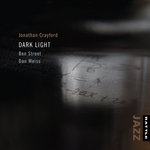


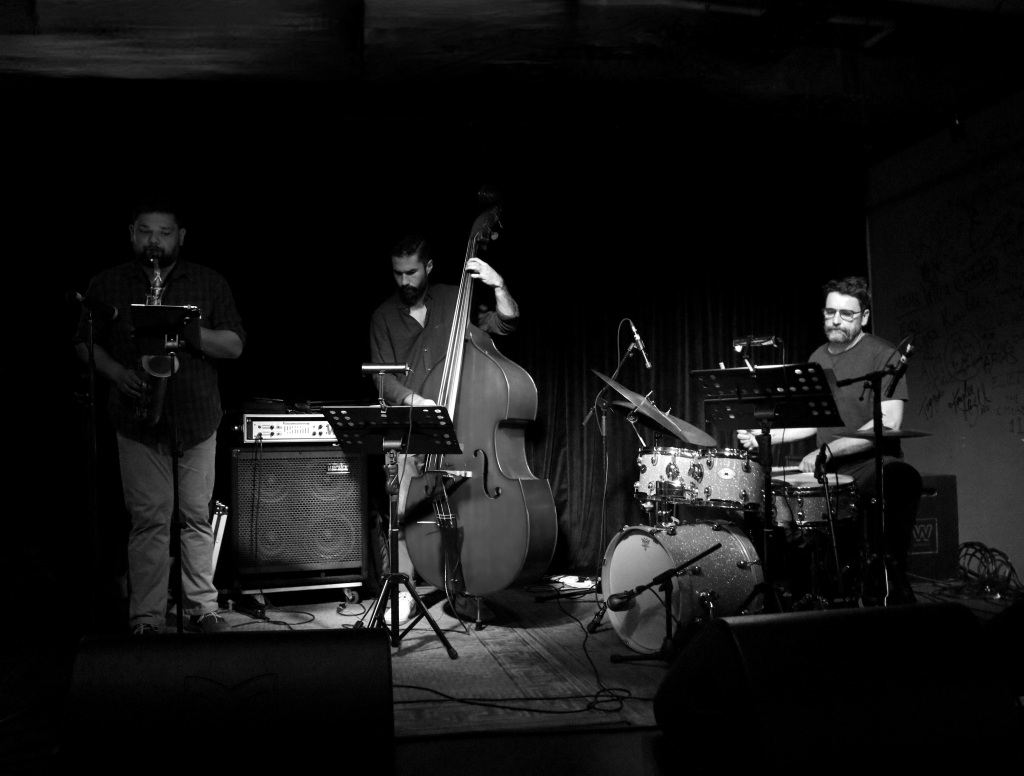

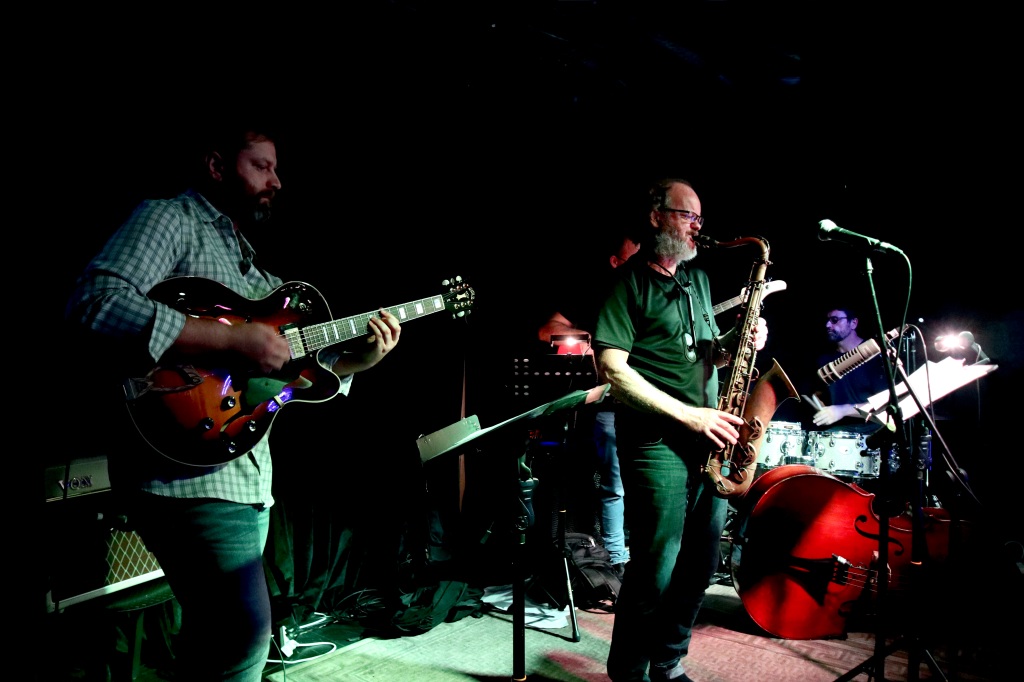

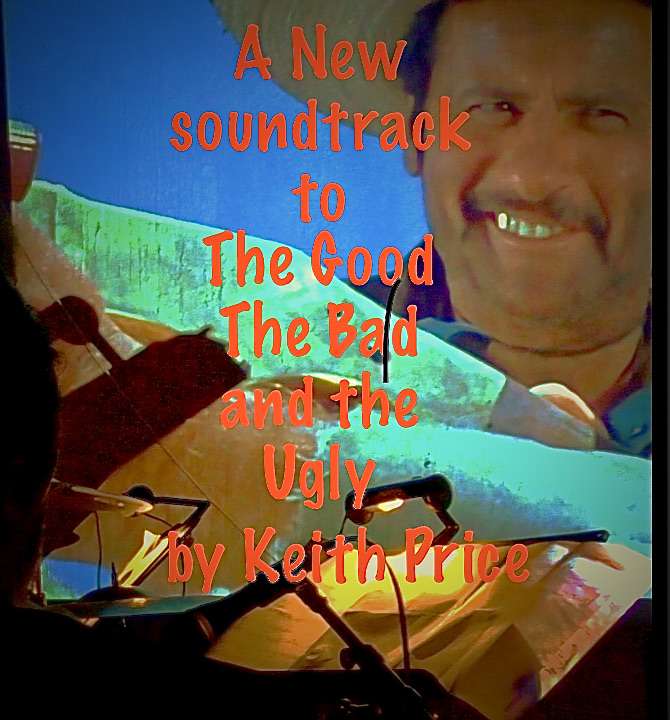
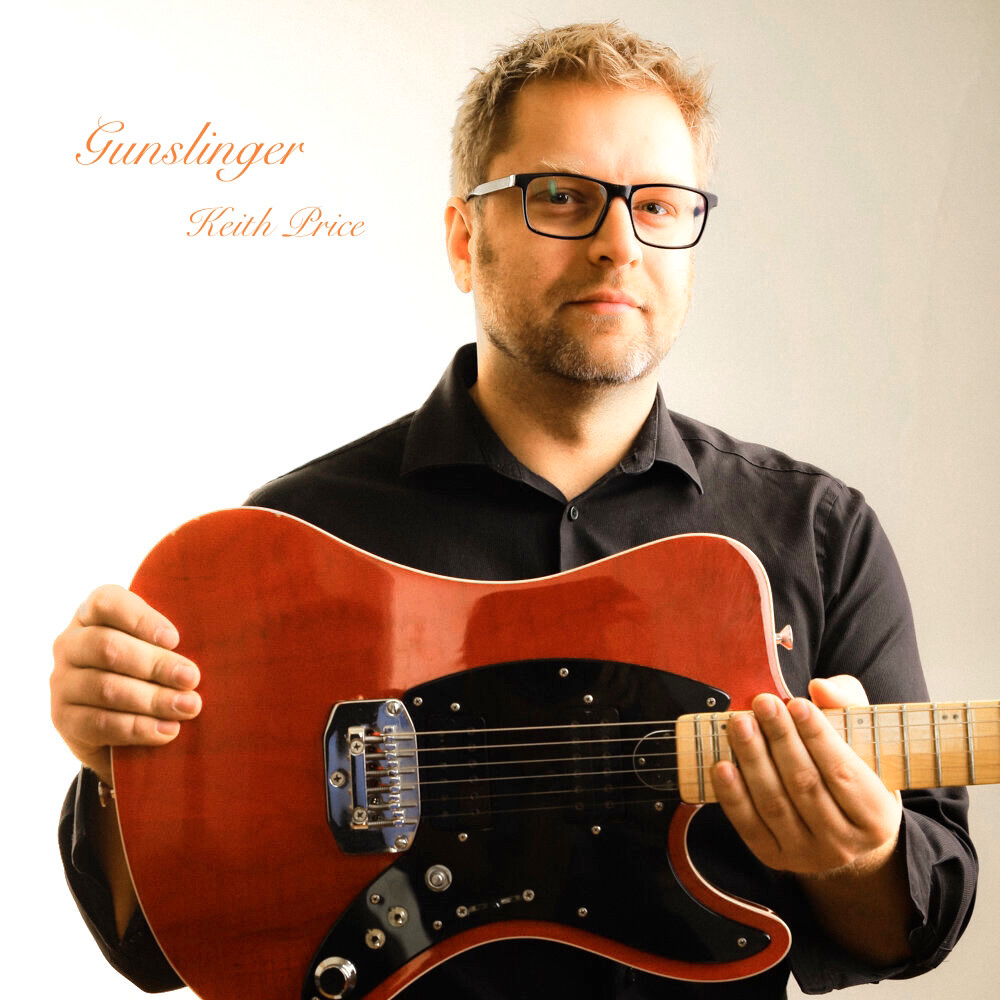
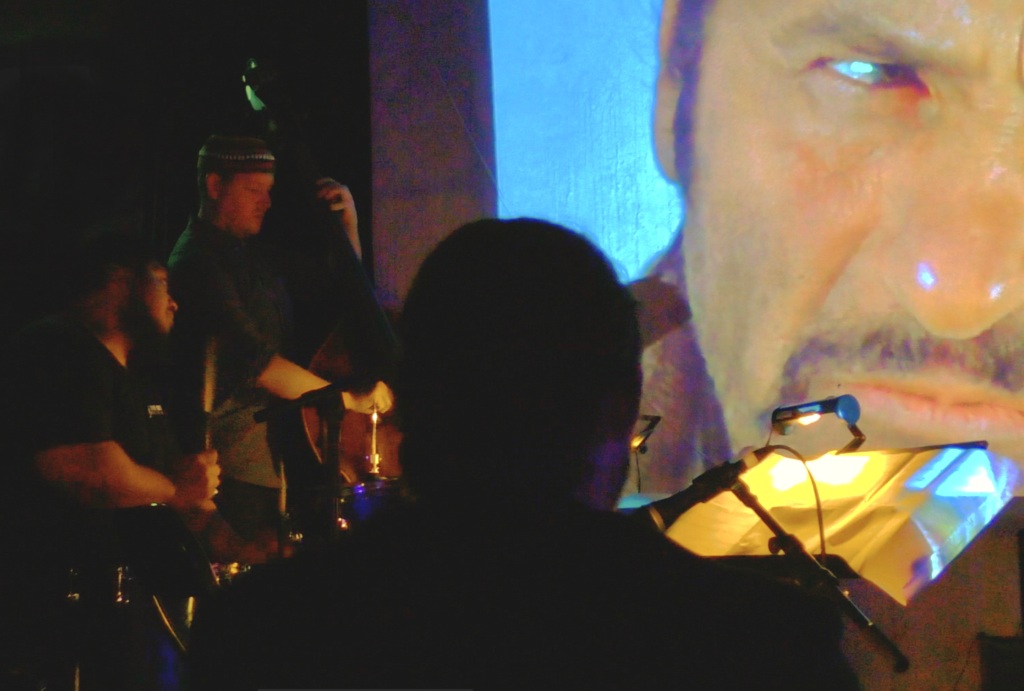

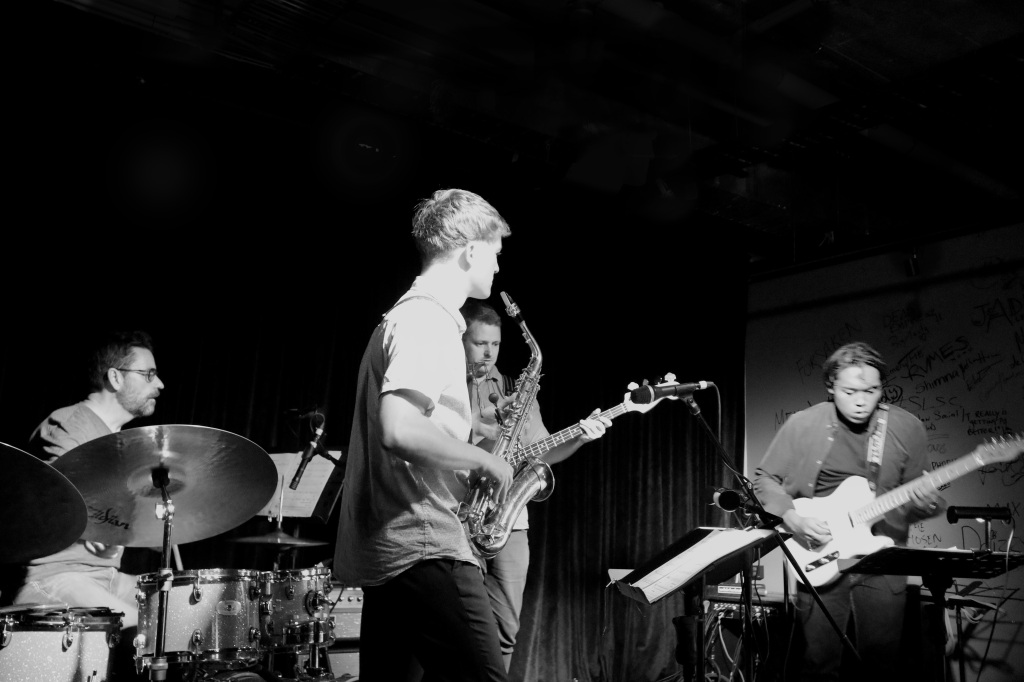

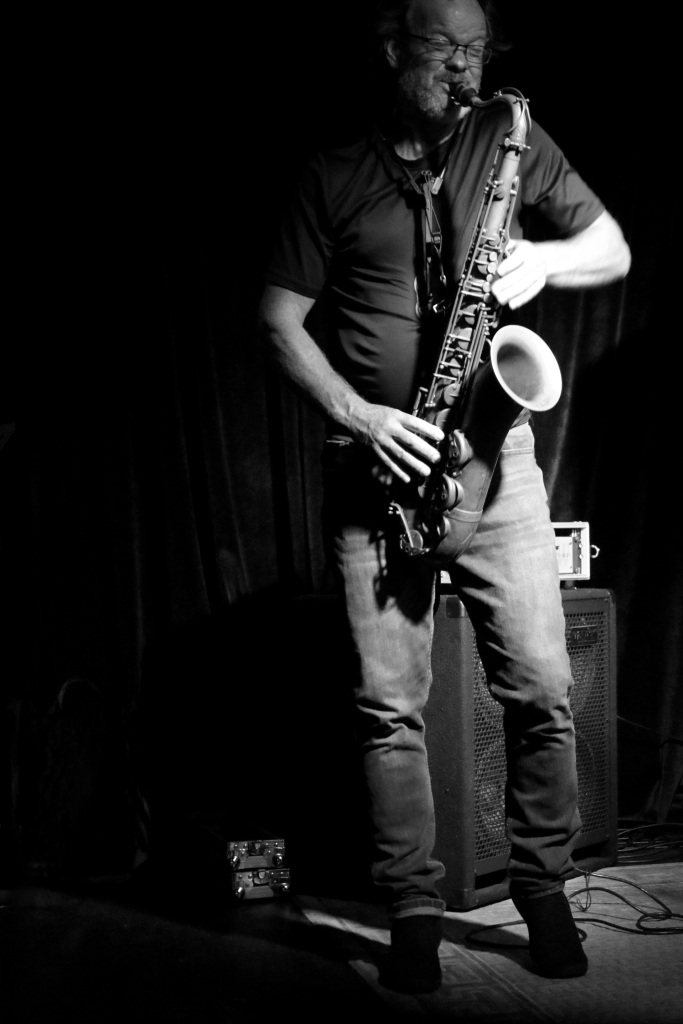
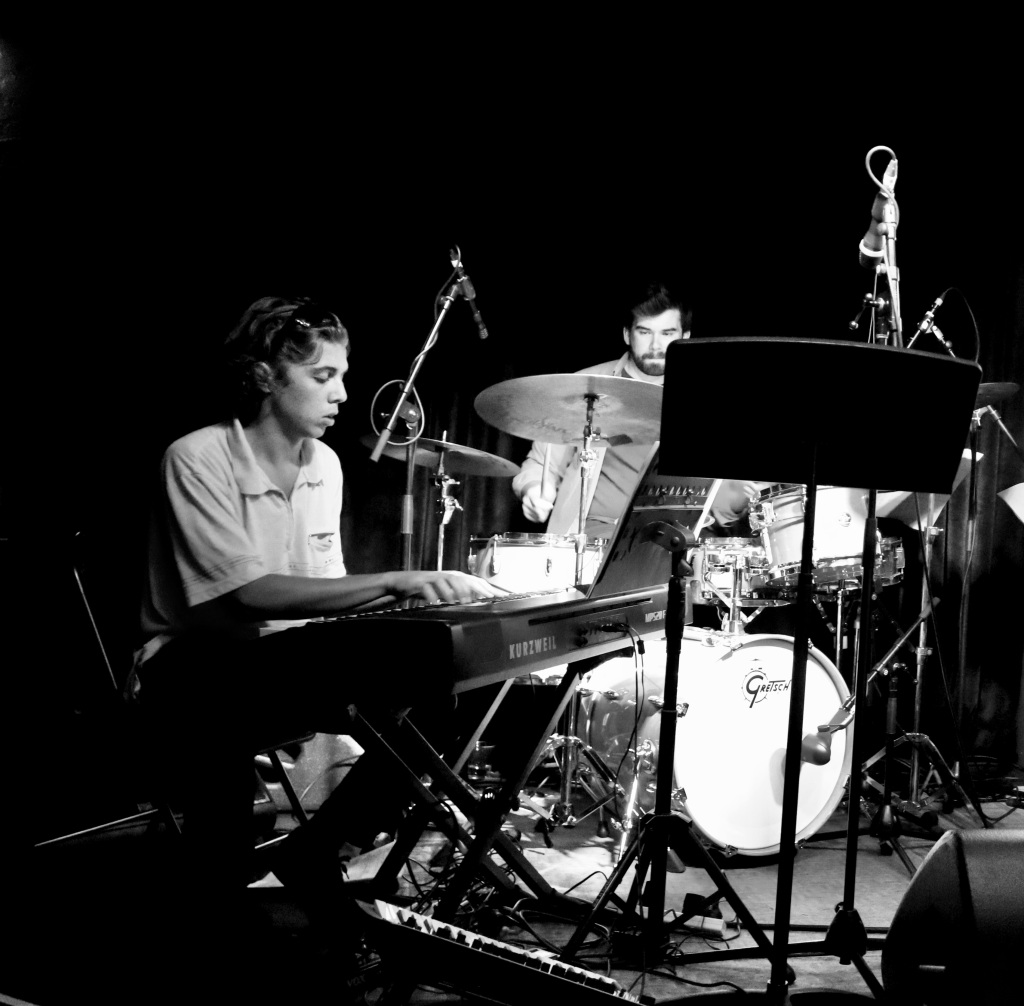


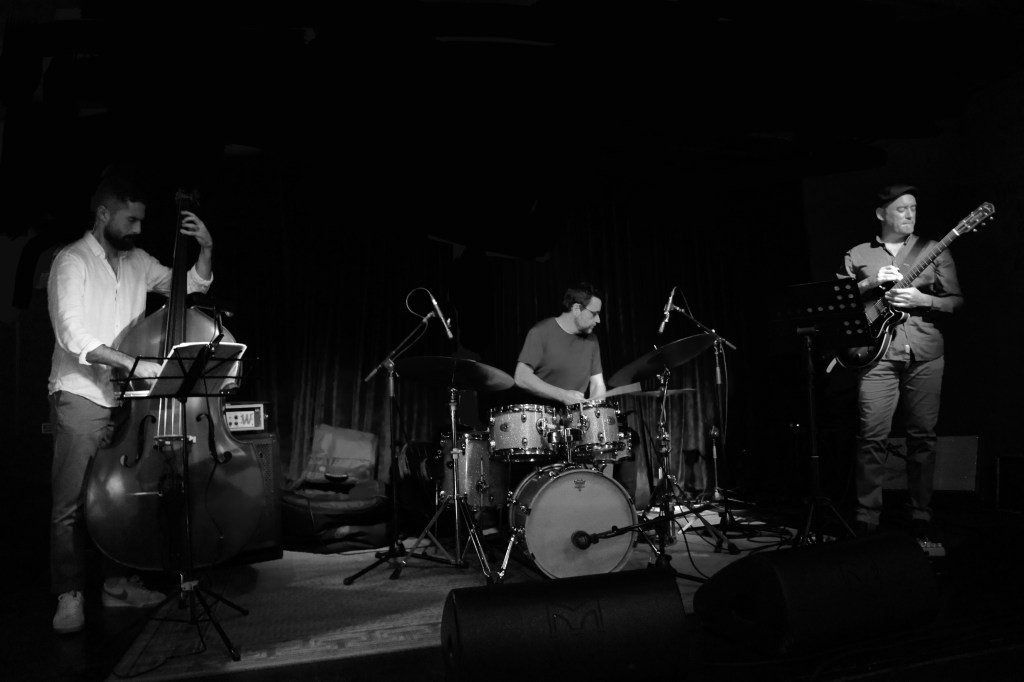
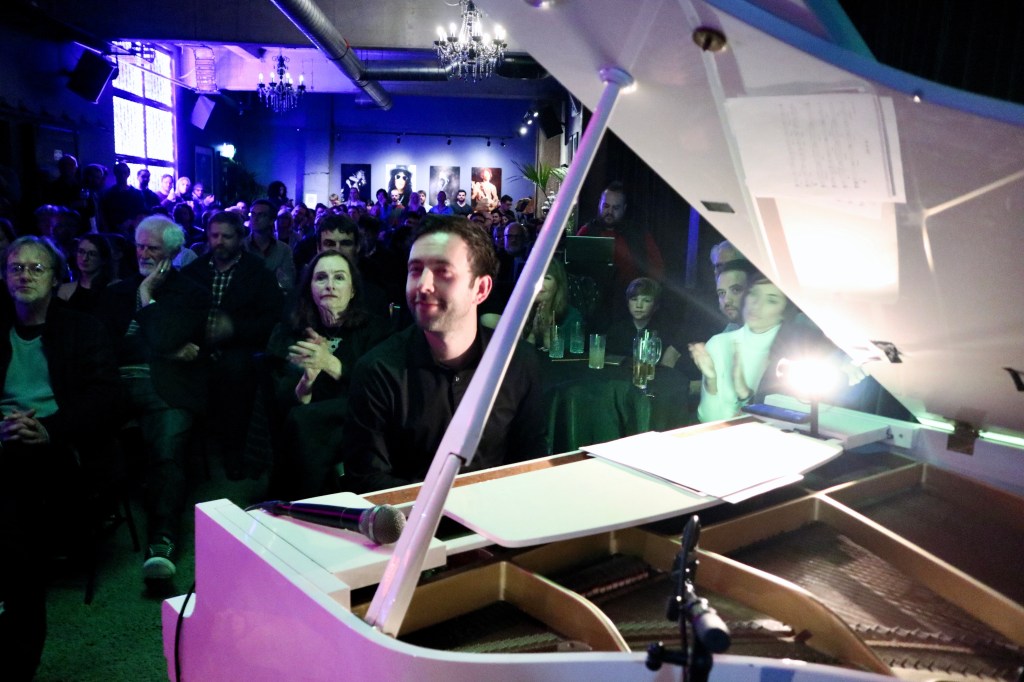

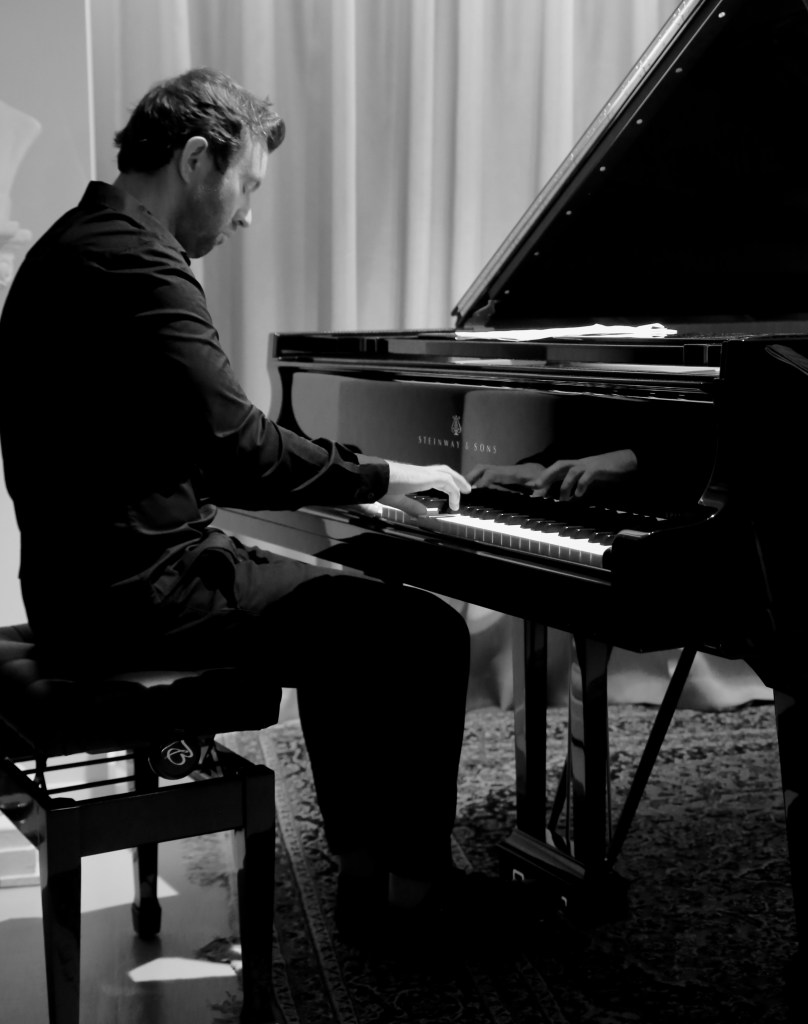
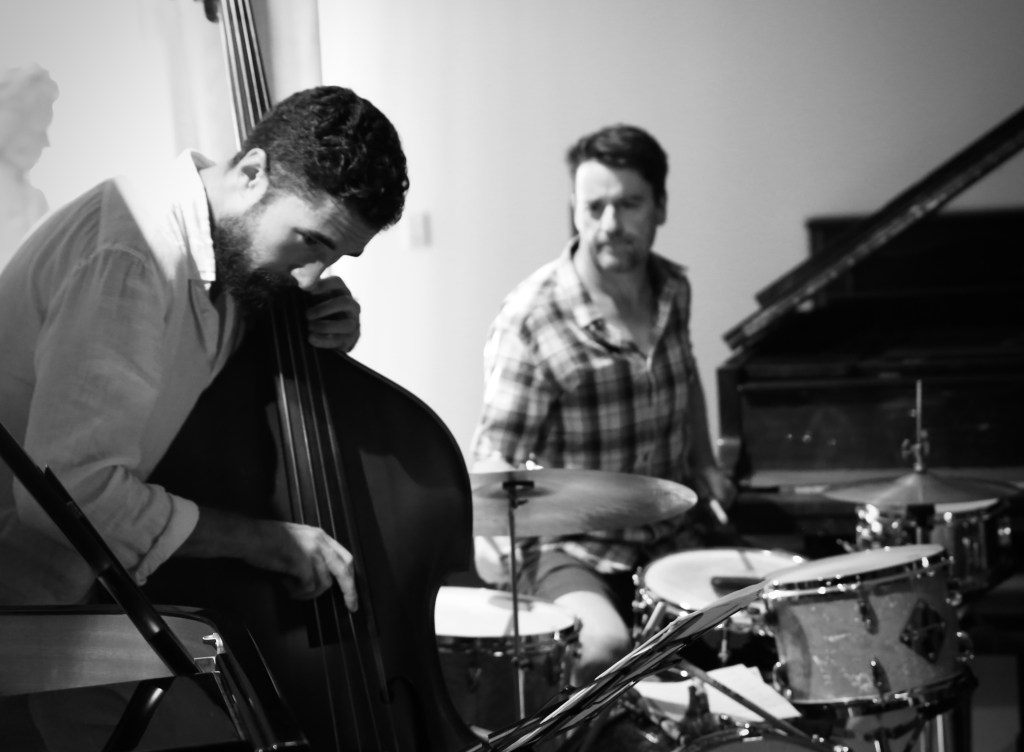
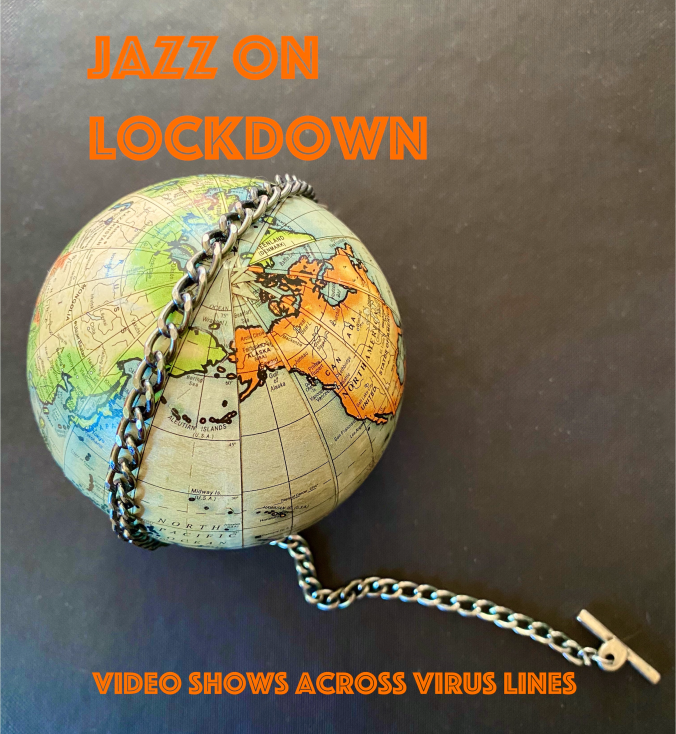
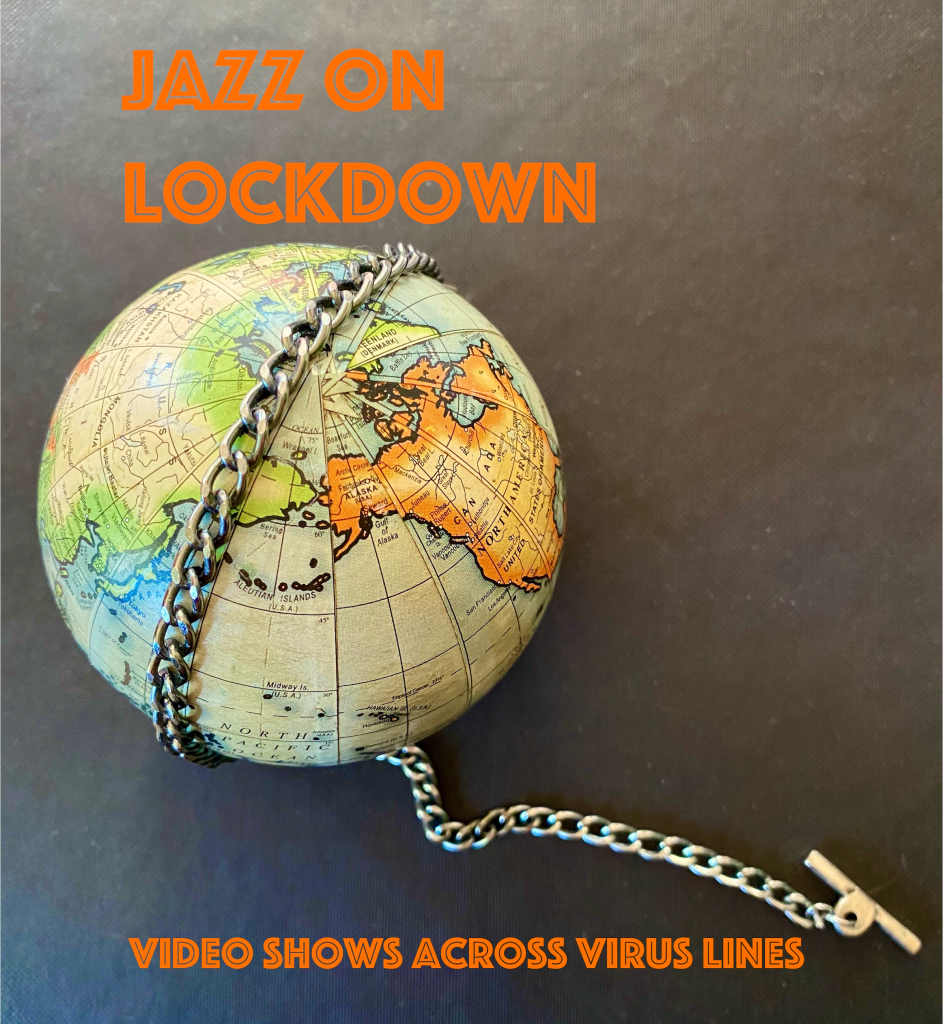
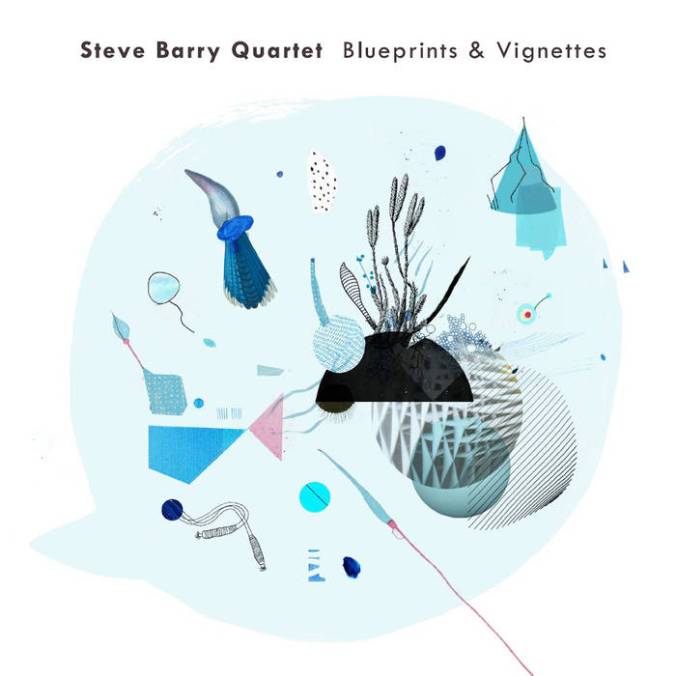
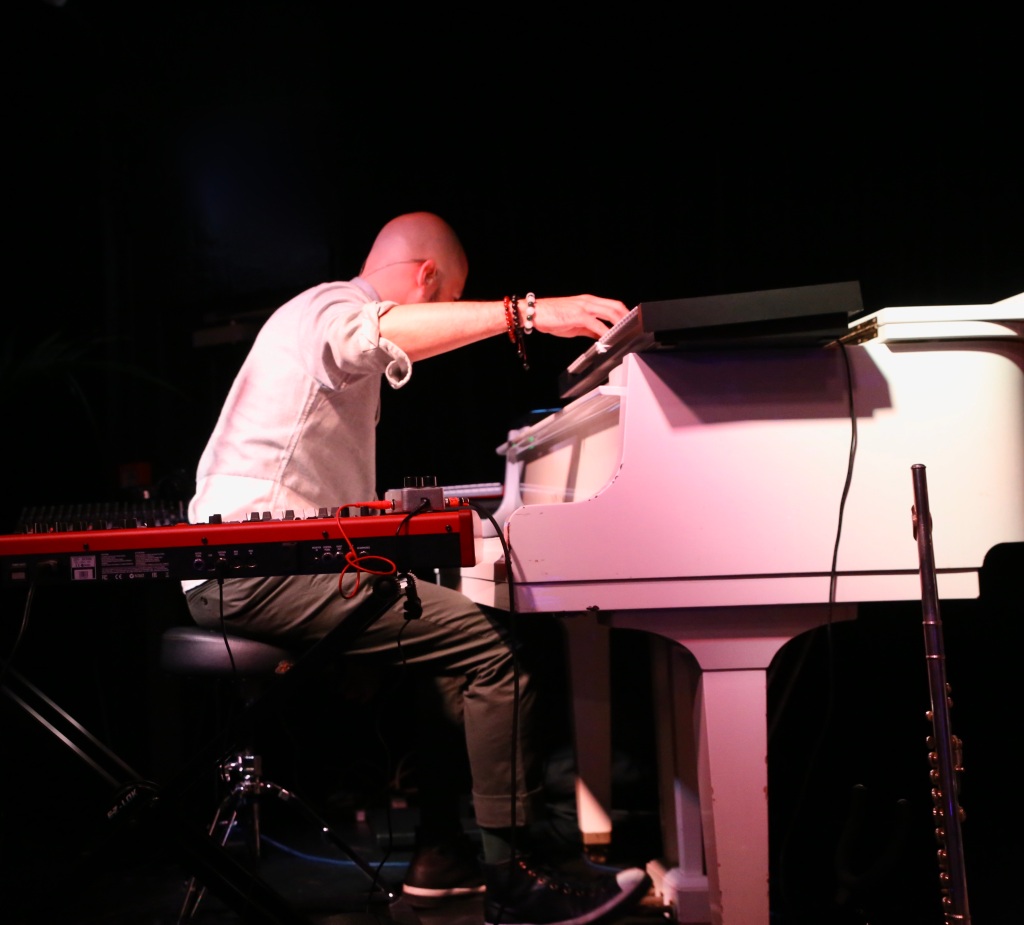
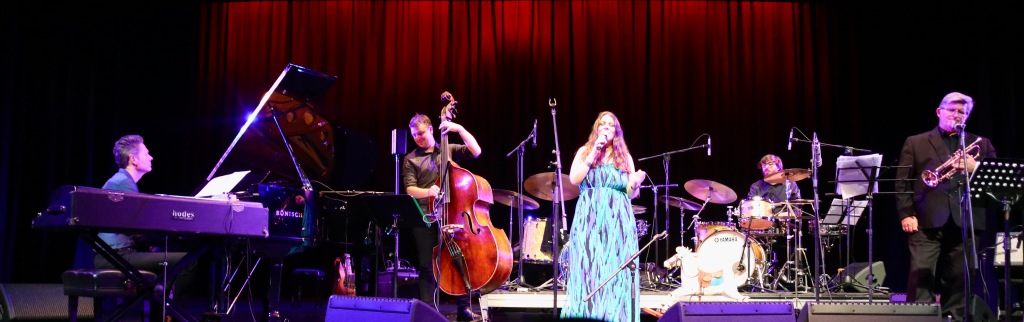
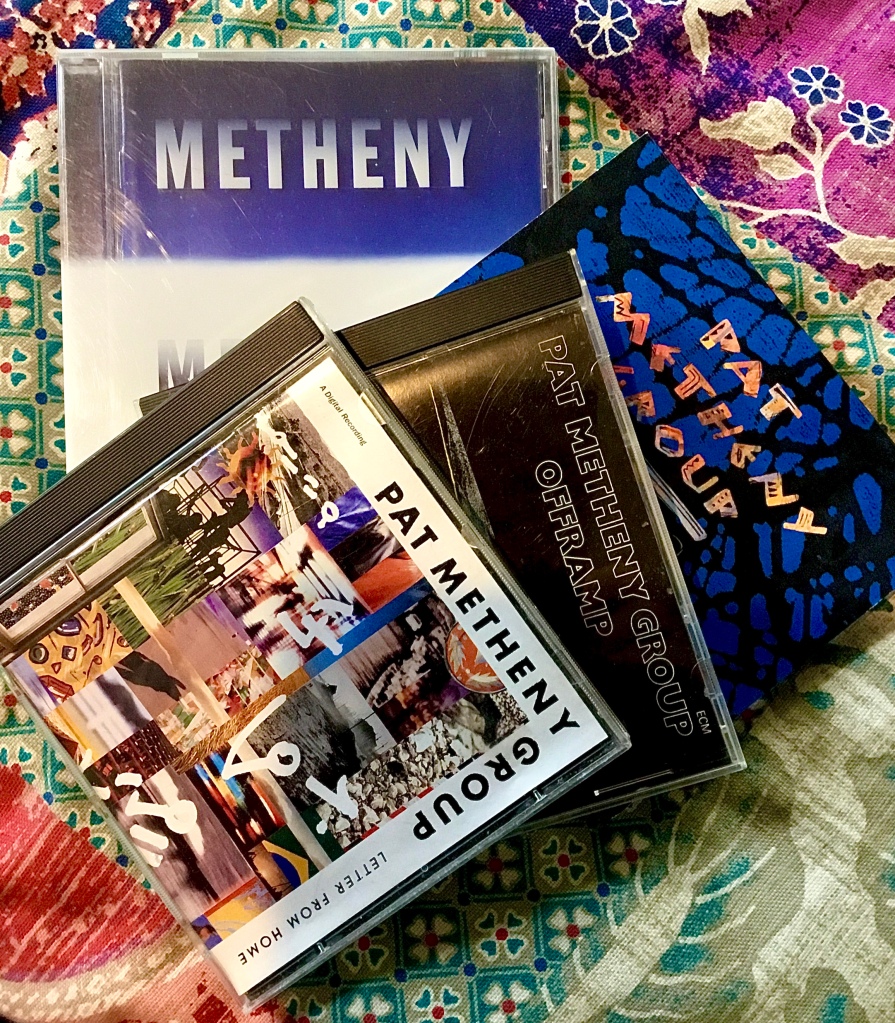
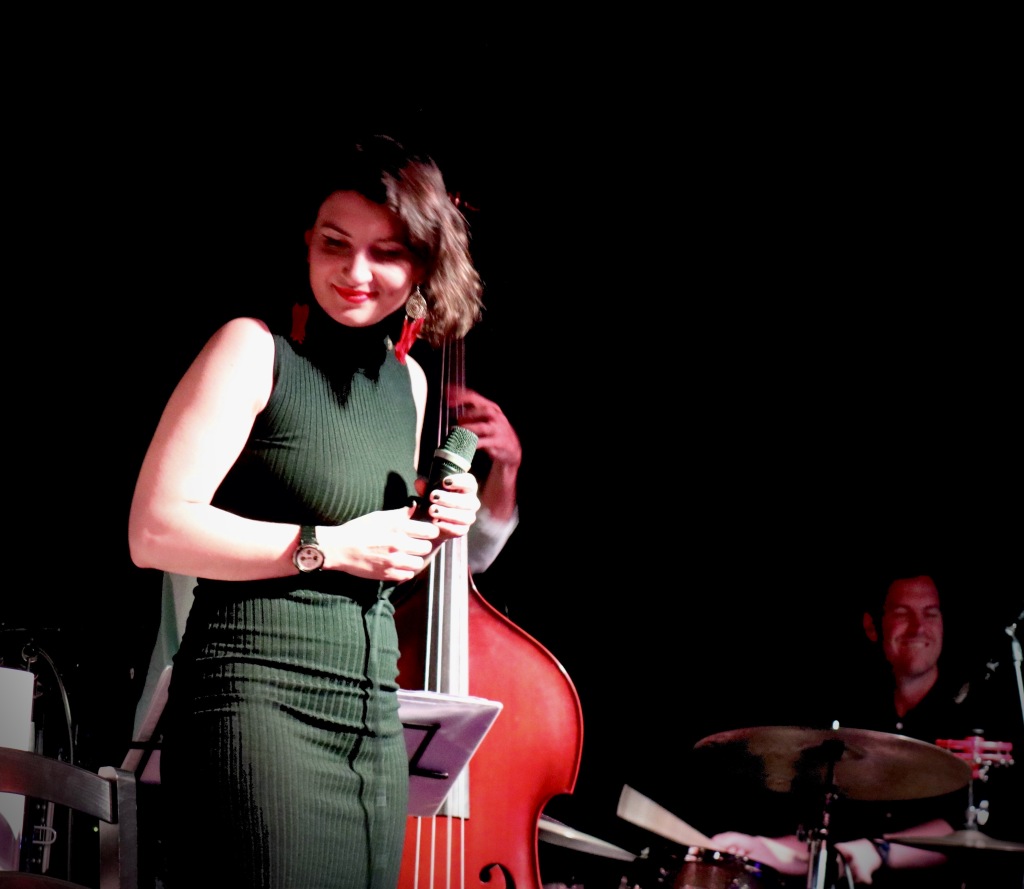
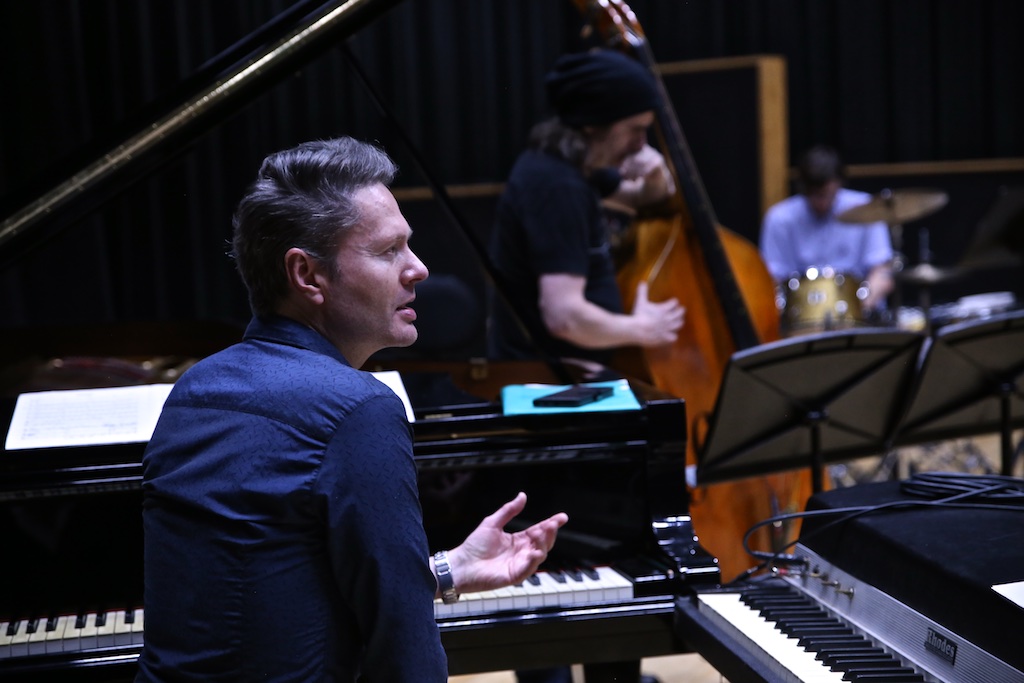 Have you ever heard one of New Zealand’s iconic pop songs and wondered how it would sound reimagined as Jazz? The journey from popular song to Jazz piece is a well-trodden path. Many tunes that we now refer to as ‘Jazz standards’ began their life as tunes written for broadway musicals or for the popular music market. For a tune to successfully cross that divide it needs to be well constructed and to lend itself to reharmonisation. With ‘Alchemy’, this elusive symmetry is realised.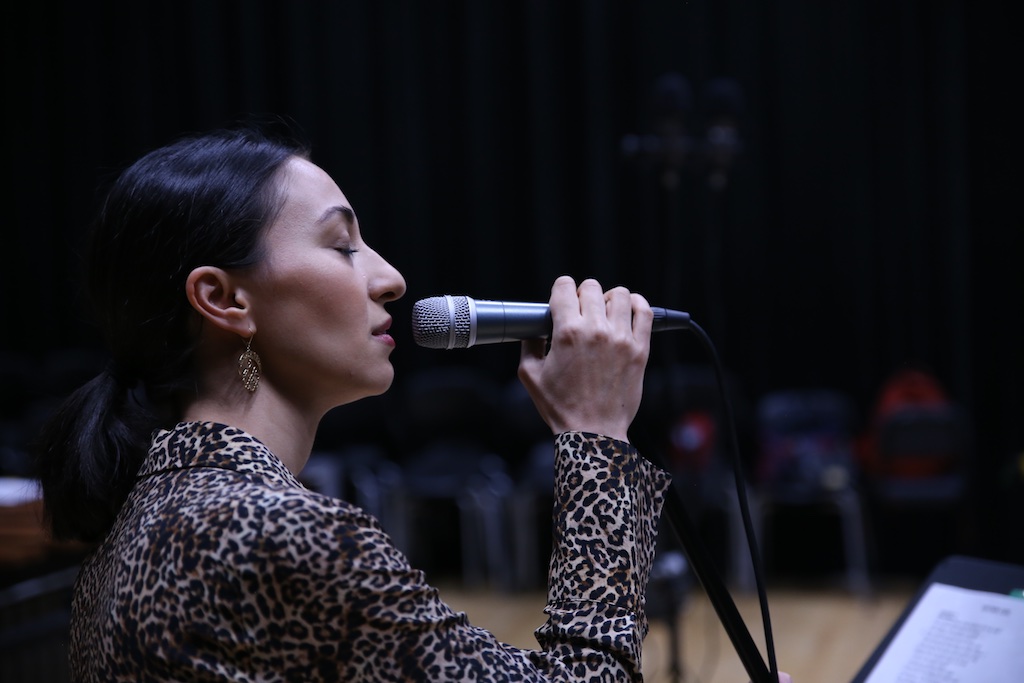
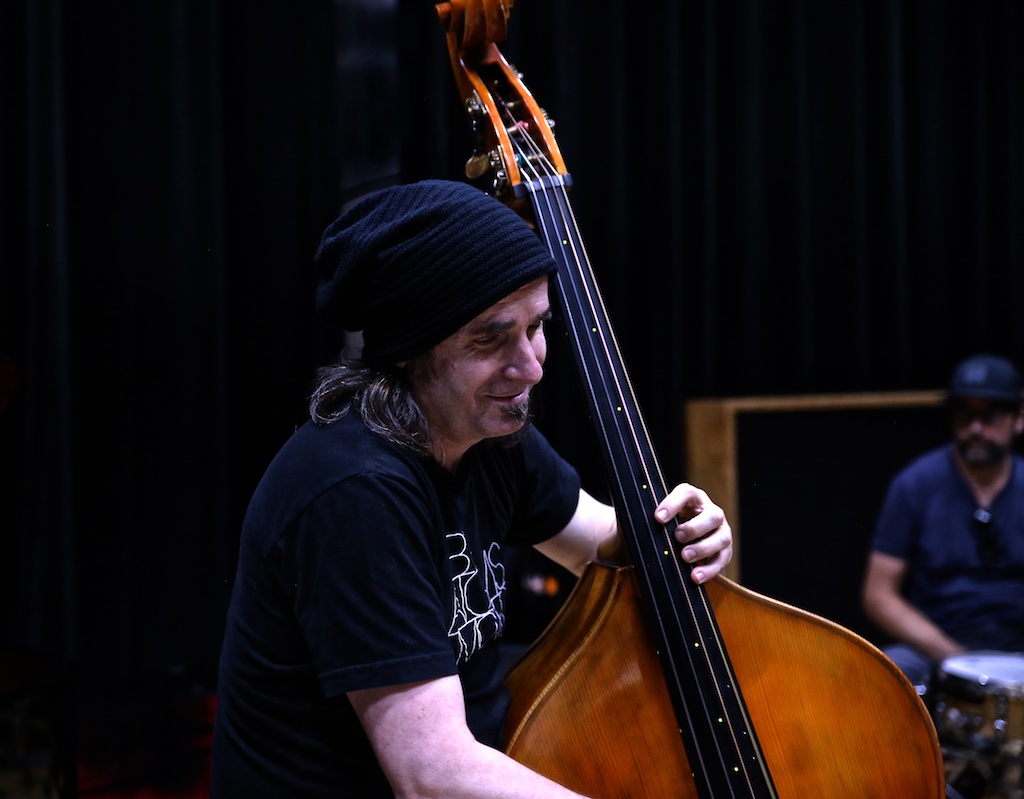
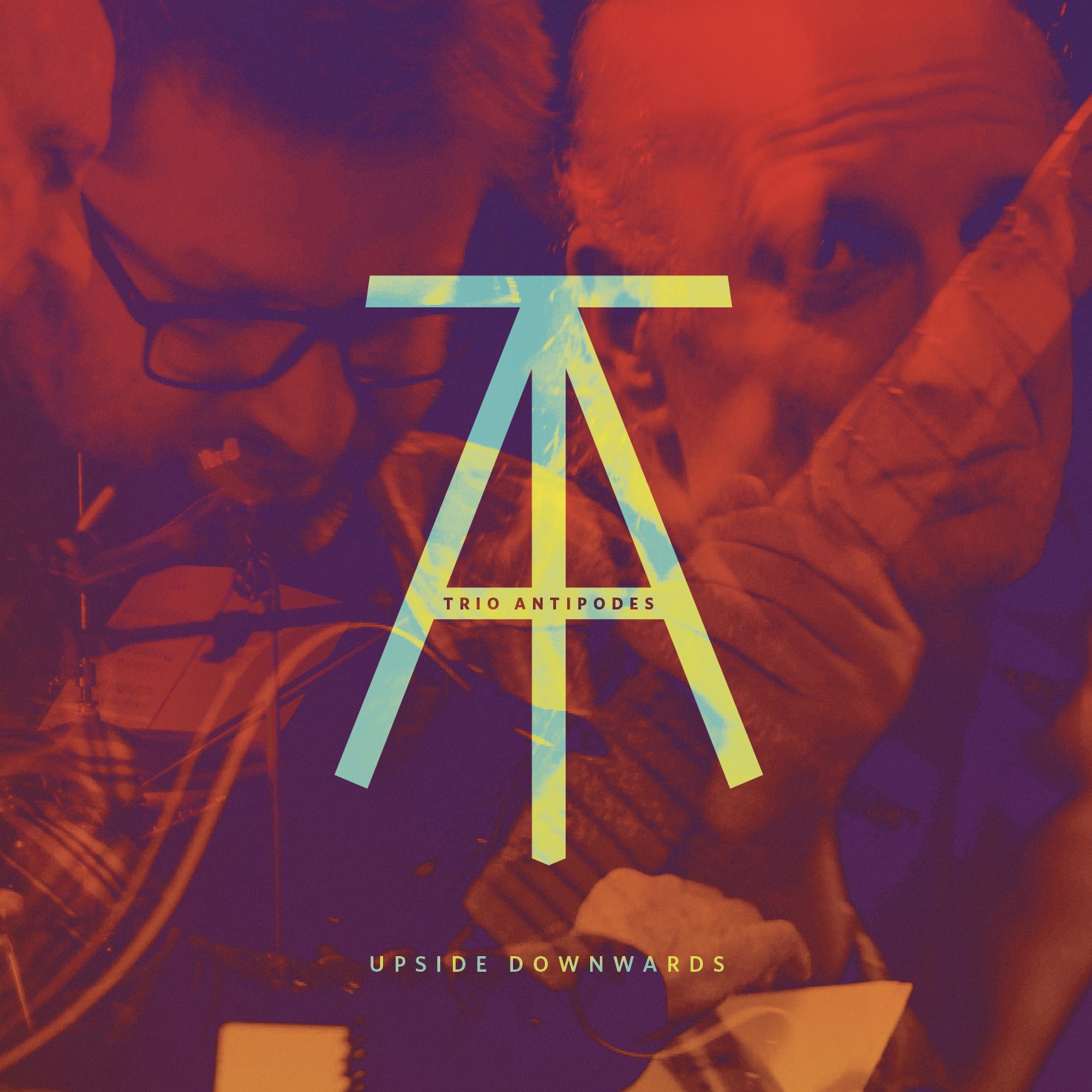 Canadian Jazz guitarist Keith Price is a welcome addition to the Auckland scene. He brings with him fresh ideas and a musical connection to his hometown. Manitoba is associated with Lenny Breau and Neil Young who both grew up there. Perhaps it’s the proximity to the open spaces which echo in the music, that wide-open sound (and in Young’s case an overlay of dissonant melancholia)? Whatever it is, it certainly produces distinctive musicians. Lenny Breau is an important Jazz guitarist and one who is sadly overlooked, Hearing Price’s respectful acoustic homage on Wednesday, cast my ears in that direction again.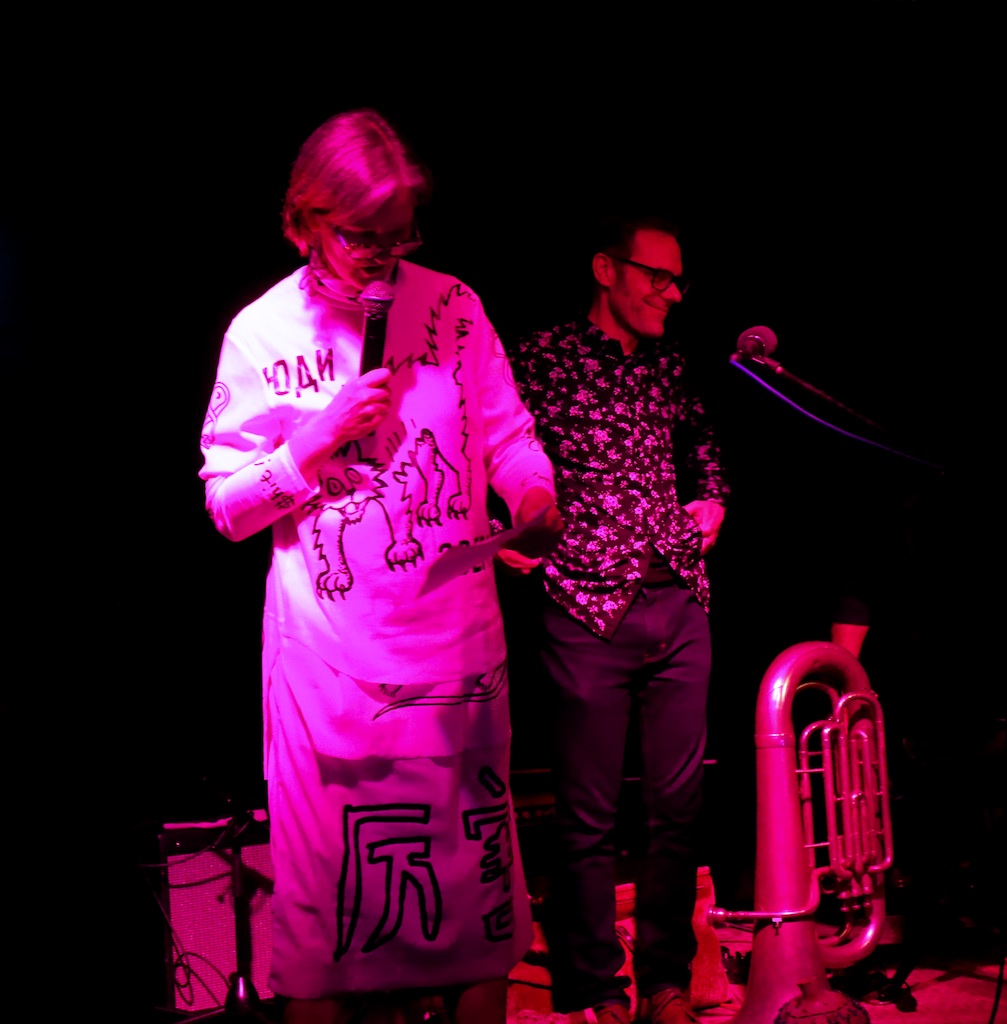

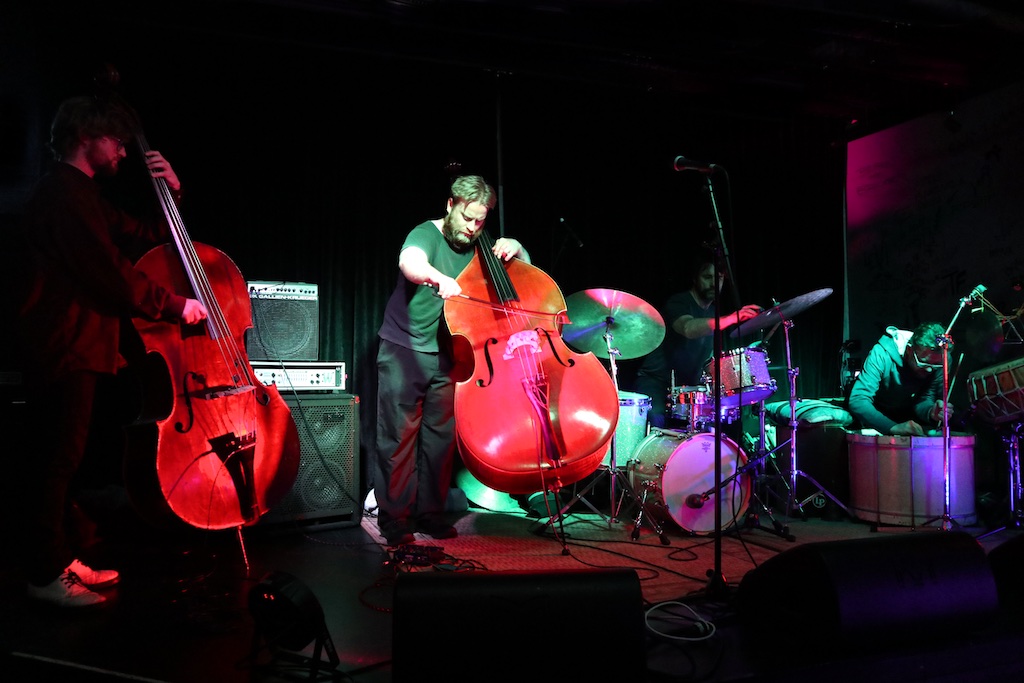 Two bass, two drummer gigs while not unknown usually occur in service of a chordal instrument or of a horn line, and when a solo bass concert occurs, an audience is frequently shown ‘cleverness’. On this occasion, the bass of Elsen Price freed the instrument from the narrow confines of the standard rhythm section or the conventional solo bass repartee; instead, exposing the beautiful resonances and the reach of the instrument. This was sublime music and complete unto itself. It celebrated a gifted musician and a wonderful instrument but without displays of egocentricity. The feat was achieved by inviting us inside the music, and into a sonic cornucopia. We listened and we were captivated.
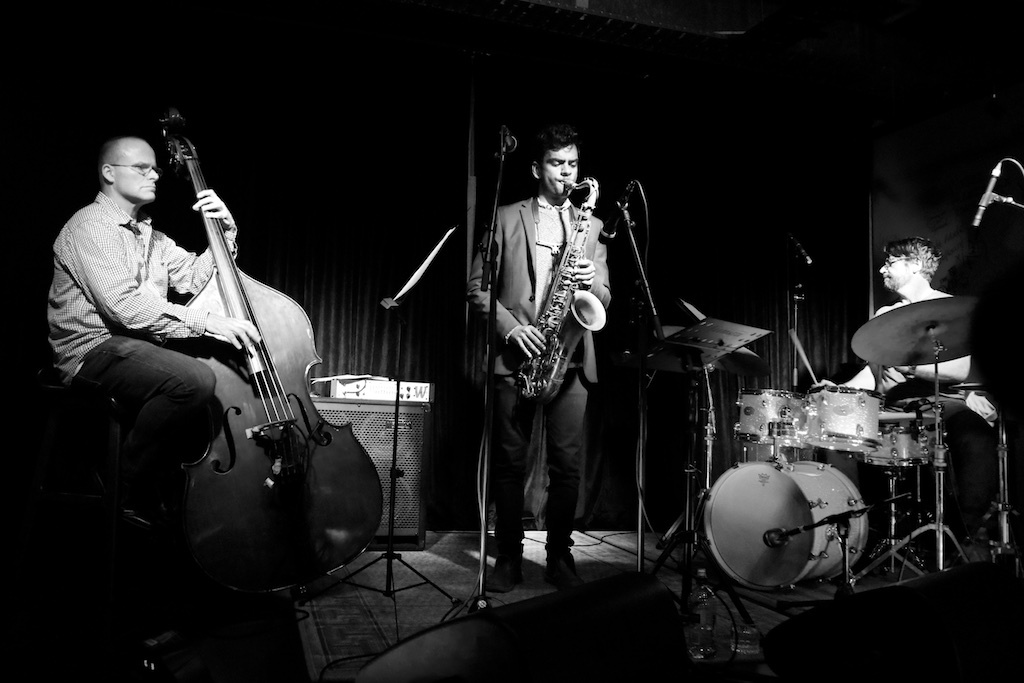 It was four years ago and almost to the day, that Kushal Talele was last at the CJC. Then, as now, he had just returned from a long period overseas. I heard him for the first time then and I was impressed. That was in the cellar of the 1885, a place now a fond but distant memory. A few days ago he returned to the CJC and although he played with a different band, his unmistakeable upwards trajectory was evident. There is nothing unduly flashy about Talele as he radiates calm and absorption. At the microphone, he talks quietly, but there is passion in those subdued tones.
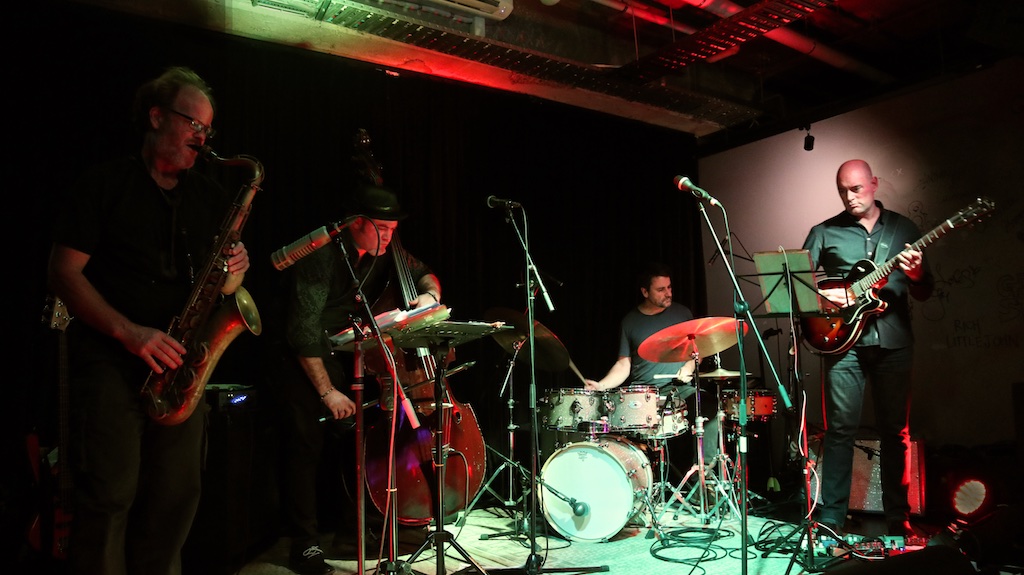 The original
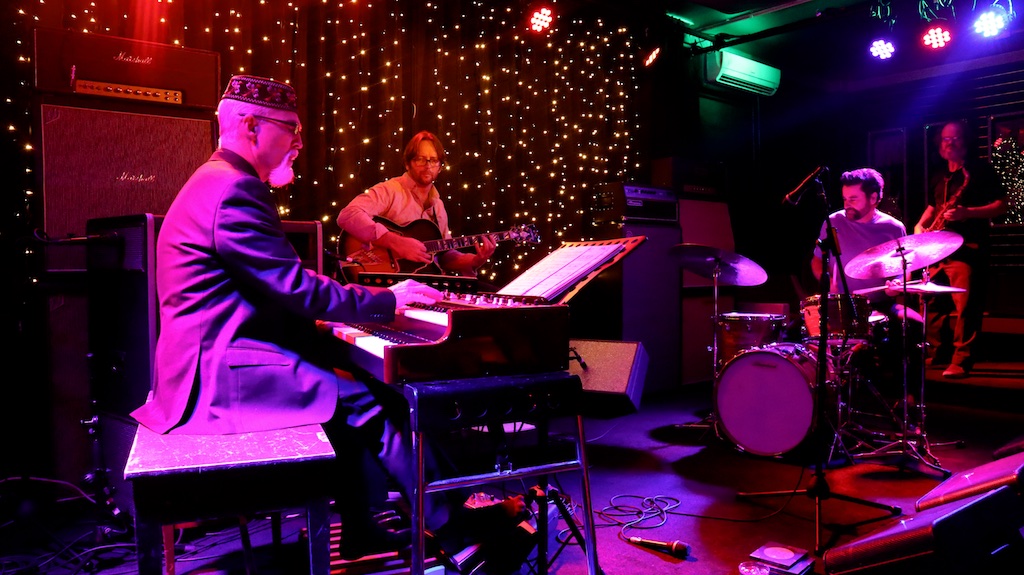 I reviewed the ‘Shuffle’ album in January and the band is now on the road, sharing its groove throughout the North Island.
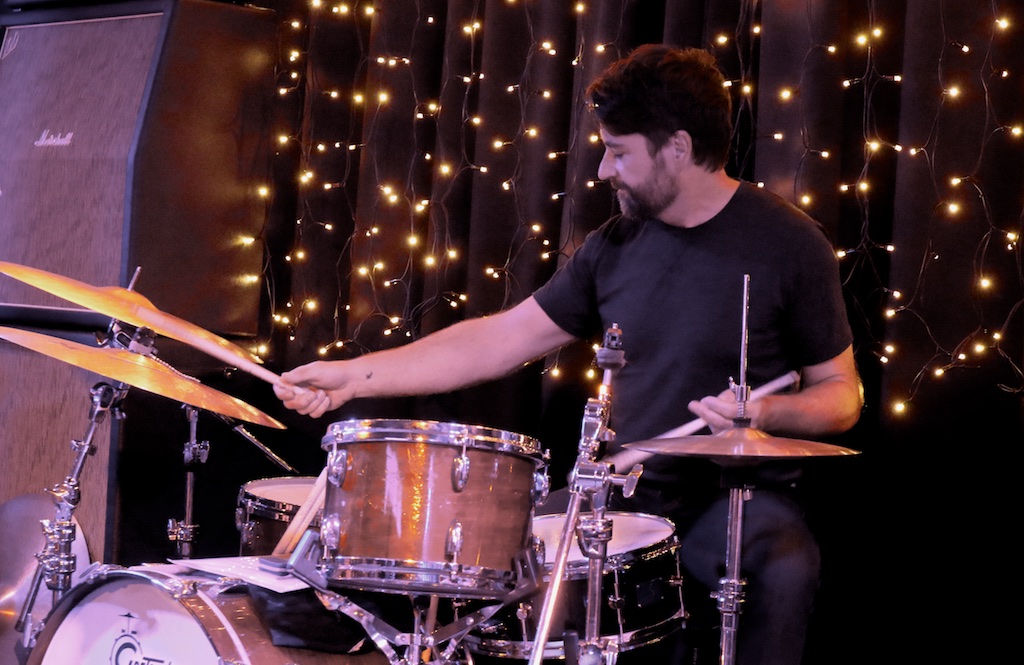 March fifteenth began as good days should, with sunshine, a cool breeze off the ocean, and a message from a Jazz Journalist colleague in Australia. ‘Would I like to meet some award-winning Greek Jazz musicians’? I had stuff planned, but the plans were easily shelved and I drove from my leafy hilltop retreat into the city. The musicians had flown into Auckland to join a passing cruise ship and were only in town for eight hours. Ahead of them lay four months of playing standards, original material (if lucky), and the inevitable but often regrettable requests. We met up in a central city cafe. ‘John’, they yelled as I walked around the corner. For the briefest second, I wondered how they had recognised me, ascribing it to a Jazz sixth sense, then remembering my tee shirt was emblazoned with the words Prahu Jazz. We introduced ourselves, and headed for the waterfront at my suggestion, chatting as if we’d known each other for years. That’s the way in the Jazz community. You travel to a place you’ve never been before and someone will message you with the contact details of ‘cats’ to hang with. Such hangs generally follow a well-trodden path. ‘Do you know this or that cat – killing?’ Always followed by outrageous road stories and laughter.
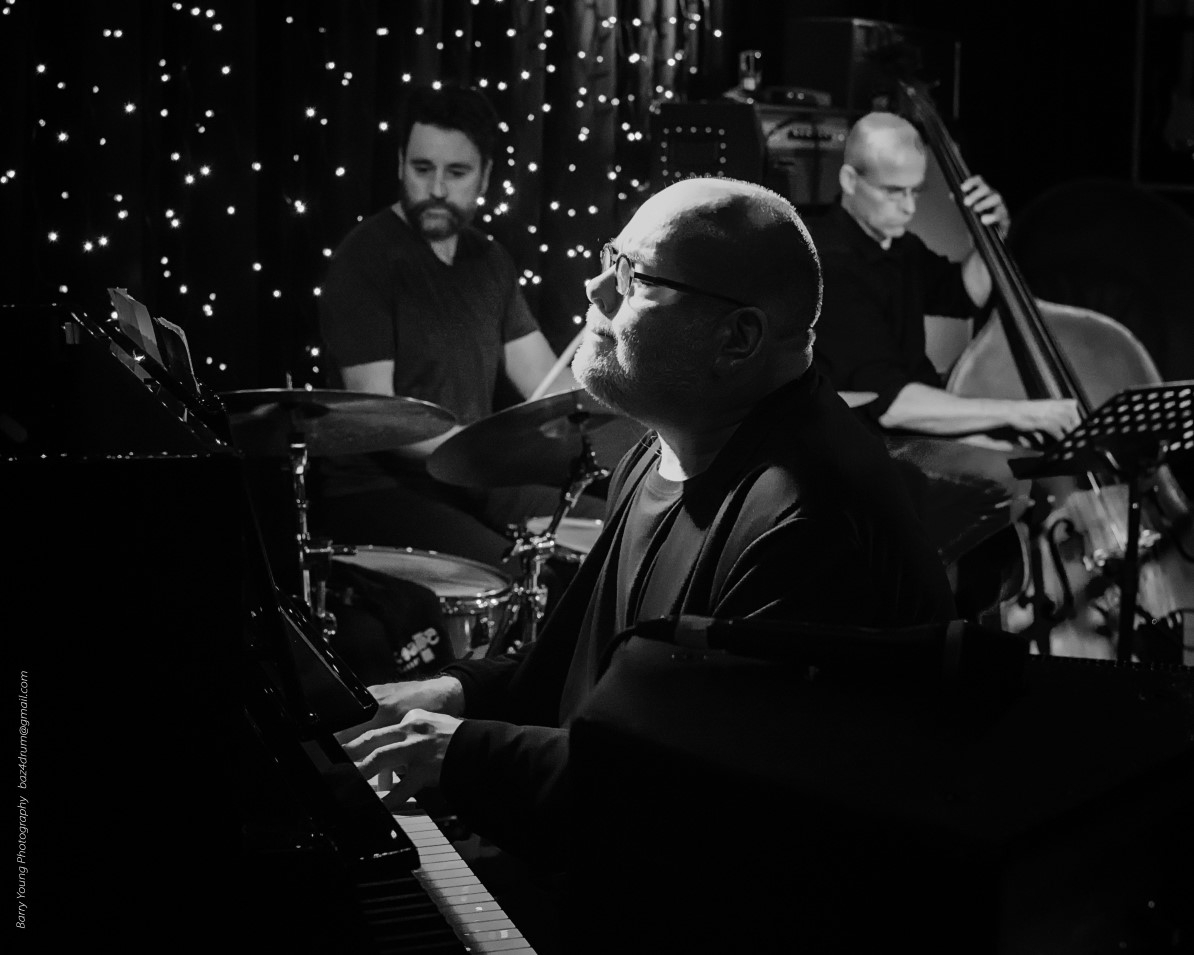
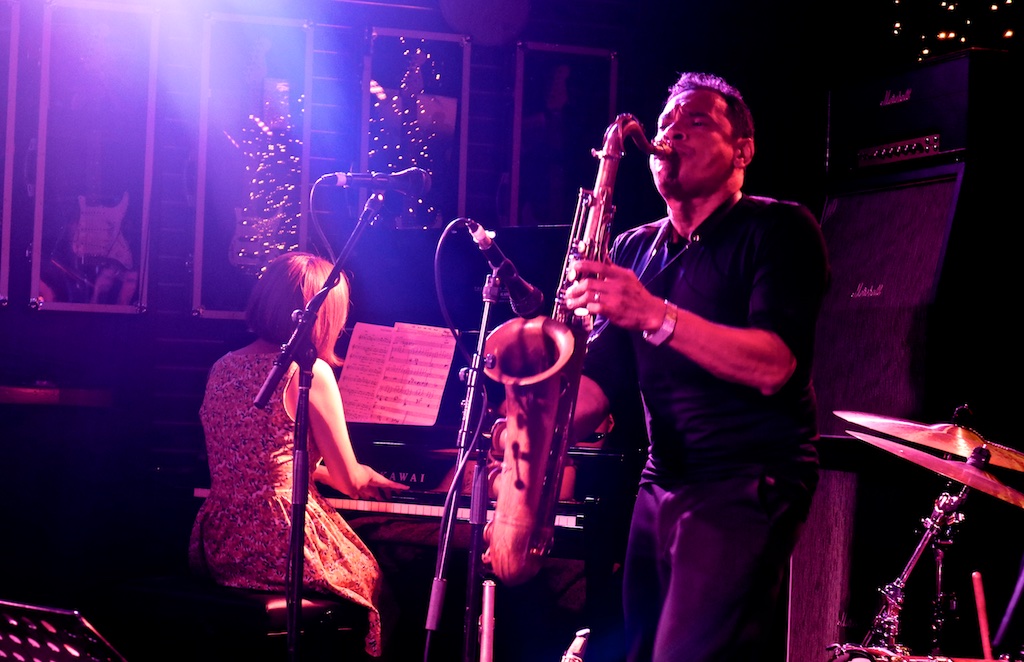 Anyone who saw Jay Rodriguez play the last time he was in town will have tripped over themselves to catch him again last week. Rodriguez is a talented and engaging improviser and when he steps onto the bandstand he wins hearts from the get-go. This seemingly innate ability arises from a keen understanding of what will work best with a particular audience. He picks ups on and feeds off the energies in the room. He is also a skilled technician, but he is not there to show off his undoubted chops. His purpose is to involve and to engage at the deepest level; offering musicians and audience alike an unforgettable musical experience.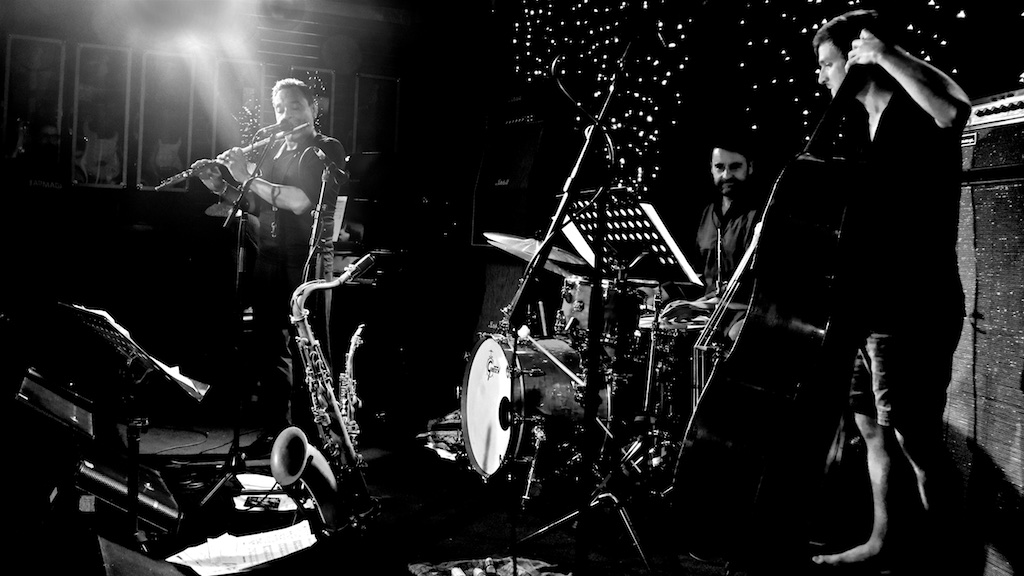
 JazzLocal32.com