One of the most pleasing formats in Jazz is the B3 trio. It endures because it has warmth and groove in equal proportions and it makes us happy. To unleash the full potential of the B3 a bass pedalboard must be used, and this difficult-to-master art is increasingly rare. There are hands, knees and feet, all doing different things, there are two keyboards and a bewildering array of sliders and knobs to be coordinated. On the new Music Soup album we not only have a skilled pedaling-organist in Evgenia Karlafti but on two tracks a guest pianist (Kym Purling) is added into the mix. This adds to the complexity, as three chordal instruments can clash and crowd each other out; so skilled musicianship and the right compositions are called for. That is what you get with ‘Upbeat Mood’.
The guitarist, Nestor Demopoulos, co-founder of the trio with Karlafti, can power up the groove with solos reminiscent of Pat Martino, Grant Green or Paul Bollenback. His tone is a warm embrace and his comping urges the soloists to greater heights. The other trio member is drummer Vagelis Kotzabasis and his contribution nicely rounds off the core trio. They respond to each other throughout, enhancing the swing feel by their interplay. It is particularly evident on the opening track, ‘Korean Apartment’, a masterclass in Groove.
There is variety throughout, but all of the tunes are imbued with a sense of intimacy—the sort you might experience in a small Athens Jazz club on a balmy summer night. Unsurprisingly, Music Soup has come to the attention of notables like Tony Monaco and Pat Bianchi, the latter supplying liner notes for the album. The tunes are all originals by Karlafti and Demopoulos, except for Burt Bacherach’s ‘The Little Red Book’. The album can be purchased as a CD at www.musicsoupband.com or accessed on streaming channels.
Personel: Evgenia Karlafti (B3 organ), Nestor Demopoulos (guitar), Vagelis Kotzabasis (drums) with Kym Purling (piano – tracks 3 & 6) and Henry Gergen (trumpet track 8).
JazzLocal32.com was rated as one of the 50 best Jazz Blogs in the world by Feedspot. The author is a professional member of the Jazz Journalists Association, a Judge in the 7VJC International Jazz Competition, and a poet & writer. Some of these posts appear on other sites with the author’s permission.
Earlier this month ‘Blue Note in My Suitcase’ was released by B3 Master Michel Bénébig. It is his sixth album and his first with a Jazz orchestra. The album hits the groove spot immediately, and as you listen you realise what a perfect pairing Bénébig’s B3 and the Le Grande B3 Orchestra is, aided convincingly by Lachlan Davidson’s lovely arrangements. The charts are well constructed, giving free rein to the soloists and never overwhelming the organ. Davidson is a respected Australian arranger, teacher, band leader and multi-instrumentalist and his influence is strongly felt here.
It is always a pleasure to hear Bénébig’s in-the-pocket playing but with an orchestra like this charging the atmosphere, he digs deeper than ever into the groove. The ten tunes on the album are excellent groove vehicles, all written by Bénébig, with Davidson credited as co-composer on ‘Try To Explain’. I have always appreciated Bénébig’s writing but he has excelled himself here.
The opener ‘Alenka’s Mood’ is warm and funky, immediately infecting you with its slinky rhythm. It offers up a promise which is fulfilled throughout. As you work through the tunes you are drawn back to the days when infectious danceable music like this was loaded onto jukeboxes and played in steamy groove joints pulsating with dancers. The music brings a smile to your face and fills you with joy and, like his earlier ‘Shuffle’ album, you will reach for it repeatedly. Joining him is Bénébig’s daughter Lucia who is responsible for designing the album cover and creating animation for a promotional YouTube clip. I have posted the YouTube cut ‘Black Cat’ from the album.
A time-honoured B3 big band tradition is followed here, featuring 13 horns which lends considerable heft to the rhythm section. It would be easy to drown out soloists and to eclipse the organ with a behemoth like this but the soloists get plenty of room to shine, and shine they do. The album is available now on Spotify and a vinyl edition is on the way for audiophiles.
Mick Fraser (trumpet 1), Shane Gillard (trumpet 2), Gianni Mariucci (trumpet 3), Rob Planck (trumpet 4), Roger Schmidl (trombone 1), Ben Gillespie (trombone 2), Jessica Jacobs (trombone 3), Adrian Sherriff (bass trombone), Lachlan Davidson (alto sax 1/flute 1/sop sax), Rob Simone (alto sax 2/flute 2), Anton Delecca (tenor Sax 1/clarinet 2), Paul Cornelius (tenor sax 2/clarinet 1), Stuart Byrne (baritone sax/bass clarinet), Jack Pantazis (guitar), Gideon Marcus (drums), Michel Bénébig (A105 Hammond organ Leslie 147), Phil Noy (recording engineer), Lachlan Carrick (mastering Engineer), Lucia Bénébig (front cover art)
~Random Delights~
Sambandha: Heartcore For Nepal
Recently, I received a press release from colleague Arlette Hovinga. The project outlined was the vision of Mikaela Bokova, the manager of Kurt Rosenwinkel’s independent music label, Heartcore Records. The object was to raise money for disadvantaged children in Nepal, and on board for this recording are an impressive list of jazz and world music luminaries: John McLaughlin, Christian McBride, Terri Lyne Carrington, Gerald Clayton, Kit Downes, Anmol Mahara and Dinesh Pun. Sambandha was written by combining two traditional Nepalese folk tunes, and it’s performed by the 20-piece children’s choir Bokova organised while running a music workshop at Mangala School, Babiyachaur, Nepal.
The revenue from the release will go towards buying the children’s musical instruments. In your browser or here, click on heartcore-records.com then once opened, locate Sabandha and purchase your download (5 Euros). It can also be purchased in Bandcamp. Please pass on the word and enjoy. I play this often. You will also find a delightful video on YouTube on the making of this by typing Heartcore for Nepal Sambandha. There is a deficit of joy in today’s world, but giving to those in the greatest need is a sure way to top up the supply.
Skilaa: Tiger In The Water
The cut I am posting is tagged ‘psychedelic R&B’ and the descriptor is intriguing. Everyone featured in this band is an accomplished jazz musician and it shows. Boundaries have been deliberately blurred until a new, fresh kind of music emerges, which catches your attention because it is familiar but not familiar. The concept, compositions and delightful artwork are those of vocalist Chelsea Prastiti. Her boundless energy is evident here. In Aotearoa, it is not unusual for Jazz-trained musicians to make inroads into Indie-Rock, Soul-Funk and Indie-Pop and do it well, even better (think The Beths). Skilaa will be a band to watch. The band are Chelsea Prastiti (vocals, compositions, artwork), Tom Denison (bass), Adam Tobeck (drums), and Michael Howell (guitar) with guest vocalist Crystal Choi (recorded by Callum Passels).
The ‘Astounding Eyes of Rita’ – Trio Natalino Marchetti, Francesco Savoretti, Mauro Sigura
I have previously posted on Mauro Sigura, an oud improviser. He recently sent me this clip of his trio featuring oud, with accordion and percussion. The tune is a well-known composition by Anouar Brahem, ‘The Astounding Eyes of Rita’. Improvised music like this is prevalent across the Mediterranean region and deserves a wider audience. This is such a lovely tune and so beautifully realised here. Mauro Sigura (oud), Francesca Savoretti (percussioni), Natalino Marchetti (fisarmonica). Recorded in Rome.
Before I became aware of the trio albums, I was already familiar with the Ingi Bjarni Quintet through his Tenging album, which I can only describe as extraordinary. Tenging is an album of breathtaking beauty and invention, evoking an ECM aesthetic. I love to hear musicians who boldly tell unique stories and flirt with the unexpected. There are many things to like about this album, such as the folksy, often Slavic-referencing modal melodies, the minimalism and the way the tunes are structured, often atypically. The essence of the group is especially evident in the title track, “Tenging”.
There is excitement but also a sense of space and calm. Throughout, the music fully engages the listener. They are all excellent musicians, achieving a unity of purpose that is rare in a young band like this. The Norwegian trumpeter Jakob Eri Myhre has a Nordic edgy breathiness about his sound, and the Estonian guitarist Merje Kägu is just marvellous. My first encounter with this Quintet was as a 7VirtualJazzClub judge. Guitarist Merje Kägu was a knockout during that clip, a Nordic version of Mary Halvorson.
Fragile Magic, the trio album, will be released in March. Advancing the concepts explored in earlier trio releases. Here, the bass, drums and piano achieve perfect balance. As with the larger ensembles, the players breathe the same musical air. The interplay is of the highest order. The compositions often arise from Satie-like minimalism and build on that, expanding the themes. Here, the exquisite touch, a feature of Skúlson’s playing, is accentuated. The pianist can also adopt a more percussive approach, contrasting his gentle minimalism.
Ingi Bjani (full name Ingi Bjani Skúlson) is a celebrated musician in Iceland. Now, the wider Jazz world is starting to notice. His trio albums and quintet are the best known, but he has an established quartet and performs in a duo and solo. He attended the F.I.H. School of Music in Reykjavík, Den Haag Royal Conservatory in the Netherlands and undertook a Jazz Master’s in composition at Oslo and Copenhagen conservatories. His mentors have included many notables, including Aaron Parks and Anders Jormin. If you are new to his work, start with Tenging” and take it from there.
The musicians on Fragile Magic: Ingi Bjarni Skúlson (Piano), Bárður Reinert Poulsen (bass), (Faroe Isles) and Magnús Trygvason Eliassen (drums). Bandcamp, {Spotify ~ (sample track)}
The musicians on Tenging: Ingi Bjarni (piano, compositions), Jakob Eri Myhre, Merje Käju (guitar), Daniel Andersson (bass), Tore Ljøkelsøy (drums) ~ Ingi Barjani Quintet is available on Bandcamp @ https://ingibjarni.bandcamp.com/album/tenging
Flicker & Polar Bird ~ Andrea Keller (Australia)
Andrea Keller’s recorded output is bold, engaging and original. This album is no exception. “Flicker & Polar Bird” is a double album and her twenty-third release as a leader. The album is the result of her time as the Coombs Creative Arts Fellow in 2022 and also features various commissions undertaken between 2010 and 2022.
The first disk, Flicker, has a deliciously melancholic feel. Not one of weighty sadness but the pleasant melancholia of Shakespeare: ‘A melancholia of mine own…a sundry rumination of my travels. Flicker is just that, as Keller reflects and reimagines older works and places them alongside new compositions. Composers like Keller arouse deep emotions in a listener, aided by pianistic minimalism and the judicious use of open sonic textures. The relationships between pieces are carefully thought through, as are the musicians she chooses to realise her visions. Completing the trio is John Mackey, a superb tenor saxophonist and Miroslav Bukovsky, the trumpeter who appeared with Keller on The Komeda Project album. Completing the complement of musicians are two six-piece string sections (Canberra & Sydney) and two voices.
The second disk, “Polar Bird”, brings in the voices of Rachel Toms and Liam Budge, reciting a poem, singing wordlessly and reading prose. The addition of human voices is in keeping with the overall vibe, as they blend into the mix. The vocalists are instruments. Everything on these albums invites a deeper listening, as the beauty of the playing and the compositions stir varying emotional responses. Anyone who follows Keller will know to expect originality and excellence and how nice hearing an E.E. Cummings poem intoned so beautifully.
The trio musicians are Andrea Keller (compositions, arranging, piano), John Mackey (tenor saxophone) and Miroslav Bukovsky (trumpet). All of Andrea Keller’s albums are available on Bandcamp in digital, CD or vinyl formats @ https://andreakeller.bandcamp.com/album/flicker-polar-bird
Devotion ~ Muriel Grossmann (Spain)
When I saw an invitation to review Devotion in my inbox, I listened, intrigued. It halted me in my tracks; how had I not been aware of this musician before? What started as layered electrically-tinged grooves morphed into spiritual jazz and referencing other genres as it seamlessly navigated pulsing vamps. What appeared at first to be a classic groove unit was that, but also something else entirely. During the first track, “Absolute Truth”, pulsing and unhurried, the groove mesmerises; then Muriel Grossmann winds her way into a solo that builds its momentum and wows you. From there, we hear one stunning solo after another, amazingly cohesive, considering that each soloist takes a different approach to effect.
It’s hard to know how to unpack a cornucopia like this. It doesn’t feel like a studio album, but it is. Imagine descending a flight of stairs to find yourself in the jazz club of your dreams. A heady zone that affects you at the molecular level as the music and vibe wash over you. The tunes captivate one by one, great compositions, but also the ideal vehicles for collective and individual improvisation. I love a good groove unit, but it has been a long time since I was this blown away by one. There are echoes of Lonnie Smith, Pat Martino and Pharoah Sanders, but the album stands steadfastly on its merits. It borrows echoes from the past and creates something uniquely new.
Grossmann is a multi-instrumentalist with nine instruments credited, and out of this comes the expansive sound. The listener quickly realises that her compositions and the various textures under her fingers elevate the extraordinary soundscape. All of that, and they can swing like crazy. The musicians: Muriel Grossmann (tenor, alto and soprano saxophones, flute, percussion, tambura, upright bass, kalimba, harmonium), Radomir Milojkovic (guitars), Abel Boquera (Hammond B3 organ), Uros Stamenkovic (drums). This double album available digitally, on CD and vinyl, through Bandcamp @ https://murielgrossmann.bandcamp.com/album/devotion-2
“In Green” EP ~ Taylor Griffin (Aotearoa/New Zealand)
“In Green” is a groove-based EP due to be released around now. A debut album written and produced by Taylor Griffin, a drummer from Tāmaki Makaurau/Auckland and co-produced by well-known Auckland Jazz musician Nathan Haines. The title track, “In Green”, opens with an inviting piano segment, played against background club chatter, shortly after dropping you into a deep and pleasant groove. The rest of the album flows nicely from there, maintaining the groove of the opening track.
The album oozes the warm sounds of summer with its danceable urban groove feel. The laid-back vibe and accessibility are the result of well-constructed compositions and the skilful integration of vocal lines woven into the instrumental mix, a clincher for me. The vocalese of Rachael Clarke, Saia Falou and Griffin is perfect, complementing and blending with Nathan Haines’s airy flute lines and soprano saxophone. The playing is tight and the mix is just right, everyone sounds good.
This is a fine debut release for Griffin. The band: Taylor Griffin (drums, compositions, percussion, vocals, arrangements), Leo McMenamin (Keyboards), Robert Picot (guitar), Guy Harrison (trumpet synths), Charlie Isdale (alto and tenor saxophone, flute), Geoff Ong (guitar, bass), special guests Nathan Haines (flute, soprano saxophone), Michal Martyniuk (Rhodes, synths).
JazzLocal32.com was rated as one of the 50 best Jazz Blogs in the world by Feedspot. The author is a professional member of the Jazz Journalists Association, a Judge in the 7VJC International Jazz Competition, and apoet & writer. Some of these posts appear on other sites with the author’s permission.
This lovely album by Allana Goldsmith and Mark Baynes is timely because it arrives at a crucial historical juncture. For a long time after the period of colonisation the beautiful indigenous language, Te Reo Maori, was suppressed in Aotearoa/New Zealand. After determined efforts by indigenous speakers, the decline was reversed, but there is a long way to go. Albums like this are indications of a gathering momentum.
‘E Rere Rā’ has been well received by Jazz audiences (and beyond). It has received critical acclaim offshore. It is a Te Rao Maori journey which takes its place alongside genres as diverse as opera, hip hop and pop. It is a joy to see this flowering of our indigenous language. Te Reo Jazz vocals were earlier brought to audiences by Whirimako Black, who recorded Jazz Standards and performed at festivals. Goldsmith has also been a pioneer in this field, performing Te Reo Jazz for a number of years, writing many of her own lyrics in Te Reo and composing tunes as vehicles.
Goldsmith’s association with the respected broadcaster, educator, and Jazz pianist, Dr Mark Baynes goes back a number of years and the collaboration has been fruitful. They appeared about town in the clubs and bars and toured further afield. They recently appeared at the Wellington Jazz Festival. Baynes is constantly widening his repertoire and he’s a pianist willing to take on new challenges. The last time I saw him was with a Latin ensemble where he delivered compelling solos while effortlessly navigating the complex rhythms.
The album is stylistically broad, with a generous nod to soul and funk. It evokes the vibe of singing late into the night; gathering friends and family close. Such events are a timeless Aotearoa tradition; evoking warmth and sometimes sadness. It is especially so with ‘Tipuna’ (grandparents and ancestors) and with the heartfelt ballad ‘Whakaari’ (a volcanic island off the North Island/Te Ika-a-Maui coast). The lament ‘Whakaari’ references the terrible eruption of the Whakaari Island volcano. When it erupted, many lives were lost or blighted. It is a sacred place for Maori, but a place with layers of sadness. This ballad captures that perfectly.
Allan Goldsmith (co-leader, vocals compositions/arrangements) Mark Baynes co-leader, keyboards, compositions/arrangements) Hikurangi-Schaverien-Kaa (drums), Riki Bennett (Taonga Puora), Dennson, Alex Griffith (5) & Will Goodinson (2) (bass), Kim Paterson (trumpet, flugel) (3,10), Cam Allen (saxophones) (5), Mike Booth (trumpet, horn arrangement (5), Jono Tan (trombone) (5) and Michael Howell (guitar) (4,8). The album can be purchased from music outlets, Bandcamp or accessed via streaming platforms. Please support local music and especially music that tells our unique stories.
JazzLocal32.com is rated as one of the 50 best Jazz Blogs in the world by Feedspot. The author is a professional member of the Jazz Journalists Association, a Judge in the 7VJC International Jazz Competition, and apoet & writer. Some of these posts appear on other sites with the author’s permission.
Jazz Funk is a subgenre of Jazz and although it draws on R & B and Soul it is a distinct niche. While it draws on many sources, it never completely overlaps them. It is a black American sound. it is accessible with a strong backbeat, good arrangements and shorter but tightly focussed solos. Above all it is danceable and that brings joy. Back in the seventies, it received a measure of grief from both sides of the spectrum. Jazz purists complained that It was not cerebral enough or too reliant on electric instruments while some in the broader music press complained that it was too much like mainstream Jazz.
From today’s perspective, such nonsense is laughable. When Jimmy Smith, Gil Scott-Heron, Herbie Hancock, George Benson and Freddy Hubbard started releasing stunning Jazz Funk albums the naysayers were left with album sized chunks of egg on their faces.
A few days ago Ben McNicoll brought his popular Jazz Funk unit to the CJC. His unit is called the CTI All-stars Tribute band and the reference is a potent one. The original CTI Allstars were leaders who came together for a large California concert: George Benson, Freddie Hubbard, Hubert Laws, Stanley Turrentine, Hank Crawford, Johnny Hammond, Ron Carter, Billy Cobham and Airto Moreira. The CTI label was the brainchild of record producer Creed Taylor.
Povo
A man whose legacy is incalculable. He worked at Bethlehem Records, ABC-Paramount, Verve, Impulse and A&M before founding CTI (and its imprints). He signed John Coltrane for Impulse, Antonio Carlos Jobim and Stan Getz to Verve. He signed Oliver Nelson, Gil Evans, Bill Evans, Wes Montgomery and many more. His last great project, the CTI label captured a moment in Jazz history, bringing with it those warm funk-infused albums and for a time, a wider audience.
Crab Apple
McNicoll is a musician who puts in the hard yards and he captured the CTI vibe perfectly. While featuring a gig of covers is not a CJC thing, this was much more than that. Yes, CTI covers were aired, but only in the context of an over-arching project. McNichol’s band offered us a valuable window into this epoch and his selection of overlooked standards captured the vibe to a tee. It was great to see these numbers aired as they are often left languishing in the shadows.
The tunes were infectious and they soon brought people to their feet and on a chilly winters night, what could be better? They were tunes redolent of an era and they were happy tunes. For those in the audience around during the seventies, they brought back fond memories, for the rest, the joy of discovery. Among the tunes played were Freddy Hubbards ‘Red Clay’, ‘Gibraltar’ and ‘Povo’. The ‘Taxi’ theme, Herbie Hancock’s ‘Hornet (a funky tune written around two notes), A Bob James and a Wayne Shorter tune and very pleasingly Idris Muhammed’s ‘Crab Apple’, a Louisiana funk classic. This is the music that you can hear in the New Orleans clubs. A unique sound that rides a groove to the moon and back.
McNicoll
I have put up the ‘Povo’ and ‘Crab Apple’ cuts. The band featured Ben McNicolls on baritone saxophone, soprano saxophone and tenor saxophone, Joe Kaptein on Rhodes, Mostyn Cole on electric bass, Kurt Dyer on percussion, Andy Keegan on drums and special guest Jason Herbert on guitar. The gig was at Anthology, CJC Jazz Club, 9 June 2021.
I would also like to acknowledge McNicoll for his tireless work on behalf of the Auckland Jazz scene. Most know him as the person who introduces the gigs each week, but the observant will be aware that he also helps set-up and pack-down; he does the sound checks and sits at the ‘desk’ and on top of that he frequently organises gigs for other musicians. He is a prime example of how a not-for-profit organisation remains functional. In short, he us the archetypal (unpaid) A & R person.
JazzLocal32.com was rated as one of the 50 best Jazz Blogs in the world by Feedspot. The author is a professional member of the Jazz Journalists Association, poet & writer.Some of these posts appear on related sites.
My excuse for not posting for a month is a good one. I was travelling in places where the internet was bad and where the music was just too good to sit around posting stuff. I refer to New Orleans, Crescent City, Jazz City, The Big Easy or as the locals say, ‘NOLA’. We had been planning a reunion with our American based family for some while when my son said, ‘we have to go to New Orleans, and without further ado he organised it’. It’s a no brainer for a Jazz writer and in fact for anyone who wants to understand musical evolution. Almost everything we call modern music emanated from that steamy delta city, a place where happenstance and oppression caused cultures to collide.
Louisiana was once the home of the Choctaw, Natchez, Atakapa, Caddo, Houma and Tunica, the first nation peoples, but after colonisation it was French, then Spanish, French again (almost German or British) and finally after the Louisiana Purchase, a part of the United States of America. It was the greatest real estate bargain of all time and it happened because Napoleon was broke (it was a wonderful bargain unless you were Indian, creole, or a slave). Today it is a place where the old music lives on in its original forms and if you look beyond the lights of Bourbon Street, you realise, that what began in Congo Square lives on; it is the Buddy Bolden, King Oliver gig; a hundred years along the road and the bands are still marching to those hypnotic voodoo beats.
We began our journey in San Francisco and had a few days to spare before heading south. I checked out the S. F. Jazz offerings and spotted the name, Carmen Lundy. We booked immediately. The show was at the San Francisco Jazz Centre and it lived up to expectations. Hers is the Jazz of the deep south and her voice overflows heartfelt soulfulness. Carmen Laretta Lundy was born in Miami which is east of New Orleans across the Gulf of Mexico (Cecile Mclorin Salvant comes from nearby well). ‘Hi y’all, are you ready’ said Lundy and from that moment the southern vibe was locked-in ready for the trip ahead. She has variously been compared to Sarah Vaughan, Ella Fitzgerald and Aretha Franklin and all of those comparators are accurate. She is also noted for her ability to cut through to diverse audiences. She performed no standards, but sometimes referenced them as her voice moved through the styles with ease; then she just as quickly she would reference gospel blues and in a way that brought a lump to the throat. She had a recent New Zealand visitor Terreon Gully in her band (a powerhouse drummer). He sends his greetings to his Kiwi Jazz friends.
Lundy has always attracted the best musicians and this band was no exception. A few albums ago she had Geri Allen on piano, on the next album Patrice Rushen. As we travelled to the airport next day I heard an unmistakable bassline and double-clap emanating from the car radio. Wow, I said to the driver, they’re playing ‘Forget me Not’ by Patrice Rushen. It’s just been re-released he told me. There on local Jazz radio was the gifted Jazz pianist who for a brief time blazed across the firmament as a disco-funk diva. Check it out, black disco-funk, Patrice Rushen.
I had been suffering from a bad cold and so I planned an early night. It had taken over four hours to fly down to NOLA and on US domestic flights four hours in the air requires stoicism and lots of Vicodin. Our brains were also stupefied after watching days of congressional impeachment hearings (why you may well ask). It was winter in the North and not winter in the South. We arrived in the French Quarter just on nightfall and within minutes all ideas of an early night evaporated. The street music was seeping under the door and when the voodoo beat calls there is no option but to rise up and follow. Outside the hotel and almost invisible in the shadows, an old guy played a sad delta blues, along Royal Street a brass-heavy ensemble testified and around the corner skinny kids were playing on makeshift drums. The combined effect was hypnotic, and it gave us a taste of the heady stew that is NOLA. Throughout the next day, we discovered the food; cornbread, grits, gravy, gumbo, jambalaya, collard greens, Beignets and my guilty favourite; Southern Fried Chicken. I was definitely going to add some weight in that town; and as for Beignets, well imagine a pillow fight in an icing sugar factory and as a forfeit, you are made to eat crunchy crusty doughnuts.
On the second night, we found Frenchman Street. I had previously asked musician friends where we should go to hear the best music. ‘Just head up to Frenchman Street and follow your ears’ was the advice. Frenchman Street and not Bourbon Street is where the best music happens (although the daytime street musicians in the Quarter can be amazing as well). As you near Frenchman Street the music grabs you, amplifies and intensifies until it reaches crazy. You turn into the sound and are confronted by a special kind of mayhem. Bar after bar and the music spilling onto the pavements and fighting for supremacy. Pure New Orleans Jazz (and real old school), New Orleans funk, washboard blues; songs by WH Handy, Louis Armstrong, Louis Prima or Henry Red Allen and everyone wailing and thumping. It was vibrato rich, the horns played licks as filthy as swamp mud; the brass players whooping as they shook off the ‘dirt’ and all of it floating joyously above a seething dancing throng. On the street corners, attractive dancers held out buckets, strutting their stuff while just behind them, Second Line Parades formed. Call and response while the drums roiled the air with heart-stopping polyrhythmic beats. To experience that was really something. This is where it all began, and this is where the flame burns purest.
I was also amazed by the funk units with those pumping groove lines; three drummers, percussion, horn-heavy, organ, guitar and always an e-bass, leading with a groove like a prizefighter, landing killer blows. The received wisdom is that James Brown invented funk, but New Orleans funksters tell another story, ‘Yes, brother Brown nailed that mother down, but it took a third drummer from NOLA to get it just right’. I was informed (correctly it appears) that funk was recorded in NOLA long before JB recorded and the evidence is there for anyone to check out.
I must also mention Congo Square. For those who love music and who understand the history, going there is akin to visiting an atmospheric cathedral. This is where the Spanish slave masters reluctantly ‘allowed’ their slaves to play music and dance. The slaves and Creoles responded with an inestimable gift to the future, the creation of modern music. Here, traditional African rhythms met European melody and civil war musical instruments were bent to new uses. It is a silent place now, surrounded by mature Live Oaks, each tree trailing dreamy sprays of Spanish moss while around the edges, statues of the luminaries like Louis Armstrong look benignly on.
That New Orleans happened at all is a miracle, as it’s an unsuitable site for any settlement. It has defied calamity after calamity and yet it survives, and at its heart, the Mississippi barges and the paddle boats ply their trades. On a calm day, the mighty river looks benign but the threatening waters wait patiently, and alligators and cottonmouth vipers wait in the bayous. Five pumps and a few meagre levies are all that protect it, but barely. The cities inhabitants were appallingly treated during Katrina and the federal authorities nearly closed the city for good. Indeed, they tried, but back the inhabitants came, and all the while the music played on.
I reviewed the ‘Shuffle’ album in January and the band is now on the road, sharing its groove throughout the North Island.As they passed through Auckland I attended the second gig, but this presented me with a problem as a reviewer. When you’ve already done a review, you don’t want traverse ground you’ve covered, and in addition, reaching for superlatives has its limits. During the live performance, the answer presented itself via my friend Stuart.He and I have had this album playing constantly; in our cars and on our HiFi’s. In my case, I’ve sampled tracks on trains and while waiting in a supermarket queue.It is that sort of album; addictive to a fault and quickly becoming an indispensable friend in times of need. Last Wednesday we listened to the first number and as the set progressed, Stuart nudged me and whispered. ‘These are standards to us’ and he was right.
We knew the head arrangements off by heart in the way you do for Stella or Autumn Leaves; everything internalised and ready for triggering before a single note was played. We knew the track order, we knew the rhythms – the tunes and arrangements. There were no official standards on the album but that was immaterial. The Shuffle tunes are memorable, danceable, filled with melodic hooks, and our minds raced ahead of the lines in anticipation; delighting at each newly improvised line; mentally comparing them to the album forms.
This is what happens with Jazz standards. We love the originals but we never want to hear a band slavishly repeating the material note for note. The crazier the interpretation the better.Performing mental gymnastics during an intro and gasping in delight as a key phrase or line hints at the destination.That Roger Manins, Ron Samsom, Michel Benebig, Carl Lockett and stand in-guitarist Neil Watson achieved this with an album of originals was remarkable. Naturally, such a singularity is not a lucky accident but the result of good compositional skills and fine musicianship. In a troubled month, we have all needed good-hearted friends to lean on and what better friend than a Shuffle. Lockett is temporarily lost again as he wisely has no engagement with social media. Having Watson step in was inspired, as he brought the core Shufflers a new perspective. Crisp drums, deep organ grooves, stinging blues, and crazy horn lines. Shuffle is a wonderful band and I have no doubt that they will bring pleasure for years to come. An assembly of ’emerging standards’ winging their way across the land and demanding acceptance for what they are.
Definition of a Jazz Standard:Part of the repertoire of a Jazz musician, compositions widely known, recognised by listeners and played often by Jazz musicians.Maybe Stu and I are not alone here.These tunes will be performed often and when others recognise them as we do – they will become standards.
Roger Manins (Tenor saxophone, compositions), Ron Samsom (drums, compositions), Michel Benebig (Hammond Organ, compositions), Neil Watson (guitar) @ Backbeat, CJC Creative Jazz Club, 17 April 2019
Lou’ana is a vocalist on route to wider recognition. During the last few years she has been performing at festivals throughout the country and she is billed to appear at the Waiheke Jazz Festival this month.He vocal style has general appeal as it blends elements of Jazz, Soul, and Funk. Her smokey nasal intonation and back on the beat phrasing carry echoes of Amy Winehouse.Out of this brew comes a sound that is recognisably her own and it is refreshing to see how comfortable she is with that. At the CJC gig, an opener for her tour, she had wisely chosen the material which favoured her preferred register, rather than trying to dazzle with pointless pyrotechnics. In her case, vocal-gymnastics would be quite superfluous as her well-chosen phrasing and smouldering delivery give her plenty to tell a story with.
The first set was mostly her favourite standards; often songs that she had heard as a child when her musical family played them for her (e.g. ’Just Squeeze Me’). Her approach to Autumn leaves was particularly interesting as she sang it in Samoan – the challenge being, that there is no Samoan word for Autumn. Her linguistic translation flowed beautifully and the essence of the tune transcended all mere words.I know that her biggest audience lies elsewhere, but I hope that she will keep working on these Jazz tunes. A smokey voice and a Jazz standard belong together. During the first set, she was accompanied on piano by special guest Kevin Field (and for the last number of that set joined by her regular guitarist Jason Herbert).Field is arguably New Zealand’s premier Jazz piano accompanist and I could detect his arranging skills in at least one piece.
The second set contrasted the first as it featured a funkier, rockier selection. These are the tunes that undoubtedly please her wider audience. In spite of that, they also pleased her Jazz audience. Who can resist a Hendrix number done well? Especially when the vocalist slams out the opening bars on guitar before giving us a Janis Joplin like rendering of the tune. Who can resist a homespun ‘viper’ song with its Waller like lyrics or a soulful funk number accompanied by soaring guitar, organ and gut-punchy bass lines?Her bass player was the ever popular Cam McArthur, who switched from upright to electric bass for the second set. Both sets featured drummer Cam Sangster – a versatile drummer, equally at home in the popular funk, Indie rock, and Jazz worlds.
Her first set was great but she visibly relaxed into the music during her second set. Perhaps because of the familiar material and because she had her regular keyboards player and guitarist with her.These two players, along with Sangster have been alongside her for much of the journey. On keyboards and organ was Dillon Rhodes and with more than a hint of the rock god, Jason Herbert on guitar. Together they had a great sound and one that I suspect will endure over time. The audience however never took their eyes off Lou’ana. She has an allure, and her charm on stage will serve her well as she gains wider recognition.
Lou’ana (vocals, compositions), Kevin Field (piano), Cam McArthur (electric & upright bass), Cam Sangster (drums), Dillon Rhodes (keys & organ), Jason Herbert (guitars),The gig was at the CJC Creative Jazz Club, Backbeat, Auckland, 27 March 2019
Sometimes an album blows straight into your heart like a warm breeze off the summer ocean. ‘Shuffle’ is exactly that album. There is an easy-going familiarity to it and you instantly feel good as your body connects with the rhythms. Shuffle achieves that rare feat of sounding both new and familiar. This is the sound that I grew to love many years ago, as practitioners like Jimmy Smith, Big John Patton, Gene Ammons, and Brother Jack McDuff fused Soul and Jazz into a rare amalgam. To appreciate this music you need no acclimatisation; no understanding of Jazz. To appreciate this music you only need one prerequisite, a human heart. It’s ‘groove’, it is sensual and it’s my guilty pleasure.
While the album has immediacy, a long story underpins that. Roger Manins, Ron Samsom, and Michel Benebig have played together for many years, and whenever they get together they thrill audiences. At some point, Benebig, the New Caledonian B3 organ master, decided that he wanted to play with the American guitarist Carl Lockett. In B3 circles, Lockett is a legendary figure having played with Jimmy Smith and Jimmy McGriff. The problem was that Lockett had no Facebook presence, no current management, and no listed phone number. Eventually, he was located and agreed to a tour (he has since played with Benebig on a regular basis). During a trip to New Zealand in 2016, the album was cut.
With the exception of two tunes, ‘Blackwell’ (named after drummer Ed Blackwell) and ‘Patton 8’ (named after groove icon Big John Patton), all of the tunes are Shuffles. If you look up Shuffle in a musical dictionary you will see that it has a deceptively complex structure and that it is hard to describe in rhythmic terms (it has an 8 note feel, essentially playing 3/4 over a 4/4 beat to make the music swing). It is sometimes called the ‘flat tire’. My dictionary gives up trying to explain it and simply states, ‘when you hear it you will understand it perfectly’. It has a loping swing and it’s infectious – or as Samsom writes so beautifully in the liner notes, “The Shuffle is the shit for me. It isn’t just flat, it’s broken, and that’s where the music lies. It’s so beautifully wrong’.
The songwriting duties on the album are shared. One tune by Benebig, two by Samsom and five by Manins. The album begins with a slow, smouldering burner by Samsom titled ‘BB gun’ – what a great way to begin an album – this has that Gene Ammons ‘take me home baby’ feel and it sets up the faster-paced numbers to follow. By the time you get to the solos, you are there, in the zone and understanding why Lockett was so essential to the project. What a great composition and how in the pocket every one plays, and then as you progress through the album you realise that every track is a gem. Manins ‘Shuffle ONE’ (big leg Shuffle), or his ‘Blackwell’ which takes a faster route and gives the soloists a chance to shine while moving at pace. Man, these guys sure can write. Benebig’s tune is a 12 bar blues ‘Dog Funk Walking’. It made me think of John Mayall at his peak (once upon a time I listened to a lot of John Mayall). On this track, in particular, you hear the powerful blues credentials of Lockett laid bare. It is impossible to sound more soulful than he and Benebig do on this. The compositions are all great, but so is the playing.
Samsom and Manins have realised something special here and in the process, they’ve showcased real artistry. I have posted two tracks as sound clips – ‘Gout Foot Shuffle’ (Manins) & ‘Dog Funk Walking’ (Benebig). So it’s Christmas and you know what you have to do now. Rush out and buy at least one copy of this stellar album and experience the joy of North & South Pacific musicians playing up a groove storm. Support local music and tell your friends to do the same. You will never have a moments regret owning an album like this.
The album is a thing of beauty thanks to Rattle and the amazing cover designer UnkleFranc. As always I acknowledge the hard work and the deft touch of Rattle’s Steve Garden and ‘Roundhead Studios’ in Auckland. The ‘Shuffle’ Lineup: Roger Manins (tenor saxophone), Ron Samsom (drums), Michel Benebig (Hammond A100), Carl Lockett (guitar). You can buy a copy from your local store, Amazon or better yet from rattle.co.nz or online from rattle-records.bandcamp.com
There is no way of calculating the number of subatomic particles routinely passing through a Neutrino Funk Experience, but we can safely quantify the delight on the faces of their audience. There is something about the structure of this unit that inclines them towards extreme risk-taking; the sort of risk-taking that transforms a band into an irregular elemental force. It is rumoured that a ‘play it safe’ memo was issued at their last venue, but the band either mislaid it or opted for willful disobedience. The only reasonable explanation for this hyper-energised, off the grid performance, is to blame it on passing Neutrinos. The band kicks arse with hobnail boots.
The NFE were once upstairs regulars at the Albion and later they became CJC favourites. This year has been quieter for them gig wise, but the group’s energy levels have continued to rise during their hiatus. From the first note on Wednesday they nailed it to the floor. Swooping on our unprepared sensibilities and taking complete control of the room. It is hard to say who creates the most sparks as they continually feed off each other’s energy. Roger Manins is always a towering presence on the bandstand; his ad-lib asides and gestures acting as prequels to his wild solos. Eyes always follow him as he moves about the stage, but this time he had competition; the über kinetic actions of Grant Winterburn – vying with him gesture by gesture for visual and sonic supremacy.
Ron Samsom and Cam McArthur were located behind Manins and Winterburn. In spite of being partially obscured and located in the darker recesses, you’d have thought they were playing in the chair beside you. While the band is loud, it is not unduly so; it is something else that projects them. The sound is in front, behind, inside, outside – neutrino laden energy, everywhere and nowhere – passing through the observers and imperceptibly, transforming them in a quantum fashion.
In the Bimhuis in Amsterdam, I saw Han Bennink put his boots on the kit during a drum solo. Samsom prefers his upper body and especially his elbows. Manins has some leg action. Winterburn, however, took the Bennink route and added a few wrinkles of his own. He sat on the keys, he walked on the keys and he shook his Nord until it cried out for mercy; and all of the while Samsom locked down a groove beat so tight that it became dark matter. This group not only understand group dynamics but they know how far they can go while taking the audience with them.
Towards the end of the first set, I was handed the microphone, reading one of my poems while they played softly beneath me, accenting keywords, moving where I did. I was so delighted at performing with this band that I forgot to press the record button – such is life. It takes real skill for a band to take risks while staying within a groove framework. I hope they keep doing what they do and perhaps they will record again soon? Their earlier album ‘Ace Tone’ is still available at Rattle Records so grab a copy for Christmas before the stock disappears. Dancing dementedly around the Christmas tree would not be the same without it.
The Neutrina Funk Experience: Ron Samsom (drums), Roger Manins (tenor saxophone), Grant Winterburn (organ), Cameron McArthur (upright bass). CJC (Creative Jazz Club), Thirsty Dog, Wednesday 22nd November 2017.
During the apartheid era in South Africa, a heady brew of danceable Jazz bubbled up from the townships. The all white National Party hated it and a game of ‘whack-a-mole’ followed. As soon as one venue was shut down by the police, another would spring up. The music was resilient and hopeful. No racist or repressive regime likes Jazz because it has rebellion, hope and joyous defiance in its DNA. The Zimbabwean born Thabani Gapara imbibed South African Jazz from his earliest days, eventually taking up the saxophone, that most anti establishment of instruments. Since then, he has performed in Zimbabwean, South African and New Zealand projects.
The powerful influence of Cape Town Jazz is especially evident – the cradle of South African improvised music. Since coming to live in New Zealand he has collaborated with many well-known musicians; The Hipstamatics, Batucada Sound Machine, Stan Walker and others. He has recently completed a B. Mus. in Jazz at the New Zealand School of Music and after graduating, he formed this group. Unbelievably, this was their first gig.
There were a few ballads during the night but the music was mainly of a danceable, high-octane, delightfully groove based type. The key to the vibe was leader Thabani Gapara. What a great stage presence he has; the ready smile that he flashes when someone mines a groove. It is also his tone on all three horns, the marvellous compositions and tight arrangements. His compositions all reference his life’s journey and they strike a nice balance between groove hooks and flights into melodic ecstasy. I am always drawn to musicians who dance while they play. This is not an easy thing to pull off; it can affect concentration and in a reeds or winds player, it can affect the embouchure. Gapara skillfully utilises body movements to enhance the groove and he does so without a hint of contrivance. He wowed them and the audience gave back, and during that interaction, the spirit of live improvised music glowed like a fire.
There is no doubt that the band was well rehearsed. No group can generate that sort of energy or negotiate changes or tricky rhythms without being comfortable with each other. I have heard guitarist Nathan James once before; on this gig he was wonderful. The interplay between he and Gapara was conversational, the sort of conversation that friends might have on good night out. When his solo’s intensified they never strayed far from the groove. The other chordal instruments were played by Peter Leupolu, nice effects and in the pocket; subtly pushing the others; urging them on. Lastly, we come to electric bass player Issac Etimeni and drummer Elijah White. The audience was wildly enthusiastic about both. The punchy post-Jaco electric bass; the groove-based drumming bravura.
They played a number of Gapara’s compositions; ‘The Journey’ (which I have posted), ‘Places and Faces’, ‘Tears’, ‘Family’, and ‘On The Beach’. All of these strongly referenced Southern African Jazz. To my delight, they also played Roy Hargrove’s fabulous ‘Strasbourg St Denis’ – a great tune and executed with such verve and Joy. The remaining numbers were, ‘Spanish Joint’ (D’Angelo), ‘Time Will Tell’ (Bobby Watson), ‘I Can’t Help It’ (Stevie Wonder), and ‘I Want You Back’ (Jackson Five). I still have a 45rpm of that at home (the Jacksons first’ break-through Motown recording).
After the gig, I talked to Gapara about his music. I told him that I had experienced this style in Paris where it thrives in clubs like the New Dawn: played by the likes of Etienne Mbappe, Hugh Masekela etc. He agreed, saying that Paris is the new centre for experiencing these Jazz blended, bass heavy, African influenced styles. Now, as migration increases, the styles are evolving again; evolving as they move around the planet. Influences are never static; they bounce back and forth endlessly.
If you see this group playing anywhere, grab a ticket and experience the fun. They truly deserve to do well and I hope they stay together for the long haul. Another great night, in an already wonderful CJC, Thirsty Dog season. Get down there on a Wednesday folks.
Thabani Gapara Project: Thabani Gapara (alto, tenor, soprano saxophones), Issac Etimeni (electric bass), Peter Leupolu (keyboard & piano), Nathan James (guitar), Elijah White (drums) – CJC Creative Jazz Club, Thirsty Dog, K’Rd Auckland, 13 September 2017.
While some of us didn’t make it to the Wellington Jazz Festival, we had no need to cry into our beer. What Auckland had on offer was the Alan Brown Trio, returning to the Creative Jazz Club after a long hiatus, and in very good form. I have long thought that an organ trio is the best dish to serve up on a wet winter’s night. This trio proved the pudding with its down-home goodness, tasty grooves, and with all the trimmings. While Brown is across many genres, this is the one most music lovers associate him with. His deft touch calling down the good times and bathing us in a warm orb of sound.We heard mostly new material with a few well-chosen standards thrown in; all of it sounding fresh, the arrangements for the standards updated and interesting. Brown is a prolific composer – he always writes interesting tunes. His Between the Spaces album came out years ago, but I can still remember the tunes note for note. He is never afraid of melody either, balancing it nicely with his rich harmonies and all the while providing a solid improvisational vehicle. His final strength, and perhaps his greatest, is his feel for a groove. Although rooted firmly in the organ groove tradition, much of the new material felt evolutionary – taking us in a similar direction to that of Lonnie Smith. There is a lot to like about this direction.
This was essentially the original Grand Central band; Dixon Nacey on Guitar, Josh Sorenson on drums and for some of the gig, vocalist Chris Melville. Even though many of tunes were new to the rest of the band, they got down to business quickly. Nacey, as ever, the consummate professional – at times reading the chart before him, but always diving deep inside the groove as he internalised the music. Sorenson is a groove drummer from way back and although he works with his own rock group these days, he had no trouble doing what an organ trio drummer should; laying down a steady rhythmic cushion. It was good to see Melville perform again. I had not seen him on the bandstand since the Grand Central days. He’s an in-demand vocalist these days and deservedly so. I think that it was on his insistence that ‘I didn’t know what time it was’ was included (the Cecile McLauren-Salvant treatment). I have always loved his wonderful ”Come what may’ (Melville/Nacey) – surprisingly it is seldom heard. Although my battery died half way through, I have uploaded a clip from the gig – one of Alan Brown’s newer compositions. The trio’s incredibly warm vibe is well captured on this clip – a sound enhanced by the use of a Leslie Unit and of course by Nacey’s Godin guitar. This was the place to be; as the woody tones and warmth enveloped us, Winter was dispelled from our lives.
Alan Brown Trio: Alan Brown (B3 organ with Leslie Unit), Dixon Nacey (Guitar), Josh Sorenson (drums), – Guest Chris Melville (vocals). The gig took place at the Thirsty Dog Tavern for the CJC Creative Jazz Club, 7th June 2017.
Mooga Fooga are well travelled, and as they move about they carve deep grooves into the sonic landscape. Their music is deliberately genre blending, with funk, rock, soul and Jazz shuffled together. Their music is often loud but they can play in a muted voice. While all of those influences are unambiguously in the mix, based on what I saw on Wednesday, they can tilt the emphasis any way they choose. This eclecticism is not the result of a random amalgam, but a clever fusing of the base metals underpinning the genres. In some of their online clips they are reminiscent of groups like Cream (albeit funked up), but on this gig, their Jazz Funk roots were most in evidence. I suspect that saxophonist Kushal Talele was the compass in that regard.Years ago I picked up a guitar trio album featuring Bareli Lagrene, Jaco Pistorius, and a European drummer (I can’t recall his name). I marveled at the seamless blending of styles, as they performed Hendrix and Shorter with equal integrity, paying due respect to each. This music has a heavier funk element; Jazz funk with a little touch of metal and the occasional the choppy lines of Monk thrown in. Apart from their punchy lines and the exchanges during the head, there was room for improvisation as the tunes developed.I am familiar with Kushal Talele, Adam Tobeck and Joel Shadbolt as I have encountered them all before. Each in different situations to what was on offer last night. Talele has a distinct post-Coltrane sound and is very much in the camp of the New York modernist tenor players. He returned last year from overseas and played a gig at the CJC. Sadly, we are to lose him again as he heads to New York for a few years. Tobeck is versatile and notable for his tightly focused groove beats. He was essential to this lineup and this band was a natural fit for him. I have seen Shadbolt less often but I enjoyed his loud bluesy funk at the 2015 Tauranga Jazz festival. He is a crowd pleaser and looks every inch the part as he pumps out his ear-pleasing lines and phrases. While I had not previously heard electric bassist Rory Macartney, he is well-respected about town. There is a real bite to his playing, a bite that is perfect for a lineup like this.The tunes were seldom given titles and I suspect that most were originals. Details like that don’t matter on a gig like this – it is about the groove. I gained the impression that the three regulars, Macartney, Shadbolt and Talele all contributed compositions and arrangements. There are some good YouTube clips up from this group and I have added one more from this gig.
Mooga Fooga: Kushal Talele (tenor saxophone), Joel Shadbolt (guitar), Rory Macartney (electric bass), Adam Tobeck (drums) at the CJC (Creative Jazz Club), Albion Hotel basement, 27th July 2016.
Kevin Field has for many years been regarded as a phenomenon on the New Zealand Jazz scene. A gifted pianist and composer whose approach to composition and harmony is strikingly original. When you listen to many pianists you can hear their influences, discern the pathways that led them to where they are. With Field, those influences are less obvious. I suspect that this independence, originality, makes it easier for him to strike out in any direction of his choosing. On his ‘Field of Vision’ album, he moved into uncrowded space, one occupied by very few Jazz pianists. It was Jazz without compromise but utilising grooves, rhythms, and melodies of other genres. The music contained distinct echoes of the disco/Jazz/funk era, crafting it carefully and forging a new post-millennial sound.The tunes were all memorable and within a few listenings, you could hum the themes. This is not so common in modern Jazz and less so with music (like Fields) which retains its Jazz complexity. In Fields case, the clean melodic hooks do not come at the expense of harmonic invention. That is a tricky balancing act and one he achieves convincingly. His co-leadership of ‘DOG’ took him in a different direction again, but the same deftly crafted grooves astounded us. His recent album ‘The A-List’, was a further excursion into the disco/Jazz/funk realm. It is slightly tongue in cheek while still challenging the listener to think outside the square. Artists like this take the music forward, it is up to us to catch up.
The Kevin Field Group often meets up to work through new and old compositions – this work ethic is evident in what we hear. While personnel changes occur from time to time, the group has a core membership. Field, Dixon Nacey, Clo Chaperon, Cameron McArthur, and Stephen Thomas. While we heard tunes from recent albums there were also a number of new tunes on offer. The new material took his earlier conceptions further out, while the older material was cunningly reworked. I have heard this group a number of times and each time I hear them I sense the progressive momentum.They played at the Wellington Jazz festival recently and for many Wellingtonians, this was their first exposure to the group. I saw that show and I immediately noticed how the familiar tunes had subtly changed. ‘Perfect Disco’ with its energised danceable funk momentum was recast as a duo piece. Field and vocalist Chaperon wowed them with that number. We also heard this duo version last week. Other familiar tunes had developed into profoundly interactive exchanges. The sort that can only occur between highly attuned musicians. This is where the guitar mastery and the deep listening of Nacey came into its own. His Godin guitar soaring with stunning clarity while Field reacted in kind, urging them further out with each challenge.Again we see Thomas and McArthur doing what they do best. Working hard and rising to the challenge. Thomas laying down the tricky rhythms and while McArthur runs his bass lines. While pleasant to the ear, there is not doubt at all that these compositions required skill and concentration. It is on gigs like this that the musicians familiarity with the material and each other pays dividends. It was also nice to hear Chaperon on some new and old material. She is a real crowd pleaser – she looks great on stage and sings up a storm.
Keven Field Group: Keven Field (piano), Dixon Nacey (guitar), Cameron McArthur (bass), Stephen Thomas (drums), Clo Chaperon (vocals), CJC (Creative Jazz Club), Albion Hotel 20th July 2016.
Auckland spoils us with long runs of clement weather, but when winter hits we suffer. Having effectively avoided any meaningful autumn we suddenly plunged into a week of cold wet days. There was no better time for the Michel Benebig/Carl Lockett band to arrive. As we grooved to the music, a warmth flooded our bodies within minutes. Nothing invokes warmth like a well oiled B3 groove unit and the Benebig/Locket band is as good as it gets. The icing on the cake was seeing Shem with them. A singer with incredible modulation skills and perfect pitch, able to convey the nuances of emotion with a casual glance or a single note. The way she moves from the upper register to the midrange, silken.Michel Benebig has been travelling to New Zealand for years, and his connection with the principals of the UoA Jazz school has been a boon for us. He generally brings his partner Shem with him, but last time work commitments in her native New Caledonia kept her at home. Michel just gets better and better and the way his pedal work and hands create contrasts and tension defies belief. It is therefore not surprising that Michel attracts top rated guitarists or saxophonists to his bands. The best of our local groove guitarists have often featured and a growing number of stand-out American artists (see earlier posts on this band). Of these, the New York guitarist Carl Locket is of particular note. I first heard Lockett in San Francisco four years ago and he mesmerised me with his deep bluesy lines and time feel. Although comfortable in a number of genres, he is the ideal choice for an organ/guitar groove unit.The band played material from their recent album (mostly Benebig’s compositions) and a few standards. There were also compositions by Shem Benebig. Their approach to arranging standards is appealing – numbers like Johnny Mandel’s ‘Suicide is Painless’ are transformed into groove excellence. We heard that number performed at the band’s last visit and the audience loved to hear it repeated. This visit, we heard a terrific interpretation of ‘Angel Eyes’ (Matt Dennis). I confess that this is one of my favourite standards (Ella regarded it as her favourite ballad). Anita O’day performed it beautifully as did Frank Sinatra and Nat Cole. The only groove version I can recall is the relatively unknown Gene Ammons cut (a bonus number added in later years to his ‘Boss Tenor’ album with organist Johnny ‘Hammond’ Smith). That version took the tune at a very slow pace, so slow in fact that you initially wondered if Ammons had nodded off before he came in. It was wonderful for all that (who can resist Ammons).The band began the tune at a slow pace (but not as slow as Ammons), then once through, picking up the tempo, the band settling into a deeper groove, drummer Samsom and the guitarist really locking together, giving the Benebig’s room to create magic. That locked-in beat is often at the heart of an organ-guitar unit and when done well it adds bottom to the sound. Locket’s style of comping is the key to that effect, the entry point for the drummer, the way the guitarist lays back on the beat and comps in a particular way. Samsom heard and responded as I knew he would. He is a groove merchant at heart. On tenor saxophone, Roger Manins was on home turf. Dreamily caressing the melody before his solo.
On an earlier blues number, we saw Manins at his playful best. He is always up for a challenge and this time, it came from Shem Benebig. This blues (sung in French) was about the demon drink and the dangers lying therein. As Shem ran through the tune she gestured accusatively, as if berating the audience. She had transformed herself into a firebrand preacher and her playfulness went down a treat. Tunes like this contain the DNA of their ancient beginnings and the Sanctified Church, ‘call and response’ at their very heart. Having berated the audience she turned on Manins as they exchanged phrases in a time-honoured way. The musical conversation went on for a number of bars until Shem delivered the coup-de-grace. Manins came back whisper-soft in mock submission. Shem, hands on hips flicked her hair triumphantly – a delightful moment of ad-lib musical theatre. I have put up this blues clip – more clips to follow later.
And all the while that fabulous B3 grooved us to a place we never wanted to leave.
Michel Benebig (B3 organ), Carl Lockett (guitar), Shem Benebig (vocals), Roger Manins (tenor saxophone), Ron Samsom (drums). CJC (Creative Jazz Club, Albion Hotel, May 25th 2016.
Musicians of a certain calibre are peripatetic, going where the music or the work takes them. This partly arising out of necessity, but also out of an impulse to explore new sonic and cultural environments. When a child or a grandchild arrives the musicians journeys circumscribe smaller arcs and are less frequent; the local scene being the beneficiary. This is the case with Nathan Haines; happily young Zoot tethers him in our midst for the moment. Haines has a solid reputation here and in the UK, with a loyal fan base in both locations. He has never been afraid to push in new directions, but at the heart of whatever explorations he embarks upon, a default soulfulness underpins the enterprise. This leads him to productive collaborations with like-minded artists, and not necessarily all Jazz purists. From the Hardbop-infused to Soul Jazz to DJ funk – it all works for him. While all of these collaborations are pleasing, none is more so than when he plays alongside brother Joel Haines.The Haines brothers have different musical careers, Nathan Haines outgoing, a public performer and award-winning recording artist – understanding well, the vexed world of marketing and the presentation of non-mainstream music. He balances these competing forces better than most. Brother Joel is a successful composer and a gifted performer as well, but his career these days centres on TV and film work. An engaging musician and a crowd pleaser; less in the public gaze by choice. Improvised music thrives on contrasts and the rub between different sounds always works well in the right hands. Nathan creating soulful innovative grooves and catchy melodies over traditional Jazz offerings, Joel bringing a warm-as-toast Jazzgroove edge, wrapped in a blues/rock package.
The first set kicked off with ‘Eboness’ by Yusef Lateef. A number that Nathan Haines recorded on his award-winning and popular ‘The Poets Embrace’ album. That album recreated the vibe of a particular era – the edge of Blue Note and the warmth of Impulse updated. This version is an exercise in skilfully blended contrasts. The enveloping warmth of Joel Haines and Keys/Synth player Michal Martyniuk created a platform for Nathan Haines to work over. This skilfully juxtaposed blend of ‘cool’ and ‘soul’ is not done often and hearing this I wonder why. Haines playing Lateef is a natural fit, as Lateef was never afraid to stretch beyond mainstream Jazz sensibilities.Next up was ‘Desert Town’ a Haines tune from ‘Heaven & Earth’. That was followed by an earthy version of ‘Set us Free’ (Eddie Harris) and then ‘Mastermind’ (Haines) from his recent ‘5 a Day’ album. Last up on the first set was ‘Land Life’ a tune based on a Harold Land composition. It pleased me to get a mention from the bandstand at this point. It is no secret that I’m a real Harold Land enthusiast. The band tore up the propulsive changes and moving free, made the tune their own.
The second set began with the stunning tune ‘Right Now’ (Haines/Crayford). This collaboration was extremely fruitful and we will see a new project from these musicians in the near future. Next up was a tune by keys player Michal Martyniuk. This had never been aired in public before and its trippy synth-rich vibe took me back to the space Jazz/funk of the 80’s. Appropriately, and immediately following, was a Benny Maupin number ‘It Remains to be Seen’. This is a space-funk classic from his fabulous ‘Slow Traffic to the Right’ album. The album cut in 1978 – at a time when a plethora of wonderful analogue machines entered the market. It was great to hear a number from this scandalously overlooked experimental era – and reprised so effectively. More of this please guys, much more.
The set ended with two more numbers, including a reflective and soul drenched composition by Joel Haines. The tune is temporarily titled ‘Untitled’. Whatever the name, it worked for us. The ‘Nathan Haines Electric Band’ is by now an established entity and the ease with which they hit their groove confirms that. Having the ever inventive and highly talented Cameron McArthur on bass gave them a groove anchor and punch. Rounding that off with Stephen Thomas on drums gave lift off. I highly recommend this group as there is something there for anyone with Jazz sensibilities. History and modernity in balance.
Nathan Haines Electric Band
Nathan Haines Electric Band: Nathan Haines (winds and reeds), Joel Haines (guitar), Michal Martyniuk (keys and synthesiser), Cameron McArthur (upright bass), Stephen Thomas (drums). The CJC (Creative Jazz Club), Albion Hotel, 13th April 2016
Michel Benebig visits New Zealand once a year and we anticipate his visits with Joy. His authentic B3 groove journey didn’t start in East Philly, but in tropical Noumea; a South Pacific Island north of here. After honing his craft he travelled widely and in consequence his star steadily rises. The more North American audiences hear him, the more they embrace him. He is now regarded as a B3 master. The B3 greats who inspired him are all but departed and he deservedly steps into their shoes. His travels in the USA have brought him into frequent contact with a number of well-known musicians. As good musicianship and a pleasant disposition are the highest recommendations possible, the musicians he worked with recommended him to others. That is how he teamed up with Carl Lockett.
I was in San Francisco in 2012 and as I had been tracking Benebig’s latest tour, I saw that he was gigging in the Bay Area. I said to my son, “Kid you need of piece of this, it will gladden your heart”. It did and I will always remember the smile on his face as the sound of the B3 floated up the stairs from the Academy Francaise auditorium. That was the first time I saw Benebig and Lockett together. I was over-whelmed by the warmth and groove they created. Around that time Michele recorded ‘Yellow Purple’ in California with Carl Lockett on guitar, James Levi on drums and his partner Fabienne Shem Benebig on vocals. Released in 2013 and the album brought him many new fans. The new album ‘Noumea to New York’ is his finest to date (and true to label, recorded in New York). Again Lockett features on guitar, Lewis Nash lays down the drum grooves and special guest Houston Person appears on tenor saxophone. What a marvellous line up this is and what an album they turned out. This album alone will secure Benebig a place in the pantheon. It has modern B3 classic written all over it. All compositions are by Benebig, with one tune co-credited with his partner Shem. There are so many treasures on this album that it is hard to single out one particular tune, but if pressed I would say ‘Noumea To New York’. A medium paced groove track with enough warmth to melt the ice in your drink. The flawless interplay between Benebig, Nash and Lockett is in strong evidence here. With Nash creating a solid cushion of groove, it is no wonder that Benebig and Locket sound so marvellous. The tour down under was minus Nash and Person; Locals filled those gaps. In Auckland we had Roger Manins on tenor and Ron Samsom on drums. This was also a perfect fit, as both had accompanied Benebig previously. The set list in Auckland was partly material from the album and partly marvellously quirky tunes from classic TV shows. How often do you hear the theme from ‘The Pink Panther’ or the theme from ‘The Naked City’ played by a groove unit? More common in Jazz circles is the Johnny Mandel standard ‘Suicide is Painless’ from Mash. When people think of that last number they think Evans and seldom the B3. To show what skilled groove merchants can do with such material I have uploaded a clip. While Benebig is very much in command here his groove collaborators preached just as hard from their respective pulpits. Lockett in particular was astonishing. Gasps of delight erupted as he utilised his finger picking blues-guitar credentials. Moving seamlessly from lightning quick double-time to a steamy groove; often leaning slightly back on the beat. His comping was equally delightful as he does what Pat Martino does. There is either a slight vibrato or he pulls gently down on the strings with each comping-chord; creating simultaneously a warm but slightly mournful effect. Whether on fast single-note runs or octave chords, its hard not to think of Wes Montgomery. His extensive use of thumb and fingers and his fluidity evokes that comparison. Manins was clearly in his element here. Happy among friends and happy to find himself back in the groove space. The same went for Samsom. Both are highly regarded straight ahead Jazz musicians but both have released great groove albums in the previous year. Their joyous abandon added to the quantum of happiness; every note making us smile.
In the end it was the leader Michel Benebig who stole the show. He set the tone with his groove-worthy compositions and his utterly authoritative old-school B3 style. He is a monster of the organ and a real showman. What also impressed was his ability to manage the Hammond SK2; reputedly a little tricky if you play the real beast. If the lack of pedals and the different touch troubled him, it certainly didn’t show. A B3 master can tame any beast and do it convincingly. It sounded perfect from where we sat.
Michel Benebig Quartet Album: Michel Benebig (B3), Carl Lockett (guitar), Lewis Nash (drums), guest – Houston Person (tenor saxophone). (New Zealand tour – Roger Manins replaces Houston Person – Ron Samsom replaces Lewis Nash)
‘The A List’ release has been a long time coming, or so it seems. Every recording of Kevin Field’s is noteworthy and when rumours of a New York album circulated I attempted to pin him down. Whenever I saw him playing as sideman about town or met him in the street I would pull him aside and say, “Kev, how is the album progressing, when will you release it?”. I invariably received iterations of the same cryptic answer; a knowing smile and a brief “it’s getting there, not too far away now”. the lack of specifics only fed my appetite. I have learned to read the signs and I can sense when an album pleases an artist. It is all in the body language, readable over the self-effacing vagaries of banter. Field had a look about him; a look that told me that he was nurturing a project that pleased him. As the months progressed I gleaned additional fragments of information in bite sized chunks. Firstly that Matt Penman was on the recording, and incrementally that Nir Felder, Obed Calvaire, Miguel Fuentes, Clo Chaperon and Marjan Gorgani also. The substantive recording took place at Brooklyn Recording in New York with additional recording in Roundhead Studios Auckland. That was pretty much the extent of my knowledge. I have encountered this phenomena before. Treating an album as a child, holding it close before sending it out into the world. It generally presages good things to come. In this case it certainly did. The title is probably tongue in check, but it speaks truth. There are a number of A List personnel on the album. Field is arguably Auckland’s first call pianist. No one harmonises quite like him and his consistency as pianist and composer is solid. New Zealand Jazz lovers also regard Matt Penman highly. His appearances with leading lineups and his cutting edge projects as leader always impress. In the same vein is Nir Felder; frequently mentioned in the same breath as the elite New York guitarists. Obed Calvaire the same in drum circles. This was an obvious next step for Field; having risen to the top of the local scene, it was time to record with New Yorker’s.
The album is a thing of beauty and satisfying on many levels. Under Field’s watchful eye a flawless production has emerged. Having an album released by Warners is a coup. The big labels rarely release New Zealand Jazz (Nathan Haines being an exception). All compositions are by Field (on the vocal numbers he is co-credited with Clo Chaperon & Marjan Gorgani). From the title track onwards the album engages. We generally hear Field in a straight ahead context but he wisely followed his instincts here. This album extends the explorations of his well received ‘Field of Vision’ release; turning his conceptual spotlight on genres like disco funk and the brightly hued guitar fuelled explorations of the New York improvising modernists. The album also features Miguel Fuentes tasteful percussion which is subtle but effective. Field has done what brave and innovative artists should do. Take risks in the search for new territory. The CJC (Creative Jazz Club) Auckland launch substituted ‘A’ List locals for the famous New Yorker’s. On guitar was Dixon Nacey, on bass Richie Pickard and on drums Stephen Thomas. The vocal section was; Clo Chaperon & Marjan Gorgani (as on the album). These musicians are superb and so the comparison with the album was favourable (Field is a little higher in the mix on the album and guitarist Felder is a little lower). The CJC was in different venue this time, owing to the refurbishment of the 1885. The Albion is no stranger to Jazz and in spite of the ‘livelier’ acoustics, it was a good space in which to enjoy the music. Dixon Nacey always sounds like a guitarist at the peak of his powers, but somehow he manages to sound better every time I hear him. This time he used less peddling and spun out wonderfully clean and virtuosic lines. Apart from a tiny amount of subdued wah-wah peddle on the disco number his beautiful Godin rang out with bell-like clarity (the clipped wah-wah comping was totally appropriate in recreating the tight disco funk vibe). The other standout performance was from Stephen Thomas, who is able to find a groove and yet mess with it at the same time. His complex beats added colour and he mesmerised us all. At the heart of the sound was Richie Pickard. Some of the material was definitely challenging for a bass player as timing was everything. Pickard navigated the complexities with ease. There are were three vocal numbers at the gig (two on the album). Chaperon and Gorgani are impressive together and well matched vocally. Hearing them on the album showcases them to best advantage, as sound mixing is harder in a club. Their presence certainly added excitement to the gig.Buy the album and if possible see Field perform this material live. This music is exciting and innovative; past and present rolled into a forward looking Jazz form.
Kevin Field: The A List – Keven Field (Piano, Keys), Nir Felder (guitar), Matt Penman (bass), Obed Calvaire (drums), Miguel Fuentes (percussion), Clo Chaperon & Marjan Gorgani (vocals). – Live performance: Kevin Field (piano, keys), Dixon Nacey (guitar), Richie Pickard (bass), Stephen Thomas (drums), Clo Chaperon & Marjan Gorgani (vocals). Performed at the CJC (Creative Jazz Club), Albion Hotel, Auckland, 19th August 2015. Available from all leading retailers.
Ron Samsom’s Neutrino Funk Experience ‘Ace Tone’ album has so much up front punch that that a warning is needed on the label. It is an album that grabs you by the lapels and demands your attention. As you listen it transports you to a world of joy. The album and the live band exudes a vitality that enters through your pores, pulsing through your body like the wild blood of extreme youth. Try as you may, it is impossible to keep still as the rhythms consume you limb by limb. While the album brings historic musical references to mind, it is very much of the present. This is Jazz Funk at its very best.There is cleverness aplenty in the album, but that’s not what it’s about. The pulse, punch and danceability are the draw cards. The tunes let each listener glean their own references. During the album launch someone said, “Oh wow that takes me back to Deep Purple”, while others talked of the Jazz funk gurus like Herbie Hancock, Eddie Henderson and Jimmy McGriff. What ever references people heard, one thing is for certain. This band updates 70’s Jazz Funk as few other albums do. A lifelong fan of the classic genre observed, “few classic 70’s funk albums actually sound as good as this”.
There is a hackneyed saying that states; good Rock music is simple music made to sound complex and good Jazz is complex music made to sound simple. That brings me to Samsom’s compositions. Samsom joked that the tunes were so simple, that anyone who couldn’t learn them in minutes was wrong for the band. While the heads are often simple, the weave of the music is not. These tunes are skilful constructs and the subtle shifts and turns are deeply nuanced. The writing allows for open-ended improvisation and soloing, while never letting the over-arching themes subside (e.g. the single bass note and organ chord dominating ‘Simple Facts’ or the catchy closed loop melody line played on bass in ‘Other Brother’). Driving everything like a powerful locomotive is that amazing back beat. There is no mistaking the leader. Samsom is authoritive.Material like this needs highly skilled and experienced musicians in order to extract the maximum advantage and that is exactly what Samsom got. This is an alignment of talent that works so well that they must surely build on their success. The Neutrino Funk Experience formed in 2014 and started doing regular gigs at Auckland’s Albion in the central City. The word soon got around and one by one we drifted down to see them. The band stood-out from the first day and the disbelieving expletives from experienced musicians confirmed what our gut told us. These guys were total ‘muthas’.Roger Manins always sounds great but he has excelled himself here. This brand of earthy down-home funk is a natural place for him and his own funk albums reinforce that view. Manins just tears the place up on these sessions and it would be hard to find his equal. There are times when he apparently defies gravity, rising to his toes and abandoning self to move inside the music. These are moments of pure Zen and I watch for them now. Man and instrument becoming one and out of the bell streams a cornucopia of sound, distilled from the human experience. From the otherworldly wails to the gentlest urgings you recognise Manins uniqueness. Organist Winterburn said of him, “Working with Roger is perfect for me. He’s such a rhythmic saxophonist”. Coltrane, old school funk, ballads and modern edge; it’s all there in the sound.
Grant Winterurn is another extraordinary talent and a fully formed musician. He can talk engagingly on anything musical; complex theory, Bill Evans, Kieth Jarrett, Rick Wakeman, Brother Jack McDuff or Schoenberg. Securing him for this unit was a masterstroke. He is a busy working musician and consequently we don’t see enough of him on the scene. When he does appear an audience follows; he has admirers everywhere. He is not only the consummate organist, pianist and keys player but a great showman. When a C3 or B3 player sits at the keyboards lumpen it feels plain wrong. There is no chance of levelling this criticism at Winterburn. He is delightful to watch and to listen to. Few keyboardists are better able to co-ordinate limbs, groove and flourish like him. Like all improvisers he creates maps of sound in his head and the logic of his solos draws on his wide musical knowledge.On the album we have Cameron McArthur on upright bass. Even before leaving the UoA Jazz school Cameron was punching well above his weight. I would describe him as an instinctive player. Knowing where to place his lines and always strongly supportive of other band members. He quickly became a fixture in quality rhythm sections and visiting artists praised him. After a trip to New York to check out the scenic he picked up some work in cruise ship bands. By happy coincidence they had cut the album prior to him leaving. So punchy are his bass lines on ‘Ace Tones’, that you think he is playing an electric bass. In his absence Samsom hired Karika Junior Turua for the launch gig. Again this was a good choice. This time we did hear an electric bass and as Turua has experience with Jazz funk, the transition from upright to electric bass was seamless.Lastly there’s the album art work and the recording credits. Who ever created the cover design and layout must feel pleased; they did an amazing job. The presentation tells the ‘Ace Tone’ story perfectly. My friend Iain Sharp and I were involved in the project as liner notes providers. As requested we contributed poems. It is rare (but not unheard of) for an album to use poems instead of the standard liner note blurb. I really hope that this trend continues for selfish reasons. Contributing something to an album like this is pure pleasure. The recording and mixing took place at ‘Roundhead Studios’ in Auckland and the mastering at ‘Turtle Tone Studios’ in New York. The album is out on Rattle Jazz where the best of original New Zealand music lives.
Having documented the band from their first gig, I have long felt a stake in this project. The finished album is surely not where this story ends; music of this quality deserves a sequel. Ron Samsom is an intuitive multi-faceted drummer and gifted composer. He is program coordinator at the UoA Jazz school. (if you haven’t already done so check out his and Manins contributions on the award-winning DOG album).
The Neutrino Funk Experience: Ron Samsom (leader, compositions, drums), Grant Winterburn (Hammond organ, Nord Stage, Wurlitzer electric piano, acoustic piano), Roger Manins (tenor saxophone), Cameron McArthur (acoustic bass) – live Karika Junior Turua (electric bass).
The more I listen to Alan Brown bands, the more I realise just how original his music is. The gig promised to be a reprise of ‘Between the Spaces’ and that was a drawcard which pulled in a good audience. We soon realised however that we were getting a lot more. As well as the familiar there were new compositions and a few that had not made the cut for the album. Brown is an extraordinarily gifted musician and in settings like this he always sounds fresh. The familiar numbers sounded as exciting as when we first heard them and the unfamiliar held the attention with siren like allure. This is music to gladden the heart.
There is a definite Alan Brown sound and it is quite unique. Yes there are small nods to familiar groove bands, to prog bands and perhaps even EST, but the sound is unmistakably his. Browns intros often favour the ostinato, with bass and drums working tirelessly across his insistent rhythmic patterns. These woven threads of sound create a layering effect. You are seldom aware of the underlying complexity, the odd time signatures and the oblique shifting grooves. Like many a well composed, well executed jazz tune, an implied centre holds the attention and this is where the ear goes. This is complex music made accessible. As the tunes unfold you fall into them, feeling that you are on a journey of logical progression; the enveloping arms of groove guiding you inexorably towards some beating voodoo heart.
The musicians Brown uses are always chosen with care. With arranged music and exacting charts, the having the right line up is important. It was great to see Andy Smith back at the CJC. Like Jono Sawyer he was on the 2011 ‘Between The Spaces’ album. Smith has something of the rock god about him and as his solo’s soar he often leans back, as if giving the notes more room to fly free. He is technically proficient and an interesting soloist; often putting me in mind of Mike Moreno as the sound is similar. His approach is modern but the history of jazz guitar still speaks behind his solo lines. Jono Sawyer is a member of various Alan Brown units and he is very much at home in this configuration. His time feel in these groove based settings is immaculate. The relative newcomer is electric bass player David Hodkinson. He is no stranger to Brown’s bands but he was not on the album. it would be daunting to step into Marika Hodgson’s shoes but Hodkinson held the groove and punched out a mesmerising pulse.
Alan Brown makes no apologies for referencing the fusion prog Rock/Jazz era. On Wednesday he mentioned the innovative and almost forgotten ‘Focus’ (an admired instrumental group of the 70’s who often featured Jazz guitarist Philip Catherine). Among a selection of great tunes, my hands down favourite was a prog tribute to ‘King Crimson’ named ‘Crim Kingson’.
The photographs are by Ben McNicoll of the CJC management and the audio clip is ‘Do not track’ from the ‘Between the spaces album’.
Who: The Alan Brown Quartet – Alan Brown (piano), Andy Smith (guitar), David Hodkinson (bass), Jono Sawyer (drums).
This week as NASA’s Kepler orbiting telescope probed deep-field space, wonders beyond the imaginings of most of us came into view. As it focussed on an inky gap between solar systems, gazed deep into an area invisible to earlier sky-gazers and previously lost in the vastness of space; a new mission. This week fresh data surprised the analysts as new images formed on their screens. Astronomers could barely believe their luck. Revealed were four planets circling M-Dwarfs, all of which bore apparent similarities to our own planet. They were near enough to their suns and with the right circumference to place them in the ‘habitable zone’; perhaps even capable of sustaining life. The fact that ‘Kepler 186f’ is in the Cygnus Constellation nearly 500 light years away has not dented enthusiasm. Kepler 186f is now firmly embedded in the human consciousness. Like the astronomers at SETI we watch, ponder and hope. In my world, this is the intersection where dreams, the cosmos and improvised music collide.
If you know where to look you will find an asteroid named ‘janeirabloom’. This is significant because Jane Ira Bloom is an American Jazz musician. This fine saxophonist was the first musician commissioned by NASA and her composition ‘Most Distant Galaxy’ is forever associated with of the space programme. I like improvising musicians who gaze in wonder at the stars. I don’t mean musicians who occasionally play ‘Fly me to the Moon’ or ‘Star Dust’, but those who incorporate the wonders of the of the cosmos into their improvising. Jane Ira Bloom evidently visualises deep space when improvising.
The most obvious of these star gazers is Sun Ra. Born Herman Blount, he soon abandoned his earthly name to become Sun Ra. Anyone who has followed his brave sonic journey realises that his persona and that of the Arkestra is not a mere gimmick. There is a philosophy and a real social conscience behind the image. Devotees and band members stay the course. Ra has long departed this world, but the Arkestra is still voyaging with the astonishing John Gilmore at the helm. The older vinyl albums are now widely sought after, as the cover art was sometimes hand painted by the band members. Many of the covers are similar to the Hubble images.
Trumpeter Eddie Henderson was a late discovery for me, perhaps because his earlier cosmic funk material was unavailable for a while. With the re-release of his brilliant Fusion Jazz/Funk album ‘Sunburst’ and the ‘Heritage vol 1,2 Capricorn Years’ we have a treasure trove. I am deeply impressed with Henderson’s work and his recent albums like ‘So What’, are tasty-good as well. ‘Sunburst’ was released on the Blue Note label in 1975 (re-released by Japanese Blue Note recently). Two albums by Bennie Maupin ‘Moonbeams & Slow Traffic to the Right’ were released around the same time. The 70’s was the golden age of Cosmic Jazz/Funk and the utilization of increasingly sophisticated analogue synthesizers is a feature of these albums. These out of production analogue instruments have become highly sought after (Mini-Moog, Prophet, Oberheim, ARP Odyssey etc).
Benny Maupin is one of my favourite musicians. His multi-reeds & winds playing, innovative arrangements and memorable compositions reveal a clarity of purpose. Whether it’s his early work with Lee Morgan ‘Live at the lighthouse’, with Miles on ‘Bitches Brew’ or on any of his own albums like ‘The Jewel in the Lotus’, ‘Headhunters (Survival of the fittest)’; there is no-one quite like him. He also appeared on many Eddie Henderson albums during the 70’s. The personnel on these seminal Cosmic Funk albums are all important musicians.
A breakdown of the personnel and the serious kit involved: ‘Sunburst‘ (Blue Note) Eddie Henderson (trumpet, flugal, cornet), Julian Priester (trombone), Bennie Maupin (tenor sax, saxophones, bass clarinet), George Duke (Rhodes, clavinet,synths), Alphonso Johnson (electric bass), Harvey Mason (drums) Bobby Hutchinson (marimba), Buster Williams (bass-6), Billy Hart (drums-6). On ‘Slow traffic to the right‘ (Vocalion) are: Bennie Maupin (soprano & tenor sax, saxello, piccolo, flute/alto flute, bass clarinet, Oberheim polyphonic synthesizer, Eu synthesizer, vocals), Patrice Rushen (acoustic piano, Rhodes, e-piano, clavinet) Patrick Gleeson (Oberheim & E-Mu polyphonic syhthesizers), Onje Allan Gumbs (Electric piano, Fender Rhodes), Ralphe Armstrong (Gibson G3 bass guitar), James Levi (drums), Eddie Henderson (trumpet, flugal), Blackbird McNight (guitar), Craig Kilby (trombone, Nathan Rubin (concertmaster, strings). On ‘Moonscapes’ Maupin added new synths a glockenspiel and more personnel. This was the space age manifesting in improvised music.
History tells us that the invention of new instruments is extremely rare. The saxophone faced enormous difficulties in gaining recognition and its inventor even suffered assassination attempts from conventional instrument makers. Against that background the swift acceptance of the synthesiser appears surprising, but when considered in the context of the times there are compelling explanations.
The late 60’s and 70’s was the era of the space age and everyone with a radio, tuned into the beeps of Sputnik when it passed overhead. On mass we became enamoured with electronically generated sound. It was the code for modernity. Boys of the 50’s and 60’s all listened to short-wave radio; often in the hope of hearing cold war spies sending morse code. What we actually heard were the eerie sounds of atmospheric static and beeps from space. The new sounds of an exciting and limitless world.
As a multiplicity of signals bounced around the earth and reports from radio-telescopes became commonplace, we gradually associated those electronic sounds with the signals from deep space. The arrival of the psychedelic era picked up on this and from then on synthesized sound was a fait-accompli. Pink Floyd not withstanding, Eddie Henderson and Benny Maupin captured this era like few others. The earthy sounds of black urban funk were deftly fused with out-Jazz experimental music and the new instruments were the booster rockets.
When the mood takes me, late at night, I check out the NASA or European Space Agency web pages or watch compilations on You Tube of the newest images beamed in from deep or near space. I travel with voyagers 1 & 11, marvelling that their analogue signals still reach us despite the odds. Settling in, I cut the sound of the You Tube clips and as the pictures flash by, each more fantastical than the last, I put Eddie Henderson and Bennie Maupin on my stereo. For an hour I am there, a space voyager.
This post is dedicated to the out-musicians and the astronomers who explore new worlds. To Bob Moog who created new sounds, to Carl Sagan who reminded us that ‘we are star-stuff, billion year old carbon’ and to my son Aish, a computer scientist who manages a machine learning team in Silicon Valley.
Sometimes you just get lucky; being in the right place, at the right time, when something special is about to happen. In 2013 that something special was the Hip Flask 2 project. Roger Manins conceived of the second Hip Flask album while he was staying with band member Brendon Clarke. The other band members quickly indicated their enthusiasm and the project had begun. Once underway the need for fresh compositions and a host of other practicalities needed sorting. Around that time I was talking to Roger Manins about the successful ‘Dog’ project, and he told me about ‘Hip Flask 2’.
Knowing that I had been planning a trip to Australia he said. “Why don’t you spend a day with us in ‘Studio 301’ and watch us record?”. No second invitation needed, I did just that. There is something special about watching a good band at work, taking a project from conception to completion. Seeing them from inside the recording booth as new ideas and interesting charts coalesced into magic was fascinating.
Now almost a year later the album is out on ‘Rattle’ and the band is on the road. To add some additional icing to an already rich cake, ‘Ode Records’ suggested that ‘Hip Flask 1’ be included with the new album. The original album is still widely sought after but it is sometimes hard to get. Everyone jumped at the opportunity and ‘Rattle’ quickly changed focus to create a double-album cover. As I had taken a number of photographs in the recording studio I decided to offer them to the band, just in case there was a use for them. To my delight many of these were utilised in the cover art. To be a small part of a project like this is a joy.
As you would expect, a band on the road is a lot freer than when in the studio. There is more room to develop ideas and there is an immediacy which occurs in a no-second-take environment. Both manifestations are extraordinary. The Stu Hunter tune ‘revolution’ is a good case in point. It just begs for piano and Hammond to stretch out. Live they do this, the musicians all extending their reach. Manins stratospheric lift-offs into harmonics become imbued with keening cries of ecstatic soulfulness. Hunter (who comps sparingly and soulfully during others solos) weaves his solo right around the beating heart of the music, while Adam Ponting sermonises on the meaning of the blues. Because the band have a history together they are well accustomed to each others moves.
It is unusual to have both C3 (or Ace Tone) and piano in the same funk unit. Musicians of lessor calibre than Ponting or Hunter would be unable to keep out of each others way. They not only manage it well, but make the pairing of the instruments sound natural. Hunters soulful grooves are nicely contrasted by Pontings approach which is often unexpected. He is an interesting pianist to listen to, often using atypical voicings. He is equally interesting to watch. He sits comfortably erect yet close to the piano, his hands spread flat over the keys, Monk like. Bass player Brendan Clarke is at a sweet spot in the mix. He never over plays, but his strong lines impress as does his perfect time sense, never more so than during ‘Bennett’s Radio Blues’. Drummer Toby Hall rounds off this band of heavyweights. His absorption clearly on show as he sinks trance-like into the polyrhythmic grooves. I often wonder whether bass face trumps drum face or B3 face. Drum face was the winner on this night. Someone in the audience muttered excitedly at one point, “holy shit that is totally a real Jazz drummer”.
I like so many tunes on this album but I suppose that it was ‘Lancelot Link, Missing Chimp’ that made me smile the most with its otherworldly Yusef Lateef vibe. Anyone who was a child or who raised a child when Lancelot Link graced our screens will be chuckling at the happy remembrance; and on a key challenging penny whistle to boot.
It is to the credit of Auckland University that they gave a grant for the Hip Flask 2 project. Rattle records must also be praised as they have become the standard bearers of quality Jazz in this corner of the world. The final credit goes to Roger Manins for rebooting this important piece of funk history, blowing with all his heart and above all for sharing the journey.
For my related post on the day I spent in the 301 recording studios in Sydney, search for ‘New Year 2014 The Fabric of Creativity’ on this blog site
If you have seen the Neutrinos perform at the Albion you will know how intensely funky they are. Because they are a pub band, the music is beat focussed, danceable and outrageously cheerful; making people whoop with joy at the sheer exuberance of the music. Ron Samsom is the Neutrino’s leader and he has contributed most of the tunes. I have only recently begun to grasp the breadth and depth of his compositions. He is as a gifted writer. Roger Manins has also contributed some great tunes from his popular earthy funk projects. In his inimitable way he is also shares comparing duties. The Albion band is Ron Samsom (drums), Roger Manins (tenor), Grant Winterburn (organ) and Cameron McArthur (bass). As a unit they are the ultimate live experience. Grant Winterburn’s solos scuffle and sing their way into your soul, taking your breath away with their brilliance. Roger Manins brings down the happy ghosts of the funk tenor greats, Cameron McArthur makes the music dance and Ron Samsom’s drives endless flurries of killing beats out from his kit. Being bombarded with something faster than light and more mysterious; neutrinos. leaving in their wake pulsing rays of warmth. More later on that gig as I will be writing a post on the Albion Funk Jazz Neutrinos shortly.
The CJC Neutrinos while composed of the same parts approached the music from a different angle.
The Neutrinos lineup at the CJC was promoted as Jazz Funk (not Funk Jazz) and this offered a clue to the change of focus. Visiting Canadian keyboard player Rob Thompson also replaced resident organist Grant Winterburn for this one gig. Instead of the tone wheel simulating Nord C2D which Winterburn uses, there was a Nord Stage 88ex. The sounds are very different. Because the CJC is a listening space this opened up other possibilities; beat driven funk can follow ballads or introspective pieces. We heard many of the tunes from the Albion repertoire, but the real surprise of the evening came when Rob Thompson moved from keyboards to piano. He made a brief announcement and then proceeded to play two numbers strongly associated with Bill Evans. Appropriately the quartet shrunk to a trio at this point. Leaving just Thompson, McArthur and Samsom.
It is unusual to see anyone interpret Bill Evans these days as modern pianists tend to shy away from this material. There are a number of reasons for this and I suspect the sheer recognisability of his style, and of his particular approach to harmony invites unwelcome comparison. A recent exception would be the album by Eliane Elias with husband Marc Johnson (an Evans alumni). That particular album is Evans and Elias in equal proportions. Rob Thompson has been studying Evans for a year or so and in situations like this there is a fine point between sounding like a particular artist and strongly referencing that artist. How to approach the tunes is the perpetual conundrum. The first tune of two was ‘Morning Glory’ (Bobby Gentry). It was typical of Evans to appropriate an unlikely pop tune, film theme or country & western tune and then make it his own. In this case ‘Morning Glory’s’ country and western origins dissolved into crystalline beauty. Quite uncoupled from the Tallahatchie Bridge and Billy Joe McAlester.
From the intro to the end it spoke of Evans without being a slavish imitation. The voicings and the approach were close enough to Evans to evoke him, but different enough to feel that you had gained a fresh perspective. His second Evans number was ‘Re: Person I Knew” (Evans), a tune he wrote as a tribute to his friend Orrin Keepnews of Riverside Records. The title is a clever anagram of Keepnews name, an intellectual challenge that Evans could seldom resist. This introspective, wistful tune is among those most associated with Evans. It is not only Keepnews who’s referenced here, as the song contains a haunting echo of the Scott Lafaro sessions at the Village Vanguard. I have put up a clip of this. Later I asked Cameron McArthur if he had ever played this material before and he had not. With Evans bass playing changed. Chuck Israels was the bass player when Evans wrote this tune and he said, “My voice is left open because Bill doesn’t play the bass in his left hand”. Both McArthur and Samsom responded appropriately to Thompson’s explorations and both displayed a high degree of sensitivity. Then it was back to the quartet format and higher octane tunes: with Roger Manins playing boisterously and to his usual high standard.
It is always worthwhile to see familiar material examined afresh and played from a new perspective. It was not just the Evans but the Neutrino song book reinterpreted on this night.
Who: Ron Samsom’s Neutrinos – Ron Samsom (drums), Roger Manins (tenor saxophone), Cameron McArthur (bass) with guest artist Rob Thompson (piano, keys)
Where: CJC (Creative Jazz Club), Britomart 1885, Auckland, New Zealand 13th May 2014. www.creativejazzclub.co.nz
When a Hammond B3 artist hits town, organ combo fans cheer and roadies duck for cover. The B3 is not the sort of instrument that musicians bring with them on a plane (unless they have chartered a Lear Jet or a Hercules). These mysterious musical behemoths are now harder to find, as the Hammond company folded in 1986 and the original tone-wheel B3/C3 has not been made since 1974. The instrument barely fits into a utility van and weighs more than 435 lb; with the accompanying Lesley Unit you can add 150 lb. The first problem for a travelling B3 artist is therefore to source a well restored working machine in the town where the gig will be held. Auckland is lucky in this respect as there are a few of the instruments around. To locate one in full working order is often difficult but the first port of call in Auckland is always keyboardist/organist Alan Brown. Alan has just restored his beloved C3 (an even heavier version of the B3).
Young unsuspecting musicians and a few experienced ones who should have known better, cajoled by Roger manins, moved this fabulous machine halfway across town, down two flights of stairs and into the basement of the 1885 building. They suffered for our enjoyment.
.
Its been over a year since Michele Benebig and Shem were in town and we love them here. Their blend of hard swinging old school B3 Jazz groove and evocative South Sea Island referencing vocals is a perfect fit for New Zealand audiences. The Author Lawrence Durrell* once described a rare disease called ‘Islomania’. This affliction of the spirit causes a form of intoxication; an overwhelming desire to live on lush green Islands surrounded by limitless expanses of sea. For the afflicted this is a source of inner happiness. While Michel and Shem are often seen on the West Coast of America; in Australia, New Zealand or France, it is their Island home base of New Caledonia that defines them. Shem in particular fills her compositions with descriptions of exotic papillon (French for butterfly), colourful birds who warn the locals of impending storms and of the Pacific. She and Michel are clearly afflicted by Islomania and as a fellow sufferer I empathise. When this affliction meets the Jazz B3 obsession a potent hybrid arises and from the grip of this there is no escape.
After seemingly endless months of blue skies it poured down on the night of the gig. This was bound to affect attendance, but those who braved the storm heard something exceptional. If there is one compelling reason to brave wind and rain it is to hear a B3 Combo. There is a primal warmth radiating from a B3 that seeps into your body. From the first few chords you feel at one with the world and during the intense slow burning grooves you are lost to your cares altogether.
Several numbers into the first set we heard ‘State Highway Blues’, composed and arranged by Fabienne Shem Benebig (the previous day) while driving up the North Island. This blues in Ab was absolutely captivating and the way the musicians gently pulled back on the beat gave it a deep swing (a number that reprised in my dreams for days to come). This number had enough tension and release to power Big ben. There were many new compositions from both Michel and Shem plus the odd tune from Michel’s earlier albums ‘Black Cap’ and ‘Yellow Purple’. One notable exception was the inclusion of a number by the French organist Eddie Louiss. Several years ago Michel wrote ‘Blues for Rog..’ (for Roger Manins) and in this number much of his formidable technique is evident.
Fabienne Shem Benebig always accompanies Michel on the road and she is also a gifted musician. Her well thought out compositions and strong vocal presence are integral to the combo. ‘Shem’ mainly sings in her native French tongue and hearing the blues in that language is pleasant to the ear. That said she is not there for mere novelty value as her voice is authoritative. Whether whispering a ballad or belting out a Basie number she is equally compelling. Like Michel she has a captivating stage presence and her playful humour is the perfect foil to his studied cool.
Michel Benebig is gaining wider attention and his recent trips to California have resulted in two stellar albums. His command of the B3 is astonishing and if you want a masterclass in technique and cool watch him in action. He has an intuitive feel for this genre and every move, every pregnant pause and every gesture becomes part a his unfolding story. As the last of the old B3 masters leave us, Michel Benebig and others like him will be swiftly identified as the new cadre, ready to move up and occupy that hallowed space.
No organ combo is going to work properly without the right sort of guitarist and for this gig Michel used Auckland’s Dixon Nacey. Dixon Nacey and drummer Ron Samson had not long been back from New Caledonia where they joined Michel and Shem for the official opening of the new Astro Jazz Club (run by Michel and dedicated to organ Jazz and in particular Brother Jack McDuff). Dixon always looks happy when playing, but never more so when playing blues or groove. He really pulled out some great performances on this gig and the chemistry between he and Michel was evident. The multi faceted (and by default polyrhythmic drummer) Ron Samsom was cast in the unusual role of groove drummer here. He exercised restraint and kept the tight focus needed, stepping free at appropriate moments. The most important role for a groove drummer is to lock into the organs groove and he achieved that. Roger Manins and Ben McNicoll made up the horn section and while Roger played the heads and an occasional solo, Ben mostly played counterpoint. The tenor sax and baritone sounded wonderful together. Everything about this gig felt right and the genre was well served.
We are now halfway through the CJC (Creative Jazz Club) #jazzapril series and the program offers depth and variety. As we approach International Jazz Day we should reflect on the gift that we have at our disposal. While it is tempting to say that we’re lucky (and we are) I also mindful that the music we call Jazz is the result of hard work and dedication. This American art form has long had global outreach and down at the bottom of the Pacific we legitimately own a piece of that, thanks to a plethora of gifted musicians and enablers like Roger, Ben and Caro.
*Reflections on a Marine Venus – L Durrell
Who: Michel Benebig (Hammond C3), Fabienne Shem Benebig (vocals), Dixon Nacey (guitar), Ron Samsom (drums), Roger Manins (tenor sax), with Ben McNicoll (baritone sax).
Where: CJC (Creative Jazz Club), 1885 Britomart, Auckland New Zealand. 16th April 2014
John Scofield is a magnet for guitarists world-wide, drawing them into the Jazz fold in ever-increasing numbers. Locally, a similar thing’s said of guitarist Dixon Nacey. The logic therefore that Nacey should do a Scofield project is inescapable. That he should do it exceptionally well, unsurprising.
Playing a gig well requires a high degree of focus and anyone who has spent time around musicians will tell you that a type of disengagement from peripheral matters occurs just prior to any performance. As the musicians busy themselves with a multiplicity of leads, pedals and last-minute adjustments you often detect withdrawal. It is as if their sensory perceptions are being momentarily realigned. Once the performance begins the focus changes again and what has been in deficit is given back ten fold. Dixon Nacey is somewhat of an enigma in this regard, as his extravert good nature is evident on or off the band-stand, before, during and after a gig.
He is cheerful and easy to engage with off the bandstand and when he plays a look of pure delight flashes across his face. As the strings bend under his fingers and his beautiful Godin guitar moves with him, the effect’s magnified. This is about the joy of creating high quality accessible music. What he communicates in body language to an audience is as much a part of the music as the notes he plays. To experience Dixon Nacey live is to receive a gift, because some of that joyous exuberance infects you as listener. As the recipients of this you find yourself smiling throughout and feel very lucky.
I have seen John Scofield twice and his concerts are much like this. Exuberant crowd pleasing and heavily groove based. In spite of the fact that the material was nearly all Scofield compositions this was no slavish covers gig. This was Dixon telling the Scofield story in his own way.
When working on projects like this leaders know who they’d like to engage, but availability often defeats them. Dixon was in luck here as he got exactly who he wanted. On Nord C1 Hammond B3 was the often illusive Grant Winterburn. Winterburn’s often talked about by Jazz musicians but seldom seen at club gigs. As he set up his gear a musician whispered in my ear, “This is one of New Zealand’s best groove organ players and we’re lucky to catch him”. The reason he is seldom seen is because he gets so much work with large production shows. This cat has it all down. The hard-driving grooves, the staccato chord work and a way of playing with time, tension and release that has you shouting encouragement and punching the air. Moments before a killing run he appears to fall sideways while a hand snakes to the keyboard. Sometimes he leaps up and jams his knee into the upper register. These crowd pleasing antics mirrored Dixon’s moves perfectly and they were never at the expense of the stellar musicianship.
There’s another band member seen far too infrequently and that’s Pete France on tenor saxophone. The Scottish born France has the ability to coax lovely melodic ballads or raunchy groove numbers out of his elegant silver tenor. I have caught him playing standards gigs but also tackling more challenging material. I like the way he approaches tunes, never overly busy and often saying more with less. It was nice to see him back at the CJC.
Once again drummer Stephen Thomas showed how valuable he is in a line up. He gets plenty of top-level work these days and rightly so. In recent years I’ve seen him excel in diverse situations ranging from gigs requiring sensitive brush work to firing up hardtop units. For all that, I’ve not previously seen him in this context. Scofield tunes have more twists and turns than a dangerous mountain road and he executed them to perfection. Here he was locking down the beat as a groove drummer and adding that special something. there was one non Scofield tune in the mix and that was the Booker T & the MG’s R & B classic ‘Green Onions’. Thomas pounded this out like a born again rock god while freeing up the others to let loose (and they surely did). Take my word for it the tune never sounded so good.
The remaining band member was Junior Turua on electric bass. Turua is always at the heart of the music and totally in the pocket; able to punch out mesmerising grooves, tasteful licks and solos. It may be a cliche but this band is greater than the sum of its parts. I stated earlier that I’d seen Scofield live, but in honesty I enjoyed this band just as much.
The tunes traversed Scofields recording career with perennial favourites like ‘A go go’ and ‘Chank’ alternating with lessor know compositions like ‘Let the Cat Out’. All of the musicians took delight in what the others were doing and their acute interaction amplified the intensity of the music. As marvellous as the band was you can take nothing away from Dixon Nacey, whose virtuosity shines like a beacon.
The band do an Auckland University gig on the 10th March and I will certainly be there for that. Hopefully it will be recorded by someone.
What: Dixon Nacey ‘Lets Sco’ Project – Dixon Nacey (guitar, leader), Grant Winterburn (Nord C1 Hammond B3), Pete France (tenor sax), Junior Turua (electric bass), Stephen Thomas (drums).
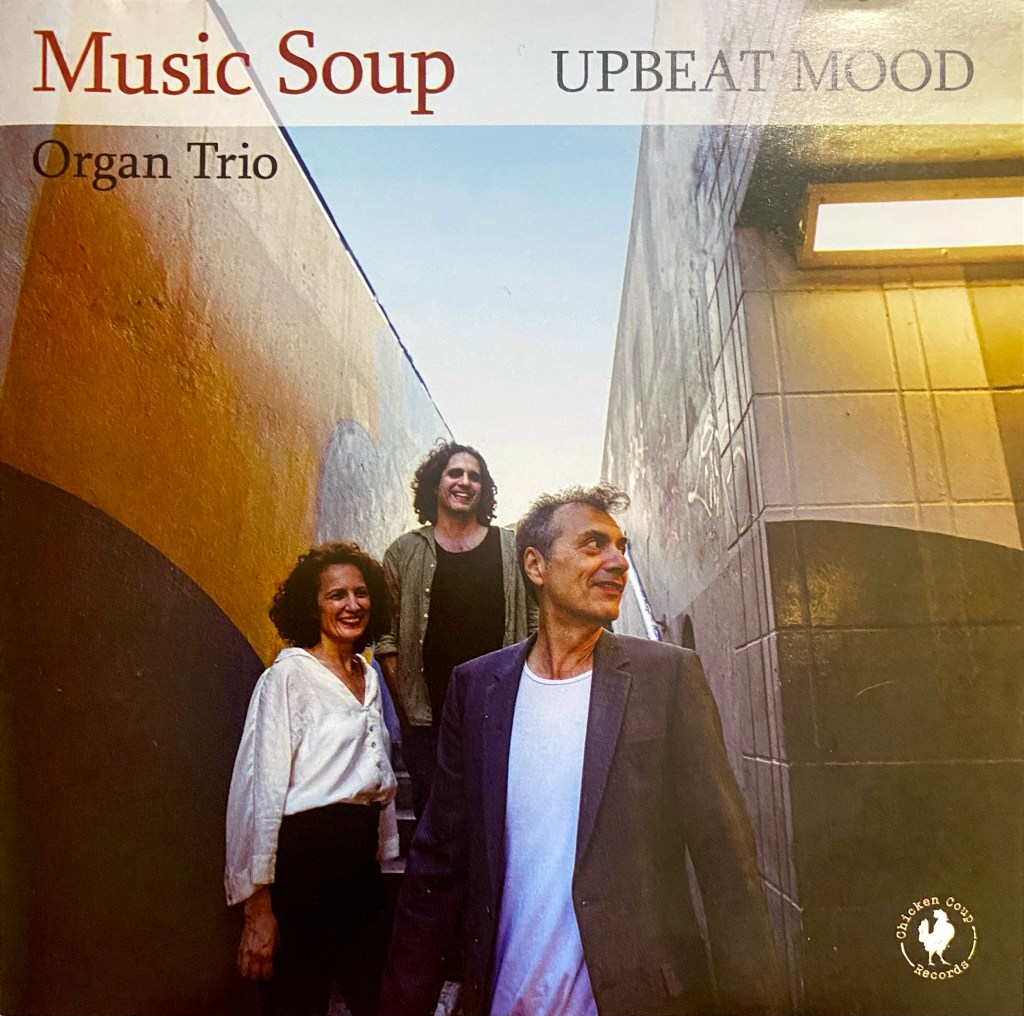
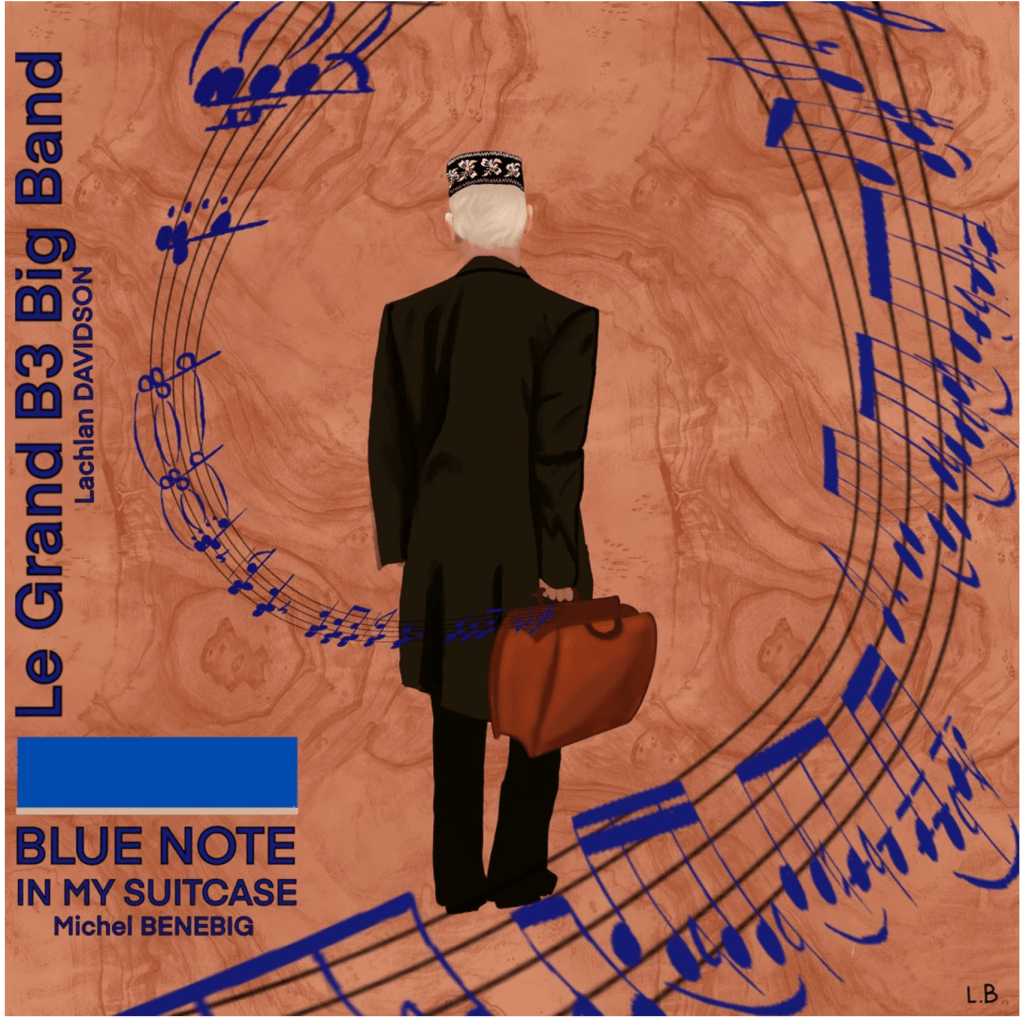




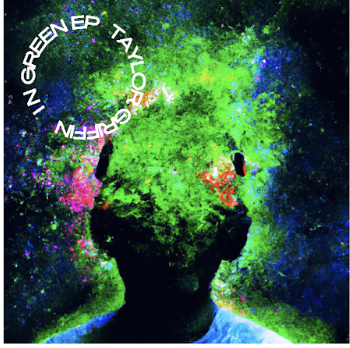
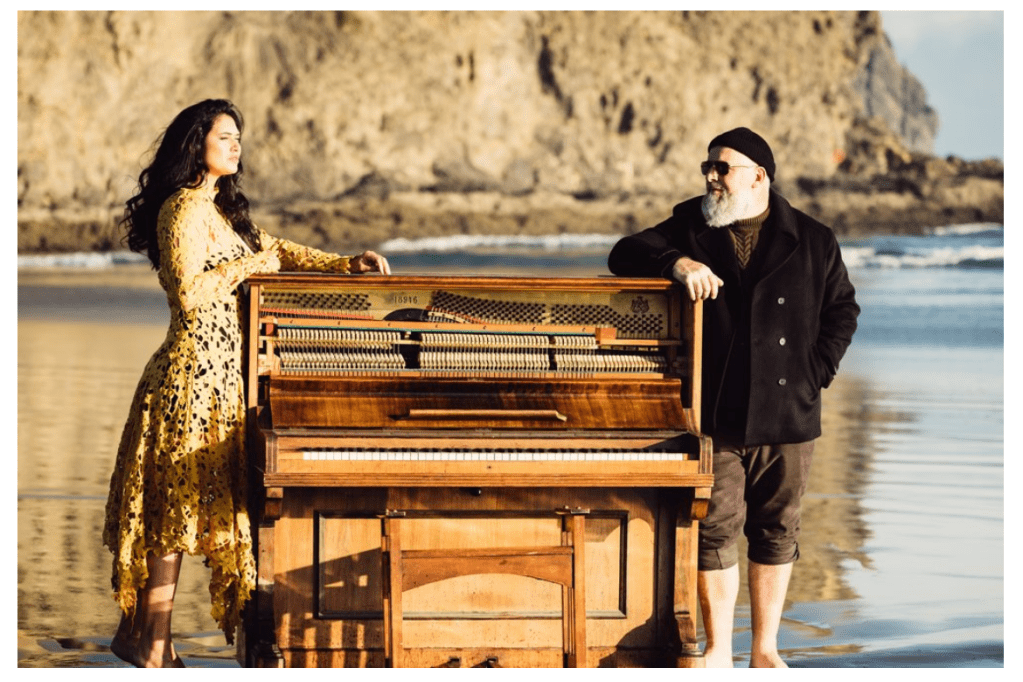

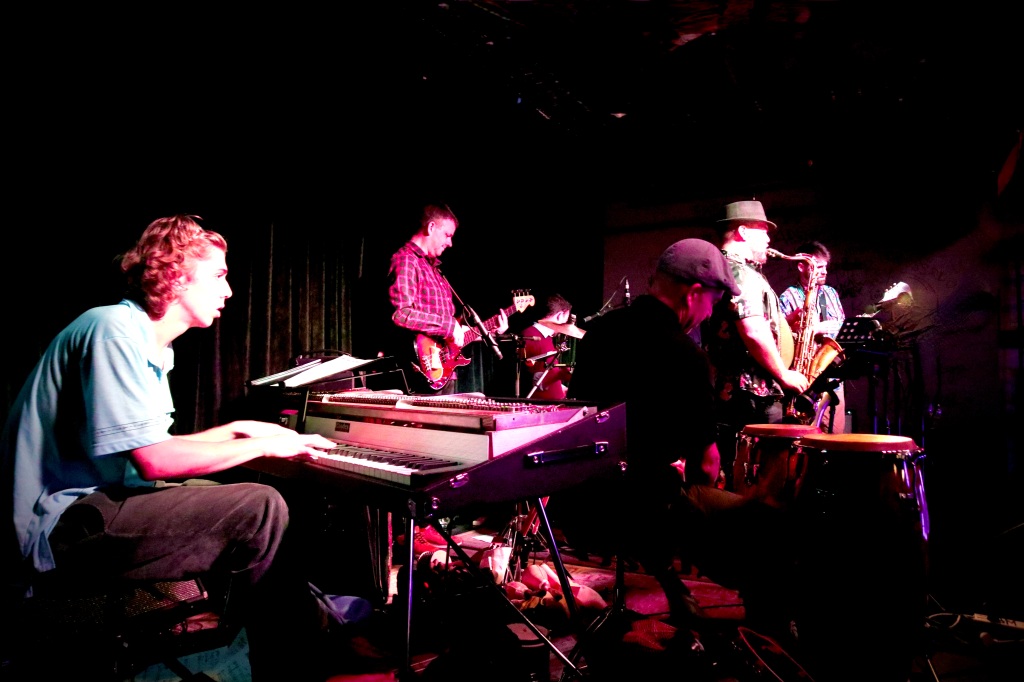
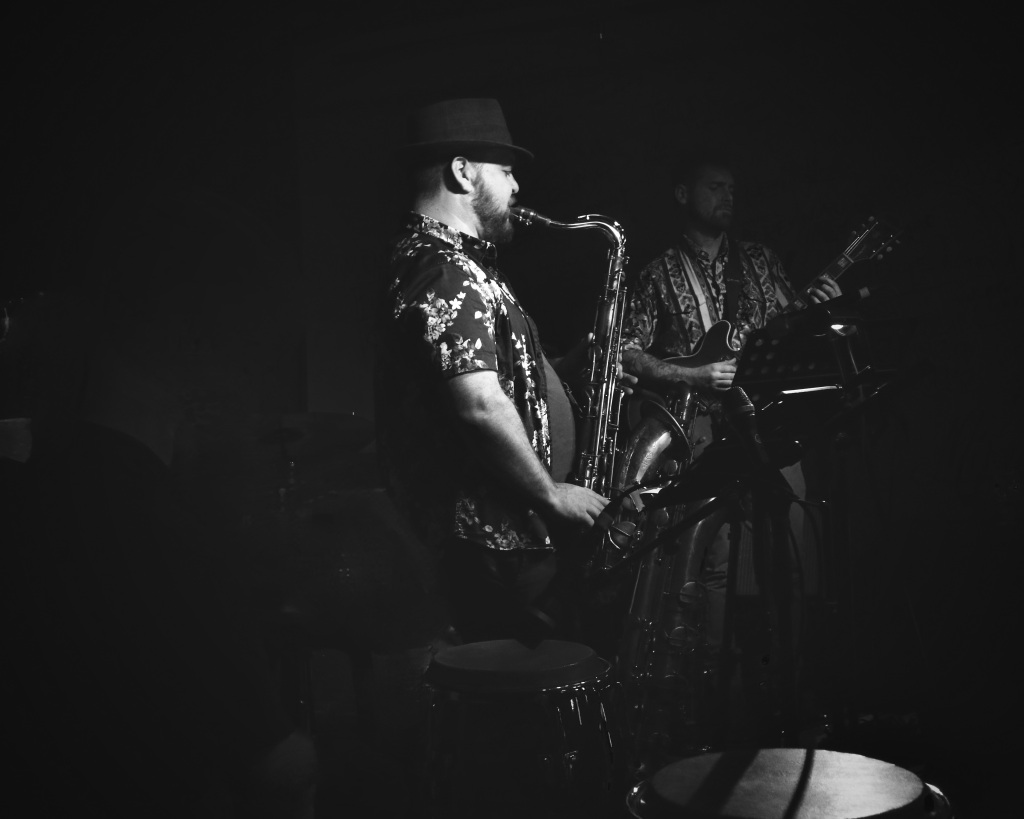
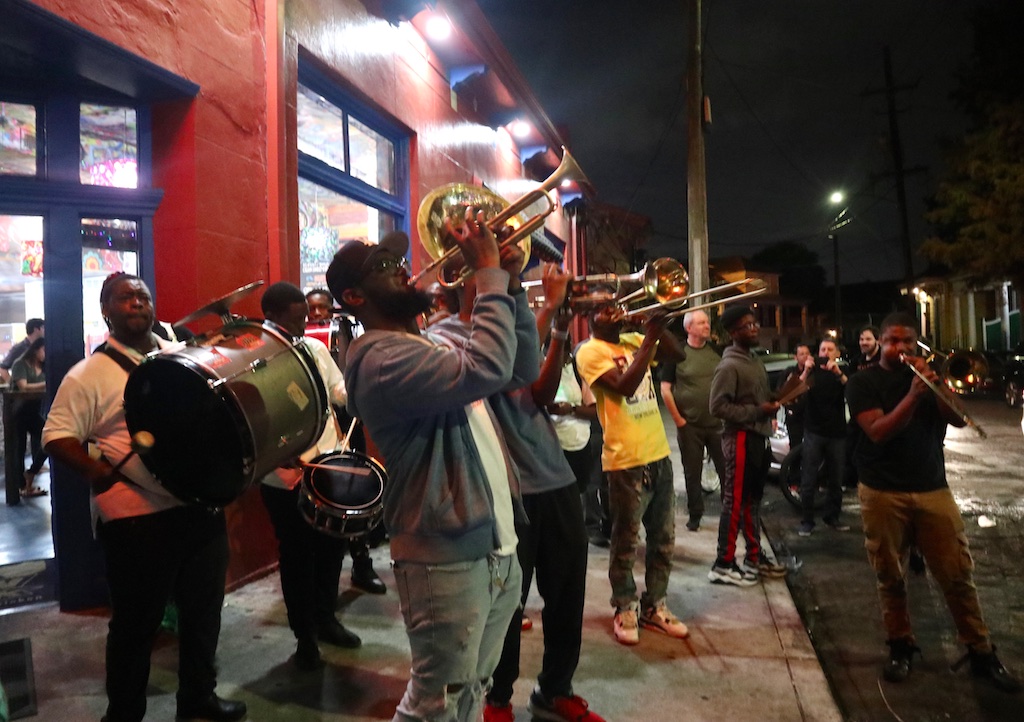
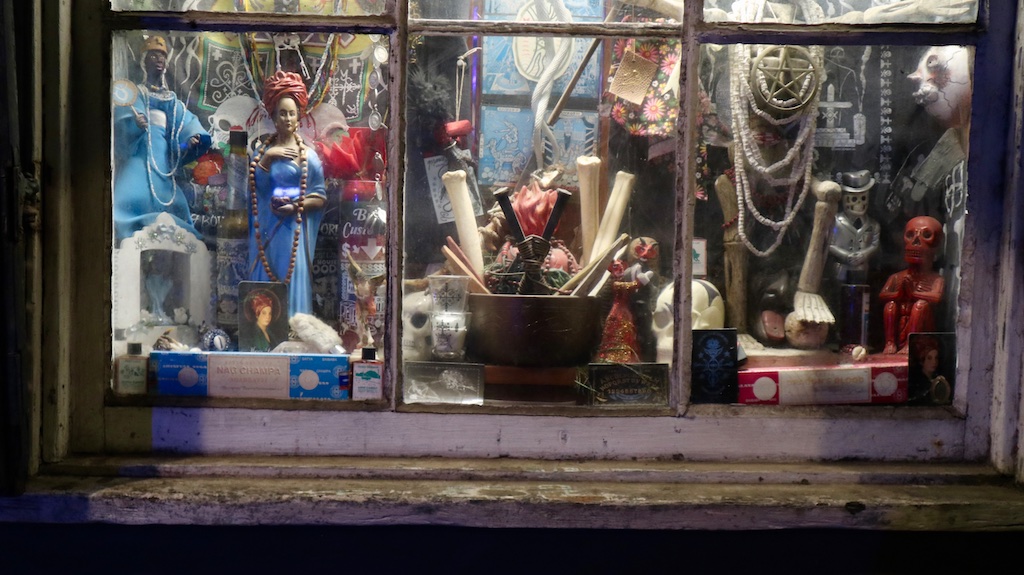
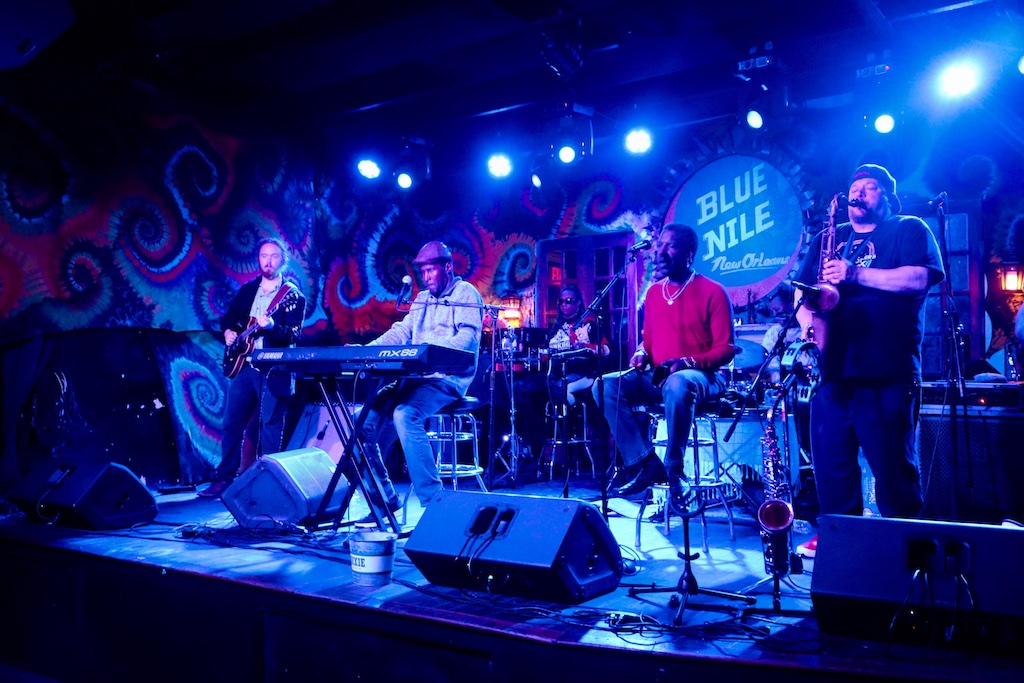
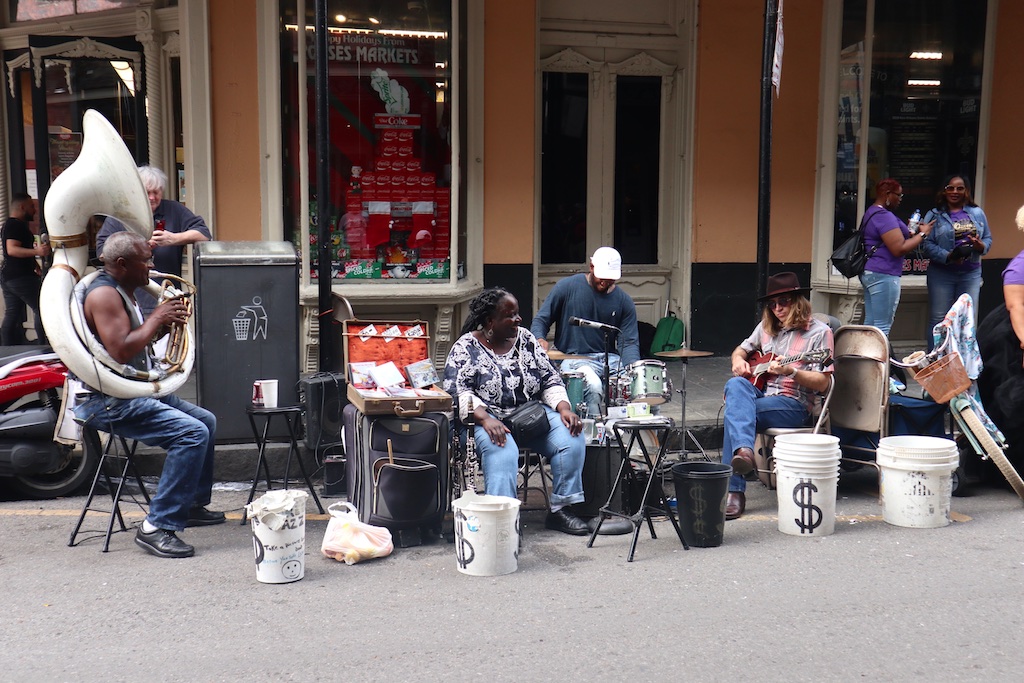
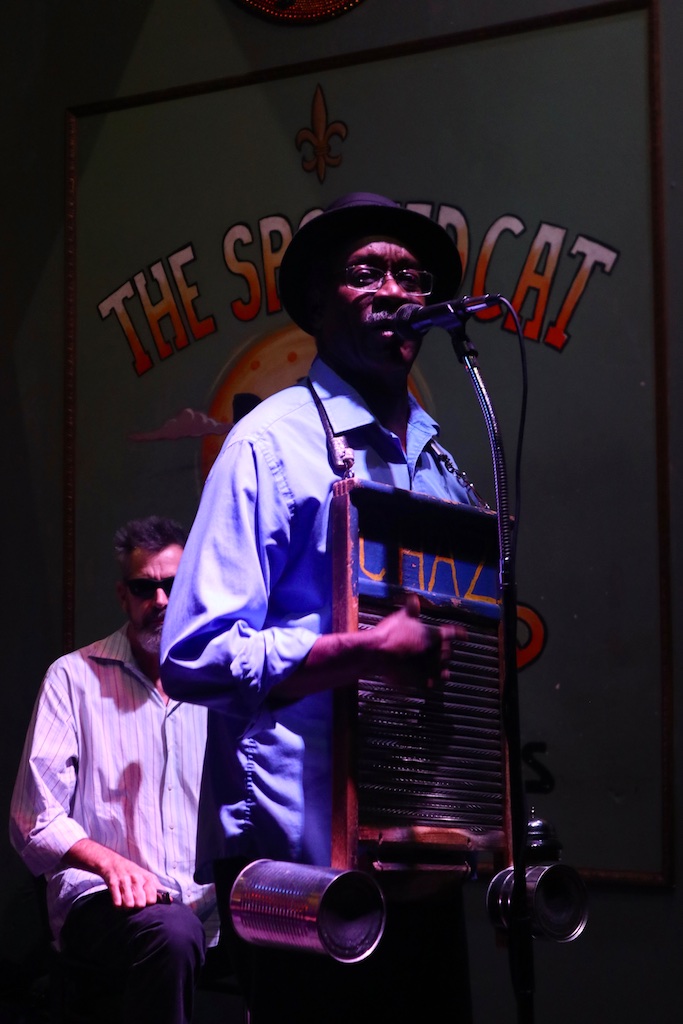
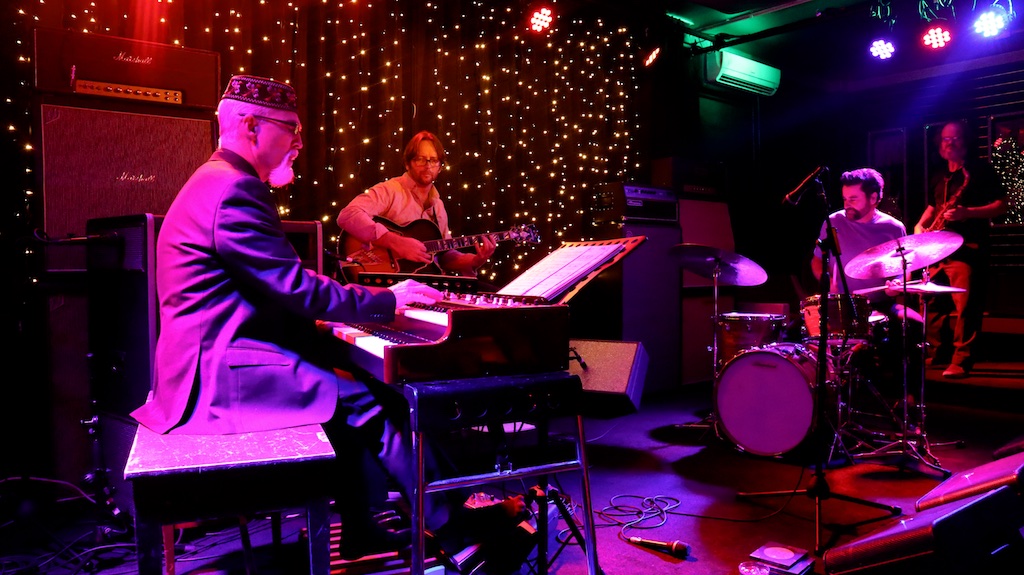 I reviewed the ‘Shuffle’ album in January and the band is now on the road, sharing its groove throughout the North Island.
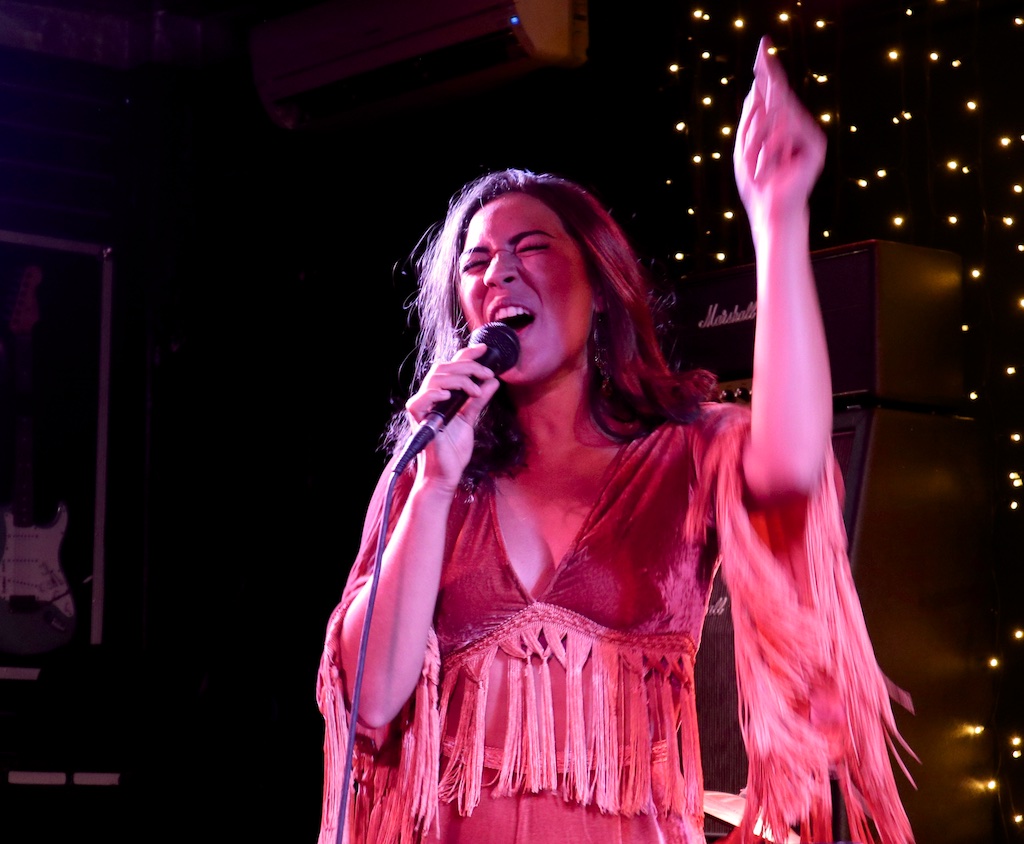 Lou’ana is a vocalist on route to wider recognition. During the last few years she has been performing at festivals throughout the country and she is billed to appear at the Waiheke Jazz Festival this month.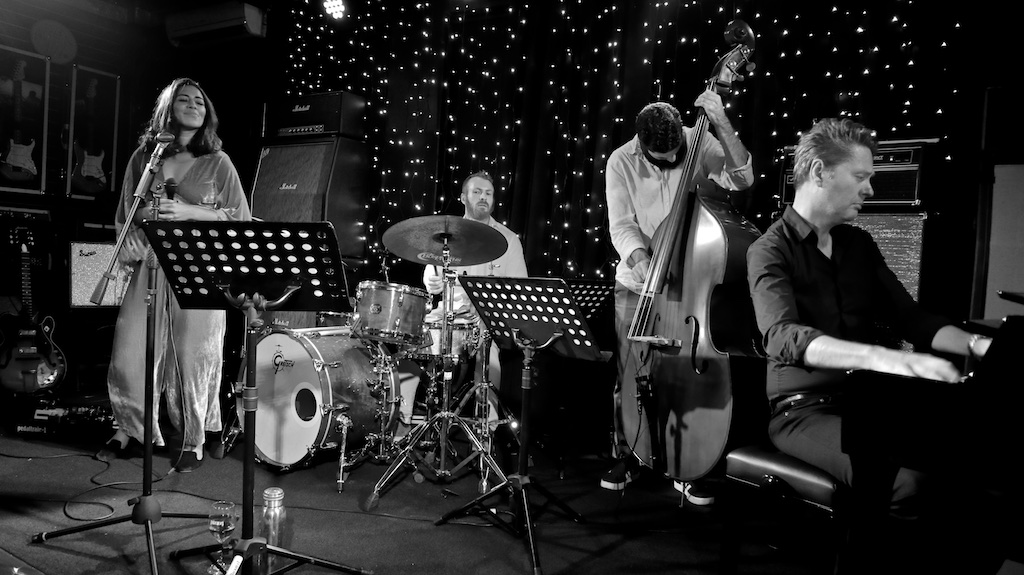
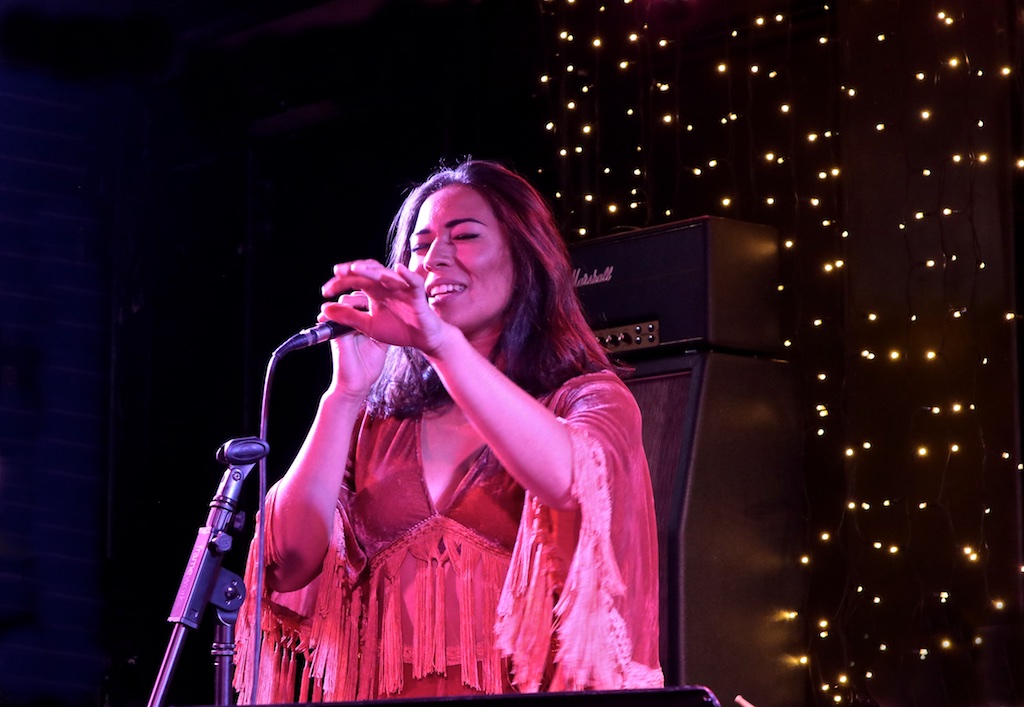
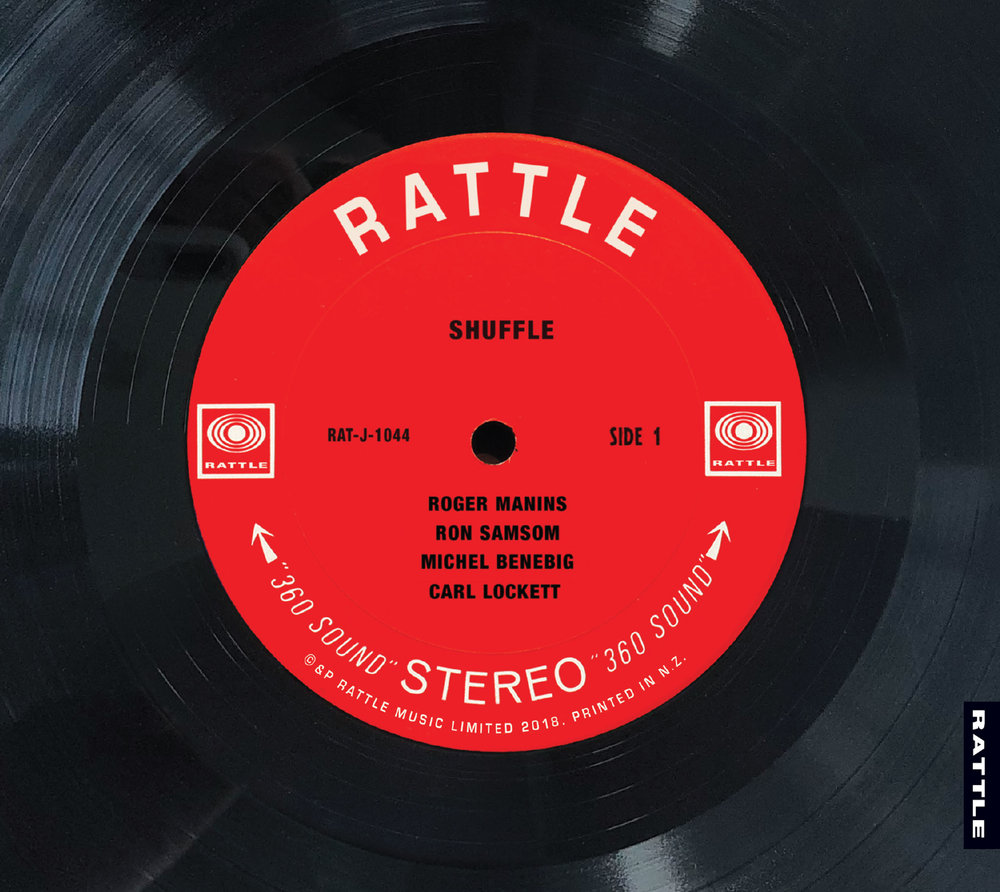 Sometimes an album blows straight into your heart like a warm breeze off the summer ocean. ‘Shuffle’ is exactly that album. There is an easy-going familiarity to it and you instantly feel good as your body connects with the rhythms. Shuffle achieves that rare feat of sounding both new and familiar. This is the sound that I grew to love many years ago, as practitioners like Jimmy Smith, Big John Patton, Gene Ammons, and Brother Jack McDuff fused Soul and Jazz into a rare amalgam. To appreciate this music you need no acclimatisation; no understanding of Jazz. To appreciate this music you only need one prerequisite, a human heart. It’s ‘groove’, it is sensual and it’s my guilty pleasure.
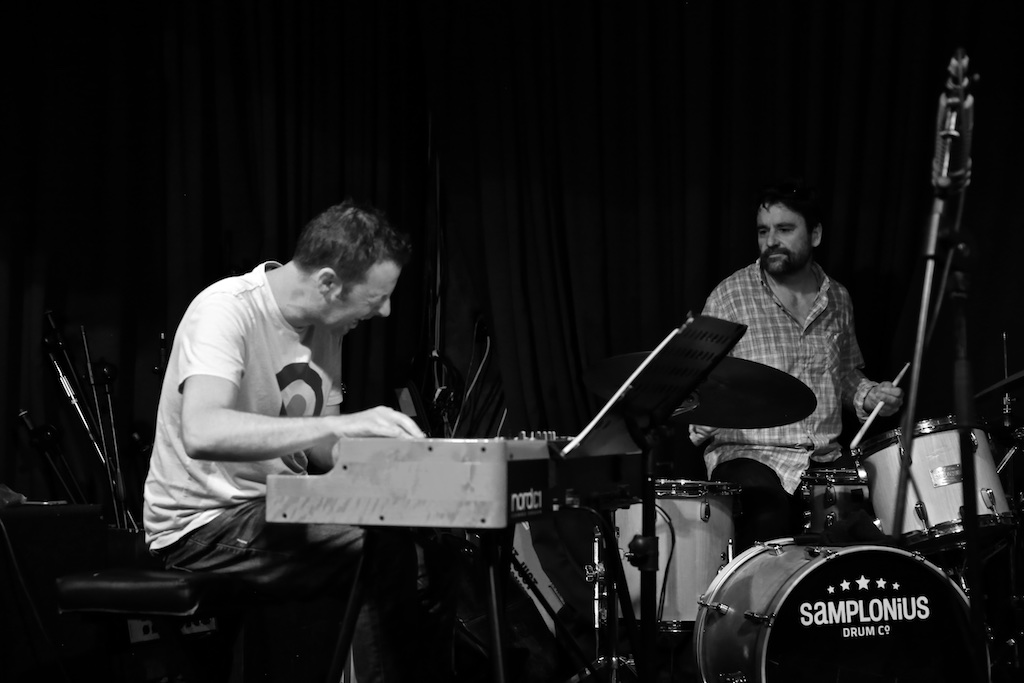
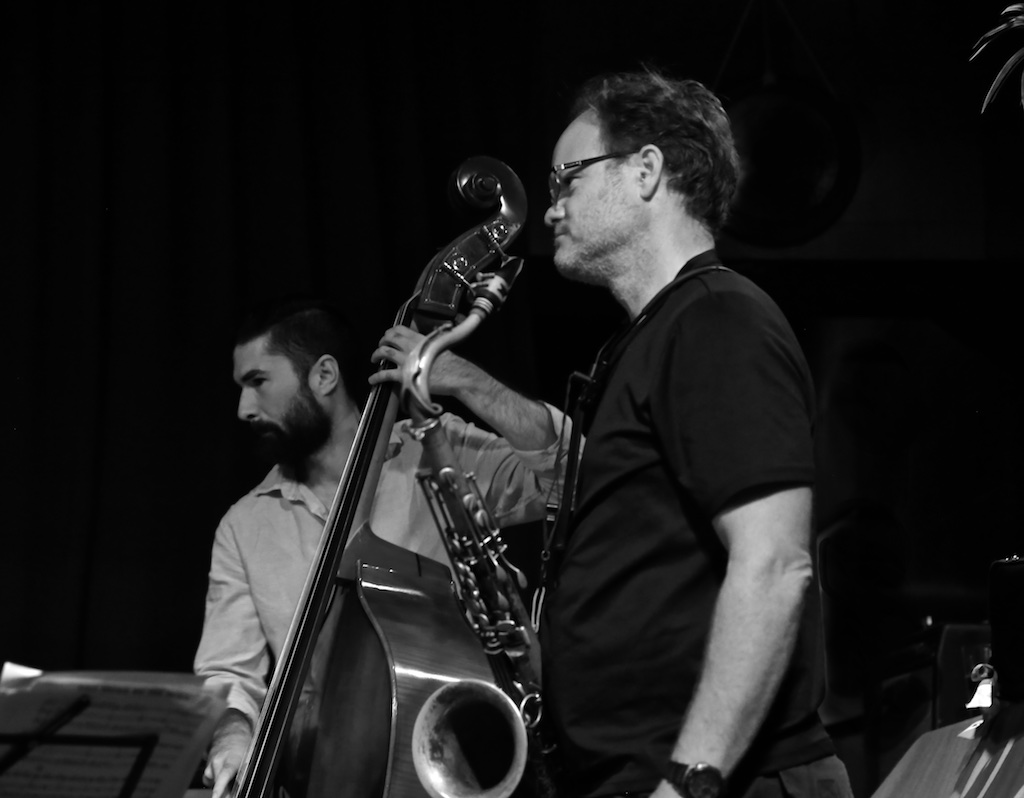
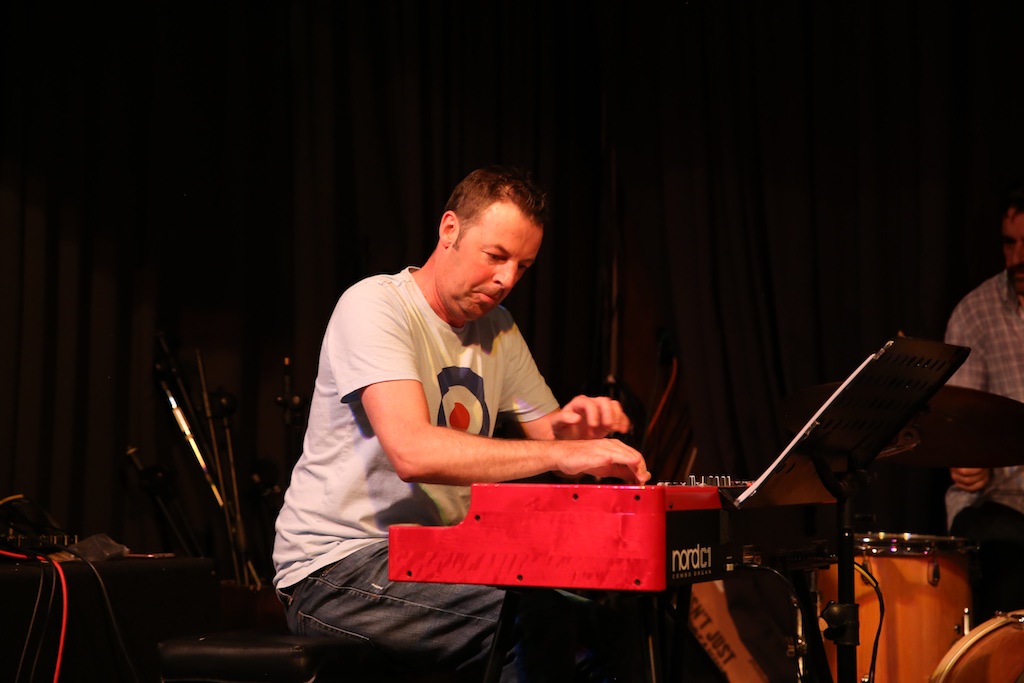
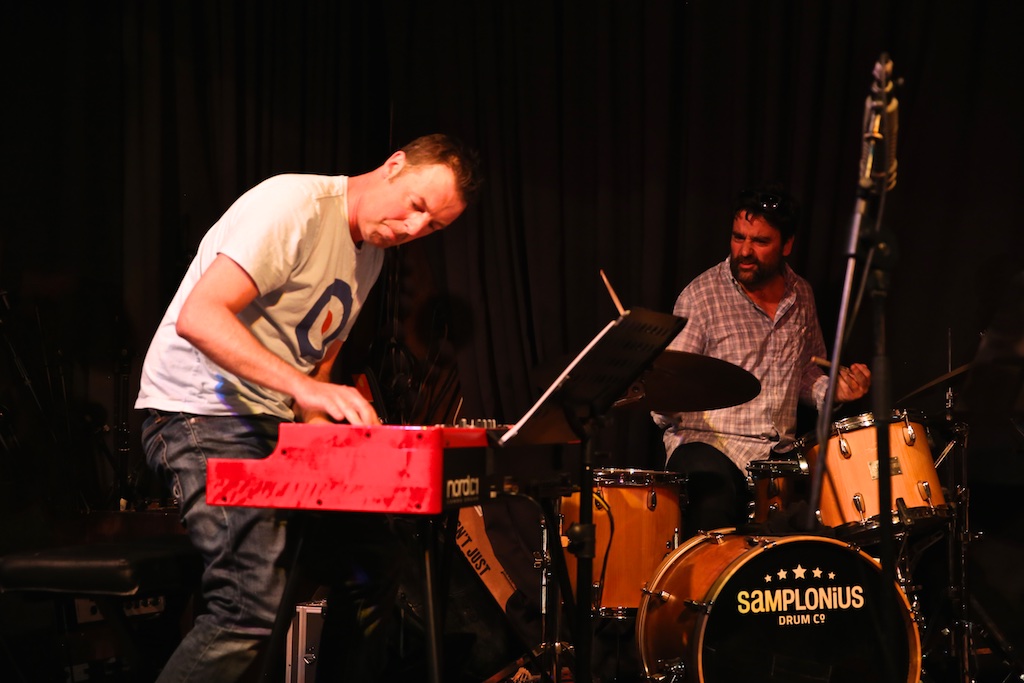
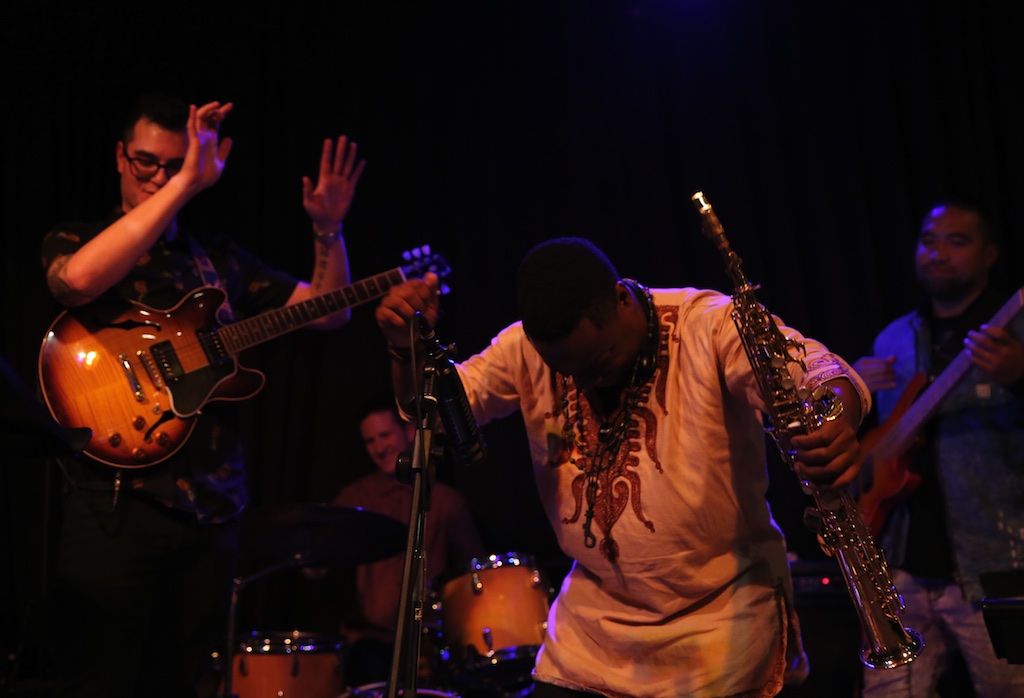 During the apartheid era in South Africa, a heady brew of danceable Jazz bubbled up from the townships. The all white National Party hated it and a game of ‘whack-a-mole’ followed. As soon as one venue was shut down by the police, another would spring up. The music was resilient and hopeful. No racist or repressive regime likes Jazz because it has rebellion, hope and joyous defiance in its DNA. The Zimbabwean born Thabani Gapara imbibed South African Jazz from his earliest days, eventually taking up the saxophone, that most anti establishment of instruments. Since then, he has performed in Zimbabwean, South African and New Zealand projects.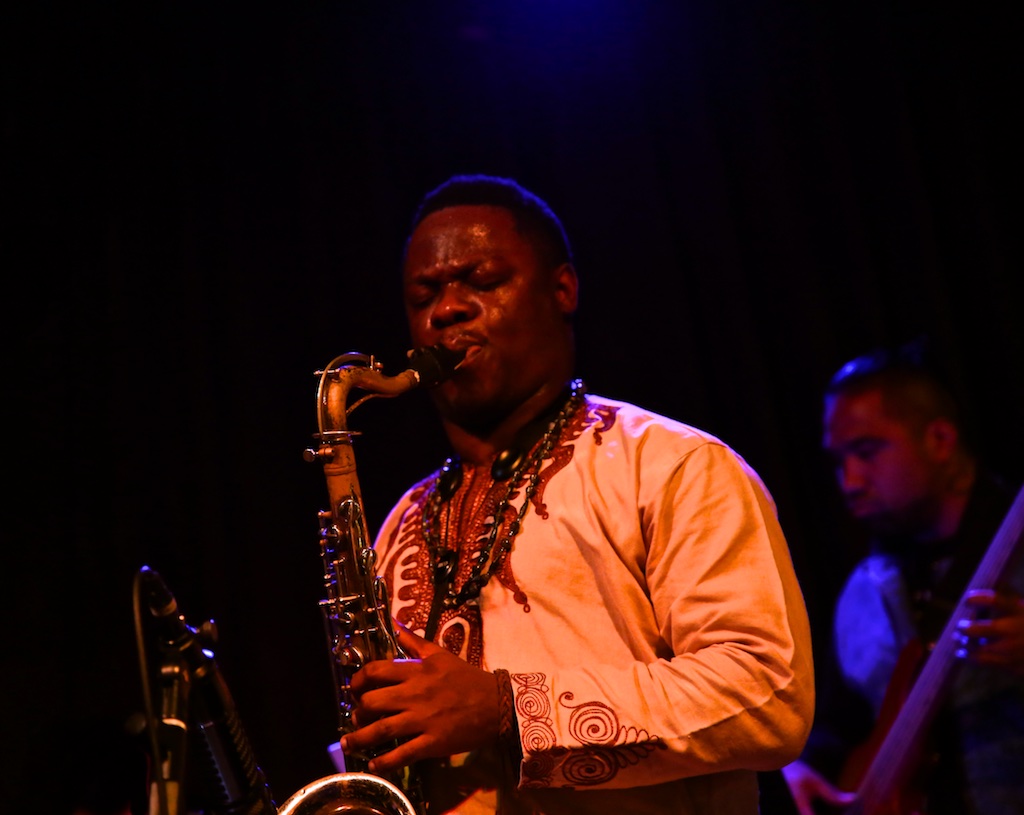
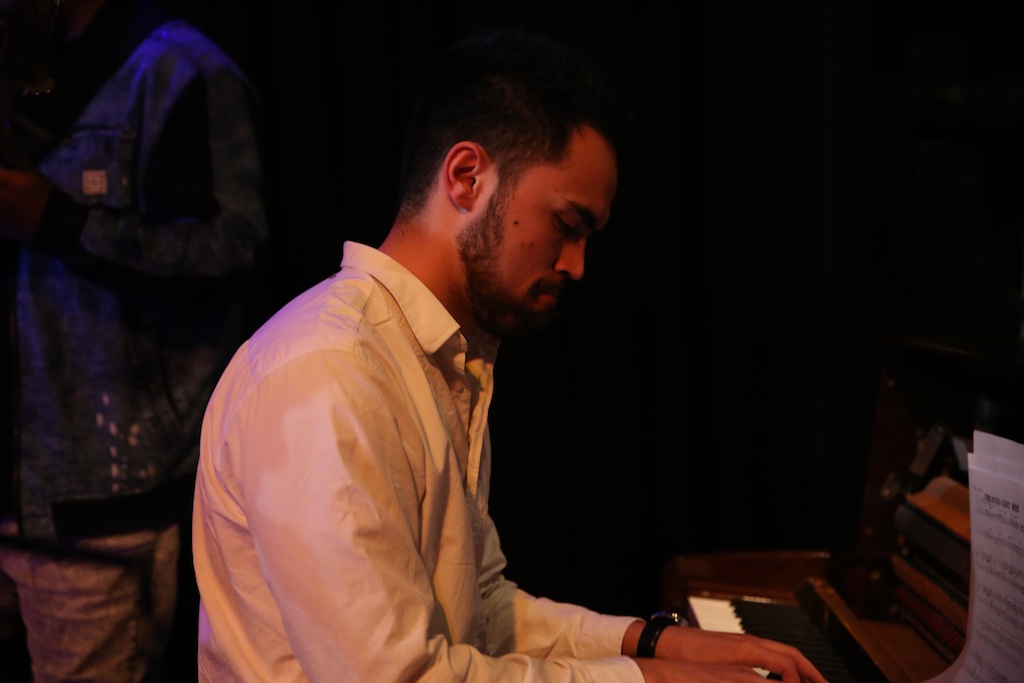
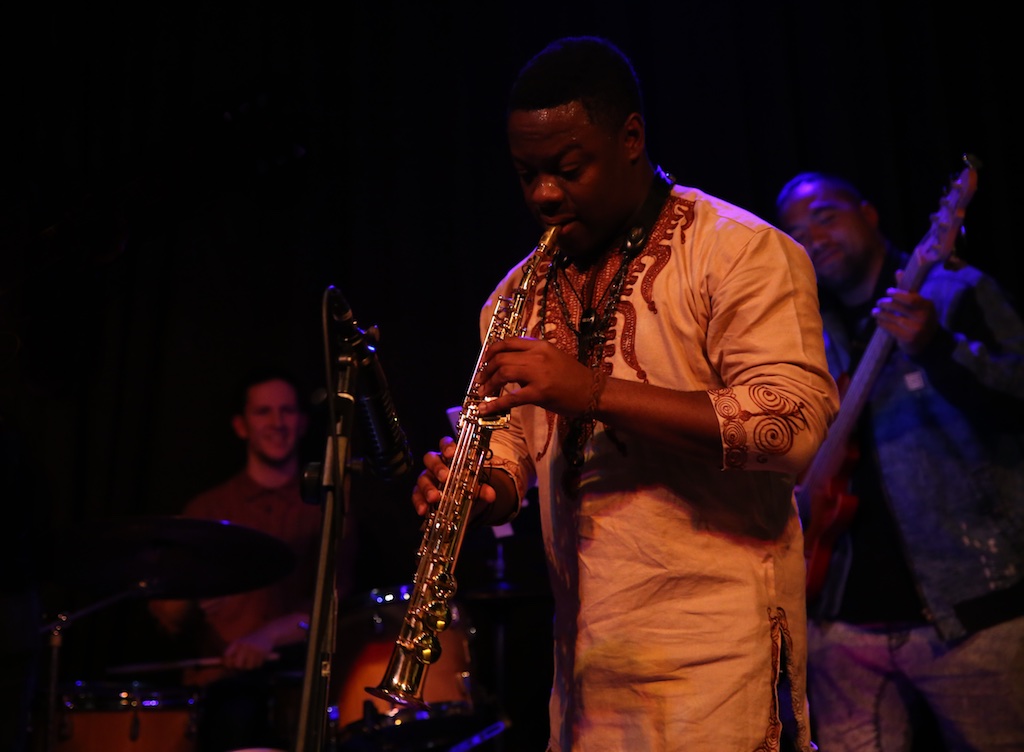
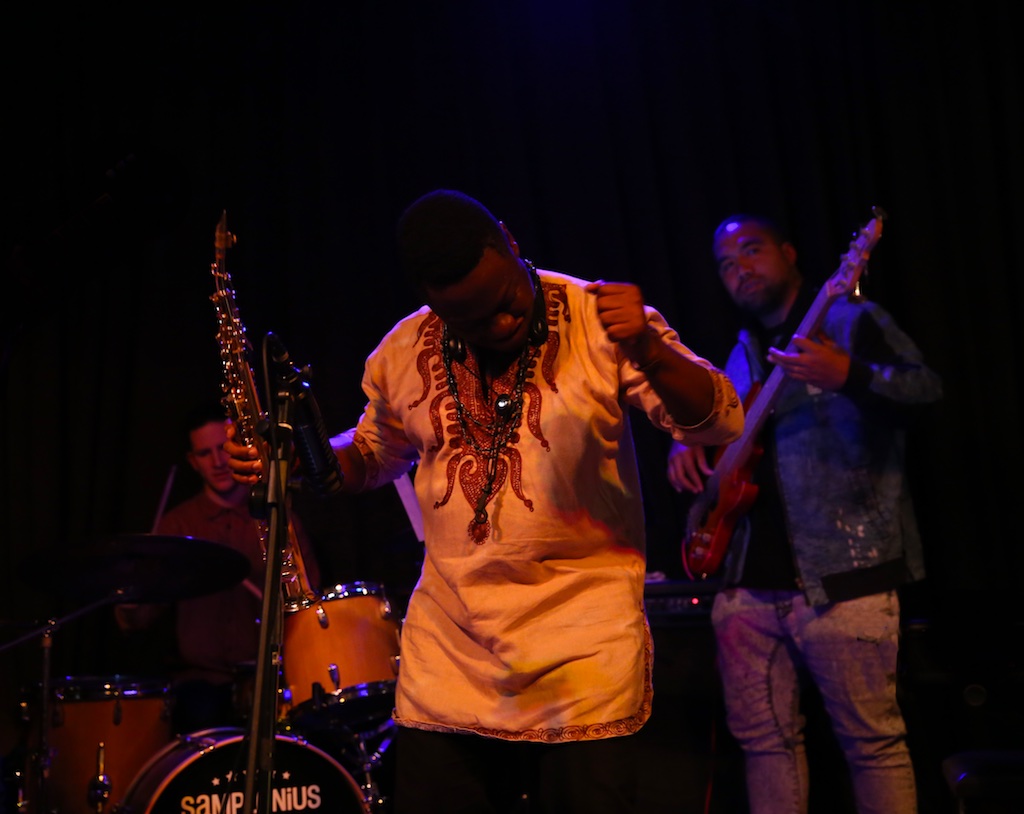
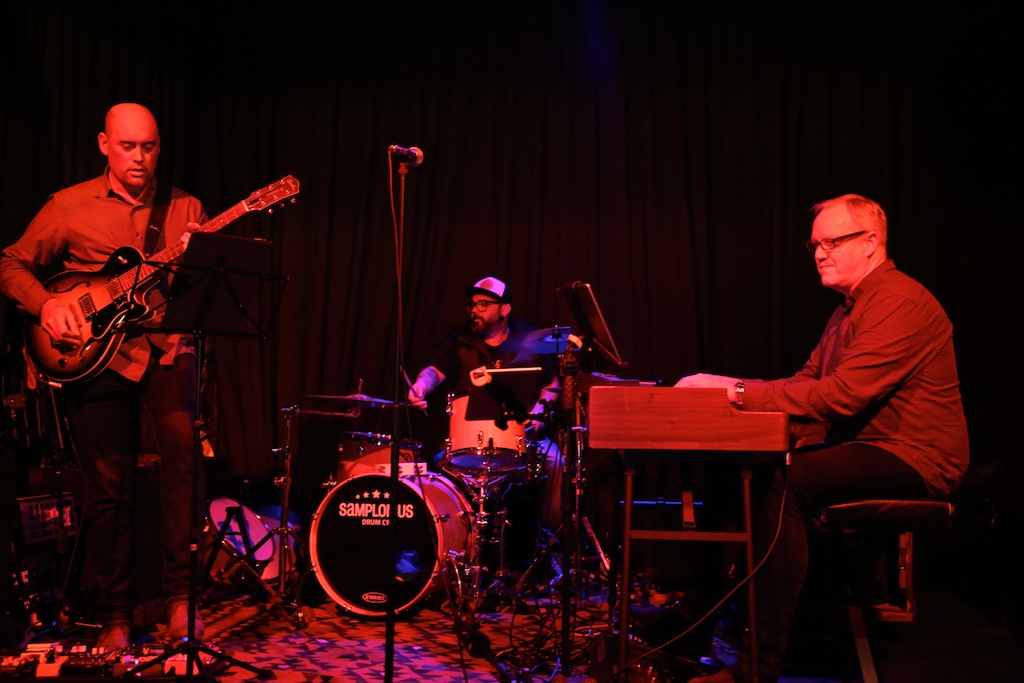 While some of us didn’t make it to the Wellington Jazz Festival, we had no need to cry into our beer. What Auckland had on offer was the Alan Brown Trio, returning to the Creative Jazz Club after a long hiatus, and in very good form. I have long thought that an organ trio is the best dish to serve up on a wet winter’s night. This trio proved the pudding with its down-home goodness, tasty grooves, and with all the trimmings. While Brown is across many genres, this is the one most music lovers associate him with. His deft touch calling down the good times and bathing us in a warm orb of sound.
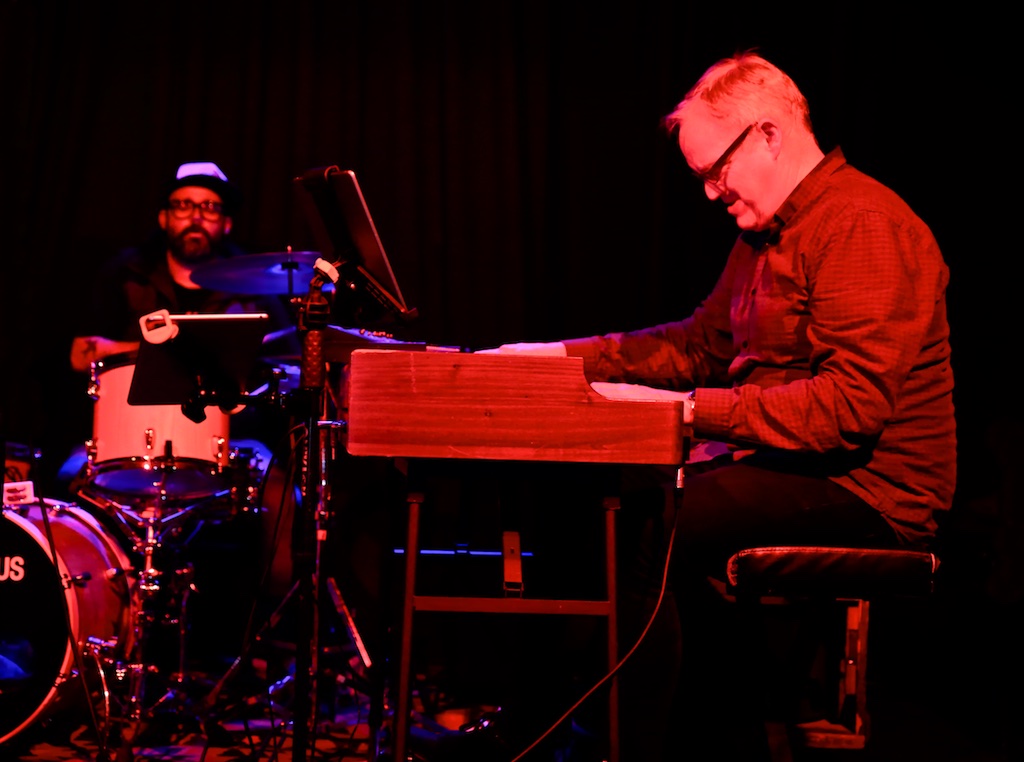 We heard mostly new material with a few well-chosen standards thrown in; all of it sounding fresh, the arrangements for the standards updated and interesting. Brown is a prolific composer – he always writes interesting tunes. His Between the Spaces album came out years ago, but I can still remember the tunes note for note. He is never afraid of melody either, balancing it nicely with his rich harmonies and all the while providing a solid improvisational vehicle. His final strength, and perhaps his greatest, is his feel for a groove. Although rooted firmly in the organ groove tradition, much of the new material felt evolutionary – taking us in a similar direction to that of Lonnie Smith. There is a lot to like about this direction.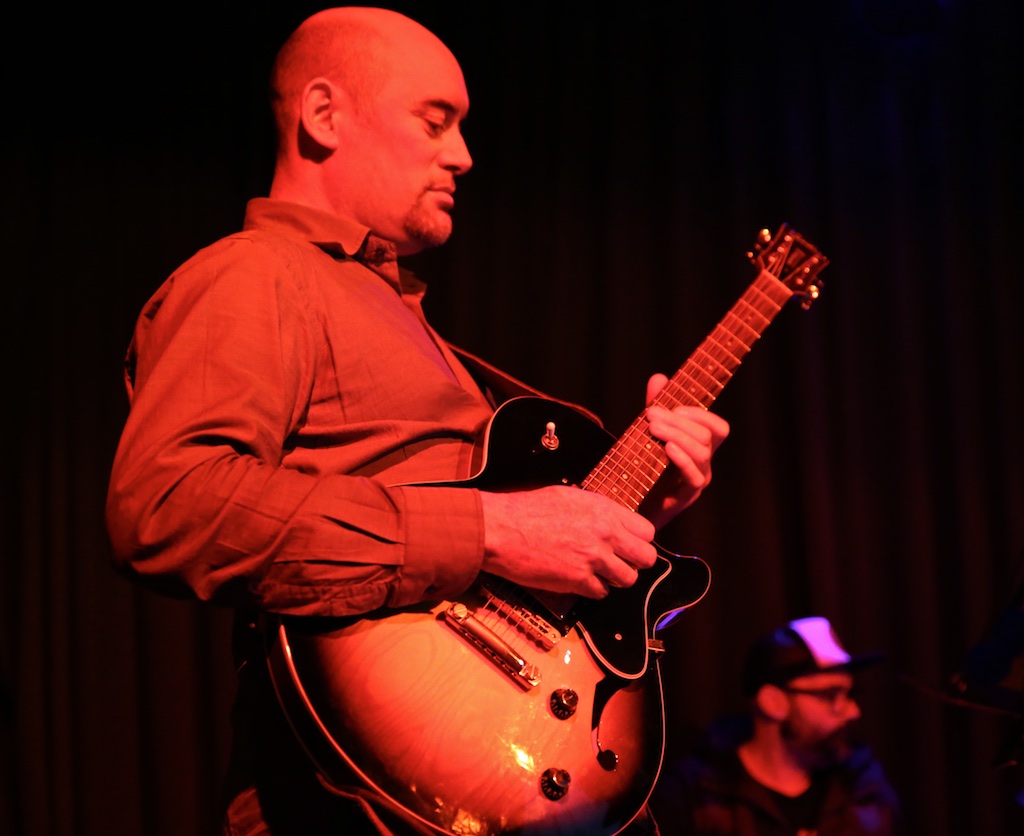
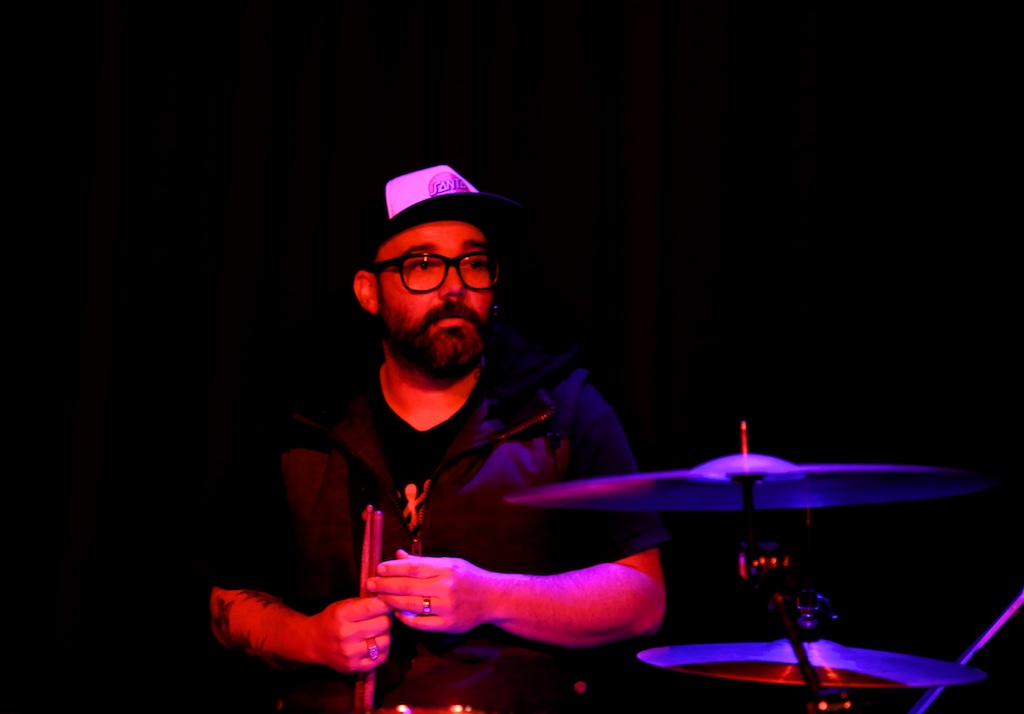 It was good to see Melville perform again. I had not seen him on the bandstand since the Grand Central days. He’s an in-demand vocalist these days and deservedly so. I think that it was on his insistence that ‘I didn’t know what time it was’ was included (the Cecile McLauren-Salvant treatment). I have always loved his wonderful ”Come what may’ (Melville/Nacey) – surprisingly it is seldom heard.
  Although my battery died half way through, I have uploaded a clip from the gig – one of Alan Brown’s newer compositions. The trio’s incredibly warm vibe is well captured on this clip – a sound enhanced by the use of a Leslie Unit and of course by Nacey’s Godin guitar. This was the place to be; as the woody tones and warmth enveloped us, Winter was dispelled from our lives.
 Mooga Fooga are well travelled, and as they move about they carve deep grooves into the sonic landscape. Their music is deliberately genre blending, with funk, rock, soul and Jazz shuffled together. Their music is often loud but they can play in a muted voice. While all of those influences are unambiguously in the mix, based on what I saw on Wednesday, they can tilt the emphasis any way they choose. This eclecticism is not the result of a random amalgam, but a clever fusing of the base metals underpinning the genres. In some of their online clips they are reminiscent of groups like Cream (albeit funked up), but on this gig, their Jazz Funk roots were most in evidence. I suspect that saxophonist Kushal Talele was the compass in that regard.
 Years ago I picked up a guitar trio album featuring Bareli Lagrene, Jaco Pistorius, and a European drummer (I can’t recall his name). I marveled at the seamless blending of styles, as they performed Hendrix and Shorter with equal integrity, paying due respect to each. This music has a heavier funk element; Jazz funk with a little touch of metal and the occasional the choppy lines of Monk thrown in. Apart from their punchy lines and the exchanges during the head, there was room for improvisation as the tunes developed.
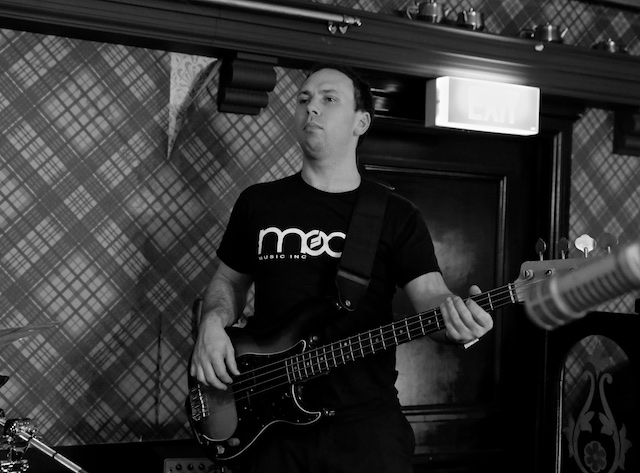 I am familiar with Kushal Talele, Adam Tobeck and Joel Shadbolt as I have encountered them all before. Each in different situations to what was on offer last night. Talele has a distinct post-Coltrane sound and is very much in the camp of the New York modernist tenor players. He returned last year from overseas and played a gig at the CJC. Sadly, we are to lose him again as he heads to New York for a few years. Tobeck is versatile and notable for his tightly focused groove beats. He was essential to this lineup and this band was a natural fit for him. I have seen Shadbolt less often but I enjoyed his loud bluesy funk at the 2015 Tauranga Jazz festival. He is a crowd pleaser and looks every inch the part as he pumps out his ear-pleasing lines and phrases. While I had not previously heard electric bassist Rory Macartney, he is well-respected about town. There is a real bite to his playing, a bite that is perfect for a lineup like this.
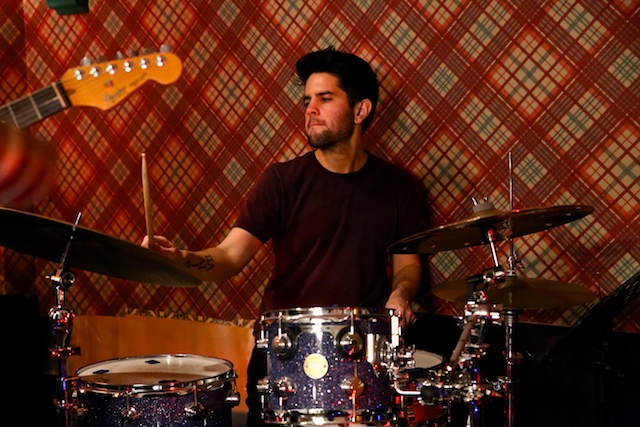 The tunes were seldom given titles and I suspect that most were originals. Details like that don’t matter on a gig like this – it is about the groove. I gained the impression that the three regulars, Macartney, Shadbolt and Talele all contributed compositions and arrangements. There are some good YouTube clips up from this group and I have added one more from this gig.
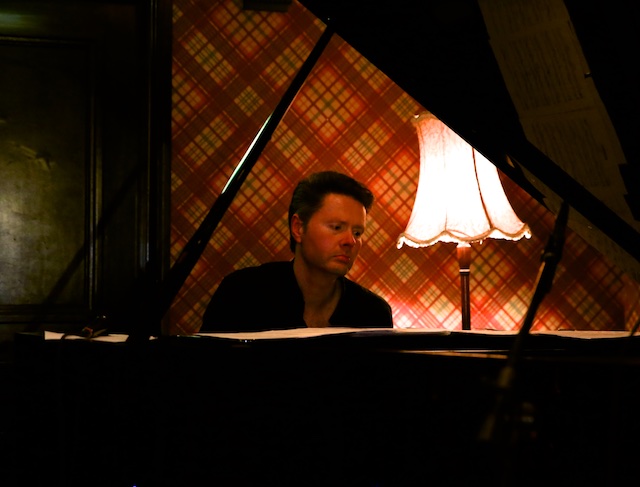 Kevin Field has for many years been regarded as a phenomenon on the New Zealand Jazz scene. A gifted pianist and composer whose approach to composition and harmony is strikingly original. When you listen to many pianists you can hear their influences, discern the pathways that led them to where they are. With Field, those influences are less obvious. I suspect that this independence, originality, makes it easier for him to strike out in any direction of his choosing. On his ‘Field of Vision’ album, he moved into uncrowded space, one occupied by very few Jazz pianists. It was Jazz without compromise but utilising grooves, rhythms, and melodies of other genres. The music contained distinct echoes of the disco/Jazz/funk era, crafting it carefully and forging a new post-millennial sound.
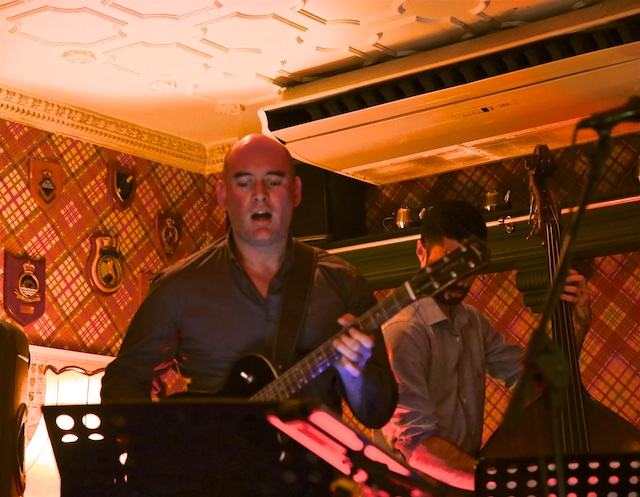 The tunes were all memorable and within a few listenings, you could hum the themes. This is not so common in modern Jazz and less so with music (like Fields) which retains its Jazz complexity. In Fields case, the clean melodic hooks do not come at the expense of harmonic invention. That is a tricky balancing act and one he achieves convincingly. His co-leadership of ‘DOG’ took him in a different direction again, but the same deftly crafted grooves astounded us. His recent album ‘The A-List’, was a further excursion into the disco/Jazz/funk realm. It is slightly tongue in cheek while still challenging the listener to think outside the square. Artists like this take the music forward, it is up to us to catch up.
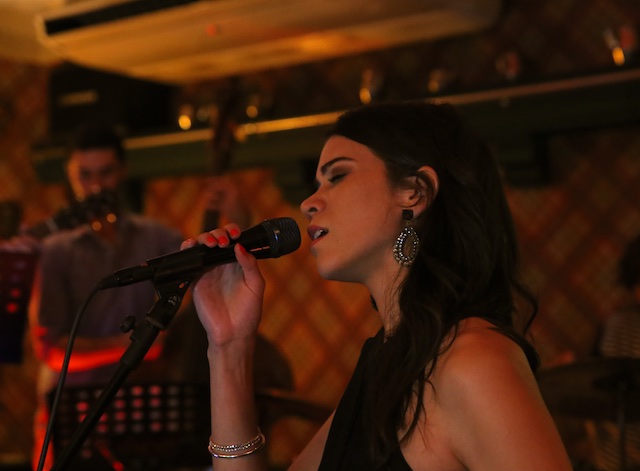 They played at the Wellington Jazz festival recently and for many Wellingtonians, this was their first exposure to the group. I saw that show and I immediately noticed how the familiar tunes had subtly changed. ‘Perfect Disco’ with its energised danceable funk momentum was recast as a duo piece. Field and vocalist Chaperon wowed them with that number. We also heard this duo version last week. Other familiar tunes had developed into profoundly interactive exchanges. The sort that can only occur between highly attuned musicians. This is where the guitar mastery and the deep listening of Nacey came into its own. His Godin guitar soaring with stunning clarity while Field reacted in kind, urging them further out with each challenge.
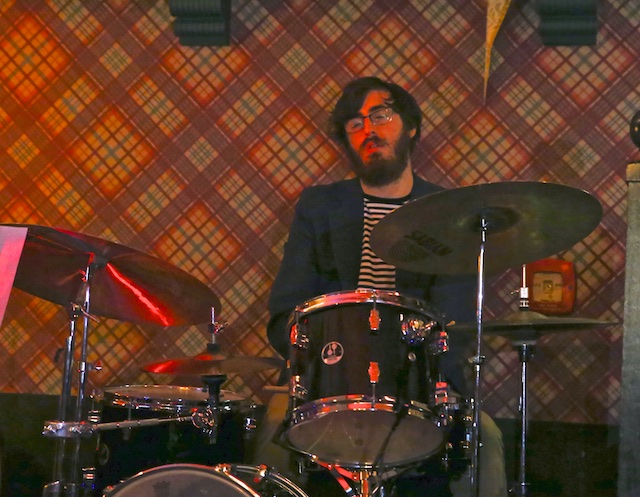 Again we see Thomas and McArthur doing what they do best. Working hard and rising to the challenge. Thomas laying down the tricky rhythms and while McArthur runs his bass lines. While pleasant to the ear, there is not doubt at all that these compositions required skill and concentration. It is on gigs like this that the musicians familiarity with the material and each other pays dividends. It was also nice to hear Chaperon on some new and old material. She is a real crowd pleaser – she looks great on stage and sings up a storm.
 Auckland spoils us with long runs of clement weather, but when winter hits we suffer. Having effectively avoided any meaningful autumn we suddenly plunged into a week of cold wet days. There was no better time for the Michel Benebig/Carl Lockett band to arrive. As we grooved to the music, a warmth flooded our bodies within minutes. Nothing invokes warmth like a well oiled B3 groove unit and the Benebig/Locket band is as good as it gets. The icing on the cake was seeing Shem with them. A singer with incredible modulation skills and perfect pitch, able to convey the nuances of emotion with a casual glance or a single note. The way she moves from the upper register to the midrange, silken.
 Michel Benebig has been travelling to New Zealand for years, and his connection with the principals of the UoA Jazz school has been a boon for us. He generally brings his partner Shem with him, but last time work commitments in her native New Caledonia kept her at home. Michel just gets better and better and the way his pedal work and hands create contrasts and tension defies belief. It is therefore not surprising that Michel attracts top rated guitarists or saxophonists to his bands. The best of our local groove guitarists have often featured and a growing number of stand-out American artists (see earlier posts on this band). Of these, the New York guitarist Carl Locket is of particular note. I first heard Lockett in San Francisco four years ago and he mesmerised me with his deep bluesy lines and time feel. Although comfortable in a number of genres, he is the ideal choice for an organ/guitar groove unit.
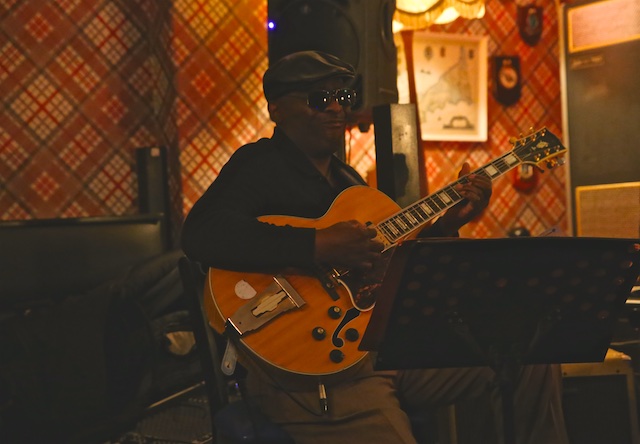 The band played material from their recent album (mostly Benebig’s compositions) and a few standards. There were also compositions by Shem Benebig. Their approach to arranging standards is appealing – numbers like Johnny Mandel’s ‘Suicide is Painless’ are transformed into groove excellence. We heard that number performed at the band’s last visit and the audience loved to hear it repeated. This visit, we heard a terrific interpretation of ‘Angel Eyes’ (Matt Dennis). I confess that this is one of my favourite standards (Ella regarded it as her favourite ballad). Anita O’day performed it beautifully as did Frank Sinatra and Nat Cole. The only groove version I can recall is the relatively unknown Gene Ammons cut (a bonus number added in later years to his ‘Boss Tenor’ album with organist Johnny ‘Hammond’ Smith). That version took the tune at a very slow pace, so slow in fact that you initially wondered if Ammons had nodded off before he came in. It was wonderful for all that (who can resist Ammons).
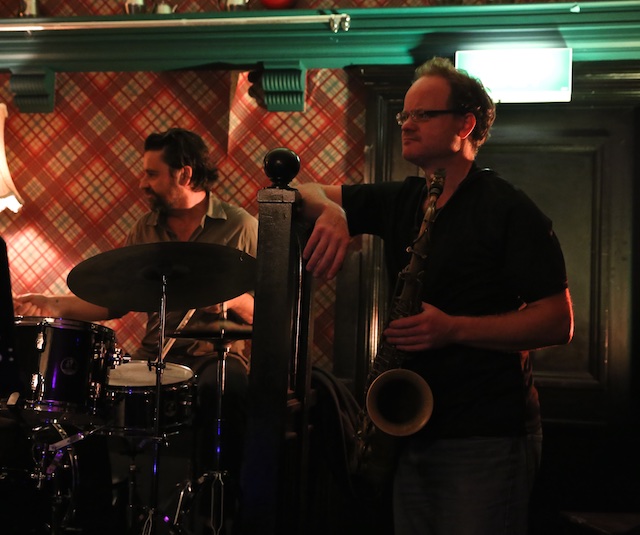 The band began the tune at a slow pace (but not as slow as Ammons), then once through, picking up the tempo, the band settling into a deeper groove, drummer Samsom and the guitarist really locking together, giving the Benebig’s room to create magic. That locked-in beat is often at the heart of an organ-guitar unit and when done well it adds bottom to the sound. Locket’s style of comping is the key to that effect, the entry point for the drummer, the way the guitarist lays back on the beat and comps in a particular way. Samsom heard and responded as I knew he would. He is a groove merchant at heart. On tenor saxophone, Roger Manins was on home turf. Dreamily caressing the melody before his solo.
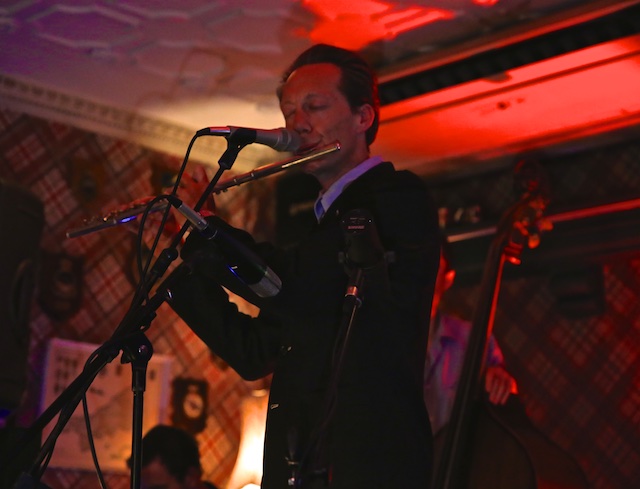 Musicians of a certain calibre are peripatetic, going where the music or the work takes them. This partly arising out of necessity, but also out of an impulse to explore new sonic and cultural environments. When a child or a grandchild arrives the musicians journeys circumscribe smaller arcs and are less frequent; the local scene being the beneficiary. This is the case with Nathan Haines; happily young Zoot tethers him in our midst for the moment. Haines has a solid reputation here and in the UK, with a loyal fan base in both locations. He has never been afraid to push in new directions, but at the heart of whatever explorations he embarks upon, a default soulfulness underpins the enterprise. This leads him to productive collaborations with like-minded artists, and not necessarily all Jazz purists. From the Hardbop-infused to Soul Jazz to DJ funk – it all works for him. While all of these collaborations are pleasing, none is more so than when he plays alongside brother Joel Haines.
 The Haines brothers have different musical careers, Nathan Haines outgoing, a public performer and award-winning recording artist – understanding well, the vexed world of marketing and the presentation of non-mainstream music. He balances these competing forces better than most. Brother Joel is a successful composer and a gifted performer as well, but his career these days centres on TV and film work. An engaging musician and a crowd pleaser; less in the public gaze by choice. Improvised music thrives on contrasts and the rub between different sounds always works well in the right hands. Nathan creating soulful innovative grooves and catchy melodies over traditional Jazz offerings, Joel bringing a warm-as-toast Jazzgroove edge, wrapped in a blues/rock package.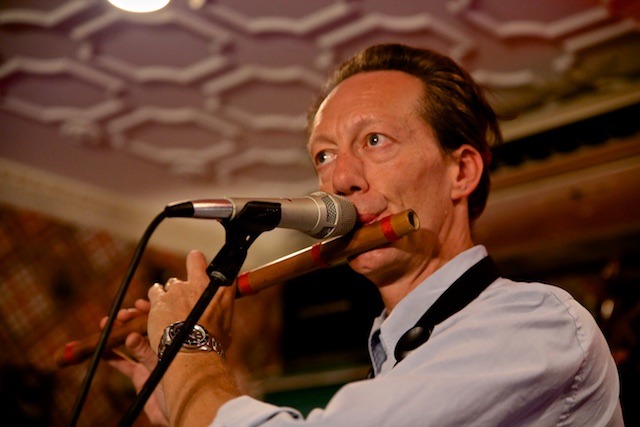
 Next up was ‘Desert Town’ a Haines tune from ‘Heaven & Earth’. That was followed by an earthy version of ‘Set us Free’ (Eddie Harris) and then ‘Mastermind’ (Haines) from his recent ‘5 a Day’ album. Last up on the first set was ‘Land Life’ a tune based on a Harold Land composition. It pleased me to get a mention from the bandstand at this point. It is no secret that I’m a real Harold Land enthusiast. The band tore up the propulsive changes and moving free, made the tune their own.
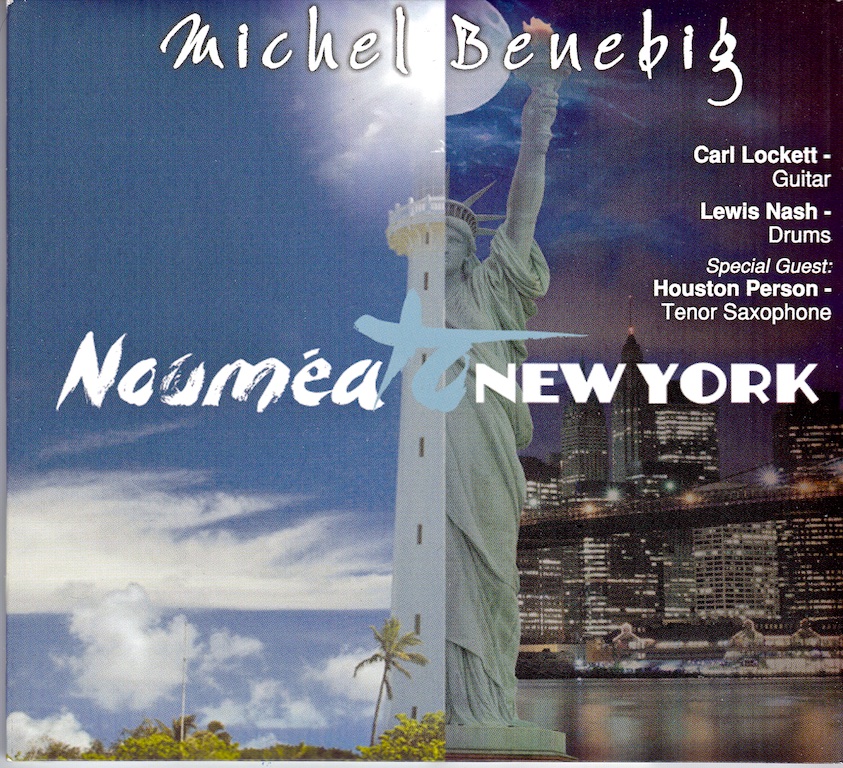 Michel Benebig visits New Zealand once a year and we anticipate his visits with Joy. His authentic B3 groove journey didn’t start in East Philly, but in tropical Noumea; a South Pacific Island north of here. After honing his craft he travelled widely and in consequence his star steadily rises. The more North American audiences hear him, the more they embrace him. He is now regarded as a B3 master. The B3 greats who inspired him are all but departed and he deservedly steps into their shoes. His travels in the USA have brought him into frequent contact with a number of well-known musicians. As good musicianship and a pleasant disposition are the highest recommendations possible, the musicians he worked with recommended him to others. That is how he teamed up with Carl Lockett.
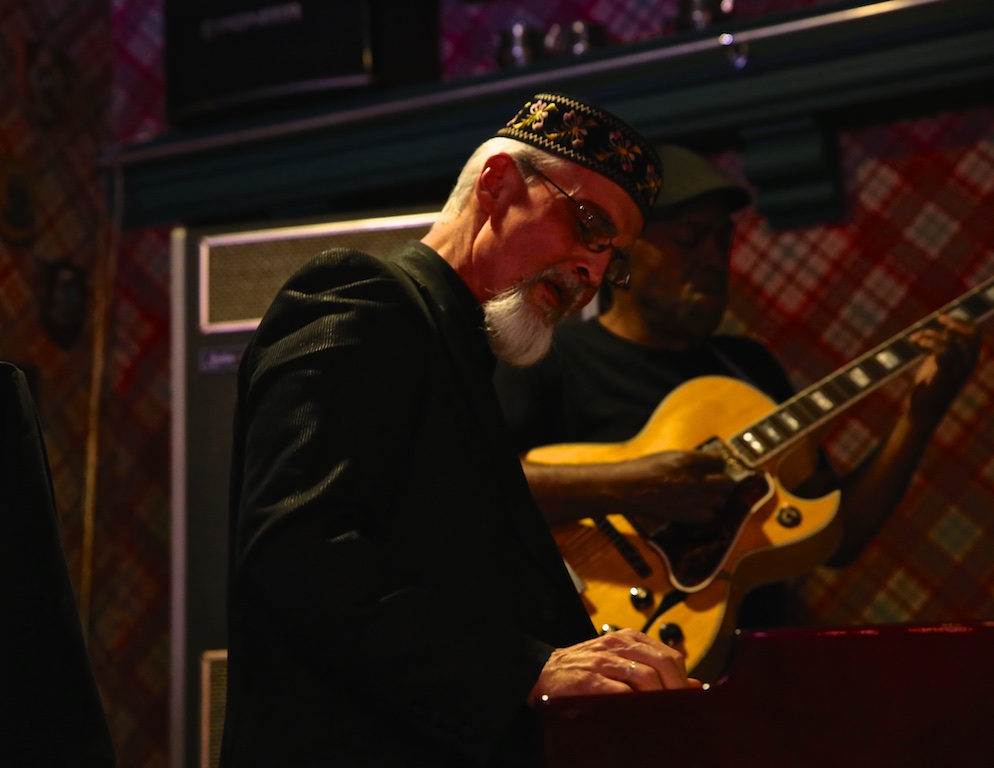 The new album ‘Noumea to New York’ is his finest to date (and true to label, recorded in New York). Again Lockett features on guitar, Lewis Nash lays down the drum grooves and special guest Houston Person appears on tenor saxophone. What a marvellous line up this is and what an album they turned out. This album alone will secure Benebig a place in the pantheon. It has modern B3 classic written all over it. All compositions are by Benebig, with one tune co-credited with his partner Shem. There are so many treasures on this album that it is hard to single out one particular tune, but if pressed I would say ‘Noumea To New York’. A medium paced groove track with enough warmth to melt the ice in your drink. The flawless interplay between Benebig, Nash and Lockett is in strong evidence here. With Nash creating a solid cushion of groove, it is no wonder that Benebig and Locket sound so marvellous.
 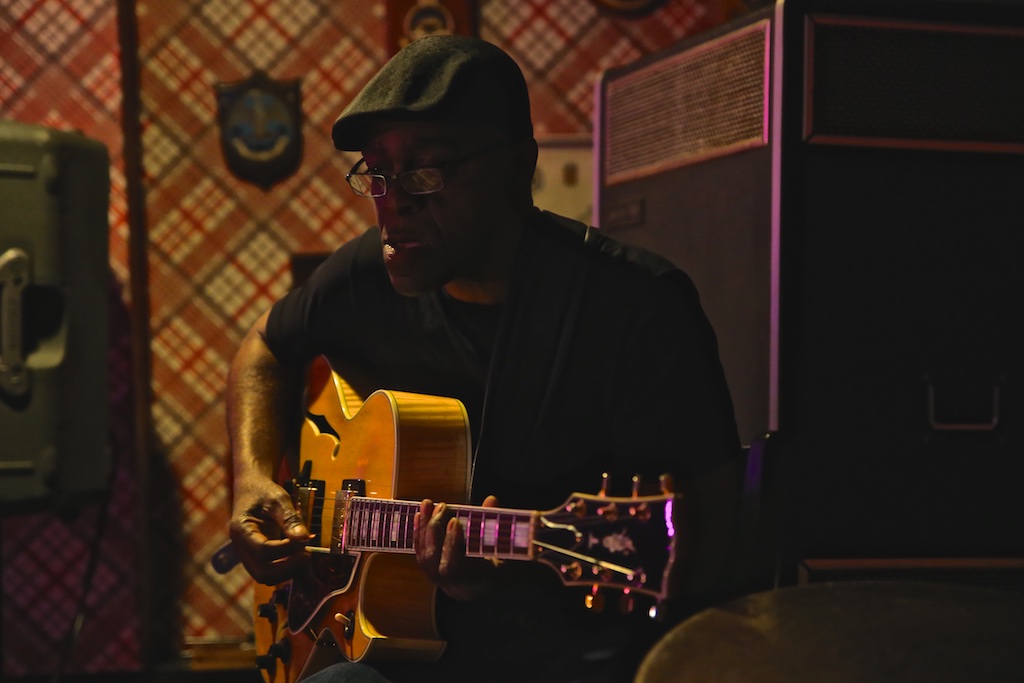 The tour down under was minus Nash and Person; Locals filled those gaps. In Auckland we had Roger Manins on tenor and Ron Samsom on drums. This was also a perfect fit, as both had accompanied Benebig previously. The set list in Auckland was partly material from the album and partly marvellously quirky tunes from classic TV shows. How often do you hear the theme from ‘The Pink Panther’ or the theme from ‘The Naked City’ played by a groove unit? More common in Jazz circles is the Johnny Mandel standard ‘Suicide is Painless’ from Mash. When people think of that last number they think Evans and seldom the B3. To show what skilled groove merchants can do with such material I have uploaded a clip.
 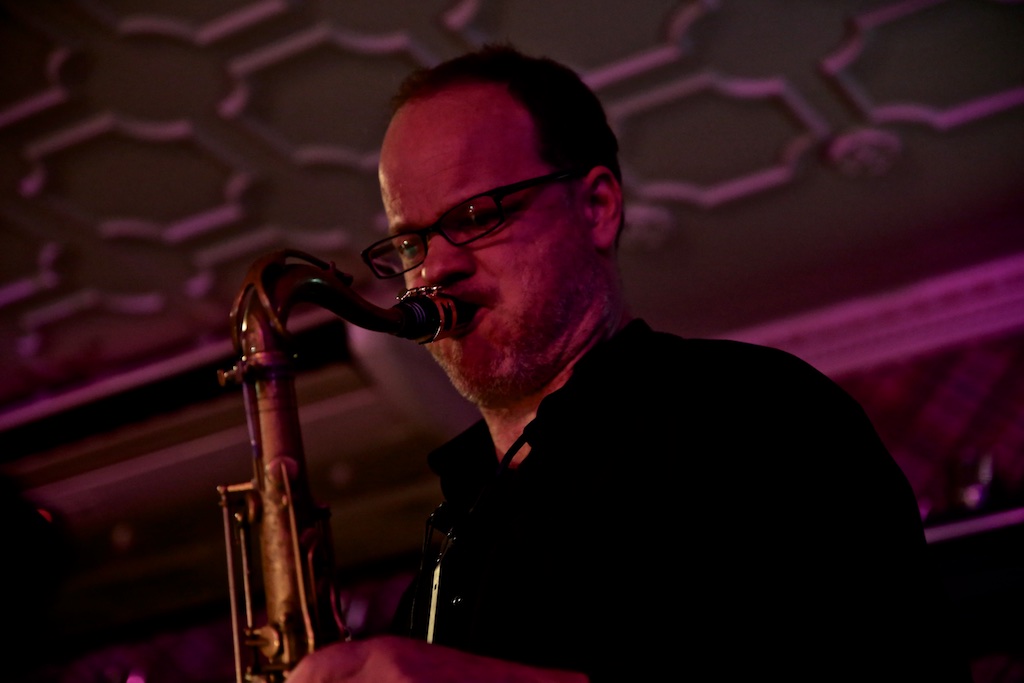 While Benebig is very much in command here his groove collaborators preached just as hard from their respective pulpits. Lockett in particular was astonishing. Gasps of delight erupted as he utilised his finger picking blues-guitar credentials. Moving seamlessly from lightning quick double-time to a steamy groove; often leaning slightly back on the beat. His comping was equally delightful as he does what Pat Martino does. There is either a slight vibrato or he pulls gently down on the strings with each comping-chord; creating simultaneously a warm but slightly mournful effect. Whether on fast single-note runs or octave chords, its hard not to think of Wes Montgomery. His extensive use of thumb and fingers and his fluidity evokes that comparison.
 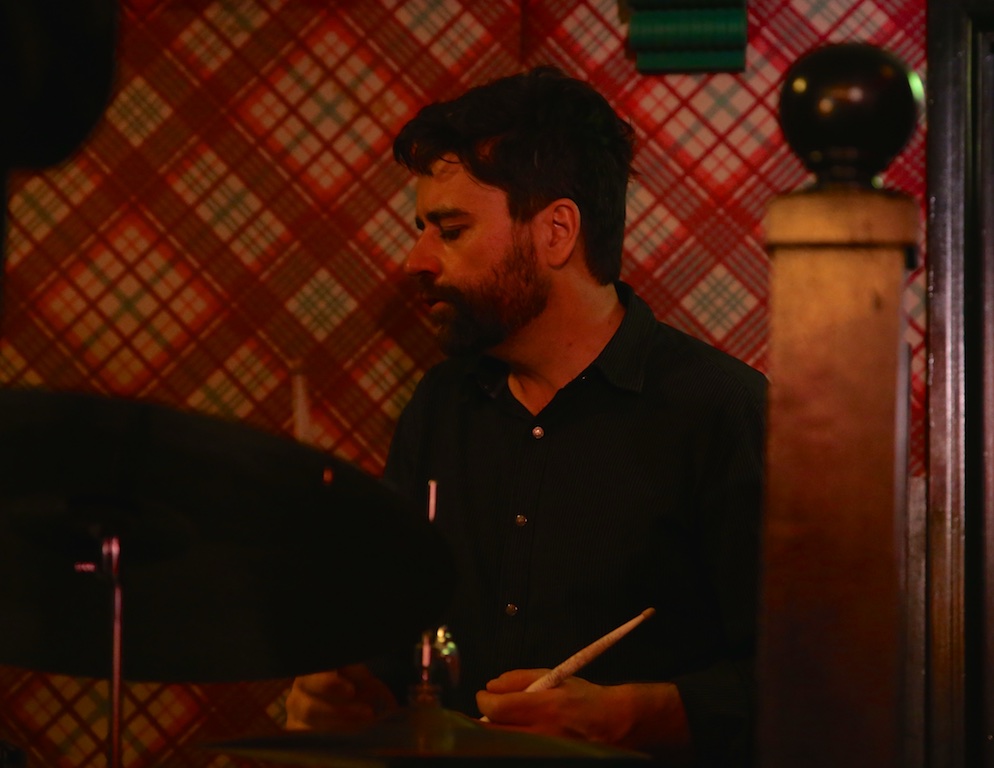 Manins was clearly in his element here. Happy among friends and happy to find himself back in the groove space. The same went for Samsom. Both are highly regarded straight ahead Jazz musicians but both have released great groove albums in the previous year. Their joyous abandon added to the quantum of happiness; every note making us smile.
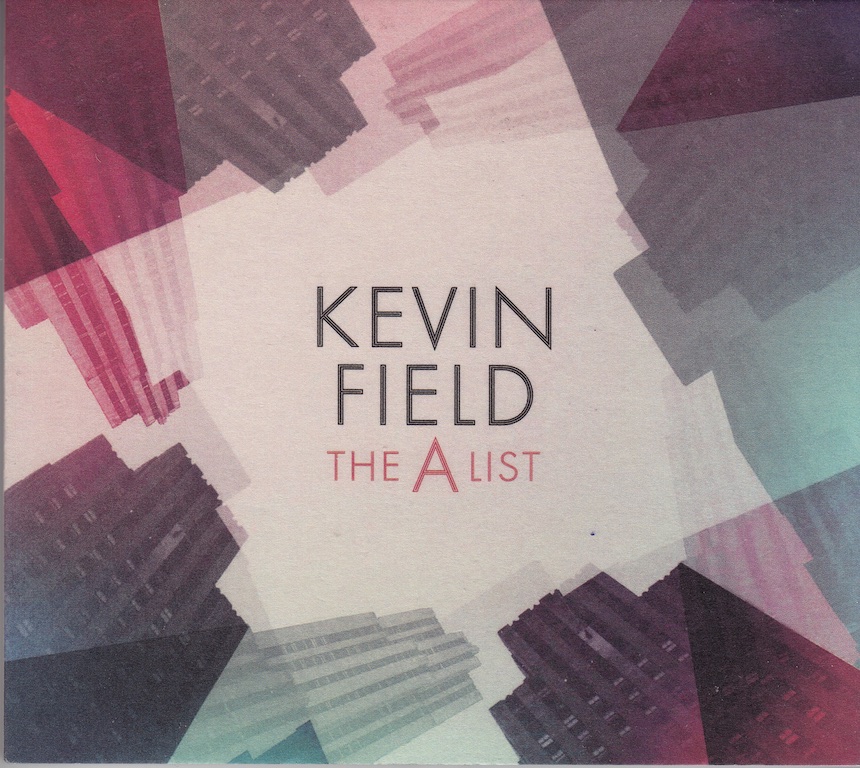 ‘The A List’ release has been a long time coming, or so it seems. Every recording of Kevin Field’s is noteworthy and when rumours of a New York album circulated I attempted to pin him down. Whenever I saw him playing as sideman about town or met him in the street I would pull him aside and say, “Kev, how is the album progressing, when will you release it?”. I invariably received iterations of the same cryptic answer; a knowing smile and a brief “it’s getting there, not too far away now”. the lack of specifics only fed my appetite. I have learned to read the signs and I can sense when an album pleases an artist. It is all in the body language, readable over the self-effacing vagaries of banter. Field had a look about him; a look that told me that he was nurturing a project that pleased him.
 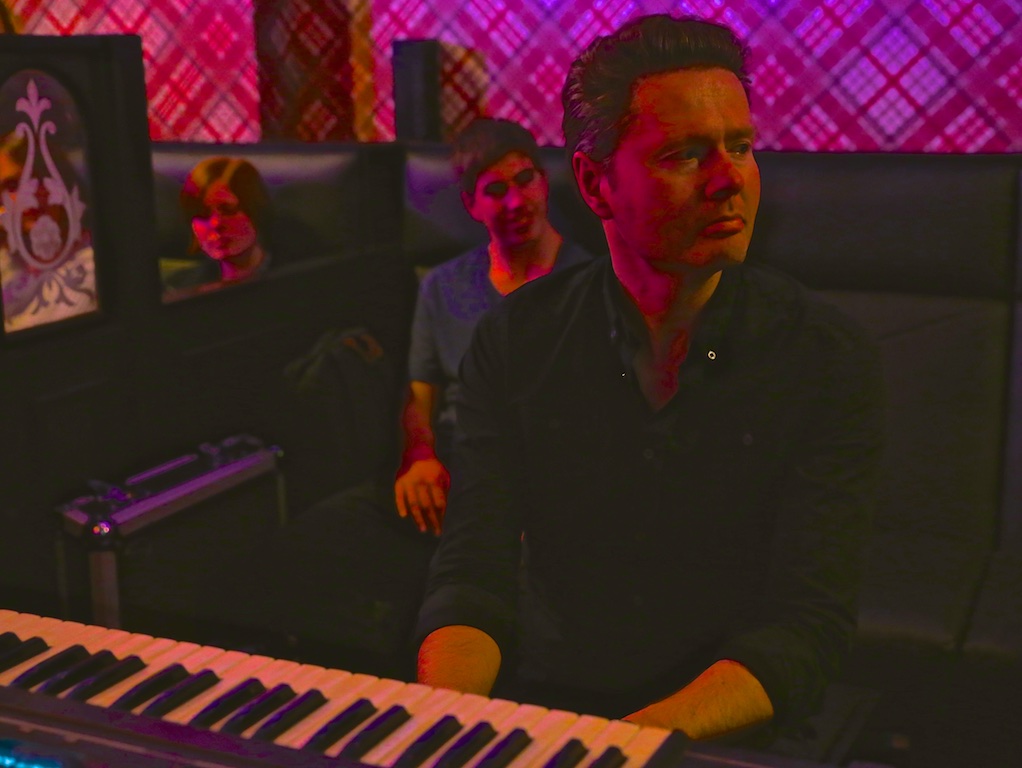 As the months progressed I gleaned additional fragments of information in bite sized chunks. Firstly that Matt Penman was on the recording, and incrementally that Nir Felder, Obed Calvaire, Miguel Fuentes, Clo Chaperon and Marjan Gorgani also. The substantive recording took place at Brooklyn Recording in New York with additional recording in Roundhead Studios Auckland. That was pretty much the extent of my knowledge. I have encountered this phenomena before. Treating an album as a child, holding it close before sending it out into the world. It generally presages good things to come. In this case it certainly did.
 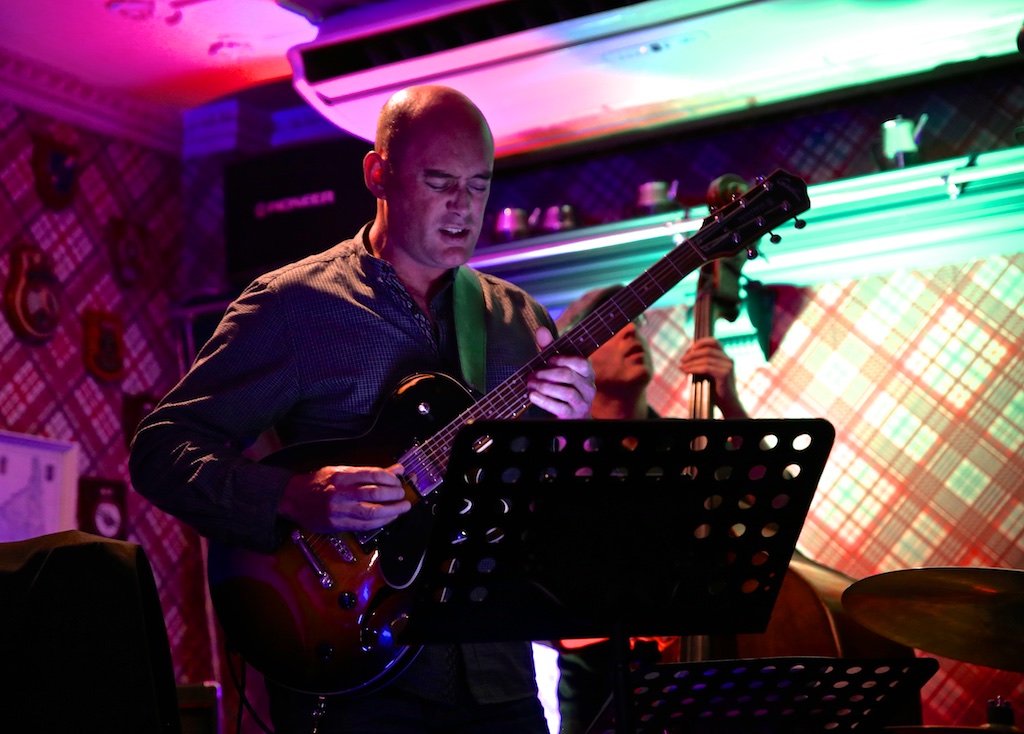 The title is probably tongue in check, but it speaks truth. There are a number of A List personnel on the album. Field is arguably Auckland’s first call pianist. No one harmonises quite like him and his consistency as pianist and composer is solid. New Zealand Jazz lovers also regard Matt Penman highly. His appearances with leading lineups and his cutting edge projects as leader always impress. In the same vein is Nir Felder; frequently mentioned in the same breath as the elite New York guitarists. Obed Calvaire the same in drum circles. This was an obvious next step for Field; having risen to the top of the local scene, it was time to record with New Yorker’s.
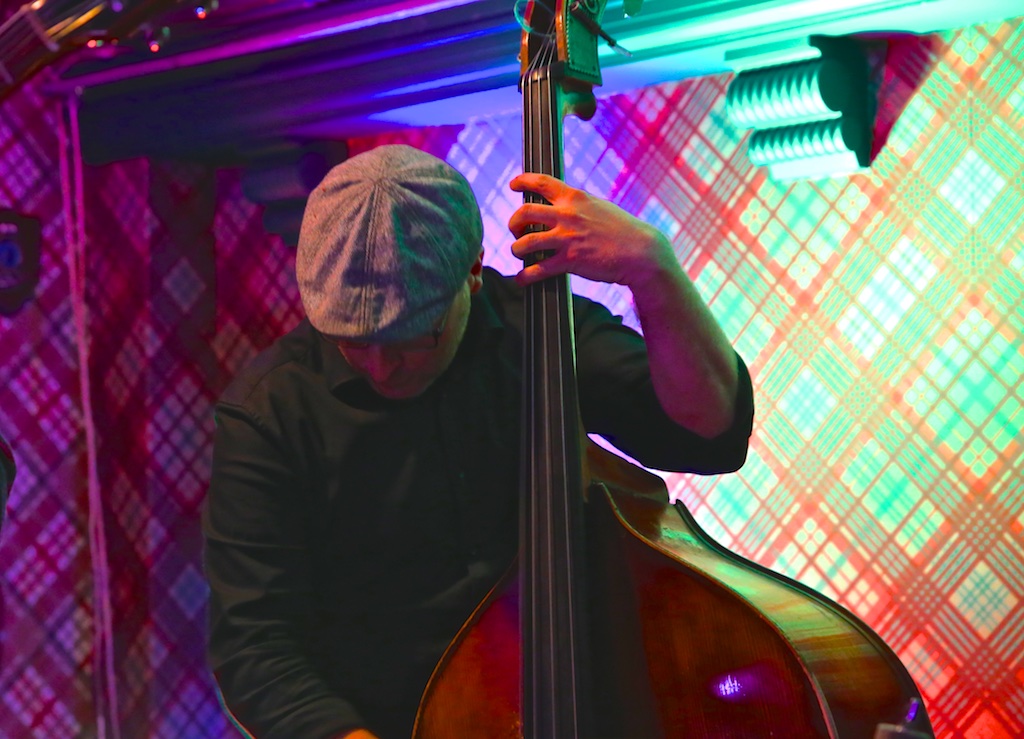 The CJC (Creative Jazz Club) Auckland launch substituted ‘A’ List locals for the famous New Yorker’s. On guitar was Dixon Nacey, on bass Richie Pickard and on drums Stephen Thomas. The vocal section was; Clo Chaperon & Marjan Gorgani (as on the album). These musicians are superb and so the comparison with the album was favourable (Field is a little higher in the mix on the album and guitarist Felder is a little lower).
  The CJC was in different venue this time, owing to the refurbishment of the 1885. The Albion is no stranger to Jazz and in spite of the ‘livelier’ acoustics, it was a good space in which to enjoy the music. Dixon Nacey always sounds like a guitarist at the peak of his powers, but somehow he manages to sound better every time I hear him. This time he used less peddling and spun out wonderfully clean and virtuosic lines. Apart from a tiny amount of subdued wah-wah peddle on the disco number his beautiful Godin rang out with bell-like clarity (the clipped wah-wah comping was totally appropriate in recreating the tight disco funk vibe). The other standout performance was from Stephen Thomas, who is able to find a groove and yet mess with it at the same time. His complex beats added colour and he mesmerised us all. At the heart of the sound was Richie Pickard. Some of the material was definitely challenging for a bass player as timing was everything. Pickard navigated the complexities with ease. There are were three vocal numbers at the gig (two on the album). Chaperon and Gorgani are impressive together and well matched vocally. Hearing them on the album showcases them to best advantage, as sound mixing is harder in a club. Their presence certainly added excitement to the gig.
 Buy the album and if possible see Field perform this material live. This music is exciting and innovative; past and present rolled into a forward looking Jazz form.
 Ron Samsom’s Neutrino Funk Experience ‘Ace Tone’ album has so much up front punch that that a warning is needed on the label. It is an album that grabs you by the lapels and demands your attention. As you listen it transports you to a world of joy. The album and the live band exudes a vitality that enters through your pores, pulsing through your body like the wild blood of extreme youth. Try as you may, it is impossible to keep still as the rhythms consume you limb by limb. While the album brings historic musical references to mind, it is very much of the present. This is Jazz Funk at its very best.
 There is cleverness aplenty in the album, but that’s not what it’s about. The pulse, punch and danceability are the draw cards. The tunes let each listener glean their own references. During the album launch someone said, “Oh wow that takes me back to Deep Purple”, while others talked of the Jazz funk gurus like Herbie Hancock, Eddie Henderson and Jimmy McGriff. What ever references people heard, one thing is for certain. This band updates 70’s Jazz Funk as few other albums do. A lifelong fan of the classic genre observed, “few classic 70’s funk albums actually sound as good as this”.
 Material like this needs highly skilled and experienced musicians in order to extract the maximum advantage and that is exactly what Samsom got. This is an alignment of talent that works so well that they must surely build on their success. The Neutrino Funk Experience formed in 2014 and started doing regular gigs at Auckland’s Albion in the central City. The word soon got around and one by one we drifted down to see them. The band stood-out from the first day and the disbelieving expletives from experienced musicians confirmed what our gut told us. These guys were total ‘muthas’.
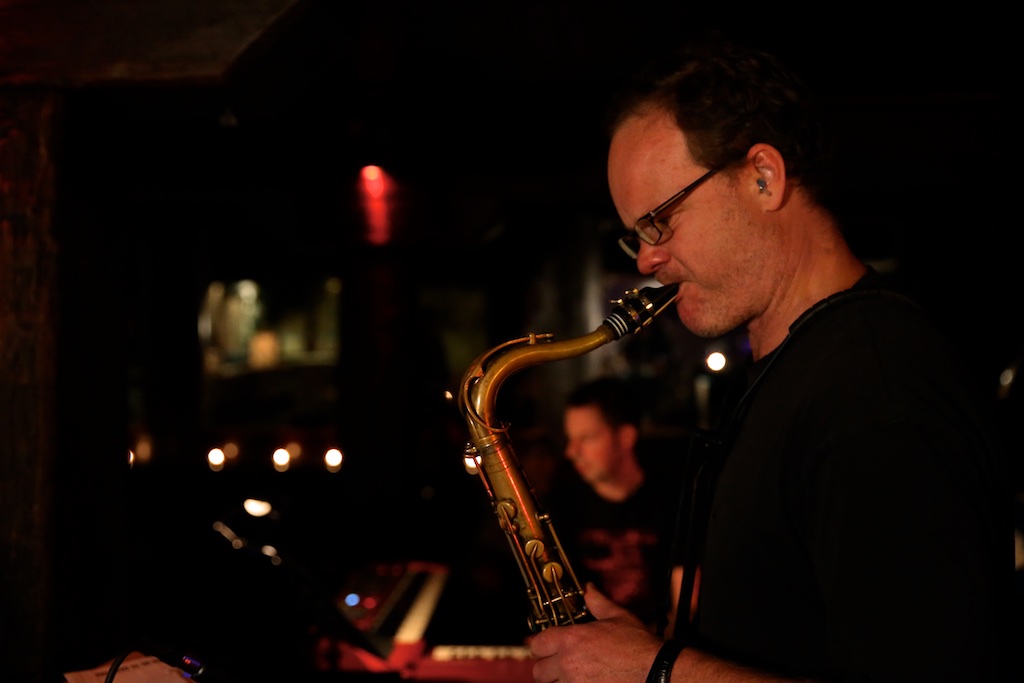 Roger Manins always sounds great but he has excelled himself here. This brand of earthy down-home funk is a natural place for him and his own funk albums reinforce that view. Manins just tears the place up on these sessions and it would be hard to find his equal. There are times when he apparently defies gravity, rising to his toes and abandoning self to move inside the music. These are moments of pure Zen and I watch for them now. Man and instrument becoming one and out of the bell streams a cornucopia of sound, distilled from the human experience. From the otherworldly wails to the gentlest urgings you recognise Manins uniqueness. Organist Winterburn said of him, “Working with Roger is perfect for me. He’s such a rhythmic saxophonist”. Coltrane, old school funk, ballads and modern edge; it’s all there in the sound.
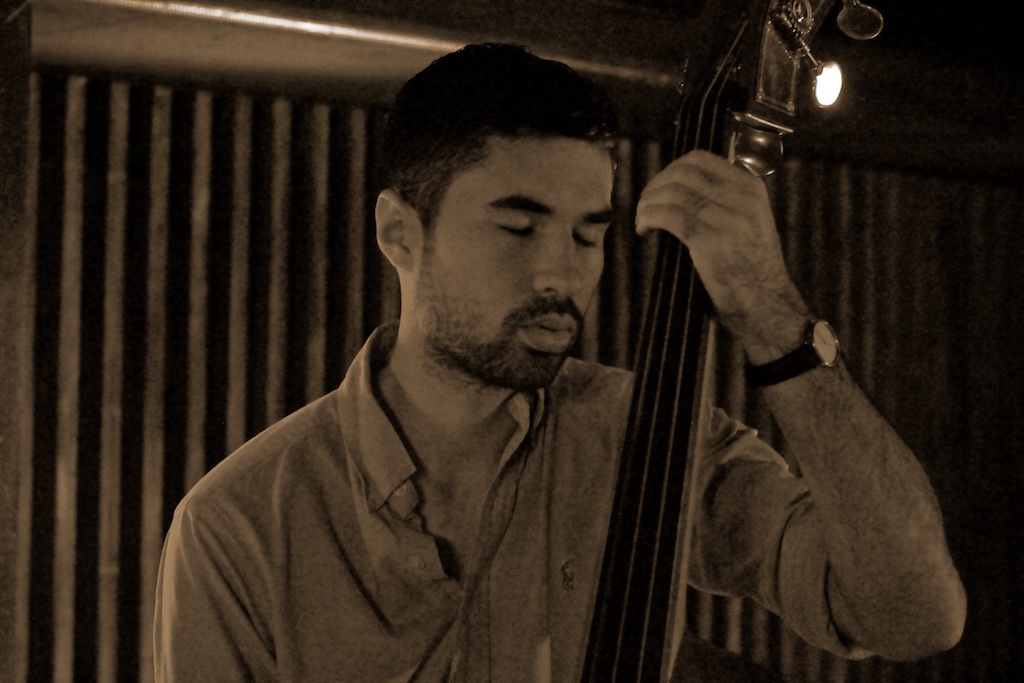 On the album we have Cameron McArthur on upright bass. Even before leaving the UoA Jazz school Cameron was punching well above his weight. I would describe him as an instinctive player. Knowing where to place his lines and always strongly supportive of other band members. He quickly became a fixture in quality rhythm sections and visiting artists praised him. After a trip to New York to check out the scenic he picked up some work in cruise ship bands. By happy coincidence they had cut the album prior to him leaving. So punchy are his bass lines on ‘Ace Tones’, that you think he is playing an electric bass. In his absence Samsom hired Karika Junior Turua for the launch gig. Again this was a good choice. This time we did hear an electric bass and as Turua has experience with Jazz funk, the transition from upright to electric bass was seamless.
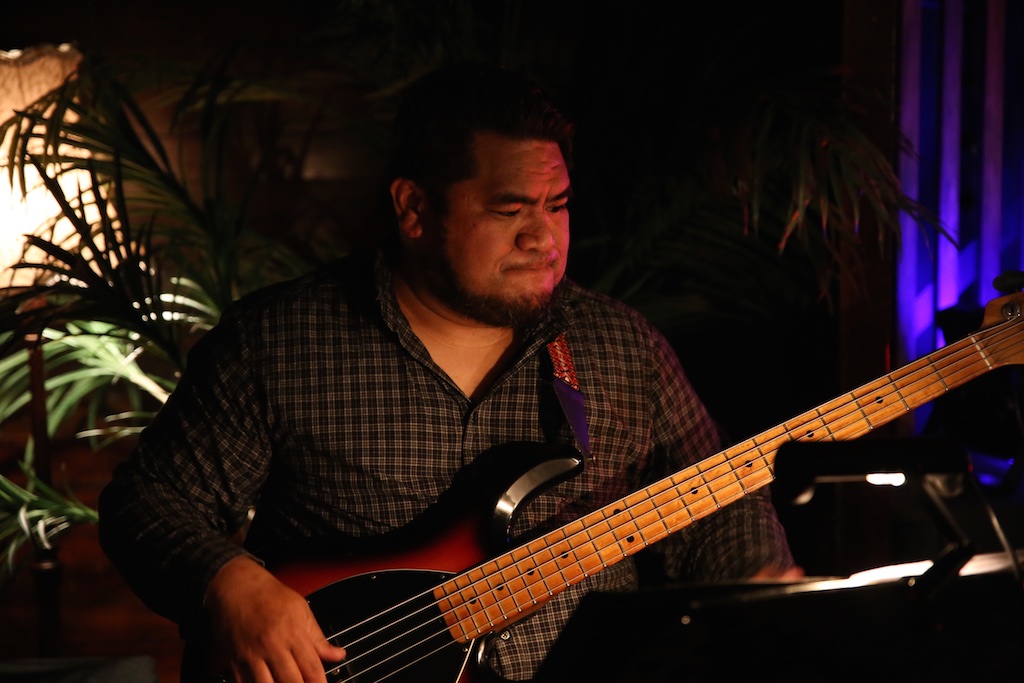 Lastly there’s the album art work and the recording credits. Who ever created the cover design and layout must feel pleased; they did an amazing job. The presentation tells the ‘Ace Tone’ story perfectly. My friend Iain Sharp and I were involved in the project as liner notes providers. As requested we contributed poems. It is rare (but not unheard of) for an album to use poems instead of the standard liner note blurb. I really hope that this trend continues for selfish reasons. Contributing something to an album like this is pure pleasure. The recording and mixing took place at ‘Roundhead Studios’ in Auckland and the mastering at ‘Turtle Tone Studios’ in New York. The album is out on Rattle Jazz where the best of original New Zealand music lives.
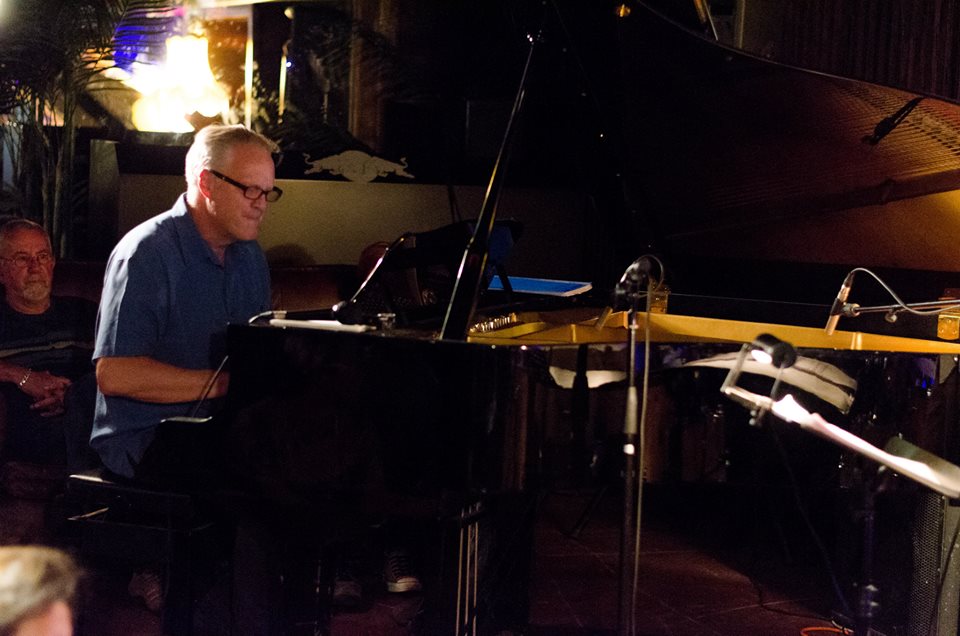 The more I listen to Alan Brown bands, the more I realise just how original his music is. The gig promised to be a reprise of ‘Between the Spaces’ and that was a drawcard which pulled in a good audience. We soon realised however that we were getting a lot more. As well as the familiar there were new compositions and a few that had not made the cut for the album. Brown is an extraordinarily gifted musician and in settings like this he always sounds fresh. The familiar numbers sounded as exciting as when we first heard them and the unfamiliar held the attention with siren like allure. This is music to gladden the heart.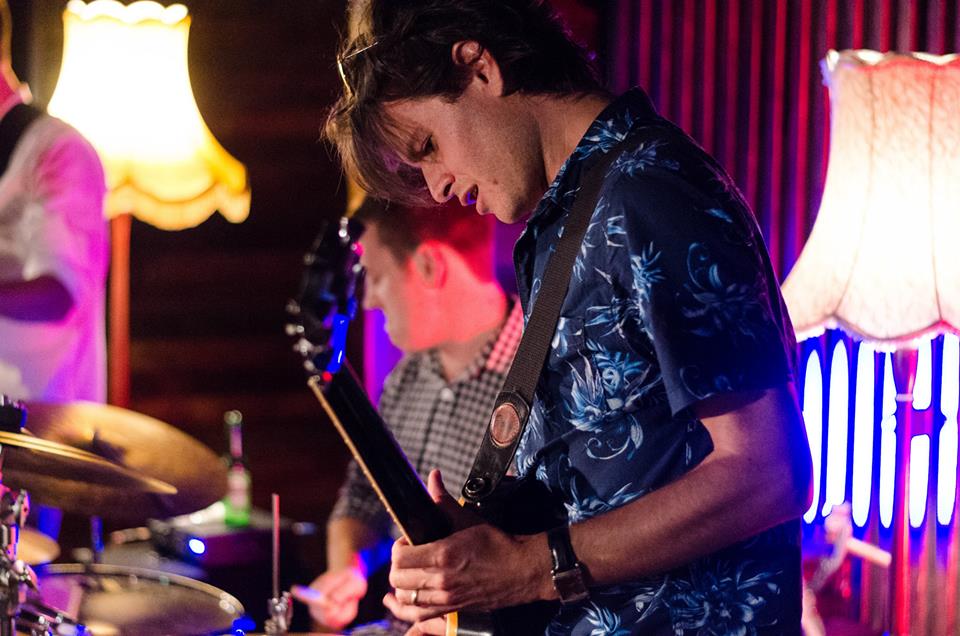
 accessible. As the tunes unfold you fall into them, feeling that you are on a journey of logical progression; the enveloping arms of groove guiding you inexorably towards some beating voodoo heart.
 The relative newcomer is electric bass player David Hodkinson. He is no stranger to Brown’s bands but he was not on the album. it would be daunting to step into Marika Hodgson’s shoes but Hodkinson held the groove and punched out a mesmerising pulse.
 This week as NASA’s Kepler orbiting telescope probed deep-field space, wonders beyond the imaginings of most of us came into view. As it focussed on an inky gap between solar systems, gazed deep into an area invisible to earlier sky-gazers and previously lost in the vastness of space; a new mission. This week fresh data surprised the analysts as new images formed on their screens. Astronomers could barely believe their luck. Revealed were four planets circling M-Dwarfs, all of which bore apparent similarities to our own planet. They were near enough to their suns and with the right circumference to place them in the ‘habitable zone’; perhaps even capable of
  sustaining life. The fact that ‘Kepler 186f’ is in the Cygnus Constellation nearly 500 light years away has not dented enthusiasm. Kepler 186f is now firmly embedded in the human consciousness. Like the astronomers at SETI we watch, ponder and hope. In my world, this is the intersection where dreams, the cosmos and improvised music collide.
 Devotees and band members stay the course. Ra has long departed this world, but the Arkestra is still voyaging with the astonishing John Gilmore at the helm. The older vinyl albums are now widely sought after, as the cover art was sometimes hand painted by the band members. Many of the covers are similar to the Hubble images.
 impressed with Henderson’s work and his recent albums like ‘So What’, are tasty-good as well. ‘Sunburst’ was released on the Blue Note label in 1975 (re-released by Japanese Blue Note recently). Two albums by Bennie Maupin ‘Moonbeams & Slow Traffic to the Right’ were released around the same time. The 70’s was the golden age of Cosmic Jazz/Funk and the utilization of increasingly sophisticated analogue synthesizers is a feature of these albums. These out of production analogue instruments have become highly sought after (Mini-Moog, Prophet, Oberheim, ARP Odyssey etc).
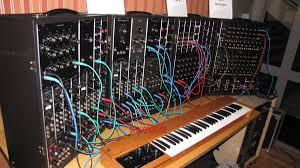 background the swift acceptance of the synthesiser appears surprising, but when considered in the context of the times there are compelling explanations.
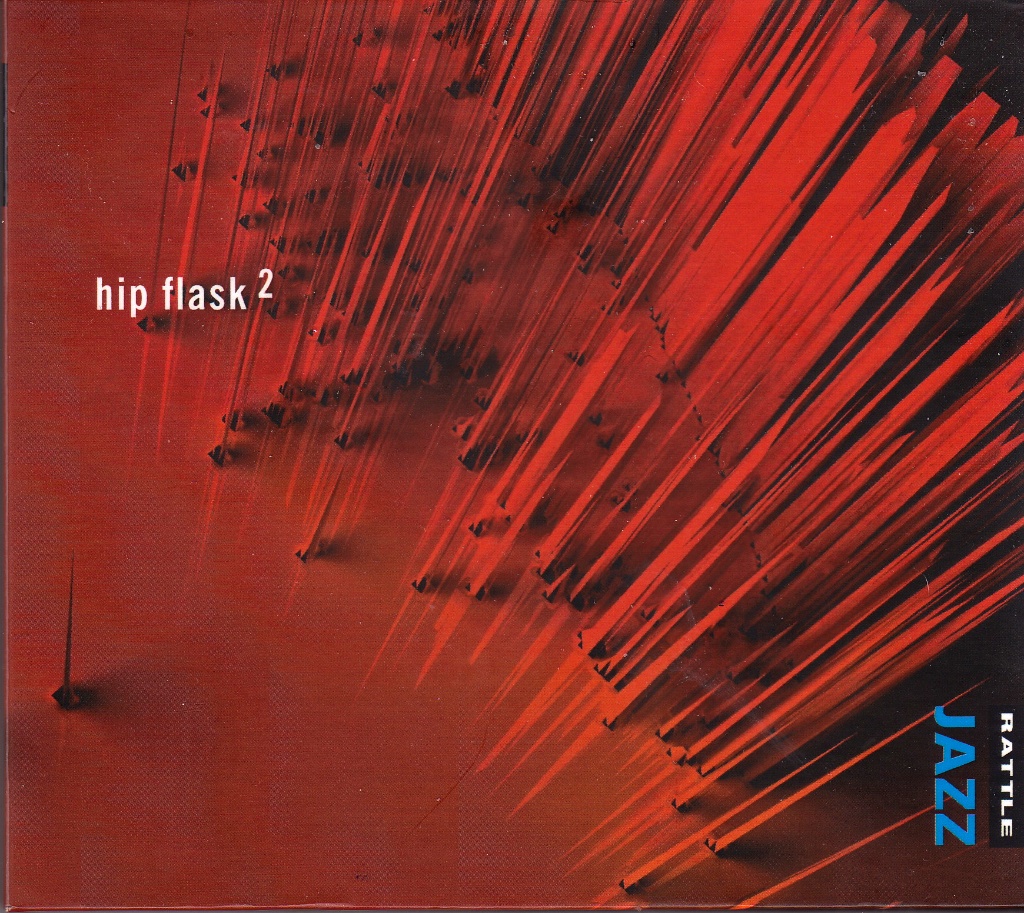
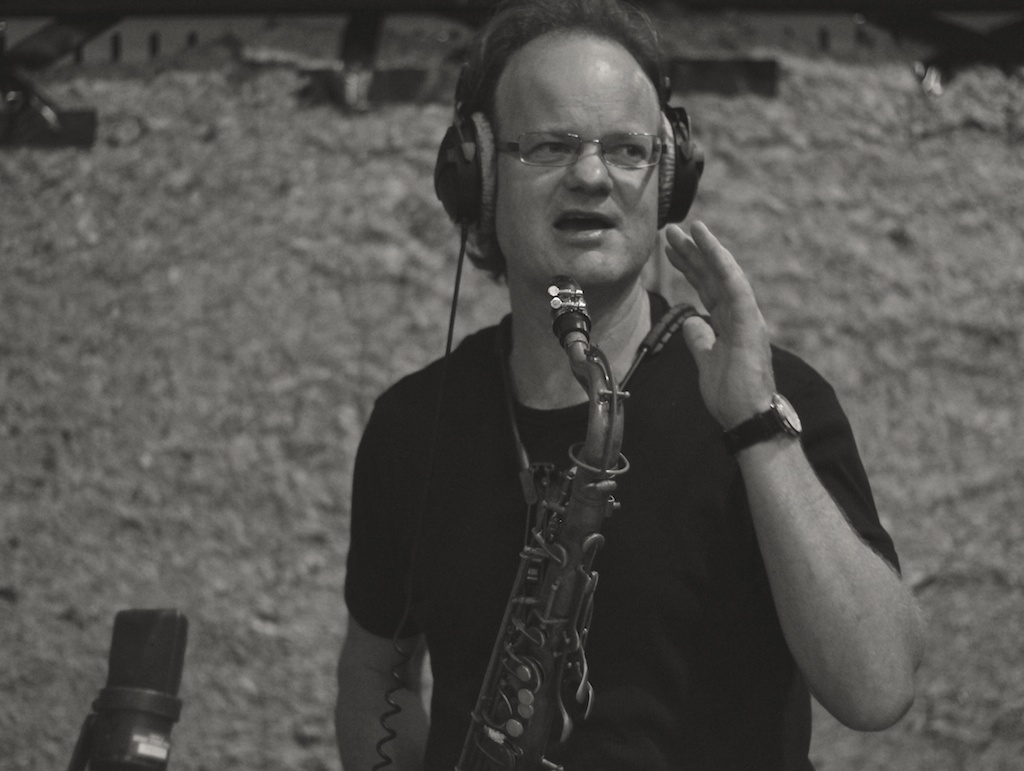
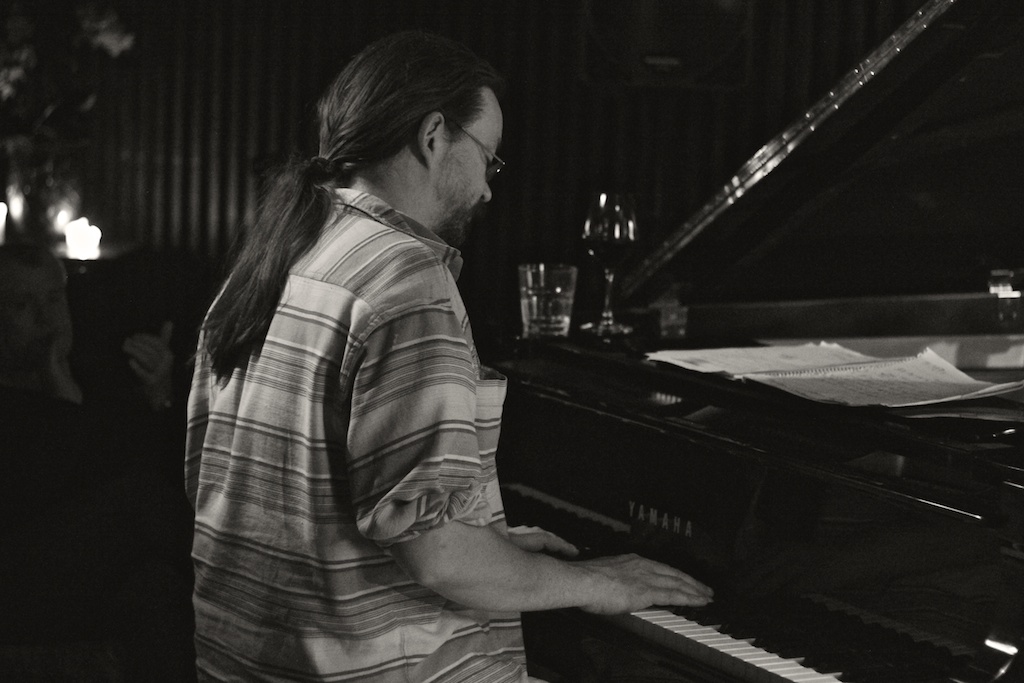

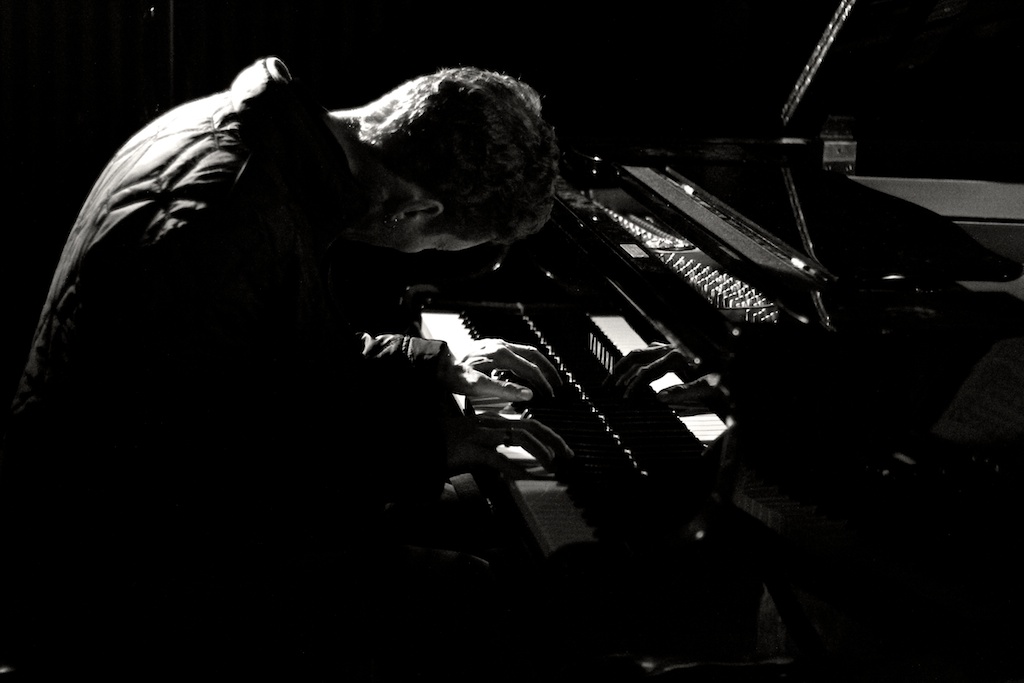
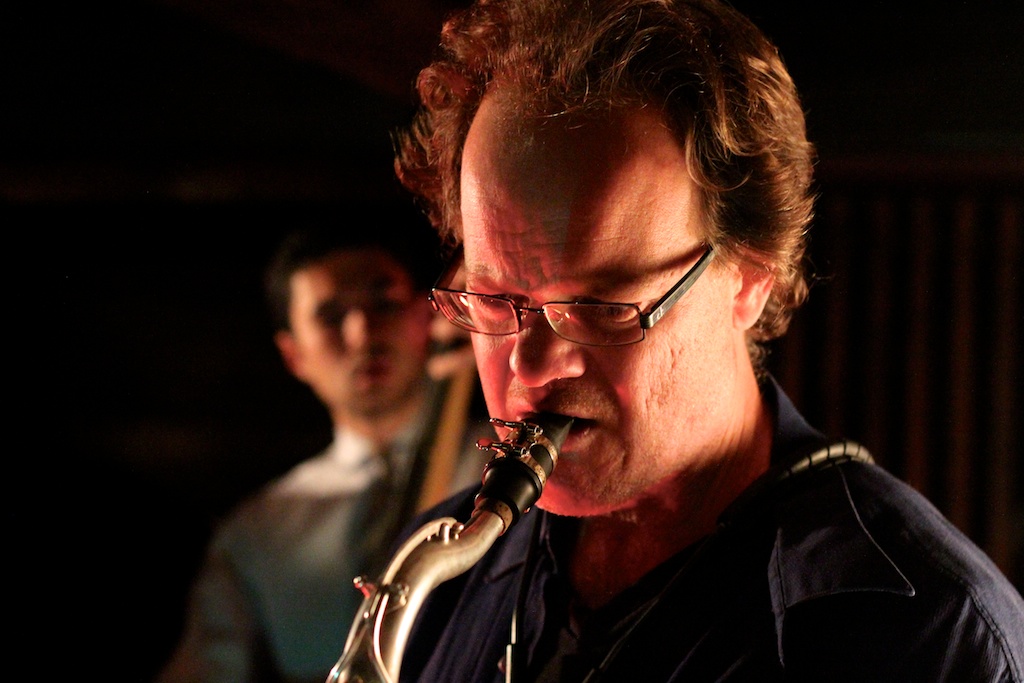
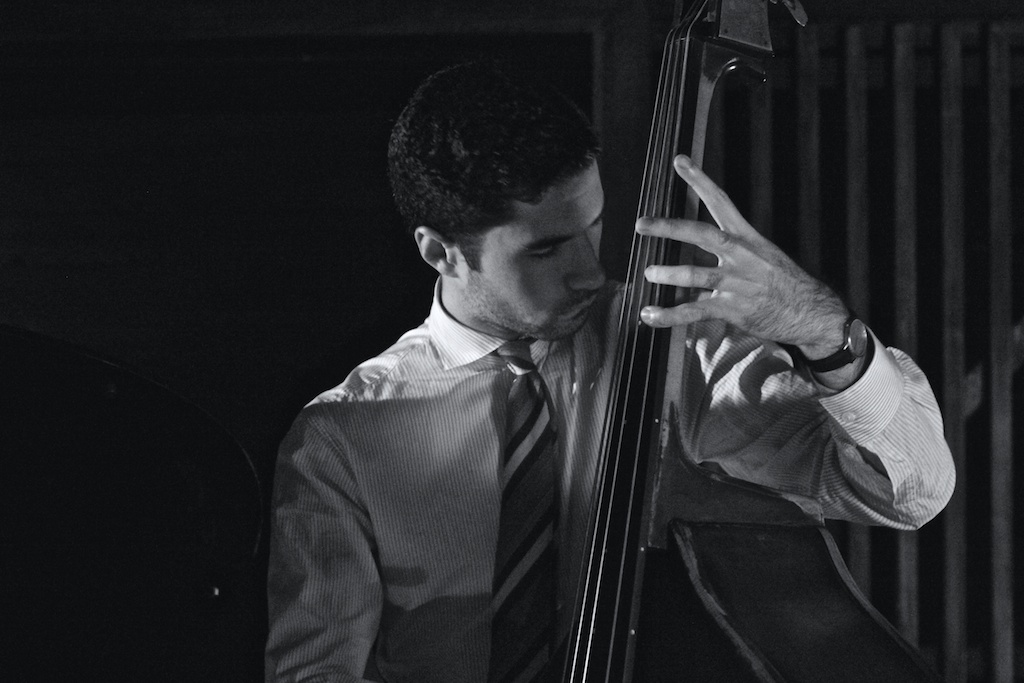

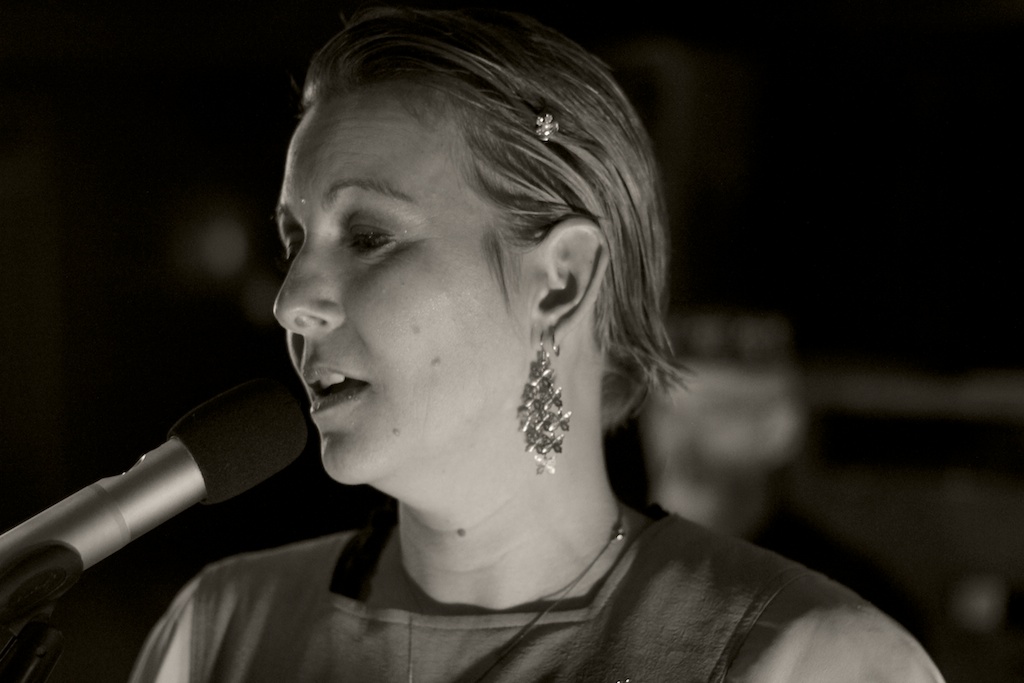
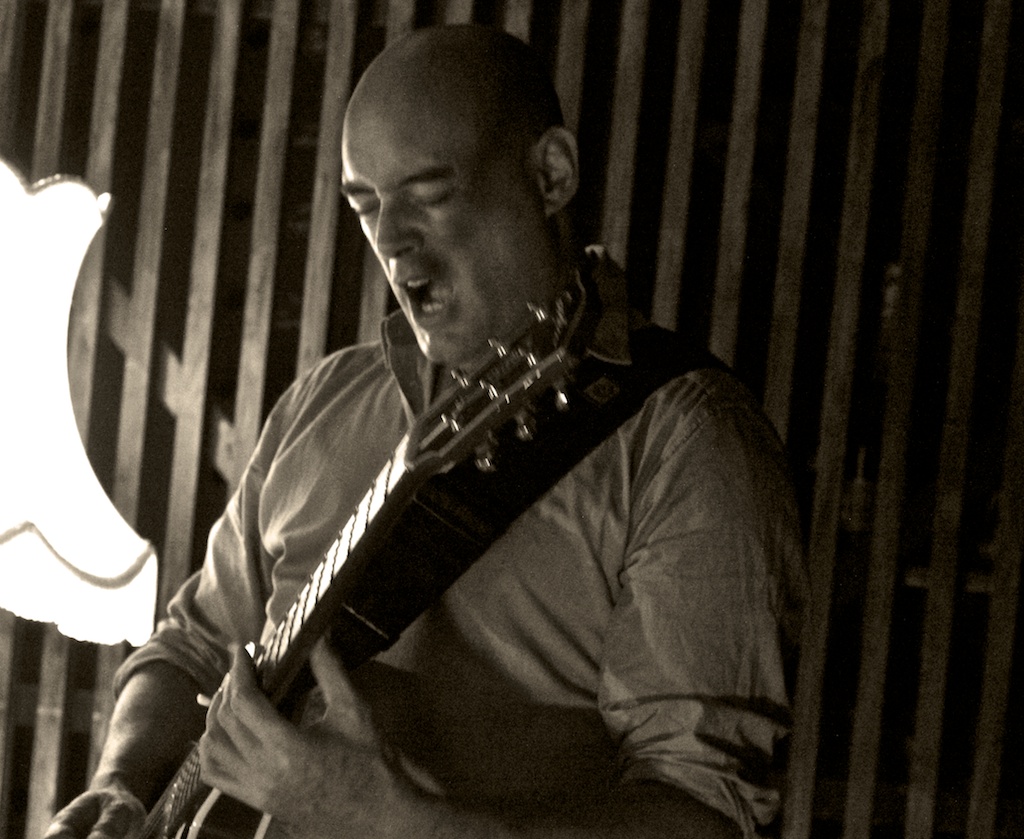

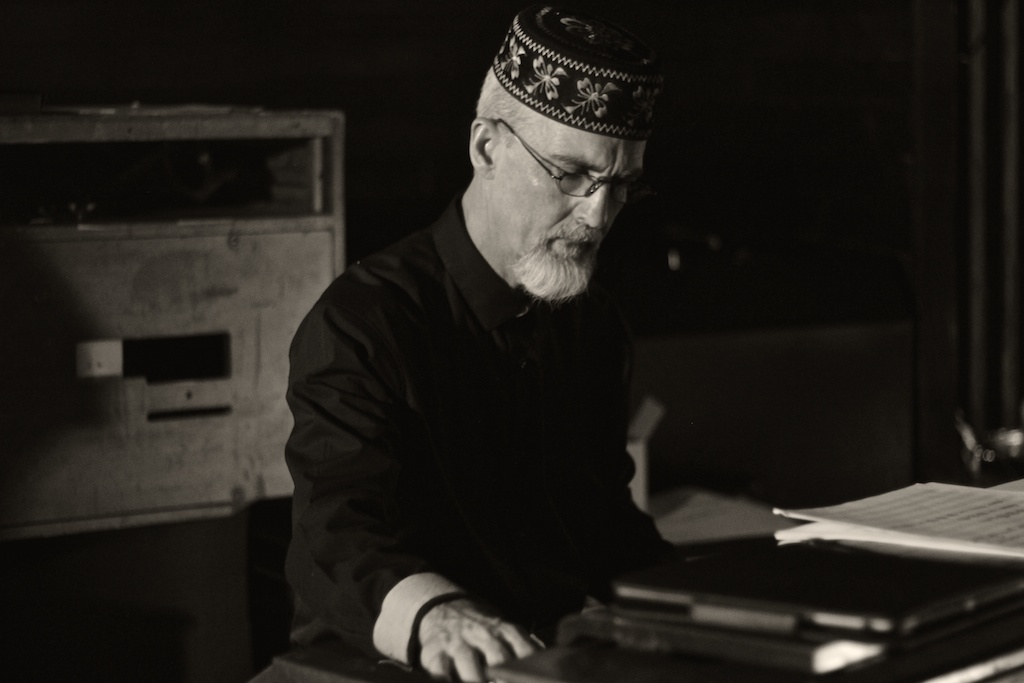
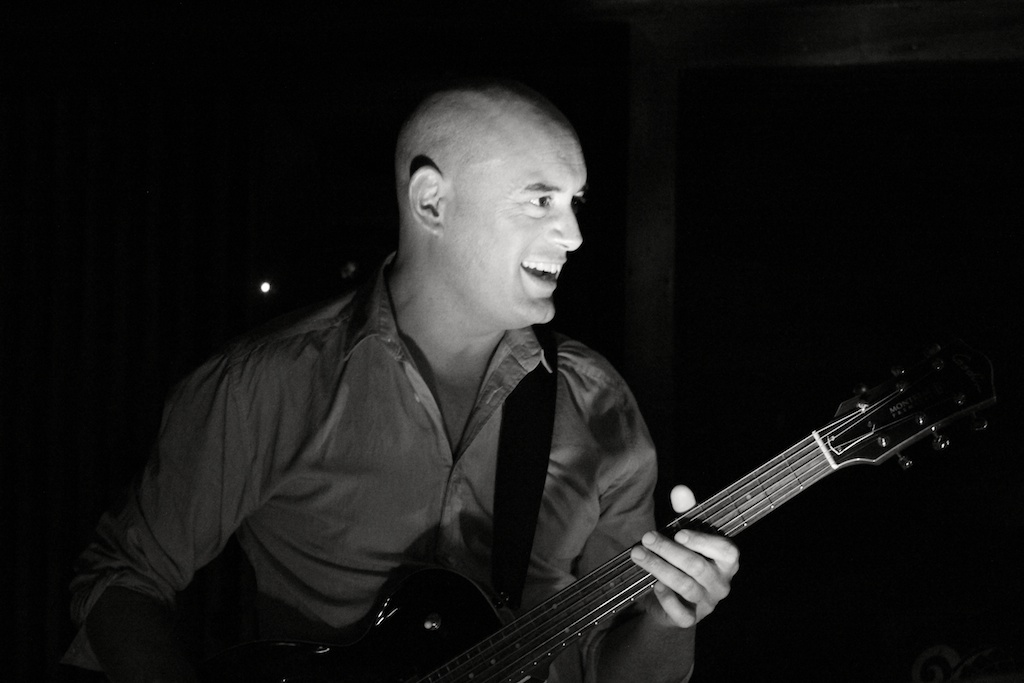
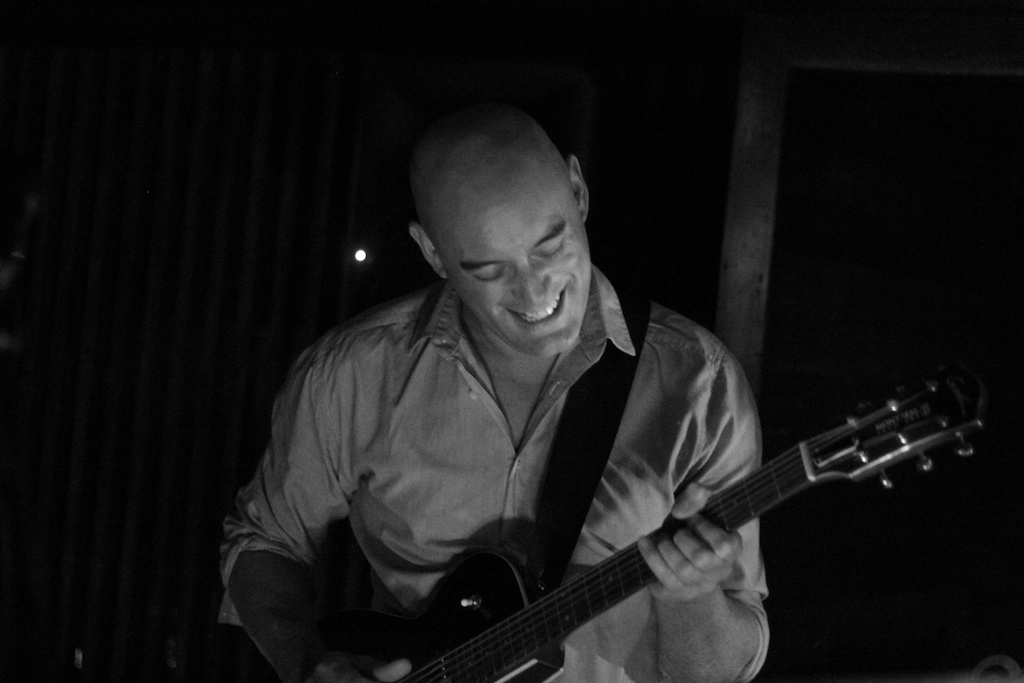
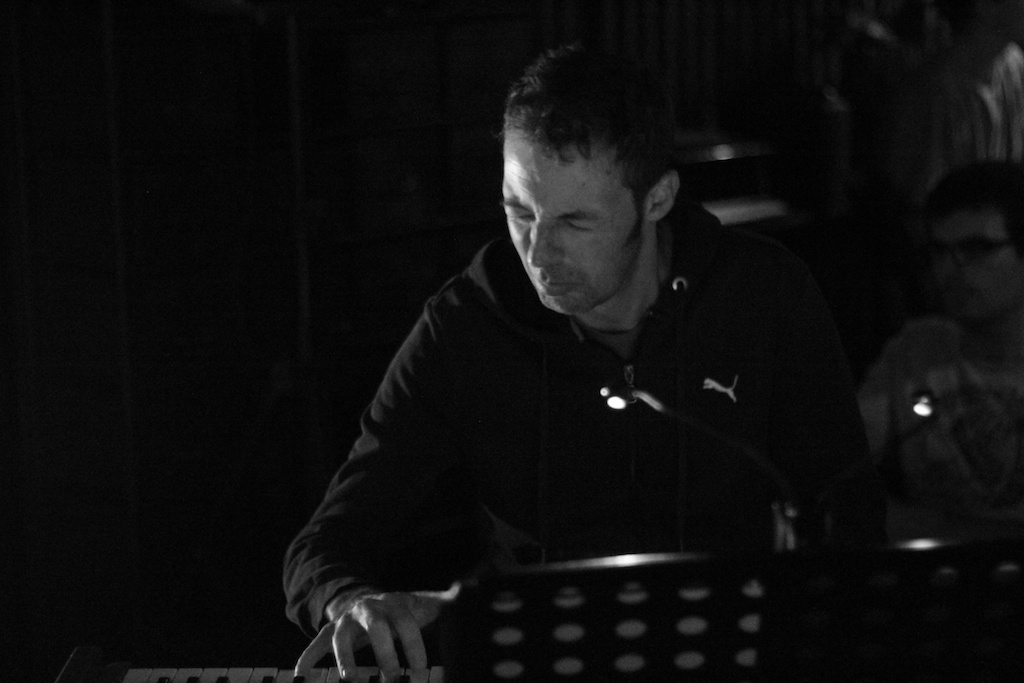
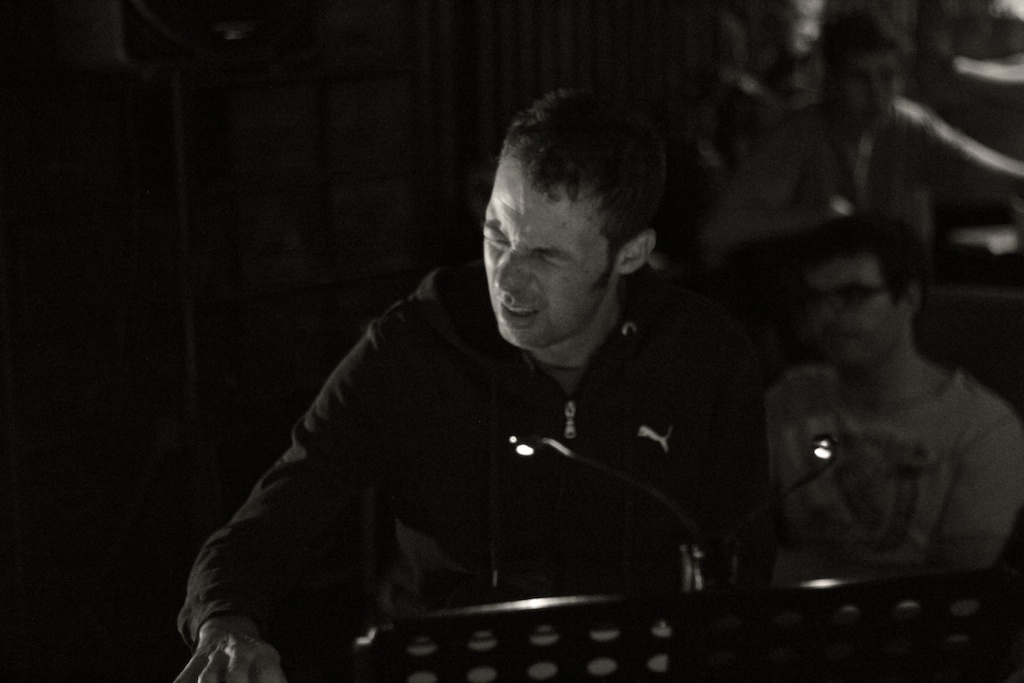
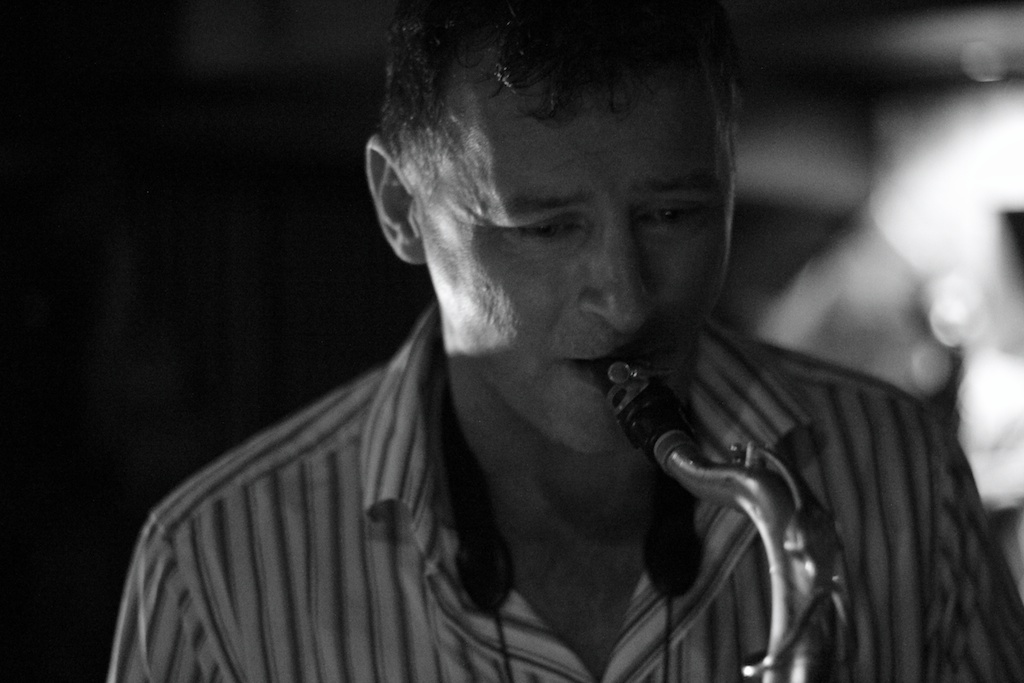
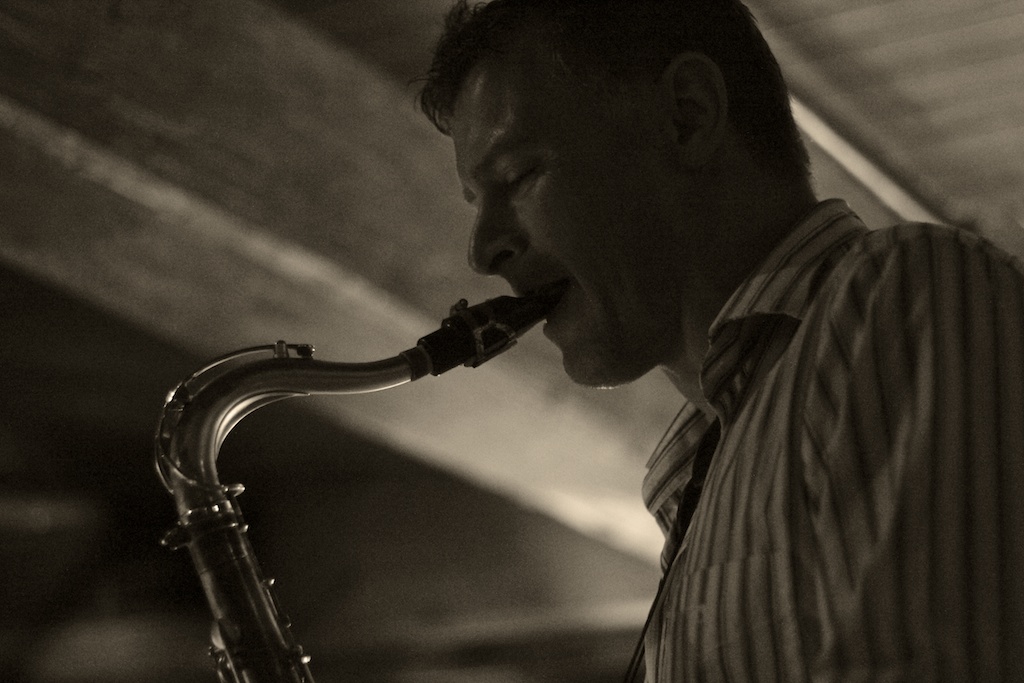
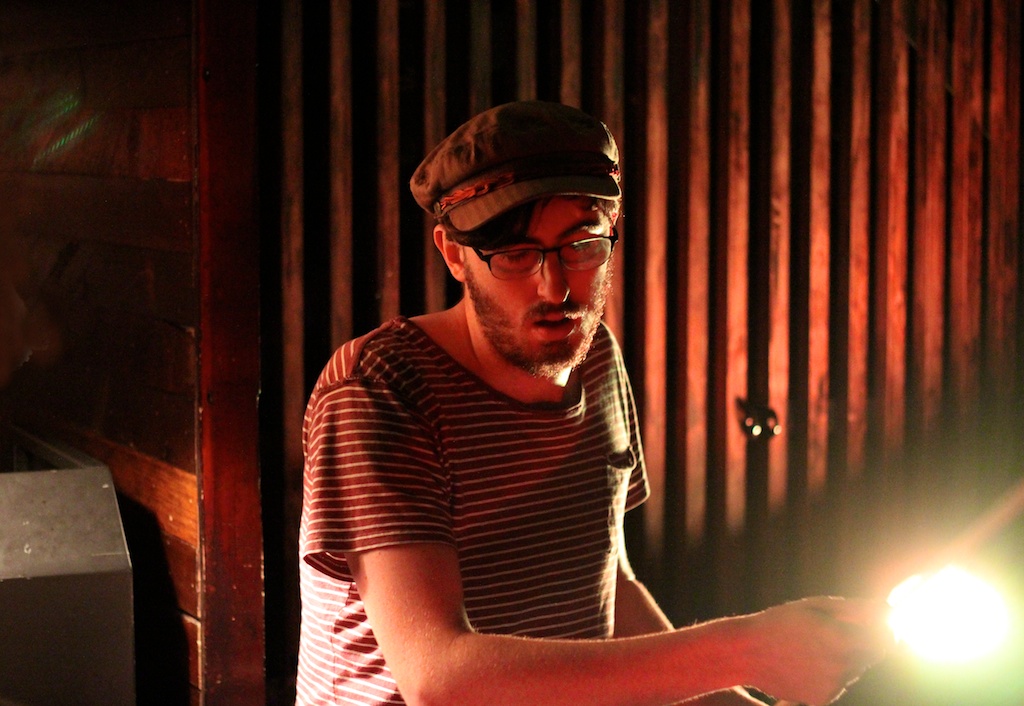
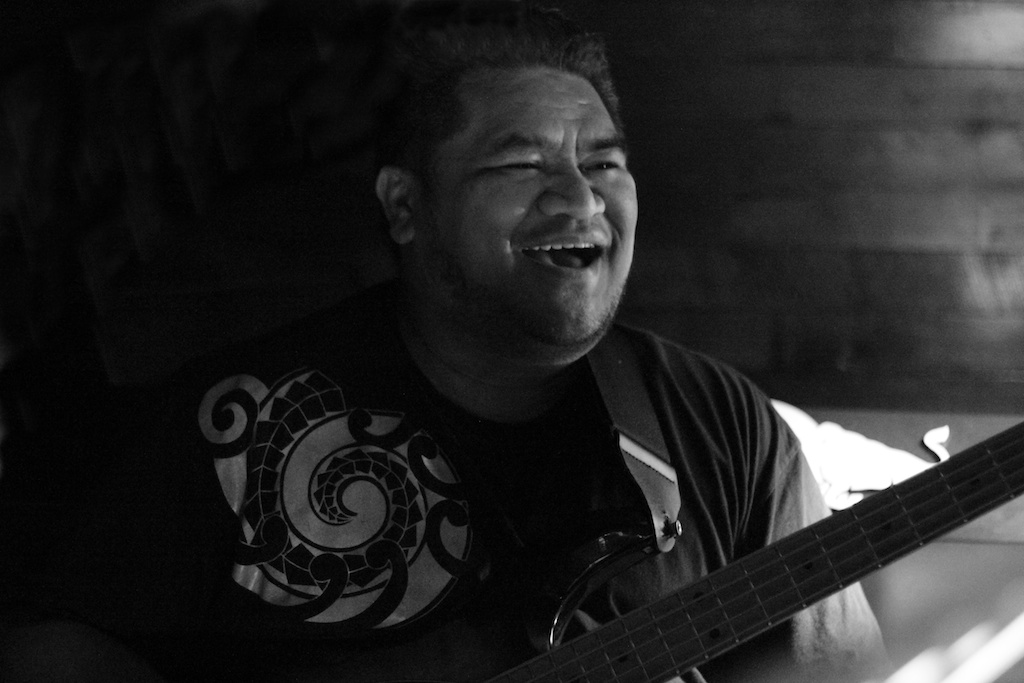
 JazzLocal32.com