It has been a while since Julie Mason performed as leader. Mason is a pianist/vocalist who over the years taught and influenced a number of younger musicians. After a difficult few years battling health issues she has now started performing again and her new project titled: ‘compositions by piano playing Jazz Musicians’ is what she brought to the CJC. Most of these tunes are not standards in the American song-book sense and so they often lack wider recognition. That’s a pity because the tunes written by these musicians are some of best to come out of the last 90 years. It is always good to delve into this material. A perfect example of a composer/performer who deserves wider recognition is Enrico Pieranunzi. He is all too often overlooked outside of Europe. This formidable Italian improviser has performed with artists like Charlie Haden, Art Farmer, Kenny Wheeler, Chet Baker, Jim Hall and dozens of others. His output stands favourably when compared to the finest of the American Jazz issues. Of particular note is ‘Live in Paris’ and ‘Don’t forget the Poet’. The latter is a tribute to Bill Evans. Mason performed the title track from that album beautifully. She captured the lyrical quality of the piece.she has performed with these musicians for many years; Lance Su’a (guitar), Alberto Santarelli (bass) and Frank Gibson (drums). Her partner, the well known Jazz Pianist Phil Broadhurst sat in while Mason did a vocal number. The set list was split between vocals and instrumental pieces. The number Broadhurst accompanied her on was the fabulously evocative ‘The Peacocks’ (Jimmy Rowles/Norma Winstone). It is one of those tunes that is so aligned to Evans and Rowles that musicians tend to shy away from it. That’s a pity in my view: it was nice to hear it performed live. Other artists featured as sources were Chick Corea, Herbie Hancock, Billy Childs and Jacky Terrason.
This was ’emerging artists’ night and you wouldn’t have thought so. The club had packed to capacity and the performances were far beyond what you’d expect from students. The artists approached their sets differently, but the end results were equally satisfying. Both study at the Auckland University Jazz School and if that institution is turning out students of this quality it certainly reflects well on the faculty. Michael Howell is from West Auckland and for some reason a number of excellent guitarists emerge from that quadrant. Growing up in the Waitakere ranges seems to have gifted his playing with an expansiveness and it is not hard to imagine big vistas and tree-clad hills during his ballad numbers. Howells set opened with a ballad and edged into the faster tempos later. His thoughtful opening took us deep inside the music and this was a good way to start a set. As well as his own tunes he featured compositions by Ben Monder, Sam Rivers and John Scofield. When a guitar trio doesn’t use an organ or piano there is more space to work in. This was well utilised by Howell although he is also adept in larger group situations. I heard him a few days later when he sat in with a number of very experienced musicians and he stepped into that space effortlessly. There were two numbers with piano and fellow student Crystal Choi sat in for these (also adding a vocal line). The other musicians were Eamon Edmundson-Wells on Bass (who also played bass in the second set) and Tristan Deck on drums. These former UoA students have already made their mark on the scene. Kenji Holdaway led the second set and his approach was quite different. Most of the tunes he chose favoured collective improvisation and they draw upon diverse genres. His bandstand presence and the way he approached tunes oozed confidence. He had also chosen some former UoA students to accompany him and his choice was right on the money. J Y Lee is a gifted alto player and he can work the spectrum from avant-garde through to the lyrical ballads that give sentiment a good name. His musicality shone through during this gig and he just gets better and better. On Rhodes and piano was Conner Mcaneny and he often pushed the group into a freewheeling fusion space. Once again It impressed me how well his playing served the music as it was far from formulaic. When the others were playing his comping chords acted as clever punctuation; urging them to reach further and deeper. Another surprise was Tom Legget on drums and perhaps I have not been paying proper attention. I recall him sitting in during the CJC Jam Sessions of 2012. Now he is a fully formed drummer. His contributions tasteful and decisive. Eamon Edmundson-Wells was on bass once again and he showed what a tasteful player he is. While the band was good it was Holdaway who dominated. It was not that he injected himself into others solos for he would regularly lay out respectfully. It was his impressive command of the guitar, that and the sense that he was really across this gig.
Mark Isaacs is an important and highly respected Australian musician and it was a pleasure to see him in Auckland again. It was October 2013 when he last visited and since then he has been busy with the presentation of his symphony and a number of other noteworthy projects. He is a celebrated Jazz and classical musician and he continues to excel in both genres. Musicians like this are rare, as the two disciplines require very different approaches. When you talk to Isaacs you realise that he is passionate about both. He respects the art forms far too much to settle for anything less than his best. In either genre.
I once recall naively asking a visiting musician whether the ability to perform at the highest level on an array of difficult instruments was a unique skill. I have never forgotten the answer. “No it’s the outcome of hard work and an exponential increase in practice time. Every instrument you play is practiced equally and intensively’. I am certain that the same would apply to working across different genres. That said, I suspect that attitude and aptitude are still somewhere in the mix.
Nothing annoys musicians more than being told that what they do is the result of a gift. It implies that the results come easily to them. Having great chops is only the starting point, as there is more to a successful Jazz musician than technique. Deep level communications are necessary and for a performance to work well, everyone must connect. Musician to musician and musicians to audience. Having something original to say and saying it well is something Mark Isaacs understands. Those performing at this level bring something unique to the equation. Something of themselves. An essence drawn from experience and an intuitive understanding of how time works. No matter how good a pianist, bass player or drummer, a piano trio is still a collaboration. Isaacs must have been happy with Holland and Samsom. They are two of our best musicians.
Isaacs comes from an exceptional musical family with a lineage stretching back to the Stephane Grapelli band and probably beyond that. Knowing the depth of his classical and Jazz heritage gives an added perspective to his multifaceted career trajectory.
I missed the first few numbers and arrived at the CJC just as the trio were warming up. The first number I heard was Kenny Dorham’s ‘Blue Bossa’. A much-loved standard that has remained extremely popular. Good improvising musicians extract gold from compositions like this (and often without needing to deviate far from the traditional chart). This was a night of wonderful standards played to perfection. Hearing a superb pianist and a solid rhythm section performing in such an intimate space is something Jazz fans live for. Everyone there experienced the warm glow. A warmth that only nights like this can impart. I truly wish Isaacs lived a lot closer. My appetite for his playing is far from being satisfied. My late arrival was due to a previous gig and as I walked in, the sound enveloped me completely. Before I had settled Ron Samsom had grinned in my direction, Oli Holland had poked out his tongue and Mark Isaacs had given a quick wave (mid solo). With those brief gestures the realisation swept over me that this club and these musicians are family. A. J. a club regular grabbed me in the break and said tongue in cheek, “Thank god your here man, the universe has realigned”. Ron Samsom the drummer added, “Yeah it took us a while to settle because there were two strangers in YOUR chair and you were nowhere to be seen”. I guess I am like the guy who lives perpetually on the bar stool of his local bar. Sort of Jazz furniture.
A performance of Mark Isaacs ‘Symphony’ has been professionally filmed and it was recently purchased by the ‘SKY Arts’ channel. It plays in New Zealand on the 10th June at 8pm. Please support this important work by watching and perhaps writing to SKY Arts and saying how much we appreciate seeing material like this (The same for the recent Mike Nock/Contemporary Dance film on SKY Arts). These are important artists and landmark events. We live in a crass market-driven world where the Philistines try to dictate our taste. Without our support these amazing artists can struggle for wider recognition. Writing to encourage the purchase of such films is the least we can do by way of thanks. Remember, this works best as a collective enterprise and all of us have a role to play in this.
What: Mark Isaacs Trio – Mark Isaacs (piano), Oli Holland (bass), Ron Samsom (drums).
Where: CJC (Creative Jazz Club), Britomart 1885, Auckland, New Zealand, Wednesday 22nd April 2015
When I saw that pianist Chris Cody was coming to New Zealand I immediately recognised the name. For a moment I couldn’t fill in the blank spots of memory but I sensed that the connection was both Australian and international. My CD collection is huge and I knew that the answer lay buried somewhere in the unruly muddle of music lying about the house. Then it came flooding back; Cody recorded a great ‘Chris Cody Coalition’ album in the nineties. The first international Jazz NAXOS recording titled ‘Oasis’ and produced by Mike Nock; an innovative exotic project brimming with warm middle eastern influences. Some quick research told me that the Chris Cody Coalition was still an entity and what equally excited me was to see the name Glenn Ferris on several of the albums credits. ‘Oasis’ featured the Australian Trombonist James Greening and on several of the later Coalition albums Cody features trombonist Ferris (an utterly distinctive player). His whispers, growls and smears are at times otherworldly, but also mysteriously human. Cody works especially well with trombone players and his writing reflects this on the latest album.
I trawled the Paris Jazz clubs in the nineties and recall seeing Ferris perform. Later I picked up an album by Henri Texier ‘Indians Week’ and loved it. Ferris has appeared on 179 albums; everyone from Stevie Wonder (‘Songs in the key of life’), to a co-led album with Chico Freeman and an Archie Shepp album (‘Meeting’). The new Chris Cody Coalition album ‘Conscript’ is enjoyable from start to finish. An accessible album that bathes you in warmth and light. There is real intimacy about the recording, a feeling that you are in the front row and this is as much about Cody’s writing skills as the strong confident performances. It is also about the recording quality which is superb. I strongly recommend this album. I first heard the quartet at the Tauranga Jazz Festival. A CJC Jazz stage showcased the finale and the Jazz Tui Awards presentation. I spoke to Cody in a break and quickly learned that he had New Zealand blood running in his veins. Born in Australia of Kiwi parents he studied music before moving to Paris. Based there ever since and gaining a strong reputation on the wider scene. He has very recently move back to Australia but he intends to return to Paris to work periodically.
It is the diversity of life experience that makes for interesting Jazz musicians and Cody has the aura of Paris cool about him. While he often draws on very American sources like Jamal, he is also in the mould of pianists like Jacky Terrasson (also a Parisian). Cody’s compositions are well thought out and replete with interesting asides. We heard many of these at the CJC and the album ‘Conscript’ is all originals. I am a sucker for a Cole Porter tunes and when he opened with ‘I love Paris in the springtime’ I couldn’t have been happier. Happy because I love the song and above all happy because the quartet played it so well. I have posted a video of the CJC performance and the title track from the ‘Conscript’ album with Ferris (the latter an official video release). His pick up band are the familiar and popular Roger Manins (tenor), Oli Holland (bass) and Ron Samsom (drums). In the rush of the Tui awards there was little time to rehearse, but it didn’t show. This is 3/4 of DOG and they are the 2015 Jazz Tui winners after all.
Who: Chris Cody Quartet – Chris Cody (piano), Roger Manins (tenor sax), Oli Holland (bass), Ron Samsom (drums).Where: CJC (Creative Jazz Club), Britomart 1885, Auckland, New Zealand, 8th April 2015 #jazzapril #jazzappreciationmonth http://www.jazzapril.com
Frank Gibson Jr’s ‘Hardbopmobile’ has been around for a number of years and the band always delivers uncompromising hard-hitting performances. Gibson and Watson see to that. This no nonsense approach guarantees that Hardbopmobile’s music, even while traversing well worn standards, is fresh. This particular gig was titled ‘Hardbopmobile plays Monk’ and with the interesting addition of vocalist Caroline Moon (Manins) on vocals, it gave us much to enjoy. Familiar and lessor known Monk tunes appeared as the evening progressed. While all of Monk’s recorded material is perennially interesting and seemingly beyond caveat, in the right hands vibrant new interpretations are possible. This is the nature and Monk, the Picasso of modern Jazz; a modernist movement in perpetual progress.Ted Gioia pointed out in his book ‘The Jazz Standards’, that only two composers of pure Jazz standards remain in ascendency. One of these is Monk whose stock has risen steadily for many decades now. The other (and that has occurred more recently) is Billy Strayhorn. Both of these composers had an astonishing modernity about them. In spite of some beguiling melodies, neither offered the listener simplicity. What you get with Monk is often jagged and quirky compositions, but for all that his hooks snag deep. Listening to Monk you hear the sounds of New York. The broken lines and startling dissonance are echoes of traffic and street life. Very human sounds and offered from his unique vantage point. In spite of the difficulties life threw at him the music is somehow tender. Monks was essentially a humanist voice.
Frank Gibson, Neil Watson, Roger Manins, Caro Manins and Rui Inaba gave us an enjoyable evening. At times boisterous and loud, but occasionally gently reflective (e.g.Ruby my dear). I was delighted to hear ‘Ask me now’ as it is all too often ignored by modern Monk interpreters.
Gibson has a driving incessant beat that never flags and this spurs on Watson who loves nothing better than asymmetric lines and chords that drop like IED’s. He told me that he finds Monk liberating. Roger Manins and Rui Inaba were the newer band members. Inaba kept the pulse secure while Manins adopted his usual approach which is always dangerous and wild.
Monk has been interpreted by vocalists before and most notably by Carmen McCray. The last time anyone sung Monk at the CJC was Susan Gai-Dowling and that was three years ago. Hearing Carolina Moon (Manins) doing these interpretations I wonder that it is not done more often. Moon has re-written the Monk arrangements, adding vocal lines. Her ‘Carolina Moon’ (Monk/Moon arr.) is irresistible. When this was composed in 1924, composers Burke & Davis must have hoped for a hit. It rose in the charts twice and never more so than when Connie Francis sang it in 1958. I bet that they never saw Monk coming though. Turning the song on its head (no pun intended)and giving it that crazed bebop makeover.
There was also a marvellous interpretation of ‘Epistrophy’. This also featured Moon who had cleverly added some slow rap into the mix. During her preparation for the gig she listened to a famous live performance of Monk doing ‘Epistrophy’. Her attention was immediately drawn to a number of irritating audience members, talking loudly through the solo. She then transcribed the banter and it is now integrated into the tune. This is not only clever but it is fitting and cathartic. Monk would have loved to see these talkative ghosts exorcised. Gibson asking Moon to join the band was inspired. More please.
Who: Hardbopmobile – Frank Gibson (drums), Neil Watson (guitar), Roger Manins (tenor saxophone), Rui Inaba (bass), – guest Carolina Moon (vocals)
On Wednesday five well turned out ‘men in black’ suspended time at Auckland University. This was a rare event, pairing two of New Zealand’s best known and best-loved contemporary tenor players. The invitation only concert billed as ‘Nathan Haines meets DOG’ kicked off of the Universities 2015 Summer Concert Series. New intake students attending (or viewing the video clip) discovered just how high the standard is; they also realised how lucky they are to have these teachers and these role models.The Nathan Haines/DOG line up can rightly be described as a super-group; the cream of New Zealand’s improvising artists. We saw Haines at his best here as he showcased his formidable talents on tenor saxophone, soprano saxophone, flute & vocals. He is a multiple New Zealand Music Awards winner and perennially popular in New Zealand and London where he is now based. The DOG band members are all senior teaching staff at the Auckland University Jazz School (Faculty of the Arts). Collectively Ron Samsom (drums), Roger Manins (tenor saxophone), Oli Holland (bass) and Kevin Field (piano) form a dangerous new breed. The agility and intelligence of the animal has led many to speculate on its lineage; some suggesting Greyhound crossed with Border Collie? We will never know unless the parents own up, but it is beyond dispute that each band member has multiple acclaimed recordings to his credit. DOG is one of three groups short-listed for the 2015 Vodafone New Zealand Music Awards.
Supergroups are not always successful as promoters will tell you. It may seem counter intuitive, but there are many pitfalls in the format. Artistic and stylistic sensibilities can conflict and while less of an issue in Jazz, the rider still applies. Not every configuration gels. Putting two titans of the tenor together is an old concept and it was very popular in the 1940’s and 1950’s. These jousts or ‘cutting contests’ and the so-called battles between Lester Young and Bean (Colman Hawkins) have attained legendary status. There is a lot of mythology in the subsequent reportage and most musicians view the exchanges as a chance to collaborate; not cut someone down to size. It is an opportunity to challenge and be challenged; a high level musical interaction between equals. At its best it can bring out something special in both artists and Wednesdays gig achieved just that.
Manins and Haines played classic Selmer Mk 6 tenors but in the hands of each the instruments sounded different (although manufactured just 3 years apart). Their beautiful full-throated tenors blended perfectly and especially during the heads; creating a fat rich sound. The instruments when coaxed by experienced players like these, magnify subtle differences in tone. There is an attractive melodic thoughtfulness to Nathan’s improvisations, while Roger’s explorations can impart a wild edgy heart stopping quality. Both find their bliss and share it with the audience. This pairing on this night, will long be talked about in Auckland.
The band leapt out of the starting gate with a crackling rendition of ‘Cheesecake’ by Dexter Gordon. This classic hard bop tune from ‘Dex’s’ Blue Note era gave the musicians a chance to shine. Both Selmers bit hard and with Field, Holland and Samsom playing behind them it was hardly surprising. The accolades heaped upon this particular rhythm section are unsurprising. Field’s comping was as tasteful as his well constructed solos. Hollands clean punchy bass lines were a beating heart in the mix. It fell to Samsom to control the energy levels and when appropriate he pushed the band to ever greater heights. On the up tempo numbers his facial expressions mirrored each rhythmic flurry as he dug ever deeper.
The set also featured a new ballad by Holland who introduced it with a tongue in cheek reference to the complexity of many modern Jazz compositions, “you will like this. It has a melody and lots of chords”. The remainder of the set featured Haines compositions. These compelling, well constructed tunes are by now familiar to local Jazz audiences. This band gave them fresh legs. Of note was the gorgeous ‘Lady Lywa’ which had Manins on tenor and Haines on flute. Once again the pairing worked to perfection.
Near the end (and to the delight of those familiar with this tune) Nathan sang ‘Impossible Beauty’ from his ‘Sound Travels’ album. There is a lot to like about this haunting song; Nathan’s voice, the wonderfully evocative lyrics and the way the tune captures that dreamy Chet Baker vibe. To hear it with Roger Manins providing lovely fills on tenor was a treat. I know that I keep saying this, but Haines needs to sing more often. He is widely acknowledged as a gifted tenor, soprano and flute player; time to add vocals to the accolades.
As I was leaving I spotted the well-known arranger Wayne Senior. He is especially familiar with this venue as it was once the main studio of Television New Zealand. He has worked on pervious projects with Haines. The National Institute of Creative Arts & Industries (NiCAi) filmed the video and I acknowledge them. Lastly all credit to the Arts Facility, Music Department of Auckland University. This University Jazz programme adds inestimable richness to our cultural life. With the Philistines ever at the gate, you persist in supporting the creative arts. Thank you.
Where: Auckland University Jazz School, Shortland Street Auckland New Zealand 18th February 2015
Who: Nathan Haines, Roger Manins, Kevin Field, Oli Holland, Ron Samsom
Thomas ‘Fats’ Waller and Errol Garner can install a smile on your face in two jaunty bars. It is the same with Wellington’s ‘The Jelly Rolls’. Waller and Garner are widely loved but seldom imitated; probably because what they do is extremely difficult. The original recordings also stand up so well that mere clones would be a redundancy. The Jelly Rolls have achieved something special by locating the spirit of this cheerful Harlem Stride influenced music; achieving this through a clever synthesis of the leading stylists. For good measure they have thrown in a touch of the more modern Ahmed Jamal and a pinch of Oscar Peterson. This is the sound of joy, wild unbounded exuberance.
In recent years there have been surprisingly few attempts to honour this era. A Jazz historian once described Garner as a happy footnote; a blip aside from the mainstream. He was correct in one sense, as there is no Errol Garner school of pianism. While that is less true of Waller the extent of their influence remains strangely allusive. Great pianists can influence those who follow in subtle and various ways, but it often requires the fullness of time for their real influence to become evident. A just released album ‘All Rise’ by the very modern pianist Jason Moran honours ‘Fats’ and names him as a prime influence. This is a post millennial interpretation and speaks in an engaging contemporary voice. Some years ago a famous and well respected pianist took a different and traditionalist tack. Although eminently qualified to tackle such a tribute, the album somehow fell short. I have often puzzled at that. When approaching ‘Fats’ Waller and especially Garner, the first requisite is having the chops. The second requisite and perhaps the most important, is knowing when to subvert any sense of reverence and reach for the Joy. This is not music for a dry piano-roll type transcription.
The Jelly rolls did something special here; they effortlessly took us back to the era of rent parties and speakeasies. To a time when a pianists left hand worked harder than the ‘hoofers’ in the room. The fact that pianist Ben Wilcock’s braces kept falling to his elbows added to the illusion. It made us feel like we were watching a Willie the Lion or a ‘Fats’Waller; something redolent of a hat tilted at an impossibly dangerous angle or a chewed cigar barely surviving the banter. On bass was Dan Yeabsley, finding ways round that powerful walking left hand on piano and yet still holding the centre. On drums was John Rae the iconoclast, playing the old style two-beat rhythms on brushes and sticks as if born to it. The same Rae we know to be madly expressive. The same Rae for whom no complex subdivision of time is out-of-bounds. Here he was, working the gig like an old school drummer (that huge grin still intact). All three were magnificent but Wilcock’s piano work must get the grand prize. When post-bop practitioners like these pull out such performances a truth’s revealed. Experienced, tasteful and talented Jazz musicians can tackle almost anything and do it well.
During the second set, Auckland’s premier tenor saxophonist Roger Manins came to the band stand. You could see that he was hungry for a piece of this magic and he shone. Manins always amazes and he had somehow adjusted his embouchure to give out a full-bodied era-appropriate sound. We were also impressed when Yeabsley put down his bass and played a sweetly melodic baritone saxophone. After a good sampling of Waller, Jamal, Ellington and Garner, the Jelly Rolls rounded things off with ‘The Sheik of Araby/I’ve got a New Baby’. Just perfect.
There is an inescapable sense of fun about this trio. They swing like crazy and they radiate mischief. This is especially evident as they shuffle together a few era appropriate licks. The Jelly Rolls album “Sneaky Weasel’ can be purchased from the site below.
What: The Jelly Rolls – Ben Wilcock (piano), Dan Yeabsley (bass), John Rae (drums).
Caitlin Smith is a vocalist who can quickly put a smile on your face or shamelessly tug at your heart-strings. She always finds a way to connect her audience to the essence of a song; deftly locating that illusive sweet spot. While there is often power in her delivery, there is also remarkable subtlety. You could describe her voice in many ways; pitch perfect, having an almost operatic range, but there is much more to Smith than chops. In the parlance she owns each song she sings and embeds it with a uniqueness. Like a seasoned saxophonist she tells beguiling stories in a distinctive way. There is a well-worn cliché that vocalists hog the limelight and in truth many go through their careers with barely a reference to the musicians that they work with. Caitlin Smith is the opposite. You are left in no doubt that her gigs are a shared project as she interacts with band and audience, picking up on every nuance from either. She works with a band as a vocalist should and she is comfortable giving them space to solo. There is a generosity of spirit about her persona and this manifests in the music. I have also witnessed her solid support for emerging artists. The ultimate litmus test for me, is that gifted improvising musicians enjoy playing in Caitlin Smith lineups. While Smith is widely acknowledged as a gifted singer-songwriter, it is her Jazz repertoire that is turning heads of late. Her performance with the AJO at the Tauranga Jazz festival won her many new fans. She is a wonderful interpreter of Jazz standards and this aspect of her repertoire deserves critical attention. Her vocal gifts and incredible musicality thrive with this space; of particular note is the delightful way she plays with lyrics. Smith is a natural performer and there is something wonderfully theatrical and engaging about her stage presence. This gives her gigs an added spark of life. On Wednesday she included some of her own compositions like the beautiful ‘In between’, but the audience was particularly wowed by her take on jazz standards such as Ellington’s ‘I like the sunshine’. I have heard her sing Ellington and Strayhorn at other gigs and I am always impressed by the way she freshens these standards up.
Her innate ability to carry off the more difficult of the Ellington/Strayhorn song-book tunes is beyond question. ‘Lush life’ in particular requires real vocal skills to pull it off well and her interpretation is flawless. This affinity cries out for her to record the material. It would be great to see an Ellington album someday; accompanied by the Kevin Field Trio, alternating with the AJO. Another song from a different genre was ‘River’ (Joni Mitchell). This classic Mitchell song was recently reinterpreted by Herbie Hancock and Wayne Shorter. As Smith delivered her version she phrased it in such a way that I could hear those elided Shorter fills in my head. Her delivery was crystalline and it brought her two worlds together perfectly.
Who: Caitlin Smith (vocals, arrangements), Kevin Field (piano), Oli Holland (bass), Ron Samsom (drums) (acknowledgement to Dennis Thorpe for the River video)
Mingus was the Rabelais of Jazz. An eccentric humanist who used his musical vocabulary to portray the realities of life as he knew it. A world filled with great sorrows, blunt speech and joyous abandon; excessive emotions measured in equal portions. Often troubled, frequently combative, but always inspiring. He brought something unique to improvised music. An ability to impart that Rabelaisian quality, and this was the genius of the man.
When the Wellington Mingus Ensemble came to town the essence of Mingus came with them. In showcasing his music they demonstrated that they understood the most important thing: the spirit underlying his music. The cries of delight when at particular phrases and the shouts of exaltation echoing through the sets, a collective sense of engagement, each exhorting the other on. This unerring wild enthusiasm gave the music a power that took it free of the charts. Mingus pieces are invariably greater than the sum of their parts.
The set list took us on a high-octane Mingus fuelled journey, with the familiar politically charged ‘Fables of Faubus’ and ‘The shoes of the fisherman’s wife are some jiveassed slippers’, bookended by his lessor known tunes. There are no poor compositions in the Charles Mingus’s songbook. The Ensemble (a sixteen piece band) is punchy, ebullient and confident. This sense of shared enterprise fed into the solos, as the support was always there. The bass work was particularly noteworthy as Mingus styled bass lines are quite unlike any others. Big ups to the baritone player as well, for making a unwieldily beast sing so heartily.
Charles Mingus occupies a unique place in the Jazz Pantheon and in Mingus bands like this, he has left us with a legacy which thankfully shows no sign of abating. His legacy is an interesting one and different to that of most Jazz musicians. While a Miles or a Bird tribute band will often be at pains to put distance between themselves and the original for fear of comparison, a Mingus tribute band will unashamedly embrace that Mingus feel. There is a rightness about this approach to Mingus, because what at first appears tangible has hidden corners. There is always a mysterious looseness which leaves you thinking. I’ve listened to this piece a hundred times before, but it always sounds different.
This is a great legacy for musicians and fans alike. He leaves behind so much more than his recorded output; it is as if these Mingus charts are inexhaustible. The music is full of contradictions; profoundly gospel-referencing passages, dripping with soul are suddenly overtaken by a brassy cacophony on the edge of free. Anyone who has listened to his Magnum Opus ‘The Black Saint and the Sinner Lady’ or ‘The complete Town Hall concert’ (with Dolphy, Collette, Mariano, Sims and many others) will get this immediately. For Mingus-loving musicians, the desire to grab a piece of this quirky magic is overwhelming. The Wellington Mingus Ensemble has achieved that in spades.
What: The Wellington Mingus Ensemble
Saxes: Bryn van Vliet, Eilish Wilson, Jake Baxendale, Garam Jung, Oscar Laven Trumpets: Ben Hunt, Michael Costeloe, James Wisnesky, Daniel Windsor Trombones: Kaito Walley, Cameron Kidby, Julian Kirgan, Patrick Di Somma Piano: Ayrton Foote, Double Bass: AdrianLaird, Drums: Jacob Randall
Where: CJC (Creative Jazz Club), Britomart 1885, Auckland, New Zealand 26th November 2014
Christchurch resonates strongly with Kiwi’s from elsewhere, but the images we bring to mind are fused realities. The best of colonial Victorian architecture, a fading Englishness; blurring into an empty post-quake wasteland or an alpine framed Hiroshima. Behind the rubble the city’s creative life has continued unabated. This is not about ‘defiant resilience’ or any of those other overused phrases. Creative artists create no matter what the circumstances and no errant fault line can dislodge that force. It is about being human and it is about the inner life of a city. Improvising artists are among the best placed to tap into this wellspring.
With that rich southern burr in his speech, Glen Wagstaff is clearly from the mid to lower South Island. Like other Jazz musicians from Christchurch he has impressive skills. The Christchurch Jazz School has done well by us, especially evidenced in the fine musicians emerging. I first heard Wagstaff in 2013 when he came to Auckland with his Christchurch octet. I was impressed then; even more so now.
The number of New Zealand musicians who write or arrange big band charts is relatively small and there are good reasons for this. It is time-consuming and very hard work. To have a younger musician writing so well and to be so adventurous is unusual. There are two clear influences on Wagstaff’s writing and these are the late Kenny Wheeler and the Brian Blade Fellowship band. I am a big fan of both and these musicians are evoked in the charts. Similar in style maybe, but with a strong Kiwi focus. While the above influences are detectable, Wagstaff is developing a unique voice. A voice that imparts a strong sense of place. Mountains, clear skies, wide-vistas and textured landscapes.
His small ensemble work puts you in mind of a larger ensemble, while his orchestral work has sufficient space to imply the opposite. The style (like Wheeler’s) is airy and textured with strong melodic hooks. In spite of the dark tinged corners, the pieces impart warmth.
The other part to Wagstaff is his solid guitar work. This was especially evident during this gig. The ringing clean tone and the strong well paced lines could blend with the orchestra when appropriate. At other times the guitar led strongly. Whether as composer or guitarist, Wagstaff was in command. I have rendered a clip of his composition ‘Firefly’ and the music speaks for itself. Nothing further I could write could add or detract from this extraordinary piece of music.
The AJO was a good choice as they are a capable Jazz orchestra. What they need most are more challenges like this. These charts were not the easiest and the rehearsal time was brief. What they managed in this narrow window was entirely creditable. It would be nice to see them record something like this and I believe that they have just such a project coming up with Tim Atkinson’s suite (to be recorded shortly). Conducting the AJO was Tim Atkinson while Mike Booth (trumpet) and Andrew Hall (alto, soprano) took the main solos. Matt Steele’s piano worked beautifully with Wagstaff during the guitar dominant passages.
In the octet were: Glen Wagstaff (guitar), Matt Steele (piano), Richie Pickard (bass), Ron Samsom (drums), Andrew Hall (reeds), Mike Booth (trumpet), Ben McNicholl (tenor saxophone), Glen Bartlett (trombone), The rest of the AJO were; Jo Spiers (trumpet), Oliver Furneaux (trumpet), Mathew Verrill (trumpet), Mike Young (trombone), Darrell Farnley (trombone),Michael Tidbury (trombone) David Edmundson (tenor) Andrew Baker (baritone) Trudy Lile (Flute), Callum Passells (alto, soprano).
Trudy Lile is always in demand whether it’s cruise liner gigs, winery gigs or bar and club gigs. Last night she was at the CJC with Kevin Field on piano, Cameron McArthur on bass and Ron Samsom drums. This particular quartet is a regular lineup for Lile and it is hardly surprising. Musicians like this are a gift to a leader, as each of them has pulling power, but they operate as a high functioning unit when together. Lile is also an energetic and engaging performer and the enthusiasm she radiates is always evident in her music.
As a singer/flutist Lile often favours standards or latin material, as these suit voice and flute so well. She still surprises though with appealing lessor known tunes or sometimes popular tunes which lend themselves to wider explorations under her coaxing. She is keen on finding new standards from the latter and we often hear material from sources not usually tapped by improvising musicians. This use of popular material is becoming more commonplace and another recent example of this was Benny Lackner opening with a number from the latest Bowie album. Lile also brought some interesting new compositions to the gig.
The clubs audience numbers could have been better during the last month, perhaps they were saving for the festival, but Lile being a true professional worked the room and fed off the interaction. She has an abundance of charm, humorous banter and above all musicality. The band responded to her lead with enthusiasm, amping up their performances to match hers. Kevin Field is the sort of pianist who understands the accompanists role, comping sparingly at times and launching into heart stopping solos at others with McArthur and Samsom responding to each nuance. I have posted a clip from the gig which is a favourite of Lile’s. An Eliane Alias number titled ‘An Up Dawn’ from the album ‘The Three Americas’.
Footnote: My ability to comprehend the softly spoken human voice with any accuracy has declined in recent years; probably due to the endless procession of loud gigs in intimate spaces that I attend. What I heard Lile announce was a tune called “An Up Storm’ and so I labeled the You Tube clip accordingly. When I saw Lile a few days later she laughingly told me what the actual title was. Unfortunately I misheard that as well, as ‘An Up Swarm’. The clip now correctly refers to ‘An Up Dawn’, but I do like my rogue re-titling. Perhaps Trudy Lile could reharm the tune, utilising my imaginative and thought-provoking title(s)? I am sure Eliane wouldn’t mind. There is more than a hint of Chaos Theory in what I had originally settled on; An up swarm of bees in Brazil causing a storm in Auckland.
Who: Trudy Lile (leader, flute, vocals), Kevin Field (piano), Cameron McArthur (bass), Ron Samsom (drums)
Where: CJC (Creative Jazz Club), Britomart 1885 basement, Auckland New Zealand 15th October 2014
It was great to catch a sextet gig lead by a trombonist. There are a number of trombone players about Auckland, but we usually see them buried in the centre of a Jazz orchestra or hiding in the shadows of an ensemble. When they do appear in a brass section they enrich the palette and texture. There is something special about that fat burnished sound. The slurs, the rich colour tones, the pitch, and above all that hint of wistfulness that can hang in the air momentarily after the sound emerges from the bell: even mournfulness on occasions.
Emerging in the late baroque period, the trombone has a lineage stretching back to the sackbut. In Jazz lineups it is the saxophone family which dominates the brass instruments, closely followed by the trumpet. The slide trombone and especially the uncommon valve trombone are rarer commodities. This is the reverse of what occurs in the classical setting where saxophones are still regarded as interlopers. While the instrument may not dominate modern Jazz lineups, listeners, musicians and composers alike hold a deep affection for it. On Wednesday we heard Scott Taitoko perform a number of Hardbop era standards. This was the high watermark for Jazz trombone (the Jazz orchestra not withstanding). Hardbop leaders like Horace Silver and Art Blakey always included a bone and players like Kai Winding, J J Johnson, Curtis Fuller and Frank Rosolino were never out of work.
As I went down the stairs before the gig, I could hear the sextet rehearsing a few bars of an uptempo J J Johnson number. It sounded marvellous, as Johnson numbers do. Later, well into the first set Taitoko performed the achingly beautiful ballad ‘Lament’ (also by Johnson). This was a trio piece, just guitar, bass and bone and it worked beautifully. As Sam Taylor comped gently, Richie Pickard wove perfect bass lines; In Taitoko’s hands the melody filled the room and hung there in its melancholic splendour. We all love the gorgeous arrangements and rich voicings of the familiar Gil Evans/Miles version or our own Wayne Senior’s chart (who arranged it for Nathan Haines on his ‘Vermillion Skies’ album), but it was nice to hear it stripped down to the essentials. The other Hardbop composers who featured prominently were Horace Silver (who passed away just over a month ago) and Joe Henderson. These are among the greatest composers of Hardbop standards.
There was at least one original during the evening and that was a stunner. Taitoko had penned it as a tribute to his grandmother and to the Marae he identifies with in the King Country. The tune ‘Koromiko’ references his mountain, his Marae and his forebears. We felt that connection strongly during the piece and the musicians clearly did too as they told the story with feeling. I have put up a clip of Horace Silver’s ‘Tokyo Blues’. A perennial favourite done well. There were nice solos on this tune by Taitoko, Steele, France and particularly by Sam Taylor. Steele could not have been better, taking a slightly oblique approach at the beginning, working with the complex meters and nailing it.
There is a strong Christchurch connection to this lineup with Taitoko, Pickard, Taylor and Keegan all having strong connections with that city. We see a lot of Pickard and Keegan these days and are the richer for it. We hear the talented expat Scot, Pete France less often and more’s the pity.
Who: Scott Taitoko Sextet – Scott Taitoko (leader, Trombone), Pete France (tenor saxophone), Matt Steele (piano), Sam Taylor (guitar), Richie Pickard (bass), Andrew Keegan (drums).
Where: CJC (Creative Jazz Club), Britomart 1885, Auckland, New Zealand. 1st October 2014
When you listen to Matt Steele, you quickly realise that he is in the middle of an interesting musical journey. In a trio setting, there is not an ounce of hesitation about him, no sense that he is micro-analysing his performance; he plays for the joy of it. This in-the-moment absorption has moved his playing to another level and best of all he carries the audience with him. While Steele is still in his honours year at the Auckland University Jazz School, it is obvious that gigging about town has added something extra to his performance. A wider awareness, an openness and a hunger for what is just out of reach. You can’t develop those attributes merely from formal lessons. The spade work for this ongoing development as an artist has been in the hands of competent teachers and foremost among those is Kevin Field. Although the club was dimly lit, I could make out Field sitting quietly in the audience; after the set he moved forward to congratulate Steele. There was an unmistakable look of satisfaction on his face.
As Steele sat at the piano and counted in the first number you were immediately aware of movement. Pianist, bass and drums, swaying and bending into the sound; moving as if governed by an unseen force. When musicians are able to sync to the rhythms, move to the ebb and flow of the music, it can enhance a performance. When a pianist moves well it is like watching a prize boxer; the keys stung by blows or else stroked teasingly. Not all pianists move like this as approaches to the instrument are many and varied. In this situation Steele was definitely more like Kenny Kirkland than Bill Evans.
Most of the set were original compositions by Steele, some new, some reworked. All sounded fresh, as an equal vigour infused the older numbers (like ‘Holy Moly’) and the newer ones (‘So Retitled’). Steele has brought several trios to the CJC and this time his band featured Richie Pickard on bass and Andrew Keegan on drums. His instincts were spot-on as Pickard and Keegan dug in and delivered for him. They worked well together and Steele’s insistence on approaching each gig as a democratic exercise worked. His second number (and probably the only non original) was a piece by Sun Ra. This was bound to please me, as I love Sun Ra in all his out-crazy glory. It was brave and it worked well as a trio piece.
The second set was the Alex Ward Trio. Ward (an Honours graduate from the NZSM) has been on a scene for a few years now and his Aero Jazz Quartet, formed over a year ago, often performs about town. He recently completed a stint on a cruise ship with Trudy Lile and reports from that gig were overwhelmingly positive. He is the Jazz Programme Coordinator for the NZ School of Music (Albany Campus) and involved in music Education in the private sector.
Wards set showcased interesting material. Some of the tunes he drew from lessor known Jazz sources, while his own compositions also featured. It was good to hear him playing Tigran Hamasyan’s ‘Leaving Paris’, an engaging waltz. It is from Hamasyans’s ‘New Era’ album and it is surprising that it is not heard more often. Ward executed this gently swinging piece perfectly. Another standout number was a tune by the Welsh pianist Gwilym Simcock.
On bass was the always pleasing Eamon Edmundson Wells. He is a capable player able to shine in diverse settings. On drums was Ivan Lukitina-Johnston. I have only seen Johnston on two previous occasions and find his approach on traps thoroughly workman like. The one blight on the evening was the sound from a loud upstairs band which bled through into the quieter moments. It made counting-in and the quieter intros a challenge for the musicians.
Who: Matt Steele (piano), Richie Pickard (bass), Andrew Keegan (drums)
Who: Alex Ward (piano), Eamon Edmundson-Wells (drums), Ivan Lukitina-Johnson (drums)
The end of August CJC gig featured Wellington based ‘Pleasure Point Sextet’. The Sextet represents an interesting project, formed by Californian based pianist/composer/arranger Steve Abrams when he visited Wellington in 2005. Under the guiding influence of well-respected Jazz educator, drummer Greg Crayford, the project has continued. Abrams maintains contact, supplying the occasional chart and encouragement. Abrams charts are original and have a certain airiness about them, a sense of place; perhaps reflecting his home base of Santa Cruz, hinting at the palm trees and seemingly endless surf beaches.
There are two Crayford’s in the Pleasure Point Sextet. Greg Crayford the leader is on traps and his son Miles on piano. The former Wellingtonian Miles Crayford is increasingly known around Auckland where he sometimes gigs (usually with bass player Mostyn Cole). The sextet had the appearance of a classic hard bop line up with trumpet, tenor saxophone, piano, bass, traps drums and percussion. While they tackled a few hard bop classics, they were more often about the sensuous latin infused rhythms of the southern Americas. The beats were infectious and none more so than the cha-cha they played. It is unusual to hear a cha-cha in Jazz but it worked just fine. As the choppy infectious rhythms were laid down you could easily imagine the ubiquitous dancers who peopled early Fred Astaire movies. That it worked so well is particularly due to the percussion skills of Raphael Ferrer Noel. Watching him rolling his palms and stinging the skins with crisp decisive blows was an essential part of the theatre generated by this sextet. This was nicely offset by Crayford on traps. All the while Noel swayed and grinned (and occasionally sung).
There were a few Jazz standards selected for the sets, some lessor known, but all well-chosen. ‘Bb Blues’ by hard bop trumpeter Donald Bird and the stunning melancholic ‘Angel Eyes’ (Taylor/Jones). I have always liked the ballad ‘Angel Eyes’ and the way musicians approach it is varied and generally interesting (My two favourite versions being the Anita O’Day/John Poole quartet version and the contrasting slow burning funked up rendition by tenor-man Gene Ammons). Mike Booth who took the main solo did not disappoint in this regard. The remaining band members were Tait-Jamierson and Cole. James Tait-Jamierson is a melodic tenor player who conveys strength without being forceful. I have heard Mostyn Cole play many times and have found his arco-bass and straight bass work convincing. His punchy electric bass on this gig illustrated his versatility.
Who: ‘Pleasure Point Sextet’ – Greg Crayford (leader, traps), Miles Crayford (piano), James Tait-Jamierson (tenor saxophone), Mike Booth (trumpet), Mostyn Cole (electric bass), Rafael Ferrer Noel (percussion, vocals)
Where: CJC (Creative Jazz Club), 1885 Britomart, Auckland, New Zealand. 27th August 2014 www.creativejazzclub.co.nz
Mark Lockett lives in New York these days but he manages to visit Auckland every so often. This year, as he did in 2012 when he released ‘Sneaking out after midnight’, he appeared with a trio. Lockett is an engaging personality and his often quirky good humour spills into his playing. He is probably the most unusual drummer I have seen. One manifestation of this is the way he holds his sticks which is sometimes more than a third of the way down. It’s as if he puts his entire body into the task in hand, partly lowering himself over the kit and listening intently to each sound and sensing each player; feeling for the spaces in between.
There is an apparent deliberation that accompanies each beat or flurry, holding back for a micro second , then dropping the stick. What is more interesting is his ability to convey the maximum of effect when playing quietly. He isn’t a loud drummer but he conveys a world of sound. Reminding us as he uses elbows, hand palms, rims and stands, that the drum kit is a subtle and incredibly musical instrument in the right hands. His are the right hands. Lockett’s compositions are also quirky and there is always the hint of a delightful joke in the offing. These jokes stretch beyond the humorous titles, unfolding as musical stories with clever narrative lines. His communication skills are such that the audiences follow with delight. The humour is gentle but deeply imbedded and perhaps this is the best hook of all. This tour was appropriately titled, ‘Flying by the seat of my pants’.
There are definite risks with trios like this, as they tempt saxophonists to self indulgently noodle once freed from chordal constraints. Manins was perfect with this trio and used the opportunity to build upon the existing narratives. At times playing outside but never once disconnected from the bass in drums. He clearly took his lead from Lockett. He is known for his intuitive reading of varying bandstand situations, a particular strength of his.
The bass player Umar Zakaria had never played at the CJC before and in fact when I saw his name on the web site I thought that he had come from New York with Lockett. When I spoke to him it surprised me to hear a Kiwi accent. Zakaria has been attending the School of Music in Wellington and I believe that he is doing his honours at present. My belief that he was an experienced offshore musician was not dispelled until I spoke with him after the gig. His solos were interesting and he ably supported the others. This was a good night of music from a solid band, that entertained without taking itself too seriously.
Who: Mark Lockett Trio – ‘By the seat of my pants tour’. Mark Lockett (drums and compositions), Roger Manins (tenor saxophone), Umar Zakaria (upright bass).
James Wylie last passed through Auckland in late 2012 when he played two gigs at the CJC (Creative Jazz Club). A gifted alto saxophonist who doubles on clarinet, he has always been popular here. In his travels around the world, his natural creativity has found endless new avenues for expression, examining, dissecting and assimilating the sounds around him. What you get from Wylie is authenticity, an authenticity fuelled by indigenous music, country music, his own imaginings and all through a Jazz lens. Last time he appeared, Greek singer Egli Katsiki accompanied him for two numbers. This time we were again treated to some improvisations around traditional Greek melodies and to my delight a particularly lovely medieval Arab melody. This interface between the ancient streams of Mediterranean music and Jazz is one that I am always up for, but seldom get a chance to hear in New Zealand. Wylie is these days a resident of Greece.
The co-leader Miles Crayford, now based in Auckland, has appeared at the CJC several times in recent months. An interesting pianist and composer who compliments Wylie in unexpected ways. This meeting of musical minds stimulated both artists. The bass player was Mostyn Cole, but Crayford’s usual drummer, the Wellington based Reuben Bradley was replaced by Ron Samsom. While all respected musicians in their own right, putting such combinations together is not in itself a guarantee of success. In this case it worked well. I like Reuben’s drumming enormously, but Ron Samsom gave the lineup an unusual colour that would not otherwise have been there. Samsom can draw on an endless array of styles, in each case arriving at a feel that is indispensable to the improvisers around him. Like Wylie and Crayford, Cole contributed an original composition or two. Cole is also based in Auckland these days and that is our gain. He often incorporates passages of arco bass into his arrangements, perhaps more so than his local contemporaries.
The musical connection between Crayford and Wylie was obvious, with the deliciously dark voicings of the pianist giving the alto player much to work with. The first tune up titled ‘Taniwha’ (Crayford), set the tone for the evening. A compelling tune with a melodic head, opening out to reveal depth upon depth. In the second set Wylie showcased some traditional Greek tunes, unmistakable as to their origin, but somehow imparting a hint of that familiar Kiwi sound. Kiwi musicians are reflections of our national character, often excelling at what they do but seldom acknowledging their achievements. Many are deliberately self-effacing, only letting their music speak for them. Telling their stories in other ways is a writers job.
I enjoyed this band and judging by the enthusiastic applause, so did the audience. There was a time when I dreaded our more talented improvising musicians moving overseas as it felt like a loss. Now I think differently. Every-time James Wylie, Jonathan Crayford or Mike Nock returns home they bring back something new. Nothing is ever lost if we listen properly and keep supporting the music. These musicians and the many students who tread the same path are our legacy; where ever they live.
Who: James Wylie/Miles Crayford Group. – James Wylie (alto saxophone), Miles Crayford (piano), Mostyn Cole (bass), Ron Samsom (drums).
For a man who says that he’s “taking it easy these days”, Brian Smith is remarkably active. He has been a strong supporter of the recent CJC Sunday Jam sessions, he still teaches and regularly fronts CJC gigs. Many regard him as the elder statesman of the tenor saxophone in New Zealand and he certainly has the credentials to fit that title. It is only when you see him playing his Cannonball or Selmer tenor that you realise just how youthful he is. Like many experienced tenor players he appears ageless on the bandstand. That is the alchemy of the instrument and the alchemy of the born improviser.
Advertised as Brian Smith (tenor saxophone), Kevin Field (piano), Kevin Haines (bass) Frank Gibson (drums) but on the night Oli Holland replaced Kevin Haines on bass.
It takes a lot of space to list Brian’s musical credentials and it is all too easy to miss out important elements, but here is a brief summary that I have gleaned from elsewhere;
‘Brian relocated to London in 1964, performing at Ronnie Scott’s and working & touring with such names as: Humphrey Littleton, Alexis Korner, T-Bone walker, Georgie Fame,Alan Price, Annie Ross, Bing Crosby, Mark Murphy, Jon Hendricks, John Dankworth, & Tubby Hayes. He was a founder member of ‘Nucleus’ alongside Ian Carr, which won the European Band competition in Montreaux in 1970, resulting in gigs at Newport Jazz Fest and tours of Italy, Germany, Holland, and America. In 1969 he started working in the Maynard Ferguson band, staying with them until 1975 including touring and recording. He also backed acts like Nancy Wilson, The 4 Tops, Gladys Knight & the Pips, Donovan, Dusty Springfield, Sandy Shaw and Lulu.’
The programming at the CJC is mostly centred around musicians projects. The gigs are therefore heavily focused on original material or perhaps an oblique take on a particular oeuvre. We do hear standards but seldom more than one or two a gig. The exception occurs when international artists arrive in town or when iconic musicians like Brian Smith front a gig. On occasion it is nice just to sit back and enjoy familiar tunes. Letting them wash over you, being able to anticipate the lines and comparing them in your head to the versions that you have grown up with. The very fact that some tunes become standards implies that they have a special enduring quality. These are vehicles well suited for improvisation and having musical hooks that invite endless exploration for listener and musician alike. Standards composers are the greatest writers of the song form, but the inside joke is that these wonderful tunes often came from musicals which failed miserably.
It was great to hear the quartet play ‘You and the night and the music’ which is a firm favourite of mine. Composed by Arthur Schwartz (lyrics Howard Dietz), it came from the musical ‘Revenge with music’ which closed on Broadway after a few months. Frank Sinatra and Mario Lanza revived it and it became popular with Jazz musicians for a while during the 50’s and 60’s. While the earlier popular renderings tended toward the saccharine, Jazz musicians like Mal Waldren purged the tune of its syrupy connotations. It was the obscure tartly voiced Lennie Niehaus Octet version (with Lennie on alto, Jimmy Giuffre on baritone and Shelley Manne drums) which won me over. Over a decade ago I heard HNOP and Ulf Wakenius perform a killing version of it at the Bruce Mason centre and I had not heard it since. That is until last Wednesday.
Another great standard was Horace Silvers ‘Song for my father’. Standards have the power to move us deeply and this tune in particular brought a lump to my throat as my father was slipping away that very week. One of pianist Kevin Field’s tunes ‘Offering’ was also played and while not a standard it is a favourite about town. Everyone played well that night with Oli Holland and Kevin Field up to their usual high standard; Frank Gibson on drums was in exceptional form. His brush work and often delicate stick work was perfect and it reminded everyone why he is so highly regarded about town.
I have chosen a video clip from the gig which is arguably the most famous standard of all. Cole Porters ‘What is this thing called love’. Cole Porter would always say that the song and lyrics wrote themselves and this version is certainly a worthwhile addition to the selection. Unlike many of the vocal versions it is fast paced and authoritative.
Who: Brian Smith Quartet – Brian Smith (tenor saxophone), Kevin Field (piano), Oli Holland (bass), Frank Gibson Jr (drums).
Last week was my two hundredth post and I was casting about for something extra special to put up. Something to celebrate a rite of passage for JazzLocal32.com. Happily I found that special something right at my doorstep. Brooklyn based pianist Barney McAll was in town. There are a lot of exceptional pianists on the global scene and in spite of diligent explorations on my part, there are many that I haven’t yet heard. Barney McAll was one of those but the omission is now rectified. He is firmly on my radar and I will track his every move.
Barney McAll is an expat Australian, moving to New York in the mid nineties. There are 104 albums and films which credit him as either leader, sideman, arranger or collaborator and the people he has worked with defy belief. If I added all of their names here it would be a very long post, but to give you an idea of the diversity of his projects I will list a handful of his collaborators. Dewey Redman, Kurt Rosenwinkel, Kenny Garret, Marceo Parker, Jimmy Cobb, Eddie Henderson, Vernel Fournier, Billy Harper, Josh Roseman, Gary Bartz and Andy Bey. This guy is an established heavyweight but as if to round out an already fat resumé, his most recent activity focuses on solo piano. He has a long-standing weekly spot at a Brooklyn church and his Sunday gig is shaping his work in interesting ways. He is a deep improviser and his output of late has a spiritual dimension; embodying a personal journey. Spiritual in the way that eighties Jarrett or sixties Coltrane were.
When he plays solo piano or leads an intimate trio, Barney McAll appears protean. Changing form before your very eyes as he rolls to the music and enters into a state of absorption. Sometimes merging with the shadows, as fleeting shards of light fall across his face and fingers. I once read an account of a Tibetan Shaman who appeared to change shape as the wailing ceremonial trumpets and resonant sub-bass chanting engulfed him; reflecting the ebb and flow of the music. This is how I perceived McAll.
He mostly played his own compositions, but at times he augmented these with lessor known tunes from the margins of the Jazz repertoire. A good example of the latter was his joyful take on “Mendez takes a Holiday’ by Donny Hathaway. Whatever he played took you to the beating heart of the tune. McAll is like the perfect tour guide. Pointing out the things that you should know, while leaving you at the brink of deeper secrets. His own compositions were particularly fine, brimming with interesting musical ideas, original viewpoints, but always engaging. There is never the slightest suggestion of noodling about his playing. He shares his experiences and the audiences sit enthralled at every turn.
It is always instructive to watch musicians during such gigs as they hear things differently from the rest of us. The last time I saw so many open mouths was during feeding time at a seal colony. Occasionally someone would whisper “oh what a total mofo”. A recent Jazz studies graduate Chelsea Prastiti said to me later, “The flow of ideas had enormous coherence. They all made perfect sense while sounding quite original. I wish I had thought of them”. In the break he spoke enthusiastically to me about his new band mates Cam McArthur and Ron Samsom. “These guys are great and they really prepare well ” he said. He was right to praise them as they did not put a foot wrong. He later told the audience, “Sometimes I hear the first contact with the crash symbol and I think, oh dear, this will be a long night. This is definitely not the case with Ron Samsom”. He also complimented Cameron McArthur, “You saved my ass twice man, and its my tune”.
His tune ‘FlashBacks’ imparts a wistful sadness, of the sort so wonderfully portrayed in ancient Japanese haiku. Darkly beautiful, redolent of the shadows and the play of light, chiaroscuro. There is something about those voicings and their relationship to each other that evokes a haunting elegiac portrayal of how life is, but hinting also at how it should be. It is humanism in its purest form. The other composition that grabbed my attention was ‘Non Compliance’ an invective against the NRA (National Riffle Association). In his inimitable way McAll conjures ‘Sandy Hook’ and the ghastly ever mounting toll of lost children. This is a call for sanity in a gun-toting culture gone mad. An expose of a strange irrational twilight world where frightened people think more guns will solve the problem. All of that imparted so succinctly, and done over a simple pedal point.
Telling stories is what good Jazz musicians do and McAll is a very good jazz musician. So good that a few (including me) followed him to Wellington for more.
If you have seen the Neutrinos perform at the Albion you will know how intensely funky they are. Because they are a pub band, the music is beat focussed, danceable and outrageously cheerful; making people whoop with joy at the sheer exuberance of the music. Ron Samsom is the Neutrino’s leader and he has contributed most of the tunes. I have only recently begun to grasp the breadth and depth of his compositions. He is as a gifted writer. Roger Manins has also contributed some great tunes from his popular earthy funk projects. In his inimitable way he is also shares comparing duties. The Albion band is Ron Samsom (drums), Roger Manins (tenor), Grant Winterburn (organ) and Cameron McArthur (bass). As a unit they are the ultimate live experience. Grant Winterburn’s solos scuffle and sing their way into your soul, taking your breath away with their brilliance. Roger Manins brings down the happy ghosts of the funk tenor greats, Cameron McArthur makes the music dance and Ron Samsom’s drives endless flurries of killing beats out from his kit. Being bombarded with something faster than light and more mysterious; neutrinos. leaving in their wake pulsing rays of warmth. More later on that gig as I will be writing a post on the Albion Funk Jazz Neutrinos shortly.
The CJC Neutrinos while composed of the same parts approached the music from a different angle.
The Neutrinos lineup at the CJC was promoted as Jazz Funk (not Funk Jazz) and this offered a clue to the change of focus. Visiting Canadian keyboard player Rob Thompson also replaced resident organist Grant Winterburn for this one gig. Instead of the tone wheel simulating Nord C2D which Winterburn uses, there was a Nord Stage 88ex. The sounds are very different. Because the CJC is a listening space this opened up other possibilities; beat driven funk can follow ballads or introspective pieces. We heard many of the tunes from the Albion repertoire, but the real surprise of the evening came when Rob Thompson moved from keyboards to piano. He made a brief announcement and then proceeded to play two numbers strongly associated with Bill Evans. Appropriately the quartet shrunk to a trio at this point. Leaving just Thompson, McArthur and Samsom.
It is unusual to see anyone interpret Bill Evans these days as modern pianists tend to shy away from this material. There are a number of reasons for this and I suspect the sheer recognisability of his style, and of his particular approach to harmony invites unwelcome comparison. A recent exception would be the album by Eliane Elias with husband Marc Johnson (an Evans alumni). That particular album is Evans and Elias in equal proportions. Rob Thompson has been studying Evans for a year or so and in situations like this there is a fine point between sounding like a particular artist and strongly referencing that artist. How to approach the tunes is the perpetual conundrum. The first tune of two was ‘Morning Glory’ (Bobby Gentry). It was typical of Evans to appropriate an unlikely pop tune, film theme or country & western tune and then make it his own. In this case ‘Morning Glory’s’ country and western origins dissolved into crystalline beauty. Quite uncoupled from the Tallahatchie Bridge and Billy Joe McAlester.
From the intro to the end it spoke of Evans without being a slavish imitation. The voicings and the approach were close enough to Evans to evoke him, but different enough to feel that you had gained a fresh perspective. His second Evans number was ‘Re: Person I Knew” (Evans), a tune he wrote as a tribute to his friend Orrin Keepnews of Riverside Records. The title is a clever anagram of Keepnews name, an intellectual challenge that Evans could seldom resist. This introspective, wistful tune is among those most associated with Evans. It is not only Keepnews who’s referenced here, as the song contains a haunting echo of the Scott Lafaro sessions at the Village Vanguard. I have put up a clip of this. Later I asked Cameron McArthur if he had ever played this material before and he had not. With Evans bass playing changed. Chuck Israels was the bass player when Evans wrote this tune and he said, “My voice is left open because Bill doesn’t play the bass in his left hand”. Both McArthur and Samsom responded appropriately to Thompson’s explorations and both displayed a high degree of sensitivity. Then it was back to the quartet format and higher octane tunes: with Roger Manins playing boisterously and to his usual high standard.
It is always worthwhile to see familiar material examined afresh and played from a new perspective. It was not just the Evans but the Neutrino song book reinterpreted on this night.
Who: Ron Samsom’s Neutrinos – Ron Samsom (drums), Roger Manins (tenor saxophone), Cameron McArthur (bass) with guest artist Rob Thompson (piano, keys)
Where: CJC (Creative Jazz Club), Britomart 1885, Auckland, New Zealand 13th May 2014. www.creativejazzclub.co.nz
The DOG project was conceived two years ago and during its public outings the band garnered enthusiastic support. Those who heard DOG urged them to record and eventually they did. The long-awaited album was ready for release on International Jazz Day 2014; a gestation time roughly equivalent to that of an elephant. The time however has been very well spent, as the band members have composed a wealth of new material. DOG (formally Dr Dog) is Roger Manins, Kevin Field, Oli Holland and Ron Samsom. Manins, Field & Holland are lecturers at the Auckland University School of Music (Jazz program), Samsom is the senior lecturer. They are all in demand for the best gigs about town. They are the big dogs on the block.
International Jazz day was the perfect time to release this album, underscoring as it does a local Jazz scene crackling with life and teeming with invention. Anyone familiar with the Auckland Jazz Scene will know that these musicians are a driving force; inspiring, challenging and empowering emerging artists. It is a band of titans but it is also a true band of equals. In the Jazz world bands made up of many leaders often fall short. A juggling act’s required to unify a multiplicity of visions. That problem does not apply here. These men appear to breathe in unison and react to each other intuitively. At the ripe old age of two DOG is in peak condition.
The album is beautifully recorded and the mix could hardly be improved upon. Credit to the York Street Studios in Auckland and to the tasteful mixing by Rattle’s Steve Garden (and DOG themselves). ‘Rattle Records’ are going from strength to strength and if the last three months output is anything to go by, this will be their best year yet. From the first few notes the album reels you in and holds your attention throughout. There is a virtuosity and a tightness to the performances but it is more than that. Beneath the unquestionable musicianship there is a radiating warmth and a bounty of good humour which shines through. This was especially evident during the International Jazz Day performance at the CJC. It was a humour filled affair and delightfully laid back.
Roger Manins was the front man for the release gig and the dog jokes and banter had people in fits of laughter. He teased the band mercilessly and they responded with sad looks or dismissive gestures. The Zeppo Marx to Manins Groucho. This is a role that he is well suited to and his jokes are quintessential Kiwiana. Some of the titles contained obscure dog references. ‘Race to Space’ honours the Russian dog which led off the space race, others inspired by loveable but hapless dogs of good breeding as in ‘Evolution’. At one stage Manins directed people to a comparative dog intelligence chart. “This is my spaniel rated at number fifty three, which is around the middle of a descending scale”. Next he asked, “Does anyone here own an Afghan Hound?”. No one owned up, perhaps guessing what was to transpire. “Ladies and gentlemen they are number ninety two on the list, almost at the bottom of the intelligence scale”. Some brave soul responded, “Surely not”. “Have you ever tried to play cards with an Afghan Hound” was Manins quick response. Roger Manins drawings for the cover art say it all.
Because there are four composers, the tunes have a variety of moods and tempos. I like them all, but if forced to choose one I would go for Hollands ‘Didel Didel Dei’. There are burning solos on this uptempo track and the interplay is quite exceptional. On this track you will hear Manins at his best. As usual there is no sugar-coating as he pushes the tenor to its outer limits. Field, Holland and Samsom responded in kind. This music they play has the utmost integrity and the audience laps it up.
International Jazz Day has become the premier event on the International Jazz Calendar with the brightest stars in the Jazz firmament showcased. Auckland, New Zealand can hold its head high in the midst of these international celebrations. This album and this live performance did us proud.
Who: ‘DOG’ is Roger Manins (tenor Sax), Kevin Field (piano), Oli Holland (bass), Ron Samsom (drums) – compositions by all band members
The second gig in the CJC #jazzapril series featured a quintet led by veteran Auckland musician Phil Broadhurst. Phil is a very familiar figure on the New Zealand Jazz scene thanks to his many recordings, his broadcasting, gigs and Jazz education. He is also a finalist in New Zealand’s 2014 Jazz Tui awards and we will hear the results this coming Easter weekend. The last two years have certainly been busy for Phil. In between running the Massey University Auckland Jazz Program and hosting visits by overseas Jazz musicians he has found time to compose new material and to record several highly rated albums. I have previously reviewed his passionate tribute to the diminutive Jazz pianist Michel Petrucciani ‘Delayed Reaction’ (he’s an authority on Petrucciani’s work), and his beautifully crafted ‘Flaubert’s Dance’ (now up for the Tui).
Phil Broadhurst compositions are well constructed and seldom just head arrangements. There is always a subtler framework behind the obvious; something that invites you to look beyond the tune. The song titles and the stories that accompany them give a strong sense of place or sometimes touch upon an all but forgotten quirky interlude from the past. Phil Broadhurst is well read in several languages and it shows in his work. His compositions reference this but never in a preachy way and there is a strong sense of seeing the world through his eyes. This experiential vantage point rather than any particular idiom informs his work most. His compositions also convey ideas and at the conclusion of a piece we feel like examining them further.
The first set began with ‘Delayed Reaction’ from his Petrucciani album, followed by a number of newer tunes. I have posted a You Tube clip from the latter titled ‘Precious Metal’. It initially sounded familiar but I couldn’t quite grasp why. It is a tribute to Horace Silver and the form here is recognisably hard bop. This gives a strong impression of the famous Jazz pianist and it was that impression which sounded so tantalisingly familiar. This is what Phil Broadhurst does so well.
As is normally the case with busy musicians there had been no time to rehearse other than a twenty-minute run-through before the gig. In situations like this it is essential to have good readers and if you are lucky musicians who are familiar with your work. With Roger Manins (tenor sax), Mike Booth (trumpet, flugelhorn), Oli Holland (bass) and Cameron Sangster (drums) it was always going to go well. There is a subtle difference between bands who work well together and those who really gel. There were no high octane numbers and the mood was consistent rather than variable. This worked very much to the bands advantage and the laid-back feel gave them a chance to delve deeply into the compositions during solos. Everyone pulled out great performances and you could tell afterwards how pleased they were that the gig had gone so well. It just goes to prove that nights like this can bring about just as pleasing results as the edgier higher octane ones.
Roger Manins and Mike Booth blended perfectly and Booth has never sounded better. Their solos were thoughtful, probing and often intensely melodic. They clearly understood what Broadhurst had in mind and worked with it. Oli Holland who sings lines during his bass solos was in great form (when is he not). Having played with Manins and Broadhurst often he needed no prompting, his powerful bass lines giving just the right momentum. Phil has used several drummers in the past but he obviously likes working with Cameron Sangster who is the youngest band member. “He has subtlety and gives colour where it’s needed” said Broadhurst afterward.
#jazzapril is a about sharing the joy of Jazz and it is about celebrating the diversity of the music. Improvised music is increasingly embraced by younger audiences and those audiences and the many younger musicians performing bring exciting new sounds to the mix. Getting the mix right between the experienced and the up-and-coming is a challenge but at the CJC appears to get it right. Jazz has long been established in New Zealand and this is a time to celebrate its longevity and its diversity.
Auckland’s CJC (Creative Jazz Club) has created a Jazz Appreciation Month program with all of the above in mind. This week there is a B3 master from French New Caledonia, next week the globe-trotting genius of the keyboard Jonathan Crayford. Best of all is the long anticipated album launch of ‘Dr Dog’ on International Jazz Day. I feel lucky to live near a club that can present such wonderful artists. Grab this opportunity by the ears Kiwis, now is the perfect time to enjoy this music and above all share it with others.
Who: Phil Broadhurst Quintet – Phil Broadhurst (compositions, piano), Roger Manins (tenor sax), Mike Booth (trumpet), Oli Holland (bass), Cameron Sangster (drums).
Every Jazz guitarist in Australasia seems to admire James Muller. Here in New Zealand at the mere mention of him, guitarists shake their heads in disbelief and fall into a contemplative trance. It is as if you had uttered a secret mantra; one ascribed to an unnamable deity. I have always been drawn to Jazz guitar and while I need no prompting to follow the genre, pointers like this are irresistible. When musicians are so highly regarded by other musicians it is generally with good reason.
I first encountered the name James Muller on the 1999 Naxos disc titled ‘Sonic Fiction’. Even in his twenties there was no mistaking that lovely clean sound, the imaginative improvising and the virtuosity. Since that time James was awarded a number of prestigious music awards including a recent Australian Arts Council Fellowship grant (two years) and the ARIA award. These achievements have never gone to his head and he comes across as an artist constantly examining his body of work to see where he could improve. After half a dozen stints in New York, numerous recordings as sideman and at least four albums as leader he ranks among the premier Australasian Jazz artists.
Because we are getting more highly rated international jazz musicians coming to the CJC, I bailed up Roger Manins and asked him about bringing James back (he was here three years ago). It was already on his radar and towards the end of last year he told a delighted CJC audience that James Muller would be appearing in early 2014. I had always been of a mind to seek out one of his gigs and then a chance presented itself. Roger Manins told me of a gig with Mike Nock, James Muller, Dave Goodman and Cameron Undy at the 505 in Sydney. It was time for a family visit, so I headed to Australia. Seeing the Manins, Muller, Nock band was a highlight. Now a few months later I looked forward to the Auckland gig.
Roger Manins, Oli Holland and Ron Samsom were to accompany James at the CJC.
I have learned that James generally avoids playing with pianists, but there are certainly exceptions to this. His longtime friends Sean Wayland and Mike Nock would top that list of exceptions. In Auckland he expanded his default guitar trio format to include Roger Manins on Tenor sax. When James and Roger play together the guitarist generally lays-out during solos. This allows for the intensive probing improvisation that both are known for. What we saw on the 12th of March was Jazz of exceptional quality and a packed club. They queued early, mostly younger people and among them numerous guitarists who had just been to the masterclass at Auckland University.
The set list was a mix of James Muller compositions, some standards and a Roger Manins composition. Most of the heads were often approached obliquely and what followed were long solos and unencumbered explorations. This was a chance for the musicians to stretch out and they certainly did. In contrast was the standard ‘Moonlight in Vermont’. A lovely tune and one played less often these days. Unlike the other numbers there was no laying out during the saxophone solo. It felt right to approach this lovely tune with tasteful comping and soloing closer to the melody. They later played a fast paced version of ‘Rhythm n Ning’ (Monk), a killing ‘More than you Know'(Rose/Eliscu/Youmans) and absolutely best of all a Lennie Tristano number.
I am an acolyte of the Tristano cult and I doubt that anyone could ever deprogram me. To hear ‘317 East 32nd Street’ performed so well was bliss. As Roger and James ran those memorable unison lines I felt the joy wash over me. Here was a tune I truly loved and they had even included the car-horn sounds that had so influenced Tristano when he composed it. Tristano once told a musician, “this tune was composed in front of an open window, while listening to the New York street sounds outside”.
Both Oli Holland and Ron Samsom gave exceptional performances during the evening. Oli with his Slam Stewart like sung unison lines during his solos. Ron with his subtle and interactive drumming on the slower paced numbers and his blistering explosions of white heat on the burners. I have read that James likes the bass as an anchor and the drums to work more outside. That is what he got.
I have spoken to James on several occasions now and he seldom discusses his accomplishments. This is not false modesty or even shyness, but rather a manifestation of that classic antipodean sense of understatement. It is the hallmark of Australasian musicians that they are often self-effacing, preferring to use throw-away-lines or obscure insider humour in verbal communication. I have often observed this in local musicians and it fascinates me. It is particularly evident in their bandstand banter. When I meet American musicians they seldom come across as self-effacing. There is an ebullience about them that underpins the conversation and selling their accomplishments comes naturally. It is seldom the same with Australian or New Zealand musicians who rely on their music to speak up for them.
We hear many fine guitar players at the CJC but this gig would rate among the high points.
Who : James Muller Quartet – James Muller (guitar), Roger Manins (tenor saxophone), Oli Holland (upright bass), Ron Samsom (drums).
I don’t know as much about the Wellington Jazz scene as I’d like to, but I’m working on that. Recently an opportunity presented itself; two days in Wellington and a chance to catch up with some musician friends. I did my homework and learned that ‘The Jac’ would be playing at ‘Meow’. They had just recorded for Rattle and that made me keen to hear them; knowing that they were initially inspired by the ‘San Francesco Jazz Collective’ all the more so.
While not a dedicated Jazz venue Meow is a great supporter of the music and a good place to experience live music in general. The club has regularly hosted class Jazz acts like ‘The Troubles’ (and its various offshoots). Located on a sharp right angle bend, down a narrow winding alley; intriguing car head-light effects sweep across the band when cars negotiate the turn. This reminds me of the new Bimhuis Jazz club in Amsterdam, which has brightly lit trains passing right behind the band as they play. From the first few bars I loved what I heard and was pleased to learn that they would be playing in the CJC (Creative Jazz Club) in Auckland a few weeks later.
This band ticks a lot of boxes for me with their ancient to modern feel. I love the Octet or Nonet sound and especially when a brass heavy front line is in evidence. With ‘The Jac’ the four horns up front assault the senses in the best possible way; solidly augmented by two keyboards, drums and bass. The original lineup (and the one recorded), features piano and guitar. With the guitarist (Callum Allardice) overseas a Rhodes was added to replace the guitar. While I like both configurations I’m particularly impressed by the added colour that the Rhodes brings to the mix. In the hands of Dan Hayles it often sounds like Vibes and this takes the group closer to the sound-palette of the SFJC.
There was a good audience at the CJC and ‘The Jac’ were received with enthusiasm. It is all too rare to see such configurations in New Zealand and I wish more would surface. There were solid performances from the soloists but the real stars were the stunning arrangements. The charts sound modern, but implicit within is the Nonet/Octet tradition. The Birth of the Cool is momentarily evoked but this is not the anchor point. A modern aesthetic is at work here (listen to ‘Thieves in the Night’ composed by alto player Jake Baxendale and streamed below).
They opened with a tune titled ‘Major,major, major, major’ (to which Jake added – “in a minor key”). Next we heard ‘New York Axel Man’, an airy free-flowing tune which highlighted the skills of Jake Baxendale (alto) and Alexis French (trumpet). I was particularly taken with the skills of Lex French, as trumpet players of his calibre are not thick on the ground in New Zealand. I asked him who his recent teachers were and learned that he had been studying at McGill University in Canada. His articulation, clean lines and the ability to communicate an idea in a short space took my attention. In a line up of competent musicians he managed to stand out.
Jake Baxendale is the predominant soloist and his alto work is interesting. As one of the writers and the collective’s front man, he rightly garners the lions share of attention. The other Baxendale composition on the album is ‘Armada’. A delightful piece with rhythmic complexity and a strong bass line underpinning it. It is my sense that he is central to the octets success.
Completing the horn section is Chris Buckland on tenor and Matthew Allison on trombone (Allison is a member of the NZSO). This is highly arranged music and so tenor, alto, trombone and trumpet need to work as one entity. As they negotiated the often complex charts they showed just how tight they could be. This is a big sound, but one with a world of implied space.
On bass is the talented Nick Tipping who is another well-respected Wellington musician. Like Jake Baxendale he regularly plays with the Roger Fox Wellington Jazz Orchestra. Often backing international artists when the come to town. Buckland replaced Richard Thai (who played on the album) and as alluded to earlier, Dan Hayles on Rhodes replaced the guitarist. This gave the ensemble two keyboards and the alignment worked extremely well in my view. On the CJC Club piano was Dan Milward (he played keys at Meow). The juxtaposition between Piano and Rhodes worked so well because the musicians were able to compliment each other while keeping out of each others way. Milward took the subtler approach but his presence was never-the-less strongly felt.
Dan Hayles took several solos’ (which the audience loved) but his main role was to augment the mix with well placed fills and to add a sense of depth to the ensemble. I have heard him on several previous occasions and rate him highly. The remaining member is drummer Shaun Anderson and his stick work is superb. A supportive and in-the-pocket drummer who can also breathe fire into proceedings. It was Anderson and Hayles who took the more organic approach; both regularly stepping free of the charts and to great effect. Both made the pulse quicken and this balanced out the carefully crafted shapes and forms of the ensemble.
The compositions on the album are all by Baxendale and Allardice and it is these that give momentum to the project. In future it would be interesting to hear some of the soloists given additional space, but not at the expense of those gorgeous rich harmonic voicings. With a label like Rattle behind them this bodes well for future projects.
What: ‘The Jac’ at the release of their album ‘NERVE’ – Rattle Jazz (the album can be purchased direct from Rattle or at retail outlets).
Who: Jake Baxendale (alto, arrangements, compositions), Alexis French (trumpet), Chris Buckland (tenor sax), Matt Allison (trombone), Dan Hayles (Rhodes), Dan Milward (piano), Nick Tipping (upright bass), Shaun Anderson (drums) – Album only – Callum Allardice (guitar, arrangements, compositions), Richard Thai (tenor).
It’s an institution that the CJC (Creative Jazz Club) dedicates a handful of gig nights to emerging-artists. This is often the musicians first public performance. Performing in a club is a step up for any emerging artist, as audience expectations must be confronted. In a Jazz club they’re expected to entertain; communicate something special. It is not an exercise in ticking the ‘must demonstrate chops’ box. Audiences have to like what you’re doing, rather than thinking how clever.
The sets attracted good crowds and that is important. Supporting this music starts by supporting its emerging artists.
The first set up was Matt Bray’s, who varied his pieces to reflect his many influences. There were standards, original compositions and even a ‘Radiohead’ number. Matt plays guitar and he has been keen explore the tonal and voicing possibilities of that instrument. We saw him on the bandstand only the week before, as he plays in the AJO (Auckland Jazz Orchestra). With the AJO he had tackled complex Cuban melodies and rhythms. On this gig he was free to explore a wider vista; looking to modern guitarists like Kurt Rosenwinkel whose influence was evident. He had chosen his band mates well and especially with the experienced and multi faceted drummer Cameron Sangster. Cameron is the resident drummer with the AJO, but he is also featured to advantage in several well-known local bands.
Conner McAneny was on piano (+keys) and he’s already performed several gigs at the CJC. He’s a reliable performer and well able to keep out-of-the-way of the guitar, while shining in solo spots. The last band member was Eamon Edmundson-Wells who recently graduated from the Auckland University Jazz School. He was in both sets and is unfailingly impressive. At the rate he is going he will soon be chasing Cameron McArthur and the fact that he is stepping into the gig slots normally taken up by Cameron (who is playing in the Chicago Musical pit band) tells its own story.
The second set was Crystal Choi’s and it puzzled me that I had not met her until recently. Crystal is a very fine pianist and she oozed confidence and style (she started her studies as a classical pianist but wanted more freedom to explore music). She has emerged from the Auckland University Jazz school as a well formed and supremely confident pianist and to hear her perform it was hard to get my head around the fact that it was her first club performance. I tracked her down later and put a few questions to her. What year was she? (A third year graduate); had she performed with this trio/quintet outside of the Jazz School? (No). She said that she had not felt ready before, but now she did. Well she certainly showed us ‘ready’ that night. The audience went wild after her set and kept yelling for an encore. A superb first outing by any measure.
The first number up was Bud Powell’s ‘Un Poco Loco’ and she skilfully moulded it to to her purpose. This was a burner with plenty of flash, but a lot of soul besides. I wondered if her handling of a ballad would be as assured, because ballads can reveal weaknesses quicker than any fast paced number. I soon found out that ballads were no obstacle either and in addition her own compositions took interesting directions. Her quintet was Peter Ruddell (tenor saxophone), Michael Howell (guitar), Eamon Edmundson-Wells (bass) and Tristan Deck (drums).
The charts were textured and interesting; often augmented by Crystal singing unison lines. I have chosen a clip of Crystals rendering of the standard, ‘In Your Own Sweet Way’ (Dave Brubeck). I was impressed by this as it was slightly reharmonised and the implied notes spoke as clearly as the notes played. When a musician knows what to leave out and what not to, they are well on the way.
Michael Howell certainly caught my attention, as his clean soaring lines told me that he was a modernist but with a good sense of history. Tristan Deck I have heard before and so I was not surprised to see how seamlessly he handled the changes in mood and texture. A good drummer to have on board. The remaining band member was Peter Ruddell on Tenor saxophone. He only played briefly but he had a lovely tone and his lines were clean and imaginative. This band played well together. They we’re tight, but they never once strangled the music.
I look forward to hearing Matt Bray and Crystal Choi as they develop further.
What & Where: Emerging Artists gig @ CJC (Creative Jazz Club) 1885 Britomart, Auckland 13th November 2013
Who first set: Matt Bray (leader, guitar), Connor McAneny (piano, keys), Eamon Edmundson-Wells (bass), Cameron Sangster (drums)
Who second set: Crystal Choi (leader, piano), Peter Ruddell (tenor saxophone), Michael Howell (guitar), Eamon Edmundson-Wells (bass), Tristan deck (drums).
Alan Brown is such a gifted musician that we always expect something special from his club gigs. The October gig not only lived up to expectations but found something extra to offer us. Alan is always on safe ground with Dixon Nacey on guitar and Josh Sorenson on drums, as these musicians don’t need any warm up. They have played together so often that their understanding of what is required is intuitive. Deep energised mesmerising grooves are quickly established and maintained. As we progressed through the first number, the warm grooves took us somewhere else. Transported on mass to a place where winter became a distant memory.
A state of grace, suspended somewhere between reality and a multi hued dream state. This is a place where the familiar is transformed into the extraordinary and we felt incredibly happy about that.
As I watched the interplay between these three I could not help wondering how that felt. How it felt making that music, in that way and with that much soul. The looks on their faces gave me the answer. They also knew that this was one out of the bag and that some special chemistry was happening. The Alan Brown trio were on fire and we were not just witnesses but integral to the performance. There was a shared collective energy and we were each and every one of us connected in a web of pure creation.
I have written a lot about Alan over the last two years and he deserves every accolade thrown his way. If this sounds like hyperbole I will quickly argue otherwise. He consistently delivers performances and compositions that grab the attention and on nights like this he finds something extra. The audiences from the High Street days have never forgotten ‘Blue Train’ and the fact that Alan keeps the crowds coming; still creating new audiences, speaks volumes. This is not about reliving the glory days, but about bringing fresh and exciting perspectives to an ever unfolding musical output.
Dixon Nacey is another musician who always pleases. When ever I see that beautiful Godin guitar I know that something extraordinary could happen and this was just such a night. Dixon is a musician who can communicate as much by his body language as by his soaring inventive solos. You know how deeply he observes and engages because the evidence is in his face and at his fingertips. When exchanges are being traded with drummer or keyboards, his expressions mirror the intensity. When the solo or the interplay really works well, a huge smile lights up the bandstand. That smile and those magical voicings tell us so much about the man and his music.
The remaining trio member is Josh Sorenson and I have heard him on two or three previous occasions. Josh has specialised in groove drumming and he is exceptionally good at it. This is a specialist skill as there are a million deceptive subtleties built into it when done well. I spoke to Josh at some length about this and what he told me was illuminating. It is very hard work and although it sometimes appears straightforward it is not. I gathered the impression that a night of holding such tight grooves together is more exhausting than bebop or rock drumming. The concentration required to move around the kit while holding a tight multi faceted beat together is tremendous. It is not just the concentration required, but the ability to sink into a beat in an almost trance like fashion.
Towards the end of the final number Josh launched into a drum solo and what unfolded was almost supernatural. As he moved all over the kit, the deep-groove pulse never wavered by a fraction. I have never seen this done before and I found it incredibly impressive. That solo and in fact the whole number ‘Inciteful’ (had the audience on their feet, whooping and shouting with enthusiasm). Sadly I had run out of video tape by then, but I did capture some of the magic.
Part way through the gig we had another treat in store when the soulful Jazz Singer Chris Melville came to the band stand. I like male Jazz singers and I worry that their numbers are so few. Chris has a terrific voice and he tackled the old Juan Tizol standard ‘Caravan’ in a mature and engaging way. I enjoy listening to his interpretations and to the timbre of his voice, but noticed that it had a tendency to become a little lost in the acoustics of the room. Some small adjustments to the sound levels would remedy that. As the extraordinary Mark Murphy steps back and the fabulous velvety baritone Andy Bey performs less, there are other male singers coming forward like Jose James, Kurt Elling and Gregory Porter. It is a tradition worth keeping and I hope that we see continue to see singers like Chris keeping the faith.
We heard old favourites like ‘Shades of Blue’, some new material and even a rock classic from Led Zeppelin ‘No Quarter’. ‘Charlie’s Here’ cast a warm bluesy aura over the room and I have put that up as a video link. The kicker however was definitely ‘Inciteful’. It was an amazing rendition packed with high-octane solos, clever ideas and groove so deep that even speleologists could never hope to explore it.
The organ was a Hammond SK2 which is not Alan’s usual keyboard. Coupled to a Leslie Unit and the resulting sound was perfect. This lighter modern offshoot of the C3/B3 certainly earned its stripes on this night. It was just right for the room.
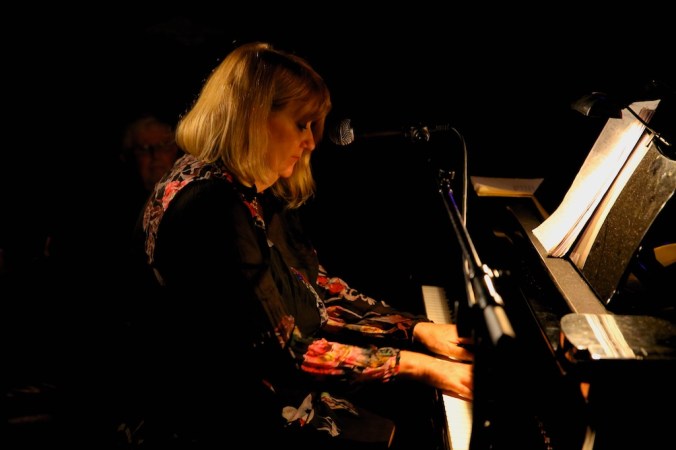 It has been a while since Julie Mason performed as leader. Mason is a pianist/vocalist who over the years taught and influenced a number of younger musicians. After a difficult few years battling health issues she has now started performing again and her new project titled: ‘compositions by piano playing Jazz Musicians’ is what she brought to the CJC. Most of these tunes are not standards in the American song-book sense and so they often lack wider recognition. That’s a pity because the tunes written by these musicians are some of best to come out of the last 90 years. It is always good to delve into this material.
 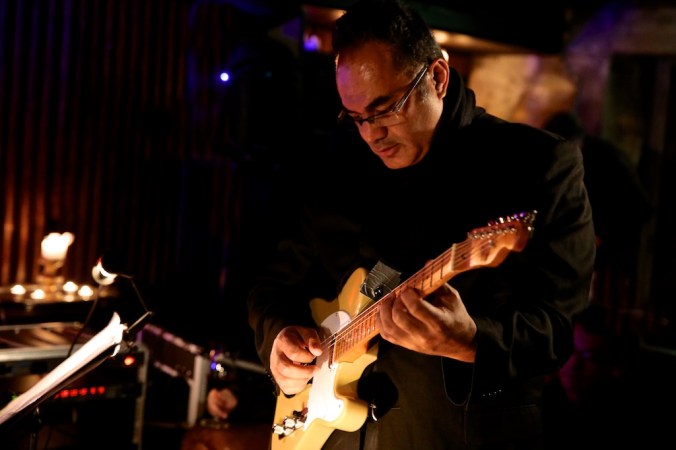 A perfect example of a composer/performer who deserves wider recognition is Enrico Pieranunzi. He is all too often overlooked outside of Europe. This formidable Italian improviser has performed with artists like Charlie Haden, Art Farmer, Kenny Wheeler, Chet Baker, Jim Hall and dozens of others. His output stands favourably when compared to the finest of the American Jazz issues. Of particular note is ‘Live in Paris’ and ‘Don’t forget the Poet’. The latter is a tribute to Bill Evans. Mason performed the title track from that album beautifully. She captured the lyrical quality of the piece.
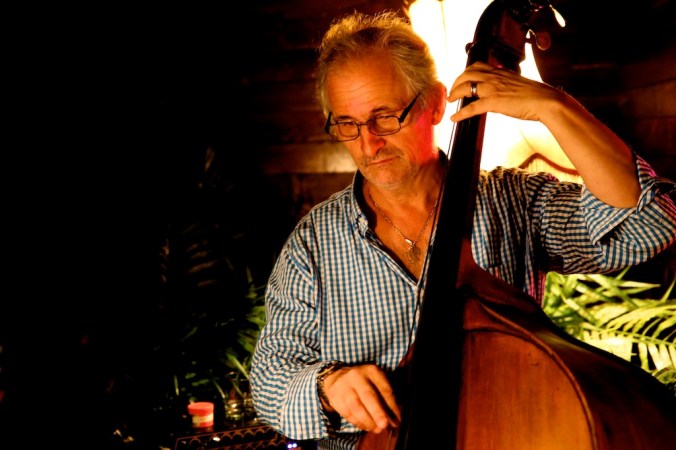 she has performed with these musicians for many years; Lance Su’a (guitar), Alberto Santarelli (bass) and Frank Gibson (drums). Her partner, the well known Jazz Pianist Phil Broadhurst sat in while Mason did a vocal number. The set list was split between vocals and instrumental pieces. The number Broadhurst accompanied her on was the fabulously evocative ‘The Peacocks’ (Jimmy Rowles/Norma Winstone). It is one of those tunes that is so aligned to Evans and Rowles that musicians tend to shy away from it. That’s a pity in my view: it was nice to hear it performed live. Other artists featured as sources were Chick Corea, Herbie Hancock, Billy Childs and Jacky Terrason.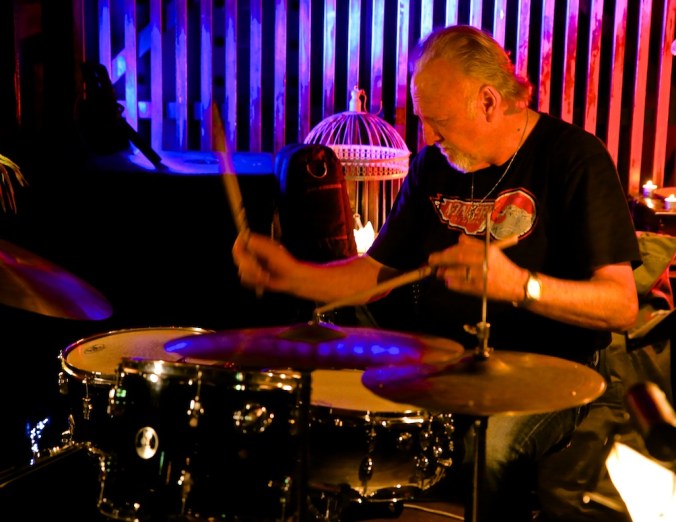
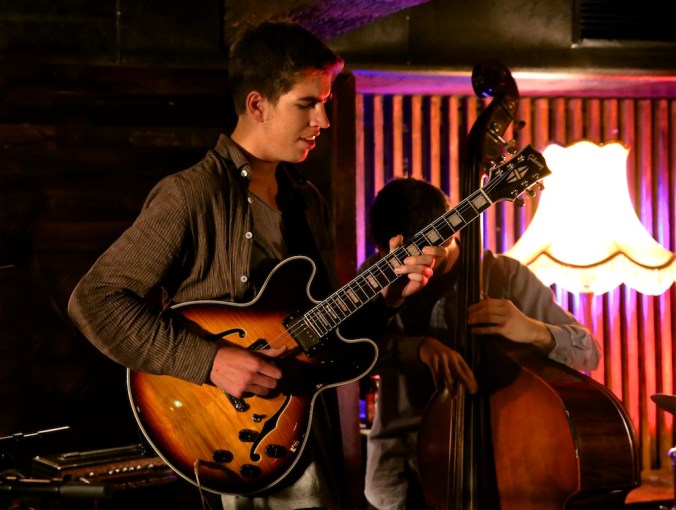 This was ’emerging artists’ night and you wouldn’t have thought so. The club had packed to capacity and the performances were far beyond what you’d expect from students. The artists approached their sets differently, but the end results were equally satisfying. Both study at the Auckland University Jazz School and if that institution is turning out students of this quality it certainly reflects well on the faculty.
 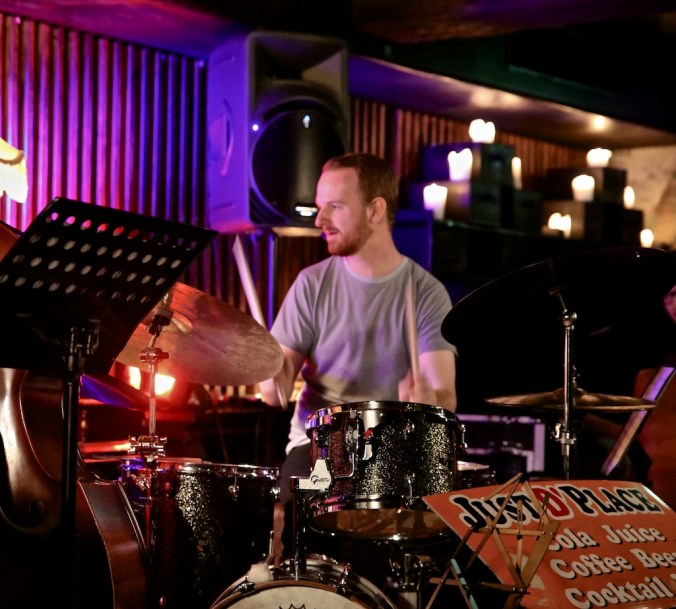 Michael Howell is from West Auckland and for some reason a number of excellent guitarists emerge from that quadrant. Growing up in the Waitakere ranges seems to have gifted his playing with an expansiveness and it is not hard to imagine big vistas and tree-clad hills during his ballad numbers. Howells set opened with a ballad and edged into the faster tempos later. His thoughtful opening took us deep inside the music and this was a good way to start a set. As well as his own tunes he featured compositions by Ben Monder, Sam Rivers and John Scofield. When a guitar trio doesn’t use an organ or piano there is more space to work in. This was well utilised by Howell although he is also adept in larger group situations. I heard him a few days later when he sat in with a number of very experienced musicians and he stepped into that space effortlessly. There were two numbers with piano and fellow student Crystal Choi sat in for these (also adding a vocal line). The other musicians were Eamon Edmundson-Wells on Bass (who also played bass in the second set) and Tristan Deck on drums. These former UoA students have already made their mark on the scene.
  Kenji Holdaway led the second set and his approach was quite different. Most of the tunes he chose favoured collective improvisation and they draw upon diverse genres. His bandstand presence and the way he approached tunes oozed confidence. He had also chosen some former UoA students to accompany him and his choice was right on the money. J Y Lee is a gifted alto player and he can work the spectrum from avant-garde through to the lyrical ballads that give sentiment a good name. His musicality shone through during this gig and he just gets better and better. On Rhodes and piano was Conner Mcaneny and he often pushed the group into a freewheeling fusion space. Once again It impressed me how well his playing served the music as it was far from formulaic. When the others were playing his comping chords acted as clever punctuation; urging them to reach further and deeper. Another surprise was Tom Legget on drums and perhaps I have not been paying proper attention. I recall him sitting in during the CJC Jam Sessions of 2012. Now he is a fully formed drummer. His contributions tasteful and decisive. Eamon Edmundson-Wells was on bass once again and he showed what a tasteful player he is. While the band was good it was Holdaway who dominated. It was not that he injected himself into others solos for he would regularly lay out respectfully. It was his impressive command of the guitar, that and the sense that he was really across this gig.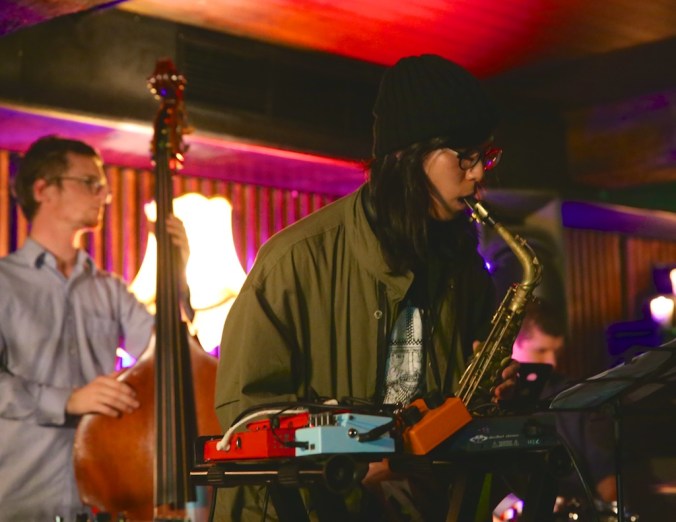
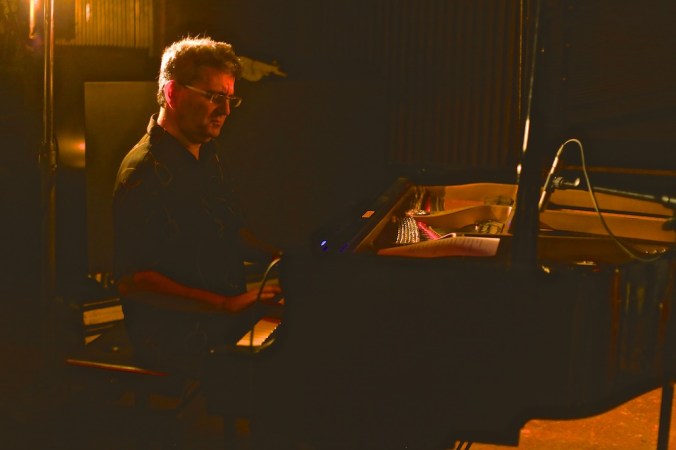 Mark Isaacs is an important and highly respected Australian musician and it was a pleasure to see him in Auckland again. It was October 2013 when he last visited and since then he has been busy with the presentation of his symphony and a number of other noteworthy projects. He is a celebrated Jazz and classical musician and he continues to excel in both genres. Musicians like this are rare, as the two disciplines require very different approaches. When you talk to Isaacs you realise that he is passionate about both. He respects the art forms far too much to settle for anything less than his best. In either genre.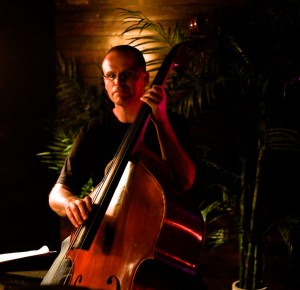
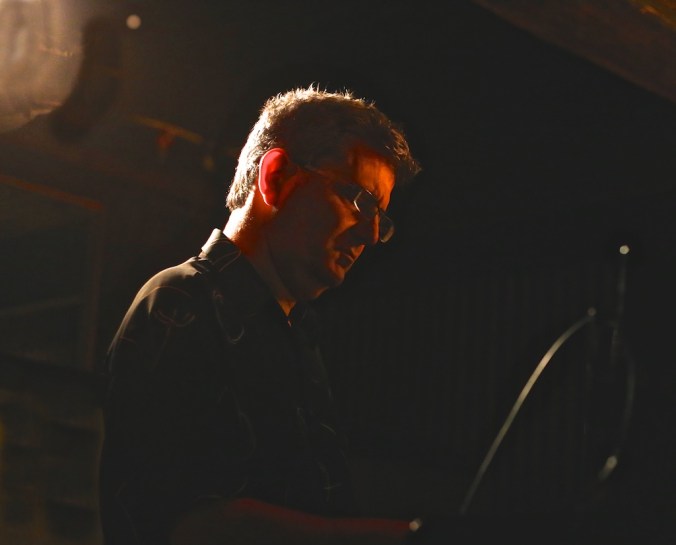 My late arrival was due to a previous gig and as I walked in, the sound enveloped me completely. Before I had settled Ron Samsom had grinned in my direction, Oli Holland had poked out his tongue and Mark Isaacs had given a quick wave (mid solo). With those brief gestures the realisation swept over me that this club and these musicians are family. A. J. a club regular grabbed me in the break and said tongue in cheek, “Thank god your here man, the universe has realigned”. Ron Samsom the drummer added, “Yeah it took us a while to settle because there were two strangers in YOUR chair and you were nowhere to be seen”. I guess I am like the guy who lives perpetually on the bar stool of his local bar. Sort of Jazz furniture.
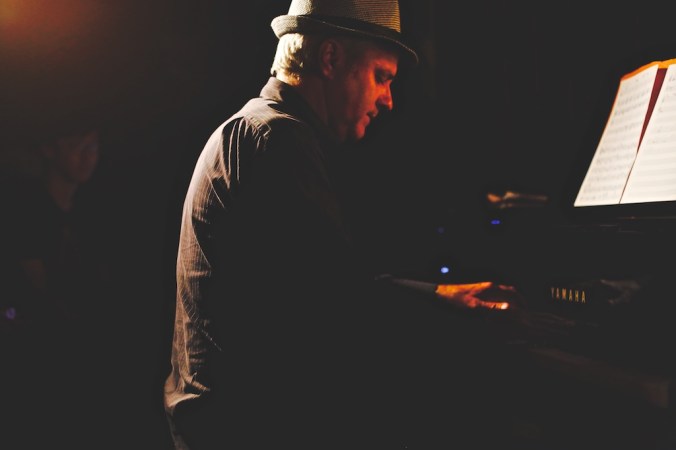 When I saw that pianist Chris Cody was coming to New Zealand I immediately recognised the name. For a moment I couldn’t fill in the blank spots of memory but I sensed that the connection was both Australian and international. My CD collection is huge and I knew that the answer lay buried somewhere in the unruly muddle of music lying about the house. Then it came flooding back; Cody recorded a great ‘Chris Cody Coalition’ album in the nineties. The first international Jazz NAXOS recording titled ‘Oasis’ and produced by Mike Nock; an innovative exotic project brimming with warm middle eastern influences. Some quick
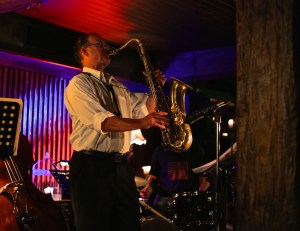 research told me that the Chris Cody Coalition was still an entity and what equally excited me was to see the name Glenn Ferris on several of the albums credits. ‘Oasis’ featured the Australian Trombonist James Greening and on several of the later Coalition albums Cody features trombonist Ferris (an utterly distinctive player). His whispers, growls and smears are at times otherworldly, but also mysteriously human. Cody works especially well with trombone players and his writing reflects this on the latest album.
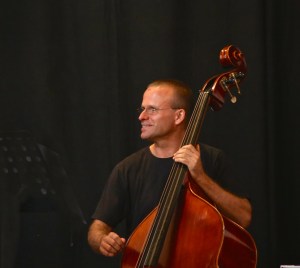 in the front row and this is as much about Cody’s writing skills as the strong confident performances. It is also about the recording quality which is superb. I strongly recommend this album. I first heard the quartet at the Tauranga Jazz Festival. A CJC Jazz stage showcased the finale and the Jazz Tui Awards presentation. I spoke to Cody in a break and quickly learned that he had New Zealand blood running in his veins. Born in Australia of Kiwi parents he studied music before moving to Paris. Based there ever since and gaining a strong reputation on the wider scene. He has very recently move back to Australia but he intends to return to Paris to work periodically.
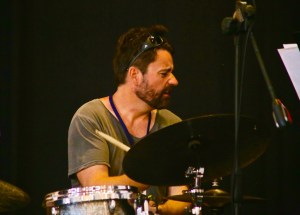 often draws on very American sources like Jamal, he is also in the mould of pianists like Jacky Terrasson (also a Parisian). Cody’s compositions are well thought out and replete with interesting asides. We heard many of these at the CJC and the album ‘Conscript’ is all originals. I am a sucker for a Cole Porter tunes and when he opened with ‘I love Paris in the springtime’ I couldn’t have been happier. Happy because I love the song and above all happy because the quartet played it so well. I have posted a video of the CJC performance and the title track from the ‘Conscript’ album with Ferris (the latter an official video release).
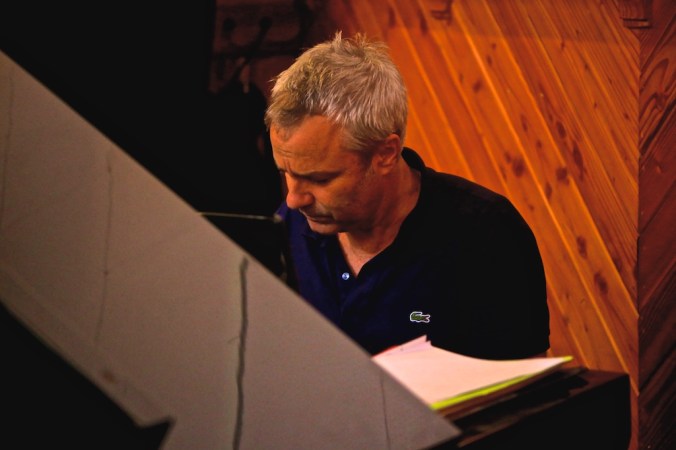 His pick up band are the familiar and popular Roger Manins (tenor), Oli Holland (bass) and Ron Samsom (drums). In the rush of the Tui awards there was little time to rehearse, but it didn’t show. This is 3/4 of DOG and they are the 2015 Jazz Tui winners after all.

 Frank Gibson Jr’s ‘Hardbopmobile’ has been around for a number of years and the band always delivers uncompromising hard-hitting performances. Gibson and Watson see to that. This no nonsense approach guarantees that Hardbopmobile’s music, even while traversing well worn standards, is fresh. This particular gig was titled ‘Hardbopmobile plays Monk’ and with the interesting addition of vocalist Caroline Moon (Manins) on vocals, it gave us much to enjoy. Familiar and lessor known Monk tunes appeared as the evening progressed. While all of Monk’s recorded material is perennially interesting and seemingly beyond caveat, in the right hands vibrant new interpretations are possible. This is the nature and Monk, the Picasso of modern Jazz; a modernist movement in perpetual progress.
 Ted Gioia pointed out in his book ‘The Jazz Standards’, that only two composers of pure Jazz standards remain in ascendency. One of these is Monk whose stock has risen steadily for many decades now. The other (and that has occurred more recently) is Billy Strayhorn. Both of these composers had an astonishing modernity about them. In spite of some beguiling melodies, neither offered the listener simplicity. What you get with Monk is often jagged and quirky compositions, but for all that his hooks snag deep. Listening to Monk you hear the sounds of New York. The broken lines and
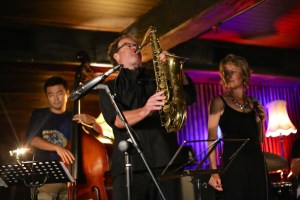 startling dissonance are echoes of traffic and street life. Very human sounds and offered from his unique vantage point. In spite of the difficulties life threw at him the music is somehow tender. Monks was essentially a humanist voice.
 and wild.
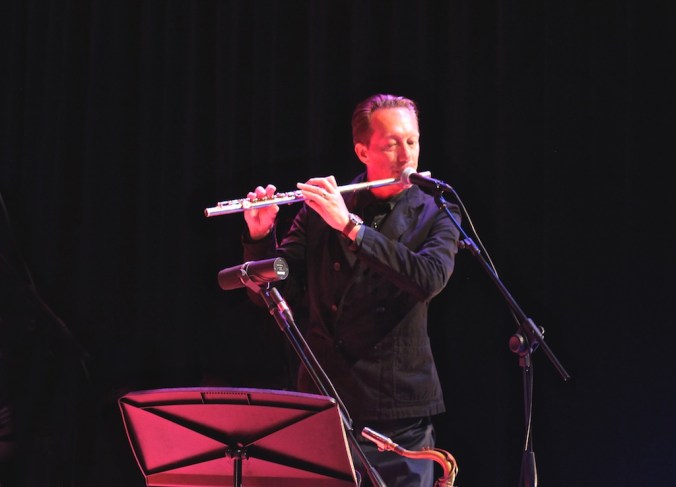 On Wednesday five well turned out ‘men in black’ suspended time at Auckland University. This was a rare event, pairing two of New Zealand’s best known and best-loved contemporary tenor players. The invitation only concert billed as ‘Nathan Haines meets DOG’ kicked off of the Universities 2015 Summer Concert Series. New intake students attending (or viewing the video clip) discovered just how high the standard is; they also realised how lucky they are to have these teachers and these role models.
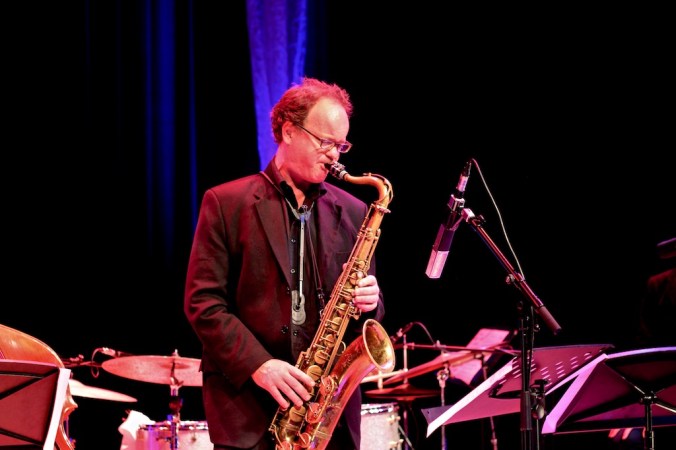 The Nathan Haines/DOG line up can rightly be described as a super-group; the cream of New Zealand’s improvising artists. We saw Haines at his best here as he showcased his formidable talents on tenor saxophone, soprano saxophone, flute & vocals. He is a multiple New Zealand Music Awards winner and perennially popular in New Zealand and London where he is now based. The DOG band members are all senior teaching staff at the Auckland University Jazz School (Faculty of the Arts). Collectively Ron Samsom (drums), Roger Manins (tenor saxophone), Oli Holland (bass) and Kevin Field (piano) form a dangerous new breed. The agility and intelligence of the animal has led many
  to speculate on its lineage; some suggesting Greyhound crossed with Border Collie? We will never know unless the parents own up, but it is beyond dispute that each band member has multiple acclaimed recordings to his credit. DOG is one of three groups short-listed for the 2015 Vodafone New Zealand Music Awards.
 reportage and most musicians view the exchanges as a chance to collaborate; not cut someone down to size. It is an opportunity to challenge and be challenged; a high level musical interaction between equals. At its best it can bring out something special in both artists and Wednesdays gig achieved just that.
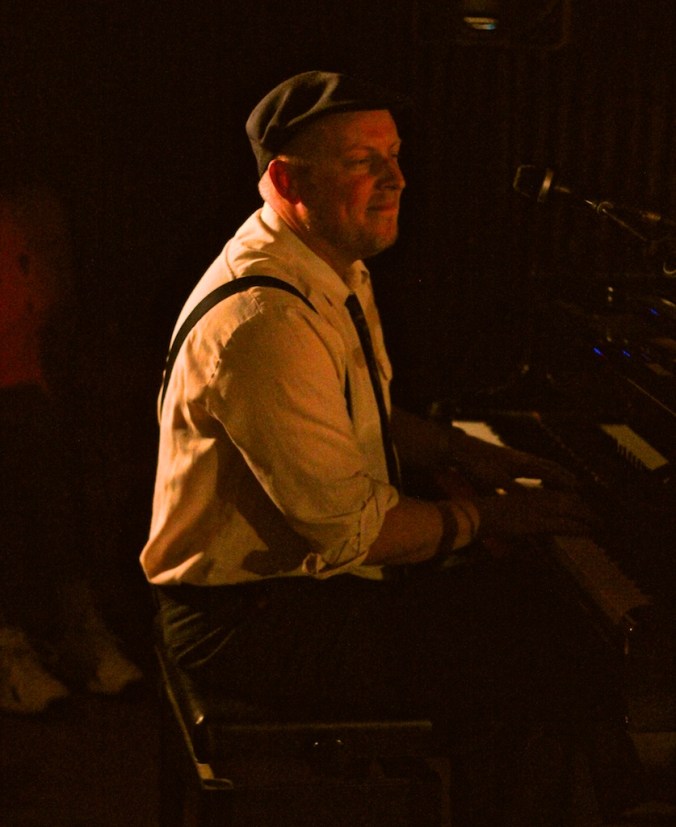 Thomas ‘Fats’ Waller and Errol Garner can install a smile on your face in two jaunty bars. It is the same with Wellington’s ‘The Jelly Rolls’. Waller and Garner are widely loved but seldom imitated; probably because what they do is extremely difficult. The original recordings also stand up so well that mere clones would be a redundancy. The Jelly Rolls have achieved something special by locating the spirit of this cheerful Harlem Stride influenced music; achieving this through a clever synthesis of the leading stylists. For good measure they have thrown in a touch of the more modern Ahmed Jamal and a pinch of Oscar Peterson. This is the sound of joy, wild unbounded exuberance.

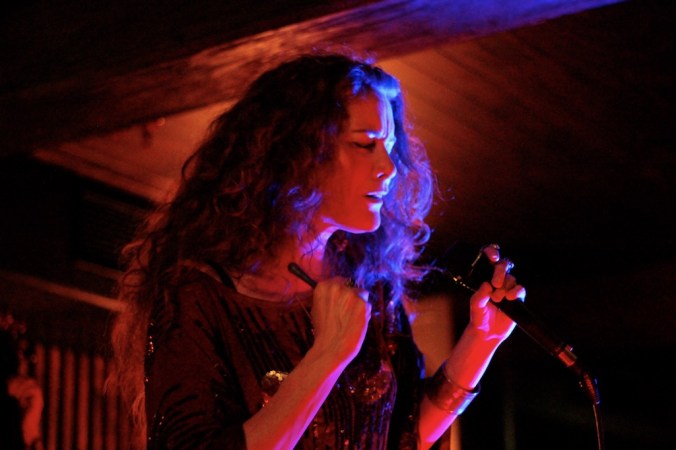 Caitlin Smith is a vocalist who can quickly put a smile on your face or shamelessly tug at your heart-strings. She always finds a way to connect her audience to the essence of a song; deftly locating that illusive sweet spot. While there is often power in her delivery, there is also remarkable subtlety. You could describe her voice in many ways; pitch perfect, having an almost operatic range, but there is much more to Smith than chops. In the parlance she owns each song she sings and embeds it with a uniqueness. Like a seasoned saxophonist she tells beguiling stories in a distinctive way.
 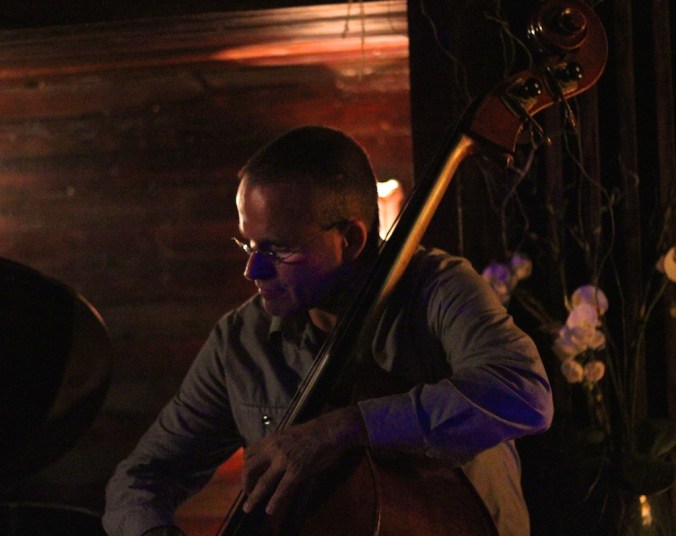 There is a well-worn cliché that vocalists hog the limelight and in truth many go through their careers with barely a reference to the musicians that they work with. Caitlin Smith is the opposite. You are left in no doubt that her gigs are a shared project as she interacts with band and audience, picking up on every nuance from either. She works with a band as a vocalist should and she is comfortable giving them space to solo. There is a generosity of spirit about her persona and this manifests in the music. I have also witnessed her solid support for emerging artists. The ultimate litmus test for me, is that gifted improvising musicians enjoy playing in Caitlin Smith lineups.
 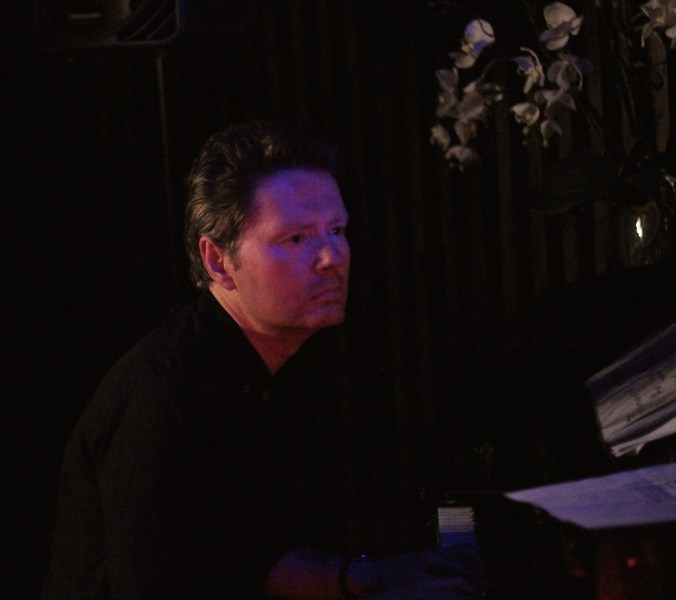 While Smith is widely acknowledged as a gifted singer-songwriter, it is her Jazz repertoire that is turning heads of late. Her performance with the AJO at the Tauranga Jazz festival won her many new fans. She is a wonderful interpreter of Jazz standards and this aspect of her repertoire deserves critical attention. Her vocal gifts and incredible musicality thrive with this space; of particular note is the delightful way she plays with lyrics.
 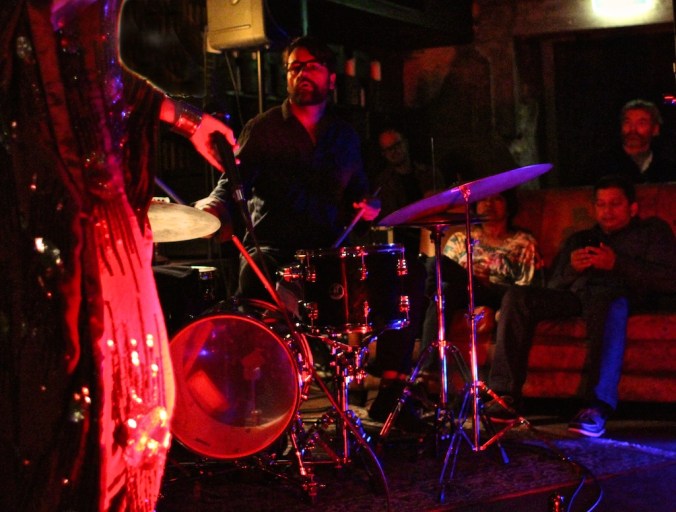 Smith is a natural performer and there is something wonderfully theatrical and engaging about her stage presence. This gives her gigs an added spark of life. On Wednesday she included some of her own compositions like the beautiful ‘In between’, but the audience was particularly wowed by her take on jazz standards such as Ellington’s ‘I like the sunshine’. I have heard her sing Ellington and Strayhorn at other gigs and I am always impressed by the way she freshens these standards up.
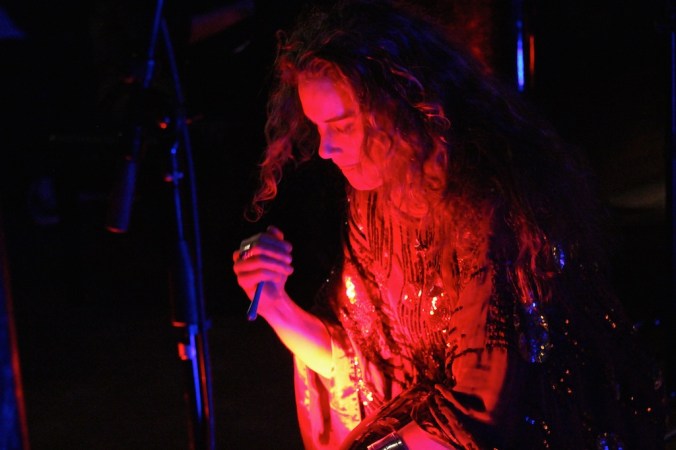 Another song from a different genre was ‘River’ (Joni Mitchell). This classic Mitchell song was recently reinterpreted by Herbie Hancock and Wayne Shorter. As Smith delivered her version she phrased it in such a way that I could hear those elided Shorter fills in my head. Her delivery was crystalline and it brought her two worlds together perfectly.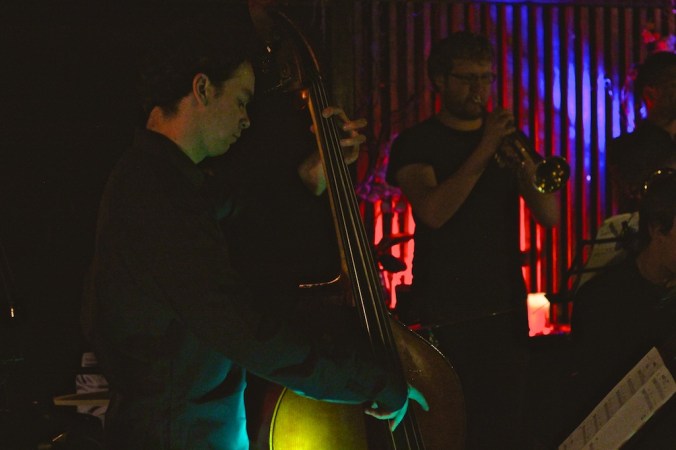
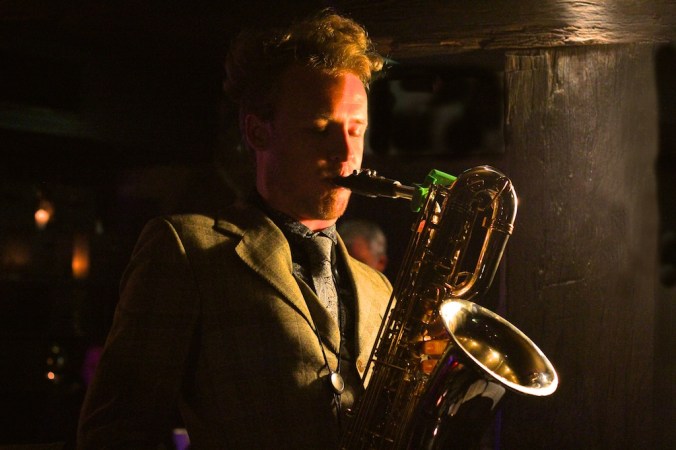
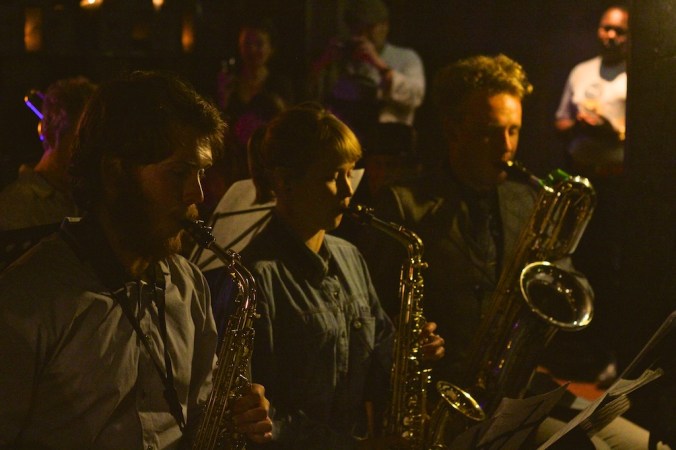
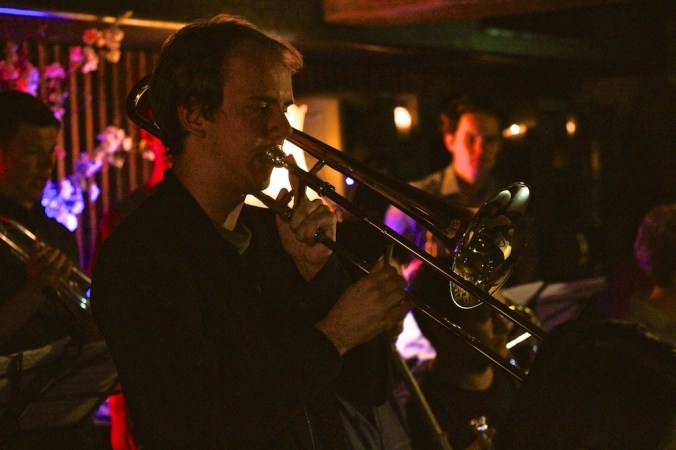
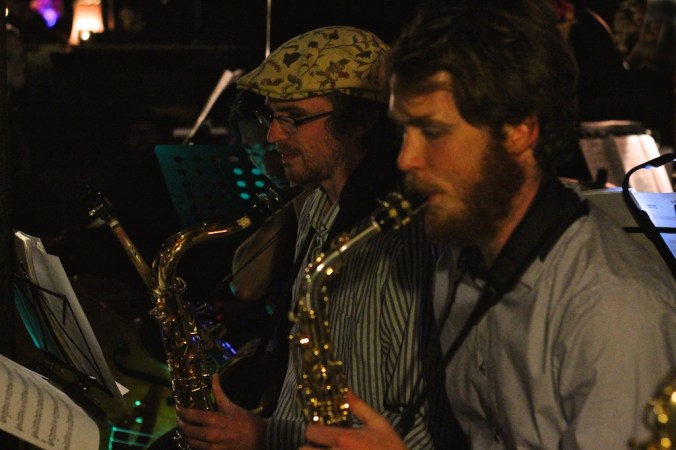
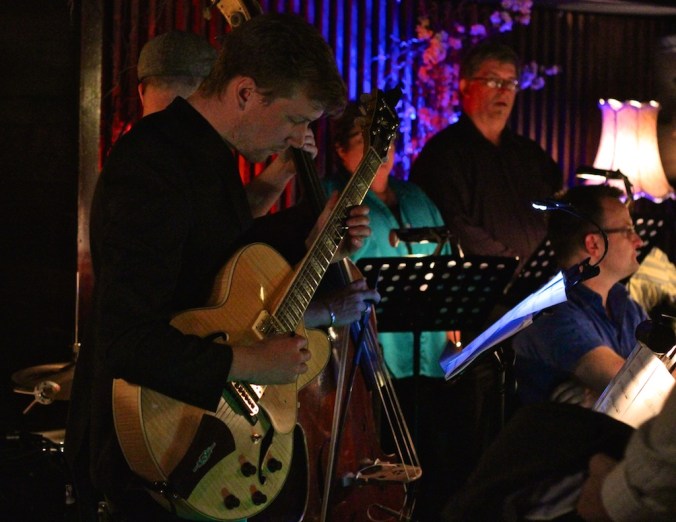
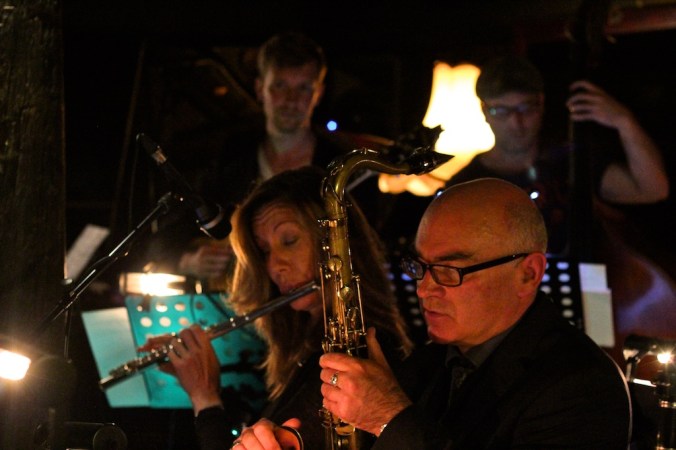
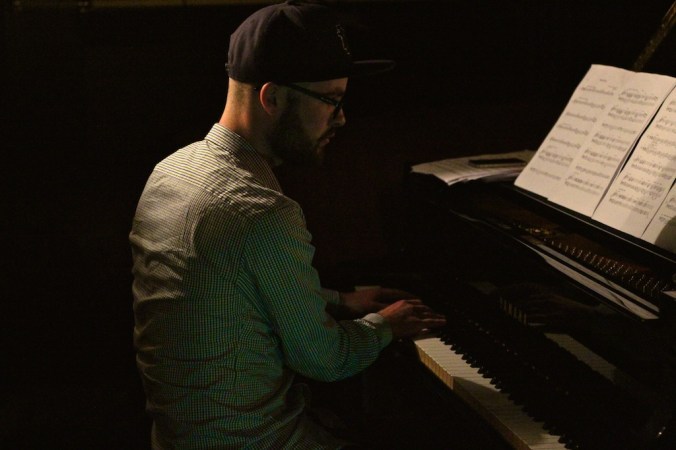
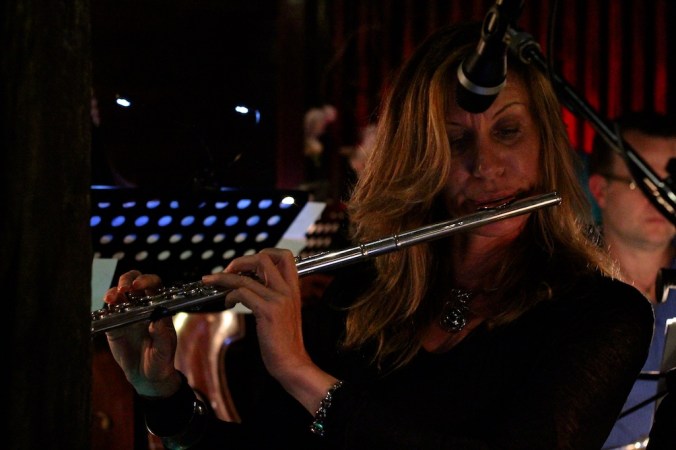
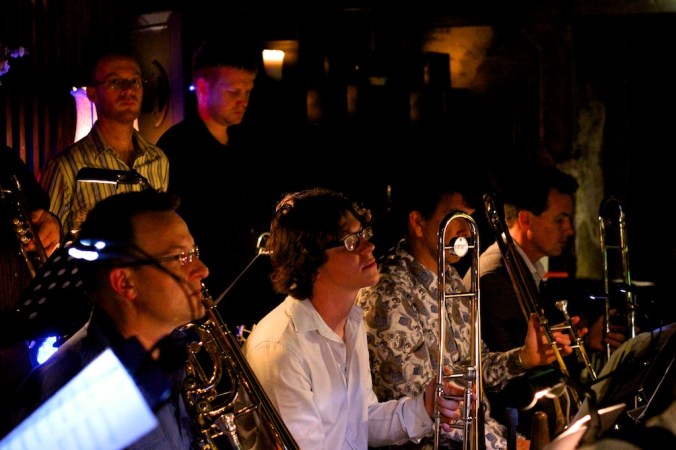
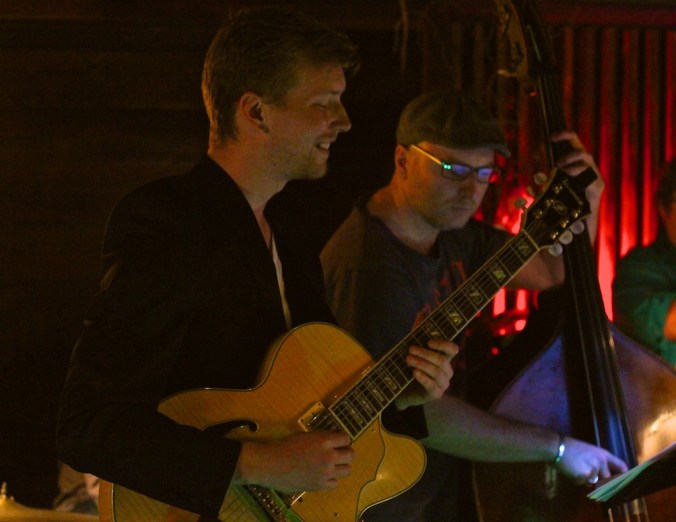
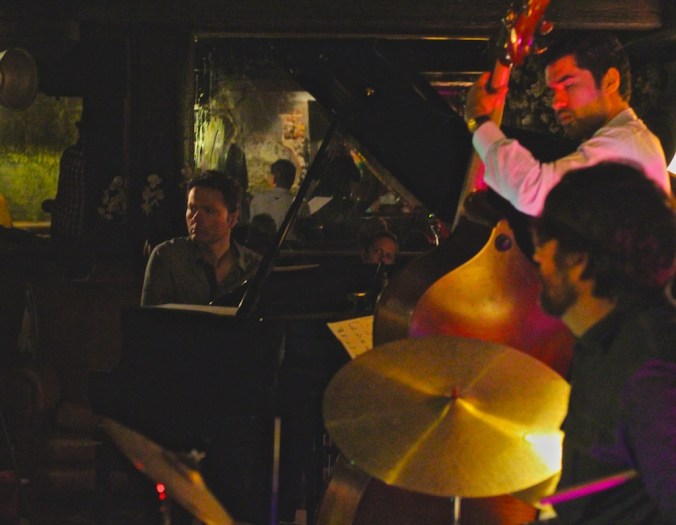
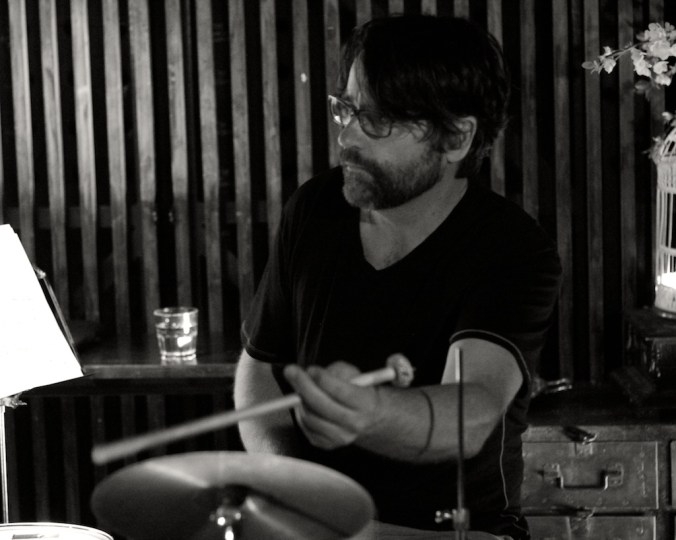
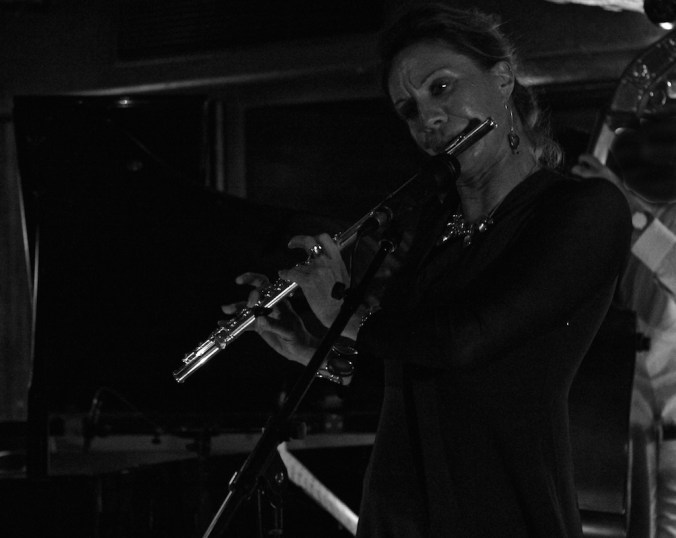
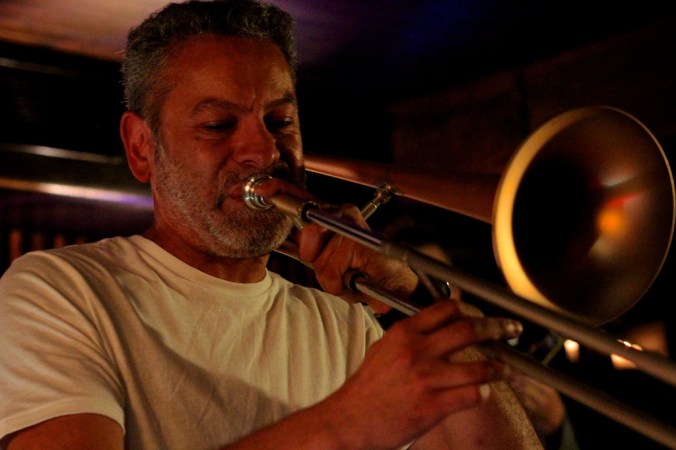
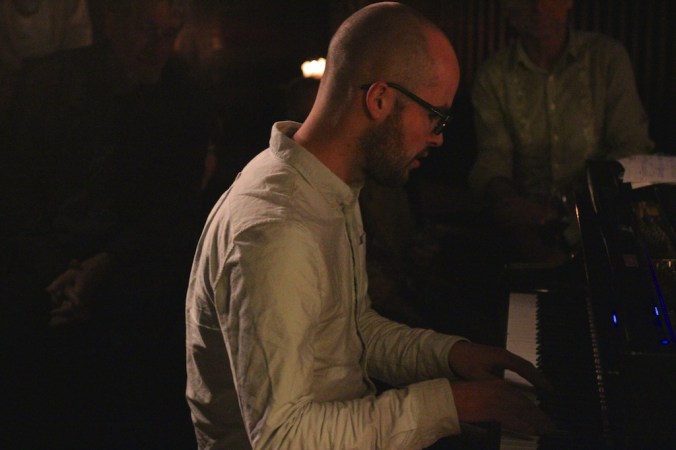
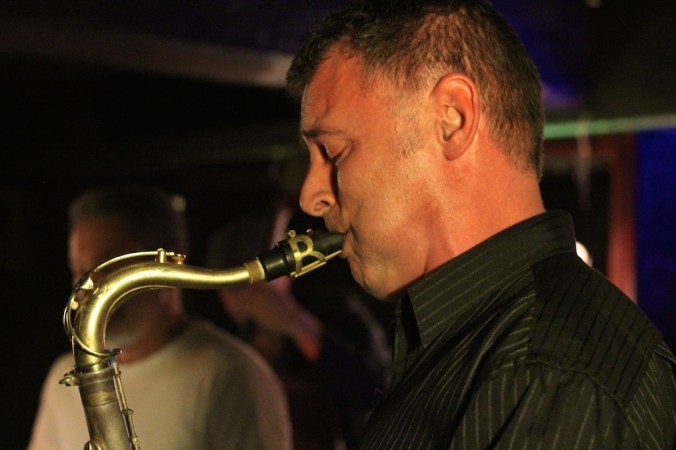
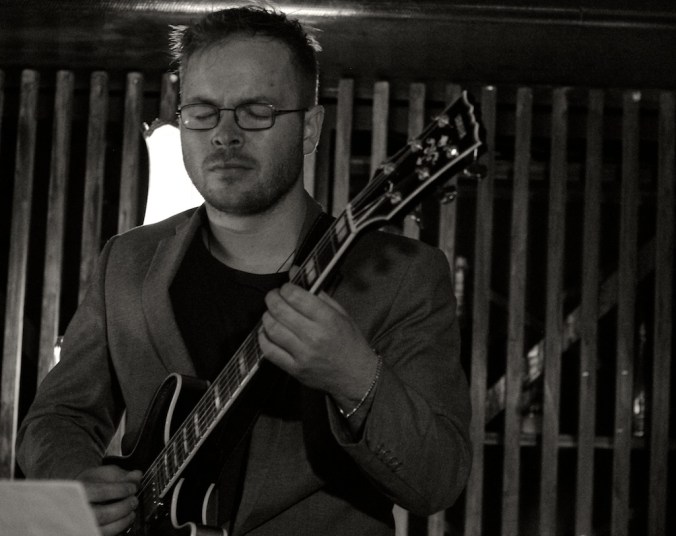
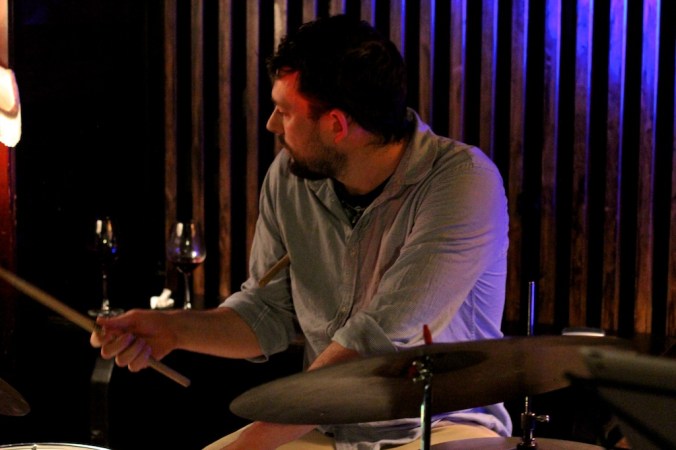
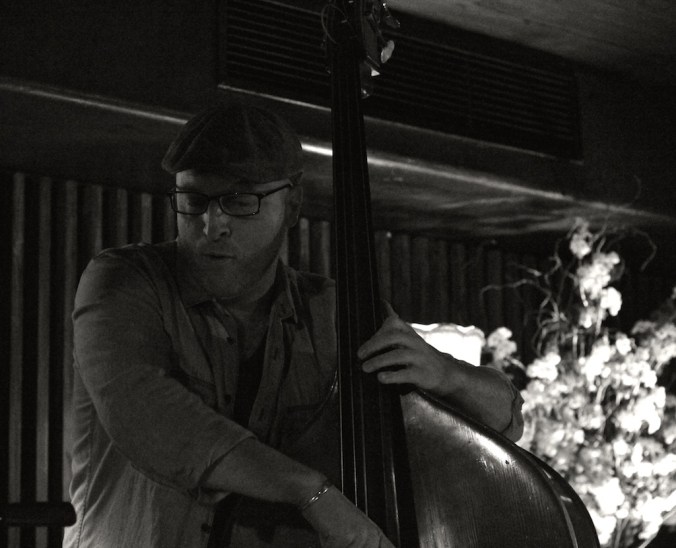
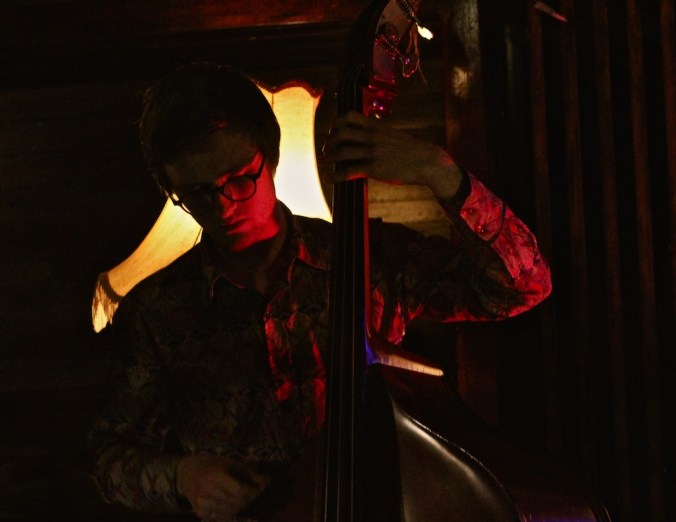
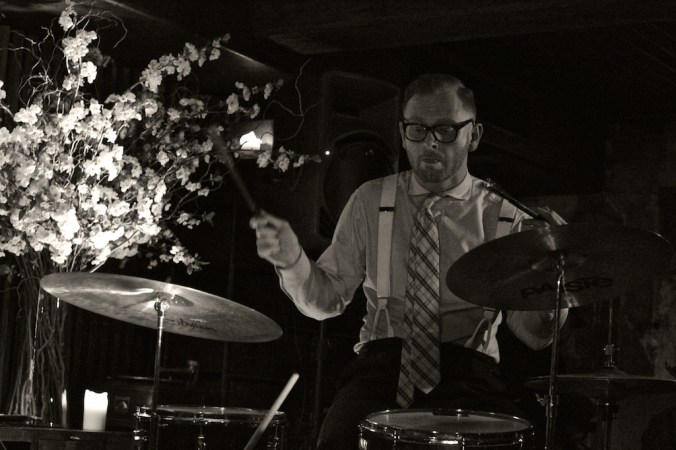
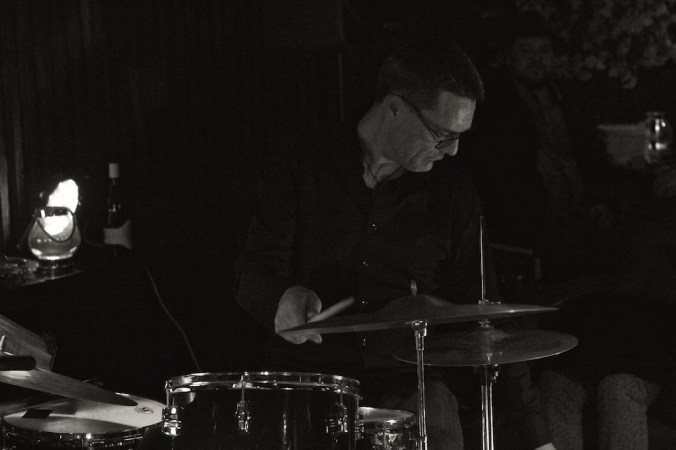
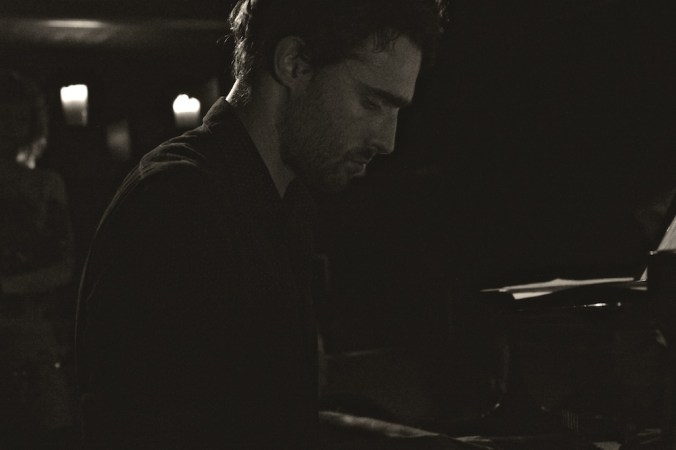
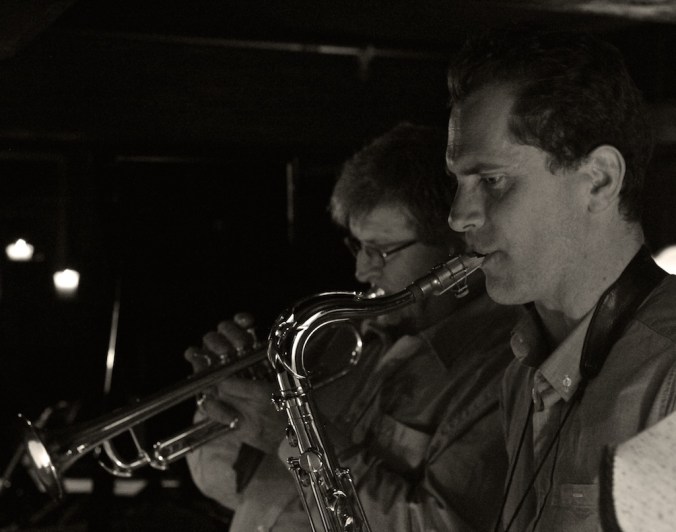
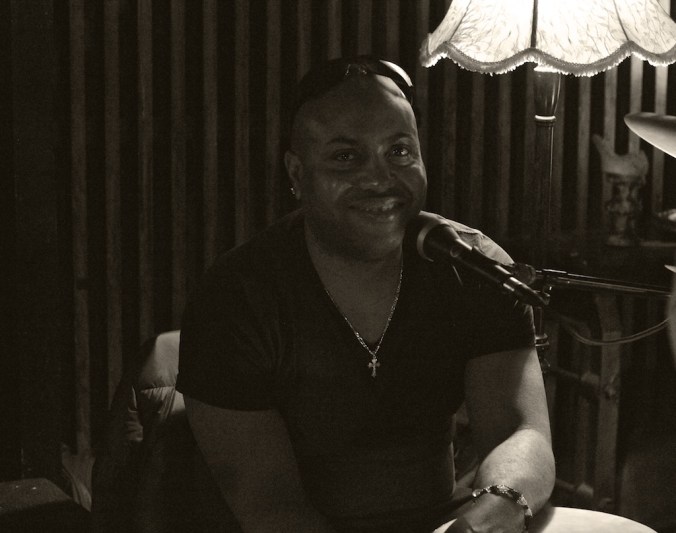
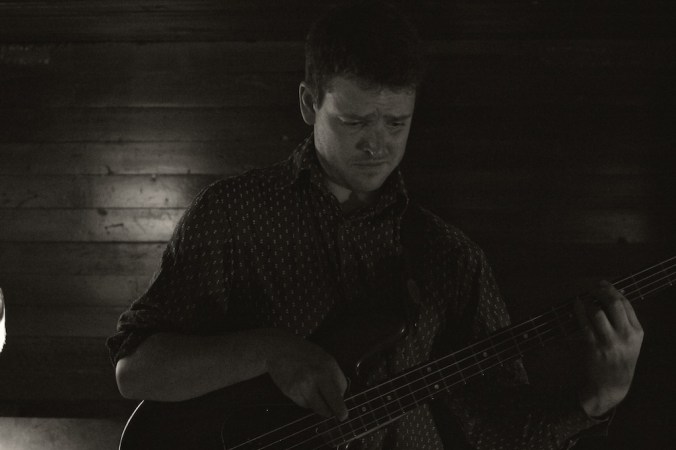
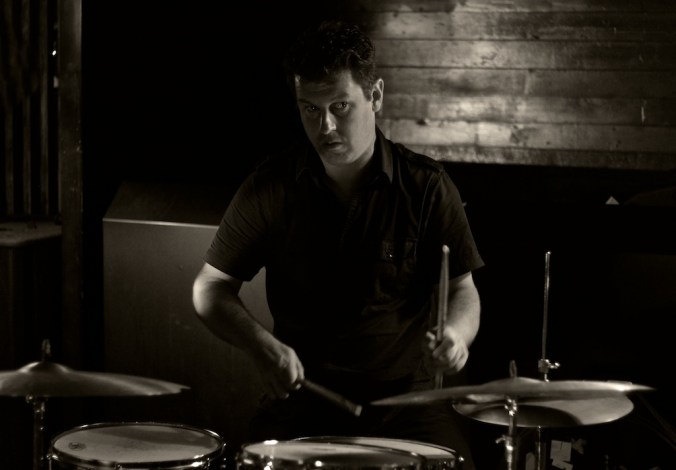
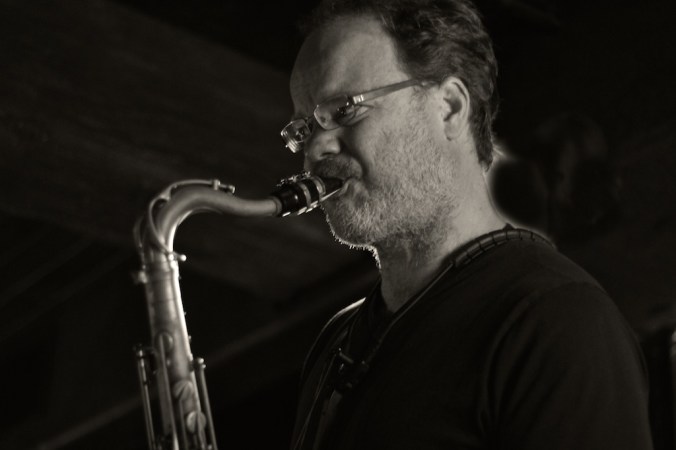

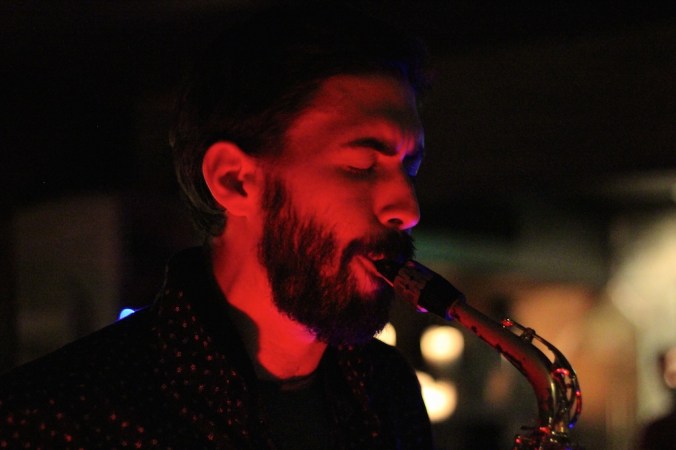
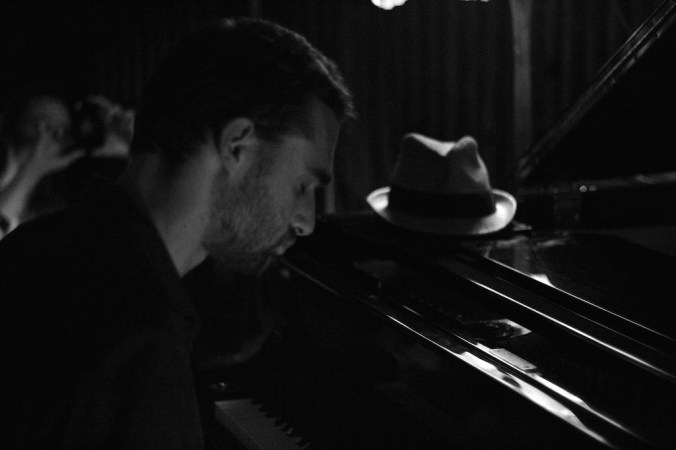
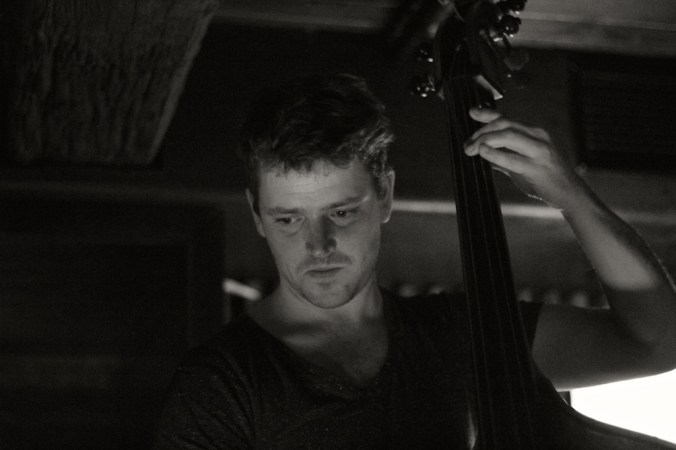
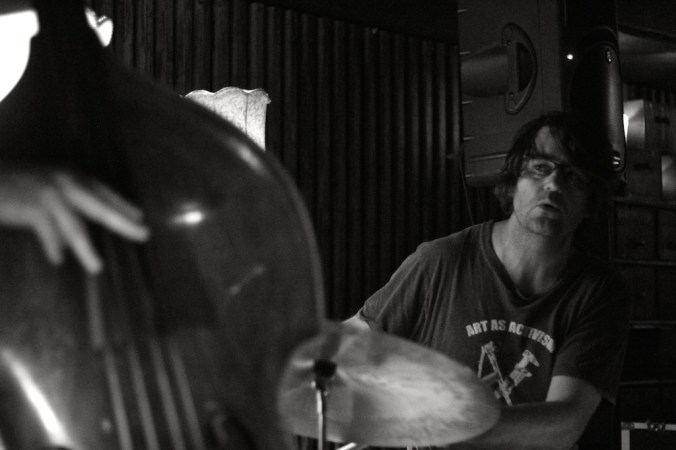
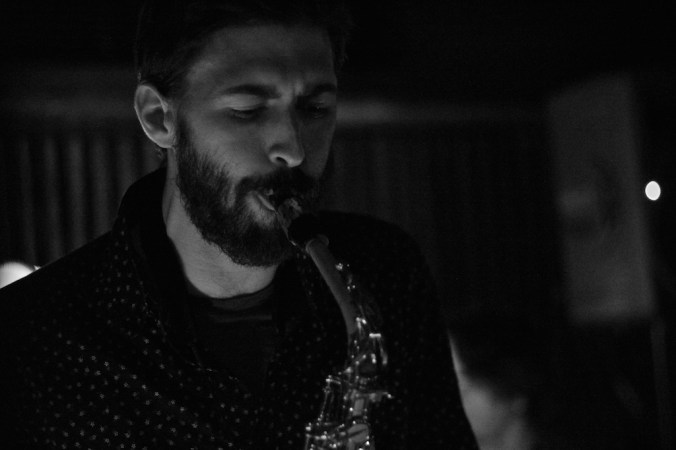
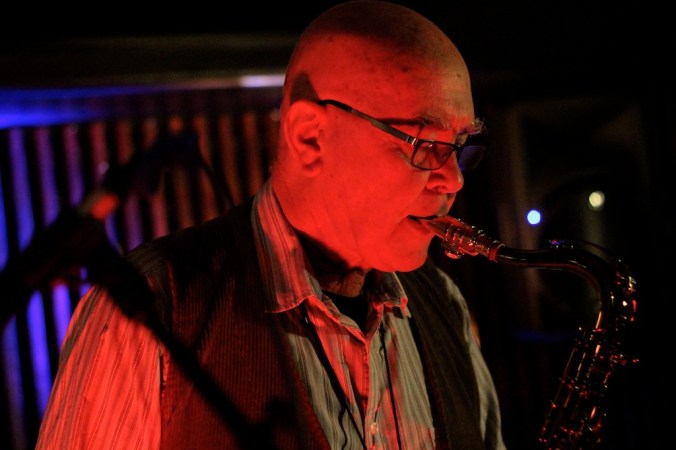
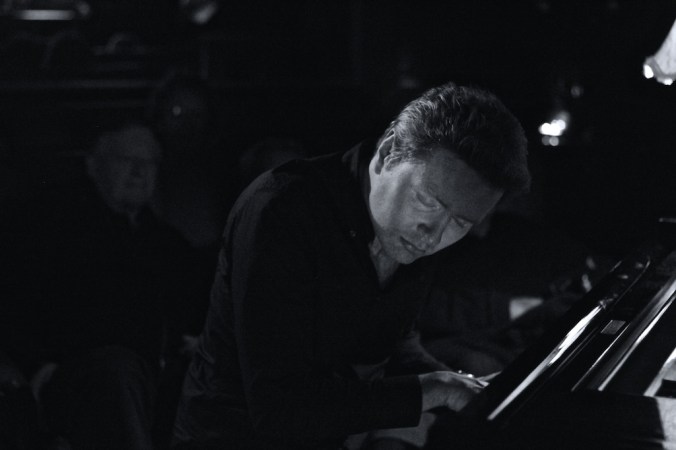
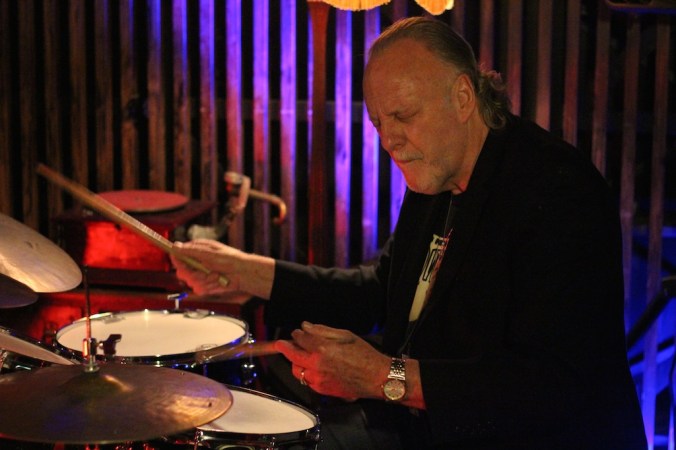
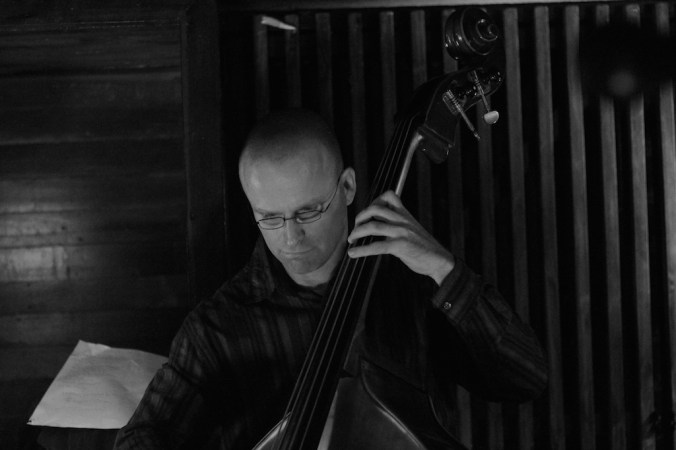
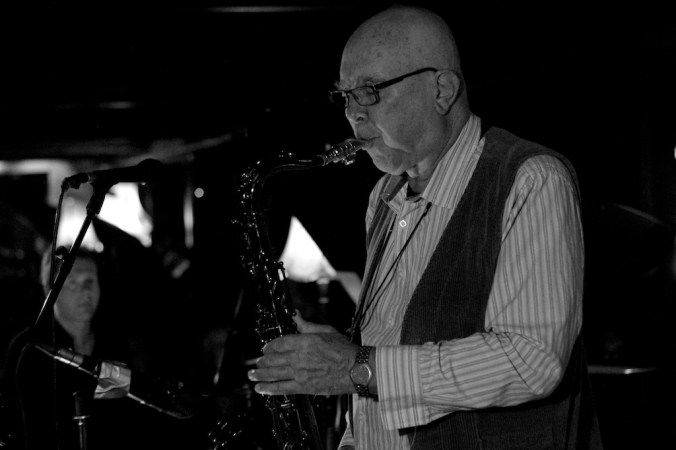
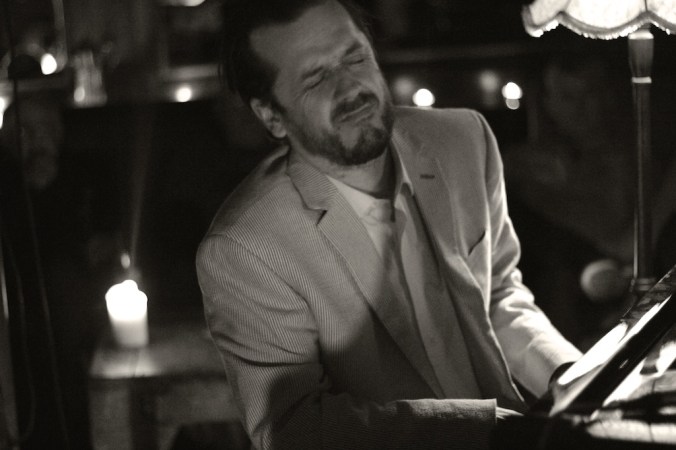
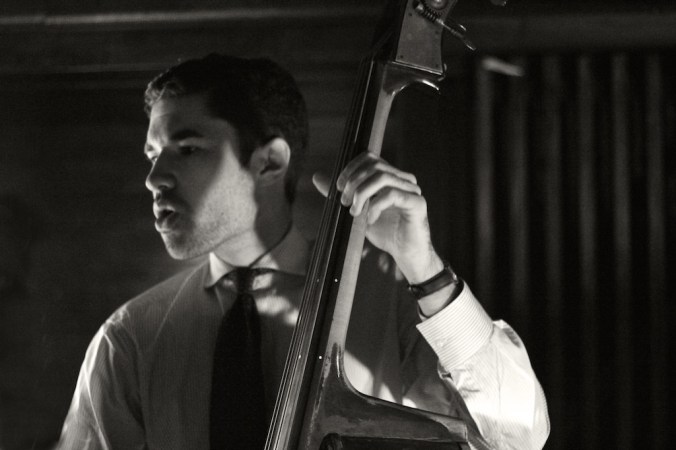
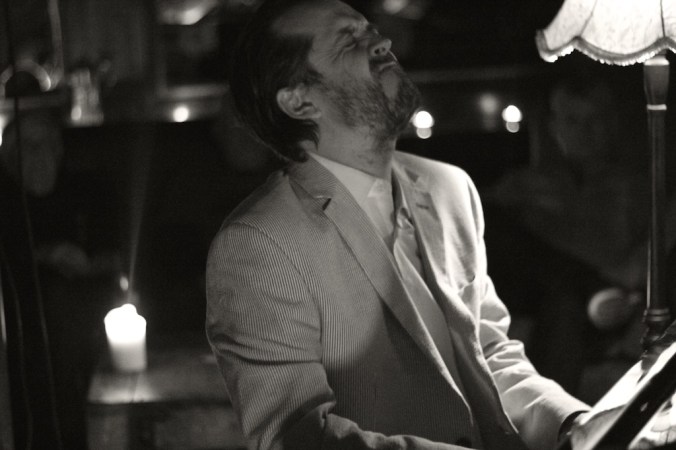
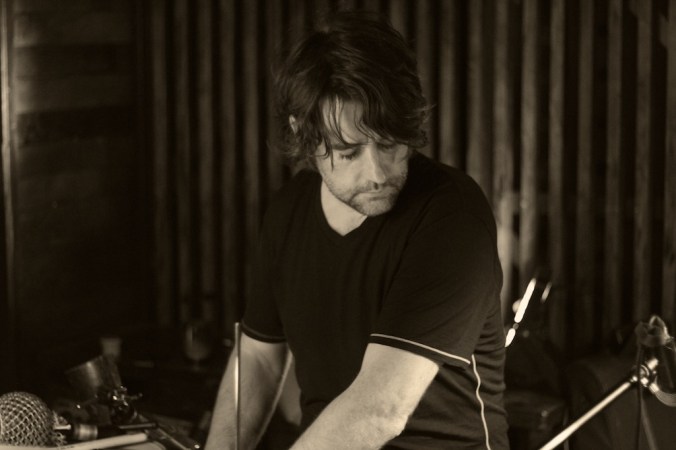
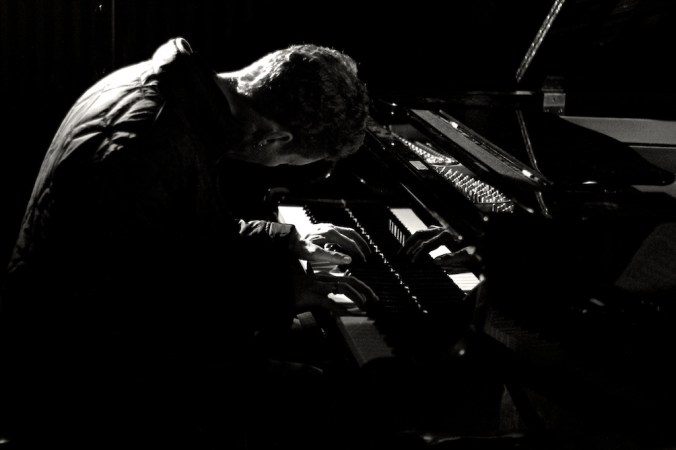
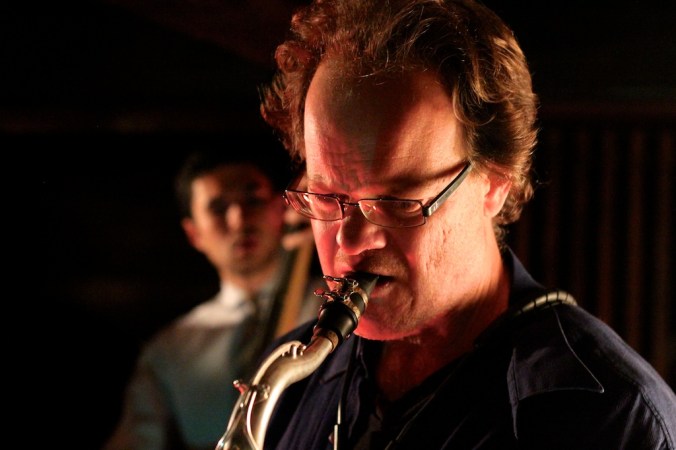
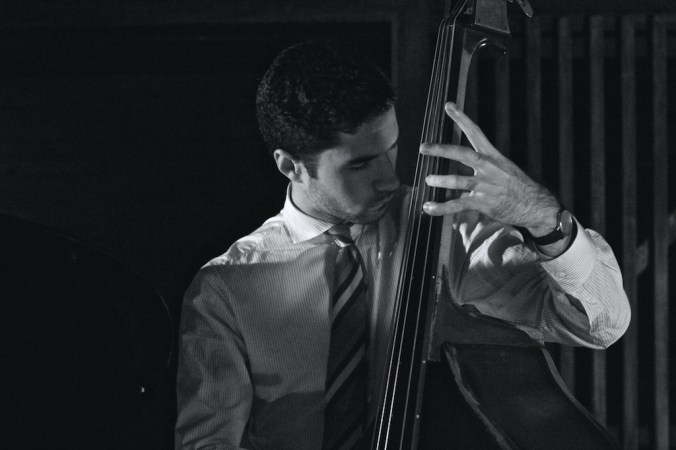
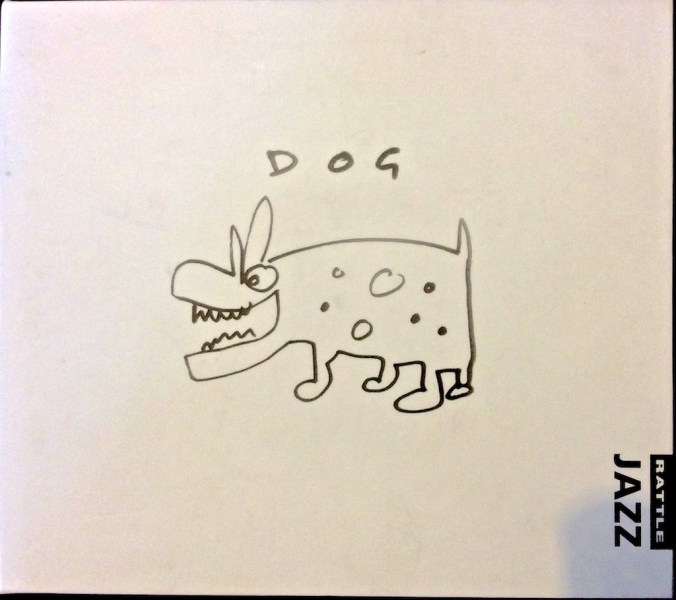

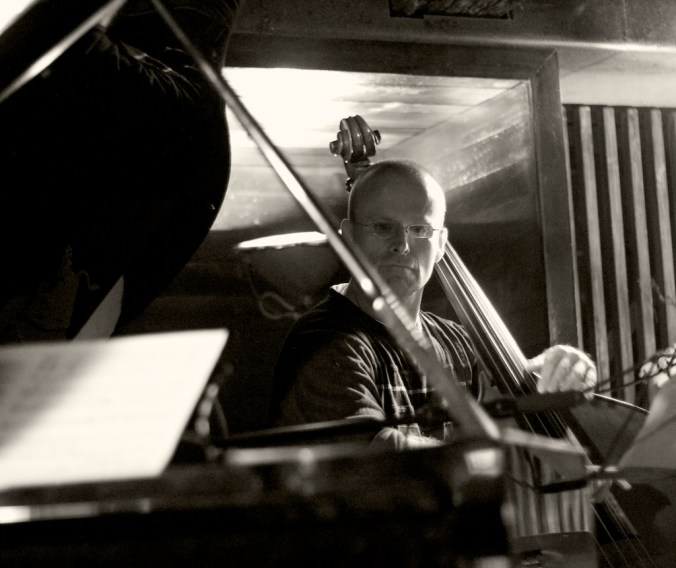
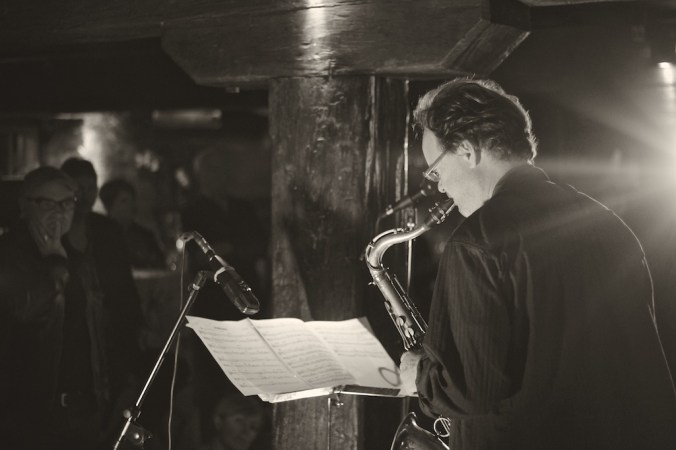
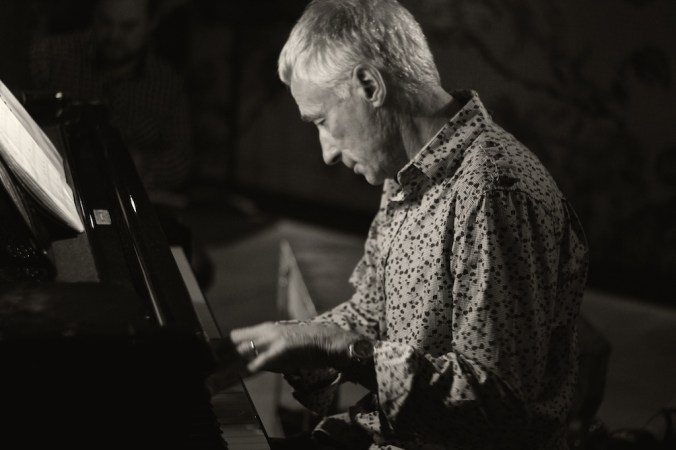
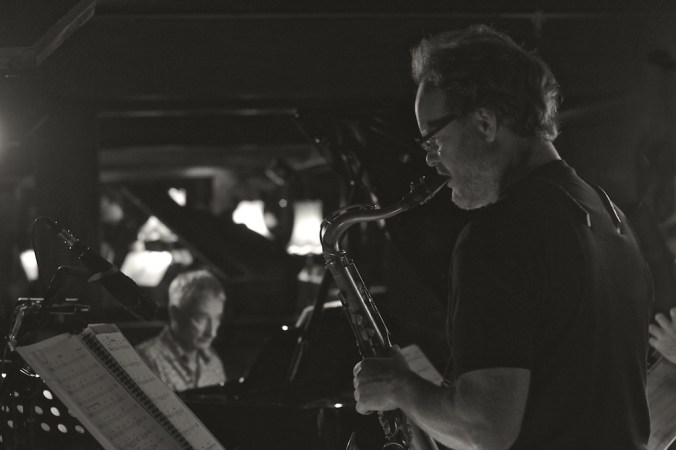
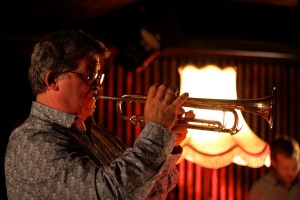
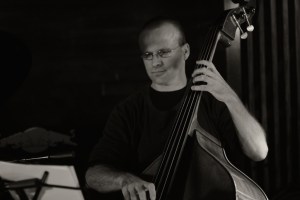
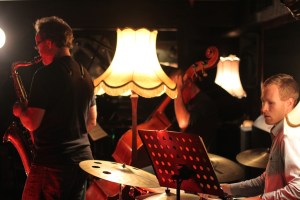 Auckland’s CJC (Creative Jazz Club) has created a Jazz Appreciation Month program with all of the above in mind. This week there is a B3 master from French New Caledonia, next week the globe-trotting genius of the keyboard Jonathan Crayford. Best of all is the long anticipated album launch of ‘Dr Dog’ on International Jazz Day. I feel lucky to live near a club that can present such wonderful artists. Grab this opportunity by the ears Kiwis, now is the perfect time to enjoy this music and above all share it with others.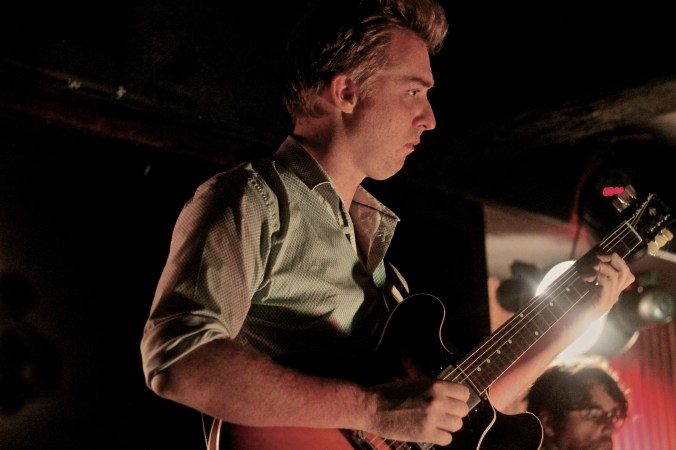
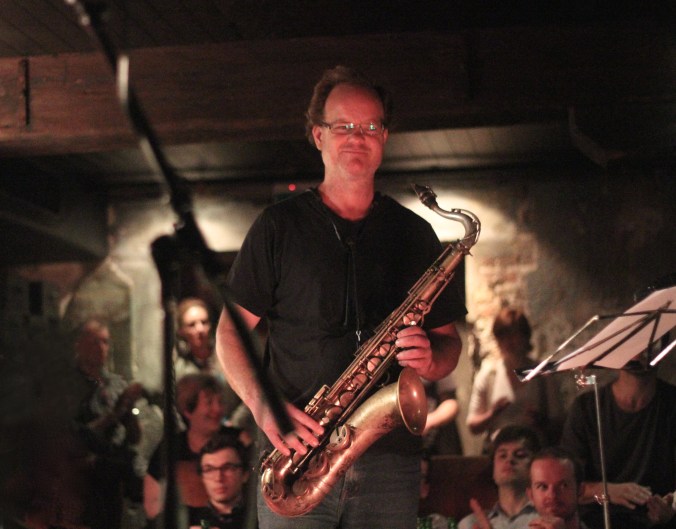
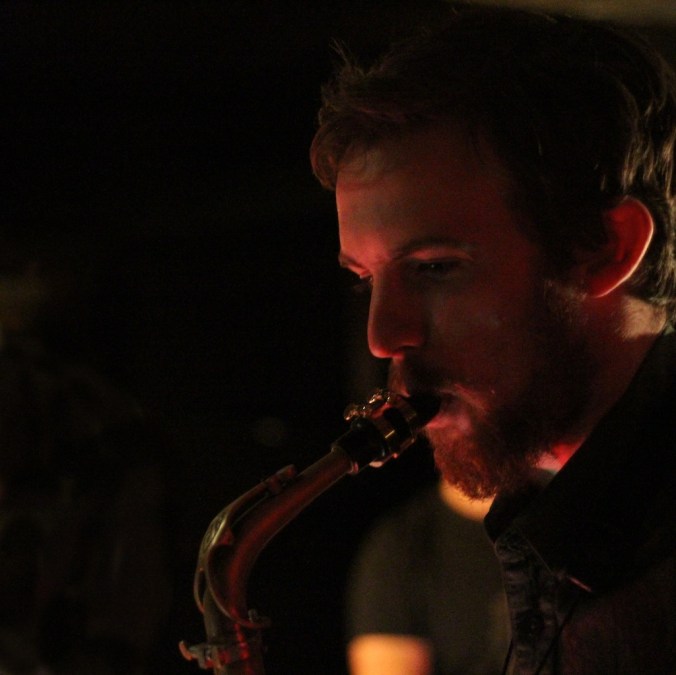
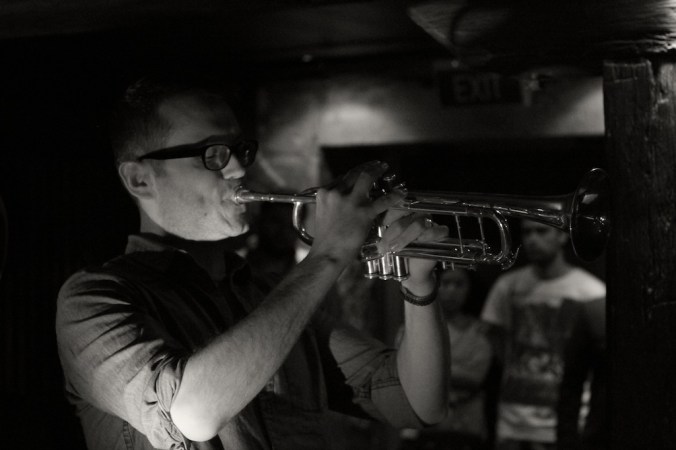
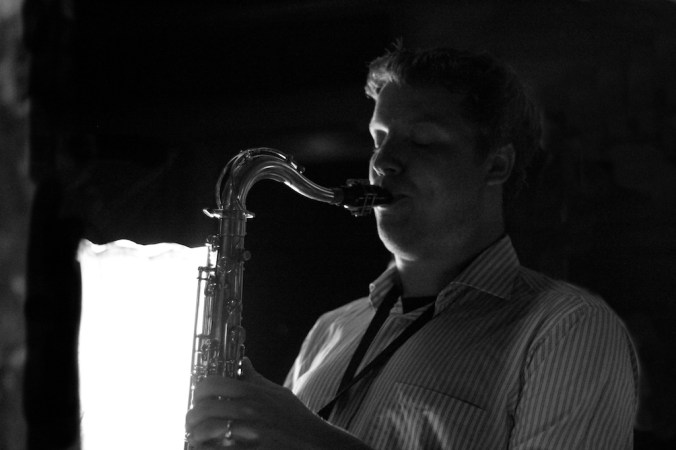
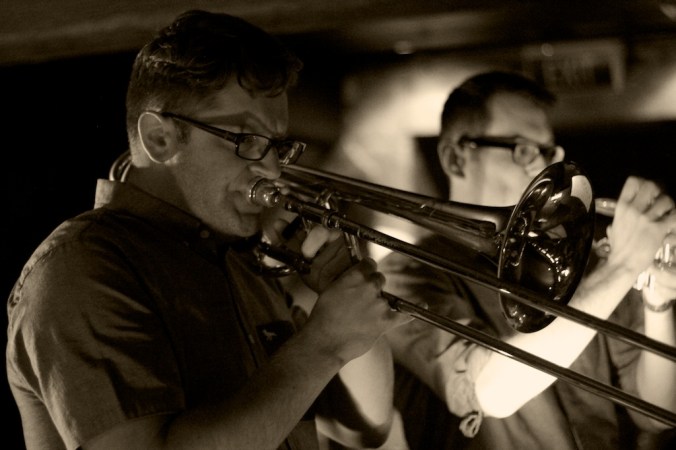

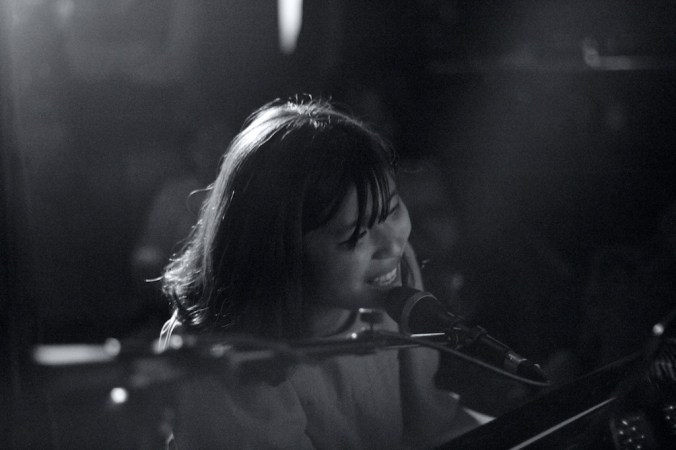

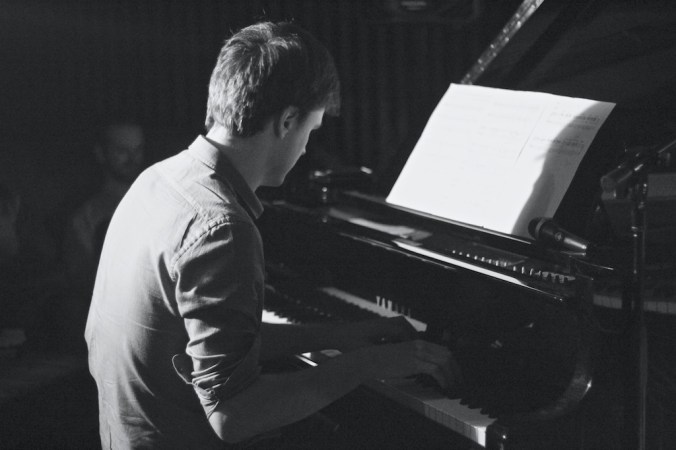
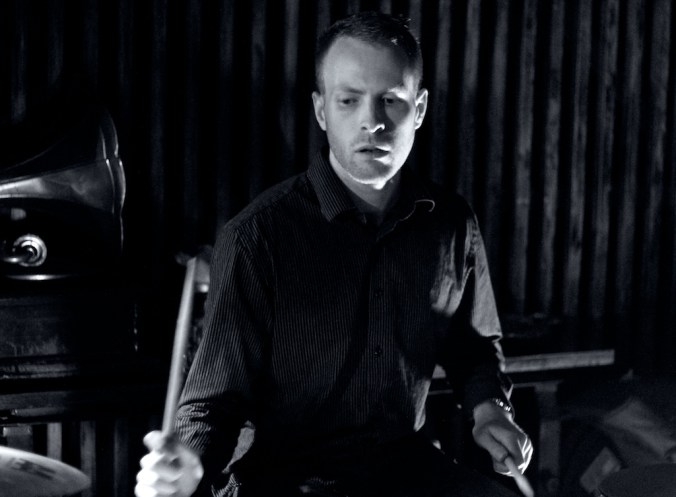
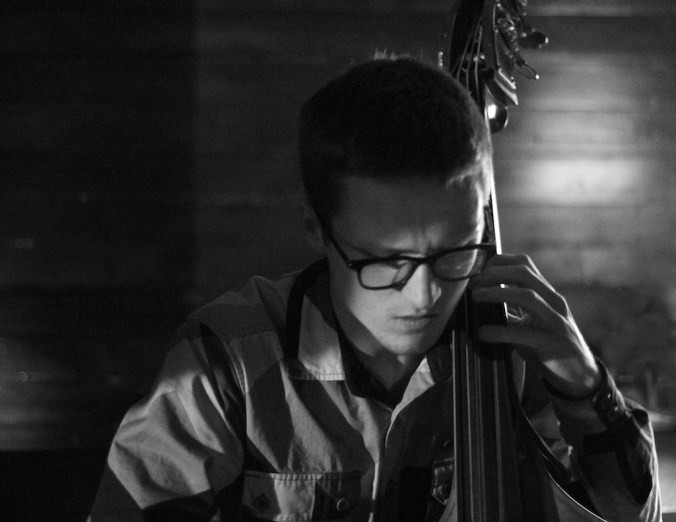
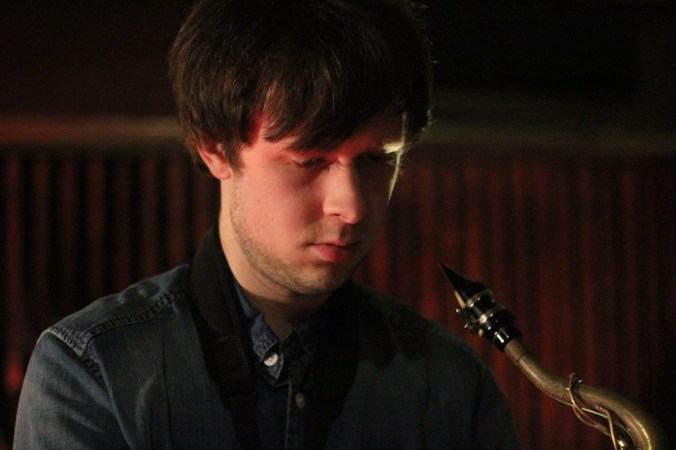
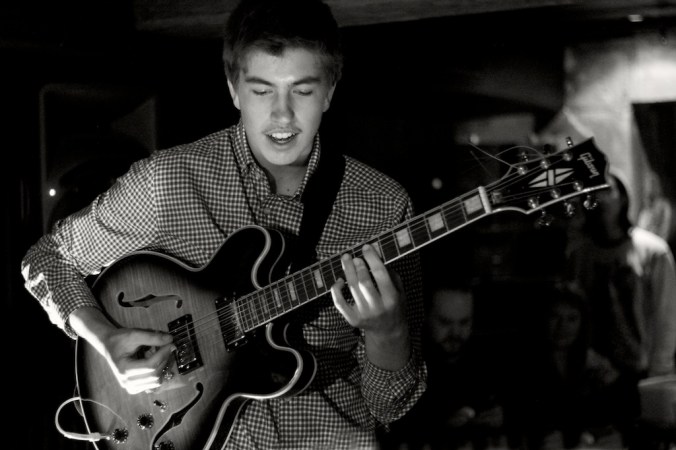
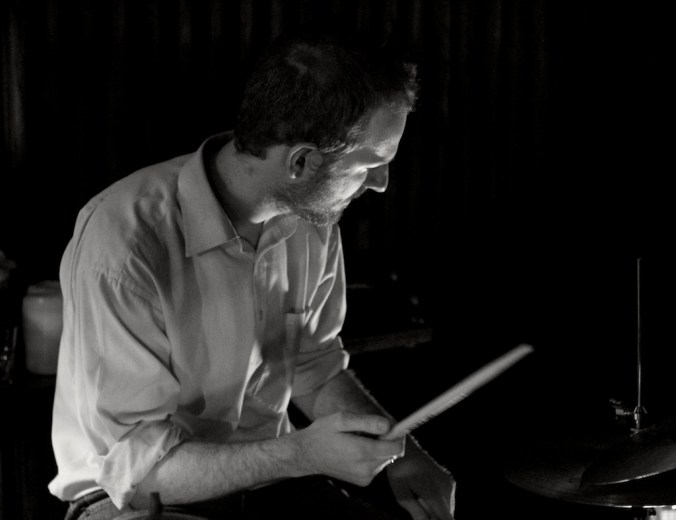
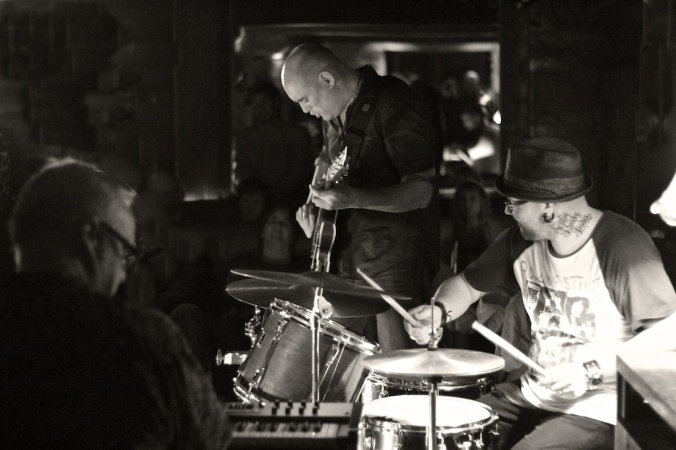

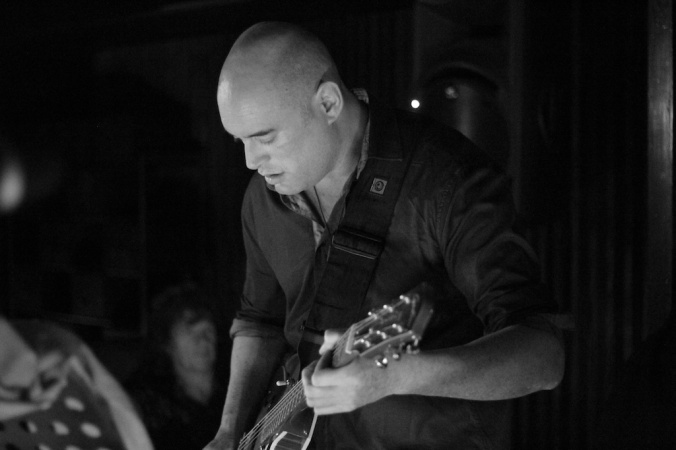

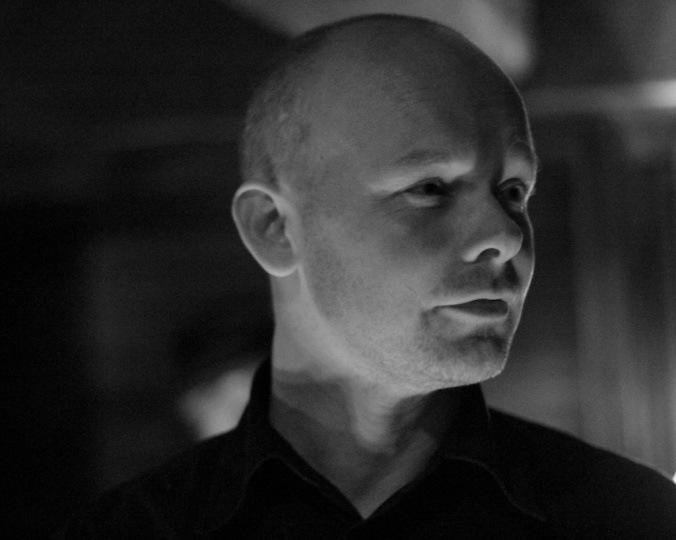
 JazzLocal32.com