The Bird of a Thousand Voices is an astonishing project, and as I listened and wrote, I weighed up the various superlatives. No other term sufficed. And, to describe it as a concept or a themed album would woefully undervalue it too. The depth and breadth of Tigran Hamasyan’s project is breathtaking and evaluating it requires fulsome engagement. I am not implying that it is unapproachable as there are delightful melodies as light as air, and exotic rhythms to engage, but underlying every note are other worlds, endlessly unfolding–worlds that beg exploration.
It is a transmedia project with the parts slotting together like pieces of a deliciously exotic puzzle. There is a film, an ancient manuscript, imaginative artworks, an interactive game, a stage show, and a timeless story, all wrapped in and around the extraordinary music of Tigran. It is utterly unique. His sound, touch, and visionary approach as he creates improvised music is singular, and few could pull this off so convincingly.
The project was inspired by an ancient Armenian folktale (Hazaran Blbul), involving an anthropomorphic bird. The fable tells of an era of great unrest, so the bird embarks on a spiritual quest, seeking world harmony. Still, as with all great quests, physical, spiritual and psychological difficulties are encountered along the way. Tigran states in his summary, that it struck him as a metaphor for the problems confronting today’s world; conflict, inequality and ecological disasters.
While the project references an ancient Armenian folktale, the bird theme is universal. Birds are sacred to most Middle Eastern, Mediterranean and Northern European cultures. They are frequently seen as messengers from the gods who can predict the future. Some believe they represent the soul or beauty and offer hope of peace. And, it is not just in myths. They warn us today of biodiversity loss, begging us to do better.
Among the promotional material is a video referencing a medieval illuminated manuscript from Armenia. Inside the manuscript, birds dance out of the vellum pages as Tigran’s Steinway is filmed being airlifted to a mountaintop, and the music dances too. Tigran’s distinctive pianism is immediately recognisable, but a deeper otherworldly quality appears during this recording. His delicate filigree motifs repeat and evolve, choirs or a single voice, echo key phrases and staccato percussive interludes rise, then fade; however, what stays with you is not technique but something more elemental. The project is a prime example of improvised music reaching beyond the familiar as improvised music should.
illustration excerpted from Armenian archives image
The album engages on many levels and should be enjoyed as the creators intended; by listening, watching, gaming, and contemplating. In collaboration with Tigran, Dutch filmmaker Ruben Van Leer has created cinematographic wonders integral to the music, as has illustrator Khoren Matevosyan. As you enter the website to participate in the game or to enjoy the illustrations and installations, you will find dozens of gifted collaborators credited. While there are too many to mention, the principal musicians are Tigran Hamasyan (piano, keyboards, drum programming, compositions, concept), Areni Agbabian (vocals), Sofia Jernberg (vocals), Vahram Sargsyan (vocals), Nate Wood (drums and bass).
The vinyl album can be purchased via tigranhamasyan.com His music is also available on the usual streaming platforms.
JazzLocal32.com was rated as one of the 50 best Jazz Blogs in the world by Feedspot. The author is a professional member of the Jazz Journalists Association, a Judge in the 7VJC International Jazz Competition, and a poet & writer. Some of these posts appear on other sites with the author’s permission.
There is something about the oud that awakens the deepest of emotions. Like the sound of an ancient temple gong, it resonates soulfully. It is primarily a modal instrument, using ‘Maqams scales’, a system as complex and varied as the modes used by Coltrane. So, when the chance arose to interview a Jazz oud player, I jumped at it.
Mauro Sigura was born in Turin, where he began his Jazz career playing the bouzouki and guitar. Later, he moved to the island of Sardinia where he found a uniquely ancestral form of music, one for which he developed a deep musical connection. Since then, he has performed throughout the world and participated in numerous festivals. His ensembles reach beyond the confines of genre. They have originality, depth, rhythm and groove. Younger listeners especially, are hungry for such music.
I heard Sigura’s current Quartet while judging the Italian-based 7VirtualJazzClub competition. His entry enthused the judging panel and he deservedly picked up first prize in the Pros & Amateurs section. Shortly after, we exchanged contact details and set up the interview.
~ ~ ~
Mauro, congratulations again on your, 7VirtualJazzClub Competition win. Your music has a rare beauty which pulls on the heartstrings. It is as if you have unearthed a forgotten memory from the distant past. This effect may be evident because the oud is the forbear of many stringed instruments like the guitar, mandolin, bouzouki, lute etc. It is like an echo flowing through time, bringing past and present together.
Q. Could you tell me what the oud means to you, and why you chose it?
A. First of all, thank you for your kind words! As you said, the oud is an instrument that somehow crosses time, has an ancestral link with the cultures of the past, [it] tells of trade exchanges, travels, and meetings between cultures. I came to oud through bouzouki and Greek music, where it is easy to listen to an oud. Then, I started studying Ottoman classical music.
Q Your last album, Terravetro, paired the oud with a minimalist piano. On your recent album, Dunia, there was a Fender electric guitar and an electric bass. Did you have that relationship between ancient and modern in mind?
A. Yes, all my music always tries to connect distant places not only in space but also in time. everything must tie together, but the challenge is to try to do it in the most natural way possible.
Carthago (from Terravetro)
Q. Your recent quartet is great. It could be viewed as either mainstream jazz or as World Jazz. The contrasts and textures are interesting. Especially so with ‘La Danza di Amarech’. Notable are the tight bass lines and edgy drum rhythms, the oud’s earthiness against the electric guitar’s brighter sounds, and that hint of funk over Middle Eastern rhythms and melodies. Could you tease that out and provide an insight into your compositional approach?
A. It depends on the compositions. For example, in ‘La Danza di Amarech’ I started from the bass line and its connection with the drums, the theme came last. I often start from the bass line to then create the theme, then, once a basic theme has been defined, I intervene by inserting more jazz-like modulations. However, it is not a fixed rule, in fact sometimes I have an oud groove or a theme in my mind and that becomes the starting point, or it can start from a traditional rhythm of Ottoman music. For example, ‘Dunia’ is built on a traditional Ottoman rhythm in 10/8, [called] the ‘semai’.
Q. Tell me about your current quartet drummer. She is amazing.
A. Evita is amazing! She has ability,and creativity, she is an excellent composer, so she was able to give us useful advice in [the] studio. In Italy, she plays with the best musicians, such as Enrico Rava, but she often also plays with DeeDee Bridgewater. I saw her play in Sardinia in 2021 and I said: “this girl must play on my record at all costs!” and I succeeded. This year she released her first solo album as a singer-drummer, for Paolo Fresu’s record label. She has a great career ahead.
Q. Do you have any ongoing projects with this particular quartet?
A. It is a quartet that I created for Italy and Western Europe. In fact, with the acoustic quartet, I often play in Eastern Europe and I needed something more attractive to Central-Western Europe. So I’m working to try to propose it to these geographical areas. The album was released on October 8th, so we are still in a phase where Dunia is looking for the best direction.
Q. You record on ’S’Ard’, a Sardinian label but I see you were born in Turin.
Are your forebears from Sardinia?
A. My father was born in Sardinia, but my mother was born near Turin. In 2005 I moved to Sardinia, retracing the path taken by my grandparents in the 1950s, when they left Sardinia to go work in Turin.
Q. Sardinia has produced jazz greats like Paulo Fresu. It evokes an ancient past and a Phoenician connection. The bagpipes may have originated there, but is there an oud tradition?
A. No, there is a tradition of the guitar, but not of the oud, although some elements of the traditional Sardinian guitar certainly have a North African origin.
Q. You have a distinctive sound and approach. Different from Dhafer Youssef or Anouar Brahem. Part of that is due to the pairing of the instruments, but there appear to be regional influences too. Would you like to comment?
A. Yes, certainly, Sardinia, with its ancestral atmospheres, has a strong influence on my compositions. The spaces, the light, the nature are much stronger here than in other parts of Italy and the musical tradition is also very strong, alive and wild and this more or less unconsciously influences me every time. My next challenge will be to look for the influences that Phoenician, Carthaginian and Arab music have left in the Sardinian musical tradition, in particular in the vocal tradition. I would like to start from there, building a Sardinian project that justifies the presence of oud.
Q. Who are your musical influences?
A. Obviously, the ones already mentioned by you Dhafer Youssef or Anouar Brahem influenced me a lot, but also Jan Garbarek and Eivind Aarset. I am used to listening to all good music, from rock, to jazz, to pop to metal and I let myself be influenced by everything without prejudice. I have listened to a lot of Pat Metheny, Miles Davis, Kenny Garrett, but also traditional Greek music (rebetiko), Ottoman classical music, Arabic and Kurdish music, but in general I like all the traditional music. I am very interested in music played with a few simple instruments, especially the music of nomadic people. My music comes out of all this.
Q. I see you studied philosophy. Did any particular philosopher inform your approach to music?
A. No. Perhaps philosophy has influenced my approach to the concepts of my albums. I try to create the album around a concept, but beyond this, no. No philosopher has influenced me by directing me to music.
Q. You performed throughout Europe, but what grabbed my attention was that you performed in Petra, ‘the city that time forgot’. Tell me about that experience.
A. It was an amazing experience! We were invited by the Amman Jazz Festival and the Dante Alighieri Society in Jordan. When they [approached] us about the option for a concert in Petra, I couldn’t believe it. We played for the Bedouin community that lives inside the site. It was a concert for a few close friends, in a unique atmosphere suspended in time. While I was playing I found myself in a sort of emotional trance and I lost the sense of the duration of the concert. It was a strange sensation, but it was as if those rocks were carrying the music forward independently of us [as the players].
Q. Do you see yourself as being in or extending the Sufi oud tradition?
A. I’m very flattered by your question, but I don’t know the Sufi tradition well enough and I always want to have a respectful approach towards those elements of traditional cultures that I don’t know in depth. So, to answer your question I would say no, even if a certain idea of mystical-transcendent trance is present in many of my compositions. If we can take people to another, different, new place, where everyone is on the same level, then we can start talking again.
Q. Who was the vocalist on Dunia and were there any guest artists?
A. Her name is Elena Ledda and she is the most famous Sardinian singer and, also, one of the most famous in the Italian world music panorama. She gave me a great gift of herself by putting her splendid and unmistakable voice in the song. Elena is the only guest in Dunia.
Q. I look forward to hearing more of your albums. Thank you for your time and for the detailed and illuminating answers.
A. It has been my pleasure!
You can order these recordings from Mauro Sigura’s website, from S’Ard records, or locate them on Deezer, Spotify or Apple Music.
JazzLocal32.com was rated as one of the 50 best Jazz Blogs in the world by Feedspot. The author is a professional member of the Jazz Journalists Association, a Judge in the 7VJC International Jazz Competition, and a poet & writer. Some of these posts appear on other sites with the author’s permission.
Komeda is one of the most intriguing characters in the European Jazz Pantheon. A man referred to as the Chopin of modern Polish music. So, who was he and why did a musician who only released one ‘official’ Jazz album have such an outsized influence on European Jazz? The book I review here answers many of those questions, but it also adds to the mystique. He was an exceptional composer and an innovator but merely a ‘good pianist’. He was shy and hated interviews so the story of his life is mostly fleshed out by others. And, as the narrative unfolds we enter deep inside the creative life and times of Soviet-era Poland.
Komeda died at a tragically early age. A quiet and often distant presence; as if he had some premonition of the difficulties and tragedies that were dogging his every footstep. Functioning as a musician in Soviet-era Poland was never easy; functioning as a jazz musician during an era when jazz was either banned or discouraged all the more so. And the fact that he was closely associated with Roman Polanski and by implication the Manson murders, gives the story a stranger-than-fiction tinge.
The first chapters of the ‘Komeda’ book begin with hilarious accounts of the first sanctioned Jazz Concert held at Sopot, Gdansk. Before the bands played, the compère had issued guidance to the audience; a how-to guide for jazz appreciation instructing the audience how and when to applaud. They were warned that the music could be challenging and offered various tips on how to react.
‘You are expected to clap, even while the band is playing, but no cat-calling… (You) are also warned not to be alarmed if the musicians walk about on stage during a performance, hum, or even talk to each other while playing.
The narrator reports later:
‘The authorities are putting their support behind the festival. In mid-July, Komrade Roman Kosznik, chair of the Sopot town council confided in a Przekroj journalist: ‘Personally’, I’ve been interested in Jazz for a while.
An official had suggested Swanee River as an excellent example of a Jazz tune and so it was played to open the festival. Years later the official was deeply embarrassed to learn that it was not a Jazz tune and that it was played by white men blacked up—the epitome of Western oppression and appropriation. (The tune opens Polish Jazz festivals to this day. It is played no doubt cognisant of the embedded irony.)
The running of the festival had been left to a tram driver, recently transferred to the Ministry of Culture and Arts and while the committee had planned for 10,000, an estimated 60,000 fans turned up. The word had spread like wildfire and soon there were no hotel rooms left in Gdansk and the tickets had sold out. What had been billed as ‘from Ragtime to Jitterbug’ was something else entirely and was getting badly out of control.
After the repressive Stalin years the ‘Khrushchev Thaw’ let a cork out of the bottle and groups of unruly youths dressed in strange costumes converged on the event. There were alarming reports of semi-naked girls roaming the streets and drunken males carrying strange signs with DUPA emblazoned on them (the worst swear word in Polish meaning “arse”). Observing all of this was Komrade Zygmunt Wisniesky who had been sent by the central committee to write a report on the event.
The festival ran for three days with Komeda’s band stealing the show; the audience had been wildly enthusiastic. Many of the other bands though, were not so accomplished. An official report states that one of the trombone players finished half a bar behind the pianist.
Because the seating and tickets were sold out before the festival started, the fans who had missed out rioted. Fences were torn down and chaos followed. The officials soon gave up trying to bring about order and spent the next week writing official reports, each blaming the other.
It is somewhat of a mystery why the festival was allowed to proceed in the first place as it was the same year that the famous Poznan Bread Rebellion occurred and a few months after Khruschev’s astonishing denouncement of Stalin in the Dumas. Perhaps they needed a distraction.
The narrative jumps about a bit but it doesn’t matter. After the initial chapters on the first jazz festival, we start at the beginning and follow his life to its conclusion.
Krzysztof Trzciński was born in Poznan, Poland in 1931. As a child he contracted polio, and when the war forced his parents to flee the advancing Nazi army, they carried him on their backs. As a disabled child, he turned to music, taught by a Jewish piano teacher (until she was discovered by the Nazis and sent to a concentration camp where she perished). When the Red Army drove Hitler’s army out a few years later, the dangers remained and the family learned that the Russians could be as dangerous as the Nazis.
Sections of the book will be of interest to those fascinated by postwar European history. I am. The Poles had long been accustomed to the liberators becoming the oppressors and what we learn in a fragmented fashion is drawn from first-hand accounts. Nevertheless, a vivid picture is painted. We know that Warsaw had been reduced to rubble and then rebuilt by determined Poles. Out of the countryside, they came, with wheelbarrows and picks. Proudly in charge of their destiny – until the Russians returned with their secret police and controlling ways. In those first two years following the war, jazz was allowed, and then, just as suddenly, it wasn’t.
Because Krzysztof showed an aptitude for music, he was permitted to join a school music programme. Later, he applied to a music academy, but the communist authorities declined the application. Denied that option he studied to become a doctor, but he never wavered from his desire to be a musician, sneaking into the family living room when everyone was asleep and listening to Radio Free America (the Jazz Show hosted by Willis Conover). He and his friends would transcribe tracks by Coltrane or Miles, gradually teaching themselves Jazz.
While Jazz had been forbidden under Stalin, attracting harsh penalties, after Kruschev came to power, things became less restrictive (at least in Poland). In August 1956, a miracle occurred, and a Jazz festival was held in Sopot, a beach suburb of Gdansk (the bulk of the Russian advisers had just departed). At that point, Komeda stepped briefly out of the shadows with his student jazz band. The bandstand was a wartime Nisen hut and the fire brigade was sent to neighbouring schools to grab all the chairs available.
Also at the festival is a school friend of Komeda’s, Andrezj Trzaskowski. His school days recollection is as follows.
‘’I was suspected of being one of a group of conspirators at Sobieski high school where I was a student. Two of my school friends had been planning to rescue one of their fathers from prison… the first one died during the chase; the other boy was executed”.
Andrezj Trzaskowski was released from prison after three months. He passed his exams that year but for political reasons, he did not get a place at the university.
We don’t learn if the young Krzysztof was caught up in this horror.
Trzaskowsky later became a brilliant and original Jazz pianist and the author of books on musicology. He and Komeda would sometimes swap places at the piano during gigs.
There is something mystical and otherworldly about Polish Jazz from the Soviet era. That vibe comes through in this book. It was a time when creativity was confined and perhaps because of that, forms of vibrant and original music (and film) flourished underground.
The book describes the difficulties faced by Jazz musicians and the determination with which they were overcome. The popularity of the 1958 Gdansk festival appeared to have alarmed the officials, but after a year of testy, to and fro debating, they allowed the festival to continue. Jazz was not yet encouraged and the authorities’ tolerance proved to have limits. This is known as the ‘jazz catacombs’ period.
There were Jazz performances before that first official festival (in the years between Stalin’s death in 1953 and 1956), but it was strictly an underground scene. During this ‘catacomb jazz’ era, musicians honed their skills well away from the public gaze and held invitation-only gigs in their reluctant parents’ basements. Lookouts would be placed in the street and if a policeman approached, they would switch to the Polish version of happy birthday.
“The number of guests is increasing as time went by, with as many as fifty gathering in small thirty square meter rooms. Now and then the doorbell (would) ring unexpectedly. Upon which the musicians would burst into ‘Sto lat’ (happy birthday).
Komeda had recently qualified as a doctor, although he only ever treated one patient. During this catacomb period, the book introduces us to the jazz musicians and friends who would surround him for the remaining years of his life. Most importantly, Jerzy Milian, Jan ‘Ptaszyn’ Wróblewski, Andrzej Trzaskowski and his girlfriend Zofia Lach (soon to be his wife and referred to variously as Zofia, Sosia or Zoska).
If the band sought permission to travel or lodged funding applications, the requests were usually declined. Zofia would then send a follow-up letter, co-signed by a senior party official (forged). The official who had initially declined the request would then hastily grant it. It was forgery and it was dangerous, but it worked.
Komeda notwithstanding, Zofia gets the most attention in the book. Talented, beautiful and fascinating, but by all accounts troublesome. She managed most of the better Polish Jazz bands (and was on the board of several Jazz organisations). According to the musicians interviewed, she was a brilliant manager, brow-beating reluctant communist officials to get what she needed for the musicians (visas, tours, gigs etc). The musicians, however, were all scared of her as she could also be violent when drunk, especially if a female fan showed too much interest in Komeda.
The book examines her traumatising childhood years during the horrors of the Nazi regime and this is offered as an explanation of her subsequent behaviour. That sort of childhood would scar anyone.
When the Rock era arrived in Poland, there was a clamour to experience it. Zofia had a plan, as she always did.
“Zofia gets colourful shirts for the bands made out of curtains”, They still play Jazz.
.We learn about concerts and festivals and the views of various critics, fans and musicians. There are more riots by DUPA hooligans and endless trouble with the officials, but against that background of poverty and struggle, Komeda is expanding his musical conceptions.
At one point, there was a cultural exchange festival in Moscow, but the band is denied permission to perform by the horrified bureaucrats. The students have other ideas and set up private gigs in the backstreets. Eager to hear the forbidden music the Russian fans mob the venue.
It is all worth reading, but I couldn’t wait to reach the chapter covering 1964, the year of the first Warsaw Jazz Jamboree, and most importantly, the year Astigmatic was recorded. I discovered Komeda through this album and it was love at first listening. I probably became aware of it as I browsed through the Penguin Guide to Jazz, my bible at the time.
“We cannot recommend this album highly enough, and we can only envy anyone hearing it for the first time, and with no prior knowledge of Komeda”.
It was awarded the essential-listening crown in the guide and lauded by others.
When Astigmatic was recorded, Tomasz Stańko had only recently joined, and Komeda had been gradually developing his unique free jazz style. While the tune Astigmatic has a basic structure, the piece follows its inner logic, vamps and recurring motifs, probing rhythms, slowing, speeding up and with long passages of ecstatic freedom. It was the beginning of a particular melodic approach to freedom that was very Northern European. Kattorna, the second piece is a model Slavonic masterpiece. Then Svantetic, named after the Swedish poet Svante Foerster (later an adviser to the ill-fated Swedish Prime Minister Olof Palme).
A couple of the tunes had been aired at the 64 Jazz Jamboree but with a different configuration.
“All of a sudden Polskie Nagrania wanted to record Astigmatic, Svantetic and Kattorna, right here and now, pronto”.
Komeda frantically gets a band together. Those playing with him at the moment were Tomasz Stanko (t), Zbigniew Namysłowski (as) Rune Carlsson (d) and a bassist from Albert Manggelsdorf’s band, a visiting musician. Immediately after finishing their festival performances, the Jazz musicians dashed over to an improvised studio at the Philharmonic.
“There was no time for rehearsals, we learned it during the hundred minutes of recording. Astigmatic was pure Jazz”.
This was the only ‘official’ jazz recording that Komeda was to release. There were of course lots of recordings but they were classified as Ballet, theatre or film music, probably to obscure the jazz content. At the time of recording Astigmatic, Polish musicians had only been allowed to travel out of the country for a year (and that was only to Sweden, a neutral country).
An official invitation from Sweden was sent via the ZSP (The Polish Students Organisation) and this made the trip more acceptable to the authorities as it was viewed as a cultural exchange. The tour was a great success and the Gyllene Cirkeln Jazz Club reached capacity every night, turning away hundreds. A leading critic in Sweden wrote:
‘Anyone who thinks that the Polish quartet are well received just because ‘they are Polish’ is badly mistaken. Komeda’s quartet is ‘really’ outstanding at an international level.
Their next gig is in the famous Jazzhus Montmartre in Copenhagen, where the fans had been waiting expectantly
‘A week before they arrived at the Jazzhus Montmartre there had been a seven-day screening of Polish Films. The club walls are still hung with posters for (Polanski’s) Knife in the Water and Innocent Sorcerers. The Danish Jazz fans are waiting expectantly for ‘Ballad for Bernt’ and ‘Crazy Girl’.
While in Denmark, Komeda records Ballet Etudes. He had been forbidden to record outside Poland but he ignored that instruction. The other event of note was the defection of the band’s bassist Roman Dyląg. Later the band purchases a diamond necklace with their performance fee as there was no ability to exchange Kroner for Zloty. When it was sold back in Poland, much of the money went to the authorities. On subsequent trips they purchased second-hand cars and recording equipment to ship home.
With a few months left on their visas, although forbidden, Komeda, with Zofia in tow, slips over the border and travels to Amsterdam, then Paris. He has received two film score commissions. This is an important focus in the book. Komeda’s film work offered him security.
He had once helped a second-year film student, who begged him to write a movie soundtrack. Unsure if it was something he could do, he cobbled together some music and the short film went on to win an award at Cannes. The student film-maker was Roman Polanski. He and Polanski remained close friends after that and Polanski repaid the debt many times over.
Polanski:
‘I was intimidated by him (at first), by his reticence. But he was a shy fellow, who spoke calmly. (He) didn’t make large gestures? He didn’t have a big smile but (it was) a gentle one.
Komeda composed over sixty film scores during the remaining ten years of his life, and this cross-pollination enriched both genres. He worked fast and produced scores that made even average movies great. They were essentially jazz albums, often embedded inside well-written orchestral scores.
Being a largely self-taught Jazz musician, I wondered if the book would cast a light on where he picked up these arranging skills. No one interviewed can recall him being tutored, it just appeared to come naturally. The one exception is Rosemary’s Baby, where he subbed out a small section of the score to a Holywood arranger, in order to meet a deadline.
There is something extraordinary about Komeda’s compositions as they are endlessly amenable to interpretation. Edgy modern Jazz ensembles like EABS combine his Ballet Etudes with hip hop and it works perfectly well. Tunes like Rosemary’s Baby ‘Lullaby’, or Crazy Girl can be hummed and are appealing, but underlying that is a degree of complexity. Stańko played the Lullaby years later in his Komeda Tribute, Litania. He was surprised to find that there was an extra bar in the chorus that didn’t follow the form. It was not noticeable unless it was pointed out and slid by subliminally. This kind of device is where tension is created.
I would have liked to learn more from the mouth of Komeda but he hated interviews and seldom spoke to anyone about his creative process. In this, he followed Miles, remaining enigmatic and trusting the musicians to step up and stretch themselves.
From that first meeting onwards, Polanski was always in his life whether at work or play. He relied on Komeda to create magic and the musician delivered. As Polanski’s star rose so did Komeda’s and the awards and growing recognition eventually took both to Hollywood. While there, two scores were written, several more were begun, and then tragedy.
Accounts of Komeda’s final days are as eerie a sequence of events as it is possible to imagine. He rented a place in Hollywood Heights and while partying to celebrate the success of Rosemary’s baby, he fell and injured his head. Soon after he slipped into a coma from which he never recovered.
Present at the fateful gathering were Roman Polanski, the actress Sharon Tate, Gabby Folger and Wojciech Frykowski. Tate, Folger and Frykowski were murdered months later by Charles Manson’s acolytes. Polanski would normally have been at home during the massacre but he was out of the country signing a film contract, in part to raise money for Komeda’s medical care.
The final short chapters deal with Komeda’s return to Poland by medivac flight and his death soon after. The flight was held up by authorities at the border and many believe this to have been deliberate.
The joy of being a Komeda fan lies in the musician’s open-ended legacy, and it keeps expanding; as if the cosmos can’t contain it. New compositions come to light and previously unknown recordings emerge. Bands all over the world discover his works and each one interprets the pieces differently, be it hip-hop or with orchestra. His compositions are so well-constructed that the possibilities are endless. And now, thanks to this fascinating biography, we can further appreciate him through the eyes and ears of those who knew him best.
Written by Polish author Magdalena Grzebałkowska and translated by Halina Maria Boniszewska. Published by Equinox Publishers – Series edited by Alyn Shipton for Royal Academy of Music London. All of the photographs are from the book with the exception of the Astigmatic cover art (one of two versions).
JazzLocal32.com is rated as one of the 50 best Jazz Blogs in the world by Feedspot. The author is a professional member of the Jazz Journalists Association, a Judge in the 7VJC International Jazz Competition, and a poet & writer. Some of these posts appear on other sites with the author’s permission
Lately I have attended a number of music workshops. Although not a musician I gain a lot. They offer fascinating insights into the artists creative process and if your lucky, insights into a particular instrument. With music, the more you listen, learn, observe and delve, the more you gain. My reason for attending Susan Alcorn’s workshop was probably different from most attendees. The majority were guitarists anxious to glean practical information or wanting to be convinced that this complex instrument was for them. A handful of others sought knowledge for knowledges sake – dipping another toe in the water of sonic learning.
I like the warmth of the Pedal Steel guitar and I appreciate its hard won place in the landscape of modern improvised music. Learning something of its history and its quirks from an acknowledged master took me a step closer to the mystique of that quivering sound. Alcorn is very much at home in the world of experimental improvised music, but that was not always the case. After 30 years of playing country in places like Nashville and performing in the more orthodox styles she jumped ship.
She mentioned the influence of later Coltrane as one of the forces pulling her towards unfettered experimentation. She also spoke of a desire to explore composers like Messiaen and this required specialist tunings. She played us some Monk (as well as original compositions). Her take on Monk compositions was that they were architectural. “He starts with a well constructed base and as he builds up from the ground he plays with the form. He moves sideways creating an overhanging room but it is always balanced elsewhere”.
When younger she committed her self to a related instrument, (the Dobro) and eventually to the Pedal Steel – mastering the Pedal Steel did not come easily. There are many pedals and four knee levels to control. then there are the multiple tunings, a variable number of strings and a plethora of picking styles (also complex slide techniques to master). Few beginners get an easy ride and many don’t stay the course. Some tunings (e.g.Hawaiian) do not work for the blues and so double necked instruments are common – thus allowing for style changes from alternate tunings. Adding extra strings (or pedals) while increasing the options, also increases the complexities. It can take two to four years of practice before new tunings become ‘muscle memory’. Once down you have a world of sounds and possibilities at your fingertips.
In the 30’s and 40’s the instrument was universally popular and pedal steel orchestras proliferated across America. At that time Hawaiian music was particularly popular. Soon after the instrument found its was into Western Swing bands and Rockabilly bands (this is when pedals and stands were added – ‘console steels’). It found its way to mainstream Country music a little later, but it is less popular in that genre these days.
She gave us some insights into the origins of the instrument but pointed out that many of the popular theories are verging on the fanciful.
In the 1950’s you could buy the instruments in most US cities. Now only specialists carry them. Many like Alcorn go directly to a luthier for customised versions. Her 12 string tuning is unusual being C D F A C D E G A C E D. Having 7 pedals and knee levers give you more combinations. Unusually her instrument comes from an Australian luthier and is made of indigenous wood. She said that she wanted that deeply resonant bottom string so that she could play Messiaen (improvising musicians often customise their instruments). Here is a cut of her composition ‘Three Rivers’
The Nordic experimental Jazz trumpeter Nils Petter Molvaer uses Pedal Steel as a dominant part of his soundscape in’Switch’.
Fact file: In the 50’s a Pedal Steel guitar track hit number one in the Billboard pop charts with ‘Sleep Walk’.
A big thank you to Jeff Henderson and cohorts for their tireless efforts to bring us wonderful experimental music. Sounds we would not otherwise hear. If you want to hear superb and often experimental Pedal Steel guitar you should seek out cuts involving Auckland guitarist Neil Watson. There are some located on this blog
P J Koopman and Thomas Botting joined the ‘music drain’ exodus to Australia two years ago but Auckland still draws them back from time to time. When they do return they are always booked at the CJC Jazz Club and this invariably draws old friends and new. PJ Koopman is one of those guitarists who makes it look easy, but like all dedicated musicians he works extremely hard at his craft. The CJC gig on the 3rd of October featured many of the fast flowing post bop tunes that PJ excels at, but there was something else in the mix. His repertoire soon expanded to include some country tinged material of the sort Bill Frisell and Bruce Forman exemplify and while there were only two such numbers, it gave the evening a flavour that it would otherwise not have had. This had the feel of an interesting project in the making.
Thomas may not have put on any physical weight but he has certainly beefed up his compositional credentials . After a week of listening to Americana just prior to returning to New Zealand, he has composed a tune, which I will now include as a You Tube clip. This is a great composition and one which they executed well. The tune called ‘Wylie Coyote’ had been written to honour alto saxophonist James Wylie, who joined the band for this one gig. James is an ex-pat Kiwi who lives in Thessaloniki Greece and was due to return there within hours of the gig finishing. James is well-known for his oblique takes on country tunes and so this title was appropriate on so many levels. His out of left field rendition of Wichita Lineman is a perennial favourite.
P J Koopman was exactly the right guitarist to tackle this tune and I’m certain Thomas had that firmly in mind when he composed it. I had not heard PJ do this type of material before, but the fact that he did it so well is scarcely surprising. He has open ears, good mentors, great chops and above all taste. His Frisell like slurred chords portrayed the roots of the genre (and perhaps his other influences); but without sacrificing his originality. The other country tune was the gorgeous ‘Tennessee Waltz’ and the first few chords took me back to a film I saw in the 70’s. Antonioni’s movie Zubritzki Point was a portrayal of the youth counterculture and its soundtrack has outlived the popularity of the movie. The soundtrack featured Pink Floyd (‘Heart Beat Pig Meat’ – who could forget the exploding food in slow motion), The Grateful Dead and Jerry Garcia solo (playing etherial improvised licks while the actors writhed in a strange love-making frenzy which stirred up lots of desert dust). best of all was the version of Tennessee Waltz which twanged out sweetly while tumbleweeds blew past a silent desert bar. This track conjured up all that happy madness again and this is the power of good music.
The drummer on the gig was Andrew Keegan, who has recently moved up from Christchurch to Auckland . Andrew is an invaluable asset to the Auckland scene. ‘Wylie Coyote’ was in 4/4 time but the feel was different because of the way the beats were accented. Andrew handled his traps like he had been playing with these cats for months. Nice work all round.
There are good gigs, bad gigs, predictable gigs and everything in between. Mostly we appreciate what is before us but just occasionally, we attend a gig that is every kind of wonderful. This was it.
Jamie Oehlers has the sort of reputation that scares aspiring tenor players and creates life-long fans. This man is a monster on the tenor saxophone and no amount of scrambling for adjectives on my part is ever going to capture the intensity of his performance. Luckily I filmed much of the gig and so I will put up a number of cuts on You Tube over the coming weeks. This gig won’t be forgotten as it fizzed and washed over us like a blissful tsunami of sound.
Typical of many Australasian musicians Jamie Oehlers is self-effacing, and quietly humorous, but his down to earth persona remains intact only until he puts the horn in his mouth. Then we see confidence, elegance, fire-breathing and effortless virtuosity of a sort that almost defies belief. He is one of those musicians who reaches beyond the known, bringing the rhythm section and the audience along with him. His solos have an almost mystical coherence; as if guided by a universal logic that he is able to share with the audience.
Those who saw the performance at the CJC on the 19th September 2012 will understand exactly what I am saying.
As marvellous as Jamie was, his local rhythm section was there for him every inch of the way. Not for the first time I marvelled as Kevin Field (piano) responded to every challenge, managing to inject a sense of originality and invention into a number of almost unassailable standards. Kevin stands out as a pianist as he understands perfectly which chords to accent, when to lay out and when to work harder behind the soloist. He is exactly the right pianist to play behind a talented visitor.
Oli Holland was so good during this gig that I embarrassed him with a bear hug afterwards. He could have been Reggie Garrison at one point as the urgent stabbing notes from his bass propelled the others on. Listen to the first clip below and particularly where Kevin is soloing. This unit was never less than in perfect lockstep.
Frank Gibson on drums was equally marvellous. You never know how drummers will respond to high-octane material like this but he responded by reaching deep within and capturing every nuance of the set. I have never heard him perform better.
The first set began with the standard ‘On a Clear Day’ (Lane), ‘Alina’ AKA ‘Variation 11 from Suspended Night’ (Tomasz Stanko) [one of my favourite tunes], ‘Aisha’ (John Coltrane), ‘Take the Coltrane'( Ellington-Coltrane) , Portrait in Black and White ( Jobim) and more.
Near the end of the second set the band decided to play John Coltrane’s ‘Resolution’ from ‘A Love Supreme’ (1962). ‘A Love Supreme’ is hardly ever played and more is the pity. This avoidance relates to the holy grail status of ‘A Love Supreme’ among post Coltrane saxophonists. My view is that we should honour it and especially in this week. John Coltrane was born on September 23rd. It is a shame not to have all four movements performed together though; ‘Resolution’ is after all only a part of a mystical four piece puzzle which makes perfect sense when heard in its entirety.
Jamie stated the theme over and again, but each time working in subtle re-harmonisations and embarking upon brief angular explorations. We knew intuitively that we would end up in a place of almost unbearable intensity and we were on the edges of our seats in expectation. This was not a gate to be rushed and although we understood that, the anticipation was palpable. Tension and release is at the very essence of Jazz and Jamie achieve this end by stalking his prey in measured steps like a confident hunter.
‘Resolution’ is an Everest of a tune utilising Coltrane’s new-found ideas which were somewhere between hard bop and free. Jamie interpreted intelligently without trying to out do Coltrane. He made it his ‘Resolution’ as well. Kevin field was the same, as he took a more oblique approach than McCoy Tyner. This was a perfect homage without being a slavish imitation.
At the end of the gig we received an additional treat when Jamie asked Roger Manins to play. The best moment was when they played ‘On Green Dolphin Street‘ (Washington). With these two masters working the changes and probing every hidden corner of the melody, it reminded us that standards interpreted with integrity can sound as fresh as at first hearing.
Jamie Oehlers lives in Australia where he runs a Jazz School. He has so many awards that storage must be problem (including being judged winner of the ‘World Saxophone Competition’ in Montreux by Charles Lloyd and Bruce Lundvall of Blue Note). He has put out 10 albums as leader as well as being sideman for the whose who of the Jazz world.
I ran into Jazz guitarist Dixon Nacey as I was leaving and he summed it up nicely. “Man I have just received a series of Jazz upper-cuts”.
This gig was signalled by CJC Jazz club some months ago and as I am a real fan of piano trio’s I had looked forward to it. It was hinted that this would be a duel, but both trio’s approached the gig from quite different perspectives and this makes comparisons a little redundant. It was perhaps surprising as these are Auckland University Jazz Studies students and you would not expect to find such interesting stylistic diversity in young pianists.
While the gig was a tribute to Connor and Matt (and their sidemen), it was also a tribute to Kevin Field their teacher. A gifted pianist who obviously encourages students to find their own voice.
The first up was the Connor McAneny trio. Connor (piano), Cameron McArthur (bass) and Chris Wratt (drums). The set began with the famous medium tempo hard bop classic ‘Inner Urge’ (by tenor man Joe Henderson). There were also a number of interesting originals played with intriguing titles (e.g. Black Monday, Underwear) but my pick was the fabulous Lennie Tristano tune ‘317 East 32nd Street’. I love Tristano tunes with their long probing lines and relentless forward propulsion. When Lennie was around his drummers had to keep a subdued metronome-like beat, but that approach has gradually faded into the mists of time. This is a tune that begs interpretation and interplay between piano, bass and drums is now a part of that exploration. The constant however is the rhythmic momentum of the piano. This is not an easy tune to play, but Connor executed it extremely well. Chris Wratt met the challenge interestingly, as he kept the pulse while working hard against the bass lines.
Cameron McArthur has been noticeably stepping up this year and that he played in both trios while dealing effortlessly with the differing approaches is an indication of his growth as a musician. Only a fortnight has passed since he played with the AJO at the Bennie Maupin, Dick Oatts concert where he acquitted himself well (Matt Steele also played with the AJO on that gig). Cameron’s solo on ‘317 East 32nd Street’ was memorable.
Matt Steele is a pianist that I have been watching for some time and I have made no secret of my enthusiasm for his rapid progress as a musician. With each passing month he navigates increasingly difficult territory and being challenged in a variety of gig situations is working for him. There is a hint of the European Jazz pianists like Marcin Wasilewski in his playing, but there is also a boldness and clarity that is not often heard in a student. It is partly the way he approaches a piece (allowing compositions room to breathe) and it his clean melodic touch. He is a particularly animated player (making him hard to photograph) but the movement appears to give his tunes a strong sense of swing. It was therefore no surprise when the first tune in his set was ‘Little One’ (Tomasz Stanko). It originated from ‘Suspended Night – Variation v1’ but this version is a later incarnation. That is why I was sure that knew it well, but could not place the title. Matt also played some compositions of his own and these showed promise.
Once again Cameron Arthur was on bass and he dealt with this different material as adeptly as he dealt with Connors.
I had expected Matt to bring his usual Trio, but instead he used Cameron and well-respected Auckland drummer Stephen Thomas. Stephen’s inclusion was inspired, as he brought a very different feel to the numbers. While Jared had been adept in subtle colourist drumming, Stephen ramped up the proceedings by throwing constant challenges in the direction of the bass and piano. That is not to say that his drumming was overly busy, but he did exactly what a drummer on a live gig should do; laid down a perfect improvisational platform while throwing in a few twists and turns of his own.
The trio communicated beautifully and they never lost sight of each other musically.
I love to see emerging pianists in action and especially when they deliver. The above trios convinced a seasoned audience that they were both worthy of future attention.
When I saw Paul Nairn’s name on the CJC website I wrongly jumped to the conclusion that he was unknown to me. I had actually met Paul when a friend introduced me several months ago. Perhaps it was the CJC promotional picture that threw me. The picture is very clever as it appears to reference one of the giants of the post-war West Coast tenor scene. Harold Land (‘Harold in the Land of Jazz’ album). Harold is pictured with a controversial steel sculpture framing the shot; Paul against a large steel electricity pylon. I am geeky enough about Jazz history and Jazz cover art to love the reference, as the juxtaposition is so tongue in cheek and so Kiwi. Anyone with knowledge of ‘Land’ or Jazz artwork will have smiled in delight at the sight of it. I would be amazed if the reference was accidental but who knows.
Paul has a reputation for being somewhat reclusive when it comes to gigging but he is one of the go-to people when it comes to horn maintenance. He should step into the limelight more often because it was a pleasure to spend an evening with his Phantom Band. The band delighted the audience with many lessor known standards and in some cases seldom heard arrangements of very familiar standards (such the lovely Naima by John Coltrane). What works best for me is musicians enjoying the material they are playing and making no apologies for it. ‘God Save the Weasel’ could work as a Jazz vehicle if musicians committed themselves to the task in hand. This band enjoyed what they were doing.
The Phantom band are all veterans, with the ever popular Phil Broadhurst on piano, Alberto Santorelli on bass and Frank Gibson Jnr on drums.
They played compositions by John Coltrane, Cedar Walton, Wayne Shorter, Gato Barbieri and an original by Phil Broadhurst. The Phil Broadhurst composition ‘Tuneless’ was a vehicle for piano and drums interaction. The bass and sax laid out. While Phil developed his attractive ostinato lines, Frank Gibson responded with colourist, Paul Motian like filigree. It worked nicely as a contrast to the standards.
I was torn between posting a video of Naima (Coltrane) or the Gato Barbieri number ‘Last Tango in Paris‘. I chose the latter for a number of reasons. It was played beautifully, it was deeply evocative and it is a tune that is seldom heard these days (to my regret). ‘Last Tango in Paris’ comes from the famous 1972 movie and while millions would recognise the tune they would have no idea who the Argentinean Barbieri was. It was one of those rare moments where a Jazz performance passed deep into the heart of popular culture without the public realising it. If anyone hasn’t seen this extraordinarily well acted and confronting movie starring Marlin Brando and Marie Schneider they should remedy that. In the hands of Bernardo Bertolucci a plethora of romantic and erotic issues were traversed and the sales of condiments soared. Barbieri was nominated for a Grammy and Brando was hailed as the greatest actor of all time. ‘El Gato Barbieri’ (the cat) spent the subsequent years as an A & R man and in pursuing his avant-garde dreams. Thanks for the memory Paul.
Wednesday 18th July was a double bill and the first up was ‘The New Collective Experiment’ – Adam Larson (alto), Ross Larson (electric bass), Frank Conway (drums). The band had stated their intention from the first few notes and having marked out their wide open territory they dug deep. The act was billed as ‘creating music out of the moment’ and that is exactly what they did. The saxophonist spun out a kaleidoscope of images while the bass and drums responded. The strength of the Alto brought it to the forefront and while the interplay was a little less even during the longest pieces, the horn held the focus. There was one number at the end of the first set in which Dixon Nacey was invited onto the bandstand. Having Dixon on the bandstand will ultra enhance any performance.
The second act on the billing was the Rebecca Melrose band (an octet). This was her first CJC gig as leader. Rebecca (vocals, leader) gives Jazz numbers a hint of soul. What quickly becomes evident though is her preparedness to confront more challenging Jazz material unflinchingly. Like a number of young singers she can scat with ease and it is during these moments that her inventiveness comes to the fore. I was intrigued by the choice of material which ranged from the easy-going to the braver forays. A case in point was the wonderful ‘Zhivago’ by Kurt Rosenwinkel. She had wisely chosen to do this number as a duo with Dixon Nacey.
If you can’t get Kurt Rosenwinkel to fly in then go straight to Dixon. My god he was wonderful and his fans in the audience were delighted to hear him eating up the changes of this deceptively complex song. He knew just where to place those chords and when to back off. Rebecca knew that she had a unique situation on her hands and she responded extremely well. This is the clip that I have put up (especially after a number of people in the audience emailed me their wish lists). The sound in the clip is a little guitar heavy but that is the fault of my HD Video equipment. It was more balanced in reality. This is a new standard for those with the chops to take it on. I really liked the lyrics but had never heard them before – I learned that Rebecca had penned them and that all other compositions were hers.
The octet created a nice rounded sound and when they hit the sweet spot it was a joy to listen to them. I have heard the Bass Player Eamon Edmunson-Wells and the drummer Jared Desvaux de Marigny before and they both impress. Jared appears capable of fitting into many diverse situations and he managed this one with consummate ease. Liz Stokes on trumpet is also a frequent performer at the CJC. The remaining band members were: Ben Devery (piano), Manaf Ibrahim (guitar), Scott Thomas (tenor sax). The venue was the Creative Jazz Club of Aotearoa (CJC)
Drummer led bands have never been commonplace and drummer led trio’s even less so. Just because the leader is a drummer does not mean any more or less than it would if the leader was a bass player or a saxophonist. A leader is there to impart a creative vision and this trio rose to the task.
On Wednesday the 4th of July the Rattle Records/ ‘Sneaking Out After Midnight’ launch tour arrived at the CJC in Auckland. The prior and subsequent tweets or Facebook posts have pointed to the success of the gigs, which have been well received throughout New Zealand. To read my earlier review see below ‘Mark Lockett – Sneaking Out After Midnight’ from this blog site.
Alex Boneham
The band that toured New Zealand may not have featured New Yorker’s, Joel Frahm (sax) or Orlando Le Fleming (bass) but we did extremely well with their replacements. Mark had wryly commented that the former were unable to tour ‘for tax reasons’. The Australian Alex Boneham replaced Orlando Le Fleming and his work is already well-known to the Auckland Jazz community. Alex has previously toured here with the Steve Barry trio and I doubt that any of us will ever forget the telepathic interplay between Steve Barry (piano), Alex Boneham (bass) and Tim Firth (drums). This is an in-demand bass player who recently won the ‘Best young Australian musician of the year award’. He is both attentive and inventive and what you get is skillful interplay and adventurous improvisation.
The third trio member was Australian alto player Julian Wilson, who has worked with Mark Lockett for many years. He acquitted himself well.
Julien Wilson
What particularly struck me was just how musical Mark’s drumming was and when he and Alex fell into lockstep it was riveting. To purchase copy of ‘Sneaking Out After Midnight’ contact Rattle Records Ltd (link).
I have streamed one track from the album titled ‘Mr Pickles’. Mr Pickles is the story of Mark Lockett’s cat and an unfortunate neighbour – a hapless man who thought that he could outsmart a cat. Being a great respecter of cats and their place in the Jazz story I could not help but include this. This is as good a cat story as you will hear.
Lets face it, no one will be disappointed by a Brian Smith Band and this particular lineup was an all-star affair. Man did they deliver.
You expect Brian to deliver royally as he has had such a successful output as evidenced by his 2006 (Taupo’ album). This also goes for Kevin Field (‘Field of Dreams’ album), Kevin Haines (‘Oxide’ album) and Frank Gibson Jnr (‘Rainbow Bridge‘ album), but a question mark may have lingered in some minds over Pete Barwick’s inclusion as he was the lessor known band member. He is a veteran sideman and widely respected among musicians; Brian knew exactly what he was doing. Pete was amazing on the night and he more than earned his place in this star studied lineup.
Brian Smith
In spite of their respective pedigree’s this was a band of equals and out of that amalgam came a night of exceptional Jazz. A Hard Bop devotee in the audience said after the show, “I have been to Jazz clubs and concerts all over the world, but this may have been the best I have seen”.
The band played a number of Hard Bop standards as expected, but there were a few new originals as well. An original number featured at the end of the first set titled ‘CJC’ delighted everyone. Brian had penned this composition in the weeks preceding the gig and he dedicated it to Roger & Caroline Manins. Before playing the number Brian paid tribute to them and to the CJC club. The crowd loved this and applauded wildly.
In fact the audience was enthusiastic throughout the night and as tunes by Horace Silver, Heyman/Green, Brian Smith and others filled the club they could not have been happier.
The Creative Jazz Club (CJC) came into being for the express purpose of enabling such interactions and on nights like this both musicians and audiences are especially thankful for the clubs existence.
Pete Barwick
If any of you haven’t yet obtained a copy of Brian Smiths 2006 album ‘Taupo’ (Ode label) you need to remedy that situation immediately. This last gig may begin a buying frenzy and as the world has recently learned to its cost regarding in demand commodities – scarcity drives prices up. It is truly a marvelous album. If you can’t find a copy in Marbecks or JB HiFi then try Real Groovy Records or Trade Me – just buy it.
Last week saw the Nathan Haines Fourtet return to the CJC with an altered line-up. Alain Koetsier the former drummer is now running a language school in China and Thomas Botting has packed up his bass and moved to Australia. Above all we knew that this would also be the last time that we would see Nathan for while as he moves back to the UK in July.
In place of the departed musicians we heard Stephen Thomas on drums and Ben Turua on bass. There had also been some changes made in the club configuration and it was surprising how the rearrangement of furniture subtly altered the sound. The sight lines were also greatly improved for those standing along the bar and near to the entrance. I have heard this material at four different gigs now, but for accessibility and quality of sound this gig worked the best for me. It was great to be able to watch Kevin Field at work as the piano was no longer obscured by the bar.
Kevin Field
Those of us who have been listening to the ‘Poets Embrace’ album for months knew the material backwards, but with new personnel, such keen improvisers and an extremely enthusiastic audience we were always going to get something different. We did.
I like every track on the album but if pushed I would single out ‘Ancestral Dance’ as a favourite. The version on the night was blistering and it captured the drive and ethos of the band perfectly. As Nathan mines deeper into this material he constantly finds new ideas and it has been a real privilege to watch this project grow from its inception to this final CJC gig three-quarters of a year later.
This album has achieved a rare feat in New Zealand. It rose to number three on the best-selling album list and tracks from the album rocketed up the charts to unprecedented heights. To those of us who have rated the album highly this has not been surprising, but here’s the interesting thing. This is no-holds-barred model jazz of the sort that came out on the Impulse Label.
Younger listeners found this no barrier and embraced it whole heartedly, which was evidenced by the age of the audience at the gigs. Nathan has always had a diverse following, but this journey took us to a new place in our Kiwi Jazz journey. For that he deserves our deepest respect and we wish him the best as he returns to London. This era that is so faithfully evoked was the high water-mark of analogue sound and the warmth and glow is evident in the recording (see earlier blogs on Jazz Local 32 for the methodology of ‘The Poets Embrace’ recording).
An undoubted highlight of the evening was the tenor battle between Nathan and Roger Manins. It was our own version of the Sony Stitt and Gene Ammons tenor sessions. The crowds whooped in delight as this full-throated exchange occurred. It was a night never to be forgotten.
The clip I have included here was filmed in the weeks before Alain left for China and so Stephen is not yet in the band. The lineup on the night was Nathan Haines (tenor sax), Kevin Field (piano), Ben Turua (bass), Stephen Thomas (drums) – guest Roger Manins (tenor sax).
About a year ago I was at a gig when my attention was drawn to a young pianist. I soon learned that his name was Matt Steele and I wrote it down in a notebook; knowing that he would be one to watch. As the months rolled by I would occasionally bump into him in the CJC Jazz Club or see him playing piano at the late night CJC Jam Sessions.
I had a strong feeling even then that he would develop into a really good pianist and my instincts were right. At that time he was probably a first year Jazz Studies student, but now in the midpoint of his second year, we are seeing a mature and confident performer emerge. He has the talent, taste and commitment to go where ever he wants.
Jarad Desvaux de Marigny
While having chops is an obvious advantage there are other subtler factors which impress discerning listeners. Matt can demonstrate a strong two-handed swinging-approach when called for, but it is his lightness of touch and his awareness of space that impresses most. He has grasped the most important lesson of all and that is what to leave out.
Matt attends the University of Auckland Jazz Studies course and the tuition that he receives from Kevin Field is obviously yielding dividends.
Eamon Edmunson-Wells
On the 23rd of May Matt appeared as part of the Lewis Eady Emerging Talent series, which has a strong classical focus and doesn’t generally include a slot for jazz pianists. They could not have chosen better than Matt as his playing was superb and the repertoire was perfectly suited to the occasion.
The program featured several works by the Polish Jazz trumpeter Tomasz Stanko and his wonder-kind pianist Marcin Wasilewski. I was extremely pleased to see these masterpieces of modern Jazz included. There is a real space for performing this material and there is not nearly enough of it. Matt played some of his own compositions and they fitted in beside the Stanko, Bjork, Wasilewski, Kuhn and Carmichael perfectly.
It was also an added bonus that a lovely Steinway piano was available for the performance.
The clip below is from the Lewis Eady performance. The number was composed by Bjork and played by Marcin Wasilewski on his album titled ‘Trio” (ECM). Matt’s interpretation here is impressive. I must also praise the sensitive drumming and great bass lines. we should be under no illusion; pieces like this are difficult to execute. Unlike a fast burner everything is revealed. There were brave choices in the program but it worked extremely well.
I had not seen Eamon and Jared before but I will watch for them in future. This trio belongs together as their awareness of what is required of each other is highly developed. I urge everyone to check them out. Chelsea Prastiti joined them for one number and that was also great.
Alain Koetsier a top class drummer saw the clip and emailed me the following: “great stuff all round and very subtle drumming”.
This is a blindfold test with a slight twist in it. It will reveal who has been paying close attention to the Jazz press and who has a grasp of essential Jazz history.
(1) Identity the tune, (2) The composer, (3) The original location where the recording occurred, (4) The trio members in the original album, (5) Name the original album, (6), Identify where this version was recorded, (7) Name the trio members who recorded this version, (8) Name the odd man out.
The tune was by genius bass player Scott LaFaro and titled ‘Gloria’s Step’. It appeared on the famous ‘Bill Evans Live at the Village Vanguard‘ albums in the early sixties and tragically Scotty Lafaro died in a car crash within weeks of recording this masterpiece. The third trio member was Paul Motian who became famous because of that recording. What you are hearing is not from that album, nor from any of the hundreds of Bill Evans live or studio recordings available.
This version is by Chick Corea which I find quite amazing as it is a long way from Chick’s usual style. He is accompanied here by Eddie Gomez and Paul Motian (both key Evans alumnae). Chick is obviously the odd man out here (as he was never part of any Evans lineup), but he is brilliant on this two-CD tribute recording. Eddie Gomez shows a different side as he consciously plays in a lower register than usual for him and can be heard intoning as he plays (like Slam Stewart). The album is called ‘Further Explorations’ (Concord) after an Evans, Lafaro, Motian album called ‘Explorations’ (Riverside 1961). Paul Motian died shortly after recording this, so his Jazz Journey began and ended playing tunes like Gloria’s Step. It was recorded over several nights at the Blue Note in New York.
There are a surprising number of good Jazz musicians living in New Zealand and that is why the CJC is able to provide a varied and interesting programme at the club. With Roger Manins as programme director the quality of the music is consistently high. I may have come to expect that, but I can still be pleasantly surprised.
Chelsea Prastiti is studying Jazz at the University of Auckland and I have heard her sing once or twice before. I knew that she was good but what took me by surprise was just how good. This was not your routine standards programme but fresh and original Jazz singing at the highest level. It was the sort of programme that a Sheila Jordan or a Norma Winstone might have embarked upon and in spite of the risks it was perfectly executed.
Matt Steele
Matt Steele is a pianist I enjoy greatly and he certainly justified his place in the band on this night. Matt is in his third year and each time I see him play he gets better and better. His extended solo on ‘Bells’ was extraordinary and I cursed the gods for allowing my HD video tape to run out just before that.
Callum Passells was also in great form and he showed us again why he is so well-regarded as a musician. His alto needed little coaxing as he worked the changes and the ideas flowed in happy succession. Any band with Callum in can count itself lucky.
The band members were; Chelsea Prastiti (leader, vocals, arranger, composer), Callum Passells (alto sax), Matt Steele (piano), Elizabeth Stokes (Trumpet, Flugal), Asher Truppman Lattie (tenor sax), Eamon Edmunson-Wells (bass), Jared Desvaux de Marigny (drums).
Chelsea had arranged the numbers in the set and five of the songs were originals composed by her. I will mention three numbers in particular as the contrast between these illustrates how well thought-out the programme was. Second in the set was ‘Bells’ ( C Prastiti) and it was mind-blowing. The band blew like crazy and each band member seemed to urge the others to greater heights. Chelsea, Matt and Callum excelled themselves . This is one of Chelsea’s compositions and it had all of the elements of great Jazz contained within its structure. A tight arrangement, harmonic inventiveness, room for hard blowing and a structure that lent itself to out-improvisation. I was standing near to Caroline (who teaches her at the University) and after the number we looked at each other in disbelief. Even in the subdued lighting I could see tears in her eyes.
Callum Passells
The fourth number was a skillful arrangement of Maurice Ravel‘s. The airy – ‘La Vallee Des Cloches’. This was a fully arranged piece and with vocalese in the mix it was the perfect counterweight to what had preceded it. Drums, bass, piano, voice, alto sax, tenor sax and fugal horn in perfect concert.
It was the last tune that had us all wishing that the music would never stop. The composition was once again by Chelsea and called ‘Santa Muerte’ (the Mexican ‘Saint Death‘). It immediately brought to mind the madness and the wild beauty that is Mexico. A hint of mariachi and a lot of jazz chops were on display. I have included that as a You Tube Clip.
That a student so perfectly executed such difficult and exciting material is breathtaking – more please Chelsea and soon.
Some weeks ago I received Rattle Records latest release. It was Mark Lockett’s ‘Sneaking Out After Midnight’.
It is a while since Mark left Wellington and he has obviously achieved much since then. He is an educator, an innovator and a drummer with great chops. When you look at who he has played with in the last decade and who his own teachers have been, the narrative falls into place. This is an album that could not have been made by a lessor musician.
Mark is joined by two fine New York musicians; Joel Frahm (sax) and Orlando le Fleming (bass). Joel Frahm has been around for a while and his album with Bill Charlap is one that immediately comes to mind. He has been very much in demand around New York. Orlando le Fleming (who was born in the UK) is equally impressive having also played with Bill Charlap and an impossibly long list of jazz notables. These three were never going to be anything less than great when they joined forces.
It’s a nicely presented album with great artwork and even though cover art shouldn’t matter – actually it does. Rattle always tries to present a complete package.
Good albums strive to break free of formulaic constraints and when a musical story is told in a fresh way this is achieved. This is an album with an open, joyful and honest sound. It is also Mark’s fourth album, which has allowed him to push harder at the musical boundaries. His writing skills and his vision have made this a worthwhile journey.
The Interview:
Q. Apart from the obvious subdivisions of genre do you have a view on what if anything makes NZ drummers so diverse in sound?
A. One of the many great things about being a musician in NZ is that you have to find your own voice and because there’s less competition musicians don’t have to perform to a certain technical level as to the all the other guys working on the same street as a musician in Melbourne or NY for that matter. Musicians in NZ have an opportunity like almost nowhere else in the world to find their own voice without being inhibited and from this a beautiful raw energy often emerges.
Q. Many drummers are writing now and in fact some of the most innovative compositions around are coming from the likes of John Hollenbeck, Matt Wilson, Eric Harland and Marilyn Mazur,who took the baton from Paul Motian and Jack DeJohnette. Why do you think this is as a drummer/composer?
A. I don’t often like compositions written by drummers and I think this is because they lack harmonic direction having said that I believe that more drummers are having lead their own bands these days to remain busy and employed and I don’t think this is a bad thing. Playing standards is great and I love doing it but when you play and tour a lot you can’t help but start looking for other musical vehicles from which to improvise.
Q. I have known about Joel Frahm for some time as he brought out an album with Bill Charlap (they are old friends). Orlando Le Fleming is an exciting bass player who has often worked with the amazing Lage Lund and Will Vincent among others. How did the collaboration come about?
A. A good friend of mine Aaron Choulai (piano player) got a chance to record with Tim Ries (sax player at the time with the rolling stones) in NYC some years back I first met Joel through that connection down at smalls jazz club. We bumped into each other several times over the years and I’ve always dug his playing. Another friend of mine happened to have Joel’s number so I called him up and he was really into it. Orlando was recommended to me by another great friend of mine and my current drum teacher Ari Hoenig.
Q. How was it working with these New Yorker’s.
A. Working with Joel and Orlando was the most amazing experience and one I’ll never forget. These cats are true professionals in every sense of the word and two of the nicest, normal and most down to earth people one could wish for.
Q. How are things going in Australia for you?
A. I live in Melbourne and things are going great I’m very busy at present playing in several Peoples projects and planning my tour to NZ to promote the new cd dates are 3 July Wgtn Havana, 4th July Auck CJC and 5th July ChCh NMC at the conservatorium.
Q. Working without a chordal instrument brings different challenges and rewards. What are your feelings about working and recording with a sax, drum & bass trio.
A. I love this combination because it allows for a lot of musical freedom. It’s hard to find guitarists and piano players who are really skilled in comping.
Q. Is there anything that you would like to add about the album?
A. This album is my fourth release and I’m so excited about it, I think because it was a lot of fun to make and I grew up listening to these master musicians recorded with my hero’s eg Bill Stewart, Brian Blade etc I mean I use to sit in my flat in Wgtn in the 90’s and dream of playing with these cats and now a dream come true.
Thanks man we look forward to seeing you on your tour of NZ.
Aucklander’s note; Mark will appear at the CJC 5th July
Spiral is a band coming from a multi genre perspective with a sound blending funk, soul, samba, jazz and blues (and a hint of reggae). They have a nice brassy sound and it is their horn dominated front line which pulls them closer to the Jazz end of the spectrum.
Spiral appeared at the CJC on Wednesday 9th April and in deference to a Jazz focussed audience they stretched out on a few numbers. Their big exuberant sound easily dominated the room, with trumpet/flugal player Finn Scholes capturing a lot of attention with his occasional displays of bravura. This is a band of many parts but for the CJC club audience it was the tightly executed high-spirited ensemble playing that they most warmed to. When the band where playing the head arrangements they took the world by the scruff (sorry dog metaphors are hard to shake off this month). They were so familiar with their material after performing around the country that the charts were only given a cursory glance. It was that familiarity that brought the sound together and when a solid groove was called for the band delivered instinctively.
The leader of the band saxophonist, composer Andrew Hall was also the vocalist and most numbers began and ended with a few vocal choruses. He took a number of tenor solos during the night and showed that he was in charge without hogging the limelight. Andrew plays horns and winds but stuck to tenor on this night which gave more heft to the music.
Anthony Hunt was on keyboards and I liked his Jazz voicings. He mostly used a Fender Rhodes sound. He played a very nice Nord Stage and that instrument is capable of delivering anything that a band like this could demand from keys.
Finn Scholes is the player I am most familiar with. His confidence on stage, his ability to introduce various stylistic concepts and his obvious chops make him the stand out. We will be hearing and enjoying his playing for a long time to come I suspect.
Joel Vinsen played a nice Ibanez guitar and he utilised the variety of pedal effects at his disposal tastefully. When the moods of the numbers changed it was his comping or licks that guided the others.
Steve Harvie is a well-known drummer about town and he has played at the CJC before. His drumming is tasteful and not over embellished.
Dave Hodkinson was on electric bass and he knew what his role was and performed convincingly. In a small room an electric bass that is too high in the mix will drown out acoustic instruments. He did not do this and his timing and lines were good.
Alex Berwick joined the band part way through the evening and his trombone added exactly what was needed to the overall sound. He soloed nicely and reinforced the view that I had formed that the horn line were the stars.
Animal lovers, children and Jazzers alike were delighted to learn that the ‘Dr Dog’ Jazz quartet would be performing in the Creative Jazz Club (CJC). This was somewhat of a dream band as it featured ‘I cani popolari‘ from the halls of academia; Roger Manins (tenor), Kevin Field (piano, Rhodes), Oli Holland (Bass) and Ron Samsom (drums).
The band having no clear leaders could follow their noses, but in spite of that they worked as one throughout the evening. In Jazz-dog years they represented around 317.4 years of experience and so their ability to act in a disciplined manner was hardly surprising. They took their lead from each other.
Roger had managed to sniff out the microphone first and so the job of introducing the band members and the numbers fell to him. An endless stream of puns and dog stories followed and at one point some frank observations on the variability of dog intelligence risked causing serious offense to Afghan owners. As none appeared to be present the crises was averted and the dog related compositions flowed in happy succession.
If anyone thought this to be a frivolous exercise, they should be disabused of that notion. This was a band which had ‘chops’ (OK I had to put that in), the ability to delight a crowd and a string of intelligent compositions to shine over.
It is expected that the canine metaphors and jokes will continue to dog this band for some years; peaking around 2014 before eventually subsiding. As a departure from the normal CD prize there was a meat raffle. A cat named Jason took that prize.
The music that we heard was so good that a few of us are going to lay a trail of sausages; leading from the Auckland University School of Music Jazz Programme to the nearest recording studio (Yorkie Street studios or Ratter Records).
In researching this Canine Jazz phenomena I recalled another dog band which had performed at the CJC . Guitarist Neil Watson’s ‘Zen Dogs’ performed at the club about a year ago. When I ran into Neil months later I asked him if ‘Zen Dogs’ would be performing again soon. He answered in that enigmatic way of all Zen masters. “Oh that was a concept band”. “But will they be performing again”, I asked?. “No the band was literally a concept – not an actual band”. Confused and pondering the meaning of this Koan, I could not help wondering. Had I imagined the entire gig?
‘Dr Dog’ on the other hand is a band grounded in realty. A cartoon dog band entirely relevant to our times.
Footnotes: I have used sepia photographs to show respect, as they add a certain gravitas befitting the age and experience of the band. All photos are mine including ‘Dr Dog’ who was caught in Chelsea London and subjected to Photoshop without his permission. You will be pleased to learn that I managed to avoid using the following: barking up the wrong tree, woofers and Roger was a wag.
Some die-hard Jazz fans complain that the modern jazz scene doesn’t produce enough music that sounds like that of the ‘classic era’. This mythical era that they remember so fondly didn’t exist in the way they thought. They forget that Louis Armstrong accused Dizzy Gillespie of playing ‘Chinese music’ and that Bill Evans was accused of not swinging.
The Jazz in any defined era has always sounded surprisingly different from the music that preceded it. Jim Hall circa 2012 sounds nothing like the Jim Hall of the early ‘Pacific Jazz’ Era and why should he. This is not a music to be set in aspic or to be kept in a hermetically sealed container to protect it from impurities. Jazz is not a fragile dying art form but a vibrant improvised restless music that lives perpetually in the now. As Whitney Balliett so famously said it is ‘the sound of surprise’.
Kevin Fields new album illustrates this premise perfectly.
On Wednesday 25th April the CJC (Creative Jazz Club of Aotearoa) featured pianist Kevin Field as he promoted his ‘Field of Vision’ album. Being a fan of Kevin’s, I had been quick to obtain a copy of the album and I was delighted by what I heard. This was music with a deep groove and an unmistakable pulse. The banks of synthesizers, the singers and the electric bass lines had given it a distinct Soul Jazz context. Out of this came a series of mesmerizing grooves, which engulfed us in a way that made definitions quite meaningless. As the band played at the CJC we sunk happily into a warm vibe that made the Autumn night seem very far away.
The club gig kicked off with ‘See Happen’; a number that drew us deeper and deeper into a vamp while figures on the piano created a pleasing filigree by way of contrast. The next number ‘imaginary friend’, opened the vistas wider. On the album this was especially noticeable as the Steinway Grand, Fender Rhodes, Prophet T8 and Roland Jupiter 8 worked beautifully over the four piece string section
It had an almost cinematic feel to it and I could not help but be reminded of the work of Creed Taylor’s CTI label. Instead of CTI’s Don Sebesky this album had utilised the services of Wayne Senior who arranged the string section. The first airing of this material had been in the Kenneth Myers Centre and it was therefore fitting that Wayne Senior had been involved as his connection with the KMC goes back a long way.
The album was produced by Nathan Haines and his handiwork is evident throughout. He plays alto flute, an ARP synth and is credited as co-composer on 4 of the 11 numbers. The rest of the numbers were written by Kevin and they are probably his best work to date.
The band that Kevin brought to the CJC was a smaller unit than on the album and that is just as well because the club was packed. A small club has a very different sound to a recording studio and the warmth and intimacy is the obvious benefit of being in that space. When you buy the disk (and you should) you will notice a broader sound palette, a bigger line up and a crisper sound. Both experiences are complimentary and anyone attending who has also purchased the album will count themselves lucky.
Stephen Thomas had been brought in as drummer for the CJC gig and he had sweetened the deal by a congratulatory email that he sent to Kevin after the initial release. “Man those were some sick grooves” he had messaged. Kevin immediately confirmed him as right drummer for the gig. Stephen is a terrific drummer and the choice was a good one.
Once again we saw Dixon Nacey perform and as always we watched open-mouthed. This man is so good that it is frightening. Completing the lineup were guests; Nathan Haines, Marjan Gorgani and Clo Chaperon (the latter had great soul voices). All added something essential to the rich mix and in Nathan’s case this is only to be expected.
I would also like to mention Karika Turua. He played a big Fender bass and his grooves although loud, were as big as his guitar.
There were a few quieter piano passages as well and on these we hear the crisp touch, the harmonic exploration and the crunched chords that have become so familiar to us in Kevin’s playing. Kevin has many fans in New Zealand and most will have heard his previous piano trio album ‘Irony’ (Rattle Records). Although different I would regard both as essential purchases as we follow Kevin Fields career.
The CJC band was: Kevin Field (Leader, Yamaha piano, Fender Rhodes, Synth) – Dixon Nacey (guitar) – Stephen Thomas (drums) – Karika Turua (bass) – Marjan Gorgani / Clo Chaperon (vocals) – guest Nathan Haines (alto flute, soprano sax).
On the album were: Kevin Field (Leader, Steinway piano, Fender Rhodes, Roland Jupiter 8, ARP Odyssey,Prophet T8 ) – Nathan Haines (ARP Odyssey, alto flute) – Dixon Nacey (guitar) – Joel Haines (guitar) – Mickey Ututaonga (drums) – Migual Fuentes (percussion) – Karika Turua (bass) – Bex Nabouta/ Marjan Gorgani/Kevin Mark Trail (vocals) – Cherie Matheson (backing vocals) – Miranda Adams/Justine Cormack (violins) – Robert Ashworth Viola) – Ashley Brown (Cello) – Chris Cox – (drum programming).
This album can be purchased in any major record store or for more information contact ‘Haven Music’ a division of ‘Warners Music NZ’.
All photographs by Peter Koopman – Gig venue/CJC Jazz club Auckland
When ever Alan Brown brings a band to the CJC, the club fills to capacity. Alan is well-known, deeply respected and he swings like crazy. The ‘KMC Live’ release was always going to be a significant musical occasion, but on this night the sparks of inspiration flew between the band members and we witnessed something transcendent . This was an incendiary gig that lifted our spirits; causing us to tap our feet uncontrollably and for some, to dance with abandon in the flickering shadows. Alan had arrived earlier in the day, because dragging a heavy C3 organ down into a basement presented challenges. The patience of Job and the strength of Hercules are required. These wonderful organs with their bass pedals, wood-paneled console and double keyboard have probably caused preachers to swear when moving then. It would not surprise me if some elected to rebuild the church round the organ rather than drag it up front. It is our gain entirely that Alan achieved the translocation. Hearing the wonderful bluesy phrases flow effortlessly from his fingers as they flew over the keyboards and seeing his feet pedaling out compelling bass lines was a rare treat.
Josh Sorenson
Dixon Nacey is without a shadow of doubt one of the best guitarists in New Zealand and it is a joy to watch him solo and interact with the other musicians. During solos he will often close his eyes while weighing up the next step and his facial expressions reveal his commitment to the process as he dives ever deeper into the tune. It is also a revelation to watch him in call and response situations. When he and Alan are batting each other ideas, this often turns into good-natured un-armed combat. Dixon watches intently while waiting for a challenge. Occasionally calling to the others as if to say, “do your worst”. When a musical phrase is tossed into the air he will smile gleefully and pounce on it, turning it about until it is fashioned into a thing of his own. Josh Sorenson proved to be the perfect groove drummer as he locked down the beat and pulled the unit together. This type of drumming requires specialist skills and Josh most certainly possesses these.
Tonight was the launch of Alan’s album ‘Live at the KMC’. This was recorded at the Kenneth Meyers Centre back in September 2010 and choice of venue was fortuitous. The venue is of historic importance as it has nurtured radio and TV in its infancy. It is now part of the Auckland University School of Music (Creative Arts Section). An acoustic gem. Alan had recorded this gig thinking only that it could prove useful as a private resource. One listen convinced him that he needed to release the material at some future date.
The set list at the CJC gig (and on the album) was a mix of Alan’s original tunes with three standards thrown in. The standards were ‘Maiden Voyage‘(Herbie Hancock) and ‘All Blues‘ (Miles Davis) and ‘Chank’ (John Scofield) – all arranged by Alan. The rest of Alan’s compositions were; ‘Mr Raven’ (from the Blue Train days), ‘Charlie’s Here’, ‘Shades of Blue’, ‘In Fluence’, ‘Slight Return’, ‘Inciteful’. ‘Shades of Blue’ was the best known of the originals while Alan’s interpretation of ‘Maiden Voyage’ was delightfully brooding and moody. It was a nice take on this well-loved tune. If I had to choose which of the tunes I liked best however I would probably say ‘Inciteful’. This was played in extended form and it teased every ounce of inventiveness and musicianship out of the band.
On this night the stream of ideas kept coming, as fresh musical vistas were revealed. Each one holding us in suspense until the next gem appeared. This was organ/guitar/drum music at its best; intelligent, highly charged and full of joyous abandon. A groove jazz trio of the sort you might find in East Philly or Montreal had been formed on our own doorstep. This gig took place at the Creative Jazz Club (CJC) in Auckland New Zealand on the 18th April 2012
During Jazz Week it was appropriate that the Creative Jazz Club (CJC) featured a band that was in some ways a metaphor for the greater Auckland scene. Jazz week is about Jazz in our neighborhoods but it also about how we connect to the wider Jazz community.
The co-leader of this nights band, Craig Walters has lived in Australia since 1985. Craig has an impressive background in Jazz, as he trained at the Berklee School of Music before going on the road as an in demand tenor player. He has performed world-wide and with top rated acts. Over the years he has earned a place as one of Australia’s foremost tenor players. Australia claims him because he has lived and worked there for the last 27 years, but he was actually born in New Zealand.
Mike Booth (trumpet player & co-leader) has a story that in some ways parallels Craig’s because he also travelled overseas and ended up working in the European Jazz scene for a decade or more. Unlike Craig he returned to New Zealand a few years ago and since then he has been busy teaching, gigging and running a big band in Auckland.
The band was completed by a local rhythm section, Phil Broadhurst (piano), Oli Holland (bass) and Alain Koetsier (drums). With this rhythm section in your corner the sound is going to be great and the band will back you up exactly when you want them to. They are among our best. As for Craig Walters and Mike Booth, they have known each other for years and this collaboration is merely an extension of their earlier projects.
Why do I consider this band to be a metaphor for the Auckland Jazz scene? Craig Walters was born here and started playing tenor here. I am fairly certain that there were no Jazz Schools in the city then and so he eventually ended up in the USA where he studied at the Berklee School of Music. This is roughly the route that Mike Nock , Alan Broadbent and Matt Penman took (stellar musicians who left the Auckland scene to conquer the world). This is what generally happens to our best and brightest but they do return.
The pianist Phil Broadhurst is a stalwart of the NZ scene but he was born in the UK and so his story is the reverse of the above. Oli Holland is also overseas born, as he was an established bass player in Germany before migrating to NZ. Lastly there is Alain Koetsier who is the youngest in the band. This was his last gig in Auckland as he departs for foreign shores in two weeks. Such is the ebb and flow of the New Zealand Jazz scene but in many ways this disruption brings benefits. Almost all of the musicians that we lose to Australia or to the USA eventually return and they enrich us with what they bring back. Now that we have two Jazz schools and a youthful vibrant Jazz scene in the city (and a great club), the future is promising. I alsohave no doubt that the departing musicians take a special something with them which is Auckland.
Craig and Mikes band were great and as long as these ex-pat to local match ups keep occurring we will be just fine.
This gig occurred at the Creative Jazz Club (CJC) in Auckland, New Zealand on the 11th April 2012. Remember to keep visiting the Jazz Journalists Association (JJA) pages during the next few months as there are a number of activities that will include us. These are; the Jazz week Blogathon, International Jazz day 30th April – Jazz heroes announcement, JJA Awards in June – Auckland Satellite party.
I last saw this band at the launch of Phil’s ‘Delayed Reaction’ album. That was September 25th 2011 and things have moved on apace since than. For a start the album has had universally good reviews, reasonable airplay and attracted interest from offshore. For a number of reasons it was bound to do well. I suspect that the quality of the interpretations and the musicianship of the band clinched the deal. While a number of well-chosen Petrucciani tunes are featured in the album, it is Phil’s own material that best focuses us on the diminutive masters work.
Oli, Alain & Roger
It is ironic that it has taken someone from the antipodes to put a fine lens on the inner workings of Petrucciani’s music. Step by step as the material progresses we are granted the most intimate of glimpses. Guided into a private world that only Phil Broadhurst has been able to reveal. This is the power of Jazz at its best. Being able to dive deeper into the meaning of a tune as inner forms and colours unfold. What is already wonderful is somehow made better or revealed afresh.
Petrucciani may have been small in stature but his percussive playing and unusually bold voicings have marked him out as a heavyweight. His legacy is in fact so strong as to be virtually unassailable. A few European tribute bands have recycled his compositions but there are few if any sound-a-likes (as happened with Evans). Phil and the band made no attempt at slavish imitation; they did better than that. They captured the essence of the music.
I suspect that Phil Broadhurst is one of the worlds foremost authorities on Michel Petrucciani and this is our good fortune.
We heard many of the tunes from the album, such as Phil Broadhurst’s own composition ‘Orange’ and Petrucciani’s ‘Brazilian like’. The material had not only been updated but we also heard some new material which Phil had written. The band was playing up a storm and it was great to see Roger back after a successful trip gigging in Australia. His tenor is always on fire and Phil and he sparked off each other as the night progressed. Roger always watches the others carefully during gigs. He watches them until he is ready to solo. Then he leans back and takes off like a Titan rocket, leaving an open-mouthed audience in his slipstream.
Roger laying out before he unleashes hellfire
With Alain on drums delivering a flurry of beats, a fiery solo or whispering poetically on brushes the traps could not have been in better hands (he has become a favourite of mine and he will be missed when he goes overseas). Oli’s playing is always worth hearing and he delivered strong bass lines and gave the band the support they needed. He had been a little low in the mix for the first few numbers and that is a pity because what he has to say is worth hearing. Once the sound had been adjusted it was if the jazz universe had suddenly fallen into place.
This was to be the bands last outing before Tauranga. The group is finalists in the Jazz Tui awards and a play-off will occur Saturday night between The Phil Broadhurst Quartet (Delayed Reaction), The Tim Hopkins Trio (Seven) and the Roger Fox Big Band (Journey Home). I have heard and reviewed all three bands and I know most of the musicians. This will be a tough call for the judges.
The Band is: Phil Broadhurst (leader, comp, piano), Roger Manins (tenor), Oli Holland (bass), Alain Koetsier (drums).
A few days ago the CJC presented the Callum Passells group. Callum is a third year student at the Auckland University School of Music (Jazz Studies) and so are his band mates. If anyone harboured the briefest thought that this group should be cut some slack on account of age or experience, forget it. What we saw was a slick act, a great programme and the sort of discipline that generally comes with seasoned performers. This band did the business and they held us in the palm of their hand throughout.
I had only seen Callum perform a few times; once at a house party and once during a jam season. Those brief encounters had not been enough for me to form a clear view of his abilities and so I arrived with an open mind and no fixed expectations. I now recall Roger Manins saying that Callum was a terrific saxophonist and that he had the hunger to succeed. That should have clued me up.
Cameron
Callum is a very nice altoist and his tone is as sweet or as hard-edged as the tune calls for. Once in a while I could hear a hint of Cannonball Adderley. Not a copied lick, but more of a bluesy swagger and the stuttering way that he would burst into a phrase. During one such moment I must have uttered the word ‘Cannonball’ to myself. The person sitting next to me suddenly said, “yeah, I heard that too”.
The band was well rehearsed and they had paid attention to the smallest of details including how they presented themselves on the bandstand. Their programme was quite varied and each number fitted into its place and told its own story. There were piano-less trio numbers, quartet numbers and quintet numbers. The tunes were all originals and they were well written.
I have to comment on the quintet arrangements which were simply sublime. Some of the better arrangers like Marty Paich or Kenny Wheeler could arrange tunes in such a way that smaller ensembles sounded as if they were much bigger. The advantage of this is that it leaves the listener with a feeling of airiness. A sense of the space around each instrument.
When I first heard the quintet I was surprised at how big the sound was. There were only two horns, Cullam Passells (as) and Liz Stokes (t, fh). This is the illusion created by good arranging. Liz Stokes was especially fluent in the second set and a Wheeler-esk slur added colour to the performance.
I have seen Cameron play before and he really stepped up a notch with this gig. I think that he enjoyed it and it was a challenging workout for bass. The drummer Adam Tobeck was comfortable throughout and he pushed himself harder in the second half. A blistering solo earned him his stripes with the CJC audience.
The band member I am most familiar with is Matt Steele. I have liked his playing from the first time I heard it and he was even better at this gig. He has a mature style but it is different to many of the pianists I hear as his touch is often light and crisp. His comping is breathtaking as he urges the soloists to greater heights. While you are always aware of his right hand soaring in chromatic invention during his solos, his left hand weaves its own chordal magic. If I needed a single word to describe his playing it would have to be melodic.
Race-car Red Red Race-car, Molasses, What the Fuck is a Persimmon, Money Grubber, I’ve, So This is What it’s Like, Magnetic North, Wrack, Candied Carrots, Elysium, Greens Waltz, Up Up Down Down Left Left Right Right AB
The band was in order of appearance – Trio: Callum Passells (leader, arranger, composer, alto saxophone), Cameron MacArthur (double bass), Adam Tobeck (drums). Quartet add; Matt Steele (piano), Quintet add: Liz Stokes (trumpet flugal horn).
Callum presided over the night with that easy confidence of a born leader. He told very funny stories (especially the WTF is a Persimmon story) and he encouraged his band in a way that ensured they gave their best. If that is the calibre of students emerging from the city’s Jazz schools then we are in for an exciting future. Big ups to the band and especially to Callum.
This morning my small sleek black and white cat Plum died while I stroked her silky old head. This cat had been deeply loved by my family and she always appeared to share my love of Jazz. Whether scientific or not I will continue to believe in Jazz Cats; magical animals who occupy a revered place in the Jazz pantheon. I am not alone in making this connection as the linkage between Jazz and the cat is cemented forever in the hipster argot. Plum always appeared when I was about to put a CD on and she would ‘lay-out’ hassling for food until the music was finished. She always spent time sitting on the knees of my Jazz buddies when they called by for a night of music. Any Jazz activity seemed to please her and she especially liked my friend Stu.
The ‘hang’ will never be quite the same without her; diminished by her absence. Her soft footfall and shadowy presence filled a room to capacity. She and I were all the company we needed if my partner was out-of-town. Jazz cats, digging the sounds and hanging loose in the vibe.
I would watch her with interest if Dolphy or Sun Ra emanated from the sound system. Nothing was too challenging and no chord too dissonant. As long as they were Jazz chords and the pulse was right she was fine with it. I never tried her with Kenny G as I don’t believe in cruelty to animals and I don’t own such music – Plum and I had an understanding of what was cool and that trust was never knowingly violated.
I miss her so much it hurts and every shadow that falls causes me to start suddenly as my hand involuntarily stretches out to stroke her.
She now lies in the cold garden earth below the Coral Tree and I realise that there is only one remedy. To play Jazz tunes about cats.
‘Baby Plum’ – Jacky Terrasson (What it is), The Cat’ – Tom Dennison (Zoo album). That’s my friend Roger player tenor on the second track – I am so glad that he blew his horn so movingly on that song.
Frank Gibson Jnr is New Zealand’s best known drummer as he has been playing and teaching for most of his life. He has accompanied numerous artists such as Milt Jackson, Emily Remler, Sonny Stitt, Joe Henderson, Randy Brecker, Slide Hampton, Mike Nock and the list goes on. He has also occupied the drum chair for many of Alan Broadbent’s recordings. Whether laying down sensitive brush work or powering an orchestra, Frank has long been a presence on the scene. He is a seasoned leader and it was in this role that he returned to the CJC with his ‘Hardbopmobile’ band. As leader he was able guide the proceedings without being overly dominant. He trusted his band to do the business and they responded in kind.
The ‘Hardbopmobile’ lineup is: Frank Gibson Jnr (leader, drums), Neil Watson (guitar), Ben Turua (double bass), Cameron Allen (tenor saxophone).
Neil and Frank have been playing together for some time and the ease with which they communicate on the band stand is translated into good musical outcomes. I noticed straight away that Neil was not playing his usual solid-body Fender, but he was stroking chords and runs out of a modern version of the D’Angelo 1947 arch-top. Man it looked beautiful, just lying on the piano during set-up.
The set list was mostly out of the Hardbop songbook but a few earlier placed numbers were tackled as well (‘Boplicity’ – Miles Davis). A spirited Wes Montgomery tune was played early on and Neil negotiated the changes and the octave chords in the best possible way. A straight out imitation would have sounded clichéd, but this was a respectful modern take on a classic sound. Like all gifted guitarists, he is able to negotiate complex tunes with apparent ease; dancing and leaning into the music as he delivers a storm of fresh ideas. This is wonderful to listen to, great to watch and but the very devil to photograph.
Two monk tunes were played: ‘Ask Me Now’ and ‘I Mean You’. This is where the tenor player Cameron Allen took the lead. In the former tune he took an angular approach, unravelling it as improvisers do and then diving deep inside the melody. I should probably have been aware of this tenor player before now, because he is very good. We appear to have a tradition of producing good saxophone players in New Zealand – getting wider recognition for them and finding them enough gigs is the real problem.
A couple of hard bop classics were played; Joe Henderson’s ‘Isotope’ and Horace Silvers ‘Senior Blues’. The band interpreted these tunes in their own way and to hear a ‘Hendrix’ like riff being mixed into ‘Senior Blues’ was as surprising as it was effective. I would also like to mention the bass player Ben Turua here. He took a few solos and above all he swung hard.
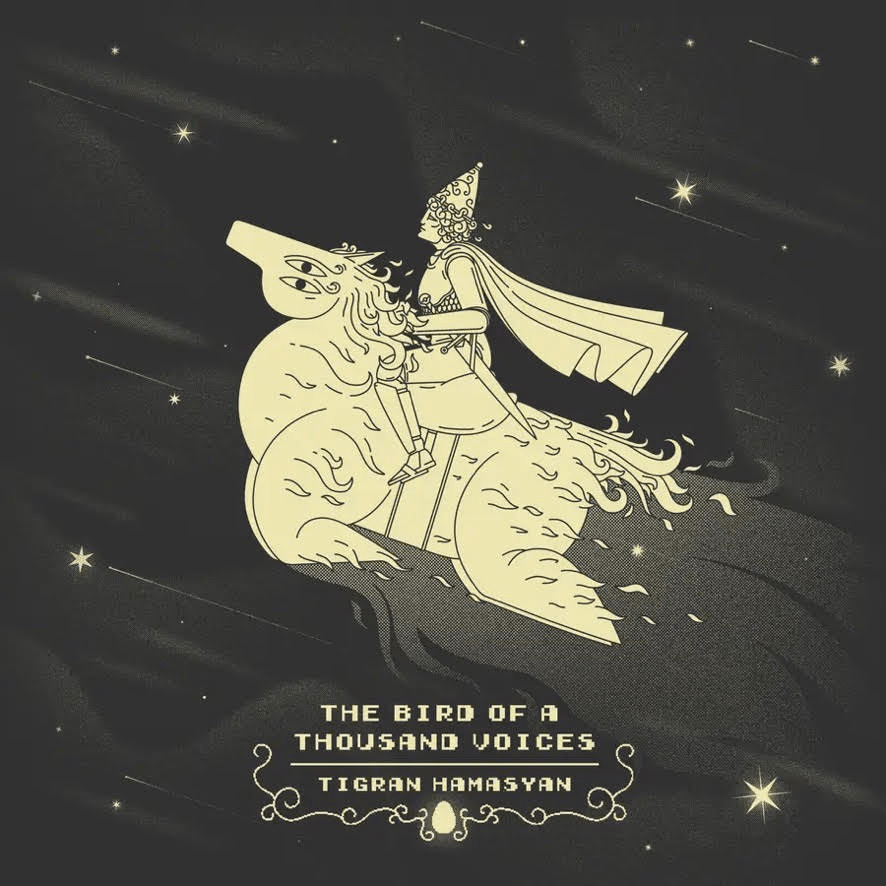
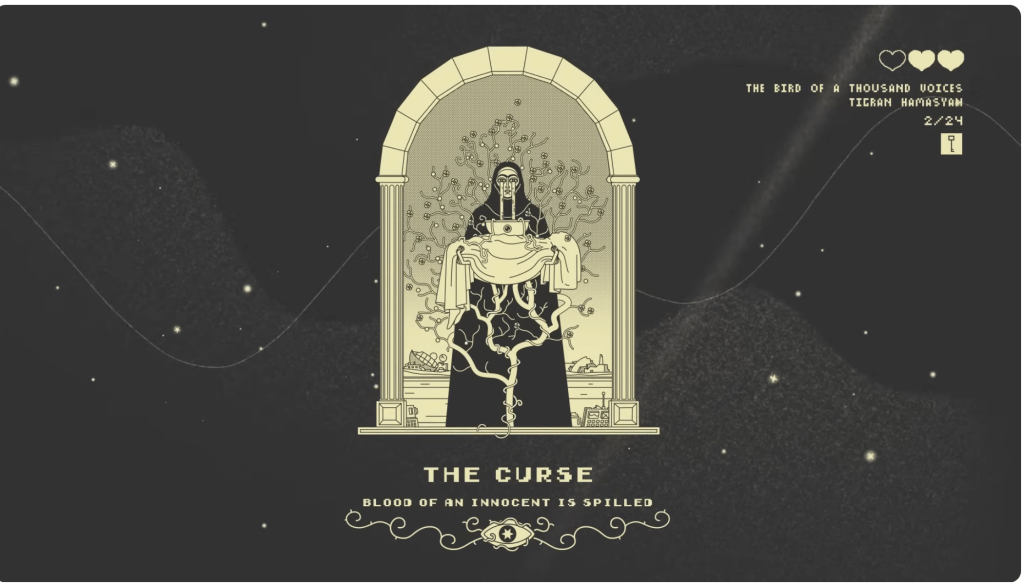
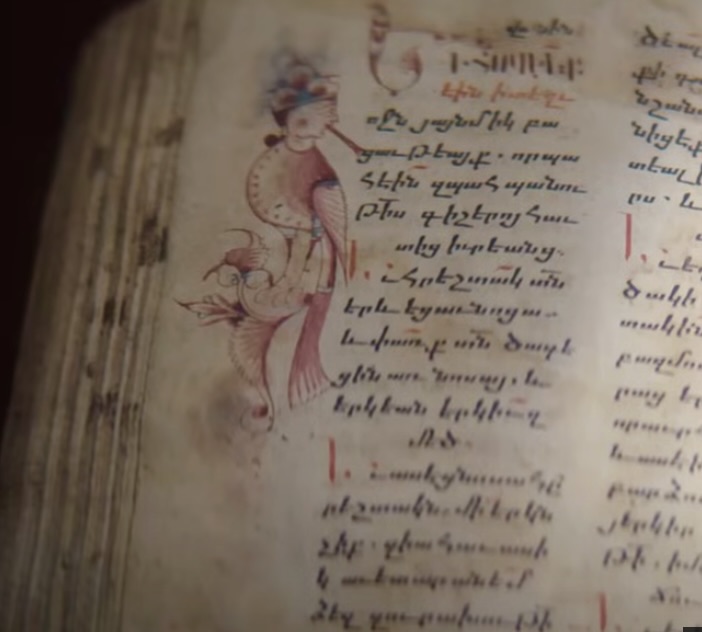
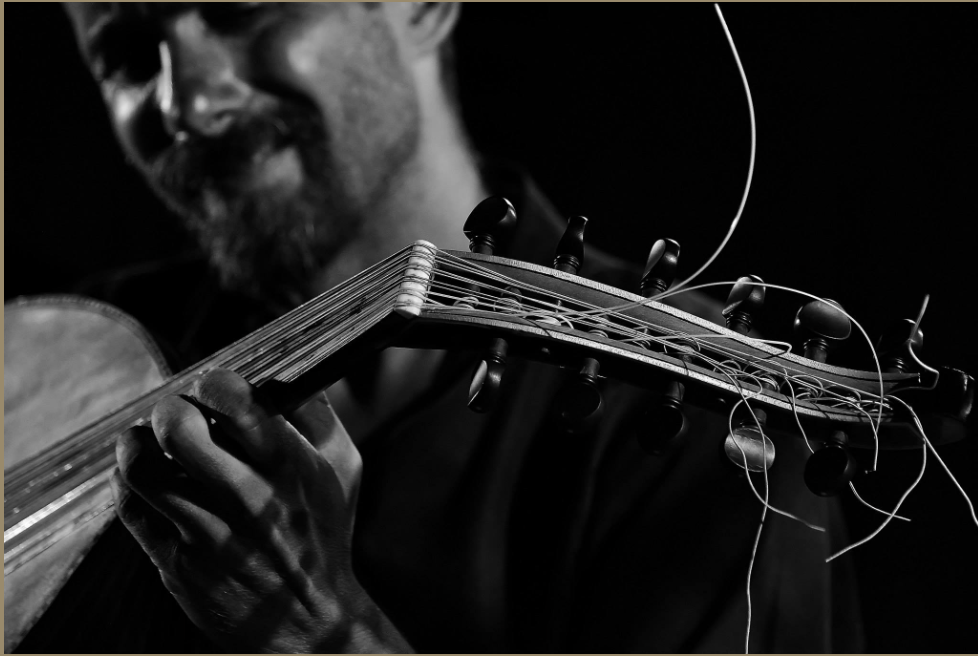

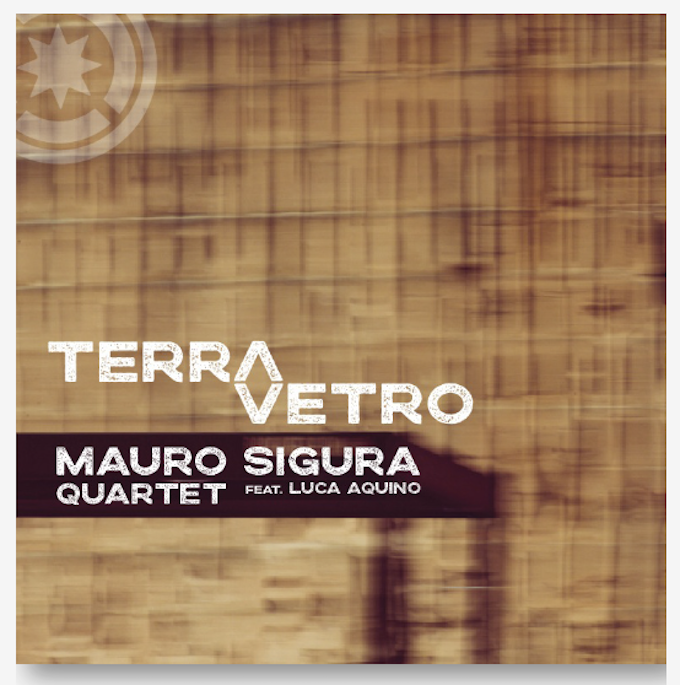

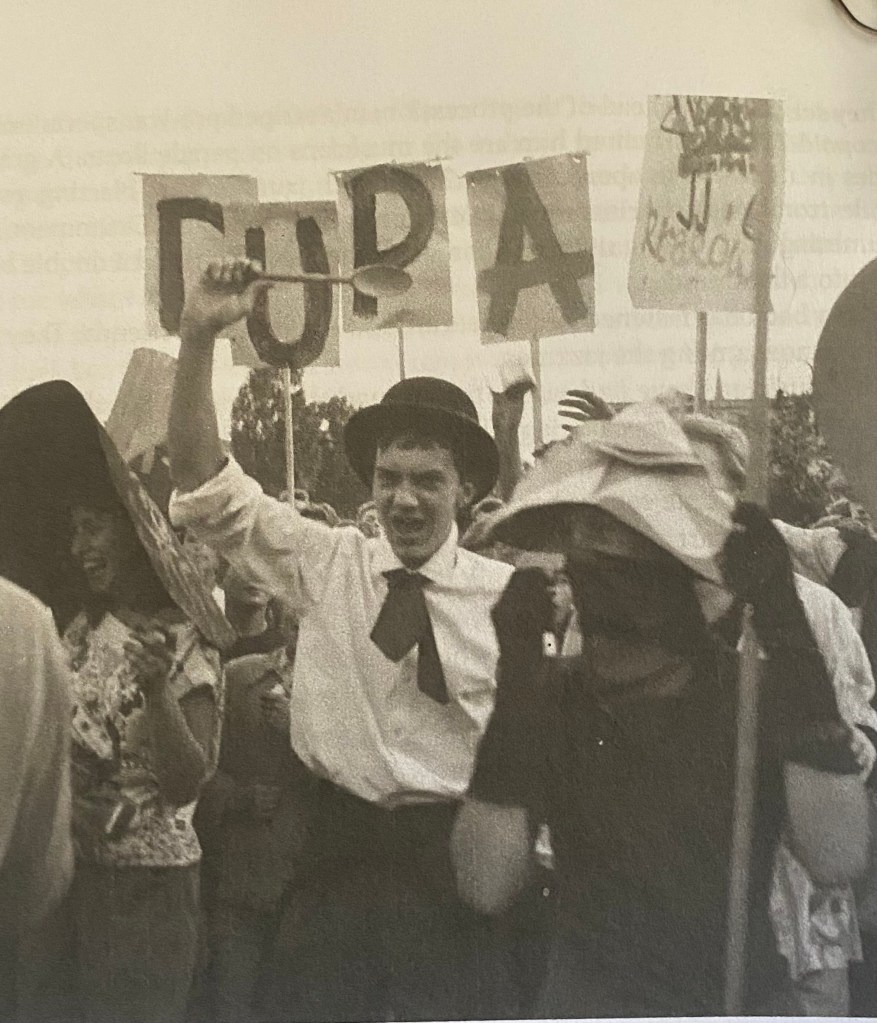

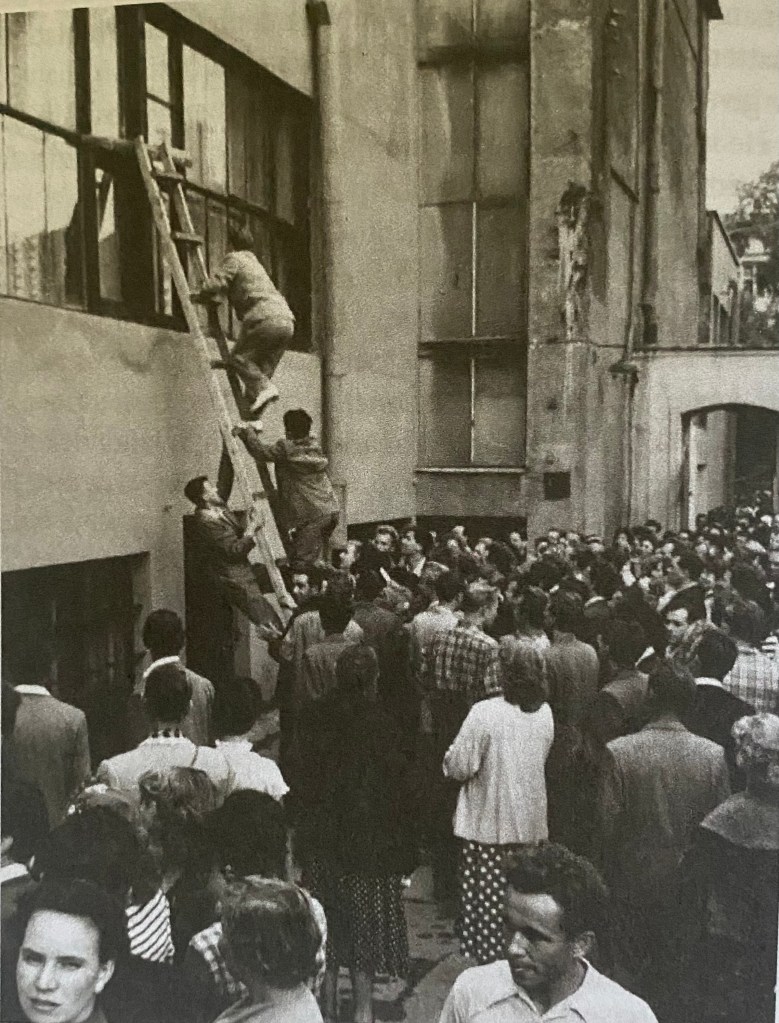

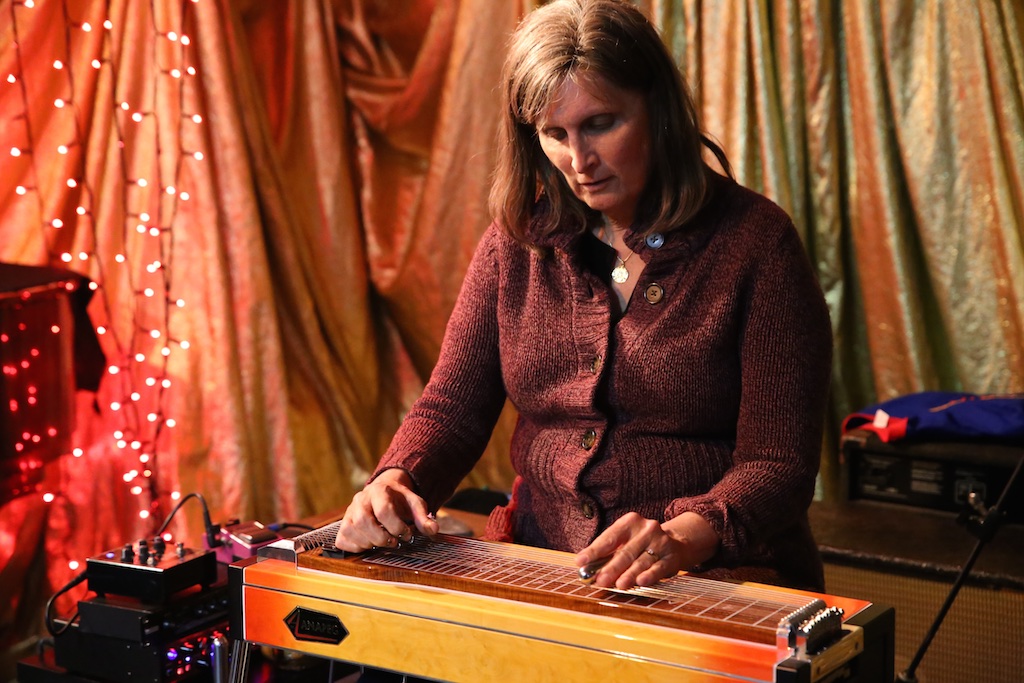 Lately I have attended a number of music workshops. Although not a musician I gain a lot. They offer fascinating insights into the artists creative process and if your lucky, insights into a particular instrument. With music, the more you listen, learn, observe and delve, the more you gain. My reason for attending Susan Alcorn’s workshop was probably different from most attendees. The majority were guitarists anxious to glean practical information or wanting to be convinced that this complex instrument was for them. A handful of others sought knowledge for knowledges sake – dipping another toe in the water of sonic learning.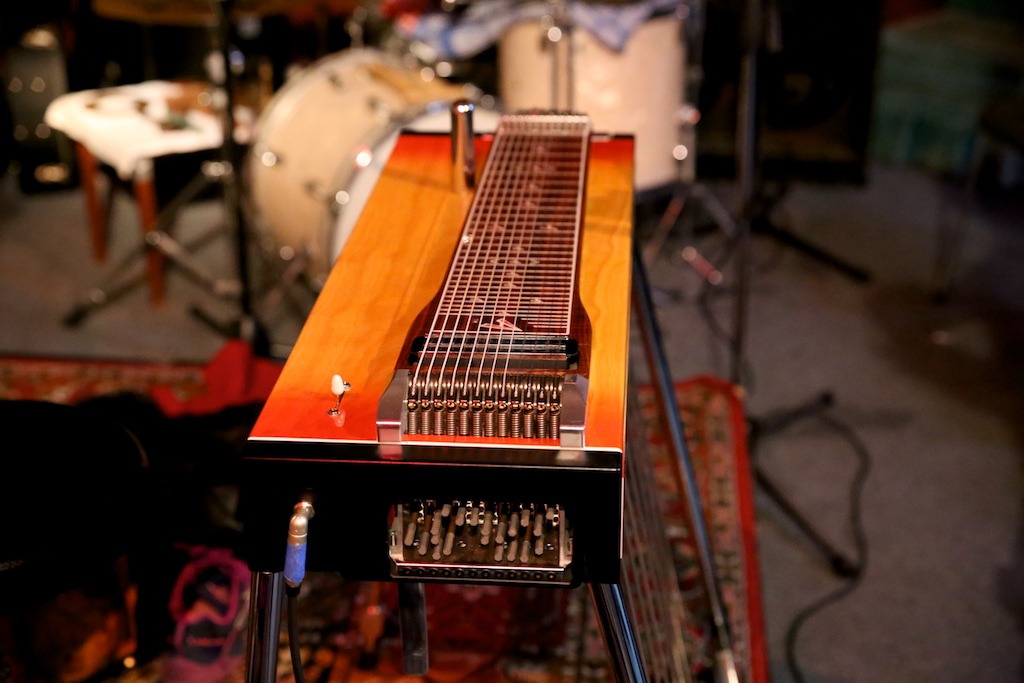

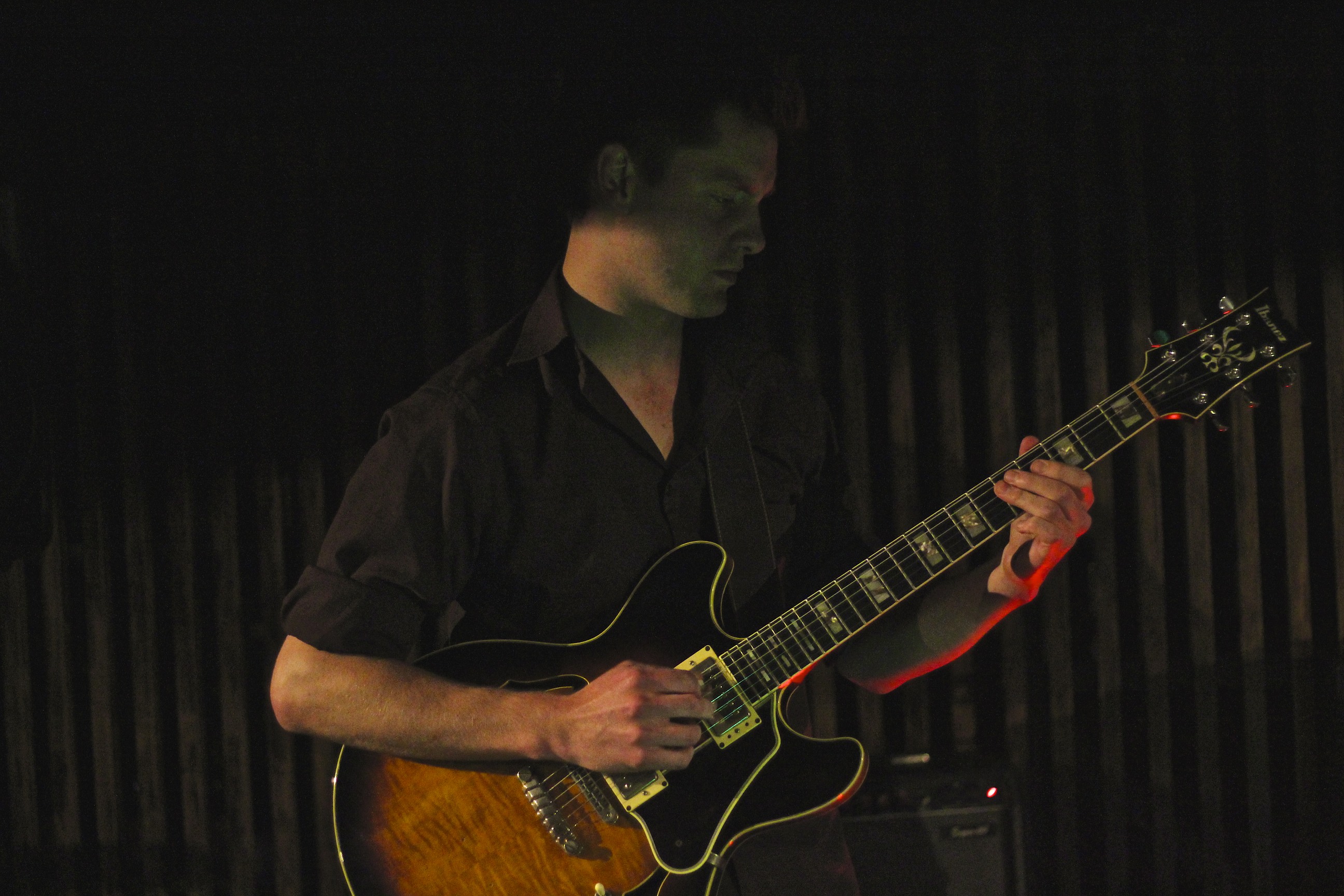
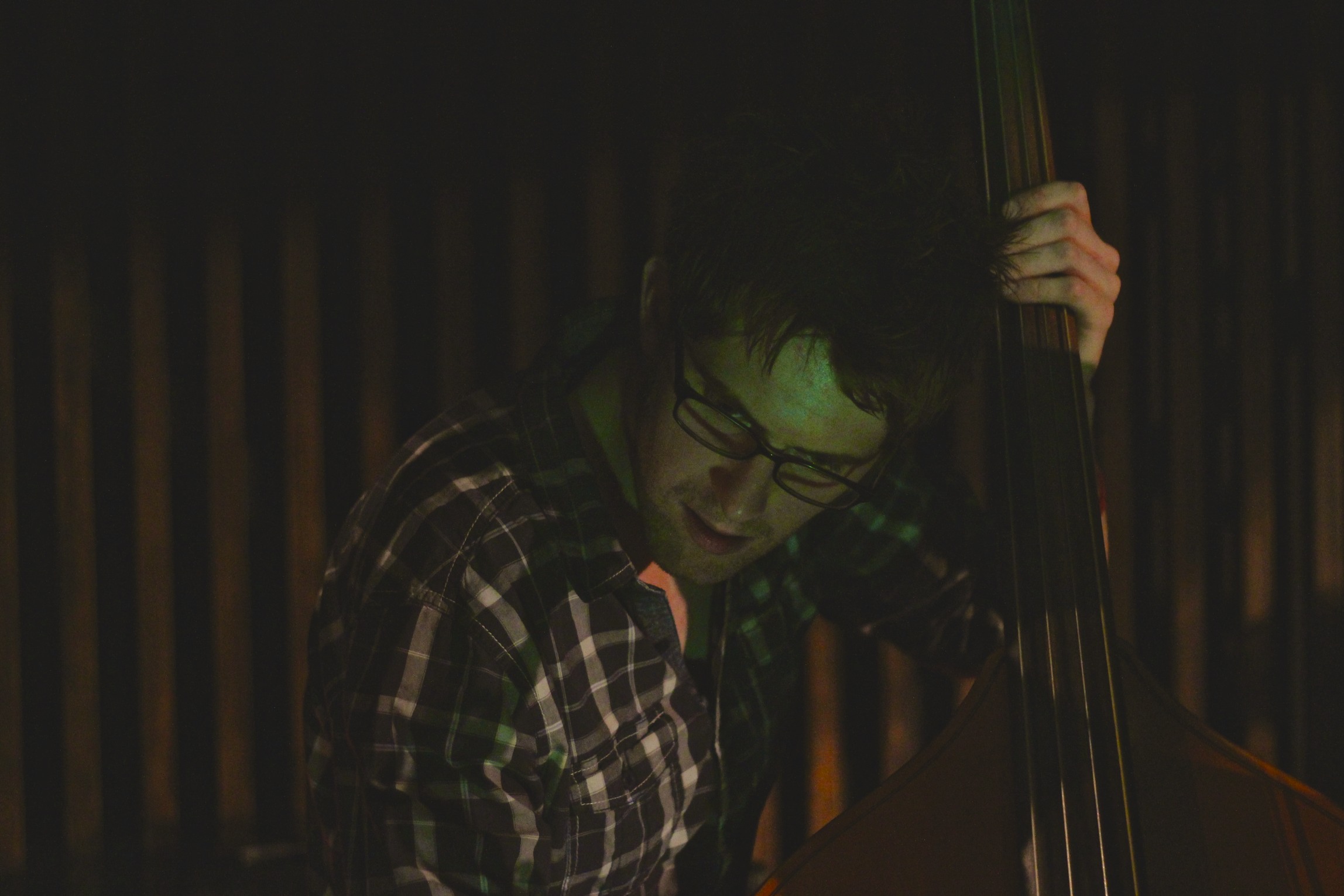

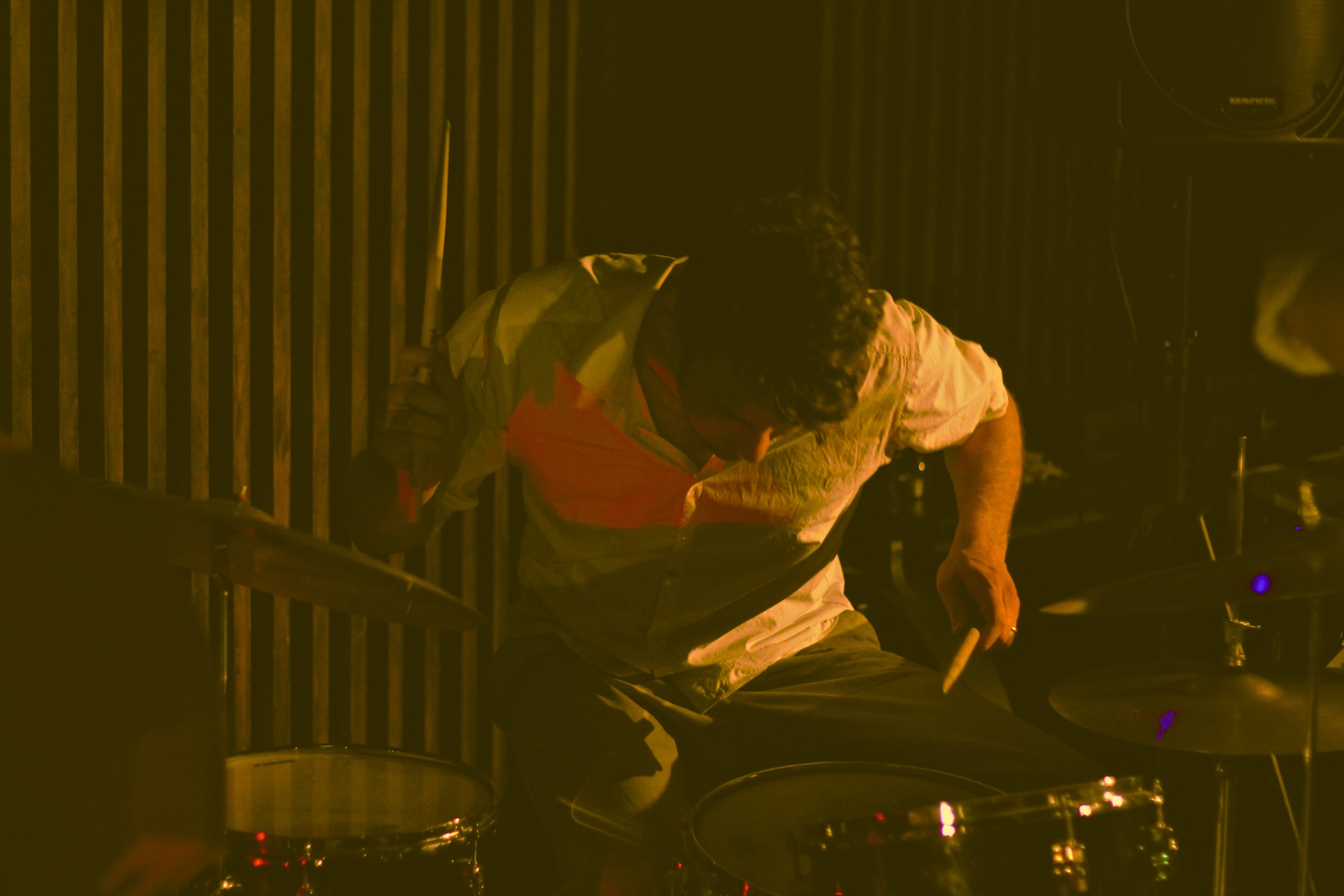
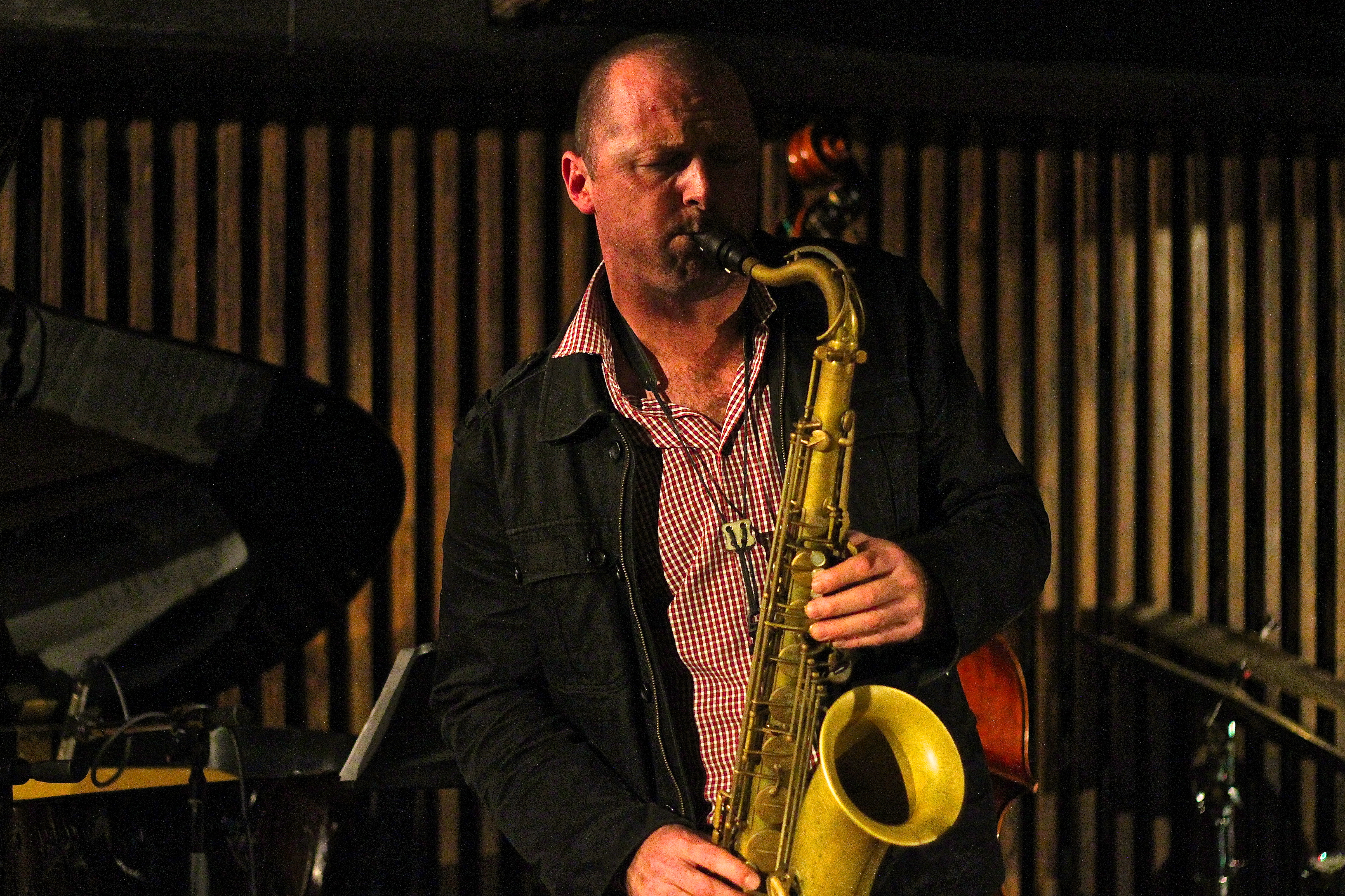
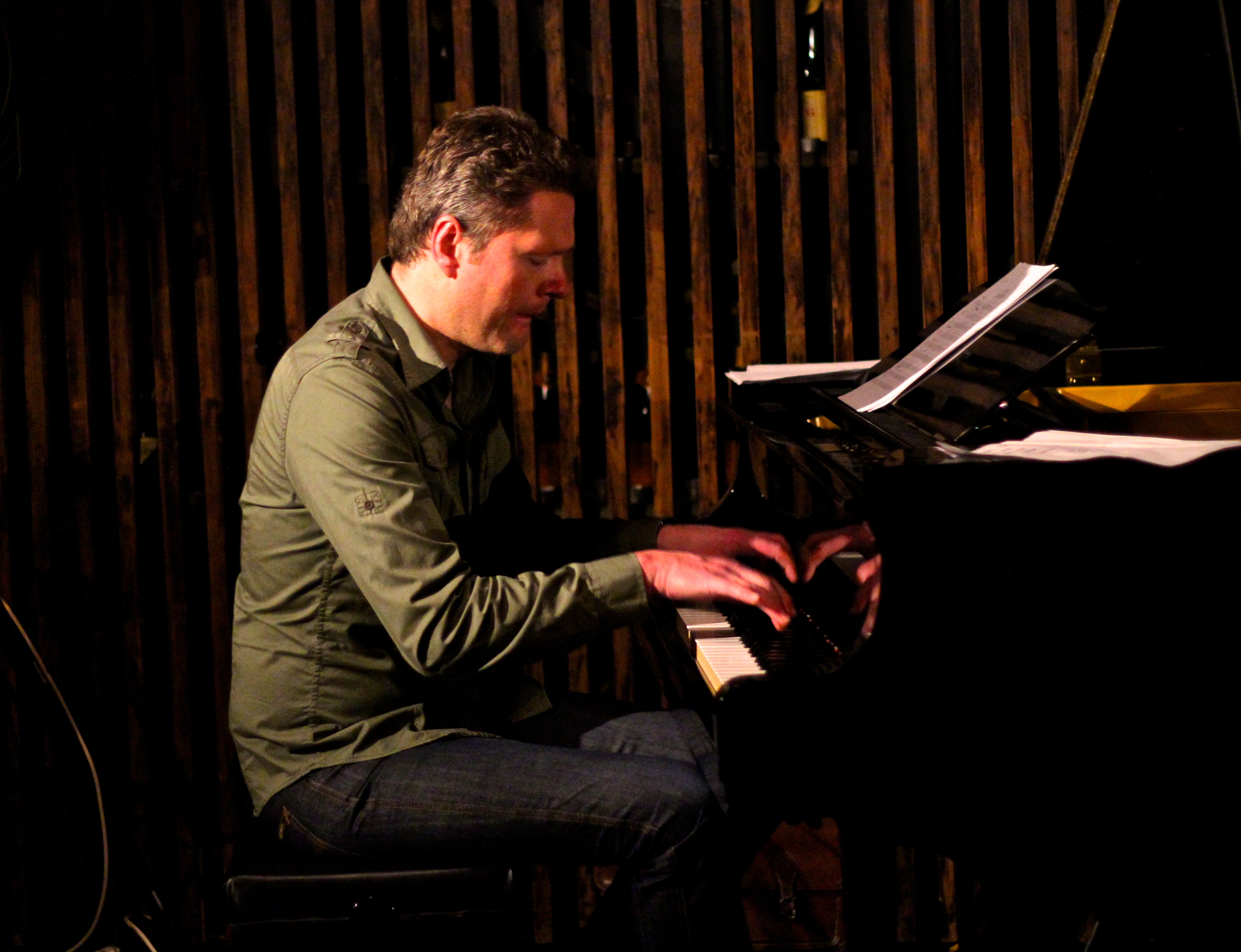

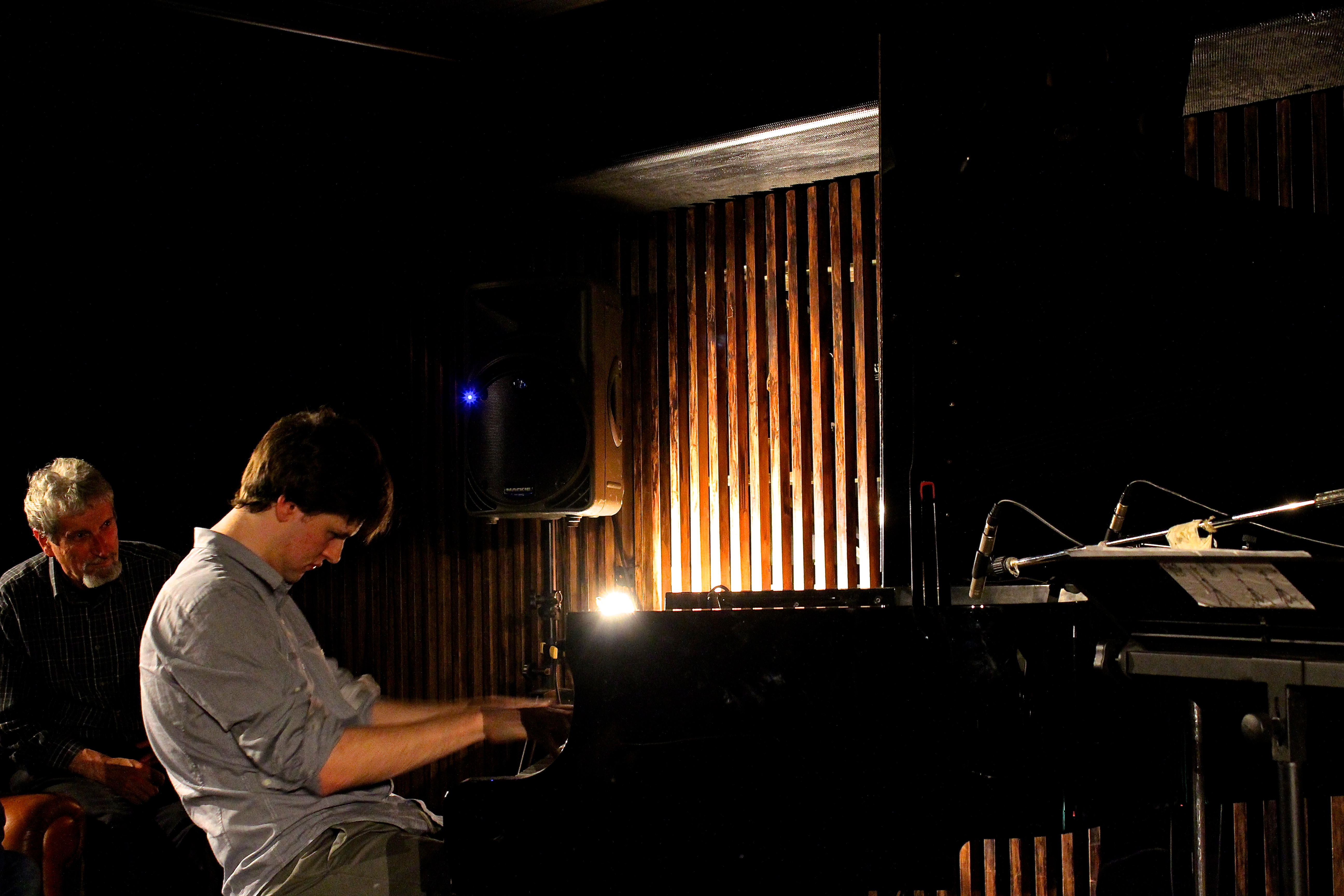

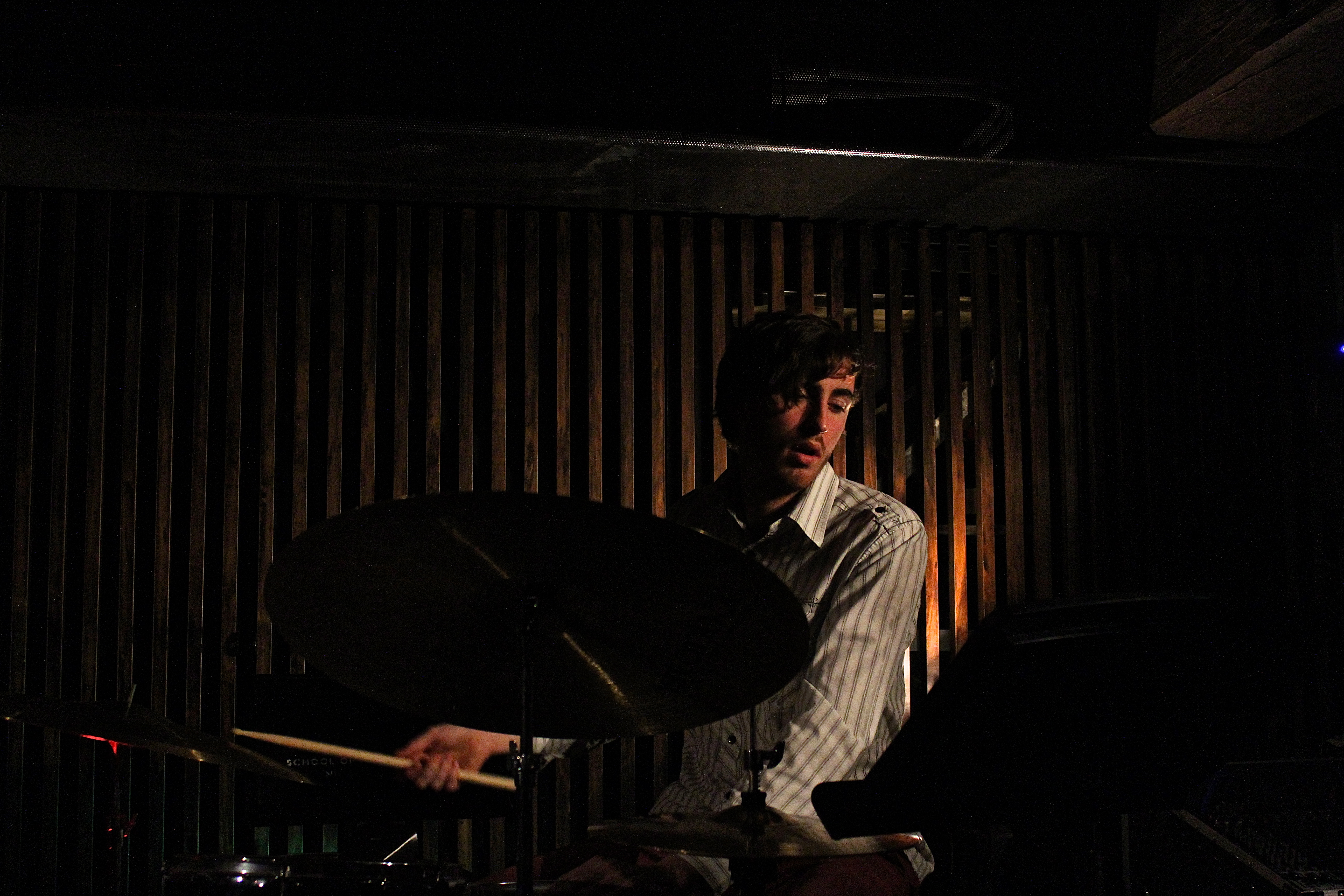
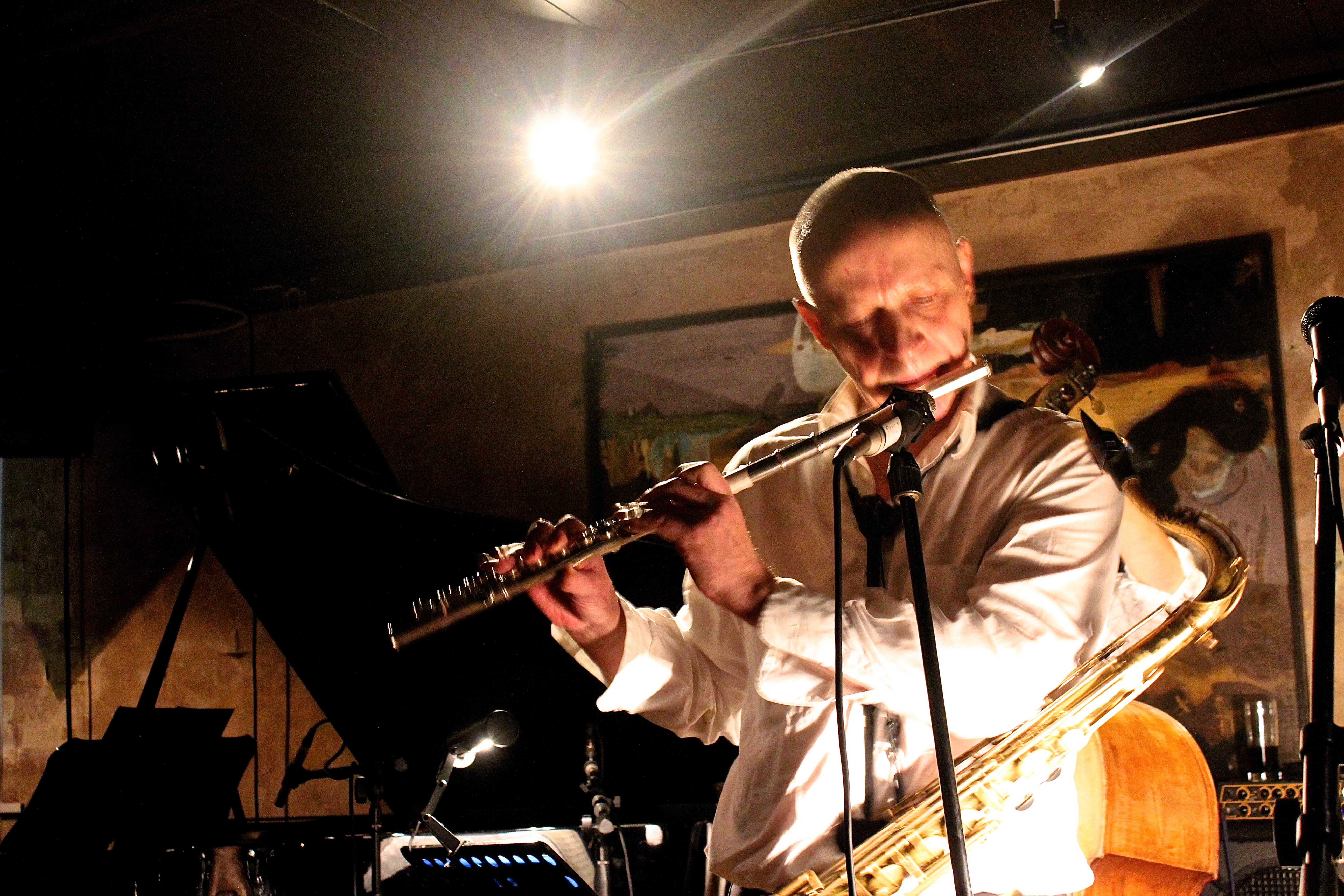
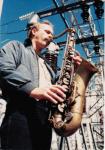
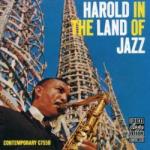
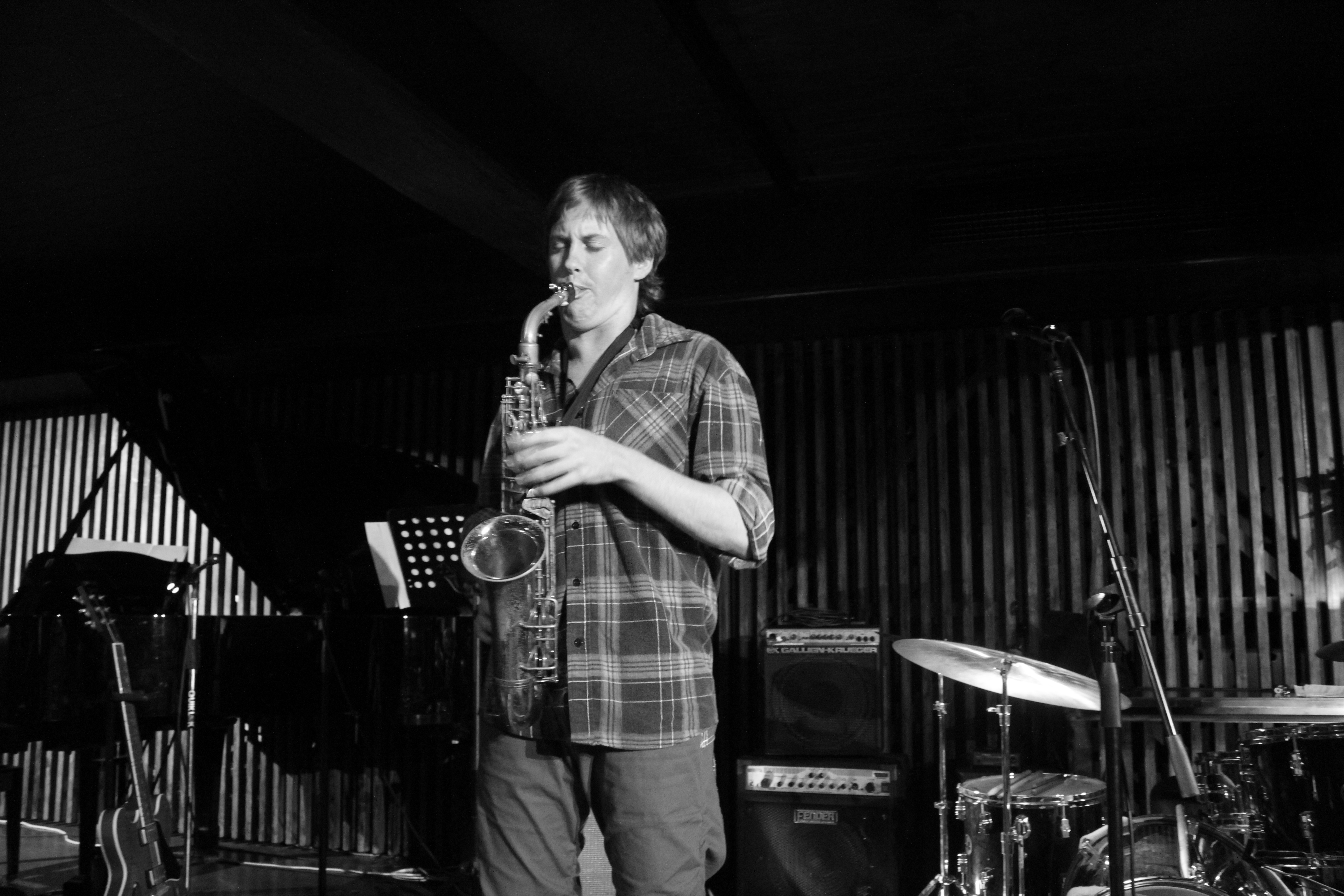
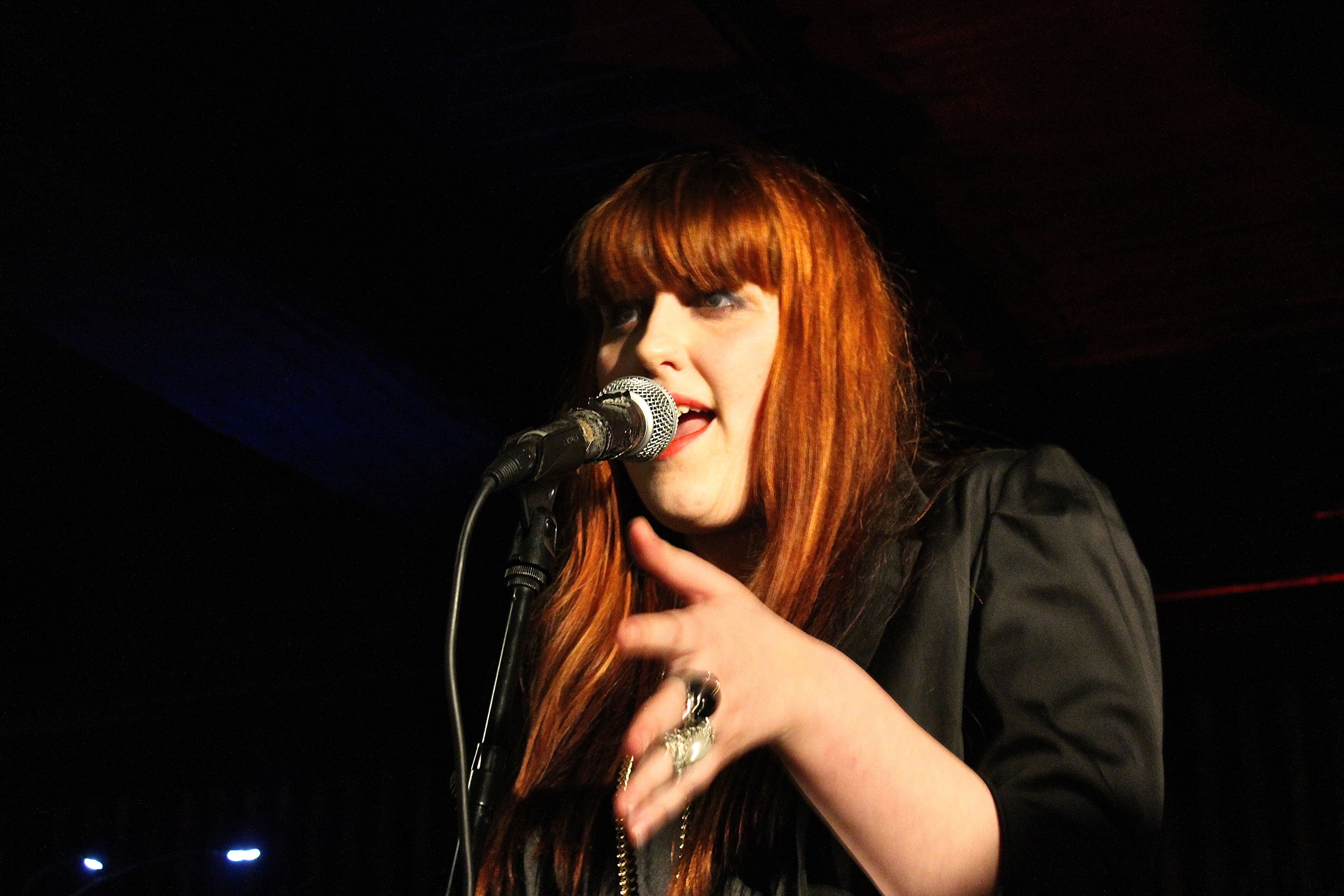
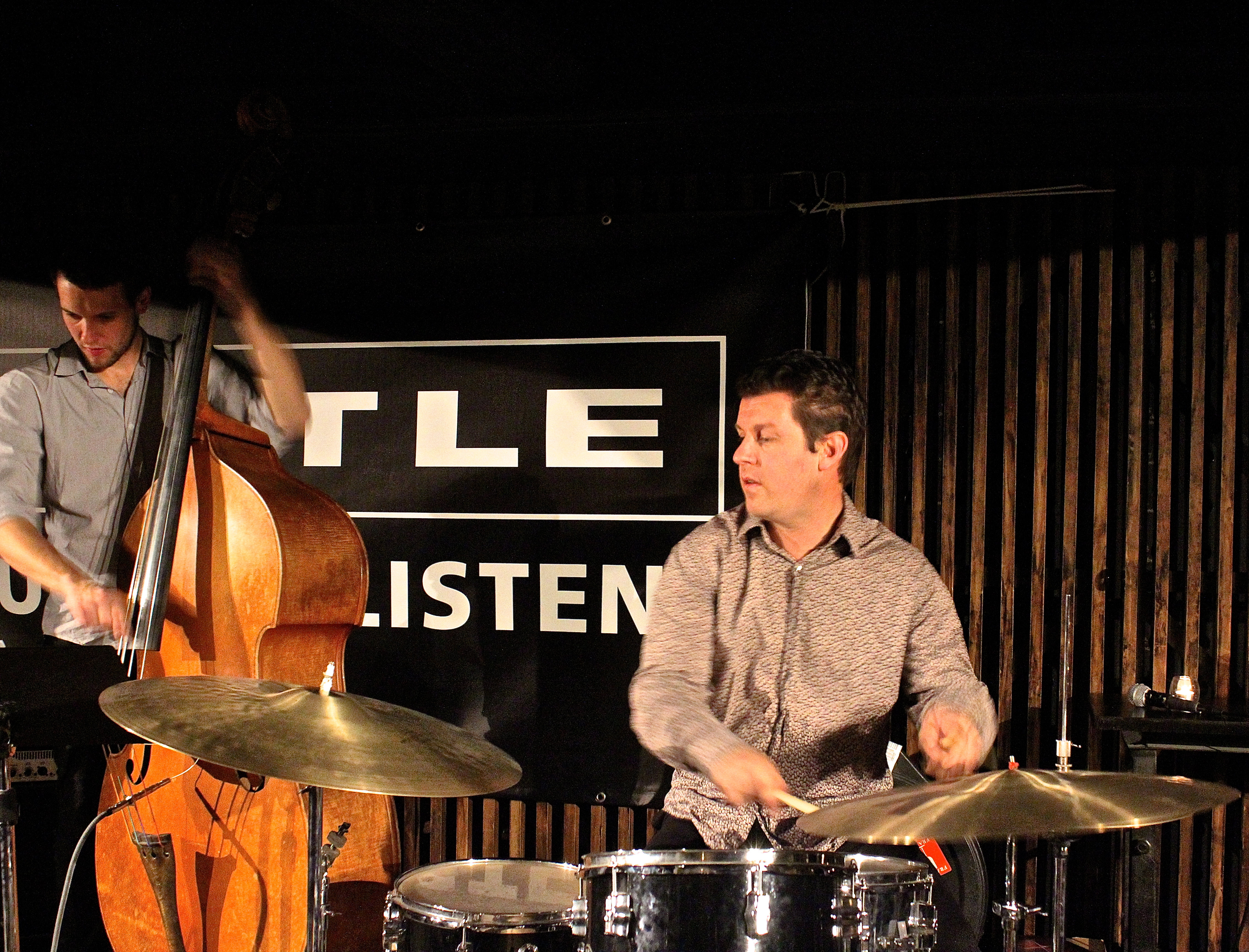
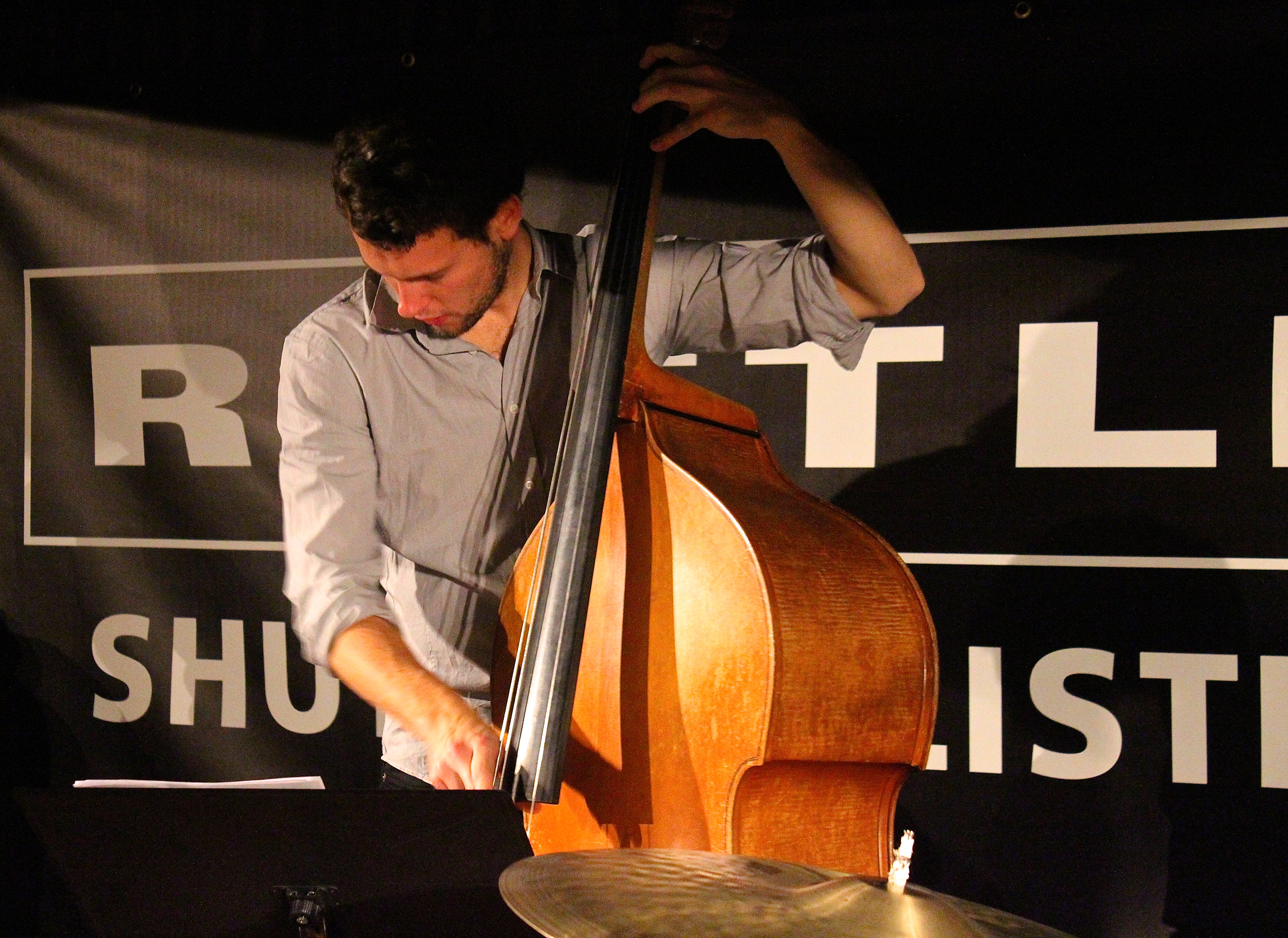
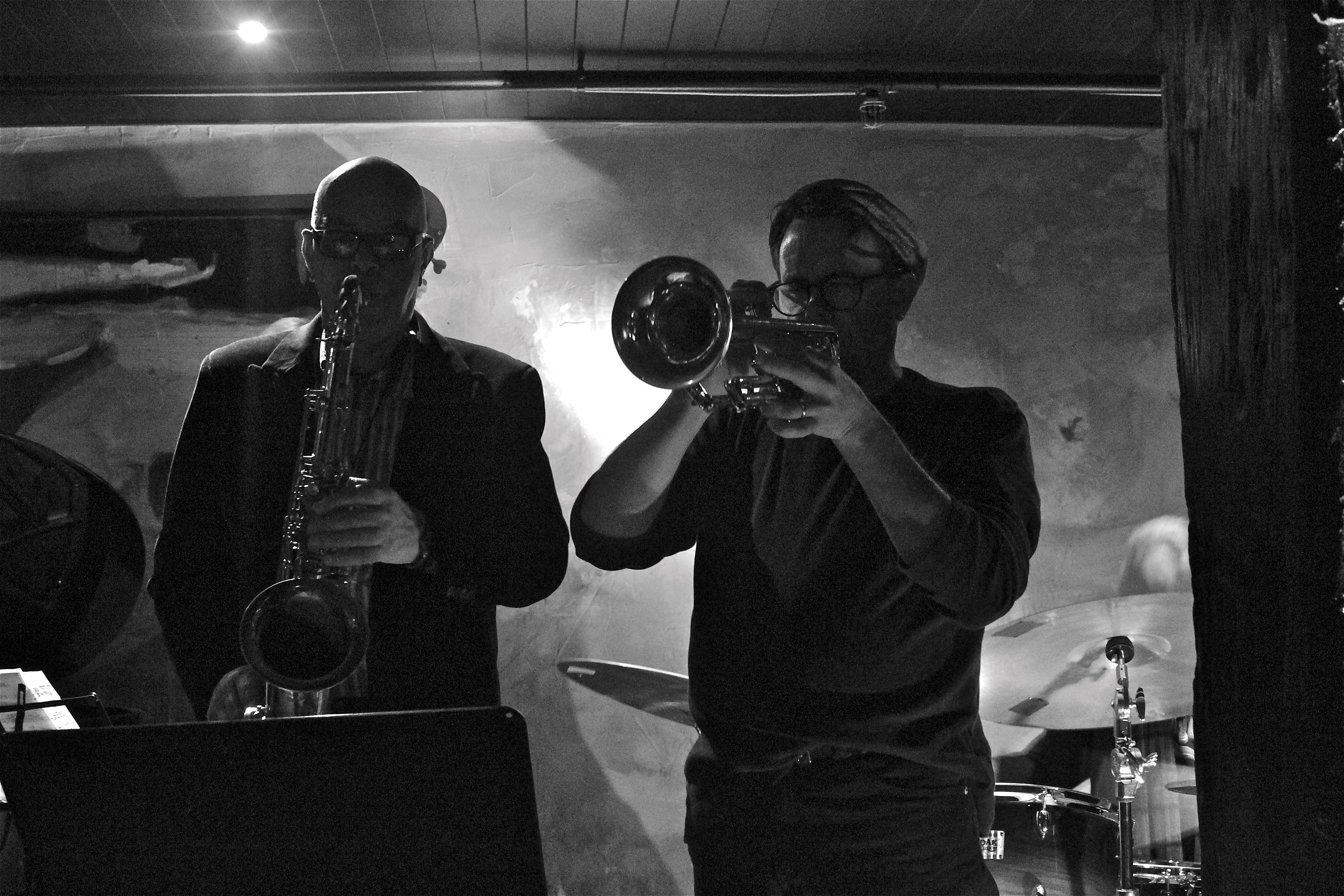
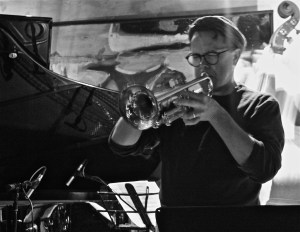
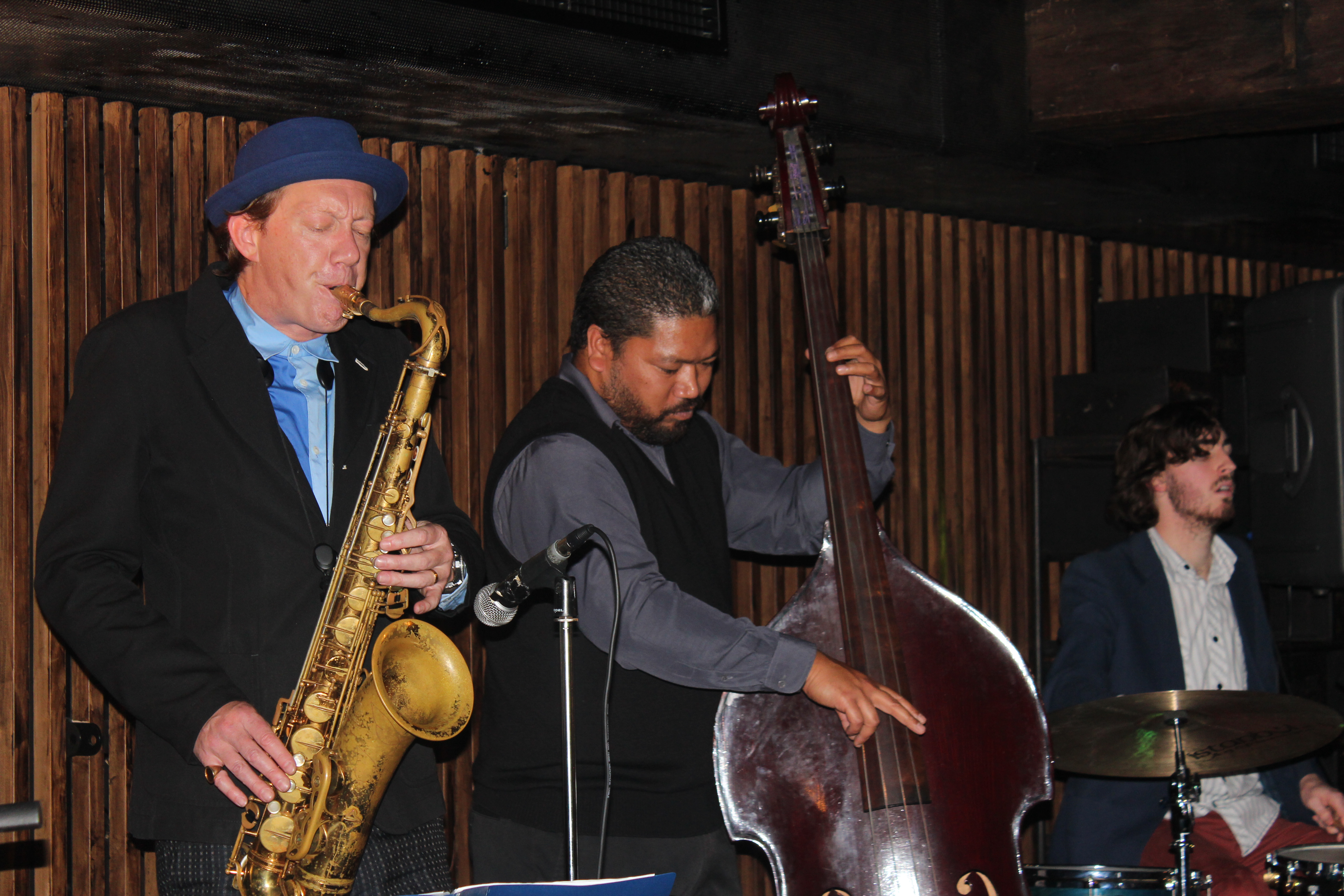
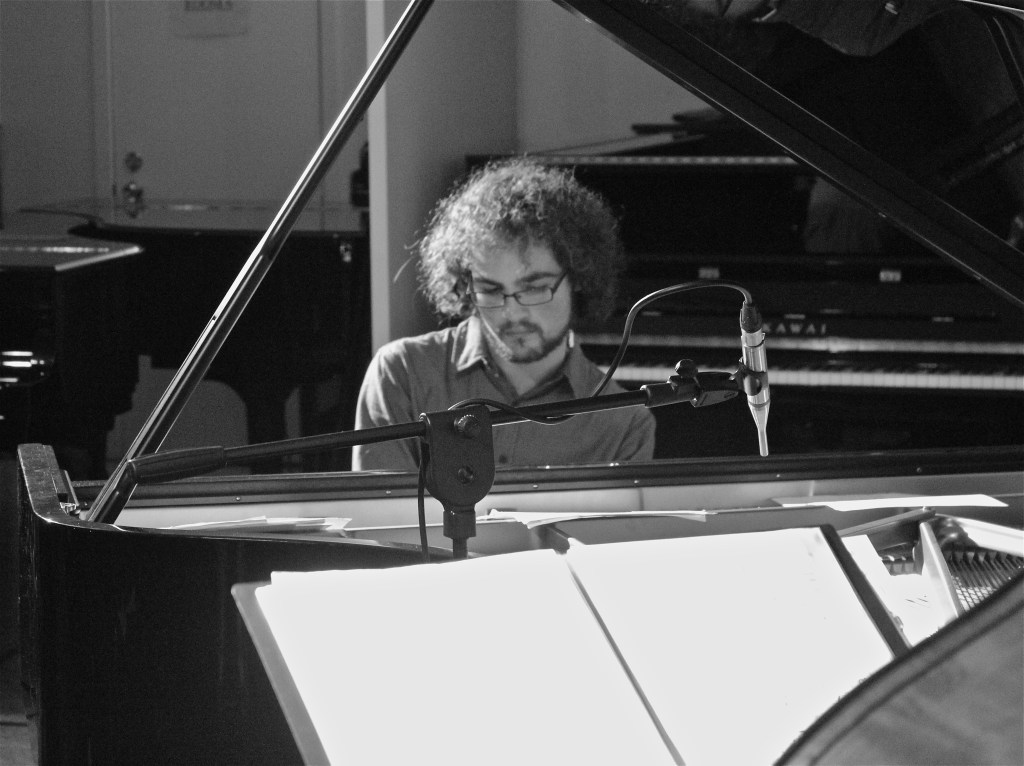

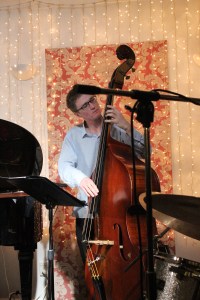
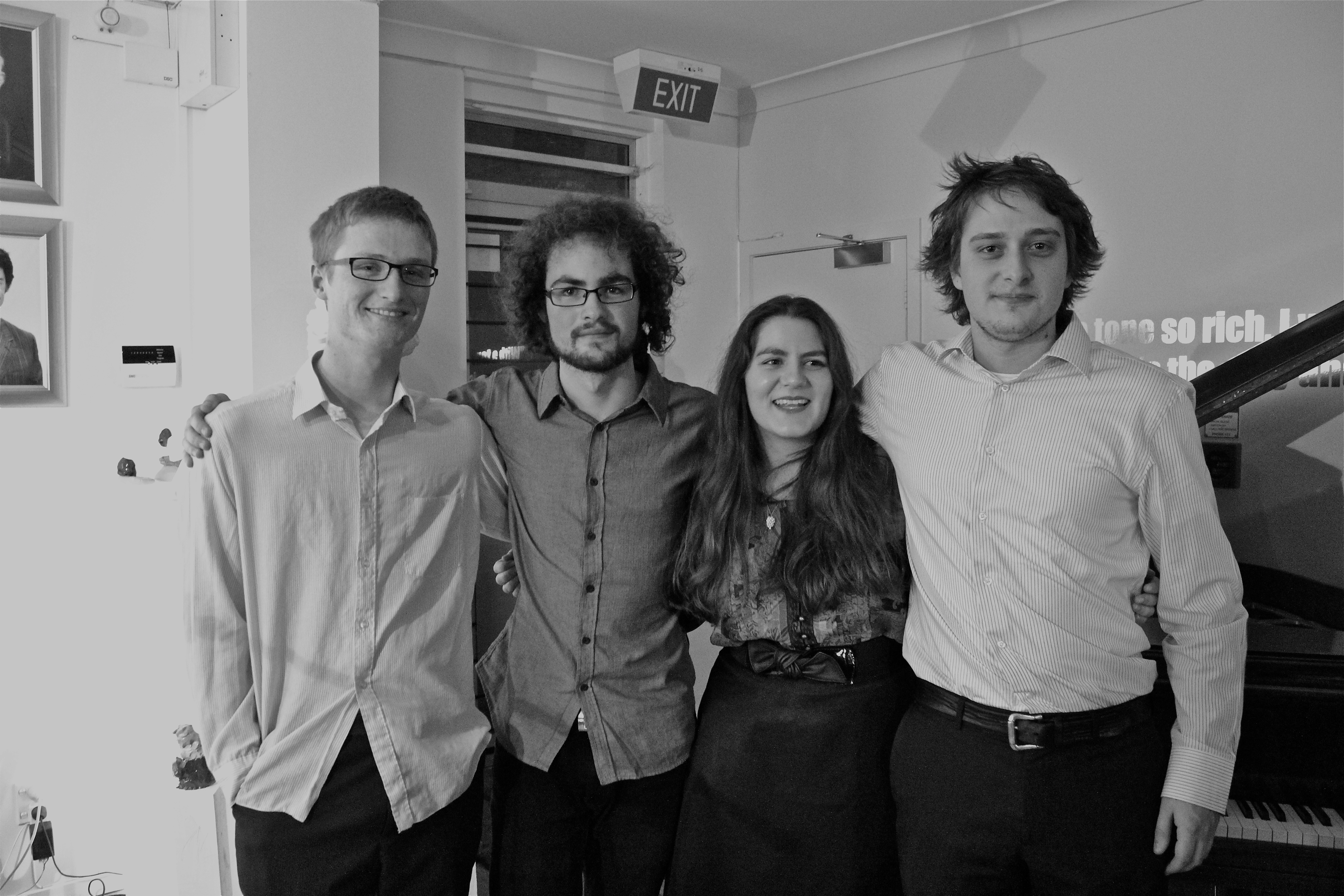
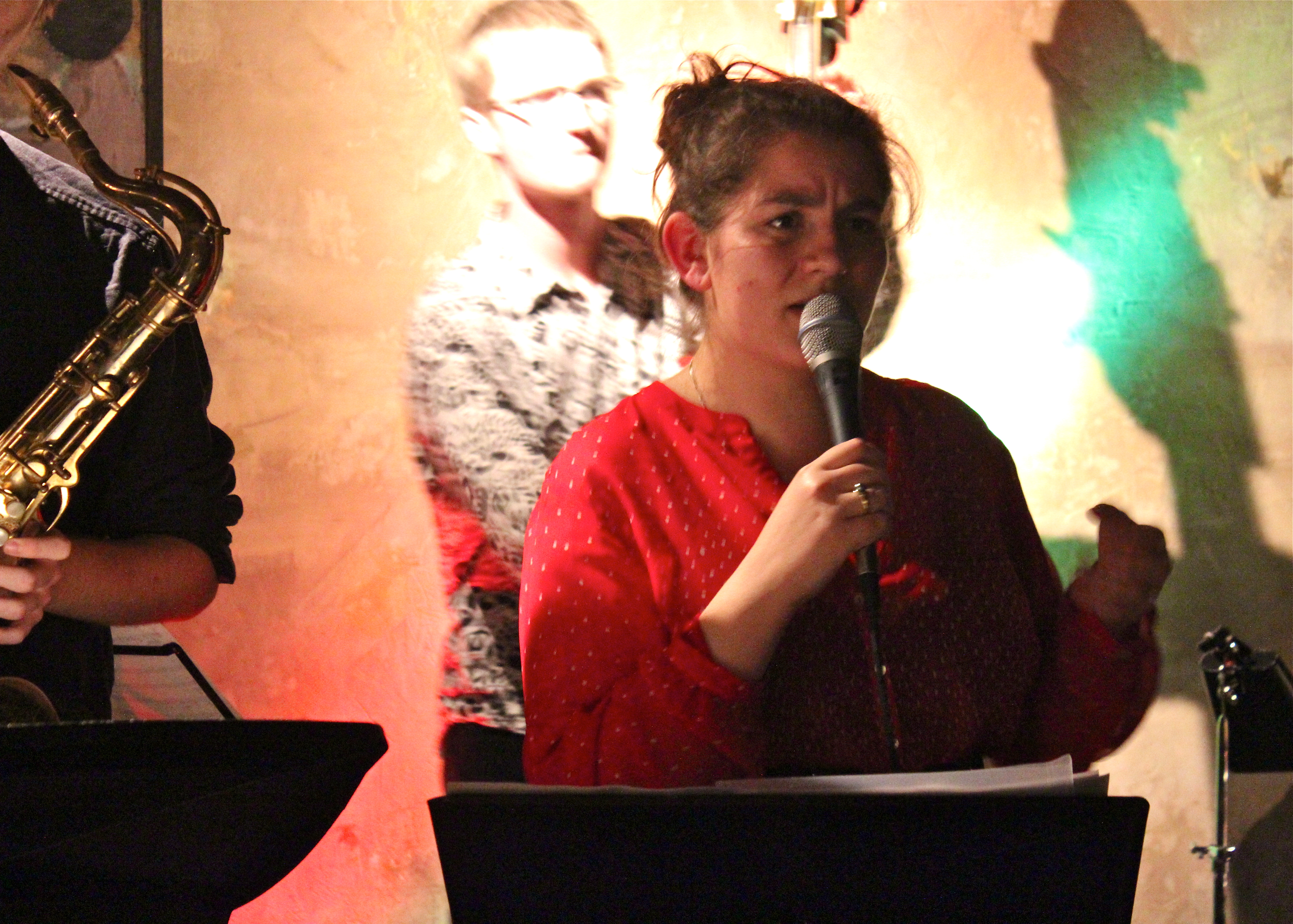
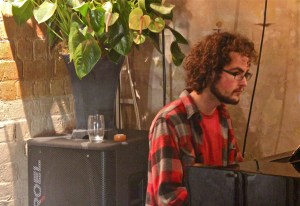
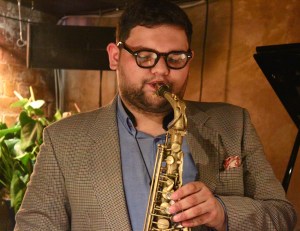
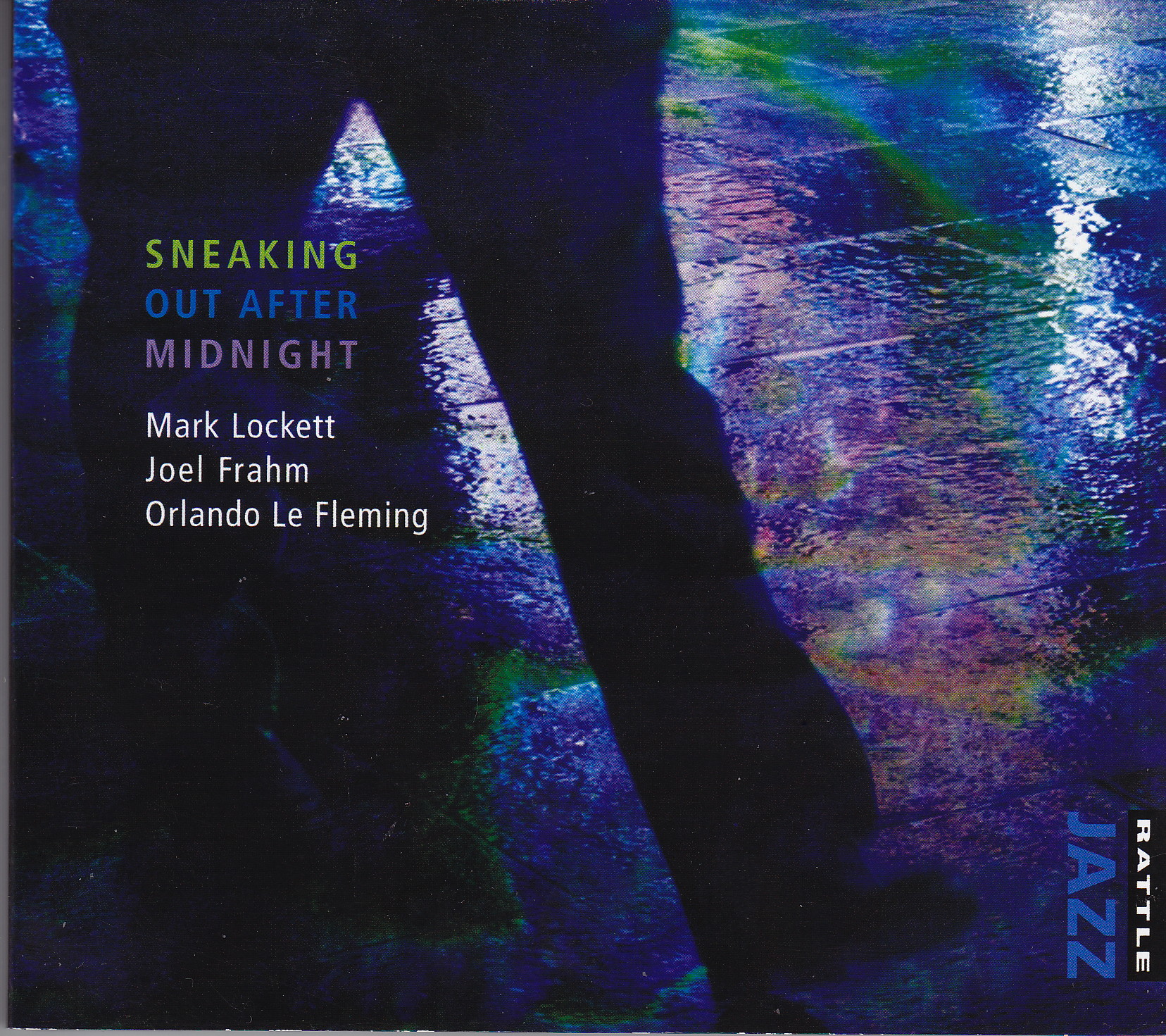
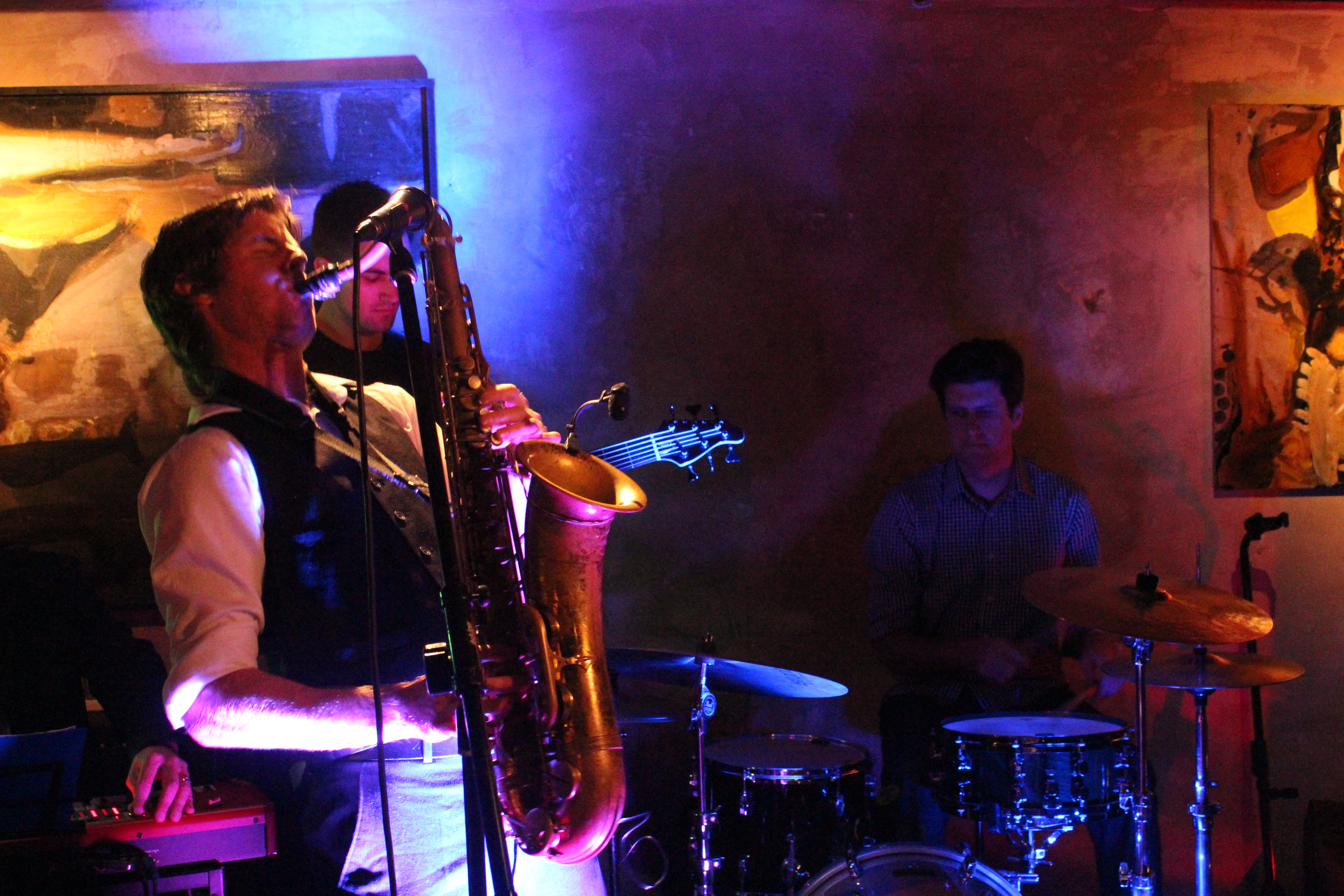
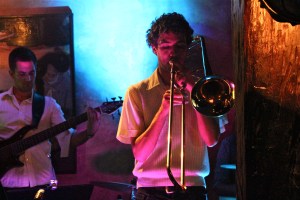


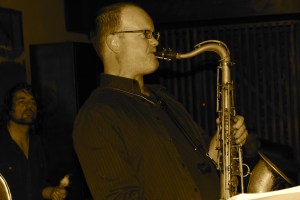
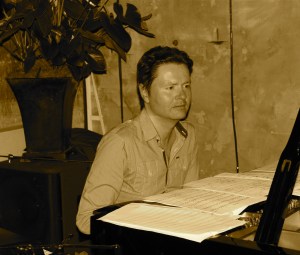
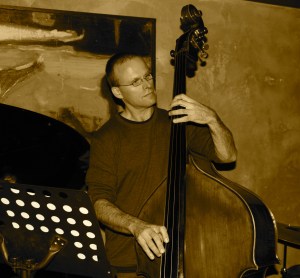
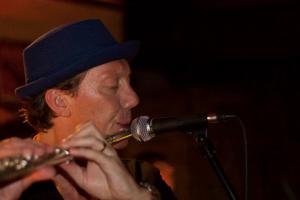
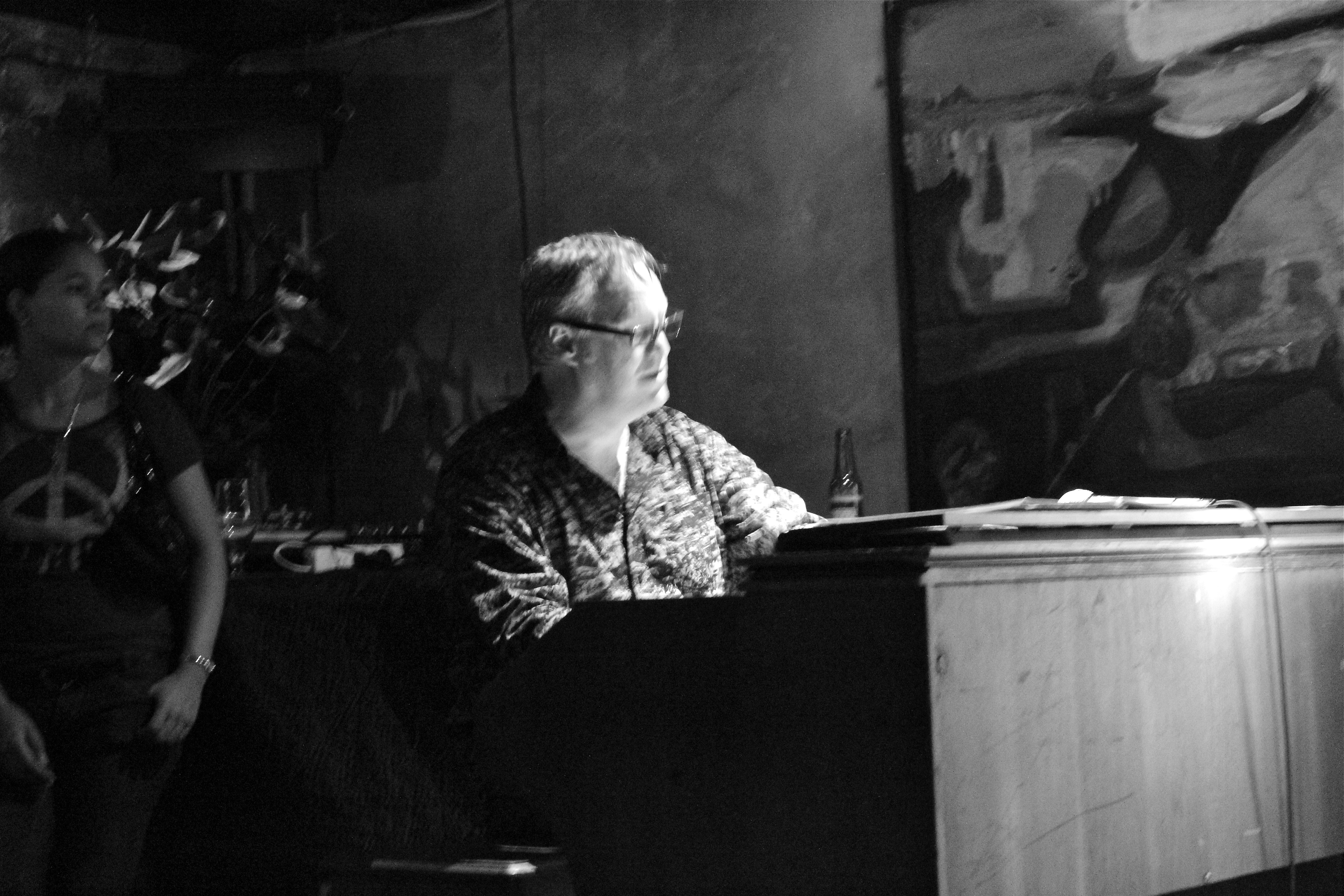
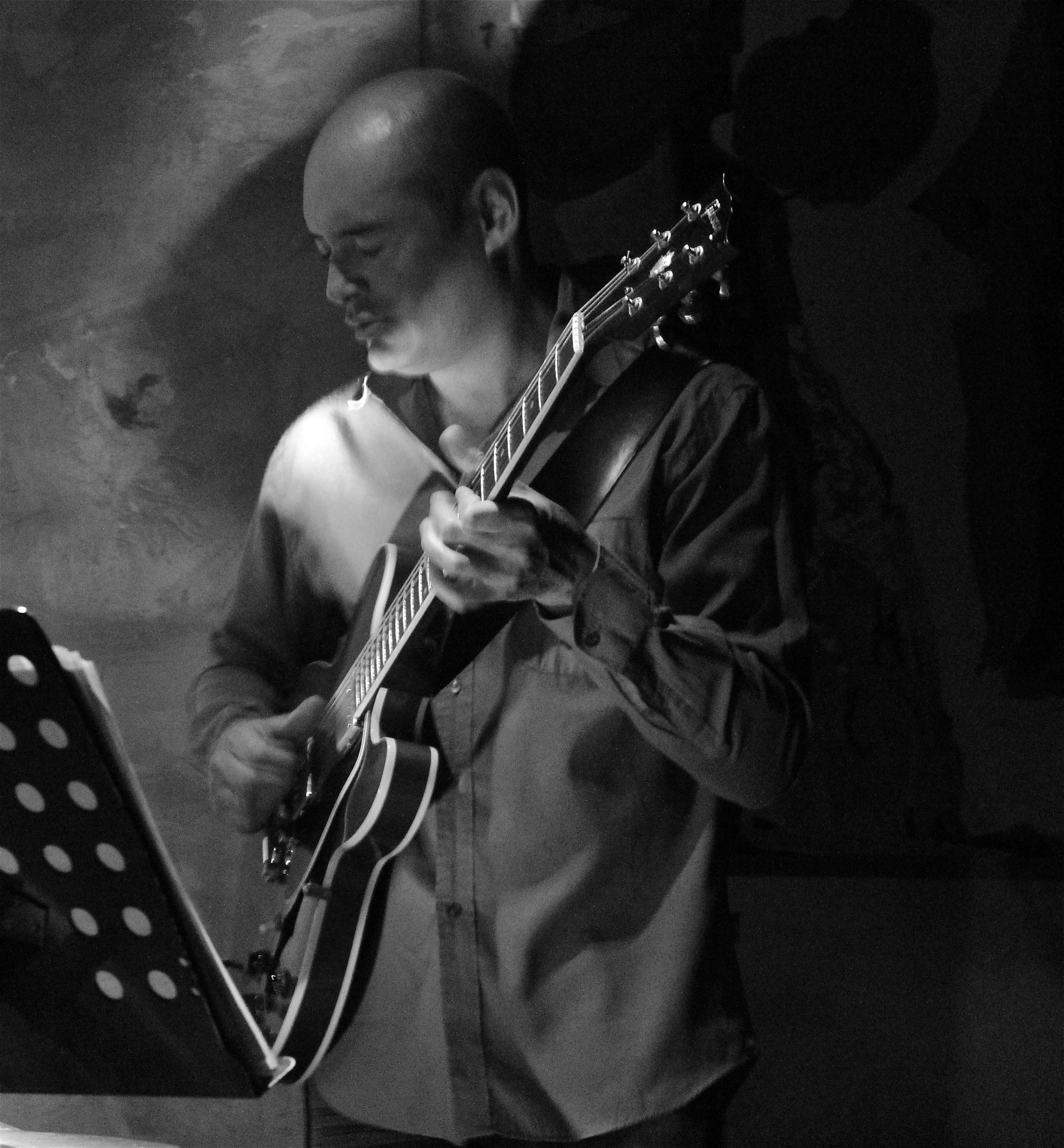
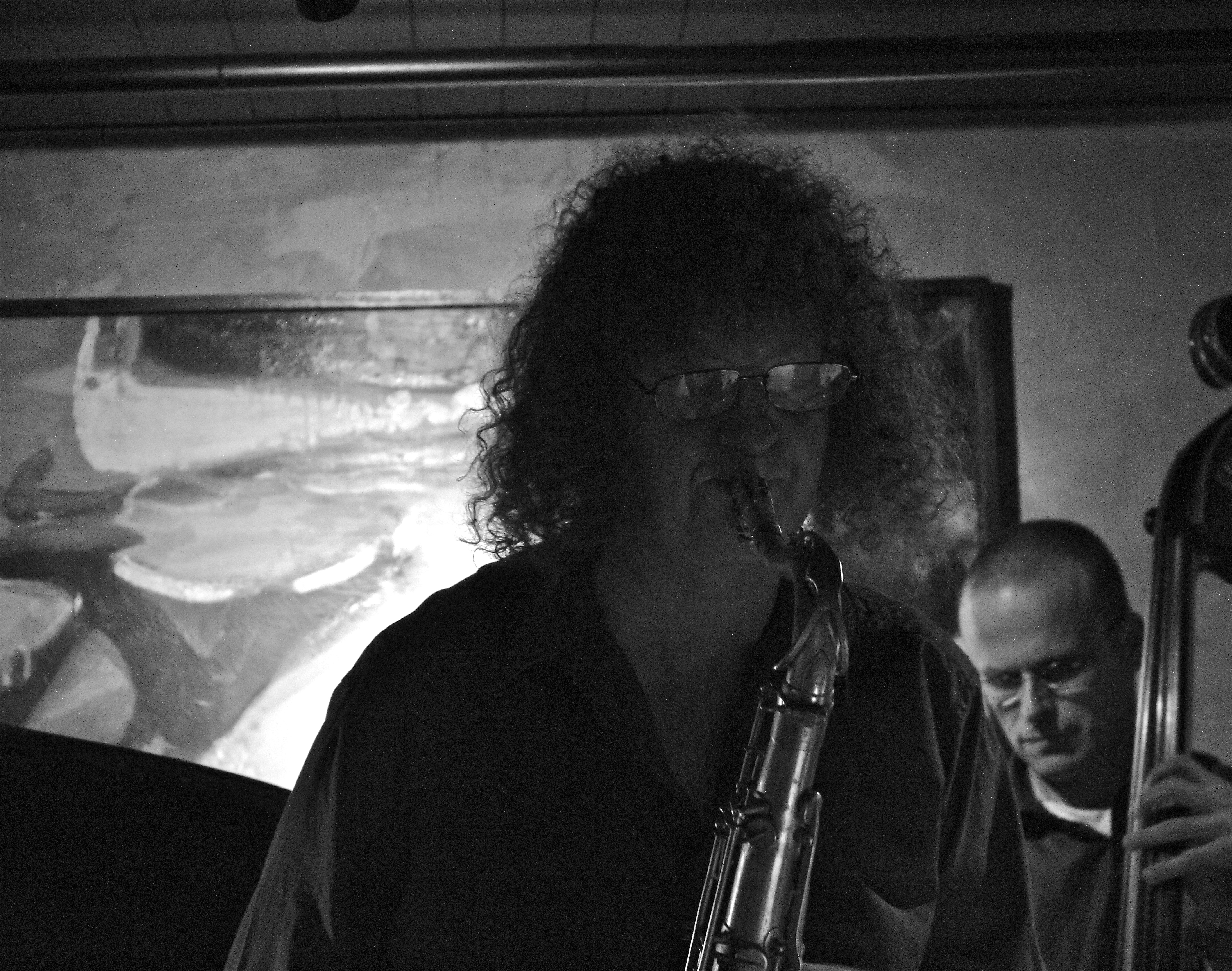
 The co-leader of this nights band, Craig Walters has lived in Australia since 1985. Craig has an impressive background in Jazz, as he trained at the
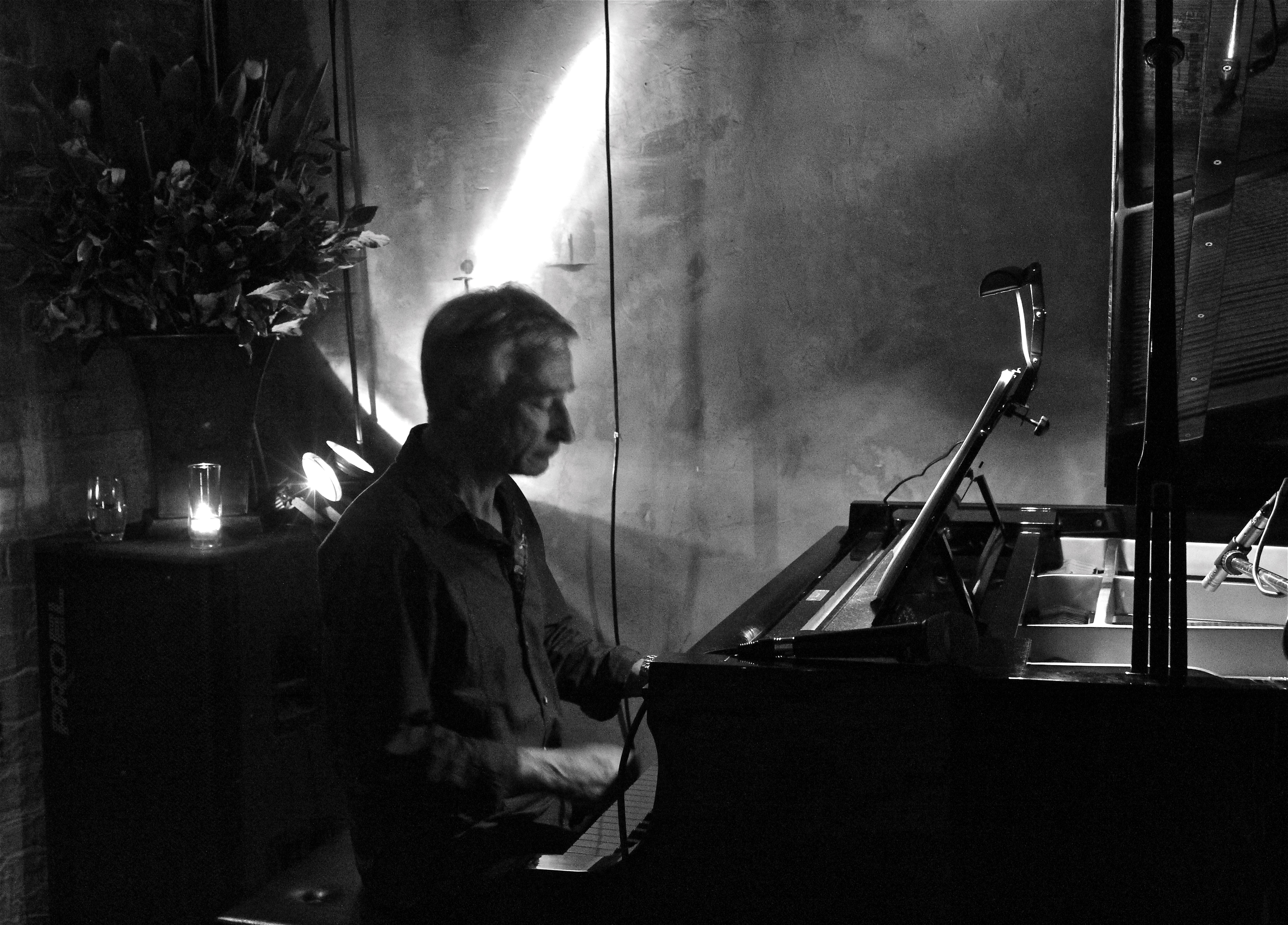
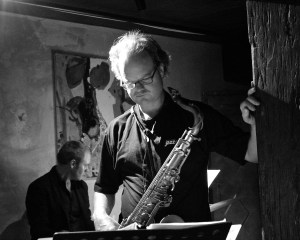
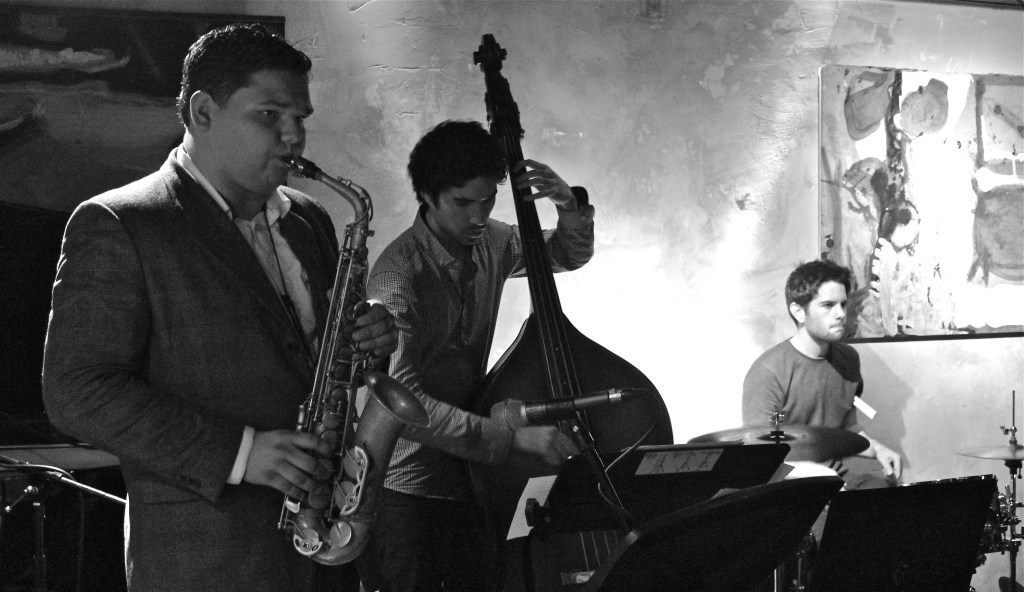
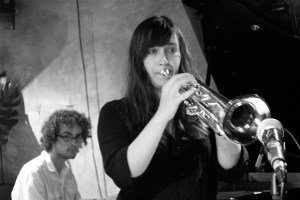
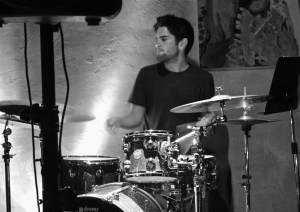

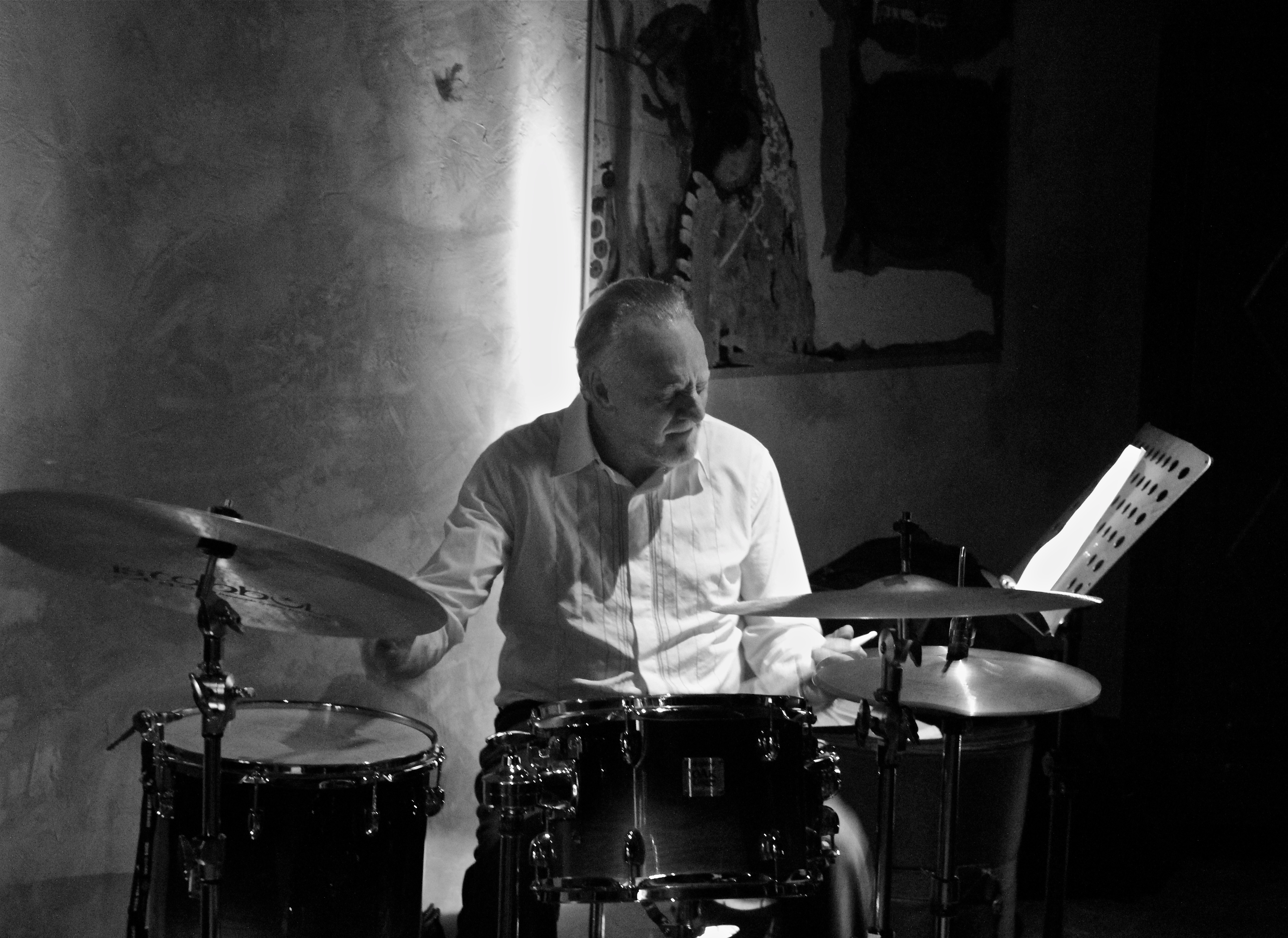
 JazzLocal32.com