
Those lucky enough to attend any of Jake Baxendale’s ‘Waypeople’ concerts last year will have anxiously awaited the release of this album and his release tour. It is music brimming with exotic textures and tasteful arrangements, but it is more besides. When I attended the concert, I sensed that I was hearing something important. It made a statement about the maturity and evolution of Aotearoa’s improvised music scene and also conveyed a message that the world needs to hear right now. This spoke to our times and cut deep.
Before the advent of written language, and for a good while after, important stories were poetised and sung. This enabled generations to memorise and pass on vital cultural knowledge. In fact, poems were sung and accompanied by musicians long after the arrival of the written word, and the practice of silent reading didn’t occur in the West until well into the Middle Ages (sometime between 900-1200 BCE), and in China, during the Song Dynasty (around 1100 CE).
To the ancients, reading was a communal activity, and so it was with the Tao Te Ching. It spread through oral transmission much like Homer’s epics. Therefore, while various texts are available today, hearing it with musical accompaniment feels right. To the Taoists, music deepened the connection with the natural world and awakened ancient memories. As the Tang Poet Li Bai wrote:
‘The monk from Shu with his green silk lute . . .
Has brought me by one touch of the strings,
The breath of pines in a thousand valleys’
‘Waypeople’ is an album that joins a journey begun over 2,500 years ago, and in doing so, it incorporates the cultural expressions and voices found on that journey. Here, the ancient wisdom of the Tao Te Ching is clothed in a contemporary jazz idiom, utilising the oldest of instruments, the human voice and accompanied by saxophones, clarinets, piano, vibraphone, trumpet, drums, flute, oboe and guzheng. The use of the guzheng is particularly relevant here, as it dates back to the time of Tao Te Ching itself.
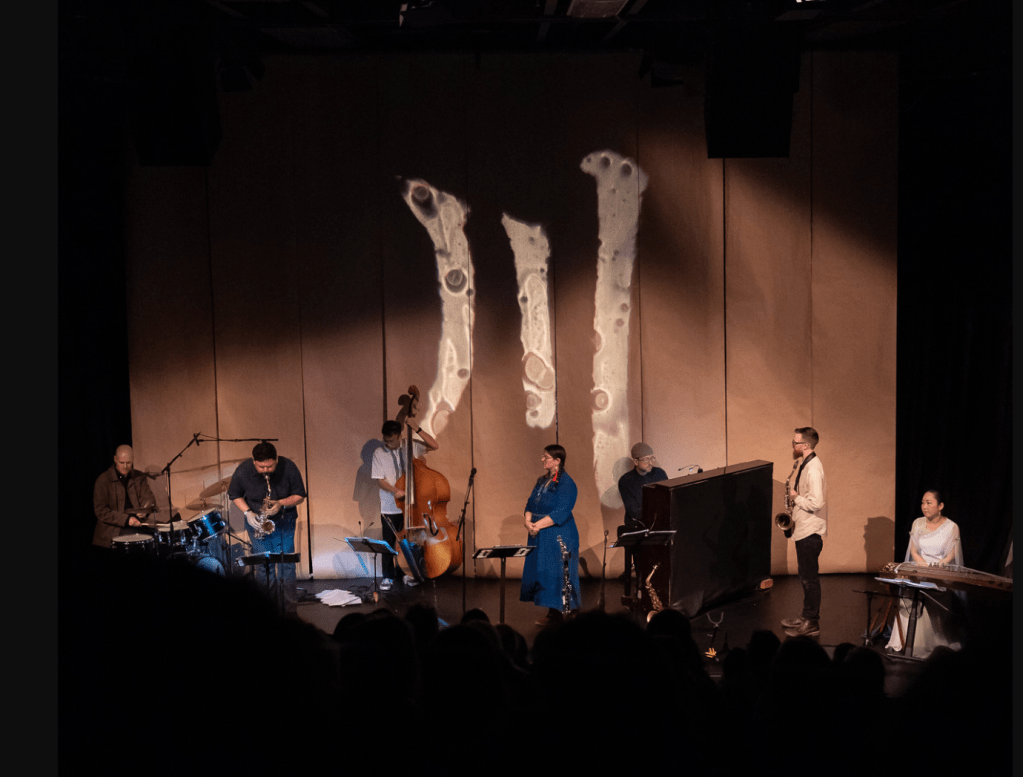
Throughout the album, selected passages of the Tao Te Ching are sung or intoned. Some verses are urgent and imploring, others reflective–opposites are brought into balance. It is therefore entirely appropriate that the translation is that of beloved contemporary author, Ursula Le Guin. What these musicians have captured is the ebb, flow and essence of these important verses. A balance has been found between the old and new, and the ‘old master’ Lao Tzu would surely smile on this endeavour.
Our world today is like it was in the Warring States (475-221 BCE)– it is out of balance. It is obvious that humanity has again taken many wrong turns, so now is the time to retrace our steps and heed this ancient wisdom. Choose peace over war, quiet and reflection over clamour. So, attend the gig if it comes to your town, buy the album on Bandcamp, listen deeply and reflect. There is no time to lose. https://jakebaxendale.bandcamp.com/album/waypeople – or check out the teaser on YouTube
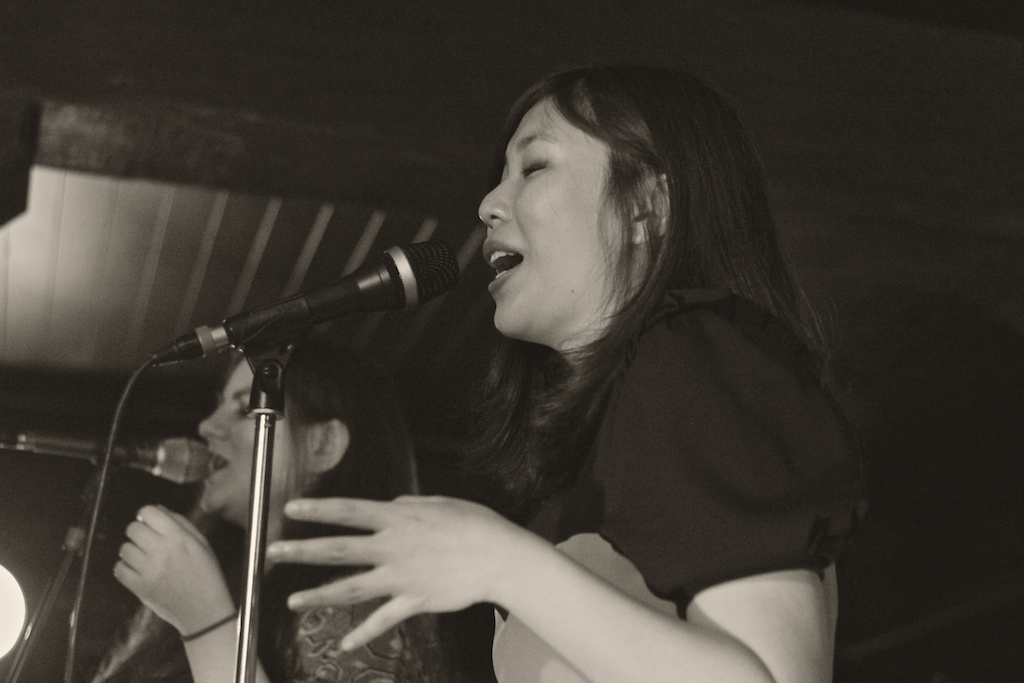
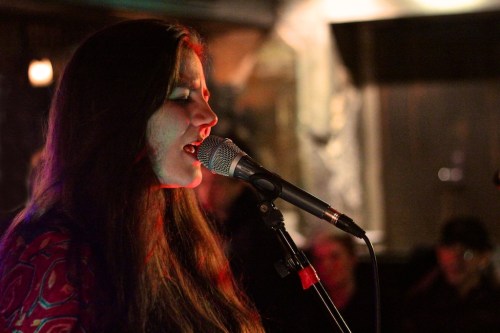
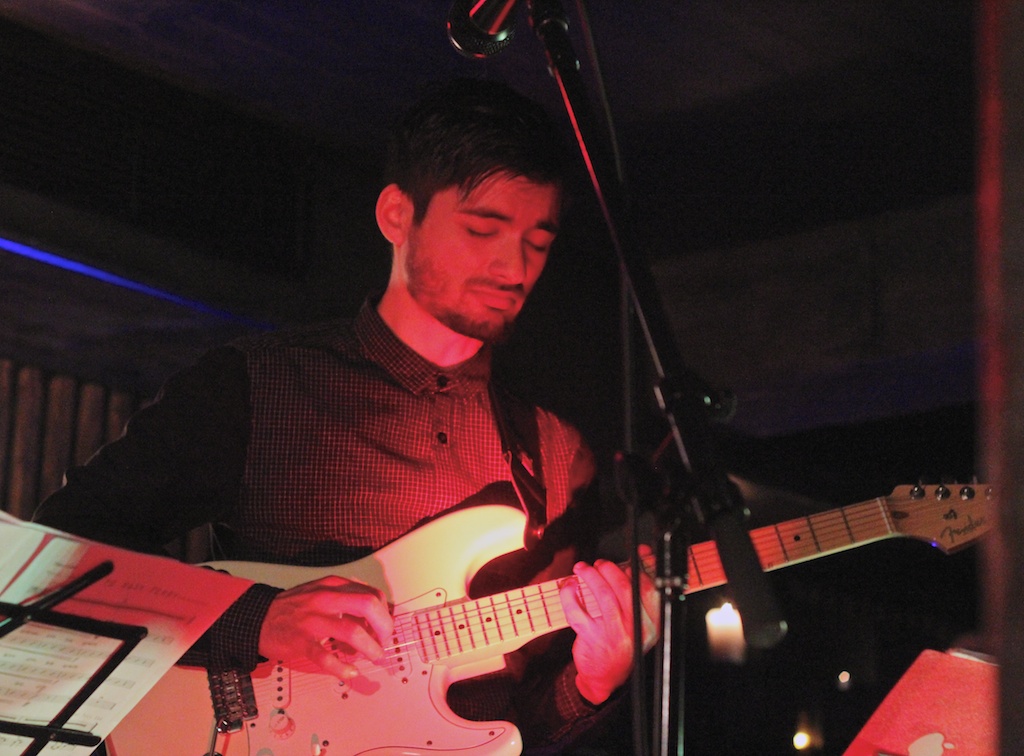
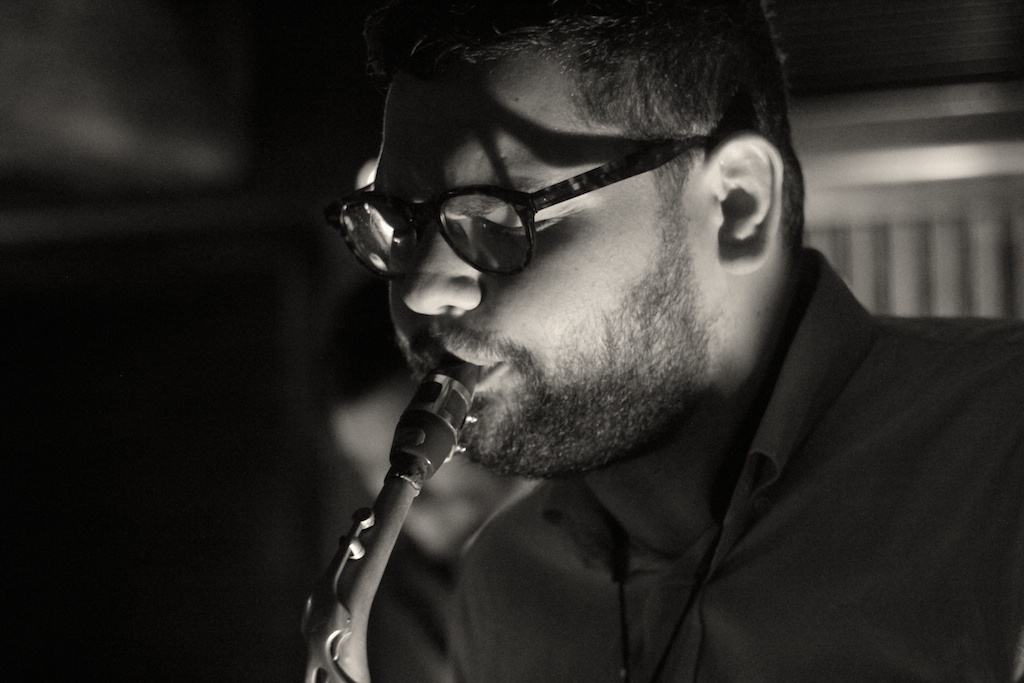
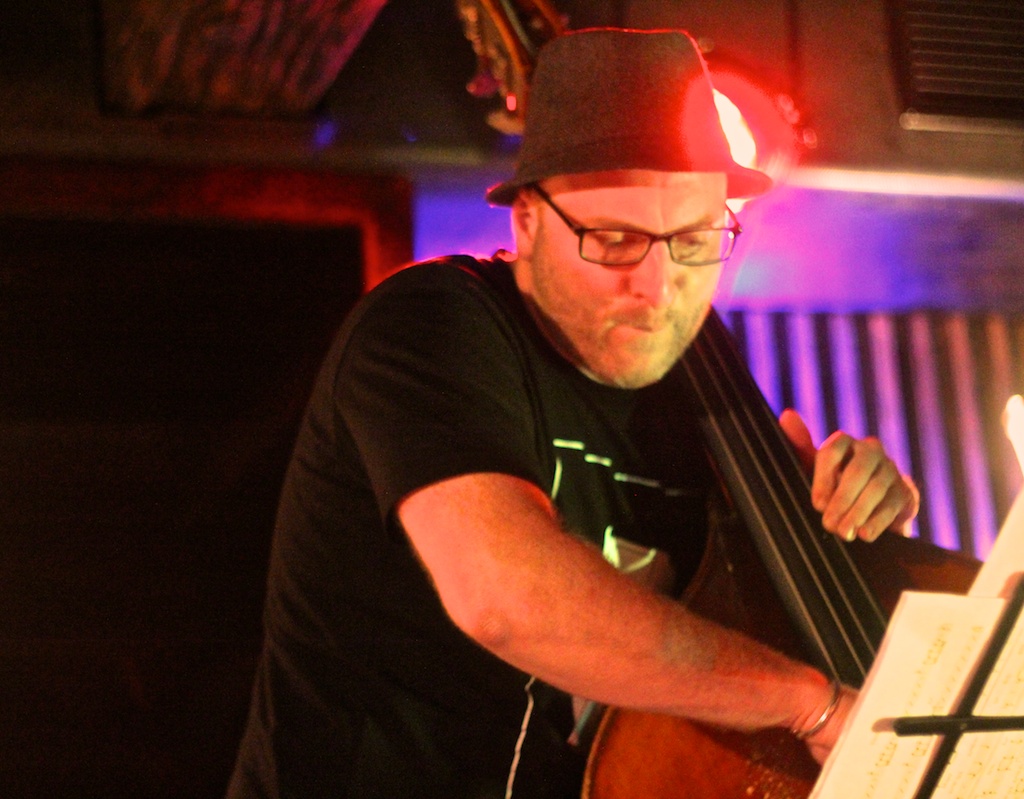
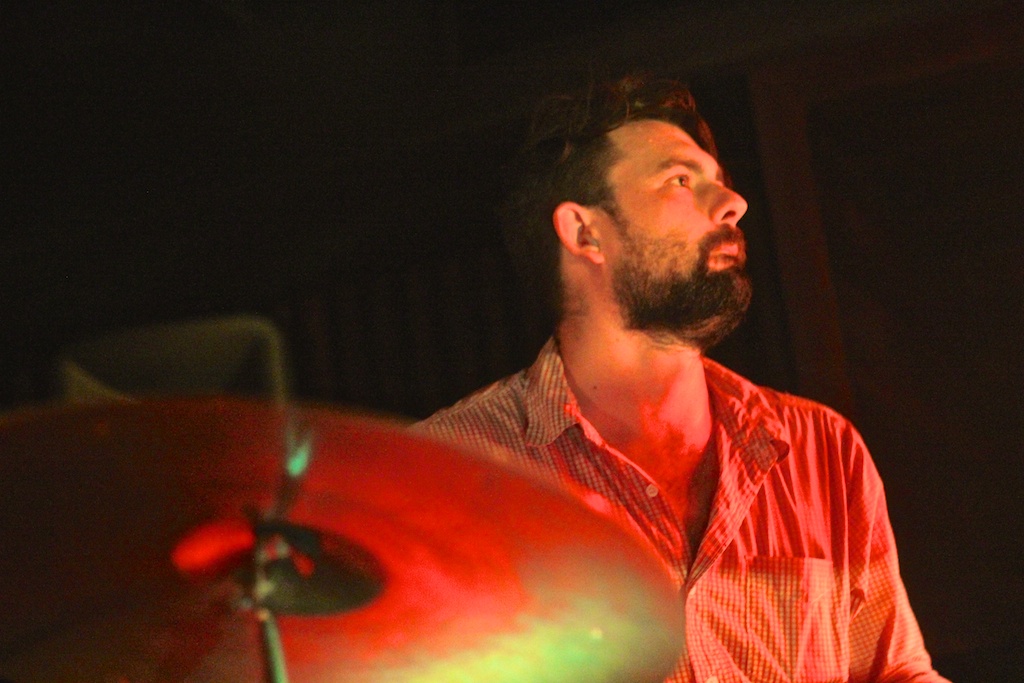
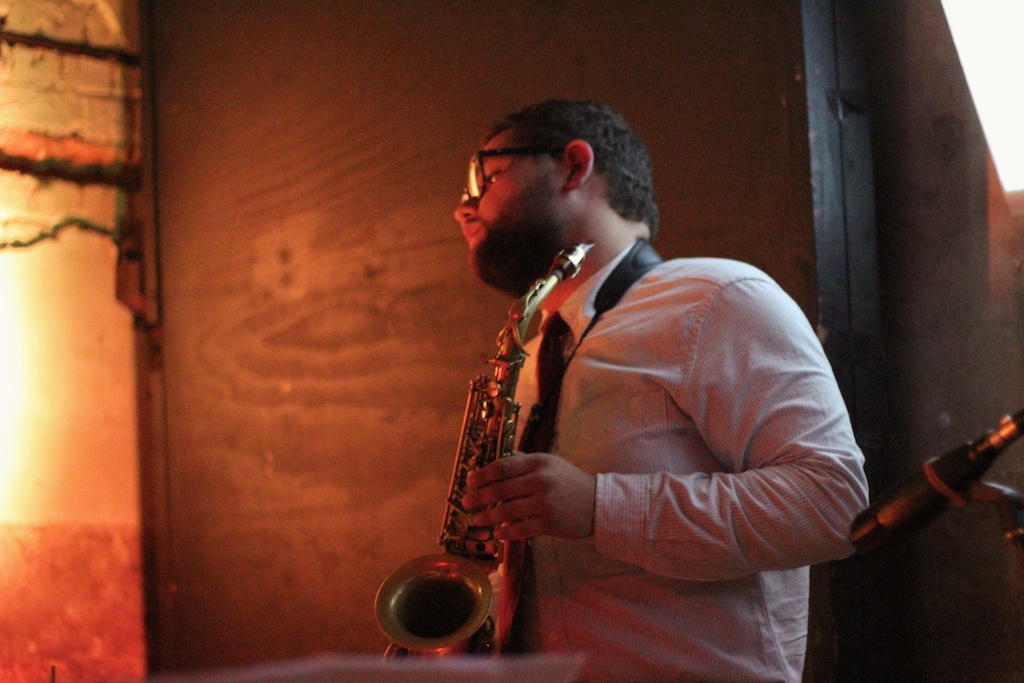
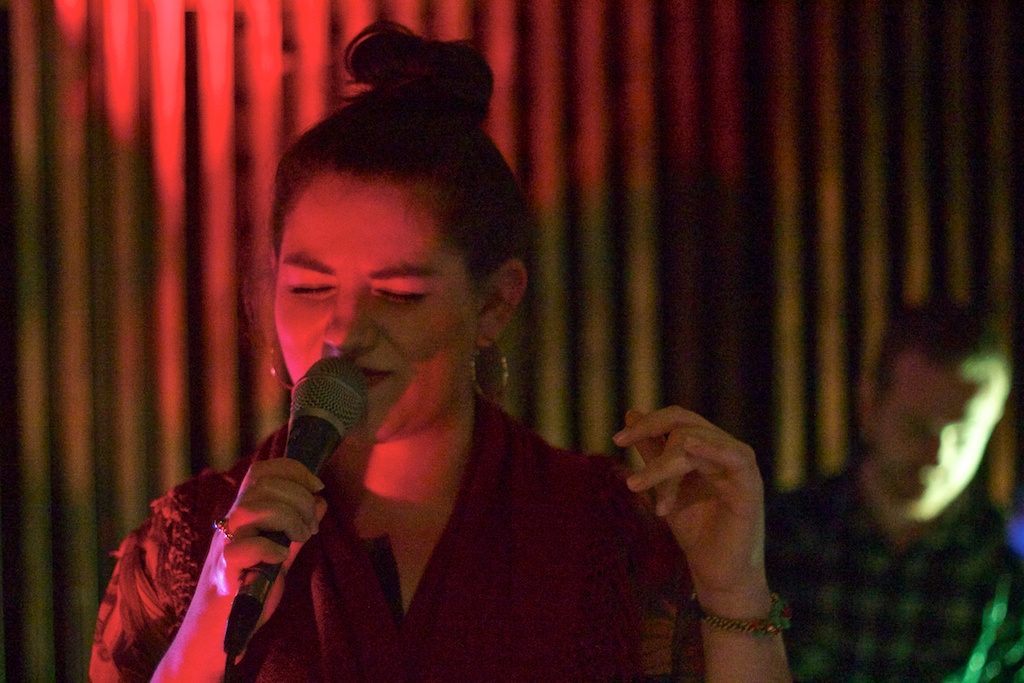
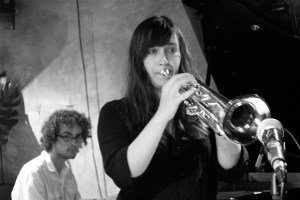
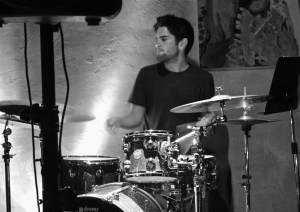
The musicians are from Wellington and Auckland. Chelsea Prastiti (voice), Jia Ling, (guzheng), Jake Baxendale (compositions, alto, tenor & baritone saxophones, clarinet & bass clarinet), Callum Passells (sopranino & alto saxophones), Daniel Hayles (piano & vibraphone), Johnny Lawrence (double bass), Cory Champion (drums & effects), Louisa Williamson (flute tk 2), Ben Hunt (trumpet tk 5), Kaito Walley (trombone tks 2 & 5), J Y Lee (flute tk 10), Millie Mannins (oboe tk 10) – btw how nice to see Roger Manins daughter in this lineup.
“No competition, no blame” – Tao Te Ching
JazzLocal32.com was rated as one of the 50 best Jazz Blogs in the world by Feedspot. The author is a professional member of the Jazz Journalists Association, a Judge in the 7VJC International Jazz Competition, and a poet & writer. Some of these posts appear on other sites with the author’s permission.


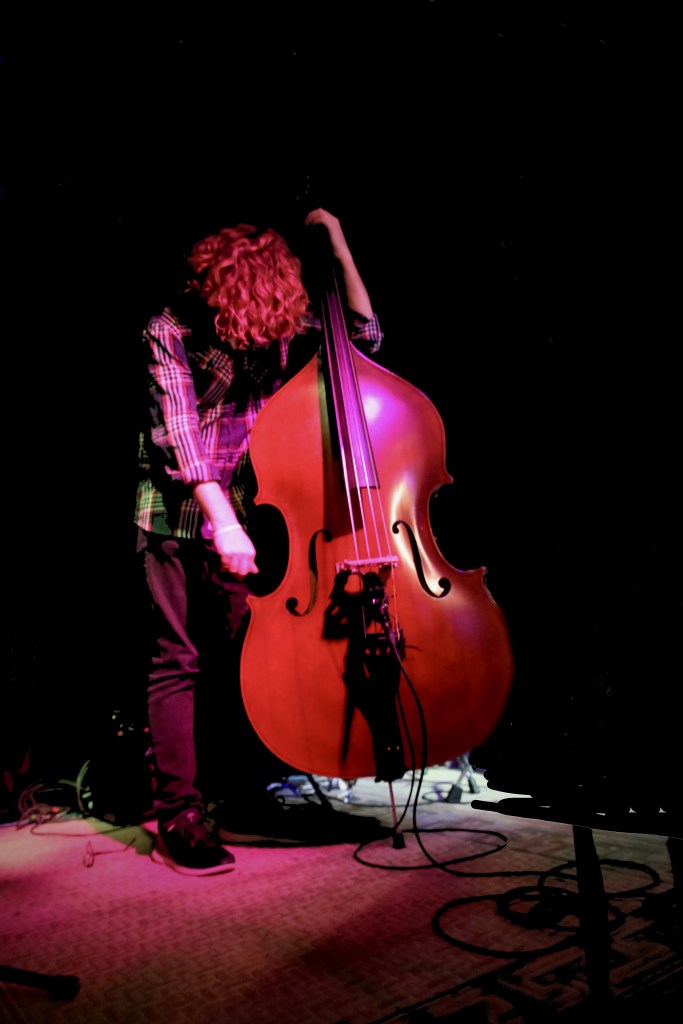
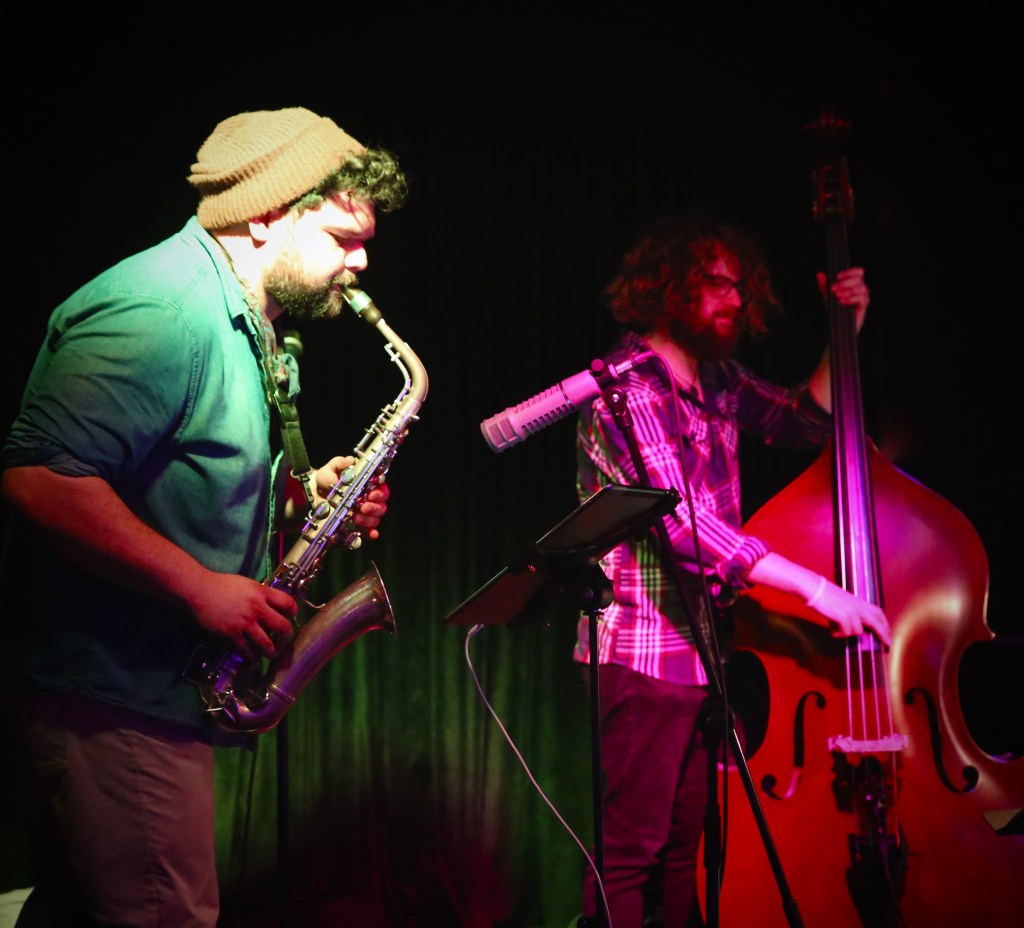
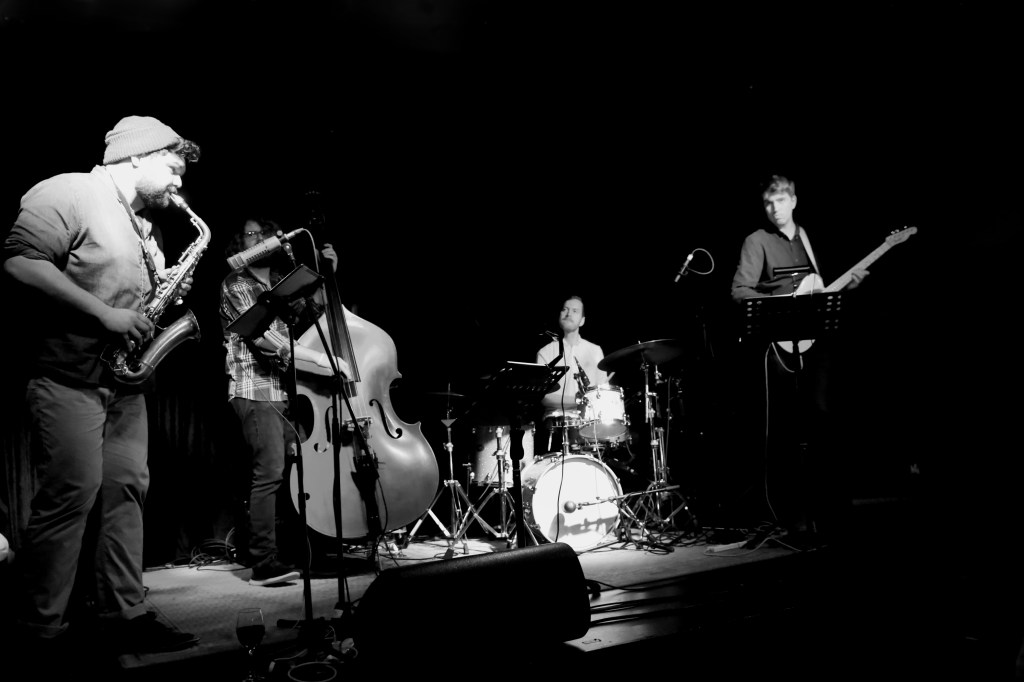
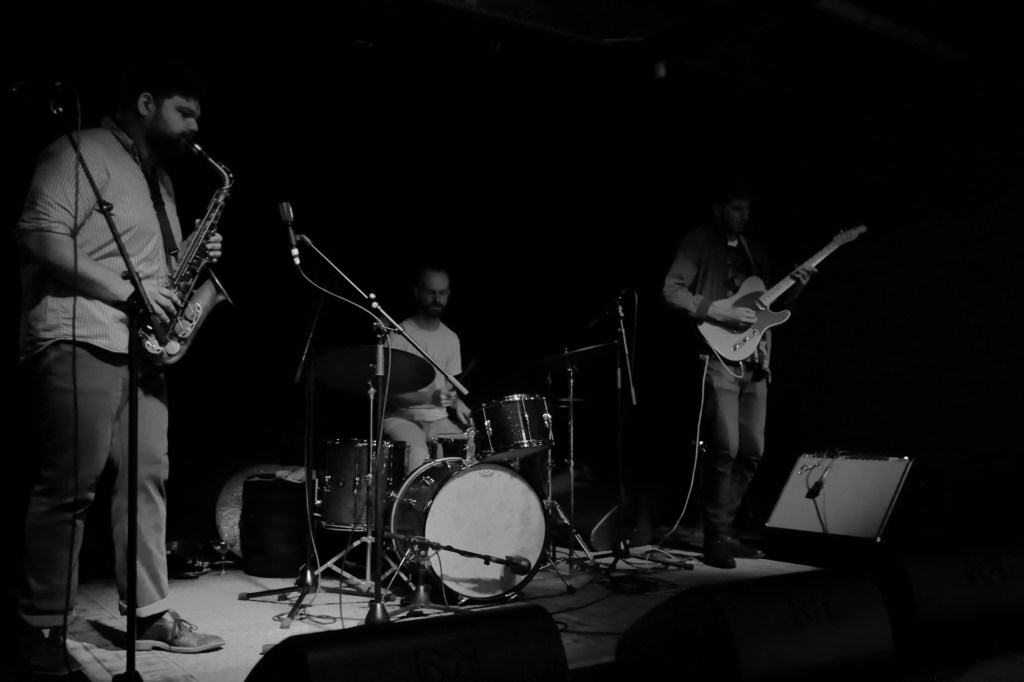
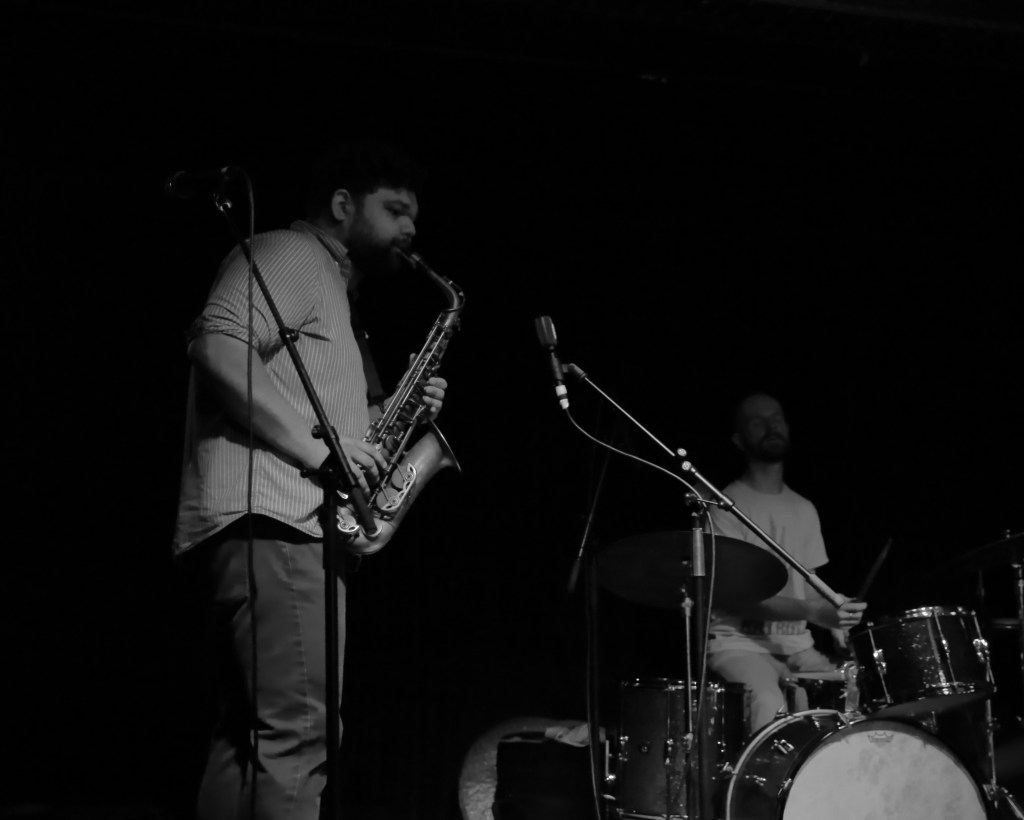
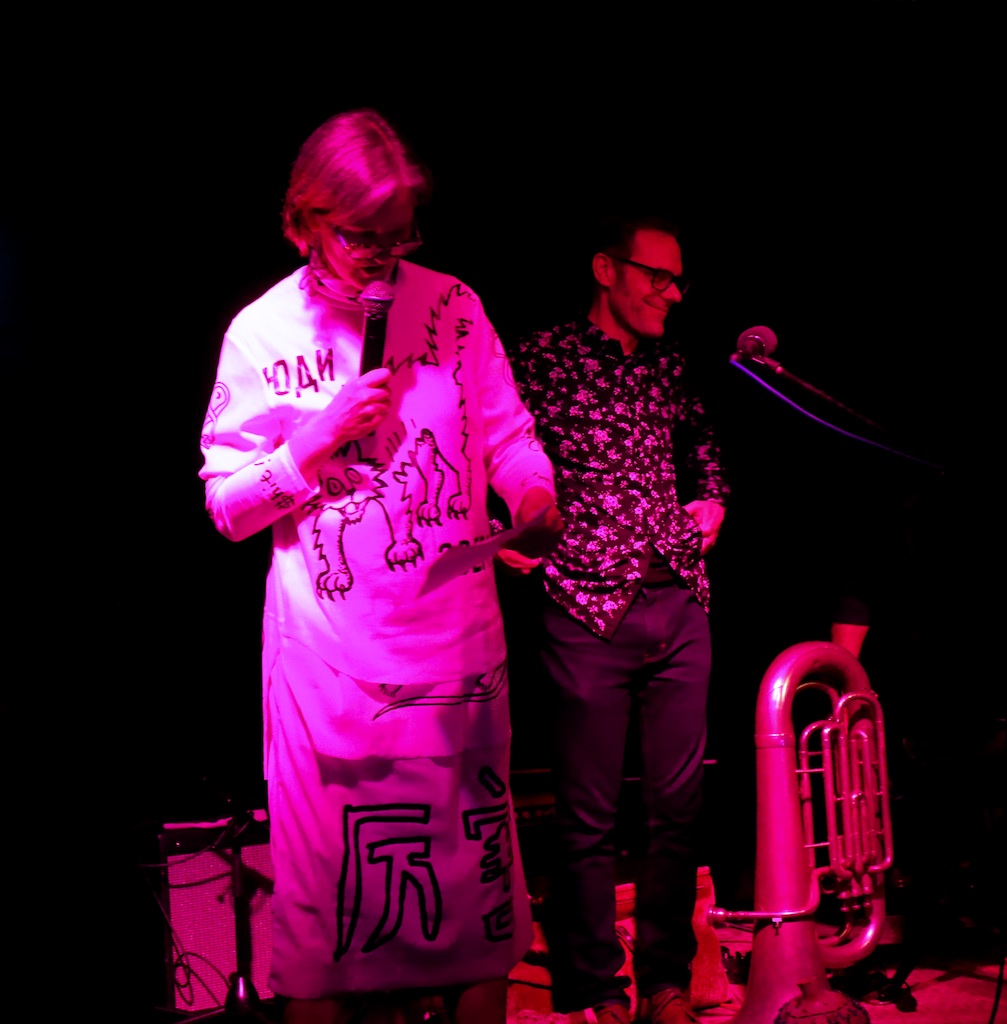

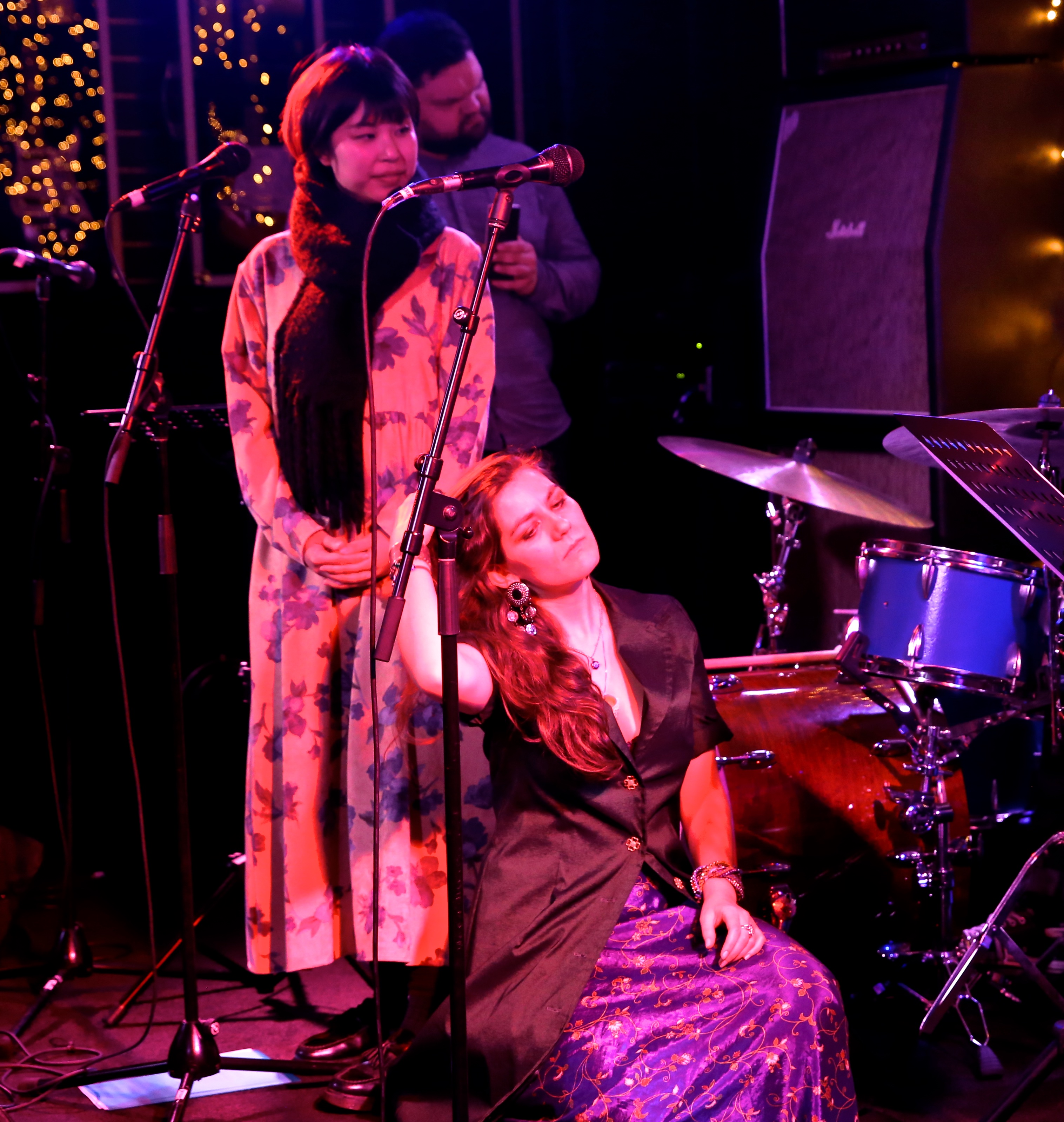
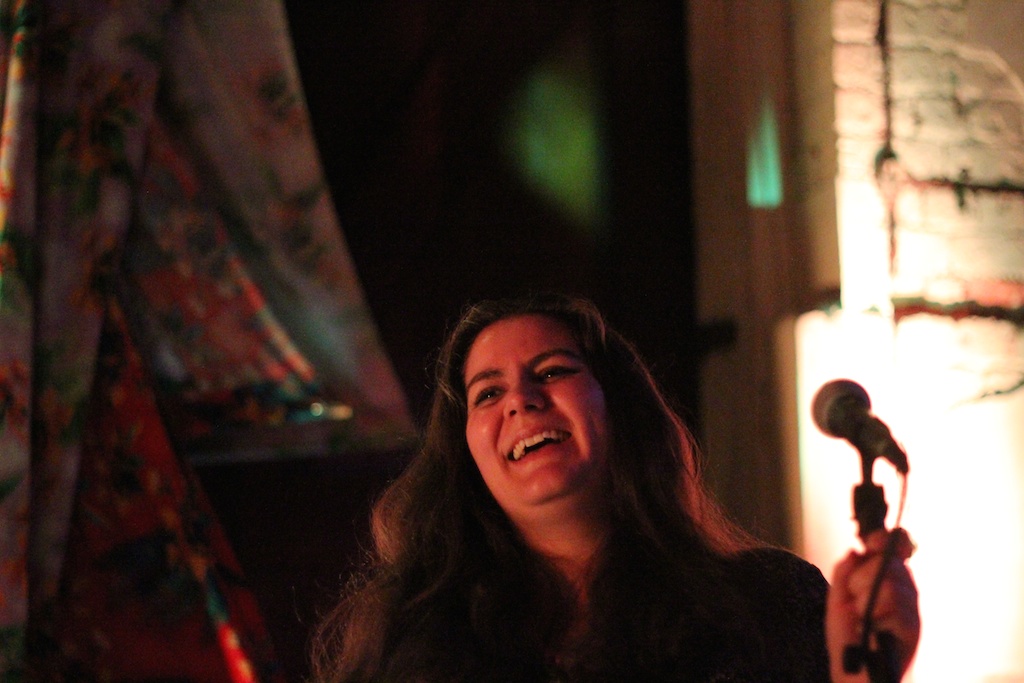
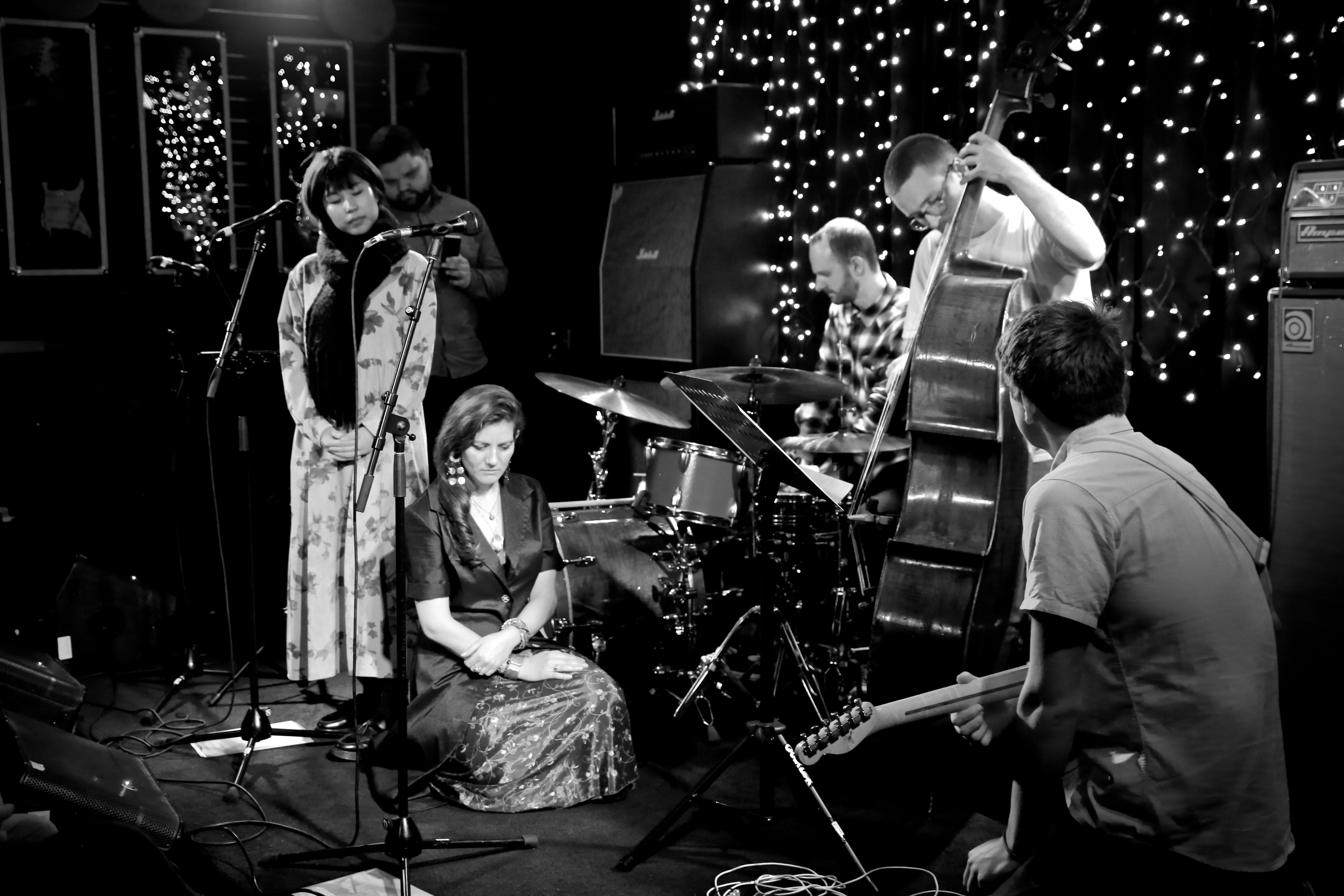 Chelsea Prastiti was not long back from Cyprus when her band Leda’s Dream appeared at the Backbeat Bar. Prastiti is well known in the Auckland improvised music scene and especially so at the avant-garde end of town. She’s a compelling vocalist and composer who approaches her craft as a free spirit, unfettered by others expectations. When she sings she dives deep and puts herself out there fearlessly but her risk-taking is not a mere academic exercise; it cuts to the very heart of what it means to be a thinking, feeling human. Her compositions are therefore always interesting and out of that a raw beauty and an honesty arise.
  Although the ensemble played material that we have heard before, they sounded incredibly fresh – even different. Crystal Choi confined herself to accompanying vocals (no keys), Michael Howell stepped further into a measured chordal role and Callum Passells on alto and voice effects was the archetypal minimalist (saying a lot more with less). This felt very right and the re-configuration gave the ensemble a lot more freedom. They stretched out as the spirit took them and the first two tunes filled the entire first set. The voices, in particular, were liberated by the change and this gave wings to the melodic lines and mood. The harmonies were there in spades but that was not what drew you in. It was ‘mood’ and the pictures that those moods created.
 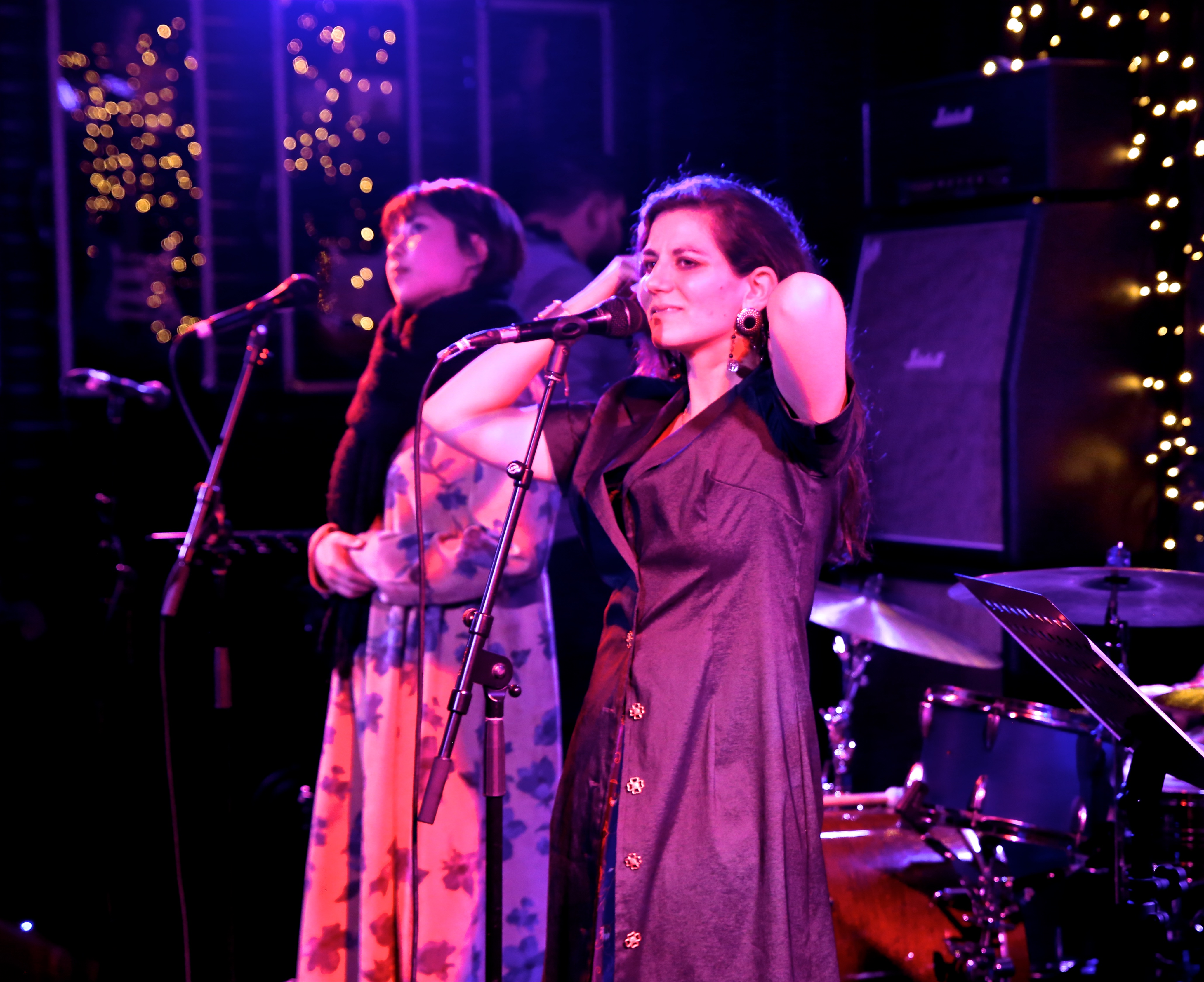 Prastiti’s is a brave path and I would expect no less from her. This is a musical space that is sparsely populated and more’s the pity. Think Sera Serpa (duos or trios), Think Norma Winstone (Azimuth 85) or perhaps the brilliant Nordic vocalist Sidsel Endresen (Endresen live with Jan Bang). In this ensemble, she has the musicians to give her the freedom she deserves. Passells, who is unafraid of soft trailing notes or of minimalism, Howell who can follow a vamp to eternity and make it sing, Choi who instinctively makes the right moves, and Eamon Edmundson-Wells and Tristen Deck who know when to lay out and when to add colour or texture. The music drew from free improvisation, standard Jazz and deep Folkloric wells. It did so without undue introspection. The band brought the audience along with them and the bouts of enthusiastic applause proved it. For some reason, and it was partly their attire, the gig felt like a postmodern version of a Pre-Raphaelite tableau. Oh yes indeed, that always works for me.
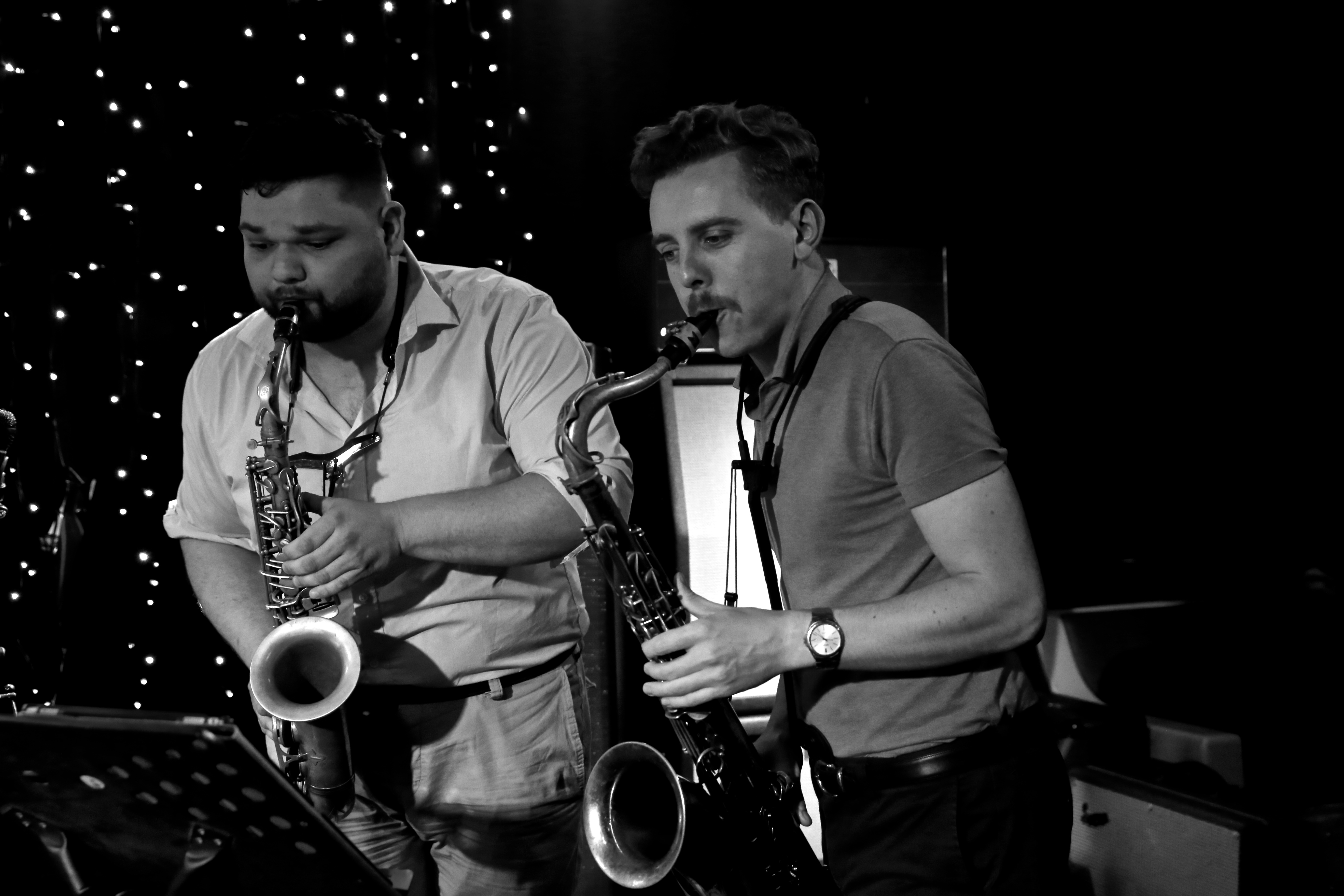 This is the second appearance of Flightless Birds at the CJC Creative Jazz Club and the audience flocked to hear them. The band is a history lesson to the initiated and an initiation to those unversed in Jazz history. They presented a programme that was both clever and accessible and therein lay its charm. The band specialises in contrafacts and especially those of the bebop and swing era. The inside joke is that many of those tunes were once contrafacts themselves; new and often frenetic tunes written over the changes of familiar ‘songbook’ standards. In the bebop era tunes like ‘Cherokee’ (Noble) became Ko-Ko (Parker), ‘I Got Rhythm’ (Gershwin) became ‘Dizzie Atmosphere’ (Gillespie). Musicians like Charles Mingus took things a step further by introducing a wry political humour into titles, exemplified in his contrafact ‘All the things you could be by now if Sigmond Freud’s mother was your wife’ was ‘All the things you are’ (Kern). A throwaway favourite of mine is ‘Byas a Drink’ (Don Byas) which is ‘Stompin at the Savoy’ (Sampson).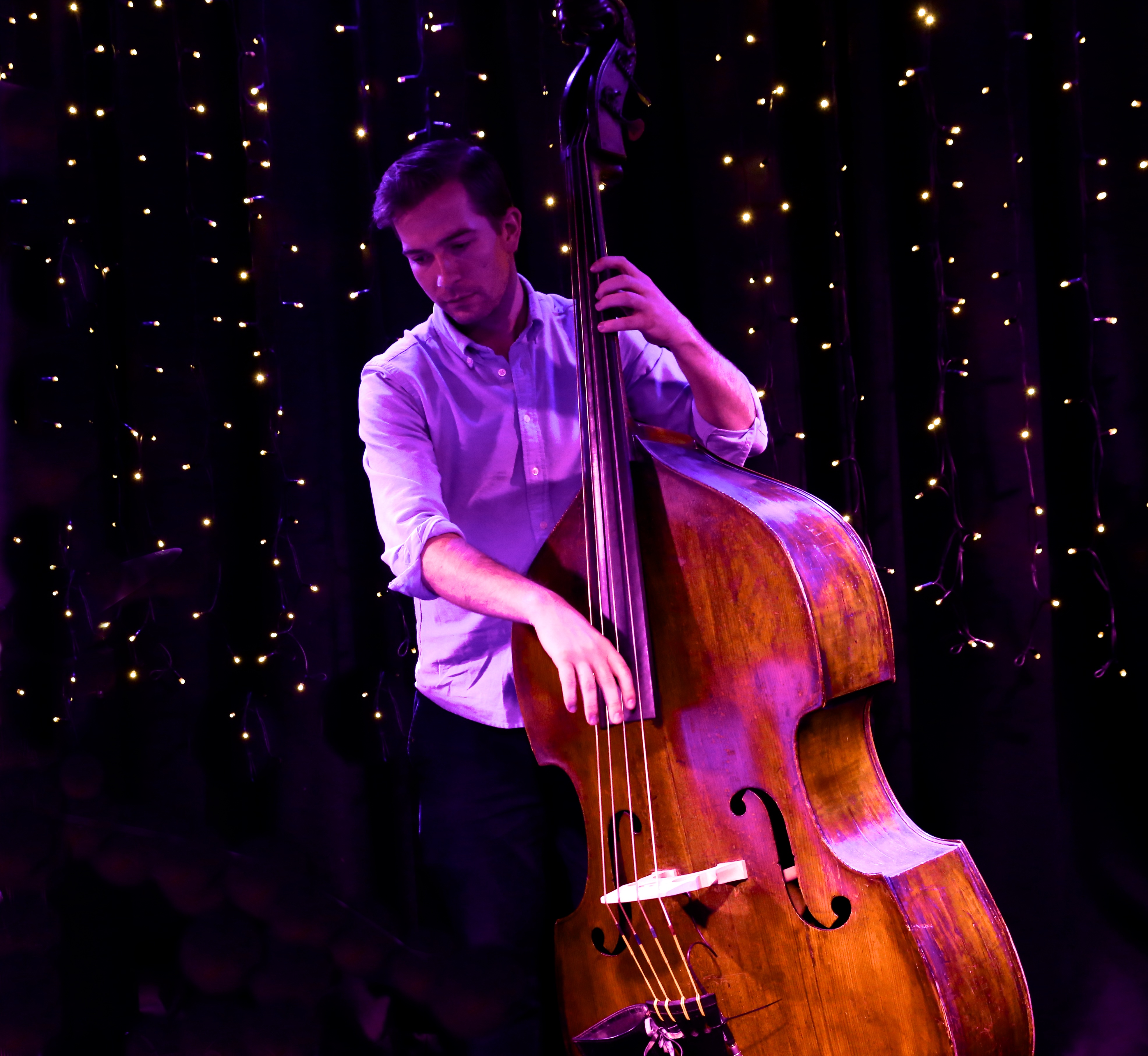
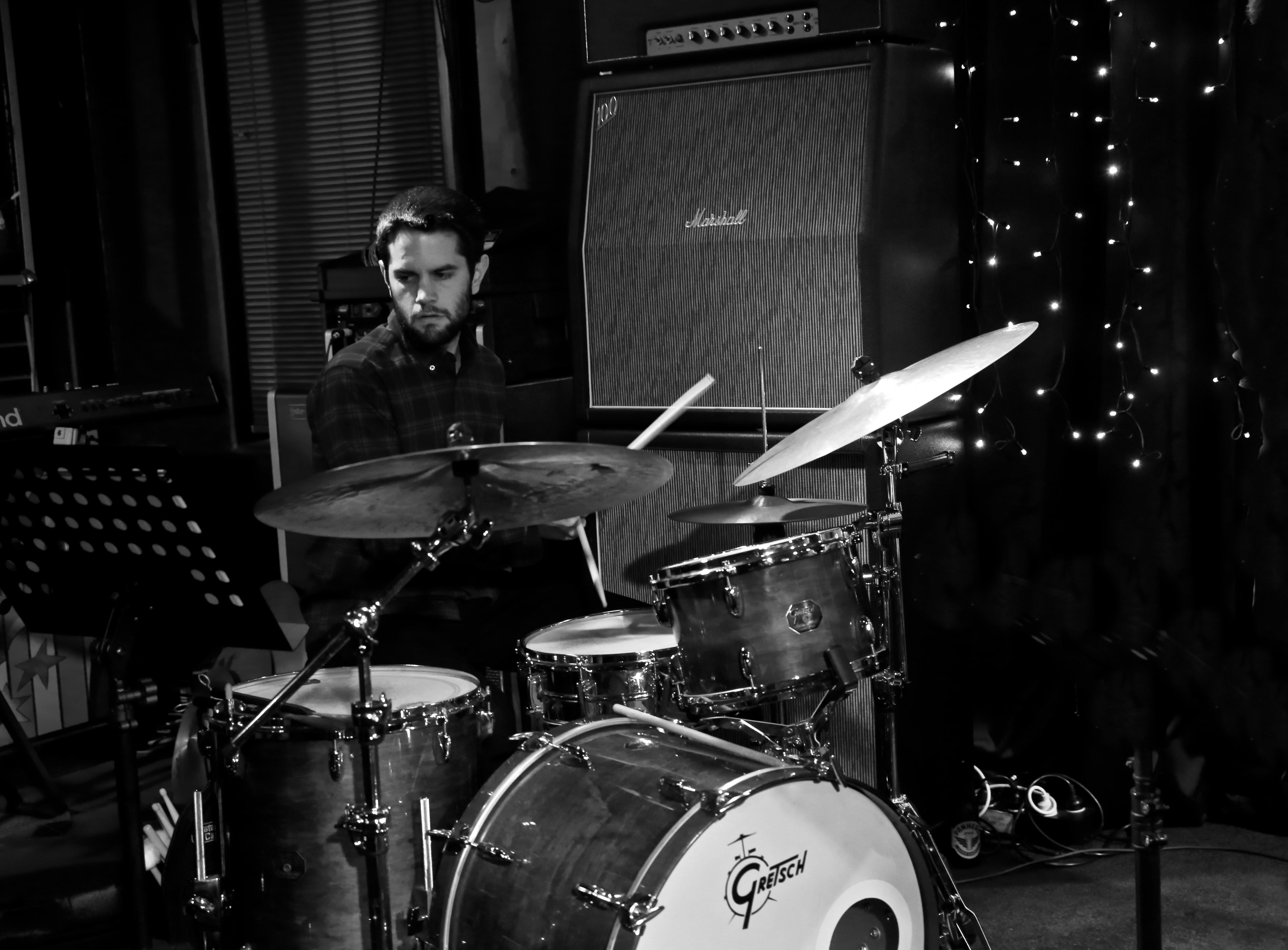
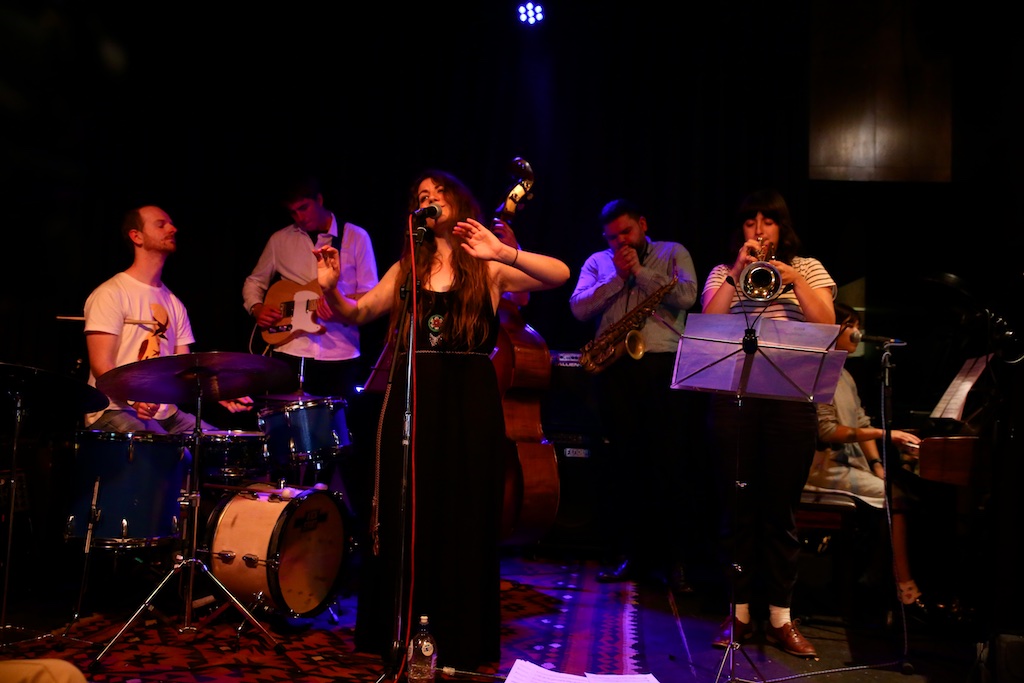 ‘Leda’s Dream’ has been around for some time, but this is the ensemble’s first appearance at the CJC. When vocalist Chelsea Prastiti first conceived of the project, she saw it as a vehicle for unfettered collective improvisation. Her writing cleverly expands on that concept, encompassing real places, the past, abstract ideas, and opening the listener to endless possibility. There is a structure to her vision, but to grasp it you must let go of what you think you know. The pieces are mirage-like; if you look too closely they will disappear. As you listen, fragments of the familiar appear, then dissolve. These are seamless journeys; cleverly fusing reality with dreamscapes. Leda’s Dream is to be experienced and enjoyed, not pigeonholed.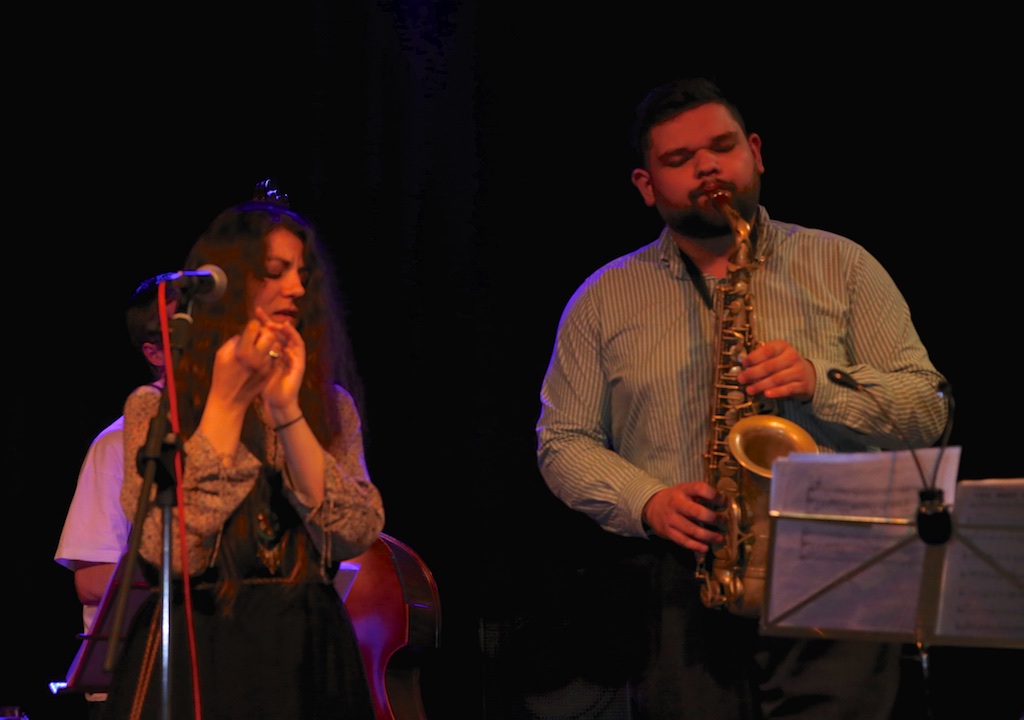
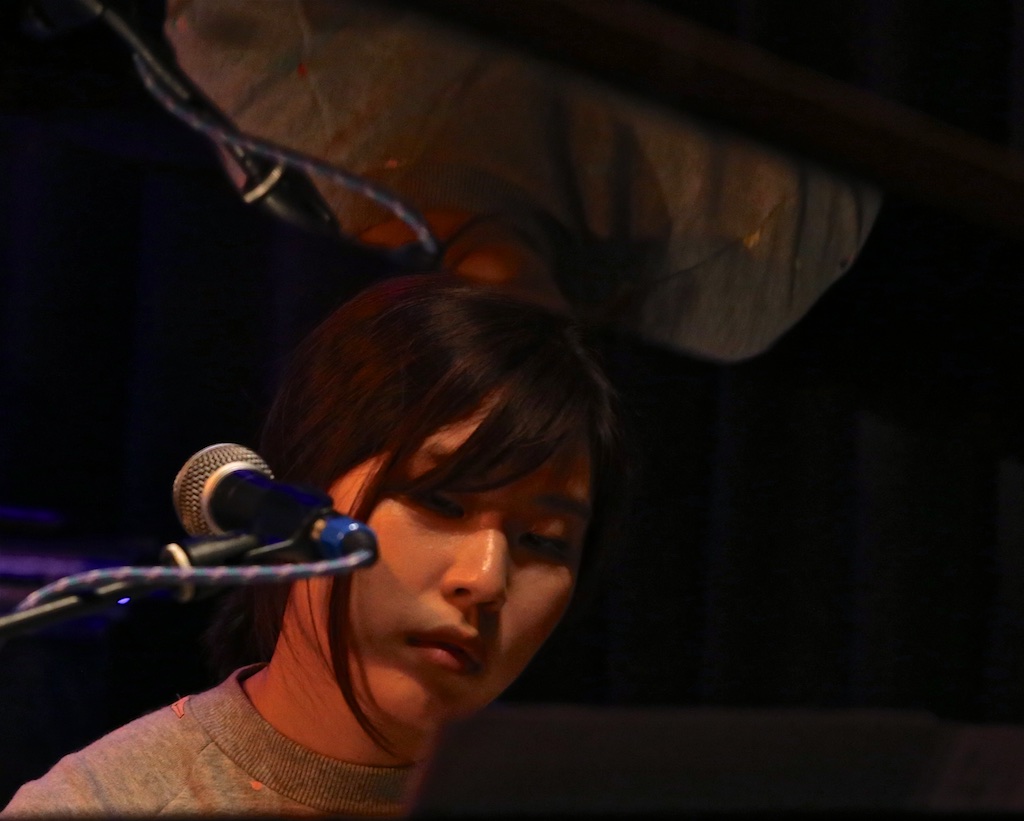 Prastiti’s ‘Time Lapse Photography’ was filmic. Revealing the essence of unfolding plants – magical realism – biology expressed as music. In a similar vein was her piece,’Rain Flood’. As she sang, you experienced the droplets of water – falling slowly at first, then faster until they became a deluge. Communicating in this way is a gift few possess, the images seeming to emerge from nature or from experience, not from the musical form. I immediately thought of my favourite Bengali filmmaker Satyajit Ray and his mystical Monsoon scene from ‘Pather Panchali’. The effect created by Ray there, also swept us to the heart of a poignant interaction between man & nature (musically assisted in that case by Ravi Shankar and Mingus alumni Charlie Mariano).
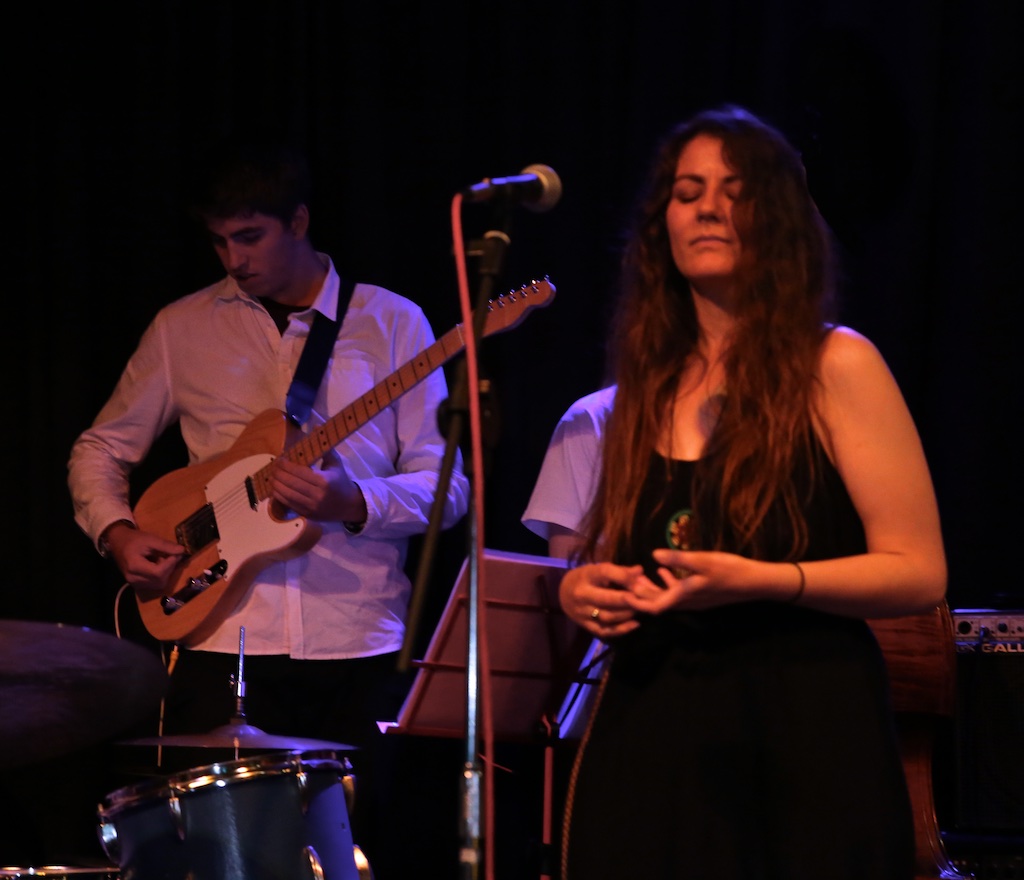 The Leda’s Dream ensemble are alumni from the UoA Jazz School. A lot of talent emerged during the years they attended and during this particular gig it coalesced. It was a pleasant surprise to see Crystal Choi playing this innovative abstract music. Choi is a musician who is fast evolving and growing in interesting ways. At Jazz school she stayed closer to traditional forms, or those referencing the folk infused ECM albums. Later I saw her giving a concert on solo piano, Jarrett like in its scope and quite wonderful. On Wednesday she embraced freedom. She was innovative, interactive and confident.
 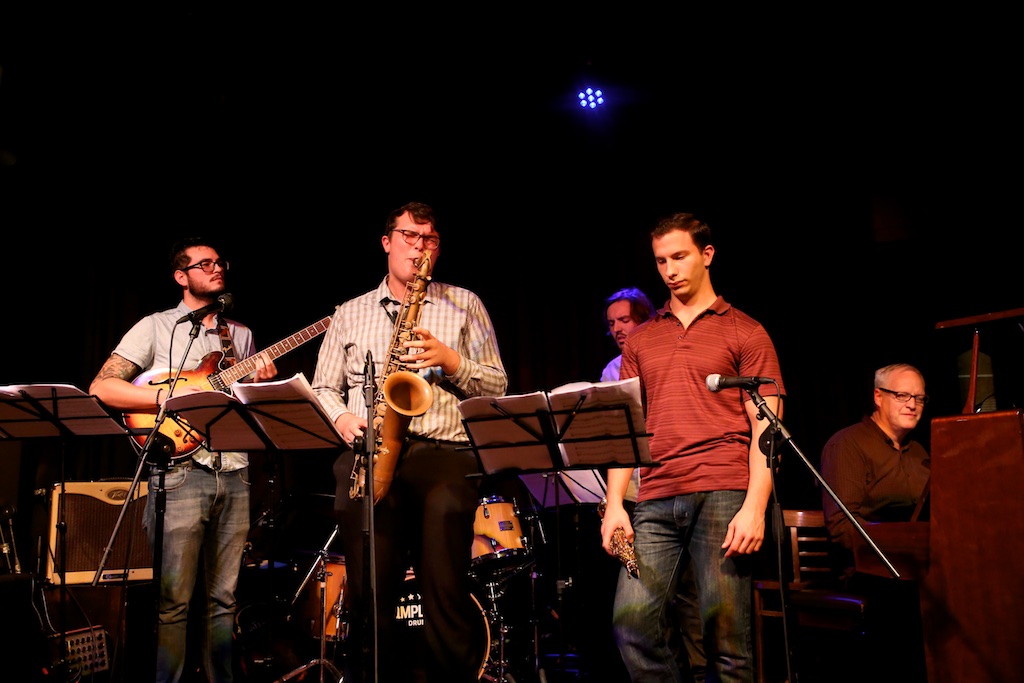 I always look forward to emerging artists nights at the CJC. They don’t happen often but when they do, they’re fun, full of surprise and most importantly they are hopeful events. It is usual for emerging artists to salt the mine with seasoned players. Both of the bands did well in that regard. The first band up was Misha Kourkov’s ‘Equitable Grooves’, a six-piece unit playing multi-genre Jazz focused music. The material was well written and at times ambitious. Aiming high on the bandstand is good because that is where real learning occurs. If you wish to extend your reach, then having Alan Brown on the piano is exactly what you need. With that sort of experience and groove behind you, you have a fail-safe mechanism. The set opened a little tentatively, but they quickly found their groove; the last two numbers were especially enjoyable.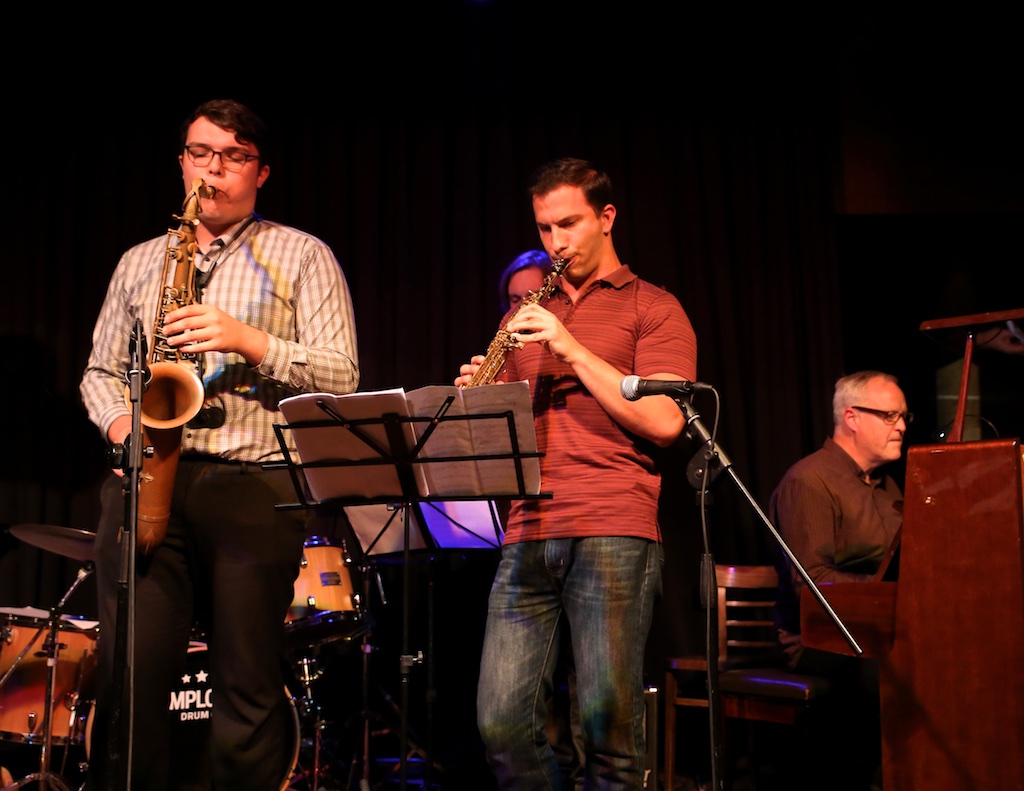
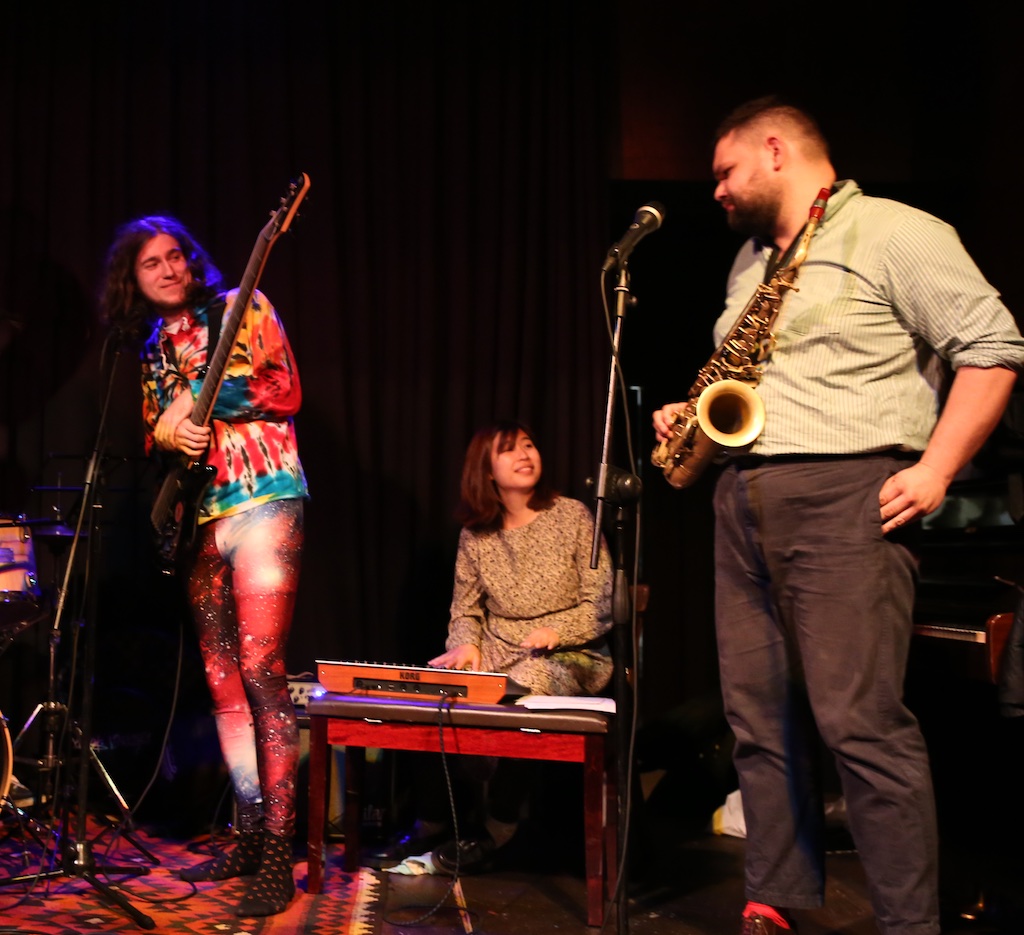 The second set featured the ‘Exploding Rainbow Orchestra‘. This was a very different type of ensemble. Freer ranging, a bigger sound palette and an electric bass with the heavyweight punch of Bona. The bass player Joshua Worthington-Church who led the ensemble is accurately described as a maverick. His set list contained genuinely diverse material; gripping vamp-driven originals plus tunes from ‘Radiohead’ and ‘The Mint Chicks’. Under the leader’s guidance, the band took the material to a place close to my heart; a fusion of Jazz and psychedelia. I am happy to see this done, as the genre is all but forgotten. During the mid-seventies, that style of music was sacrificed on the altar of Jazz purism, a pompous battleground that tried to stifle genre exploration.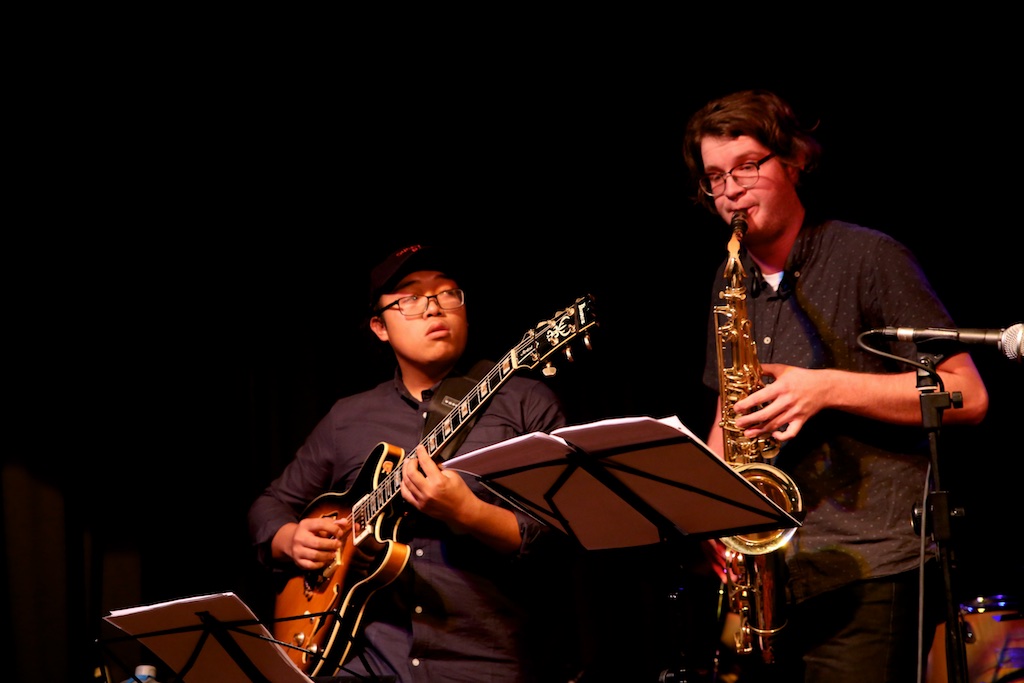
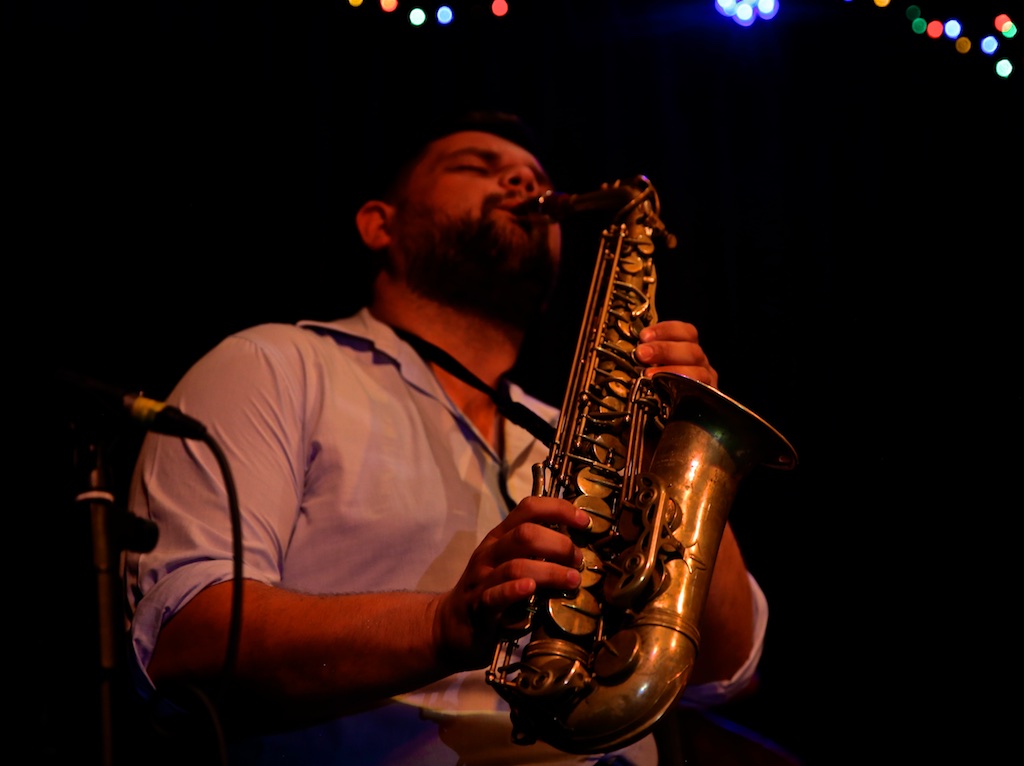 Callum Passells’ newest project was an exploration which took us to the outer edges of Bebop. The title ‘Flightless Birds’ a wordplay; a pebble tossed into the pond, suggesting many possibilities. The obvious Jazz reference is a comparison between flightless New Zealand birds and Charlie ‘Bird’ Parker – his musical descendants especially. A cohort that tried and often failed to catch his musical coattails. For a time after his death, alto saxophones were laid aside in favour of the tenor; only a brave few risked comparison with the troubled prodigy. As his legend grew he seemed unassailable. Attempts to demystify, to separate the legend from his musical legacy came later. In the post millennium era few such sensitivities remain. Parker is deeply admired for his genius, then deconstructed unselfconsciously. The gifted altoist Rudresh Mahanthappa immediately comes to mind.
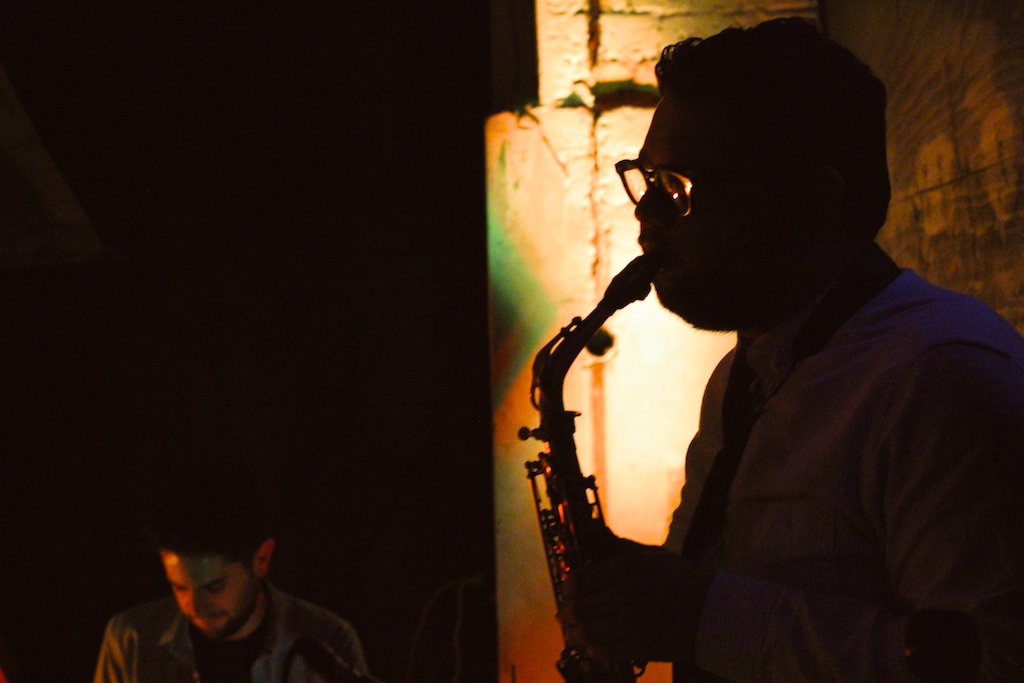
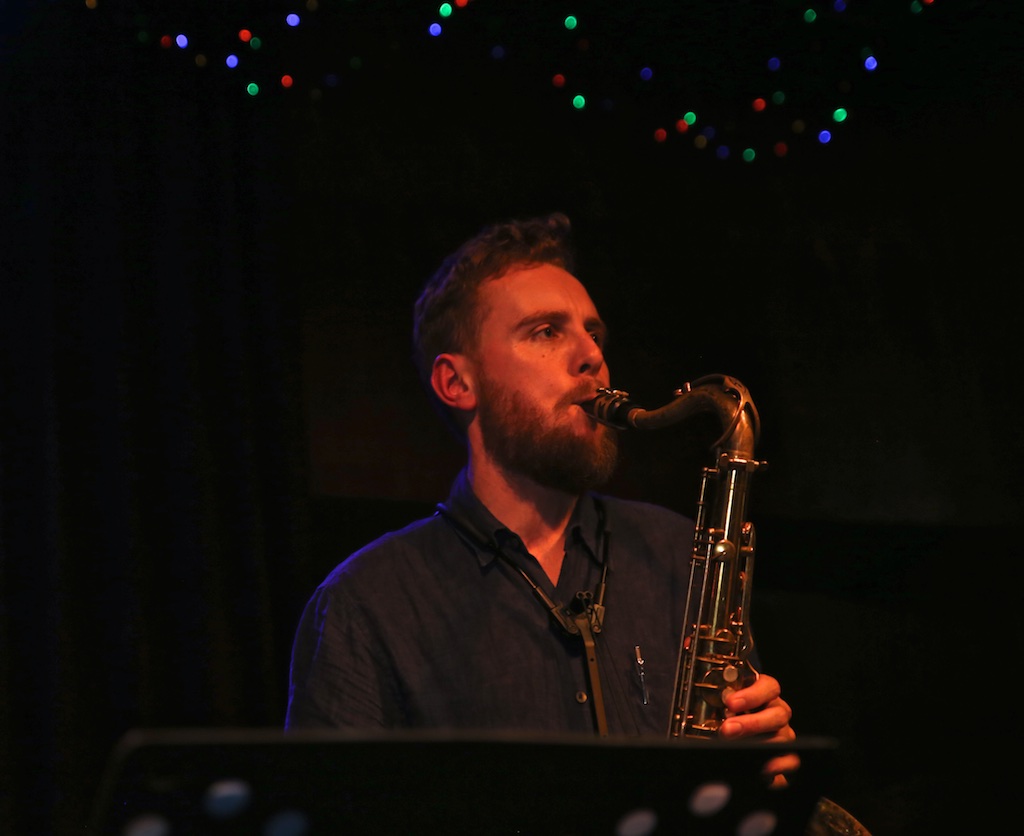 The two things that draw me to Passells are his tone and his communication of ideas. For a musician who leans toward the avant-garde he has a remarkably clean tone. This works well for him when he heads into uncharted choppy waters, cutting though the turbulent air incisively. There is obvious precedent for this in Albert Ayler (who strove to sound like Desmond or Konitz while tearing at the very fabric of harmony and form).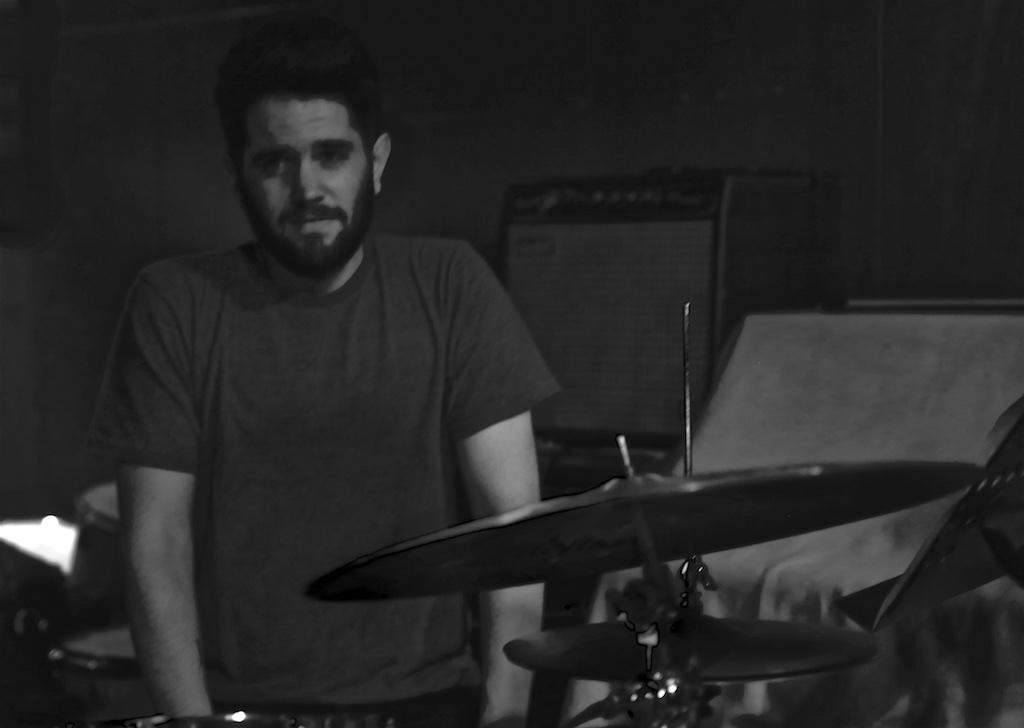
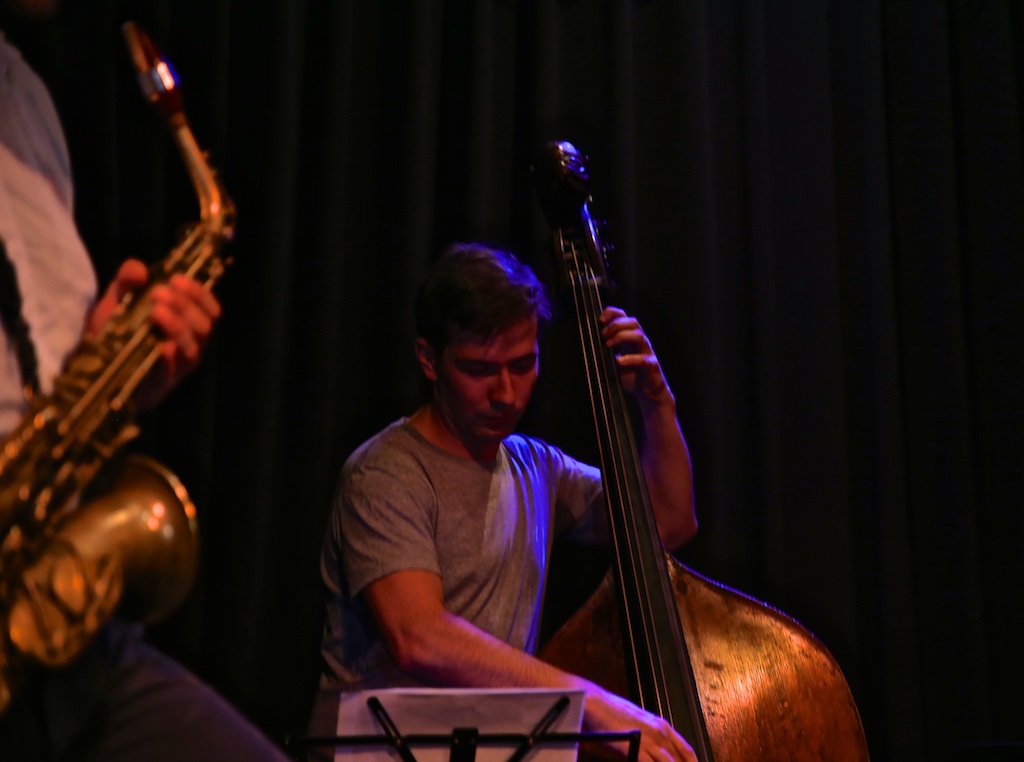 The tunes were all ‘contrafacts’ and cleverly constructed. I am crap at working out the mother tunes – a job best suited to musicians fed a rich diet of standards’ changes. The pieces had titles like “The Punisher” (Sinclair), or ‘Buy a Car’ (Passells). The Punisher was written over the changes of ‘In a Mellow Tone’ (Ellington) and ‘Buy a Car’ over ‘Take the A Train’ (Strayhorn). After each tune the original was announced, then people got it immediately, cursing themselves for not getting the connection quicker. The tunes were close enough to hint at familiarity, but far enough away from the original to cause some head scratching. One tune needed no guesswork. “I’ve got it bad and so I’m obliged to notify all previous sexual partners” (Passells) – no prize for attributing that one.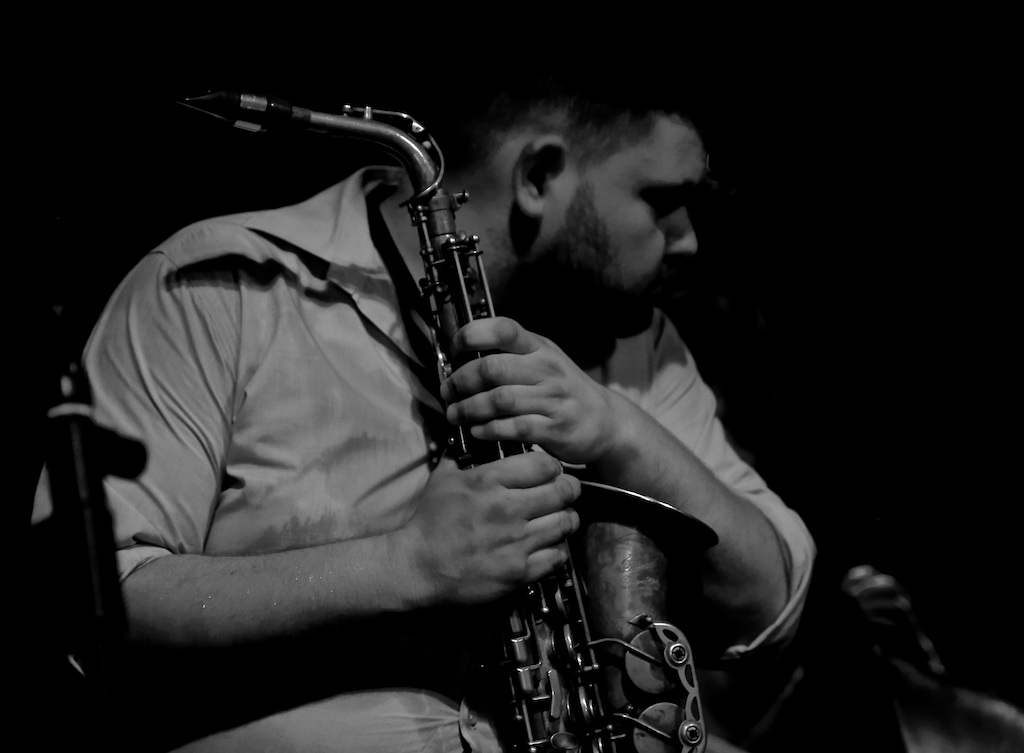
 Mark Lockett is a New York based drummer who visits Australasia once a year. Each time he returns he brings with him a piece of his adopted city. He is an original drummer comfortable in diverse situations; a benign but strong presence in any lineup. His artistic approach under-pinned by an easy confidence and this enables him to interact well and to read every nuance. His wide open ears, communicating the pulse and possibilities of the life he lives as a working musician in a big metropolis. There is also a humour he radiates, which peppers his comments and drumming like aromatic seasoning. A Mark Lockett gig is always original and always enjoyable.
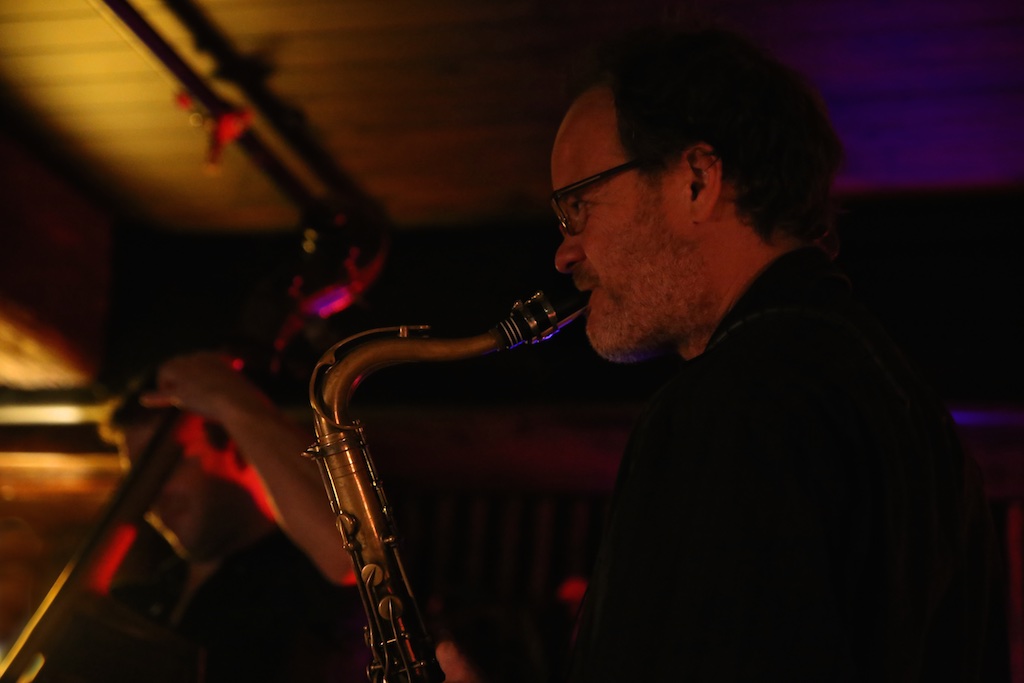 The music of Ornette Coleman while not without constraints frees the artists from many of the hard-wired rules. It doesn’t sound at all out-of-place now but I can remember the storm that surrounded its arrival. A treat for me was the groups rendition of ‘Congeniality’ from the seminal ‘The Shape of Jazz to Come’ album. The controversy surrounding this material is long behind us and every improvising musician has a little of Ornette in them whether they acknowledge it or not.
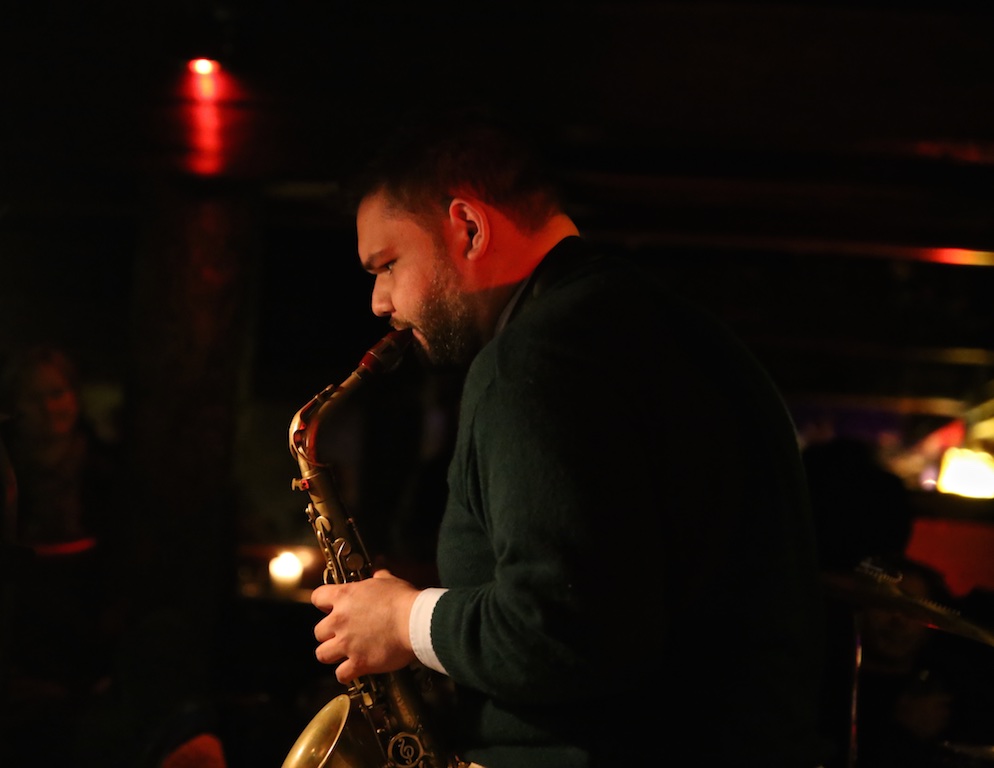 Lockett often forms trios or ensembles that have no chordal instruments. While the musicians played ‘inside’ and ‘out’ they also attempted something we seldom hear in New Zealand. The opening number of the first set was Shiny Stockings (Frank Foster) and they played this in the style of the Mulligan piano-less quartets. Bass, Alto and Tenor in counterpoint and working within the changes. This was nice hear. I have an appetite for more of this.
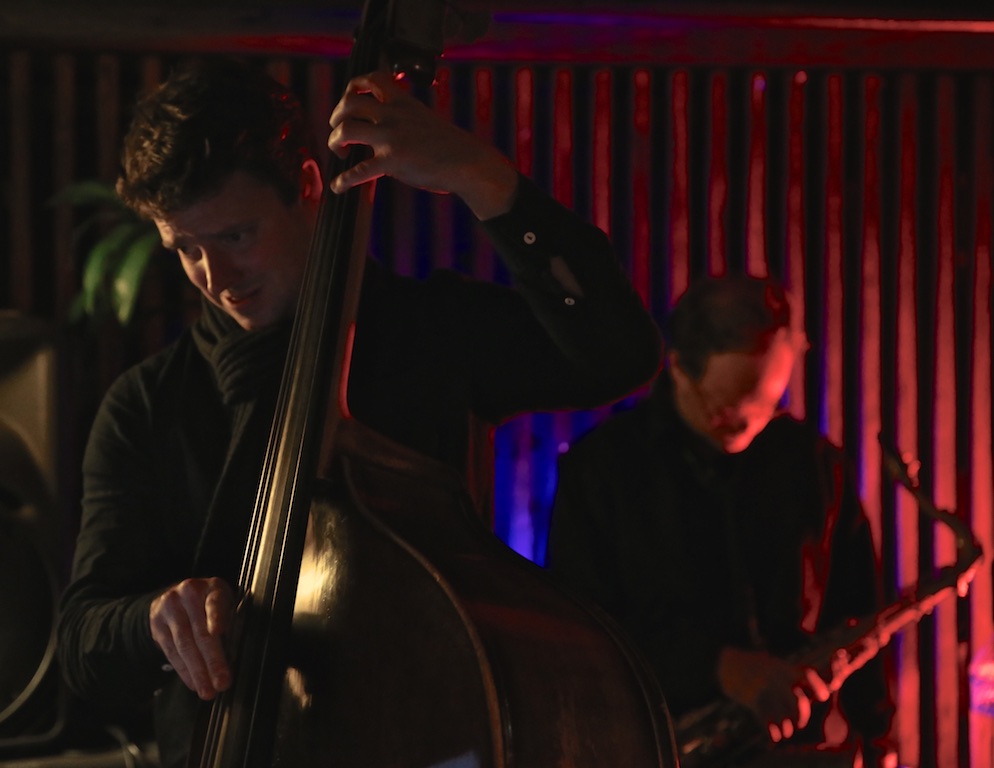 “Playing like that (fast and furious) is meat and potatoes in New York”, he said. He was once told that he could get better control if he held his sticks further down than usual. Because of that and because of his melodic approach, he is very interesting to watch. Somehow the sound is cleaner and with musical drumming like this who needs a chordal instrument. I can’t wait until his next visit.
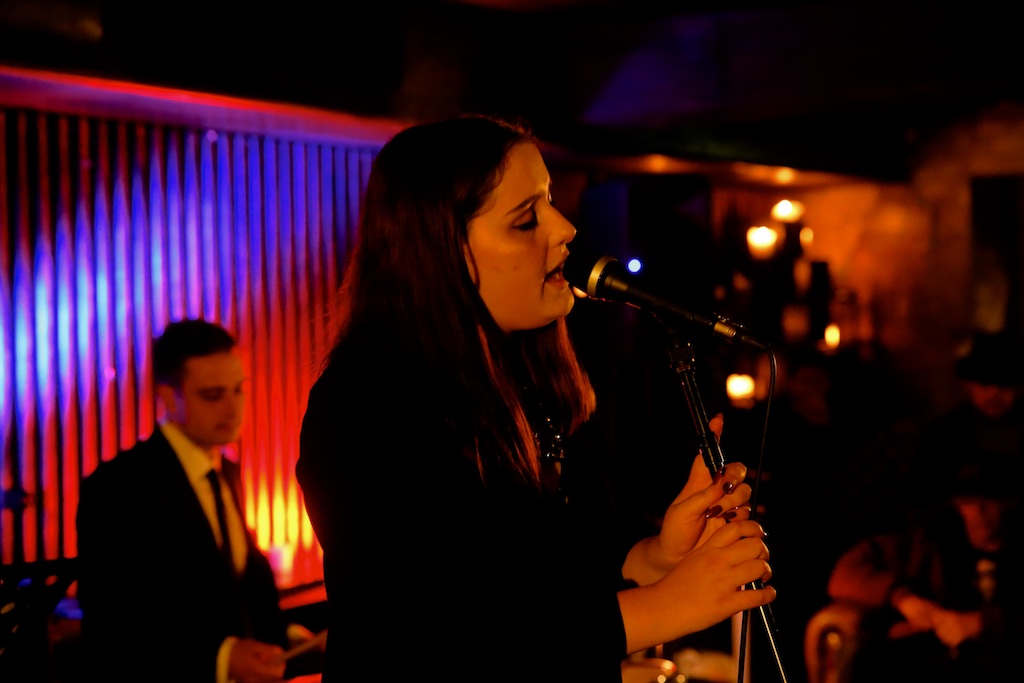 The last time I saw Rebecca Melrose perform was at a CJC gig, not long after her graduation from the UoA Jazz School. That was well over a year ago. Since then she has made her way as a vocalist, exploring several musical genres and recording an EP (yet to be released). This gig was straight ahead Jazz; her interpretations of various Jazz standards. I remember being impressed by Melrose the last time I heard her as there is a rich quality to her voice and she knows how to play with lyrics. At the last gig she took risks with her choice of material and it paid off. This time the sets were more mainstream but she exuded an easy-going confidence; the sort that comes with time in front of audiences.
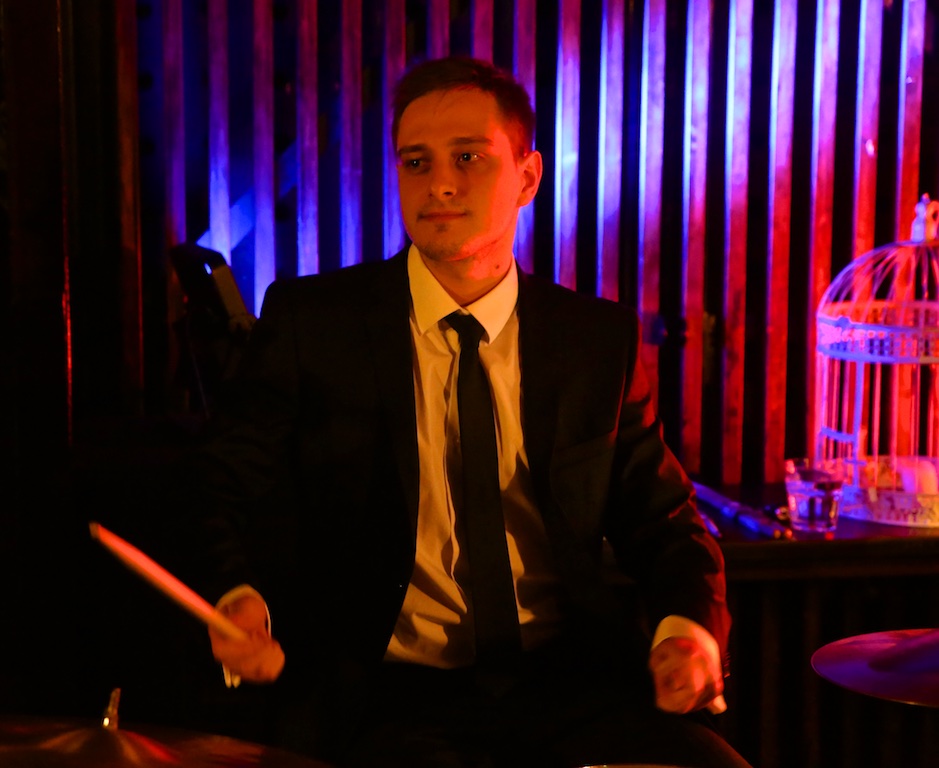
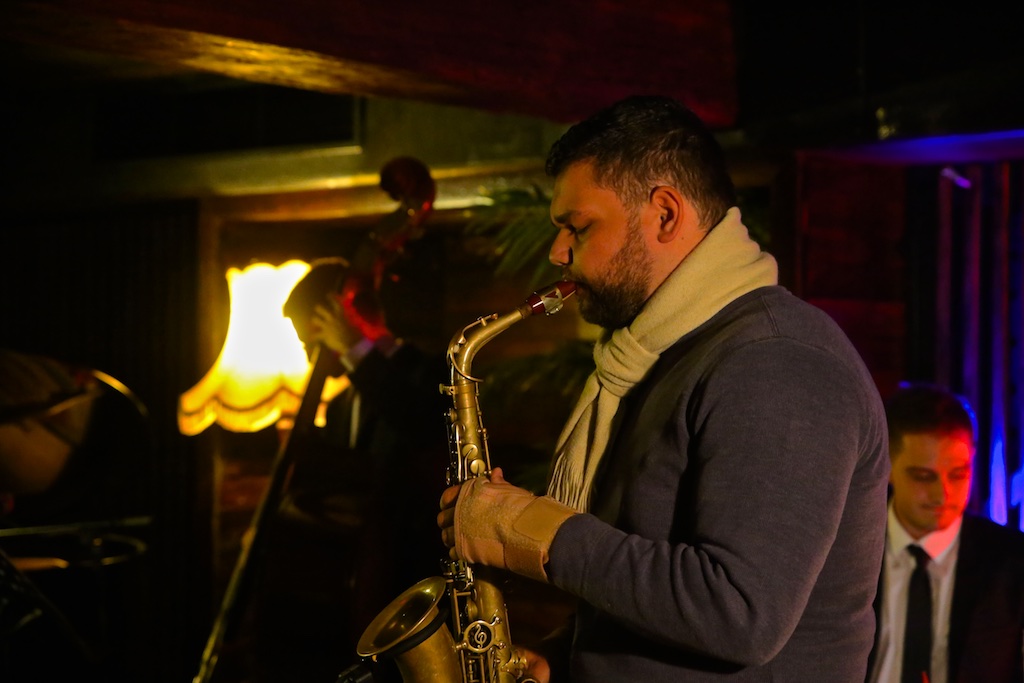
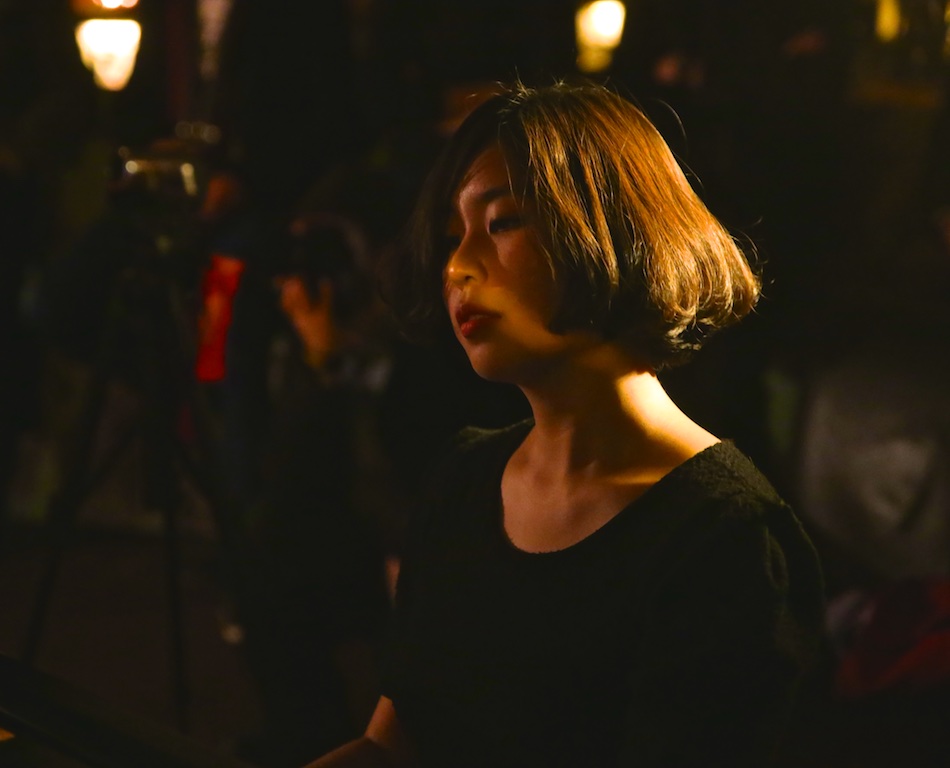 Accompanying her were three graduates from the UoA Jazz Programme. Crystal Choi on piano, Eamon Edmunson-Wells on bass and Jared Devaux de Marigny, drums. CJC audiences have seen a lot of Edmunson-Wells over recent years and increasingly we are seeing Choi. Desvaux de Marigny is not seen as often. These are all fine musicians. Additional to the core lineup were guest artists Callum Passells (alto) and Liz Stokes (trumpet).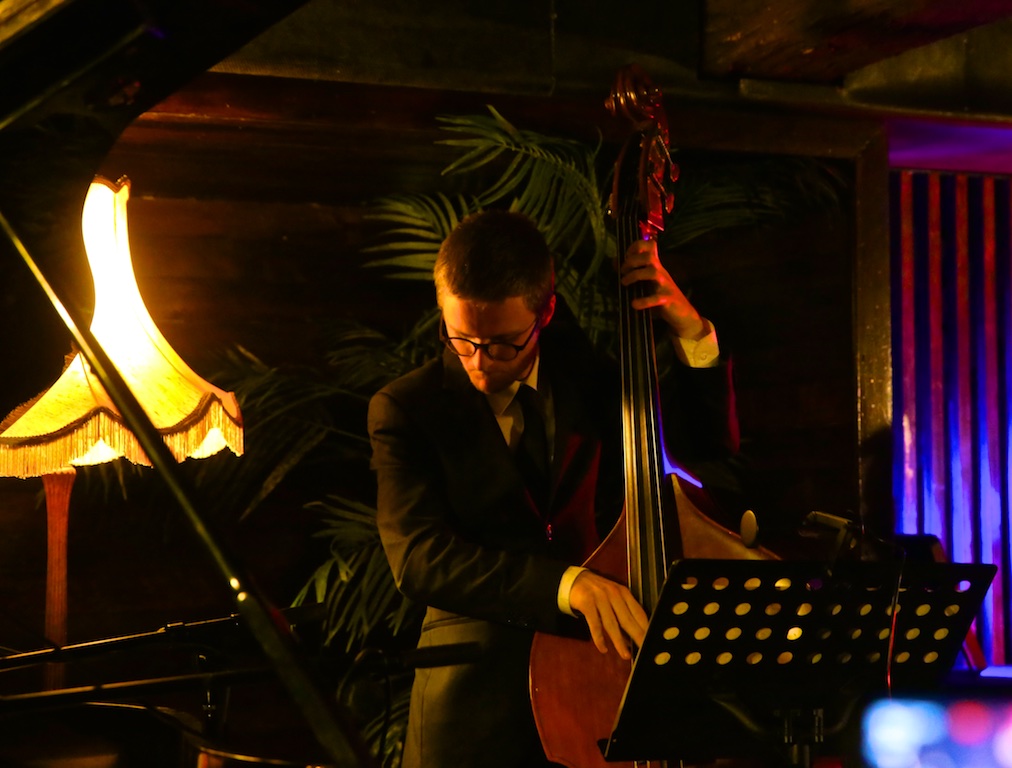
 Melrose has been selected as a semi-finalist in the prestigious Shure Vocal Competition (the only Australasian/Pacific finalist). She will fly to Montreux shortly to compete in the finals at the 2015 ‘Montreux Jazz Festival on Lac Lemon. This gig and other events are to help her get there. I wish her well.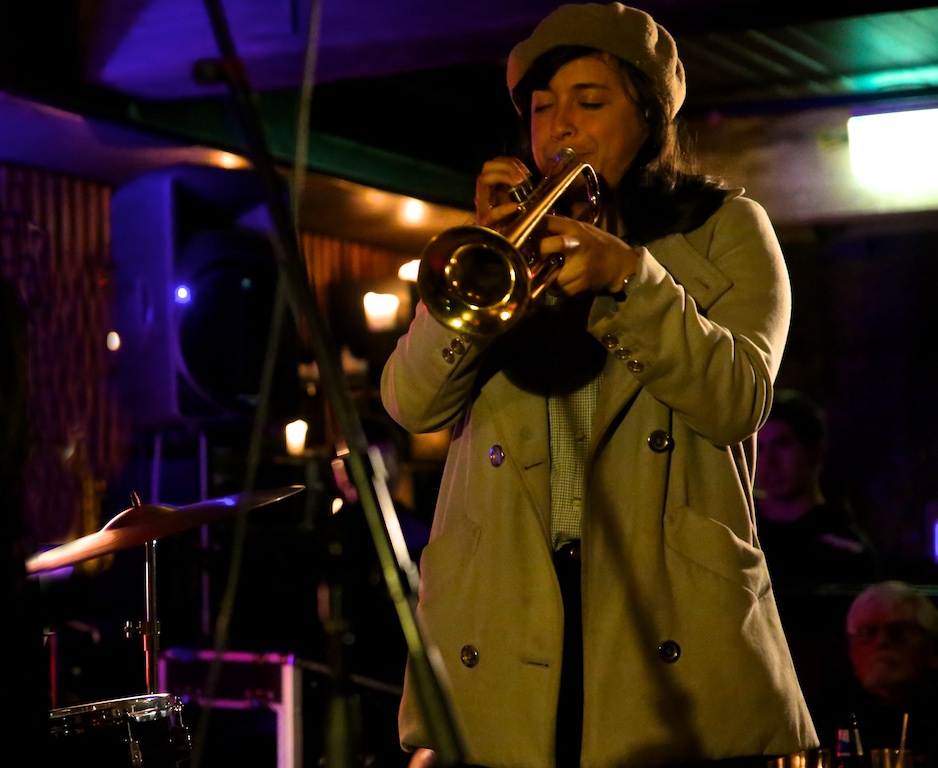
 Quartet: Rebecca Melrose (leader, vocals), Crystal Choi (piano), Eamon Edmunsen-Wells (bass), Jared Desvaux de Marigny (drums).
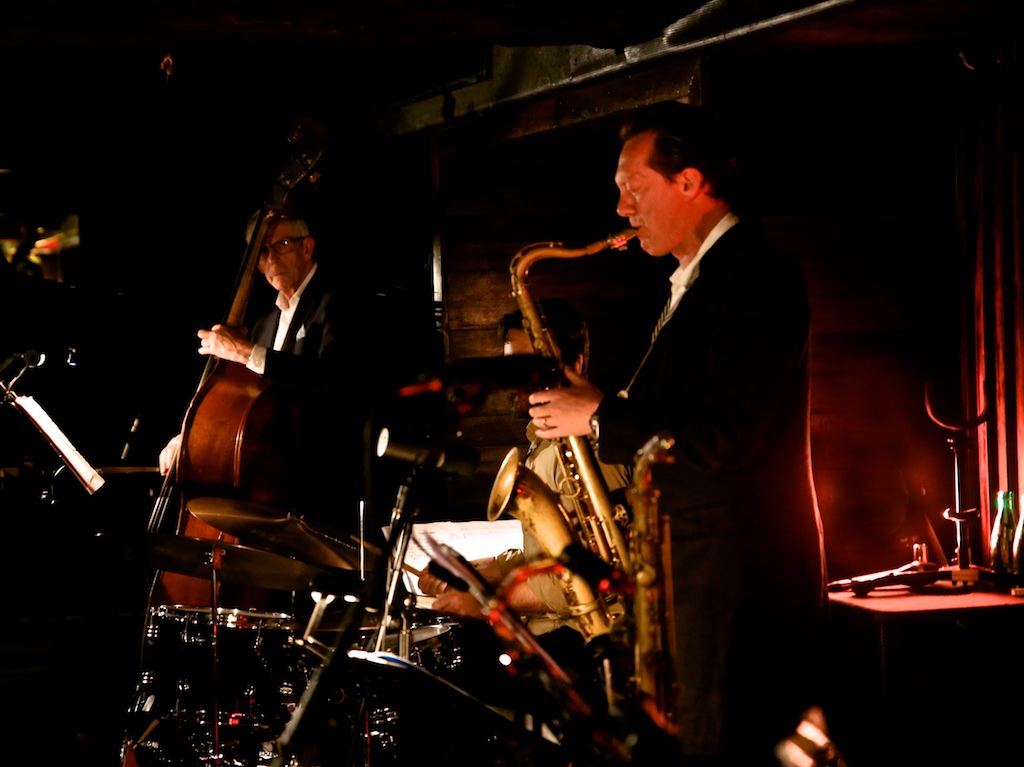 Nathan Haines is a master of the melodic and the model and he has a beautiful and distinctive sound on all his horns (and winds). He has a strong following around the world and it is no wonder when he turns on gigs like this. His following crosses genres, attracting younger and older audiences equally. He also cuts through media blind spots in a way that few other New Zealand improvising musicians do. It is good to have him on home soil for a while and good that he is focussing on fresh local projects. What he does is always exciting and this gig was no exception.
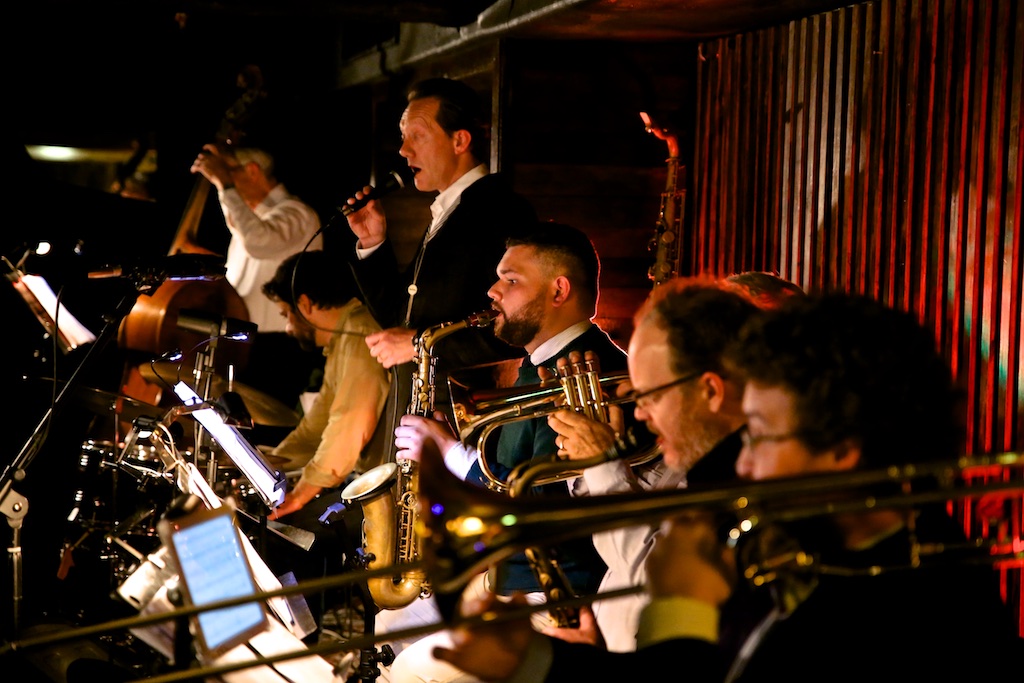 The talented and hard-working, Haines always thinks through his projects. Hot on the heals of his successful award-winning Jazz albums ‘Poets Embrace’ and ‘Vermillion Skies’ he has again teamed up with arrangers Wayne Senior and Mike Booth. The decision to include more Jazz vocals is a welcome development. There’s a paucity of male jazz singers in the modern world and they’re a rarity in New Zealand. The set list was an interesting mix of Haines originals and a few Jazz standards seldom heard live. Like his recent Jazz projects, these tunes evoked and reinterpreted the classic era of the 50’s. Consequently they oozed cool.
 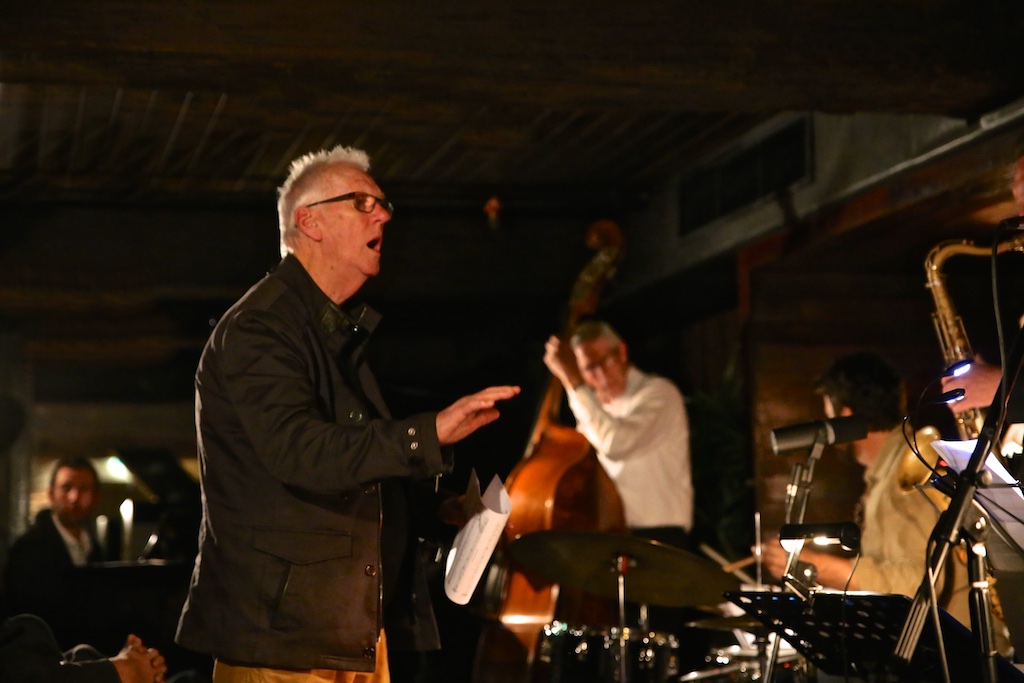 With Michal Martyniuk on piano, Kevin Haines on bass and Ron Samsom on drums he was already on solid ground. This is also where Haines excels. He is a bandleader who choses his musicians well. Martyniuk made his presence felt and soloed beautifully while never over playing. It was exactly what these charts required. Kevin Haines is a highly-respected, tasteful bass player with an impeccable CV. During the sets smiles and friendly banter flowed between father and son; further enhancing the mood. The highly experienced Samsom was on drums throughout. He is new to Haines lineups. His approach to the kit springs from a confident inner logic; more organic than Haines usual drummers. It was interesting to watch their interactions as they sparked off each other. Samsom giving Haines a different platform to work from.
 immediately took me back to hearing Pharoah Sanders for the first time. When Haines plays these modal pieces, there’s a spiritual joy that comes across. This is a strong suit for him and for those of us who love that era a balm.
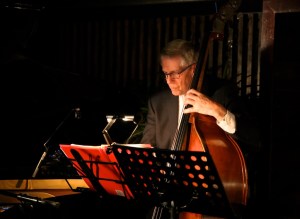 Davis album ‘Birth of Cool’. Few bands tackle this and more’s the pity. The octet horn section were Mike Booth, Roger Manins, Callum Passells and Hayden Godfrey.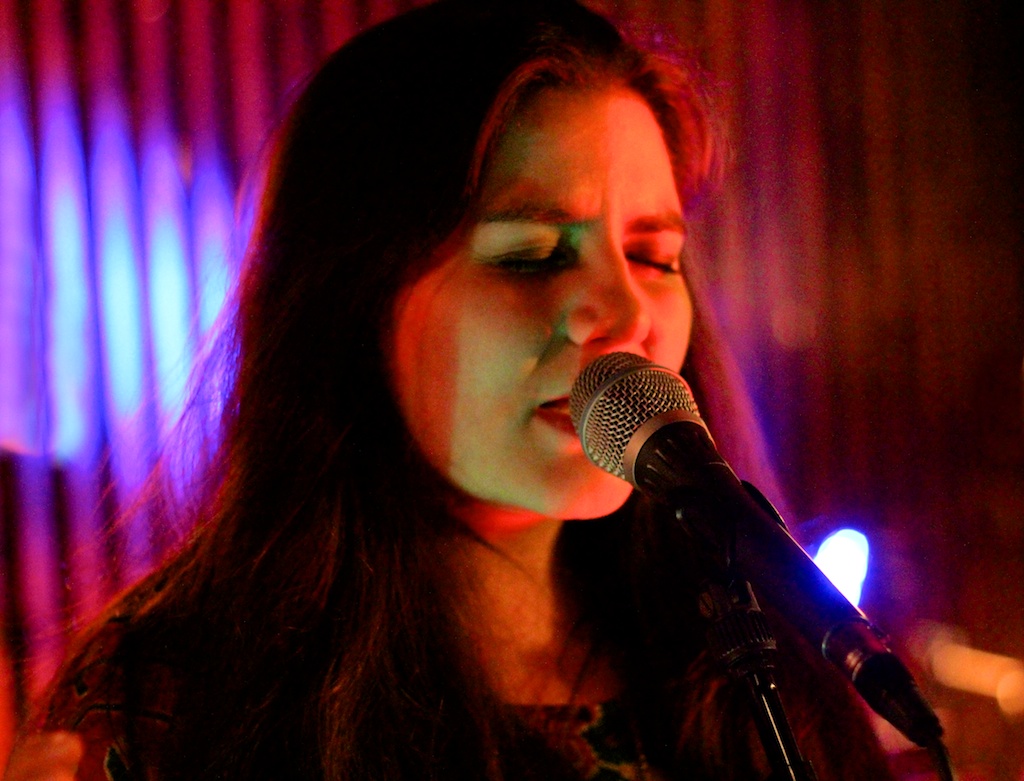


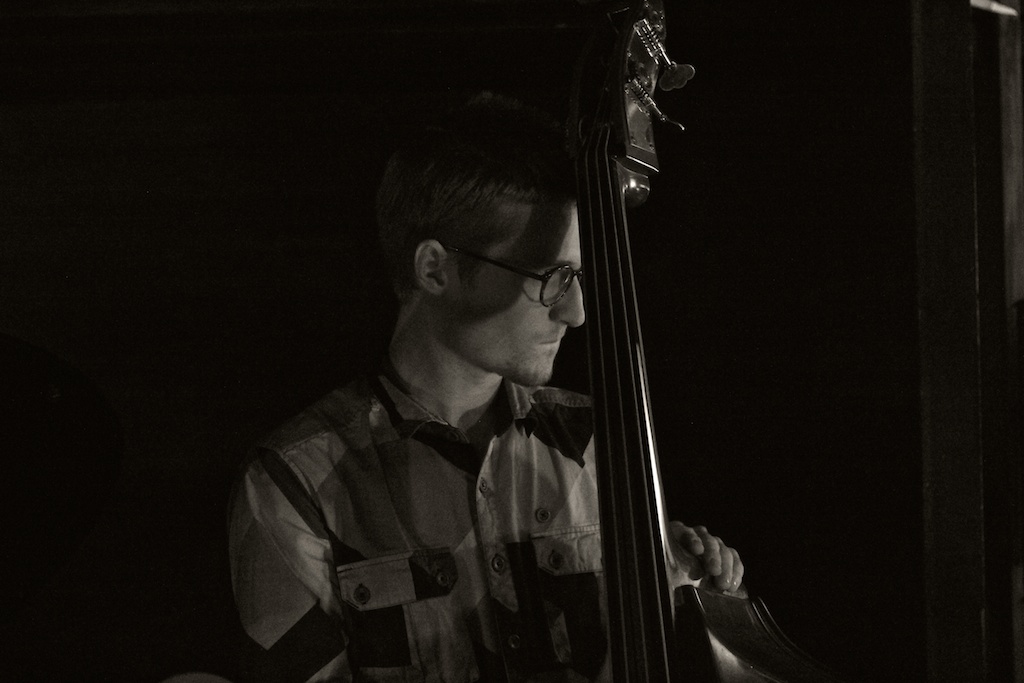
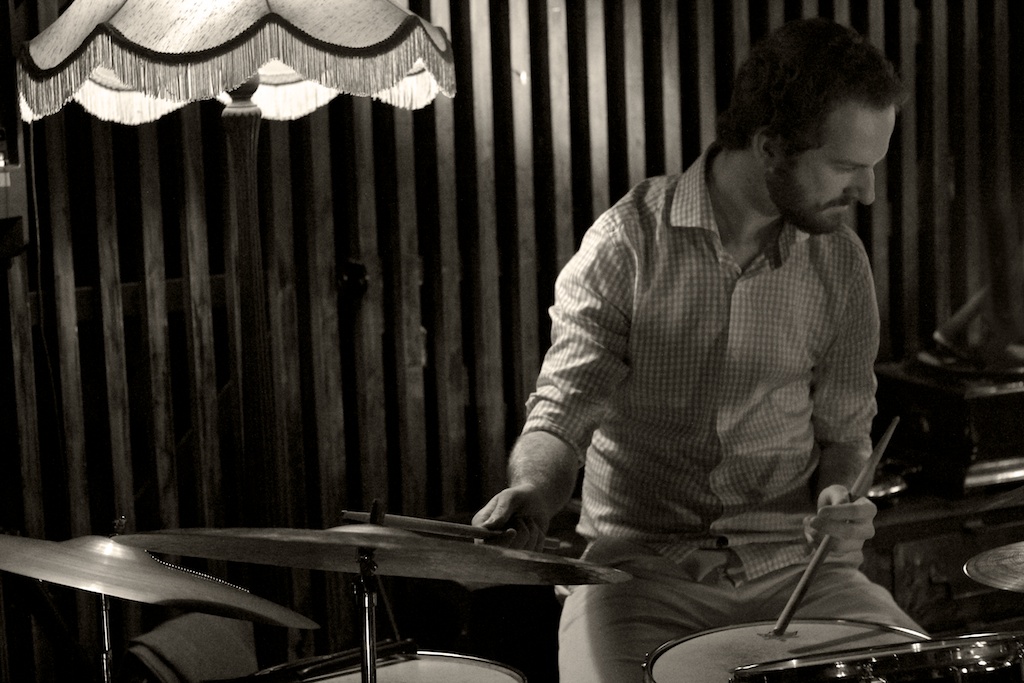




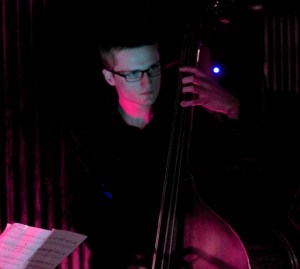
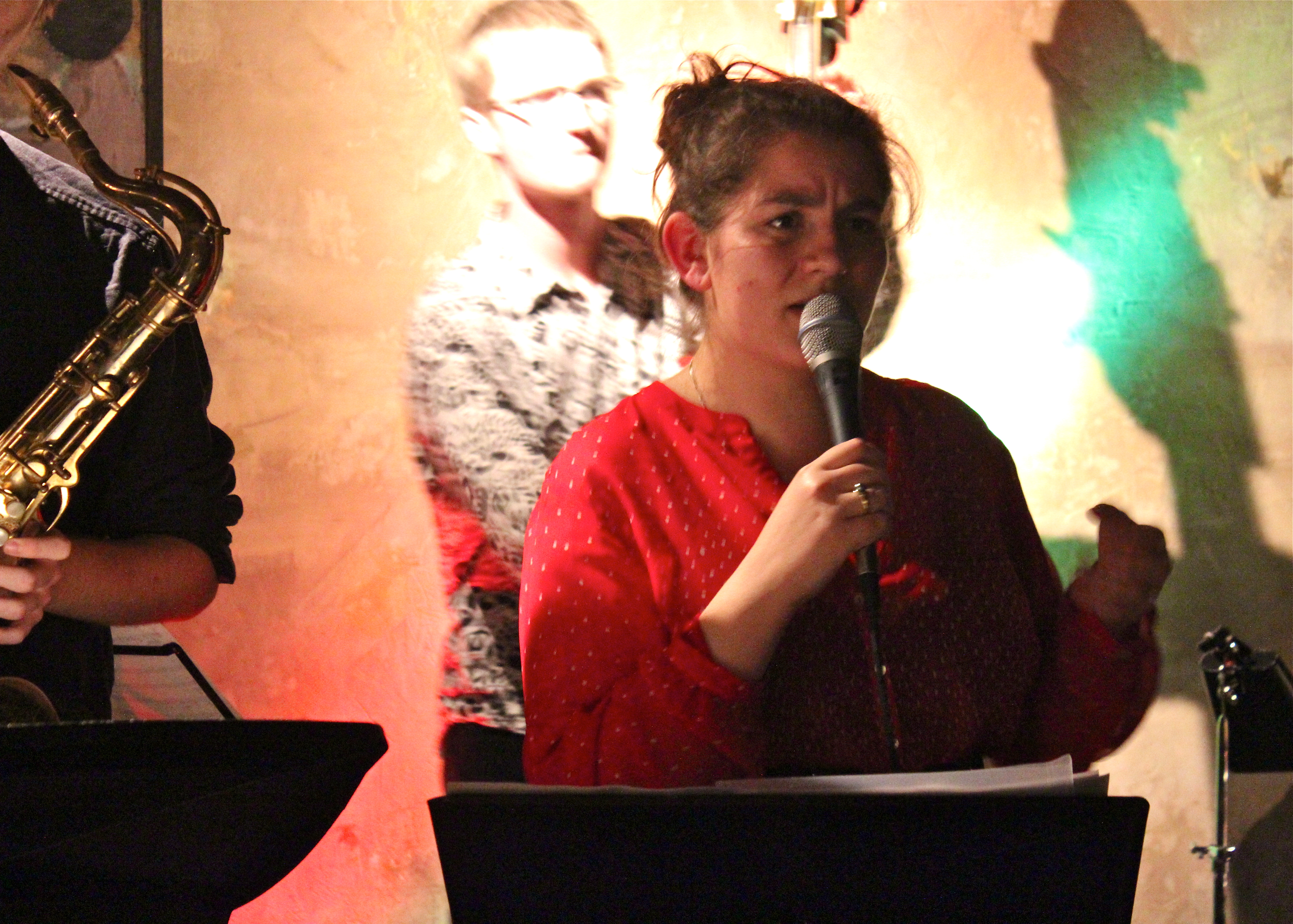
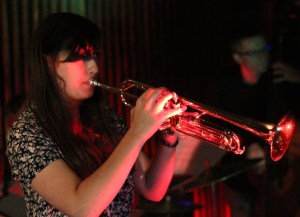 My personal favourite is the more recent Fred Hersch /Andy Bey version (from the ‘Passion Flower’ album on Nonsuch) – quietly dedicated to gay Jazz musicians past and present. Strayhorn was of course an out-gay man at a time when this was almost unheard of. Ellington revered Strayhorn and regarded him as his chief calibrator (‘my other hand’). Oddly this tune which written in 1936 remained unperformed until 1948 when Strayhorn performed it in a duet with Kay Davis. The song was never adopted into the Ellington repertoire and did not become famous until the 50’s. Its gay innuendoes is probably one reason but its sophisticated complexity is certainly the other. Well done Rebecca and well done her accompanists’. Callum Passell’s alto solo was to die for as he breathed the musical history of the song into the solo. I liked the drums and bass contributions and especially Alex Ward’s sensitive but firm rendition.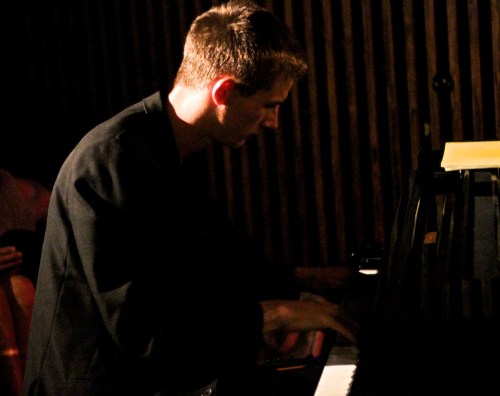
 JazzLocal32.com