Those lucky enough to attend any of Jake Baxendale’s ‘Waypeople’ concerts last year will have anxiously awaited the release of this album and his release tour. It is music brimming with exotic textures and tasteful arrangements, but it is more besides. When I attended the concert, I sensed that I was hearing something important. It made a statement about the maturity and evolution of Aotearoa’s improvised music scene and also conveyed a message that the world needs to hear right now. This spoke to our times and cut deep.
Before the advent of written language, and for a good while after, important stories were poetised and sung. This enabled generations to memorise and pass on vital cultural knowledge. In fact, poems were sung and accompanied by musicians long after the arrival of the written word, and the practice of silent reading didn’t occur in the West until well into the Middle Ages (sometime between 900-1200 BCE), and in China, during the Song Dynasty (around 1100 CE).
To the ancients, reading was a communal activity, and so it was with the Tao Te Ching. It spread through oral transmission much like Homer’s epics. Therefore, while various texts are available today, hearing it with musical accompaniment feels right. To the Taoists, music deepened the connection with the natural world and awakened ancient memories. As the Tang Poet Li Bai wrote:
‘The monk from Shu with his green silk lute . . .
Has brought me by one touch of the strings,
The breath of pines in a thousand valleys’
‘Waypeople’ is an album that joins a journey begun over 2,500 years ago, and in doing so, it incorporates the cultural expressions and voices found on that journey. Here, the ancient wisdom of the Tao Te Ching is clothed in a contemporary jazz idiom, utilising the oldest of instruments, the human voice and accompanied by saxophones, clarinets, piano, vibraphone, trumpet, drums, flute, oboe and guzheng. The use of the guzheng is particularly relevant here, as it dates back to the time of Tao Te Ching itself.
Throughout the album, selected passages of the Tao Te Ching are sung or intoned. Some verses are urgent and imploring, others reflective–opposites are brought into balance. It is therefore entirely appropriate that the translation is that of beloved contemporary author, Ursula Le Guin. What these musicians have captured is the ebb, flow and essence of these important verses. A balance has been found between the old and new, and the ‘old master’ Lao Tzu would surely smile on this endeavour.
Our world today is like it was in the Warring States (475-221 BCE)– it is out of balance. It is obvious that humanity has again taken many wrong turns, so now is the time to retrace our steps and heed this ancient wisdom. Choose peace over war, quiet and reflection over clamour. So, attend the gig if it comes to your town, buy the album on Bandcamp, listen deeply and reflect. There is no time to lose. https://jakebaxendale.bandcamp.com/album/waypeople – or check out the teaser on YouTube
The musicians are from Wellington and Auckland. Chelsea Prastiti (voice), Jia Ling, (guzheng), Jake Baxendale (compositions, alto, tenor & baritone saxophones, clarinet & bass clarinet), Callum Passells (sopranino & alto saxophones), Daniel Hayles (piano & vibraphone), Johnny Lawrence (double bass), Cory Champion (drums & effects), Louisa Williamson (flute tk 2), Ben Hunt (trumpet tk 5), Kaito Walley (trombone tks 2 & 5), J Y Lee (flute tk 10), Millie Mannins (oboe tk 10) – btw how nice to see Roger Manins daughter in this lineup.
“No competition, no blame” – Tao Te Ching
JazzLocal32.com was rated as one of the 50 best Jazz Blogs in the world by Feedspot. The author is a professional member of the Jazz Journalists Association, a Judge in the 7VJC International Jazz Competition, and a poet & writer. Some of these posts appear on other sites with the author’s permission.
Earlier this month ‘Blue Note in My Suitcase’ was released by B3 Master Michel Bénébig. It is his sixth album and his first with a Jazz orchestra. The album hits the groove spot immediately, and as you listen you realise what a perfect pairing Bénébig’s B3 and the Le Grande B3 Orchestra is, aided convincingly by Lachlan Davidson’s lovely arrangements. The charts are well constructed, giving free rein to the soloists and never overwhelming the organ. Davidson is a respected Australian arranger, teacher, band leader and multi-instrumentalist and his influence is strongly felt here.
It is always a pleasure to hear Bénébig’s in-the-pocket playing but with an orchestra like this charging the atmosphere, he digs deeper than ever into the groove. The ten tunes on the album are excellent groove vehicles, all written by Bénébig, with Davidson credited as co-composer on ‘Try To Explain’. I have always appreciated Bénébig’s writing but he has excelled himself here.
The opener ‘Alenka’s Mood’ is warm and funky, immediately infecting you with its slinky rhythm. It offers up a promise which is fulfilled throughout. As you work through the tunes you are drawn back to the days when infectious danceable music like this was loaded onto jukeboxes and played in steamy groove joints pulsating with dancers. The music brings a smile to your face and fills you with joy and, like his earlier ‘Shuffle’ album, you will reach for it repeatedly. Joining him is Bénébig’s daughter Lucia who is responsible for designing the album cover and creating animation for a promotional YouTube clip. I have posted the YouTube cut ‘Black Cat’ from the album.
A time-honoured B3 big band tradition is followed here, featuring 13 horns which lends considerable heft to the rhythm section. It would be easy to drown out soloists and to eclipse the organ with a behemoth like this but the soloists get plenty of room to shine, and shine they do. The album is available now on Spotify and a vinyl edition is on the way for audiophiles.
Mick Fraser (trumpet 1), Shane Gillard (trumpet 2), Gianni Mariucci (trumpet 3), Rob Planck (trumpet 4), Roger Schmidl (trombone 1), Ben Gillespie (trombone 2), Jessica Jacobs (trombone 3), Adrian Sherriff (bass trombone), Lachlan Davidson (alto sax 1/flute 1/sop sax), Rob Simone (alto sax 2/flute 2), Anton Delecca (tenor Sax 1/clarinet 2), Paul Cornelius (tenor sax 2/clarinet 1), Stuart Byrne (baritone sax/bass clarinet), Jack Pantazis (guitar), Gideon Marcus (drums), Michel Bénébig (A105 Hammond organ Leslie 147), Phil Noy (recording engineer), Lachlan Carrick (mastering Engineer), Lucia Bénébig (front cover art)
~Random Delights~
Sambandha: Heartcore For Nepal
Recently, I received a press release from colleague Arlette Hovinga. The project outlined was the vision of Mikaela Bokova, the manager of Kurt Rosenwinkel’s independent music label, Heartcore Records. The object was to raise money for disadvantaged children in Nepal, and on board for this recording are an impressive list of jazz and world music luminaries: John McLaughlin, Christian McBride, Terri Lyne Carrington, Gerald Clayton, Kit Downes, Anmol Mahara and Dinesh Pun. Sambandha was written by combining two traditional Nepalese folk tunes, and it’s performed by the 20-piece children’s choir Bokova organised while running a music workshop at Mangala School, Babiyachaur, Nepal.
The revenue from the release will go towards buying the children’s musical instruments. In your browser or here, click on heartcore-records.com then once opened, locate Sabandha and purchase your download (5 Euros). It can also be purchased in Bandcamp. Please pass on the word and enjoy. I play this often. You will also find a delightful video on YouTube on the making of this by typing Heartcore for Nepal Sambandha. There is a deficit of joy in today’s world, but giving to those in the greatest need is a sure way to top up the supply.
Skilaa: Tiger In The Water
The cut I am posting is tagged ‘psychedelic R&B’ and the descriptor is intriguing. Everyone featured in this band is an accomplished jazz musician and it shows. Boundaries have been deliberately blurred until a new, fresh kind of music emerges, which catches your attention because it is familiar but not familiar. The concept, compositions and delightful artwork are those of vocalist Chelsea Prastiti. Her boundless energy is evident here. In Aotearoa, it is not unusual for Jazz-trained musicians to make inroads into Indie-Rock, Soul-Funk and Indie-Pop and do it well, even better (think The Beths). Skilaa will be a band to watch. The band are Chelsea Prastiti (vocals, compositions, artwork), Tom Denison (bass), Adam Tobeck (drums), and Michael Howell (guitar) with guest vocalist Crystal Choi (recorded by Callum Passels).
The ‘Astounding Eyes of Rita’ – Trio Natalino Marchetti, Francesco Savoretti, Mauro Sigura
I have previously posted on Mauro Sigura, an oud improviser. He recently sent me this clip of his trio featuring oud, with accordion and percussion. The tune is a well-known composition by Anouar Brahem, ‘The Astounding Eyes of Rita’. Improvised music like this is prevalent across the Mediterranean region and deserves a wider audience. This is such a lovely tune and so beautifully realised here. Mauro Sigura (oud), Francesca Savoretti (percussioni), Natalino Marchetti (fisarmonica). Recorded in Rome.
The Bonita Project is fueled by good compositions, nice arrangements and above all by the exuberance of leader Chelsea Prastiti. It is the second time that Bonita has appeared at the CJC in recent times and people returned for more. It is a worthy project as it reimagines a time and rides on a powerful vibe; the sort that the world needs right now. There was always an easy-going breezy quality to post-war Brazilian music and that quality could beguile. Underneath, however, there is a powerful engine, as the melodies float over a plethora of complex rhythmic structures.
It is impossible to listen and to keep your feet still as the urgency underlying the beachy vibe captures you. It is also true that in this golden era there were dangerous political undercurrents. Out of that dashed hope came a flowing of art forms and the authoritarian colonels who tried to snatch it all away could not silence the music. Many of the musicians like Elis Regina were harassed, but the music never faltered.
There were three arrangers credited on the gig, Prastiti, Sinclair and Passells. The compositions were by Prastiti (and with one co credited to Kenji Hollaway). Some of the tunes we had heard before, including the lovely ‘Cassandra’ (posted as a video last time). There were also new tunes and among them ‘Peter Pan’ was especially appealing. The band had changed slightly from last time, with Connor McAneny replacing Crystal Choi. McAneny had been out of the country for a few years and his return is welcome. His piano playing has a muscular quality to it, which was less evident before he left.
The opportunity afforded by a diverse sound palette was well utilised by the arrangers; bringing out the best in the music without overwhelming melody. This was achieved with three vocalists, an acoustic guitar, piano, double bass, percussion, kit drums, trumpet + flugelhorn, clarinet + flute, tenor saxophone and a second flute. It was pleasing to hear a 12 piece ensemble perform in this way. A configuration like this allows an arranger to impart a degree of airiness out of a large ensemble sound. This was achieved by having the instrumentalists or the vocalists moving in and out of the mix as required. The tunes had lyrics, but just as often there was wordless singing. I love to hear the human voice used as a (non-verbal) instrument. Perhaps because of my ongoing enthusiasm for Winston/Wheeler/Taylor in their ECM ‘Azimuth’ days. This was a nice project and all the more so because it was presented with infectious enthusiasm.
Bonita: Chelsea Prastiti (vocals, arranging), Eamon Edmondson-Wells (upright bass), Ron Samsom (percussion), Tristan Deck (drums), Connor McAneny (piano), Michael Howell (guitar), Roger Manins (tenor saxophone), Elizabeth Stokes (trumpet/flugelhorn), Ben Sinclair (clarinet, flute, arranging), J Y Lee (flute), Rachel Clarke (vocals), Gretel Donnelley (vocals), Callum Passells (arranging).
JazzLocal32.com is rated as one of the 50 best Jazz Blogs in the world by Feedspot. The author is a professional member of the Jazz Journalists Association, poet & writer.Some of these posts appear on related sites.
It’s impossible to over-estimate the influence that the CJC (Creative Jazz Club) has had on the Auckland and wider New Zealand Jazz scene. For those unfamiliar with its history, the club was set up over a decade ago, as a place to bring original improvised music to discriminating listening audiences. A secondary function was to ensure that emerging artists were given a shot on select gig nights. Last week brought two bands, the Ben Frater Band and the Rachel Clarke band.
Frater is an undergraduate at the UoA Jazz School and for an emerging performer, his drum-work shows surprising maturity. In common with many up-and-coming performers, his approach is not confined to any particular style and this openness has informed his approach. The gig was billed as swing influenced, but leaning towards fusion, and the descriptor was accurate. Frater is a compelling drummer and he will further enrich the local scene.
The leader enrolled former and current students for this gig and in consequence, a shared vision was evident. CJC audiences are by now quite familiar with guitarist Michael Gianan and with keyboard wiz Joe Kaptein; both have featured often during the last year. The other band members were Jimmy Olsen on electric bass, Andrew Isdale on tenor saxophone and Jack Thirtle on trumpet.
Olson was a powerhouse with those urgent pumping bass-lines; the sounds of Jazz-fusion deserve slippery grooves like that. And Kaptein impressed as he always does, his calm demeanour belying what was flowing from his fingertips. He backed into the pieces like a pro and established grooves on top of grooves; then he reached underneath the bonnet and messed with the sound in a good way.
The groove tunes took a bold step in the direction of improvised Jazz electronica; the direction of Eivind Aaset in particular. I hope that Frater takes us further down that road. It has until now been a Nordic sound and it is extremely popular in the northern regions. This band gave it a Kiwi flavour, and I for one am ready for more. I have posted a clip titled ‘Montgomery’ (Frater).
The second set brought us, vocalist, Rachel Clarke’s band. Clarke had assembled some formidable firepower. Ben Frater and Jimmy Olsen were present again, Gretel Donnelly and Chelsea Prastiti as backing vocalists, Nathan Haines on flute, Alex Pies on guitar and Ron Samsom on percussion. Clarke is a recent graduate from the UoA Jazz Programme and I first heard her when she was called on at short notice to replace Caitlin Smith at a live gig, just days before the first lockdown.
All of the tunes in Clarke’s set had a Latin flavour and more specifically, a Portuguese flavour. Many of the tunes were sung in Portuguese. Again, it is a credit to the Auckland University Jazz School that they nurture such diversity within their programme structure. Out of this diversity, an Auckland sound is being forged.
It can be daunting to find yourself in front of a large discriminating Jazz audience, but Clarke demonstrated her ability to win an audience over. She has a fine voice and she mastered the rhythmic complexities of her Latin tunes with ease. Alex Pipes also nailed the rhythms, with Olsen, Samsom and Frater adding counter pulse and texture. Nathan Haines provided perfect fills and a gorgeous solo or two. His Latin Flute chops are legendary.
JazzLocal32.com was rated as one of the 50 best Jazz Blogs in the world by Feedspot. The author is a professional member of the Jazz Journalists Association.
Chelsea Prastiti’s Bonita gig was a phantasmagoria of warm evocative sounds. I have the greatest respect for her work and in this case, she curated something rare; she conjured up the vibe from another place and time, and she did so without a hint of contrivance. The Brazil of the sixties and seventies with its Bossa Nova soundtrack was an era of infinite possibility. In the end, the dream was stolen by a repressive authoritarian regime but the music, a timeless gift to the world, lived on. Over the last half-century, the Jobim songbook, in particular, has remained popular, and while some interpretations have been breathtaking, others, have been pale imitations.
What Prastiti has done here is both respectful and innovative. She has composed a suite of tunes that nails the vibe as it taps into the essence of New Wave Brasileira while evoking the founding era. The concept for this gig and many of the tunes were conceived years ago. Prastiti had other projects cooking back then, and so she waited her time. As it turns out, she timed it perfectly. With our borders closed, the desire for high-quality Kiwi music is at an all-time high. Audiences are not being distracted by ‘once again and for the very last time’ tours by fading greats, and the realisation is dawning that homegrown is often better.
Stars above water below
Another plus for holding the gig now was that her friends and collaborators were all within reach: notably, Elizabeth Stokes and Ben Sinclair of ‘The Beths’. The recent winners in the Best Group category at the NZ Music Awards would probably have been back on a world tour right now, but the pandemic curtailed that. The ensemble members all go back quite a way with Prastiti and I believe that the warmth they radiate arises from those long-held connections.
Cassandra
The ten-piece ensemble oozed a Brazilian vibe, with its flute players and fingerstyle acoustic guitar. Add to this the unmistakable rhythms of Samba and Bossa Nova and the course was set. There was a horn section of trumpet and a tenor saxophone and one of the flute players doubled on clarinet. Behind them was an upright bass, drum kit and percussion and in the darkness, and to one side, a piano. The arrangements were beautifully textured and the harmonies absolutely gorgeous. As well as the instrumental harmonies, there were vocal harmonies contributed by two of the instrumentalists (one being Stokes, who has a fabulous voice – the success of the Beths underscores that). Prastiti composed all of the tunes and arranged most of them. The other credits go to Sinclair who arranged Prism, Callum Passells who arranged Bumblebee and Kenji Iwamitsu-Holdaway who is co-credited for the composition titled ‘Stars Above and Water Below’.
Chelsea Prastiti is one the most innovative vocalists to appear on the local scene and she is never afraid to take risks or to explore new territory. The rest of her ensemble were: Elizabeth Stokes on trumpet and vocals, Crystal Choi, who appeared last week, this time on piano and vocals; bringing a beautifully voiced minimalism to the proceedings and echoing Tom Jobim’s delicate spidery lines. Roger Manins was on tenor saxophone with fills and some tasteful solos – J Y lee played an edgy melodic flute (it is not his primary, but he brought expression to an instrument that in the wrong hands can lack it). Beside him was Ben Sinclair (bass guitarist from the Beths), alternating between clarinet and flute, the ever-reliable Adam Tobeck was on the drum kit, with Ron Samsom on percussion. Lastly, and hidden in the shadows was Michael Howell, utilising the voicings and fingerstyle of the Brazilian acoustic guitar. He absolutely nailed those warm pulsing rhythms which fell about us like a warm summer shower.
Eleven years ago, I began this Jazz blog and one of my first posts was an opinion piece about this era. I looked back at it today for the first time since writing it, and apart from a few missing commas, it stands up. I was worried when I wrote it that it might get something wrong, but a Brazilian musicologist messaged me to thank me for it. Anyone wanting to gain an additional sense of this era could follow the link to my original post. It is an opinion piece, but it could serve as a springboard to more authoritative, Brazilian-sourced information. https://jazzlocal32.com/2011/06/07/wave-antonio-carlos-jobim/
The gig took place at Anthology K’Road for the CJC Creative Jazz Club, November 25, 2020
JazzLocal32.com was rated as one of the 50 best Jazz Blogs in the world by Feedspot. The author is a professional member of the Jazz Journalists Association.Many of these posts also appear on Radio13.co.nz – check it out.
This has been a season of upheavals and delays, and Caitlin Smith’s album, ‘You Have Reached Your Destination’ was no exception’. The gig sold out long ago, but then it was delayed twice. It finally went ahead last Wednesday and there was a rush to get a good seat. In typical kiwi fashion, what passes for a queue had formed; a ragged line, reordering itself in illogical surges as it snaked across the footpath of K’ Road. Smith is popular and like many vocalists, she has followers from across the music spectrum.
She brought a medium-sized ensemble with her, including backing vocalists, piano, keyboards, two guitars, drums, basses and a pedal-steel/slide-guitarist. I am used to hearing Smith with her trio, but this was new to me.
The band had a warm and enveloping sound, with Smith, clearly relishing the energy surrounding her. She has a strong voice, and it cut through. The first number was pure Americana, not just because of the pedal steel guitar, but the organ and backing vocals, and above all the lyrics. On several of the later numbers, they were joined by the gifted Nigel Gavin, and if anyone can channel authentic Americana he can.
The setlist followed the album order (minus a few tunes). There were few introductions, and this was intentional. The night was about letting the music speak and to achieve that best it needed an uninterrupted flow. I enjoyed the gig and couldn’t wait to hear the recorded album.
The physical album comes in exceptionally beautiful packaging, and importantly, the front cover has a brail title. In doing so, the senses are immediately directed within, or as Smith puts it, ‘let your ears guide you through this experience without other sensual distractions’. It was an invitation to a deep listening experience. The first tune, Grand Companion, was the perfect start point and from that point on you are guided between tracks by footsteps.
Much as Joni Mitchel or Rickie Lee Jones did, Smith uses predominantly Jazz Musicians in her bands. Musicians who can respond to nuance and work with her (not just back her). On the album’s opening track, Grand Companion, you hear John Bell on vibes, and what an inspired choice. His silken fills adding textural contrast: and Keven Field on Rhodes and piano. The live gig featured 10 musicians, but the album has a bigger cast (for example, pedal steel guitarist Janek Croydon, other backing vocalists and drummers). Paul Symons picked up this role on Wednesday and he doubled on slide guitar and vocals. The well known Aaron Coddel on bass(s).
On both the album and at the gig, the interaction between the chordal instruments was central. What a delight to hear Alan Brown and Kevin Field finishing each other’s musical sentences or trading fills. And Dixon Nacey, a guitarist who can accompany a vocalist with incredible sensitivity and a first-choice musician for a gig like this.
Track two ‘The Story so Far’ has a southern soul feel and the backing singers are the icing on a beautiful cake. ‘No Mans Land’ picks up the overarching theme of the album which is self-realisation on a sometimes difficult journey. Prayer for a miracle reminds me of Patrice Rushen’s disco-funk, ‘Tug of War’ closer to a straight-ahead Jazz number.
This is an honest album that touches on loves lost, inner struggles and sobriety. Smith is sight impaired, but she never complains. It is part of who she is, and she occasionally jokes about it. In between numbers, a few band members slipped off stage to grab a drink and when it was time to call them back, she said, ‘I can see what you’re doing’. ‘What can you see’ yelled someone in the front row, ‘Very little actually’ she replied, grinning.
When I looked at the album liner notes, I was surprised to see when it was recorded. This album is a gem. It was worth the wait and I hope it puts Smith where she deserves to be; a widely acknowledged vocalist among our greatest. It has been over 10 years in gestation and now it has arrived. It is a credit to Smith and to all involved, and it also underscores just what magnificent work Roundhead Studios do. As I played it through, a tug of emotion brought a lump to my throat. The mahi paid off royally and the wait was worth it, we have our own Joni.
Album: Caitlin Smith (vocals, Wurlitzer, and compositions), Kevin Field (piano, Rhodes), Alan Brown (keys, B3), John Bell (vibes), Janek Croydon (pedal steel), Dixon Nacey (guitar), Aaron Coddel (bass), Nick Gaffaney (drums), Chris O’Connor (drums), Jeremy Hoenig (tabla loop), Finn Scholes (trumpet), Oliver Emmitt (trombone), vocal backing: Mate Ngaropo, Rebecca Le Harle, Callie Blood.
Gig: Caitlin Smith (vocals, piano), Kevin Field (piano), Alan Brown (keys), Dixon Nacey (guitar), Nigel Gavin (guitar), Aaron Coddel (bass), Paul Symons (pedal steel, slide guitar, vocals), Jono Sawyer drums, Callie Blood + Chelsea Prastiti (backing vocals).
The gig took place at Anthology K’Road for the CJC Creative Jazz Club, Nov 4, 2020. Order the album from stores or Caitlin Smith.com
JazzLocal32.com was rated as one of the 50 best Jazz Blogs in the world by Feedspot. The author is a professional member of the Jazz Journalists Association.Many of these posts also appear on Radio13.co.nz – check it out.
Any jazz club gig involving Nathan Haines, Jonathan Crayford and Manjit Singh is bound to catch the attention. It was programmed to occur months ago and unsurprisingly tickets sold out so quickly that many missed out. Then, out of the blue, the virus crept back among us and we found ourselves back in lockdown. There was a new date suggested, but for safety reasons that did not transpire, and we waited. October brought us warm weather, freedom of movement, and above all, it gave us our gigs back. This time the Haines/Crayford/Singh gig actually happened and more tickets were released as restrictions no longer applied.
The gig was a fusion of Jazz and the Indian musical traditions and in particular the northern styles. Accompanying them on harmonium and with vocals as a guest artist was Daljeet Kaur, the wife of Tabla player Manjit Singh. Chelsea Prastiti also appeared as a guest artist on one number. To pull off this type of fusion and yet do so respectfully, requires careful programming and good musicianship. The three co-leaders were particularly suited to this task.
Singh was a respected Tabla player and teacher long before he travelled from the Punjab region to New Zealand. He has since completed a musicology degree at Auckland University and his involvement with the UoA Jazz School brought him into frequent contact with local jazz musicians. Haines and Crayford are internationally renowned and together they are a versatile dream-team. Bringing Singh into their orbit made perfect sense as both can comfortably play outside of the strictures of genre.
There are particular subtleties to Indian music and perhaps most formidably the rhythms. The scales, although model, and thus familiar to Jazz practitioners also have aspects of difference. The northern Indian scale has twelve notes and is moveable. When western harmonies are added, unusual challenges crop up. Jazz, however, is the art form of flexibility and its practitioners thrive on playing over drones and exploring harmonies. I believe that is why this worked so well.
As soon as I heard the harmonium and tabla together I was transported back in time; back to a night in the Himalayan foothills where I once heard a wandering troupe play. Two youths who we had befriended in Katmandu, called by late one night and led us up into the mountains. We walked in the moonlight and eventually arrived at a rustic farmhouse; cattle on the ground floor, a farmer ushering us up a ladder to the first level. A troupe of wandering musicians who crossed borders secretly at night and played in private homes by invitation only. A four-piece unit of sitar, tambura, flute, harmonium and vocals. They were brilliant. Not the sort of thing anyone could forget.
I had always assumed that that the harmonium was a traditional Indian instrument, but I have since learned, that it came from the West around 250 years ago. Once adopted by Indian musicians, it was modified, and it entered the repertoire of the northern part of the sub-continent. Its entry was not without controversy. Because it sits at the juncture between east and west, it feels an appropriate instrument to bring to an Indian, Jazz fusion gig.
There were a number of original tunes, a classical piece, a Beatles tune and an old Pakistani folk tune. The arrangement of Norwegian Wood was well adapted. The Beatles had been exploring modal Indian music at the time. When Chelsea Prastiti joined them, she and Daljeet Kaur sang a New Zealand composition, Olympic Girl. That number received wild applause, but my favourite segment was when the trio played Heitor Villa-Lobos Bachianas Brasileiras No 5. This gorgeous tune with its sensual Latin rhythms and Spanish tinge has been played and adapted by Jazz musicians before – notably by Wayne Shorter. The trio’s version paid it homage in the very best way.
Nathan Haines|flutes, soprano saxophone – Jonathan Crayford | piano & keys – Manjit Sigh | Tabla, tala & percussion – Daljeet Kaur | harmonium & vocals – Chelsea Prastiti | vocals
The gig took place at Anthology K’Road for the CJC Creative Jazz Club, October 21, 2020
JazzLocal32.com was rated as one of the 50 best Jazz Blogs in the world by Feedspot. The author is a professional member of the Jazz Journalists Association.Many of these posts also appear on Radio13.co.nz – check it out.
Some missing music for those missing music. Hear it Here
Mark de Clive-Lowe (keys) in Auckland’s CJC a few weeks ago with Brandon Combs (drums) and Marika Hodgson (bass)
‘Don’t Dream it’s Over (N Finn), Chelsea Prastiti (vocals), Kevin Field (piano), Mostyn Cole (bass), Stephen Thomas (drums), Mike Booth (trumpet). CJC Auckland at Alchemy Live
Bird Song (Smirnova) Simona Smirnova (vocals), Alan Brown (piano), Cameron McArthur (bass), Jono Sawyer (drums) at Auckland’s CJC, March 2020.
The lockdowns won’t stop jazz! To assist musicians who’ve had performances canceled, get their music heard around the globe. The Jazz Journalists Association created a Jazz on Lockdown: Hear It Here community blog. For more click through to https://news.jazzjournalists.org/category/jazz-on-lockdown/
My normal weekly post has been sitting in my ‘drafts’ folder for over two weeks. Since writing it, my attention has been focused elsewhere. Although in isolation, I am not referring to my personal situation but to the J JA‘Jazz on Lockdown’ project which has rallied Jazz Journalists from every corner of the globe and asked them to respond collectively to the pandemic. My colleagues and I are now working together using an online workspace and our individual blogs may be delayed. Those who are able to have volunteered to join an editing working group as we grapple with the challenges of a fast-moving situation. This is a Jazz Journalists Association project aimed at keeping improvised music current and to get updates to and from countries on lockdown.
Because of that, Spain first captured our attention. When the virus hit, a popular Jazz musician succumbed and soon every resident was under lockdown. As the virus spread, so did our focus and within days the problem had reached every country. One by one the great Jazz centres like New York closed and the iconic and much-loved Jazz clubs closed with them. When the city that never sleeps locks down, you know that you have urgent work to do. Jazz Journalists are not going to sit around moping; nor will we restrict ourselves to watching another era’s YouTube clips. It is the current musicians who need us the most. We are learning new ways of working and it is our intention to direct you to live gigs or the gigs of working musicians where we can.
We need Jazz fans and Improvised alternative music fans to keep buying current albums. If there is a live-stream concert with a tip-button give them a few dollars. This is a new version of the pass-the-bucket tradition which goes back to the earliest days of Jazz. Many of the live-streamed concerts will be free, some could be pay-per-view. Buy their music and on Bandcamp or their website if possible. ‘Jazz on Lockdown’ will inform you of the links.
The week before the virus arrived was a week of plenty in Auckland, but the above-named artists did not all appear in the same band. Nor at the same gig. They probably won’t mind if you think that though. Attending Ronnies a few years ago, I caught English pianist Kit Downes at the late show. This followed a sold-out earlier show featuring Kurt Elling. I informed Downes that my write up would begin ‘Elling opens for Downes at Ronnie Scotts’. He liked that.
Arriving in a rush, as if waiting for the cooler weather came Pat Metheny, Steve Barry, Mark de Clive-Lowe, Alchemy, Callum Passells, Trudy Lyle, Simona Smirnova, and Michael Martyniuk gigs. As always, painful choices were required.
Steve Barry Trio: Barry left Auckland many years ago; settling in Sydney and returning yearly to perform. Each time he visited there were new directions on offer, highly original material and each iteration offering glimpses of lesser-known composers. His recent albums have taken him into deeper waters still, moving beyond the mainstream. For those of us who like adventurous music, they have been compelling. Two albums were released last year. The first is on Earshift Music and the second on Rattle; both available on Bandcamp.
‘Blueprints and Vignettes’ trod a path reminiscent of 60’s Bley; boldly striking out for freer territory and edging its way confidently into the classical minimalist spaces. That album was followed by ‘Hatch’ which is an astonishing album of stark pared-back beauty. It is an album pointing to new possibilities in improvised music. This concert felt more exploratory, with denser compositions and jagged Monk-like moments. He played one Monk tune halfway through and this reinforced the connection.
Mark de Clive-Lowe: It was barely six months ago since de Clive-Lowe passed through Auckland during his ‘Heritage’ album release tour. He attracted capacity audiences then (and now). After years of living away from his home city, he is now reconnected to the Auckland improvised music scene and we hope that he will maintain that link. Having a room like ‘Anthology’ certainly helped, as its capacity is significant. During this tour, he treated us to a wider range of his innovative music; especially his Church Sessions. Showcasing the genre-busting underground gigs that he began in LA and which spread like wildfire throughout the world; giving fresh impetus to the improvised music scene and the endless possibilities looking forward.
On tour with de Clive-Lowe was the respected LA drummer Brandon Combs. A drummer who can hold down a groove beat while working it every which way; able to interact intuitively with the electronic beats generated by de Clive-Lowe as he dances across the multitude of keyboards and devices. Together with locals Nathan Haines and Marika Hodgson, they created wizardry of the highest order. This artist is the wizard of hybridity and we are happy to remind people that he came from this city. Live re-mix, dance, groove beats, jazz, whatever: it has all been captured, mined for its essence and released for our pleasure.
Alchemy Live: This was the first live performance of the ‘Alchemy’ project. It followed the successful release of the eponymous album which got good airplay and deserves ongoing attention. The concept was the brainchild of producer Mark Casey and its realisation by the musical director and Jazz pianist Kevin Field. The pianist has created some truly fine Jazz charts and the assemblage of musicians he brought into the project brought it home in spades. The tunes have been selected from the New Zealand songbook. Perennially popular and chart-busting classics like ‘Royals’ and ‘Glad I’m not a Kennedy’. Artists as diverse as Herbs, Split Enz and Phil Judd. Because of mounting travel restrictions, several of the artists on the recording were replaced for the live gig. New to us, was Jazz student vocalist Rachel Clarke and she won us over that night.
Pat Metheny: This concert had been long anticipated and it was only the second time that he has appeared in New Zealand. In spite of the looming health scare, the town hall was packed. This was a retrospective of sorts as it featured his best-known tunes. Who would not want to hear a fresh version of Song for Balboa or the joyous ‘Have you Heard’? I loved the concert but two quibbles. I didn’t like the way the piano was miked and mixed except for one number. Gwilym Simcock is a great pianist. It would be nice to hear him in a trio and with an acoustically mic’d up Steinway. The star of the show (Pat aside) was bass player Linda May Han Oh. How stunningly melodic and how sensitive she was in each situation she encountered; solos to die for.
Simona Smirnova: This was Smirnova’s third trip to Auckland. By the time she had arrived in the country, people were becoming cautious about attending crowded gigs. She still attracted a good audience and those who did come were delighted with her show. The setlist was similar to her last year’s show but in the bigger Anthology venue, it sounded stronger. Smirnova interacts extremely well with audiences and they respond in kind. Her beautiful ballads (accompanied on the Lithuanian Kanklas) and her upbeat Slavonic styled scatting were the highlights. Her material is delightfully exotic, being an original blend of Jazz, Lithuanian folk music and beyond. Her voice is simply beautiful and her zither playing beguiling. She was accompanied by Auckland veterans Alan Brown on keys, Cam McArthur on bass and this time, Jono Sawyer on drums & vocals). I have some nice footage which says it best.
Michal Martyniuk: The last gig I attended before isolating myself was the Michal Martyniuk Trio. I did not have video equipment with me but I captured the concert in high-quality audio. I will post on that shortly and will be adding sound clips. You can purchase Michal Martyniuk’s albums at michalmartyniuk.bandcamp.com His ‘Resonance’ album review can be viewed on this site if you enter his name in the search button.
‘Jazz On Lockdown‘ posts will now move to the principle page and the Jazz on Lockdown page will feature information and links from around the world as the information comes in.
The lockdowns won’t stop jazz! To assist musicians who’ve had performances canceled, get their music heard around the globe. The Jazz Journalists Association created a Jazz on Lockdown: Hear It Here community blog. For more click through to https://news.jazzjournalists.org/category/jazz-on-lockdown/.
The artists featured were:
Steve Barry (piano), Jacques Emery (bass), Alex Inman Hislop (drums),
Mark de Clive-Lowe (keys), Brandon Combes (drums), Marika Hodgson (bass), Nathan Haines (saxophones).
Marjan Nelson (v) Allana Goldsmith (v) Chelsea Prastiti (v) Lou’ana Whitney (v) Rachel Clarke (v) Kevin Field (piano), Roger Manins (saxophone), Mike Booth (trumpet), Mostyn Cole (bass) Ron Samsom (drums), Stephen Thomas (drums)
Pat Metheny, Gwilym Simcock, Antonio Sanchez, Linda May Han Oh
Simona Smirnova (v, Kanklas) Alan Brown (piano, keys), Cameron McArthur (bass), Jono Sawyer (drums).
Michal Martyniuk (piano), Cameron McArthur (drums), Ron Samsom (drums).
Have you ever heard one of New Zealand’s iconic pop songs and wondered how it would sound reimagined as Jazz? The journey from popular song to Jazz piece is a well-trodden path. Many tunes that we now refer to as ‘Jazz standards’ began their life as tunes written for broadway musicals or for the popular music market. For a tune to successfully cross that divide it needs to be well constructed and to lend itself to reharmonisation. With ‘Alchemy’, this elusive symmetry is realised.
In the late twentieth century, classic Beatles tunes or those of Michael Jackson, Prince and Stevie Wonder were effortlessly adapted as Jazz vehicles. If you hear Uri Caine, Brad Mehldau, Herbie Hancock or the Kiwi Jazz pianist Jonathan Crayford playing ‘Blackbird’ you might conclude that Blackbird was written with a Jazz pianist in mind. These crossovers are a tribute to the composer and to the transformational skills of arranging Jazz Musicians.
A few years ago the award-winning New Zealand writer/director/producer Mark Casey embarked on an ambitious project to recast a number of New Zealand’s best-loved pop songs as Jazz tunes. It was a significant and perhaps a risky undertaking but gradually the project gathered momentum. In mid-December, ‘Alchemy’ was released and immediately, it rose up the NZ music charts. This is a significant achievement but it is not down to Casey alone. His masterstroke was engaging leading New Zealand Jazz Pianist Kevin Field as the Musical Director. Field is not only a gifted Jazz Pianist and acknowledged Warner recording artist, but his skills as an arranger and vocal accompanist are beyond question. Creative New Zealand came to the party and backed the proposal.
As the project moved forward a variety of Kiwi Jazz musicians were approached, some working in New York, most local, and one by one they came aboard. When the album was about to be recorded, I was asked by Field and Casey if I would be interested in witnessing the recording process. I was. I seldom pass up a chance to become a fly-on-the-wall during recording sessions and this project fascinated me. Being an embedded observer in such situations is always intriguing. It affords a writer the opportunity to gain insights that would otherwise be invisible. As the musicians turned up to rehearsals and to recording day there was a palpable sense of enthusiasm. No one questioned Fields guidance as he tweaked the charts and made suggestions. And any sense of disconnect between the pop and Jazz world evaporated swiftly. This was not pop Jazzed up. It was Jazz, and although there were reharmonisations and Jazz rhythms, the integrity of original tunes remained intact.
In the recording studio were Auckland’s premier Jazz and Soul singers and a selection of experienced Jazz instrumentalists. On vocals were Caitlin Smith, Lou’ana Whitney, Chelsea Prastiti, Allana Goldsmith, Bex Peterson and Marjan Nelson. On piano and keyboards was Keven Field, Roger Manins was on tenor saxophone, Richard Hammond on electric and acoustic bass, Michael Howell on acoustic and electric guitar, Ron Samsom and Stephen Thomas on drums and percussion. In addition, there were two special guests, Michael Booth (trumpet) and Nathan Haines (soprano saxophone). This was serious firepower and thanks to the arrangements, all well deployed. The NY based ex-pat bass player Matt Penman had arranged tracks 7 & 12 and Marjan co-arranged tracks 4 & 8 with Field.
There are six vocalists on the album and they sing two tunes each. Careful thought had obviously been given to who would sing each song because the strengths of the individual vocalists were well matched to the tunes. For example, the warm but wistful lyricism of Chelsea Prastiti paired with ‘I’m glad I’m not a Kennedy’ (Shona Laing), the heartfelt reflectiveness of Caitlin Smith with ‘I hope I never’ (Tim Finn) or the engaging bell-like clarity of Marjan singing ‘Brown girl’ (Aradhna Patel). Together the musicians delivered something unique. This is a project which works and the more you listen to it the more you are beguiled. It is Kiwiana and it could be the perfect soundtrack for your summer.
‘Alchemy’ the album is available in New Zealand stores or from online sources.
This Dixon Nacey album has long been anticipated and although Nacey has previously recorded as co-leader, this is the first album to be released exclusively under his name. Nacey is firmly on the radar of Jazz loving Kiwis, but his fan base extends well beyond that. He is a professional musician of considerable standing, an in-demand teacher and in recent years the musical director of CocaCola Christmas in the Park. To up and comers he is a guitar legend and on this album, they have something to aspire to; twenty years of experience distilled into excellence.
The material arose from his Master’s degree which focused on advanced compositional techniques and which was completed last year at the UoA Jazz school. In the process, he gained important realisations and applied these to his art. As listeners, a music degree is not needed as the album has visceral appeal. Just follow your ears and you will get to the heart of things, and that is the point of compelling Jazz performance.
I have caught many of Nacey’s performances over the years and they never disappoint. I have also gained a sense of the man. He is generous, open-hearted, enthusiastic and very hard working. He takes his craft seriously, but never at the expense of his human qualities. All of the above are evident in his warm playing. The man and his music are not separate. He was aiming at a modern sound here and he has achieved this beautifully and done so without a hint of contrivance. This is how guitarists sound post-Rosenwinkel or Moreno, but he has made the sound his own. A more exact equivalency would be to place him alongside the top-rated Australian guitarists.
On the album, he is accompanied by former colleagues and friends and it reminds me how lucky we are to have such musicians in our city. Keven Field on Rhodes and piano, Roger Manins on tenor saxophone, Olivier Holland on upright bass and Andy Keegan on drums. One track features Chelsea Prastiti and Jonathan Leung on vocals. With friends like this to help him realise his vision, he has received an added boon. They are all in peak form here and Rattle Records has also done the artist proud. Steve Garden and UnkleFranc you are extraordinary.
The launch at the CJC Jazz Club, Anthology room had Alan Brown on Keys and piano instead of Keven Field. I looked into my database and learned that it was exactly six years ago to the night that Dixon Nacey led a band at the CJC, and as it was last Wednesday with Alan Brown on keys. It was a great night filled with enthusiastic applause as everyone bathed in the vibe; and the soaring runs which glissed and glowed like silken fire. As well as numbers from ‘The Edge of Chaos’ album we heard a few earlier Dixon compositions like ‘Sco’ and ‘The all Nighter’. I have posted a video of The all Nighter from the gig – how could I resist. To listen to a sample of the album go to Rattle Bandcamp where you can order a hard copy or download it in any format. Try a sample track and you will certainly buy. And while you are at it, take time to reflect on our extraordinary musicians.
Chelsea Prastiti was not long back from Cyprus when her band Leda’s Dream appeared at the Backbeat Bar. Prastiti is well known in the Auckland improvised music scene and especially so at the avant-garde end of town. She’s a compelling vocalist and composer who approaches her craft as a free spirit, unfettered by others expectations. When she sings she dives deep and puts herself out there fearlessly but her risk-taking is not a mere academic exercise; it cuts to the very heart of what it means to be a thinking, feeling human. Her compositions are therefore always interesting and out of that a raw beauty and an honesty arise. Although the ensemble played material that we have heard before, they sounded incredibly fresh – even different. Crystal Choi confined herself to accompanying vocals (no keys), Michael Howell stepped further into a measured chordal role and Callum Passells on alto and voice effects was the archetypal minimalist (saying a lot more with less). This felt very right and the re-configuration gave the ensemble a lot more freedom. They stretched out as the spirit took them and the first two tunes filled the entire first set. The voices, in particular, were liberated by the change and this gave wings to the melodic lines and mood. The harmonies were there in spades but that was not what drew you in. It was ‘mood’ and the pictures that those moods created. Prastiti’s is a brave path and I would expect no less from her. This is a musical space that is sparsely populated and more’s the pity. Think Sera Serpa (duos or trios), Think Norma Winstone (Azimuth 85) or perhaps the brilliant Nordic vocalist Sidsel Endresen (Endresen live with Jan Bang). In this ensemble, she has the musicians to give her the freedom she deserves. Passells, who is unafraid of soft trailing notes or of minimalism, Howell who can follow a vamp to eternity and make it sing, Choi who instinctively makes the right moves, and Eamon Edmundson-Wells and Tristen Deck who know when to lay out and when to add colour or texture. The music drew from free improvisation, standard Jazz and deep Folkloric wells. It did so without undue introspection. The band brought the audience along with them and the bouts of enthusiastic applause proved it. For some reason, and it was partly their attire, the gig felt like a postmodern version of a Pre-Raphaelite tableau. Oh yes indeed, that always works for me.
Leda’s Dream: Chelsea Prastiti (vocals, compositions), Crystal Choi (vocals), Michael Howell (guitar), Callum Passells (alto sax, sound effects), Eamon Edmundson-Wells (upright bass), Tristan Deck (drums), Backbeat Bar, 8 August 2018
In keeping with the longstanding CJC tradition of keeping twice yearly slots open for emerging artists, late March featured two such sets. First up was a group led by bassist Denholm Orr. Orr has appeared in lineups a number of times, but this was his first appearance playing his own material and as a leader. His recent compositional work has placed increasing focus on arco-bass and consequently, the charts reached into that territory. Arco is not the default style for Jazz bassists but I am seeing a lot more of it lately and I welcome that.
Orr opened with a piano trio and as the set proceeded more players were added. The larger formations tackled ambitious arrangements and this is a hopeful sign of things to come. Emerging artists should reach beyond their comfort zone – being challenged is where growth happens. On piano was the ever-reliable Nick Dow and on guitar Michael Gianan (who wowed us all with his first CJC gig a few months ago). Misha Kourkov was on tenor and new to me was Charlie Isdale on alto and Jack Thirtle was on trumpet. Daniel Waterson was on drums. Kourkov is shaping up to be a presence on the scene and Fritsch is grabbing attention with each fresh appearance. As most are still studying and given their ages and experience, it was a good start.
Lukas Fritsch headed the second set and again this featured ambitious material. Fritsch’s set had a tighter focus and perhaps because he had a few seasoned musicians in the ensemble ranks, the set sang joyously from start to finish. When Fritsch completed his finals, a buzz quickly circulated; that the recital performances had been something special. I had not attended, but my attention was certainly piqued. The arrangements were superb and the musicians well focused, but the inclusion of Chelsea Prastiti and Crystal Choi gave the set that special something that lifted it beyond the ordinary.
Choi is fascinating to behold as her trajectory is pointed ever upwards – a pianist who understands how to get inside the music and make it part of her story. Prastiti likewise is an innovative trailblazer, who takes the path less ordinary. The front line was Fritsch on Alto, Asher Truppman-Lattie on tenor and Kathleen Tomacruz on guitar. On bass was Wil Goodinson and on drums Tom Leggett. Fritsch writes interestingly and his performances are well thought through and engaging.
The gig was the last at the Thirsty Dog for the CJC (Creative Jazz Club, It took place on March 21, 2018.
It was a good way to begin a year of music, a good way to breathe life into two enervating steamy nights. Hayden Chisholm was back in the country and around him formed various duos, trios, and quartets. He performed two gigs in Auckland and the first was at the Audio Foundation in Poynton Lane. The venue has long been an important source of innovative music and each time I descend the stairs to the sub-basement I find interesting changes to the clubs configuration. It really is an excellent venue and perfect for what it offers. At first glance, the two nights appeared quite different. One free improvised and the other a set of reflective ballads. In reality, both gigs were reflective, melodic and approachable. The open-hearted humanity and communication skills of the participants made it so.
When Norman Meehan, Paul Dyne, and Hayden Chisholm appeared last year in the UoA Jazz School auditorium, the audience was taken aback by the sheer beauty of the performance. The alto saxophone is heard less often than its fatter sounding big brother the tenor and it is seldom heard like this. There was something about that particular performance that stopped people in their tracks. The beauty of the tone and the way the sound informed the improvisational approach. It’s not as if we had never heard an alto and piano before, but the unusual clarity and the perfect juxtaposition between horn and Meehan’s tasteful minimalism made it special. Unsurprisingly there were good audiences at both of the 2018 Auckland gigs.
At the Audio Foundation, there were no charts and only the briefest of interactions between musicians prior to the performance. The sets were mostly duos – one with John Bell on vibraphone, followed by another with experimental vocalist Chelsea Prastiti and lastly Jonathan Crayford on piano. Chisholm also recited prose and played over a drone on his Sruti Box. The final number of the evening was a quartet made up of all four musicians.
I have never witnessed a free gig quite like that as the communication was so exquisitely personal. More than musicians finishing each other’s sentences. More than the flow of fresh ideas; there was a sense of musicians revealing something intangible. From out of the fading harmonics and the quiet spaces came that extra something. The quiet revealing something on the edge of consciousness, something we often miss. Arising from – evocative like a Rilke poem – or a haiku. Bell stroked his mallets across the bars or responded with staccato – or soft taps and clicks, Prastiti offered cries and bell-like utterances, framed as wordless questions, Crayford explored resonant possibilities by using extended technique or by mesmerizing with darkly descending chords – opening up a dialogue which was met in kind – sometimes gentle, at other times like a flow of coloured sparks.
The Thirsty dog gig on the following night featured the trio of Chisholm, Meehan, and Dyne (adding drummer Julien Dyne in the second half). Late last year the core trio released their album titled ‘Unwind’. Many of the tunes we heard last Wednesday and last year are on the album – plus a few new compositions. The album is released on Rattle Records and is highly recommended. If you like thoughtful, beautiful music with integrity, this is for you. The compositions are all by Meehan and Chisholm (with the exception of an arrangement of Schumann’s ‘Sei Gegrusst Viel Tausendmal’ (arranged by Chisholm). On Wednesday we also heard a delightful composition by Paul Dyne the Bass player. Adding the younger Dyne in the second half changed the mood and again the contrast between the duo, trio and quartet added to the whole. Julien Dyne is a fine drummer and I wish he appeared more often.
I must also comment on Chisholm’s playing over the Srusi Box drones. I love to hear good musicians playing over a drone and the quieter and multi-harmonic effects of the Srusi Box provided subtle wonders. Several times while the drone was sounding, Chisholm took the saxophone away from his lips and appeared to blow across the reed from a distance. As he did, a disembodied whistling sound emerged from nowhere – adding to the fading harmonics of the drone. I have no idea how he did this but it was spellbinding. To a microtonal pioneer, this is probably bread and butter – to an entranced audience it was no less than magic. I hope to put up a clip from one or both gigs later – check back in a few weeks.
The live gigs on the 13th/14th February 2018 featured Hayden Chisholm, Norman Meehan, Paul Dyne, Julien Dyne, Jonathan Crayford, John Bell and Chelsea Prastiti.
‘Leda’s Dream’ has been around for some time, but this is the ensemble’s first appearance at the CJC. When vocalist Chelsea Prastiti first conceived of the project, she saw it as a vehicle for unfettered collective improvisation. Her writing cleverly expands on that concept, encompassing real places, the past, abstract ideas, and opening the listener to endless possibility. There is a structure to her vision, but to grasp it you must let go of what you think you know. The pieces are mirage-like; if you look too closely they will disappear. As you listen, fragments of the familiar appear, then dissolve. These are seamless journeys; cleverly fusing reality with dreamscapes. Leda’s Dream is to be experienced and enjoyed, not pigeonholed.
This is avant-garde music, perhaps the bravest we have heard at the CJC this year. The traditional Jazz references were there, but the freedom to expand or contract themes characterised the tunes. During ‘Faster down ice’ I heard echoes of Mingus; driving, pulsating rhythms over which freedom was explored. Tristan Deck and Eamon Edmundson-Wells at the heart of this pulse (on drums and bass respectively). With a human voice in the mix, the ideas became multi-dimensional. The human voice is the oldest of instruments and when it moves beyond words, the forms which anchor it – a rawer emotion is exposed. Sometimes it is pretty or melodic, at other times a primal scream. Listening to this music is to experience sound on its own terms.Prastiti’s ‘Time Lapse Photography’ was filmic. Revealing the essence of unfolding plants – magical realism – biology expressed as music. In a similar vein was her piece,’Rain Flood’. As she sang, you experienced the droplets of water – falling slowly at first, then faster until they became a deluge. Communicating in this way is a gift few possess, the images seeming to emerge from nature or from experience, not from the musical form. I immediately thought of my favourite Bengali filmmaker Satyajit Ray and his mystical Monsoon scene from ‘Pather Panchali’. The effect created by Ray there, also swept us to the heart of a poignant interaction between man & nature (musically assisted in that case by Ravi Shankar and Mingus alumni Charlie Mariano).The Leda’s Dream ensemble are alumni from the UoA Jazz School. A lot of talent emerged during the years they attended and during this particular gig it coalesced. It was a pleasant surprise to see Crystal Choi playing this innovative abstract music. Choi is a musician who is fast evolving and growing in interesting ways. At Jazz school she stayed closer to traditional forms, or those referencing the folk infused ECM albums. Later I saw her giving a concert on solo piano, Jarrett like in its scope and quite wonderful. On Wednesday she embraced freedom. She was innovative, interactive and confident.
Callum Passells was the lead-horn on alto saxophone. Beside him in the front line for part of the gig was Liz Stokes on trumpet. Passells is especially comfortable in this space. Playing sparingly and never playing a note for the sake of it, each note meaning something. Michael Howel came on stage for the second set as the full Leda’s Dream experience emerged. First as a quintet then sextet and finally as a septet.
Leda’s Dream: Chelsea Prsatiti (voice, compositions), Chrystal Choi (piano, voice), Callum Passells (alto saxophone, voice), Liz Stokes (trumpet), Michael Howell (guitar), Eamon Edmudson-Wells (upright bass), Tristan Deck (drums), 16th May 2017, CJC Creative Jazz Club, Thirsty Dog, K’Rd Auckland.
I always look forward to emerging artists nights at the CJC. They don’t happen often but when they do, they’re fun, full of surprise and most importantly they are hopeful events. It is usual for emerging artists to salt the mine with seasoned players. Both of the bands did well in that regard. The first band up was Misha Kourkov’s ‘Equitable Grooves’, a six-piece unit playing multi-genre Jazz focused music. The material was well written and at times ambitious. Aiming high on the bandstand is good because that is where real learning occurs. If you wish to extend your reach, then having Alan Brown on the piano is exactly what you need. With that sort of experience and groove behind you, you have a fail-safe mechanism. The set opened a little tentatively, but they quickly found their groove; the last two numbers were especially enjoyable.
Misha Kourkov is a strong tenor player. I like his playing in Oli Hollands ‘Jazz Attack’ and as a leader, he has real potential. Most younger players have discernible influences and with Kourkov it is Roger Manins. As he grows as a musician he is increasingly finding his own voice. The track that particularly took my fancy was ‘Friday night at the Cadillac Club’. Early rock and roll stole licks from Jazz. Now the tide has turned. On that number, the group mined the Happy Days vibe while sneaking in snaking bebop lines. The pairing of tenor and soprano worked well, suiting the material they played; the guitar completing the front line by adding a bluesy feel, nice solos, and textural richness. The soprano player, in particular, is one to watch, nice bass and drums also. A popular practice among emerging players is to create cryptic and often unpronounceable tune titles – if that was their aim, then both groups succeeded. The second set featured the ‘Exploding Rainbow Orchestra‘. This was a very different type of ensemble. Freer ranging, a bigger sound palette and an electric bass with the heavyweight punch of Bona. The bass player Joshua Worthington-Church who led the ensemble is accurately described as a maverick. His set list contained genuinely diverse material; gripping vamp-driven originals plus tunes from ‘Radiohead’ and ‘The Mint Chicks’. Under the leader’s guidance, the band took the material to a place close to my heart; a fusion of Jazz and psychedelia. I am happy to see this done, as the genre is all but forgotten. During the mid-seventies, that style of music was sacrificed on the altar of Jazz purism, a pompous battleground that tried to stifle genre exploration.
I have always loved the Belgium Jazz guitarist Philip Catherine. Today he is regarded as an elder statesman; admired for his work with Chet Baker, Mingus, Carla Bley, Dexter Gordon, Lagrene etc. His work with the psychedelic Jazz Fusion group ‘Focus’, or the amazingly tripped out violinist Jean-Luc Ponty, overlooked completely. This material is worthy of re-evaluation. With the Exploding Rainbows Orchestra, we moved closer to that. The band worked well as a unit but there was no doubt where the greatest strengths lay; Callum Passells and Chelsea Prastiti. A pair combining musical maturity with an inbuilt urge to push boundaries.
Music that lays down a vamp, has a locked-in drum groove, can free up the rest of the band. When there is less rigidity in the harmonic structure, and if the musicians are brave enough, they interact organically: that’s what this ensemble took advantage of. Passells on alto is a wonderful musician and he knows how to use space. When paired with Prastiti on vocals, otherworldly magic happens. In the background, almost hidden from sight, Crystal Choi layered moody fills and passages on a compact keyboard. The guitarist Michael Gianan took few risks, but his comping and his unison lines added another rich textural layer. I hope that this project continues – there are a few sound balance wrinkles to iron out, but hey, it really was a buzz.
Equitable Grooves: Misha Kourkov (leader, tenor saxophone) Alan Brown (piano), Nathan James (Guitar), Edwin Dolbel (bass), Daniel Reshtan (soprano ), Daniel Waterson (drums).
Exploding Rainbow Orchestra: Joshua Worthington-Church (Leader, electric bass), Callum Passells (alto saxophone), Sean Martin-Buss (tenor saxophone), Chelsea Prastiti (vocals), Crystal Choi (keyboards), Michael Gianan (guitar), David Harris (drums),
The event was at the CJC Creative Jazz Club, Thirsty Dog, 03 May 2017
Last Wednesday the CJC took a step towards Robert Glasper’s ‘Black Radio’ project. At the time of its release the Glasper project shocked a few purists and delighted many others. It all depended on your point of view and your understanding of Jazz history. That particular album brought the ‘now’ of the urban streets into a Jazz recording; rap and urban soul coexisting with jazz keyboard harmonies. It is surprising that it shocked anyone! Surely this is an old story in the retelling. It is not hard to find earlier examples. George Russell’s ‘New York N.Y.’ and Gil Scott Heron’s output spring to mind. Words as poems, wordless vocals and instrumental Jazz are inextricably linked and always will be. Siobhan Leilani brought a Kiwi version of that to the Jazz club and we loved it. It felt in place and the nimble-footed danced. This constant reconnection with the streets is an essential part of our music and we forget it at our peril.The first set to play was the Andy Smith Trio. Smith has played at the club as sideman a number of times, but it has been quite a few years since he brought us a project of his own. I have always enjoyed his slick guitar work and especially when he plays with an Alan Brown band. This gig was different as it reached deeper into the modern Jazz guitar bag. Smith has always used pedals convincingly but this time he dialled the effects right back. This was a purer form of modern Jazz guitar and in taking that route the music must stand on its own. It did. I like his approach to harmony and his compositions are compelling vehicles for improvisation.The gig undoubtedly benefitted from having the gifted Stephen Thomas on drums. While a regular in the club it has been a few months since we saw him. Thomas is a drummer’s drummer and he can tackle any project and shine. He constantly pushed the others to greater heights and his solos were tasteful, un-showy and tightly focused. The bass player Russell McNaughton was new to me, but I will be mindful of his presence in future. I particularly liked his arco bass work on ‘The Gypsy’s Dress’. The first number ‘CJC’ (Smith) was a good opener. There were plenty of meaty hooks to reel us in and an ever radiating warmth to dispel the chill rain outside. When they played a tune named ‘Awakening’ I recognised it instantly, but couldn’t recall where I’d heard it (or which group played it). It is actually an older tune of Smith’s and I had remembered it from three or more years ago. Again a solid composition and the fact that it had stuck with me after one hearing underlines that. A very nice trio.Siobhan Leilani (Siobhan Grace) is an interesting musician and one I hope we see a lot more of. Her association with the UoA Jazz school has yielded dividends. She utilised the services of former and current students for this gig; her guest Chelsea Prastiti most notably. There is an inherent risk in putting a soulful Jazz rapper together with an experimental improvising vocalist. The risk was well worth taking. These two feed off each others energy on up numbers and a force field of ‘happy’ seemed to emanate from them. The opening numbers were more in the soul/Jazz idiom and these were compelling in very different way. The lyrics spoke of angst and identity and this worked well for Leilani. What impressed me most was the authenticity. The language and sentiments were honest; heart-felt and purely ‘street’. I am only sorry that she was not a little louder in the mix (when it comes to vocals my hearing is not as sharp as it once was). This was poetry and good poetry. Word play, syllables stressed for emphasis, cadence; telling a story in an original way.On piano was UoA student Sean Martin-Buss. He caught me completely by surprise with his confident piano accompaniment. I had only seen him perform once previously and that was on bass clarinet. He mostly took a two-handed approach, soloed well on two occasions and engaged in a brief but effective call and response routine with Prastiti. The drummer and electric bass player were unknown to me but again they gave good a good account of themselves. The pumping drum and bass groove was right for the music. On electric bass was Joshua Worthington-Church, on drums Olie O’Loughlin.This was another testament to the gig programming at the CJC. With rare exceptions every Wednesday night brings an original project. The decision to encourage innovation and originality pays off time and again. The audience now expects it and they wouldn’t turn up week after week for a diet of well-worn standards. With gigs like this a bitter Winter is flying by.Footnote:’lyrics and poetry are two sides of the same thing‘ (Levitin). Poetry purists often express disdain for song lyrics and especially rap lyrics. The same can occur in reverse when a rapper dismisses poetry as high brow. There is only good poetry and bad poetry. The earliest surviving piece of literature ‘The Gilgamesh’ was written in poetic form. The greatest epics in any language are Homers Iliad and the Odyssey; also written in verse and probably sung. If you want ancient earthy lyrics sung or chanted by a woman then try Sappho: Stuffy (male) scholars have tried for two and a half millennia to purify her verse. “Batter your breasts with your fists girls/tatter your dresses/its no use mother dear/I can’t finish my weaving/you may blame Aphrodite soft as she is/she has almost killed me for love of that boy” – Sappho born 612 BC
Andy Smith Trio: Andy Smith (guitar, composition), Russell McNaughton (bass), Stephen Thomas (drums) @ CJC (Creative Jazz Club) 22nd July 2015
Siobhan Leilani: Siobhan Leilani (vocals, composition), Sean Martin-Buss (piano), Joshua Worthington-Church (electric bass), Olie O’Loughlin (drums) – guest Chelsea Prastiti (vocals) @ CJC (Creative Jazz Club) 22nd July 2015
Thirty years ago Jazz students kept close to the safer standards for a first time club gig. Post millennium Students reference a variety of genres; even during a single number. That may sound like a recipe for disaster and if handled ineptly it would be. What I heard on this gig was at times clever and perhaps even cheeky. It bodes well for the adventures ahead. It is important that Jazz retains a sense of adventure and joy. There is certainly room for serious explorations, but music that takes itself too seriously is a downer.
The programming of CJC gigs ensures that a variety of acts. This is a particular strength. I have remarked upon this before and it is this practice that enables the Jazz club to hold ’emerging artists’ gigs every so often. It is far from being a weak commercial proposition as these nights usually draw significant crowds. Everyone who follows this music knows that artists don’t emerge from their studies fully formed. They develop incrementally; as they practice, play beside better musicians and as they perform in front of discriminating audiences. Having a project in hand like the ’emerging artists’ series is an important step. There are a number of Jazz schools in New Zealand (and some very good teachers in the private sector). It is therefore important that we evaluate the students. So far the quality of emerging artists has been impressive.
There was a double billing on the 6th August. First up was the Asher Tuppman Lattie quintet, followed by the J Y Lee Sextet. Following tradition the band members were all fellow students or recently graduated students and the reasoning behind this practice is sound. If they appeared with well established and highly competent musicians, a lingering doubt could remain. Would they have sounded as good without the latter? Choosing from fellow students gives context and synergy. Everyone needs to step up in unison.
I have posted a number titled ‘Tango’ which provides a context for my initial comments. At first it appears to be traditional Jazz Tango fare as it briefly utilises the raspy sounds made famous by Gato Barbieri. Then you get a sense of fun, as it playfully takes the genre apart. We get bebop and the merest hint of free in what follows. The vaudevillian feel of the piece worked well. It is similar to the sounds I heard during my explorations of Italian Jazz, a country where the blurring of Jazz, folk and free is often elevated to high art. Jazz Tango is something that I love and I’m not sure Kiwi’s get this. Listen to Gerry Mulligan with Aster Piazzolla or Gary Burton or even Carla Bley and you will find Tango gold. The Jazz Tango master who appeared to acclaim at the recent Wellington Jazz Festival was probably ignored by most Jazz fans. Their loss. The pianist Connor McAneny played the first set. He is an imposing presence; not because he is dominant, but because his assuredness when comping and his tasteful solos grow ever more confident.
Second up was J Y Lee, a young alto player who is often seen around town. He is heard in many lineups and his taste for the avant garde has added a piquancy to his sound. His played a varied set, giving him the ability to demonstrate a range of his writing and playing skills. Utilising Chelsea Prastiti on vocal lines was a masterstroke as the colour she adds to an ensemble is unique. As in the Asher Tuppman Lattie set the second horn player was Sam Weeks. Sam had played Alto in first set but took up tenor duties for the second set with J Y Lee. I have put up a piece which shows Weeks and Lee playing together. The arranged head is tight and melodic and as the piece opens out, everyone is given a chance to stretch a little.
The pianist for the second set was Chrystal Choi. She is a gifted pianist and it is a real shame that we don’t see her more often. In spite of having well-developed chops she never over-plays. Every note counts and she is definitely one to watch. Bass player Djordje Nikolic and drummer Tristan Deck played both sets. I have only heard Nikolic a few times but he acquitted himself well. Tristan Deck is increasingly seen about town and it is no wonder that he is employed more often. His time feel and confidence mark him out.
There was a good attendance for the gig and judging by the whoops and cheers everyone enjoyed it.
Chelsea Prastiti could be said to represent an intergenerational change in the direction Jazz Vocals are headed. I have watched her grow in confidence since her time at the Auckland University Jazz School and she is always ready to try brave new experiments. Because her default is the use of wordless vocal lines, she has better been able to explore the relationship between voice and the other instruments. This integrated approach is possible for two main reasons. Her keen awareness of what is happening around her and above all her compositional skills.
Chelsea Prastiti is writing good material. At times it feels brave and edgy, but it is always interesting. Perhaps another factor is the musical familiarity with her band mates. Her bands generally feature Matt Steele (piano), Callum Passells (alto saxophone), Liz Stokes (trumpet), Eamon Edmunson-Wells (bass) and Tristam deck (drums). Because they were students together and because she has played with them often, I have gained the impression that she may even write material with them in mind. One of her best recent performances was as guest artist on Callum Passells last CJC gig. These two always work well together, but hearing them moving in lockstep as they traversed standards and amazingly innovative free numbers was a joy.
There were a few newer compositions and some re-arranged takes on earlier compositions. Everything in the sets was composed by Prastiti. I like ‘Bells’ which begins with a simple peal of bells, but quickly evolves into an altogether more complex piece. Steele was standout on this, never over-playing but making every note count. His comping was at times minimalist but he conveyed a certain strength. The rhythmic feel that he laid down was further enhanced by Deck and Edmunson-Wells. This allowed Passells and Prastiti to explore the tune in a methodical manner. Steles solo is worth a particular mention on ‘Bells’, as it underscores his growing maturity as a pianist.
Prastiti is involved in a number of local projects including an ethnically influenced a capella group. It is however her ability to edge toward the avant-garde that always interests me the most.
I like the inventiveness of Callum Passells both as an alto player and a composer. There is something of the risk taker about him and his instincts seldom fail him when reaching for fresh ideas. His quartet was bristling with edge last week, a band without a chordal instrument and utilising the talented Chelsea Prastiti as vocalist. Chelsea is always up for these types of sonic explorations and perfectly able to handle the challenge. This was a gig crafted around a particular range of sounds, but more importantly it appeared to have particular musicians in mind. On bass was Cameron McArthur and on drums Adam Tobeck. The bass player and drummer handled the challenges confronting them perfectly, creating texture, nuance, colour and anchor points appropriate to the diverse range of music. I often praise Cameron McArthur and in this situation his skilful bass lines were crucial. I was pleasantly surprised by Adam Tobeck’s versatility, as I had only seen him in straight ahead gigs. He is a tight focussed drummer, but in this situation he showed just how broad his skills base is.
The set list was skilfully constructed, offering endless contrasts and explorations into a number of Jazz related subdivisions. During the first set Chelsea sang the ballad ‘My Ideal’ (Robin/Chase/Whiting). The intro was just vocals and bass, but when the alto and drums came in they took a minimalist approach. The interesting thing is that the arrangement had a fulsome quality to it, almost orchestral. This is a tribute to Chelsea and definitely to the arrangement.
At the other end of the spectrum was a free piece titled ‘N+/-1’. This was an extraordinary piece of music with all of the excitement and theatrics that you could wish for. Callum had warned the audience that they were about to hear a free number and suggested that those who were queasy about such offerings could move to the bar area at the side. I am unsure if anyone took him up on that, but in reality ‘N+/-1’ had the opposite effect. Drawing people into the bands orbit; all of them smiling and whooping in delight. While the piece followed its own internal chaotic logic it never-the-less communicated a strangely cohesive and exciting narrative. There were distinct parts to the piece and each more marvellous than the last. Voice, bass and drums weaving ever deeper, as if sucked into an alternate reality by the brilliance of the alto. People watched transfixed, marvelling at the cascade of sounds and the flow of musical ideas. This number was a tour de force for the group but there was no mistaking Callum’s influence. Even though he gave the others plenty of space, his presence was always felt, guiding, cajoling and demanding that bit more. As I watched and listened completely engaged I cursed that I did not have a movie camera on hand to record the moment.
With a few exceptions Chelsea sang wordlessly and this style is definitely a forte for her. She can sing a unison horn line so convincingly that you do a double take, scanning the bandstand to see if there is an instrument you have missed. Her range, timbre and musicality enriched the group. This was particularly evident on ‘Lennies Pennies’ (Tristano). I love all Tristano compositions but especially this one. As they negotiated the exciting fast paced, measured lines a special synthesis was evident. This was innovative and original; adding something of value to an already rich Tristano-ite output.
There were other original tunes such as ‘Tashirojima’, ‘Monte Cecelia’ ‘Sons Multiples’ ‘Indifference’ and a number of standards (‘Yardbird Suite’, ‘Mood Indigo’ and ‘Straight no Chaser’). They were all captivating in one way or another but one original deserves special comment. Sometimes there are layers of meaning in titles and ‘Indifference’ certainly qualifies in that regard. Written by Callum in tribute to his father who is gravely ill. The power of this composition and the delivery by Callum spoke to me deeply. It is clearly not about casual indifference. It felt to me like the struggle to view life in a wider context when faced with mortality. Perhaps the indifference of the universe to our small world suffering and how to make sense of that. The sound of the alto cut so deep that for a time nothing else seemed real. This is what raw emotion sounds like. The audience were quieter and as I looked up at the light show playing against the wall, I saw a brief skeletal picture flash up on the screen. One brief frame in the play of an endlessly looped digital sequence. While this fleeting spectral apparition was pure happenstance, it was strangely apposite. This piece was so much more than elegiac; it placed a marker of just what it means to be human.
Who: The Callum Passells Quartet: featuring Callum Passells (alto sax, compositions), Chelsea Prastiti (vocals), Cameron McArthur (upright bass), Adam Tobeck (drums).
Chelsea has only just graduated from the Auckland University Jazz School but she is already somewhat of a veteran performer about town. I often spot her name in gig notifications and I have seen her in the role of leader at the CJC (Creative Jazz Club) at least three times. Chelsea is popular, original and able to assemble good lineups.
I have avoided using the correct descriptor for her most recent band after Chelsea ran into an unexpected problem with the name. The band is actually called the Chelsea Prastiti sextet, but Facebook abbreviated it to read; Chelsea Prastiti Sex……. As she later bantered with the audience, “If your here for that go home”. There is a sense of easy-going effervescence that permeates all Chelsea’s gigs and audiences quickly warm to her. It is a credit to her that this is so, because her specialty is wordless singing (or a mix of wordless singing and lyrics). Thus following in the not so well-worn path of Eddie Jefferson, Norma Winstone and others. This adventurous exploration of vocal sounds is not all that she does, but it is a hallmark of her repertoire.
Her style of singing moves the focus to the timbre of the human voice. Using it as another instrument, adding colour, tight unison lines and performing solos much like a guitar or horn would do. Like other young singers Chelsea often includes numbers from the likes of Sera Serpa, Gretchen Parlato or Esperanza Spalding. At this last gig those influences were felt in different way, more as reference points. Most of the material (if not all of it) was Chelsea’s own. Her composition skills are developing fast as she reveals her own musical stories. Modern in sound, touching on the history of Jazz singing, but above all communicating the intensely personal.
As with previous gigs she has drawn upon musicians from her own generation. Friends from the Auckland University Jazz School and especially those she had been most closely associated with. Matt Steele (piano), Callum Passells (alto), Liz Stokes (trumpet & flugal), Eamon Edmunson-Wells (bass). Newer to the line up was drummer Tristan Deck – this was his first appearance at the CJC and on the basis of his performance this night I’m sure we will see him more often. Liz Stokes, Matt Steele and Callum Passells were all in good form, each delivering some great audience pleasing solos. It was also good to see Eamon Edmunson-Wells, who is a bass player we don’t see often enough. As friends they feed off each others energies and the familiarity works well for them. The ultimate test will come when they plunge in at the deep end beside highly experienced ultra challenging musicians.
It was particularly nice to hear Chelsea’s composition ‘Bells’ performed once again. The interwoven melodic lines and the lovely harmonies are deeply compelling. I like her compositions and the CJC crowd certainly shared that view.
What: Chelsea Prastiti sextet
Where: CJC (Creative Jazz Club) 5th June 2013
Who: Chelsea Prastiti (vocals) (leader) (compositions), Matt Steele (piano), Eamon Edmunson-Wells (bass), Tristan Deck (drums), Elizabeth Stokes (trumpet), Callum Passells (alto saxophone).
There are a surprising number of good Jazz musicians living in New Zealand and that is why the CJC is able to provide a varied and interesting programme at the club. With Roger Manins as programme director the quality of the music is consistently high. I may have come to expect that, but I can still be pleasantly surprised.
Chelsea Prastiti is studying Jazz at the University of Auckland and I have heard her sing once or twice before. I knew that she was good but what took me by surprise was just how good. This was not your routine standards programme but fresh and original Jazz singing at the highest level. It was the sort of programme that a Sheila Jordan or a Norma Winstone might have embarked upon and in spite of the risks it was perfectly executed.
Matt Steele
Matt Steele is a pianist I enjoy greatly and he certainly justified his place in the band on this night. Matt is in his third year and each time I see him play he gets better and better. His extended solo on ‘Bells’ was extraordinary and I cursed the gods for allowing my HD video tape to run out just before that.
Callum Passells was also in great form and he showed us again why he is so well-regarded as a musician. His alto needed little coaxing as he worked the changes and the ideas flowed in happy succession. Any band with Callum in can count itself lucky.
The band members were; Chelsea Prastiti (leader, vocals, arranger, composer), Callum Passells (alto sax), Matt Steele (piano), Elizabeth Stokes (Trumpet, Flugal), Asher Truppman Lattie (tenor sax), Eamon Edmunson-Wells (bass), Jared Desvaux de Marigny (drums).
Chelsea had arranged the numbers in the set and five of the songs were originals composed by her. I will mention three numbers in particular as the contrast between these illustrates how well thought-out the programme was. Second in the set was ‘Bells’ ( C Prastiti) and it was mind-blowing. The band blew like crazy and each band member seemed to urge the others to greater heights. Chelsea, Matt and Callum excelled themselves . This is one of Chelsea’s compositions and it had all of the elements of great Jazz contained within its structure. A tight arrangement, harmonic inventiveness, room for hard blowing and a structure that lent itself to out-improvisation. I was standing near to Caroline (who teaches her at the University) and after the number we looked at each other in disbelief. Even in the subdued lighting I could see tears in her eyes.
Callum Passells
The fourth number was a skillful arrangement of Maurice Ravel‘s. The airy – ‘La Vallee Des Cloches’. This was a fully arranged piece and with vocalese in the mix it was the perfect counterweight to what had preceded it. Drums, bass, piano, voice, alto sax, tenor sax and fugal horn in perfect concert.
It was the last tune that had us all wishing that the music would never stop. The composition was once again by Chelsea and called ‘Santa Muerte’ (the Mexican ‘Saint Death‘). It immediately brought to mind the madness and the wild beauty that is Mexico. A hint of mariachi and a lot of jazz chops were on display. I have included that as a You Tube Clip.
That a student so perfectly executed such difficult and exciting material is breathtaking – more please Chelsea and soon.

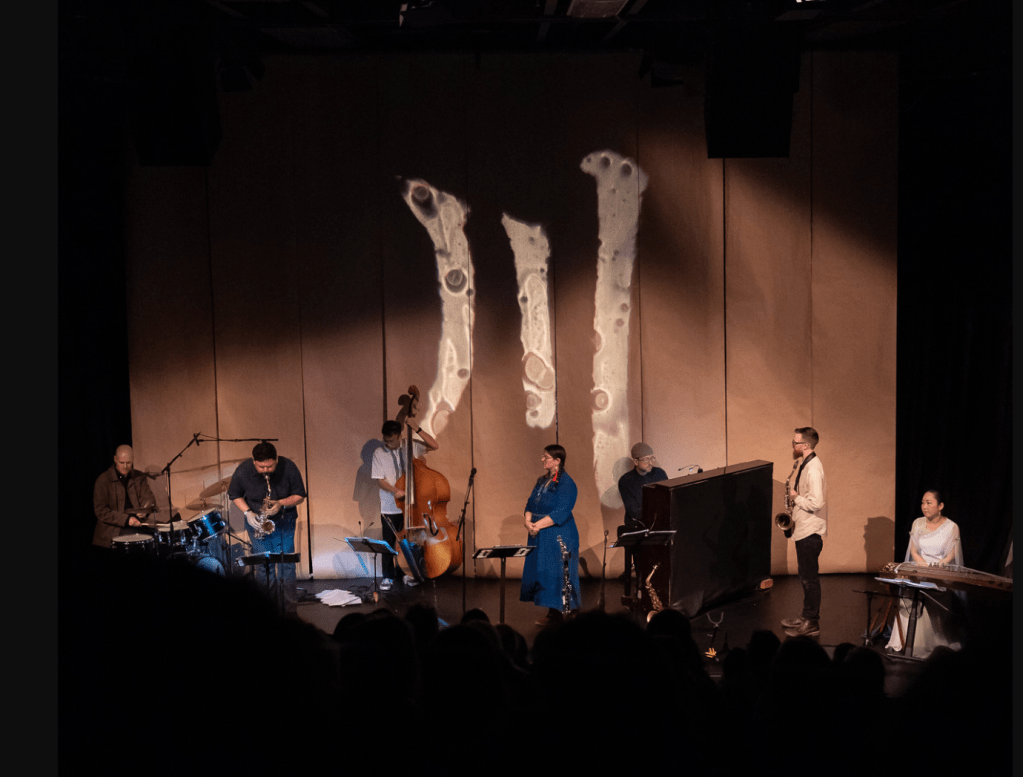
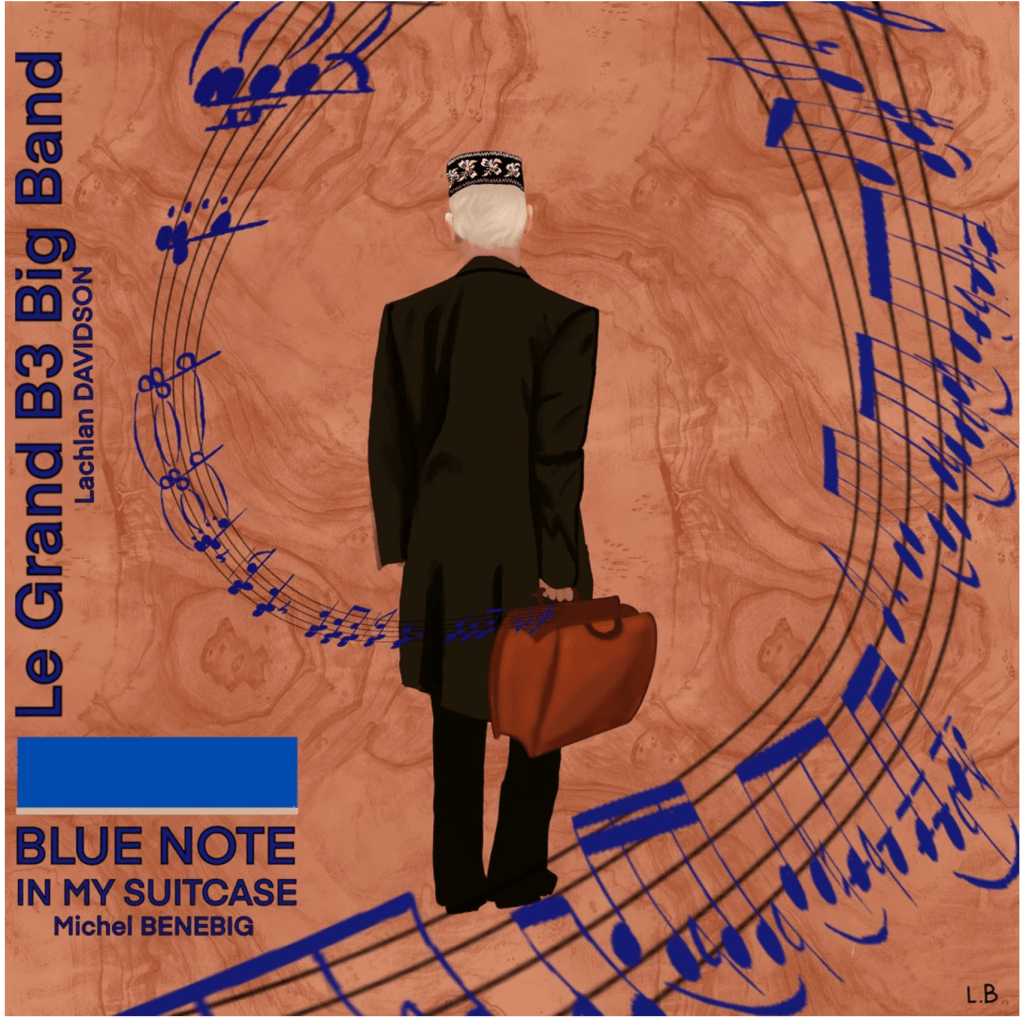




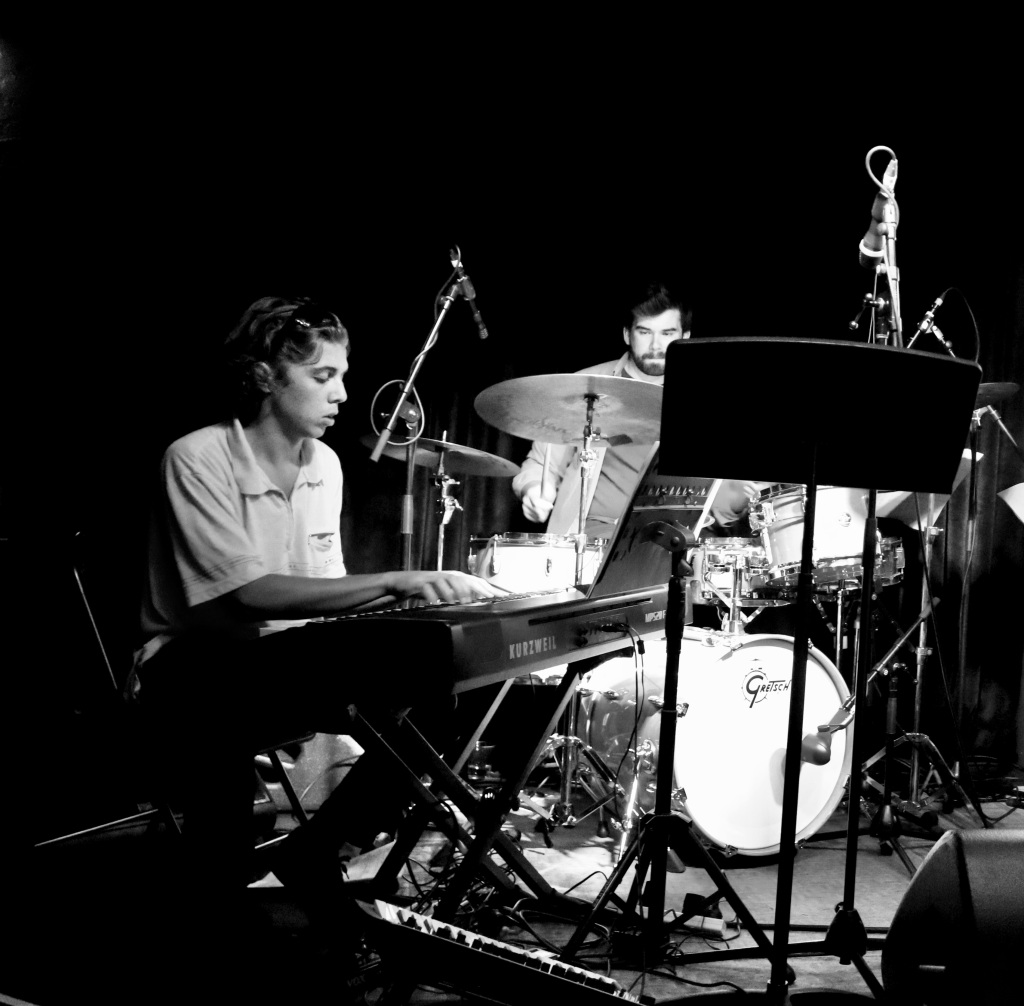


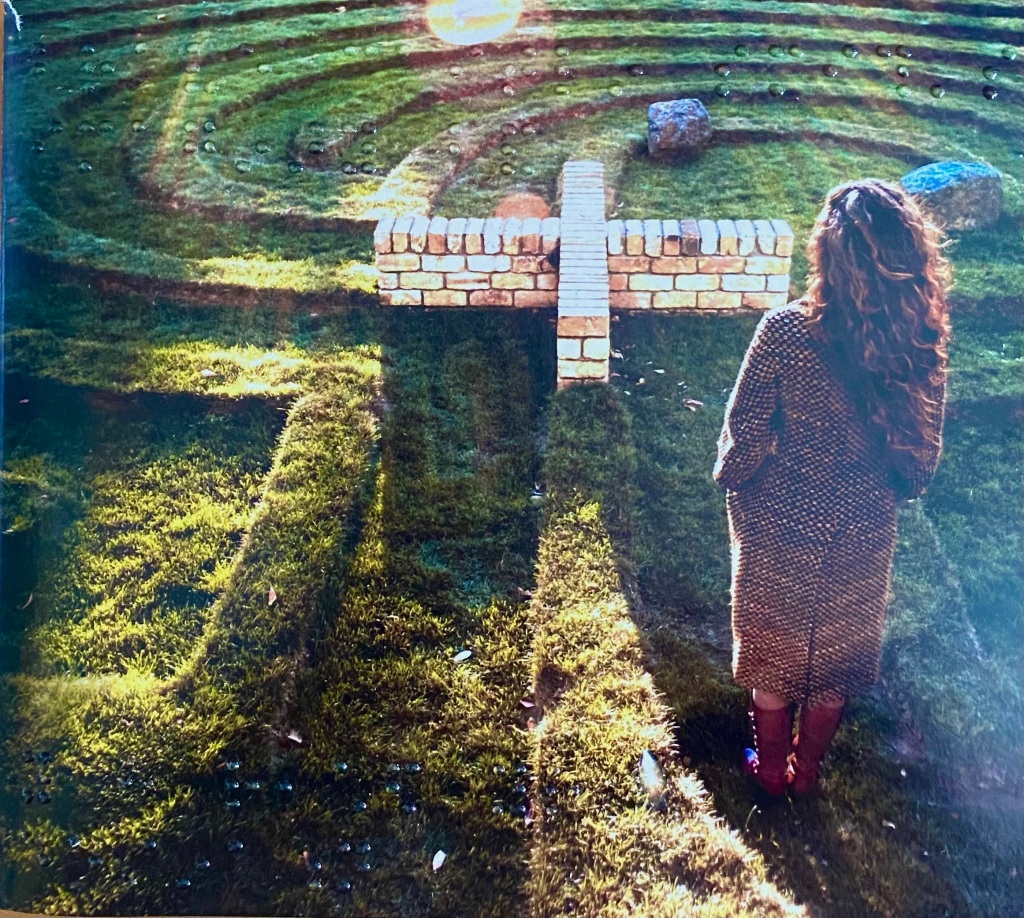
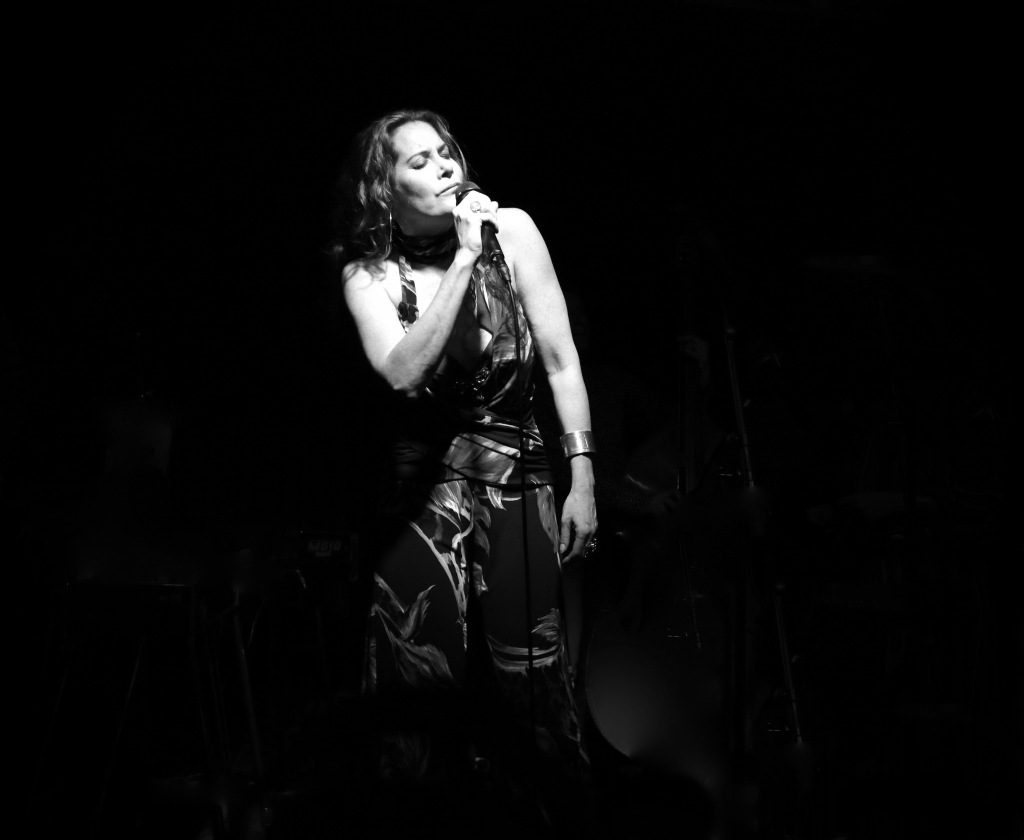
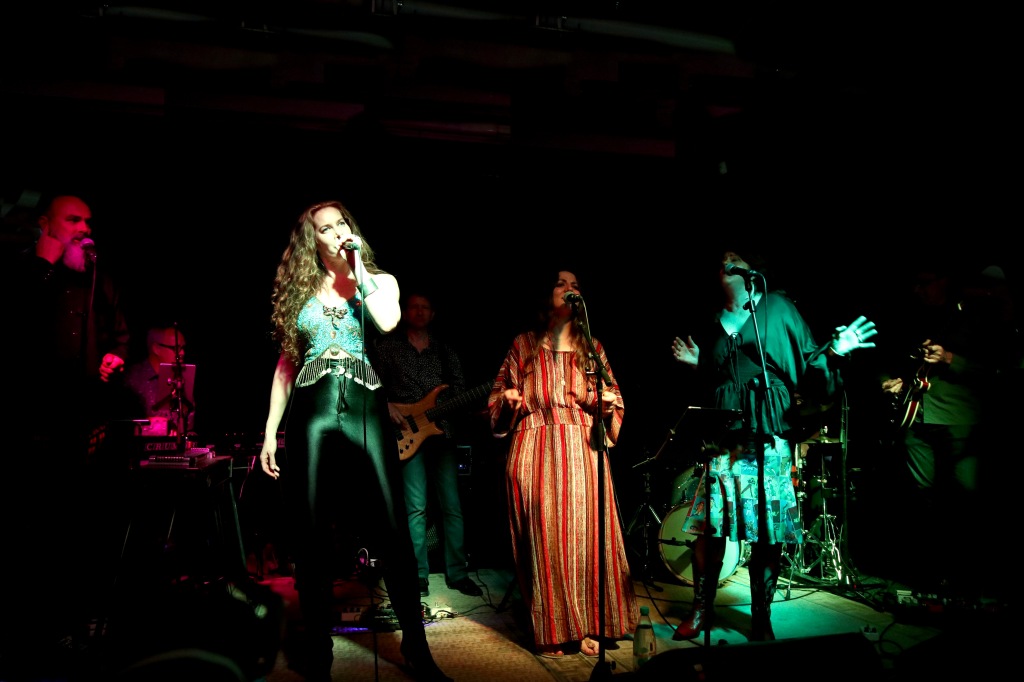
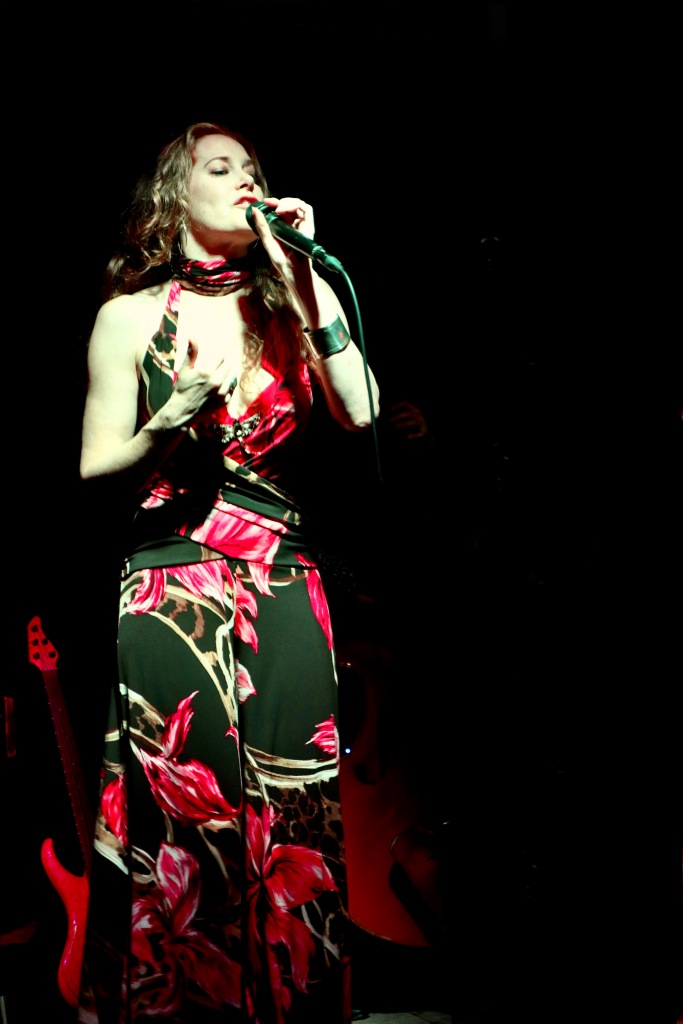




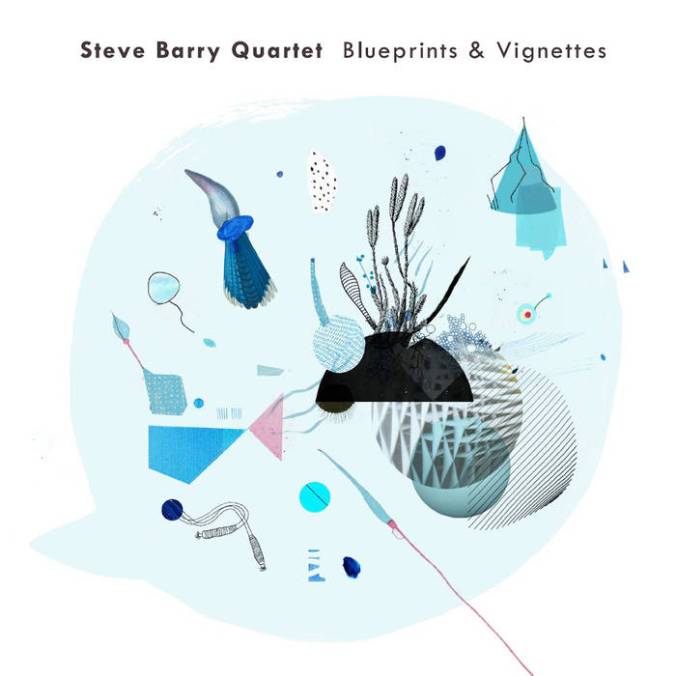
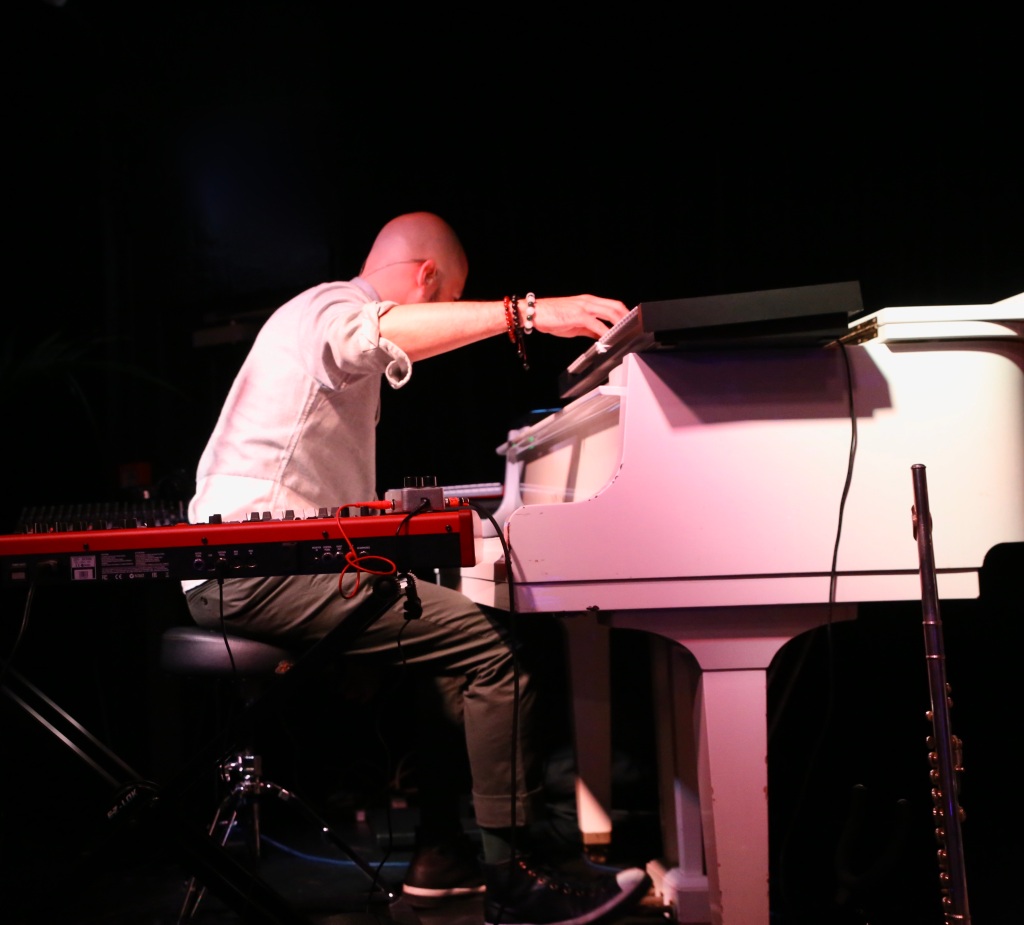
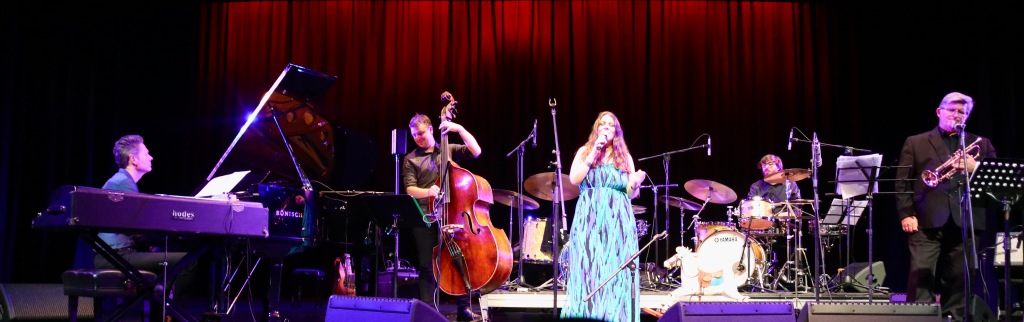
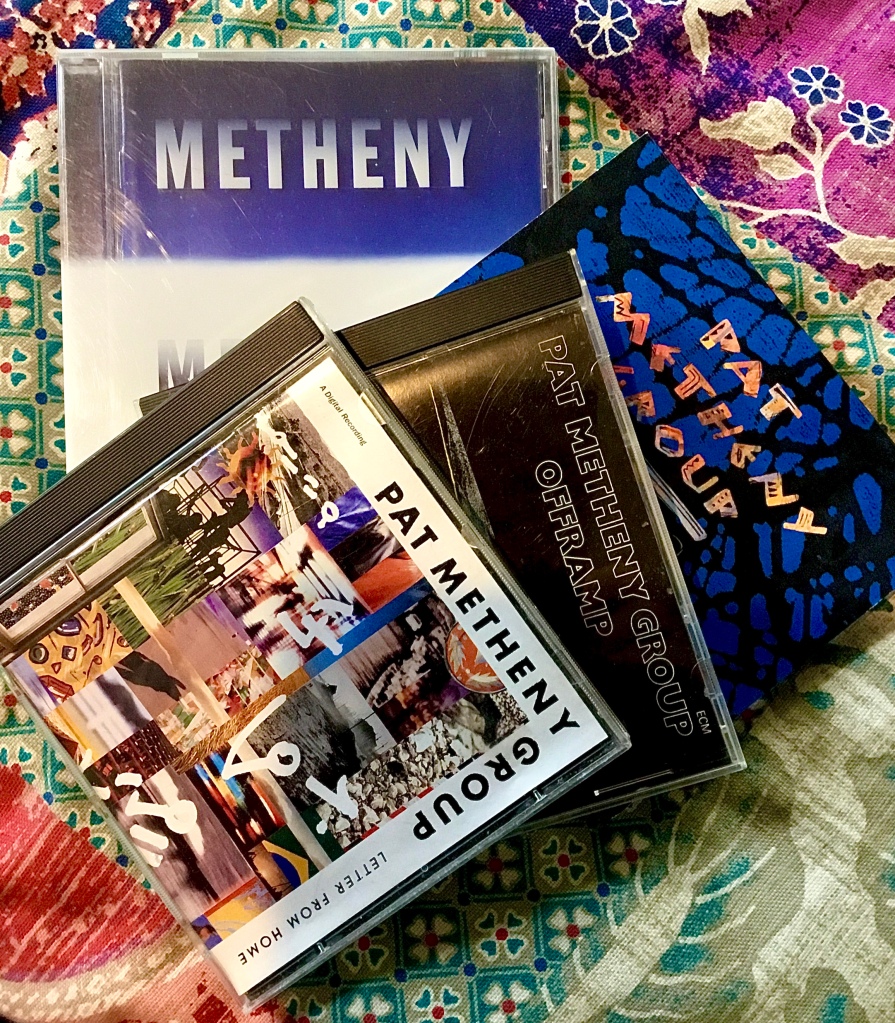
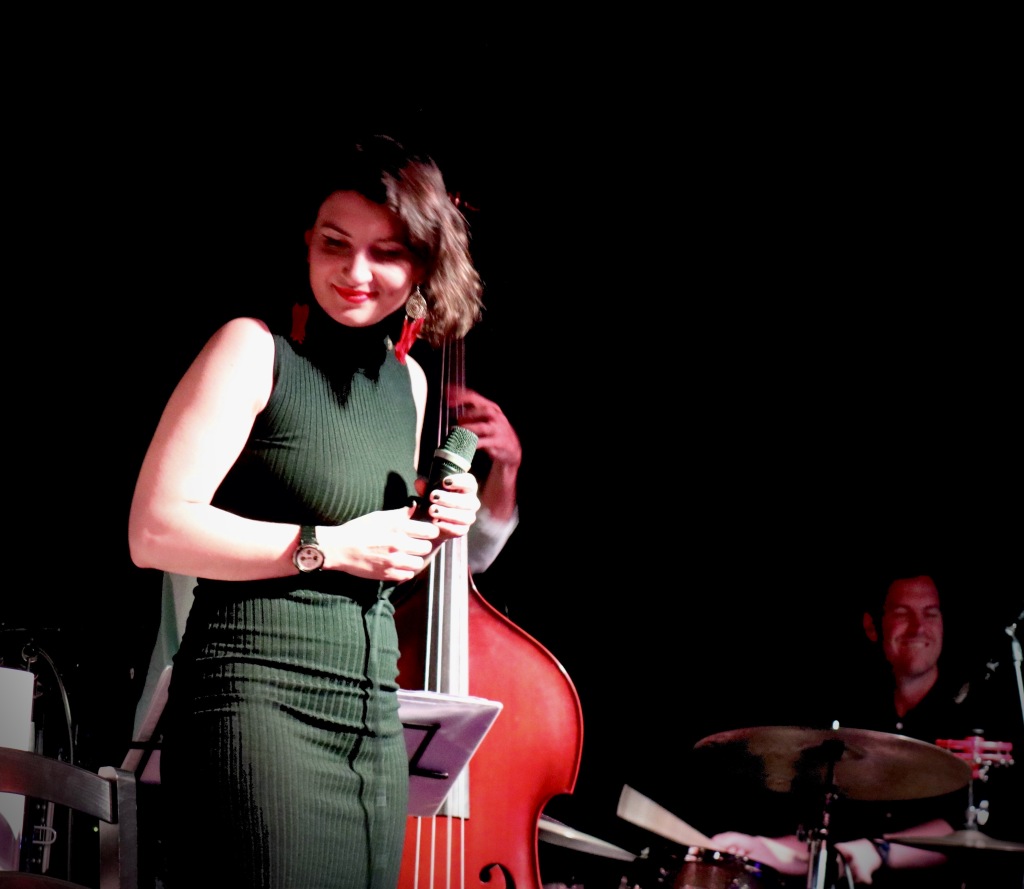

 Have you ever heard one of New Zealand’s iconic pop songs and wondered how it would sound reimagined as Jazz? The journey from popular song to Jazz piece is a well-trodden path. Many tunes that we now refer to as ‘Jazz standards’ began their life as tunes written for broadway musicals or for the popular music market. For a tune to successfully cross that divide it needs to be well constructed and to lend itself to reharmonisation. With ‘Alchemy’, this elusive symmetry is realised.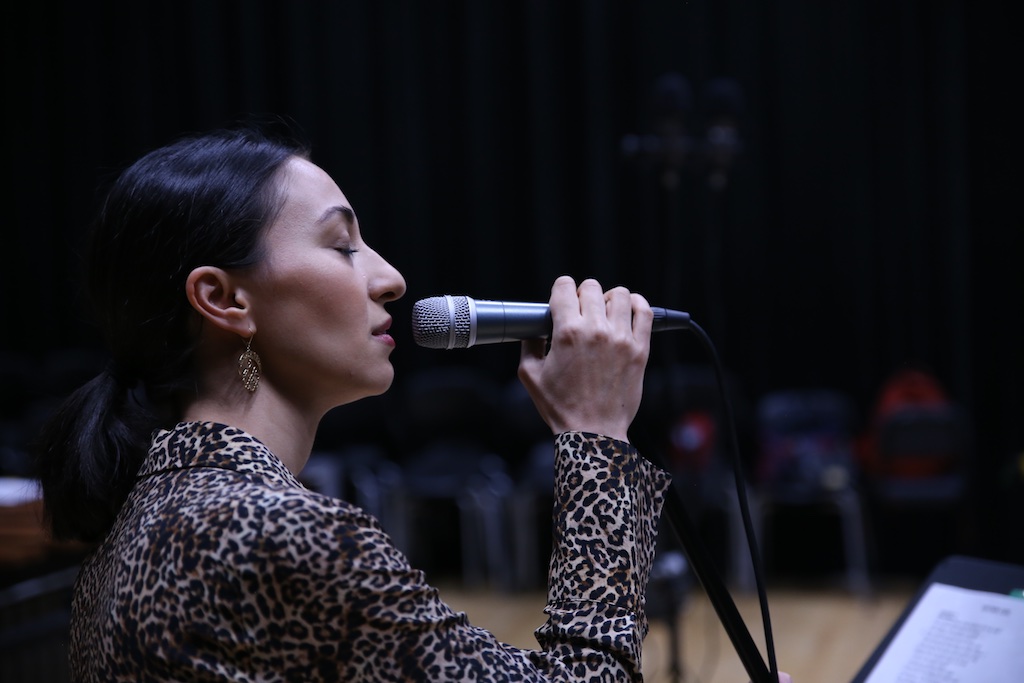
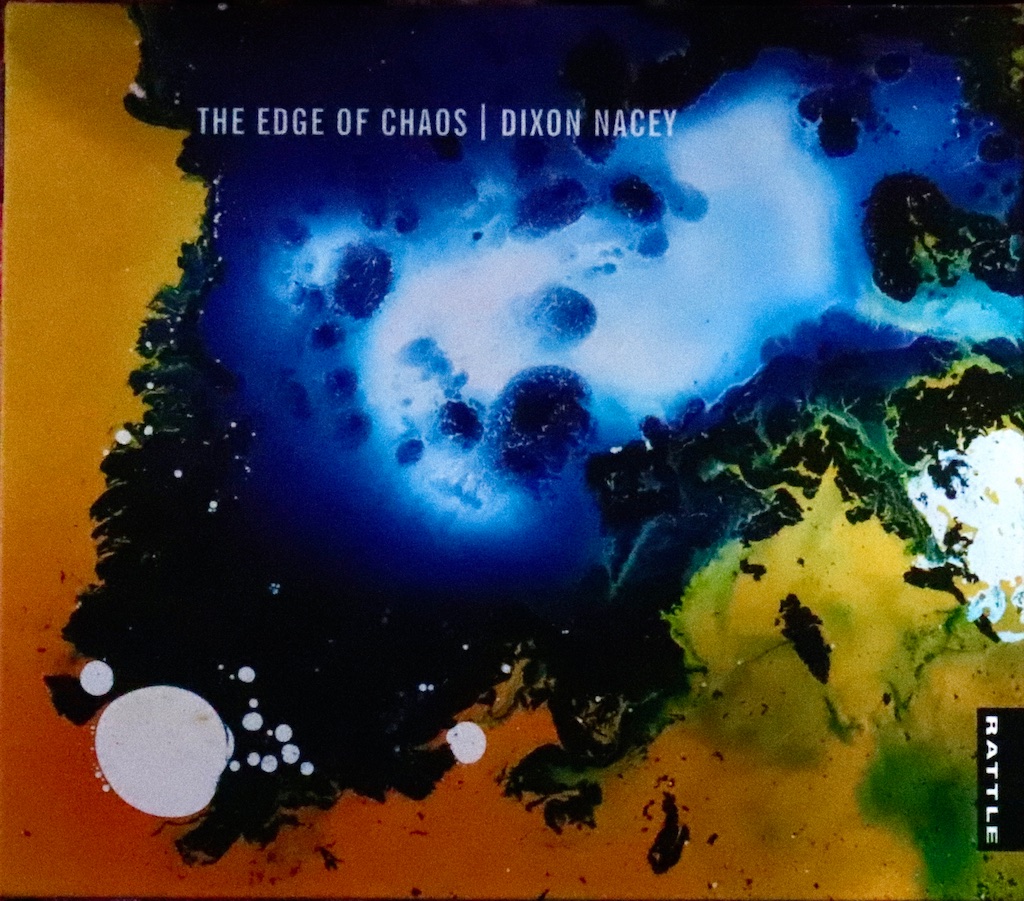 This Dixon Nacey album has long been anticipated and although Nacey has previously recorded as co-leader, this is the first album to be released exclusively under his name. Nacey is firmly on the radar of Jazz loving Kiwis, but his fan base extends well beyond that. He is a professional musician of considerable standing, an in-demand teacher and in recent years the musical director of CocaCola Christmas in the Park. To up and comers he is a guitar legend and on this album, they have something to aspire to; twenty years of experience distilled into excellence.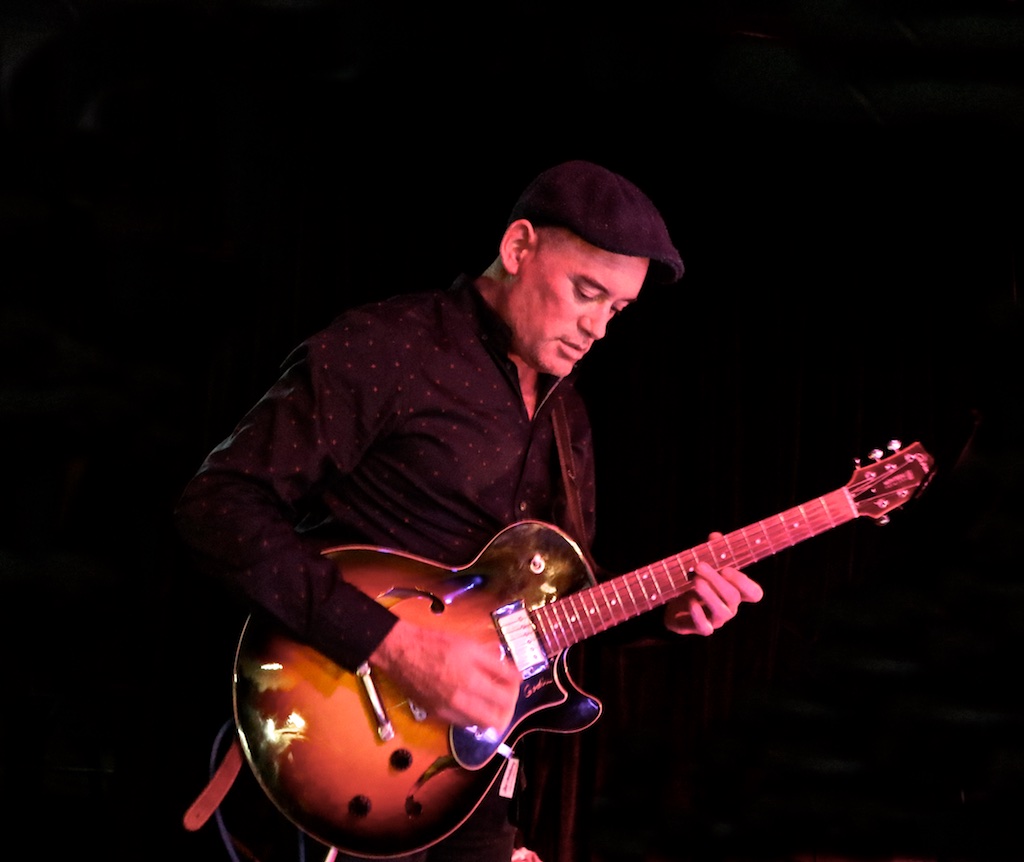
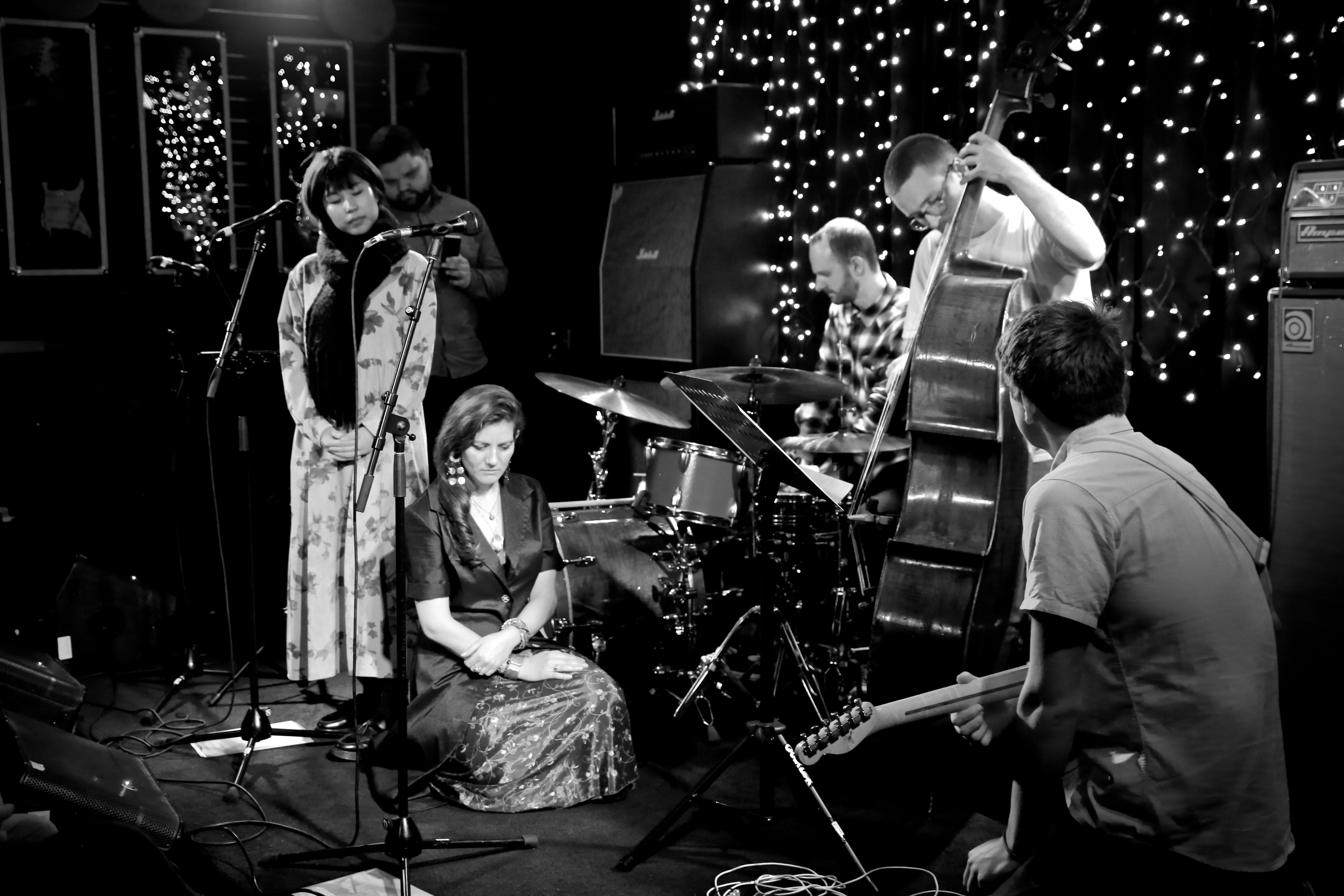 Chelsea Prastiti was not long back from Cyprus when her band Leda’s Dream appeared at the Backbeat Bar. Prastiti is well known in the Auckland improvised music scene and especially so at the avant-garde end of town. She’s a compelling vocalist and composer who approaches her craft as a free spirit, unfettered by others expectations. When she sings she dives deep and puts herself out there fearlessly but her risk-taking is not a mere academic exercise; it cuts to the very heart of what it means to be a thinking, feeling human. Her compositions are therefore always interesting and out of that a raw beauty and an honesty arise.
 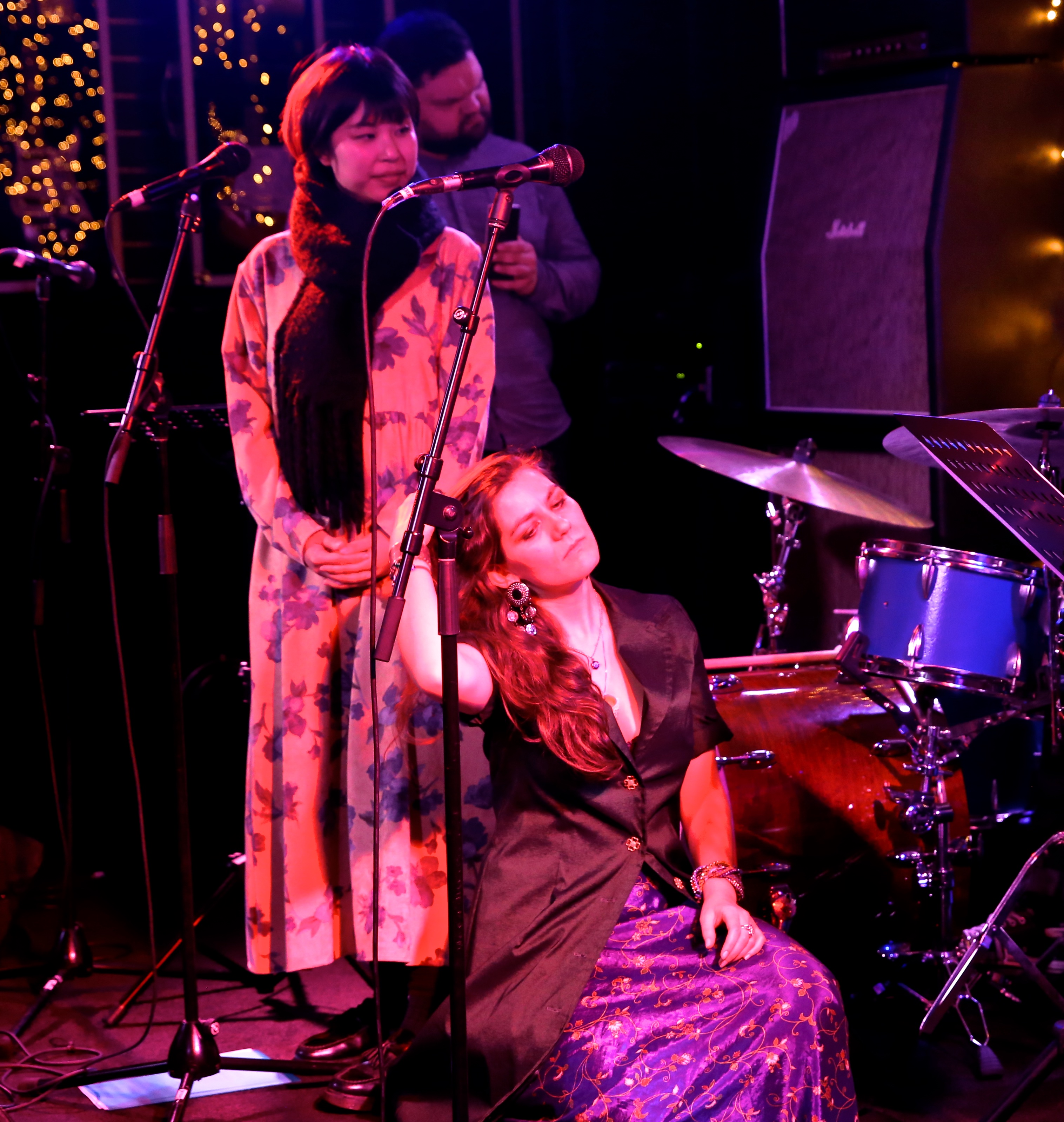 Although the ensemble played material that we have heard before, they sounded incredibly fresh – even different. Crystal Choi confined herself to accompanying vocals (no keys), Michael Howell stepped further into a measured chordal role and Callum Passells on alto and voice effects was the archetypal minimalist (saying a lot more with less). This felt very right and the re-configuration gave the ensemble a lot more freedom. They stretched out as the spirit took them and the first two tunes filled the entire first set. The voices, in particular, were liberated by the change and this gave wings to the melodic lines and mood. The harmonies were there in spades but that was not what drew you in. It was ‘mood’ and the pictures that those moods created.
 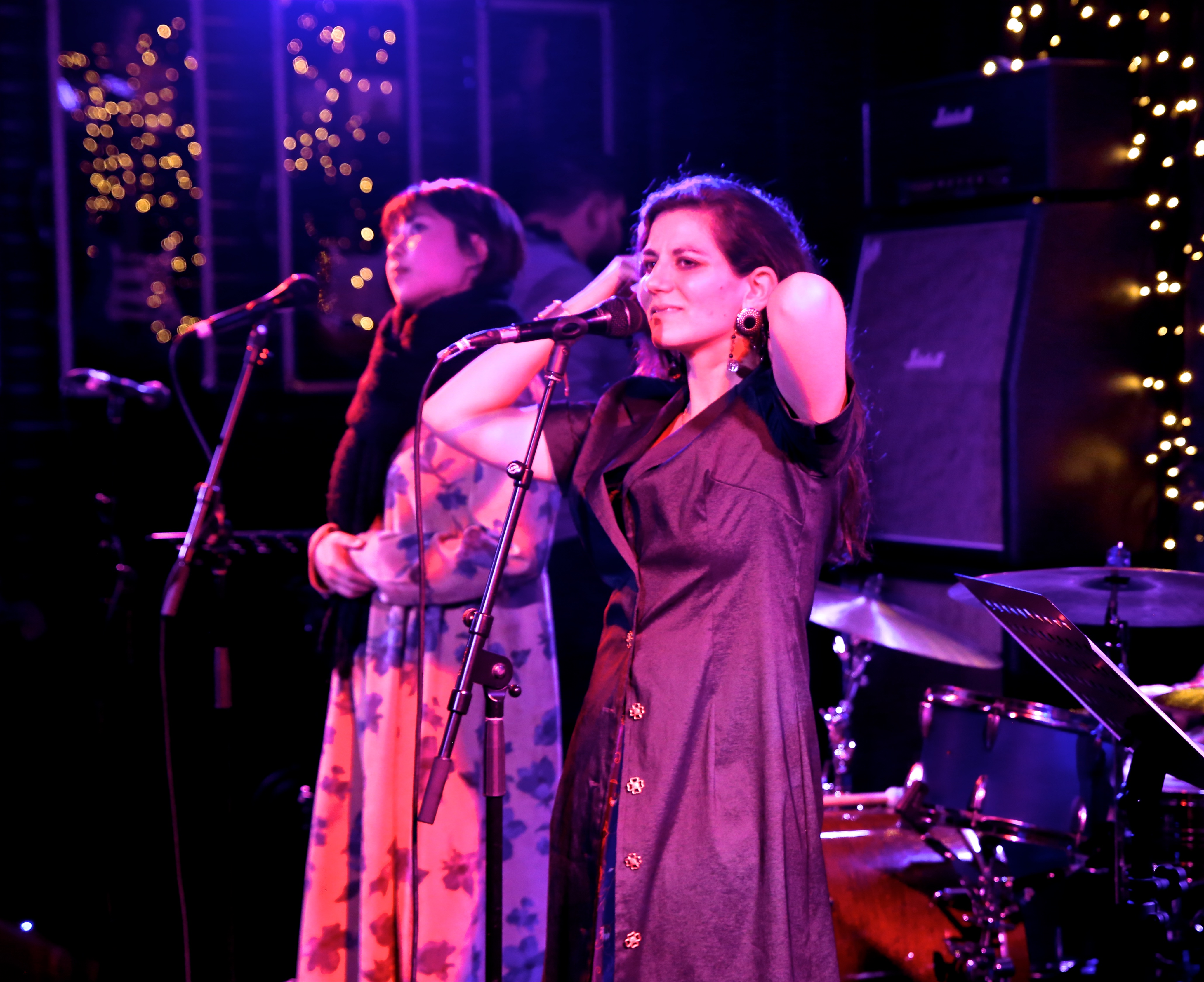 Prastiti’s is a brave path and I would expect no less from her. This is a musical space that is sparsely populated and more’s the pity. Think Sera Serpa (duos or trios), Think Norma Winstone (Azimuth 85) or perhaps the brilliant Nordic vocalist Sidsel Endresen (Endresen live with Jan Bang). In this ensemble, she has the musicians to give her the freedom she deserves. Passells, who is unafraid of soft trailing notes or of minimalism, Howell who can follow a vamp to eternity and make it sing, Choi who instinctively makes the right moves, and Eamon Edmundson-Wells and Tristen Deck who know when to lay out and when to add colour or texture. The music drew from free improvisation, standard Jazz and deep Folkloric wells. It did so without undue introspection. The band brought the audience along with them and the bouts of enthusiastic applause proved it. For some reason, and it was partly their attire, the gig felt like a postmodern version of a Pre-Raphaelite tableau. Oh yes indeed, that always works for me.
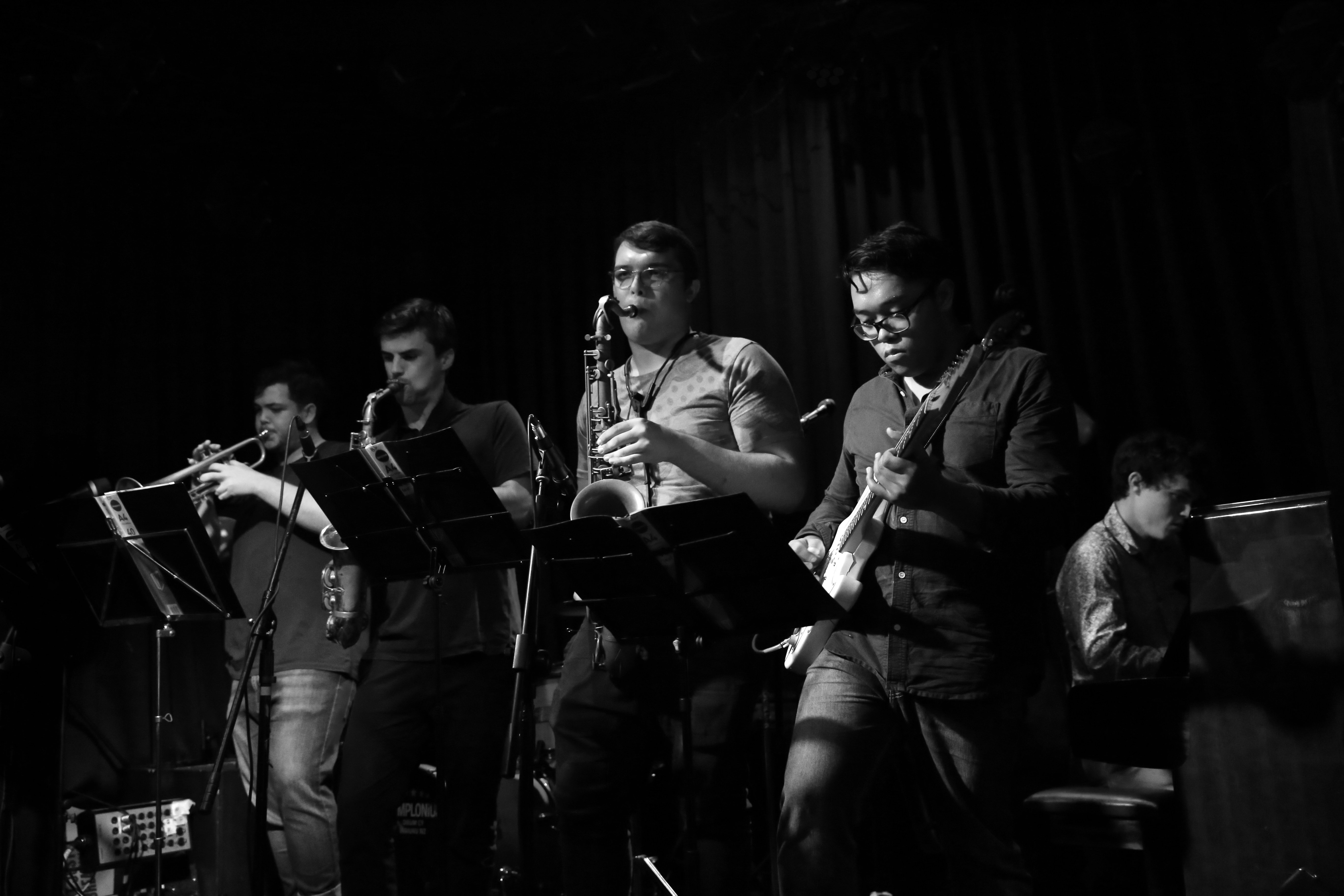 In keeping with the longstanding CJC tradition of keeping twice yearly slots open for emerging artists, late March featured two such sets. First up was a group led by bassist Denholm Orr. Orr has appeared in lineups a number of times, but this was his first appearance playing his own material and as a leader. His recent compositional work has placed increasing focus on arco-bass and consequently, the charts reached into that territory. Arco is not the default style for Jazz bassists but I am seeing a lot more of it lately and I welcome that.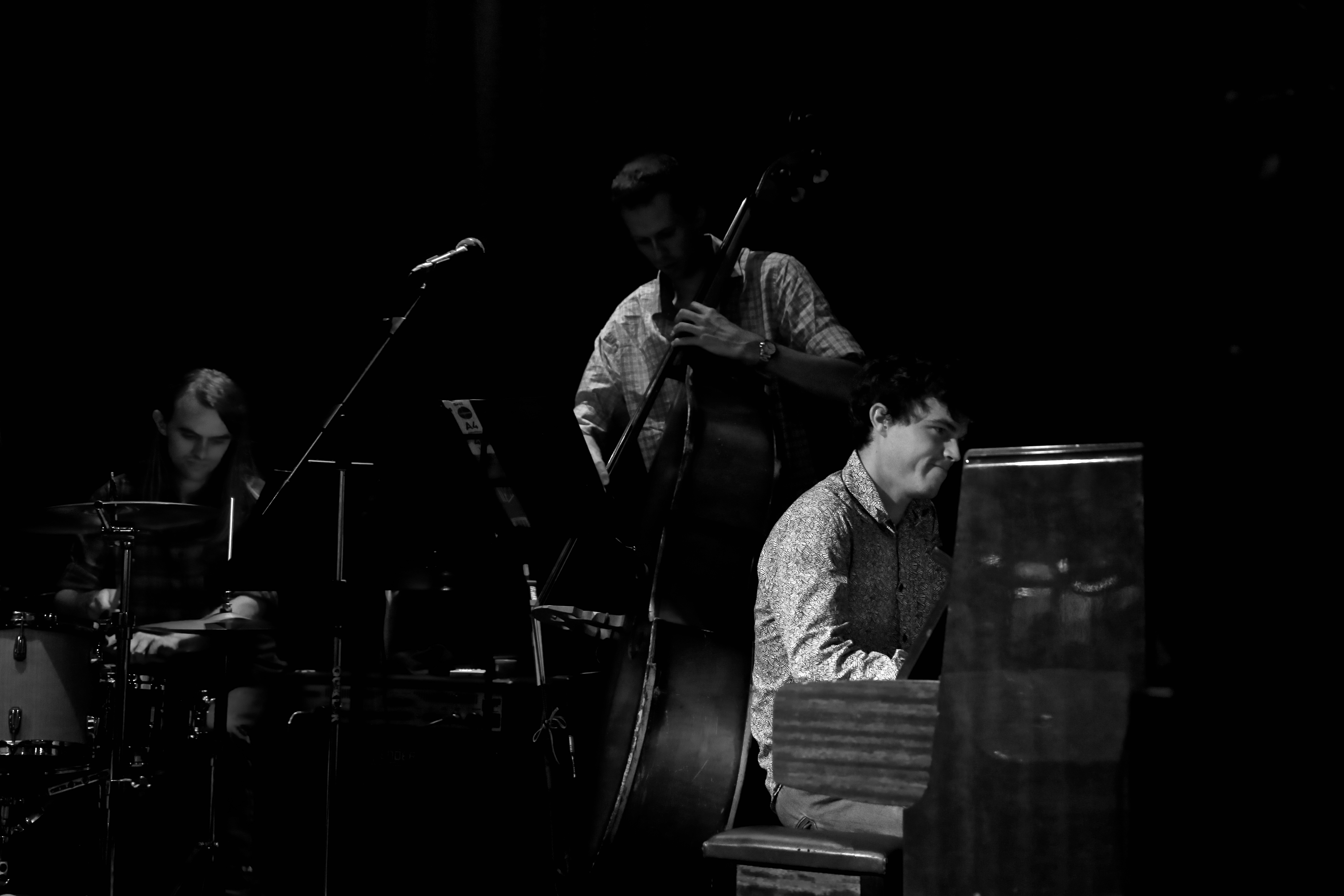
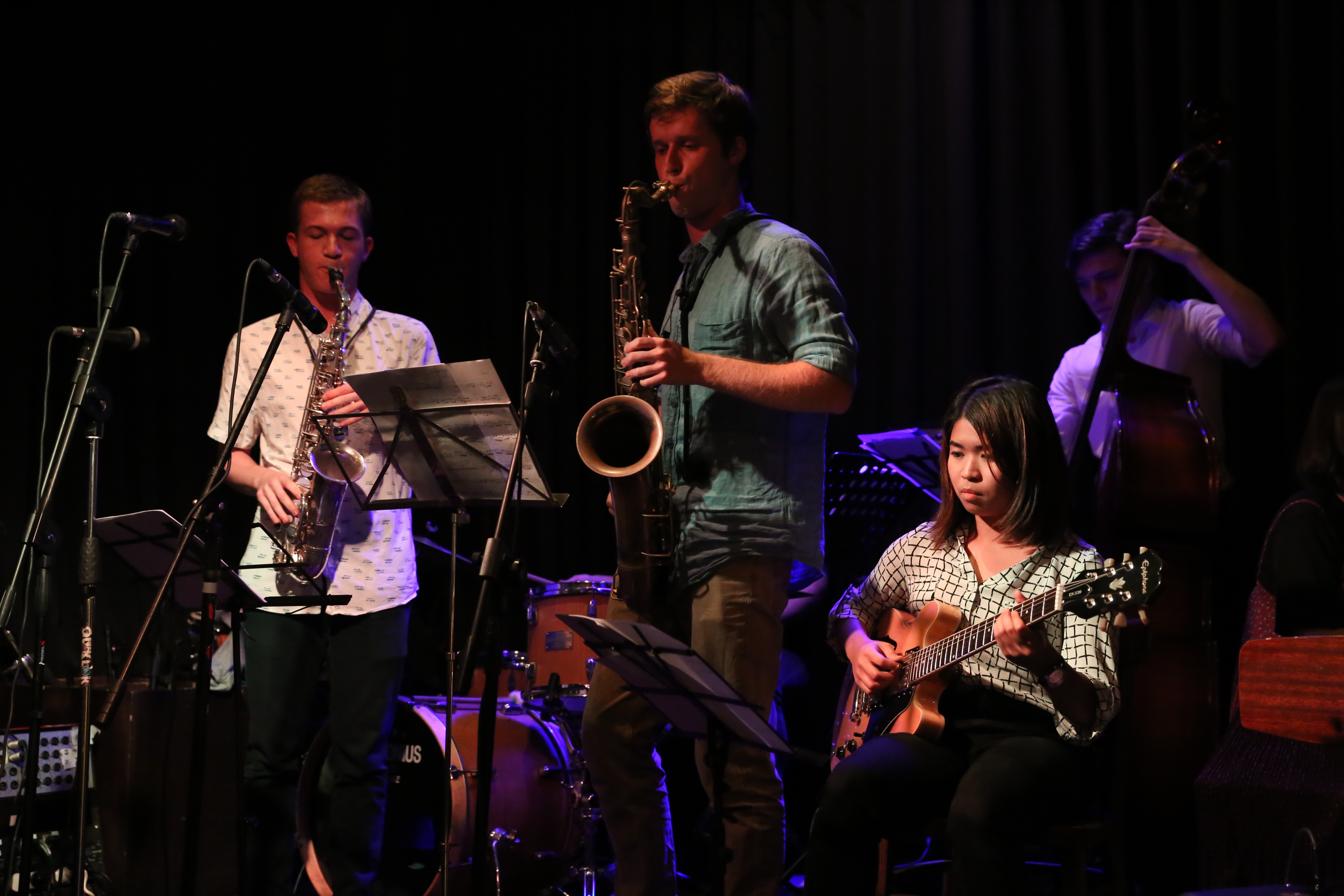
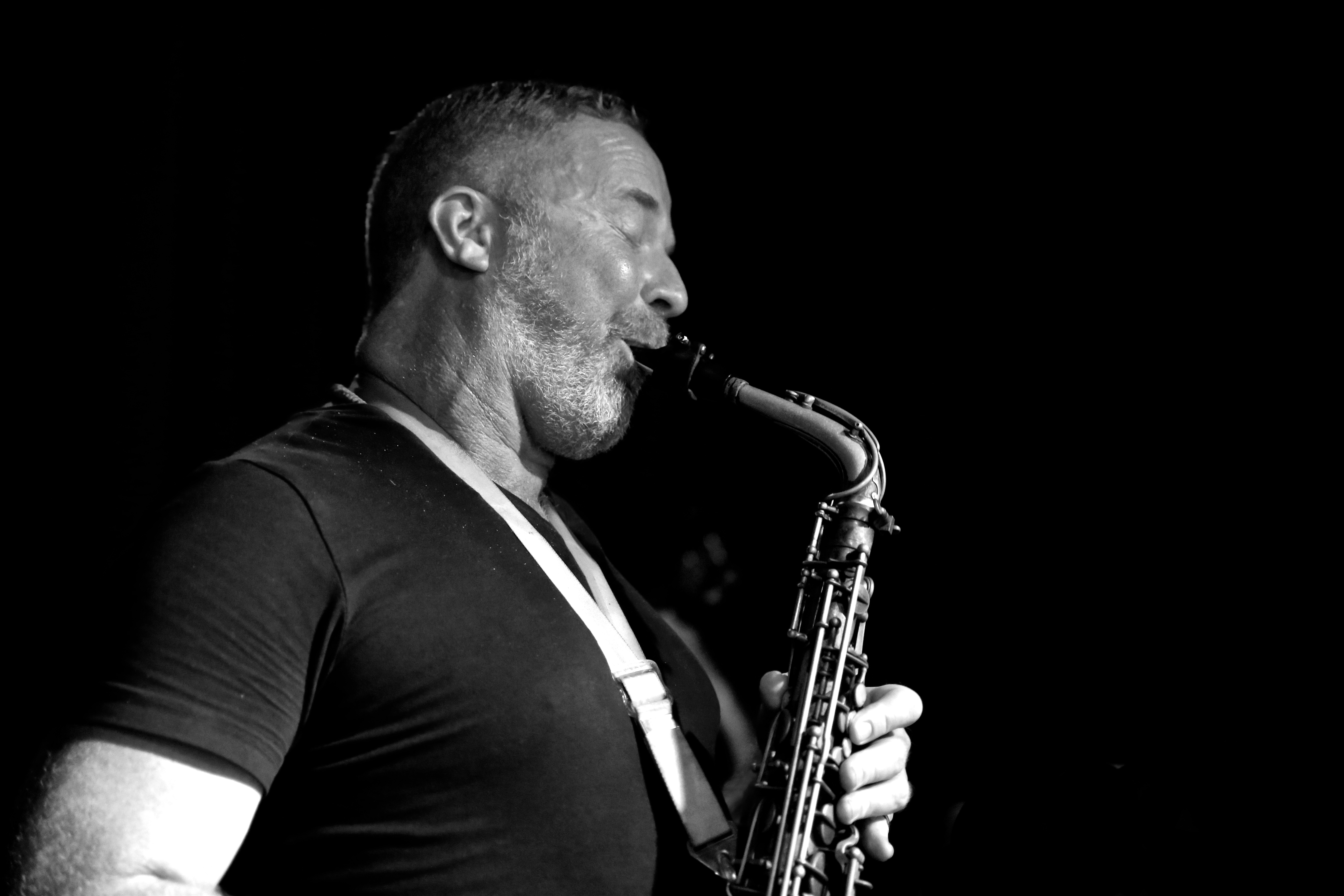 It was a good way to begin a year of music, a good way to breathe life into two enervating steamy nights. Hayden Chisholm was back in the country and around him formed various duos, trios, and quartets. He performed two gigs in Auckland and the first was at the Audio Foundation in Poynton Lane. The venue has long been an important source of innovative music and each time I descend the stairs to the sub-basement I find interesting changes to the clubs configuration. It really is an excellent venue and perfect for what it offers. At first glance, the two nights appeared quite different. One free improvised and the other a set of reflective ballads. In reality, both gigs were reflective, melodic and approachable. The open-hearted humanity and communication skills of the participants made it so.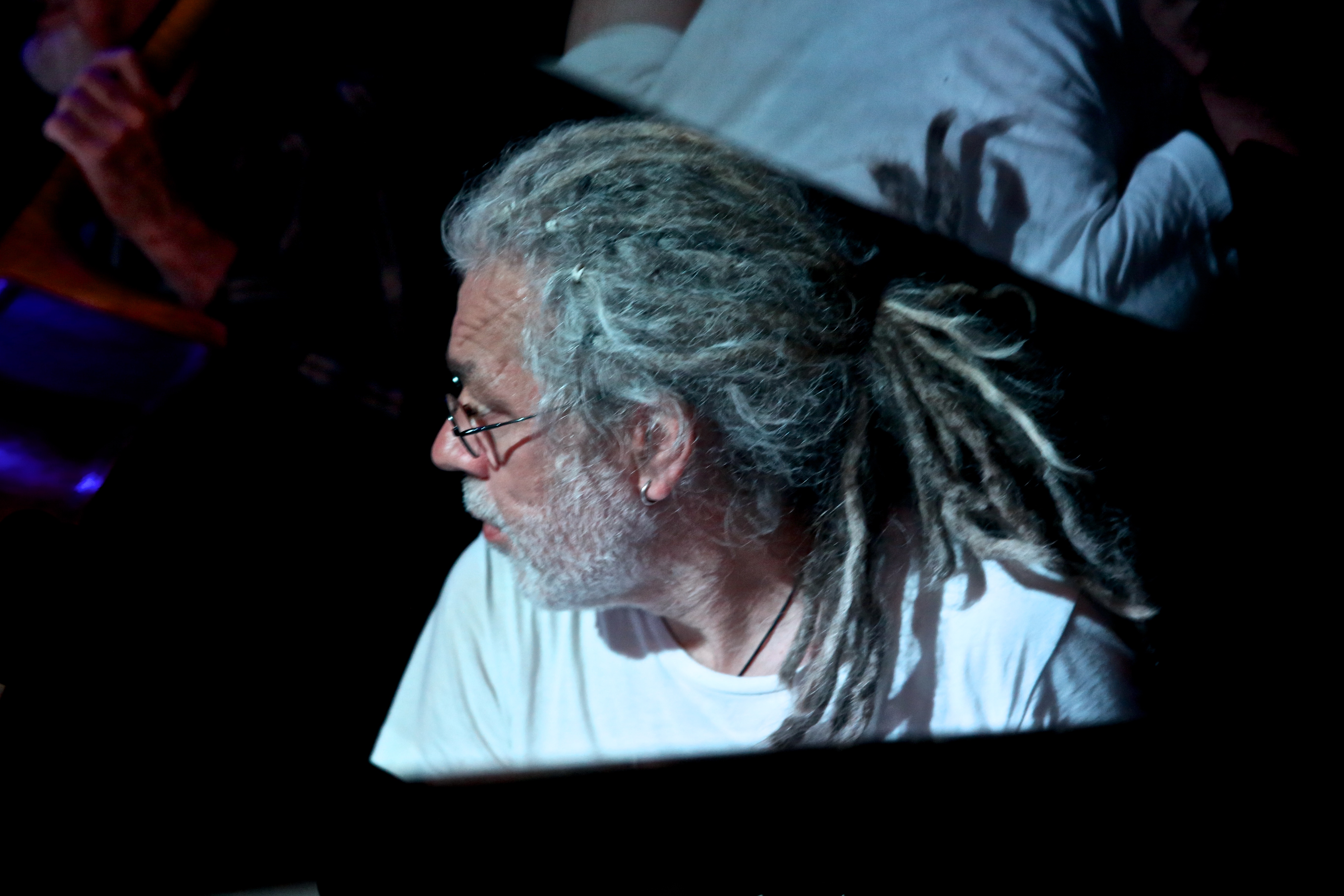
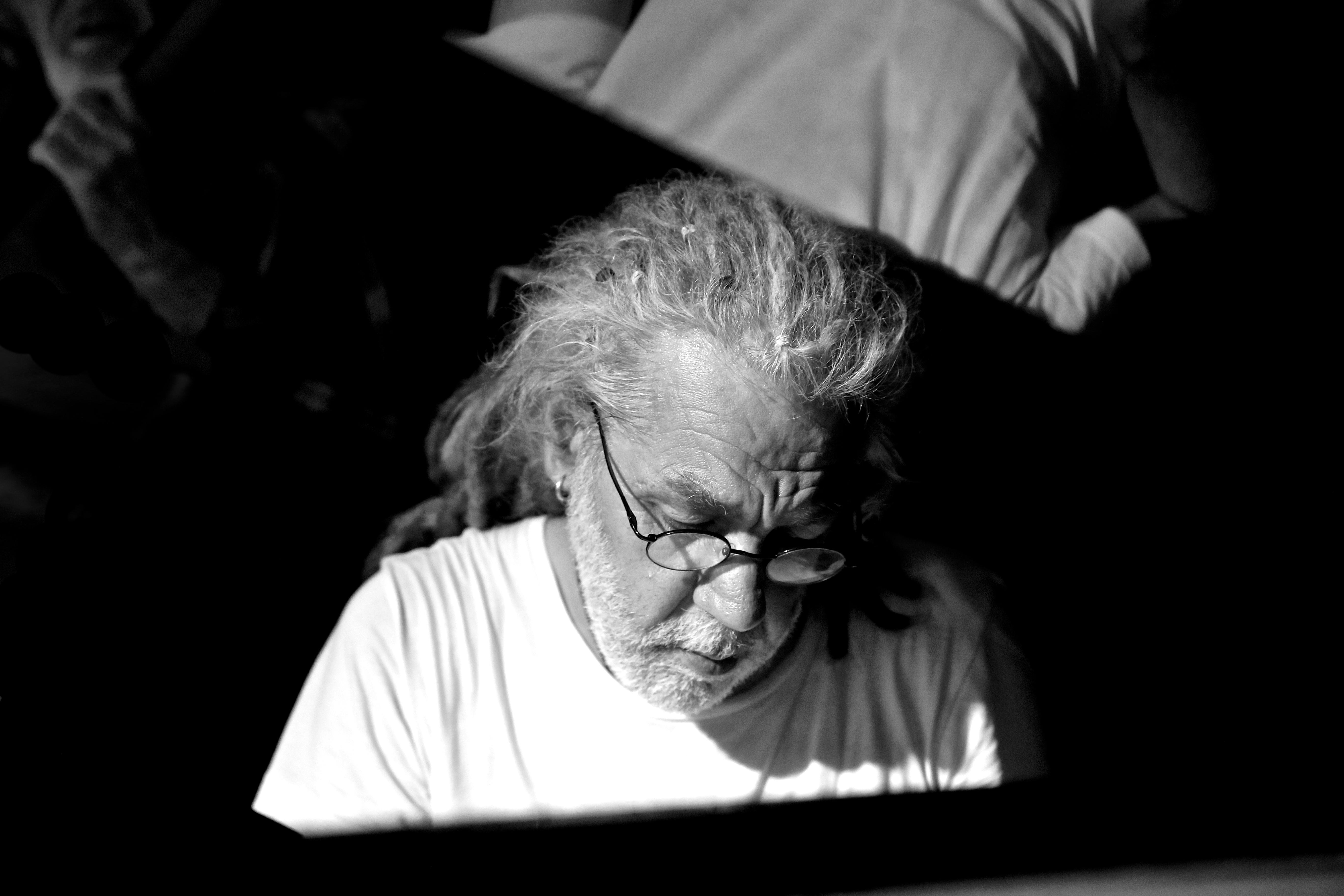 I have never witnessed a free gig quite like that as the communication was so exquisitely personal. More than musicians finishing each other’s sentences. More than the flow of fresh ideas; there was a sense of musicians revealing something intangible. From out of the fading harmonics and the quiet spaces came that extra something. The quiet revealing something on the edge of consciousness, something we often miss. Arising from – evocative like a Rilke poem – or a haiku. Bell stroked his mallets across the bars or responded with staccato – or soft taps and clicks, Prastiti offered cries and bell-like utterances, framed as wordless questions, Crayford explored resonant possibilities by using extended technique or by mesmerizing with darkly descending chords – opening up a dialogue which was met in kind – sometimes gentle, at other times like a flow of coloured sparks.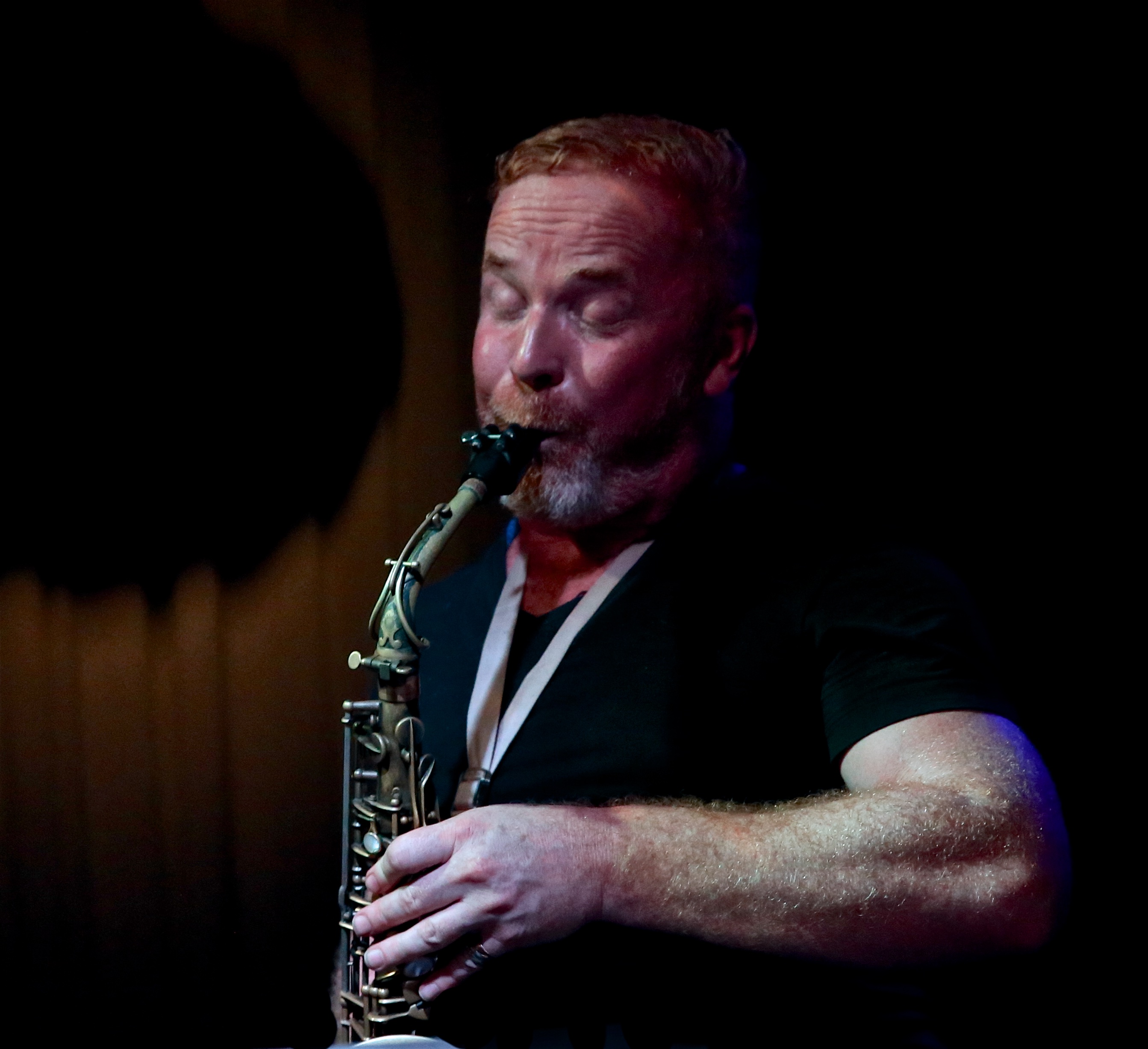
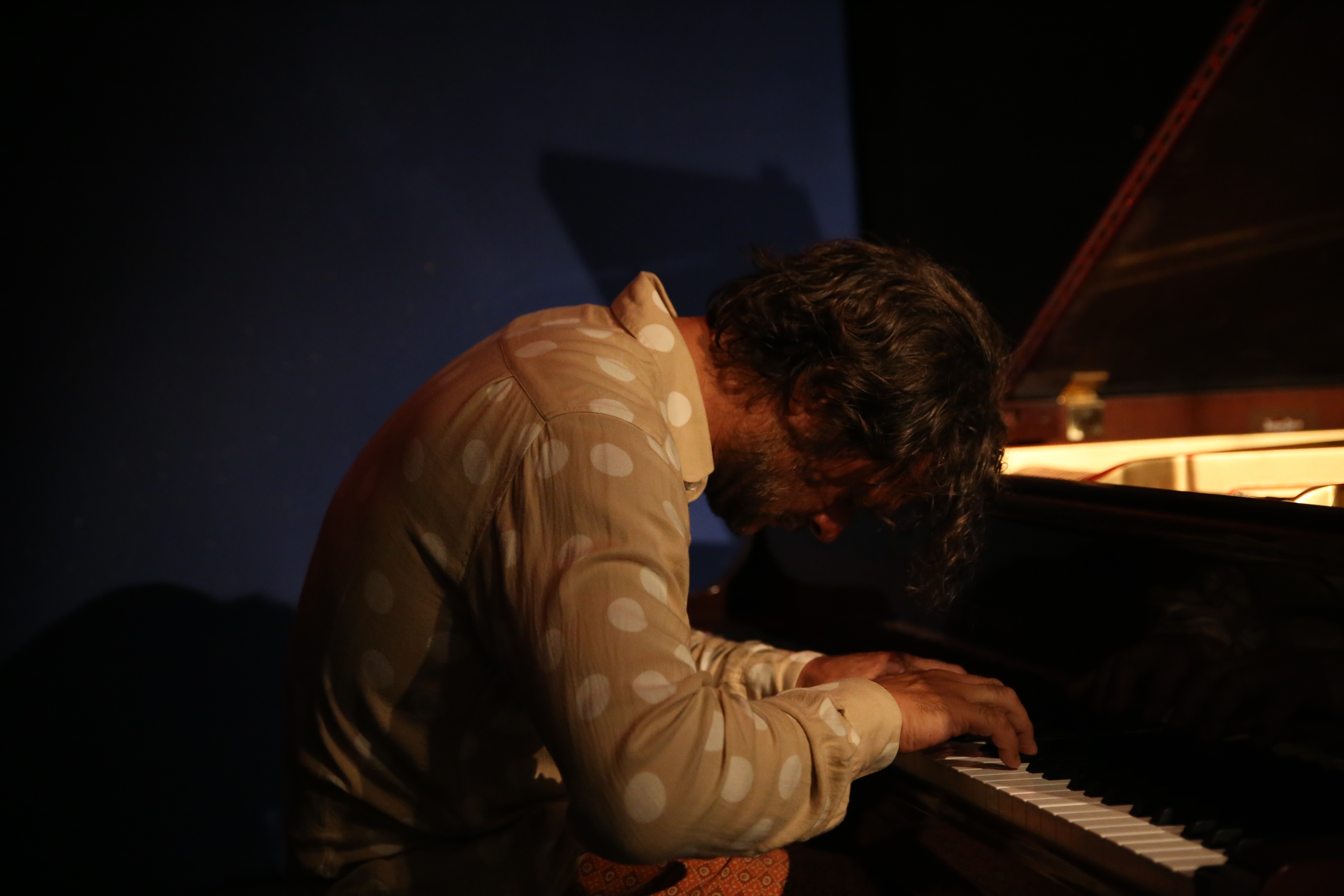
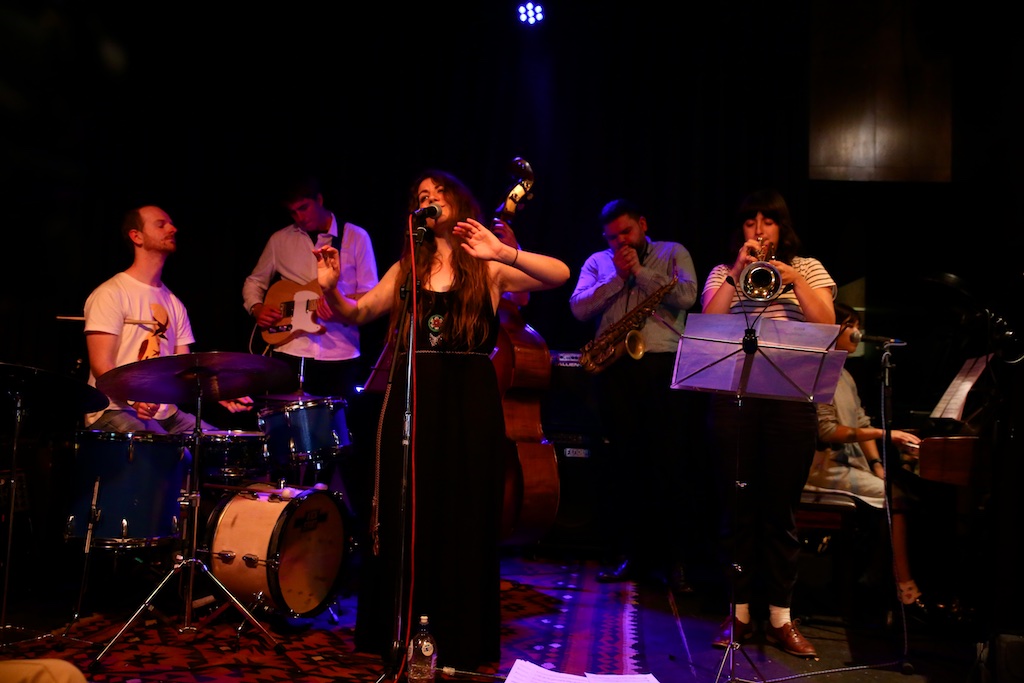 ‘Leda’s Dream’ has been around for some time, but this is the ensemble’s first appearance at the CJC. When vocalist Chelsea Prastiti first conceived of the project, she saw it as a vehicle for unfettered collective improvisation. Her writing cleverly expands on that concept, encompassing real places, the past, abstract ideas, and opening the listener to endless possibility. There is a structure to her vision, but to grasp it you must let go of what you think you know. The pieces are mirage-like; if you look too closely they will disappear. As you listen, fragments of the familiar appear, then dissolve. These are seamless journeys; cleverly fusing reality with dreamscapes. Leda’s Dream is to be experienced and enjoyed, not pigeonholed.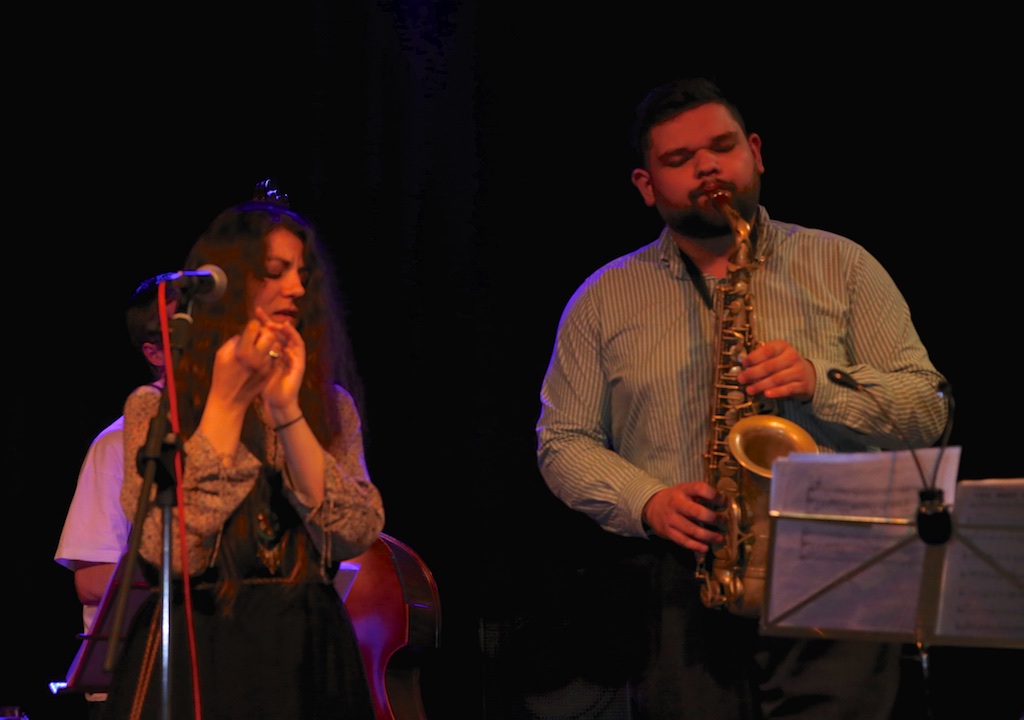
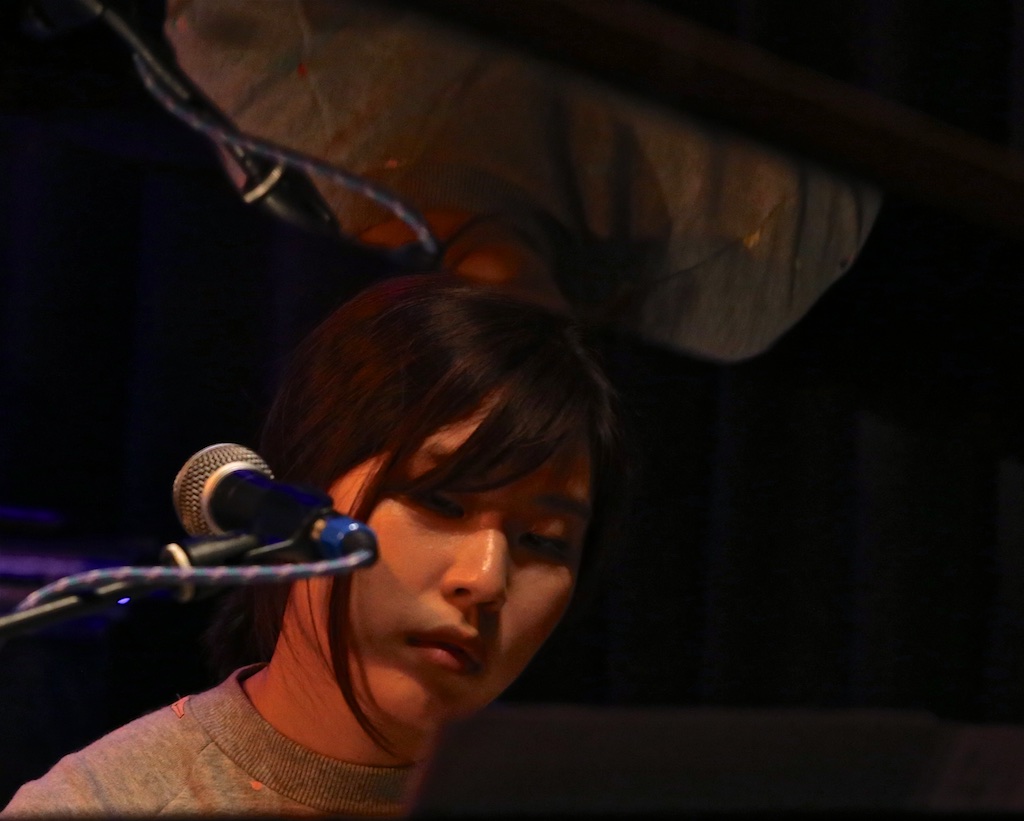 Prastiti’s ‘Time Lapse Photography’ was filmic. Revealing the essence of unfolding plants – magical realism – biology expressed as music. In a similar vein was her piece,’Rain Flood’. As she sang, you experienced the droplets of water – falling slowly at first, then faster until they became a deluge. Communicating in this way is a gift few possess, the images seeming to emerge from nature or from experience, not from the musical form. I immediately thought of my favourite Bengali filmmaker Satyajit Ray and his mystical Monsoon scene from ‘Pather Panchali’. The effect created by Ray there, also swept us to the heart of a poignant interaction between man & nature (musically assisted in that case by Ravi Shankar and Mingus alumni Charlie Mariano).
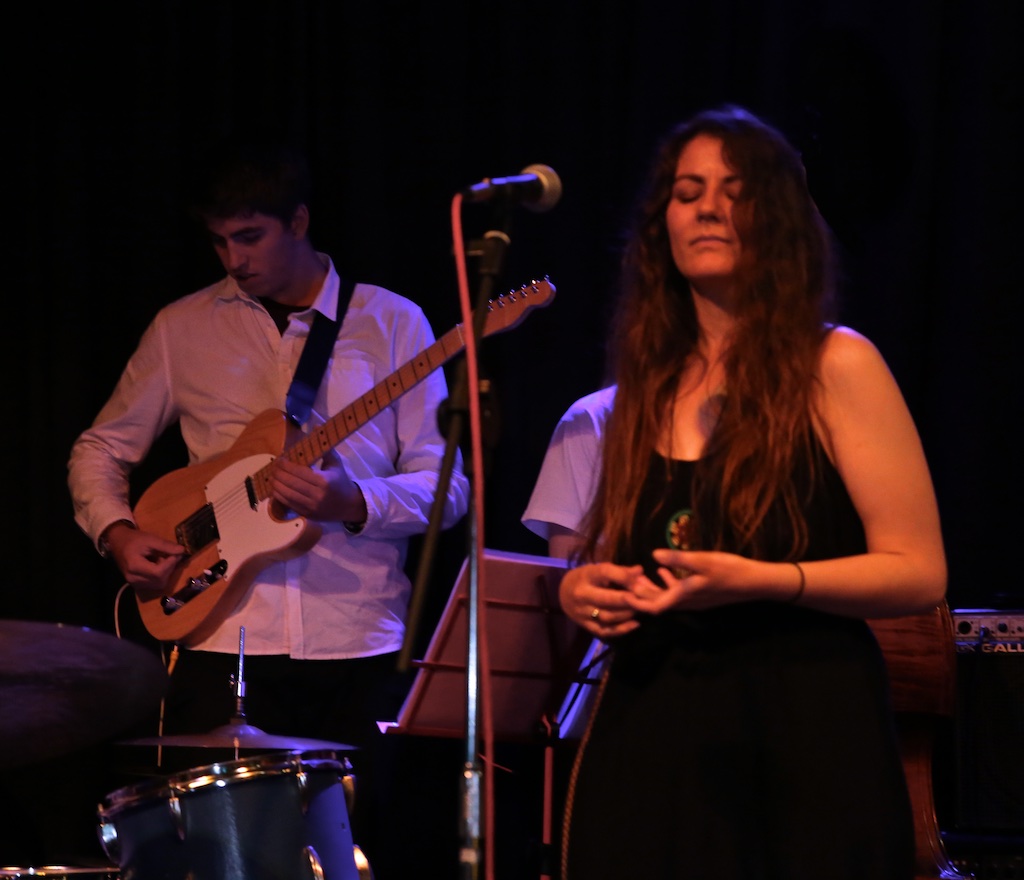 The Leda’s Dream ensemble are alumni from the UoA Jazz School. A lot of talent emerged during the years they attended and during this particular gig it coalesced. It was a pleasant surprise to see Crystal Choi playing this innovative abstract music. Choi is a musician who is fast evolving and growing in interesting ways. At Jazz school she stayed closer to traditional forms, or those referencing the folk infused ECM albums. Later I saw her giving a concert on solo piano, Jarrett like in its scope and quite wonderful. On Wednesday she embraced freedom. She was innovative, interactive and confident.
 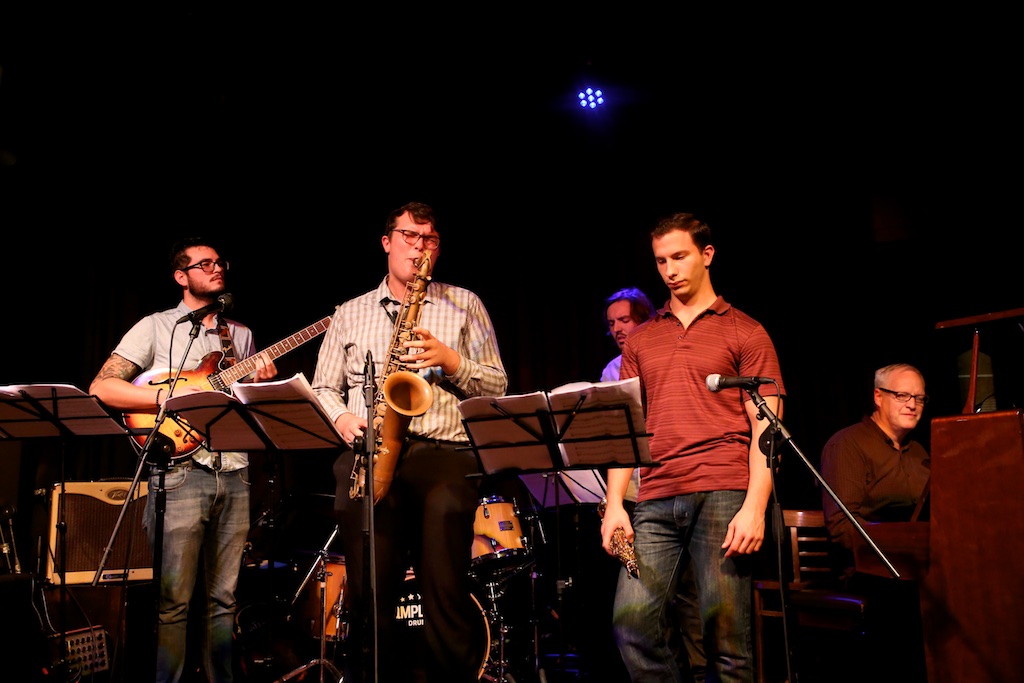 I always look forward to emerging artists nights at the CJC. They don’t happen often but when they do, they’re fun, full of surprise and most importantly they are hopeful events. It is usual for emerging artists to salt the mine with seasoned players. Both of the bands did well in that regard. The first band up was Misha Kourkov’s ‘Equitable Grooves’, a six-piece unit playing multi-genre Jazz focused music. The material was well written and at times ambitious. Aiming high on the bandstand is good because that is where real learning occurs. If you wish to extend your reach, then having Alan Brown on the piano is exactly what you need. With that sort of experience and groove behind you, you have a fail-safe mechanism. The set opened a little tentatively, but they quickly found their groove; the last two numbers were especially enjoyable.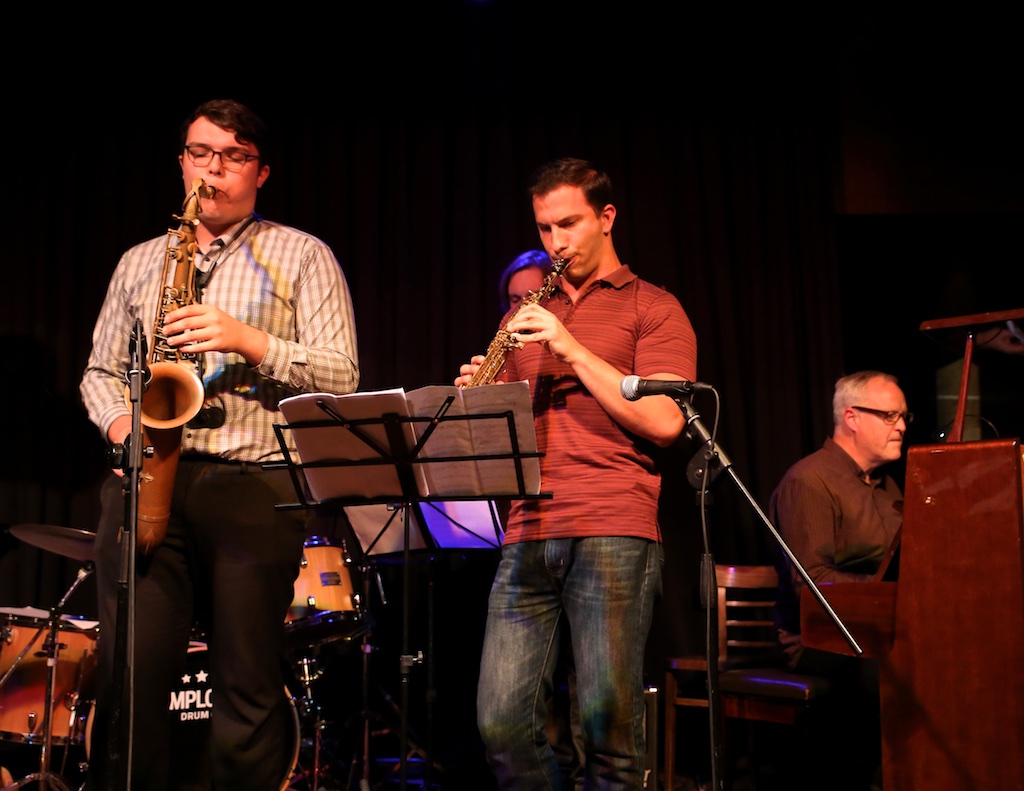
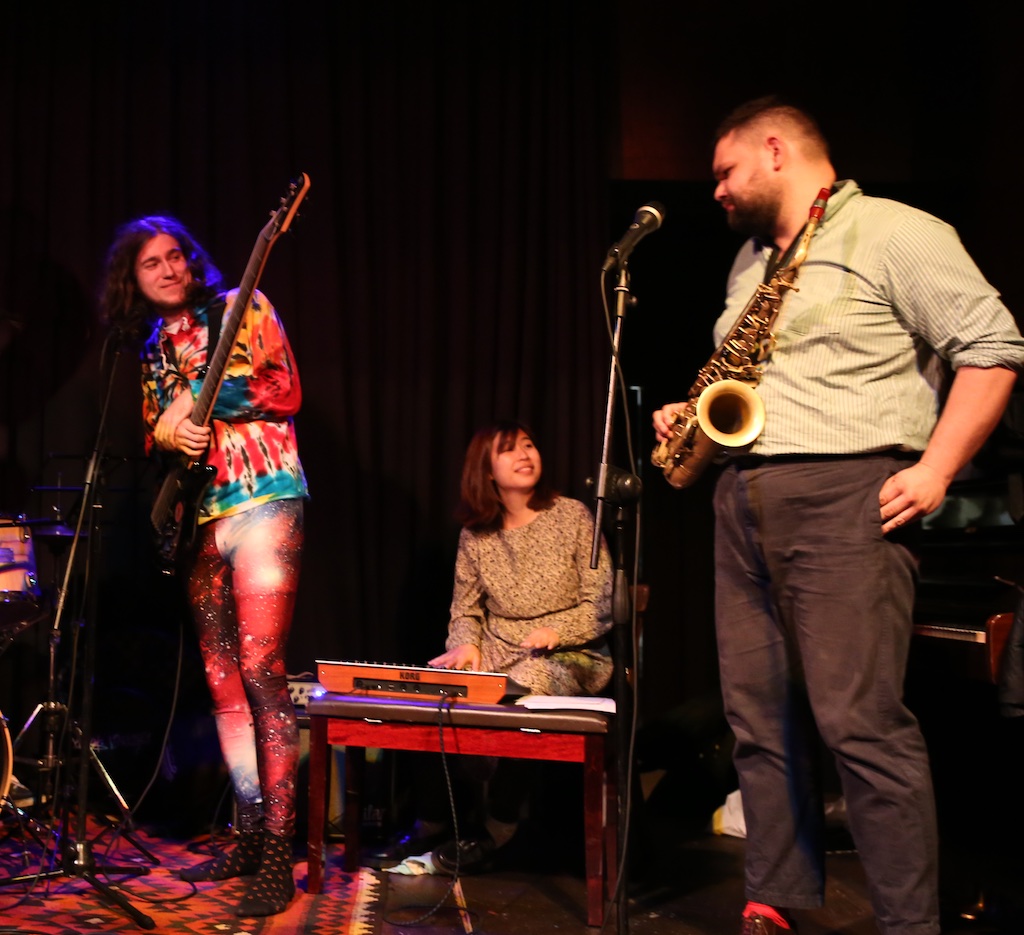 The second set featured the ‘Exploding Rainbow Orchestra‘. This was a very different type of ensemble. Freer ranging, a bigger sound palette and an electric bass with the heavyweight punch of Bona. The bass player Joshua Worthington-Church who led the ensemble is accurately described as a maverick. His set list contained genuinely diverse material; gripping vamp-driven originals plus tunes from ‘Radiohead’ and ‘The Mint Chicks’. Under the leader’s guidance, the band took the material to a place close to my heart; a fusion of Jazz and psychedelia. I am happy to see this done, as the genre is all but forgotten. During the mid-seventies, that style of music was sacrificed on the altar of Jazz purism, a pompous battleground that tried to stifle genre exploration.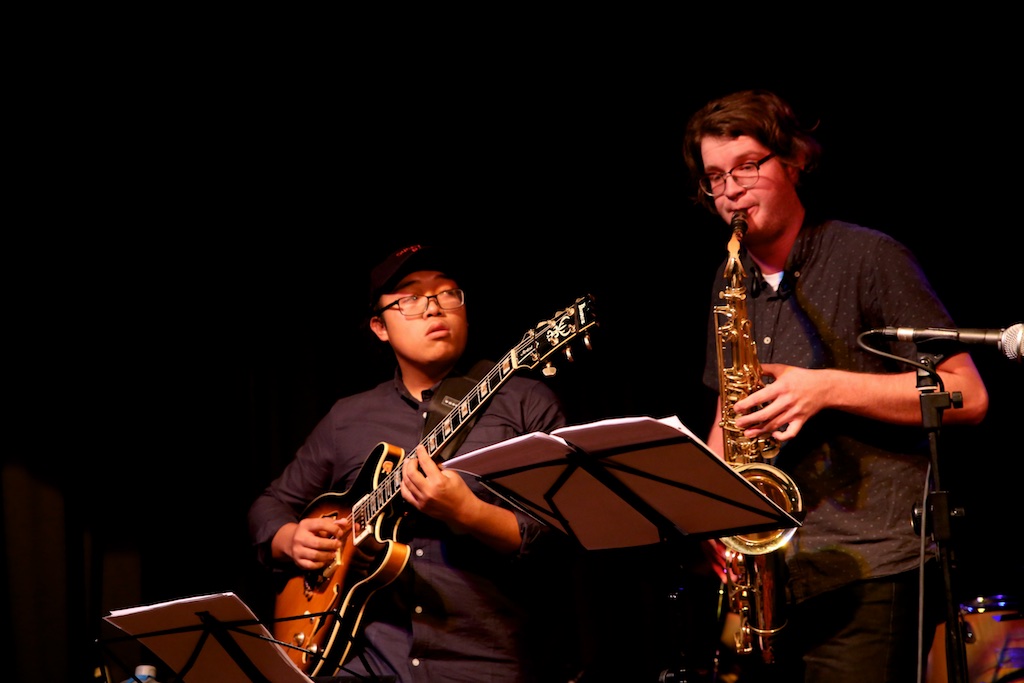
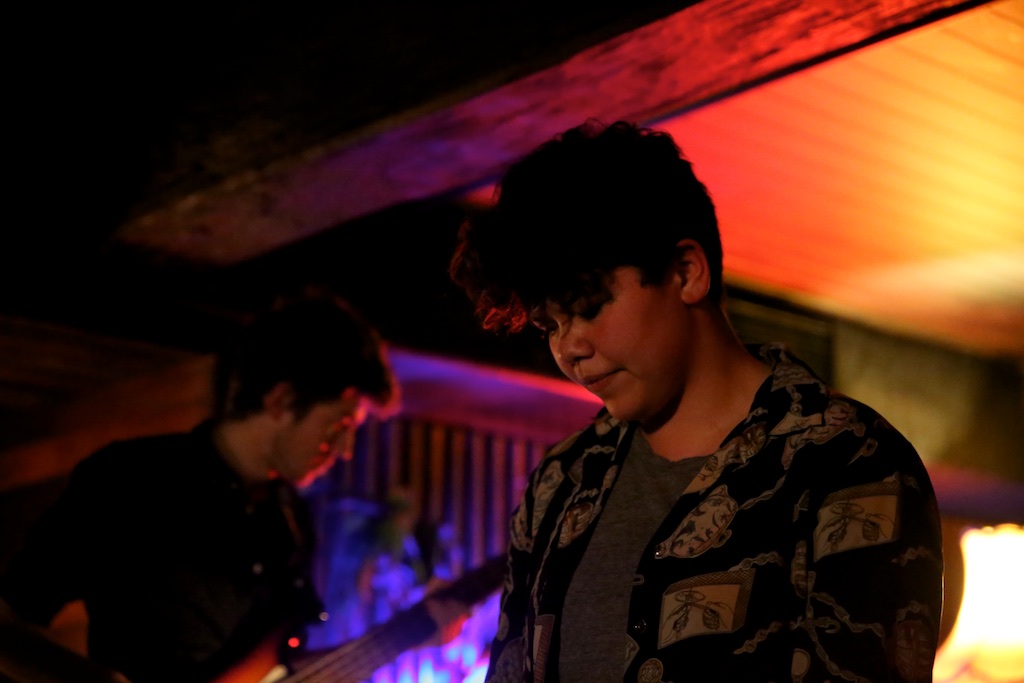 Last Wednesday the CJC took a step towards Robert Glasper’s ‘Black Radio’ project. At the time of its release the Glasper project shocked a few purists and delighted many others. It all depended on your point of view and your understanding of Jazz history. That particular album brought the ‘now’ of the urban streets into a Jazz recording; rap and urban soul coexisting with jazz keyboard harmonies. It is surprising that it shocked anyone! Surely this is an old story in the retelling. It is not hard to find earlier examples. George Russell’s ‘New York N.Y.’ and Gil Scott Heron’s output spring to mind. Words as poems, wordless vocals and instrumental Jazz are inextricably linked and always will be. Siobhan Leilani brought a Kiwi version of that to the Jazz club and we loved it. It felt in place and the nimble-footed danced. This constant reconnection with the streets is an essential part of our music and we forget it at our peril.
 The first set to play was the Andy Smith Trio. Smith has played at the club as sideman a number of times, but it has been quite a few years since he brought us a project of his own. I have always enjoyed his slick guitar work and especially when he plays with an Alan Brown band. This gig was different as it reached deeper into the modern Jazz guitar bag. Smith has always used pedals convincingly but this time he dialled the effects right back. This was a purer form of modern Jazz guitar and in taking that route the music must stand on its own. It did. I like his approach to harmony and his compositions are compelling vehicles for improvisation.
 The gig undoubtedly benefitted from having the gifted Stephen Thomas on drums. While a regular in the club it has been a few months since we saw him. Thomas is a drummer’s drummer and he can tackle any project and shine. He constantly pushed the others to greater heights and his solos were tasteful, un-showy and tightly focused. The bass player Russell McNaughton was new to me, but I will be mindful of his presence in future. I particularly liked his arco bass work on ‘The Gypsy’s Dress’. The first number ‘CJC’ (Smith) was a good opener. There were plenty of meaty hooks to reel us in and an ever radiating warmth to dispel the chill rain outside. When they played a tune named ‘Awakening’ I recognised it instantly, but couldn’t recall where I’d heard it (or which group played it). It is actually an older tune of Smith’s and I had remembered it from three or more years ago. Again a solid composition and the fact that it had stuck with me after one hearing underlines that. A very nice trio.
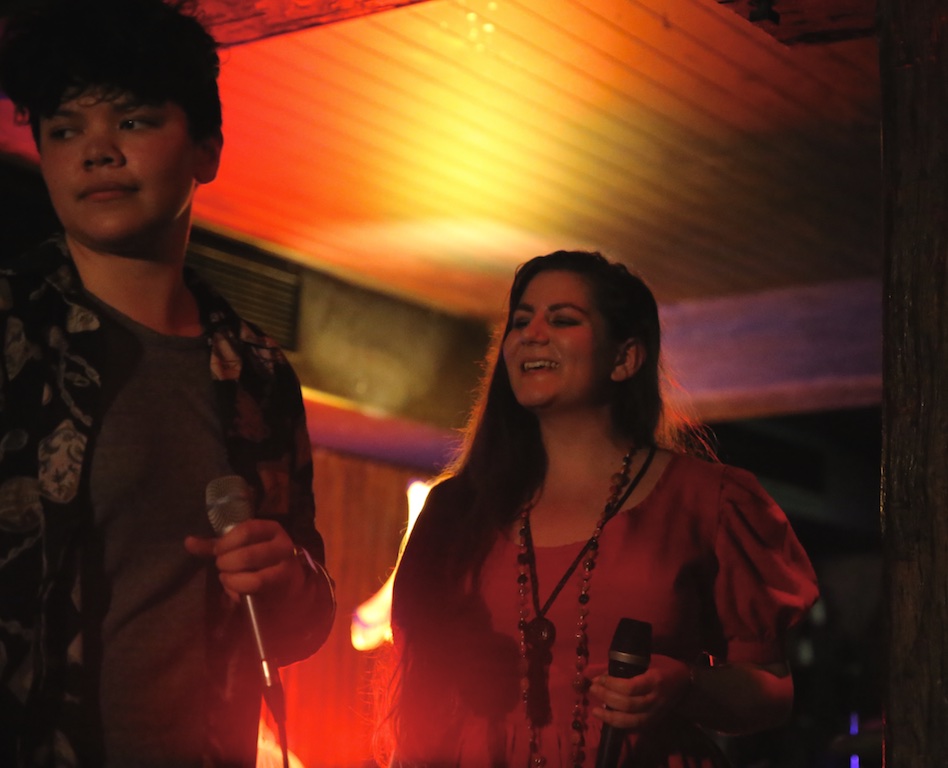 Siobhan Leilani (Siobhan Grace) is an interesting musician and one I hope we see a lot more of. Her association with the UoA Jazz school has yielded dividends. She utilised the services of former and current students for this gig; her guest Chelsea Prastiti most notably. There is an inherent risk in putting a soulful Jazz rapper together with an experimental improvising vocalist. The risk was well worth taking. These two feed off each others energy on up numbers and a force field of ‘happy’ seemed to emanate from them. The opening numbers were more in the soul/Jazz idiom and these were compelling in very different way. The lyrics spoke of angst and identity and this worked well for Leilani. What impressed me most was the authenticity. The language and sentiments were honest; heart-felt and purely ‘street’. I am only sorry that she was not a little louder in the mix (when it comes to vocals my hearing is not as sharp as it once was). This was poetry and good poetry. Word play, syllables stressed for emphasis, cadence; telling a story in an original way.
 On piano was UoA student Sean Martin-Buss. He caught me completely by surprise with his confident piano accompaniment. I had only seen him perform once previously and that was on bass clarinet. He mostly took a two-handed approach, soloed well on two occasions and engaged in a brief but effective call and response routine with Prastiti. The drummer and electric bass player were unknown to me but again they gave good a good account of themselves. The pumping drum and bass groove was right for the music. On electric bass was Joshua Worthington-Church, on drums Olie O’Loughlin.
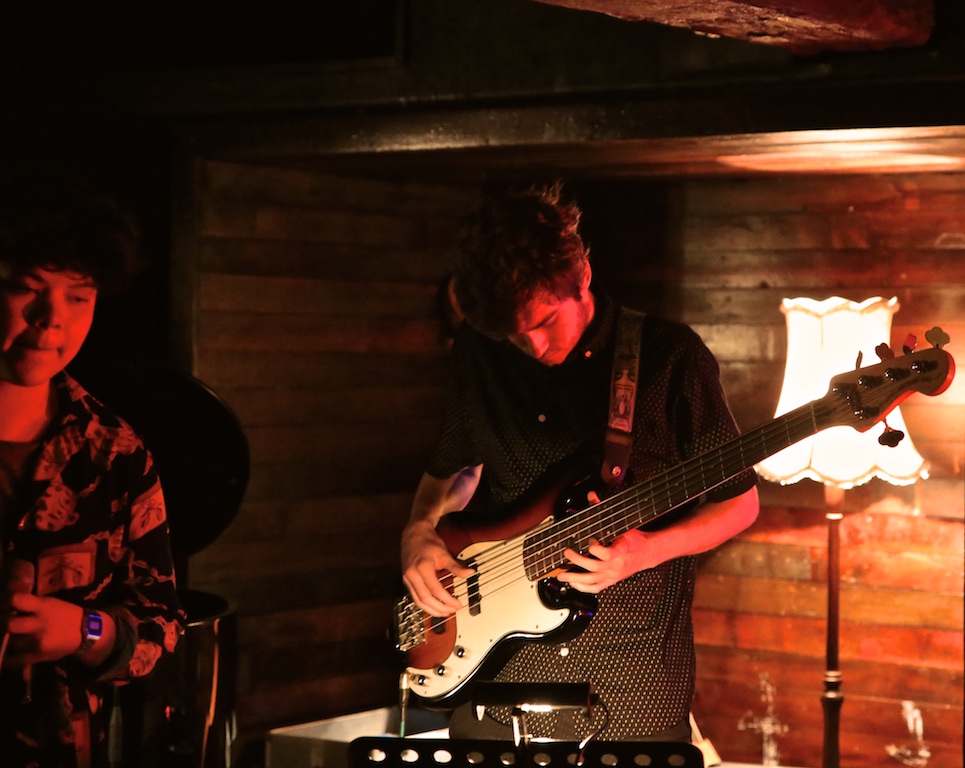 This was another testament to the gig programming at the CJC. With rare exceptions every Wednesday night brings an original project. The decision to encourage innovation and originality pays off time and again. The audience now expects it and they wouldn’t turn up week after week for a diet of well-worn standards. With gigs like this a bitter Winter is flying by.
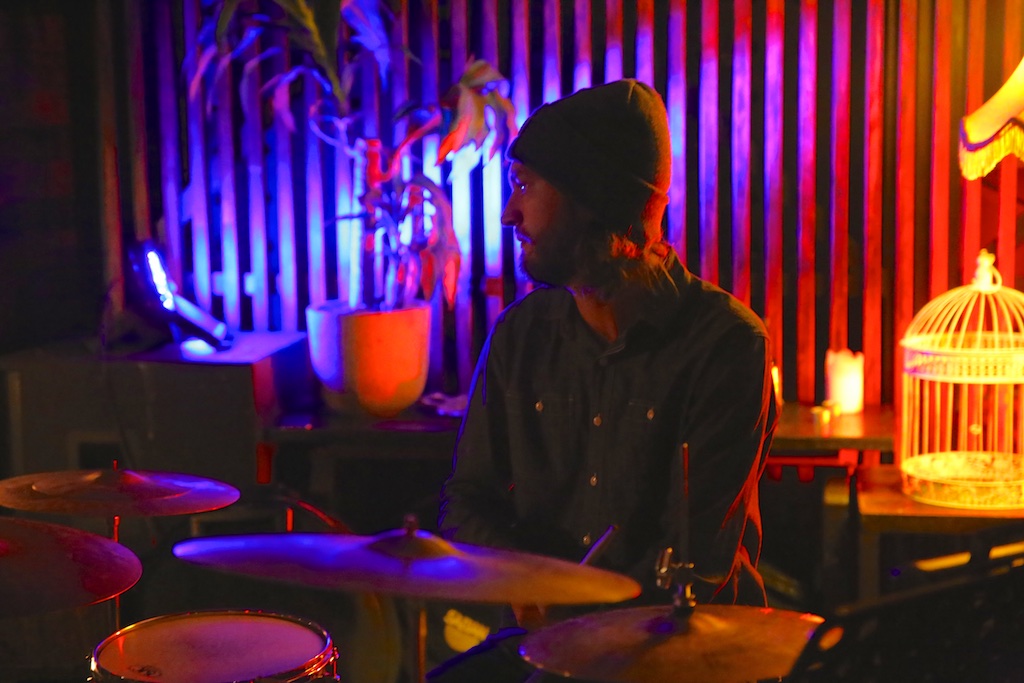 Footnote:’lyrics and poetry are two sides of the same thing‘ (Levitin). Poetry purists often express disdain for song lyrics and especially rap lyrics. The same can occur in reverse when a rapper dismisses poetry as high brow. There is only good poetry and bad poetry. The earliest surviving piece of literature ‘The Gilgamesh’ was written in poetic form. The greatest epics in any language are Homers Iliad and the Odyssey; also written in verse and probably sung. If you want ancient earthy lyrics sung or chanted by a woman then try Sappho: Stuffy (male) scholars have tried for two and a half millennia to purify her verse. “Batter your breasts with your fists girls/tatter your dresses/its no use mother dear/I can’t finish my weaving/you may blame Aphrodite soft as she is/she has almost killed me for love of that boy” – Sappho born 612 BC
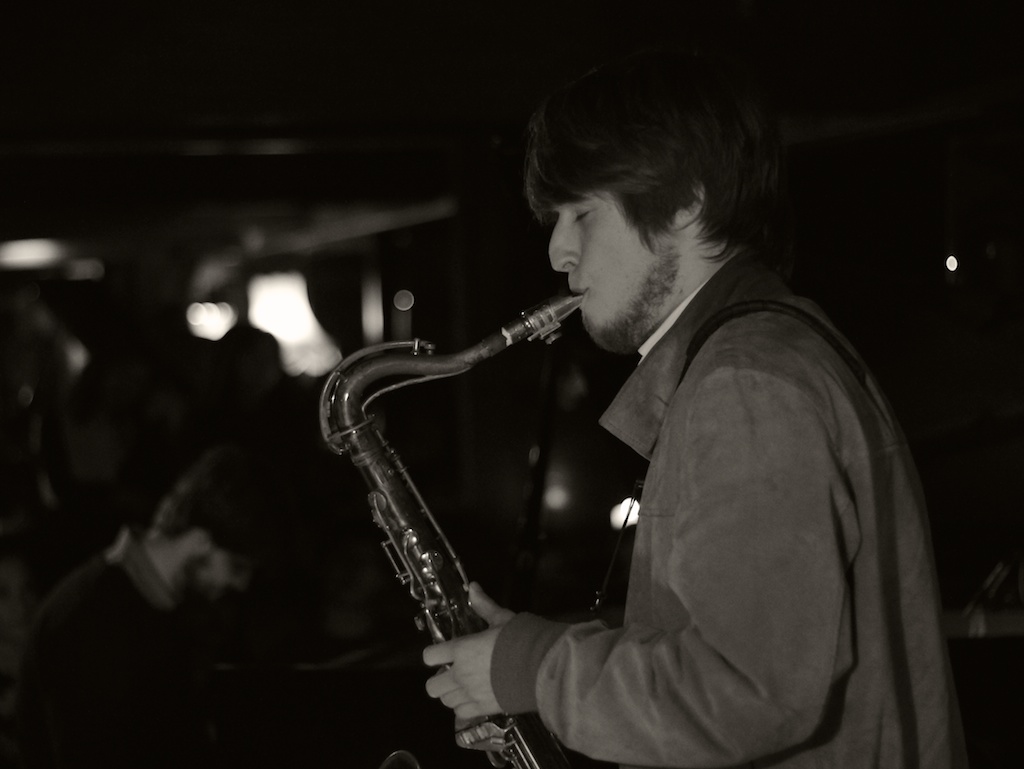
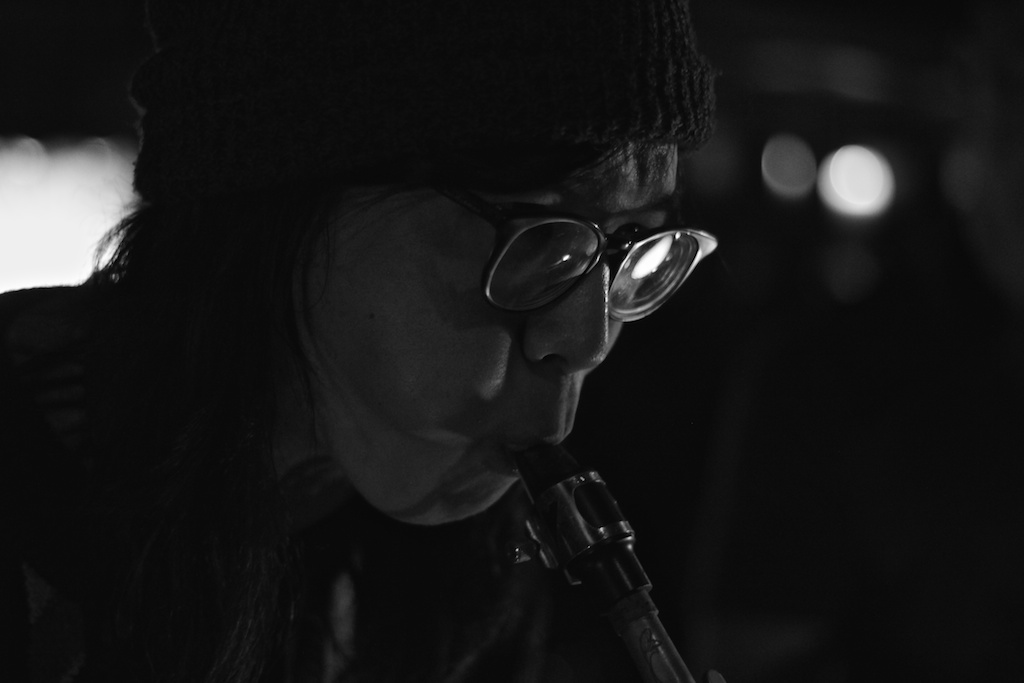
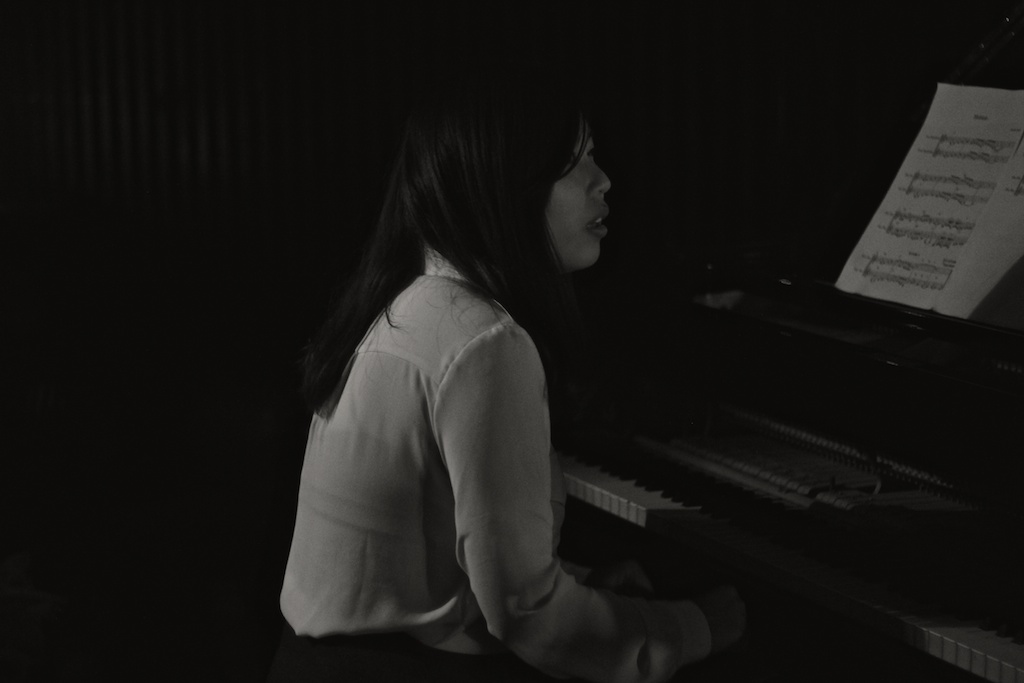
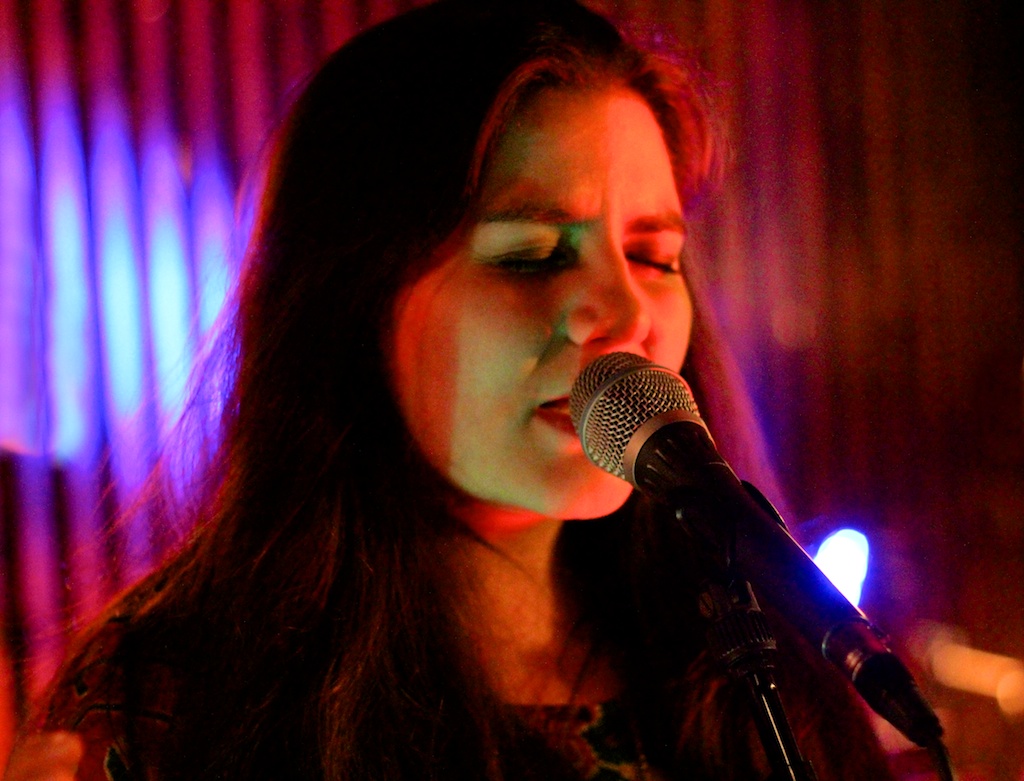


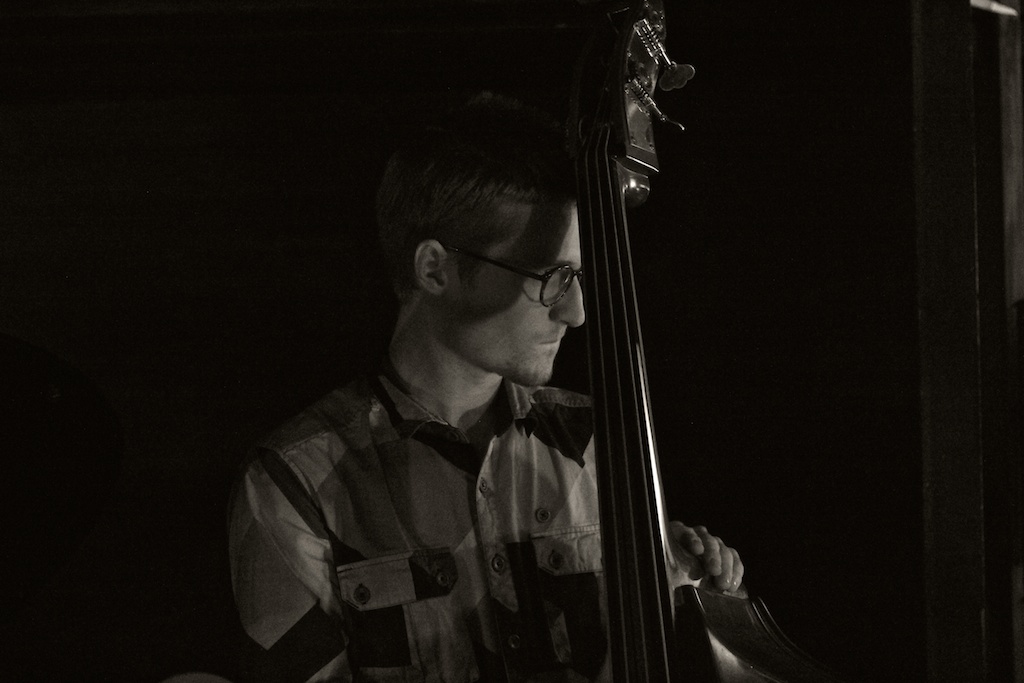
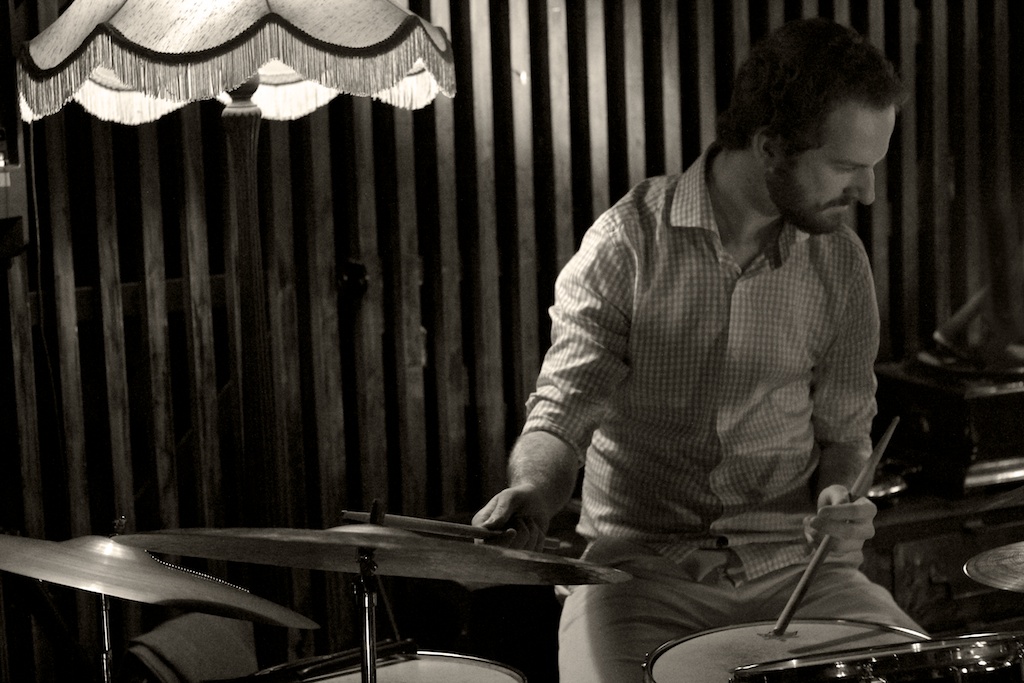
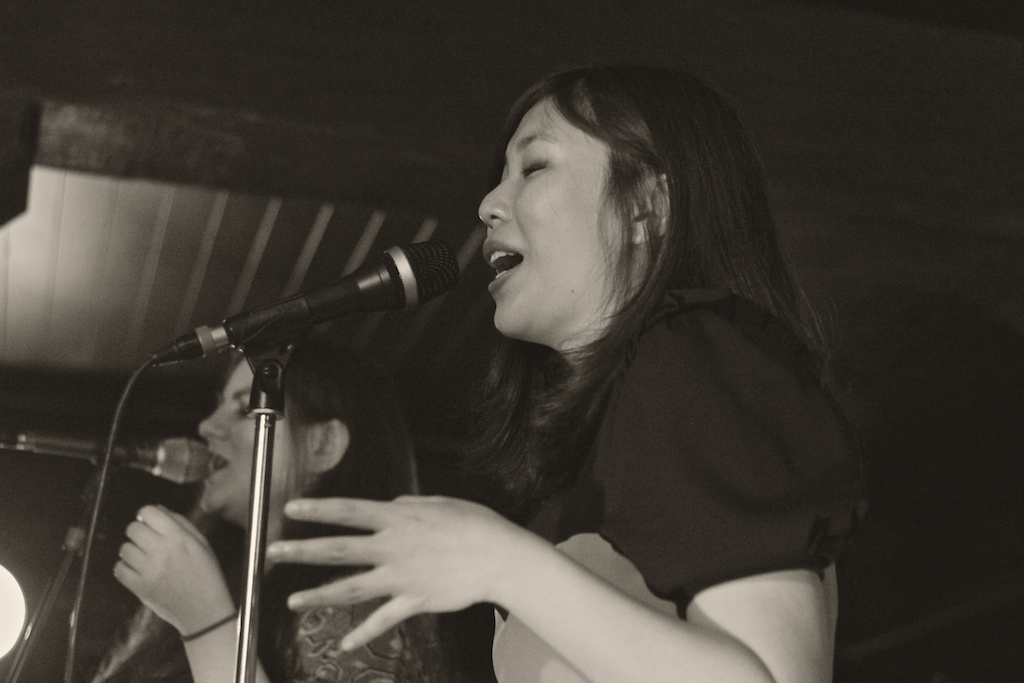

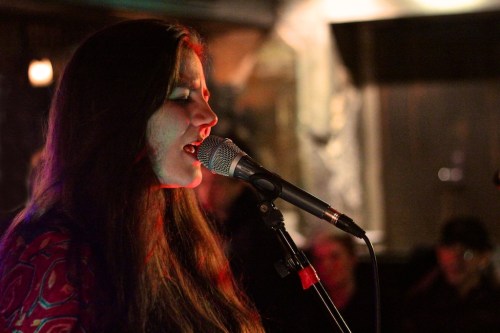
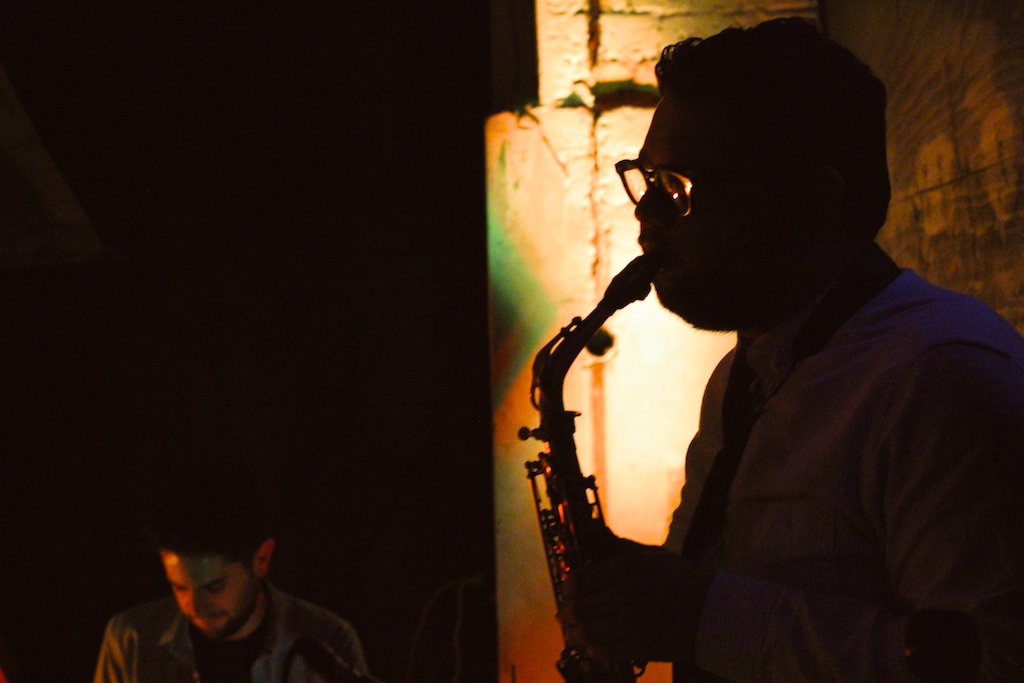
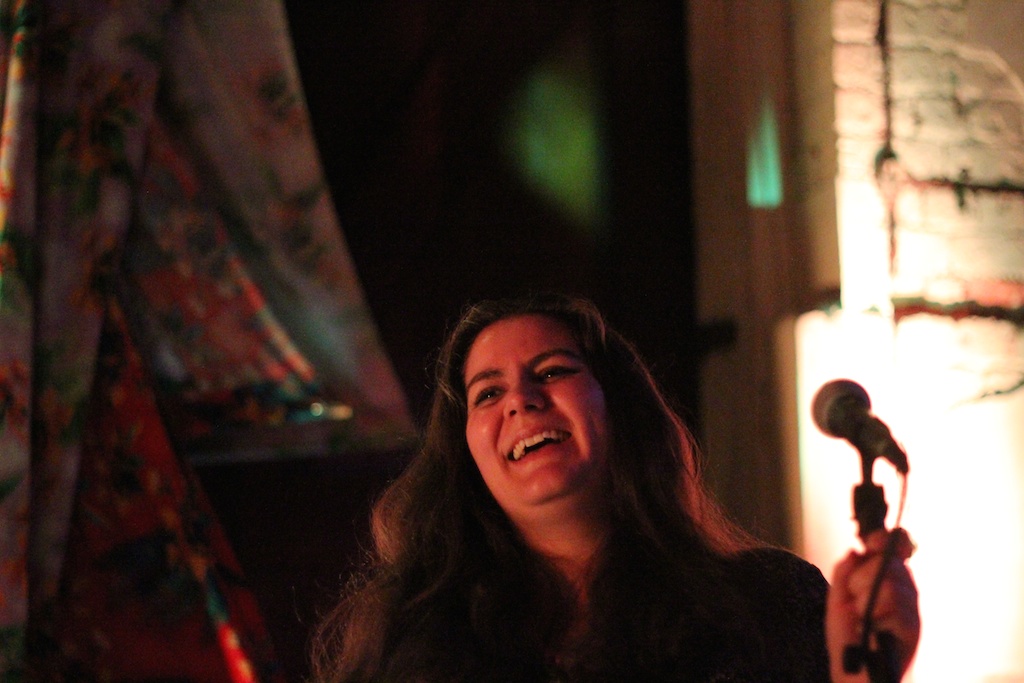

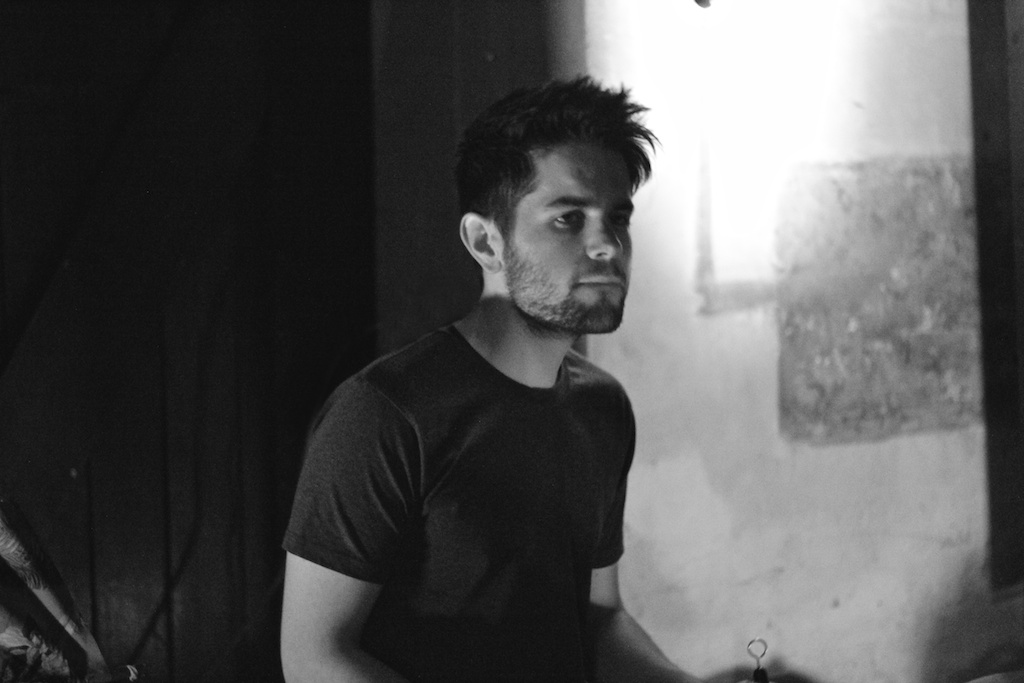
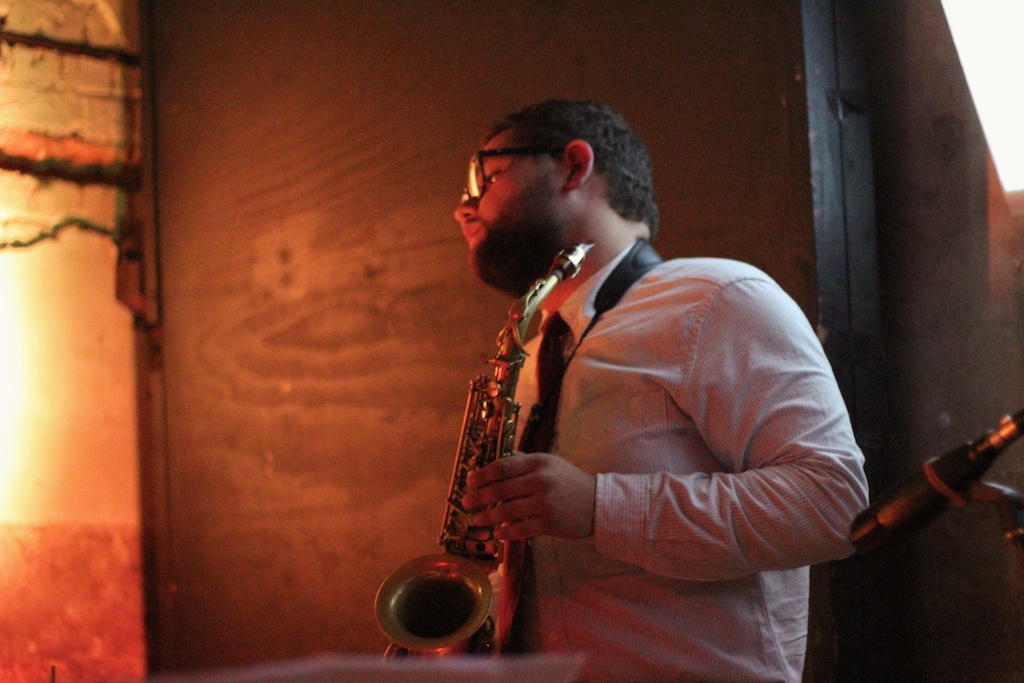
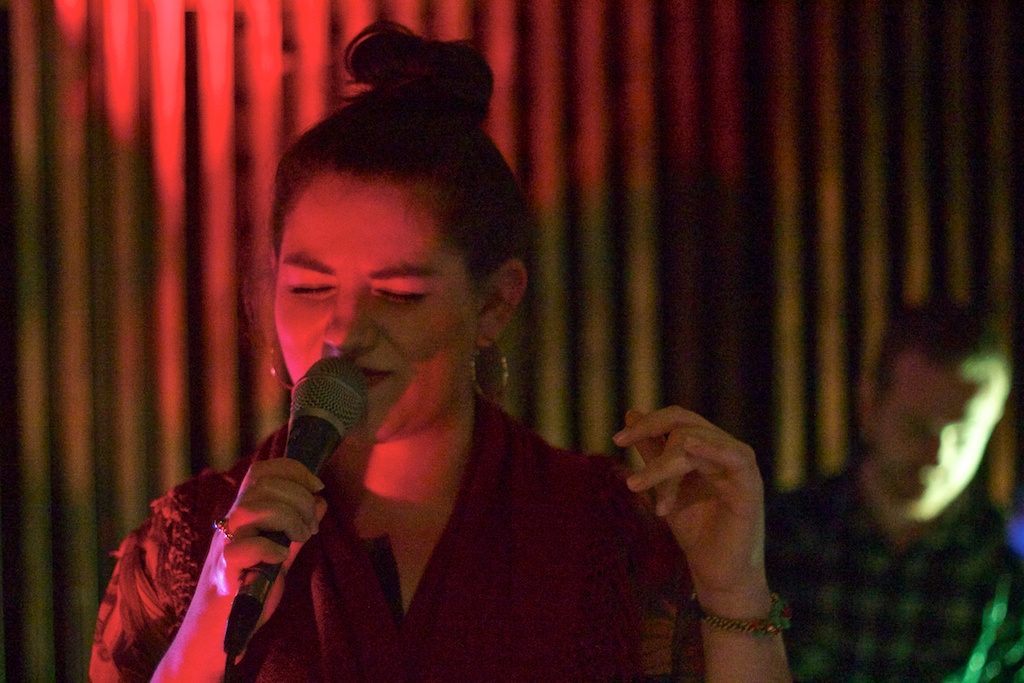
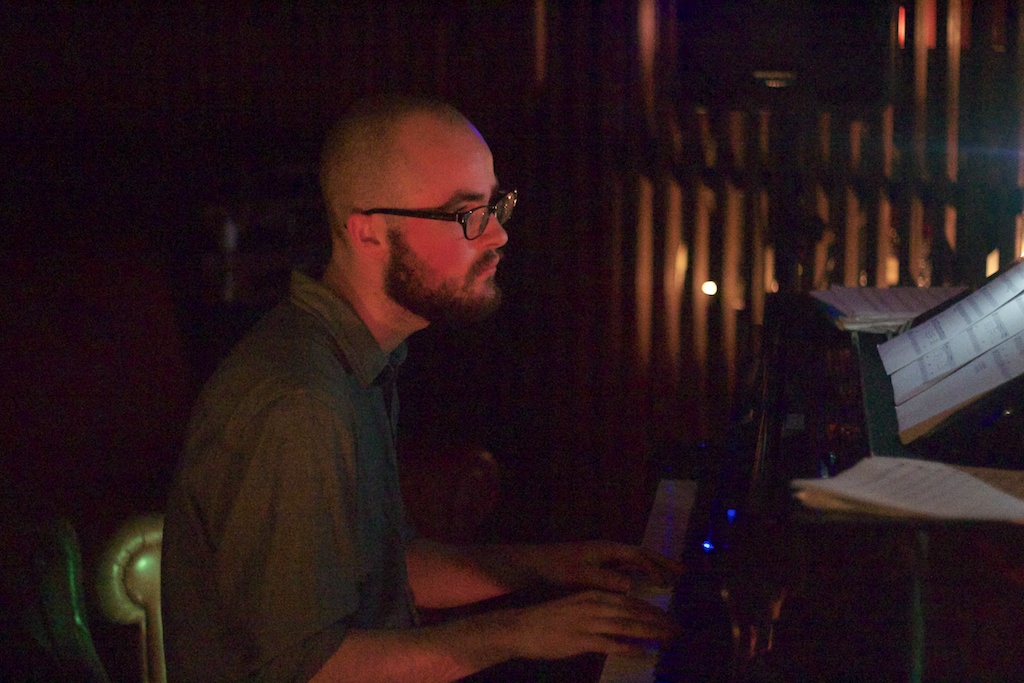
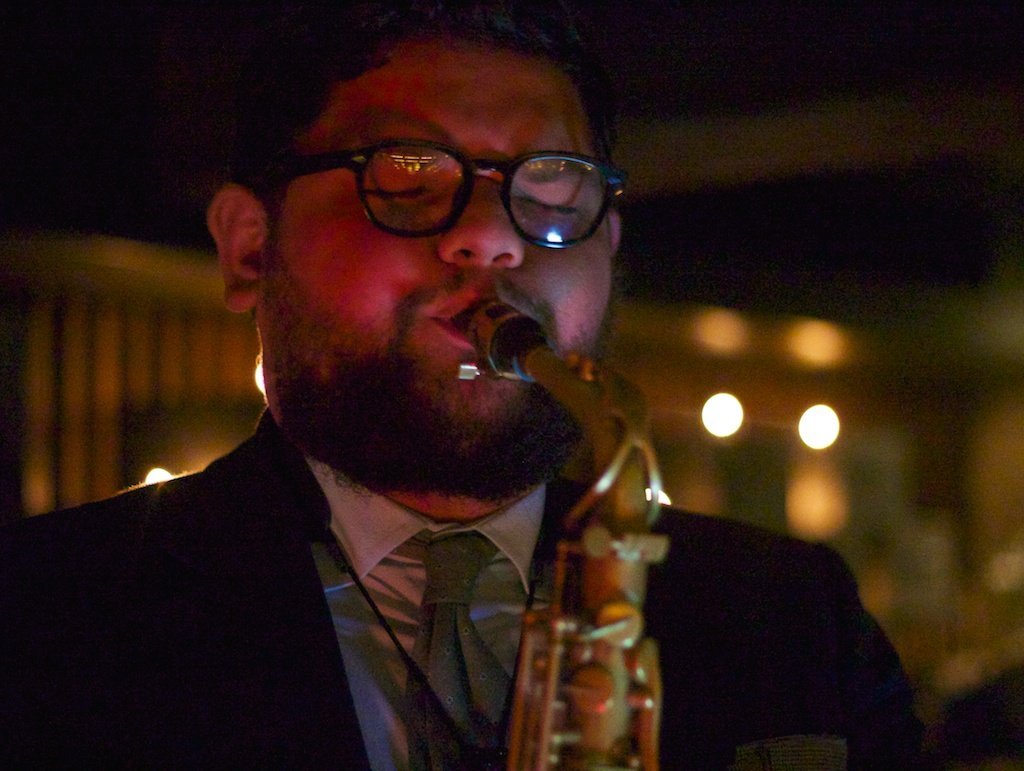

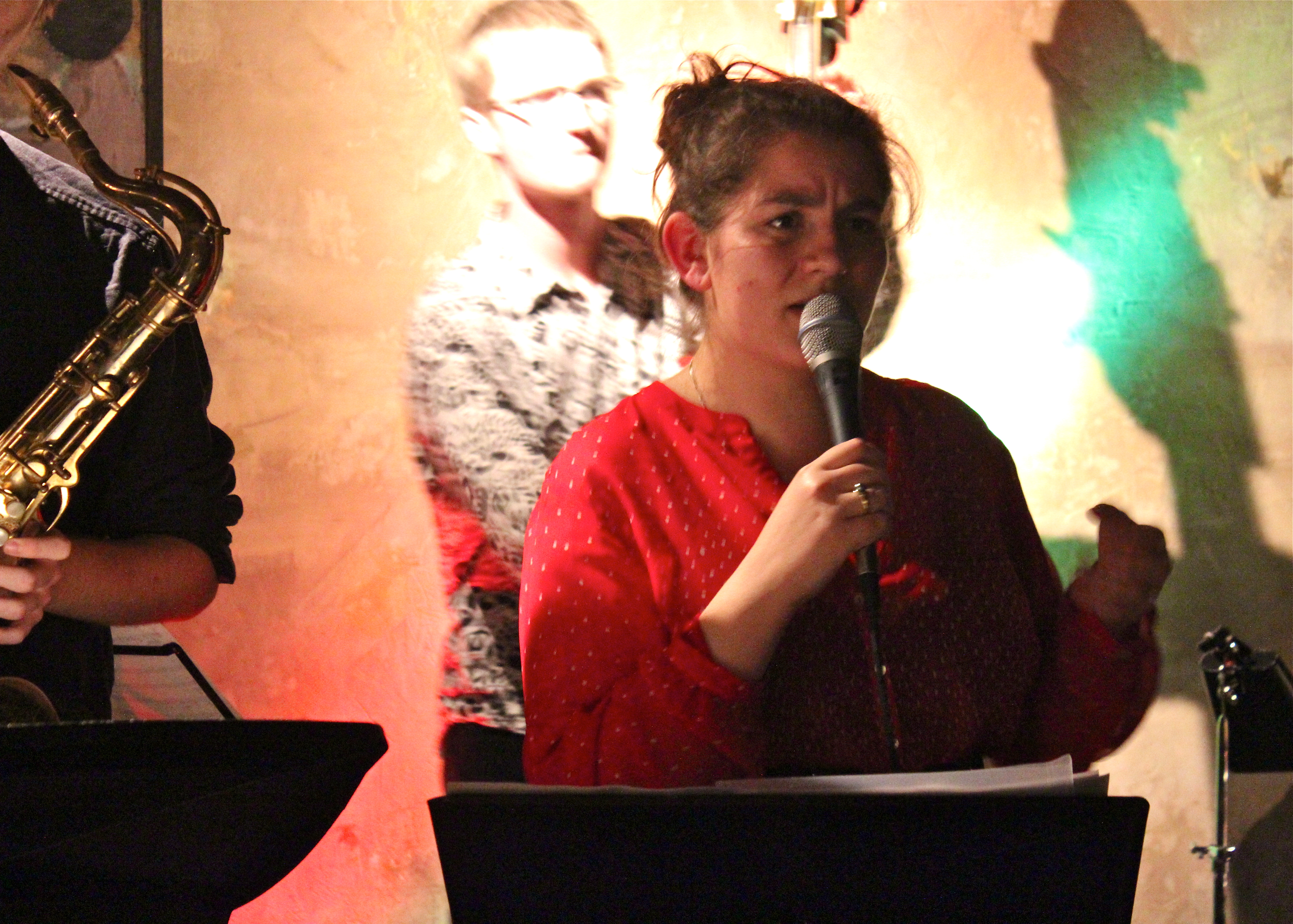
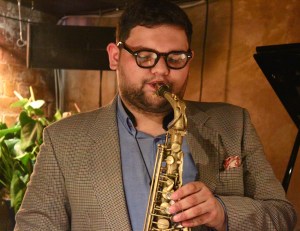
 JazzLocal32.com