There are many ways to navigate troubled times. You can deny reality, scream into the void, surf the waves of absurdity, bitterly declaim, or seek quiet while you gather your thoughts. Many prefer the latter, although the other responses are also valid. The last few years have felt particularly untethered as a growing flock of anxieties encircle us. In this space, I reach for artisan teas from China and the type of music that invites reflection. All the albums I review here slow the world’s orbit to a sensible pace and invite reflection.
Inverted ~ Auckland Jazz Orchestra

We lost Phil Broadhurst back in 2020, but his legacy is enduring, and unsurprisingly, he is constantly in the thoughts of the musicians he worked with. Here, we have a loving tribute to the man and his music, appropriately performed by the AJO, a jazz orchestra peopled with musicians who knew him well. It is the AJO’s fourth album and arguably their finest to date. Tribute albums may be commonplace, but tribute albums like this, born out of fondly remembered connections with the subject artist, stand out from the rest.
Phil Broadhurst was quiet-spoken but a colossus on the local music scene. He was a musician with many musical talents, all informed by his passions. This was particularly evident in his post-millennium Rattle albums, with their Francophile influence. As a composer, he was particularly gifted, so it is fitting that the compositions on the album were all drawn from that period. Mike Booth, Tim Atkinson and Andrew Hall crafted the arrangements and what an extraordinary job they have done. The arrangements are ‘voiced’ beautifully and thanks to the skill of the musicians, perfectly realised. The album has significantly raised the bar for local jazz orchestras and it places Tāmaki Makaurau firmly on the jazz orchestra map.
Fortunately, Phil was able to guest on some of these tracks before he passed and it is moving to hear him. We know that he was delighted with what he heard. It is also moving that his beloved partner, Julie Mason, appears on piano on the remaining tracks. I won’t name all the personnel or soloists here because the list is long, but check out the album on Bandcamp.
I rate everything on the album, but my favourite tracks are ‘Pat’, with Phil teasing wistful magic out of his lovely tune, and Pukeko. Pat features Broadhurst, McNichol on tenor, and Booth on trumpet, the latter, rising to the occasion (Booth arranges both). Pukeko features Gianan on guitar and Booth on flugelhorn. The album is available at Rattle Jazz on Bandcamp.
Volume Two ~ Darren Pickering

Deep listeners will appreciate this album for its subtle interplay and warm embrace. It is a fine example of today’s forward-looking improvised music, drawing as it does on the sounds we can all too easily overlook as we drown in the endless iterations of soulless commercialism. Cinematic phrases, slow textural electronic grooves teasing out rich soundscapes, the kind you might hear fleetingly emanating from a softly lit apartment on a summer’s night, wanting to hear more.
It is an album that will reward repeated listening as the subtle minimalism if examined with open ears, will reveal an expansiveness. Pickering has previously demonstrated other musical sides, but I am glad he has chosen to further this one. The band were perfect for what he has created here, understanding that space serves sound.
There is balance and variety. The opener ‘Oneroa Bay’ sets the tone nicely for what follows. For those who crave something more traditional, there is ‘Blue Mind’, a blend of the crystalline ECM aesthetic and the warm embracing Impulse grooves. Or ‘Mazawati Tea’, an update on the swinging groove trio/quartets we love.
There is also a degree of abstraction, sometimes floating under a slow-wending evocative melody line as in ‘Reverse’ or pushing at the outer edges of form as in ‘La Perla (for Benjamin)’. The production is of the highest quality thanks to the deft curation of Pickering, Rapaki Studios and the Rattle crew.
Released by Rattle Records and available on Bandcamp; Darren Pickering, piano, Modular, iPad, composition; Mitch Dwyar, guitar; Pete Fleming, Bass; Mitch Thomas, drums.
Dahab Days ~ Rob Luft

Rob Luft and I often meet up when I pass through London, but it’s been a while. However, I managed to conduct a long-form interview with him late one winter’s night during the pandemic lockdowns. We were relaxed as we ranged over many topics, including the possibility of this album.
With gigs cancelled everywhere as the world slipped into an enforced state of hibernation, Luft found himself becalmed in Egypt. He remained there for a considerable time, but far from being dismayed, he embraced the situation and opened himself to the sights and sounds of North Africa. The musical and other influences he explored at that time have informed this album.
You hear the colours and sounds of Egypt, not by emulating an Oud or street caller, but by creating a musical world that throws up filmic images. It is especially so on ‘African Flower’, an interpretation of Ellington’s tune, which in Luft’s hands knits east and west, past and present together seamlessly. His ‘Endless Summer’ is where Luft’s compositional skills are most evident. The skilful integration of the human voice lines tells me that the influence of Kenny Wheeler lives on in the current generation of London jazz musicians. Most of the compositions are Luft’s.
The last track, an arrangement by Luft of a traditional tune, Lamma Bada Yatathanna, is as respectful as it is innovative. We hear and sense the Arab streets. Collaborating with Elina Duni has added depth to his compositional chops and this album benefits from that. Luft’s powerful presence on guitar is evident, but he has left his bandmates ample room to shine. The result is that the album is more than just a guitar album. It works on many levels. I wish more guitarists grasped this.
Since we spoke last, Luft has co-led a second ECM album with vocalist Elina Duni and returned to a full schedule of touring and gigging. He has always been an artist to watch. If you listen to Dahab Days, you will hear why.
Rob Luft, acoustic and electric guitars, kalimba; Joe Webb, piano and Hammond organ; Tom McCredy, bass guitar; Corrie Dick, drums, percussion; Alice Zawadzki, violin, vocals; Byron Wallen, trumpet;, Steve Buckley, alto saxophone, penny whistle.
Dahab Days is available on Rob Luft Bandcamp in digital or vinyl format.
‘Ondulation’ ~ Alan Brown

Alan Brown’s ‘Ondulation’ album epitomises the sentiment expressed in the post’s header: a quieter place in times of turmoil. It explores quieter regions differently, radiating all-encompassing warmth and conjuring a world of sensory imagery. It is not the first of Brown’s albums to explore ambient improvised electronically enhanced music, but this album opens a portal into something new. It expands on earlier work by adding new digital voices. The resulting textures are rich and nicely contrasted by gently probing piano lines.
Brown has been exploring this genre for quite a few years. The deeper he dives, the richer the rewards for the listener. The first track, ‘Decider’ is particularly appealing, especially when a young woman’s voice emerges like a beckoning siren. The voice is faint but compelling. The harder we strain to catch the words, the deeper we fall inside the music.
The rest of the album flows like an otherworldly, beguiling narrative, and the journey should be enjoyed for itself, not over-analyzed. These are worlds crafted for our senses to interact with. We may hear them differently according to mood or disposition. Jazz experimentalism is common in northern Europe. Here, we have a way to go to catch up. Albums like this help us on that journey, and in my view, what Brown has achieved here compares favourably with the works of Aaset, Molvaer and Bang.
Humans have been shaping sound since the beginning of time by bending notes, creating new textures, creating new chords and playing with harmonics. But while the circuit board and its predecessors extend the sonic possibilities, it is due to the creativity of musicians like Brown that something uniquely human results. You can purchase and check out the album at Seventh House Rattle Records.
Alan Brown, Piano, Ondomo, electronics
LacLu ~ Winter/Fog/Morning

This last piece, Winter/Fog/Morning, is a teaser for a Rattle album due to appear later this year. Like the other albums reviewed, it fits nicely into the theme of a quieter place in times of turmoil. It is atmospheric, so I immediately wondered if that was Te Henga Valley morning, where the guitarist lives. Price, like me, lives in the Waitakere Ranges foothills. The seasons and rainforest mists make a spectacular showing there.
It is good to see younger emerging players alongside experienced ones. Price’s guitar work is gorgeous and never overstated, his gentler side is evident here. I have been to several gigs where Max Crook played and he is establishing himself as a reliable band member, open to new ideas. This is my first time hearing Francesca Perussini but I will watch out for the album with interest.
Keith Price is a Canadian guitarist living in Aotearoa. He is the Convener of Jazz Specialization, School of Music, Faculty University of Auckland. Francesca Parussini, on tenor saxophone and Max Crook, drums, have been involved in the Jazz programme at UoA. Cover art by Ainsley Duyvestyn-Smith.
JazzLocal32.com was rated as one of the 50 best Jazz Blogs in the world by Feedspot. The author is a professional member of the Jazz Journalists Association, a Judge in the 7VJC International Jazz Competition, and a poet & writer. Some of these posts appear on other sites with the author’s permission.
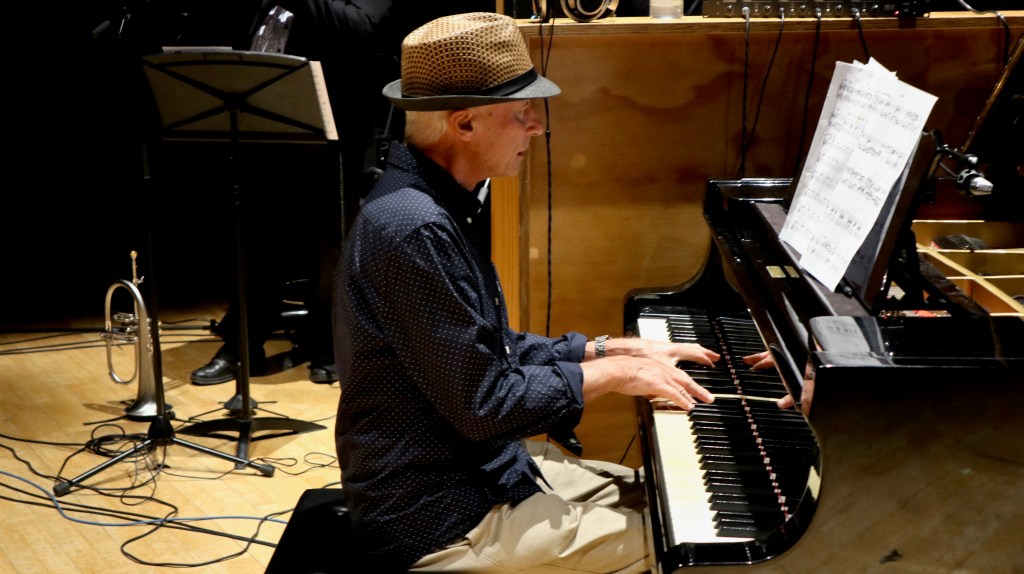
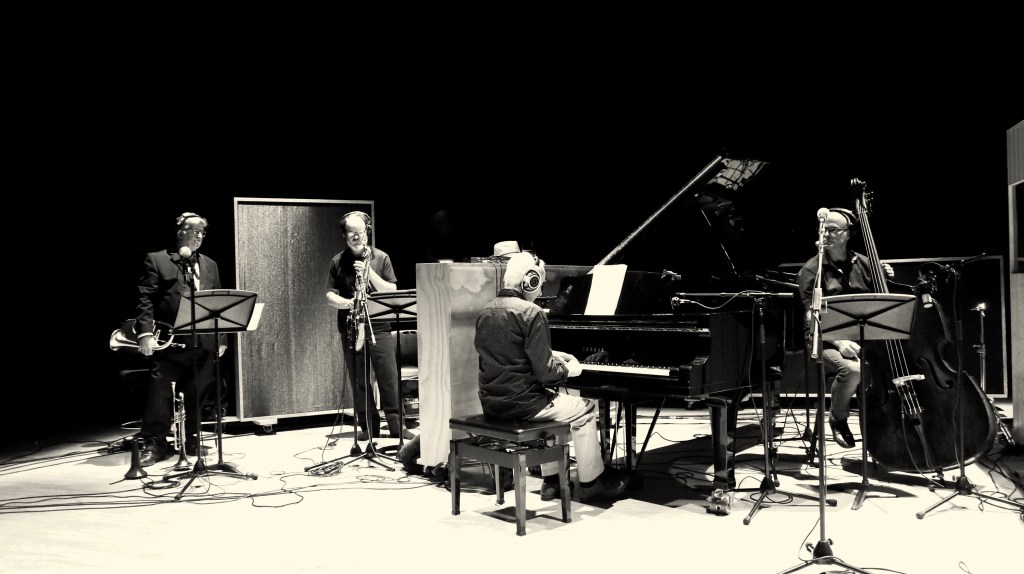

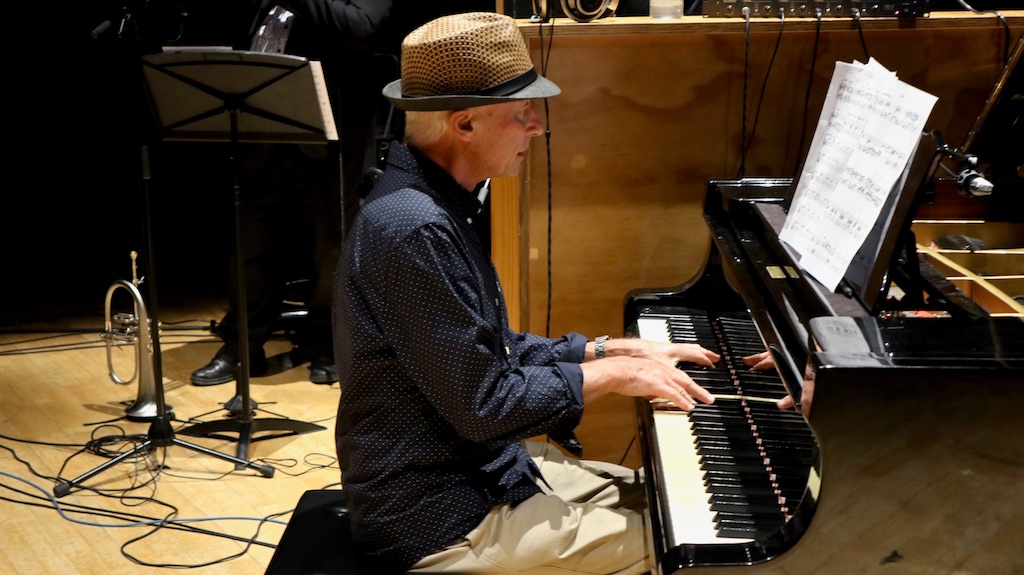
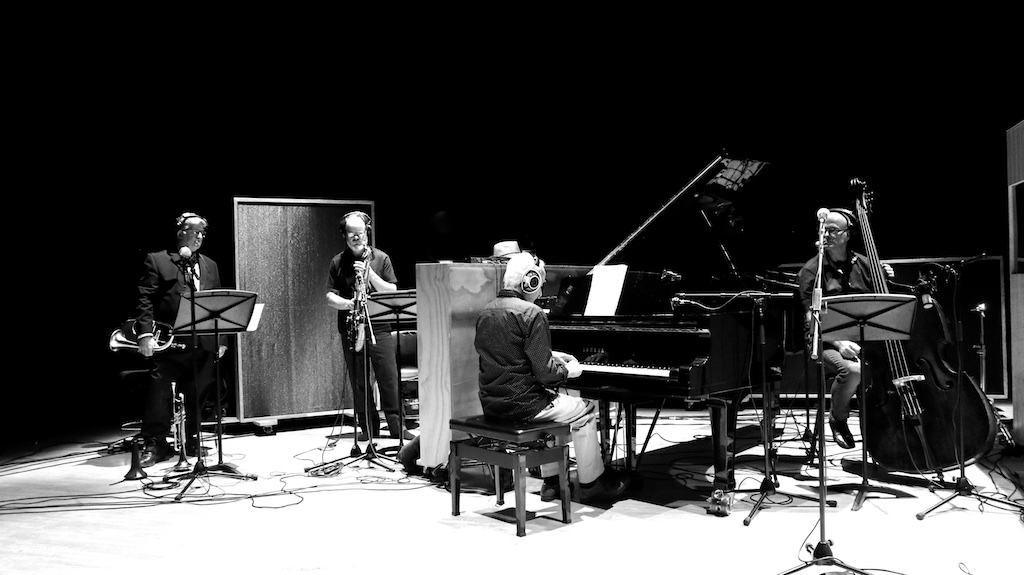
 While pop music briefly looked up and saw satellites and Rock music headed for the dark side of the moon, Jazz musicians lifted their vision further, aiming beyond Voyager and reaching for the farthest corners of deep space. Exploring those regions is the beautifully realised Aldebaran Quartet, an ensemble which pleases me greatly. It’s not often that I encounter a band like this and I can’t wait for them to record.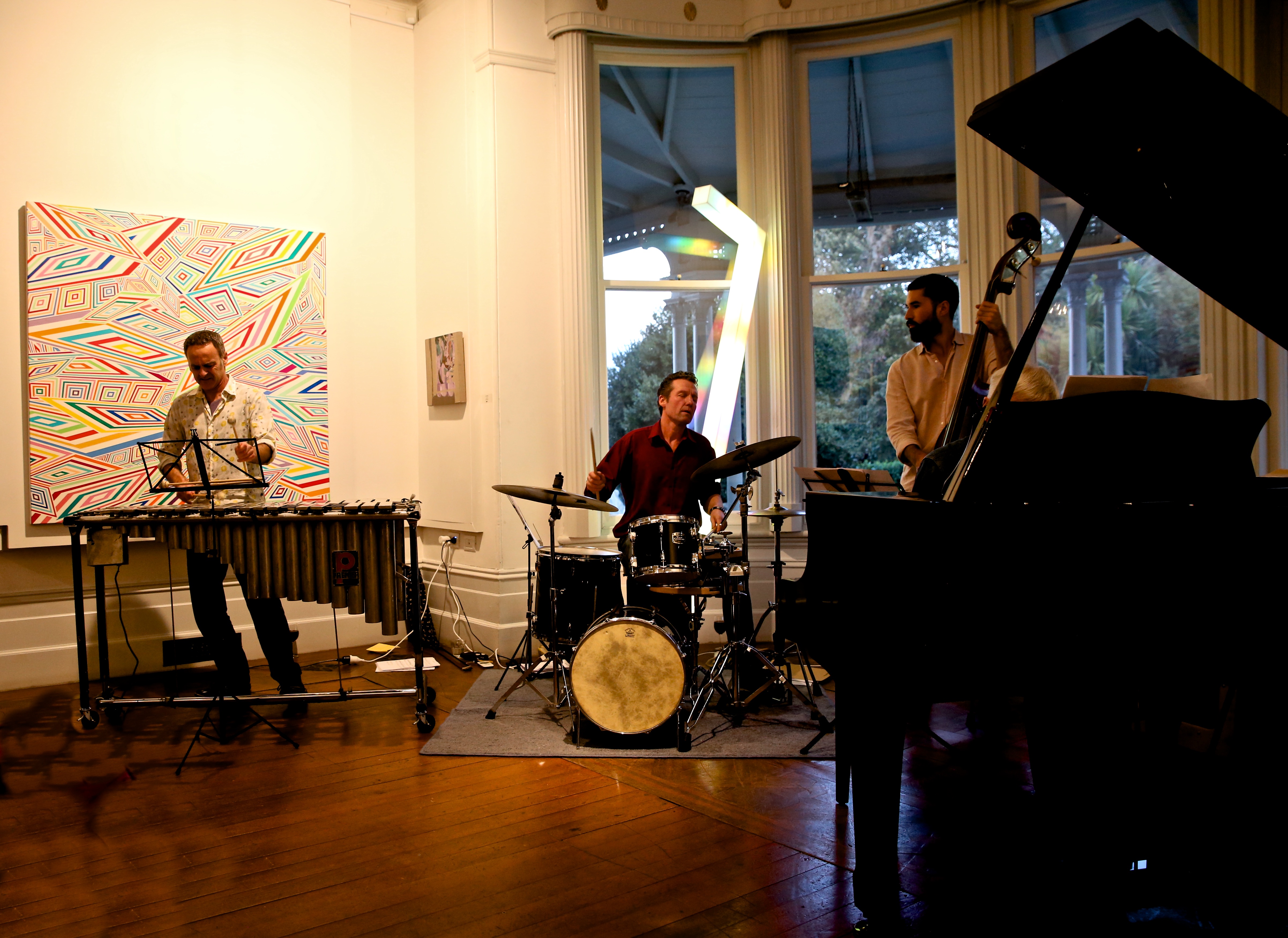
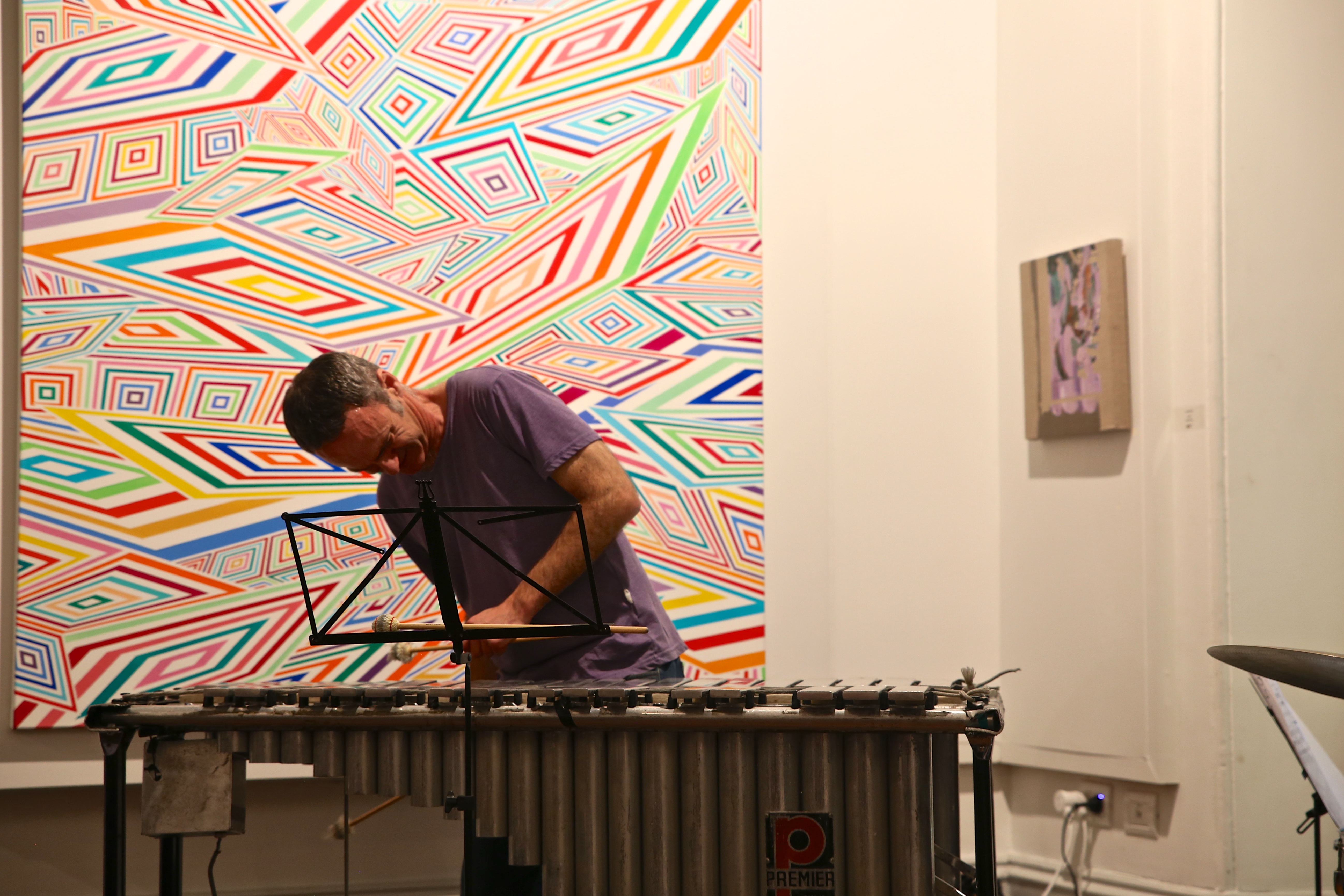
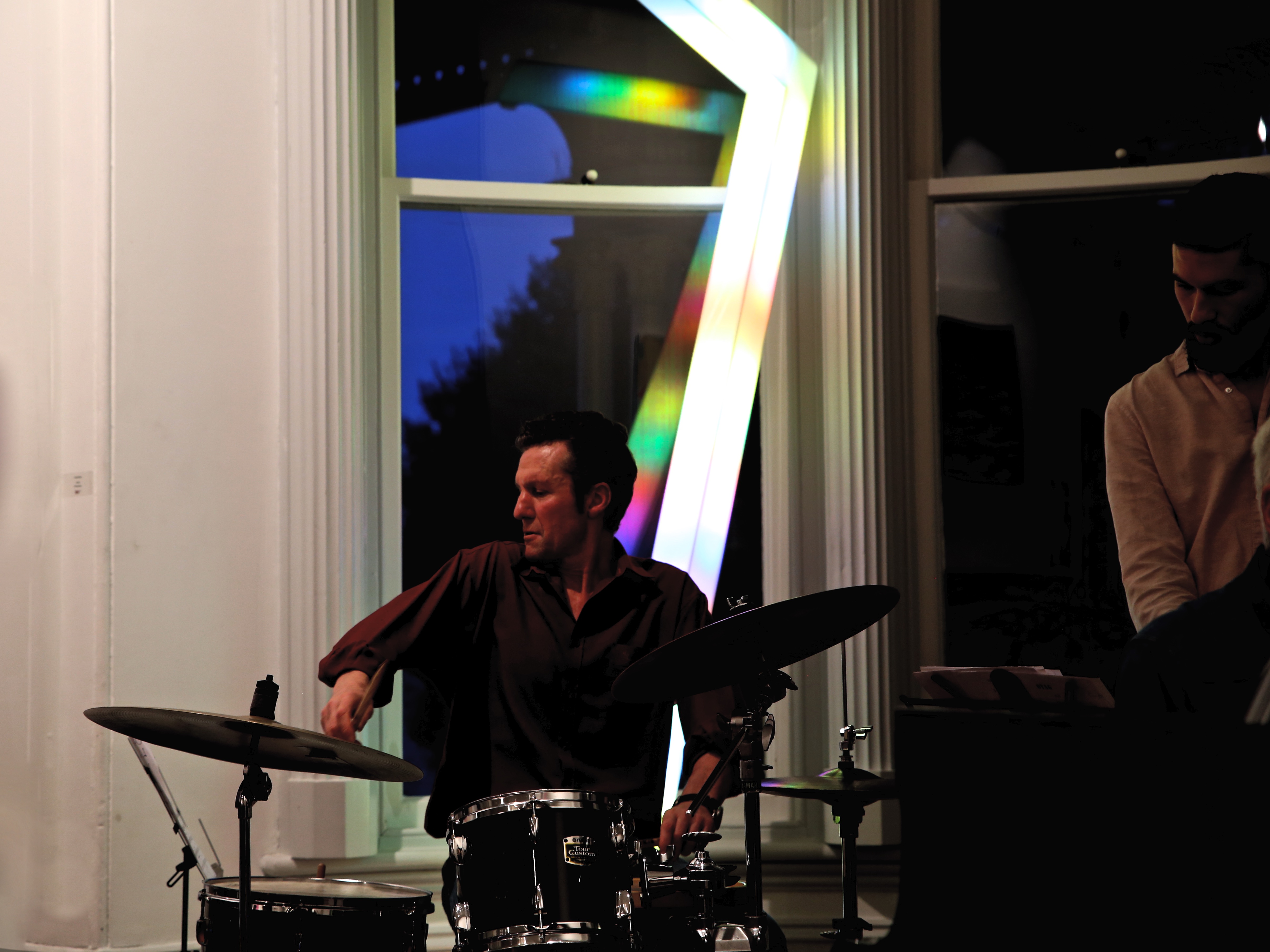
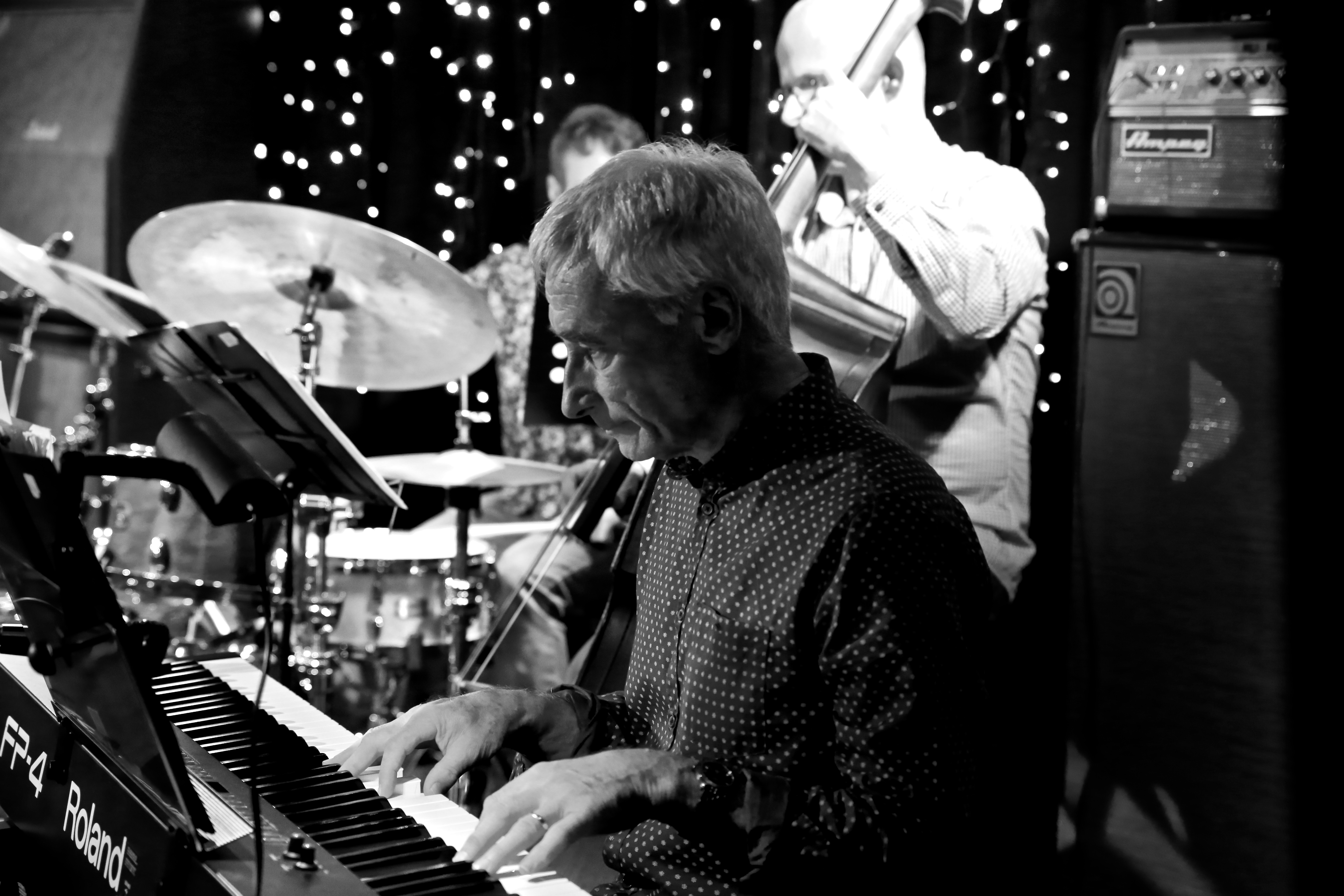 After a year of living in Paris the Auckland educator and pianist Phil Broadhurst and his partner, Julie Mason, have returned. The Broadhurst Quintet has been a regular feature on the Auckland scene for many years. The unit is fueled by a constant stream of great compositions, an unchanging line up of fine musicians and three critically acclaimed records (one of them a Tui Jazz Album of the year winner). Broadhurst’s ‘dedication trilogy’ set a high bar compositionally, but his pen is always crafting new compositions. After last weeks gig, I suspect that another album capturing the artistic soul of France might be in gestation. Broadhurst, as many will know, is unashamedly francophile. Out of this deep appreciation and finely honed perception flows terrific creations.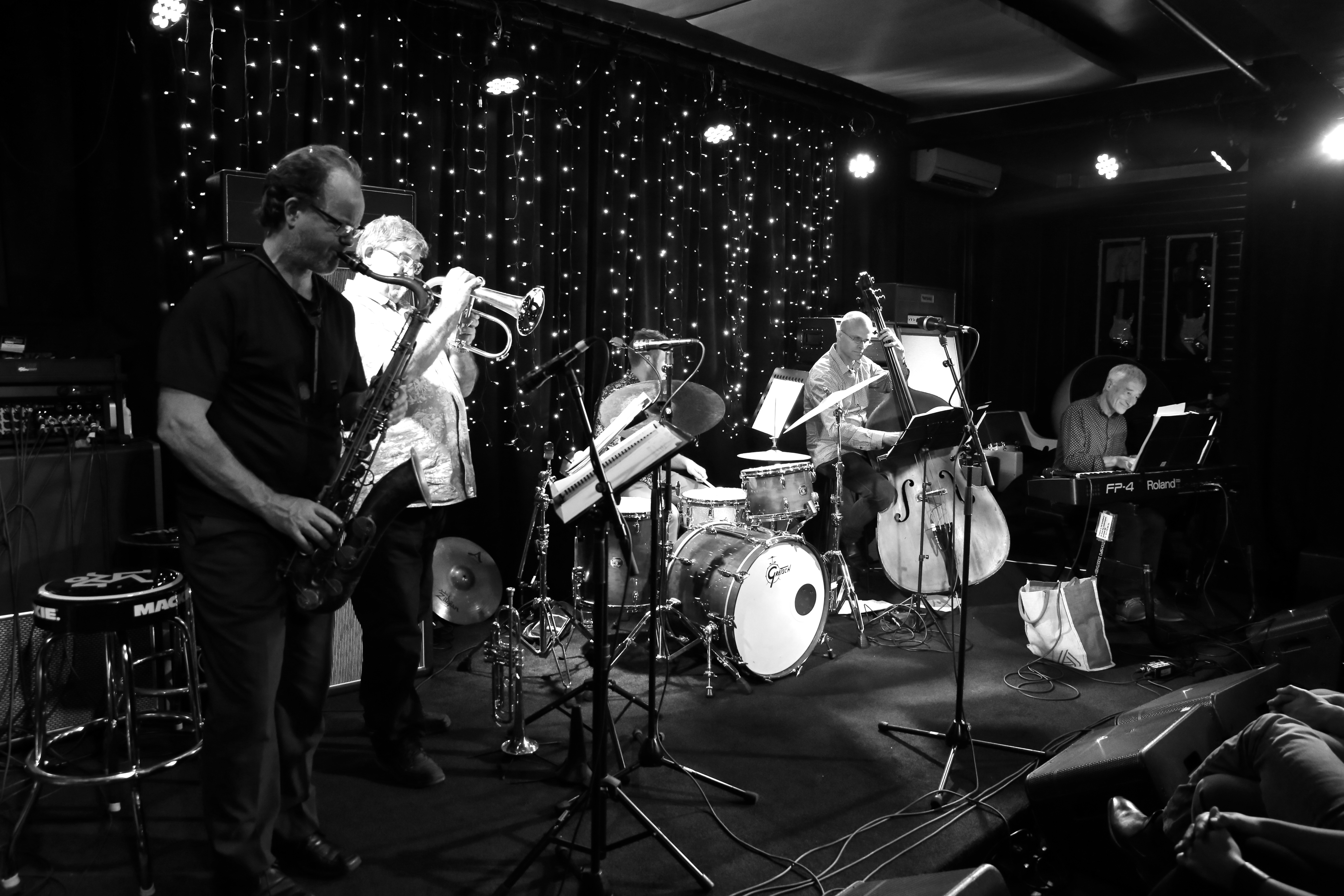
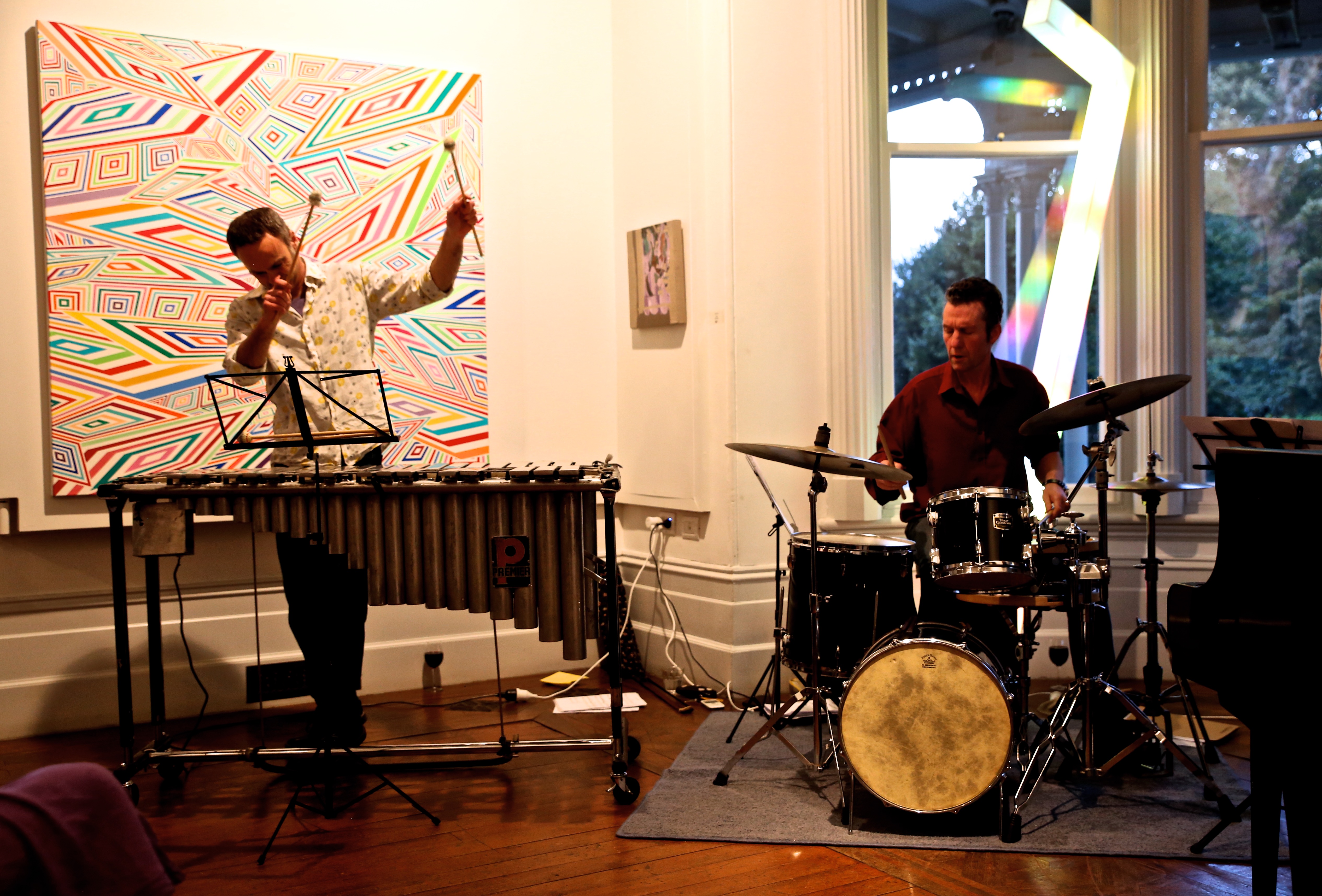
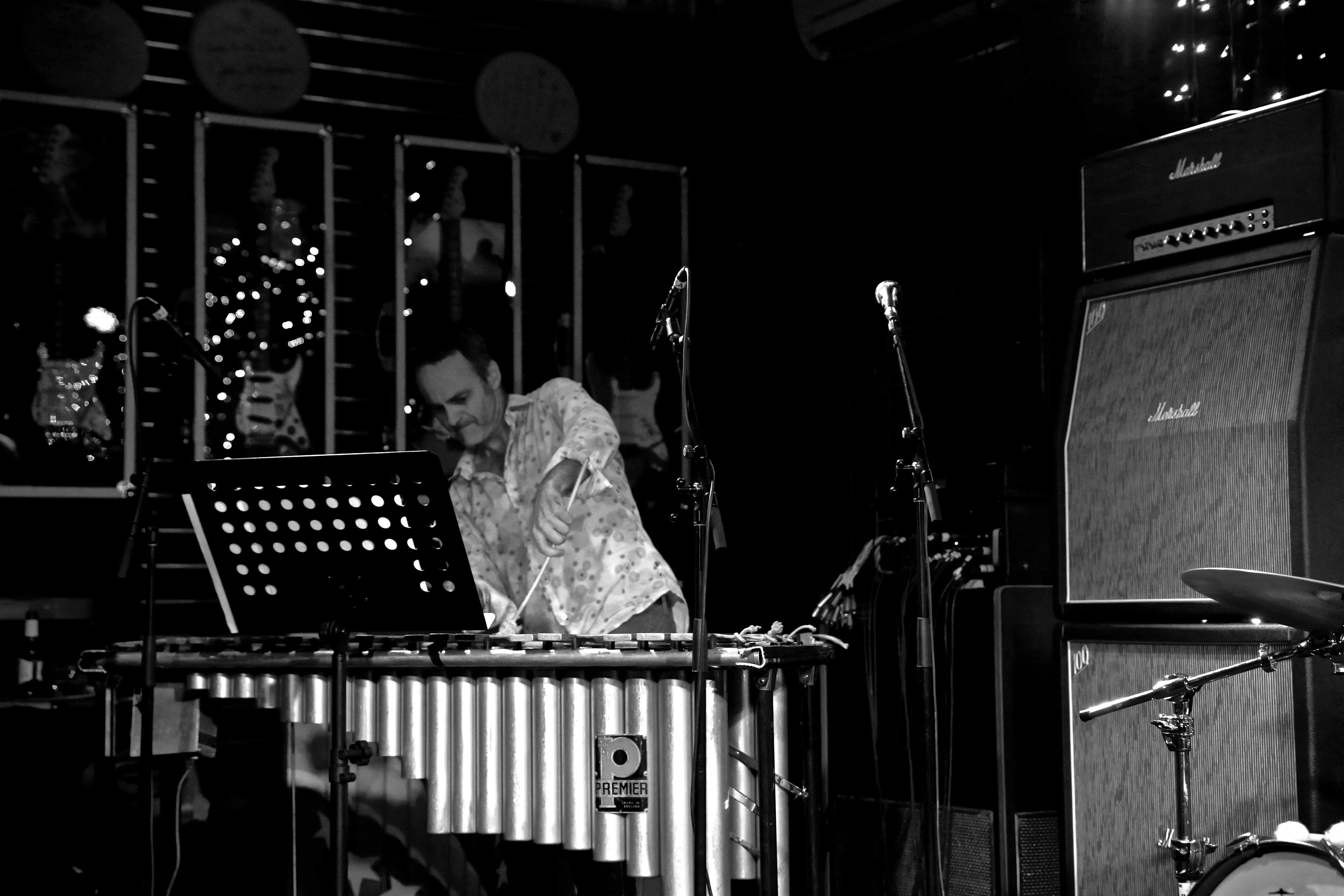 I have listened to John Bell over a number of years and I have always marvelled at his inventiveness. Bell (along with Jeff Henderson), is widely acknowledged as the experimental music guy, the free improvisation guy. He is a musician who takes risks as he aims for clear skies; a musician who involves himself in interesting cross-cultural collaborations, a vibraharp player who doubles on brass instruments. He is an artist who you always associate with innovation – consequently, other musicians look up to him.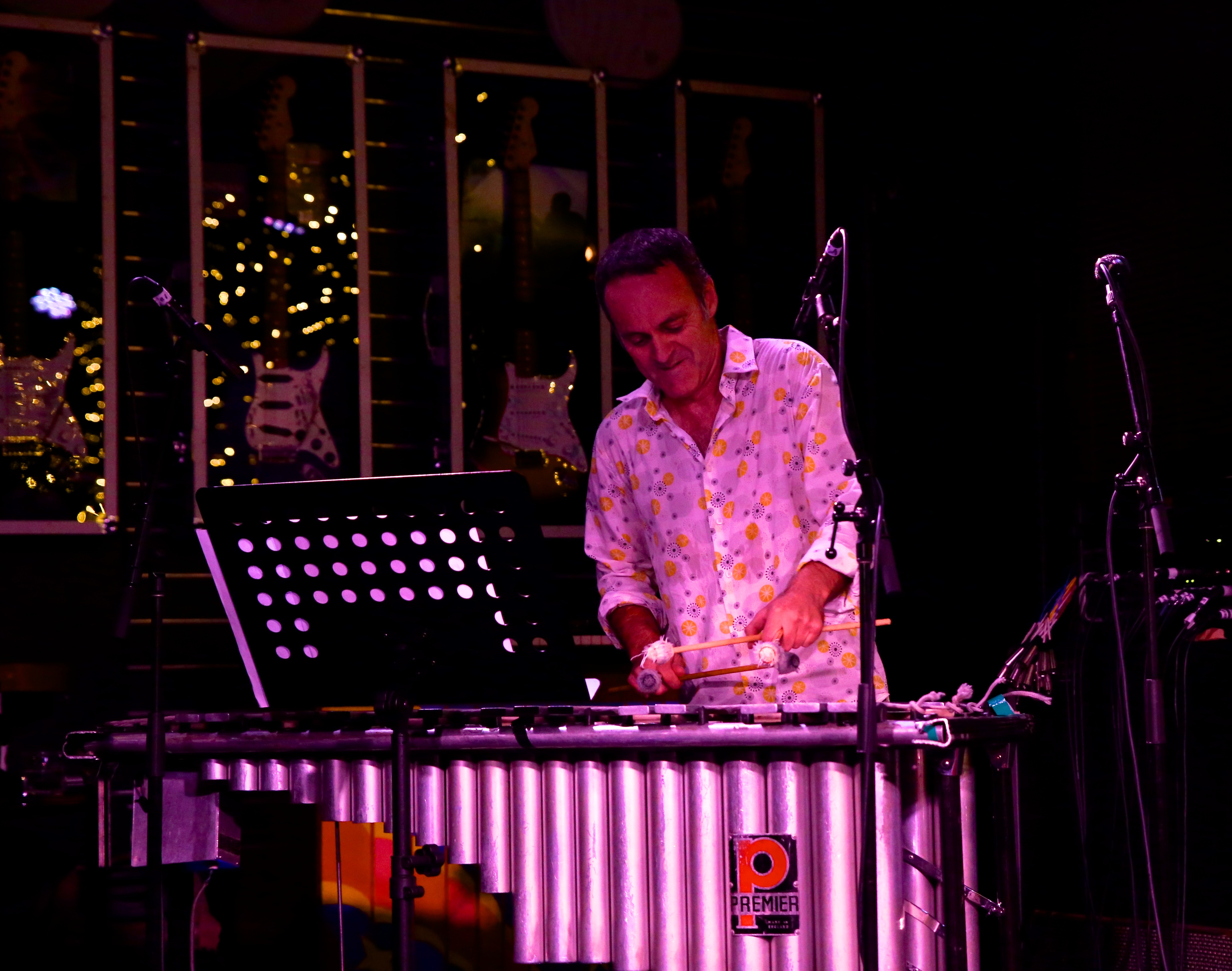
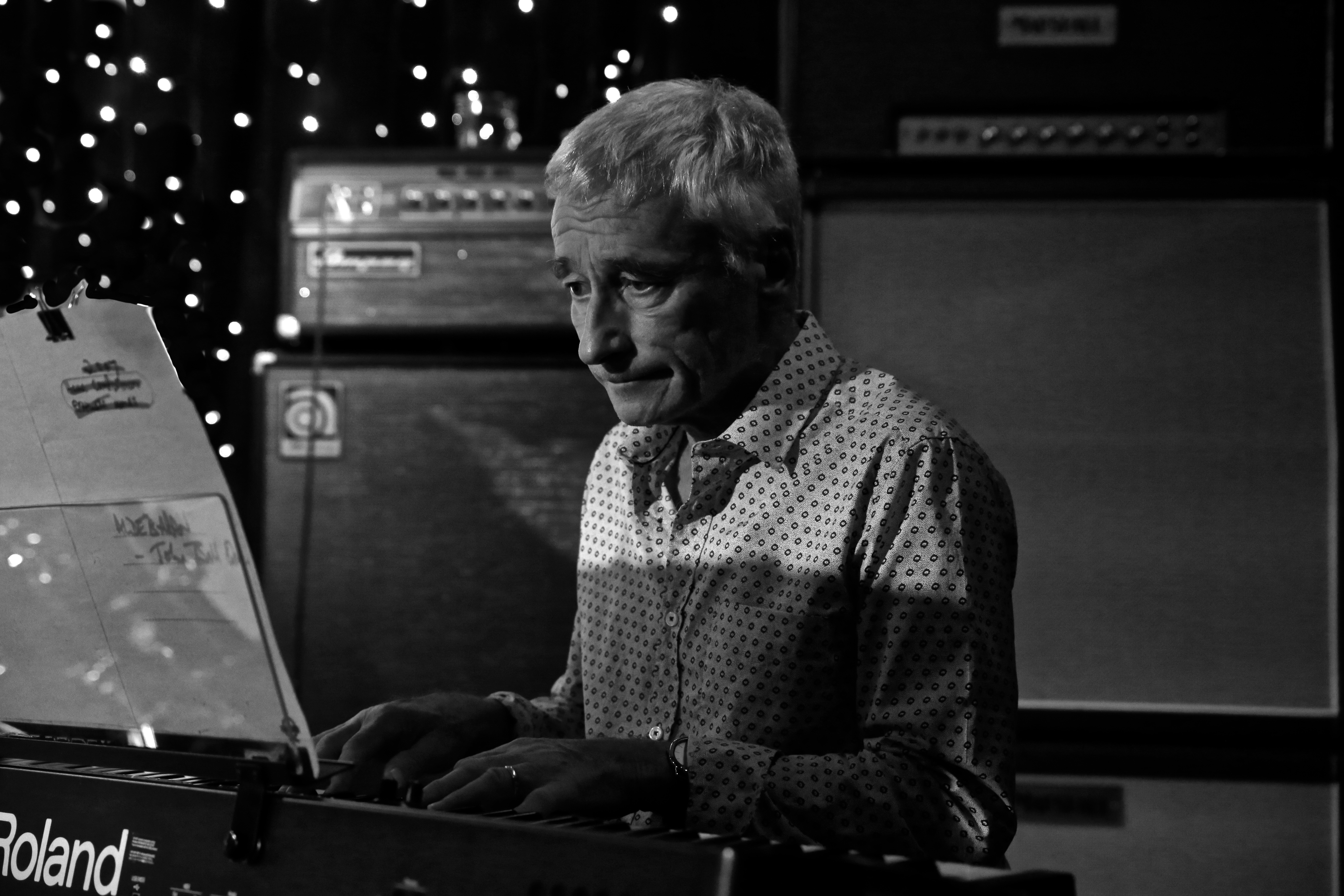
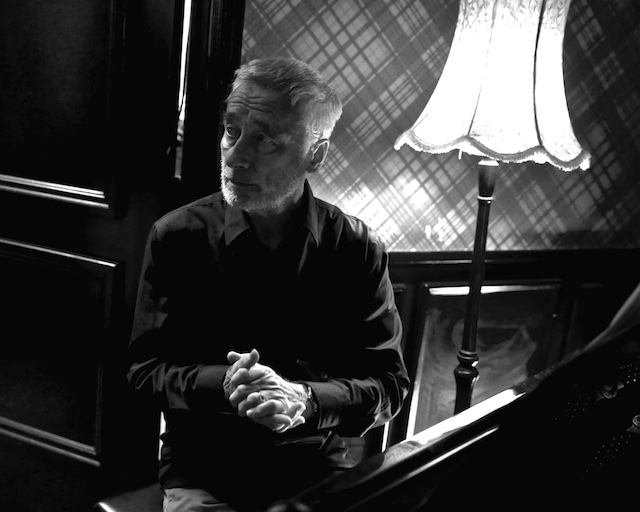 Au revoir is more than a simple good-bye. The fuller meaning is ‘until we meet again’. Jazz pianist, broadcaster and educator Phil Broadhurst is about to move to Paris, where he will reside for a few years (along with his partner vocalist/pianist Julie Mason). He assures us that he will return and it is not unreasonable to expect him to arrive back with new compositions and new projects to showcase. A Francophile (and francophone), Broadhurst has long been influenced by the writers and musicians of France. His last three albums ‘The dedication trilogy’ all contain strong references to that country. Wednesdays gig was centred on his recent output, but with new tunes and a surprise or two thrown in.
 Broadhurst is an institution on the New Zealand Jazz scene and it will feel strange with him absent. The strangeness on this particular Wednesday night was compounded by the impending American election result. An election dominated by bizarre outbursts of racism, belligerence, stupidity and misogyny. As the first number of the evening progressed, everyone relaxed; Broadhurst’s melodicism a balm for what ailed us. The tune was ‘Orange’ (a French commune in the Alps/Cote d’Azur region). Half way through the piece everyone’s mobiles lit up. I tried to ignore mine but the vibrating and flashing increased. I reached to shut it off and spotted the words – Trump wins US election. The ‘four horsemen of the apocalypse’ had just entered the room via electronic media. The tune ‘Orange’ is particularly beautiful (and I hope Broadhurst will forgive me for this association), but on this night, the title was also oddly appropriate. An orange gargoyle was about to release the furies upon a surprised world.
 Accompanying Broadhurst were his regular quintet, Roger Manins (tenor), Mike Booth (trumpet), Oli Holland (bass) and Cam Sangster (drums – and with special guest Julie Mason (vocals). Broadhurst, and his various lineups have received numerous accolades. In recent years there have been nominations and awards; most recently the prestigious ‘Tui’ at the 2016 New Zealand Jazz Awards.
  Anyone who follows NZ Jazz will be familiar with many of the tunes played on Wednesday; ‘Orange’, ‘Precious Metal’, ‘Loping’ etc. The nicest surprise of the evening was hearing a Frank Foster tune ‘Simone’ (absolutely nailed by Julie Mason). A fine tribute to Nina Simone, and appropriate to the night, given Simone’s views on the lamentable state of race relations in America. This unit is supremely polished and I highly recommend that you purchase the recent albums if you haven’t already done so. They are all still available from
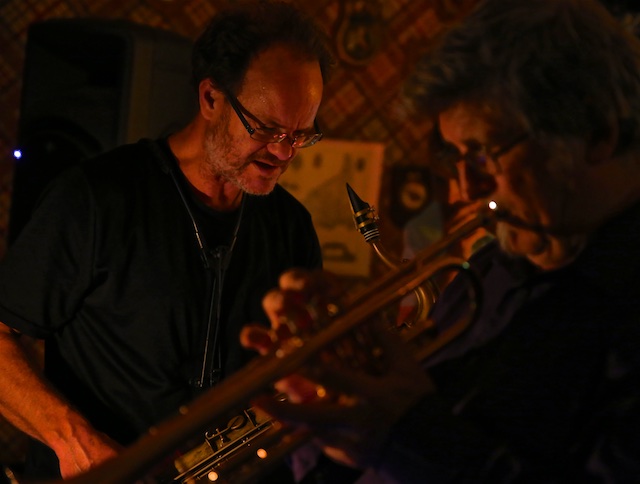
 January was hot and wet and the CJC was on holiday. If like me, you are a regular attendee at the CJC (Creative Jazz Club) December to February is a long time between drinks. The El Nino humidity with its sullen skies and petulant storm threats rolled into February and suddenly we were back in business. The first gig of the year featured Craig Walters and Mike Booth. Walters, a well-known Sydney based tenor player, last performed at the club in 2012. Booth is a local and he features often; a gifted composer, arranger and trumpet/flugel player. Booth and Walters have a long history together.
 The first number was a Walters tune titled ‘Easy’. Booth played flugel and the relaxed fluid interplay between horns set us up nicely for the evening. Walters plays with real fluidity and his tone has a certain quality – a hint of mid to upper register sweetness not dissimilar to that of Ernie Watts – but with an earthier colour overlay. While the first tune eased us the into the gig the second tune grabbed our attention in a different way. ‘A Kings Ransom’ is a seldom played Booth tune and its complex rhythms gave the band a solid work out. Broadhurst delivered a wonderfully solo on this – Monkishly jagged and totally within the spirit of the composition.
 Towards the end of the second set they played Walters ‘As close as you’ll get’. If the title didn’t trigger any memories the first bar surely did. This was a tune that I’d heard way back in April 2012. Its intricate hooks and counterpoint nailed it within seconds. This was not a tune easily forgotten – in fact I happily replayed it in my head for weeks after the 2012 gig. I was not putting up video way back then but have chosen this cut to put up now.
 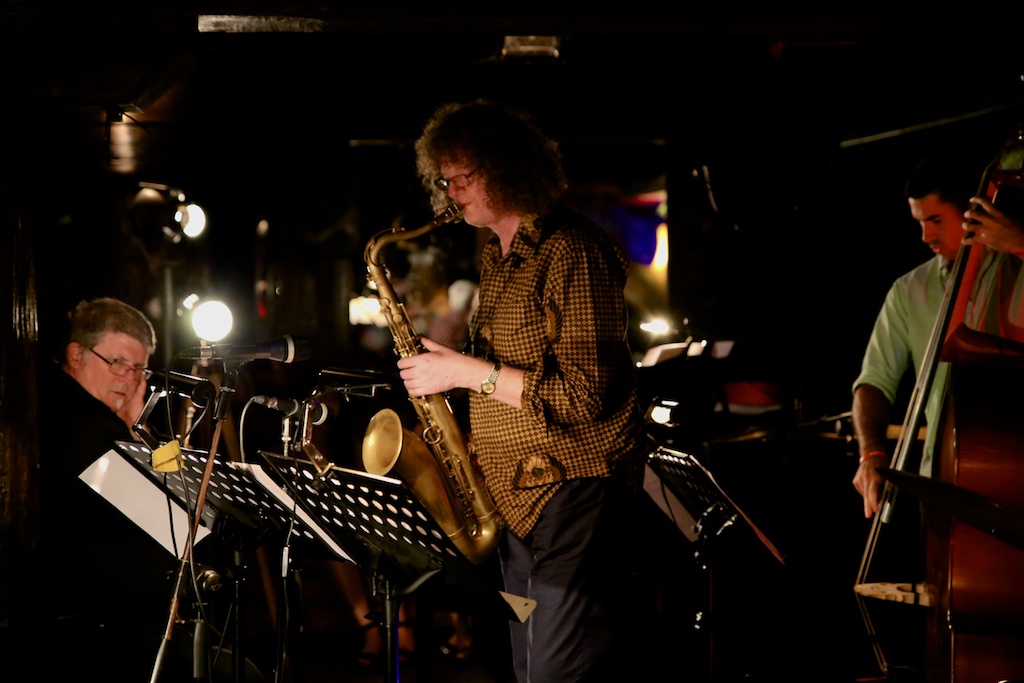 Last years attendance at the club was good and if Wednesday was anything to go by this years will be even better. There were many first time attendees and based upon the applause most will return. The artists create the music but they need engaged audiences to complete the circle. As the famous American bass player David Friesen said to us last year – ‘this is a virtuous circle and the magic only emerges when audience and musicians interlink. The sum of what comes from this interaction is often greater than the sum of its parts. Improvised live music at its best is profound and the thought that we might miss a wonderful and unique moment causes us to return time and again. That is how it works me anyhow.
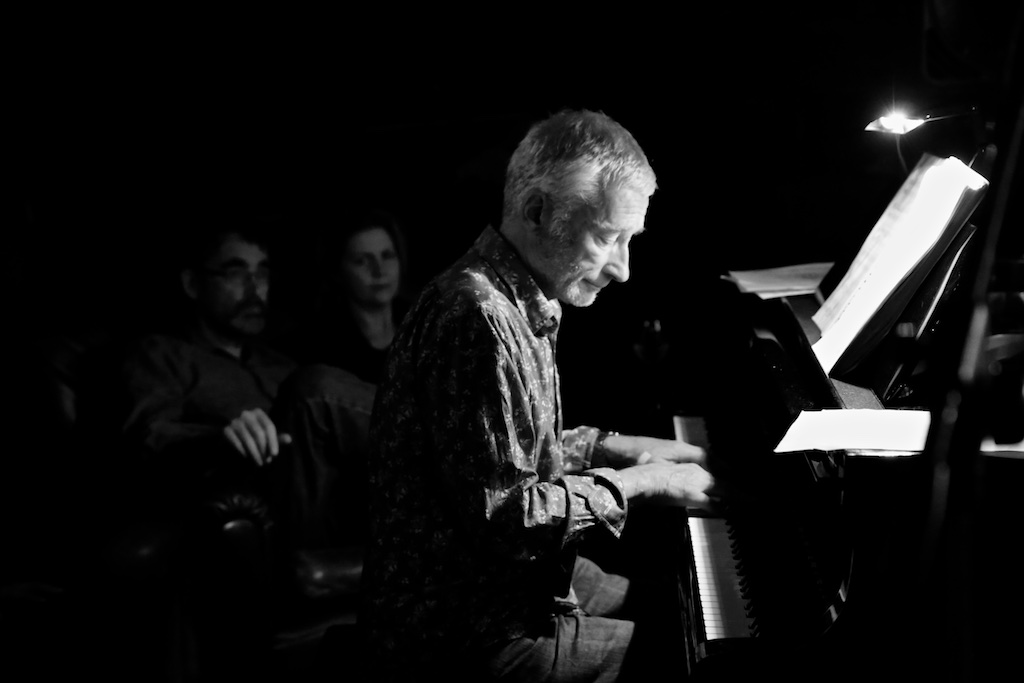 ‘Panacea’ is the third of Phil Broadhurst’s ‘dedication trilogy’ series and as fine as the earlier two albums were, this one stands out. Everything about it is superb, the individual performances, the ensemble playing, the recording quality, the cover art by Cameron Broadhurst and above all the compositions. Broadhurst, always a prolific composer has excelled himself here. Instead of theming the album around a particular influence or musician he has tapped into the subliminal forces guiding his creativity.
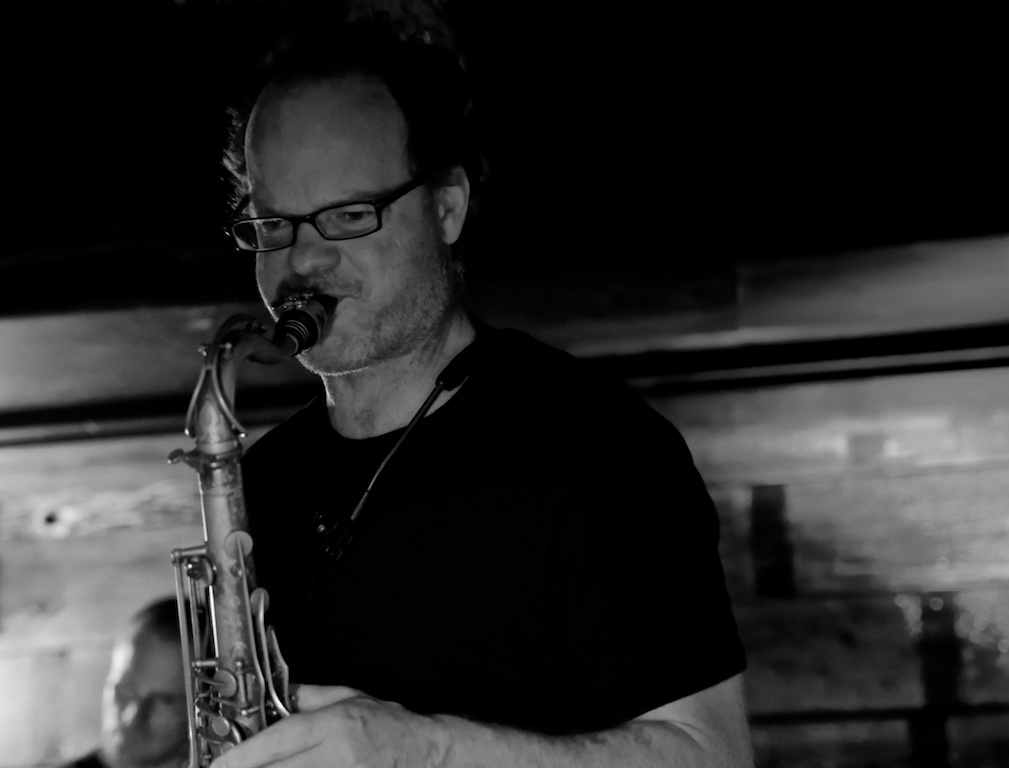 When he composed ‘Precious Metal’ he was at first unaware of the influence until a student pointed it out. It certainly speaks of Horace Silver but more importantly it conjures the essence of the man behind the music. The ensemble playing on this is simply sublime. An arranged head yields to Mike Booth on trumpet. He swiftly encapsulates the ethos of Silver in his delightfully moody solo. Broadhurst follows – expanding on the theme and signalling the direction, effectively setting the tune up for Roger Manins and Oli Holland who follow. There is a logical flow throughout and the piece works all the better because of it. I have heard it several times, but even on first hearing it sounded warmly familiar. That is the skill of good writing; evocation not imitation.
 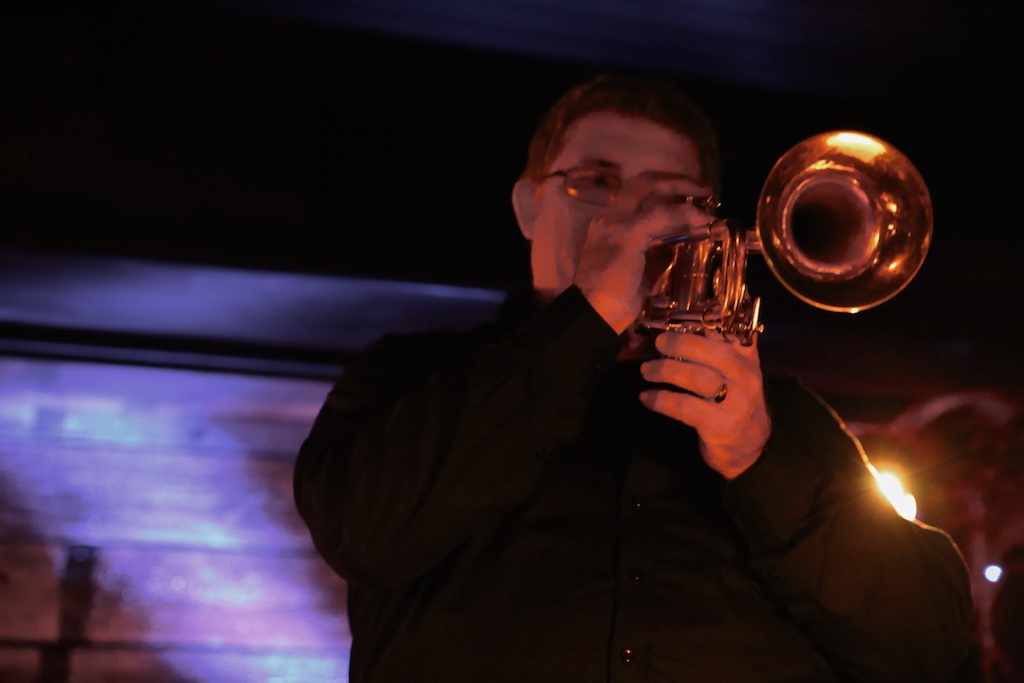 For me the greatest joy was ‘Wheeler of Fortune’ his Kenny Wheeler tribute. So well realised was the mood that it might have been John Taylor playing a Wheeler composition. Again this is an extraordinary piece of writing and articulation, lovely because while capturing the style of these lost lamented greats it reminds us just what made them so dear to our hearts. In spite of being a piece for piano trio you can sense Wheeler reaching for those impossible high notes or mournfully smearing his over-running melancholic lines. It must have been tempting to use Booth’s flugel on this, but the implied sound is all the more powerful.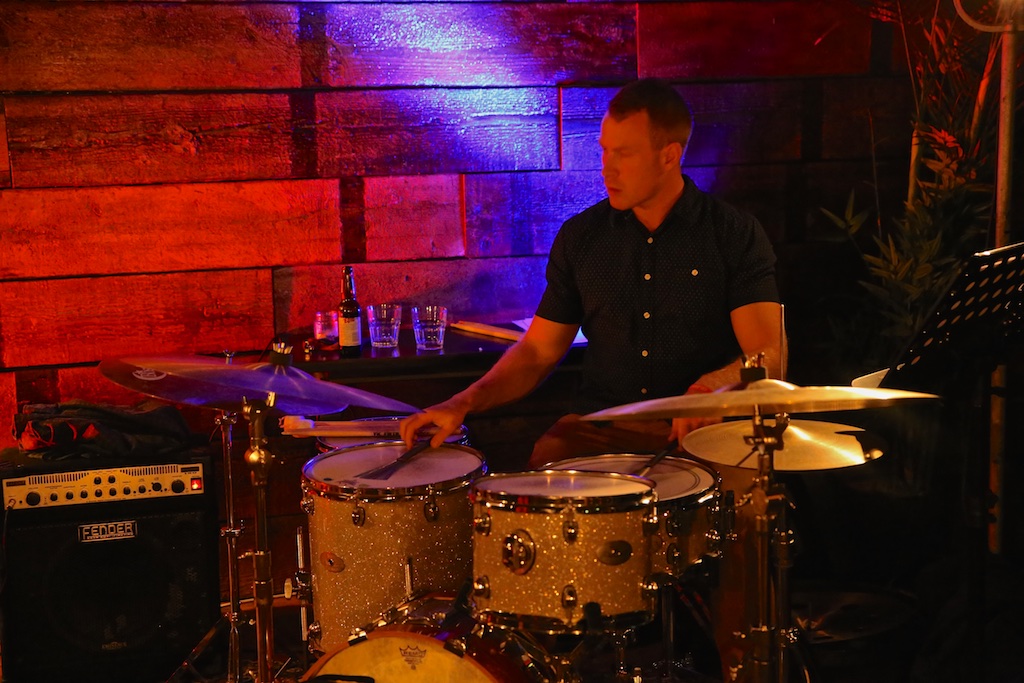
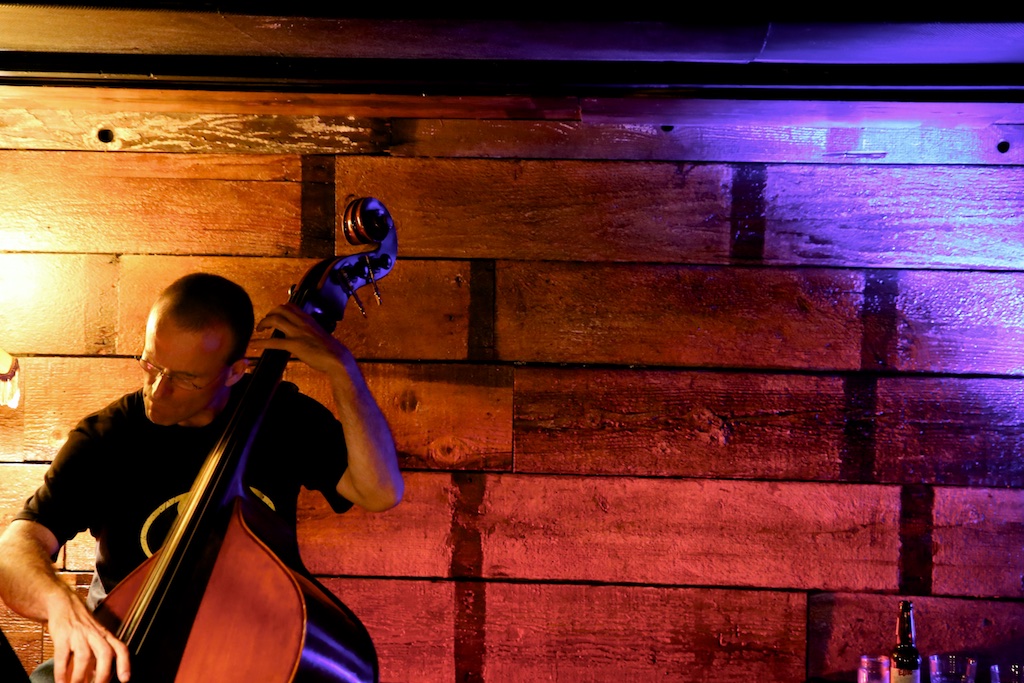 I look in the liner notes, no human voice shown – then it struck me. This is Watson, again understated but adding something to the piece which lifts it into the realm of musical magic – an exceptional and original musician. The album would be the poorer without his contributions. Subconscious influences shape every musicians work and it is right to celebrate those. Purging these influences is often a mistake. All creative people whether writers, poets, musicians or painters have these voices at their core. Improvising musicians stand on the shoulders of giants and it is fitting to celebrate that. Broadhurst has done so with due reverence, due acknowledgement but never sycophancy. This was his time to say thank you and his own original voice shone through the multitude of influences.
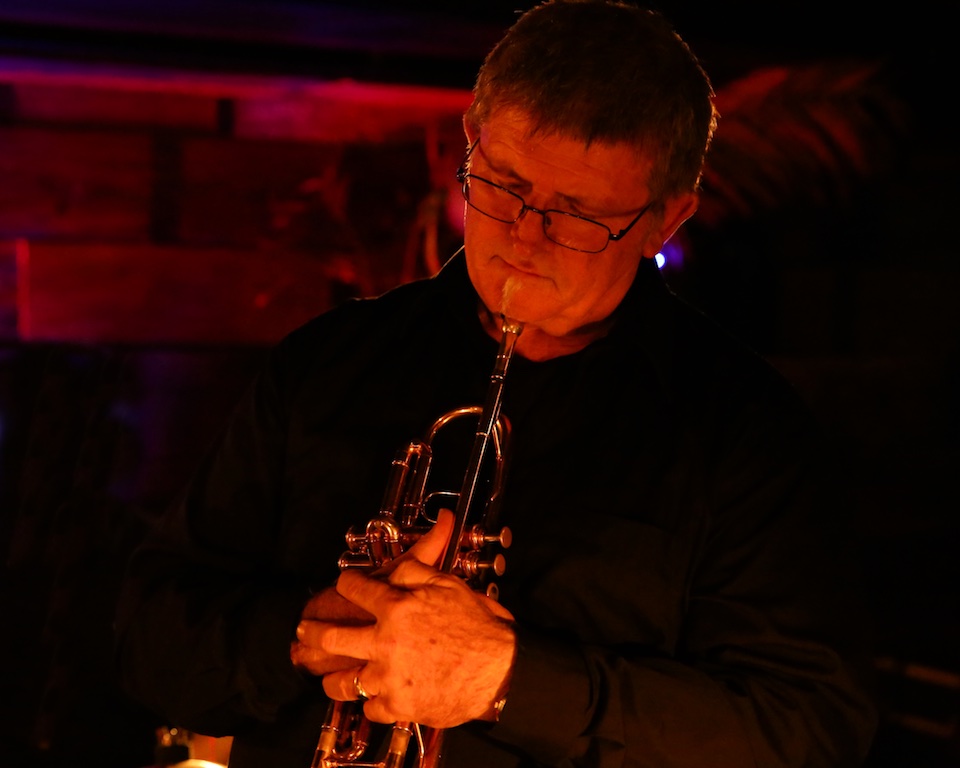 Booth sounds better each time I hear him. His undoubted strength lying in the way he reminds us of the great traditional trumpet players – especially those from the Hardbop era (like Blue Mitchell). A wonderful musician, a fine arranger and one who nicely compliments a saxophone modernist like Manins. Playing off the latter gives the edge. Manins is such an original that you hear something new and exciting each time he plays. I have observed before how well he plays off Broadhurst compositions. This says something about the skill of both men.
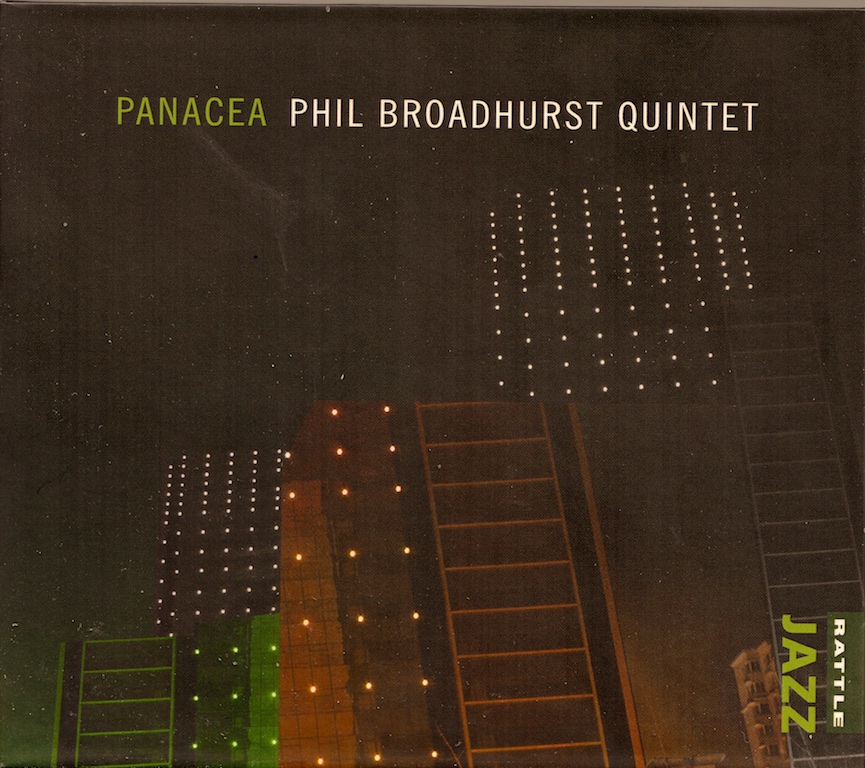 The word panacea is from the ancient Greek meaning ‘all healing’. The modern definition extends the concept beyond cure-all potion – applying it more to the realm of ideas. The album is truly a balm in our troubled times. I highly recommend it as a Christmas present to yourself or a loved one. It must surely be contender for next years Tui’s.
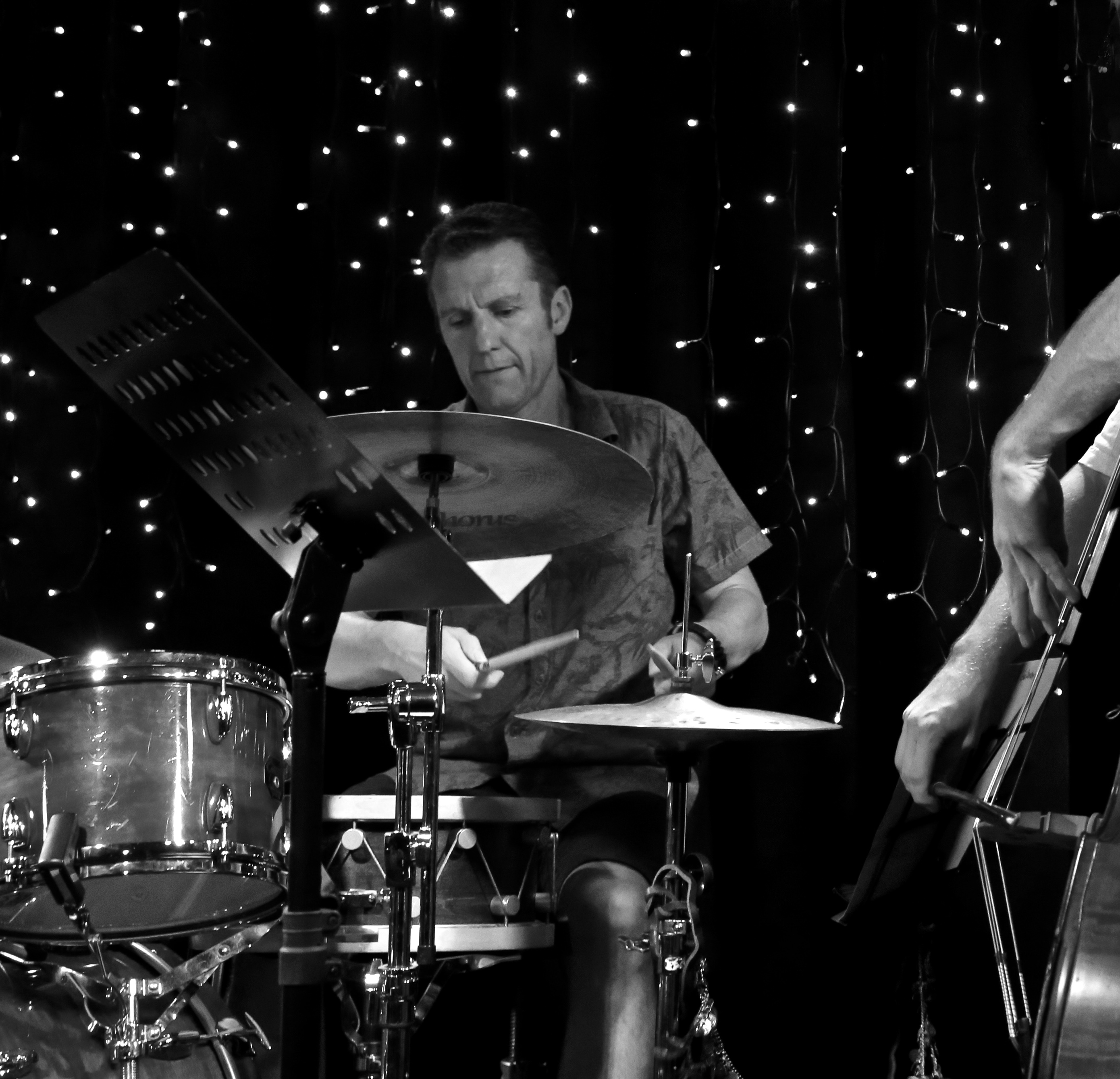
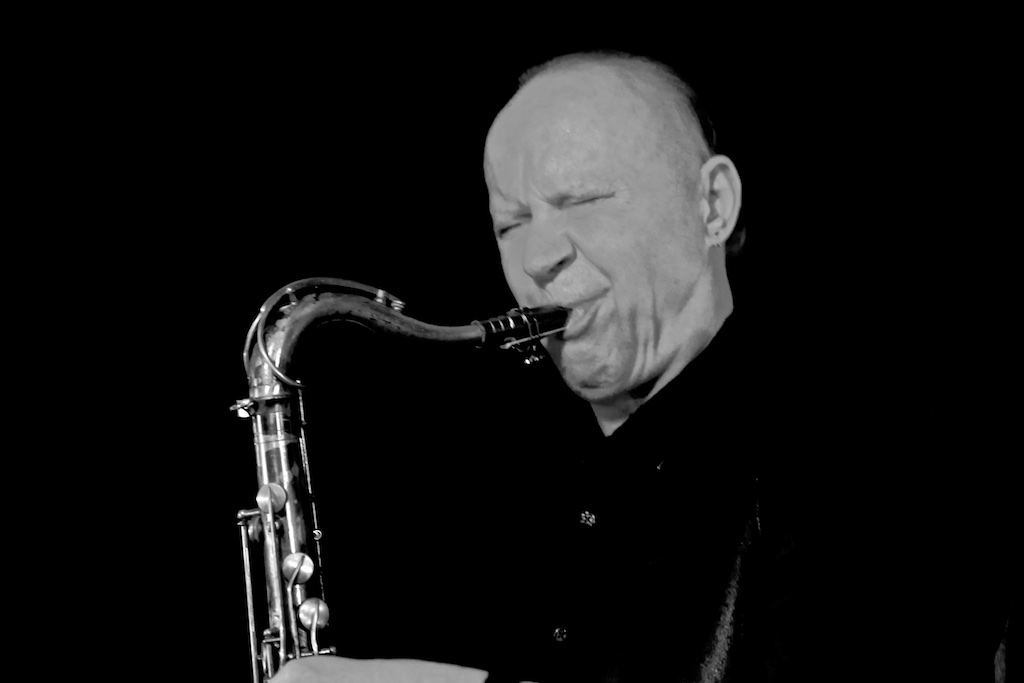 Paul Nairn is a man who avoids limelight and although he is extremely popular as a saxophone repairer he gigs all too infrequently. Those who have seen him before always turn up at his gigs, having fond memories of his standards interpretations and of his rich tone. For all of his reticence he is good company, knowledgable and a guy you enjoy being with. The last time I saw him was at the Doug Lawrence gig, shaking his head in disbelief and saying, “This is the southern styled tenor at its best. some of the greats are in that sound”. It is no secret that the classic era of 50’s Jazz is what he loves best. Larger than life standards played by some of the greatest musicians that walked the earth. The Phantom quartet was back to tell that story.
 The band set up early in case there was time for a quick run through but Nairn was nowhere in sight. He is notoriously hard to reach by email, phone or messaging so nobody tried. He is not enamoured of digital technology which is part of his charm. He is old school in good way. “He does know it’s tonight”, joked one band member? Twenty minutes before start time he arrived breathless. The vagaries of Auckland’s wet weather, downtown traffic and parking had tested but not defeated him.
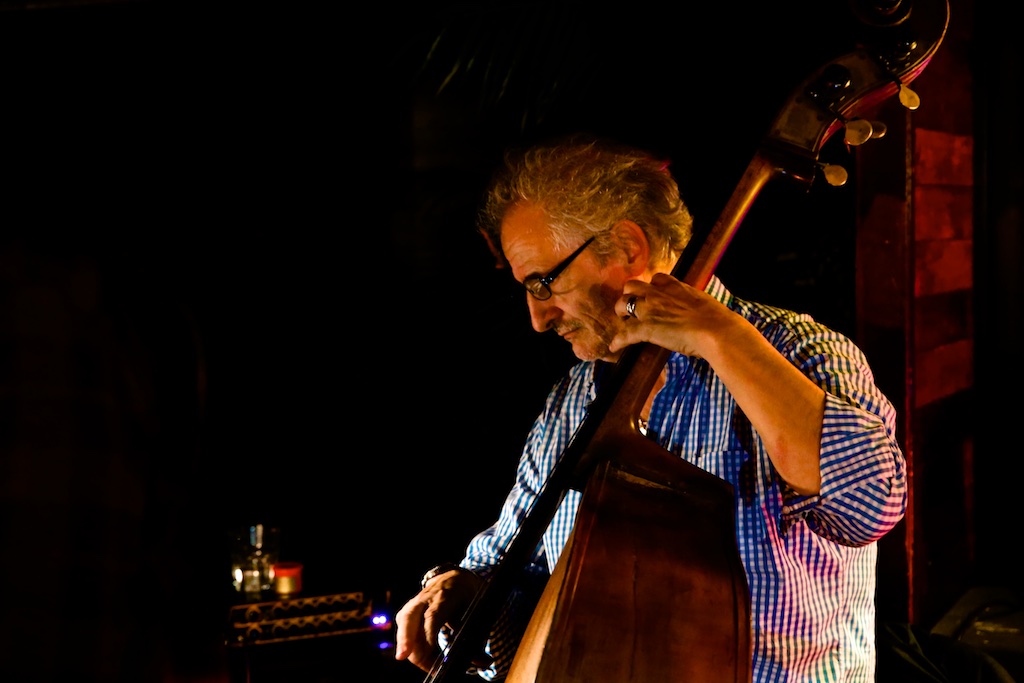 Nairn’s sound is distinctive; clean but with the pleasant hint of a throaty rasp when he bites into a note. It is certainly a sound that you identify with an era. His repertoire on this night included tunes by Cedar Walton, Chick Corea, Gershwin, Jerome Kern, Joe Henderson and Coltrane. Henderson’s Inner Urge occurred during the first set. It is a complex tune harmonically, but a tune I could never tire of. It was great hearing it again. The clip I have put up is Coltrane’s famous ballad ‘Naima’. Everyone played beautifully on that and especially pianist Broadhurst. His approach was fresh and utterly engaging. Nairn and Santorelli played beautiful solos as well while Gibson kept his impeccable trademark pulse.
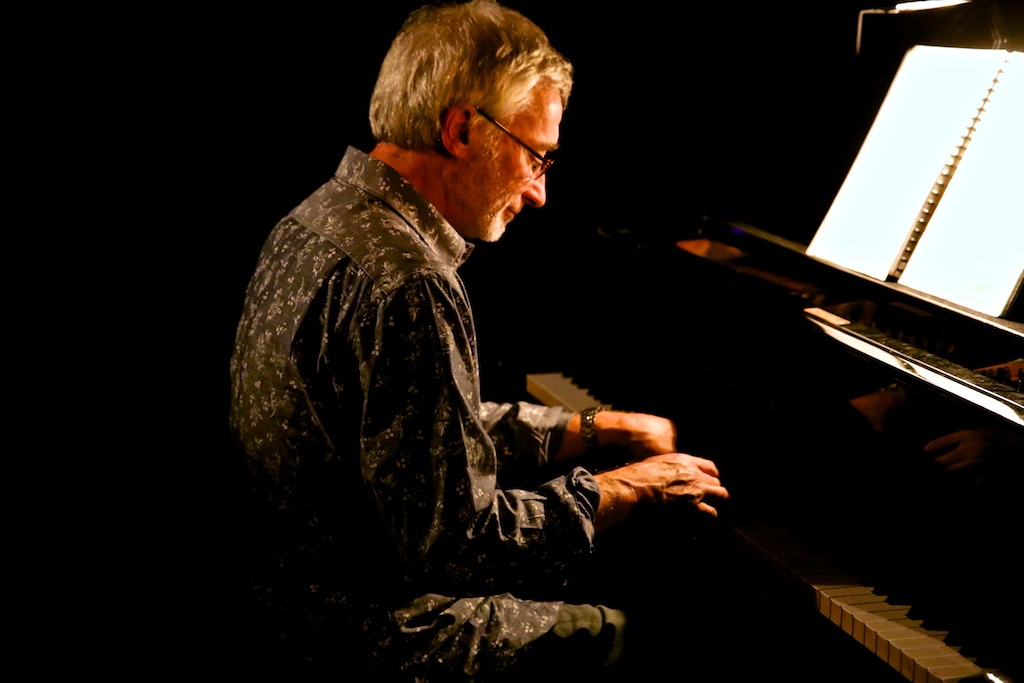
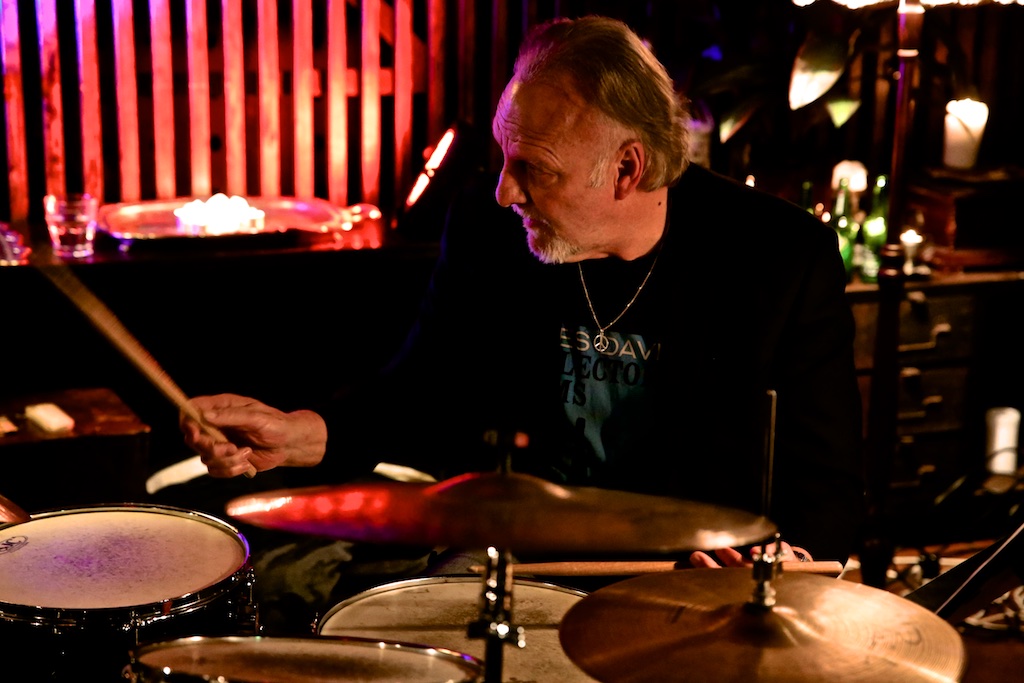 Nairn has been on the scene for a long time and when he calls upon veteran players to make up his band he gets them. On piano was Phil Broadhurst. In spite of the rain and coldness of the night he turned up in shirt sleeves, smiling and relaxed. His approach to the keyboard that night was anything but casual; stunning us with some of the best solos I have yet heard him play. For the second time in two months Alberto Santarelli was on bass and Frank Gibson was on drums. With these guys behind you good things can happen and Paul Nairn used them to good advantage.
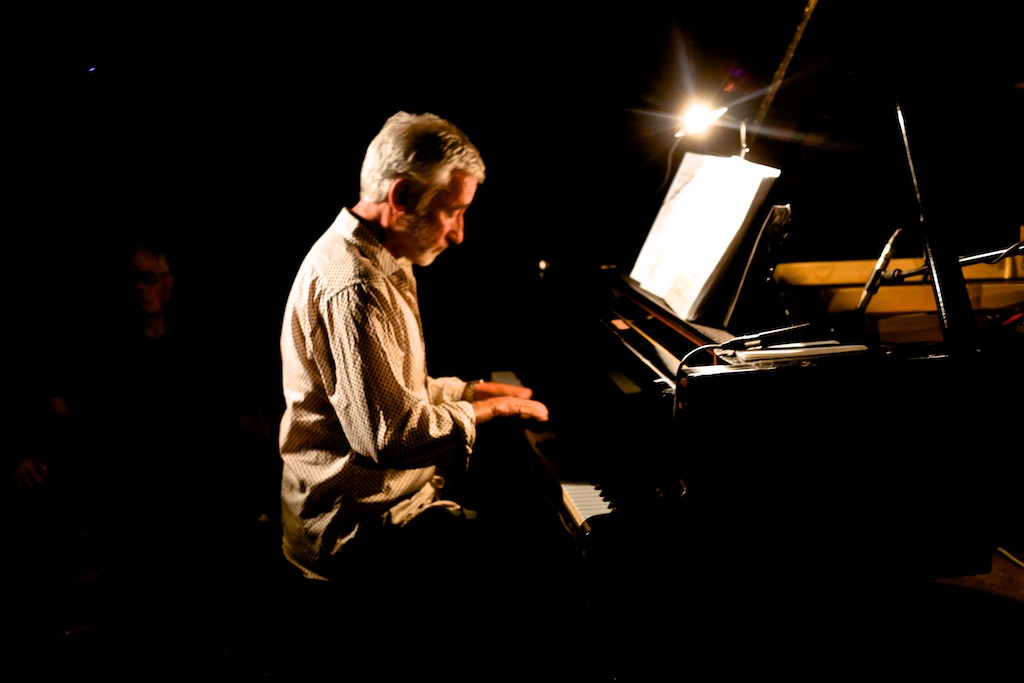 In the coming months there will be a new Phil Broadhurst album released, ‘Panacea’. Broadhurst is an enduring musical presence, a backbone of the Auckland Jazz scene. Running the Massey School of Music Jazz programme in Auckland keeps him busy, but he somehow finds time to write interesting new material and to perform gigs about town. A prolific writer and arranger, he has released a number of albums in recent years and all have done well. His tribute to Michel Petrucciani ‘Delayed Reaction’ garnered favourable reviews here and offshore and his 2014 album ‘Flaubert’s Dance’ was short listed for a Jazz Tui.
 poorly kept secret, anticipated and not puzzled over. As the band set up, the shiny pedal-steel guitar and the battle-worn fender dispelled any remaining doubts. The band was Phil Broadhurst, Roger Manins, Mike Booth, Oli Holland, Cameron Sangster and of course Neil Watson (AKA the mystery guest).
 began the process of mechanically purging duplicate copies of old tunes. By this point all had been given titles and saved elsewhere. Rescued from the lonely obscurity of the ‘untitled’ nomenclature. As he deleted them one by one he spotted an anomaly. One particular tune was mysteriously labeled ‘untitled-untitled’. He opened it, liked the look of it but didn’t recognise it, so he played it. He recalls wondering who had written it until the penny dropped. ‘Untitled-Untitled’, the tune rescued in the eleventh hour, was later shown to Neil Watson who was wrangling with his new pedal steel guitar. There are so many levers to operate he complained to Broadhurst, who replied, “I think that you’ve just named my lost tune’. ‘Lever’ is a great tune and its improbable genesis gives it that added piquancy.
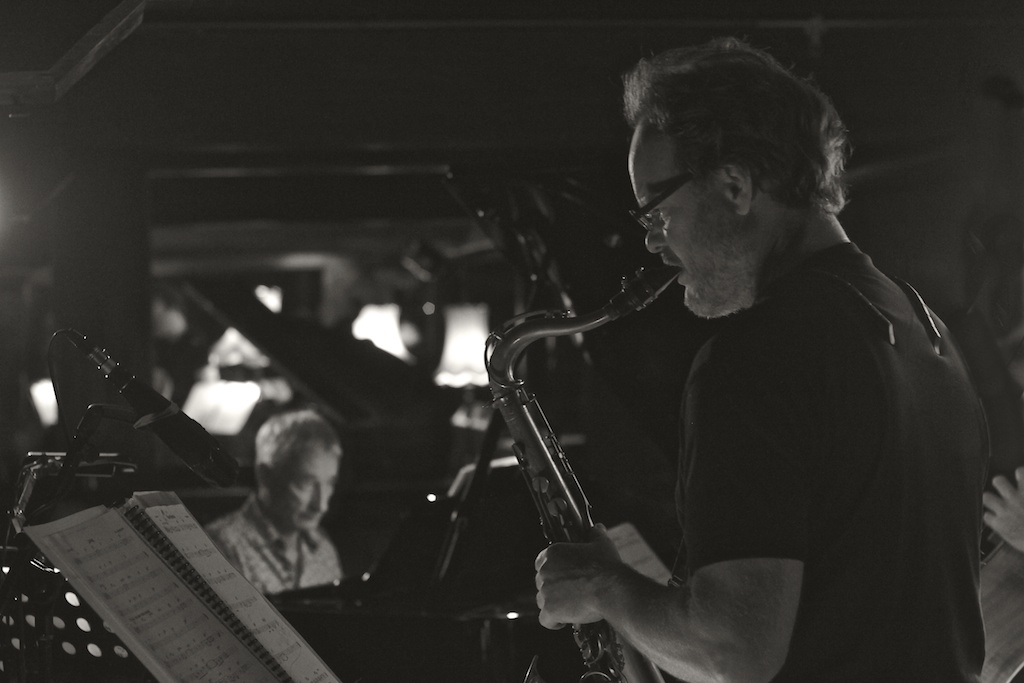

 Auckland’s CJC (Creative Jazz Club) has created a Jazz Appreciation Month program with all of the above in mind. This week there is a B3 master from French New Caledonia, next week the globe-trotting genius of the keyboard Jonathan Crayford. Best of all is the long anticipated album launch of ‘Dr Dog’ on International Jazz Day. I feel lucky to live near a club that can present such wonderful artists. Grab this opportunity by the ears Kiwis, now is the perfect time to enjoy this music and above all share it with others.
 JazzLocal32.com