The last live gig that I attended was just before the level 3 lockdown. That seems like forever ago now, but in truth, it was only in March. Now, in the closing days of June, here I was, strolling down Karangahape Road; the home of indie music and the Creative Jazz Club. Live improvised music was back.
I can remember every moment of my last pre lockdown gig and I savoured the memories during my period of isolation. As the weeks rolled into months, I managed the interregnum well, but the absence of live music cut deep. I missed its sweet voice in my ear, so music, please never leave me again.
By a strange coincidence, the last band I heard, the one on that March night, was the Michal Martyniuk Trio. Now, here they were, performing the very first post lockdown gig. As I dashed across K’Road to avoid the rainstorm I wondered if the weather would affect the turnout. The restaurants and the streets were eerily empty, but huddled in the stairwell of Anthology were people shedding raincoats and talking excitedly. Long before the gig started the club had filled to capacity.
The trio was now a quartet, having added 2020 Tui Award-winning guitarist Dixon Nacey to their number. It turned out to be a match made in heaven. Four highly rated and award-nominated artists merged into one killer unit.
After months of being deprived of live gigs, the musicians were pumped and similar energy flowed from the audience. When expectations are this high, what stretches ahead, is a dangerous high wire act. Also, the piano had been idle for months, lonely and unloved. In truth, the instrument is a difficult beast, but Martyniuk soon found his way to its heart and he coaxed it to sing again. Harnessing unruly forces is the anvil on which good improvisers produce their best work.
Most of the tunes were Martyniuk’s and although his music is quite different from Nacey’s, the contrast worked nicely. Martyniuk’s post-bop European voicings and memorable melodies were gifted an interesting edge. Nacey’s tunes, which often feature surprising twists and rhythmic complexity, were turned in fresh directions. Out of contrast comes the best Jazz and this was truly the sound of surprise.
Michal Martyniuk Quartet: Michal Martyniuk (piano), Dixon Nacey (guitar), Cameron McArthur (bass), Ron Samsom (drums). The clip recorded is Martyniuks Polish unit (not the Auckland band as reviewed above)
Some missing music for those missing music. Hear it Here
Mark de Clive-Lowe (keys) in Auckland’s CJC a few weeks ago with Brandon Combs (drums) and Marika Hodgson (bass)
‘Don’t Dream it’s Over (N Finn), Chelsea Prastiti (vocals), Kevin Field (piano), Mostyn Cole (bass), Stephen Thomas (drums), Mike Booth (trumpet). CJC Auckland at Alchemy Live
Bird Song (Smirnova) Simona Smirnova (vocals), Alan Brown (piano), Cameron McArthur (bass), Jono Sawyer (drums) at Auckland’s CJC, March 2020.
The lockdowns won’t stop jazz! To assist musicians who’ve had performances canceled, get their music heard around the globe. The Jazz Journalists Association created a Jazz on Lockdown: Hear It Here community blog. For more click through to https://news.jazzjournalists.org/category/jazz-on-lockdown/
My normal weekly post has been sitting in my ‘drafts’ folder for over two weeks. Since writing it, my attention has been focused elsewhere. Although in isolation, I am not referring to my personal situation but to the J JA‘Jazz on Lockdown’ project which has rallied Jazz Journalists from every corner of the globe and asked them to respond collectively to the pandemic. My colleagues and I are now working together using an online workspace and our individual blogs may be delayed. Those who are able to have volunteered to join an editing working group as we grapple with the challenges of a fast-moving situation. This is a Jazz Journalists Association project aimed at keeping improvised music current and to get updates to and from countries on lockdown.
Because of that, Spain first captured our attention. When the virus hit, a popular Jazz musician succumbed and soon every resident was under lockdown. As the virus spread, so did our focus and within days the problem had reached every country. One by one the great Jazz centres like New York closed and the iconic and much-loved Jazz clubs closed with them. When the city that never sleeps locks down, you know that you have urgent work to do. Jazz Journalists are not going to sit around moping; nor will we restrict ourselves to watching another era’s YouTube clips. It is the current musicians who need us the most. We are learning new ways of working and it is our intention to direct you to live gigs or the gigs of working musicians where we can.
We need Jazz fans and Improvised alternative music fans to keep buying current albums. If there is a live-stream concert with a tip-button give them a few dollars. This is a new version of the pass-the-bucket tradition which goes back to the earliest days of Jazz. Many of the live-streamed concerts will be free, some could be pay-per-view. Buy their music and on Bandcamp or their website if possible. ‘Jazz on Lockdown’ will inform you of the links.
The week before the virus arrived was a week of plenty in Auckland, but the above-named artists did not all appear in the same band. Nor at the same gig. They probably won’t mind if you think that though. Attending Ronnies a few years ago, I caught English pianist Kit Downes at the late show. This followed a sold-out earlier show featuring Kurt Elling. I informed Downes that my write up would begin ‘Elling opens for Downes at Ronnie Scotts’. He liked that.
Arriving in a rush, as if waiting for the cooler weather came Pat Metheny, Steve Barry, Mark de Clive-Lowe, Alchemy, Callum Passells, Trudy Lyle, Simona Smirnova, and Michael Martyniuk gigs. As always, painful choices were required.
Steve Barry Trio: Barry left Auckland many years ago; settling in Sydney and returning yearly to perform. Each time he visited there were new directions on offer, highly original material and each iteration offering glimpses of lesser-known composers. His recent albums have taken him into deeper waters still, moving beyond the mainstream. For those of us who like adventurous music, they have been compelling. Two albums were released last year. The first is on Earshift Music and the second on Rattle; both available on Bandcamp.
‘Blueprints and Vignettes’ trod a path reminiscent of 60’s Bley; boldly striking out for freer territory and edging its way confidently into the classical minimalist spaces. That album was followed by ‘Hatch’ which is an astonishing album of stark pared-back beauty. It is an album pointing to new possibilities in improvised music. This concert felt more exploratory, with denser compositions and jagged Monk-like moments. He played one Monk tune halfway through and this reinforced the connection.
Mark de Clive-Lowe: It was barely six months ago since de Clive-Lowe passed through Auckland during his ‘Heritage’ album release tour. He attracted capacity audiences then (and now). After years of living away from his home city, he is now reconnected to the Auckland improvised music scene and we hope that he will maintain that link. Having a room like ‘Anthology’ certainly helped, as its capacity is significant. During this tour, he treated us to a wider range of his innovative music; especially his Church Sessions. Showcasing the genre-busting underground gigs that he began in LA and which spread like wildfire throughout the world; giving fresh impetus to the improvised music scene and the endless possibilities looking forward.
On tour with de Clive-Lowe was the respected LA drummer Brandon Combs. A drummer who can hold down a groove beat while working it every which way; able to interact intuitively with the electronic beats generated by de Clive-Lowe as he dances across the multitude of keyboards and devices. Together with locals Nathan Haines and Marika Hodgson, they created wizardry of the highest order. This artist is the wizard of hybridity and we are happy to remind people that he came from this city. Live re-mix, dance, groove beats, jazz, whatever: it has all been captured, mined for its essence and released for our pleasure.
Alchemy Live: This was the first live performance of the ‘Alchemy’ project. It followed the successful release of the eponymous album which got good airplay and deserves ongoing attention. The concept was the brainchild of producer Mark Casey and its realisation by the musical director and Jazz pianist Kevin Field. The pianist has created some truly fine Jazz charts and the assemblage of musicians he brought into the project brought it home in spades. The tunes have been selected from the New Zealand songbook. Perennially popular and chart-busting classics like ‘Royals’ and ‘Glad I’m not a Kennedy’. Artists as diverse as Herbs, Split Enz and Phil Judd. Because of mounting travel restrictions, several of the artists on the recording were replaced for the live gig. New to us, was Jazz student vocalist Rachel Clarke and she won us over that night.
Pat Metheny: This concert had been long anticipated and it was only the second time that he has appeared in New Zealand. In spite of the looming health scare, the town hall was packed. This was a retrospective of sorts as it featured his best-known tunes. Who would not want to hear a fresh version of Song for Balboa or the joyous ‘Have you Heard’? I loved the concert but two quibbles. I didn’t like the way the piano was miked and mixed except for one number. Gwilym Simcock is a great pianist. It would be nice to hear him in a trio and with an acoustically mic’d up Steinway. The star of the show (Pat aside) was bass player Linda May Han Oh. How stunningly melodic and how sensitive she was in each situation she encountered; solos to die for.
Simona Smirnova: This was Smirnova’s third trip to Auckland. By the time she had arrived in the country, people were becoming cautious about attending crowded gigs. She still attracted a good audience and those who did come were delighted with her show. The setlist was similar to her last year’s show but in the bigger Anthology venue, it sounded stronger. Smirnova interacts extremely well with audiences and they respond in kind. Her beautiful ballads (accompanied on the Lithuanian Kanklas) and her upbeat Slavonic styled scatting were the highlights. Her material is delightfully exotic, being an original blend of Jazz, Lithuanian folk music and beyond. Her voice is simply beautiful and her zither playing beguiling. She was accompanied by Auckland veterans Alan Brown on keys, Cam McArthur on bass and this time, Jono Sawyer on drums & vocals). I have some nice footage which says it best.
Michal Martyniuk: The last gig I attended before isolating myself was the Michal Martyniuk Trio. I did not have video equipment with me but I captured the concert in high-quality audio. I will post on that shortly and will be adding sound clips. You can purchase Michal Martyniuk’s albums at michalmartyniuk.bandcamp.com His ‘Resonance’ album review can be viewed on this site if you enter his name in the search button.
‘Jazz On Lockdown‘ posts will now move to the principle page and the Jazz on Lockdown page will feature information and links from around the world as the information comes in.
The lockdowns won’t stop jazz! To assist musicians who’ve had performances canceled, get their music heard around the globe. The Jazz Journalists Association created a Jazz on Lockdown: Hear It Here community blog. For more click through to https://news.jazzjournalists.org/category/jazz-on-lockdown/.
The artists featured were:
Steve Barry (piano), Jacques Emery (bass), Alex Inman Hislop (drums),
Mark de Clive-Lowe (keys), Brandon Combes (drums), Marika Hodgson (bass), Nathan Haines (saxophones).
Marjan Nelson (v) Allana Goldsmith (v) Chelsea Prastiti (v) Lou’ana Whitney (v) Rachel Clarke (v) Kevin Field (piano), Roger Manins (saxophone), Mike Booth (trumpet), Mostyn Cole (bass) Ron Samsom (drums), Stephen Thomas (drums)
Pat Metheny, Gwilym Simcock, Antonio Sanchez, Linda May Han Oh
Simona Smirnova (v, Kanklas) Alan Brown (piano, keys), Cameron McArthur (bass), Jono Sawyer (drums).
Michal Martyniuk (piano), Cameron McArthur (drums), Ron Samsom (drums).
Norman Meehan and Hayden Chisholm are always well received when they perform at Aucklands CJC Creative Jazz Club. There have been various iterations of their line ups over recent years and all of them compelling in different ways. The Unwind quartets attract big audiences and rightly so. This particular band was co-led by Chisholm, Meehan and Griffin, with Julien Dyne and Cameron McArthur rounding off the quintet. I was particularly delighted to see Hannah Griffin on the bill, as she occupies a unique and interesting musical space among improvising vocalists. The gig showcased iconic twentieth century New Zealand poets and Griffin’s impressive vocal skills were exactly what was required.
Jazz lovers of a certain age often categorise vocalists according to how well they enunciate their lines. Whether that is important or not is debatable and it depends very much on context. I am generally more focused on phrasing and time feel and I like to hear a word stretched to fit an interpretation. If it’s a standard, then we know the words and having them messed with is part of the joy. I also listen to a lot of wordless vocal improvisors like Sidsel Endresen.
When it comes to interpreting poems though, the clarity of the words does matter and Hannah Griffin gave a master class in balancing the many aspects of vocalisation. She does not merely intone a poem, she is part of the band and her melodicism is paramount in the mix. She can enunciate and still pay phrasing its due.
The first thing about this band is the way they respond to each other, sometimes finishing each others musical sentences. This seamless interaction is especially evident between the three leaders. Meehan is a master of understatement and his gentle swing can quickly bring a smile. His default minimalism always serves the music well but it is on reflection that you realise just how powerful and judiciously placed those chords and sparkling runs are. He doesn’t require a percussive touch to make a big statement. I suspect that most of the arrangements are his as well.
Chisholm always takes your breath away and from the first note, the emotional content in his playing is quite unmistakable. This is the sort of gorgeous alto playing seldom heard and you dwell on each note and phrase, marvelling at the purity of tone and the compelling story telling. His ability to deploy his multi-phonic technique, simply jaw dropping.
The other thing which grabs you is the sheer beauty of the bands sound. By that, I do not mean just pretty for it goes well beyond that. All of the emotions are engaged and the effect on a room is noticeable. Dyne is a popular local drummer who works across genres and who is sought after around town. He has played with Meehan and Chisholm previously. Griffen has appeared predominantly with Meehan and in gigs similar to this. McArthur was the new-comer to this particular lineup but you wouldn’t think so. His reading abilities and his intuitive grasp of the music maintaining his usual high standard.
At the previous Griffin, Chisholm, Meehan gig the band had Bill Manhire on stage, and as icing on the cake he introduced the poems. Gigs like that are hard acts to follow, but fast forward to 2020 and the band more than pulled it off. By extending the range of poets and poems our interest was engaged in new ways. My greatest pleasure was hearing more poems by the much lamented Dave Mitchell. More gigs like that please. You can purchase albums featuring these artists from Rattle Records at rattle-records.bandcomp.com
JazzLocal32.com was rated as one of the 50 best Jazz blogs in the world by Feedspot. The author is a professional member of the Jazz Journalists Association.
It is seldom that we encounter a critically acclaimed New York Jazz Trumpeter with an Auckland tour itinerary, but this week the drought was broken. Charlie Porter is a versatile musician and one with impeccable credentials. He is a Grammy-winning artist whose star is on the rise. When you check out his bio you learn many things of interest, for instance, that he has parallel careers in Jazz and classical. The inclusion of Auckland was partly down to bass player Mat Fieldes (and of course Roger Manins). Fieldes is a popular musician who has recently returned from a long stint in New York and he has worked with Porter previously. Sharing the top billing was Grammy-nominated New York drummer David Rozenblatt. Rozenblatt is another musician who works across genres and like Porter, his Jazz chops are something to behold.
Charlie Porter
I arrived early and watched the brief rehearsals, noting that Porter exhibited a focussed down-to-business demeanour on the bandstand. The sort of discipline you need to survive in New York. As soon as he was satisfied he smiled and thanked the musicians, then moving among those setting up the club, he introduced himself, friendly and relaxed. These are the hallmarks of the professional. Playing with an unfamiliar rhythm section may be commonplace in Jazz but pulling together a good performance while on the road, and with pick-up musicians requires a good leader. Porter and Rozenblatt share a history, performing together often. The remainder of the group were Mat Fieldes (bass) and Dixon Nacey (guitar). The latter was meeting the two New Yorkers for the first time.
David Rozenblatt
Porter possesses a fulsome clean tone (think Brownie), but his rich strong sound can change in an instant when he swoops to the lower register, his trumpet emitting a dirty growl and rises as the bell emits a cascade of fluttering squeaks. While the growls and flutters are not dominant features of his playing they add vital splashes of contrast and colour. You can hear the deep south in his sound, and especially New Orleans, but on upbeat numbers, he can edge closer to the second Miles quintet. The elided phrases, the sting. His compositional strength was on show as well and although there were a variety of moods there was a logical arc to the setlist. His eponymous new album has the same logical progression and on that, there is an even greater stylistic variance. He is not a slave to style or even genre and perhaps this why he sounds so fresh.
Dixon Nacey
When performing before an audience Porter exudes easygoing confidence, that belies his years. Such confidence is usually found in older musicians, but check out his story and all of the above makes perfect sense. He was trained in classical trumpet and won a Fulbright scholarship to study in Paris, he was mentored by Winton Marsalis and is connected spiritually to the music of the deep south. During the evening he played one or two numbers which referenced New Orleans (particularly Rhumba for Sticky) and on his album, the tune ‘Morning Glory’ caught my attention. I have just returned from New Orleans and Morning Glory connected me back to Henry Red Allen.
David Rozenblatt’s drumming fascinated me. It was joy-filled, wildly exuberant but purged of unnecessary clutter. Many of the younger drummers I hear are time tricksters, and while this is impressive it can also clutter up a sound canvas. Rozenblatt had something of the swing drummer about him, but overlaying that was a colourist sensitivity, the warmth of a great rhythmic conversationalist. Fieldes was also right on the money. His melodicism and lovely time feel filling out the sound without getting in the way. We export many great bass players from New Zealand, but having Fieldes back on home ground is our good fortune. Dixon Nacey needs no introduction to either Aucklanders or to wider New Zealand. He is rightly regarded as one of our finest guitarists and consequently, his work schedule is frantic. Because of the many projects he juggles, he has less time to perform in local Jazz venues but happily, he was available for this. He is a favourite with club audiences and a draw in his own right. We have come to expect the best of him over the years as his trajectory is ever upward. He has long been noted for his Sco-like credentials but as we saw last Wednesday, he can adapt to a variety of improvising situations with ease.
I have posted a track from the gig titled ‘divergent paths’. It was the first up and it set the tone for a crackling evening to follow. To purchase the album go to www.charlieportermusic.com (digital downloads, CD’s and vinyl available. The posted track was supplied by Charlie Porter.
The summer break seemed endless with its hot nights, warm breezes and parchment dry days. Nature shrivelled as the birds stopped singing and the trip to the Hi-Fi became too onerous. There is something about a prolonged heatwave that makes you both lazy and restless at the same time. This is also the time of year when Aucklands premier Jazz club takes its Christmas break and so the resumption of the gigs was happily anticipated.The first gig of the year was the Alex Ventling trio and what a great way to ease into February. Ventling is a New Zealand ex-pat, but one who settled in Switzerland many years ago. He and his fellow musicians are all from Basel, a part of the Swiss Confederation and speakers of a German dialect.I passed through there once but all that I can remember was a recommendation from a friend. Stop there if you can, Basel is a jazz city.
This was Ventling’s first gig for the CJC Creative Jazz Club and it attracted a large audience. They poured through the doors escaping the evening’s heat; needing cool and finding it. The venues piano is not without its challenges but on this night it sang sweetly. Partly because it had just been tuned but it was mainly because of Ventling’s sensitive touch. Many pianists tend toward the percussive in a larger room, but this programme required subtlety, room to breathe. The set-list tunes were well crafted and with a heavier touch, the expressiveness would have been sacrificed. We don’t get too many piano trios through and this trio operated as the best of them do. The musicians listening to each other, reacting, and playing as if they were one entity. It is almost impossible for this level of communication to occur unless a trio has been together for a time, and in this case, they were not only long term bandmates but on the last stop on the tour.
Most of the tunes were originals, but two were interesting reharmonisation of Jazz standards. For instance ‘All Blues’ which hinted at Mehldau Americana voicings;the astonishing reharm of ‘Someday My Prince Will Come’; the latter truly delightful, surprising, and decidedly edgy. The original melody cast to the four winds as new joys were plucked from the changes. The originals were captivating and especially ‘Expecting the Unexpected’ and ‘Vorfreude’. The later title, one of those uniquely precise German words meaning the joy you feel when looking forward to something. Whatever the German word is for looking back with pleasure, that was the emotion the audience was left with at gigs end. The interactions throughout were impeccable, reminding me of a Pieranunzi trio. The bass player James Kruttli and the drummer Phelan Burgoyne were as riveting as the pianist. This was a trio where your eyes and ears moved constantly from one to the other. We watched in utter absorption and for two hours we forgot the swelter looming ominously outside.
A recent album by the Alex Ventling Quartet was on sale at the door and it is stunning. ‘Alex & the Wavemakers’ has a different lineup and features a vocalist Yume Ito. This is closer to the ECM esthetic and is Jazz Art Music at its very best. The fourth track ‘Trailblazer’ was to my ears furthering the blissful journeys begun by Norma Winstone, John Tayler and Kenny Wheeler. You can find Alex Ventling on Bandcamp or at http://www.alexventling.com.
JazzLocal32.com was rated as one of the 50 best Jazz blogs in the world by Feedspot. The author is a professional member of the Jazz Journalists Association.
Have you ever heard one of New Zealand’s iconic pop songs and wondered how it would sound reimagined as Jazz? The journey from popular song to Jazz piece is a well-trodden path. Many tunes that we now refer to as ‘Jazz standards’ began their life as tunes written for broadway musicals or for the popular music market. For a tune to successfully cross that divide it needs to be well constructed and to lend itself to reharmonisation. With ‘Alchemy’, this elusive symmetry is realised.
In the late twentieth century, classic Beatles tunes or those of Michael Jackson, Prince and Stevie Wonder were effortlessly adapted as Jazz vehicles. If you hear Uri Caine, Brad Mehldau, Herbie Hancock or the Kiwi Jazz pianist Jonathan Crayford playing ‘Blackbird’ you might conclude that Blackbird was written with a Jazz pianist in mind. These crossovers are a tribute to the composer and to the transformational skills of arranging Jazz Musicians.
A few years ago the award-winning New Zealand writer/director/producer Mark Casey embarked on an ambitious project to recast a number of New Zealand’s best-loved pop songs as Jazz tunes. It was a significant and perhaps a risky undertaking but gradually the project gathered momentum. In mid-December, ‘Alchemy’ was released and immediately, it rose up the NZ music charts. This is a significant achievement but it is not down to Casey alone. His masterstroke was engaging leading New Zealand Jazz Pianist Kevin Field as the Musical Director. Field is not only a gifted Jazz Pianist and acknowledged Warner recording artist, but his skills as an arranger and vocal accompanist are beyond question. Creative New Zealand came to the party and backed the proposal.
As the project moved forward a variety of Kiwi Jazz musicians were approached, some working in New York, most local, and one by one they came aboard. When the album was about to be recorded, I was asked by Field and Casey if I would be interested in witnessing the recording process. I was. I seldom pass up a chance to become a fly-on-the-wall during recording sessions and this project fascinated me. Being an embedded observer in such situations is always intriguing. It affords a writer the opportunity to gain insights that would otherwise be invisible. As the musicians turned up to rehearsals and to recording day there was a palpable sense of enthusiasm. No one questioned Fields guidance as he tweaked the charts and made suggestions. And any sense of disconnect between the pop and Jazz world evaporated swiftly. This was not pop Jazzed up. It was Jazz, and although there were reharmonisations and Jazz rhythms, the integrity of original tunes remained intact.
In the recording studio were Auckland’s premier Jazz and Soul singers and a selection of experienced Jazz instrumentalists. On vocals were Caitlin Smith, Lou’ana Whitney, Chelsea Prastiti, Allana Goldsmith, Bex Peterson and Marjan Nelson. On piano and keyboards was Keven Field, Roger Manins was on tenor saxophone, Richard Hammond on electric and acoustic bass, Michael Howell on acoustic and electric guitar, Ron Samsom and Stephen Thomas on drums and percussion. In addition, there were two special guests, Michael Booth (trumpet) and Nathan Haines (soprano saxophone). This was serious firepower and thanks to the arrangements, all well deployed. The NY based ex-pat bass player Matt Penman had arranged tracks 7 & 12 and Marjan co-arranged tracks 4 & 8 with Field.
There are six vocalists on the album and they sing two tunes each. Careful thought had obviously been given to who would sing each song because the strengths of the individual vocalists were well matched to the tunes. For example, the warm but wistful lyricism of Chelsea Prastiti paired with ‘I’m glad I’m not a Kennedy’ (Shona Laing), the heartfelt reflectiveness of Caitlin Smith with ‘I hope I never’ (Tim Finn) or the engaging bell-like clarity of Marjan singing ‘Brown girl’ (Aradhna Patel). Together the musicians delivered something unique. This is a project which works and the more you listen to it the more you are beguiled. It is Kiwiana and it could be the perfect soundtrack for your summer.
‘Alchemy’ the album is available in New Zealand stores or from online sources.
I was barely off the plane and my brain was full of dense fog, no doubt a legacy of San Francisco Karl who had been circling me like a spectre for a good month. I gamely fought the malaise off and because I am a creature of habit, dutifully made my way down to Auckland’s CJC Creative Jazz Club. In my experience, it pays never to miss a live improvised music gig, because if you do, you risk bitter regret. Believe me, I often lie awake lamenting a missed chance to see John McLaughlin.
Last week the Australian Duo, Emma Gilmartin and James Sherlock were on the bill accompanied by Christchurch Bass player Michael Story and Wellington drummer Mark Lockett. Lockett, who helped organise the tour, is a mainstay of the Wellington Jazz scene and offshore musicians like this arrive due to the skilful tour-on-a-shoestring wrangling of his ilk. We get to hear these Aussie, European and American bands in our New Zealand Jazz clubs, largely because of the work put in by a handful of dedicated musicians like Roger and Caro Manins (and Lockett). These organisers pitch in uncomplainingly as they lock down the events and we benefit as a result. Consequently, New Zealand has developed a rich improvised music circuit and a debt of gratitude is owed to the organisers (and to the volunteers who quietly assist).
Emma Gilmartin is a Melbourne based vocalist, composer and teacher and it was her first time performing in Auckland. She has received praise from the Australian music press and is one of an increasing number of gifted vocalists emerging out of the Australian Jazz scene. She is pitch-perfect and her appealing voice finds the corners of a room with ease. Like all good Jazz vocalists, she imparts a mood of engaging intimacy. Her co-leader on this tour, was guitarist James Sherlock, a notable musician and the perfect foil for a vocalist. An accompanist who understands how to enhance vocal performance by offering challenges and he knows how to comp without getting in the way. He is a gift to any vocalist.On solos, he also excels, at times bringing to mind earlier greats like an Oscar More (behind Nat Cole). Christchurch Bass player Michael Story rounded off the quartet nicely and it was obvious that he was enjoying himself. Again, he was the right person for the ensemble.
The program was a mix of tasteful standards and interesting originals. I have put up a clip which demonstrates the strengths of the quartet – witness the tasteful musicality of Lockett’s drum solo as the band digs into a swinging version of ‘Nica’s Dream’ by Horace Silver.Gilmartin appeared to be relishing her time in New Zealand and she announced that she would try and return next year. We hope so.
Emma Gilmartin (vocals), James Sherlock (guitar), Michael Story (bass), Mark Lockett (drums). The gig took place at Anthology, K’Road, for the CJC Creative Jazz Club, 4 December 2019
I was just about to fly out of the country when I realised that I could squeeze in one last CJC gig. I am glad that I did because the gig was the Ben Winkelman trio. Winkelman has long been resident in New York and so to be included in his two weeks down under tour was our good fortune. He is originally from the USA but he grew up in Melbourne, where he followed the well-trodden musician’s path to New York. There is no greater testing ground for a Jazz musician and those who persevere can reap rewards beyond mere name recognition. Winkelman is a pianist with a sensitive touch and open ears and like all good musicians, he has assimilated the sounds around him and forged his own style.
His playing is bursting with odd meters, Latin rhythms and a gospel tinge.While his Latin stylings inform most of his compositions there is much more to it than that. In fact, he is not a Latin purist and many Jazz streams are fused skilfully into his playing. He is post-bop in the truest sense, incorporating the entirety of his musical influences and making a music of his own. After the gig, I asked him how his musical evolution led him in the direction it did. ‘Once you have the foundations you need to get out there and work and by chance, I ended up landing a lot of New York Salsa gigs and a regular gospel gig’.
Winkelman’s ability to deliver exciting and original music has been noted by the NY Music press and his recent album ‘Balance’ alongside expat Kiwi bass player Matt Penman and New York drummer Obed Calvaire is a testament to his artistry.All of the tunes are his own except Bye-Ya(Monk). The album is beautifully recorded and is out on OA2 Records. For the down under tour he teamed up with old friends and his bandmate choices were spot on. The highly regarded Melbourne bass player Sam Anning accompanied him for the whole tour while the drummers alternated between Ben Vanderwal and Alex Hirlian (the NZ leg). It was Auckland’s first time to hear Anning and Hirlian and they certainly won us over. I once heard Anning while visiting Melbourne and I was deeply impressed. He also features on many of my favourite Australian albums. Hirlian gave an extraordinary performance. He is like a bata drummer and a skilled Jazz kit drummer rolled into one.
To purchase the ‘Balance’ album go to OA2 Records or for Sam Anning to samanningmusic.com. The gig was on 30 October 2019 at Anthology, for the CJC Creative Jazz Club.
A while ago the program director of the Creative Jazz Club, Roger Manins mentioned that he had booked a great young group from Christchurch to appear in the emerging artist’s slot. He went on to say that many of these young emerging artists were so good that he was considering renaming the slot, something like ‘young guns’. He was right. Ocelot exuded easy-going confidence, uncommon in younger players and by the second number they owned the bandstand; navigating some slippery lines with disarming ease and swinging. This was a tight unit and it was obvious that they had put in the necessary work beforehand. That gave them the freedom to relax into the music and the results were evident.
While a little hesitant at first, they progressively engaged with the audience. This has been a theme of mine in recent months, a desire to sense the person behind the instrument. It is not about exhibitionism but about something infinitely more subtle. Something that tells a live audience that they are an essential part of a performance triangle, instrument, musician and audience. Seasoned Jazz audiences are fine-tuned to detect enthusiasm on the bandstand and likewise, they can detect disengagement.Ocelot got that and was well received.
The setlist was nicely thought through as it balanced originals with tasty tunes by established and lesser-known artists. Bravely, and to their credit, they played a Jazz arrangement of Prokofiev’s (Concerto No 2). These forays can be fraught with danger, but this interpretation was handled with ease as was Jonathan Kreisberg’s ‘Strange Resolutions’. The latter required them to navigate some tight Tristano-like unison lines in the head and emerge swinging. They did, and to see a young band do this with apparent ease was pleasing.I have posted Strange Resolutions in the YouTube clip.
The originals in the setlist were penned by the bass player and guitarist and a tune which took my fancy with its danceable Klezmer vibe was titled ‘Rakia Nightmares’ (Jonah Levine Collective). The bar is being lifted all the time, as our various Jazz Schools flourish, but what is most encouraging about this, is that they are not producing clones.
Ocelot: Finley Passmore (drums), Mitchell Dwyer (guitar), Finnzarby Richwood (piano), Callum McInnes (bass), Cheena Rae (alto saxophone). The gig took place at Anthology for the CJC Creative Jazz Club, K’ Road, Auckland CBD, 23 October 2019
This Dixon Nacey album has long been anticipated and although Nacey has previously recorded as co-leader, this is the first album to be released exclusively under his name. Nacey is firmly on the radar of Jazz loving Kiwis, but his fan base extends well beyond that. He is a professional musician of considerable standing, an in-demand teacher and in recent years the musical director of CocaCola Christmas in the Park. To up and comers he is a guitar legend and on this album, they have something to aspire to; twenty years of experience distilled into excellence.
The material arose from his Master’s degree which focused on advanced compositional techniques and which was completed last year at the UoA Jazz school. In the process, he gained important realisations and applied these to his art. As listeners, a music degree is not needed as the album has visceral appeal. Just follow your ears and you will get to the heart of things, and that is the point of compelling Jazz performance.
I have caught many of Nacey’s performances over the years and they never disappoint. I have also gained a sense of the man. He is generous, open-hearted, enthusiastic and very hard working. He takes his craft seriously, but never at the expense of his human qualities. All of the above are evident in his warm playing. The man and his music are not separate. He was aiming at a modern sound here and he has achieved this beautifully and done so without a hint of contrivance. This is how guitarists sound post-Rosenwinkel or Moreno, but he has made the sound his own. A more exact equivalency would be to place him alongside the top-rated Australian guitarists.
On the album, he is accompanied by former colleagues and friends and it reminds me how lucky we are to have such musicians in our city. Keven Field on Rhodes and piano, Roger Manins on tenor saxophone, Olivier Holland on upright bass and Andy Keegan on drums. One track features Chelsea Prastiti and Jonathan Leung on vocals. With friends like this to help him realise his vision, he has received an added boon. They are all in peak form here and Rattle Records has also done the artist proud. Steve Garden and UnkleFranc you are extraordinary.
The launch at the CJC Jazz Club, Anthology room had Alan Brown on Keys and piano instead of Keven Field. I looked into my database and learned that it was exactly six years ago to the night that Dixon Nacey led a band at the CJC, and as it was last Wednesday with Alan Brown on keys. It was a great night filled with enthusiastic applause as everyone bathed in the vibe; and the soaring runs which glissed and glowed like silken fire. As well as numbers from ‘The Edge of Chaos’ album we heard a few earlier Dixon compositions like ‘Sco’ and ‘The all Nighter’. I have posted a video of The all Nighter from the gig – how could I resist. To listen to a sample of the album go to Rattle Bandcamp where you can order a hard copy or download it in any format. Try a sample track and you will certainly buy. And while you are at it, take time to reflect on our extraordinary musicians.
Canadian Jazz guitarist Keith Price is a welcome addition to the Auckland scene. He brings with him fresh ideas and a musical connection to his hometown. Manitoba is associated with Lenny Breau and Neil Young who both grew up there. Perhaps it’s the proximity to the open spaces which echo in the music, that wide-open sound (and in Young’s case an overlay of dissonant melancholia)? Whatever it is, it certainly produces distinctive musicians. Lenny Breau is an important Jazz guitarist and one who is sadly overlooked, Hearing Price’s respectful acoustic homage on Wednesday, cast my ears in that direction again.
Before moving to New Zealand, Price recorded a collaborative album in his home state of Winnipeg and that material formed the basis of what we heard last Wednesday. While the album features Canadian musicians, it was released on our premier Kiwi label Rattle. ‘Upside Downwards’ is a terrific album and from the first track, you become aware of how spaciousness informs the compositions, a note placement and phrasing which allows the music to breathe deeply. This feeling of expansiveness is also underscored by a certain delicacy. In the first track especially, you marvel at the touch; the skilfully deployed dynamics grabbing your attention, but it is the artful articulation of Price’s playing that is especially evident. Listening through, it impossible not to feel the presence of the open plains and of Lenny Breau.
The co-leaders are perfectly attuned to each other throughout; playing as if one entity. There are no ego-driven flights here and in that sense, it reminded me of an ECM album. I had not come across either the pianist or the drummer before but they impressed deeply. From Jeff Presslaff, that delicate touch on the piano and the ability to use a minimalist approach to say a lot. The drummer Graydon Cramer a colourist and musical in the way Paul Motian was.
Wednesday’s gig was in part an album release, but Price also traversed earlier albums and played a short acoustic set. The album was a trio, but this time he brought four of Auckland’s best to the bandstand. The quintet format worked beautifully and his bandmates were clearly enjoying themselves. These guys always sound good, but it felt like they there were especially onboard for this. In the acoustic set, Price played what looked like a Martin (a Breau and a Young tribute). The other standard was a killing arrangement of Wayne Shorter’s Ju Ju. Why do we not hear that more often?
When setting up my video camera I made the mistake of locating myself near the bar and because of that, there is bleed-through from the air conditioners (the curse of all live recordings). The sightlines are also poor from that end. Never-the-less, I have put up a clip from the first set titled ‘Solstice/Zoom Zoom’. It was worth posting in spite of the defects. I have also posted a sound clip from the album titled ‘6 chords commentary’.
Album: Keith Price (guitar), Jeff Presslaff (Piano), Gradon Cramer (drums)
Auckland Quintet: Keith Price (guitars), Kevin Field (piano), Roger Manins (tenor saxophone), Olivier Holland (upright bass), Ron Samsom (drums). Anthology, CJC Creative Jazz Club, K’Road, 09 October 2019. Recoding available at Rattle Bandcamp.
Post Trump’s inauguration, improbability is the new normal and in keeping with the mood of the times Wednesday’s gig emerged from improbable beginnings. It began with an international cat rescue mission, an attempt to thwart a ‘catricidal’ former neighbour. Before the mission had even been concluded a subplot had emerged; one involving the inhabitants of three cities, two countries, and assorted sharks. Those familiar with Reuben Bradley will not be surprised at this turn of events as he’s known for his humour, good nature and above all for his ability to turn improbable adventures into really good music. ‘Shark Varieties’ is a drummer led trio and a vehicle which showcases a bunch of the leader’s original tunes. It also showcases a joyful reunion.
The Shark Variations album was released by Rattle in 2017 and it followed a successful tour by the band a few months earlier. Bradley was in the process of moving to Australia at the time and he was keen to record with longtime collaborators Roger Manins and Bret Hirst. He needed to do this while they were all in the same place and this was his best window of opportunity. Hirst is an expat Kiwi who lives in Sydney, Manins is based in Auckland and Bradley was at that point, about to head for the Gold Coast. Because of their shared history, the musicians knew exactly what they were aiming for; an open-hearted collaborative and spontaneous expression of their art form. That they realised this vision will be apparent to those who listen to the album.
As a leader, Bradley never shies away from an opportunity to leaven his gigs with humour. He tells jokes against himself (the trademark of all good Kiwi humour) and as you peruse his tune titles you find a plethora of throwaway lines and in-jokes. During live gigs, the titles become hilarious stories and his delivery is always pitch-perfect. Improvising musicians frequently tell an audience that the title came after the composition and that they struggled to name tunes. In Bradley’s case, I suspect the reverse is true; that a series of off-beat incidents have stimulated his already vivid imagination and the incidents become the catalysts for his compositions. ‘Wairoa or L.A.’ ‘Wake up call’ Makos and Hammerheads’ are all examples, the latter giving rise to the title, in spite of the fact that he could only name two shark types (which he felt was more than enough).
Humour aside, this is seriously good music. Bradley is a gifted and popular drummer and musicians love having him alongside. It is therefore not surprising that he would choose these collaborators. Manins is undoubtedly the best known contemporary New Zealand saxophonist and a musician whose formidable abilities are attested well beyond these shores. Hirst left New Zealand many years ago and is regarded as a bass heavyweight on the Australasian scene. He is frequently found performing with Mike Nock and his resume includes playing alongside James Muller, Greg Osby and other notables.
The reunion gig took place on a cold wet Auckland night and many gladly braved the chill to get a piece of this. I have put up a video from the gig titled ‘Wake up Call’, which Reuben assured the audience had only the thinnest connection to an actual wake up call. In keeping with the ‘spirit’ of the gig, I miscalibrated my camera and the resulting shot turned Bradley and Manins into ghosts. The album is available from Rattle Records. The gig took place at Anthology, for the CJC Creative Jazz Club, 02 September 2019.
Footnote: The cats were rescued safely and after an unfortunate travel accident they both found asylum abroad.
Louisa Williamson is a gifted young tenor saxophonist who has visited Auckland on previous occasions. This time, and for the first time, she visited as a bandleader, showcasing her beautiful compositions. I have always admired her tone and improvisational abilities, but this was a step up. Freed from the comfort of a band she knew well, she cast herself among an array of experienced Auckland musicians. Stephen Thomas on drums, Tom Dennison on bass and Michael Howell on guitar. The only Wellingtonian (besides Williamson) was pianist George Maclaurin and together as a band they delivered. This was engaging straight-ahead Jazz.
In the history of this music, only a handful of female tenor or baritone saxophonists have received their due. If Williamson keeps playing like this she will surely inspire others and that is how the music grows. She has already come to international attention when she became the first New Zealander to join the JM Jazz World Orchestra in 2016. She is at present working towards a Masters in composition at the NZSM. After hearing her compositions on this date, the outcome should prove interesting. Her tunes possess an appealing melodicism while underpinned by an unfussy harmonic cushion. It is post-bop mainstream but there is nothing stale about it.Afterwards, a band member from among the Auckland pick-ups remarked how well the charts were constructed.
I have put up the first tune from the first set titled ‘Slightly run-down’.A tune where the underlying motifs are opened up as the theme develops. It is a story with a beginning, middle and ending and it is told without artifice. Everything felt in balance, the short phrase of arco bass during a changeup, the staccato restatement of the theme on the guitar, and above all the horns careful parsing of the melody.
The keyboardist Maclaurin was familiar with the leader’s tunes and consequently, he was the perfect harmonic anchor point. He also delivered some nice solos. The Auckland contingent of Howell on guitar, Dennison on upright bass and Stephen Thomas on drums took no time in establishing their credentials. I was particularly happy to see Dennison on the bandstand as he is seldom seen at the club these days. A fine bass player who always finds the best notes; a melodicist and a musician who has an impeccable feel for time. Howell and Thomas we see regularly and both are deservedly popular with audiences. I look forward to Williamson’s continued journey as she is learning to show more of herself. Being the leader, she spoke and told stories and I hope she does more of that. Jazz is at its best when it shows some emotion and in live performance, the artist’s engagement with an audience is the X factor lifting the music ever higher.
Louisa Williamson Quintet: Louisa Williamson (tenor saxophone, compositions), George Maclaurin (keyboards), Michael Howell (guitar), Tom Dennison (upright bass), Stephen Thomas (guitar). The gig was at Anthology for the CJC Creative Jazz Club, 25 September 2019Louisa
The history of music is the history of instrument development and from the earliest of times, musicians have expanded the reach of their instruments. The mother of instruments, Al’ Oud was first documented 3500 years ago, but documenting the development of the drum is a nebulous task. It almost certainly arose in Africa and along the way it has undergone a multitude of modifications. On Wednesday there was another waypoint along the continuum under the forward-looking beats of Stephen Thomas. Thomas is a gifted drummer and percussionist and in his hands, the instrument takes on a new life by transcending the mundane. The gig arose out of his last years Masters recital and the focus was on extended technique; combining physical drum rhythms, electronics via a drum pad, prepared drum heads and samples.
Improvisers are the masters of extended technique, but even so, it is comparatively rare to hear these effects applied to drums, winds or reeds in Jazz. The most obvious examples occurred during the 70’s fusion era, but post 70s Shorter and Harris, who carved a credible path, only a brave few have followed. In my view, it requires experienced musicians to do this well and Stephen Thomas is well qualified to realise this project. Done badly it can look like a botched attempt to blur technique deficiencies. Done well it is an opening into a brave new world and another set of tools to build on what has gone before.
True to label, The Stephen Thomas Electric Band was wired and utilised effects, including the horn section. There were various configurations from sextet to duo and each configuration teased out a particular facet of the interesting compositions. The full line up was: drums (+ electronics), two saxophonists (+ electronics, one playing alto and the other playing tenor, soprano or Ewi). There was a keyboard player, an electric bass player and two electric guitarists (+ one guitarist playing prepared guitar). The horns often played in unison as did the bass and keyboard. With the octave or chorusing effect deployed, this made for a rich and full-throated palette of tonal colours.
I have posted two very different tunes from the gig, One is MG40 with the sextet and the other a duo between Thomas and Joel Vinsen (the latter on prepared guitar). If you listen closely to MG40, you will detect the echoes of a distant past. An echo from the 1950s in fact when the conductor Leonard Bernstein attempted to explain Jazz to a very young audience. That footage is hopelessly time-locked as the plummy voice of a high-brow white man ‘explaining black music’ overshadows the message. Notwithstanding, I have no doubt that many of the Bernstein Philharmonic attendees would go on to explore improvised music after hearing Benny Golson and the sextet perform. What Thomas does with this piece is both playful and respectful. Bernstein would get it and laugh out loud. MG40 refers to Mark Giuliani – a drummer on the same trailblazing path.
The other piece I have posted involves the sextet. With Alan Brown on keyboards and Andy Smith on guitar, the piece soars as it morphs into a multi-layered groove piece, one reminiscent of the Fusion era. The overall sound has lots of bottom, with the bass effects and saxophone effects creating a surreal lower register cushion; over which Smith and Brown build towards the heart-stopping crescendo. This was a group of heavyweight performers with Chris Mason-Battley and Markus Fritsch the horn line. And none of it possible without the invention, vision and superior chops of Thomas.
The Stephen Thomas Electric Band:Stephen Thomas (drum kit, drum pad + effects, triggered samples, percussion, prepared drums), Alan Brown (digital keyboard), Andy Smith (guitar + effects), Chris Mason Battley (saxophones, Ewi + effects), Markus Fritsch (alto saxophone), Mostyn Cole (electric bass + effects), Joel Vinsen (prepared guitar + effects). The gig took place at Anthology, CJC Creative Jazz Club, 18 September 2019
The Melbourne group Spirograph Studies was exactly as described, modern and eclectic. In this quartet, there were no horns to carve out melodic lines. Instead, a guitar and piano spun intricate layers one on the other, focussing more on well-crafted motifs and harmonic development. There was melody but it was mostly implied, nestling comfortably among richly dissonant textures and emerging out of the subtle interplay. It was often voice-led but not as we know it and the overall effect was beguiling.
The playing was great but what also stood out were the compositions. What we experienced was an unmistakable Jazz Americana vibe. There were no actual Frisell tunes played but the great man’s essence hung in the air; residing most strongly in the interactions between leader Tamara Murphy and her bandmate Fran Swinn; Murphy the enabler and Swinn the ideal vehicle for realisation. As Swinn stroked the chords, the soulful utterances reeled us in; urged on by the bass. With music as delicately layered as this, no band member can afford veer off coarse and none did. This was a disciplined ensemble but in spite of that, the music flowed effortlessly. Their overall sound was warm and yet it tugged on the heartstrings, hinting at a distant sadness. The signature sound of Americana, where every note is weighted with nostalgia.
The other core band member was drummer James McLean. A drummer who showed his ability by responding appropriately to the textural subtleties and propelling the gentle swing feel. His brushwork was crisp and his stick-work understated so as to reside inside the music and not all over it.The pianist on the ‘Kindness not Courtesy’ album was Luke Howard, but on their Australasian tour, his role was alternated with Sam Keevers. I have heard Keevers before as he is a well respected Australian pianist. For a long period, he held the piano chair in the Vince Jones group (a coveted position held before him by Barney McAll).Having Keevers onboard during the New Zealand leg worked a treat. A skilled accompanist who knows a lot about supportive playing and comping. The Piano and guitar interacting seamlessly and moving in and around each other’s phrases like dance partners.
The album titled ‘Kindness Not Courtesy’ is available from Bandcamp and the link can be followed here. spirographstudies.bandcamp.com/. The Auckland gig was at Anthology for the CJC Creative Jazz Club, 11 September 2019.
Spirograph Studies: Tamara Murphy (bass, compositions), Sam Keevers (piano), Fran Swinn (guitar), James McLean (drums).
Music is the highest form of communication. It is universal. It reveals truths, tells stories, entertains, and in Mark de Clive-Lowe’s case, it evokes other realities. This was a masterclass in storytelling; an unfolding kaleidoscope where the contradictions and sublime realisations about the human condition were brought into focus. ‘Heritage 1 + 2’ the albums reflect his personal story, a journey of reconnection, an exploration of culture and of family history. He revealed it through moments of spoken narrative, but above all through his reverential musical examination of Japanese art forms. This was a musical journey where the highly personal overlapped the philosophical. It was a journey back to his Jazz roots and undertaken entirely on his own terms.
At least twenty years have passed since I last heard MdCL perform in Auckland. Back then he was regarded as a youthful Jazz prodigy and people flocked to hear him.Accompanying such acclaim comes expectations and that can be a straight jacket. It was the era of the media-hyped ‘young lions’, when up and coming Jazz musicians were expected to showcase standards and reclaim a glorious past. While the die-hards repeated their time-worn mantras, something else bubbled beneath the surface; musicians like MdCL shucked off others expectations; in his case moving a world away to engage with the hybrid music/dance scene in London. From there he moved on to LA where he built a solid and enduring reputation. These days Auckland has a flourishing improvised music scene and audiences value innovation. In this space, Jazz and other genres merge effortlessly. Because of that, it was exactly the right moment for MdCL to bring this project home. Auckland heard the call and the concerts reached capacity club audiences.
When MdCL introduced the sets he talked about his childhood and of cultural disconnection. Experiences like this although disquieting feed the creative spirit. The recent album and the tour follow a time spent in Japan where he immersed himself in his mother’s culture. The album opens with ‘The Offering’ an apt and beguiling introduction piece. Like a ritual washing of hands before a tea ceremony, a moment to sweep away preconceptions. Another standout honoured his mother by evoking her family name. ‘Mizugaki’ is perhaps the most reflective and personal tune of the sets. This cross-cultural feel is evident from the opener to the tunes which follow. While the scales and moods speak of Japan, the interpretations belong to an improviser. Throughout, MdCL maintains this fine balancing act. Evoking the unique moods of the haiku or ink wash. Illusory moods that are best described in the Japanese as no English phrase is adequate. And to all of this, he brings his lived experience. A kiwi-born musician with a foot in many camps.
With the exception of two traditional folk tunes, the compositions (and arrangements) are his own, other elements of his musical journey are also evident: tasteful electronics, drum & bass, Jazz. For copies of the two albums and MdCL’s other recordings go to Bandcamp (links below). Perhaps we can lure him back more often as he certainly has a following here. On the New Zealand leg of his tour, he was joined by Marika Hodgson on electric bass, Myele Manzanza on drums (and in Auckland by Lewis McCallum on flute and alto). The Kiwi contingent sounded good alongside MdCL and for a return-home tour, there was a rightness to utilising Kiwi musicians. I have posted a tune from the Auckland gig titled ‘Silk Road’. The Silk Road carried music, ideas, goods and culture, travelling by any means and from Japan to Spain; and now New Zealand.
Eve de Castro-Robinson is Associate Professor of Composition at the University of Auckland. She is well known as a New Zealand classical composer and although widely acknowledged in that field, she is strongly associated with the improvising and experimental music community.Those who attended the CJC Creative Jazz Club last Wednesday witnessed the scope of her compositional output, with compositions interpreted by a plethora of gifted improvisers. The night was a rare treat.Last year de Castro-Robinson released an album titled ‘Gristle of Knuckles’ and on Wednesday we experienced a live performance. When introducing it she explained, ‘although I am described as a contemporary classical composer, I am best placed at the ‘arts’ end of that spectrum’. In this space genres, overlap and artificial barriers are torn down. Out of these collisions comes original and vibrant music.
While de Castro Robinson is primarily seen as a composer, she is also an enabler and a canny collaborator; expanding her vision through skilled pedagogy. The above project has her engaging with colleagues from the UoA Jazz school plus a handful of gifted musicians from the diaspora of the avant-garde. The project comes close to being conduction; guiding the improvisers with a feather-light touch, letting them find their truth as her works are re-imagined.The pieces were composed over a period of years, taking us on a journey from the primal to the avant-garde.
The first set opened with Roger Manins and Ron Samsom playing ‘Doggerel’. A multi-phonic utterance which set the mood. That was followed by a moving ensemble piece featuring Don McGlashan, Kingsley Melhuish, Keith Price, Kevin Field and Ron Samsom titled ‘The Long Dream of Waking’ (a Len Lye poem). That juxtaposition, duo to quintet, worked well, in fact, most of the compositions were quite unlike those preceding them. These contrasts were an integral part of the ebb and flow and the contrasts worked to the advantage of the whole. There was also another factor in play and it was significant. Between numbers, de Castro-Robinson introduced the pieces, not in the usual way but by telling stories. She has a terrific stage presence and while I shouldn’t be surprised by that, I was. Her talk is peppered with wry humour, that understated self-deprecating Kiwi humour. She quickly had us eating out of her hand and although not playing an instrument, was very much a performer herself.
Everything was interesting, everything engaged. ‘Twitch’ featuring Kristian Larsen, a piece for piano (but kinetic and expansively sonic),‘Passion Flower’ played by Kevin Field, a work inspired by a painting and by ‘The March of Women’ composed by the suffragist Ethyl Smyth. The original is a feminist classic but under Fields fingers de Castro-Robinson’s tune it took on a moody reverential feel. Consciously or unconsciously and deep inside the voicings, it captured the mood of another ‘Passionflower’ the Billy Strayhorn masterpiece; a perfect alignment in my view. ConunDRUMS featured Samsom, Melhuish and Larsen, a delightful percussive exploration, a sculpture. ‘Stumbling Trains’ a fiery piece on cello played by Ashley Brown of NZTrio (and co-composed by him). Check out the embed and above all go to the Rattle site and check out Field’s interpretation of ‘Passion Flower’.
The second set opened with ‘Countercurrents’ a solo piece played by alto saxophonist Callum Passells. It began in a stairwell and moved among us, resonating beautifully as the figures and melodies filled the room progressively. ‘Small Blue’ had Field, Melhuish, Price and Samsom paired (a Tuba taking up a bass line), ‘Hau’ featured Mere Boynton on voice and crystal and Melhuish on Taonga Puora. This particular piece was a standout. An ancient-to-modern story of the passing of the spirit and told in a way that evokes New Zealand’s pre-colonial past. I defy anyone to listen to this and not experience a shiver run down the spine.‘Trouble Trouble Mind’ brought McGlashan back to the stage with Boynton, Price and Samsom. With two guitars a backing vocal and a raw bluesy feel, this was prime McGlashan territory. The vibe here hinted at a Dunedin punk sound. Rattle records Steve Garden also took to the stage with an array of vocal sounds on ‘The Gild’ (we often spot him launching a Rattle album but we forget that he is a drummer. His percussive vocalisations added quirky additions to the interactions between Samsom and Larsen).
On the face of it, the gig was a collection of interesting compositions, but it also felt a lot like theatre. However you describe it, it was great performance art and the audience loved it. The album can be purchased from Rattle at Bandcamp (as hard copies or high-quality downloads). The musicians were; Eve de Castro-Robinson (compositions and narration), Don McGlashan (guitar and voice), Kevin Field (piano), Roger Manins (tenor saxophone), Ron Samsom (drums and percussion),Kingsley Melhuish (conches, tuba, Tango Puora, tenor horn), Kristian Larsen (piano, live sound, gilded cello), Kieth Price (guitar), Mere Boynton (voice, crystal glass), Steve Garden (sounds), Callum Passells (alto saxophone), Ashley Brown (cello).The gig took place at Anthology, K’Road, CJC Creative Jazz Club, 28 August 2019.
Subject to availability, Richard Hammond is the kind of bass player that you would consider first for an important gig or recording.He is known for his musicality, authenticity and above all for his deep groove. His upright-bass chops are immaculate, deep in-the-pocket; his electric bass, as punchy as a kicking mule. It is therefore unsurprising that he works among the elite ranks of New Yorks first-call session musicians. He also gigs around NYC, tours with well-known vocalists and works on shows like Hamilton.Sometimes, when the luck falls our way, he visits Aotearoa. This time he returned primarily to play bass at Nathan Haines ‘Shift Left’ Civic Theatre gig.The above show has garnered rave reviews.
Hammond has real presence and his human qualities shine through all that he does.I refer there to his warm and engaging persona, his instinctive friendliness and generosity. I mention those qualities because they appear to inform his playing. In his case, the man and his music are as one. Of late this has been a theme in my posts. I find myself increasingly looking inside the music to see if I can locate the human being behind the instrument. Seeking a musicians ability (or inability) to show us something of themselves. Such a manifestation can change a listeners perception and with improvised music, it is the bread and butter of good interactions. Hammond spends most of his time in the studio but he has never forgotten these essential communication skills. In live performance, this can be critical. It could be termed as ‘character’ and inevitably it feeds musical choices. A room filled with notes is one thing, but a room bubbling with musical life is quite another.
The setlist was a tribute to Hammond’s homeland. Apart from the two tunes written by a US musician, the rest were composed by Kiwis.It was great to hear these tunes reprised and especially with a fresh and fired-up lineup. The most significant contributor was Kevin Field whose talent for composition and arranging is well known. Nothing appears to unsettle Field. At one point the sound was lost from a monitor (and from the piano). He immediately moved to the Rhodes and as usual, played at the top of his game. I have posted the version of his tune ‘Good Friday’. A familiar tune with numerous iterations but perhaps, never played as joyfully as this; the bass lines from Hammond giving it supersonic lift-off.
The band were Richard Hammond (electric and upright bass), Kevin Field (piano and Rhodes),Michael Howell (guitar),Roger Manins (tenor saxophone), Stephen Thomas (drums) and guest vocalist Marjan. Together, they celebrated aspects of New Zealand improvised music’ much of it upbeat and funk orientated. Marjan showcased some of her own tunes plus a well known New Zealand tune ‘Brown Girl’ which had been reimagined as a Jazz tune by Kevin Field (more on that in a future post).
This is Hammonds third visit home in as many years and I hope that he makes it a regular fixture. We seldom hear electric bass like that.The gig took place at the CJC Creative Jazz Club, Anthology, K’Road, Auckland, New Zealand on 21 August 2019
Two bass, two drummer gigs while not unknown usually occur in service of a chordal instrument or of a horn line, and when a solo bass concert occurs, an audience is frequently shown ‘cleverness’. On this occasion, the bass of Elsen Price freed the instrument from the narrow confines of the standard rhythm section or the conventional solo bass repartee; instead, exposing the beautiful resonances and the reach of the instrument. This was sublime music and complete unto itself. It celebrated a gifted musician and a wonderful instrument but without displays of egocentricity. The feat was achieved by inviting us inside the music, and into a sonic cornucopia. We listened and we were captivated.
Life is full of unexpected sonorities and if we believe ourselves to be familiar with them all we are deluded. It is a paradox of modern life that popular music, while prolific, is cursed by formula-driven compositions. On Wednesday, Price and his ensemble teased the new from the familiar. Each instrument adding colour-tones and texture. Hands, fingers, ‘broom’ sticks, standard sticks, mallets, all deployed to good effect. Clicks, taps, scrapes on parchment, rim shots, gongs, bells and balloons under cymbals. And Price leading the way; a conduction answered by each musician and often in unison; acts of collective intuition.
It is rare to hear Jazz arco bass played so well, it filled the room and swelled, but during the pizzicato passages Price was equally stunning. He is clearly a master technician but this was not about chops. He oversaw the ensemble as a true democrat, giving space and responding to the others. The first set was solo bass. Here Price showed us the breadth of his vision. He employed a looper peddle and would set up a drone or a motif. He would play counterpoint, either arco or plucked, sometimes creating a second loop over the first. He did not rely overly on the live samples, but harnessed them for discrete passages and always under his precise control.
What we experienced in the second set were energised permanences by Price and his ensemble. Each revealing in their own way what lay deep within the music. That particular set ran a full hour and without interruption. It was a composition for improvisation but with no music on display and as far as I’m aware, no prior rehearsal. Price guided them with gestures or by changing pace. For these types of gigs to work well, the combined energies must feed a room. Music like this leans heavily on interplay, an intuitive reading of cues and deep listening by the musicians. Such high wire acts can easily falter, but this didn’t. That the terrain was navigated so effectively is because the right people were in place on the bandstand.
Besides Price, on the second bass, was Eamon Edmundson Wells. Although the youngest member of the ensemble he is well versed in playing avant-garde situations. He would be among the first you go to for anything adventurous and he always delivers. On drum kit was Ron Samsom and it was pleasing to have him on this gig. Nothing daunts him and he has few stylistic limitations. He clearly relished the opportunity to play in the ensemble and to interact with another drummer. As he initiated cymbal scrapes, tapped with mallets and scuffed the ‘broom’ sticks the textures richened. This was colourist drumming of the best kind; extending the kit beyond the role of mere timekeeping. On hand drums and percussion was Chris O’Connor; the drummer most often seen in line ups like this. His ability to move seamlessly between genres is legendary; in these situations, he adds inestimable value. With O’Connor you get an ‘Art Ensemble of Chicago’ experience; all the tiny bells and gongs and with each one appearing exactly where it should for best effect.
Gigs like this can sometimes be difficult for audiences, especially those unfamiliar with a freer type of music. In this case, the audience showed enthusiasm, obviously enjoying the experience.
Elsen Price (upright bass, looper), Eamon Edmundson Wells (upright bass), Ron Samsom (drums), Chris O’Connor (drums, percussion) @ Anthology, CJC Creative Jazz Club, Auckland 14 August 2019
It was four years ago and almost to the day, that Kushal Talele was last at the CJC. Then, as now, he had just returned from a long period overseas. I heard him for the first time then and I was impressed. That was in the cellar of the 1885, a place now a fond but distant memory. A few days ago he returned to the CJC and although he played with a different band, his unmistakeable upwards trajectory was evident. There is nothing unduly flashy about Talele as he radiates calm and absorption. At the microphone, he talks quietly, but there is passion in those subdued tones.
It is especially evident when he plays, as you are taken directly to melody and it’s heartfelt melody carried on his distinctive sound. There were many influences evident last time, but on this gig one thing was clear. We were now hearing something closer to a modern New York tenor sound; the tonal qualities, the clarity of articulation when in full flow. On ballads, however, there was a hint of vibrato and at the end of phrases, the merest whisper of breath. Taken as a whole package, these stylistic approaches are appealing.
Talele does not play at high volume, or at least he didn’t on this gig. He stood back from the microphone and this emphasised a number of acoustic subtleties. Small flurries, slight changes in modulation, nothing demanding greater amplification. Playing at lower volume allowed for more interplay and the conversations between instruments were more nuanced. There was however one uptempo number and to everyone’s delight, that channelled a bebop vibe.
Talele’s compositions were also noteworthy and most of the tunes we heard were originals. In all of those, it was the melodic arc which grabbed your attention. Harmonically, they leaned toward romanticism, but every voicing was in service of the melody. Reinforcing this was his rhythm section, drawn from among the finest that Auckland has to offer; Kevin Field, Olivier Holland and Ron Samsom. Having the piano away from the bandstand is at times a little disconcerting, but Field always makes the best of any situation. He made that white piano sing and because the sound was well mixed, the proximity of the piano was not an issue.
This was an enjoyable gig and I hope that Talele gets to stay a while. New Zealand and Australian saxophonists are gradually developing their own distinct thing. They absorb what they hear elsewhere and bring an antipodean perspective to it. Perhaps a bit of the Chris Potter vibe, so evident in players like Talele will accelerate that process.
Kushal Talele (tenor saxophone), Kevin Field (piano), Olivier Holland (upright bass), Ron Samsom (drums). The gig took place at Anthology, CJC Creative Jazz Club, Auckland 7 August 2019.
How we hear and process music is the result of endless debate. When a resonant voicing or melodic fragment is freed from the wood, wire or chip, the vibrations refract; entering our consciousness through individualised prisms, and each note coloured by preference, mood and previous exposure. What I heard last Wednesday I can only process through my own lens and how I heard it may not be how it was conceived. The opening number took me directly to a place that I visit often. A warm and familiar place situated in a time before these musicians were born. That place was the early electric Jazz fusion era (I love that shit) and in the second set, to the atypical small ensemble arranging by the likes of Carla Bley, Jimmy Giuffre or French horn player John Graas.
I am not saying that either band were reprising those eras because they weren’t. What they played was freshly minted, modern and innovative. The connection and the intense pleasure both groups afforded me was that meeting place between my point of reference and what they created. This is the eternal triangle of improvised music; musician, instrument and listener. A cycle with an endless feedback loop, which brings me to a second point. The players communicated their passion well; something of themselves. It manifested in the leader’s smiles of delight or in the shouts of mutual encouragement. As young, as they were they had cracked a vital code of musical communication. It is not just chops or clever compositions that push you over the line, but putting yourself at risk, exposing a glimpse of the human being and the joy feeding the music.
The musicians were mostly from the UoA Jazz Studies programme and the sets were interesting contrasts. First up was the Daniel Waterson Quartet with drums, keys, guitar and bass. The first number was titled ‘Not enough Lithium’ and it was this piece that contained embedded echoes of 70’s fusion. It had various motifs but as it developed, mood predominated. This enabled me to make my own emotional connection to the music. The piece didn’t tell us how to engage but it invited the listener in and I believe that that is important. Some tunes are so nailed down that they feel like a lecture. This was not. All of these musicians are a credit to the Jazz School and I was familiar with everyone except the keyboards player (more on him later). Michael Gianan showed how far he’d come since we last heard him at the club. I last heard Waterson when he played in the Indian Jazz fusion group Takadimi. He is an engaging and innovative drummer and it was good to hear his own compositions.
The second set up was the Wil Goodinson Septet and it was unusual in that it featured bassoon, bass clarinet, cello, bass, guitar and piano.Goodinson is well thought of as a bass player and it is not unusual to catch him in others lineups. This was a chance for him to showcase his arranging skills and his charts were quite exceptional.Apart from the first tune by Joe Henderson, all of the rest were his own compositions. All arrangements were his. This was an interesting ensemble and they navigated the charts with ease. The bassoon and bass clarinet were complimentary and their textural possibilities were well utilised (Asher Truppman Lattie demonstrated his skills here and I applaud his work on this lovely under-utilised horn). The guitar, while not dominant in the mix, was essential as it gave brightness, a gently articulated voice to contrast the bass-rich sound. Holding everything together was the bass. We could not see the leader but his cues were evident as he guided the others through the charts.
The drums and piano contributed with accents, pulse and solos and both were well placed in the mix I also have a fondness for cello in Jazz and the instrument was well deployed. When bass and cello played unison arco, the air vibrated as the low notes tugged at the senses. It was the sort of ensemble that ECM might feature, but the originality made it hard to pigeonhole as just that.
For a few months now, people have asked me, have I heard Joe Kaptein play. Until last Wednesday I had not and after hearing him on Wednesday I admit to being caught off guard. What I heard was a high degree of pianistic maturity; unusually so for a Jazz Studies student partway through his second year. He leaned on no particular style and was as much at ease playing in a freer percussive mode as he was where gentler minimalism was called for. His comping was notable, as was his sense of time. He understood when to play and most importantly when not to; he could lay-out or enter a groove and milk it for possibilities. It felt good to be in on this at ground level and I will watch his journey with great interest. Kaptein and Goodinson played in both sets
.
Daniel Waterson Quartet: Daniel Waterson (drums, compositions), Michael Gianan (guitar), Joe Kaptein (keyboards), Wil Goodinson (bass).
Wil Goodinson Septet: Wil Goodinson (bass), Joe Kaptein (piano), Kathleen Tomacruz (guitar), Asher Truppman Lattie (bass clarinet), Karen Hu (cello), Monica Dunn (bassoon), Tom Legget (drums)
Brad Kang has previously appeared at the CJC, but this time he was here with his own quintet. It is not too much of a stretch to say that most emerging Jazz guitarists during the last decade have demonstrated a liberal dose of Kurt Rosenwinkel in their playing. It is in their sound and their approach to melody and it was unmistakable with Kang. That clean bright tone and the fluent unison lines as he and saxophonist Louisa Williamson ran through the head arrangements.
His compositions were vehicles for showcasing a formidable technique and the tunes were internalised, allowing him to play the sets with barely a glance at his charts. It is common for older and more experienced musicians to internalise the music, but less common for younger musicians who like to keep the charts close at hand.Kang’s confident familiarity with the music paid dividends for him.
Kang and Williamson are a natural fit; not only when they run those tight unison head lines, but also during solos. Williamson adding a necessary weight to counter-balance Kang’s guitar, which mostly traverses the higher register. On stage, Williamson tends to hide behind the horn, giving little of her self away. That is, until she solos. Then, she’s suddenly authoritative and an expansive storyteller. Her tone rich and her fluency beyond question.
Unlike Williamson and Kaa, the pianist George Maclaurin was new to the audience as were bass player Hamish Smith and drummer Hikurangi Schaverien Kaa. They hail from either Wellington or Christchurch; part of a nationwide and pleasing renaissance invigorating the New Zealand Jazz scene.
Since his return from North Texas where he studied previously, Kang has become a fixture on the Wellington and Christchurch Jazz scenes. This New Zealand tour will be his last for a while as he is moving to New York shortly to study at the Manhattan School of Music.When he returns, his musical journey can be updated and he will no doubt share that with New Zealand audiences.
Brad Kang Quintet: Brad Kang (guitar), George MacLaurin (piano), Louisa Williamson (tenor saxophone), Hamish Smith (bass), Hikurangi Schaverien Kaa (drums), at Anthology, CJC Creative Jazz Club, 24th July 2019. Photograph by and with thanks to Barry Young.
Anything that Jeff Henderson is associated with is likely to be intense, mind-altering and extraordinary. No matter how prepared you think that you are, you should understand that your head will be fucked with. When you factor in Tom Callwood, Anthony Donaldson and Daniel Beban the Henderson effect is magnified exponentially. This music is powerful stuff as it sweeps aside genres as irrelevant distractions. When confronted with a gig like this you abandon preconceptions, as the sonic smorgasbord jolts you out of complacency. It is also a visual experience and Fellini would have signed these guys up in a heart-beat.
There was no music on the stands, one break and there were no announcements. The music followed its own momentum and created its own time. In some sections you were confronted with reedy screams, while in others you heard languid whispers; hinting at some lost illusory past; one located just outside the edge of memory. There was of course structure, but that was determined by the music’s inner logic. It reminded me of a recent Wayne Shorter performance where he purged any semblance of song form; removing structures that impeded the flow, leaving the audience with just music; a vessel inside which the musicians could move freely. Intuitive interaction is the foundation of all improvised music. In this case, the music was a river in flood, an elastic entity, following an old course or cutting a fresh channel at will.
There were two tunes in the first set (one a Parker number delivered with the essence of Ornette presiding). The overall impression was of one piece of music with a number of moving parts. As the parts formed, some felt familiar, but where you ended up was generally somewhere unexpected. This was a chimeric journey and like children watching a cartoon for the first time, we lived entirely in each moment.Modern music audiences are dumbed down with endless nonsense; the old trope that music can only be swallowed in discrete recognisable chunks. This music made no concessions to that or any other populist view and nor should it. Many who attended last week were unfamiliar with the avant-garde, but they didn’t need to be told what it was about. They didn’t need an explanation, to know that it belonged to this or that genre. The proof was in the reception. People sat there totally absorbed and because the experience was all-encompassing, 2 1/2 hours flew by.
Jeff Henderson plays the role of a dark shepherd on New Zealand’s ‘out-music’ scene. He composes astonishing music and plays many instruments; among them the seldom heard ‘C’ Melody saxophone. He has frequently collaborated with greats like Marilyn Crispell. Next is Tom Callwood who is often a collaborator of Henderson’s. If you needed a peg to hang his bass playing on, then you might say that he has a Charlie Haden sound (early Haden). He is one of the finer bass players I’ve heard and it’s our loss that he doesn’t live in Auckland. Anthony Donaldson is another hero from the alternative and avant-garde music scene. He’s known for his interactive, sensitive and melorhythmic approach (OK, I made that word up). He is acknowledged as one of New Zealand’s finest drummers and his influence is widespread. Joining the above-mentioned artists for the second set was guitarist and experimental musician Daniel Beban. He is the current Douglas Lilburn Research Fellow and is also at the forefront of the Wellington experimental music scene. His ‘Orchestra of the Spheres’ takes SunRa’s approach to a new level.
Melancholy/Stinging Babes: Jeff Henderson (baritone, alto, C melody, tenor saxes, clarinet). Tom Callwood (upright bass), Anthony Donaldson (drums), Daniel Beban (guitar). The gig was held at Anthology, K’Road Auckland, CJC Creative Jazz Club, 17 July 2019.
The Myele Manzanza ‘A Love Requited’ gig opened with a heart-stopping rendition of his tune ‘Ritual’. As the leader’s beats drove out the grey of winter, it left no room for doubt; this was a drummer gig. He moved his body to the music and rained down rhythms and everyone was mesmerised. As drummers move, their feet and hands blur and dance, but few move their upper bodies like Manzanza. This gig was all about sublime motion; kinetic transportation into pulsing parallel worlds. It was very ancient, eternally present, and futuristic. As he bent close to the kit or circled the snare he looked like a hawk circling his prey. This was different drumming and while it was firmly rooted in Jazz, it also mined deeper timeless roots. It also felt intensely personal.
With him on the New Zealand leg of the tour were genius pianist Jonathan Crayford and the powerhouse Wellington bass player Johnny Lawrence. His bandmates needed to be chosen well, because what was on offer was not your usual piano trio music. Everything about the compositions centred around the percussive and was juxtaposed against compelling rhythms; whether soft or loud, piano or bass. Powerful ostinato patterns established, evolving into figures or melodic lines before turning back on themselves. This had the effect of intensifying the vibe and drawing the audience deeper into the soundscape. The drums on the gig were often loud and at times really loud, but when the quieter more reflective passages occurred the intensity remained.
Manzanza is the son of a Congolese master percussionist and the name Manzanza derives from beat out rhythms. All of that is implicit in his compositions, but it is also a doorway into a bigger story. ‘A Love Requited’ is also about fine composition and superb arranging. Out of that rich rhythmic brew and long evolving history comes an album filled with surprising subtlety. The album is well mixed and the individual players in the ensemble are given ample room to breathe. There are various arrangers credited and all serve the music well. That said, Manzanza arranging Manzanza is what stands out for me.
The album features a medium-sized ensemble with additional players appearing on certain tracks. This band has connections far and wide but it is mainly an Australasian affair. Manzanza and Jake Baxendale are from New Zealand as is ex-pat Mark de Clive-Lowe. The remaining band members, mostly Australian, feature talents such a Matthew Sheens (full personnel list below) and co-producer Ross McHenry. A number of the above musicians are either resident in or regular performers on the USA scene.
If you get a chance, catch the live gigs. More importantly, grab a copy of the album as it is one that you will want to keep on hand for repeat plays. The best option is to visit Bandcamp, where you can order a physical copy or grab an uncompressed download; available in many high-quality formats. In the nineteen fifties Ellington and Strayhorn penned a suite titled Such Sweet Thunder. They were referencing Shakespeare’s ‘A Midsummer night dream’; the full quotation being, ‘So musical a discord, such sweet thunder’.Such sweet thunder certainly applies to this album.
‘A Love Requited’ Auckland: Myele Manzanza (drums, leader), Jonathan Crayford (keys), Johnny Lawrence (bass). CJC Creative Jazz Club, Anthology, K’Road, 10 July 2019
Album: Myele Manzanza, Matthew Sheens, Jake Baxendale, Ben Harrison, James Macauley, Jason McMahon, Adam Page, Django Rowe, Mark de Clive-Lowe, Brenton Foster, Jack Strempel
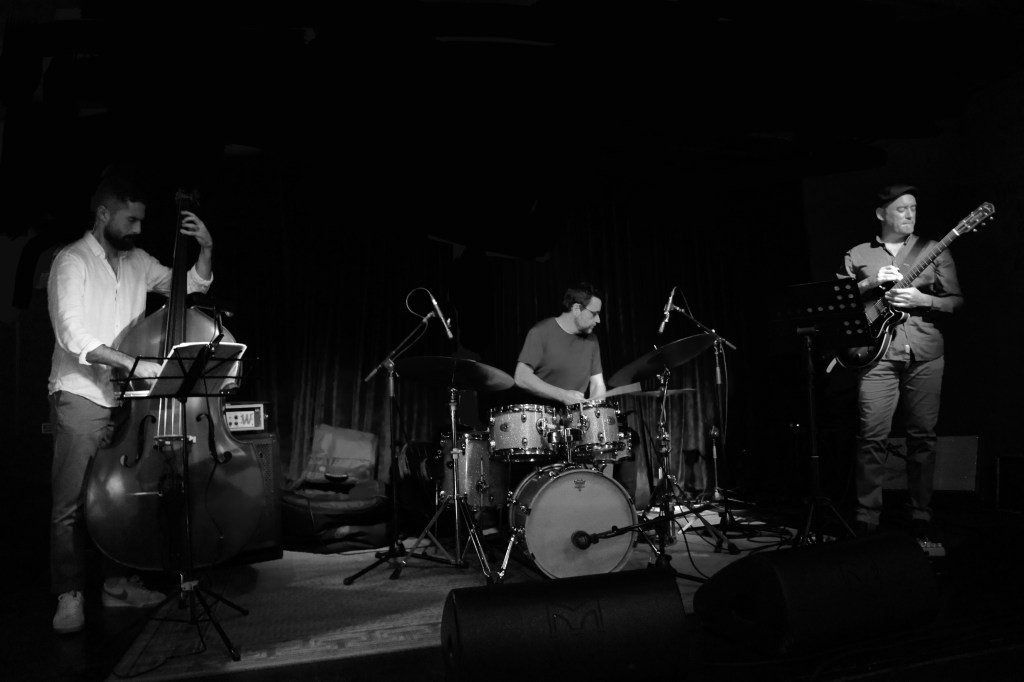
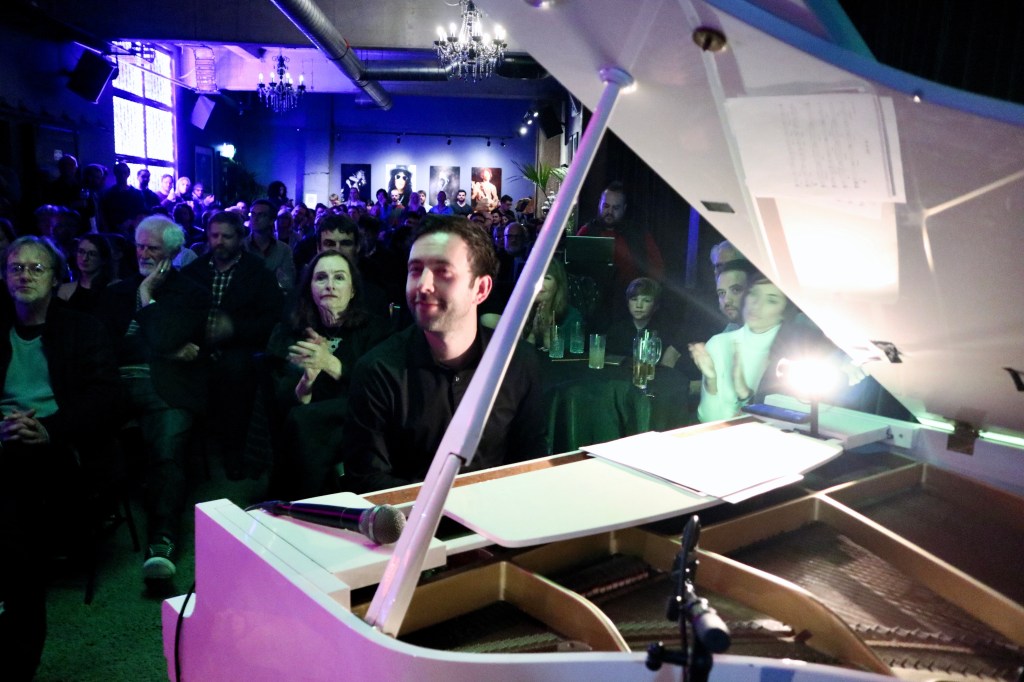


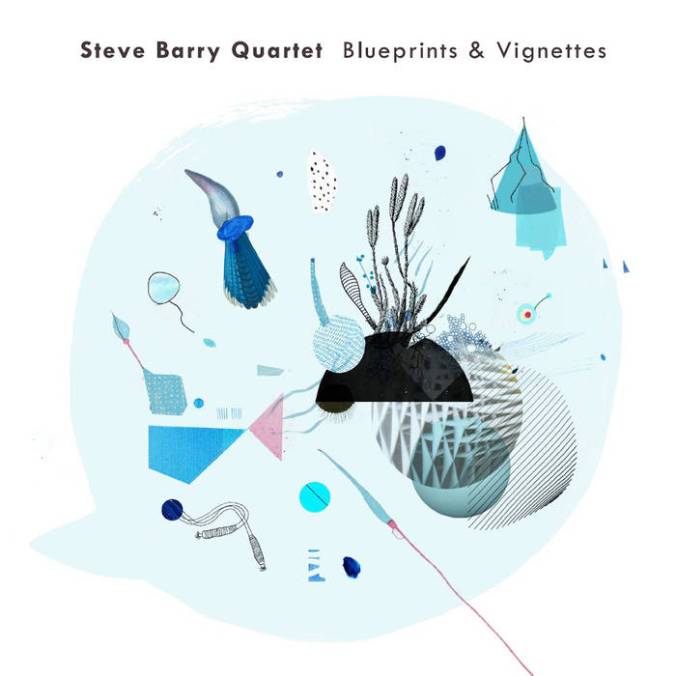
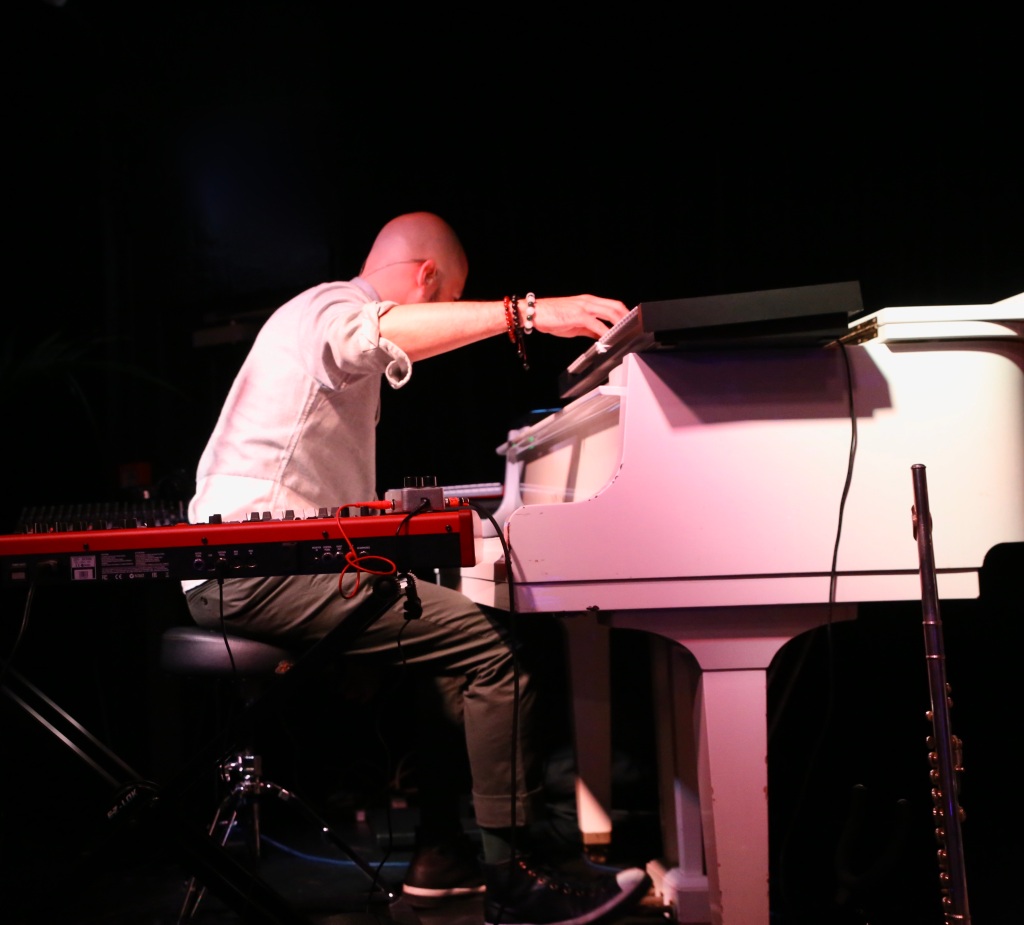
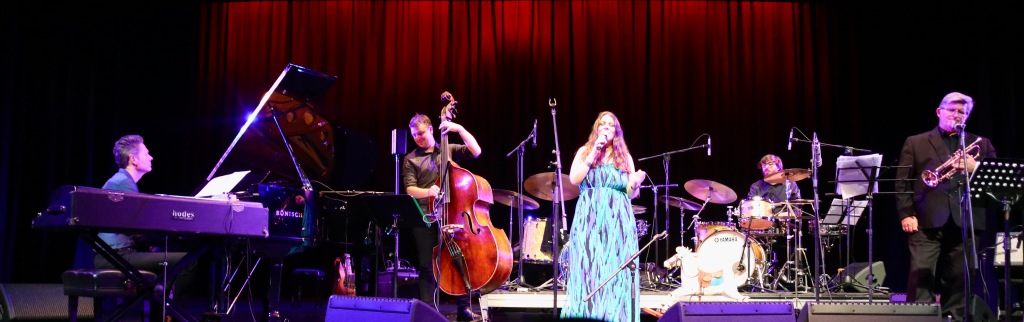
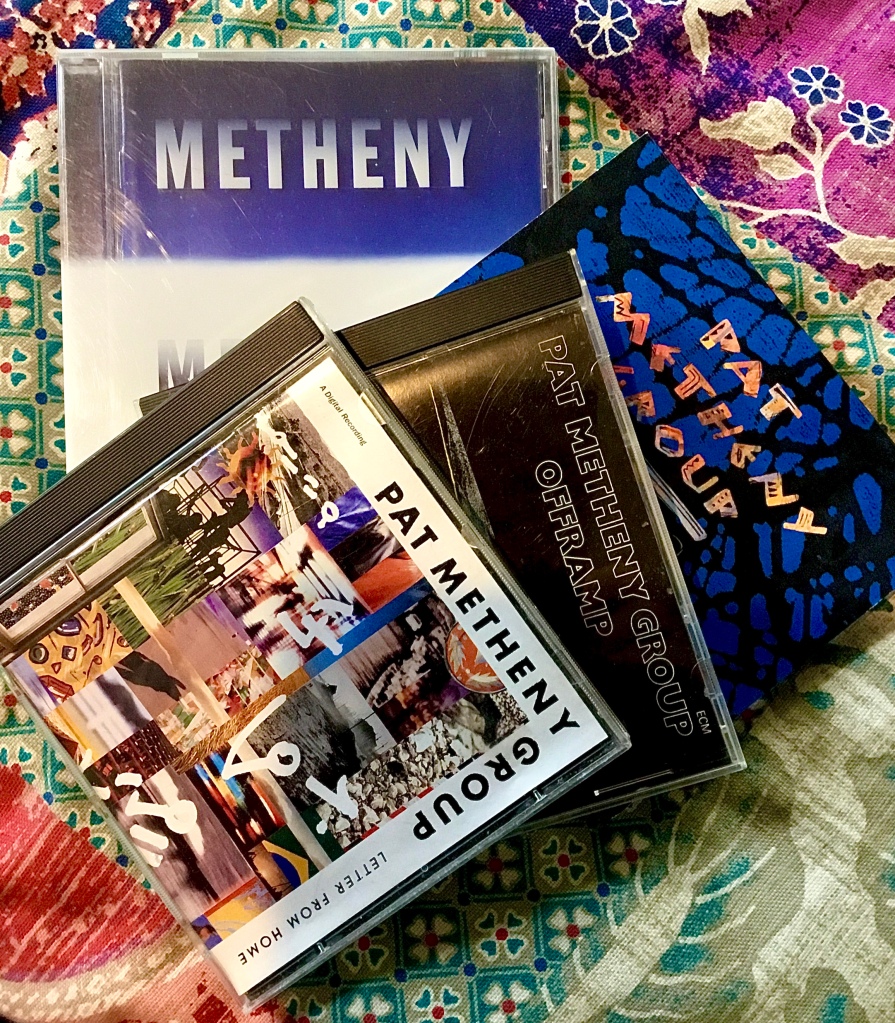
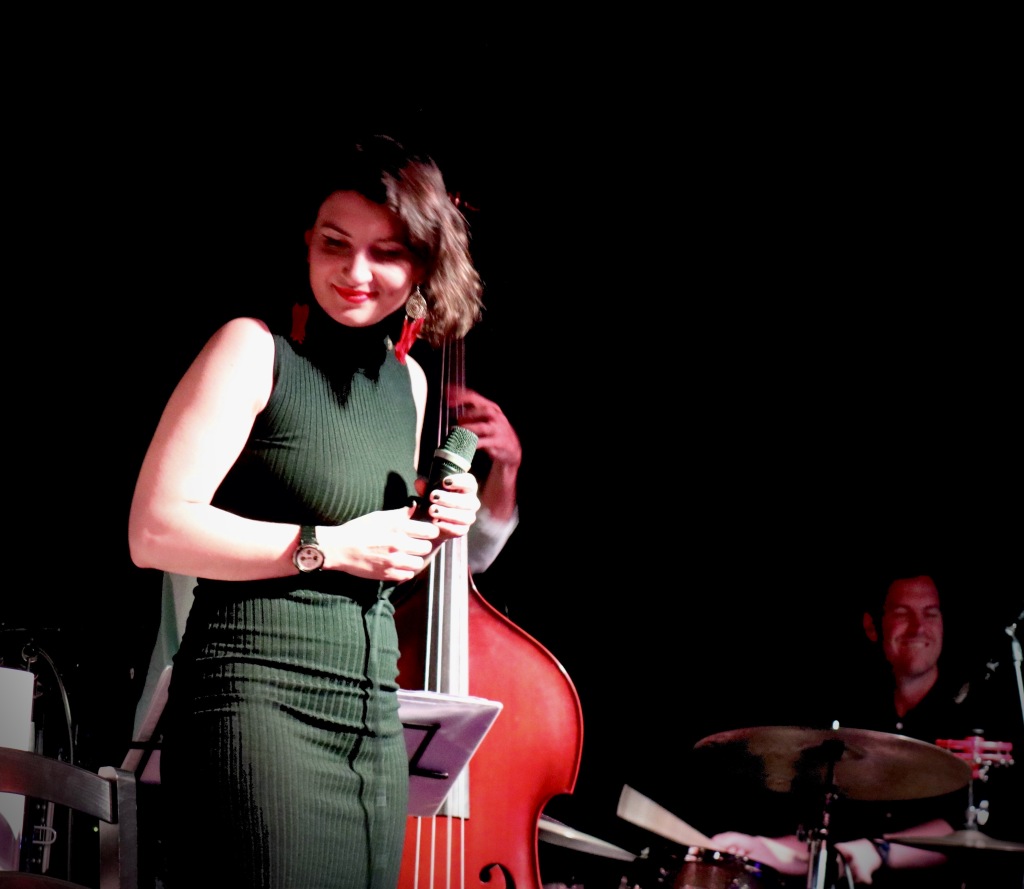

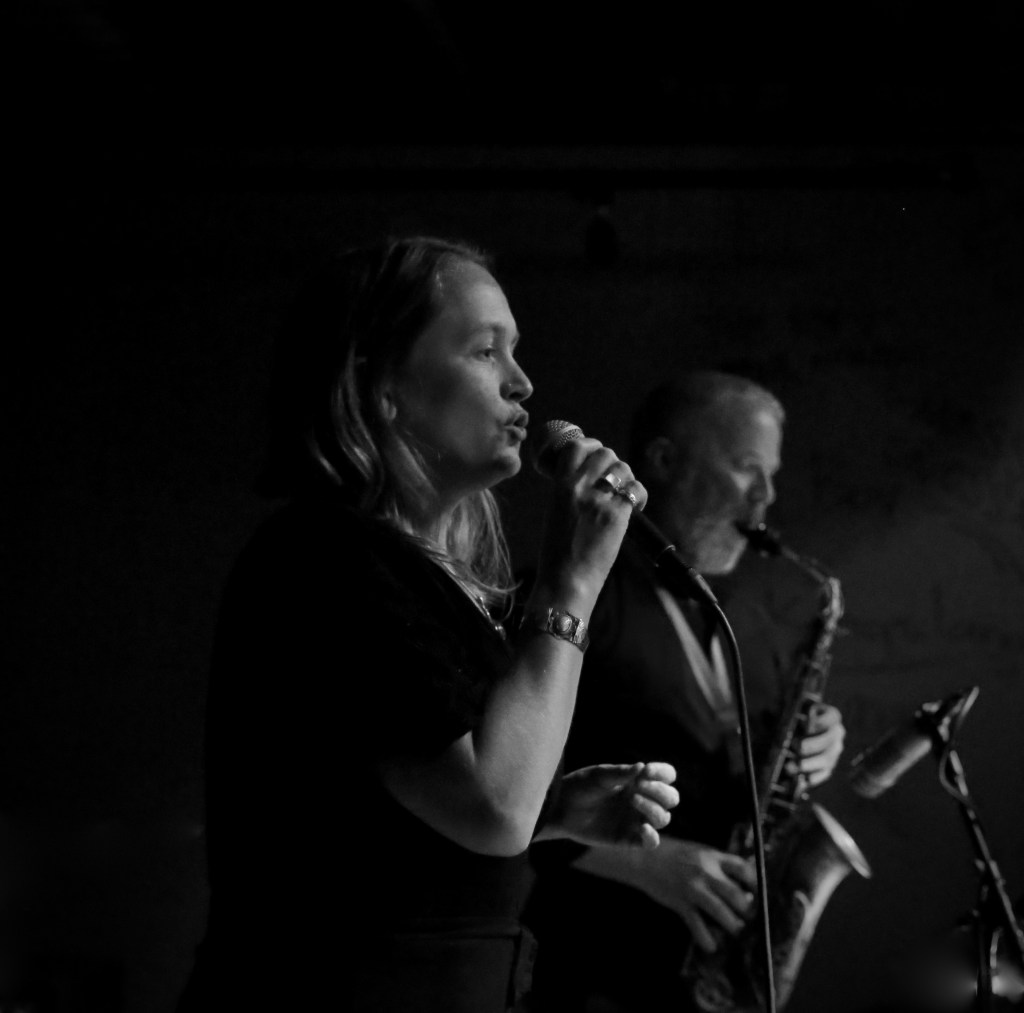
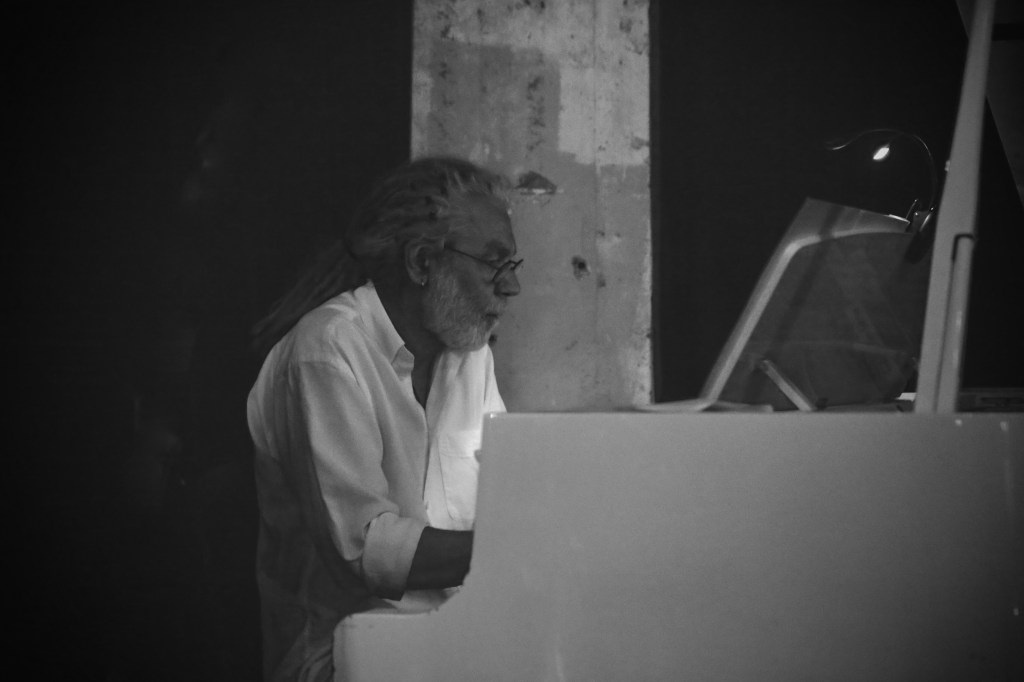
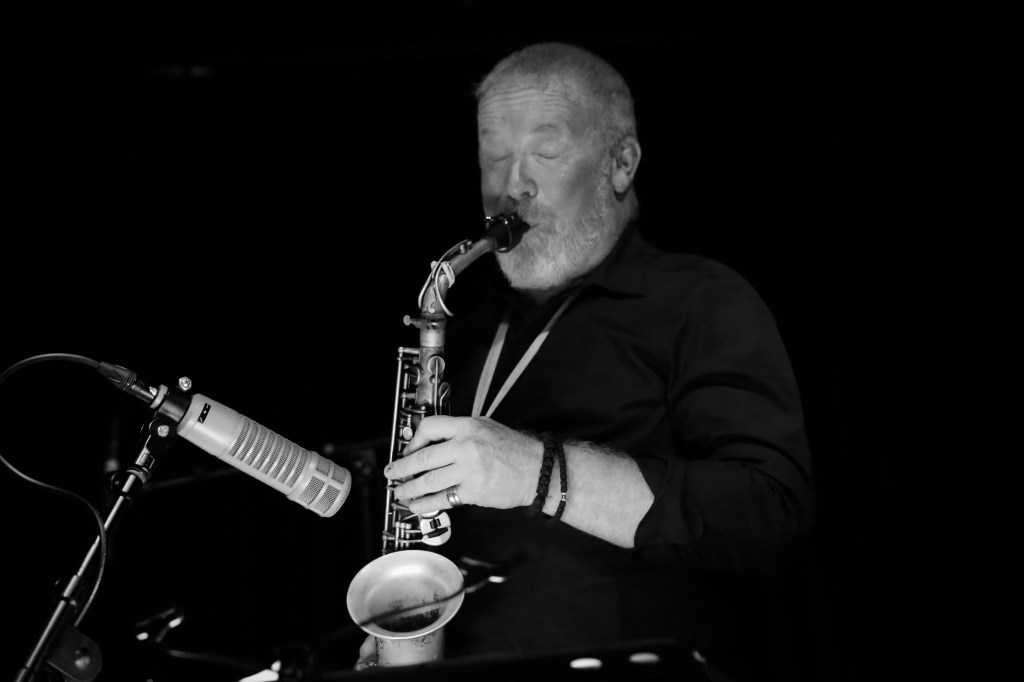
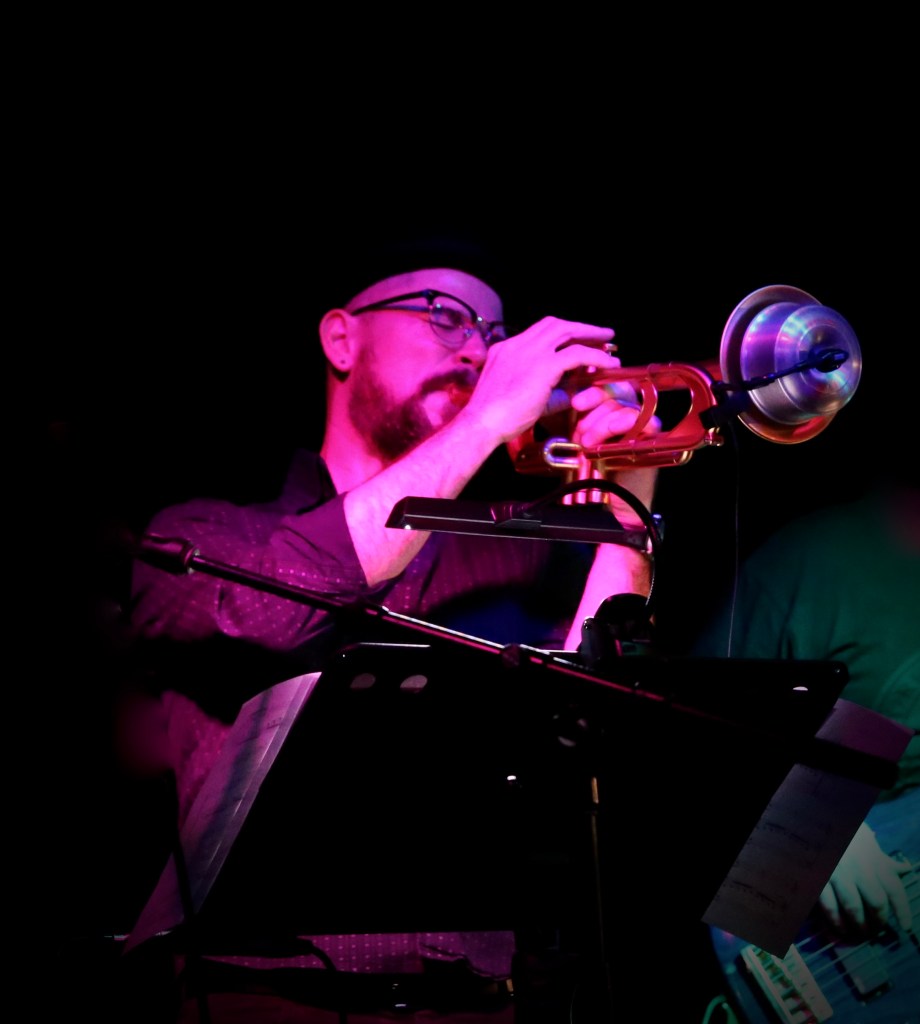
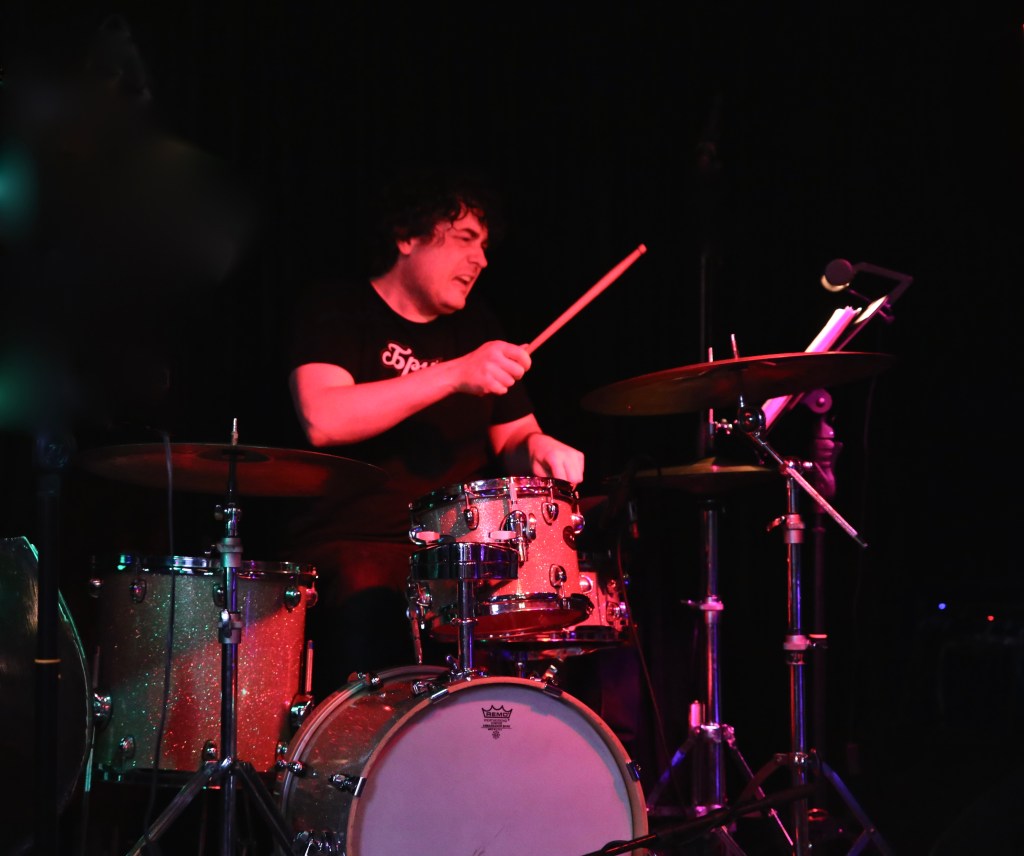
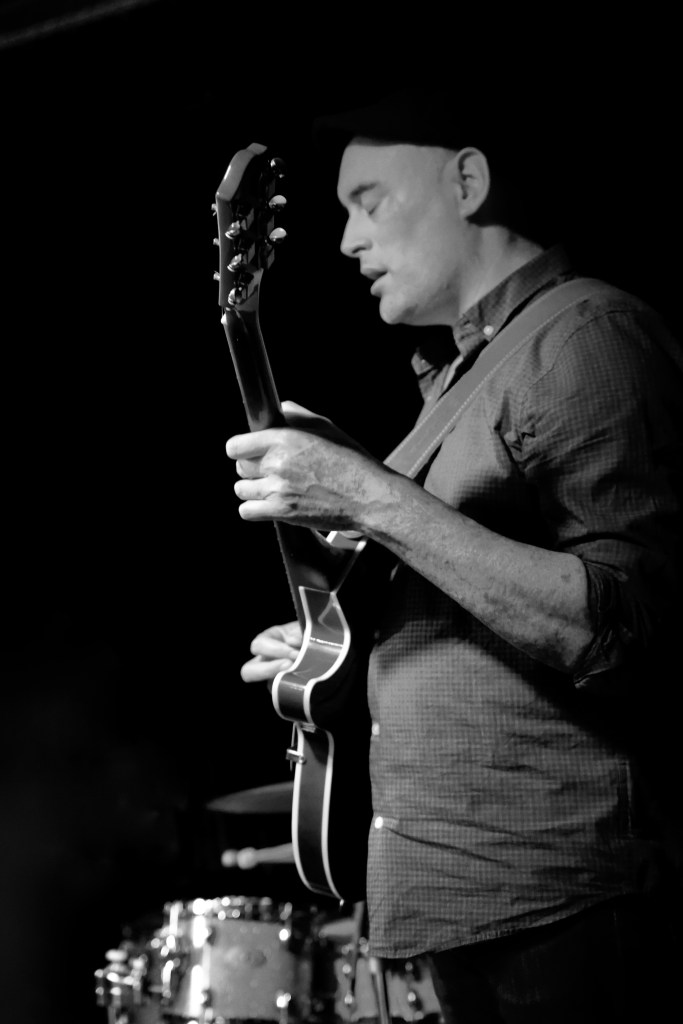

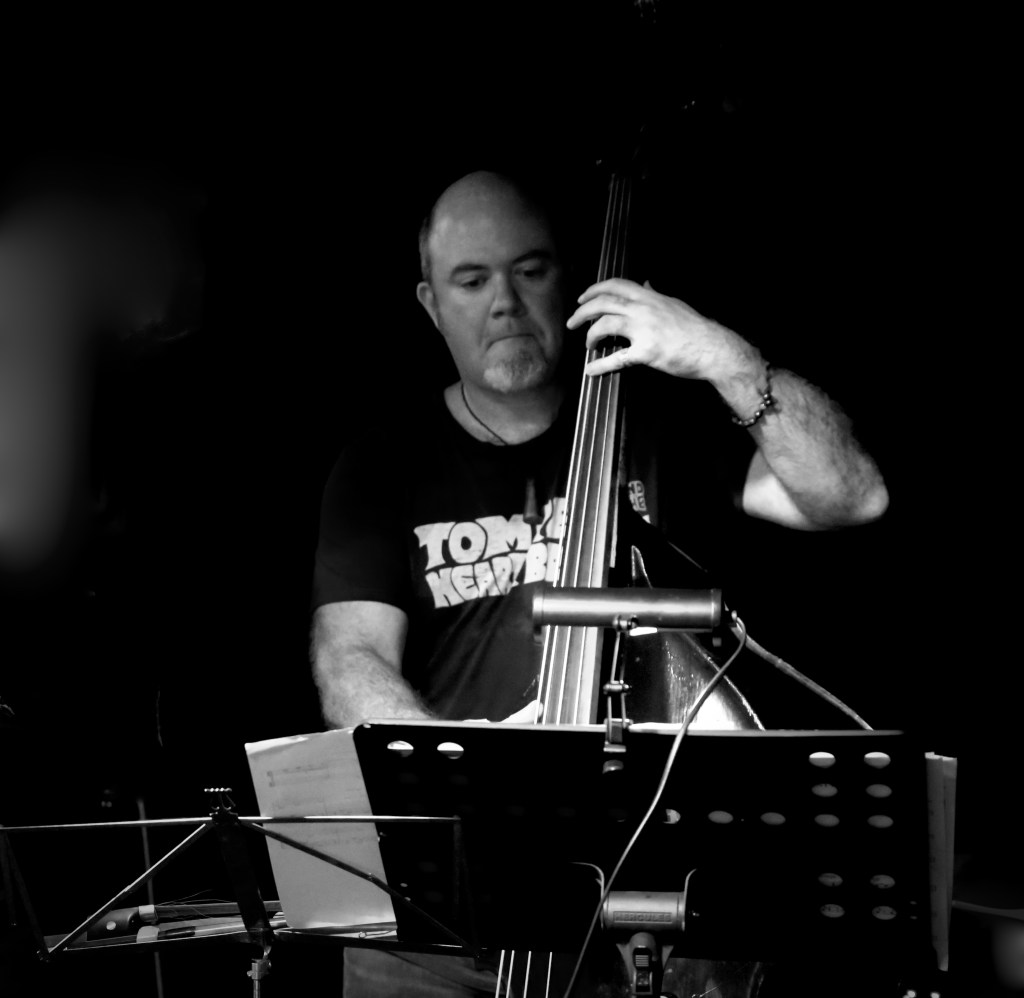
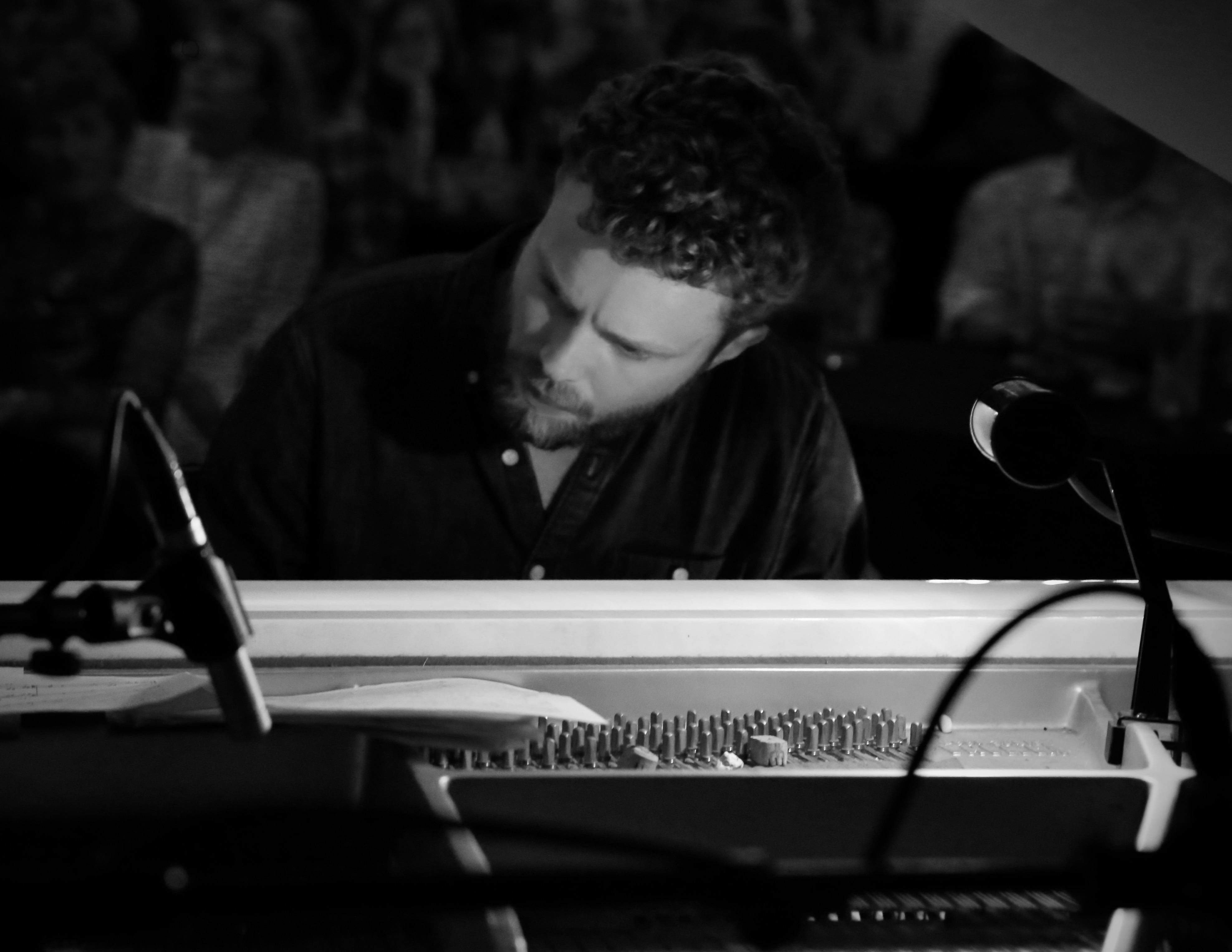
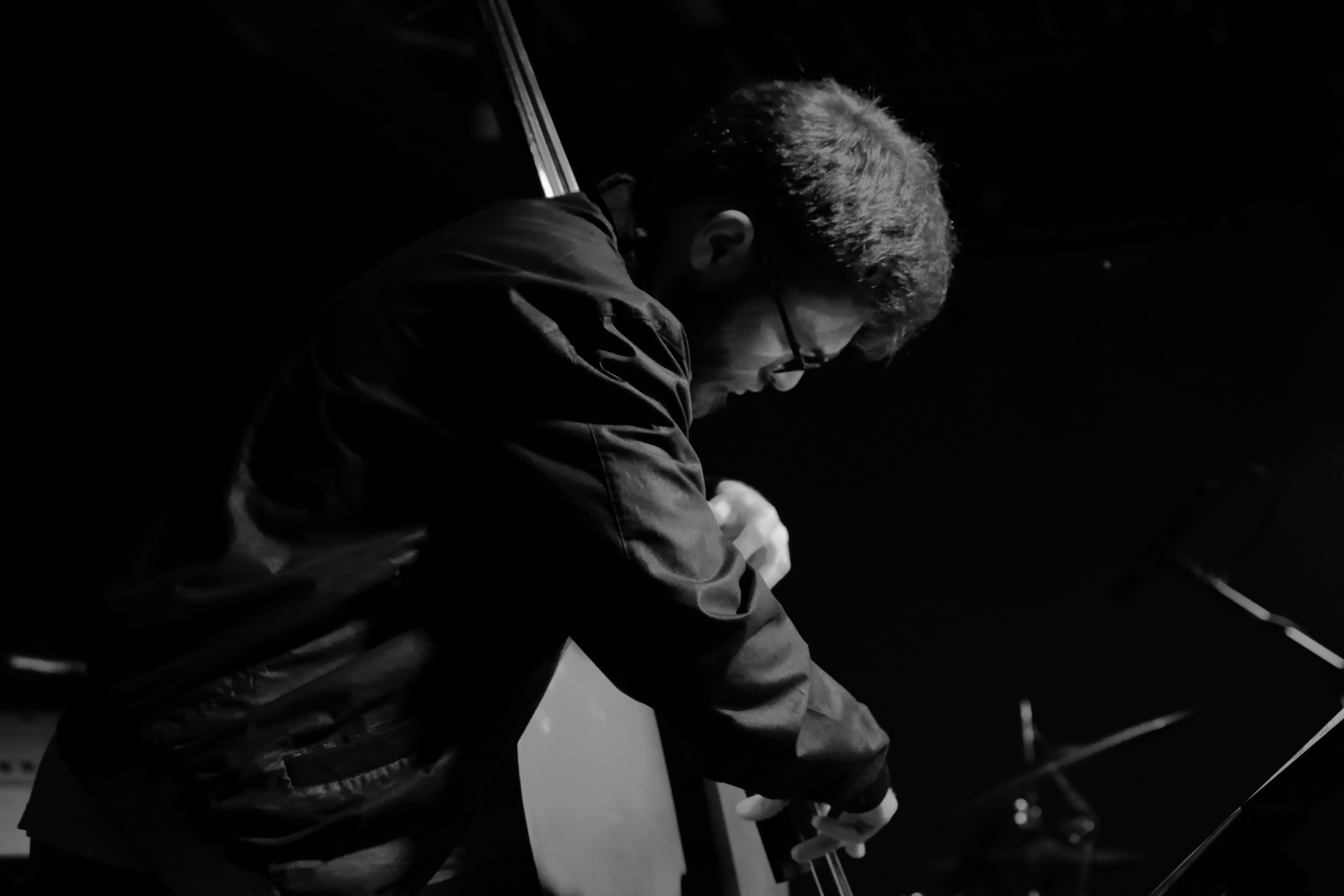 This was Ventling’s first gig for the CJC Creative Jazz Club and it attracted a large audience. They poured through the doors escaping the evening’s heat; needing cool and finding it. The venues piano is not without its challenges but on this night it sang sweetly. Partly because it had just been tuned but it was mainly because of Ventling’s sensitive touch. Many pianists tend toward the percussive in a larger room, but this programme required subtlety, room to breathe. The set-list tunes were well crafted and with a heavier touch, the expressiveness would have been sacrificed. We don’t get too many piano trios through and this trio operated as the best of them do. The musicians listening to each other, reacting, and playing as if they were one entity. It is almost impossible for this level of communication to occur unless a trio has been together for a time, and in this case, they were not only long term bandmates but on the last stop on the tour.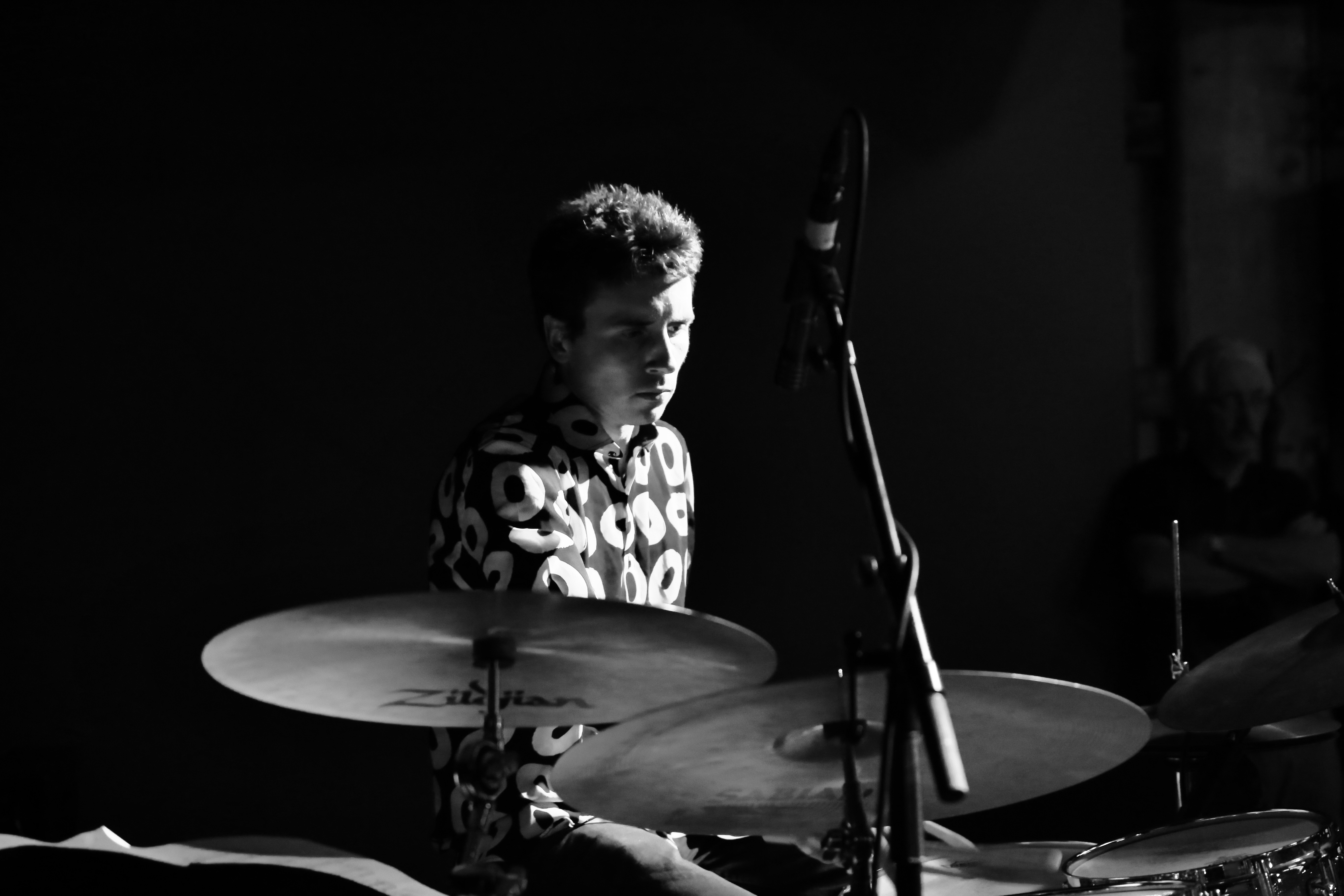
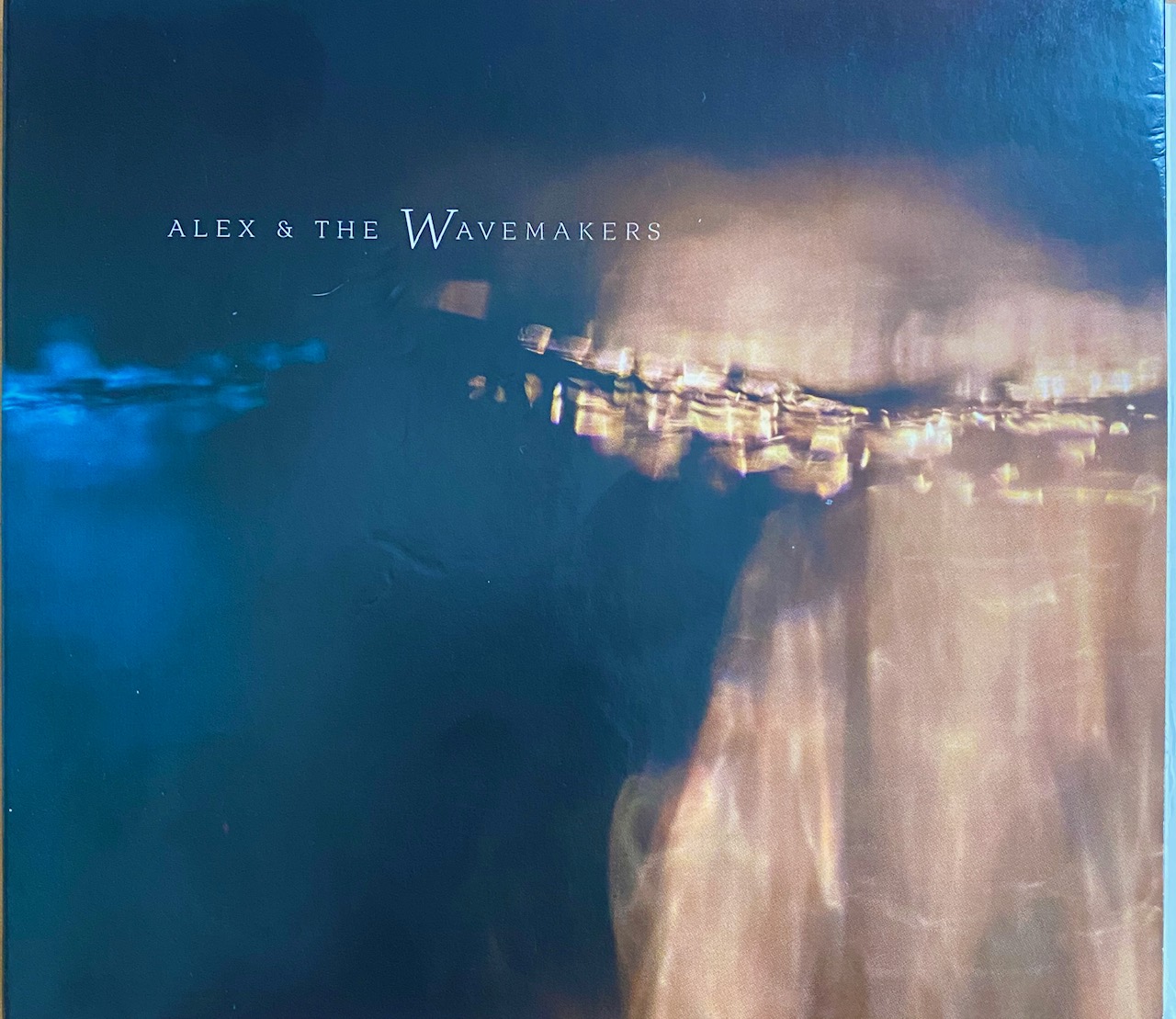
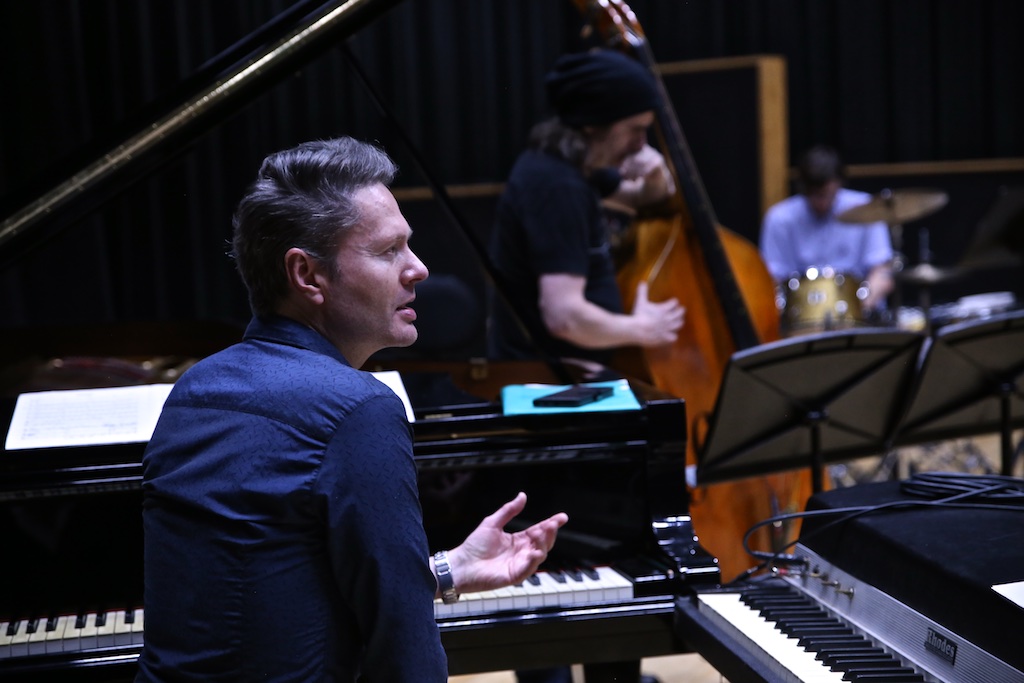 Have you ever heard one of New Zealand’s iconic pop songs and wondered how it would sound reimagined as Jazz? The journey from popular song to Jazz piece is a well-trodden path. Many tunes that we now refer to as ‘Jazz standards’ began their life as tunes written for broadway musicals or for the popular music market. For a tune to successfully cross that divide it needs to be well constructed and to lend itself to reharmonisation. With ‘Alchemy’, this elusive symmetry is realised.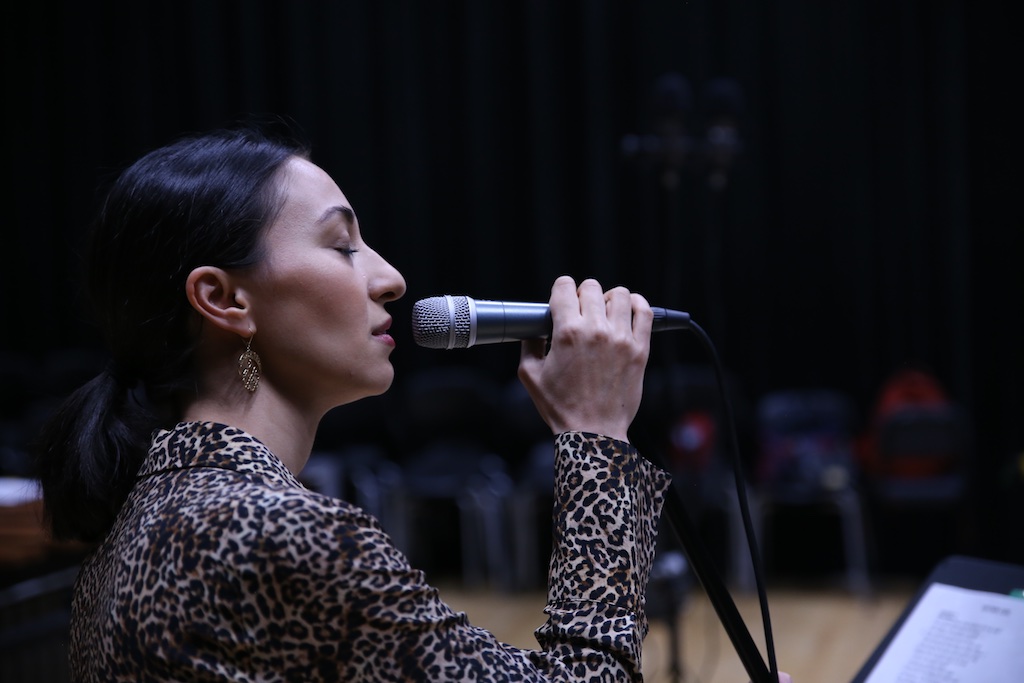
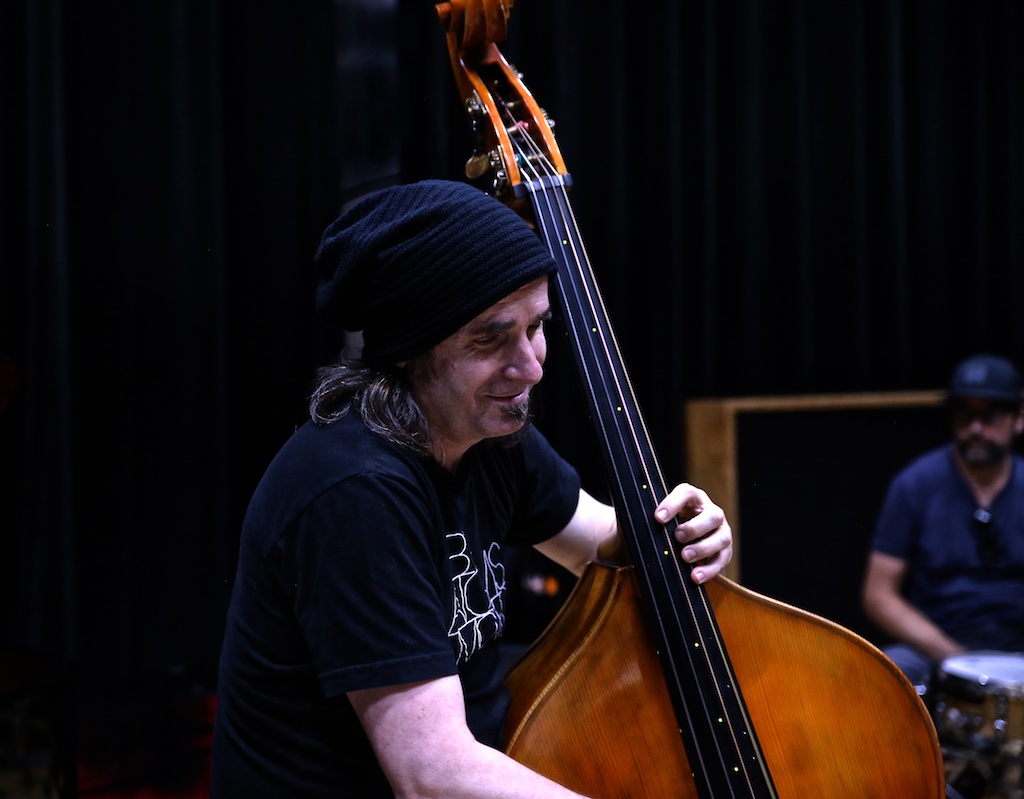
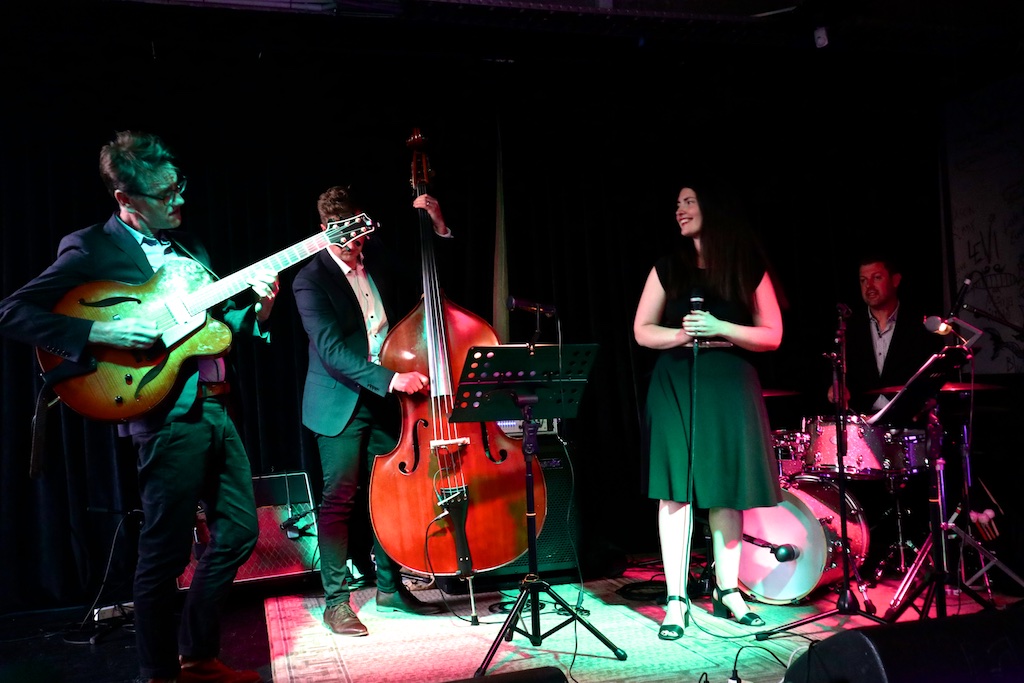 I was barely off the plane and my brain was full of dense fog, no doubt a legacy of San Francisco Karl who had been circling me like a spectre for a good month. I gamely fought the malaise off and because I am a creature of habit, dutifully made my way down to Auckland’s CJC Creative Jazz Club. In my experience, it pays never to miss a live improvised music gig, because if you do, you risk bitter regret. Believe me, I often lie awake lamenting a missed chance to see John McLaughlin.
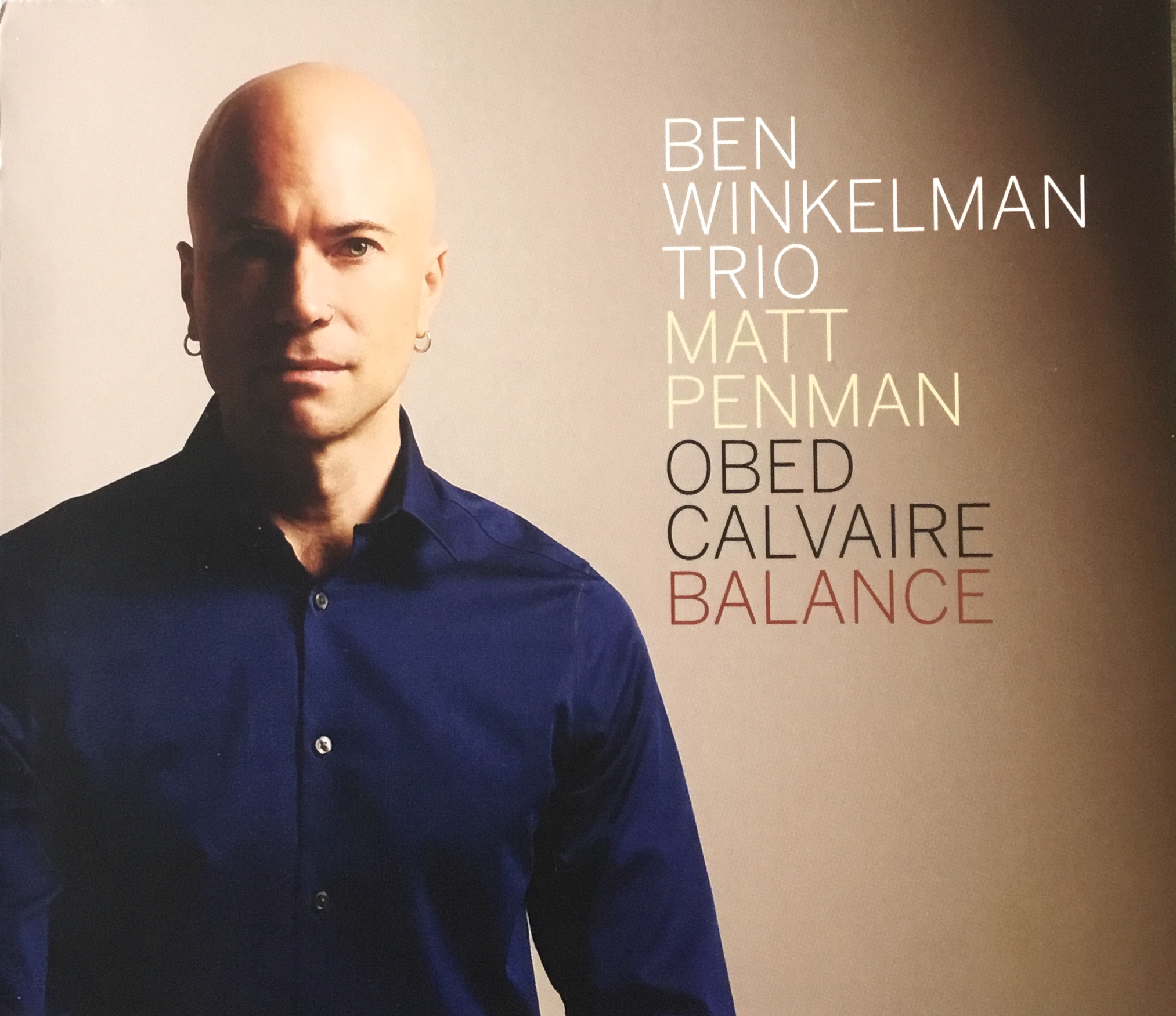 I was just about to fly out of the country when I realised that I could squeeze in one last CJC gig. I am glad that I did because the gig was the Ben Winkelman trio. Winkelman has long been resident in New York and so to be included in his two weeks down under tour was our good fortune. He is originally from the USA but he grew up in Melbourne, where he followed the well-trodden musician’s path to New York. There is no greater testing ground for a Jazz musician and those who persevere can reap rewards beyond mere name recognition. Winkelman is a pianist with a sensitive touch and open ears and like all good musicians, he has assimilated the sounds around him and forged his own style.
  A while ago the program director of the Creative Jazz Club, Roger Manins mentioned that he had booked a great young group from Christchurch to appear in the emerging artist’s slot. He went on to say that many of these young emerging artists were so good that he was considering renaming the slot, something like ‘young guns’. He was right. Ocelot exuded easy-going confidence, uncommon in younger players and by the second number they owned the bandstand; navigating some slippery lines with disarming ease and swinging. This was a tight unit and it was obvious that they had put in the necessary work beforehand. That gave them the freedom to relax into the music and the results were evident.
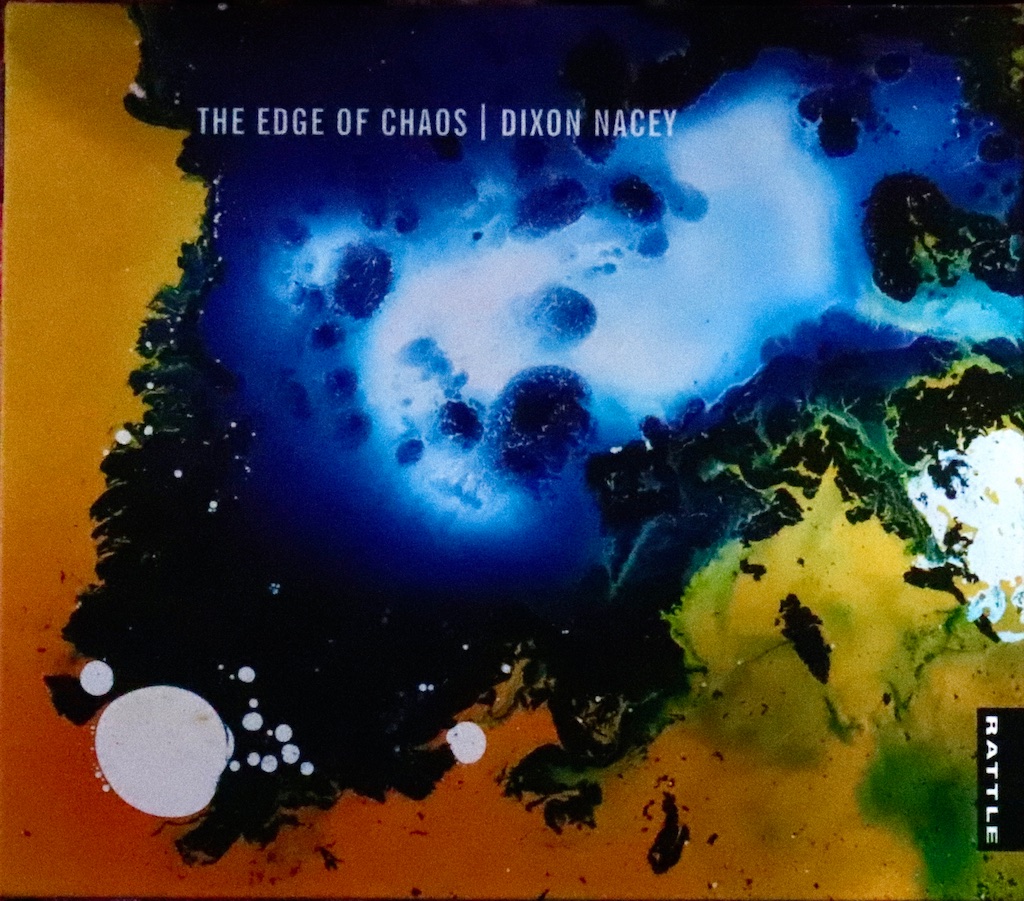 This Dixon Nacey album has long been anticipated and although Nacey has previously recorded as co-leader, this is the first album to be released exclusively under his name. Nacey is firmly on the radar of Jazz loving Kiwis, but his fan base extends well beyond that. He is a professional musician of considerable standing, an in-demand teacher and in recent years the musical director of CocaCola Christmas in the Park. To up and comers he is a guitar legend and on this album, they have something to aspire to; twenty years of experience distilled into excellence.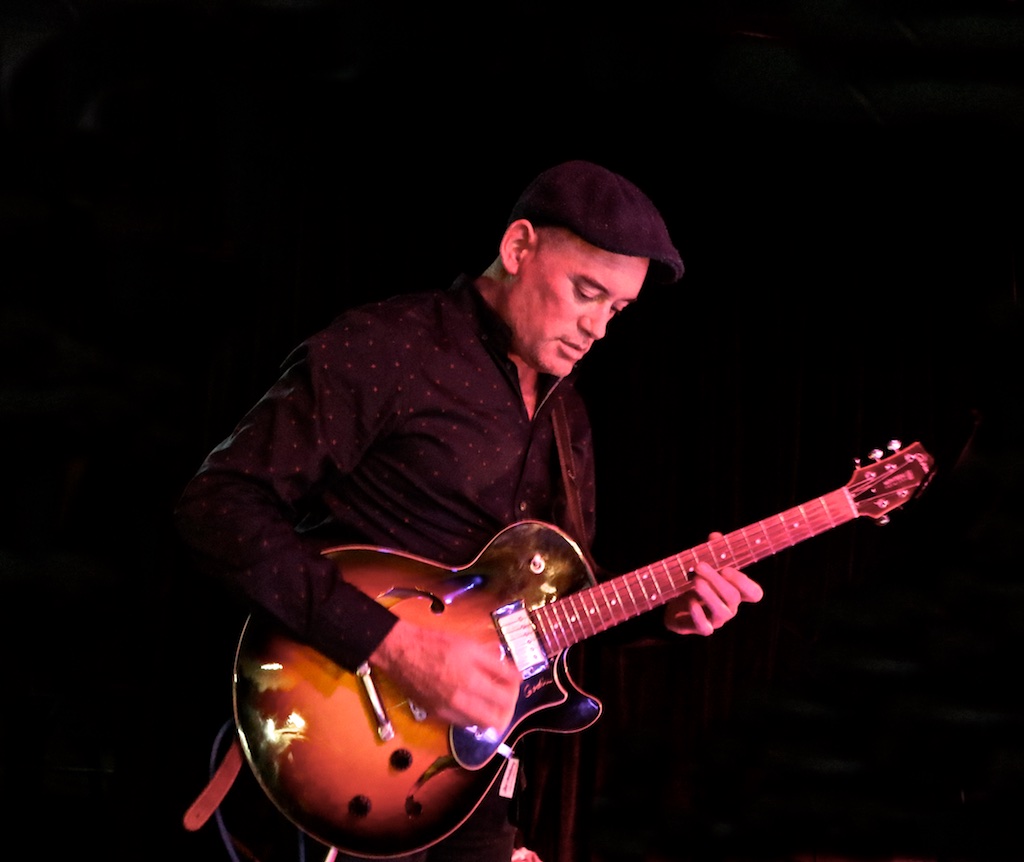
 Canadian Jazz guitarist Keith Price is a welcome addition to the Auckland scene. He brings with him fresh ideas and a musical connection to his hometown. Manitoba is associated with Lenny Breau and Neil Young who both grew up there. Perhaps it’s the proximity to the open spaces which echo in the music, that wide-open sound (and in Young’s case an overlay of dissonant melancholia)? Whatever it is, it certainly produces distinctive musicians. Lenny Breau is an important Jazz guitarist and one who is sadly overlooked, Hearing Price’s respectful acoustic homage on Wednesday, cast my ears in that direction again.
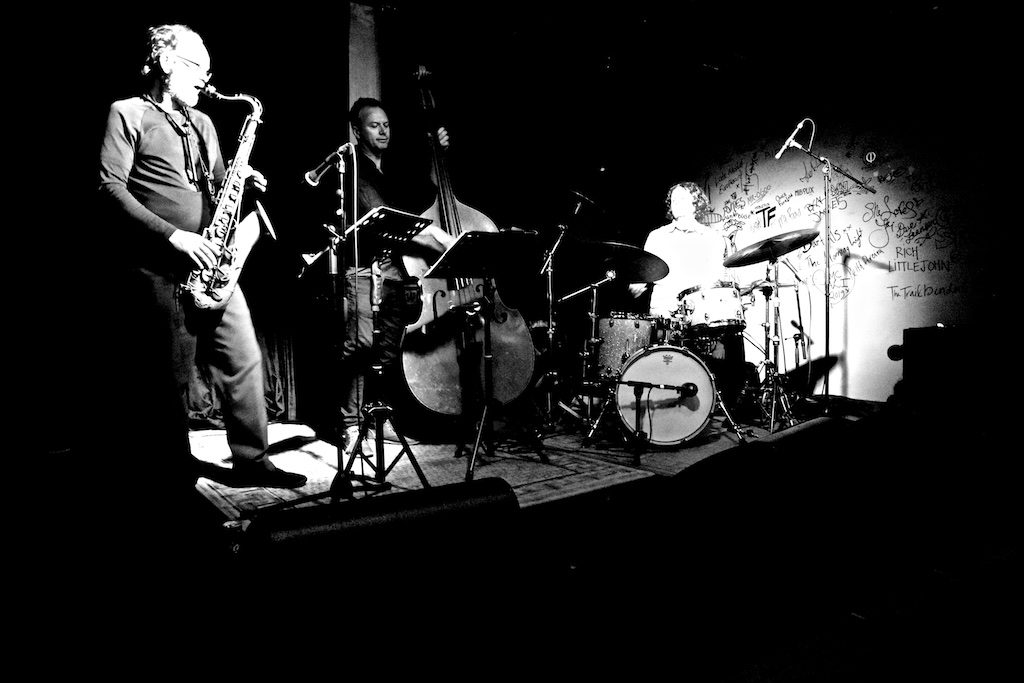 Post Trump’s inauguration, improbability is the new normal and in keeping with the mood of the times Wednesday’s gig emerged from improbable beginnings. It began with an international cat rescue mission, an attempt to thwart a ‘catricidal’ former neighbour. Before the mission had even been concluded a subplot had emerged; one involving the inhabitants of three cities, two countries, and assorted sharks. Those familiar with Reuben Bradley will not be surprised at this turn of events as he’s known for his humour, good nature and above all for his ability to turn improbable adventures into really good music. ‘Shark Varieties’ is a drummer led trio and a vehicle which showcases a bunch of the leader’s original tunes. It also showcases a joyful reunion.
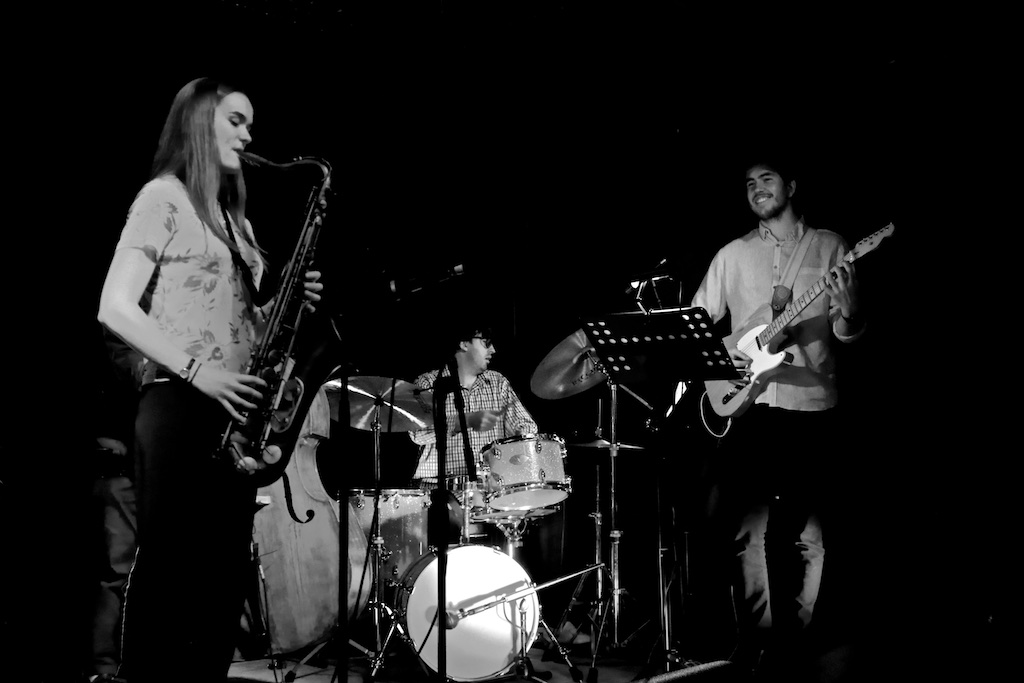 Louisa Williamson is a gifted young tenor saxophonist who has visited Auckland on previous occasions. This time, and for the first time, she visited as a bandleader, showcasing her beautiful compositions. I have always admired her tone and improvisational abilities, but this was a step up. Freed from the comfort of a band she knew well, she cast herself among an array of experienced Auckland musicians. Stephen Thomas on drums, Tom Dennison on bass and Michael Howell on guitar. The only Wellingtonian (besides Williamson) was pianist George Maclaurin and together as a band they delivered. This was engaging straight-ahead Jazz.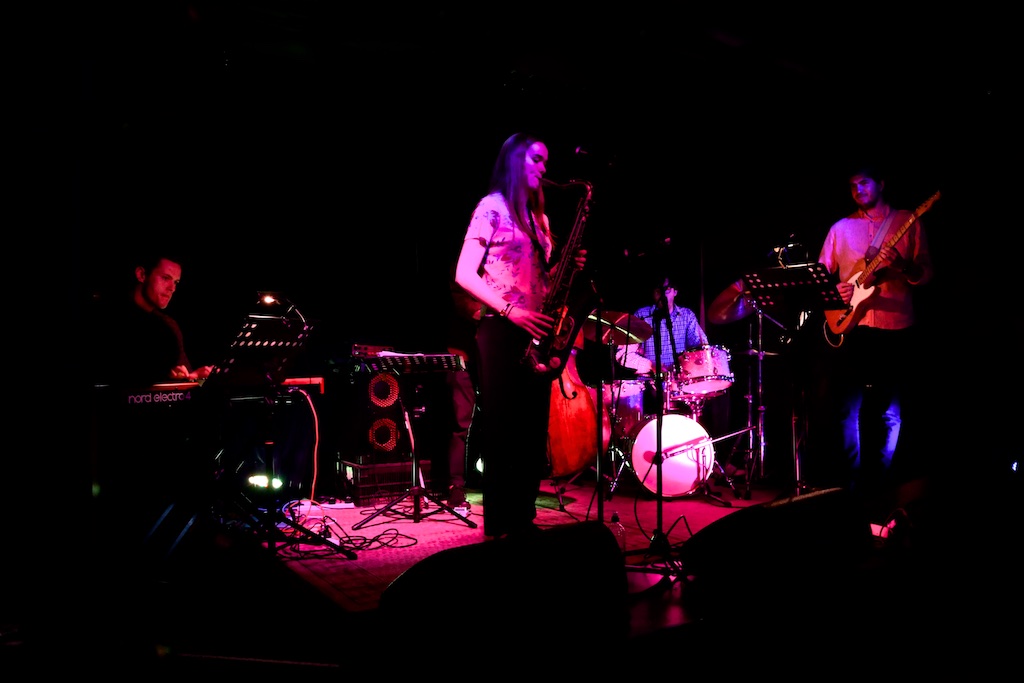
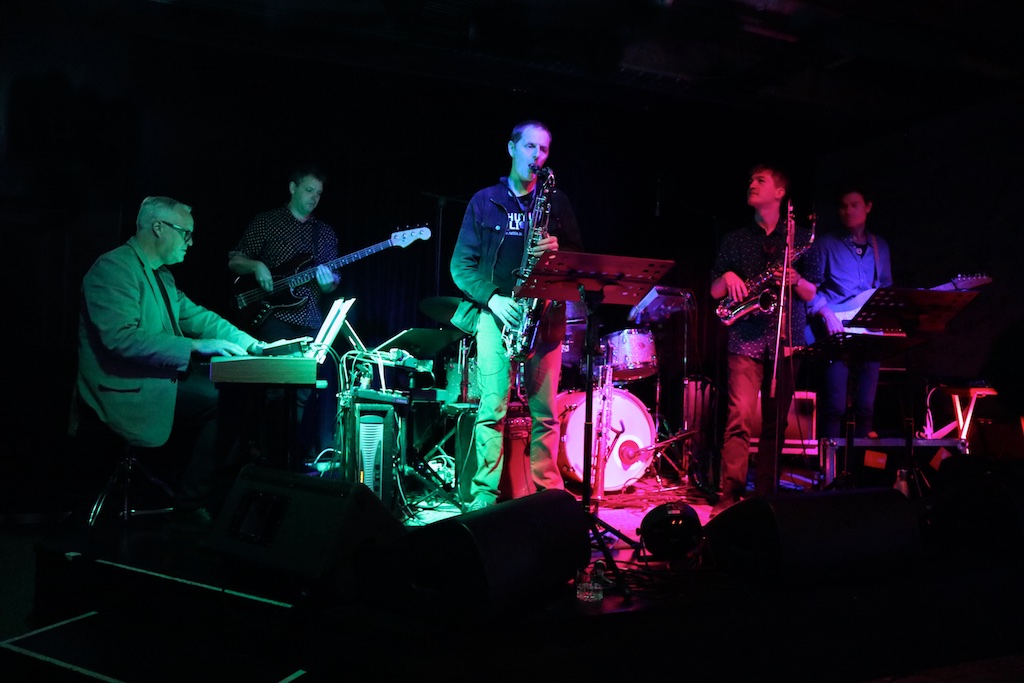 The history of music is the history of instrument development and from the earliest of times, musicians have expanded the reach of their instruments. The mother of instruments, Al’ Oud was first documented 3500 years ago, but documenting the development of the drum is a nebulous task. It almost certainly arose in Africa and along the way it has undergone a multitude of modifications. On Wednesday there was another waypoint along the continuum under the forward-looking beats of Stephen Thomas. Thomas is a gifted drummer and percussionist and in his hands, the instrument takes on a new life by transcending the mundane. The gig arose out of his last years Masters recital and the focus was on extended technique; combining physical drum rhythms, electronics via a drum pad, prepared drum heads and samples.
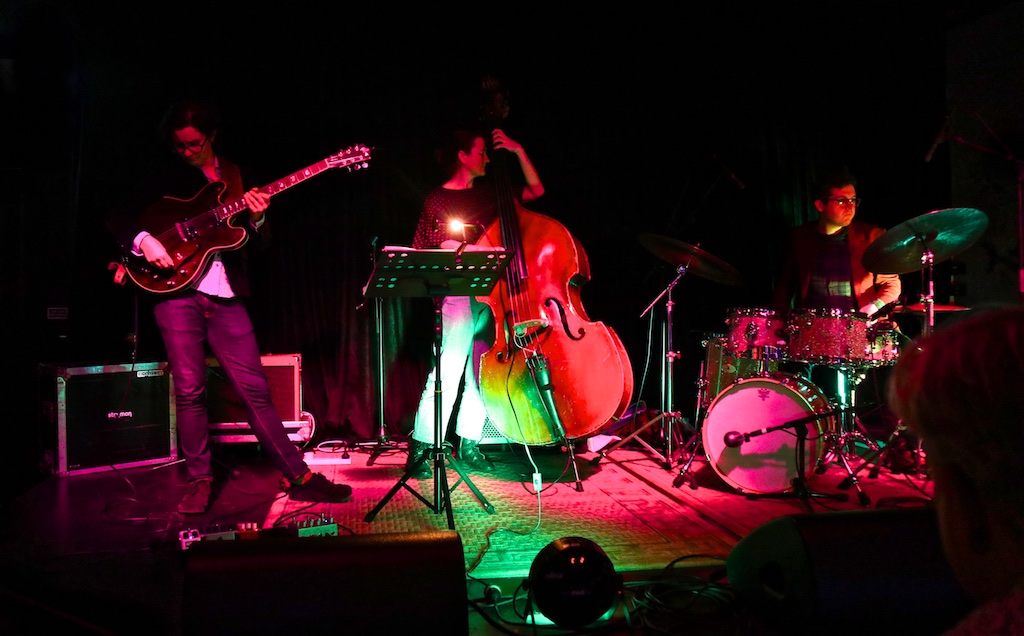 The Melbourne group Spirograph Studies was exactly as described, modern and eclectic. In this quartet, there were no horns to carve out melodic lines. Instead, a guitar and piano spun intricate layers one on the other, focussing more on well-crafted motifs and harmonic development. There was melody but it was mostly implied, nestling comfortably among richly dissonant textures and emerging out of the subtle interplay. It was often voice-led but not as we know it and the overall effect was beguiling.
 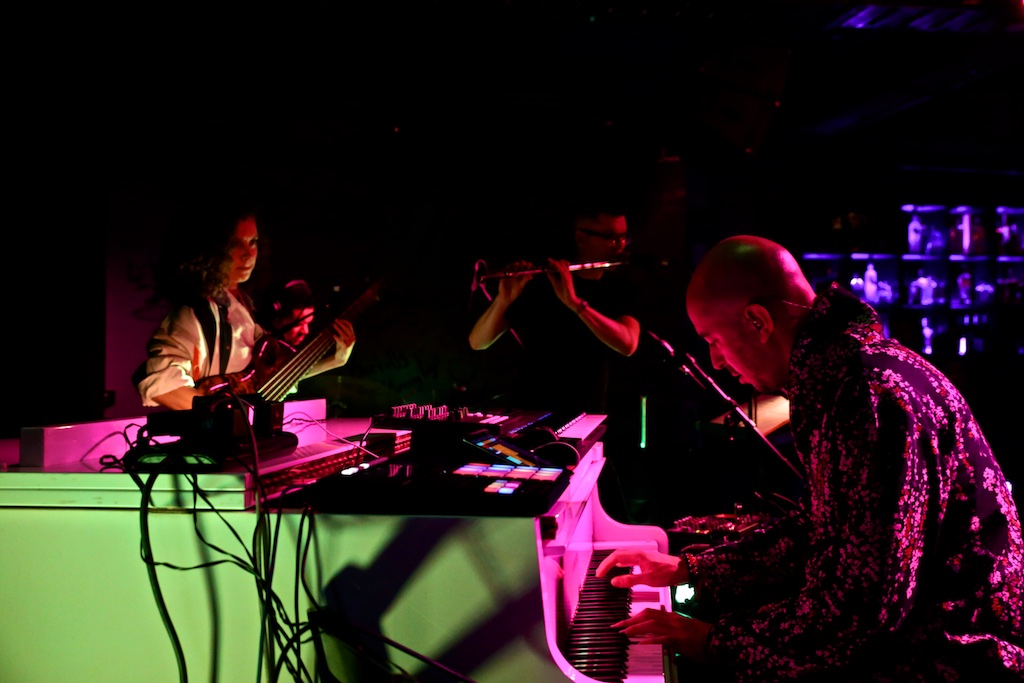 Music is the highest form of communication. It is universal. It reveals truths, tells stories, entertains, and in Mark de Clive-Lowe’s case, it evokes other realities. This was a masterclass in storytelling; an unfolding kaleidoscope where the contradictions and sublime realisations about the human condition were brought into focus. ‘Heritage 1 + 2’ the albums reflect his personal story, a journey of reconnection, an exploration of culture and of family history. He revealed it through moments of spoken narrative, but above all through his reverential musical examination of Japanese art forms. This was a musical journey where the highly personal overlapped the philosophical. It was a journey back to his Jazz roots and undertaken entirely on his own terms.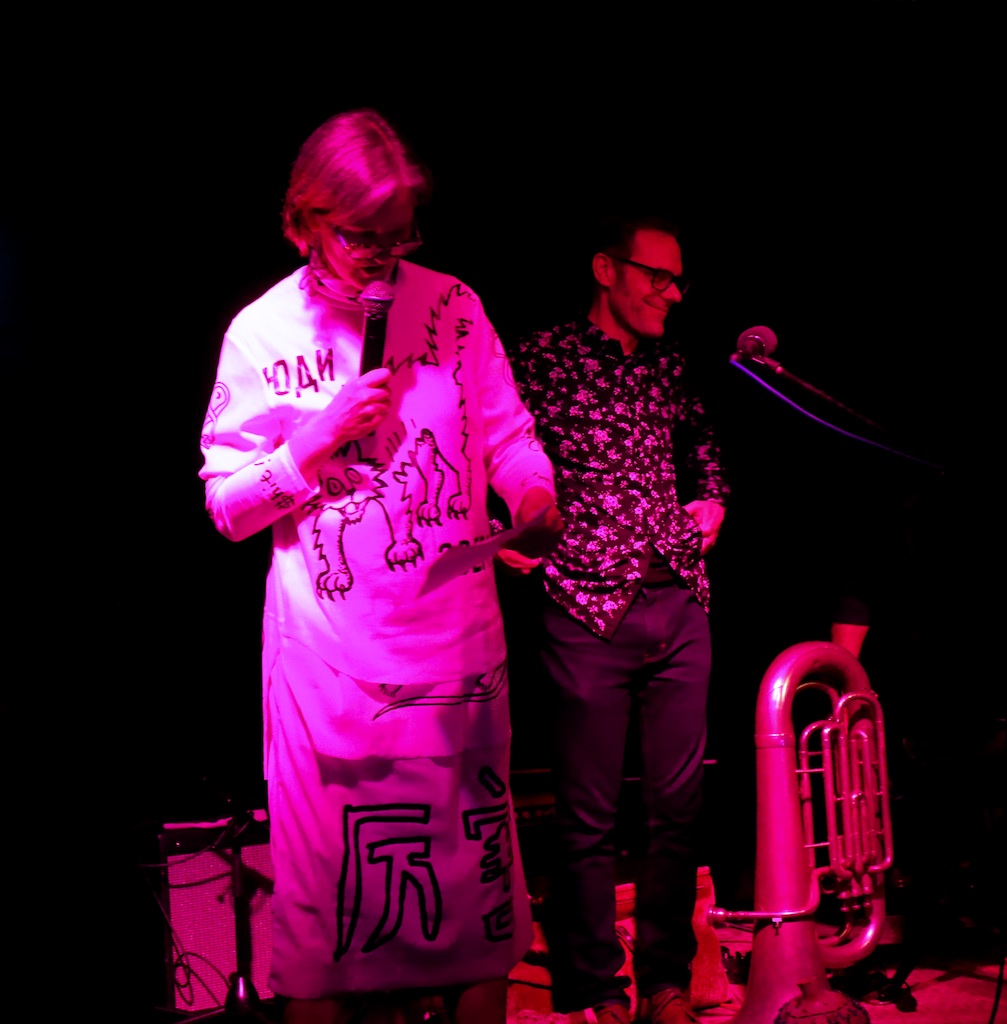

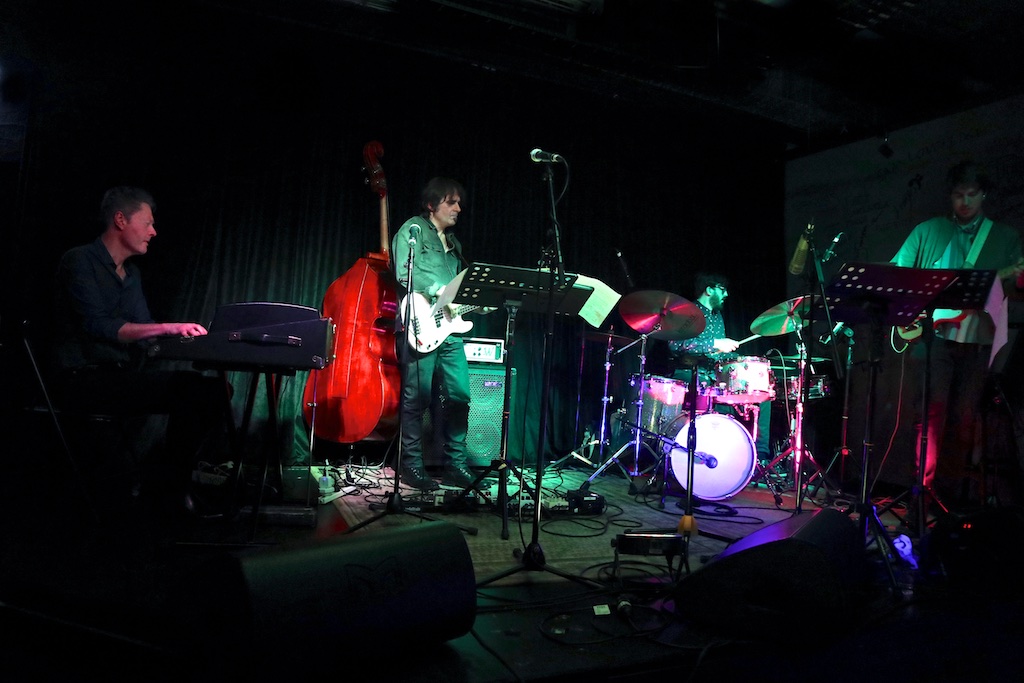 Subject to availability, Richard Hammond is the kind of bass player that you would consider first for an important gig or recording.
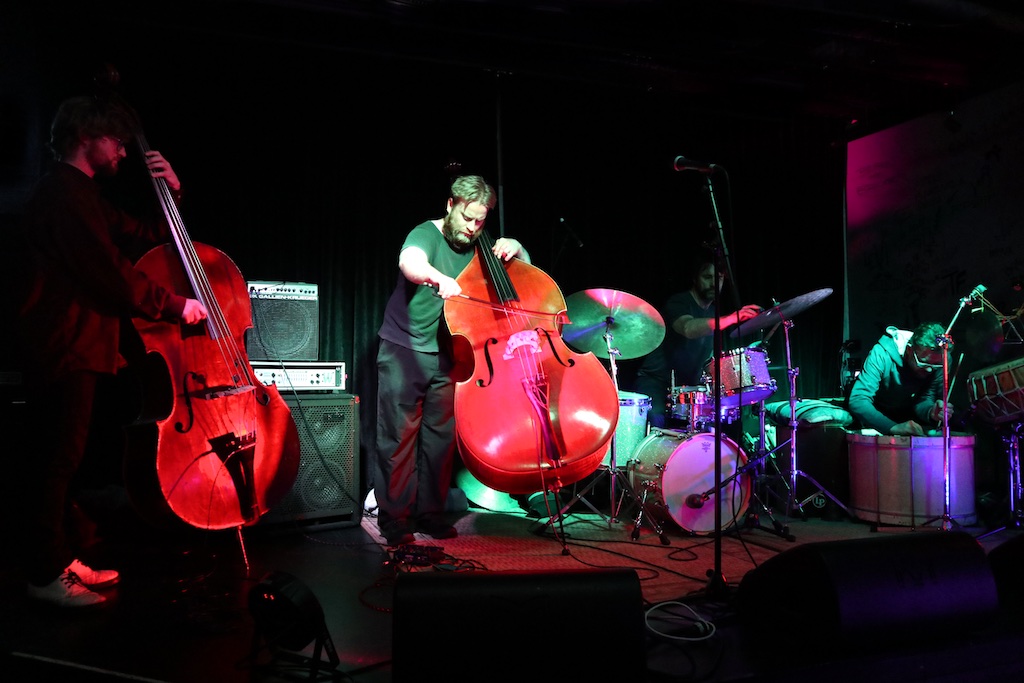 Two bass, two drummer gigs while not unknown usually occur in service of a chordal instrument or of a horn line, and when a solo bass concert occurs, an audience is frequently shown ‘cleverness’. On this occasion, the bass of Elsen Price freed the instrument from the narrow confines of the standard rhythm section or the conventional solo bass repartee; instead, exposing the beautiful resonances and the reach of the instrument. This was sublime music and complete unto itself. It celebrated a gifted musician and a wonderful instrument but without displays of egocentricity. The feat was achieved by inviting us inside the music, and into a sonic cornucopia. We listened and we were captivated.
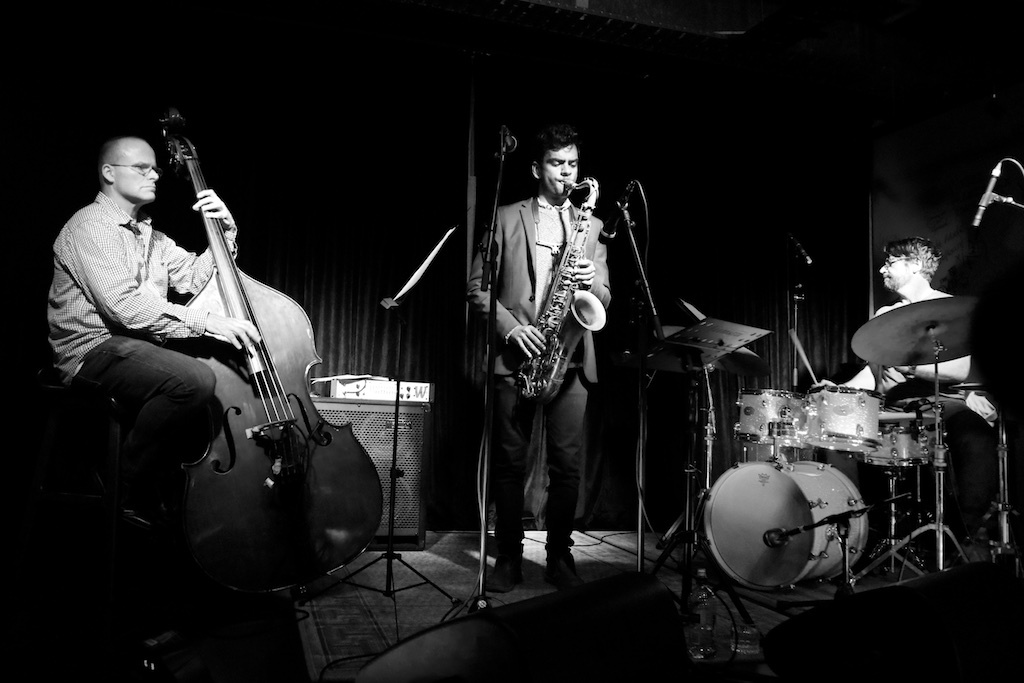 It was four years ago and almost to the day, that Kushal Talele was last at the CJC. Then, as now, he had just returned from a long period overseas. I heard him for the first time then and I was impressed. That was in the cellar of the 1885, a place now a fond but distant memory. A few days ago he returned to the CJC and although he played with a different band, his unmistakeable upwards trajectory was evident. There is nothing unduly flashy about Talele as he radiates calm and absorption. At the microphone, he talks quietly, but there is passion in those subdued tones.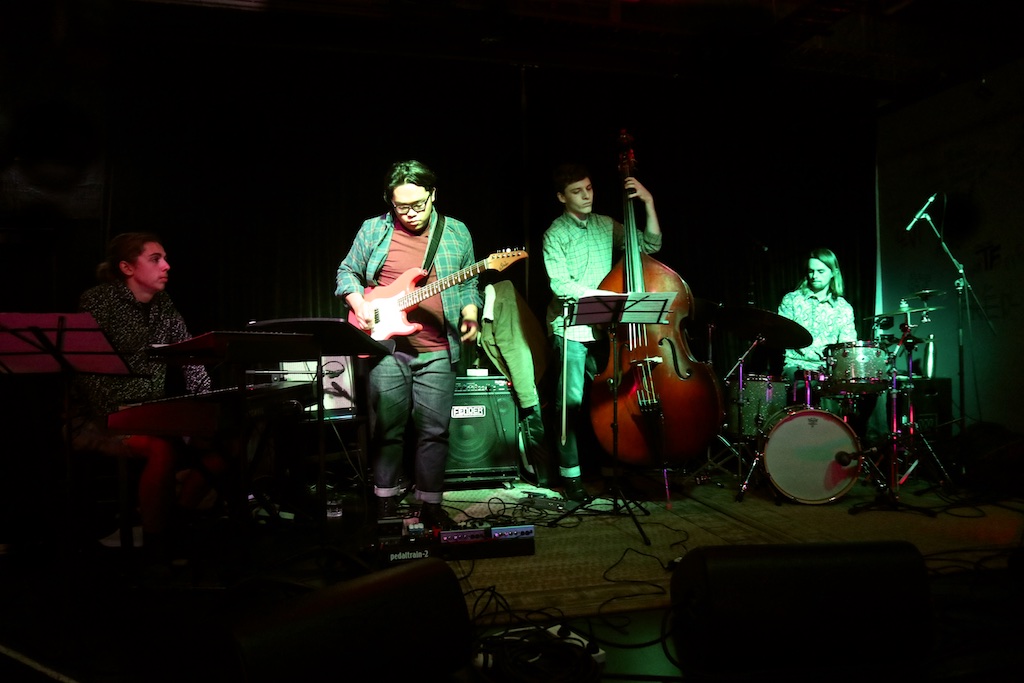
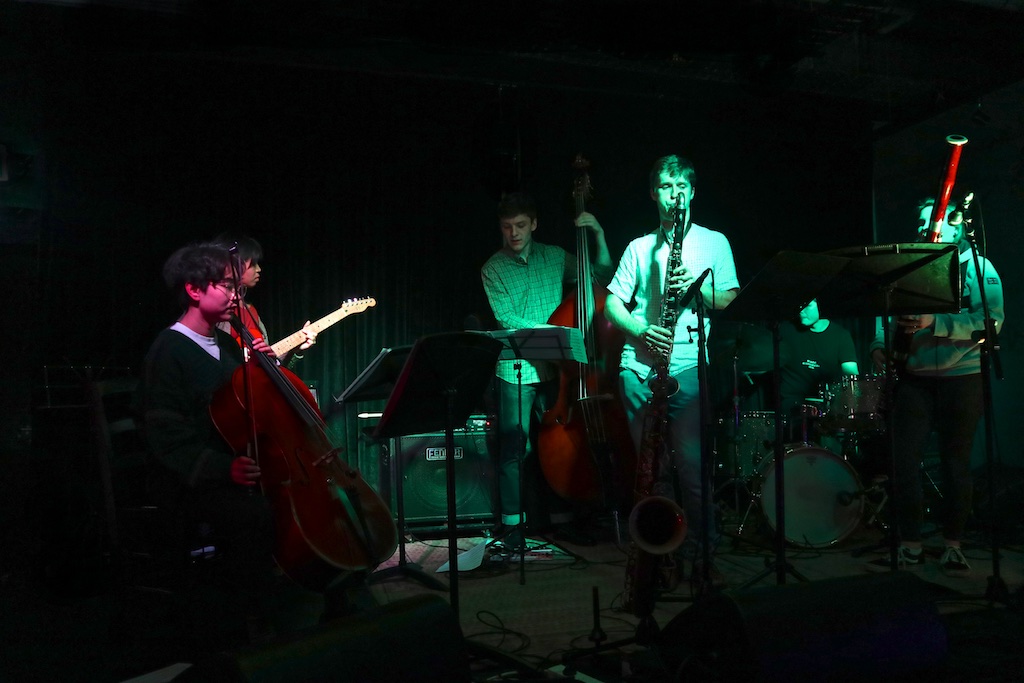
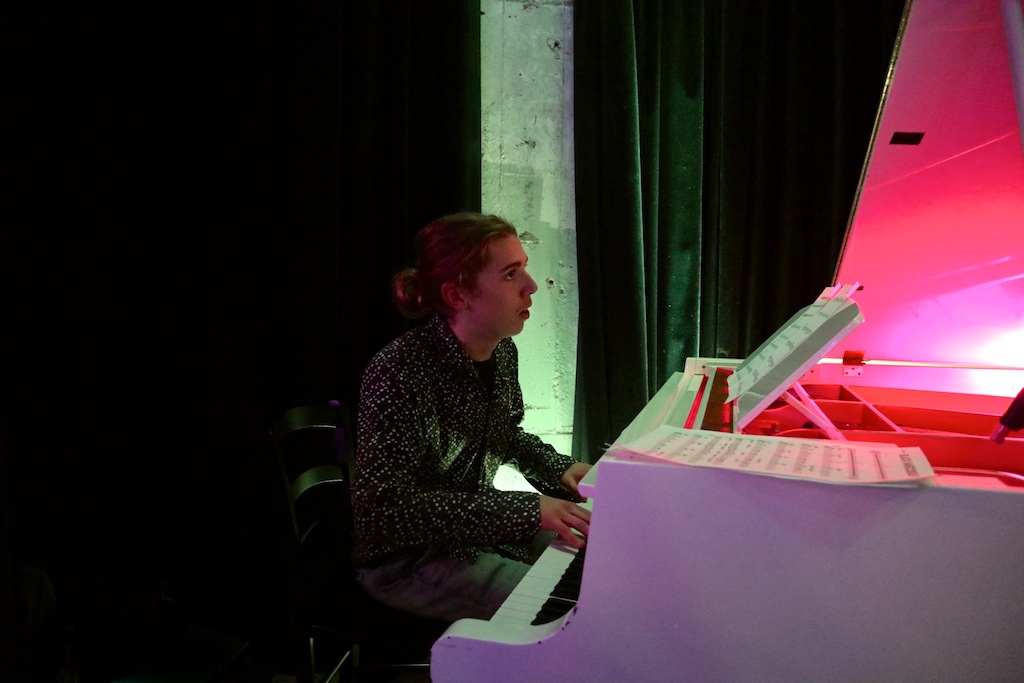
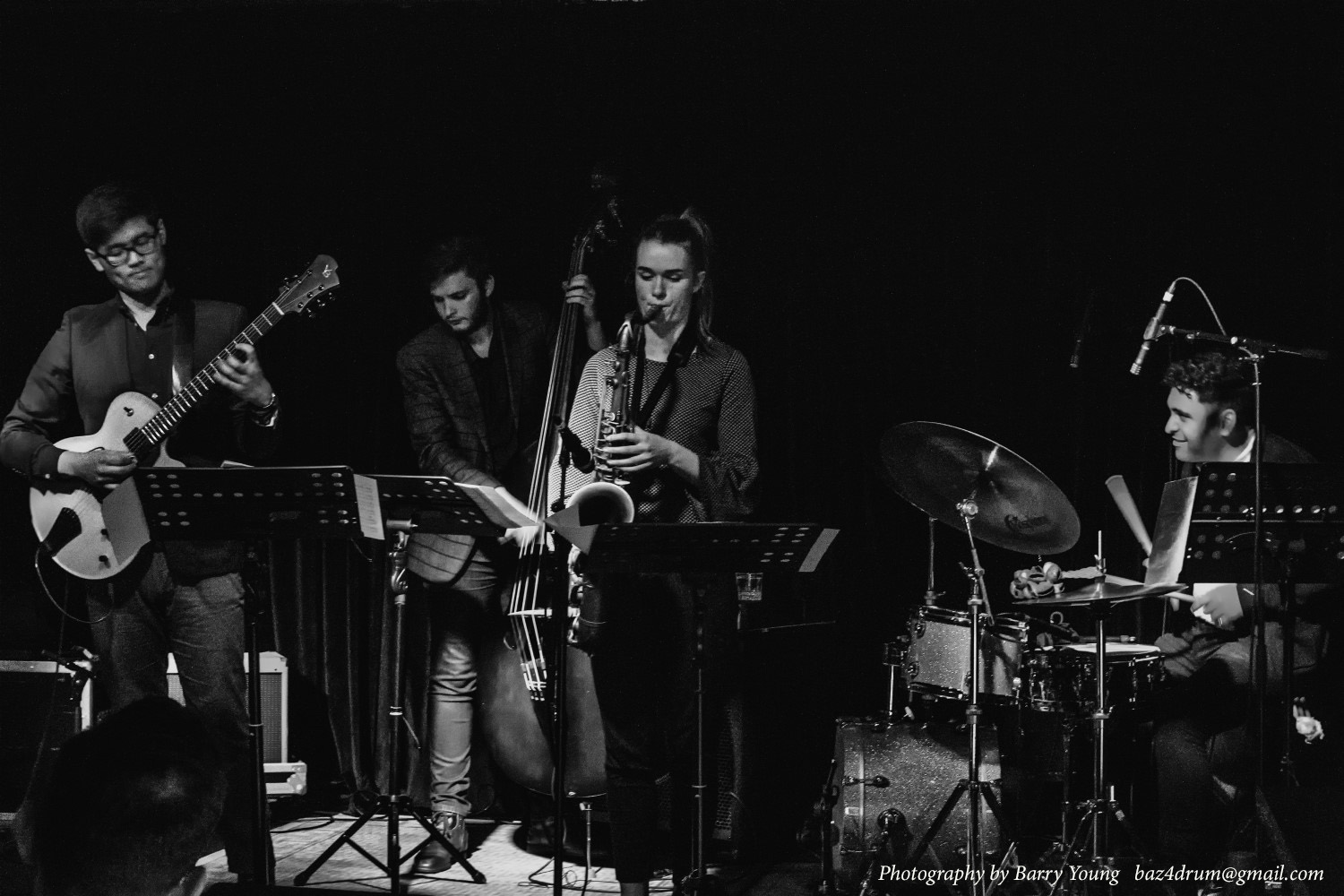 Brad Kang has previously appeared at the CJC, but this time he was here with his own quintet. It is not too much of a stretch to say that most emerging Jazz guitarists during the last decade have demonstrated a liberal dose of Kurt Rosenwinkel in their playing. It is in their sound and their approach to melody and it was unmistakable with Kang. That clean bright tone and the fluent unison lines as he and saxophonist Louisa Williamson ran through the head arrangements.
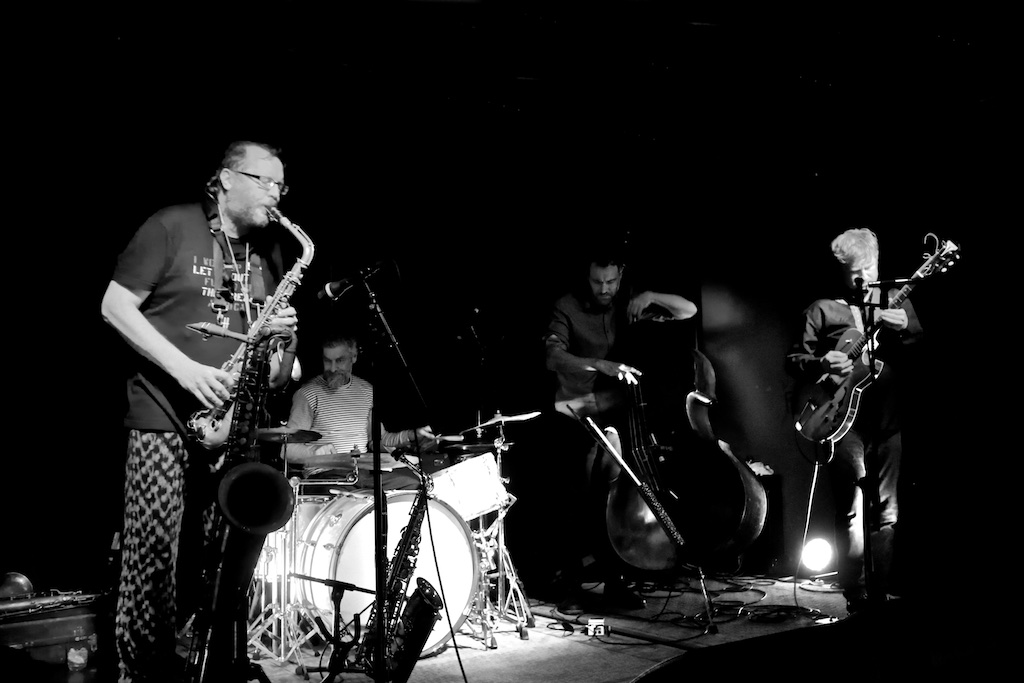 Anything that Jeff Henderson is associated with is likely to be intense, mind-altering and extraordinary. No matter how prepared you think that you are, you should understand that your head will be fucked with. When you factor in Tom Callwood, Anthony Donaldson and Daniel Beban the Henderson effect is magnified exponentially. This music is powerful stuff as it sweeps aside genres as irrelevant distractions. When confronted with a gig like this you abandon preconceptions, as the sonic smorgasbord jolts you out of complacency. It is also a visual experience and Fellini would have signed these guys up in a heart-beat.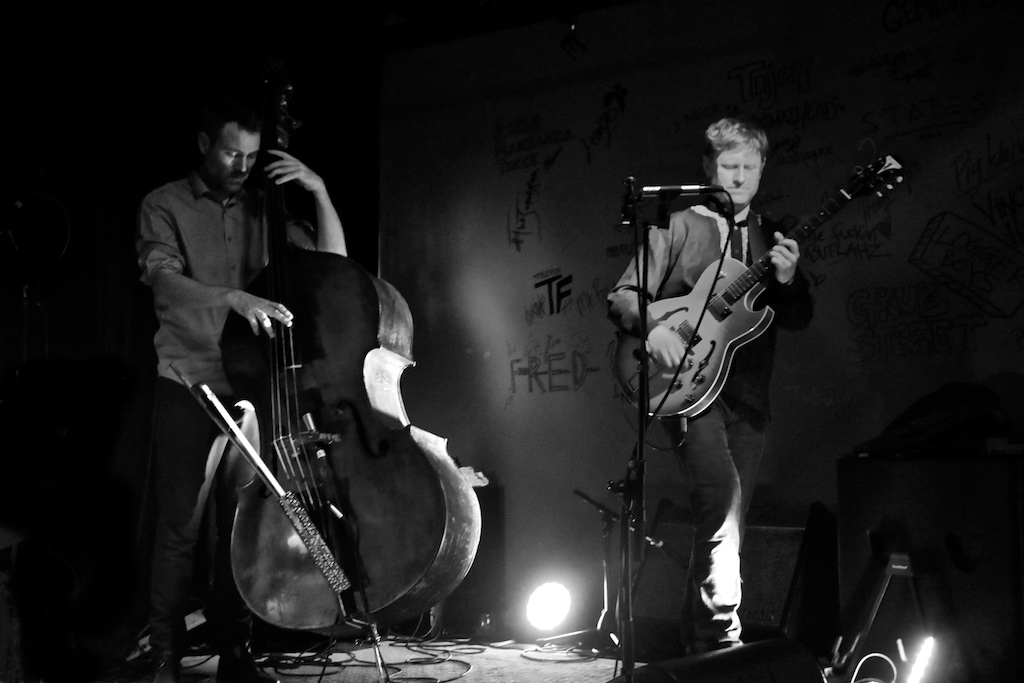
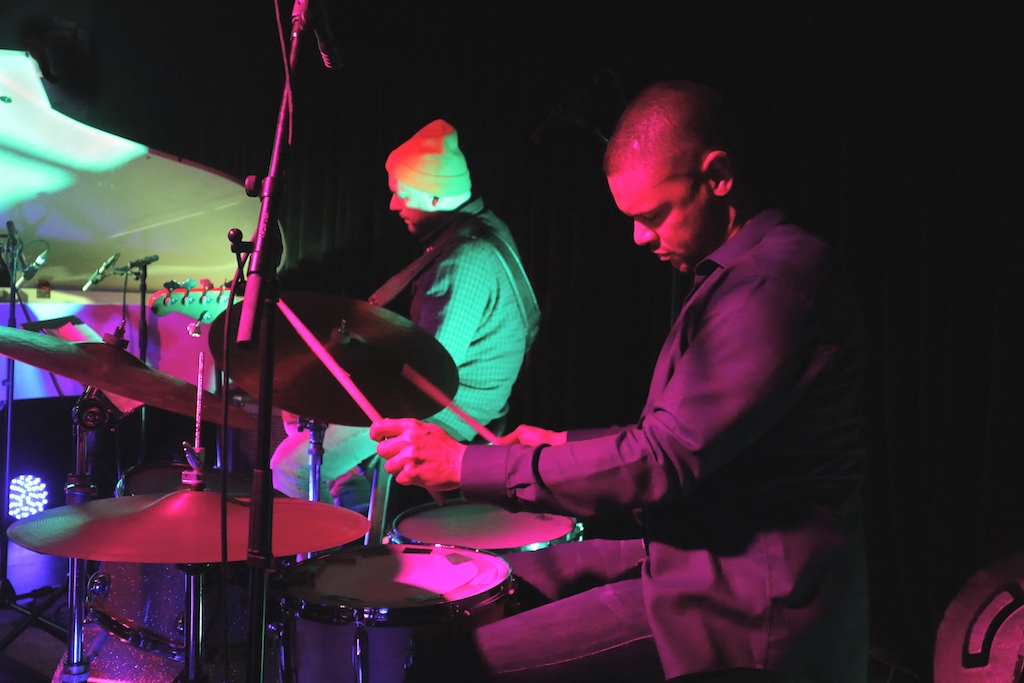
 JazzLocal32.com