Those lucky enough to attend any of Jake Baxendale’s ‘Waypeople’ concerts last year will have anxiously awaited the release of this album and his release tour. It is music brimming with exotic textures and tasteful arrangements, but it is more besides. When I attended the concert, I sensed that I was hearing something important. It made a statement about the maturity and evolution of Aotearoa’s improvised music scene and also conveyed a message that the world needs to hear right now. This spoke to our times and cut deep.
Before the advent of written language, and for a good while after, important stories were poetised and sung. This enabled generations to memorise and pass on vital cultural knowledge. In fact, poems were sung and accompanied by musicians long after the arrival of the written word, and the practice of silent reading didn’t occur in the West until well into the Middle Ages (sometime between 900-1200 BCE), and in China, during the Song Dynasty (around 1100 CE).
To the ancients, reading was a communal activity, and so it was with the Tao Te Ching. It spread through oral transmission much like Homer’s epics. Therefore, while various texts are available today, hearing it with musical accompaniment feels right. To the Taoists, music deepened the connection with the natural world and awakened ancient memories. As the Tang Poet Li Bai wrote:
‘The monk from Shu with his green silk lute . . .
Has brought me by one touch of the strings,
The breath of pines in a thousand valleys’
‘Waypeople’ is an album that joins a journey begun over 2,500 years ago, and in doing so, it incorporates the cultural expressions and voices found on that journey. Here, the ancient wisdom of the Tao Te Ching is clothed in a contemporary jazz idiom, utilising the oldest of instruments, the human voice and accompanied by saxophones, clarinets, piano, vibraphone, trumpet, drums, flute, oboe and guzheng. The use of the guzheng is particularly relevant here, as it dates back to the time of Tao Te Ching itself.
Throughout the album, selected passages of the Tao Te Ching are sung or intoned. Some verses are urgent and imploring, others reflective–opposites are brought into balance. It is therefore entirely appropriate that the translation is that of beloved contemporary author, Ursula Le Guin. What these musicians have captured is the ebb, flow and essence of these important verses. A balance has been found between the old and new, and the ‘old master’ Lao Tzu would surely smile on this endeavour.
Our world today is like it was in the Warring States (475-221 BCE)– it is out of balance. It is obvious that humanity has again taken many wrong turns, so now is the time to retrace our steps and heed this ancient wisdom. Choose peace over war, quiet and reflection over clamour. So, attend the gig if it comes to your town, buy the album on Bandcamp, listen deeply and reflect. There is no time to lose. https://jakebaxendale.bandcamp.com/album/waypeople – or check out the teaser on YouTube
The musicians are from Wellington and Auckland. Chelsea Prastiti (voice), Jia Ling, (guzheng), Jake Baxendale (compositions, alto, tenor & baritone saxophones, clarinet & bass clarinet), Callum Passells (sopranino & alto saxophones), Daniel Hayles (piano & vibraphone), Johnny Lawrence (double bass), Cory Champion (drums & effects), Louisa Williamson (flute tk 2), Ben Hunt (trumpet tk 5), Kaito Walley (trombone tks 2 & 5), J Y Lee (flute tk 10), Millie Mannins (oboe tk 10) – btw how nice to see Roger Manins daughter in this lineup.
“No competition, no blame” – Tao Te Ching
JazzLocal32.com was rated as one of the 50 best Jazz Blogs in the world by Feedspot. The author is a professional member of the Jazz Journalists Association, a Judge in the 7VJC International Jazz Competition, and a poet & writer. Some of these posts appear on other sites with the author’s permission.
The artists profiled here have some things in common. Both have Swiss heritage, work in countries other than the ones they were born in and take a fearless approach to improvising. They are separated in years and in experience but not in their approach. Both seek to extend the language of improvised music and have something interesting to say.
Alex Ventling ~ The View
This is a beautiful duo album; it will stay with you if you listen with open ears. It is fresh and original but snatches of the tradition are still evident, nestling in the compositions. From the opening track, ‘Spiders Steps’, Monkish elements creep in, as jagged spidery lines evolve into a gentle swing. The tune is perfectly rounded. It says a lot and yet does so concisely and simply. It is the perfect beginning for a superb album. Ventling’s pianism is evident throughout, but strikingly so in his resonant ‘In the Mists’. Good pianists know what to play and when, but gifted pianists understand how to sculpt sound and curate even the decaying chords. There are synths but they are used in ways that never once spoil the acoustic mood. That is so on ‘First Train to Finse’ which features guest artist Kim Paterson on trumpet. How lovely to hear him again in this ‘Silent Way’-like setting.
It is an album of surprises as the moods shift constantly. Importantly, they do so without once breaking the flow. Out of it all shines a radiant simplicity, a ‘mysterioso’ simplicity. One blended with oblique Monkish references and a northern European sensibility, a very Nordic soundscape, evoking open spaces, where the music breathes.
With Ventling is a gifted drummer, Phelan Burgoyne. He is the perfect foil for the pianist as he is a master of subtlety. He possesses an acute sonic awareness and understands how to work in the spaces between the notes. He is especially attuned to the harmonic possibilities as he adds his textural touches. This is a masterclass in colourist drumming and I cannot imagine any drummer doing better. He is co-credited as a composer, a collaboration which goes back years. Their synergy is evidenced in every minute of this recording.
This is a very mature album for a musician embarking on his musical journey. The album was released by the Trondheim label Sonic Transmission Records and is available on vinyl and digitally via Bandcamp (or the streamers).
Nik Bärtsch Ronin ~ Spin
Nik Bärtsch’s Ronin has been around since 2002, established following his earlier Ritual Groove Music album (2001). Since then Ronin has released 9 albums with cultural and musical influences scattered throughout; the most obvious being Steve Reich, John Cage and Morton Feldman. He was a drummer before he was a pianist and intricate rhythmic patterns and cycles are evident in everything he does. The other important influence is his abiding interest in Zen Buddhism and taken as a whole, those influences have coalesced, resulting in a unique musical path. His style has been dubbed Zen Funk, but it is improvised music of the highest order and the band has been delighting Jazz critics and Jazz-festival-goers for many years. His seven ECM albums brought him wide critical acclaim.
‘Spin’ works the rich seams opened in earlier albums. This band adheres to its minimalist principles while introducing freshness and open exploration. I have always been drawn to mesmeric or trance music, and this music is, but the tunes also invite quiet reflection. There is freedom within constraints, and that appeals to the heart and intellect.
The first track, ‘Modul 66’, was composed to showcase bass player Jeremias Keller, who recently joined the band. This highlights a subtle shift in emphasis, without changing the ever-present groove. The deep grooves are especially evident in ‘Modul 70-51’ which is mesmerising. A pulse that pulls you deeper into the music without once dulling the senses. This is achieved by surprising chordal and modulation shifts which function like Zen surprises. This is apparent in ‘Modul 40’ which is endlessly inventive.
The way this band works together is extraordinary, moving the emphasis mysteriously as they dance around each other like voodoo priests. It was recorded live at the Big Ears Festival, so ‘Spin’ should be enjoyed in one listening; each ‘module’ informs the next. I recommend that you listen with headphones or in a quiet room. It would be a shame to miss the subtlety. Nik Bärtsch (piano, Keyboard), Sha (bass clarinet, alto saxophone), Jeremias Keller (bass), Kasper Rast (drums). ‘Spin’ is self-released and available on Bandcamp or the streamers.
Other Recommendations to Check Out.
Rob Luft and Kit Downes are artists I have profiled before. Both appear on an interesting album by vocalist Paula Rae Gibson. The album, ‘The Roles We Play To Disappear’ has been referred to as ambient, electronica, and Avante-jazz. It seamlessly embraces many genres and is evidence of how improvised music is growing in multiple directions. Albums like this bring fresh audiences and that is a healthy thing. It is refreshing in these days of awful commercial music to see artists forging uncompromising artistic paths. It is available as a CD or download from Bandcamp.
Rob Luft and Elena Duni recently met with Manfred Eicher to discuss a new ECM release. This is welcome news as the first two releases were stunning. I interviewed Luft during lockdown and have reviewed his albums often. If you haven’t done so already check them out. My review of ‘Lost Ships’ is on this site at http://www.jazzlocal32.com/?s=Luft
Alex Ventling and Kim Paterson recorded on Ventling’s recent tour through New Zealand. ‘Conversations’ is a lovely standards album and is available on Spotify.
One of my favourite Jazz musicians Chris Cody (Sydney/France) has just released two interesting albums. The first is ‘Mountain To Sea’ with Sandy Evans, Tessie Overmyer and Lloyd Swanton. The second and most recent is ‘Under Ocean’, co-credited to Charlie Tait, an ambient improvised album conjuring powerful images. An interesting development from an artist who never fails to please. More on this soon.
JazzLocal32.com was rated as one of the 50 best Jazz Blogs in the world by Feedspot. The author is a professional member of the Jazz Journalists Association, a Judge in the 7VJC International Jazz Competition, and a poet & writer. Some of these posts appear on other sites with the author’s permission.
The two albums reviewed feature musicians from Wellington, Aotearoa/New Zealand. The first is by guitarist Callum Allardice, an award-winning musician with an impressive résumé. The second is an EP by vocalist Ella Dunbar-Wilcox (Ella Sophie), her first release.
Elementa ~ Callum Allardice
Elementa is a fine album and Allardice’s best to date. With this release and with this band, he has found the perfect vehicle to showcase his astonishing guitar fluency and compositional chops. He is known for crafting fine charts and melodic compositions and has won the APRA award for best jazz composition three times, but here, he shines as a fully rounded guitarist at the top of his game. There is no mistaking the lineage he arises from, Rosenwinkel and Moreno, and this album sees him vying for a place alongside those who extend that vocabulary, like Charles Altura or Gilad Hekselman.
Allardice’s supporting musicians are well-known in the Trans-Tasman music scene. The quartet includes accomplished Australian pianist Luke Sweeting, respected Australian-based Kiwi bassist Thomas Botting, and a tasteful drummer Hikurangi Schaverien-Kaa from Wellington. These musicians have previously collaborated with Allardice in groups such as The Jac and The Antipodeans, and are familiar figures to jazz audiences in New Zealand.
His accompanying musicians will be familiar. A lineup of Trans-Tasman stalwarts who have played alongside Allardice before in bands such as The Jac and The Antipodeans. The Australian pianist, Luke Sweeting, is a familiar face to jazz audiences in Aotearoa, as is the Australian-based Kiwi Thomas Botting, a respected bass player. The tasteful Wellington drummer Hikurangi Schaverien-Kaa rounds out the quartet.
There is a lot to like here, with the first track, ‘Stone Eyes’, setting up the rest of the album nicely (embedded). It has an otherworldly quality, and like the title track, it reveals Allardice’s remarkable technical skill as he spins out his mesmeric lines. His tone is inviting and warm. The guitarist is virtuosic throughout, but never just for virtuosity’s sake, and this is the clearest indicator of his maturity as a player. Also of note is a fine solo by Sweeting on ‘Odyssey’.
Processed with VSCO with c1 preset
The album is on the Australian Earshift Music label and will be released shortly. It can be purchased via the artist’s website or from www.earshift.com
Ella Sophie ~ Almost Love
‘Almost Love’ is the first release EP by Ella Dunbar-Wilcox (Ella Sophie), a New Zealand vocalist, pianist and composer. She is studying for her Masters on the West Coast of America after completing a BMus at the New Zealand School of Music. When I played the album, it was hard to believe that I was hearing a first release. You could add this to a playlist of well-known Jazz vocalists and it would fit in perfectly. The approach is old school, but in the best way, as she interprets by subtle means, making the tunes her own.
The album is mostly Song Book ‘standards’, but her original, ‘Take a Clue’ is a fine composition and fits in nicely. Taking a more traditional approach has paid off. There is an ease, a certain cool, teased out by her playful phrasing and minimal but deft touches of vibrato. Much of that is technique but there is much more on display here. She draws you in, conveys intimacy as she tells a story and makes you a believer. Embedded is ‘I’m Old Fashioned’.
She is receiving airplay in her home country and elsewhere and her voice has been compared favourably to some iconic jazz vocalists. When I played the EP, Anita O’Day and even Blossom Dearie came to mind, with that hint of playfulness in her sound and phrasing. She is also a pianist, but she has engaged a pianist and some LA musicians for this album, and they are just right for her. The other musicians are Alex Frank, Ryan Shaw, Josh Nelson, Talley Sherwood, Ben Burget, and David Donnelly.
‘Almost Love’ was released by ‘TriTone’ and is available digitally on Apple Music, Spotify and YouTube.
JazzLocal32.com was rated as one of the 50 best Jazz Blogs in the world by Feedspot. The author is a professional member of the Jazz Journalists Association, a Judge in the 7VJC International Jazz Competition, and a poet & writer. Some of these posts appear on other sites with the author’s permission.
The Bird of a Thousand Voices is an astonishing project, and as I listened and wrote, I weighed up the various superlatives. No other term sufficed. And, to describe it as a concept or a themed album would woefully undervalue it too. The depth and breadth of Tigran Hamasyan’s project is breathtaking and evaluating it requires fulsome engagement. I am not implying that it is unapproachable as there are delightful melodies as light as air, and exotic rhythms to engage, but underlying every note are other worlds, endlessly unfolding–worlds that beg exploration.
It is a transmedia project with the parts slotting together like pieces of a deliciously exotic puzzle. There is a film, an ancient manuscript, imaginative artworks, an interactive game, a stage show, and a timeless story, all wrapped in and around the extraordinary music of Tigran. It is utterly unique. His sound, touch, and visionary approach as he creates improvised music is singular, and few could pull this off so convincingly.
The project was inspired by an ancient Armenian folktale (Hazaran Blbul), involving an anthropomorphic bird. The fable tells of an era of great unrest, so the bird embarks on a spiritual quest, seeking world harmony. Still, as with all great quests, physical, spiritual and psychological difficulties are encountered along the way. Tigran states in his summary, that it struck him as a metaphor for the problems confronting today’s world; conflict, inequality and ecological disasters.
While the project references an ancient Armenian folktale, the bird theme is universal. Birds are sacred to most Middle Eastern, Mediterranean and Northern European cultures. They are frequently seen as messengers from the gods who can predict the future. Some believe they represent the soul or beauty and offer hope of peace. And, it is not just in myths. They warn us today of biodiversity loss, begging us to do better.
Among the promotional material is a video referencing a medieval illuminated manuscript from Armenia. Inside the manuscript, birds dance out of the vellum pages as Tigran’s Steinway is filmed being airlifted to a mountaintop, and the music dances too. Tigran’s distinctive pianism is immediately recognisable, but a deeper otherworldly quality appears during this recording. His delicate filigree motifs repeat and evolve, choirs or a single voice, echo key phrases and staccato percussive interludes rise, then fade; however, what stays with you is not technique but something more elemental. The project is a prime example of improvised music reaching beyond the familiar as improvised music should.
illustration excerpted from Armenian archives image
The album engages on many levels and should be enjoyed as the creators intended; by listening, watching, gaming, and contemplating. In collaboration with Tigran, Dutch filmmaker Ruben Van Leer has created cinematographic wonders integral to the music, as has illustrator Khoren Matevosyan. As you enter the website to participate in the game or to enjoy the illustrations and installations, you will find dozens of gifted collaborators credited. While there are too many to mention, the principal musicians are Tigran Hamasyan (piano, keyboards, drum programming, compositions, concept), Areni Agbabian (vocals), Sofia Jernberg (vocals), Vahram Sargsyan (vocals), Nate Wood (drums and bass).
The vinyl album can be purchased via tigranhamasyan.com His music is also available on the usual streaming platforms.
JazzLocal32.com was rated as one of the 50 best Jazz Blogs in the world by Feedspot. The author is a professional member of the Jazz Journalists Association, a Judge in the 7VJC International Jazz Competition, and a poet & writer. Some of these posts appear on other sites with the author’s permission.
Earlier this month ‘Blue Note in My Suitcase’ was released by B3 Master Michel Bénébig. It is his sixth album and his first with a Jazz orchestra. The album hits the groove spot immediately, and as you listen you realise what a perfect pairing Bénébig’s B3 and the Le Grande B3 Orchestra is, aided convincingly by Lachlan Davidson’s lovely arrangements. The charts are well constructed, giving free rein to the soloists and never overwhelming the organ. Davidson is a respected Australian arranger, teacher, band leader and multi-instrumentalist and his influence is strongly felt here.
It is always a pleasure to hear Bénébig’s in-the-pocket playing but with an orchestra like this charging the atmosphere, he digs deeper than ever into the groove. The ten tunes on the album are excellent groove vehicles, all written by Bénébig, with Davidson credited as co-composer on ‘Try To Explain’. I have always appreciated Bénébig’s writing but he has excelled himself here.
The opener ‘Alenka’s Mood’ is warm and funky, immediately infecting you with its slinky rhythm. It offers up a promise which is fulfilled throughout. As you work through the tunes you are drawn back to the days when infectious danceable music like this was loaded onto jukeboxes and played in steamy groove joints pulsating with dancers. The music brings a smile to your face and fills you with joy and, like his earlier ‘Shuffle’ album, you will reach for it repeatedly. Joining him is Bénébig’s daughter Lucia who is responsible for designing the album cover and creating animation for a promotional YouTube clip. I have posted the YouTube cut ‘Black Cat’ from the album.
A time-honoured B3 big band tradition is followed here, featuring 13 horns which lends considerable heft to the rhythm section. It would be easy to drown out soloists and to eclipse the organ with a behemoth like this but the soloists get plenty of room to shine, and shine they do. The album is available now on Spotify and a vinyl edition is on the way for audiophiles.
Mick Fraser (trumpet 1), Shane Gillard (trumpet 2), Gianni Mariucci (trumpet 3), Rob Planck (trumpet 4), Roger Schmidl (trombone 1), Ben Gillespie (trombone 2), Jessica Jacobs (trombone 3), Adrian Sherriff (bass trombone), Lachlan Davidson (alto sax 1/flute 1/sop sax), Rob Simone (alto sax 2/flute 2), Anton Delecca (tenor Sax 1/clarinet 2), Paul Cornelius (tenor sax 2/clarinet 1), Stuart Byrne (baritone sax/bass clarinet), Jack Pantazis (guitar), Gideon Marcus (drums), Michel Bénébig (A105 Hammond organ Leslie 147), Phil Noy (recording engineer), Lachlan Carrick (mastering Engineer), Lucia Bénébig (front cover art)
~Random Delights~
Sambandha: Heartcore For Nepal
Recently, I received a press release from colleague Arlette Hovinga. The project outlined was the vision of Mikaela Bokova, the manager of Kurt Rosenwinkel’s independent music label, Heartcore Records. The object was to raise money for disadvantaged children in Nepal, and on board for this recording are an impressive list of jazz and world music luminaries: John McLaughlin, Christian McBride, Terri Lyne Carrington, Gerald Clayton, Kit Downes, Anmol Mahara and Dinesh Pun. Sambandha was written by combining two traditional Nepalese folk tunes, and it’s performed by the 20-piece children’s choir Bokova organised while running a music workshop at Mangala School, Babiyachaur, Nepal.
The revenue from the release will go towards buying the children’s musical instruments. In your browser or here, click on heartcore-records.com then once opened, locate Sabandha and purchase your download (5 Euros). It can also be purchased in Bandcamp. Please pass on the word and enjoy. I play this often. You will also find a delightful video on YouTube on the making of this by typing Heartcore for Nepal Sambandha. There is a deficit of joy in today’s world, but giving to those in the greatest need is a sure way to top up the supply.
Skilaa: Tiger In The Water
The cut I am posting is tagged ‘psychedelic R&B’ and the descriptor is intriguing. Everyone featured in this band is an accomplished jazz musician and it shows. Boundaries have been deliberately blurred until a new, fresh kind of music emerges, which catches your attention because it is familiar but not familiar. The concept, compositions and delightful artwork are those of vocalist Chelsea Prastiti. Her boundless energy is evident here. In Aotearoa, it is not unusual for Jazz-trained musicians to make inroads into Indie-Rock, Soul-Funk and Indie-Pop and do it well, even better (think The Beths). Skilaa will be a band to watch. The band are Chelsea Prastiti (vocals, compositions, artwork), Tom Denison (bass), Adam Tobeck (drums), and Michael Howell (guitar) with guest vocalist Crystal Choi (recorded by Callum Passels).
The ‘Astounding Eyes of Rita’ – Trio Natalino Marchetti, Francesco Savoretti, Mauro Sigura
I have previously posted on Mauro Sigura, an oud improviser. He recently sent me this clip of his trio featuring oud, with accordion and percussion. The tune is a well-known composition by Anouar Brahem, ‘The Astounding Eyes of Rita’. Improvised music like this is prevalent across the Mediterranean region and deserves a wider audience. This is such a lovely tune and so beautifully realised here. Mauro Sigura (oud), Francesca Savoretti (percussioni), Natalino Marchetti (fisarmonica). Recorded in Rome.
The first album reviewed is the latest release by Myele Manzanza, a Wellington-born musician who is now a significant presence on the London scene, the second is another clip of finalists from the recent edition of the 7VJC competition.
Crisis And Opportunity Vol.4 – Meditations
Those following New Zealand-born drummer/composer Myele Manzanza have been amply rewarded over the years. He has in recent times established himself as a strong presence on the London scene, releasing many successful albums and, capturing the diverse mores of modern improvised music while bringing his distinctive voice to bear.
‘Crisis and Opportunity Vol 4’ may differ from the preceding volumes, but the over-arching trajectory makes perfect sense when you examine his output as a whole. Manzanza is an artist who refuses to rest on his laurels and with that comes constant re-evaluation and soul searching.
The tune titles from his various albums are embedded stories in miniature. In the liner notes he makes the point that, unlike earlier albums, he is not trying to make us dance. Here he has chosen to lean back into his Jazz roots and to do that he has located just the right bandmates. Bassist Matt Penman and pianist Matthew Sheens are perfect for this project as both hail from the South Pacific and are successful in New York.
When musicians establish careers in countries far from where they were born, homesickness is common, and heartfelt creativity emerges. This particular album is meditative and reflective, but despite that, there is still that innate sense of propulsive energy. An energy that always characterises Manzanza’s work. He may not be trying to make us dance but as we listen we feel the dance of life through his tunes.
The sparkling opener, ‘Crayford’s Room’, with its sparse piano and lovely arco bass at the beginning has particular resonance for me. It is a homage to New Zealand-born pianist Jonathan Crayford. Many musicians have been mentored by him and inspired by his musicianship. This is a fine album and it is also a love letter home. Highly recommended.
The album can be found at myelemanzanza.com or on Bandcamp under the artist’s name.
Chai Masters (Netherlands)
The band was formed from a musical connection forged at the Amsterdam Conservatory in 2018. Their debut album, ‘Magical Realism’, garnered critical acclaim. Since then they have added a vocalist, whose wordless vocal lines have merged effectively and seamlessly into the musical mix. They are an interesting group with a distinctive sound and play to their strengths. They draw on many sources, and a uniquely heady brew is the result.
What first caught my attention was their name. I am a teahead and to locate the finest tea I rely on tea (chai) masters. These are the gurus of tea and they understand the importance of sourcing; and how to locate the places where the trees grow best. This matters because the finest teas come from unique terroirs, where the essences of flowers, minerals, and herbal aromatics are absorbed deep in the earth’s ecosystem. So it is with the group Chai Masters. They draw from the raw materials around them, rendering them into music like alchemists.
The clip posted is the one submitted to the 7VJC competition. The sextet’s vocalist, Līva Dumpe has a pure, well-modulated voice and while not overshadowing the other instruments, she is a powerful presence in the lineup. Her wordless vocal lines add to the overall texture in ways another instrument could not. This contrasts (and merges) brilliantly with the two horns as they execute rapid-fire unison lines, underpinned by minimalist piano, tight basslines and colourist drumming. The composition must also receive its due here, as the unit and the compositions are as one. This is a group to watch as they have found their sweet spot. The clip is titled ‘The Seer’s Dream’. The sextet can be located at chaimastersmusic.com
This lovely album by Allana Goldsmith and Mark Baynes is timely because it arrives at a crucial historical juncture. For a long time after the period of colonisation the beautiful indigenous language, Te Reo Maori, was suppressed in Aotearoa/New Zealand. After determined efforts by indigenous speakers, the decline was reversed, but there is a long way to go. Albums like this are indications of a gathering momentum.
‘E Rere Rā’ has been well received by Jazz audiences (and beyond). It has received critical acclaim offshore. It is a Te Rao Maori journey which takes its place alongside genres as diverse as opera, hip hop and pop. It is a joy to see this flowering of our indigenous language. Te Reo Jazz vocals were earlier brought to audiences by Whirimako Black, who recorded Jazz Standards and performed at festivals. Goldsmith has also been a pioneer in this field, performing Te Reo Jazz for a number of years, writing many of her own lyrics in Te Reo and composing tunes as vehicles.
Goldsmith’s association with the respected broadcaster, educator, and Jazz pianist, Dr Mark Baynes goes back a number of years and the collaboration has been fruitful. They appeared about town in the clubs and bars and toured further afield. They recently appeared at the Wellington Jazz Festival. Baynes is constantly widening his repertoire and he’s a pianist willing to take on new challenges. The last time I saw him was with a Latin ensemble where he delivered compelling solos while effortlessly navigating the complex rhythms.
The album is stylistically broad, with a generous nod to soul and funk. It evokes the vibe of singing late into the night; gathering friends and family close. Such events are a timeless Aotearoa tradition; evoking warmth and sometimes sadness. It is especially so with ‘Tipuna’ (grandparents and ancestors) and with the heartfelt ballad ‘Whakaari’ (a volcanic island off the North Island/Te Ika-a-Maui coast). The lament ‘Whakaari’ references the terrible eruption of the Whakaari Island volcano. When it erupted, many lives were lost or blighted. It is a sacred place for Maori, but a place with layers of sadness. This ballad captures that perfectly.
Allan Goldsmith (co-leader, vocals compositions/arrangements) Mark Baynes co-leader, keyboards, compositions/arrangements) Hikurangi-Schaverien-Kaa (drums), Riki Bennett (Taonga Puora), Dennson, Alex Griffith (5) & Will Goodinson (2) (bass), Kim Paterson (trumpet, flugel) (3,10), Cam Allen (saxophones) (5), Mike Booth (trumpet, horn arrangement (5), Jono Tan (trombone) (5) and Michael Howell (guitar) (4,8). The album can be purchased from music outlets, Bandcamp or accessed via streaming platforms. Please support local music and especially music that tells our unique stories.
JazzLocal32.com is rated as one of the 50 best Jazz Blogs in the world by Feedspot. The author is a professional member of the Jazz Journalists Association, a Judge in the 7VJC International Jazz Competition, and apoet & writer. Some of these posts appear on other sites with the author’s permission.
Some stories play out quietly while others are thrown into sharp relief against a tapestry of upheaval. ShekBand is from Ukraine, and as missiles fly about them, it is tempting to place their project solely within the context of the unprovoked invasion. That would be a mistake. While the horror is inescapable, there is a bigger story at play here and ShekBand tells that story eloquently through their music. It is not usual to see musicians this young touring and recording, but their achievements are a testament to their dedication, a supportive home environment and the quality of a Ukraine Jazz education. Wars destroy, musicians create and the human spirit is bigger than war. This is an album to inspire; it is a beacon of hope.
Yesterday I wished Shekband’s drummer Maksym Shekera a happy birthday. He turned 12 years old. Along with his sister, Anna (14) and Artem (16) they are about to leave Ukraine. Their first album The Inflatable Ram has just been released and they have a tour of Europe ahead of them. The itinerary will take them to Warsaw, Berlin, Leipzig then back to Warsaw and on to Lithuania. They have been looking forward to getting on the road. Attend a gig if you can.
The album is filled with delights and as the respected bass player, Jeff Ballard commented, “All the compositions are well thought out. They are full of invention and cover a very large range of expression – very dramatic and sensitive qualities. Great stuff.” Among the 9 tunes on the album, you will hear original compositions, Ukrainian folk references and their arrangement of a Wayne Shorter Standard.
Having fled Kyiv without their instruments they sought practice instruments along their escape route: old drums, town hall pianos, gaffer taped double bases. Emerging from air-raid shelters they focused on the tunes and to tweaked the arrangements. They eventually found a haven in the southwest, but they must now undertake some perilous journeys. Last week they drove back to Kyiv and were able to retrieve some instruments. It was a dangerous place to be. Today they face the missiles again as they drive towards the Polish border.
Credit is also due to Patricia Johnston, co-owner of Taklit Artist and Concert Management in France. She came across these musicians during the 7VirtualJazzClub competition and her company awarded them an honourable mention. That company is behind the release on HGBS Blue/Black Forest Sounds. Patricia and I are fellow 7VJC judges and so I offered my assistance. The English version of the official press release is my small contribution. Yours will be to listen to the album and when physical copies are available please purchase one. From today it will be available on all major streaming platforms. Search for The Inflatable Ram or ShekBand on Spotify, Tidal, AppleTunes etc. Give likes, share and post comments. With our help, this will be the first step on a long and rewarding journey.
For more information on the plight of Ukrainian musicians during the invasion, refer to my two earlier Ukraine posts which are available on this site.
JazzLocal32.com is rated as one of the 50 best Jazz Blogs in the world by Feedspot. The author is a professional member of the Jazz Journalists Association, poet & writer.Some of these posts appear on related sites.
The Bonita Project is fueled by good compositions, nice arrangements and above all by the exuberance of leader Chelsea Prastiti. It is the second time that Bonita has appeared at the CJC in recent times and people returned for more. It is a worthy project as it reimagines a time and rides on a powerful vibe; the sort that the world needs right now. There was always an easy-going breezy quality to post-war Brazilian music and that quality could beguile. Underneath, however, there is a powerful engine, as the melodies float over a plethora of complex rhythmic structures.
It is impossible to listen and to keep your feet still as the urgency underlying the beachy vibe captures you. It is also true that in this golden era there were dangerous political undercurrents. Out of that dashed hope came a flowing of art forms and the authoritarian colonels who tried to snatch it all away could not silence the music. Many of the musicians like Elis Regina were harassed, but the music never faltered.
There were three arrangers credited on the gig, Prastiti, Sinclair and Passells. The compositions were by Prastiti (and with one co credited to Kenji Hollaway). Some of the tunes we had heard before, including the lovely ‘Cassandra’ (posted as a video last time). There were also new tunes and among them ‘Peter Pan’ was especially appealing. The band had changed slightly from last time, with Connor McAneny replacing Crystal Choi. McAneny had been out of the country for a few years and his return is welcome. His piano playing has a muscular quality to it, which was less evident before he left.
The opportunity afforded by a diverse sound palette was well utilised by the arrangers; bringing out the best in the music without overwhelming melody. This was achieved with three vocalists, an acoustic guitar, piano, double bass, percussion, kit drums, trumpet + flugelhorn, clarinet + flute, tenor saxophone and a second flute. It was pleasing to hear a 12 piece ensemble perform in this way. A configuration like this allows an arranger to impart a degree of airiness out of a large ensemble sound. This was achieved by having the instrumentalists or the vocalists moving in and out of the mix as required. The tunes had lyrics, but just as often there was wordless singing. I love to hear the human voice used as a (non-verbal) instrument. Perhaps because of my ongoing enthusiasm for Winston/Wheeler/Taylor in their ECM ‘Azimuth’ days. This was a nice project and all the more so because it was presented with infectious enthusiasm.
Bonita: Chelsea Prastiti (vocals, arranging), Eamon Edmondson-Wells (upright bass), Ron Samsom (percussion), Tristan Deck (drums), Connor McAneny (piano), Michael Howell (guitar), Roger Manins (tenor saxophone), Elizabeth Stokes (trumpet/flugelhorn), Ben Sinclair (clarinet, flute, arranging), J Y Lee (flute), Rachel Clarke (vocals), Gretel Donnelley (vocals), Callum Passells (arranging).
JazzLocal32.com is rated as one of the 50 best Jazz Blogs in the world by Feedspot. The author is a professional member of the Jazz Journalists Association, poet & writer.Some of these posts appear on related sites.
Lost Ships on ECM is an album that rewards deep listening. It is deliciously spacious and unbelievably beautiful and the powerful images and exquisite stories will remain with you long after listening. It speaks in many languages, as disparate as Albanian and English. The Romance, Germanic and Balkan tongues unified in improvised song form. The album is a collaboration between UK Jazz guitarist Rob Luft and Albanian born Jazz vocalist Elina Duni. Together they have crafted a rare and precious document. It is especially relevant for current times while gently referencing a fading past.
Like many ECM albums, originals, traditional folk tunes and jazz standards are approached with a Euro-Jazz sensibility. An approach where less is much more and an almost preternatural clarity is realised Everything sounds fresh and the album achieves this by breathing new life into what we recognise and by delighting us with the unfamiliar. As always with ECM albums, the recording quality is impeccable, and the musicians take full advantage of this.
The first number ‘Bella Ci Dormi’ (Beauty, You Sleep) is a traditional Italian song conveying intense longing. It opens with the piano and guitar setting up the tune for Duni; her voice, caressed by the delicacy of the arrangement. Duni has an extraordinarily beautiful voice and Luft has gifted her the perfect arrangements. The next tune ‘Brighton’, an original by Duni and Luft is sung in French (with the flugelhorn as another dominant voice).
There is a songbook standard, ‘I am a Fool to Want You’ (Sinatra/Wolf/Herron) and a loved chanson classic ‘Hier Encore’ (Charles Aznavour). This establishes the pattern throughout. Songs from many sources sitting comfortably together. The song ‘Wayfaring Stranger’ (trad USA) was made famous by Johnny Cash, but it has previously been recorded by Jazz musicians (Charlie Haden and Shirley Horn). The two traditional Albanian songs are a rare treat. In ‘Kur Me Del Ne Dere’ or ‘N’at Zaman’, it is not hard to discern the eastern European flavour.
Among the originals are some wonderful tunes, ‘Flying Kites’ is stunning as are ‘Lux’ and ‘Empty Street’. As lovely as the rest are, my highest praise goes to the title track ‘Lost Ships’. The song pays tribute to the migrants who lost their lives in the Mediterranean; gently but powerfully urging us to take action on environmental and humanitarian issues before we find ourselves lost ships on an empty sea.
The trio accompanying Duni is not of a typical alignment. It has two chordal instruments and the pianist doubles on drums. Then there is the flugelhorn. Such sensitive players all. And Luft is on every track and he is a powerful presence without being overt. It is his astonishing voicings and delicately placed runs; none intruding on the vocalist but never-the-less conveying a quiet strength by exploiting timbre and speaking whisper-soft. This was a perfect match and I am not surprised that ECM picked them up.
The last time I encountered Luft, was at Ronnie Scotts, playing a gig with Kit Downes, and it was there that he told me of this ECM project. At the time I had not heard of Duni, but a few months later and back in New Zealand, I posted enthusiastically on the Norwegian avant-garde vocalist Sidsel Endresen. Luft messaged me immediately to say that there was a connection between Duni and Endresen. Intrigued, I kept an eye out for the album, and then the pandemic hit.
I was determined to grab a copy, a real copy, complete with brooding artwork and an outer sleeve. ECM has the imprint of artistic integrity and I avoid listening to any ECM recording in a compressed format if I can. I badly wanted to hear the album, but I waited. I was informed that it could take two months due to pandemic shipping delays, but it took much longer. It finally arrived as winter approached and I took it out of the letterbox as dusk fell. I put it on as darkness fell and let the sounds wash over me. I loved it from the first note. It had been my lost ship, and now it was found.
Lost Ships: Elena Duni (vocals, compositions), Rob Luft (guitar, compositions), Fred Thomas (piano, drums), Matthieu Michael (flugelhorn).
JazzLocal32.com is rated as one of the 50 best Jazz Blogs in the world by Feedspot. The author is a professional member of the Jazz Journalists Association, poet & writer.Some of these posts appear on related sites.
Mireya Ramos was an unexpected musical treat because our borders, with very few exceptions, have been long closed to all but Kiwi returnees (and most recently Australian tourists). Ramos is from New York. Very few international musicians have managed to cross the border, and only if they obtained an exemption and subjected themselves to a strict quarantine.
With the Australian Bubble just opened I assumed that Ramos must have come from Australia, but in fact, she arrived here with her acclaimed Flor de Toloache all-female Mariachi styled band to perform at WOMAD 2020. Within days of arrival, the borders had closed behind her. For many pre-lockdown international visitors, the border closure proved to be a silver lining as visas were extended and they could avoid the horrors unfolding elsewhere in the world.
Mireya Ramos is a multi Grammy-nominated (and winning) artist and although the rest of her all-female mariachi band members returned home, she and her partner Andy Averbuch did what creatives do best, they got busy. During the year she has recorded and toured the country and her gigs have attracted enthusiastic audiences everywhere. Her CJC gig featured a variety of Latin and Central American styles with the addition of popular standards.
Her music draws on many genres, but all coloured by a stylistic uniqueness. She is both a vocalist and a violinist and that appealed as well. The violin is not unknown in improvised music, but sadly it is still uncommon. I am fond of the violin in Jazz and Jazz fusion styles and particularly so with Argentinean music.
Listening Jazz audiences are always eager to hear traditional and blended South American music. A good example was the version of ‘Fever’ which morphed into an Afro-Cuban groove. Of all the tunes, that appealed to me the most. It is not often that we get to hear the many and varied Latin styles and whenever we do, we are left wanting more.
Guitarist Andy Averbuch and Bass player Alex Griffith had opportunities to stretch out during solos and they made the most of that, but when Dr Mark Baynes and Lance Bentley locked into a Clave, the magic happened. Ramos has been received enthusiastically in New Zealand and after the pandemic recedes, I am sure that she will be encouraged to return. The band: Mireya Ramos (vocals @ violin), Andy Averbuch (guitar), Dr Mark Baynes (piano, keys), Alex Griffith (bass), Lance Bently (drums).
JazzLocal32.com was rated as one of the 50 best Jazz Blogs in the world by Feedspot. The author is a professional member of the Jazz Journalists Association, poet & writer.Some of these posts appear on related sites.
It’s impossible to over-estimate the influence that the CJC (Creative Jazz Club) has had on the Auckland and wider New Zealand Jazz scene. For those unfamiliar with its history, the club was set up over a decade ago, as a place to bring original improvised music to discriminating listening audiences. A secondary function was to ensure that emerging artists were given a shot on select gig nights. Last week brought two bands, the Ben Frater Band and the Rachel Clarke band.
Frater is an undergraduate at the UoA Jazz School and for an emerging performer, his drum-work shows surprising maturity. In common with many up-and-coming performers, his approach is not confined to any particular style and this openness has informed his approach. The gig was billed as swing influenced, but leaning towards fusion, and the descriptor was accurate. Frater is a compelling drummer and he will further enrich the local scene.
The leader enrolled former and current students for this gig and in consequence, a shared vision was evident. CJC audiences are by now quite familiar with guitarist Michael Gianan and with keyboard wiz Joe Kaptein; both have featured often during the last year. The other band members were Jimmy Olsen on electric bass, Andrew Isdale on tenor saxophone and Jack Thirtle on trumpet.
Olson was a powerhouse with those urgent pumping bass-lines; the sounds of Jazz-fusion deserve slippery grooves like that. And Kaptein impressed as he always does, his calm demeanour belying what was flowing from his fingertips. He backed into the pieces like a pro and established grooves on top of grooves; then he reached underneath the bonnet and messed with the sound in a good way.
The groove tunes took a bold step in the direction of improvised Jazz electronica; the direction of Eivind Aaset in particular. I hope that Frater takes us further down that road. It has until now been a Nordic sound and it is extremely popular in the northern regions. This band gave it a Kiwi flavour, and I for one am ready for more. I have posted a clip titled ‘Montgomery’ (Frater).
The second set brought us, vocalist, Rachel Clarke’s band. Clarke had assembled some formidable firepower. Ben Frater and Jimmy Olsen were present again, Gretel Donnelly and Chelsea Prastiti as backing vocalists, Nathan Haines on flute, Alex Pies on guitar and Ron Samsom on percussion. Clarke is a recent graduate from the UoA Jazz Programme and I first heard her when she was called on at short notice to replace Caitlin Smith at a live gig, just days before the first lockdown.
All of the tunes in Clarke’s set had a Latin flavour and more specifically, a Portuguese flavour. Many of the tunes were sung in Portuguese. Again, it is a credit to the Auckland University Jazz School that they nurture such diversity within their programme structure. Out of this diversity, an Auckland sound is being forged.
It can be daunting to find yourself in front of a large discriminating Jazz audience, but Clarke demonstrated her ability to win an audience over. She has a fine voice and she mastered the rhythmic complexities of her Latin tunes with ease. Alex Pipes also nailed the rhythms, with Olsen, Samsom and Frater adding counter pulse and texture. Nathan Haines provided perfect fills and a gorgeous solo or two. His Latin Flute chops are legendary.
JazzLocal32.com was rated as one of the 50 best Jazz Blogs in the world by Feedspot. The author is a professional member of the Jazz Journalists Association.
The pandemic hasn’t stopped the music, and while it is true that the clubs, bars and concert halls are placed out of reach for many, music has the qualities of water. It will flow through the cracks until it has found its own level. The recent Kiwi lockdown was mercifully short, and in random and serendipitous ways new music found me. As always, I was happy when it did. Below are three very different albums – check them out.
Early Risers ~ John Scurry’s Reverse Swing
During our recent lockdown I received an album in the post from Lionsharecords. The album, ‘Early Risers’ is John Scurry’s Reverse Swing ensemble, his second such release. Scurry’s earlier Reverse Swing album ‘Post Matinee’ was showered with praise, with one American reviewer describing it as ‘Ellingtonian’. The 2020 album has 19 original tunes spread over two CD’s and we are invited to view each volume as distinct but complementary.
Having recently travelled to New Orleans, I detected those influences in this band immediately. When you spend any time in NOLA, you realise that that city’s influences are very broad indeed. Everything from swing to soulful gator-funk, from Sun Ra to the various free jazz offshoots. It is a living, breathing up to the minute music and one with its own flavour. So it is with ‘Early Risers’, and with this album there are also a multiplicity of rich local influences.
I loved the album for its warmth and approachability. It is instantly engaging, but this is not a nostalgic romp. There is real depth here and many treasures are revealed to the deep listener. The interplay between the musicians is simply stunning and their time feel beyond caveat. Track one on the first album is my favourite and while comparisons can be odious, this gave me the same feeling as I had when first hearing the Cy Touff Octet & Quintet album. Perhaps there is even a hint of ‘West Coast’ as well – Sheldon ?
There are many moods and whether a gentle ballad or a hotter number, all contribute uniquely to the whole. Underpinning each number are the quiet urgings of leader John Scurry’s guitar. We hear swing style guitar infrequently these days and more’s the pity. The tunes here were all penned by Scurry and he is also the co-arranger and producer. He has been a popular feature of the Australian scene for many years and I wonder what took him so long to launch this particular project. to listen go to Early Risers Lionsharecords
The other arranger (and horn arranger) is trumpeter Eugene Ball. Ball is another veteran of the Melbourne scene and a Bell award winner. I associate him with the moderism of Andrea Keller. Here you are overwhelmed by the richness of his sound. His tone production is often reminiscent of the latter-day swing trumpeters like Harry Sweets’ Edison and Henry ‘Red’ Alan.
I have also encountered James McCauley, and again I associate him with Keller. He is perfect in these very different rolls. The band members here are John Scurry (guitar, arrangements), Eugene Ball (trumpet, arrangements), Brennan Hamilton-Smith (clarinet), Stephen Grant (alto sax), Matt Boden (piano) Howard Cairns (bass), Danny Fischer (drums), + Sam Keevers (piano). The textures, tunes and uncanny interplay render this a terrific album. It may have its roots in traditional swing, but I defy anyone, whatever their taste in jazz, not to love this. It is released on Julien Wilson’s lionsharecords.com and on bandcamp. All art-work by John Scurry.
Wax///Wane ~ Lucien Johnson
Wax///Wane was released over summer and I’ve just caught up with it. I am always keen to check out gigs or albums featuring Lucien Johnson, so I downloaded it on Bandcamp. There was no information about the band or the recording on the album page, but my ears began to fill in the gaps. John Bell had to be the vibes player, surely it was him (an online search confirmed that)? Few south of the equator punch out modal grooves quite as convincingly as Bell. Of the remaining four musicians, two were known to me and two not. Michelle Velvin was on harp, Tom Callwood on upright bass, Cory Champion on drums and Riki Piripi on percussion (listed under the undividual tks).
The album features six compositions and each of these has an evanescent quality. They hint at places we think we might know, but can’t quite remember. Blue Rain, Forest Rendezvous, and Rubicon appear as if in a dream and as with the missing liner notes, we are encouraged to fill in the gaps with our imagination.
Blue Rain
Johnson has chosen his bandmates well. Bell and Callwood are genre defying and have open-ears, and as with Johnson are well immersed in the freer regions of improvised music. I have seen Cory Champion several times, but never heard him in this context; very impressive. Adding a harp player and percussionist added texture in finely hued layers, and this gave the album that delightful Alice Coltrane feel. It’s great to see the harp revived as an improvisers instrument and especially with the vibes. They could get in each others way, but in skilled hands this is avoided and a shimmering pulse arises to good effect.
Johnson is a musician we most often associate with the Wellington scene, but these days he is perhaps better termed an international musician. Like all modern saxophonists, there is a foundation of Coltrane in his sound. There is also an airy freedom. Here, he has curated a groove fest. The sort of grooves that Bobby Hutcherson, Alice and John Coltrane, Julian Priester and others explored. It is what might be loosely termed spiritual Jazz. Music defying the mundane, an invitation to a better place where gravity is abandoned. In times like this we need music, and actually, we need more music like this. Music that stimulates the imagination and doesn’t preach. The playing here is superb but don’t over think the experience, sink into it and enjoy the trip. The cover-art is by Julien Dyne. Available on Bandcamp Lucienjohnson.bandcamp.com
Alan Broadbent/Georgia Mancio ~ ‘Quiet is the Star’
Alan Broadbent has an unerring ear for melody and this is in part, why he makes such a sensitive accompanist. While his albums can really swing, they also take direct aim at the heart. An astonishing technical mastery is evident but it is never allowed to obscure the essence of a tune. To put it more simply, he connects us to real emotions and to human life with its manifest joys and frailties. There are innumerable facets to his long and formidable career and none should be overlooked.
Most recently, he released ‘Trio in Motion’ his second album with bassist Harvie S and drummer Billie Mintz. And if you haven’t done so before now, check out his discography, a body of work that astounds; critically acclaimed albums, two Grammys and so it goes. The man is a legend.
‘Quiet is the Star’ is the second album from the Broadbent/Mancio duo. Their last album’ Songbook’ aired in 2017 and it was pure delight; this new release is a welcome follow up. Georgia Mancio is a London-based award-winning vocalist and lyricist and the pairing has reaped dividends. They have performed together since 2013 and toured Europe and elsewhere to acclaim.
Mancio has a lovely voice and she uses it to great effect, her emphasis though is on breathing life into her lyrics. The stories she reveals are intimate and she invites the listener to share in these experiences. While all good duos are conversational, here we are invited in on the conversation and it is a privilege. Released by Roomspin Records 27 March. Cover artwork Simon Manfield.
JazzLocal32.com was rated as one of the 50 best Jazz Blogs in the world by Feedspot. The author is a professional member of the Jazz Journalists Association.some of these posts also appear in other music sites. When purchasing, please support the Bandcamp platform whenever possible. Respect musicians rights.
Chelsea Prastiti’s Bonita gig was a phantasmagoria of warm evocative sounds. I have the greatest respect for her work and in this case, she curated something rare; she conjured up the vibe from another place and time, and she did so without a hint of contrivance. The Brazil of the sixties and seventies with its Bossa Nova soundtrack was an era of infinite possibility. In the end, the dream was stolen by a repressive authoritarian regime but the music, a timeless gift to the world, lived on. Over the last half-century, the Jobim songbook, in particular, has remained popular, and while some interpretations have been breathtaking, others, have been pale imitations.
What Prastiti has done here is both respectful and innovative. She has composed a suite of tunes that nails the vibe as it taps into the essence of New Wave Brasileira while evoking the founding era. The concept for this gig and many of the tunes were conceived years ago. Prastiti had other projects cooking back then, and so she waited her time. As it turns out, she timed it perfectly. With our borders closed, the desire for high-quality Kiwi music is at an all-time high. Audiences are not being distracted by ‘once again and for the very last time’ tours by fading greats, and the realisation is dawning that homegrown is often better.
Stars above water below
Another plus for holding the gig now was that her friends and collaborators were all within reach: notably, Elizabeth Stokes and Ben Sinclair of ‘The Beths’. The recent winners in the Best Group category at the NZ Music Awards would probably have been back on a world tour right now, but the pandemic curtailed that. The ensemble members all go back quite a way with Prastiti and I believe that the warmth they radiate arises from those long-held connections.
Cassandra
The ten-piece ensemble oozed a Brazilian vibe, with its flute players and fingerstyle acoustic guitar. Add to this the unmistakable rhythms of Samba and Bossa Nova and the course was set. There was a horn section of trumpet and a tenor saxophone and one of the flute players doubled on clarinet. Behind them was an upright bass, drum kit and percussion and in the darkness, and to one side, a piano. The arrangements were beautifully textured and the harmonies absolutely gorgeous. As well as the instrumental harmonies, there were vocal harmonies contributed by two of the instrumentalists (one being Stokes, who has a fabulous voice – the success of the Beths underscores that). Prastiti composed all of the tunes and arranged most of them. The other credits go to Sinclair who arranged Prism, Callum Passells who arranged Bumblebee and Kenji Iwamitsu-Holdaway who is co-credited for the composition titled ‘Stars Above and Water Below’.
Chelsea Prastiti is one the most innovative vocalists to appear on the local scene and she is never afraid to take risks or to explore new territory. The rest of her ensemble were: Elizabeth Stokes on trumpet and vocals, Crystal Choi, who appeared last week, this time on piano and vocals; bringing a beautifully voiced minimalism to the proceedings and echoing Tom Jobim’s delicate spidery lines. Roger Manins was on tenor saxophone with fills and some tasteful solos – J Y lee played an edgy melodic flute (it is not his primary, but he brought expression to an instrument that in the wrong hands can lack it). Beside him was Ben Sinclair (bass guitarist from the Beths), alternating between clarinet and flute, the ever-reliable Adam Tobeck was on the drum kit, with Ron Samsom on percussion. Lastly, and hidden in the shadows was Michael Howell, utilising the voicings and fingerstyle of the Brazilian acoustic guitar. He absolutely nailed those warm pulsing rhythms which fell about us like a warm summer shower.
Eleven years ago, I began this Jazz blog and one of my first posts was an opinion piece about this era. I looked back at it today for the first time since writing it, and apart from a few missing commas, it stands up. I was worried when I wrote it that it might get something wrong, but a Brazilian musicologist messaged me to thank me for it. Anyone wanting to gain an additional sense of this era could follow the link to my original post. It is an opinion piece, but it could serve as a springboard to more authoritative, Brazilian-sourced information. https://jazzlocal32.com/2011/06/07/wave-antonio-carlos-jobim/
The gig took place at Anthology K’Road for the CJC Creative Jazz Club, November 25, 2020
JazzLocal32.com was rated as one of the 50 best Jazz Blogs in the world by Feedspot. The author is a professional member of the Jazz Journalists Association.Many of these posts also appear on Radio13.co.nz – check it out.
This has been a season of upheavals and delays, and Caitlin Smith’s album, ‘You Have Reached Your Destination’ was no exception’. The gig sold out long ago, but then it was delayed twice. It finally went ahead last Wednesday and there was a rush to get a good seat. In typical kiwi fashion, what passes for a queue had formed; a ragged line, reordering itself in illogical surges as it snaked across the footpath of K’ Road. Smith is popular and like many vocalists, she has followers from across the music spectrum.
She brought a medium-sized ensemble with her, including backing vocalists, piano, keyboards, two guitars, drums, basses and a pedal-steel/slide-guitarist. I am used to hearing Smith with her trio, but this was new to me.
The band had a warm and enveloping sound, with Smith, clearly relishing the energy surrounding her. She has a strong voice, and it cut through. The first number was pure Americana, not just because of the pedal steel guitar, but the organ and backing vocals, and above all the lyrics. On several of the later numbers, they were joined by the gifted Nigel Gavin, and if anyone can channel authentic Americana he can.
The setlist followed the album order (minus a few tunes). There were few introductions, and this was intentional. The night was about letting the music speak and to achieve that best it needed an uninterrupted flow. I enjoyed the gig and couldn’t wait to hear the recorded album.
The physical album comes in exceptionally beautiful packaging, and importantly, the front cover has a brail title. In doing so, the senses are immediately directed within, or as Smith puts it, ‘let your ears guide you through this experience without other sensual distractions’. It was an invitation to a deep listening experience. The first tune, Grand Companion, was the perfect start point and from that point on you are guided between tracks by footsteps.
Much as Joni Mitchel or Rickie Lee Jones did, Smith uses predominantly Jazz Musicians in her bands. Musicians who can respond to nuance and work with her (not just back her). On the album’s opening track, Grand Companion, you hear John Bell on vibes, and what an inspired choice. His silken fills adding textural contrast: and Keven Field on Rhodes and piano. The live gig featured 10 musicians, but the album has a bigger cast (for example, pedal steel guitarist Janek Croydon, other backing vocalists and drummers). Paul Symons picked up this role on Wednesday and he doubled on slide guitar and vocals. The well known Aaron Coddel on bass(s).
On both the album and at the gig, the interaction between the chordal instruments was central. What a delight to hear Alan Brown and Kevin Field finishing each other’s musical sentences or trading fills. And Dixon Nacey, a guitarist who can accompany a vocalist with incredible sensitivity and a first-choice musician for a gig like this.
Track two ‘The Story so Far’ has a southern soul feel and the backing singers are the icing on a beautiful cake. ‘No Mans Land’ picks up the overarching theme of the album which is self-realisation on a sometimes difficult journey. Prayer for a miracle reminds me of Patrice Rushen’s disco-funk, ‘Tug of War’ closer to a straight-ahead Jazz number.
This is an honest album that touches on loves lost, inner struggles and sobriety. Smith is sight impaired, but she never complains. It is part of who she is, and she occasionally jokes about it. In between numbers, a few band members slipped off stage to grab a drink and when it was time to call them back, she said, ‘I can see what you’re doing’. ‘What can you see’ yelled someone in the front row, ‘Very little actually’ she replied, grinning.
When I looked at the album liner notes, I was surprised to see when it was recorded. This album is a gem. It was worth the wait and I hope it puts Smith where she deserves to be; a widely acknowledged vocalist among our greatest. It has been over 10 years in gestation and now it has arrived. It is a credit to Smith and to all involved, and it also underscores just what magnificent work Roundhead Studios do. As I played it through, a tug of emotion brought a lump to my throat. The mahi paid off royally and the wait was worth it, we have our own Joni.
Album: Caitlin Smith (vocals, Wurlitzer, and compositions), Kevin Field (piano, Rhodes), Alan Brown (keys, B3), John Bell (vibes), Janek Croydon (pedal steel), Dixon Nacey (guitar), Aaron Coddel (bass), Nick Gaffaney (drums), Chris O’Connor (drums), Jeremy Hoenig (tabla loop), Finn Scholes (trumpet), Oliver Emmitt (trombone), vocal backing: Mate Ngaropo, Rebecca Le Harle, Callie Blood.
Gig: Caitlin Smith (vocals, piano), Kevin Field (piano), Alan Brown (keys), Dixon Nacey (guitar), Nigel Gavin (guitar), Aaron Coddel (bass), Paul Symons (pedal steel, slide guitar, vocals), Jono Sawyer drums, Callie Blood + Chelsea Prastiti (backing vocals).
The gig took place at Anthology K’Road for the CJC Creative Jazz Club, Nov 4, 2020. Order the album from stores or Caitlin Smith.com
JazzLocal32.com was rated as one of the 50 best Jazz Blogs in the world by Feedspot. The author is a professional member of the Jazz Journalists Association.Many of these posts also appear on Radio13.co.nz – check it out.
Some missing music for those missing music. Hear it Here
Mark de Clive-Lowe (keys) in Auckland’s CJC a few weeks ago with Brandon Combs (drums) and Marika Hodgson (bass)
‘Don’t Dream it’s Over (N Finn), Chelsea Prastiti (vocals), Kevin Field (piano), Mostyn Cole (bass), Stephen Thomas (drums), Mike Booth (trumpet). CJC Auckland at Alchemy Live
Bird Song (Smirnova) Simona Smirnova (vocals), Alan Brown (piano), Cameron McArthur (bass), Jono Sawyer (drums) at Auckland’s CJC, March 2020.
The lockdowns won’t stop jazz! To assist musicians who’ve had performances canceled, get their music heard around the globe. The Jazz Journalists Association created a Jazz on Lockdown: Hear It Here community blog. For more click through to https://news.jazzjournalists.org/category/jazz-on-lockdown/
Have you ever heard one of New Zealand’s iconic pop songs and wondered how it would sound reimagined as Jazz? The journey from popular song to Jazz piece is a well-trodden path. Many tunes that we now refer to as ‘Jazz standards’ began their life as tunes written for broadway musicals or for the popular music market. For a tune to successfully cross that divide it needs to be well constructed and to lend itself to reharmonisation. With ‘Alchemy’, this elusive symmetry is realised.
In the late twentieth century, classic Beatles tunes or those of Michael Jackson, Prince and Stevie Wonder were effortlessly adapted as Jazz vehicles. If you hear Uri Caine, Brad Mehldau, Herbie Hancock or the Kiwi Jazz pianist Jonathan Crayford playing ‘Blackbird’ you might conclude that Blackbird was written with a Jazz pianist in mind. These crossovers are a tribute to the composer and to the transformational skills of arranging Jazz Musicians.
A few years ago the award-winning New Zealand writer/director/producer Mark Casey embarked on an ambitious project to recast a number of New Zealand’s best-loved pop songs as Jazz tunes. It was a significant and perhaps a risky undertaking but gradually the project gathered momentum. In mid-December, ‘Alchemy’ was released and immediately, it rose up the NZ music charts. This is a significant achievement but it is not down to Casey alone. His masterstroke was engaging leading New Zealand Jazz Pianist Kevin Field as the Musical Director. Field is not only a gifted Jazz Pianist and acknowledged Warner recording artist, but his skills as an arranger and vocal accompanist are beyond question. Creative New Zealand came to the party and backed the proposal.
As the project moved forward a variety of Kiwi Jazz musicians were approached, some working in New York, most local, and one by one they came aboard. When the album was about to be recorded, I was asked by Field and Casey if I would be interested in witnessing the recording process. I was. I seldom pass up a chance to become a fly-on-the-wall during recording sessions and this project fascinated me. Being an embedded observer in such situations is always intriguing. It affords a writer the opportunity to gain insights that would otherwise be invisible. As the musicians turned up to rehearsals and to recording day there was a palpable sense of enthusiasm. No one questioned Fields guidance as he tweaked the charts and made suggestions. And any sense of disconnect between the pop and Jazz world evaporated swiftly. This was not pop Jazzed up. It was Jazz, and although there were reharmonisations and Jazz rhythms, the integrity of original tunes remained intact.
In the recording studio were Auckland’s premier Jazz and Soul singers and a selection of experienced Jazz instrumentalists. On vocals were Caitlin Smith, Lou’ana Whitney, Chelsea Prastiti, Allana Goldsmith, Bex Peterson and Marjan Nelson. On piano and keyboards was Keven Field, Roger Manins was on tenor saxophone, Richard Hammond on electric and acoustic bass, Michael Howell on acoustic and electric guitar, Ron Samsom and Stephen Thomas on drums and percussion. In addition, there were two special guests, Michael Booth (trumpet) and Nathan Haines (soprano saxophone). This was serious firepower and thanks to the arrangements, all well deployed. The NY based ex-pat bass player Matt Penman had arranged tracks 7 & 12 and Marjan co-arranged tracks 4 & 8 with Field.
There are six vocalists on the album and they sing two tunes each. Careful thought had obviously been given to who would sing each song because the strengths of the individual vocalists were well matched to the tunes. For example, the warm but wistful lyricism of Chelsea Prastiti paired with ‘I’m glad I’m not a Kennedy’ (Shona Laing), the heartfelt reflectiveness of Caitlin Smith with ‘I hope I never’ (Tim Finn) or the engaging bell-like clarity of Marjan singing ‘Brown girl’ (Aradhna Patel). Together the musicians delivered something unique. This is a project which works and the more you listen to it the more you are beguiled. It is Kiwiana and it could be the perfect soundtrack for your summer.
‘Alchemy’ the album is available in New Zealand stores or from online sources.
I was barely off the plane and my brain was full of dense fog, no doubt a legacy of San Francisco Karl who had been circling me like a spectre for a good month. I gamely fought the malaise off and because I am a creature of habit, dutifully made my way down to Auckland’s CJC Creative Jazz Club. In my experience, it pays never to miss a live improvised music gig, because if you do, you risk bitter regret. Believe me, I often lie awake lamenting a missed chance to see John McLaughlin.
Last week the Australian Duo, Emma Gilmartin and James Sherlock were on the bill accompanied by Christchurch Bass player Michael Story and Wellington drummer Mark Lockett. Lockett, who helped organise the tour, is a mainstay of the Wellington Jazz scene and offshore musicians like this arrive due to the skilful tour-on-a-shoestring wrangling of his ilk. We get to hear these Aussie, European and American bands in our New Zealand Jazz clubs, largely because of the work put in by a handful of dedicated musicians like Roger and Caro Manins (and Lockett). These organisers pitch in uncomplainingly as they lock down the events and we benefit as a result. Consequently, New Zealand has developed a rich improvised music circuit and a debt of gratitude is owed to the organisers (and to the volunteers who quietly assist).
Emma Gilmartin is a Melbourne based vocalist, composer and teacher and it was her first time performing in Auckland. She has received praise from the Australian music press and is one of an increasing number of gifted vocalists emerging out of the Australian Jazz scene. She is pitch-perfect and her appealing voice finds the corners of a room with ease. Like all good Jazz vocalists, she imparts a mood of engaging intimacy. Her co-leader on this tour, was guitarist James Sherlock, a notable musician and the perfect foil for a vocalist. An accompanist who understands how to enhance vocal performance by offering challenges and he knows how to comp without getting in the way. He is a gift to any vocalist.On solos, he also excels, at times bringing to mind earlier greats like an Oscar More (behind Nat Cole). Christchurch Bass player Michael Story rounded off the quartet nicely and it was obvious that he was enjoying himself. Again, he was the right person for the ensemble.
The program was a mix of tasteful standards and interesting originals. I have put up a clip which demonstrates the strengths of the quartet – witness the tasteful musicality of Lockett’s drum solo as the band digs into a swinging version of ‘Nica’s Dream’ by Horace Silver.Gilmartin appeared to be relishing her time in New Zealand and she announced that she would try and return next year. We hope so.
Emma Gilmartin (vocals), James Sherlock (guitar), Michael Story (bass), Mark Lockett (drums). The gig took place at Anthology, K’Road, for the CJC Creative Jazz Club, 4 December 2019
As Wednesday nights at the new Anthology venue move into high gear, a tried and trusted CJC programming philosophy remains constant. To provide a quality venue for local and international musicians to showcase their original projects, and to provide a performance space that up and comers can aspire to. As before, two or three gig slots are kept for emerging artists, and this year those slots have expanded to include Wellingtonian and Christchurch improvisers. Performing on Wednesday were Wellington musicians Frank Talbot and Ella Dunbar-Wilcox. Both sets had the same rhythm section; pianist Kevin Field, Bassist Cam McArthur, and drummer Adam Tobeck.
First up was Frank Talbot. A tall tenor player with a clean tone and nimble articulation. Talbot is a recent graduate of the New Zealand School of Music and he is currently completing his honours degree. New Zealand produces many good tenor players and judging by Talbot’s confident performance on Wednesday, he will go from strength to strength. He is certainly making all of the right moves and testing himself in varied situations, so he will certainly be one to watch.On his setlist, there were all originals and I have posted his interesting tune ‘Inquisition’. I also liked ‘Intervalic’ and a moving tune (which I heard as) ‘Steak and kidney pies, no goodbyes’. The latter was dedicated to his mother who is going through very tough times health wise. A nice heart-felt tribute.
The second set featured Ella Dunbar-Wilcox. A vocalist in her third year of studies (also at the New Zealand School of Music). Her performance showed considerable maturity as she tackled some challenging arrangements and tunes. Not many emerging vocalists would tackle the more upbeat Coltrane tunes or a tricky stop-start McLorin Salvant arrangement. She navigated these charts with ease. I also liked the balance in her set list which provided us with pleasing contrasts. The cheerful, upbeat (and rarely heard) Bobby Timmons number ‘That There’. This followed her own ballad ‘Lonely Eyes’. Then there was ‘Night Hawks’, a reference to the Edward Hopper painting and capturing perfectly that sense of isolation and ennui.I have put up her interpretation of ‘I didn’t know what time it was’.
Engaging a quality local rhythm section for both sets was a sensible move. Field, McArthur, and Tobeck are adept accompanists and used to working with unfamiliar musicians. And more importantly, all have worked extensively with vocalists. This draws upon very different skills and in this regard especially, Field is superb.
Frank Talbot (tenor saxophone)
Ella Dunbar-Wilcox (vocals)
Rhythm Section: Kevin Field (piano), Cameron McArthur (upright bass), Adam Tobeck (drums) The gig was for the CJC (Creative Jazz Club) @ Anthology, K’Road, Auckland, 3 July 2019
Australia produces some fine vocal talents and Kate Wadey certainly fits that category.Her relative youth is contrasted by a stylistic maturity and when she sings you are transported. She has a way of engaging an audience and of personalising a story. It is a communicated sincerity, a something of herself that hangs in the air as the notes fall. She makes it look easy, but I doubt that mere happenstance lies behind her skilled delivery. It was the little things that caught my attention; the flashed smile during a lyrical punch line as if inviting you to share in a hidden aside. The way she moved from coy to world-weary in an instant – changing the pronunciation of certain vowels or consonants to good effect – and occasionally leaning back on a word.Holding it just long enough for its import to hit home.
Many vocalists sing ‘The Great American Songbook’ but with such universally loved and familiar tunes, choices must be made with care.Picking a few favourites and belting them out will only set you among the pack. To add distinction a fresh interpretation is needed. These days that means a reharmonisation or taking an angular approach to the tune. There is another way, however. Make the tunes your own while still approaching them in a traditional way. This is where superior storytelling skills and subtle vocal mannerisms come into play. The ability to inject freshness while referencing the best of what has gone before. She did this, not by mimicking the greats but by communicating the essence of what made those versions timeless.
As if to underscore this I found myself thinking of Anita O’Day and June Christy. It’s not that Wadey sounded like either, but there they were, living inside her delivery.That flash of vulnerability in a sideways glance, the vibrato-less hard hitting clean tone, The sass, the time feel, the supreme confidence – it is hard to put into words but it was all there without being overt.
The other strength was the way the setlist was put together.Both sets were opened with guitarist Peter Koopman playing instrumental originals. A good warm-up for what was to follow, Wadey launching into a spirited ‘East of the Sun, (and West of the Moon)’ or the lesser known standard, ‘There’s a Lull in my Life’, which was lush and beautiful. After that a composition of her own ‘The Moon Song’ – followed by a stunning rendition of ‘The Song is You’.It could be risky to perch such beautiful standards on each side of an original but the standards were as much enhanced by ‘The Moon Song’ as the converse.The last song in the first set, while from the ‘Songbook’, is seldom sung. What a great tune it is; ‘Nobody Else But Me’ (Kern/Hammerstein), and how clever to eliminate verses from the original. In doing this the song was modernised and brought into line with modern sensibilities without needing to change a word.She also achieved this in the second set with ‘Sweet Loraine’ – singing it woman to woman – earlier referencing the belated passing of the same-sex marriage legislation in her country.
On tour with her, was expat New Zealander Peter Koopman and it was good to see him in this role. Koopman is popular here and although we have seen him in many guises, never as vocal accompanist. With a musician as accomplished as this, it is a good test to see how they perform in a supportive role. Koopman was superb – never once making it about him and giving the vocalist exactly what she needed – pushing when required of him and fitting gorgeous chords neatly beneath the lyrics.On bass was Sydney musician Samuel Dobson, alternating between standard playing and arco to good effect, a long time musical associate of Wadey’s.Local musician Stephen Thomas was on drums and as superb as always. A duo number featured Wadey and Thomas doing ‘Goody, Goody’ (Maineck/Mercer) was a treat.I will put that up on YouTube shortly – I have posted a cut of ‘Nobody Else But Me’ with this post.There are a number of very good YouTube clips of Wadey but I highly recommend that you purchase her albums.‘Moon Songs’ & ‘A Hundred Years From Today’.
Wadey (vocals, compositions), Peter Koopman (guitar), Samuel Dobson (bass), Stephen Thomas (drums). The gig was at Backbeat for the CJC Creative Jazz Club, 24 April 2019Kate Wadey
Lou’ana is a vocalist on route to wider recognition. During the last few years she has been performing at festivals throughout the country and she is billed to appear at the Waiheke Jazz Festival this month.He vocal style has general appeal as it blends elements of Jazz, Soul, and Funk. Her smokey nasal intonation and back on the beat phrasing carry echoes of Amy Winehouse.Out of this brew comes a sound that is recognisably her own and it is refreshing to see how comfortable she is with that. At the CJC gig, an opener for her tour, she had wisely chosen the material which favoured her preferred register, rather than trying to dazzle with pointless pyrotechnics. In her case, vocal-gymnastics would be quite superfluous as her well-chosen phrasing and smouldering delivery give her plenty to tell a story with.
The first set was mostly her favourite standards; often songs that she had heard as a child when her musical family played them for her (e.g. ’Just Squeeze Me’). Her approach to Autumn leaves was particularly interesting as she sang it in Samoan – the challenge being, that there is no Samoan word for Autumn. Her linguistic translation flowed beautifully and the essence of the tune transcended all mere words.I know that her biggest audience lies elsewhere, but I hope that she will keep working on these Jazz tunes. A smokey voice and a Jazz standard belong together. During the first set, she was accompanied on piano by special guest Kevin Field (and for the last number of that set joined by her regular guitarist Jason Herbert).Field is arguably New Zealand’s premier Jazz piano accompanist and I could detect his arranging skills in at least one piece.
The second set contrasted the first as it featured a funkier, rockier selection. These are the tunes that undoubtedly please her wider audience. In spite of that, they also pleased her Jazz audience. Who can resist a Hendrix number done well? Especially when the vocalist slams out the opening bars on guitar before giving us a Janis Joplin like rendering of the tune. Who can resist a homespun ‘viper’ song with its Waller like lyrics or a soulful funk number accompanied by soaring guitar, organ and gut-punchy bass lines?Her bass player was the ever popular Cam McArthur, who switched from upright to electric bass for the second set. Both sets featured drummer Cam Sangster – a versatile drummer, equally at home in the popular funk, Indie rock, and Jazz worlds.
Her first set was great but she visibly relaxed into the music during her second set. Perhaps because of the familiar material and because she had her regular keyboards player and guitarist with her.These two players, along with Sangster have been alongside her for much of the journey. On keyboards and organ was Dillon Rhodes and with more than a hint of the rock god, Jason Herbert on guitar. Together they had a great sound and one that I suspect will endure over time. The audience however never took their eyes off Lou’ana. She has an allure, and her charm on stage will serve her well as she gains wider recognition.
Lou’ana (vocals, compositions), Kevin Field (piano), Cam McArthur (electric & upright bass), Cam Sangster (drums), Dillon Rhodes (keys & organ), Jason Herbert (guitars),The gig was at the CJC Creative Jazz Club, Backbeat, Auckland, 27 March 2019
When the Soulful vocalist Vivian Sessoms visited in June last year, we were stunned by her voice and by her powerhouse delivery. We seldom get to experience American R & B styled vocalists in New Zealand and if we do we never see them in intimate settings like the Backbeat Bar. Her voice carries the history of her music and her vocal range and control are approaching the operatic. Sessoms is a vocalist with serious chops and an interesting backstory. Last week she returned.
Since her last visit, she has released a Soul/Jazz album titled ‘Life’. The album is receiving favorable attention and it is not surprising that she has been picked up by the Ropeadope recording label. During her two Auckland gigs, she performed a number of tunes from the album; including a few that were recorded at the same time and will likely appear on a future release. The first set opened with her take on the Stevie Wonder classic ‘I can’t help it’. This was pure R & B, but the set swiftly dived into bold reharmonisations of Jazz standards plus one or two pop tunes (‘Love is a losing game’ – Amy Winehouse and ‘Under the Cherry Moon’ – Prince).
The Standards in that set were the lovely ‘Stella by Starlight’ (Victor Young), ‘Lush Life (Billy Strayhorn) and ‘The Waters of March’ (Tom Jobim). All of the above were reharmonised and made fresh. ‘Lush Life’ conveyed that sad world-weary vibe that Strayhorn penned so well and ‘The Waters of March’ (Aguas de Marco) was sung in English. Jobim wrote both the Portuguese and the English lyrics and the song is a masterpiece. Sessoms infused it with a subtlety reflecting modern American life. When she came to the line ‘the shot of a gun, in the dead of the night’ you picked that up immediately and understood her message.
Sessoms is an activist for civil rights and this thread runs through all of her shows (and the ‘Life’ album). Last time she came to New Zealand it was her ‘I can’t breathe’ number – this time it was her take on ‘People (make the world go round)’, a tune made popular by the Stylistics (composed by Thom Bell + Linda Creed). Before the tune, she spoke a little of her life growing up in Harlem and how normalised that daily struggle was to African-American people at that time. This tune in her hands was a plea for people to do better and to fight on until equality is a reality, not just a distant hope. An interesting song choice which got the Sessoms treatment was ‘I who have nothing’. We associate it with Shirley Bassey or Joe Cocker but long before that Ben E King released it. Actually, it is an old Italian song titled ‘Uno Dei Tanti’ (by Carlo Denida).
This time Sessoms had her husband Chris Parks touring with her. Parks is a well-known bassist and producer on the New York scene and on the album, he is co-credited in all of the arrangements. Parks played a punchy electric bass, Jonathan Crayford and Ron Samsom were the band members for this gig, Crayford having accompanied her convincingly last time she came.
The album is widely available and I have included a Spotify clip from ‘Life’. Her take on Strange Fruit is the standout for me. A harrowing song based on the poem by Abel Meeropol and made famous by Billie Holiday. In light of recent comments made during the US primaries and on the banners of the Alt-Right, these issues are scandalously still with us. I have also put up a clip from the gig – ‘Waters of March’ (the sound quality is quite good but the glare of the spotlights affected the focus slightly in places).
Life Tour: Vivian Sessoms (vocals), Chris Parks (electric bass), Jonathan Crayford (keys), Ron Samsom (drums) – Backbeat Bar for the CJC (Creative Jazz Club), 22nd November 2018).
Whenever a young and talented vocal improviser appears on the scene, it piques the interest of Jazz lovers and beyond. Lauren Nottingham fits this bill perfectly and she is definitely someone we should take notice of. She is bound to have an upwards career trajectory over the coming years and with the talented pianist Mark Donlon as a collaborator, this is all the more assured. She has previously toured as co-leader with Donlon, but this time she stepped out as sole leader.
The setlist was a mixture of original compositions and reharmonized standards from well outside of the Jazz songbook; David Bowie’s ‘The Man Who Stole The World’ and The Beatles ‘Lady Madonna’ (McCartney). Both of the latter went down well. There were also a number of compositions by a singer-songwriter Matt Sagen and above all Nottingham’s own offerings. We also heard a tune by her drummer and one by Donlon. Her satirical ‘You can’t spell triumph without Trump’ and ‘Who you are’ felt personal while the composition ‘On a rooftop in China’, composed by drummer Dexter Stanley-Tauvao had a delightfully swinging feel to it. I have posted Donlon’s tune titled ‘Sarabande’ (Nottingham wrote the lyrics for this). This was a nice band all round with tasteful playing from Beernink and Stanley-Tauvao.
Nottingham began singing publically at around the age of fourteen and before long she was singing in the National Youth Choir. She always had an interest in Jazz and in her senior year won a competition run by the NZSM. Later she completed a Jazz Studies degree with the NZSM. Following that she spent a year in Berlin, where according to her bio, she worked in a Jazz bar and did a lot of listening. For any developing artist, moving out of their comfort zone is important as academic learning is only a starting point; character and authenticity arise from life experience. The harder won and the greater the risks the better the stories. Nottingham through composition and her vocal interpretations has tales to tell us and her original approach is already evident.
Some time ago I heard a different tune by Donlon also titled ‘Sarabande’. I particularly love this latter one, as in Nottingham’s hands, the tune conveys a crystalline and even a lachrymose quality – entirely fitting for the wistful sarabande; that slow dance beloved of Baroque composers and with ancient Spanish origins. My only complaint about the gig – I hope that we get more wordless vocalising next time – we love her doing this (ref. her work with Mark Donlon’s Shadowbird Quartet).
The Band: Lauren Nottingham – leader, vocals, Mark Donlon – piano, Chris Beernink – bass, Dexter Stanley-Tauvao – drums. The gig took place at The Backbeat Bar for the CJC (Creative Jazz Club), November 14, 2018.
Julie Mason’s gap year gig came hot on the heels of my returning home from Northern Europe. Unlike Mason (who was in Europe for a year), I was only missing for two months but my fogged brain was telling me otherwise. As I headed for the CJC, using my windscreen wipers as indicators and constantly telling myself that driving on the left-hand side of the road was now acceptable, I congratulated myself. I was back into the rhythms of my normal life. This self-congratulatory phase was all too brief as I soon discovered that I had forgotten to charge the camera and the video batteries. A few hours later an unscheduled power outage occurred, making me wonder if that was caused by an oversight on my part. Luckily, none of the above spoiled an enjoyable gig.
The gig title ‘Julie’s Gap Year’ references two recent and significant events in Mason’s life. Firstly the year she spent in France with her partner Phil Broadhurst during which time she wrote some new material and reworked a few favourites. And secondly, it drew a line under some very tough years health-wise which occurred preceding the Paris sojourn. The latter is thankfully now behind her. At one point during the night, she played a solo piece which referenced her mental health struggles and every one was deeply moved by the honesty and raw beauty of it. Everything she played and spoke about she did with confidence and her skills as a vocalist, composer and pianist were all on display. This was the Mason of old and the audience was delighted.
Her rhythm section was Ron Samsom (drums) and Olivier Holland (bass). Her guests were Phil Broadhurst (piano), Roger Manins (saxophone), Maria O’Flaherty & Linn Lorkin (backing vocals) and for the last number a French accordionist. The night was not without its challenges though, as the power outage could have brought the gig to an abrupt close. Instead under Mason’s guidance, the band morphed seamlessly into an acoustic ensemble and played on in the darkness. Nothing of the previous mood dissipated during a half hour of darkness and when the club regained partial lighting the programme continued as if the whole thing had been planned.
This was a nice homecoming and In spite of passing through a number of wonderfully exotic places and experiencing interesting music on my travels, it was nice to be back home.
The gig took place at the Backbeat Bar, K’Road, 5 November 2018 – a CJC (Creative Jazz Club) event.
Chelsea Prastiti was not long back from Cyprus when her band Leda’s Dream appeared at the Backbeat Bar. Prastiti is well known in the Auckland improvised music scene and especially so at the avant-garde end of town. She’s a compelling vocalist and composer who approaches her craft as a free spirit, unfettered by others expectations. When she sings she dives deep and puts herself out there fearlessly but her risk-taking is not a mere academic exercise; it cuts to the very heart of what it means to be a thinking, feeling human. Her compositions are therefore always interesting and out of that a raw beauty and an honesty arise. Although the ensemble played material that we have heard before, they sounded incredibly fresh – even different. Crystal Choi confined herself to accompanying vocals (no keys), Michael Howell stepped further into a measured chordal role and Callum Passells on alto and voice effects was the archetypal minimalist (saying a lot more with less). This felt very right and the re-configuration gave the ensemble a lot more freedom. They stretched out as the spirit took them and the first two tunes filled the entire first set. The voices, in particular, were liberated by the change and this gave wings to the melodic lines and mood. The harmonies were there in spades but that was not what drew you in. It was ‘mood’ and the pictures that those moods created. Prastiti’s is a brave path and I would expect no less from her. This is a musical space that is sparsely populated and more’s the pity. Think Sera Serpa (duos or trios), Think Norma Winstone (Azimuth 85) or perhaps the brilliant Nordic vocalist Sidsel Endresen (Endresen live with Jan Bang). In this ensemble, she has the musicians to give her the freedom she deserves. Passells, who is unafraid of soft trailing notes or of minimalism, Howell who can follow a vamp to eternity and make it sing, Choi who instinctively makes the right moves, and Eamon Edmundson-Wells and Tristen Deck who know when to lay out and when to add colour or texture. The music drew from free improvisation, standard Jazz and deep Folkloric wells. It did so without undue introspection. The band brought the audience along with them and the bouts of enthusiastic applause proved it. For some reason, and it was partly their attire, the gig felt like a postmodern version of a Pre-Raphaelite tableau. Oh yes indeed, that always works for me.
Leda’s Dream: Chelsea Prastiti (vocals, compositions), Crystal Choi (vocals), Michael Howell (guitar), Callum Passells (alto sax, sound effects), Eamon Edmundson-Wells (upright bass), Tristan Deck (drums), Backbeat Bar, 8 August 2018

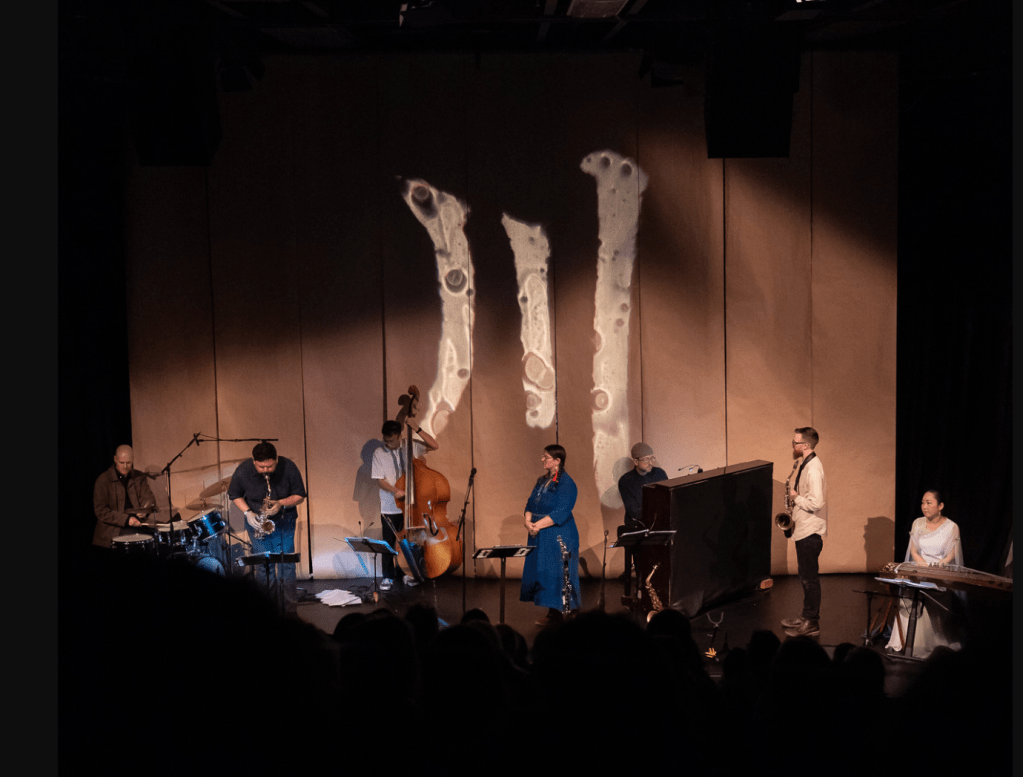

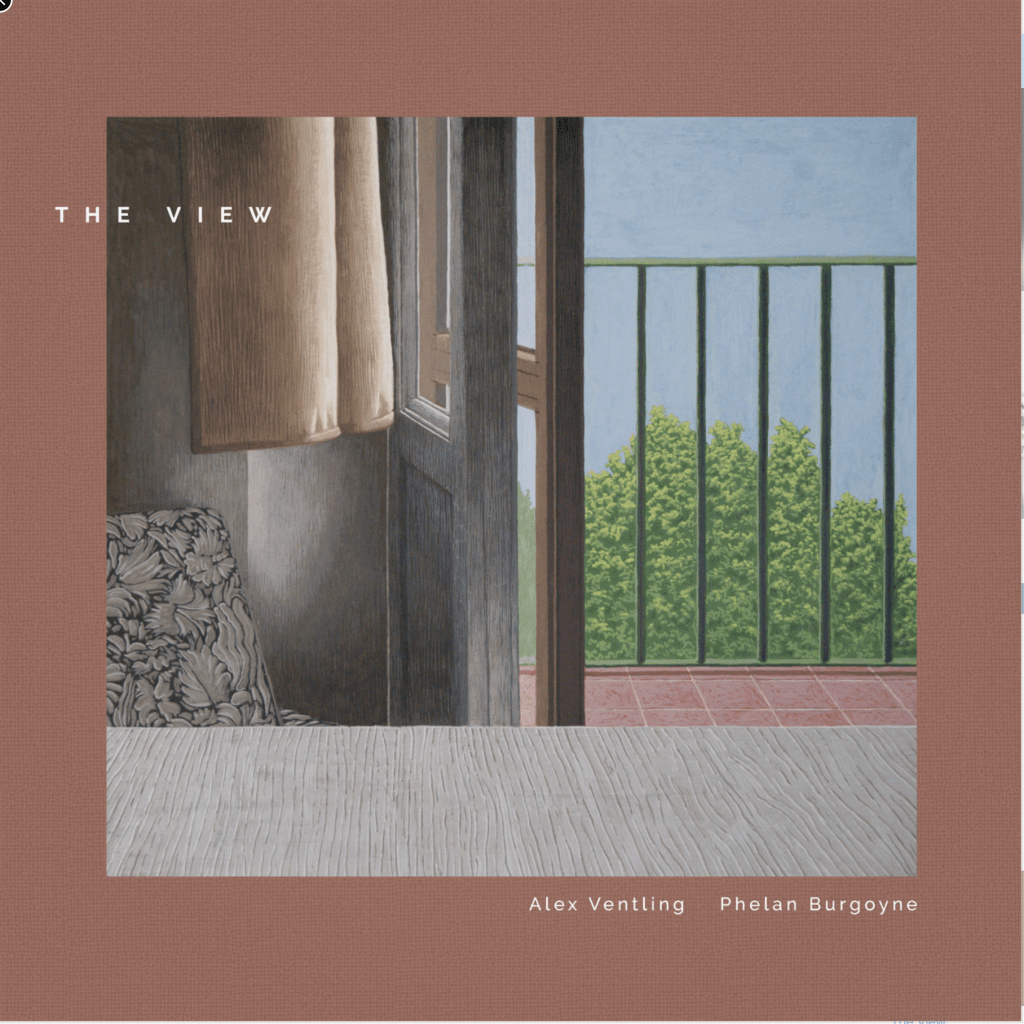
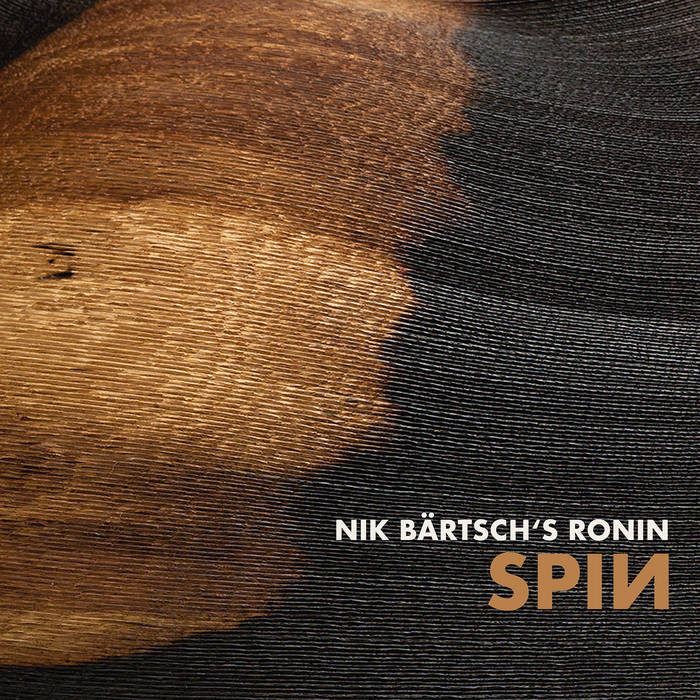


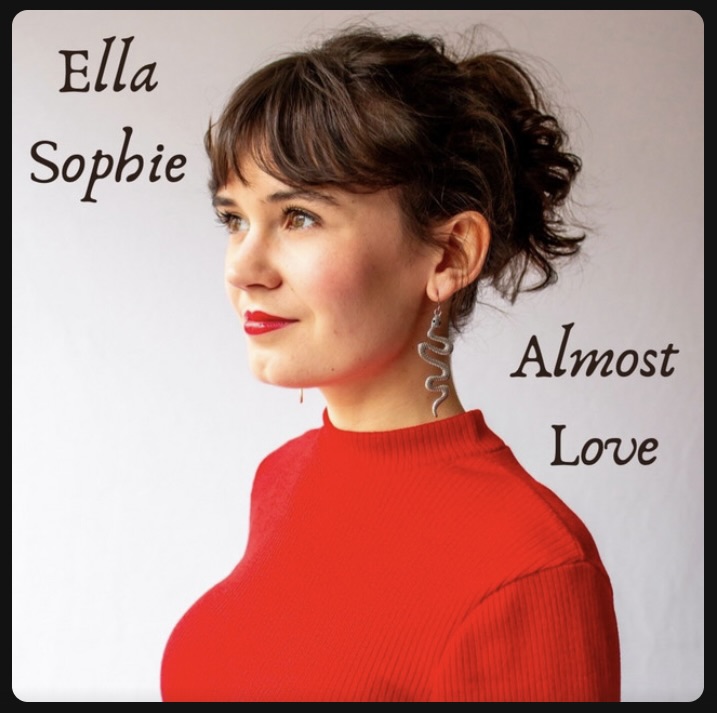
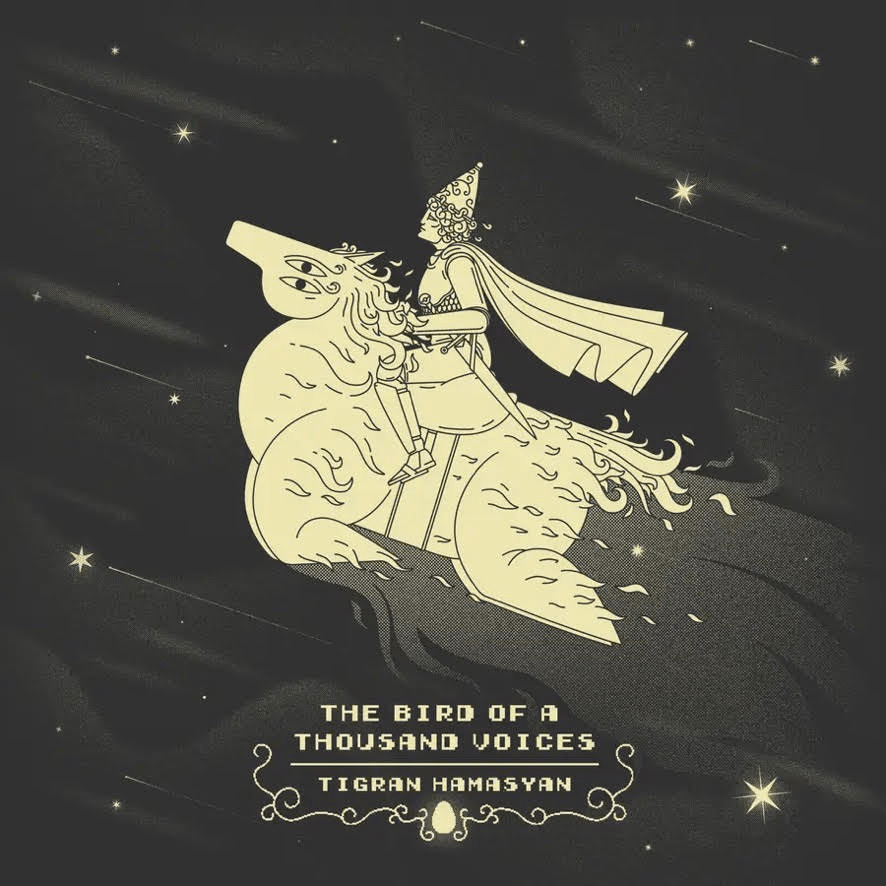
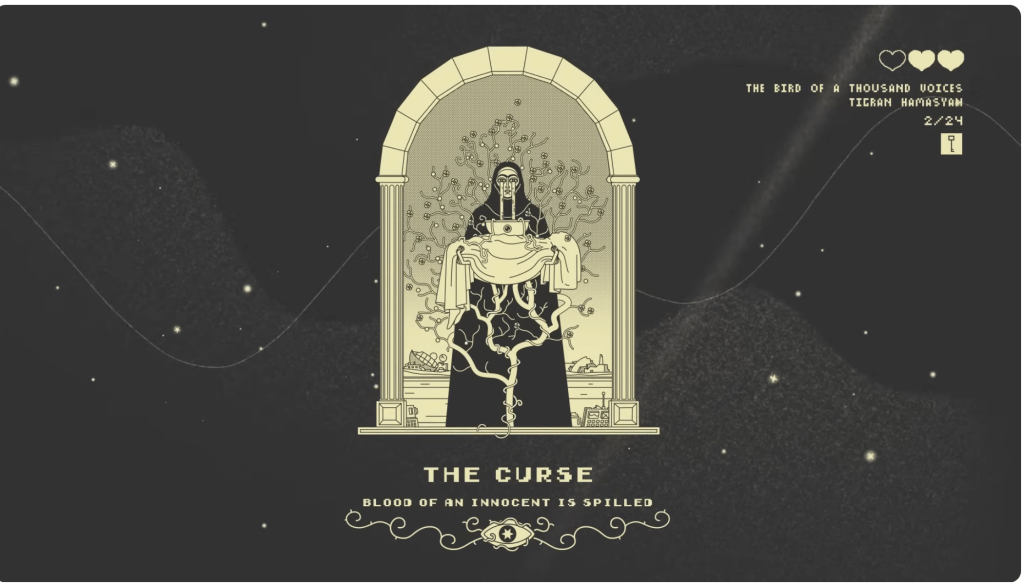
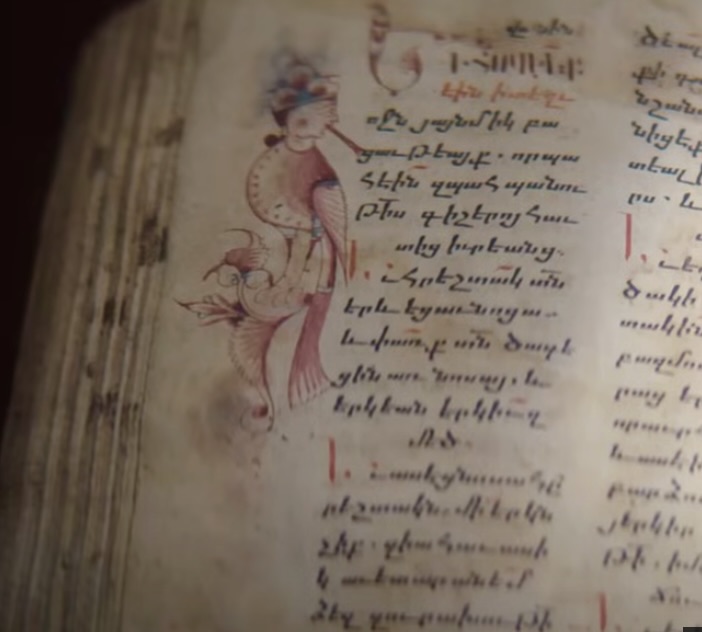
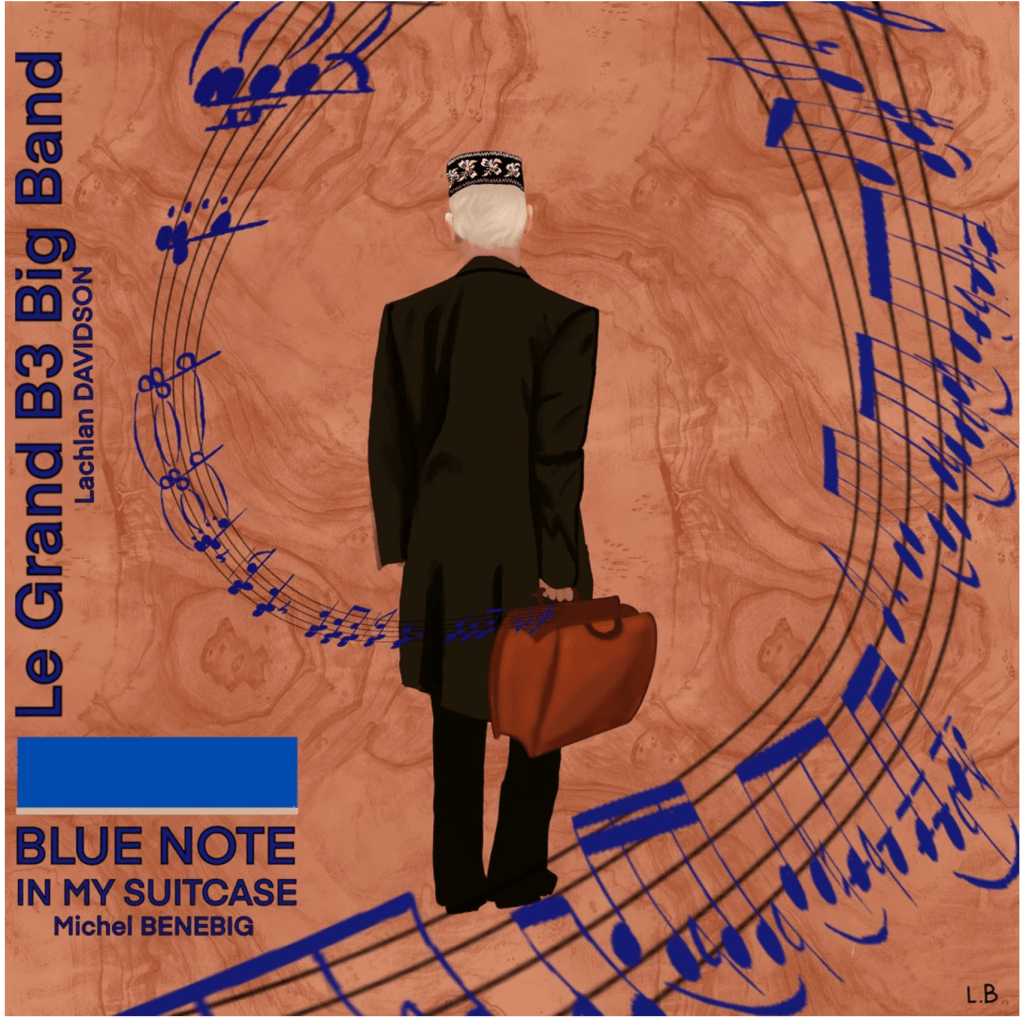


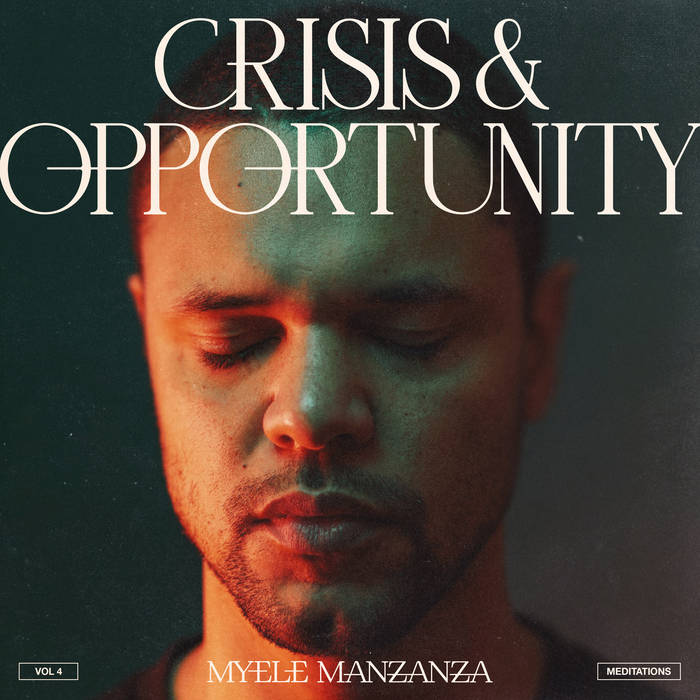
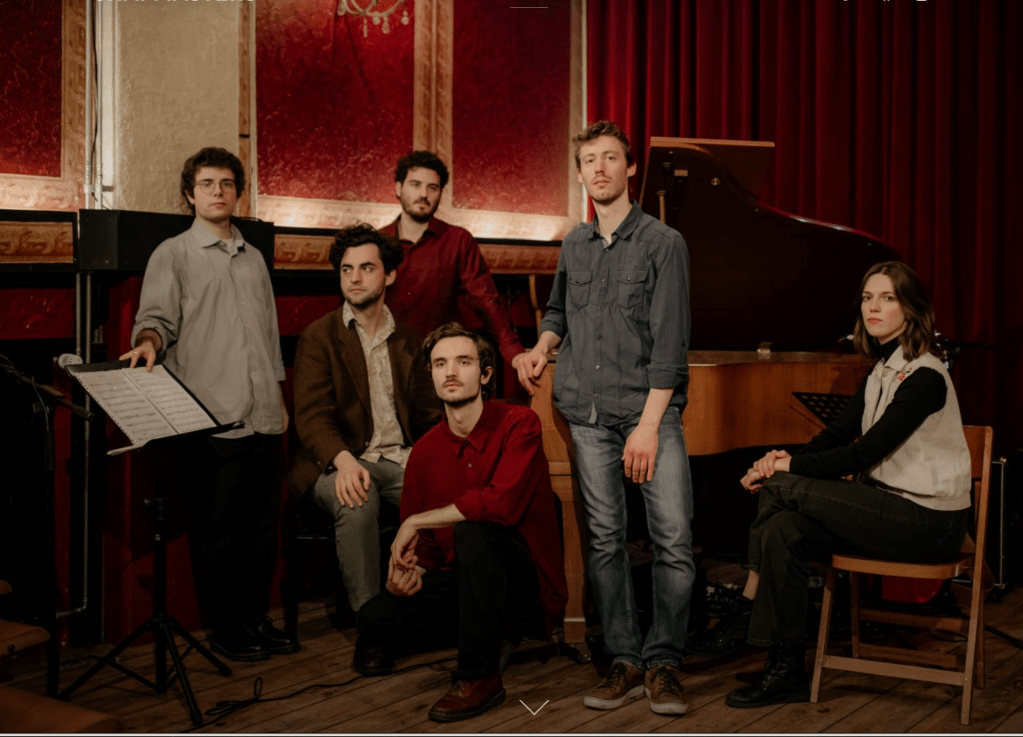
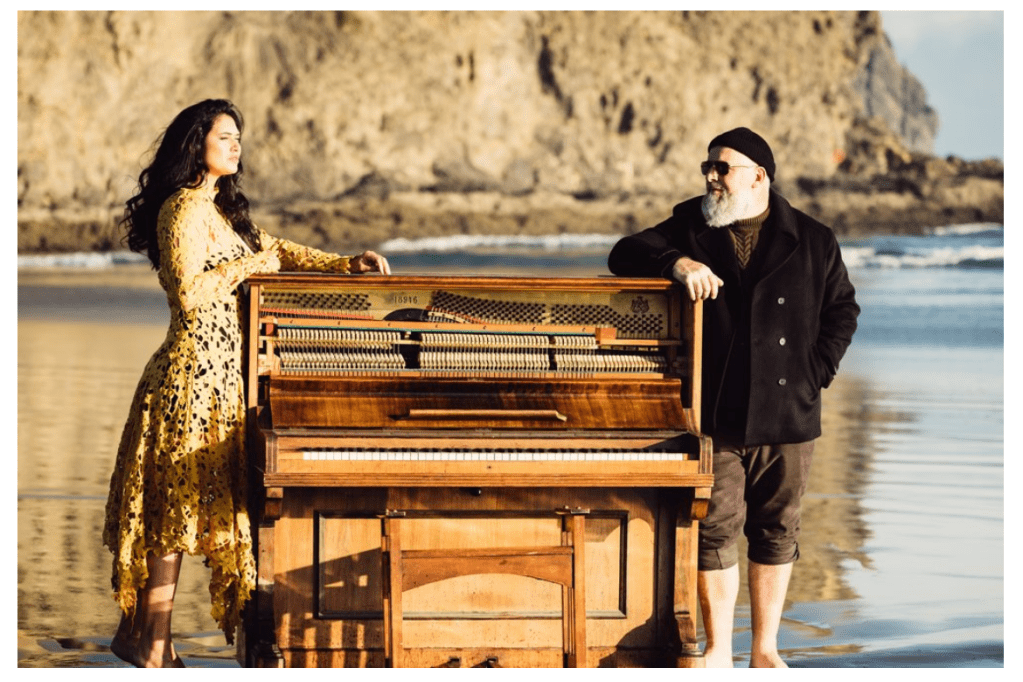



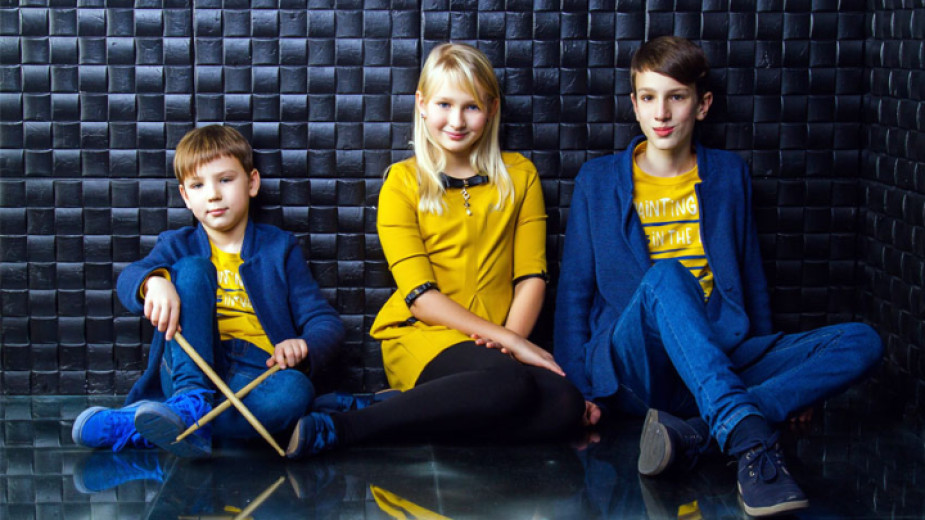


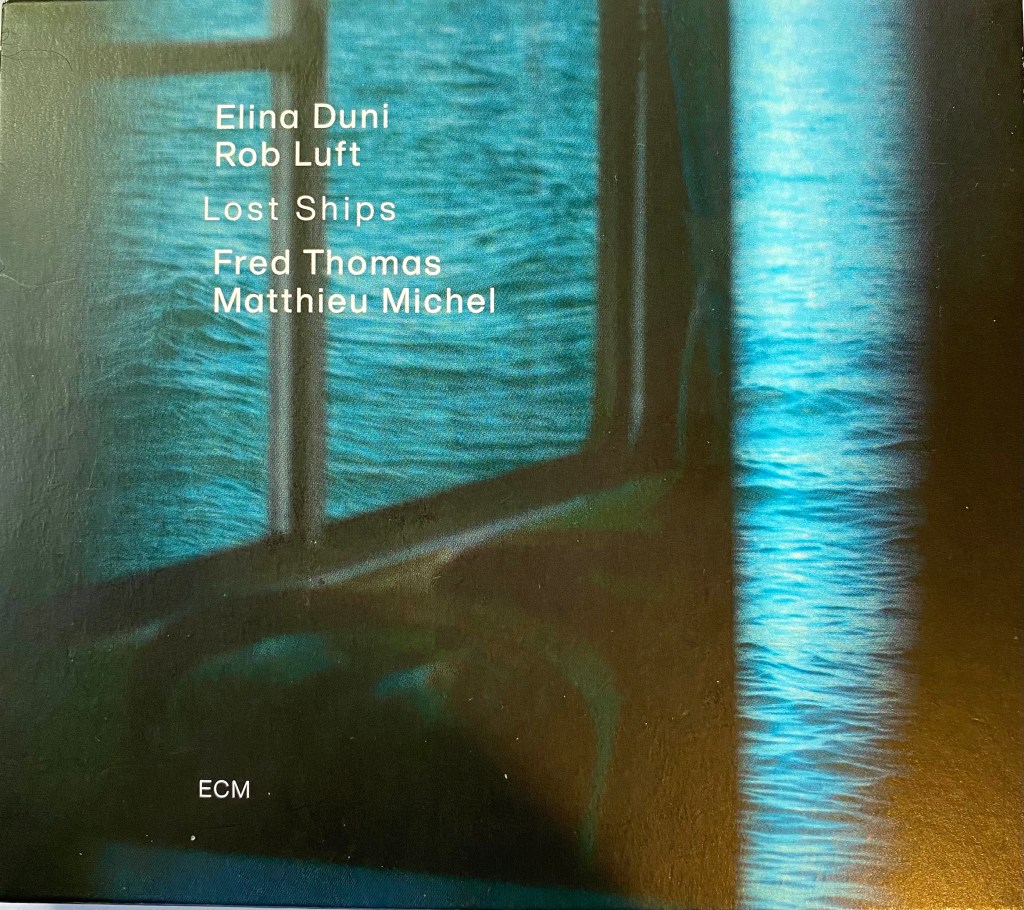
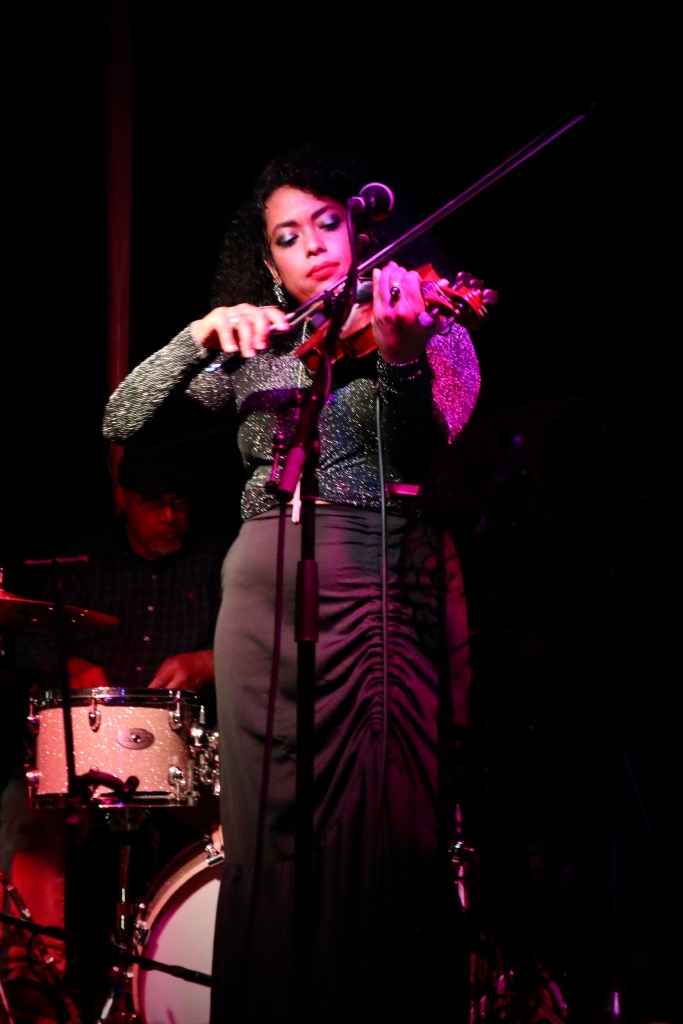
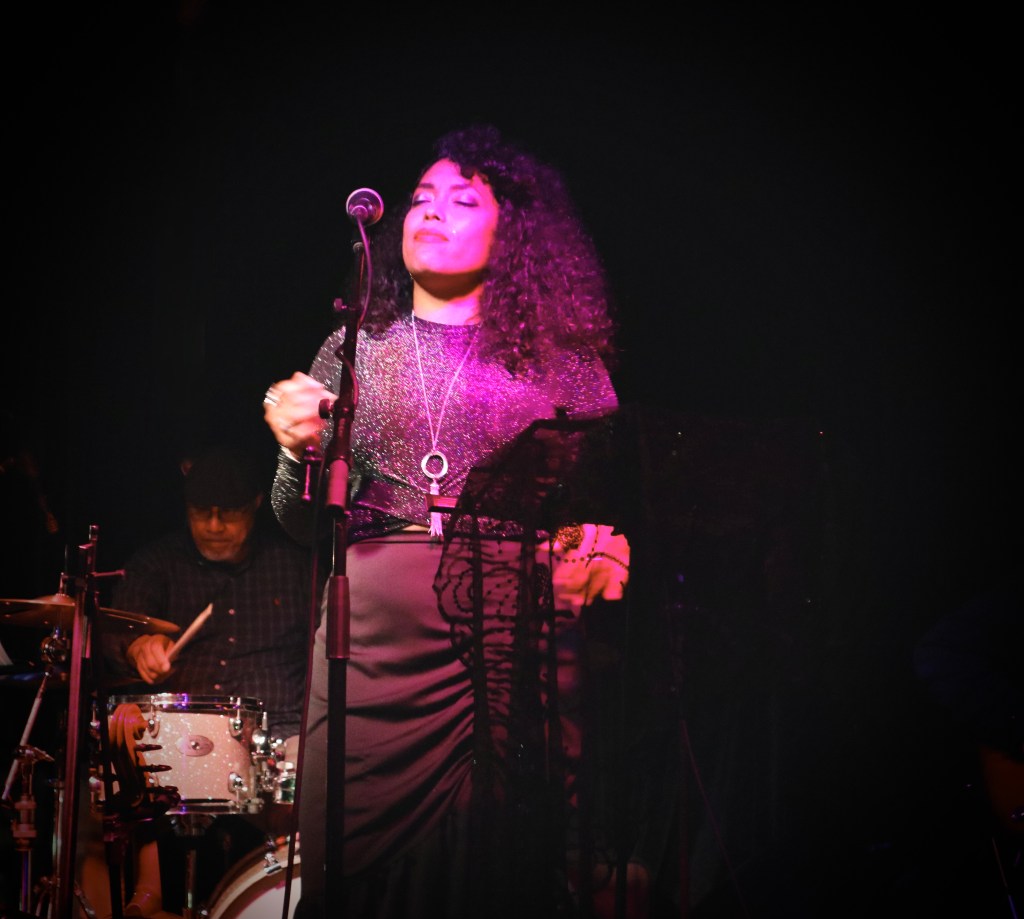
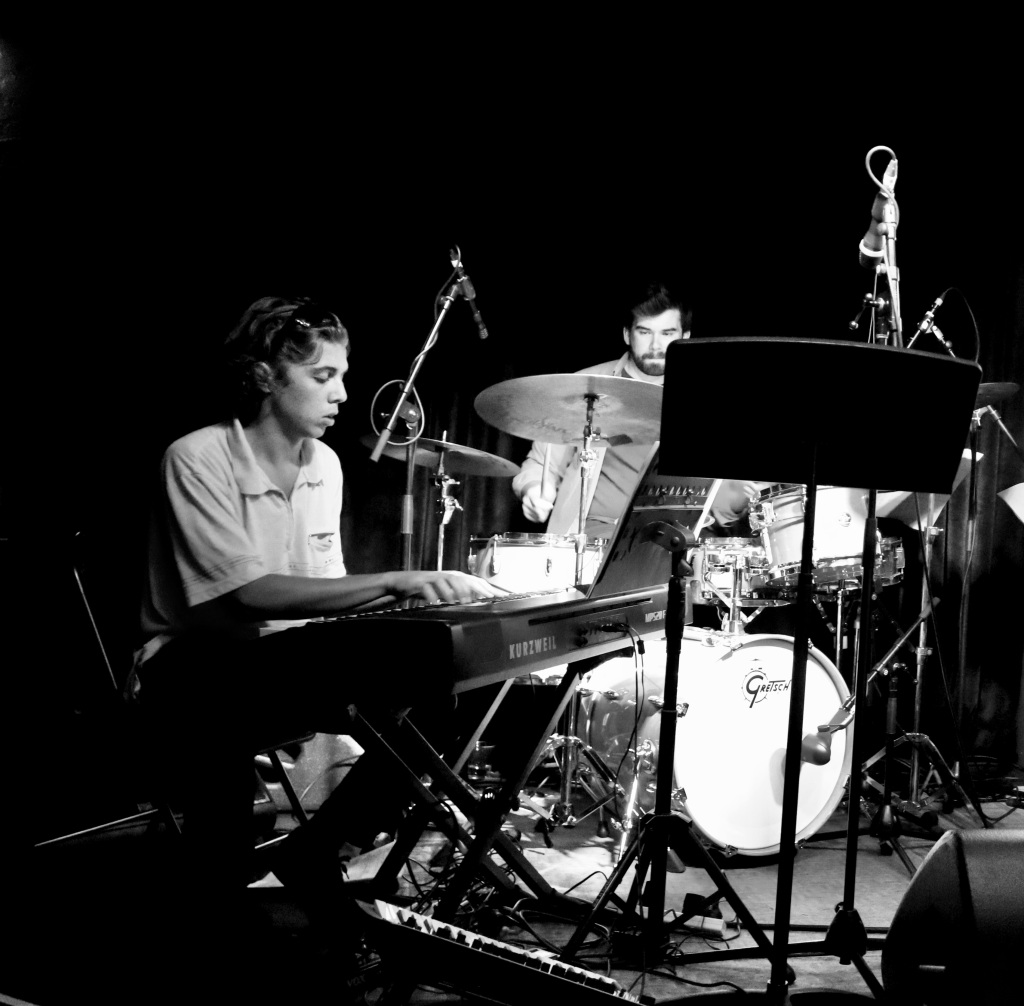

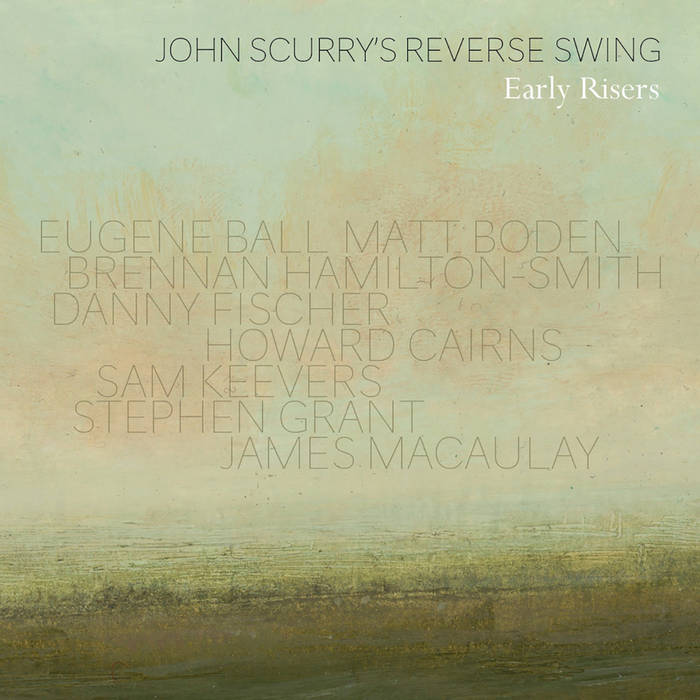
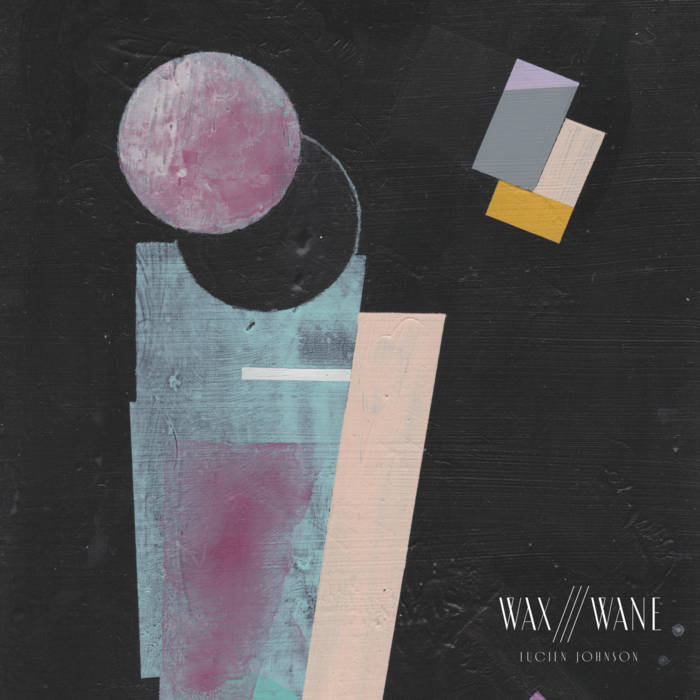
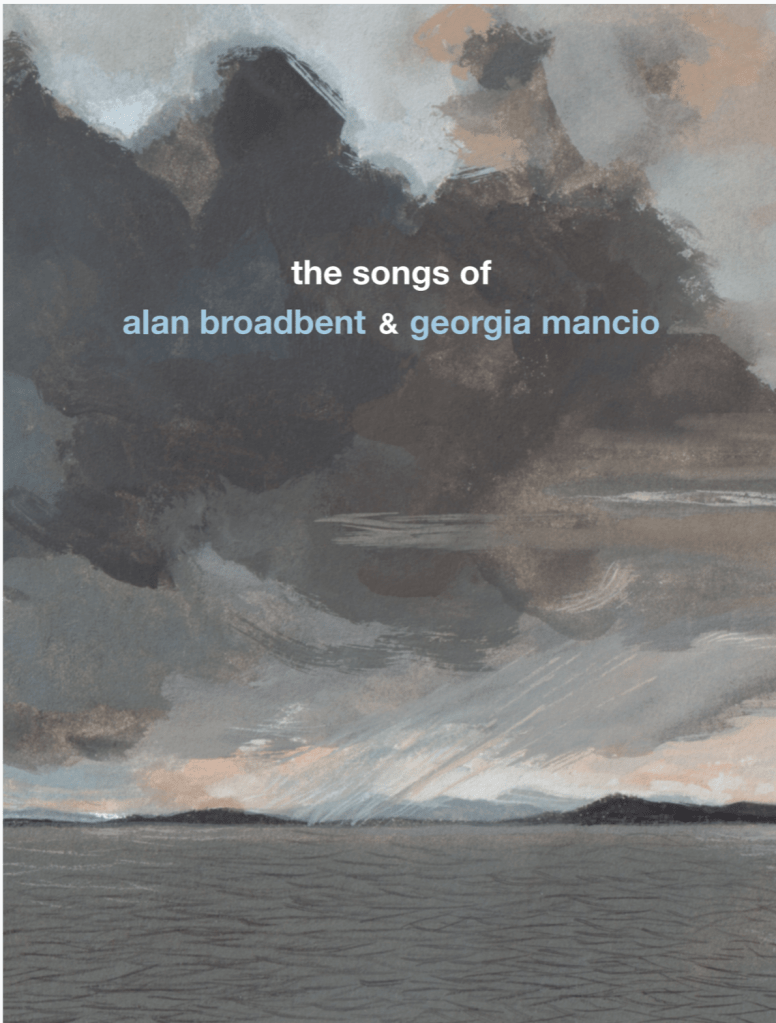


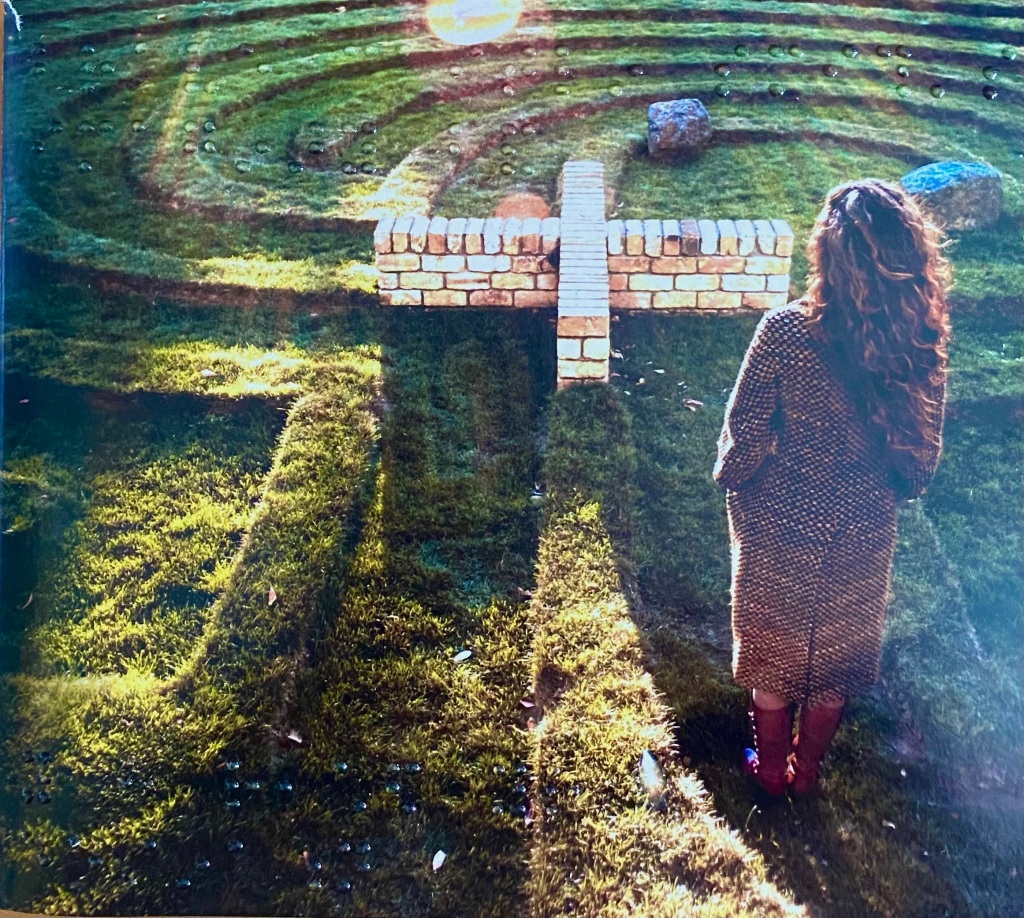
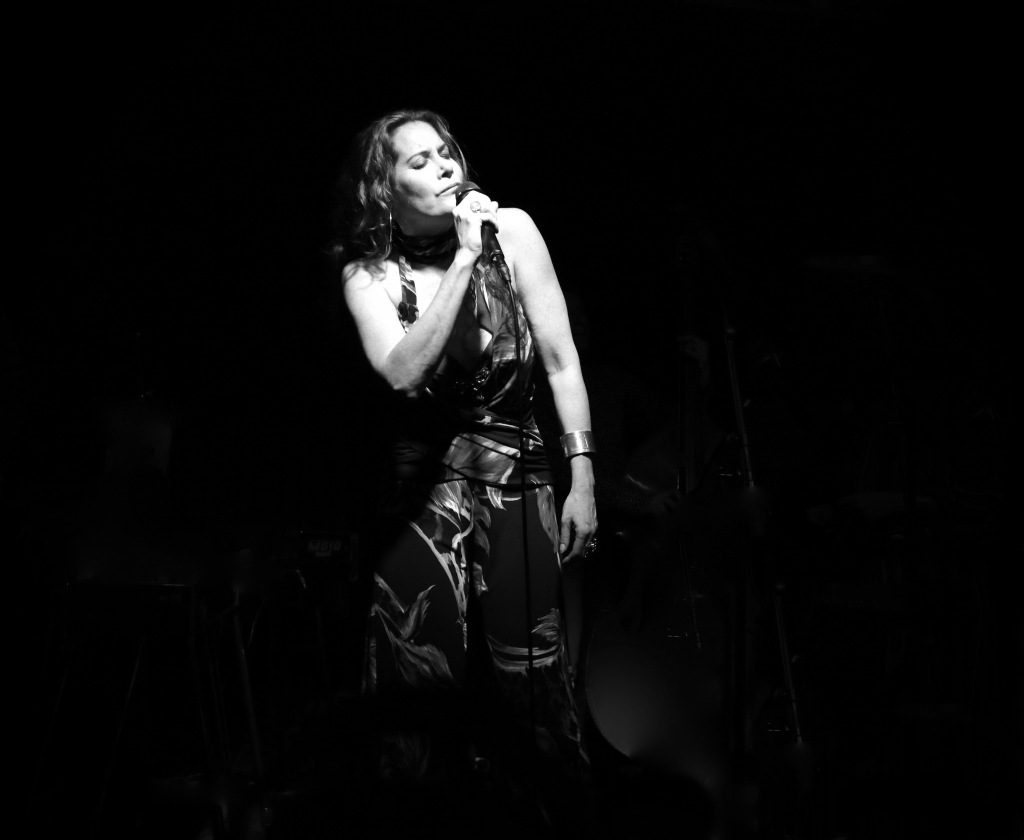
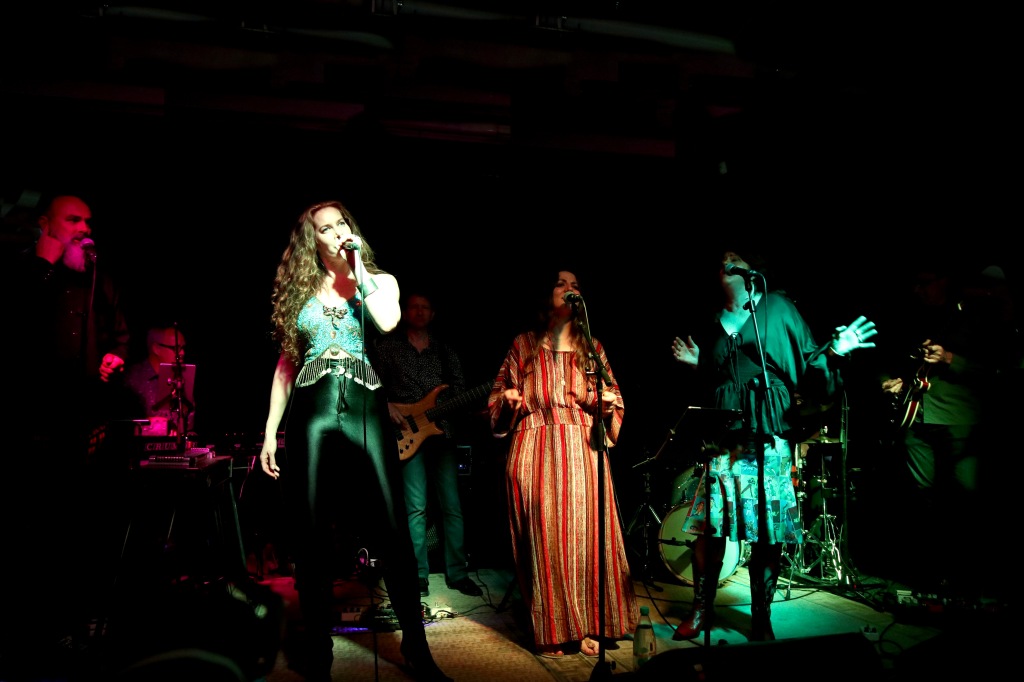
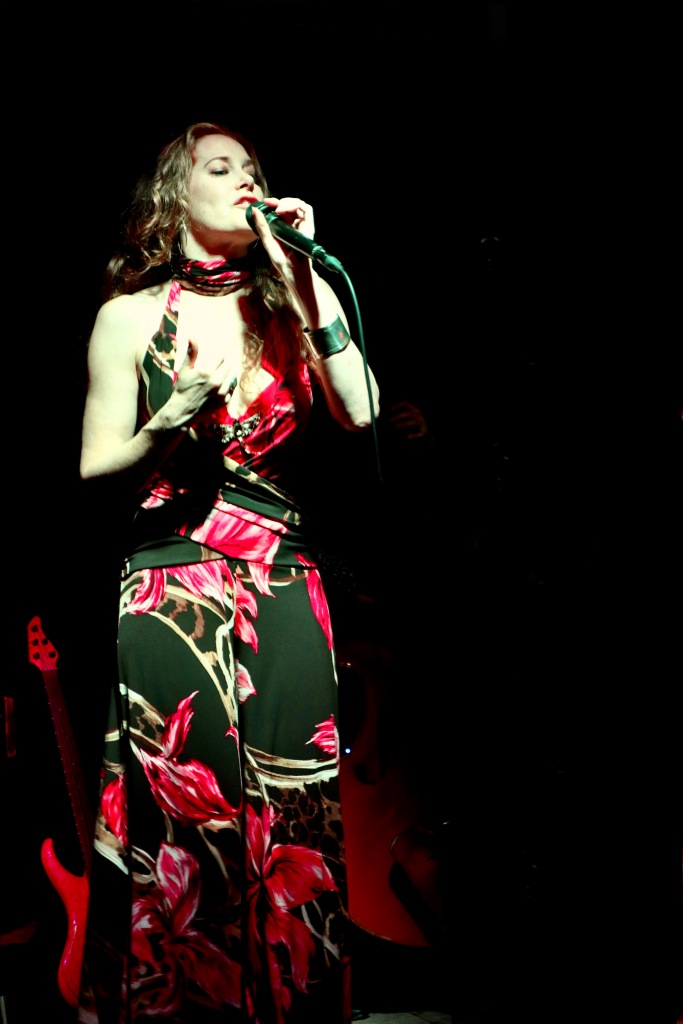

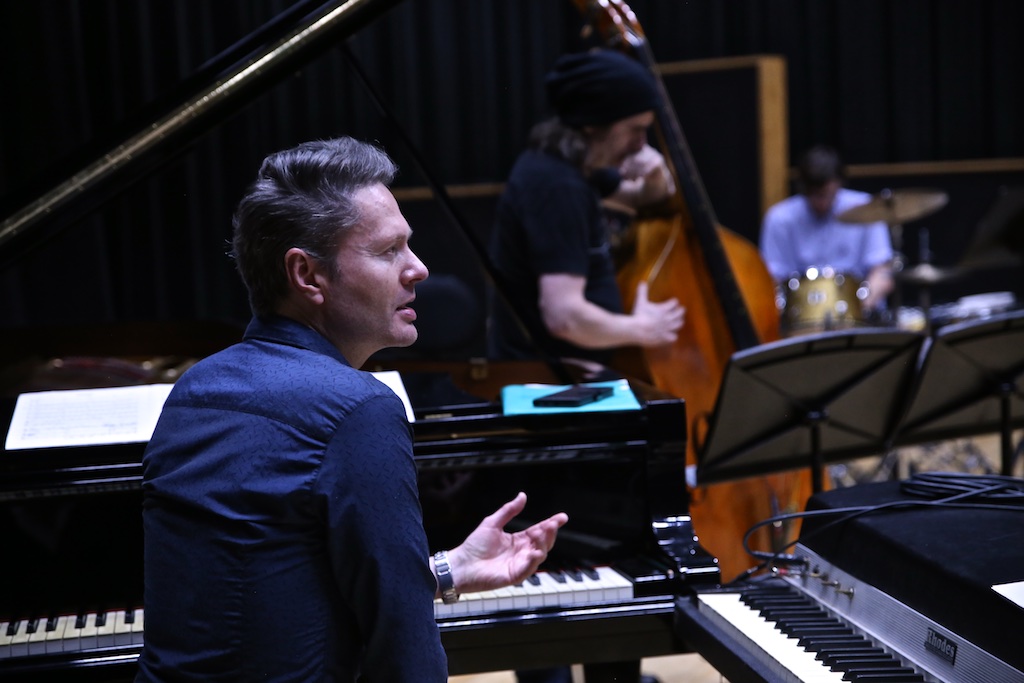 Have you ever heard one of New Zealand’s iconic pop songs and wondered how it would sound reimagined as Jazz? The journey from popular song to Jazz piece is a well-trodden path. Many tunes that we now refer to as ‘Jazz standards’ began their life as tunes written for broadway musicals or for the popular music market. For a tune to successfully cross that divide it needs to be well constructed and to lend itself to reharmonisation. With ‘Alchemy’, this elusive symmetry is realised.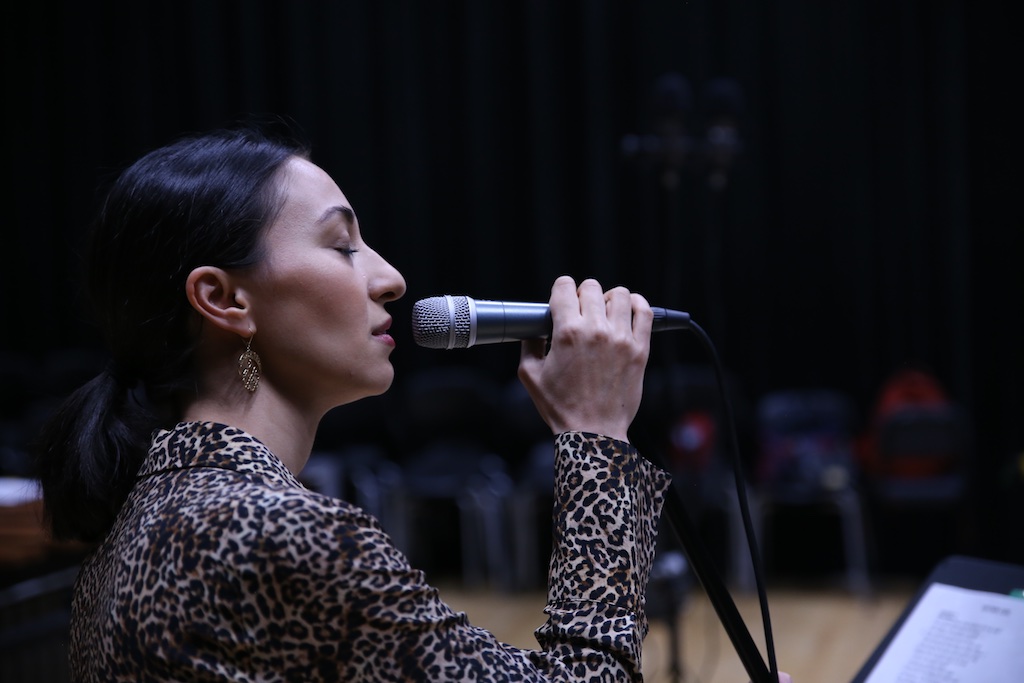
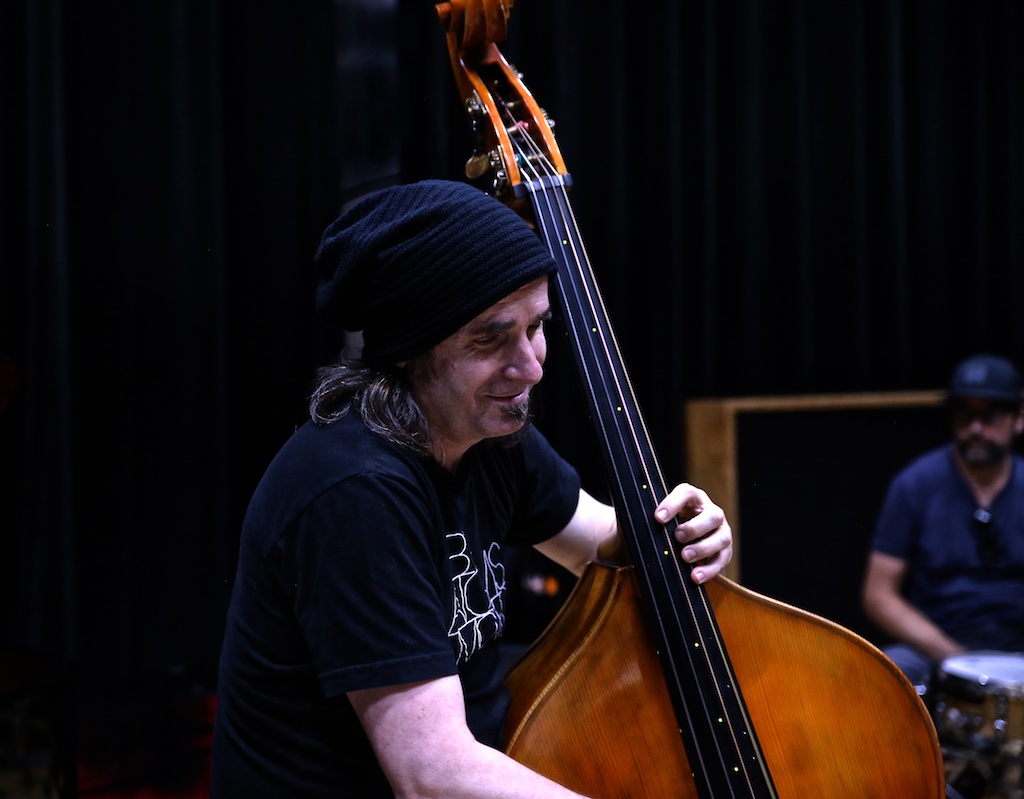
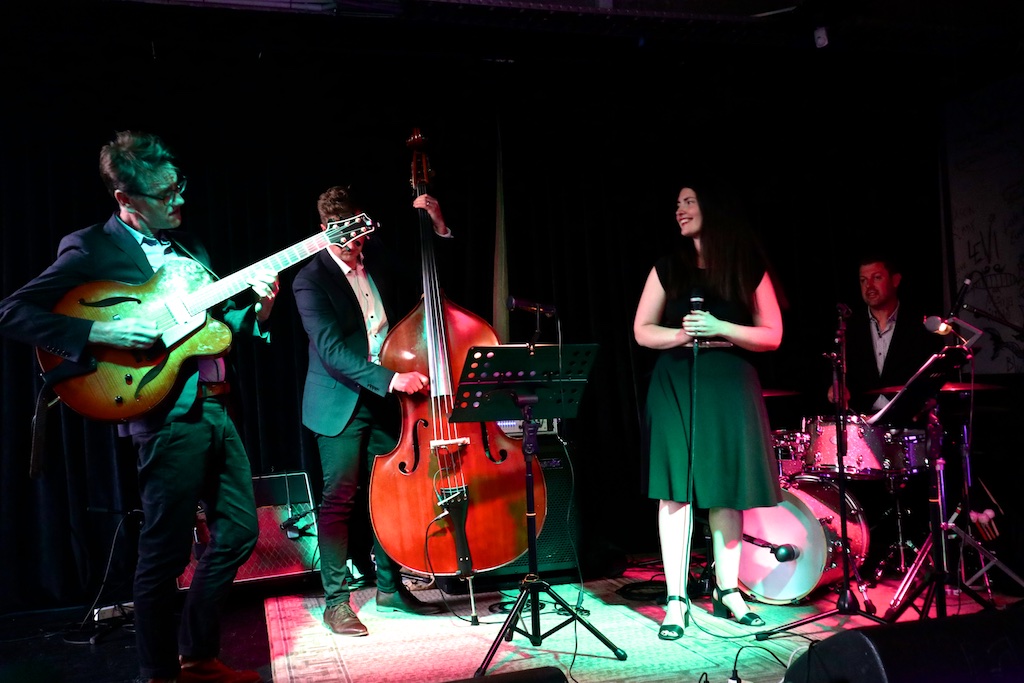 I was barely off the plane and my brain was full of dense fog, no doubt a legacy of San Francisco Karl who had been circling me like a spectre for a good month. I gamely fought the malaise off and because I am a creature of habit, dutifully made my way down to Auckland’s CJC Creative Jazz Club. In my experience, it pays never to miss a live improvised music gig, because if you do, you risk bitter regret. Believe me, I often lie awake lamenting a missed chance to see John McLaughlin.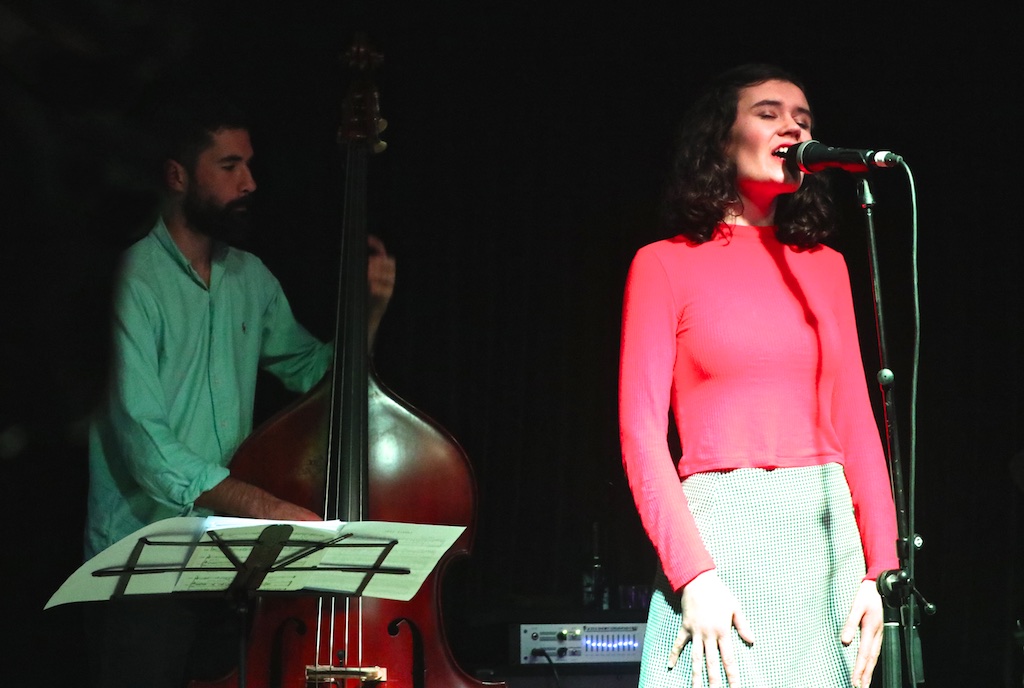


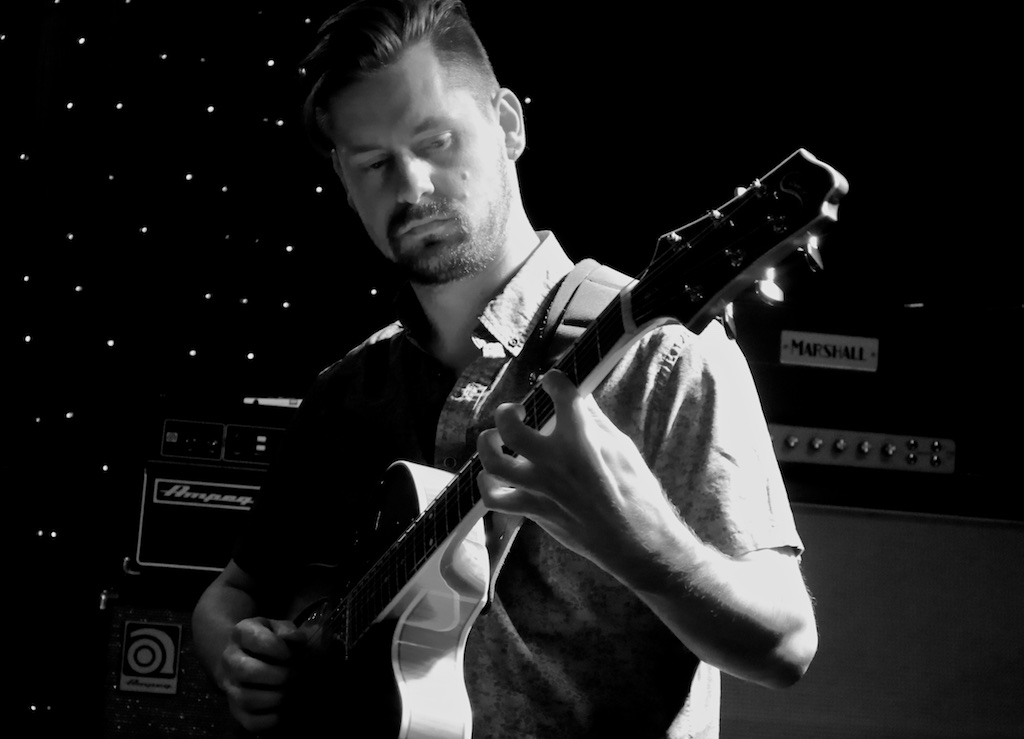
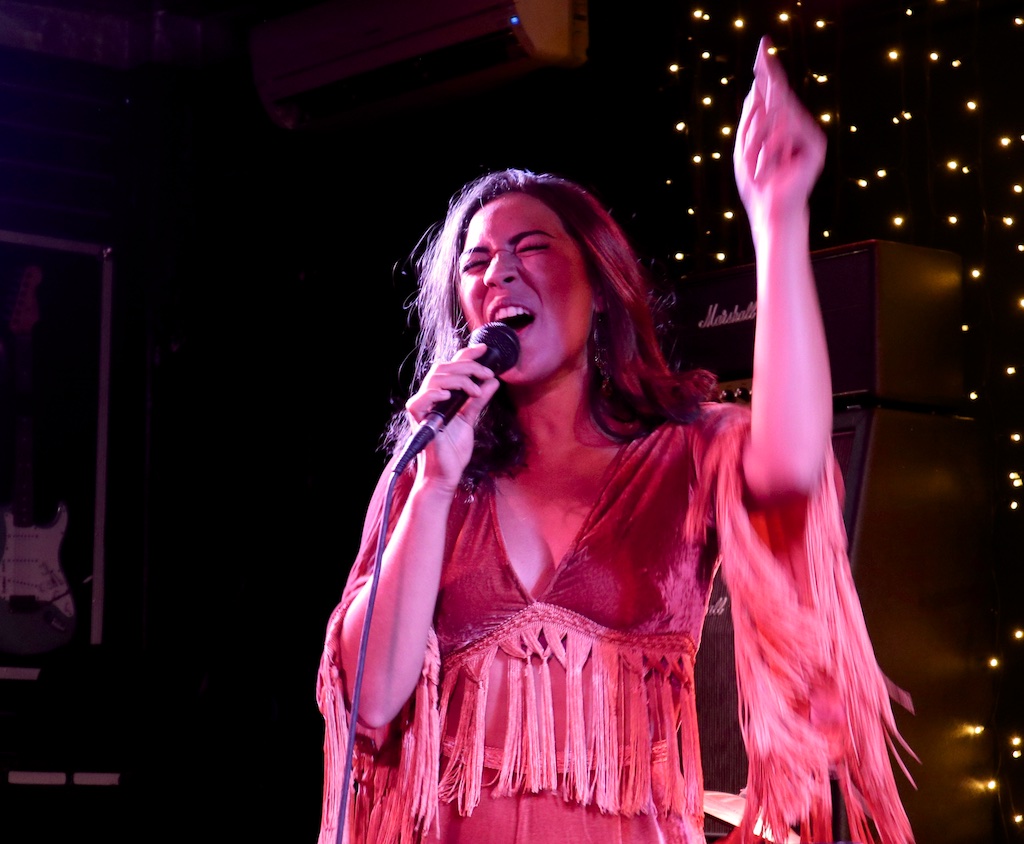 Lou’ana is a vocalist on route to wider recognition. During the last few years she has been performing at festivals throughout the country and she is billed to appear at the Waiheke Jazz Festival this month.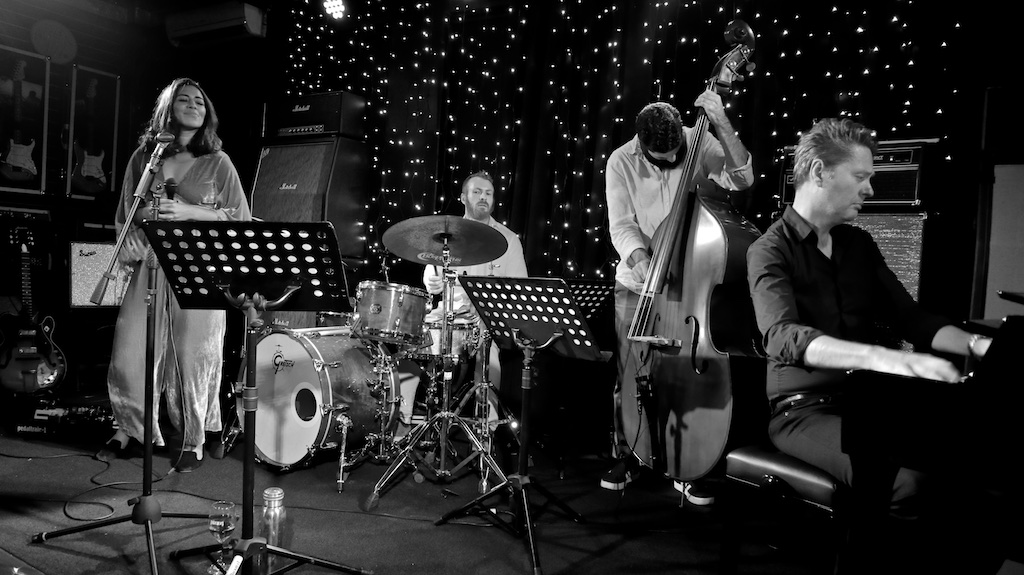
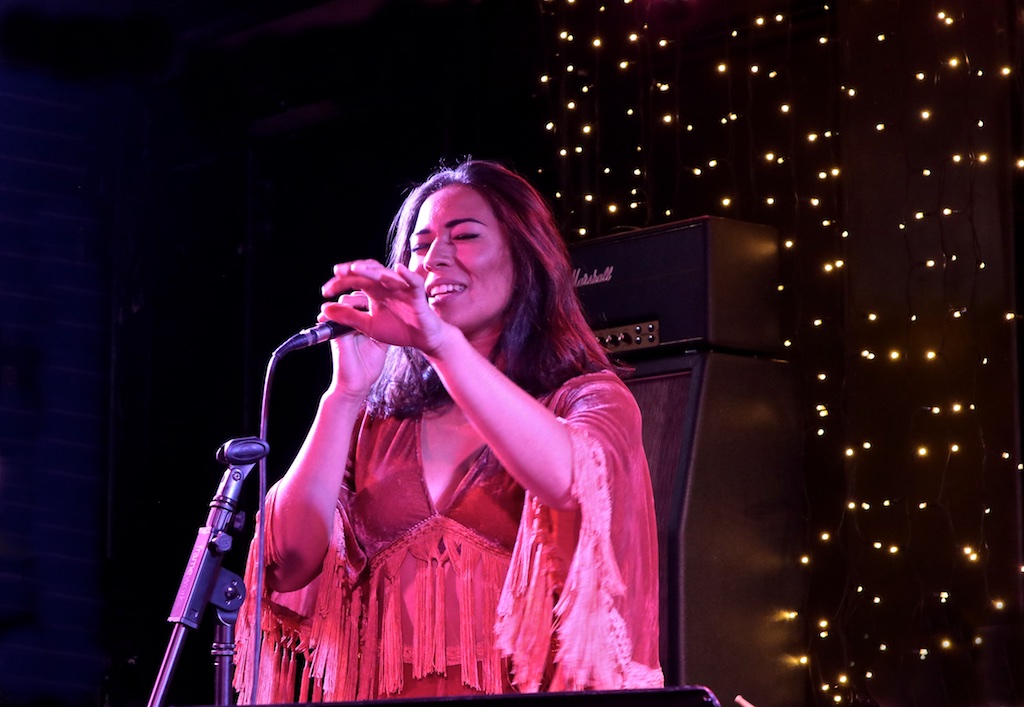
 When the Soulful vocalist Vivian Sessoms visited in June last year, we were stunned by her voice and by her powerhouse delivery. We seldom get to experience American R & B styled vocalists in New Zealand and if we do we never see them in intimate settings like the Backbeat Bar. Her voice carries the history of her music and her vocal range and control are approaching the operatic. Sessoms is a vocalist with serious chops and an interesting backstory. Last week she returned.
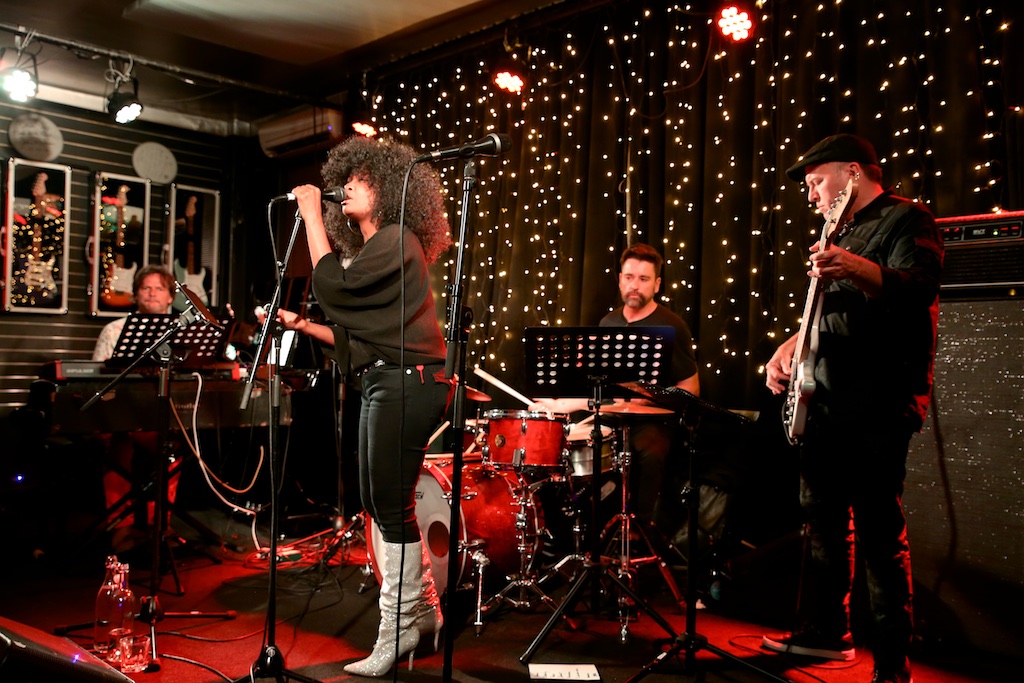
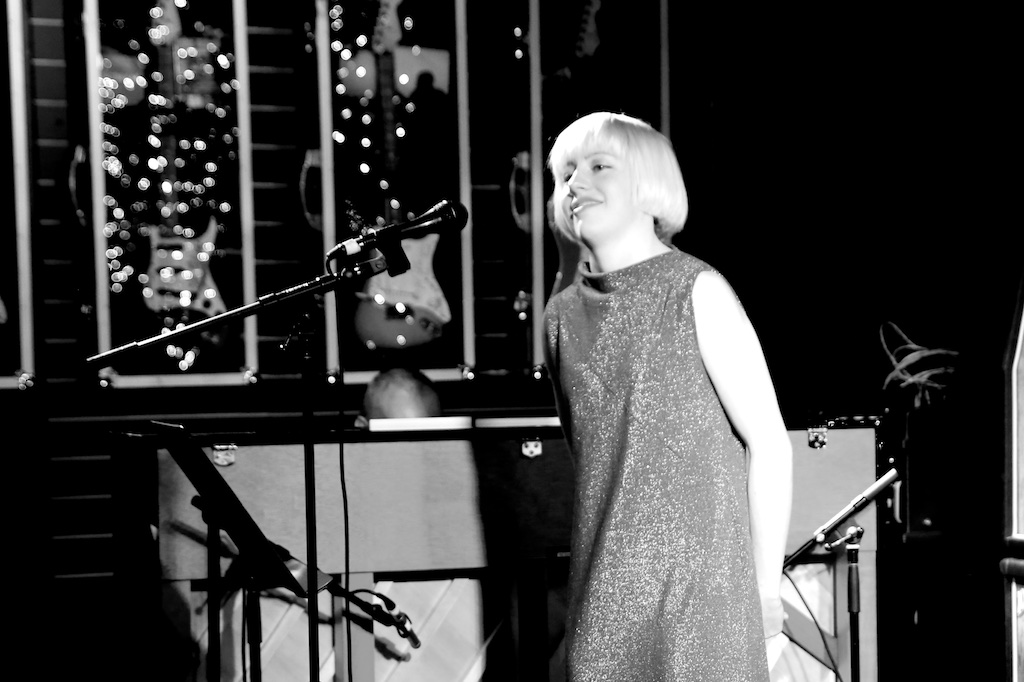
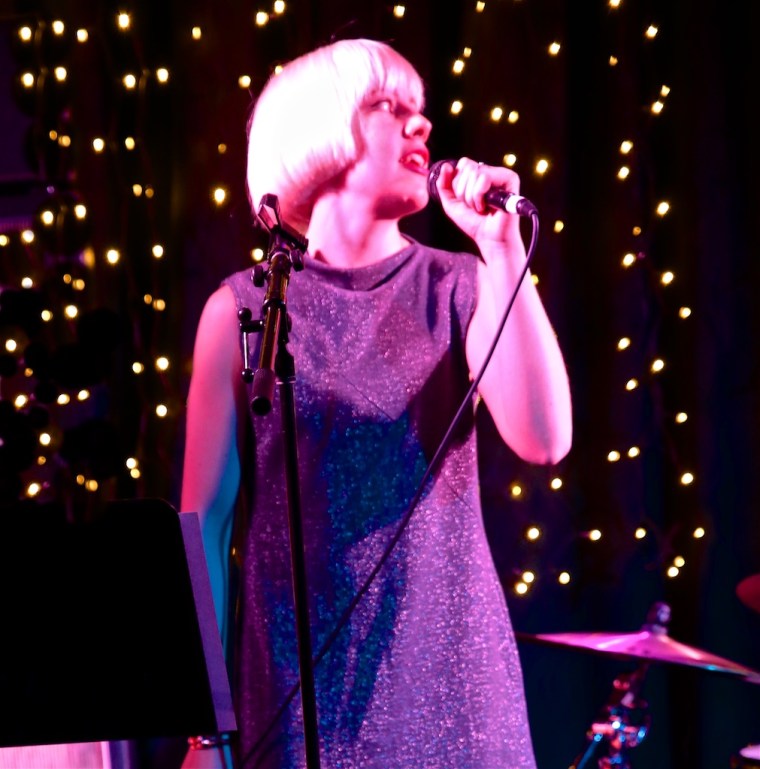
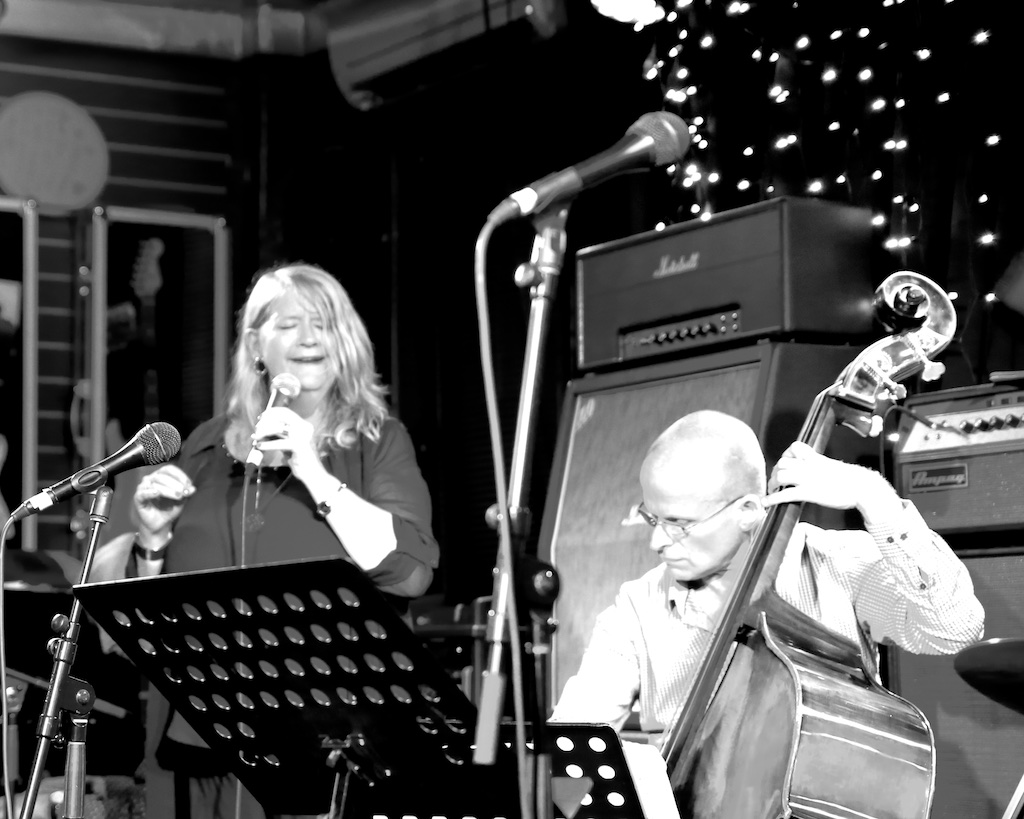
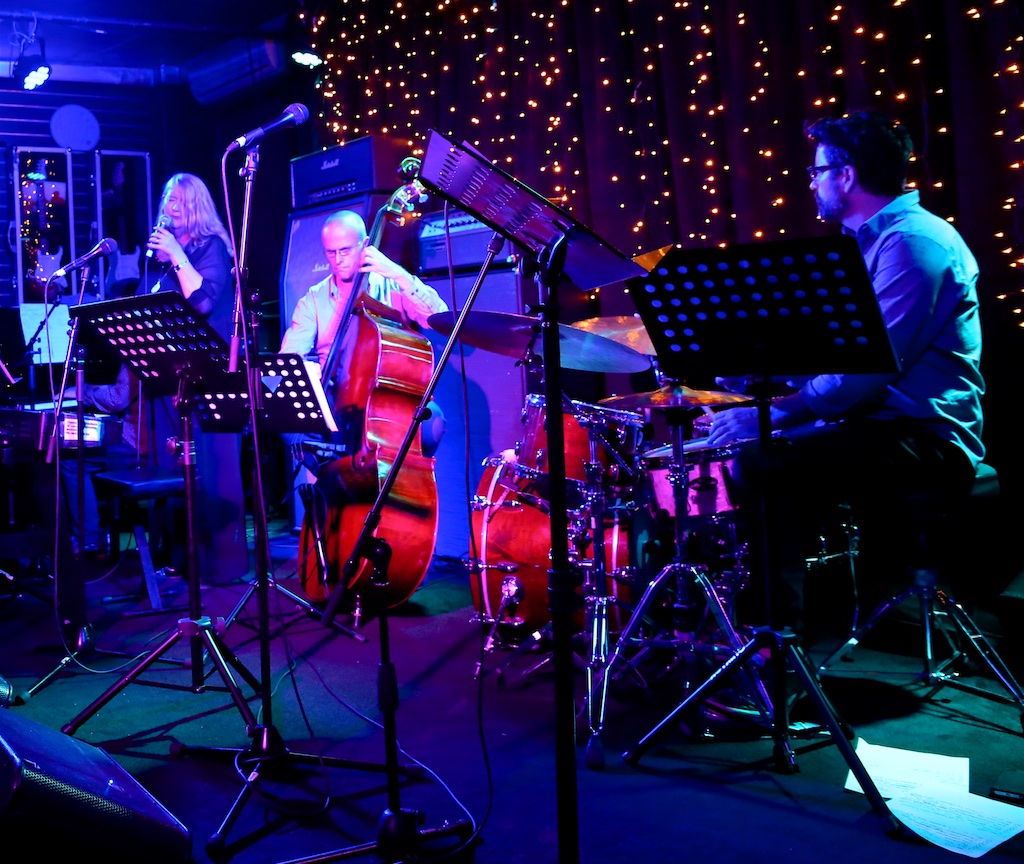
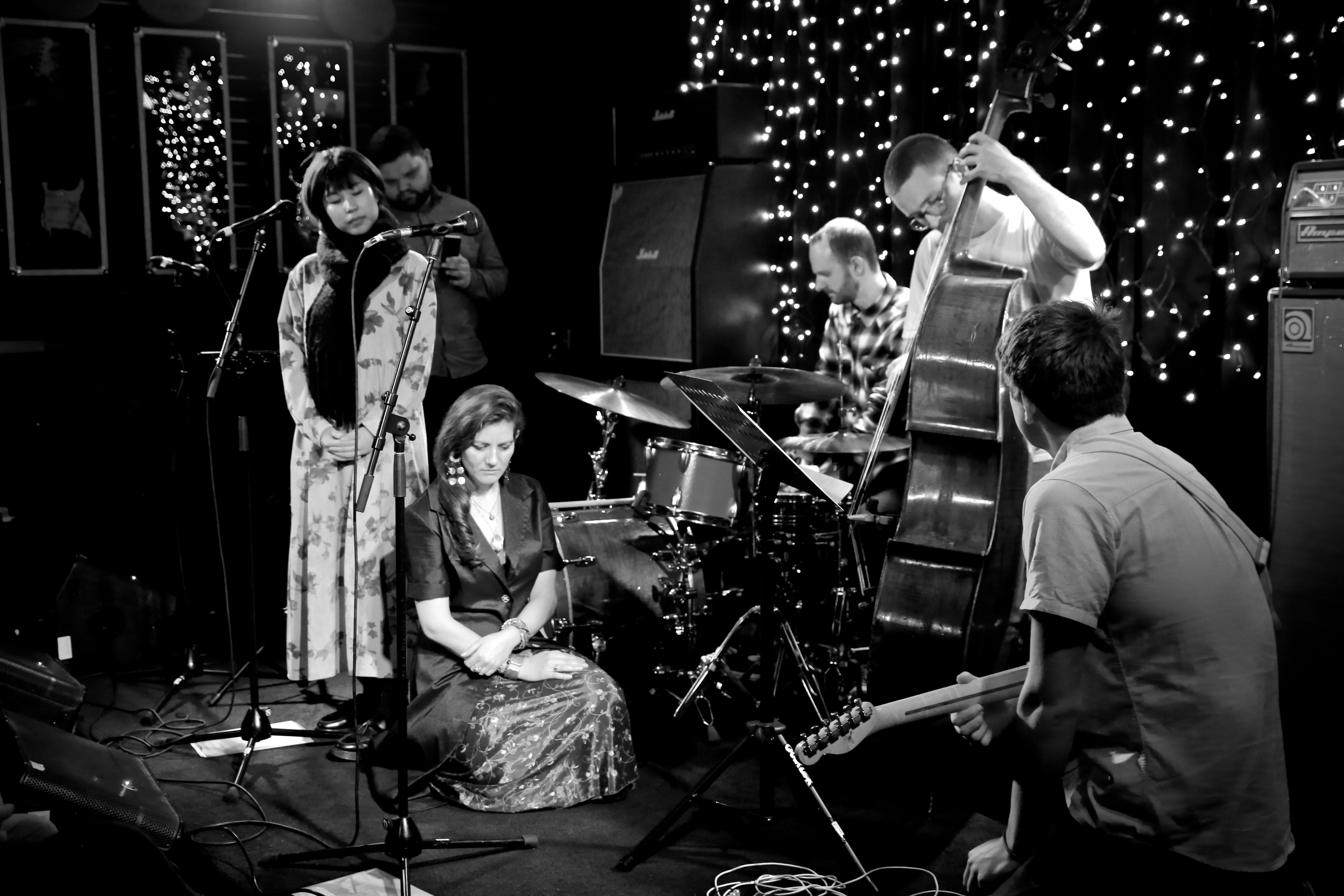 Chelsea Prastiti was not long back from Cyprus when her band Leda’s Dream appeared at the Backbeat Bar. Prastiti is well known in the Auckland improvised music scene and especially so at the avant-garde end of town. She’s a compelling vocalist and composer who approaches her craft as a free spirit, unfettered by others expectations. When she sings she dives deep and puts herself out there fearlessly but her risk-taking is not a mere academic exercise; it cuts to the very heart of what it means to be a thinking, feeling human. Her compositions are therefore always interesting and out of that a raw beauty and an honesty arise.
 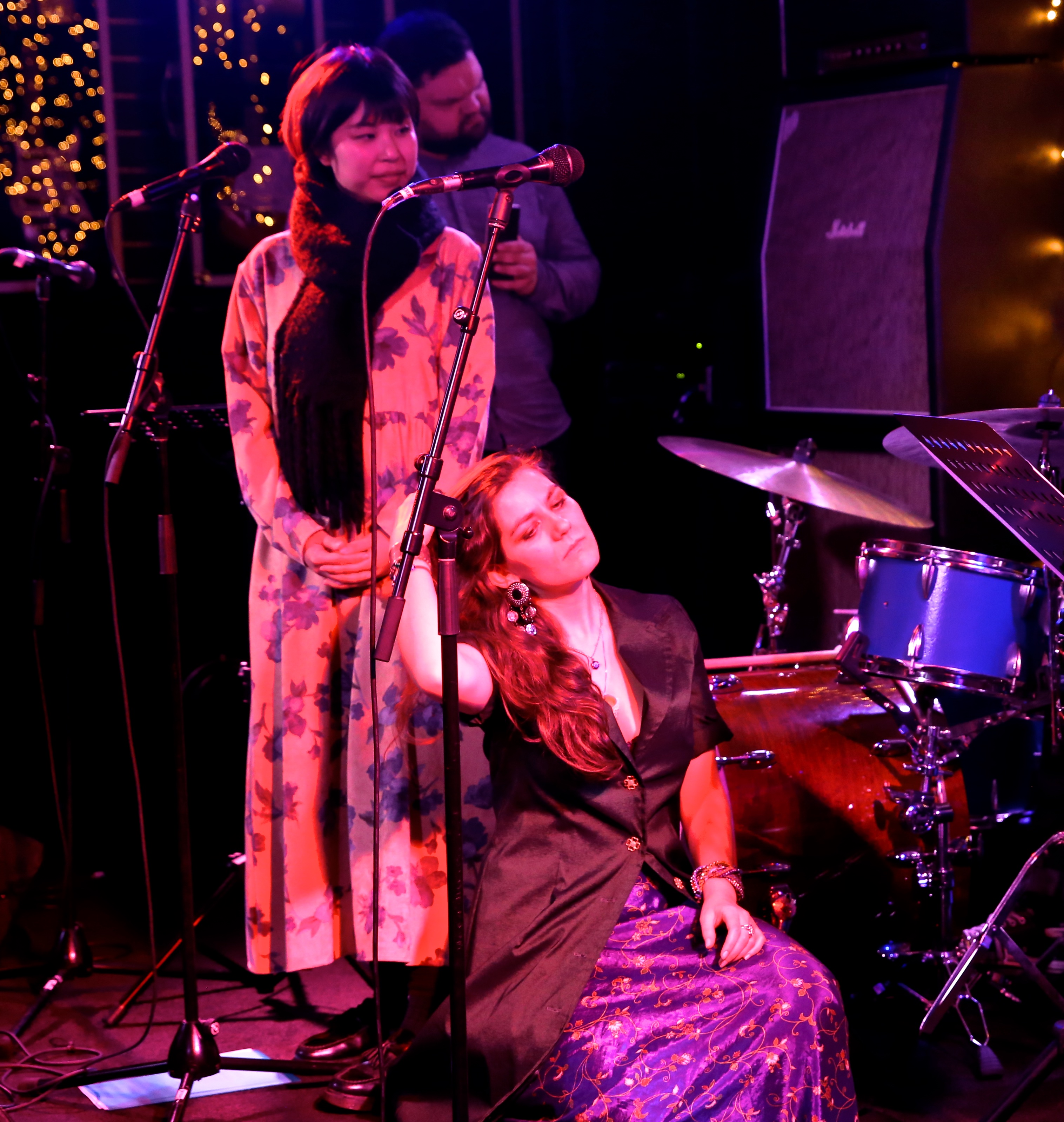 Although the ensemble played material that we have heard before, they sounded incredibly fresh – even different. Crystal Choi confined herself to accompanying vocals (no keys), Michael Howell stepped further into a measured chordal role and Callum Passells on alto and voice effects was the archetypal minimalist (saying a lot more with less). This felt very right and the re-configuration gave the ensemble a lot more freedom. They stretched out as the spirit took them and the first two tunes filled the entire first set. The voices, in particular, were liberated by the change and this gave wings to the melodic lines and mood. The harmonies were there in spades but that was not what drew you in. It was ‘mood’ and the pictures that those moods created.
 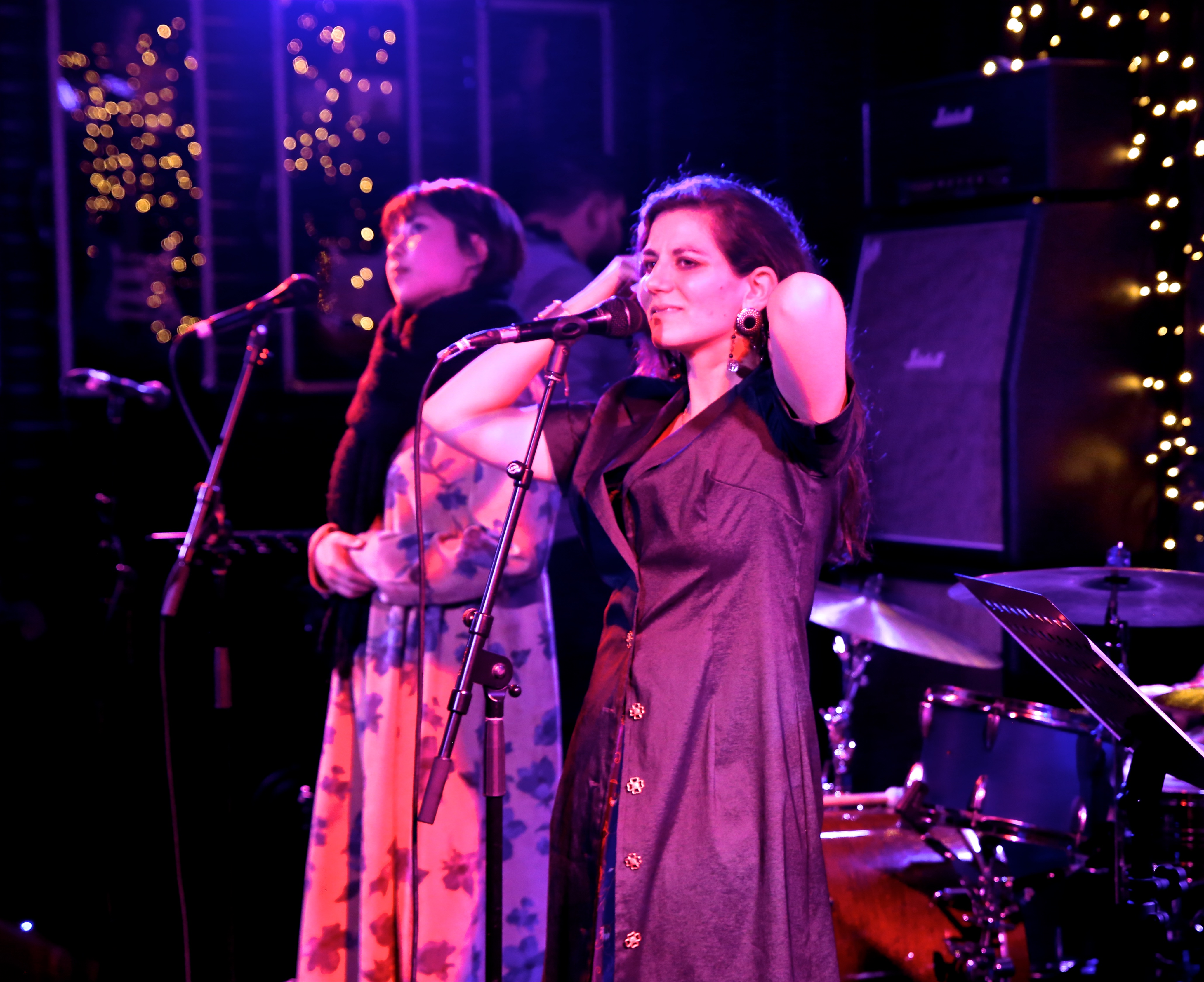 Prastiti’s is a brave path and I would expect no less from her. This is a musical space that is sparsely populated and more’s the pity. Think Sera Serpa (duos or trios), Think Norma Winstone (Azimuth 85) or perhaps the brilliant Nordic vocalist Sidsel Endresen (Endresen live with Jan Bang). In this ensemble, she has the musicians to give her the freedom she deserves. Passells, who is unafraid of soft trailing notes or of minimalism, Howell who can follow a vamp to eternity and make it sing, Choi who instinctively makes the right moves, and Eamon Edmundson-Wells and Tristen Deck who know when to lay out and when to add colour or texture. The music drew from free improvisation, standard Jazz and deep Folkloric wells. It did so without undue introspection. The band brought the audience along with them and the bouts of enthusiastic applause proved it. For some reason, and it was partly their attire, the gig felt like a postmodern version of a Pre-Raphaelite tableau. Oh yes indeed, that always works for me.
 JazzLocal32.com