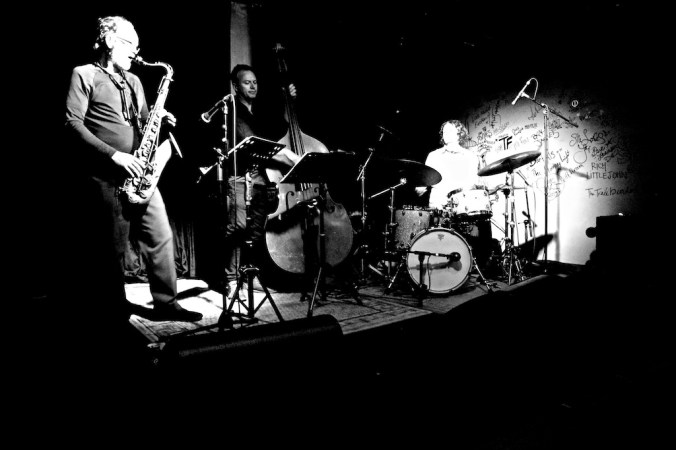
 Post Trump’s inauguration, improbability is the new normal and in keeping with the mood of the times Wednesday’s gig emerged from improbable beginnings. It began with an international cat rescue mission, an attempt to thwart a ‘catricidal’ former neighbour. Before the mission had even been concluded a subplot had emerged; one involving the inhabitants of three cities, two countries, and assorted sharks. Those familiar with Reuben Bradley will not be surprised at this turn of events as he’s known for his humour, good nature and above all for his ability to turn improbable adventures into really good music. ‘Shark Varieties’ is a drummer led trio and a vehicle which showcases a bunch of the leader’s original tunes. It also showcases a joyful reunion.
The Shark Variations album was released by Rattle in 2017 and it followed a successful tour by the band a few months earlier. Bradley was in the process of moving to Australia at the time and he was keen to record with longtime collaborators Roger Manins and Bret Hirst. He needed to do this while they were all in the same place and this was his best window of opportunity. Hirst is an expat Kiwi who lives in Sydney, Manins is based in Auckland and Bradley was at that point, about to head for the Gold Coast. Because of their shared history, the musicians knew exactly what they were aiming for; an open-hearted collaborative and spontaneous expression of their art form. That they realised this vision will be apparent to those who listen to the album.
As a leader, Bradley never shies away from an opportunity to leaven his gigs with humour. He tells jokes against himself (the trademark of all good Kiwi humour) and as you peruse his tune titles you find a plethora of throwaway lines and in-jokes. During live gigs, the titles become hilarious stories and his delivery is always pitch-perfect. Improvising musicians frequently tell an audience that the title came after the composition and that they struggled to name tunes. In Bradley’s case, I suspect the reverse is true; that a series of off-beat incidents have stimulated his already vivid imagination and the incidents become the catalysts for his compositions. ‘Wairoa or L.A.’ ‘Wake up call’ Makos and Hammerheads’ are all examples, the latter giving rise to the title, in spite of the fact that he could only name two shark types (which he felt was more than enough).
Humour aside, this is seriously good music. Bradley is a gifted and popular drummer and musicians love having him alongside. It is therefore not surprising that he would choose these collaborators. Manins is undoubtedly the best known contemporary New Zealand saxophonist and a musician whose formidable abilities are attested well beyond these shores. Hirst left New Zealand many years ago and is regarded as a bass heavyweight on the Australasian scene. He is frequently found performing with Mike Nock and his resume includes playing alongside James Muller, Greg Osby and other notables.
The reunion gig took place on a cold wet Auckland night and many gladly braved the chill to get a piece of this. I have put up a video from the gig titled ‘Wake up Call’, which Reuben assured the audience had only the thinnest connection to an actual wake up call. In keeping with the ‘spirit’ of the gig, I miscalibrated my camera and the resulting shot turned Bradley and Manins into ghosts. The album is available from Rattle Records. The gig took place at Anthology, for the CJC Creative Jazz Club, 02 September 2019.
Footnote: The cats were rescued safely and after an unfortunate travel accident they both found asylum abroad.
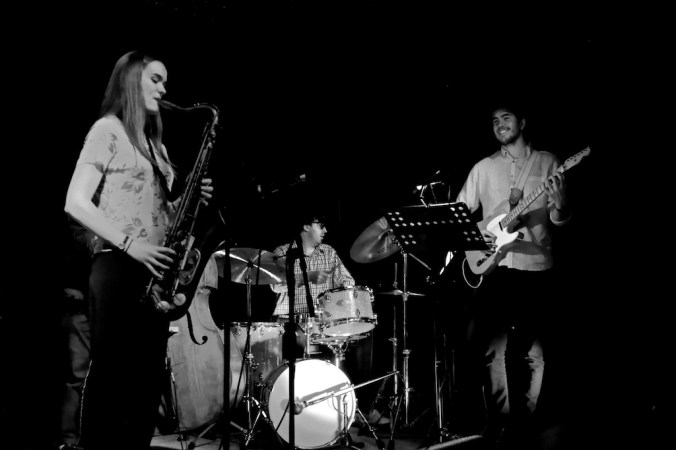 Louisa Williamson is a gifted young tenor saxophonist who has visited Auckland on previous occasions. This time, and for the first time, she visited as a bandleader, showcasing her beautiful compositions. I have always admired her tone and improvisational abilities, but this was a step up. Freed from the comfort of a band she knew well, she cast herself among an array of experienced Auckland musicians. Stephen Thomas on drums, Tom Dennison on bass and Michael Howell on guitar. The only Wellingtonian (besides Williamson) was pianist George Maclaurin and together as a band they delivered. This was engaging straight-ahead Jazz.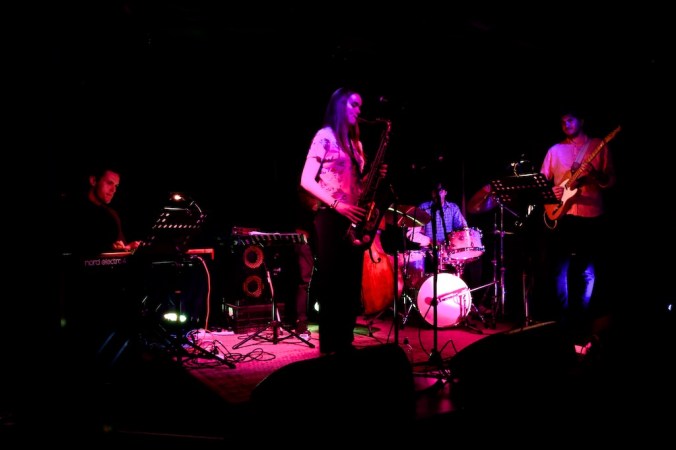
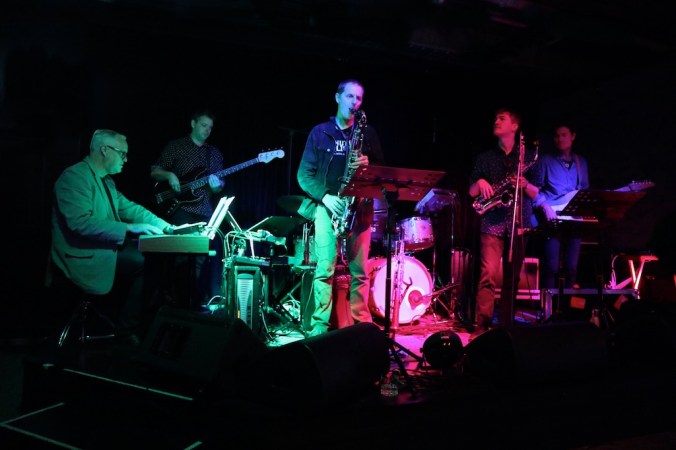 The history of music is the history of instrument development and from the earliest of times, musicians have expanded the reach of their instruments. The mother of instruments, Al’ Oud was first documented 3500 years ago, but documenting the development of the drum is a nebulous task. It almost certainly arose in Africa and along the way it has undergone a multitude of modifications. On Wednesday there was another waypoint along the continuum under the forward-looking beats of Stephen Thomas. Thomas is a gifted drummer and percussionist and in his hands, the instrument takes on a new life by transcending the mundane. The gig arose out of his last years Masters recital and the focus was on extended technique; combining physical drum rhythms, electronics via a drum pad, prepared drum heads and samples.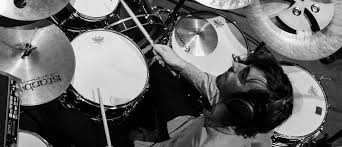
 The Melbourne group Spirograph Studies was exactly as described, modern and eclectic. In this quartet, there were no horns to carve out melodic lines. Instead, a guitar and piano spun intricate layers one on the other, focussing more on well-crafted motifs and harmonic development. There was melody but it was mostly implied, nestling comfortably among richly dissonant textures and emerging out of the subtle interplay. It was often voice-led but not as we know it and the overall effect was beguiling.
 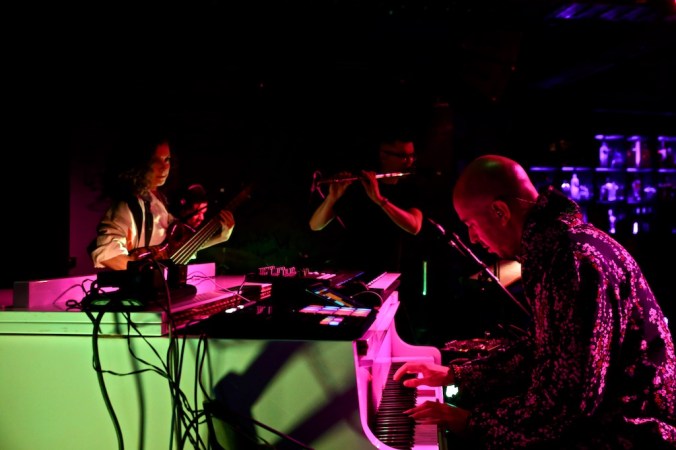 Music is the highest form of communication. It is universal. It reveals truths, tells stories, entertains, and in Mark de Clive-Lowe’s case, it evokes other realities. This was a masterclass in storytelling; an unfolding kaleidoscope where the contradictions and sublime realisations about the human condition were brought into focus. ‘Heritage 1 + 2’ the albums reflect his personal story, a journey of reconnection, an exploration of culture and of family history. He revealed it through moments of spoken narrative, but above all through his reverential musical examination of Japanese art forms. This was a musical journey where the highly personal overlapped the philosophical. It was a journey back to his Jazz roots and undertaken entirely on his own terms.
 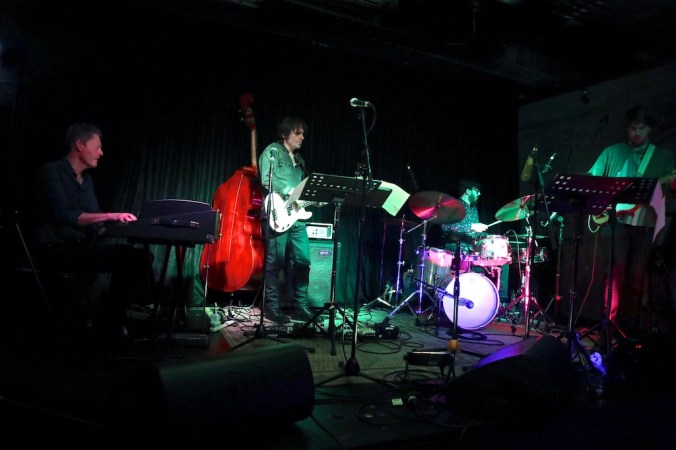 Subject to availability, Richard Hammond is the kind of bass player that you would consider first for an important gig or recording.
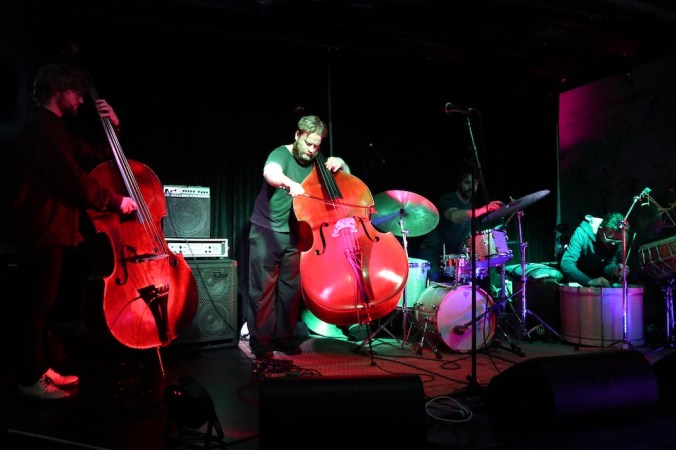 Two bass, two drummer gigs while not unknown usually occur in service of a chordal instrument or of a horn line, and when a solo bass concert occurs, an audience is frequently shown ‘cleverness’. On this occasion, the bass of Elsen Price freed the instrument from the narrow confines of the standard rhythm section or the conventional solo bass repartee; instead, exposing the beautiful resonances and the reach of the instrument. This was sublime music and complete unto itself. It celebrated a gifted musician and a wonderful instrument but without displays of egocentricity. The feat was achieved by inviting us inside the music, and into a sonic cornucopia. We listened and we were captivated.
 It was four years ago and almost to the day, that Kushal Talele was last at the CJC. Then, as now, he had just returned from a long period overseas. I heard him for the first time then and I was impressed. That was in the cellar of the 1885, a place now a fond but distant memory. A few days ago he returned to the CJC and although he played with a different band, his unmistakeable upwards trajectory was evident. There is nothing unduly flashy about Talele as he radiates calm and absorption. At the microphone, he talks quietly, but there is passion in those subdued tones.
 Brad Kang has previously appeared at the CJC, but this time he was here with his own quintet. It is not too much of a stretch to say that most emerging Jazz guitarists during the last decade have demonstrated a liberal dose of Kurt Rosenwinkel in their playing. It is in their sound and their approach to melody and it was unmistakable with Kang. That clean bright tone and the fluent unison lines as he and saxophonist Louisa Williamson ran through the head arrangements.
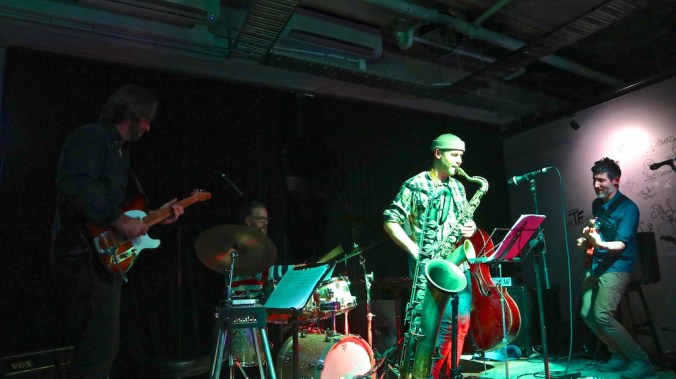
 Anything that Jeff Henderson is associated with is likely to be intense, mind-altering and extraordinary. No matter how prepared you think that you are, you should understand that your head will be fucked with. When you factor in Tom Callwood, Anthony Donaldson and Daniel Beban the Henderson effect is magnified exponentially. This music is powerful stuff as it sweeps aside genres as irrelevant distractions. When confronted with a gig like this you abandon preconceptions, as the sonic smorgasbord jolts you out of complacency. It is also a visual experience and Fellini would have signed these guys up in a heart-beat.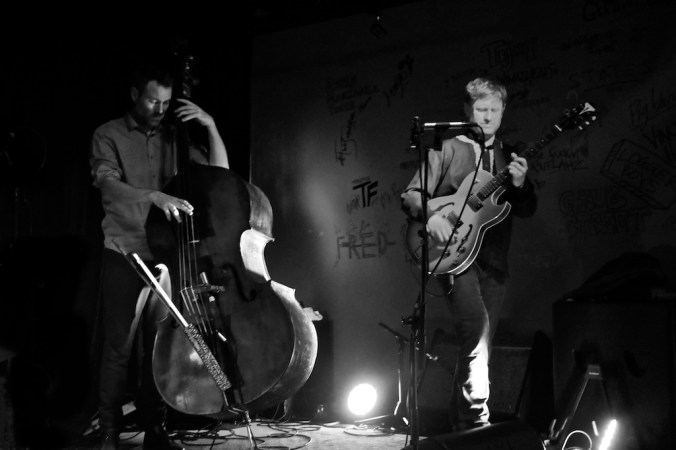
 The original
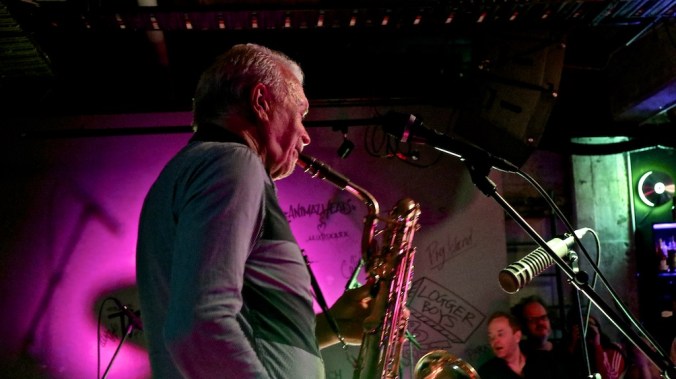
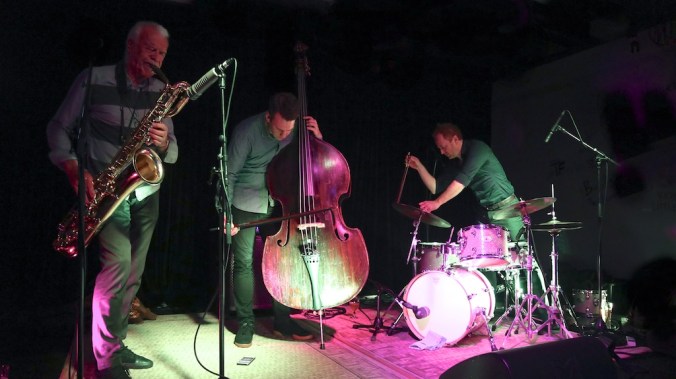 About eighteen months ago I was contacted by Jeff Henderson. He suggested, that I might be interested in a gig featuring two great Norwegian musicians who were passing through. I certainly was. The musicians were John Pal Inderberg and Hakon Mjaset Johansen. I was particularly interested because the baritone saxophonist John Pal Inderberg is associated with Lee Konitz and the late Warne Marsh. I make no bones about it, I am an unapologetic devotee of the Tristanoites. During that particular visit, the duo played a number of Scandinavian folk tunes and in their hands, these became melodic springboards for improvisation and a cloak for standards (with local bassist Eamon Edmundson-Wells). The Nordic region has a rich history of improvised music and it is therefore unsurprising that so many innovative US improvisers have ended up living and working there. With artists of this quality to work with why wouldn’t they? Inderberg and his band are great ambassadors.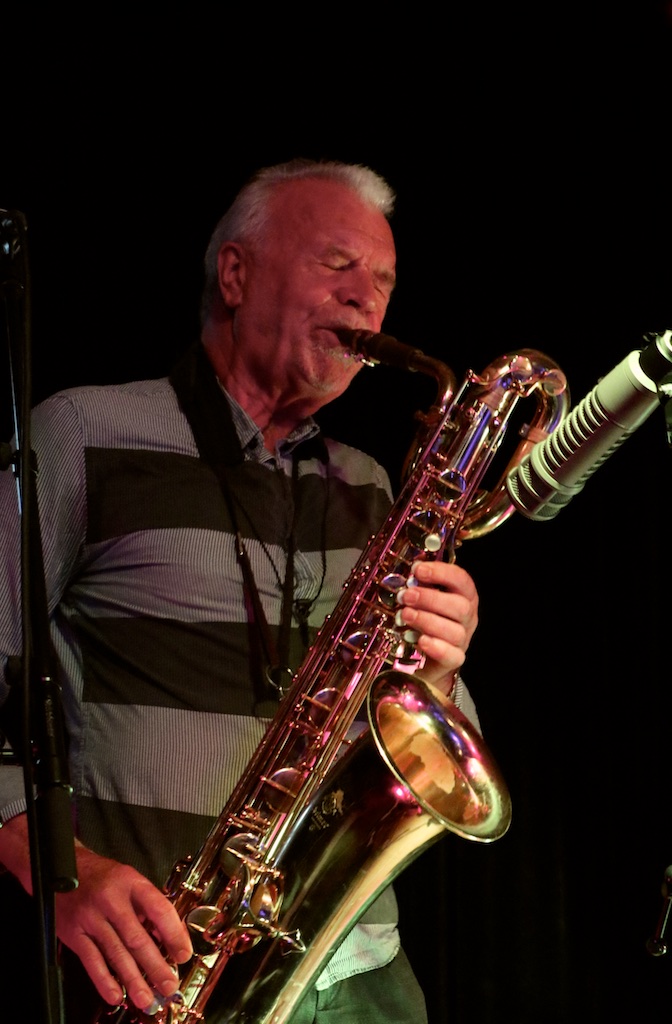
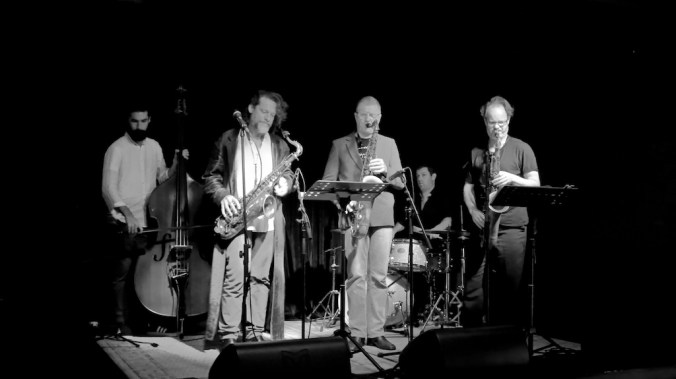 Andy Sugg’s collaborative album ‘TTTenor’ was cut in Melbourne back in 2006 and rightly, it has garnered praise. In a land of significant horn-players, the tenor triumvirate of Sugg, Oehlers, and Wilson was a standout. Three gifted saxophonists who capitalised on the imaginative charts to showcase their formidable skills. Completing the original sextet was an immaculate rhythm section – Paul Grabowsky (piano), Gary Costello (bass) and Andrew Gander (drums). Since then, Sugg has recorded other albums like ‘The John Coltrane Project’ ‘The Berlin Session’ ‘Brunswick Nights’ ‘Wednesday at M’s’ and ‘Tenorness’.

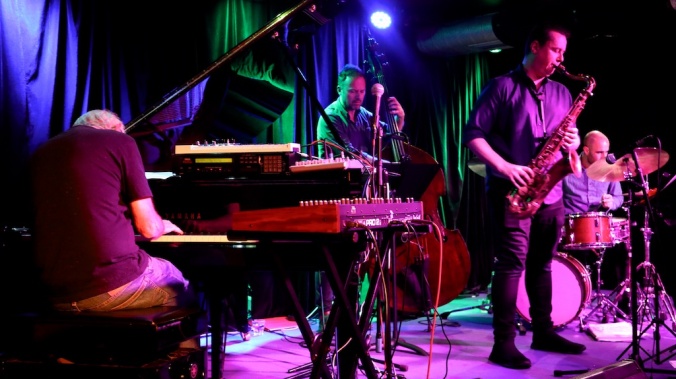

 Again, the CJC Creative Jazz Club has made good on its promise to deliver diverse and interesting projects.
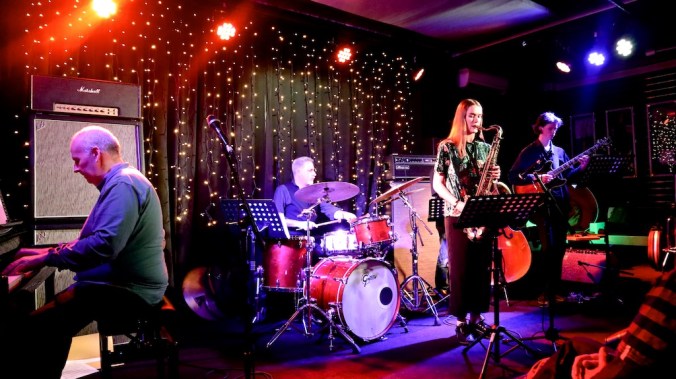 The UK born Mark Donlon is an internationally renowned musician who joined the New Zealand School of Music as a senior lecturer in Jazz Piano in 2013. He has previously appeared at Auckland’s CJC, but never with a quintet. The small ensemble format is clearly a forte as it revealed his many skills. After hearing his recent recording and attending the CJC gig it was evident to me that this particular project hit a sweet spot. What we heard on Wednesday was something special.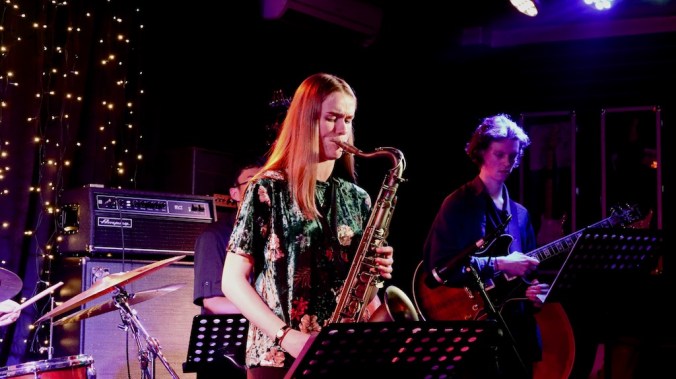

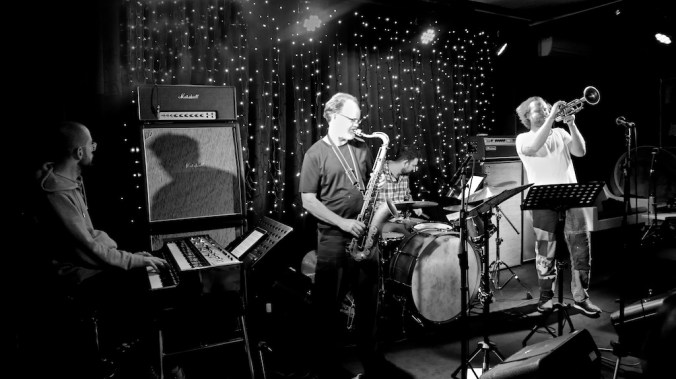
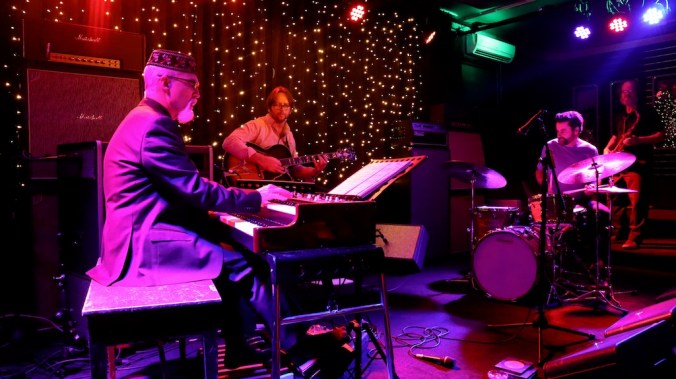 I reviewed the ‘Shuffle’ album in January and the band is now on the road, sharing its groove throughout the North Island.
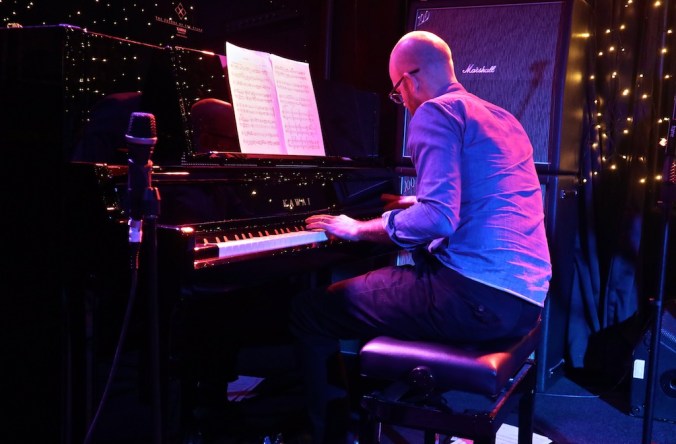 Steve Barry left these shores many years ago and these days Australians count him as their own. It is hardly surprising that they do because since his departure he has raked in the accolades, won numerous awards and completed a Doctorate. Given the above, we can hardly begrudge his move. Music is like water it will always find its level, no matter where the wellspring. Everyone on the New Zealand Jazz scene looks forward to Barry’s yearly trips home as he never rests on his laurels. He brings us new and diverse projects and above all he showcases innovation.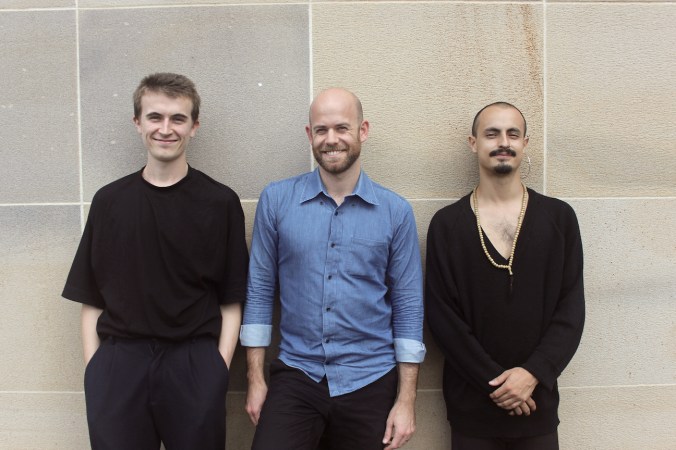
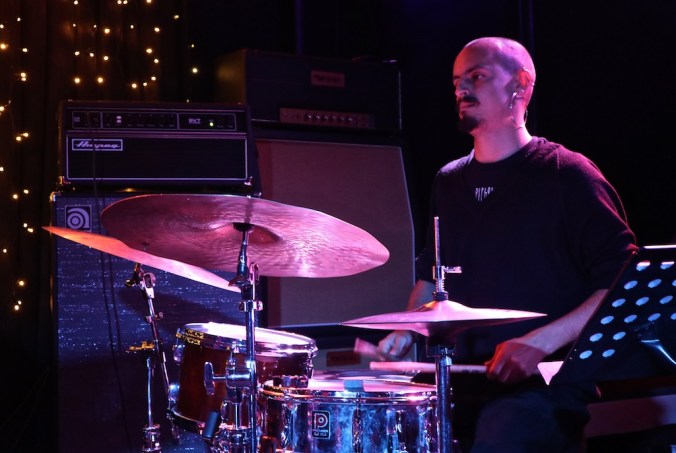 The Steve Barry ‘Blueprints’ Trio appeared at Backbeat, 100 K’Road, for the
 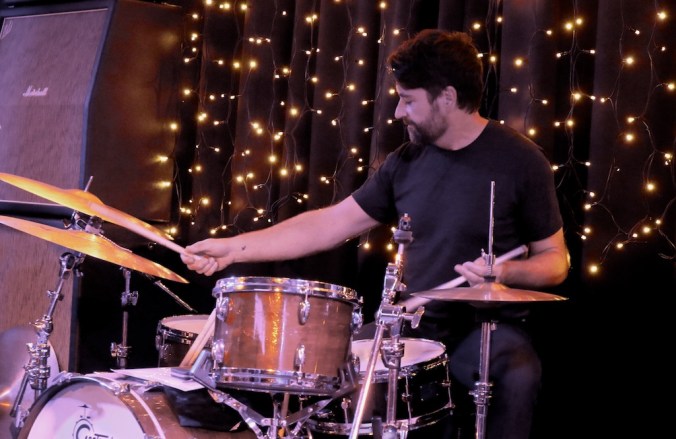 March fifteenth began as good days should, with sunshine, a cool breeze off the ocean, and a message from a Jazz Journalist colleague in Australia. ‘Would I like to meet some award-winning Greek Jazz musicians’? I had stuff planned, but the plans were easily shelved and I drove from my leafy hilltop retreat into the city. The musicians had flown into Auckland to join a passing cruise ship and were only in town for eight hours. Ahead of them lay four months of playing standards, original material (if lucky), and the inevitable but often regrettable requests. We met up in a central city cafe. ‘John’, they yelled as I walked around the corner. For the briefest second, I wondered how they had recognised me, ascribing it to a Jazz sixth sense, then remembering my tee shirt was emblazoned with the words Prahu Jazz. We introduced ourselves, and headed for the waterfront at my suggestion, chatting as if we’d known each other for years. That’s the way in the Jazz community. You travel to a place you’ve never been before and someone will message you with the contact details of ‘cats’ to hang with. Such hangs generally follow a well-trodden path. ‘Do you know this or that cat – killing?’ Always followed by outrageous road stories and laughter.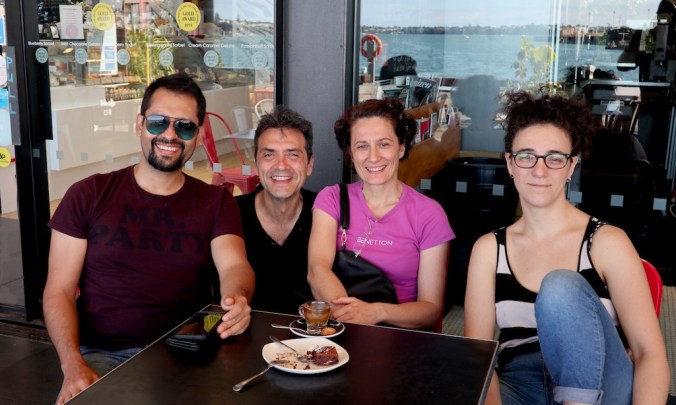
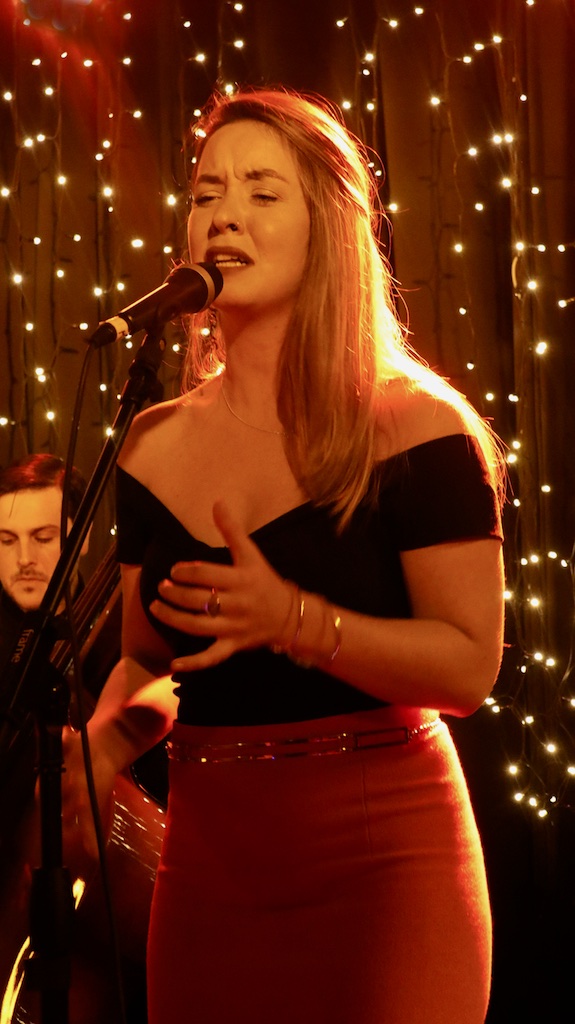
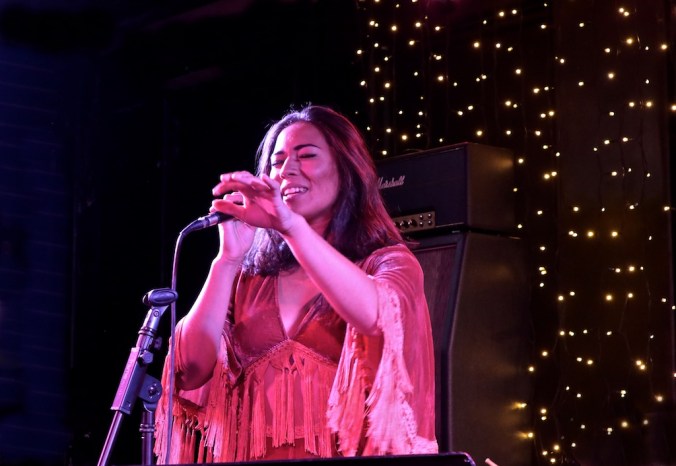
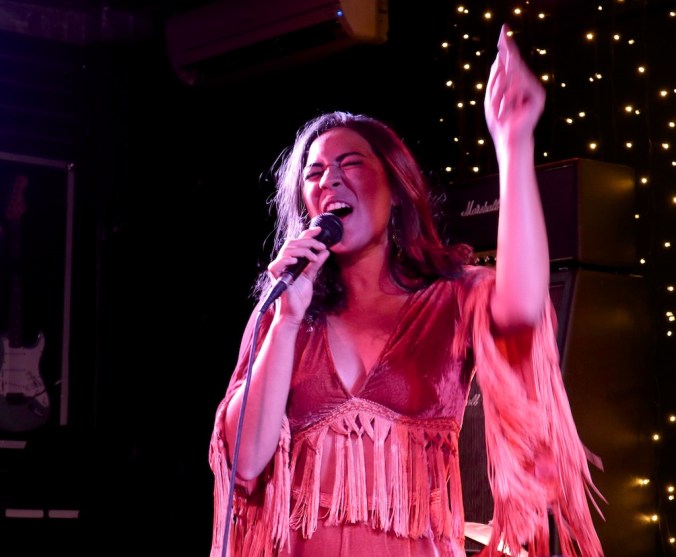 Lou’ana is a vocalist on route to wider recognition. During the last few years she has been performing at festivals throughout the country and she is billed to appear at the Waiheke Jazz Festival this month.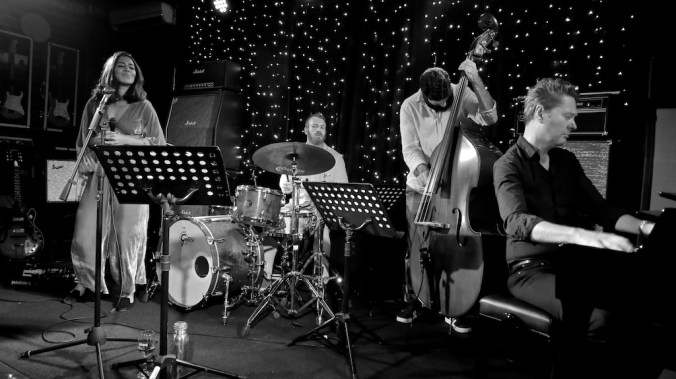
 JazzLocal32.com