There are many ways to navigate troubled times. You can deny reality, scream into the void, surf the waves of absurdity, bitterly declaim, or seek quiet while you gather your thoughts. Many prefer the latter, although the other responses are also valid. The last few years have felt particularly untethered as a growing flock of anxieties encircle us. In this space, I reach for artisan teas from China and the type of music that invites reflection. All the albums I review here slow the world’s orbit to a sensible pace and invite reflection.
Inverted ~ Auckland Jazz Orchestra

We lost Phil Broadhurst back in 2020, but his legacy is enduring, and unsurprisingly, he is constantly in the thoughts of the musicians he worked with. Here, we have a loving tribute to the man and his music, appropriately performed by the AJO, a jazz orchestra peopled with musicians who knew him well. It is the AJO’s fourth album and arguably their finest to date. Tribute albums may be commonplace, but tribute albums like this, born out of fondly remembered connections with the subject artist, stand out from the rest.
Phil Broadhurst was quiet-spoken but a colossus on the local music scene. He was a musician with many musical talents, all informed by his passions. This was particularly evident in his post-millennium Rattle albums, with their Francophile influence. As a composer, he was particularly gifted, so it is fitting that the compositions on the album were all drawn from that period. Mike Booth, Tim Atkinson and Andrew Hall crafted the arrangements and what an extraordinary job they have done. The arrangements are ‘voiced’ beautifully and thanks to the skill of the musicians, perfectly realised. The album has significantly raised the bar for local jazz orchestras and it places Tāmaki Makaurau firmly on the jazz orchestra map.
Fortunately, Phil was able to guest on some of these tracks before he passed and it is moving to hear him. We know that he was delighted with what he heard. It is also moving that his beloved partner, Julie Mason, appears on piano on the remaining tracks. I won’t name all the personnel or soloists here because the list is long, but check out the album on Bandcamp.
I rate everything on the album, but my favourite tracks are ‘Pat’, with Phil teasing wistful magic out of his lovely tune, and Pukeko. Pat features Broadhurst, McNichol on tenor, and Booth on trumpet, the latter, rising to the occasion (Booth arranges both). Pukeko features Gianan on guitar and Booth on flugelhorn. The album is available at Rattle Jazz on Bandcamp.
Volume Two ~ Darren Pickering

Deep listeners will appreciate this album for its subtle interplay and warm embrace. It is a fine example of today’s forward-looking improvised music, drawing as it does on the sounds we can all too easily overlook as we drown in the endless iterations of soulless commercialism. Cinematic phrases, slow textural electronic grooves teasing out rich soundscapes, the kind you might hear fleetingly emanating from a softly lit apartment on a summer’s night, wanting to hear more.
It is an album that will reward repeated listening as the subtle minimalism if examined with open ears, will reveal an expansiveness. Pickering has previously demonstrated other musical sides, but I am glad he has chosen to further this one. The band were perfect for what he has created here, understanding that space serves sound.
There is balance and variety. The opener ‘Oneroa Bay’ sets the tone nicely for what follows. For those who crave something more traditional, there is ‘Blue Mind’, a blend of the crystalline ECM aesthetic and the warm embracing Impulse grooves. Or ‘Mazawati Tea’, an update on the swinging groove trio/quartets we love.
There is also a degree of abstraction, sometimes floating under a slow-wending evocative melody line as in ‘Reverse’ or pushing at the outer edges of form as in ‘La Perla (for Benjamin)’. The production is of the highest quality thanks to the deft curation of Pickering, Rapaki Studios and the Rattle crew.
Released by Rattle Records and available on Bandcamp; Darren Pickering, piano, Modular, iPad, composition; Mitch Dwyar, guitar; Pete Fleming, Bass; Mitch Thomas, drums.
Dahab Days ~ Rob Luft

Rob Luft and I often meet up when I pass through London, but it’s been a while. However, I managed to conduct a long-form interview with him late one winter’s night during the pandemic lockdowns. We were relaxed as we ranged over many topics, including the possibility of this album.
With gigs cancelled everywhere as the world slipped into an enforced state of hibernation, Luft found himself becalmed in Egypt. He remained there for a considerable time, but far from being dismayed, he embraced the situation and opened himself to the sights and sounds of North Africa. The musical and other influences he explored at that time have informed this album.
You hear the colours and sounds of Egypt, not by emulating an Oud or street caller, but by creating a musical world that throws up filmic images. It is especially so on ‘African Flower’, an interpretation of Ellington’s tune, which in Luft’s hands knits east and west, past and present together seamlessly. His ‘Endless Summer’ is where Luft’s compositional skills are most evident. The skilful integration of the human voice lines tells me that the influence of Kenny Wheeler lives on in the current generation of London jazz musicians. Most of the compositions are Luft’s.
The last track, an arrangement by Luft of a traditional tune, Lamma Bada Yatathanna, is as respectful as it is innovative. We hear and sense the Arab streets. Collaborating with Elina Duni has added depth to his compositional chops and this album benefits from that. Luft’s powerful presence on guitar is evident, but he has left his bandmates ample room to shine. The result is that the album is more than just a guitar album. It works on many levels. I wish more guitarists grasped this.
Since we spoke last, Luft has co-led a second ECM album with vocalist Elina Duni and returned to a full schedule of touring and gigging. He has always been an artist to watch. If you listen to Dahab Days, you will hear why.
Rob Luft, acoustic and electric guitars, kalimba; Joe Webb, piano and Hammond organ; Tom McCredy, bass guitar; Corrie Dick, drums, percussion; Alice Zawadzki, violin, vocals; Byron Wallen, trumpet;, Steve Buckley, alto saxophone, penny whistle.
Dahab Days is available on Rob Luft Bandcamp in digital or vinyl format.
‘Ondulation’ ~ Alan Brown

Alan Brown’s ‘Ondulation’ album epitomises the sentiment expressed in the post’s header: a quieter place in times of turmoil. It explores quieter regions differently, radiating all-encompassing warmth and conjuring a world of sensory imagery. It is not the first of Brown’s albums to explore ambient improvised electronically enhanced music, but this album opens a portal into something new. It expands on earlier work by adding new digital voices. The resulting textures are rich and nicely contrasted by gently probing piano lines.
Brown has been exploring this genre for quite a few years. The deeper he dives, the richer the rewards for the listener. The first track, ‘Decider’ is particularly appealing, especially when a young woman’s voice emerges like a beckoning siren. The voice is faint but compelling. The harder we strain to catch the words, the deeper we fall inside the music.
The rest of the album flows like an otherworldly, beguiling narrative, and the journey should be enjoyed for itself, not over-analyzed. These are worlds crafted for our senses to interact with. We may hear them differently according to mood or disposition. Jazz experimentalism is common in northern Europe. Here, we have a way to go to catch up. Albums like this help us on that journey, and in my view, what Brown has achieved here compares favourably with the works of Aaset, Molvaer and Bang.
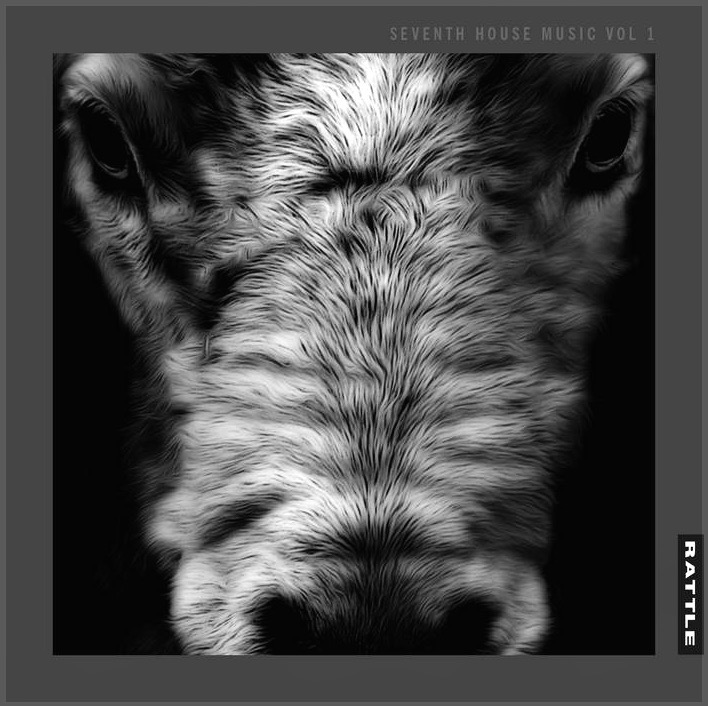
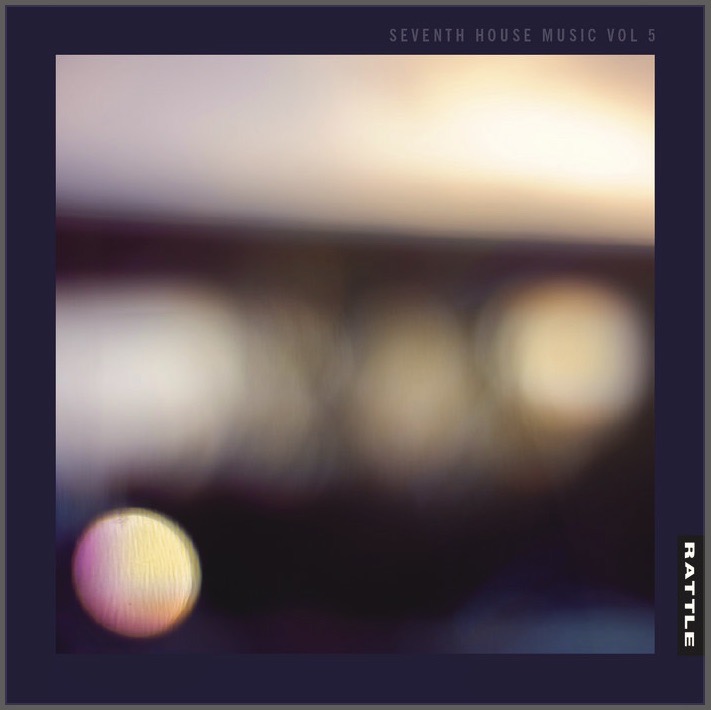
Humans have been shaping sound since the beginning of time by bending notes, creating new textures, creating new chords and playing with harmonics. But while the circuit board and its predecessors extend the sonic possibilities, it is due to the creativity of musicians like Brown that something uniquely human results. You can purchase and check out the album at Seventh House Rattle Records.
Alan Brown, Piano, Ondomo, electronics
LacLu ~ Winter/Fog/Morning

This last piece, Winter/Fog/Morning, is a teaser for a Rattle album due to appear later this year. Like the other albums reviewed, it fits nicely into the theme of a quieter place in times of turmoil. It is atmospheric, so I immediately wondered if that was Te Henga Valley morning, where the guitarist lives. Price, like me, lives in the Waitakere Ranges foothills. The seasons and rainforest mists make a spectacular showing there.
It is good to see younger emerging players alongside experienced ones. Price’s guitar work is gorgeous and never overstated, his gentler side is evident here. I have been to several gigs where Max Crook played and he is establishing himself as a reliable band member, open to new ideas. This is my first time hearing Francesca Perussini but I will watch out for the album with interest.
Keith Price is a Canadian guitarist living in Aotearoa. He is the Convener of Jazz Specialization, School of Music, Faculty University of Auckland. Francesca Parussini, on tenor saxophone and Max Crook, drums, have been involved in the Jazz programme at UoA. Cover art by Ainsley Duyvestyn-Smith.
JazzLocal32.com was rated as one of the 50 best Jazz Blogs in the world by Feedspot. The author is a professional member of the Jazz Journalists Association, a Judge in the 7VJC International Jazz Competition, and a poet & writer. Some of these posts appear on other sites with the author’s permission.






 The lockdowns won’t stop jazz! To assist musicians who’ve had performances cancelled, get their music heard around the globe. The Jazz Journalists Association created Jazz on Lockdown: Hear it Here community blog. for more, click through to

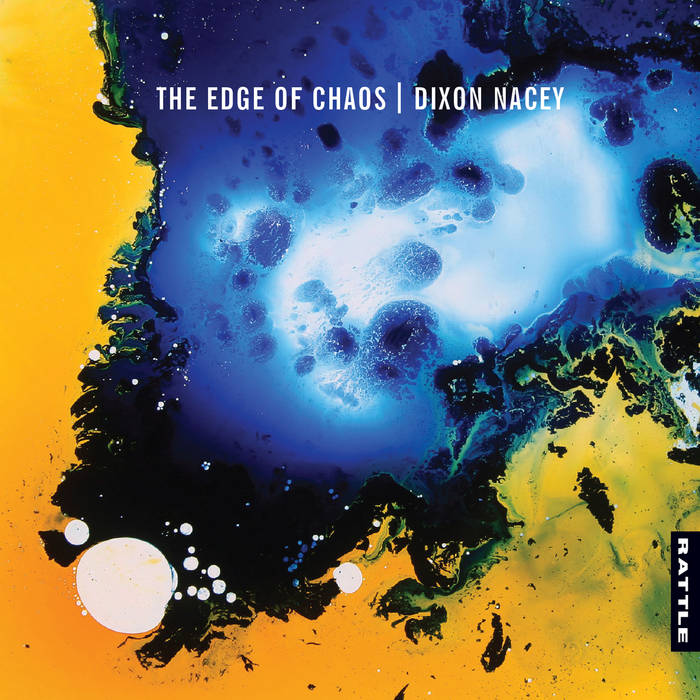
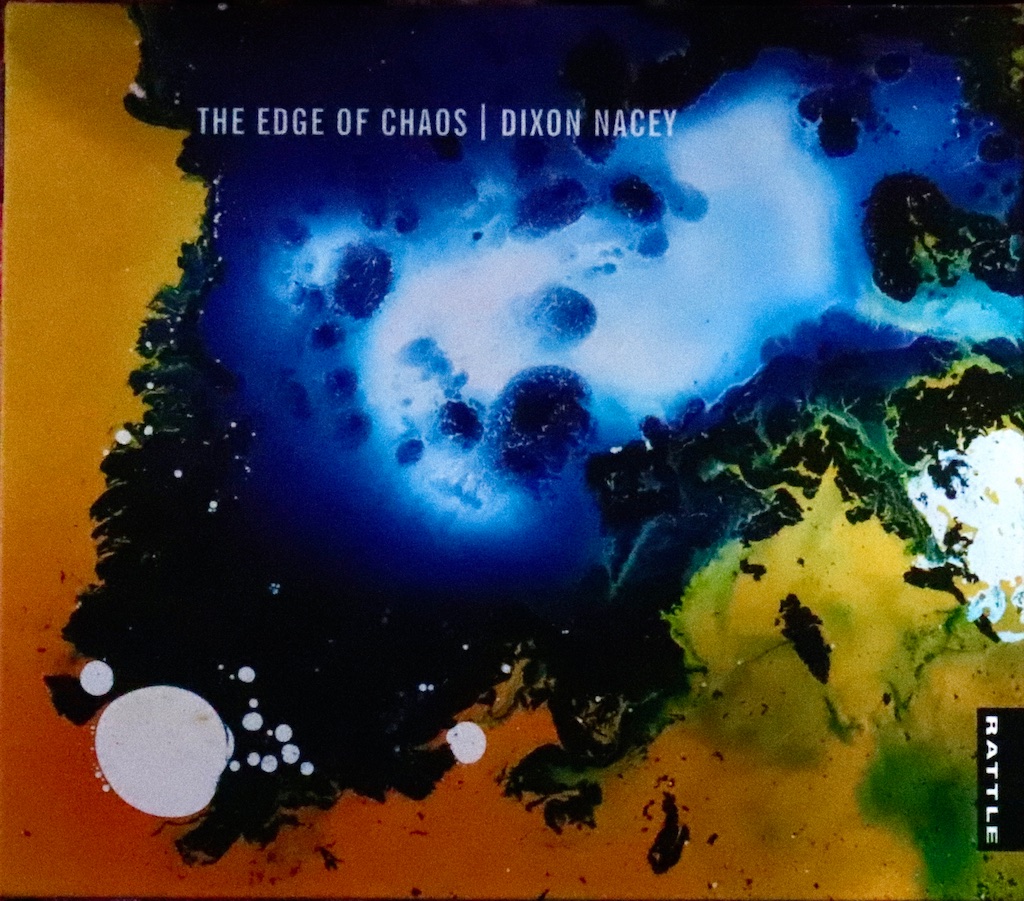 This Dixon Nacey album has long been anticipated and although Nacey has previously recorded as co-leader, this is the first album to be released exclusively under his name. Nacey is firmly on the radar of Jazz loving Kiwis, but his fan base extends well beyond that. He is a professional musician of considerable standing, an in-demand teacher and in recent years the musical director of CocaCola Christmas in the Park. To up and comers he is a guitar legend and on this album, they have something to aspire to; twenty years of experience distilled into excellence.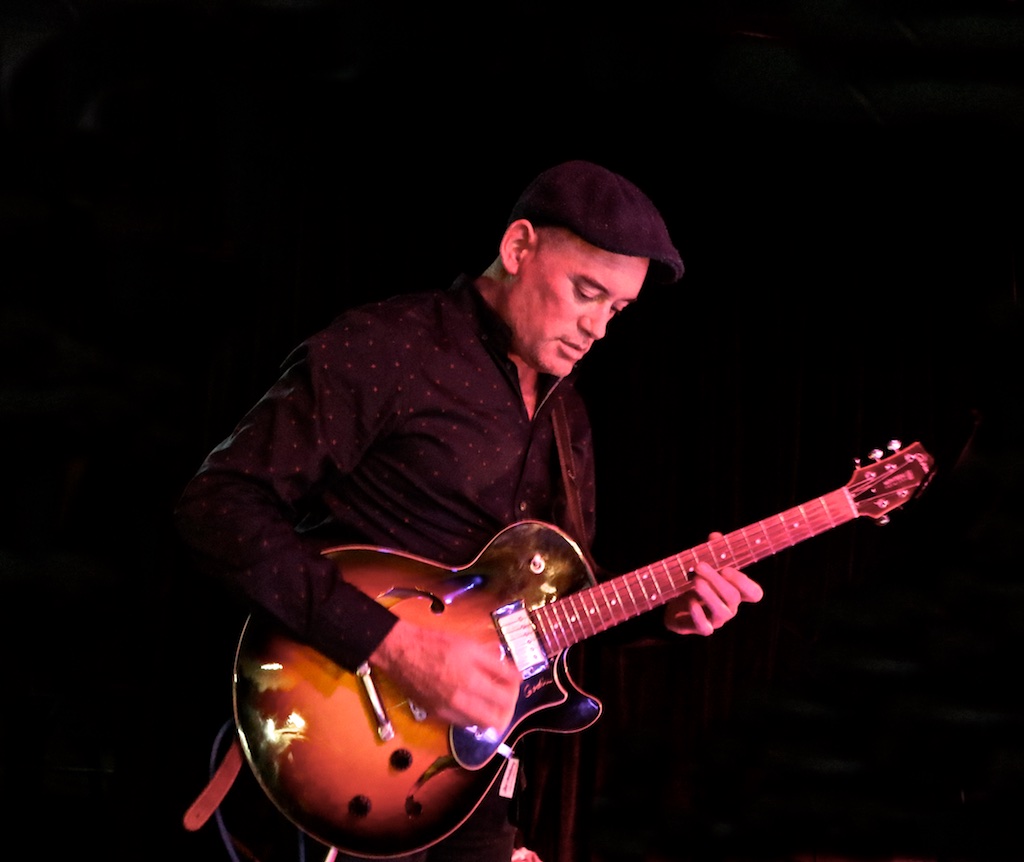
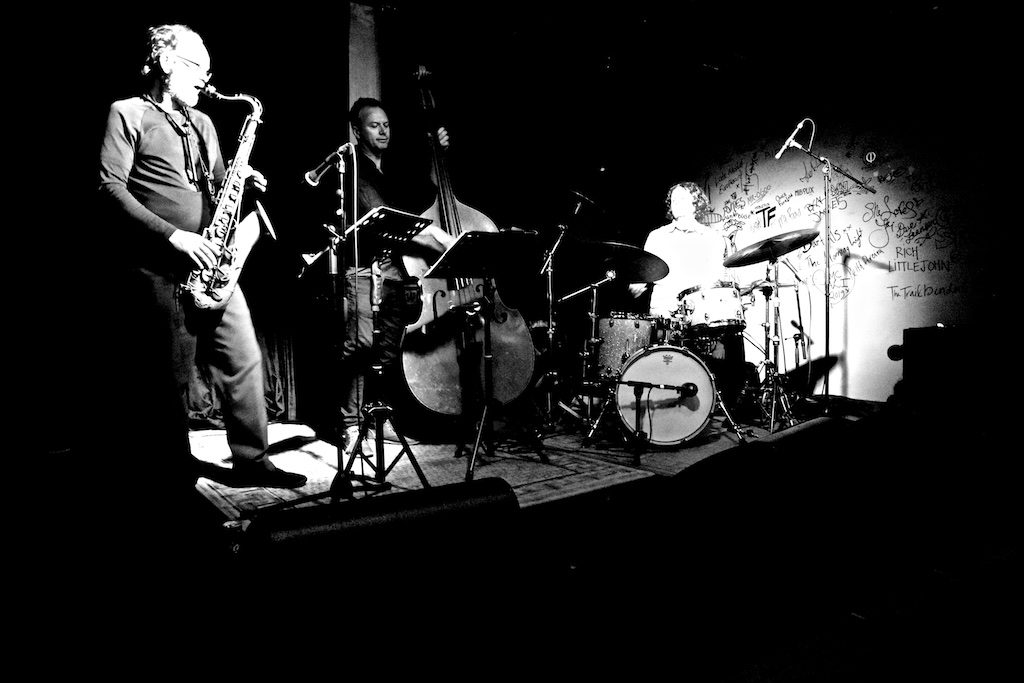 Post Trump’s inauguration, improbability is the new normal and in keeping with the mood of the times Wednesday’s gig emerged from improbable beginnings. It began with an international cat rescue mission, an attempt to thwart a ‘catricidal’ former neighbour. Before the mission had even been concluded a subplot had emerged; one involving the inhabitants of three cities, two countries, and assorted sharks. Those familiar with Reuben Bradley will not be surprised at this turn of events as he’s known for his humour, good nature and above all for his ability to turn improbable adventures into really good music. ‘Shark Varieties’ is a drummer led trio and a vehicle which showcases a bunch of the leader’s original tunes. It also showcases a joyful reunion.
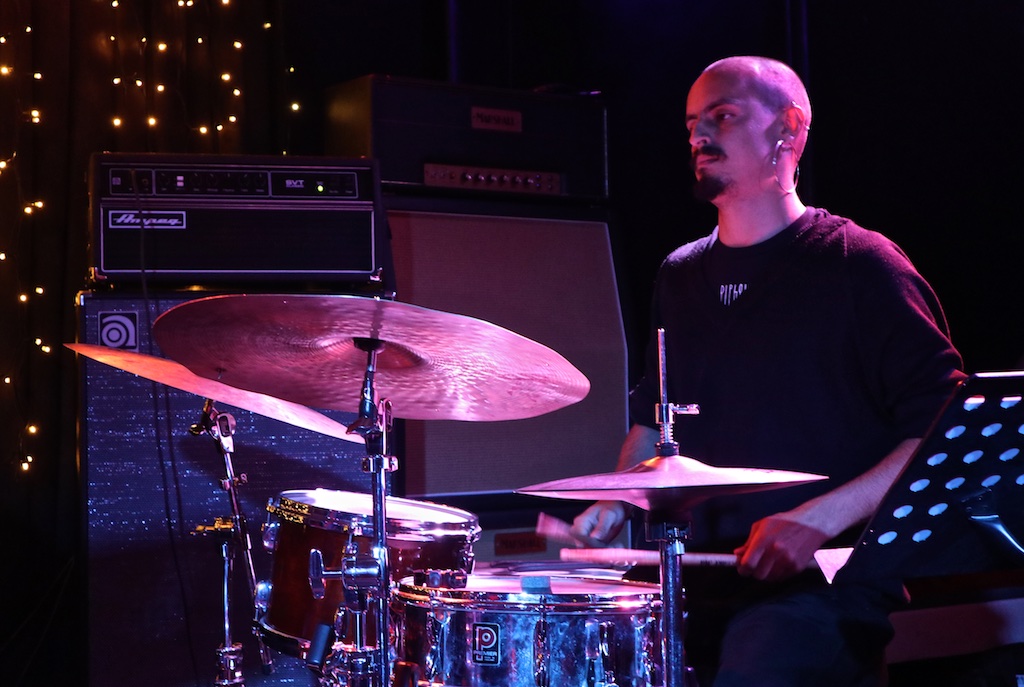
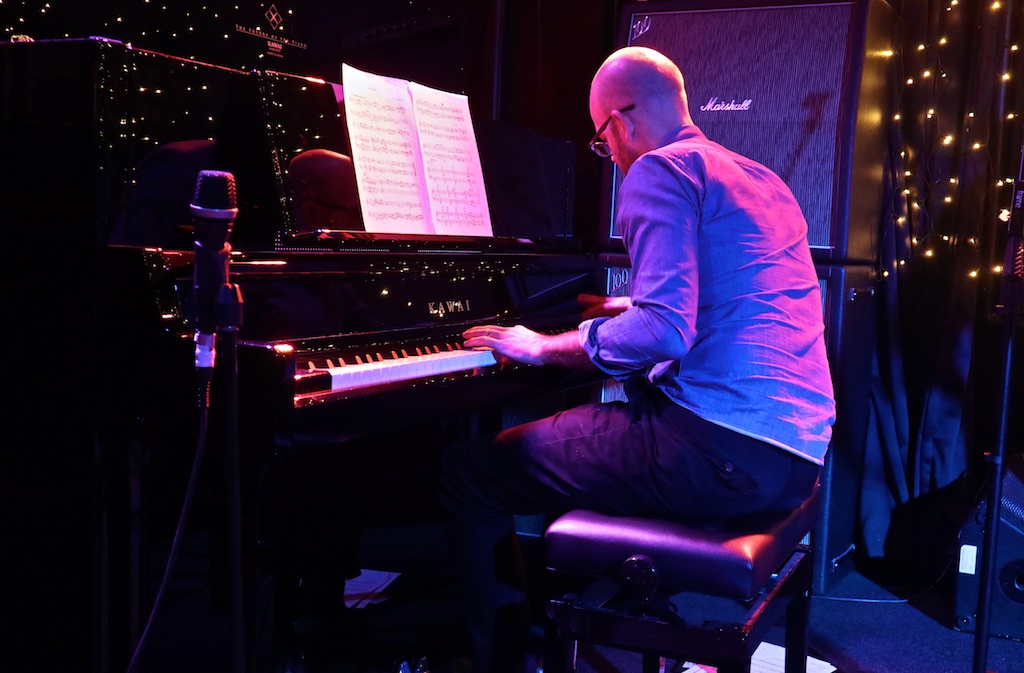 Steve Barry left these shores many years ago and these days Australians count him as their own. It is hardly surprising that they do because since his departure he has raked in the accolades, won numerous awards and completed a Doctorate. Given the above, we can hardly begrudge his move. Music is like water it will always find its level, no matter where the wellspring. Everyone on the New Zealand Jazz scene looks forward to Barry’s yearly trips home as he never rests on his laurels. He brings us new and diverse projects and above all he showcases innovation.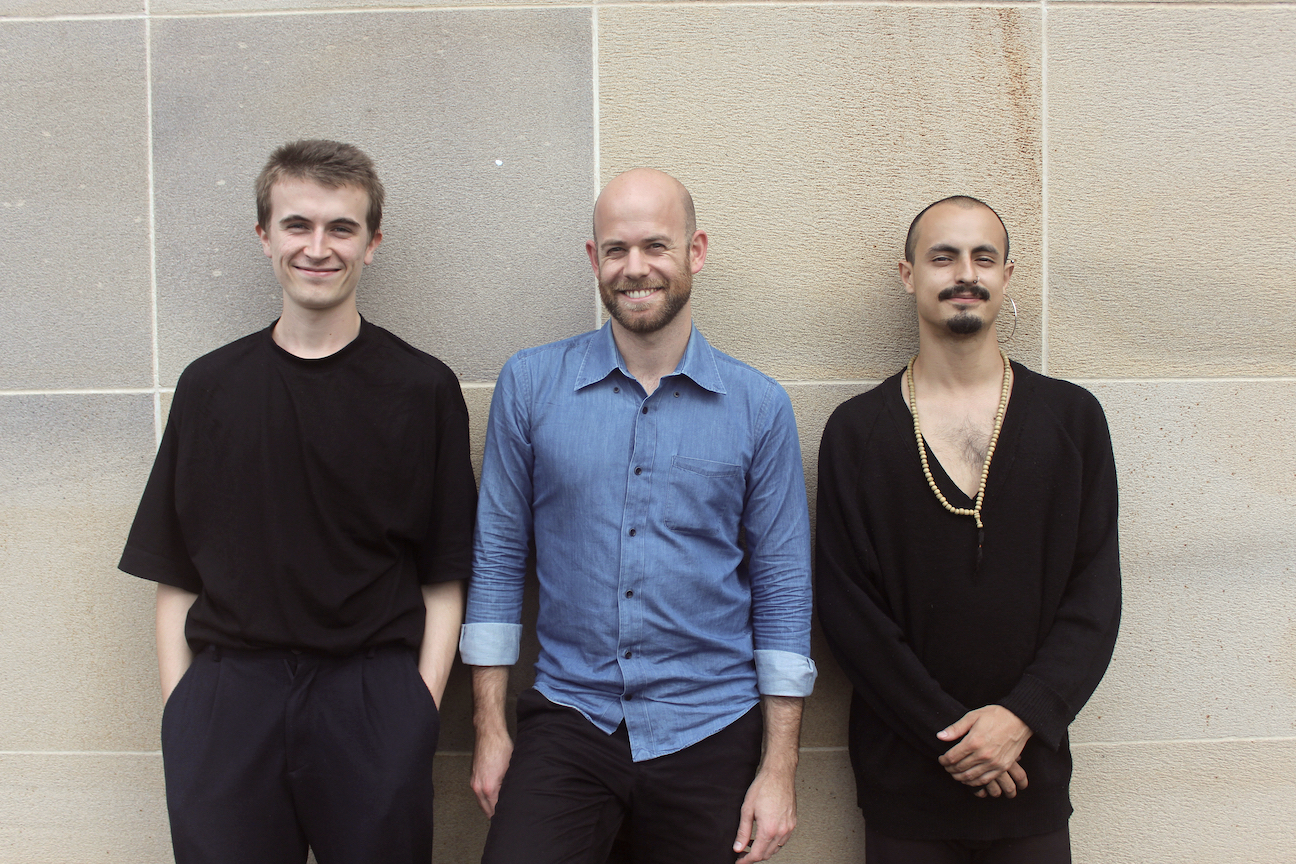
 The Steve Barry ‘Blueprints’ Trio appeared at Backbeat, 100 K’Road, for the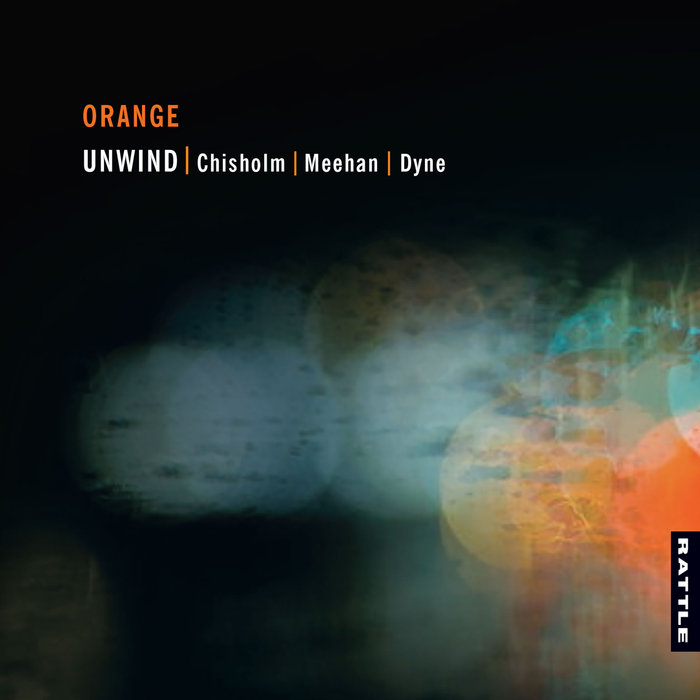
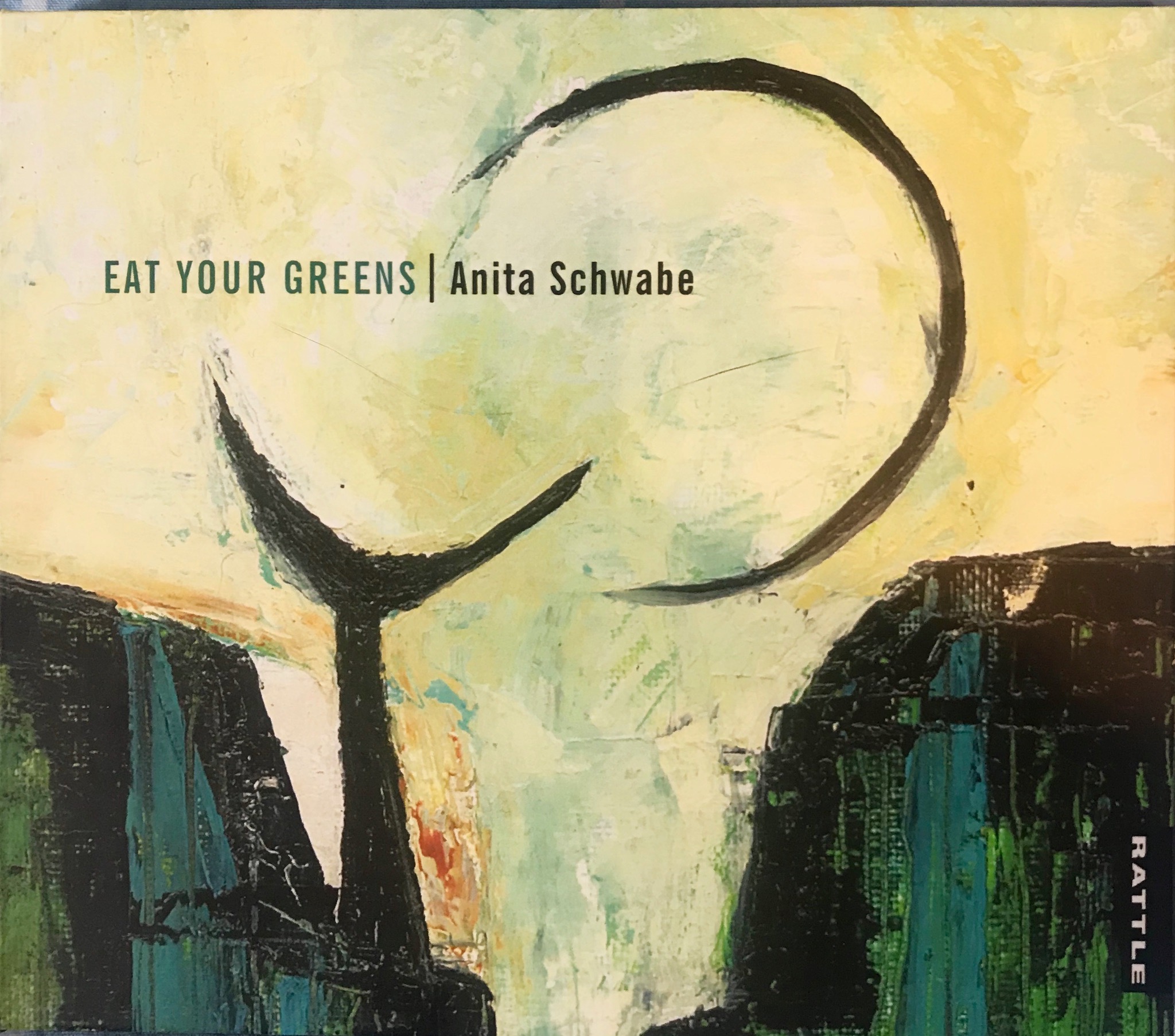 ‘Eat Your Greens’ is an album by to the popular Wellington pianist and educator Anita Schwabe. It was recorded at the UoA Kenneth Myers Centre in Auckland during her recent tour. Her band also performed live before a capacity audience at Auckland’s CJC Creative Jazz Club and it was immediately obvious that they were in great form. Schwabe normally plays with Wellington musicians and regularly with the Roger Fox Big Band. The idea of recording in Auckland was formed while sharing gigs with Roger Manins earlier and it was with his assistance that the Kenneth Myers Centre was made available for recording.
 As another DOG night approached I could feel the excitement in my bones. I had followed their tracks from the groups inception, enjoying every moment along the trail. I was at their first gig in February 2013 and it amazed me then just how rounded and complete they were. If you search for the ‘(Dr) Dog’ post in this blog site you will find a video from that gig. Man that blew me away. I just couldn’t get the tunes and the excitement of that night out of my head. Later I used a cut ‘Dideldideldei’ (Holland) as the signature for my YouTube site. I also sent the cut to a Jazz DJ friend Eddie B in LA and he played it on his show. Unsurprisingly people phoned in immediately wanting to know, “who were those amazing cats”? Before long the group decided to record – everyone who heard them wanted more. DOG seemed to encapsulate everything that was good and exciting about the local scene – DOG was, and still is, something special.
 There are so many aspects to this group that it is hard enumerate them all; of course there are the outrageous dog jokes, the brilliant compositions from each band member, the powerful stage presence, but it is something else that excites me the most. This is a band that could gig anywhere in the world and we could hold our heads up, knowing that they would do us proud, tell our story. I felt excited when they were nominated for ‘album of the year’ and as pleased as a dog with two tails when they won the ‘Jazz Tui’. Now it is rumoured that a new DOG album is on the way. I can’t wait.
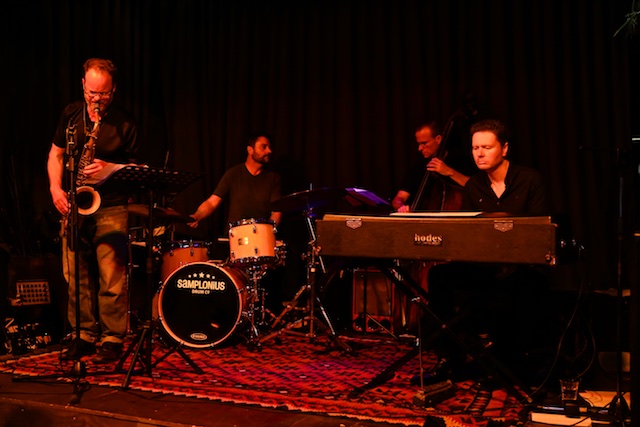
 Throughout the sets were a scattering of familiar DOG compositions – plus a few new ones (like ‘Merde’ by Samsom and Hollands ‘Shceibenwischer’). All of the tunes sounded fresh and somehow different, perhaps because Kevin Field was playing a Rhodes and not a piano. I love the Rhodes in all its antique glory and in Field’s hands it is especially wonderful. It cut through the room like crystal. Hearing the familiar tunes like ‘Peter the Magnificent’ (Manins), ‘Icebreaker’ (Field) and ‘Sounds like Orange’ was like meeting old friends. The last track of the evening was the familiar ‘Dideldideldei'(Holland). DOG ripped into it with the usual abandon, leaving us shaking our heads in disbelief and grinning like Cheshire cats.
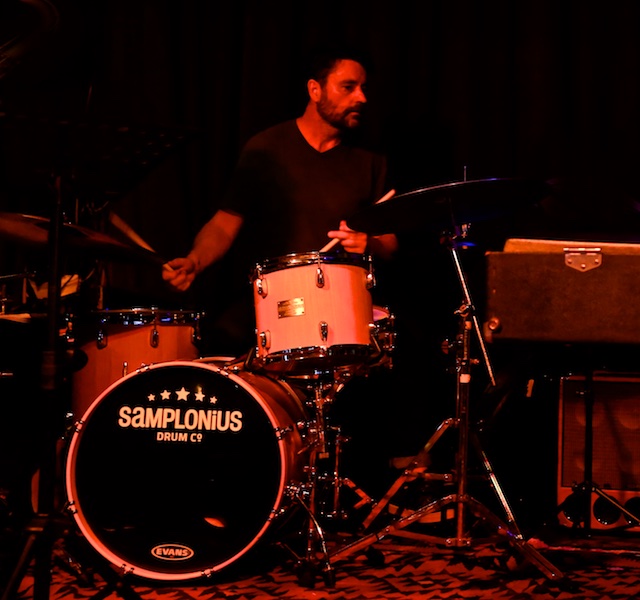 The Thirsty Dog works well as a venue, having good acoustics, good sight-lines and a sizeable bandstand. They also serve snack food and they are most welcoming. The first DOG album is available at
  While it is easy to feel discouraged by the state of the music industry and to agonise over the plight of long-form investigative journalism, there are pathways through the morass. Better alternatives, however tentative are forming and the emergence of more equitable models a possibility. These debates are worth having and the creative sector needs to become more vocal and activist. Everything of value is at stake here and the market rationalists will happily plunder the creative sector if artists and consumers leave them to it. As we ponder the challenges it is tempting to think of the music world as being too broken to fix. Acquiescence and inertia are the antithesis of creativity. The artists and journalists who care about this must do what we do best – confront, shock, overwhelm stupidity, dispense joy, start revolutions; throwing in the towel is for those devoid of imagination and banality produces nothing worthwhile.
 I recently watched two thought-provoking documentaries on the fate of the book and of in-depth journalism. ‘Out of Print’ and ‘Stop the Presses’. The first threw up a lot of intriguing questions, while the second provided some answers. Every new media platform brings with it a multitude of doom sayers and the invention of the printing press was no exception. Books have been with us for over four thousand years and while there are few local book-shops left in 2016, there are more books being printed than ever. The ability to record data and preserve it is the greatest of human achievements and the modern world rests upon it. In spite of determined efforts throughout history to burn books or to shut down the information flow, knowledge and information proliferates.
 If such an extraordinary album can rise to the top utilising a fan-funded artist controlled model there is hope. Progress is painfully slow but these projects can work. The Artist-Share label is not a recent innovation and the model doesn’t yield quick results. If better focused and more equitable distribution models developed then the high-end independents could gain a significant foothold in the market. There is a feel good factor in associating ourselves with models like this.
 By the time the second week of the Auckland Jazz Festival arrived, I began to feel my age. I had already experienced a number of late night gigs and a further week of music stretched ahead of me. This was no time to flag, as some interesting and innovative music lay ahead. The festival programme structure provided audiences with variety. The depth and breadth of the improvising scene was on show and I wanted to see everything possible. The week started well with the Meehan/Griffin/Manhire poetry project (see earlier review for this). That gig brought a new audience and I was still
 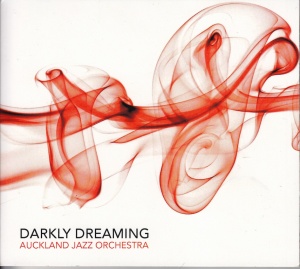 buzzing come Tuesday.
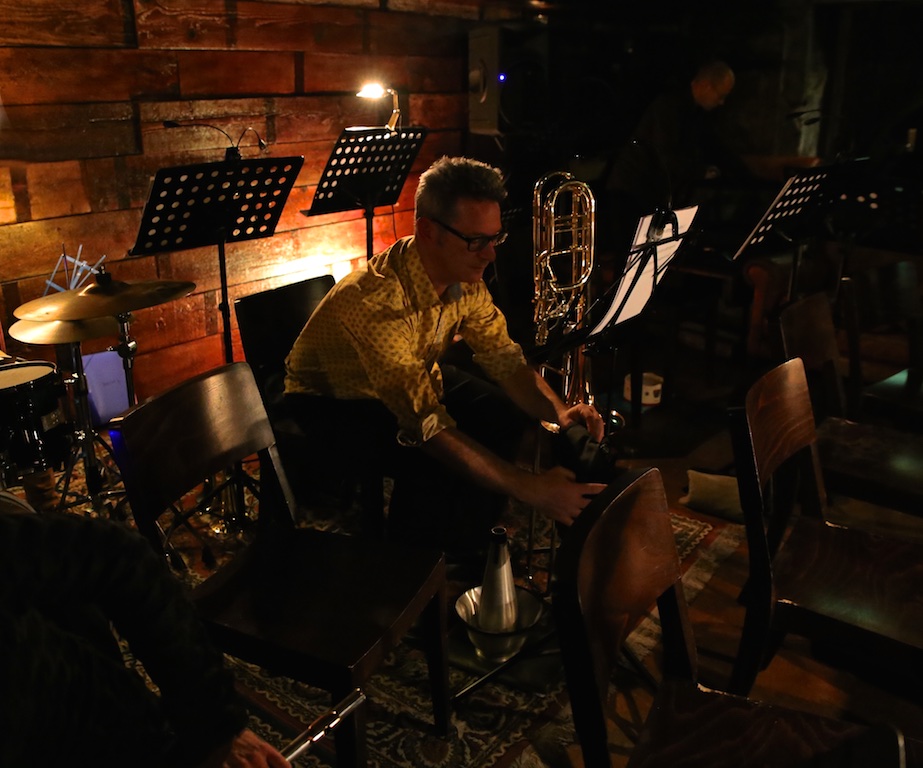
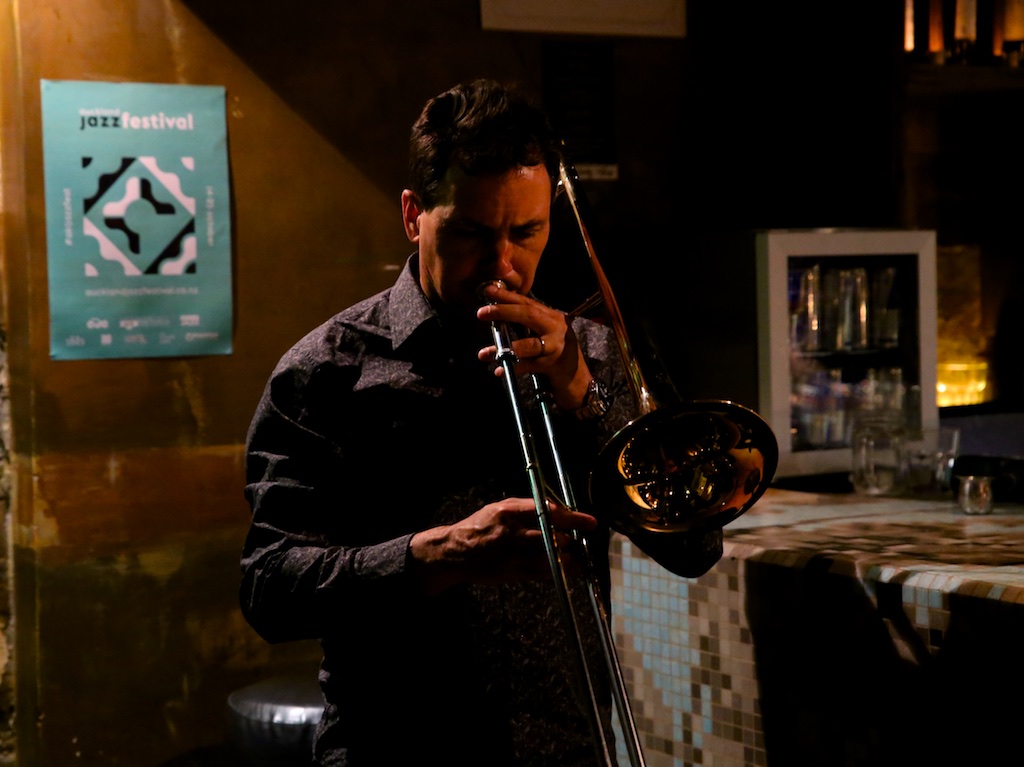 I had volunteered for door duty that night, turning up early to help. I enjoy the Jazz orchestra set-up process – in this case nineteen musicians and a conductor configuring a behemoth in an impossibly small space. It was like witnessing Nasa scientists beginning the launch sequence. Instruments and gauges checked, tapped and rechecked, cabling run out; each adding a layer to the criss-cross tangle of shoes, stands and chairs. Soon there were rows of brassy instruments standing in an (almost) orderly line, with the odd human interloper spoiling their symmetry. Random buzzing sounds came from warming up lips; and all punctuated with honks and plucked notes from far-flung corners of the room. this is the counterfactual of the sounds that follow.
 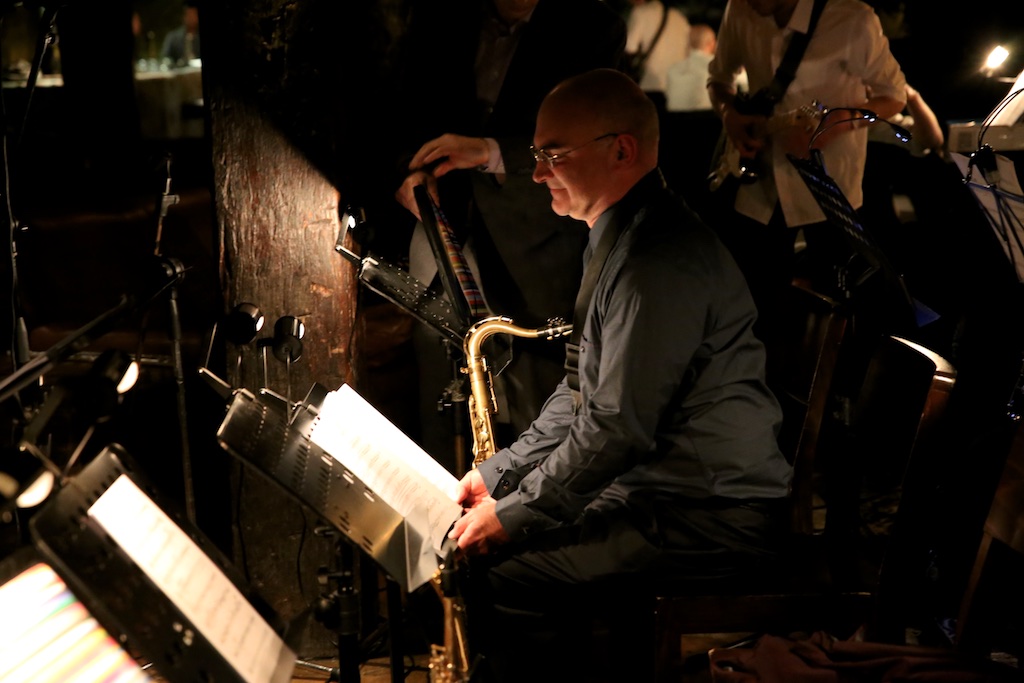 Band leader Tim Atkinson composed and arranged the suite. He has carefully shaped this ground breaking project as befitting a work of this importance. This is a modern piece of music in the mould of Darcy James Argue. Richly textured, evocative of the title and especially in the warm multi layered dissonance that swells out of the quieter passages. The work has captured a mood and an orchestra going places. This is a moment which benchmarks the growing maturity of the Auckland Jazz scene and I am truly glad to have witnessed it. The overall performance on the night was flawless, but if anyone stood out it was altoist Callum Passels. His solo on ‘The Dark Passenger’ was wonderful. it was a feat of story telling, of mood and it oozed freedom – as if he had somehow escaped the confines of room and orchestra. Importantly, he managed this without once deviating from the logic of the composition. I urge people to purchase this album and I guarantee that you will play it over and again.
  On Wednesday I spent time with the
 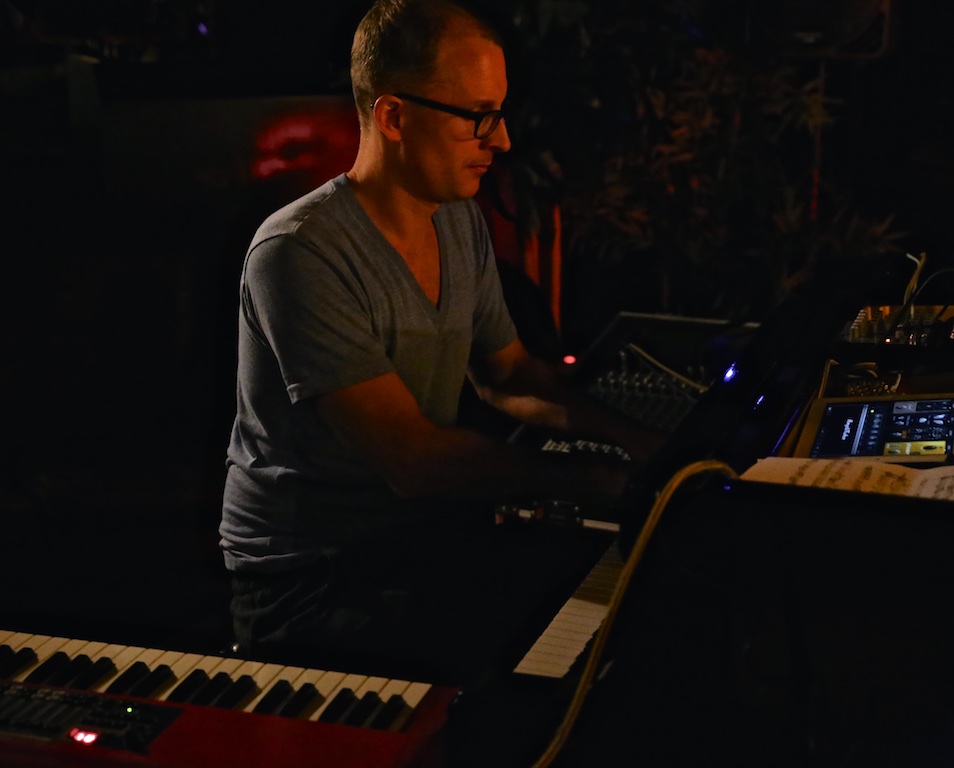 The trio’s set list was a mix or originals and some very interesting covers. What was not composed by Lackner or by the drummer Chazarenc, were often unexpected tunes; Brahms, Cold Play, David Bowie, Rodriguez and Jimmy Hendrix. ‘If Six were Nine’ was simply stunning. Warmly familiar to those of us who remembered the rock original. Taking the bones of a 1960’s tune and infusing it with edgy lines and modern harmonic conceptions. I have long-held the view that the new standards will come from material exactly like this. None of the band were alive when this acid blues classic was cut in 1969, but their joy at performing it was evident. Jimi would have loved it.
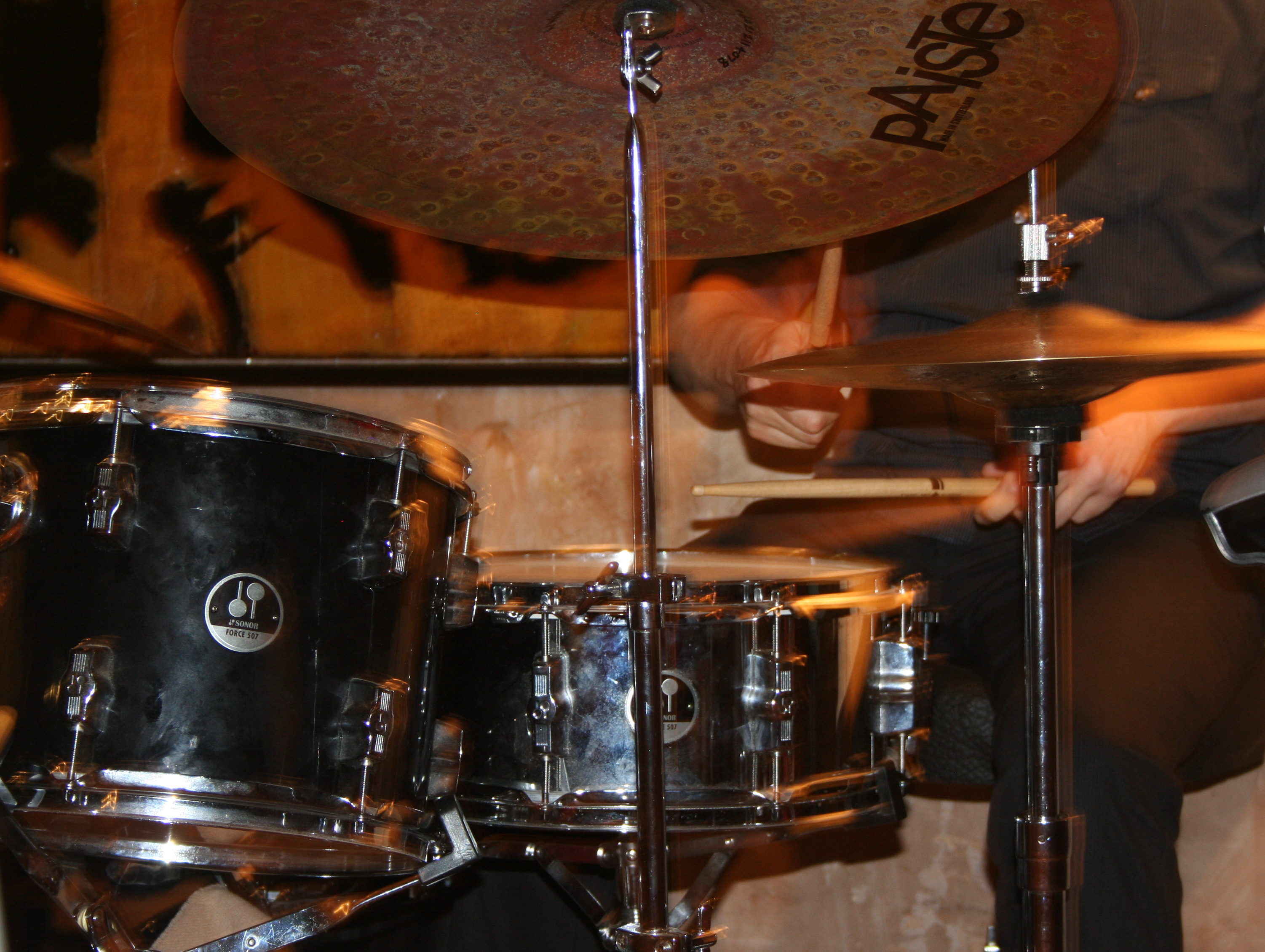
 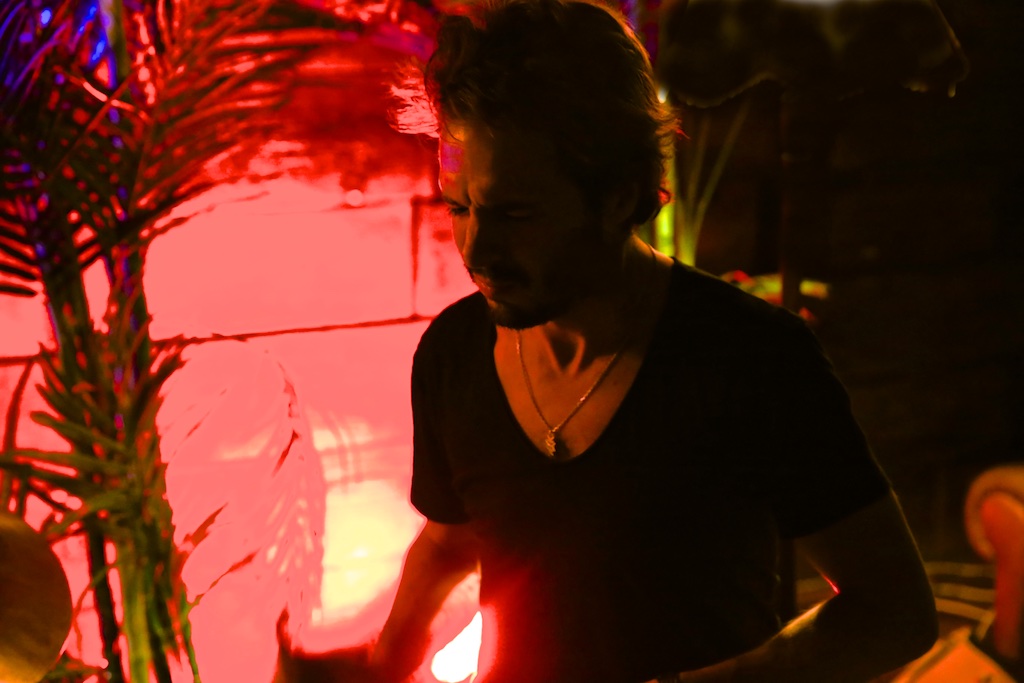 The bass player on this trip was Bruno Schorpe. When offered an upright bass he declined – choosing to remain on electric bass throughout. I’m glad that he did because the instrument had the bite to act as counterweight. Balancing out well the electronics and various effects of Lackner’s keyboards. Then there was drummer Matthieu Chazarenc. He has accompanied Lackner on previous trips and to my ears he is directly out of a great tradition. French Jazz drummers have a sound that is distinct. Like many of his compatriots Chazarenc’s sound is crisp, even dry; utilising dynamics in ways that younger drummers are often incapable of. A label like ACT must surely pick the trio up sometime soon. They would be a perfect fit – much as they would for ECM.
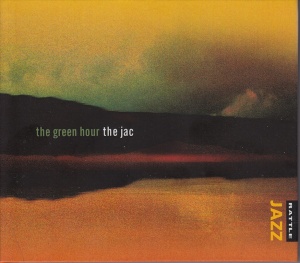 ‘The Green Room
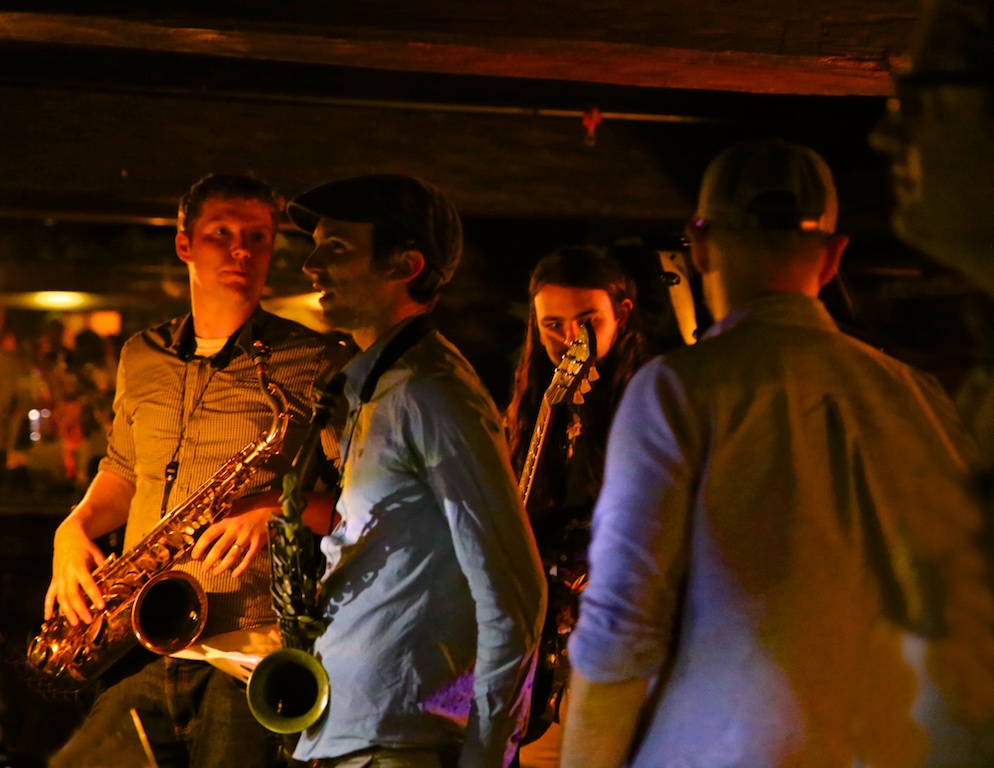 It is almost overkill to single out soloists with a cohesive group like this as every one is notable in some way or another. Altoist Jake Baxendale is their nominal leader and three of the compositions on the album are attributed to him (including the title track). If any number captures the essence of the group it is this. The solo on his tune Andalucia also captures a strong sense of place. I know Andalucia well and this is a convincing testimony.
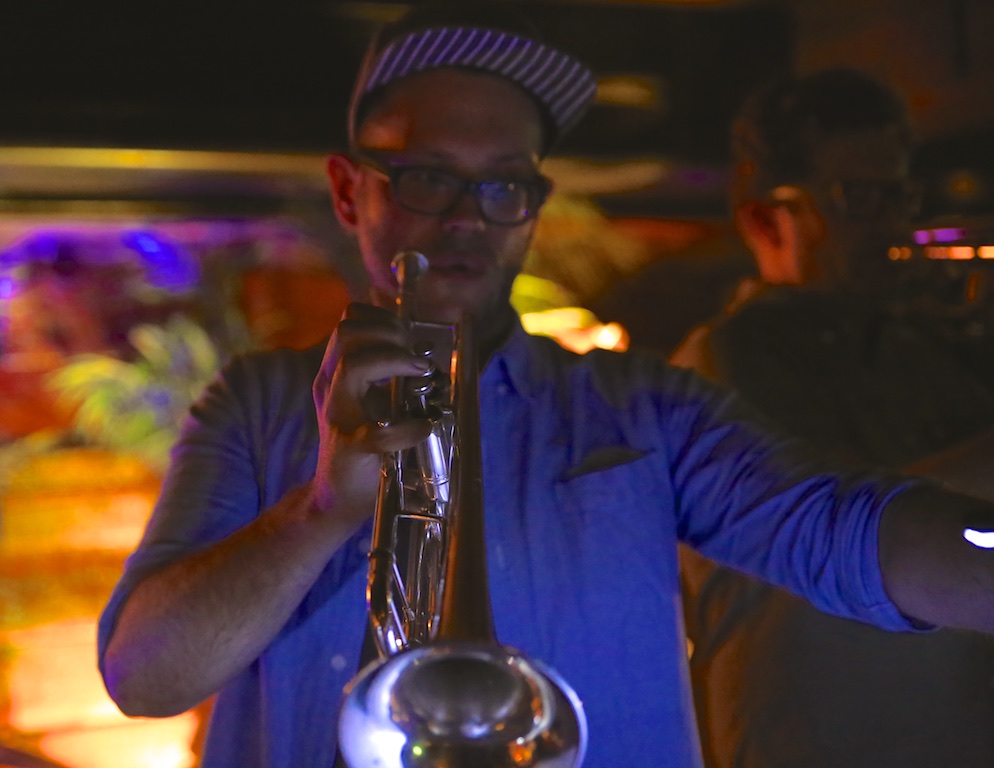 It is hard to know where to start with Callum Allardice; he grows as a musician every time I hear him. His compositions are stunning and his guitar work so fluid and exciting that it defies belief. These are performances that stop you in your tracks and few New Zealand guitarists capture that particular sound. Lex French is another spectacular performer and we would hardly expect otherwise. He is now the leading local voice on that horn. Perhaps the most experienced player is Nick tipping who never puts a foot wrong. On the new album we hear him at his best.
 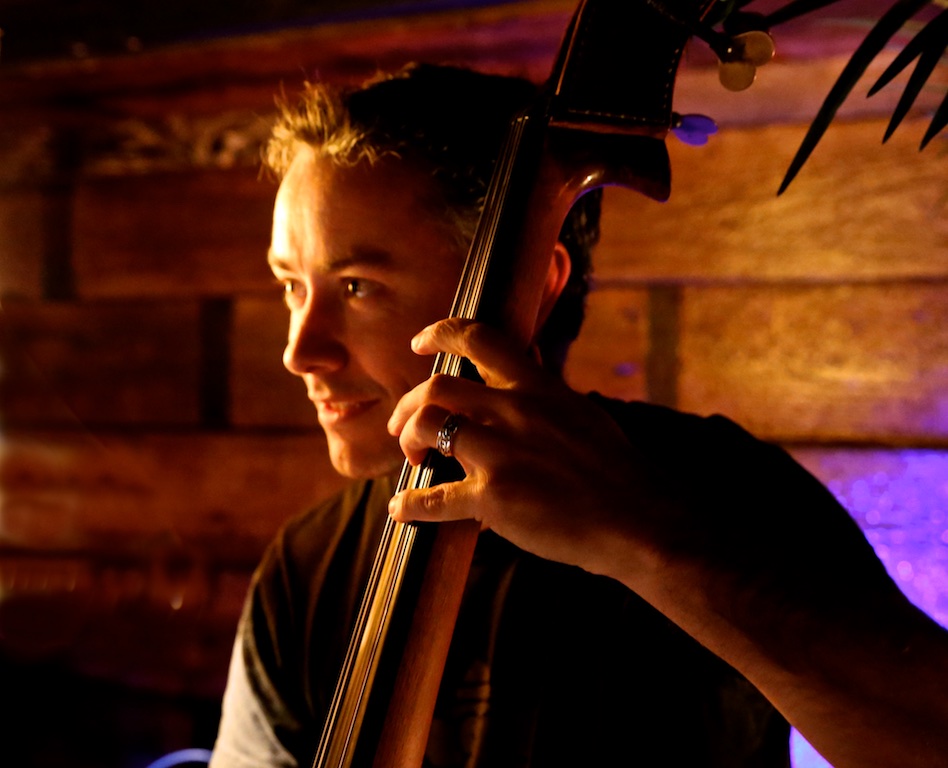 Convincing contributions by the likes of Chris Buckland, Matthew Alison and Shaun Anderson reinforce the view that this is an all-star band. Lastly there is pianist Daniel Milward. He has recently moved to Melbourne and his voice is particularly strong on the recording; more so than on the first album. Not a showy pianist but an extremely tasteful one who gets it just right. I have put up a sound clip of the Allardice Composition ‘The Heist’, as I have loved it since first hearing it (probably at the Tauranga Jazz Festival).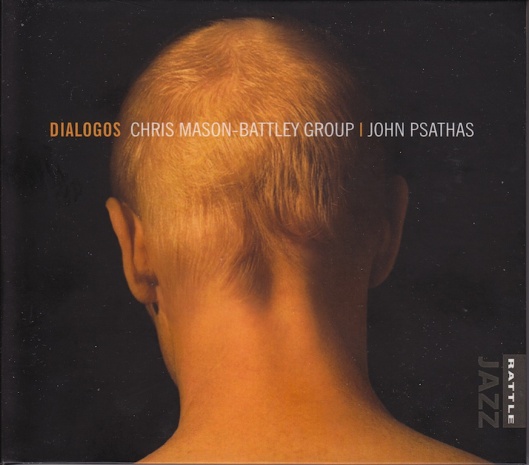
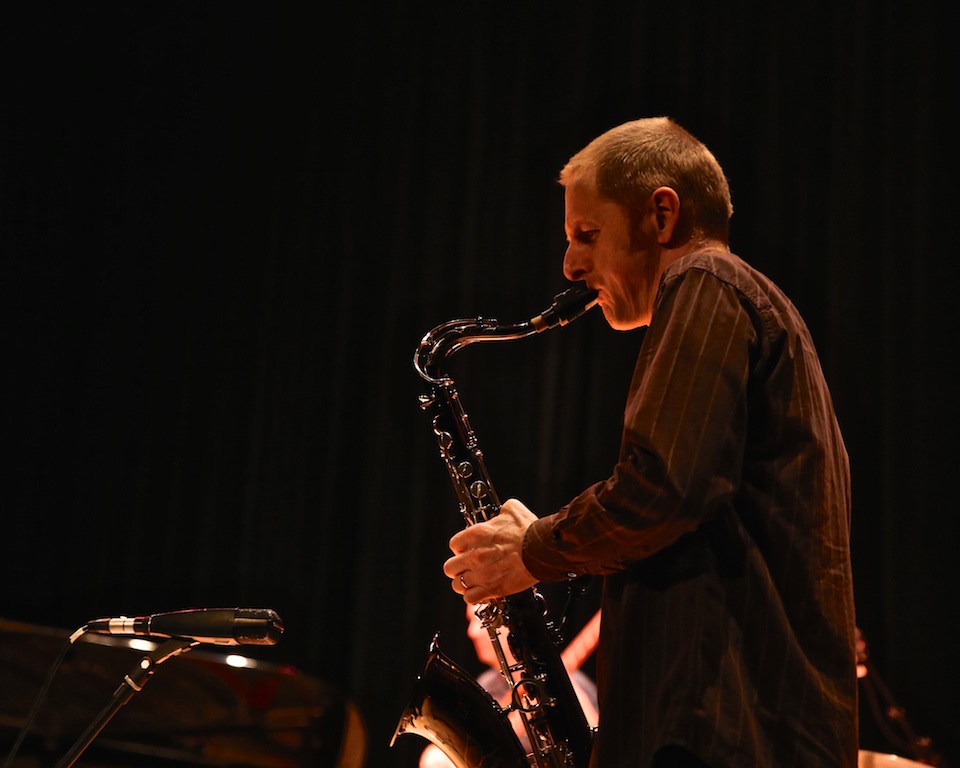 In Psathas words, “it is not arranging or adapting…(rather) a continuing of the composing process”. There are works or arrangements which re-imagine and examine a work from an outside perspective. That is not the case here. This is part of a developing story and the Psathas vision remains at its heart. I recently read a trilogy by a famous and highly respected author. He had intended to write a fourth volume but died before he could proceed. A year later another author picked up where the original author left off and achieved something extremely rare. He added to the body of work seamlessly; continuing the narrative in ways that were his own and entirely consistent with the original. Although a more serious work, DIAGOLOS was an unmitigated triumph.
 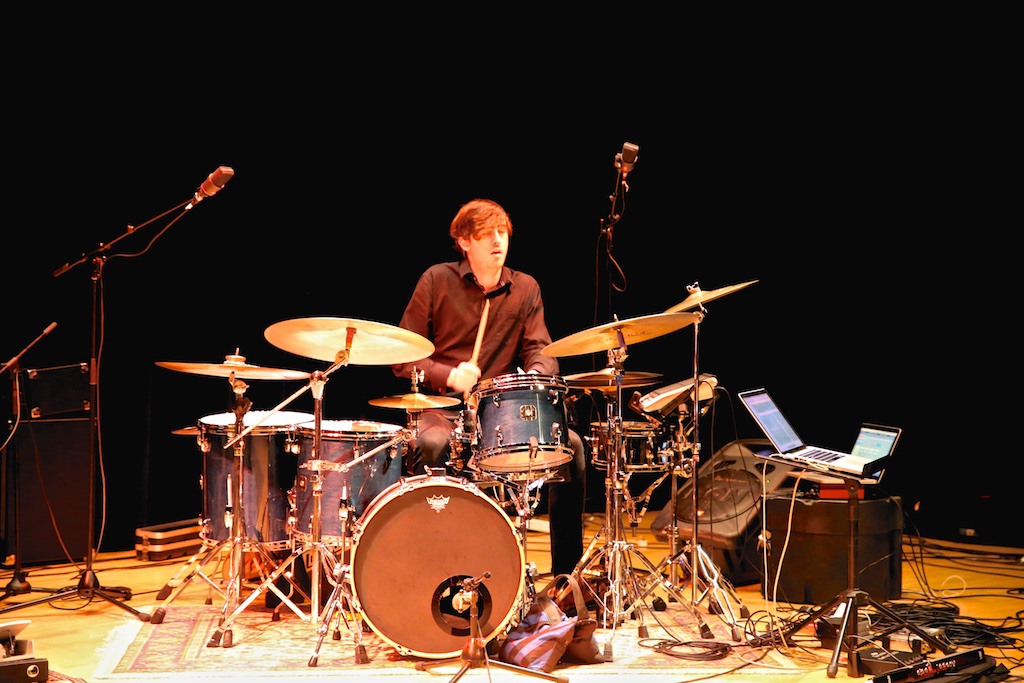 Mason-Battley is a thoughtful gifted musician, but we don’t see him perform about town very often. Any new project gets his undivided attention and that was the case here. Counter intuitively, it is his careful preparation which affords him the extraordinary freedom he demonstrates on the bandstand. During this performance he took us right to the edge; you gained the sense listening that he was pushing himself a little further with each phrase. It is at times like this that great music emerges. While adventurous with electronics, he evokes a classic Coltrane sound on his Soprano. There are a number of local musicians who double on soprano but few (if any) sound like Battley.
 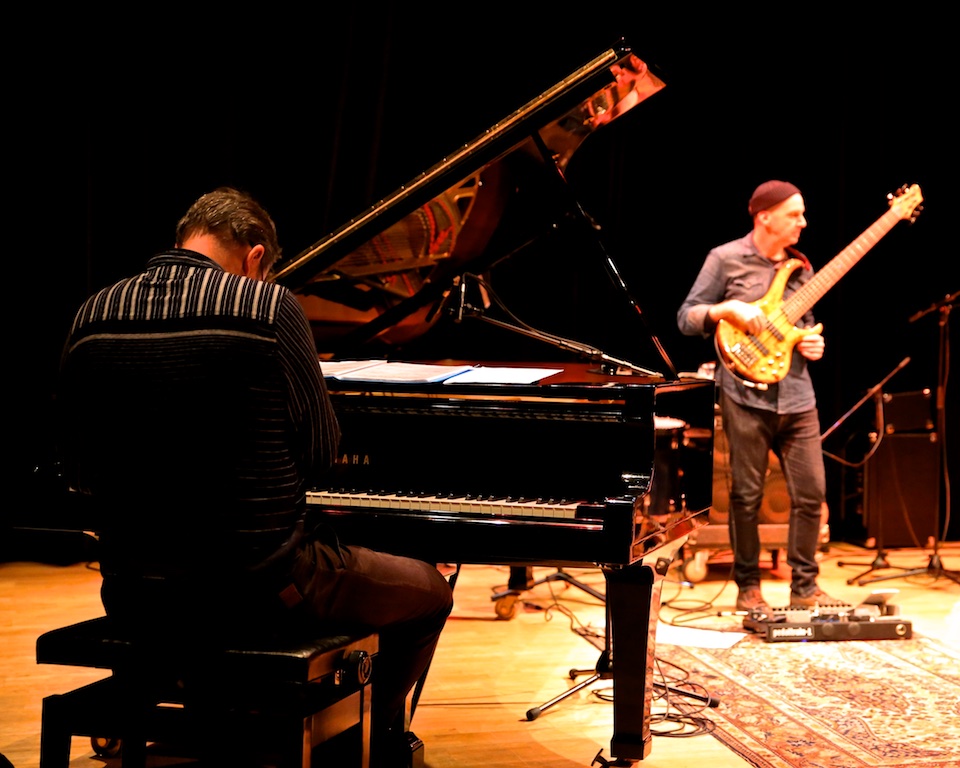 The Chris Mason-Battley Group has been around for some time and the original group set New Zealand records for the number of downloads and albums purchased. For this project core members David Lines, Sam Giles and Mason-Battley remain with the addition of drummer Stephen Thomas. Unlike earlier configurations, there is no guitar. Bringing Thomas into the mix has worked extremely well. The drummer of choice for many gigs and a gifted percussionist in the fullest sense. Psathas music calls for sensitive drum work and Thomas has exactly the right approach. His understanding of subtle dynamics, time awareness and overall sensitivity to the project were very much on display. I also appreciated David Lines piano. Lines early classical training was evident in places and again this made him a very good choice for the project. The work required a pianist with a particular chordal approach. At times he was minimalist and with a particular approach to voice leading. Lines like the other four were indispensable to the project. Lastly there was Sam Giles – an electric bass player I wish I heard more often. Giles often leans towards the avant-garde and innovative projects. That is where he shines.
 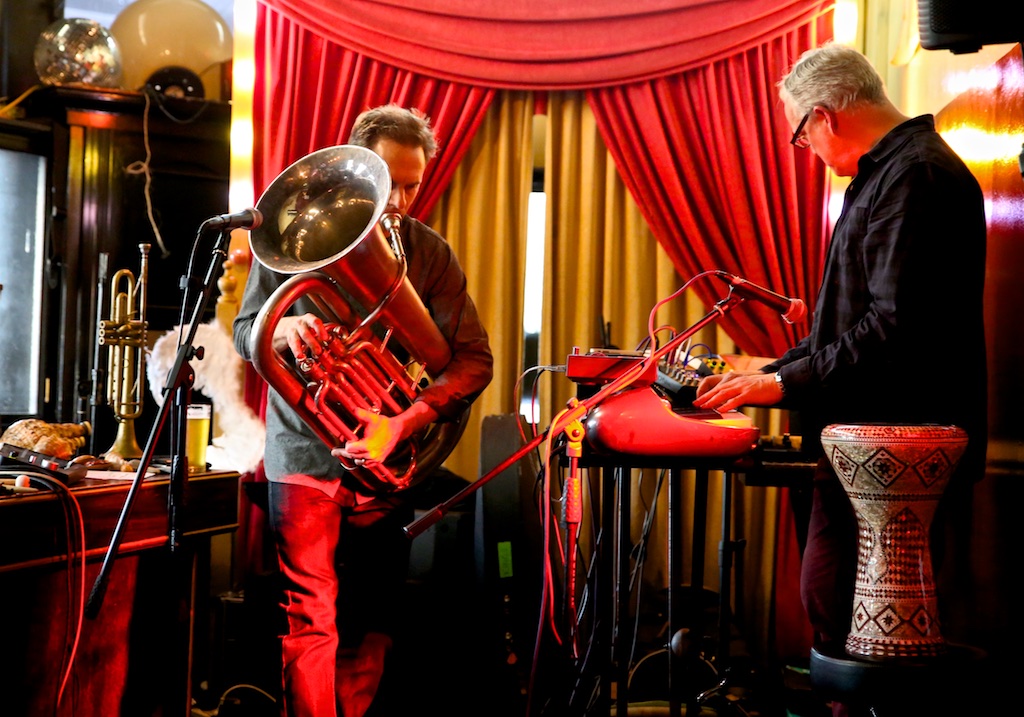 The Last Auckland Jazz Festival gig I attended was the Alan Brown/Kingsley Melhuish
 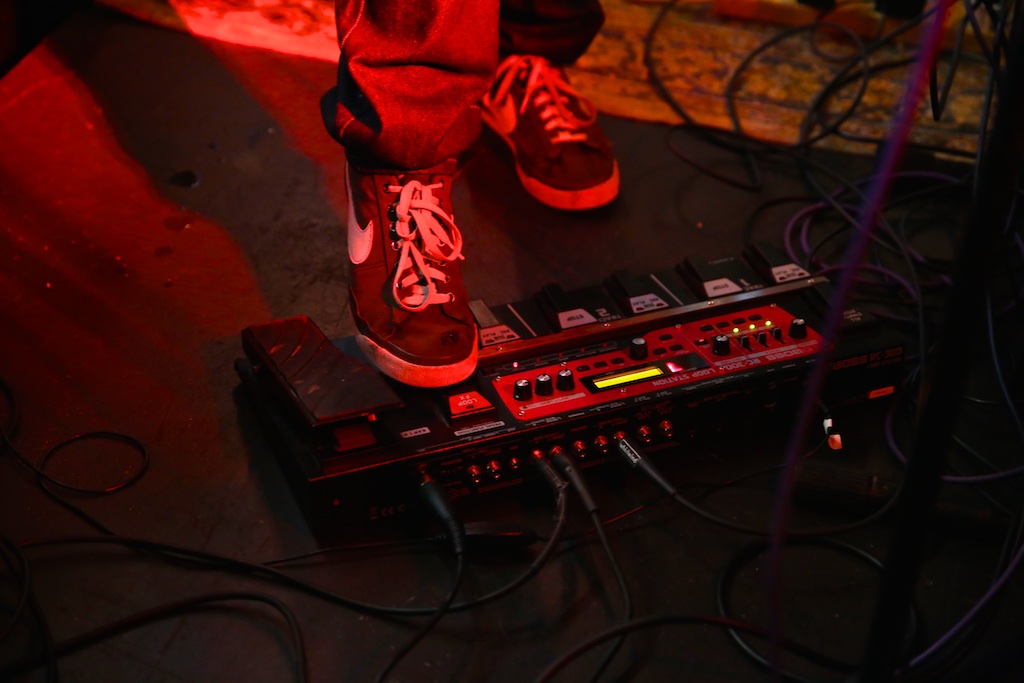 This has been an interesting Jazz Festival and although it is cliched, there was something for everyone. From manouche through to the avant-garde. I loved that it retained the feeling of local and of intimacy – even when showcasing offshore bands. The CJC (Creative Jazz Club), Rattle Records, 1885 Britomart, Auckland University, Golden Dawn, Portland Public House, Hallertau, Ostro, Lot 23, One2One, Hotel DeBrett, Lewis Eady, The Refreshment Room, the Vic, The Wine Cellar and other venues deserve our heartfelt thanks. Above all its
  H P Lovecraft died under appreciated, but it didn’t curb his output. His imaginings took him to darkly strange and exciting places. Places that few of us dared contemplate. While he reached deeper than writers like Edger Alan Poe and further into the human psyche, his wildest dreams could not have prepared him for Wednesday night. Reuben Bradley, time traveller and keeper of lost grooves has wrestled with the spirits and brought Lovecraft to life again.
 This is a truly exceptional album and it is no wonder when you consider the source material and the musicians associated with it. Bradley, Penman and Eigsti are a deadly combination and their interplay is crisply on the mark. Matt Penman is dear to our hearts in New Zealand. One of our finest Jazz exports. An expat from Auckland who conquered the American improvised bass scene in ways that few others manage. His work with James Farm, the San Francisco Jazz Collective, Aaron Parks, Kurt Rosenwinkel and a long list of luminaries is instructive. That he still appears with the best of our local artists and on local recordings is our immense good luck. An imaginative and wonderfully musical bass player who holds the groove and manages to tell interesting stories without distracting us from the overall focus of the piece. Few bass players could do this better than Penman.
 The judicious use of sampled ‘Lovecraft’ readings in several places adds to the atmospheric feel and doesn’t detract from the overall musical experience. Every note played and every voice-over is well placed. Yet again Rattle Records have excelled themselves here. The secret of ‘Rattle Records’ tasteful Jazz catalogue must surely be seeping into the wider world by now. ‘Rattle’ is the ‘ECM’ of the South Pacific. This album was recorded at the ‘Bunker Studios’ in New York, Engineered by Aaron Nevezie and mixed and mastered by Steve Garden at ‘The Garden Shed’ Auckland.
 There was a change of personnel for the CJC ‘Cthulhu Rising’ release gig and for the Australasian tour to follow. Respected bass player Brett Hirst took Penman’s place and this was a sound choice. Hirst, another expat Kiwi, is well established on the Australian scene and frequently employed by visiting artists. He is a gifted musician and perfect for high end gigs like this.
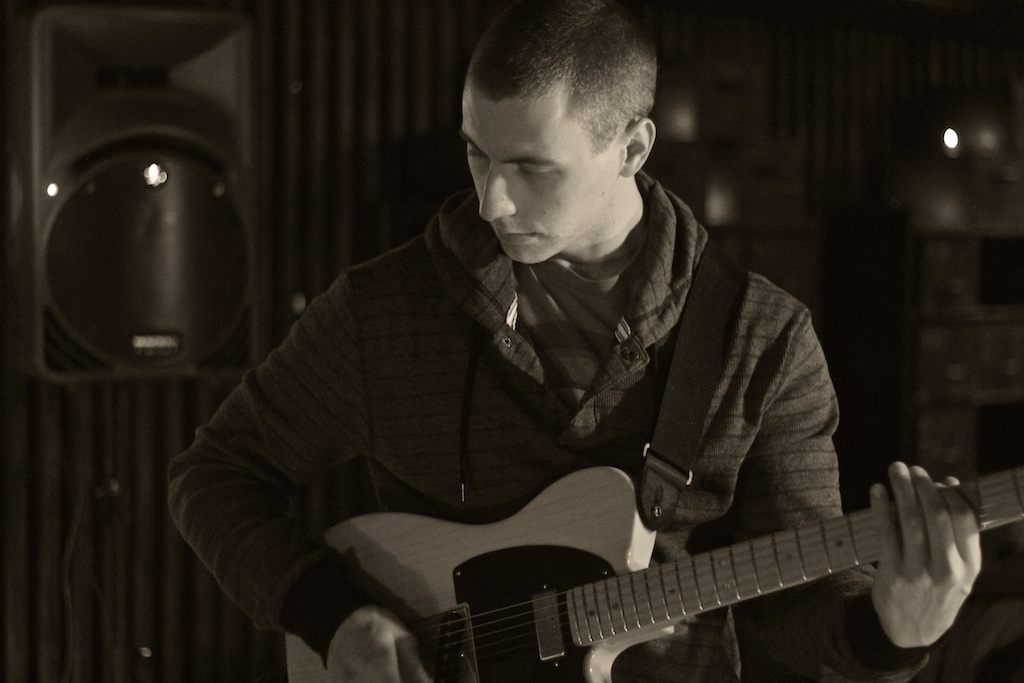
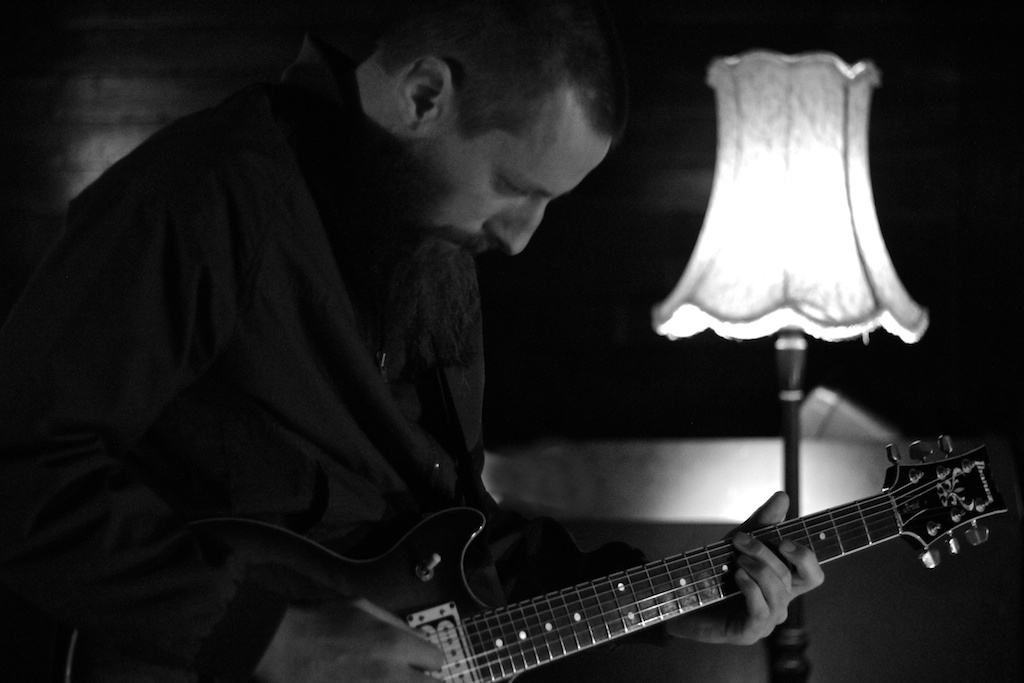
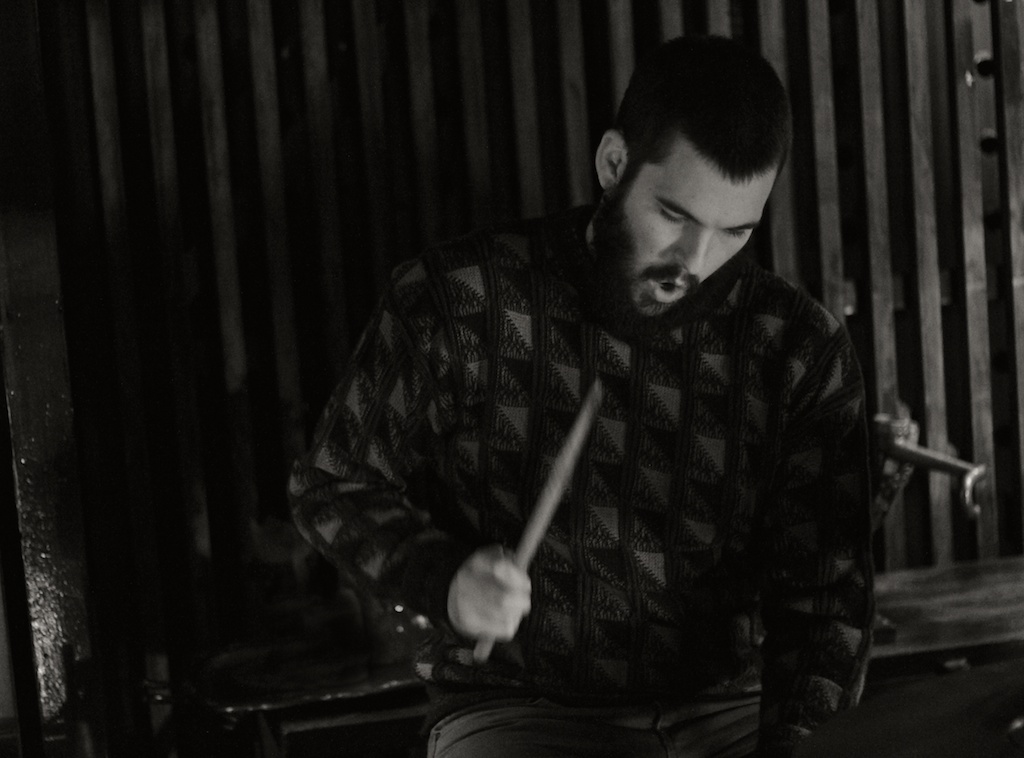







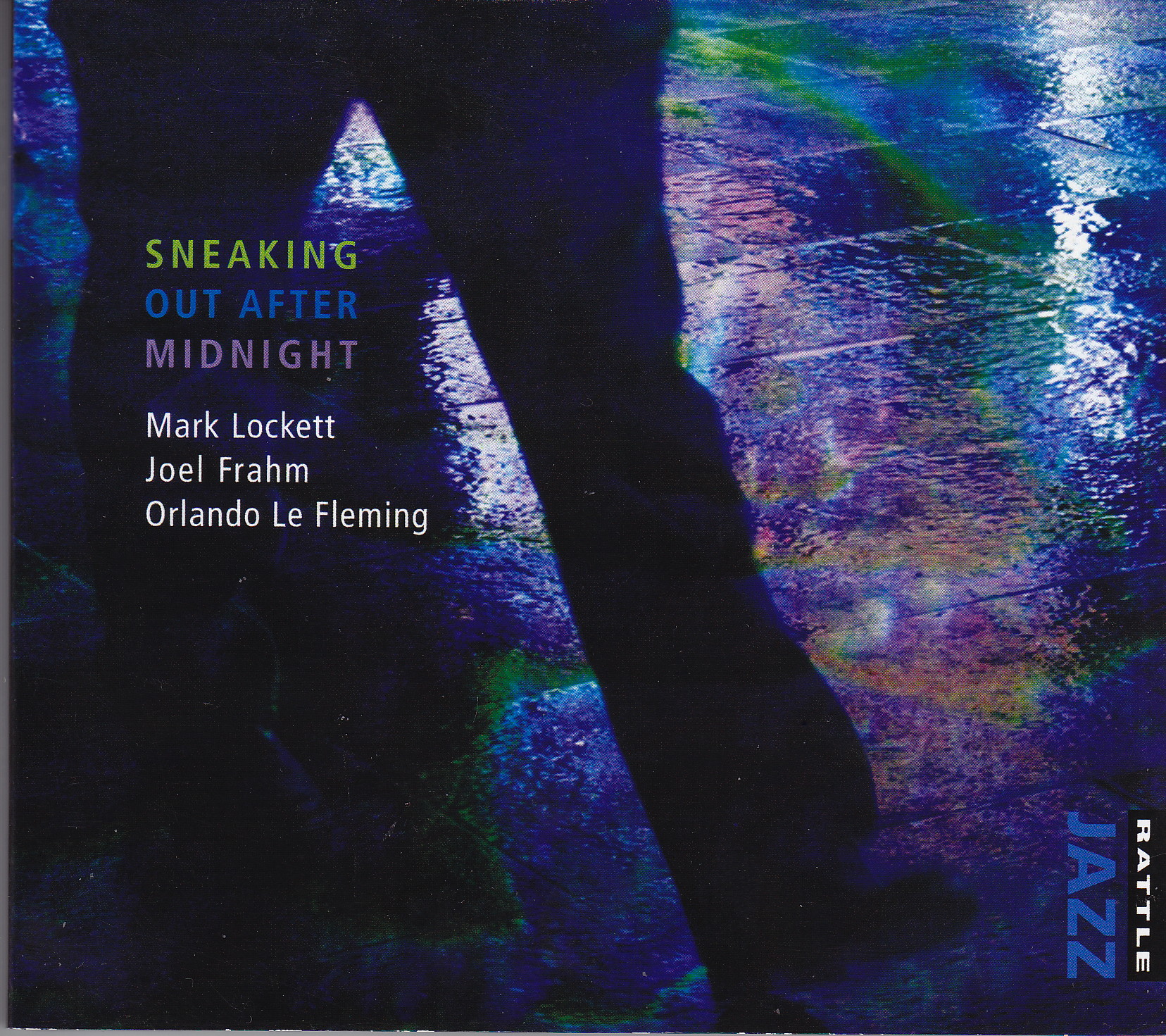
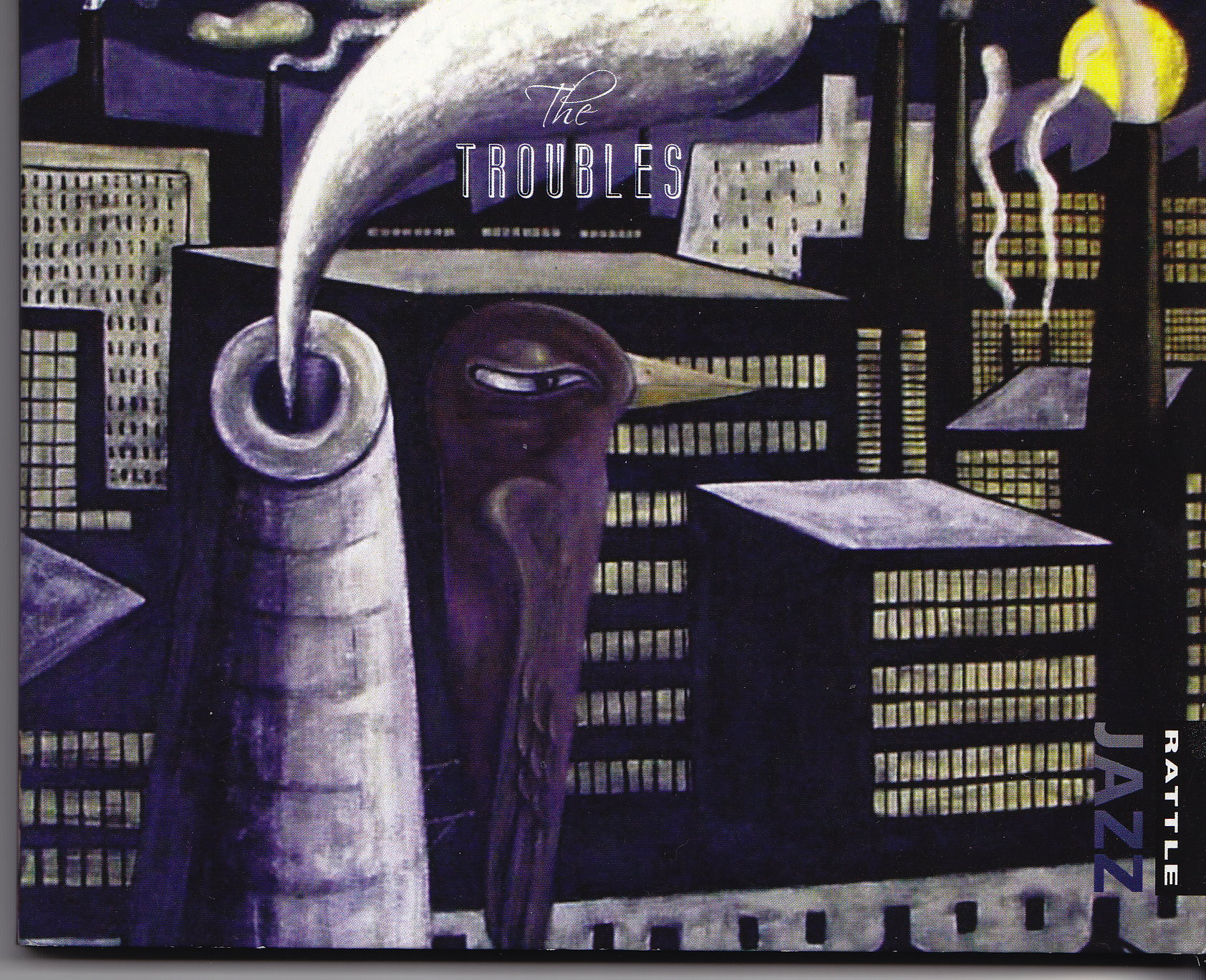
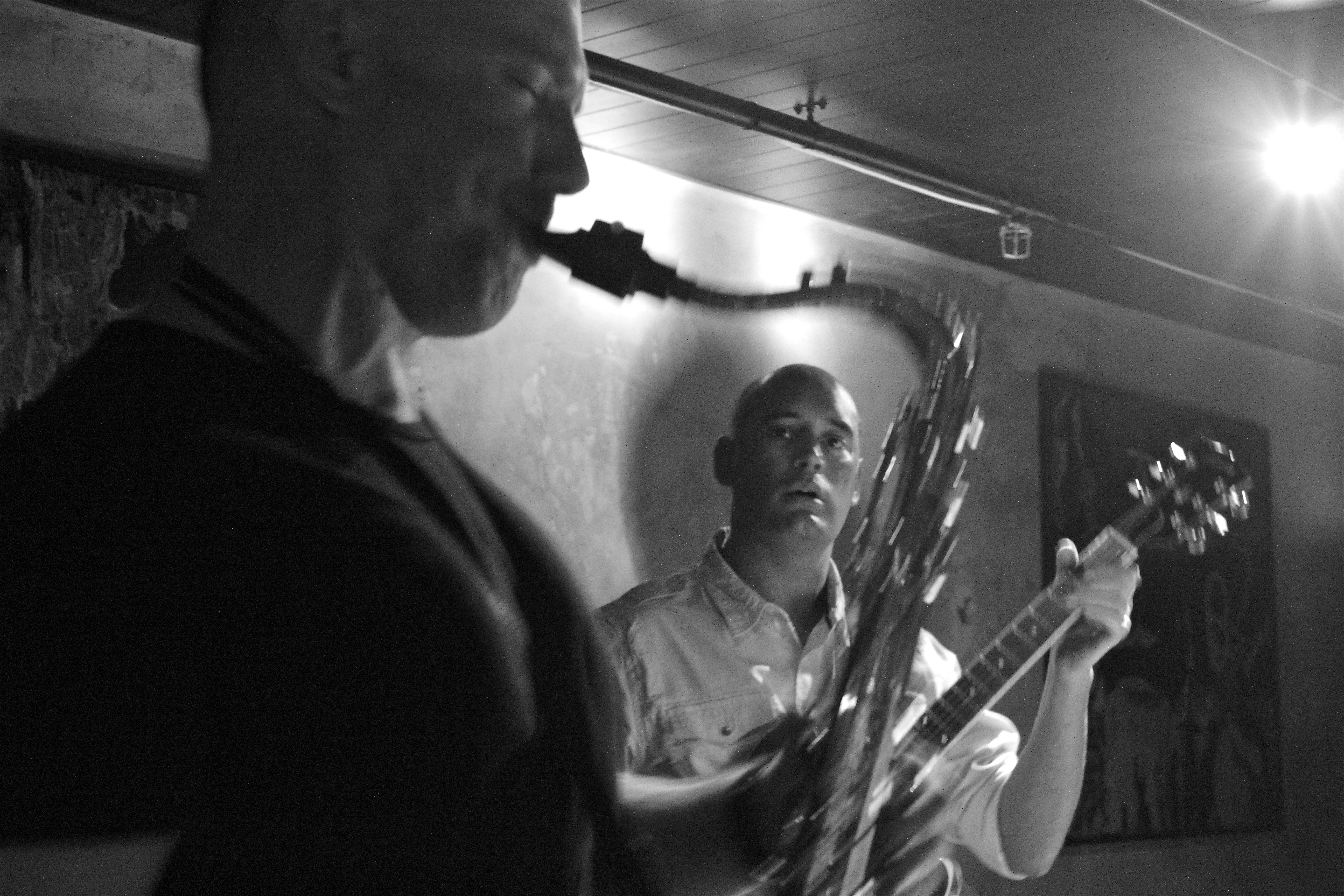

 It is well-known on the
 JazzLocal32.com