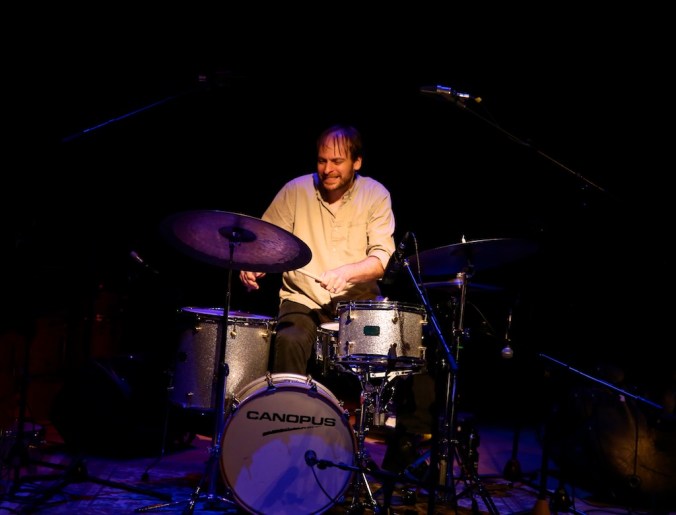
When drummer Ari Hoenig was among us recently, it was as if he came from another dimension; he was future and past – a Jazz time lord. The elements of the old were all there at his finger tips, but also something that was forward looking. He could lead with a melodic line, he could set up a groove, he was a colourist plus and he could subdivide time in ways that made me doubt reality. As he played, stuff happened on the kit that I had not seen before; it felt like a new dawn of drumming, but here’s the thing; as fresh as it was, it was also the most natural thing imaginable – nothing jarred – everything flowed from a deep well of musical knowledge. He was deep inside the music, looking half crazy – inside the tune and outside. He was so integrated with the keyboardist Nitai Hershkovitz that they appeared as a single unit. I detect Ari’s influence in modern drummers and because his influence is so palpable, I thought it a good idea to engage some local Jazz drummers on the topic. Here are Ron Samsom, Mark Lockett and Stephen Thomas with a few insights.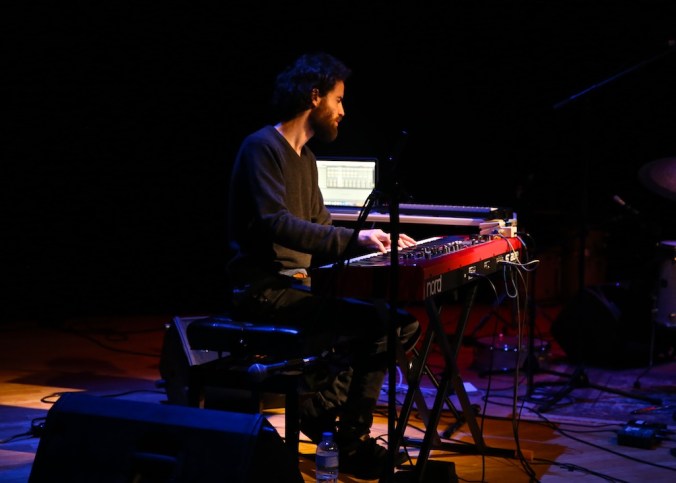
JL32: Ron, when you introduced Ari and Nitai in Auckland you spoke of Ari’s influence on modern Jazz drumming. You described him as an innovator; suggesting that he may not be aware himself of the extent of his influence. Could you expand on that and tell us why?
Ron Samsom: Well, Ari is a pretty humble guy really and I didn’t want to embarrass him in my introduction. But in reality, what he has accomplished in terms of the development of new drumming language, is pretty remarkable. I mean coming out of the tradition of implied pulse modulation with drummers like Tony Williams, Elvin Jones or even newer generation players like Jeff Watts, Ari has developed the ability to stay “outside” the ground rhythm for what seems like an eternity. The influence on younger players coming out of NYC is pretty evident. Just check out Henry Cole, Marcus Gilmore to name a couple of guys who seem to be going even further with this concept and their own language.
JL32: Mark, I think that you have had previous contact with Ari and maybe with Nitai as well. Can you tell me something about that and about bringing the project to New Zealand?
Mark Lockett: I studied with Ari for six years, I would travel to NYC and take several lessons go away transcribe my lessons and practice like crazy for a few months then do it all again. Last year we were hanging at Smalls after Ari’s gig one night and I said ‘Hey you should come out to New Zealand sometime I’ll hook it up.’ As soon as we moved back to NZ Ari contacted me and asked if we could do something so I organised a New Zealand tour on the back of him visiting Australia.
JL32: Stephen, I saw you at the Auckland gig and like the rest of us you were blown away. How do you evaluate Ari’s work and how do you see his place among modern drummers?
Stephen Thomas: Ari Hoenig is the type of drummer who has inspired a whole generation of jazz drummers and music enthusiasts in general. Because of this, we were all amazed to see Ari play “in the flesh” as for us kiwis, our exposure to his playing comes from things like YouTube and mp3’s and the like. When I went to his gig in Auckland, from the very first stroke of the cymbal it was clear to me he was on a completely different level to anything I’d really seen before. Ari is clearly a pioneer of modern jazz drumming that has inspired a whole generation of musicians. His mastery of rhythmic subdivisions, polyrhythms and musical time has inspired not just jazz drummers but musicians in general far and wide. He really is at the forefront of modern drummers.
JL32: Ron, Ari appeared to hold the sticks differently, firmer, at times further down – perhaps because of this his flurries and modulation were so precise. Old school drummers must puzzle at this. Can you tell me a little about these evolving hand positions?
Ron Samsom: When he was in the workshop, Ari was quick to point out that “praying mantis” was a visual term used by one of his early teachers as a descriptor of his unorthodox style. I think we need to remember that the ‘drum set’ is a fairly new instrument and there are lots of options in terms of technical approach. The bottom line is really ’the sound’ and I don’t think you could ever fault Ari in terms of dynamic control and timbre. I think he is all about the sound. He plays drums that are wide open in tuning and resonance but finds a way to control this through his approach. You can hear him use the harmonics of the drums to create colour and depth – it’s a beautiful thing. How he achieves this is a great question.
JL32: Mark, I have seen you hold the sticks in a similar way. Can you talk us through this and explain how it alters control?
Mark Lockett: A lot of drummers in NYC e.g. Bill Stewart and Paul Motian hold the sticks a bit more rigidly and different to a lot of drummers I see out here. I remember Michael Brorby at Acoustic Recording Studio (NYC) saying that this grip which is using more forearm helps create a much more accurate and defined cymbal pattern. It was the great Australian drummer Darryn Farrugia who turned me on to holding the sticks a lot further up closer to the middle as this gives you more bounce and it worked for me.
JL32: Stephen, I think that so called Jazz drumming orthodoxy is being subtly deconstructed post millennium. Can you comment on his technique from a drummers perspective?
Stephen Thomas: I think this question really sums up the music world we find ourselves in post millennium especially in the internet era. We are exposed to such a wide variety of music through online mediums that it is hardly surprising the traditional art form of “jazz” is evolving at a rapid pace and taking on influences from many other sonic worlds and styles of music. I think in this same vein, individual drummers are finding their own voice which is informed not just by the history of jazz but also by other distinct styles and sounds of music. Although this is not a new concept, Ari Hoenig is very far down this road, as he is such a unique voice behind the instrument, you would know his playing from just hearing the first few measures of music. This is no easy feat and something we all aspire to.
In terms of technique, I think Ari has developed his own technique which has allowed him to pursue this unique voice. In some ways, his technique is quite unorthodox and from my humble observation, it seemed to me he was using a lot of tension in his physical body to generate his sound. The fact he has been able to make this work for him is very unique and I think is a good reminder that there is no real ‘right or wrong’ in terms of technique as it is what brings the individuality out in drummers. As as a small side note, however – although this works for Ari, mere mortals like myself who have had body tension/pain issues in our playing have found it to be a stumbling block that we are seeking to overcome and I think long term, too much tension can become an issue.
JL32: Ron, I saw some astonishing neo-colourist drumming; subtle accenting and gentle cymbal work, but then turning on a dime. Ari seemed to extend the concept way beyond the Paul Motian model. He would suddenly create a melodic line or just tap out an accelerating beat in the centre of the snare. Can you comment on this extension of the colourist palette?
Ron Samsom: I don’t really know enough of Paul Motian’s playing to offer a solid opinion – but the trio records with Joe Lovano and Bill Frisell are pretty great examples of how a drummer can colour and support melodic ideas or become an entity in its own right. I think what Motian’s playing did for everyone, is suggest that the drummer could be more. Drums could be melodic, textural, a motivating soloist/accompanist, a complete musical statement onto itself. Ari’s playing has all of these things in spades but I’d hesitate to say it’s beyond Motian’s achievements – It’s just context. Ari is communicating with his generation of improvisers that are versed in rhythm scale, odd time, implied modulation etc. but these are just tools to convey music. They are not music without context and personalisation.
JL32: Mark, that was some seriously deep stuff that Nitai was playing. I have heard Brad Mehldau do something similar. This is brave, as it will leave the purists behind. It sounds exciting to me. Would you like to comment on their use of deep improvisational groove music as a vehicle?
Mark Lockett: I don’t really think this is anything new, but in this setting, there was only a duo so this gave Ari and Nitai lots of space to stretch out and they weren’t confined to a bass player or another comping instrument being in the mix. I think the rhythmic vocabulary they draw upon brings a real element of excitement to the music. I think Ari chooses his sidemen very wisely and consequently, they sound like a band and want to play together rather than have their own agenda.
Stephen Thomas: I really dug how at the Auckland show I was at, Nitai had some PHAT bass synth going on. So much so that at one point, because he and Ari were so locked in, I thought the bass drum had like a sub-bass mic or something on it which was a good indication of how impeccable their time feel was and how locked in they were even just as a duo! This is probably what I meant before about jazz taking on influences from other sound worlds and musical styles, with electronic timbres in the fold more and more. What stood out to me and I said this to Ron after the show, was that although there were only two musicians playing, you never felt like there was any lack in terms of sound or textures which was kind of mind blowing. Also, it was clear that both Ari and Nital are so versed in jazz vocabulary that even though some of what they played was “non-traditional”, there was a depth to what they were playing which was hard to describe. The well of musical concepts and language that they both had was very deep, to say the least, and I was left feeling very inspired indeed.
JL32: Guys, what do you want your students to take away from this experience?
Mark Lockett: The students I spoke to after the concerts were totally blown away and I saw them beaming. I heard one student say ‘this concert changed my whole musical trajectory’. I think if the students can be inspired to listen, learn, practice, want to get better and create that’s really all anyone could hope for their students.
Stephen Thomas: think Ari gave us a fantastic provocation to pursue individuality behind the instrument, whilst reminding us to pursue a depth of knowledge and language of the jazz tradition. Although this can sound like an oxymoron, Ari Hoenig seems to personify this as he is such a unique voice whilst having all the language and depth there too. This is inspiring for students to keep checking out the history whilst also pursuing what gets them going musically and sonically, to hopefully find their own place in the music world and create something which is ultimately fun and rhythmically/musically satisfying! Every time I see an inspiring player, the thing that really gets me is the amount of joy and playfulness they have whilst making music and Ari had this in spades, which I think we can all learn from. It’s a great reminder that music ultimately should be a joyful and playful experience which we can bring our own personality and emotions to which can ultimately move people and bring joy and healing to a world which needs it!
JL32: Thanks for your insights guys. I know how busy you all are and I appreciate that you put down the sticks to answer these questions so thoroughly. Finally, thanks for supporting JazzLocal32.com.
Ron Samsom is a Canadian born Kiwi and the course coordinator at the University of Auckland Jazz School. He is well recorded and has worked with Jazz musicians from many continents. Mark Lockett has just returned after many years in New York and he teaches, tours and gigs around Australasia. Stephen Thomas is a gifted New Zealand drummer who is increasingly in demand for high-end gigs and highly regarded on the New Zealand Jazz scene.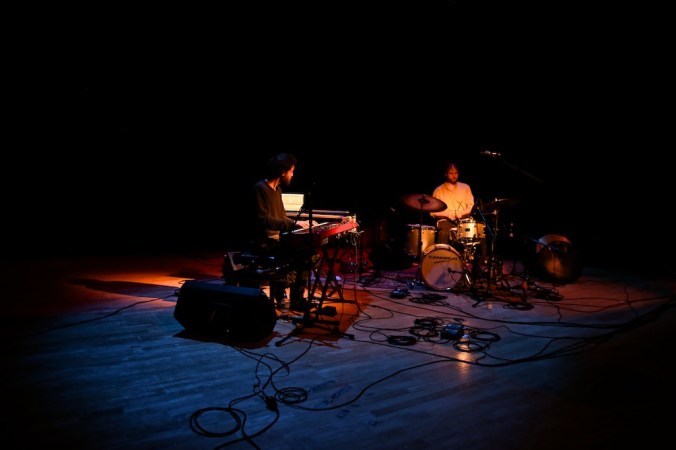
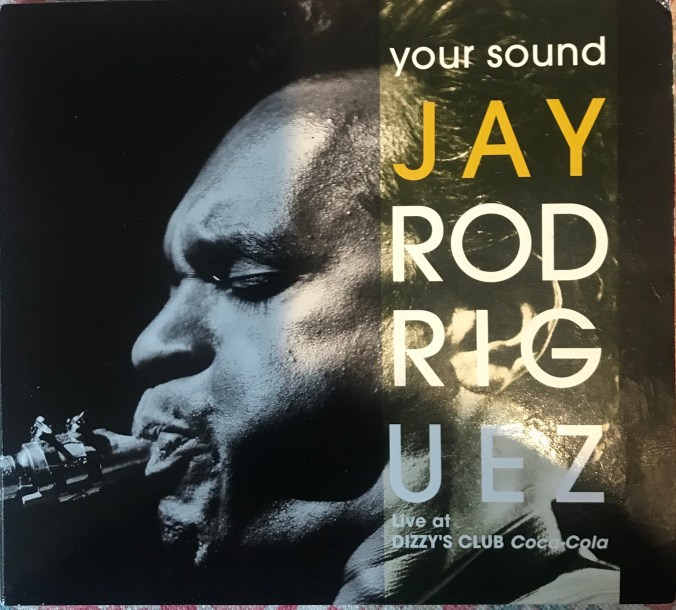
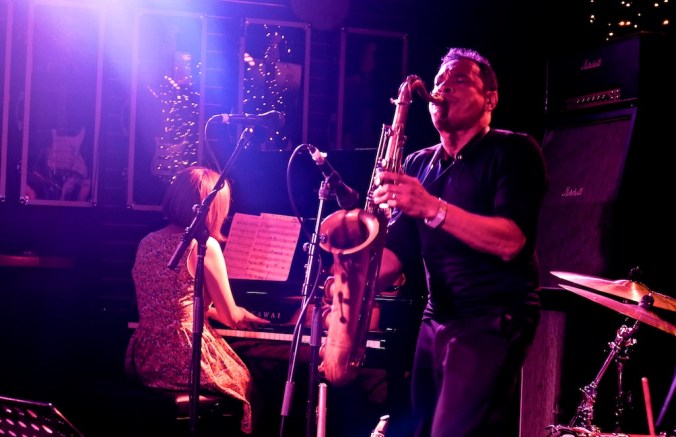 Anyone who saw Jay Rodriguez play the last time he was in town will have tripped over themselves to catch him again last week. Rodriguez is a talented and engaging improviser and when he steps onto the bandstand he wins hearts from the get-go. This seemingly innate ability arises from a keen understanding of what will work best with a particular audience. He picks ups on and feeds off the energies in the room. He is also a skilled technician, but he is not there to show off his undoubted chops. His purpose is to involve and to engage at the deepest level; offering musicians and audience alike an unforgettable musical experience.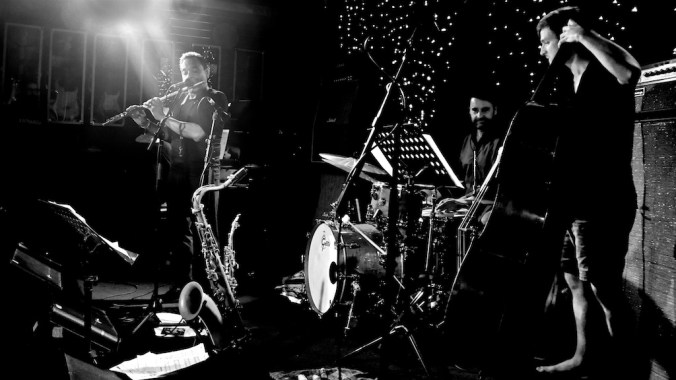
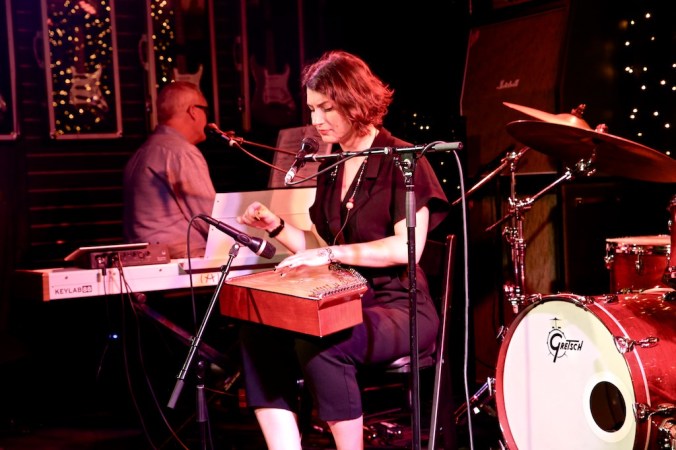 This was New York artist, Simona Minns second visit to the CJC, her appearances occurring one year apart to the day. Her 2018 show ‘The Hunger Games’ referenced a Kafka short story. This tour was billed ‘My Urban Spells’, expanding her ever-evolving themes of universality and free-spirited improvisation.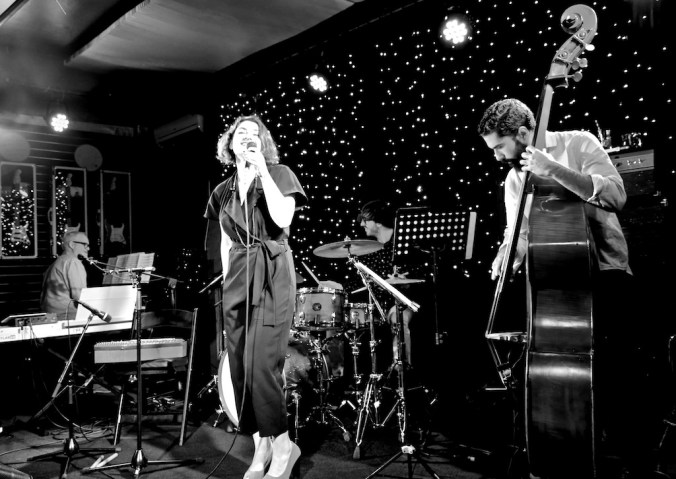
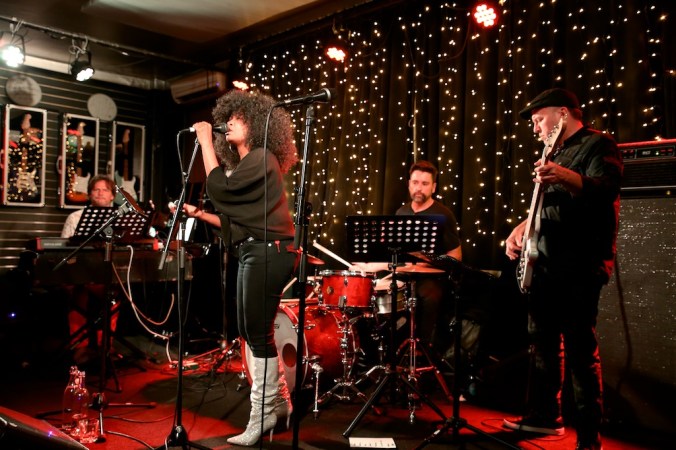
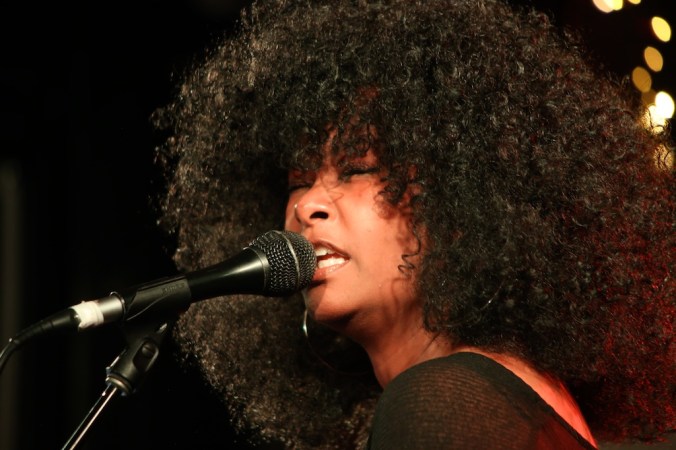 When the Soulful vocalist Vivian Sessoms visited in June last year, we were stunned by her voice and by her powerhouse delivery. We seldom get to experience American R & B styled vocalists in New Zealand and if we do we never see them in intimate settings like the Backbeat Bar. Her voice carries the history of her music and her vocal range and control are approaching the operatic. Sessoms is a vocalist with serious chops and an interesting backstory. Last week she returned.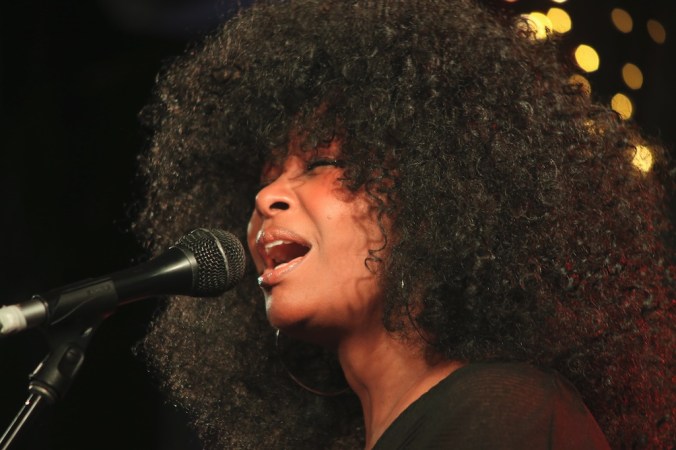
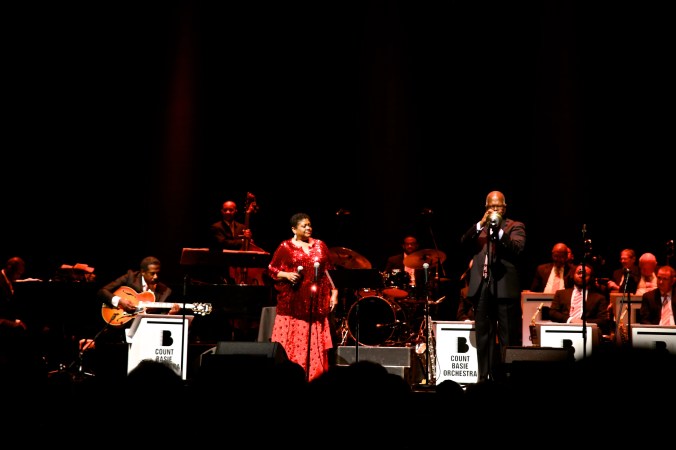 There are a number of things that should be on every music lovers bucket list. Experiencing a Basie Orchestra gig live is one of them. This band has the history of modern music in its DNA and after 83 years on the road, they are in their prime. Goodman was always referred to as the ‘king of swing’ but in my view Basie was a better contender for that title. His brand of swing had it’s nascent stirrings in 1927 when Basie joined Bennie Moten. When that band folded he took many of the musicians with him to form the Basie Band in 1935. The Basie band possessed a unique sound, fueled by a nine-piece line up featuring legendary greats like Lester Young, ‘Papa’ Jo Jones and Walter Page. Johnny Hammond heard them in 1936 and invited them to New York where at his suggestion they expanded to become a thirteen piece jazz Orchestra. At this time they were joined by Freddie Green and others. Skillfully, they incorporated the nimbleness of the Kansas City small ensemble swing-feel into a new sound.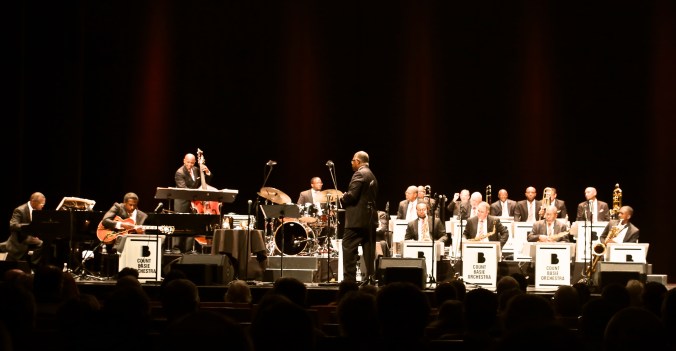
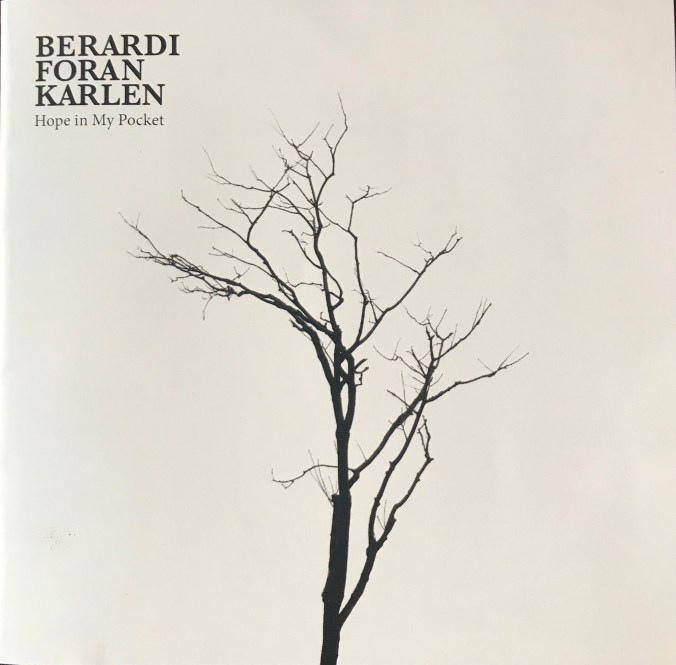
 When Kristin Berardi, Sean Foran and Raphael Karlen started to play I knew exactly what I was hearing. It was modern and original and it rekindled fond memories of the Winstone/Wheeler/Taylor group Azimuth. A world of beautifully crafted harmonies communicating their message with effortless clarity; the individual voices of the musicians hovering in the air like free spirits but interconnecting in profound ways. There was also a contemplative essence to their music which took us deep inside the music, a quiet centre that emanated strength and vibrancy. This fine balance of opposites was evident throughout – it was a performance to remember for its soul touching beauty.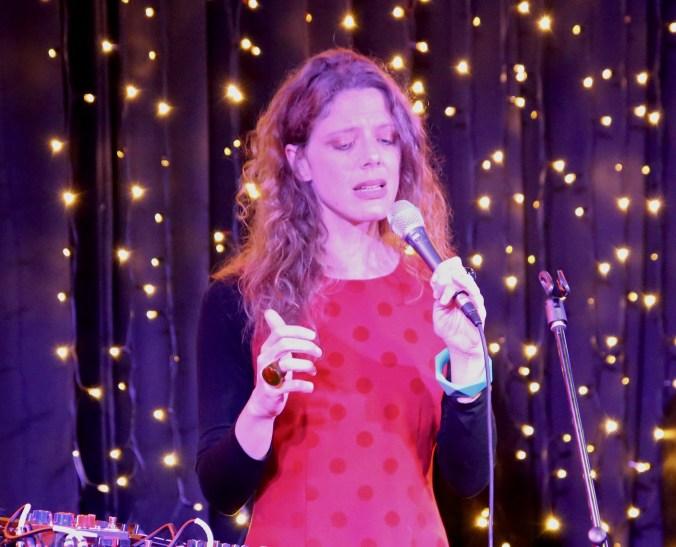
 When Michal Martyniuk left Auckland for Poland last year, it was hot on the heels of a successful appearance at Java Jazz; the biggest Jazz festival in the world. It was always on the cards that Martyniuk’s Auckland trio would fare well, as they are the epitome of an inventive, high energy unit and all of that is wrapped up in a very European sound.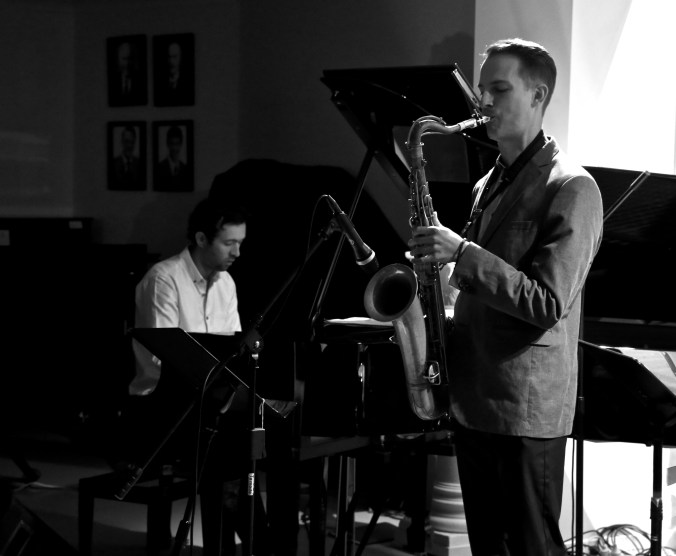
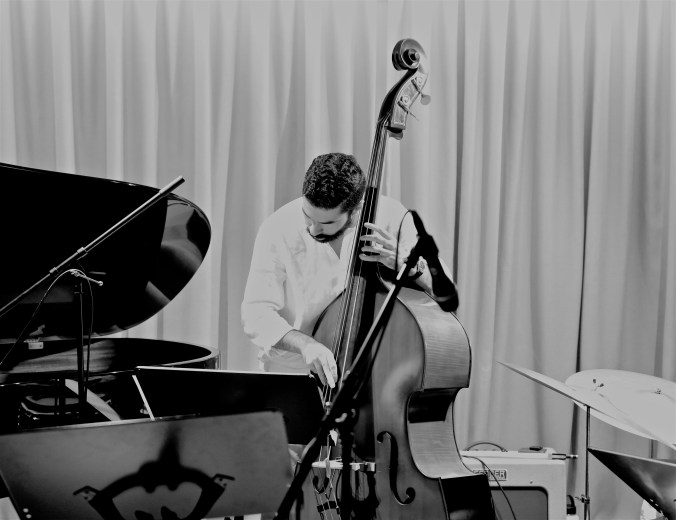
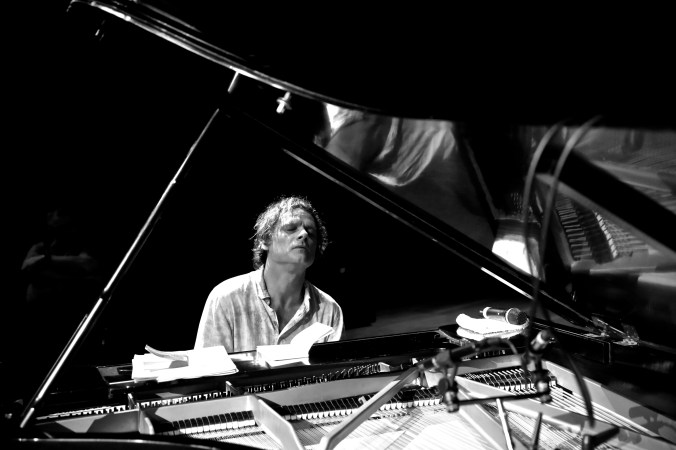 Rarely, do we get to experience something truly sublime and for this to occur a number of planets must be perfectly aligned. Art at this level cannot be forced as the realization is dependant on both tangibles and intangibles. The musician might be in peak form, but if the room or the instrument is mediocre then the fine edge of perfection is blunted. It is harder to achieve in a capacious concert hall; easier in a well-appointed studio or an intimate vibing Jazz club. There is no manual to guide us to the point of departure. It is a divine alchemy pure and simple.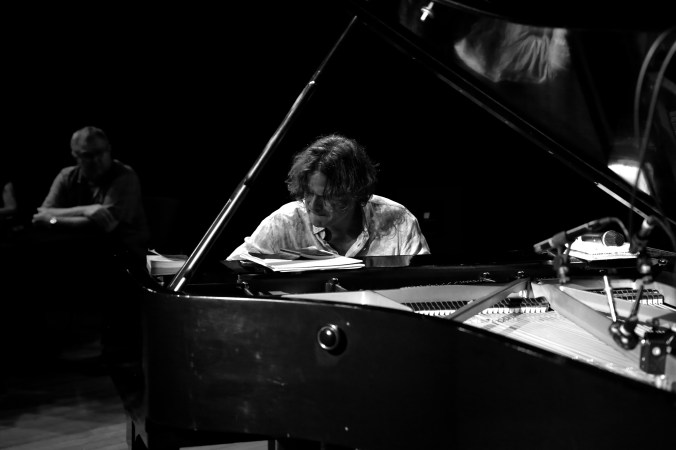
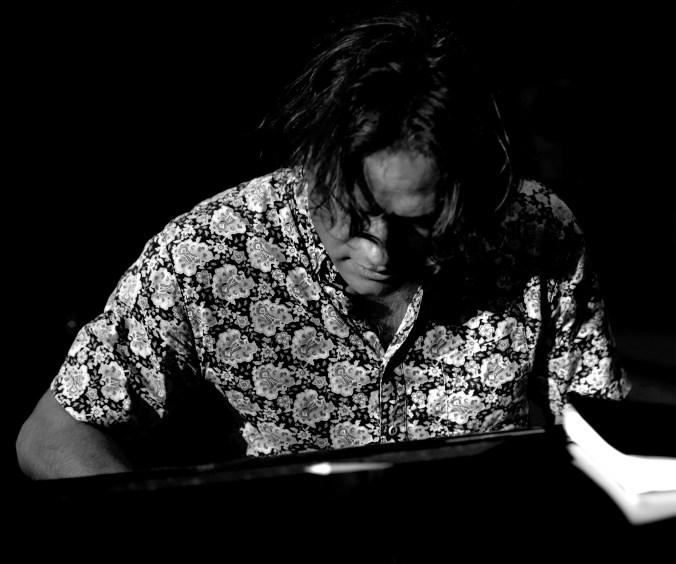

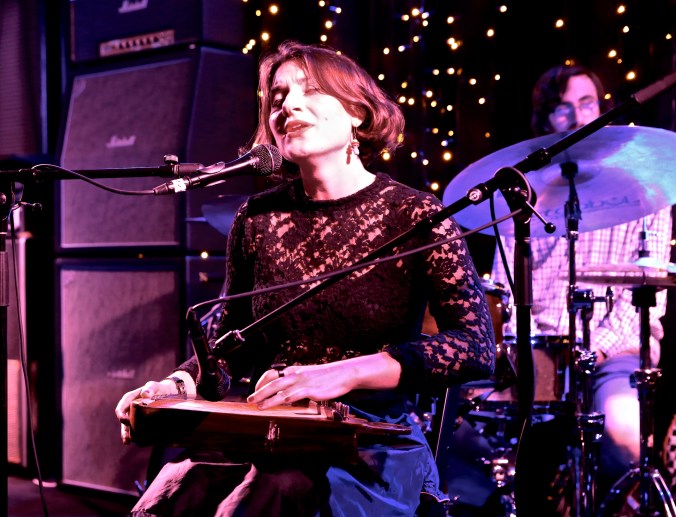
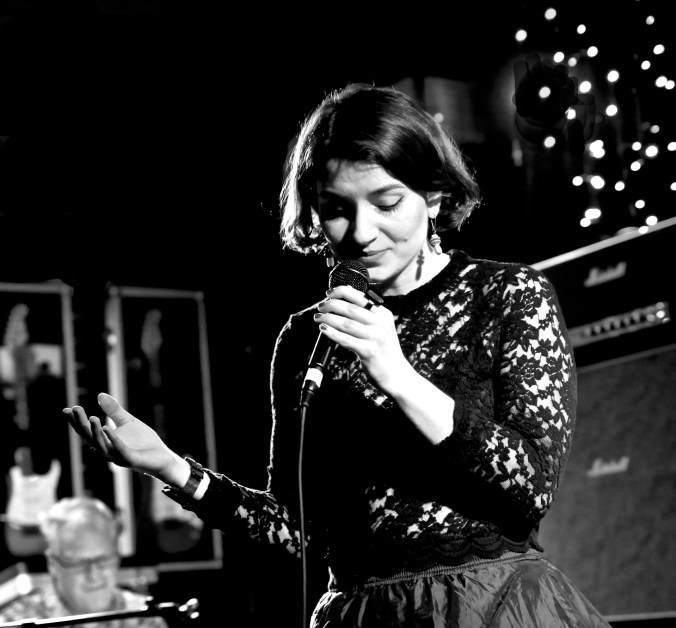 The heart of the modern improvised and experimental music scene is always an interesting place to be. Audiences tend to be open-eared and accustomed to music from a wide variety of sources. Improvising musicians have always drawn on diverse influences and it is a narrow-minded few who whine about dilution or the good old days. We should never undercut the deeper purpose of music, which is to share stories, communicate on a primal level, interpret. We tell stories to live and how we listen or react to music speaks to our musical maturity. When Simona Minns performed in Auckland last week, she brought with her a variety of influences. and all were approached with integrity.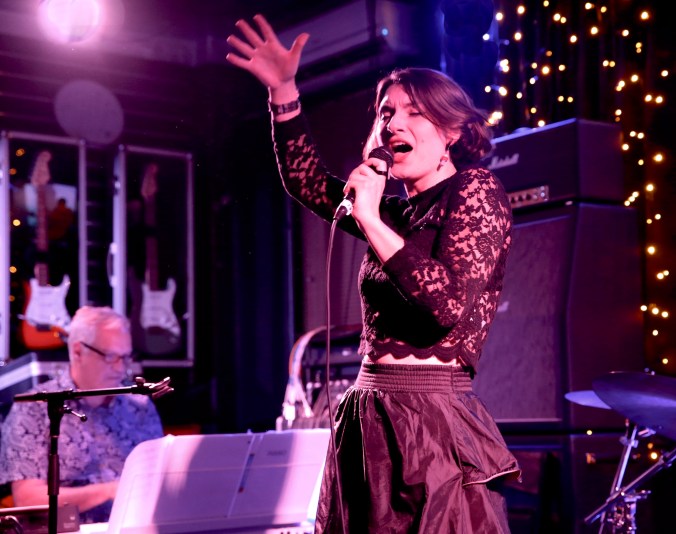

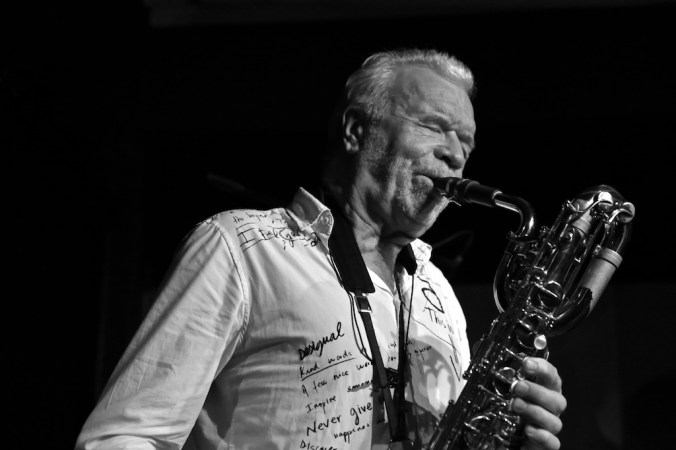
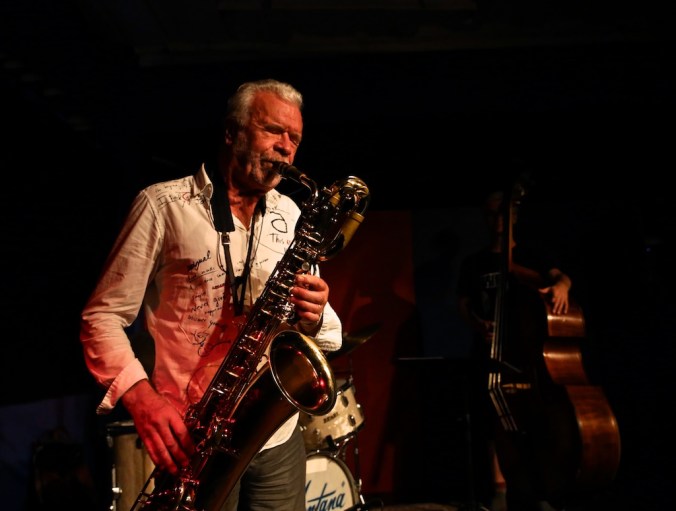
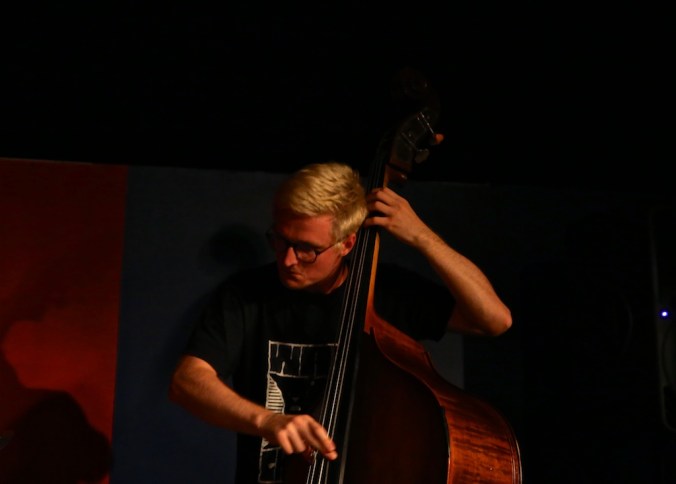
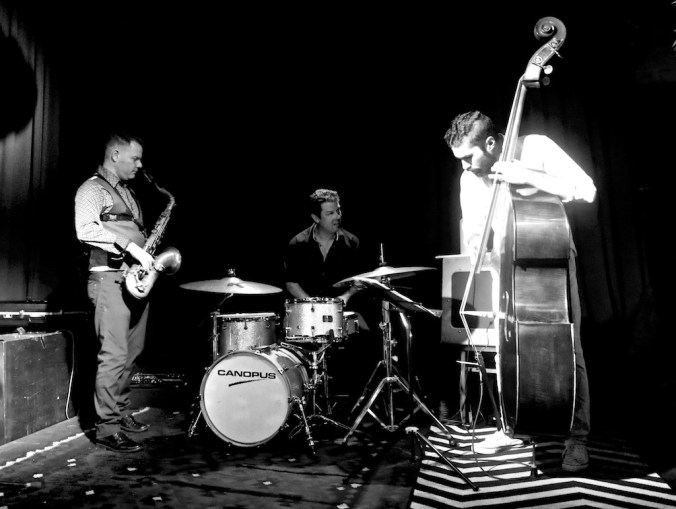
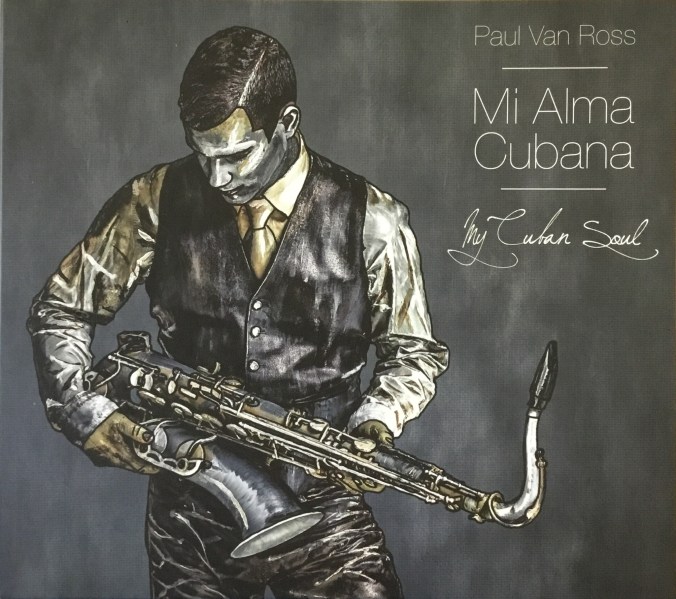
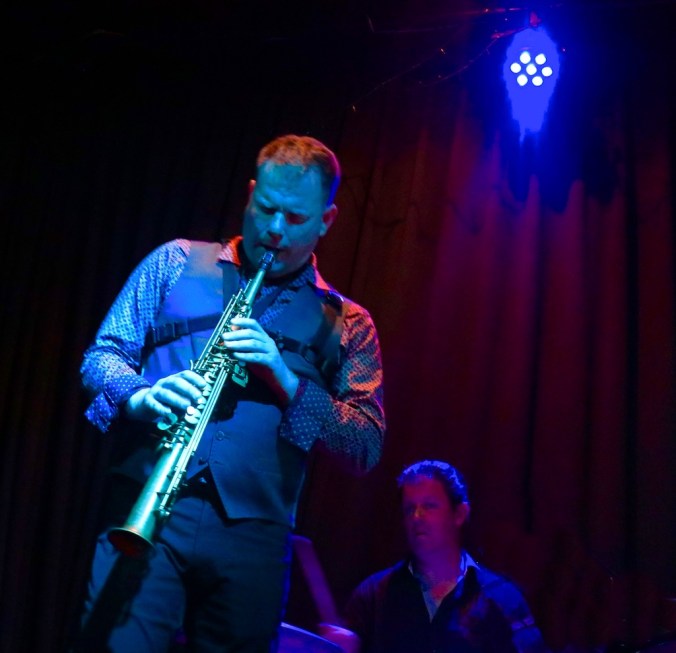
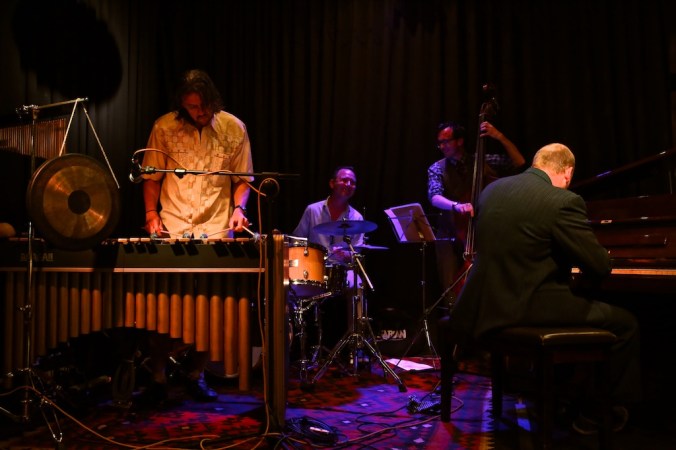
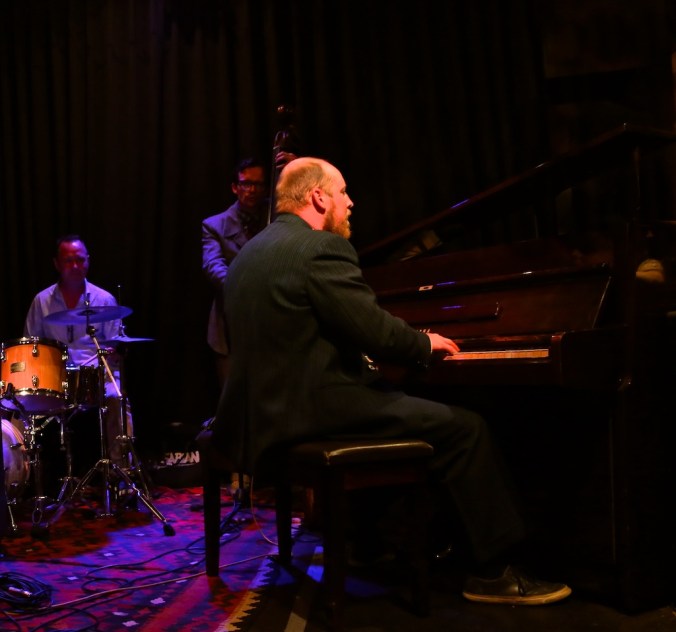
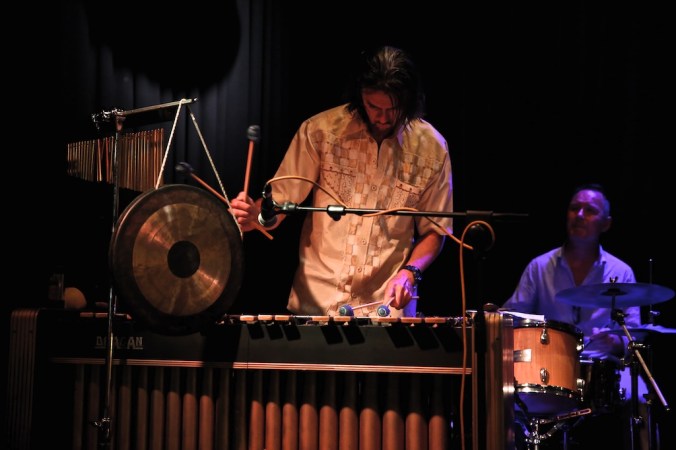
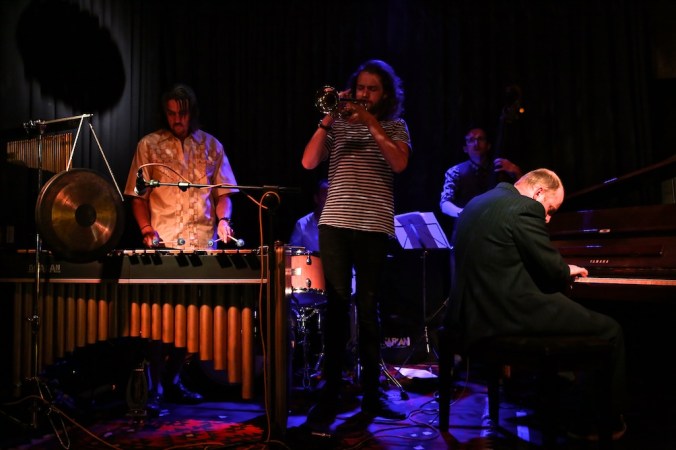 The line up on Squeaky Weasel, an earlier Jelly Rolls album, was as now Wilcock, Rae and bass player Yeabsley. The addition of Michael Barker on percussion and vibraphone is an evolution that makes perfect sense. Trumpeter Finn Scholes joined them for one number and delivered a well thought through high energy solo. To pick up a copy go to Ben Wilcock Thick Records Ltd –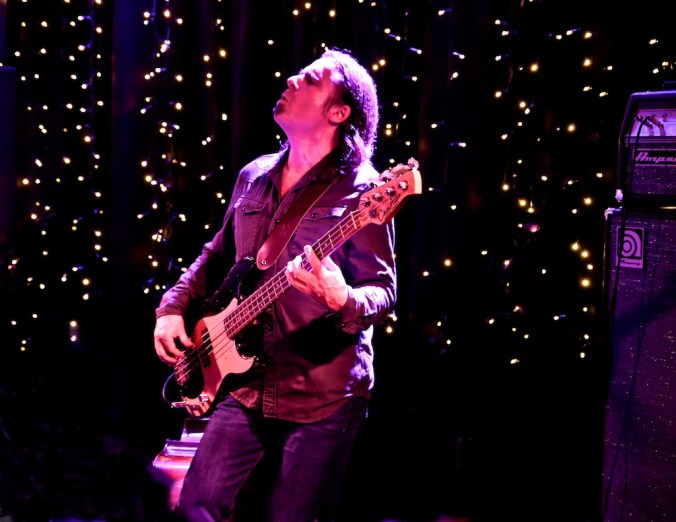
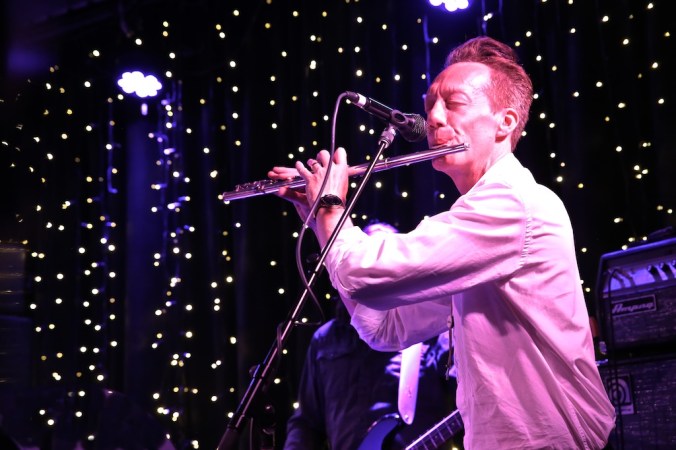

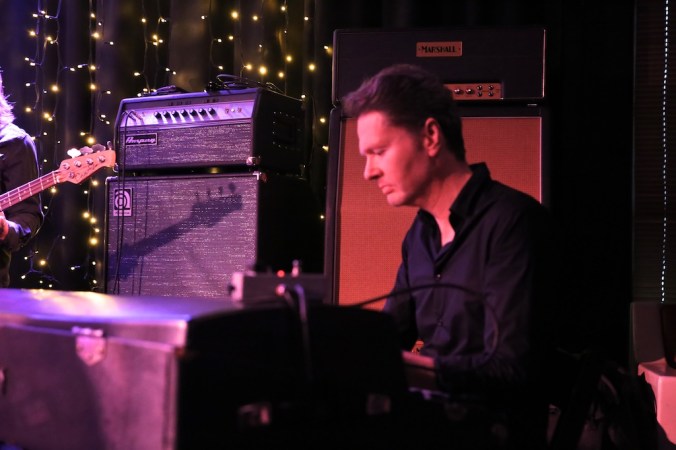 The CJC, sensing an opportunity and knowing that they had only a few days, organised a special one-off Richard Hammond gig and billed it as an all-star event. The programming fell to keys player Kevin Field. Field playing Rhodes, Ron Samsom on drums, Nathan Haines and Roger Manins on saxophones and Marjan on vocals. Hammond alternated between upright bass and electric bass and he wowed us on both instruments. On upright bass, he has a tone to die for; one that only the best bass players locate; on electric bass his lines bite, speaking the language of Jaco or Richard Bona.
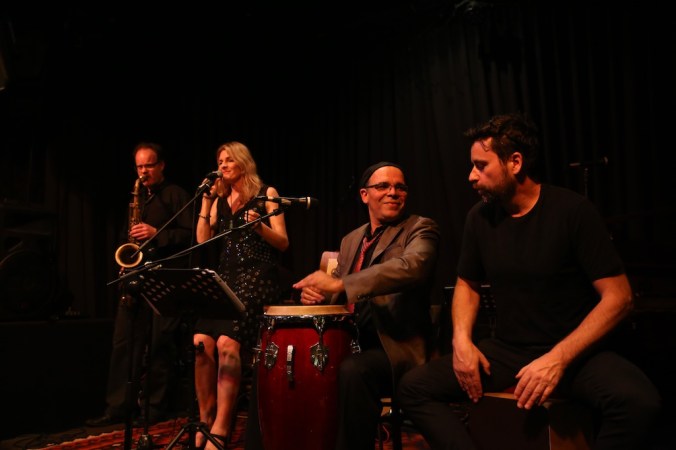 I like South American music and the more I hear, the deeper I am drawn in. A rich and ancient fusion of African, European and Amerindian music, each coast and region nurturing distinct flavours. There are also highly localised variations; all rhythmically complex and all deeply infectious. This week the CJC featured the highly respected Brazilian musician Nanny Assis and New Zealand born vocalist Maggie Gould. Assis was born in Salvador, North Eastern Brazil; a region especially rich in musical traditions and heavily influenced by African rhythms. The coast below Bahia nurtured Tom Jobim, Roberto Menescal and a cohort of like-minded innovators; the creators of the Bossanova (new music) form. In a world where saccharine versions of great music often assail us, it is necessary to return to the source from time to time in order to refresh our ears. Listening to Tom Jobim and Elis Regina on the album ‘Elis & Tom’ – ‘Chovendo Na Roseira’ especially, is a good place to start. The time feel is subtly different from North American versions and the unique rhythmic tensions dance with life. Jobim is long gone but authentic practitioners of the various traditions are still there if we look. Assis is just one of these; a master of rhythm and of the many distinct Bahia styles.
 Gould was a successful photojournalist in an earlier life. When the pressures of that lifestyle became too much, she decided to abandon the frenetic media world and follow her passion instead. Rekindling a youthful dream she became a Jazz vocalist and has followed that path ever since. Eventually, her journey took her to New York where she met Assis and a musical collaboration began. While living in New York Gould has performed with a number of luminaries, notably the pianist John de Martino (who has also recorded with Assis). Gould and Assis have just toured New Zealand, appearing in festivals and clubs throughout the two Islands. They have toured with great musicians and they intend to record soon in Auckland. When they do, the well-known New York-based ex-pat Kiwi bass player Richard Hammond will join them.
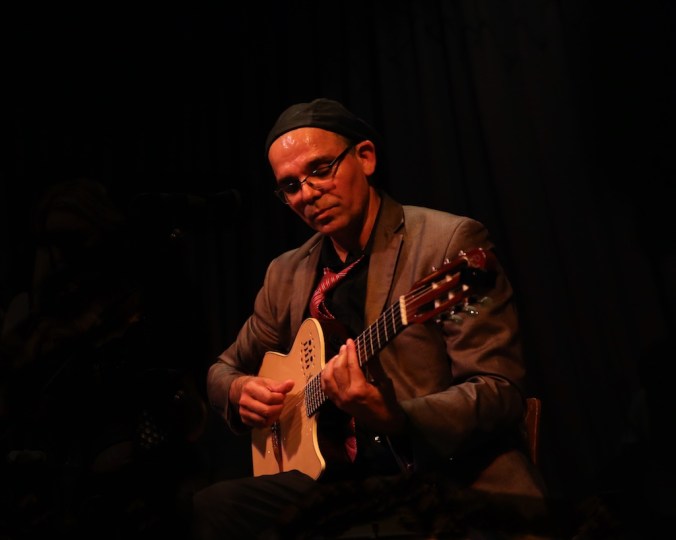 It is said that Latin American music is ‘the other swing music’. That makes for great synergies between Jazz and Latin musicians. It can work well, but only if the musicians have the ears and the courage to submit to the weave. Utilising the considerable skills of pianist Kevin Field, Alex Griffiths on 5 string bass and drummer Ron Samsom (plus for the CJC gig, saxophonist Roger Manins). The mix of Jazz musicians and Brazilian created a spark. Alex Griffiths is obviously well versed in Brazilian rhythms as his lines could not have been better placed. Field has for some time been immersed in this music and he is no stranger to the various clave rhythms either. His understated delicate lines in place of comping held the echoes of Jobim’s own tasteful piano accompaniment. During solo’s he gave both hands full reign in clave rich explorations. Samsom is a talented drummer and throughout the night, he and Assis worked in concert. With Assis on percussion and Samsom on the kit, a wonderfully rich sound scape emerged. At one point Assis beat a cowbell to hold the centre – allowing Samsom additional freedom to move. This was a moment of pure magic.
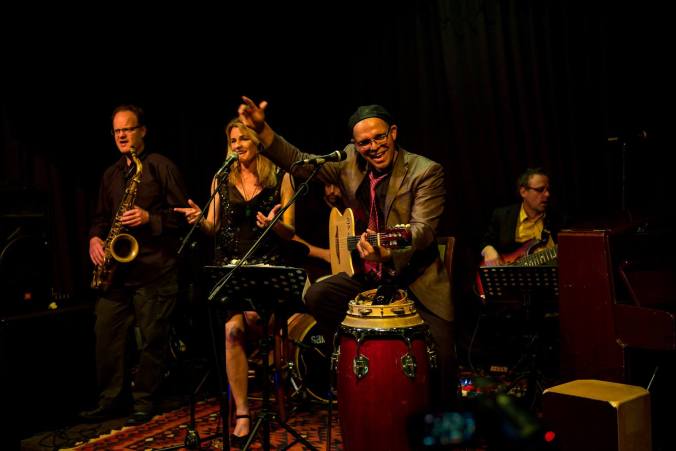 I read once, that a Jazz drummer playing Bossa or Samba is doing three basic things; the right hand replaces the shaker or cowbell, the left hand has the clave pattern and the kick drum follows the bass line. Add in actual congas shakers or cowbell and the interplay has the magnitude of a sonic earthquake.The number that I have posted is ‘O Barquinho’ or ‘My Little Boat(of Love)’ – a tune by Roberto Menescal and sometimes wrongly attributed to Jobim. It is a nice example of the Brazilian Bossa rhythms; rich in subtlety and contrast. It is a long-held tradition in this music to have a female and a male voice – call and response. Gould in English, imparting the wistfulness of the lyrics – Assis in Portuguese – taking me back to the master Joao Gilberto. The Portuguese language is extremely pleasant to the ear, while often masking incredibly sad songs. We didn’t need a dictionary or interpreter on Wednesday as we were transported without them. Nanny Assis’s voice, like his percussion and guitar playing, is pure magic – together the musicians gave us a great night.
  The fourth Auckland Jazz Festival was appropriately launched at the Thirsty Dog Tavern in Karangahape Road. A welcoming venue, nestled among ethnic food joints, strip clubs and private art galleries. It is timely that we pay tribute to the Thirsty Dog, who a year ago, generously offered the CJC (Creative Jazz Club) a regular Wednesday night slot. This occurred when the club most needed it. It is a good performance space and many visiting musicians have remarked on the rooms warm vibe.
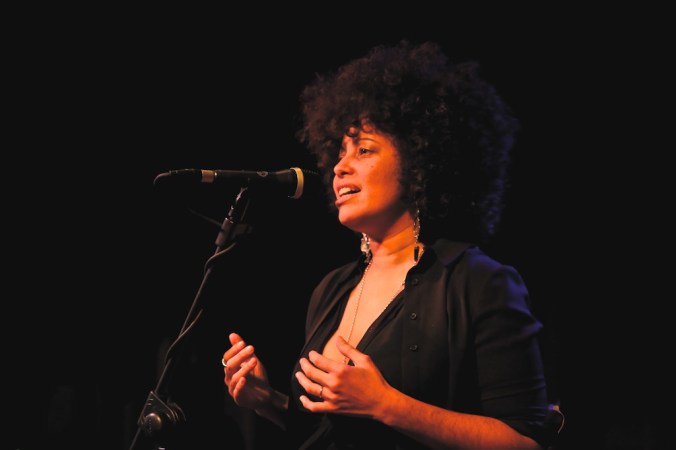 The first festival gig I attended was the Jennifer Zea group. The last time I saw her perform I liked by her Latin interpretations of the standards, but I particularly liked her rendering of the songs particular to her region (Cuba/Venezuela). She introduced more standards this time but it was the second set; a set of Venezuelan and bossa fused music that had the audience enthralled. These tunes were so infectious that they followed me home. I even woke up with one of them singing in my head the next morning. ‘Moliendo Cafe’ (Blanco/Perroni) has been popular in Venezuela (and the wider world) since 1959. Everyone from Jose Feliciano on has benefited from it. As Zea sang this wonderfully infectious tune, she danced to its rhythms, and along the back wall, a chorus of her countrymen and women sang along in unison. We seldom hear music like this and it is her forte. I have posted a bolero, Lagrimas Negras (or Black Tears – by Matamoras) a Cuban tune from the 1920’s. She was ably assisted by Kevin Field, Mostyn Cole and the wonderful Miguel Fuentes on percussion.
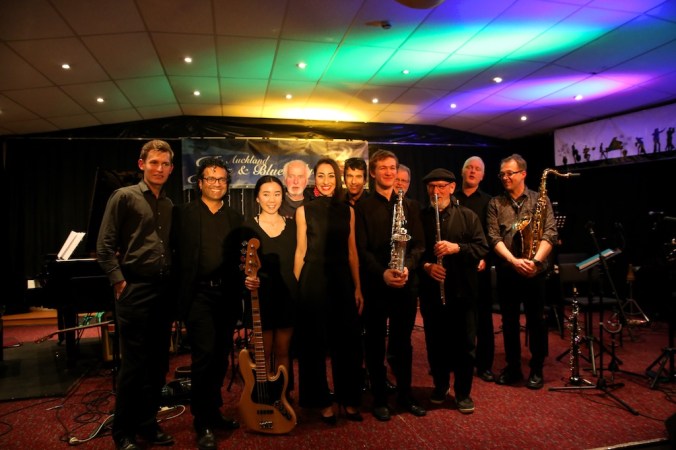 On Tuesday, Marjan appeared with the ‘Experience Band’ at the Auckland Jazz and Blues Club. The Experience Band is an 11 piece ensemble and consequently, it provided a very different flavour to her appearance with a quartet at the CJC last month. Her voice has real power and she’s a compelling performer; easily able to adjust to the bigger sound. The audience loved her. Her set list was skillfully tailored to the room as the audience was older than the CJC crowd. In particular, her cheeky take on ‘Making Whoopie’ brought the house down. At one point she paid tribute to her high school music teacher, saxophonist Markas Fritsch, who was in the front line of the ensemble. She credits him with steering her towards Jazz – something we should all thank him for.
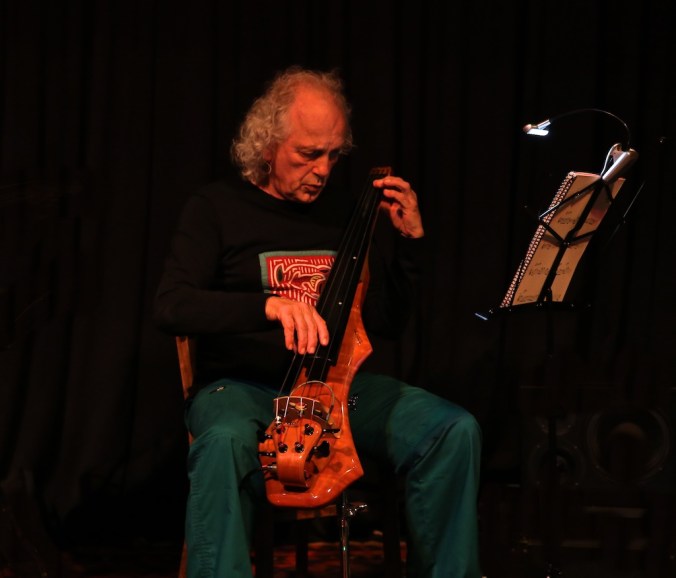 On Wednesday, the third headline festival act was presented at the Thirsty Dog. It has been over a year since the world-renowned bassist David Friesen was in New Zealand. During last years tour, his trio was recorded at the 1885 venue. The night was captured perfectly in the newly released Rattle album ‘Another Time Another Space’. Frieson is an improvised music celebrity and it was good to have him back. He has a unique approach to composition and performance and he caps that off with his engaging and witty bandstand banter. He was again accompanied by Dixon Nacey on guitar and Reuben Bradly on drums. This trio communicates superbly, reacting to each other like old friends. The recording is amazingly good, especially so considering that it was captured in the 1885, which is an acoustically lively space. Nacey’s singing lines blend perfectly with Frieson’s – the sort of woody resonance that high-end luthiers aim for.
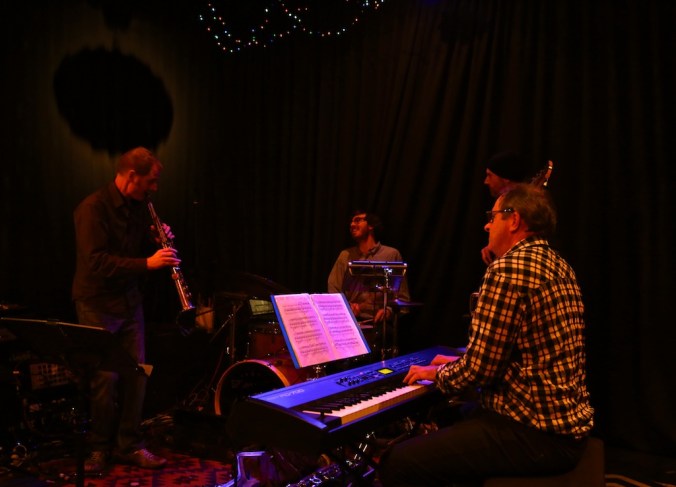 On Friday the Chris Mason-Battley band returned to the Thirsty Dog. I really like this band with their predilection for tasty modal grooves. There is no one in New Zealand who plays quite like the Mason-Battley – and as an entity, the group have a distinct footprint. I have written about them recently and I suggest you check them out if you get the chance – they are not heard about town very often and more’s the pity. As with the last gig; on the keyboard was David Lines, on electric bass Sam Giles and on drums the innovative Stephen Thomas. There is now talk of a new CMB project and perhaps one with more electronics? Friday nights are the hard-yards for Jazz musicians and this one was no exception. Throughout the performance, you could hear two blokes yakking, obviously pleased to be catching up and seemingly unaware that this was a listening gig. A number of ray-like stares were beamed in their direction but they proved quite impervious to hints. Loud chatting seldom happens on a mid-week night where listeners and improvisers own the space.
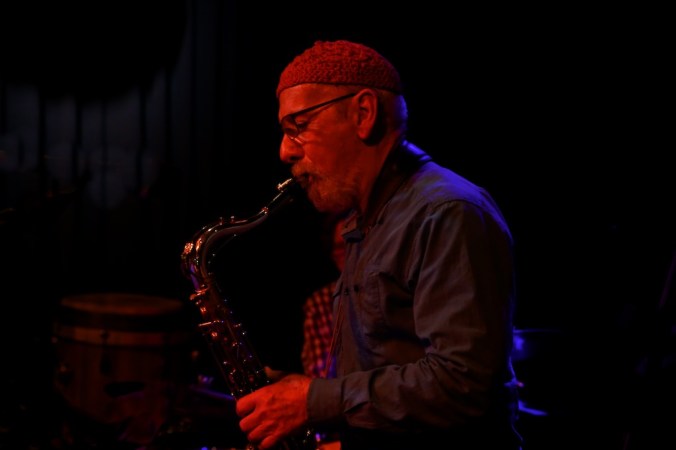 The last gig at the Auckland Jazz Festival was Jim Langabeer’s ‘Secret Islands’ album release’. This is another Rattle album and the musicianship is stunning. A project which arose out of Langabeer’s multi-phonics explorations at Auckland University. There is a lot that is referred to as fusion these days and most of it is not. In this case, the term could be a good descriptor. Indigenous instruments, multiple reeds and winds; pedal steel guitar and fender; beautiful melodies placed in Mingus like settings. While the album sits comfortably on the Jazz spectrum, the material takes us way beyond that. With the authoritative elder statesman Langabeer at the helm, and assisted by Rosie Langabeer, Roger Manins, Eamon Edmundson-Wells, Neil Watson and Chris O’Connor, what else would you expect. For this and other ‘Rattle’ recordings, go to
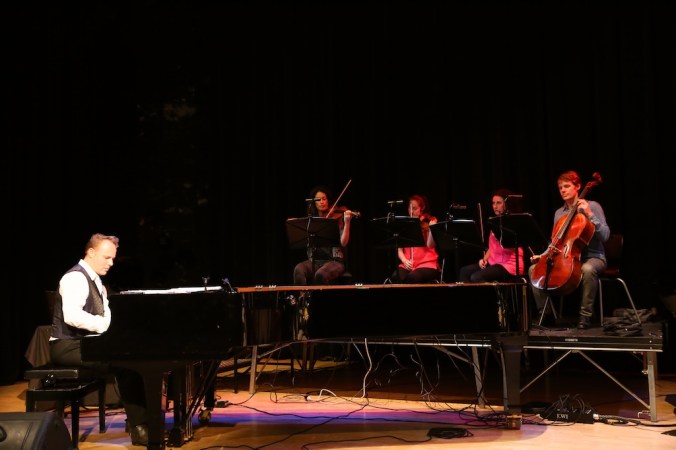
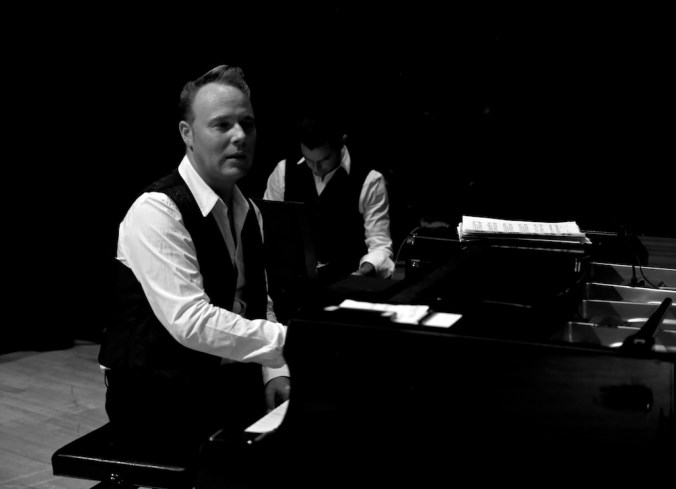 This piece was almost titled ‘my career as Jef Neve’s Driver’, but in the end, I shied away from that. In truth, my tenure as a roadie/driver was brief (although fulfilling). The term roadie was perhaps a bit of a stretch also because I only lifted one suitcase (and that was with help). I decided early in life that my ideal job was working as a roadie for a Jazz pianist. I figured that the obligation to lift heavy things would be minimal and that I could consume endless supplies of live improvised music. With regard to the first point, I was woefully under-researched. In Europe, Neve actually travels accompanied by his piano, but luckily for me, the airlines are reluctant to accept a piano as stow-on luggage. The Auckland airport pick-up went flawlessly (apart from the suitcase to person ratio which was resolved by Neve who is used to fitting notes into improbable spaces). As we drove, I chatted; easing my way into the story in true Gonzo journalist fashion. So there we were jammed into my car like Hanseatic cod; Jef, Pieter, Dieter and me; heading for a piano, a rhythm section and a string quartet. This was going to be fun.
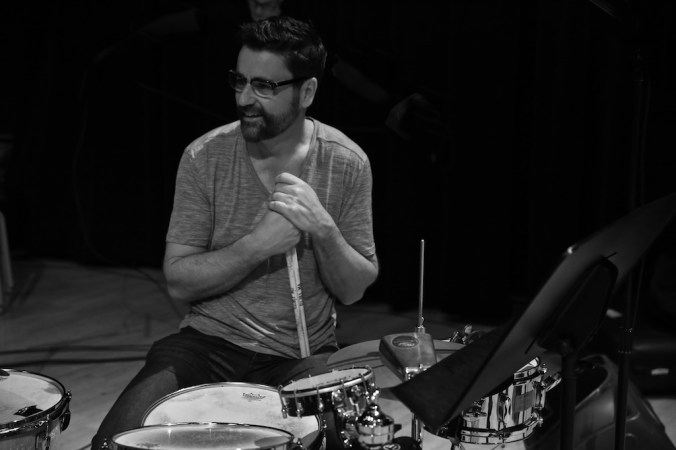 I met Neve once before and I have followed his career over the years. He is a major artist and a household name in Belguim. A year ago I passed through his beautiful city of Ghent, and I vividly recall a young woman behind the hotel counter asking me what I knew about the city. It was actually Robert Browning who introduced me to Ghent, but I replied Jef Neve. Oh yes, he’s famous she said. When I told her that I had once interviewed him, she was obviously impressed. In her eyes, I was no longer some grey haired tourist but a guy who had met Jef Neve.
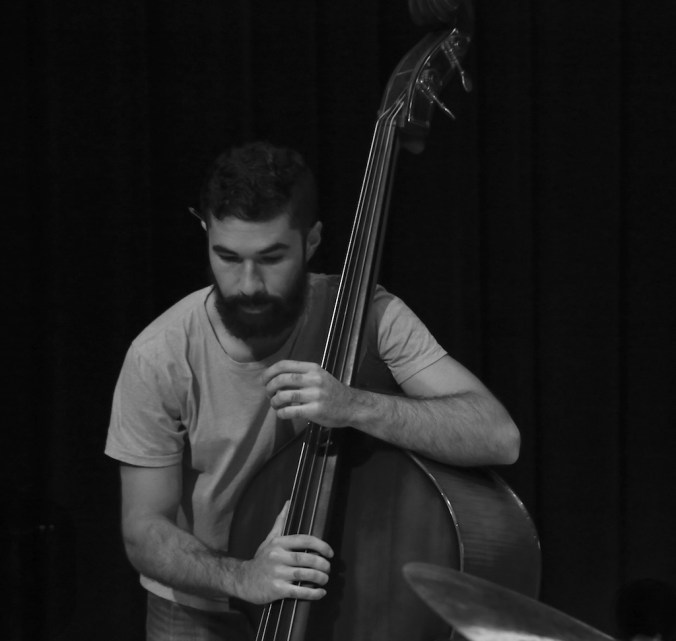 The KMC is a venue with good acoustics; not too dry – not too wet. It was once a television studio and before that the principal home of radio in New Zealand. Now it houses the UoA Jazz School and the School of dance. I found a swivel chair and slid my self across to the listening sweet spot as the trio rehearsed. Then, the string quartet turned up and the work began in earnest. Into that darkened space the music spirits descended; channelling themselves through Neve’s fingers and entering the musicians one by one. I sat there through four and a half hours of rehearsal; soaking up the sound; awestruck and utterly engrossed from start to finish. Cam McArthur was on bass and Ron Samsom on drums. Both are very fine musicians – on this gig they manifested as truly great musicians.
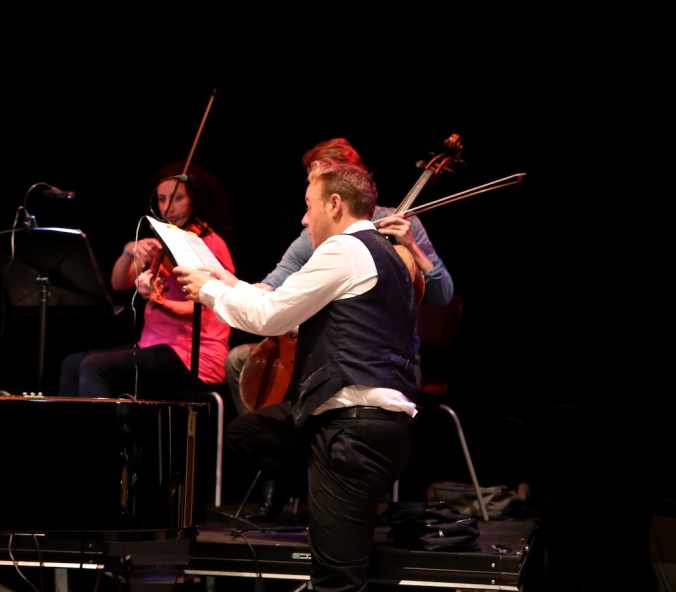 Experienced improvising musicians are quick to read cues; usually conveyed by a brief glance. Things can change in a moment as new ideas develop; it is a core skill – the ability to interpret subliminal signals and react accordingly. For a classical string quartet, it is different. Cues are generally pencilled into their charts or perhaps conveyed by a conductor. The Black Quartet tackled these difficult charts with vigour, questioning Neve throughout and writing in minute changes or subtle expression marks. I heard Neve remark afterwards how enormously impressed he was with their musicianship – “I would be happy to work with these musicians anytime”, he said. Throughout the day the musicians rehearsed the knotty bits and acclimatised themselves to function as an ensemble. Watching music like this take shape is a joy.
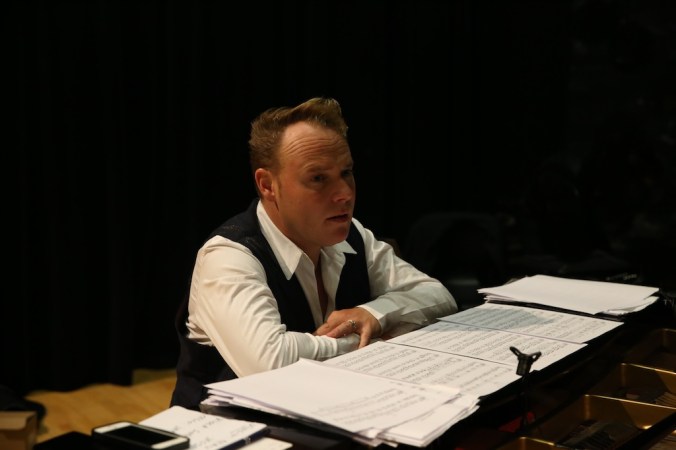 Concerts like this are underpinned by hard work and it usually takes a number of rehearsals to achieve tight ensemble playing. Occasionally I get to observe bands in rehearsal or in a recording studio and as the hours go by you can feel the energy shift. An evolution occurs as the music is properly understood and internalised. So it was with this ensemble and after hours of concentrated work, they breathed in unison. The key to this was Neve who is a gifted communicator and patience personified. When energy is harnessed in this way it becomes spirit. Neve had two assistants with him and as the ensemble poured over the charts these two quietly wove their magic. Both sat at consoles and throughout the day they tweaked, miked-up and fine-tuned the sound. The string section was miked to perfection, giving out a sweet woody sound but subtly amplified to exactly the right place in the mix. An audience is seldom aware of the hours a good sound technician puts in (that is unless they do a poor job). This was sound mixing as an art-form. The results were perfection.
 ‘Spirit Control’ is a lovely album. It is richly satisfying and with a clarity of purpose that cuts through genre and preconception. There is an orchestral quality to Neve’s piano so when the orchestra comes in or fades out the transition feels seamless. There are so many clever references in this music – often shimmering – mirage-like; Tango, folk, modern classical, Nordic improvised Ambient, even pop. This is, however, Jazz of the highest order. Not drawing on the blues but on the many musical forces of Neve’s continent. Jazz has many homes in the modern world. While most of the pieces on the album were played at the Auckland concert there were also new arrangements and pieces from previous albums. There were also hard swinging trio passages. During these, Samsom and McArthur were astounding, moving from arco bass or colourist drumming to a dizzying, exciting, take no prisoners swing. The cross-appeal of this album is evidenced by the fact that it appeared on the Belgium pop charts and stayed there for weeks.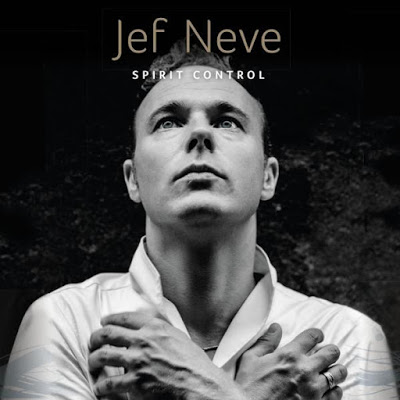
 Jamie Oehlers is a tenor saxophone heavyweight who earns widespread respect. His playing is conversational, and like all good conversationalists, he listens as well as he articulates his own point of view. An unashamed melodicist, a musician of subtlety, a dream weaver with a bell-like clarity of tone. Oehlers tours regularly and we are lucky enough to be on his touring circuit. This trip, he was accompanied by Tal Cohen; an Israeli born, New York-based pianist; an artist increasingly coming to the favourable attention of reviewers; an artist praised by fellow musicians. Cohen and Oehlers have been playing together for years and over that time they have built an uncanny rapport. Out of that has emerged something special; their 2016 duo album titled ‘Innocent dreamer’.
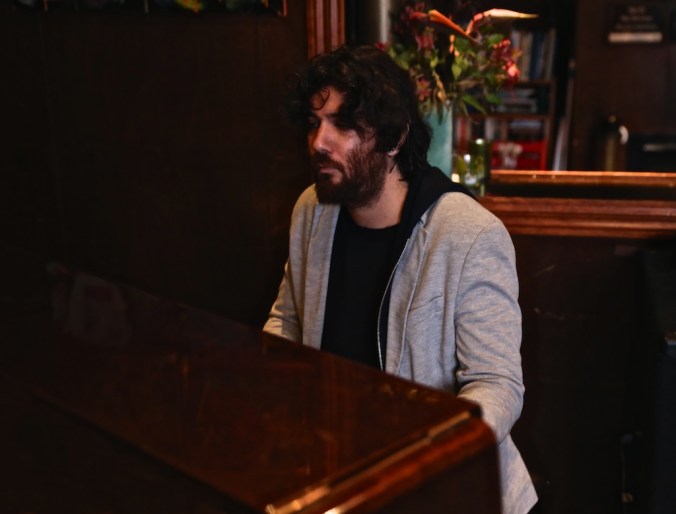 As far as I know, this was Cohen’s first visit to New Zealand and it was certainly his first visit to the CJC. He’s a compelling pianist and the perfect counter-weight for Oehlers. On duo numbers, they responded to each other as good improvisers should, each giving the other space and expanding the conversation as the explorations deepened. Intimate musical exchanges of this type work best when the musicians care deeply about the project. They work best between friends. We saw two sides to Cohen on this tour. The thoughtful, unhurried, deep improviser and the percussive player who found a groove and worked it to the bone. The second half of the gig brought a rhythm section to the bandstand; Olivier Holland and Ron Samsom. Having such an interesting contrast between sets made both halves work better. The second set was approached with vigour; Oehlers digging into a standard, often preceded by a nice intro, through the head and then… boom. This was when the fireworks happened.
 The first set opened with a heartfelt ‘Body & Soul’ (Green) which set the tone. The tune that really took my attention though was Oehlers ‘Armistice’. A beautiful piece conjuring up powerful images and telling its story unequivocally. There was also a nice tune referencing Cohens family. The first set finished with the lively Ellington tribute – ‘Take the Coltrane’ . The second set (the quartet) opened with the lovely ‘It could happen to You’ (Van Heusen), followed by a tune that Oehlers has made his own; ‘On a Clear Day’ (Learner/Lane) – (a recent Oehlers album title). Next, the quartet performed ‘Nardis’ (Evans/Davis) – this was wonderful and it reminded me of the endless re-evaluation and probing of that tune by Evans in his final years. This version did not sound like Evans – it was born again – if any modal tune deserves to live forever, it is surely this one.
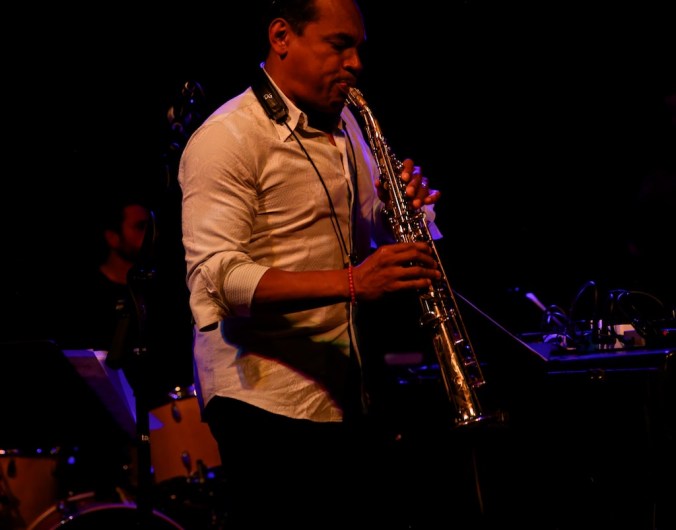 Behind the doors of the beautiful Kauri villa, down the long corridor and the wide descending staircase, past the crush of people eagerly awaiting a significant and unique musical event, we edged forward; shuffled by the crowd, finding ourselves in a surprisingly large room; large enough to hold seventy people, a gorgeous warmly lit room with mirrored walls – an old dance studio brought back to life. As we crossed the room Jay Rodriguez greeted us, behind him, Jonathan Crayford shuffled through sheet music; both framed by an elegant grand piano and an array of horns on stands. I had interviewed Rodriguez earlier and had attended his sell out gig at the CJC Creative Jazz Club. There was never any doubt that this night, like the one a few nights earlier would deliver something special.
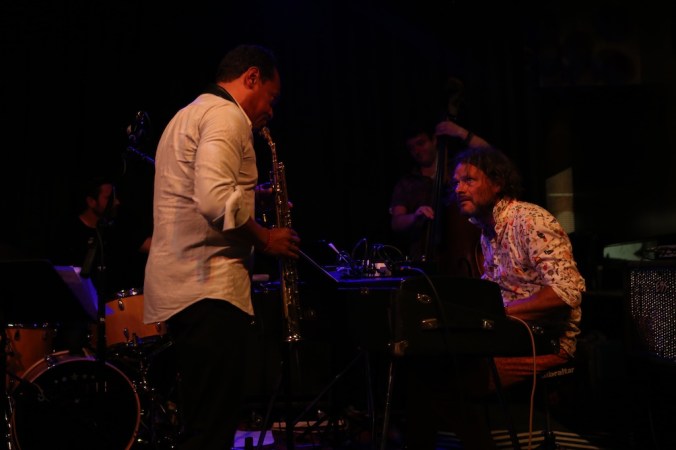
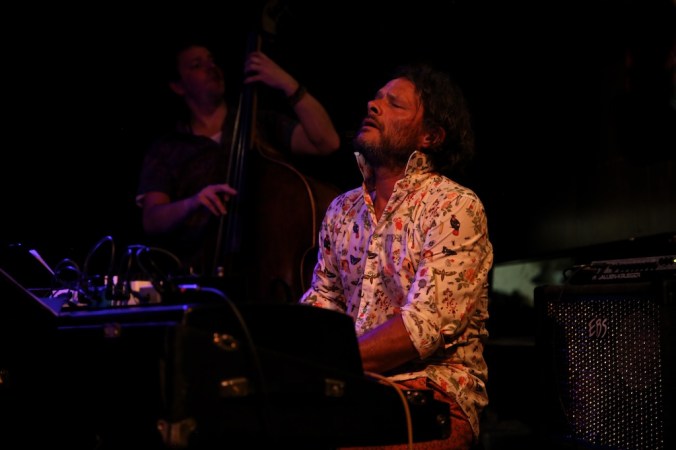 If ever two musicians were destined to play duo format, it is these two. It is a challenging format as the safety nets are gone; it is deep level communication and frighteningly intimate. It requires deep listening and empathy as much as storytelling; it requires conversational dexterity. This was a night never to be forgotten, a night when great music became sublime. Rodriguez and Crayford have been friends for a long time, meeting up in New York in the late 90’s and forming an instant connection; Rodriguez’ ‘Groove Collective’ and other projects the meeting ground. They refer to each other as musical brothers and their communication during the last three days underscored that.
 The first time I saw them together was around eight years ago. The gig stuck in my mind for many reasons, but especially because of one tune; Bob Dylan’s ‘I pity the poor immigrant’. It spoke directly to me as it oozed with humanity. When I interviewed Rodriguez I teased out this a theme; pointing to the set lists, the tunes which cut to the heart of the human condition, tunes communicated with deep empathy. For example, their rendition of Keith Jarrett’s ‘The rich (and the poor)’, Coltrane’s ‘Alabama’. The former, a blues, reminding us that the blues is more than just a musical form. In their hands, it informs us about inequality, discrimination, hurt and hope. The human condition again. The latter, ‘Alabama’, moved me to tears. Jazz lovers know this story, but it has seldom been told so well. The piece is based on the cadences of a Martin Luther King speech, a speech given immediately after four little girls were killed as they worshipped, murdered by an unrepentant KKK. The musicians dived straight into the emotion of this awful tale; the incomprehension and anger, then a plea for humanity, an exhortation to do better, the hope; it was all in there.
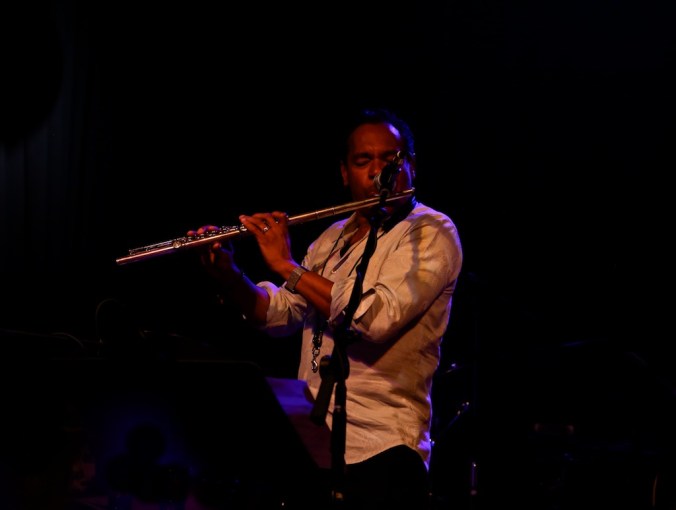
 He is a multi-reeds and winds player and his command of each instrument is strong. I asked him if he favoured one horn over another or had been tempted to double less? This was prompted by a similar discussion with Bennie Maupin. Maupin’s answer had cut to the point, “It’s mostly about dedication, hard work and five times the amount of practice”. Rodriguez answer was a little different. “Man, I love these instruments, every single one of them, and I couldn’t abandon any of them”. It is impressive to hear an artist sounding so strong and so individualistic on so many instruments; bass clarinet, tenor saxophone, soprano saxophone, flute (he also doubles on alto and baritone saxophone). His bass clarinet is rich and woody with a tone production like John Surman – his tenor can range from low down raspy bluesiness to the light vibrato-less sound of ‘Pres’; and all of this in a clear authentic voice.
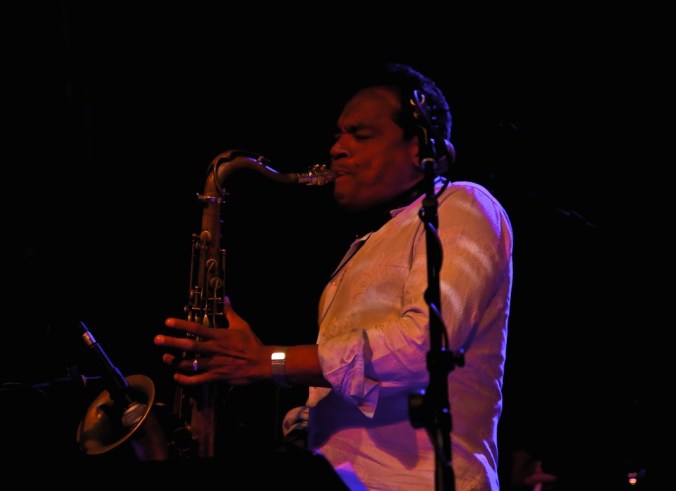 During the dance studio gig, their song choices delighted and astonished. For example, Monk’s ‘Epistrophy’, A Puccini aria, Michel Legrand’s ‘You must believe in spring’, McCartney’s ‘Long and winding road’; all in all an improbable and extraordinary journey. The CJC set list included Yusef Lateef’s stunningly beautiful ‘Morning’, Victor Young’s ‘Golden Earrings’ Keith Jarrett’s ‘Rich (and the poor man)’ – from the Dewey Redman/Jarrett/Haden Impulse era, John Coltrane’s ‘Alabama’ and a lovely original by Rodriguez (I think it was titled ‘Your Sound’). Mostyn Cole and Ron Samsom were amazing as well. They are both fine musicians and a good choice for this line-up.
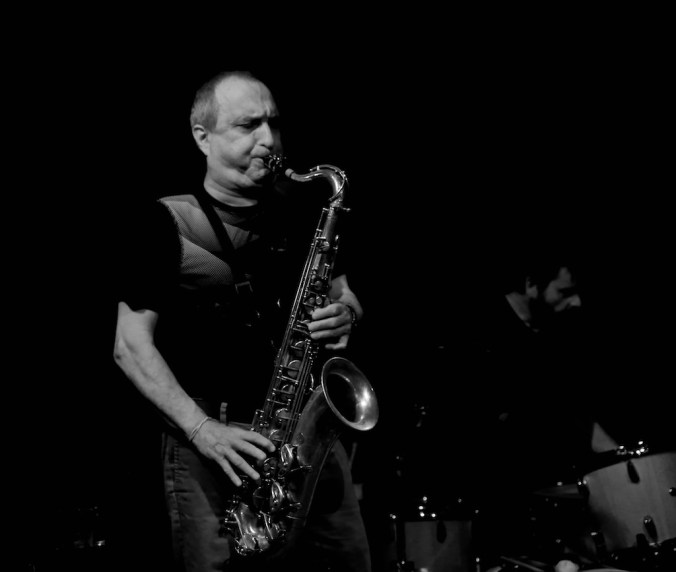 Roger Manins uncoupled the microphone and looked around the club. It was winter outside but you wouldn’t have known it. The windows were steamed up from the heat of a capacity crowd; all eyes were fixed on the stage and the stocky man holding the tenor saxophone. “You know how lucky you are …. right,” Manins asked the audience? A loud cheer went up accompanied by whistles and foot stomping. George Garzone was in town and no one was in any doubt.
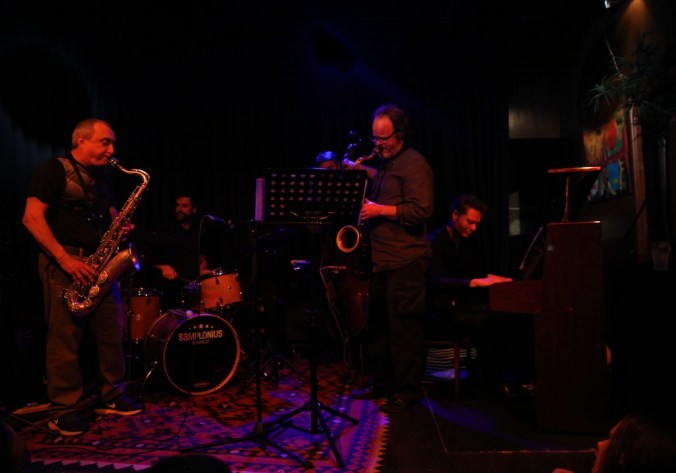 Most of the tunes were in long form and most were Garzone originals. All were perfect for the occasion. As you might expect, the Garzone tunes were springboards for deep improvisation; the heads, however, were memorable and so well-arranged that they stood out. I failed to catch all of the titles because the applause often drowned out the announcements. There was a catchy tune referencing Bourbon Street, A moving tribute to his friend Michael Brecker and a tune titled ‘The Mingus that I know’. They all had pithy stories attached. The two standards were Billy Eckstine’s ‘I want to talk about you’ and a wonderful earthy take on John Coltrane’s ‘Impressions’. I read somewhere that Garzone plays like he talks, in a Bostonian/Calabrian dialect. The cadences and rhythms of speech are part of who we are, it is, therefore, logical that they encompass how musicians express themselves and especially on a vocal instrument like the saxophone.
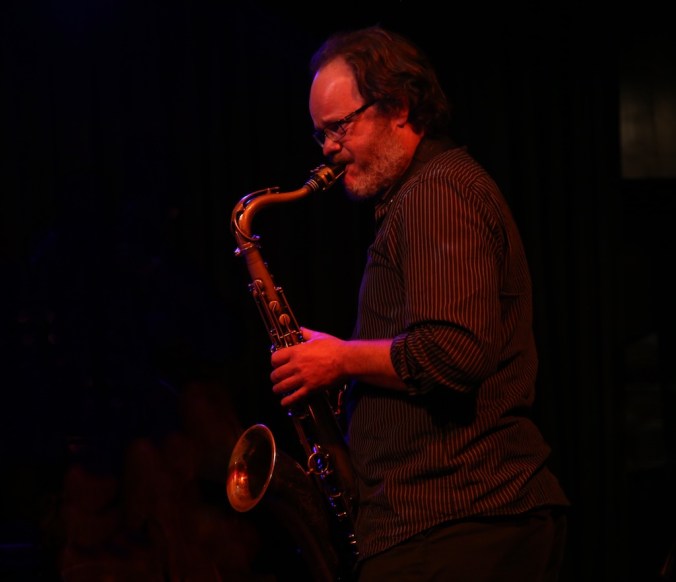 His pick up band were Kevin Field, Ron Samsom, Mostyn Cole and Roger Manins. Like every international who passes through, he heaped praise on the local musicians. Coming from Garzone this really counts. He and Manins go back a way and the synergies between them are evident (the Garzone influence is worldwide and Manins is no exception). Whether playing in unison or in counterpoint, they sounded right together – tenors who knew just how to compliment or when to keep clear. This was a very big sound and when trading fours they cajoled each other as friends might. The rhythm section was energised as well; Cole, Samsom and Field providing rhythmic and harmonic trickery. And at one point, ‘Hey great, I heard some Salsa in that solo’, said Garzone looking in Fields direction.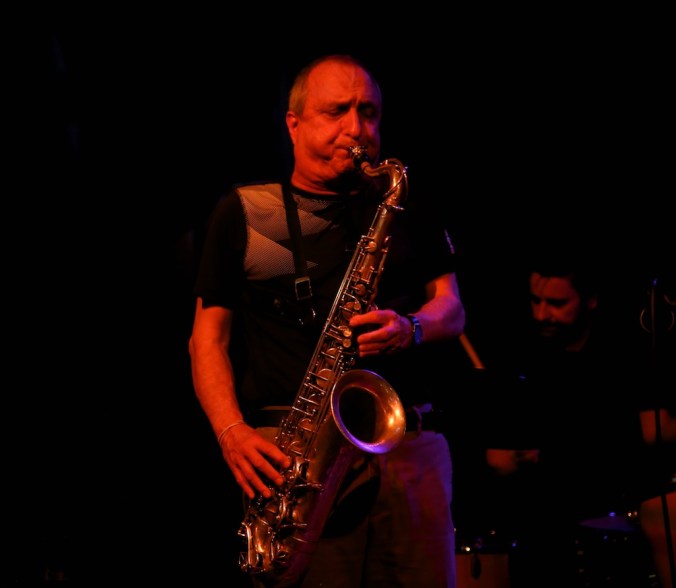
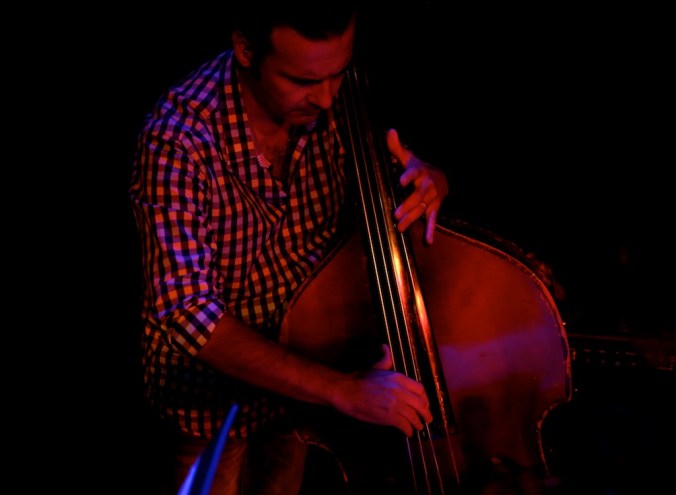 There have been two bass-player led groups at the CJC in as many months and both have been excellent. Last weeks featured group was a trio led by Rubim de Toledo: a Canadian from Alberta, of Brazilian origin and a well-established musician. Like many modern improvisers, his influences are diverse; that said his music fits squarely into the Jazz mainstream. The first thing to grab me was his big rounded tone, gifting the tunes with a richness and beauty that captivated from start to finish. While most bass sits deep within the mix, de Toledo’s voice spoke clearly; not by overcrowding his band-mates nor by punching through the others as an electric bassist might, but because every musical utterance sounded right. His melodicism and clarity of ideas were enhanced by devices which I found appealing; his occasional and appropriate use of vibrato at the end of a line, sometimes, rarely, he combined this with a slight bending of the note. He is definitely a successor to the Evans trio model; a bassist who communicates as an equal.
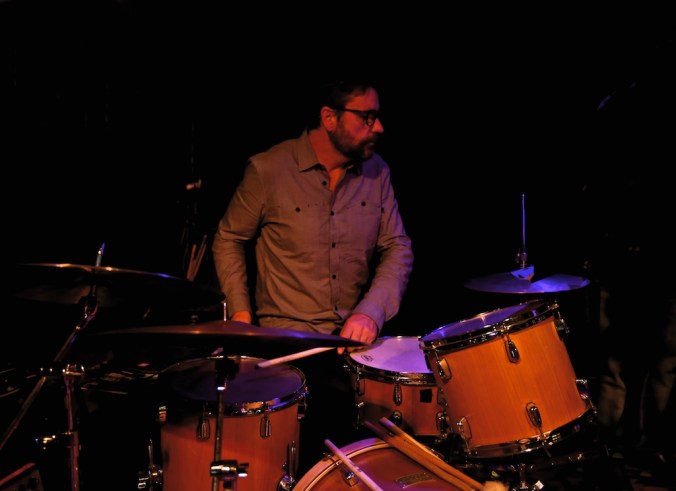
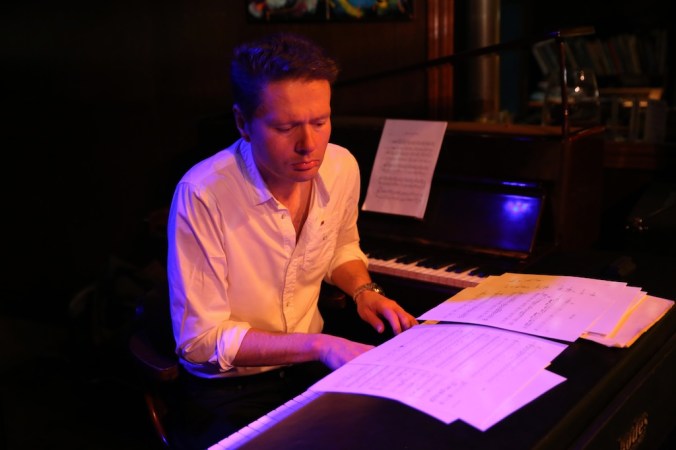 In a live setting and with unfamiliar sidemen, the best plan is to loosen the reigns. This he did and with Kevin Field on Rhodes and fellow Canadian and long time friend Ron Samsom on drums the gig gelled. Much of the gig showcased his compositions, some from his 2014 album ‘The Bridge”. The three standards he played were a killing version of Maiden Voyage (Herbie Hancock), Work Song (Nat Adderly) and a rendering of ‘Recordeme’ (Joe Henderson). His own compositions ranged from the thoughtful ‘Autumn Celeste’ to evocative panoramic tunes like ‘The Gap’ (about the Rockies) and ‘Red Eye’ (about a Brazilian train known locally as the train of death). The gig was a pleasure from start to finish and the enthusiastic audience response said it all.
 As I was leaving de Toledo handed me a copy of his recent album ‘The Bridge’ and it wasn’t until yesterday that I found time to play it. What a truly beautiful album this is; beautifully crafted arrangements and tunes which burn with a quiet intensity at any tempo. On ‘The Bridge’, he is surrounded by an ensemble of talented Albertans and a guest artist from the USA. The lineup of bass, trumpet, saxophone, trombone, keyboards, drums (and on track 8 a vocal) is well conceived – balancing airiness with textural richness. The musicianship throughout is noteworthy; particularly Sean Jones on trumpet, a well respected musician from the USA: the keyboardist and everyone making this album memorable. As you would expect with an ensemble and with an album as skillfully recorded as this, de Toledo is less dominant. Here he lets his charts tell the story and they certainly do.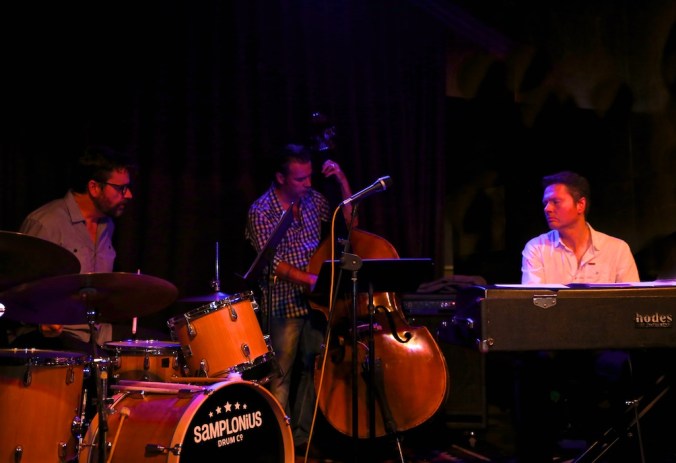
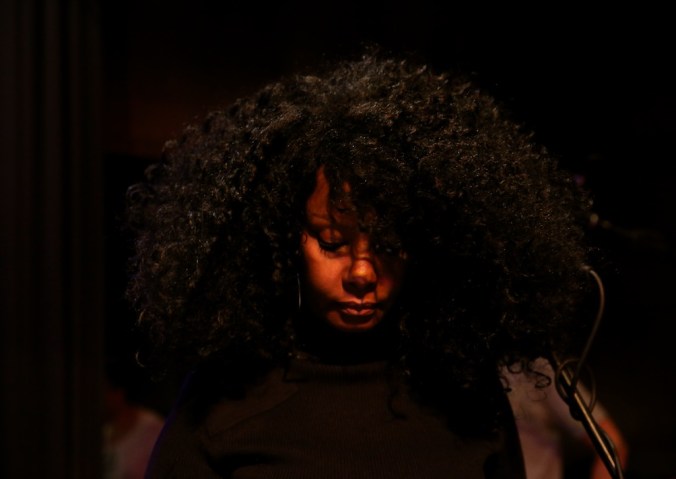 When Vivian Sessoms sings, she takes you deep inside the music. Whether singing the American Songbook, or her own compositions, her storytelling resonates. She sings of American life with all its contradictions; joy and pain both laid bare. Her rendering of Herbie Hancock’s ‘Butterfly‘ tender: the rendering of her own composition, ‘I Can’t Breathe‘, a song referencing the ‘black lives matter’ struggle – raw. As she sang ‘I Can’t Breathe‘, people brushed tears away; feeling the loss, the injustice; sharing in the incomprehension. She sang it for the families of the young lives so senselessly snuffed out; dying at the hands of those sent to protect them – she sang it for us, a people located an ocean away. We listened and understood the message. Art is at its best when it is fearless and truth-telling – Sessoms gets this.
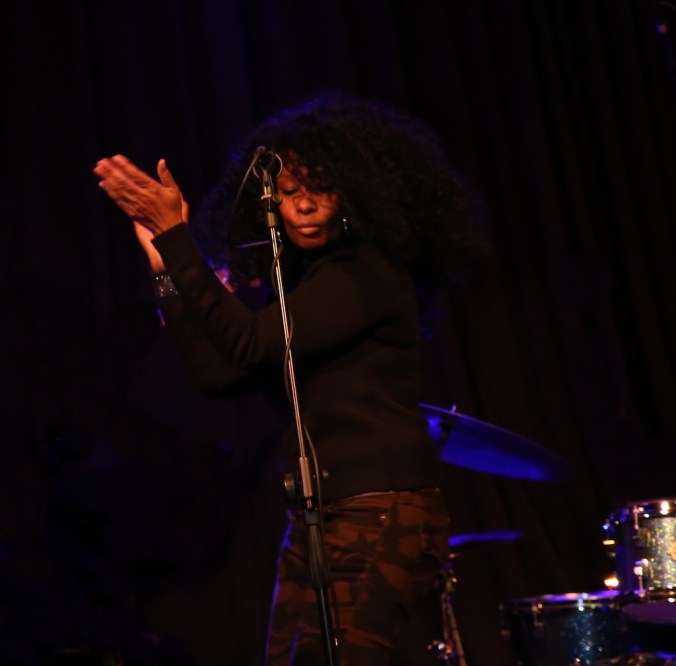 Sessoms is Harlem born and bred; an activist, the niece of Nancy Wilson, the daughter of musicians and a gifted performer with a long string of credits to her name. She was raised in the Jazz world but found early acclaim as a soul singer. Now she is returning to her Jazz roots with her ‘Life‘ album. The tour reviews have been overwhelmingly positive and no wonder; At age 9 she opened for Marvin Gaye, later working with Michael Jackson, Cher and Stevie Wonder. As a performer she is simply riveting; her voice a miracle – to have her here in an intimate Jazz club setting, a rare treat.
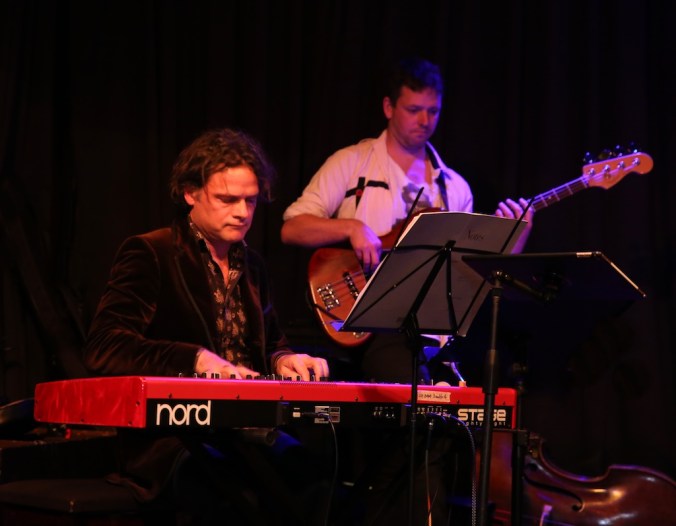 What we were hearing was counter-intuitive. A voice of incredible power, but a voice filled with subtlety: A voice that dominated a room, but never at the expense of nuance. Although powerful, her instrument never strained, a voice which flowed as naturally as breathing. These are rare qualities when considered together in one package. Her material was also well thought out; The standards timeless but each one interestingly reinterpreted: ‘Tenderly’, ‘Love for Sale’, ‘Round Midnight’, ‘Never Let Me Go’, ‘I’ve Got You Under My Skin’ and others.
  Sessoms is a generous entertainer, happy to mingle with the audience, comfortable enough to tease them a little; posing for endless selfies and promising faithfully to return. She even shared the microphone with several first-year students. That is the common touch – a thing Kiwis love; she read our love of informality well. For details about her ‘Life‘ album go to the website link below. If we support the album, it might just hasten her return.
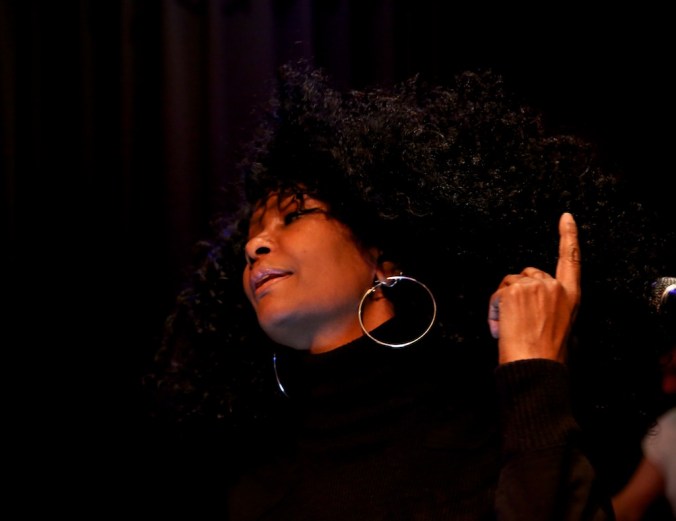 She departed New Zealand the next morning on an early flight; arriving in the USA to be greeted by the news, that yet another jury had acquitted a police officer of killing an unarmed black youth. In these troubled times, more power to her.
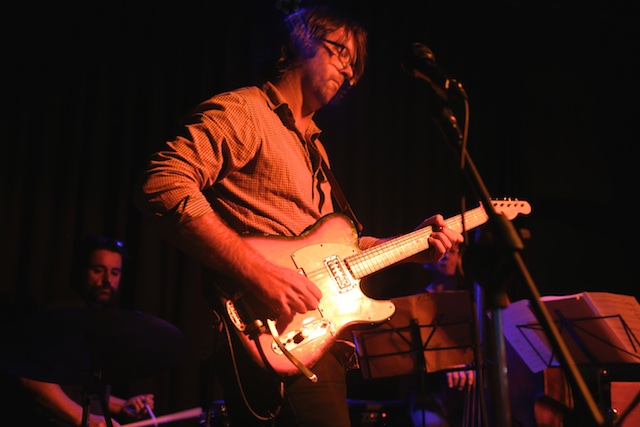 Tubular Live: Having earlier reviewed the long anticipated Neil Watson ‘Tubular’ album I looked forward to the live launch. The Thirsty Dog gig was well attended, the audience extremely enthusiastic and no wonder. Although we saw a slightly different line-up from the album band, they were on fire from the first note. Watson, always a confident performer, was more in command than I have ever seen him and he communicated his musical vision effortlessly. Perhaps this was due to the long gestation of the material, but now he had a platform to extend the concepts further and he grabbed the opportunity. The evening seamlessly covered the breadth of guitar jazz and beyond. While much of the material was influenced by Jazz/Rock or improvisations built on genres like surf guitar, the gentler mainstream Jazz heroes of the past like Johnny Smith and Errol Garner were also honoured.
 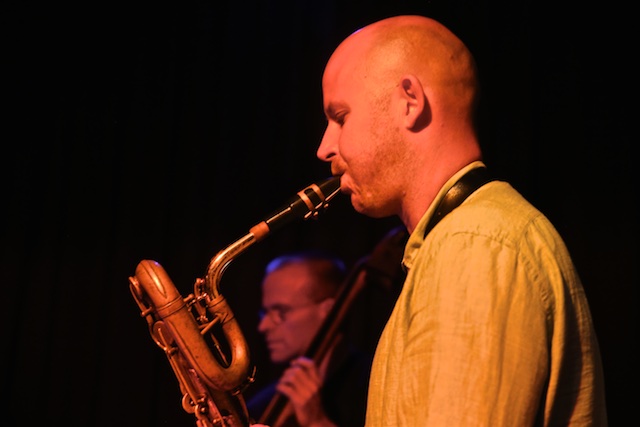 On the ‘Tubular’ album his musical influences are evident. At the live gig, he stared those influences down and carved out his own space. He is one of the few New Zealand musicians who can convincingly occupy Frisell or Ribot territory and he demonstrated that. The perfect example was his rendering of the classic five beat Mambo Picadillo by Tito Puente. He began with a solo intro, dissonant chords offering brief hints as to where he was heading. As he developed his theme the audience gasped in delight as Errol Garners ‘Misty’ emerged, morphing into the gentler Johnny Smith version of ‘Moonlight in Vermont’. That it worked at all is a tribute to his musicianship, that it was done so well all the more so. The Mambo was well-arranged and just superb, not a foot remained still and the bar staff stopped in their tracks, swaying. Another tour de force (not on the album) was his arrangement of ‘Hard rains are going to fall’ (Dylan). This followed his gentle ballad ‘Kerala’.
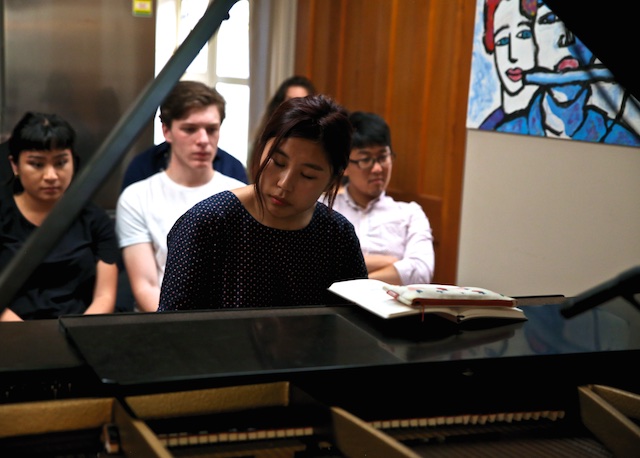 Crystal Choi (private concert): This particular invitation-only concert was organised by Jonathan Crayford and the invitations were swiftly taken up. Crayford is a legendary figure on the New Zealand music scene and when he gets behind a young artist, people pay attention. I have watched Choi develop musically over the years, but I had not seen her perform for some time. In the past she has appeared with students, part of an ensemble, seldom stepping into the limelight for long. This was a departure, a brave step into the challenging world of improvised solo piano. Developing artists (and even experienced performers) struggle with this format, some panic and resort to noodling. When Crayford introduced the concert he stated, “Crystal is amazing, and what you are about to hear will speak for itself”. He was right.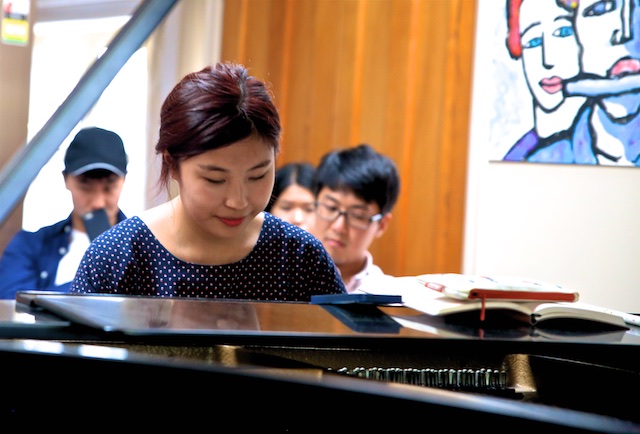
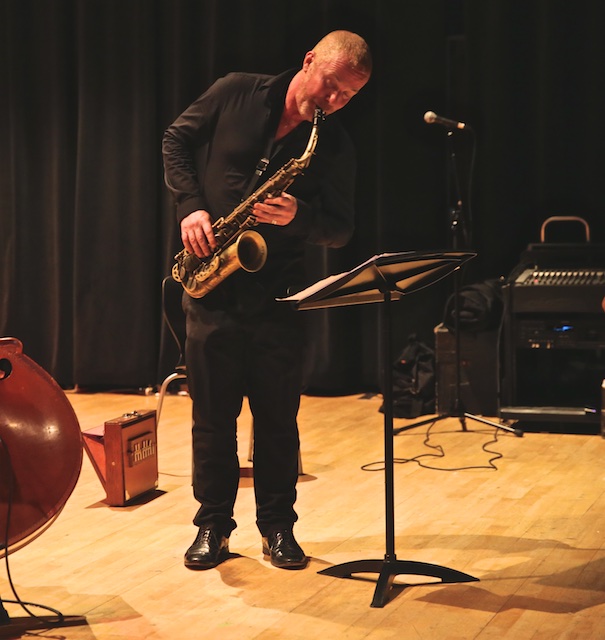 While not located on the Jazz touring circuit in the way Europe is, New Zealand gets some surprising and unexpected treats throughout the year. This was certainly one of them. Because I’ve been travelling recently, I had not noticed this gig coming up and it caught me quite off guard. From time to time I’ve heard mention of the New Zealand born composer and saxophonist Hayden Chisholm, but I had never heard him play. The little that I did know, was that he’d lived in Europe for many years and that he’d been a microtonal innovator. His CV reveals an amazing diversity of achievements and among them; teaching, composing for large ensembles, recording around the world, film soundtrack scoring, festival directing, touring extensively and collaborating with installation artists. He is obviously not a musician to be pigeonholed easily and my expectations inclined me toward multi-phonic explorations or something akin to the wonderful Bley /Giuffre/Swallow ’61 trio’. What I heard was closer to the equally wonderful Bley (Karla)/Swallow/Shepherd trio.
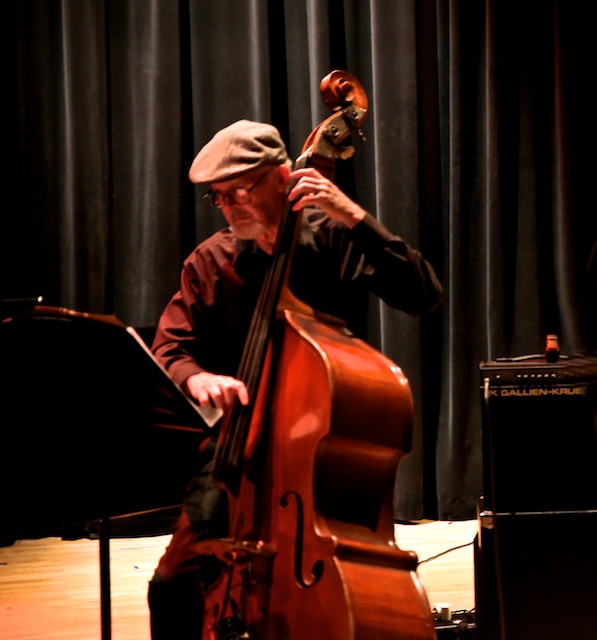
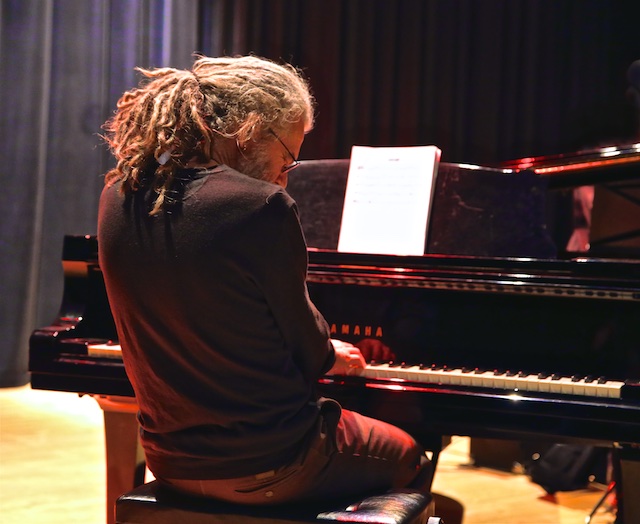 The gig subsumed us in pure unalloyed ballad beauty – beauty of a kind that is exceedingly rare. The programme (with one exception) was of original ballads; pieces composed by either Chisholm or Norman Meehan. Meehan was exactly the right pianist for this gig – a tasteful musician who knows when to lay out, and who never over-ornaments. His sensitivity and minimalist approach creating a bigger implied sound; each note or voicing inviting the audience deeper into an unfolding story. Later when I commented on this he repeated Paul Bley’s advice, “If somebody else sounds good, you’re not needed. So you are like a doctor with a little black bag coming to a record date” (from ‘Time will Tell’ Meehan). Paul Dyne on bass was the ideal foil for Chisholm and Meehan. Again he made each note count without busyness. Because this was an acoustic trio with the piano and saxophone unmiked, the resonance of the bass carried more weight, every harmonic adding a subtle layer. With Meehan playing so sparsely and Chisholm sailing in the clean air above, the subtlties of the soundscape were liberated until the room sang.
 The compositions were varied but all were marvellous. Some so gorgeous as to take the breath away – others possessing edge – all beautifully constructed. The trio worked as an effective unit, but the Chisholm effect was inescapable. The man is simply exceptional, his lines, phrasing and tone jaw dropping. I have no doubt that his technical skills are second to none, but listening to him you never give that a thought. Every musical utterance plunged deep into your soul in the way a Konitz line does. Chisholm is quite original and modern but I fancied that I heard some faint echoes of the great altoists on Wednesday night. Perhaps that was just my imagination, but Lee Konitz (and surprisingly to me), even Art Pepper came mind; especially during Meehan’s wonderfully soulful tune ‘Nick Van Diyk’. I have posted that clip (which is bookended with a lovely Chisholm tune ‘In Day Light Mourning’, where he plays a lament against a drone). The lament references the music of India and Japan, utilising extended technique (Chisholm has studied in both countries).
 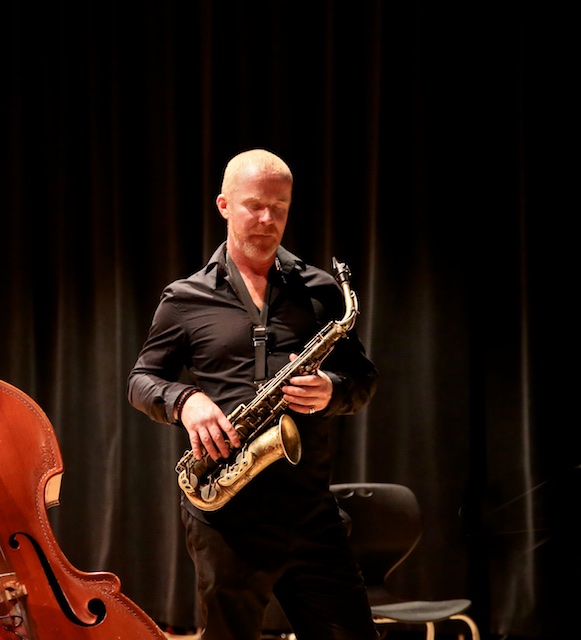 It was one of those concerts that made you feel lucky. The sort of concert that you will recall in later years and regale those who missed it with vivid descriptions – enough to make them green with envy. For those who missed the gig or for those who want to relive it, the trio are recording this week. I will keep you posted on that and on where to obtain the album. In addition Norman Meehan has a new book out – a history of New Zealand Jazz. That can be ordered through any main street book outlet (my order is in).
 When we talk about Wayne Shorter’s music we immediately run into obstacles. Wayne is like a Zen Master, deliberately confounding our every expectation. To begin such a journey our rational minds need emptying. As the journey unfolds we move beyond comforting reference points; this requires a letting go, real courage. The 2016 Wayne Shorter band is a musical ‘Voyager’, a spacecraft assembled out of earthly components, but sending encrypted sonic messages from an unknown place. What is on offer is a shared journey – but only if we are brave enough. Once you commit there is no looking back.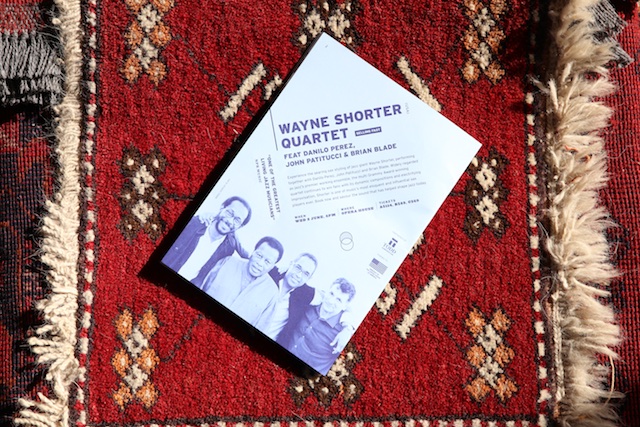
 JazzLocal32.com