 Perhaps it’s the anniversary of the moon landings, or perhaps it’s the crazy-arsed nonsense happening down on planet earth, but deep space has been very much on my mind lately. I have not been alone in this preoccupation as I appear to share this with a group of explorative improvising musicians. I was recently on local radio taking about a favourite topic, ‘space dreams and analogue machines’ and it occurred to me then, that space dreamers have always shaped our other-world view. Frank Hampson (Dan Dare Comics), Gene Rodenbury (Star Trek) and musicians like Eddie Henderson (Sunburst), or Sun Ra (Space is the Place). Humans have always looked to the stars for inspiration but only writers and musicians have the courage to describe what others cannot yet imagine.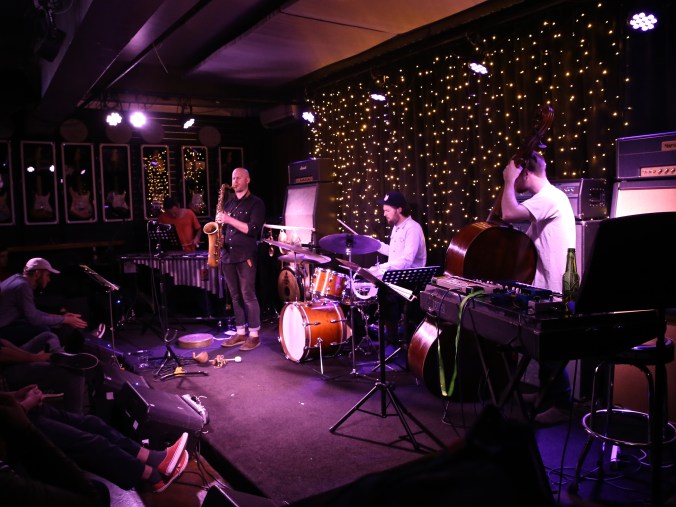
For the second time in a month I attended a space themed gig and this time it was titled Phobos the scary moon’. Phobos circles Mars and it was only discovered in 1877. It is a small moon, but since its discovery it has exerted an outsized influence on the human imagination. The Greek god Phobos is a god of a fear associated with war. The word Phobia comes from this. For those with open ears and a love of adventurous grooves there was only joy to found here. Nothing about Cam Allen’s Phobos gig required the listener to seek Freudian analysis afterwards. This was an enjoyable night and the scariest part came later as I was walking back to the car and heard an off-key wail from a nearby karaoke bar. 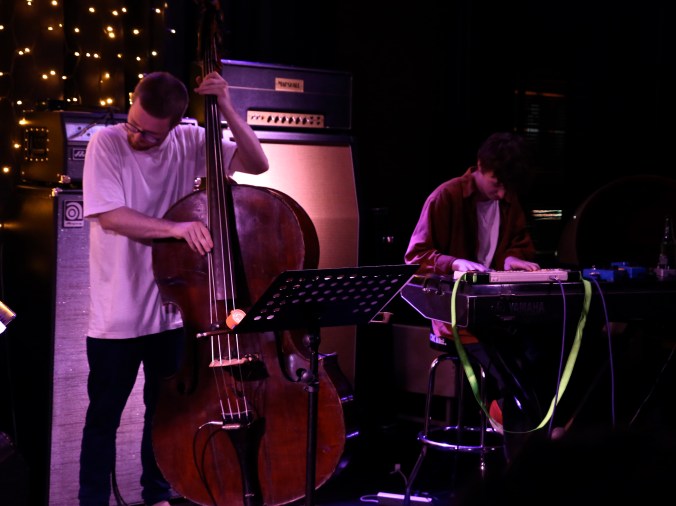
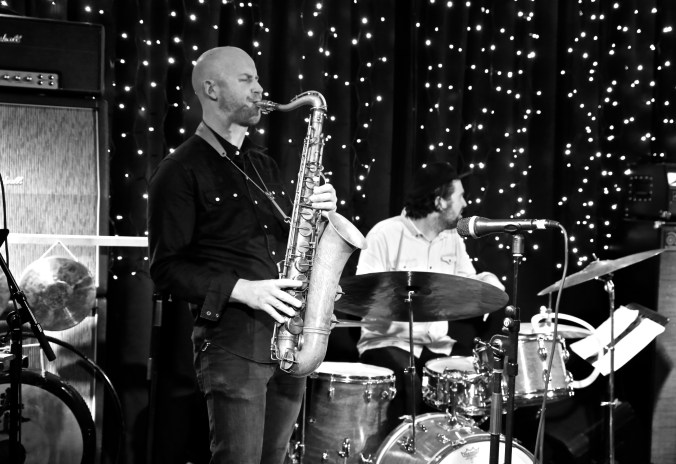
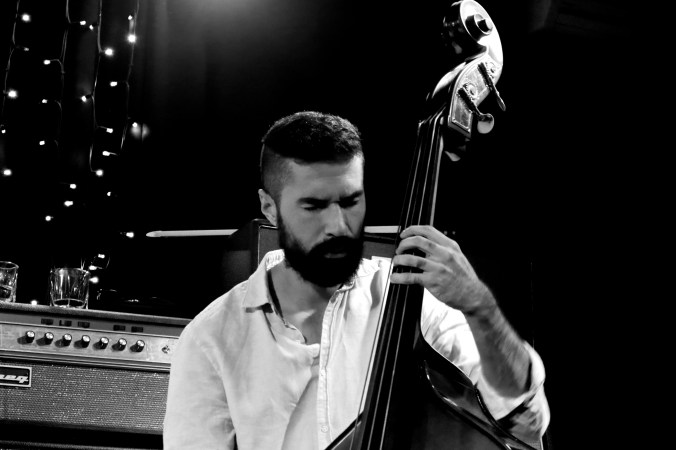
The band – intergalactic warriors all; Cam Allen on saxophones, gongs and percussion, John Bell on vibes and horn, Julien Dyne on drums, Eamon Edmudson-Wells on upright bass and Duncan Cameron on keys. I rate John Bell’s Aldebaran quartet highly and for similar reasons I rate this band. This type of improvised music is still under explored and it is long overdue for more careful examination. It has form but the structure is not beholden to form; it has melody and hooks but not at the expense of mood or texture. The musicians here conveyed real enthusiasm for the project and that enhanced the effect. 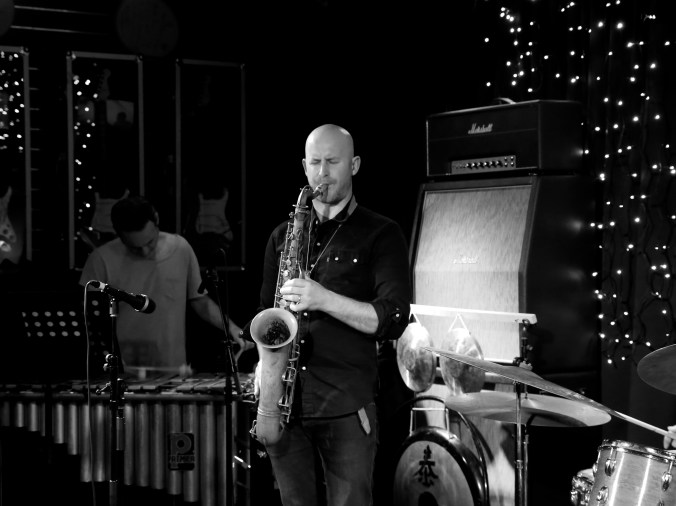
Seeing Dyne in such good form was a special treat for me. Later as I reviewed the clips I realised what a powerhouse he is. His rolling polyrhythmic beats reminiscent of the young Alvin Jones. Polyrhythmic drummers often sound as if they are powered by rocket fuel and Dyne did. Allen deftly played three horns (plus gongs) and his nicely open compositional structure permanently altered the time-space-continuum. The clip that I am posting initially took me back to those wonderfully transporting forays of the Art Ensemble of Chicago. Keep these space gigs coming people I am up for more.
The gig took place at the Backbeat Bar, K’Rd, 29 August 2018, for the CJC Creative Jazz Club. I am finishing this post just a few hours before I fly to Scandinavia. I hope to experience some music as I travel and will post occasionally. Otherwise I’ll be posting as normal in November. I know that I missed a few posts but I hope to catch up over Christmas. Keep following live improvised music people, your inner life depends on it.
 GRG67 ‘The Thing‘; When I obtained a copy of the ‘GRG67’ album, I knew that I would encounter interesting music and some interesting creatures. I instinctively knew that the creatures would not be of the sort populating Facebook memes, but creatures who are often overlooked; in this case, crabs and domestic fowls. Anyone who knows Roger Manins knows him to be an empathetic being and this shines through in both his playing and in his compositions. As with all Rattle albums, the artwork is stunning and I detect the bold strokes of Manins black marker pen (and of course the genius of UncleFranc). GRG67 formed some time ago, primarily as a vehicle for composition, gigging at venues great and small and always encountered with enthusiasm.
 Shem: Everyone on the New Zealand Jazz scene is familiar with Michel and Fabienne ‘Shem’ Benebig. We have long enjoyed Michel Benebig’s warm B3 grooves and Shem’s straight from the heart vocals as they win over an ever-increasing New Zealand fan base. And every time they land they bring with them a part of their small Island, a sultry swinging New Caledonian vibe that warms even the coldest of Kiwi nights. Because Shem identifies so strongly with ‘place’, she often writes tunes about flora & fauna and as she travels, her every note speaks of who she is as a South Sea Islander. In spite of that her vocals are also laden with a French sophistication. Her long years on the road have gifted her the ability to shift seamlessly between moods – one minute a powerhouse soul vocalist fitted for big band, the next, a late night heartbreaker, embracing an audience with a whisper.
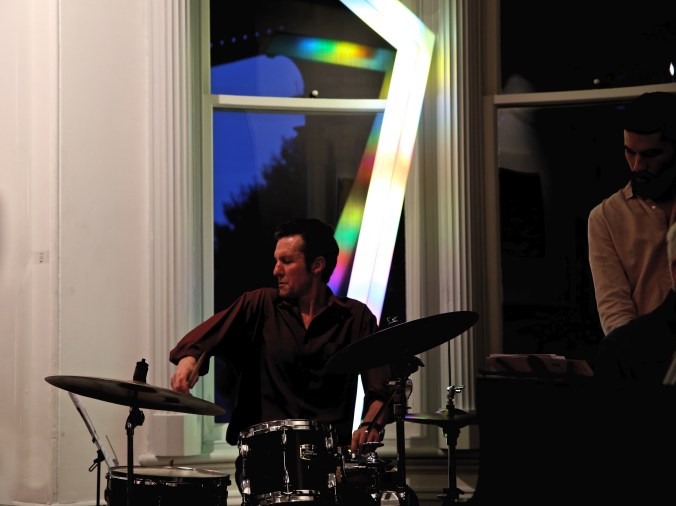
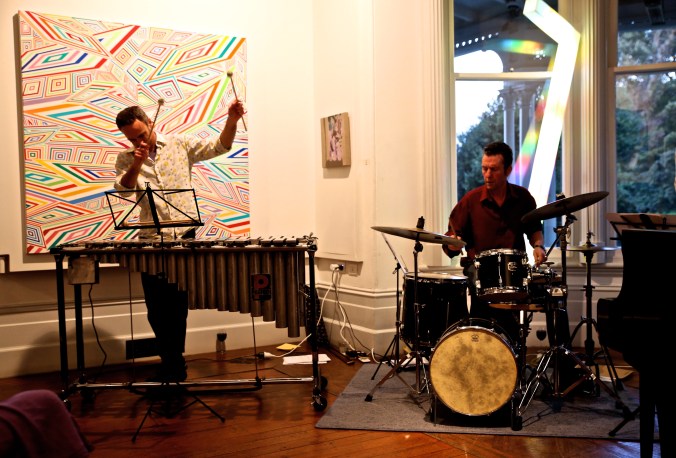 While pop music briefly looked up and saw satellites and Rock music headed for the dark side of the moon, Jazz musicians lifted their vision further, aiming beyond Voyager and reaching for the farthest corners of deep space. Exploring those regions is the beautifully realised Aldebaran Quartet, an ensemble which pleases me greatly. It’s not often that I encounter a band like this and I can’t wait for them to record.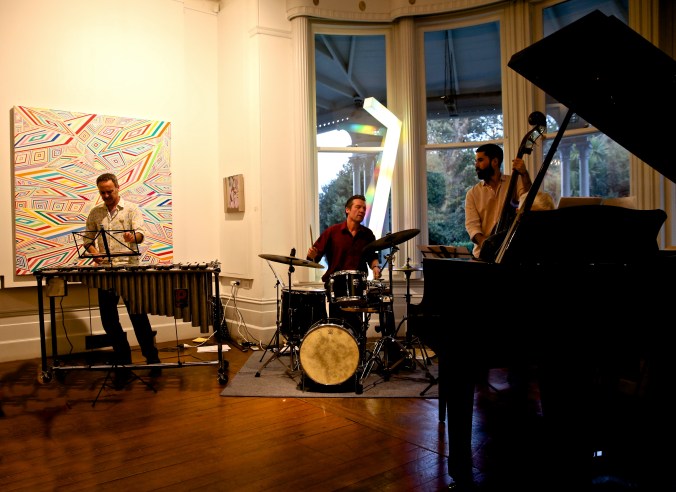

 ‘Eat Your Greens’ is an album by to the popular Wellington pianist and educator Anita Schwabe. It was recorded at the UoA Kenneth Myers Centre in Auckland during her recent tour. Her band also performed live before a capacity audience at Auckland’s CJC Creative Jazz Club and it was immediately obvious that they were in great form. Schwabe normally plays with Wellington musicians and regularly with the Roger Fox Big Band. The idea of recording in Auckland was formed while sharing gigs with Roger Manins earlier and it was with his assistance that the Kenneth Myers Centre was made available for recording.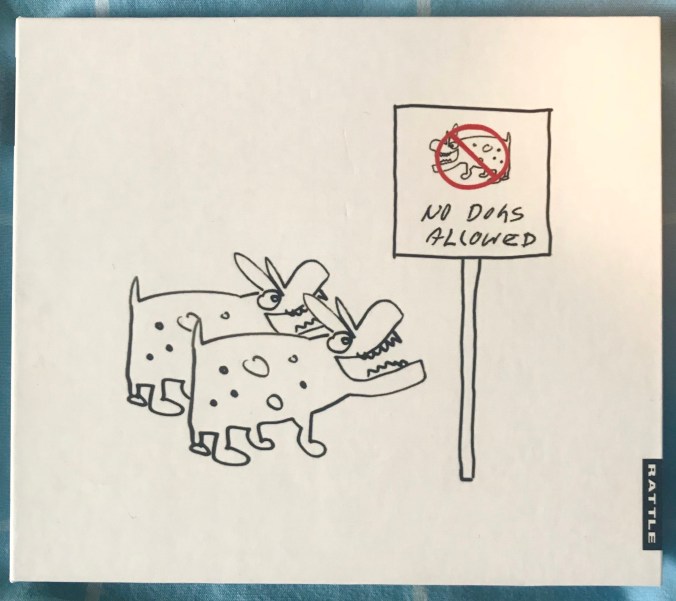
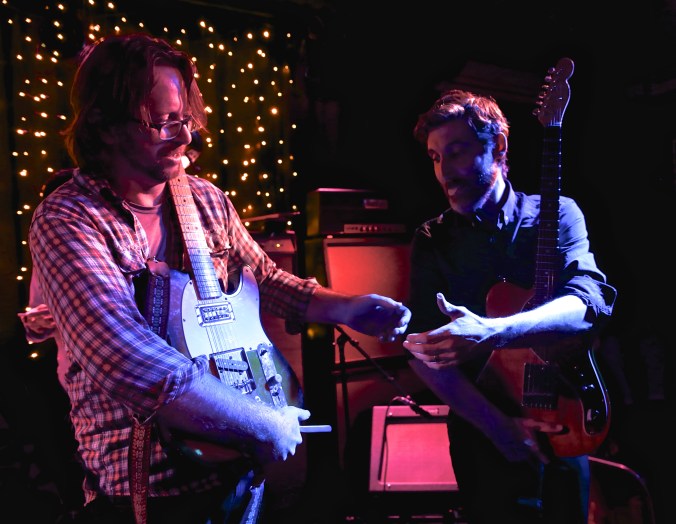 It is not often that you attend a gig where a set list covers such a range of styles but still pays due respect to each. If anyone could pull off such a gig; traversing the heights of Monk, Murray McNabb, Frantz Casseus, Bill Frisell and Ornette Colman it was these two. In lesser hands, the trajectory would have faltered, the items come across as disembodied. Here, the connecting threads, however improbable, made perfect sense. The centre held and the arc of the journey was a joyous adventure.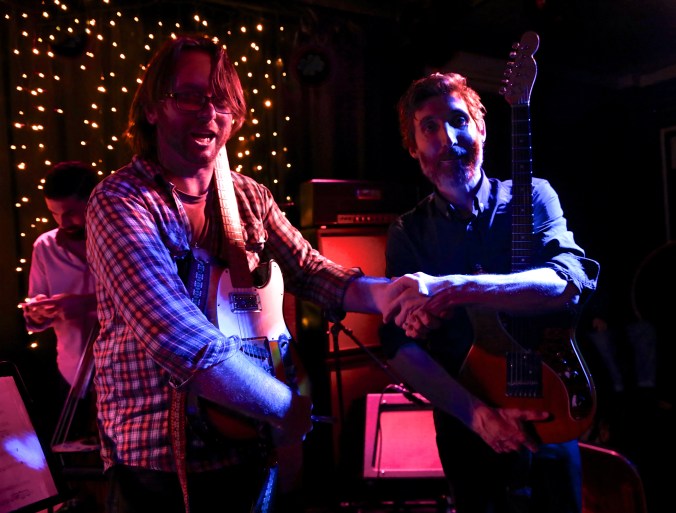
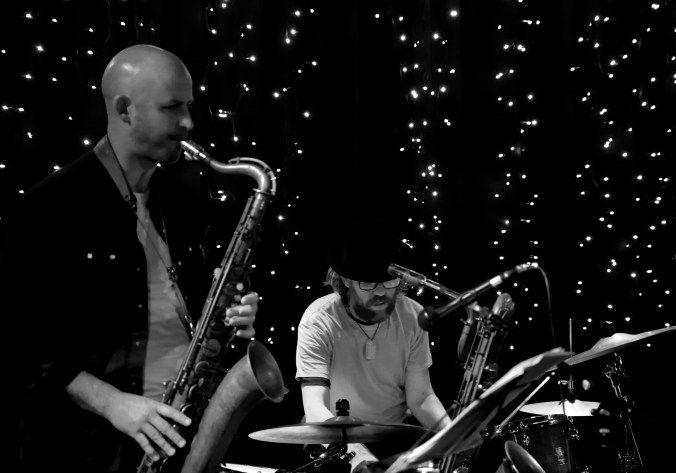
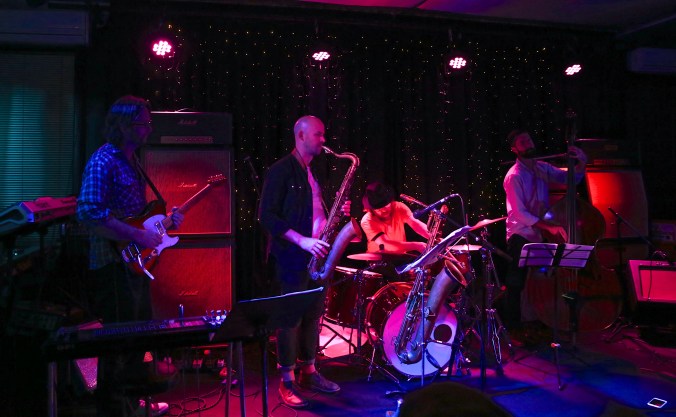
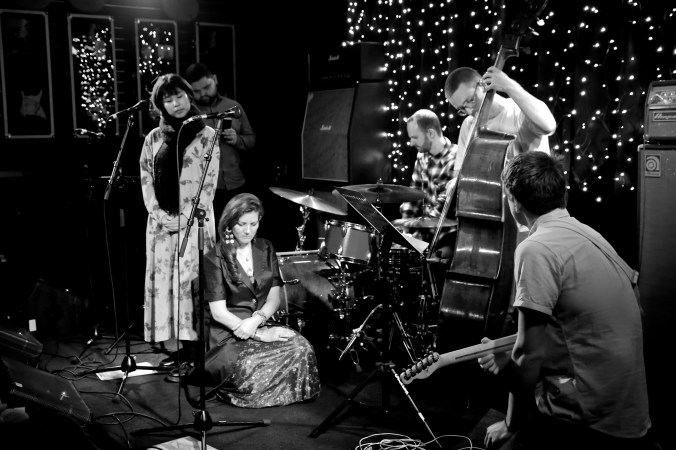 Chelsea Prastiti was not long back from Cyprus when her band Leda’s Dream appeared at the Backbeat Bar. Prastiti is well known in the Auckland improvised music scene and especially so at the avant-garde end of town. She’s a compelling vocalist and composer who approaches her craft as a free spirit, unfettered by others expectations. When she sings she dives deep and puts herself out there fearlessly but her risk-taking is not a mere academic exercise; it cuts to the very heart of what it means to be a thinking, feeling human. Her compositions are therefore always interesting and out of that a raw beauty and an honesty arise.
 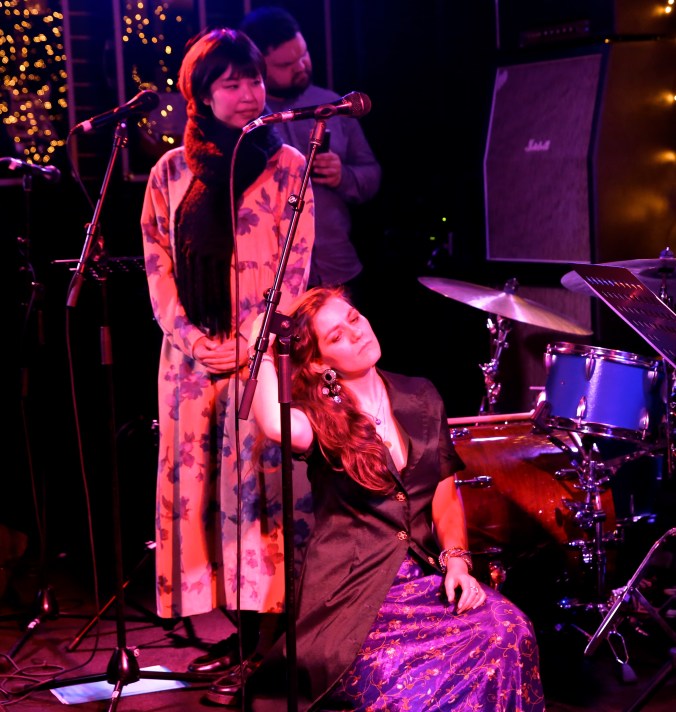 Although the ensemble played material that we have heard before, they sounded incredibly fresh – even different. Crystal Choi confined herself to accompanying vocals (no keys), Michael Howell stepped further into a measured chordal role and Callum Passells on alto and voice effects was the archetypal minimalist (saying a lot more with less). This felt very right and the re-configuration gave the ensemble a lot more freedom. They stretched out as the spirit took them and the first two tunes filled the entire first set. The voices, in particular, were liberated by the change and this gave wings to the melodic lines and mood. The harmonies were there in spades but that was not what drew you in. It was ‘mood’ and the pictures that those moods created.
 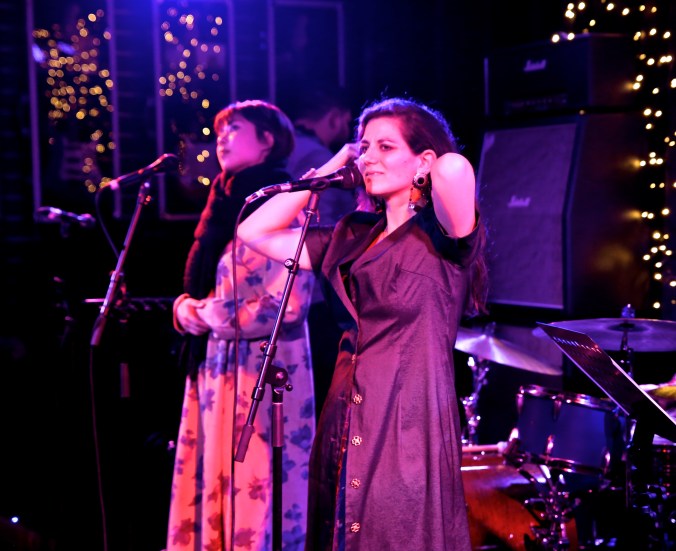 Prastiti’s is a brave path and I would expect no less from her. This is a musical space that is sparsely populated and more’s the pity. Think Sera Serpa (duos or trios), Think Norma Winstone (Azimuth 85) or perhaps the brilliant Nordic vocalist Sidsel Endresen (Endresen live with Jan Bang). In this ensemble, she has the musicians to give her the freedom she deserves. Passells, who is unafraid of soft trailing notes or of minimalism, Howell who can follow a vamp to eternity and make it sing, Choi who instinctively makes the right moves, and Eamon Edmundson-Wells and Tristen Deck who know when to lay out and when to add colour or texture. The music drew from free improvisation, standard Jazz and deep Folkloric wells. It did so without undue introspection. The band brought the audience along with them and the bouts of enthusiastic applause proved it. For some reason, and it was partly their attire, the gig felt like a postmodern version of a Pre-Raphaelite tableau. Oh yes indeed, that always works for me.
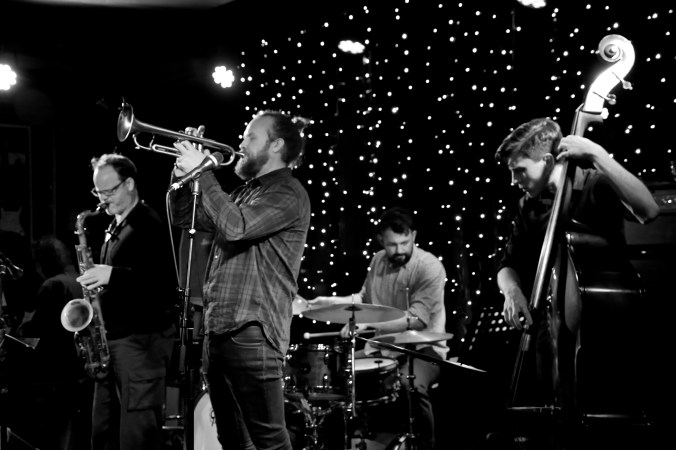 Tomasz Stanko died two days before the Eamon Dilworth gig and I was feeling the loss. I don’t know why this particular musician’s passing affected me so much but it did. Perhaps it was the untimeliness, a great artist gone too soon. It was as if a vital soundtrack to my life had been placed on pause. As I moped about the house, playing Wislawa and The New York Quartets, I remembered that Dilworth was playing soon and I cheered up immediately. I had reviewed the Viata album a month previously and loved it. I knew that it would be a balm and I knew that it would connect me to that place which Stanko took me. It did.
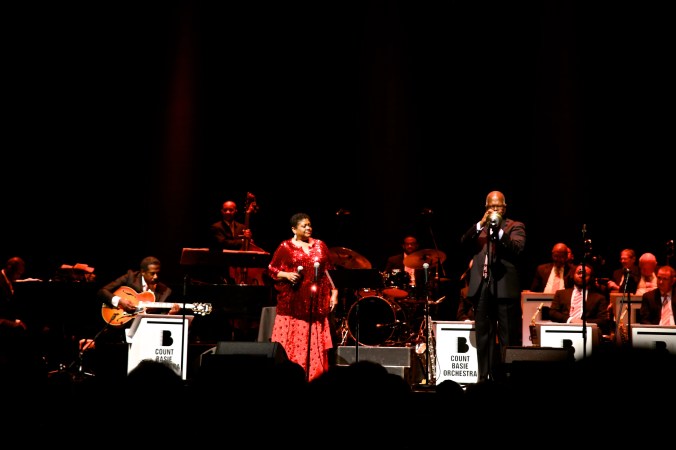 There are a number of things that should be on every music lovers bucket list. Experiencing a Basie Orchestra gig live is one of them. This band has the history of modern music in its DNA and after 83 years on the road, they are in their prime. Goodman was always referred to as the ‘king of swing’ but in my view Basie was a better contender for that title. His brand of swing had it’s nascent stirrings in 1927 when Basie joined Bennie Moten. When that band folded he took many of the musicians with him to form the Basie Band in 1935. The Basie band possessed a unique sound, fueled by a nine-piece line up featuring legendary greats like Lester Young, ‘Papa’ Jo Jones and Walter Page. Johnny Hammond heard them in 1936 and invited them to New York where at his suggestion they expanded to become a thirteen piece jazz Orchestra. At this time they were joined by Freddie Green and others. Skillfully, they incorporated the nimbleness of the Kansas City small ensemble swing-feel into a new sound.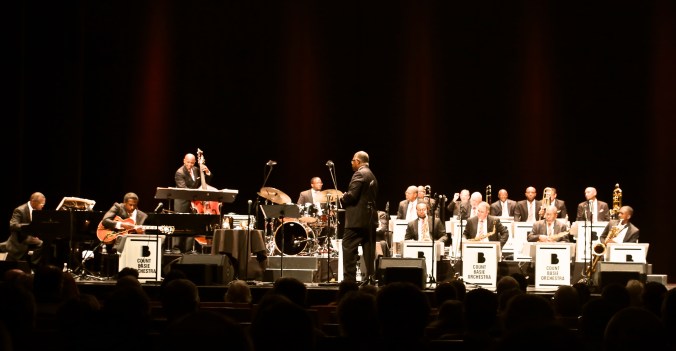
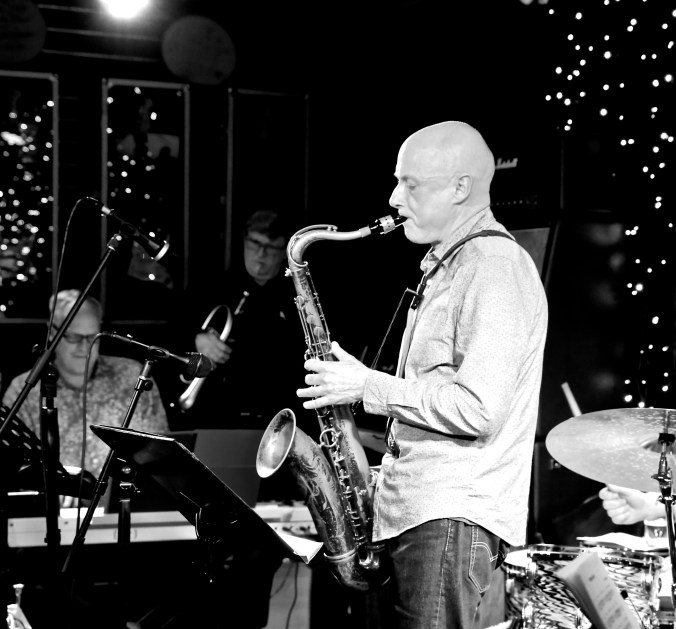
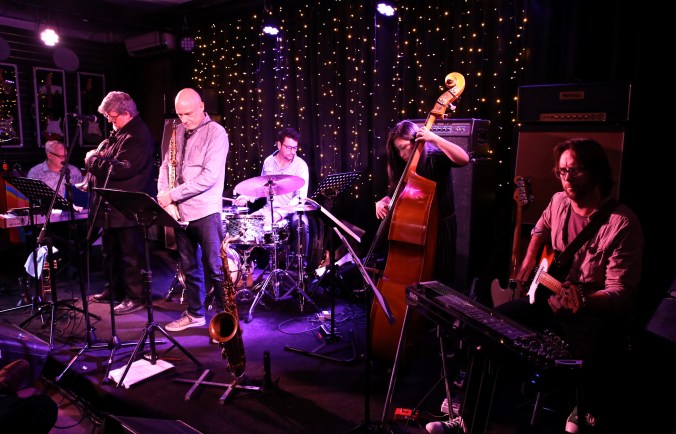 This project was bound to happen sometime and it was long overdue. On the night of the bands first gig, the pent-up energy that had long been building found a voice. As they kicked off, the room filled with potent energy and the enthusiasm of the band was met in equal parts by the capacity audience. Steve Sherriff is fondly remembered from Alan Browns Blue Train days and he brought with him an interesting group of musicians. Most of them were compatriates from earlier bands and their familiarity with each other musically paid dividends.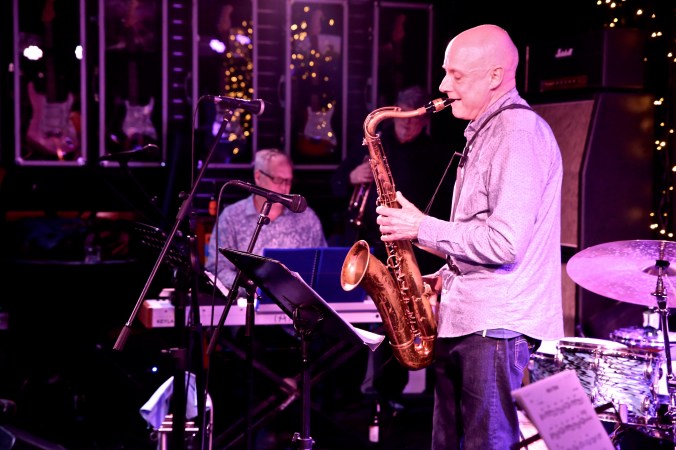
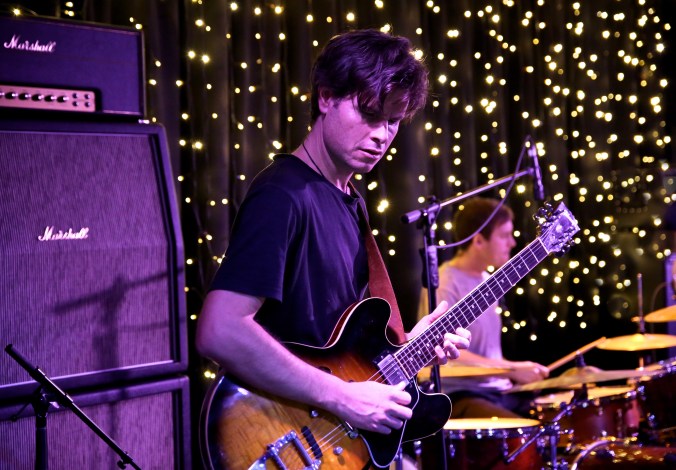 I have a special connection with this band and specifically with the recording that this gig was reprising. It felt like something of a milestone at the time, as the New Zealand scene was hungry for a fresh take on classic funk. This was a sound that many had been waiting for. Guitar and Rhodes rich with a punchy e-bass and modern drum pulse. A sound which hinted at classic prog-rock or the soaring fusion of Focus. Some listeners were reminded of the heady days of funk’s urban dominance while others felt reconnected with High Street of the nineties; a decade of danceable Jazz crossover. It was, however, considerably more than a glance into the past; it effectively leapt into the space opened up by the release of Aaron Parks, Invisible Cinema. It scratched many itches at once and it was loved by forward-looking Jazz audiences, Funk aficionados and Rock audiences alike.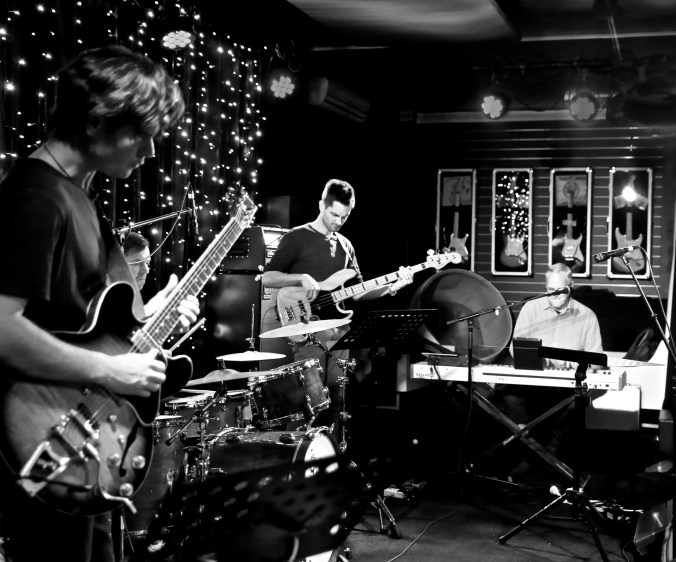
 Karangahape Road and the precincts around it are a natural home for adventurous and alternative music. If you walk the length, you are assailed by sights and sounds at variance to each other. Taken in their entirety they are oddly compatible. The jumble of colour and the bursts of noise as you pass a Karaoke bar or an uber cool eatery is counterbalanced by the languid notes from Shanghai Lils or the soft chatter emanating from Hookah smoking Kebab shop doorways. Woven into this oddness of streetwalkers and urban cool, are the alternative music joints. Down in basements, under the street or up narrow stairways. Thirsty Dog, Anthology, Audio Foundation, Wine Cellar. And at the top end of the strip, next to the old Jewish graveyard is the Backbeat Bar. High-quality alternative improvised music resides here on Wednesdays.


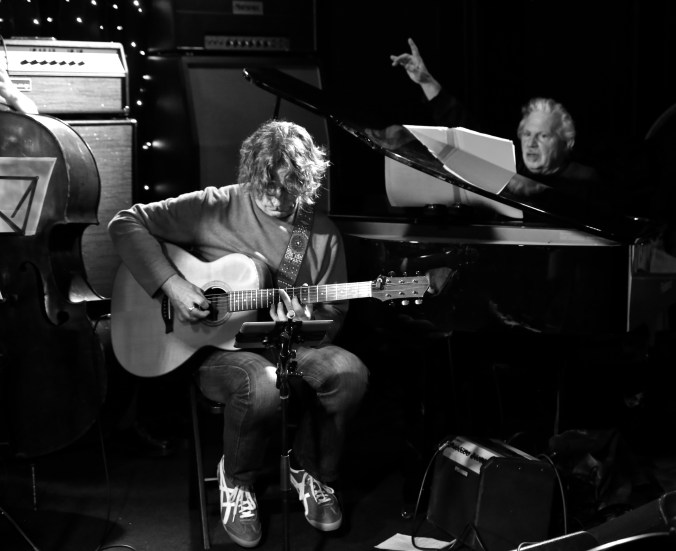 There is an inescapable charm surrounding any Besser performance and Wednesday’s Zestniks gig at the Backbeat bar was no exception. While his music has many strands feeding it and although it can be hard to categorise, it is never the less rooted in the Jewish musical traditions. Besser is somewhat of an icon in Arts circles and deservedly so. The arc of his work has a momentum that few could emulate. As it alights on various styles or genres it borrows their raiment, and seemingly without compromising what lies at the music’s heart; gathering what is necessary and no more. Over the years he has collaborated with leading conceptual artists, filmmakers, symphony orchestras, electronic adventurers and Jazz musicians. The Zestnics performance reflected much of this fascinating journey.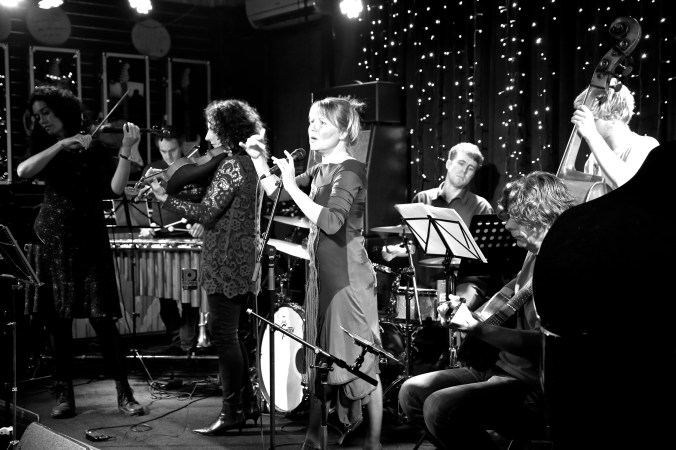
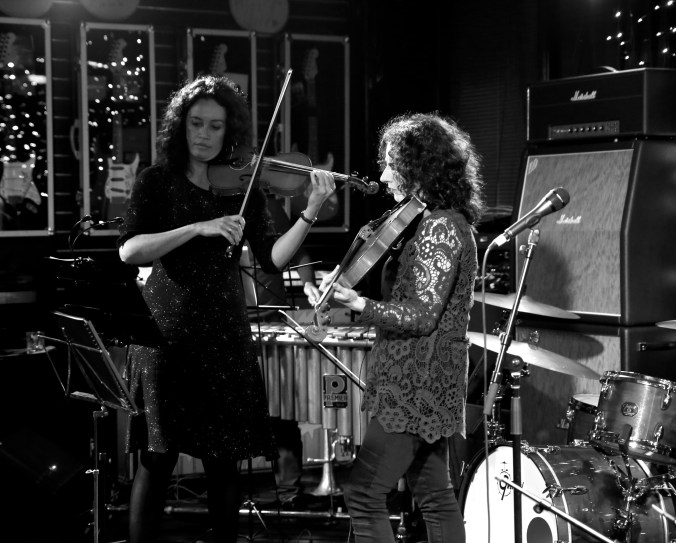
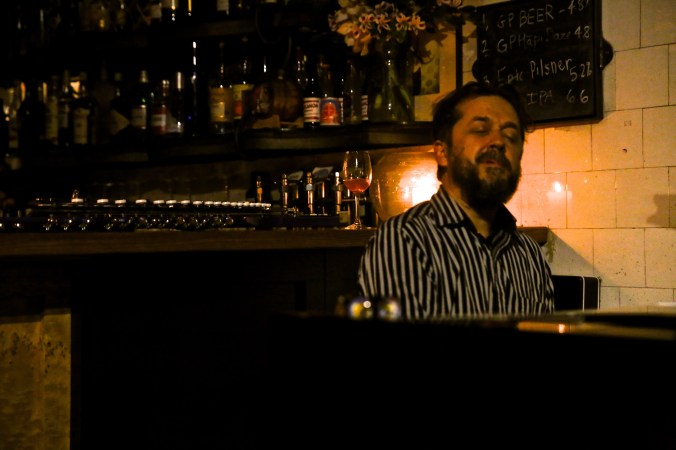 The pleasure of experiencing great music in small venues is inestimable. Sure, we love it when the famous cats blow through town, rush to get our tickets for the town hall concerts, pay the hefty price tag gladly and listen; watch the tiny figures way, way down on stage. I have attended many such concerts over the years and regarded them among life’s high points, but now I am not so sure. As great as these concerts are and as amazing as the visiting musicians are, the experience is filtered through layers of complexity and as a result, one essential ingredient is often missing, that feeling of warm intimacy.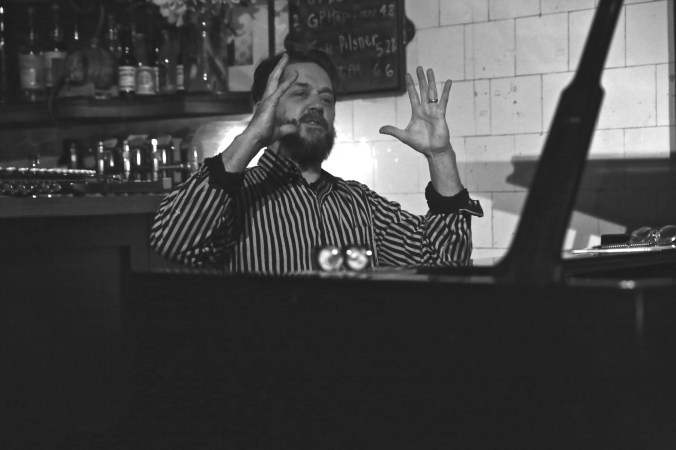
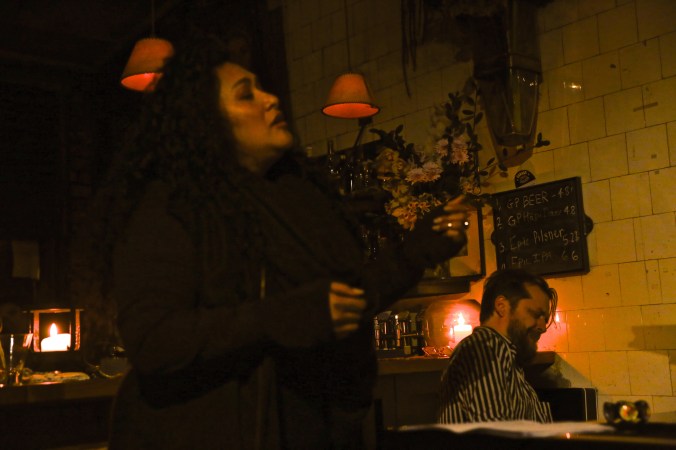
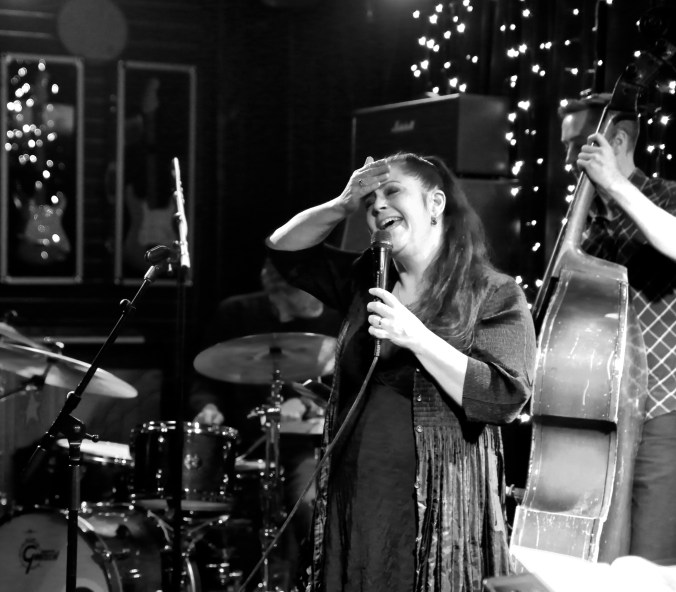 So many great improvising artists gig on our New Zealand and Australian club circuits that we could easily become complacent and we shouldn’t be. This golden age for hearing hi-quality live Jazz is the result of hard work behind the scenes, and a dedicated few, mostly volunteers, make this happen for us. They deserve our thanks and above all, they deserve our commitment to the cause of live music. This year and last year were especially interesting at the CJC, as the breadth and quality of the music hit new highs. What the performing artists put into these tours or gigs is beyond estimation – but we, the audiences are lucky; all we have to do is climb out of our chairs, throw on a coat (yes it is cold out but warm as toast in the venues) and experience the magic.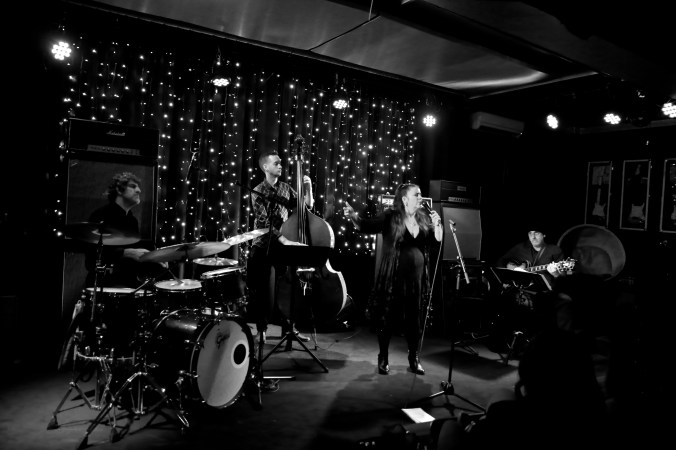
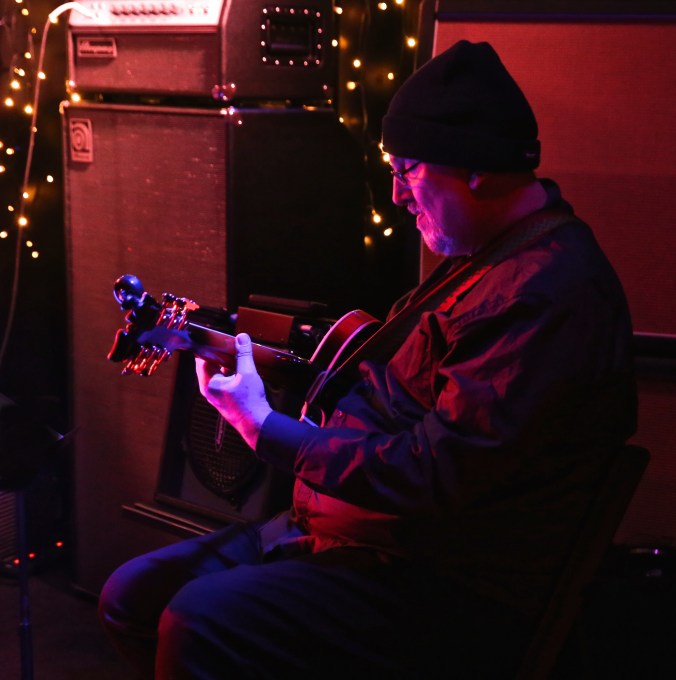
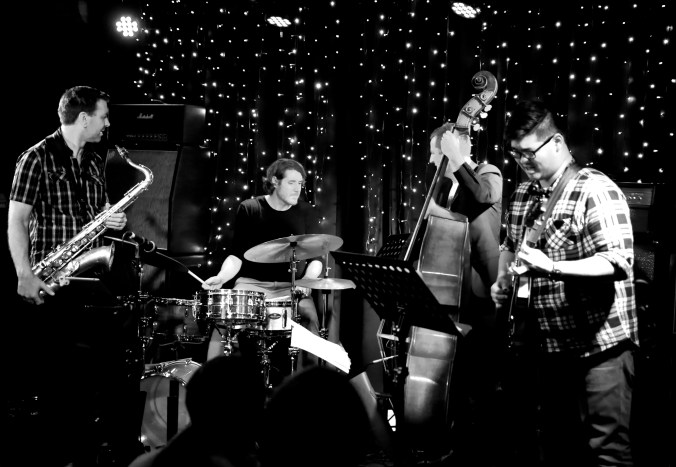 Wednesday 30th May was the Auckland launch of Sumo’s second album titled ‘Shiko’. I am reliably informed that Shiko is a stamping motion which Sumo wrestlers perfect during training. The action drives away evil spirits and when you hear the band, the descriptor strikes you as appropriate. Suspense and surprise are hallmarks of this unit and as in Sumo wrestling, you get theatre, tricky moves, tradition and a degree of inscrutability. Above all, they showcase quality improvised music.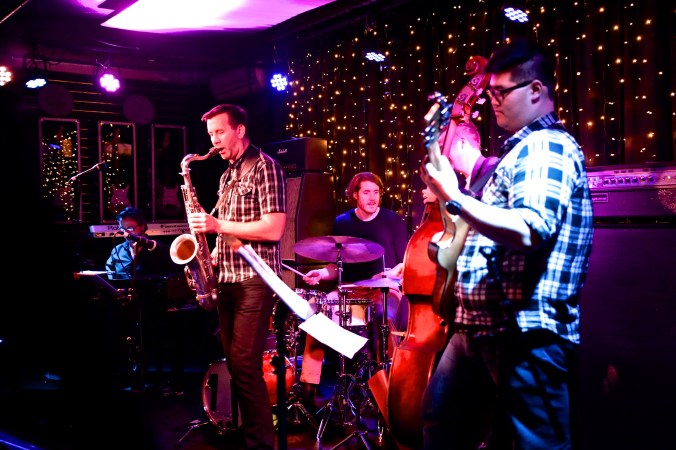
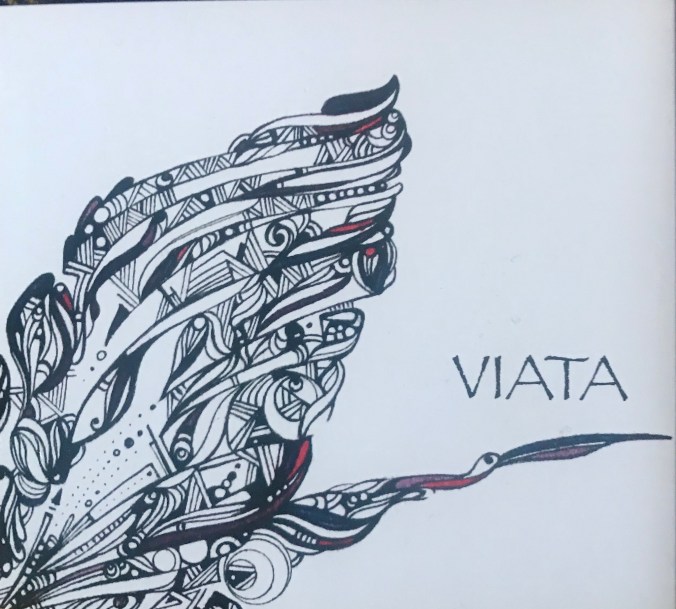 Viata
Viata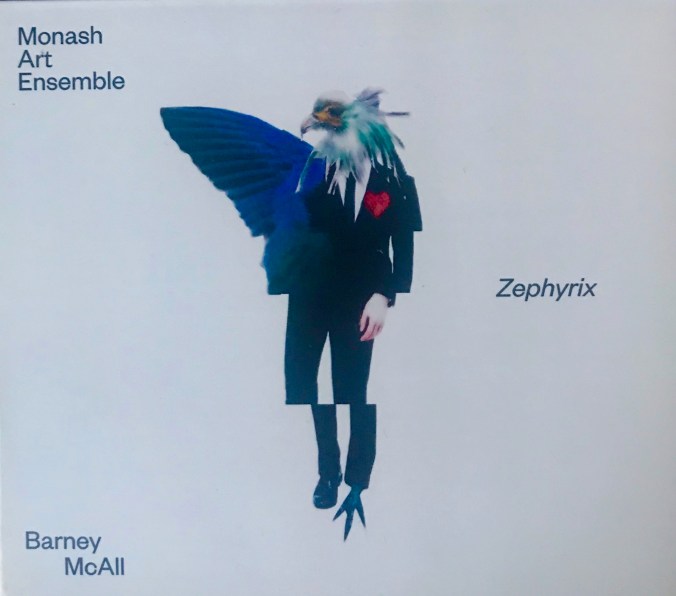 Zephyrix
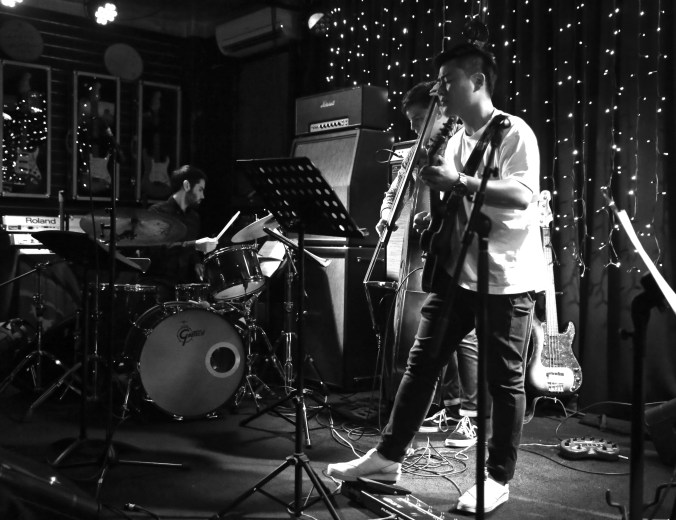 Two weeks ago the CJC Creative Jazz Club profiled two more emerging artists; Seungeil Thomas Hwang and Kathleen Tomacruz. Hwang and Tomacruz are both guitarists but with quite different approaches to their craft. Hwang leans heavily toward the fusion and rock end of the spectrum while Tomacruz, although adventurous, sits comfortably inside the tradition. Both underscore the value of the University of Auckland, Jazz programme; a programme which prepares musicians in the best possible way; fitting them for whatever musical path they choose.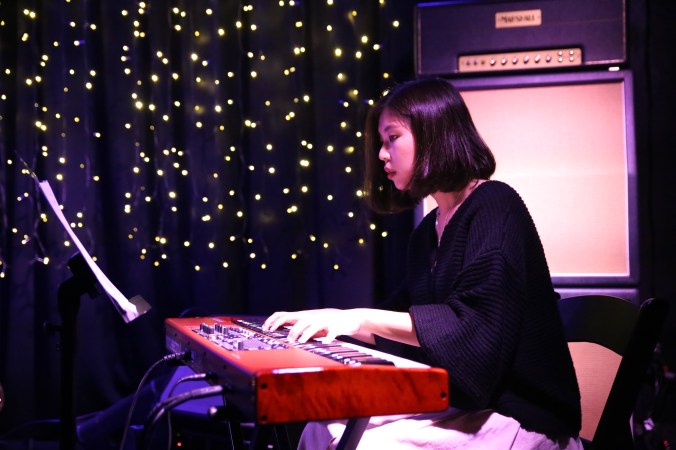
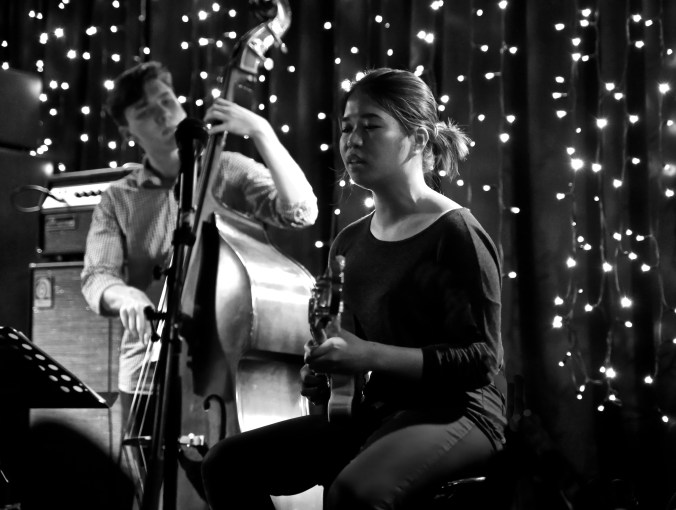
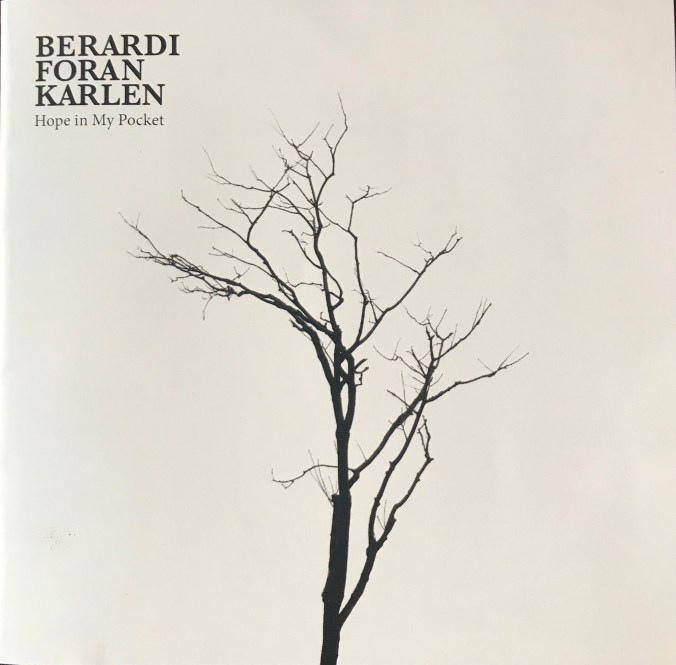
 When Kristin Berardi, Sean Foran and Raphael Karlen started to play I knew exactly what I was hearing. It was modern and original and it rekindled fond memories of the Winstone/Wheeler/Taylor group Azimuth. A world of beautifully crafted harmonies communicating their message with effortless clarity; the individual voices of the musicians hovering in the air like free spirits but interconnecting in profound ways. There was also a contemplative essence to their music which took us deep inside the music, a quiet centre that emanated strength and vibrancy. This fine balance of opposites was evident throughout – it was a performance to remember for its soul touching beauty.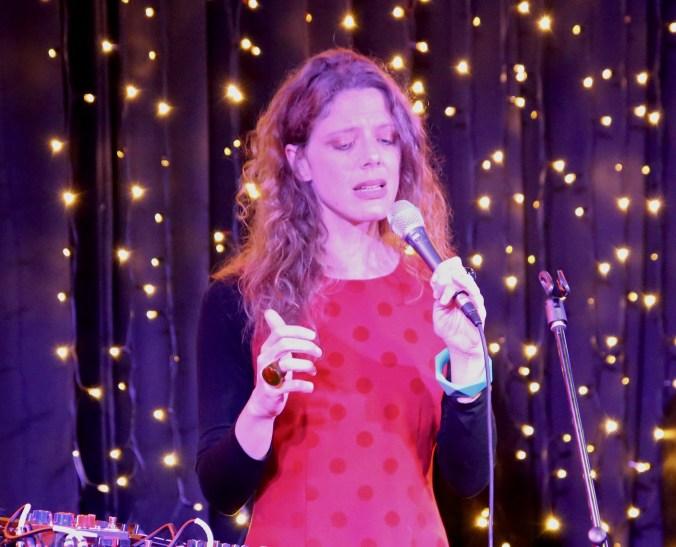
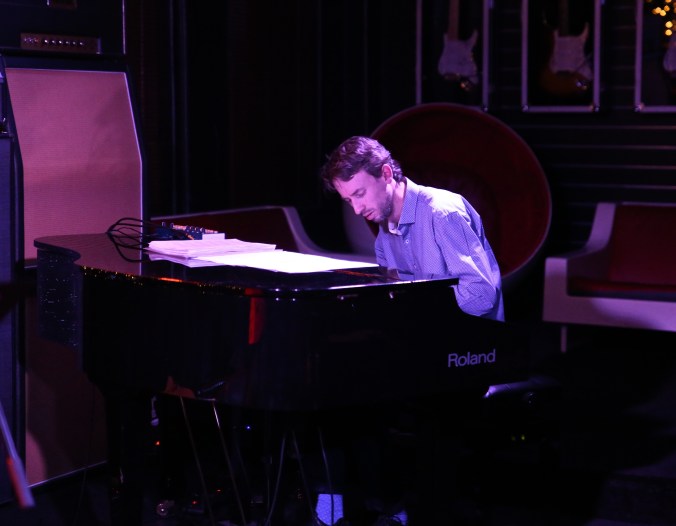
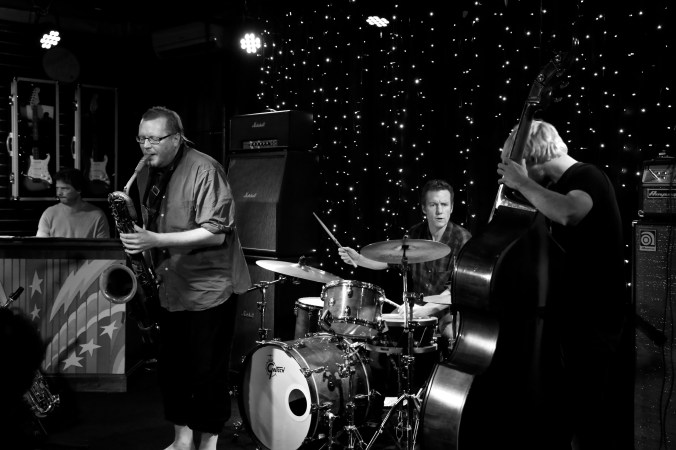 Jeff Henderson is a freedom warrior from outside of the perimeter fence. On the 9th of May, 2018, he marched barefooted into the Backbeat Bar with a ragtag army of irregulars. The audience had come well prepared and a pregnant air of anticipation hung over the bandstand during setup. Unusually, there were no lower ranks in this army, all were battle-hardened veterans (or anti-heroes depending on your viewpoint). All had impressive service records, an advance guard who took no prisoners. Jonathan Crayford is arguably the most famous of the troop, a decorated hero who swiftly commandeered a C3 organ (an ancient analogue machine decorated by psychedelic art and reminiscent of a Haight Asbury weed shop). Beside him sat machine gunner Steve Cournane, a rat-tat-tat freedom fighter recently returned from Peru. The remaining soldier, battle scared and bleeding, was Eamon Edmundson-Wells (his Viking surname tells it’s own story).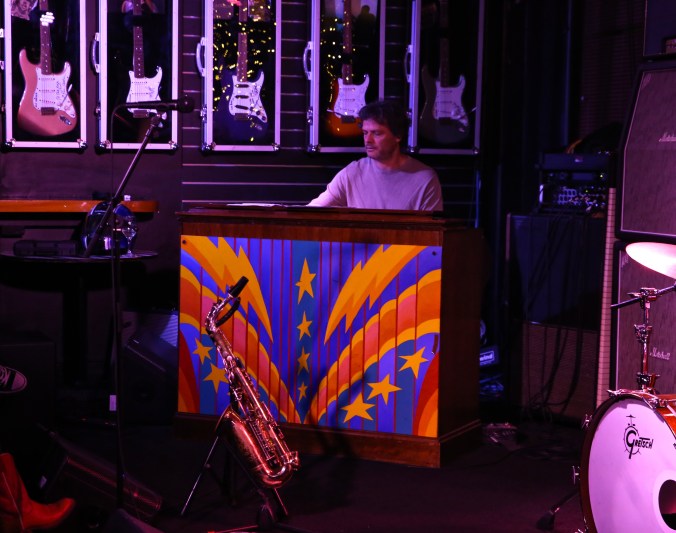
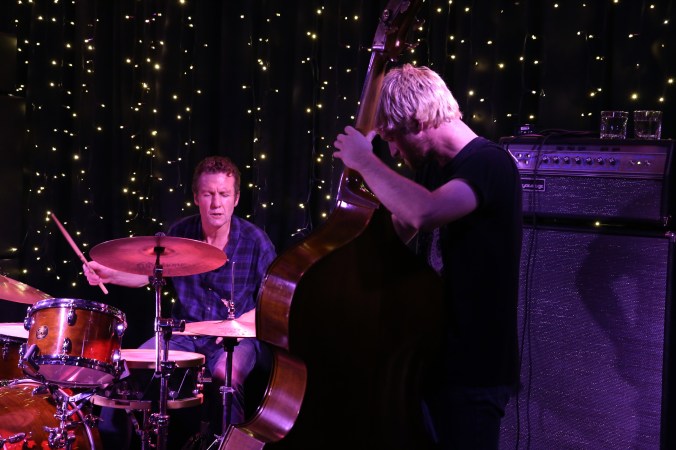
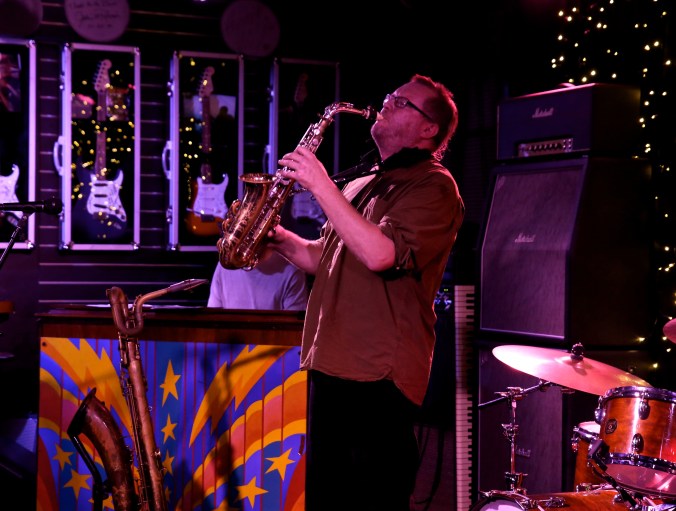
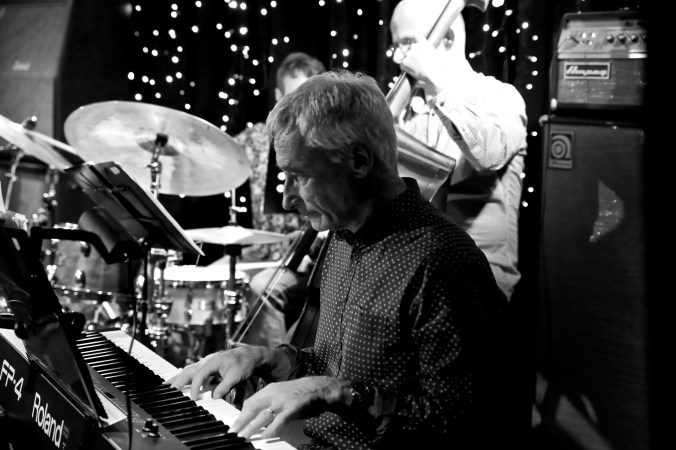 After a year of living in Paris the Auckland educator and pianist Phil Broadhurst and his partner, Julie Mason, have returned. The Broadhurst Quintet has been a regular feature on the Auckland scene for many years. The unit is fueled by a constant stream of great compositions, an unchanging line up of fine musicians and three critically acclaimed records (one of them a Tui Jazz Album of the year winner). Broadhurst’s ‘dedication trilogy’ set a high bar compositionally, but his pen is always crafting new compositions. After last weeks gig, I suspect that another album capturing the artistic soul of France might be in gestation. Broadhurst, as many will know, is unashamedly francophile. Out of this deep appreciation and finely honed perception flows terrific creations.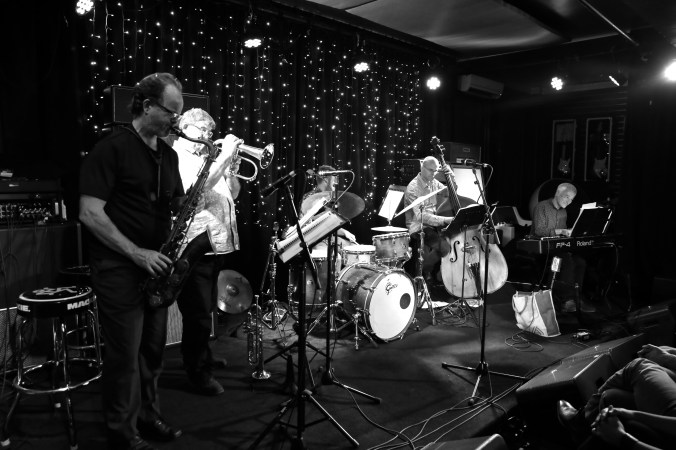
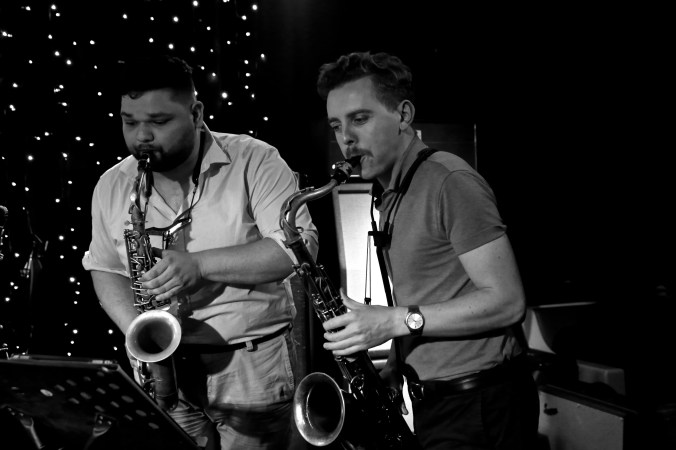 This is the second appearance of Flightless Birds at the CJC Creative Jazz Club and the audience flocked to hear them. The band is a history lesson to the initiated and an initiation to those unversed in Jazz history. They presented a programme that was both clever and accessible and therein lay its charm. The band specialises in contrafacts and especially those of the bebop and swing era. The inside joke is that many of those tunes were once contrafacts themselves; new and often frenetic tunes written over the changes of familiar ‘songbook’ standards. In the bebop era tunes like ‘Cherokee’ (Noble) became Ko-Ko (Parker), ‘I Got Rhythm’ (Gershwin) became ‘Dizzie Atmosphere’ (Gillespie). Musicians like Charles Mingus took things a step further by introducing a wry political humour into titles, exemplified in his contrafact ‘All the things you could be by now if Sigmond Freud’s mother was your wife’ was ‘All the things you are’ (Kern). A throwaway favourite of mine is ‘Byas a Drink’ (Don Byas) which is ‘Stompin at the Savoy’ (Sampson).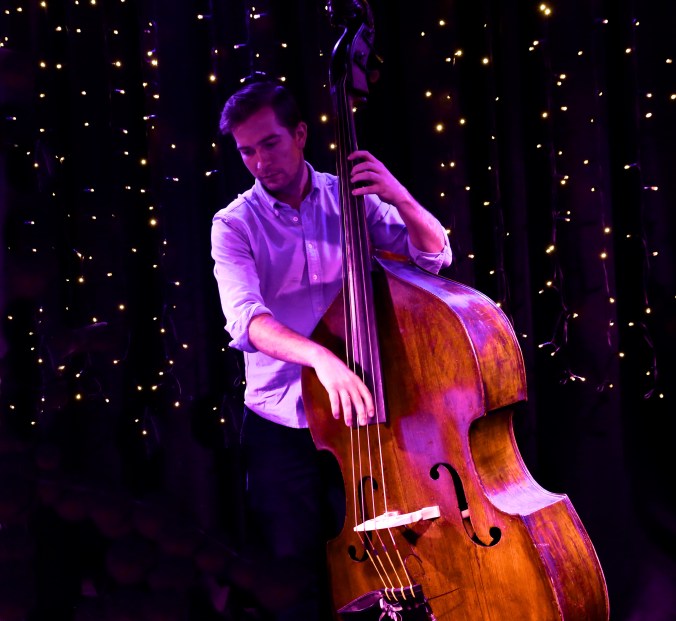
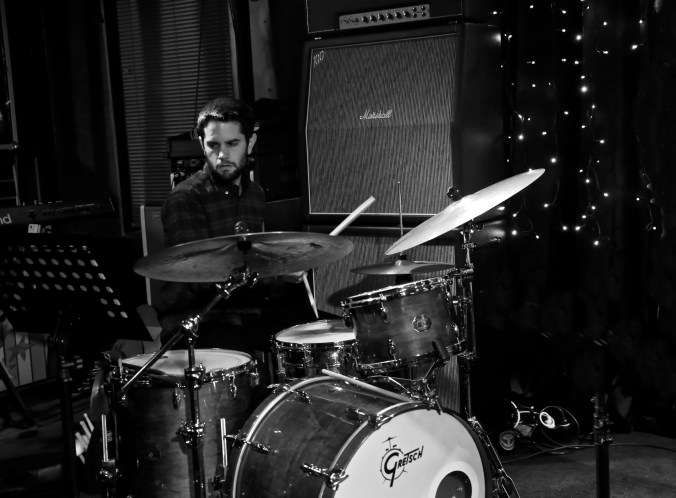
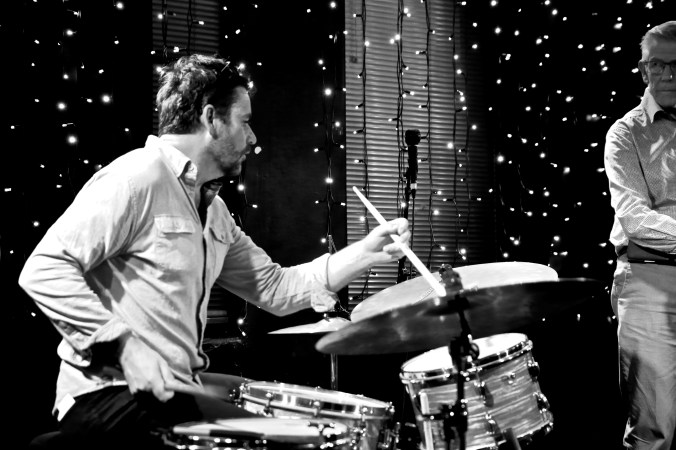 This particular group is an uncommon thing on the Auckland scene. A Jazz guitar trio formed by three of our best musicians and each of the musicians in it for the long haul. Samsom/Nacey/Haines have been playing and recording together for a long time and the commitment has remained constant throughout. Their longevity is clearly about musical chemistry, but also about their combined approach to composition. Each band member writes in their own style, but each instinctively understands how the others will react to the chart. This is how mature bands operate; the familiarity enabling the collective to dive into the heart of a composition and extract the best from it. While their original compositions form the bedrock of their output, they also tackle standards; especially when performing live.
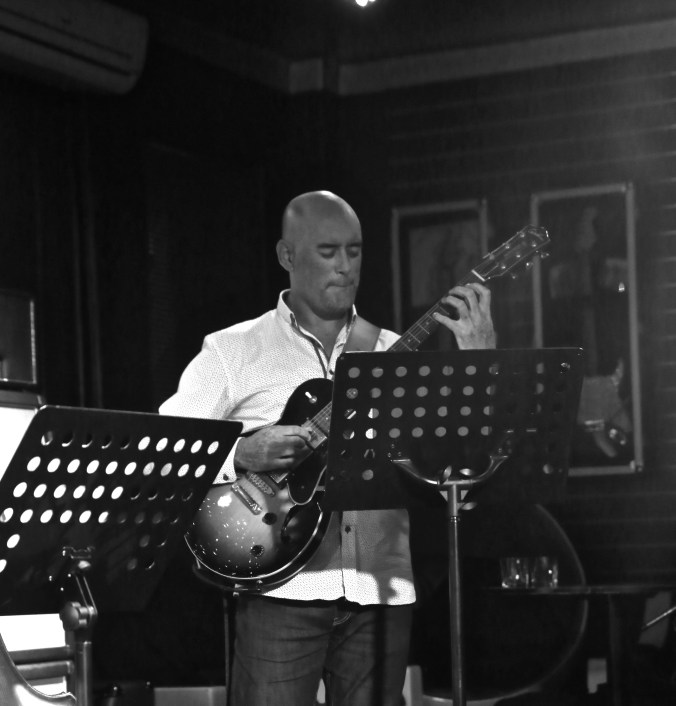
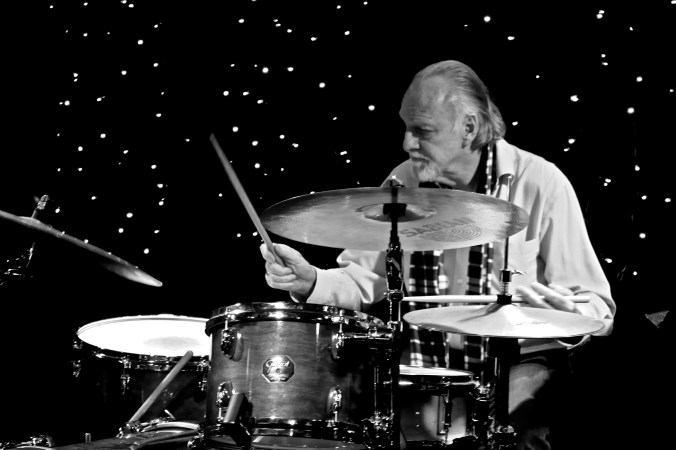 Every Jazz club needs a Monk night on their calendar and when it comes to Monk the local go-to person is definitely the well-known drummer Frank Gibson Jr. Gibson and the various iterations of his bands have long made a point of keeping the Hardbop era and Monk firmly on our radar. While the setlist was not exclusively Monk, the Monk tunes chosen were a solid mix of seldom-heard compositions and old favourites.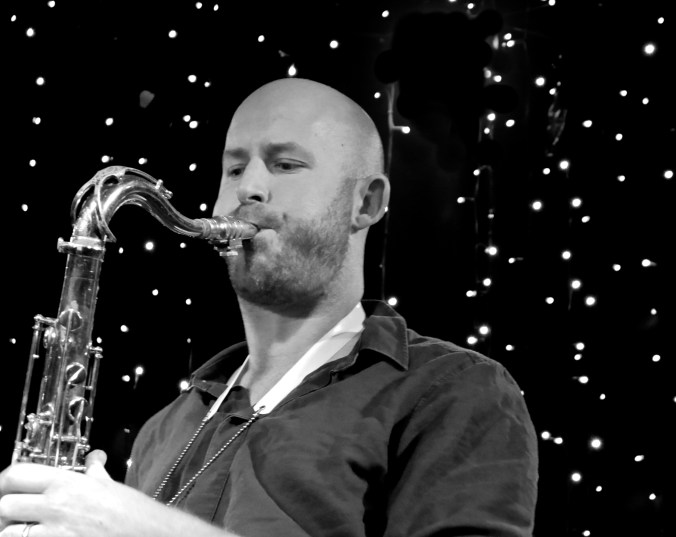
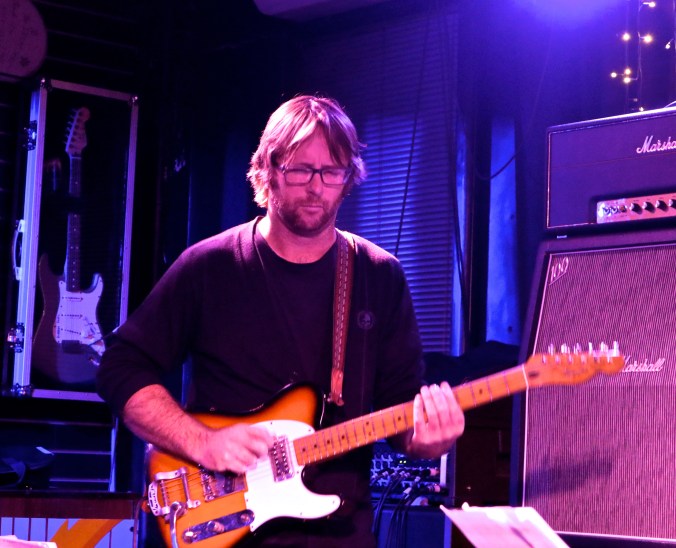
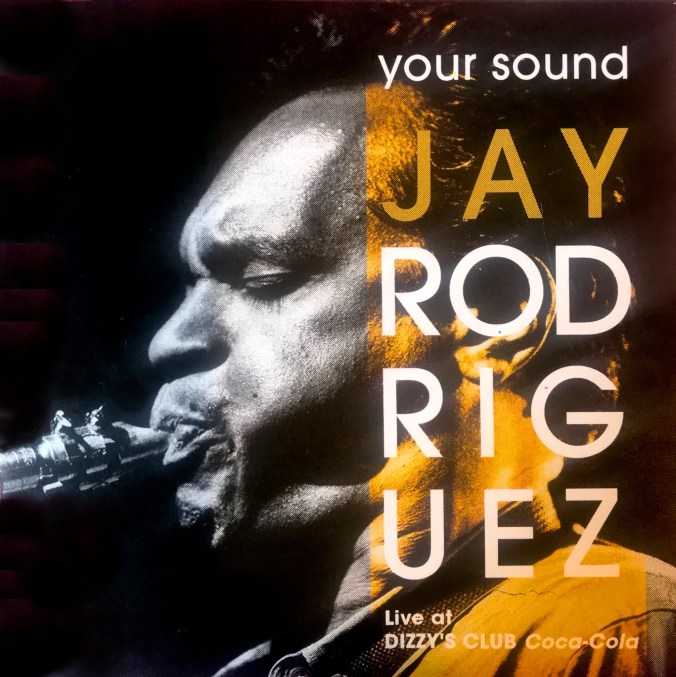 Multi reeds and winds player Jay Rodriguez recently released an album titled ‘Your Sound’ and it could not have been more appropriately titled. It is an album which conveys the warmth of the man and his interesting musical journey from Columbia to New York; it lays bare his openness and his heart on sleeve humanity. It is a life and times offered up for appraisal, it is richly diverse and contemporary. Above all, it offers us joy. Put simply, ‘Your Sound’ is the sound of the Jazz life and it delights from start to finish.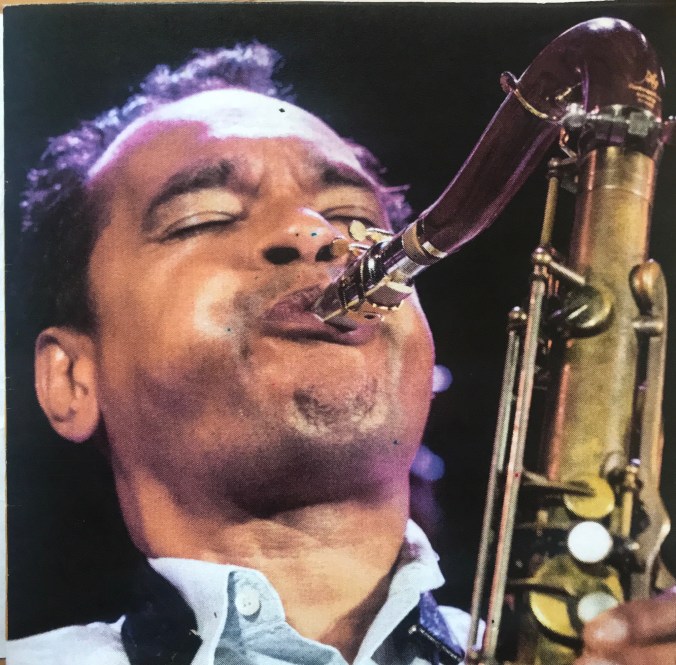

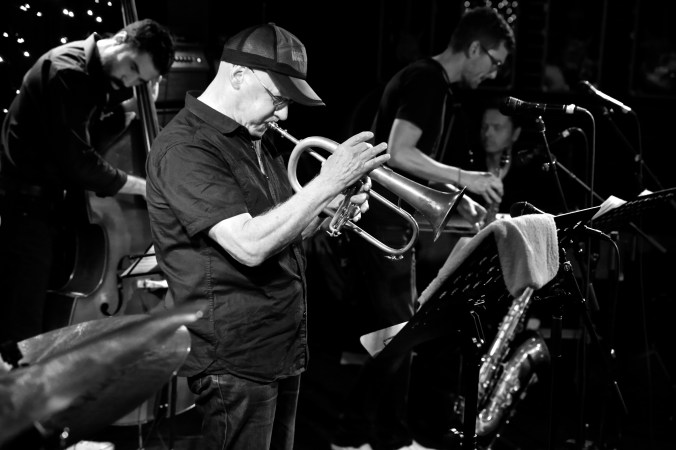 After a long gloomy week of intense storm weather, 200 kph winds, polar darkness and zero electricity, I am finally back in front of my computer. A few days before the storm I was sitting in the warm, well-lit, electricity charged Backbeat Bar and listening to the Kim Paterson Band – by far the preferable option. Jazz trumpeter, Paterson, has been on the New Zealand Jazz scene for as long as I can remember and his name is forever associated with legendary figures like Mick Nock. When I was a teenager I knew many people that he knew and he always seemed to lead an exciting life: gigging in Australia or further afield and travelling to India on a shoestring (our generation regarded that as an essential rite of passage). Out of that rich life experience and long years of devotion to his artform, has come a book of marvellous compositions. These compositions were the focus of his CJC gig and his bandmates gave them the respect they deserved.
 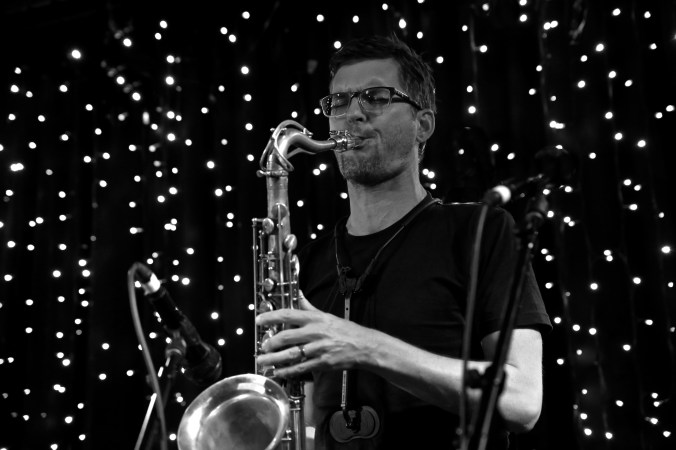 It is hardly surprising that Paterson selected his bandmates well, all experienced musicians and all with a feel for the texturally rich, open-ended compositional structures. I was particularly delighted to see Lewis McCallum on the bandstand, having missed an earlier gig of his and regretting it. He played tenor and soprano and the unmistakable influence of Coltrane’s conceptions shone through. Although not the leader, McCallum was a powerful presence. It was obvious that he regarded this project highly and his guiding hand was repeatedly acknowledged by Paterson. His tone was biting, but not harsh; his ideas were communicated with clarity.
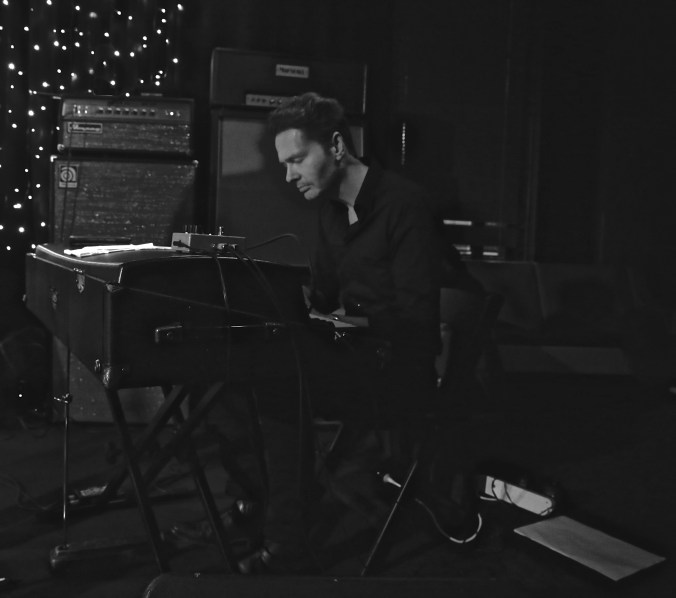
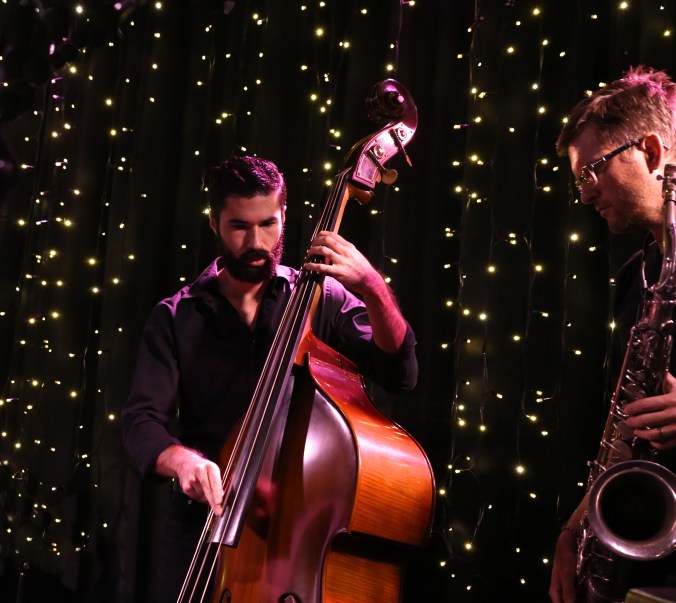 Keven Field was on Rhodes and as always his contribution was impeccable. The Rhodes was exactly the right keyboard for this project and Field, the best keyboardist to bring out its strengths. Somehow he always manages to tease hidden beauty from a Rhodes. Cameron McArthur was on bass and like Field, a first call musician. McArthur is so well established and well respected that no one is surprised when turns out a stellar performance. The remaining band member was Stephen Thomas and again a very fine musician. Thomas works across a number of genres now, but his Jazz chops and good taste are always on show.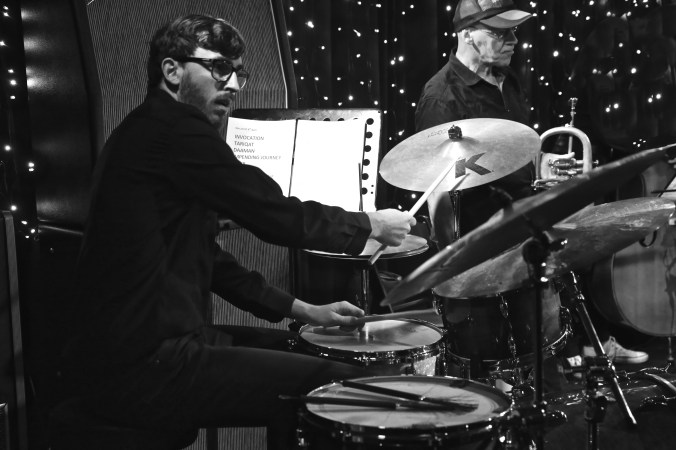
 JazzLocal32.com